
Ankle Boots - a good middle option between low shoes and boots
Boots can be a hassle to put on and awkward to lace up. With low shoes, both are usually easier. But if you still want shoes with more shaft coverage and also the simplicity of low shoes, then ankle boots can be perfect for you.
Example Variant
Burgundy Boots in Quarter-Brogue Style
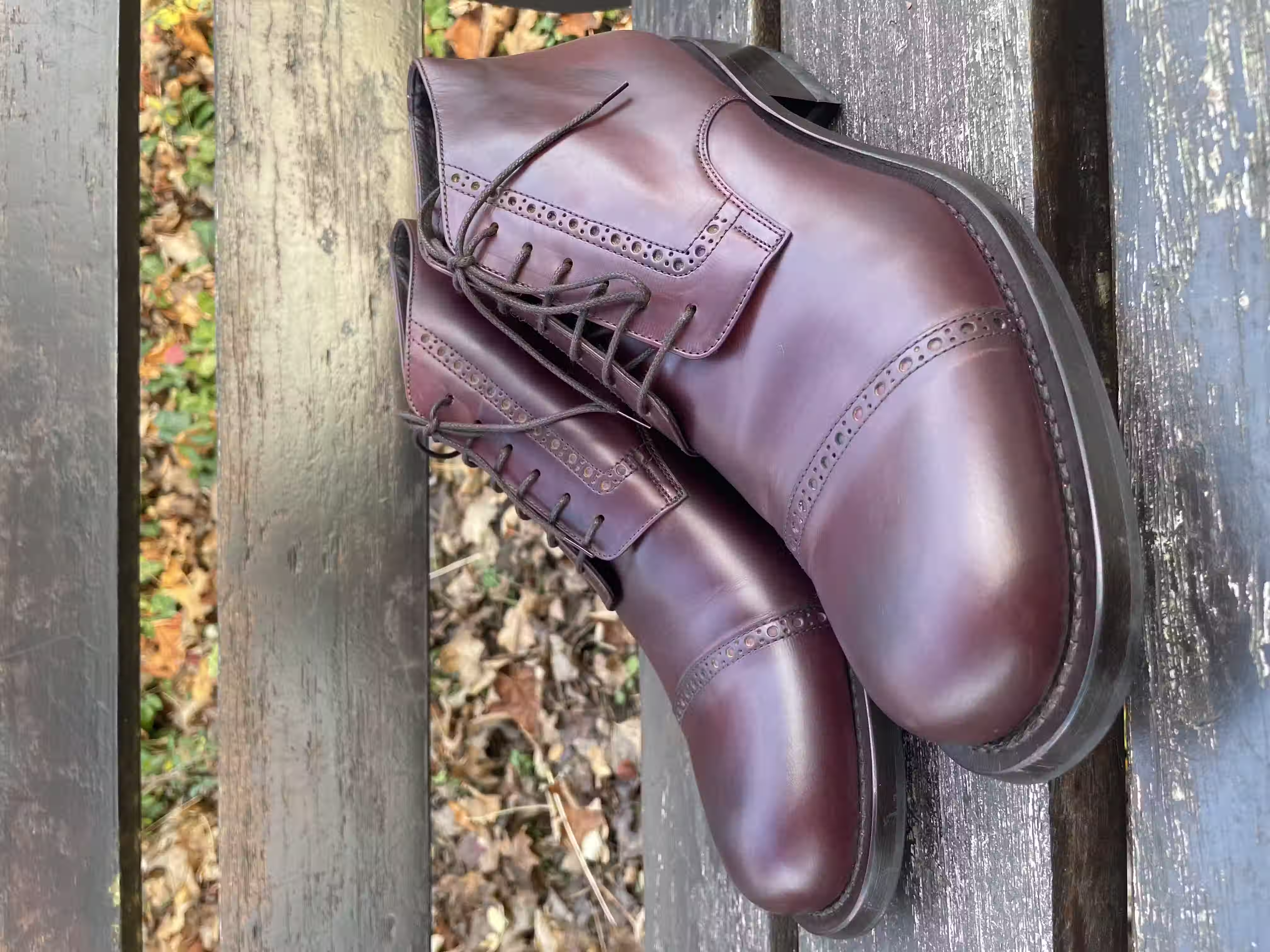
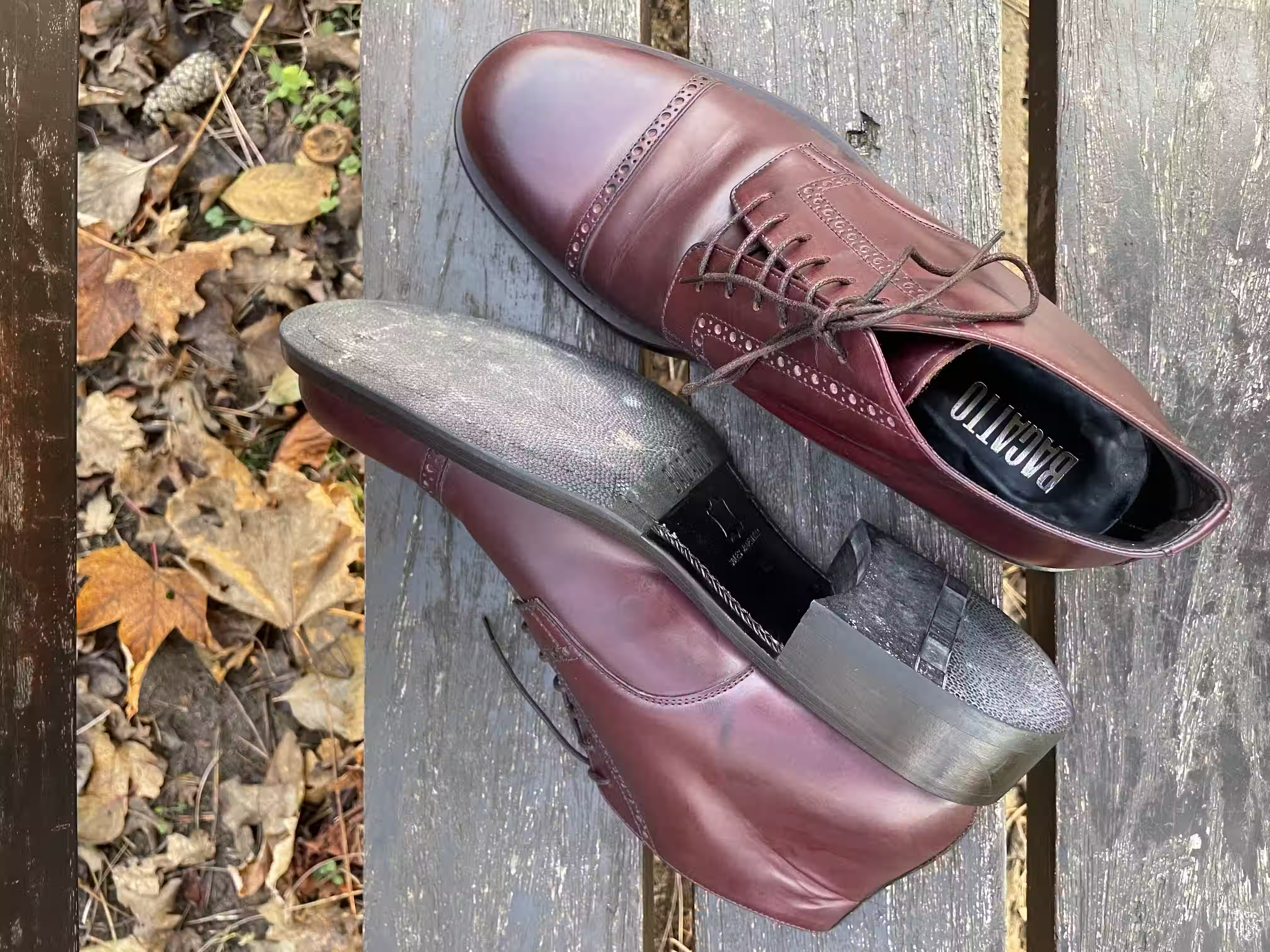
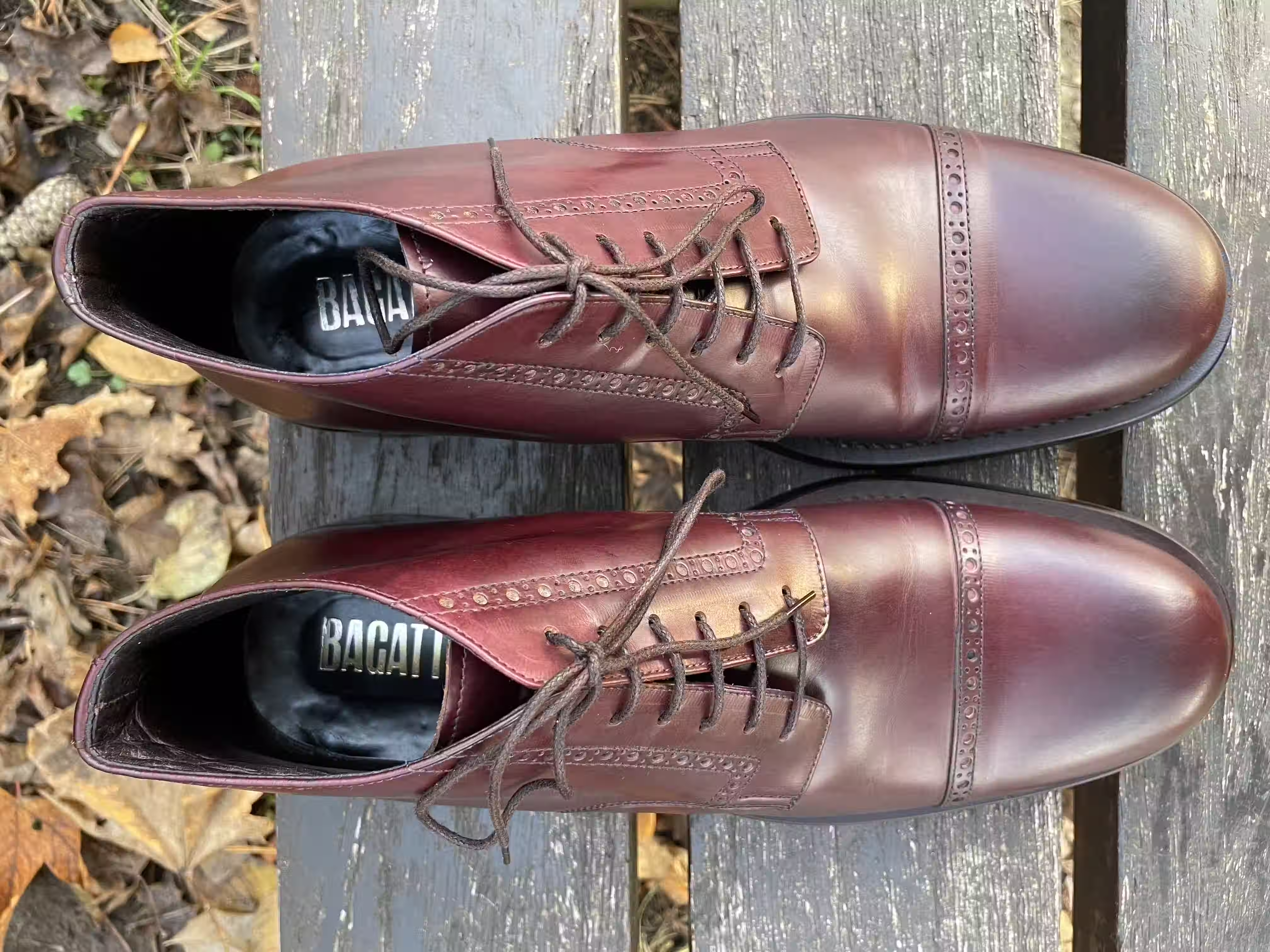
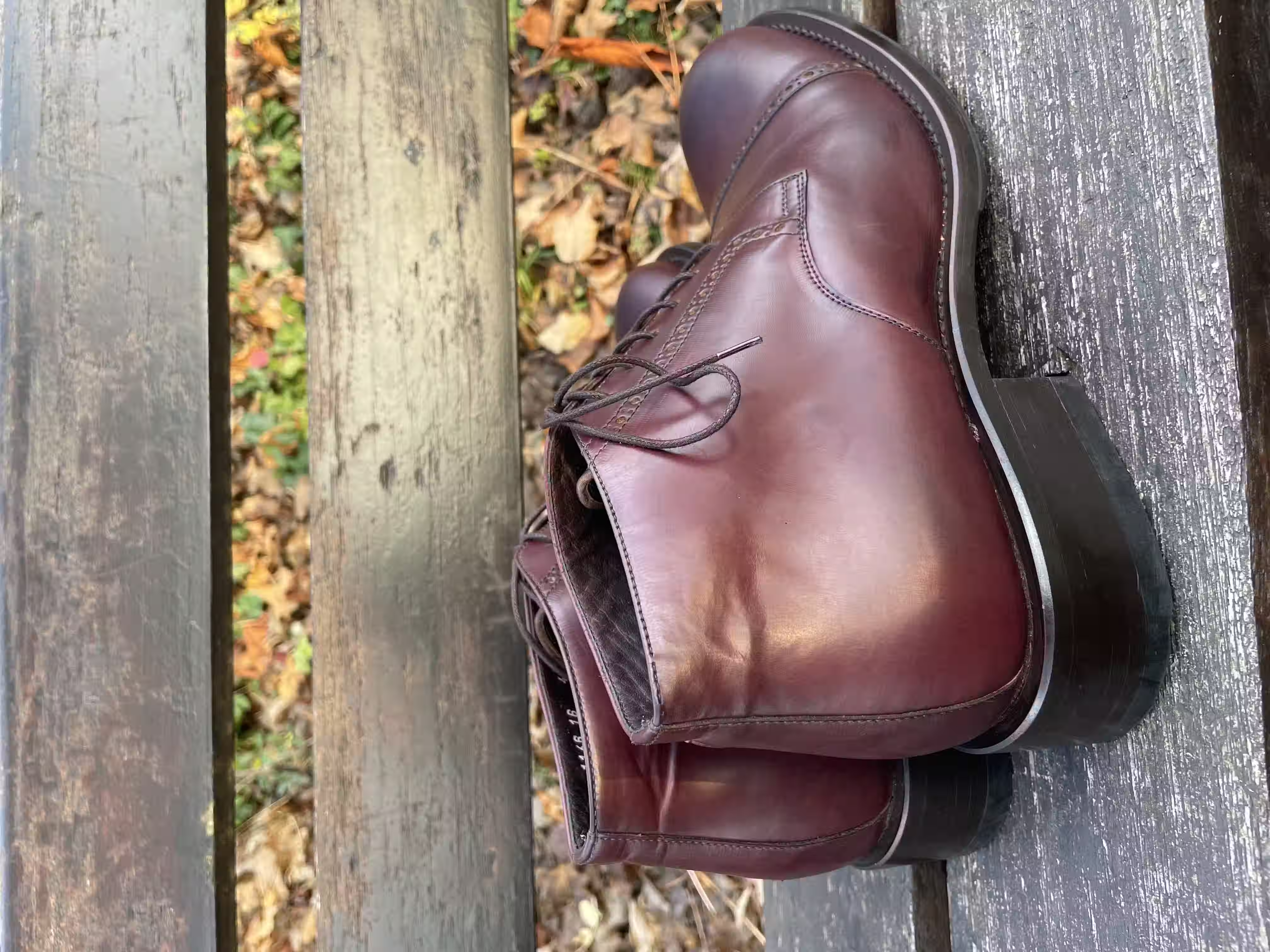
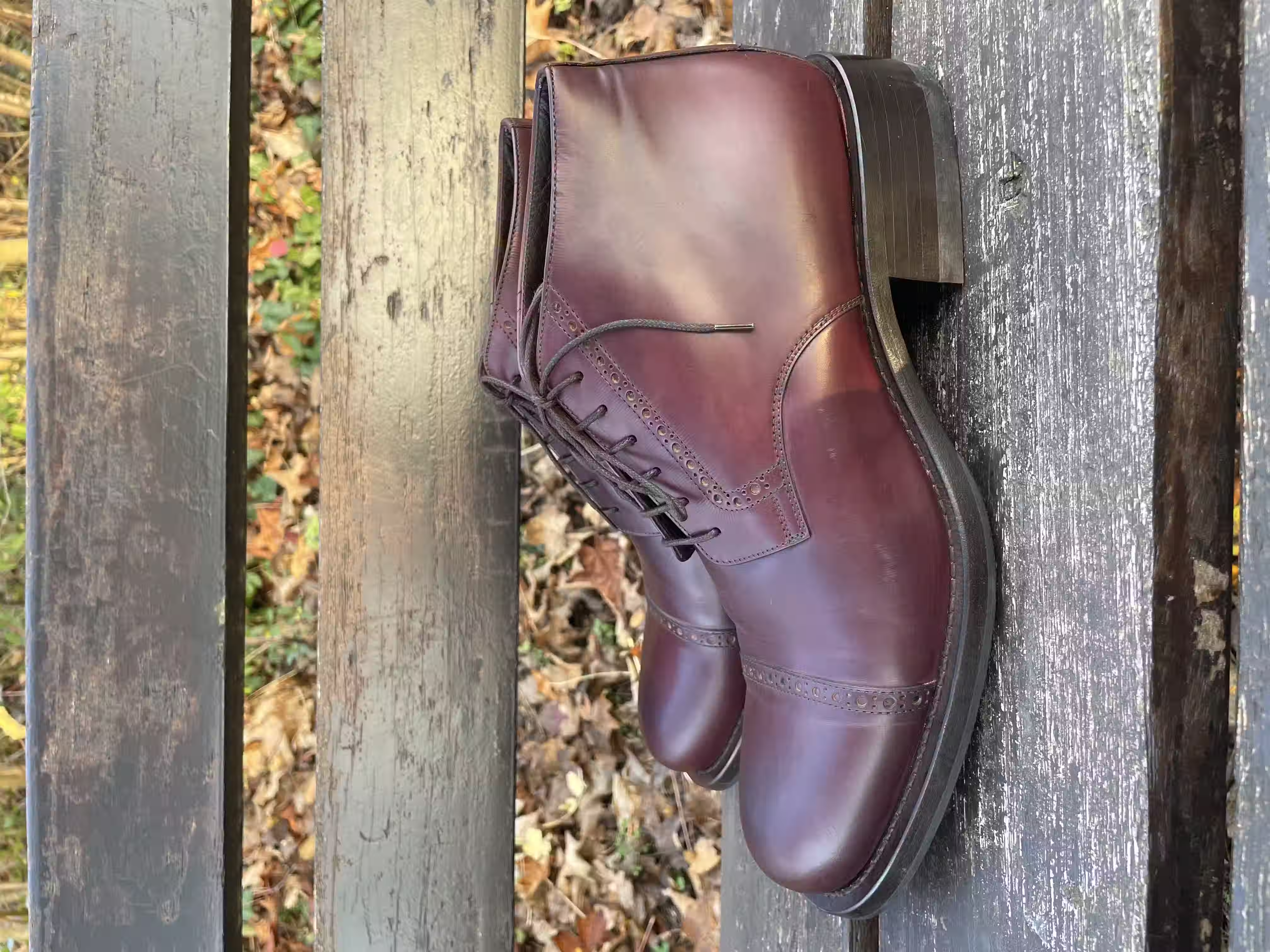
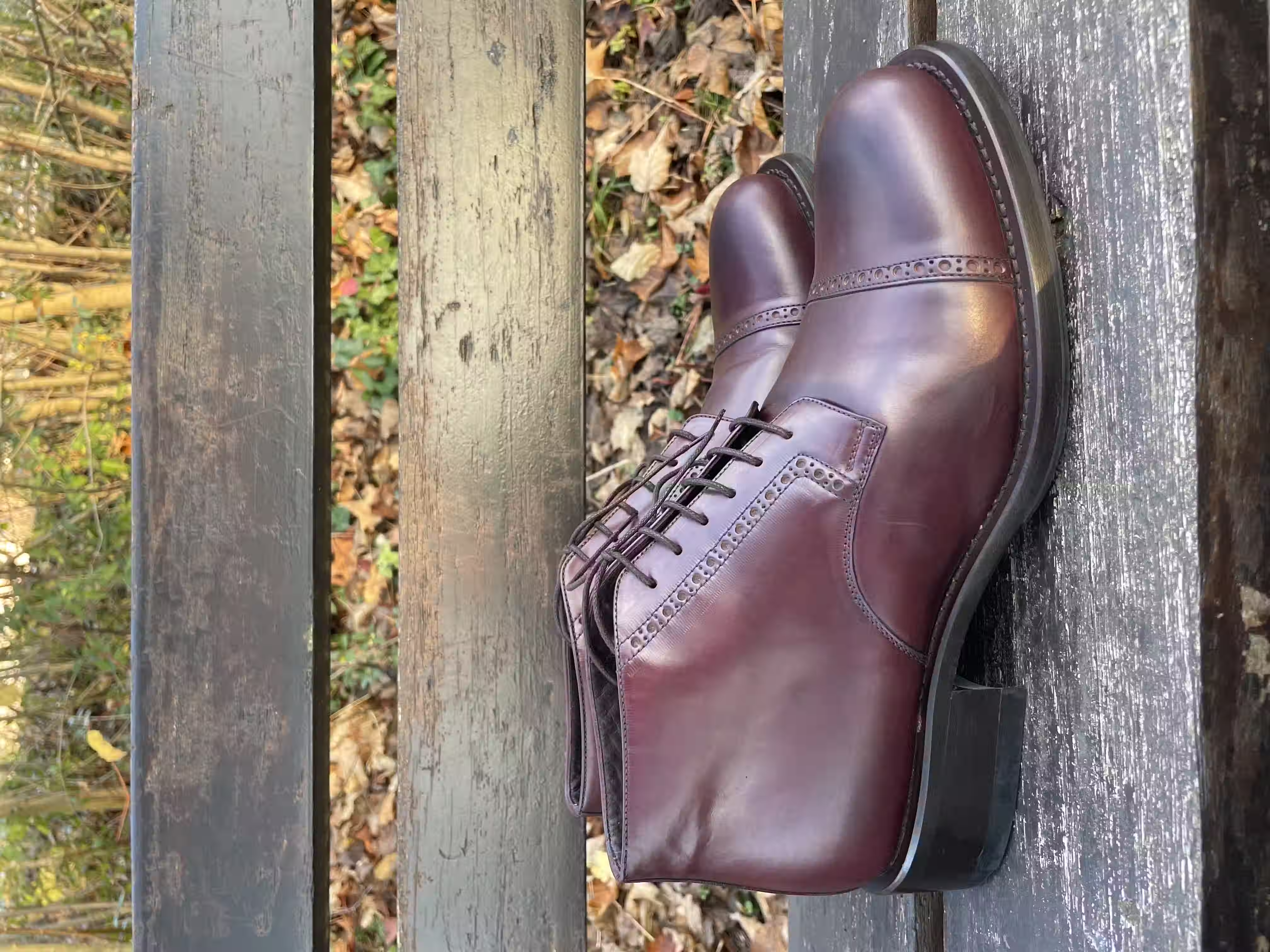
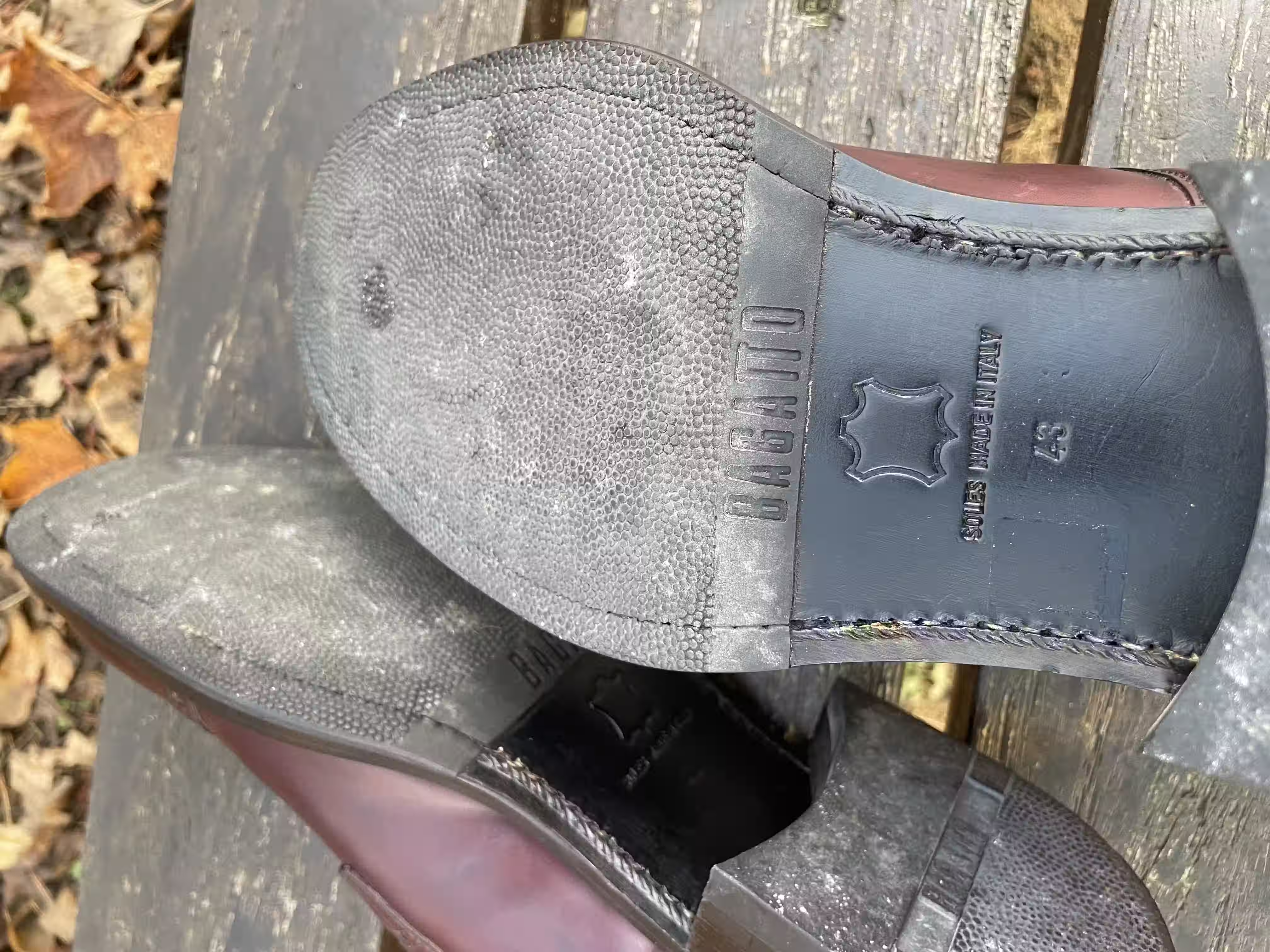
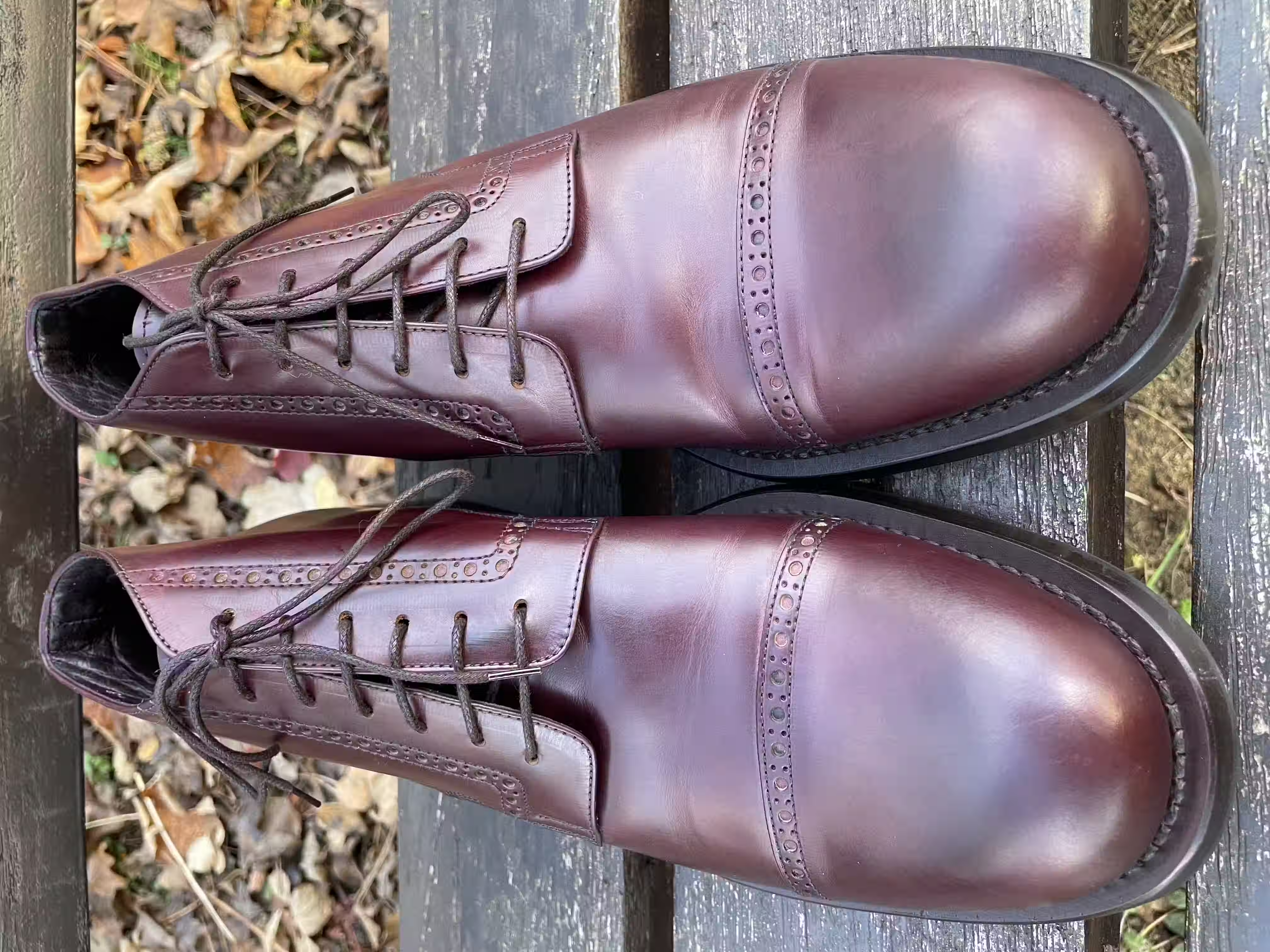
Similar to Derby boots, there are also ankle boots in a Derby cut. Here is such a model in the so-called quarter-brogue style, characterized by a light perforation pattern decoration. For me, these ankle boots are perfect for the office or for leisure time or other less formal events. The color is extremely versatile and goes very well with gray, brown, and dark blue.
Special Features
Ankle boots are ankle-high boots, meaning boots that do not reach quite as high, going only about up to the ankle. They therefore do not offer quite the same protective effect for the feet as taller boots. But nowadays, because of the many asphalt sidewalks, that is not as necessary as it used to be. So you can easily accept the lower shaft of ankle boots in order to benefit from a few advantages on the other hand:
- you can usually put them on more comfortably by slipping in quickly and easily, because no tall shaft gets in your way
- the lacing, if present, is quite simple in the style of low shoes, whereas some boots require you to route the laces around a few additional metal parts first.
Historically, ankle boots already existed in the 19th century, and they were ultimately very popular with both men and women. Throughout history, there have repeatedly been trends in which ankle boots were especially popular.
How to Wear Them
You can wear ankle boots so that your trousers cover most of the shaft. This means that when standing, the ankle boots often cannot be distinguished from ordinary low shoes. When sitting, however, you can see the difference when the trousers ride up a bit and the ankle area becomes visible.
Another way to wear ankle boots is to cuff the trousers at the bottom. This makes more of the shoes visible when standing and walking, and the ankle boots stand out better as a result. In addition, trousers that are a bit too short for normal low shoes can have a better length with ankle boots even without cuffing.
Variants
Chelsea Boots
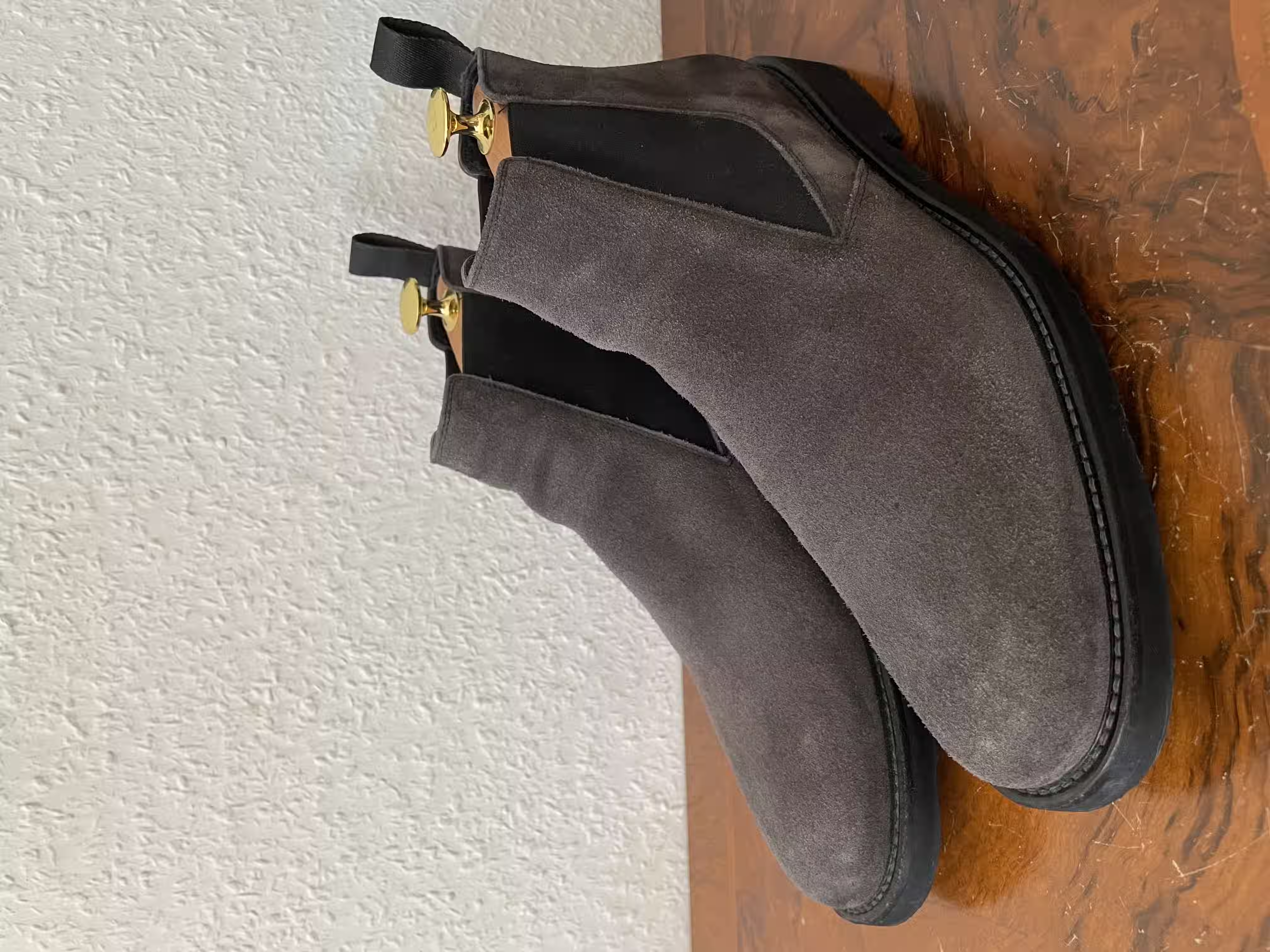
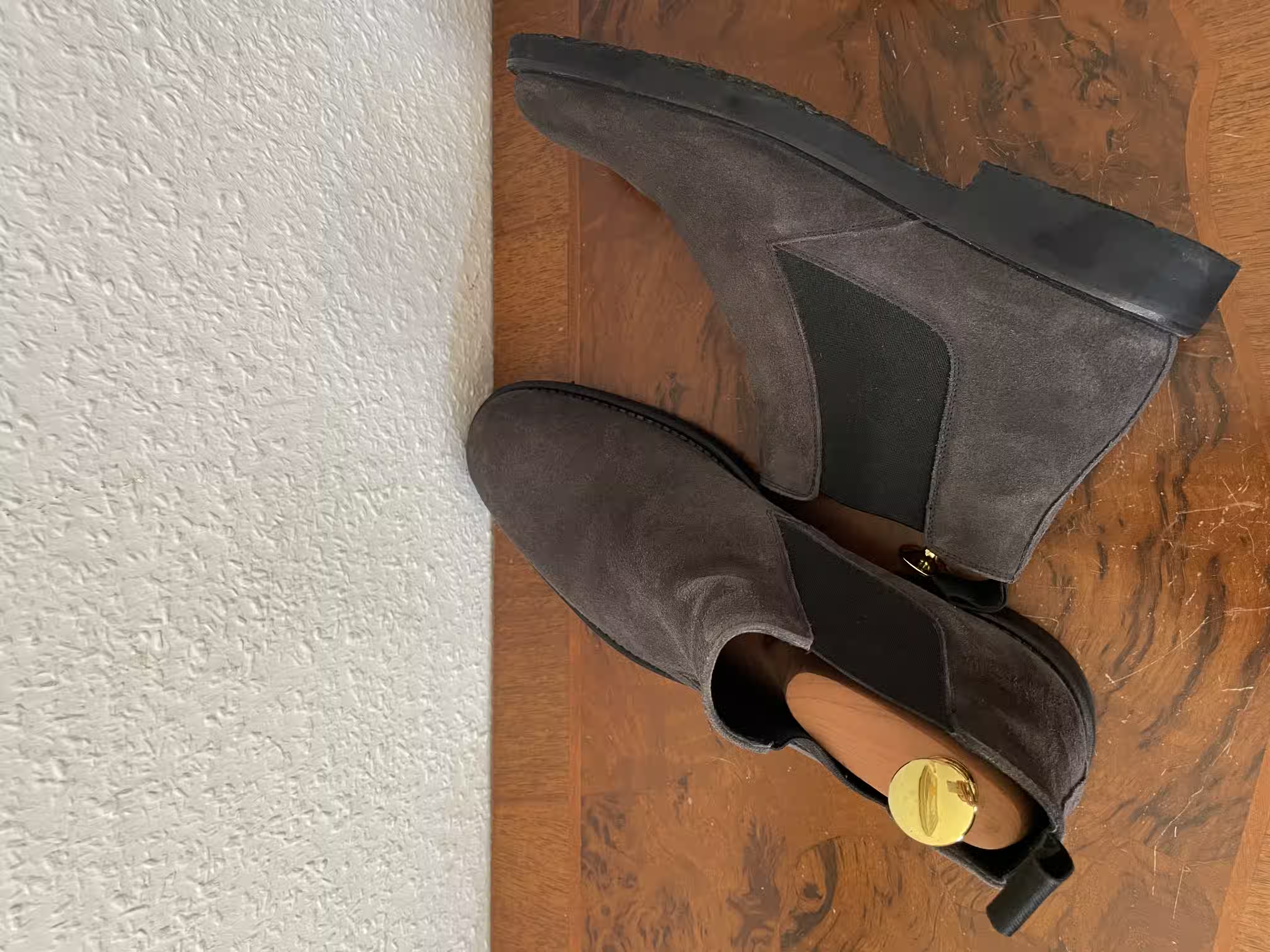
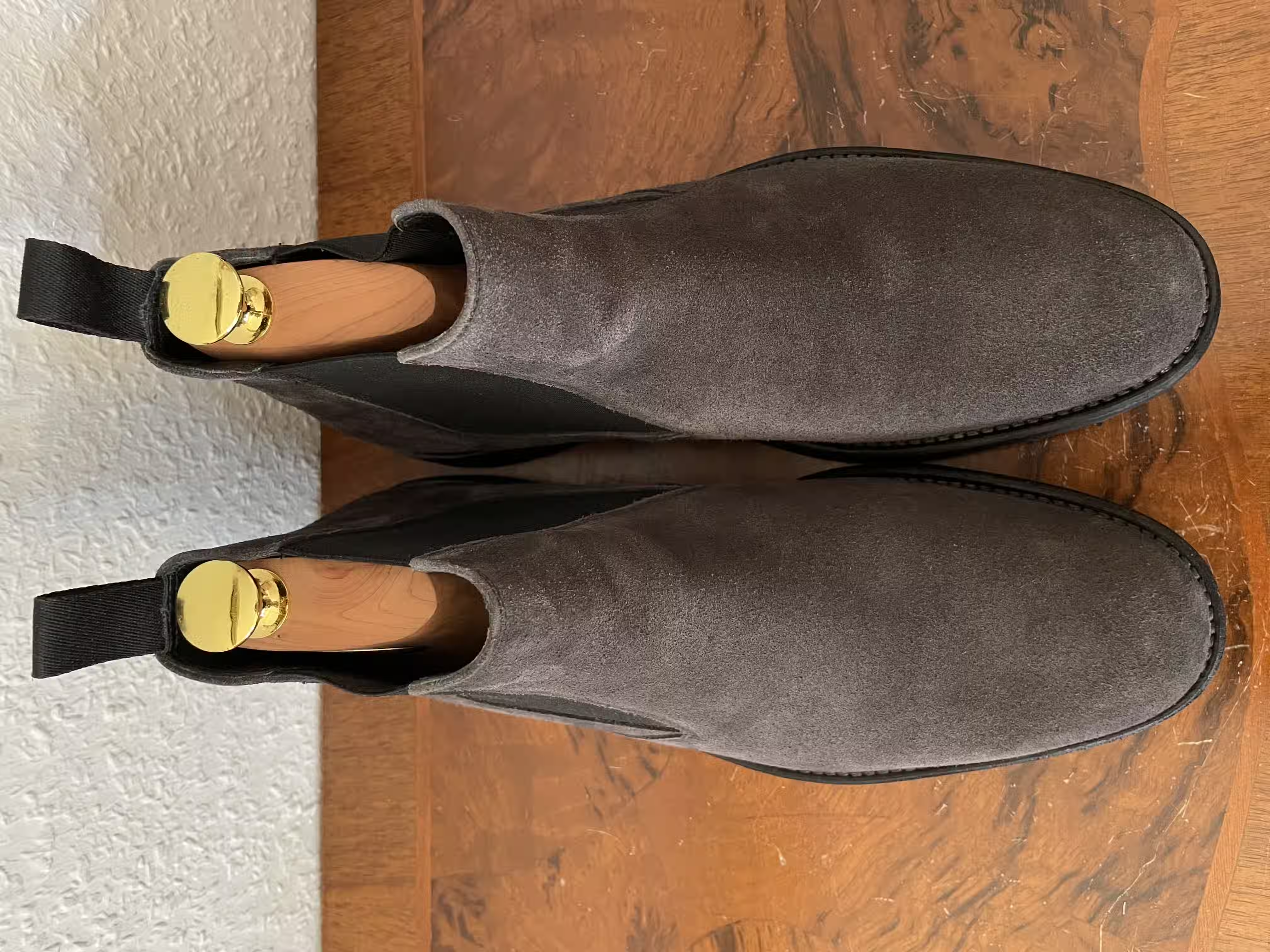
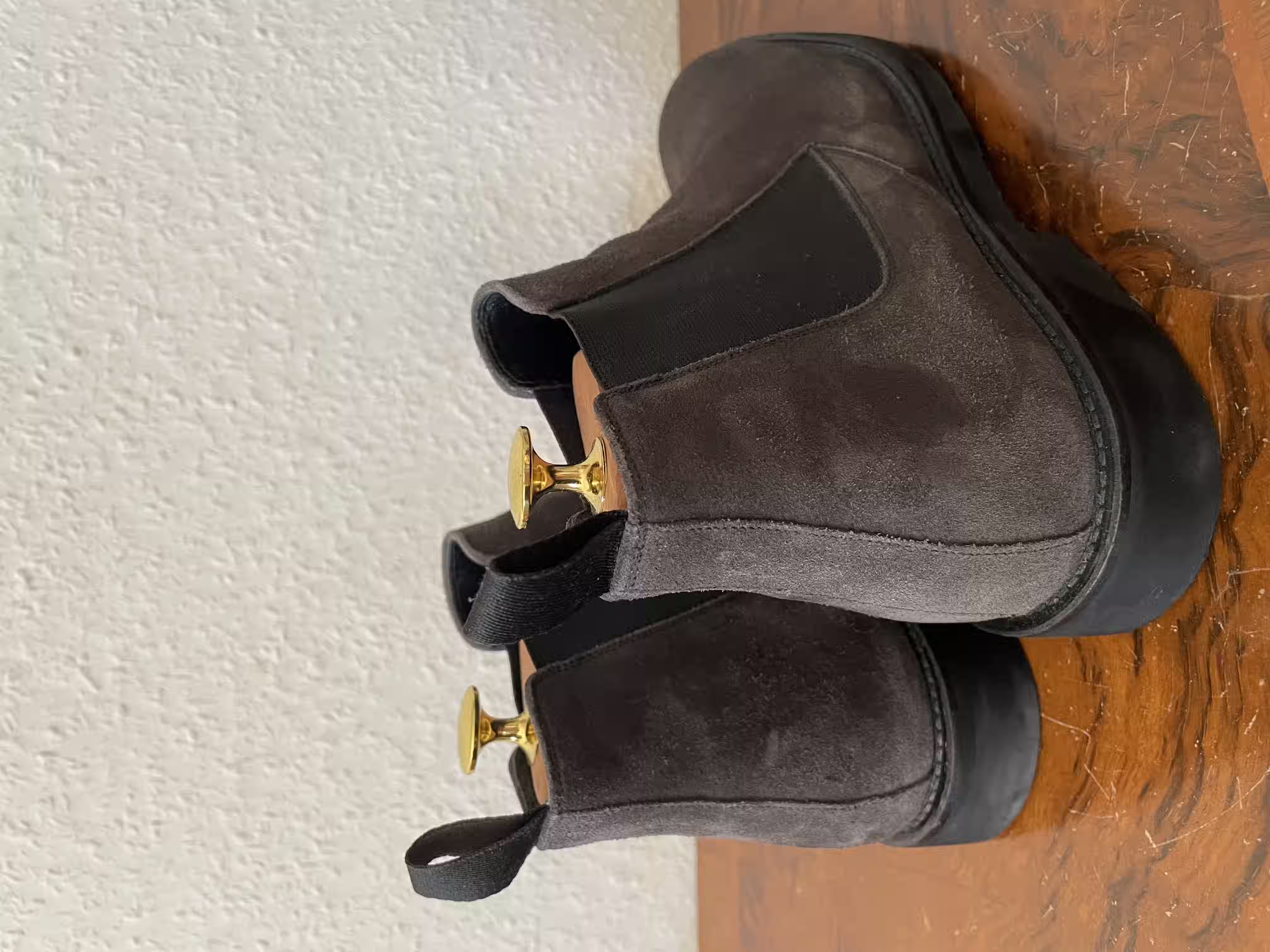
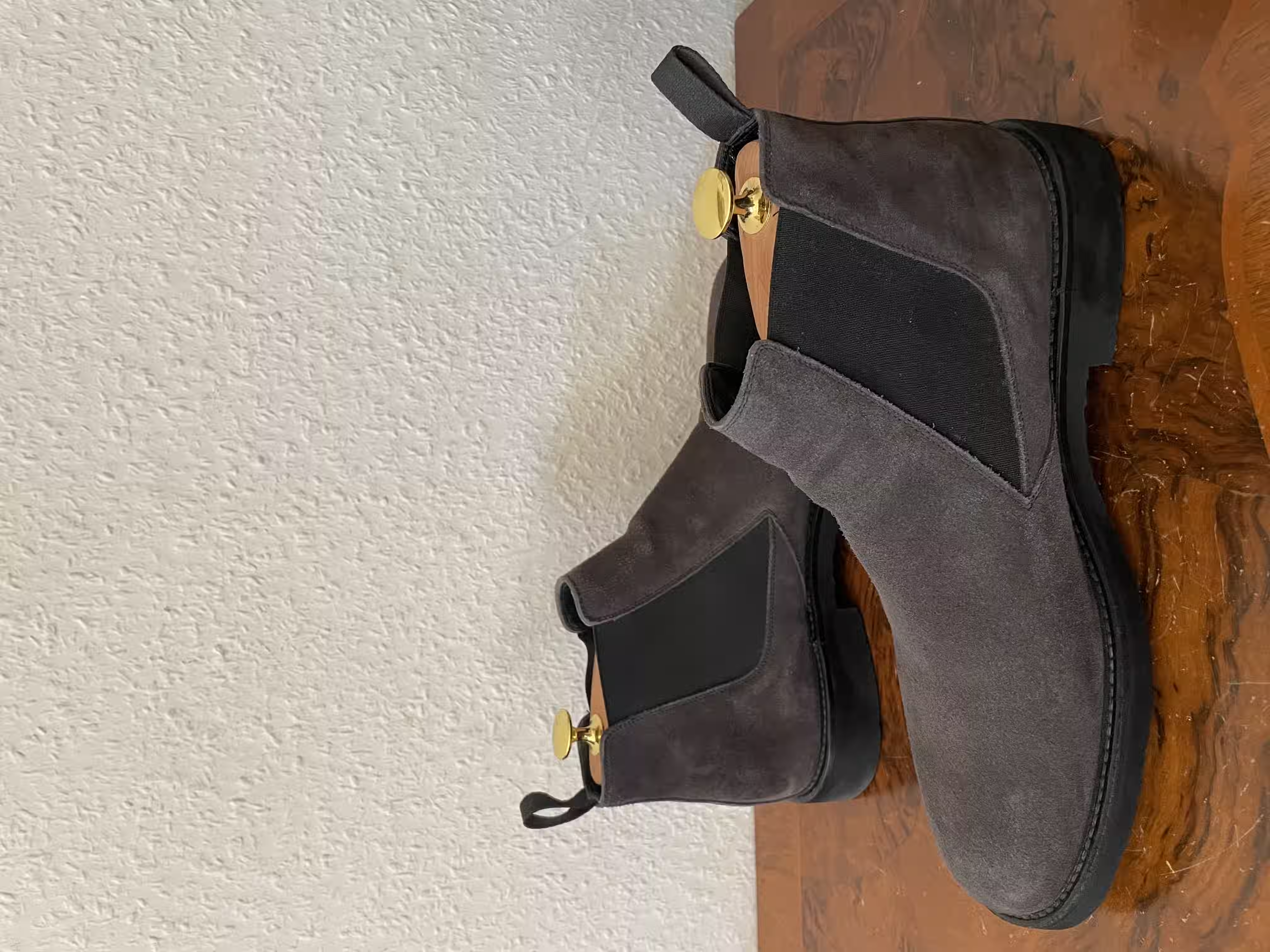
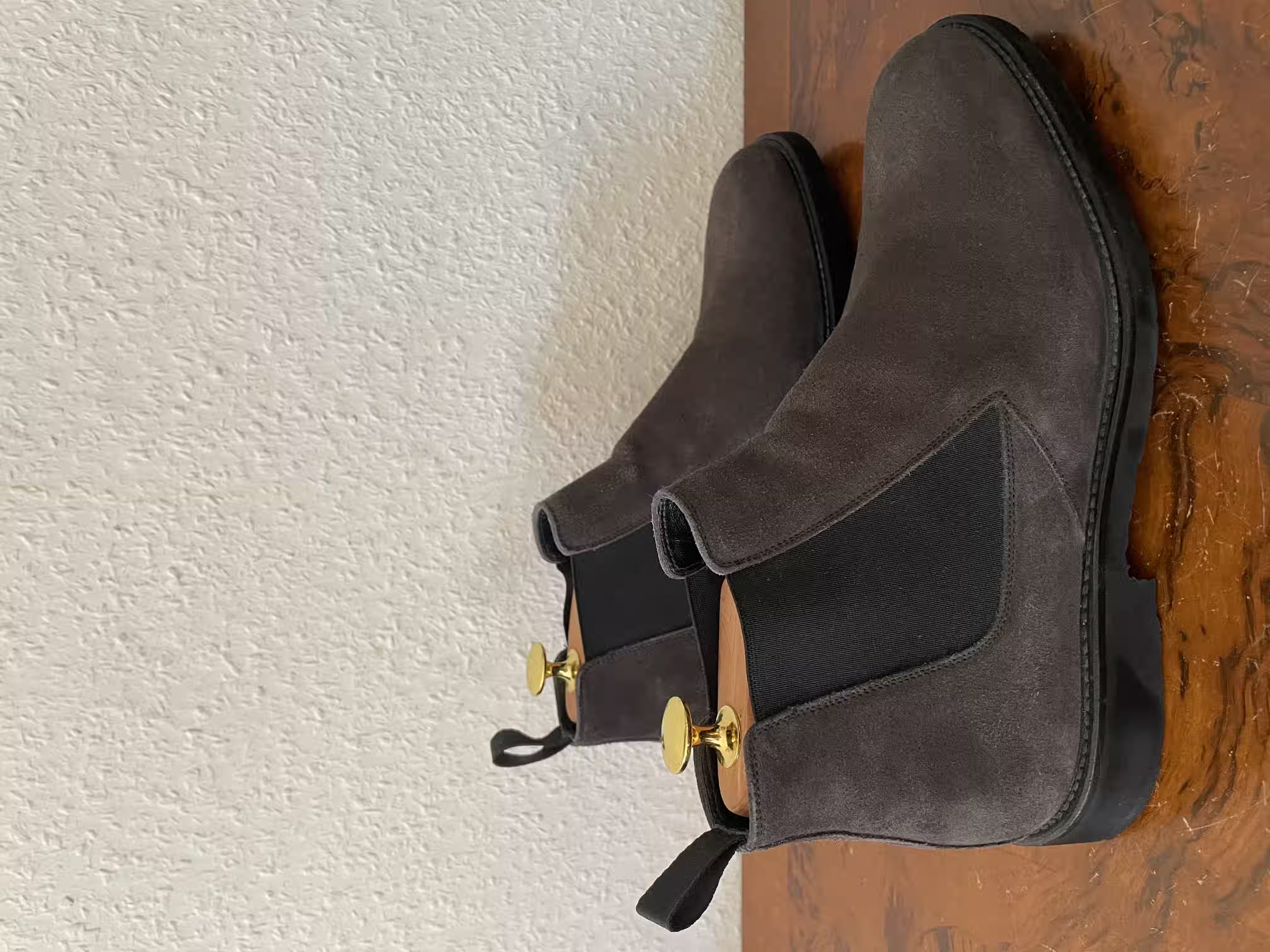
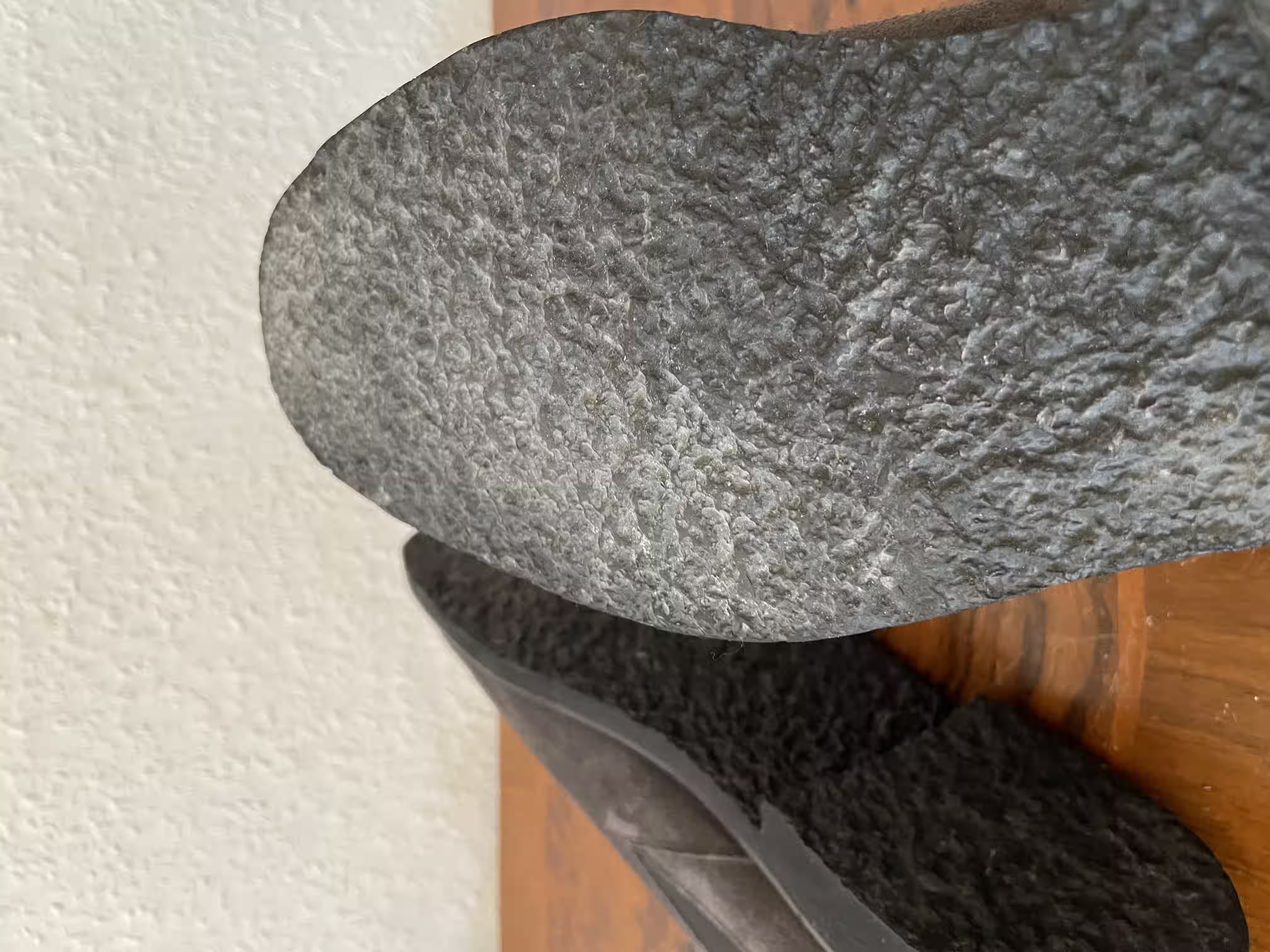
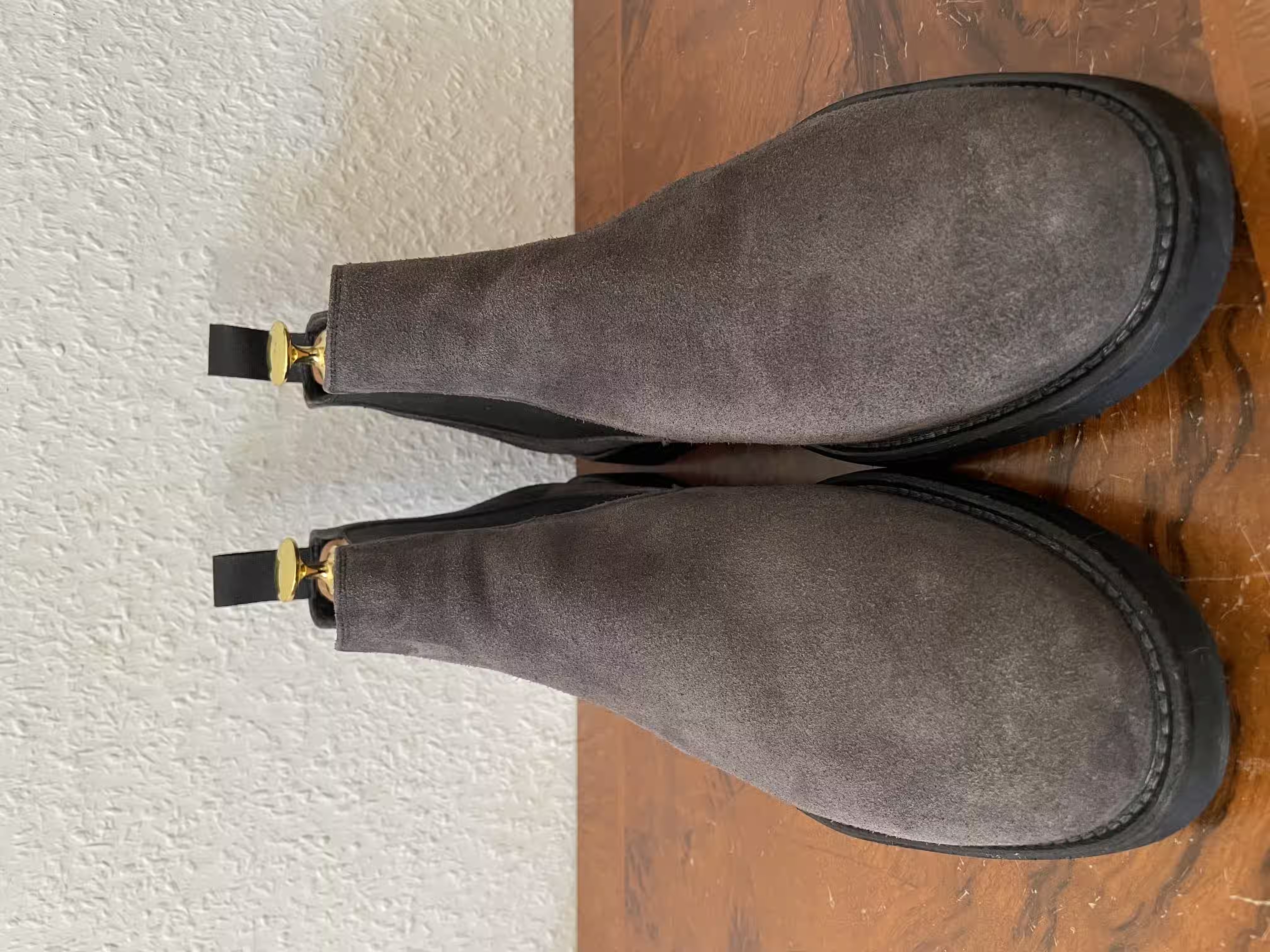
Chelsea boots further emphasize the simple character of ankle boots: While ankle boots already make some things about boots easier, Chelsea boots go one step further by completely dispensing with laces and buckles. Instead, elastic panels are attached to their sides, which stretch when you slip them on so that the foot can comfortably get into the shoe. Ultimately, these are also very versatile shoes, so this can be the perfect model for your first pair of ankle boots. However, you should be able to try the Chelsea boots on somehow beforehand, because without laces there is a higher likelihood that the shoes will not fit.

Chukka Boots
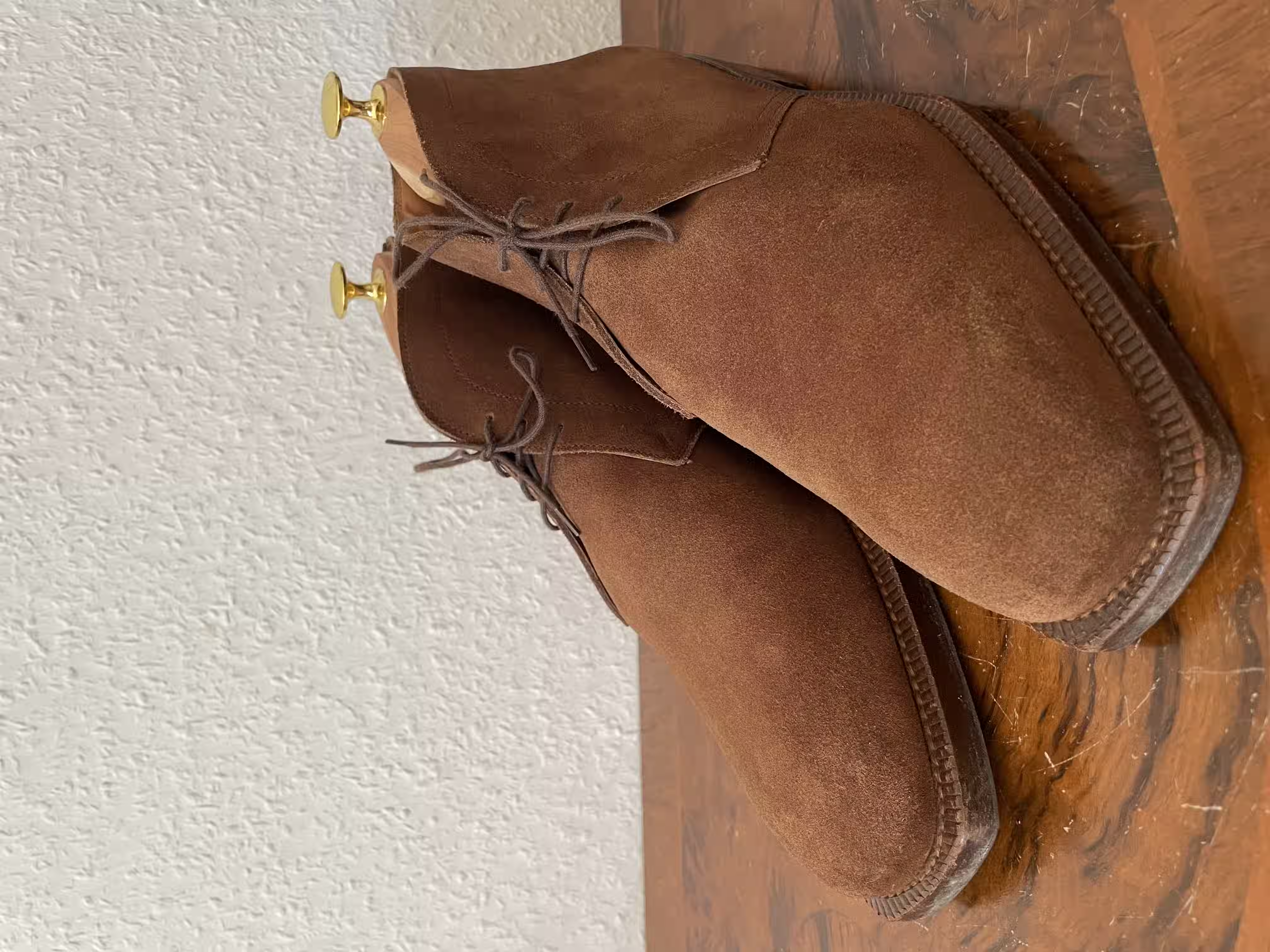
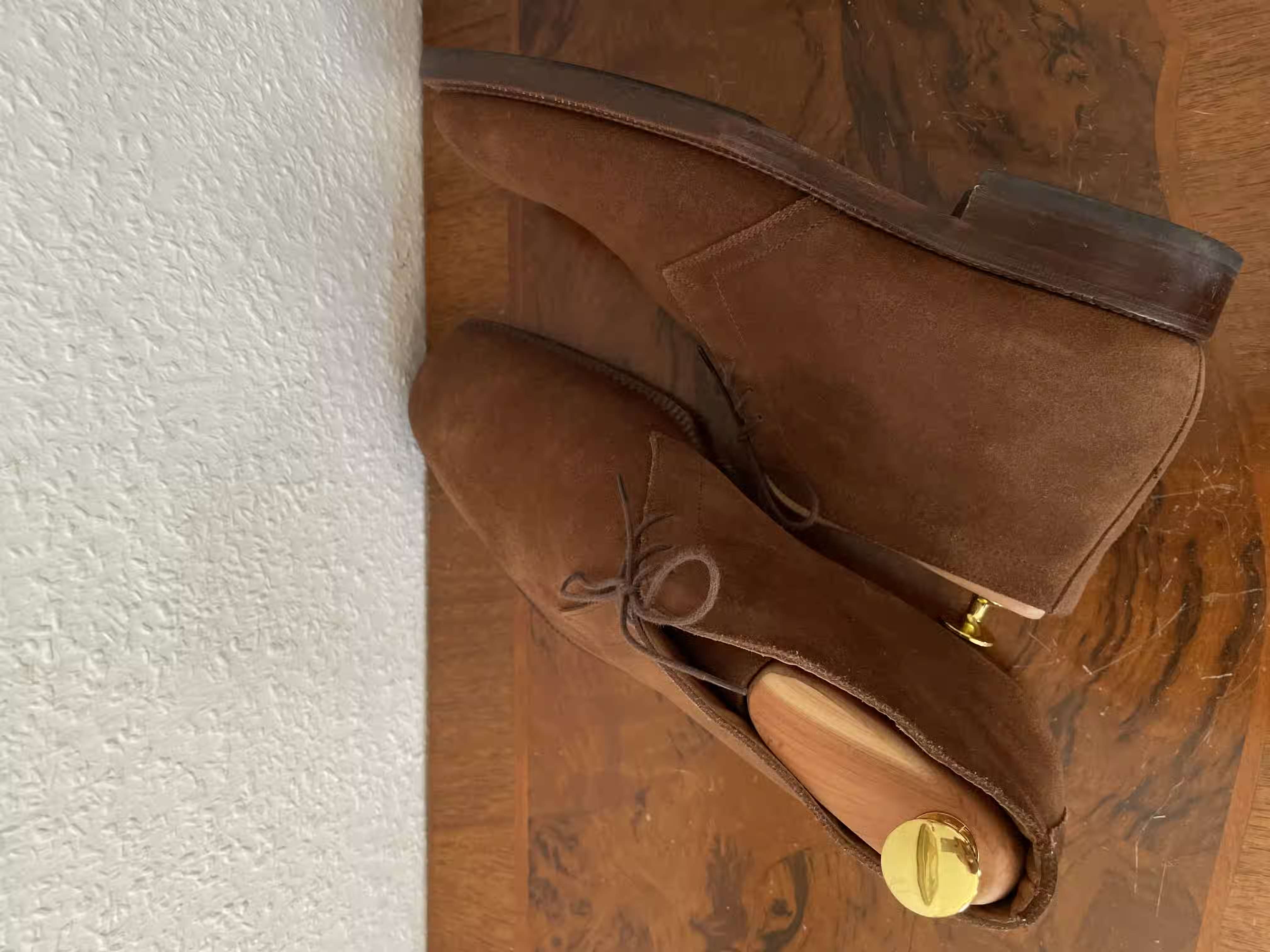
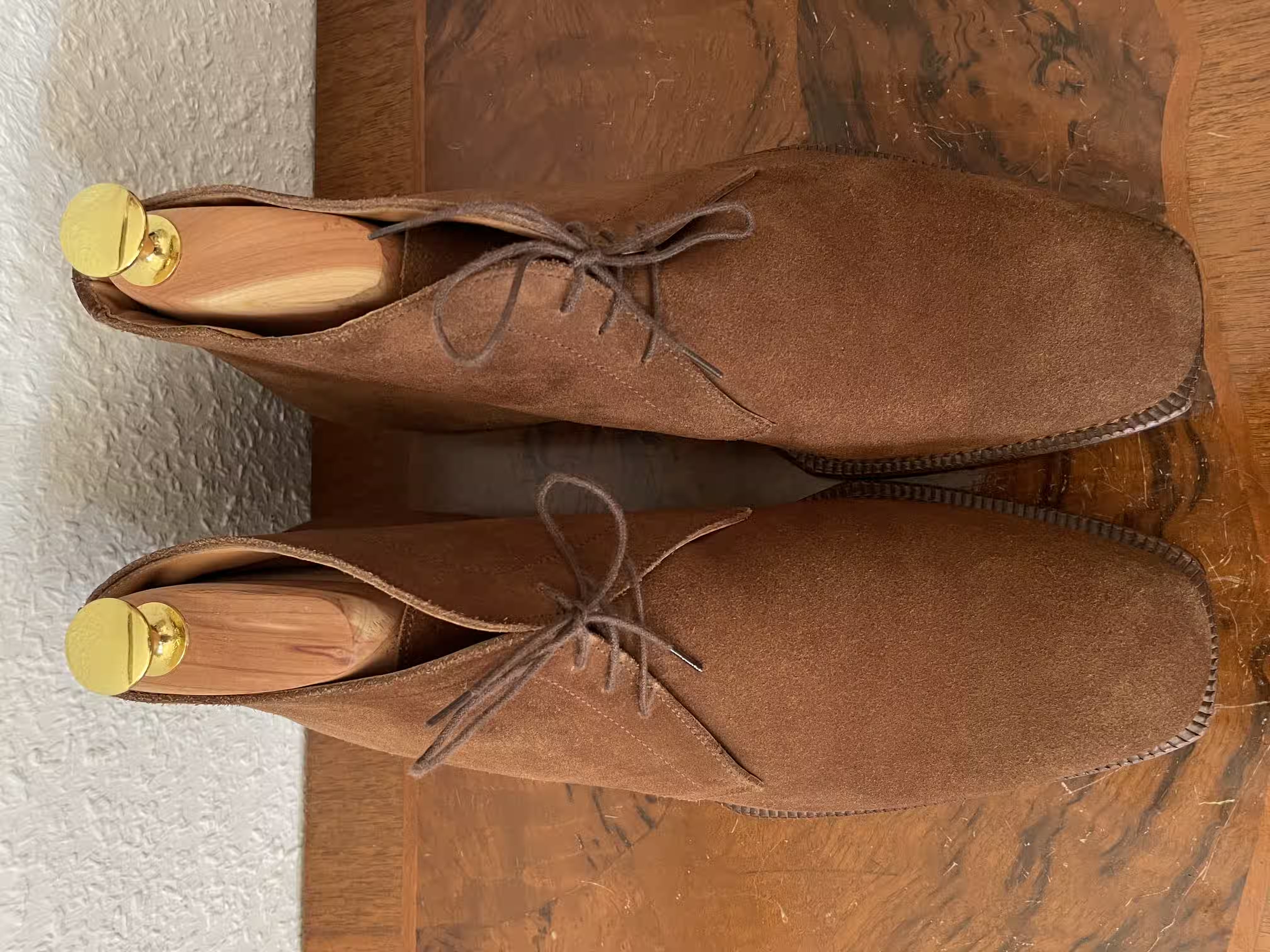
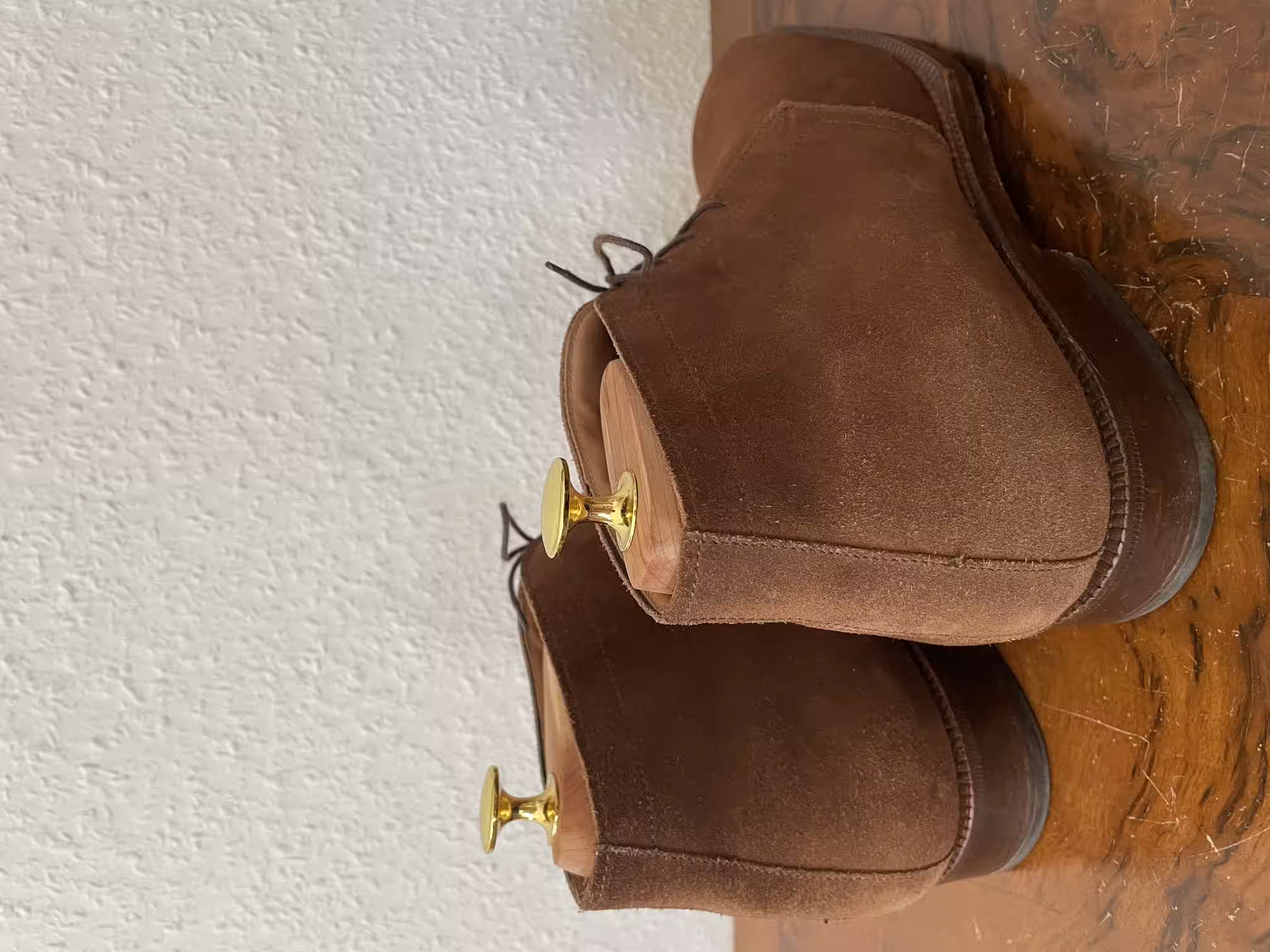
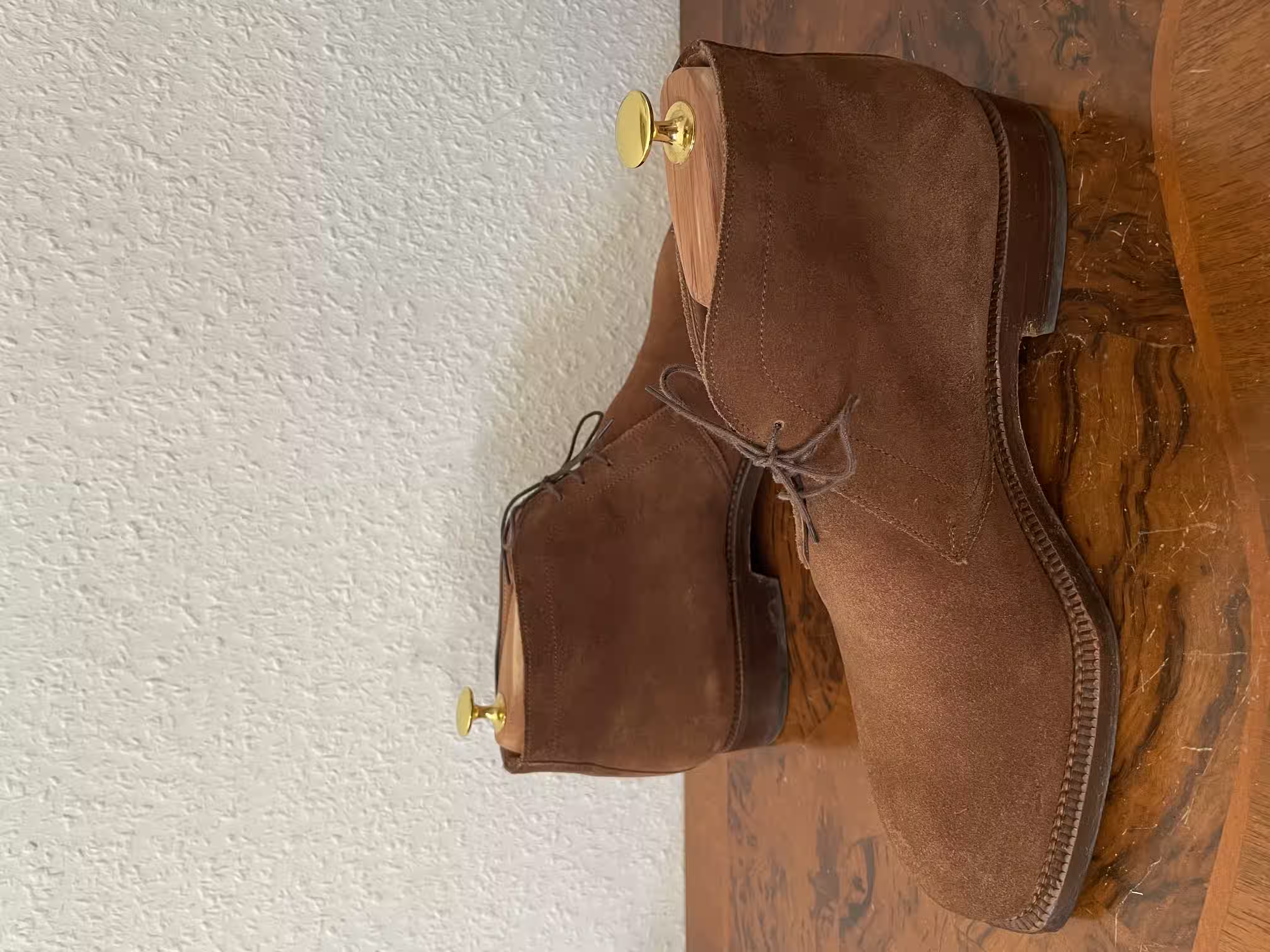
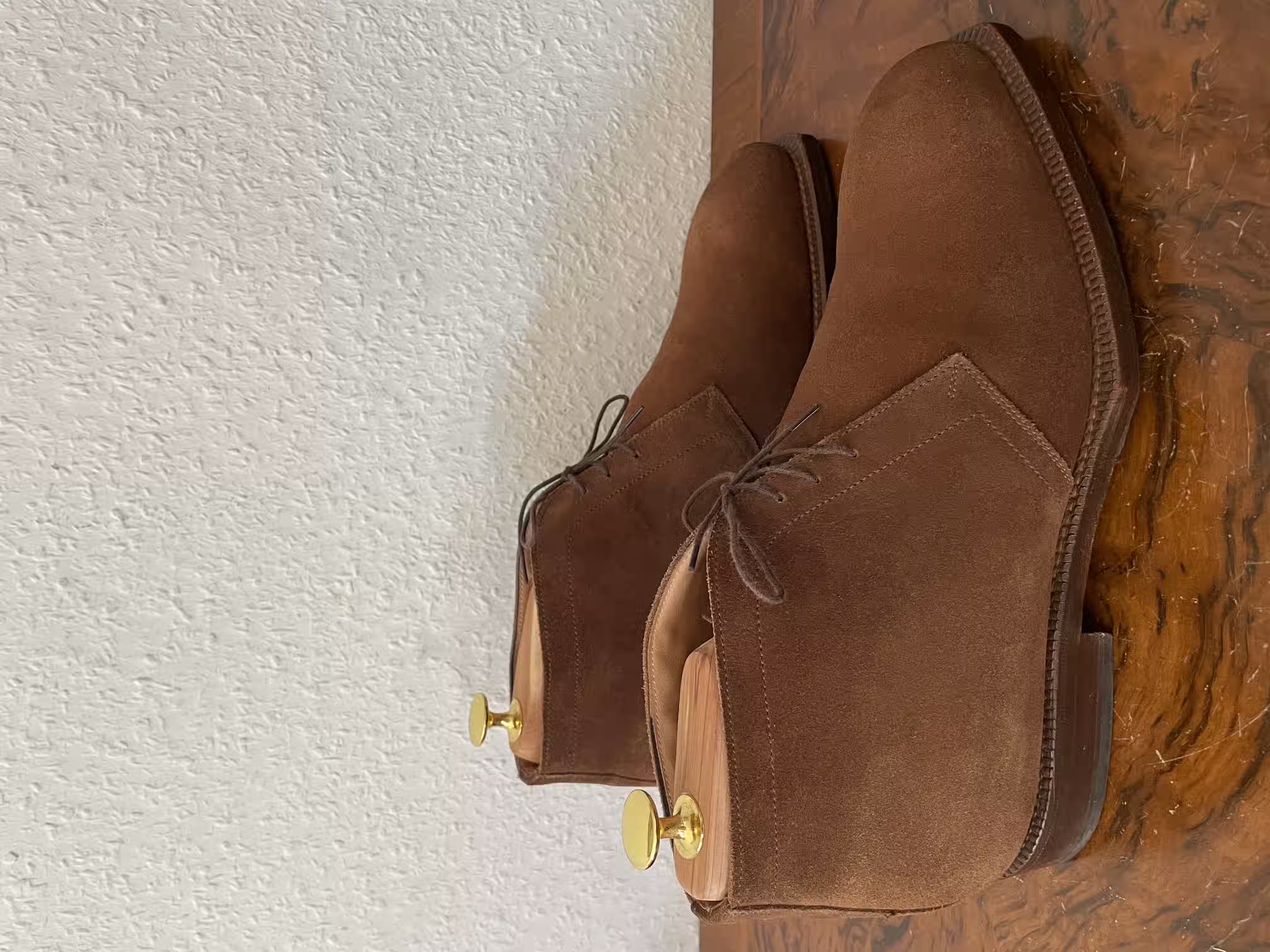
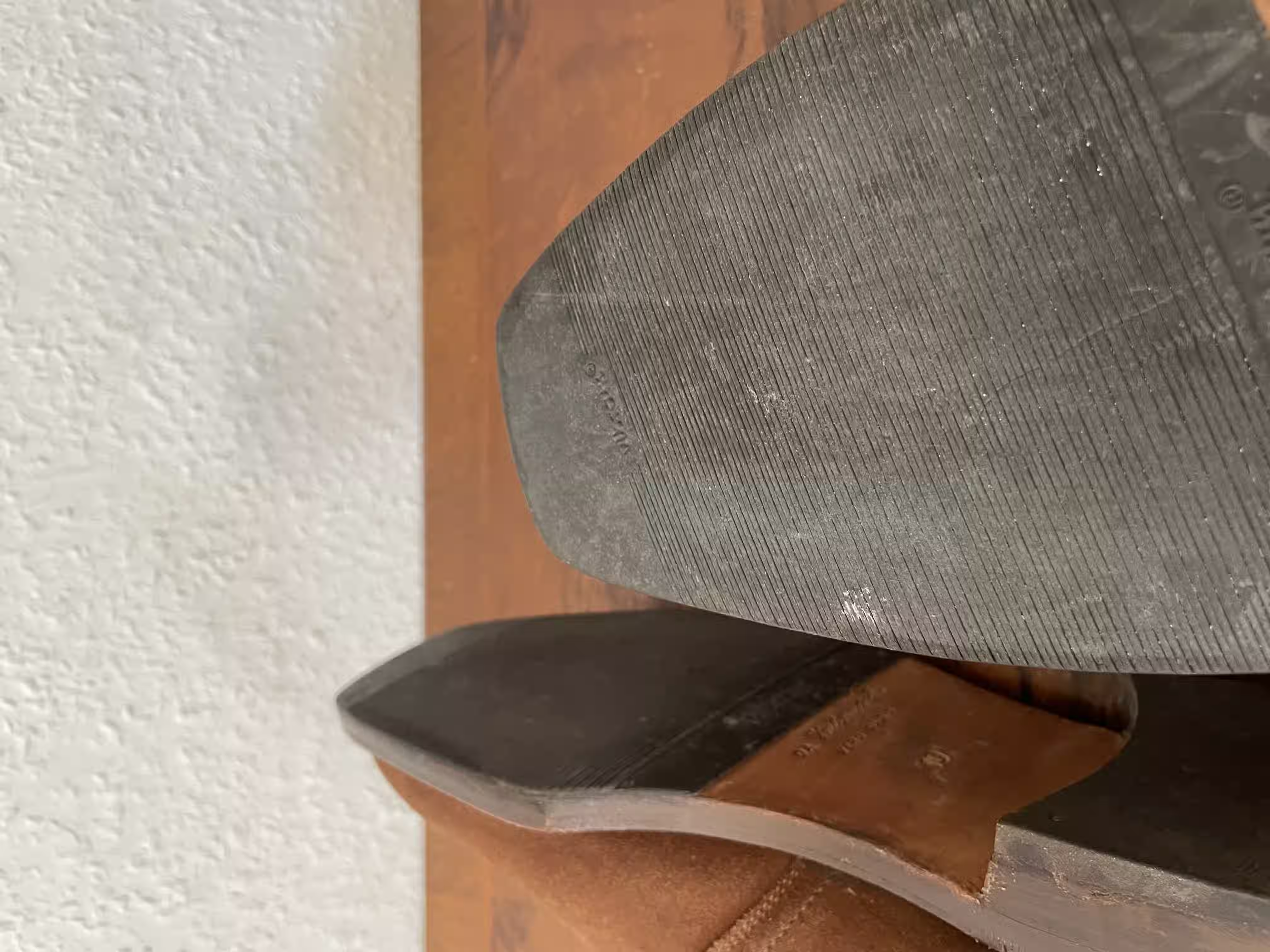
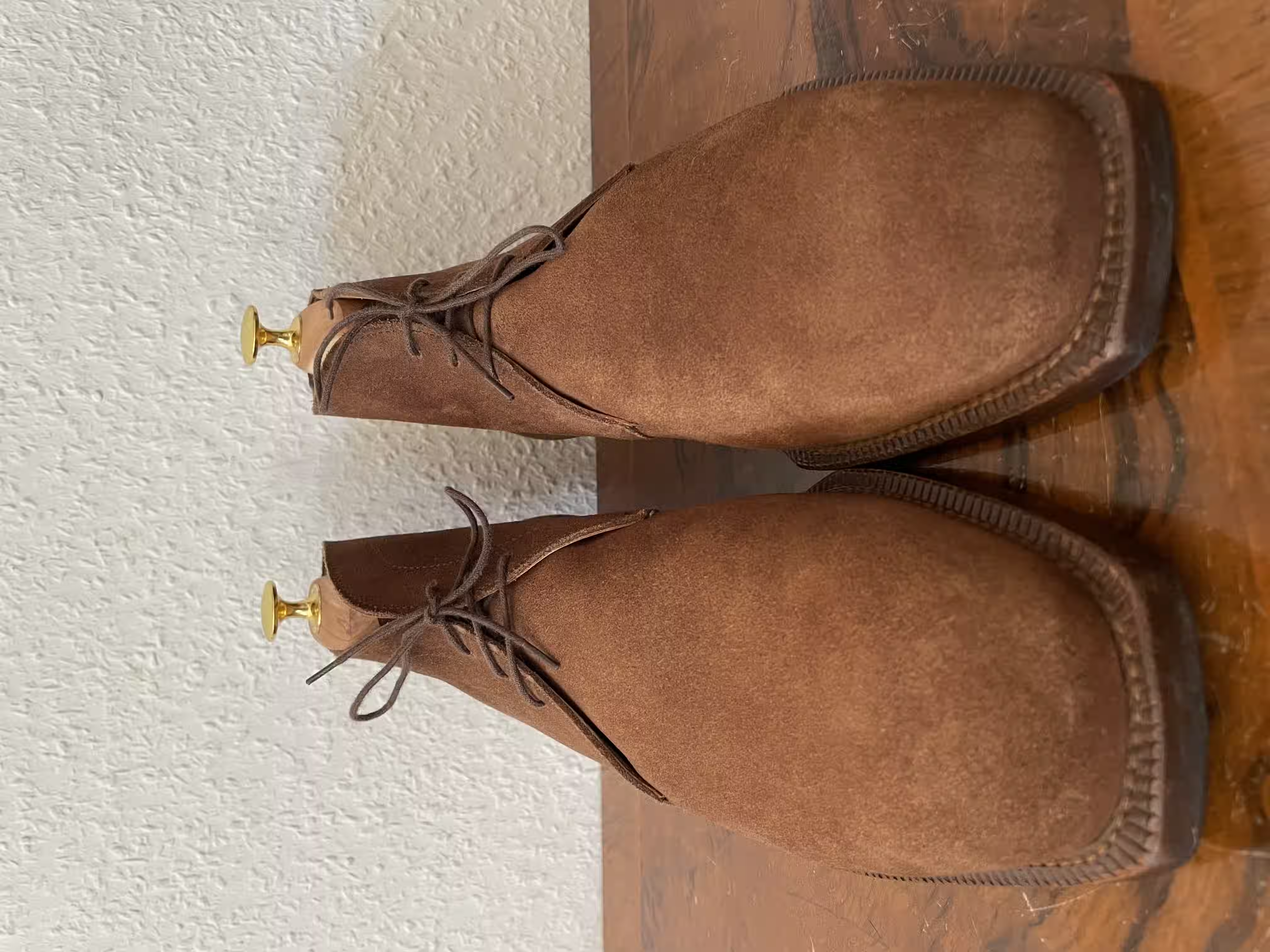
Chukka boots are ankle boots with so-called open lacing and two to three eyelets per shoe on each side. Due to the relatively small number of eyelets, the fit is especially important here compared to some other shoe models. Otherwise, there is a risk that the chukka boots will sit too loosely because the lacing is not tight enough. Otherwise, chukka boots are quite nice ankle boots that, in my view, you can usually wear well with corduroy trousers or flannel trousers.
Personal Opinion
I think ankle boots are excellent because they enrich the world of shoes with additional shapes featuring more leather surface. They can also be very practical for your wardrobe if you have trousers that are a bit too short and that you actually want to sort out: While the trousers are too short with normal low shoes, they can have the perfect length with ankle boots. With ankle boots, you thus gain additional flexibility for your trousers, which I see as an enrichment for the wardrobe. Furthermore, ankle boots look better in their shape when the trousers do not cover too much of them when standing. Especially when the upper leather of your ankle boots is beautiful, this is a good way to wear them. A certain risk I see with ankle boots is that they can press uncomfortably around the ankle—especially with chukka boots, because with Chelsea boots the elastic on the sides is simply much more flexible than leather. However, I don’t have a good theory for it; I just notice that it can happen on some days and not on others.