
The Blake Construction (Blake and Blake-Rapid)
The Blake construction is a very widespread technique for manufacturing shoes that hold together more reliably than purely cemented shoes. Adhesive is only used as a support in Blake-stitched shoes. Furthermore, there are different variants of this construction method, which I will introduce to you here.
Introduction
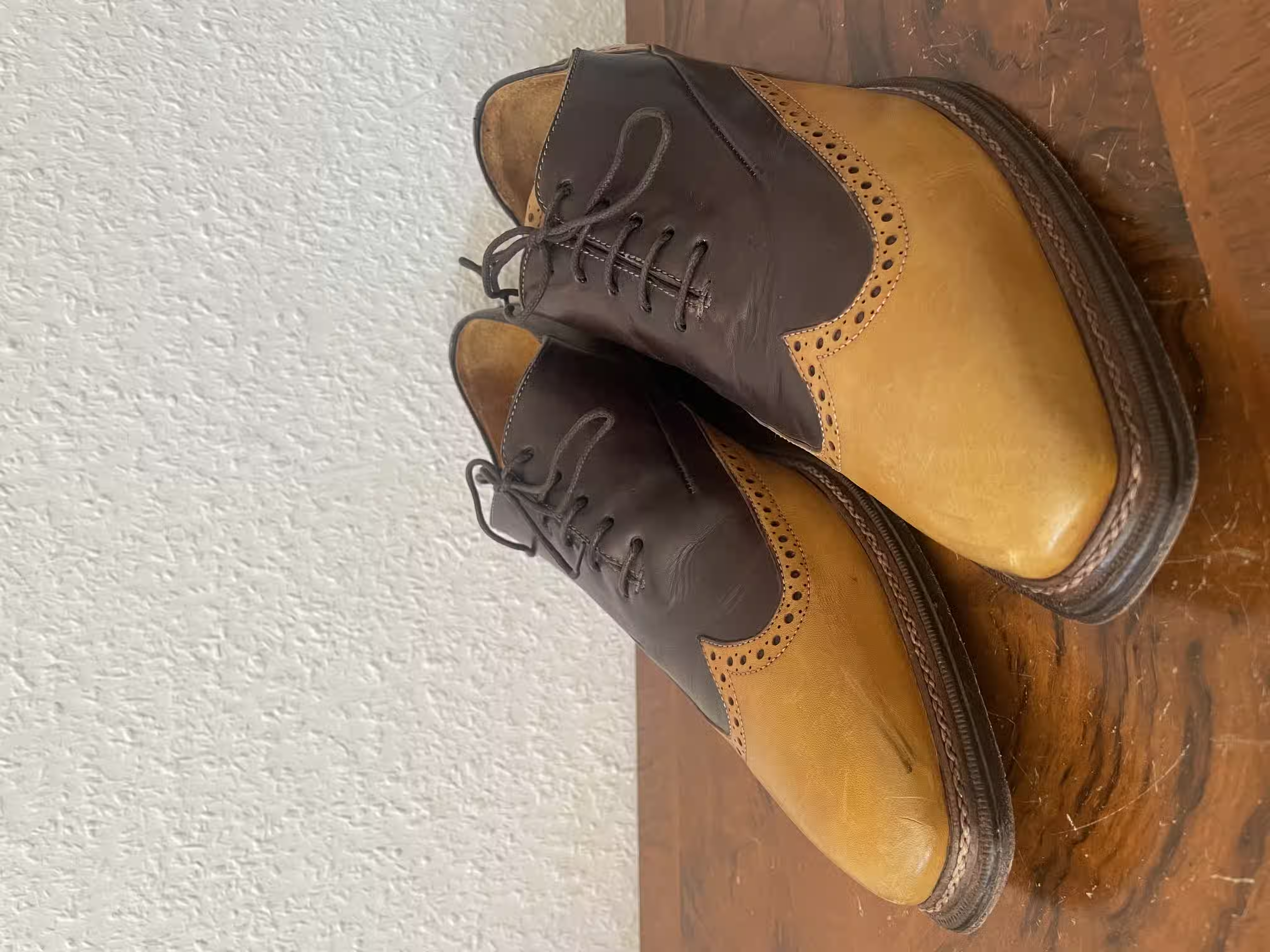
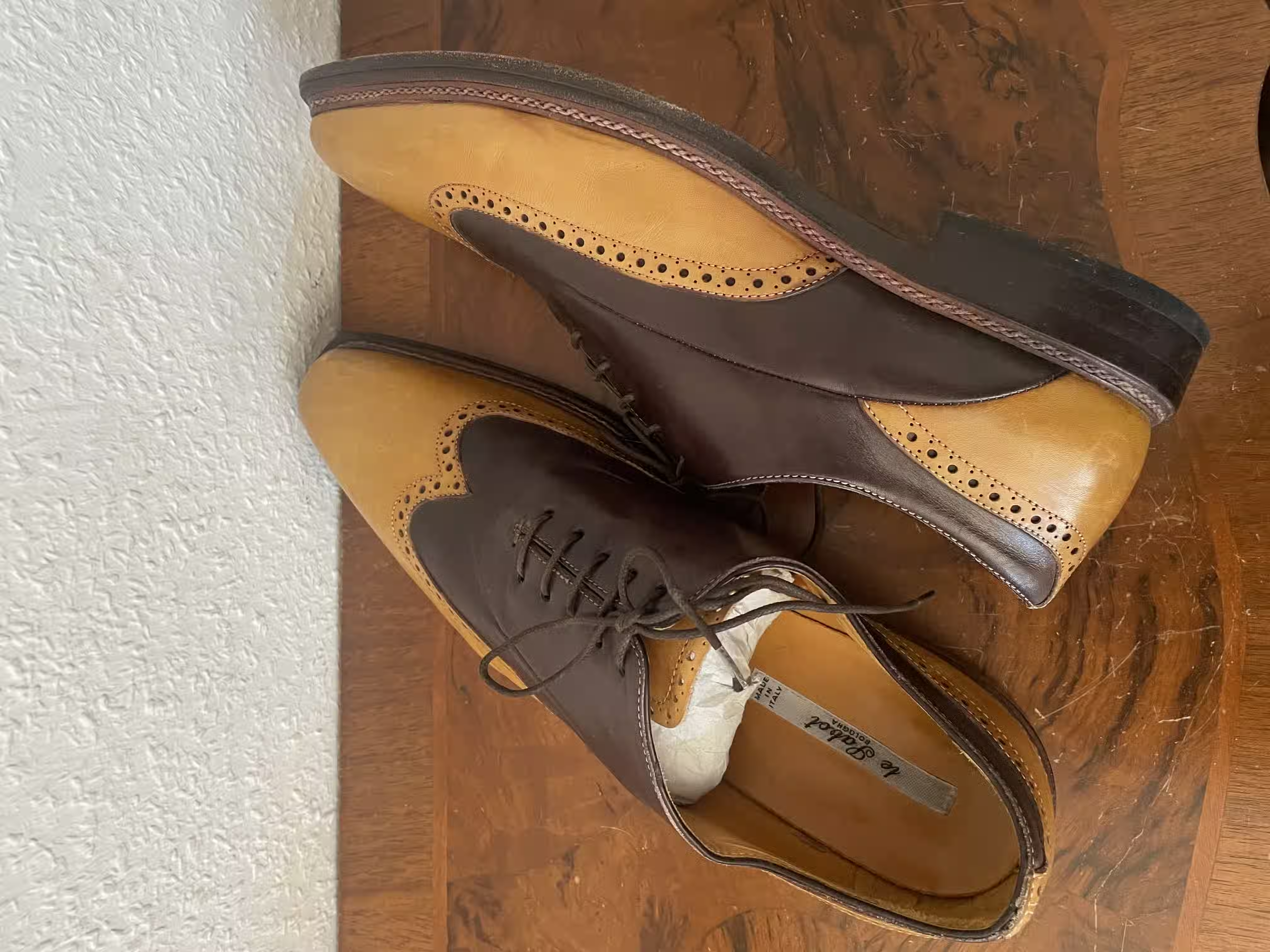
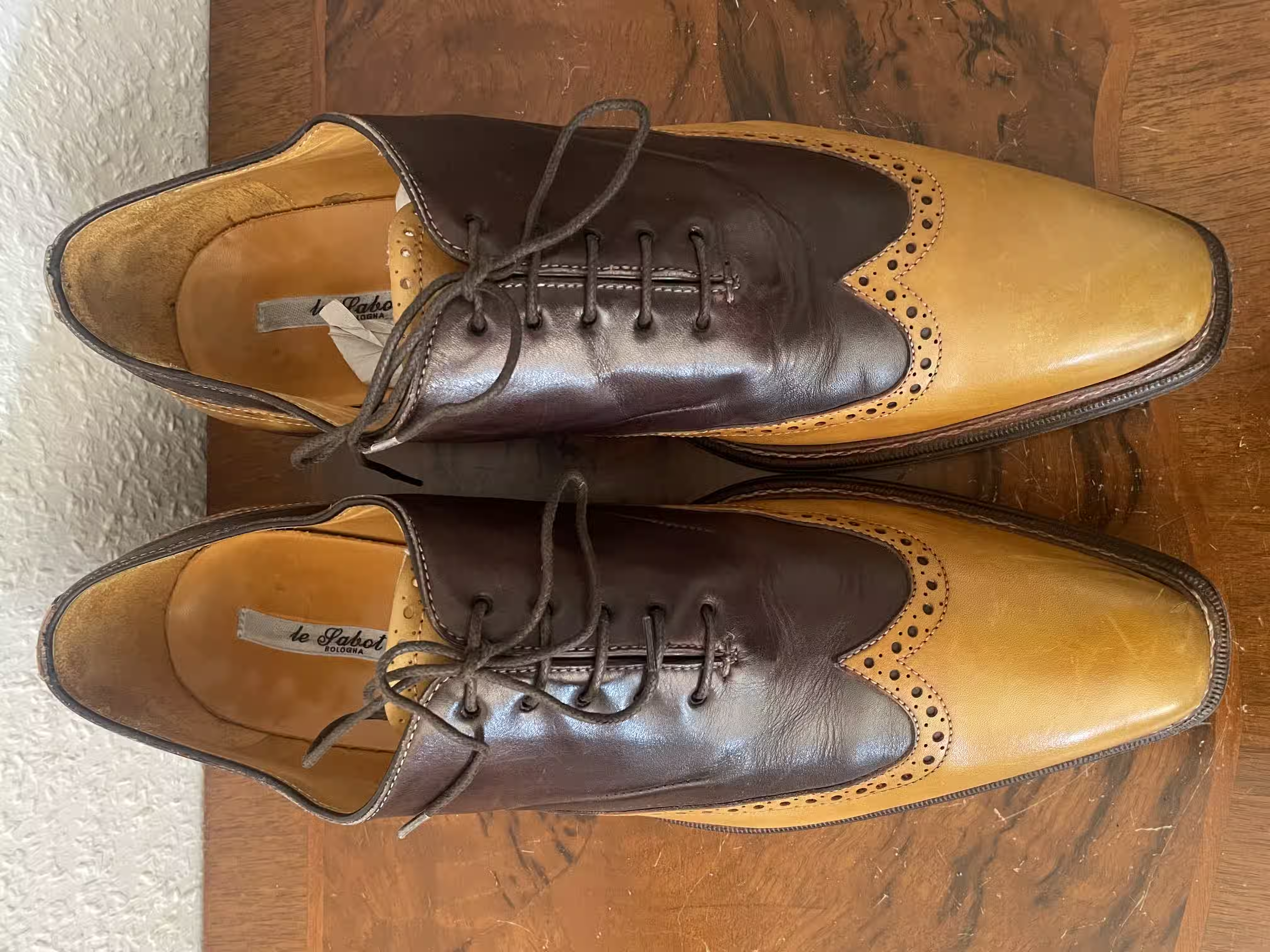
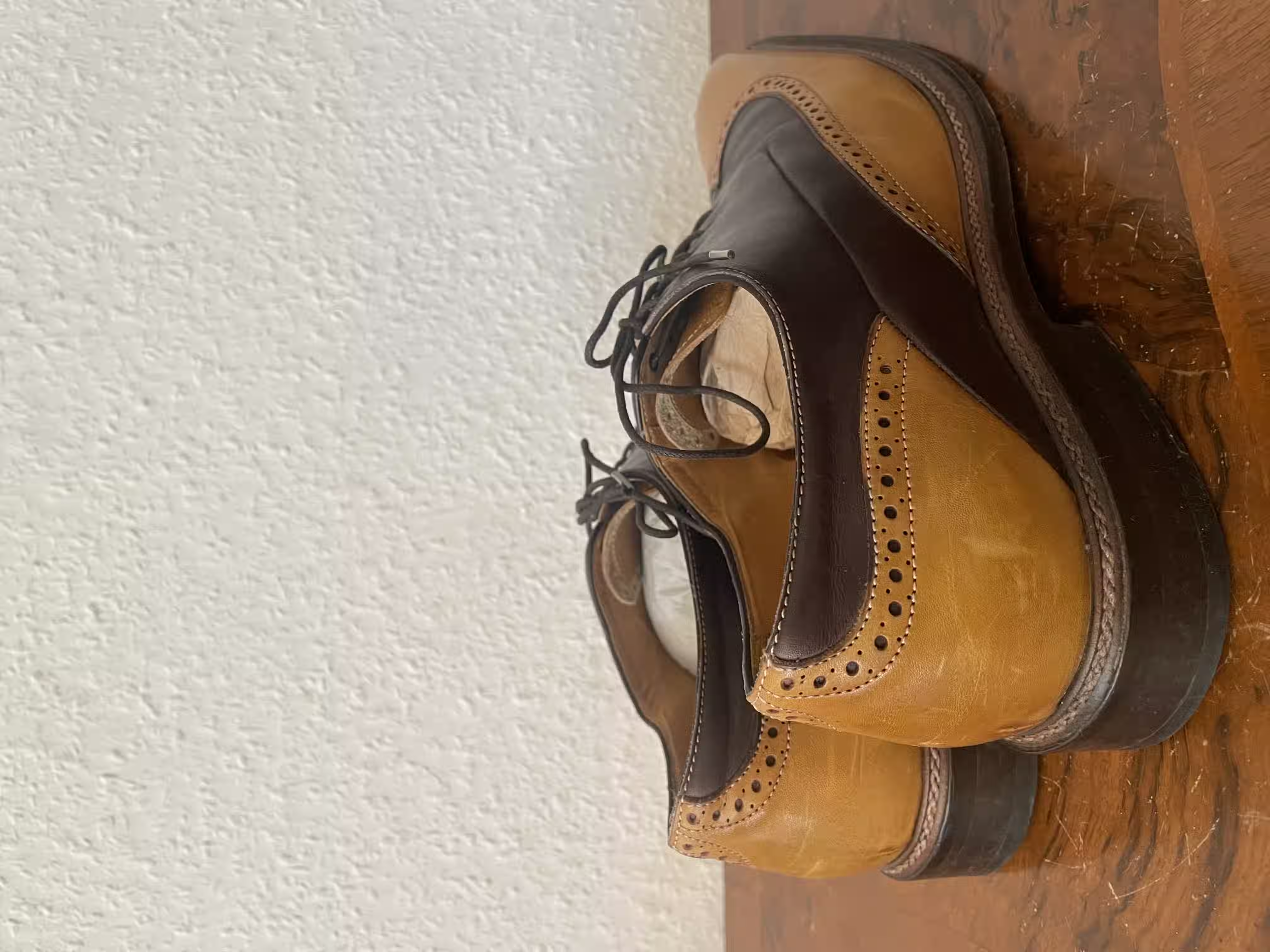
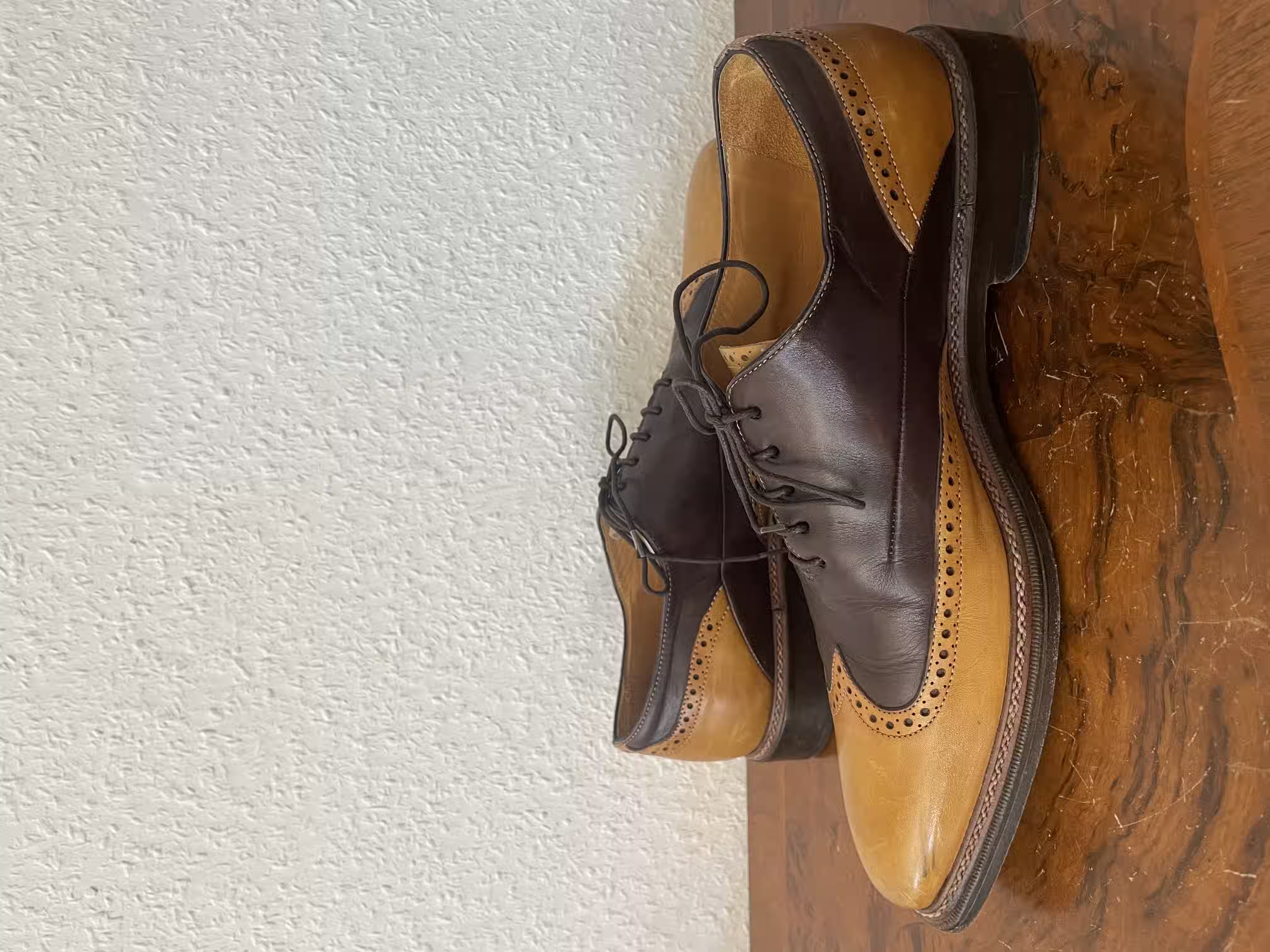
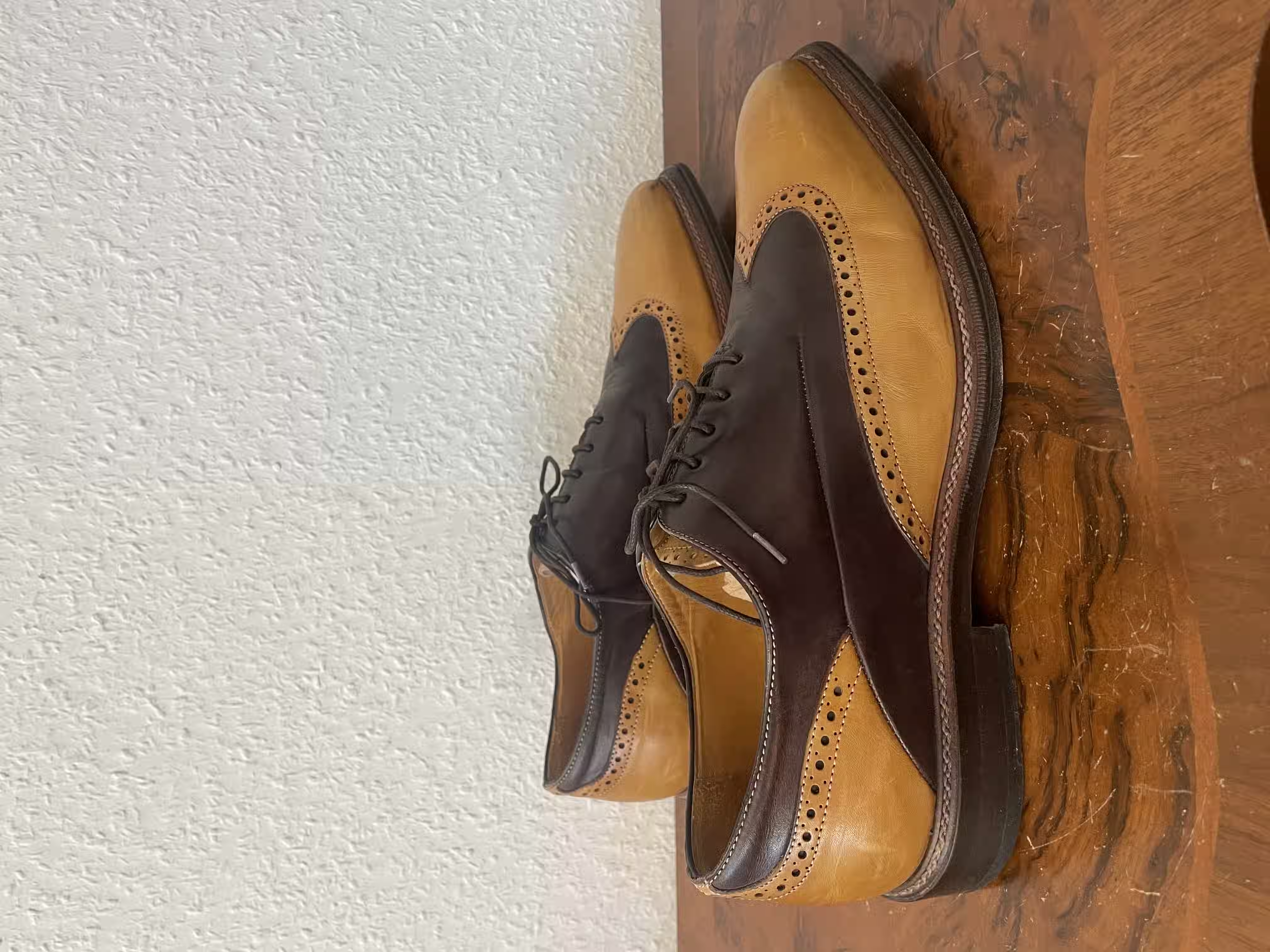
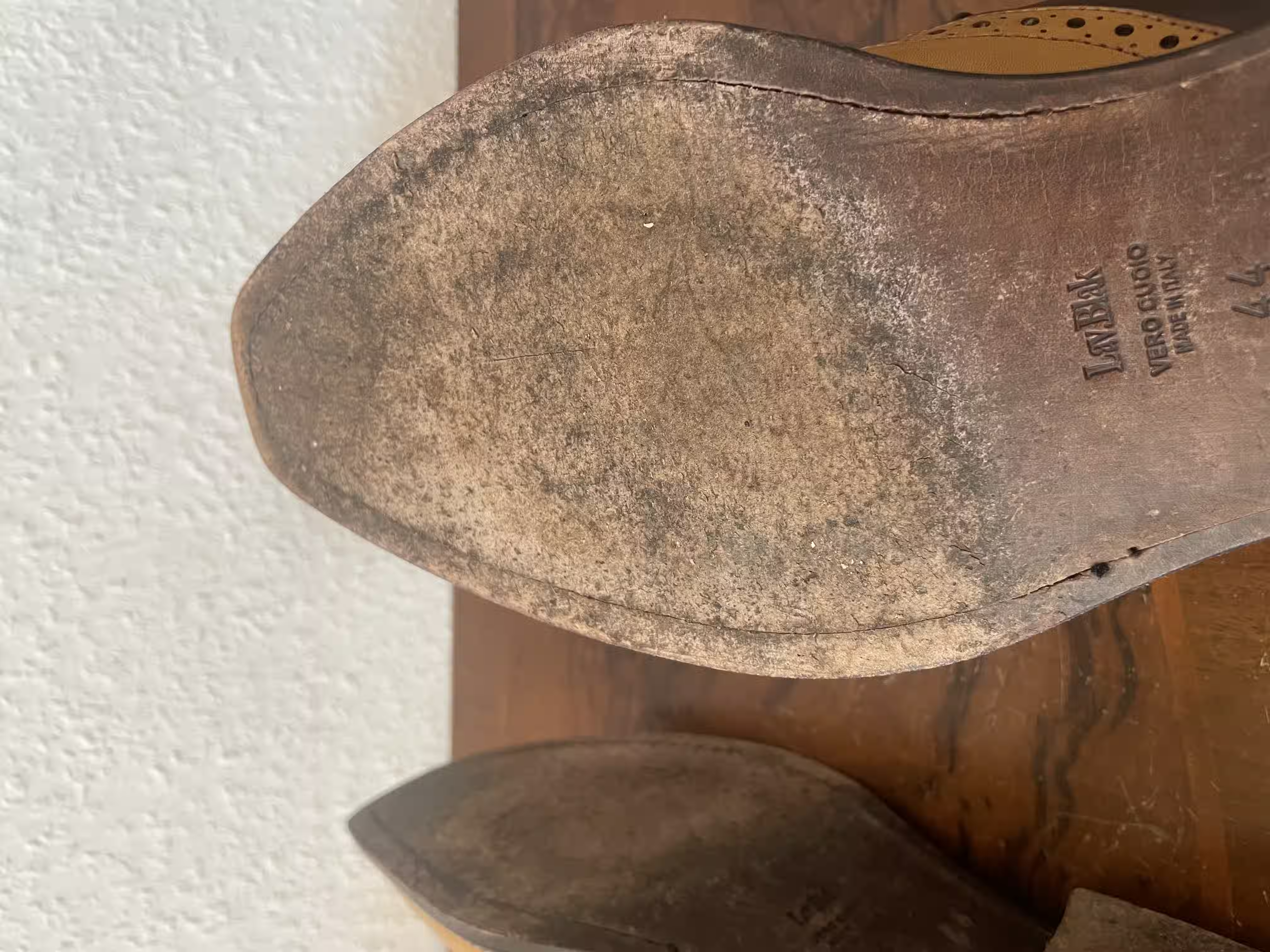
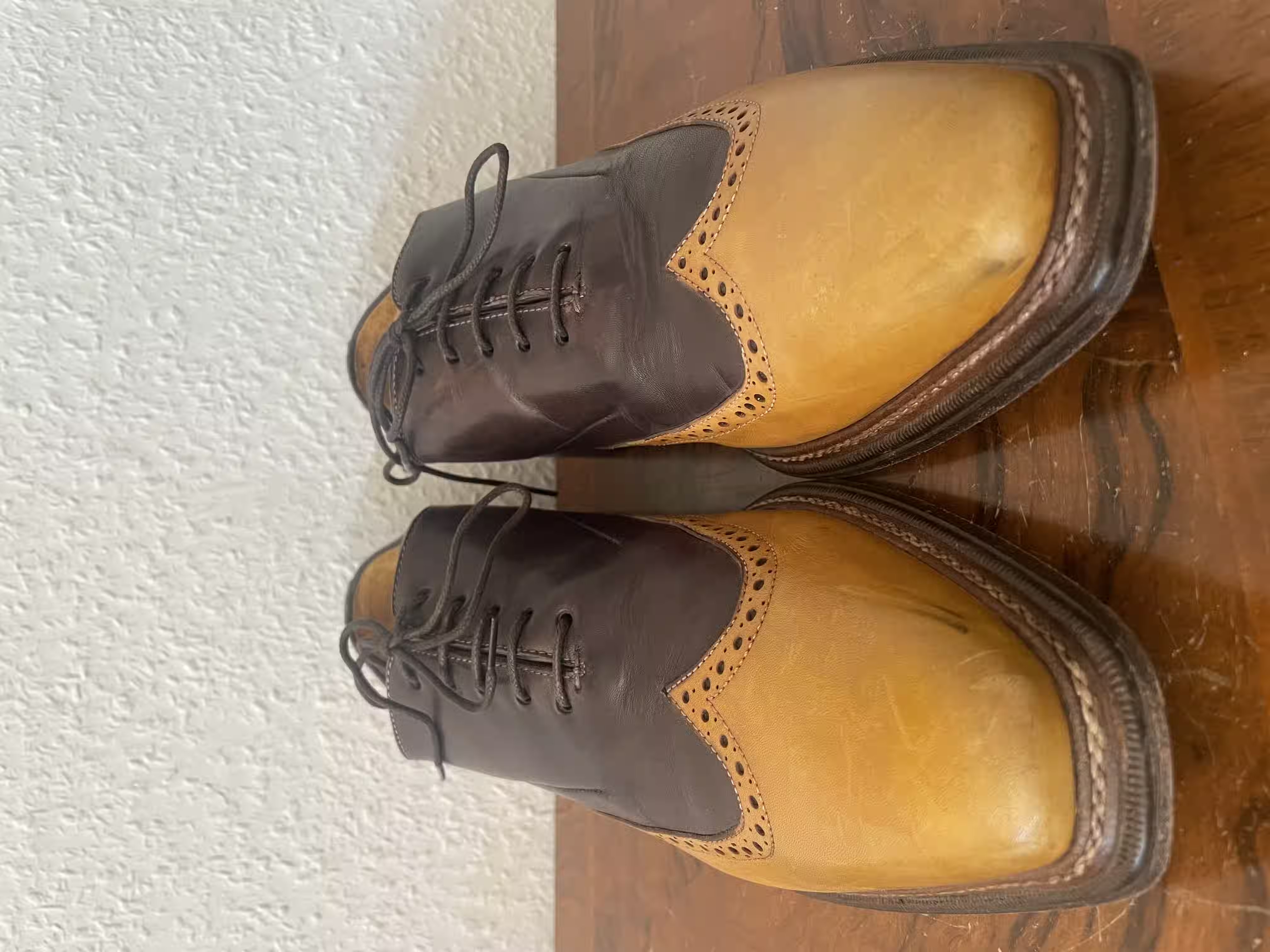
The Blake construction is called the Blake method in its simpler version and Blake-Rapid in its two more complex versions. The names refer to the inventors of the corresponding machines with which such constructions can be applied industrially. Today, this industrial production of shoes dominates even for Blake-stitched shoes. As a shoemaker, you can also produce Blake-stitched shoes by hand without these specialized machines. If you do this well, you can surpass the machines in terms of shoe flexibility. Whether with or without machines - in both cases, you can use the terms “Blake-stitched” or “Blake” or, in one of the more complex implementations, “Blake-Rapid” for such shoes.
Blake Construction
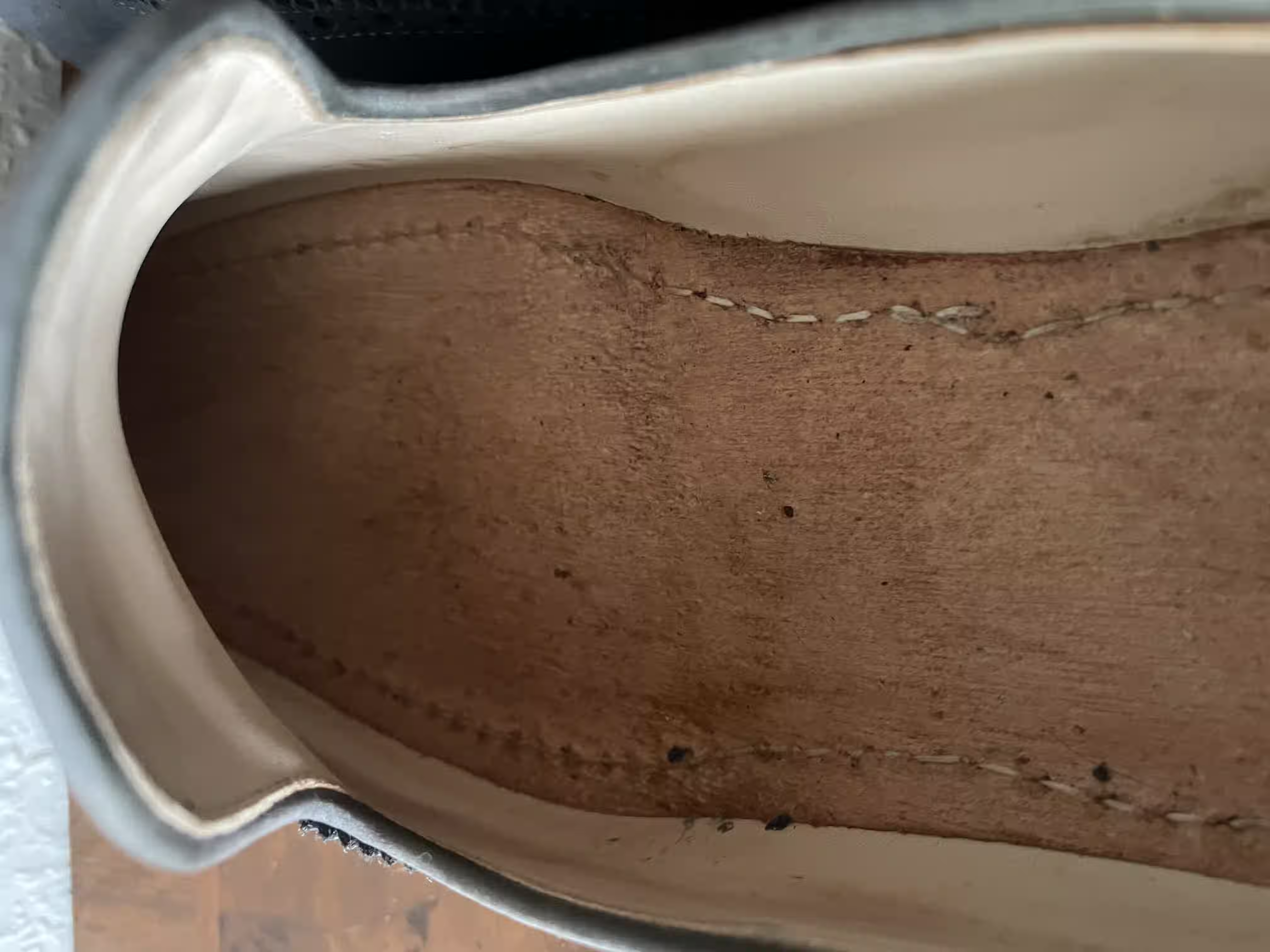
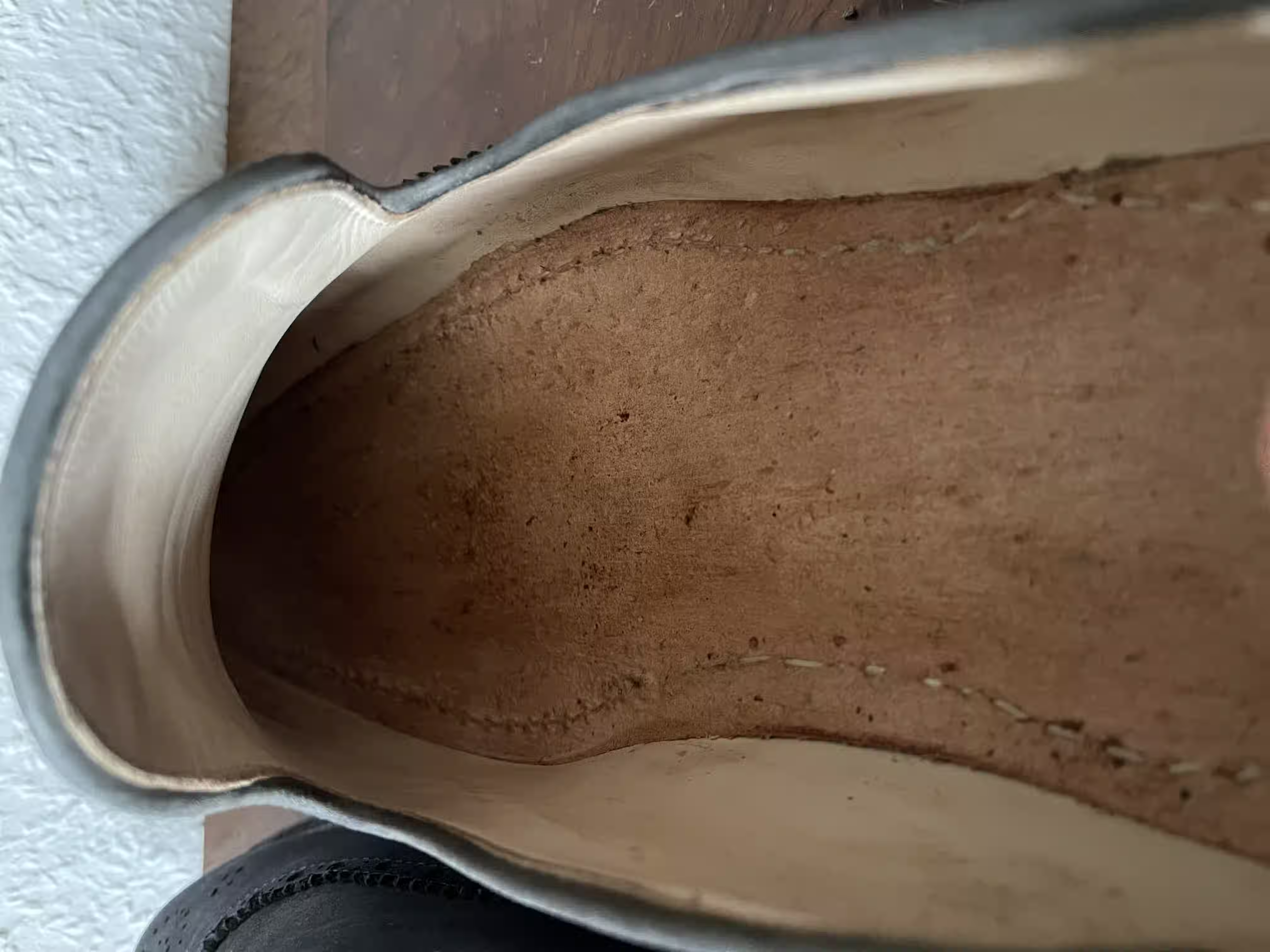
In this simplest Blake construction, the upper leather, the insole, and the outsole are stitched together. This is done with the so-called Blake stitch, which can very often be seen inside the shoe if no sock liner on the insole is in the way. In the Blake construction, the insole is therefore pierced for the application of the seam before the stitch is passed through. This is where the German term “durchgenäht” (stitched through) comes from.
On the bottom of the outsole, you can also often see this seam, for example, if no full rubber protective sole is glued over it or if this seam is not recessed into the sole leather. The result is an extremely lightweight shoe with an often quite thin sole. This gives you a very good walking experience, albeit at the expense of resolability. Resoling is possible, but not quite as easy as with other constructions: in the end, the outsole, which is stitched to the insole and the upper leather, is replaced and the whole thing is stitched through again. One danger here is that the insole will get too many holes over time if you don’t hit the old holes when re-stitching. It is often easier if you have another thin outsole glued onto the worn-out outsole. However, this is only a rather half-hearted resoling, which usually does not last particularly long. Additionally, you are dependent on the adhesive holding reliably.
Machine Production
There is a corresponding machine for sewing the Blake stitch, which simplifies the work. However, the shoe is then less flexible than if the shoemaker makes the Blake stitch by hand with a lot of tension. Nevertheless, machine production predominates for shoes in the Blake construction as with other construction methods - simply because production with the help of machines is much faster. With the machine, the decisive stitching should take about a minute, and I would estimate the work by hand at a couple of hours. And I would also far prefer this machine variant of Blake-stitched shoes to purely cemented shoes because a seam lasts much longer and more reliably than adhesive.
Blake Stitch and Water Resistance
If the Blake stitch is visible on the outsole and thus freely accessible, water can theoretically penetrate the interior of the shoe more easily through the seam openings. However, one would tend to use such shoes in the Blake construction as summer shoes anyway, and it would have to rain reasonably hard for your feet to get wet. You wouldn’t want to walk through puddles in such shoes anyway, and all leather shoes get wet inside if there is too much rain - simply because leather absorbs water. You can mitigate this process, for example, with waterproofing sprays or wax, but you cannot fundamentally change the facts. And especially if your sole is thin, the shoes and feet will get wet anyway - regardless of whether there are holes in the sole or not.
By the way, with Blake shoes, the wearing down of the leather sole can cause the sole leather to redistribute itself on the sole and even plug the holes from the seams. You can achieve this effect particularly well if you apply leather grease to the relevant areas and let it work. But please do not use leather grease for the upper leather of most of your leather shoes. In any case, this effect can further alleviate any concerns you may have about the holes.
Identifying Features of Shoes in the Blake Construction
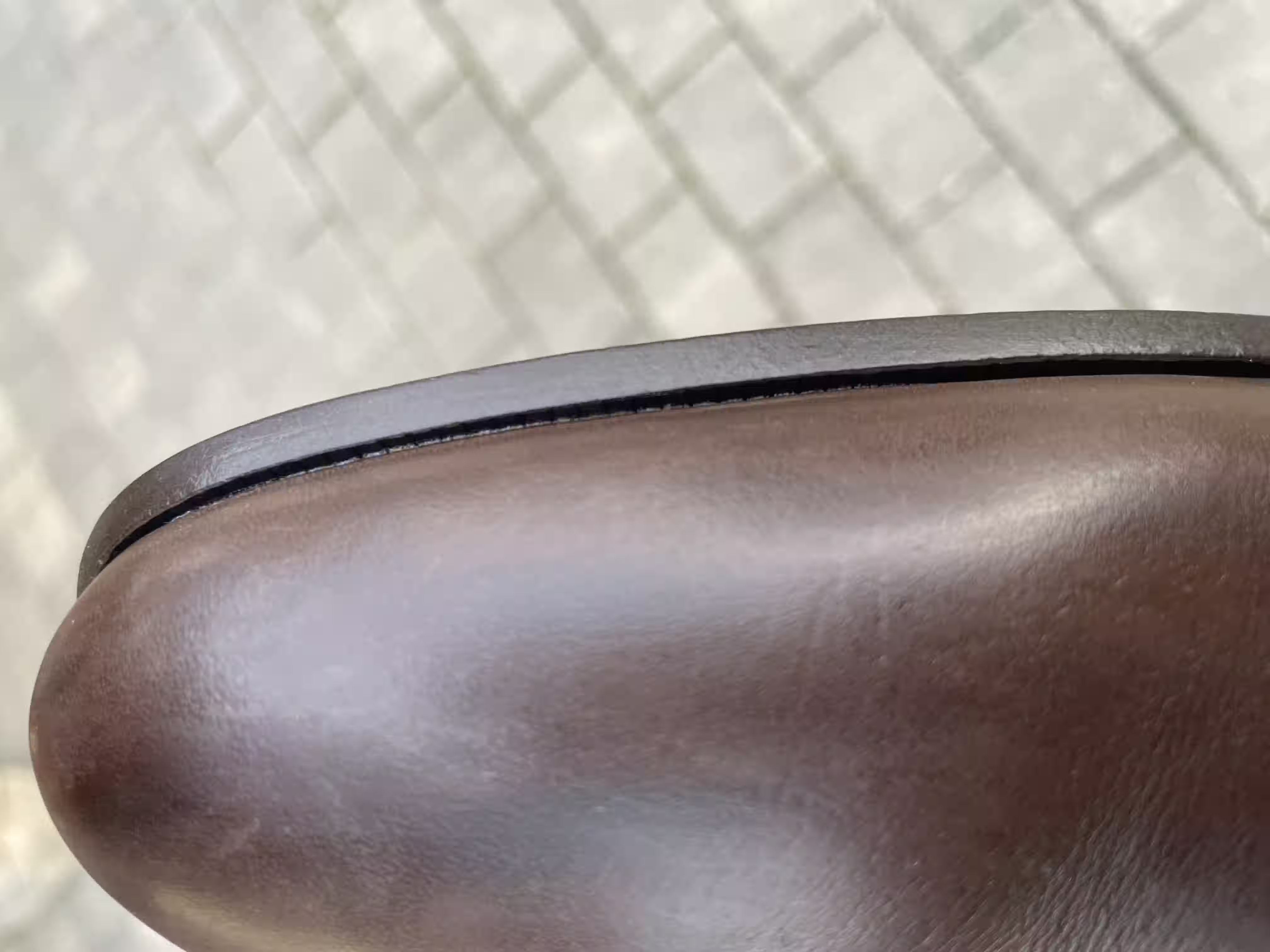
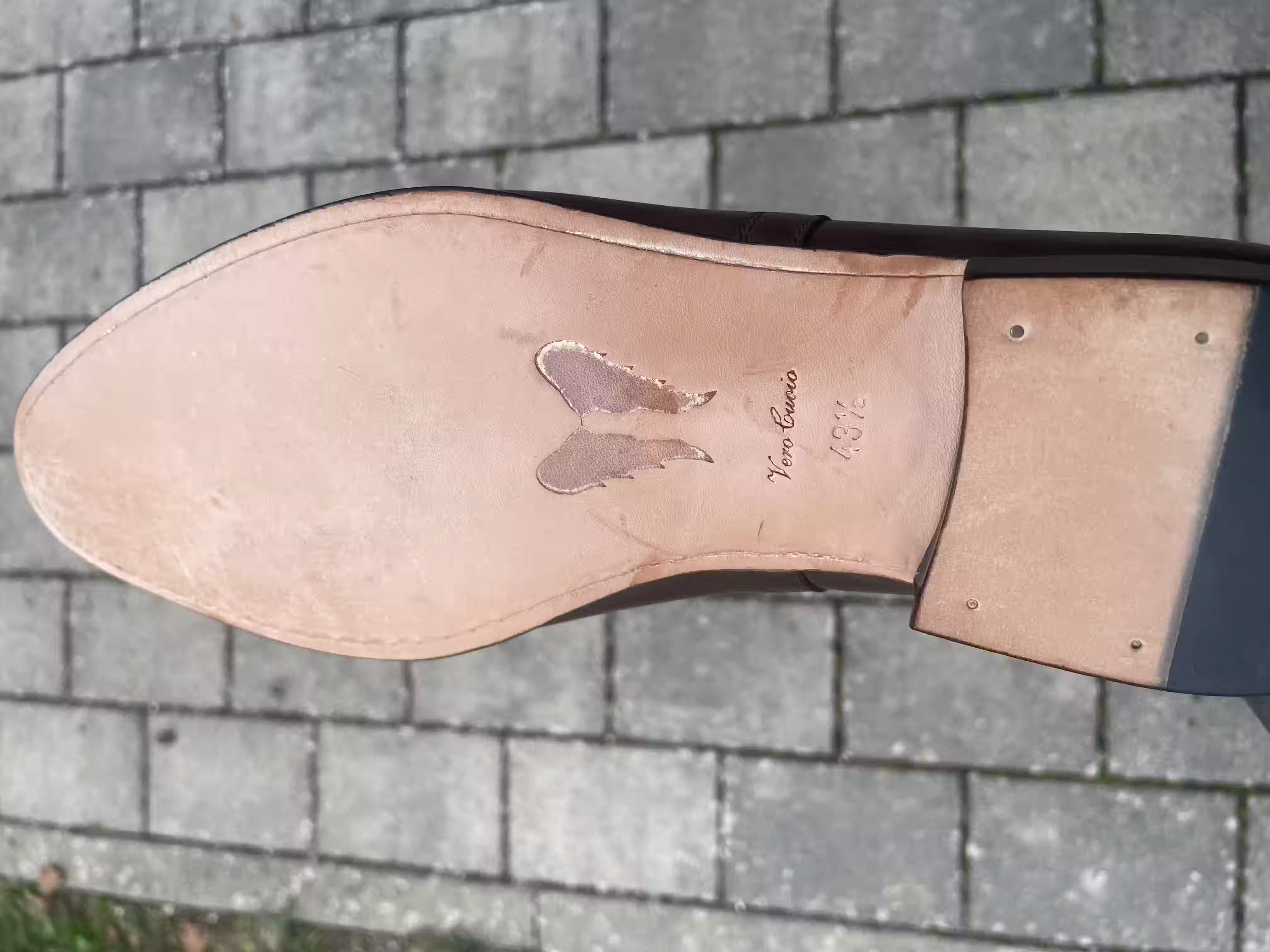
Broadly speaking, you can recognize whether your shoe is made in the Blake construction by the following criteria:
- A seam can be seen inside the shoe—usually in the front area of the shoe because of the insole.
- On the surface of the outsole, a channel can be seen in which the same seam as above runs along this outer side of the shoe.
- The sole is relatively thin and consists of only one layer.
- On the top side of the outsole, which protrudes somewhat from the upper and which in other constructions is the welt, no seam can be seen.
Here I must emphasize that these criteria are good indicators for an assessment. However, they are not directly necessary. Because if, for example, your insole covers the entire insole board inside the shoe, then you won’t find a Blake stitch there either. Or you can also have shoes in the Blake construction where the protruding top side of the sole has a pseudo-stitch purely for decorative purposes. So nothing is actually stitched there, but a purely decorative stitch is applied. The construction nevertheless remains Blake, since a more complex construction is only being suggested here.
As a final counterexample, I mention shoes in the Blake construction that do not have a thin rubber sole and still have no visible seam on the bottom surface of the outsole. This can be because the Blake stitch is hidden in the leather of the outsole and only becomes visible over time as the shoe is worn, when more sole leather is worn away. There are techniques for cutting open the sole leather and closing it again after the Blake stitch has been applied.
Overall, you should not take the above criteria too absolutely. But meeting two to three criteria is already a strong indication that the shoes are made in the Blake construction, i.e., stitched through.
Blake-Rapid construction
The Blake-Rapid construction is a variation and extension of the Blake construction in order to achieve better resoleability. But the core remains the same, and in particular the insole board is still stitched through, so that you have the characteristic holes with the Blake stitch running there inside the shoe. You can still observe these inside the shoe as long as there is no fully covering insole in the way.
What changes, however: The outsole is not stitched to the insole board and upper, but an intermediate piece is. For this intermediate piece there are two variants:
- Leather midsole
- Leather welt, i.e., a leather strip
Only afterwards is the outsole attached in both variants.
So in both variants of Blake-Rapid we have an intermediate layer that sits between the insole board and the outsole. And this intermediate layer ensures that you can resole the shoes better. Because the Blake stitch runs up to and including the intermediate layer and is therefore well protected behind the outsole. The Blake stitch is therefore normally not worn down here. The only seam that can be worn down is the sole stitch, which in this context is also called the Rapid stitch. It connects the intermediate layer with the outsole and is replaced during a repair. Ultimately, the intermediate layer is something special in this variant because both seams run through it: the Blake stitch and the Rapid stitch.
Terms and designations
By the way, shoes in this more complex construction can also be described as stitched through or of the Blake construction, even if strictly speaking Blake-Rapid is meant. Because the core is the same, namely that the insole board is stitched through in order to connect it with the upper and a third part. And this third part is therefore either
- the outsole (Blake construction)
- a welt (Blake-Rapid with welt)
- or a midsole (Blake-Rapid with midsole).
That is actually the core of what makes a construction type. Attaching the outsole is also important, but secondary for the construction type.
Blake-Rapid with midsole
This is the Blake construction with the addition that an additional sole exists between the insole board and the outsole and is stitched to the upper and the insole board instead of the outsole. This additional sole is the so-called midsole. Basically, a Blake-Rapid shoe without an outsole is already a Blake shoe. Or put differently: Blake-Rapid consists of the Blake construction plus an additional outsole that is stitched on underneath.
In more detail: For Blake-Rapid, the shoemaker thus carries out the Blake construction in its basic version, but without the heel, the rear part of the shoe. Now, in the Blake construction, the outsole is regarded as the midsole for Blake-Rapid, and the actual outsole is stitched onto this midsole. The midsole protrudes somewhat beyond the upper and thus has corresponding space for another seam that connects the midsole and the outsole. This additional seam is the Rapid stitch and is more generally also referred to as the sole stitch. Some people confuse such shoes with so-called welted shoes by automatically associating this sole stitch with welted construction.
After the outsole has been stitched on, the heel is attached, and thus the shoe in the Blake-Rapid version with midsole is basically finished.
Blake variant with glued outsole
By the way, some manufacturers do not attach the outsole to the midsole with the rapid stitch, but simply glue the outsole onto the midsole. Often there are entire prefabricated parts for this, consisting of outsole and heel, which can simply be glued onto the entire midsole. Resoling is then extremely easy: pull out the outsole parts with pliers and glue on new ones.
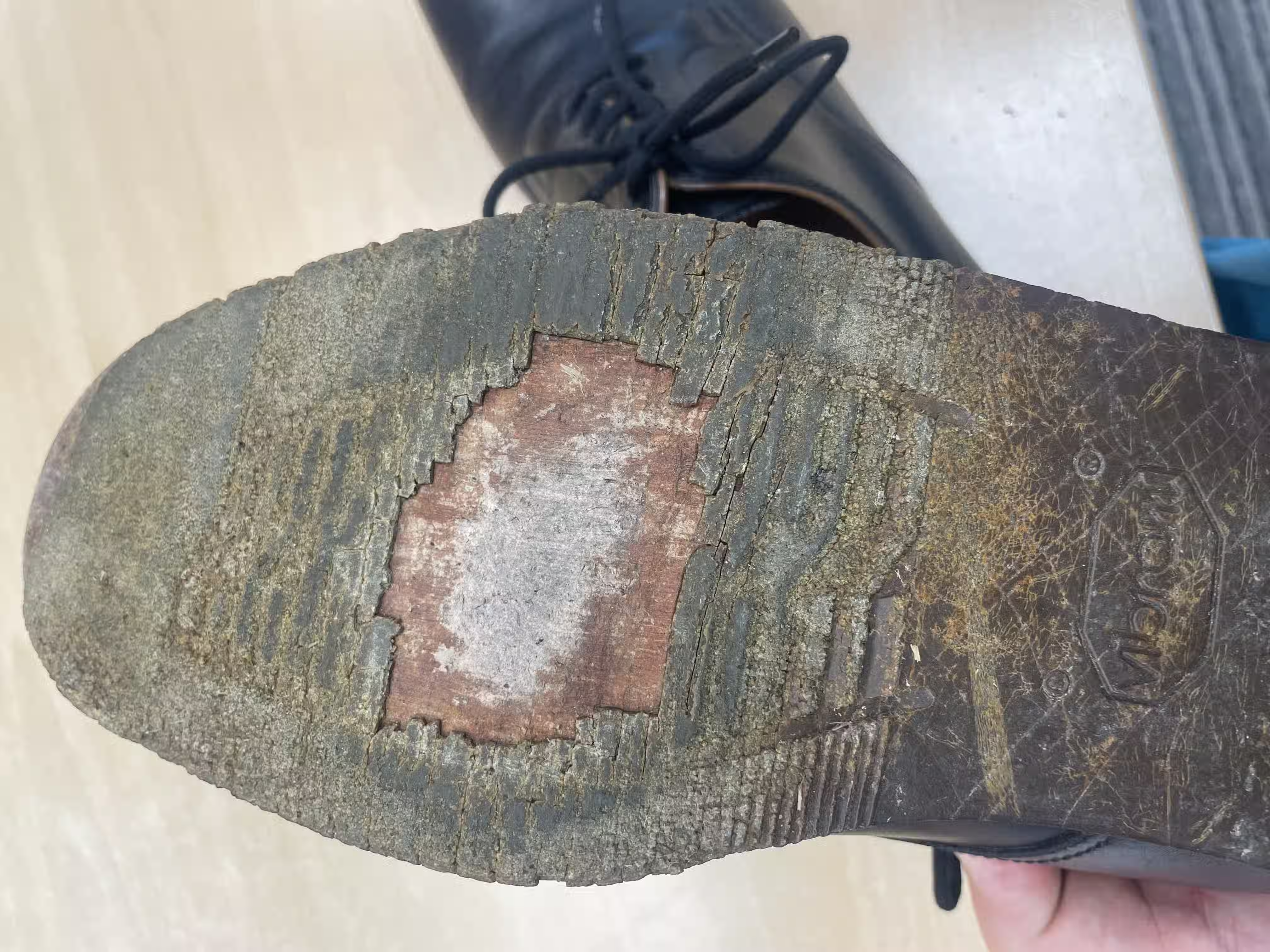
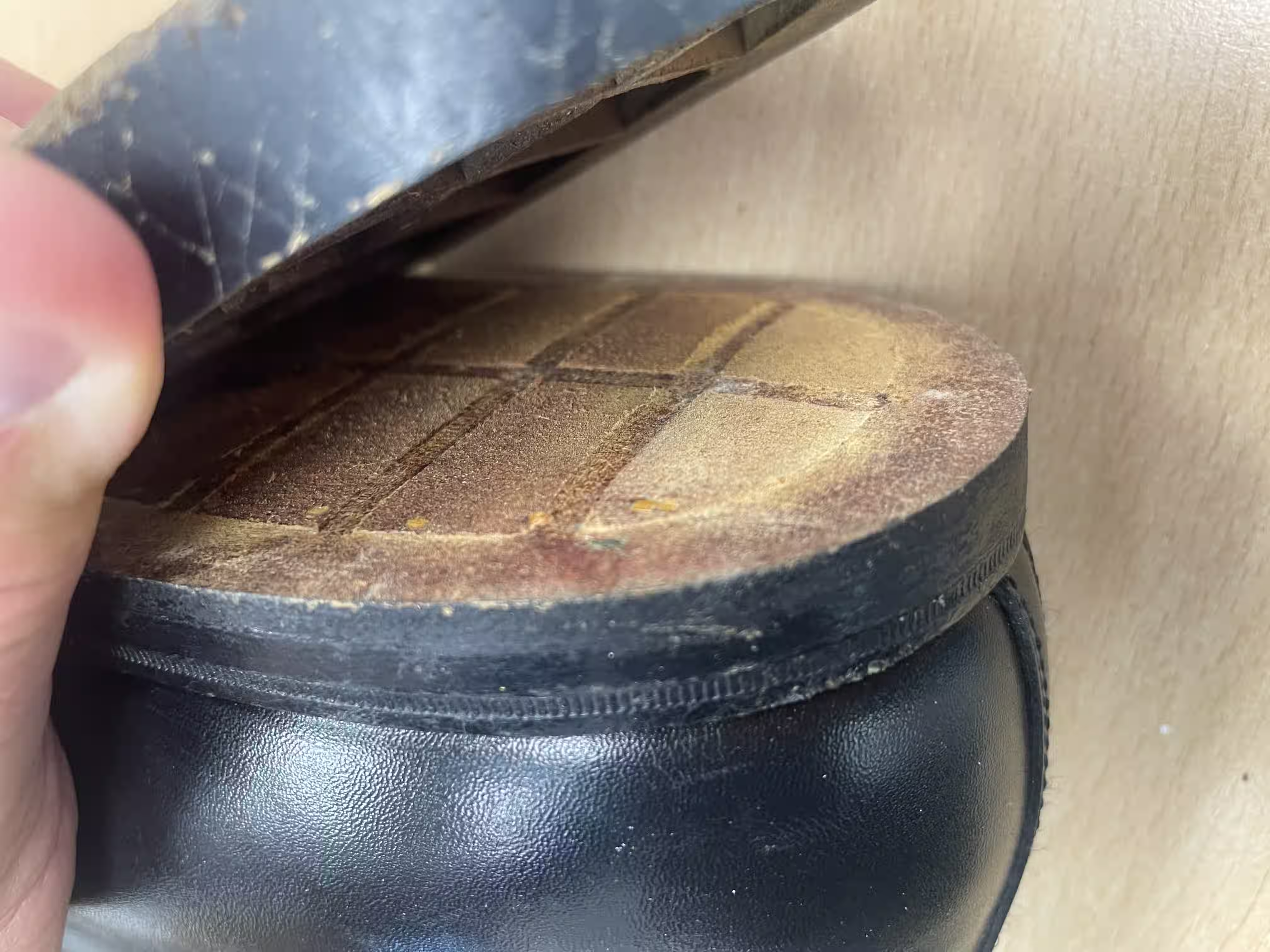
In my opinion this is a valid and cheaper variant, but it can result in a stiffer outsole and there is a certain risk that the outsole will come loose faster than with a stitched outsole. However, you can’t call this Blake-Rapid, since the rapid stitch is missing. For me, that’s then a shoe in Blake construction with a glued outsole.
Blake-Rapid with welt
The Blake-Rapid construction with welt works in such a way that in the first step the Blake construction is applied—with only one difference: instead of the outsole, a welt, i.e. a leather strip, is stitched on at the bottom and thus connected to the upper and insole. That means the insole is pierced again and, with the help of the Blake stitch, is connected to the upper and the welt.
The resulting cavity between the insole and the welt is filled with scrap leather or a thin layer of cork before, in the second step, the outsole is stitched to the welt. And here, too, the sole stitch with which this is done is called the rapid stitch.
Comparison with welted construction
This makes the Blake-Rapid construction with welt very similar to the so-called welted construction. In both variants, the welt is run through by two seams and there is basically the same so-called filler (usually a cork layer) between insole and outsole.
The only difference is that with Blake-Rapid with welt, the insole is stitched through, i.e. actually drilled through. With welted construction, however, the insole doesn’t get holes punched into it. Instead, a so-called gemming rib is skived on the underside of the insole, and this gemming rib then carries the so-called holdfast stitch. This holdfast stitch, similar to the Blake stitch, connects the insole, the upper, and the welt to one another.

Variants
Black peccary loafers
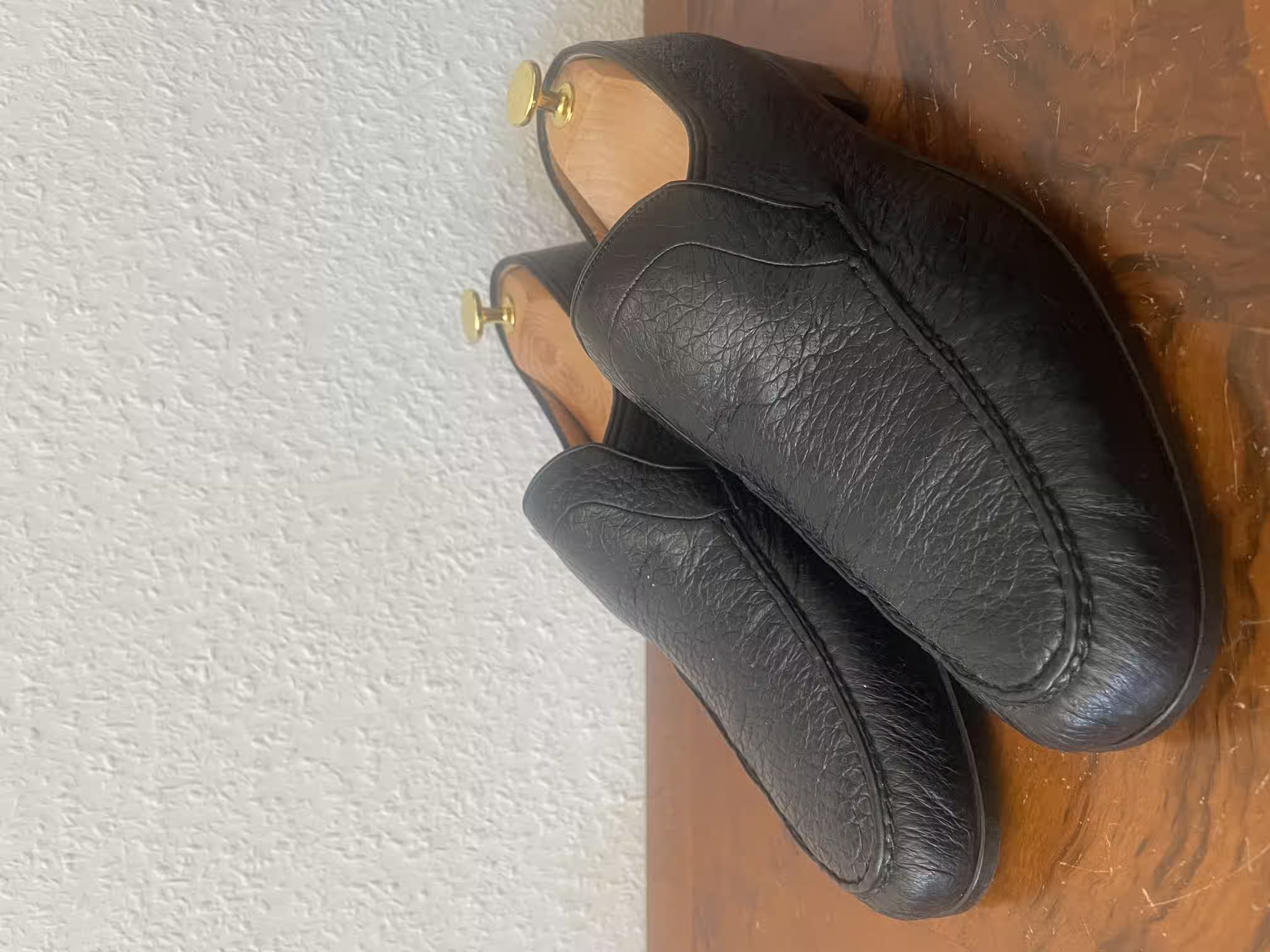
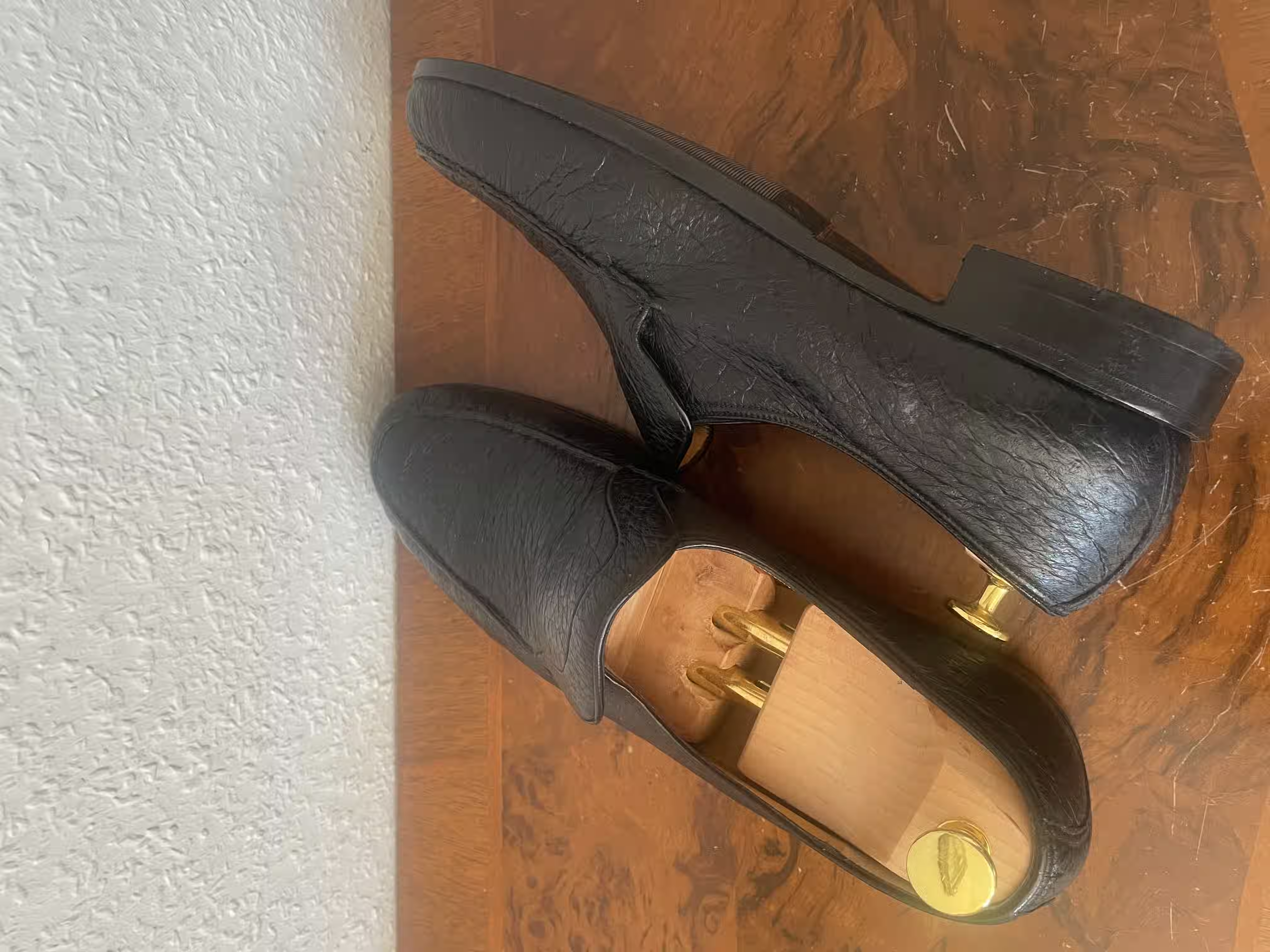
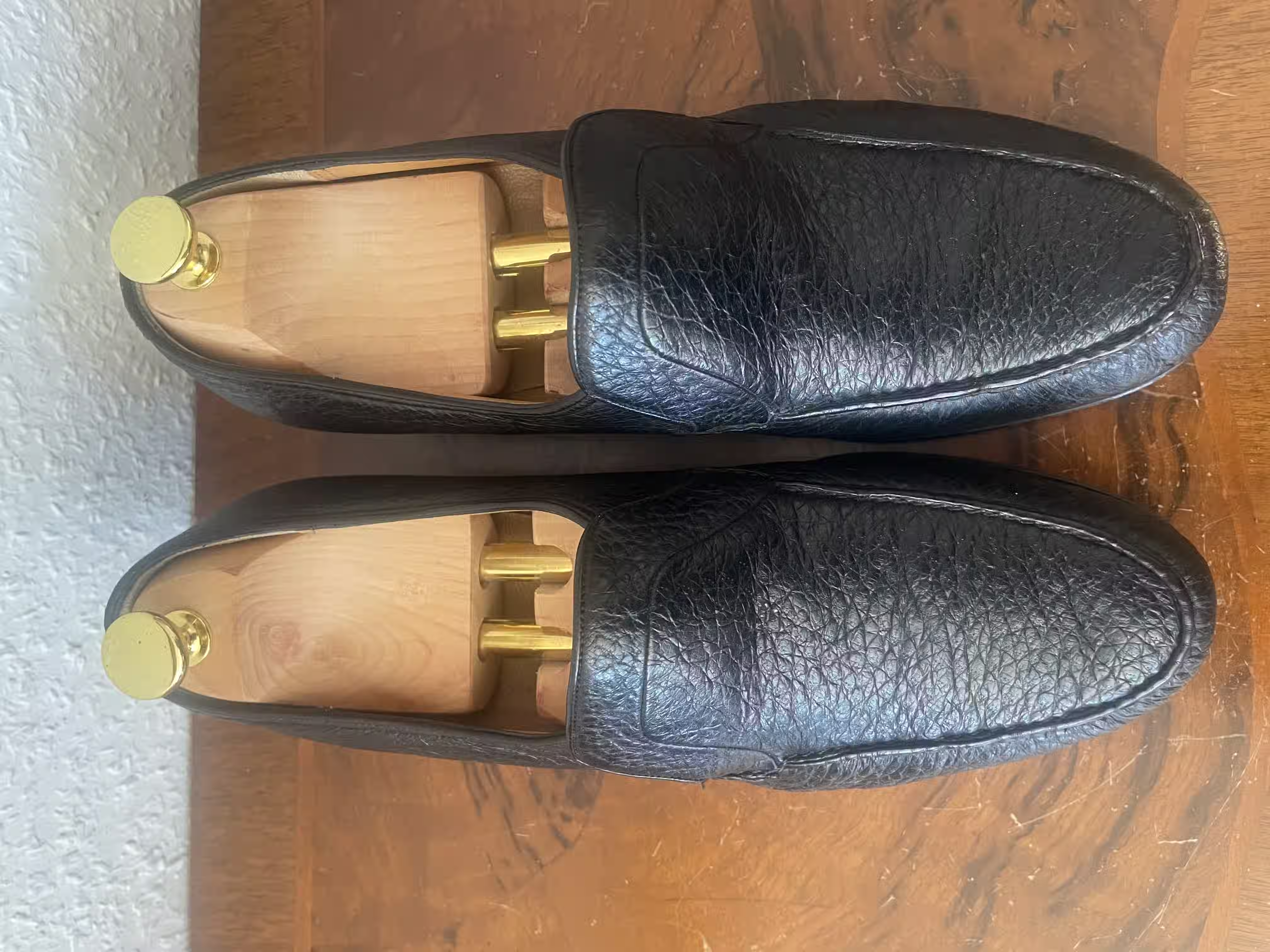
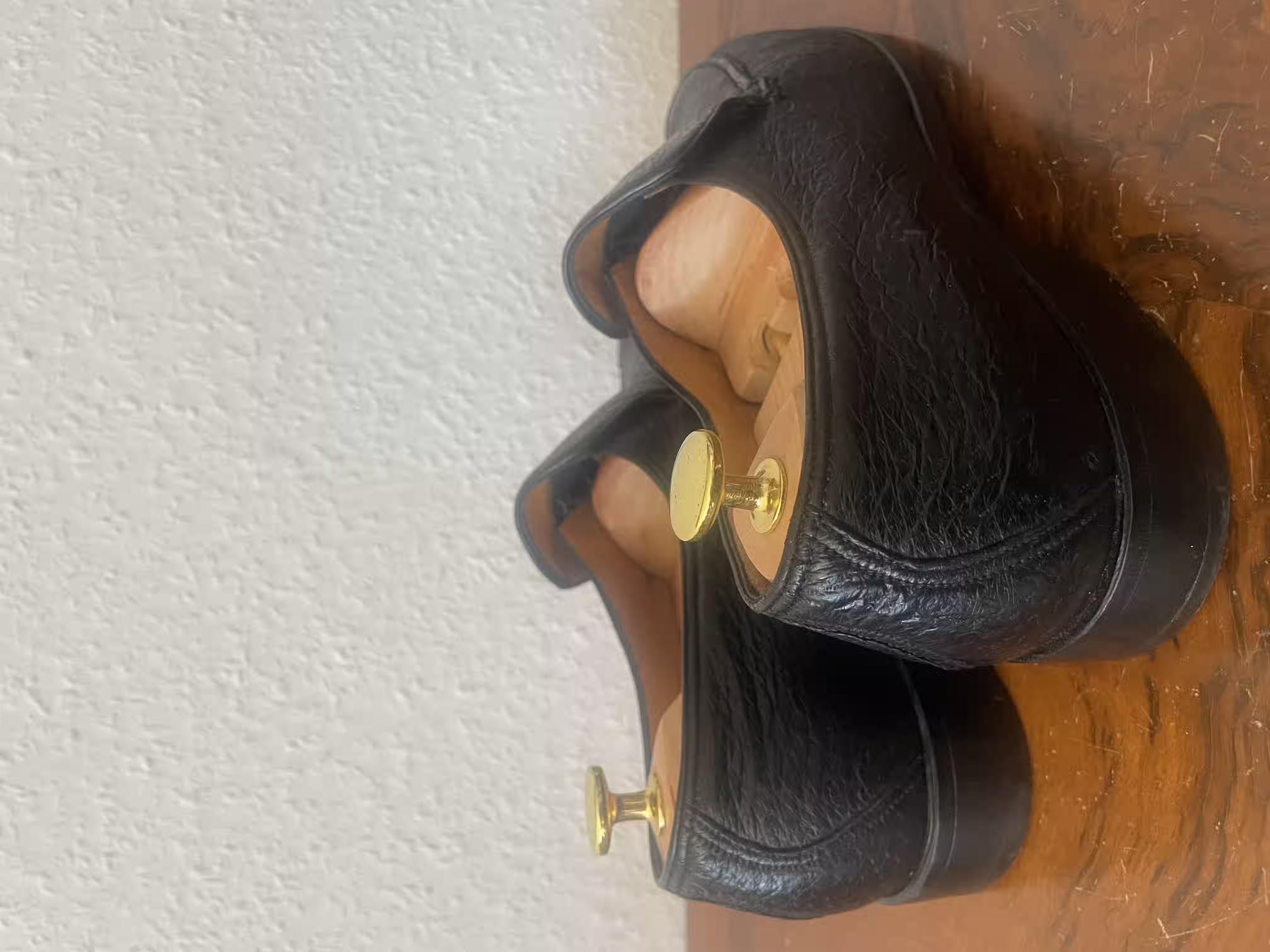
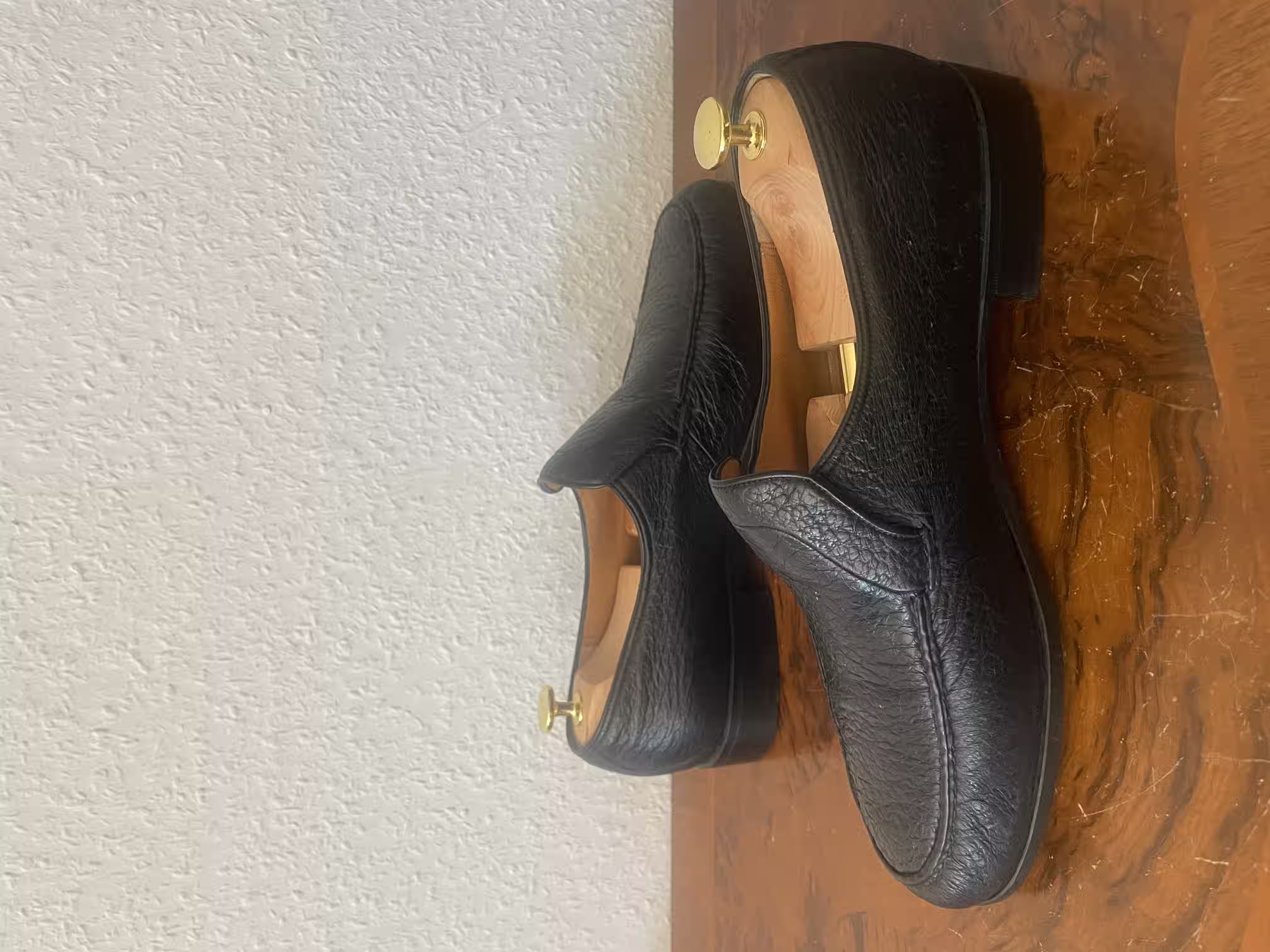
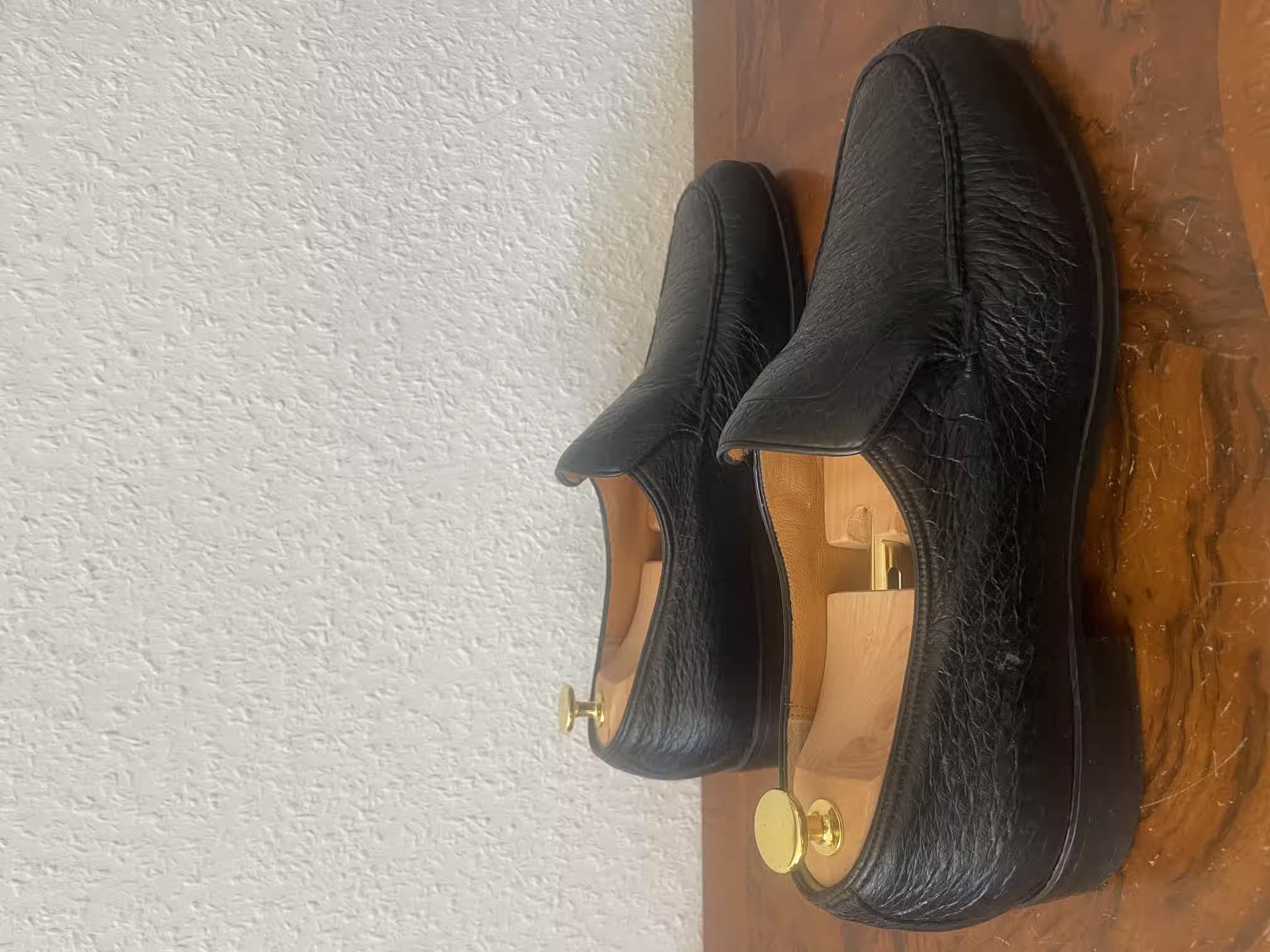
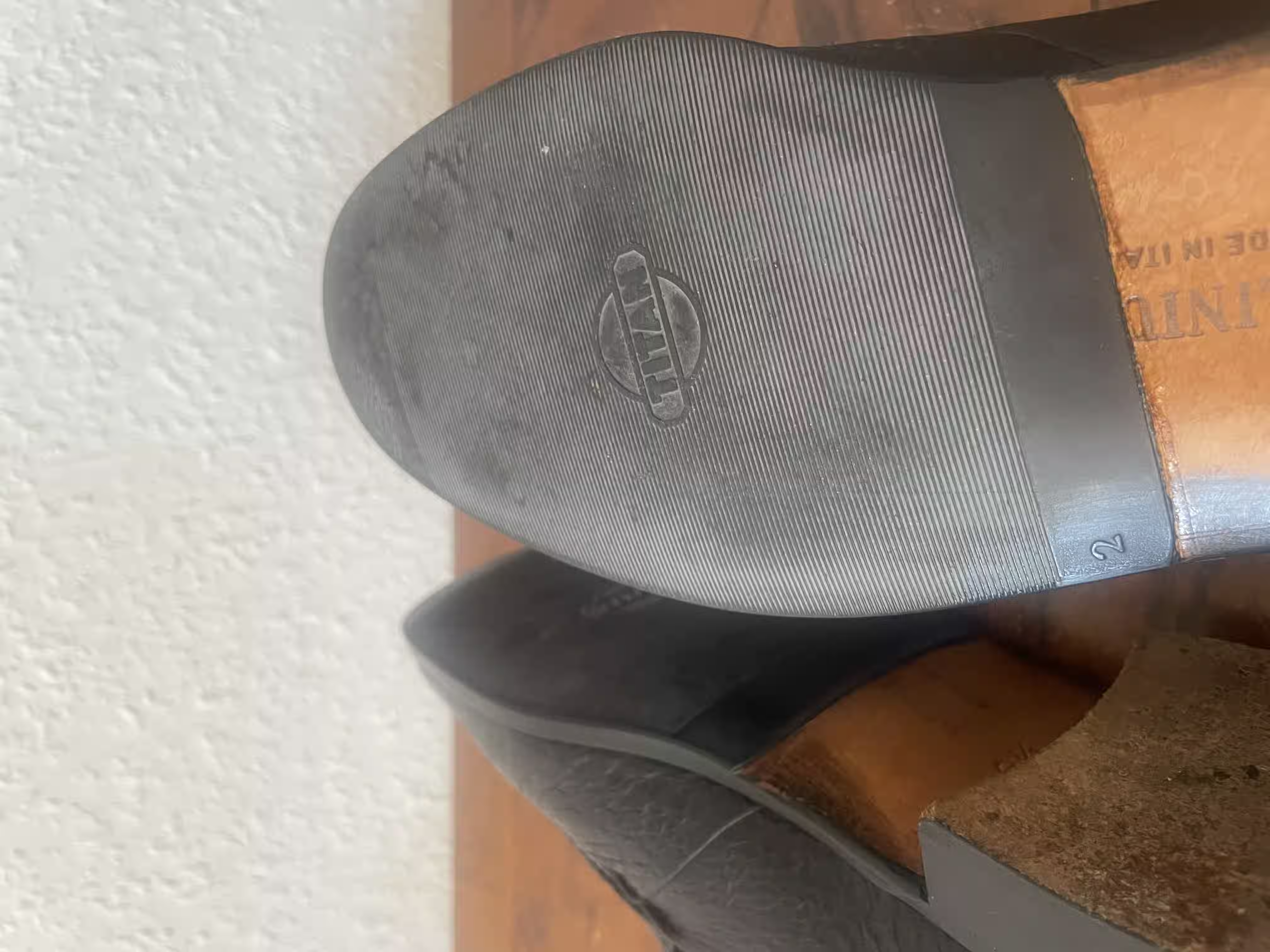
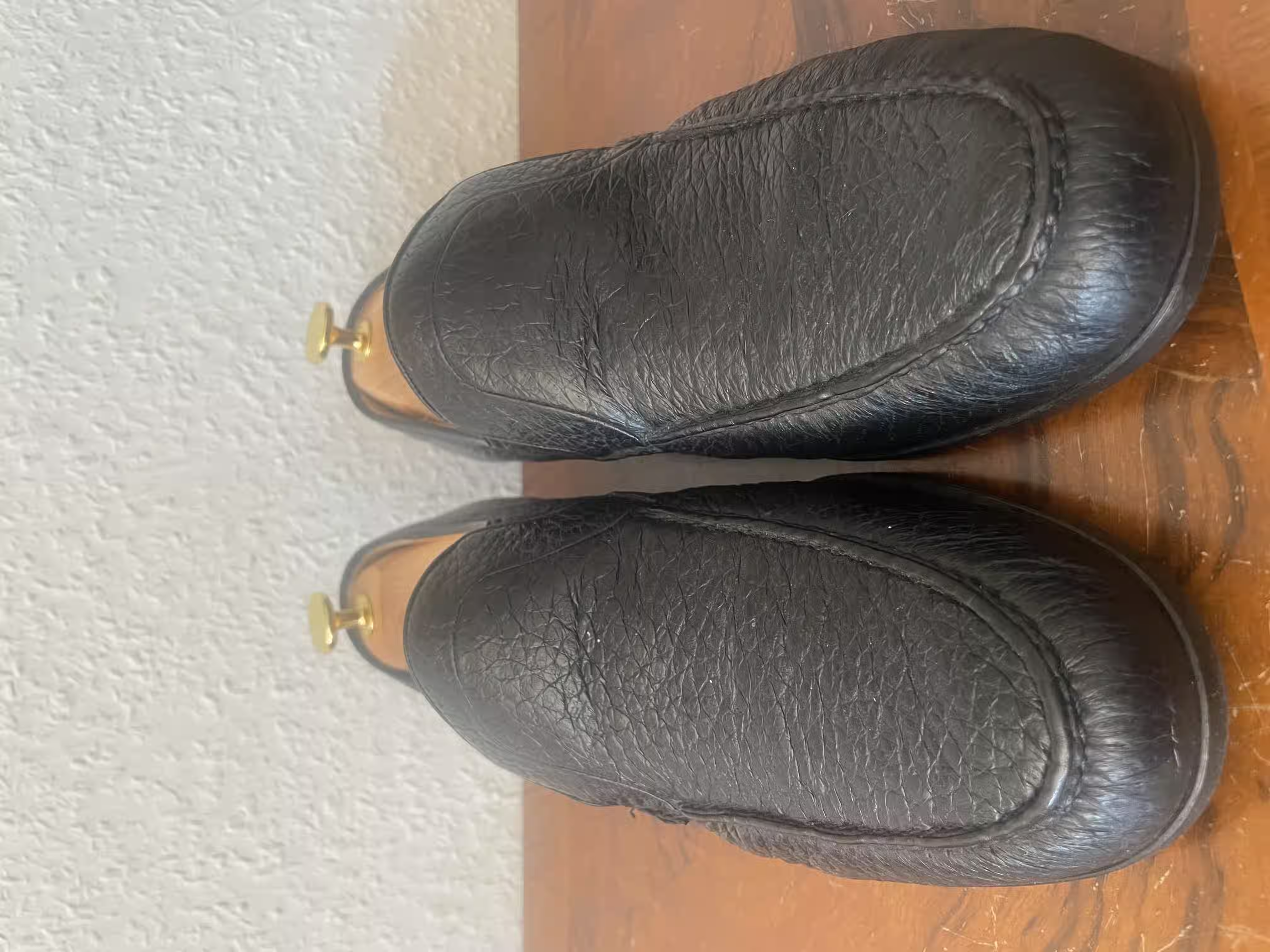
Here is a pair of summery loafers in the not-so-summery color black. This is a special use case of the simple Blake construction, whose Blake stitch you can see inside the shoe. However, you can’t see anything on the outsole here because the Blake stitch is hidden inside the leather there, and in addition a flat, covering rubber sole is attached.
With this shoe you have an advantage of the single, flat layer of outsole (I’ve neglected the thin rubber sole and left it out): the shoes are particularly light and easy to flex, so they support the walking motion especially well. If you’ve ever had problems with leather shoes that are too stiff, then such light loafers with a thin outsole are ideal for trying out whether things might work better for you too.
Dark brown Jodphur boots in simple, stitched-through construction
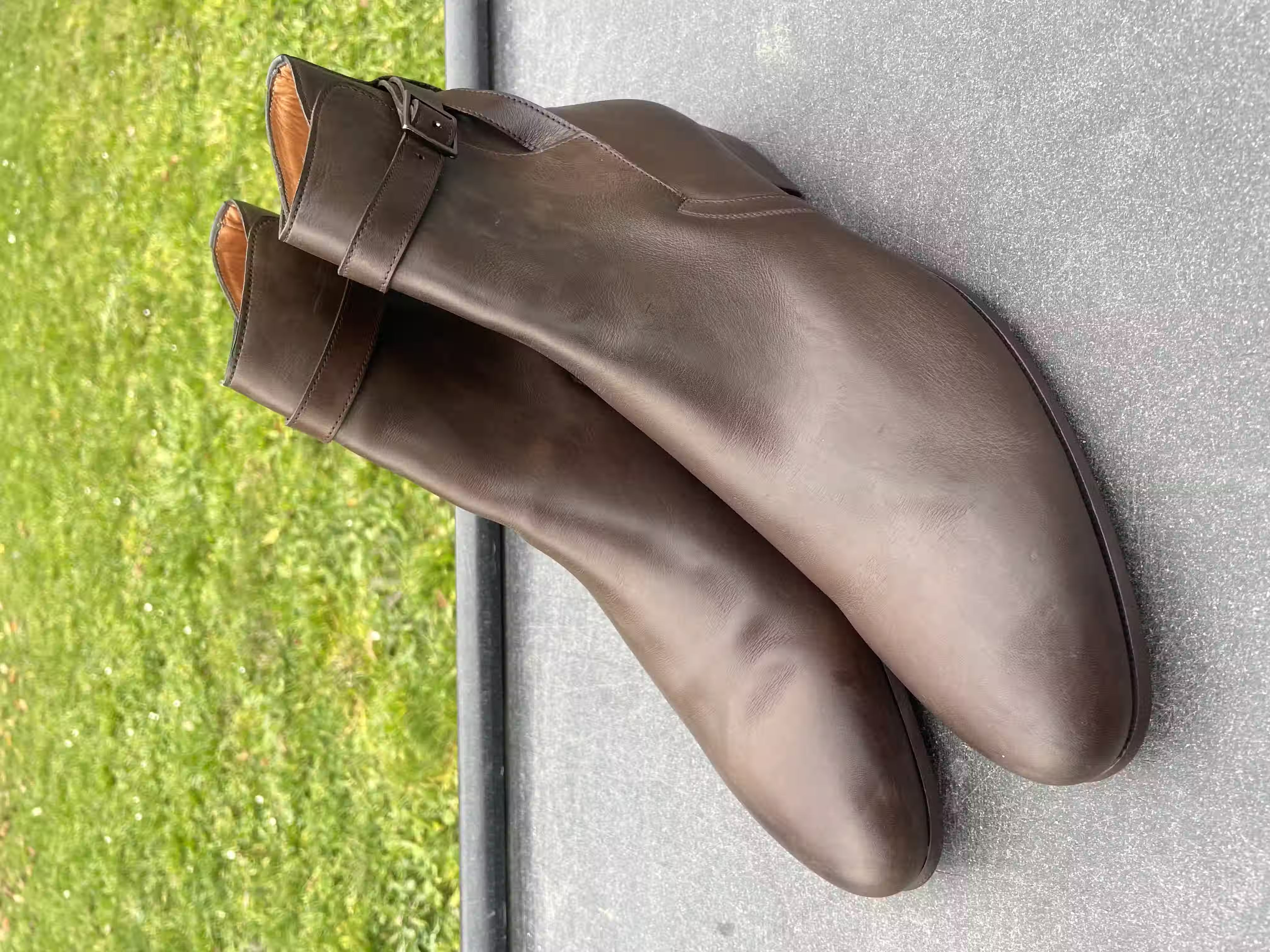
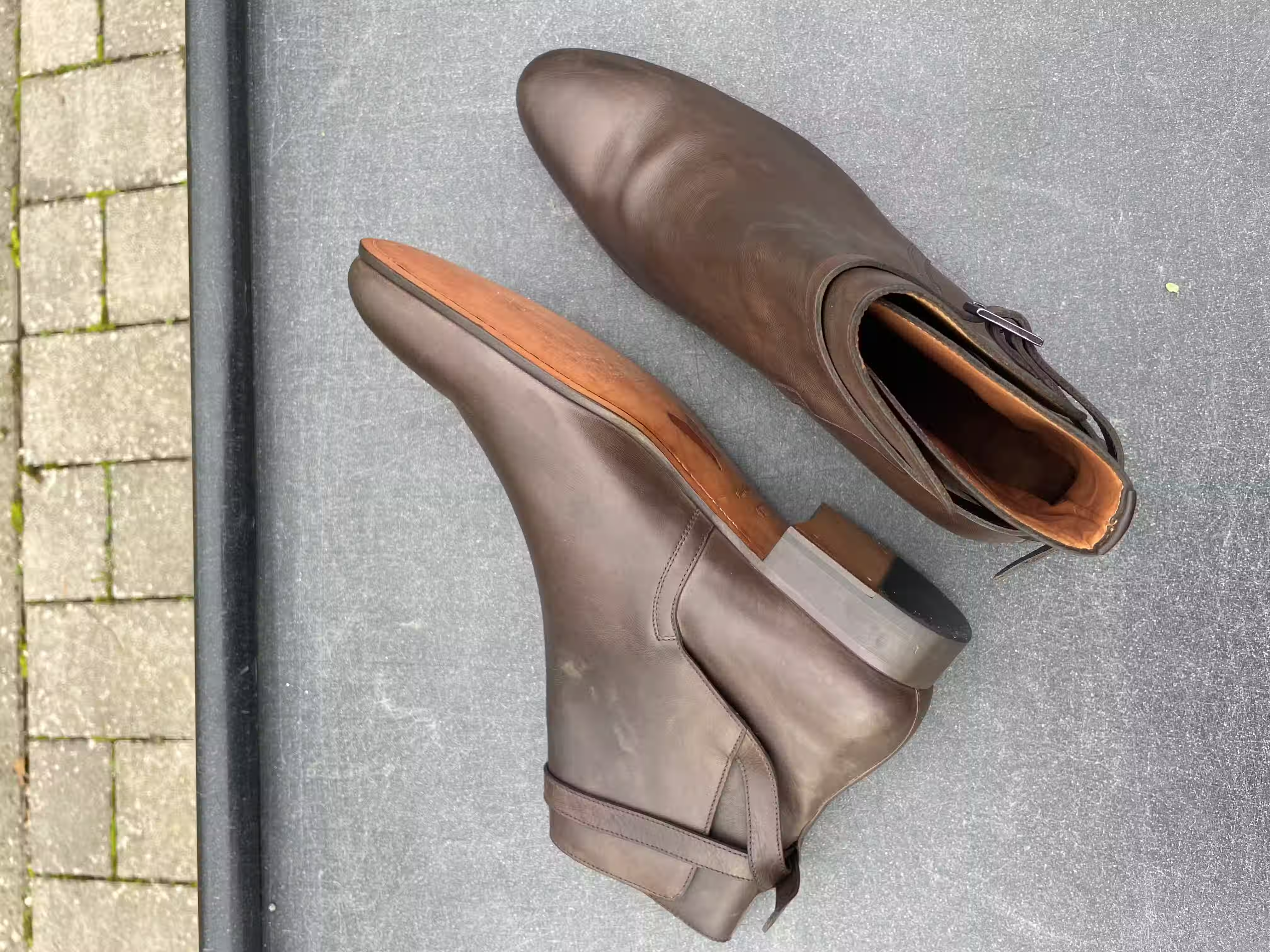
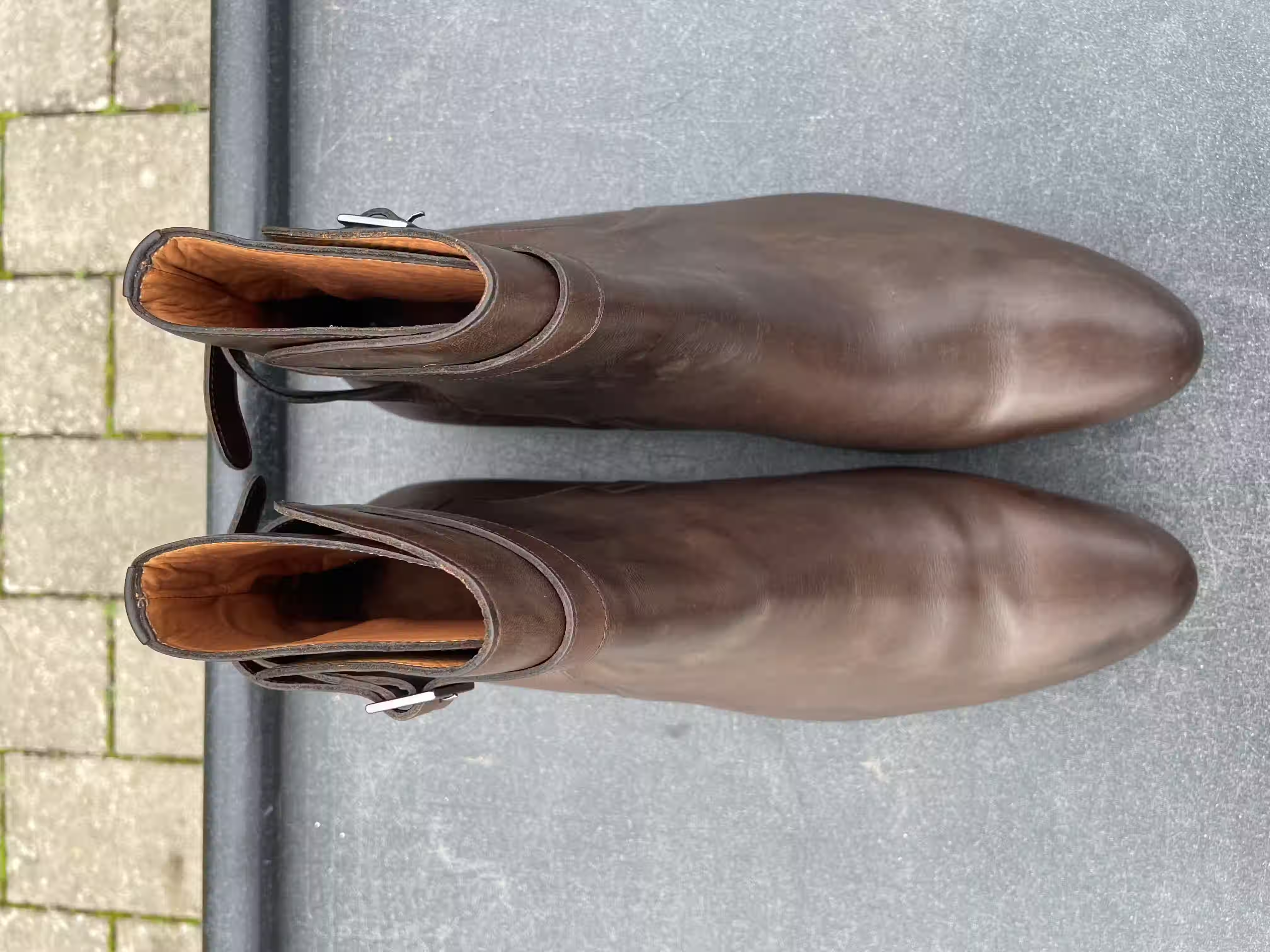
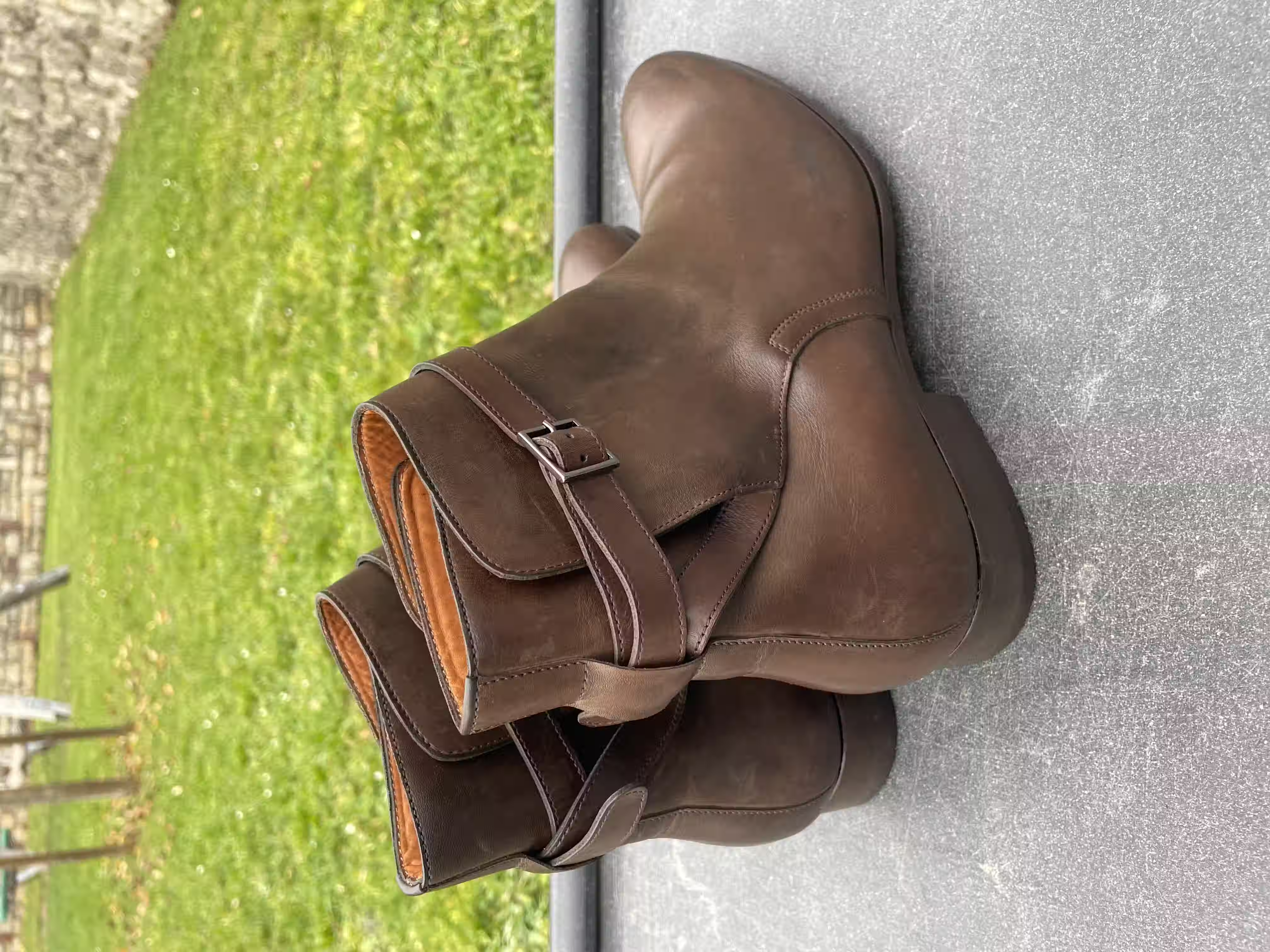
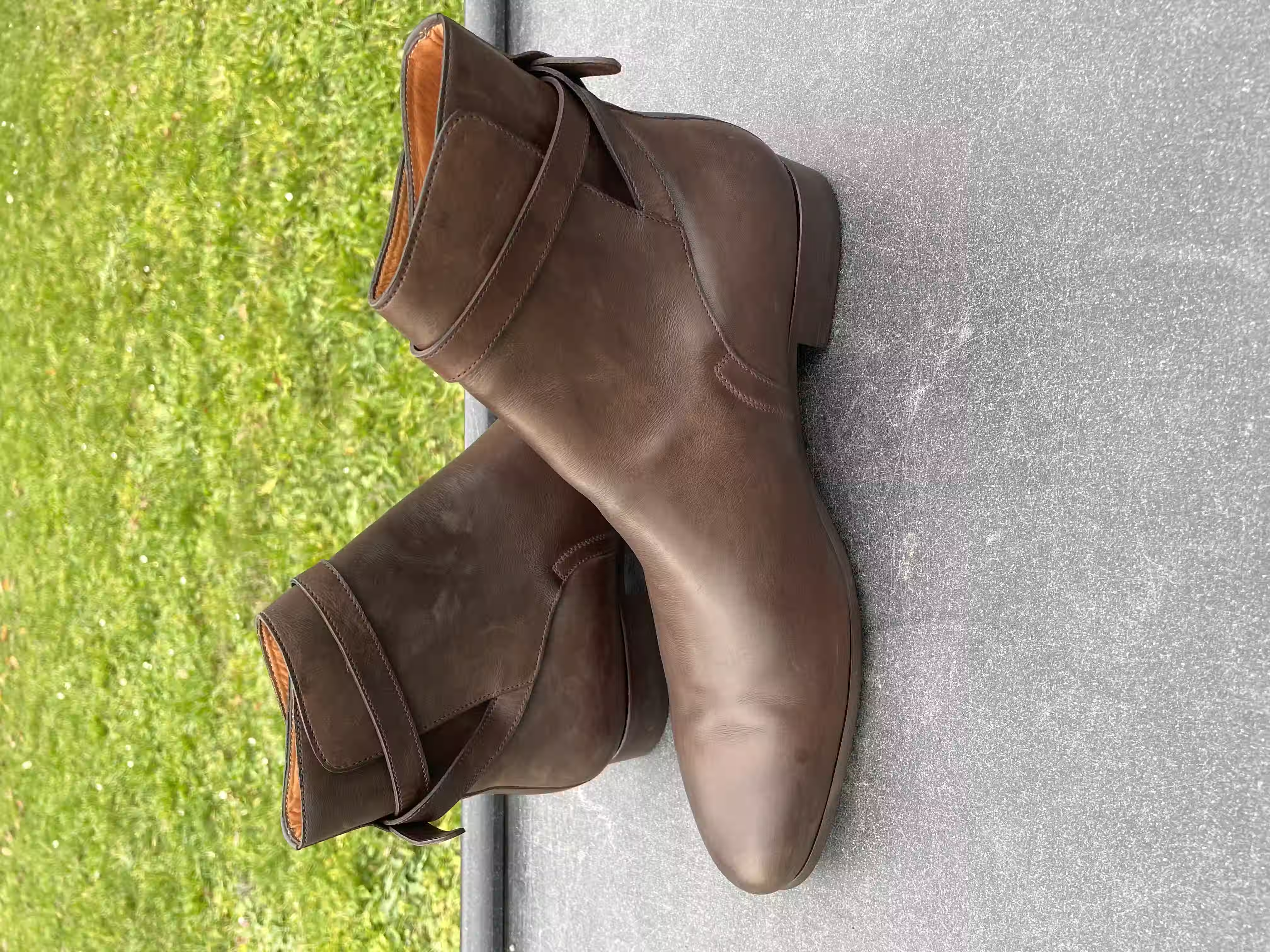
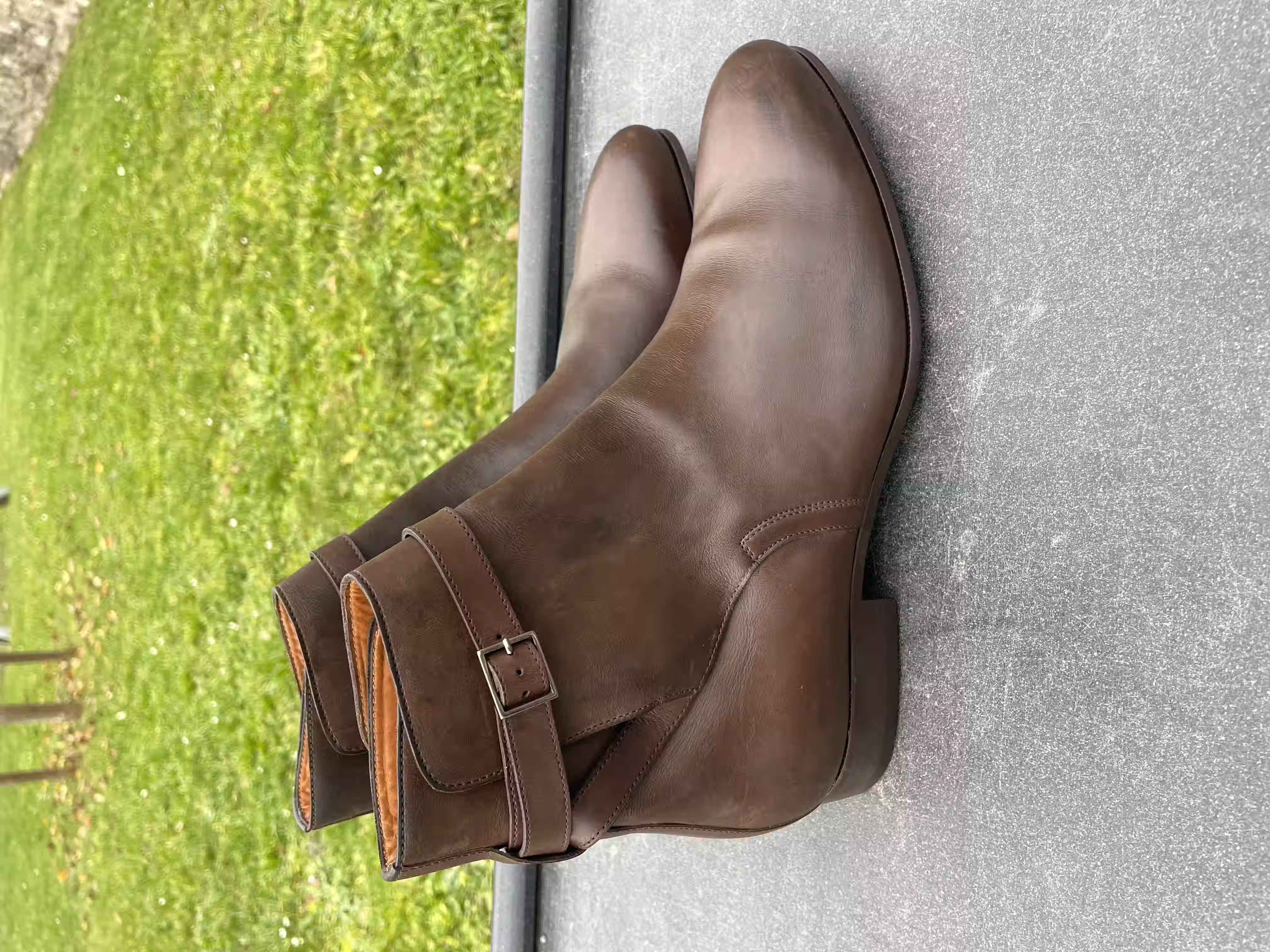
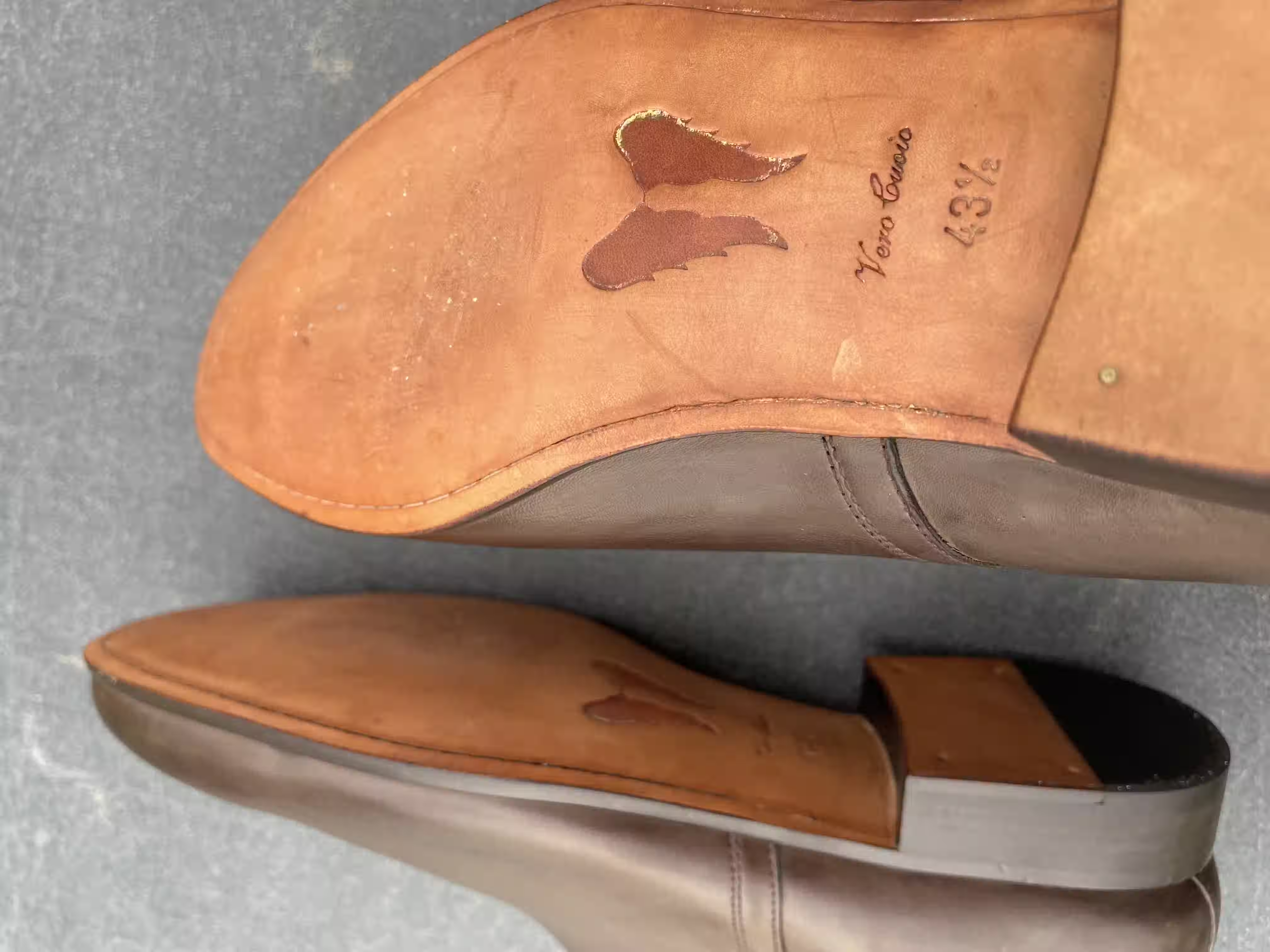
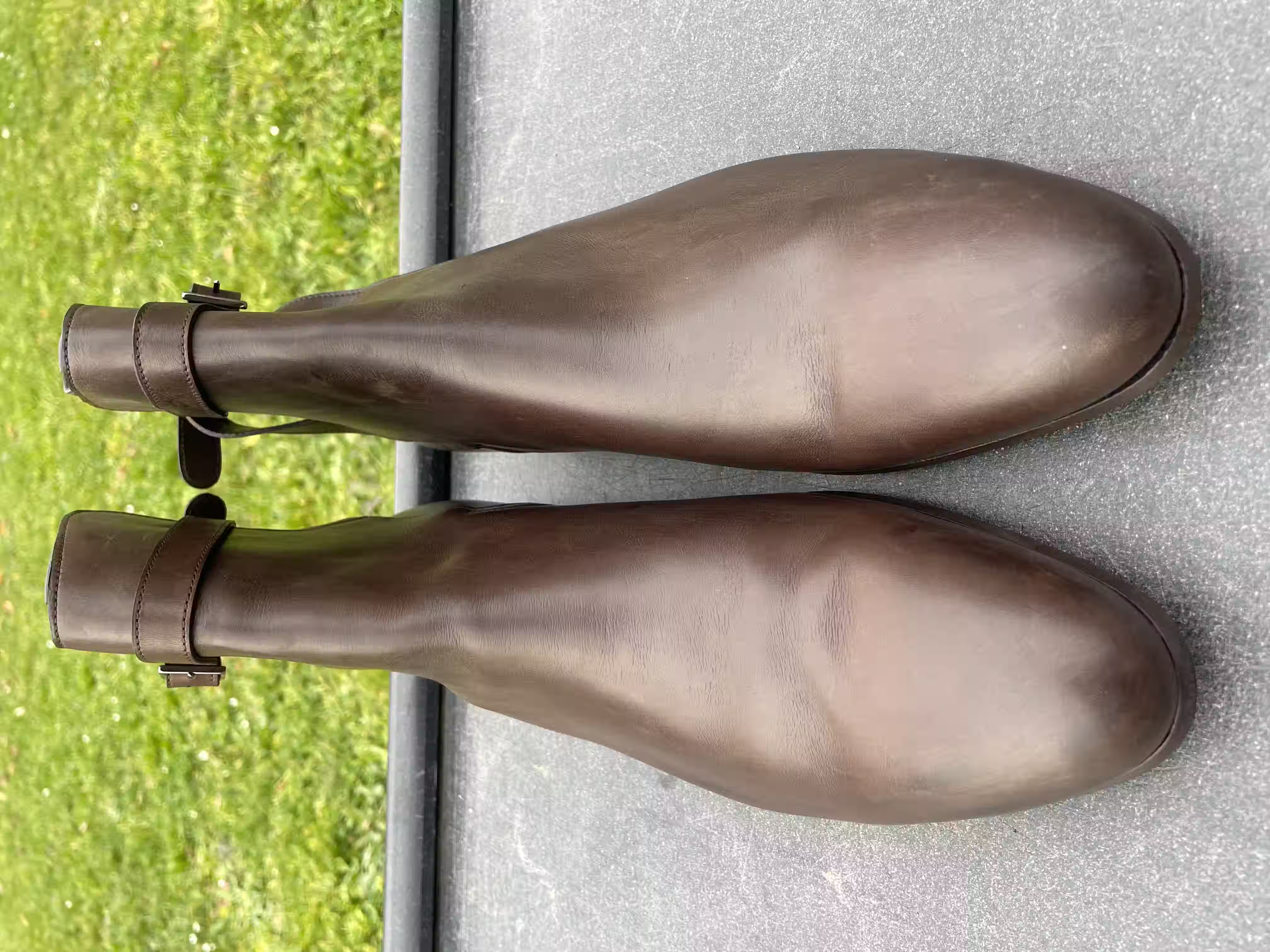
Since the Blake construction is used more for particularly light summer shoes, it is unusual for boots, which are usually seasonal shoes for the colder times of year. I would rather wear this pair of Jodphur boots here in spring or autumn in the city, since the smooth leather sole is not designed for really bad weather. These are a pair of really comfortable, stylish boots for going out in the city. But for example I wouldn’t go hiking in nature with them. They’re too fine for that for me.
Gray tassel loafers made of nubuck leather and in Blake-Rapid construction
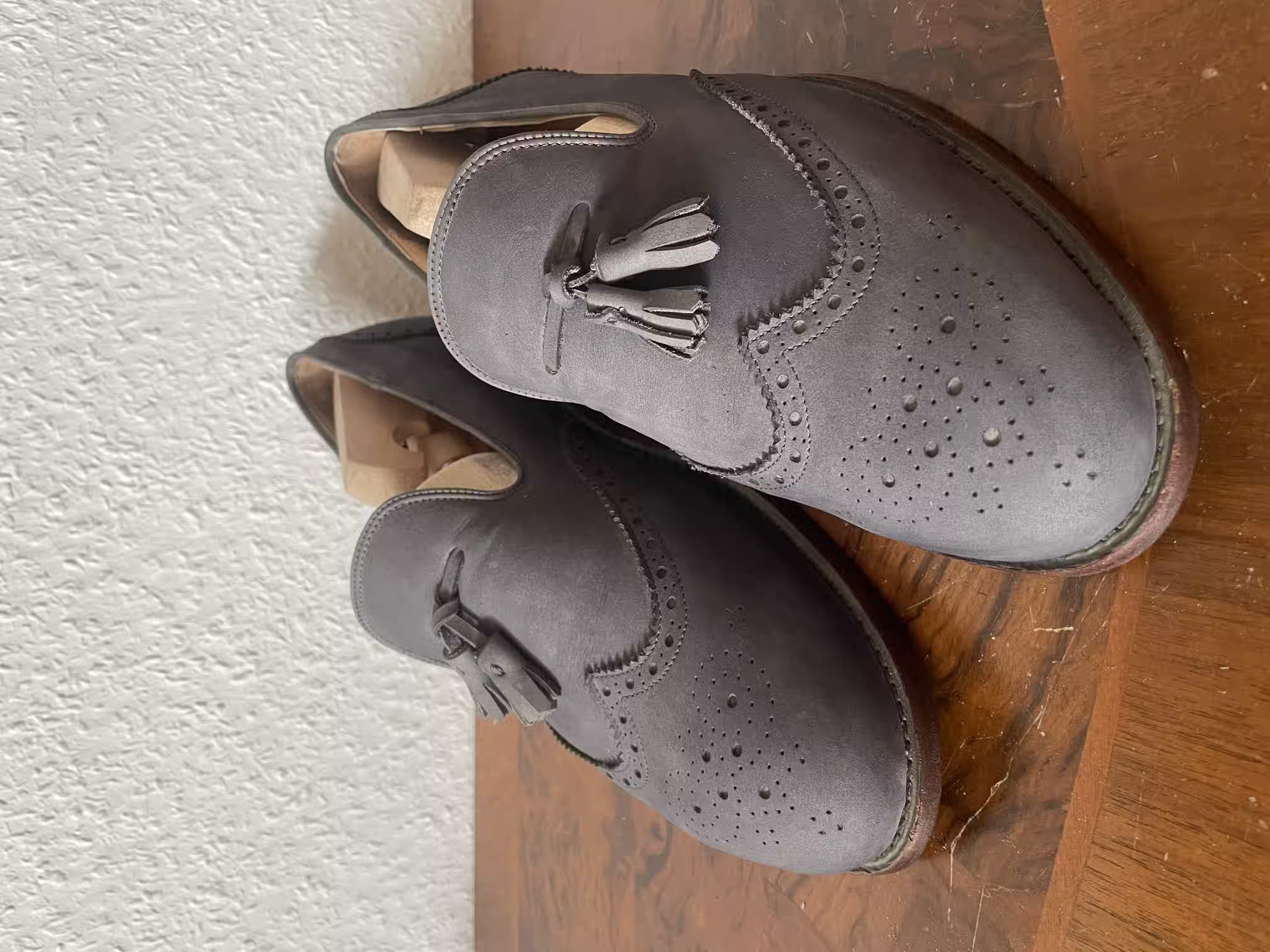
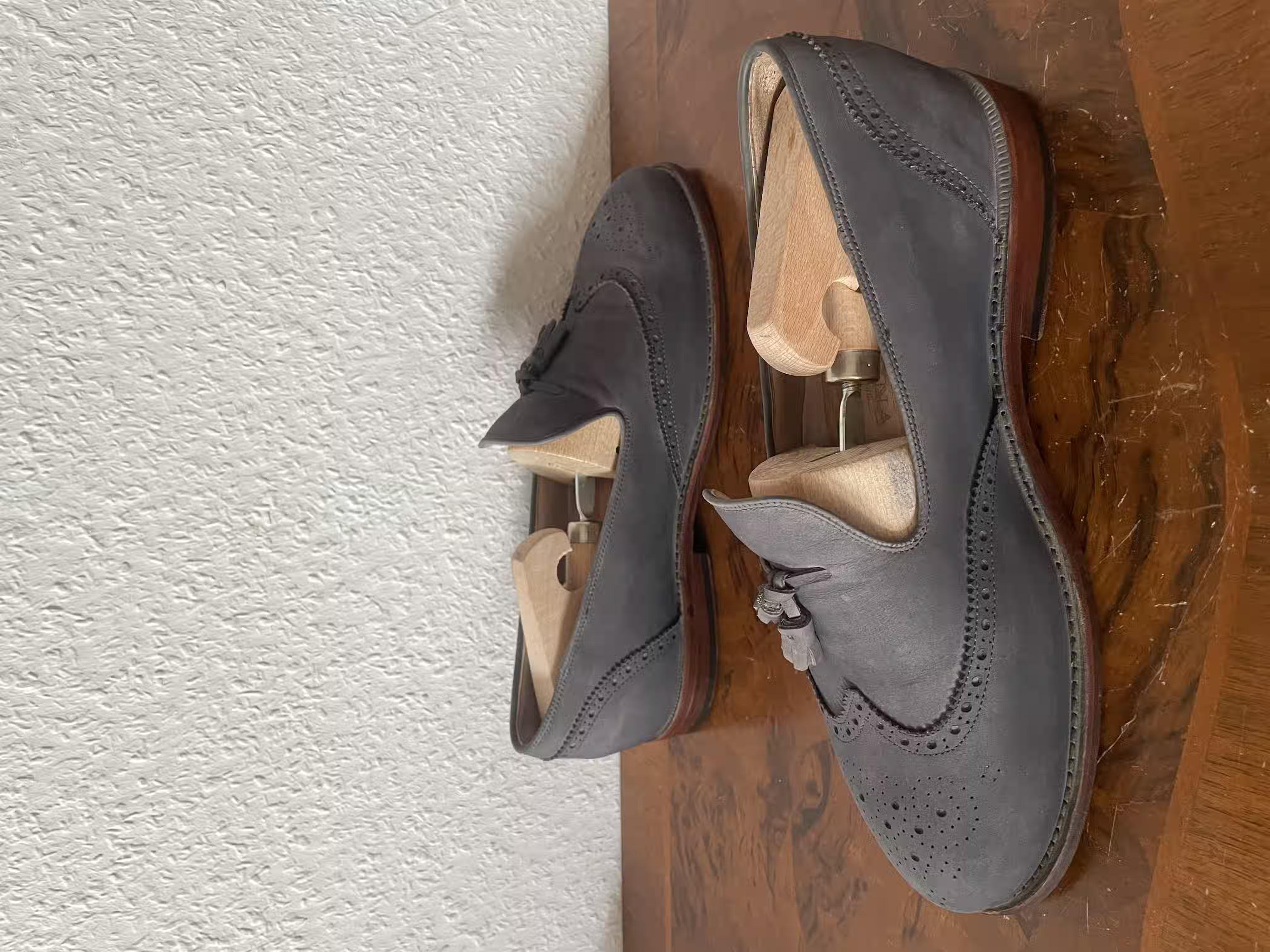
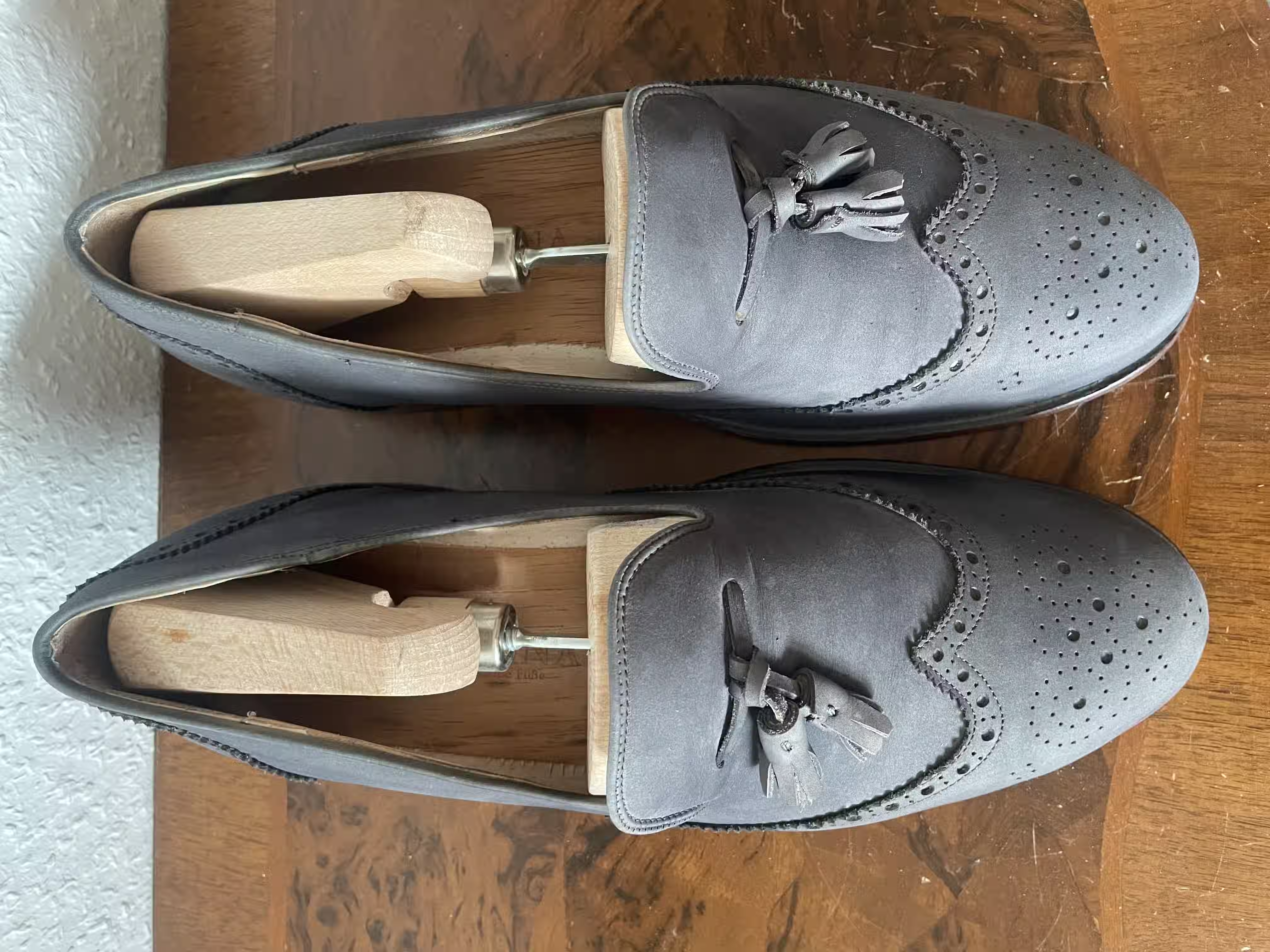
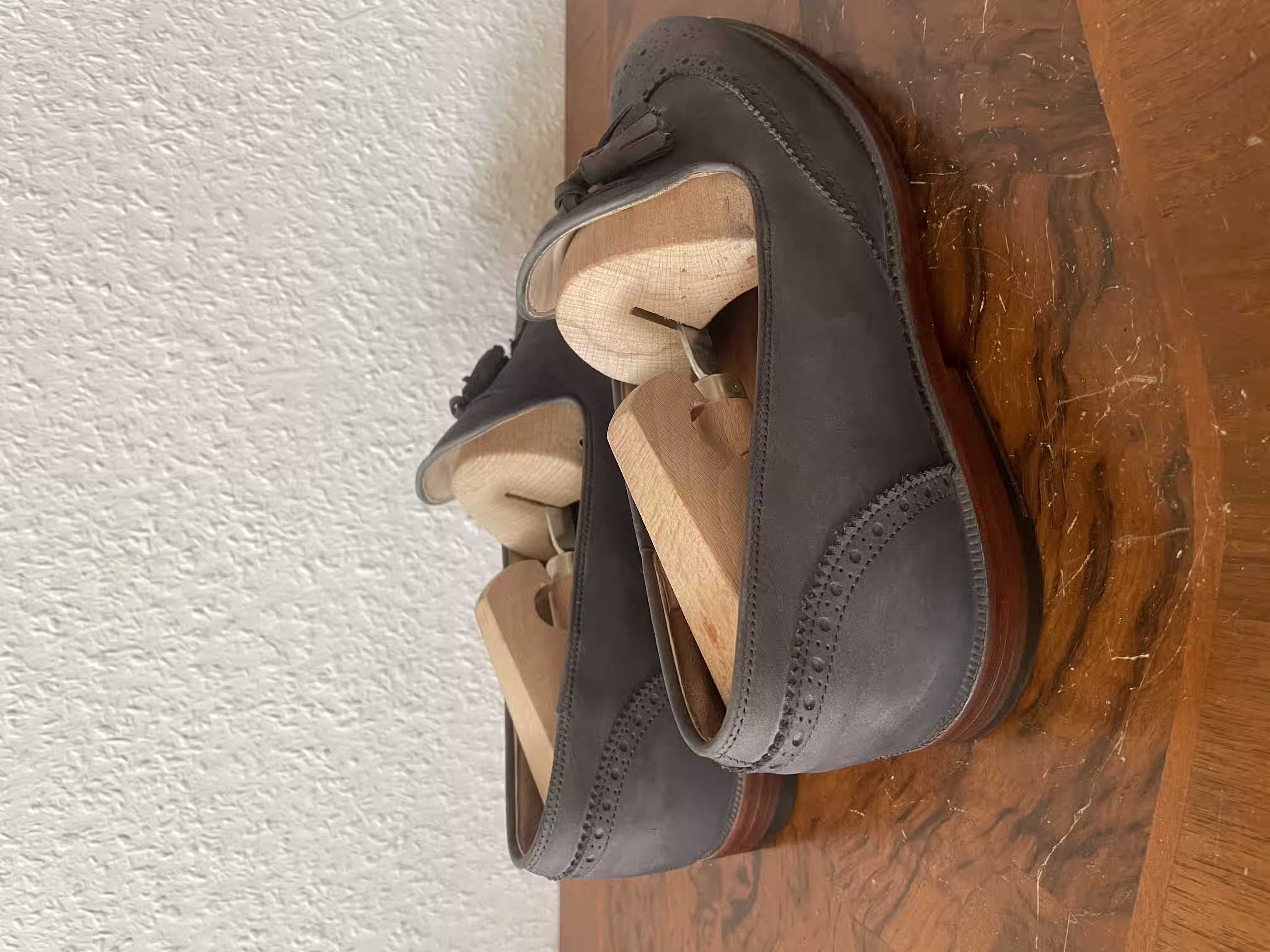
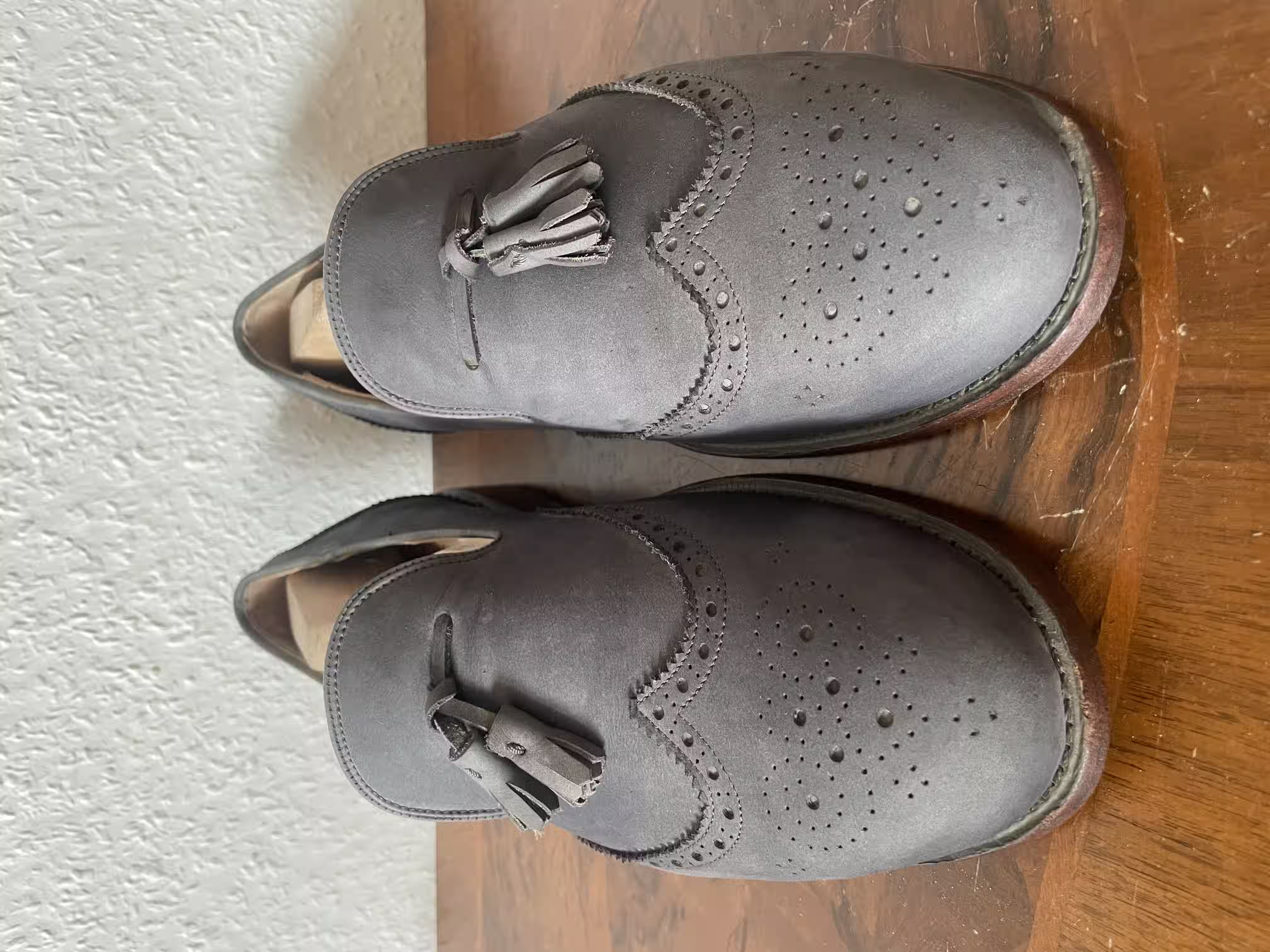
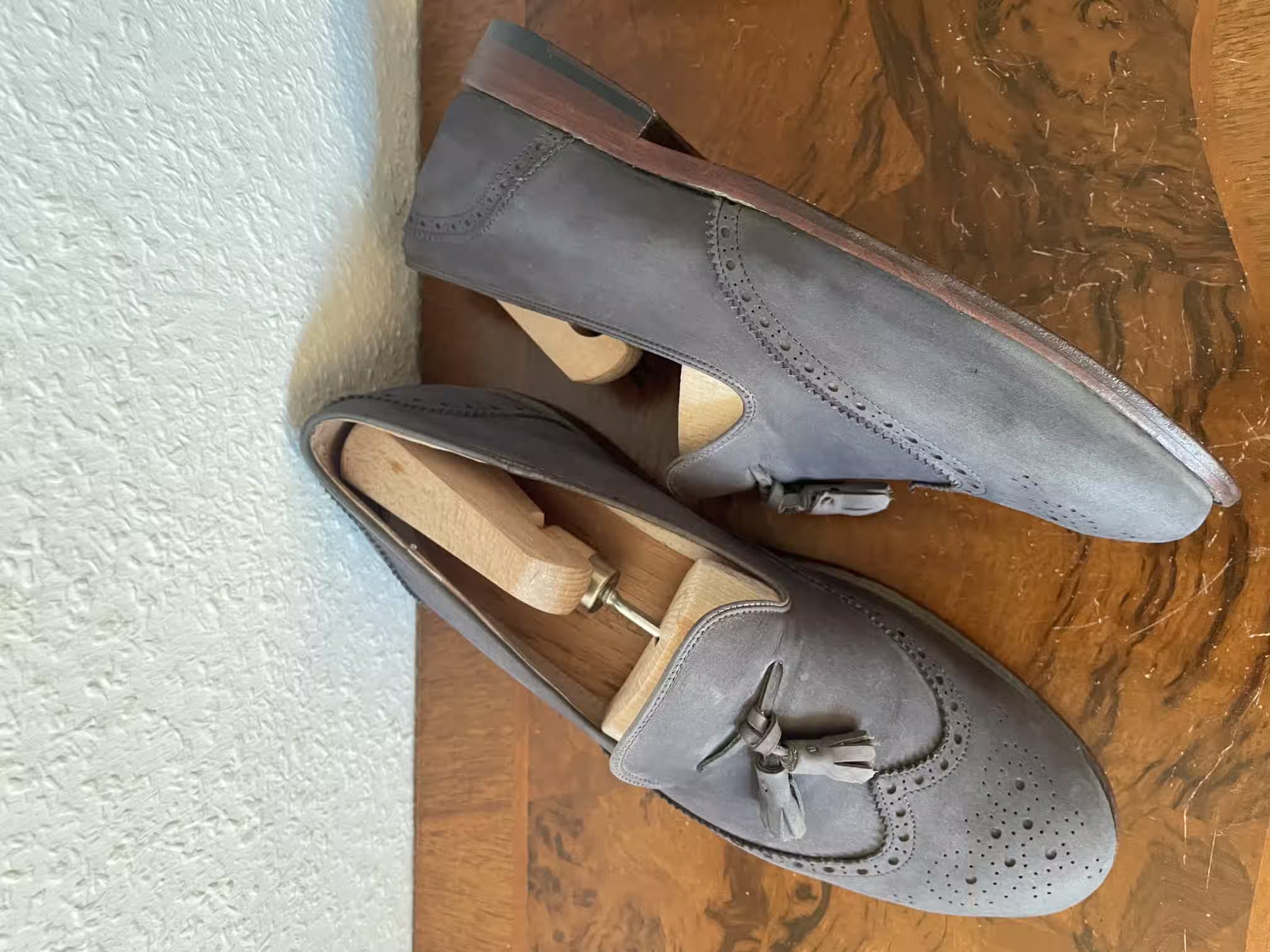
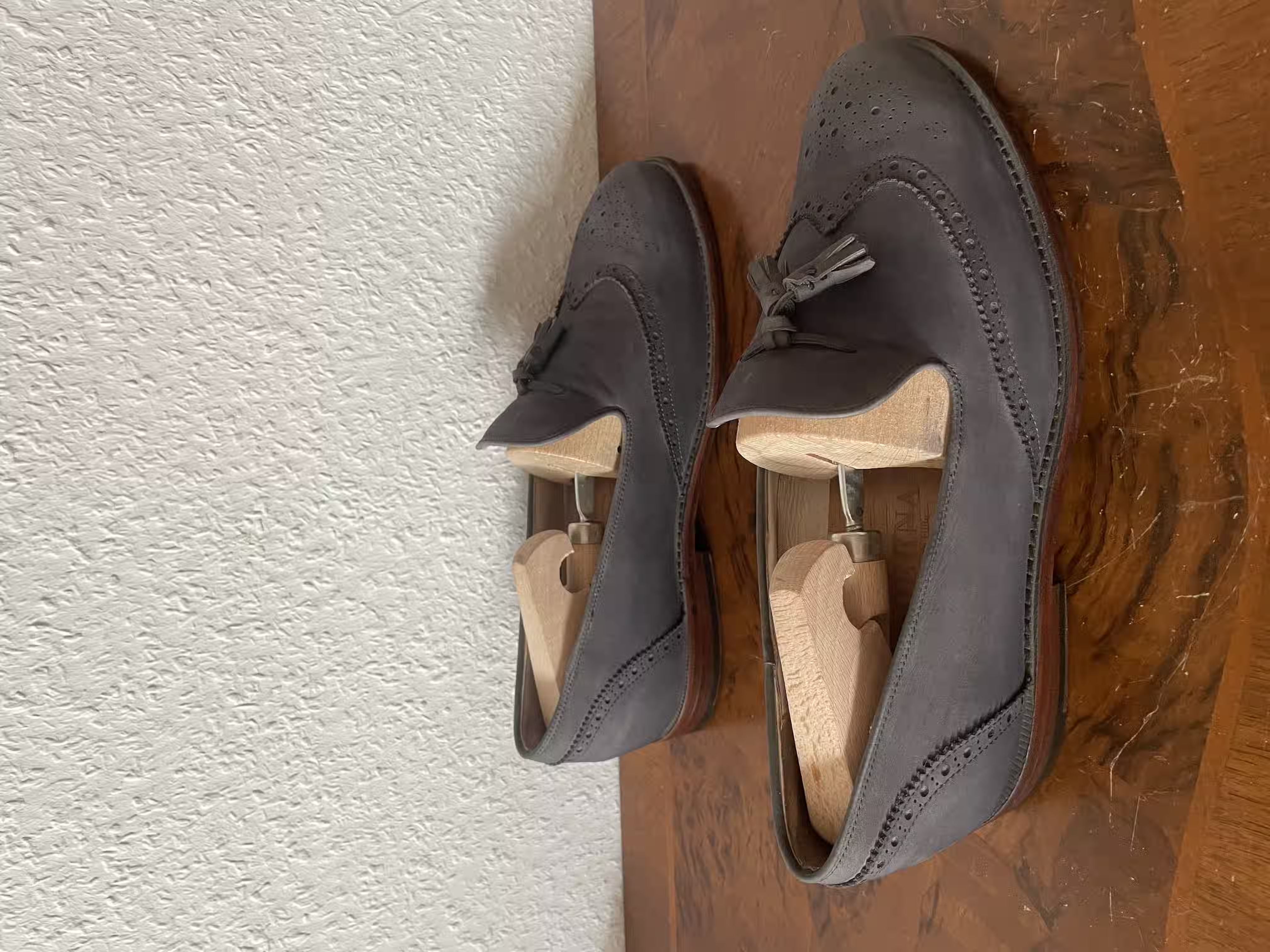
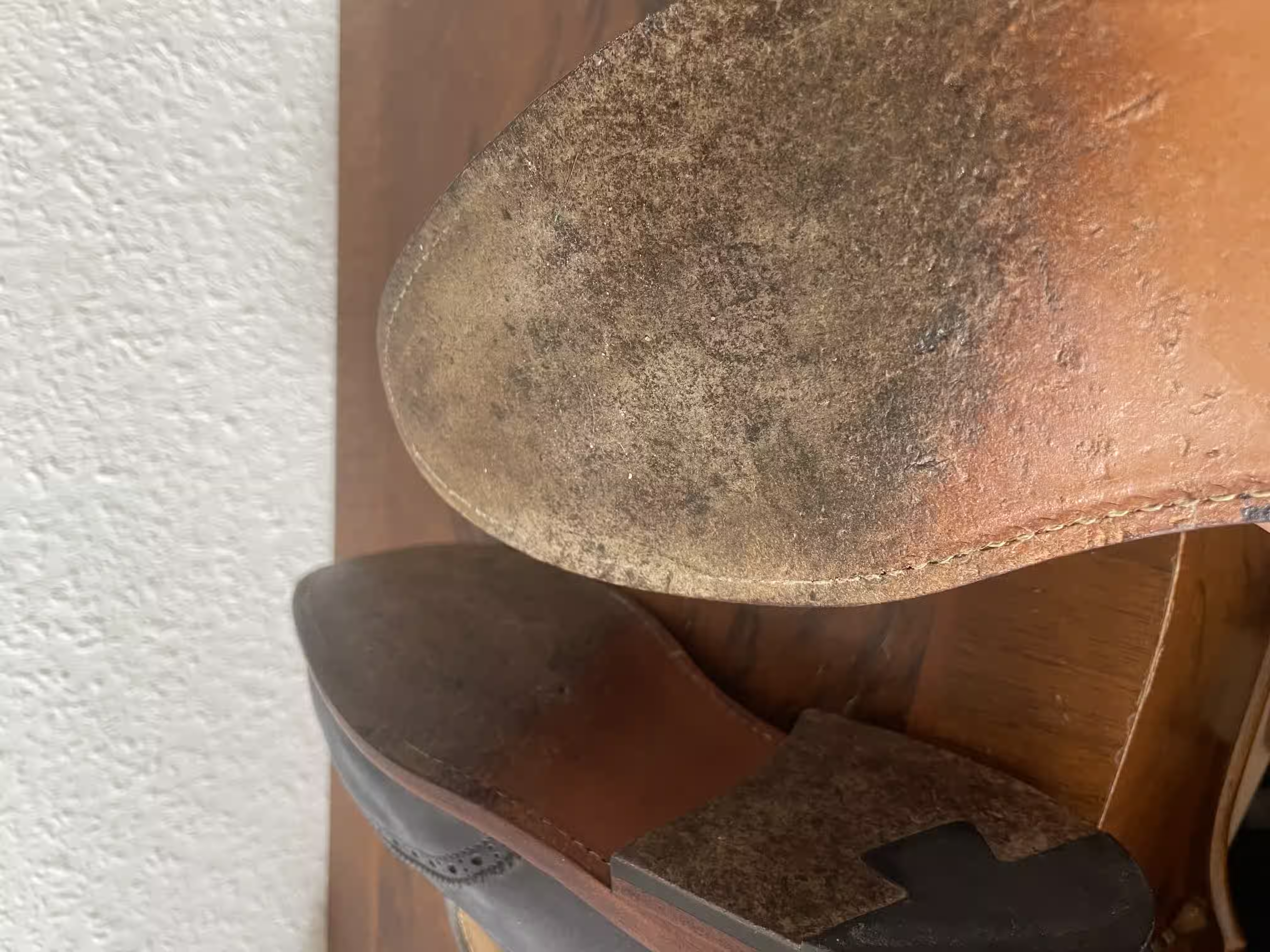
These are a pair of pretty, stitched-through summer shoes that would go quite well with linen trousers in white or beige. The thicker sole and the stitching on the welt or the midsole suggest that these are shoes in Blake-Rapid construction. — Whether with welt or midsole can’t be determined from the outside. I became certain that these are stitched-through shoes when I looked inside the shoe after I had removed the entire inlay cover sole: the insole was run through 360° with the Blake stitch.