
Bluchers - traditional and comfortable shoes
Bluchers are simply designed shoes that, thanks to their open lacing, closely resemble Derby shoes. However, they have fewer seams overall, making them a bit more formal.
Example variant
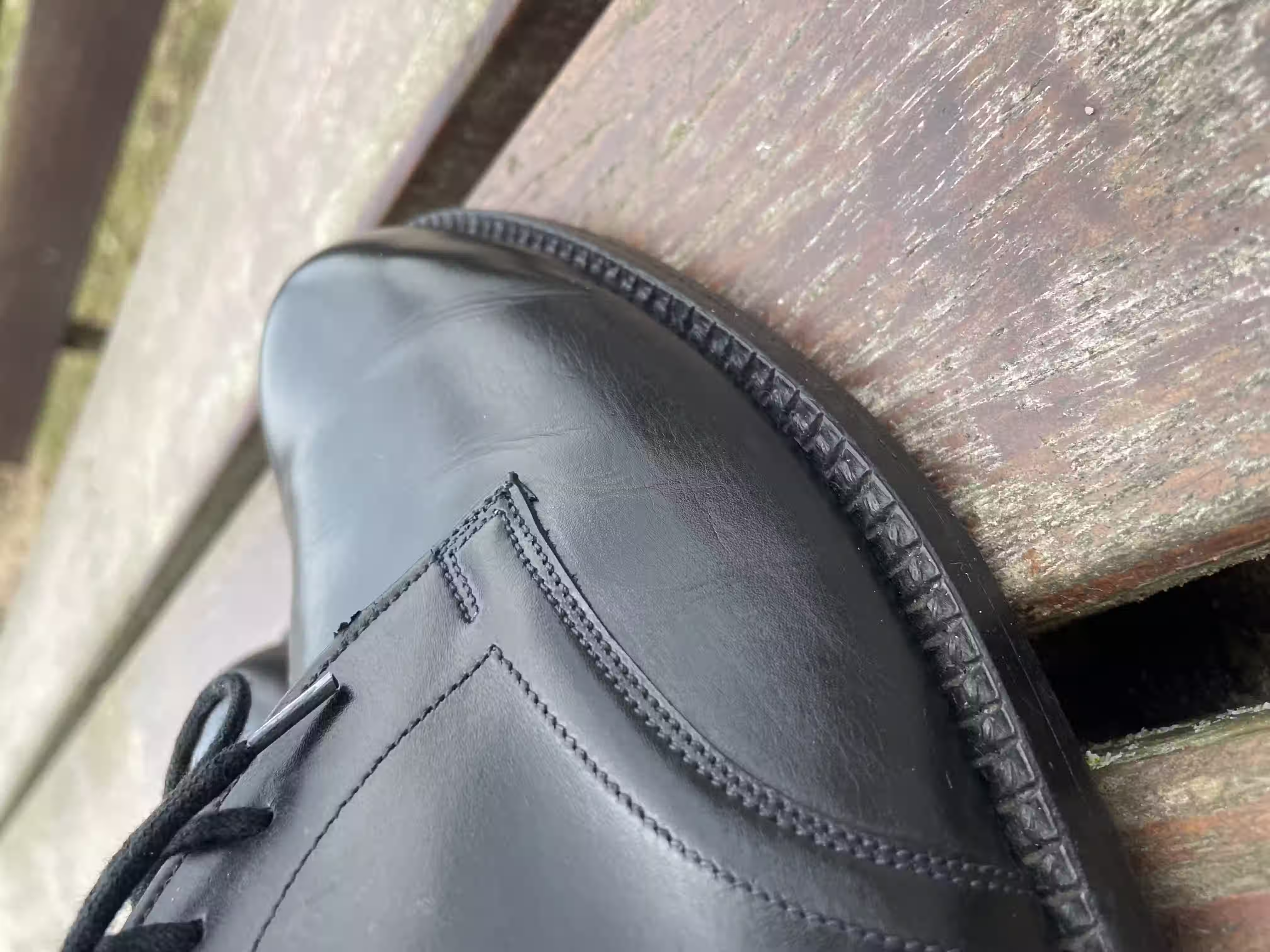
Three-eyelet Bluchers in black, embossed leather
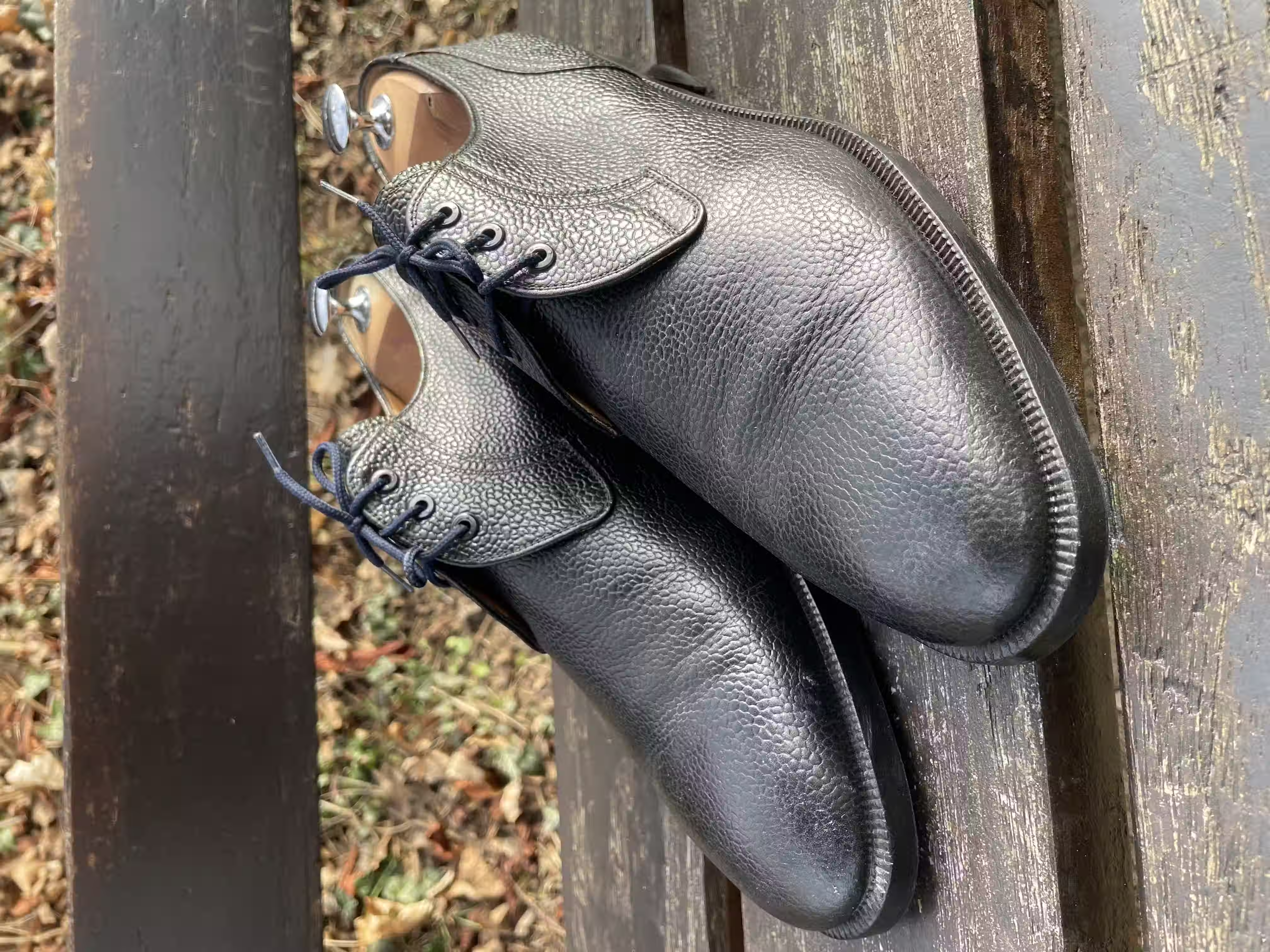
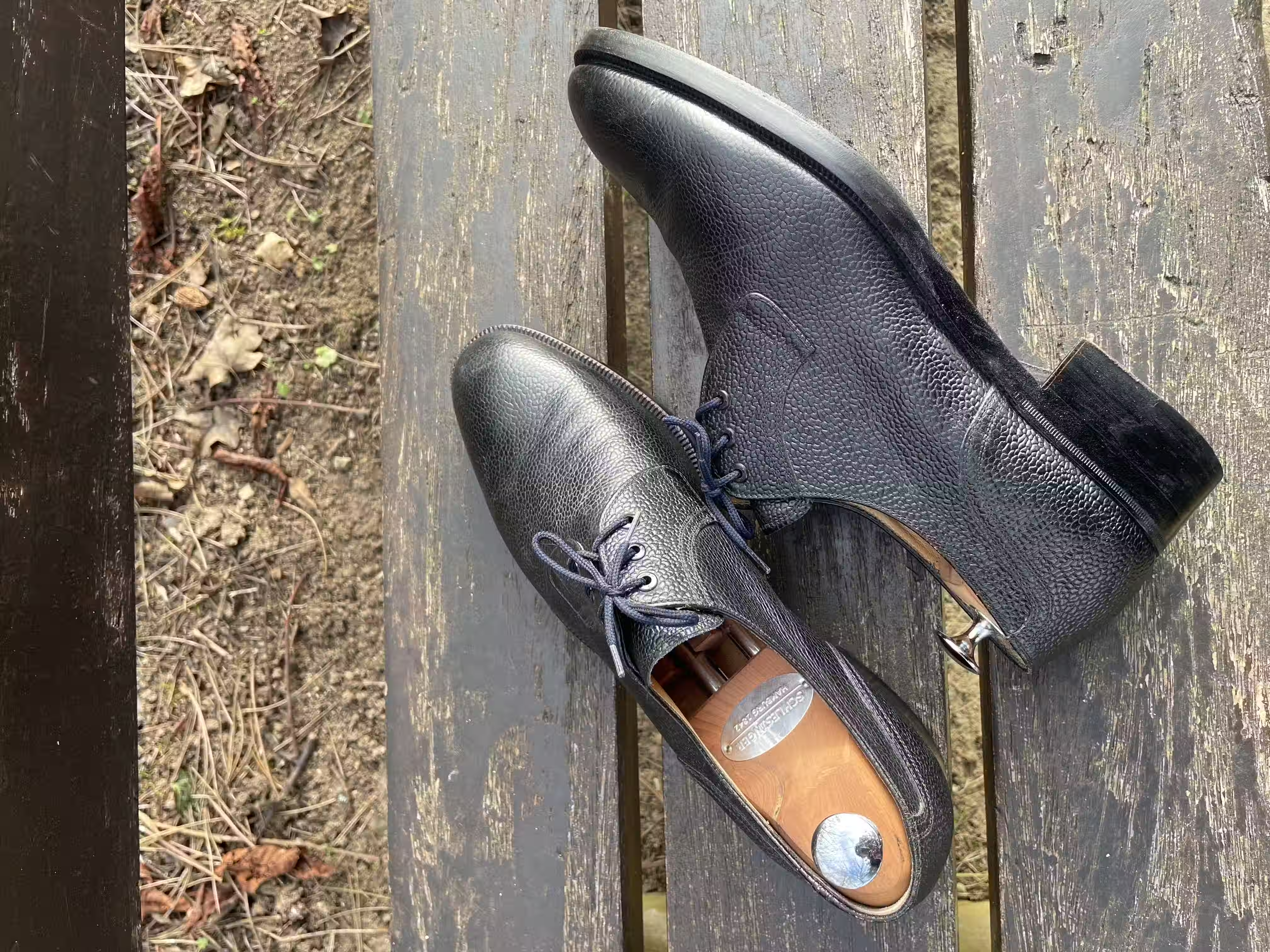
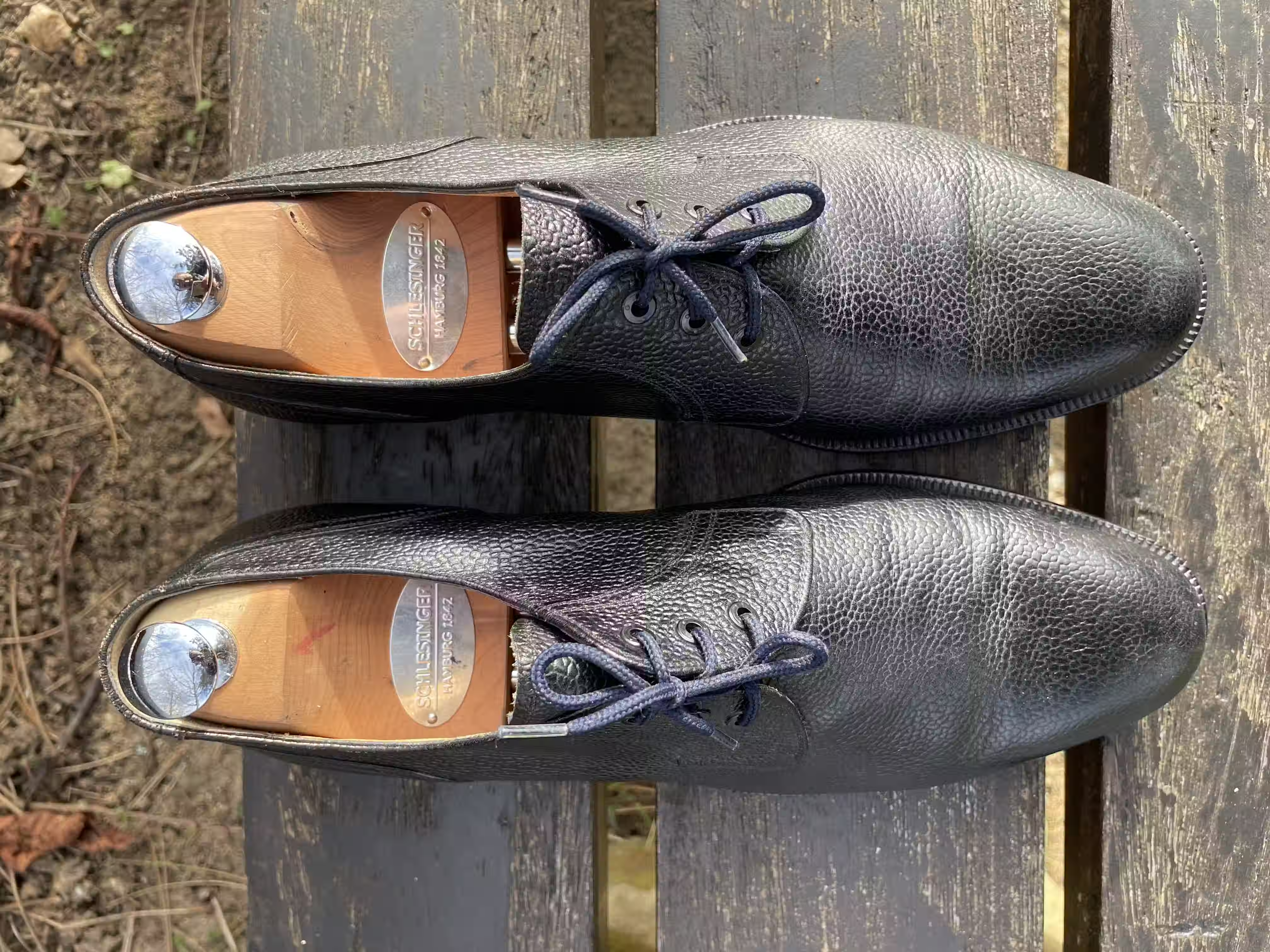
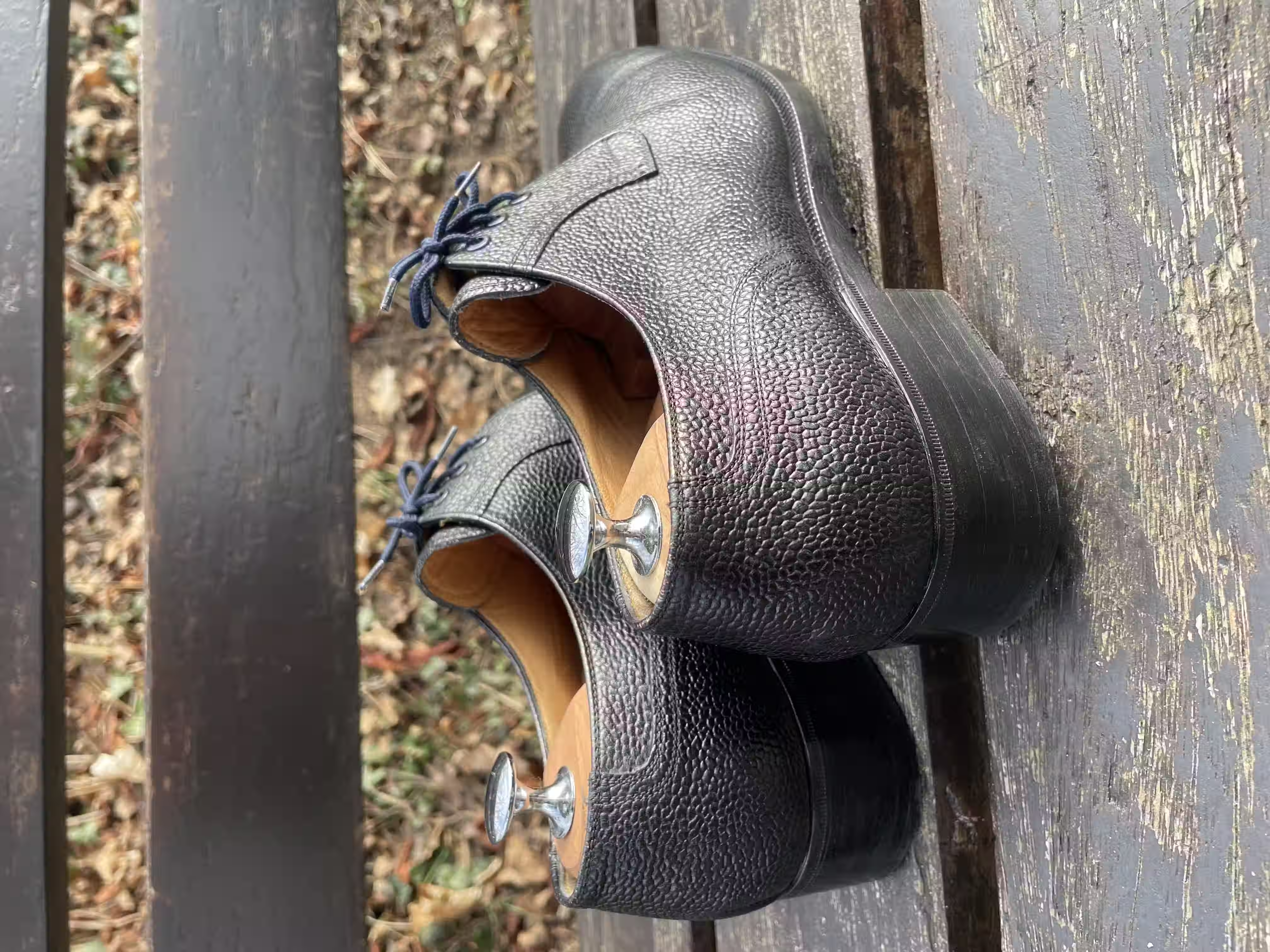
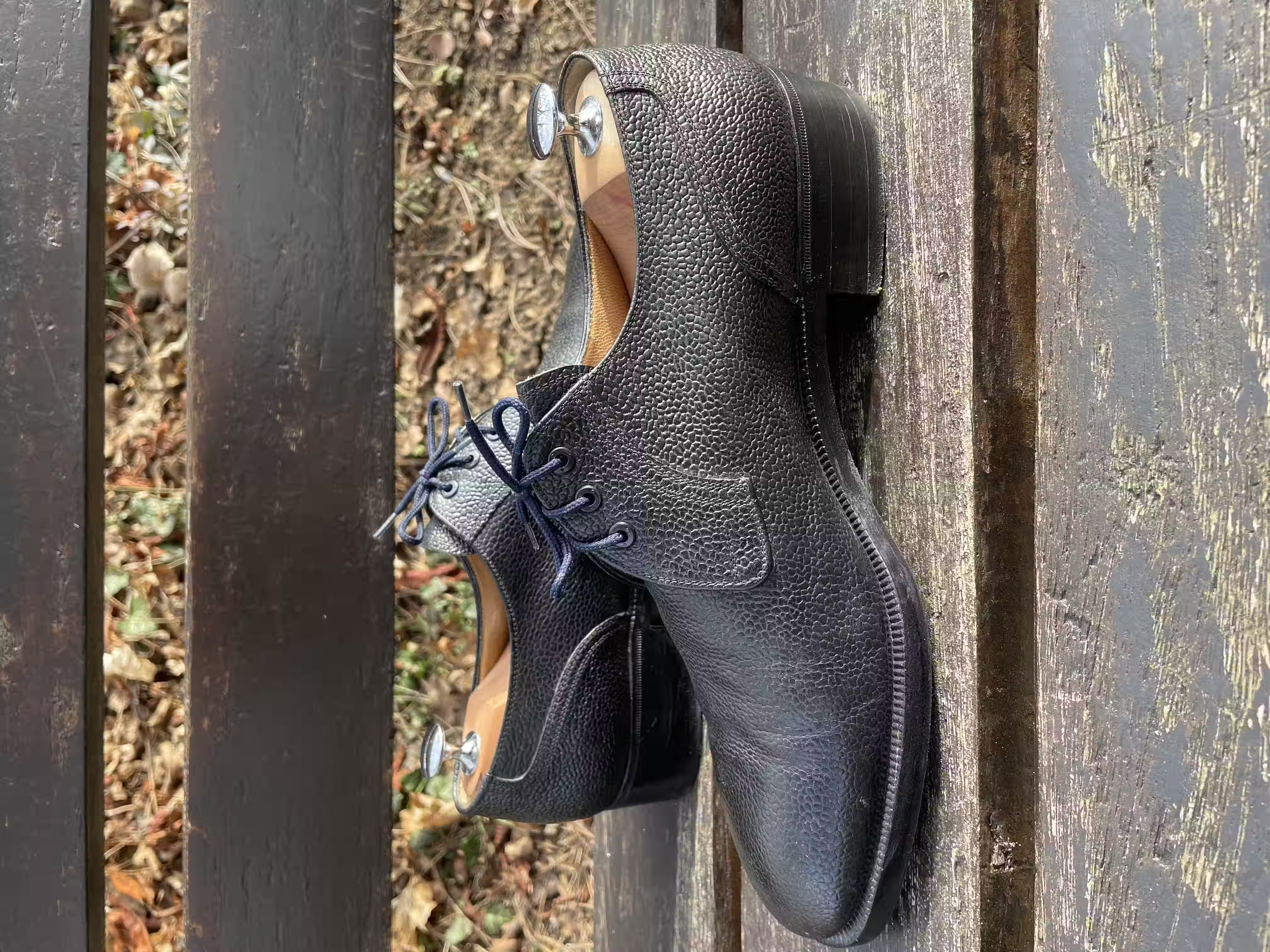
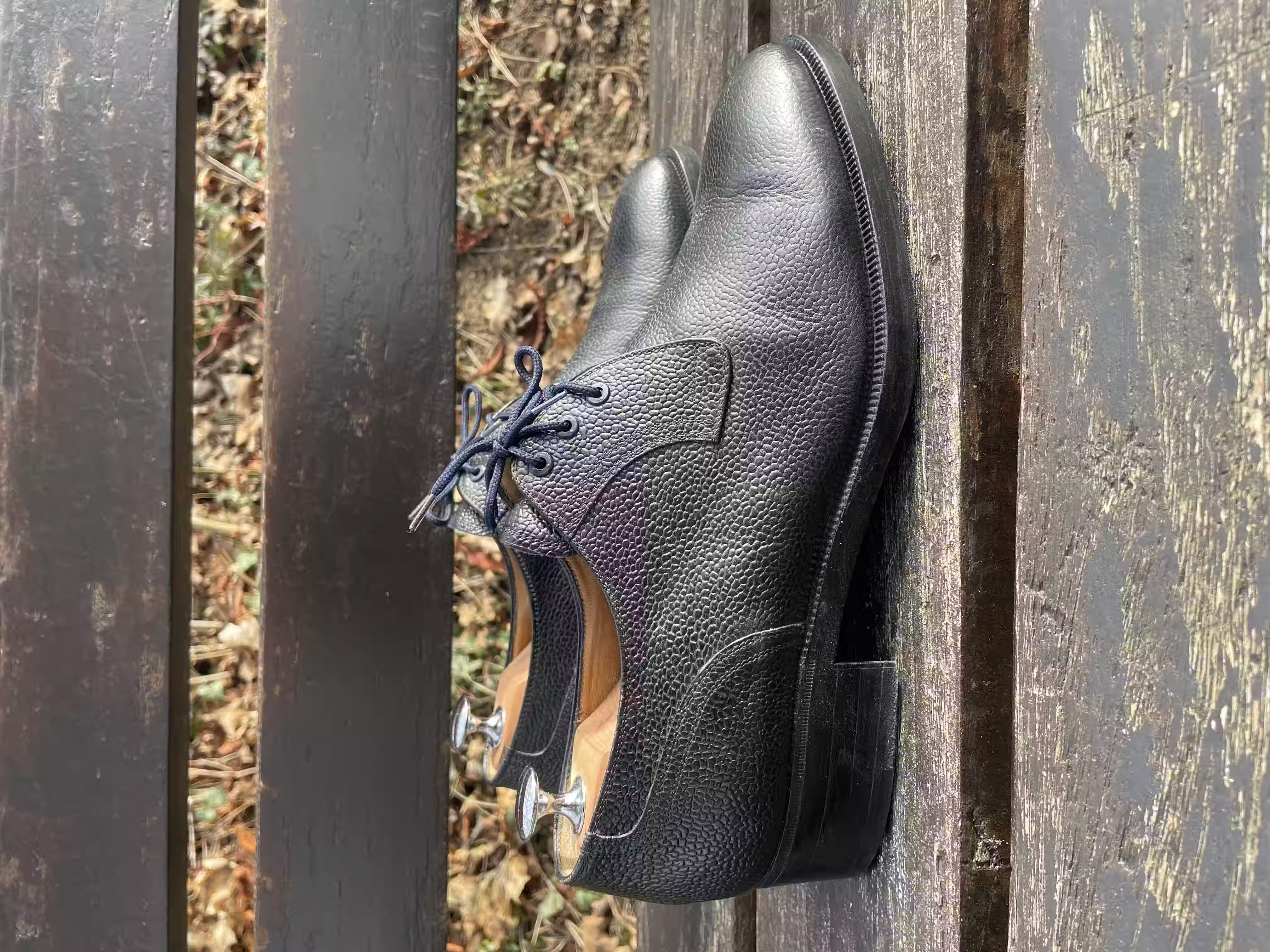
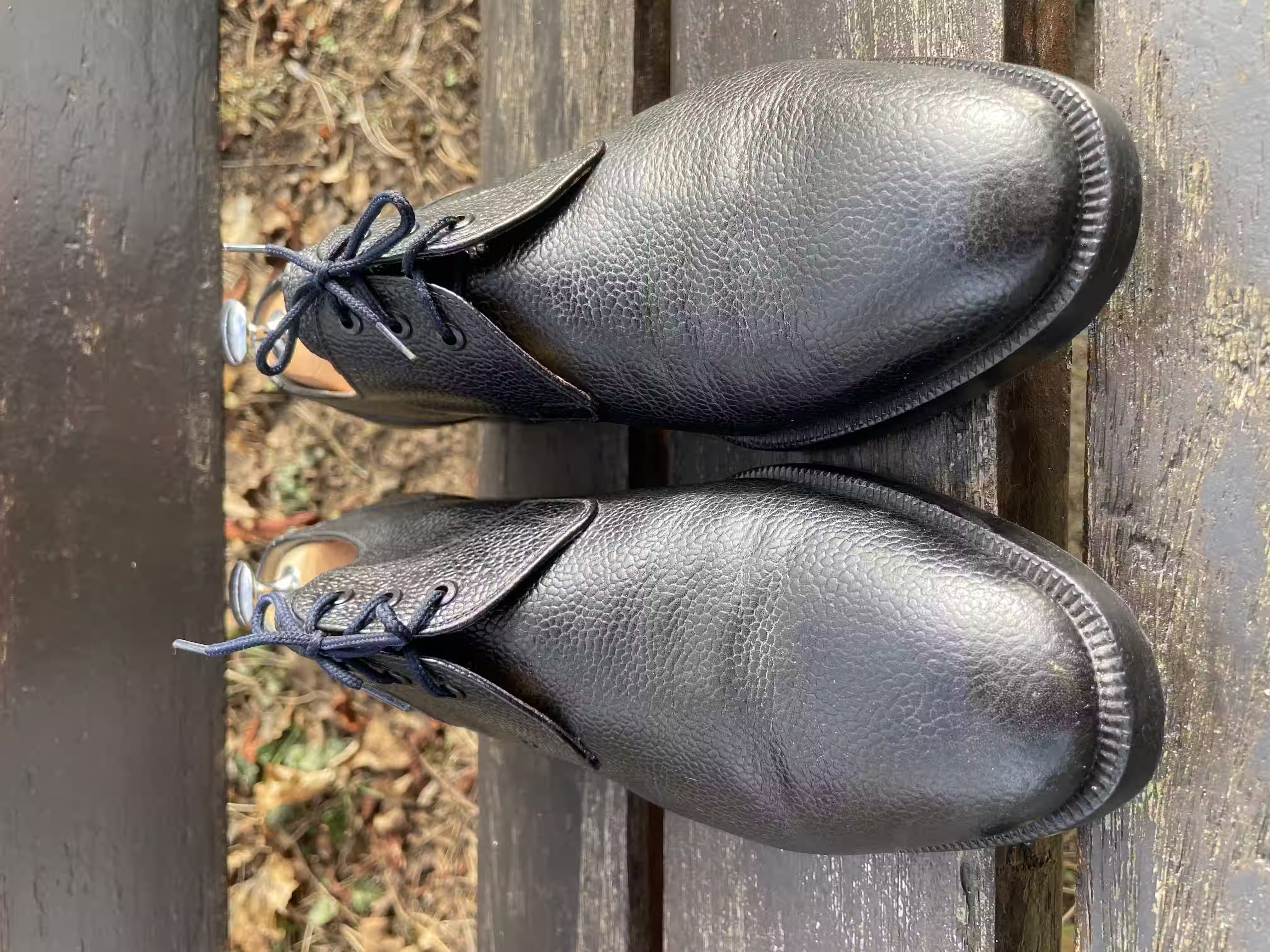
This is a rather casual Blucher variant, even though it has no additional embellishments like toe caps or brogue patterns and is otherwise kept in black. The casual character here is strongly defined by the embossed leather, with the relatively striking eyelets also pointing in the same direction. Seen that way, these are good shoes, for example, for trousers and a blazer in different colors. I can easily imagine the shoes fitting in well with gray flannel trousers or dark jeans.
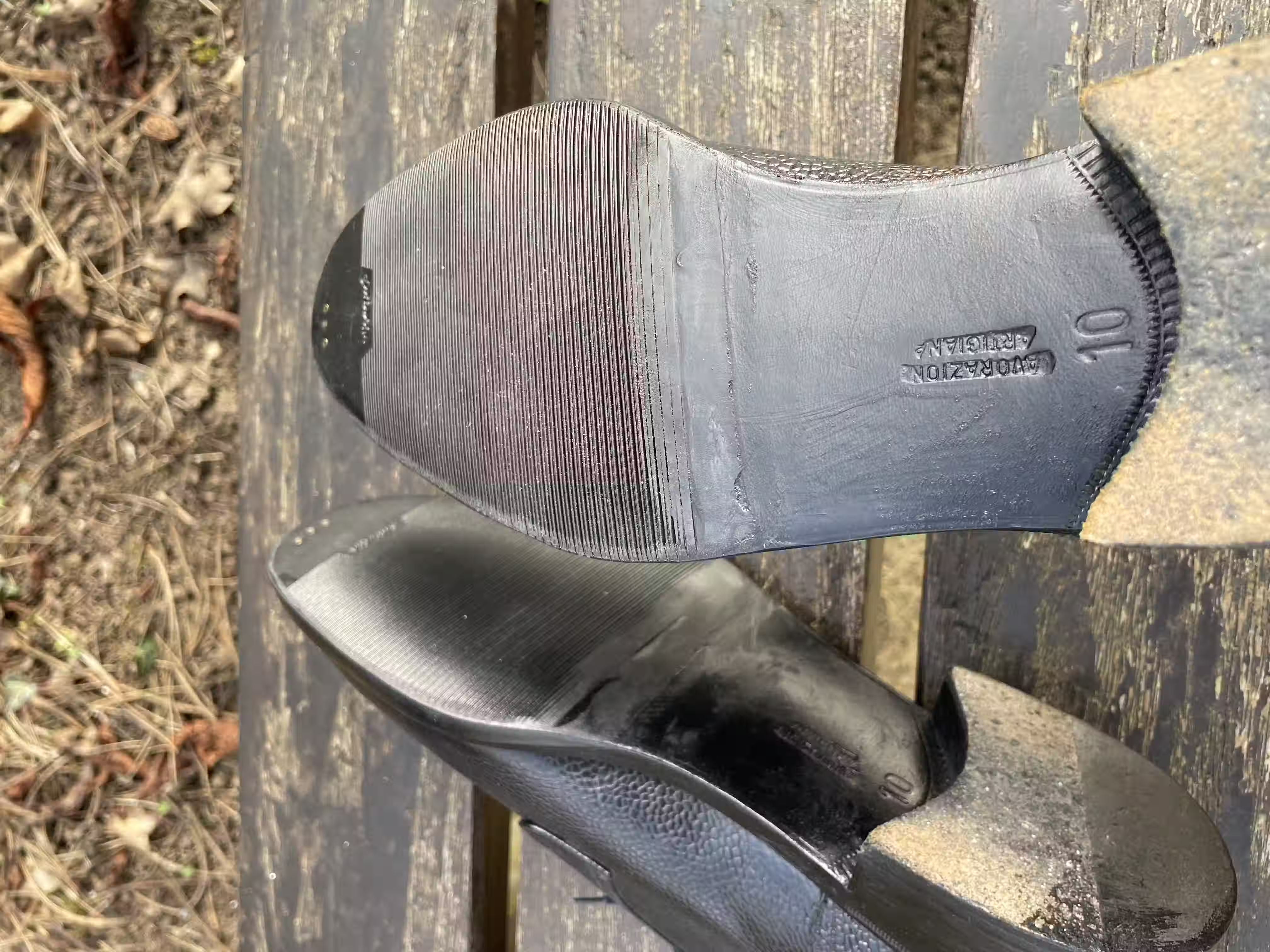
This pair even has a light rubber sole, so you can also wear the shoes well around town in autumn and winter. The shoes therefore offer you an excellent way to combine black shoes with the rest of your outfit without looking too serious. Derby as the base model is also a good choice for this, and the embossing additionally takes a bit of intensity out of the black color: Here, due to the reflections in the embossed leather, the black even looks more like a dark gray.
Distinctive features
You can recognize Blucher shoes by the following characteristics:
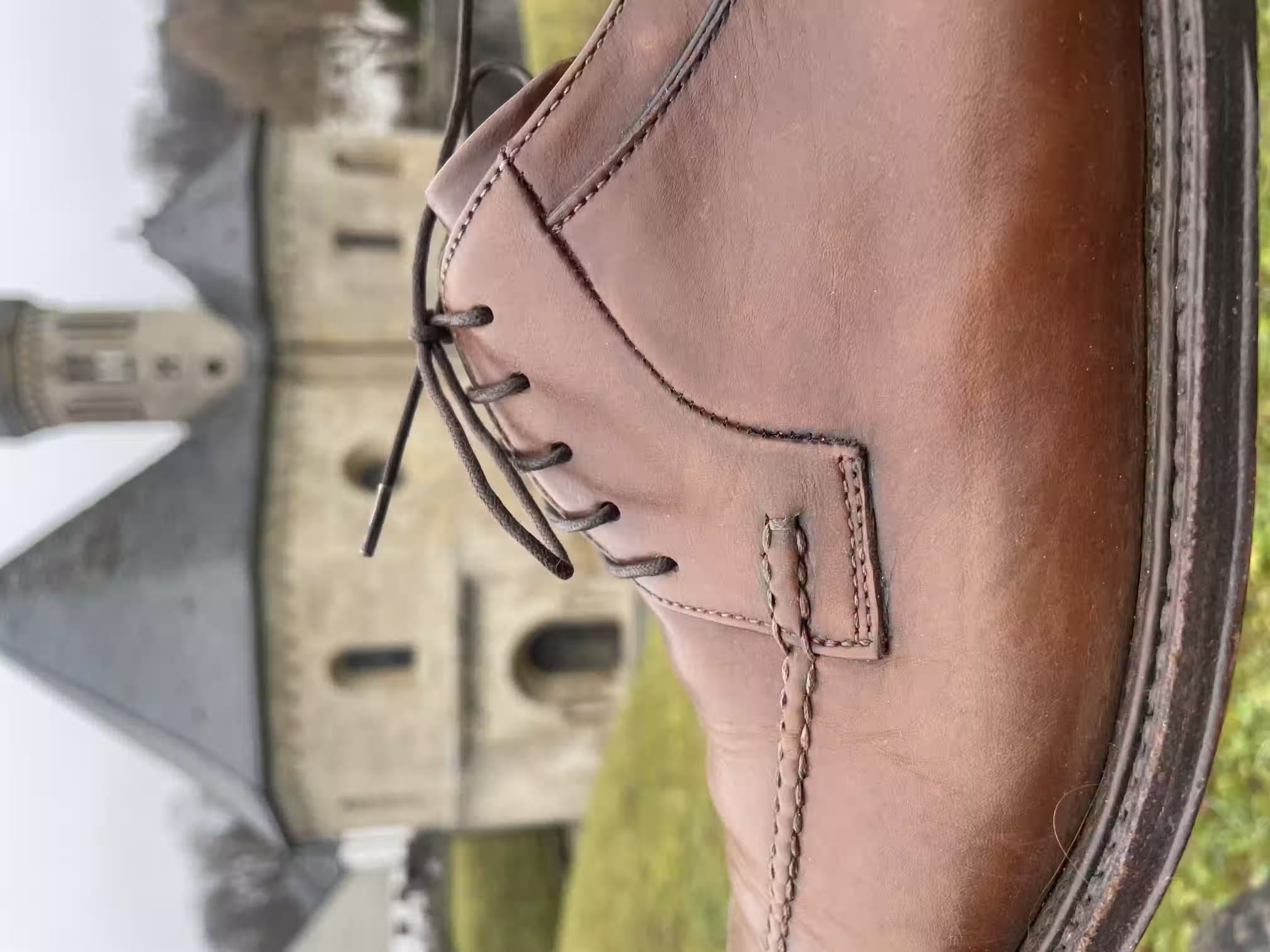
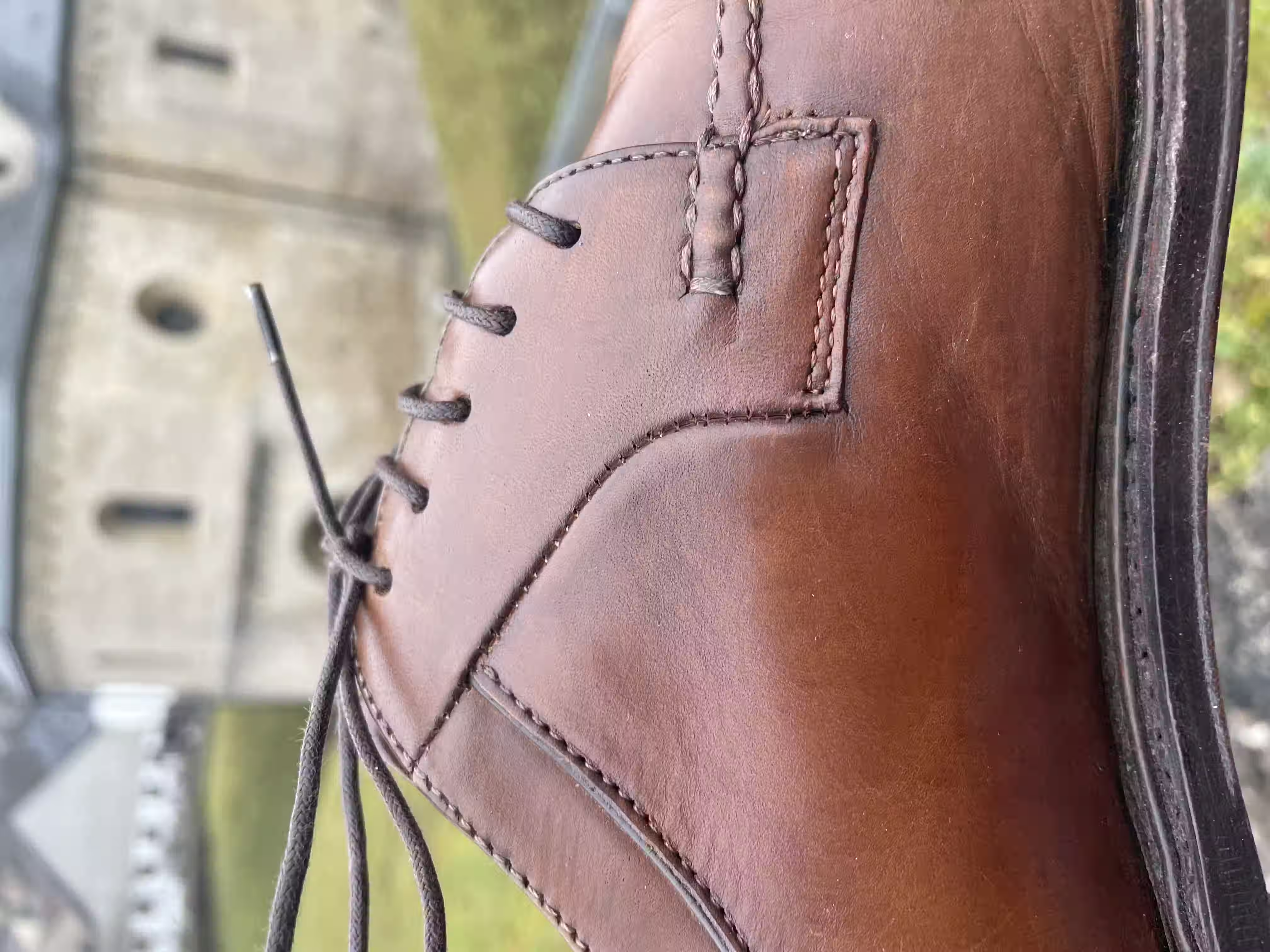
- the so-called open lacing
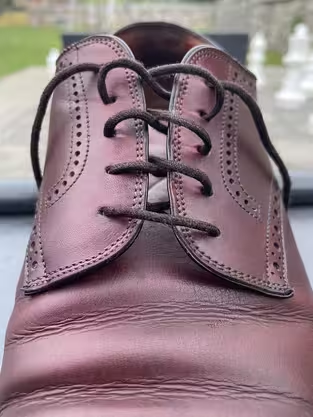
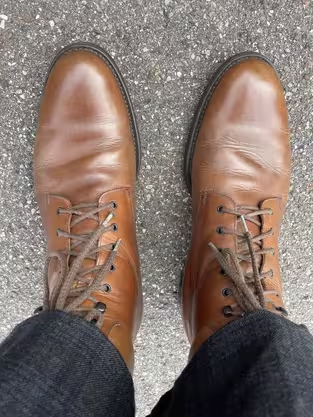
- the small, stitched-on leather pieces for the lacing
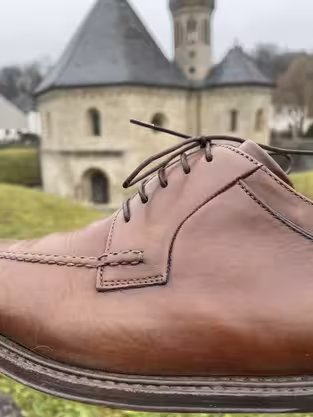
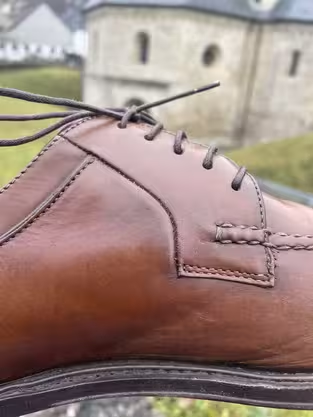
- no so-called Derby curve, which would otherwise indicate a Derby (see below)
- no U-shaped decoration with a split toe at the front of the shoe, which would otherwise indicate a Norweger
Confusion with Derby
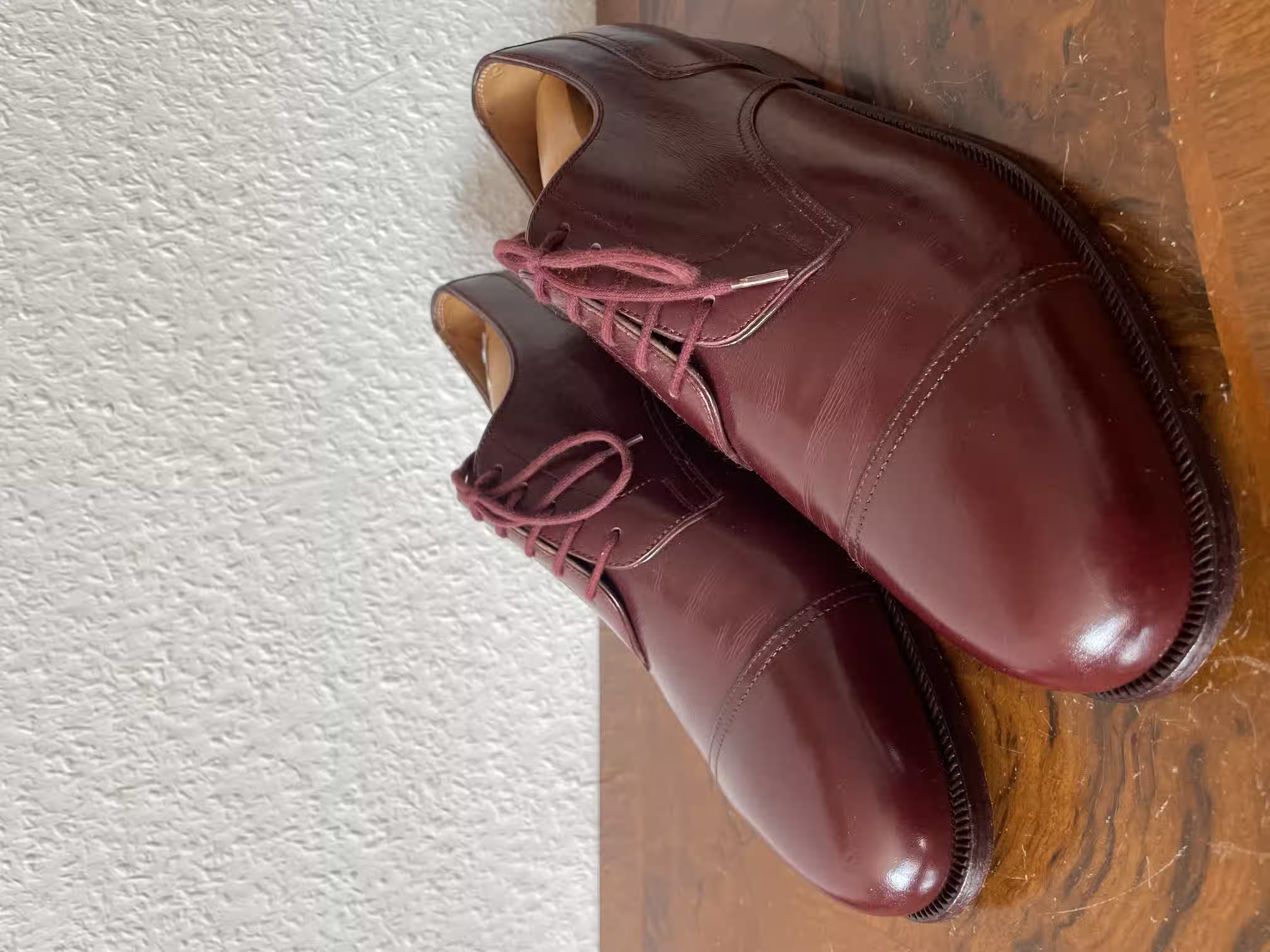
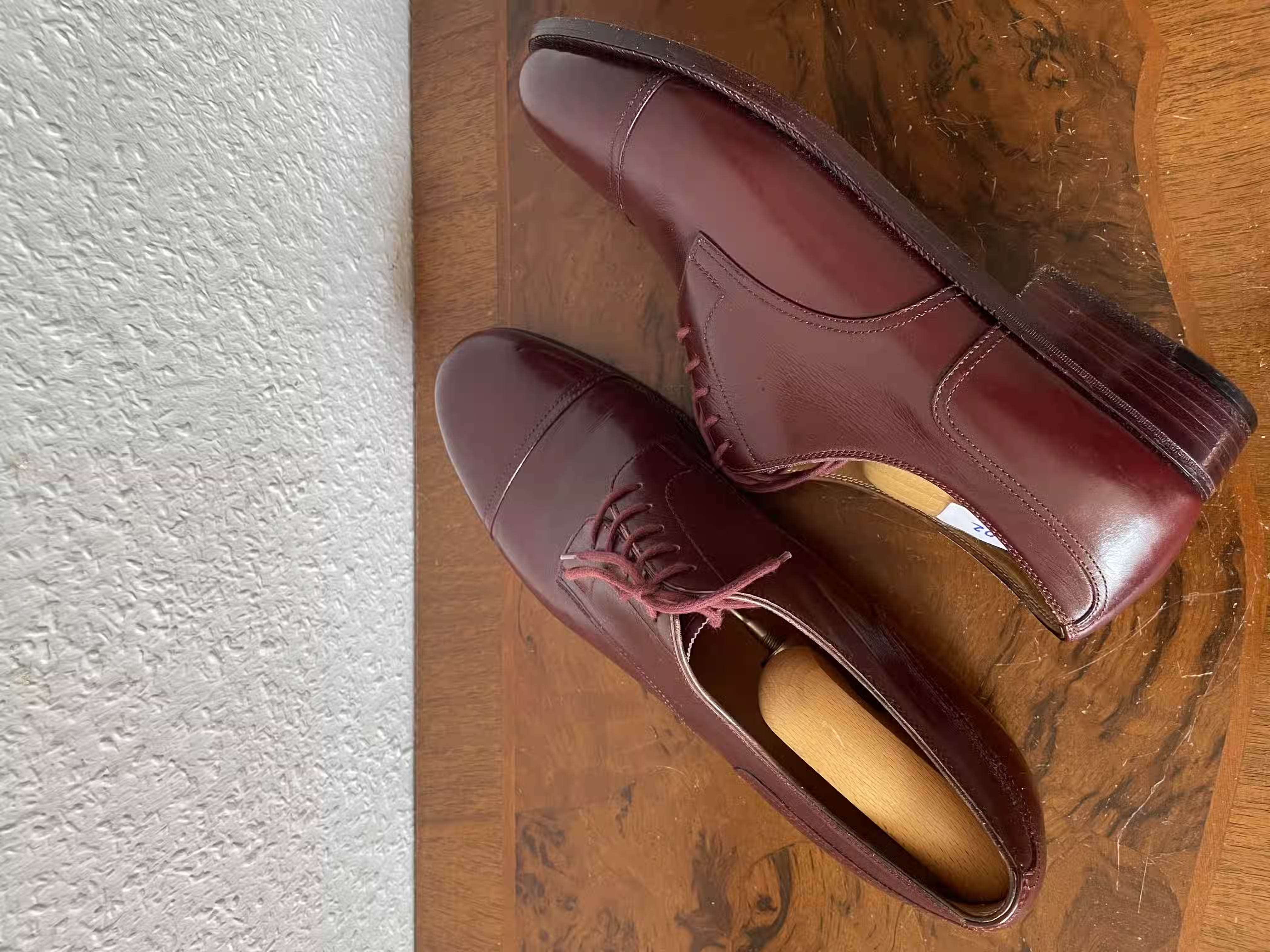
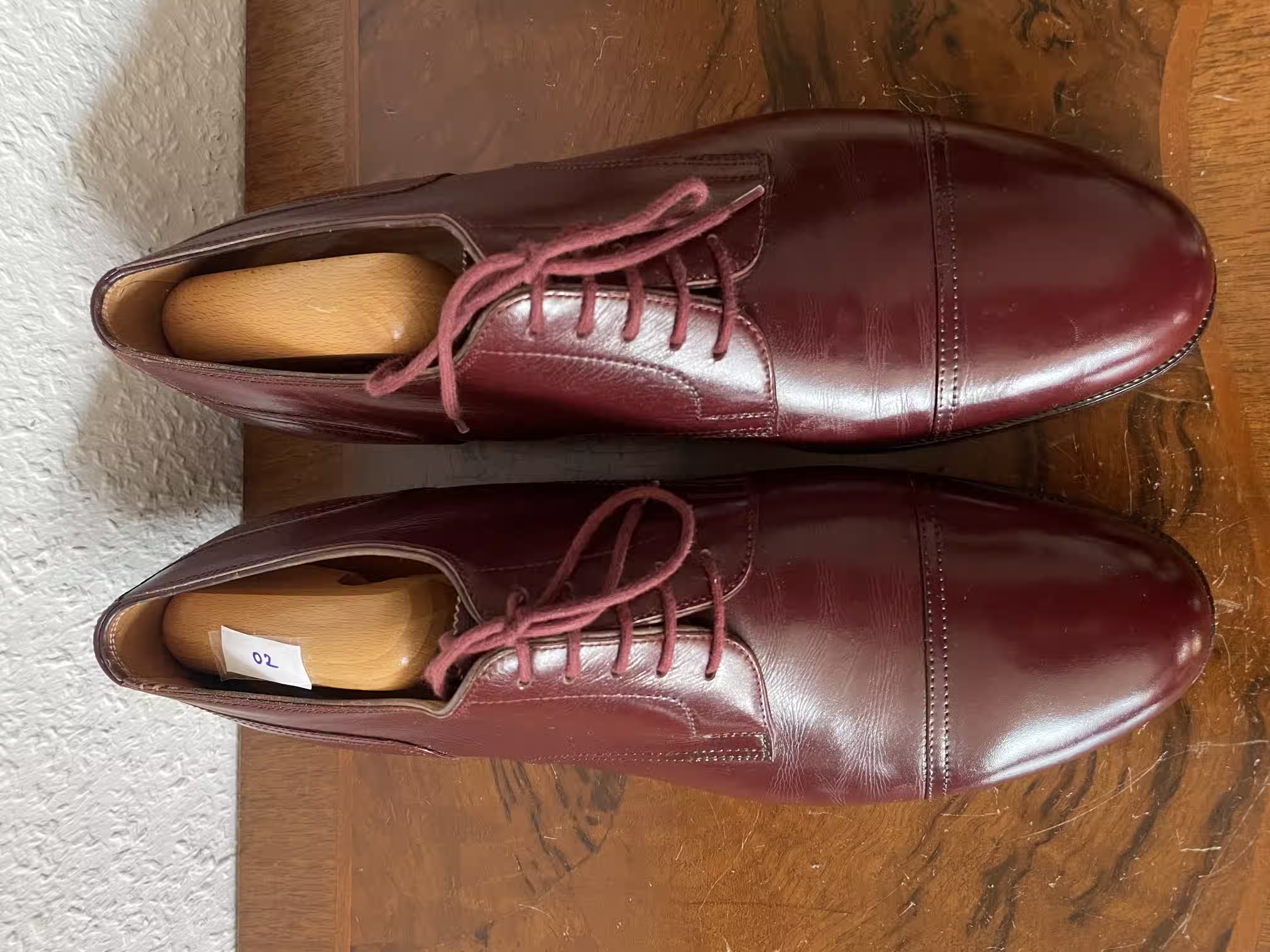
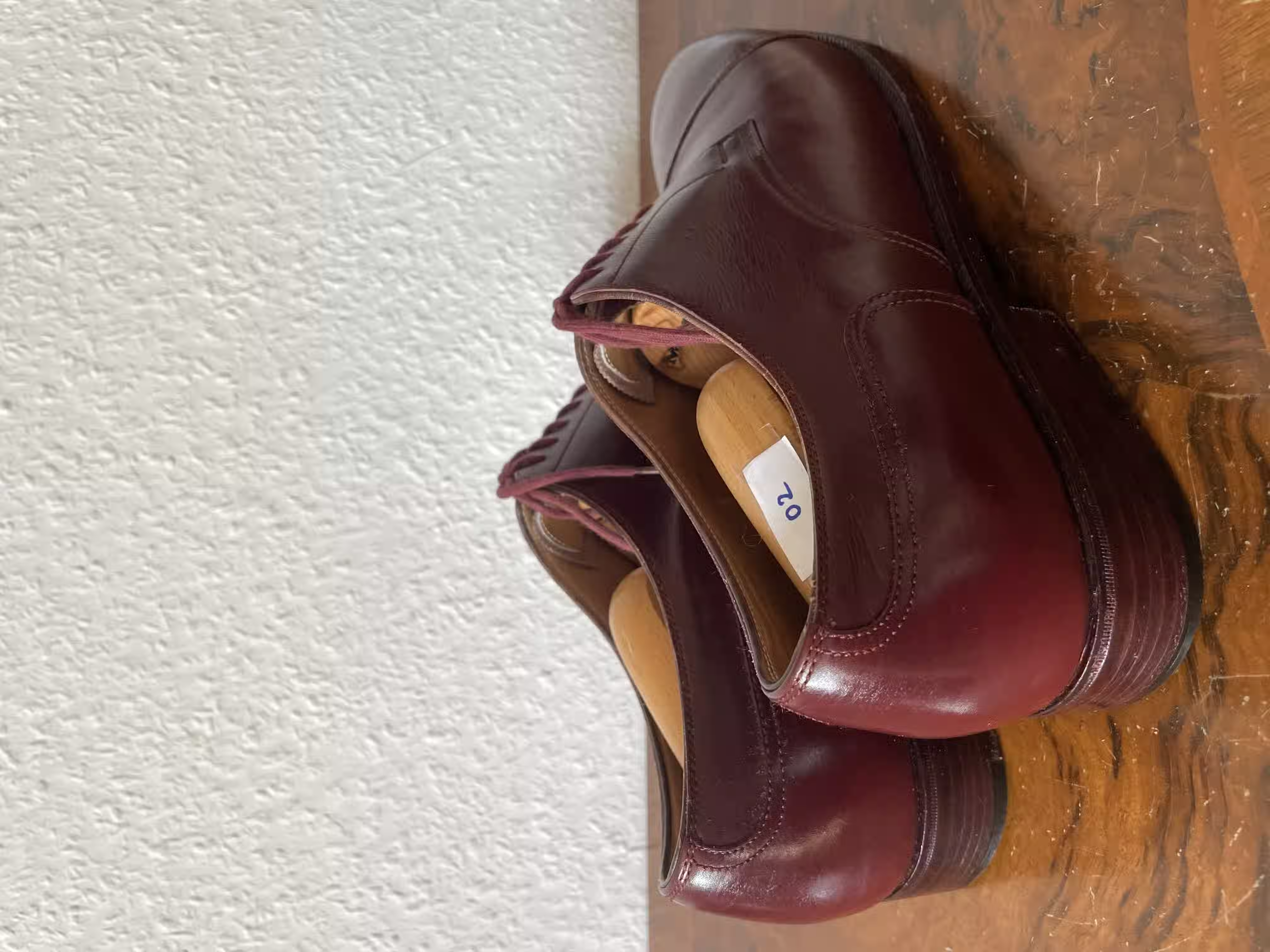
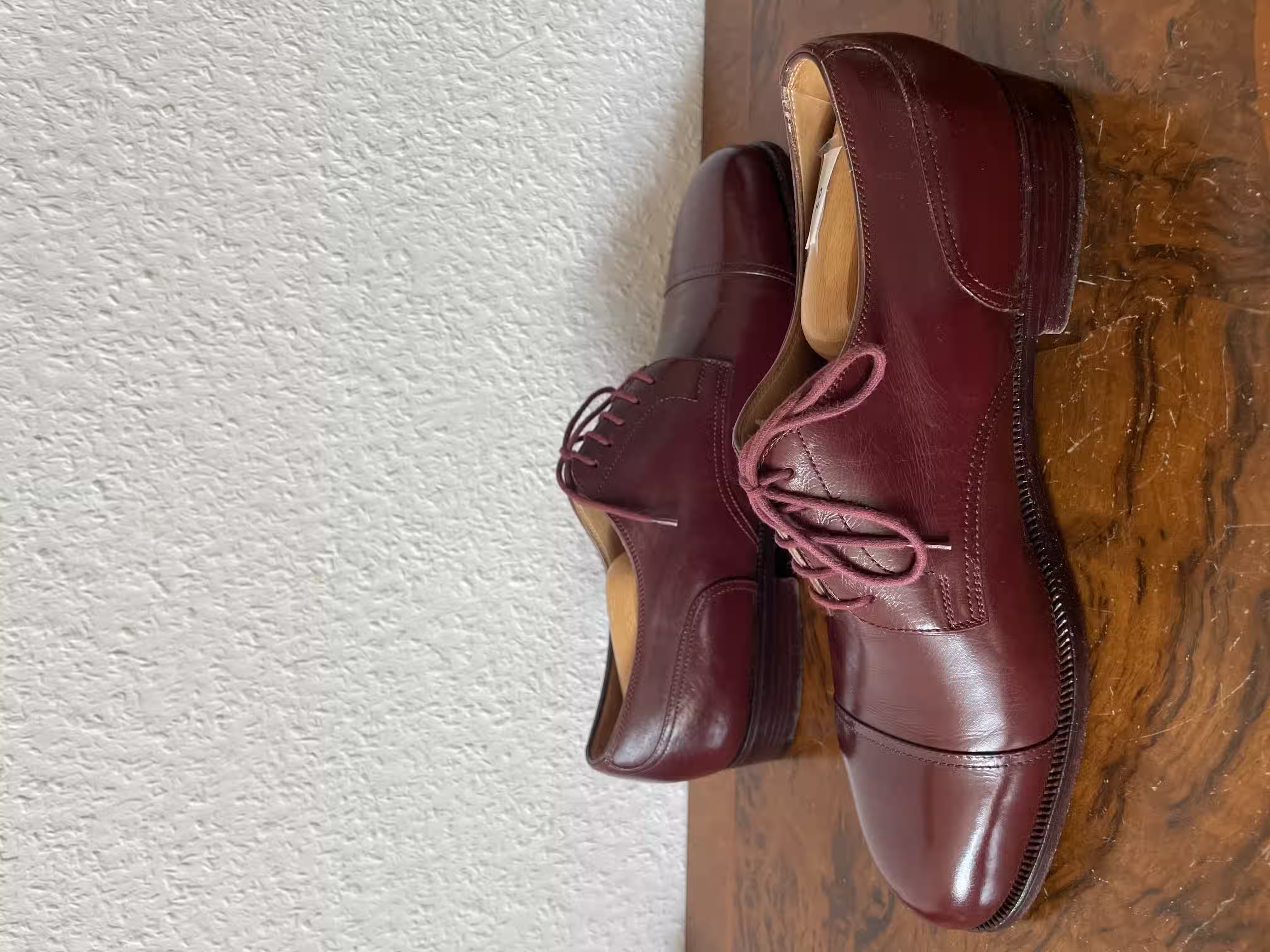
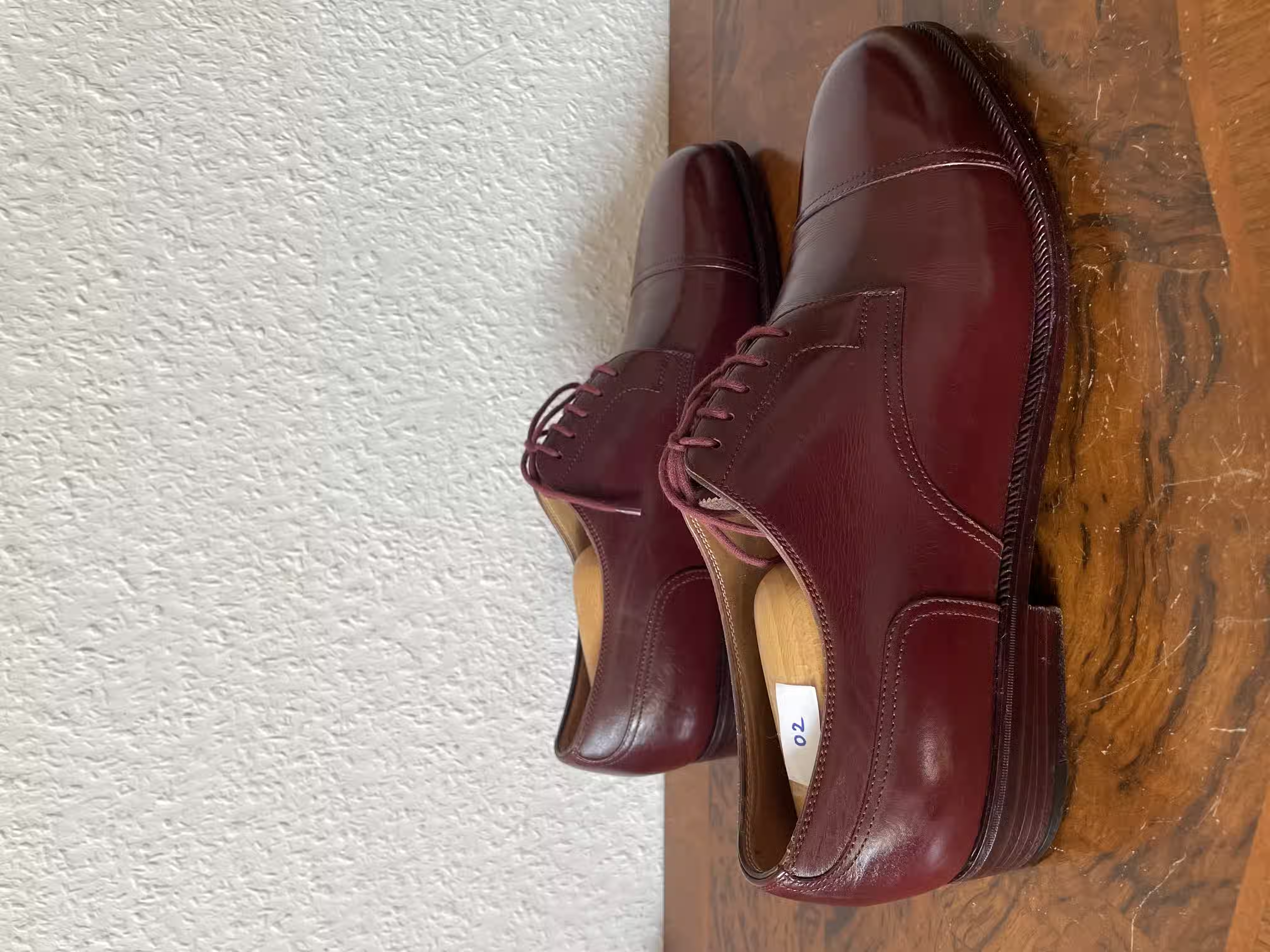
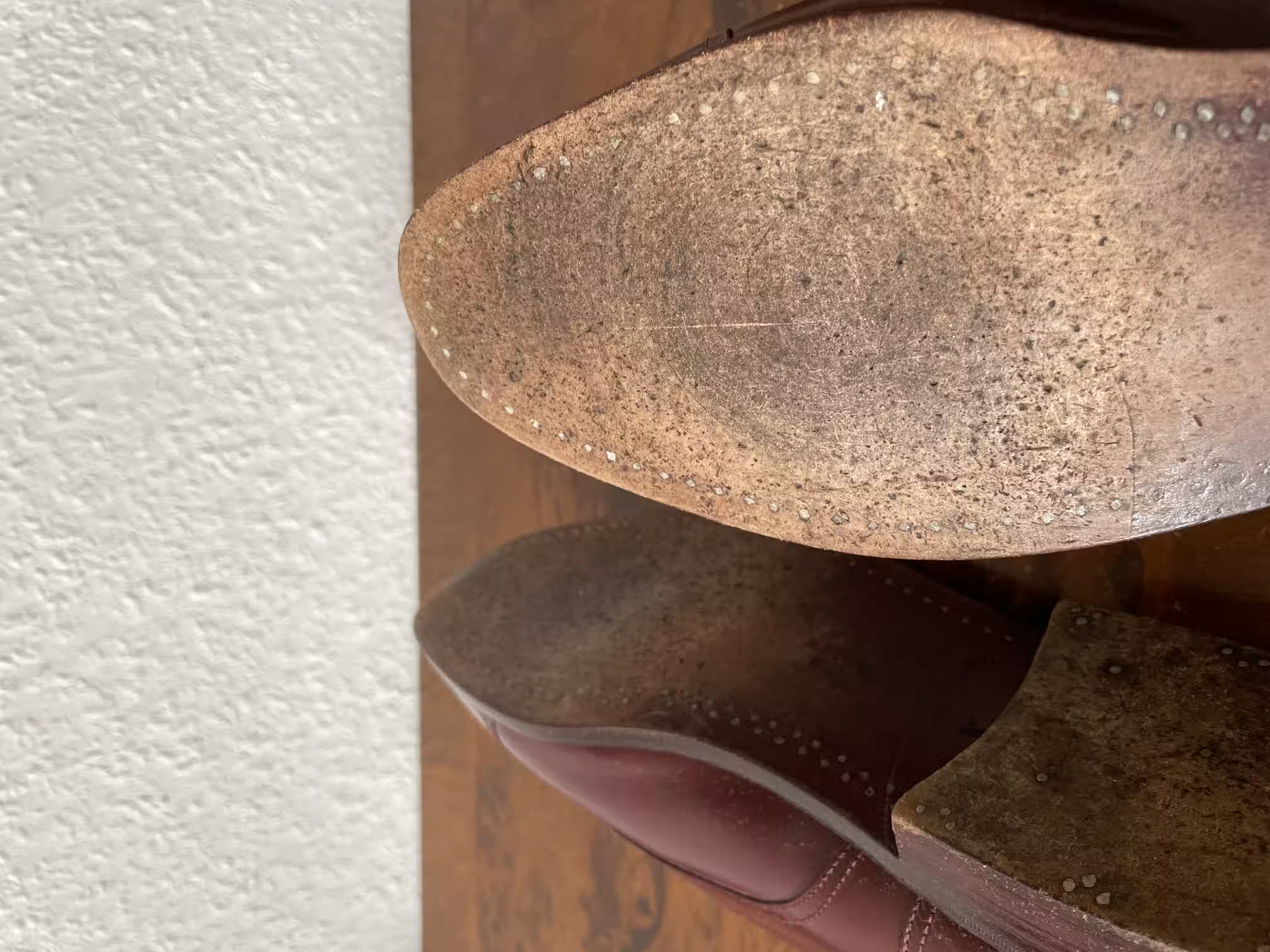
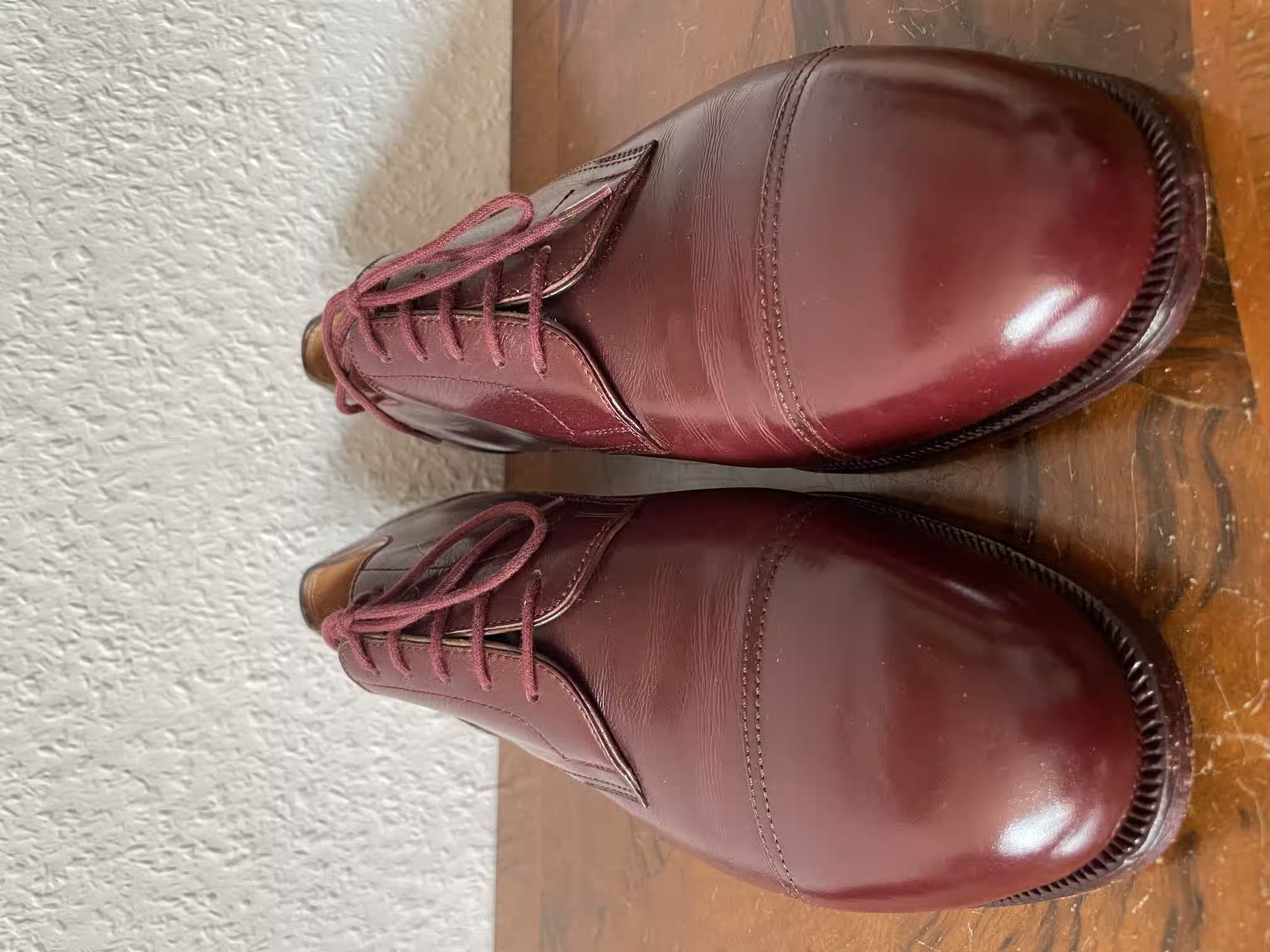
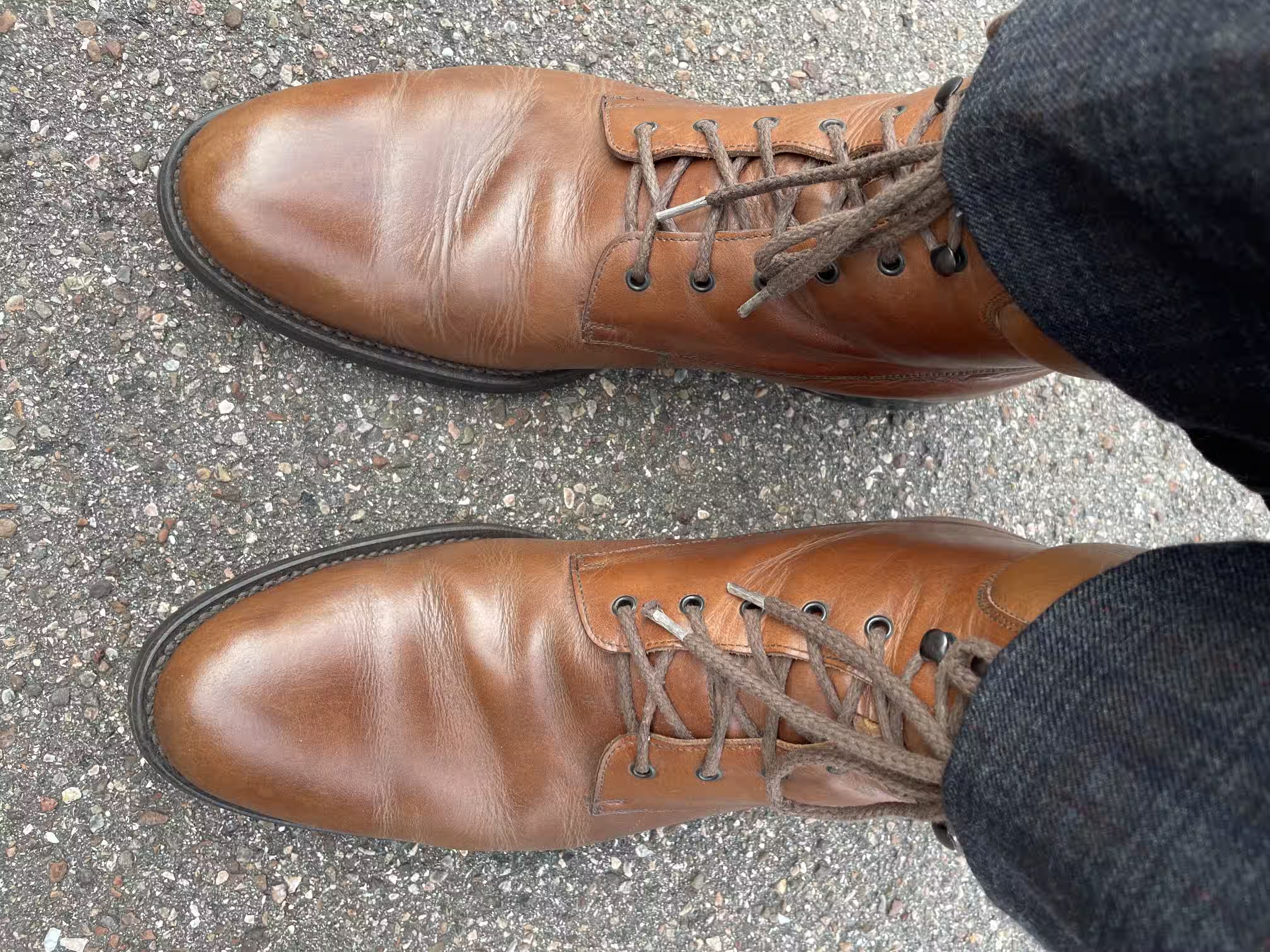
The Blucher model is often equated with the Derby because, especially from the front, the shoes look quite identical due to the open lacing. However, they are not exactly identical, which you can see particularly from the side and from the so-called upper pattern—i.e., the way the upper part of the shoe is stitched together.
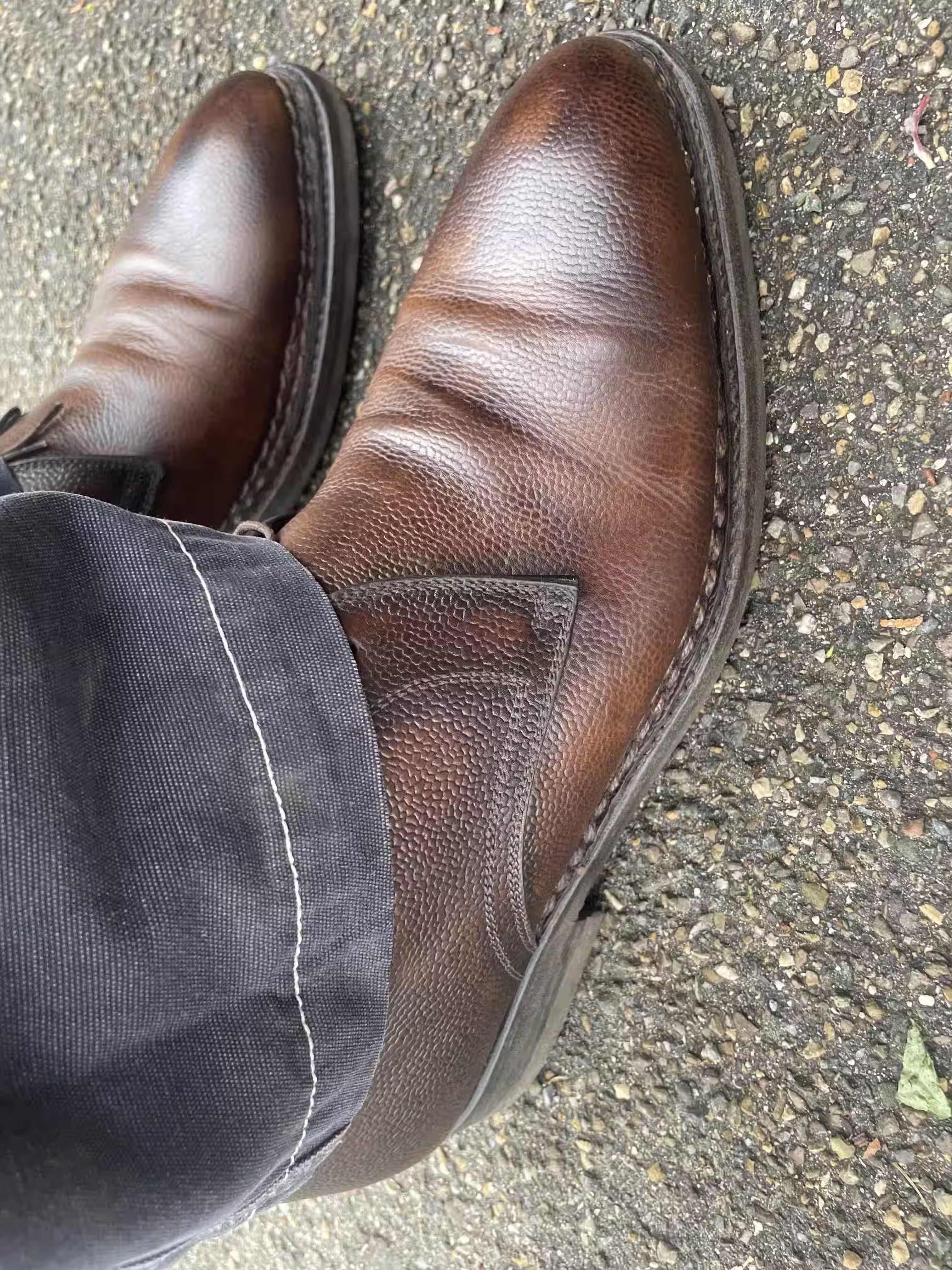
Viewed from the side, the Blucher lacks the so-called Derby curve—the arched line along which two quarters of the Derby are stitched together. Instead, a Blucher can consist for the most part of a single piece of leather—only two small lace pieces are stitched on for the lacing, and otherwise the largest leather piece is stitched together at the heel, assuming we are not looking at a seamless Blucher variant or other variants.

Blucher as the Norweger’s uncle
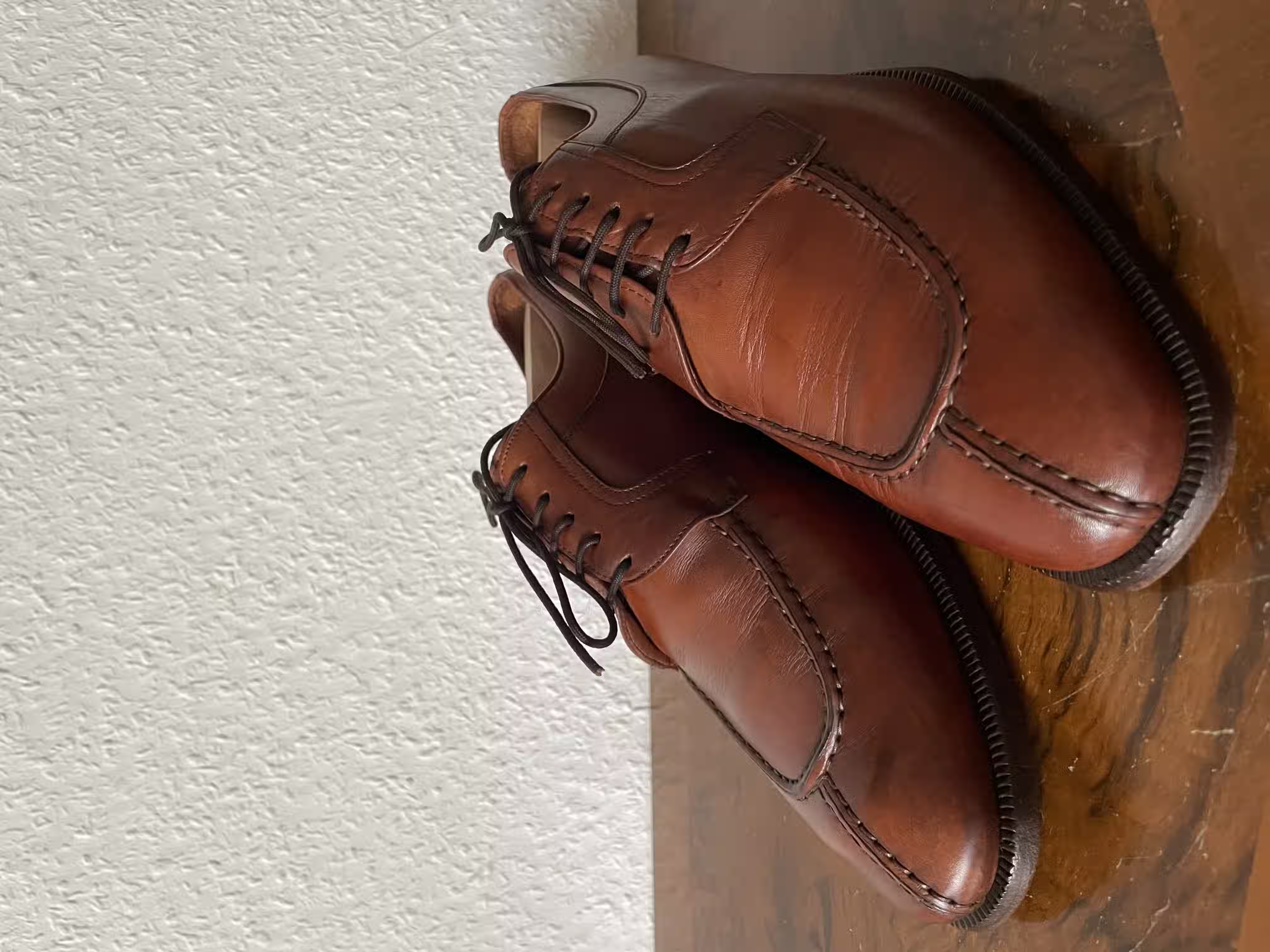
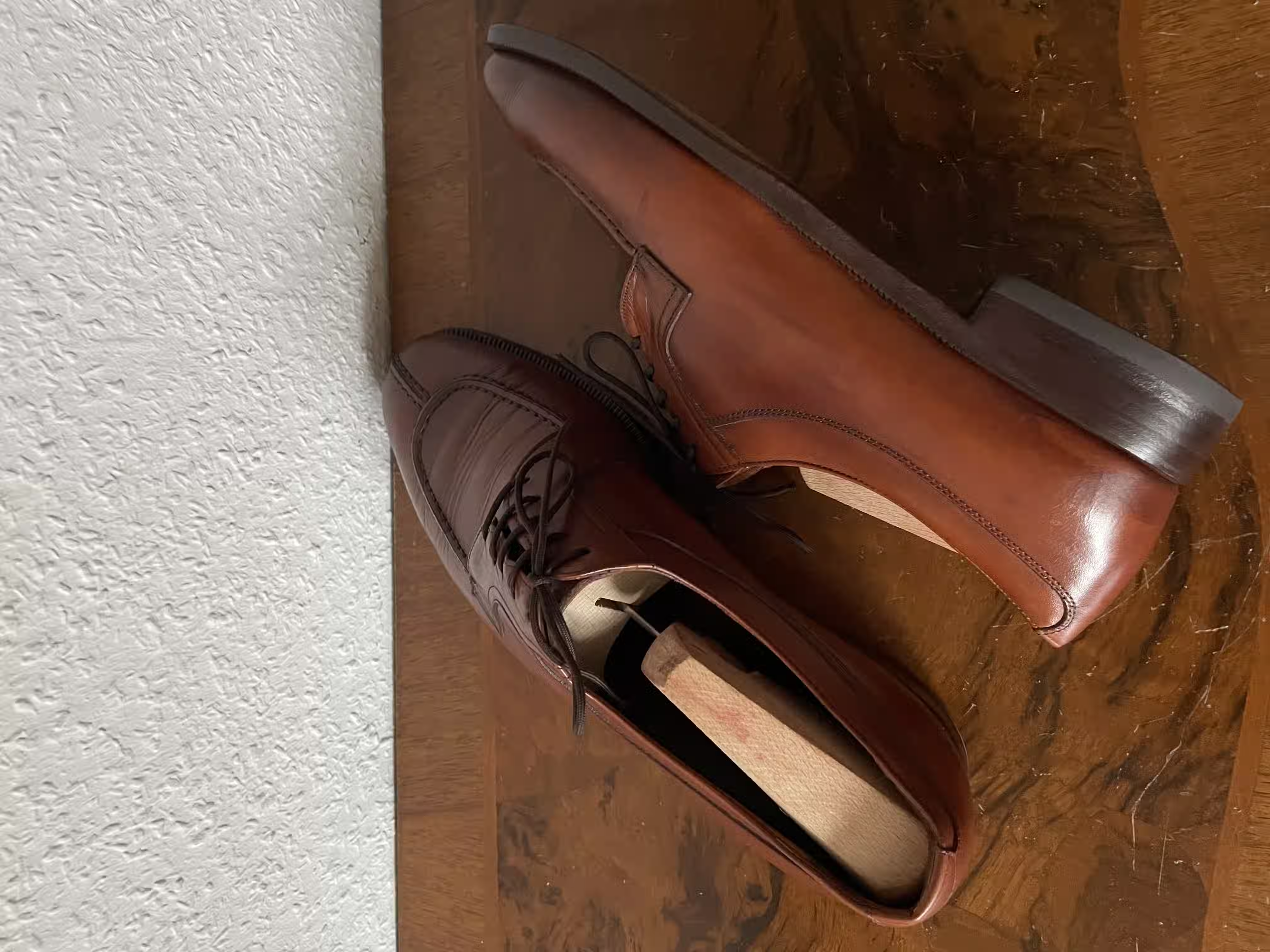
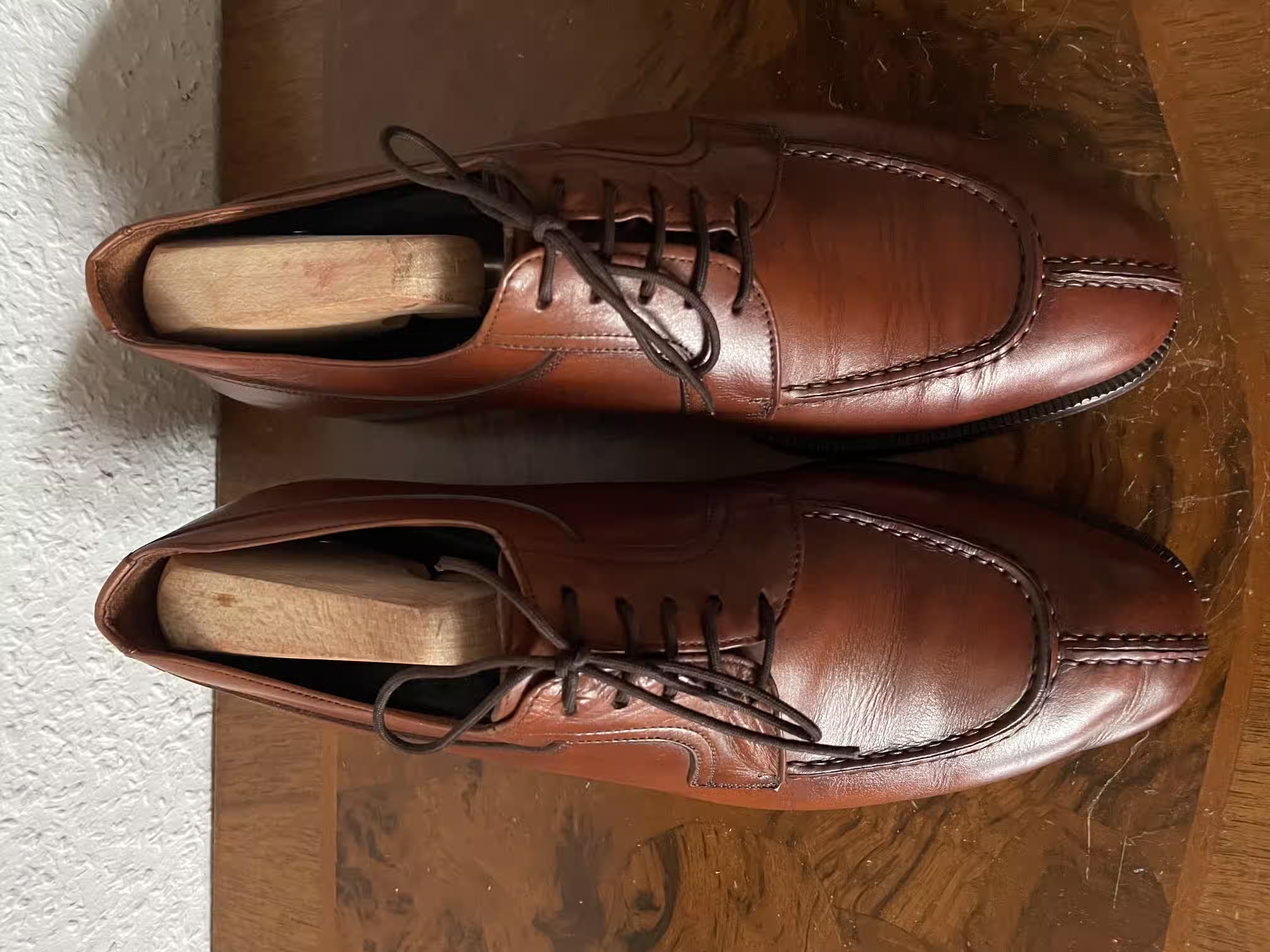
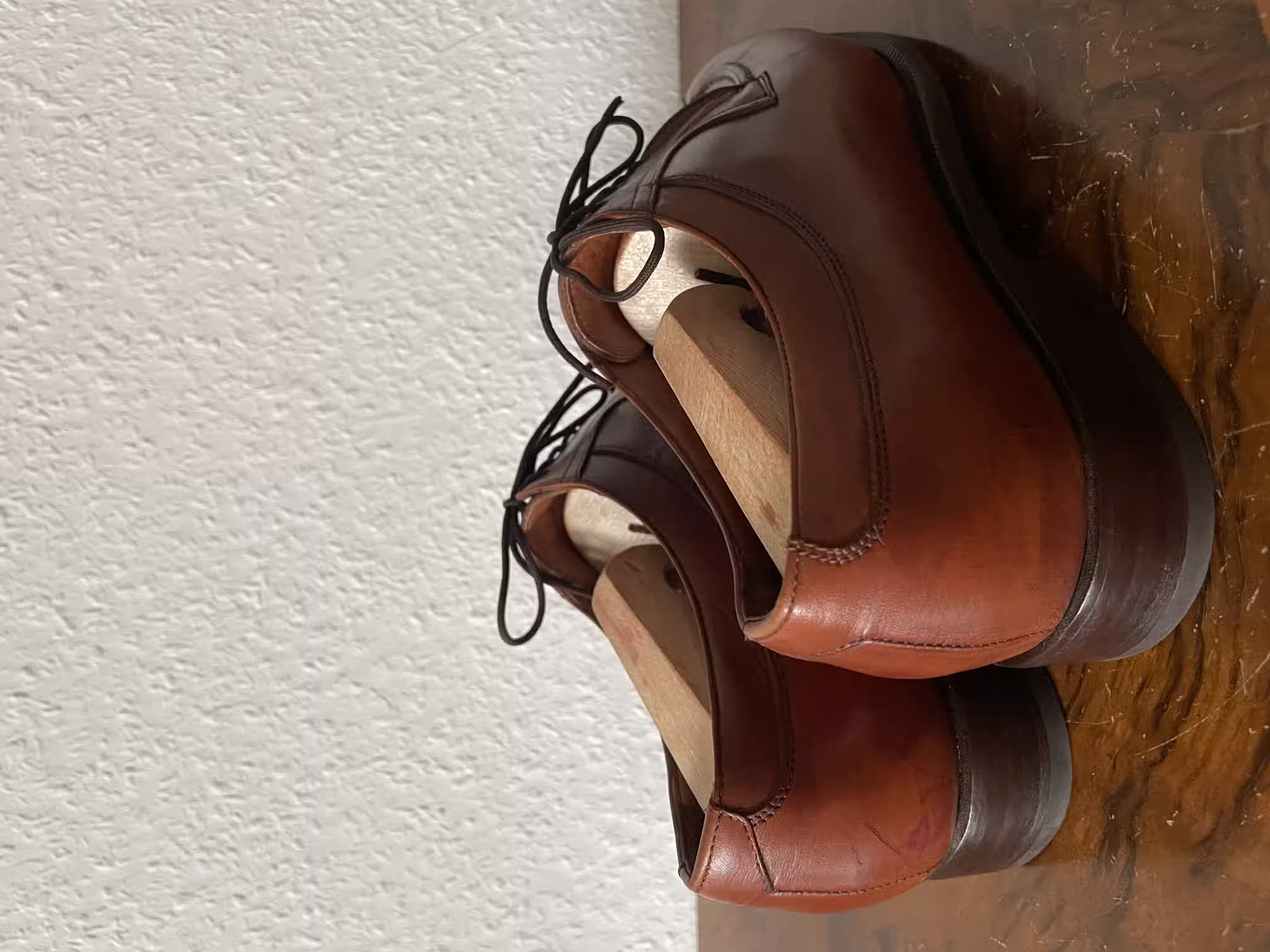
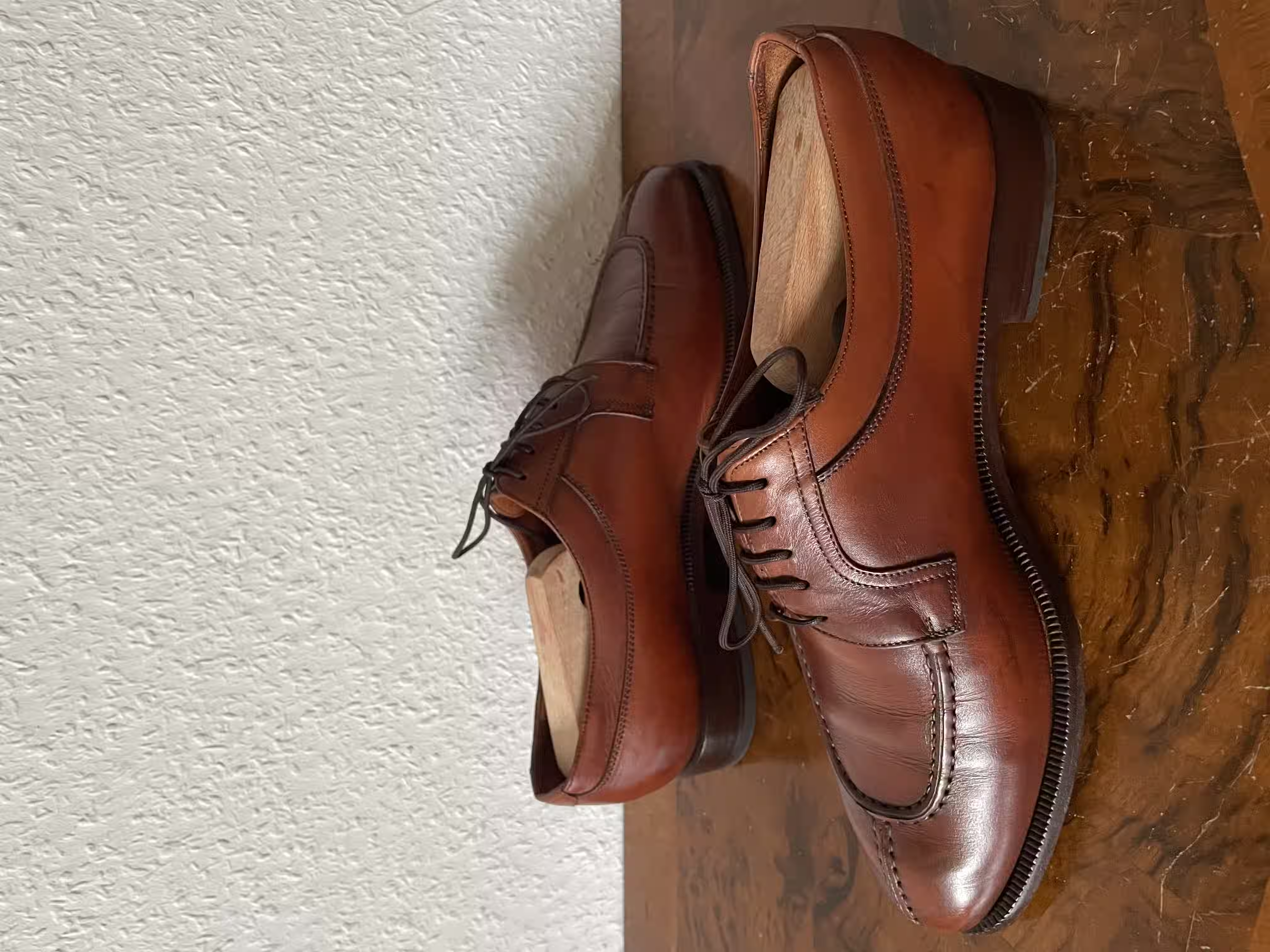
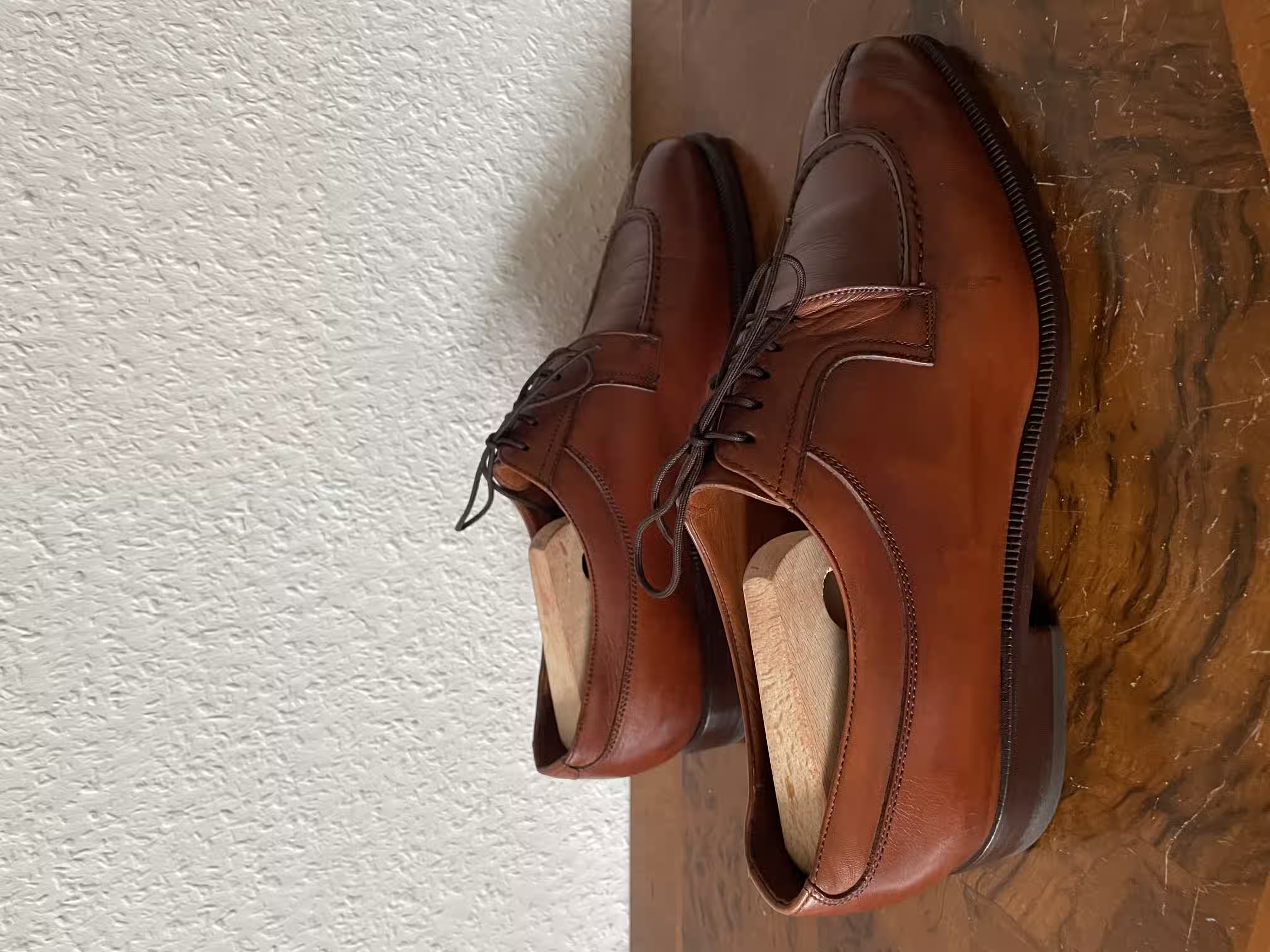
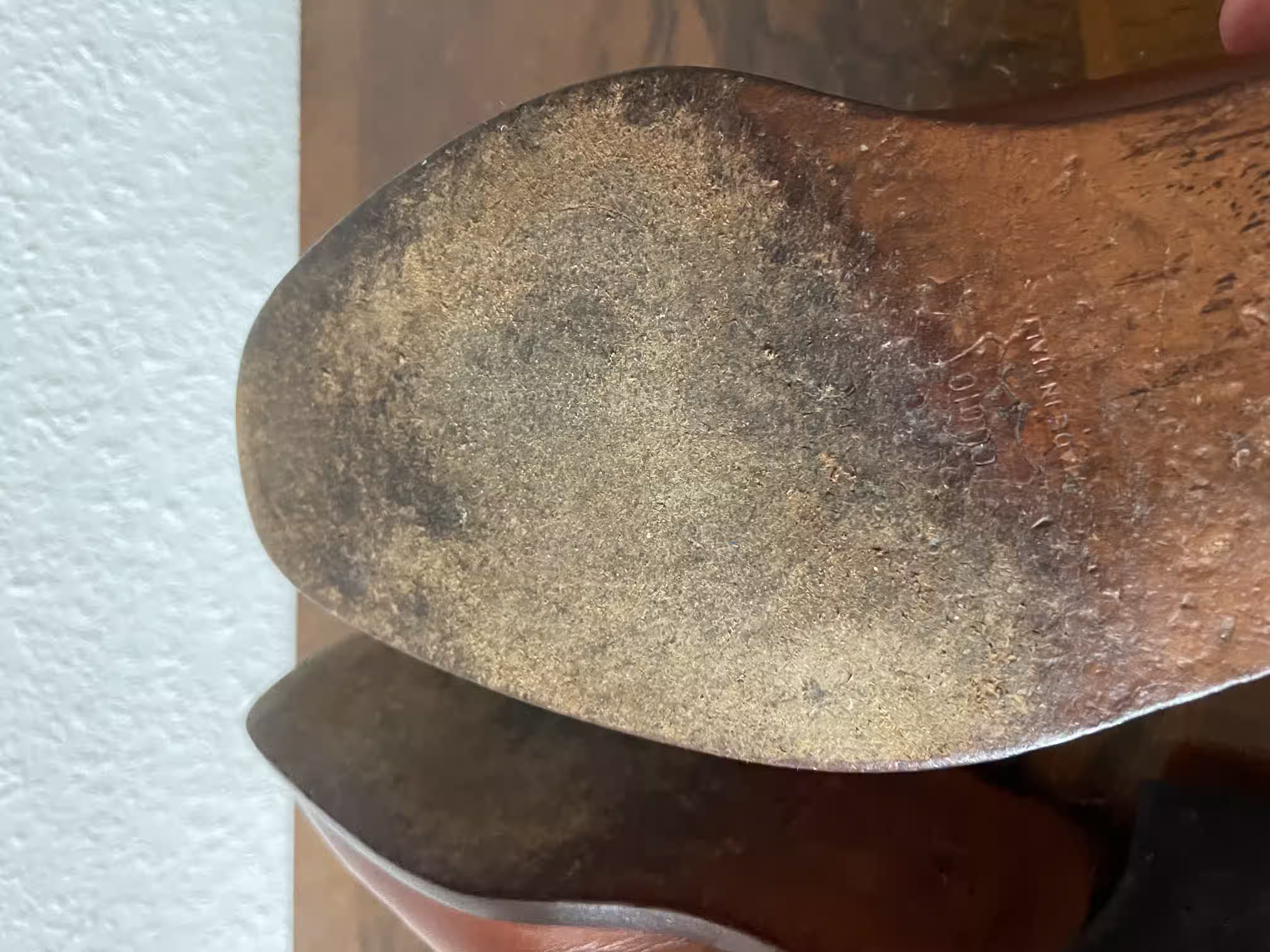
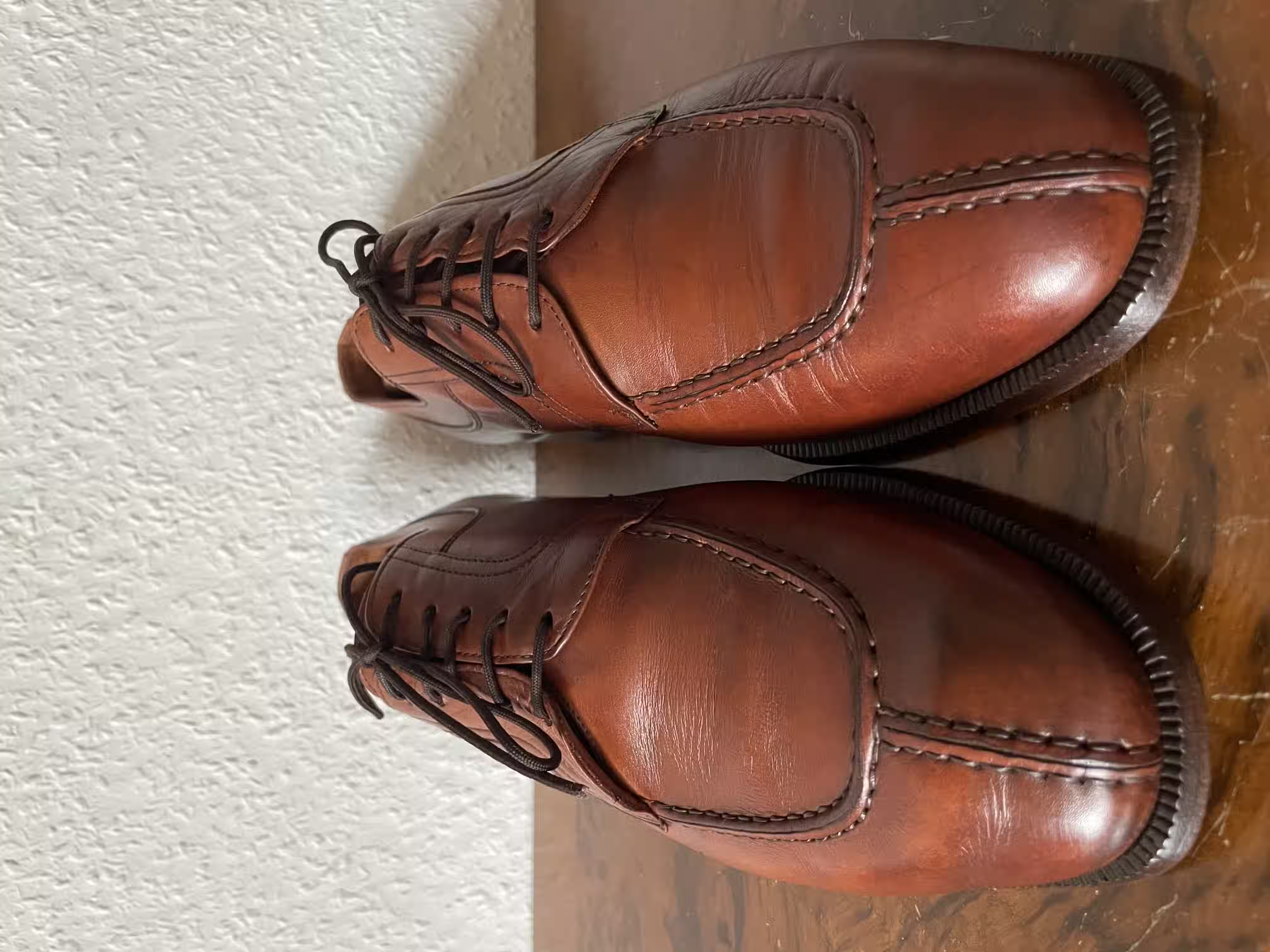
The Norweger shoe model builds on the Blucher’s upper pattern and additionally has an embellishment at the front along the toes as well as another small detail in the form of the split toe. That makes the Norweger and the Blucher relatives in a figurative sense. The Norweger is, so to speak, a Blucher with a bit more.
History
This shoe style is named after a Prussian general who fought against Napoleon here in Europe. He had his soldiers equipped with such shoes, though back then still in boot form. Thanks to the open lacing used, such Blucher boots were easier and quicker to put on than the models common at the time. That was very practical in the army because it meant the troops were ready to march more quickly. Some soldiers probably could even fight more comfortably in them and thus focus more on what was happening in battle. Perhaps the Blucher boots even helped, to a small extent, to defeat Napoleon in the 19th century.
Variants
Brown Bluchers with double decorative stitching
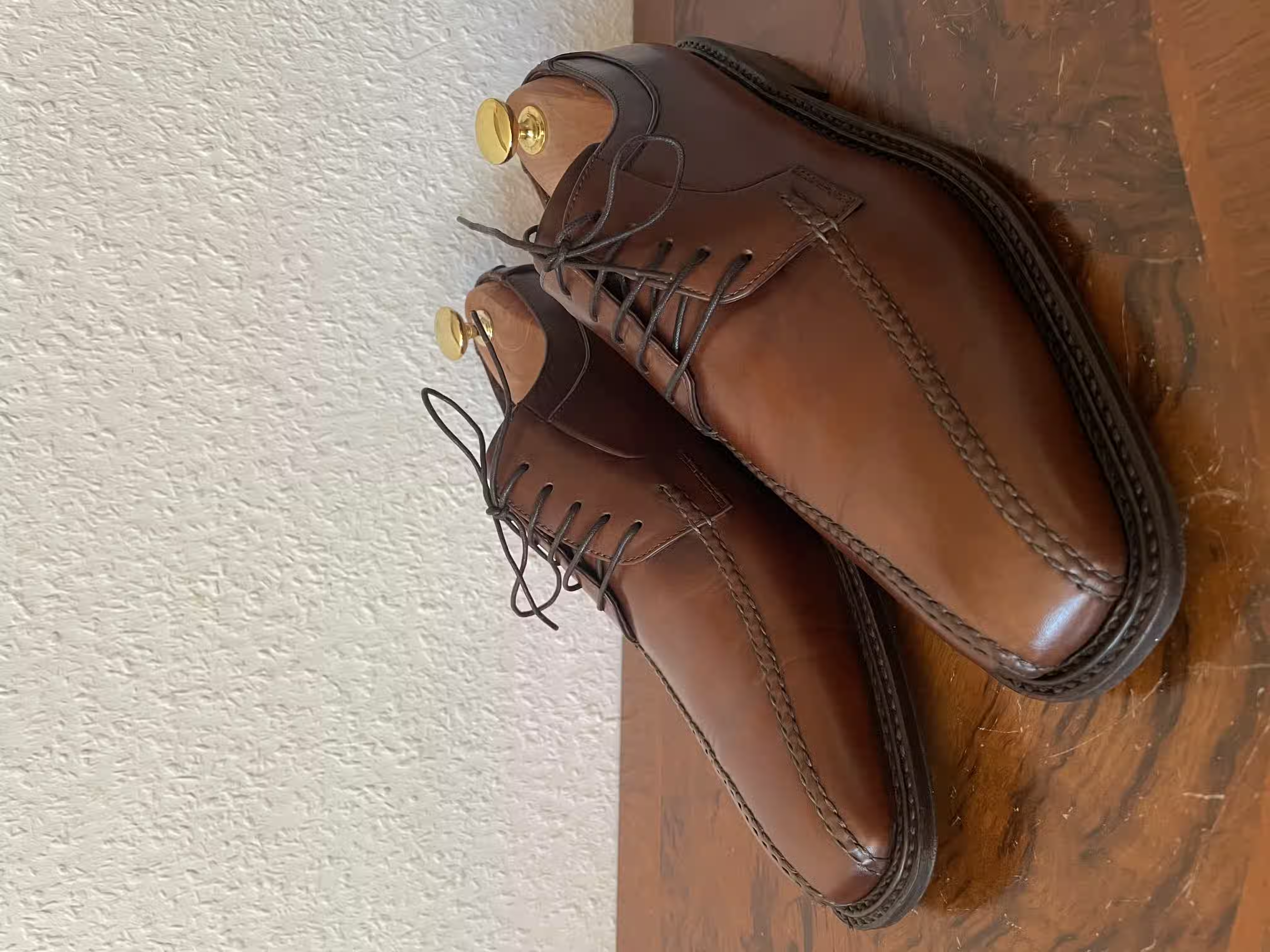
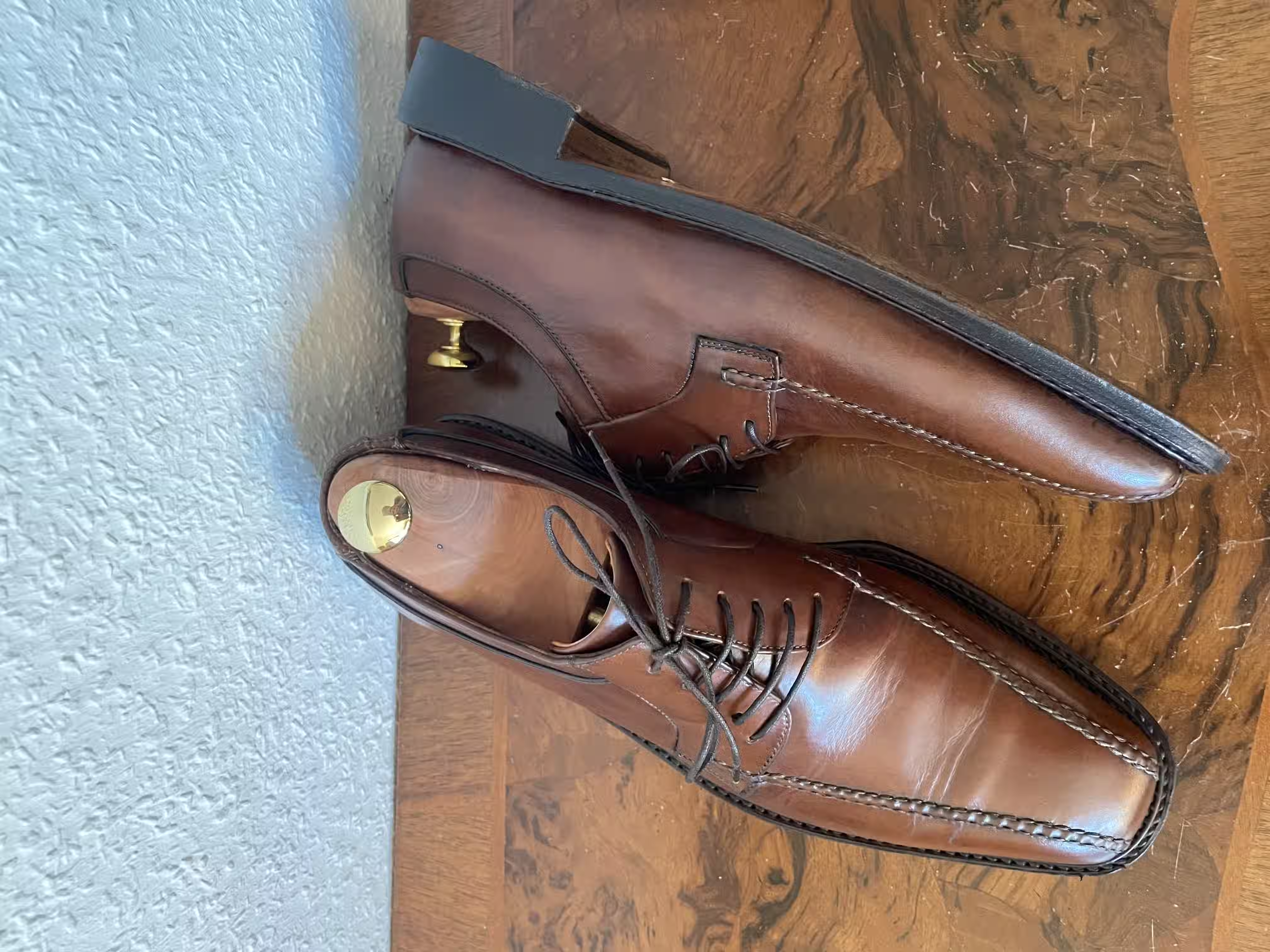
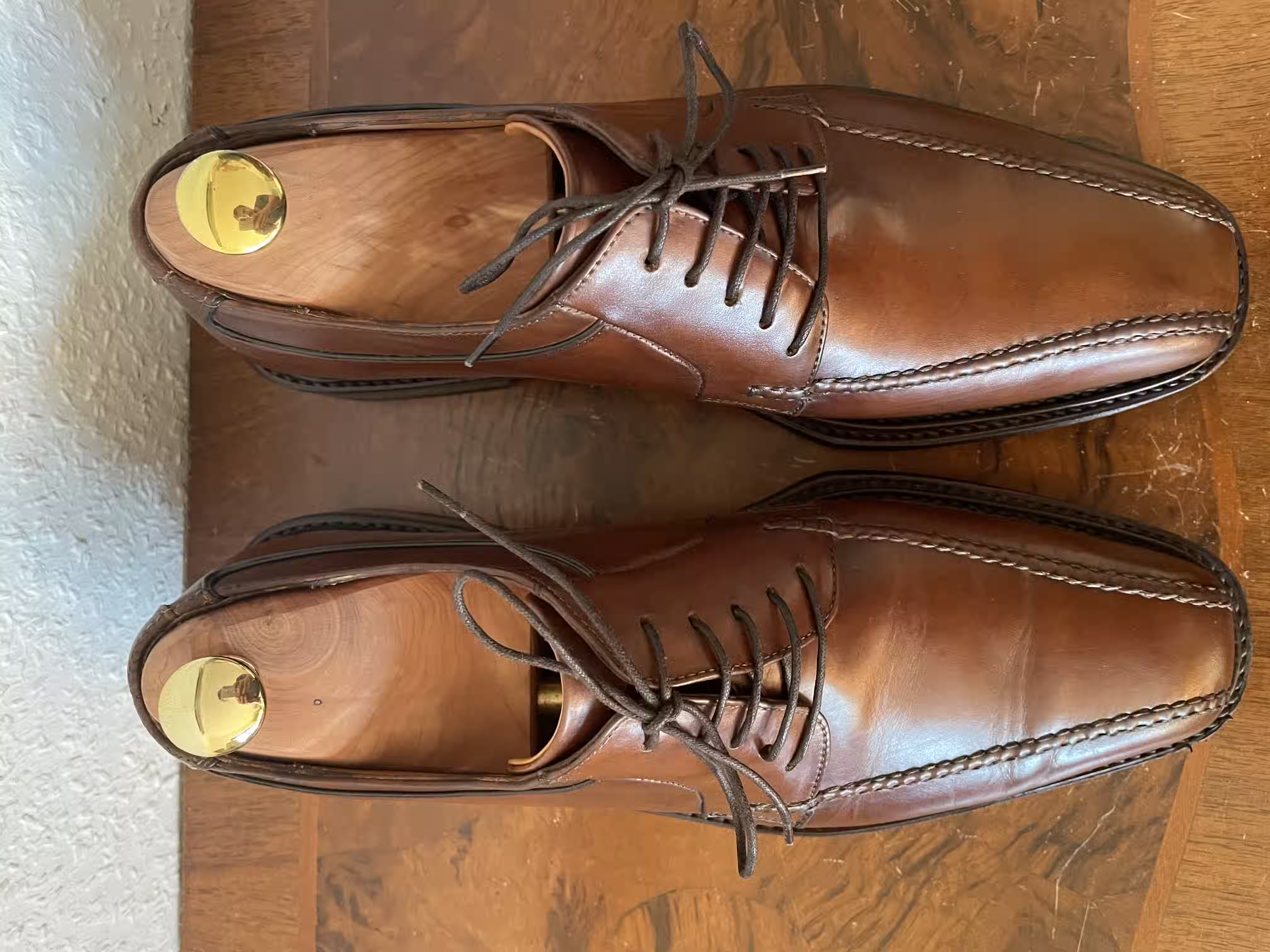
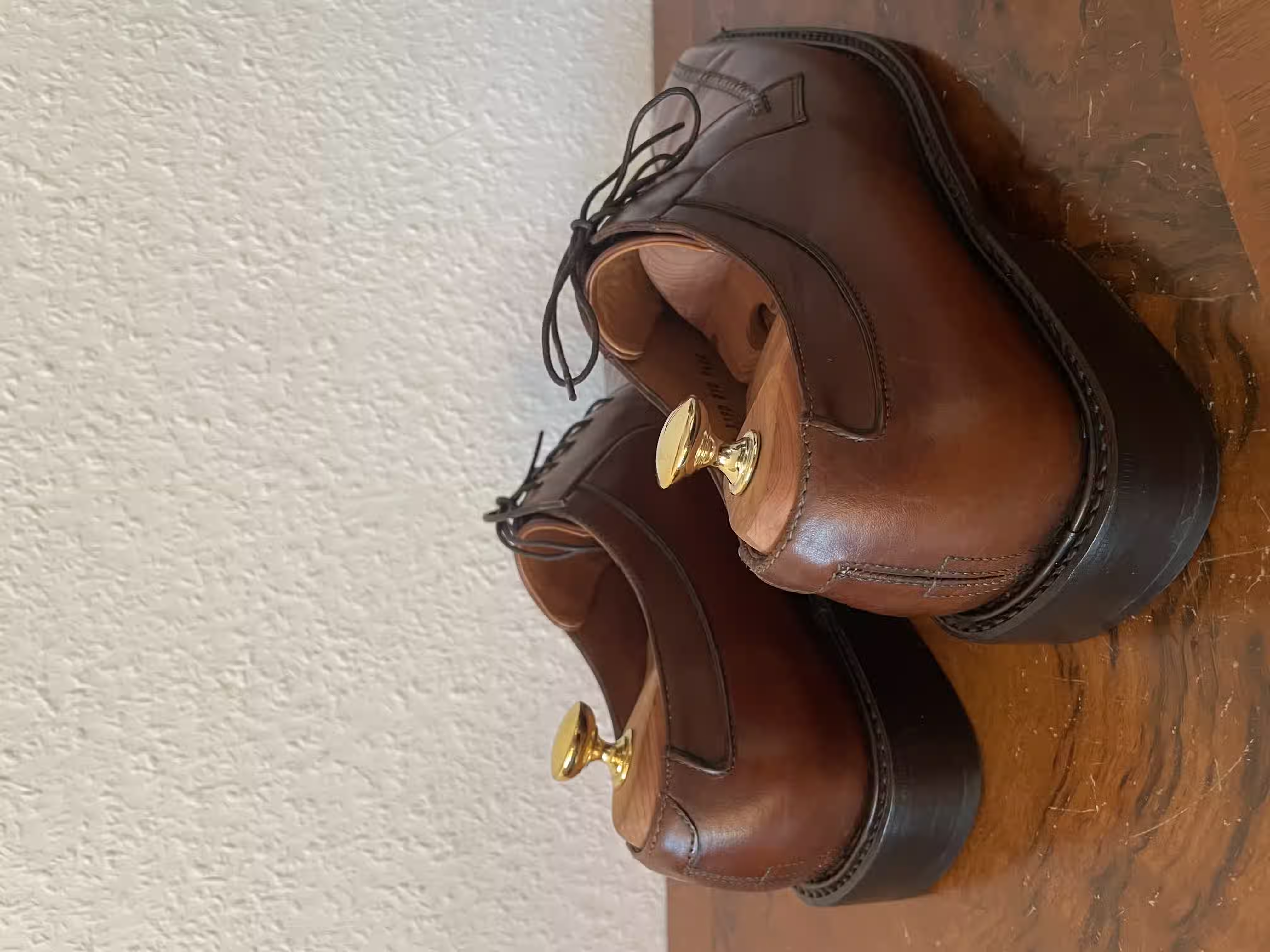
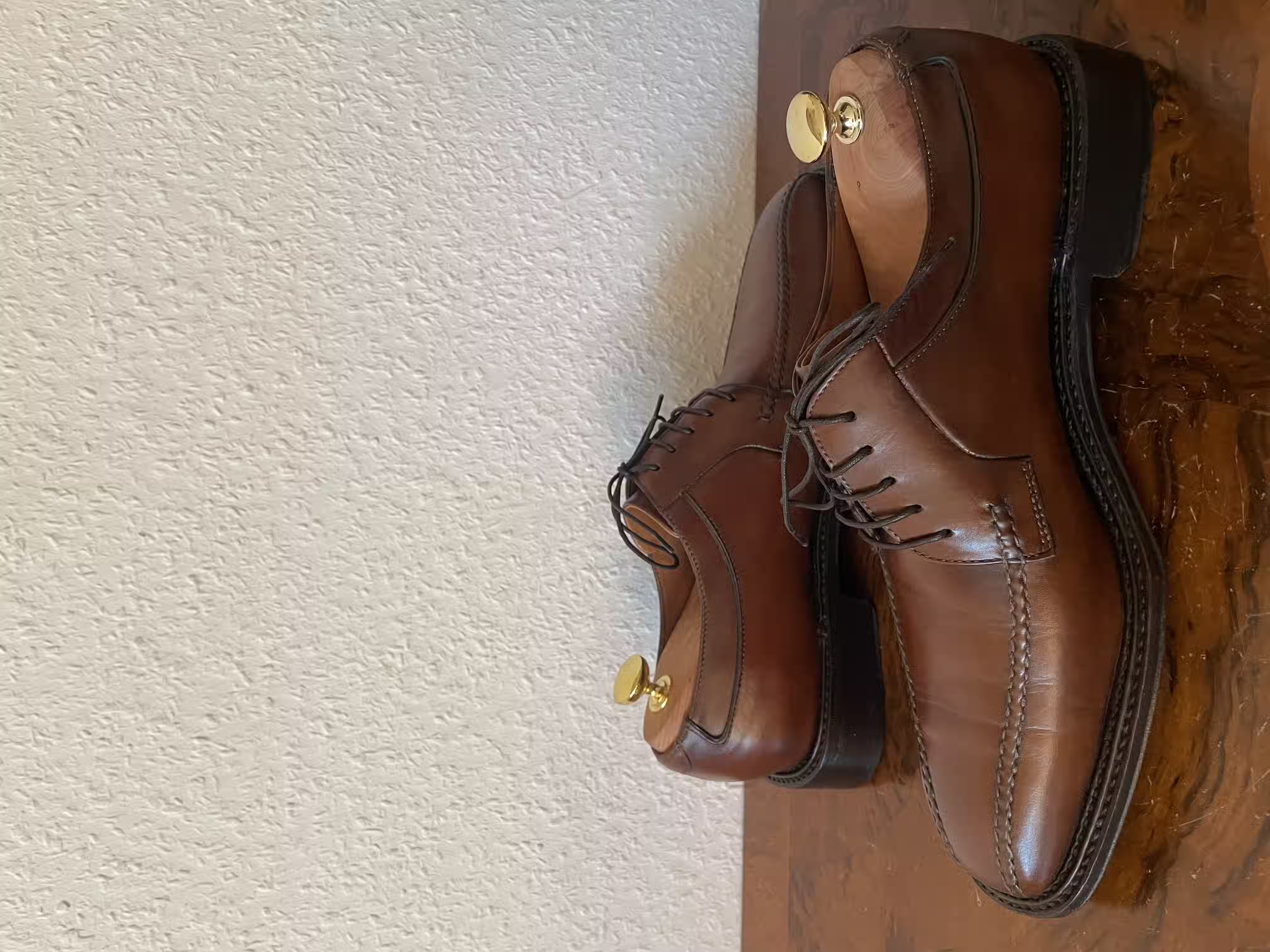
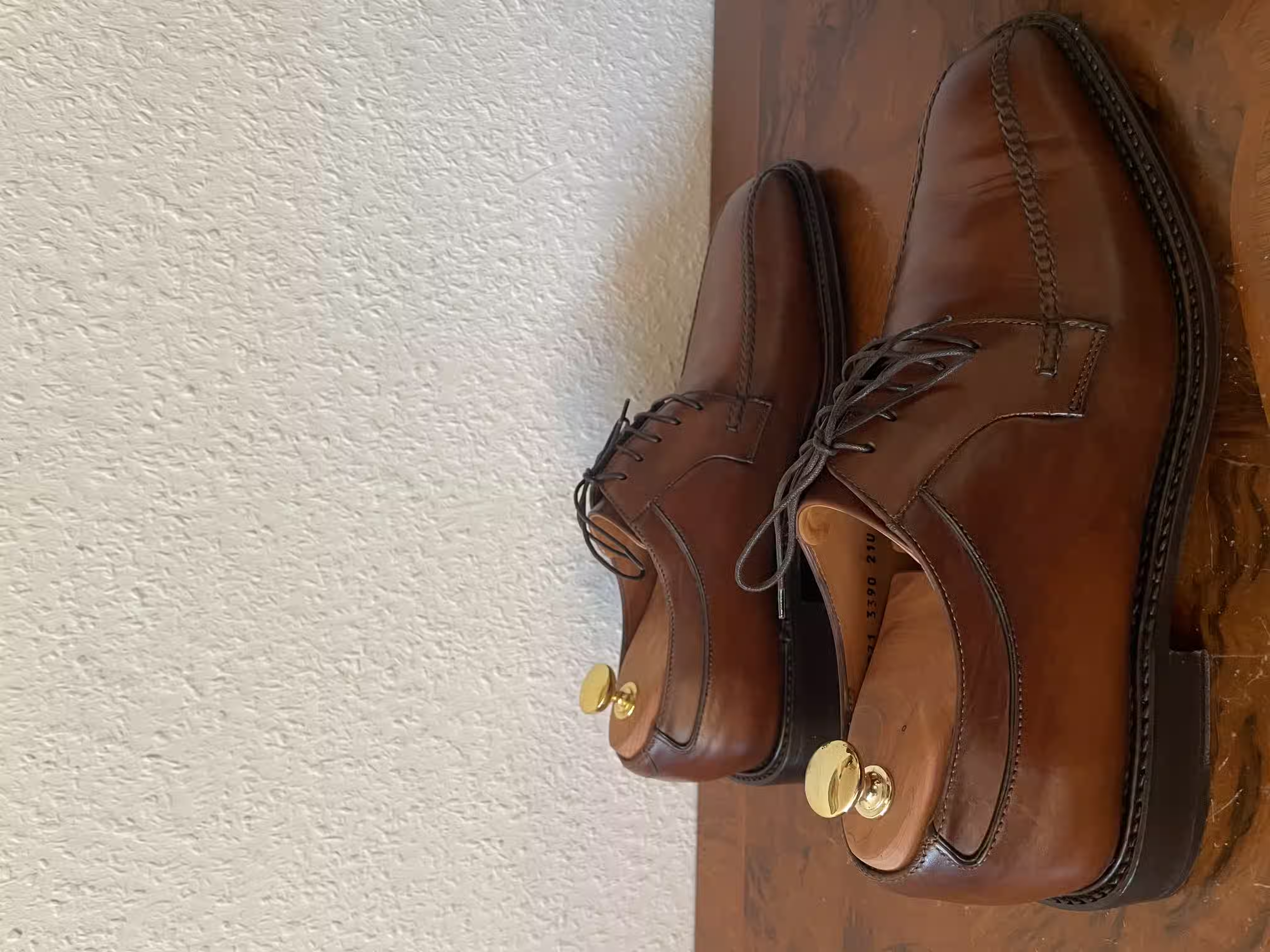
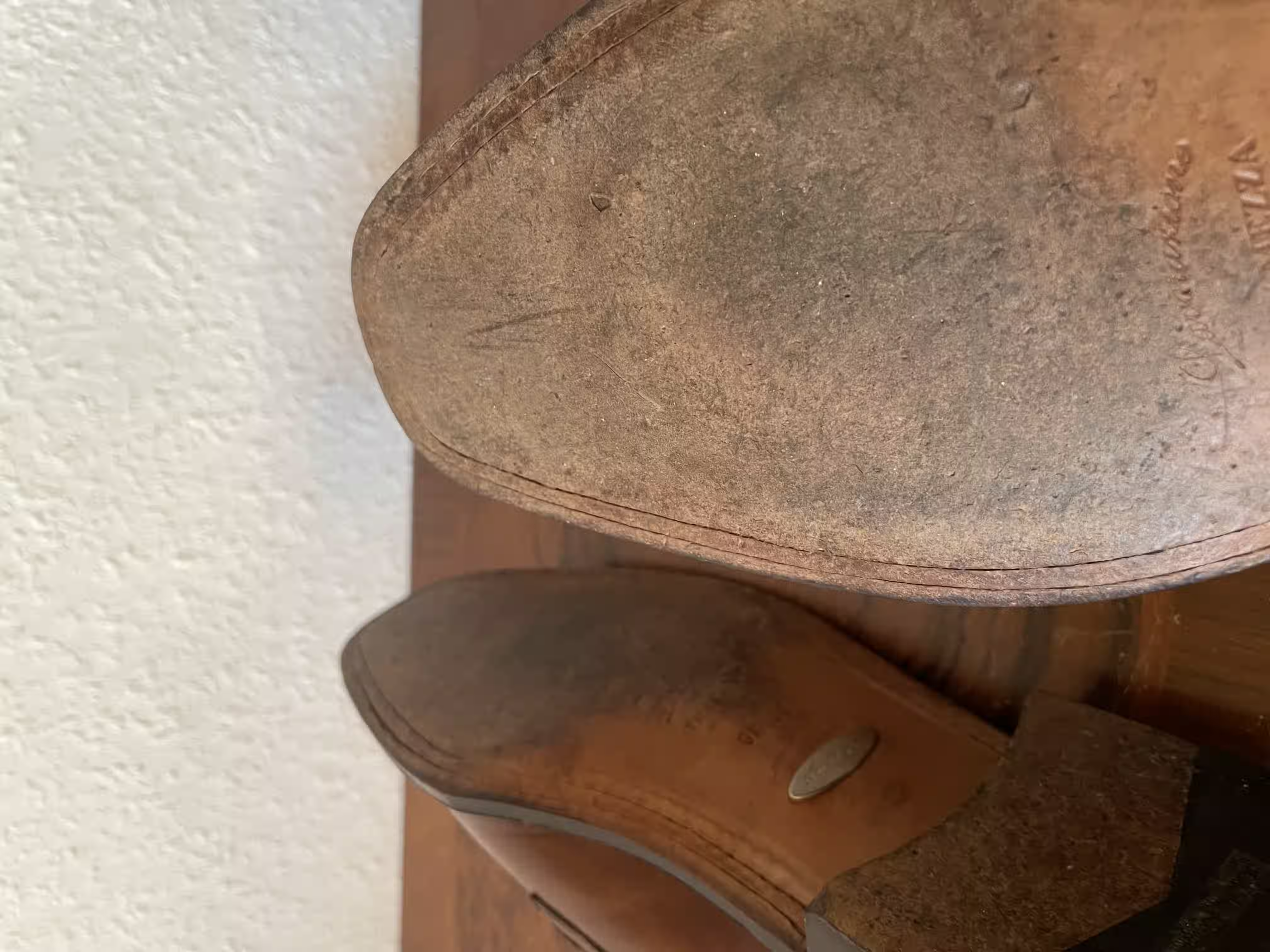
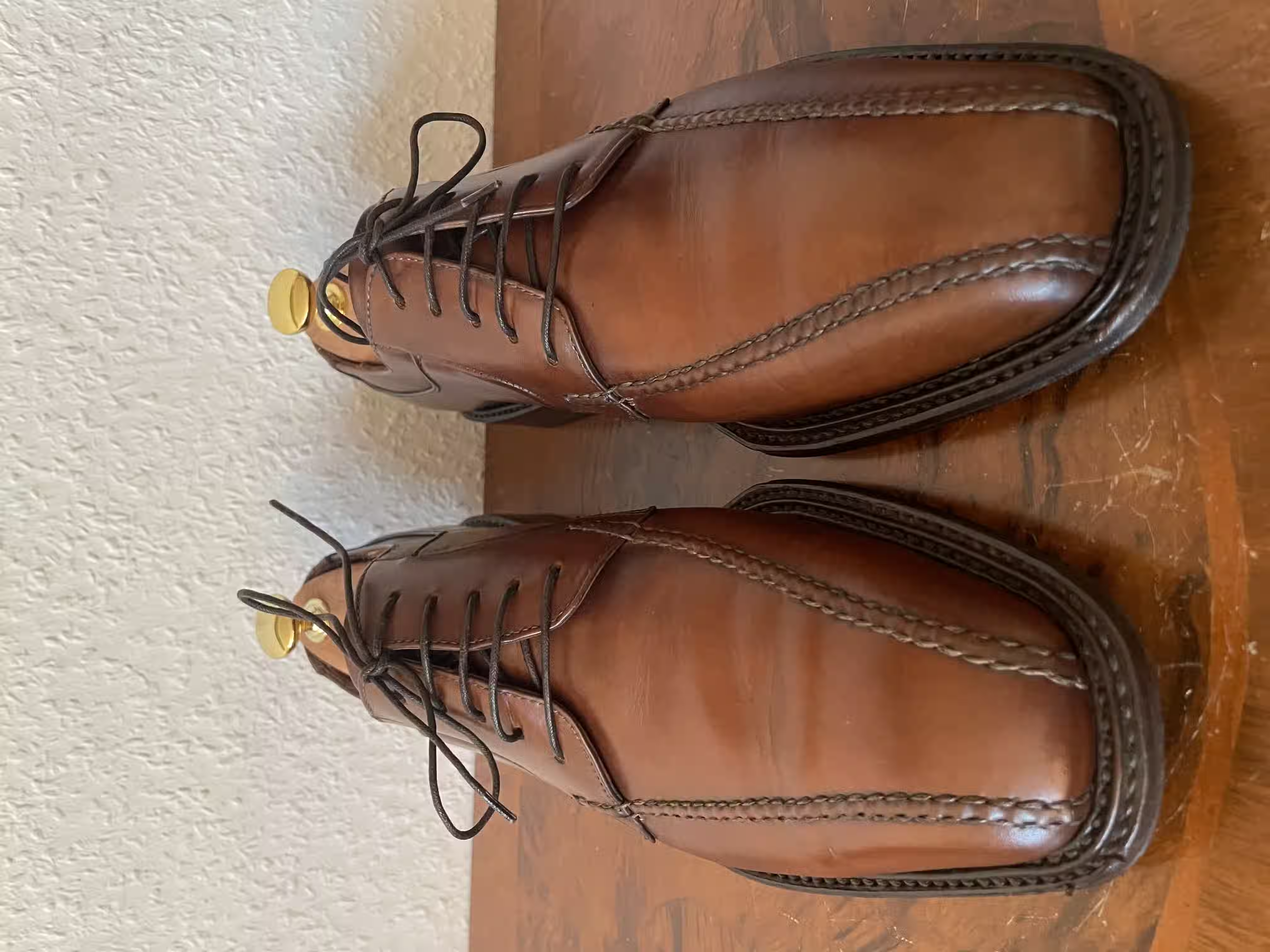
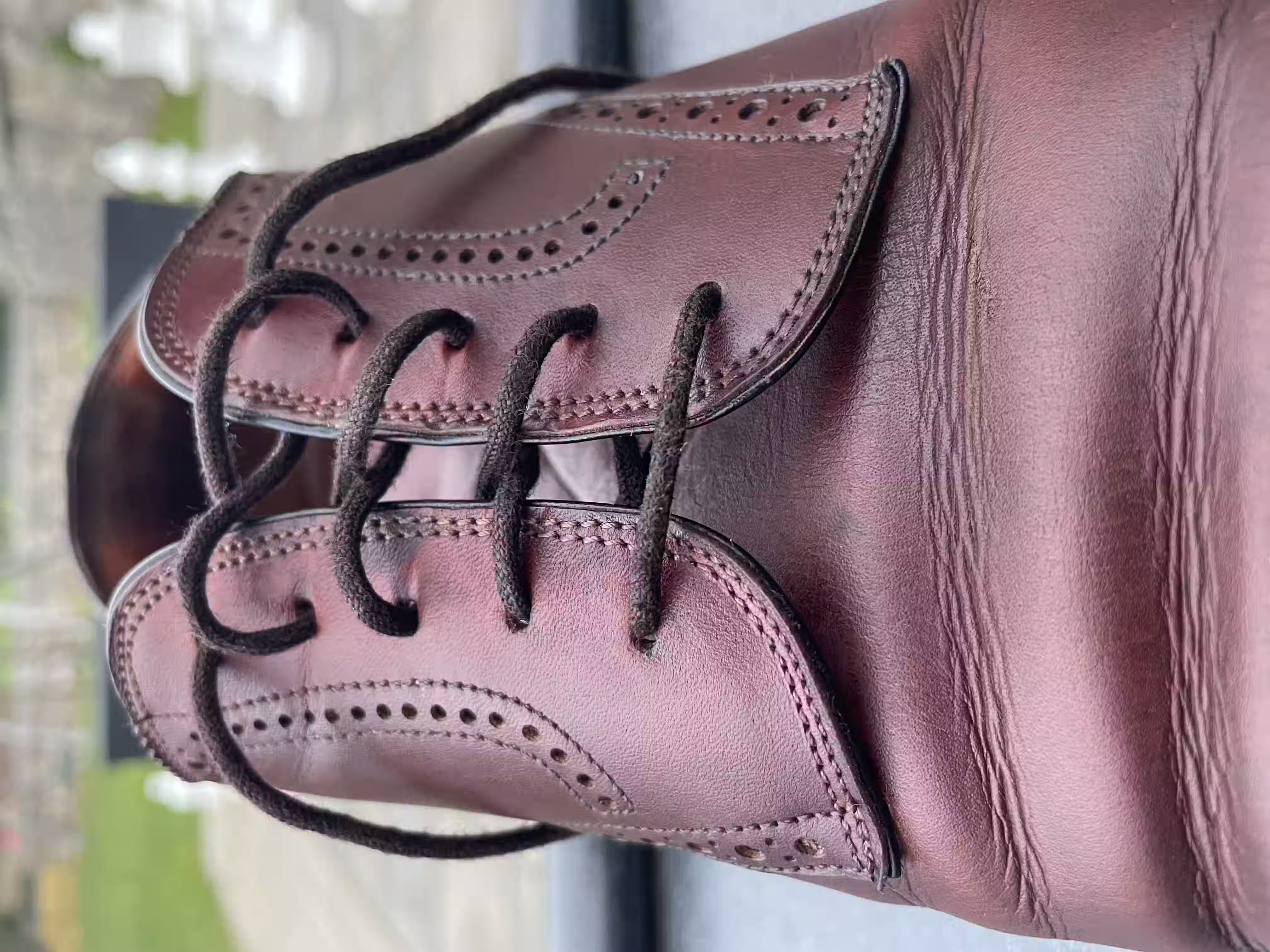
This variant here has a lot in common with the Norweger. The only difference is the two decorative stitches at the front of the shoe, which do not meet but instead run along the shoe like stripes.
Because of these two striking decorative stitches and the brown color, these are successful casual shoes that you can wear, for example, with jeans, but also with many other trousers.
This shoe here even has another nice detail: If you look at the welt, you can see that it has two sole stitches, both separated from each other by a small leather barrier. You can often observe two sole stitches in more complex constructions, and they are a good sign that the shoe is especially flexible and therefore particularly comfortable to walk in.
Personal Assessment
Personally, I like the Blucher a bit more than a Derby, because to me it looks more elegant and valuable without the Derby arc. For more formal occasions, I would prefer a black Blucher over a black Derby. For leisure time, however, a Derby shoe, with its Derby-arc decoration, feels more casual to me and therefore a bit more suitable.
I understand that for shoemakers the Derby cut is more practical, because they can cut the Derby upper parts out of the hide more easily. Perhaps that is also the reason why, in my perception, the Derby shoe is the much more widespread model compared to the Blucher.
To me, however, the Blucher—as the somewhat more complex and more exotic model—has a greater appeal. Since the difference between the two models, viewed purely from the outside, is marginal, you can simply ignore this detail at first when you want to buy new shoes.