
Boho Shoes - decorative shoes in boho style
Here I introduce you to a casual shoe style that I myself refer to as boho style. I also shorten the name and call the shoes boho shoes. They are characterized by a range of decorative details that make the shoes more striking and more interesting to look at.
Example variant
Black casual Norwegians
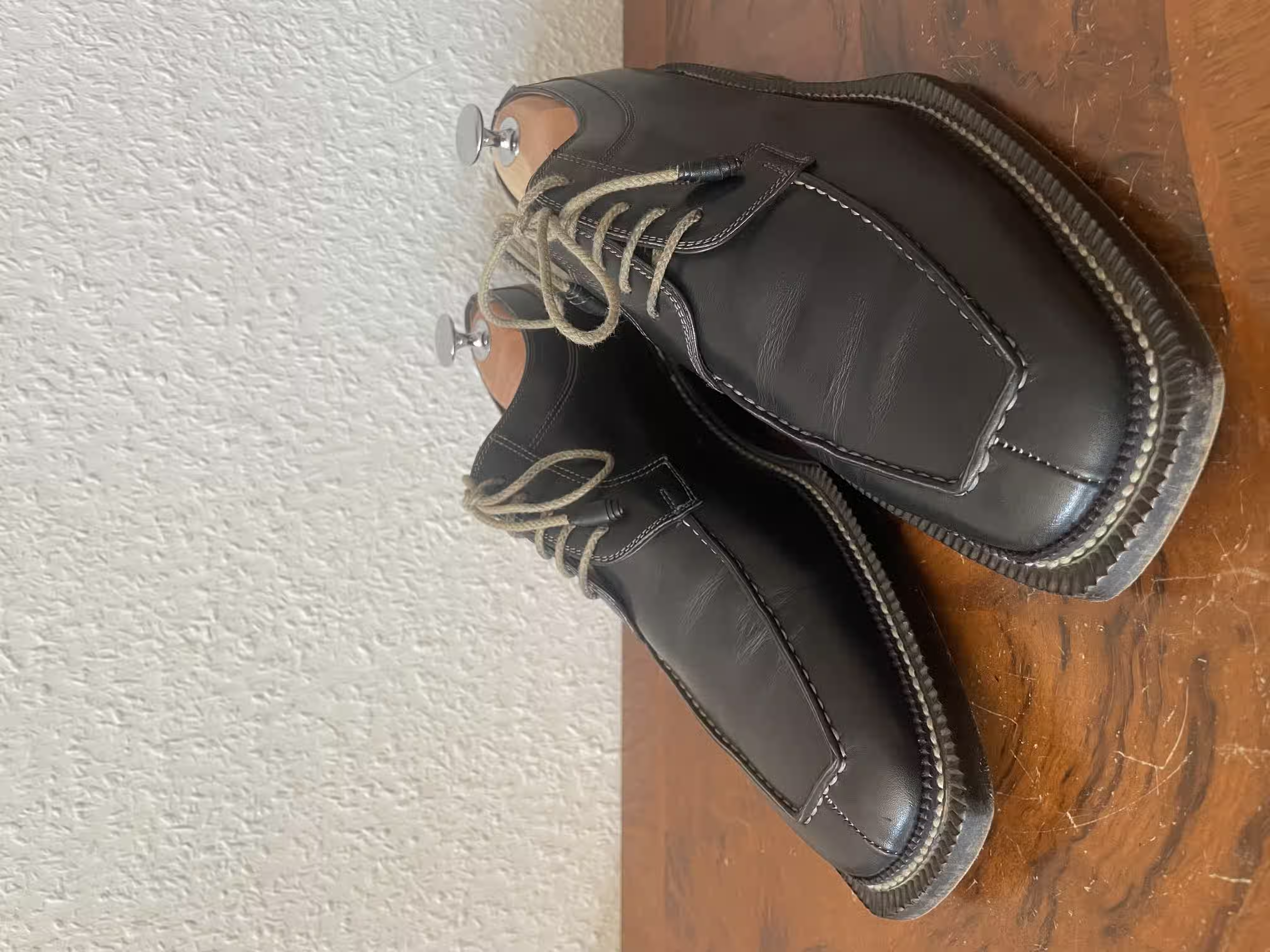
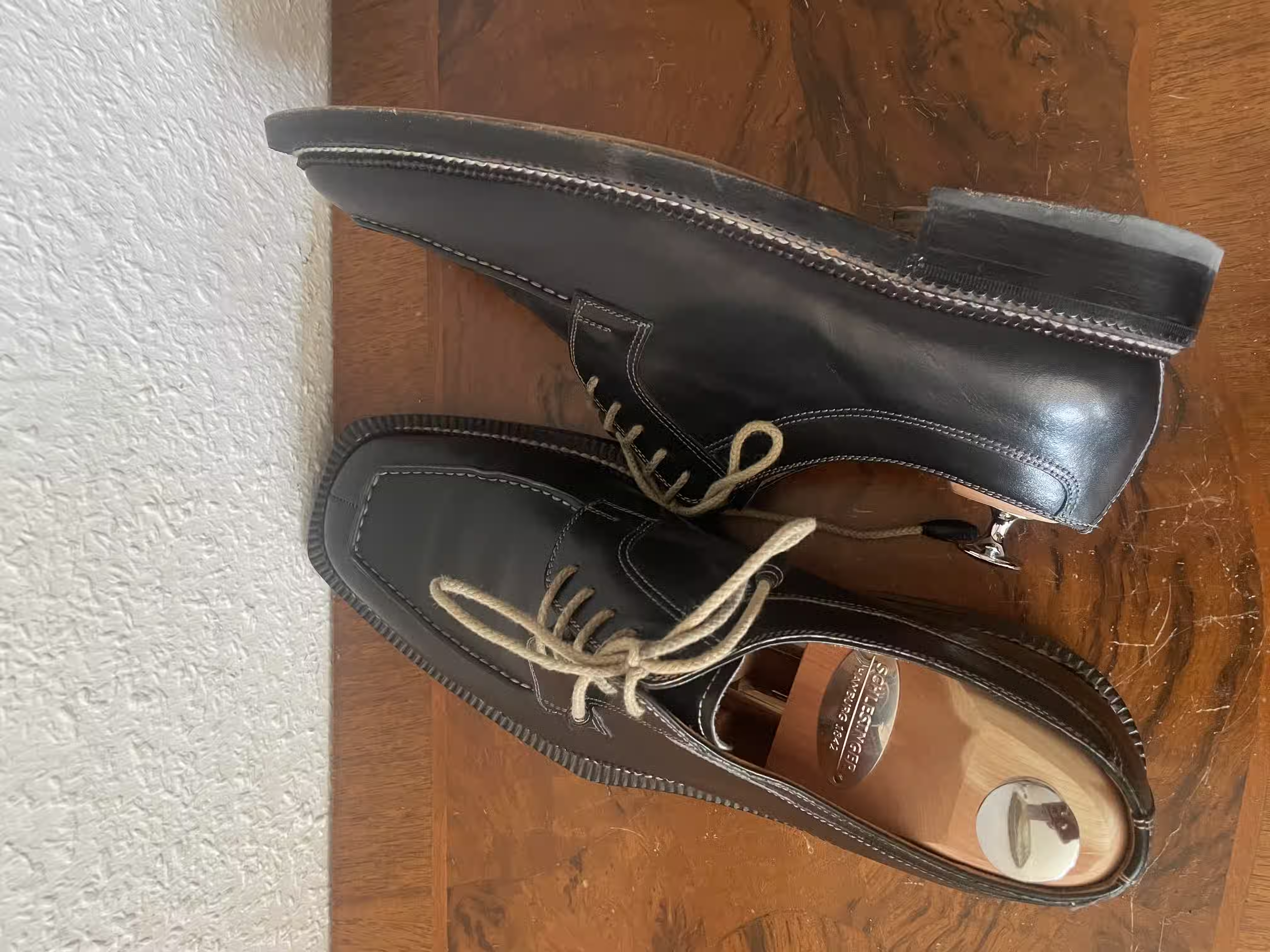
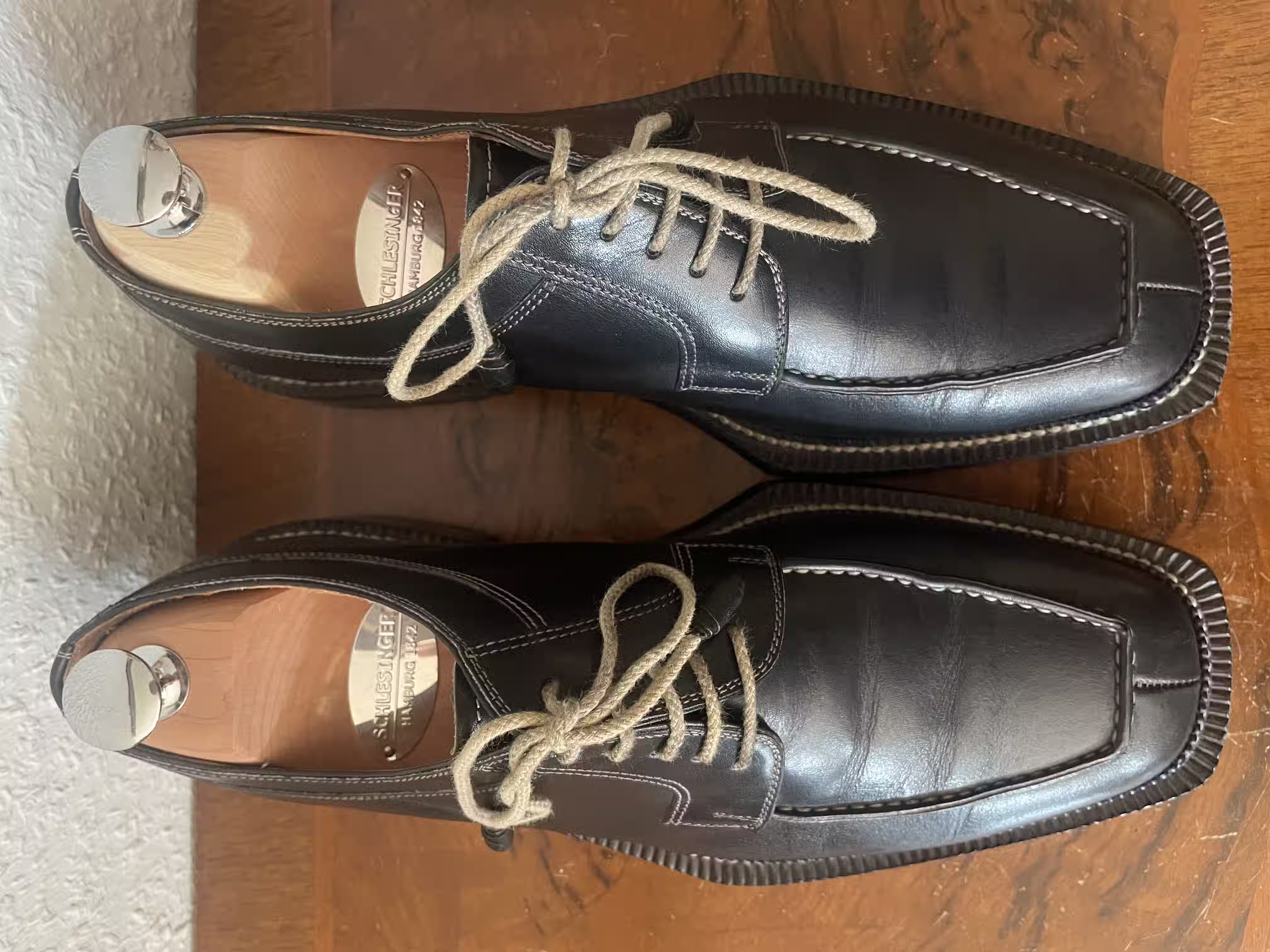
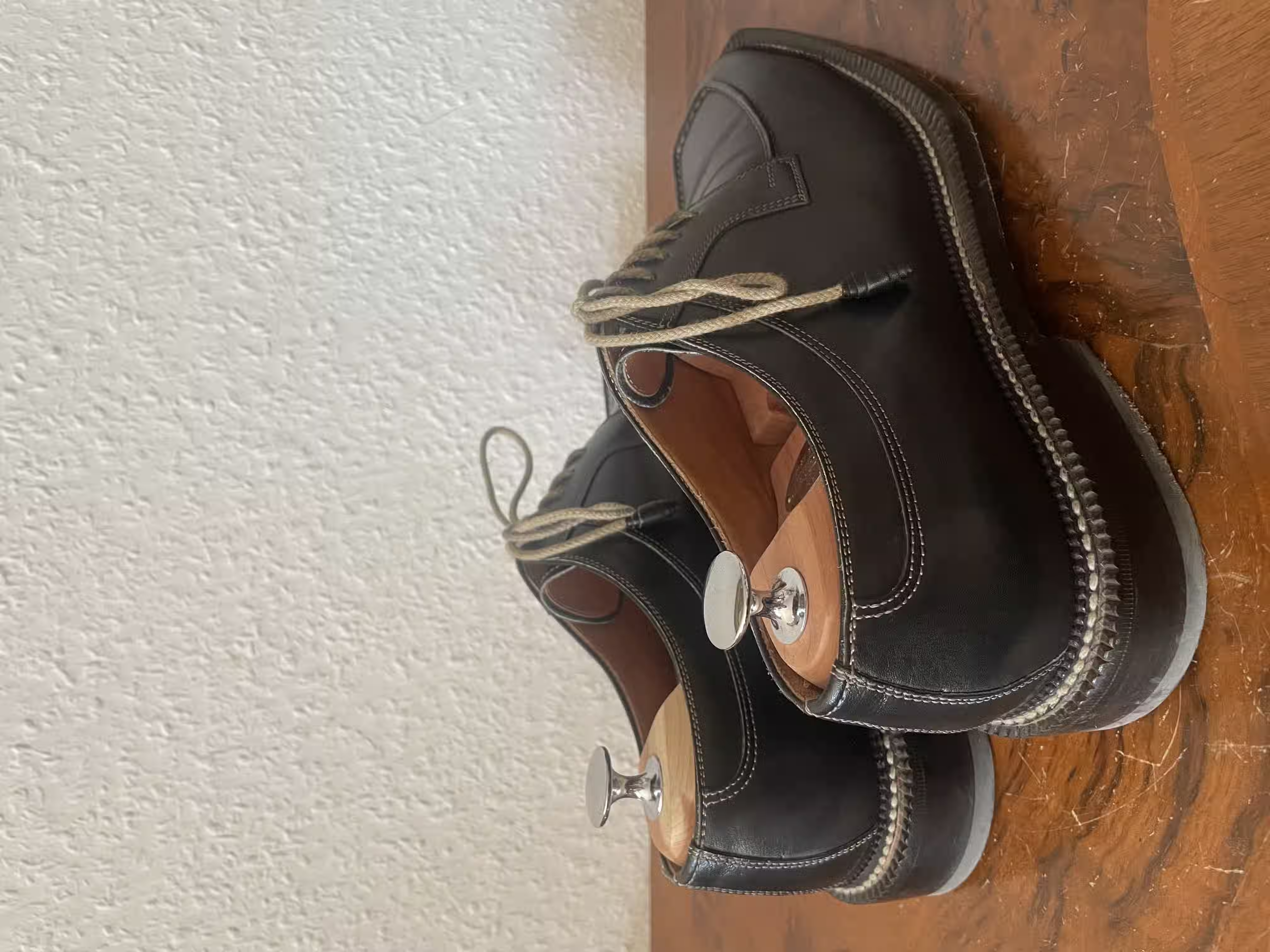
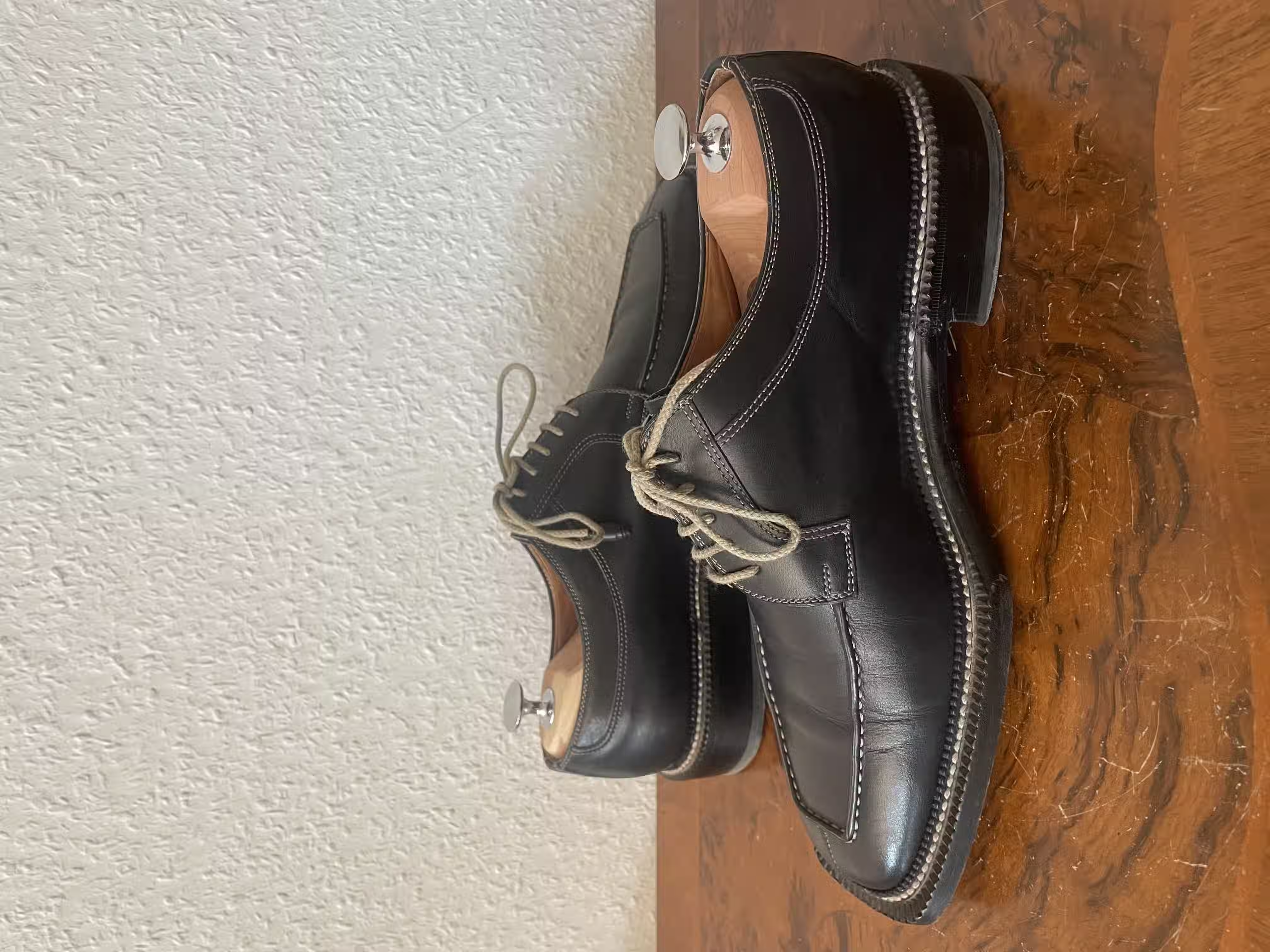
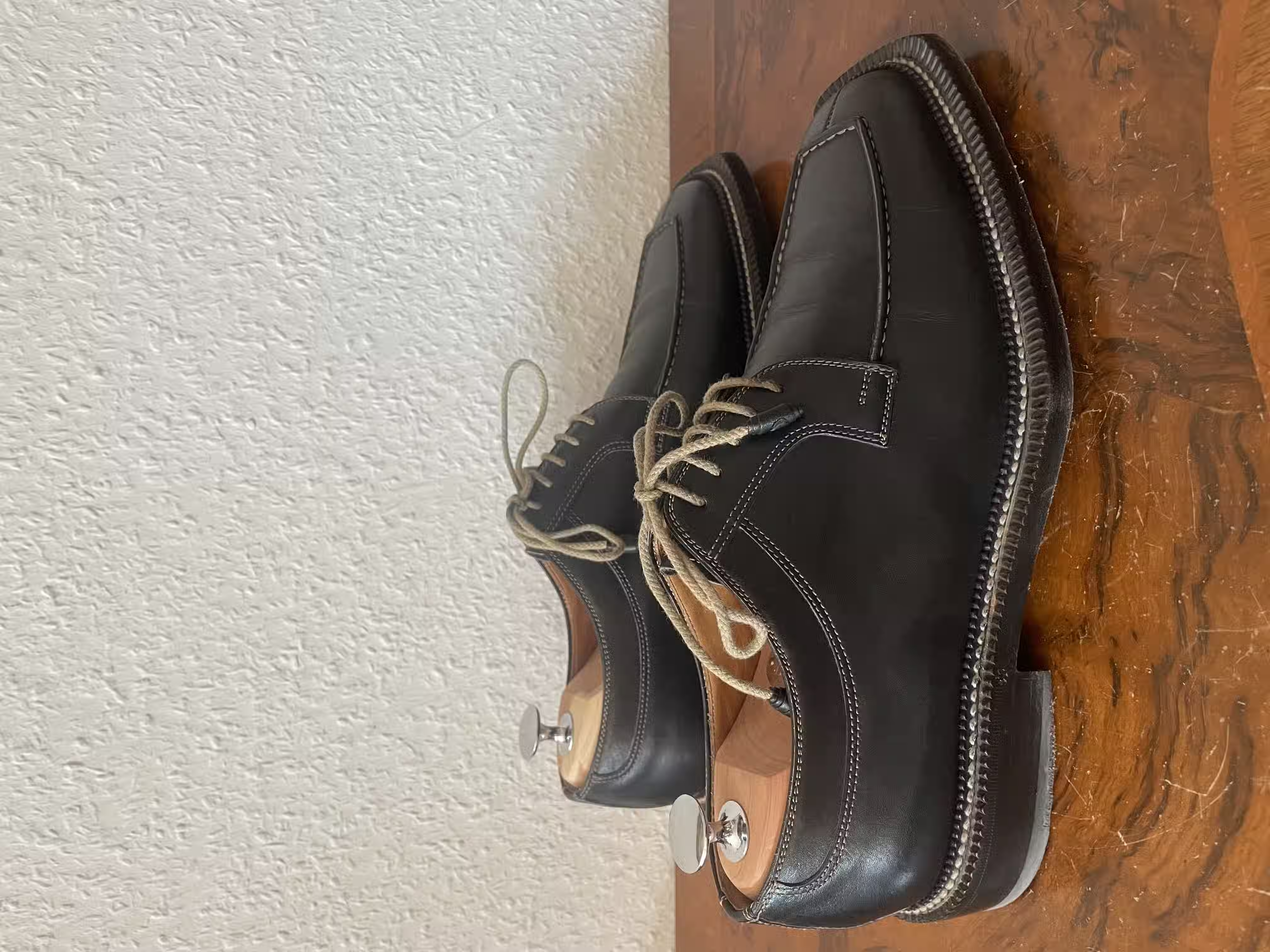
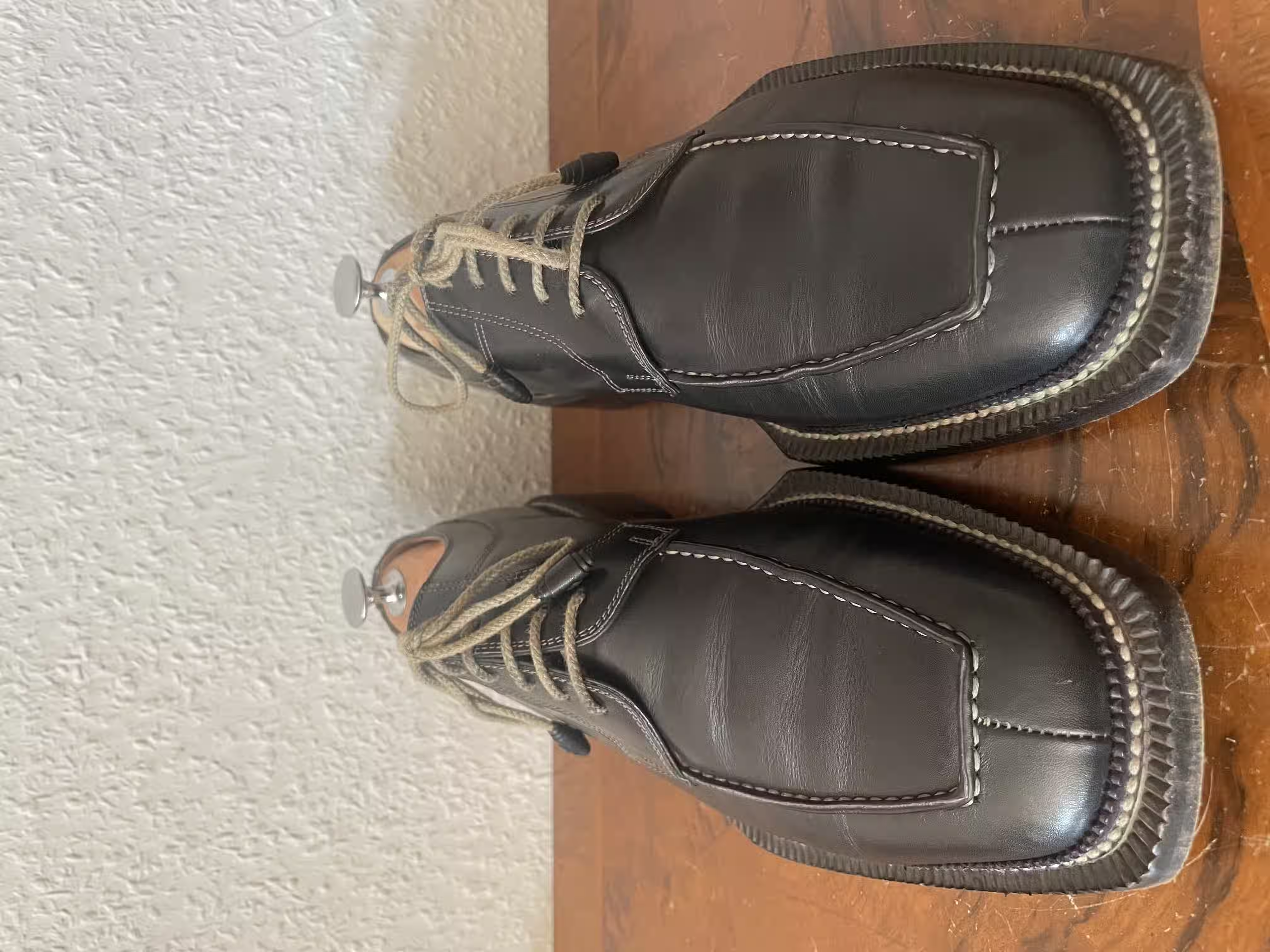
These Norwegian shoes here are made of simple black smooth leather and, in terms of the upper leather, are therefore still decorated relatively simply. However, they carry essential elements of the boho style within them. They have a wide, decorated welt that, thanks to its curvature, looks particularly nicely flowing and not so uniformly even. There are also contrast stitches everywhere, and the laces are also kept in a contrasting color and have these leather tips that are typical of boho shoes. Then there are these other details, such as the slightly angular curvature of the Norwegian decoration at the front on the vamp, which isn’t so nicely rounded and thus creates a bit of tension in the overall look. That fits with the fact that shoes like these want to stand out.
In that respect, these are very successful boho shoes and show, in particular, how you can turn black smooth-leather shoes—which are often found in a formal context—into the relaxed opposite. These are definitely casual shoes, and I would normally think twice about whether I really want to wear them to the office. However, in today’s world I would come to the conclusion that if white sneakers are fine for the office, then these shoes here certainly are as well.
Special features
Boho shoes, as I call them, are characterized by various decorations, sometimes smaller, sometimes larger. They are all quite good everyday and casual shoes, but poorly suited for formal or semi-formal occasions—simply because they are too playful and therefore don’t bring the necessary seriousness. As for the origin of these shoes, I can at least say that I know them predominantly from Italian shoemakers. Other shoemakers can certainly make such shoes as well, but I don’t think that shoes in boho style are part of the standard offering among non-Italian shoemakers. And if they are, then most likely in Japan.
Below I show you various features with which boho shoes can be decorated. A boho shoe doesn’t have to have all the listed features; a portion of them is enough. Personally, I think that if a shoe has at least two such features, then it can be quite well described as a boho shoe.
Wide, striking welt
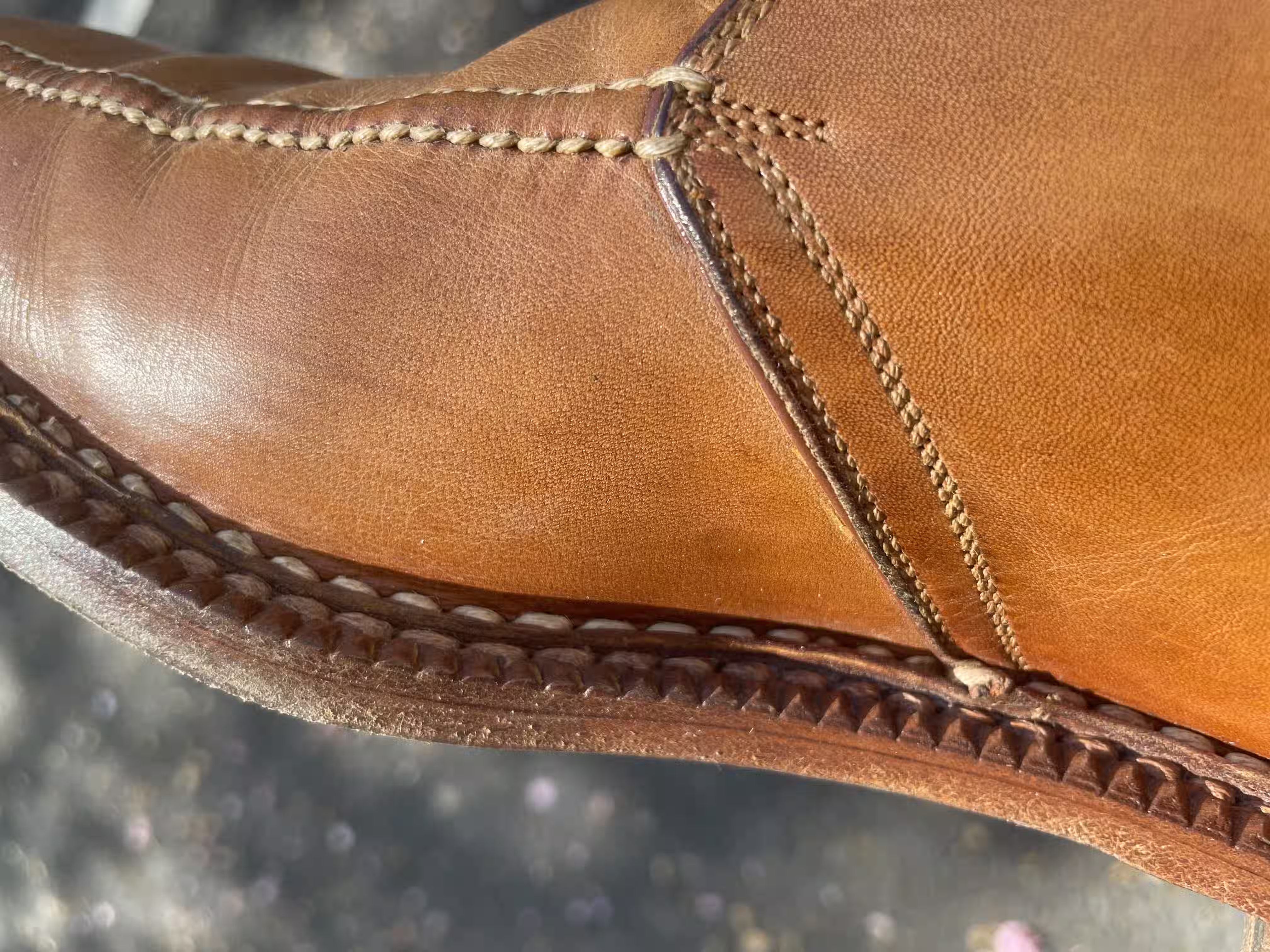
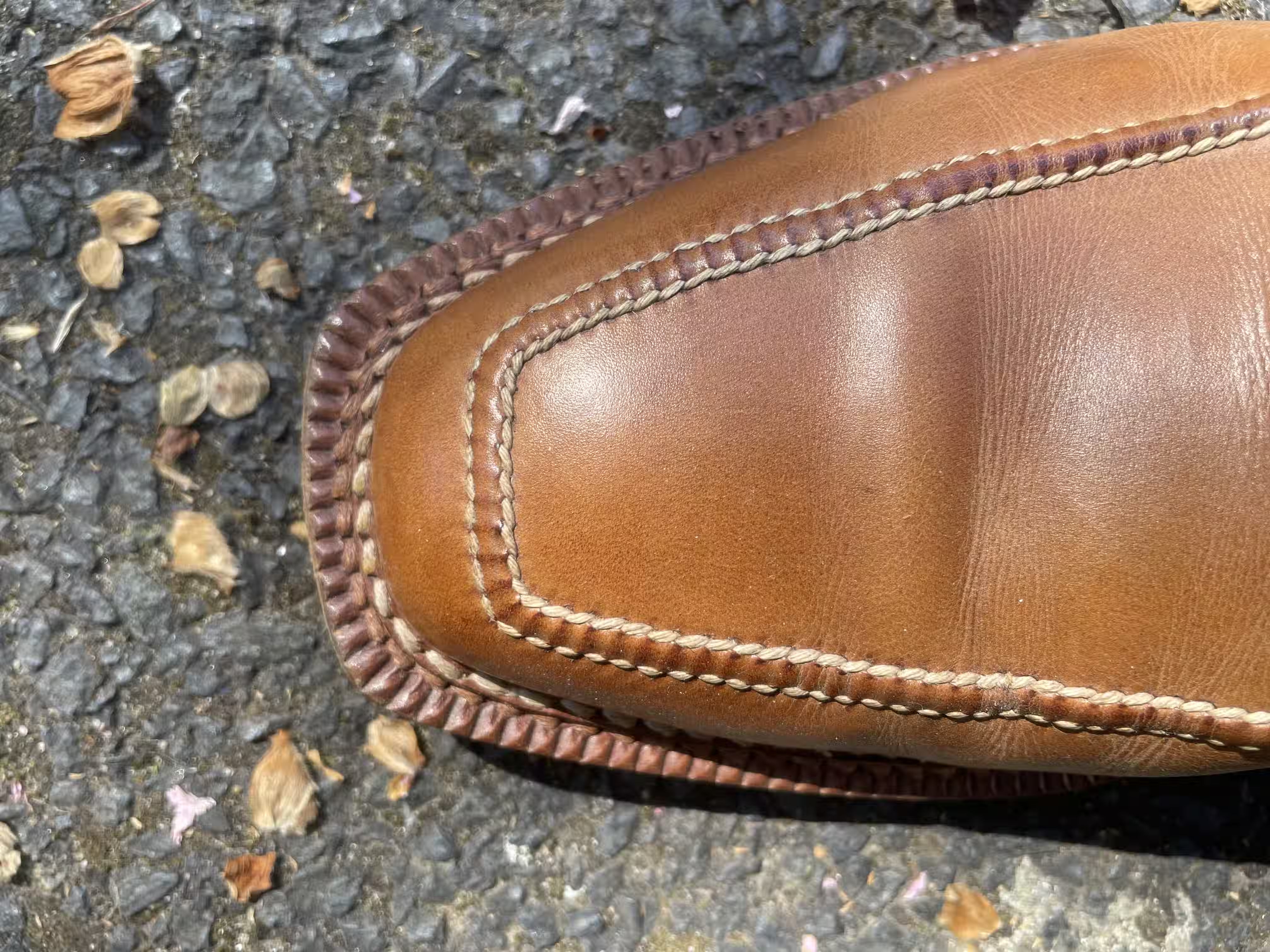
Here is an example of a fairly wide welt that becomes a bit wider toward the front, which is especially noticeable at the transition at the corners. If you look closely, you can also see that the welt is nicely curved at the side with a non-rounded edge. So the welt stands out from the ordinary welts of the vast majority of leather shoes in many ways at once.
Large, striking laces
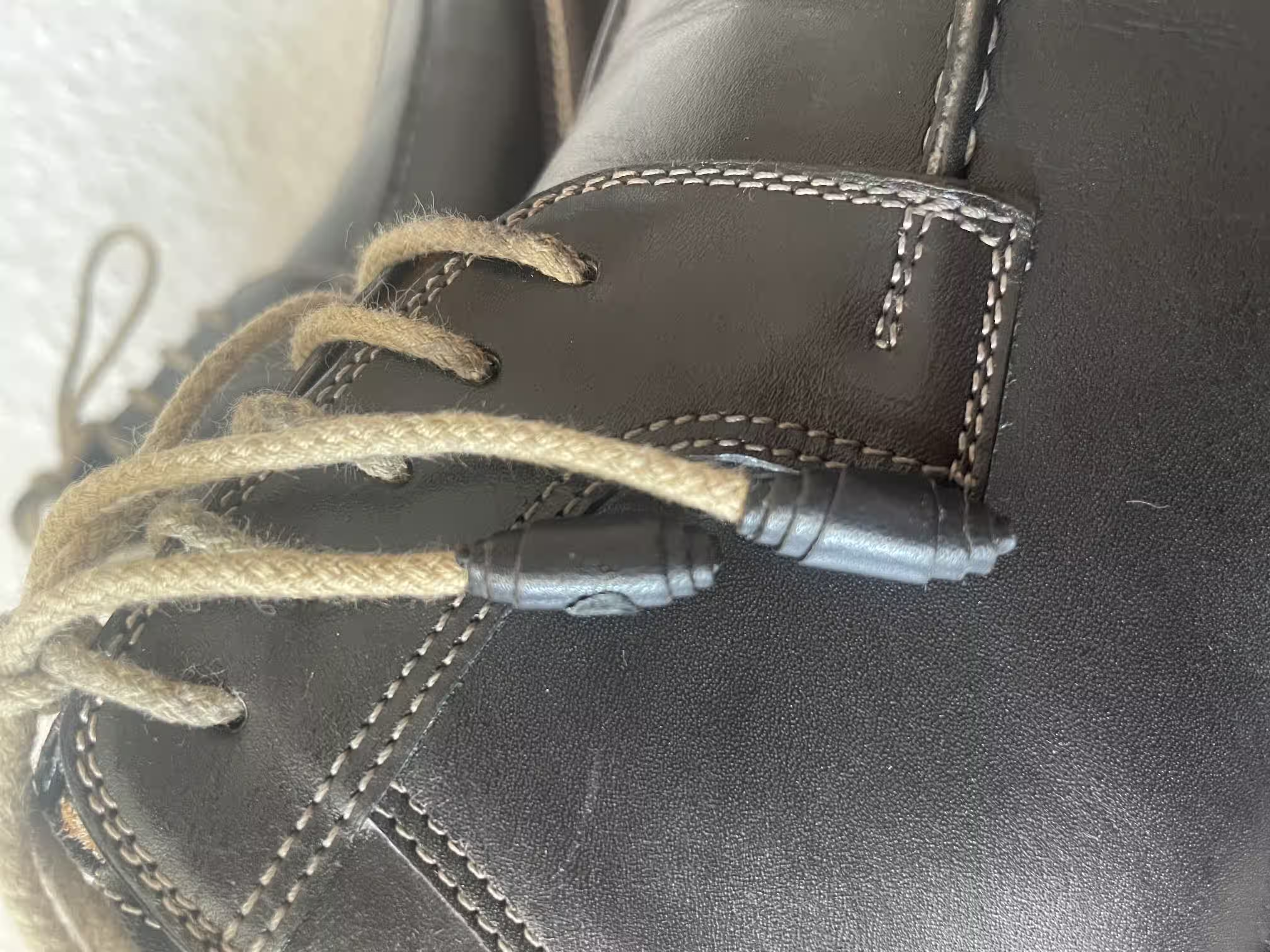
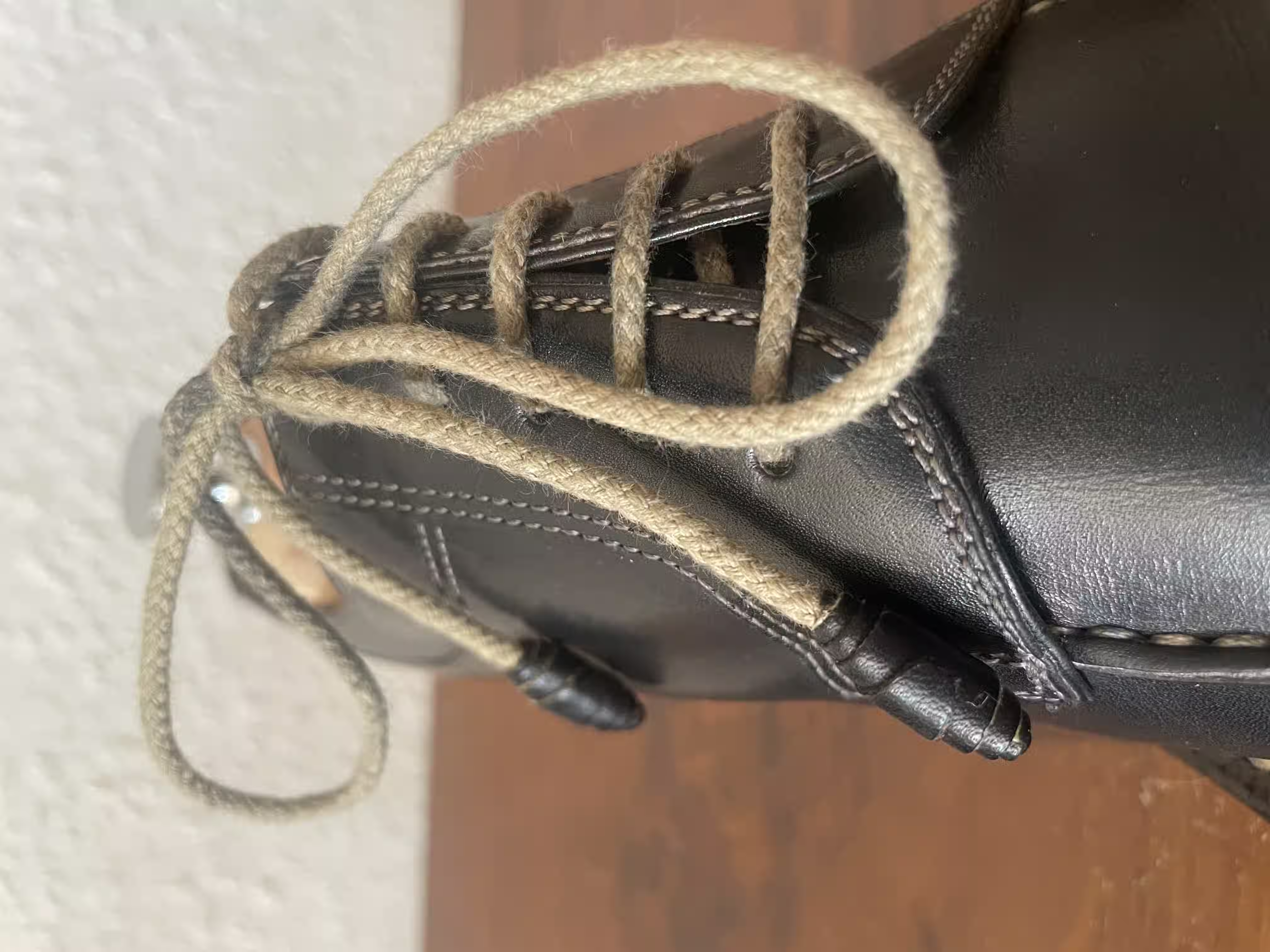
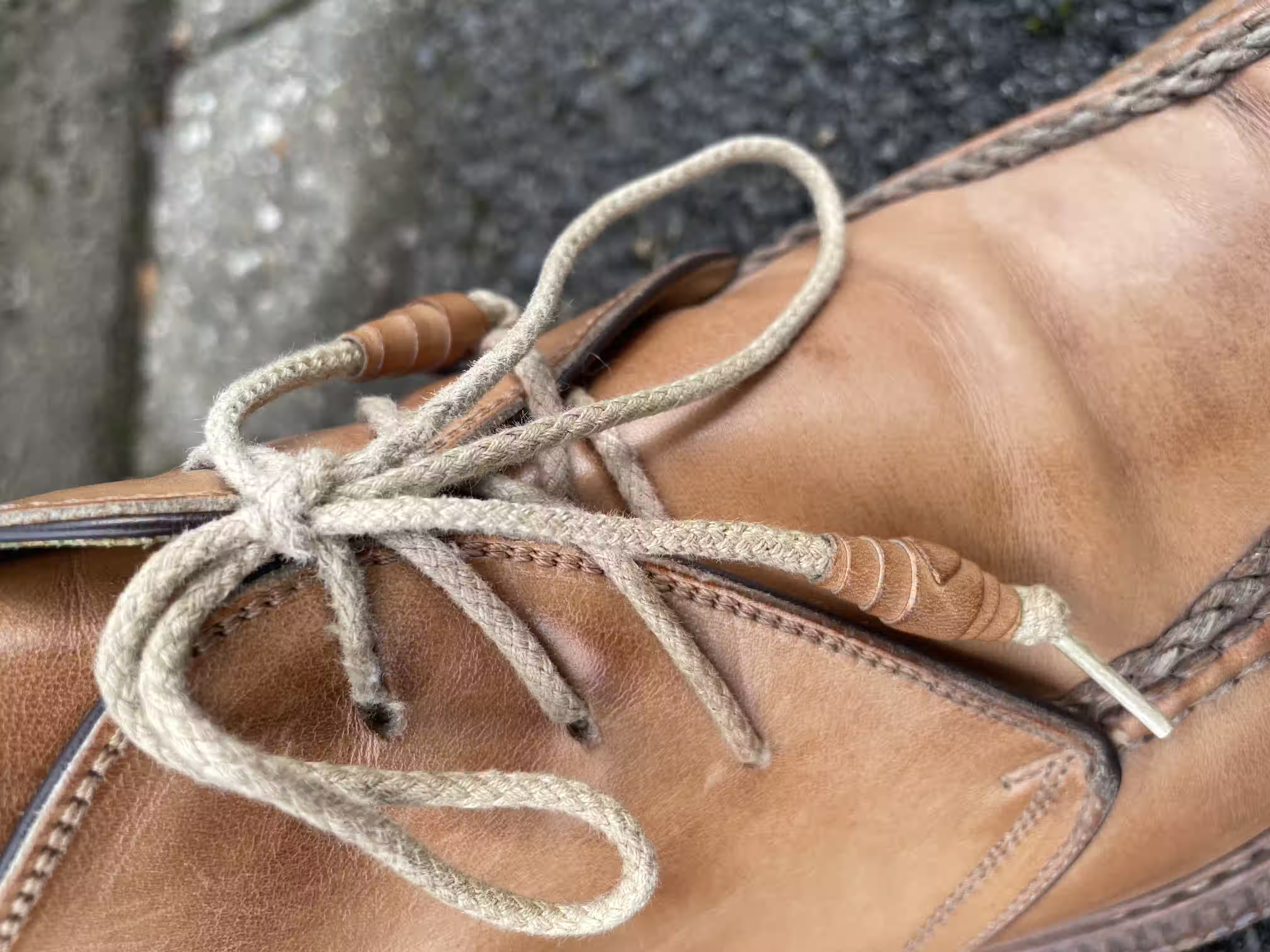
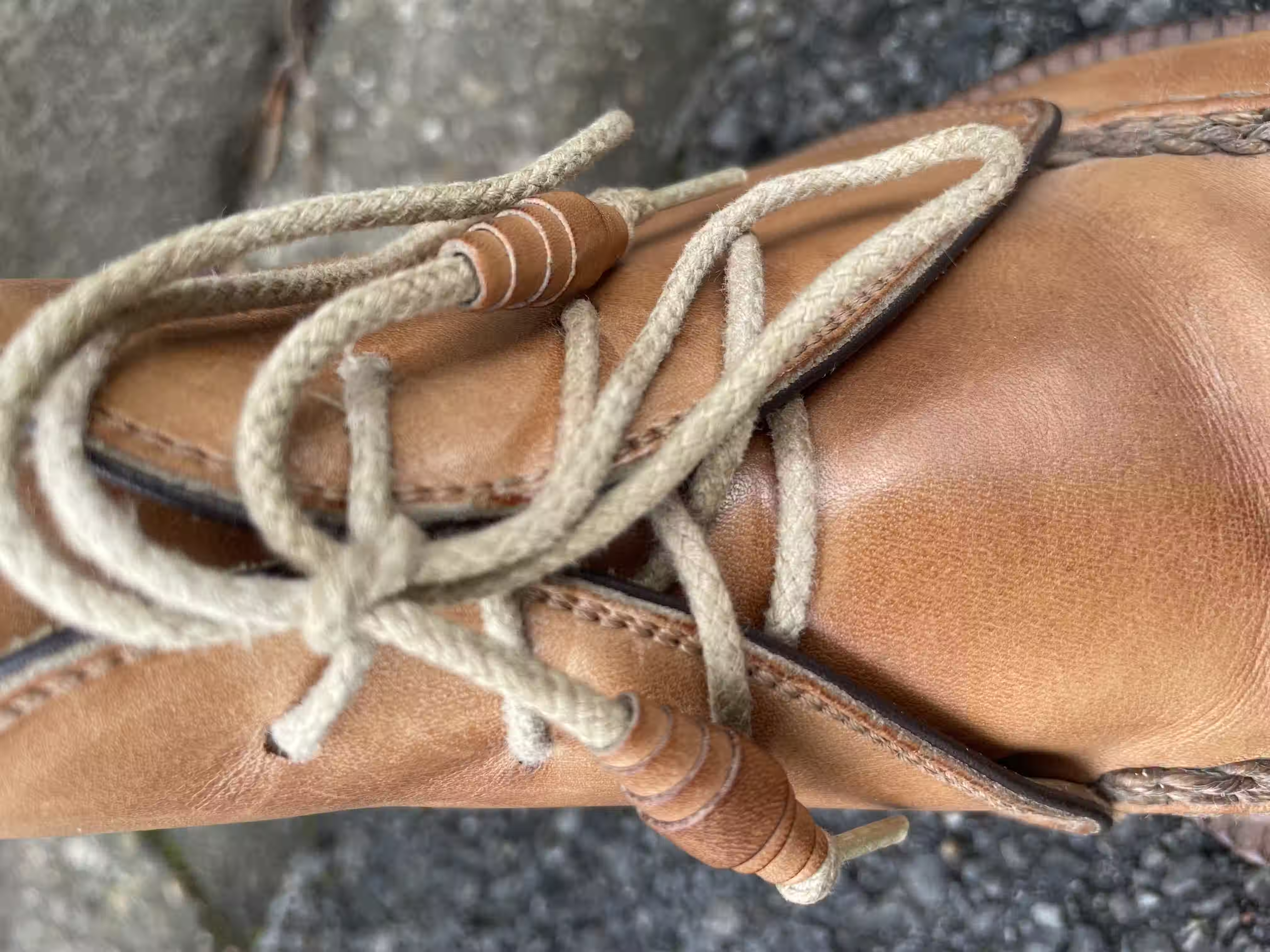
Up here we have laces in a contrasting color, matching the contrast stitching, which makes them stand out even more. But it doesn’t always have to be a contrasting color, and most of the time they are simply beige laces that are the same color as the stitching on the upper leather. In addition, the laces have these large, thick ends.
One drawback of such laces, however, is that they aren’t quite as easy to remove and thus to replace with other laces. That’s because the ends of the laces are simply too thick to fit through the small eyelet holes. So additional work will be necessary to loosen the leather strip that makes up the end of such a lace and to attach it again.
Contrast stitching and decorative stitching that can appear everywhere
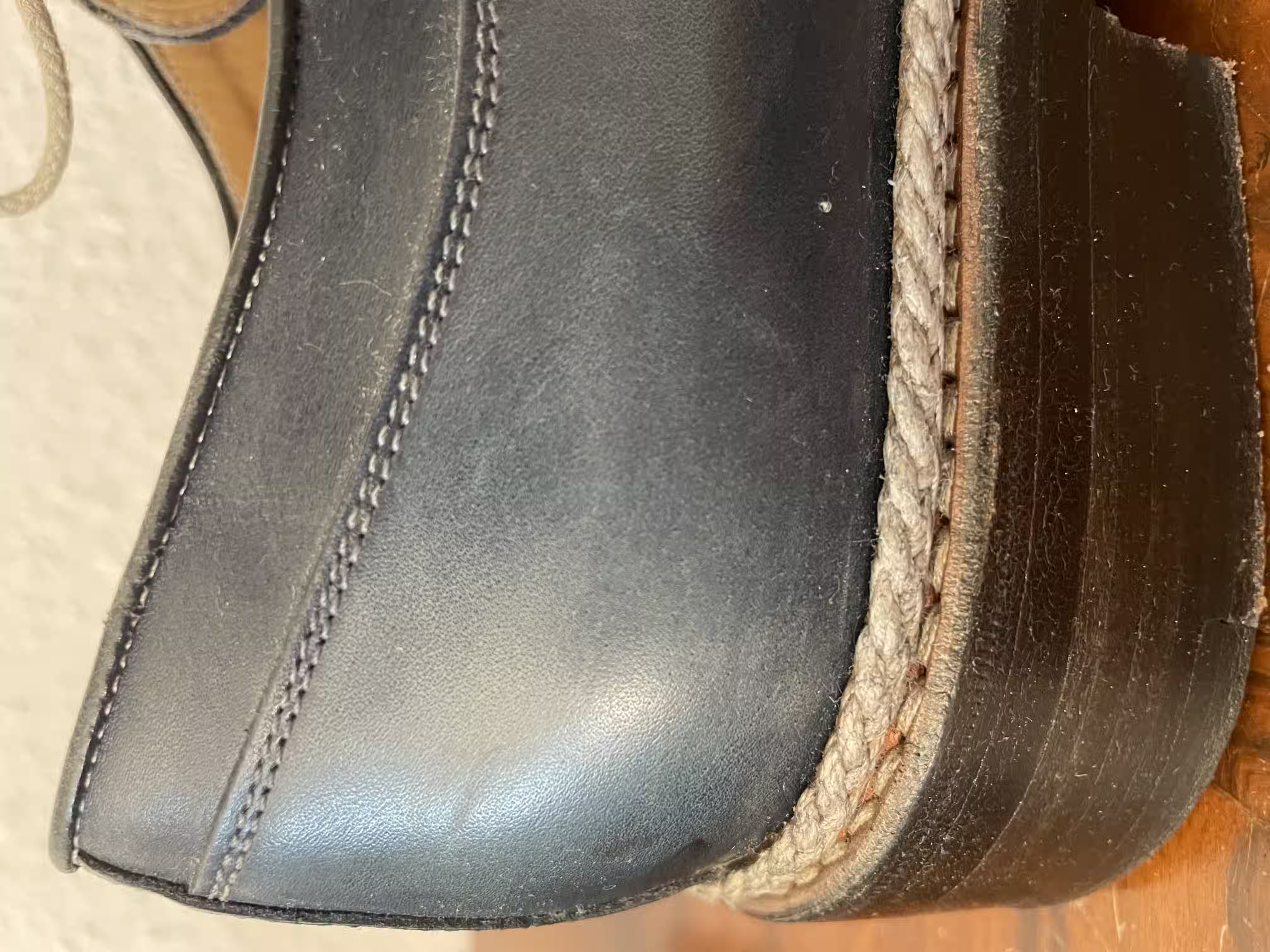
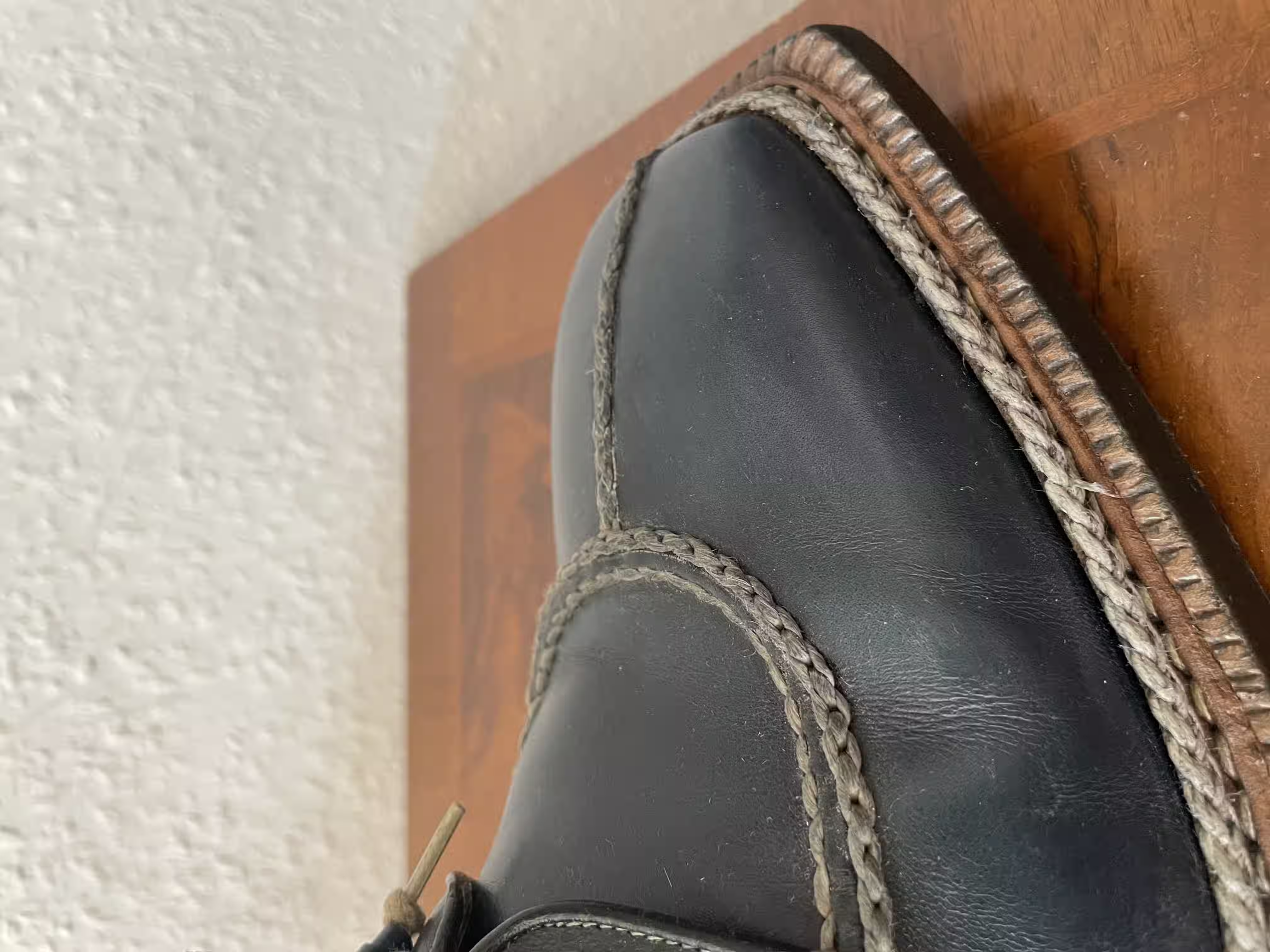
Another point is the stitching that is often used, whether on the upper leather or on the welt. Probably the most striking example is thick decorative stitching in a contrasting color on the upper leather and on the welt. And a more subtle example is contrast stitching in normal, modest thickness on the upper leather and on the welt.
Corners and edges
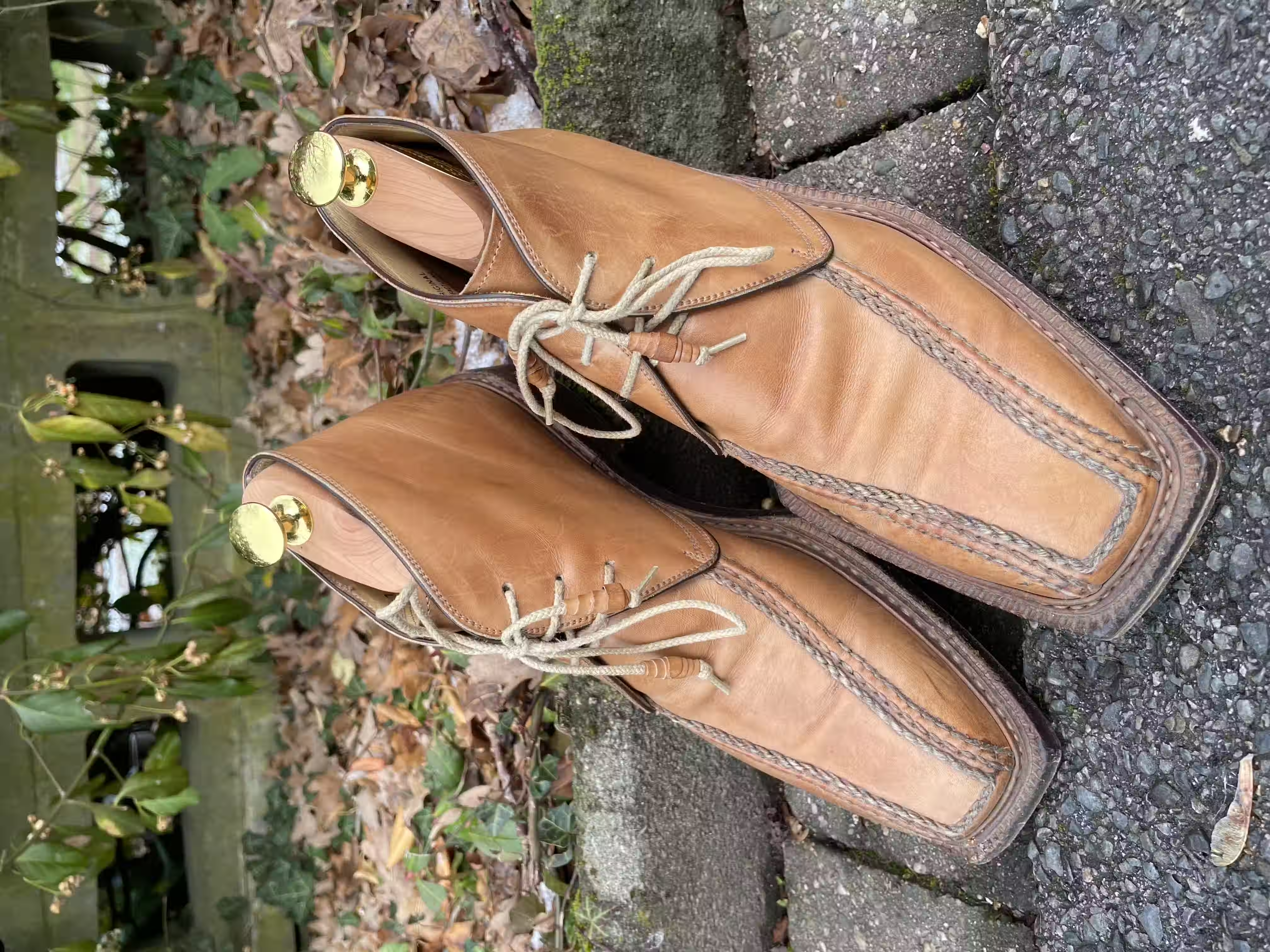
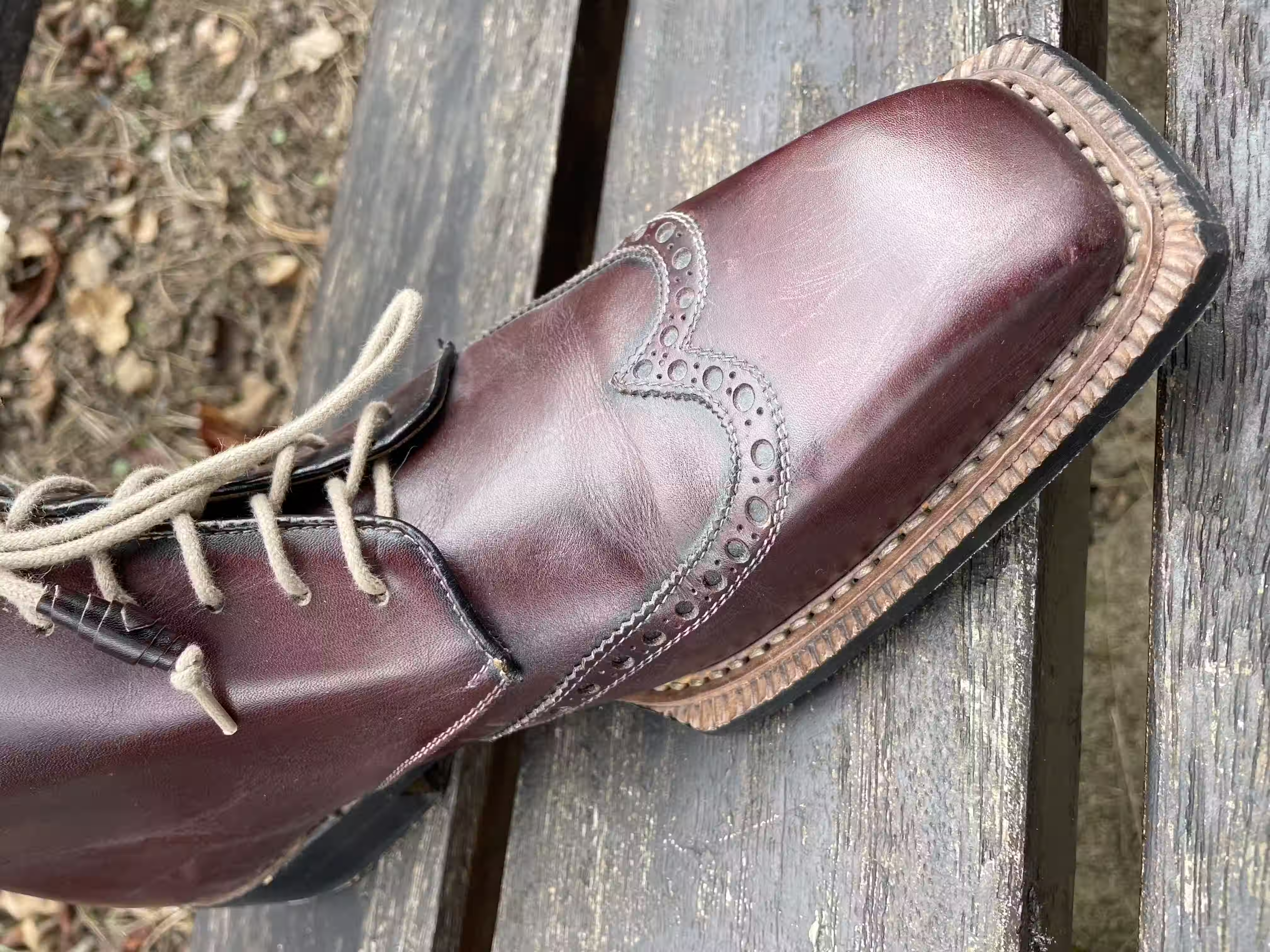

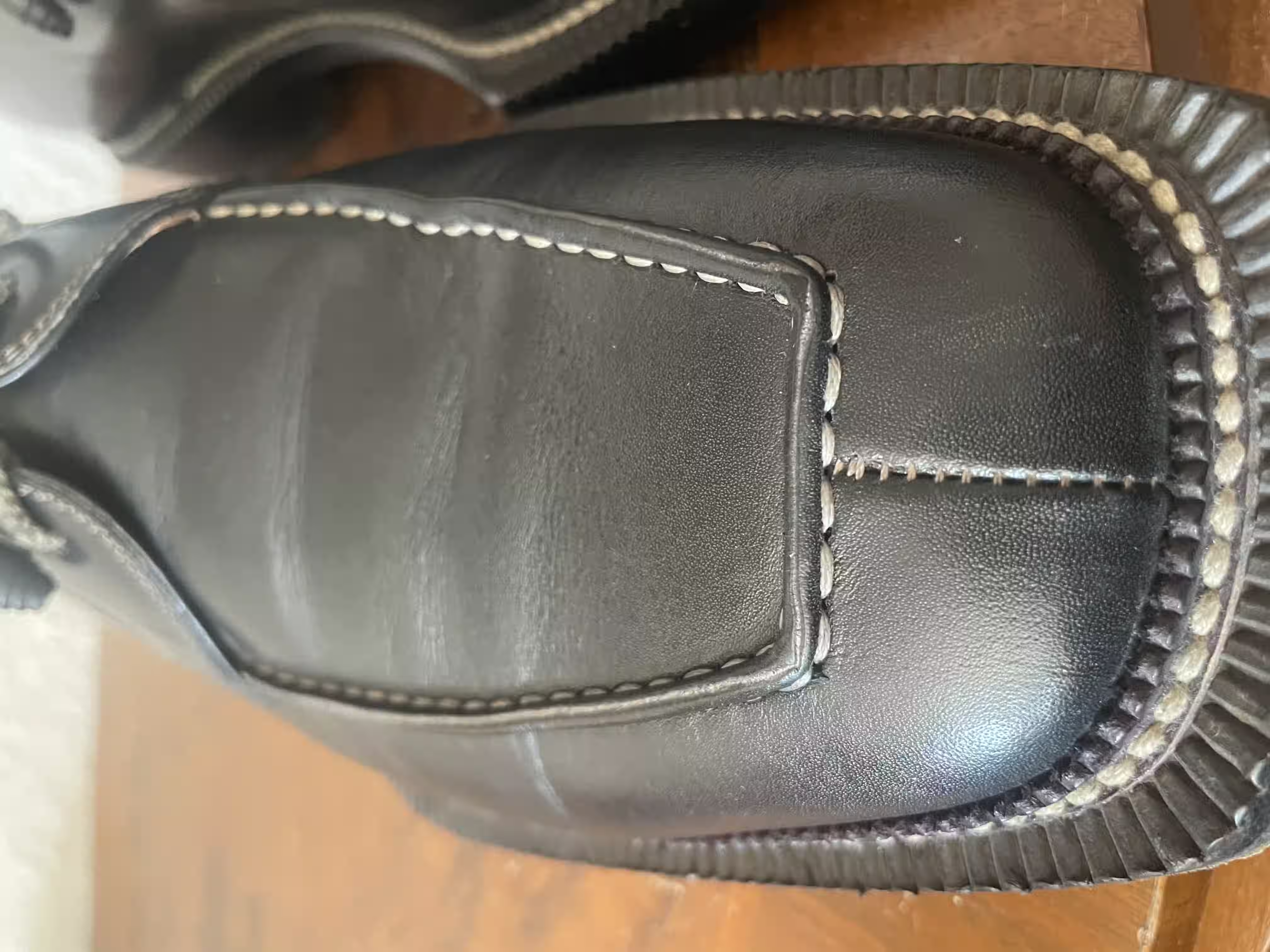
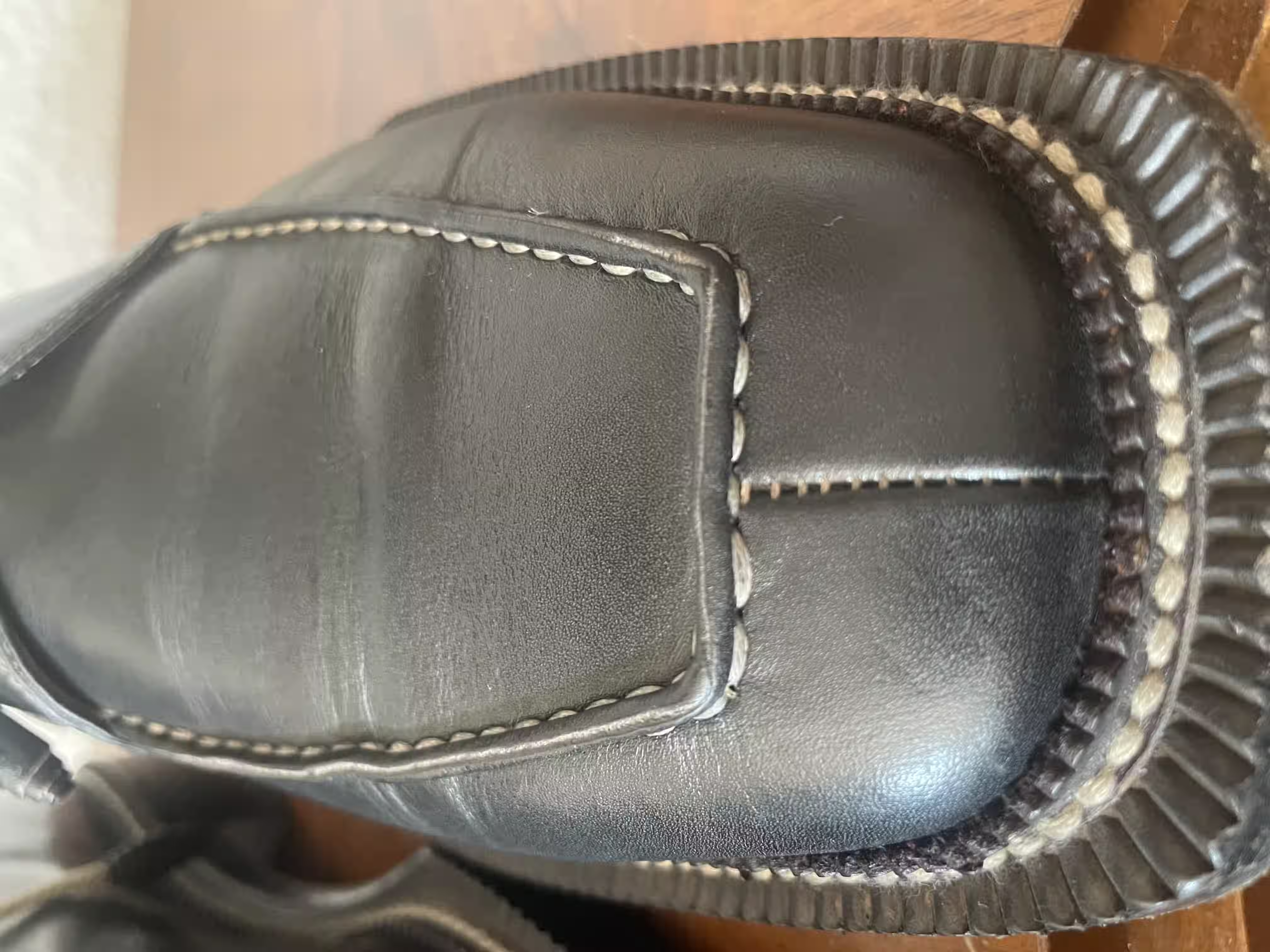
Let’s once again imagine the interplay of curved lines with hard edges, which often occurs with boho shoes: to my eye, this builds tension that initially makes the shoe look more restless. That’s also why such shoes aren’t suited for formal occasions where you should be dressed very restrained. In any case, the restlessness in the shoe’s look also has something positive, because it draws attention. That can make sense for casual shoes, depending on how you choose the rest of your outfit. Personally, I think such shoes fit better with jeans than with chinos, for example. - Probably because, to my eye, jeans underline that rebellious character against the purely rounded in their own way. Classic menswear is traditionally very much about harmony, and jeans, as former pure workwear, historically come from a completely different direction.
Variants
Dark-blue Norwegians with striking decoration
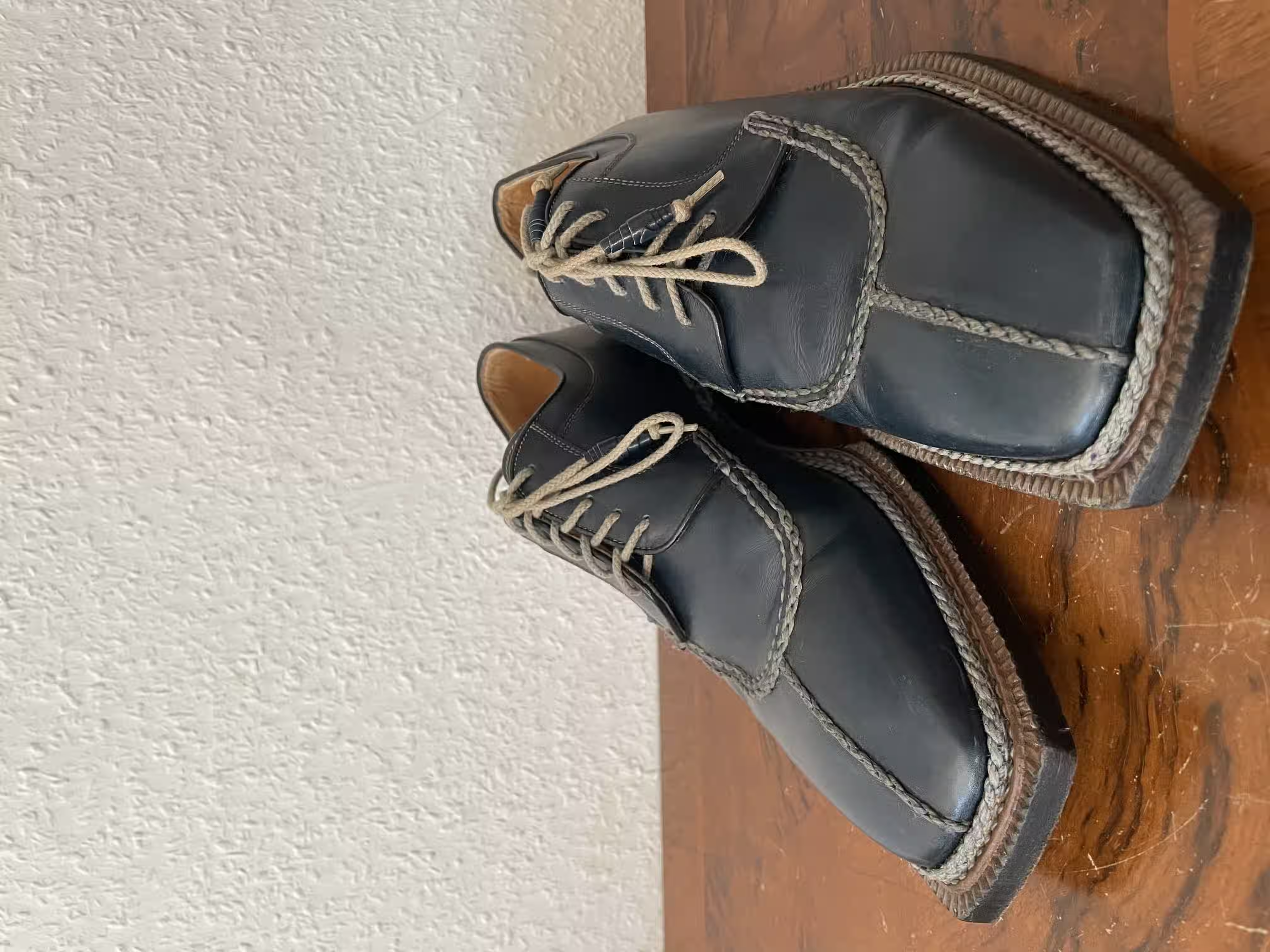
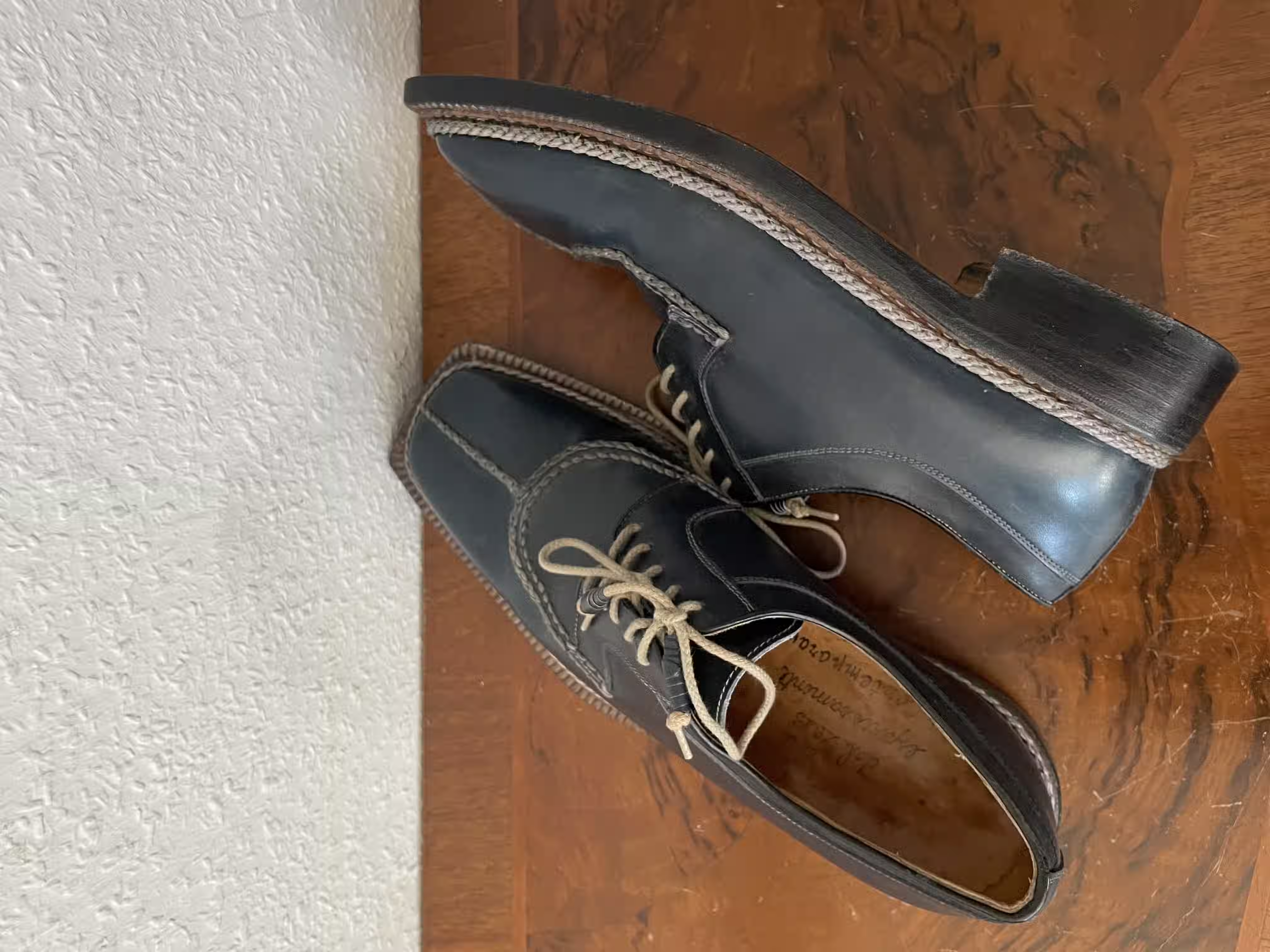
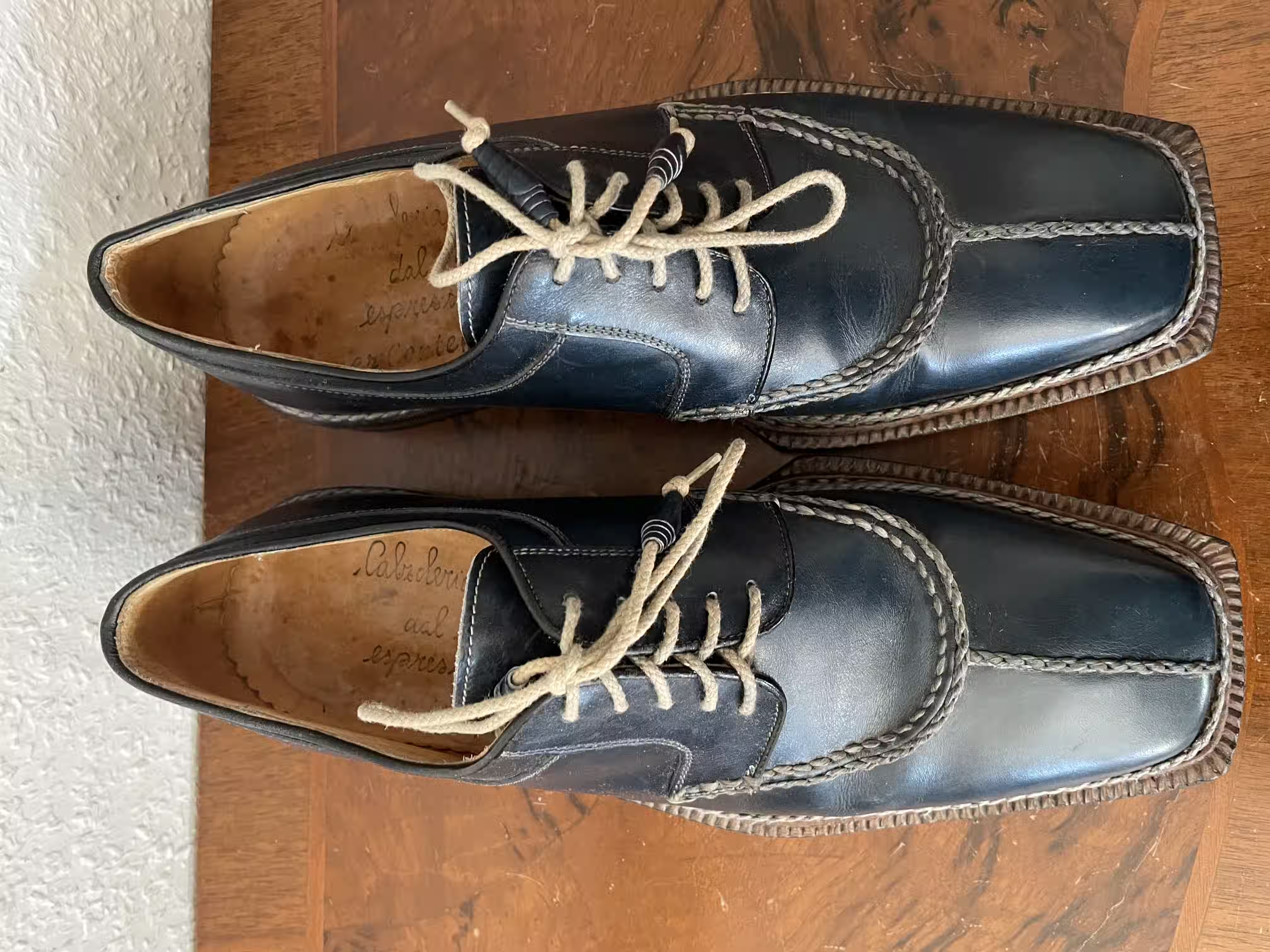
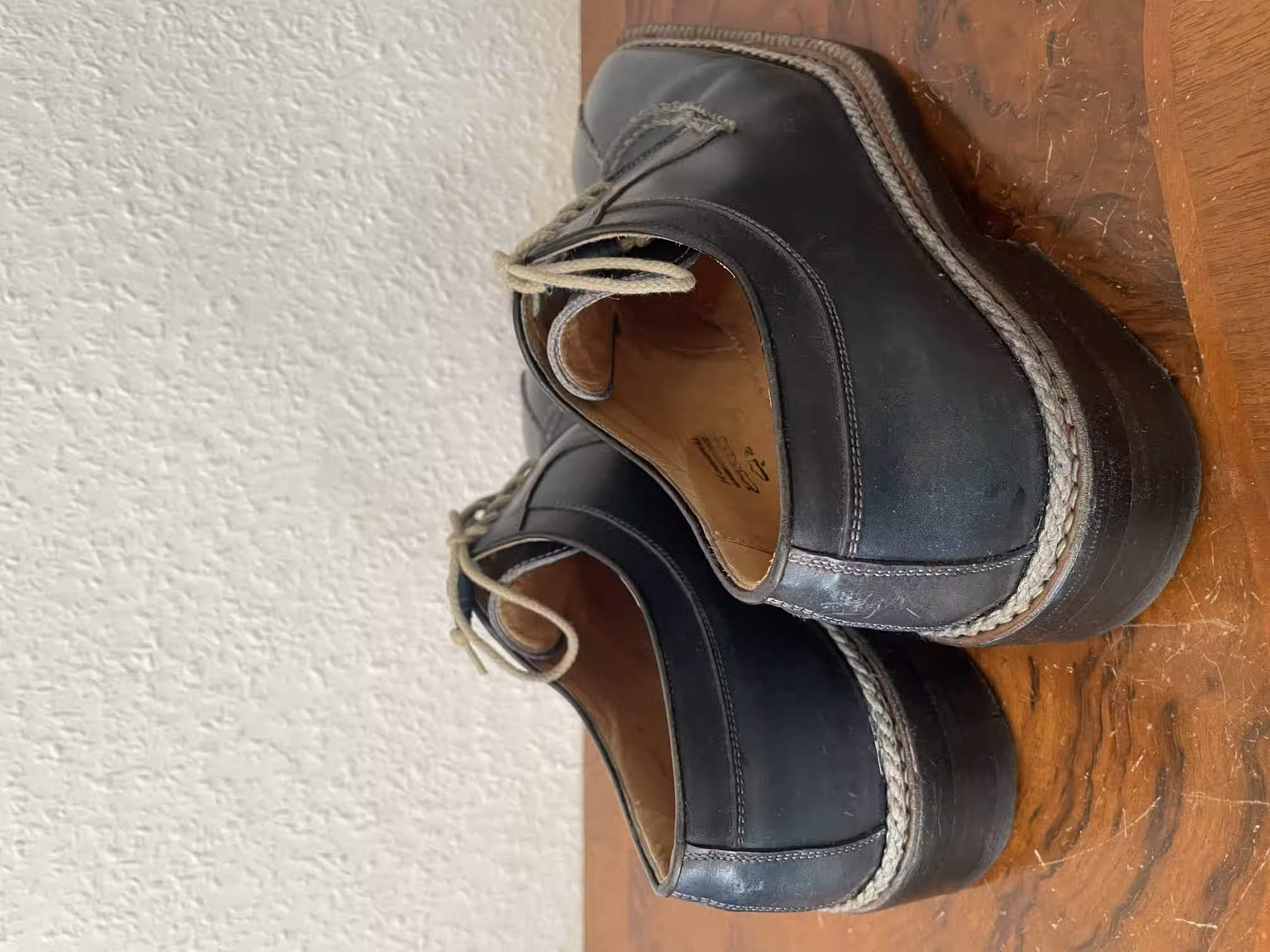
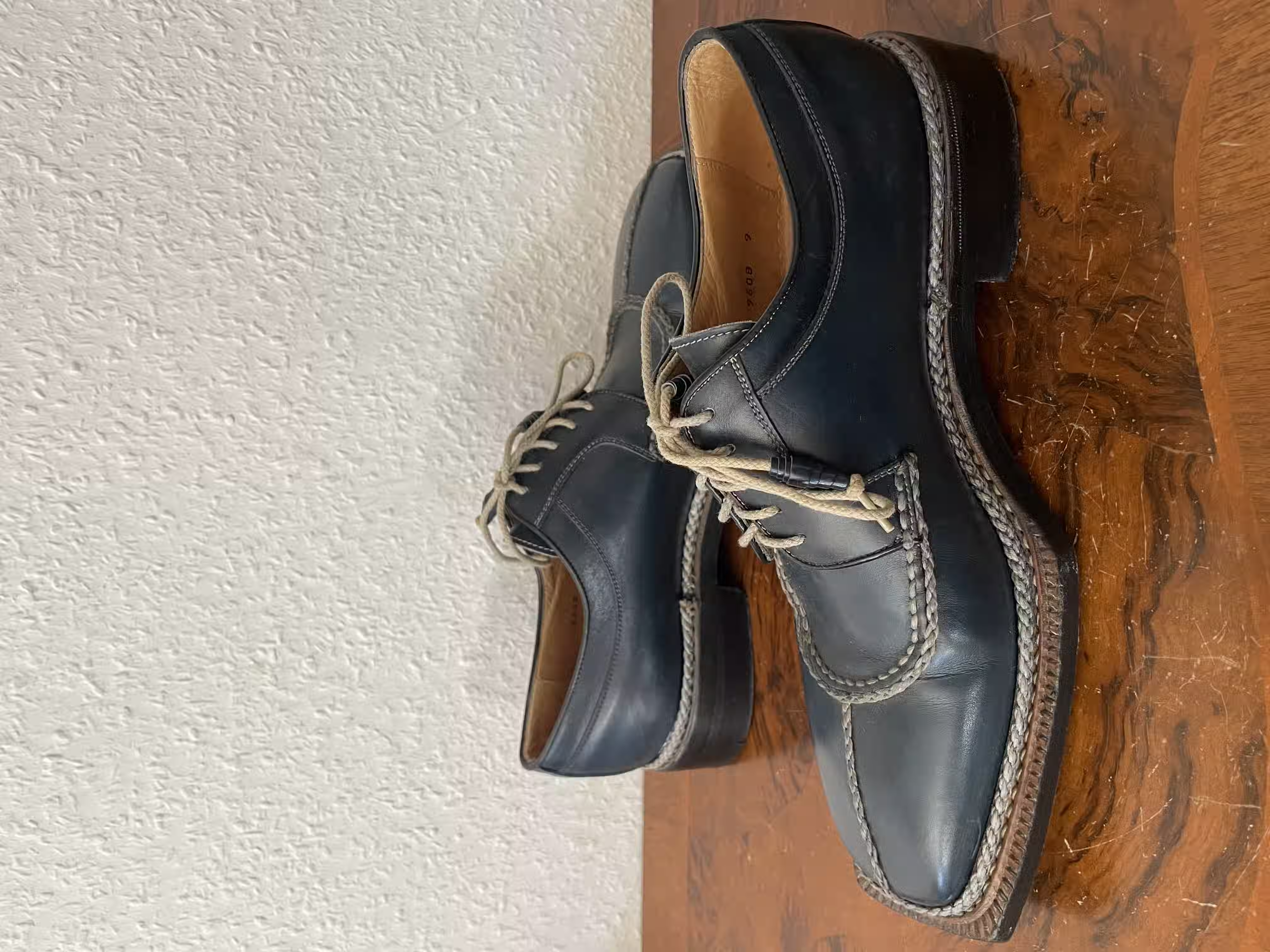
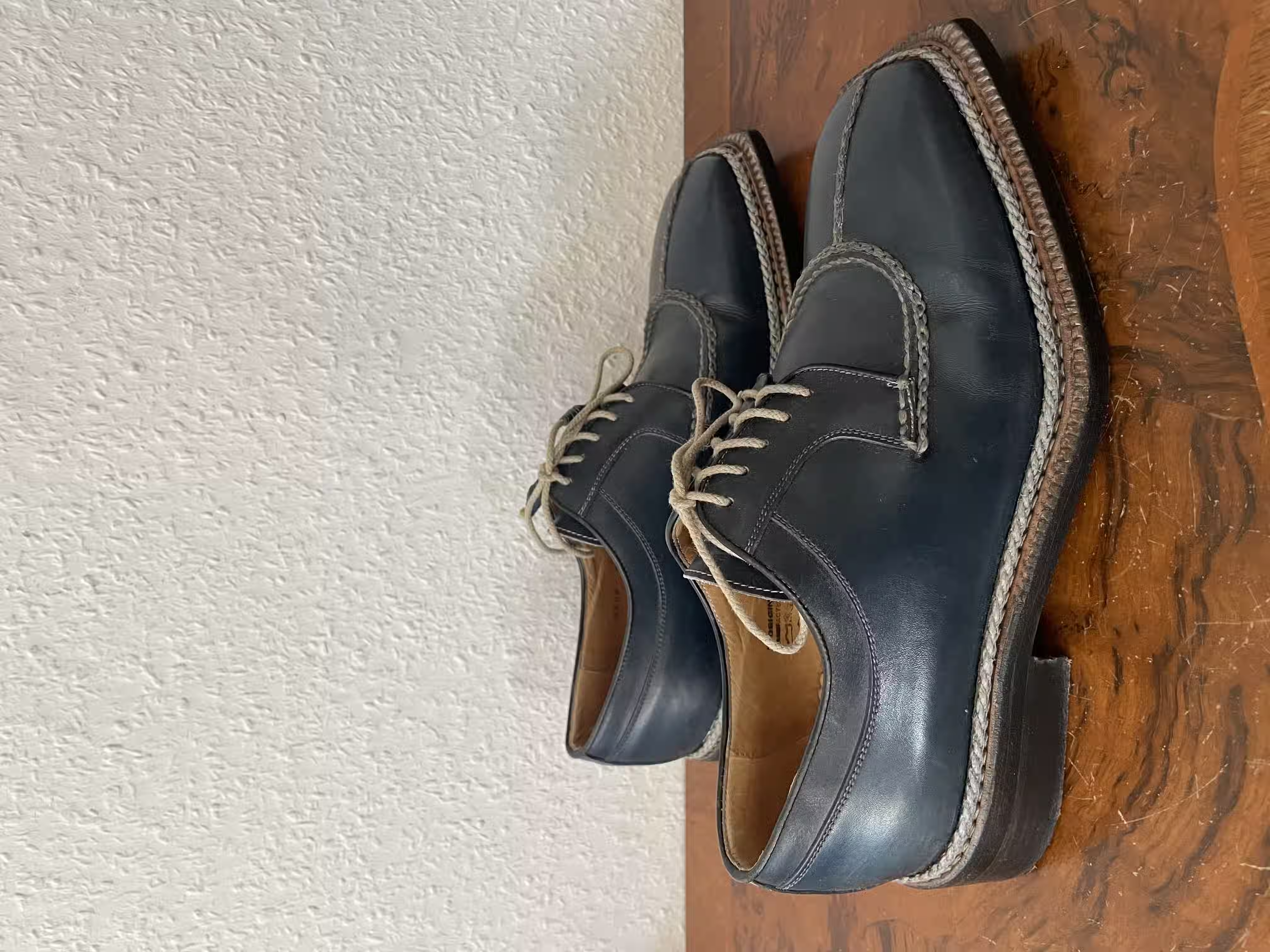
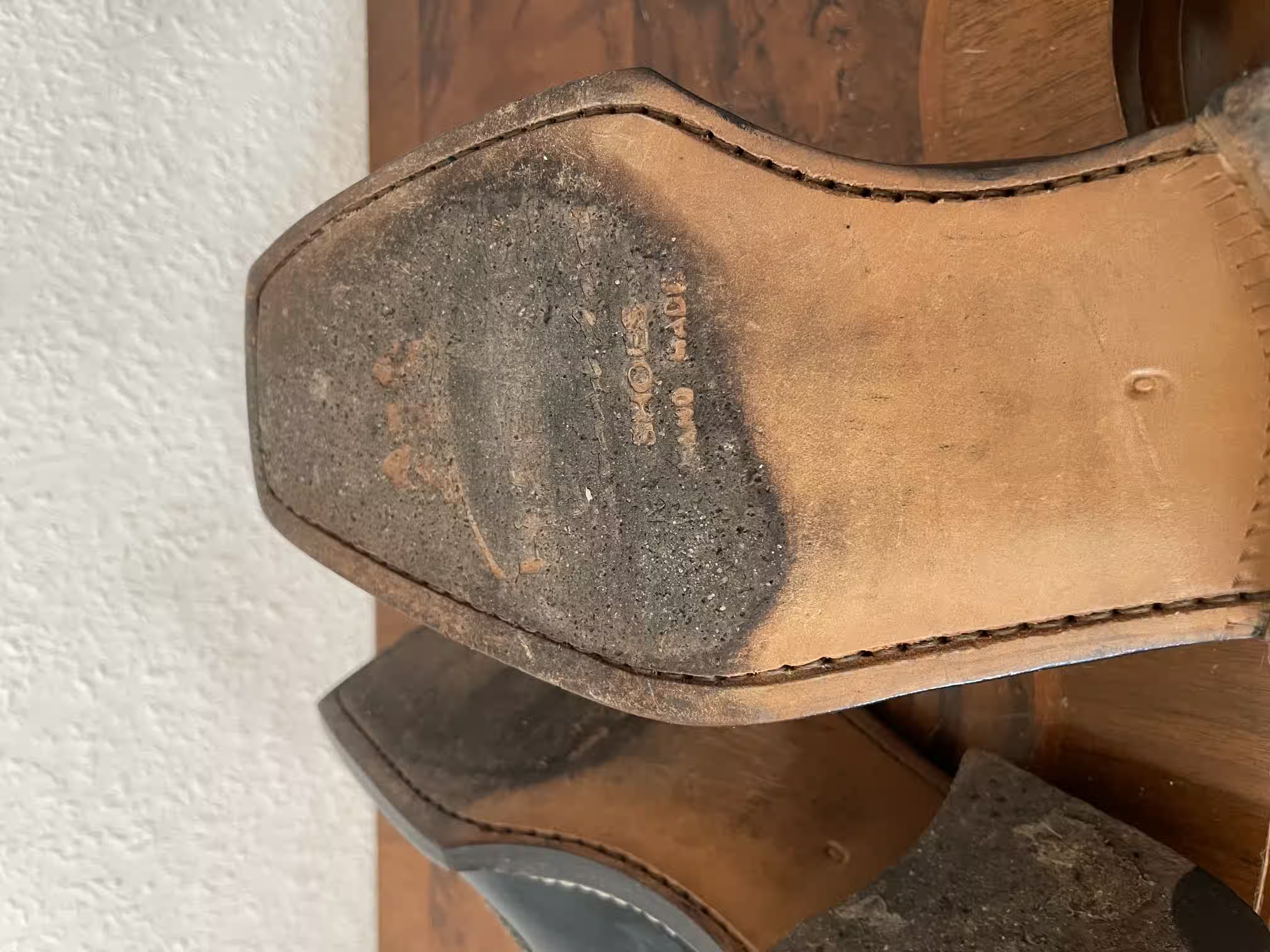
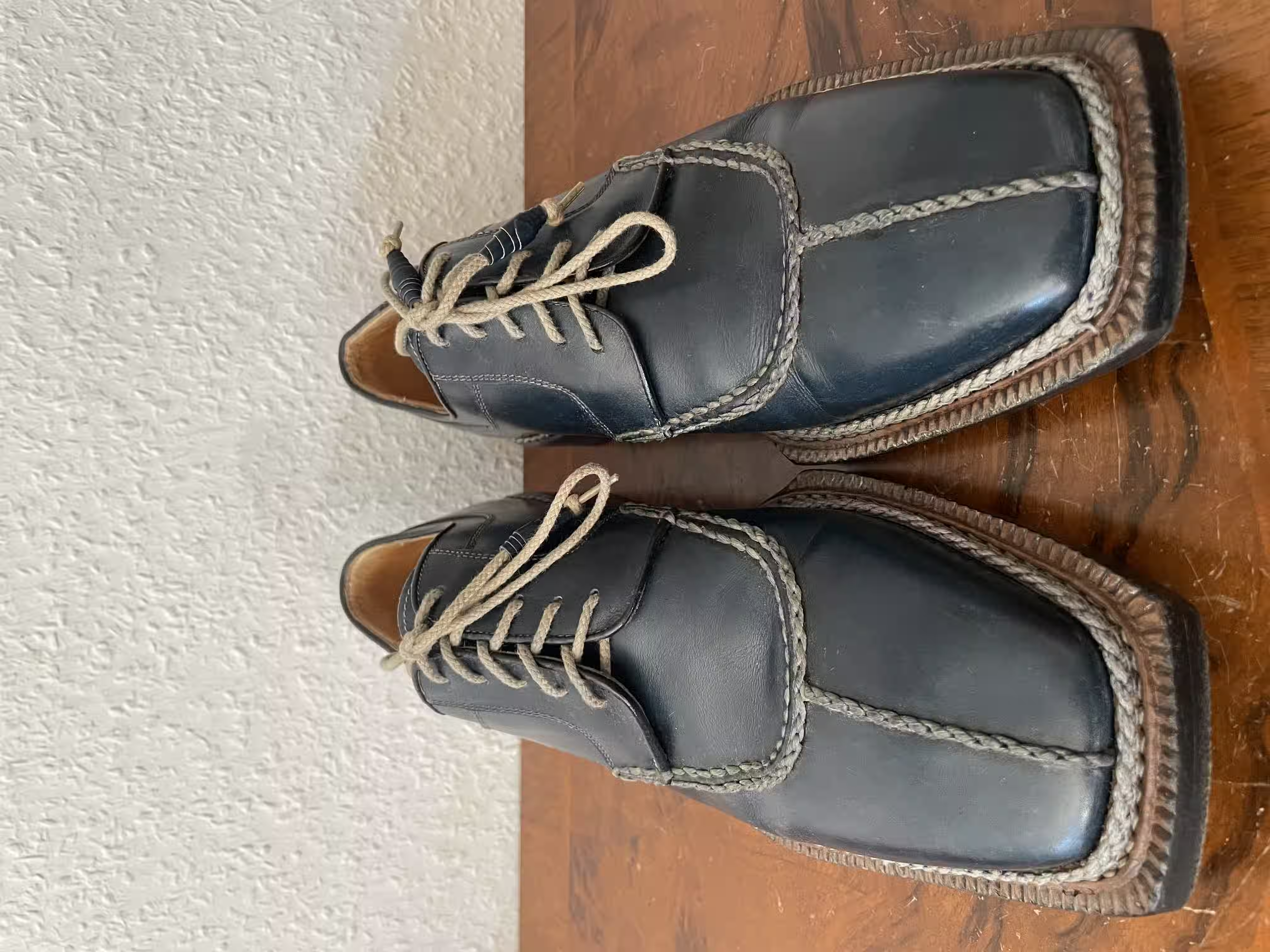
Here we have a casual, dark-blue Norwegian in the French variant. While this French variant would normally make a Norwegian model more elegant, the very striking decorative seams here achieve the opposite overall - not even the plain, unadorned smooth leather can prevent that. So we have a relatively ambivalent model made up of formal and casual elements, in which the casual elements ultimately prevail: led by the thick decorative seams and supported by
- the contrasting color of the seams and lacing
- the thick and casual shoelaces
- the striking welt with its slight corners
To me, this is an interesting shoe to look at, one that creates some tension, but also reduces that tension between formal and informal through a relatively clear winner. Therefore, you should wear the shoes primarily in your free time, for example with jeans, chinos, or corduroy trousers.
Black casual Oxfords with contrast stitching
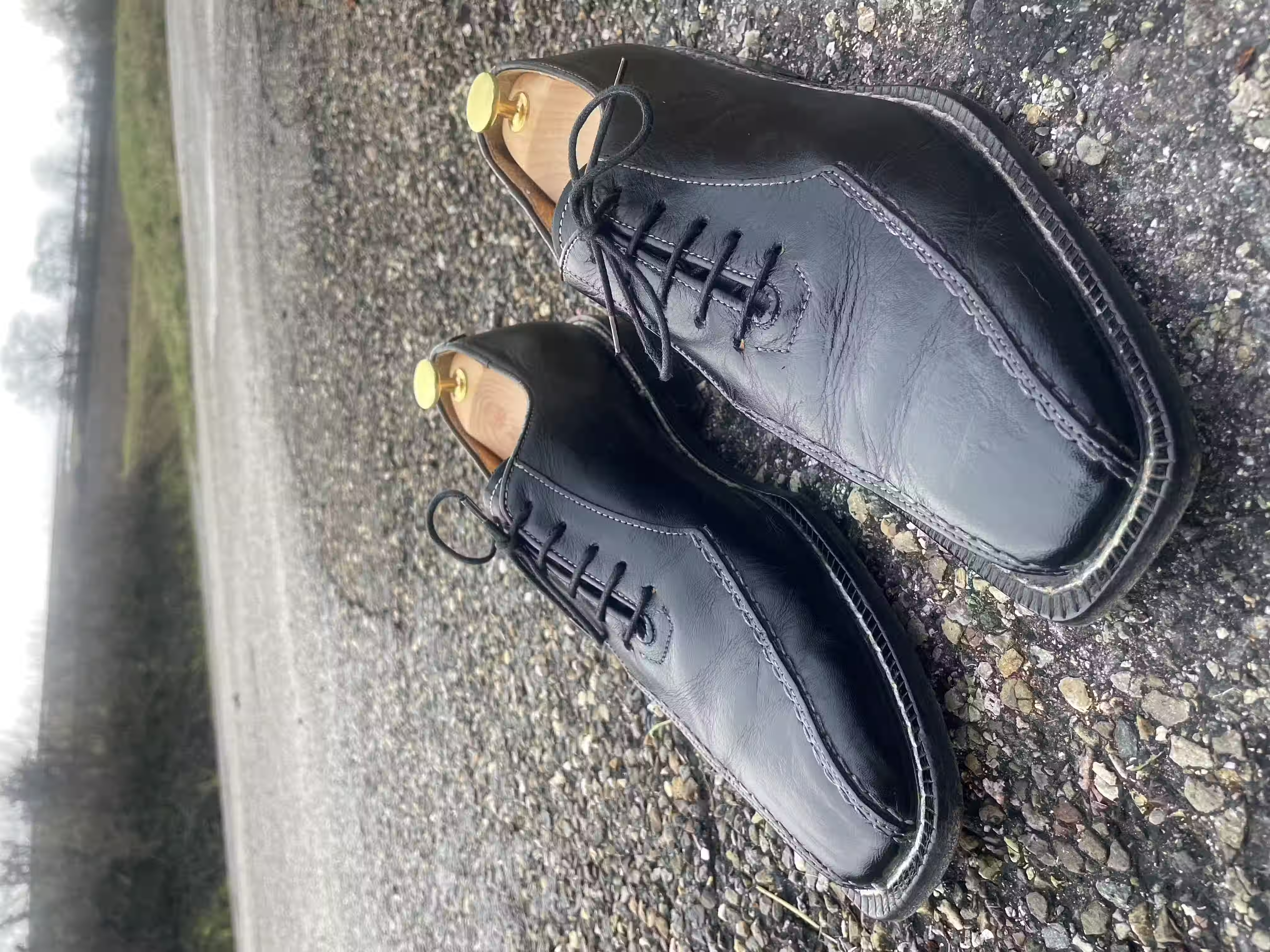
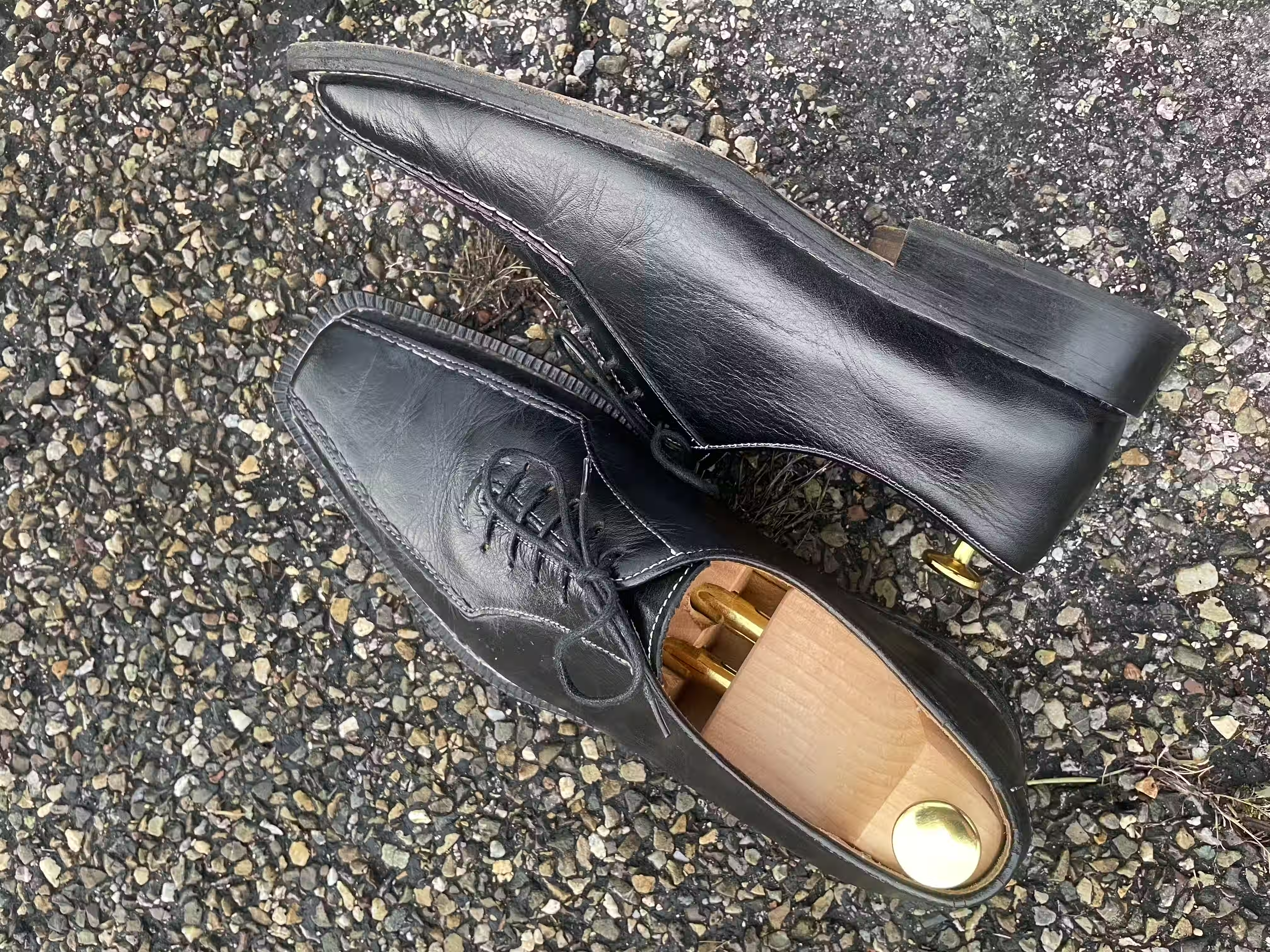
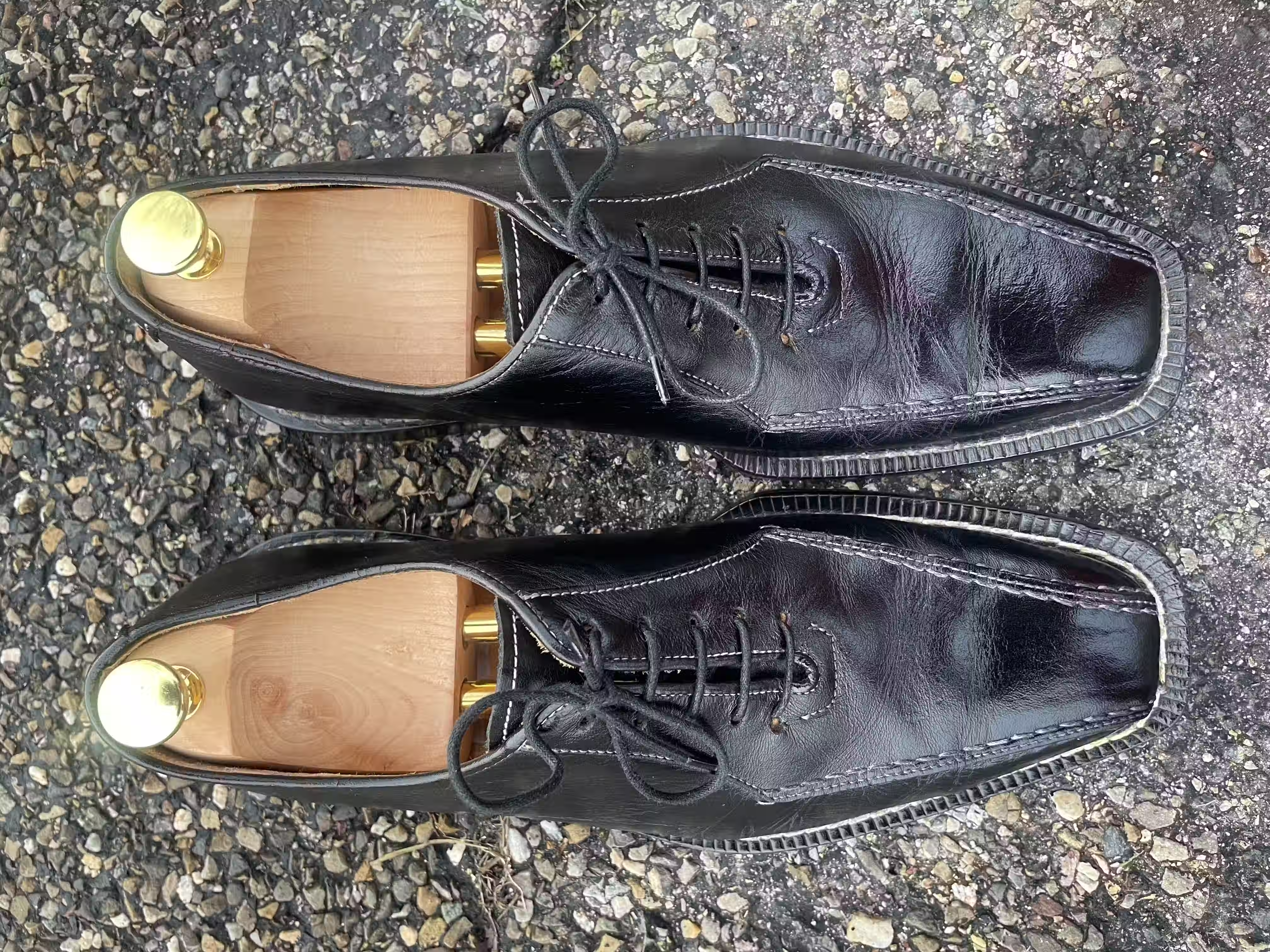
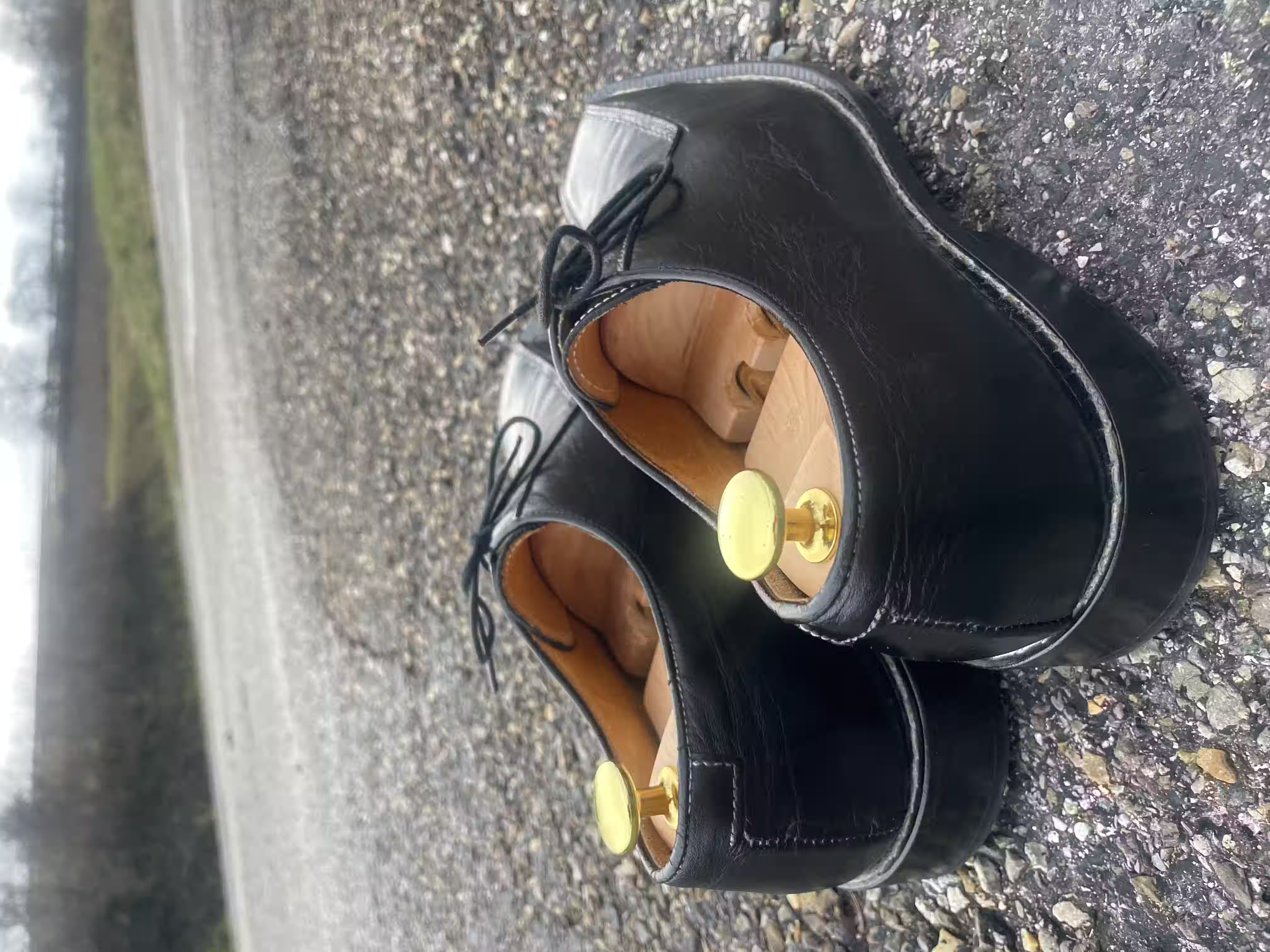
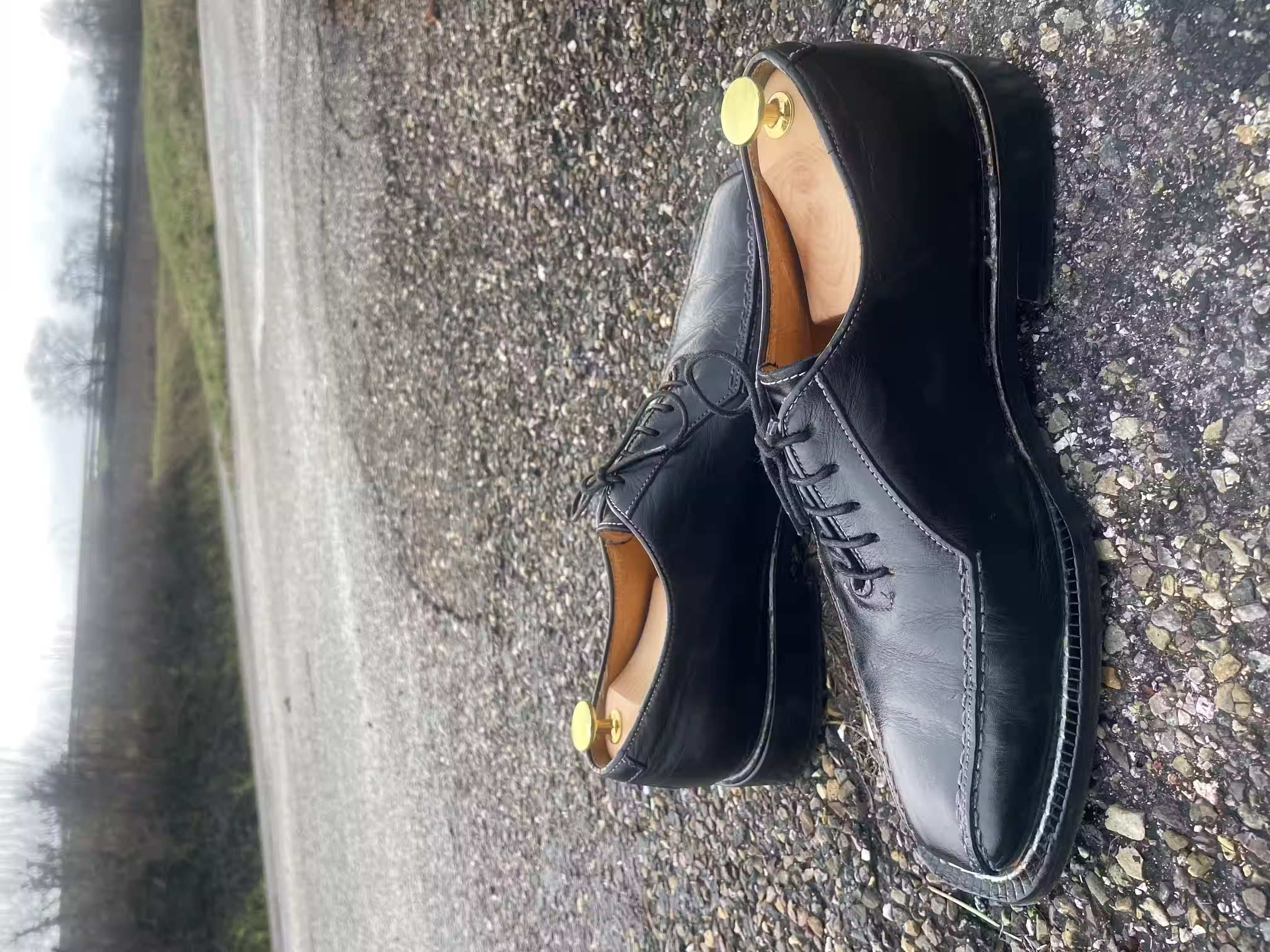
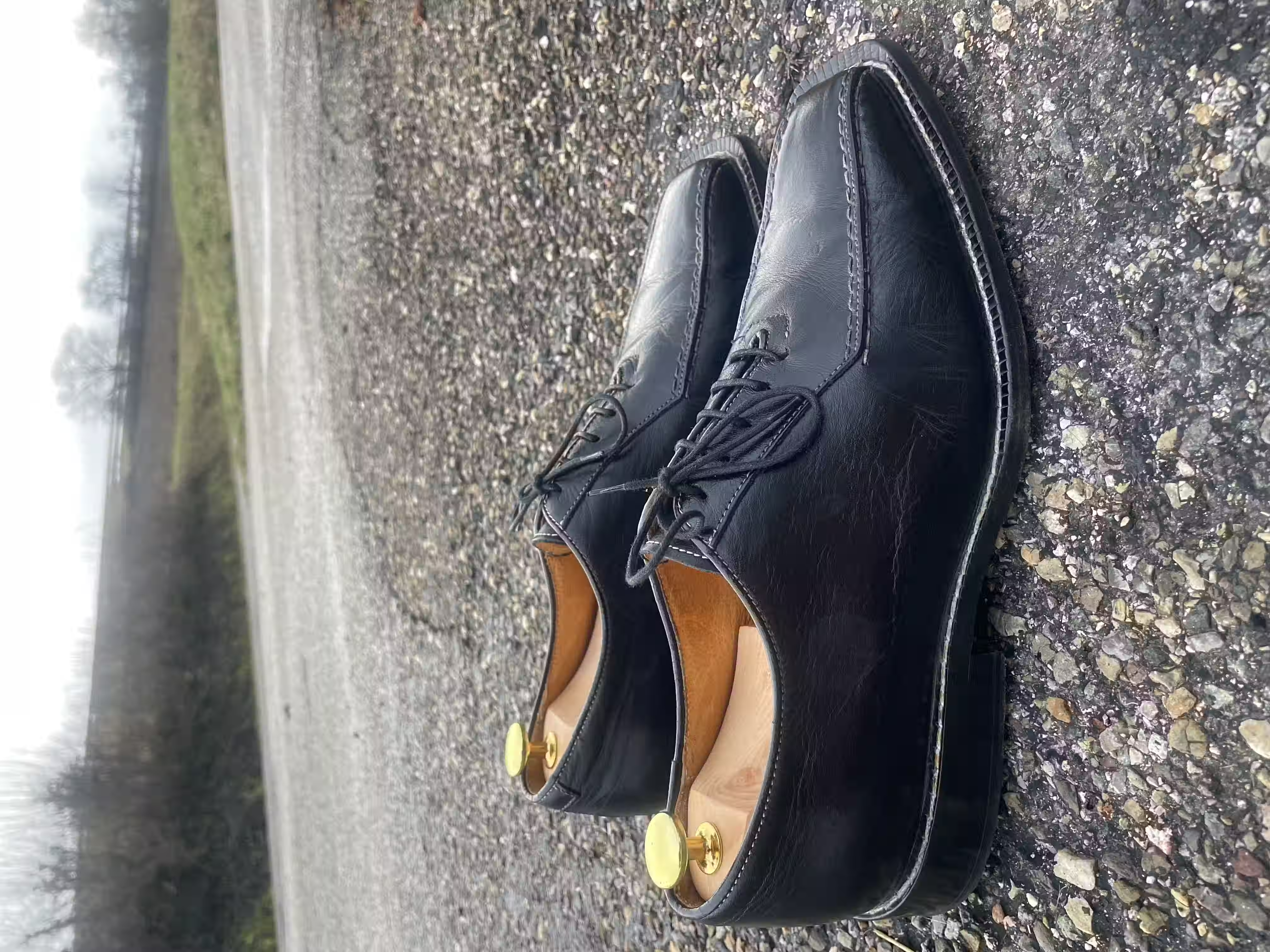
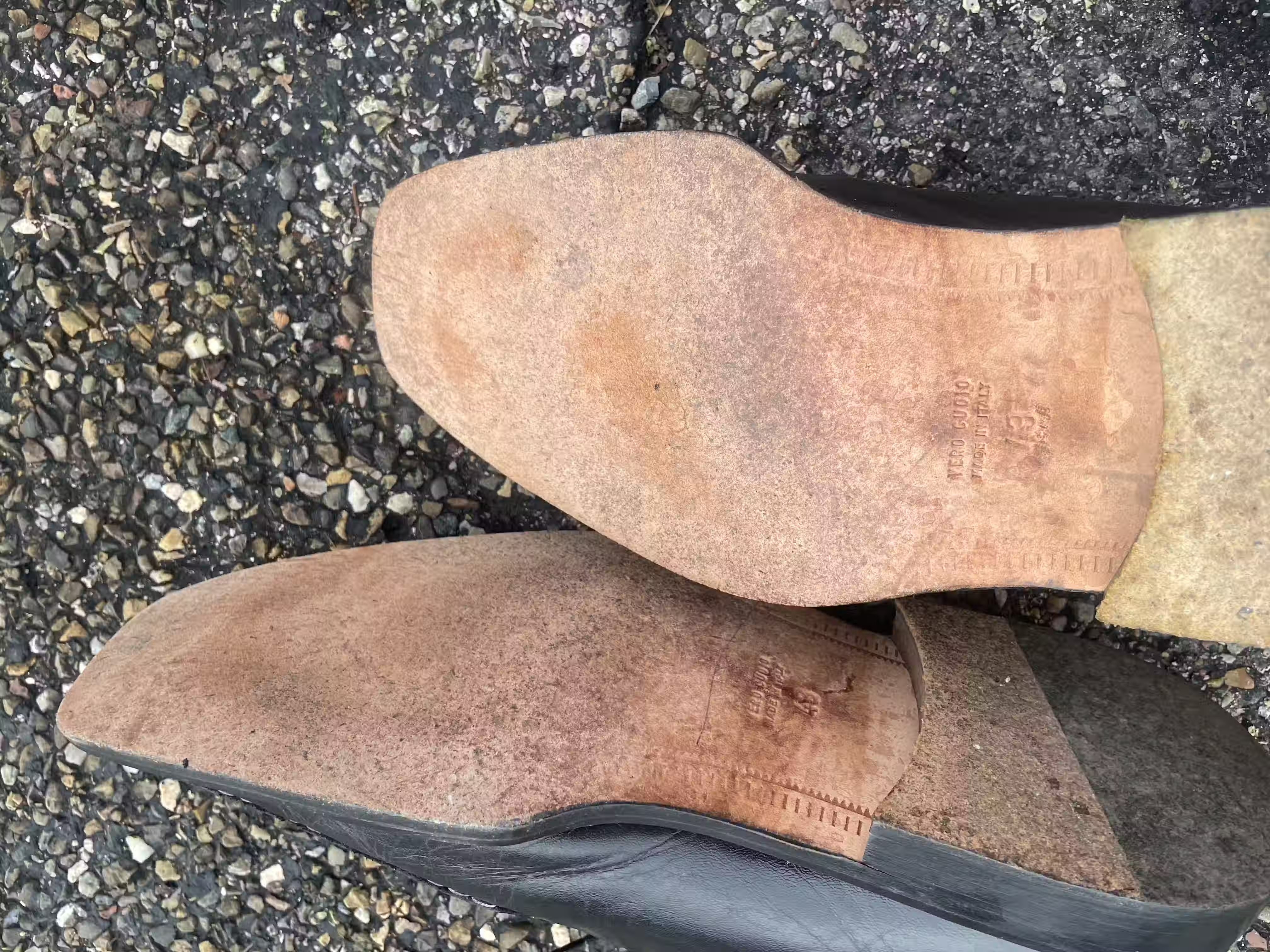
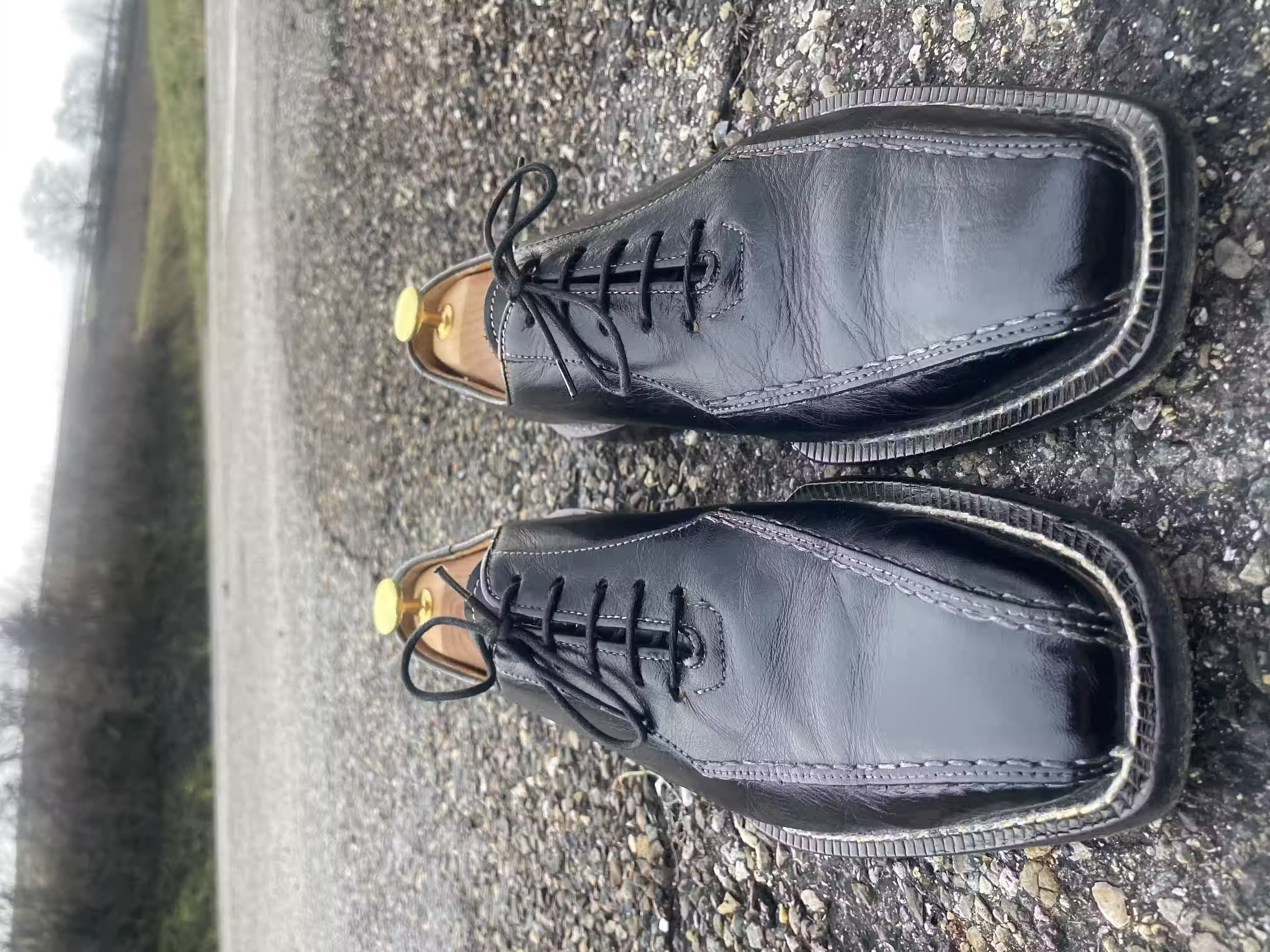
Here we have fairly understated boho Oxfords with a wide welt and contrast stitching that is partially darkened again. This variant is so special because Oxfords are typically very formal shoes that are worn mainly with sharp suits made of brushed wool. That is at least their main focus, even though there are relaxed Oxfords like this one that can be worn with casual suits or other clothing.
And this formal world is actually so far removed from the boho style that one might ask whether the boho style can be transferred to Oxfords at all without breaking the essence of the Oxford in the process. By the latter I mean cases where, for example, you have really thick lug soles fitted to your Oxfords - in my eyes, that doesn’t fit the essence of Oxfords at all.
From my perspective, the boho variant here still respects the Oxford model in its essence and merely adds a few successful boho accents:
- a somewhat thicker welt
- contrast stitching
- a relaxed closed lacing
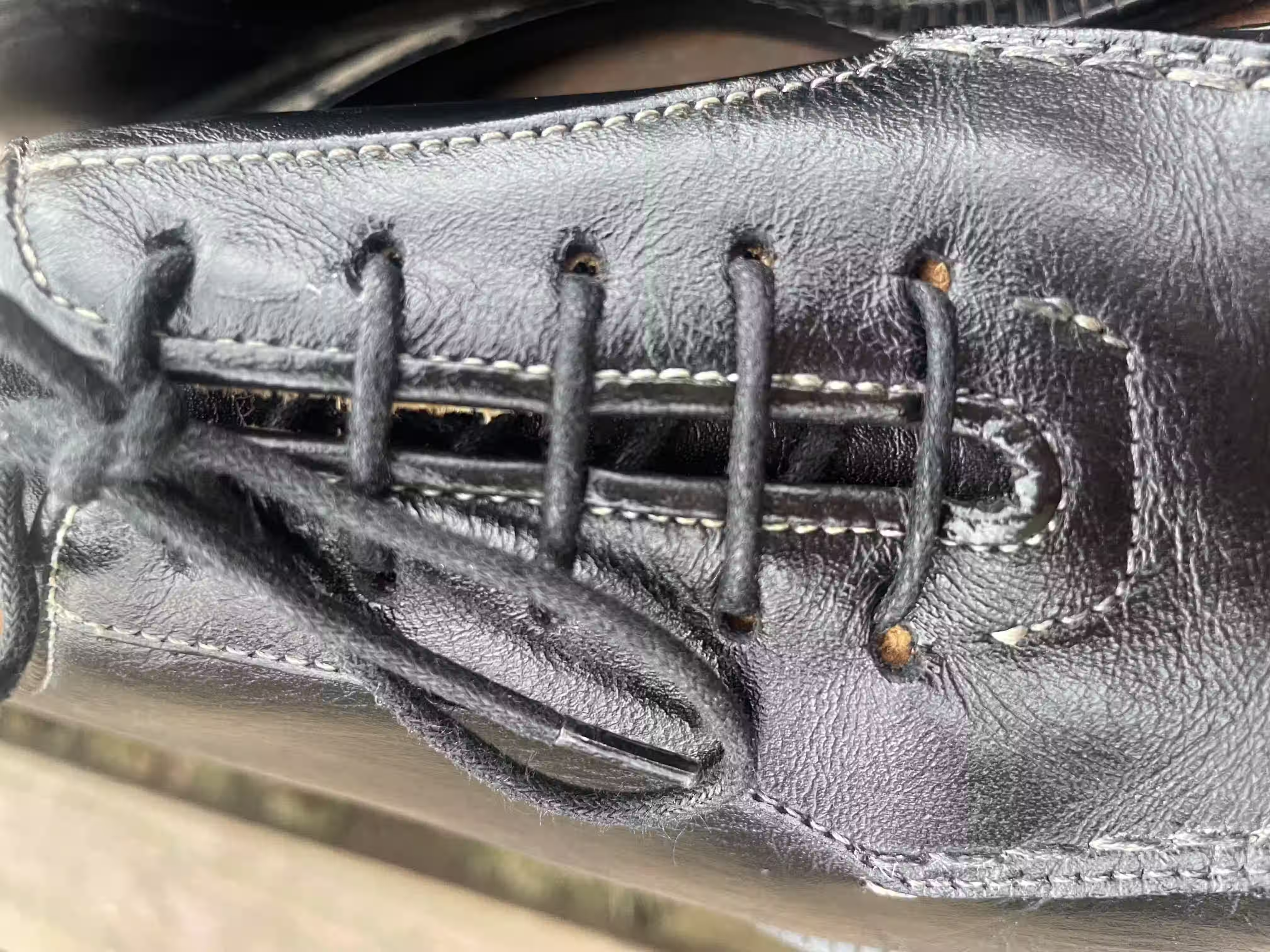
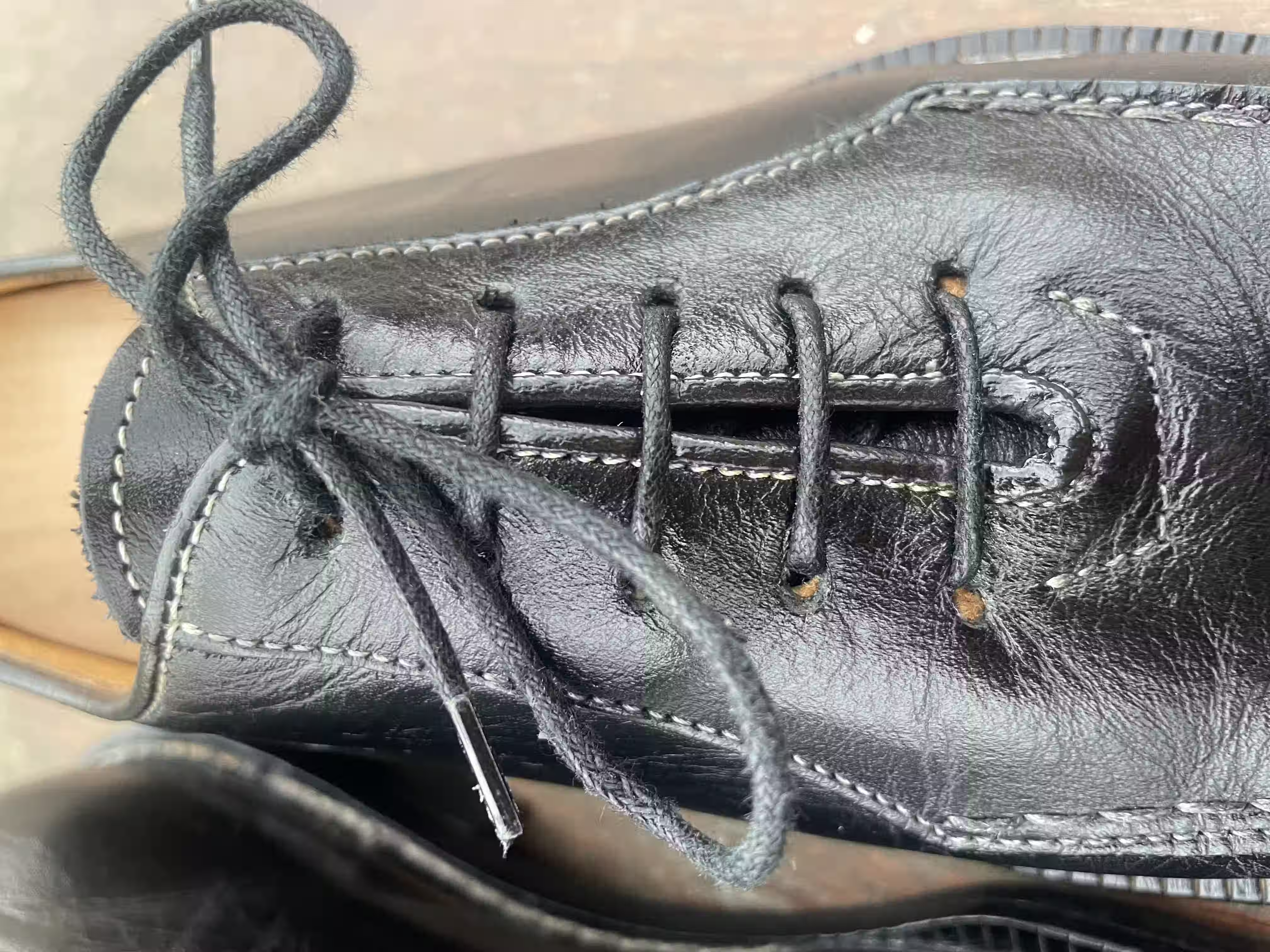
I find the latter point especially successful: the two lacing sides, with a bit of distance between them, do come together again at the lower end. With the vast majority of Oxfords they come together immediately, so that at the deepest point there is no gap between them anymore. Here, however, it’s a bit different, and the loosening extra spacing is reinforced in its effect by another decorative seam below it.
That way you can wear the shoes, for example, quite well with a suit made of rough, grey wool, and overall more for relaxed occasions.
Light-brown ankle boots in boho style
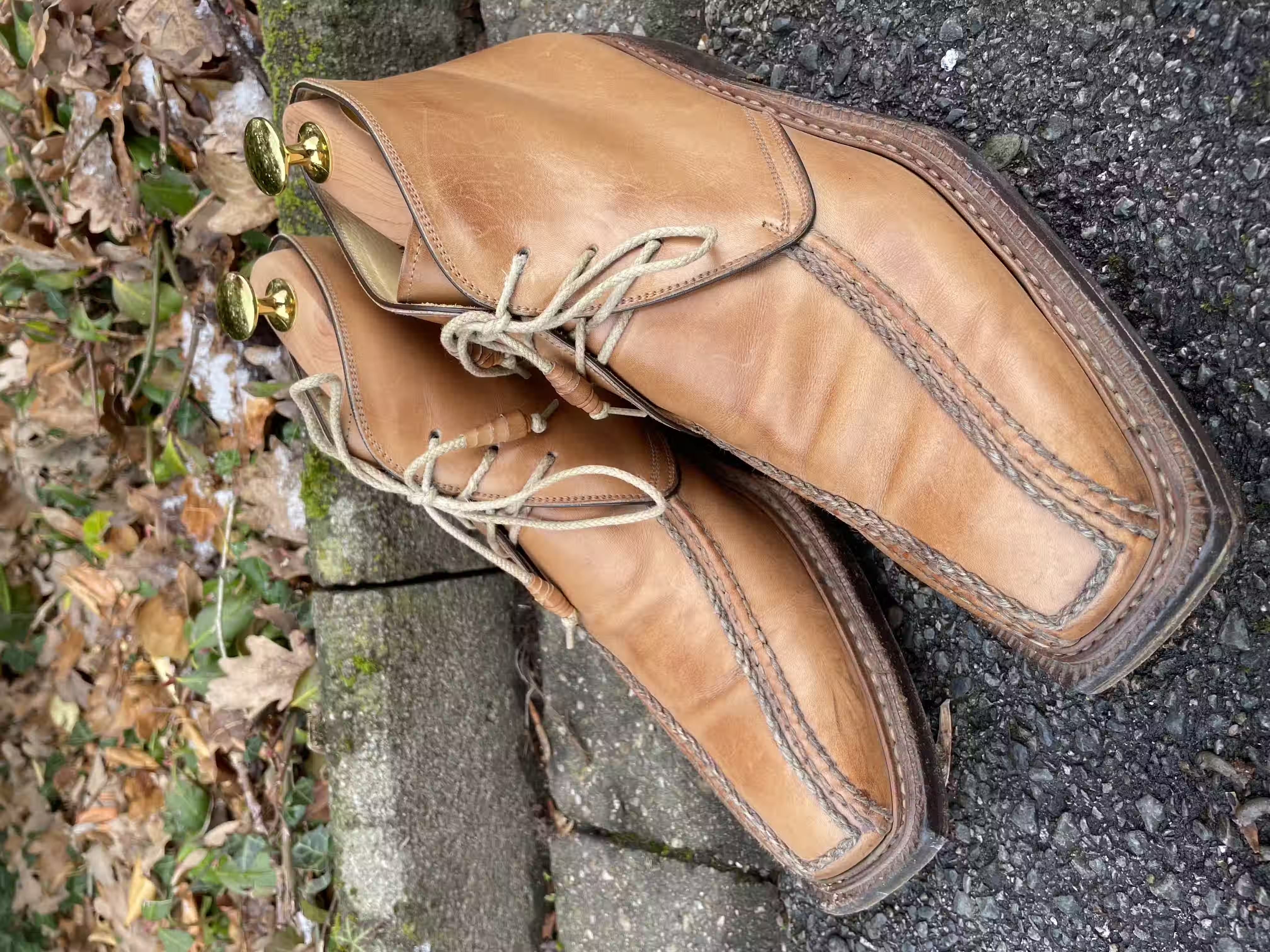
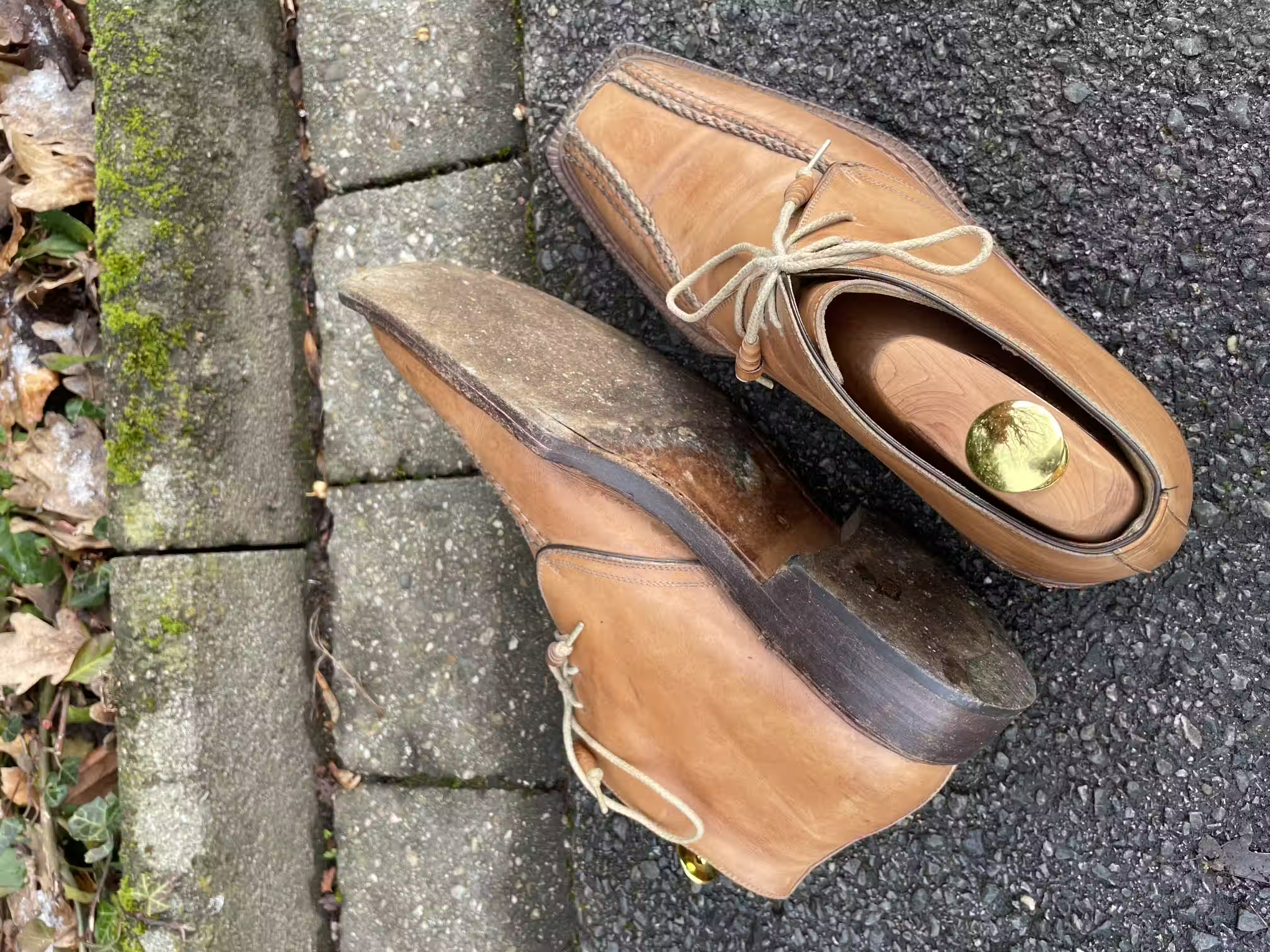
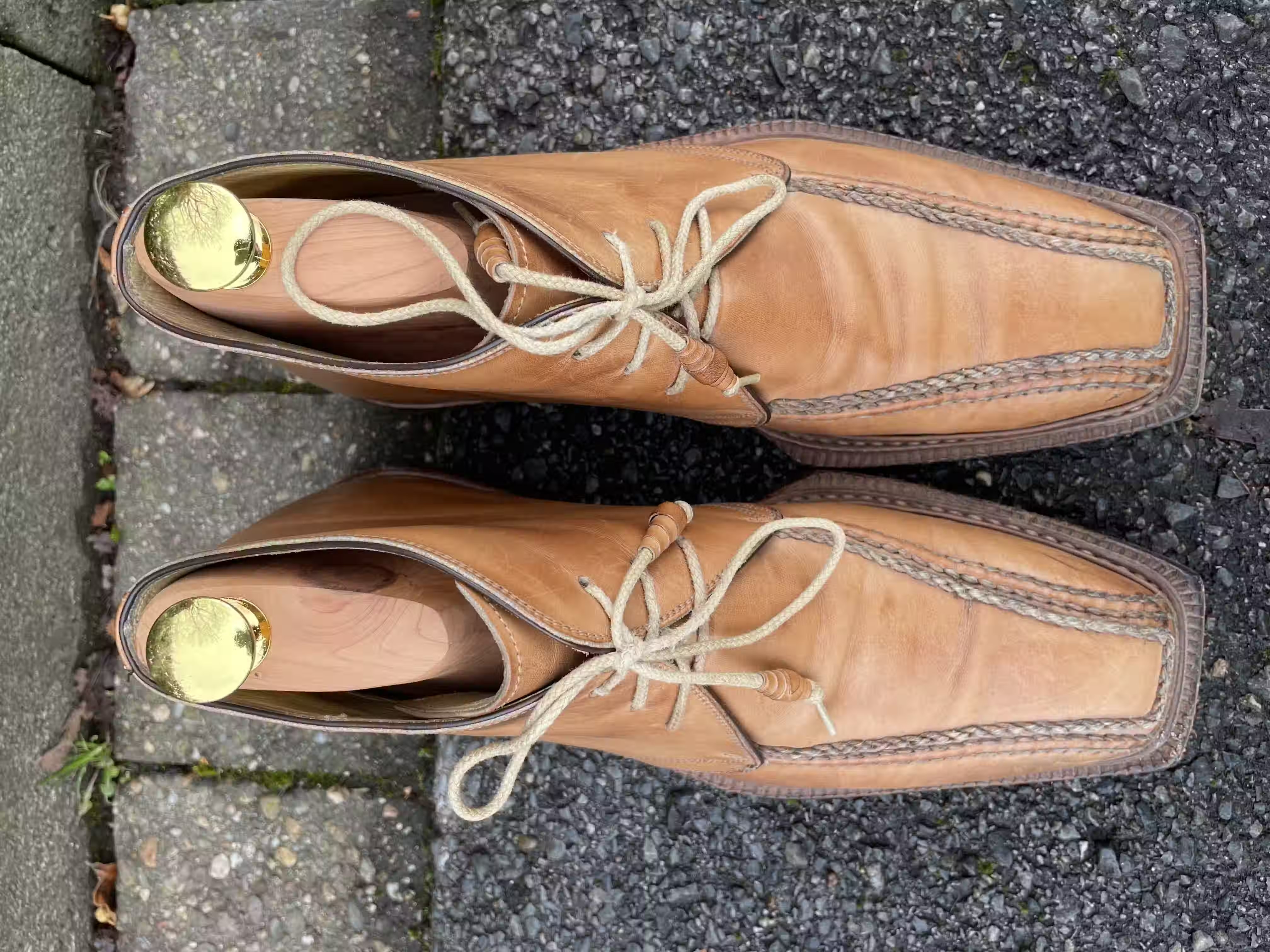
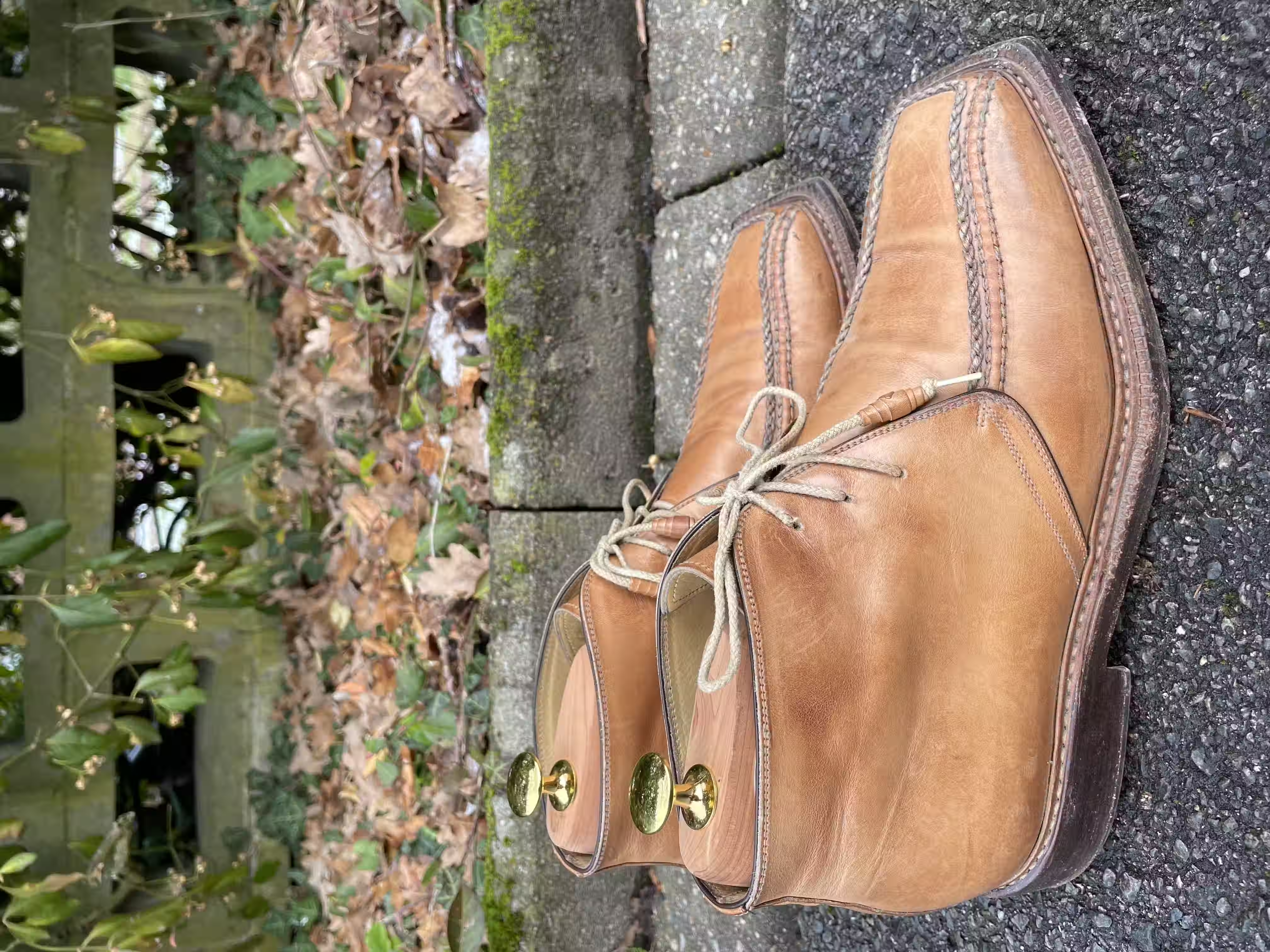
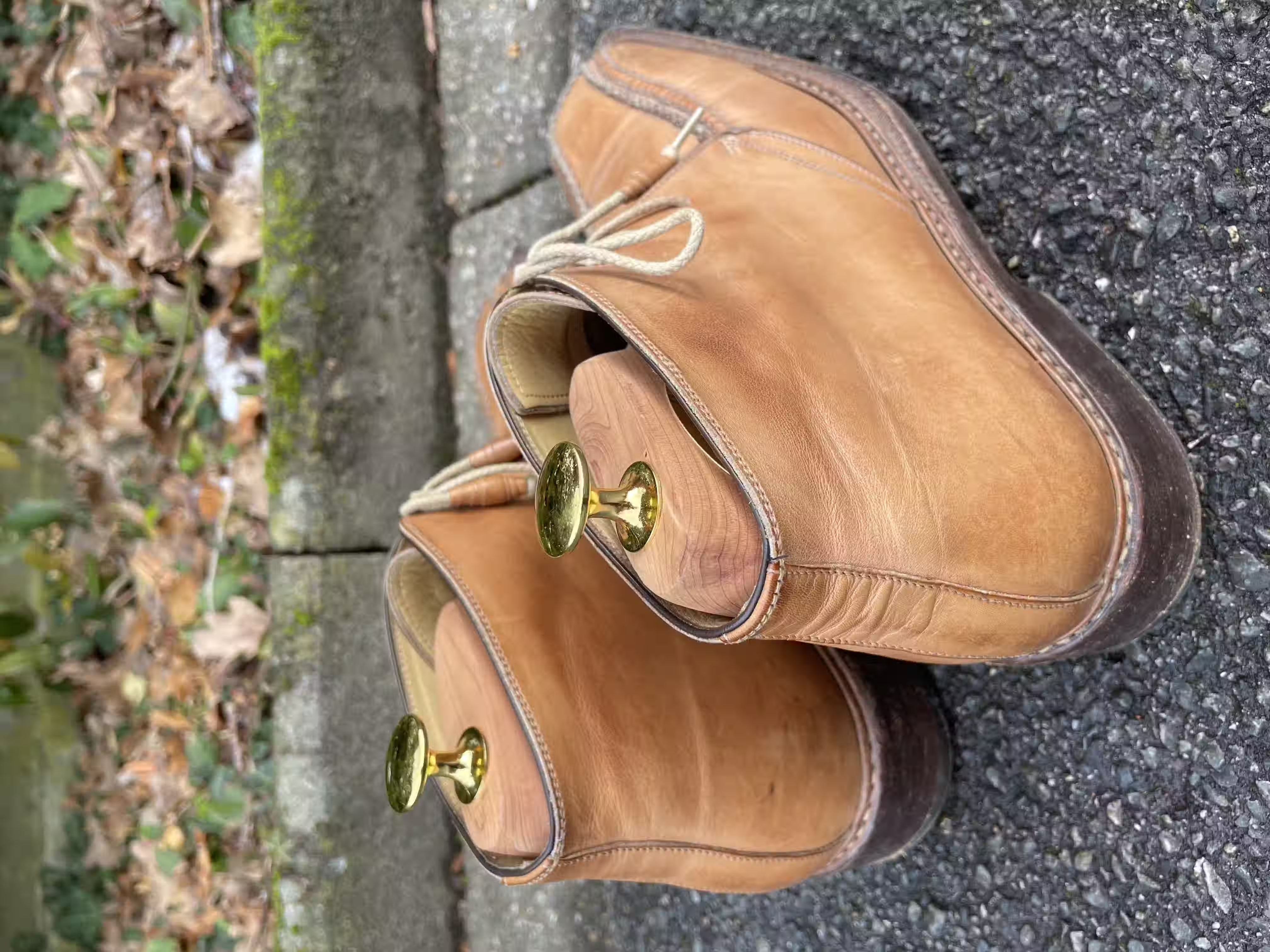
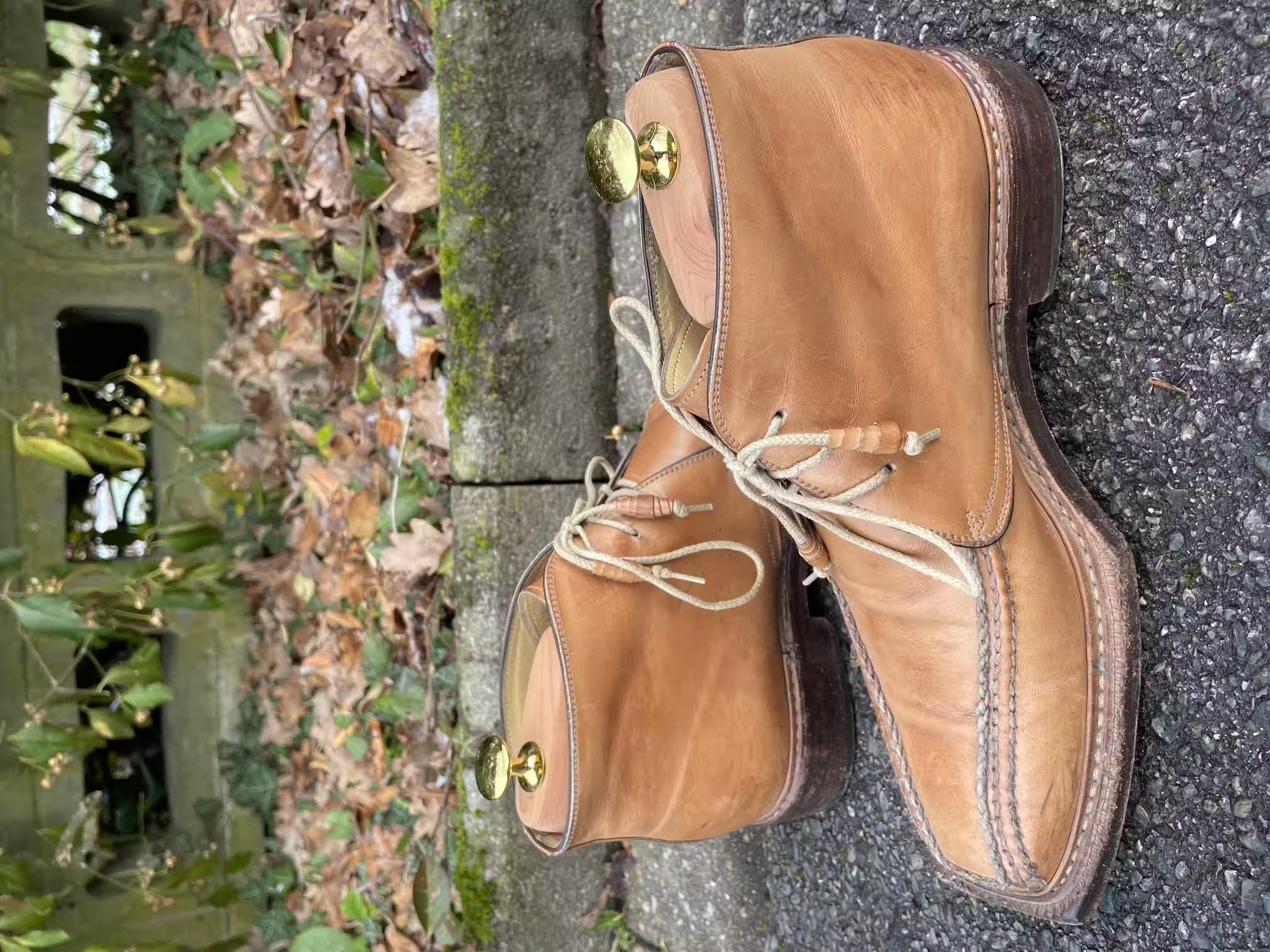
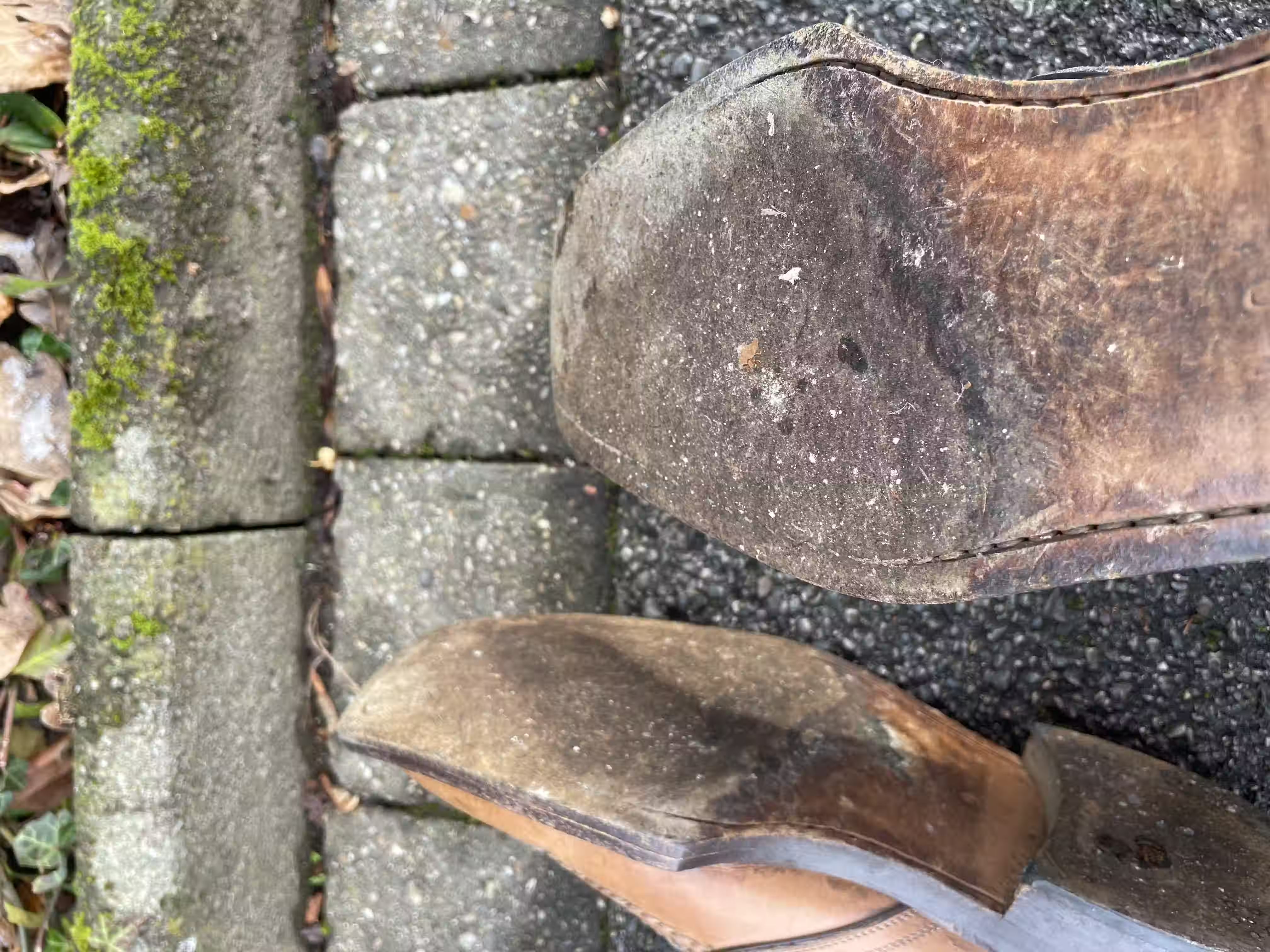
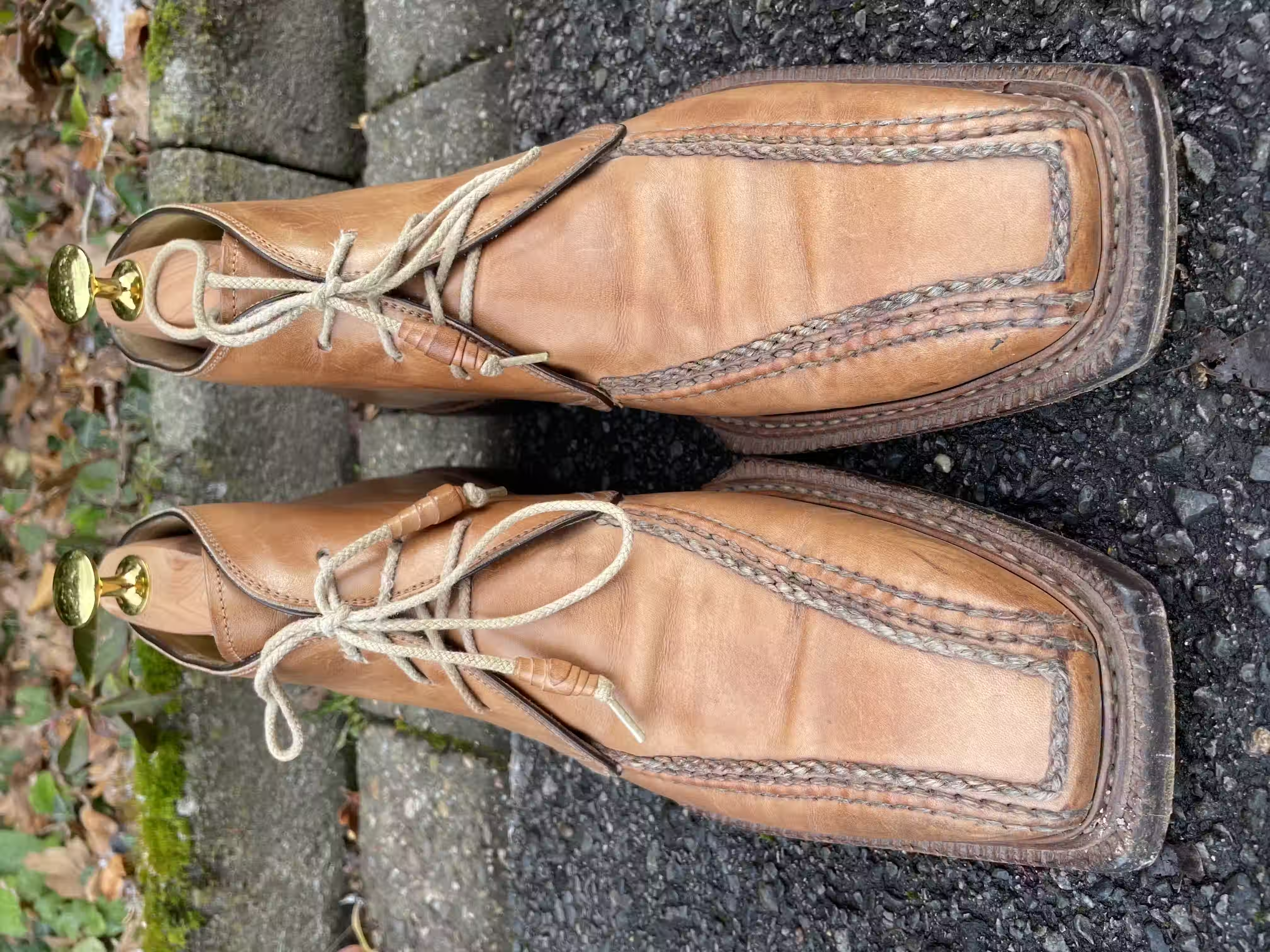
Ankle boots also exist in this style, and this pair implements the feature with corners and edges right at the very front of the shoe very clearly. I can practically imagine how lovers of classic men’s shoes feel actual pain in their hearts over a shoe like this: not only because of the hard corners and edges, but also because of the light-brown color, which for many men considerably reduces the possibilities for combining outfits. With this pair you can see that the contrast stitching on the front of the upper has darkened, which can generally happen quite easily with contrast stitching. As a result, the intended effect has become a bit less pronounced. In situations like this, I think it makes sense to also make the laces uniformly darker and thus match their color to the darkened contrast stitching. That makes the shoes as a whole a bit more harmonious.
Overall, in my view this is a fairly rebellious shoe that you can wear quite well with light jeans. The shoe rebels mainly against the principle of rounded edges and shapes, which are simply more pleasant to the eye.
Reddish-brown boho ankle boots with wingtip toe cap and Fasson shape
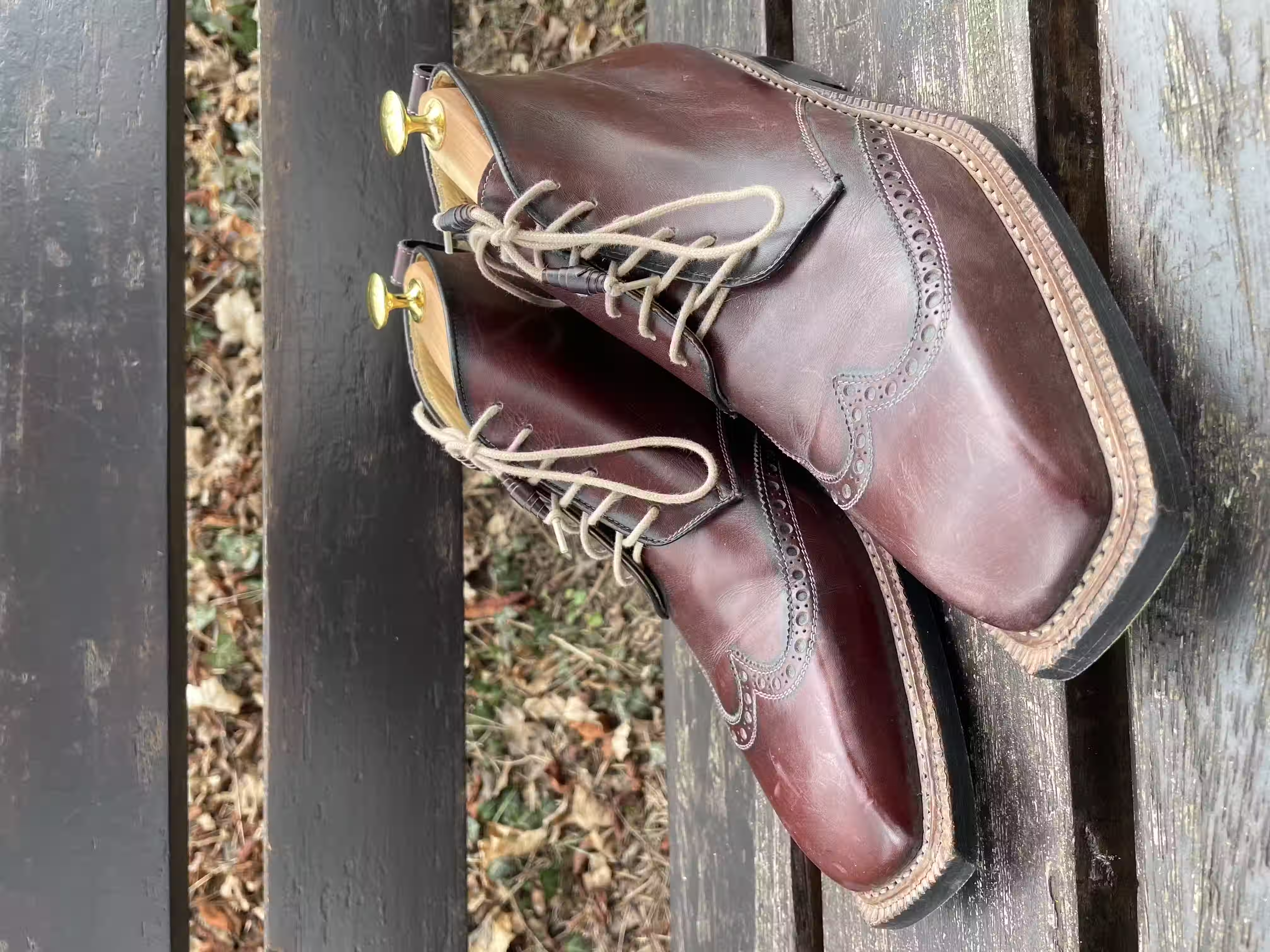
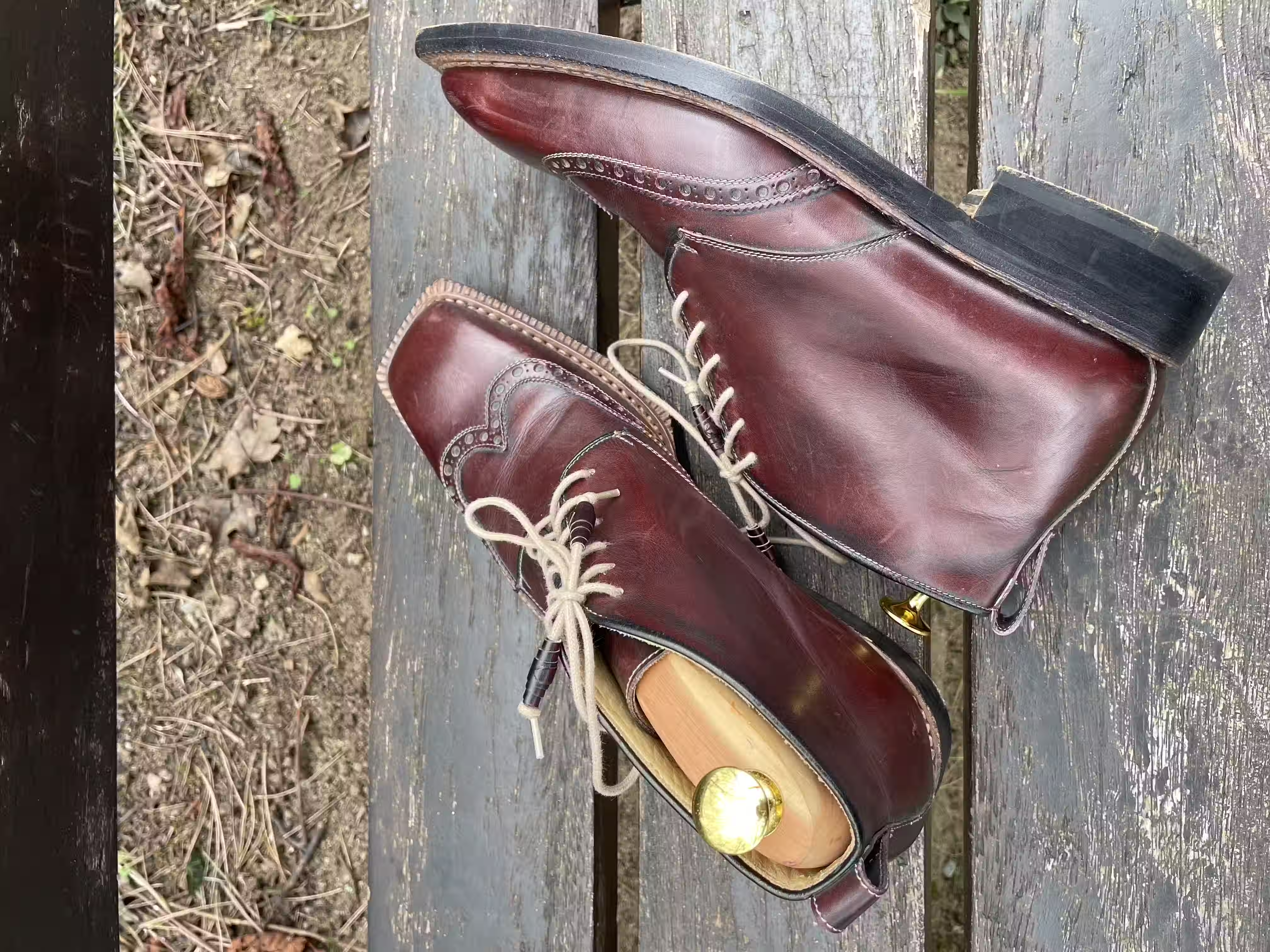
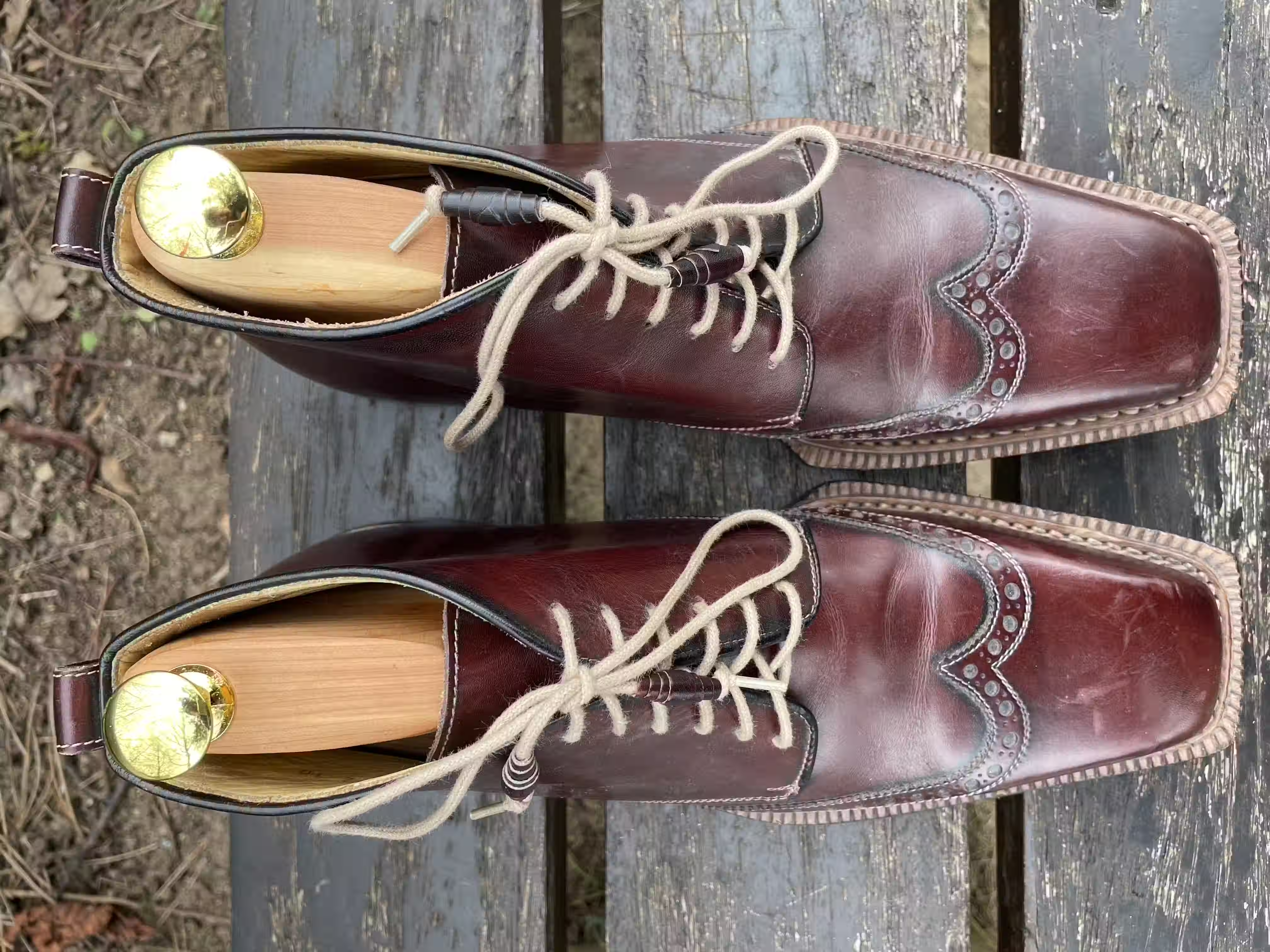
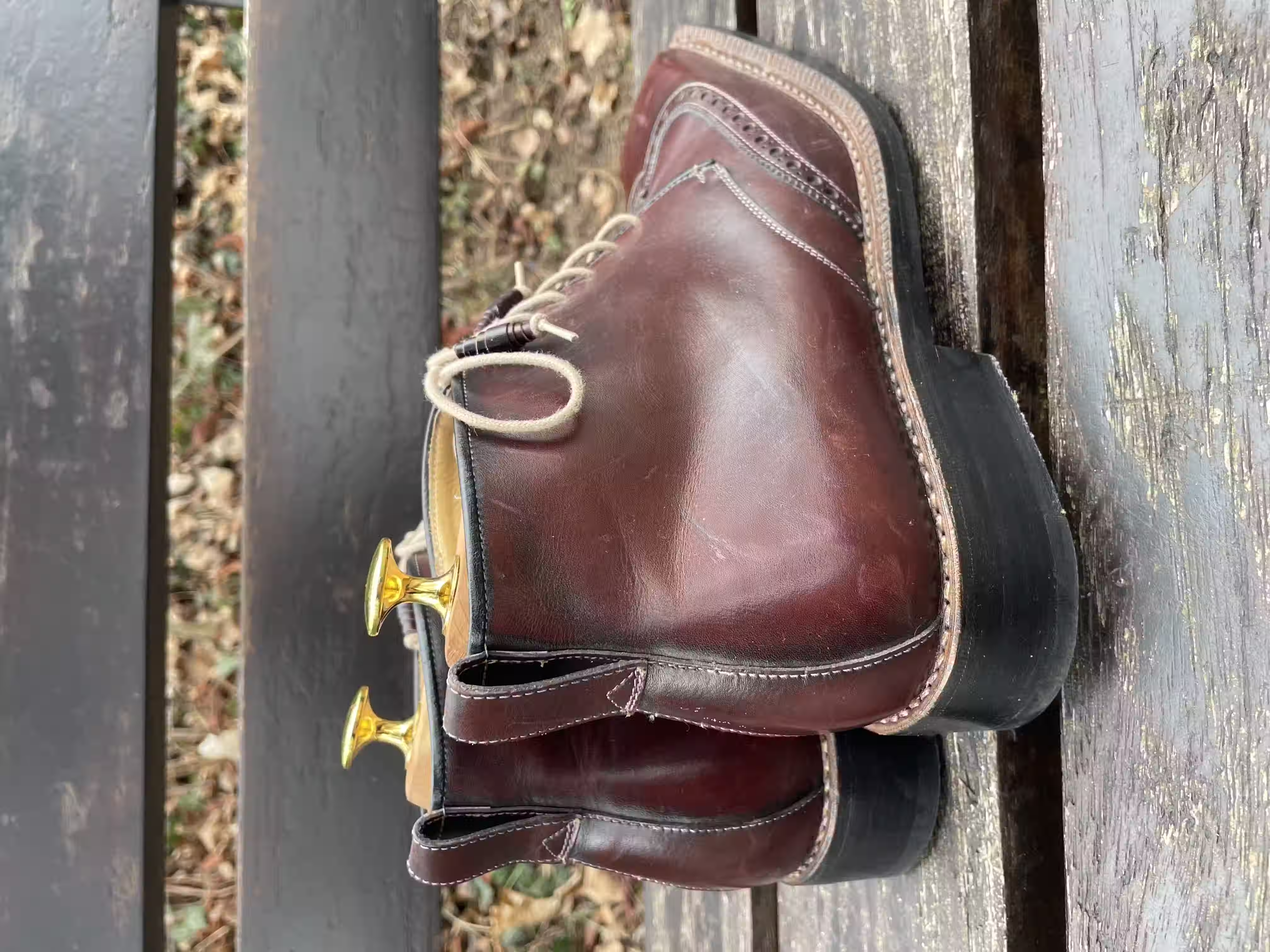
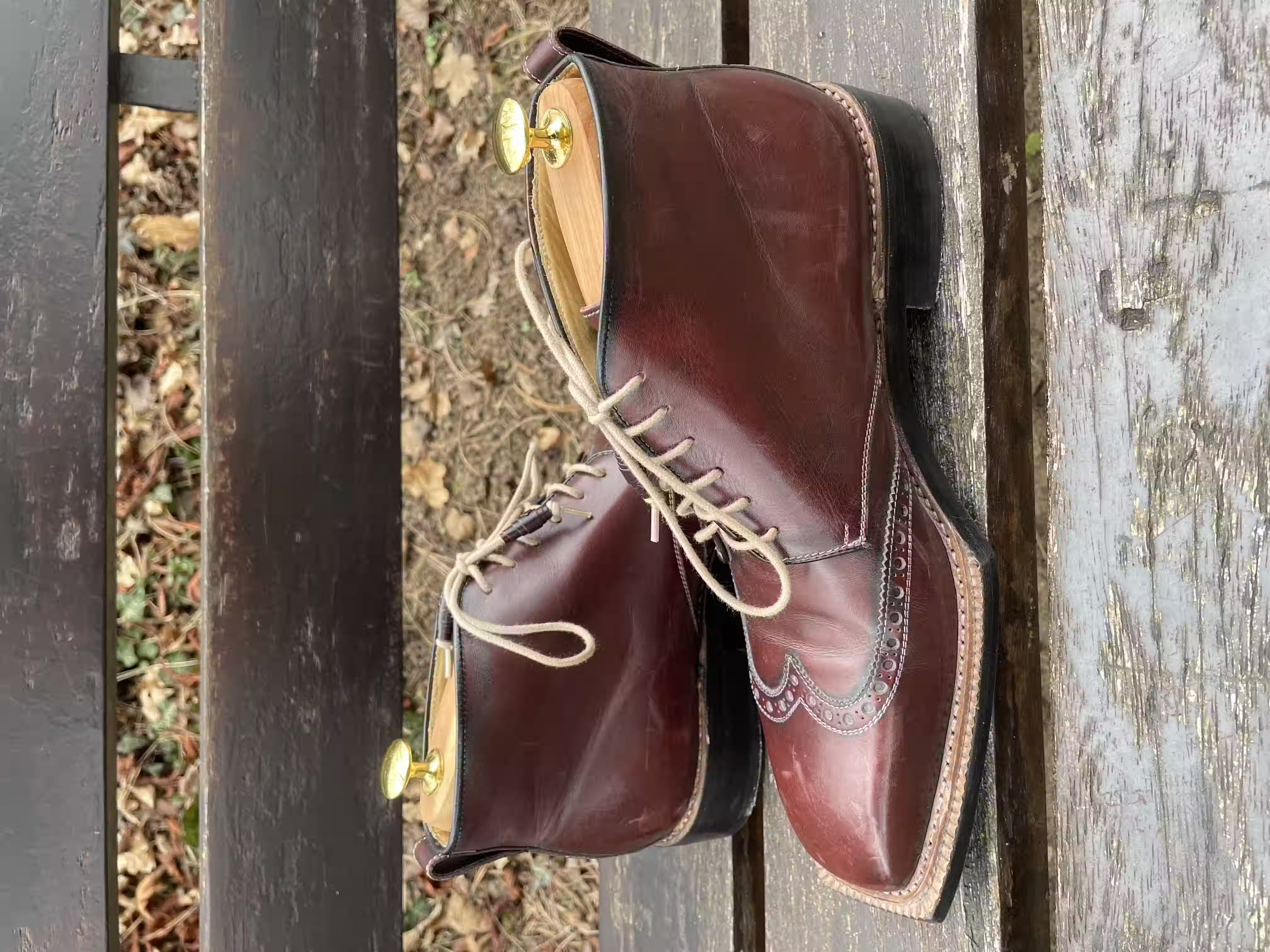
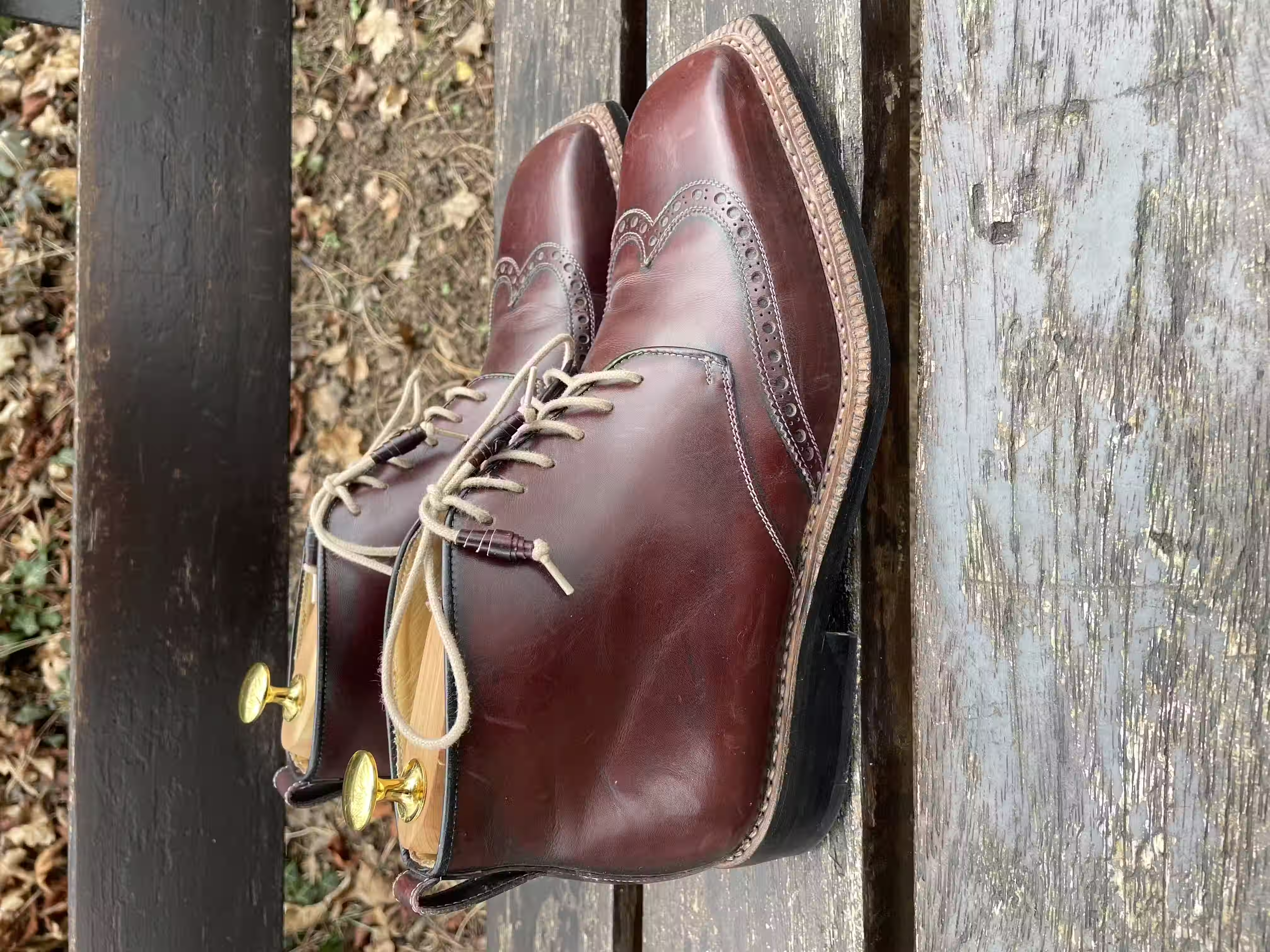
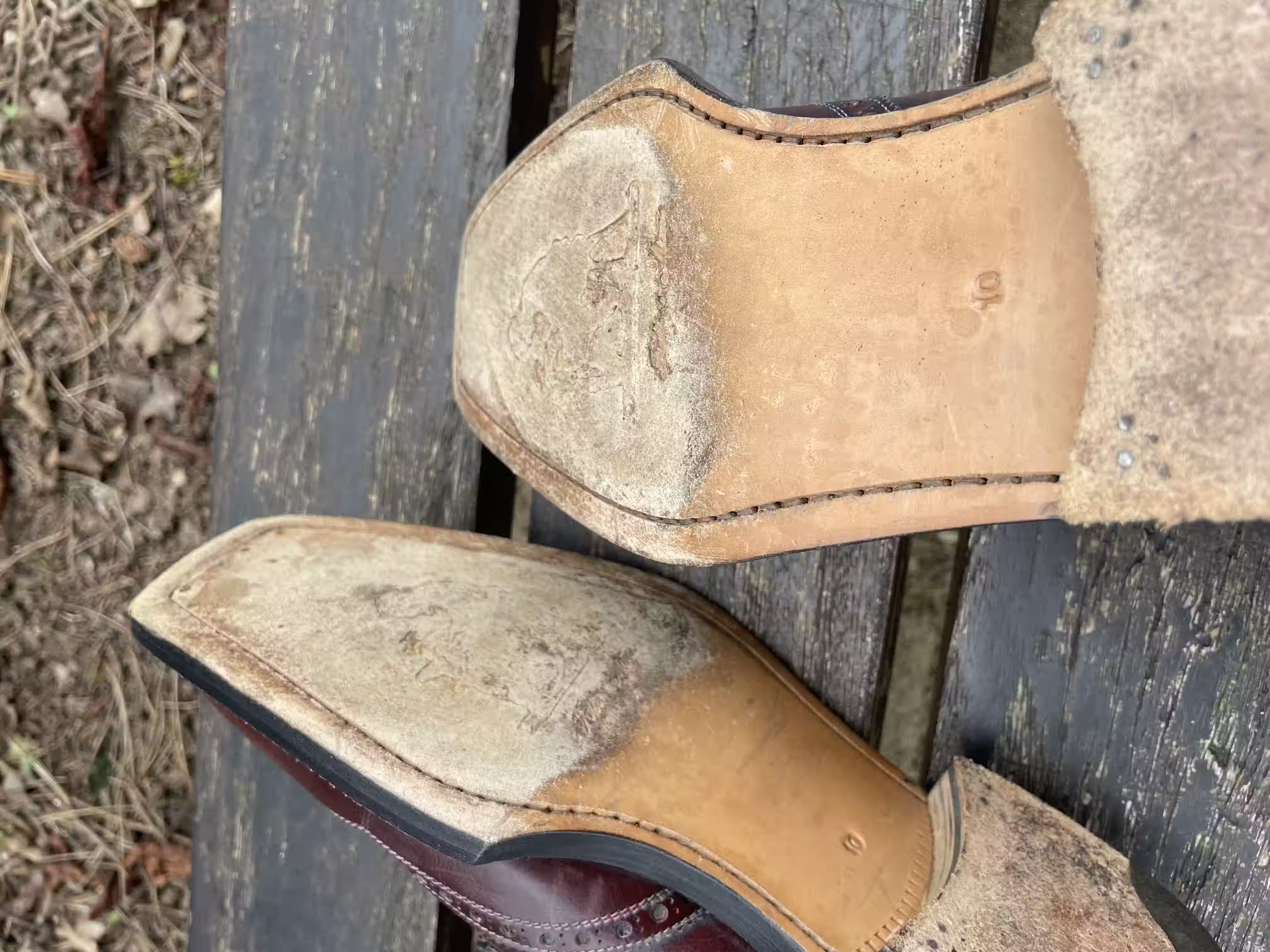
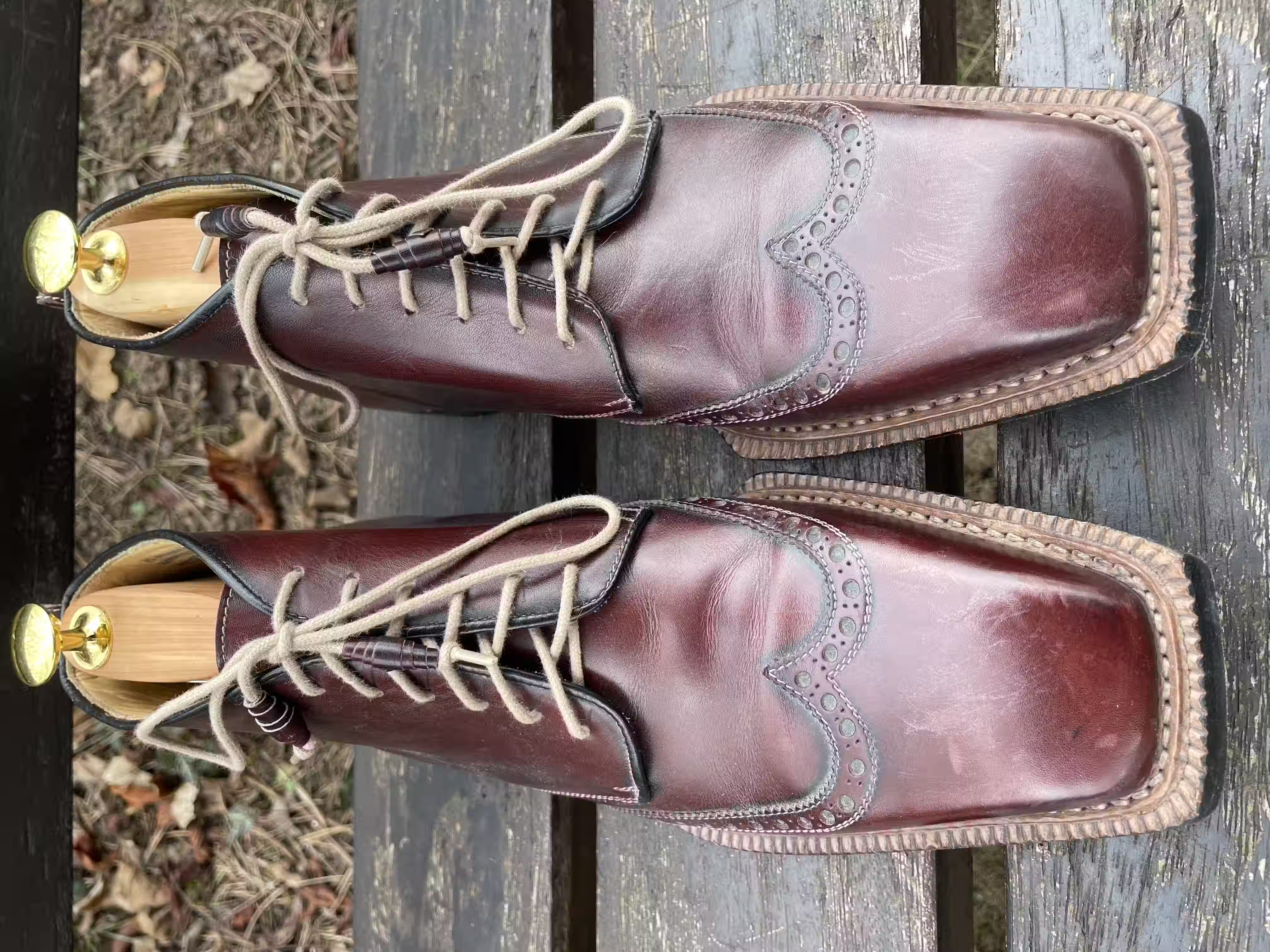
A pair of boho ankle boots with an unusual shoe shape, namely in the Fasson style—based on the Fasson cut for hairstyles. You might also think the shape is somewhat reminiscent of sports cars. I get that impression from the striking edge that exists at the front on each side of the shoe. Toward the outside, the upper leather slopes down sharply here, and between these edges there is a continuous transition from top to bottom that is reminiscent of the aforementioned Fasson cut.
With these ankle boots we essentially have two boho elements:
- the striking welt
- the striking laces in a contrasting color
Now these two boho elements are combined with the unusual shape, and I personally find the result exceptionally successful: in my view, the Fasson shape fits such a boho shoe perfectly. Here, the ornamentation of the upper is kept within limits—only a quarter-brogue wingtip cap is used. And that’s a good thing, because
- it allows the elegant Fasson shape to stand out better
- it keeps the upper from becoming too plain, which better matches the boho character
For me personally, this is a very successful combination in which even the shape contributes strongly to the boho style. I see these reddish-brown ankle boots as best suited to a medium-dark blue pair of jeans.