
Boots - traditional shoes with lots of leather surface
In the past, boots were the real shoes. Because they cover more of the leg and foot than low shoes, they are particularly interesting in terms of shape and the amount of leather. This way, boots give you a maximum of shoe.
Example variant
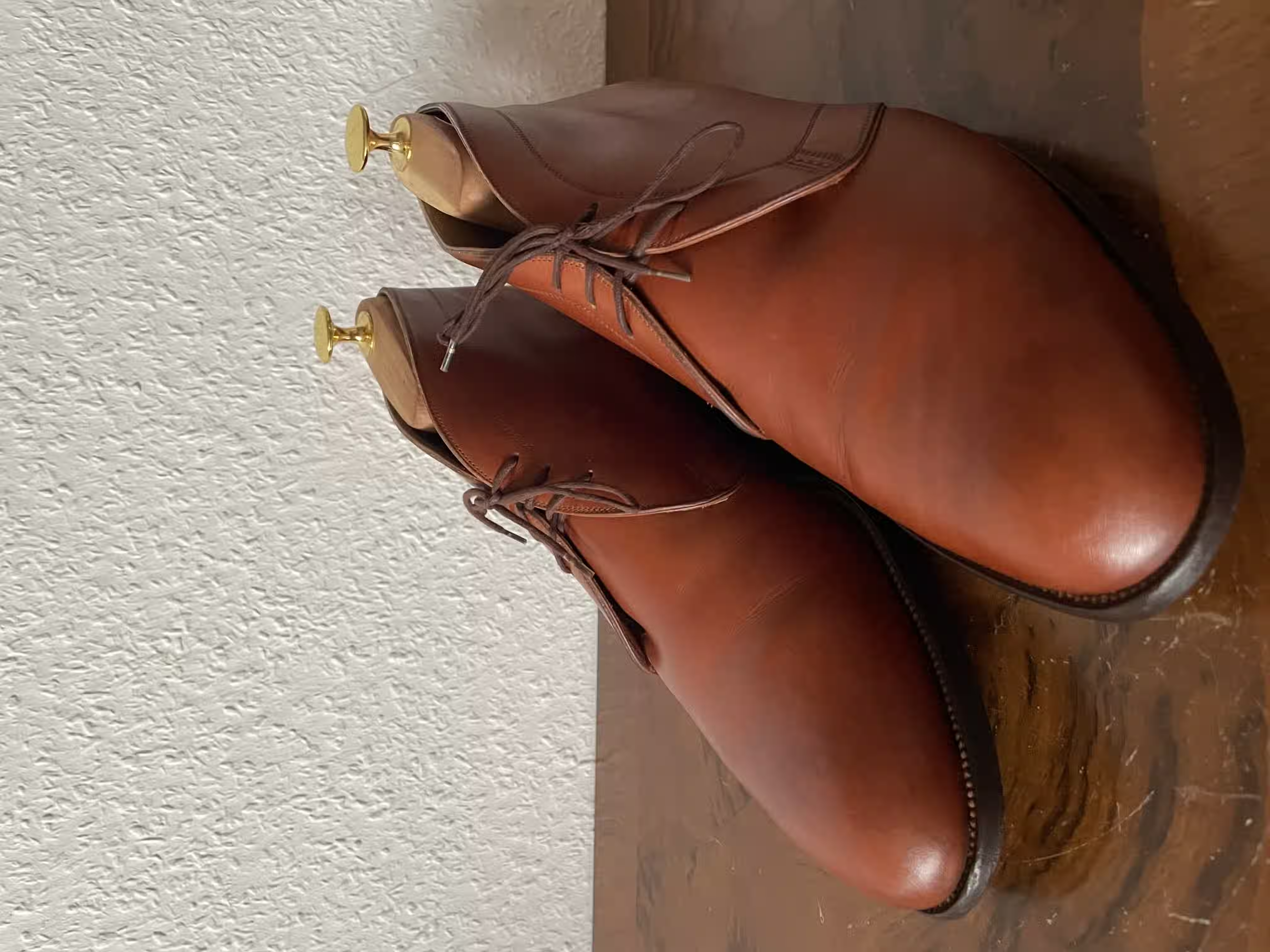
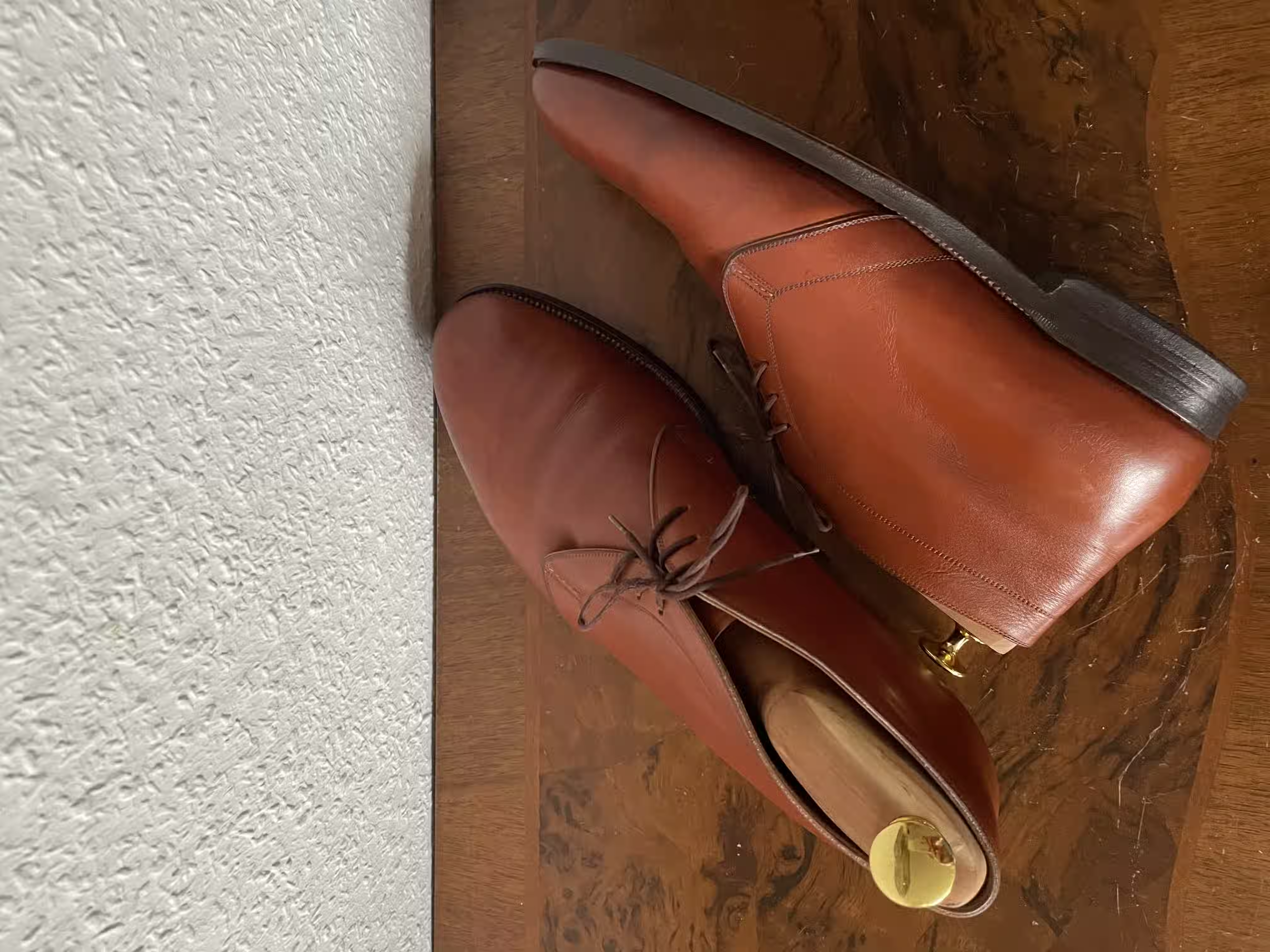
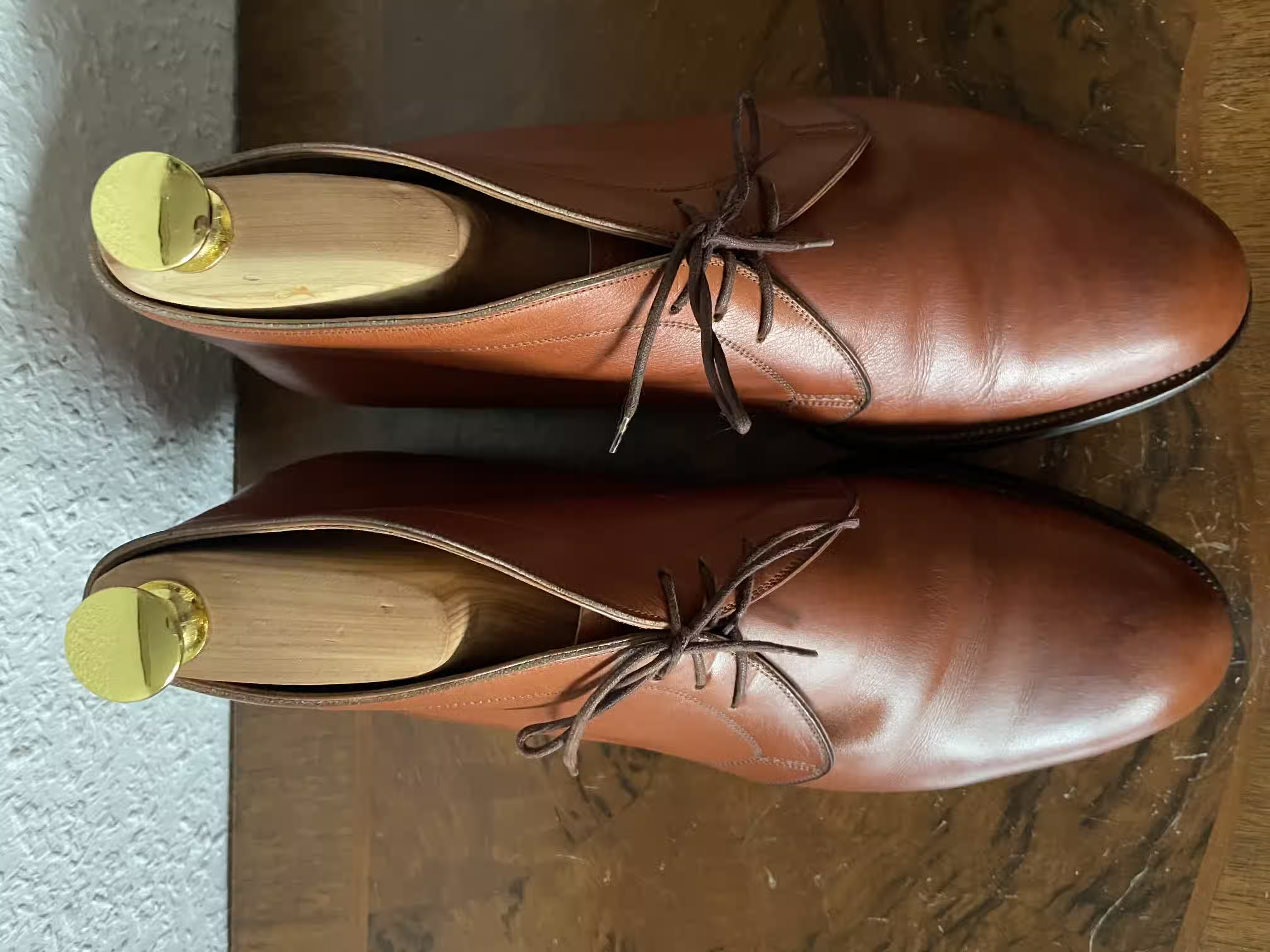
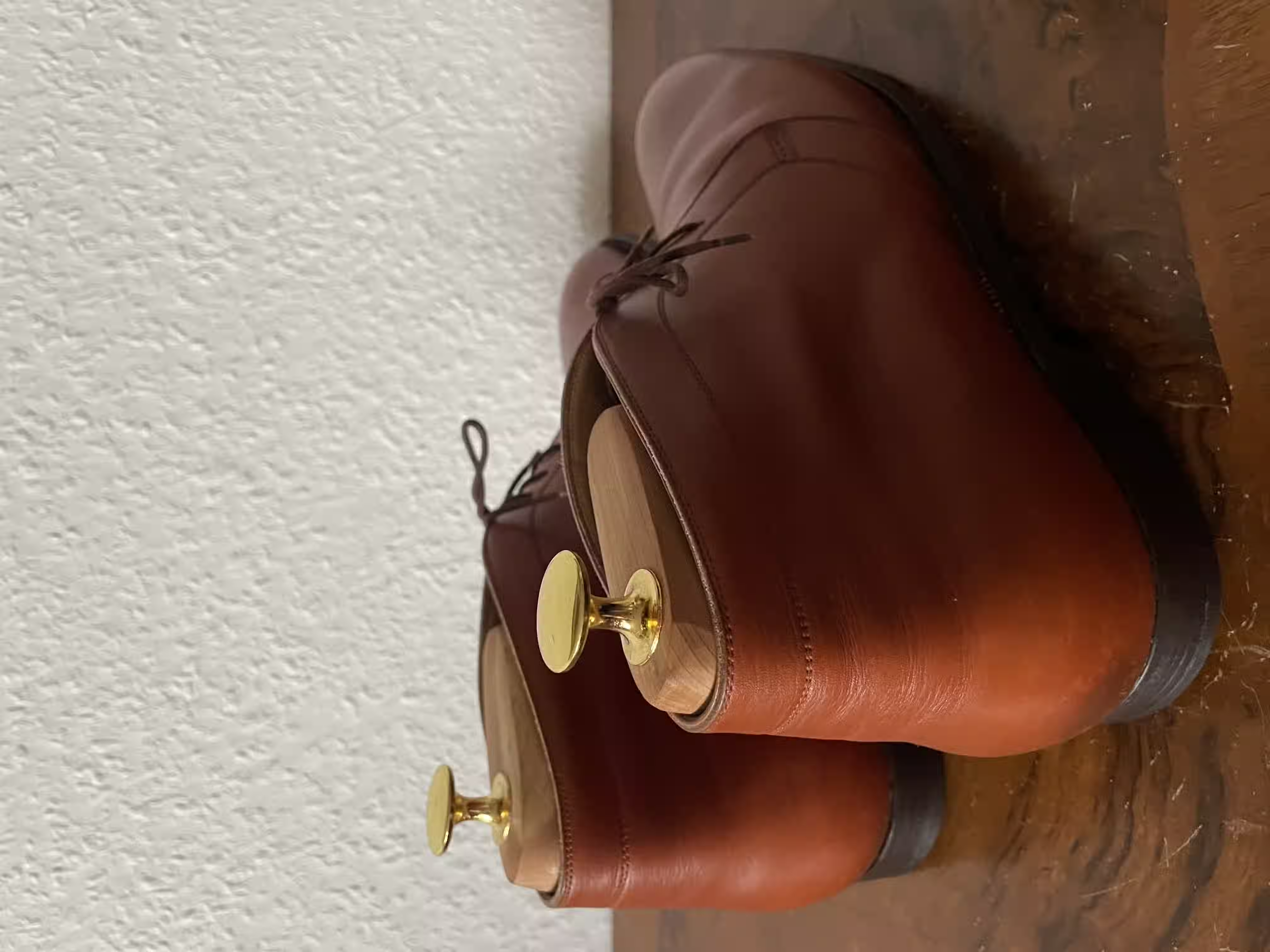
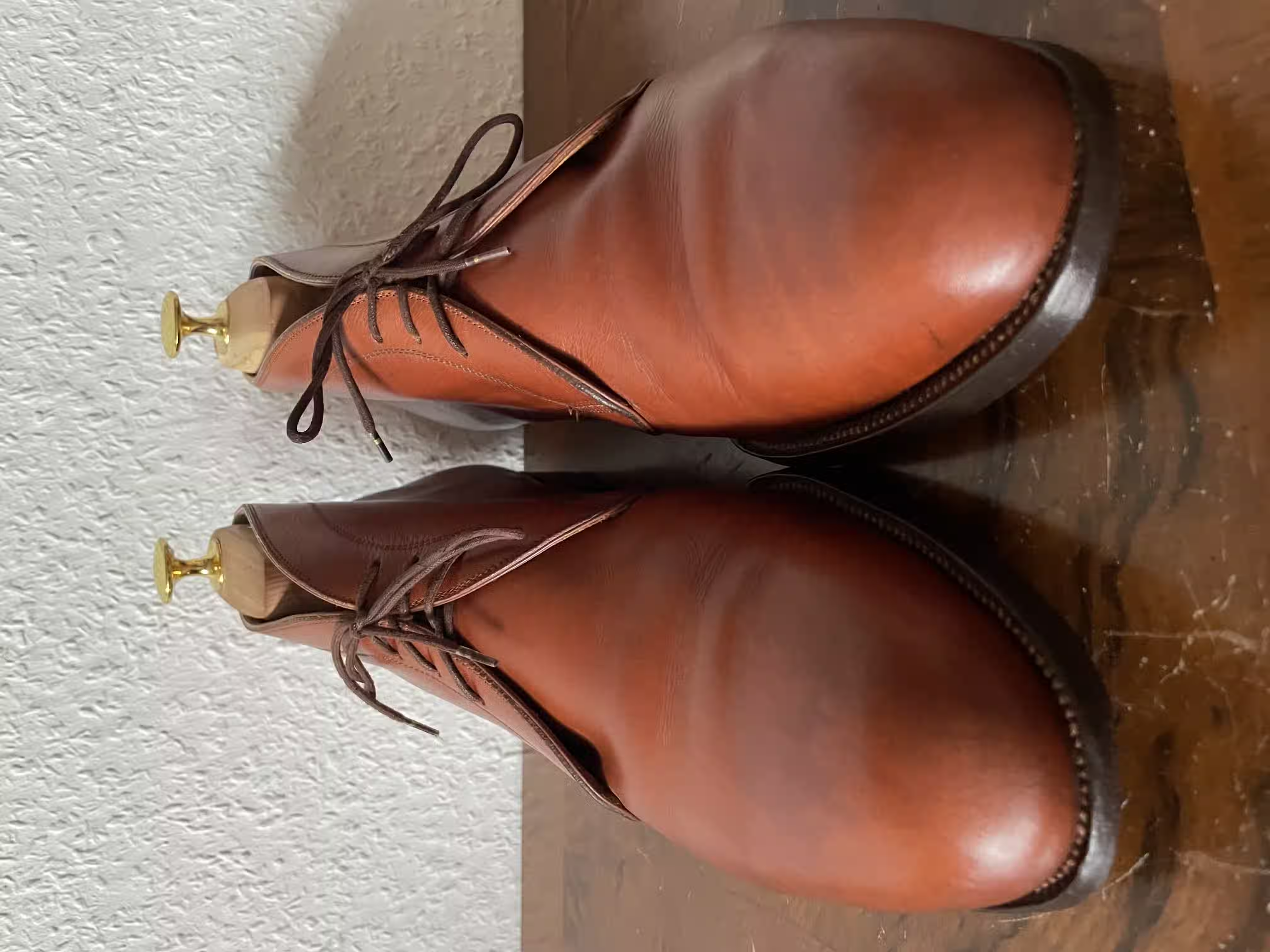
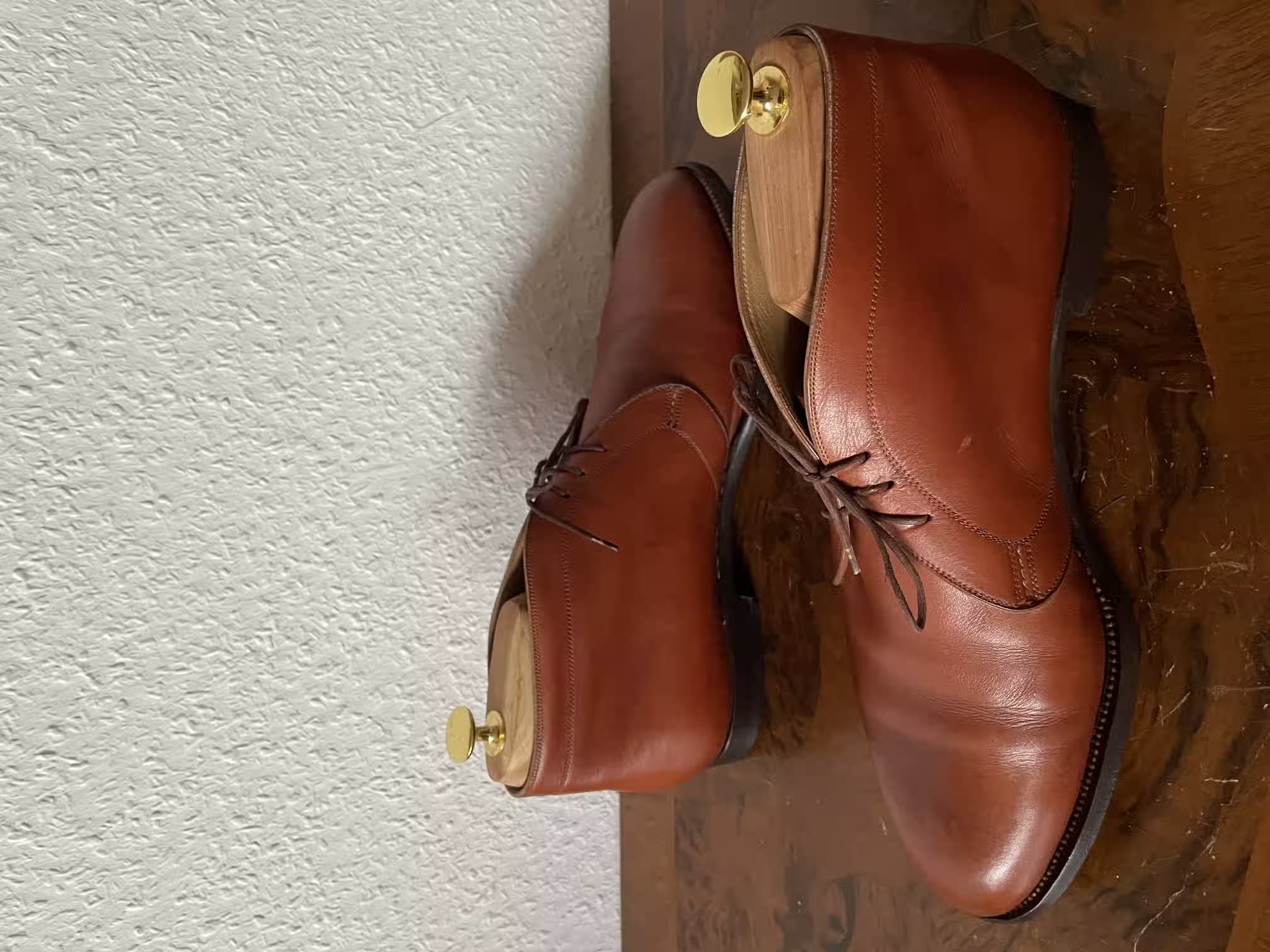
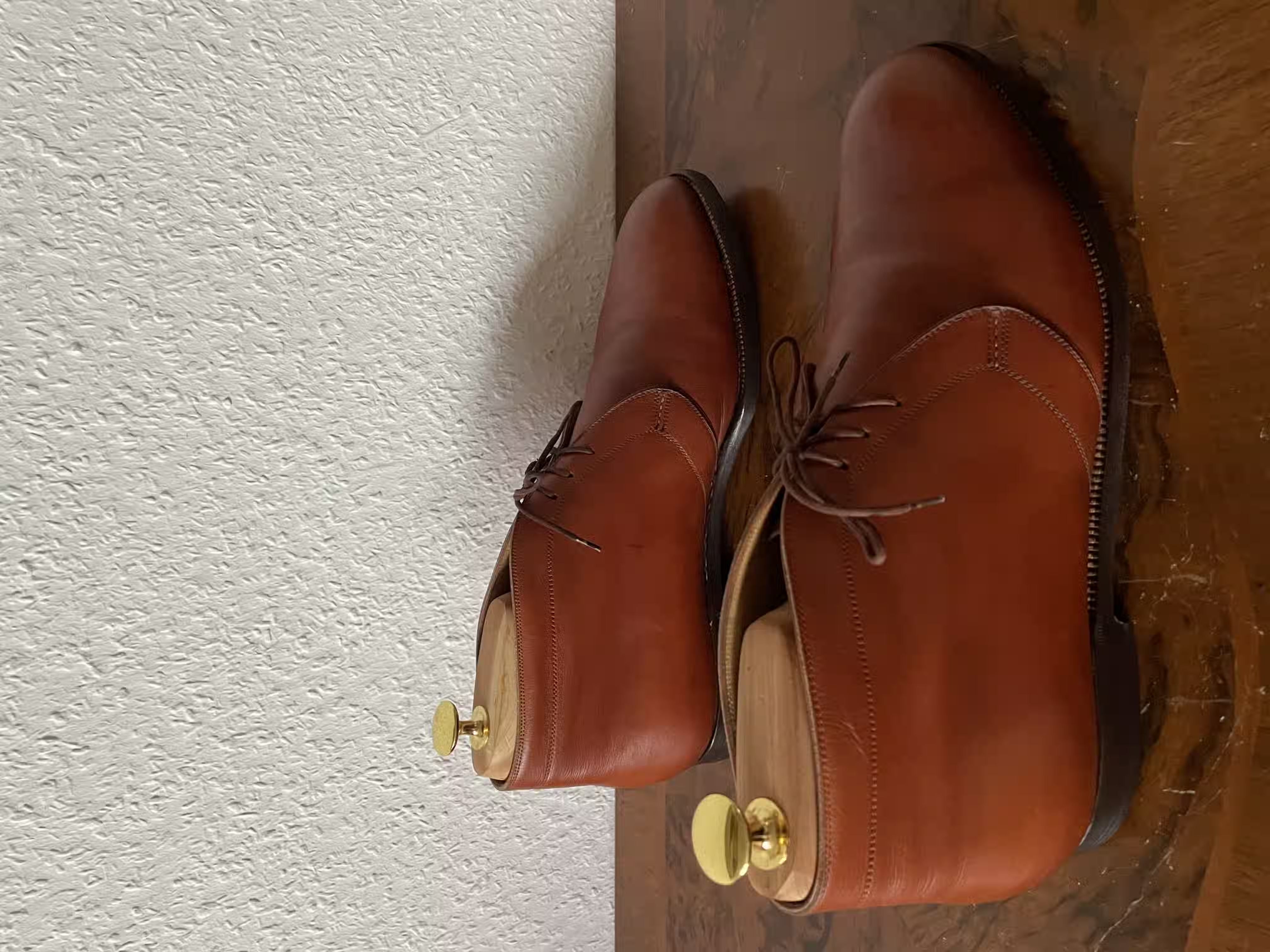
Boots with open lacing in a non-Derby cut
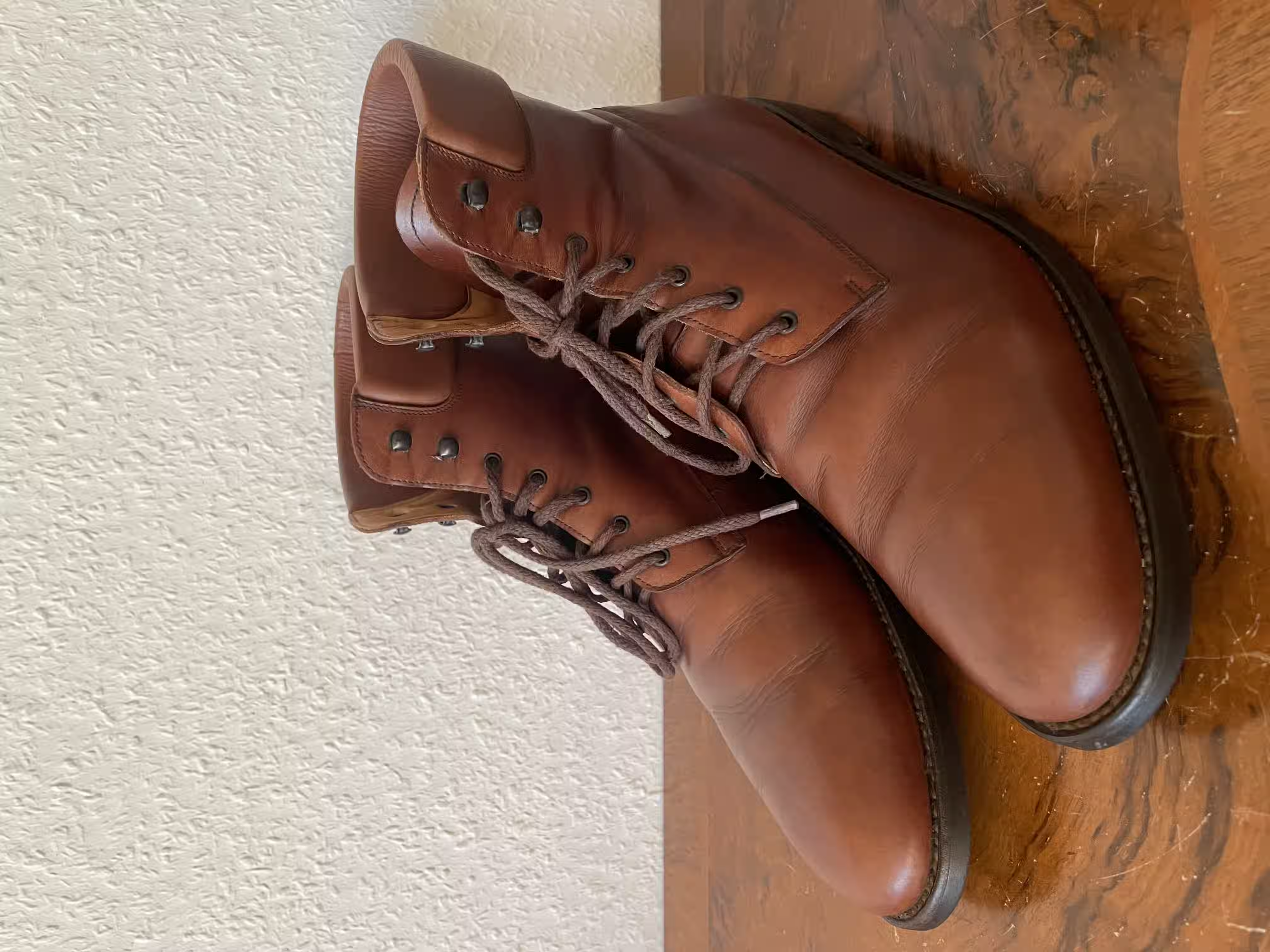
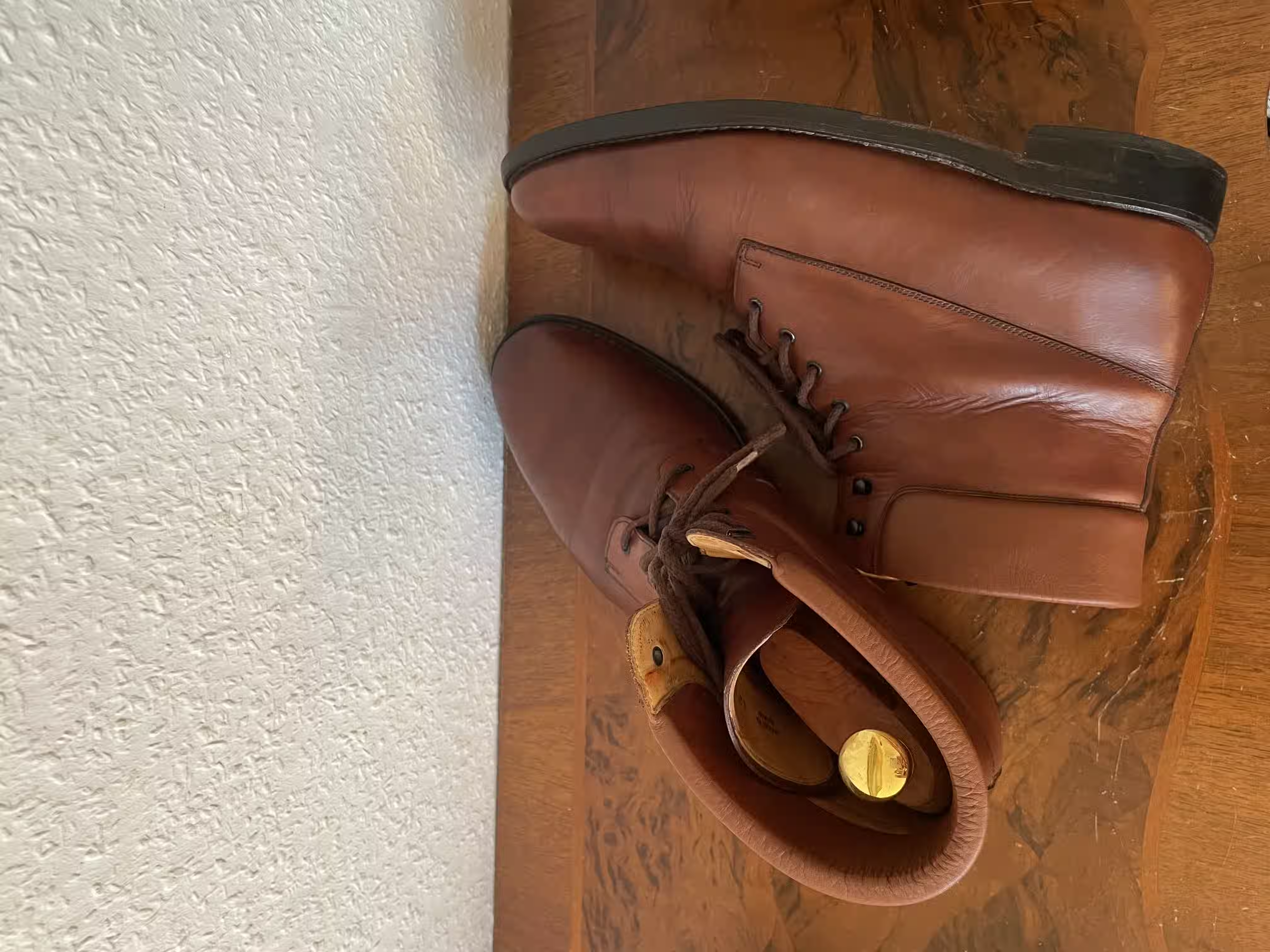
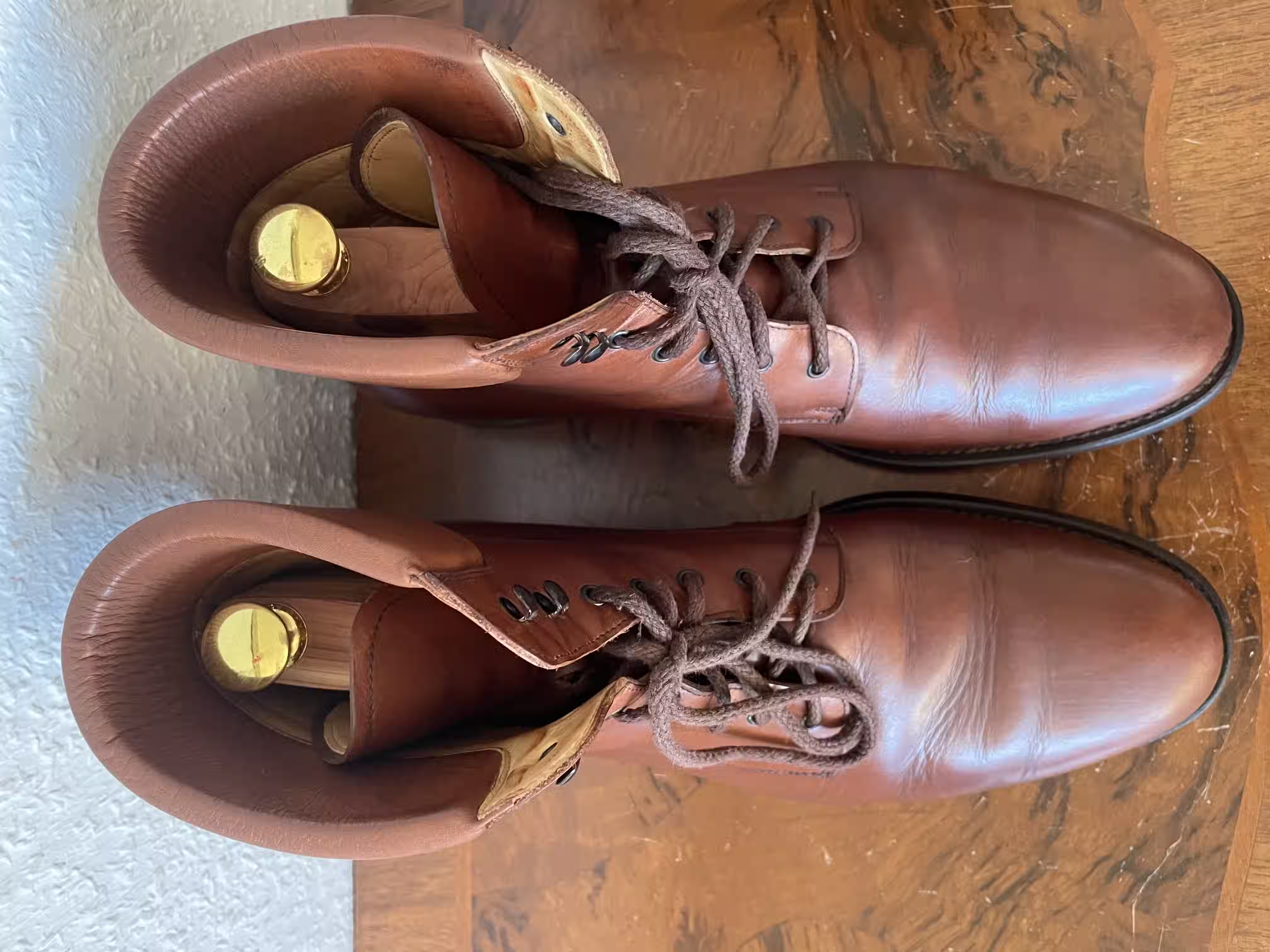
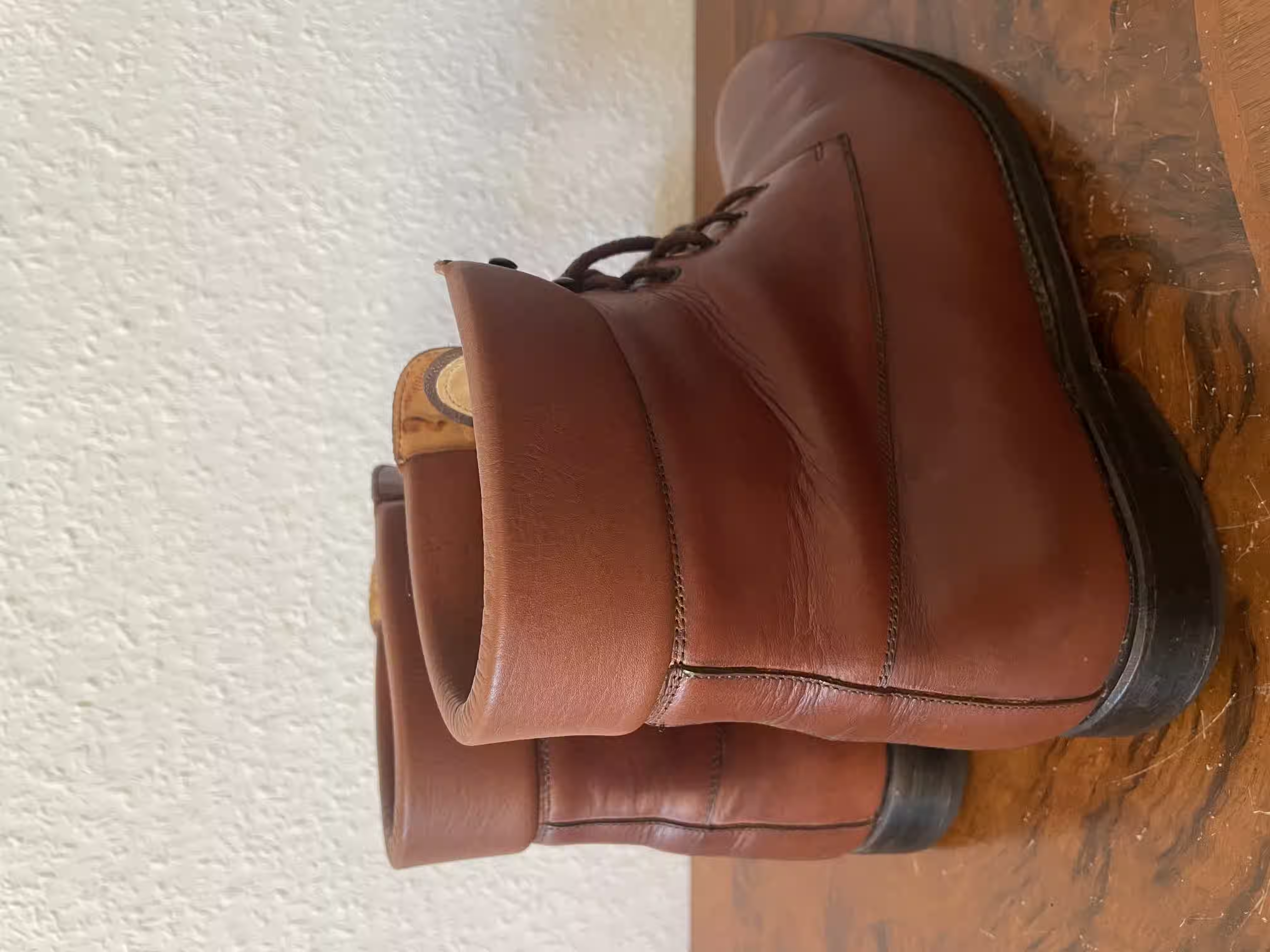
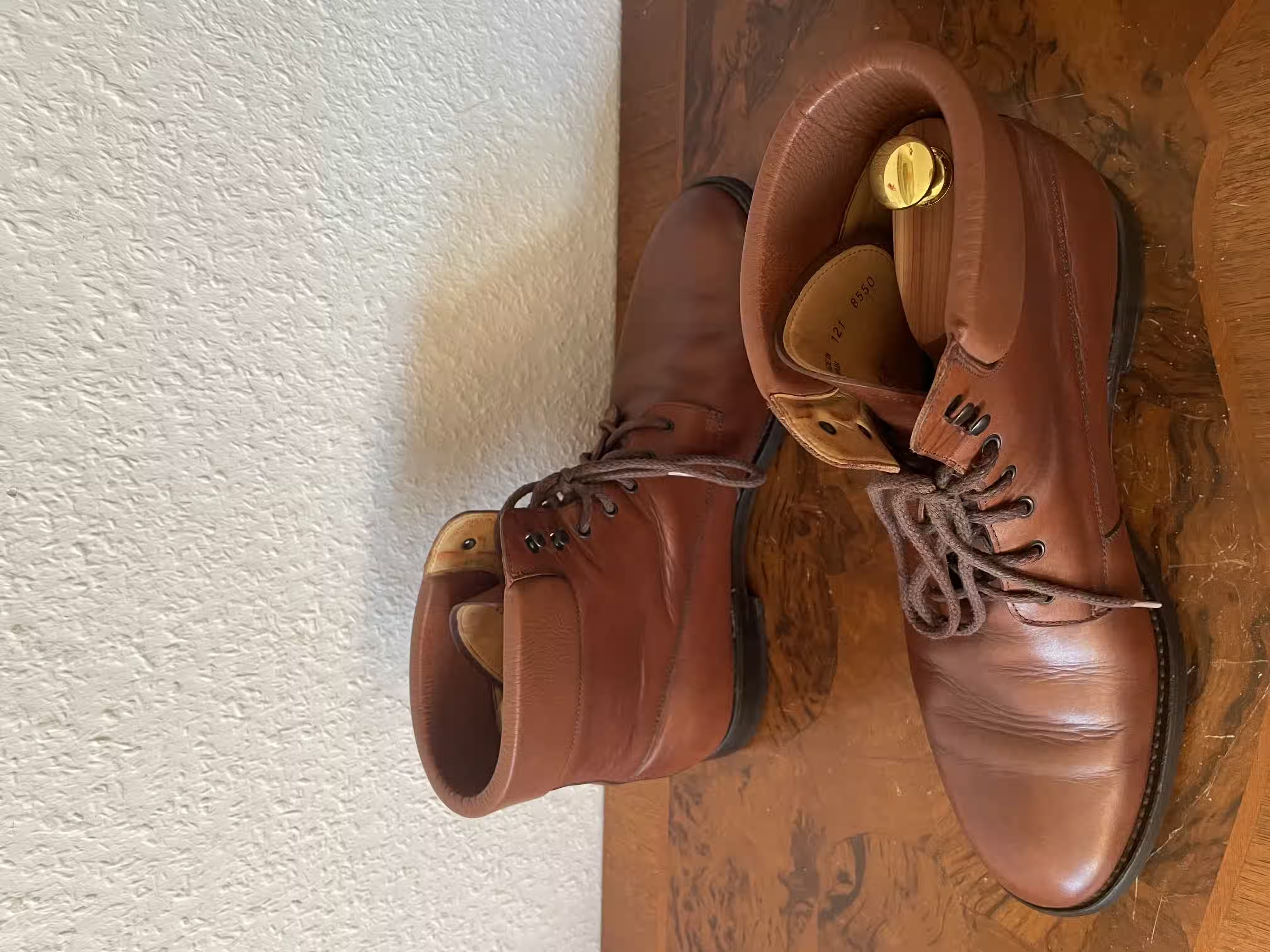
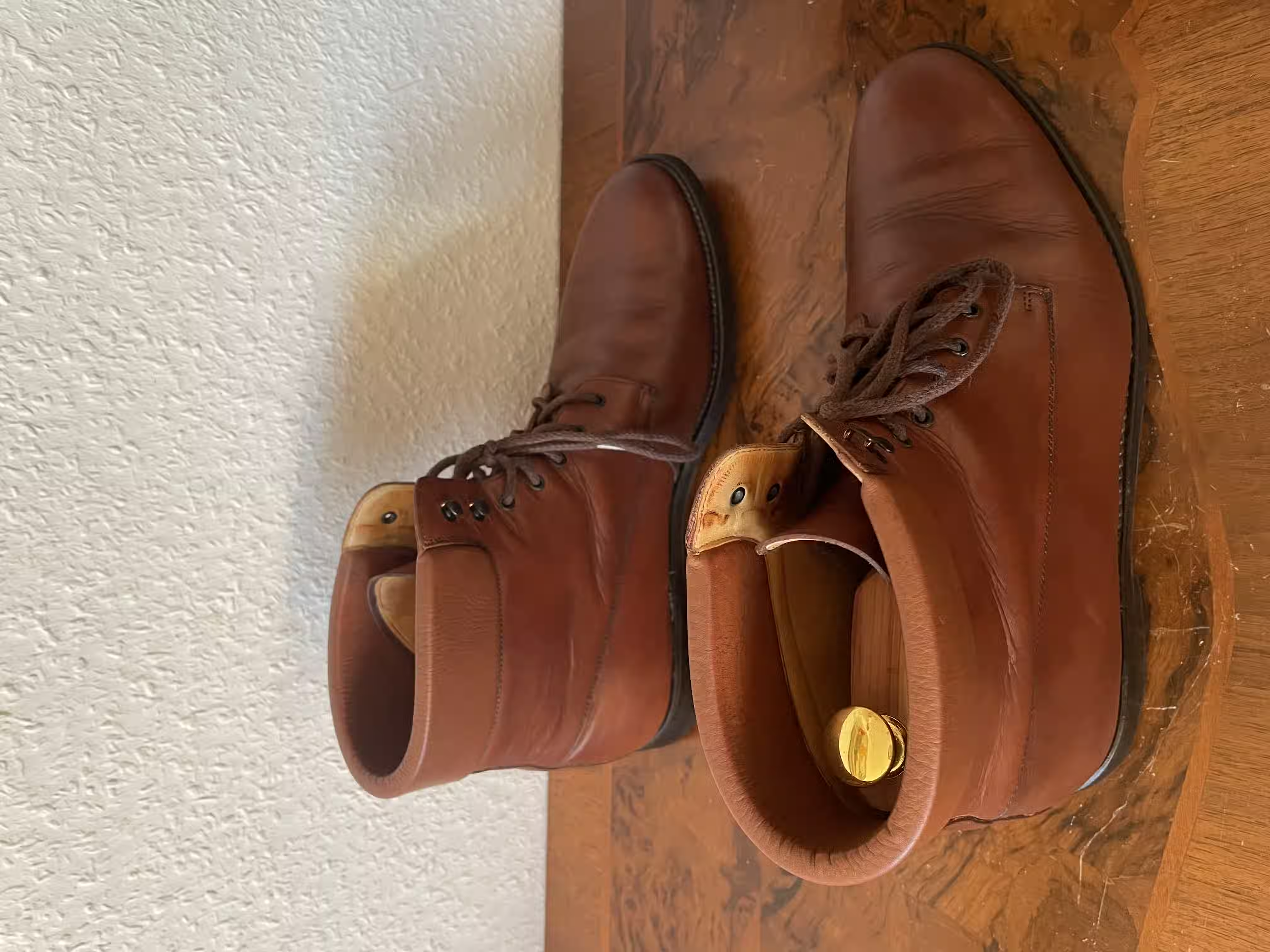
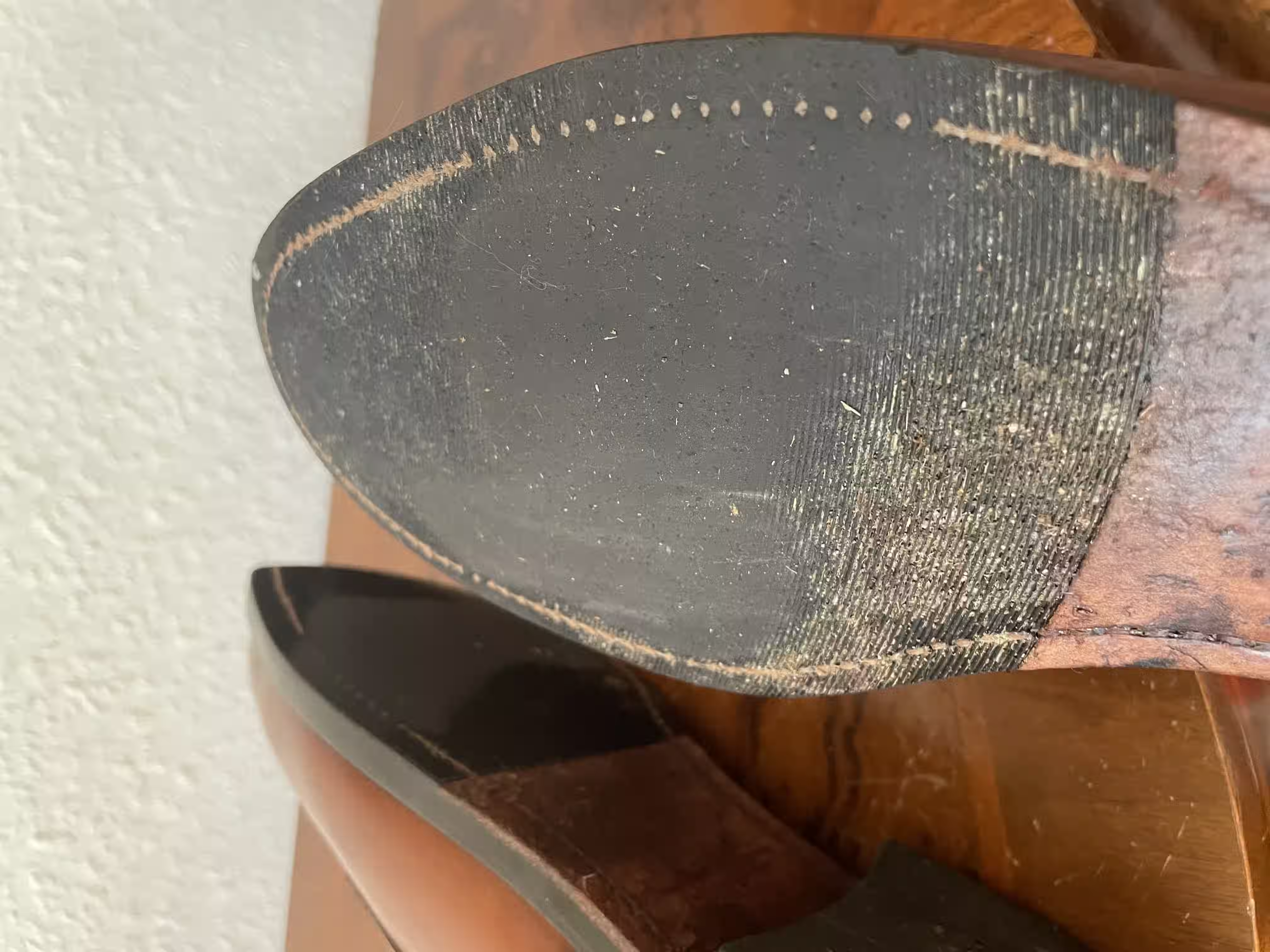
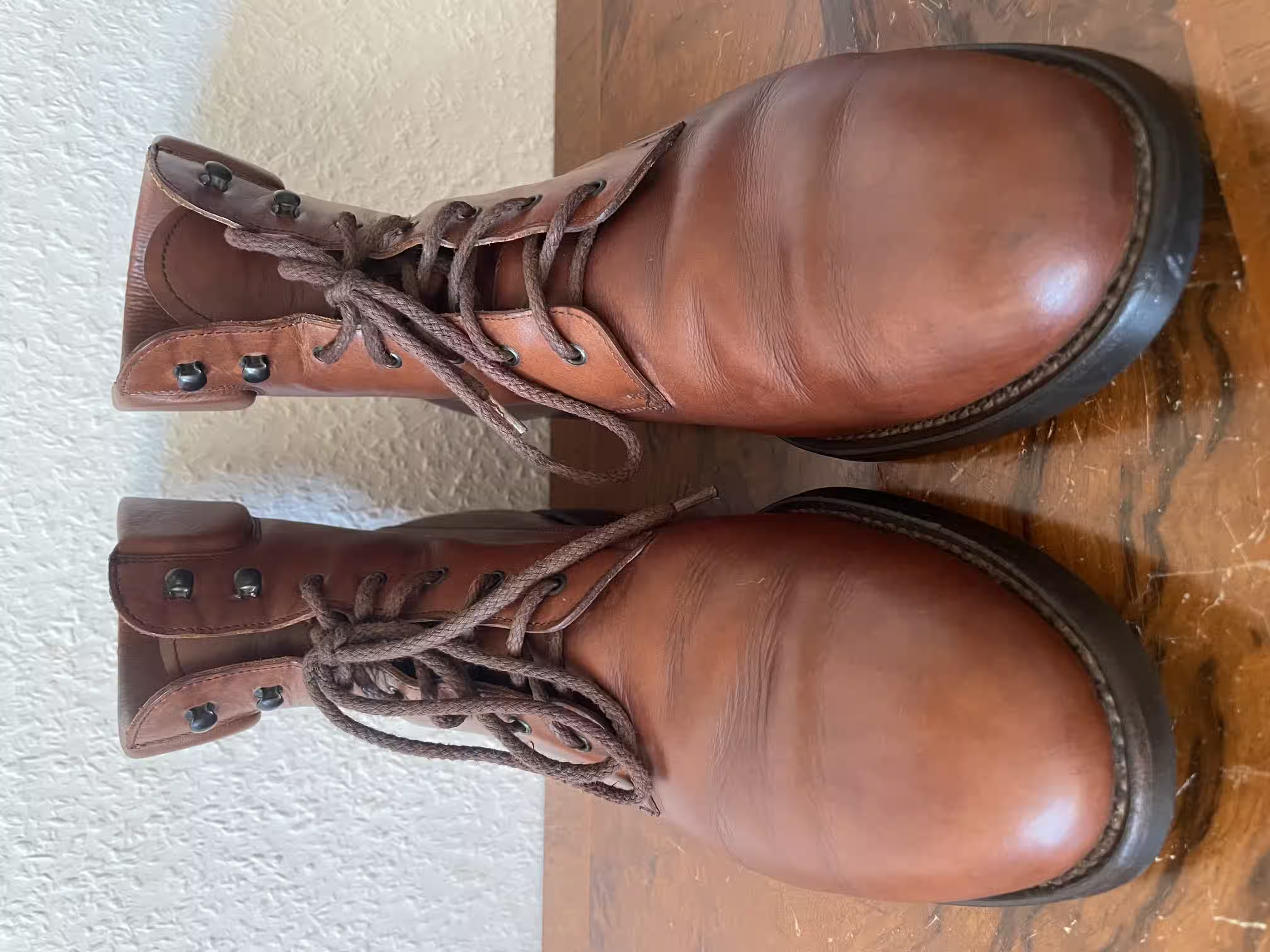
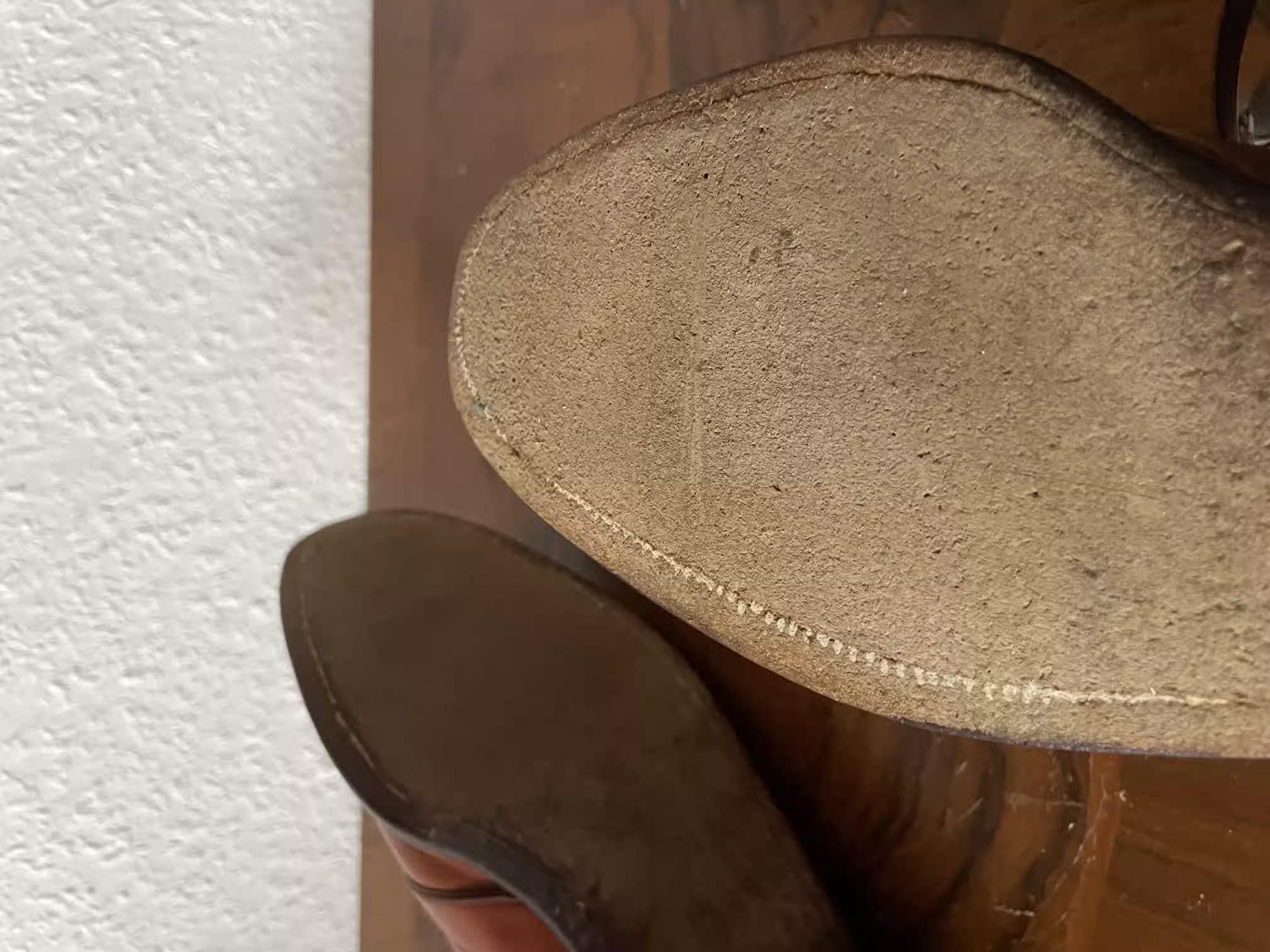
These are typical brown boots that can be worn quite well in autumn and winter. The smooth, unembossed leather makes them look dressier, but because they’re brown they’re still not really suitable for formal occasions. At the top, these boots have extra padding and extend higher than some other boots. This gives them a better protective function and can provide a bit of additional warmth for the foot and leg area.
In terms of classification, despite the open lacing they do not fall into the category of so-called Derby boots. What they lack is the Derby curve on the side. The so-called shaft cut is different here and is somewhat reminiscent of so-called Balmoral boots, which, however, have closed lacing at the front.
Historical background
Transition from riding boots to lower boots
Some time ago, in large parts of Europe, everyday life was dominated by tall boots, which today we would more likely think of as riding boots. In the past, roads were far less often paved than they are today, and so tall boots were the normal, commonly worn shoes to protect legs and trousers from dust and mud. Then these tall boots were displaced in popularity by lower boots: Chelsea boots, Balmoral boots, and button boots, of which Chelsea boots are the best known today. Tall boots continued to exist, but they became less and less common, and lower boots were worn more and more often. This process unfolded over several decades, starting in the 19th century in Great Britain.
This shift also took place specifically in the English military: With the introduction of the so-called jodhpurs, which were invented in India, tall boots were no longer as important for riding as they had been before. And so, step by step, lower boots were able to replace the taller riding boots. In the process, so-called Jodphur boots were also invented—an unusual pair of buckled ankle boots. In combination with jodhpurs, less leather than before was now simply necessary to outfit the soldiers. These ankle boots were also easier to put on—compared to tall riding boots. And so, in the British military, classic tall riding boots were increasingly replaced over time by ankle-high boots, by ankle boots. In the Second World War in Africa, British military personnel were known for wearing so-called chukka boots, which are also ankle-high boots. This does not mean that no boots are worn in the military now, but simply not as often as at the beginning of the 19th century.
Development of open lacing
And while we’re on the topic of the comfort of boots and the military: the so-called Blücher shoe, which is very similar to the Derby, was originally a half-boot. According to the story, the Prussian general Blücher had his soldiers equipped with it. Compared to riding boots and Balmoral boots, the fit was better because of its open lacing, and putting them on and taking them off was also faster, which meant the troops were ready for action more quickly.
The better fit has to do with the fact that the instep—the top of the foot—is shaped very differently from person to person. Closed lacing is quite stiff in this area and offers little room. Open lacing, on the other hand, is much more flexible and can therefore adapt better to a wide range of shapes. That’s also why shoes with open lacing are often perceived as more comfortable. With well-made bespoke shoes, closed lacing will also be very comfortable. However, most shoes that are in use are simply not bespoke shoes.
Special features
Boots are, at their core, seasonal shoes that you can wear well in spring, autumn, and winter. In summer they don’t fit in quite as well stylistically, but on some days, with the right features, they can also work. The main purpose of a boot compared to a low shoe is to protect the feet and legs from dirt, mud, and wetness. Besides that, there’s another, non-functional purpose: If you especially like shoes, then boots will be the shoes that stand out the most because of their overall surface area—provided you don’t mostly cover them with your pants, but instead cuff the hems at the bottom. This is especially typical in the denim scene and ensures that your boots really come into their own. Another factor is that boots offer different shapes that aren’t possible with low shoes. That can be something interesting too, especially if you’ve only been used to low shoes. In that sense, one could say a bit exaggeratedly that boots are the ideal shoes for particularly big shoe lovers. In addition, beyond the purely functional core of boots, there are also boots that are used as “dress boots”—usually black boots for going out or for special events.
Distinction from Ankle Boots
Ankle-high boots are also called ankle boots and, in terms of their origin, are more modern than taller boots. They offer more leather than low shoes, but less than boots, and their shape is something new again. Because of their low height, they are usually more comfortable to put on than boots.

Variants
Derby Boots
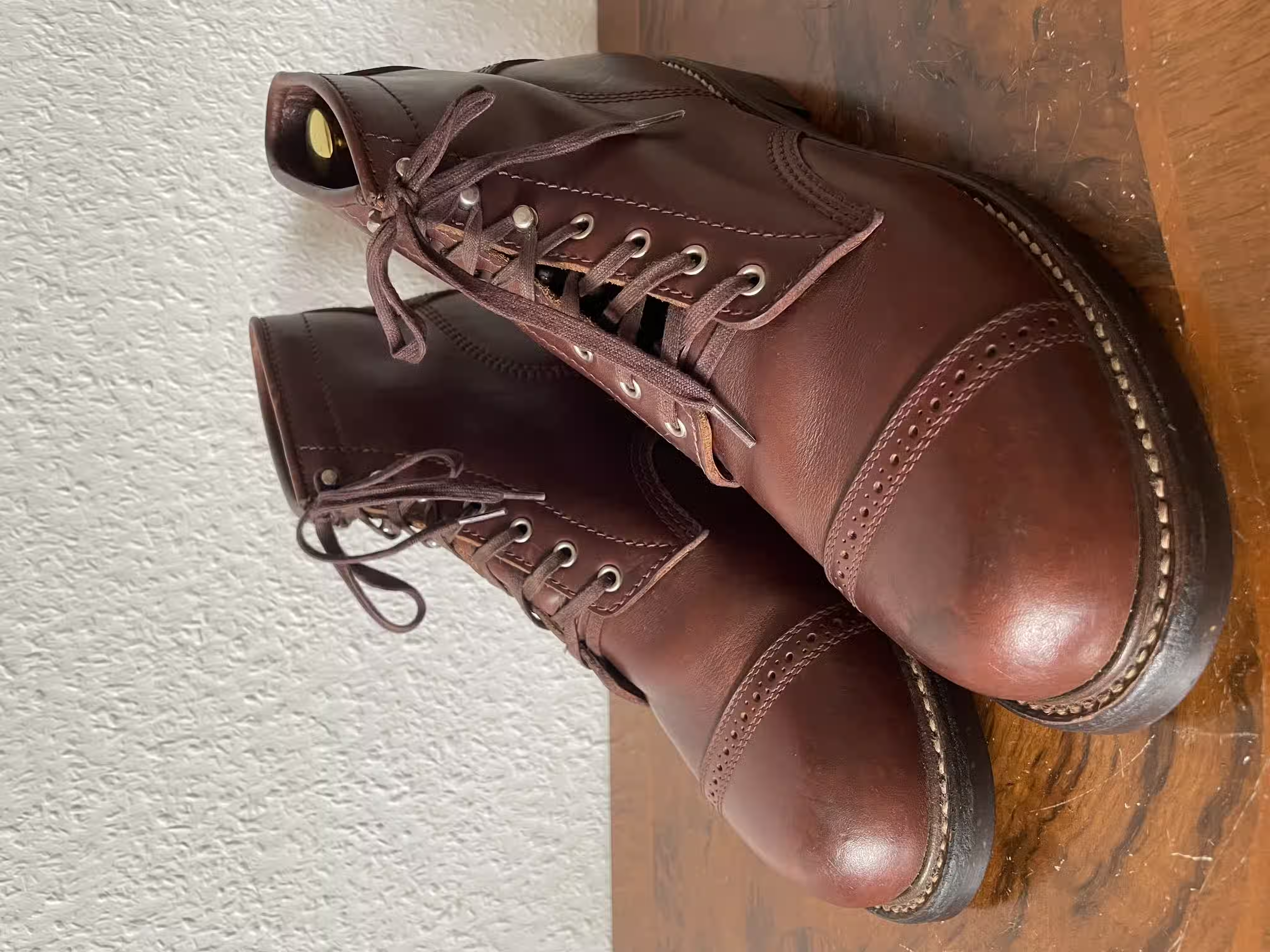
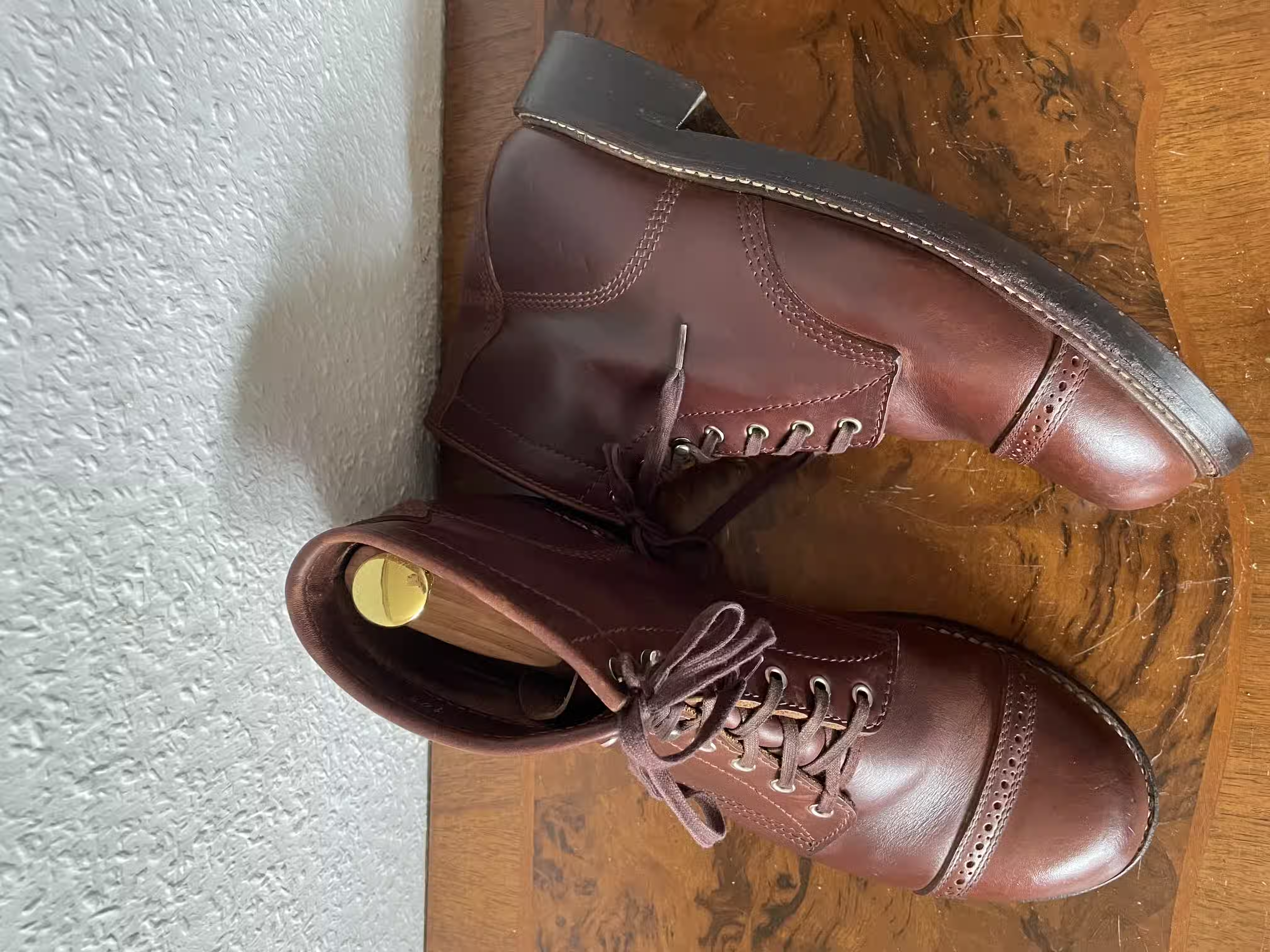
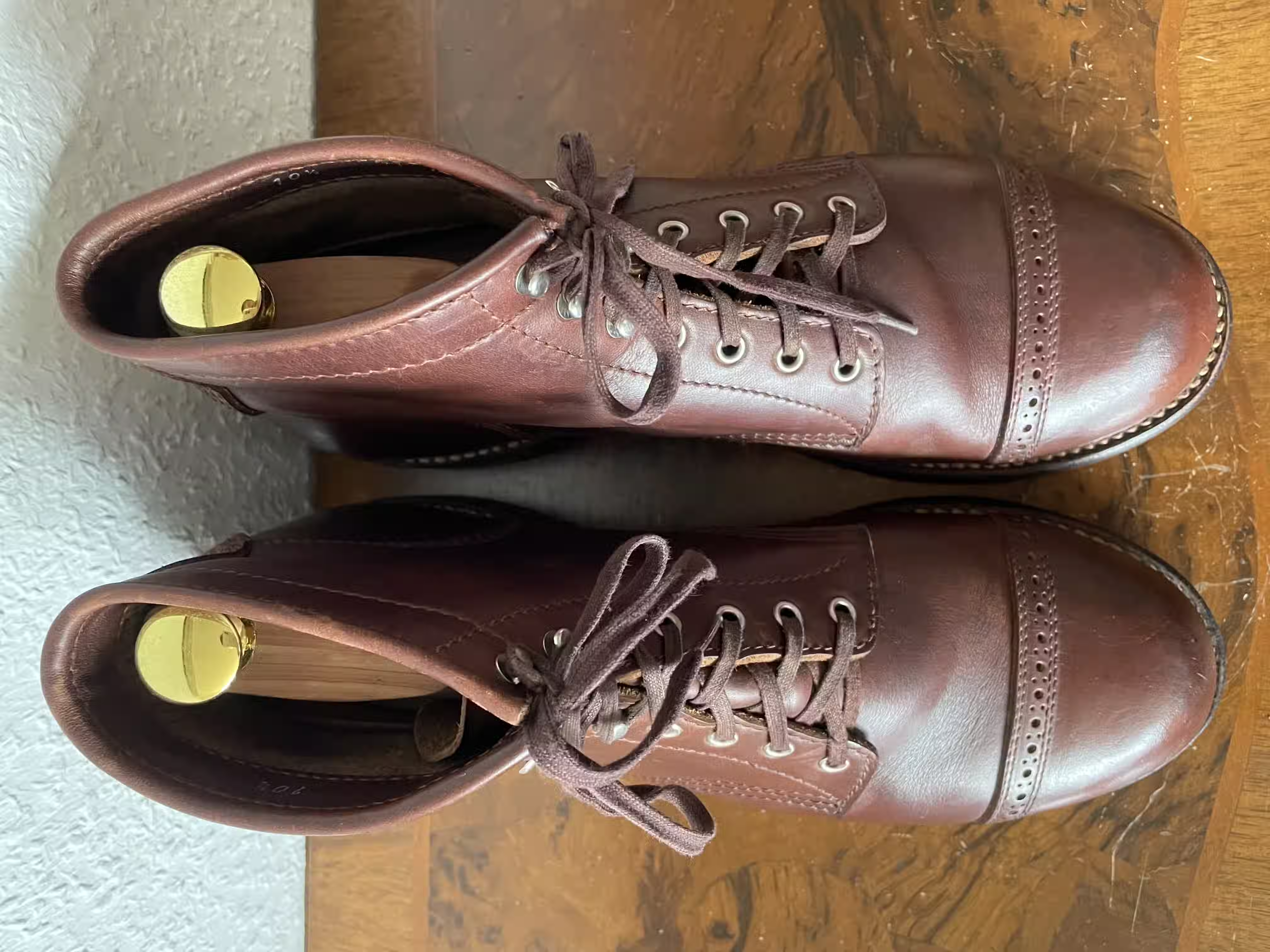
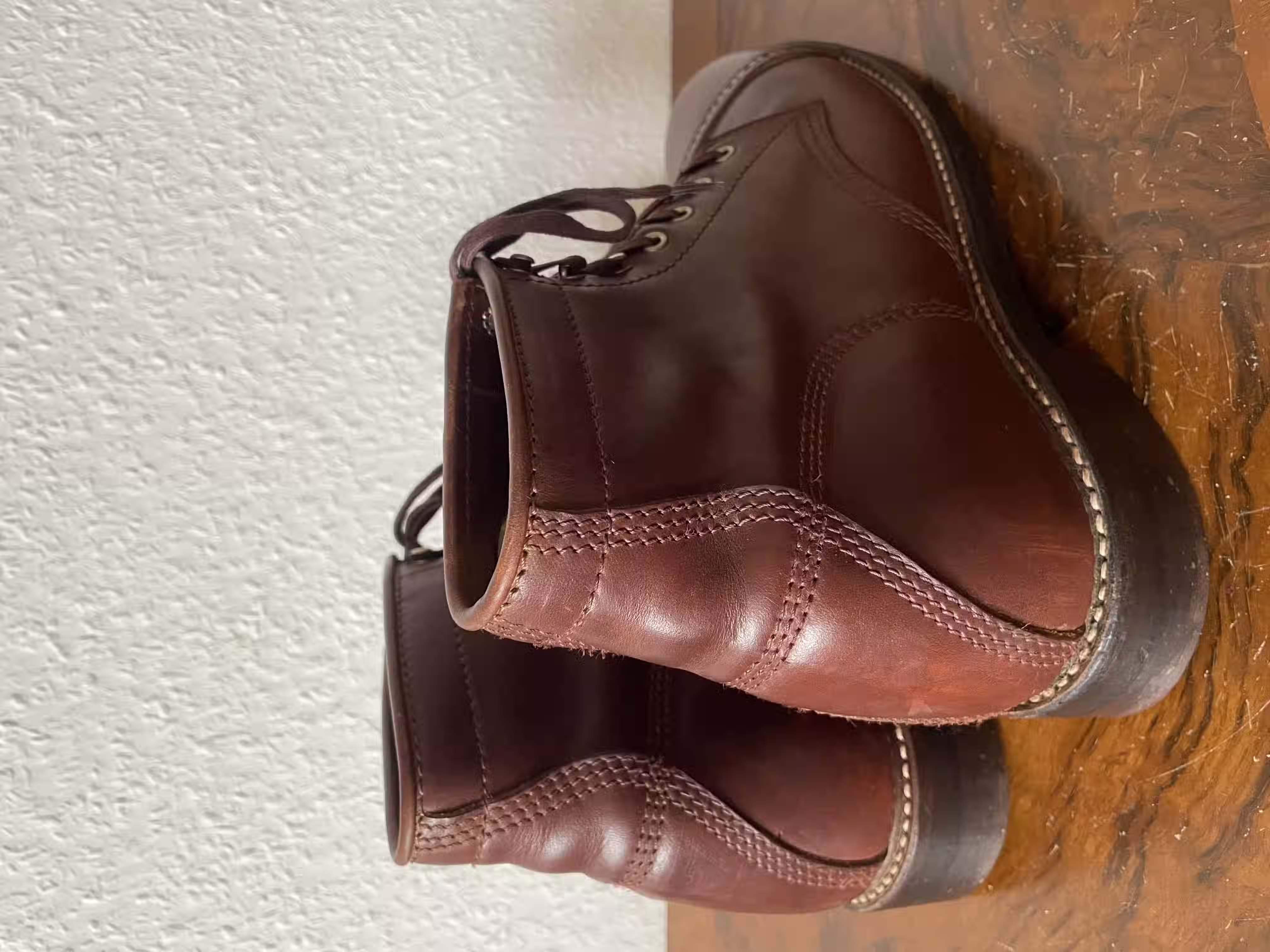
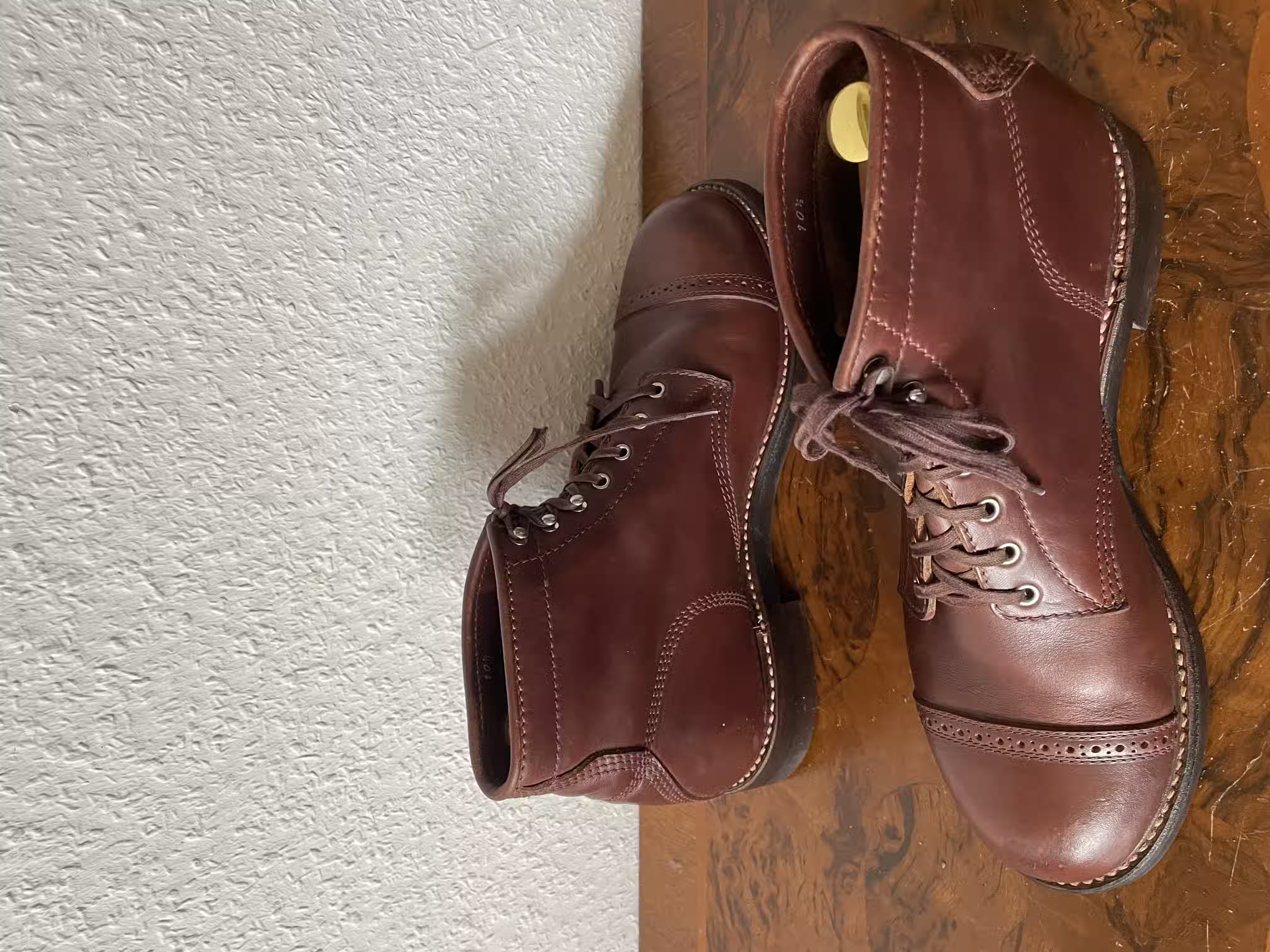
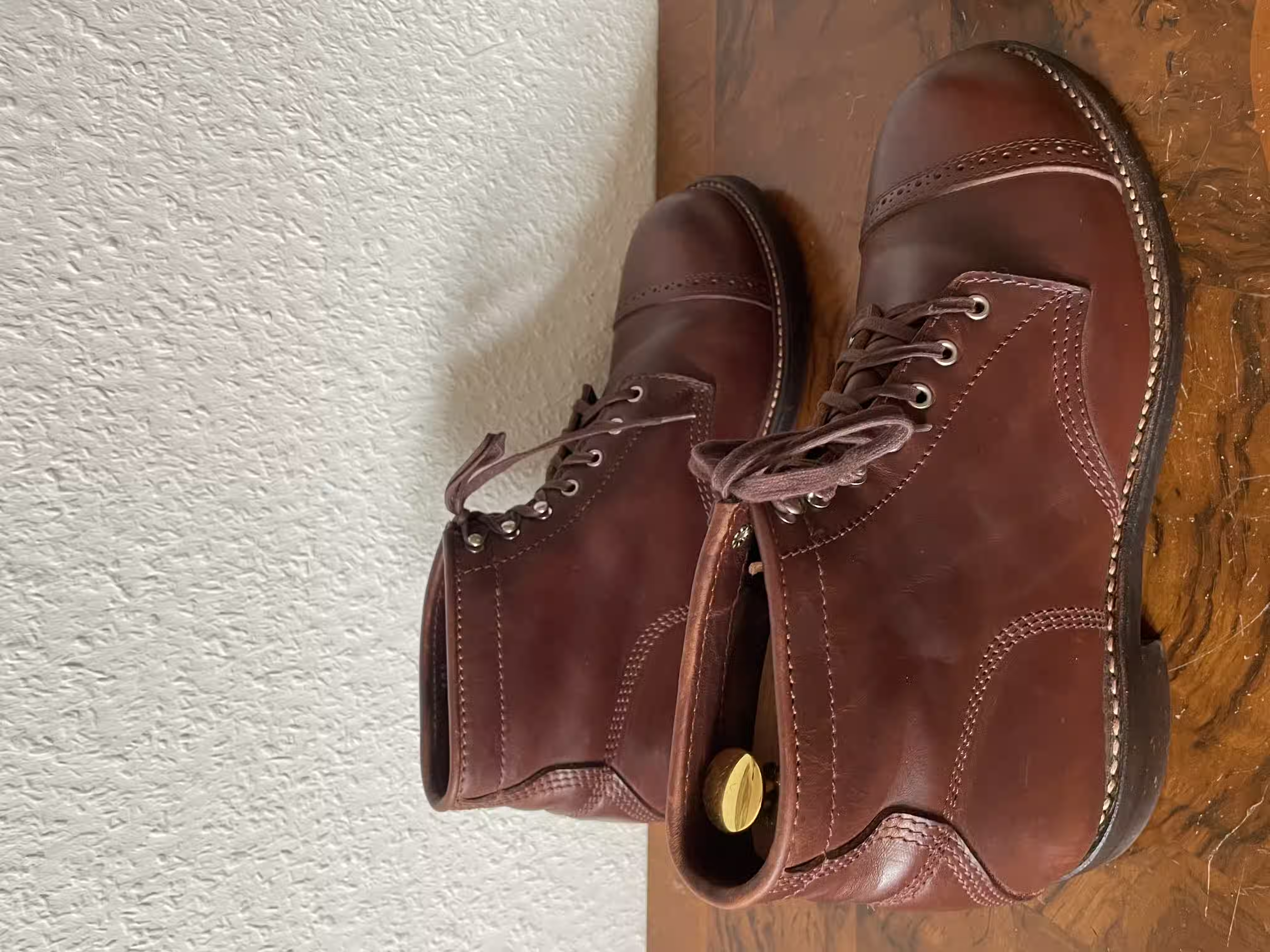
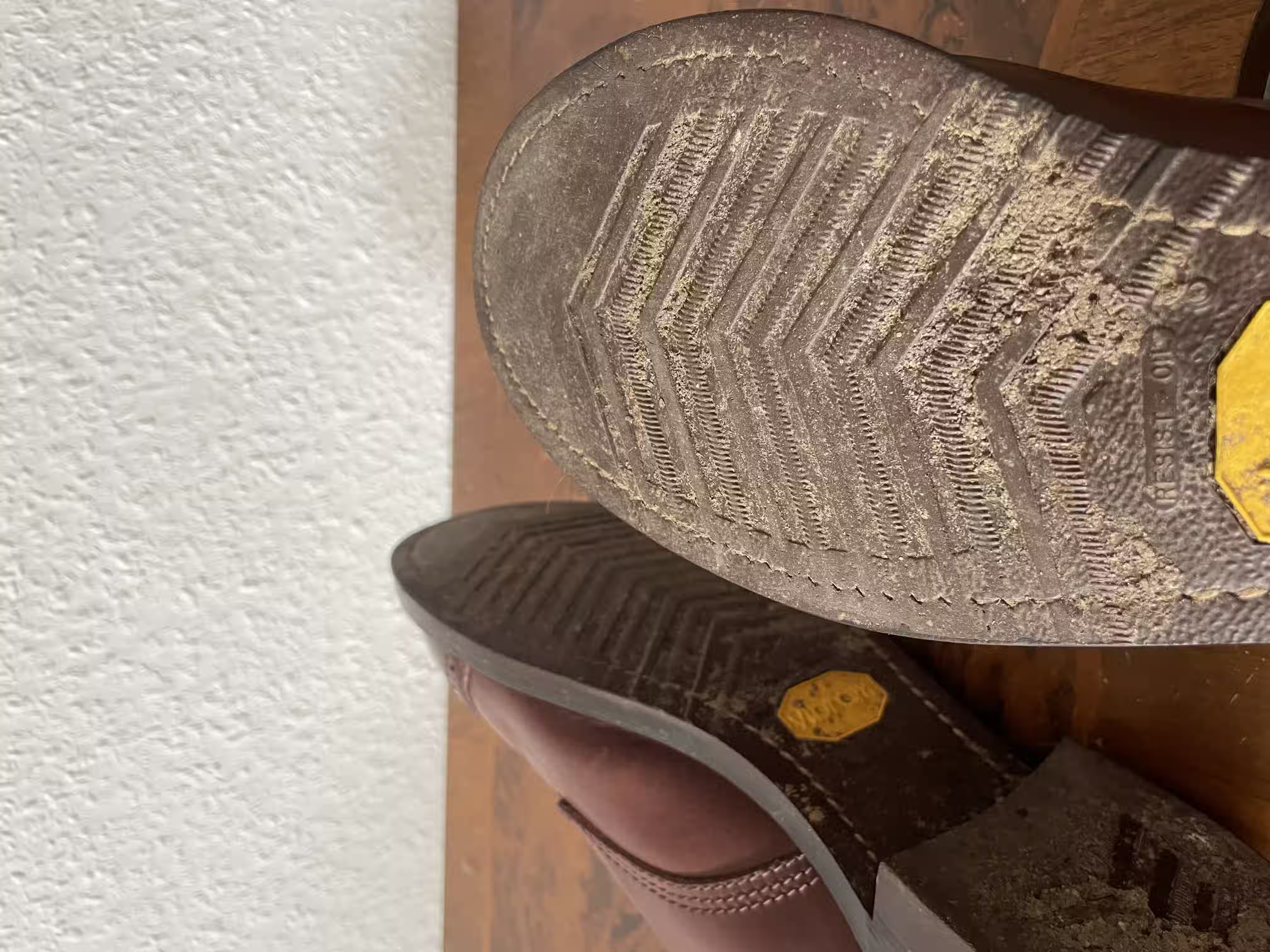
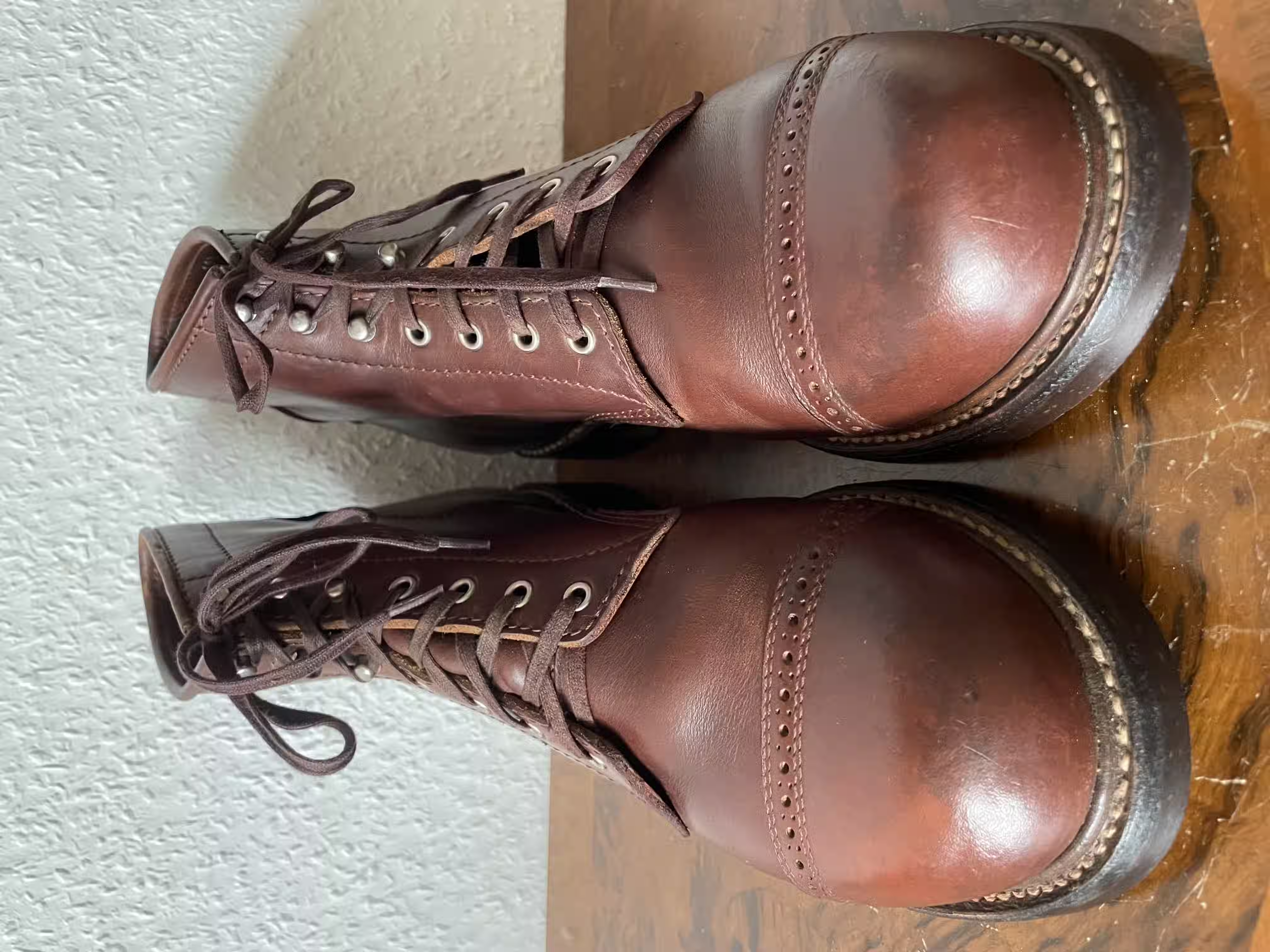
These are derby boots, also called derby boots. In this variant here, they have a decorated toe cap, which, however, does not have to be part of derby boots. As with derby shoes, you can recognize derby boots by the open lacing and the so-called derby bow. The derby bow is the side seam that connects a side shoe part, the quarter, with the front shoe part, the vamp.
Many people ignore this derby bow and call any shoe with open lacing a derby. But I want to be more accurate here, as elsewhere. From the outside, it may seem like a small, insignificant detail, but in shoemaking the model influences which areas have to be cut out of the hide. And those areas are different for a derby model than for a so-called Blücher model, even though both models have open lacing. From the outside you can see that in the different paths of the seams.
Ultimately, derby boots are among the most versatile and practical boots you can wear in spring, autumn, and winter—especially in brown.
Cognac-Colored Monkey Bootsvarious
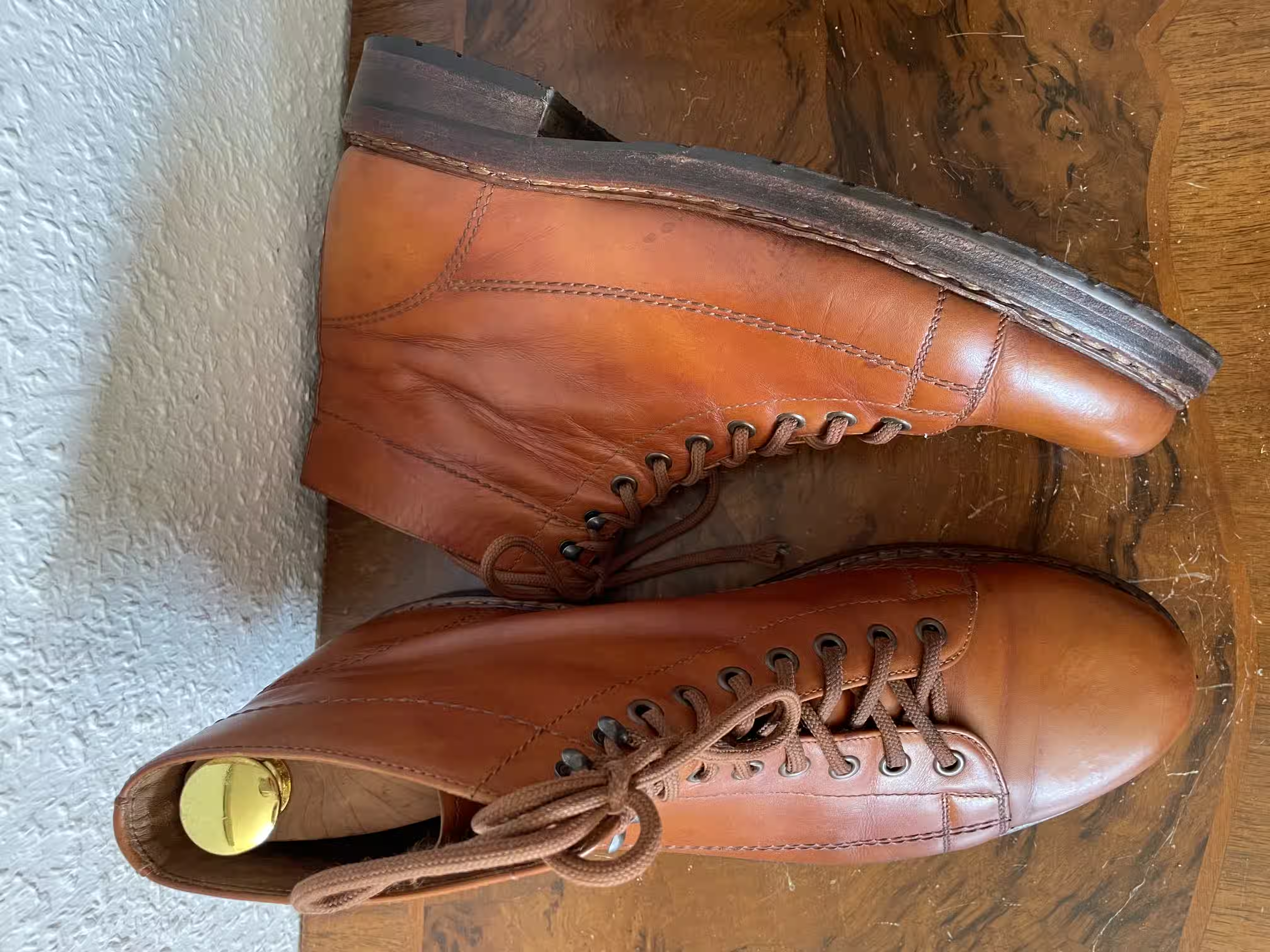
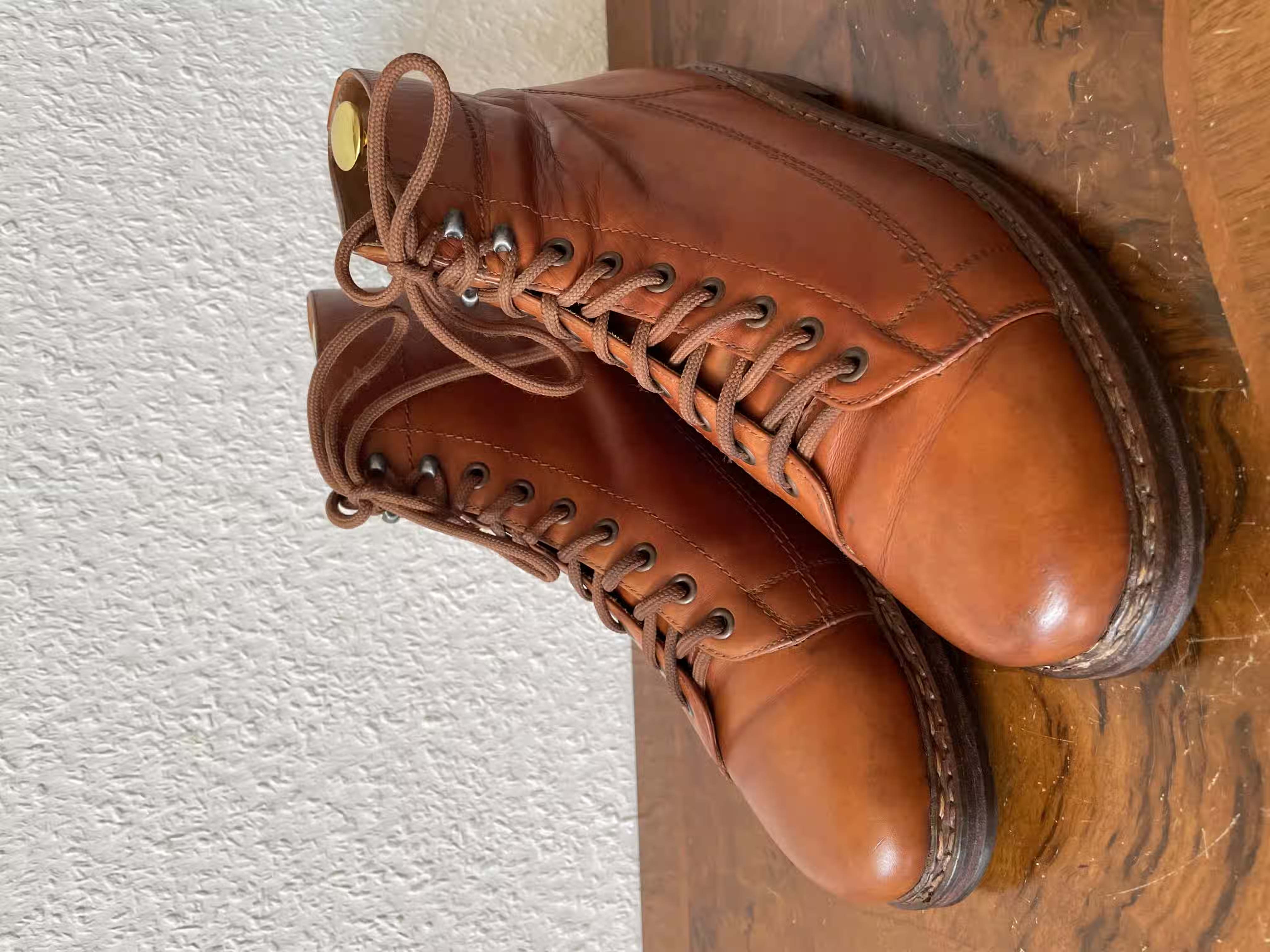
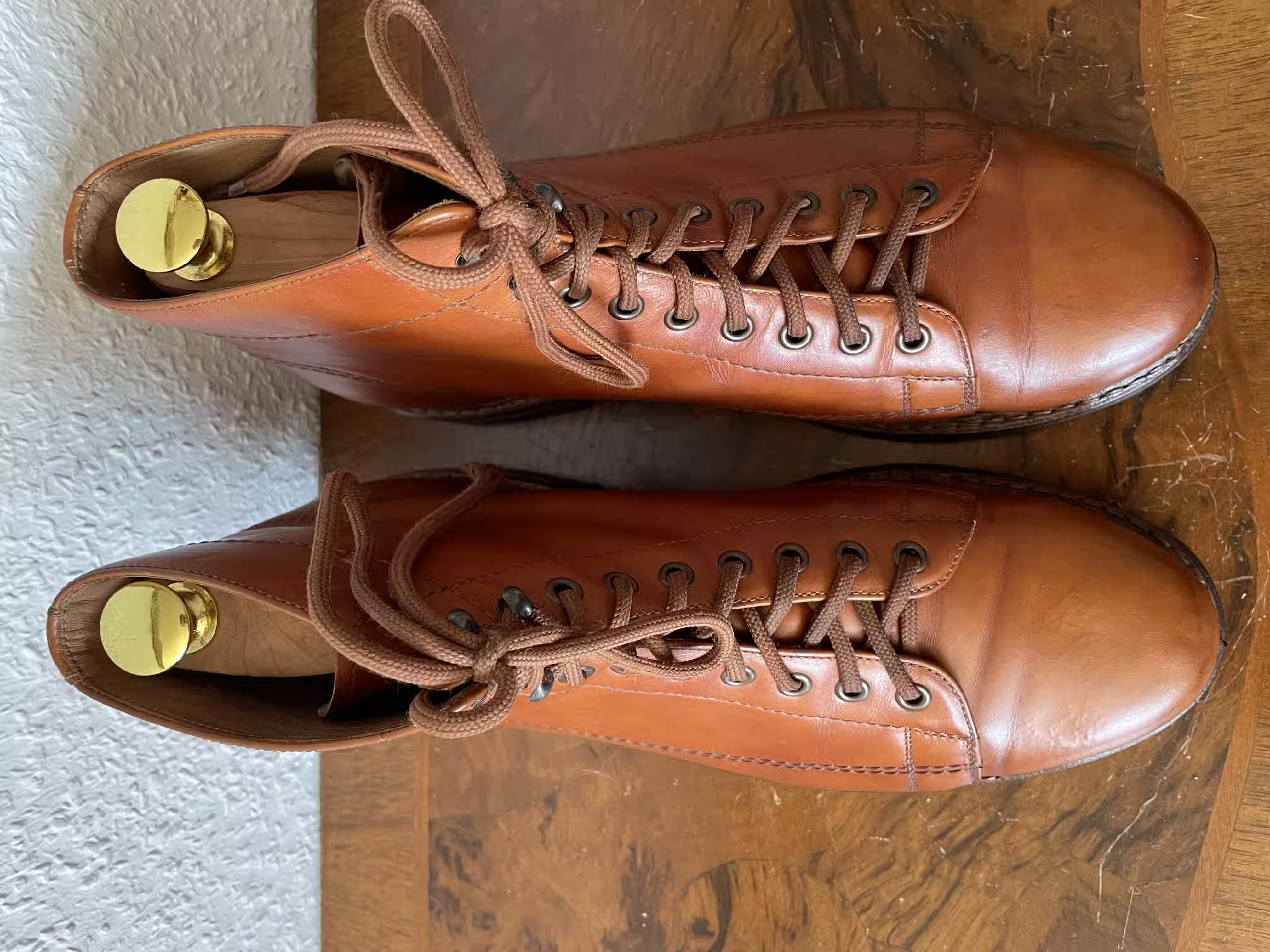
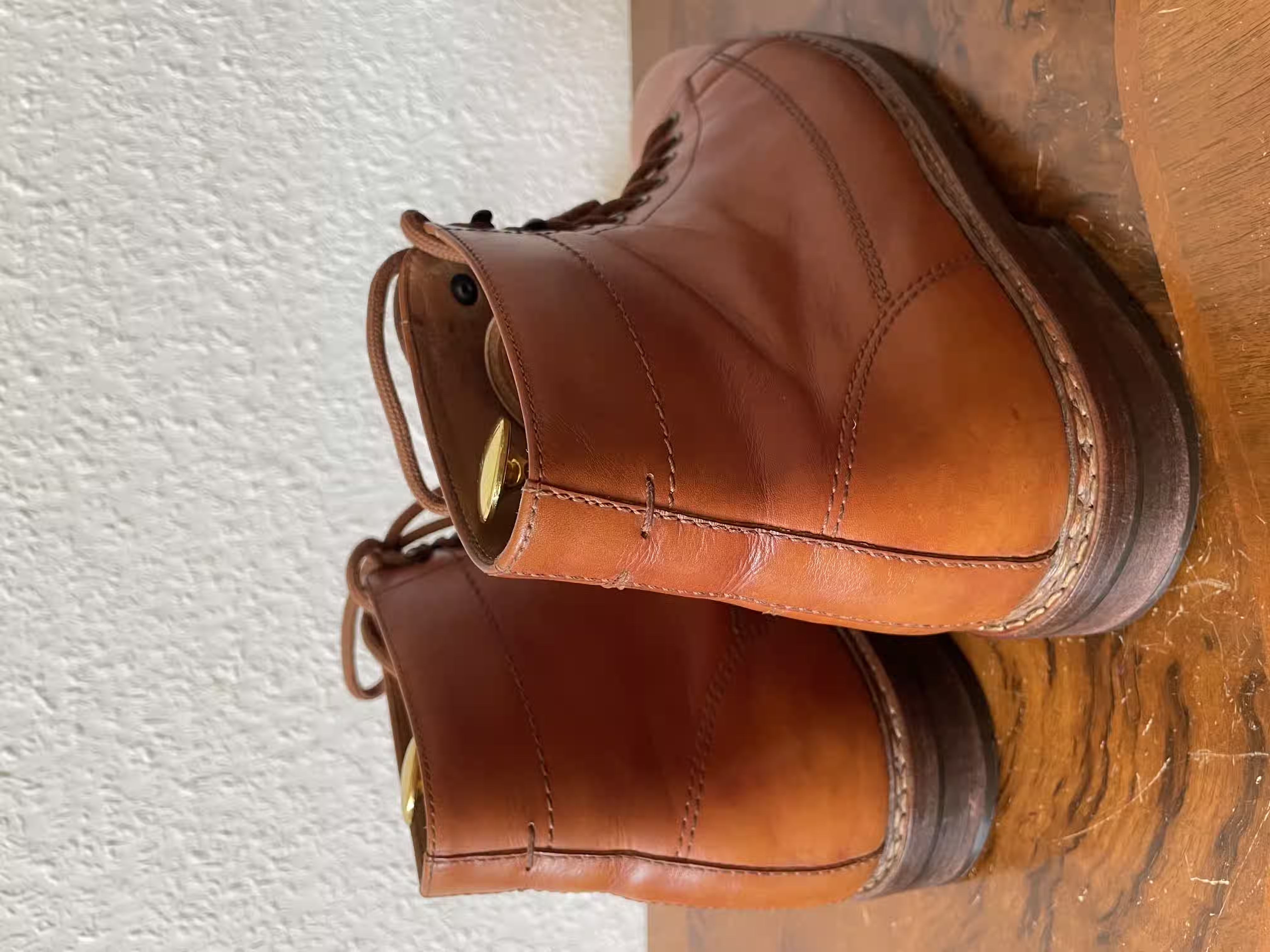
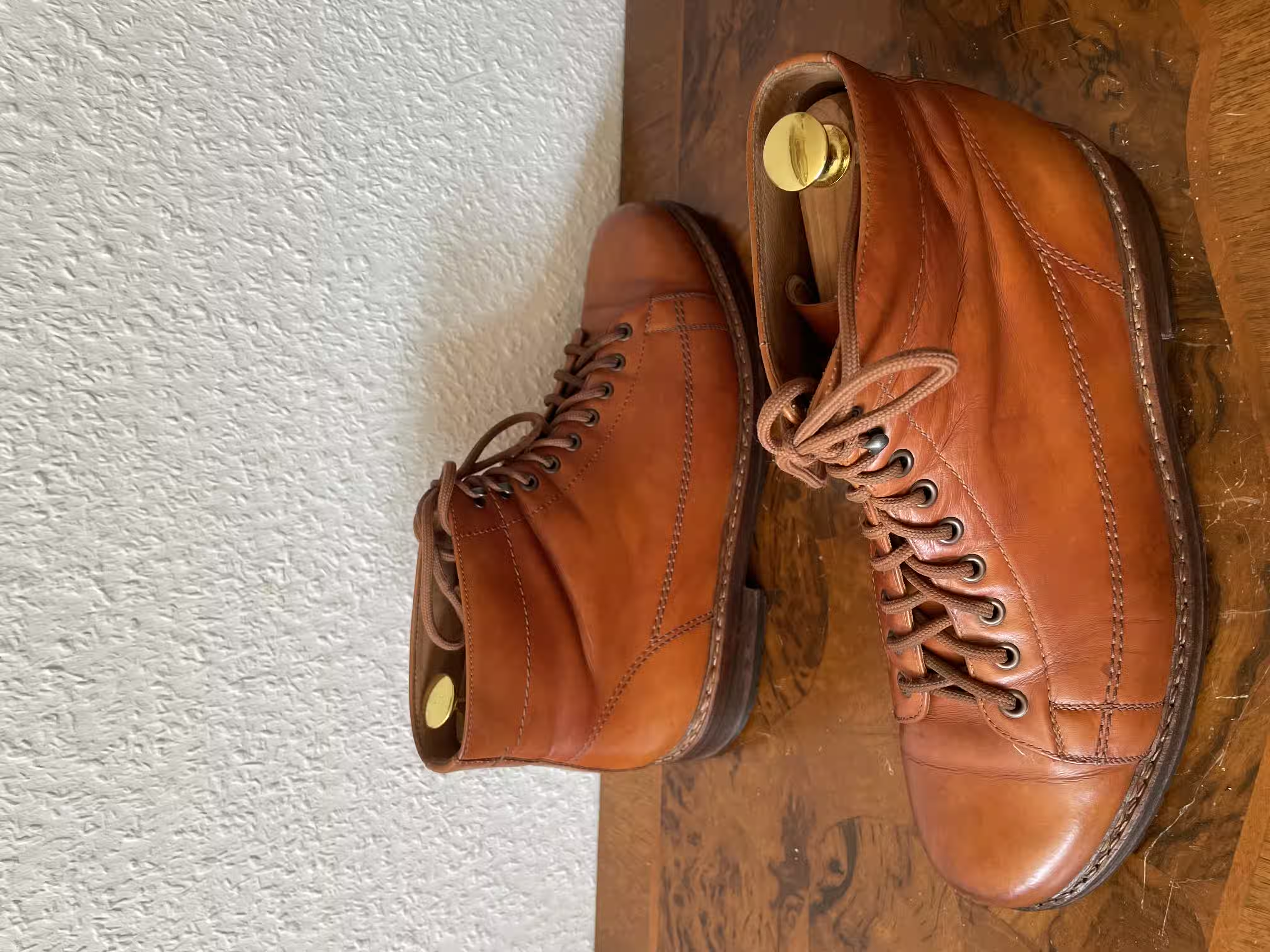
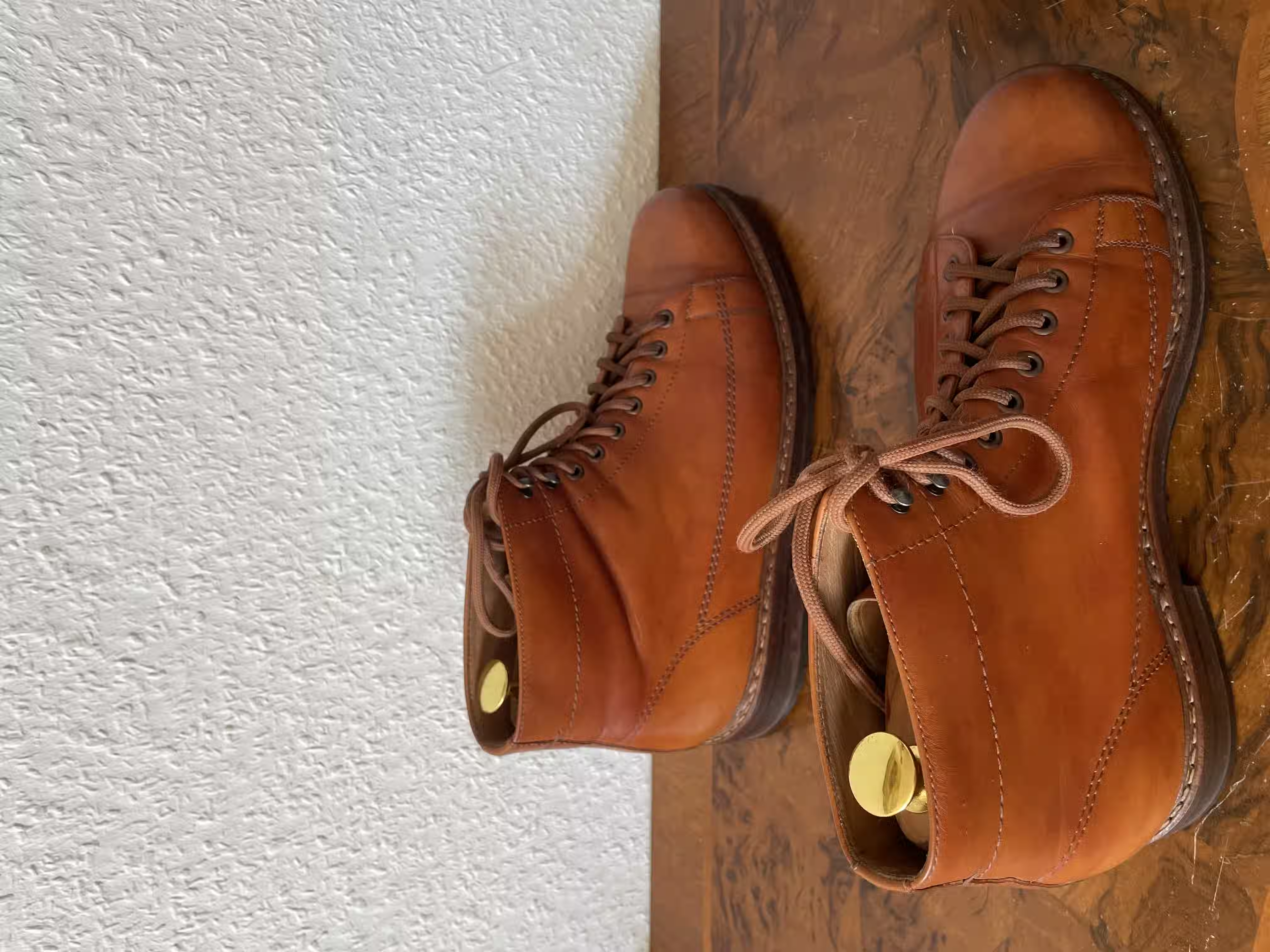
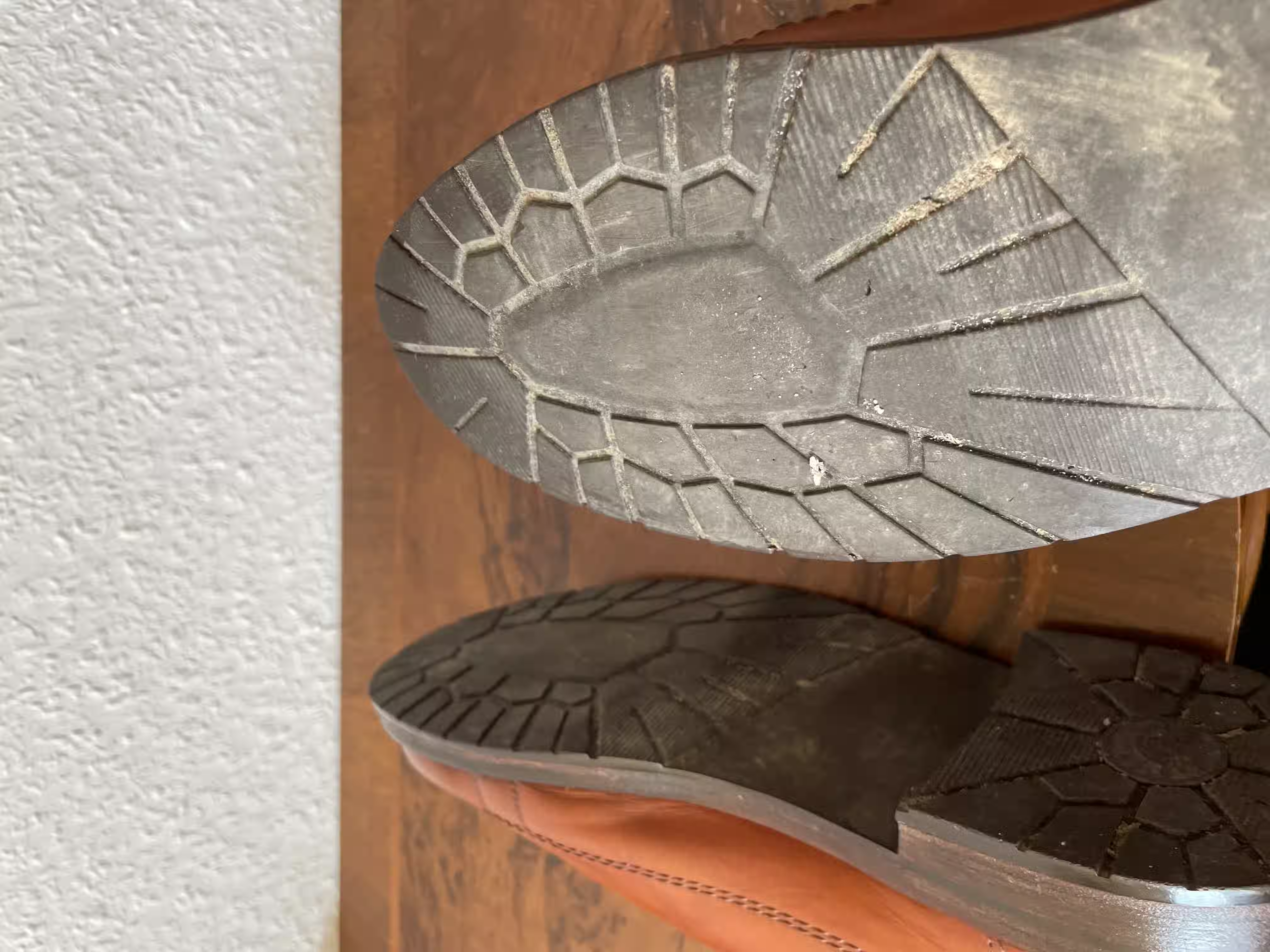
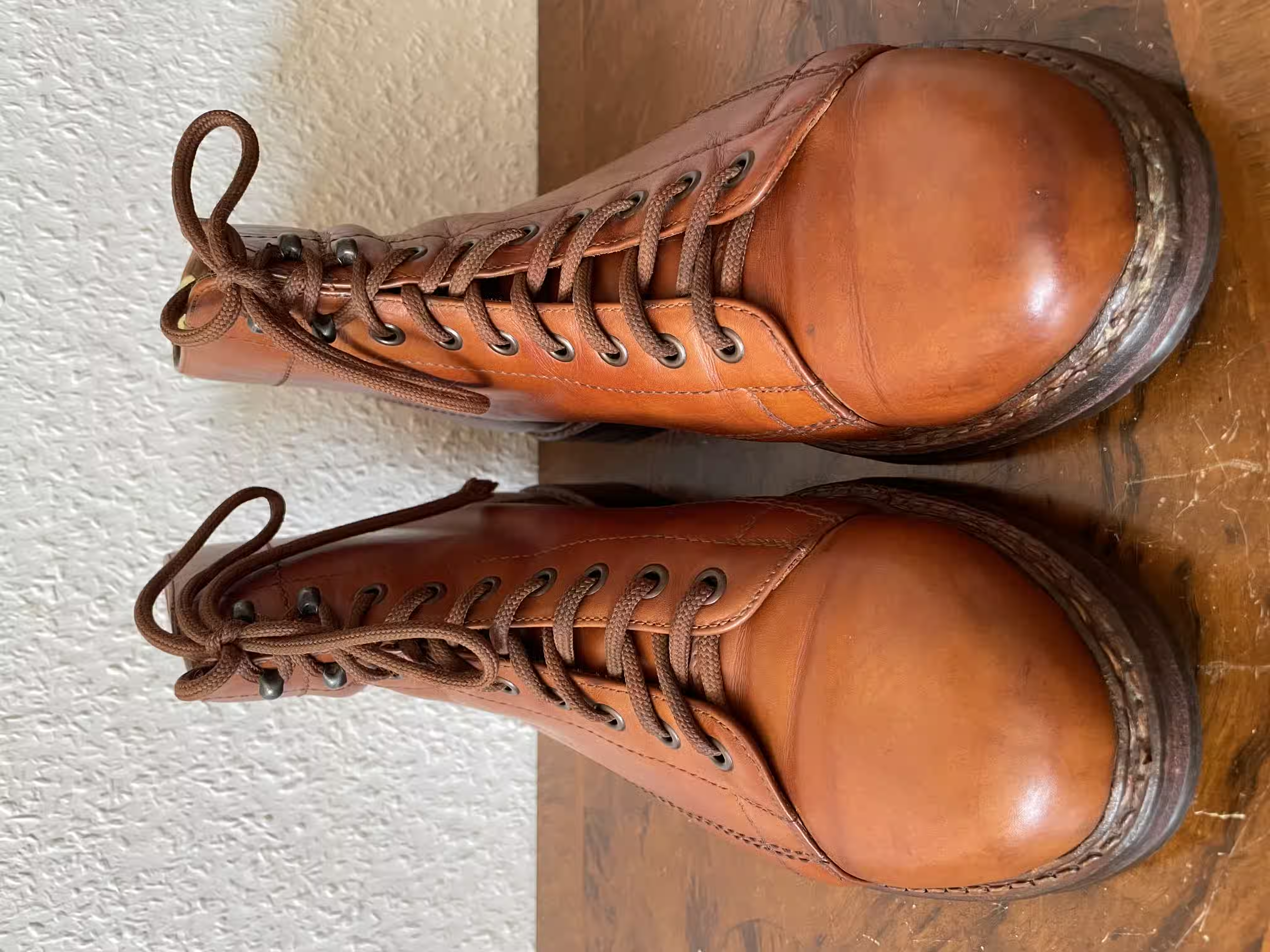
Monkey boots are strongly inspired by sneakers and can be worn very well with jeans. That makes these ankle boots primarily something for leisure and everyday wear, but by no means for business occasions, for example—even if they were black. So you can choose a proper color right away, one that’s far from black and that matches jeans. I would generally recommend a reddish-brown color for that, which matches more denim fabrics than the cognac color here. I would combine this color here more with light jeans than with dark ones.
Jodphur Boots
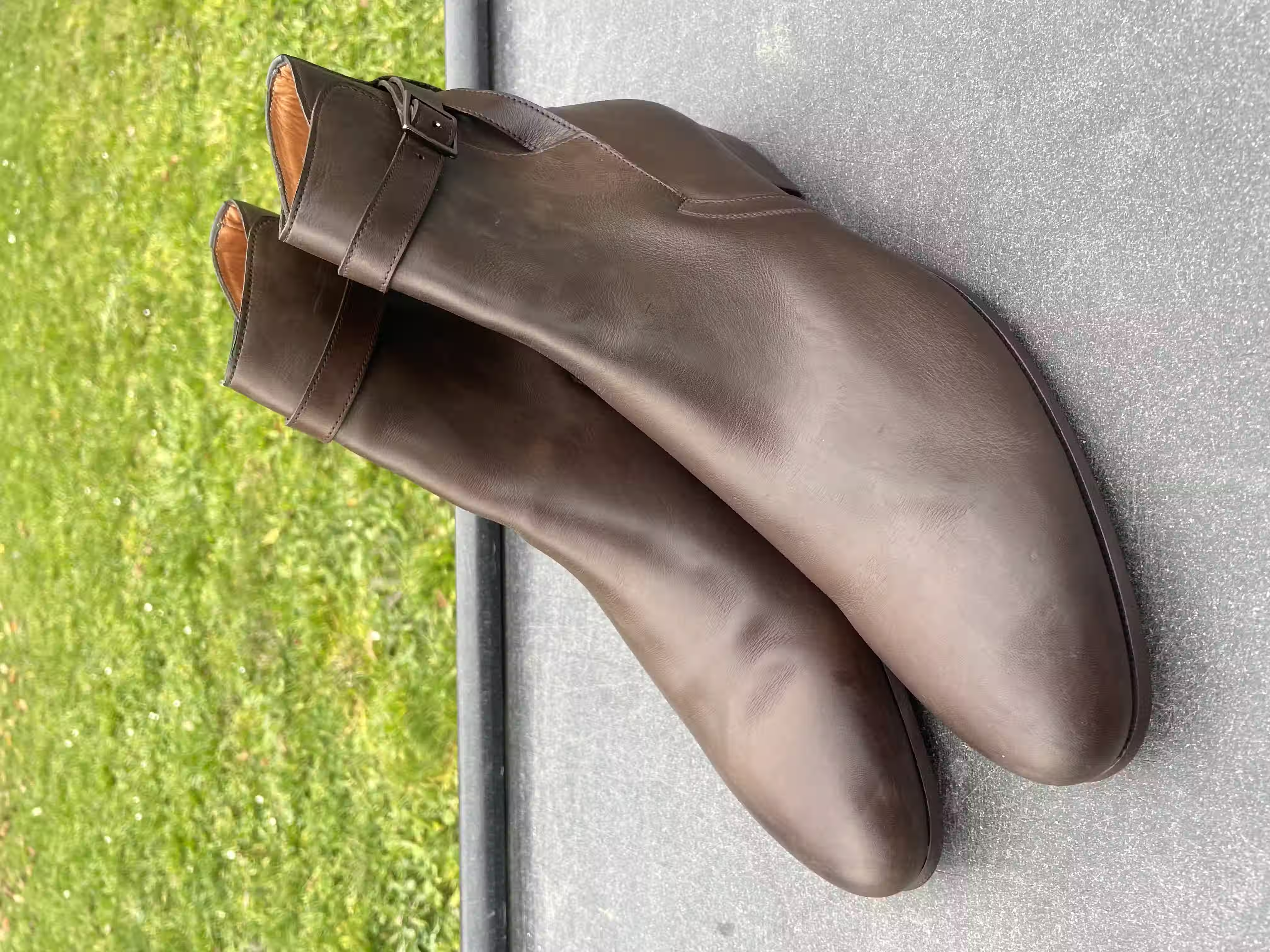
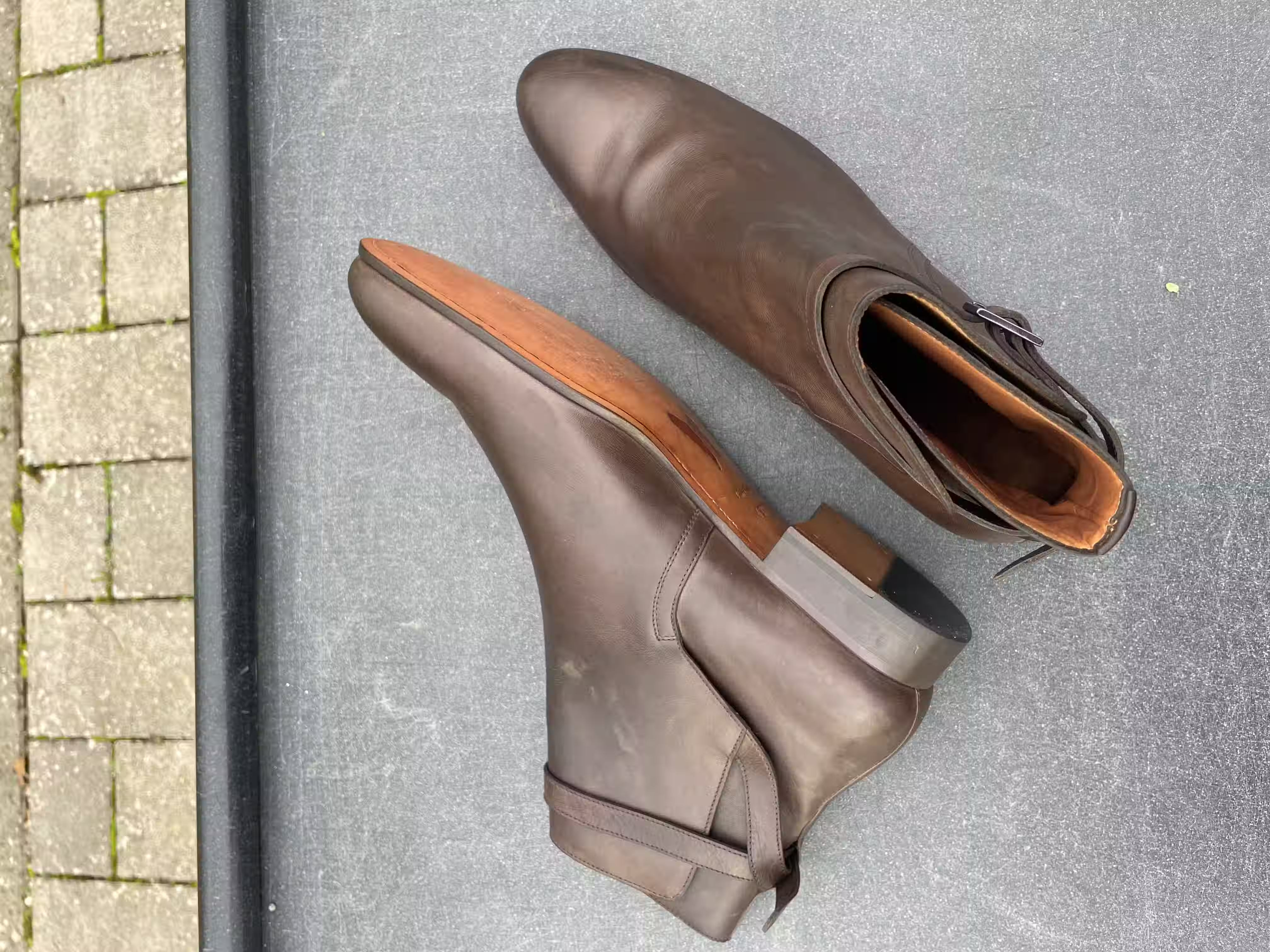
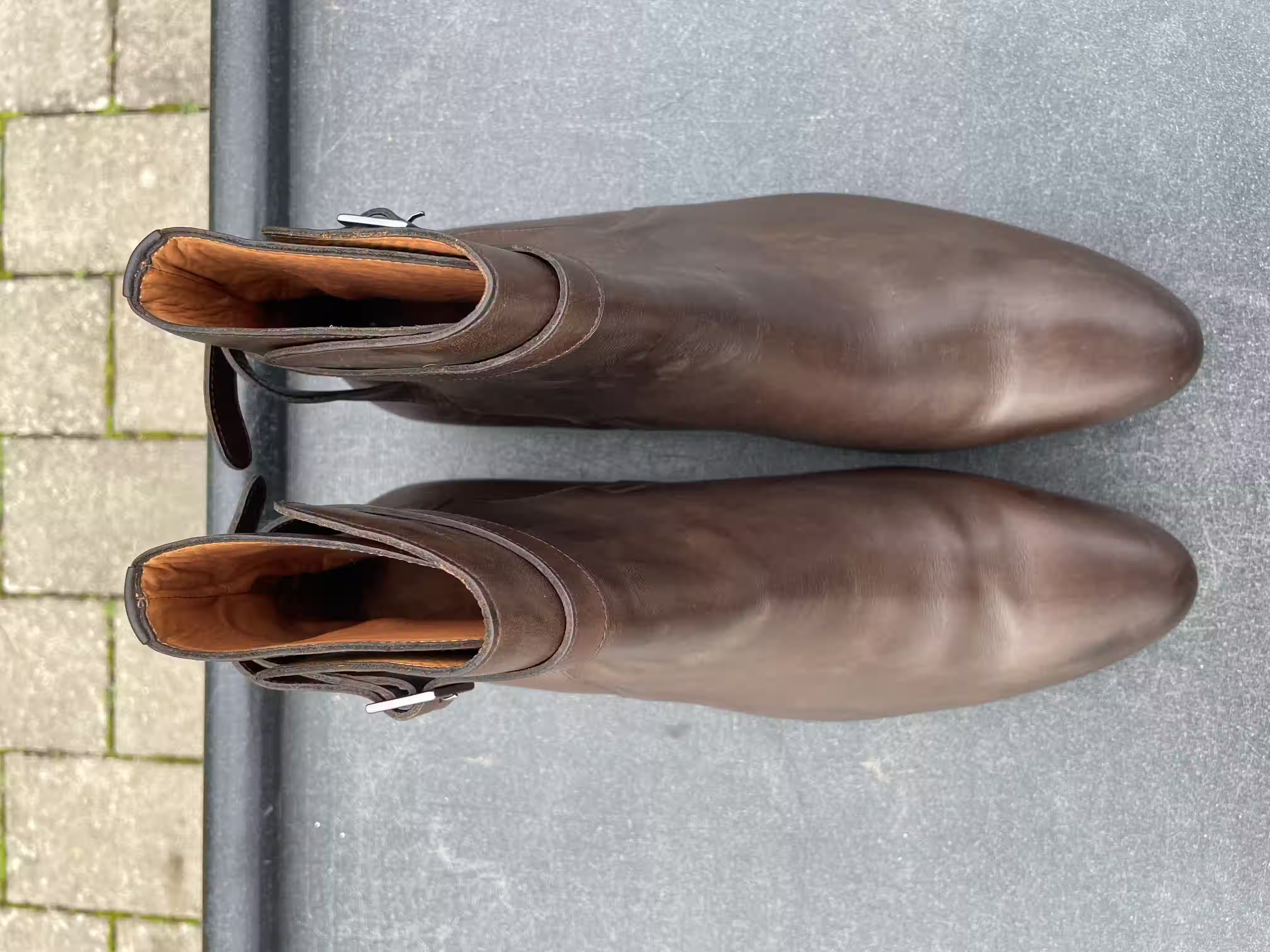
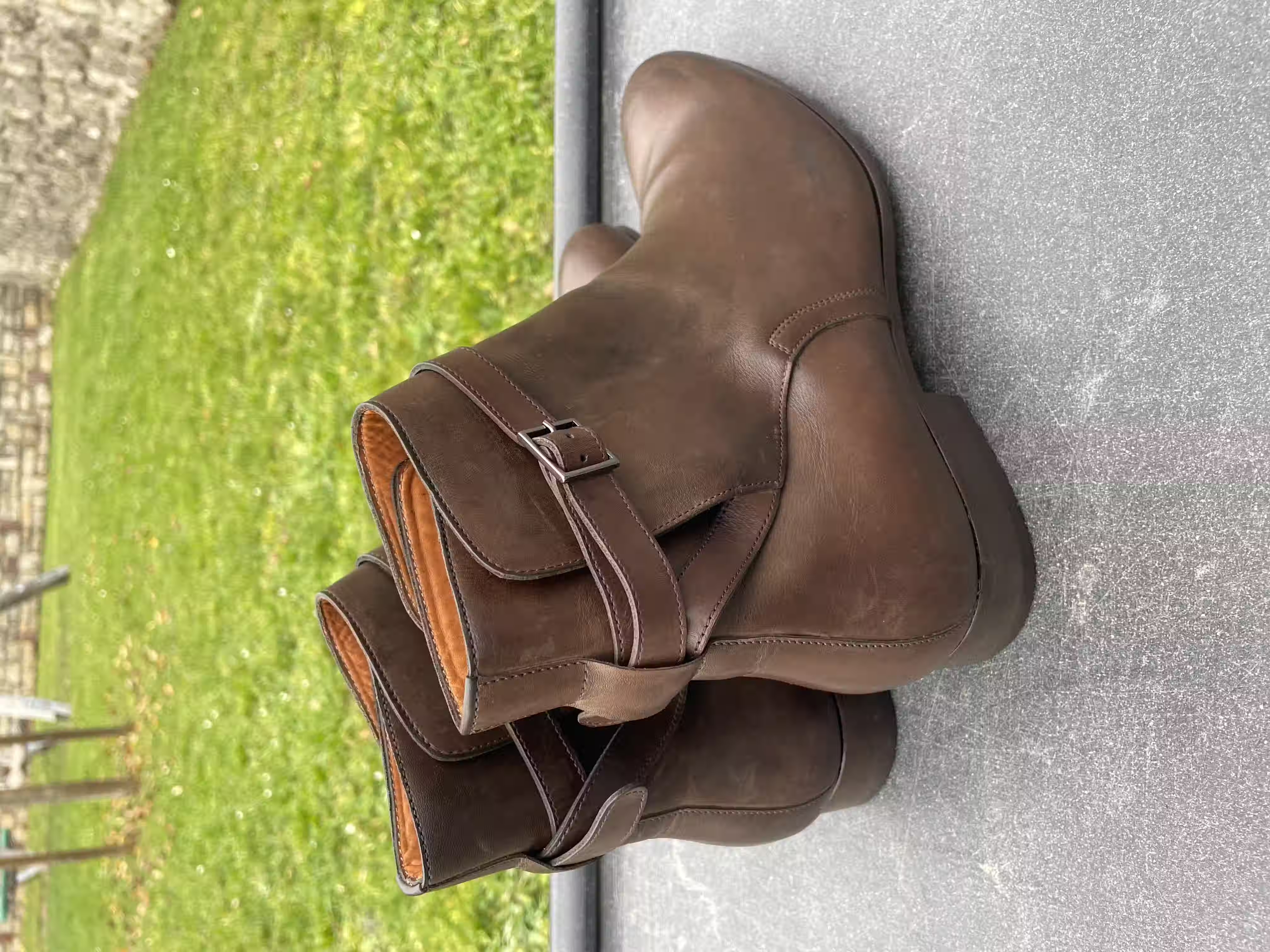
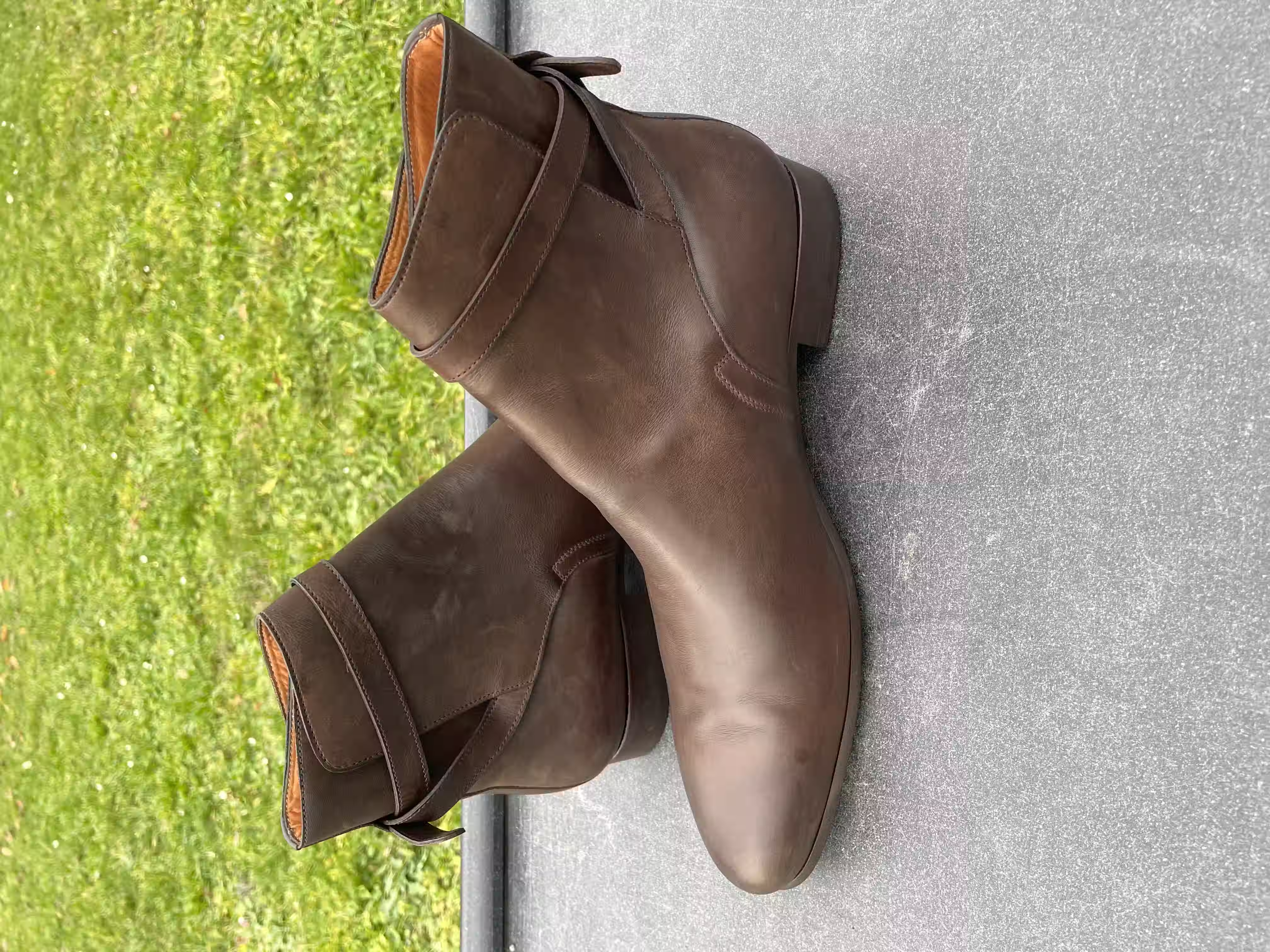
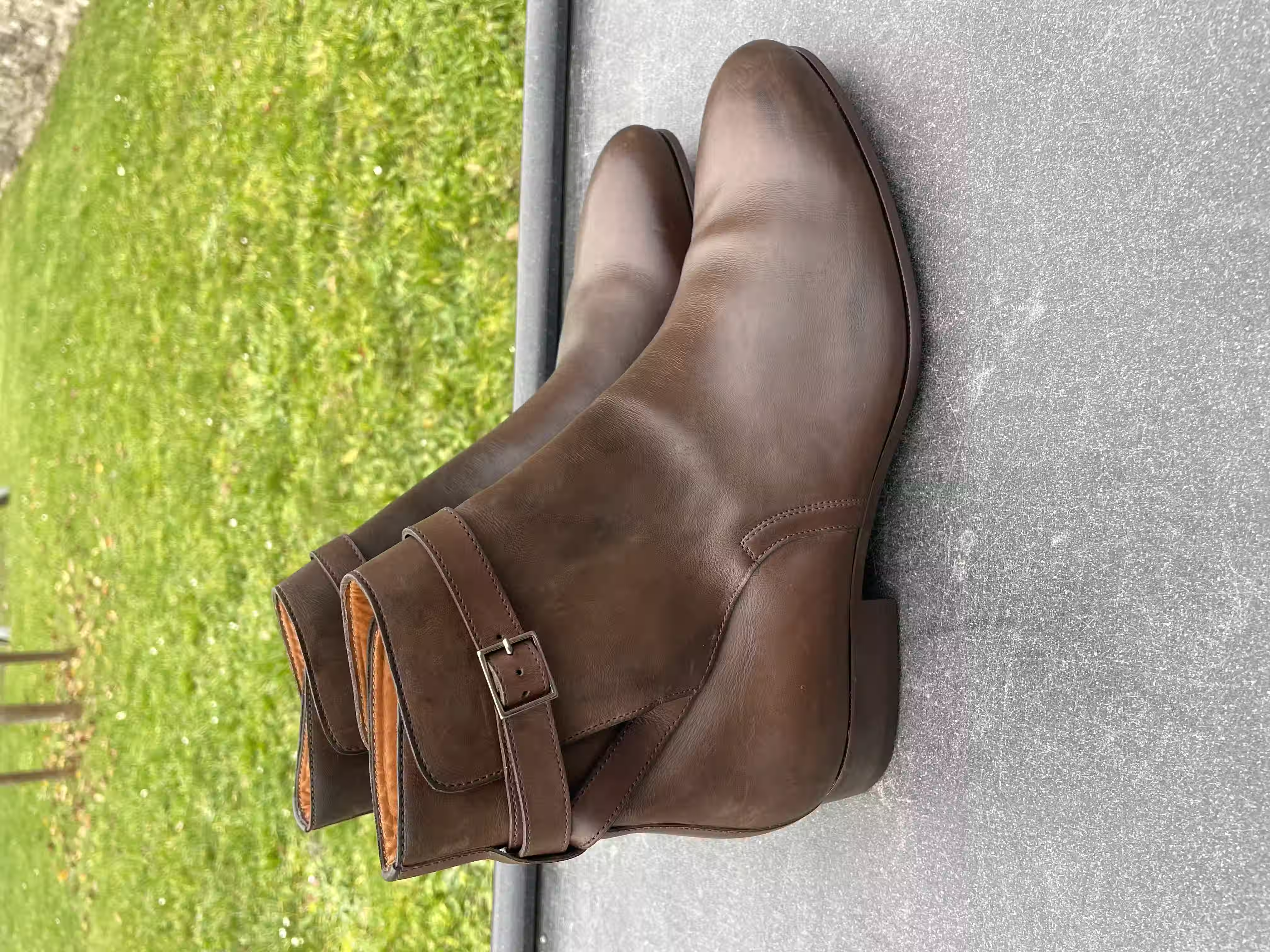
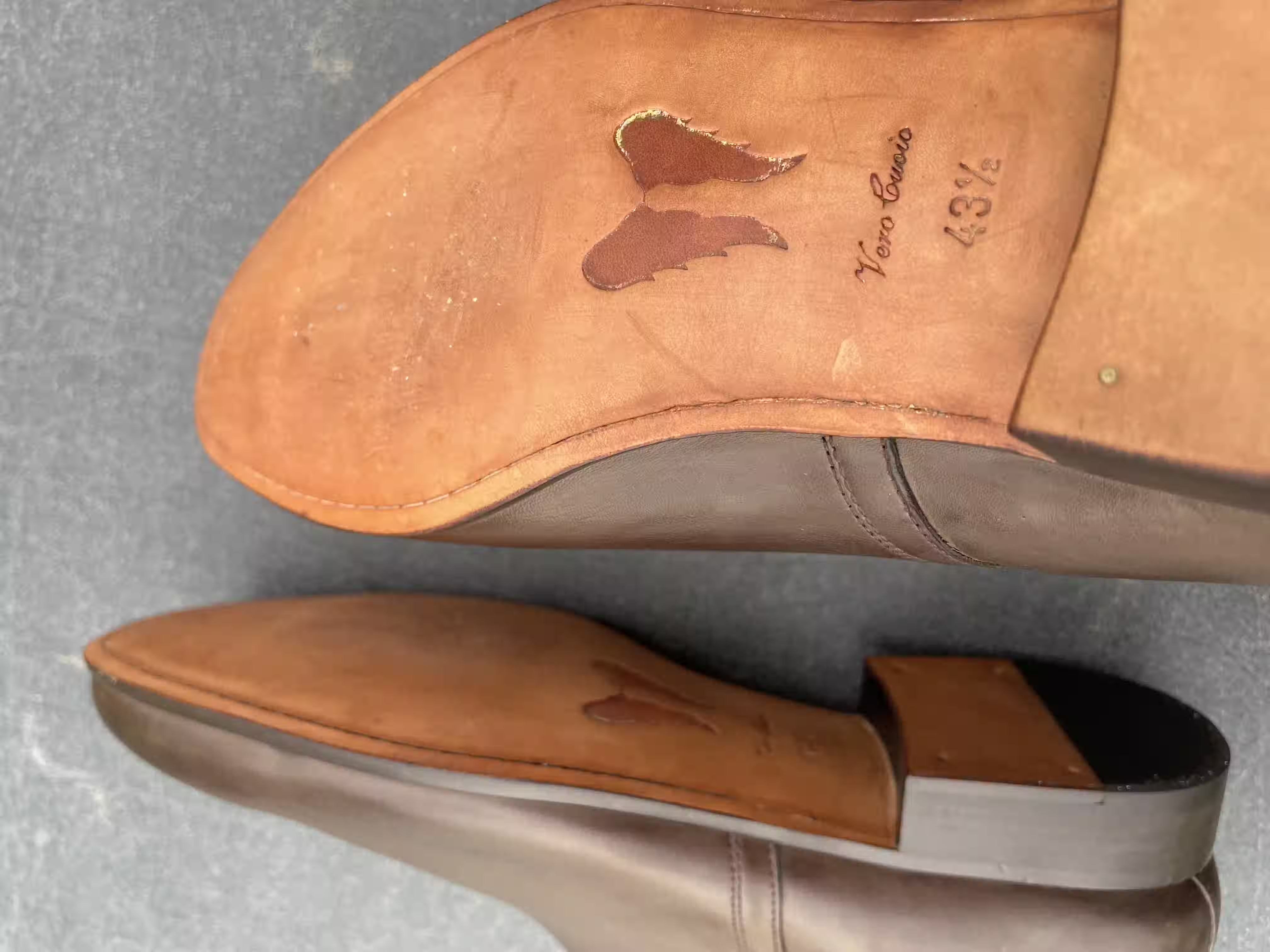
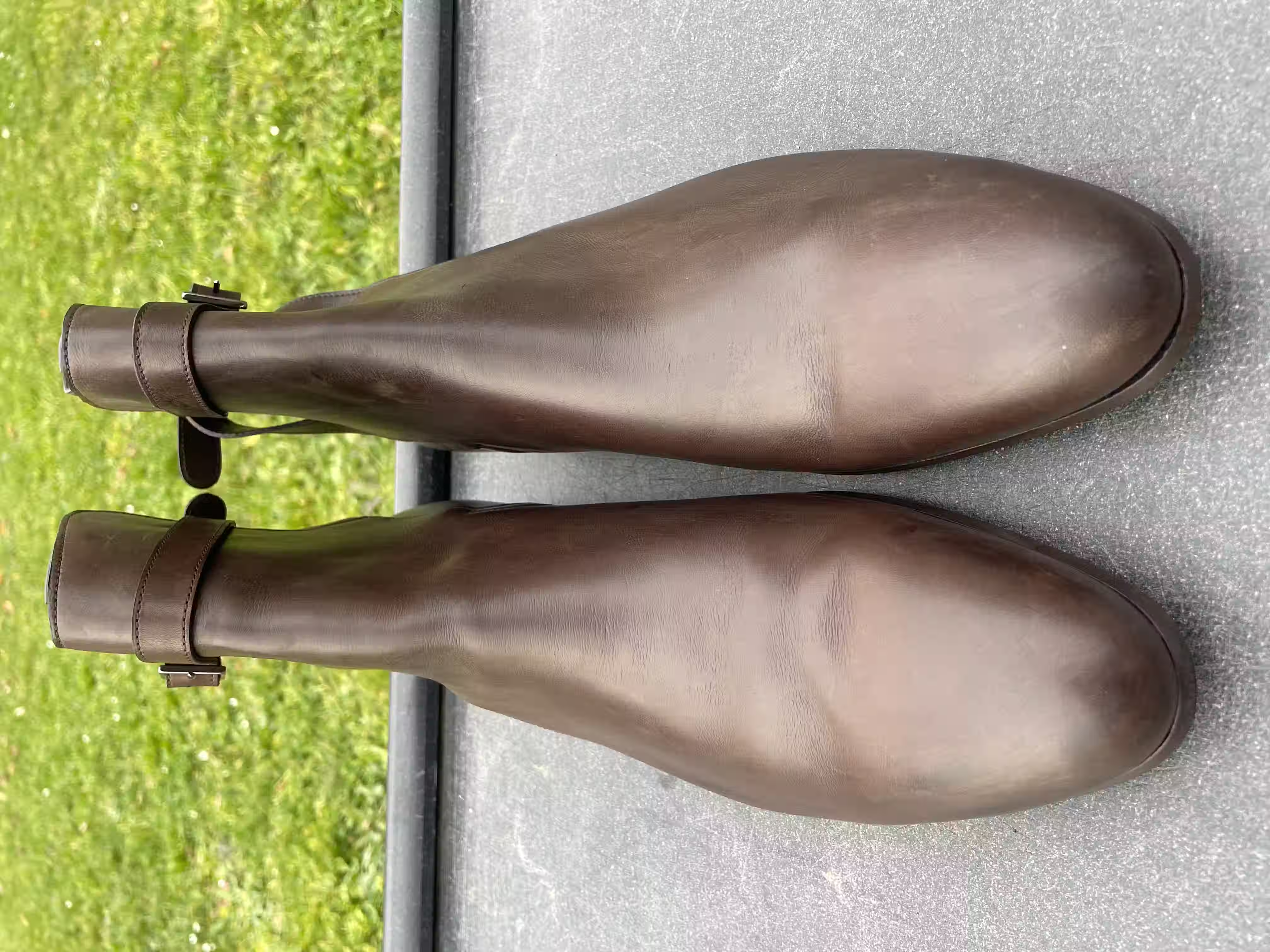
Jodphur boots are traditional buckle boots whose exact origin is disputed. According to one variant, they come from what was formerly British-occupied India, which is also where the namesake city of Jodphur is located.
In my view, they’re very rarely seen nowadays, but with the leather strap running around them and the buckle they look very exotic and elegant. In this dark brown color they’re also very versatile—by no means suitable for truly formal occasions, but definitely quite good for casual occasions. And because of the thin leather sole, in this case they’re better suited to the city than the countryside.
Riding Boots - the Original
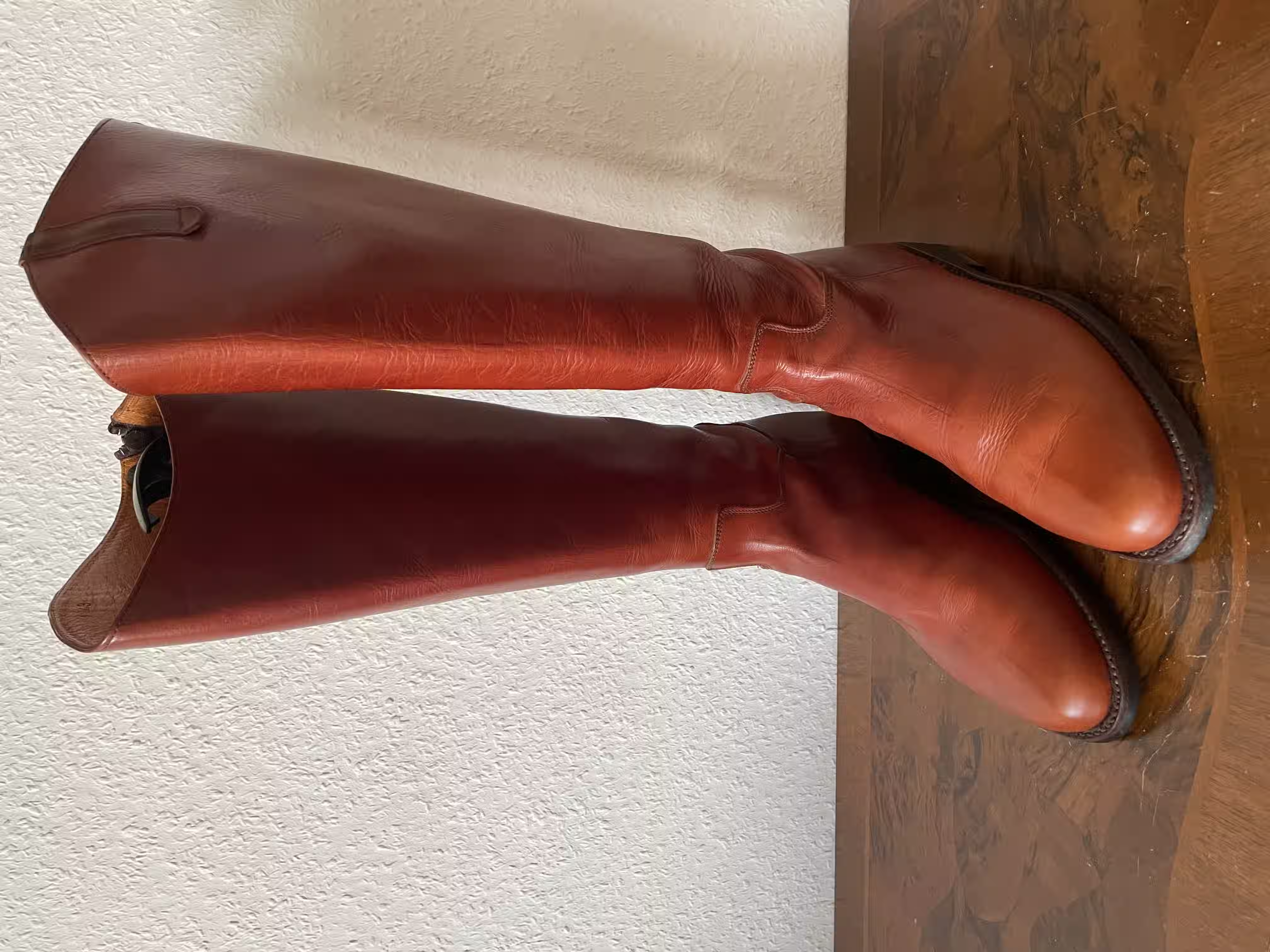
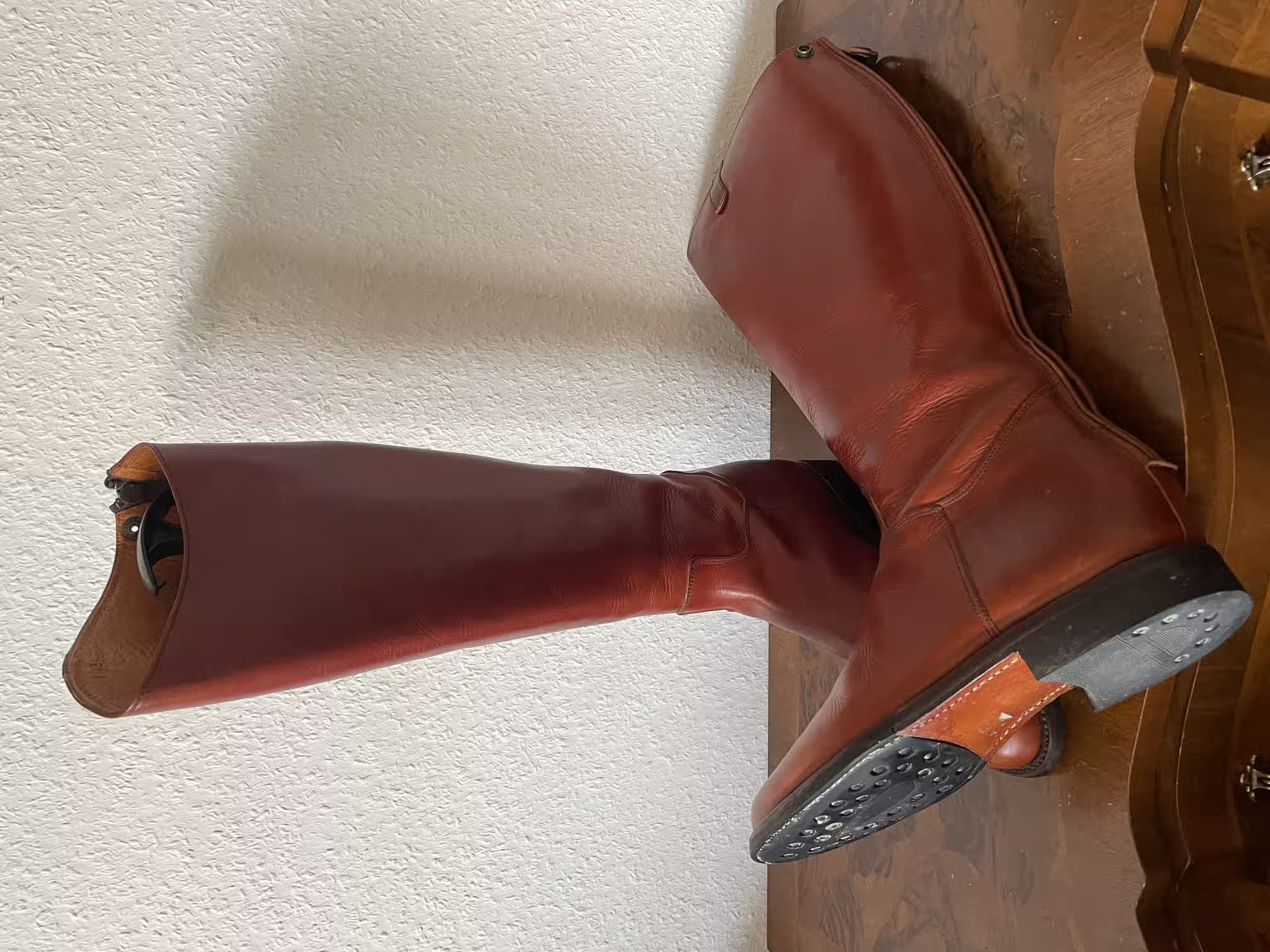
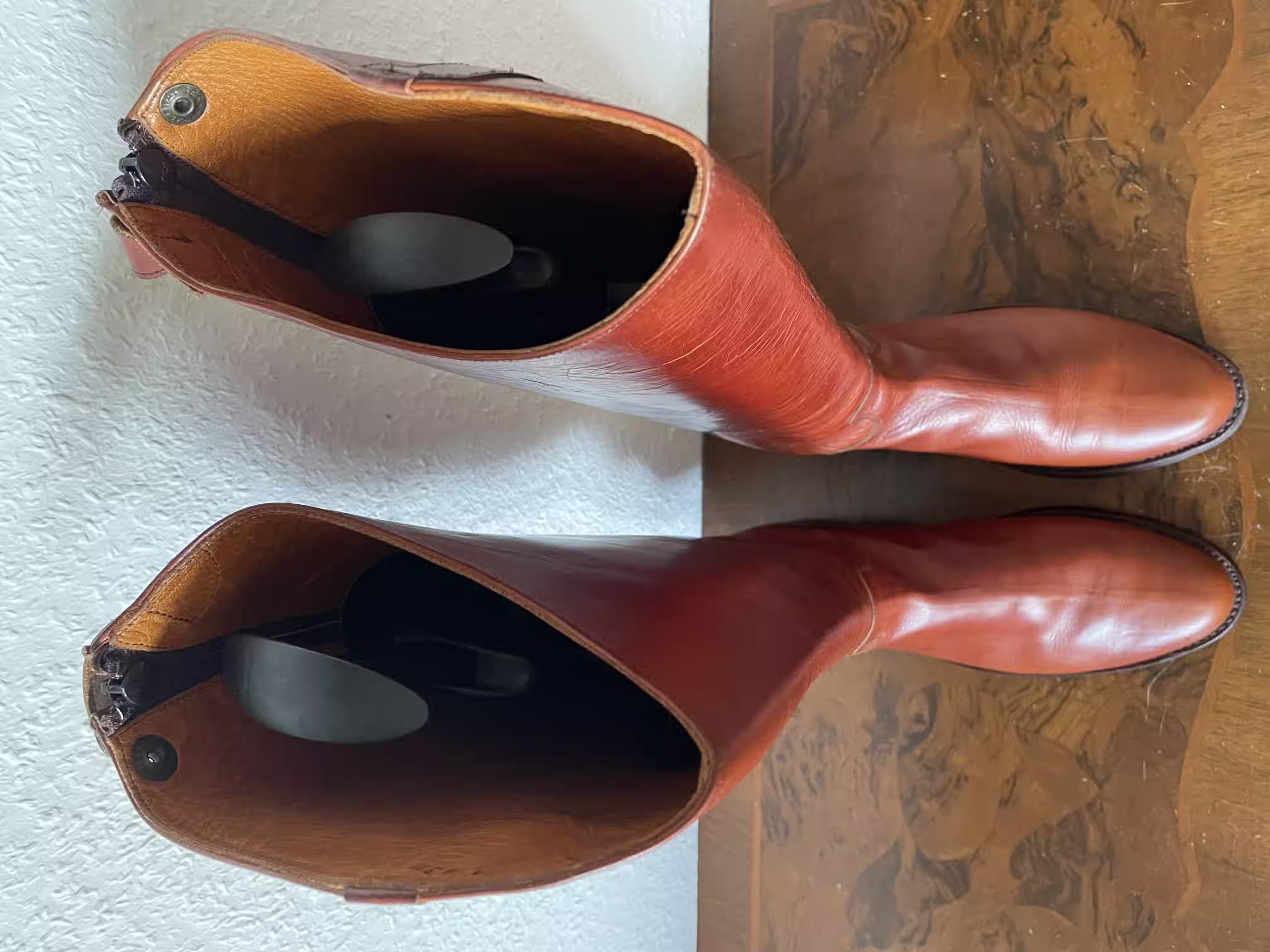
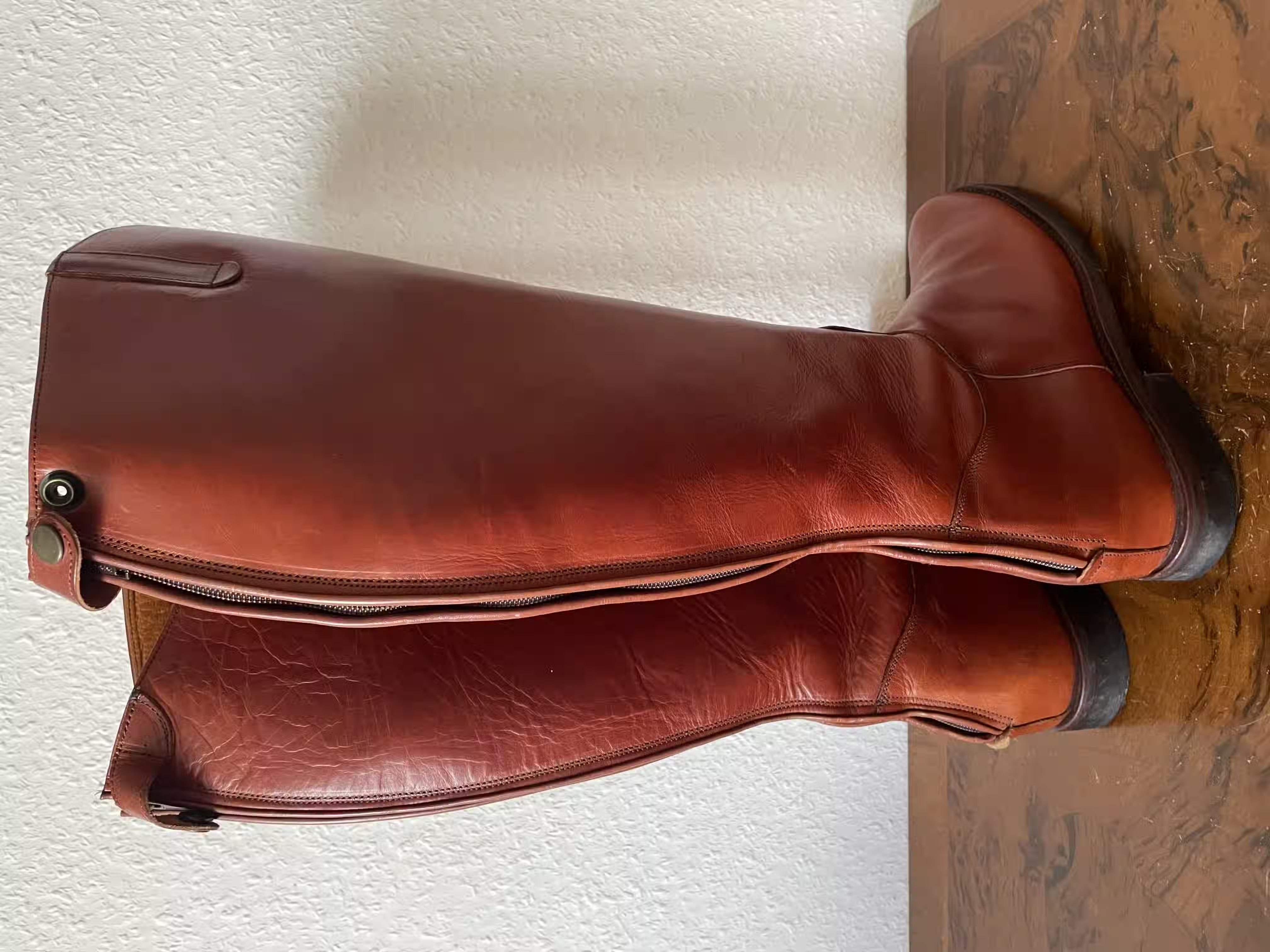
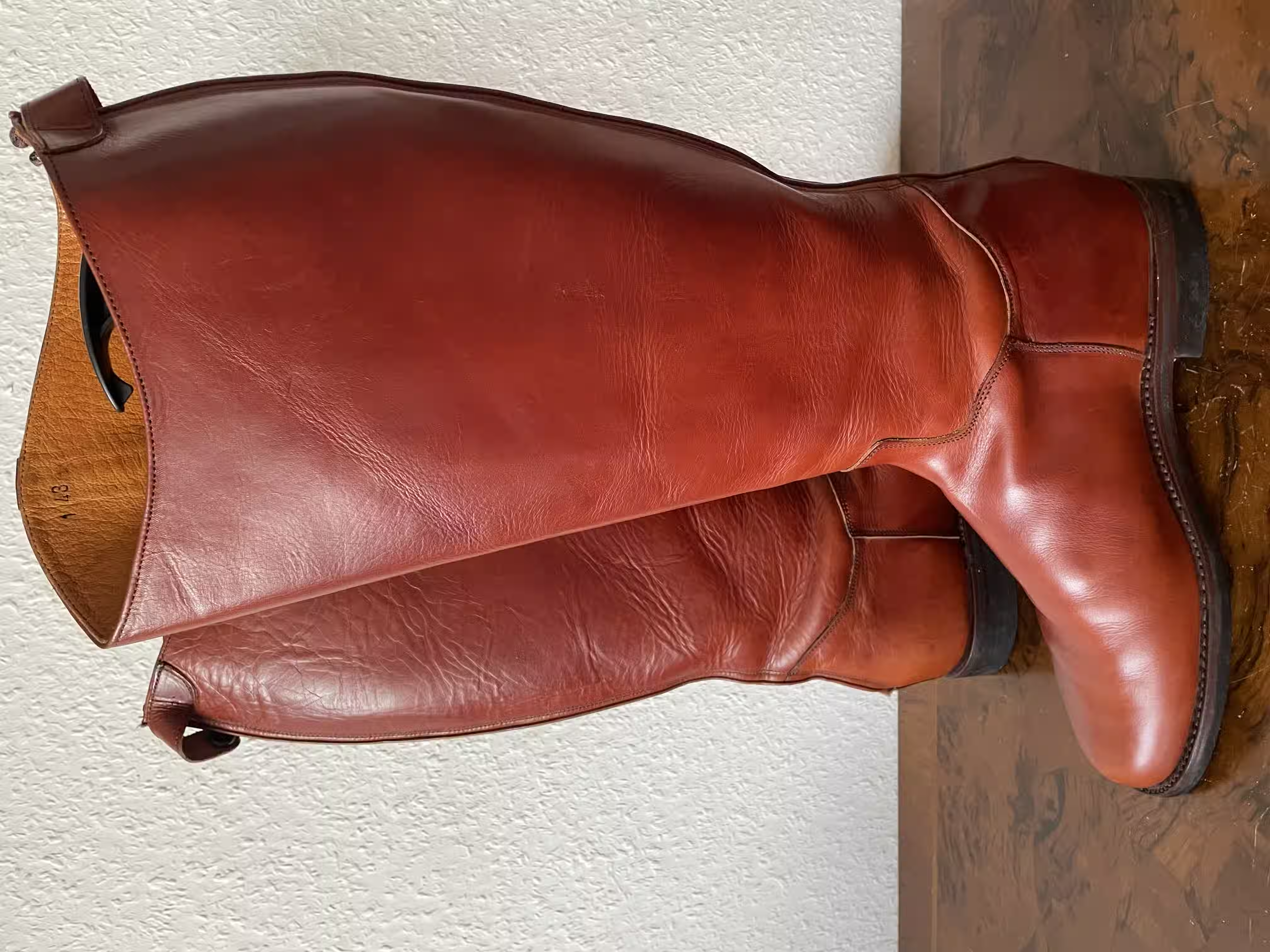
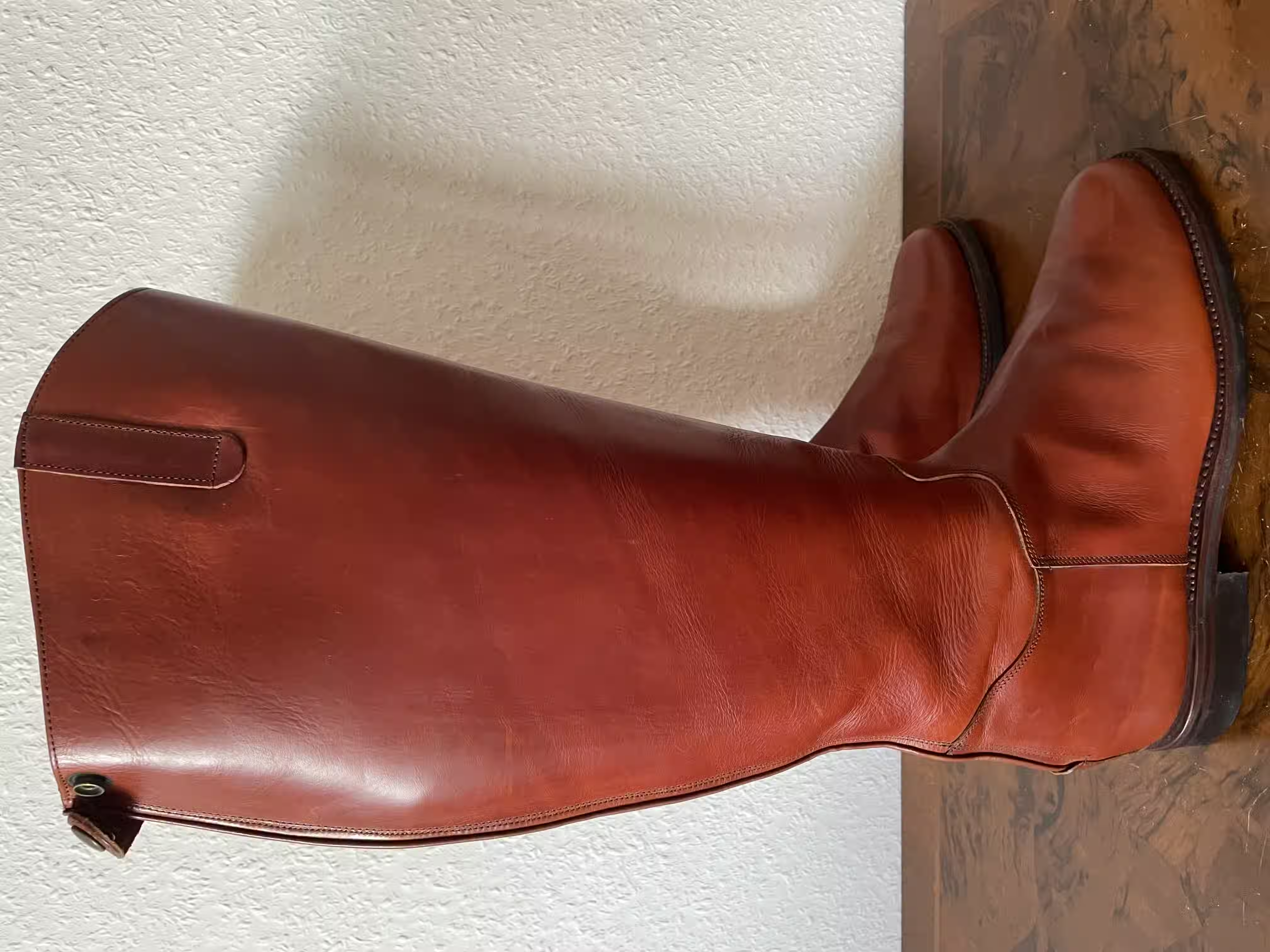
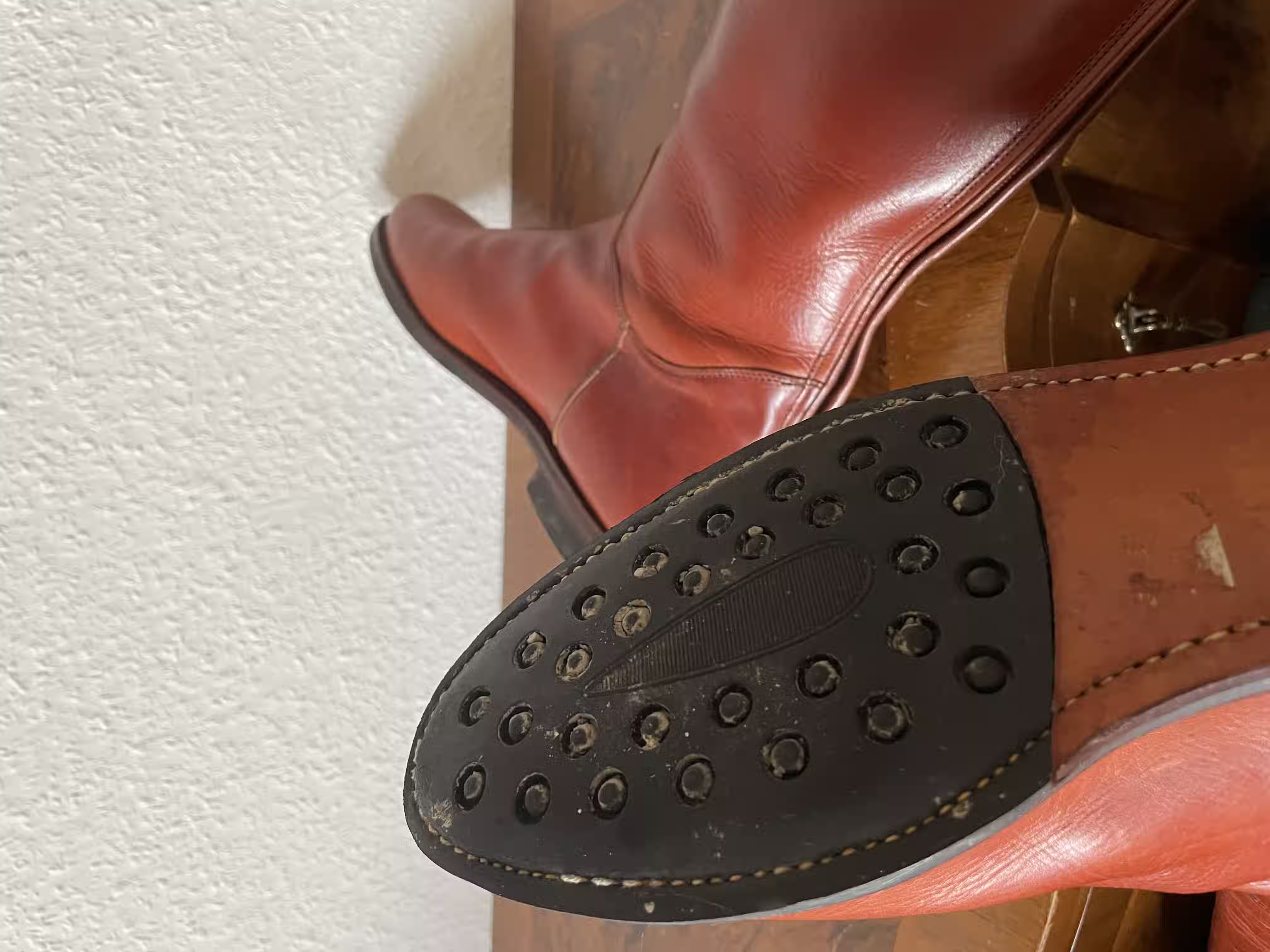
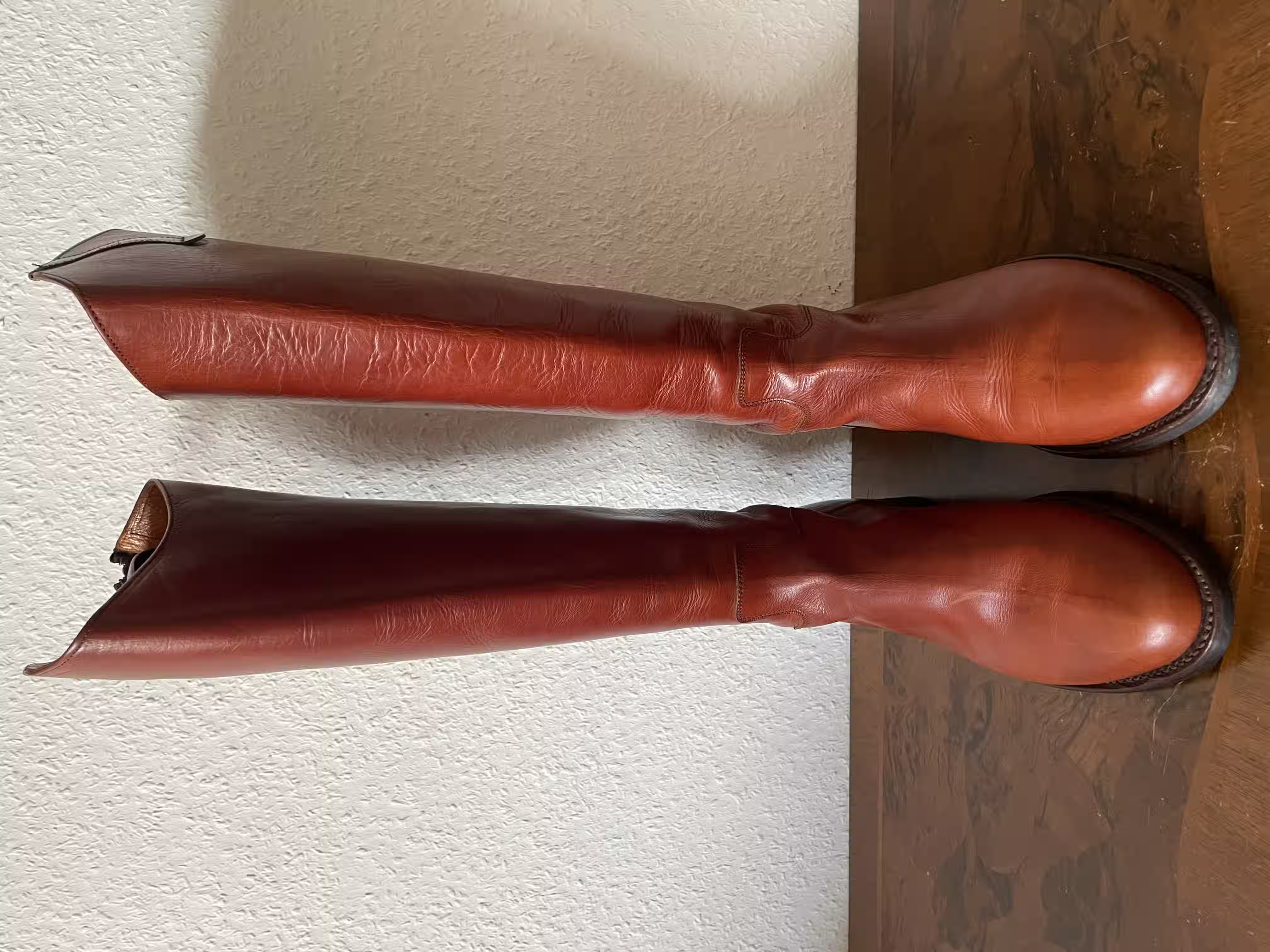
The classic riding boots in a modern form—that’s where the more recent history of boots began. However, the original riding boots are black in color and have no open lacing. The open lacing as seen in the pictures above emerged at some point in history and wasn’t there from the beginning. Riding boots were also very commonly worn in the military before they were increasingly displaced by other models.
Where can you wear such boots nowadays outside of equestrian sports? In my view: for hunting and hiking, in the countryside, or even sometimes in the city together with a coat in autumn and winter. In this light version in the color cognac, the rest of the clothing should also be kept more in brown tones or, for example, beige.