
Brogues in All Variations - from the Quarter Brogue to the Longwing Full Brogue and More
The term "brogue" refers to a shoe with perforated patterns, known as broguing. Here you’ll learn more about the different variations and why they’re ideal for casual wear.
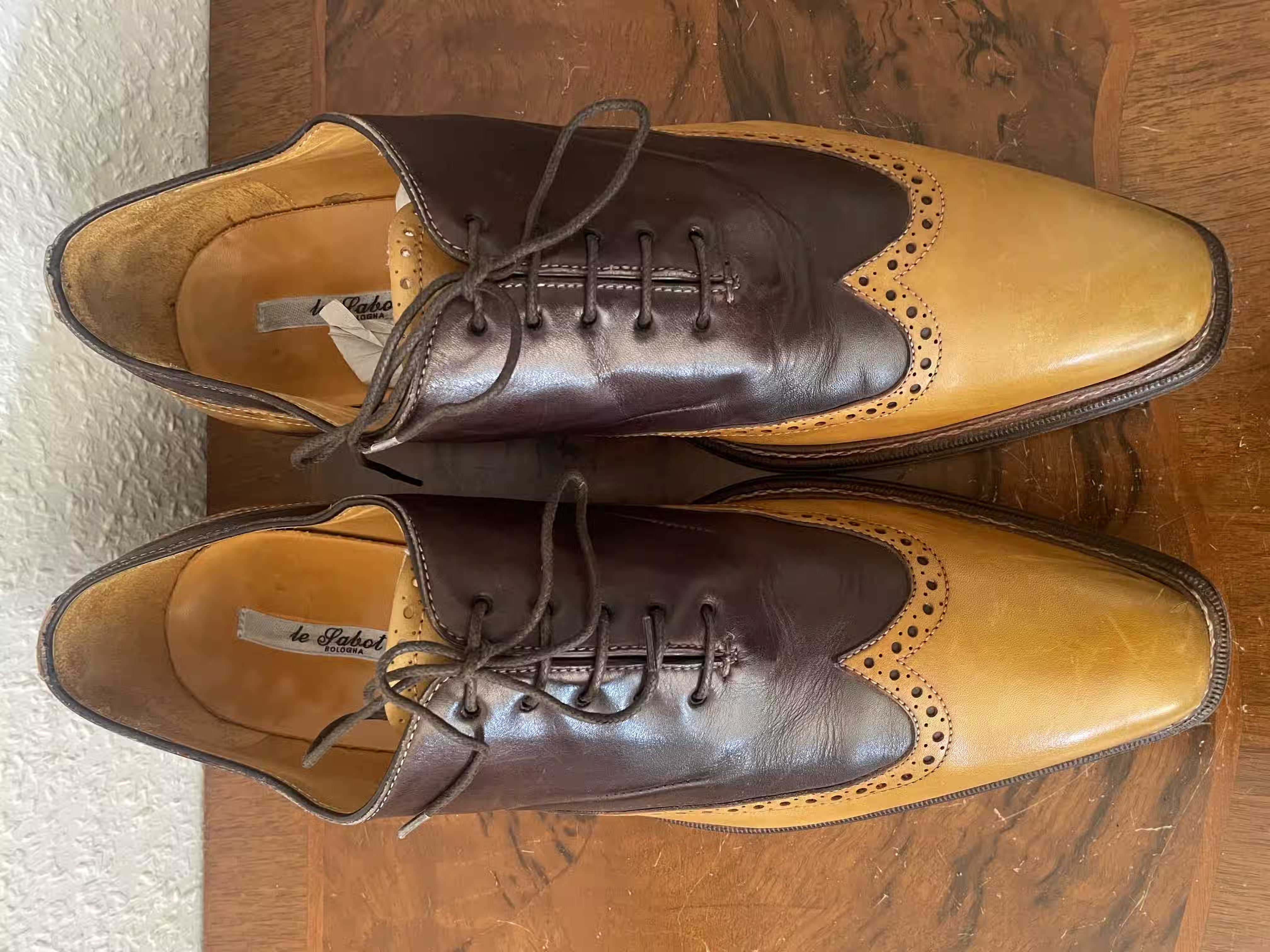
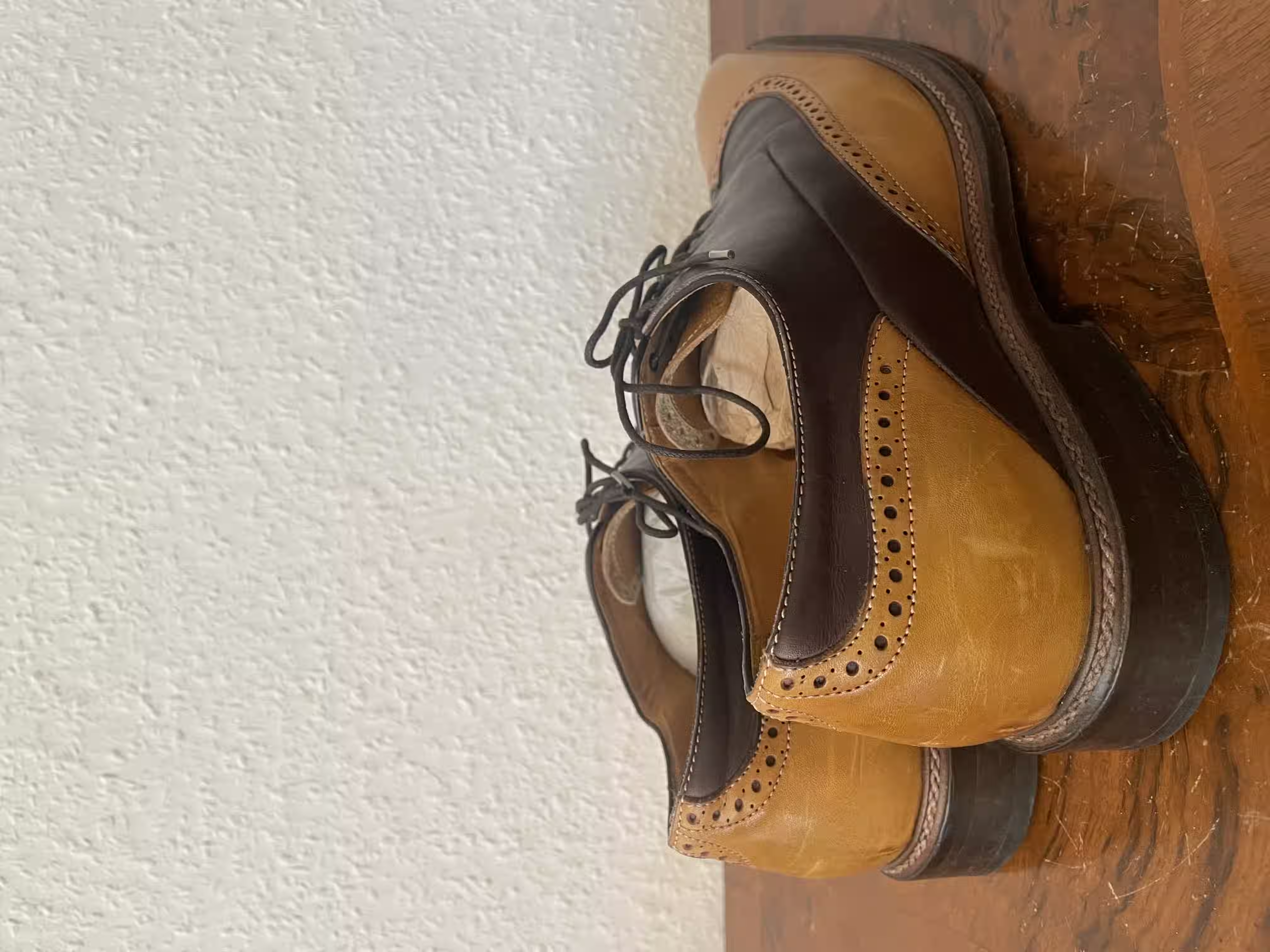
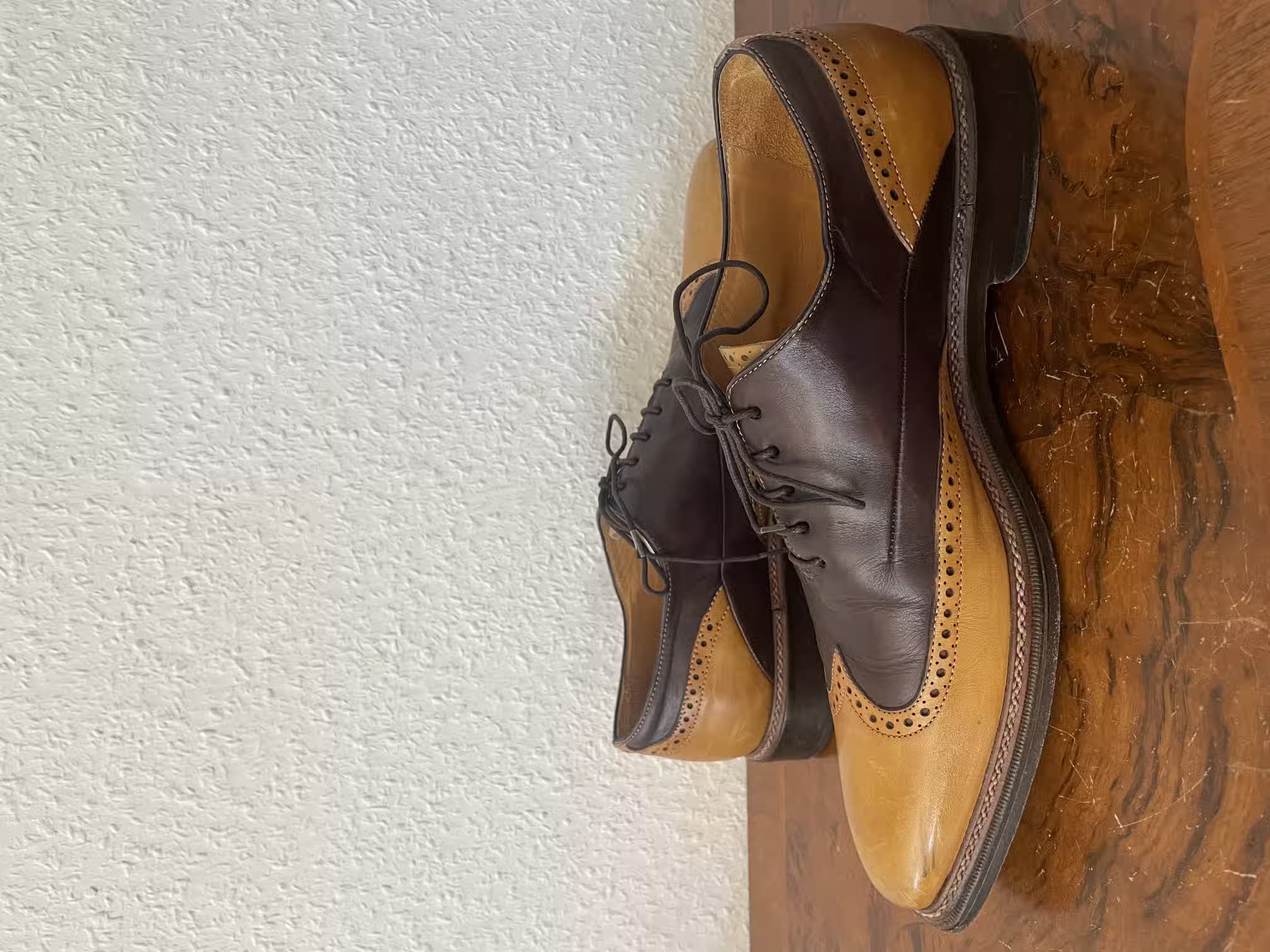
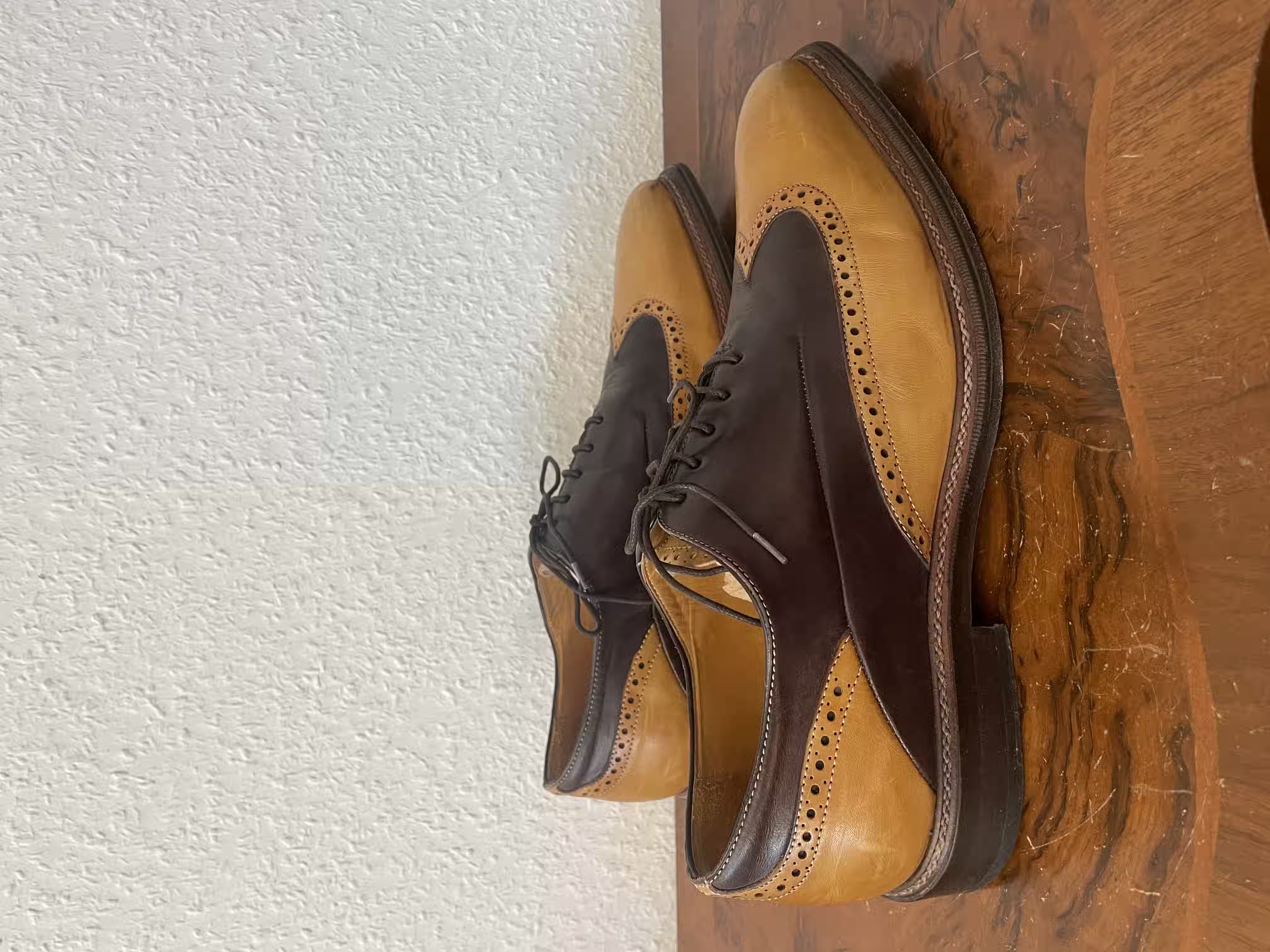
Example Variation
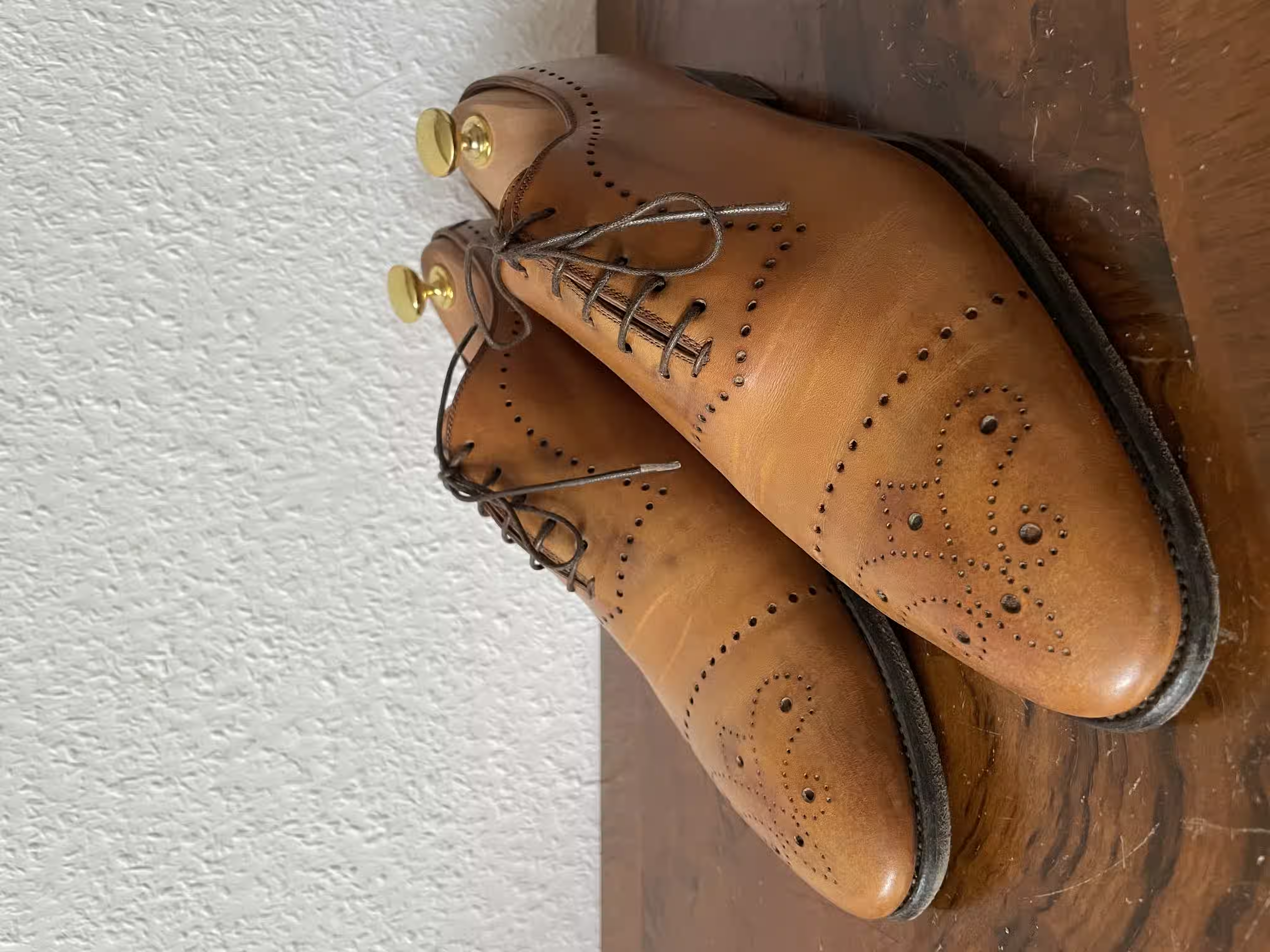
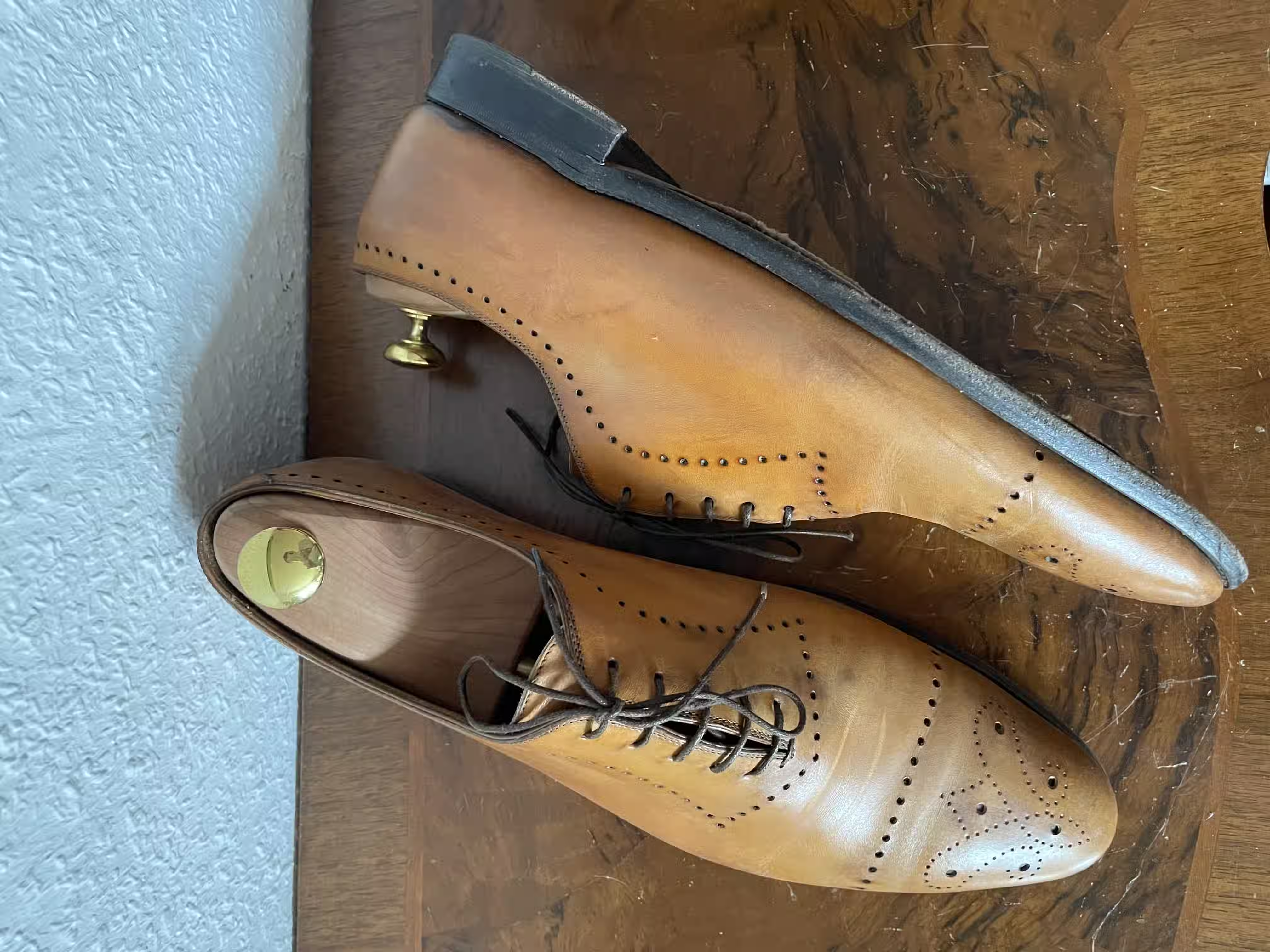
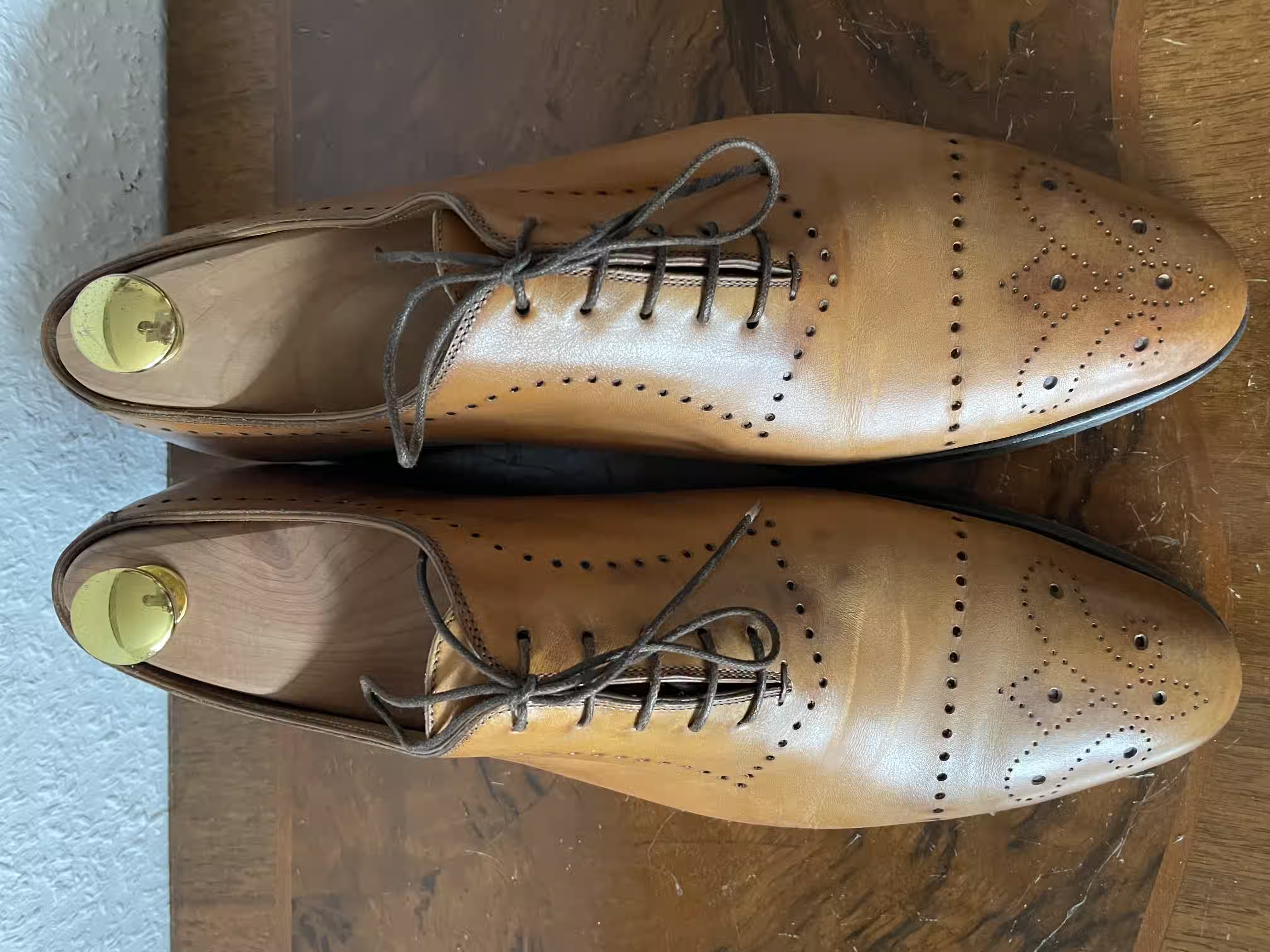
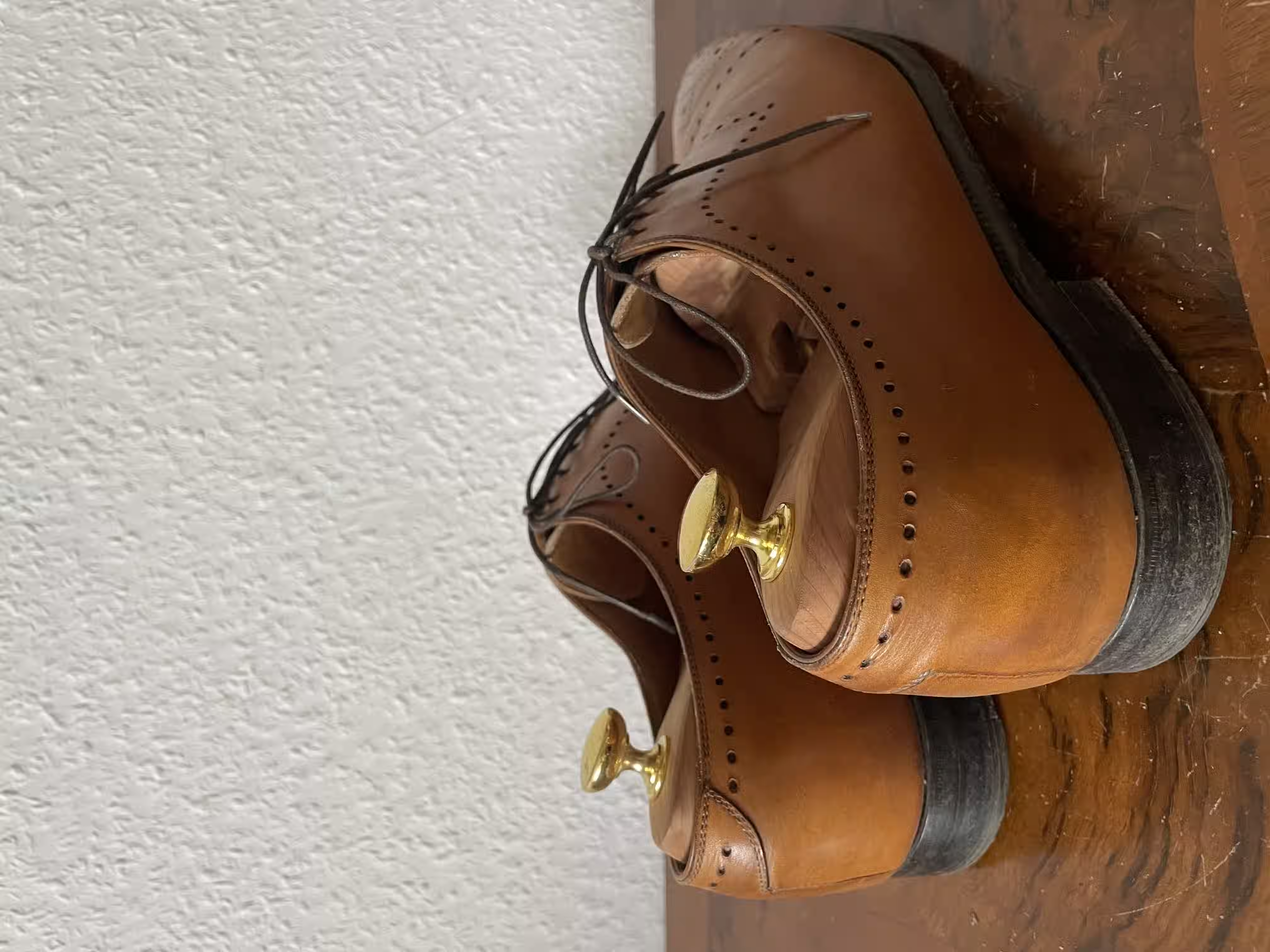
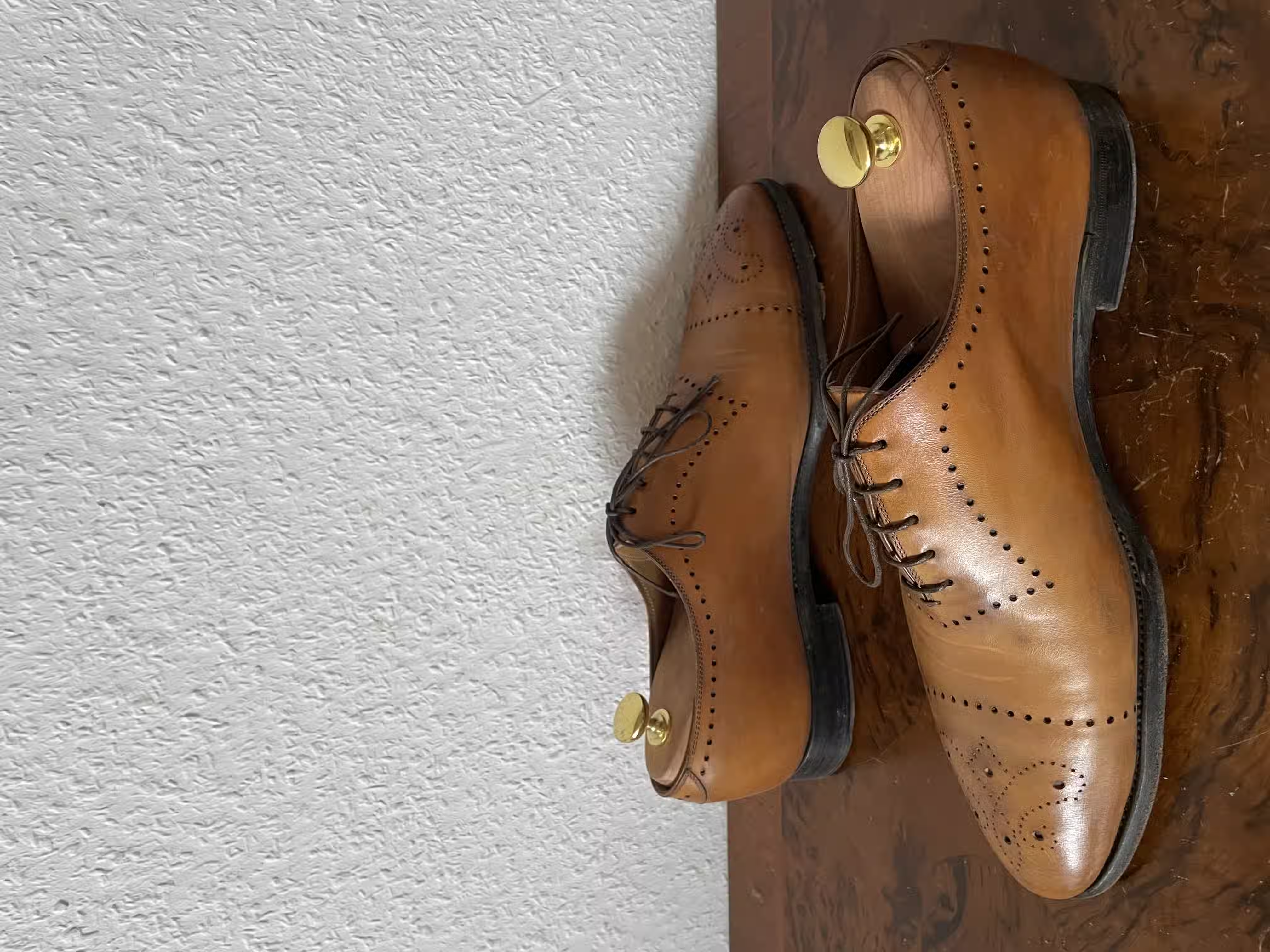
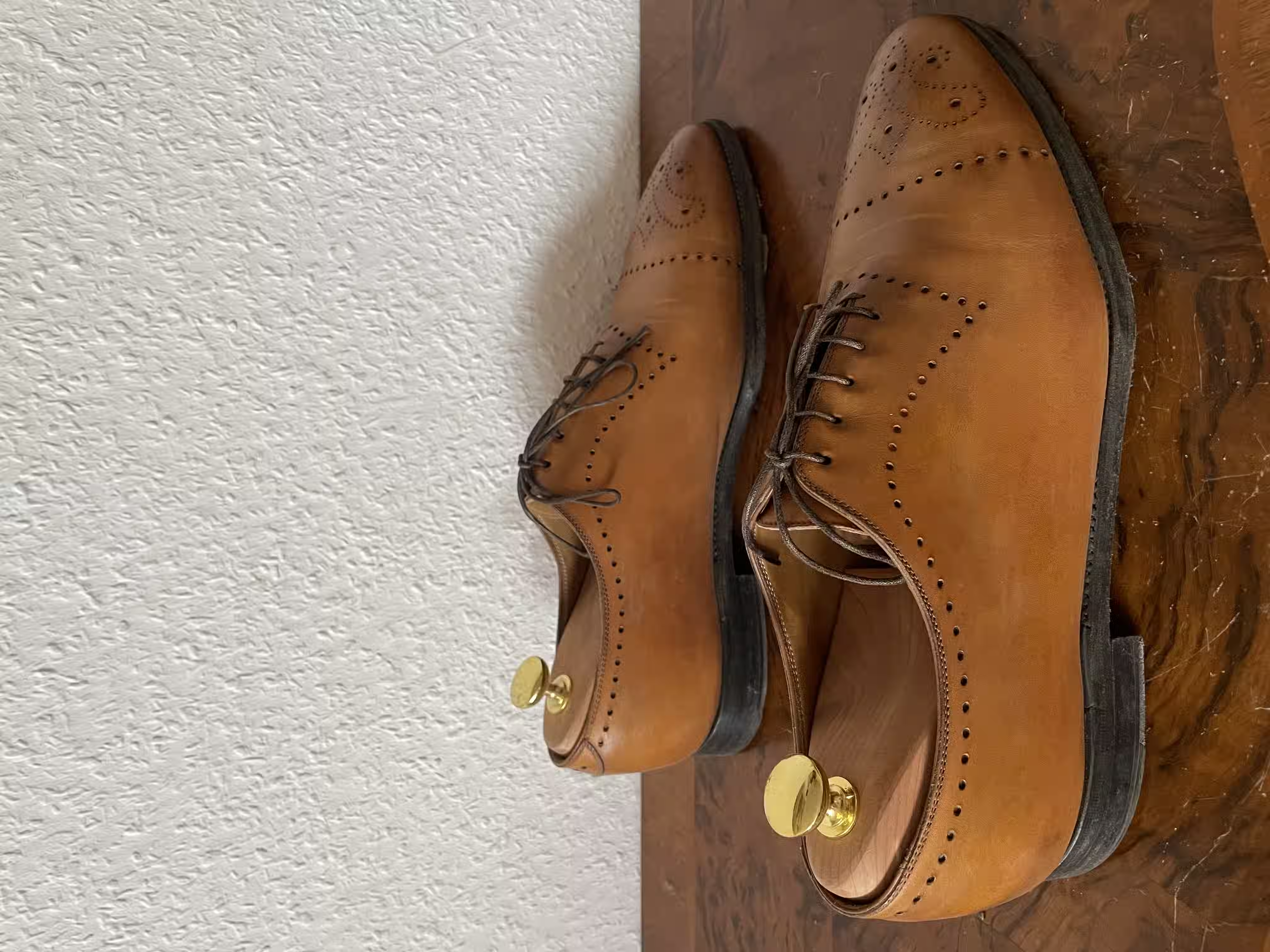
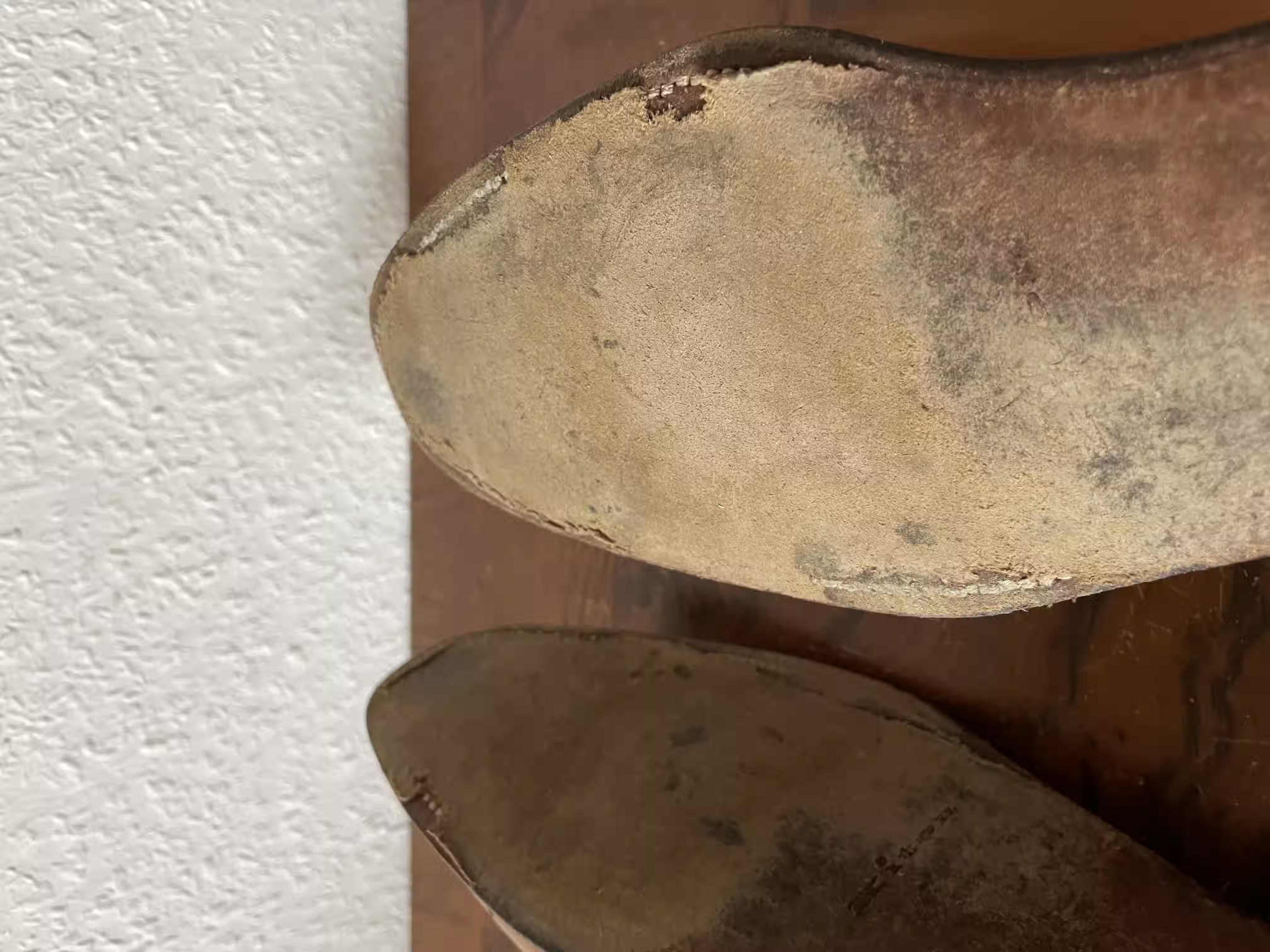
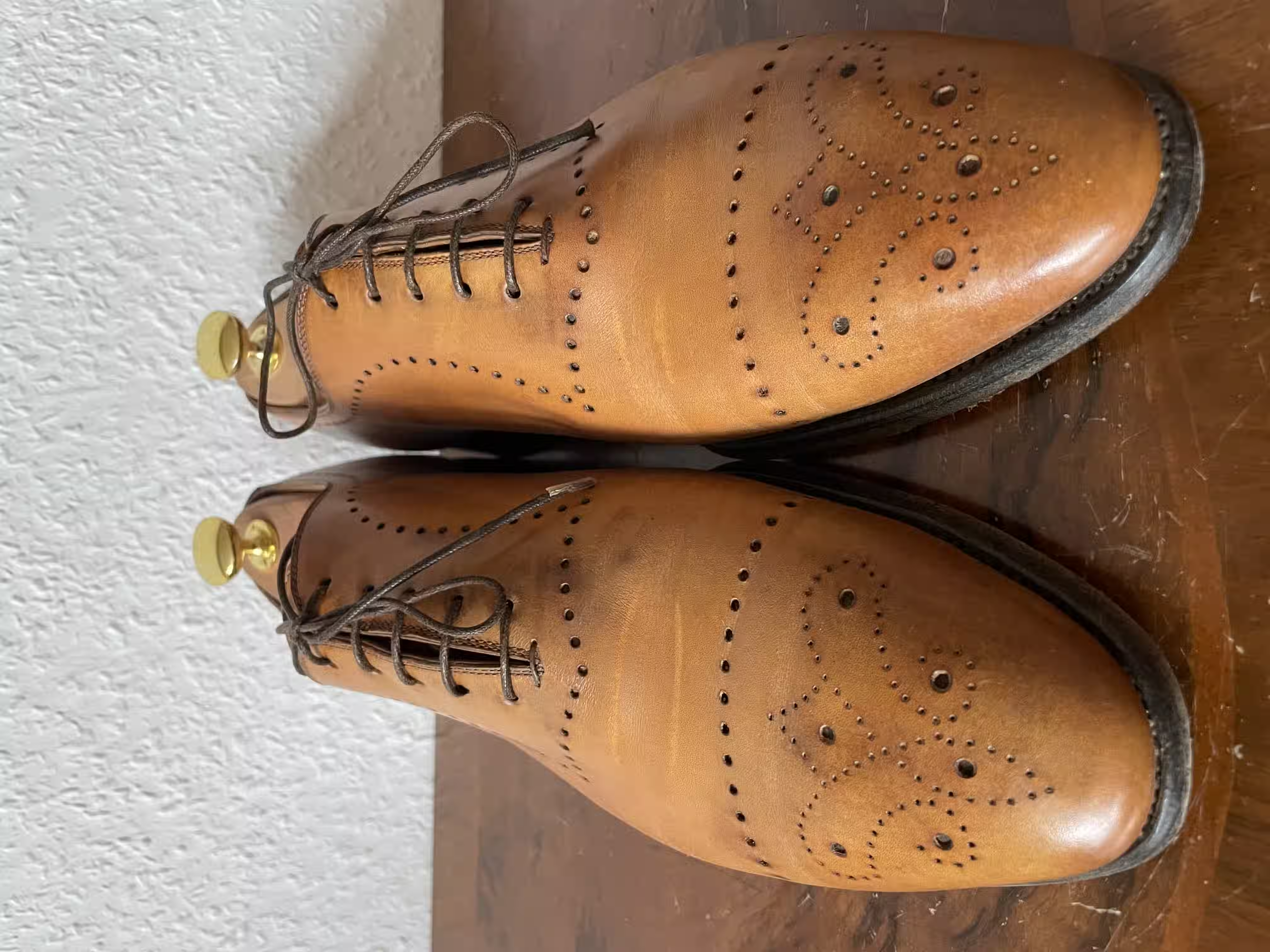
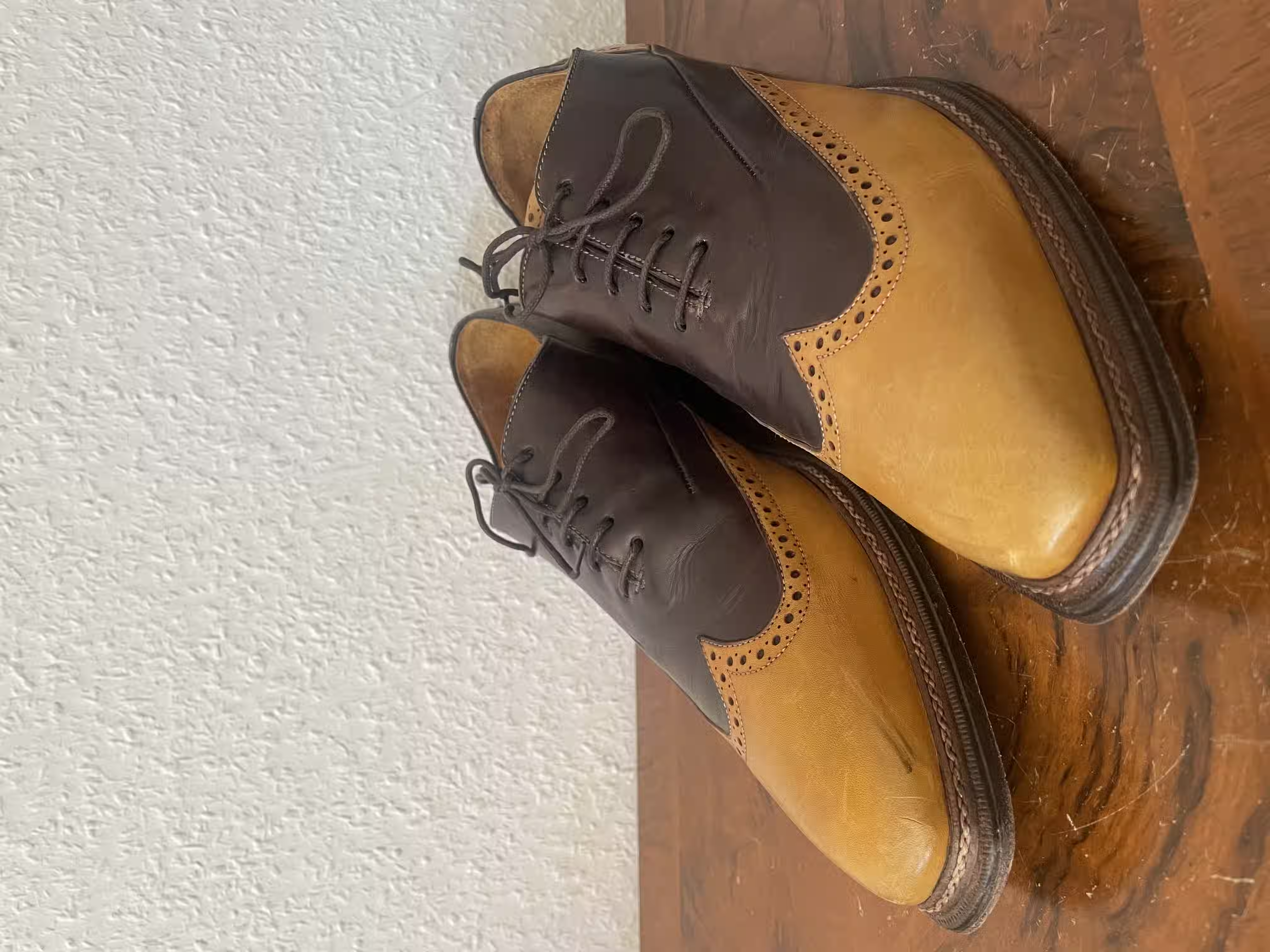
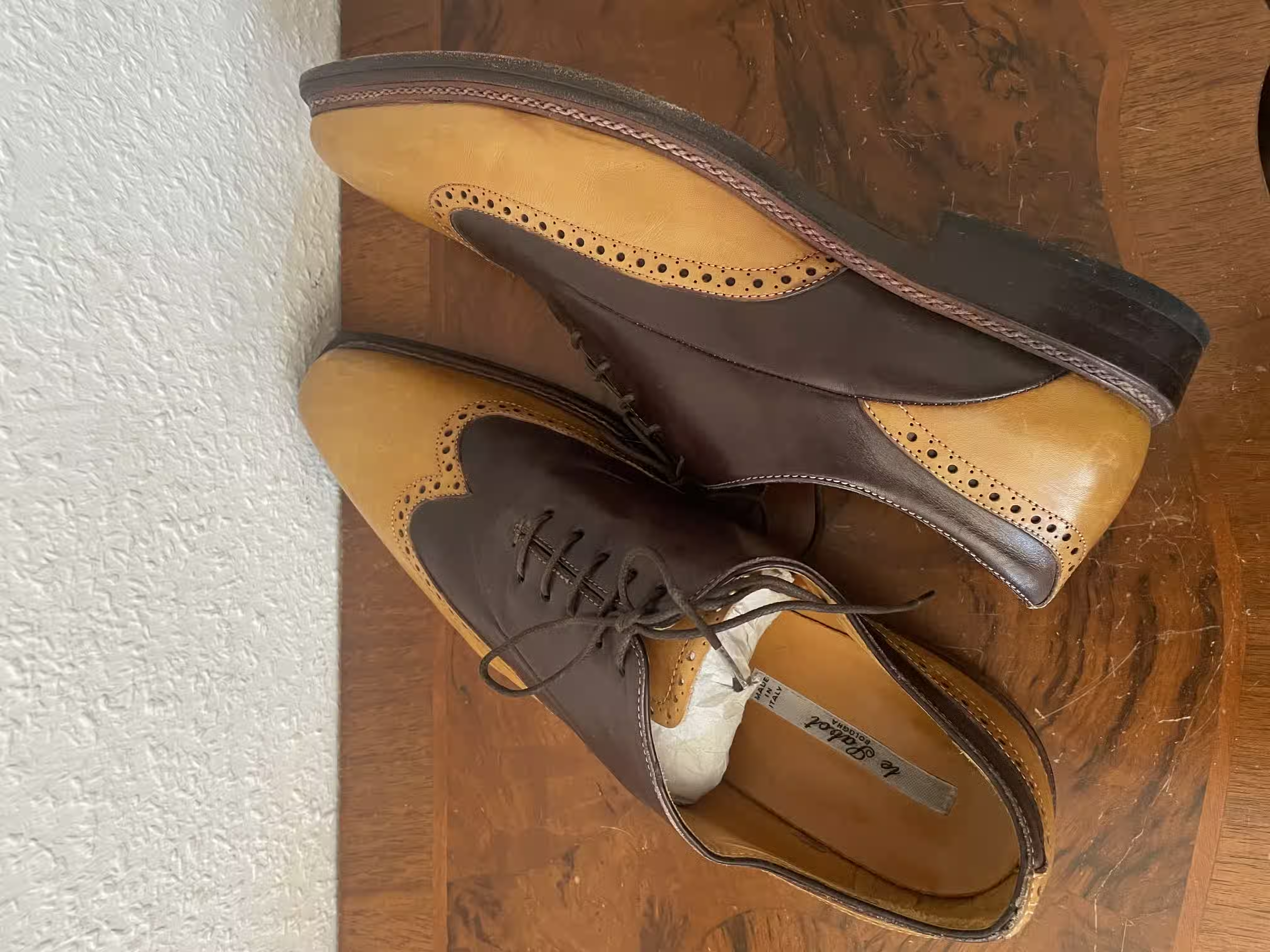
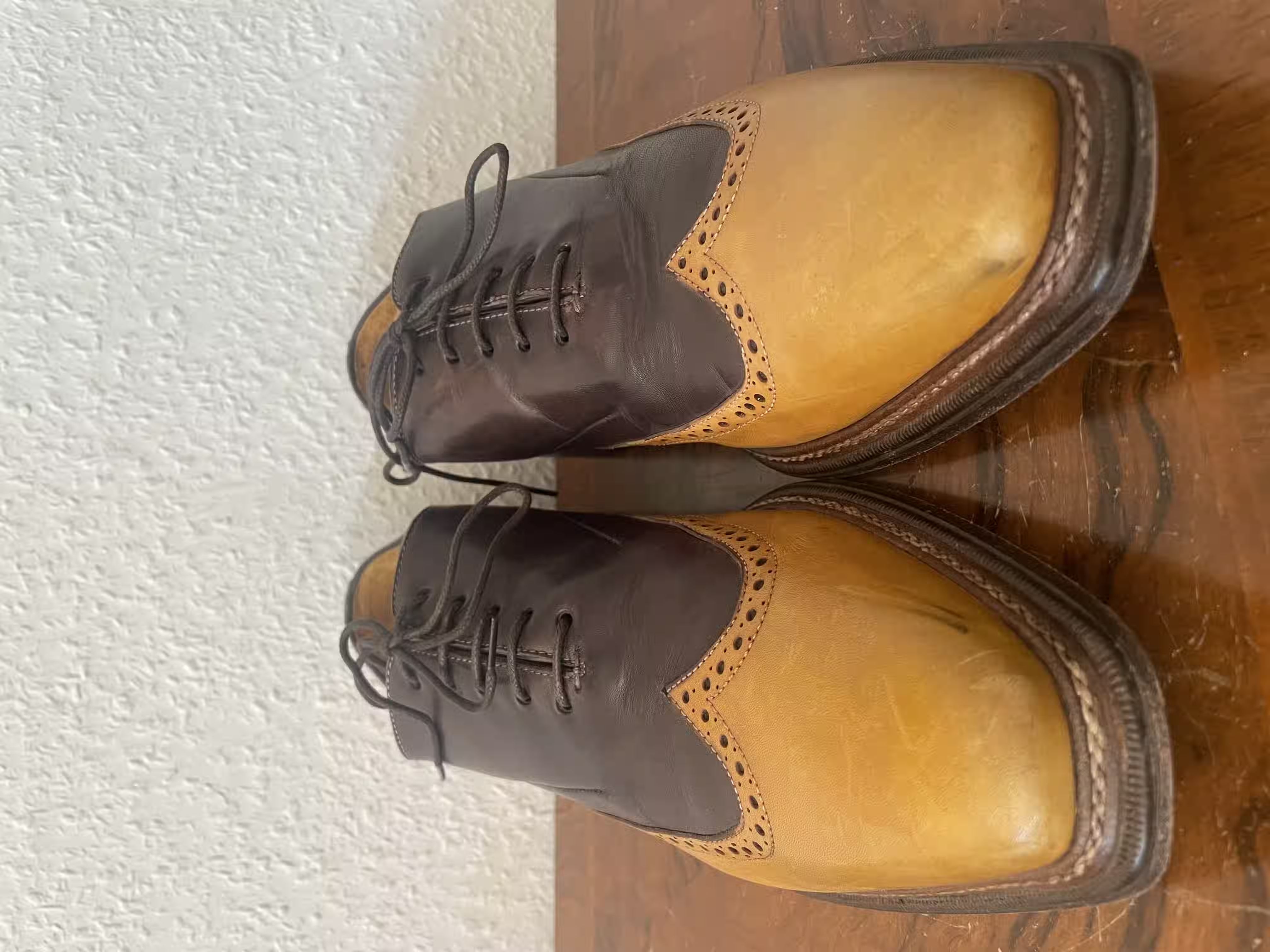
This isn’t a completely typical brogue, but it shows how an Oxford shoe can be decorated with perforated patterns. While most brogue shoes have caps at the front and back, this pair is made from a single piece of upper leather, and the perforations are punched into that very leather. You can wear this pair nicely with relaxed, light-colored suits.
Special Characteristics
Strictly speaking, brogues aren’t a model in their own right, but simply shoes decorated with perforated patterns that can be based on very different models. Thus, the term brogue is a category of shoes, and the other terms that follow are subcategories, such as a so-called full brogue. A full brogue therefore doesn’t mean a specific shoe, nor a specific shoe model. A full brogue can mean a full brogue Derby, but also a full brogue Oxford. The term simply implies certain perforation patterns that the shoe definitely has, which I explain in more detail further below. There are the following two basic types that are typically used to decorate brogues:
1. Broguing Ingredient: Perforated Pattern Strip, also called Lyre Perforation
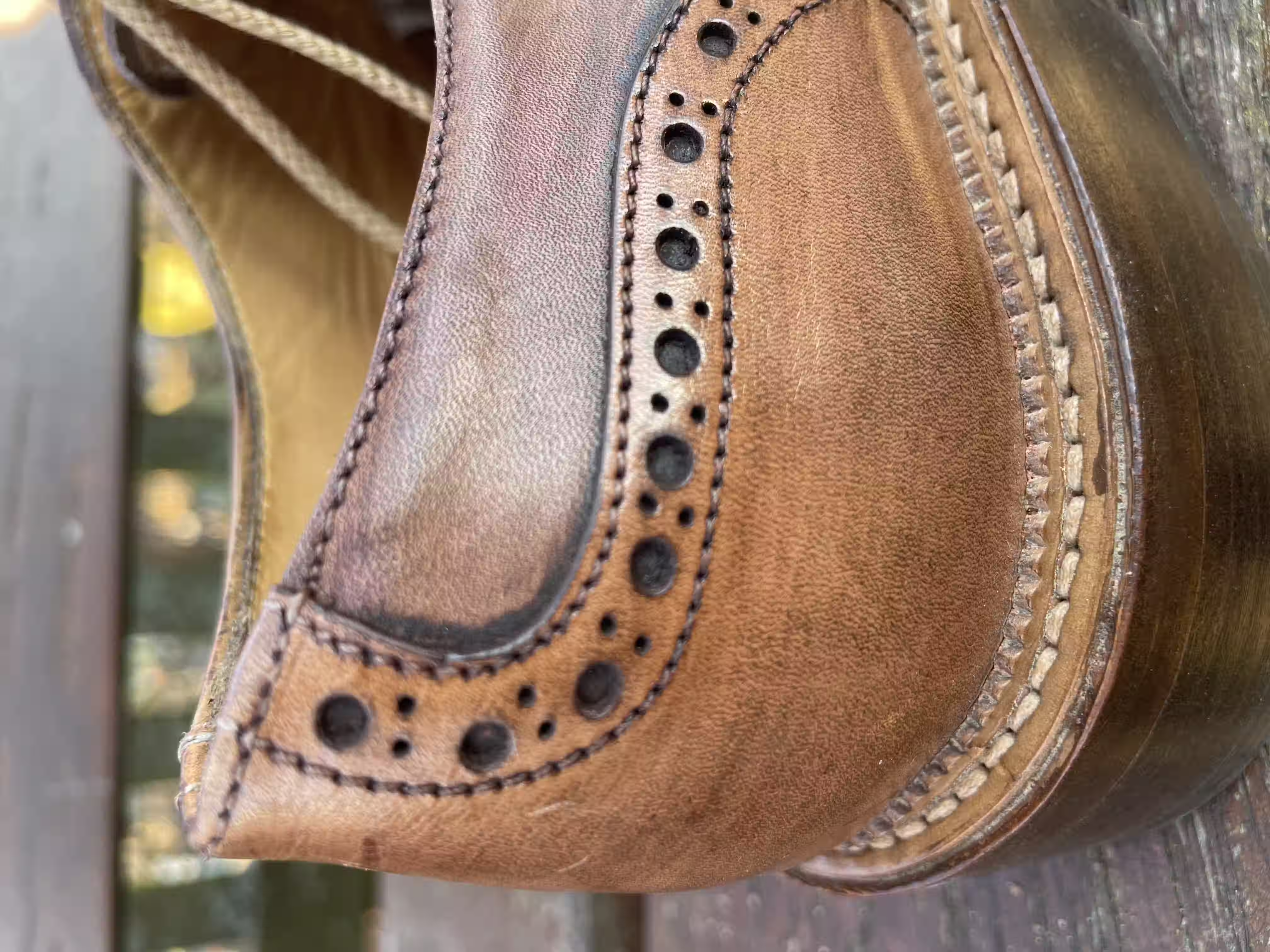
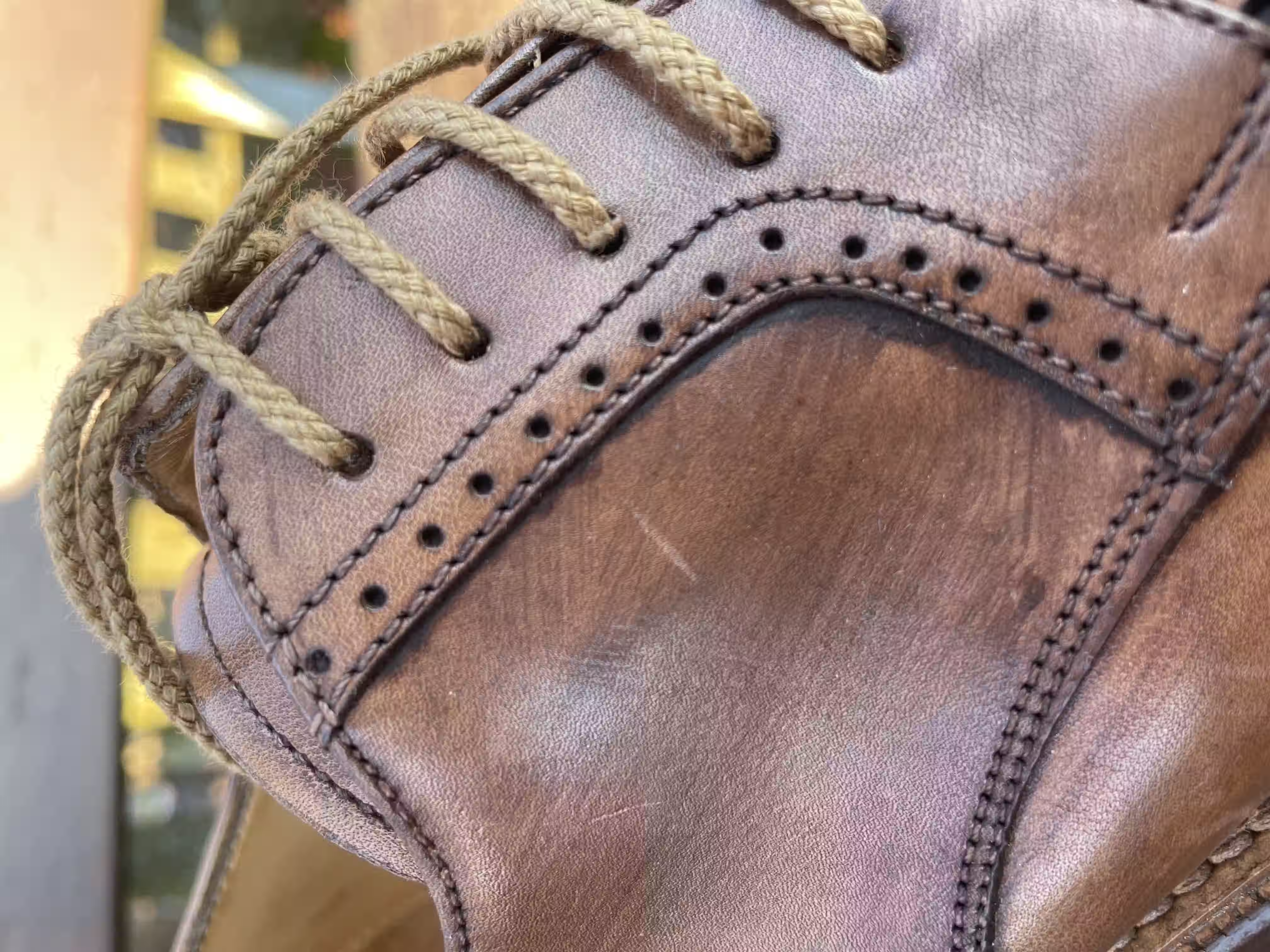
This is about the following typical perforation pattern: one large and two very small punched holes alternate and are additionally framed along the length of the strip by leather stitching on the sides. In this style, the edges of various upper parts such as the toe cap and the heel cap can be decorated.
In a simpler version of this lyre perforation, the large and small holes are omitted and the holes are kept uniformly medium-sized—this is the version you can see in the top right image. Near the lacing is typically the spot where it is sometimes used. Both versions of the lyre perforation can be used on a brogue, but the more complex one from the top left image is, in practice, the far more dominant.
2. Broguing Ingredient: The Medallion
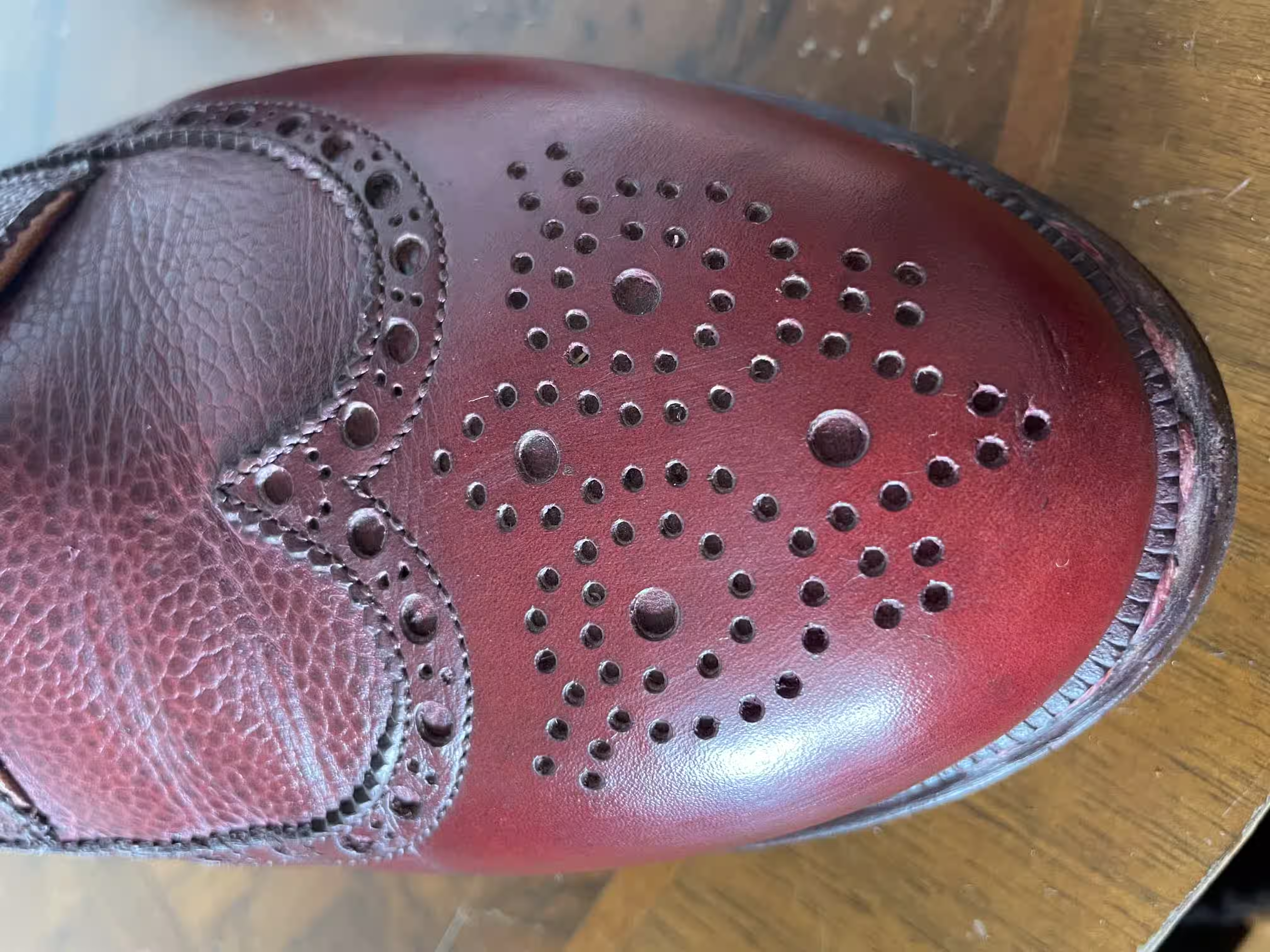
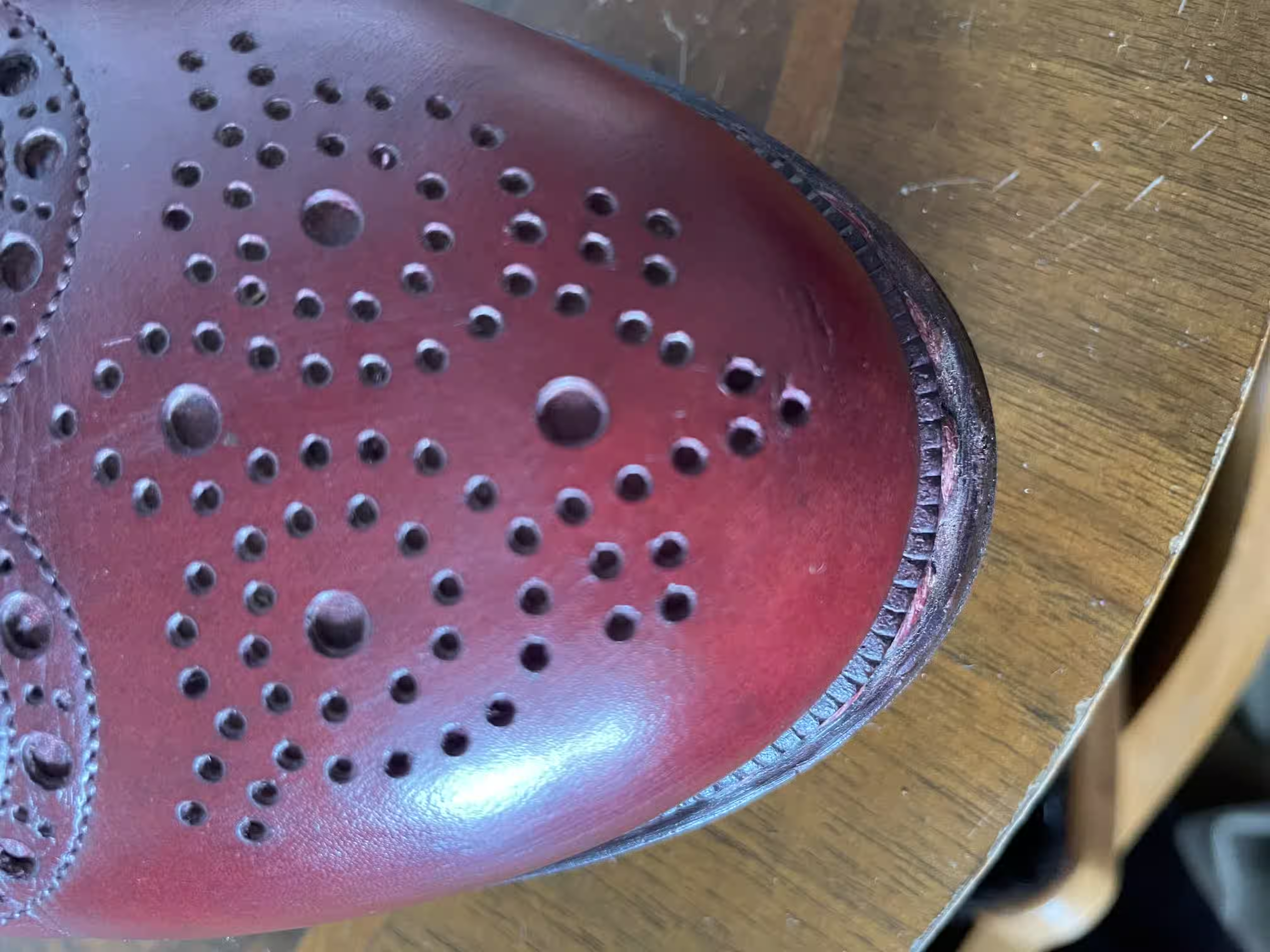
This is a decorative pattern consisting of medium-sized holes on the front of the shoe. There are various such medallions that can be applied, and you can even invent new patterns at any time and have them applied.
History
According to the origin story, in the 18th century Scots and Irish people made holes in their shoes on their wet land—and real holes, not the half, implied holes found on modern brogues. In any case, according to legend, the Scots and Irish were able to let the water drain out of their leather shoes more easily this way. Personally, I can’t follow this origin story all that well. But I do accept that a wet shoe with holes can dry a bit better.
On the other hand, feet get wet much faster outdoors if real holes are made in the shoe: in the area of use, the water gets in even faster than it later gets out at home. But perhaps that was something people consciously accepted because the shoes in that environment got wet anyway, with or without holes.
In any case, nowadays the holes are only suggested and do not go all the way through the entire leather of the upper. There are smaller and larger holes that alternate with each other in a regular pattern.
A famous brogue wearer is the Duke of Windsor. He wore various brogue shoes—some for playing golf and others for finer occasions. Due to his social standing, his shoes appeared in various video and photo recordings. In addition, he was the subject of the tabloid press. This gave brogue shoes—probably rather unintentionally—a certain level of notoriety.
Variations
The different brogue variations differ mainly in how elaborately they are decorated with the above and other perforation patterns. Because on the one hand you can choose a maximal variant and decorate the shoes with perforations almost as much as possible. Or you can apply the perforated decoration to certain upper parts and leave it off others. For example, you can decorate the edge of the toe cap with lyre perforation and leave the rest plain, ending up with what’s called a quarter brogue, which I discuss further below. But if you choose a so-called wing cap instead of a toe cap, then you have a bit more area for the lyre perforation and can make the shoe a bit more ornate as a result.
Quarter Brogues
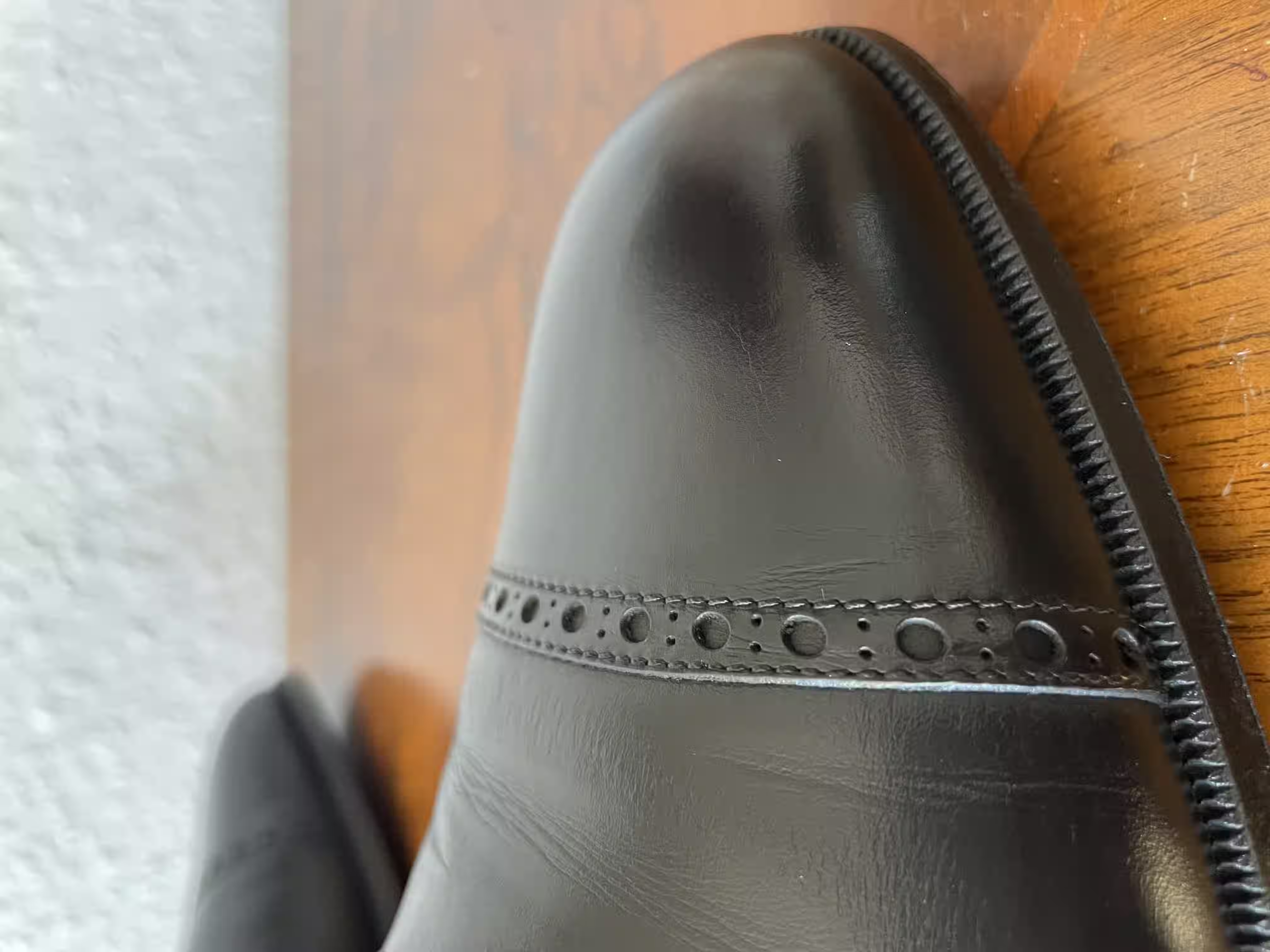
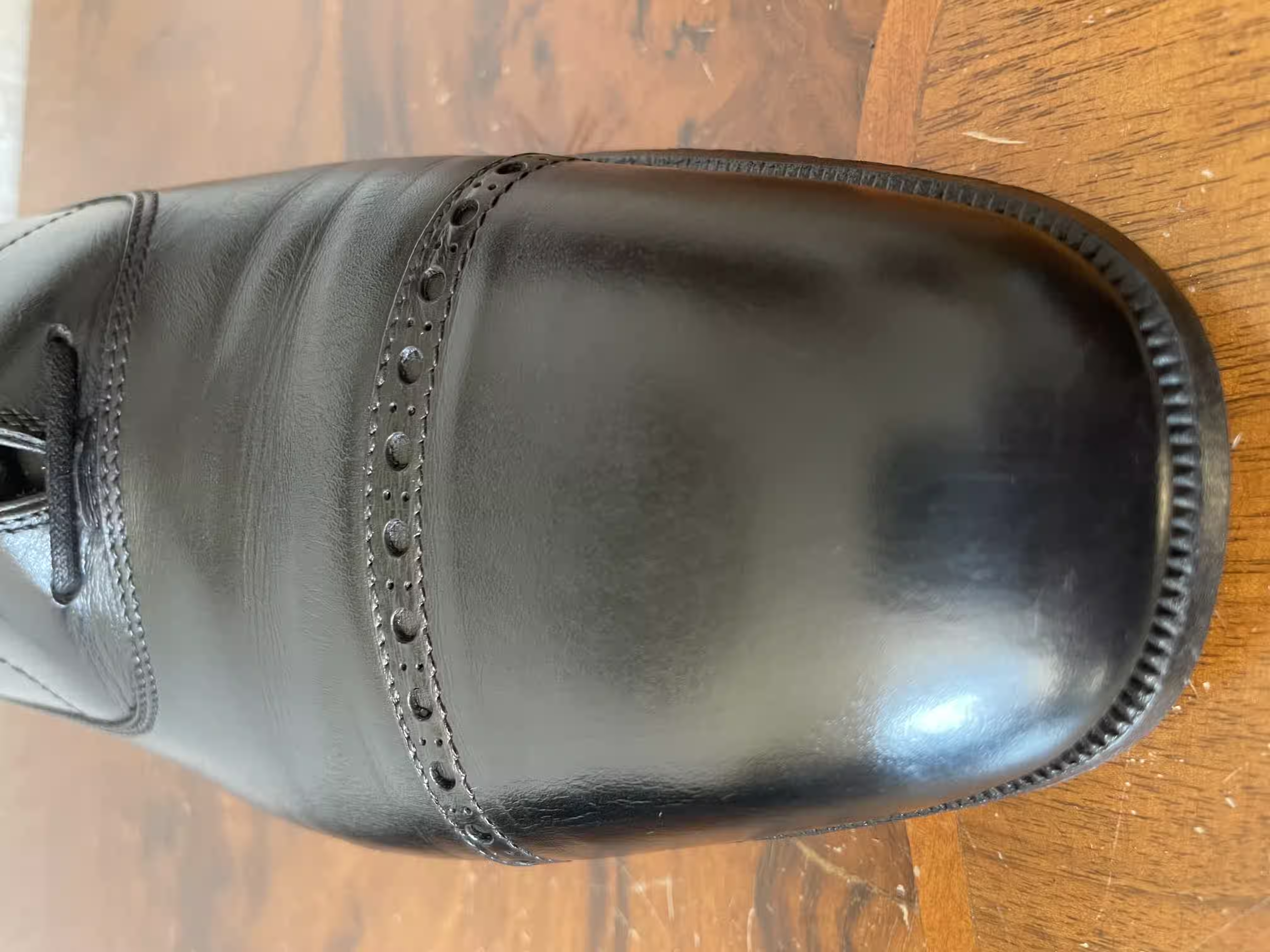
This is a shoe with a decorated toe cap. Along its edge, the toe cap is given perforation patterns, making it more relaxed and decorative than a plain toe cap. Often, additional patterns of this broguing are added to other parts of the upper, such as the sides. However, there is no medallion at the front at all.
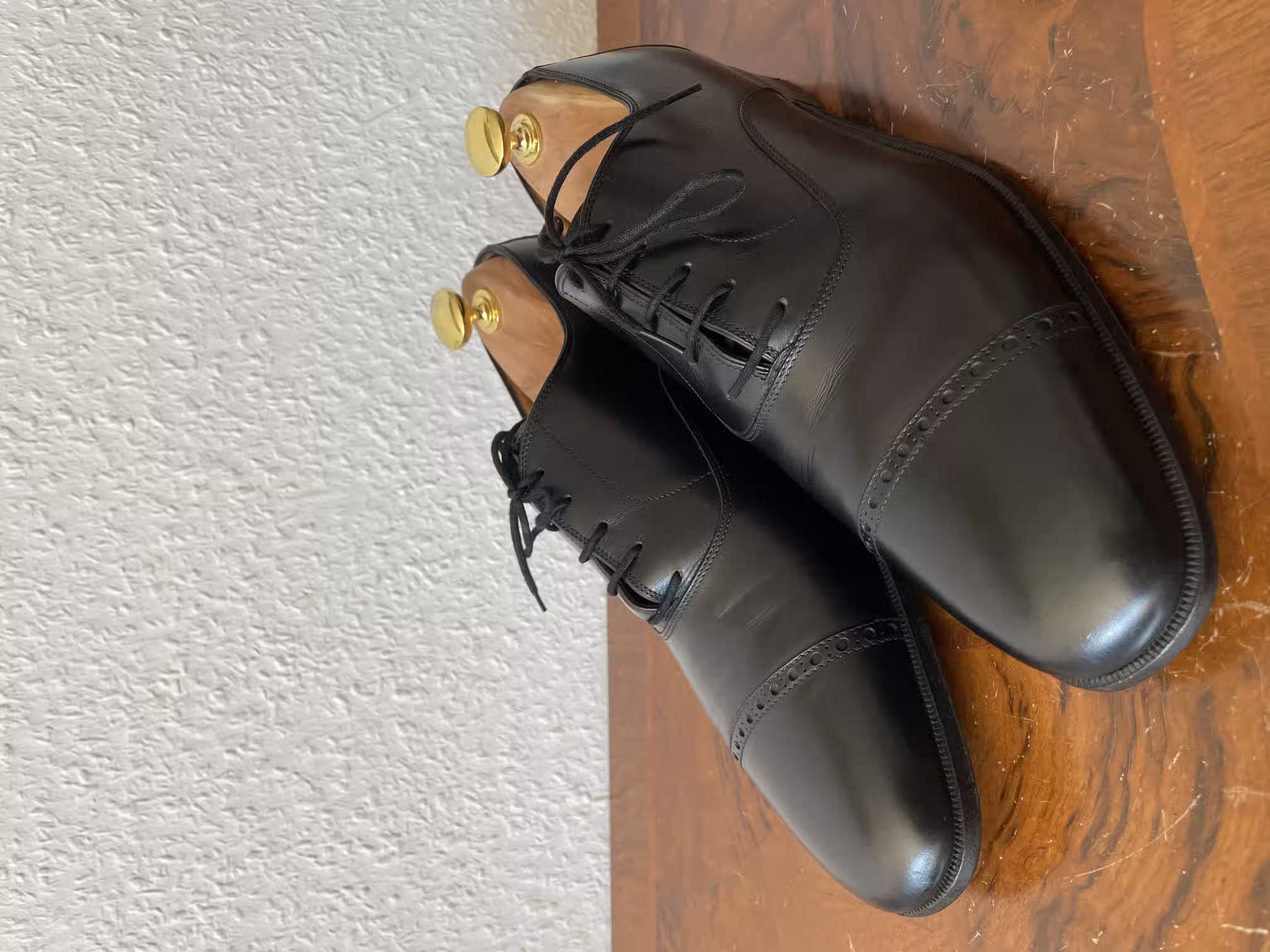
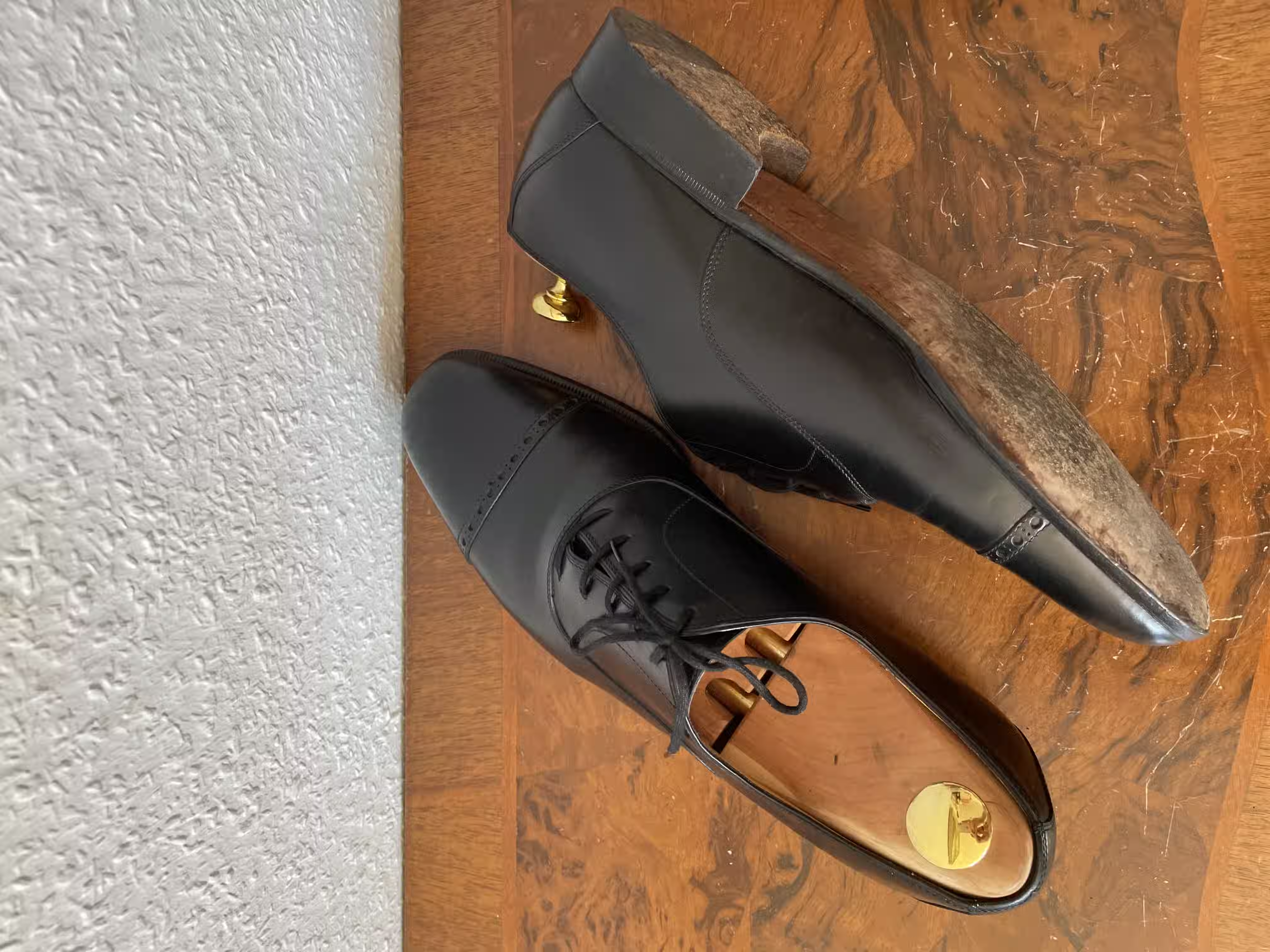
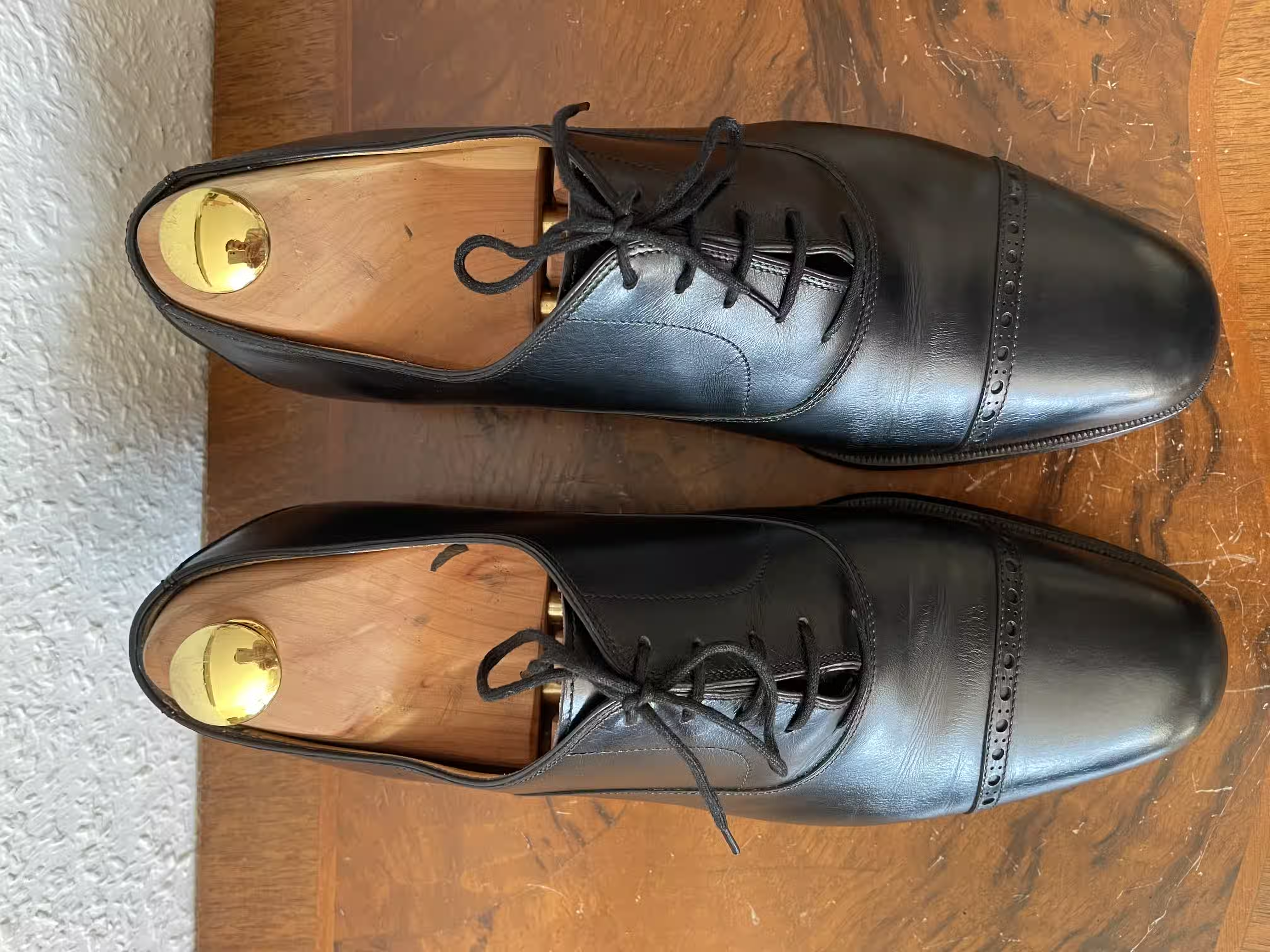
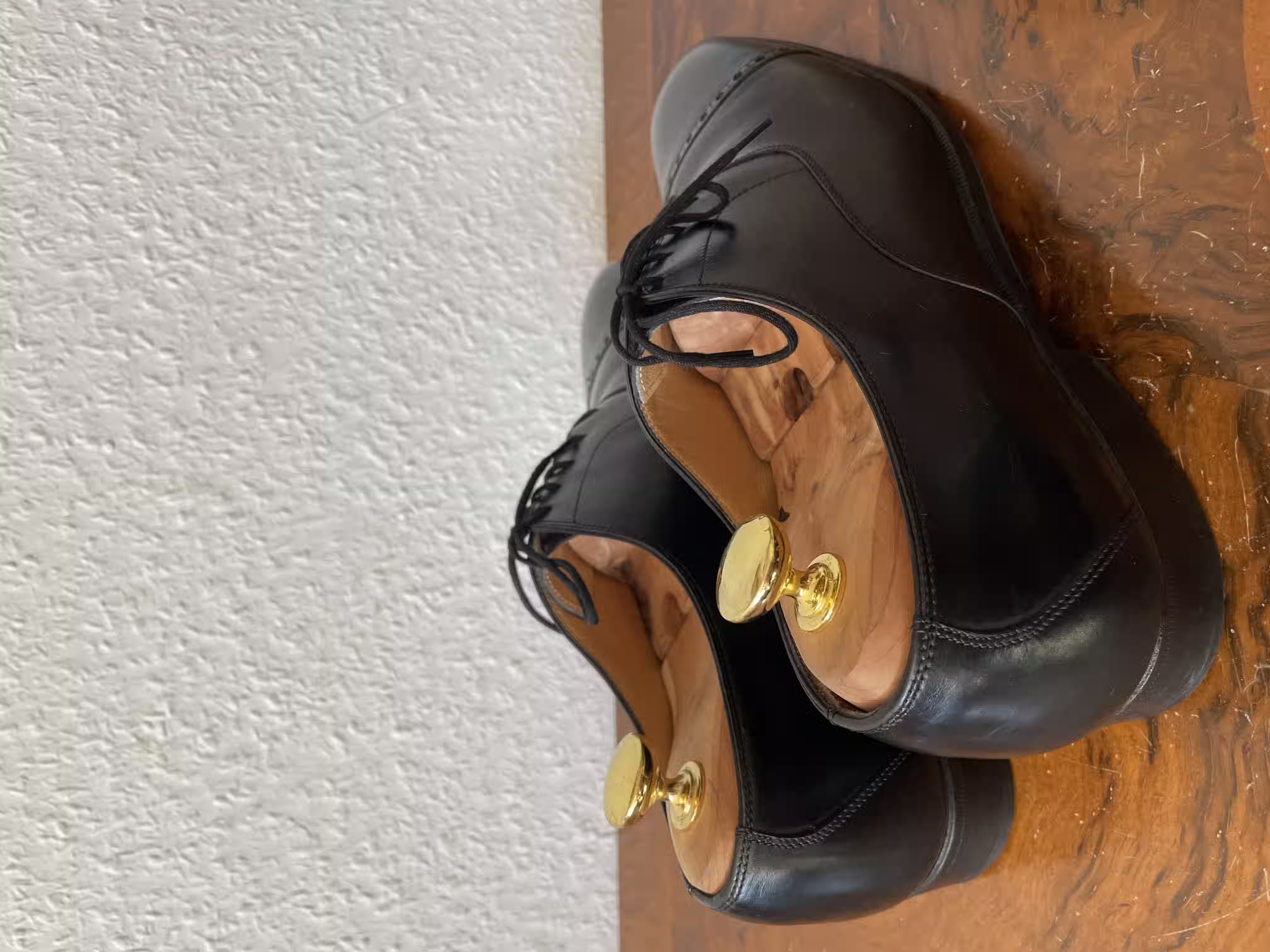
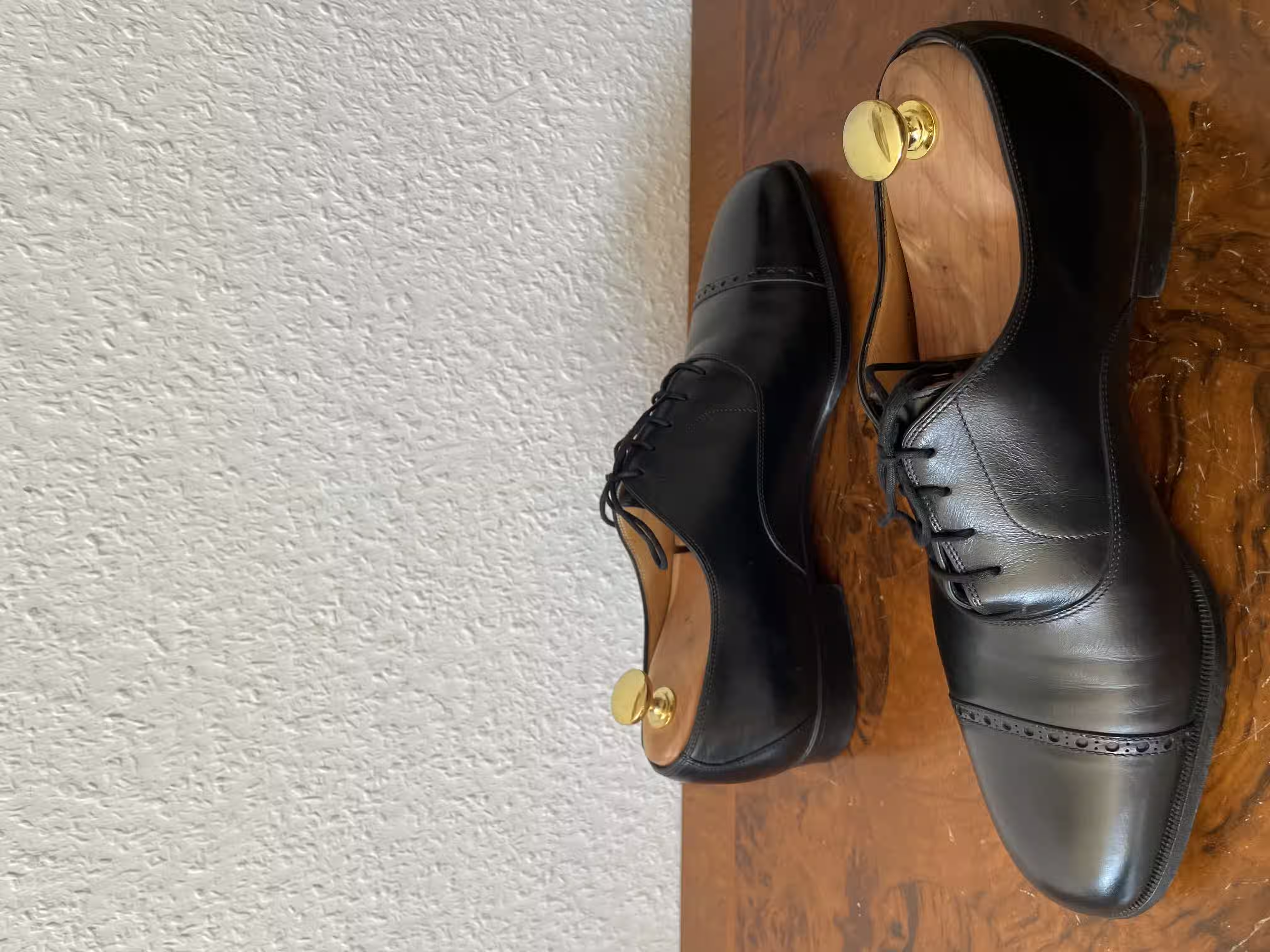
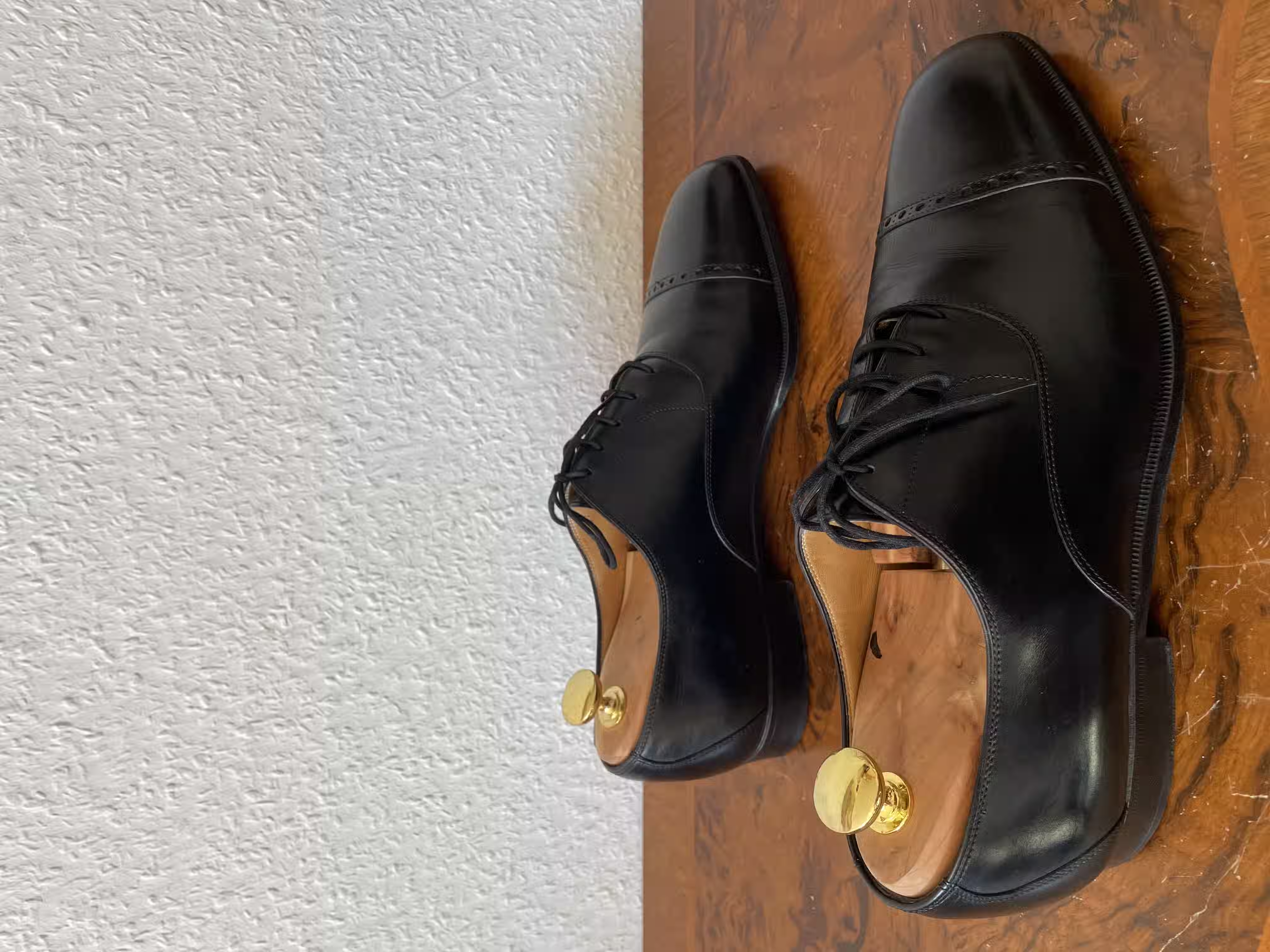
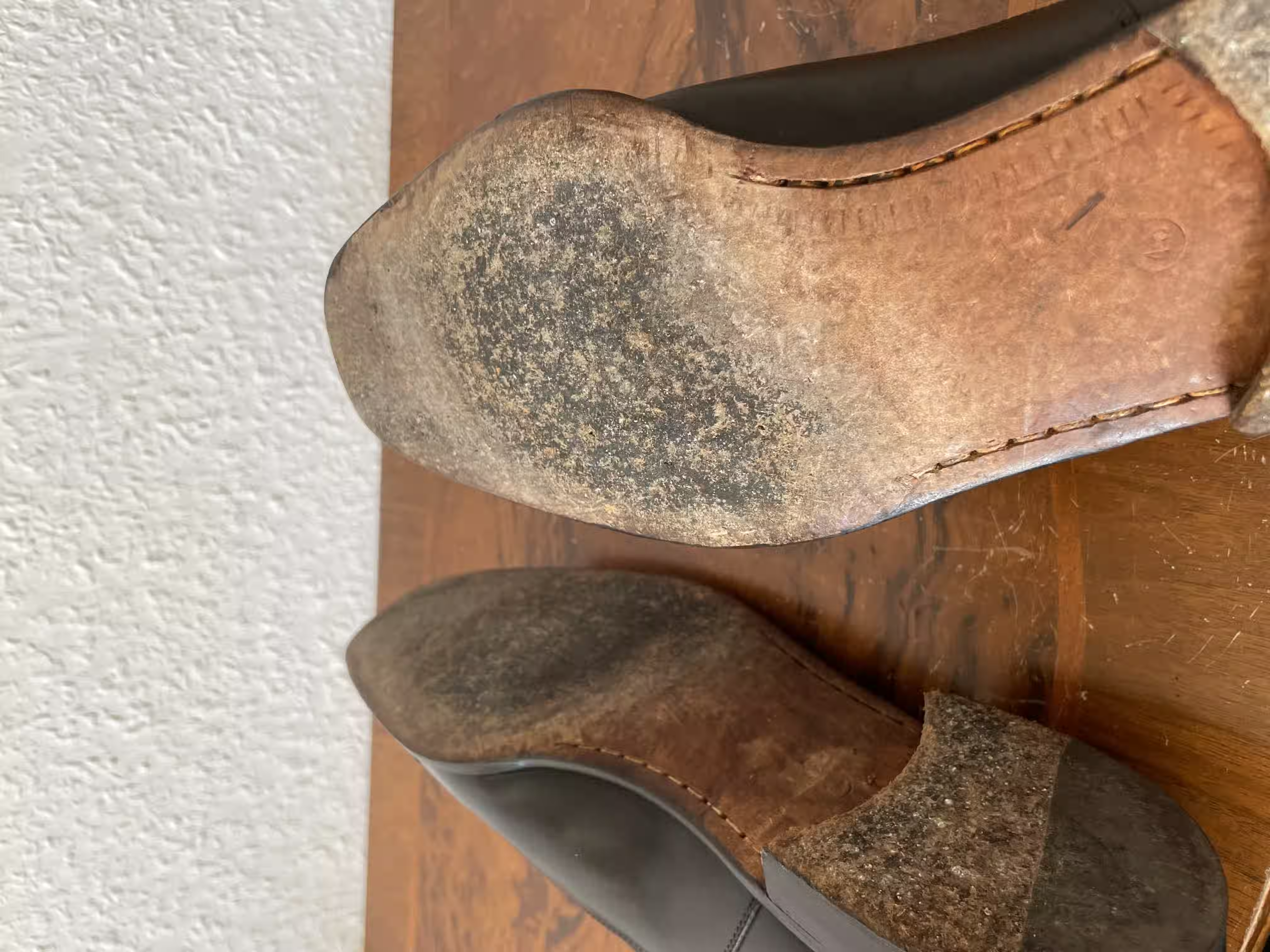
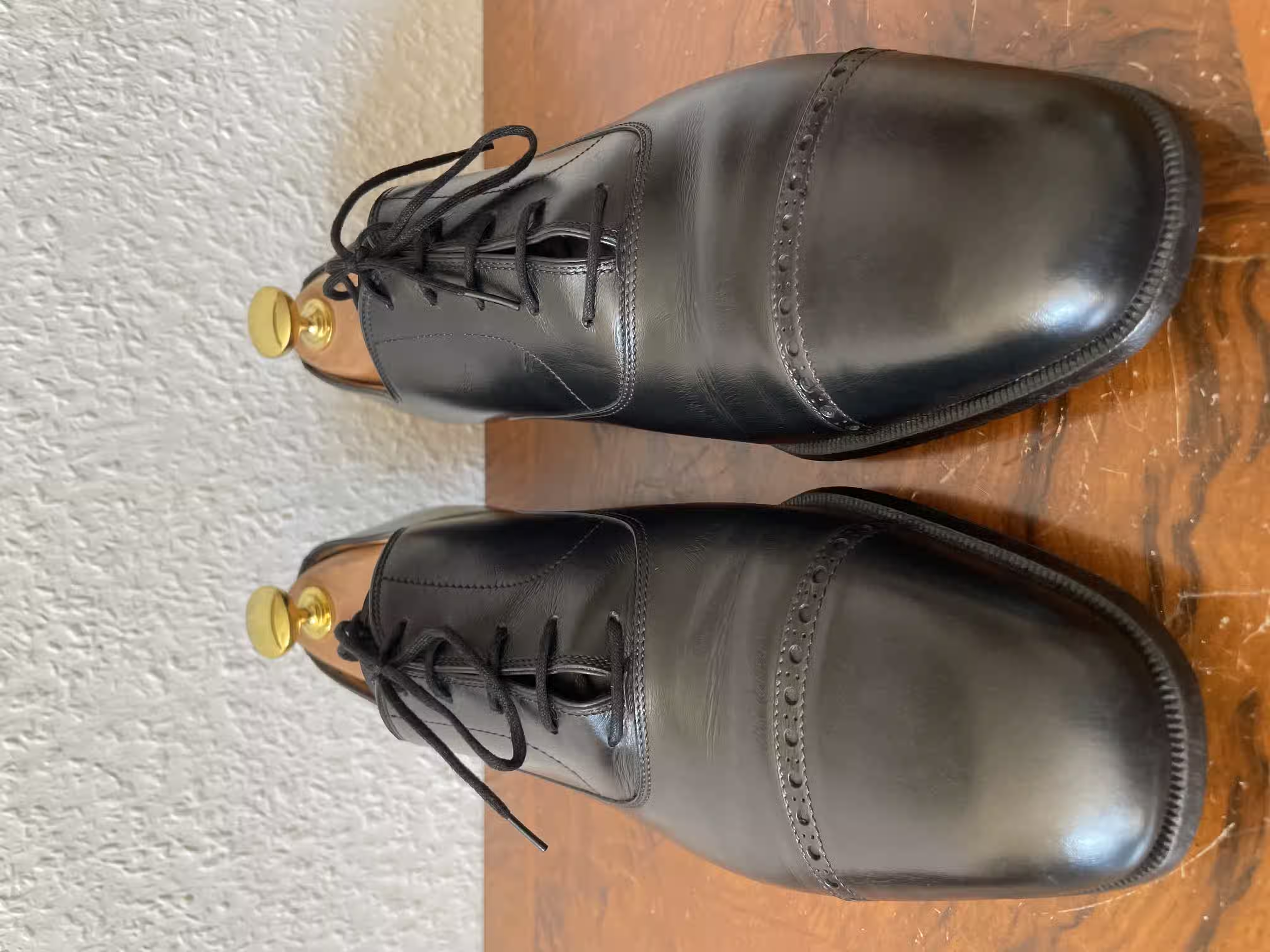
Quarter-brogue shoes in black can be relatively formal shoes, but the perforation details loosen them up a bit and make them more interesting. Quarter brogues are therefore shoes with subtle decoration, with the perforations standing out particularly well here simply because there aren’t that many of them.

Semi-Brogues or Half-Brogues
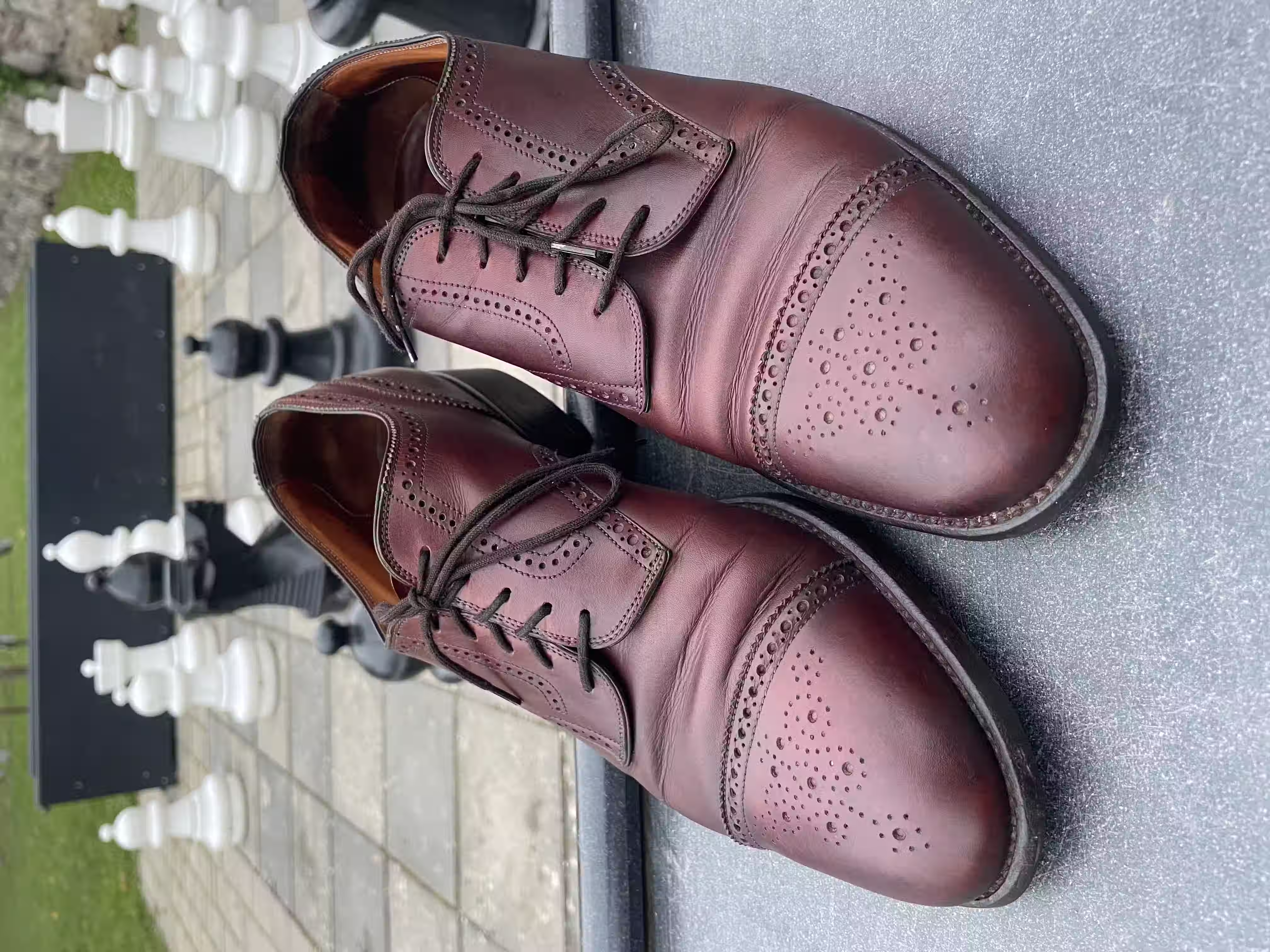
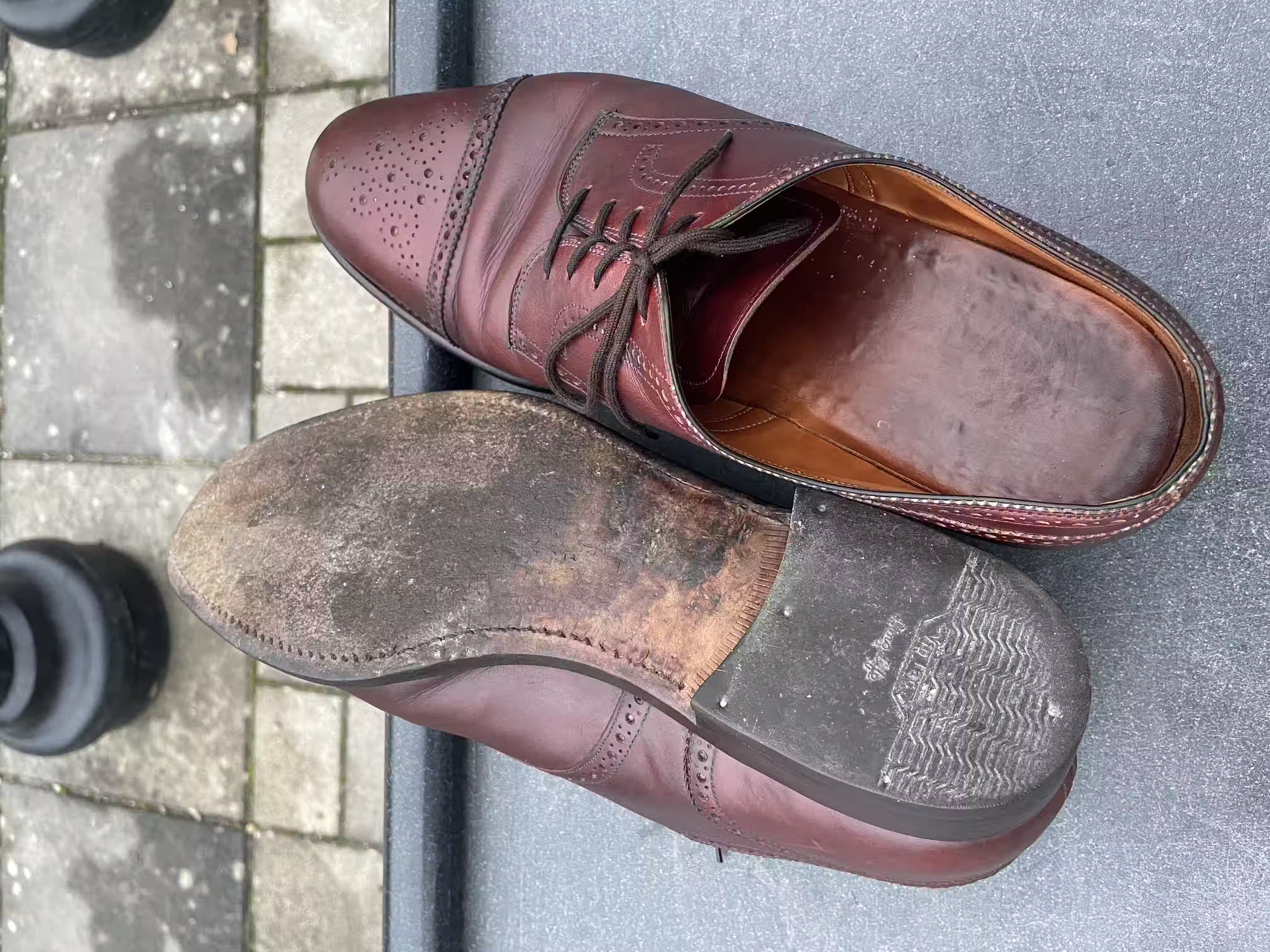
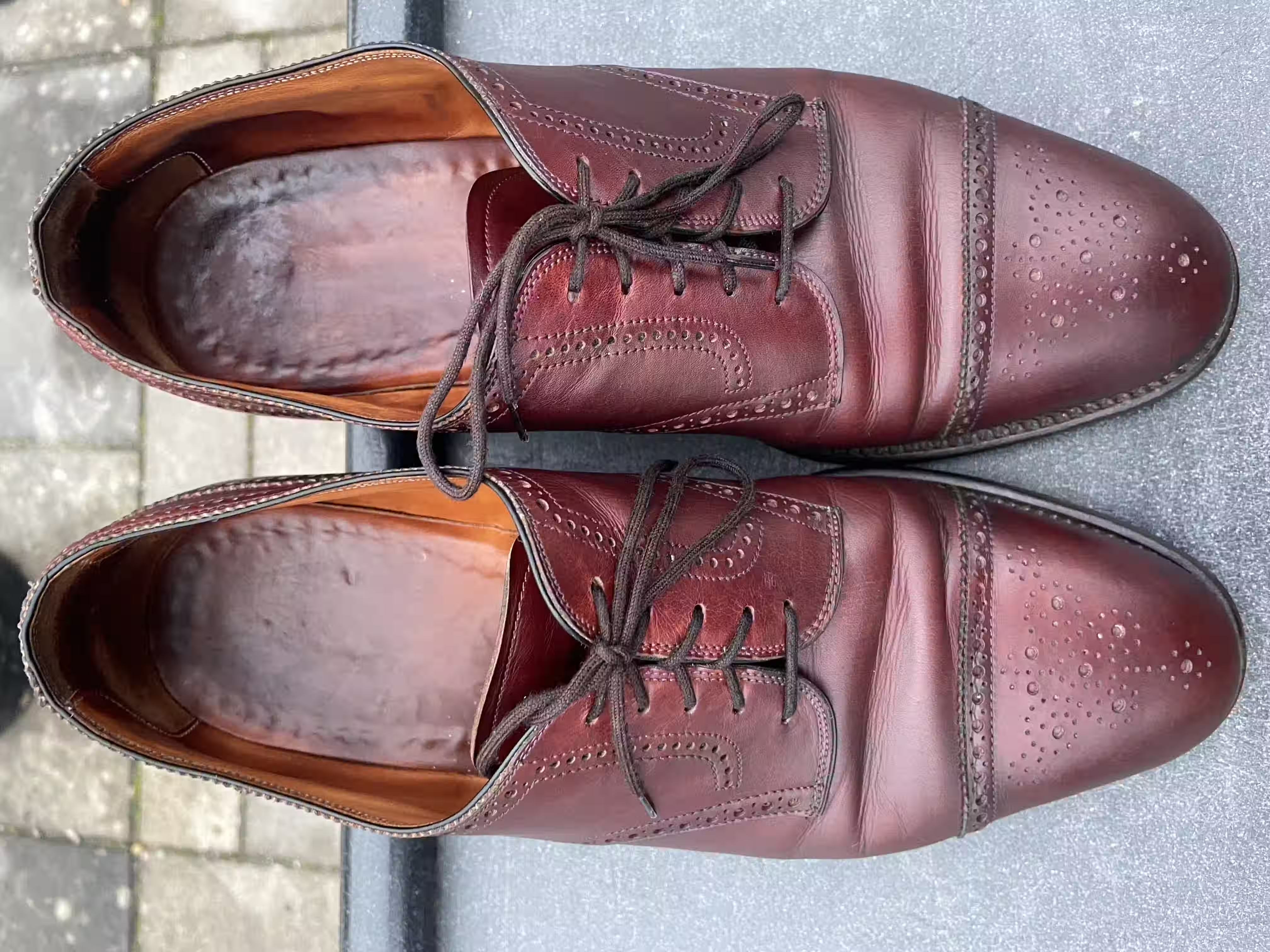
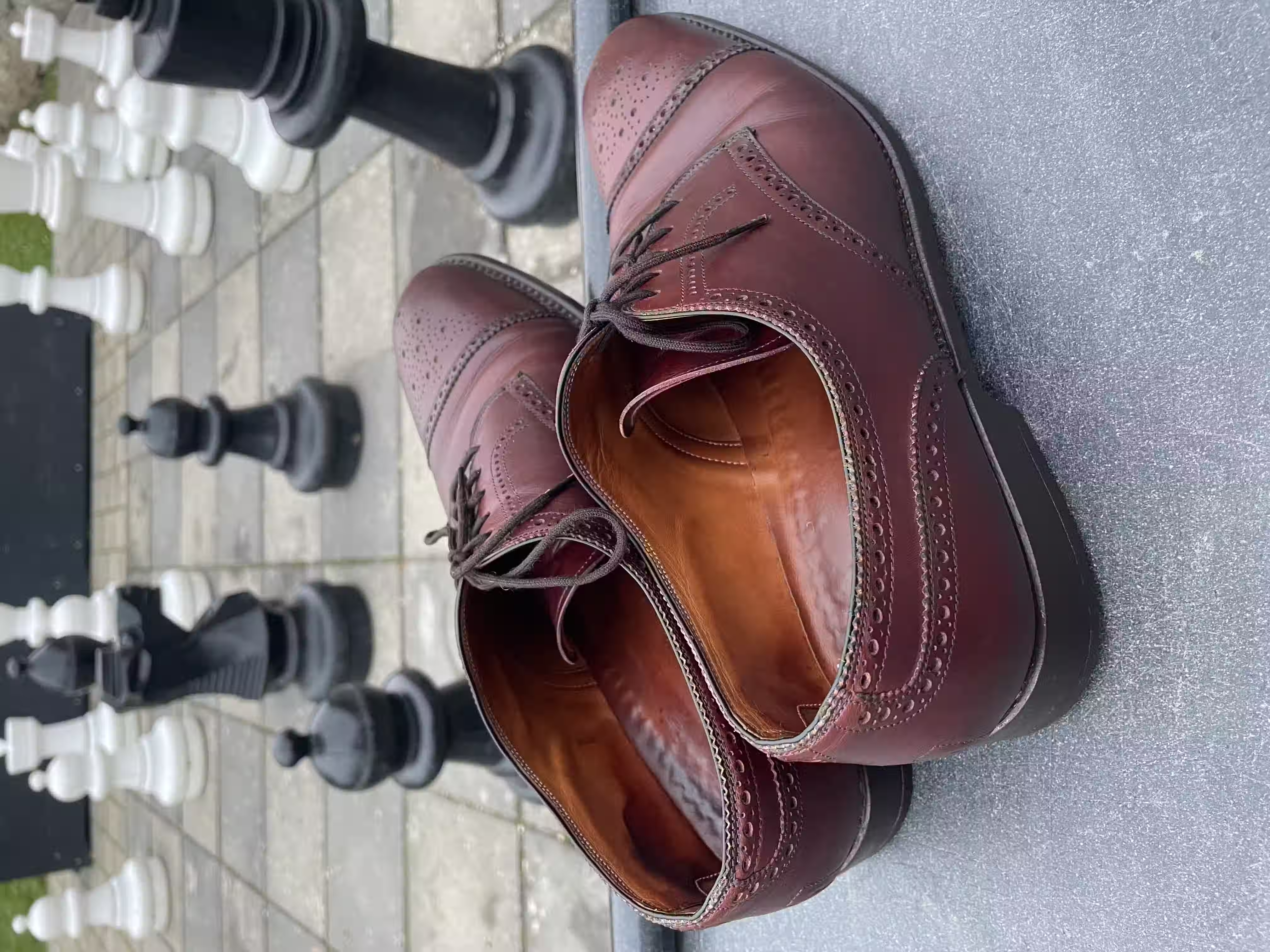
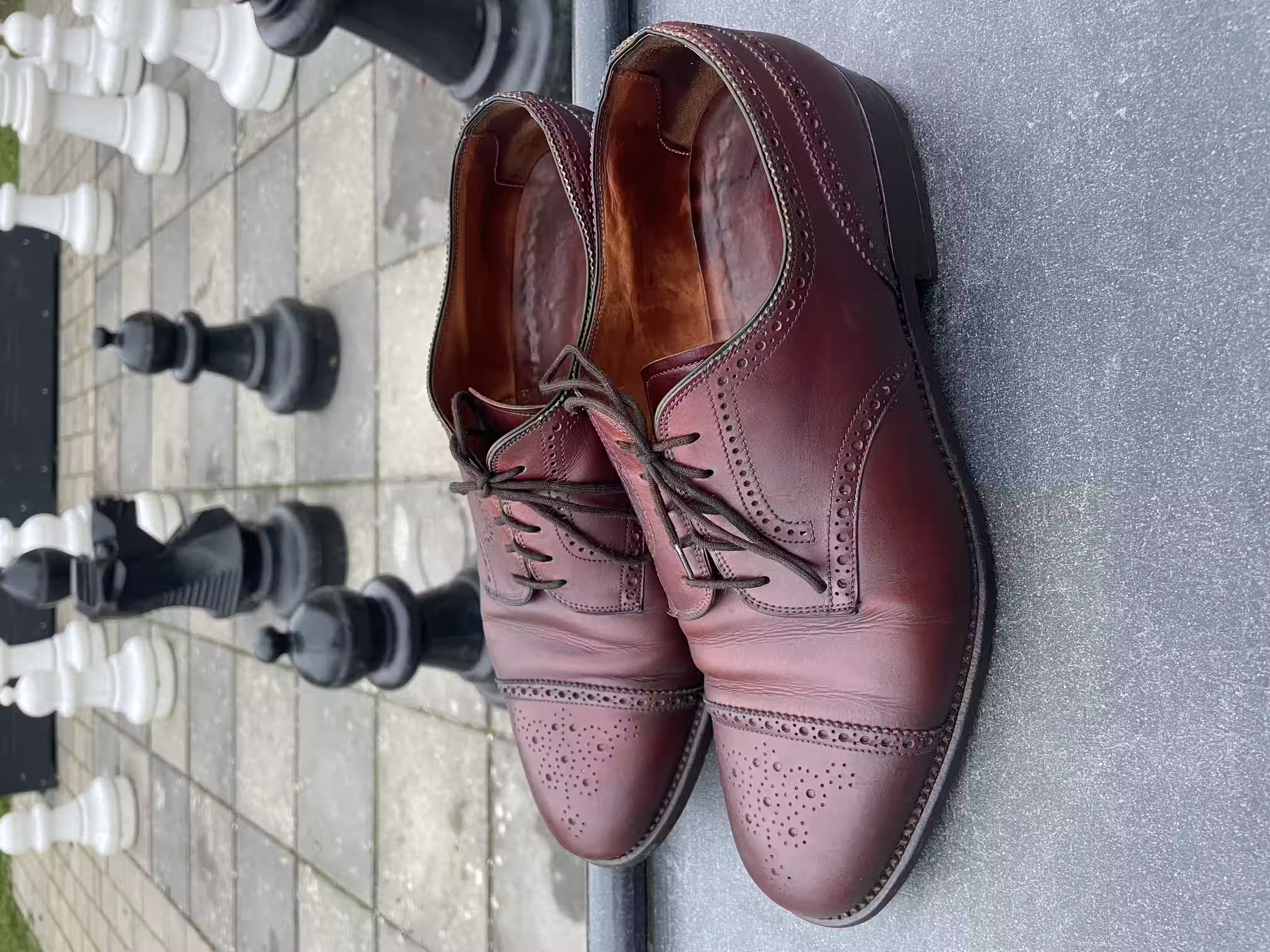
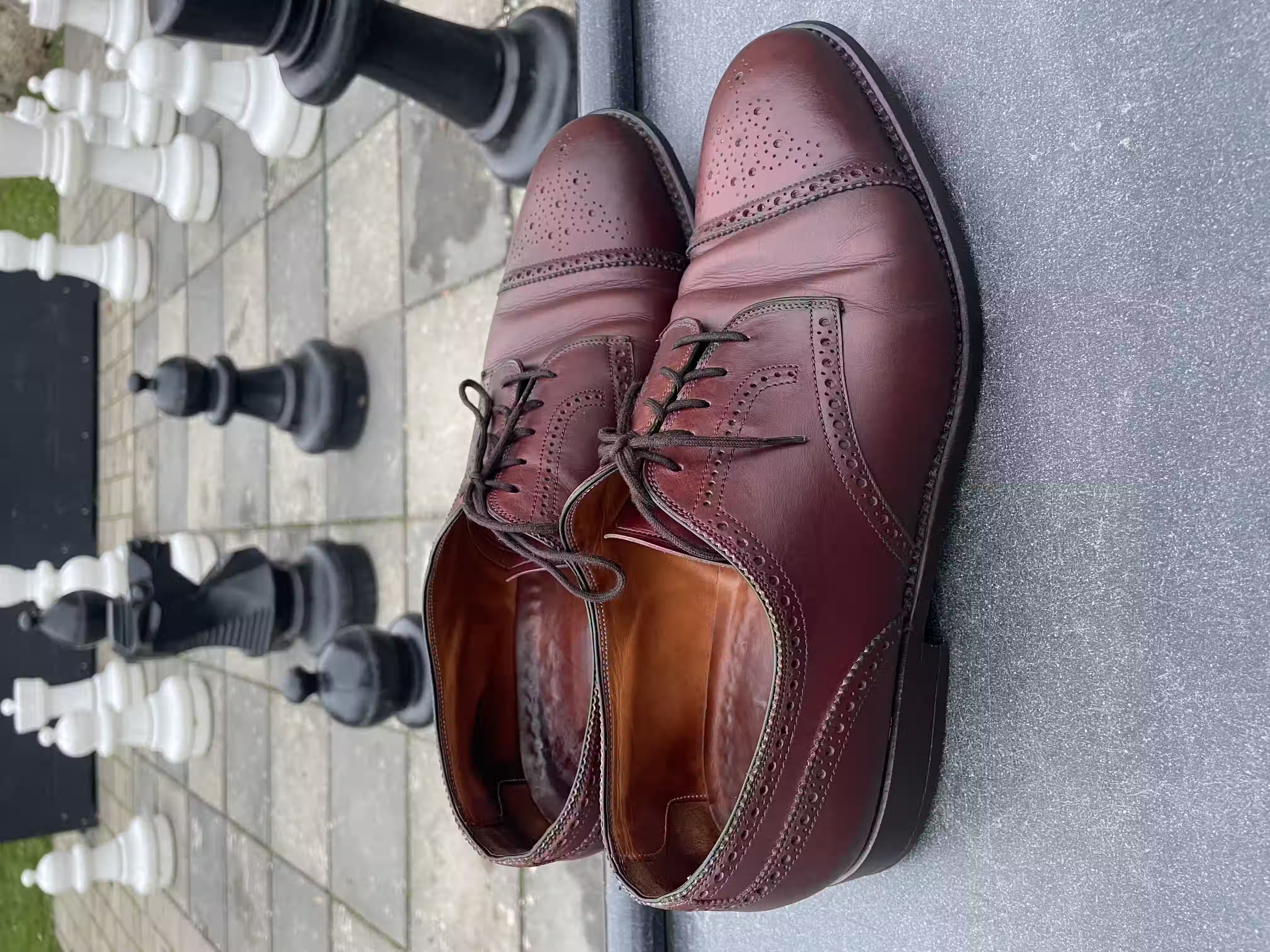
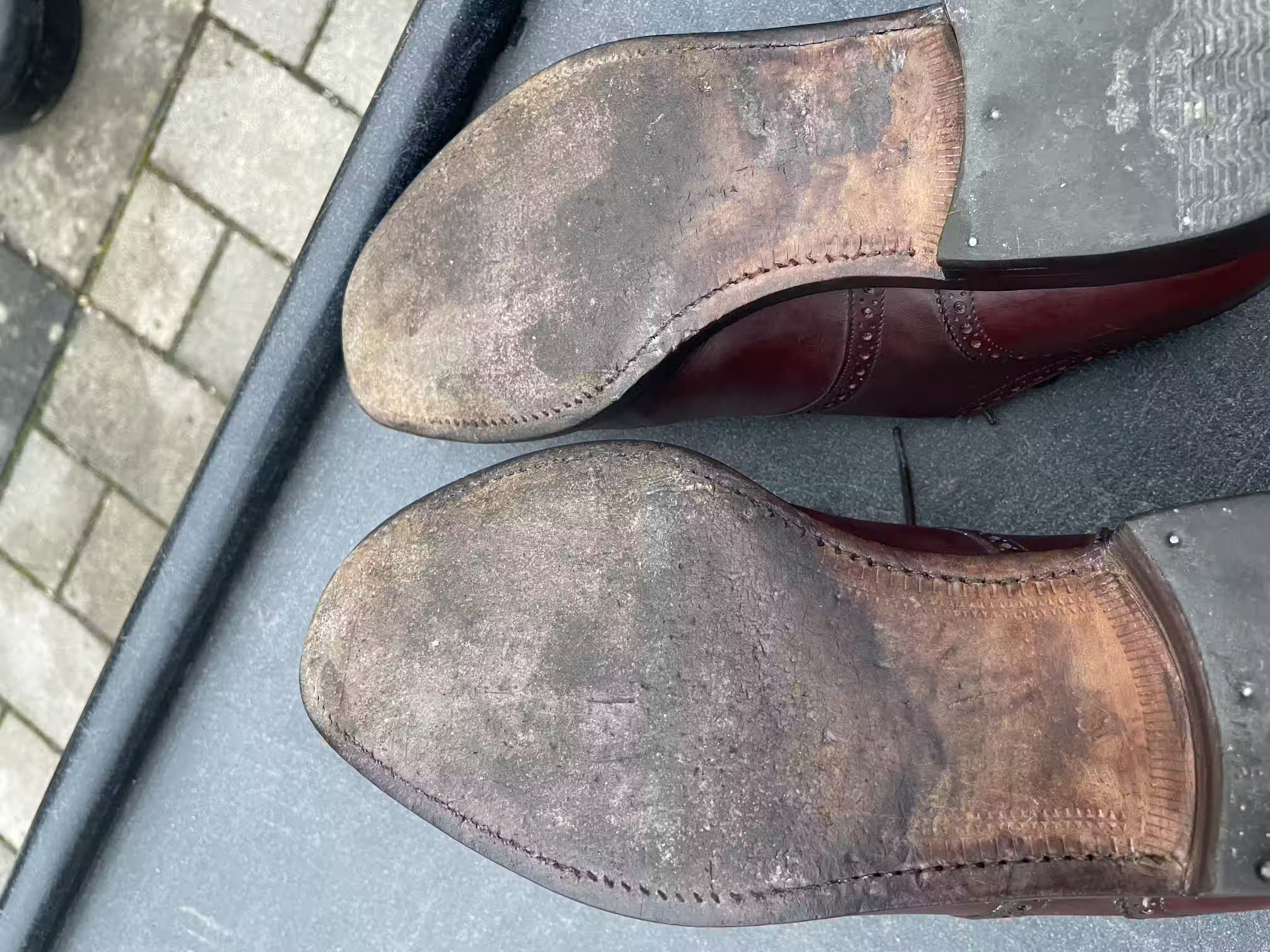
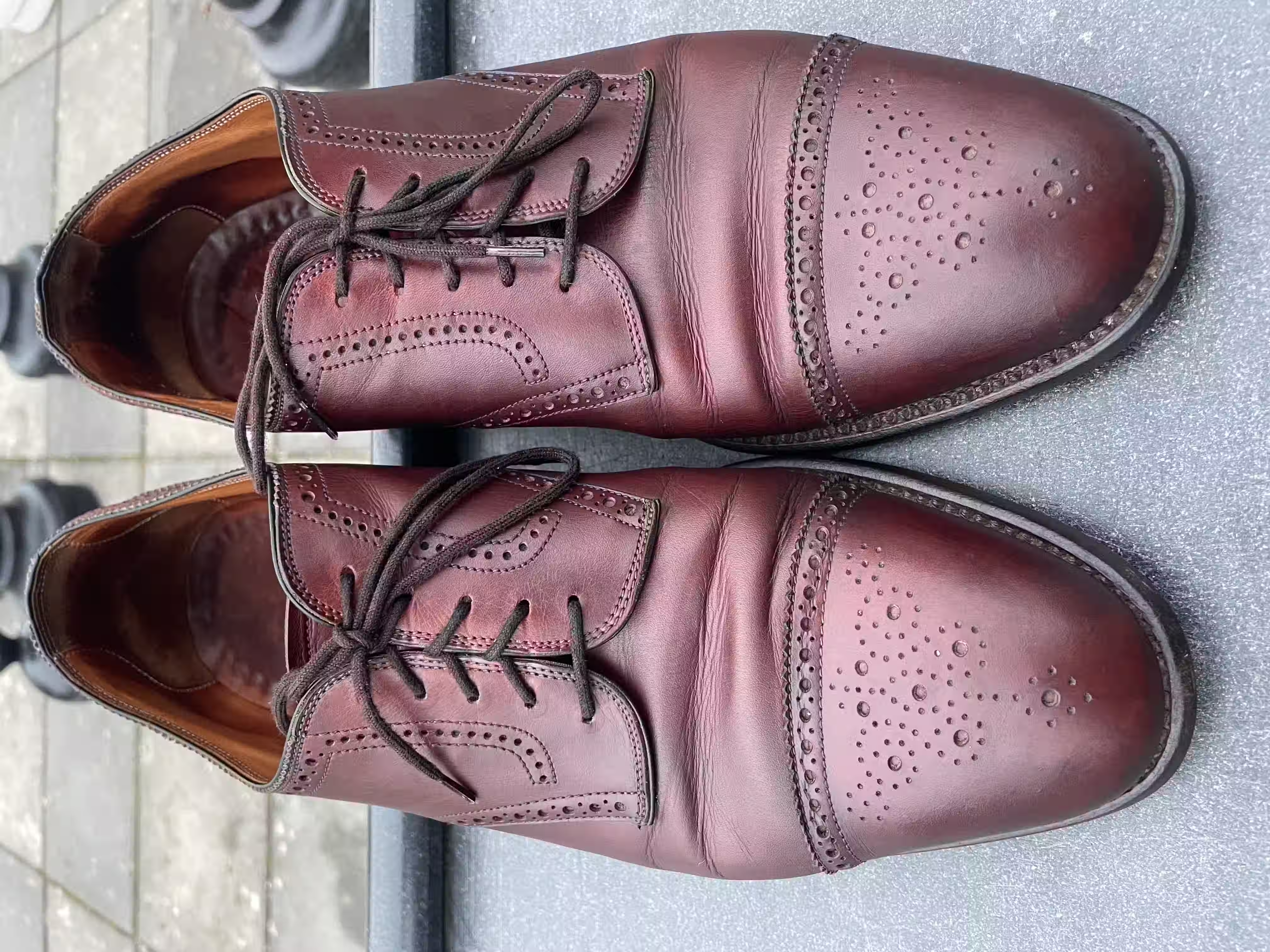
You can define the semi-brogue as a maximally decorated quarter brogue with a medallion: it has broguing on the toe cap, at the back on the heel counter, and on the sides. And in addition, it has a medallion at the front on the vamp. Such a shoe is therefore quite extensively decorated and thus a hero for leisure time.
Full Brogues
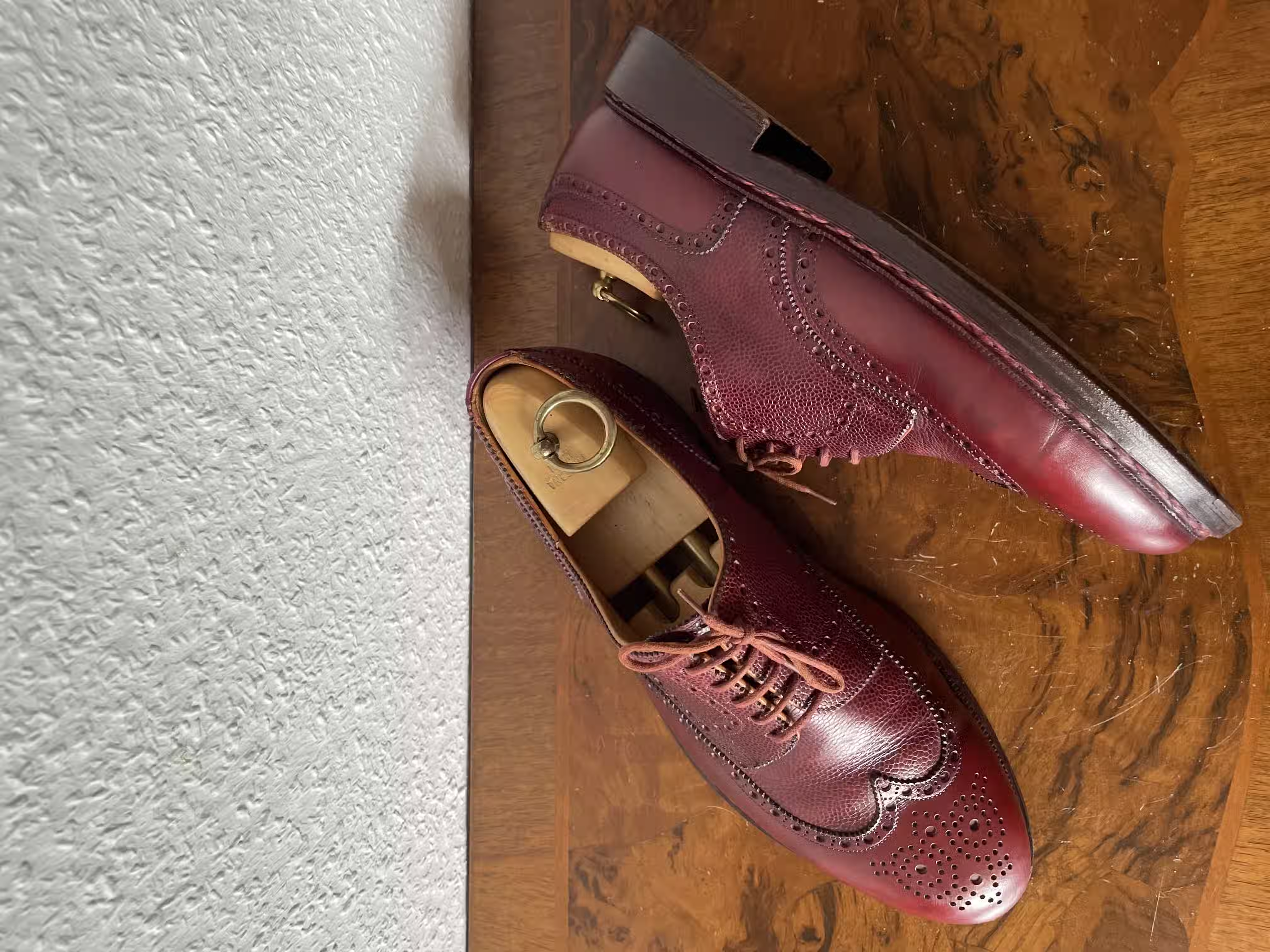
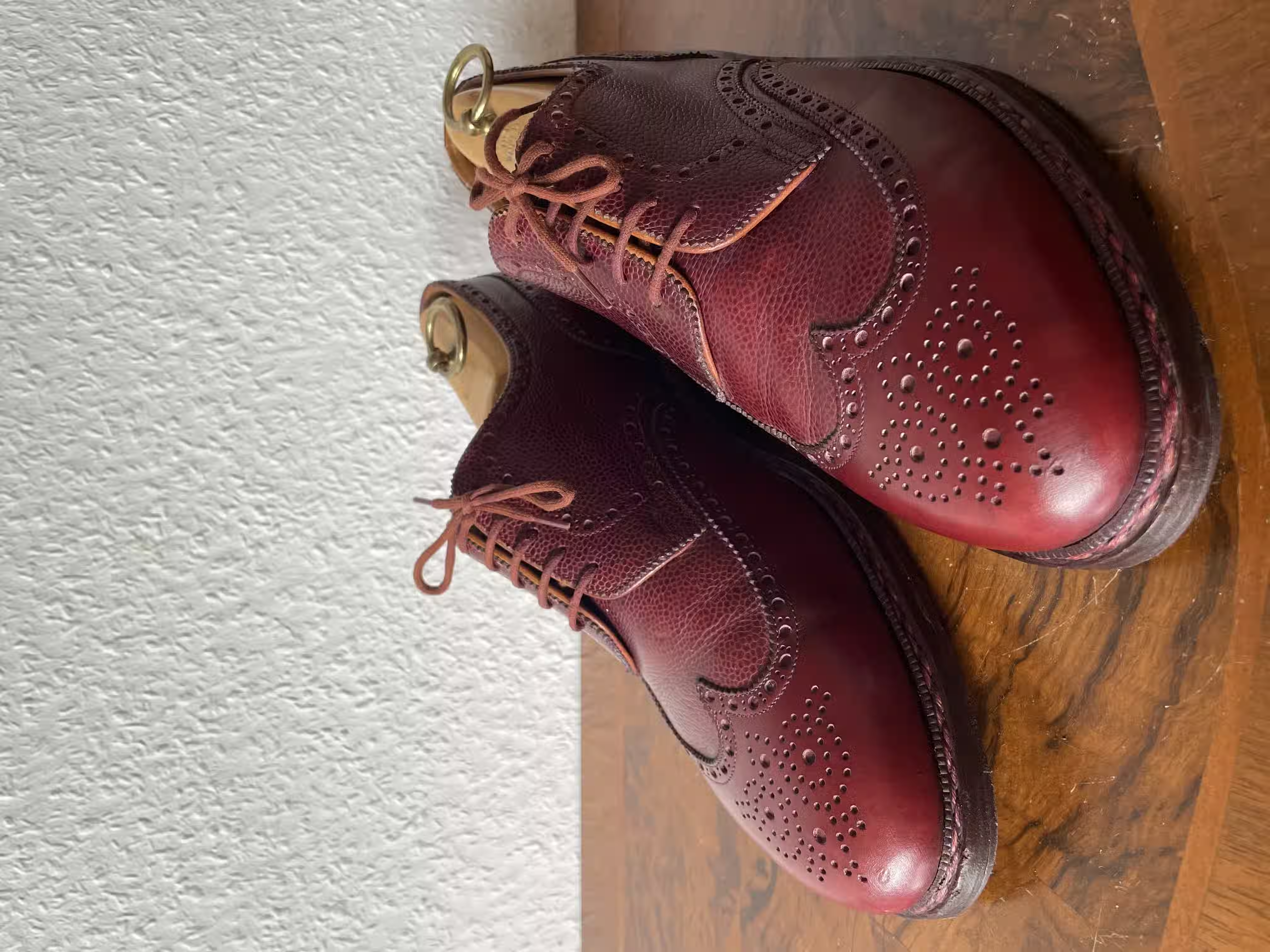
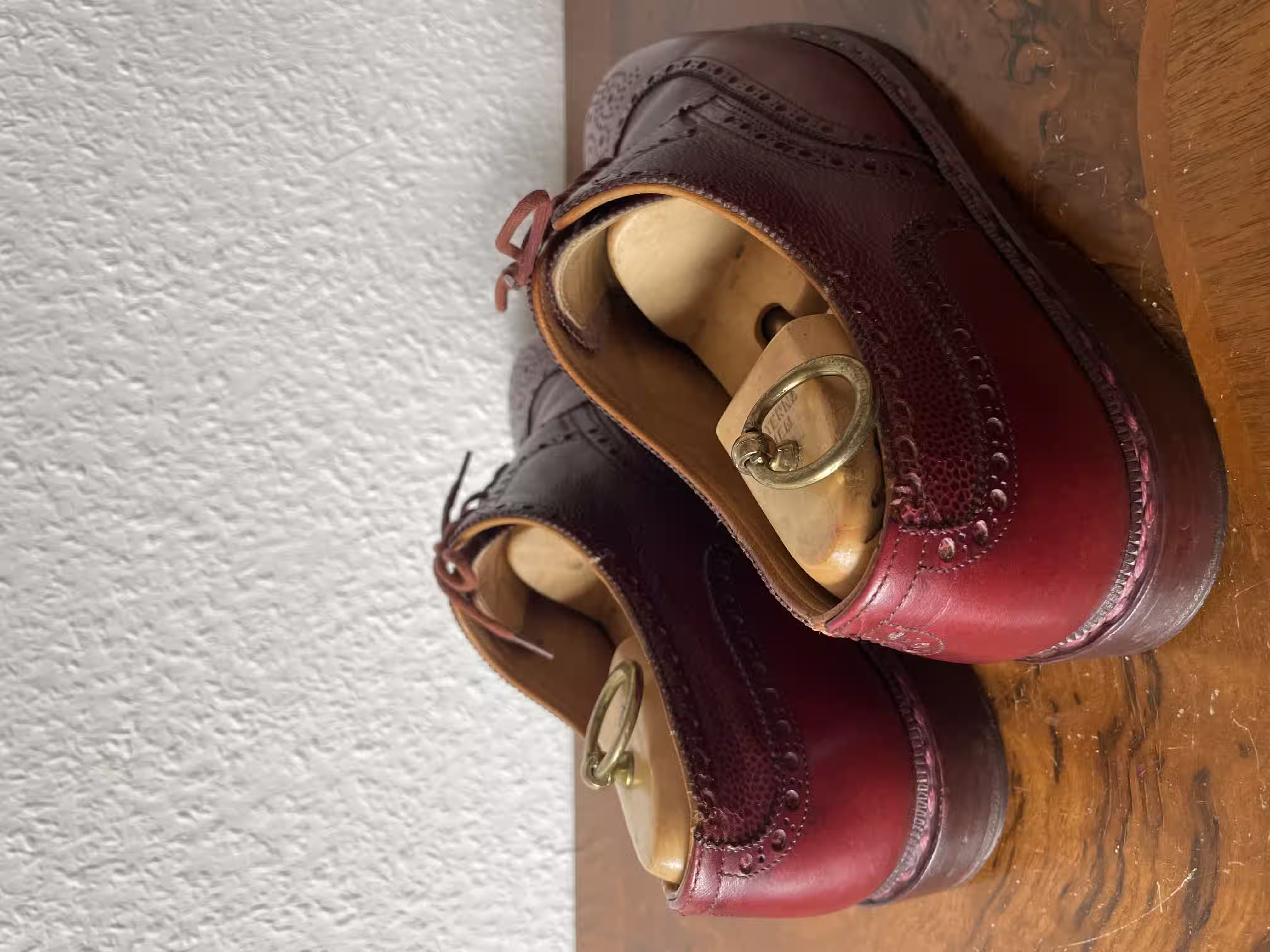
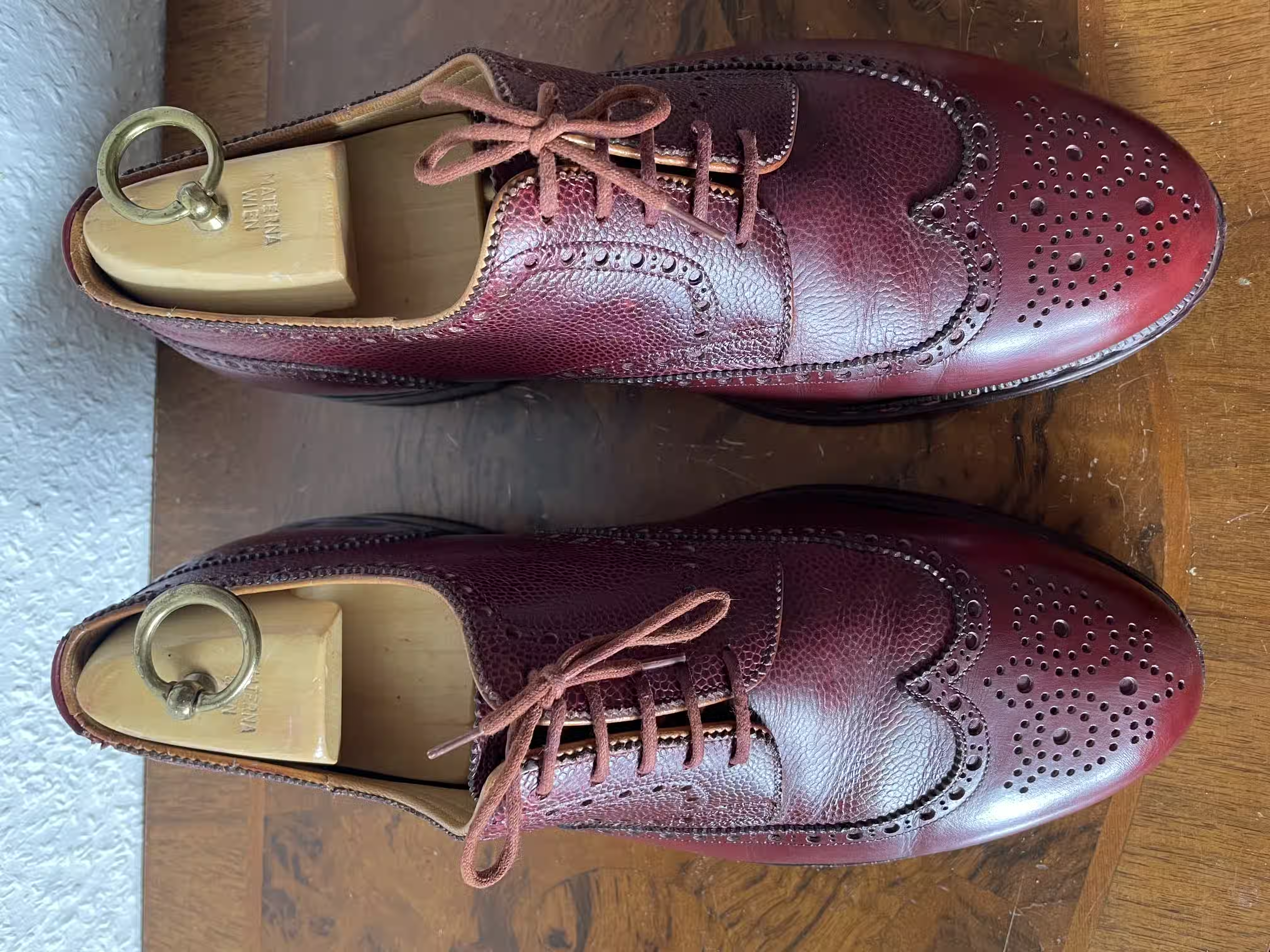
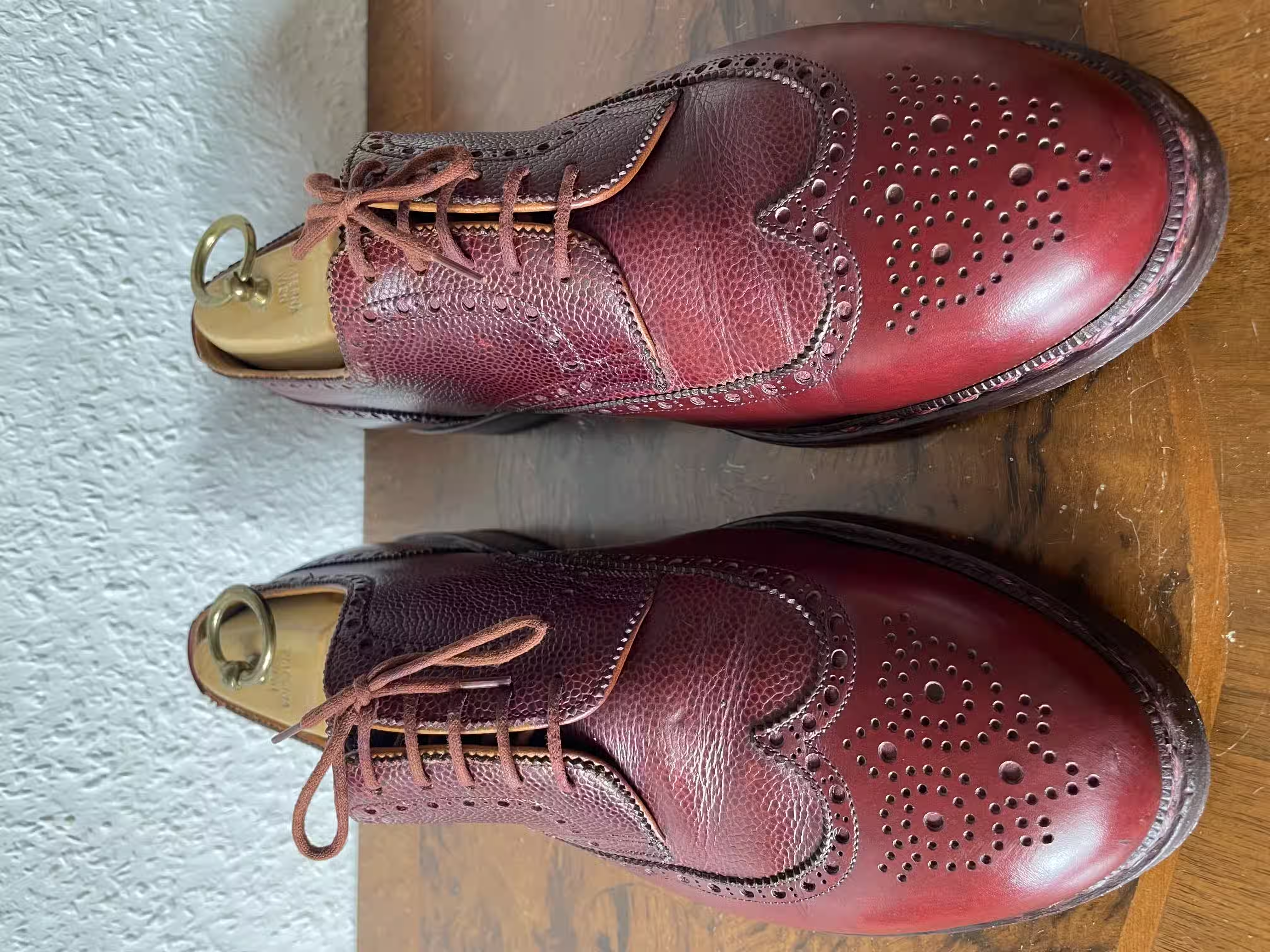
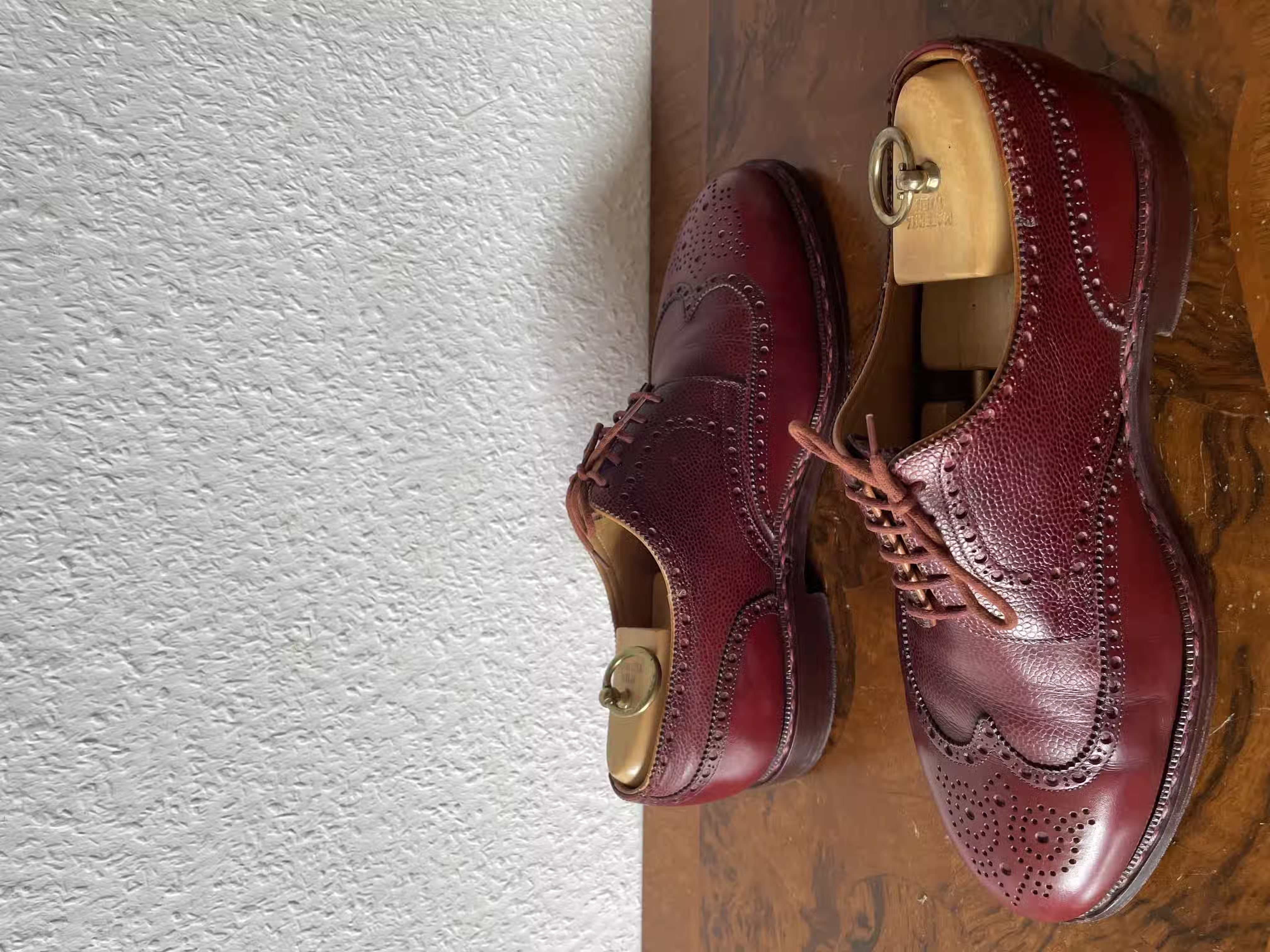
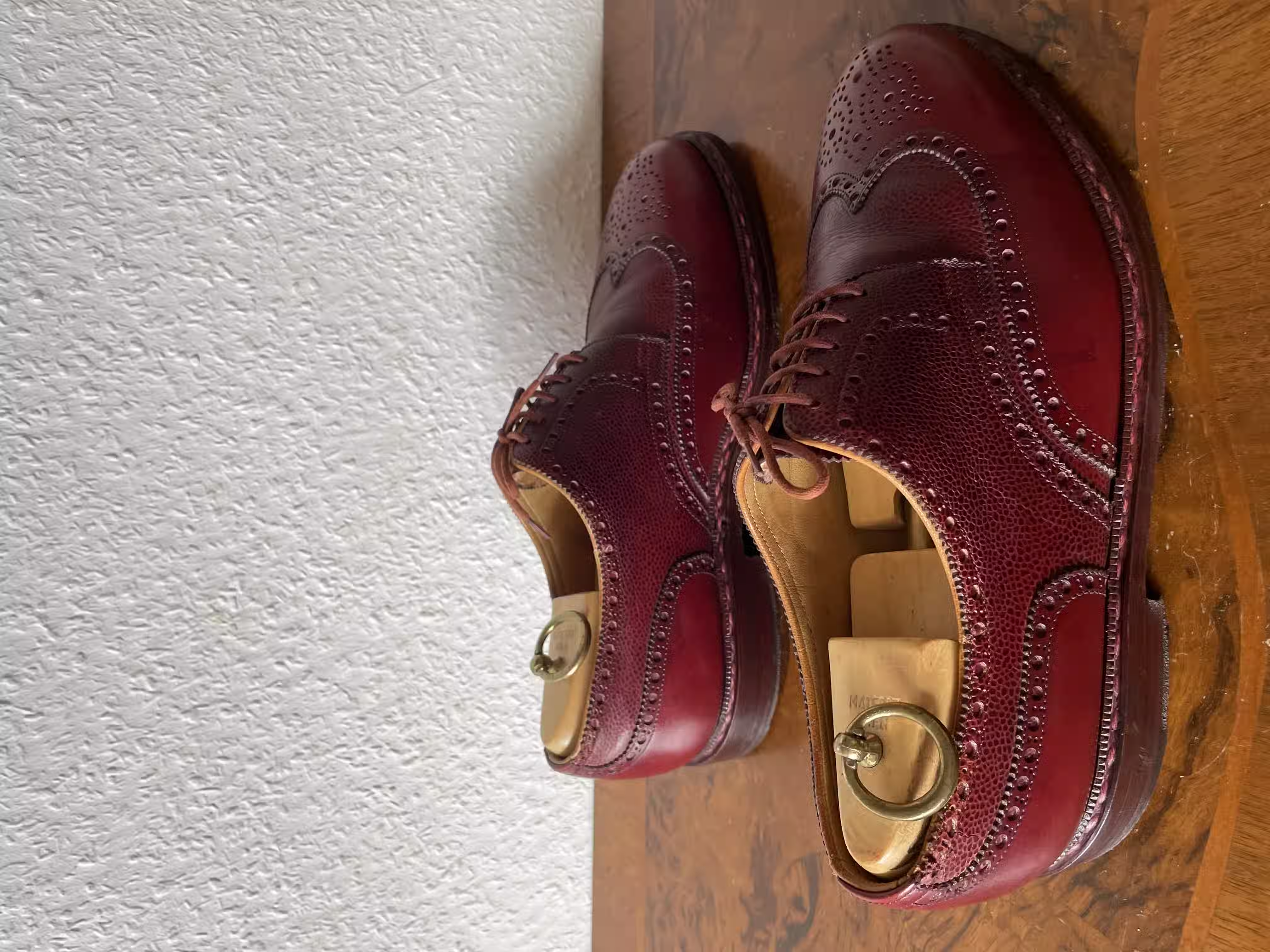
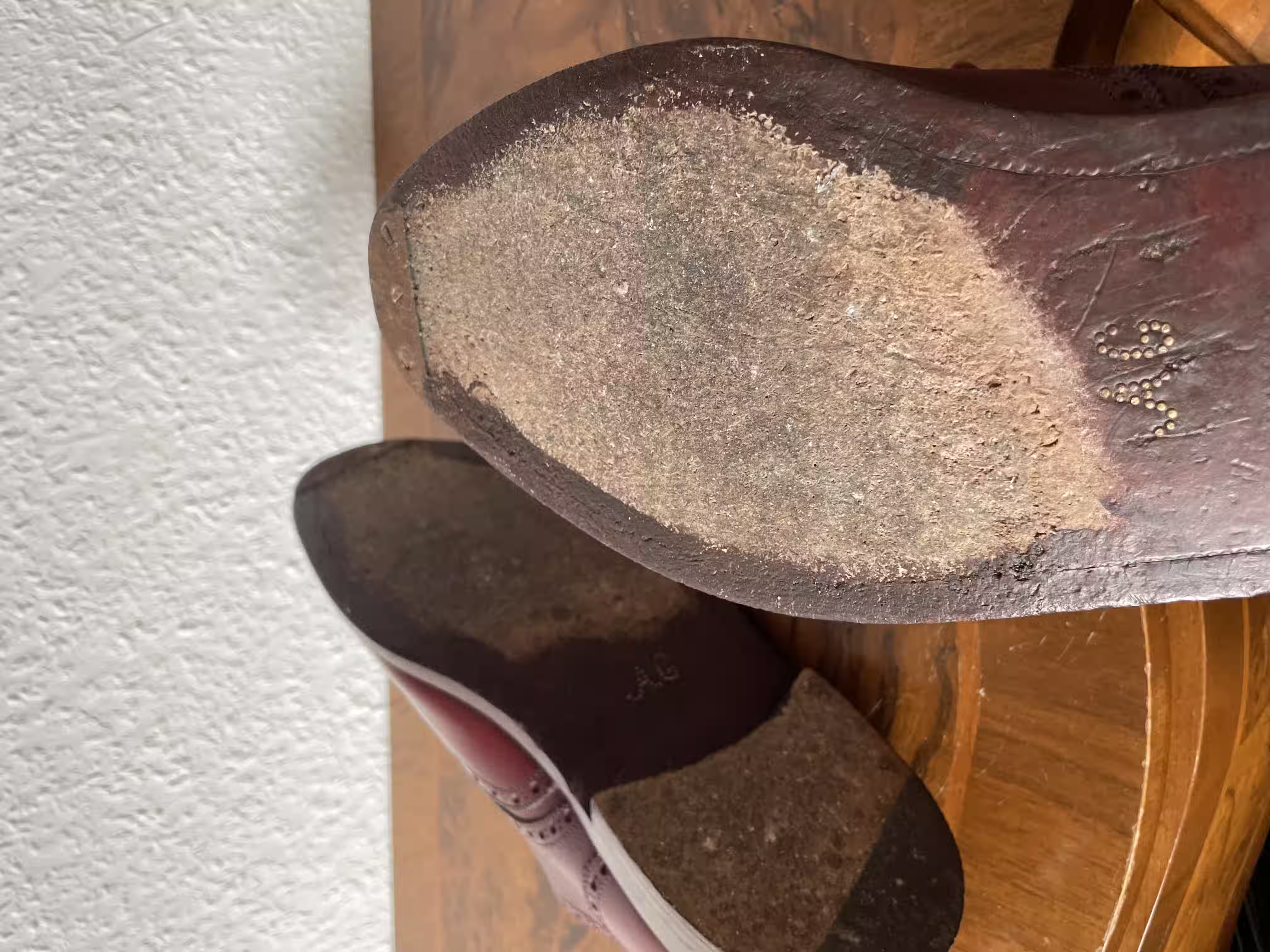
The full brogue is a shoe with a wing cap, which has the following decorations:
- Broguing on the wing cap, the heel counter, and on the side
- Medallion at the front on the vamp of the shoe
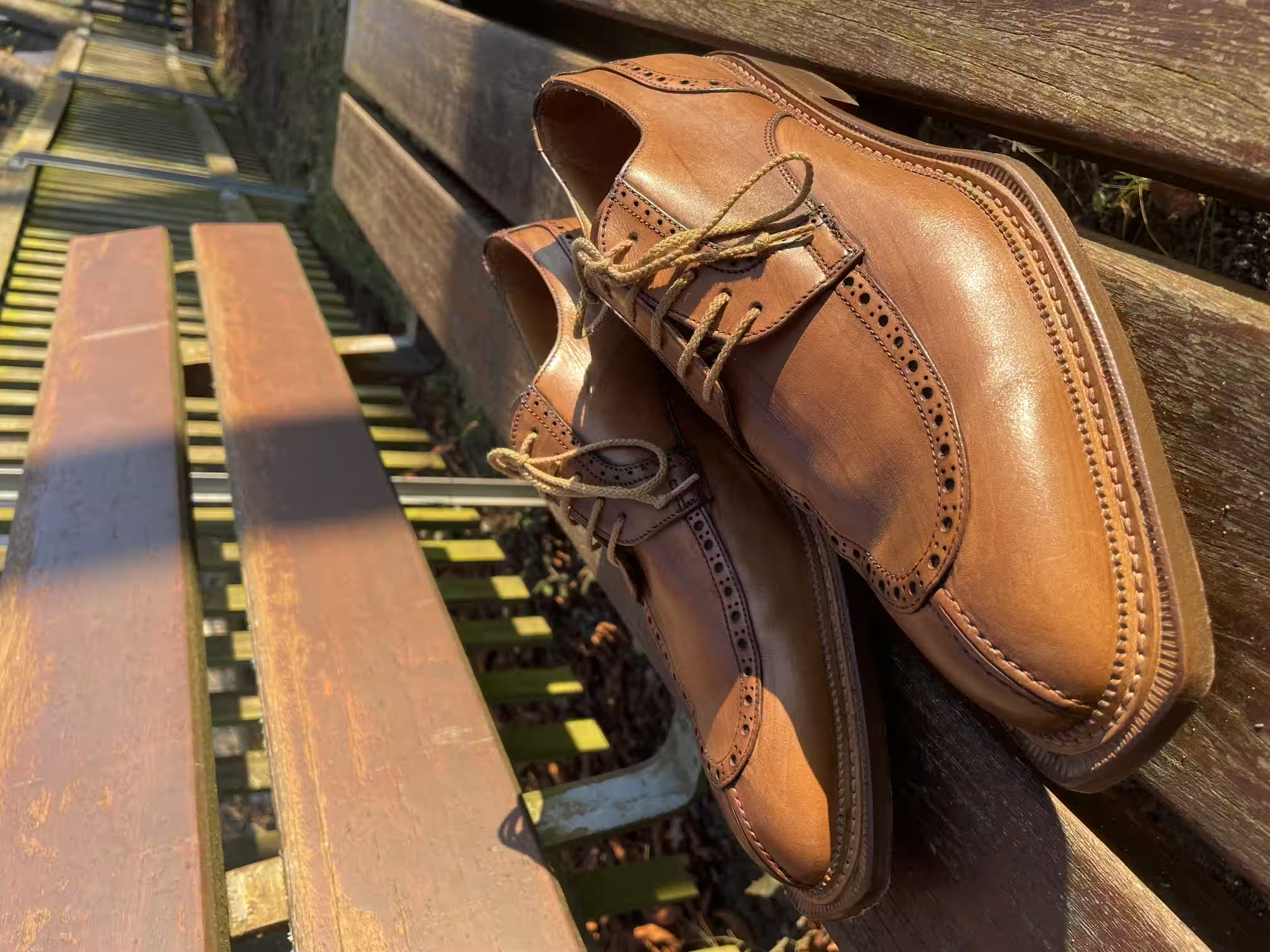
You can also say that, at its core, the full brogue is a semi-brogue—just with a decorated wing cap instead of a decorated toe cap. Because the wing cap extends farther than the toe cap, the broguing strip becomes longer, and the decoration more extensive. Thus, the full brogue is definitely a casual shoe, even a bit more so than the semi-brogue.
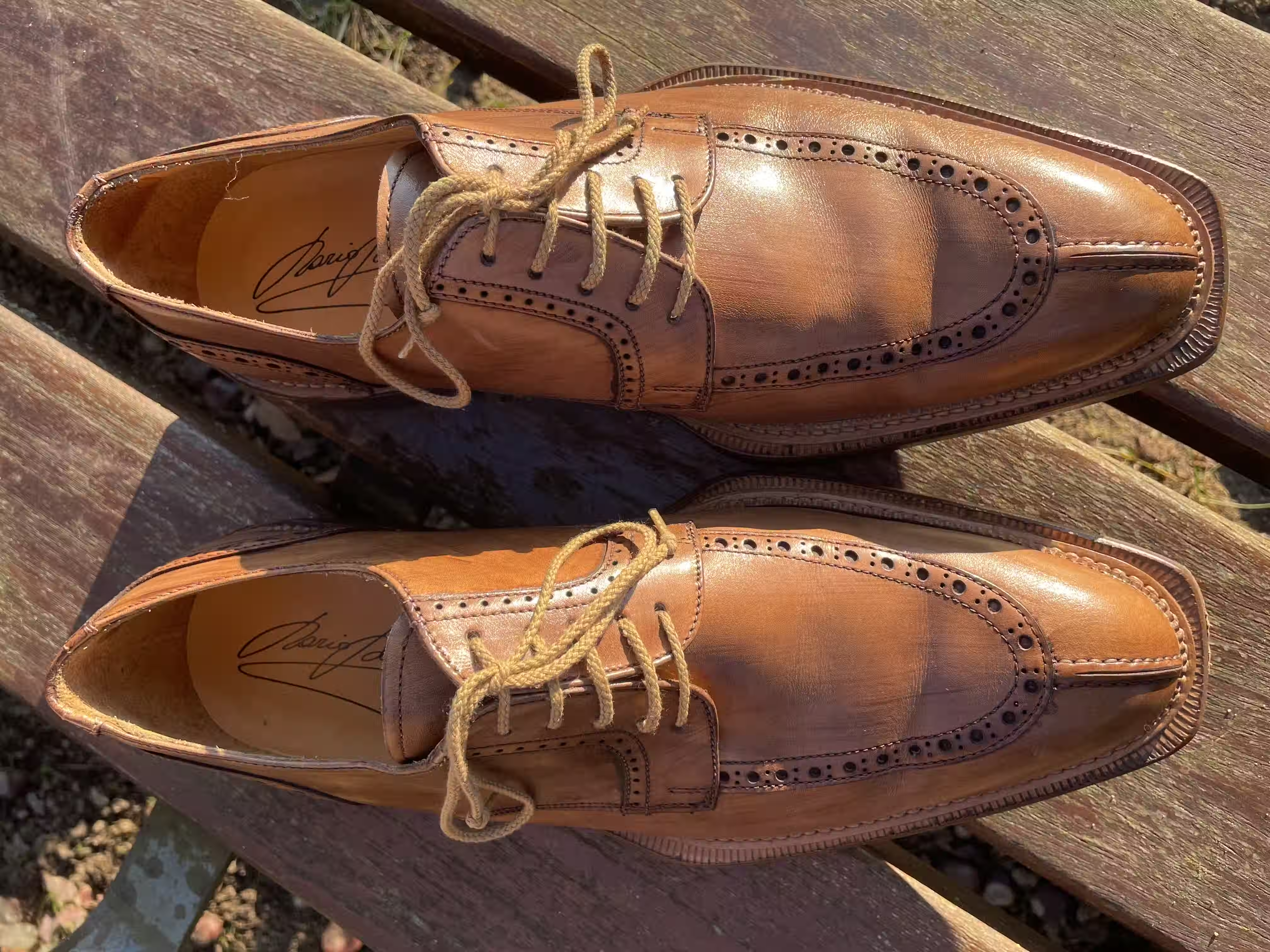
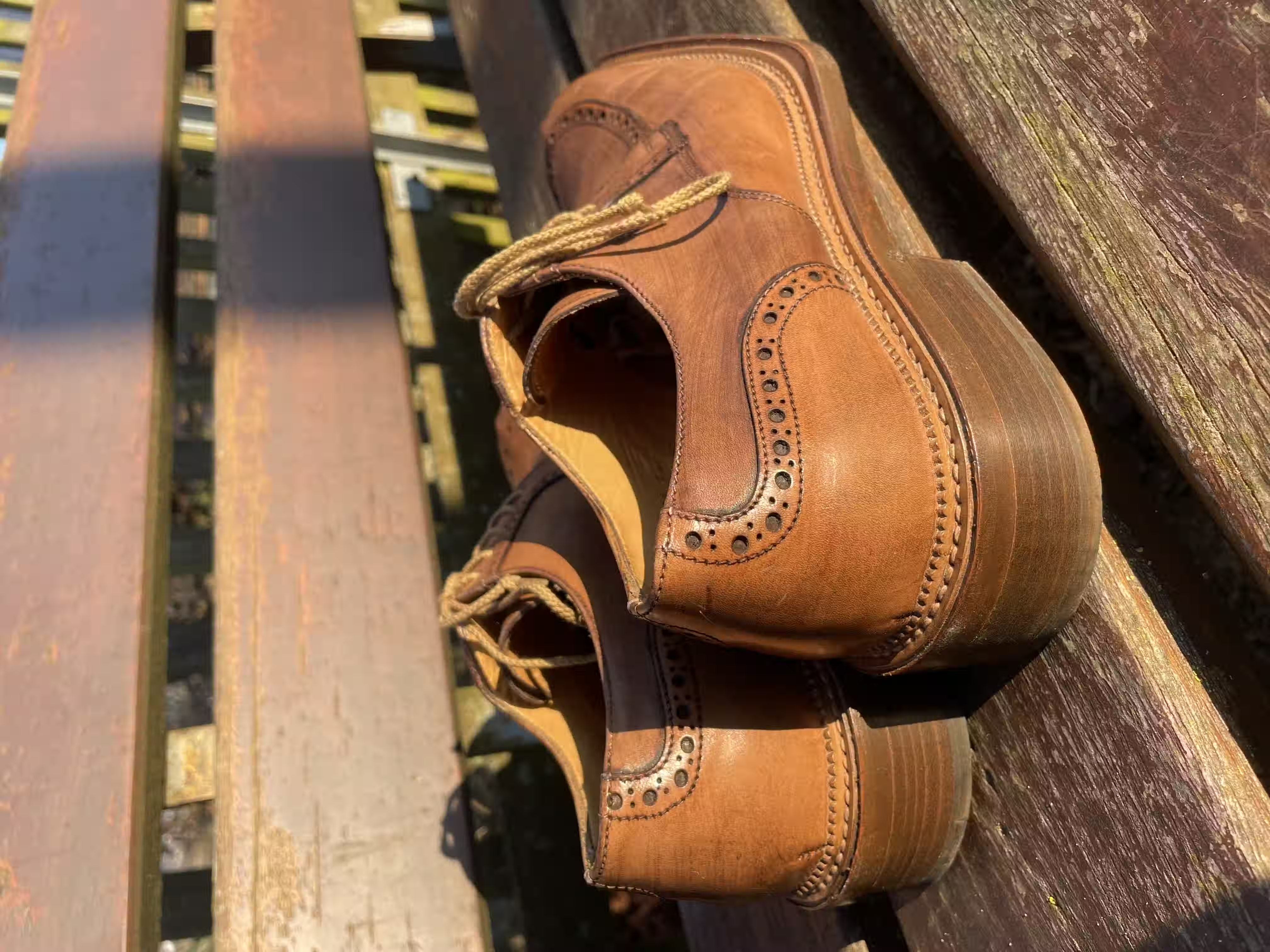
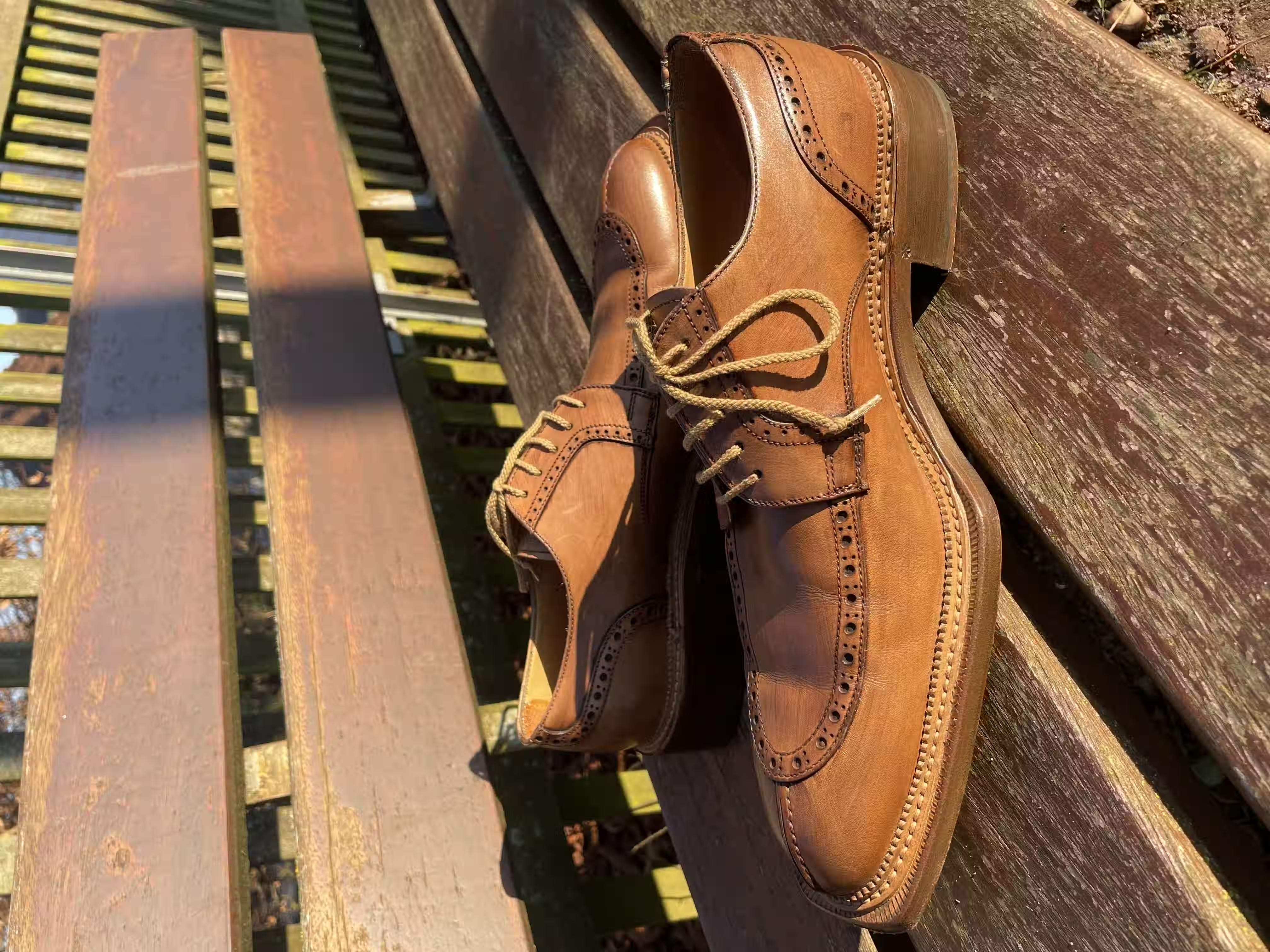
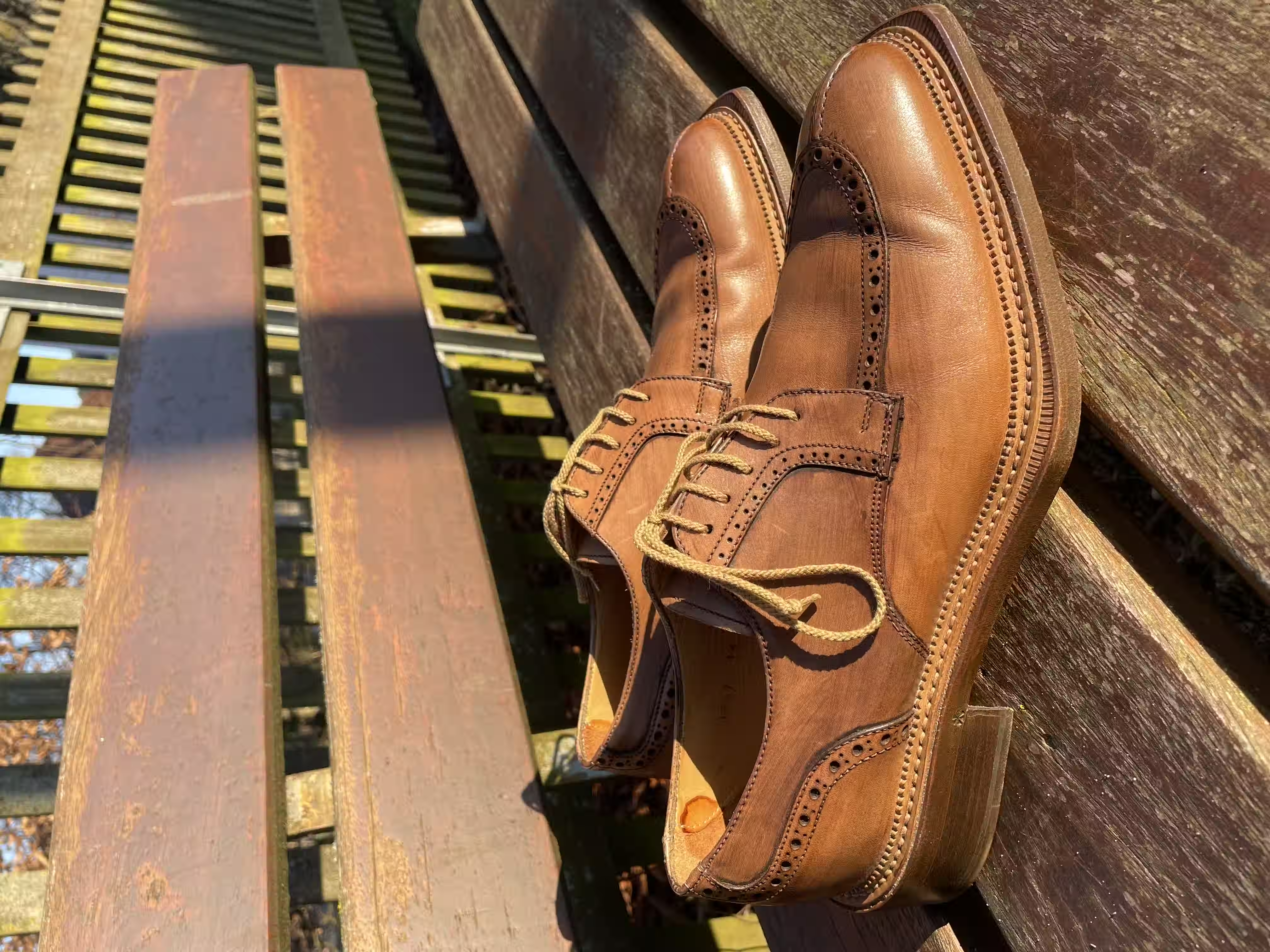
Full-Brogue Longwing
The full-brogue longwing is a shoe with a wing cap extended around the entire shoe. In addition, it is fundamentally based on the same decorations we know from the full brogue:
- Broguing on the extended wing cap, on the side, and on the heel counter, if present
- Medallion at the front on the vamp of the shoe
Because the wing cap is much more extensive here than on a full brogue, the associated broguing is also more extensive. This makes the shoe even more decorative and more casual.
Essentially, this shoe is a cross between a full brogue and a longwing—figuratively speaking. A longwing is simply a shoe with an extended wing cap and, by definition, doesn’t need to have perforations. Accordingly, a full-brogue longwing is a full brogue with an extended wing cap instead of a normal wing cap. This is also decorated with perforations, but due to the additional length, more extensively than a normal wing cap.
I don’t think a full-brogue longwing has significantly more perforations than a full brogue. But because it has a very long, continuous strip of perforations along the extended wing cap, it appears particularly striking.
Austerity Brogues as Pseudo Brogues
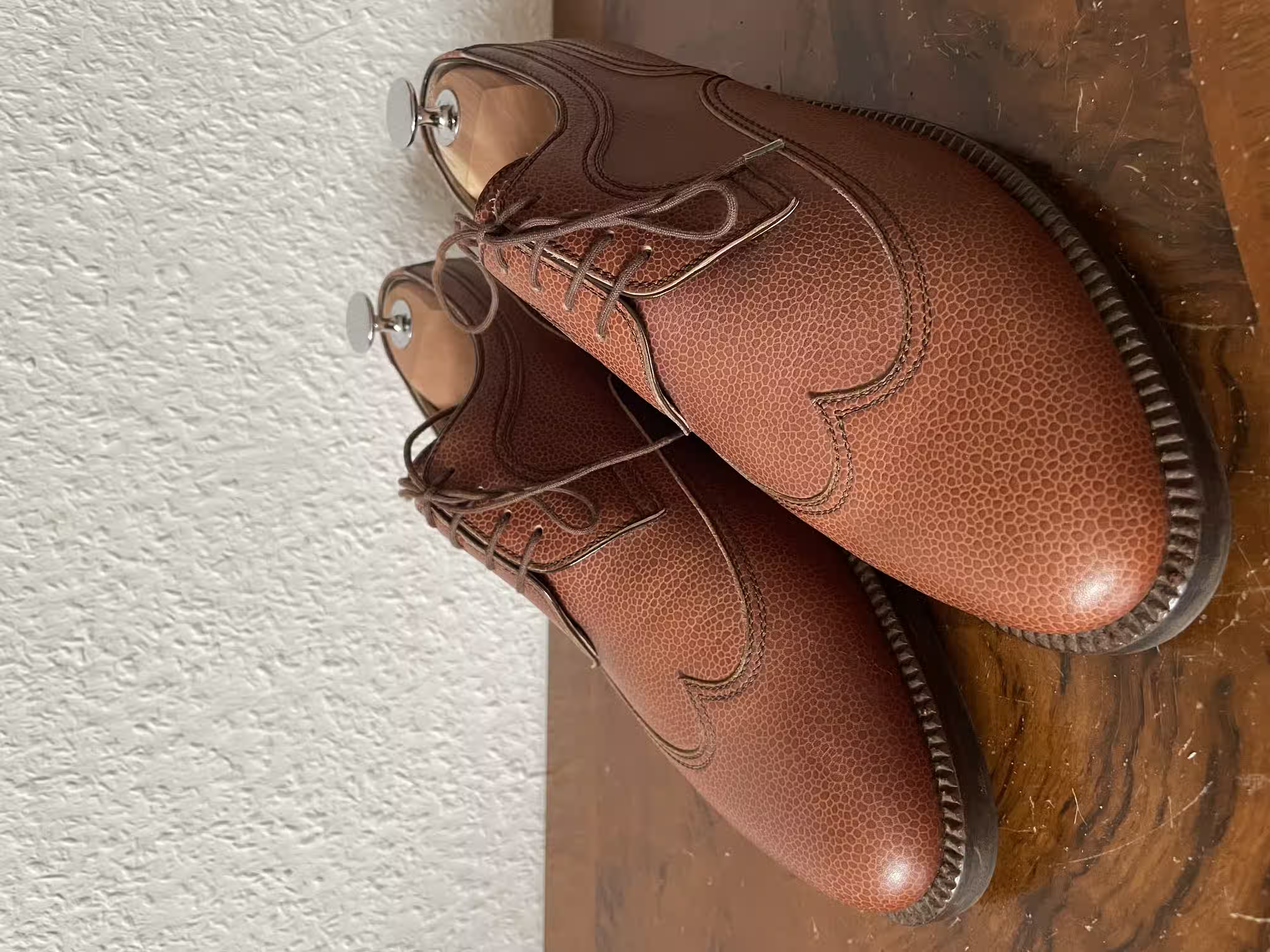
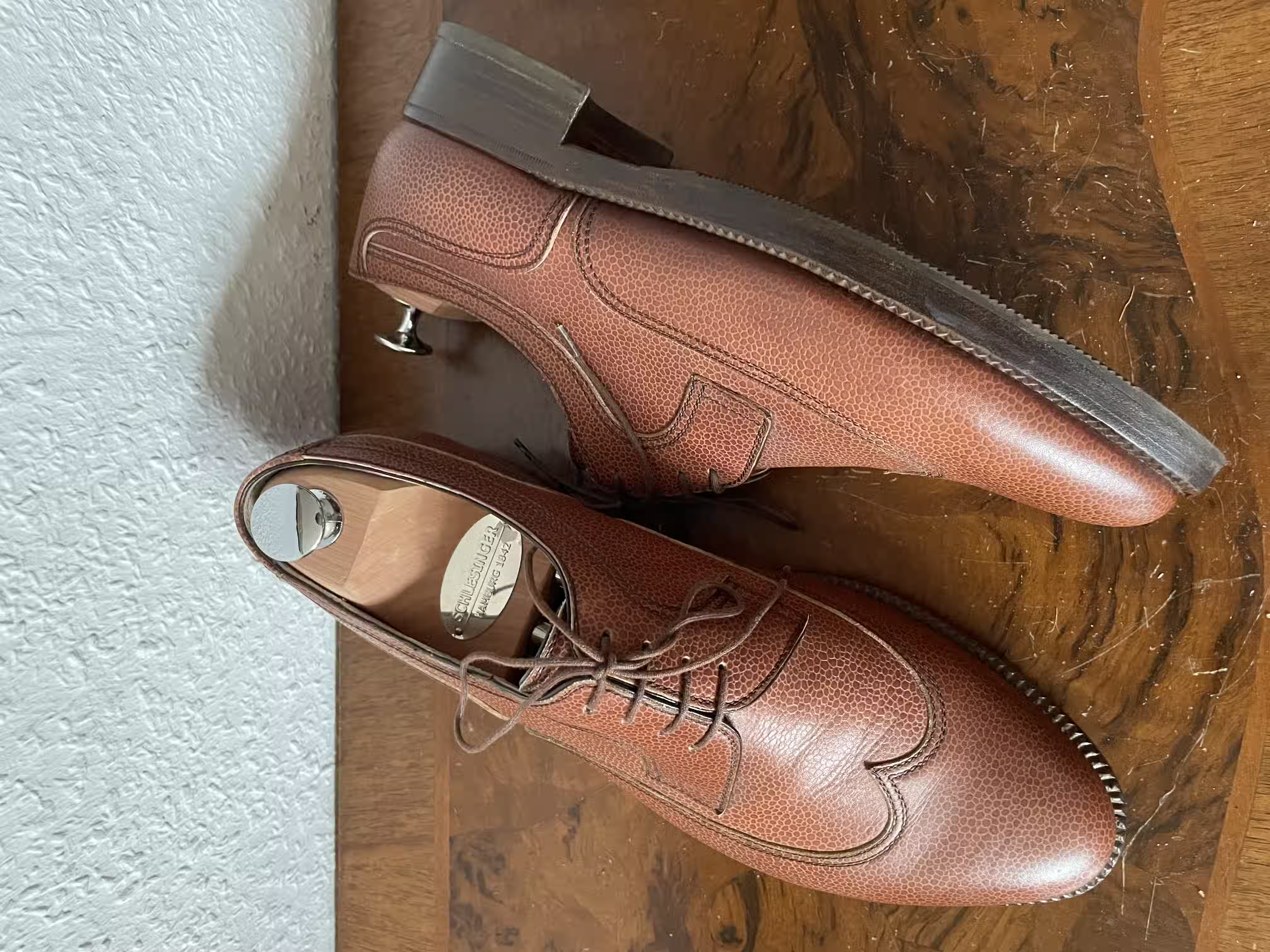
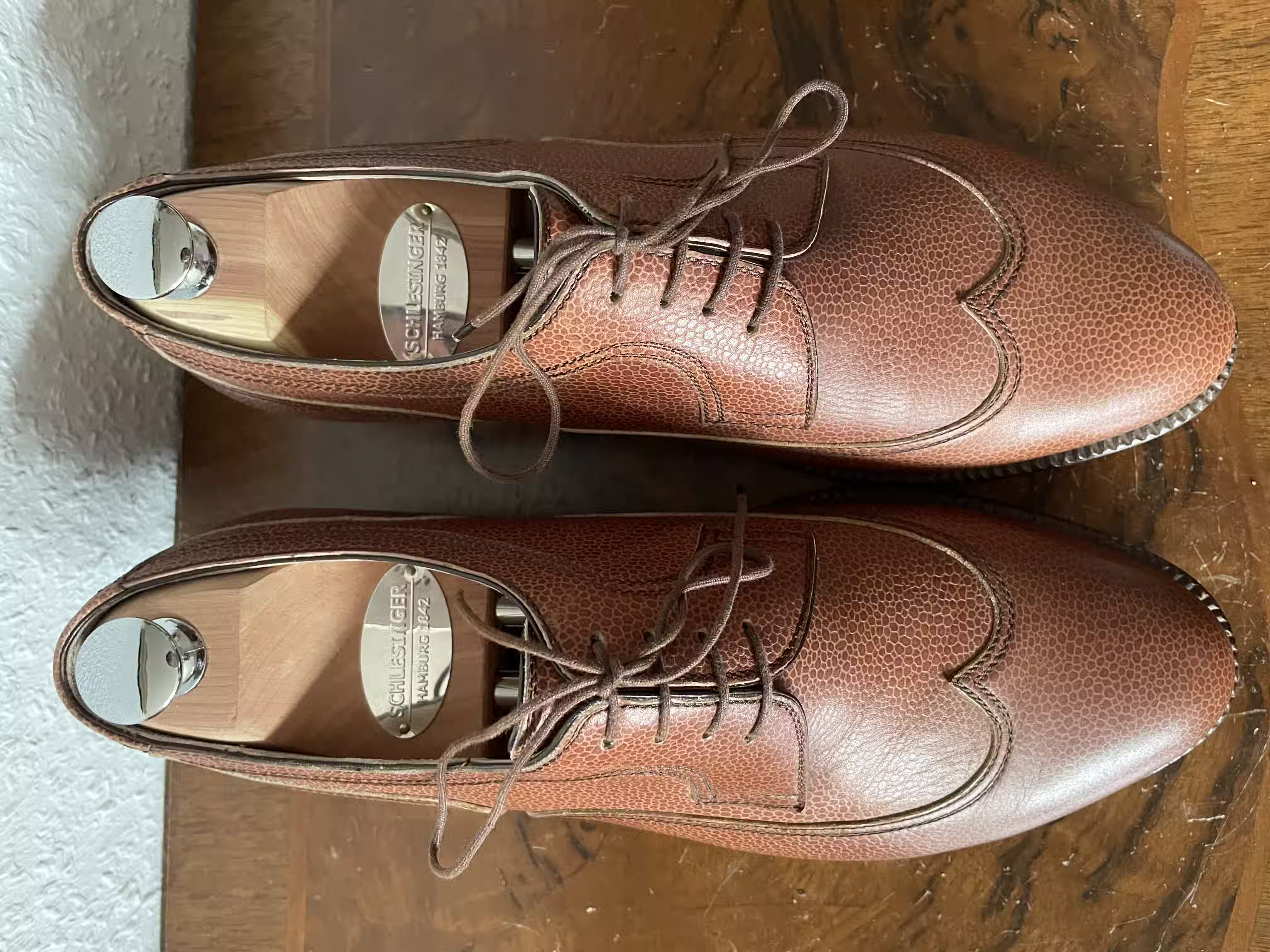
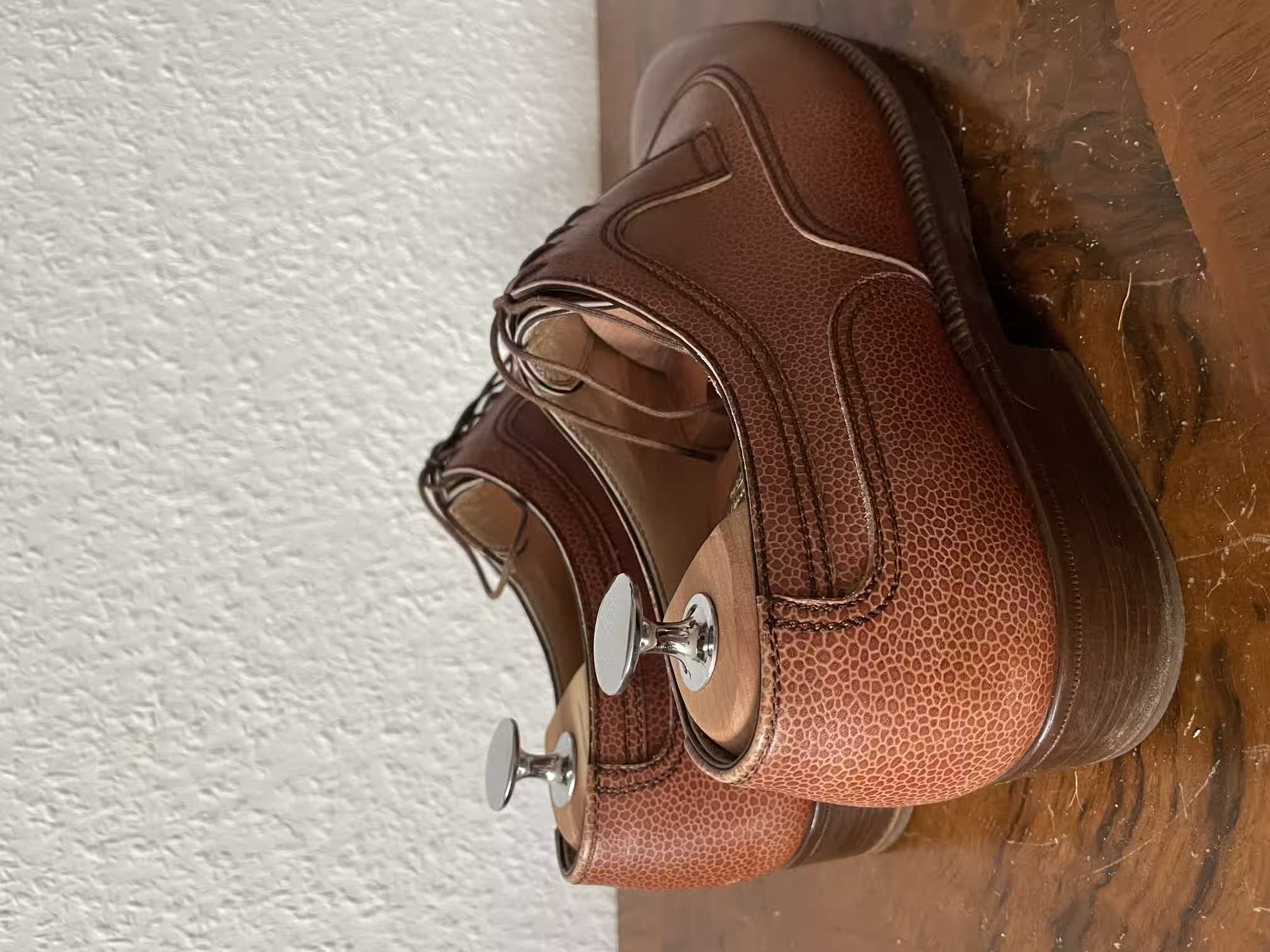
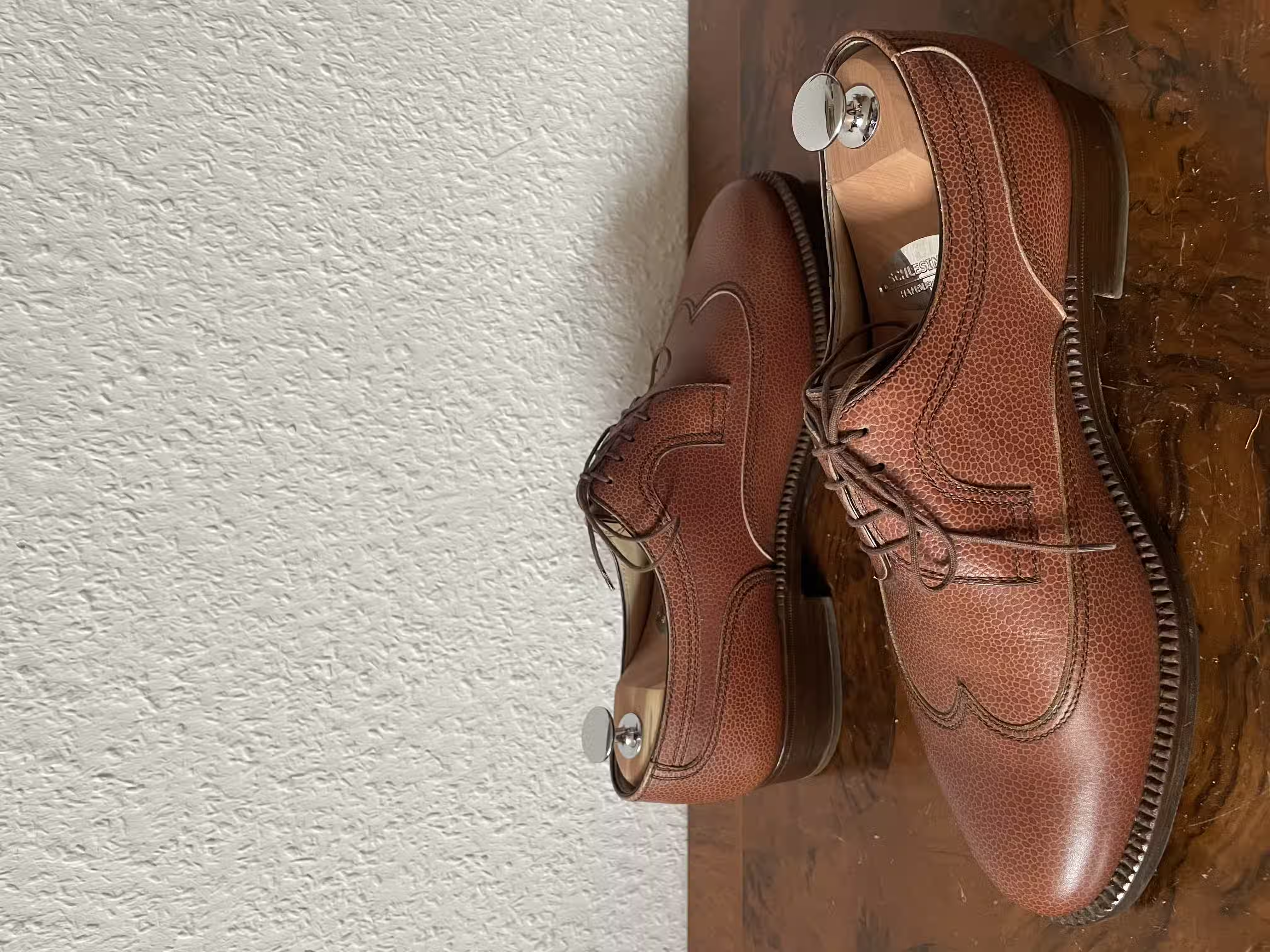
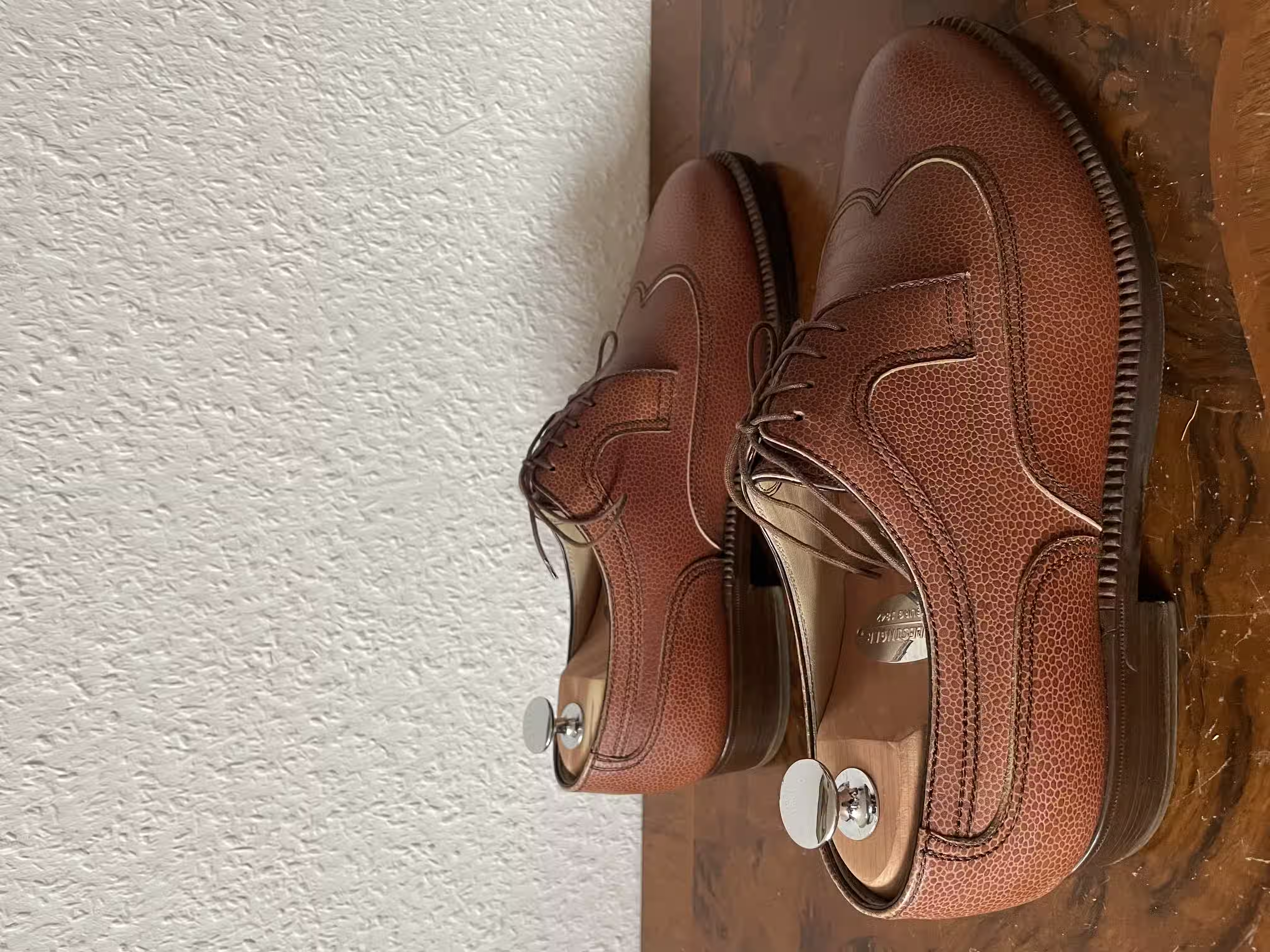
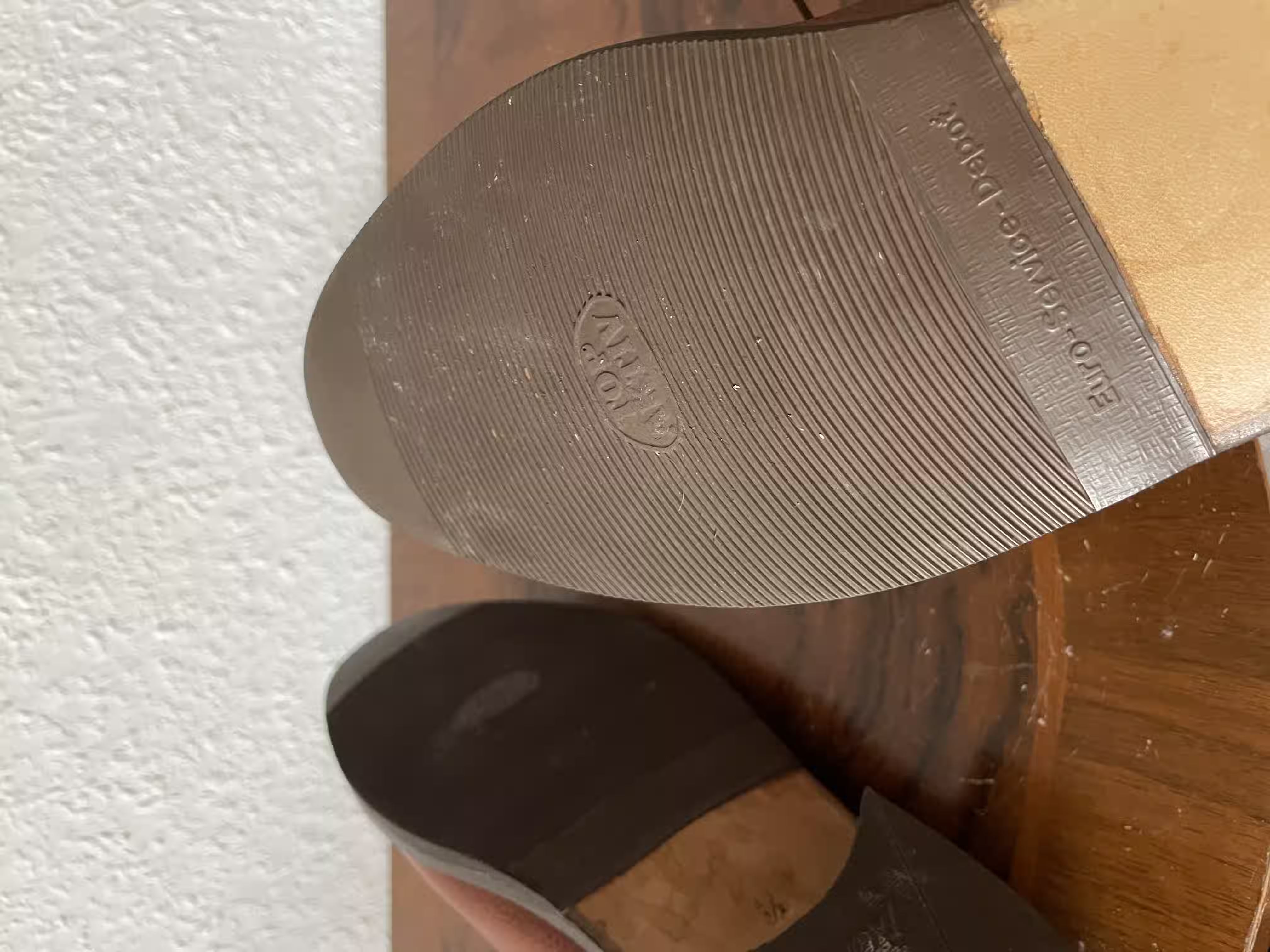
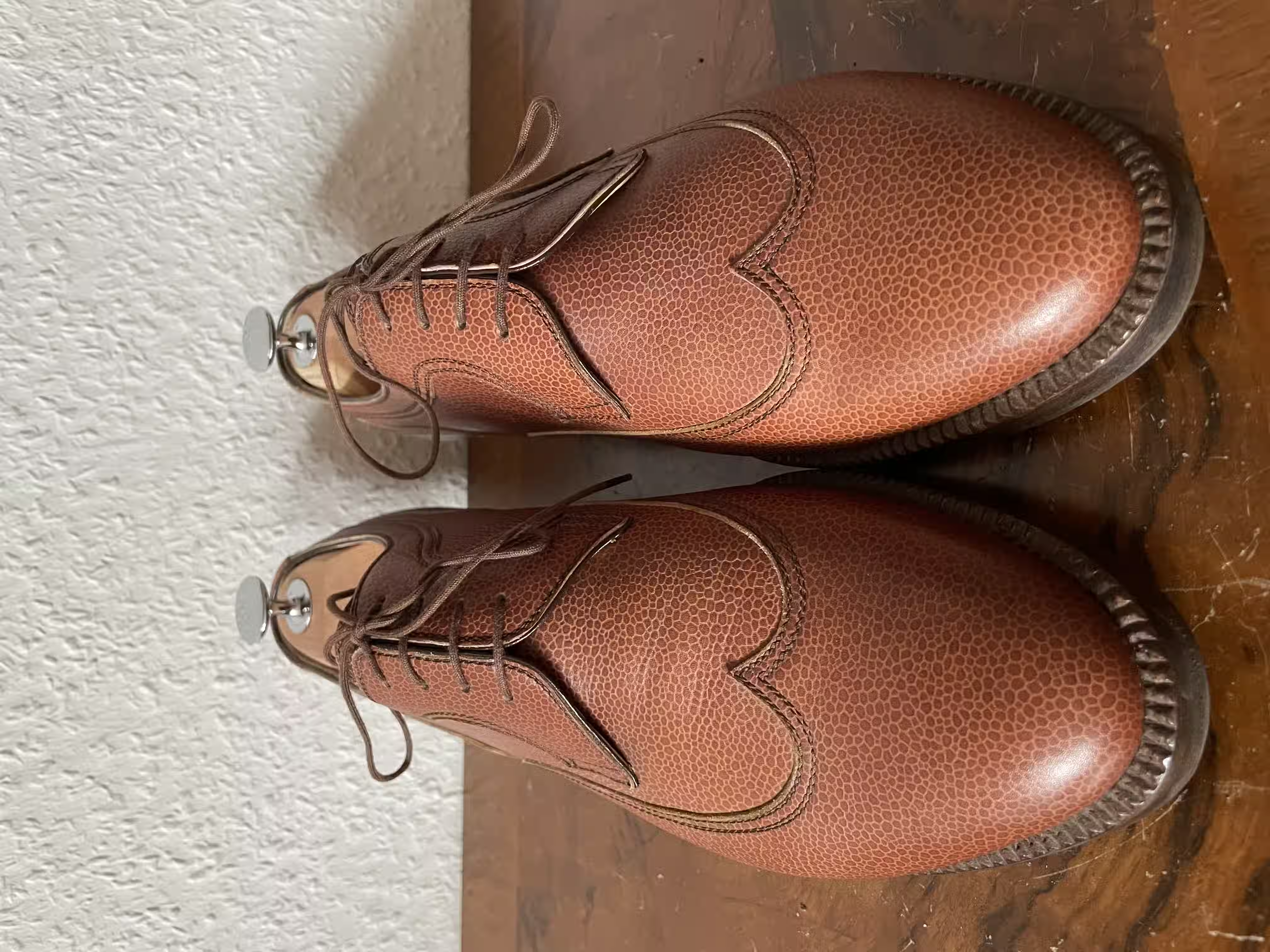
The austerity brogue is a full-brogue model with toe and heel caps, but with no broguing at all and no medallion. That is, the familiar lines of a full brogue created by the wing cap, heel cap, and side panels are there, but the medallion and the perforation strips are completely missing.
This means this model isn’t really a true brogue. The absence of any broguing also makes the austerity brogue a somewhat more formal shoe and emphasizes the lines created by shape and seams. Especially with contrasting stitching, this can look very impressive.
Brogue Boots and Brogue Ankle Boots
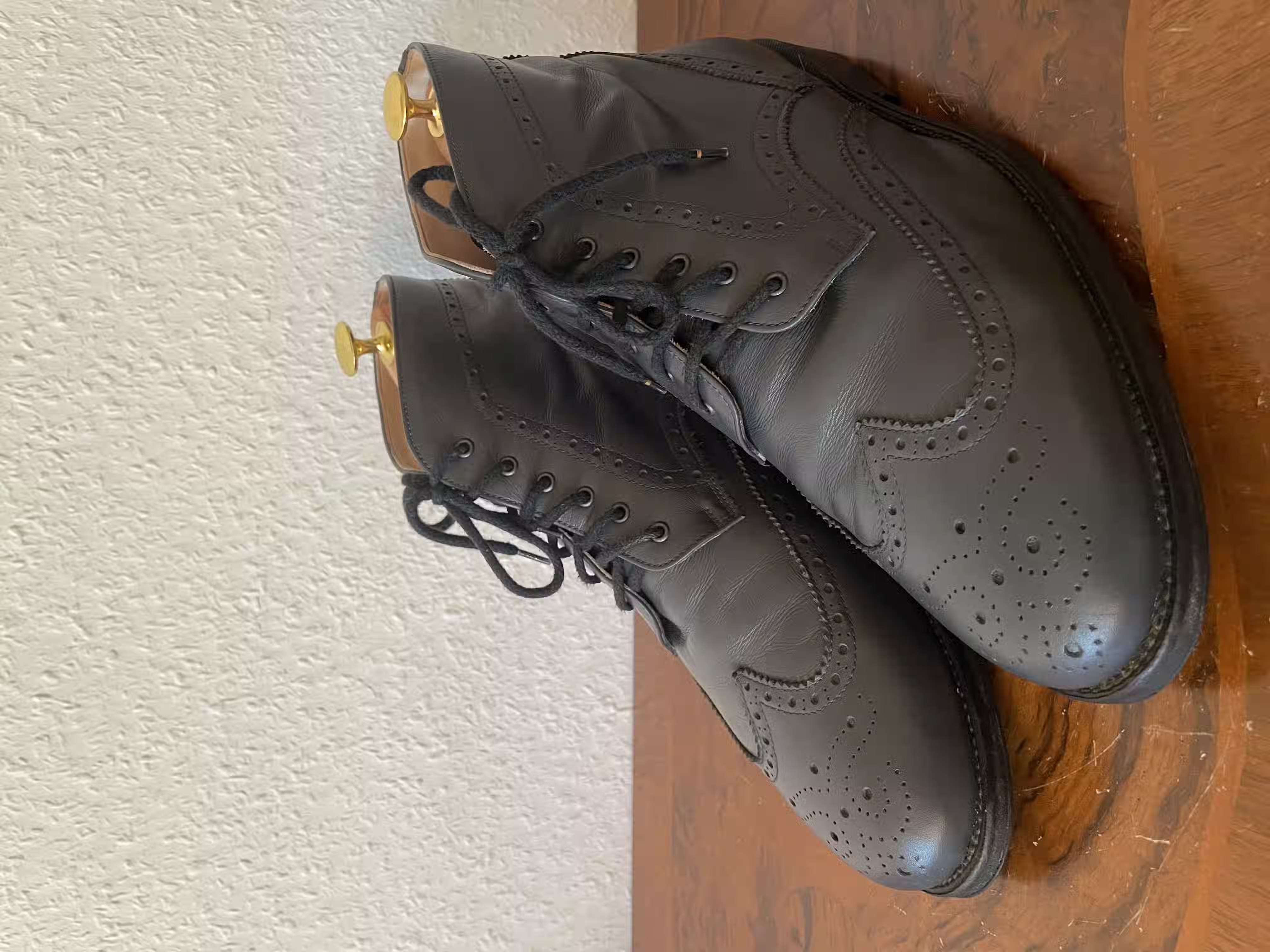
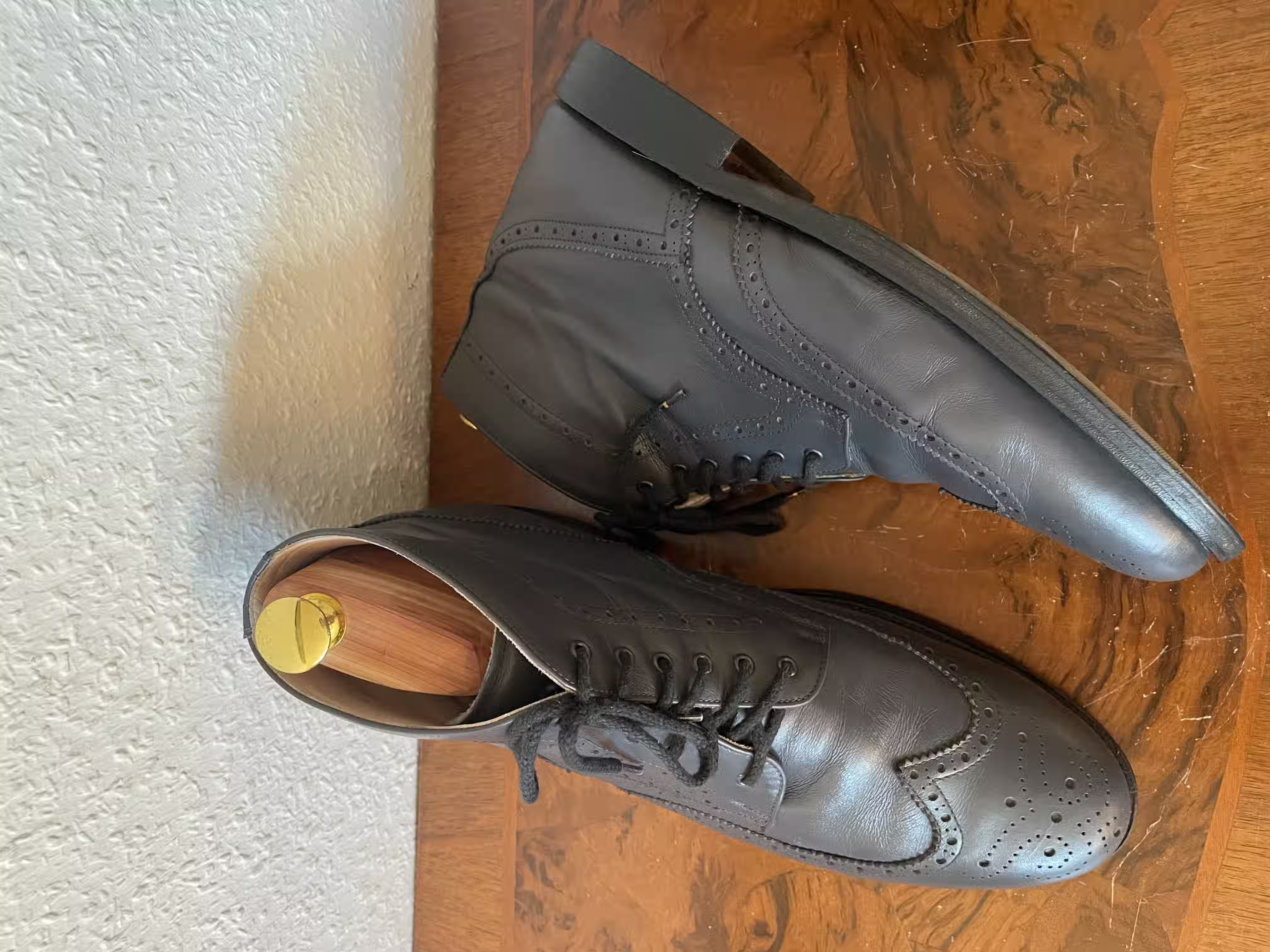
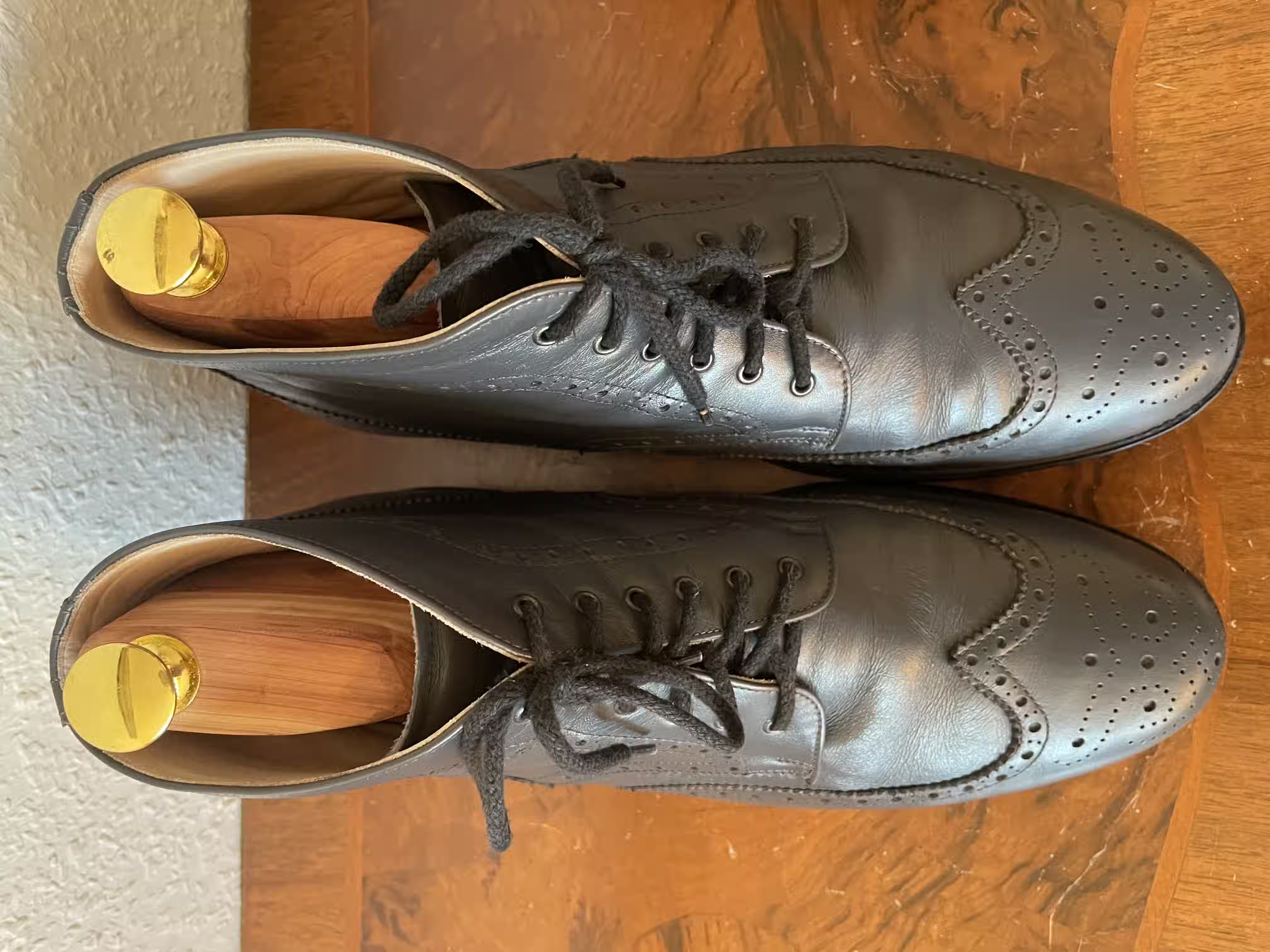
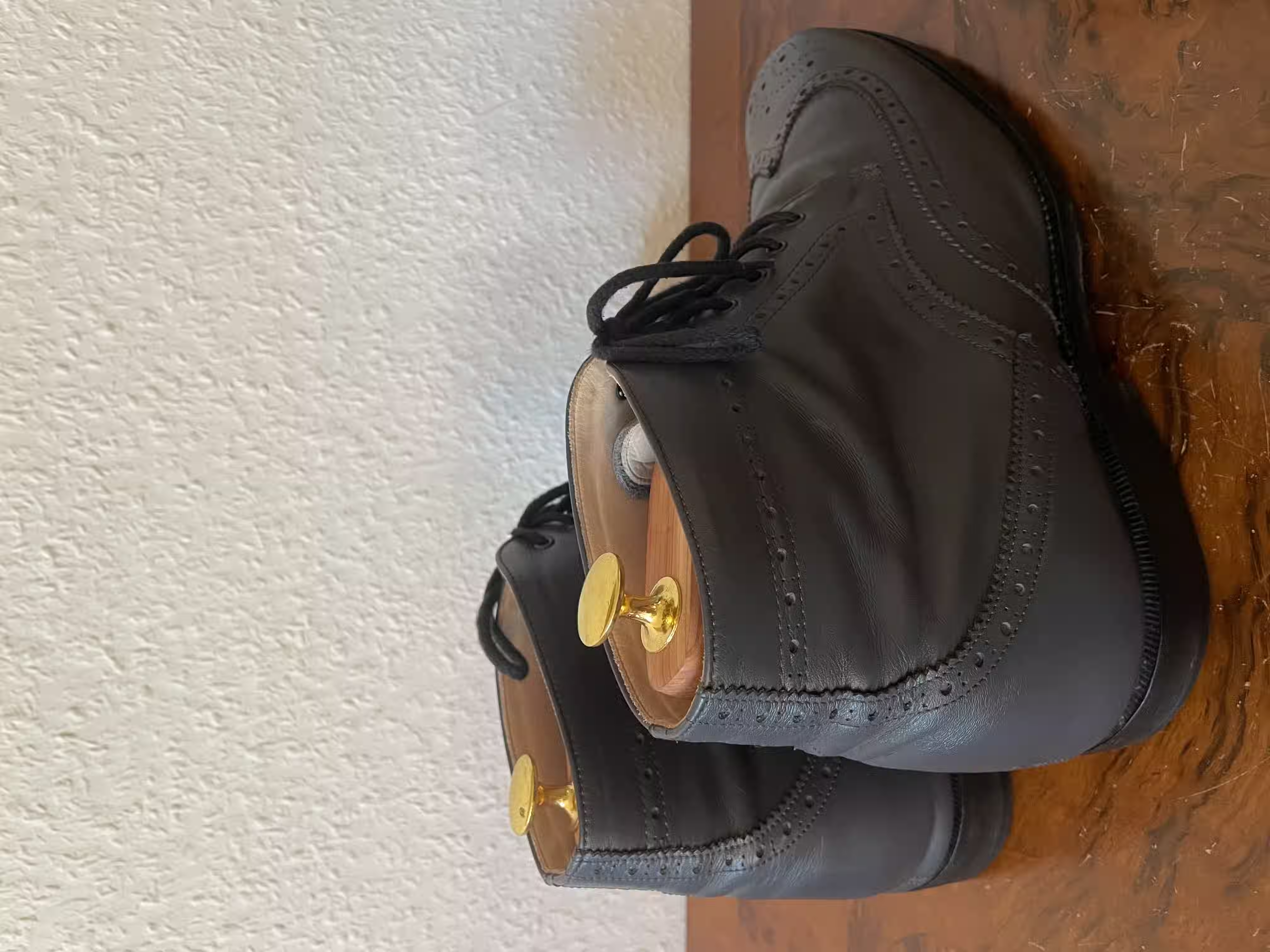
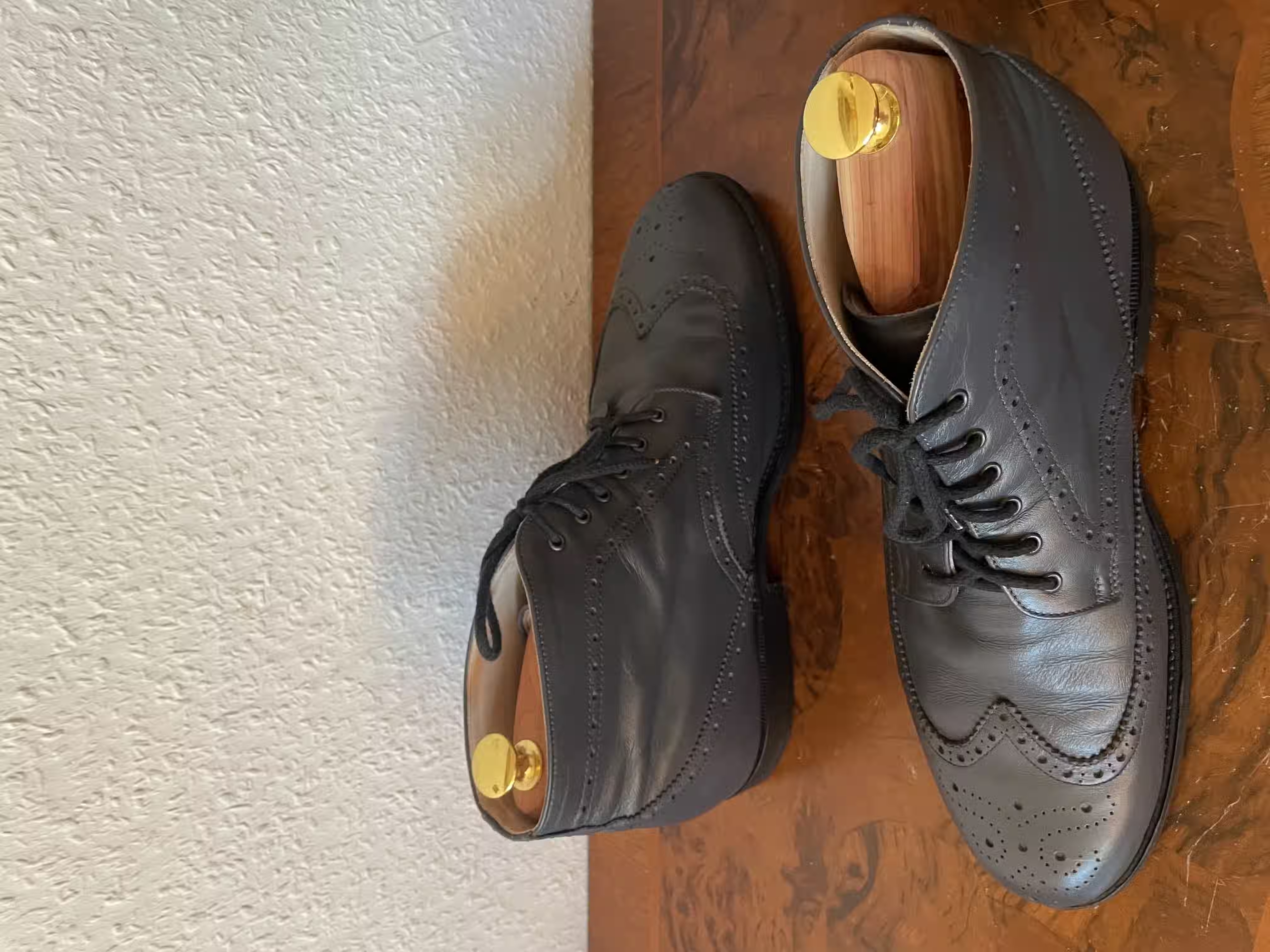
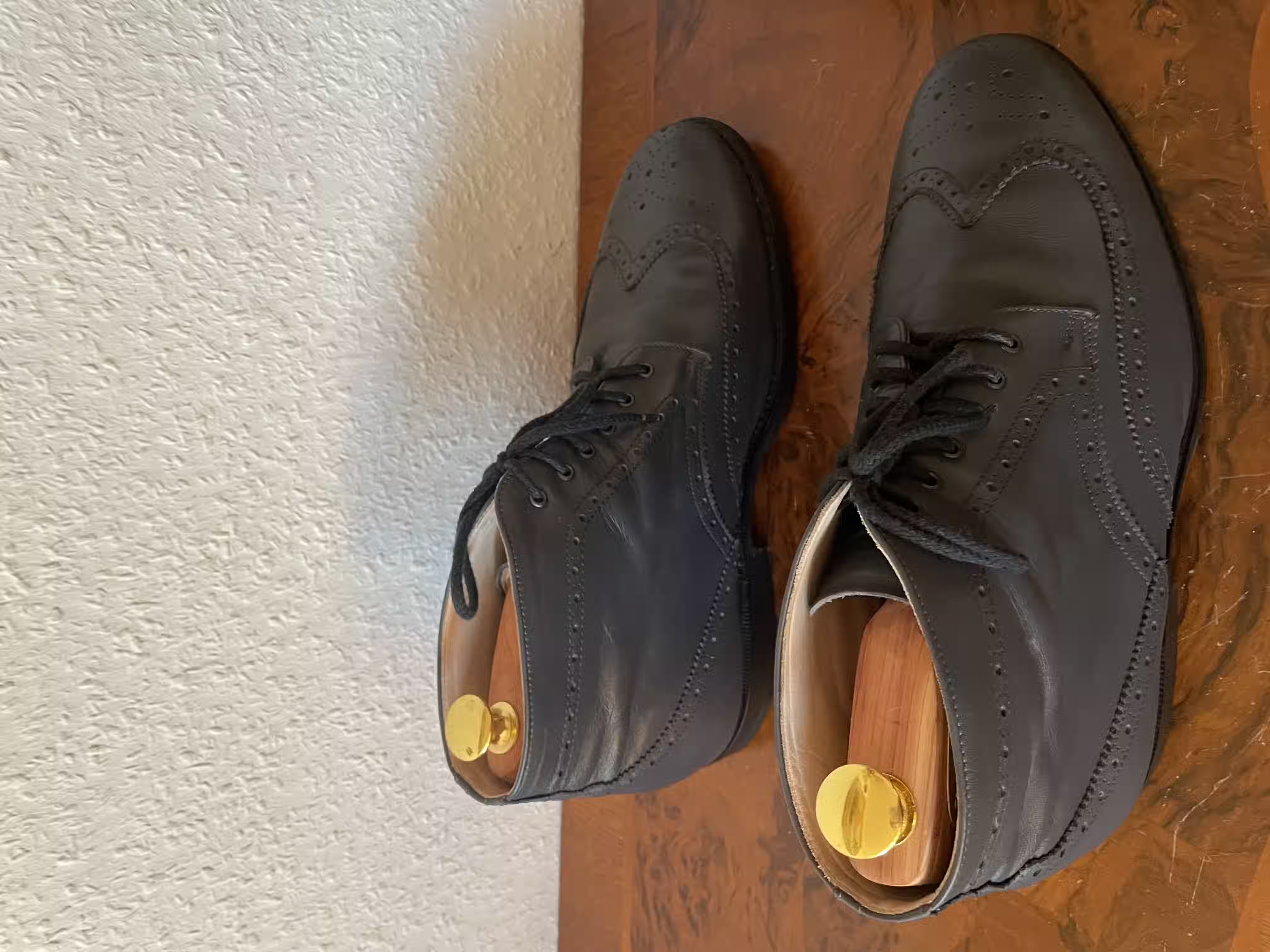
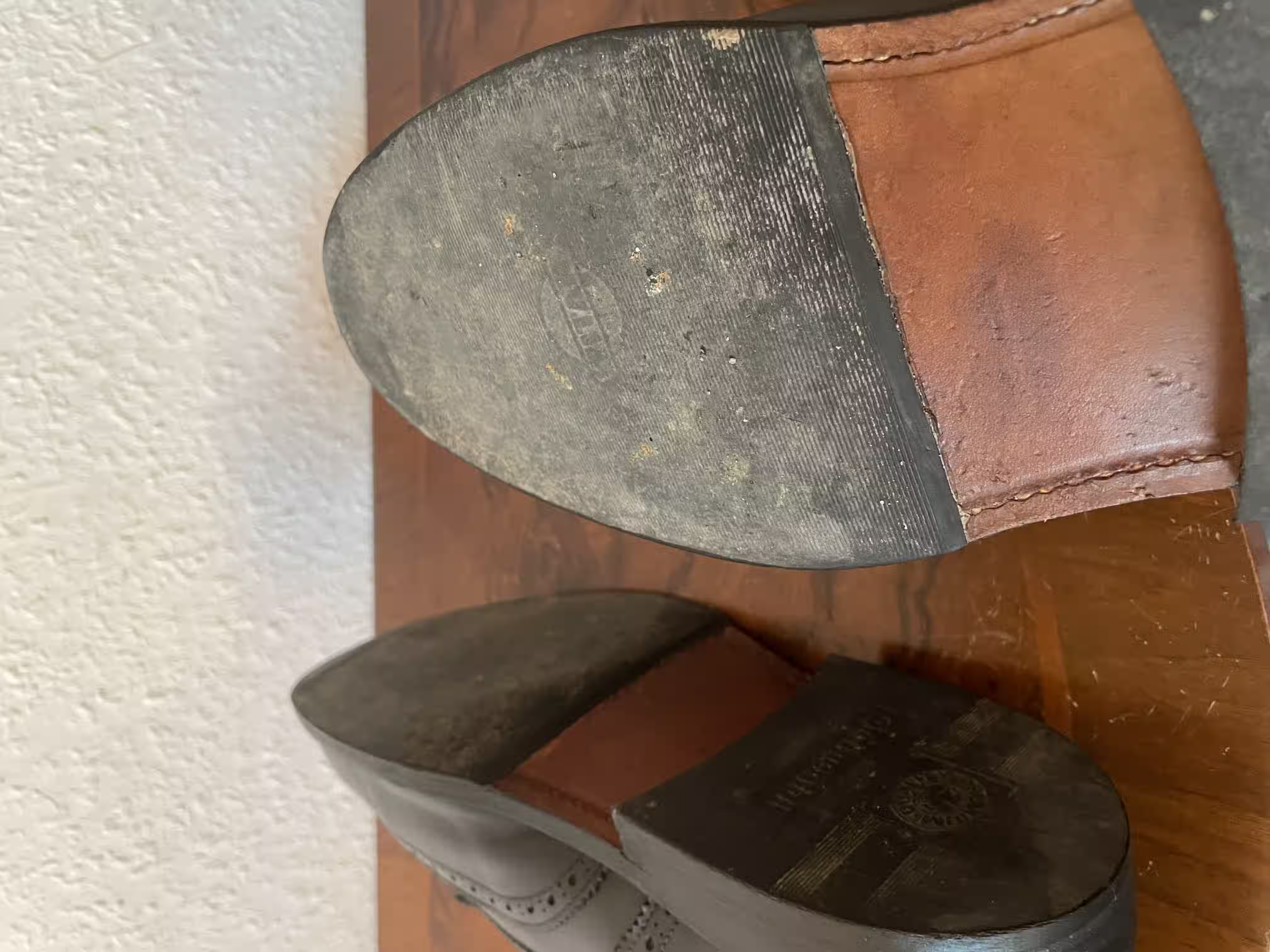
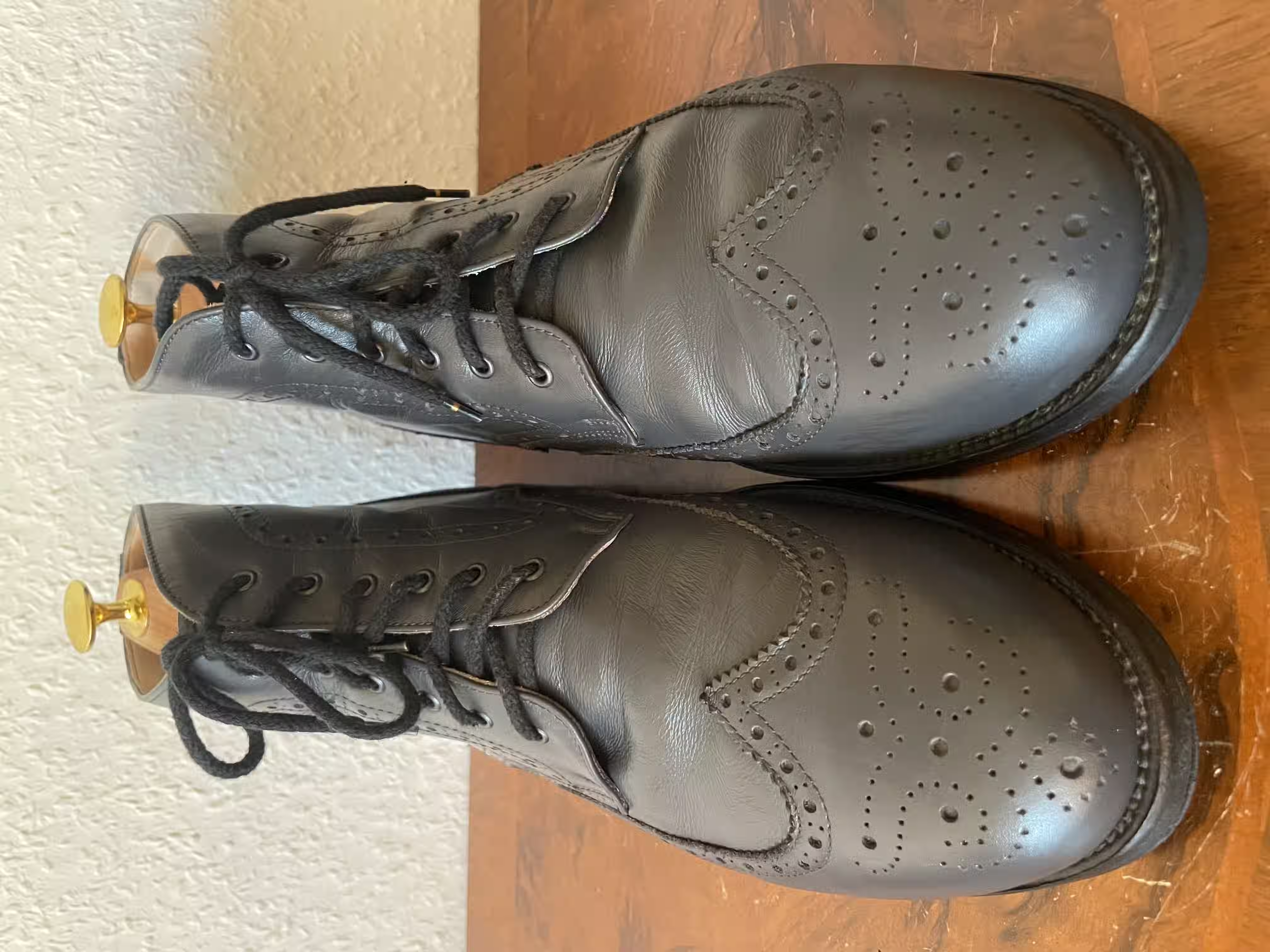
Decoration through broguing is not limited to low shoes; you can also have such perforations done on boots and ankle boots. Accordingly, there are, for example, full-brogue derby boots or quarter-brogue chukka boots. The effects of these perforated decorations remain the same as with low shoes: the more perforations you add, the more relaxed the boot or ankle boot becomes. Because of their high uppers, boots offer the greatest potential for extensive broguing.
Other Variants for Possible Implementation
Personal assessment
I like the idea of perforation patterns as additional decoration. I also like wearing full brogues, but at the same time I notice that the perforations can draw a lot of attention. I become especially aware of that when I see similar models without perforations: that can be an austerity brogue or a longwing without perforations. I find that, especially with the latter, the lines of the generous wing cap are emphasized very strongly—something that otherwise wouldn’t really stand out much with the perforated variant.
All of that really only works if the shoes aren’t black and don’t have black stitching. With black shoes and black stitching, all the decorations are relatively subtle, and so is the broguing.
In the end, this shows me the strengths and weaknesses of more extravagant brogue models like the full brogue or full-brogue longwing. Overall, I currently tend more toward the two more modest brogue models, the quarter brogue and the semi-brogue. And of these two, the quarter brogue is slightly ahead for me personally, because the sparseness of the decoration, in my view, strengthens the effect of it: the shoe doesn’t become more decorative because of it, but the little decoration simply has a stronger impact.