
The Cemented Construction (AGO)
In cemented construction, the upper part of the shoe is bonded to the lower part, the sole, using adhesive. Although adhesive is also used in other constructions, the difference here with cemented construction is that the adhesive is the only means of holding the two parts of the shoe together—no stitching, no nails, and no other connecting parts.
Introduction
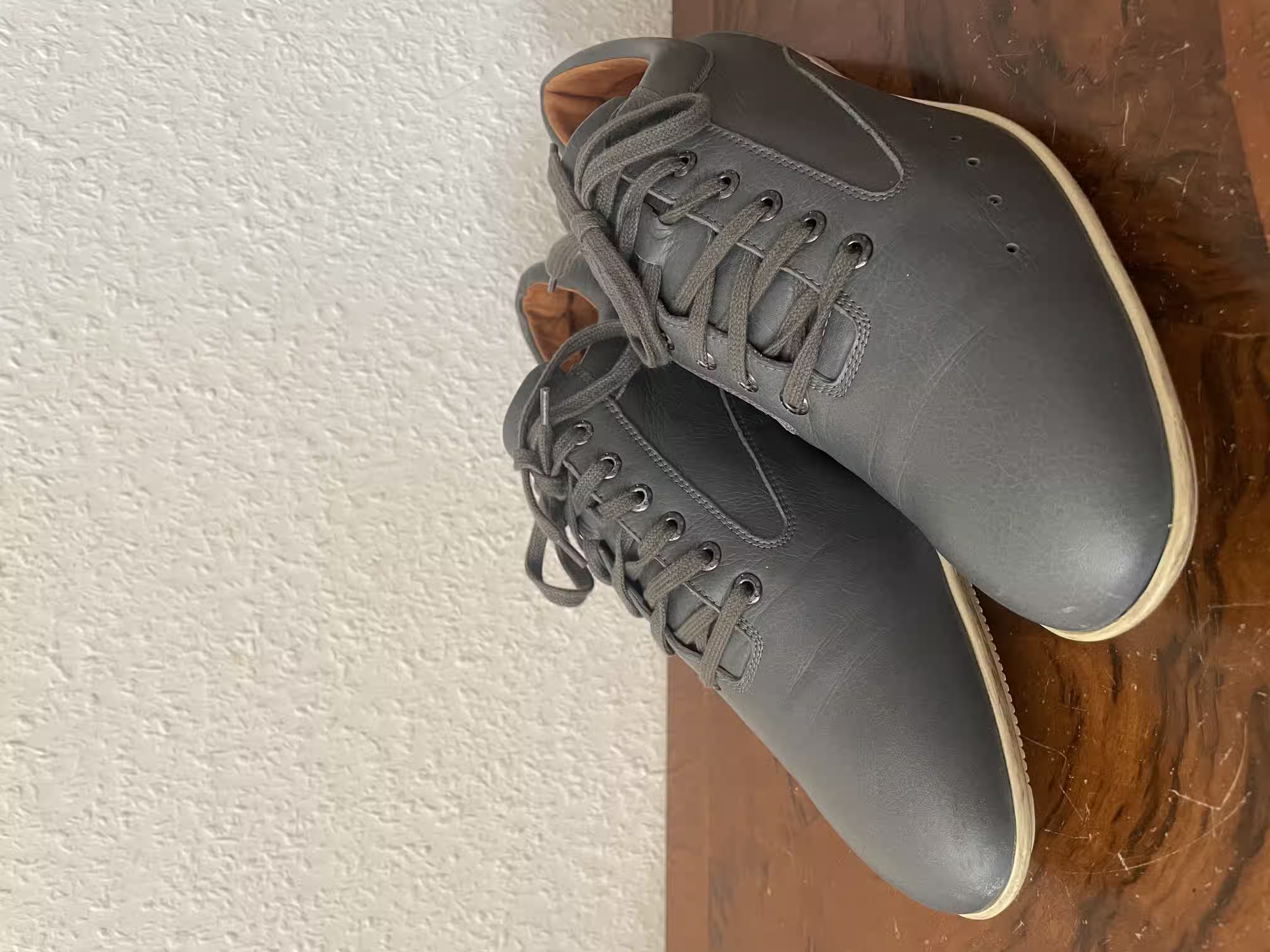
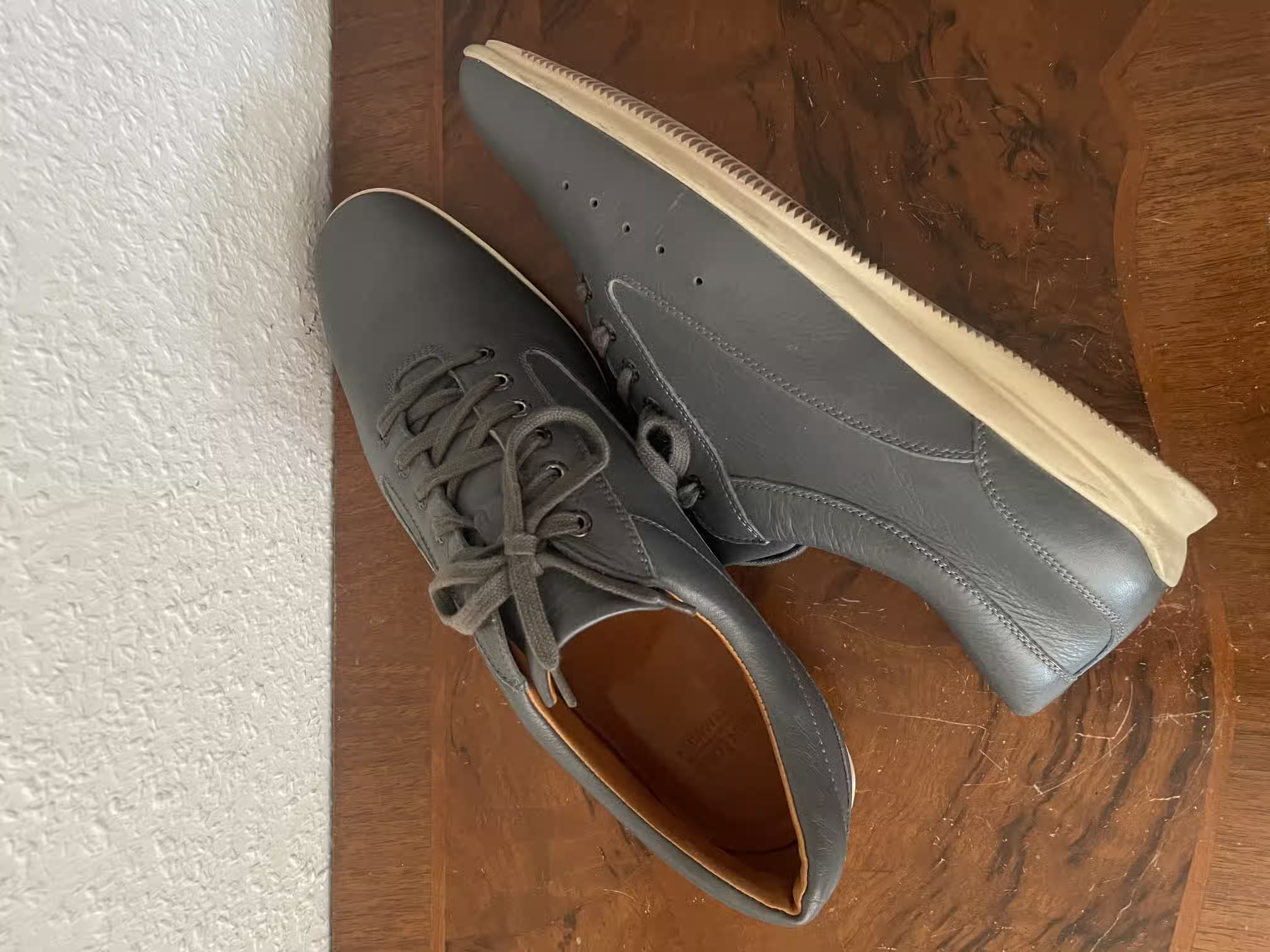
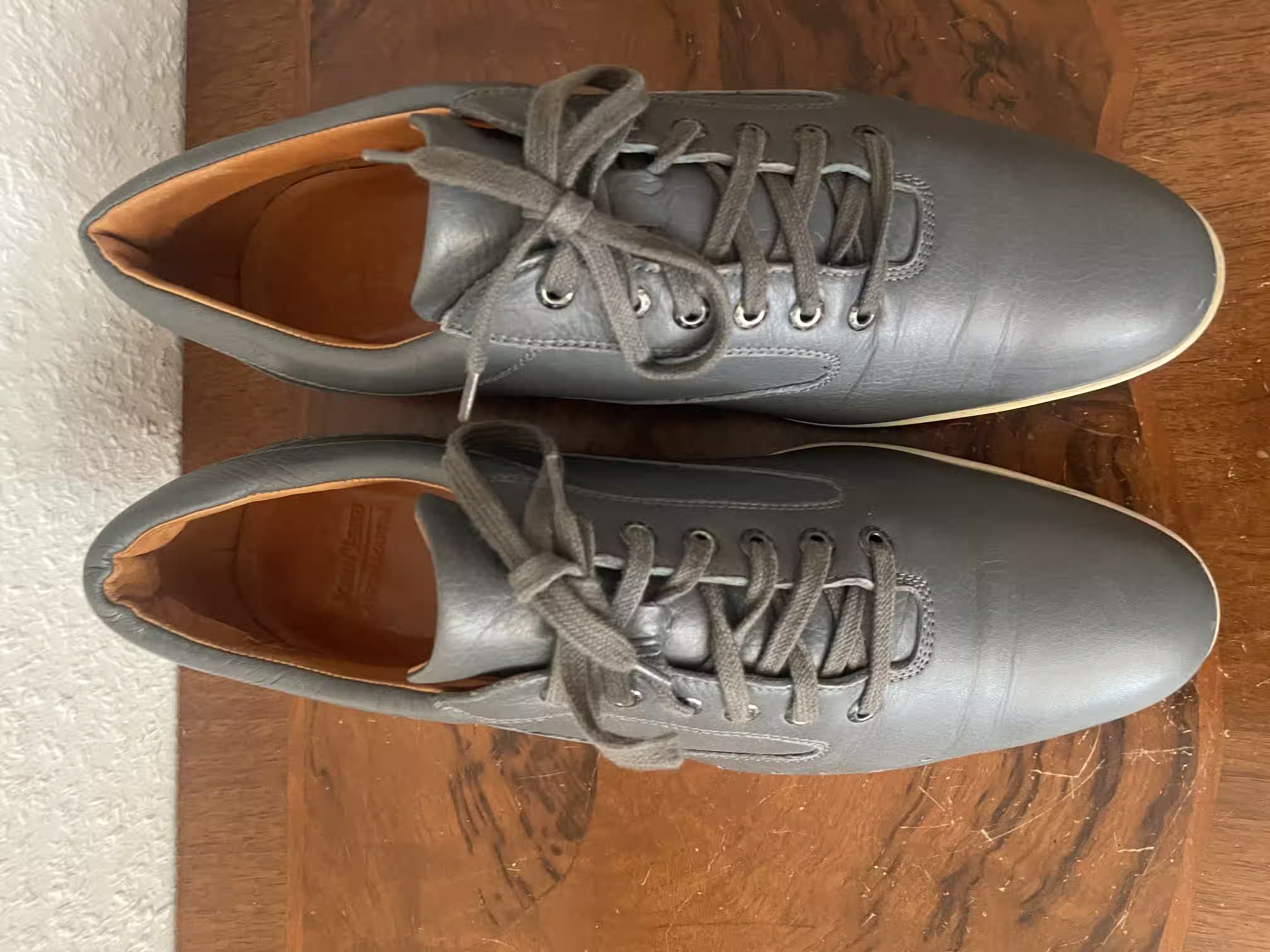
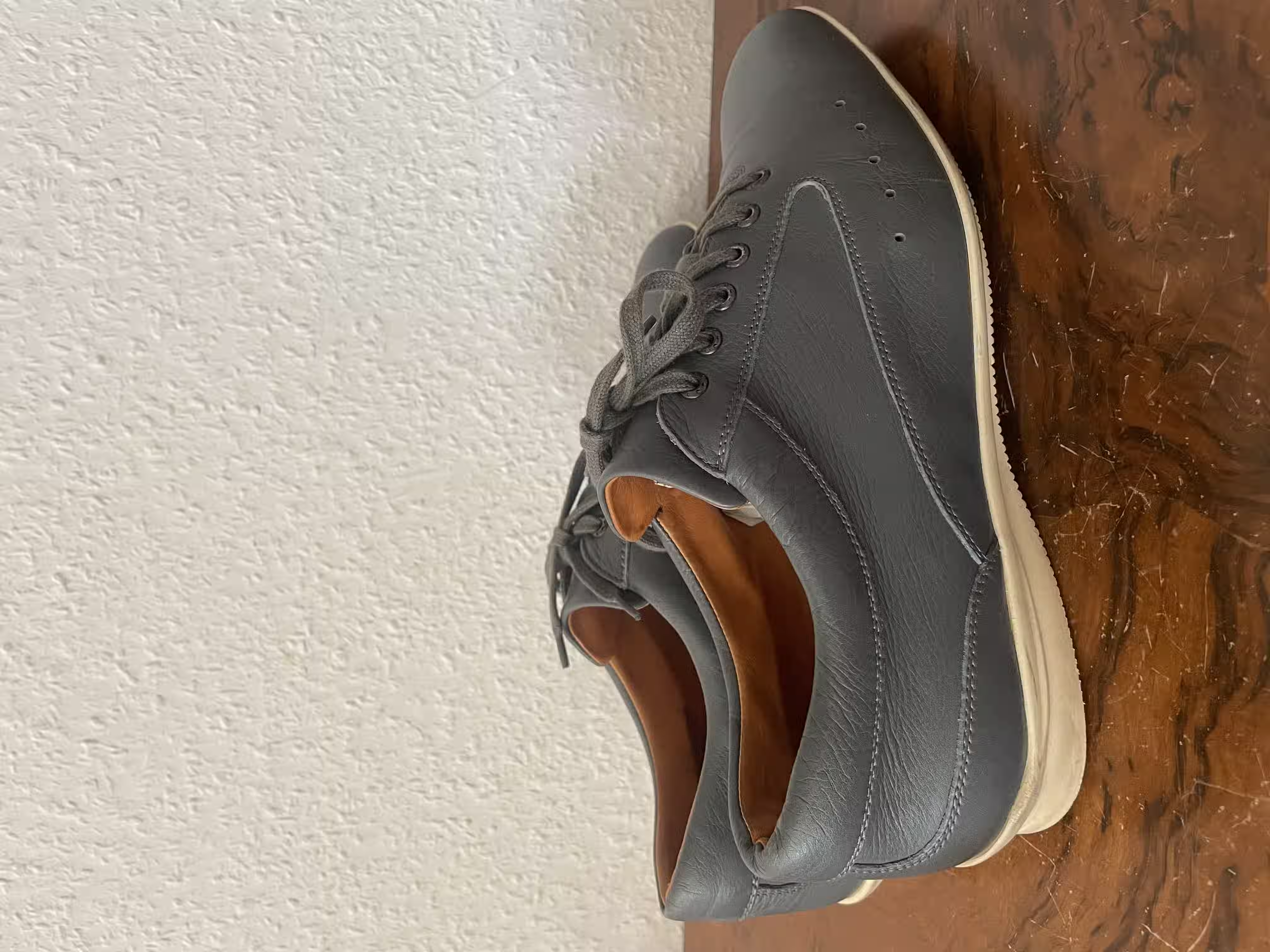
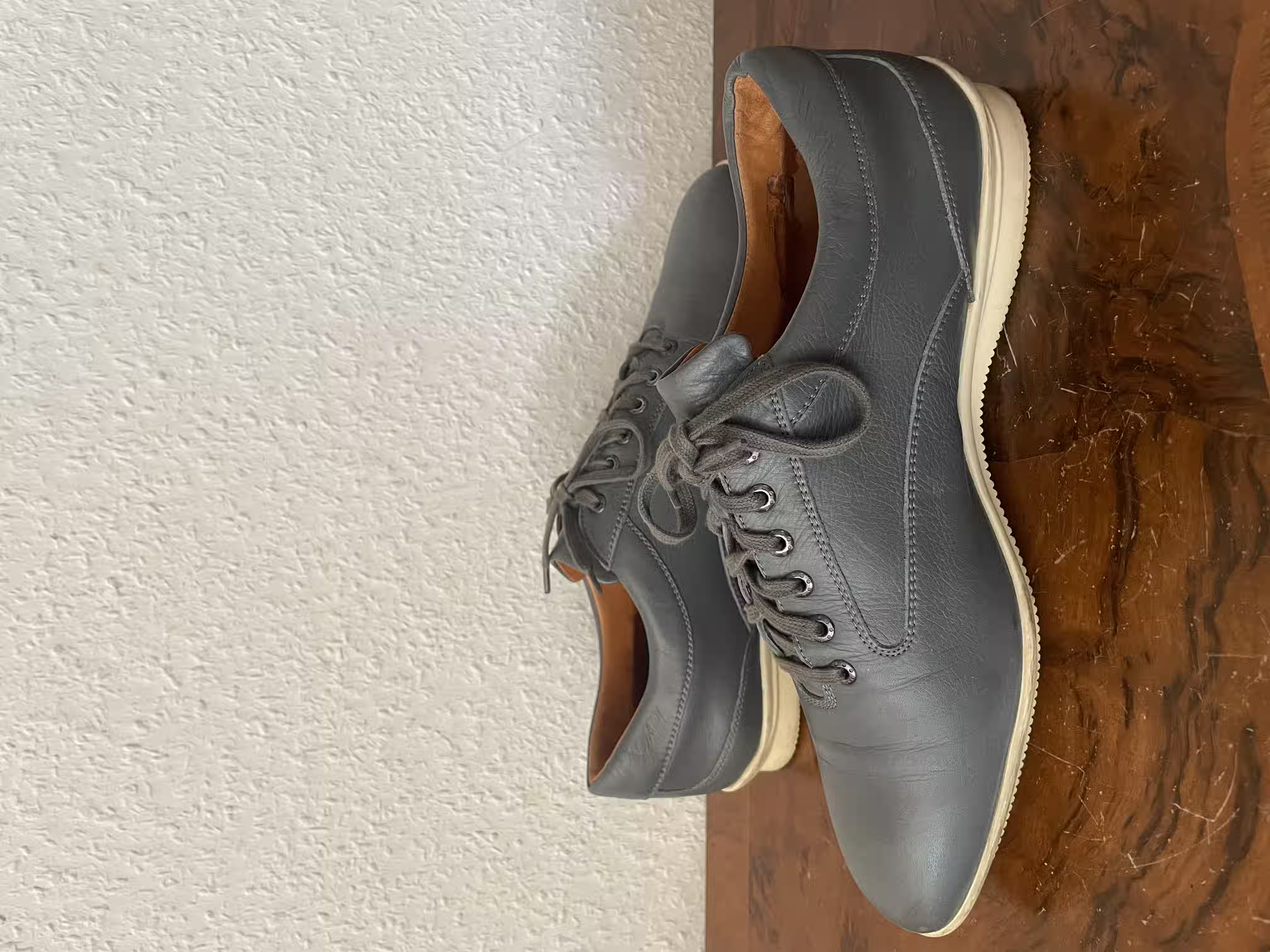
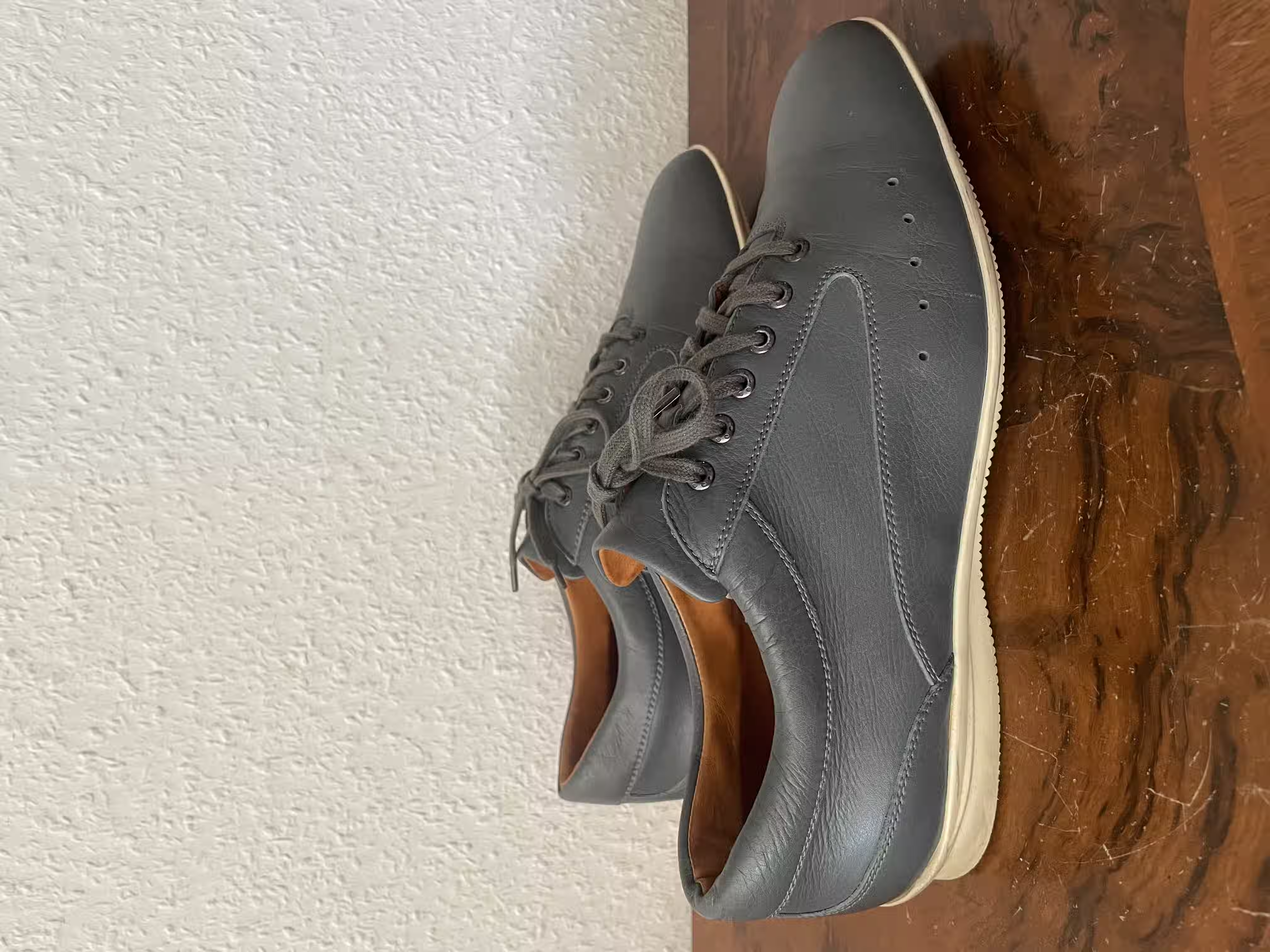
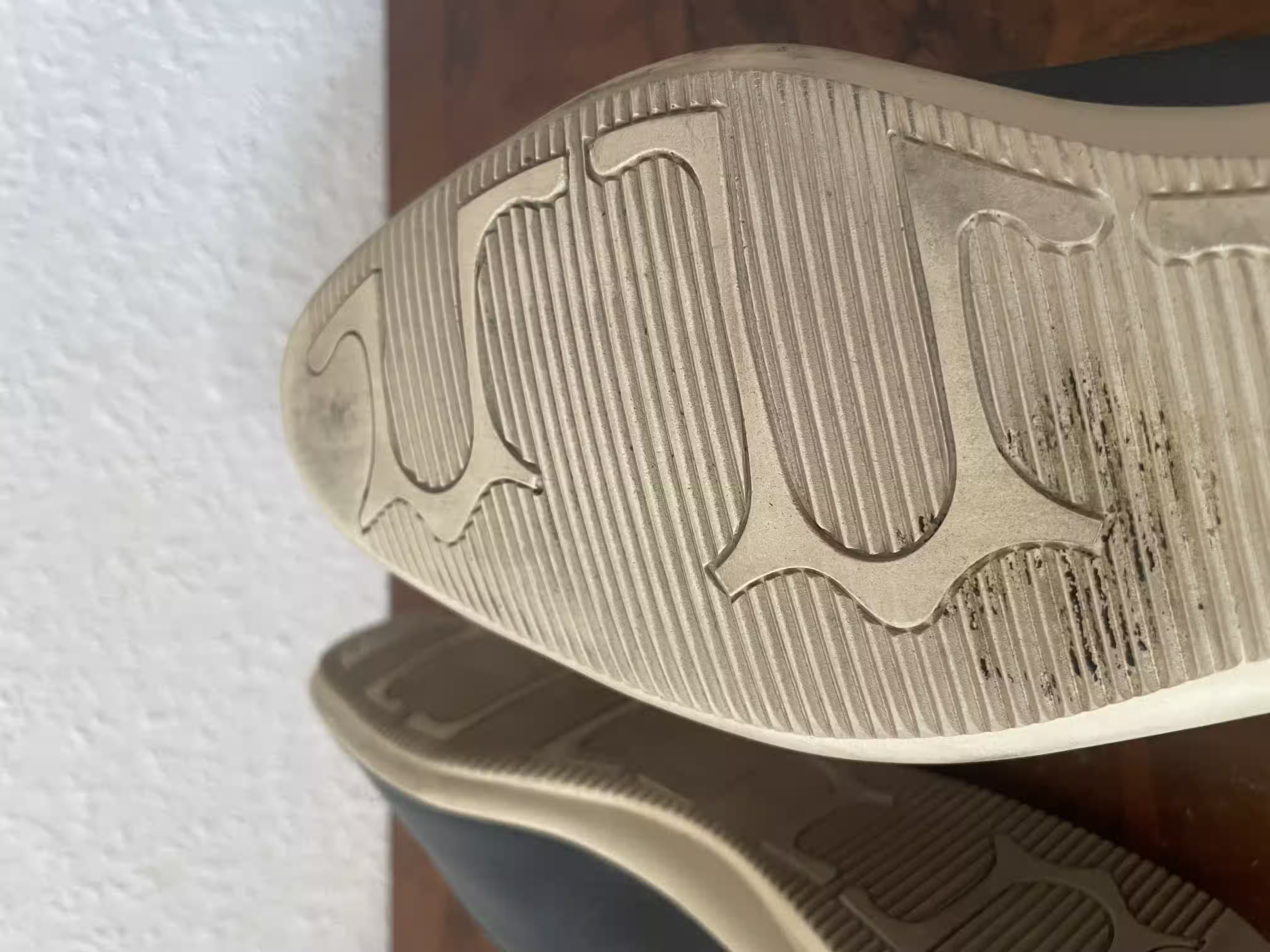
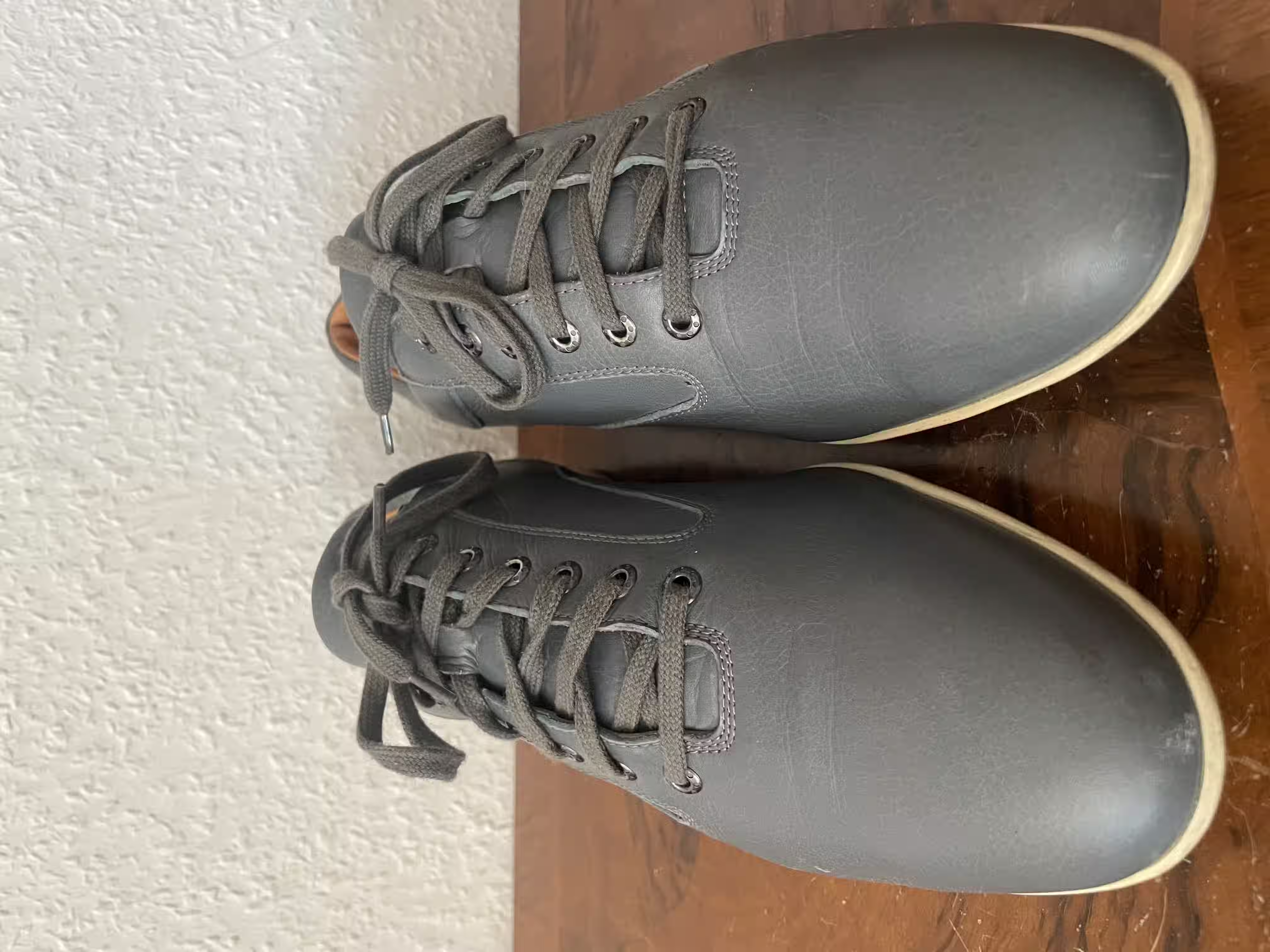
With cemented shoes, we basically have two parts that are joined together with adhesive:
- the upper part of the shoe, the upper, which is often made of leather, plastic, or a textile (also as a combination of these materials)
- the lower part of the shoe, the sole, which is usually made of leather or rubber or a combination of these two materials
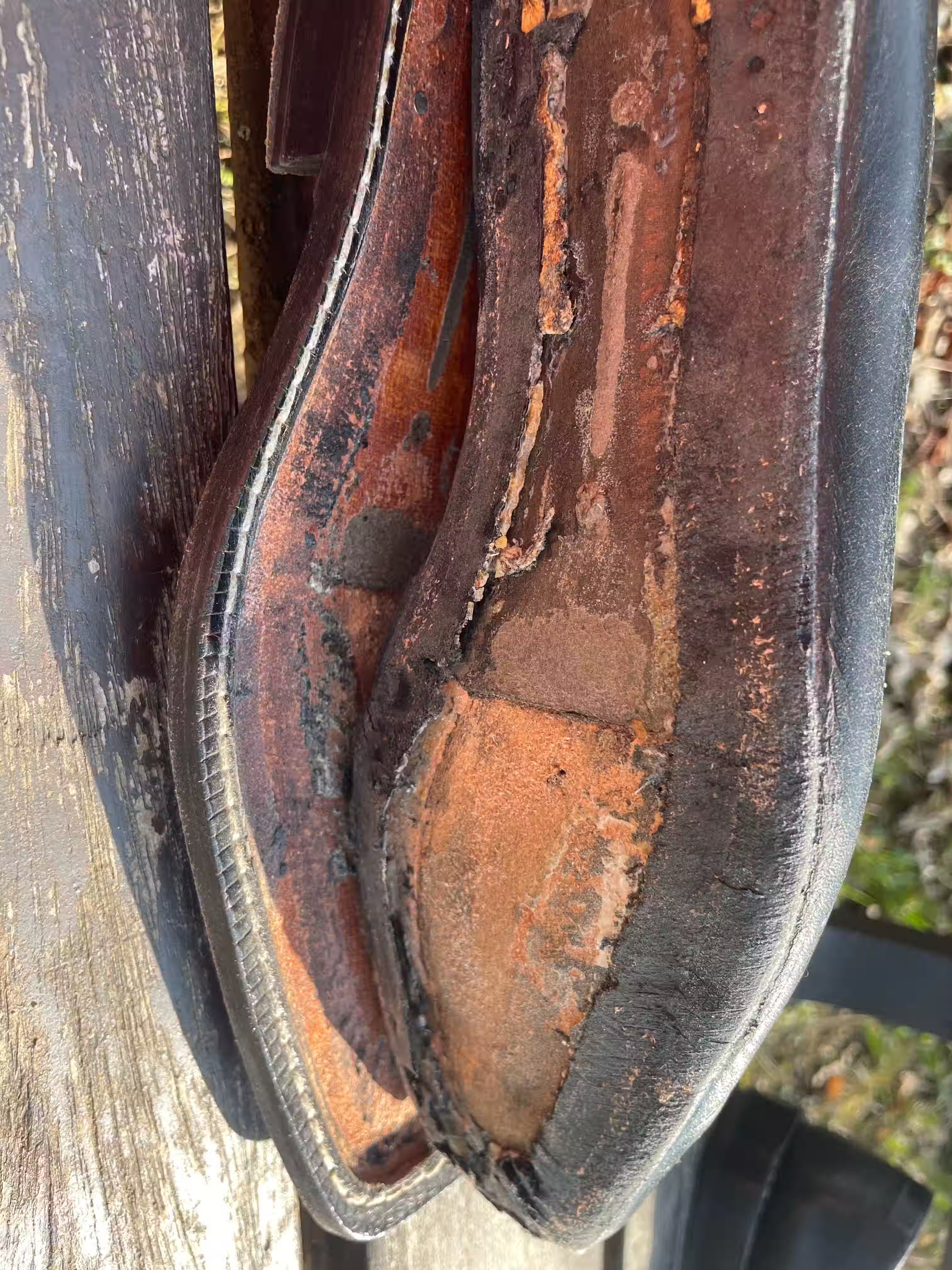
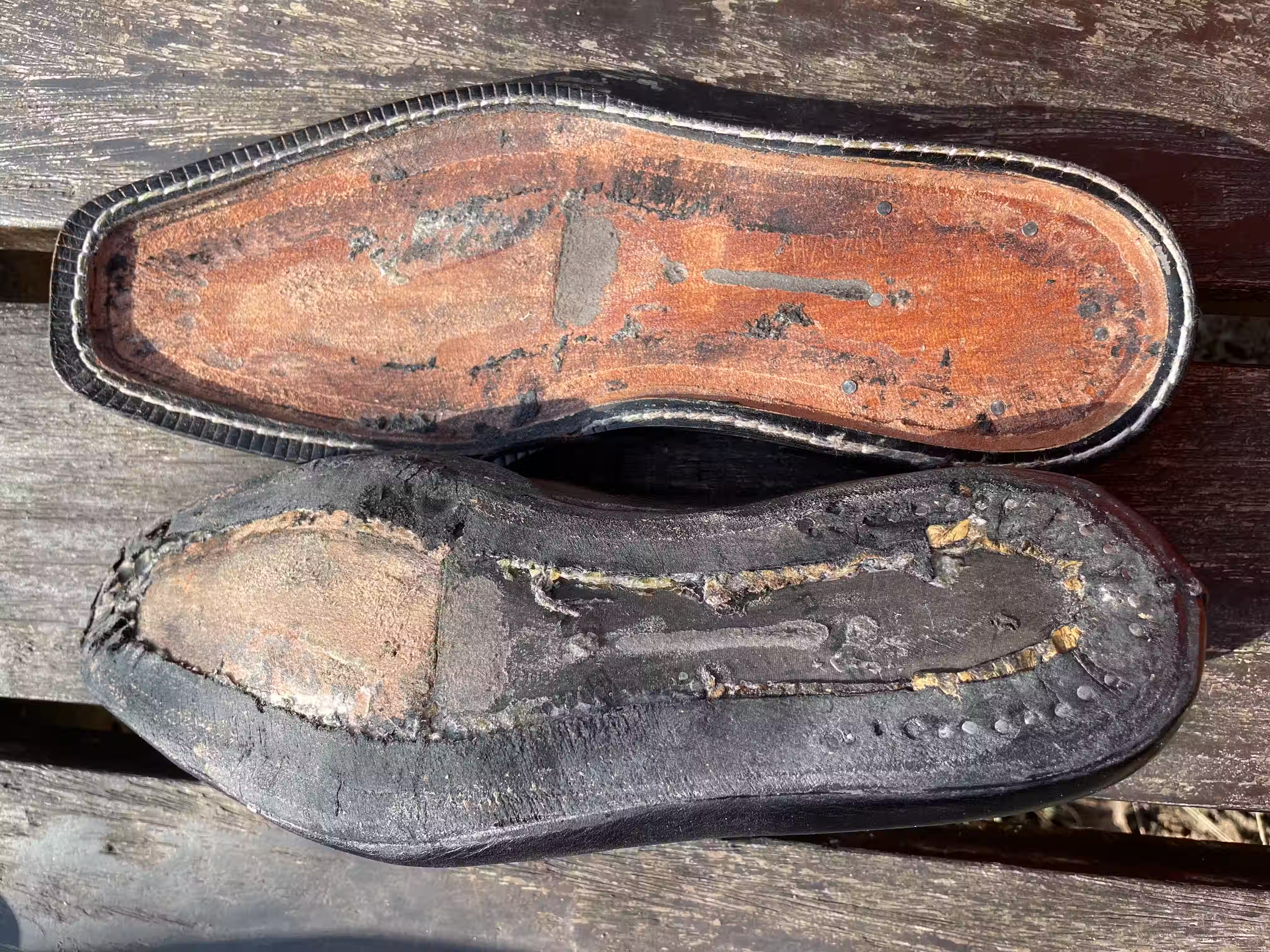
So that everything holds when these two parts are joined together, the adhesive had to become good enough over time. Nowadays, the adhesives hold relatively reliably, but they do not offer the safety and reliability of stitching. Especially when the shoes get very wet or solvents get to the adhesive, the adhesive can come loose.
Nowadays, cemented shoes dominate the shoe market by a clear margin. They are very cheap to produce and do not require skilled craftsmen to manufacture. Here you will find more information about such shoes and my reason why I prefer stitched shoes.
Terminology confusion: cemented shoes and shoes in cemented construction
The shoes this article is about are often also casually called cemented shoes. However, if you take the expression cemented shoes very literally, then basically all shoes are cemented. Because even stitched or nailed shoes are cemented for support before stitches or wooden nails are added. That is why I deliberately write here instead about shoes in cemented construction.
Especially people who are somewhat familiar with Goodyear-welted and Blake-stitched shoes use cemented shoes to distinguish precisely such shoes of cemented construction. I think for most people here in Europe the term cemented shoes is otherwise not common, because in the normal consumer world pretty much all shoes are cemented, i.e., of cemented construction. So there is no distinction in the construction, and cemented shoes are the standard and thus simply shoes.
Success story of cemented shoes in Europe
Pre-industrial situation
In the past the situation here in Europe was quite different, and many more small shoemakers worked than nowadays. They not only made the shoes, but also repaired them. And mostly they stitched the shoes together traditionally—cementing was primarily supportive, but not load-bearing in the construction. So it didn’t matter much if the adhesive came loose, because the shoes were held together at the crucial points by stitching or also nails.
Industrial situation
Even when shoemakers began to use machines on a larger scale, the shoes were still predominantly stitched. There were various sewing machines for leather shoes, and with these machines shoemakers could save time because they no longer had to sew laboriously by hand. The machines simplified the production of shoes so much that you no longer had to be a craftsman to make shoes. Gradually, more and more shoes were produced in factories, where through division of labor and machines new shoes were produced very efficiently. This still happens today, and such factories don’t have to be large, especially if they place a lot of value on clean and good workmanship.
During this time, in 1911 an adhesive was invented in Italy that was suitable for bonding leather to leather. The adhesive was given the name AGO, which stands for “another great opportunity.” This made it possible to bond the upper directly to the insole, which saved stitching. The outsole could now also simply be glued on. However, in the beginning the adhesive was still too inflexible and therefore unsuitable for shoes, which are constantly in motion. Only over the course of the following decades was this special adhesive significantly improved and, so to speak, also extended to further materials.
Era of mass production
In the middle of the 20th century, the two areas now came together:
- industrial, cost-efficient mass production of shoes in a factory
- the novel adhesive developed under the designation AGO, which could bond leather and now other materials better and better
Thus began the real mass production of such shoes, foremost among them the nowadays very popular cemented sneaker. It would still take decades for it to really establish itself in society, but the beginning was made. Traditional shoe making was increasingly displaced as a result. There were fewer and fewer shoemakers, and those few shoemakers increasingly focused on repairing and resoling shoes.
In any case, this trend of mass production continued unabated:
- increasingly cheap, synthetic materials were used
- factories were relocated outside Europe, where production costs were even lower
Through such cost savings at almost all levels, the shoe—which used to require a lot of work, knowledge, and better materials—has become for most people a rather banal everyday object.
How can you recognize shoes made with glued construction?
The surest method is to try to detach the entire sole from the upper. If you succeed and you don’t see any seams or wooden pegs you have to fight against, then you can be sure: upper and sole are held together solely by adhesive—glued construction. Unfortunately, with this check you damage your shoe a bit, because the adhesive bond between sole and upper loosens somewhat. But you can glue the two parts back together at that spot, or have them glued back together.
Other methods of recognition are difficult. If you see a thick seam inside the shoe, then the shoe will have been made in stitched-through construction. But if no seam can be seen there, then there is a certain probability that the shoe is of glued construction. Without additional knowledge, however, it could just as well be of Goodyear-welted construction.
If the shoe has a welt with a visible seam, that says nothing about the construction. Because such a seam is the so-called outsole seam and connects the welt with the sole. Sometimes it isn’t even a real seam, but only applied for decoration. This is also more likely to be the case with shoes in glued construction.
Resoling shoes in glued construction
With the triumph of glued shoes, an advantage of old shoes was lost: resoling. In the past, if a shoe was worn through, it could be resoled by the cobbler. With the new, glued shoes, that was no longer so easy, and as a rule a new pair was and is then bought. The new shoe industry probably didn’t mind that. But it still isn’t really sustainable to this day.
1st resoling option: Gluing on a new outsole
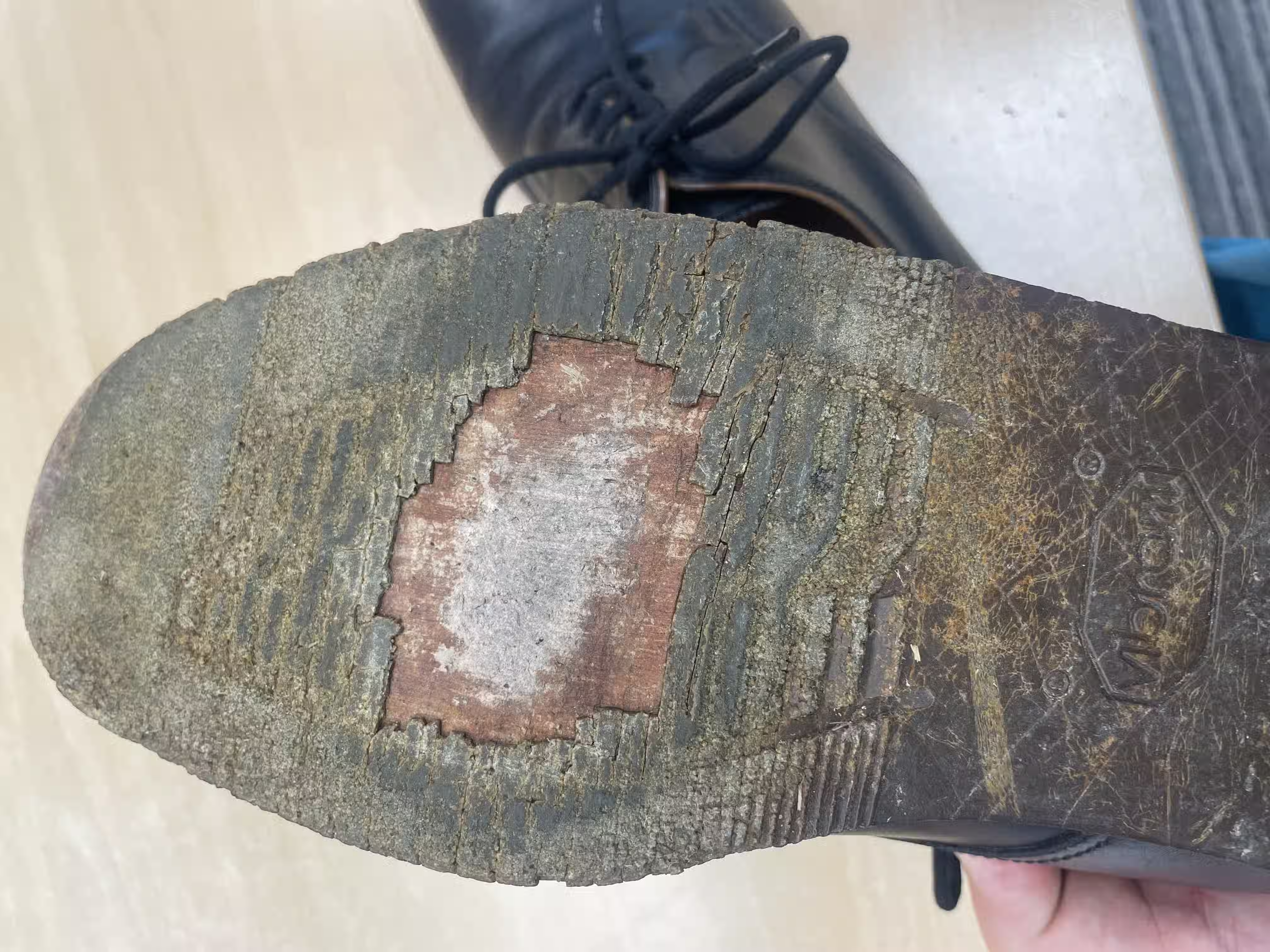
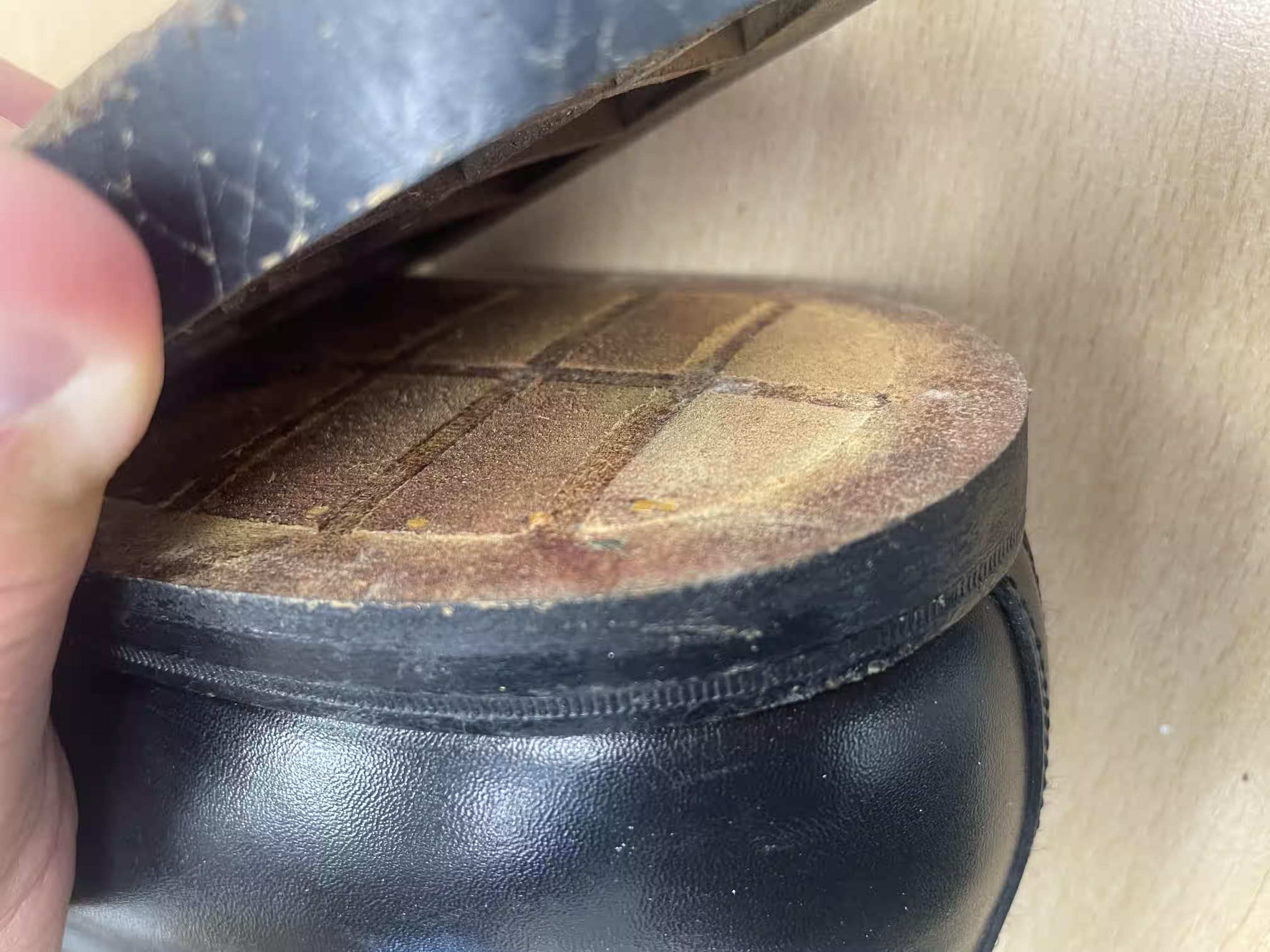
You can also introduce a simple option with glued shoes by dividing the sole into two parts:
- an upper sole part, which is glued to the upper
- a lower sole part, the outsole, which is glued to the upper sole part
This way you could easily have the outsole replaced by the shoemaker as soon as it is worn down. Even if the sole consists of only a single piece, I can still imagine that after appropriate grinding away, a new outsole can be attached underneath. This is also a form of resoling, and overall it is particularly simple. Because after grinding away unevenness you have a smooth surface on which you can easily apply your adhesive and bond the two soles together.
Basically the same principle is also used on some stitched shoes: there the sole consists of several layers, and when the lowest layer, the outsole, is worn down, it is simply replaced and a new one is glued on—without seams or nails. The construction of the shoe remains a stitched construction. Only a small part of the shoe, the outsole, is replaced. And this is significantly easier and more pleasant because of the flat surface on which it is glued: the cobbler can simply take a slightly larger sole and then, after gluing, trim it from the outside to the correct size. This means you are not dependent on any special soles from the manufacturer and also don’t have to have a sole made that matches the size.
2nd resoling option: Replacing the entire sole
With shoes in glued construction, the upper and the sole are glued together. If the sole is worn down, then you can of course also replace it as a whole and glue a new sole to the upper.
However, here the upper is usually not glued to the sole along a straight surface, but along a curved surface. And that in turn depends on the exact shoe size. So you need soles in the right size, and ideally the manufacturer of your shoes should supply them. If this is not possible, then a suitable sole can certainly be made with the help of a casting mold. But I doubt that this is relevant in practice, because it means a disproportionate amount of effort. Theoretically, anyone can make these other glued-on parts themselves if they have a suitable new sole. But I think the result usually doesn’t look nice: for example, if parts aren’t glued on tightly enough so that you can see the glue in between. Or if visible glue residue remains and ruins the appearance. Also, before gluing, the surfaces should be treated with sandpaper. So there are still quite a few things to keep in mind, even if it’s just gluing instead of sewing.
Why resoling falls short in everyday life
Despite these two options for having shoes in a glued construction resoled, it happens quite rarely. In my view, that has less to do with the glued construction and more with various other factors. For one thing, the upper material of the shoe is often quickly worn out, so it’s not worth giving the broken upper a new sole. For another, I think many people aren’t aware that they can have their shoes resoled by a cobbler.
I think that if the quality of most shoes were to improve and the upper were almost entirely leather, then most people would be much more likely to take such shoes to the cobbler to be resoled. But that won’t happen, because this option is also the less convenient one:
- you have to take care of the upper leather, especially maintain it
- in the end you have to go to a cobbler when a resole is due
That’s why I think better shoes as a mass phenomenon in society are unlikely in two respects:
- most customers don’t want to invest too much time, money, and energy in better shoes
- many manufacturers are competing for the best price, and you can’t afford that if you increase quality and thus costs
In addition, it may suit many manufacturers if old shoes aren’t resoled and new ones are bought instead: that way their customers come back sooner for another purchase.
the vast majority of glued shoes consist of exactly one single sole piece. I suspect there are simply practical-economic reasons behind that:
- a single sole piece is cheaper to manufacture
- shoes with worn-out soles aren’t worth repairing, because after a while the remaining materials aren’t worth it
- shoe manufacturers also benefit from customers buying new shoes more often Yet even with a real sole stitch, you can theoretically have shoes in a glued construction again buy new shoes
Conclusion and personal opinion
To sum up, I can say that I’m not so much criticizing the glued construction with regard to resoling, but rather a modern trend of making everything cheaper at the expense of quality, so that resoling is no longer worthwhile. And the glued construction is, strictly speaking, only a small part of this trend, because it is simply the cheapest construction method. But it alone is not the reason why the vast majority of shoes today are no longer resoled.
So, strictly speaking, the glued construction is much better than its reputation in the world of better shoes. Even though the glued construction, compared with other stitched and pegged constructions, is the cheapest and rather the least reliable, shoes of this construction can be resoled well. The only obstacle is more the overall quality of the shoes, which is typically very poor with shoes in glued construction. But that is not a weakness of the glued construction itself.
Personally, I don’t like the idea of having to replace the entire sole during a repair, or even just the prospect that the sole could detach from the upper. That’s why, in terms of construction, I value stitched or pegged shoes more. The very bottom sole, the outsole, can then be merely glued for all I care. For one thing, that doesn’t concern the construction method, and for another, that’s a small, manageable area of the shoe compared with replacing the entire sole.
Variants
Dark brown loafers with crocodile embossing
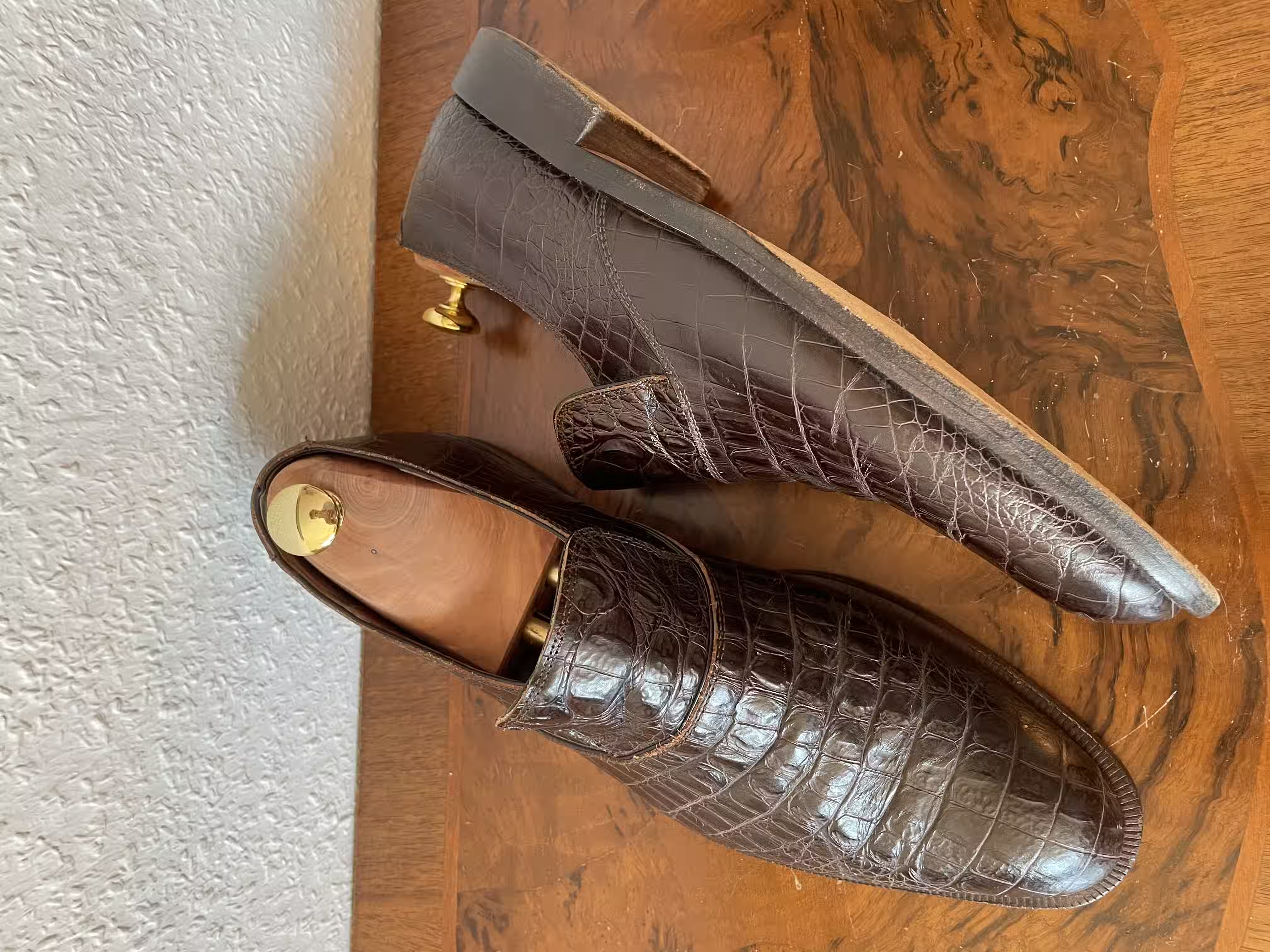
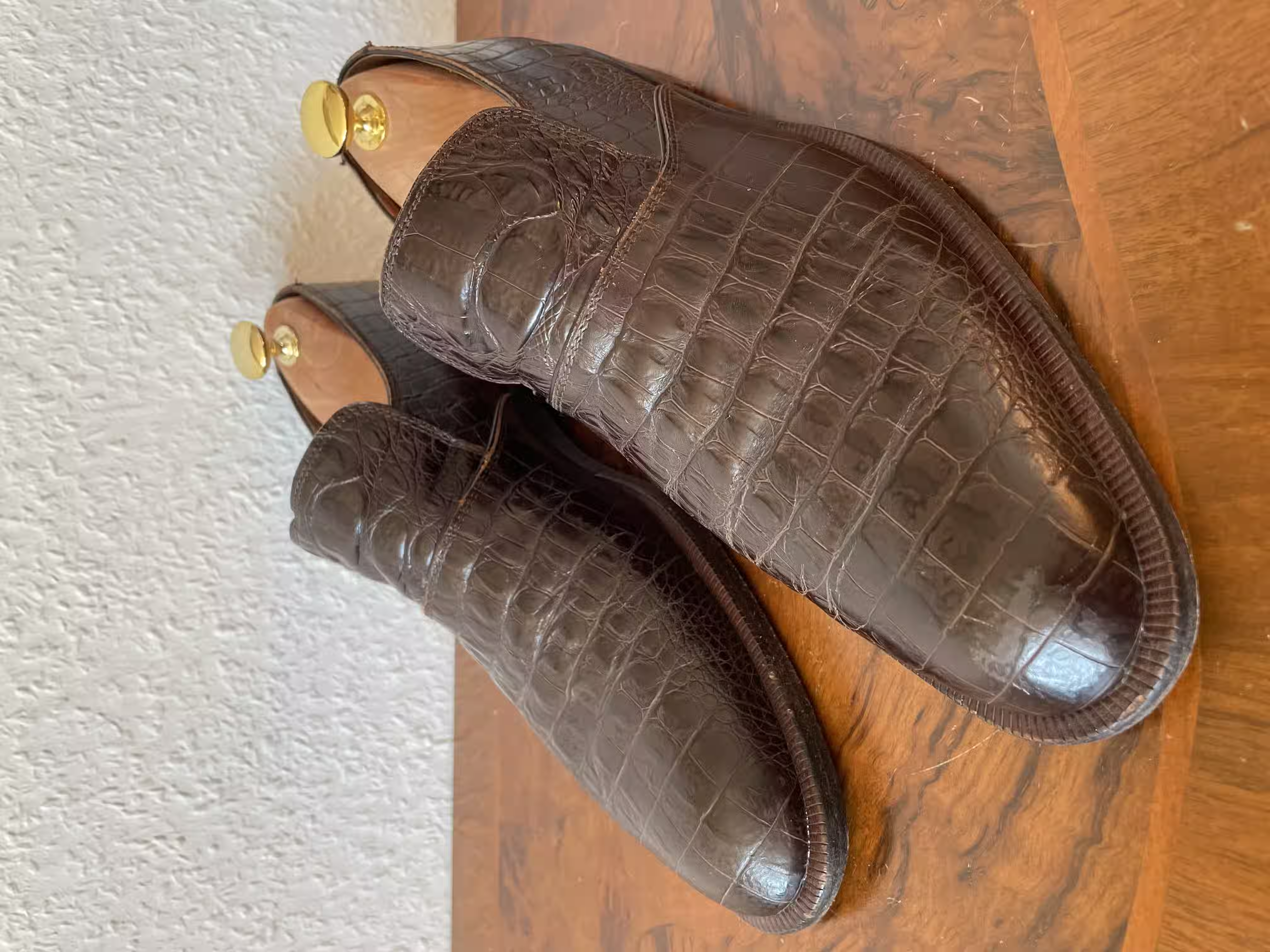
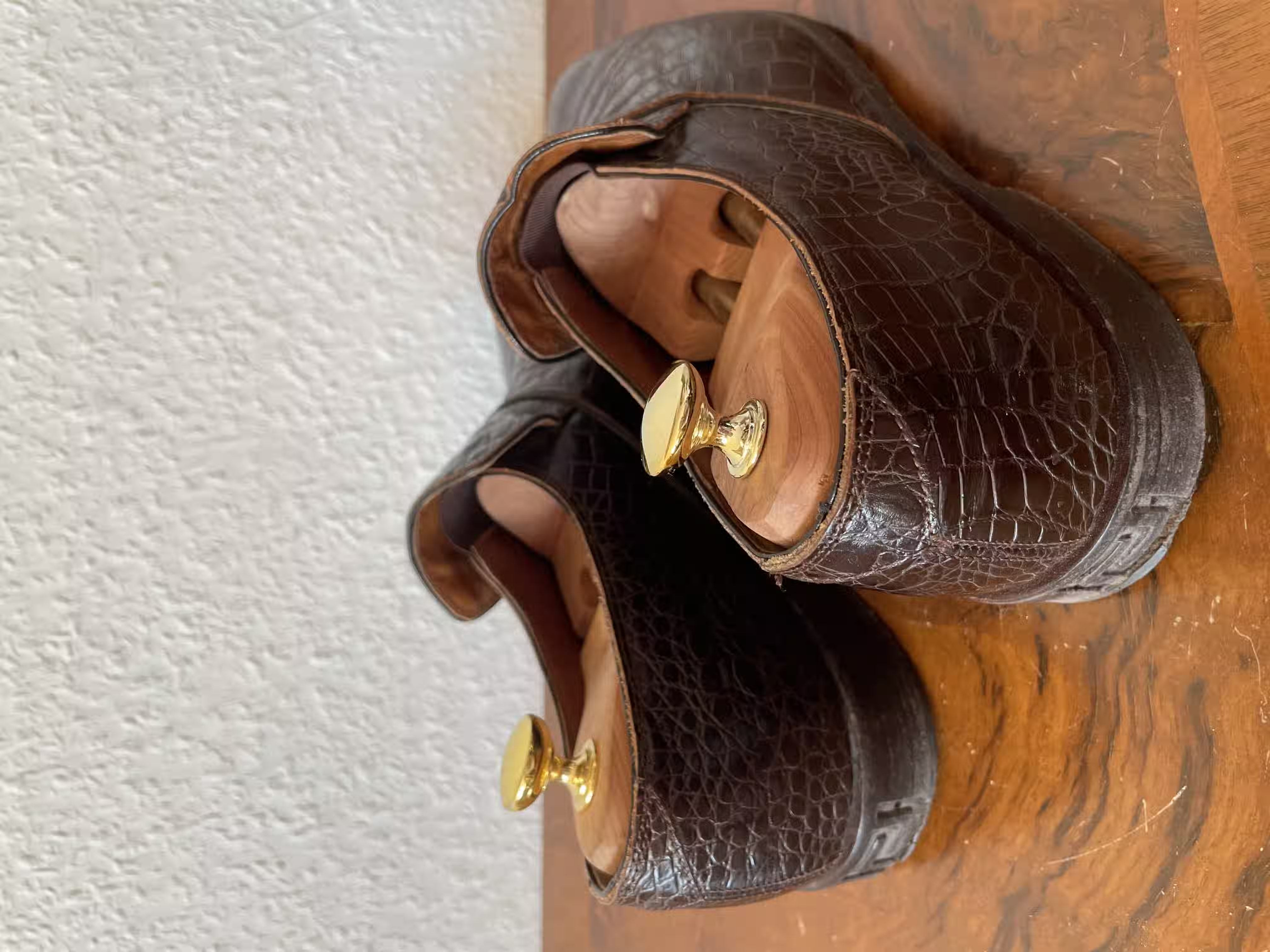
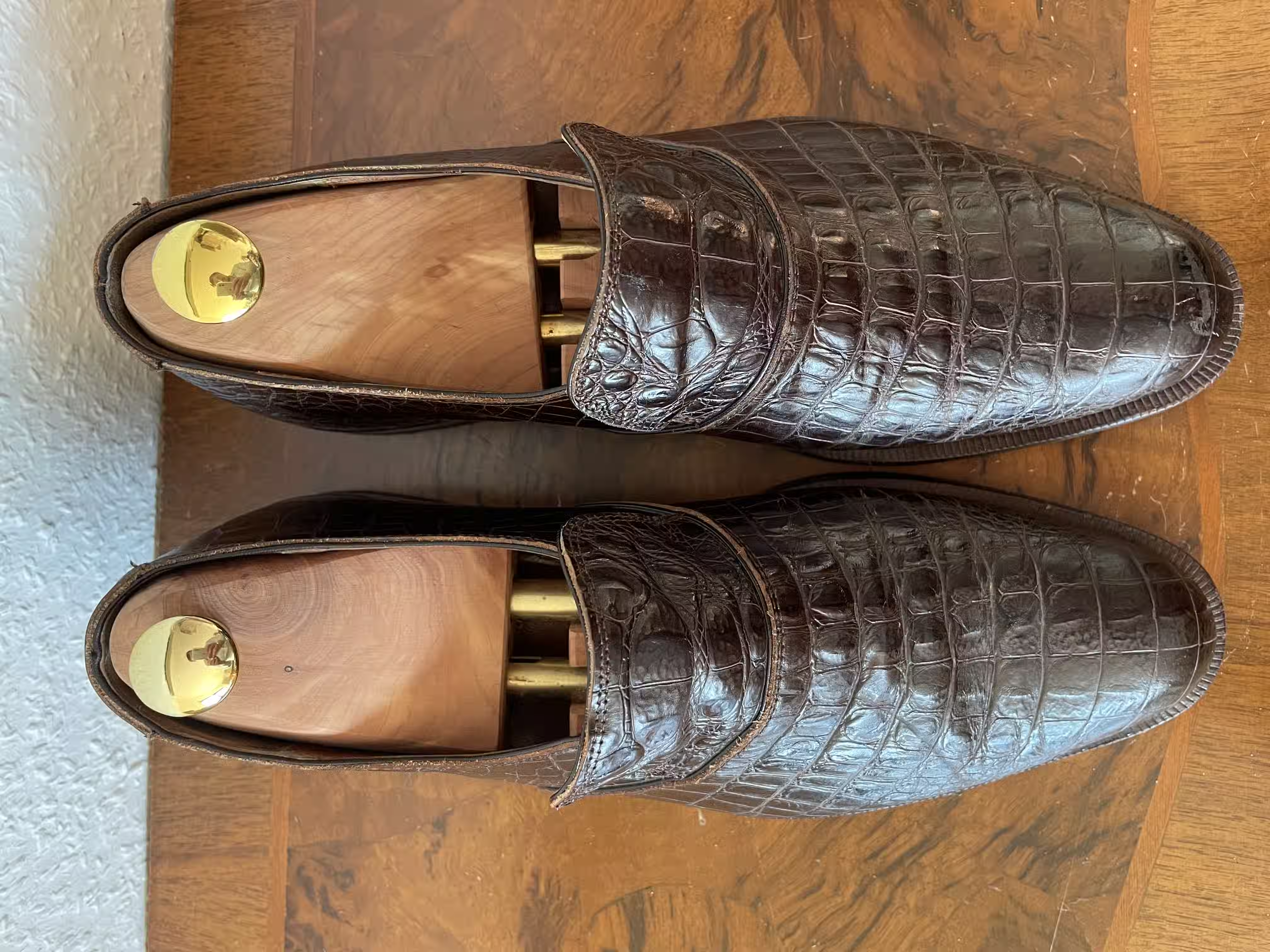
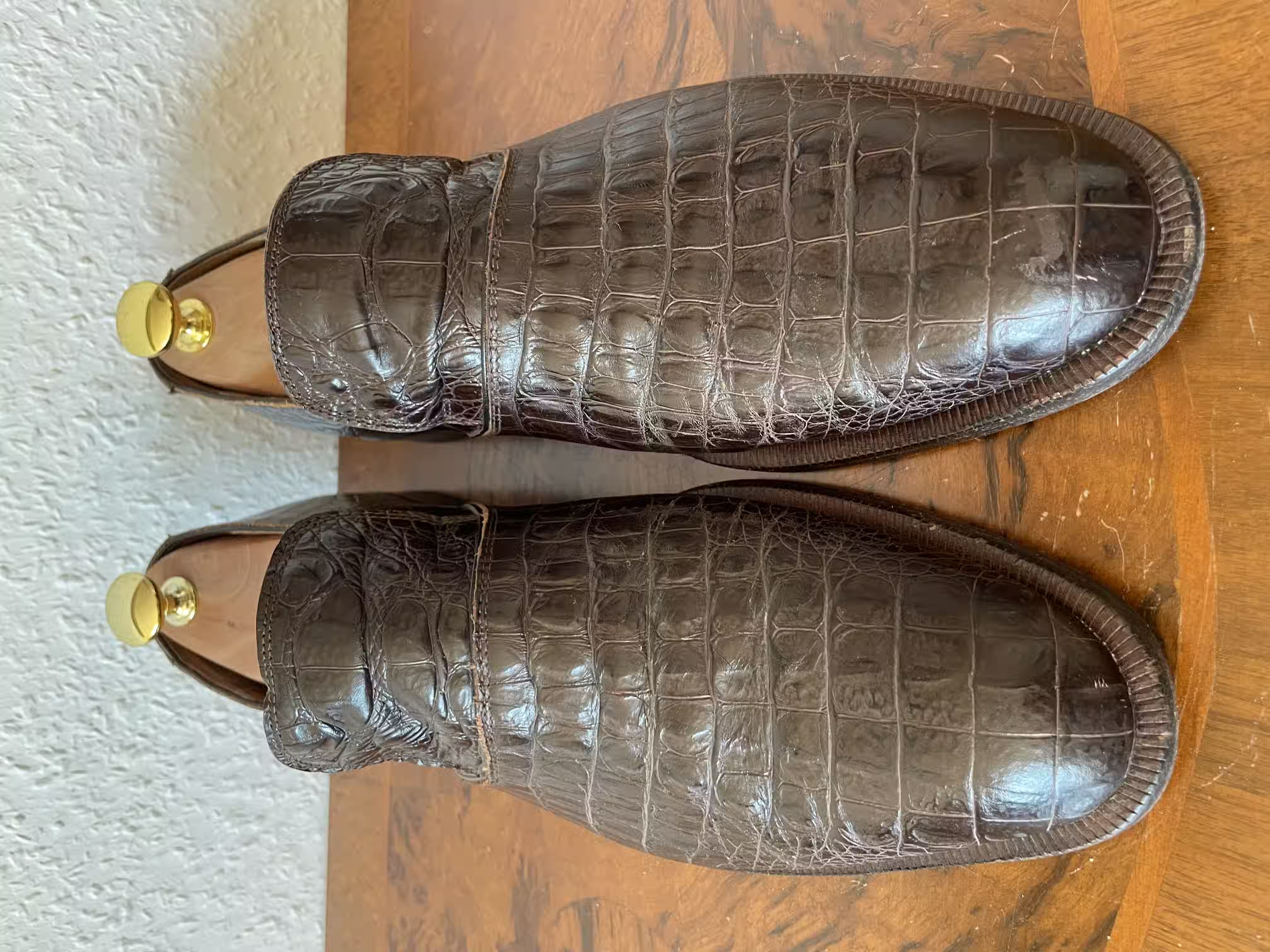
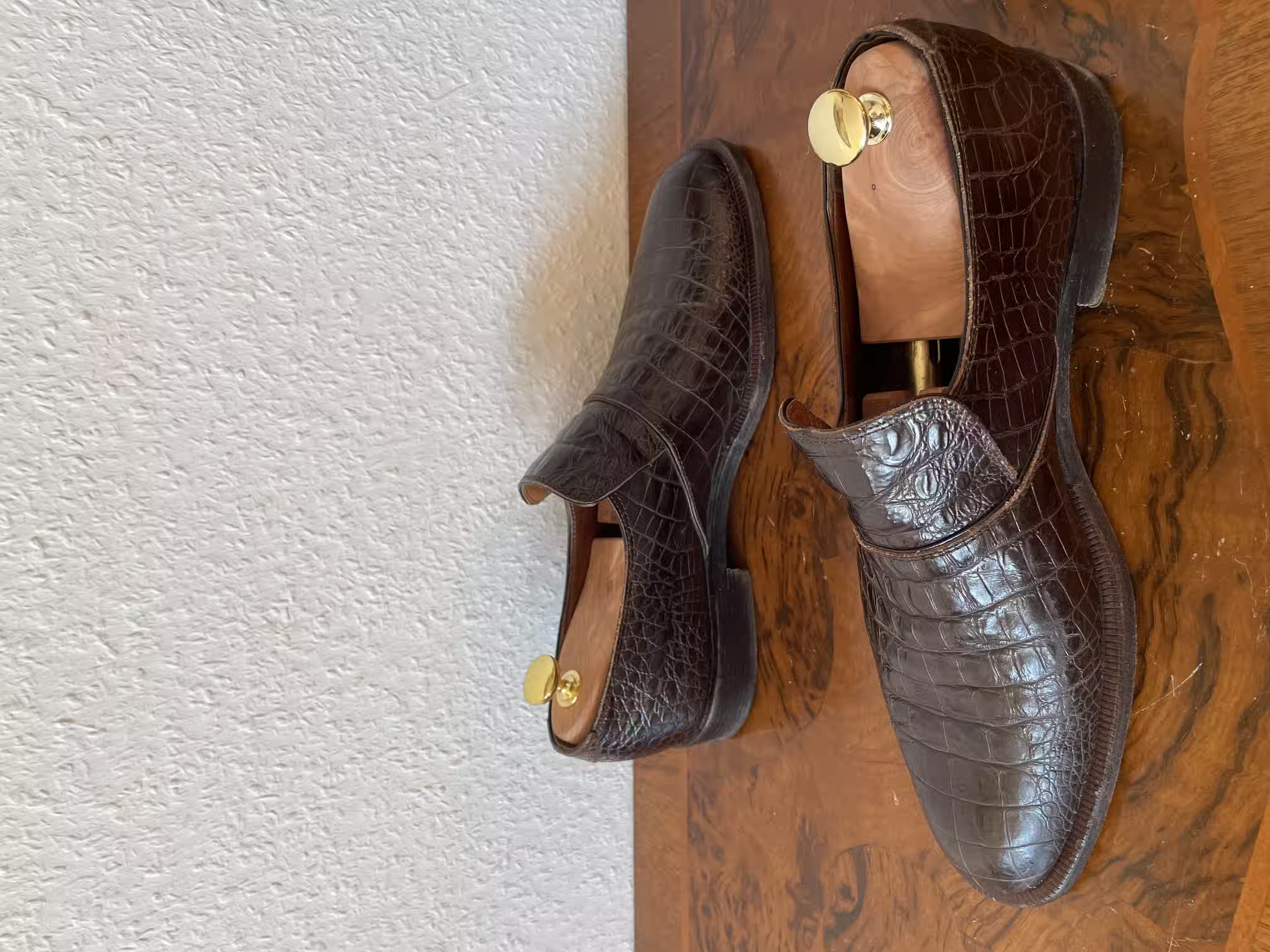
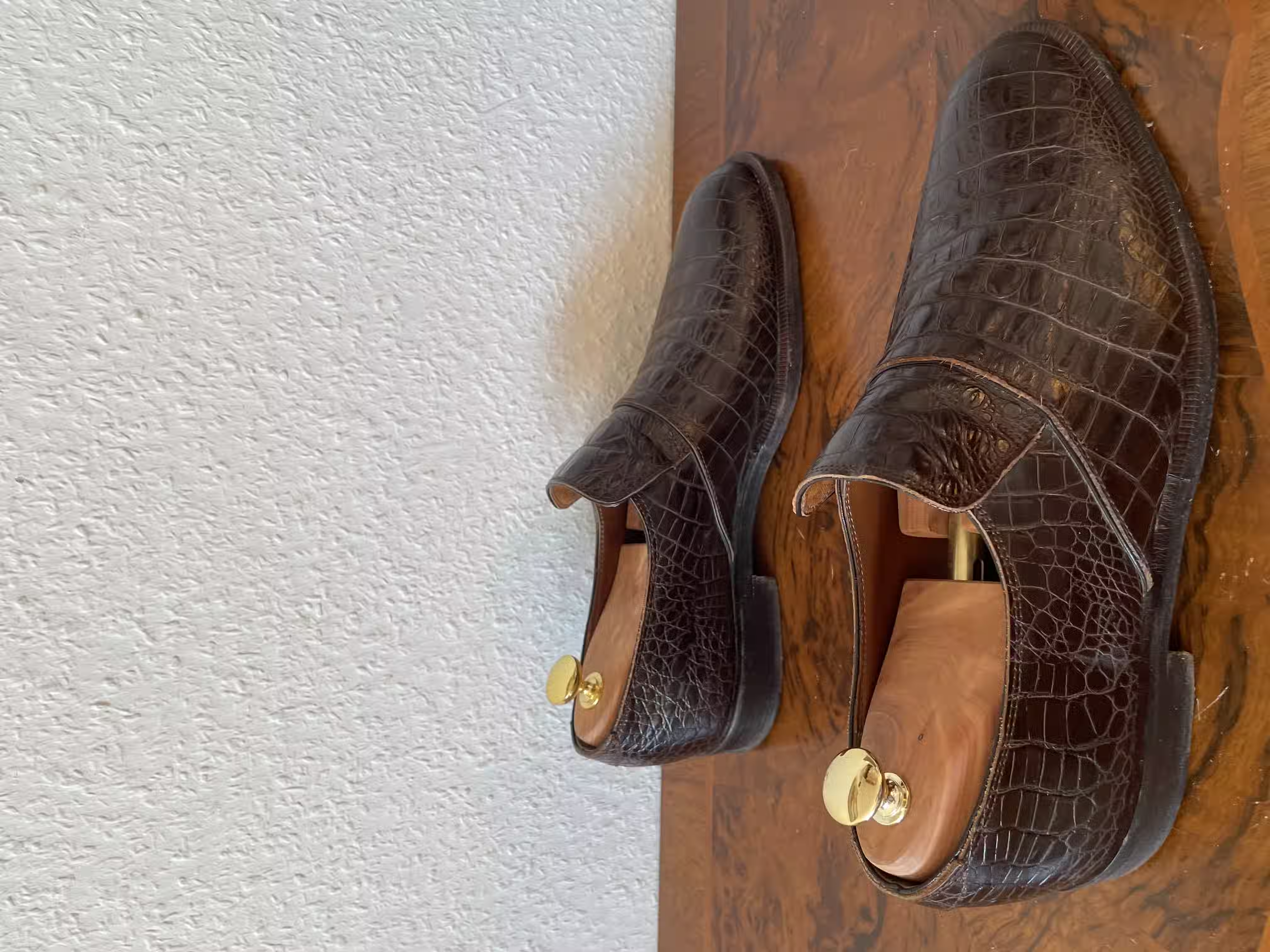
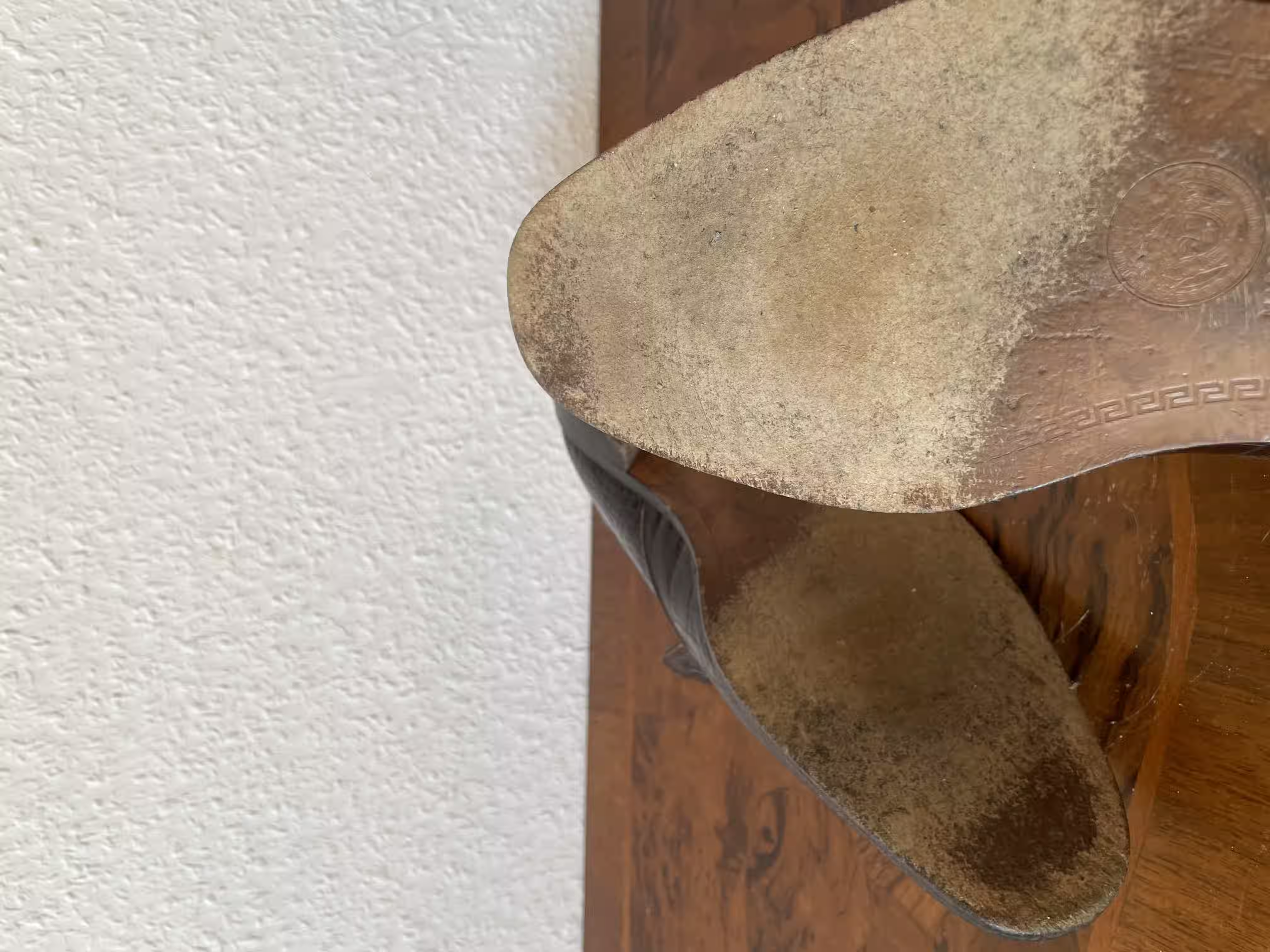
These comfortable loafers in embossed smooth leather have, for decoration, a welt with grooves, which is, however, part of the sole. They are simply leather shoes in which the lining and the outsole are also made of leather. It’s just that the upper part of the shoe is glued to the lower part.
Maybe you think that if the shoe is almost exclusively made of leather, couldn’t you choose a stitched construction to do the material a bit more justice? And that’s what I personally think too. But these shoes here are simply glued, and I don’t know the exact reasons behind that. But I also find this contrast between expensive material and cheap construction interesting in a way.
Black loose Oxfords with contrast stitching
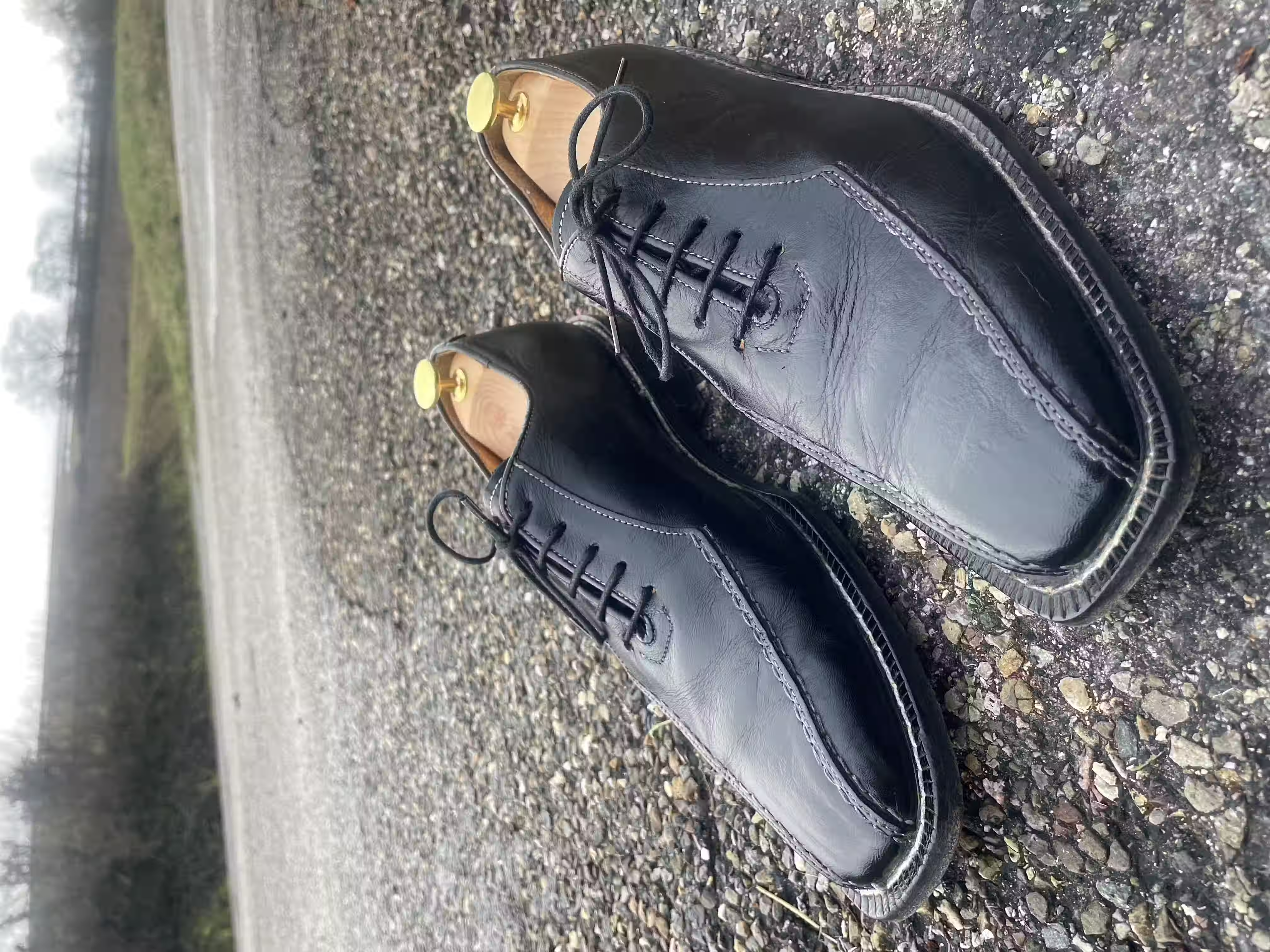
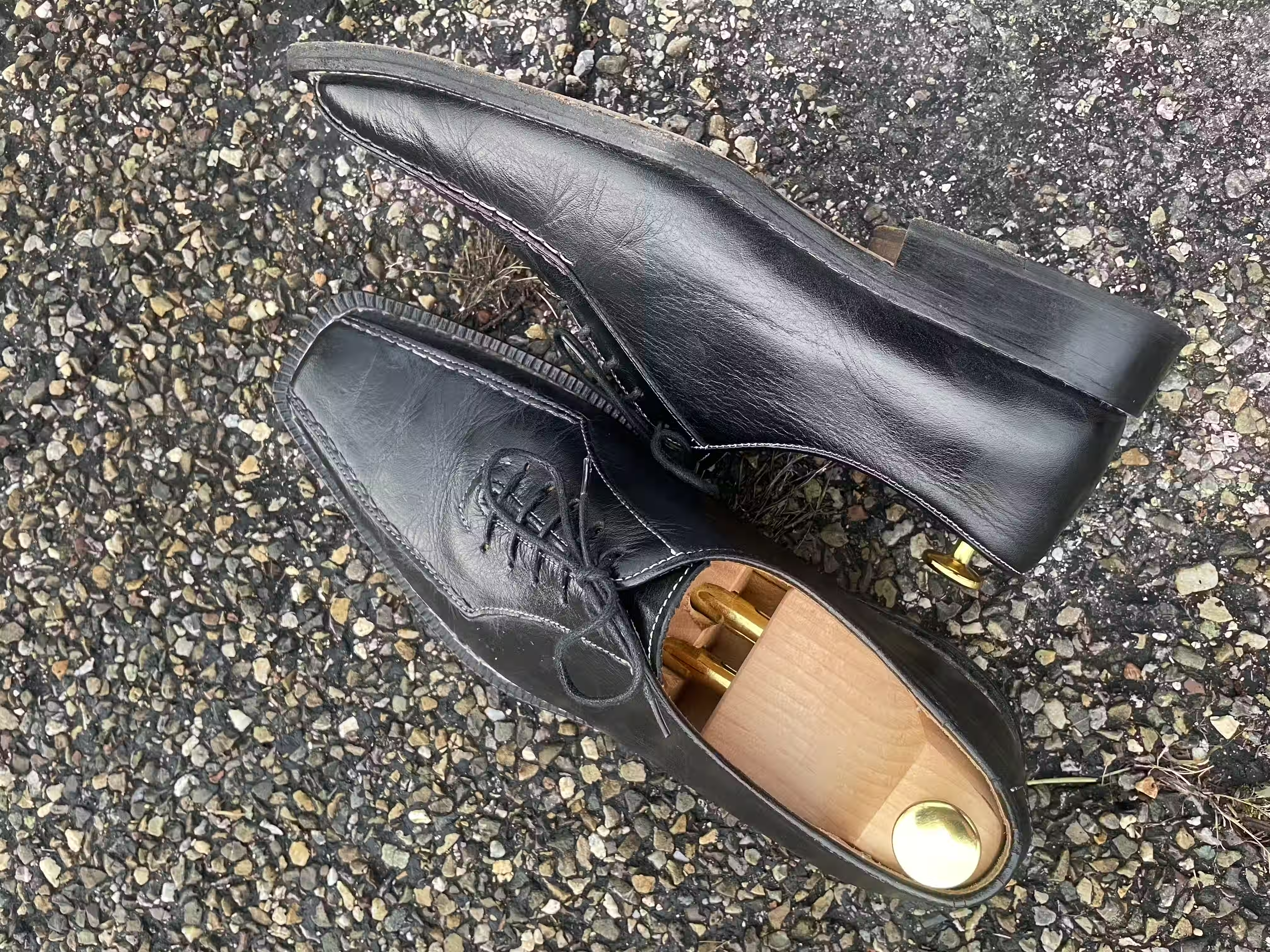
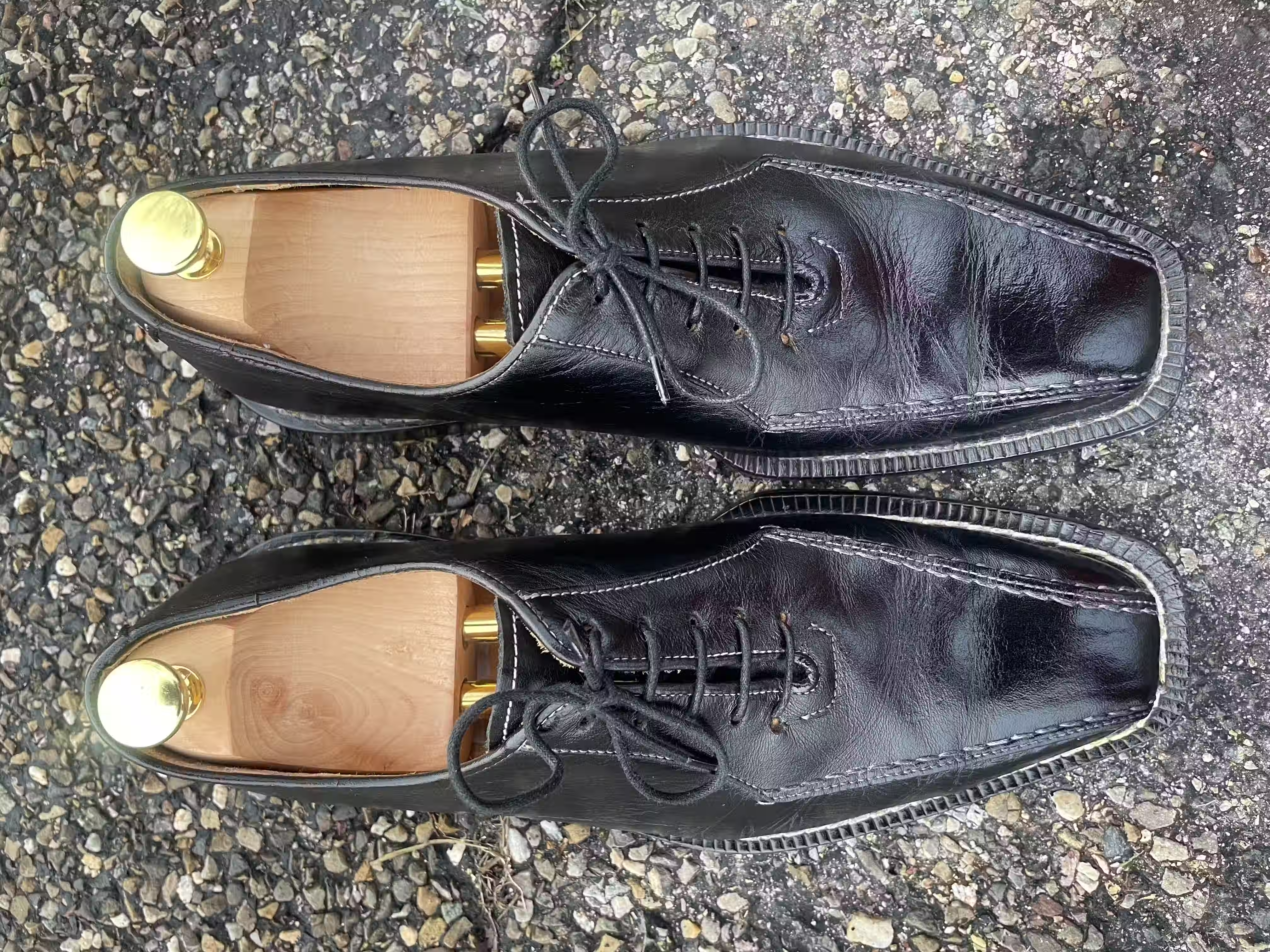
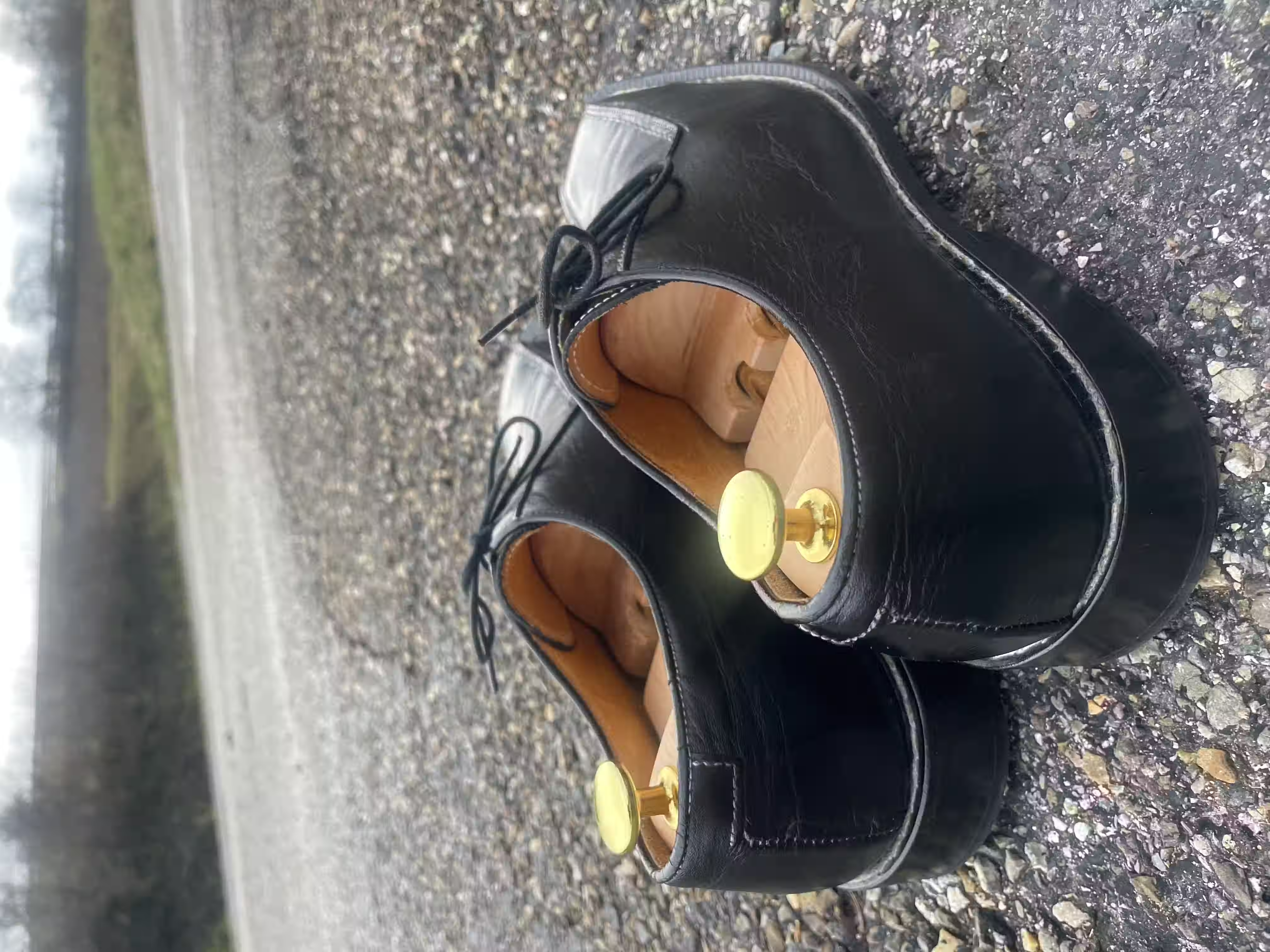
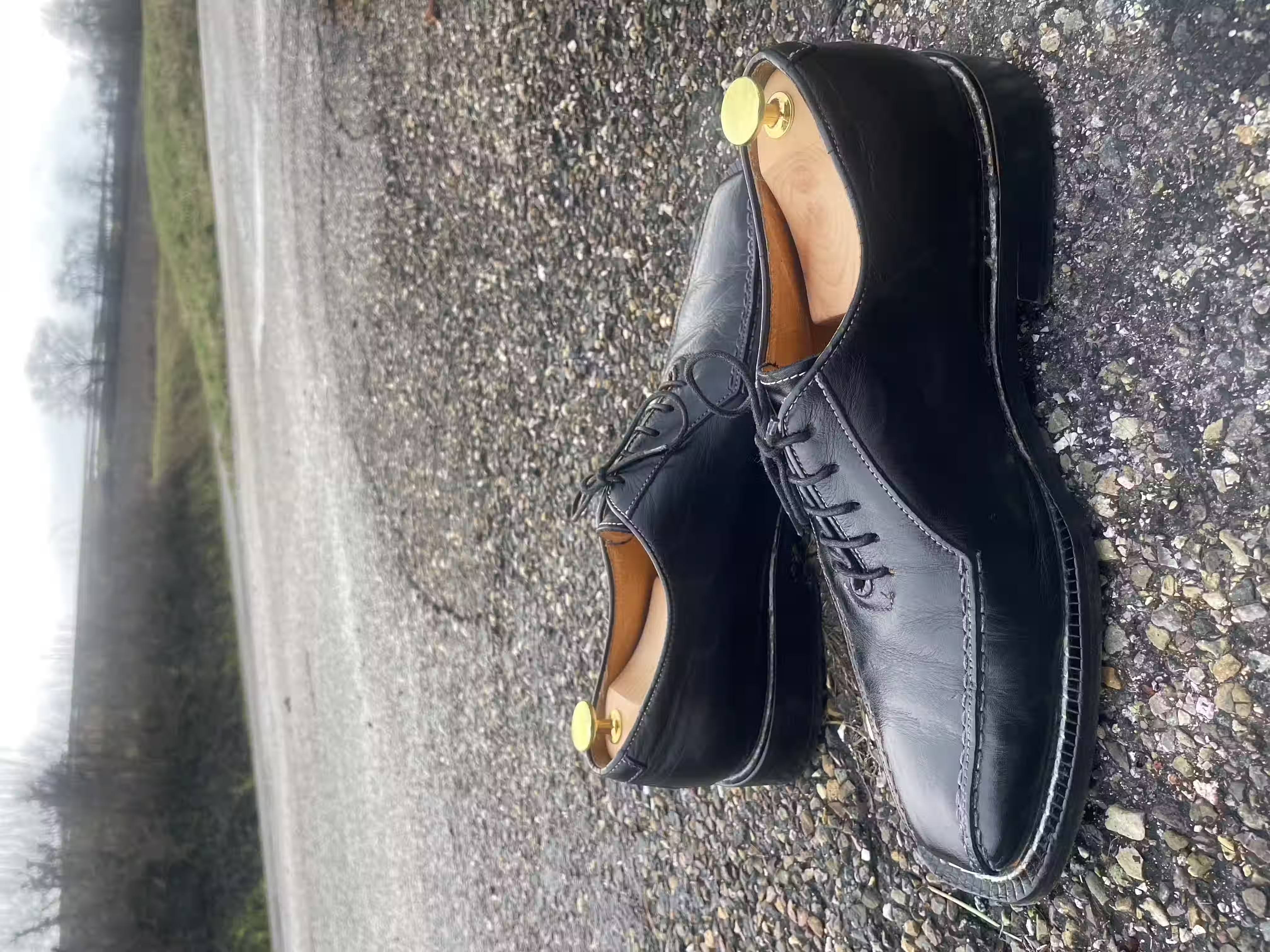
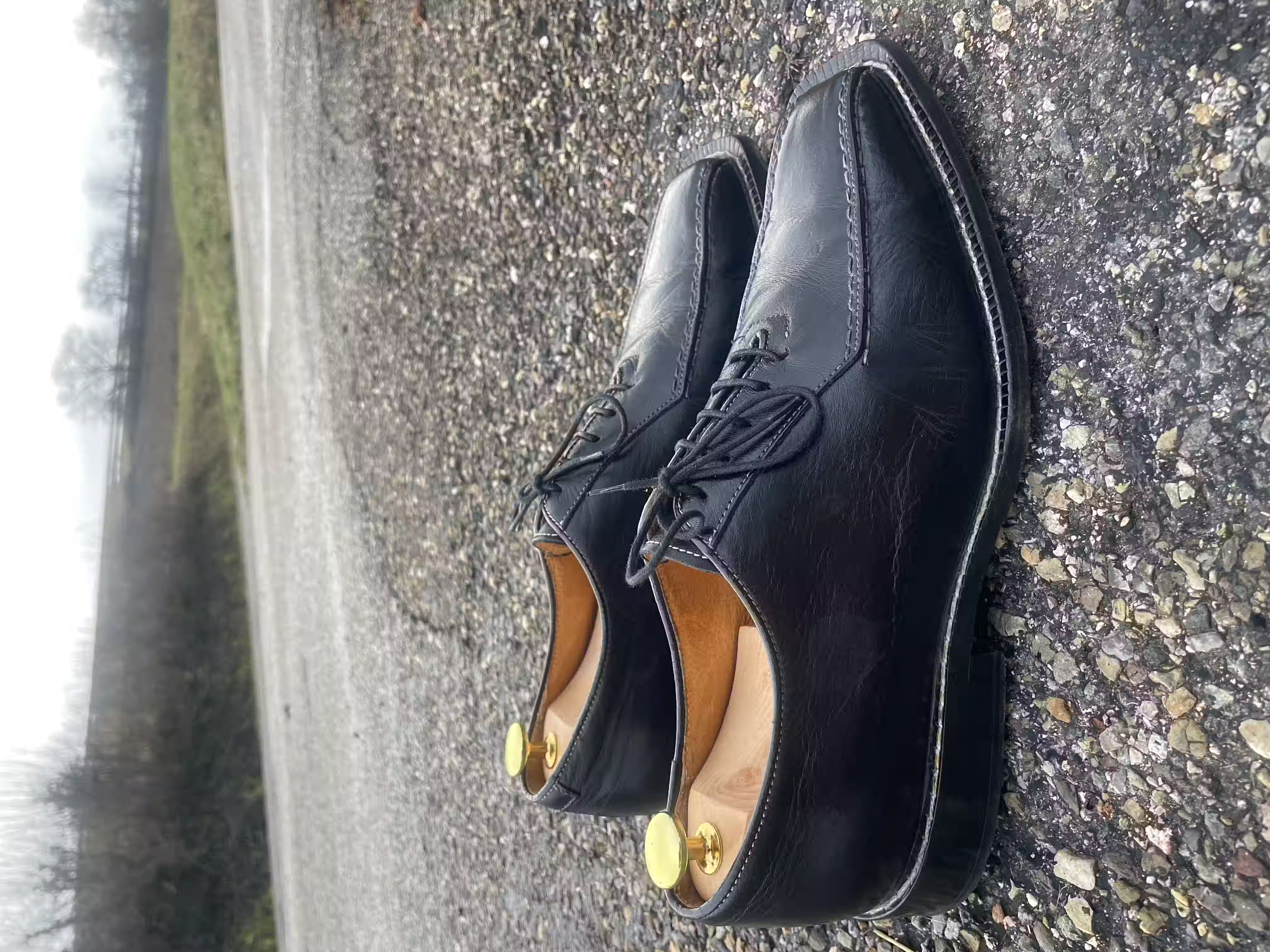
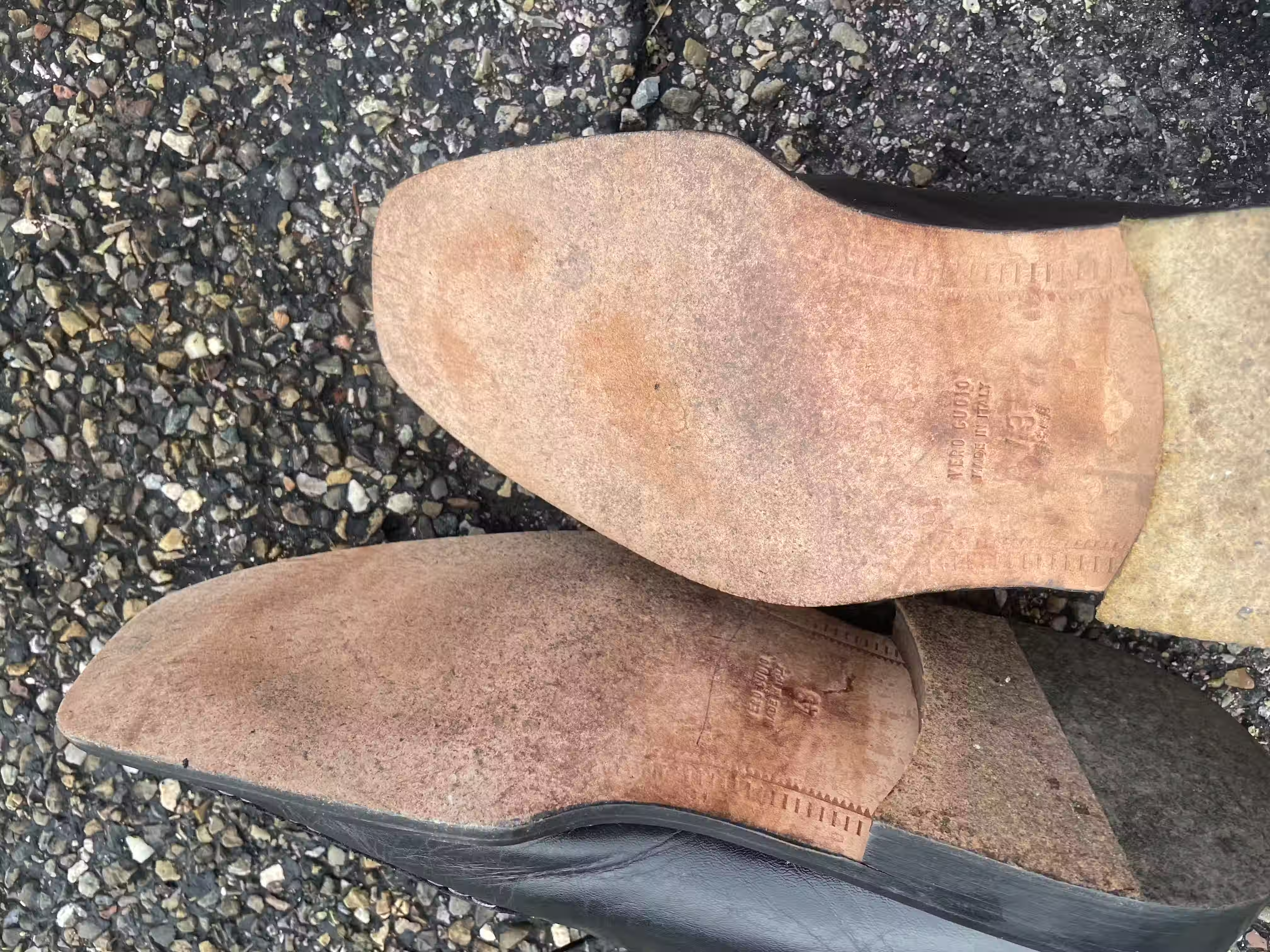
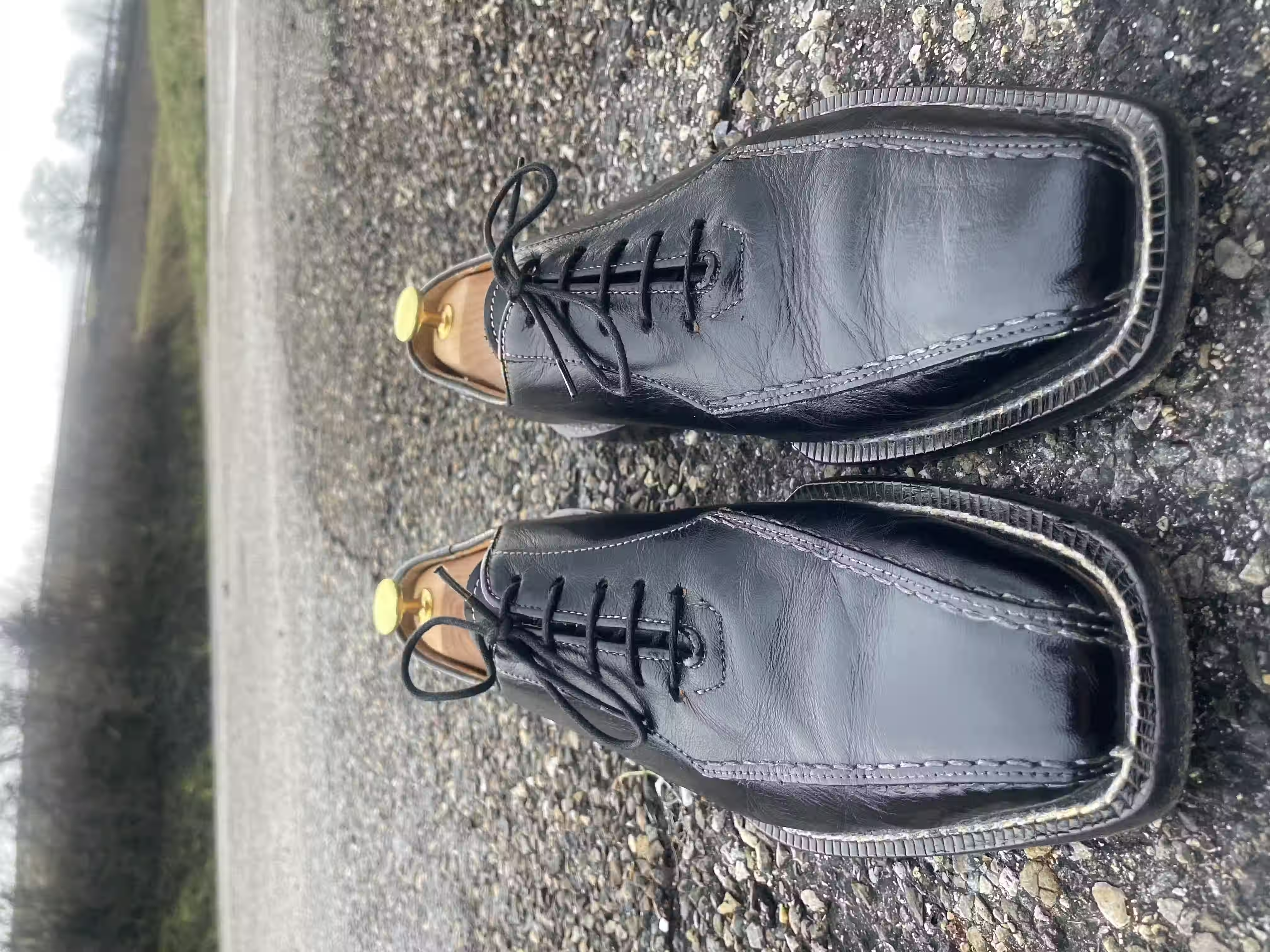
From the outside, you can only suspect the cemented construction here, because everything is basically leather and there is a welt or a protruding midsole with a seam. At first glance, you would rather think that these are probably stitched shoes. However, the seam runs on the welt or the protruding sole quite unusually compared to stitched shoes and also only at large intervals. That is already an indication that something is probably not right there and that the seam is most likely there purely for decoration.
Ultimately, with this shoe the upper in the rear area came loose from the sole while walking. As a result, you could directly see that they are leather shoes in cemented construction.
