
Chukka Boots – versatile lace-up ankle boots
If you like boots but they’re too much of a hassle to put on, then chukka boots might be for you. They’re a very good compromise between a boot and a low shoe, and they’re very comfortable and versatile.
Example version
Chukka boot in brown suede leather
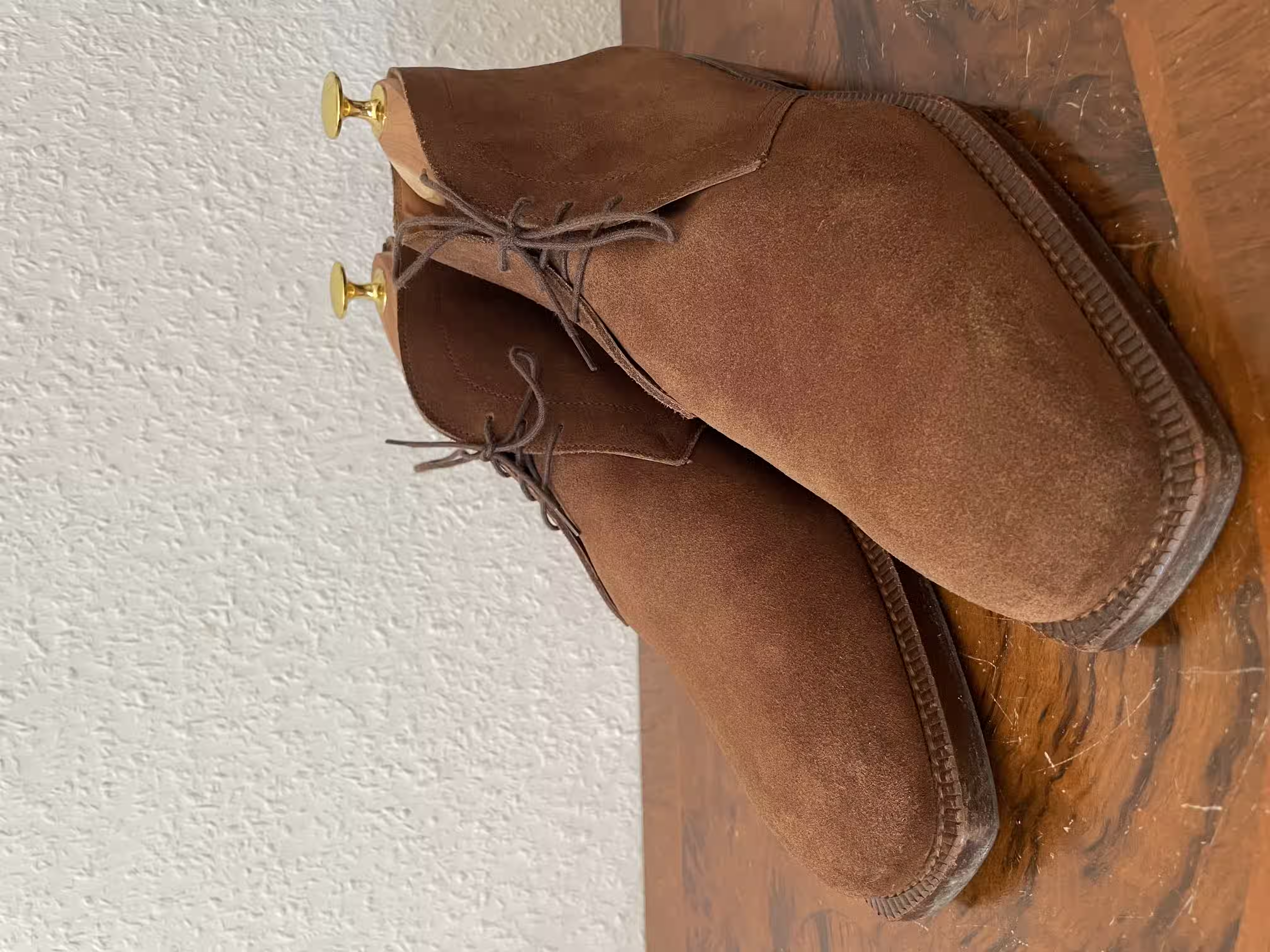
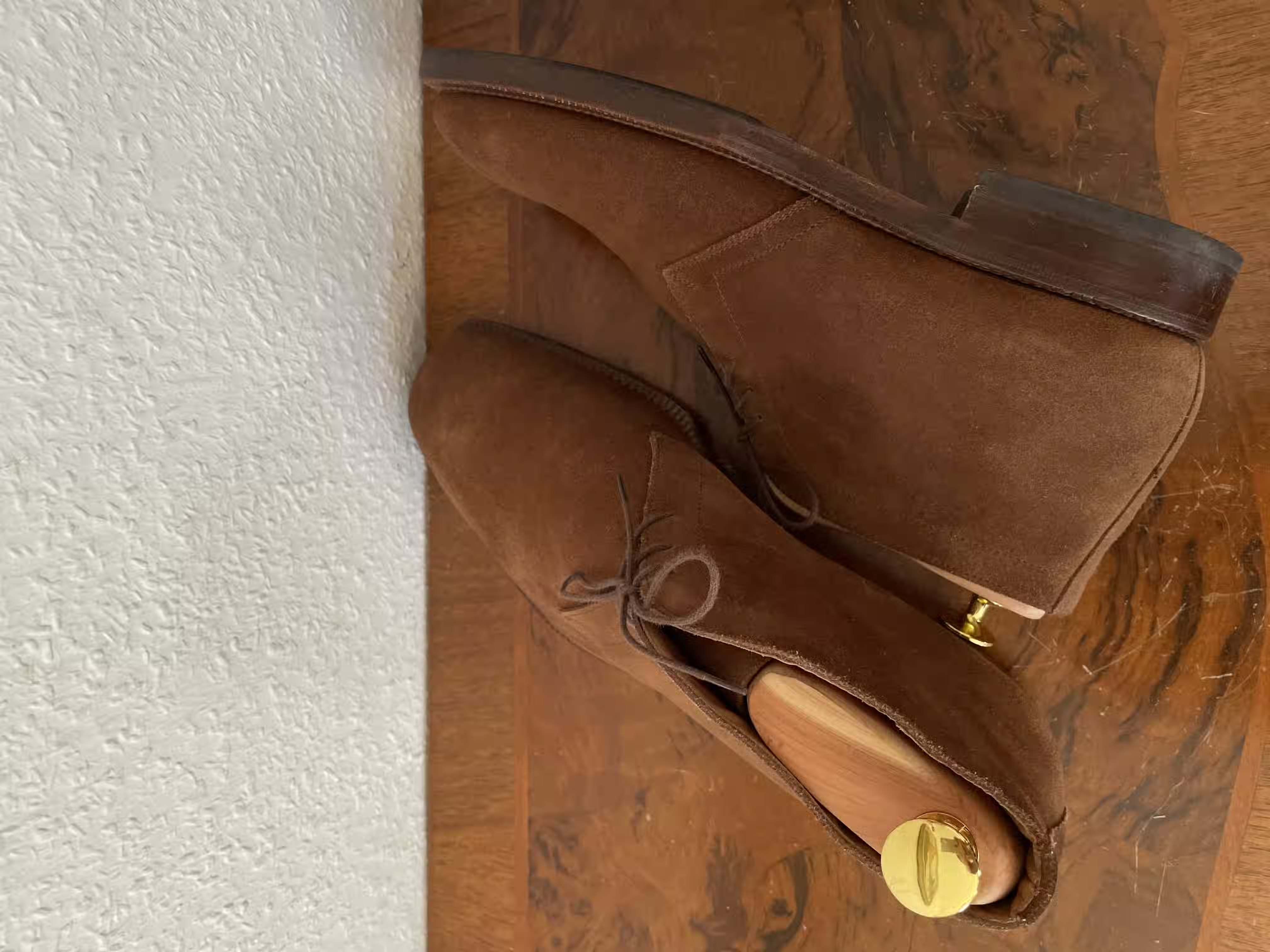
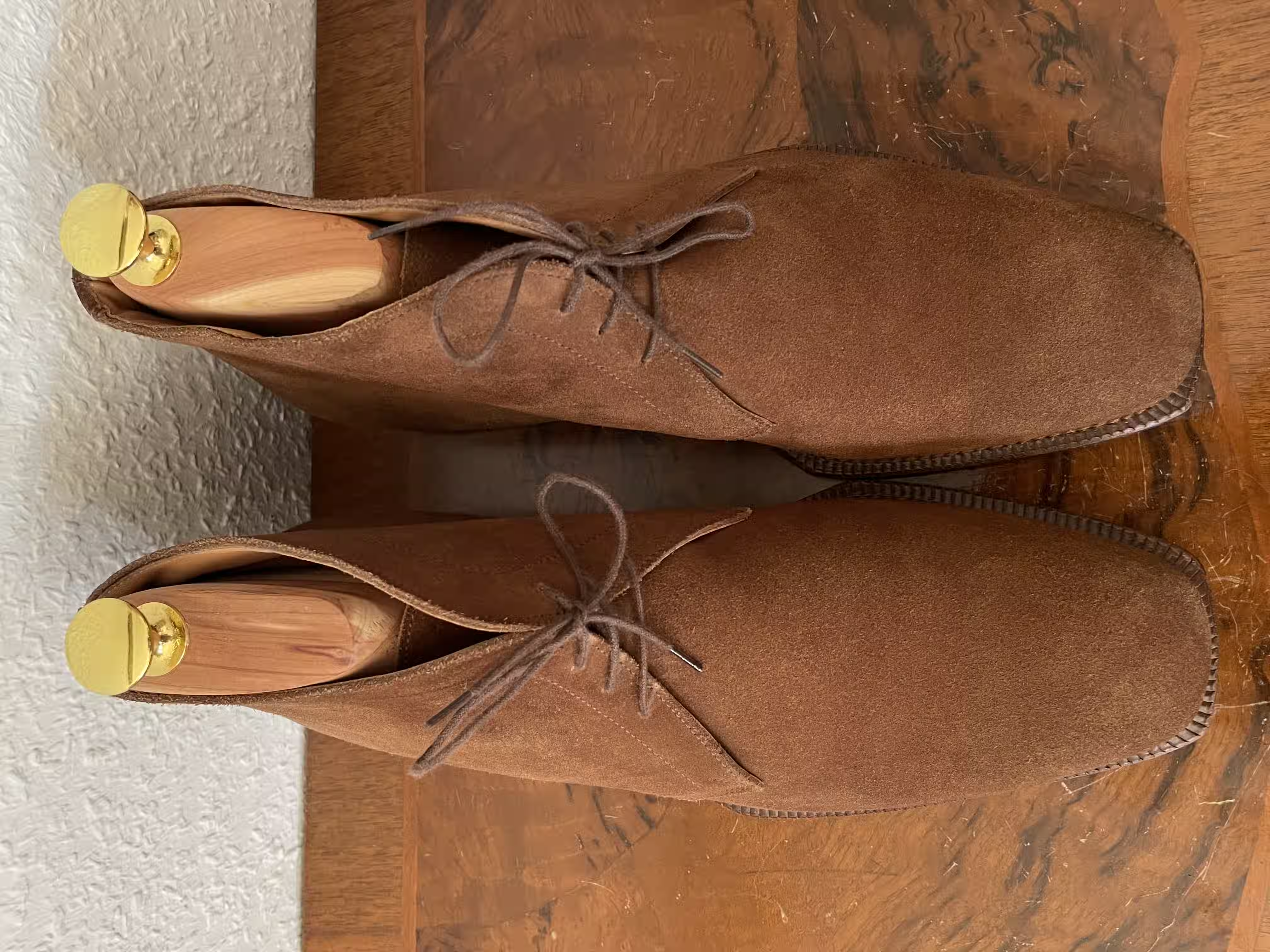
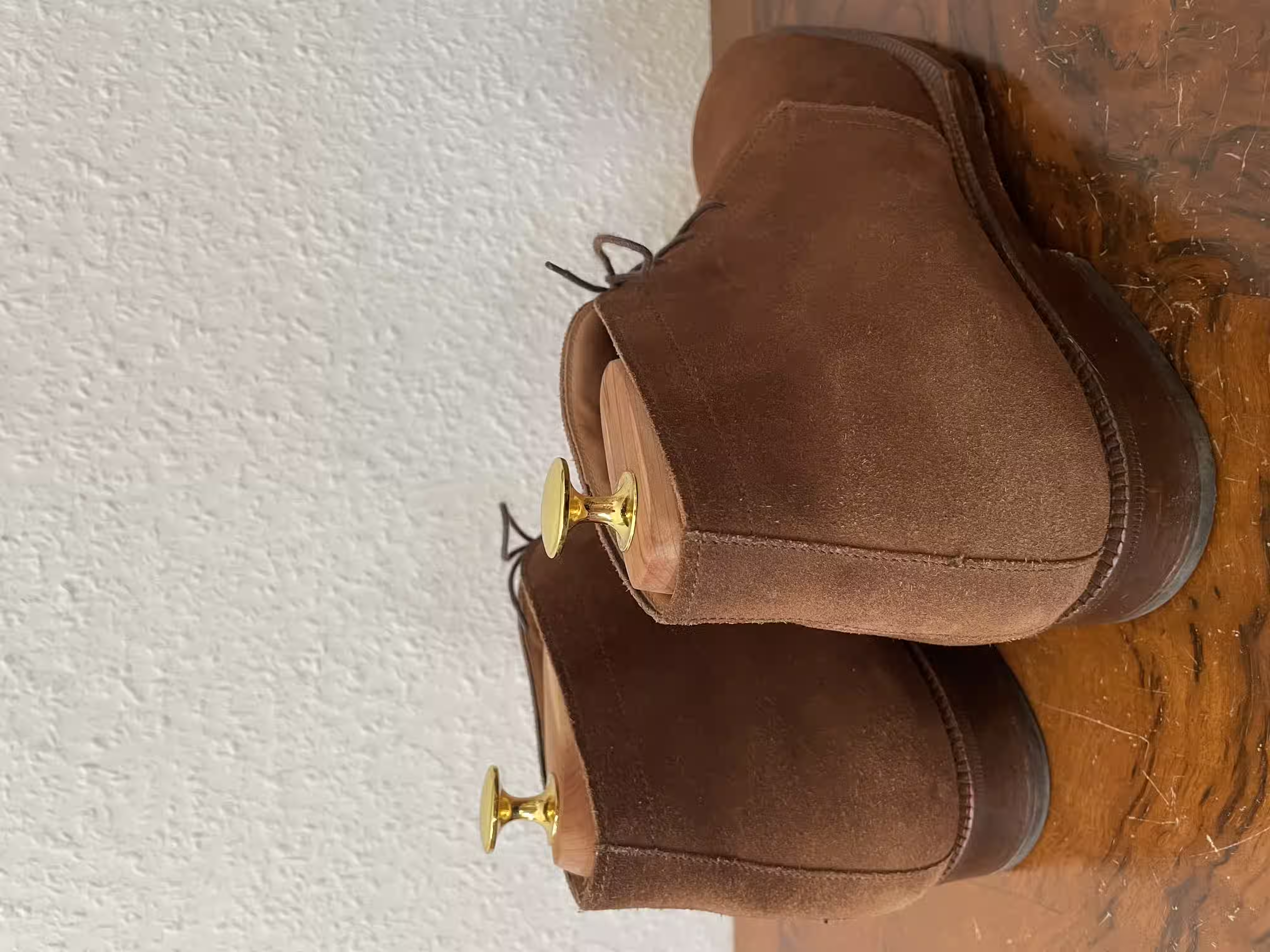
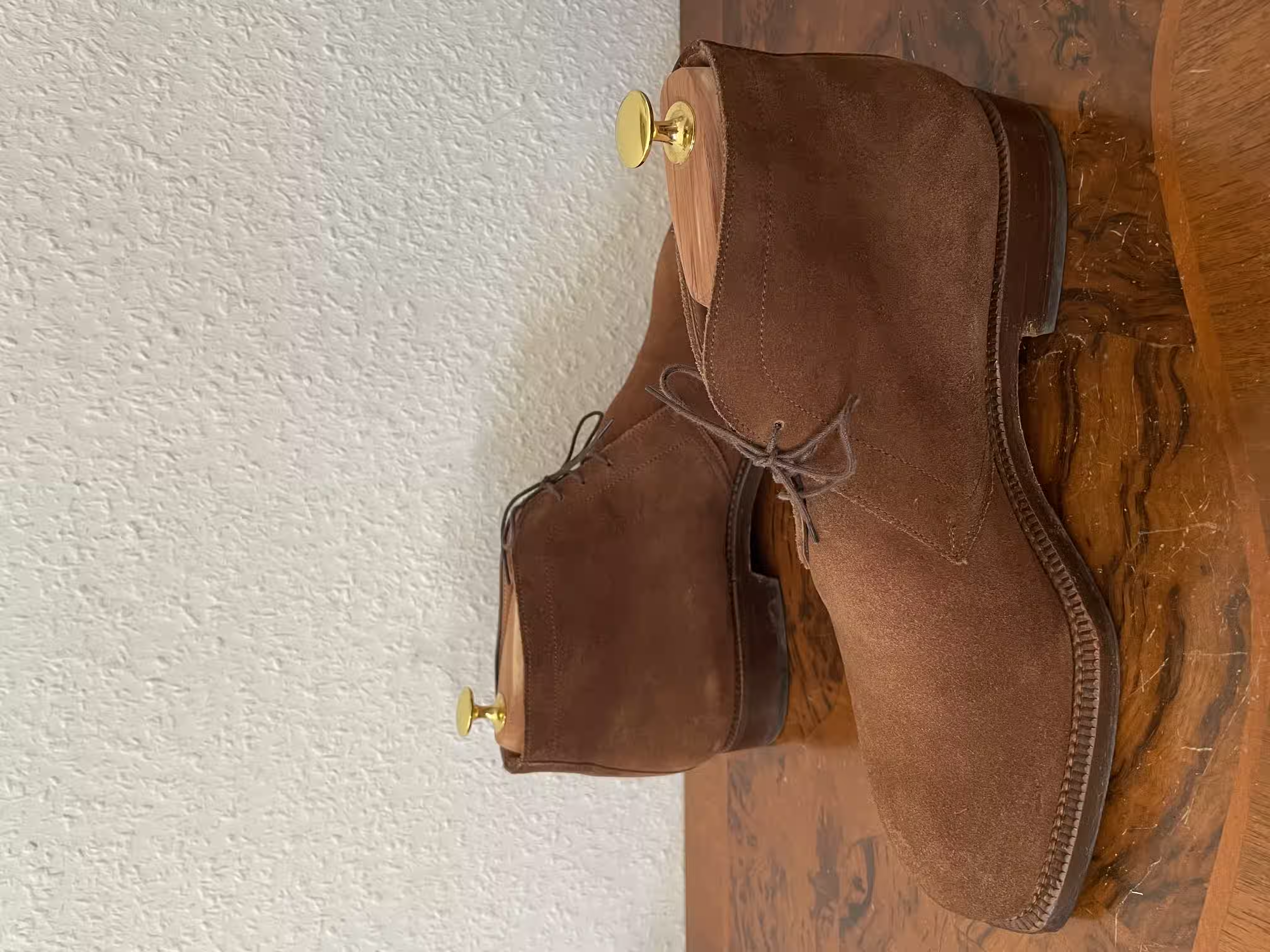
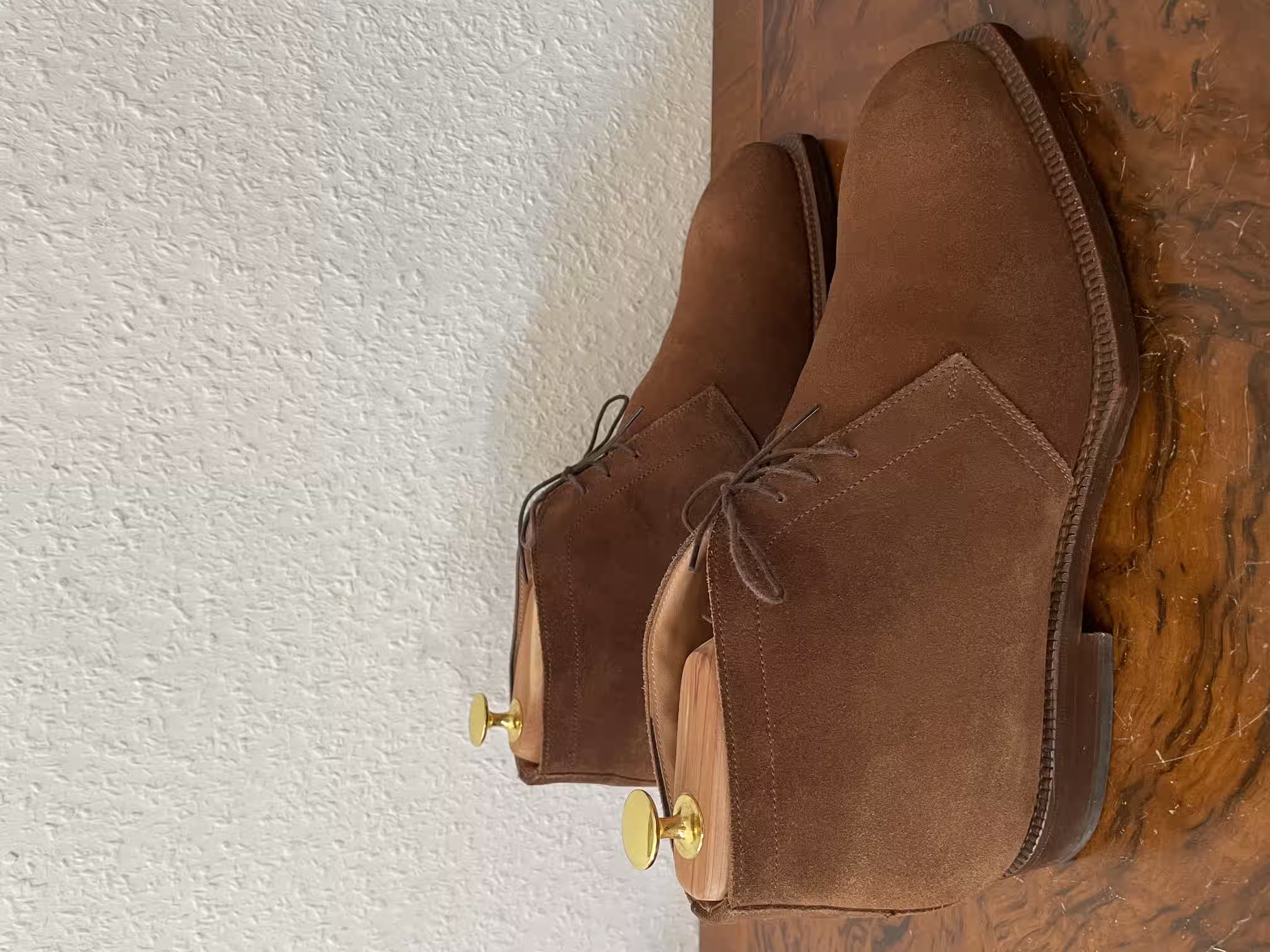
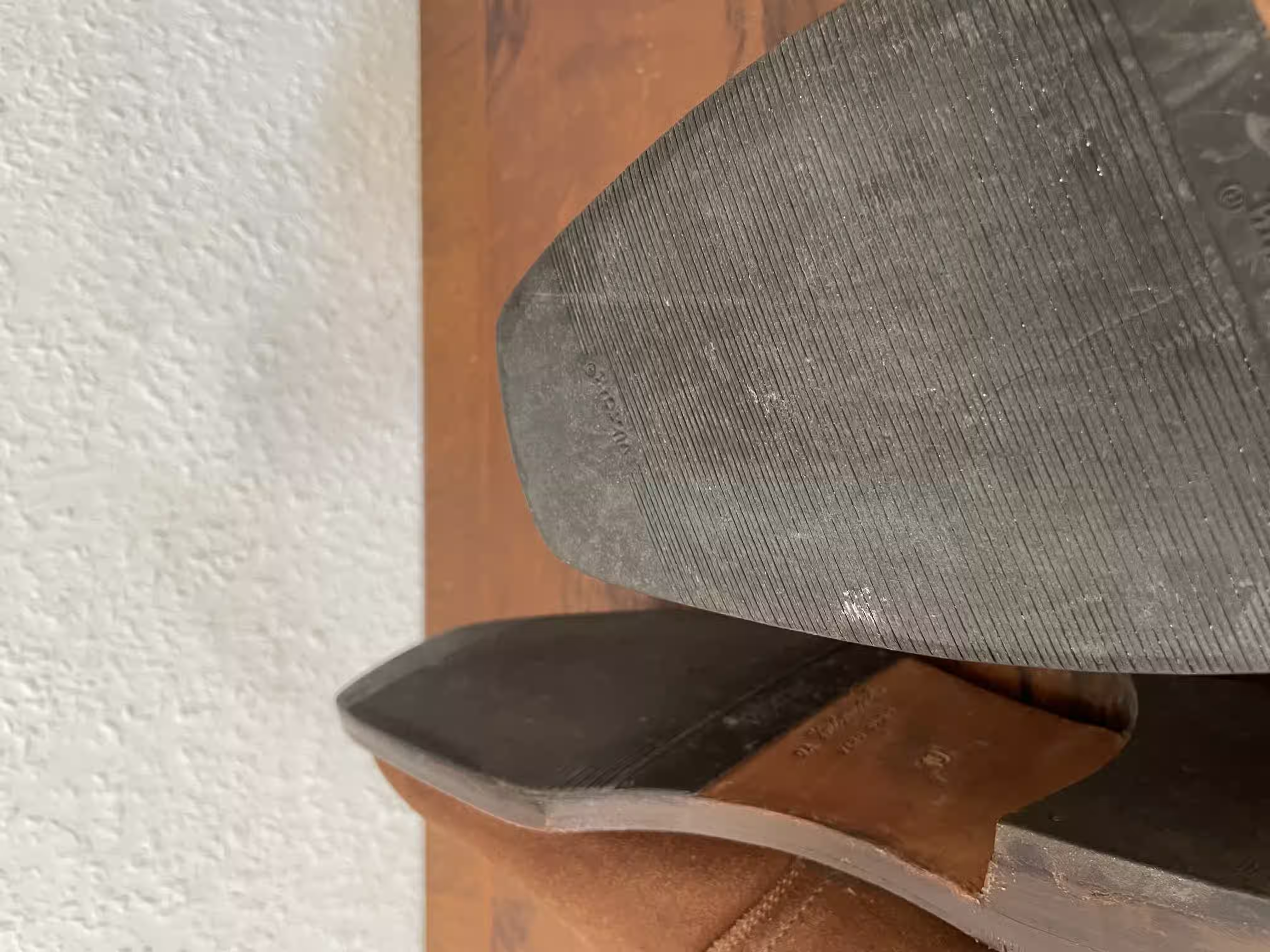
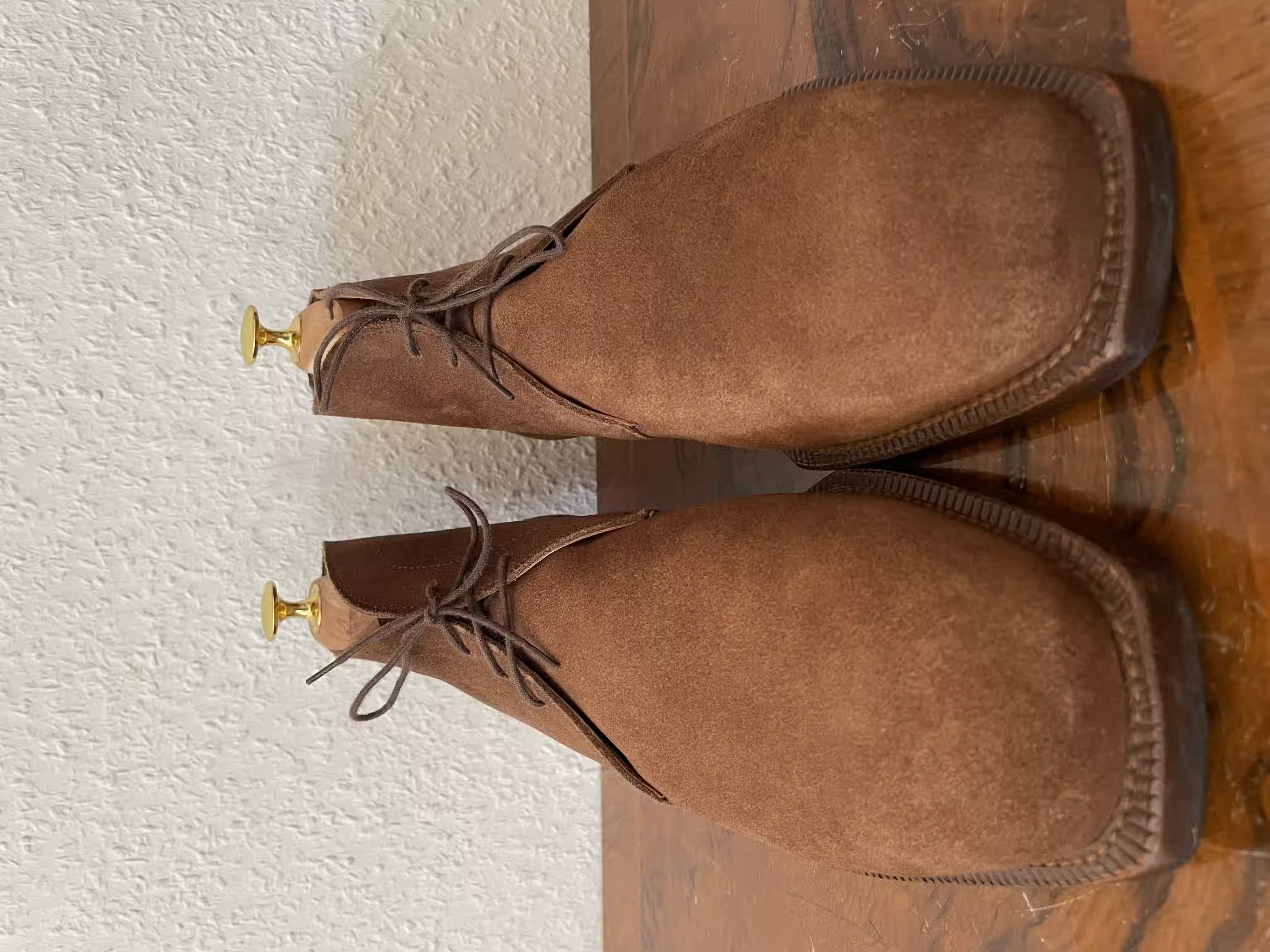
I especially like these ankle boots for their shape and the leather. A very nice casual option that you can pair quite well with jeans or with corduroy trousers. The welt at the toe is a bit squarer here, which loosens up the shoe a bit and makes the shape more interesting in my view. The sole is also thicker than is usual for dress shoes. All the details, so to speak, point to a very successful casual shoe. Also interesting here is how much the welt seam sits on the inner side of the welt. I imagine that’s harder to execute.
Special features
To me, the chukka boot is a compromise between a derby shoe and a derby boot—just not necessarily with a derby facing. Typically, it has two to three eyelets for lacing. The shaft only goes up to the ankle, so your feet can slip into the ankle boots quite easily. In my opinion, chukka boots are perfect for spring, autumn, and winter, but depending on the situation, also for summer.
History
The origin of chukka boots is basically unclear. There’s a suspicion that they ultimately emerged from the British polo scene in India. In polo, the word “chukka” or “chukker” refers to a period of play lasting seven minutes and thirty seconds. The name comes from Hindi, where the term “chukkar” stands for a round or a circle.
Later, chukka boots were associated with the British military in Africa, and especially Egypt, during World War II. Apparently, chukka boots were particularly popular there. And a bit later still, the company C. & J. Clark made a special chukka boot famous: under the name Desert Boots, a chukka boot made of brown suede with a crepe sole is well known.
Note on the two-eyelet version
One weakness I see with chukka boots is mainly the two-eyelet version: there’s a certain risk that the ankle boots will fit too loosely, creating movement and friction inside the shoe. This friction then wears down the lining, which dissolves over time in the affected areas. Over time, it can look roughly like this:
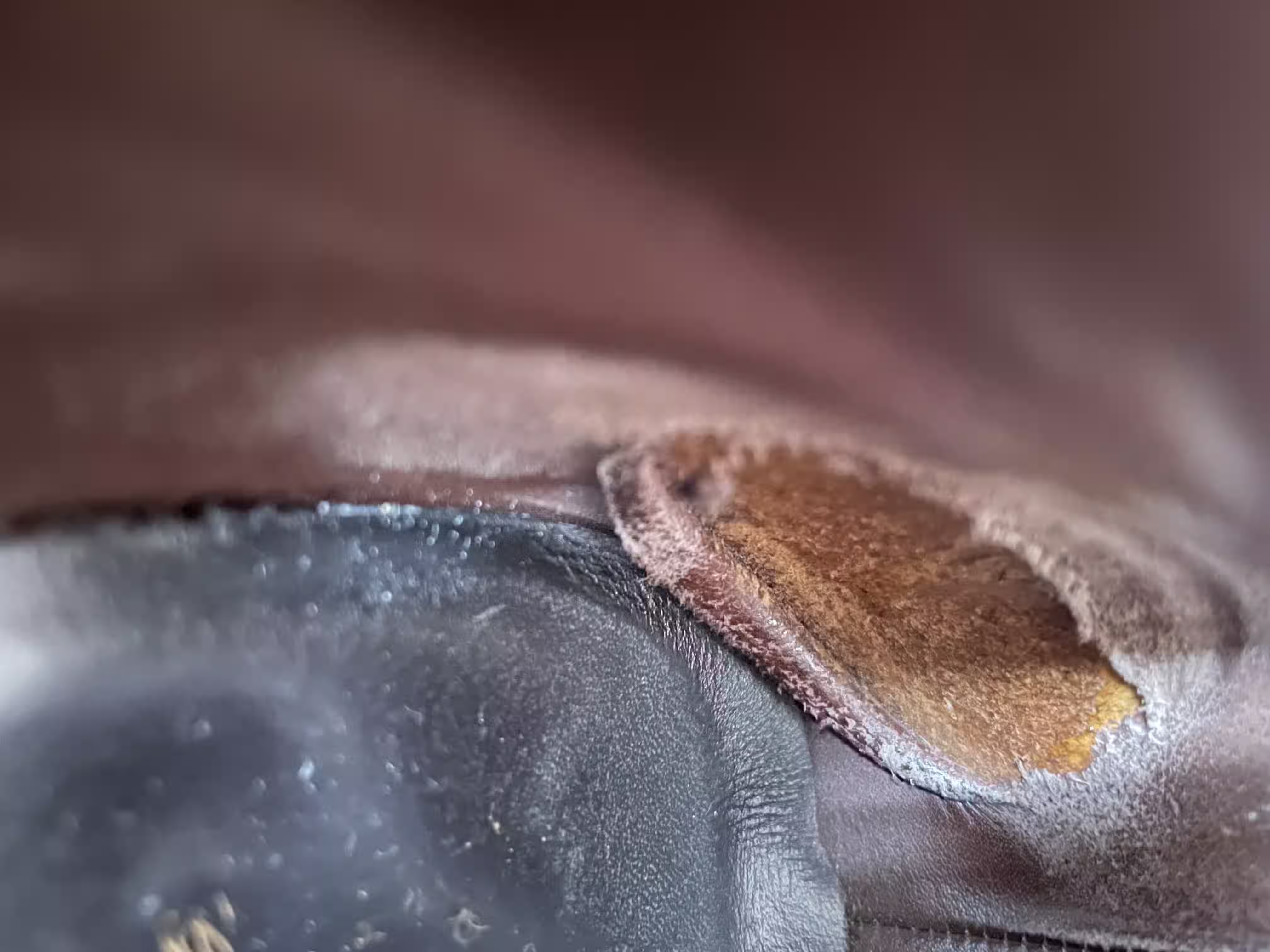
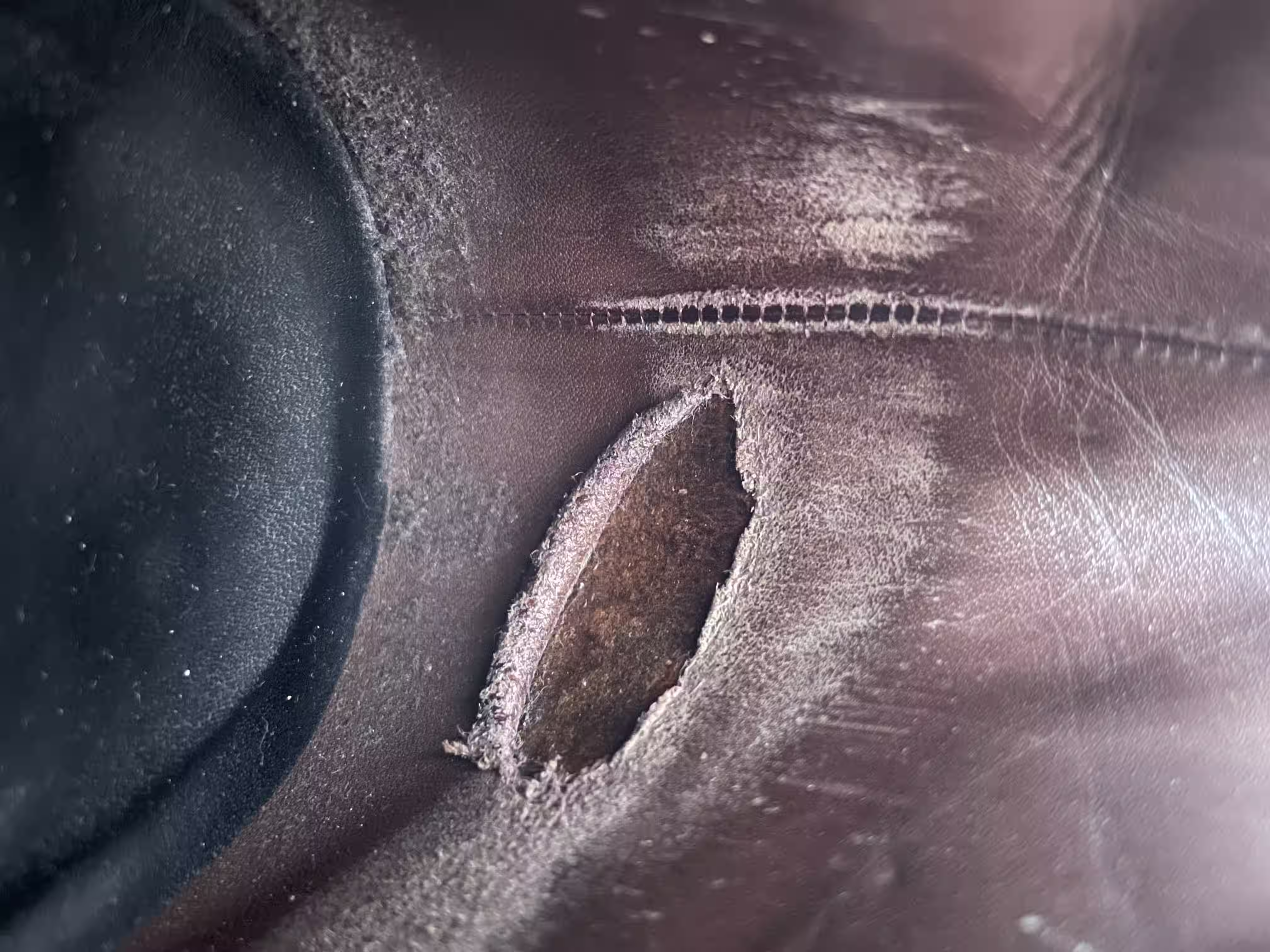
That’s why I recommend choosing the two-eyelet version only with chukka boots you’re sure fit you well—ideally ones you’ve tried on and that fit very snugly. By the way, bespoke shoes can also be a very good choice here to get chukka boots that fit. If none of these applies—for example, if you only order online—then chukka boots with three eyelets are better in this respect. They only have one more eyelet, but considering the already small total of two to three eyelets, that can make an enormous difference. And ultimately, above all, the shoes have to fit you.
Variants
Chukka boots in cognac-colored smooth leather
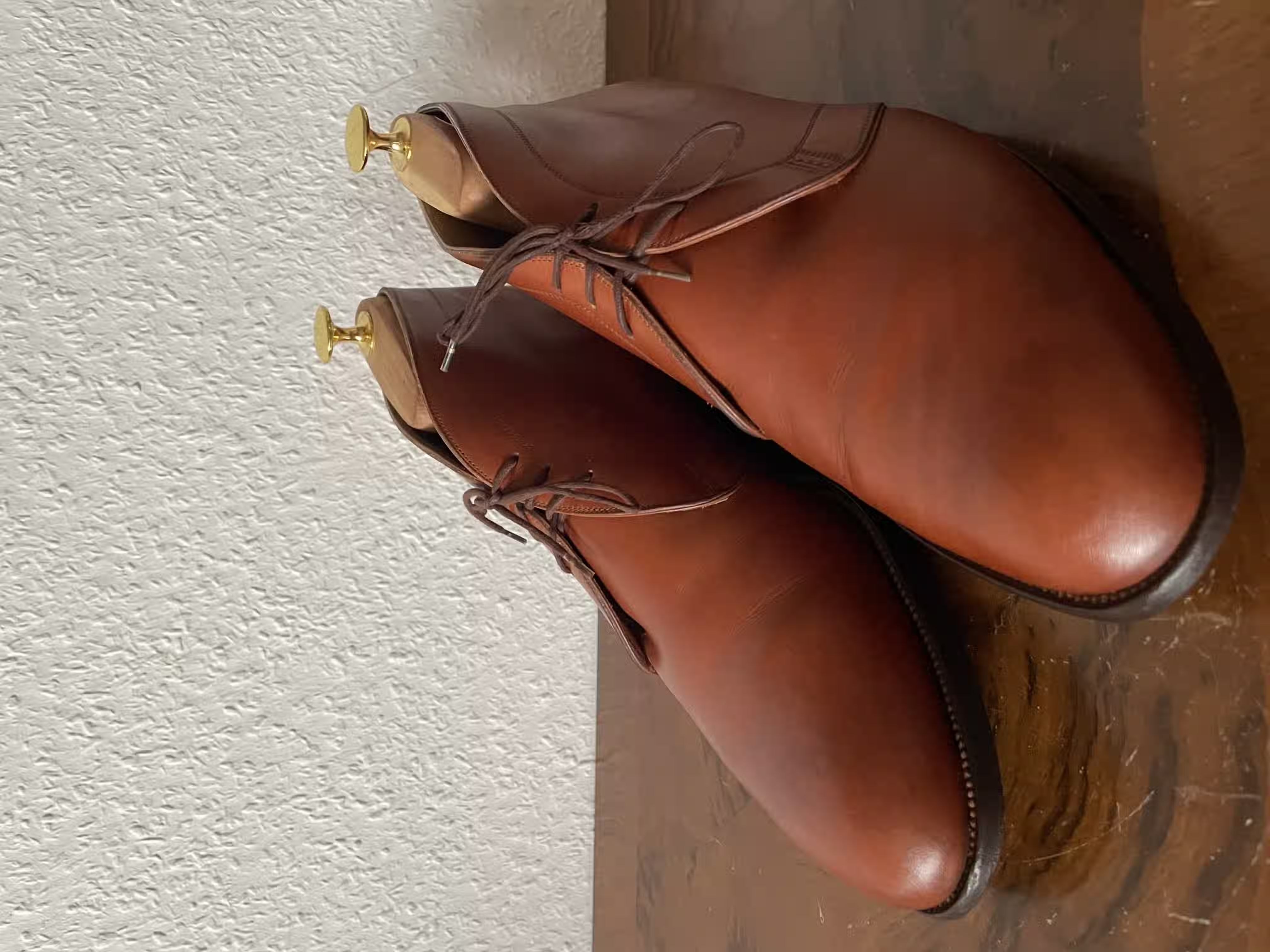
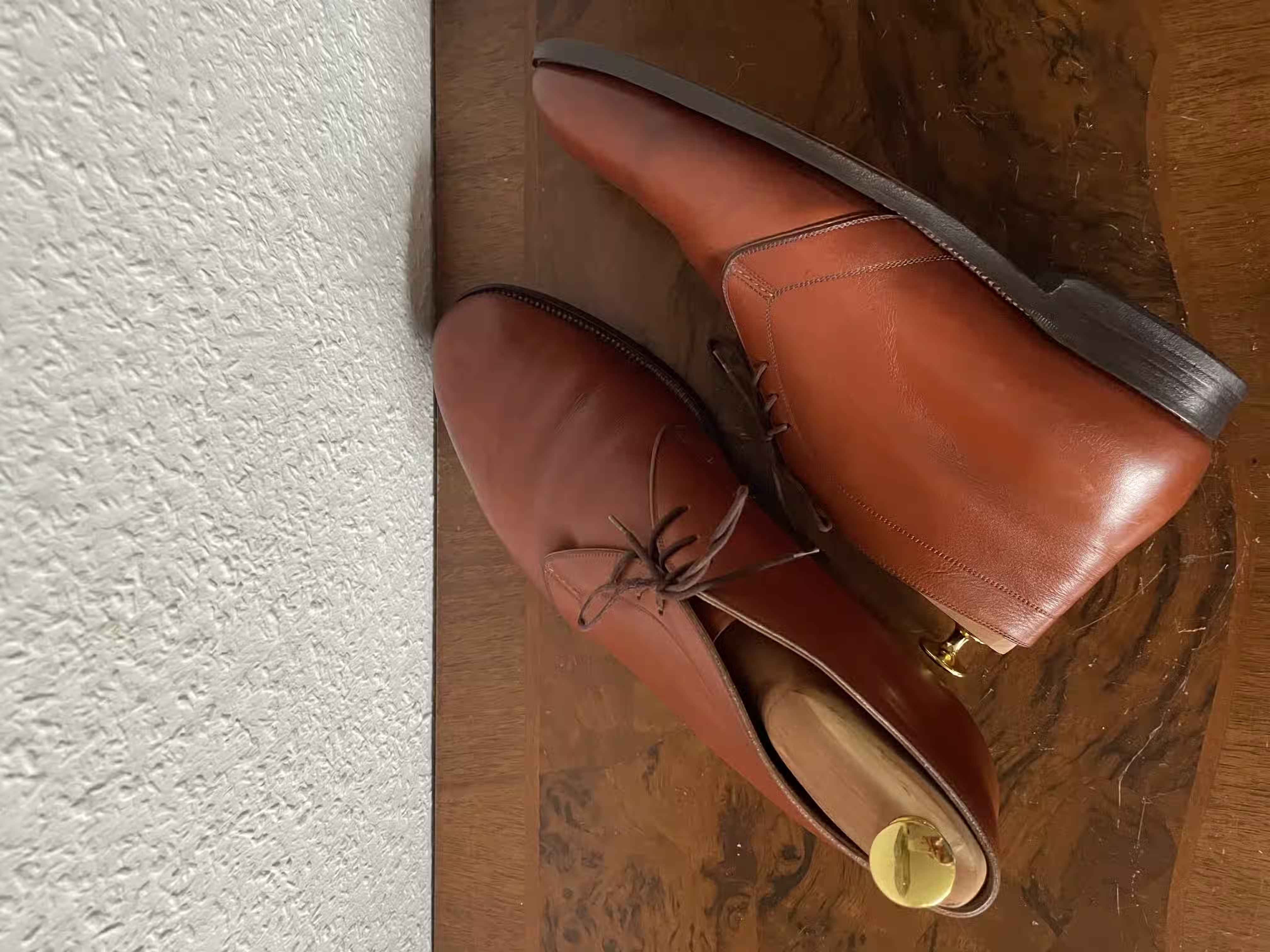
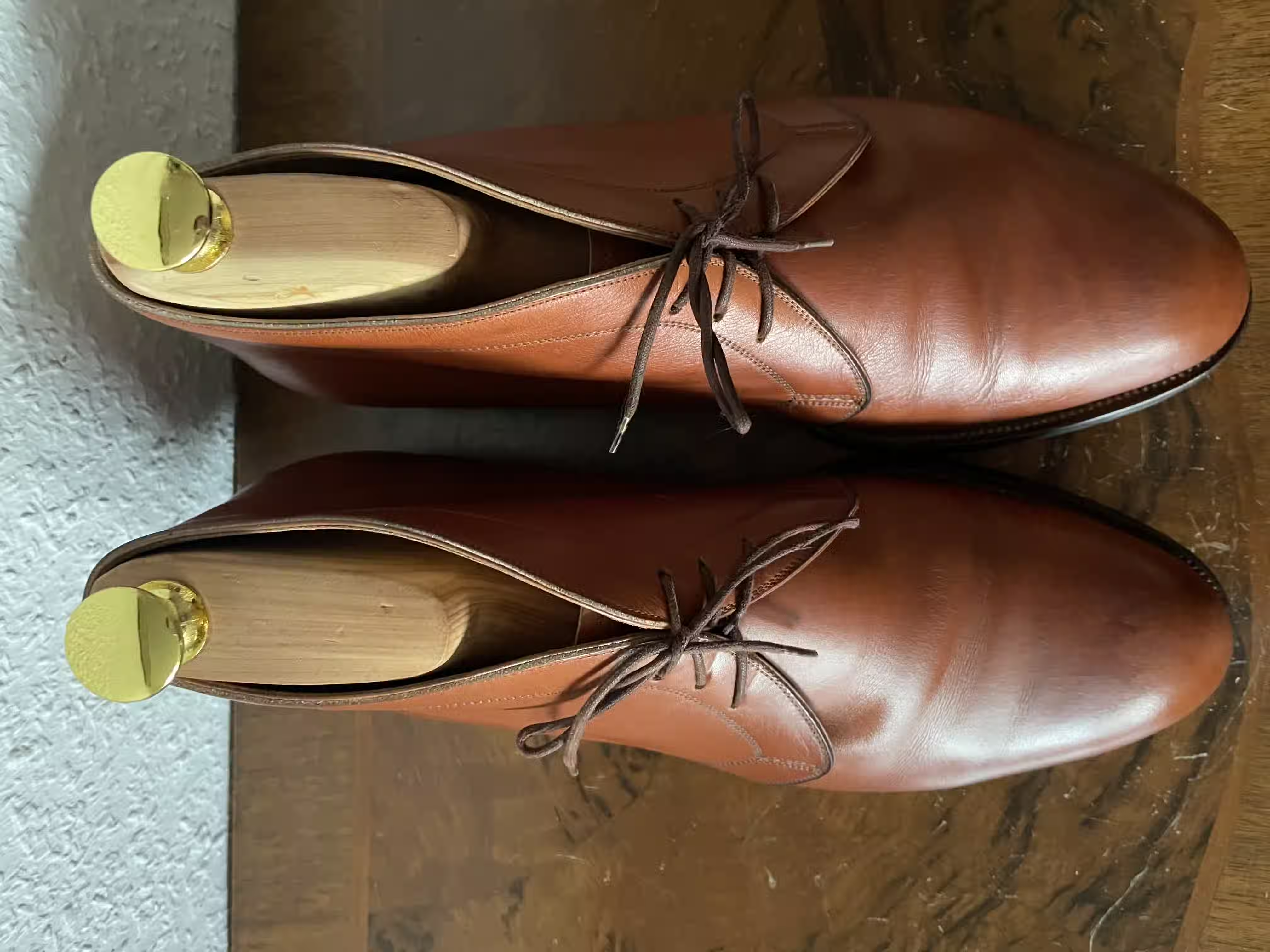
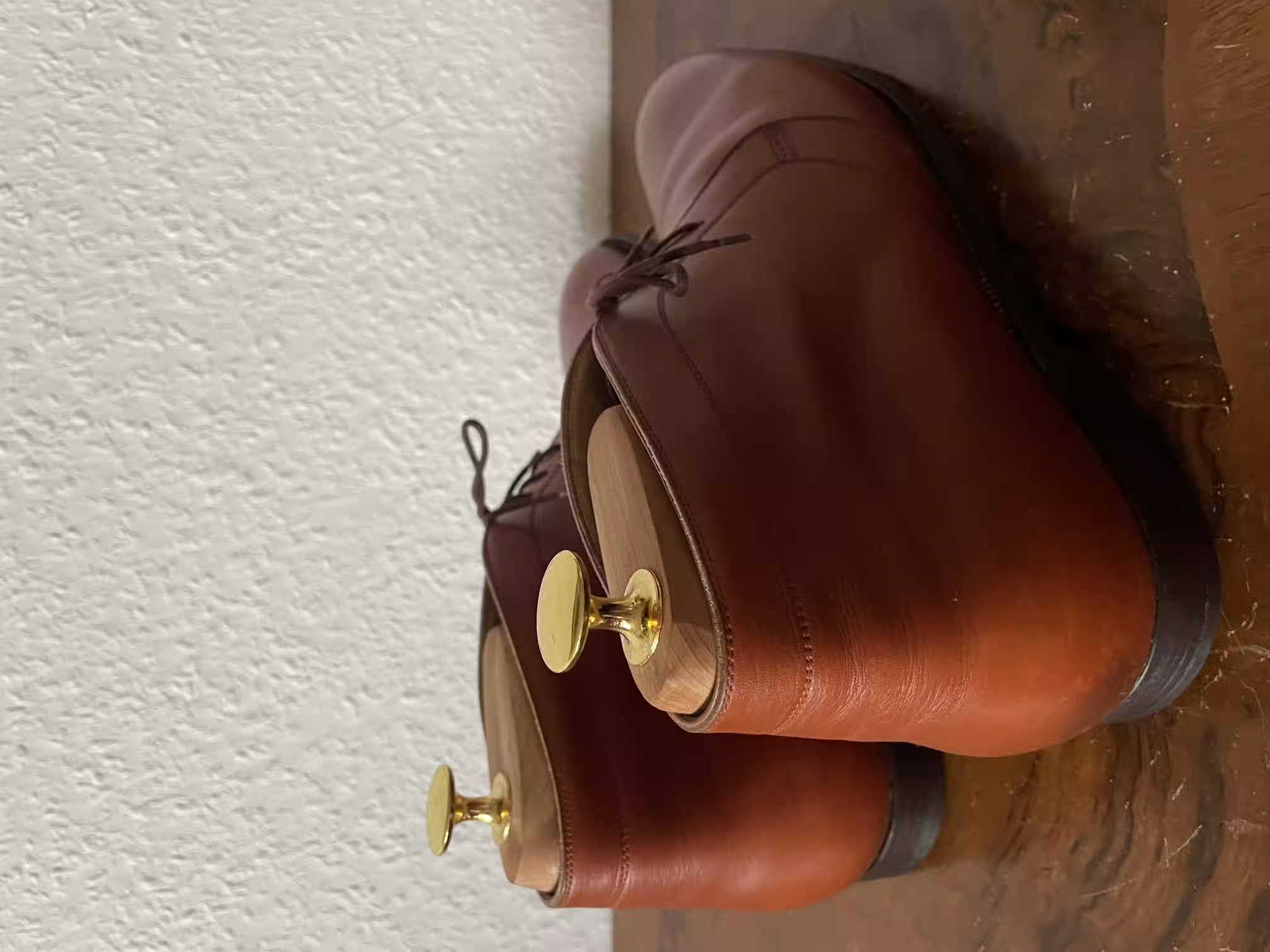
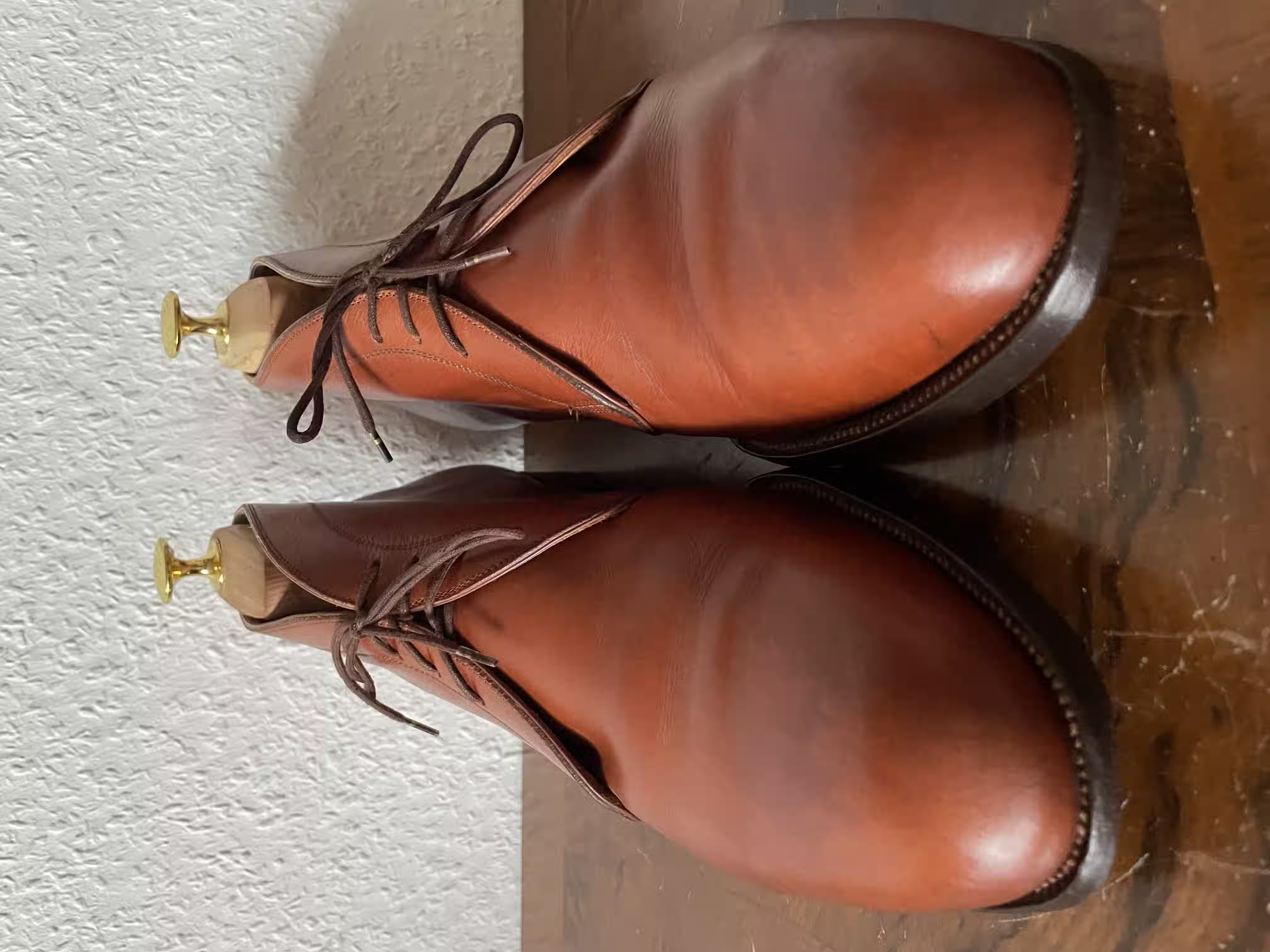
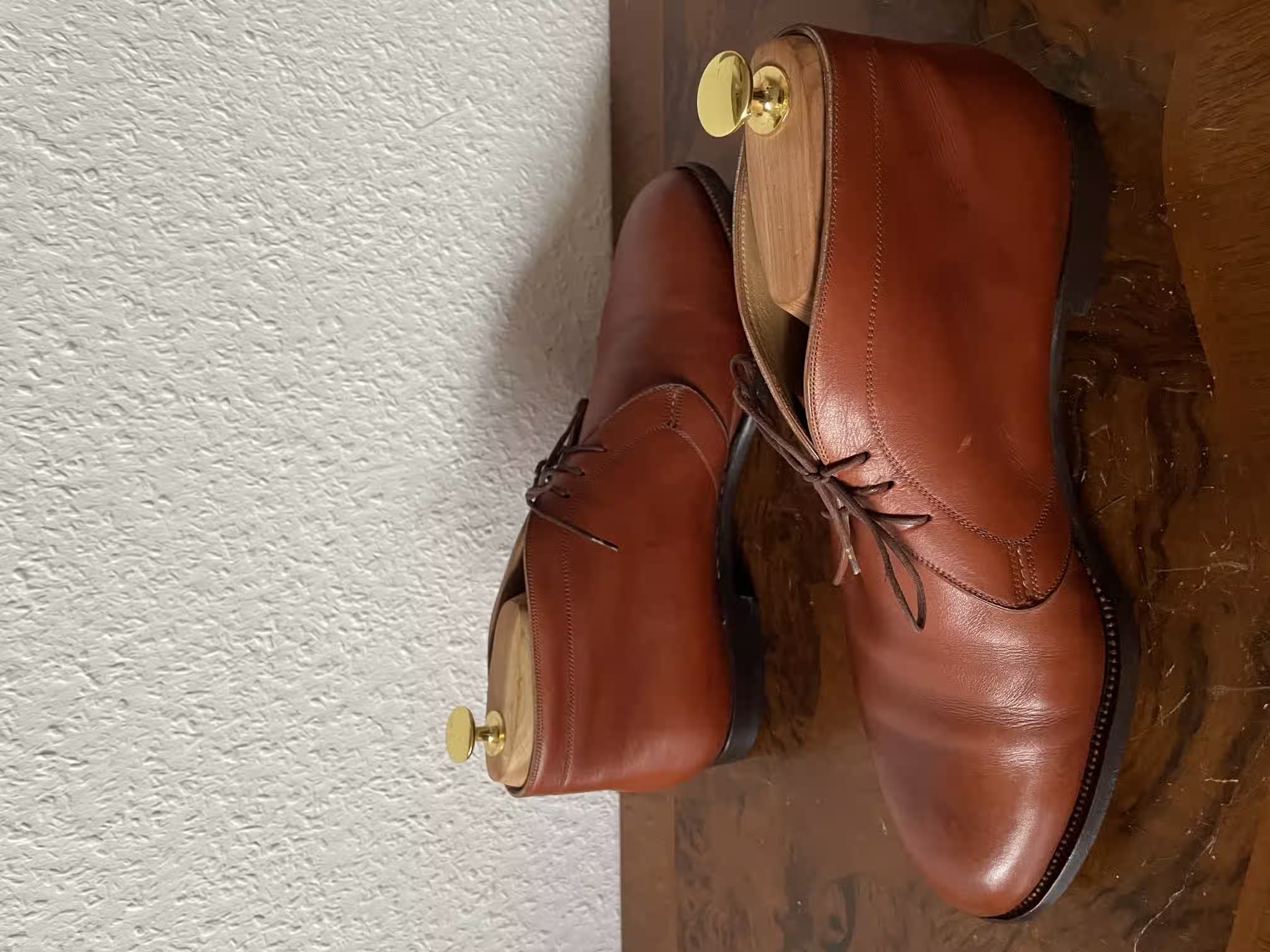
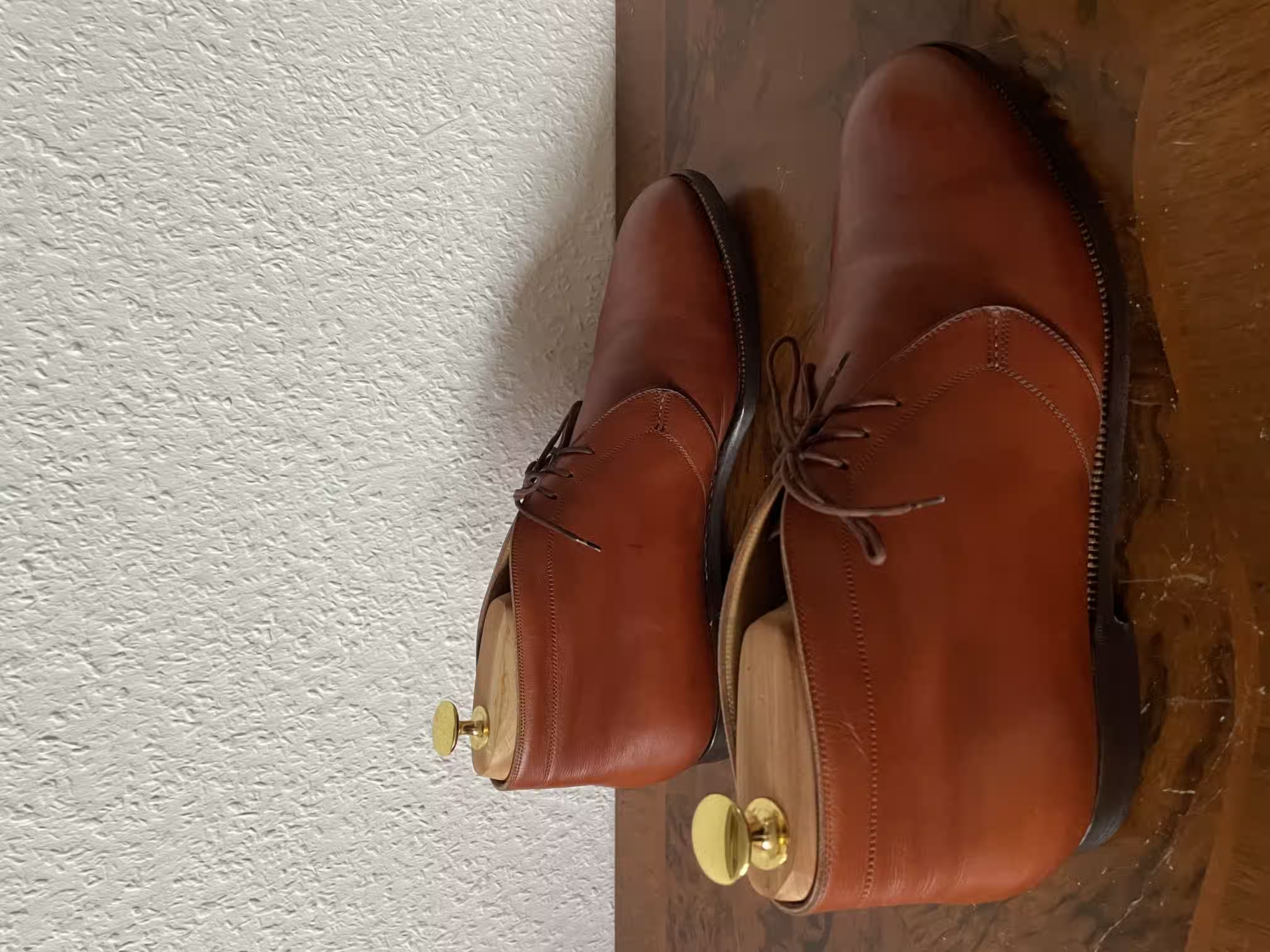
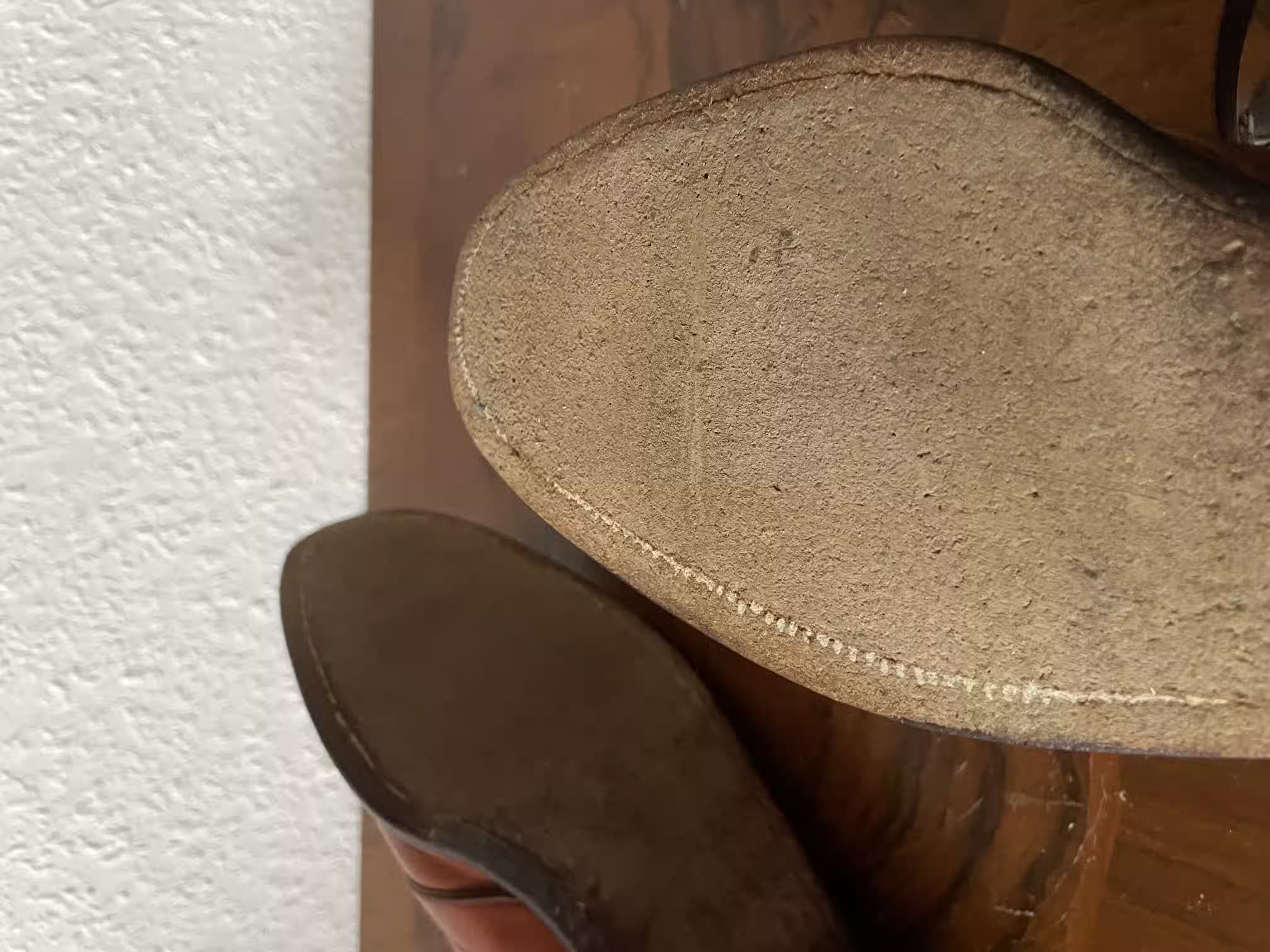
I like these chukka boots here especially: first because of their particularly nice shape, and then also because of the beautiful leather. The unembossed smooth leather emphasizes the color especially well, and a slight patina has developed at the front. The execution of the sole seam as a contrasting seam, which can be seen on top of the welt, also highlights the details and looks very carefully done. At the back on the heel, these ankle boots have no heel seam, which is another small but impressive detail. In black without contrast stitching, this pair would be nicely formal. With the brightening color and the contrast stitching, I see these chukka boots here as more suitable with jeans or, even better, with a light-colored suit. Both variants are more suited for leisure.
Chukka boots in dark red patent leather
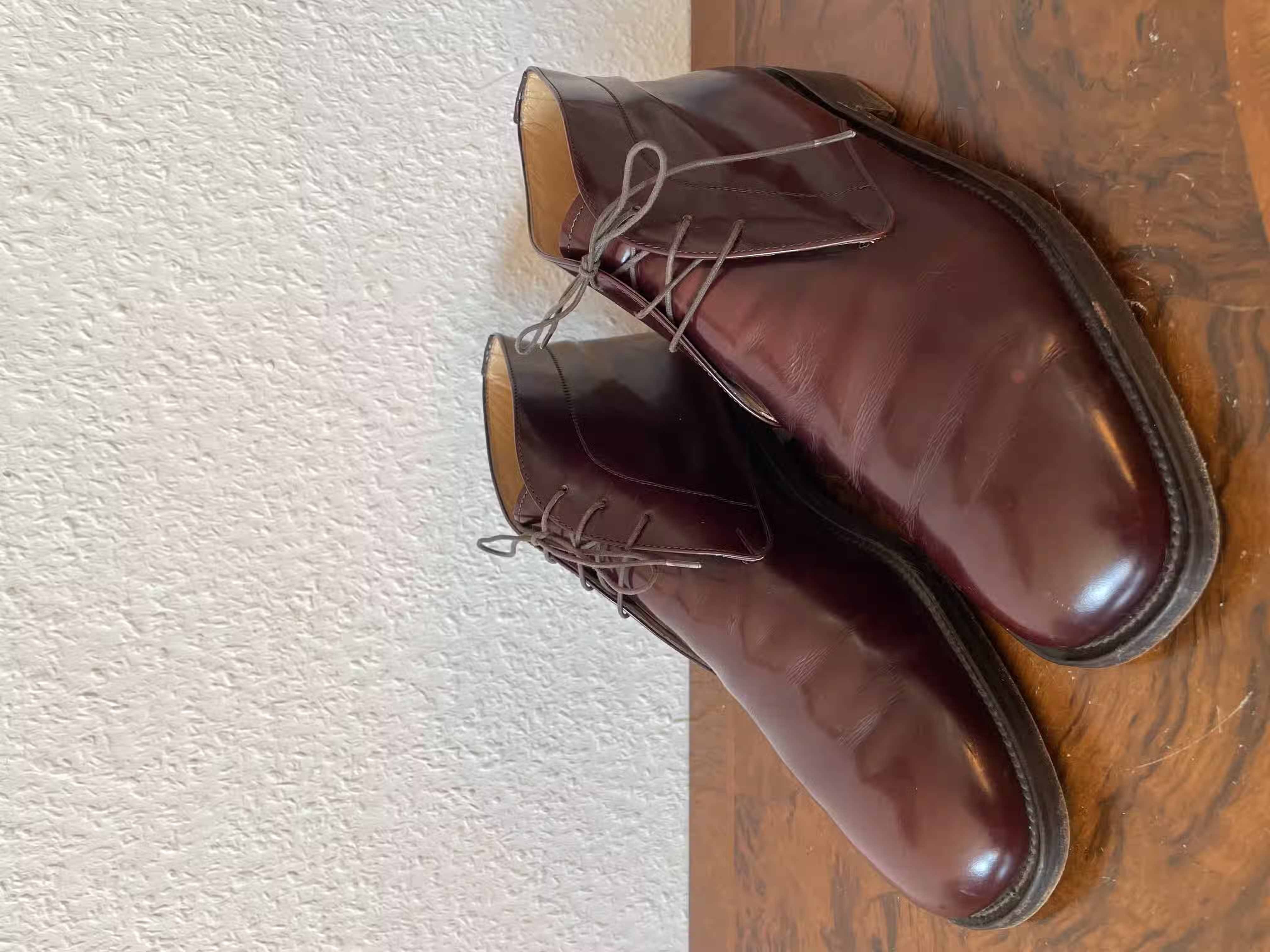
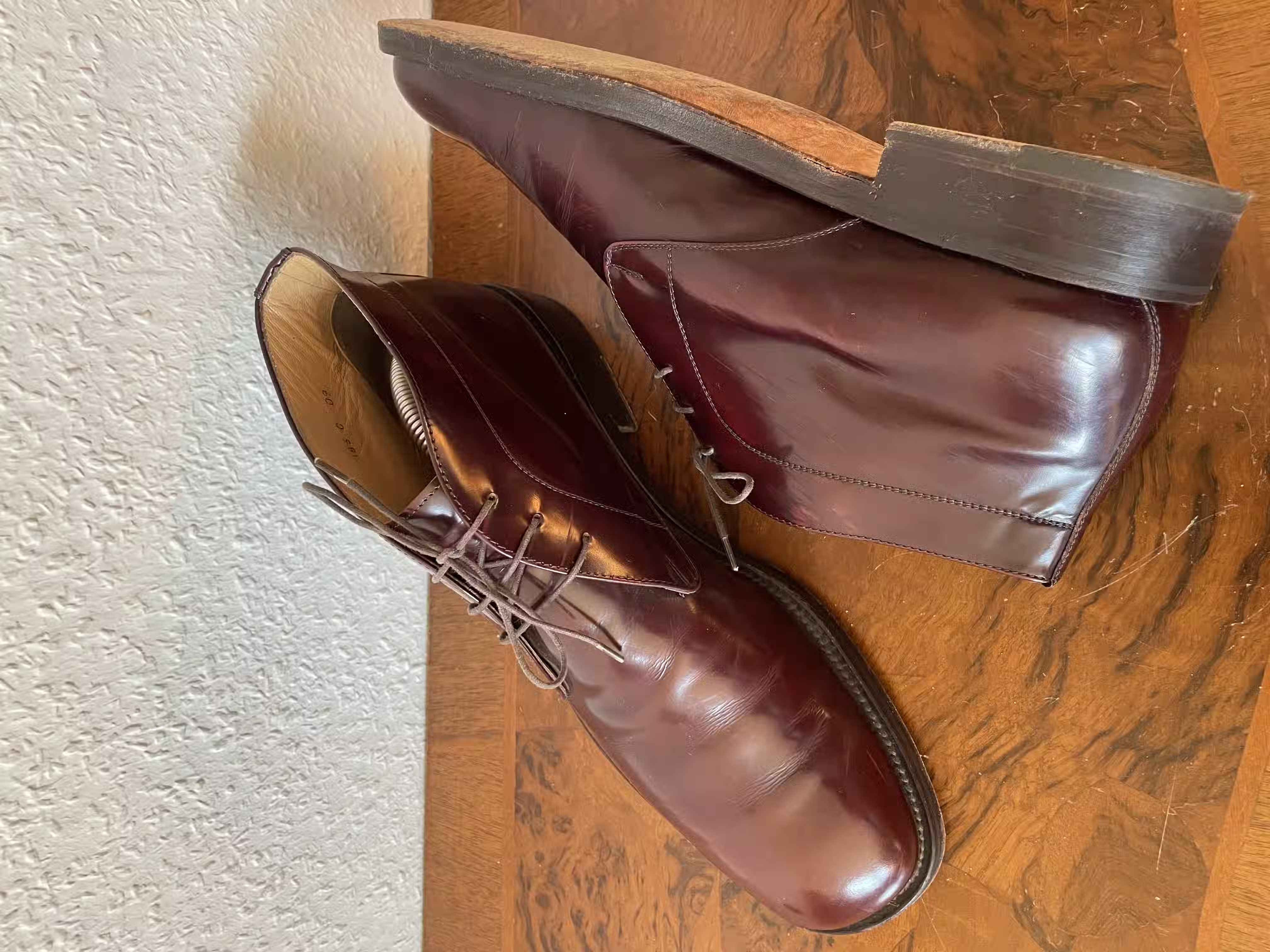
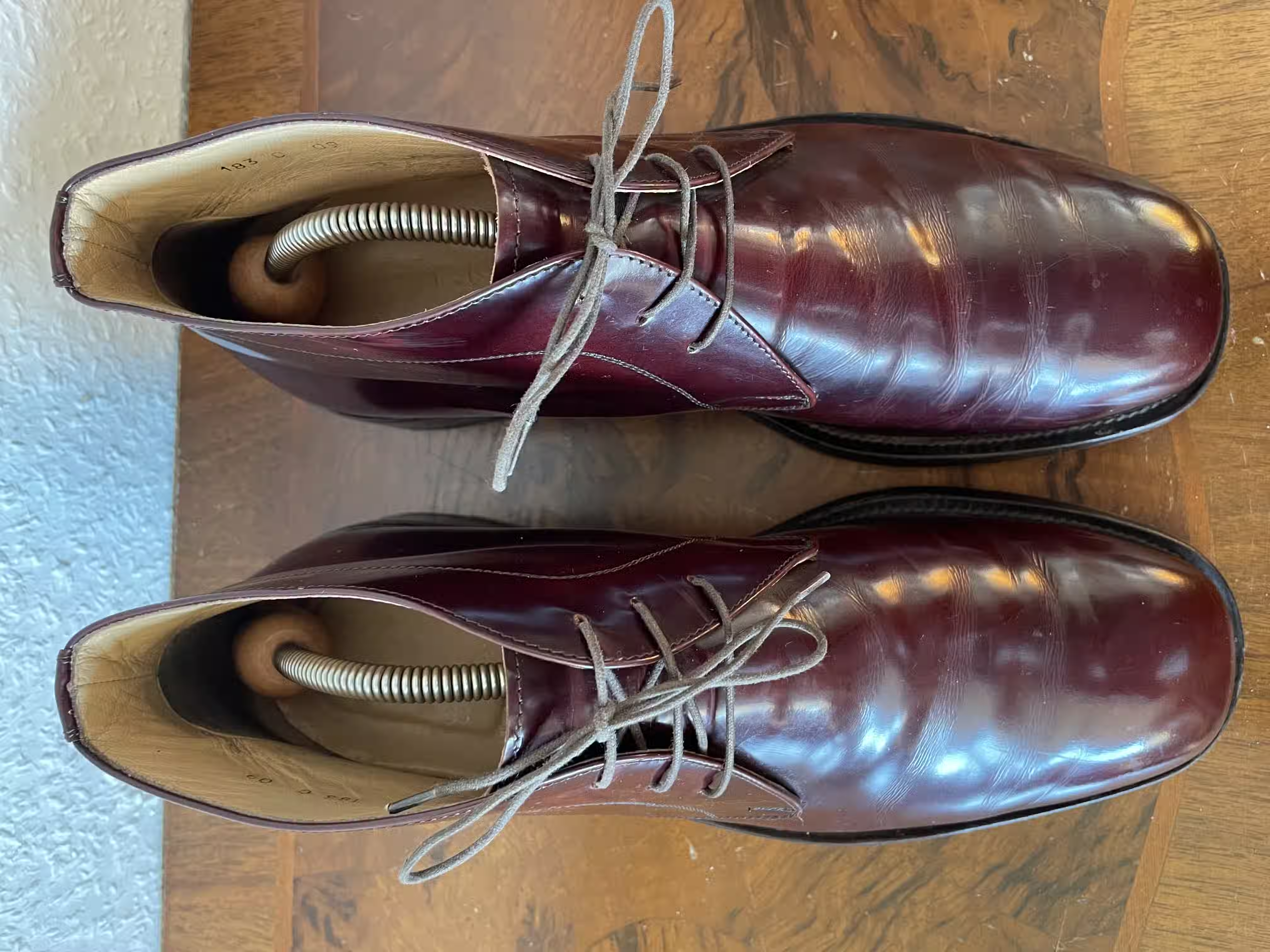
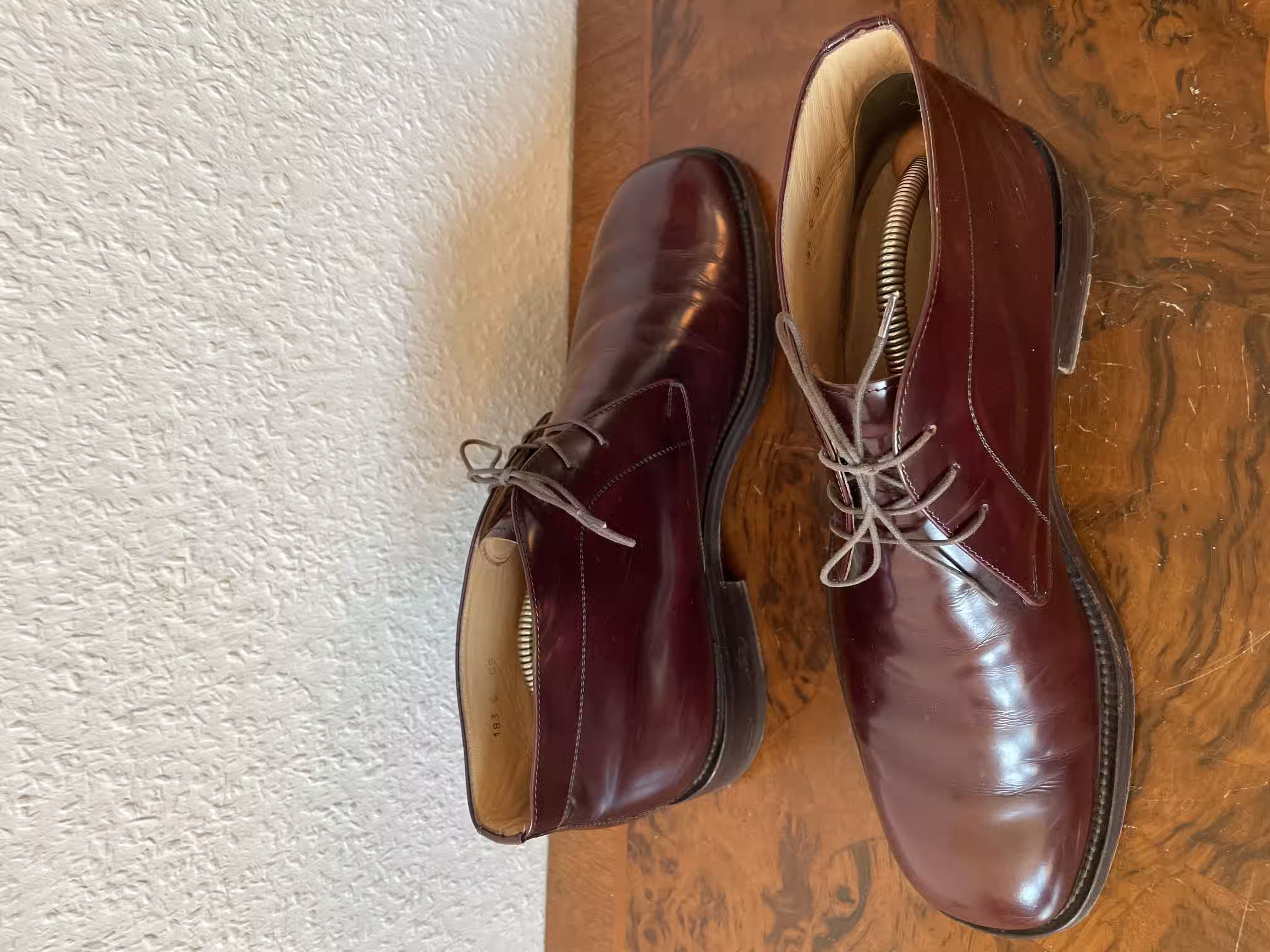
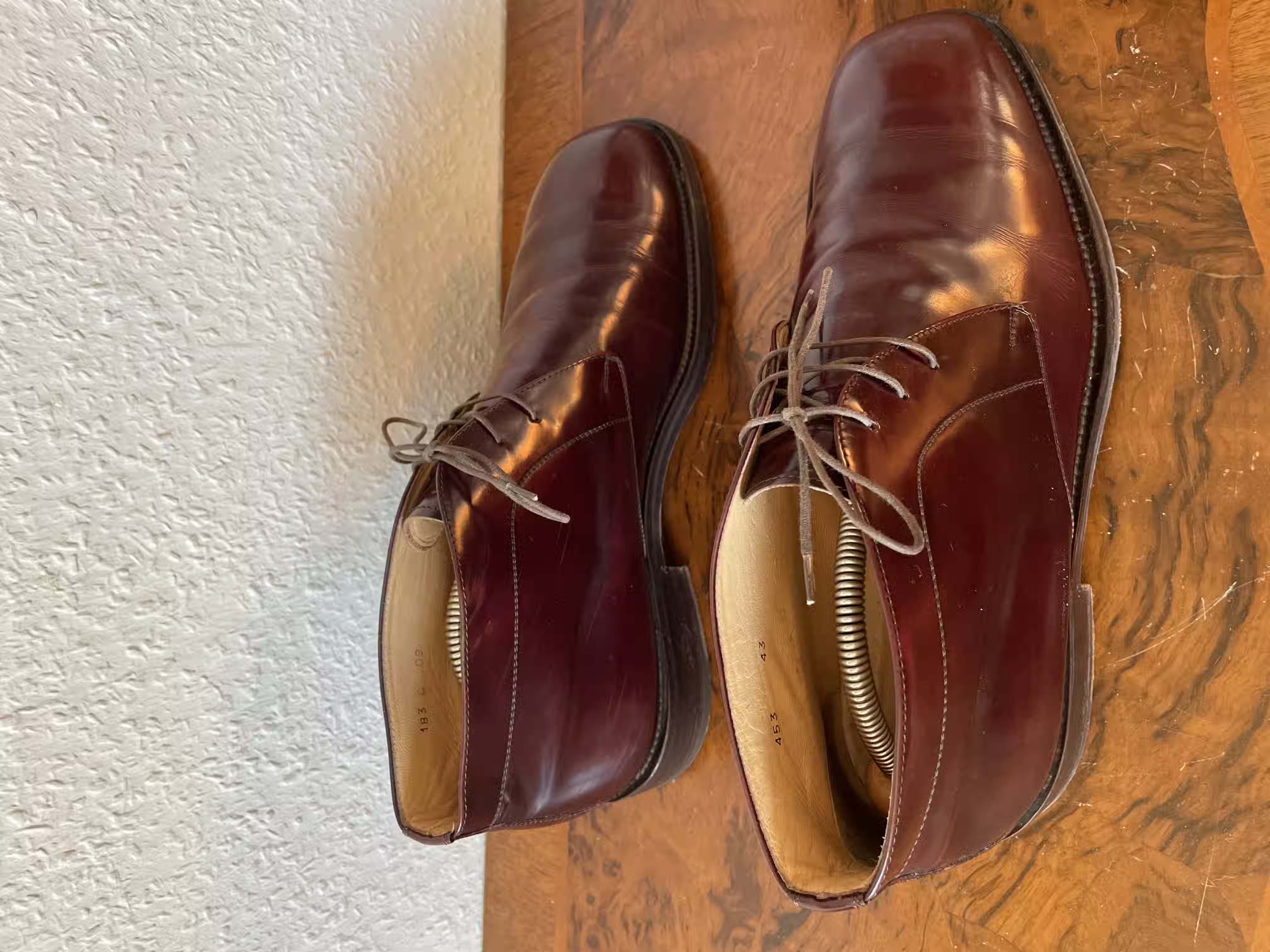
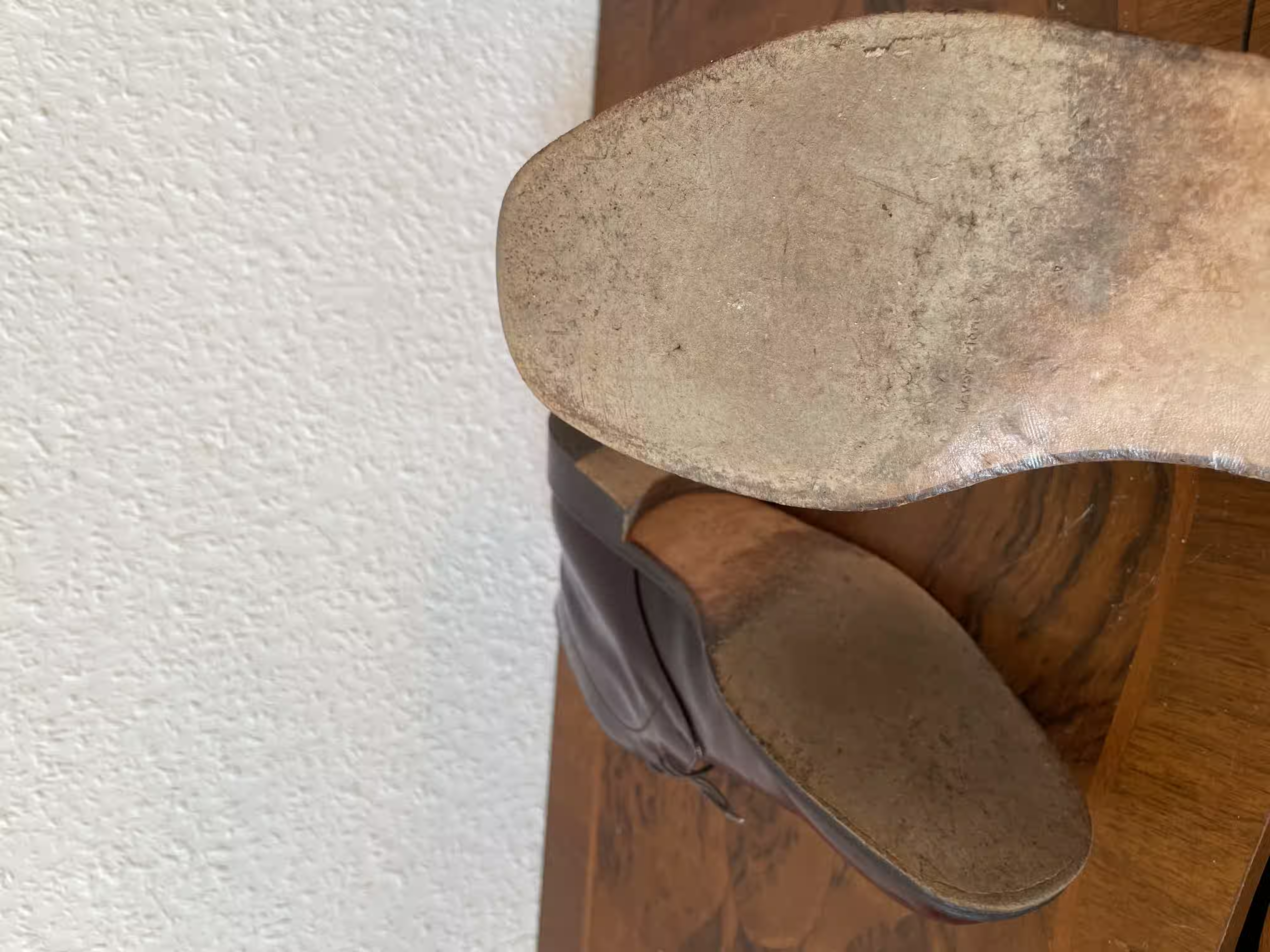
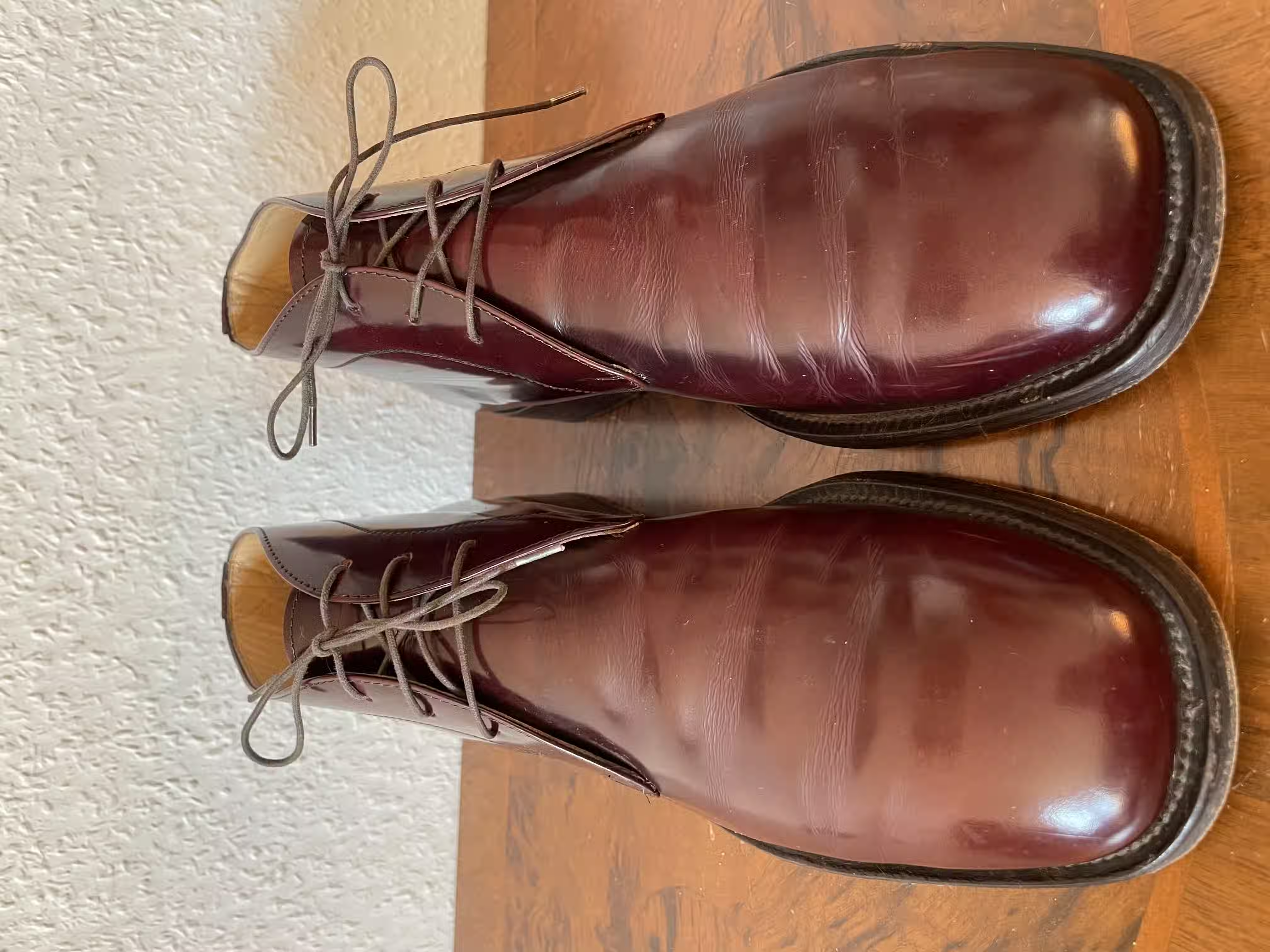
Patent leather is often chosen in black for particularly formal occasions because it shines so nicely. But you can also get this special glossy effect with these ankle boots in dark red, which is why, for example, gray suit trousers work very well here. So these are ankle boots that can be worn for somewhat more serious occasions. Because of the wide toe, I still prefer to wear them in the office, even though the patent leather creates a very strong shine.
Chukka boots in black smooth leather in Norwegian style
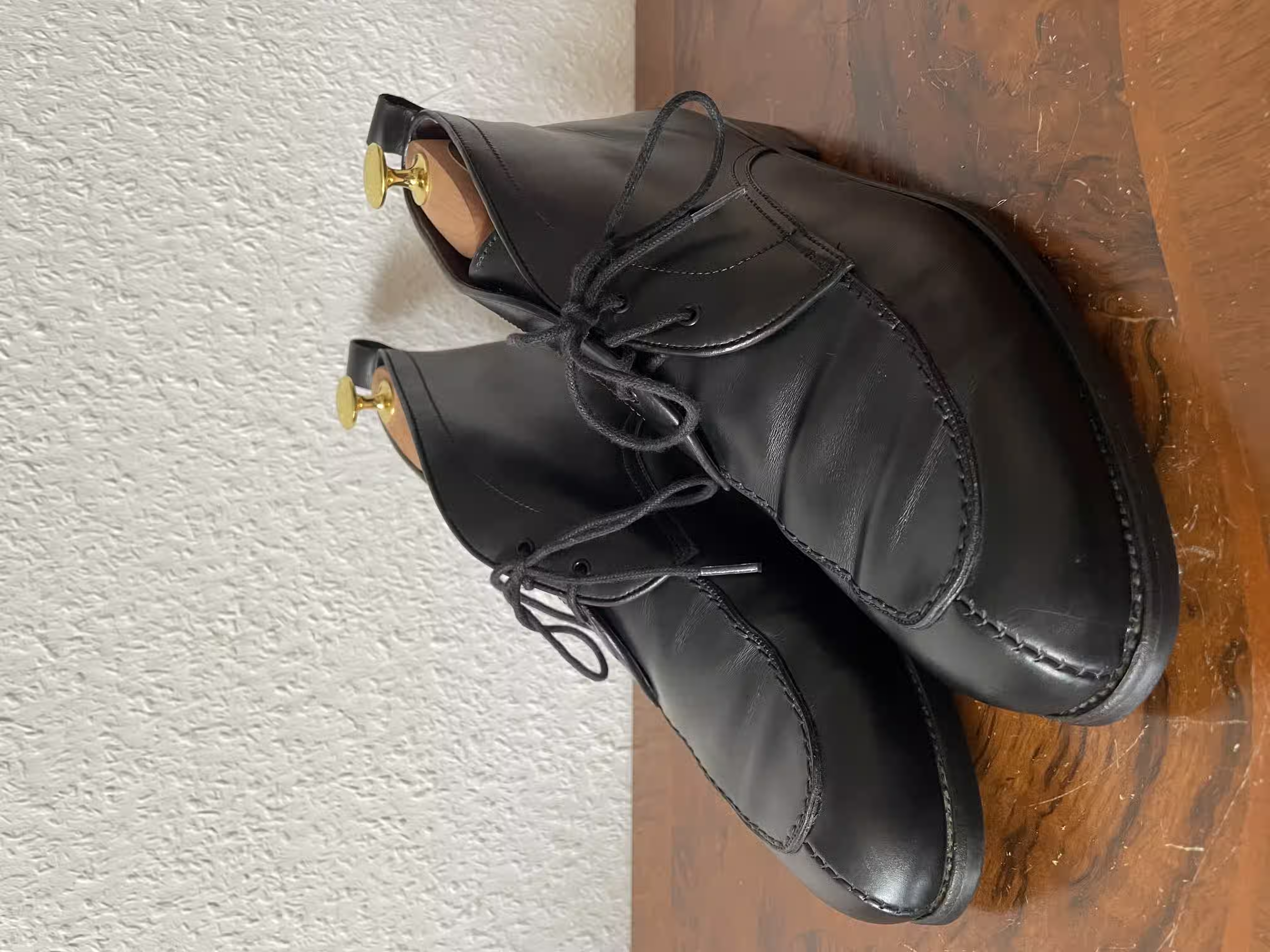
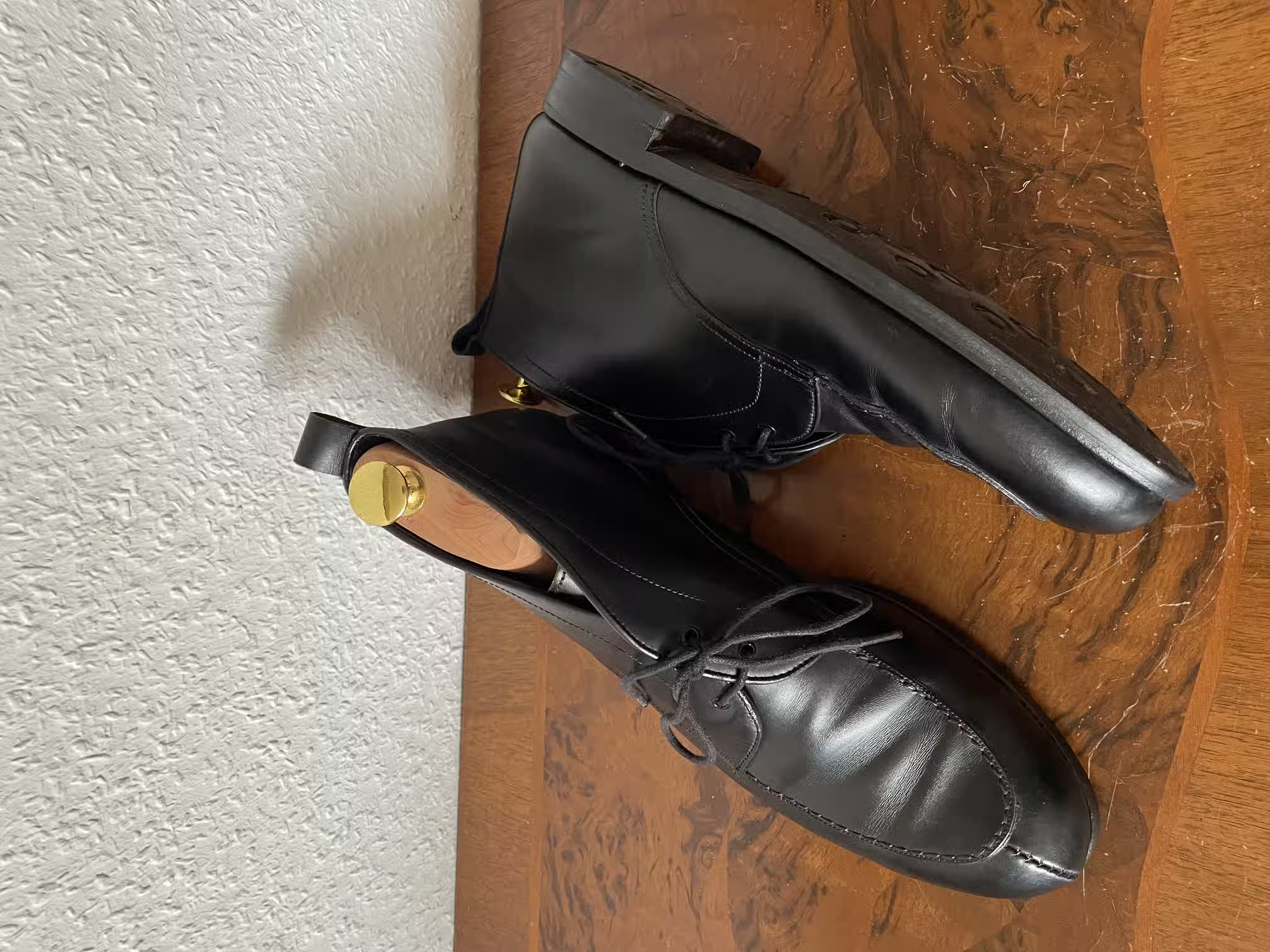
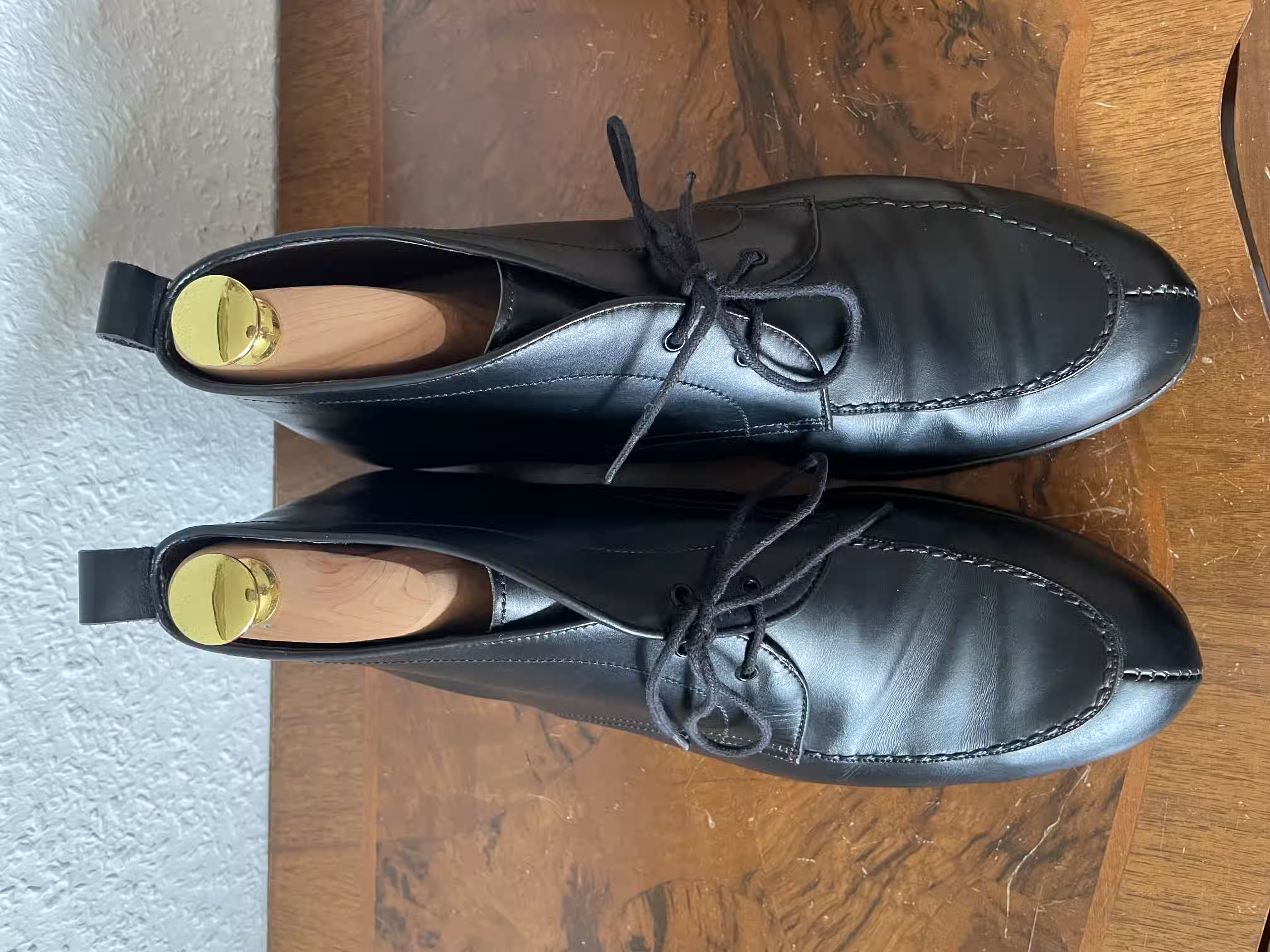
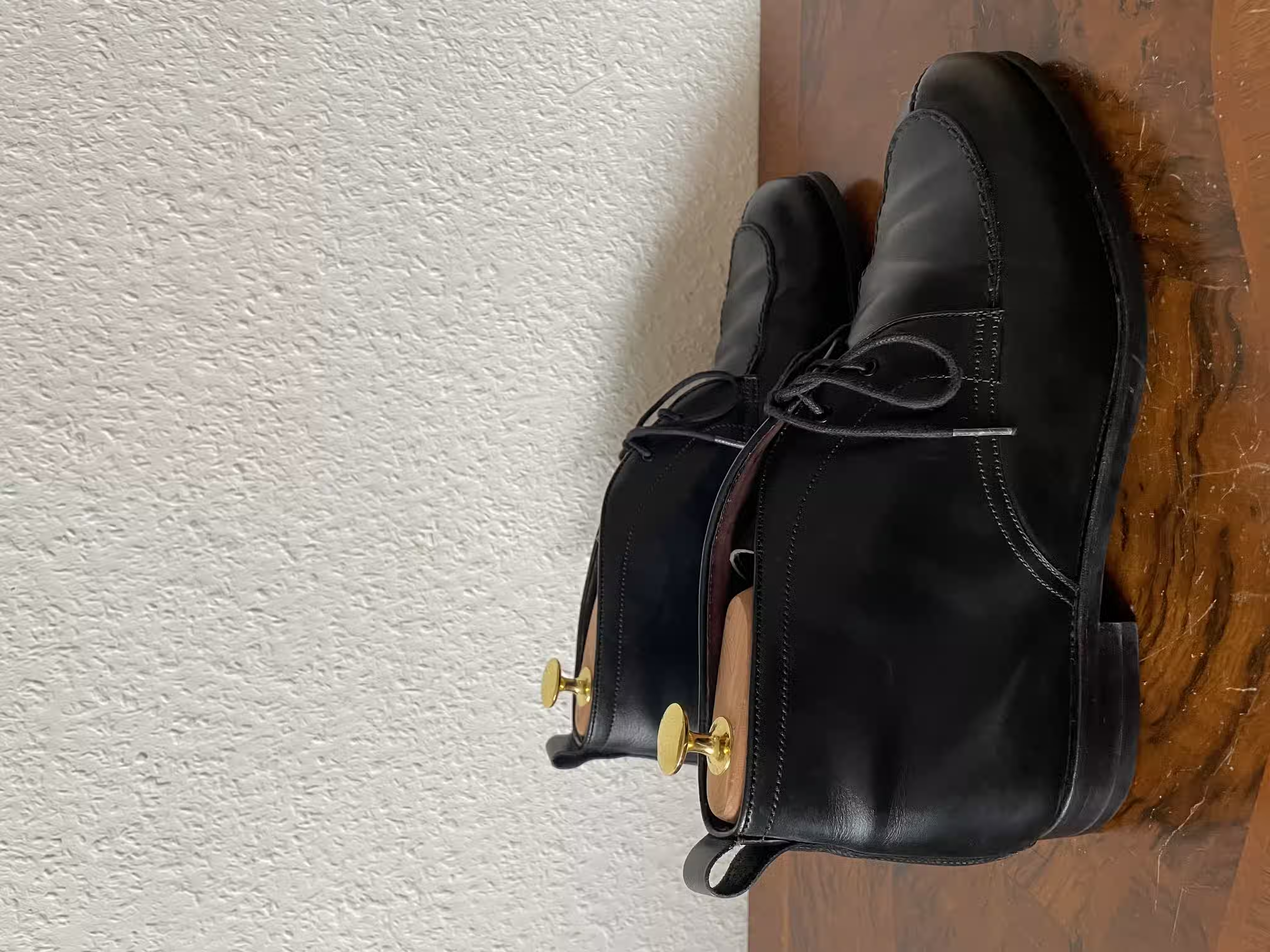
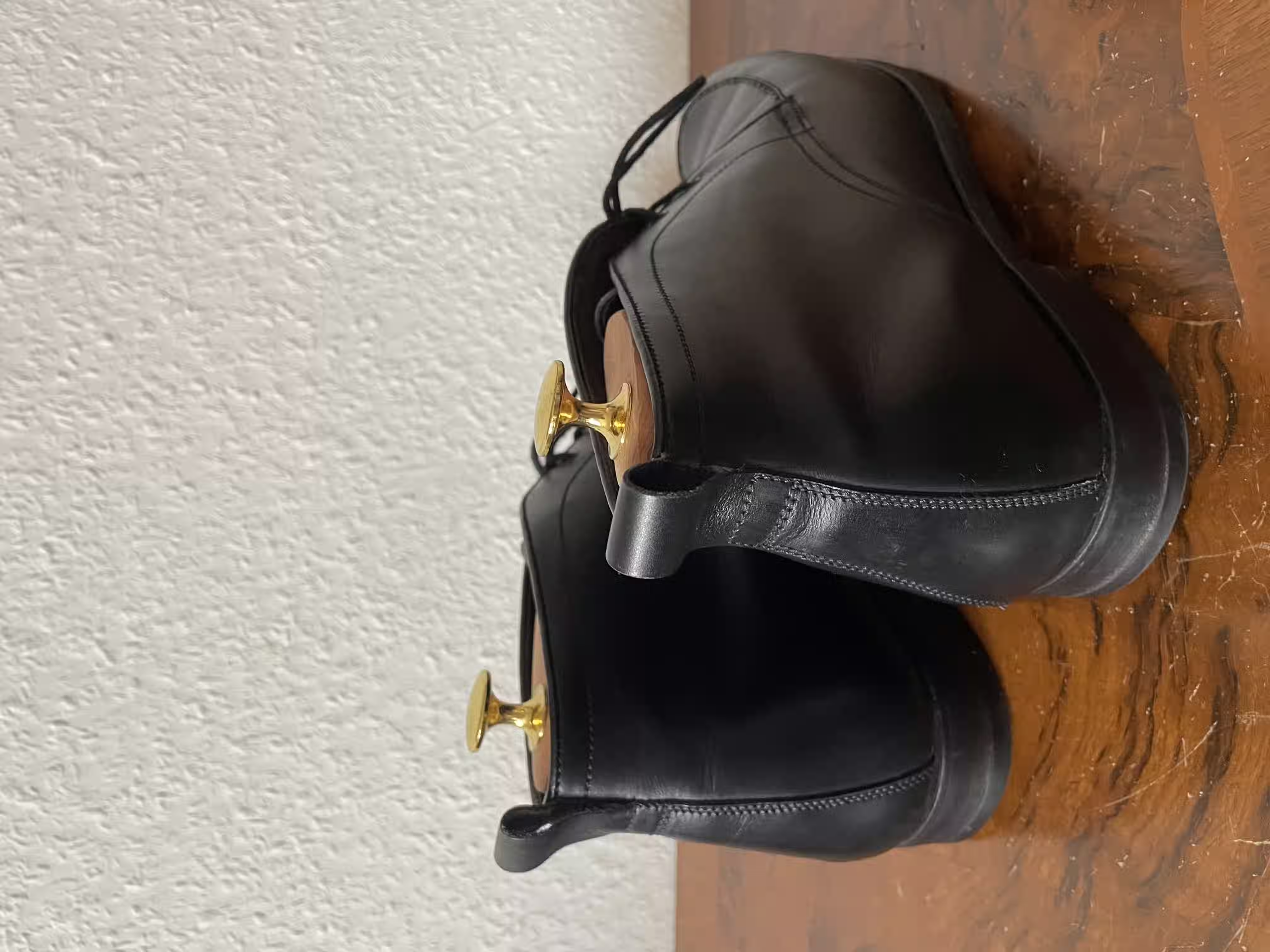
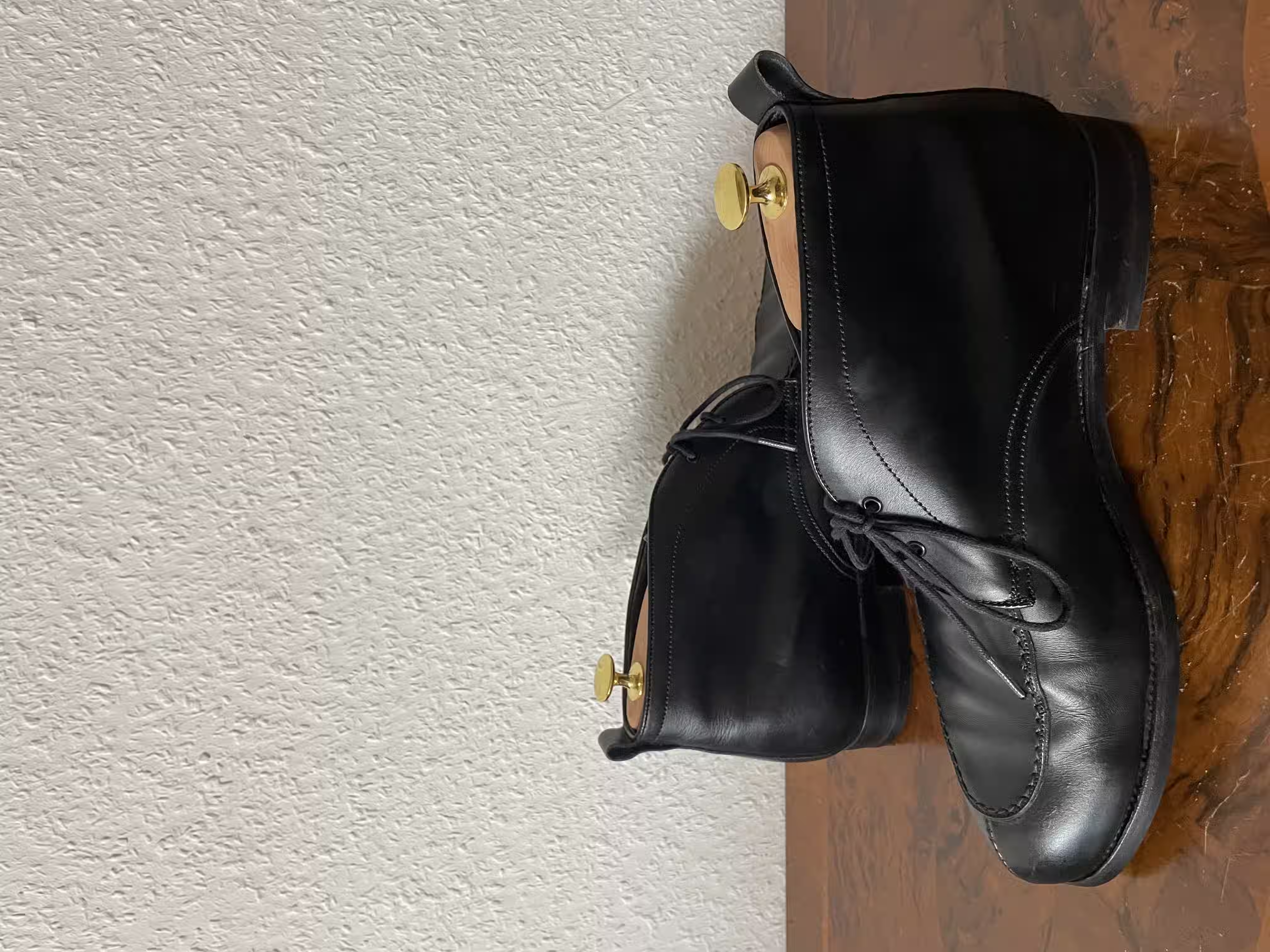
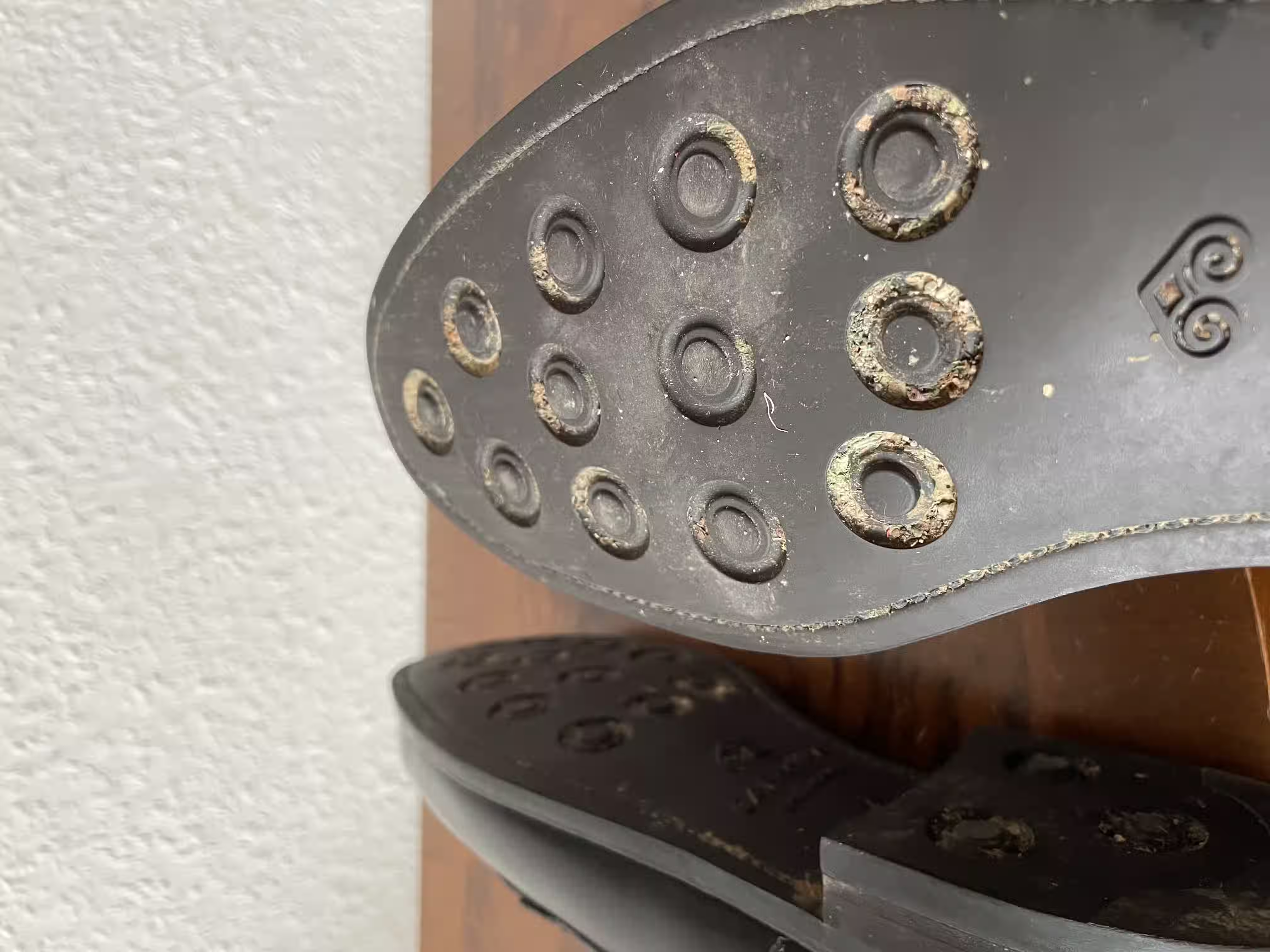
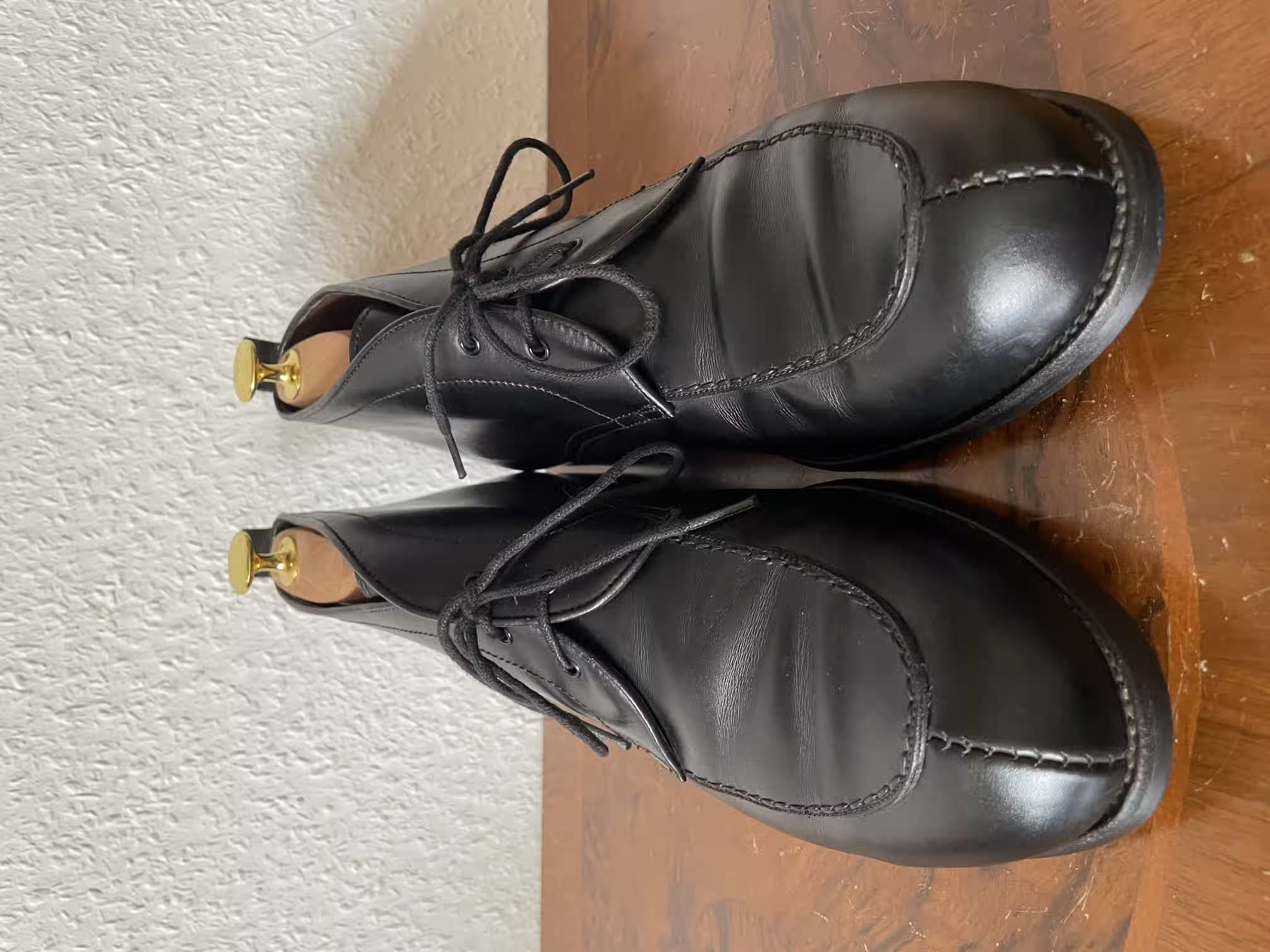
These Chukka boots with Norwegian-style decoration at the front are completely black and therefore, on their own, quite understated. Equipped with a rubber sole, you can wear them pretty well in and around winter. In my view, you can wear these ankle boots very flexibly in everyday life, in the office, and outdoors. Because of the Norwegian style and the rubber sole, this is not a shoe for formal occasions, but in cold or bad weather I’ve liked wearing it.
Elegant Chukka Boots in Black
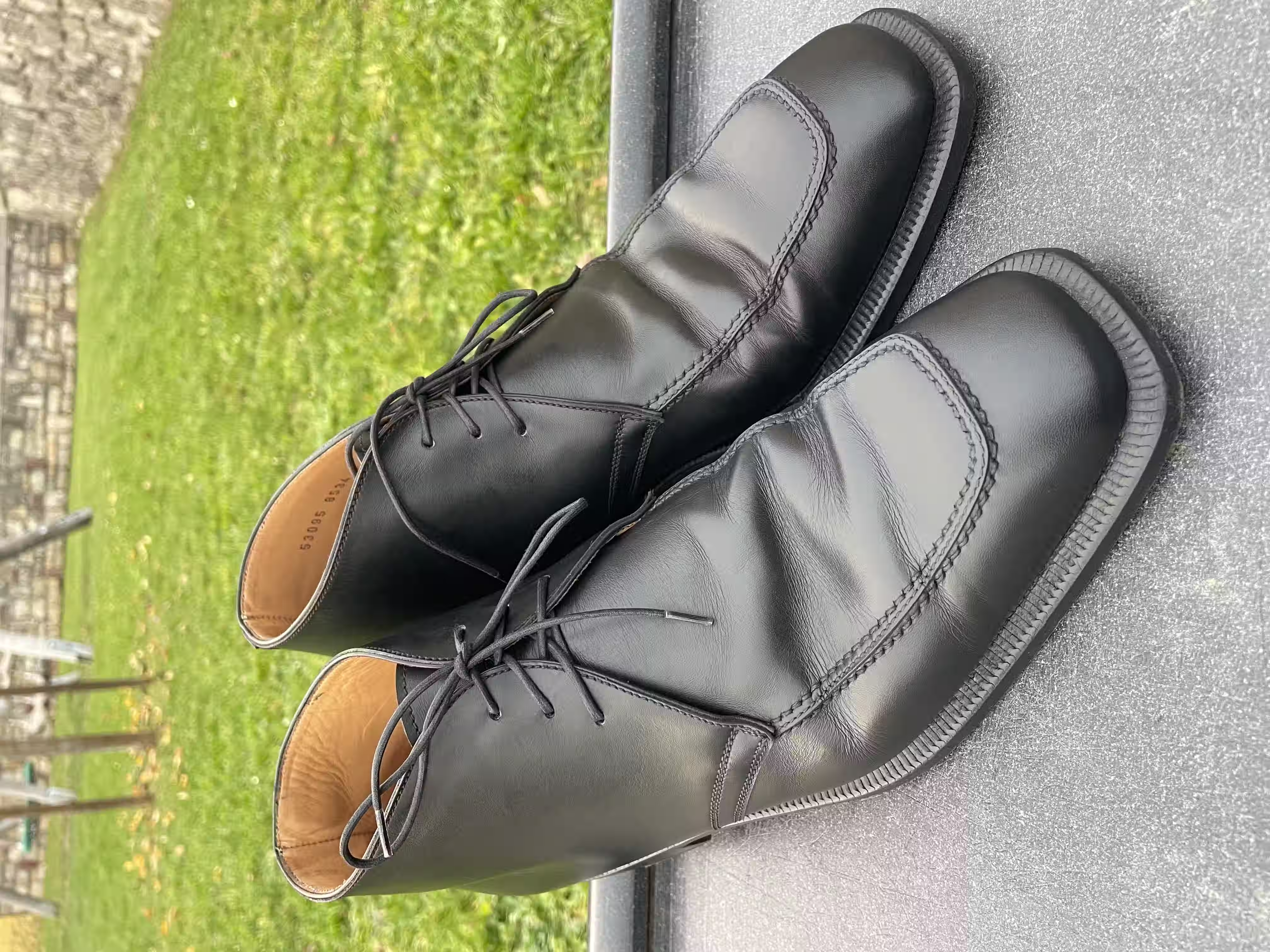
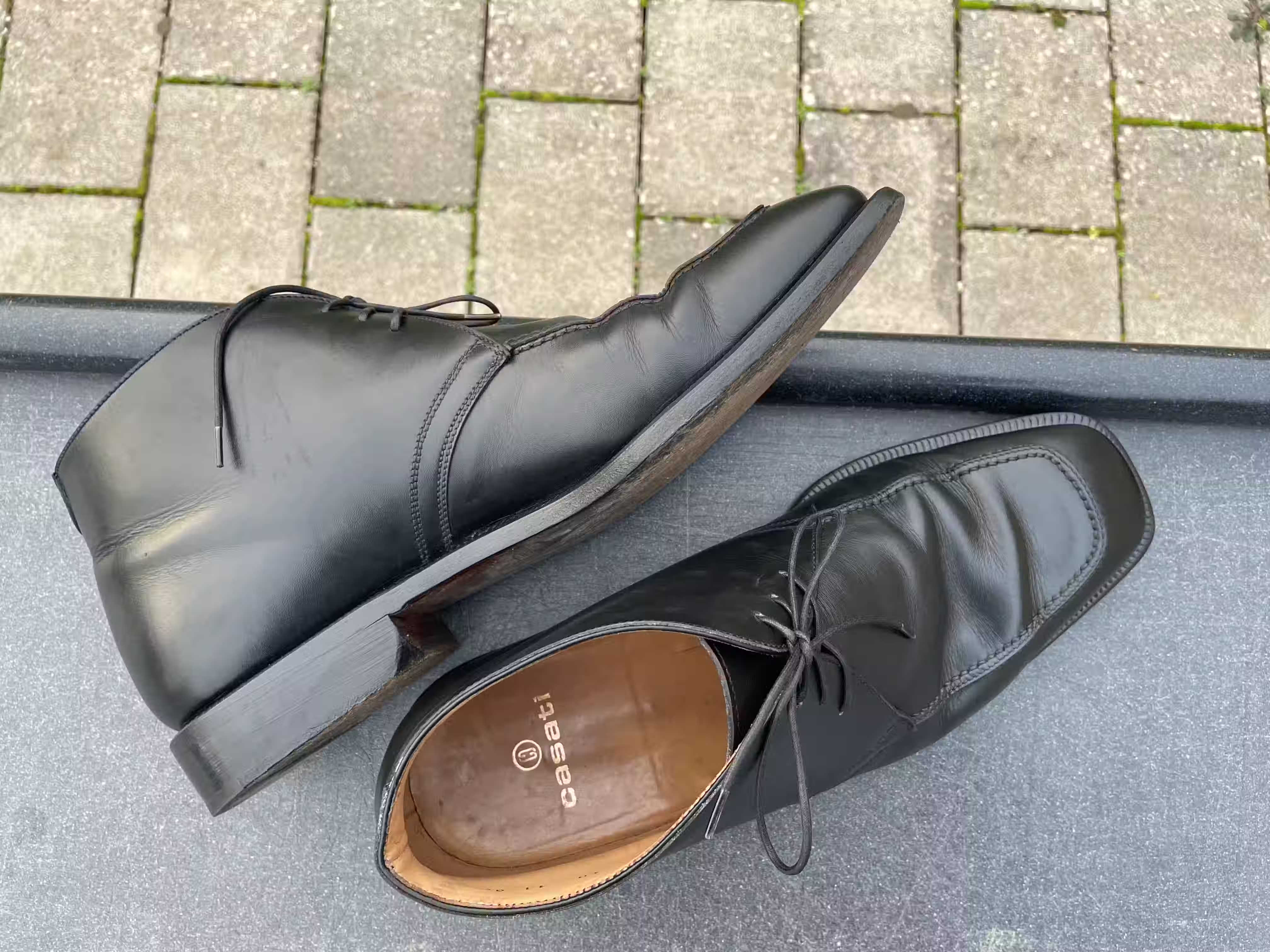
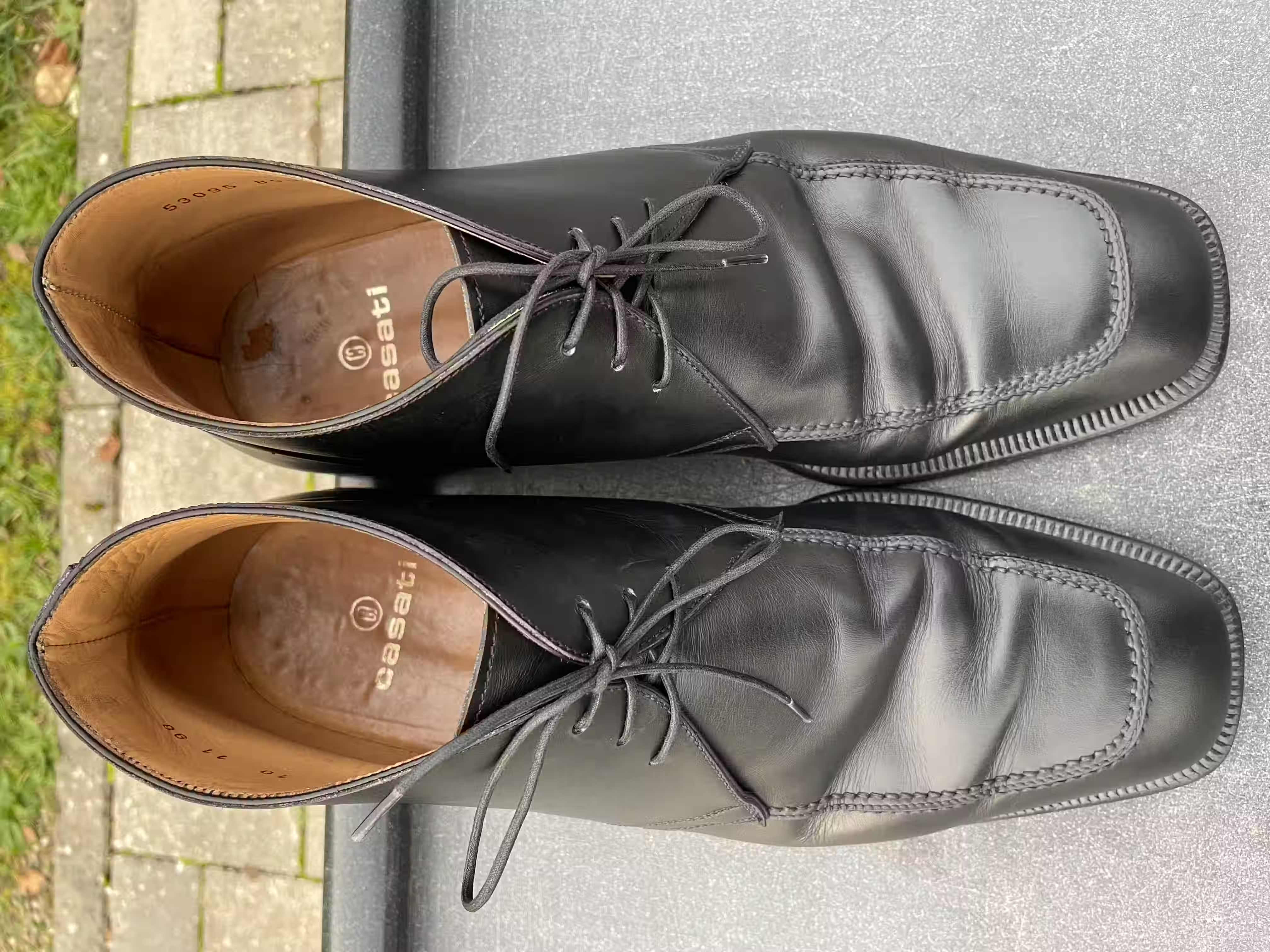
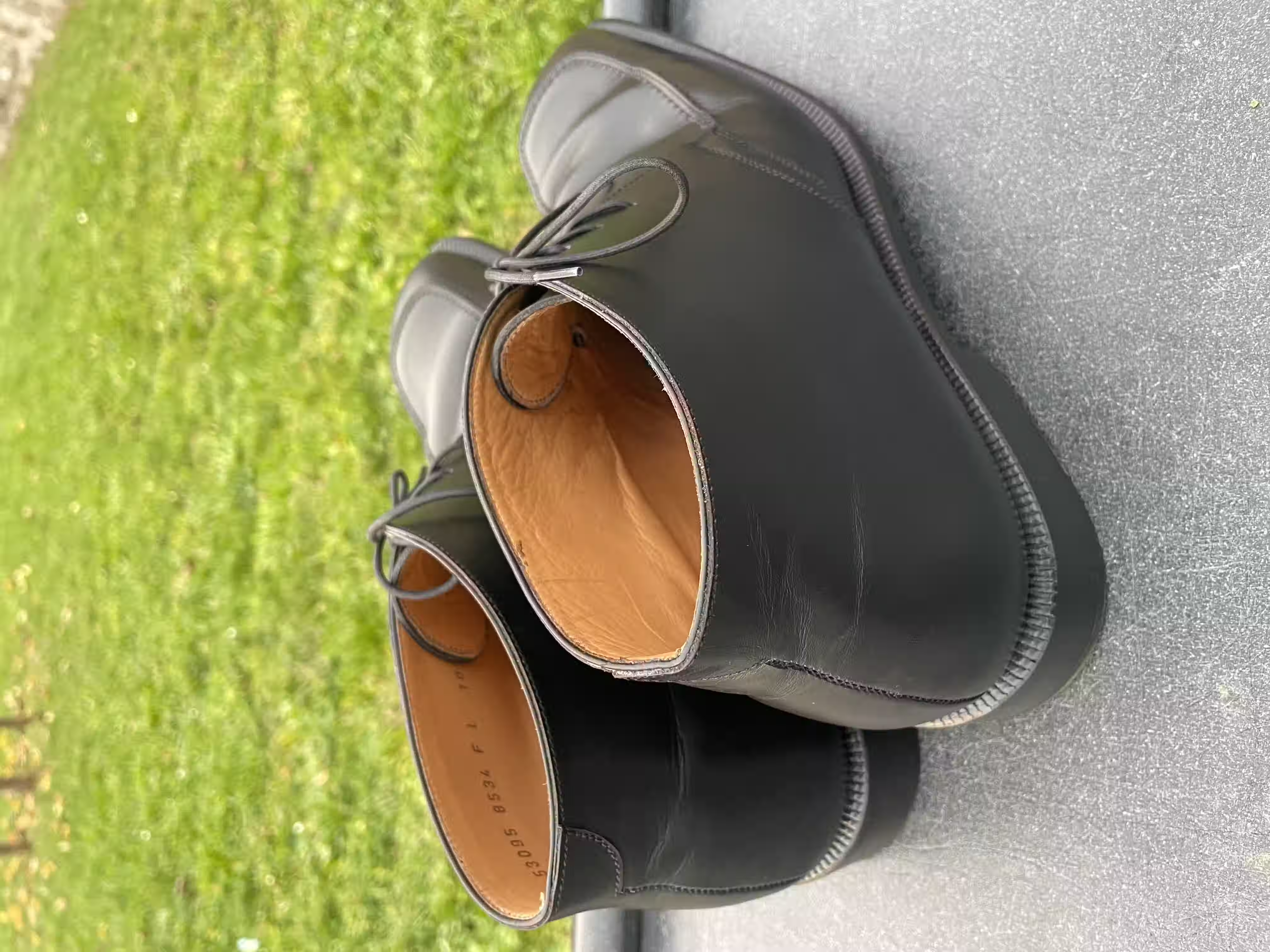
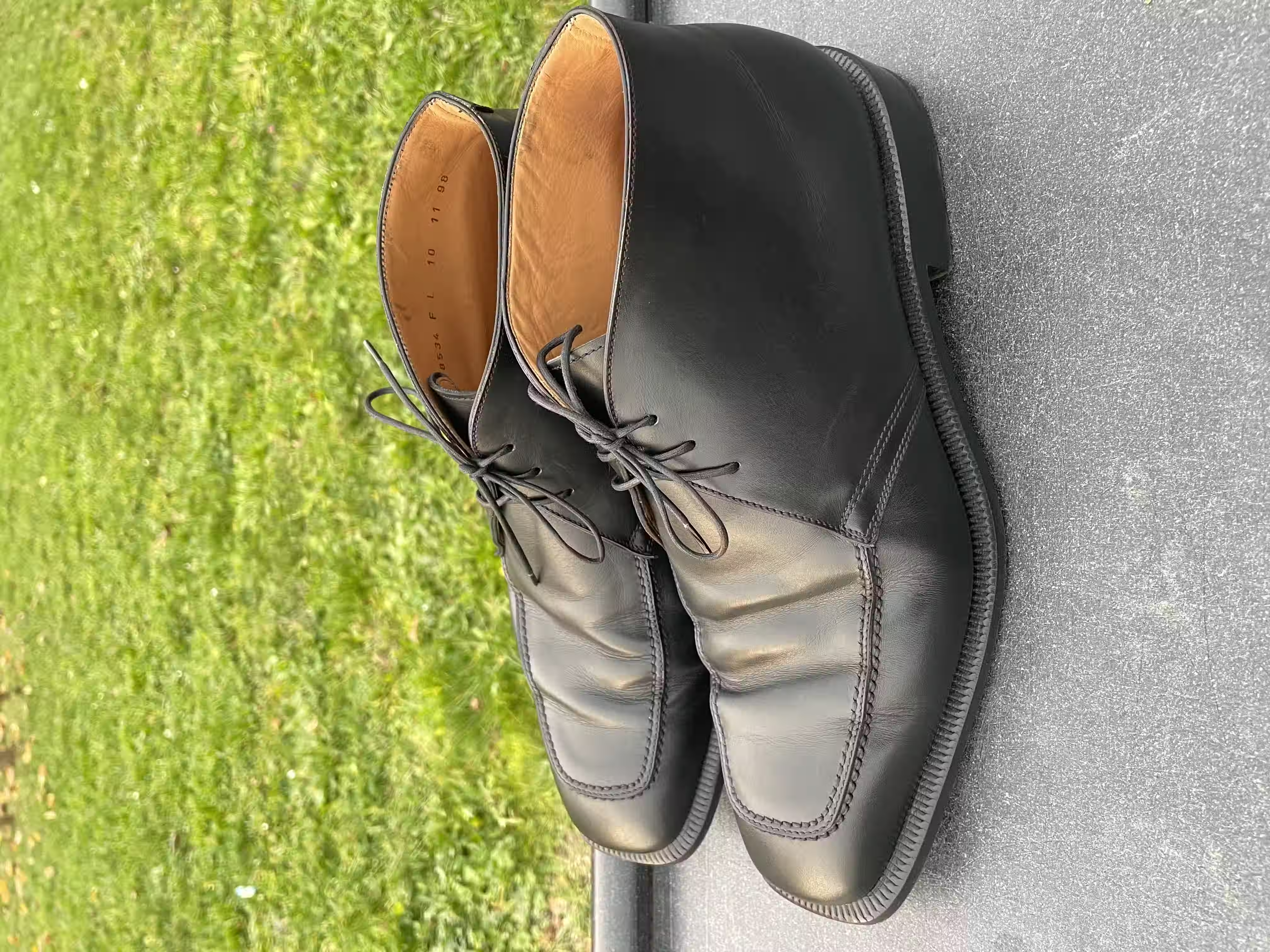
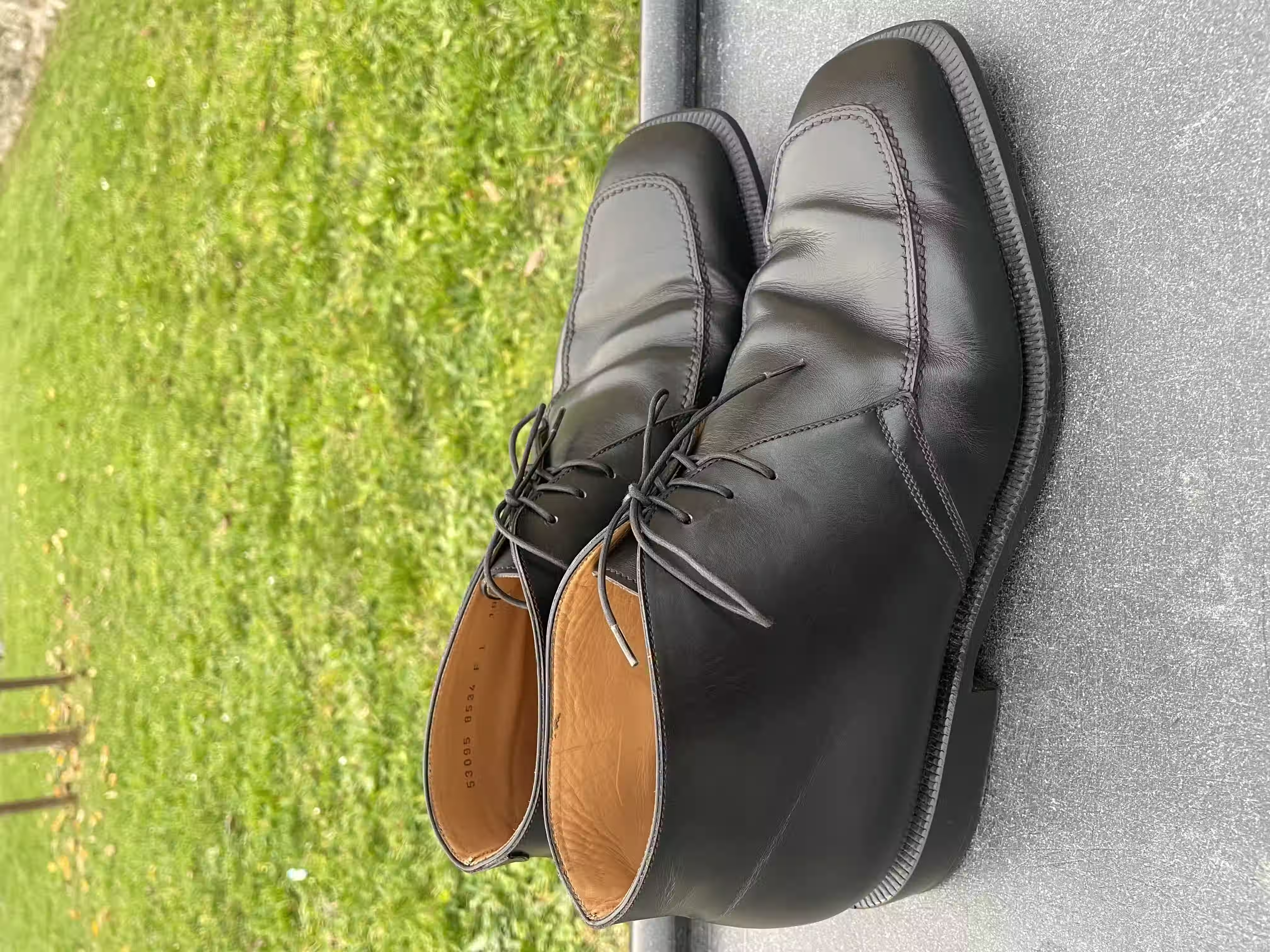
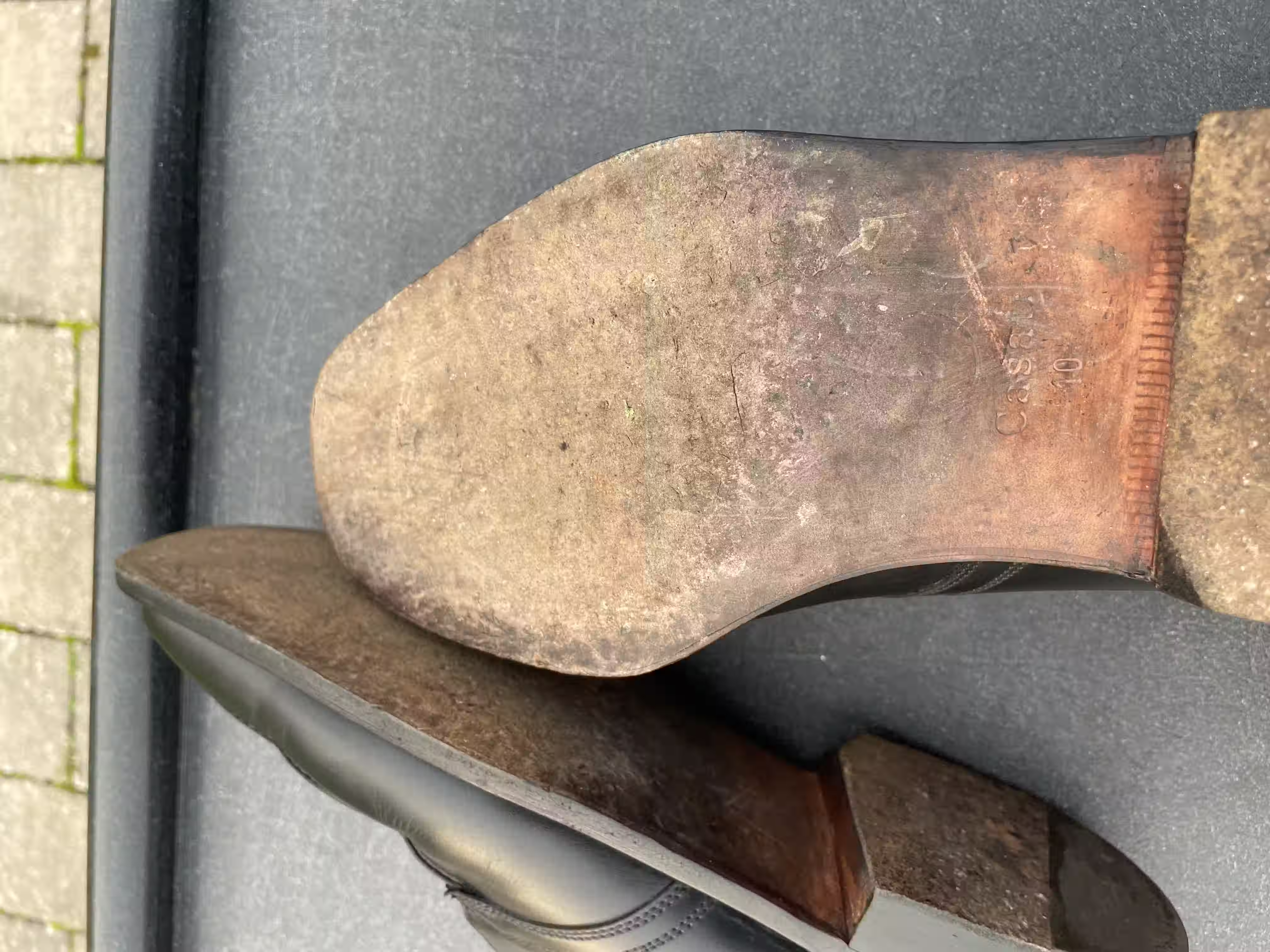
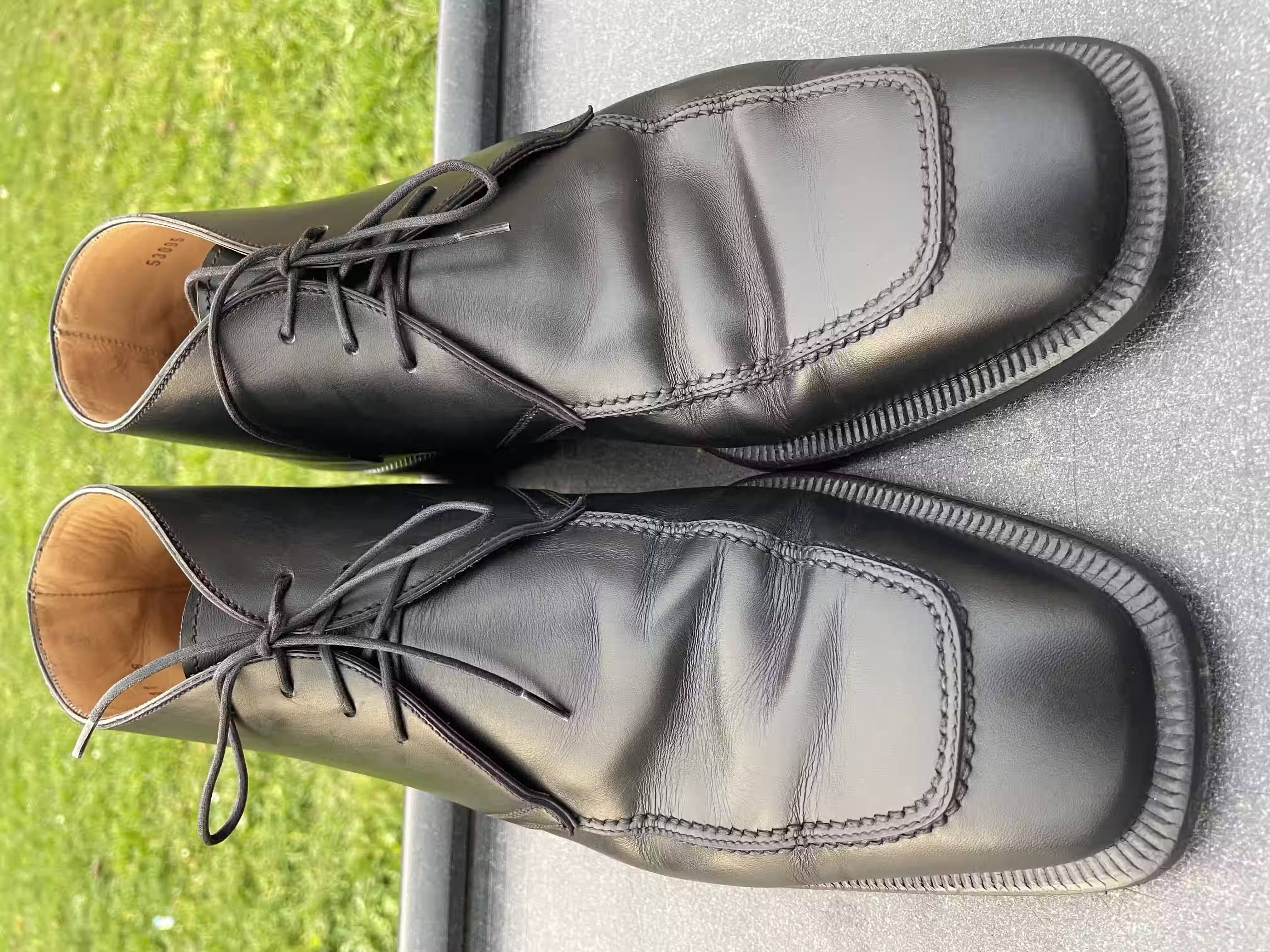
At first glance, these Chukka boots look similar to the previous ones. But in my view the shape is more elegant and therefore better suited for more refined occasions—also because of the leather sole, which, while not quite as well suited for bad weather as a rubber sole, is better for events, for example. In addition, the three eyelets ensure that the ankle boots fit better than can happen with two eyelets.
Chukka Boots in Brown, Unembossed Smooth Leather
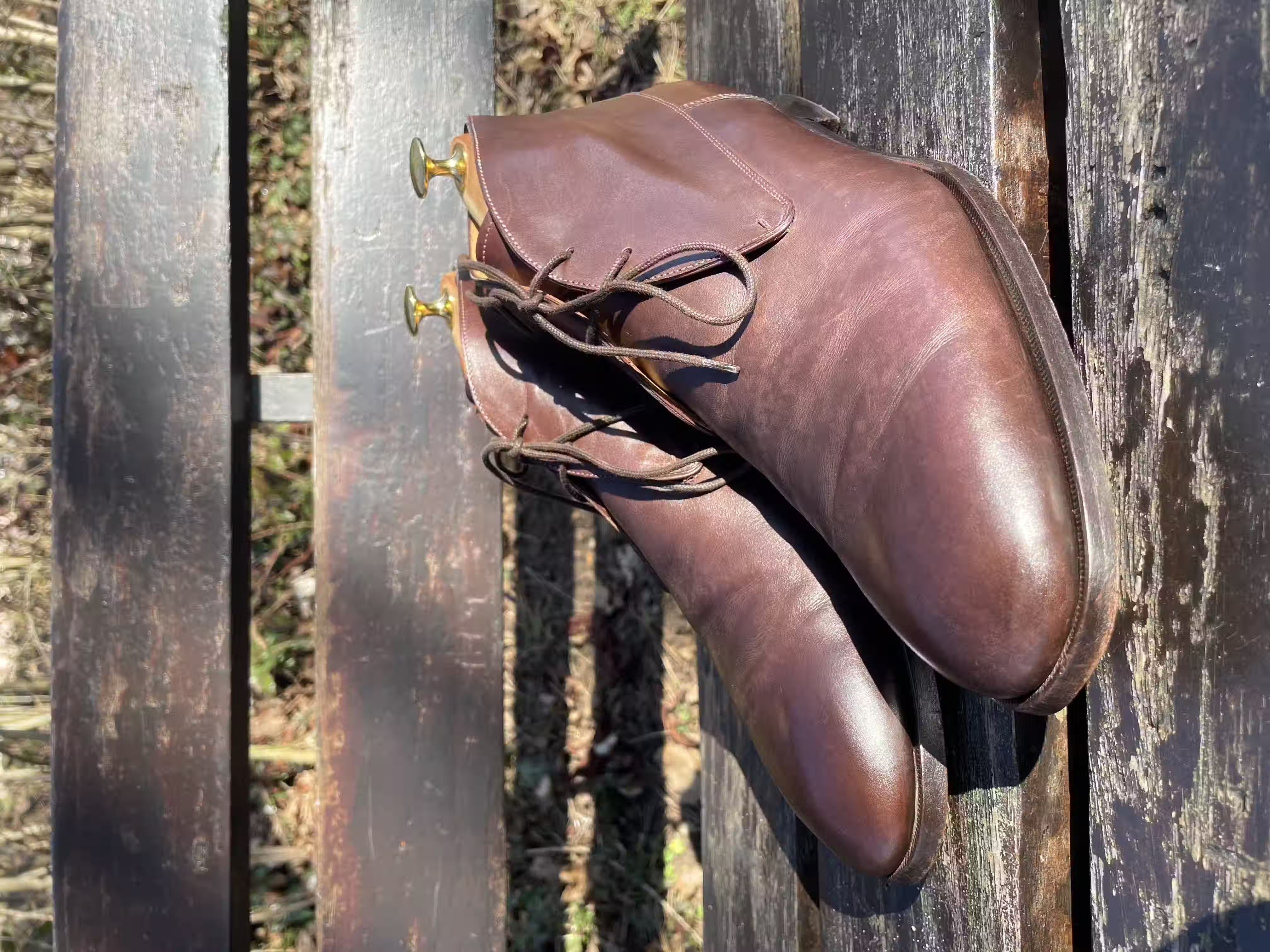
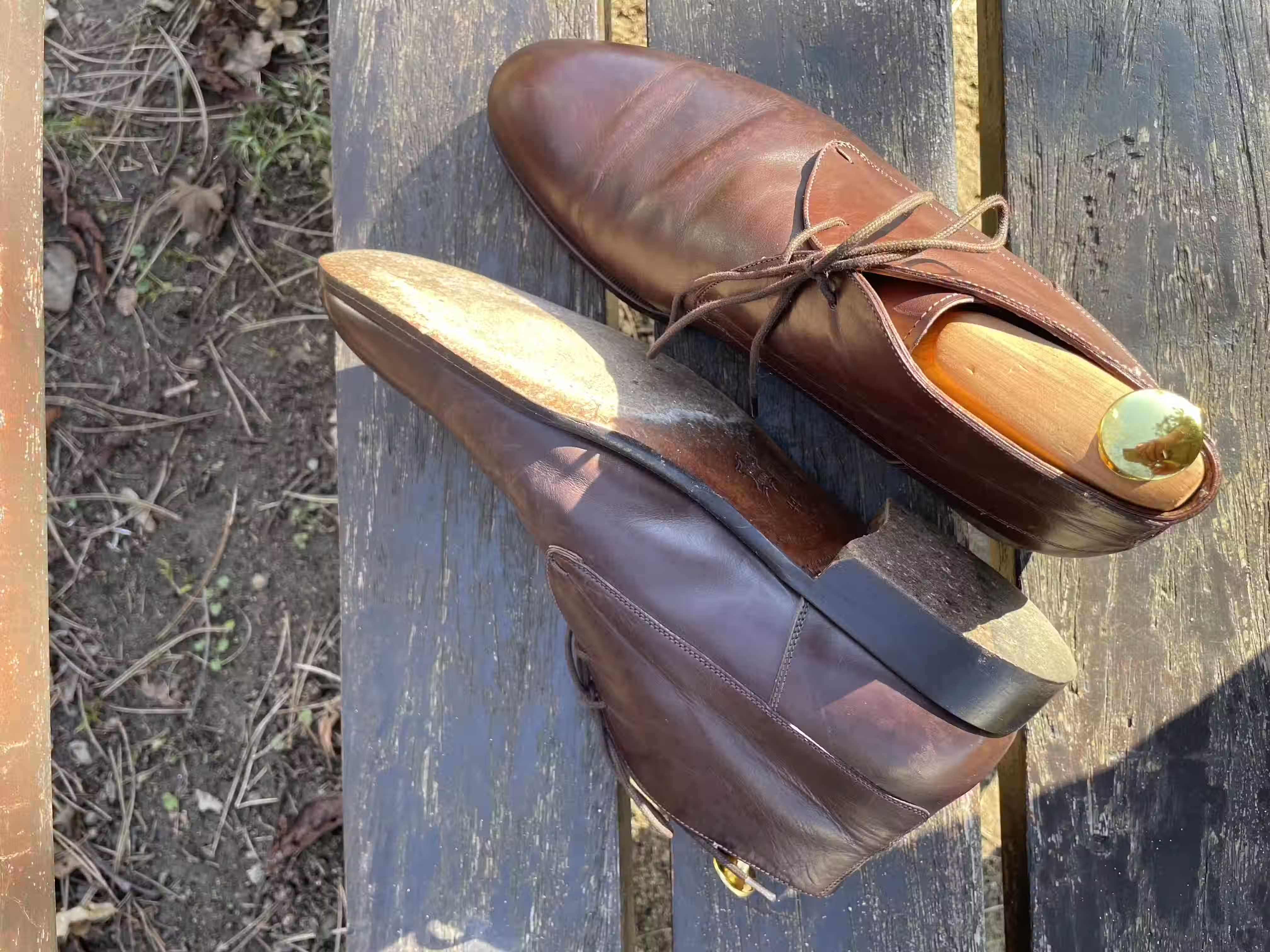
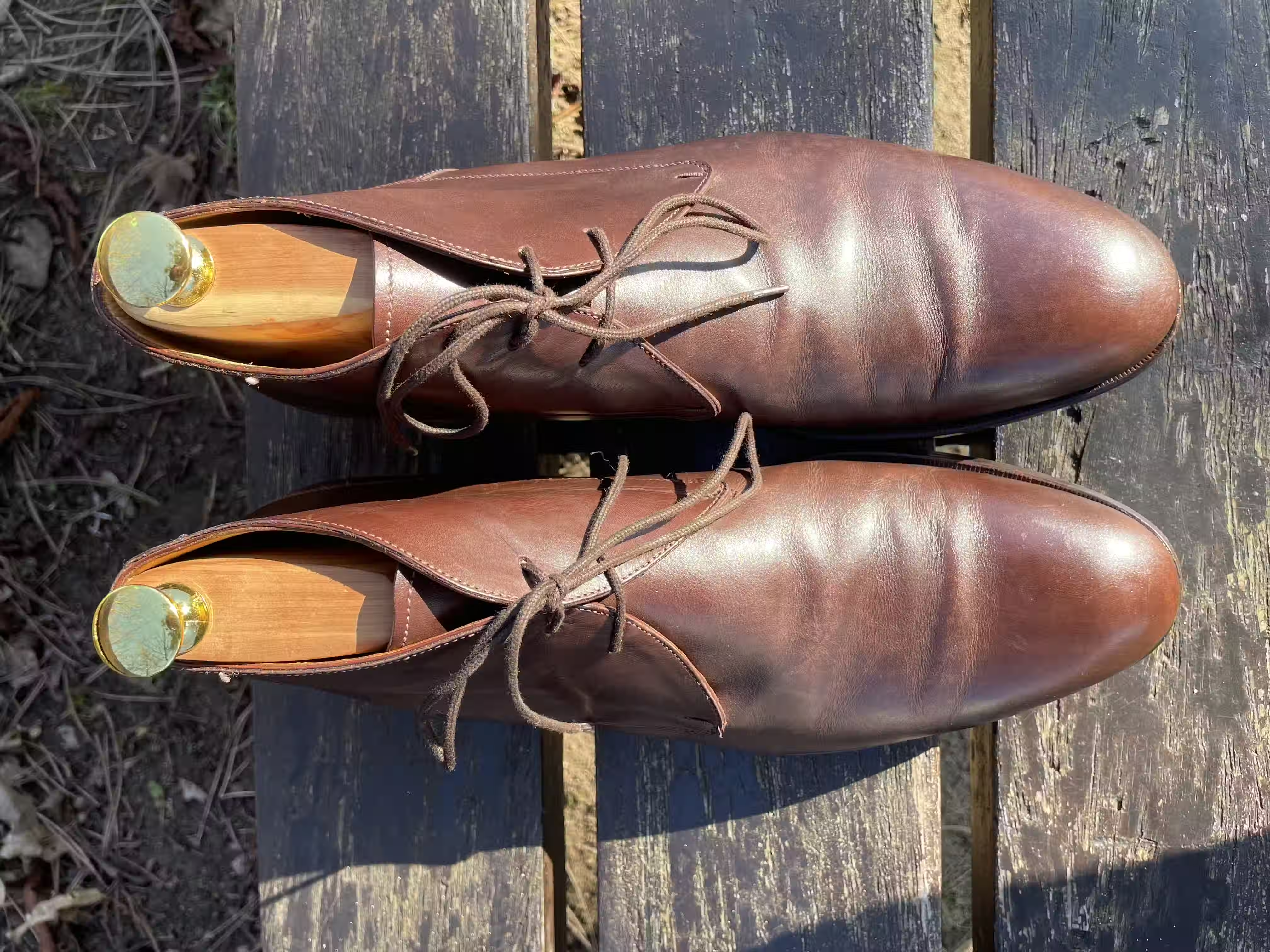
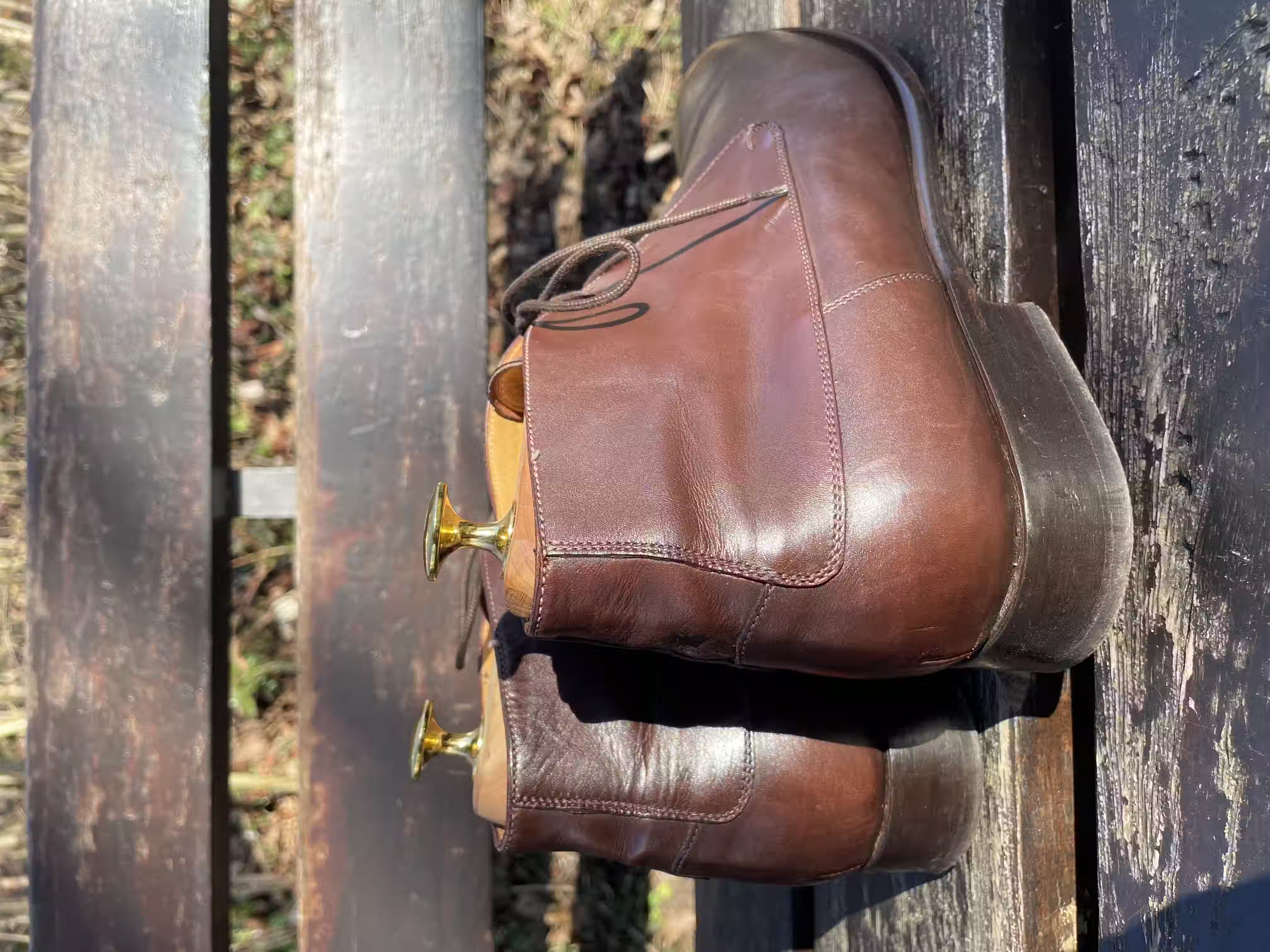
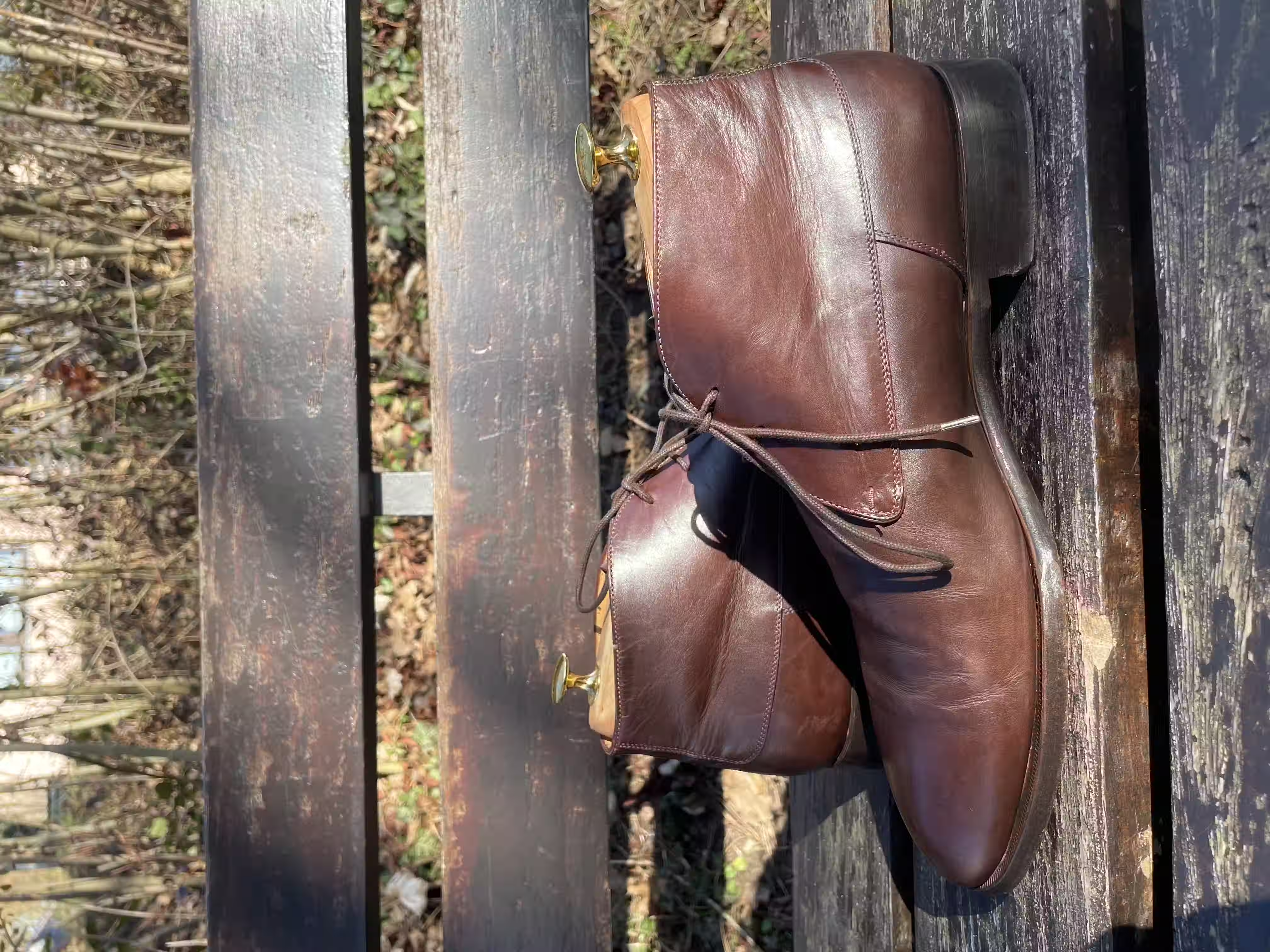
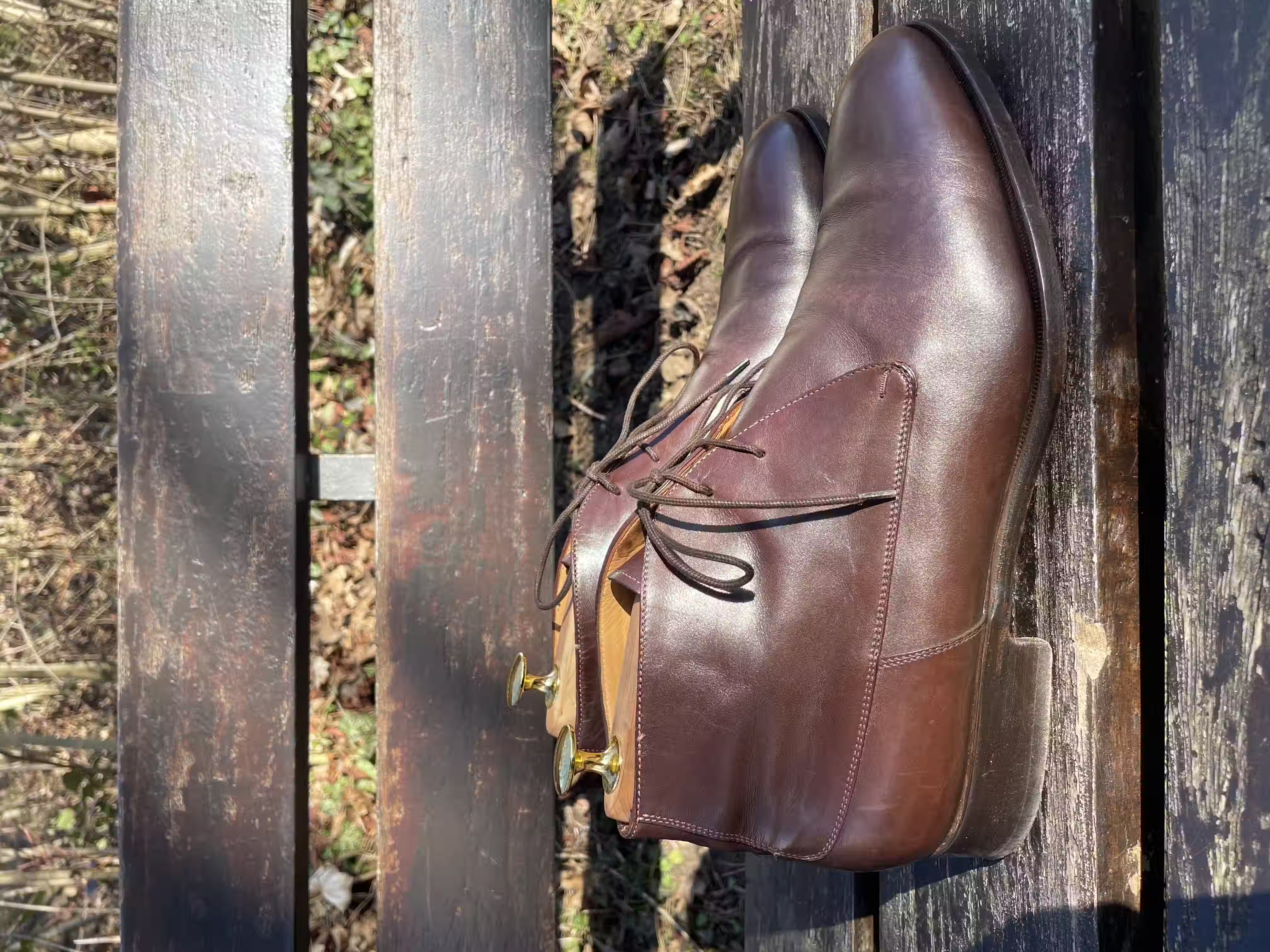
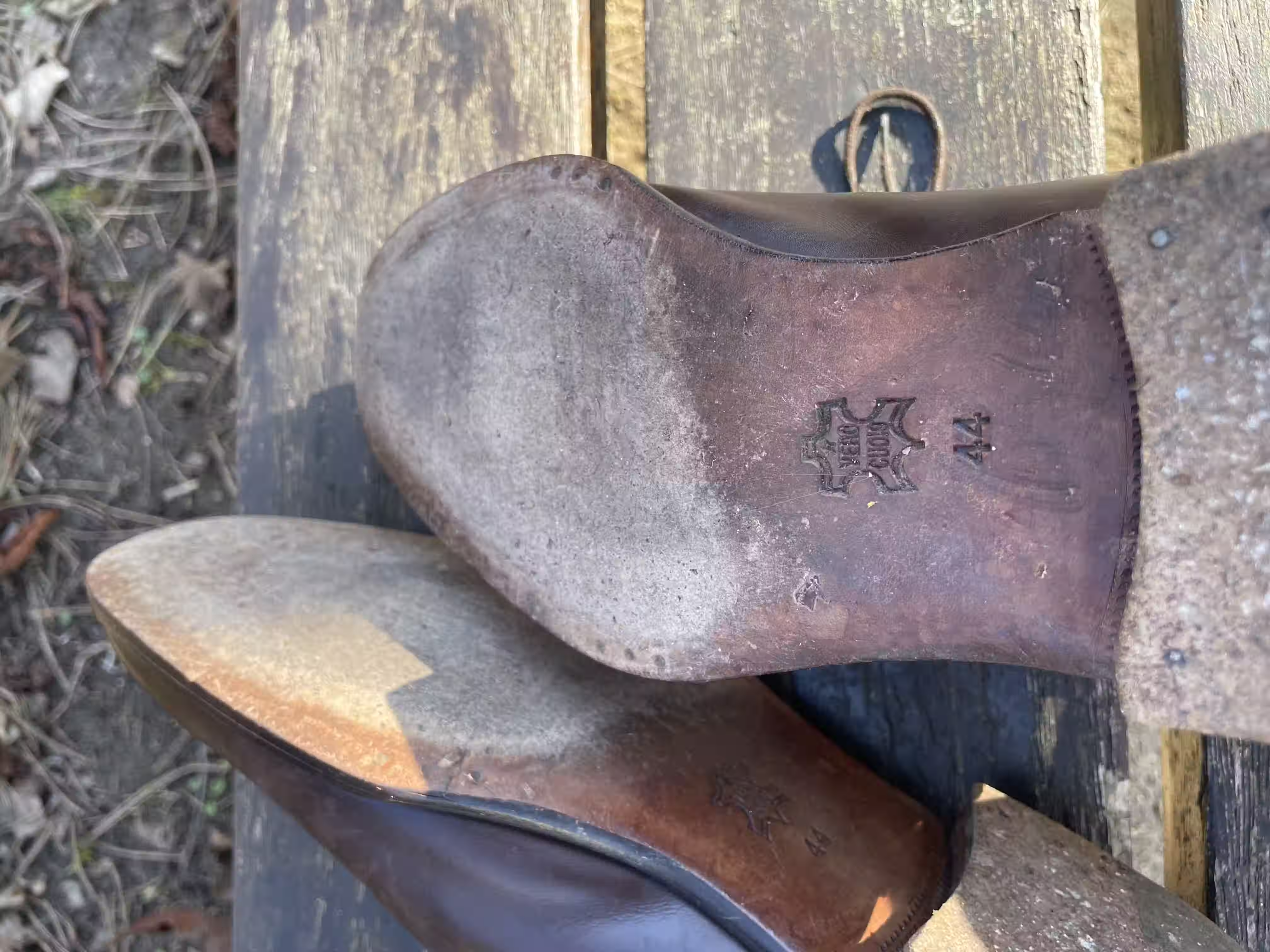
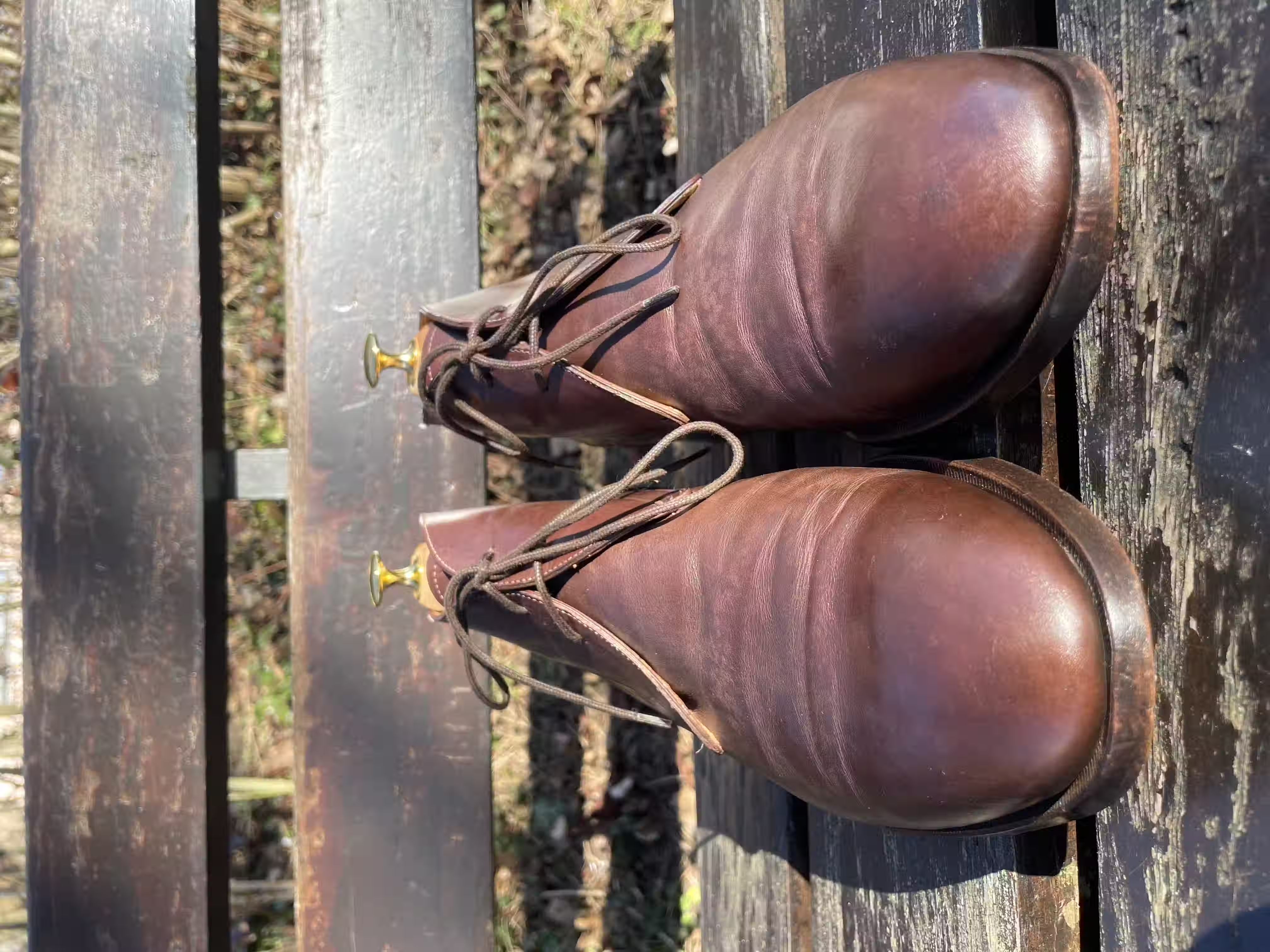
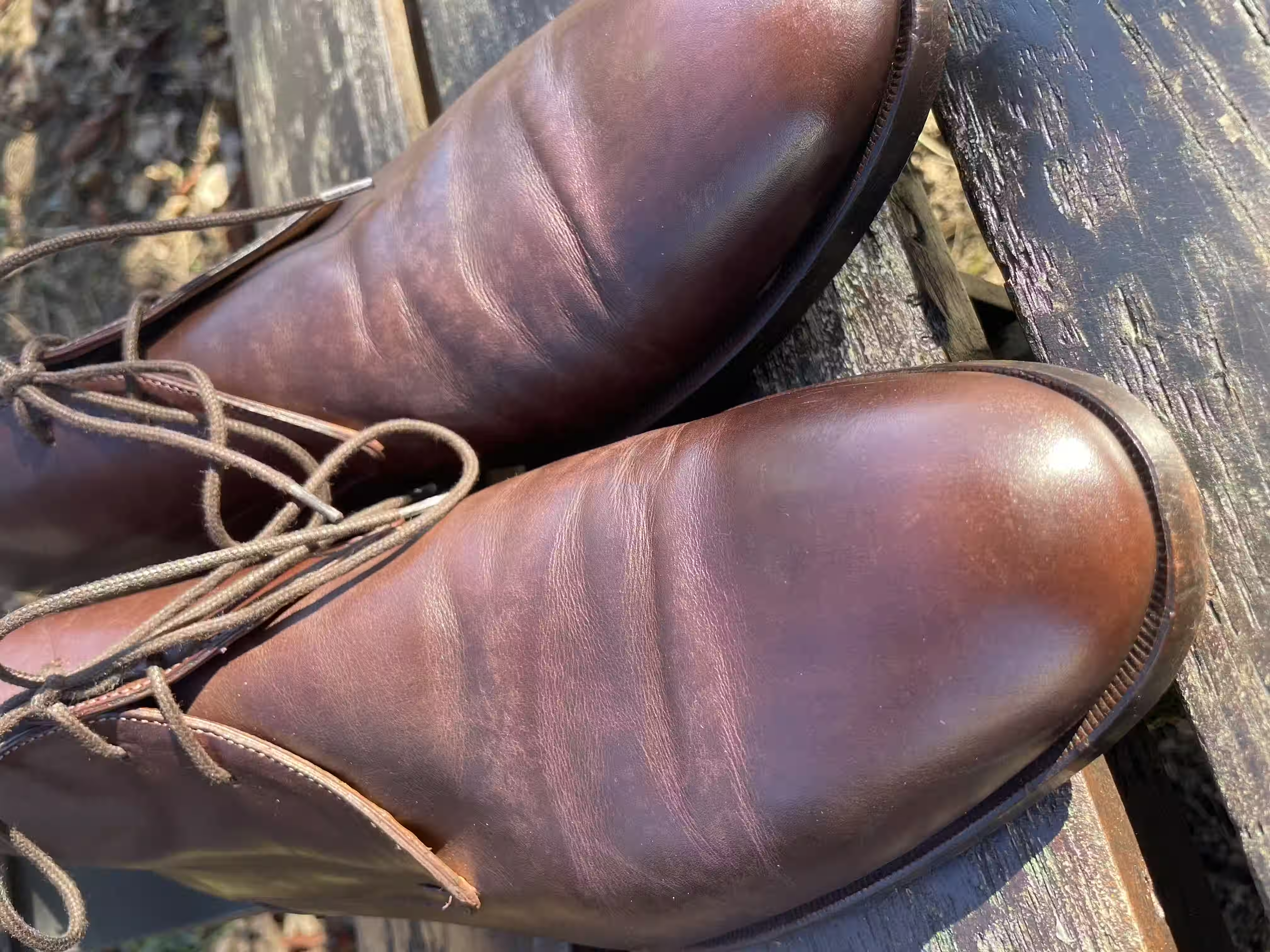
From the front, these Chukka boots look very simple and elegant, and from the side you can see that the so-called upper, the visible upper part of the shoe, is stitched together from several smaller pieces of leather. That also fits a bit better with a shoe that, because of its color, isn’t intended for very formal occasions. But if you enjoy the shape of a shoe and its craftsmanship, then in my view this is a lovely pair of ankle boots. I like wearing them in everyday life and in the office, and in my opinion the ankle boots go excellently with a brown suit.
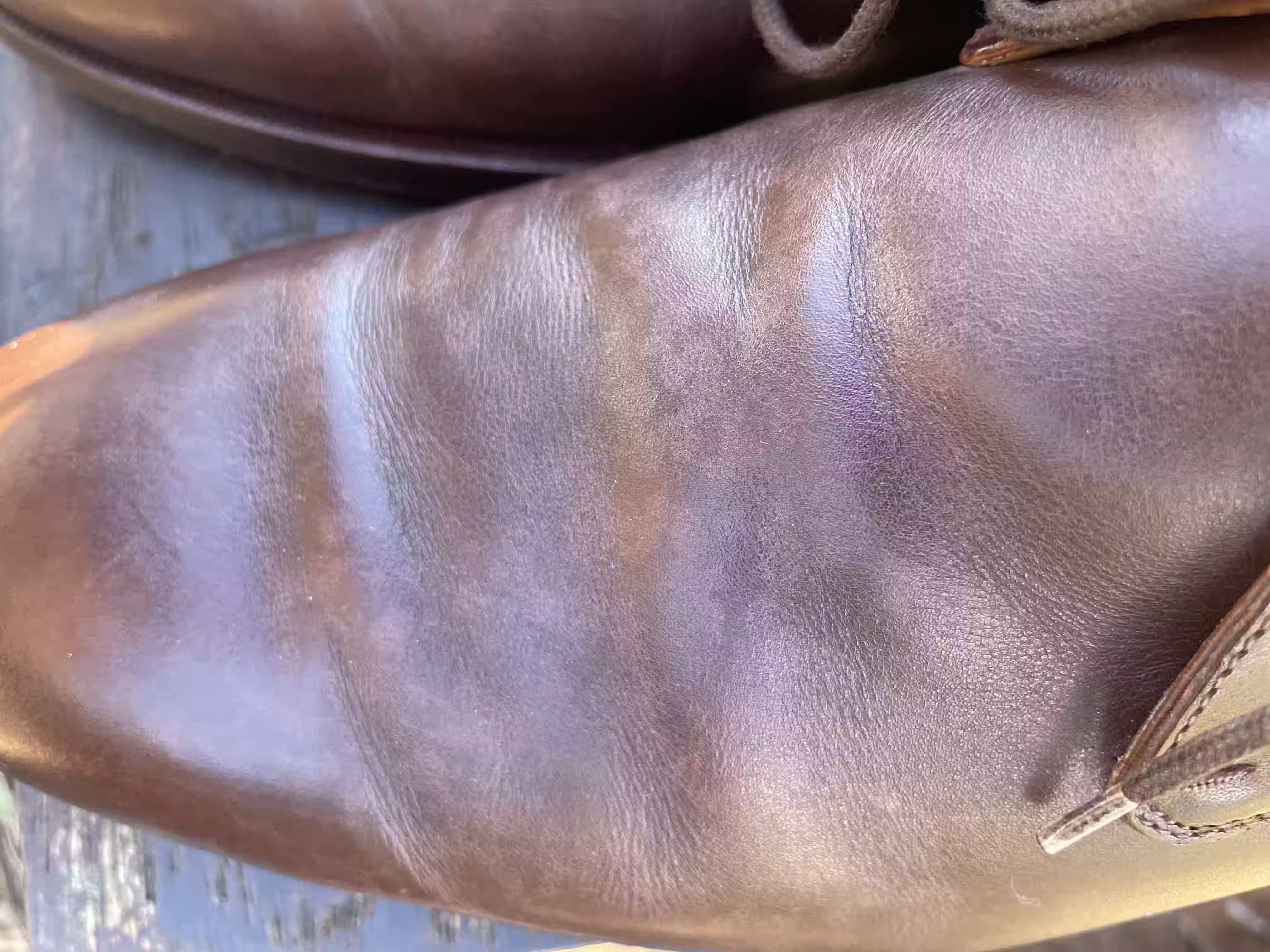
By the way, you can tell from the light water spots in the middle area of the shoe that the leather is very good: It absorbs liquid such as raindrops directly and isn’t coated in any way. Such water spots are harmless for the leather and will disappear with further care and use. They mainly occur when the leather is dry.
Share this post
Navigation
Here you can jump to related topics.Next post:
