
Shoe construction methods - an indicator of a shoe’s internal quality
The construction method of shoes describes how the upper part of the shoe is connected to its sole. This connection can be exclusively glued, but it can also be stitched or nailed. Which construction methods are better and which are worse? Here I share my opinion on this.
What is the construction method in shoes?
The construction method describes a process in the middle of shoe manufacturing. That’s why we need to look at the steps beforehand to understand this process better.
The starting point: The shoe upper
Typically, when making a shoe, its upper part is made first. This upper part is also called the shoe upper and essentially consists of three layers
- upper leather (outer layer)
- lining (inner layer)
- strategically placed reinforcement layers between upper leather and lining
The upper leather and the lining are glued together with various reinforcement pieces in between. The result is a finished shoe upper, which in one of the later steps is pulled over a last.
Preparing the upper and insole on the last
Before the upper is pulled over the last, the insole is first pressed onto the underside of the last and trimmed precisely to size. Only now is the upper pulled over the last and a bit over the insole and temporarily fixed with nails. This process is called lasting, and a clean execution is important here so that no waves form on the upper.
The construction method: Connecting the upper, insole, and a third part
After all the preparation, the upper covers the insole a bit, and both are temporarily held in place with nails. Now a third part is added, and depending on the construction method it can vary as follows:
- a so-called welt, i.e., a strip of leather
- a midsole
- an outsole
This third part is fastened to the other two parts, and this step is the construction method of a shoe. The connection can, for example, be nailed with wooden pegs or stitched, and both variants correspond to different construction methods. A glued construction method is also possible here, in which the outsole is usually simply glued on.
The last step: Attaching the outsole
If the outsole has already been connected directly to the upper and insole by carrying out a construction method, then there is nothing more to do here. But if the third part is a welt or a midsole, then in the subsequent steps an outsole is added. However, that then no longer has much to do with the construction method itself and is mainly of interest for resoling. This last step even influences, a bit more than the construction method, how flexible the shoe will ultimately be.
Shoes in glued construction
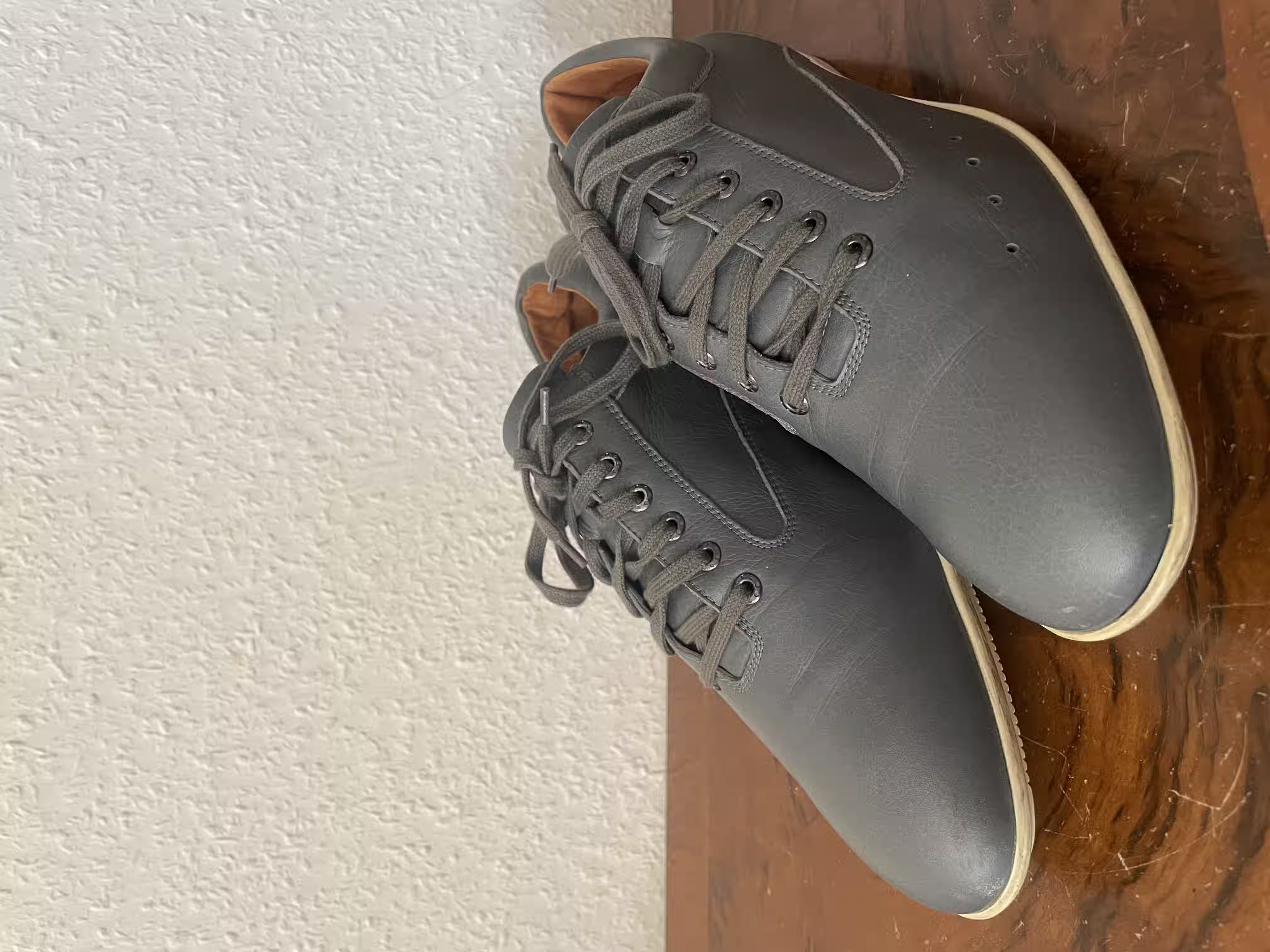
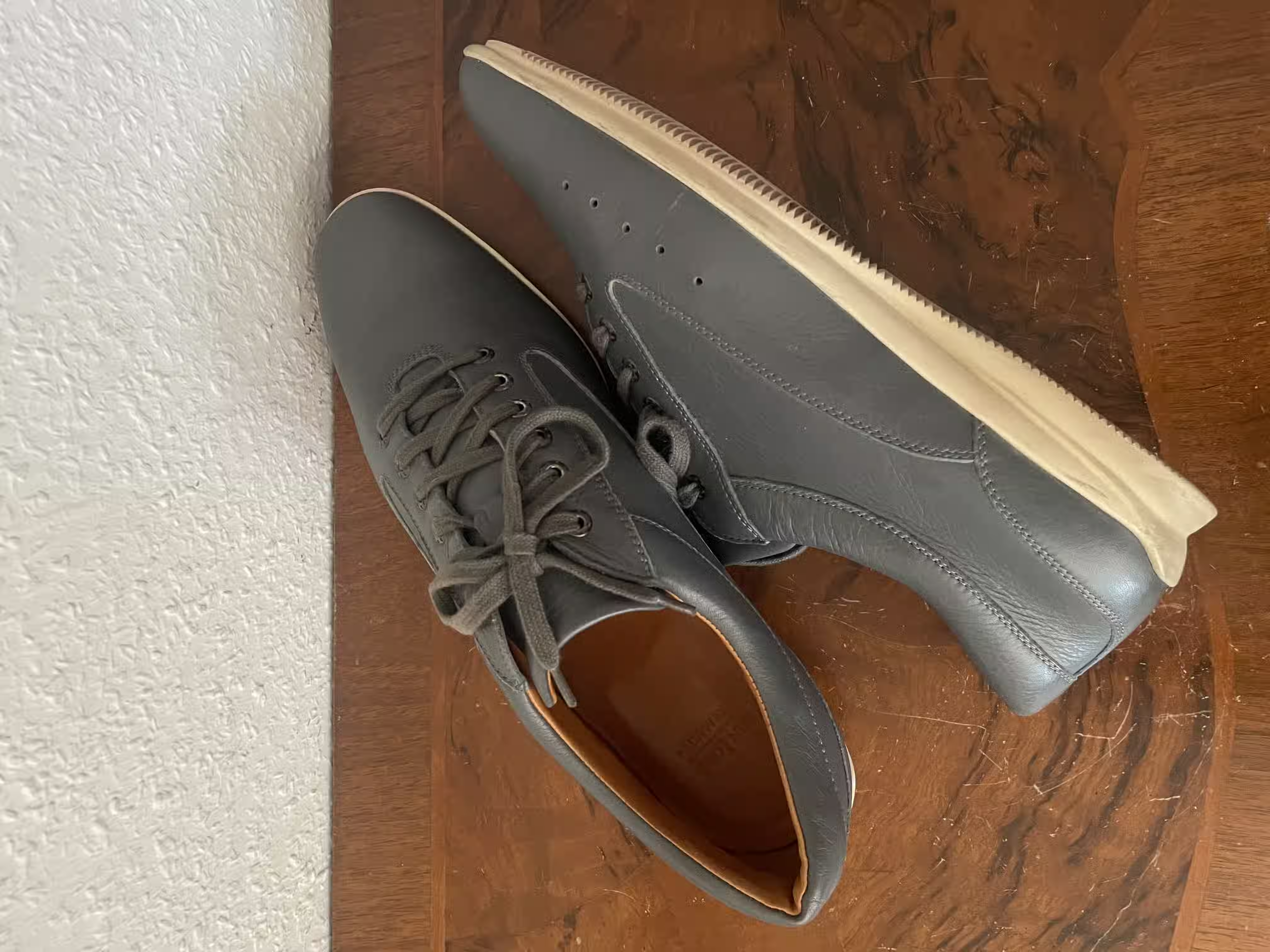
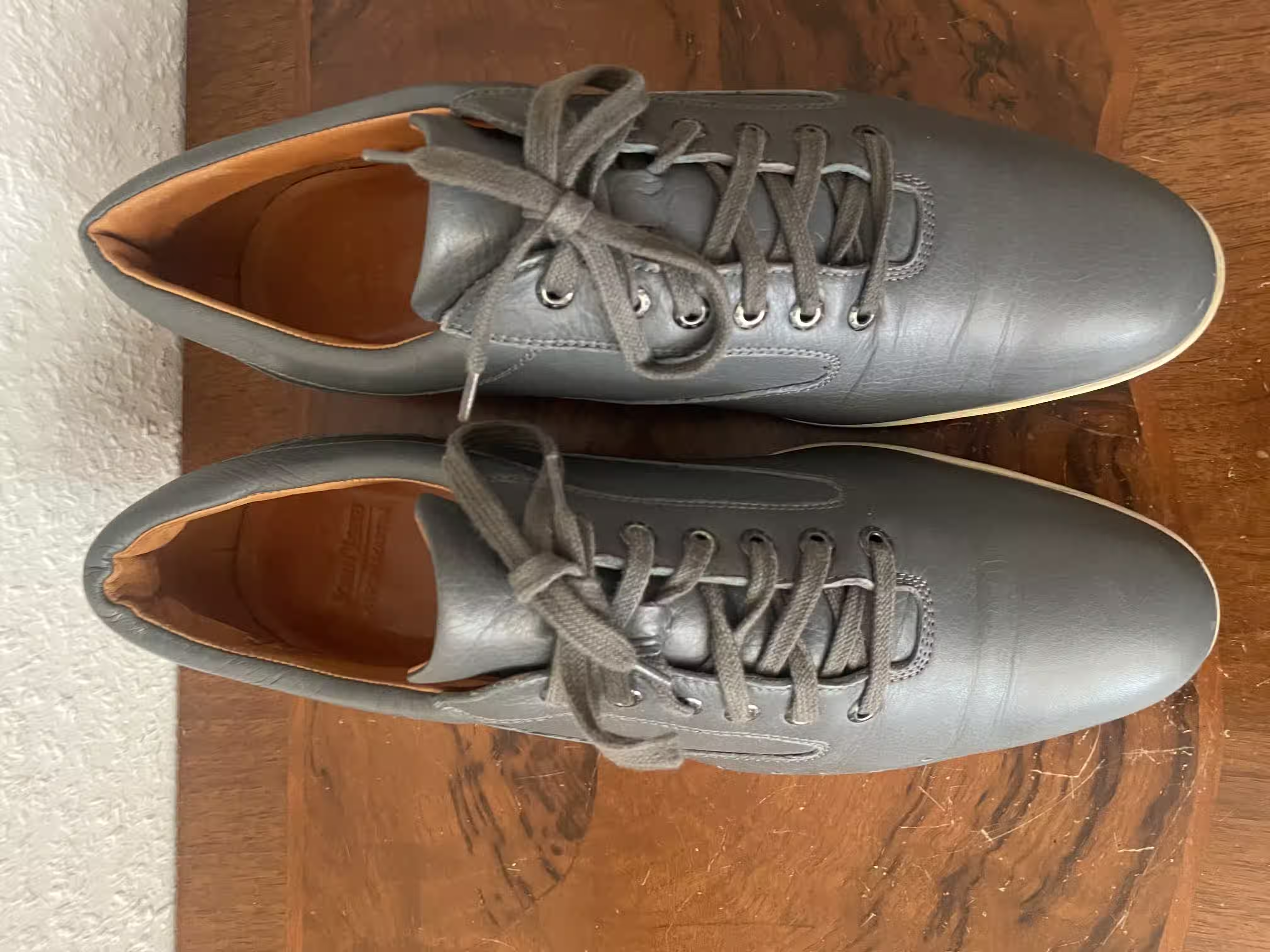
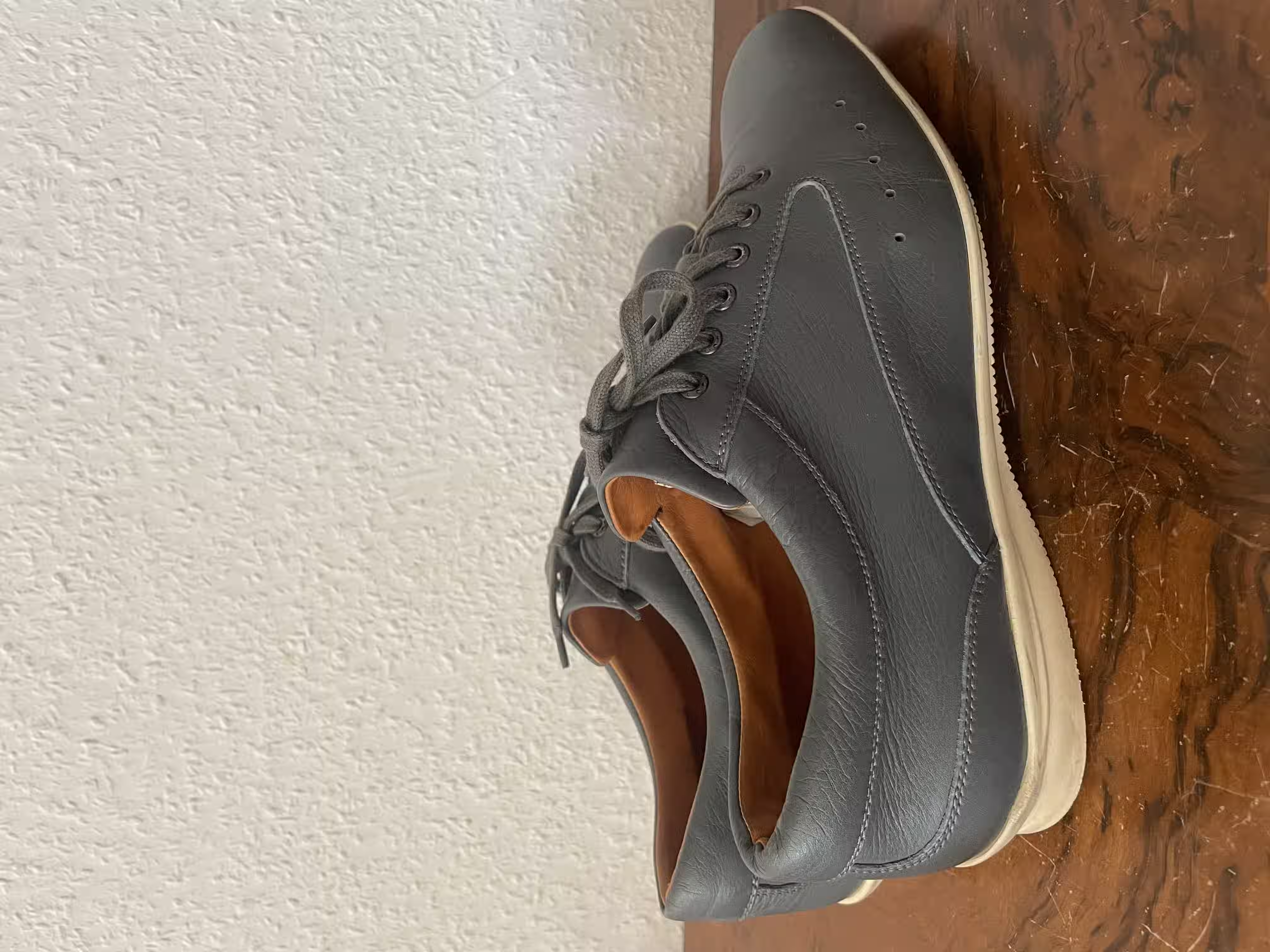
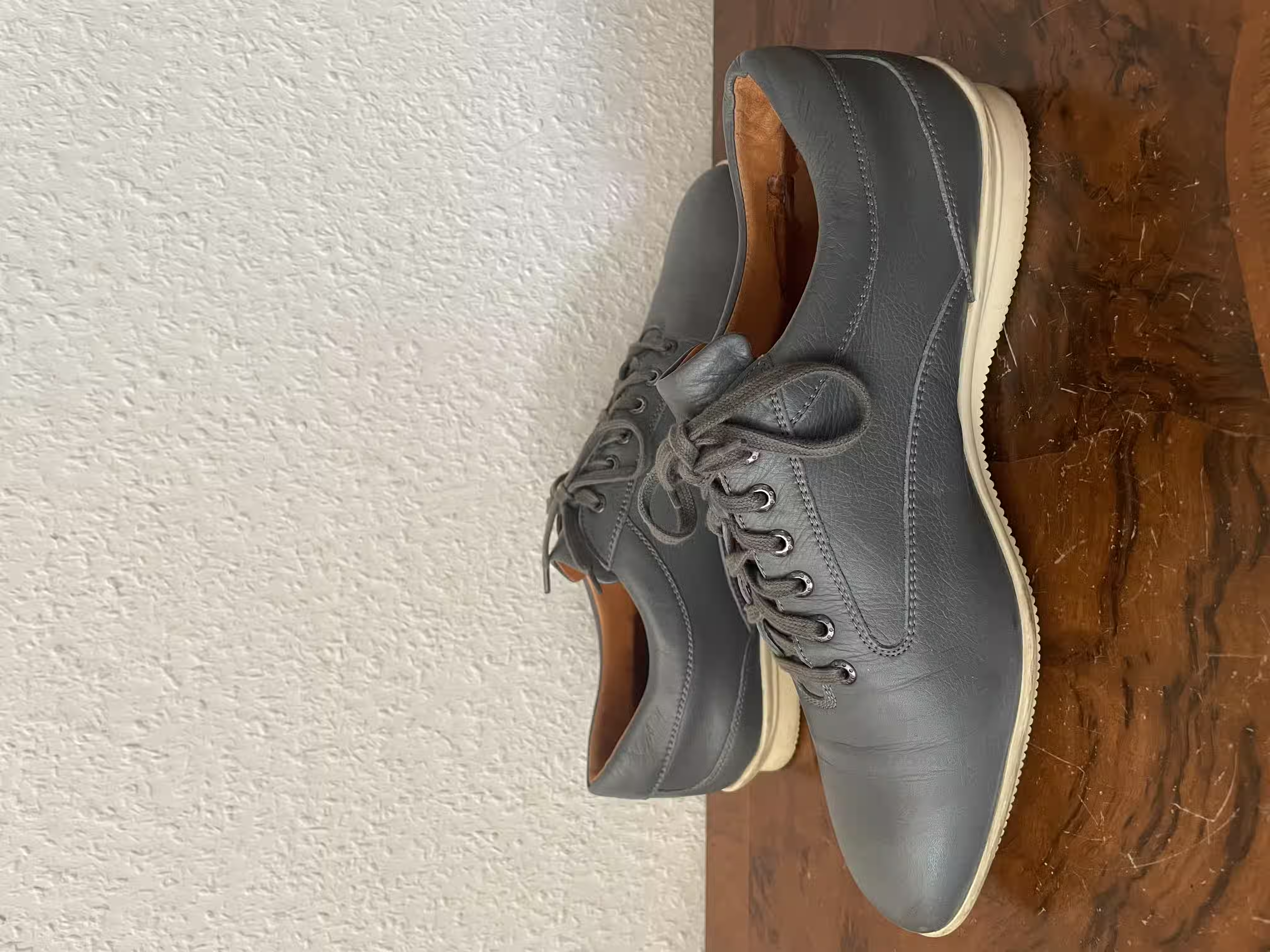
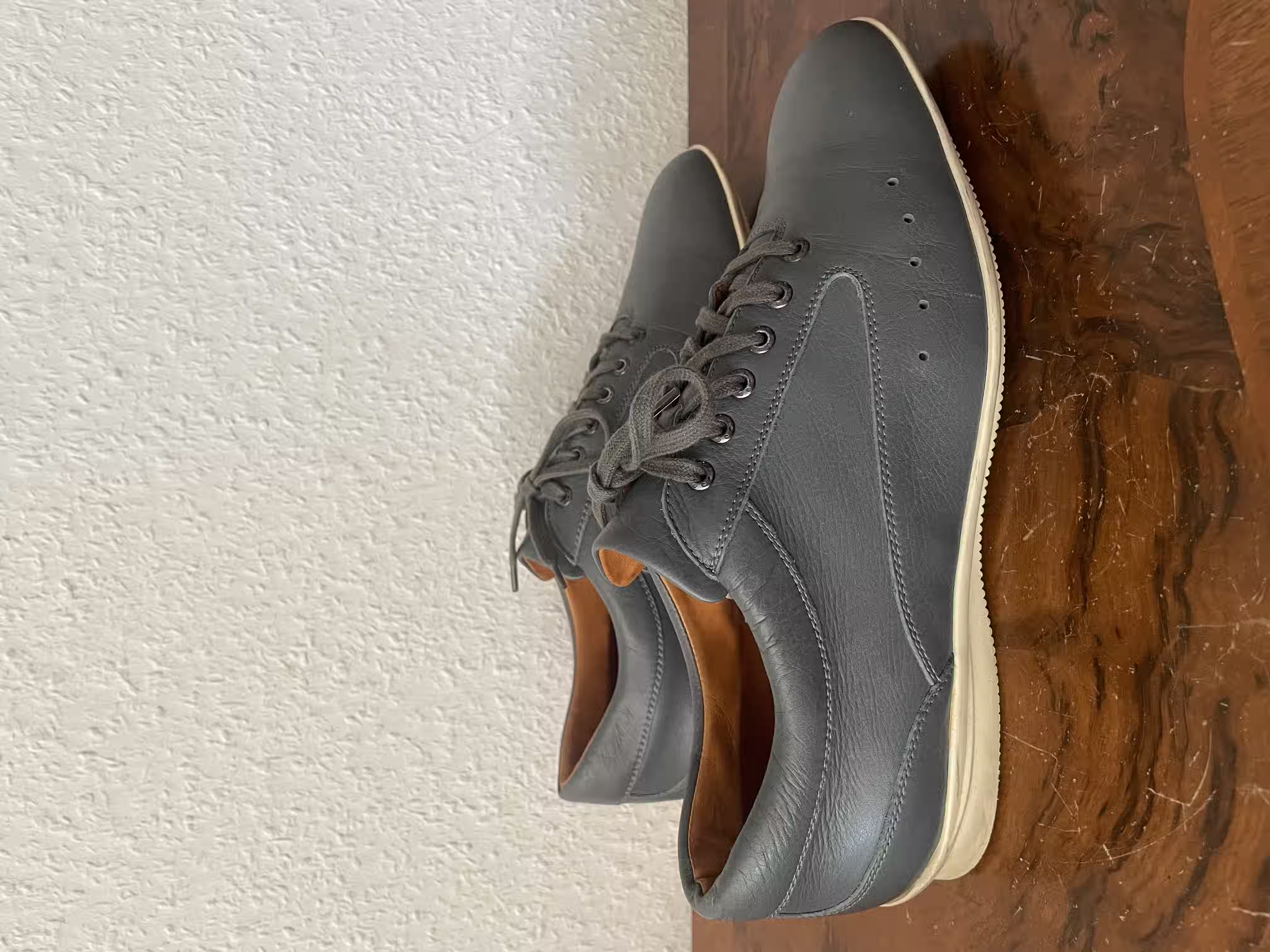
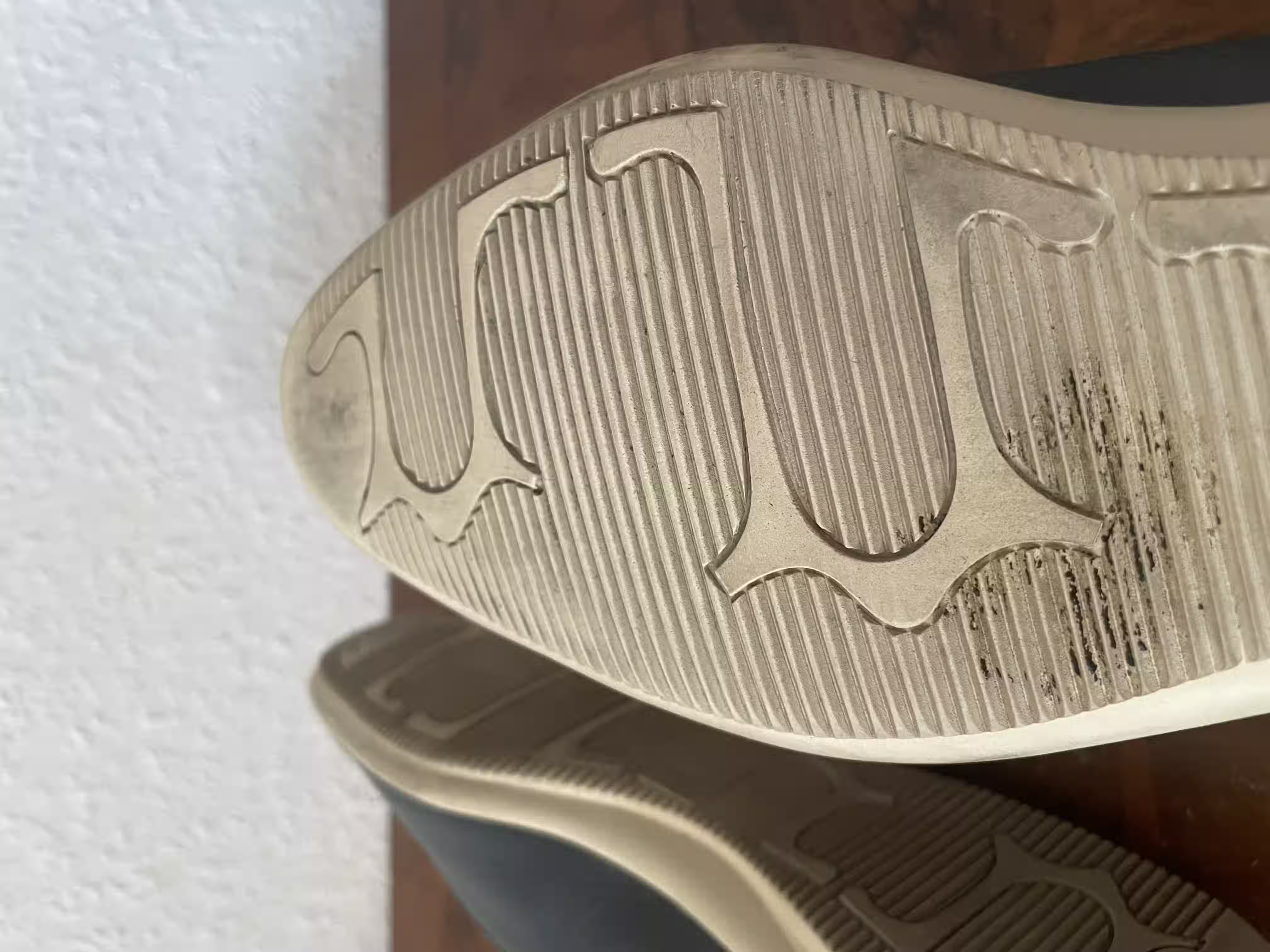
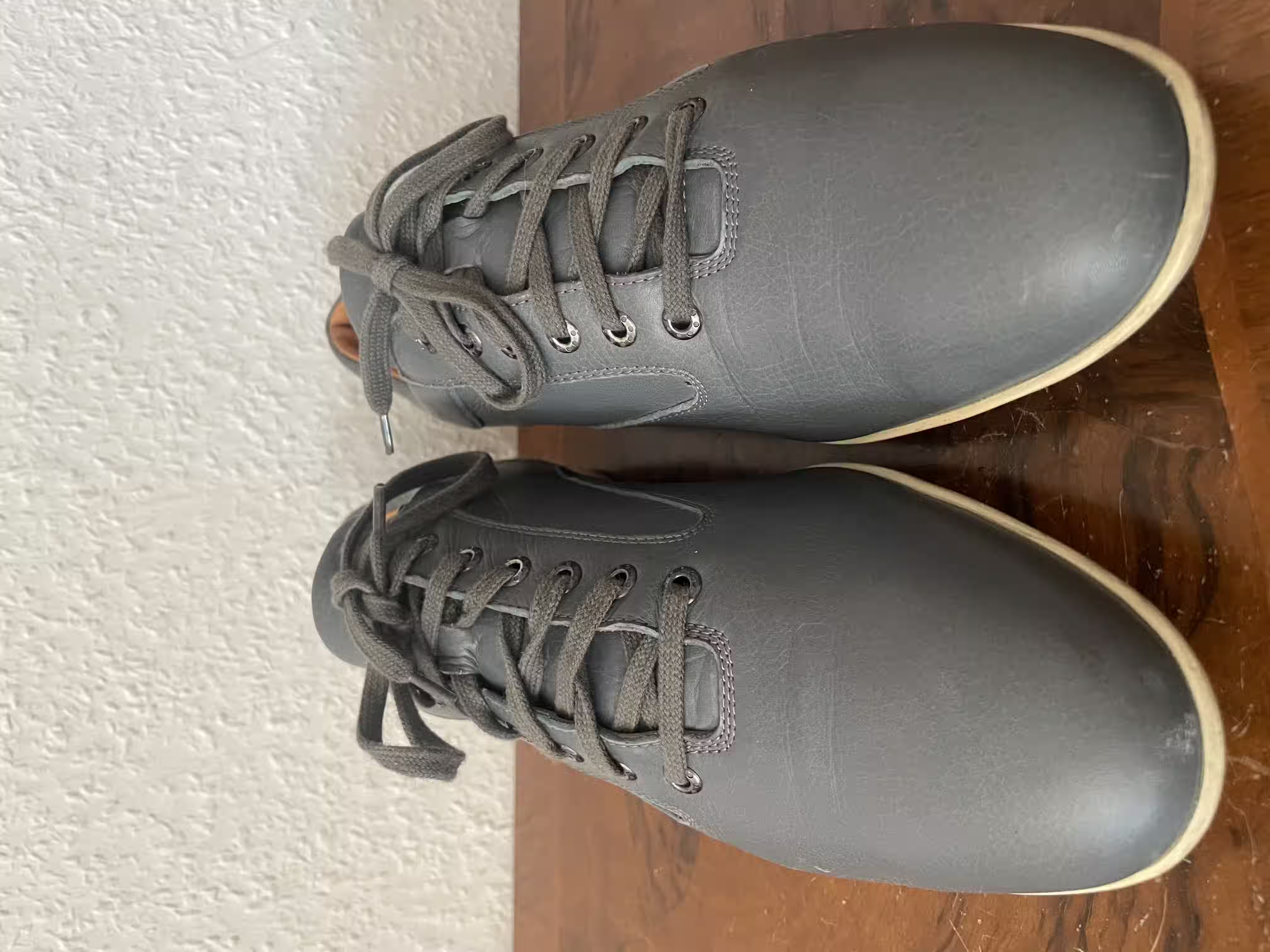
Here we can also, with a bit of imprecision, write about glued shoes when what we actually mean by such shoes is that the upper, insole, and outsole are held together solely by adhesive. Other construction methods also use adhesive at this point, but only as support.
Nowadays, glued shoes dominate the market and most people probably don’t know anything else. Such shoes can indeed also be made of leather, even if it is rather untypical. But even in such a case it may be that the leather content is very low and the shoe still consists mostly of plastic. The shoe industry has been very creative in this regard over the last decades. Among glued shoes in Europe, those that are made exclusively or mostly from synthetic materials predominate.

Identifying features
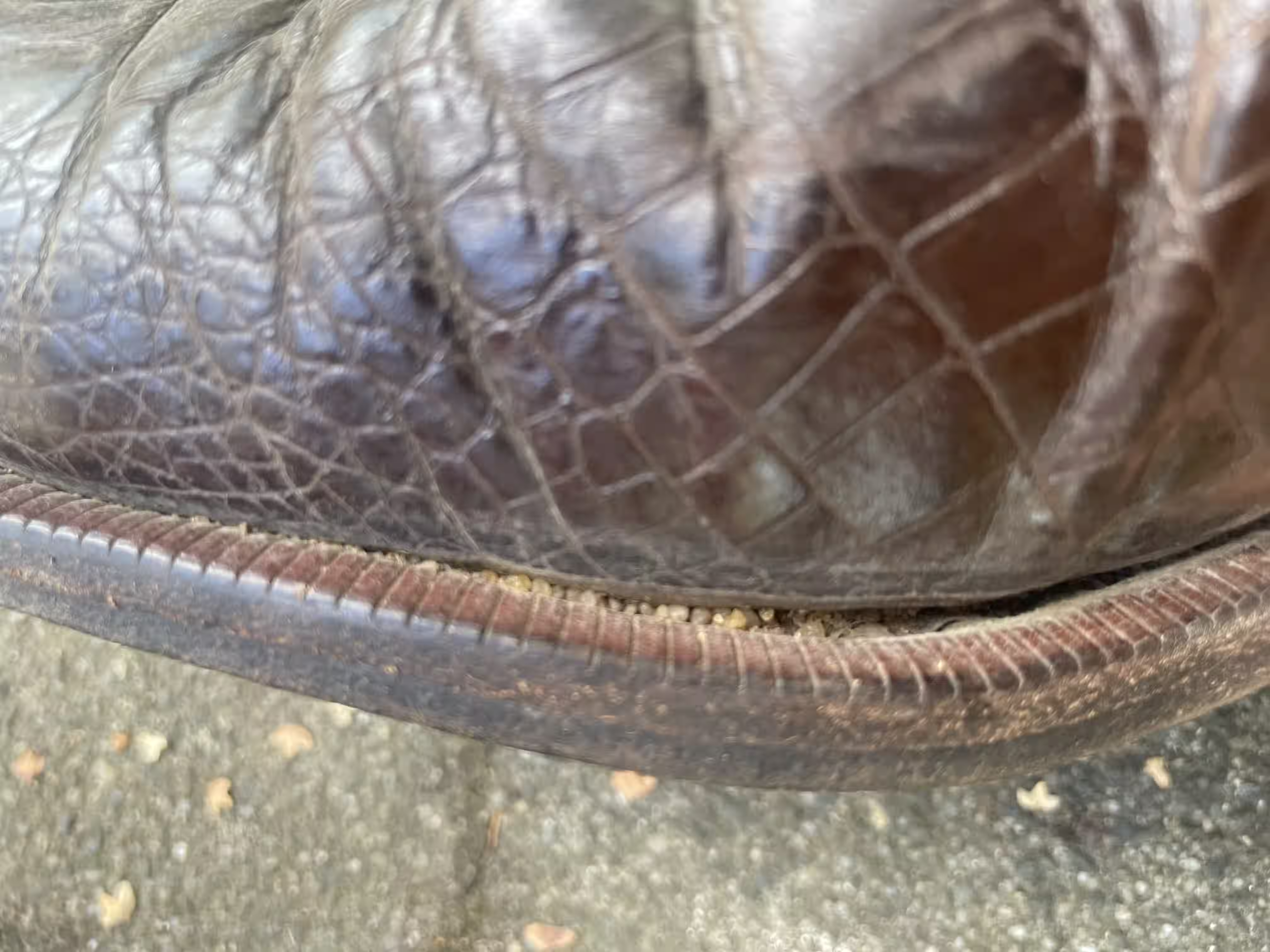
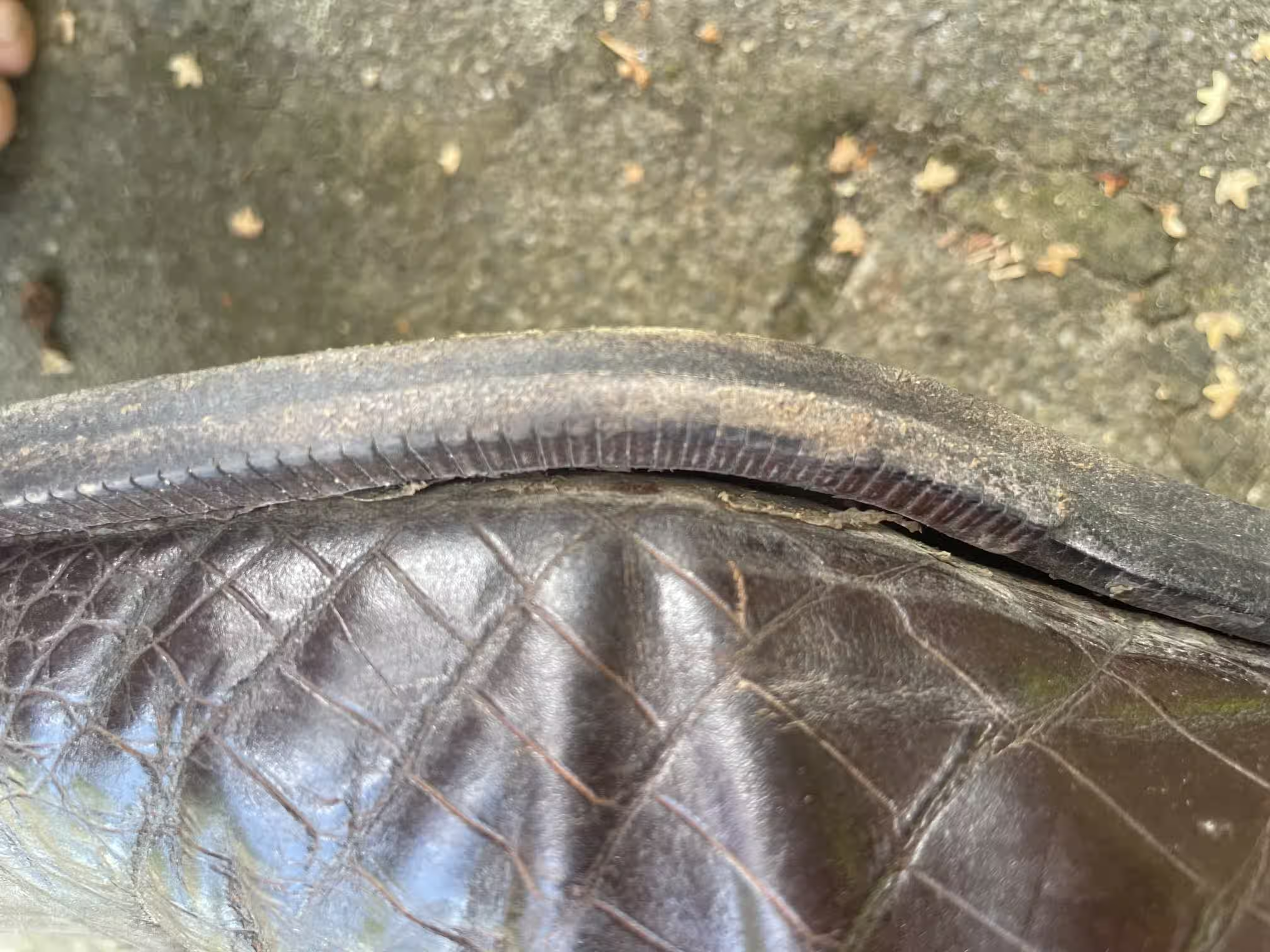
Purely glued shoes can be difficult to recognize. Even if the shoes have stitching on the welt, the rest of the shoe may simply be glued. And the stitching on the welt may also merely serve decoration, without passing through two or more layers of leather. But I think you can easily recognize such decorative stitching if you have seen real stitching often enough.
In my view, with glued shoes you ultimately only have certainty about the construction method once they come apart: when parts loosen and you see that there were no stitches or nails in between, but only the glue. And you can’t tell that from the outside on every shoe.
I once had a pair of nice black single monks; from the outside they looked very good and were quite comfortable. I had the impression that they were stitched in the traditional craft manner and was very happy with them - until the upper started to come loose from the entire sole. Perhaps there are also craftspeople who make the work particularly easy and comfortable for themselves by foregoing sewing in favor of faster glue. Or there are simply very well-made shoes of glued construction. Still, I prefer sewn shoes here, because something like this wouldn’t have happened to me with sewn shoes. But it’s not a disaster, and a cobbler can quickly glue the shoe parts back together.
Blake-stitched construction (Blake, Blake-Rapid)
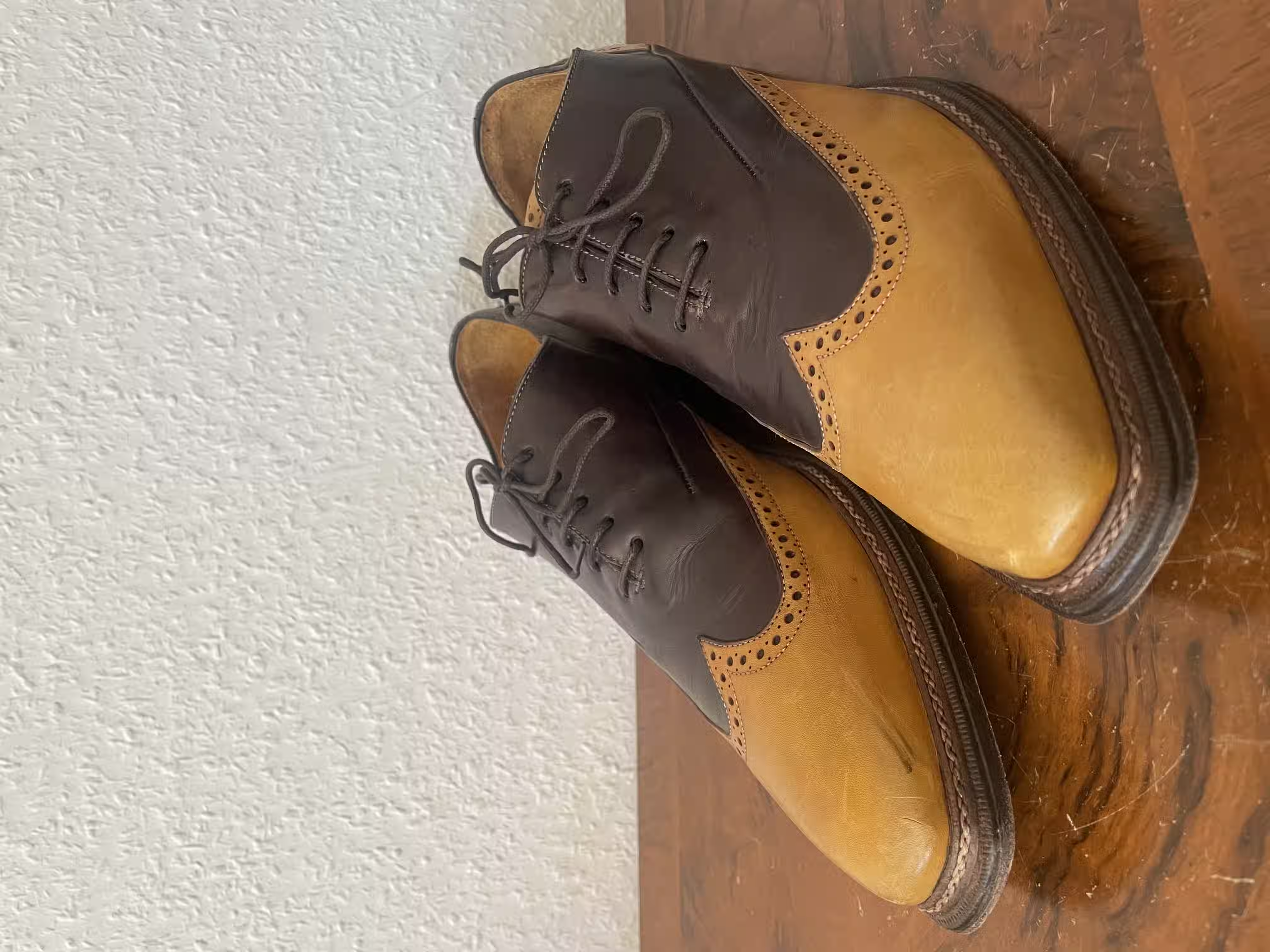
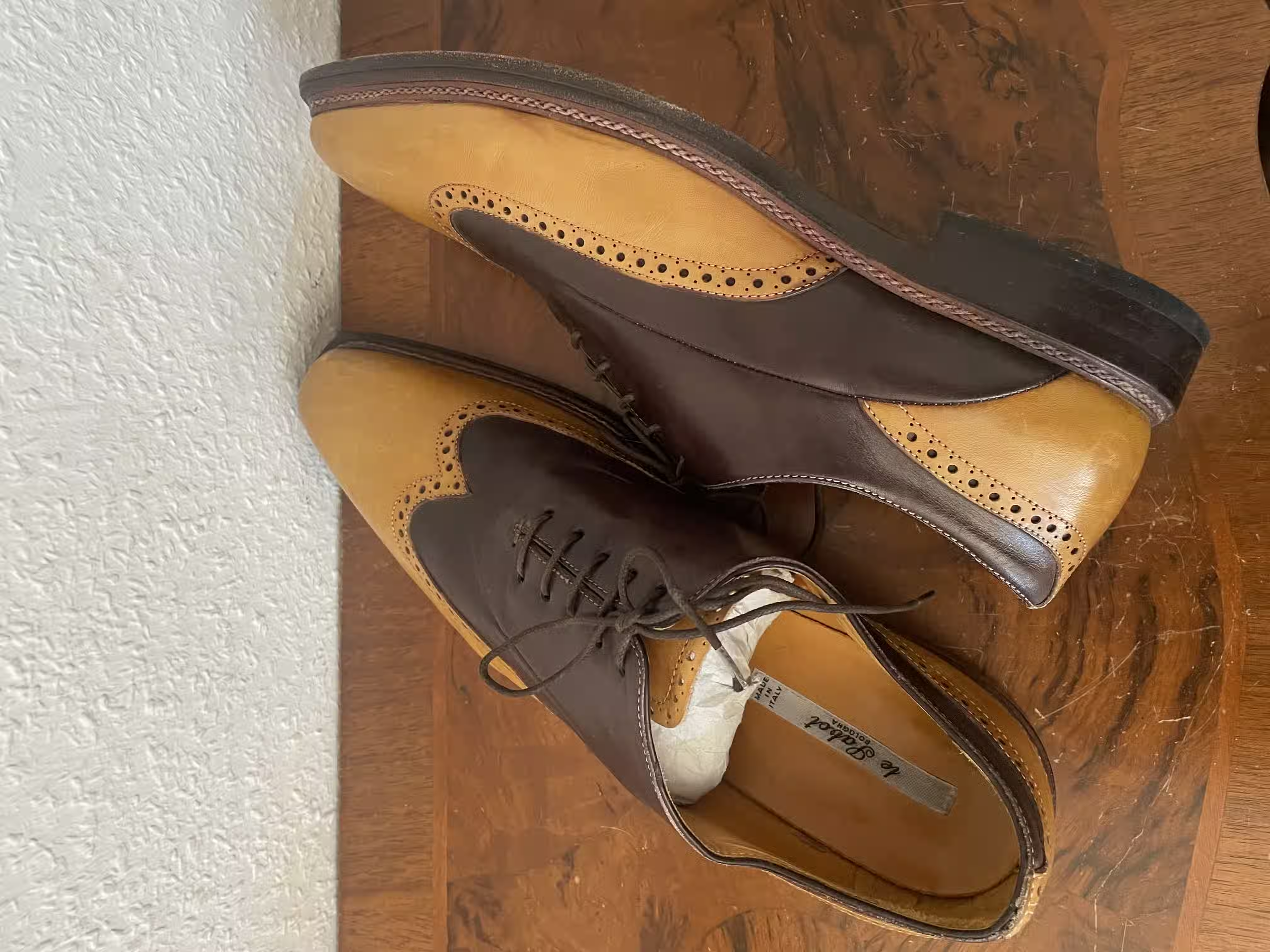
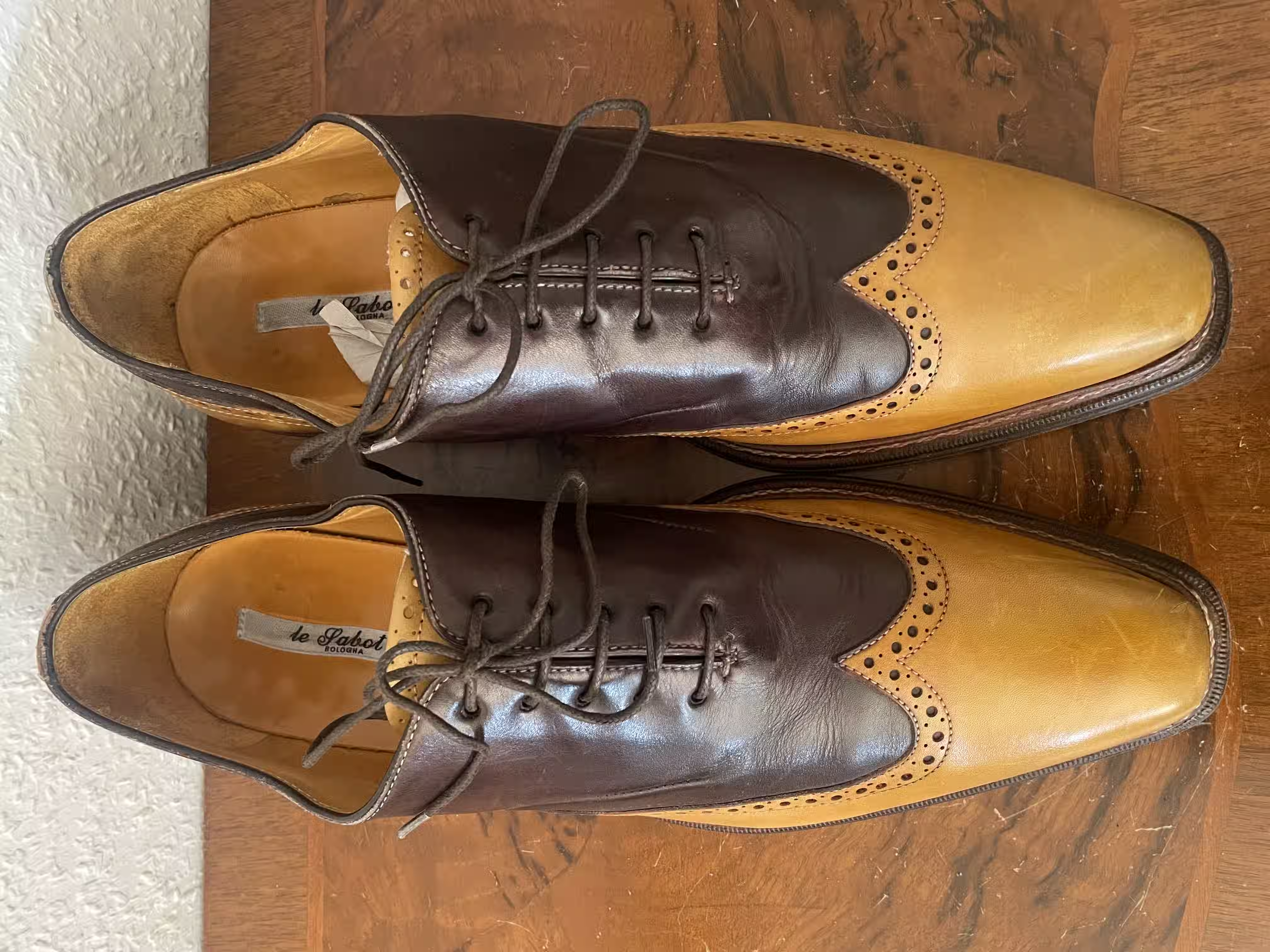
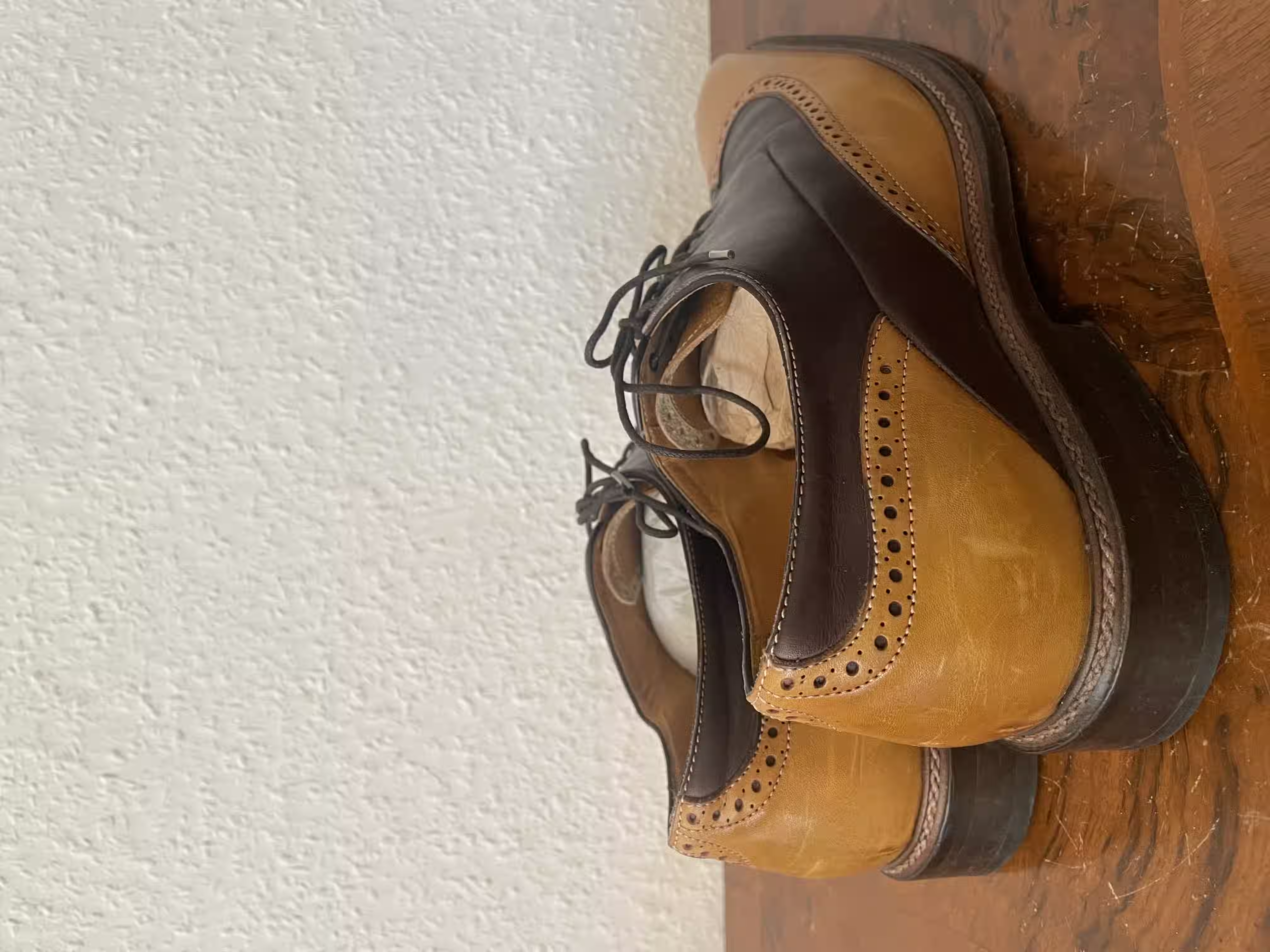
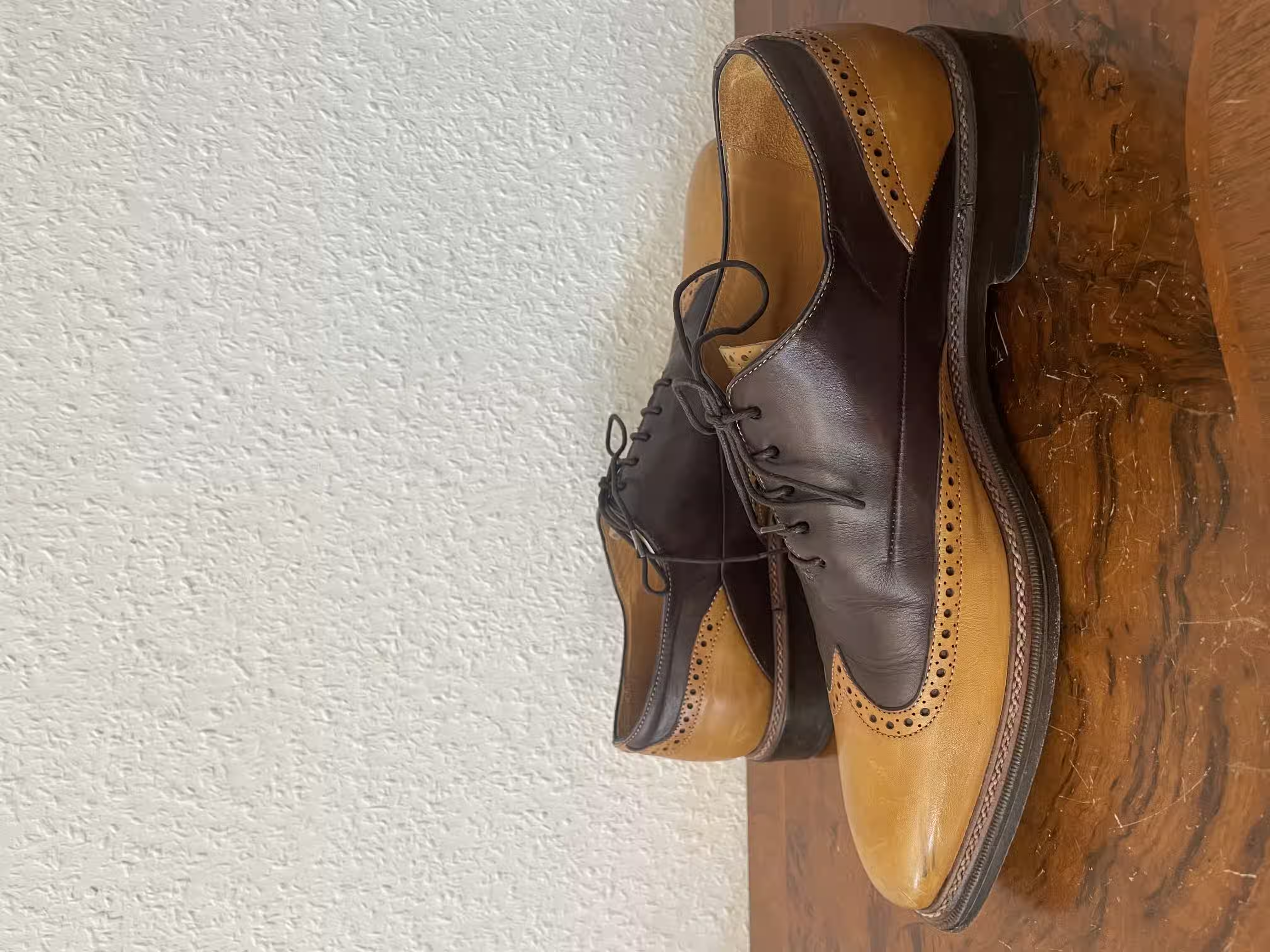
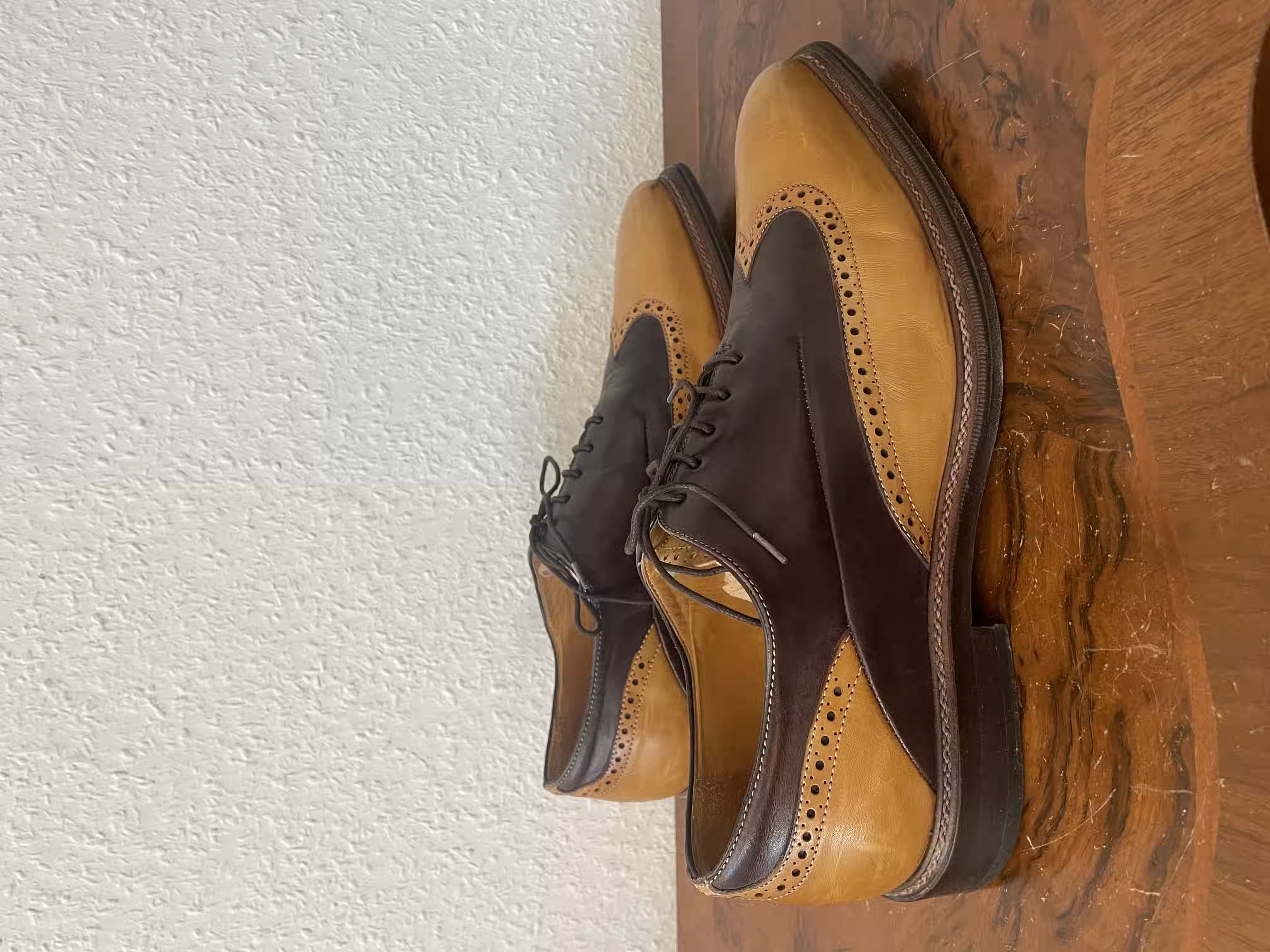
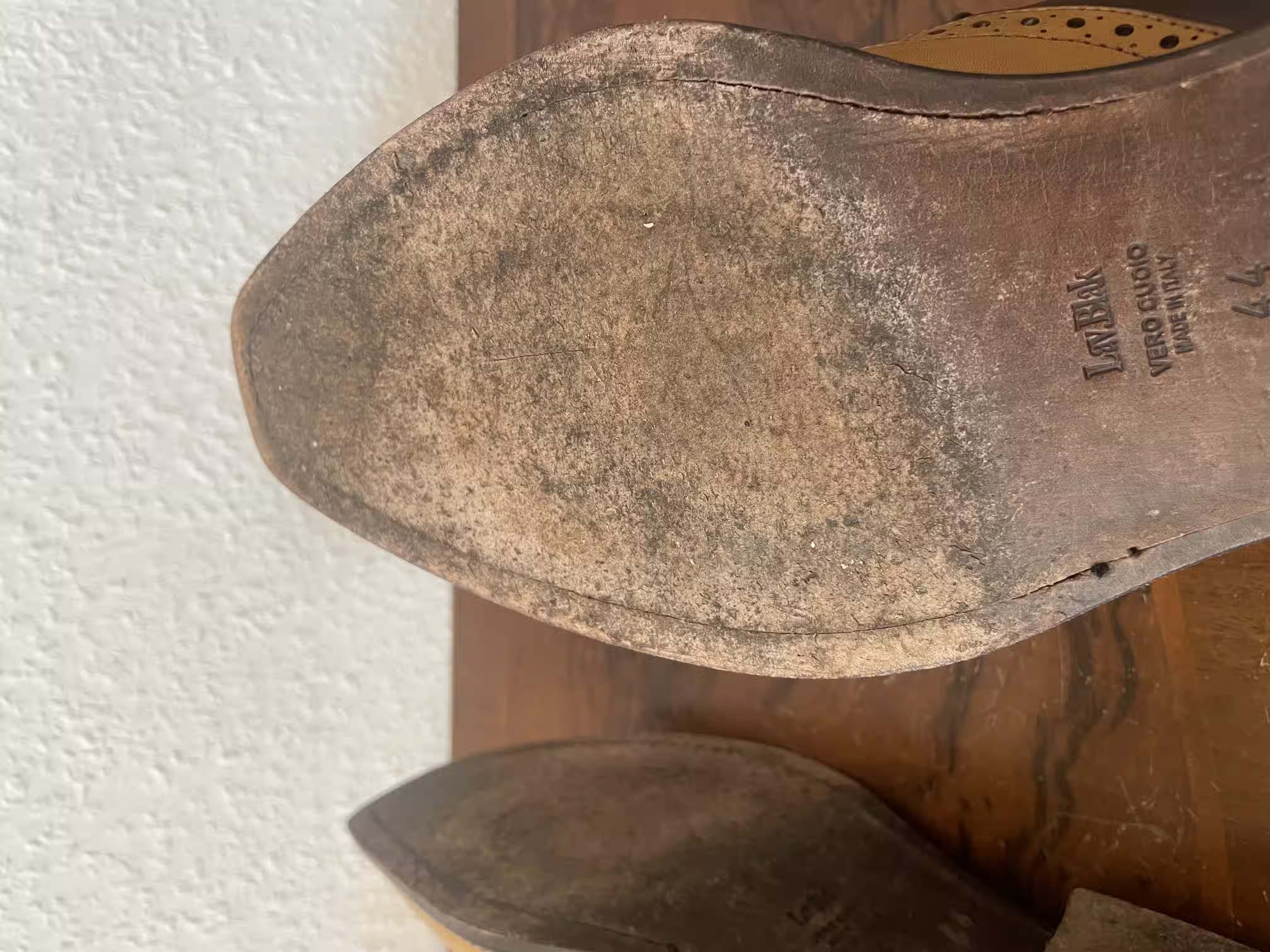
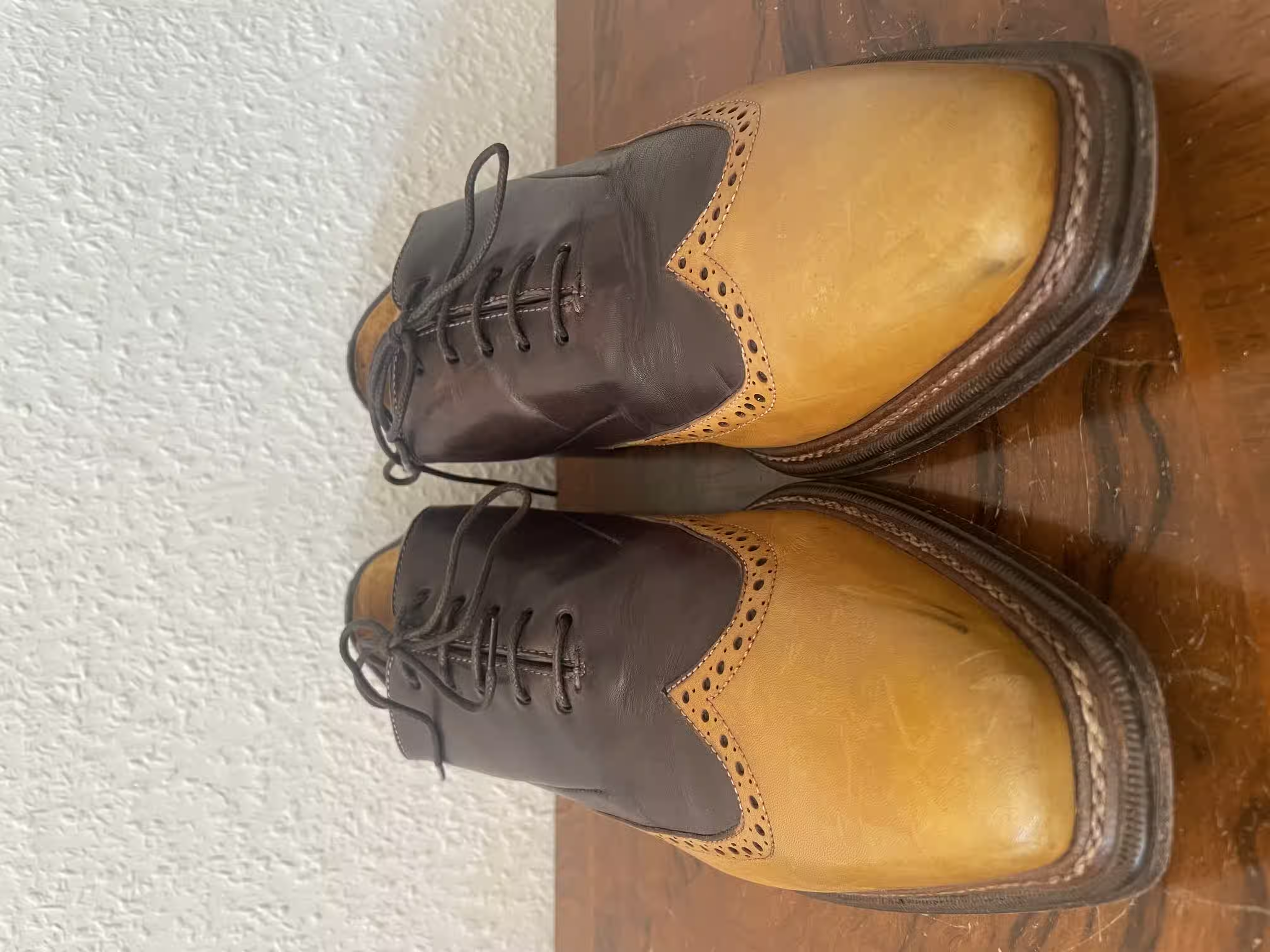
Blake-stitched construction follows the pattern for sewn shoes described further above. The name comes from the following: When joining the insole, upper, and outsole (or intermediate layer), the insole is pierced so that the connecting stitch can be pulled through the holes that are created. This stitch then runs through the insole, which is where the name “through-stitched” comes from. This construction also has various further details, by the way. You can find these in the following article:
Identifying features
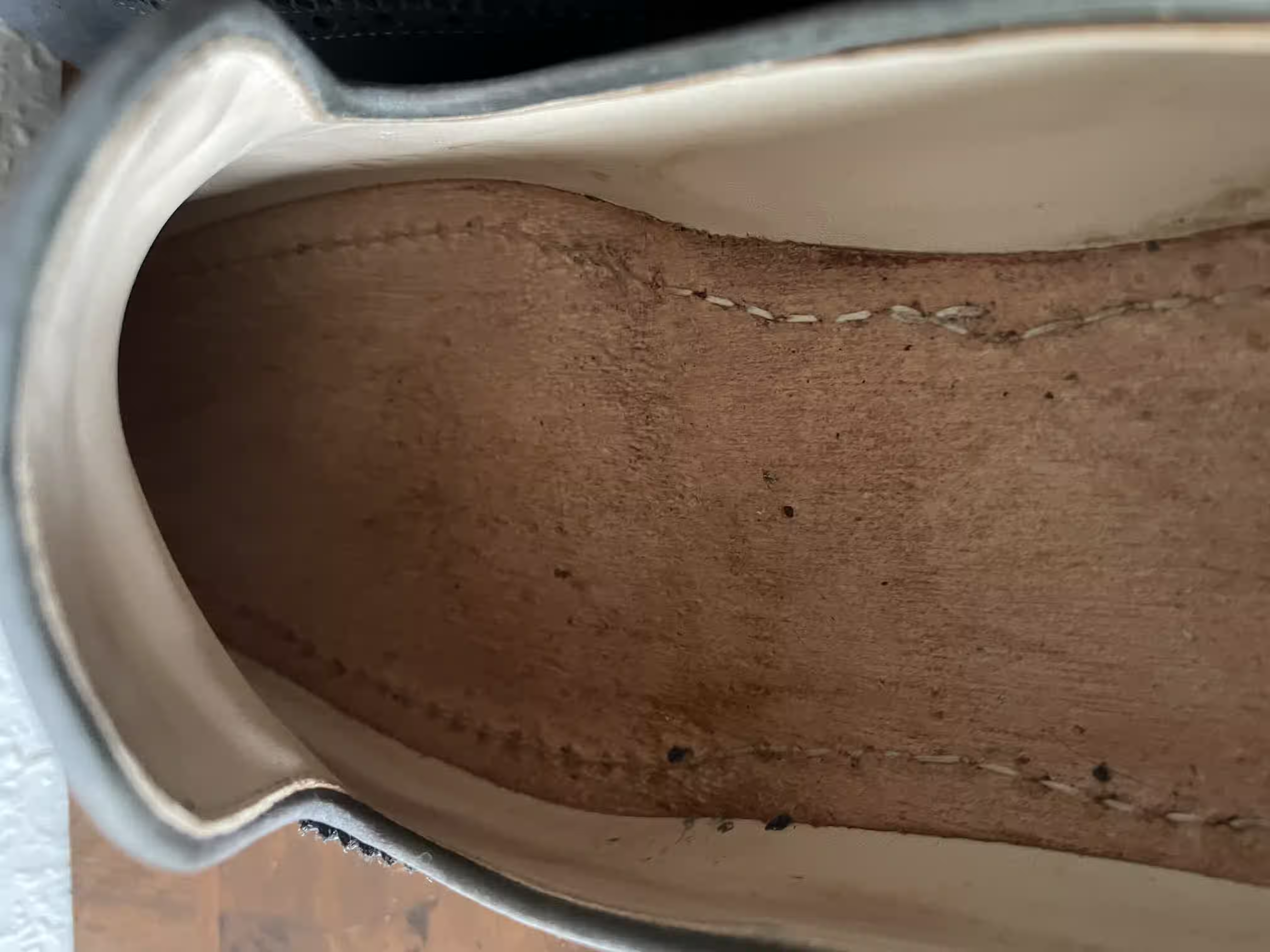
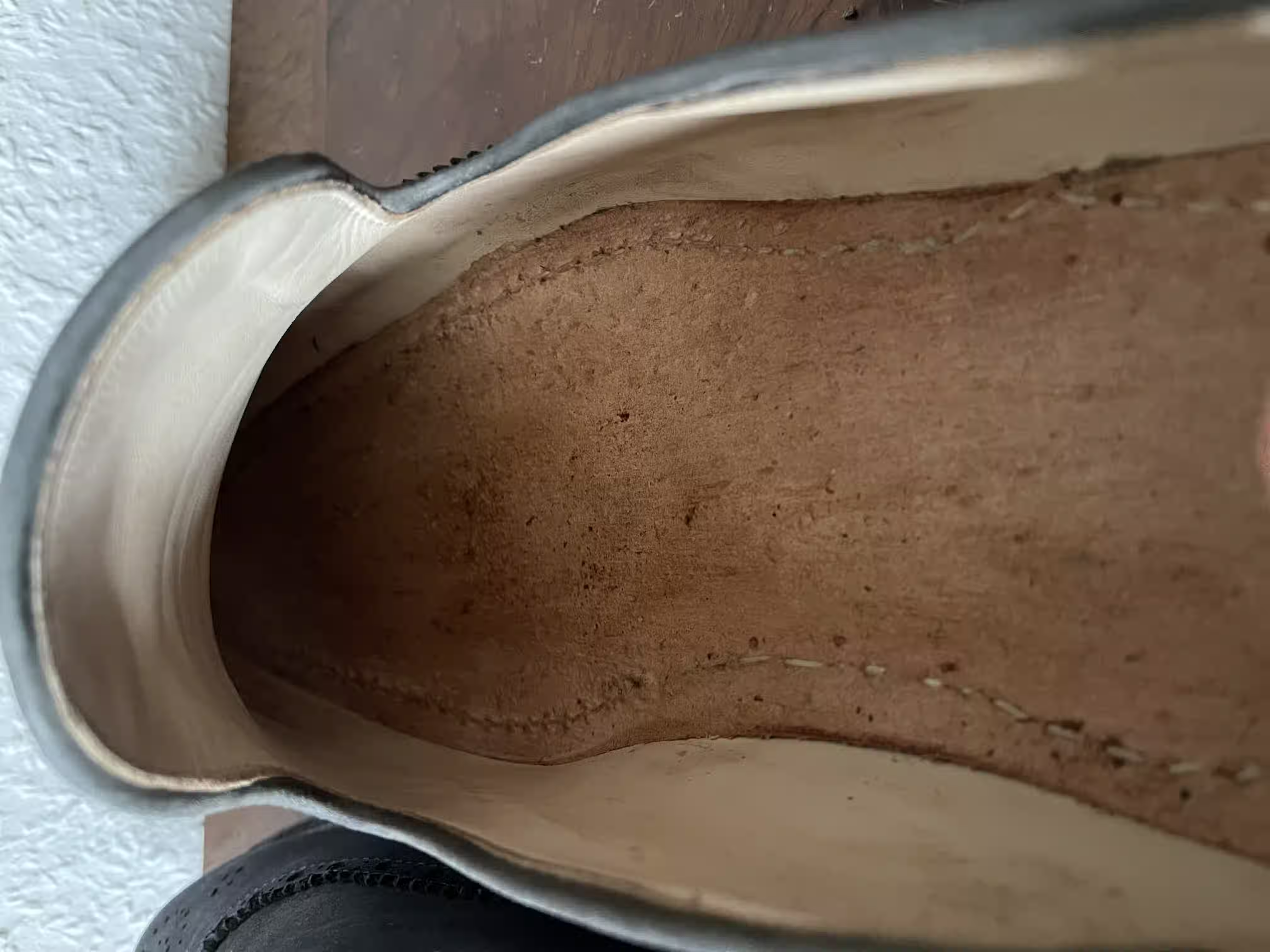
You can often recognize Blake-stitched construction by a thick seam on the inside of the shoe. This look inside the shoe gives you certainty for the vast majority of simply made shoes. However, there are also more complexly made shoes in the Norvegese construction, for example—they also have such a seam inside the shoe. You can often recognize such shoes from the outside by a thick, complex seam, the so-called Norwegian seam. So if you see a thick seam inside shoes and can rule out such more complex constructions as Norvegese, then the shoe was almost certainly made in Blake-stitched construction.
By the way, a half sock liner is often attached inside the shoe, which is why the relevant seam is partly covered. But further forward inside the shoe, in the vast majority of cases it can be seen very reliably if they are Blake-stitched shoes.
Goodyear welted construction
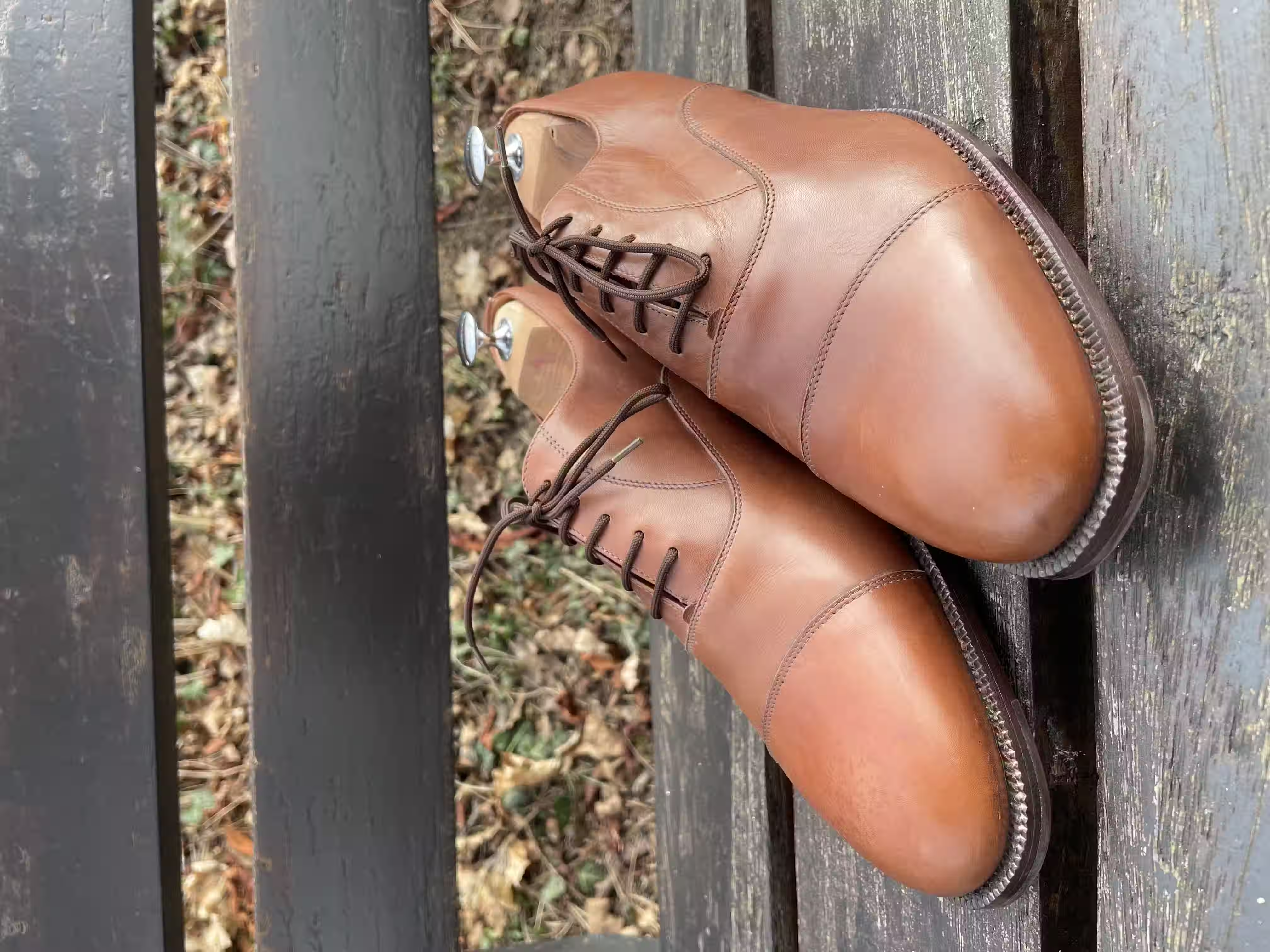
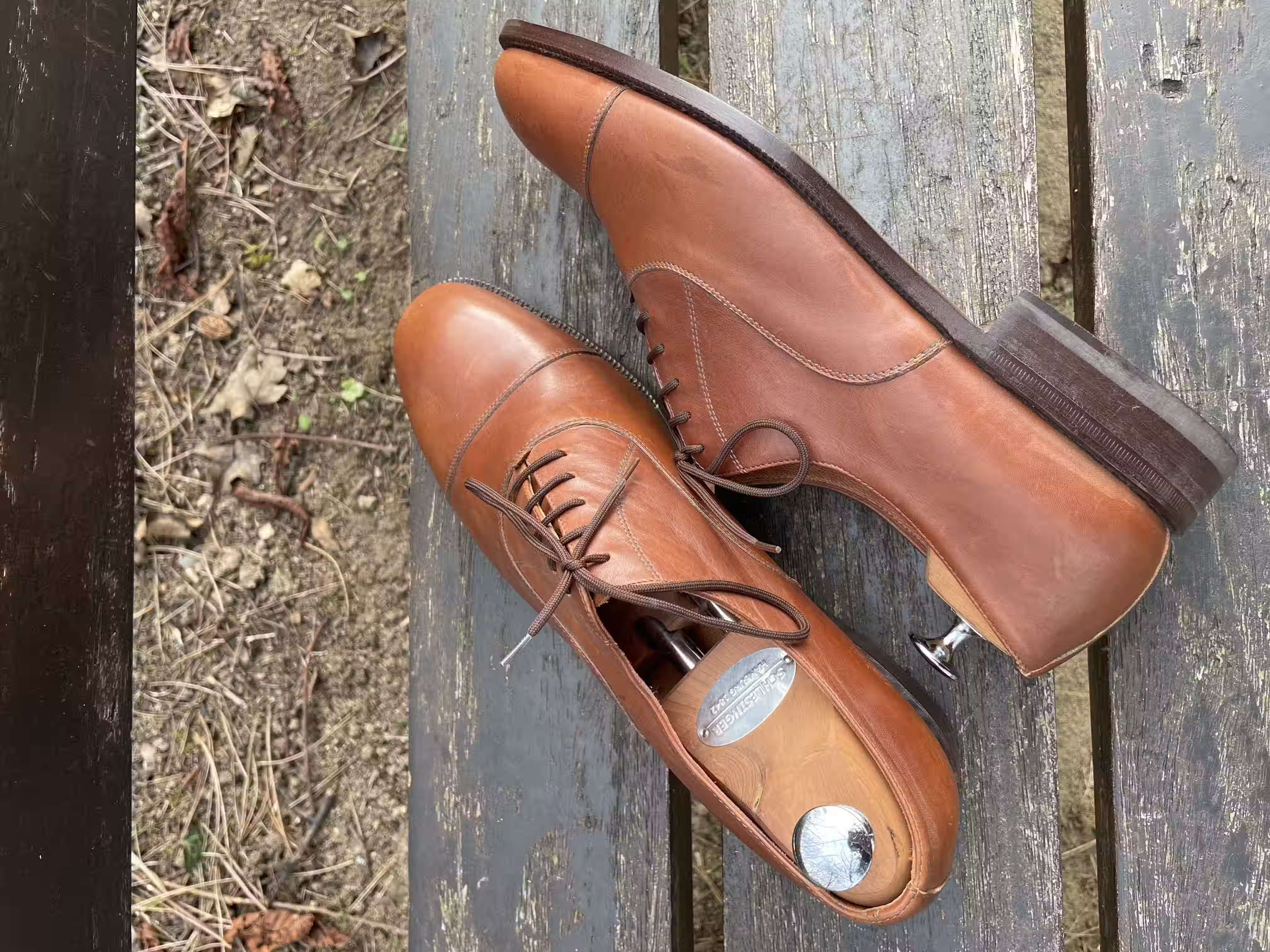
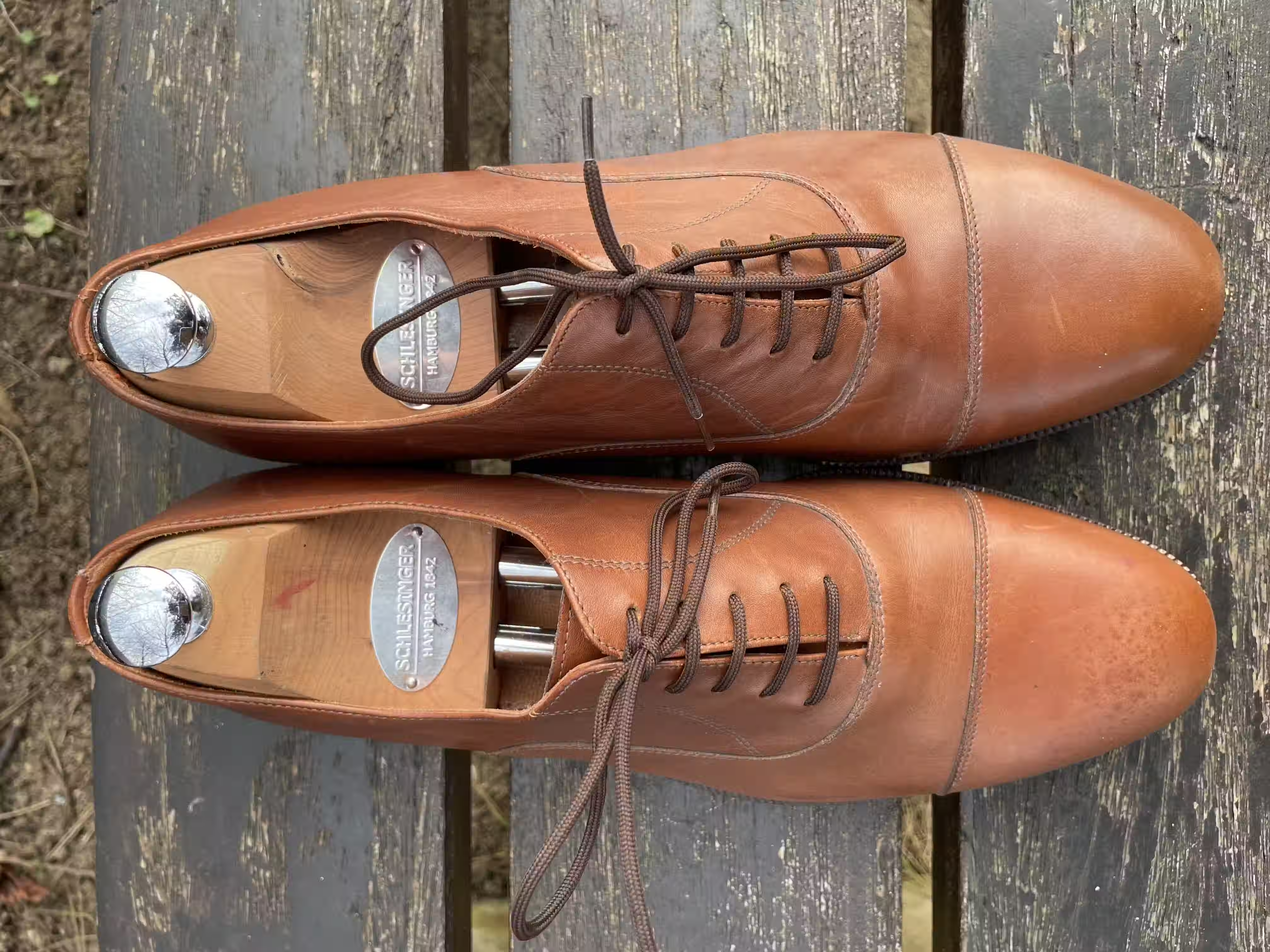
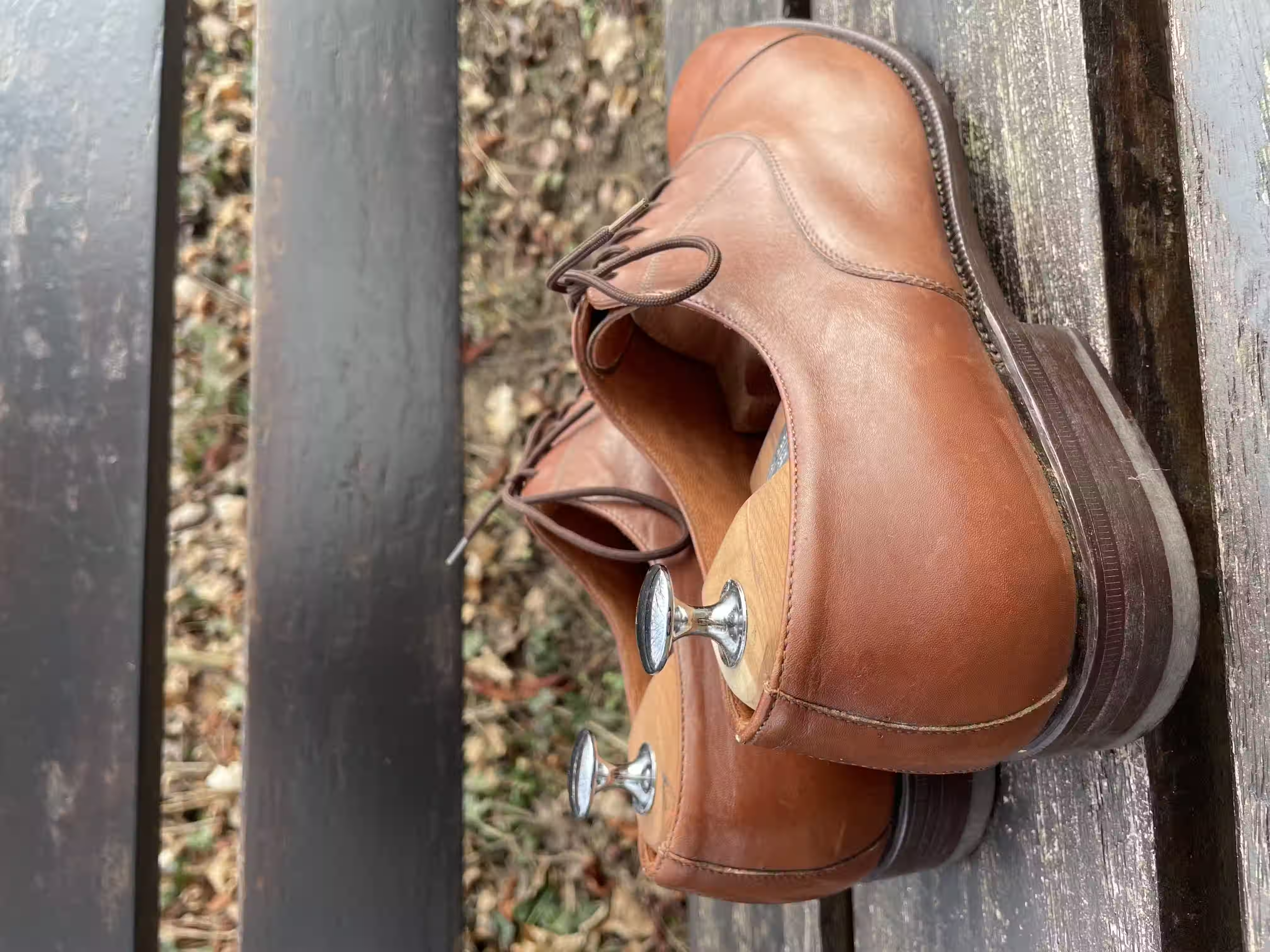
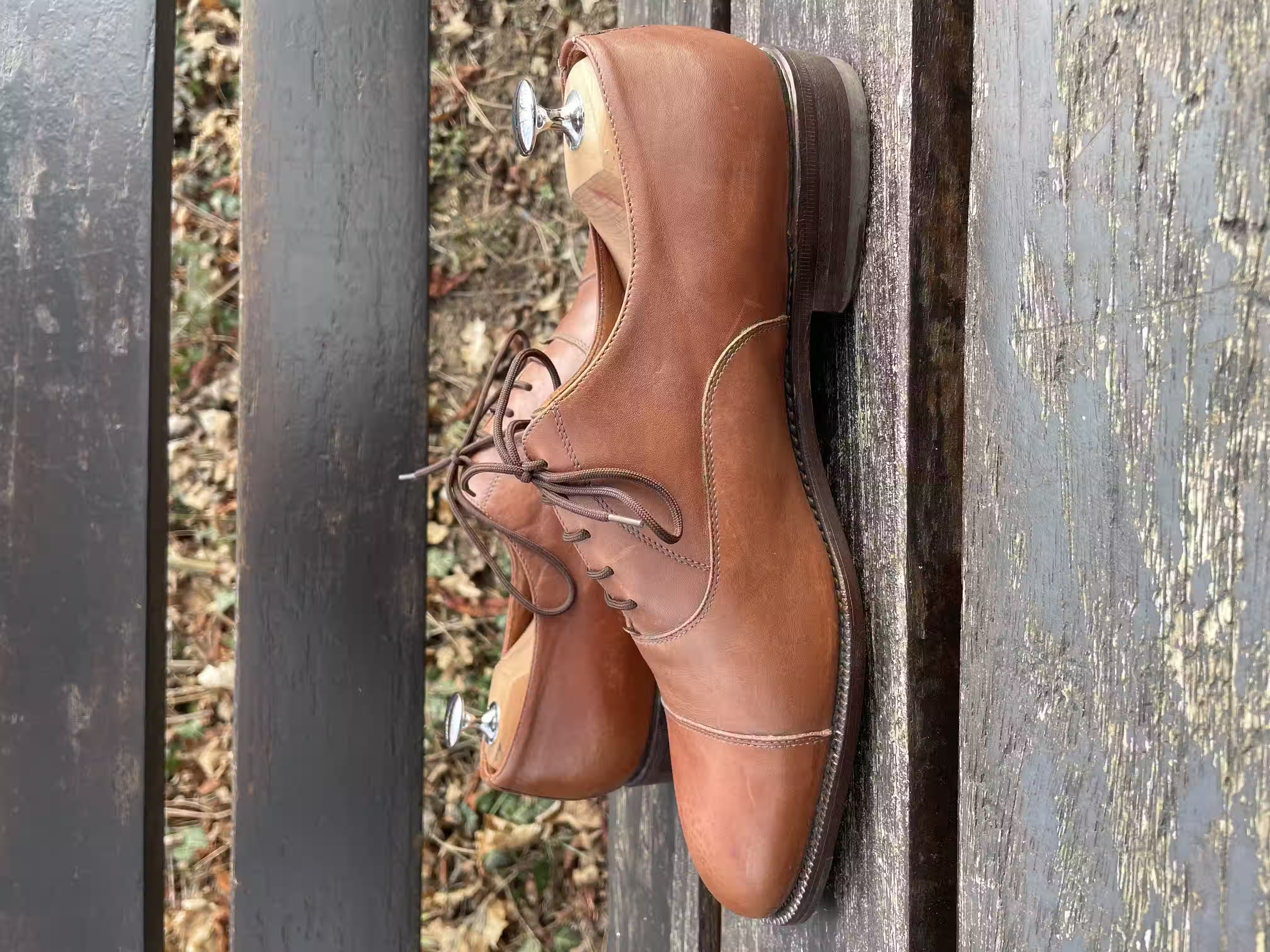
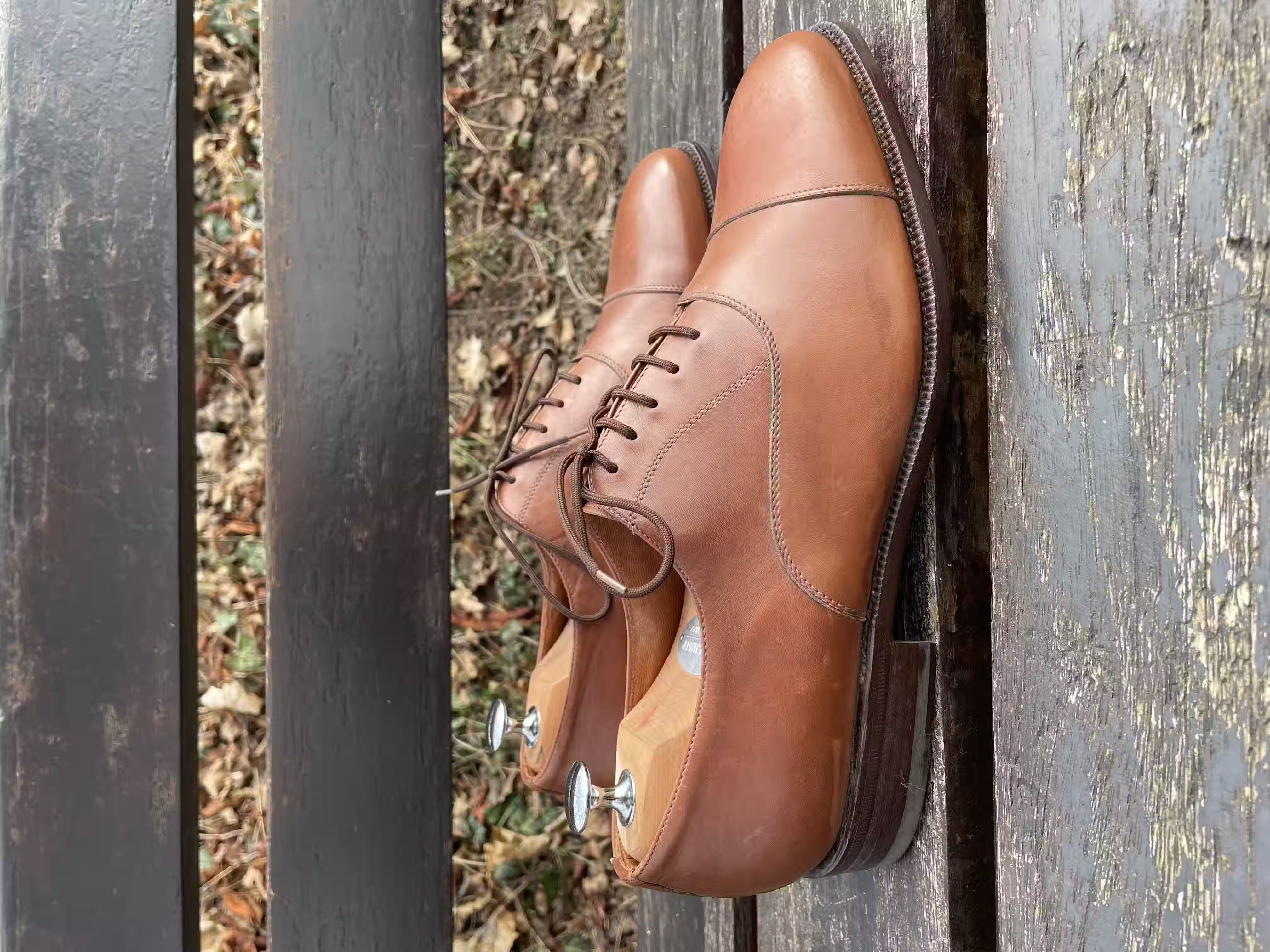
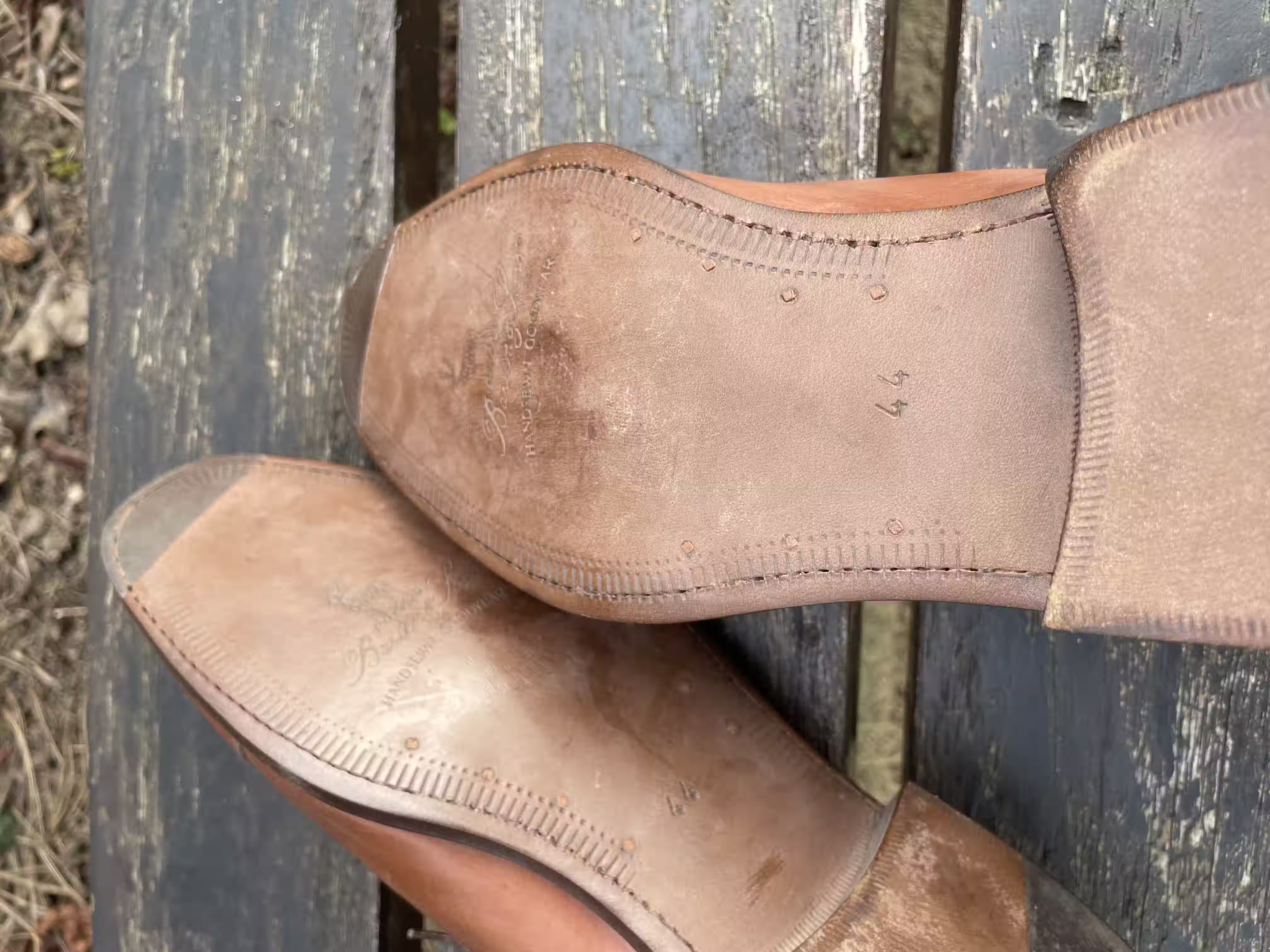
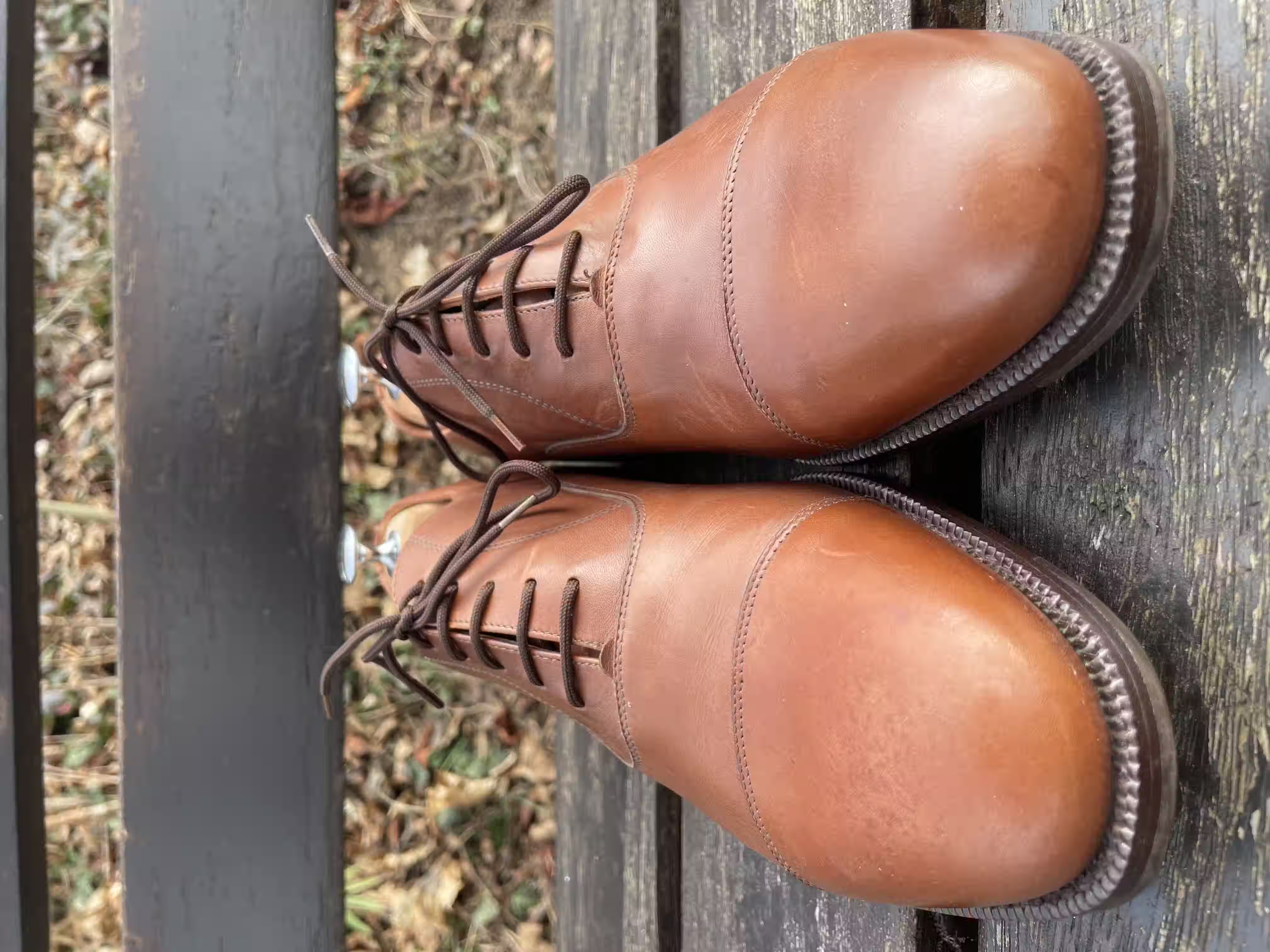
This construction is regarded by many as the supreme discipline among the construction methods of the shoemaking craft. And it is indeed a solid construction, and I also quite like wearing shoes made this way. In fact, however, there are even more complex constructions that offer additional advantages. For example, Norvegese construction is one of them and requires even more work because twice as many seams are used. In return, Norvegese construction manages to be very flexible even without so-called cork filling, so that the rolling motion of the foot feels very pleasant.
Behind Goodyear welted construction lies the following process: First, the insole, upper, and a welt are stitched together. This also happens with the Blake-Rapid construction, a Blake-stitched variant, but there the insole is pierced through. In Goodyear welted construction, no holes are made directly through the insole. First, a so-called gemming rib is formed on the underside of the insole by removing leather on its outer and inner side. Then the shoemaker can pierce the so-called inseam through this gemming rib, which ultimately connects the upper, the insole, and the welt.
You can find more details on Goodyear welted construction here:
It also discusses the “glued-and-stitched” construction with gemming tape and welt, which is quite widespread in the shoe industry. Strictly speaking, this is not Goodyear welted construction, but it is often advertised as such with “Goodyear welted.”
Identifying features
Beginners often regard the seam that can be seen on the welt of a shoe as proof of a Goodyear welted shoe. However, this welt seam connects the welt to the outsole of the shoe and is therefore at the same time the sole stitch of the shoe. Such a seam is found in exactly the same way on Blake-stitched shoes of the Blake-Rapid variant. So if such a welt seam is present, you cannot be sure whether the shoe is Blake-stitched or Goodyear welted. Since these two are the most common sewn constructions, an additional look inside the shoe is often enough: If there is no seam to be found there at all, then the shoes are very likely Goodyear welted—or, in the worst case, glued with a pseudo welt seam that serves decoration only. The so-called gemming seam together with the gemming strip are the main identifying features of Goodyear-welted shoes. However, these are very hidden inside the shoe—and by that I don’t mean the inner area for the feet. So they cannot be seen from the outside. Strictly speaking, you therefore can’t have real certainty whether you truly have Goodyear-welted shoes in front of you. Sometimes, however, markings such as “Goodyear welted” are applied on the sole or inside the shoe. Those are then indications from the manufacturer that give you clarity about the construction method. Otherwise, there’s probably only the option of taking the shoe apart yourself, or else the speculation described above using the process of elimination.
Wooden-nailed construction
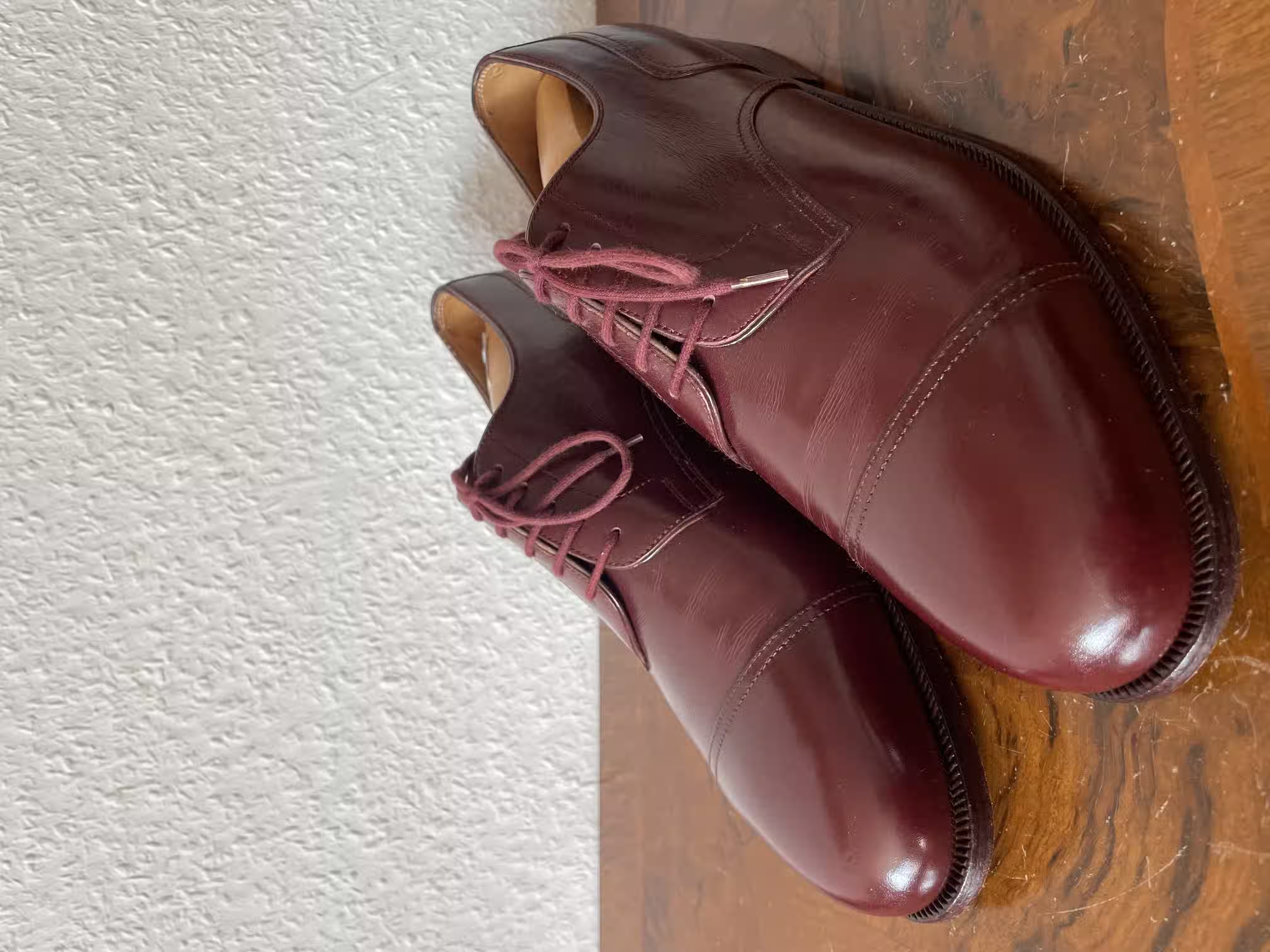
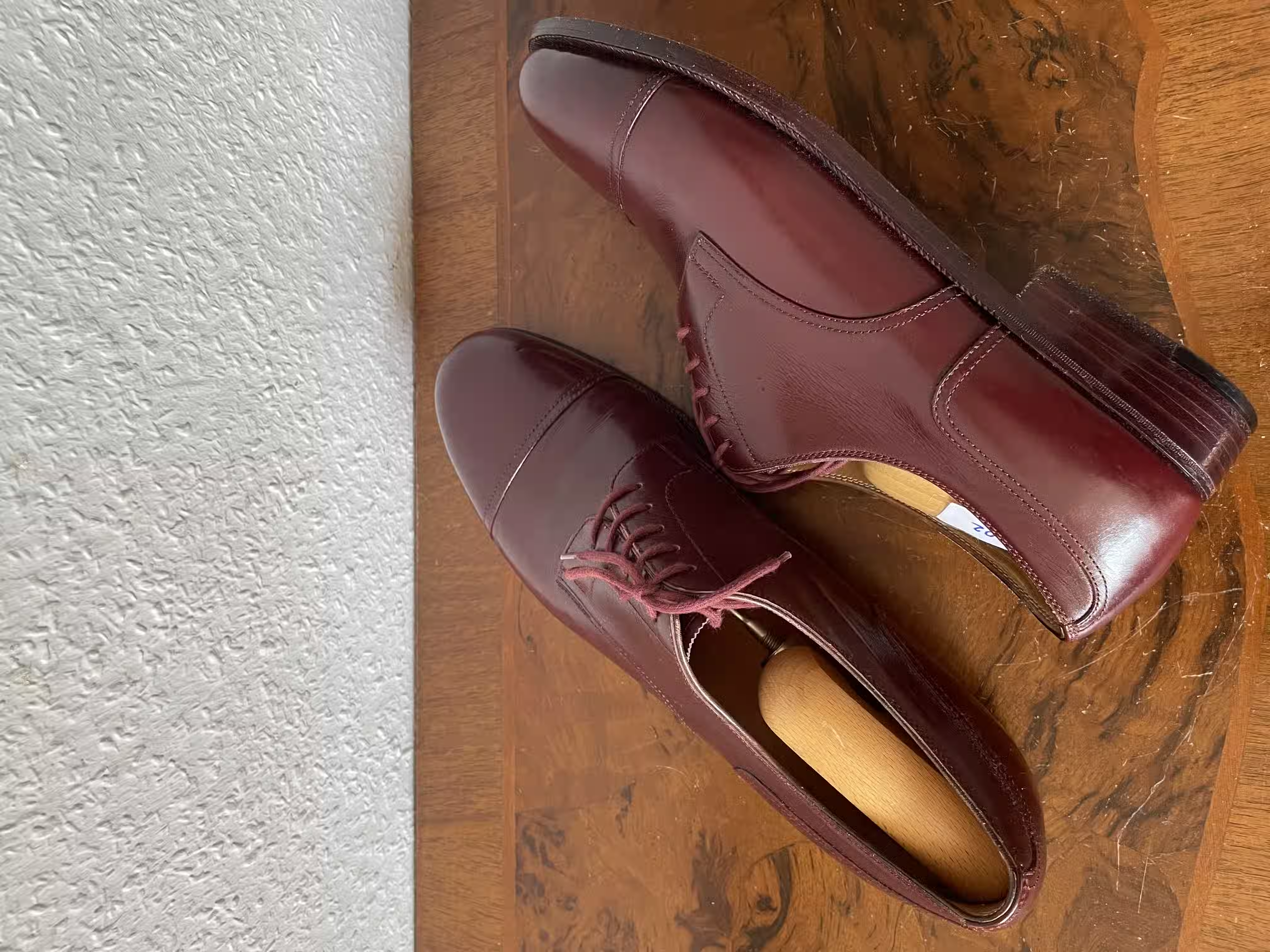
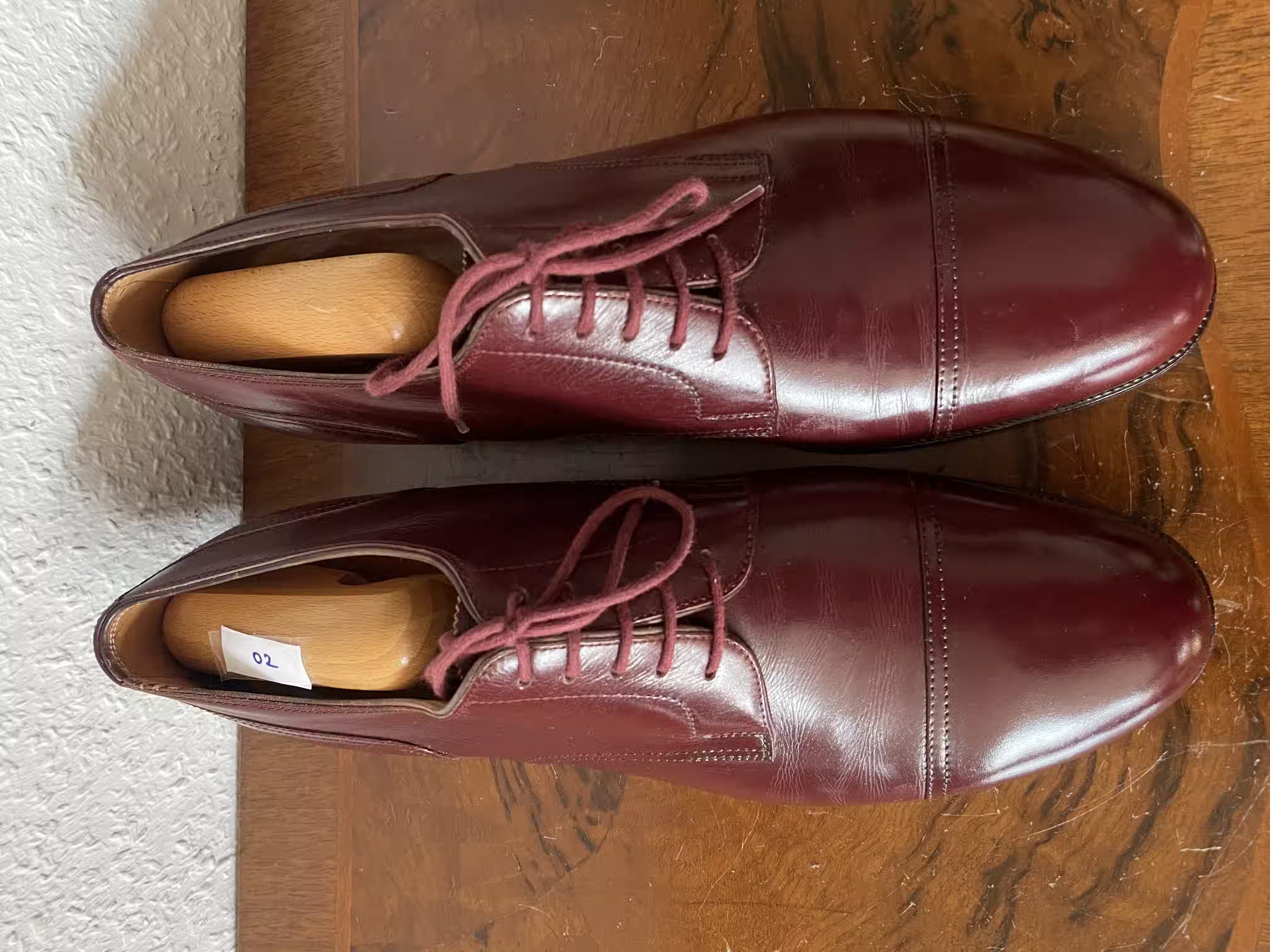
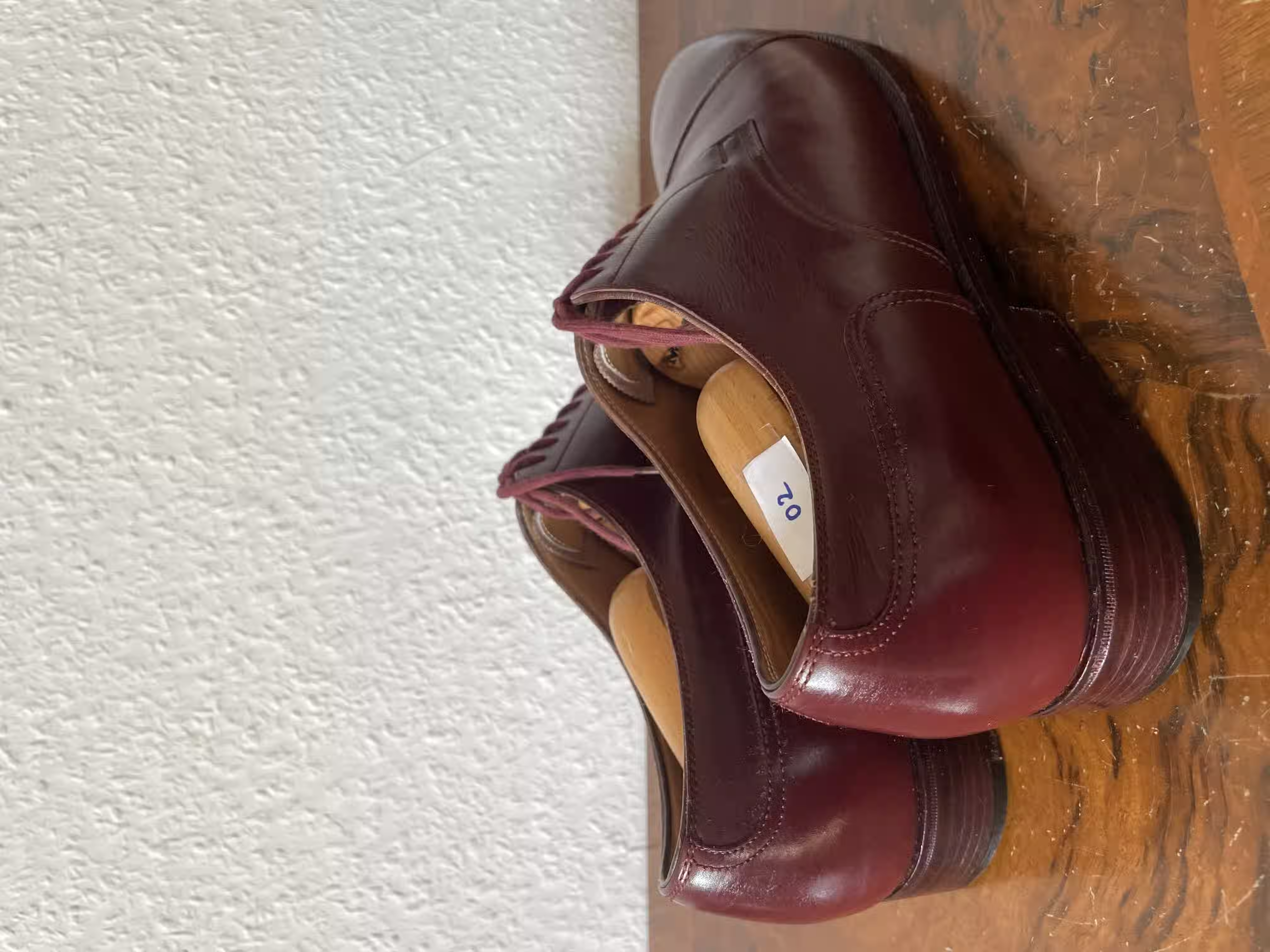
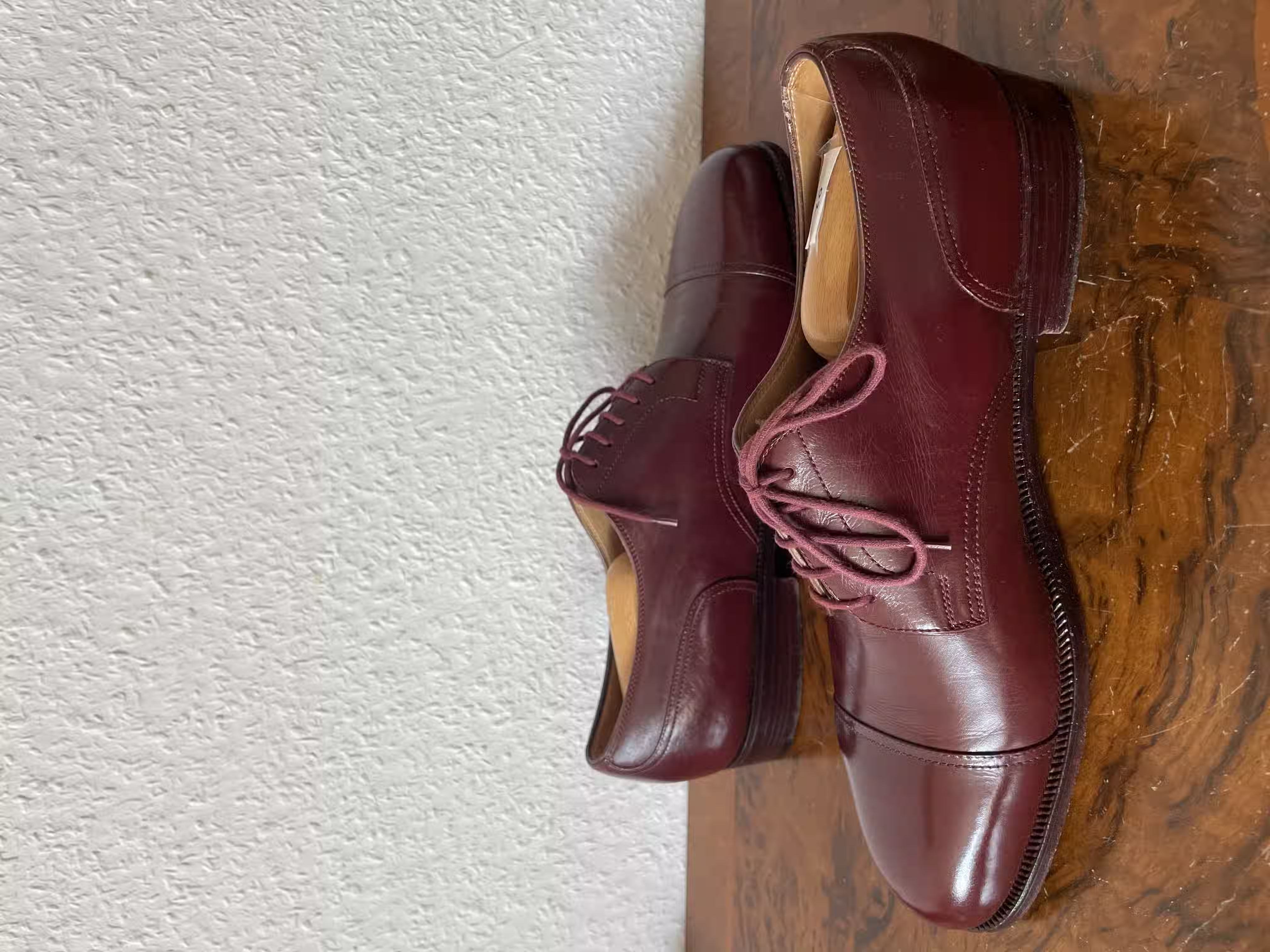
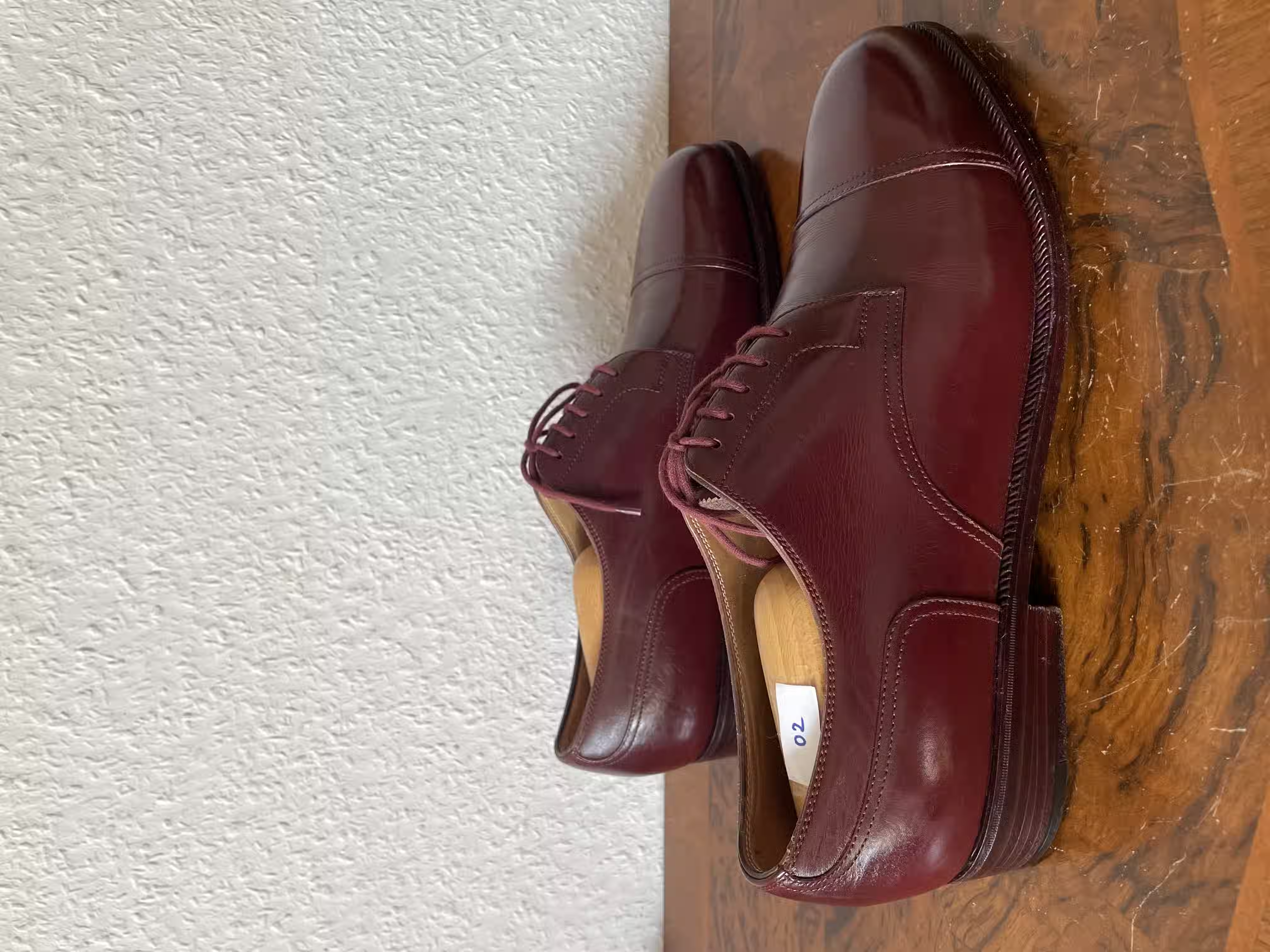
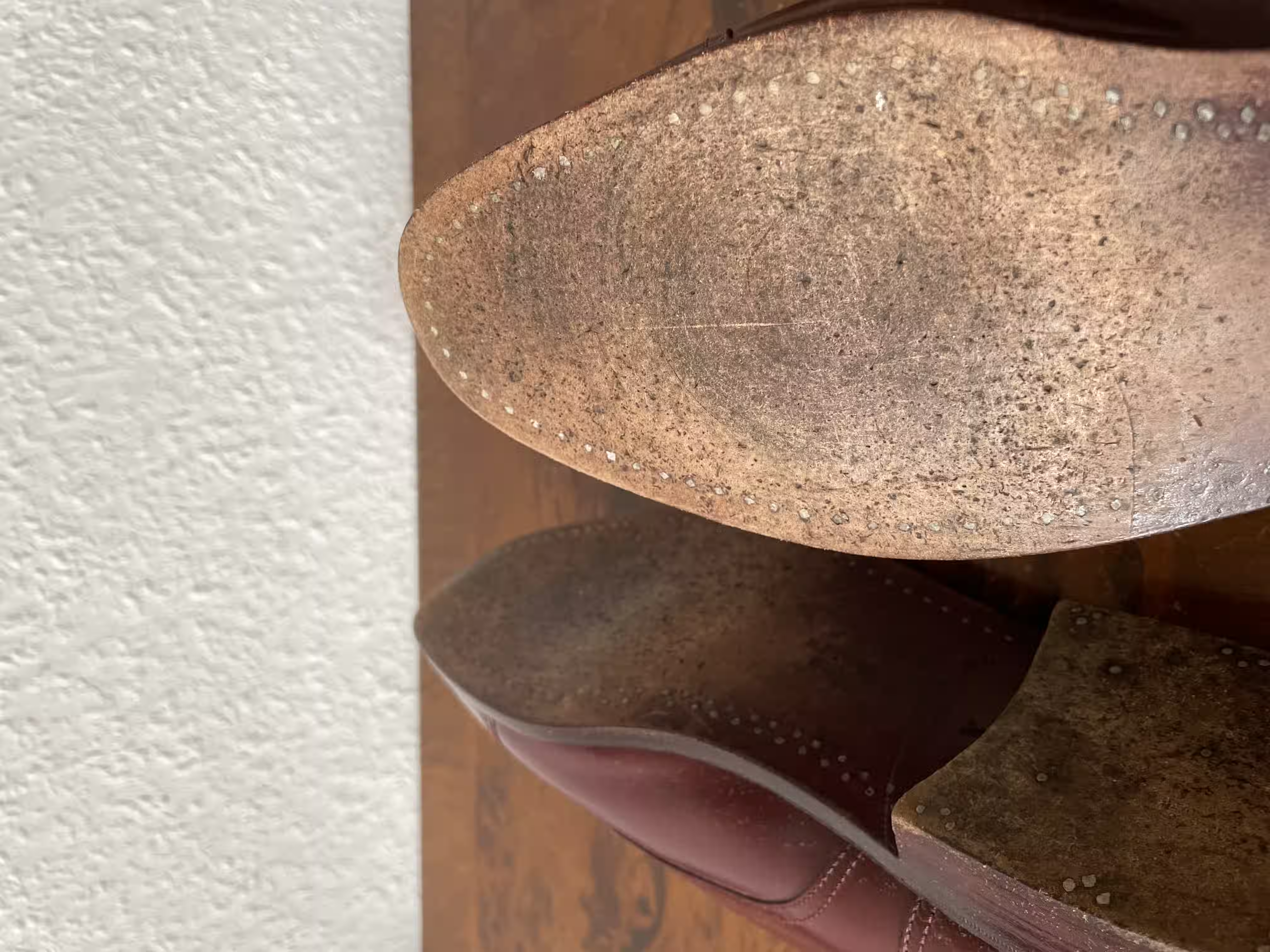
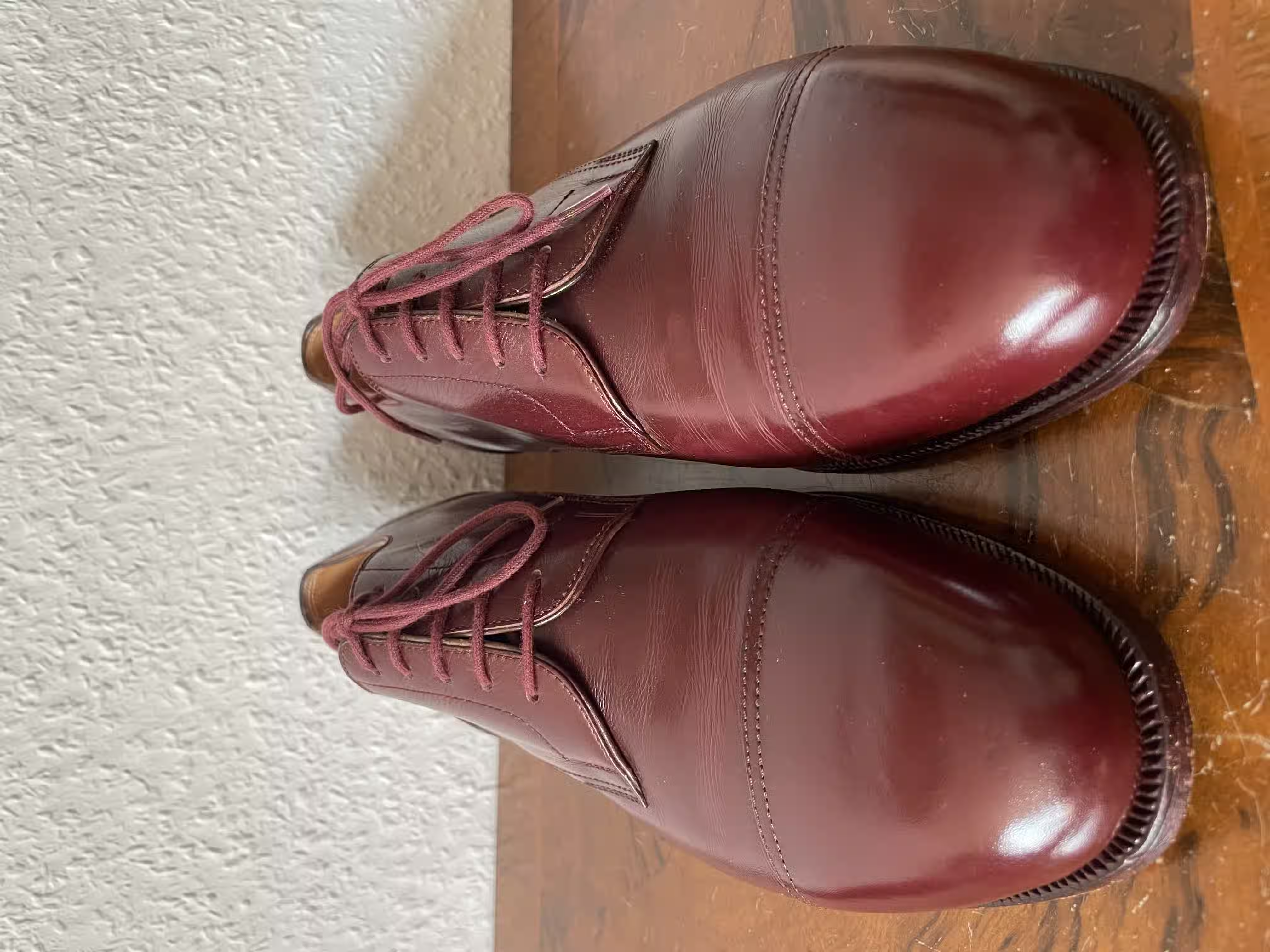
In this method, outsole, upper, and insole are connected to one another with wooden nails. This is not quite as labor-intensive as a hand-welted construction. Historically, it has a long tradition. In the past, metal nails were also used. Nowadays, the method can also be used only locally at the heel (though with metal nails), even if the shoe is otherwise, for example, Goodyear-welted. In that case, you also have no seam on the welt at the rear part of the shoe.
In the past, wooden-nailed shoes had the reputation of being better suited for a long service life than stitched shoes. Perhaps this can be explained by the fact that the wooden nails swell when they come into contact with water and, with the resulting increased volume, provide an even more stable connection. Today, some experts question this method itself—whether wooden-nailed is even a construction method at all, for example if wooden nails are used in the heel area on otherwise stitched shoes. And historically, wooden nails were apparently often used in combination with stitching in order to attach the welt after the upper and insole were stitched together.
So this is a very flexible technique that can also be used very selectively and sporadically in the manufacture of shoes. However, when I mention wooden-nailed construction, I mainly mean the use of wooden nails to connect insole, upper, and outsole to one another.
Identifying features
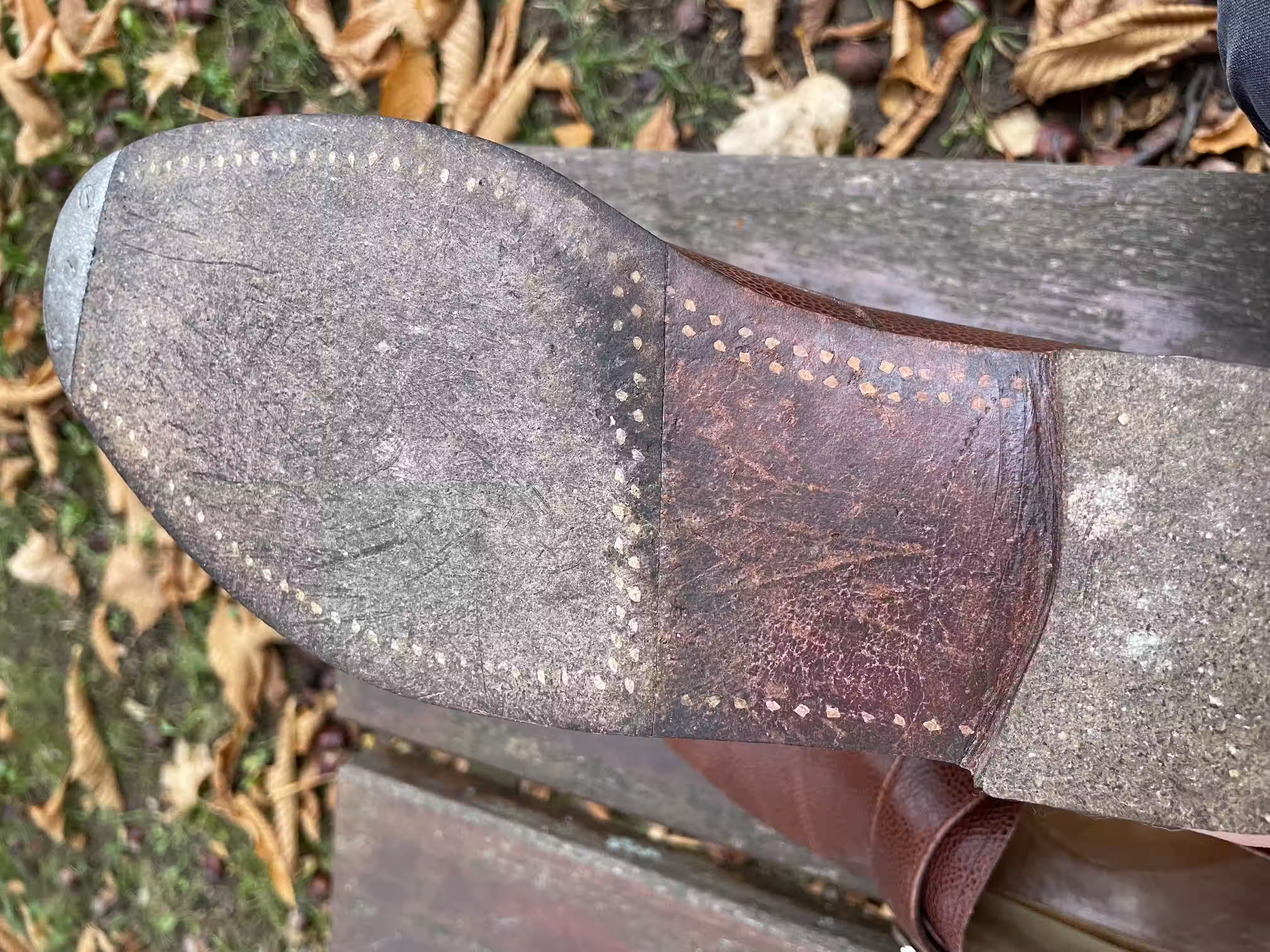
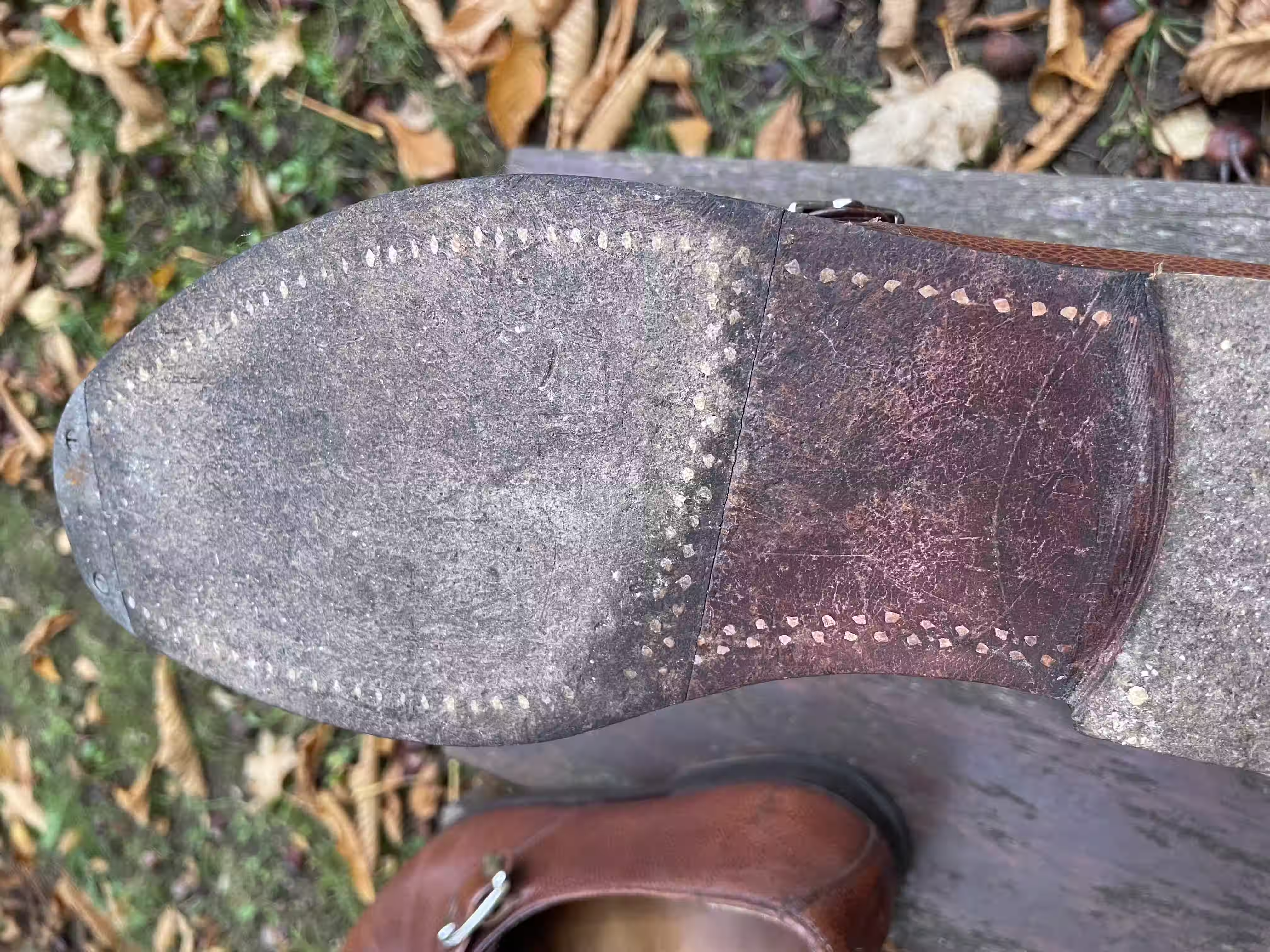
You can normally recognize a wooden-nailed construction from the outside by the wooden nails that are embedded in the soles and can be seen on the surface of the outsole. Because the wooden nails stand out in color from the leather of the outsole, you can recognize dotted patterns on the outsole, always quite close to the edge of the sole.
However, in this case the core of the shoe can still be stitched. If you look into the inside of the shoe and recognize seams there, then the shoe is stitched through at its core. Then the wooden nails are only there to fasten the outsole.
If, however, you can’t see any seams there and optionally even see dotted patterns on the insole inside the shoe, then the shoe is very likely wooden-nailed.
Norvegese construction
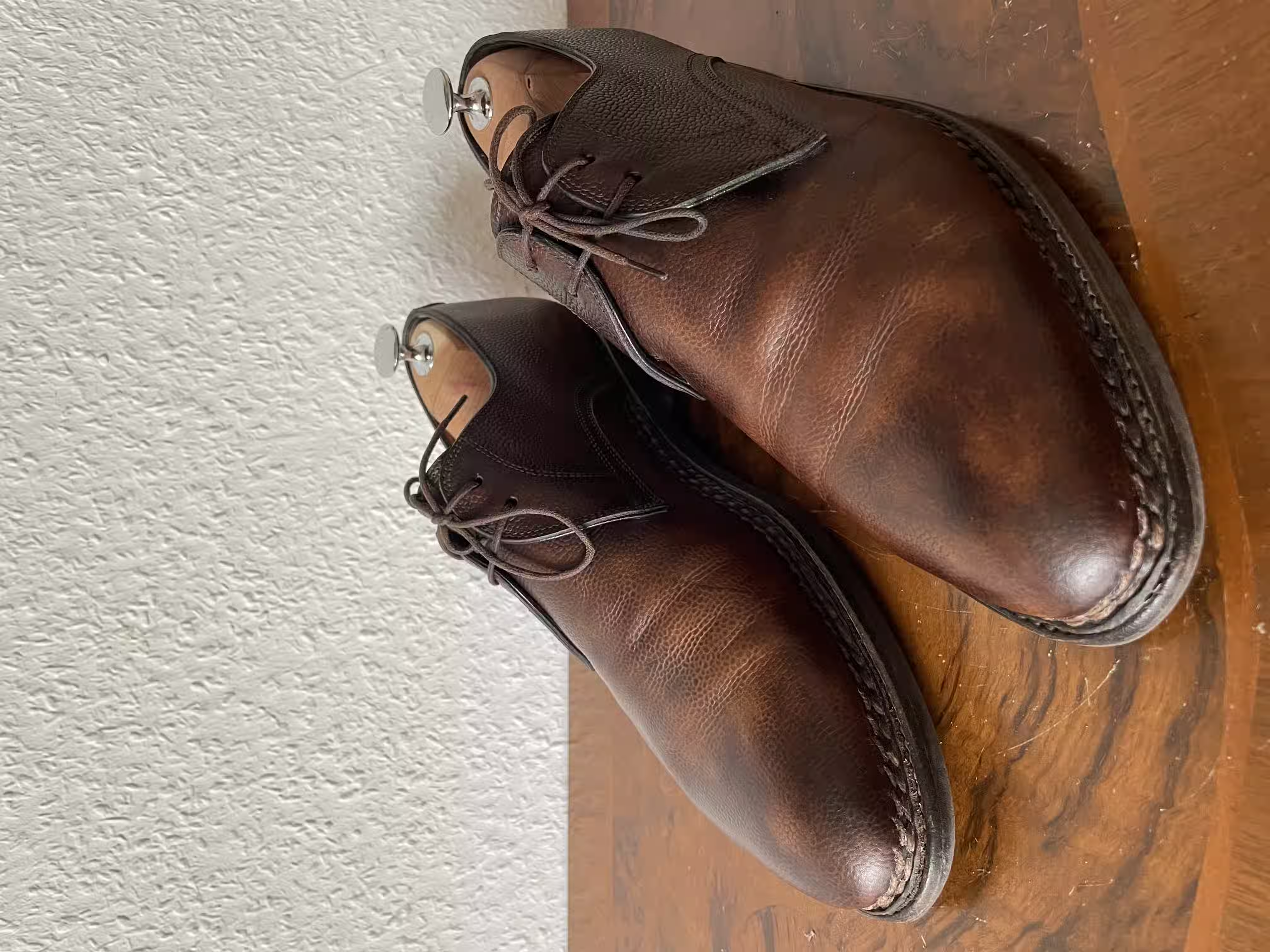
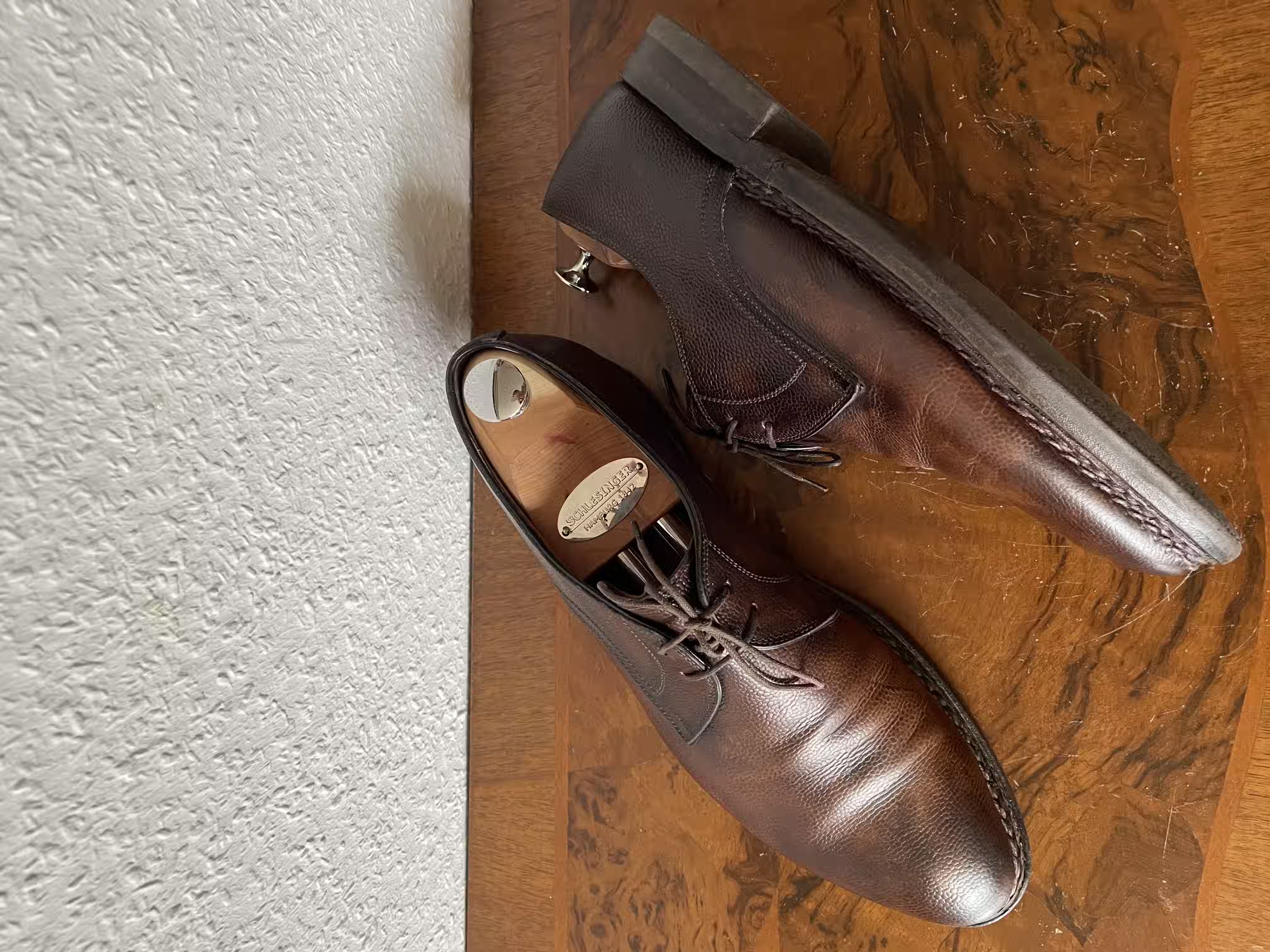
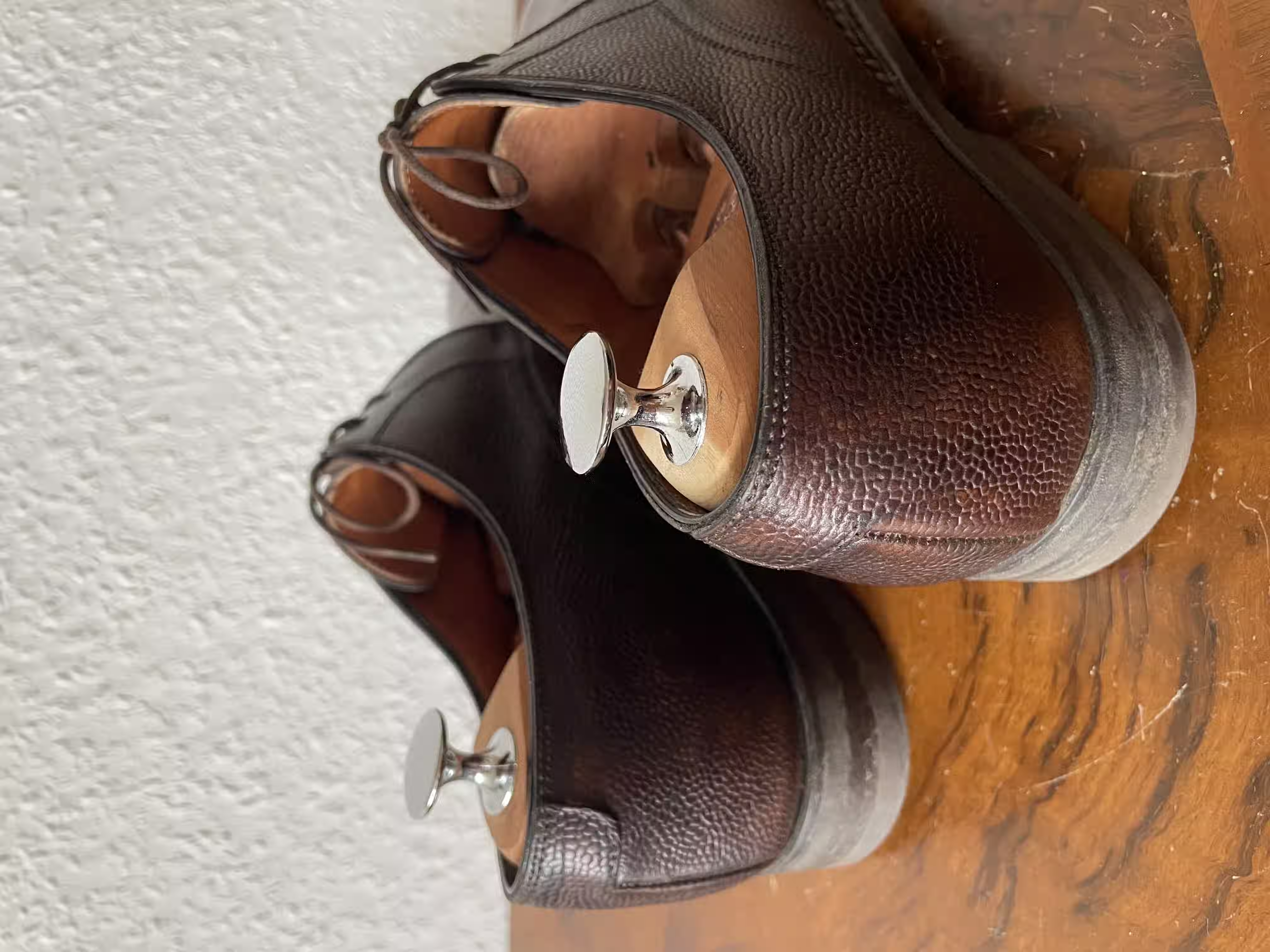
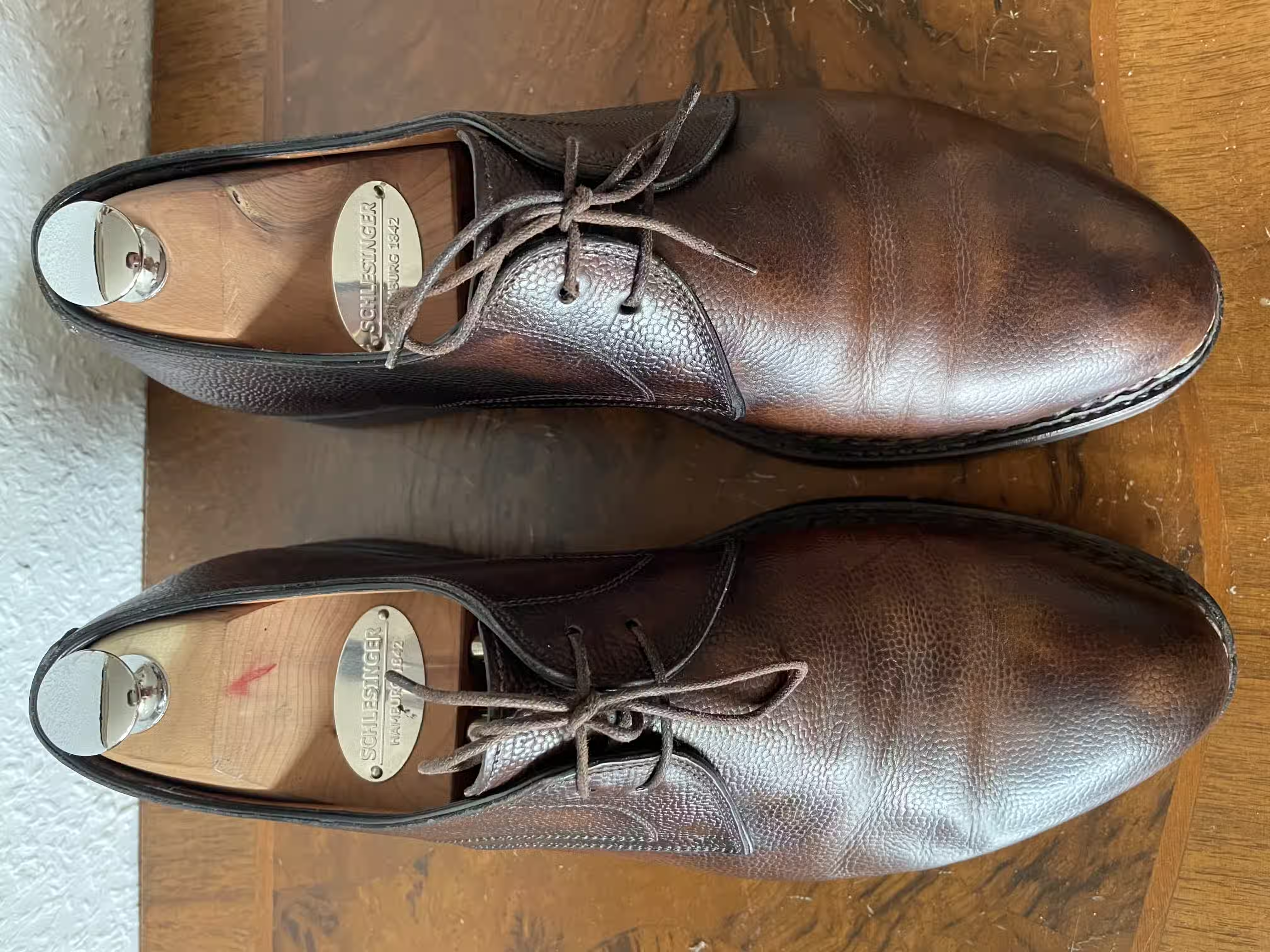
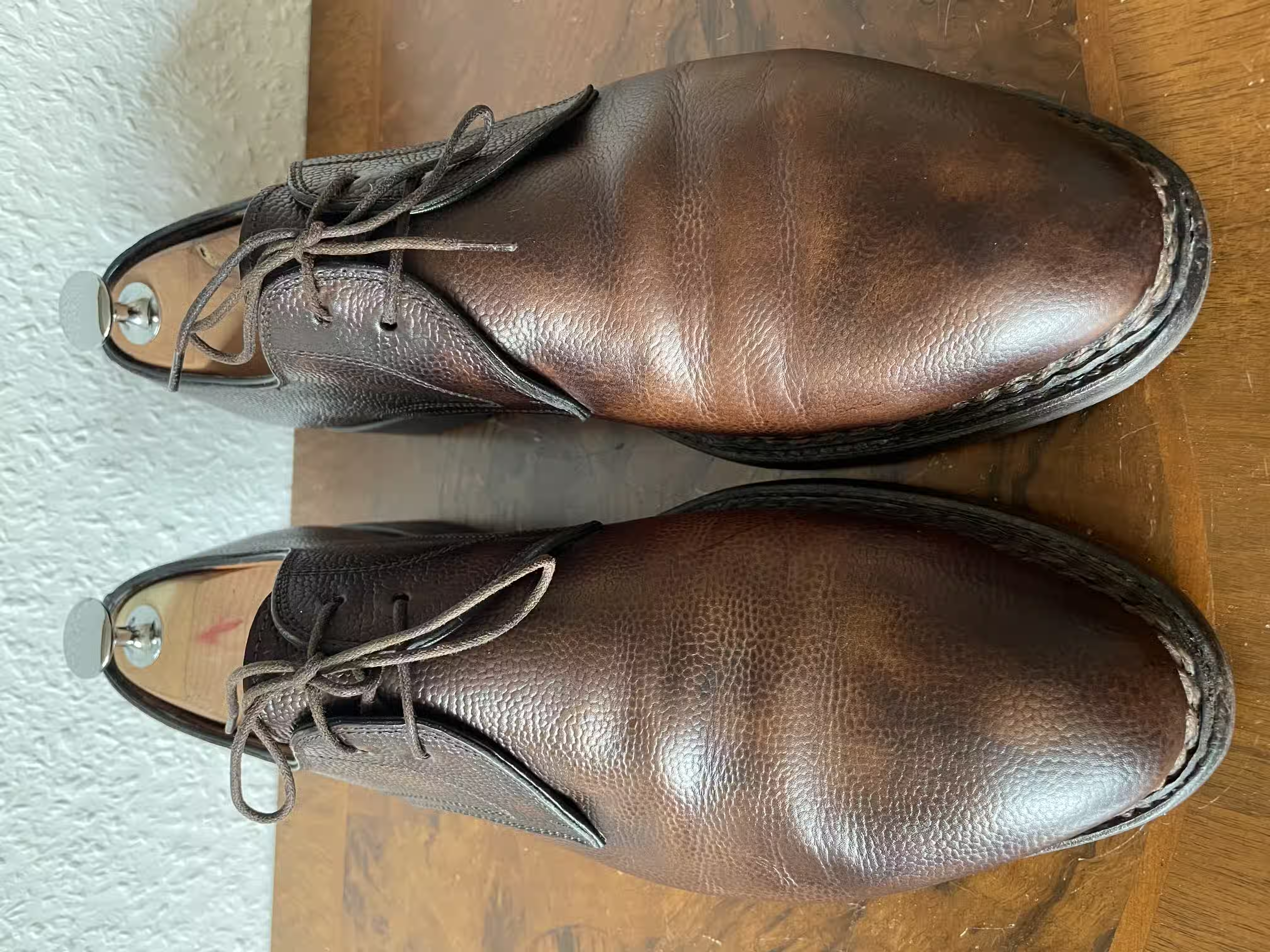
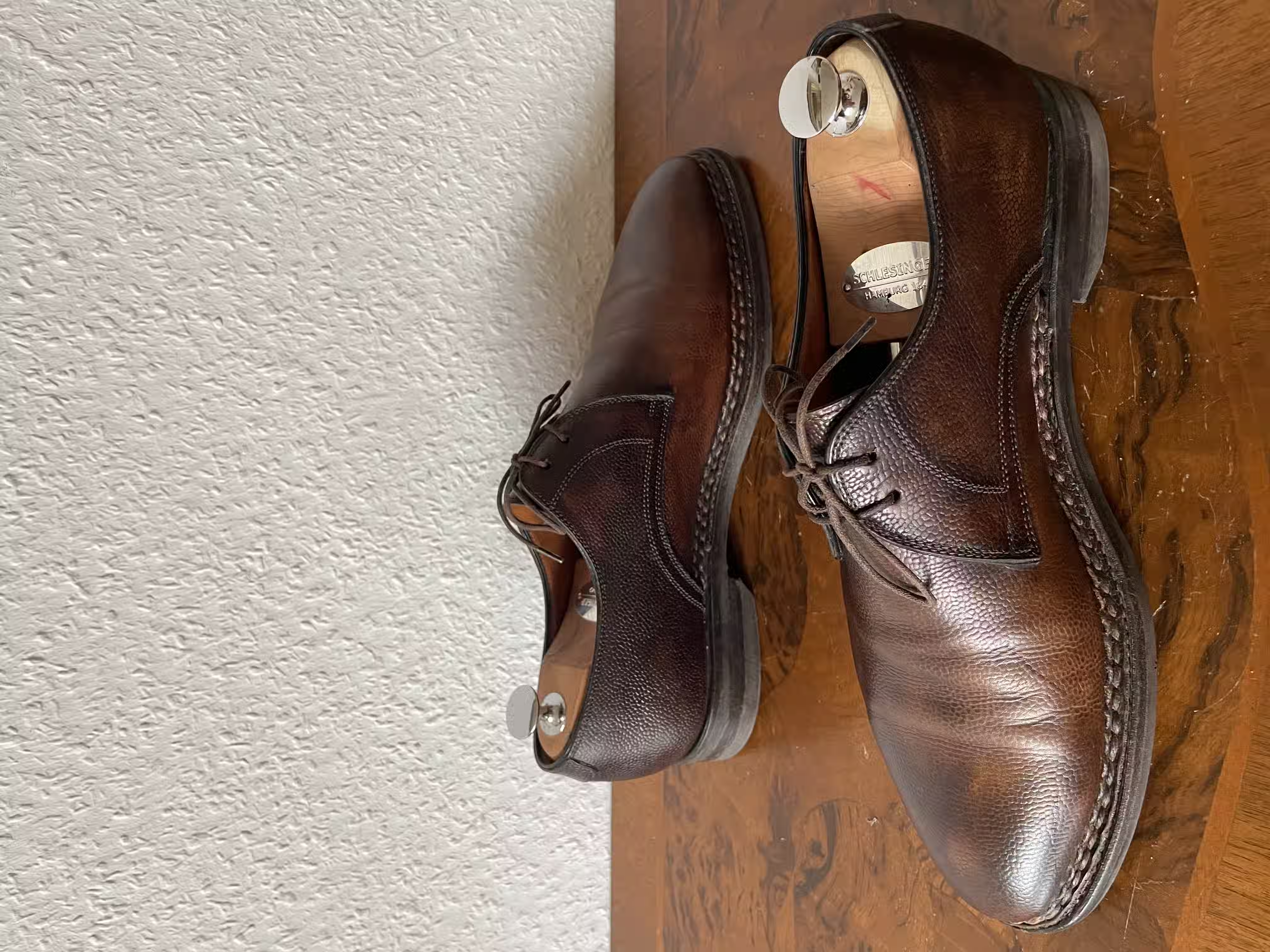
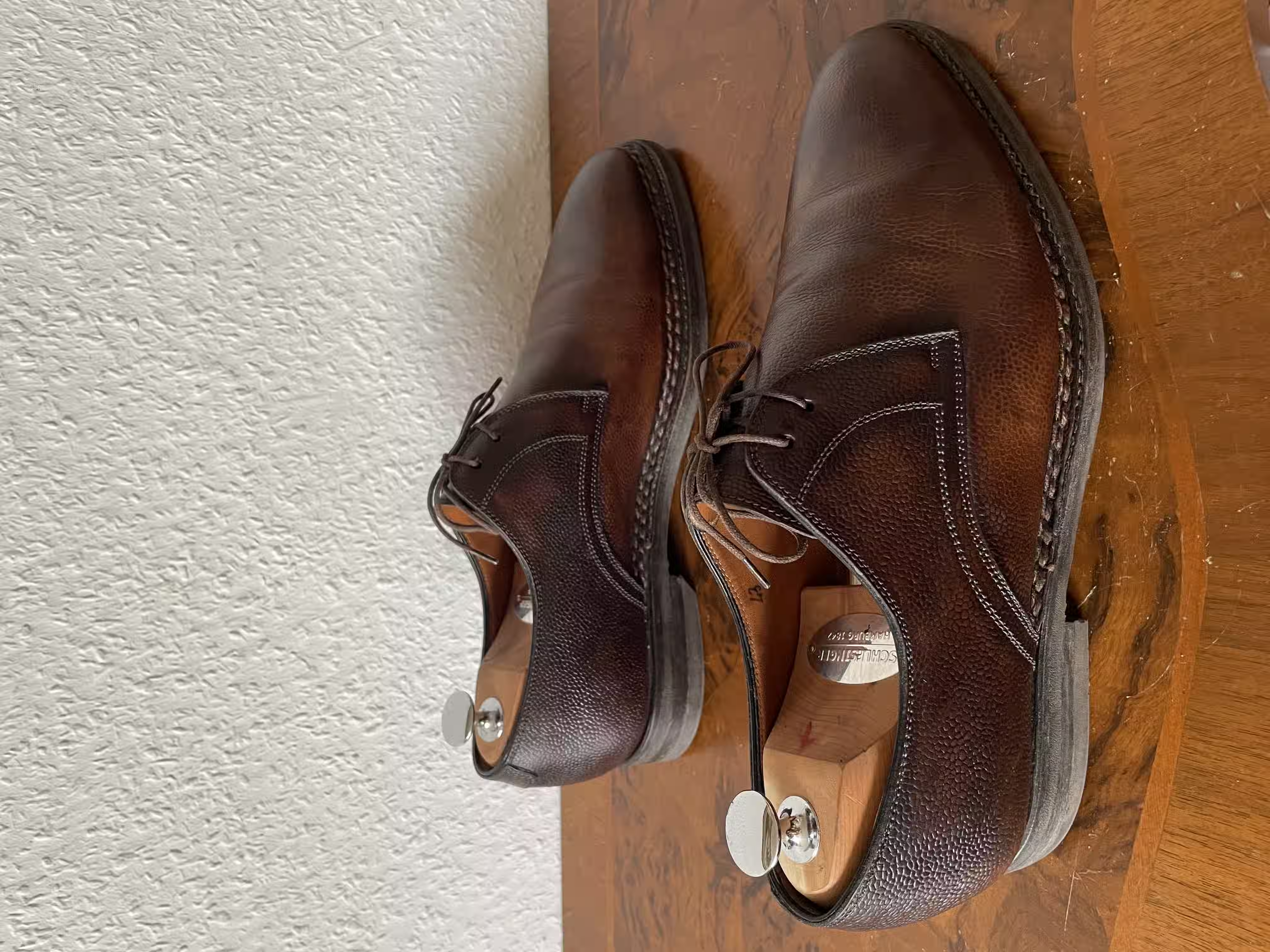
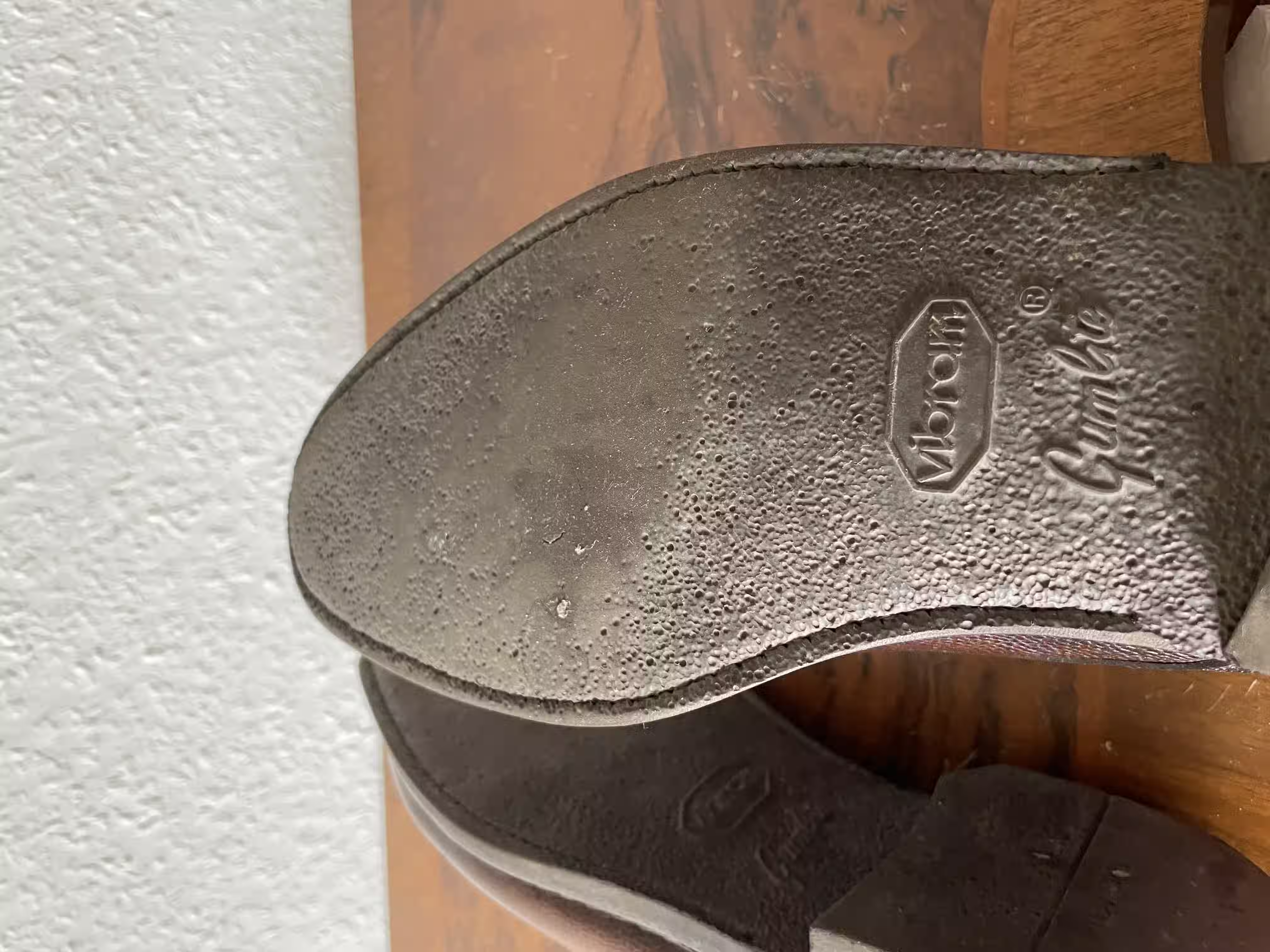
This is a more complex construction method in which the upper and insole are connected to one another with two different seams. Later, the outsole is also connected to a midsole with the help of one to two seams. With this construction method there are also variants and modifications, such as 180-degree Norvegese, in which the prominent Norwegian seam runs only about 180 degrees around the shoe instead of a full 360 degrees. And there are also other similarly complex construction methods or variations that likewise come from Italy.
Which construction method is the best?
Well, that is a very openly phrased question to which there can be different answers. Let’s look at various categories and try to answer the question within these categories.
Price
For the vast majority of mass manufacturers in the shoe industry, cemented shoes are the best, because they are the most cost-effective. In this way, such manufacturers can compete with their competitors at the lowest price. And customers come back to them when the shoes have worn through after at most a couple of years.
Quality
If, however, you judge by quality, then the Norvegese construction will be among the best. This is partly because it is simply among the most elaborate construction methods. Now, elaborate does not automatically mean sensible, but I assume the inventors of this method really had something in mind.
However, when buying such shoes you have to keep in mind that not every cobbler will resole them correctly. That is not a disadvantage of the construction method, but rather a disadvantage of how widely the knowledge is spread. Shoes of the Norvegese construction are simply not very typical among European cobblers—most likely among Italian ones.
Practical for resoling
In practice, or for your first pair of shoes, I recommend Blake-stitched (Blake Rapid) or Goodyear-welted shoes. Such shoes have a sole stitch running all the way around and can relatively easily be resoled with a new sole and a new stitch. By this I do not mean simply gluing a new sole on top, but rather gluing and stitching a new sole so that, in the end, the sole stitch has been replaced. And the vast majority of good cobblers should be familiar with this. And since resoling works well for both Blake-stitched and Goodyear-welted shoes, I recommend these two construction methods, which—after purely glued construction—are the two most widely used. With more exotic construction methods, resoling can also work well, but I see some uncertainty among cobblers there, especially when, for example, two sole stitches are present instead of one.
Distinguishing between construction method and workmanship
You should distinguish a shoe’s construction method from its workmanship. Workmanship includes fine, quite important implementation details such as how stable a shoe stands without wobbling. Or whether the foot sits properly in the shoe and the heel has no tendency to slip, so that the foot is not inevitably pushed against the toe of the shoe. The construction method, on the other hand—figuratively speaking—is the architecture behind it. And you, as a shoemaker, can implement this architecture better or worse.
Two shoemakers can make two pairs of shoes using the same construction method, yet they can differ enormously in quality. For example, the stitching might be done with too little tension, which would reduce quality. That’s why even the best construction method doesn’t help much if it’s executed terribly.