
Contrast Stitching - a small, fine detail that elevates shoes
Contrast stitching is usually stitching on the shoe’s upper leather whose color contrasts with the color of the upper leather. This makes such stitching stand out especially from the outside. So it has a decorative effect, even though it’s actually only meant to connect the different parts of the shoe.
Example variant
Light brown buckle shoes with contrast stitching
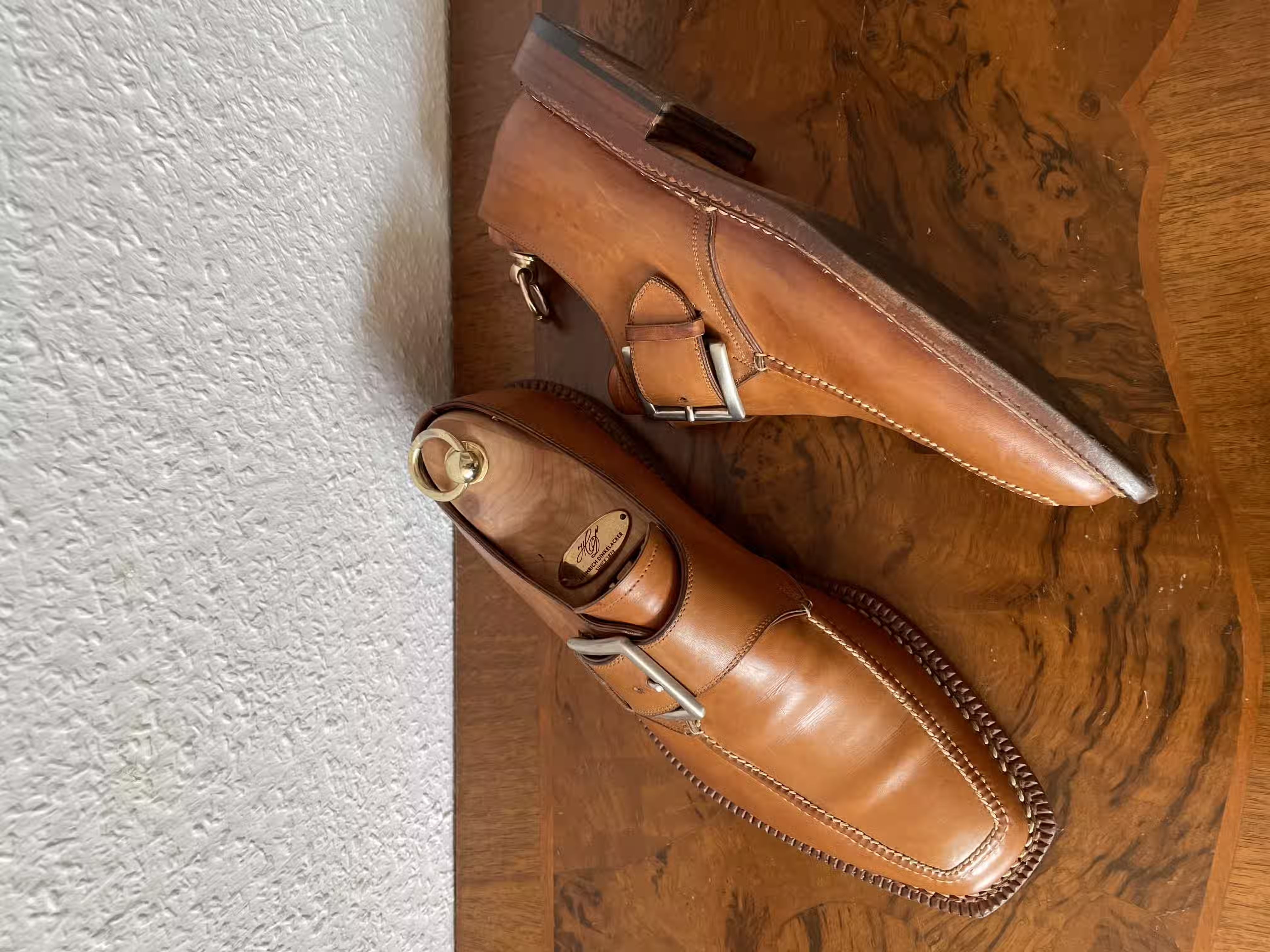
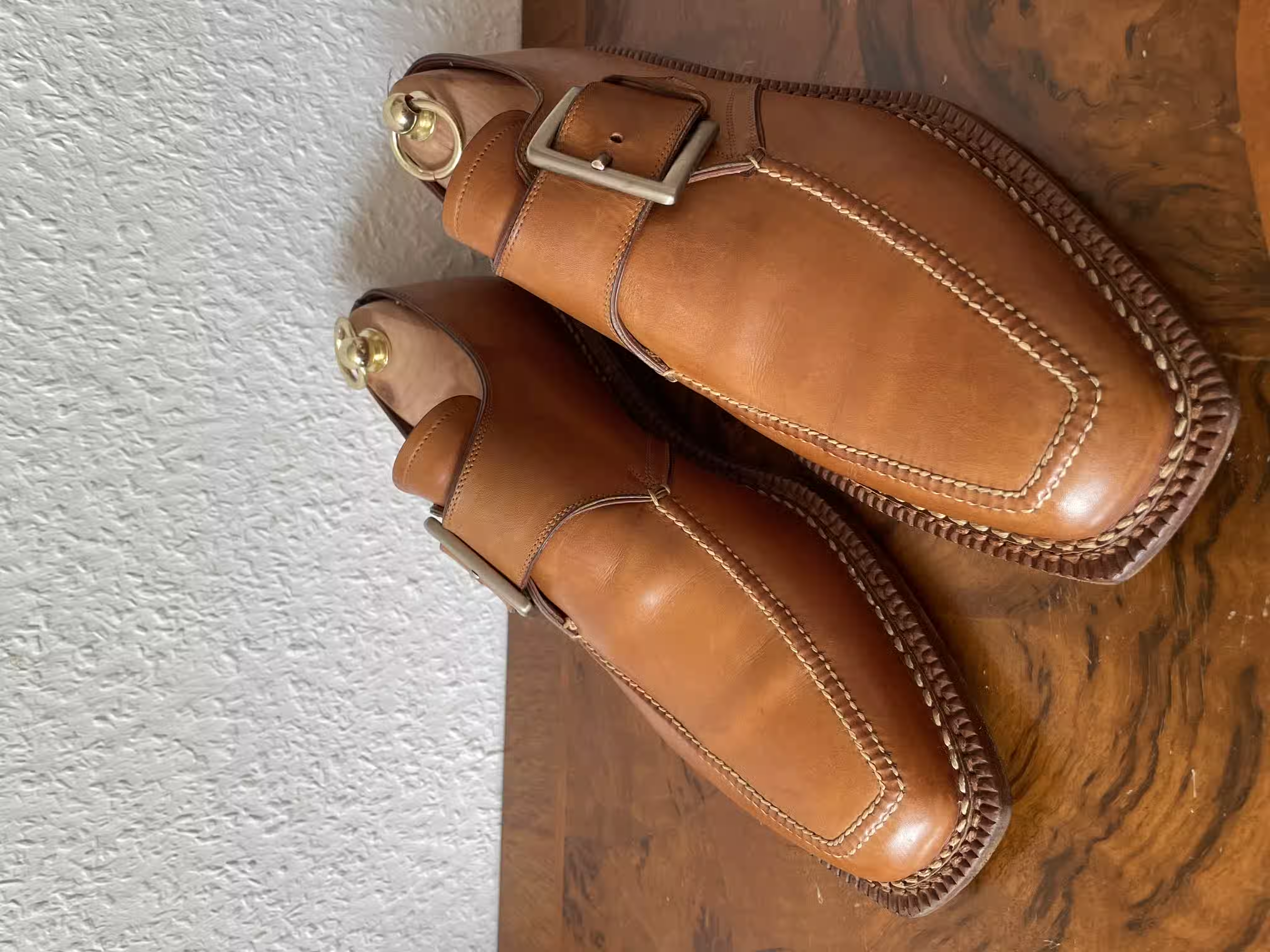
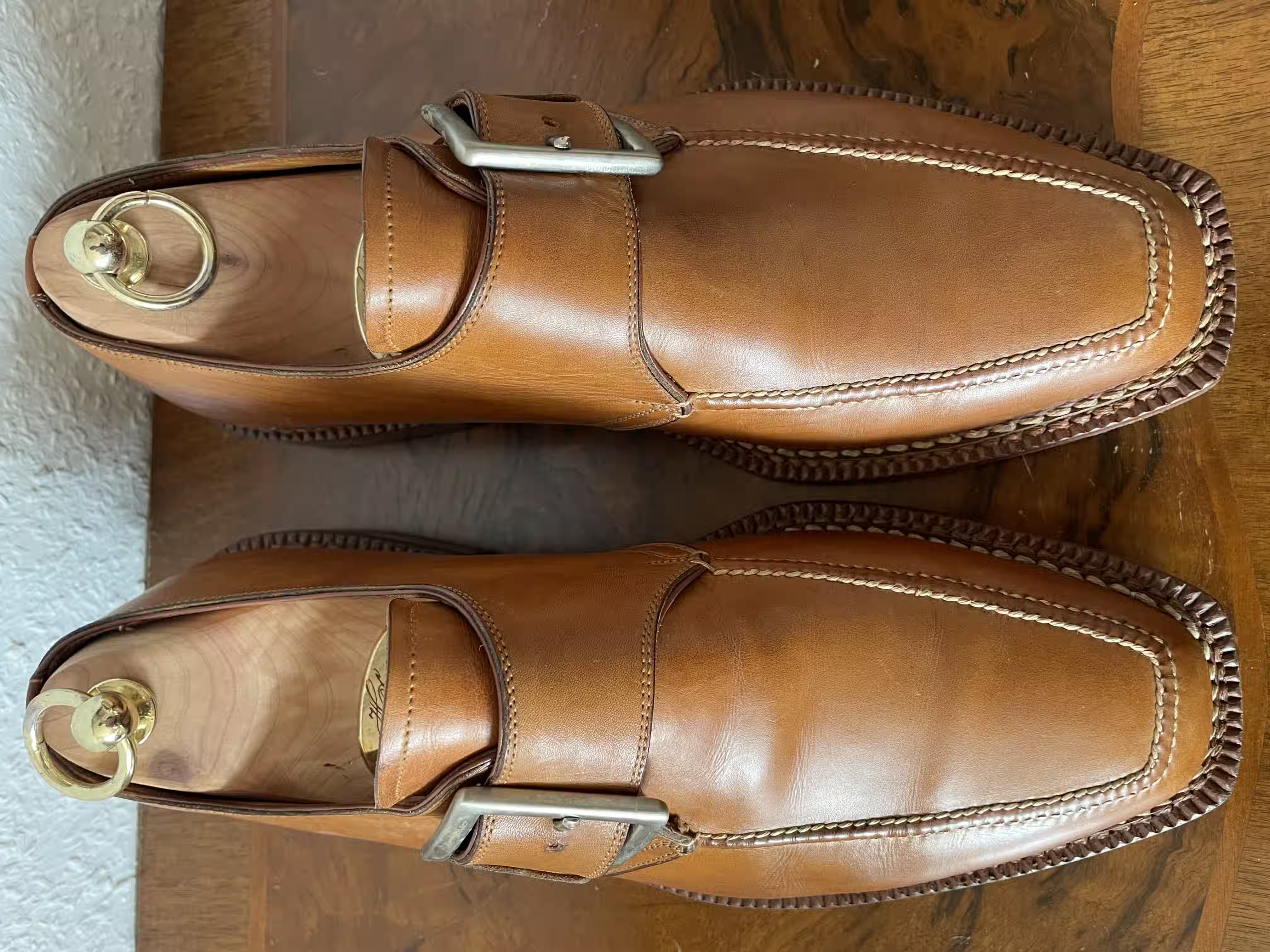
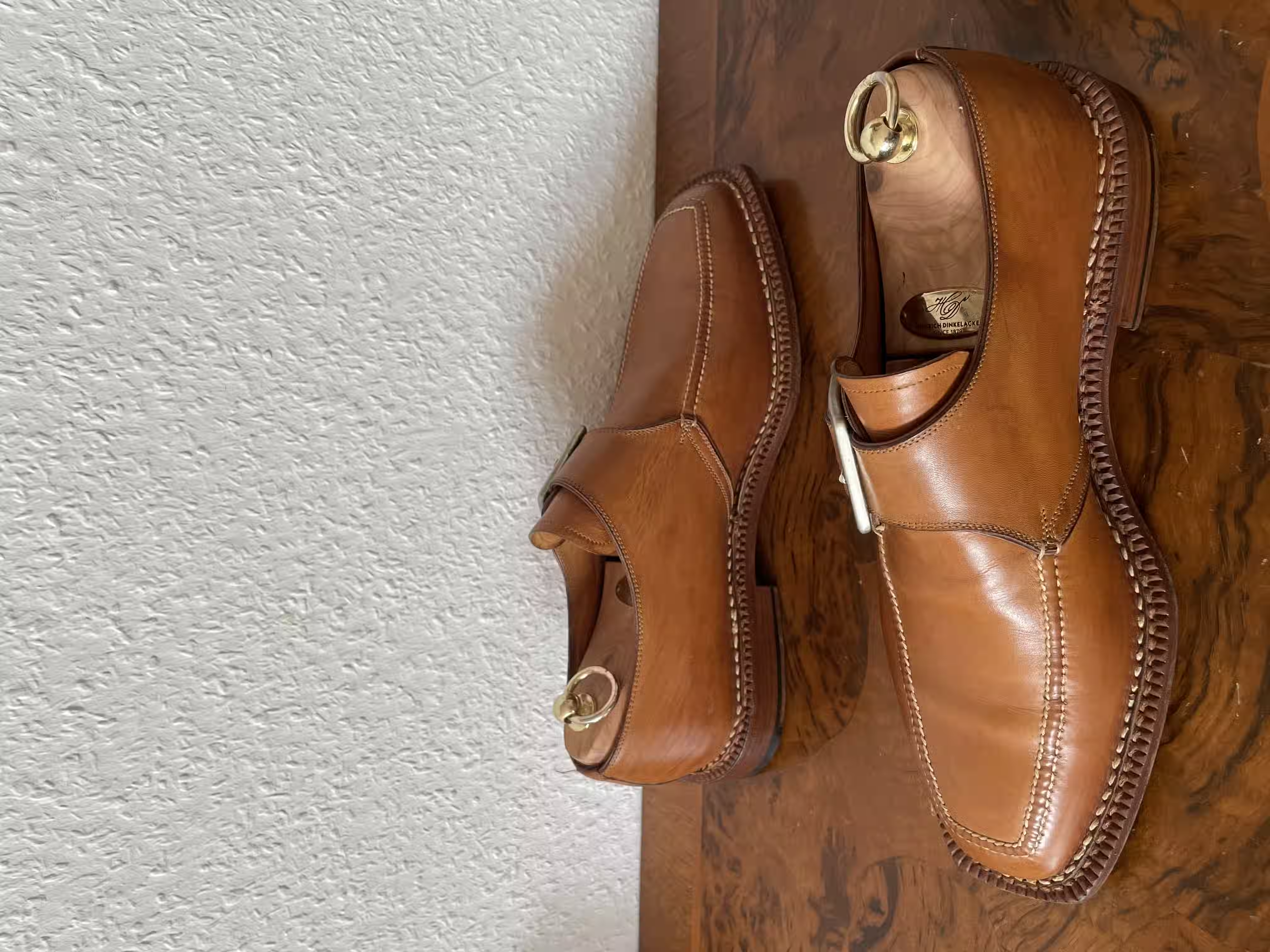
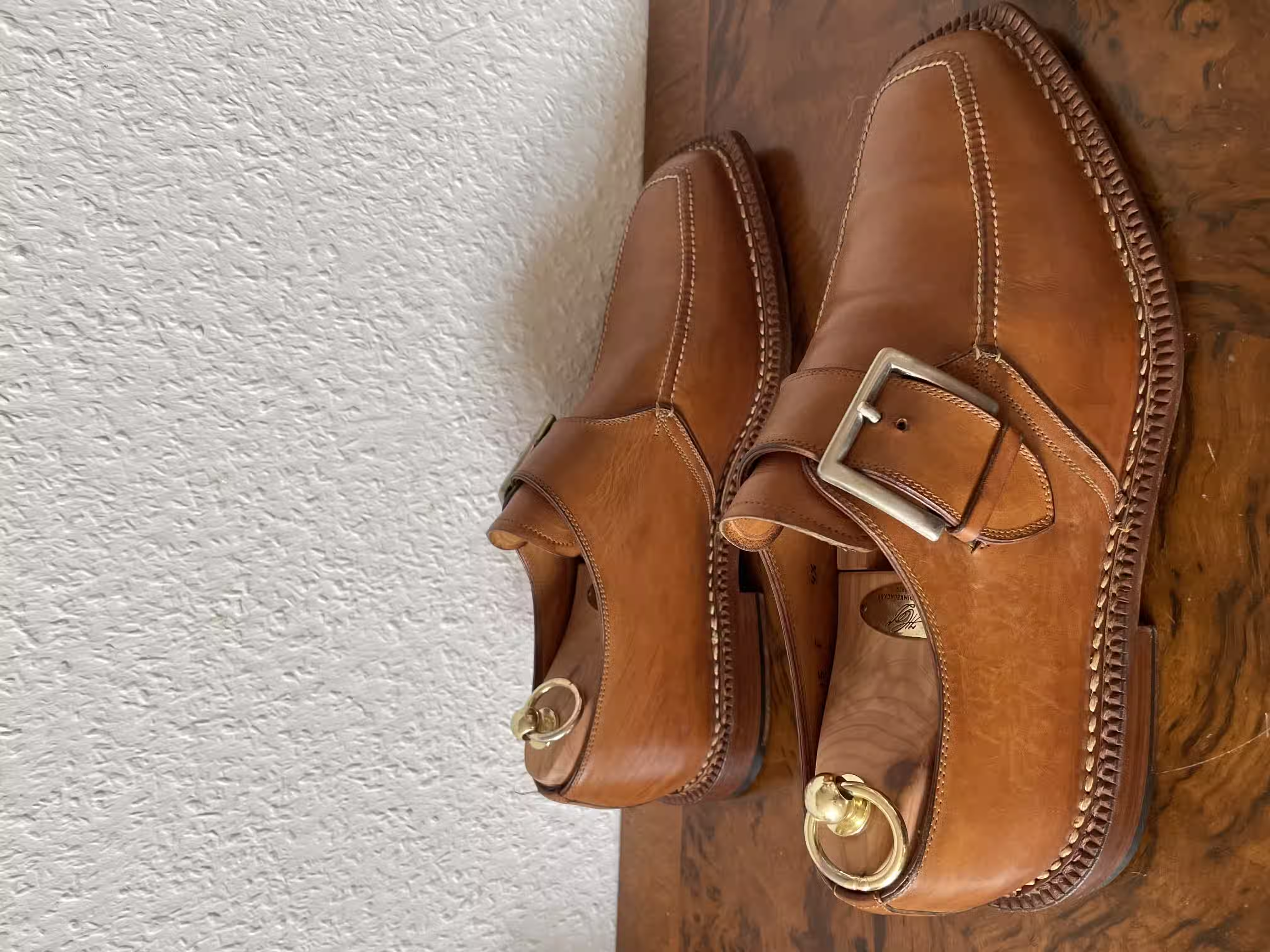
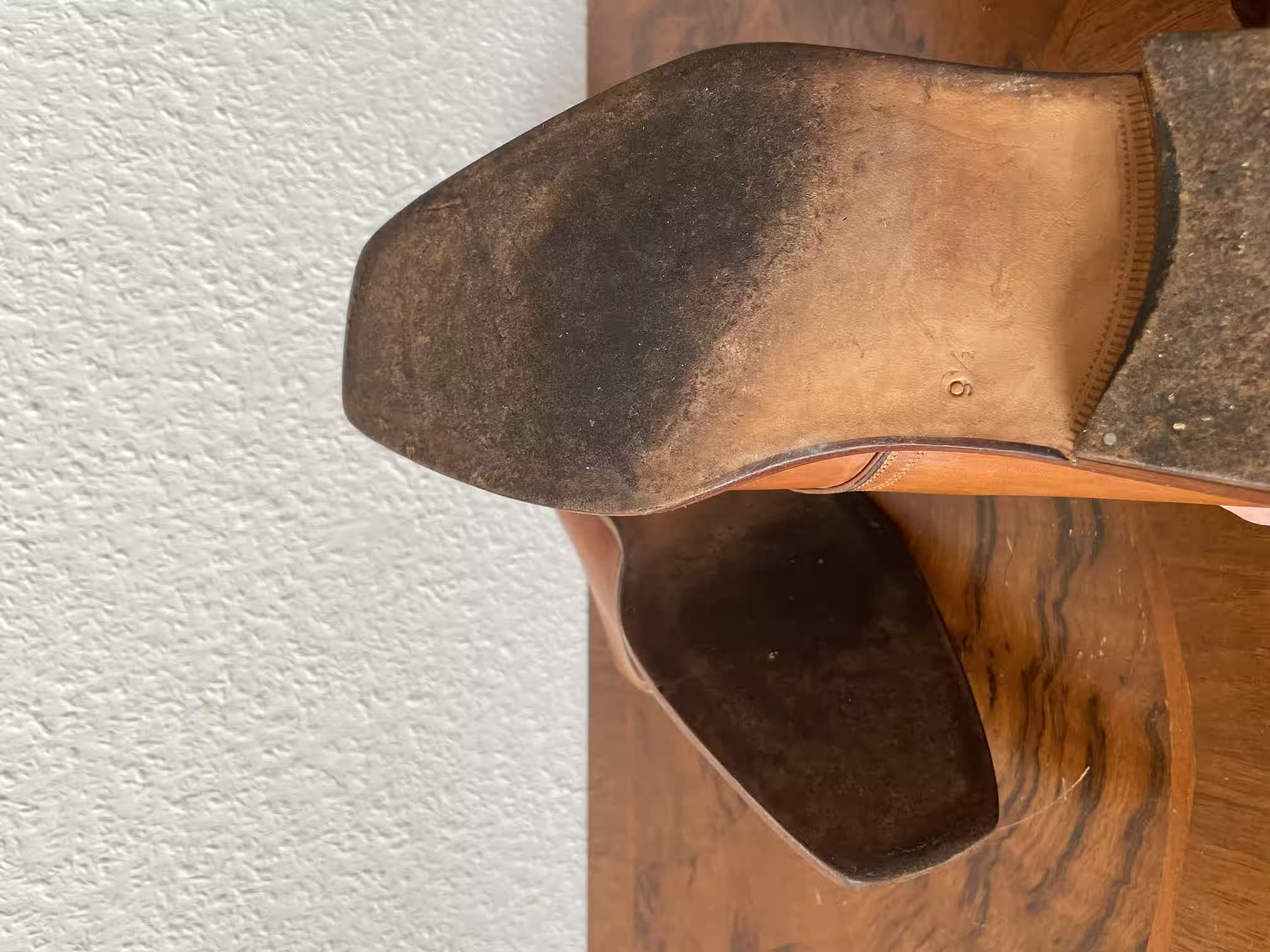
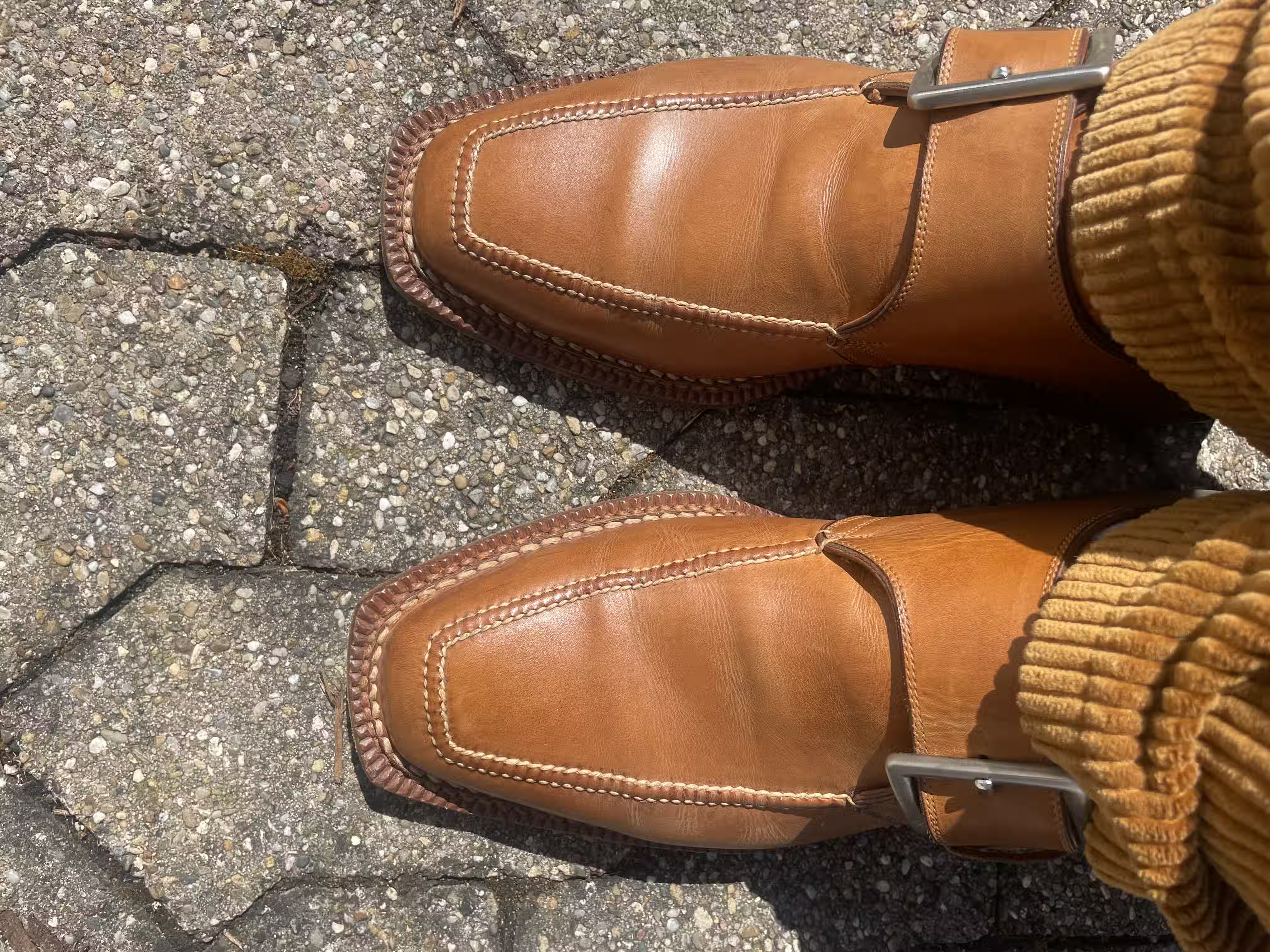
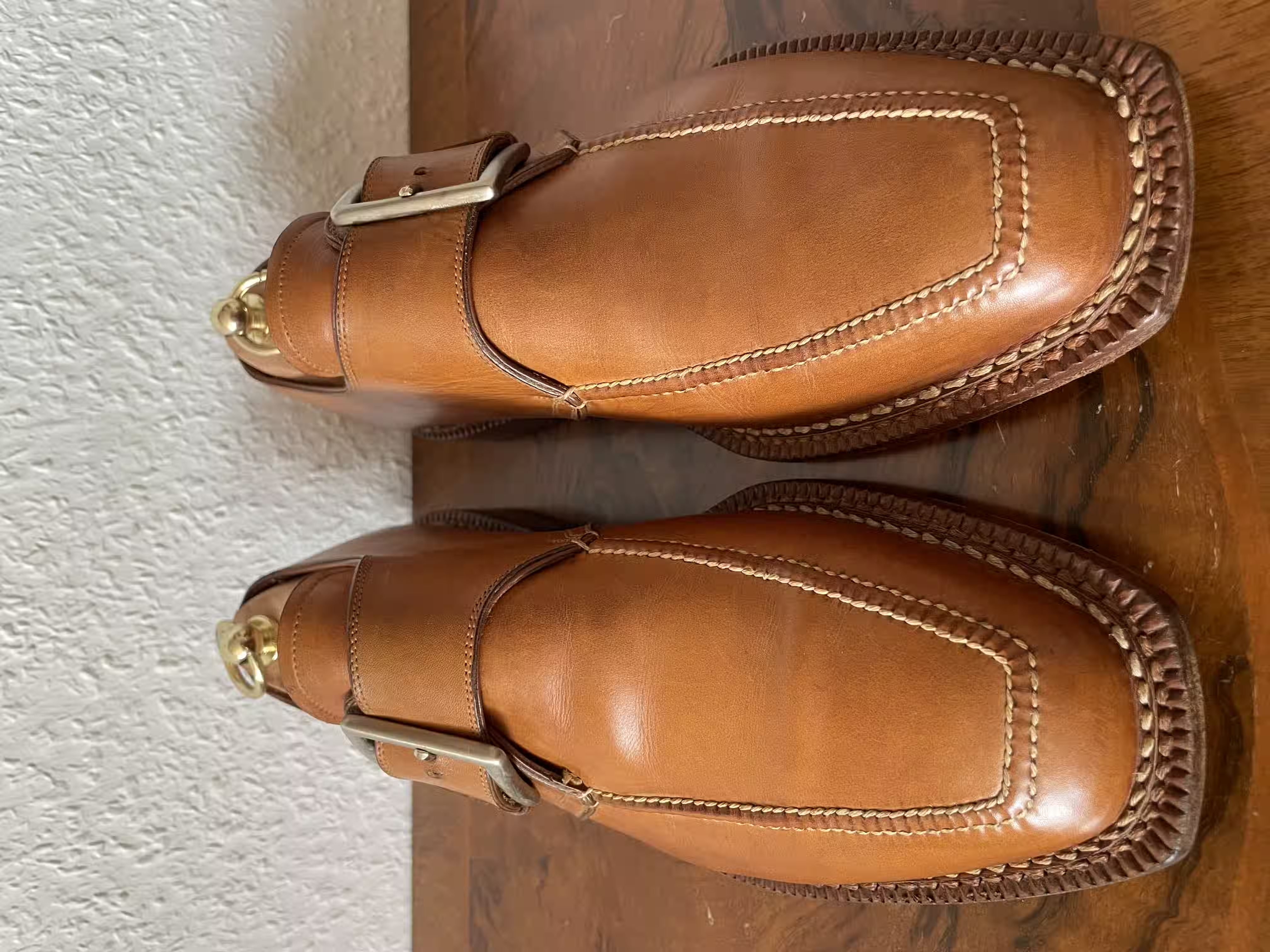
To me, this is an impressive single monk with contrast stitching. The beige contrast stitching stands out enough from the cognac color of the smooth leather and creates a nice contrast both on the smooth leather and on the welt. At the same time, this contrast is harmonious because beige and cognac are both light colors. For example, I imagine black contrast stitching here would look very unharmonious, because then the black stitching would be the only dark decoration. As it is, these are warm shoes with various light, warm colors and perfect for summer with light-colored chinos, linen trousers, or jeans. I would especially like light blue chinos with them.
Special features
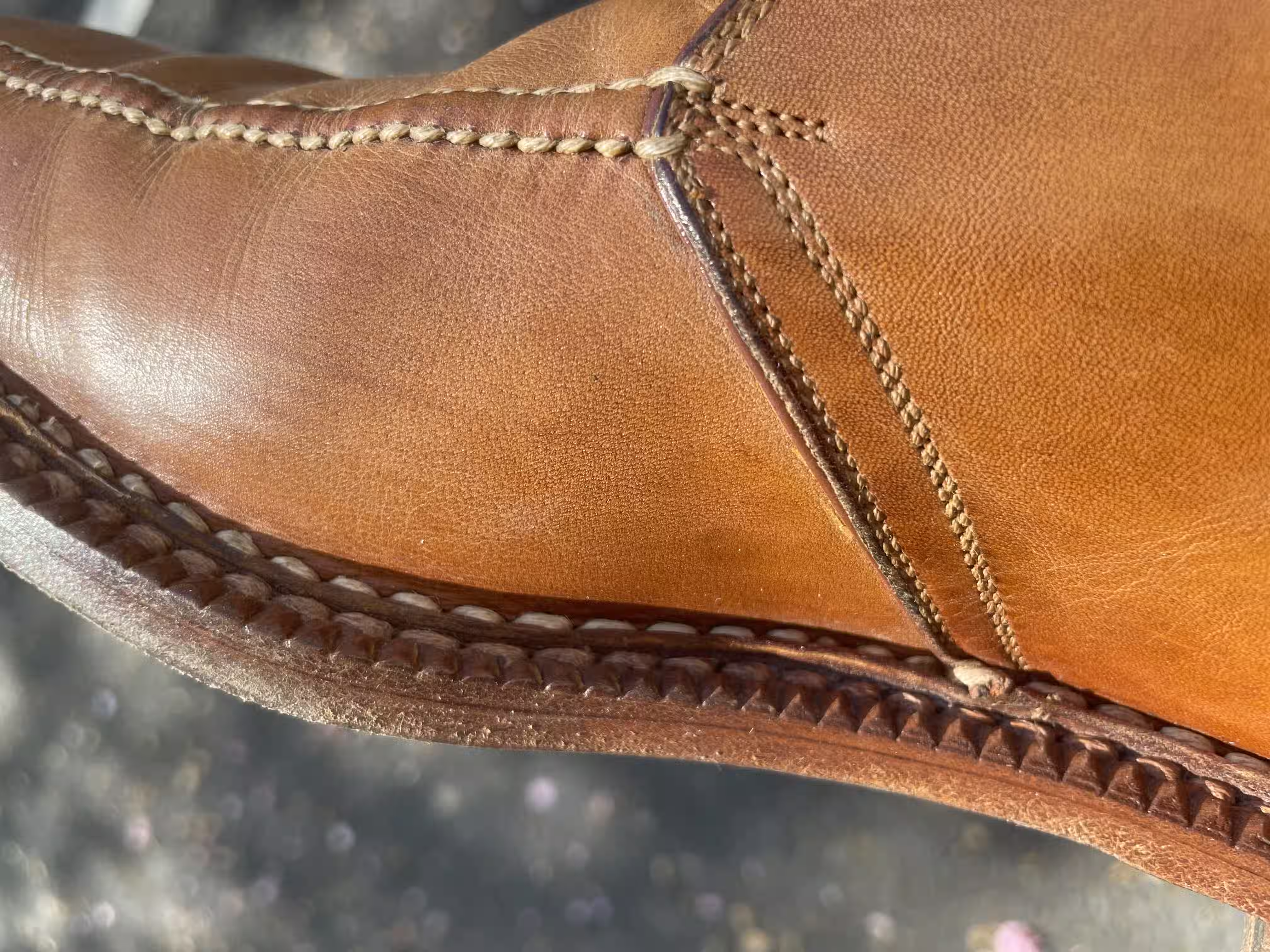
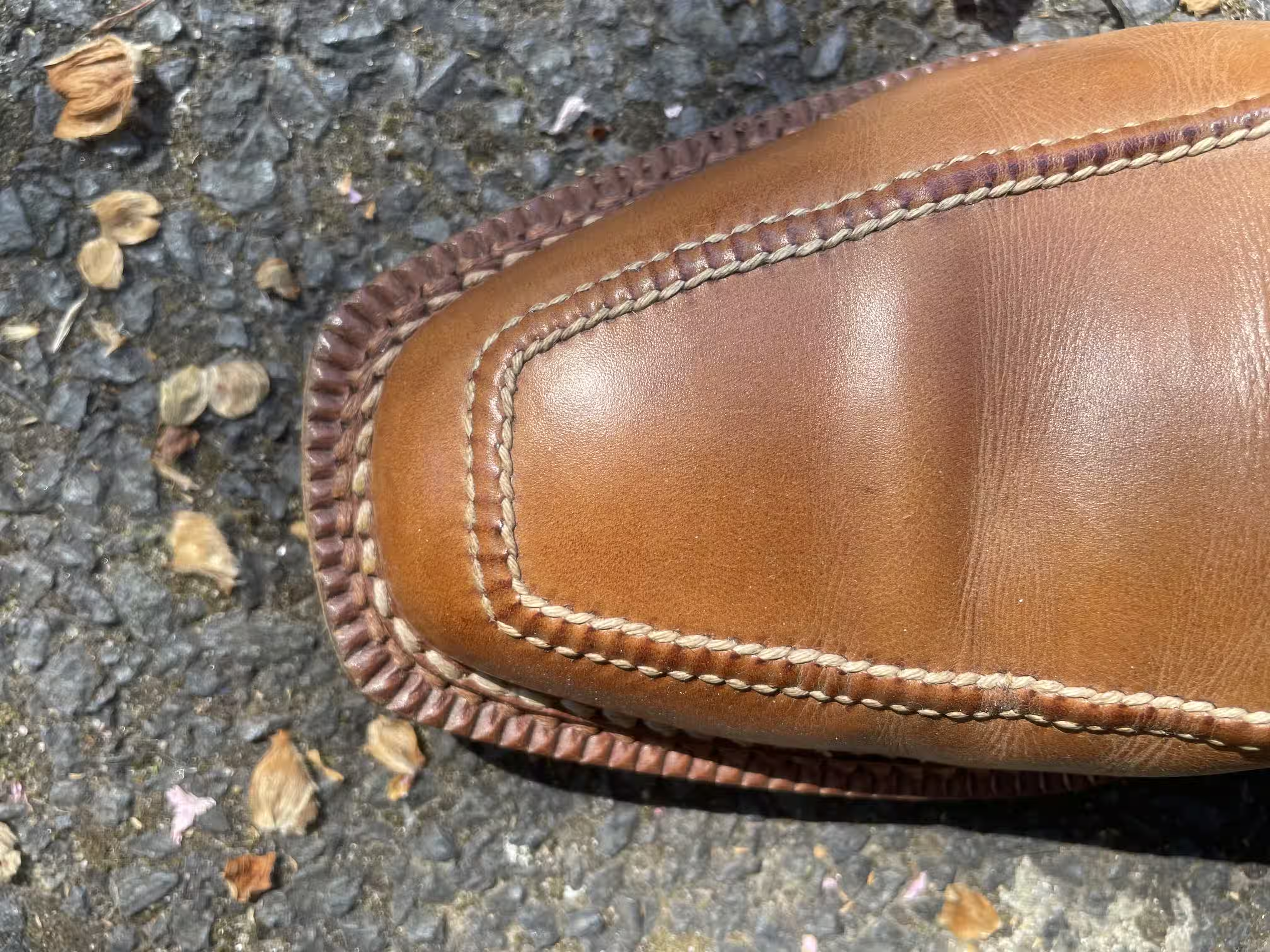
Contrast stitching doesn’t occur only on shoes; it exists in all kinds of things: leather jackets, leather bags, wallets, and also in fabric clothing in general. Here’s a small impression where the contrast stitching is all in beige and stands out strongly from the rest of the color:
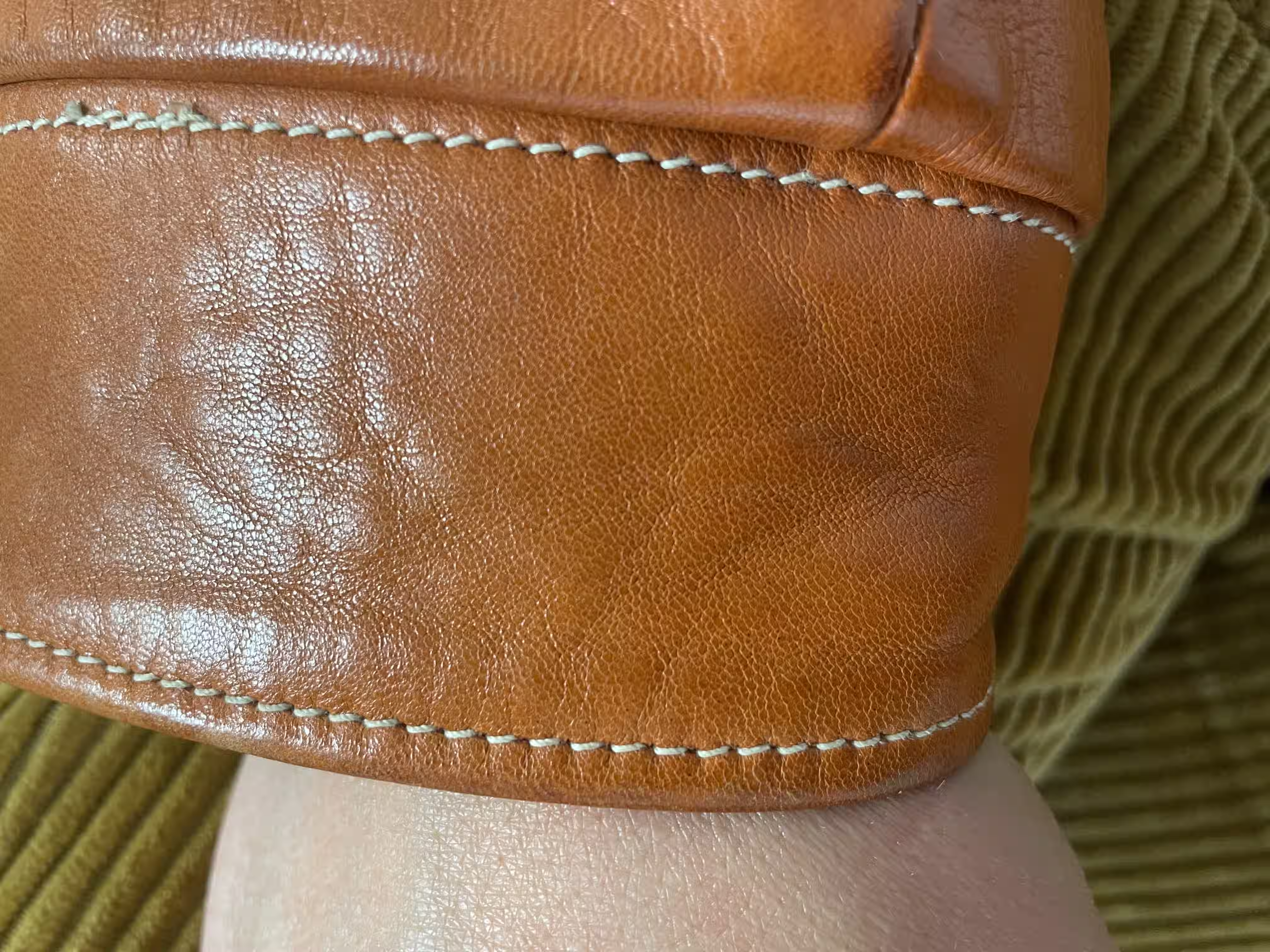
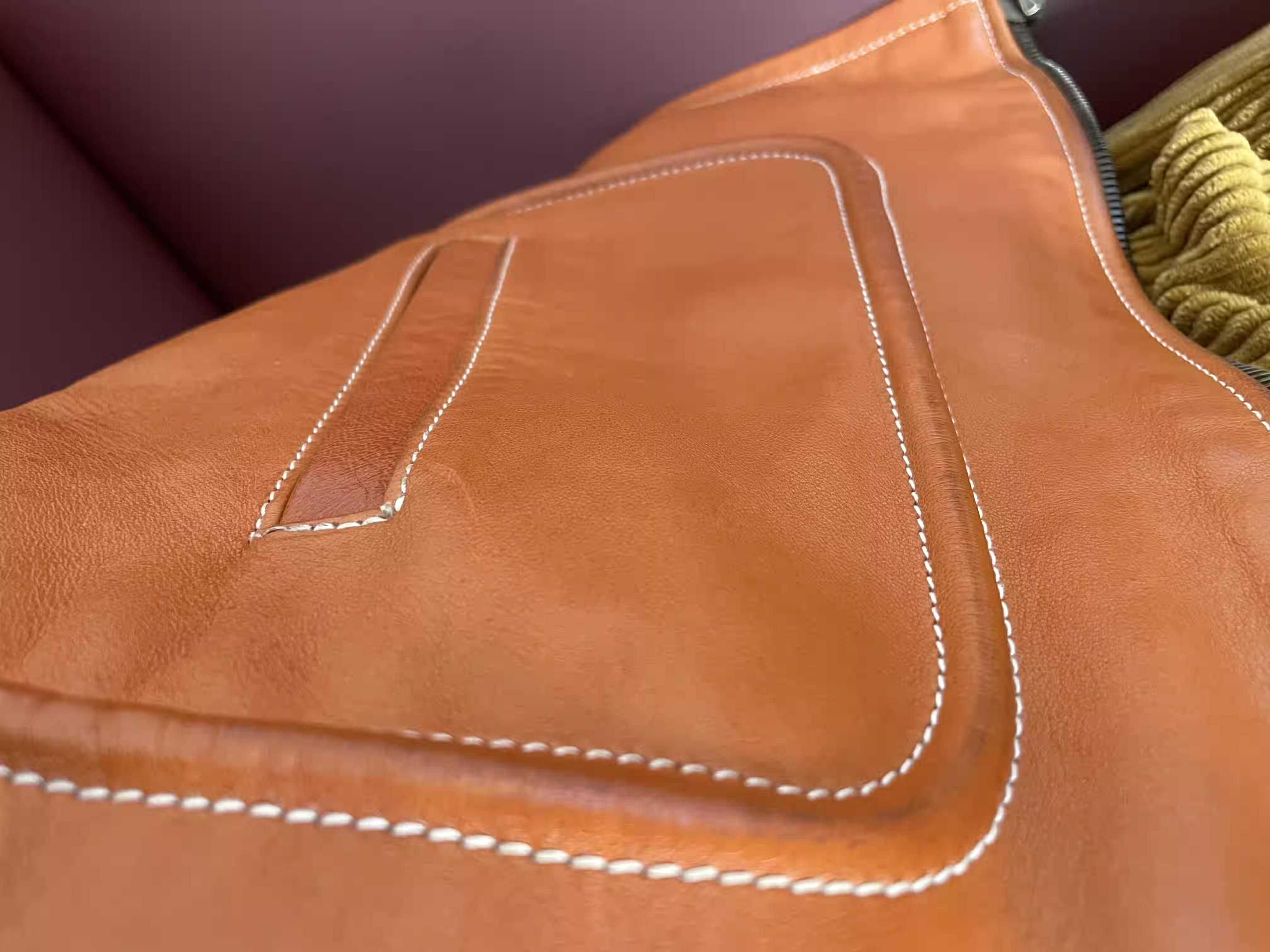
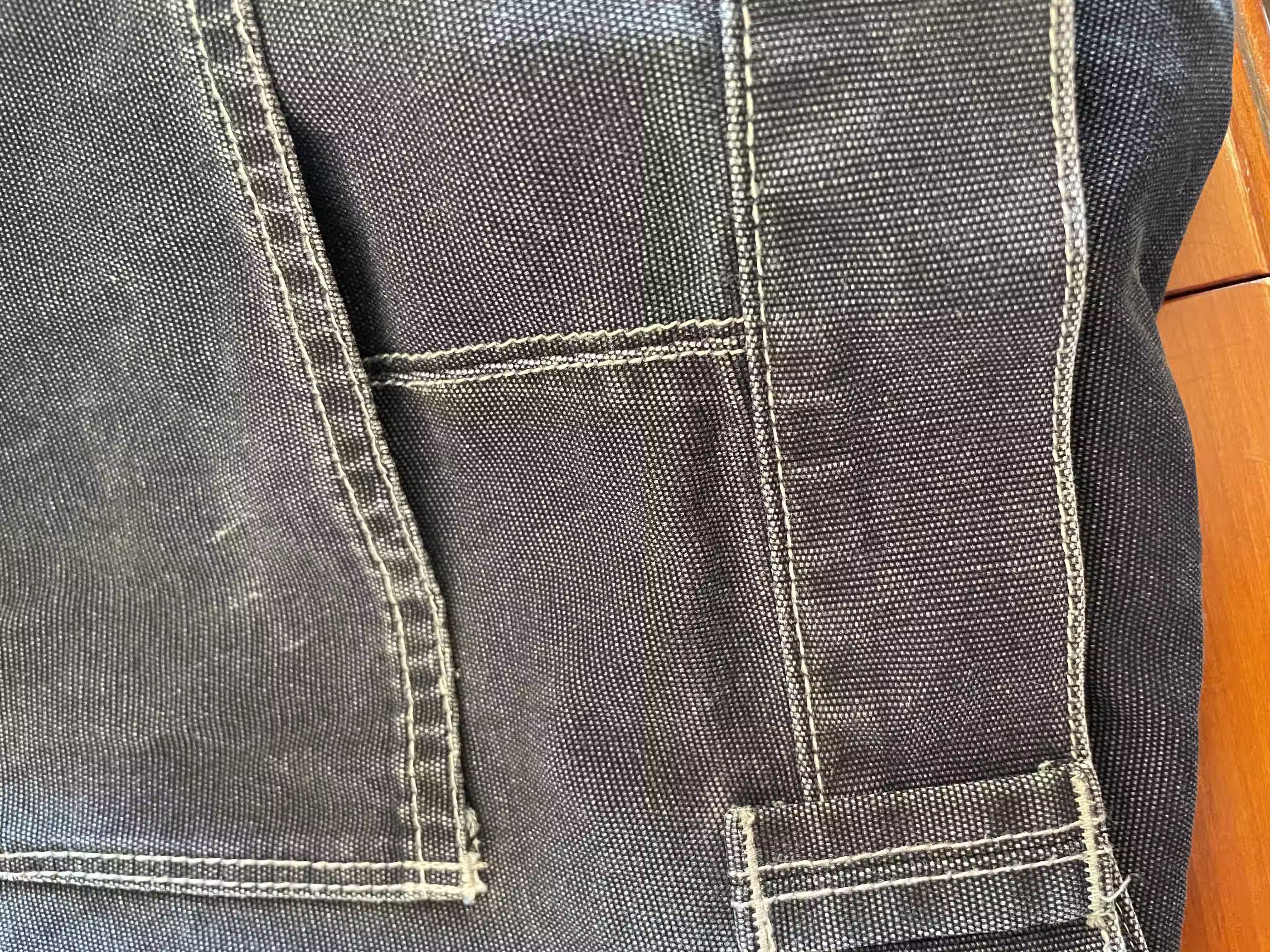
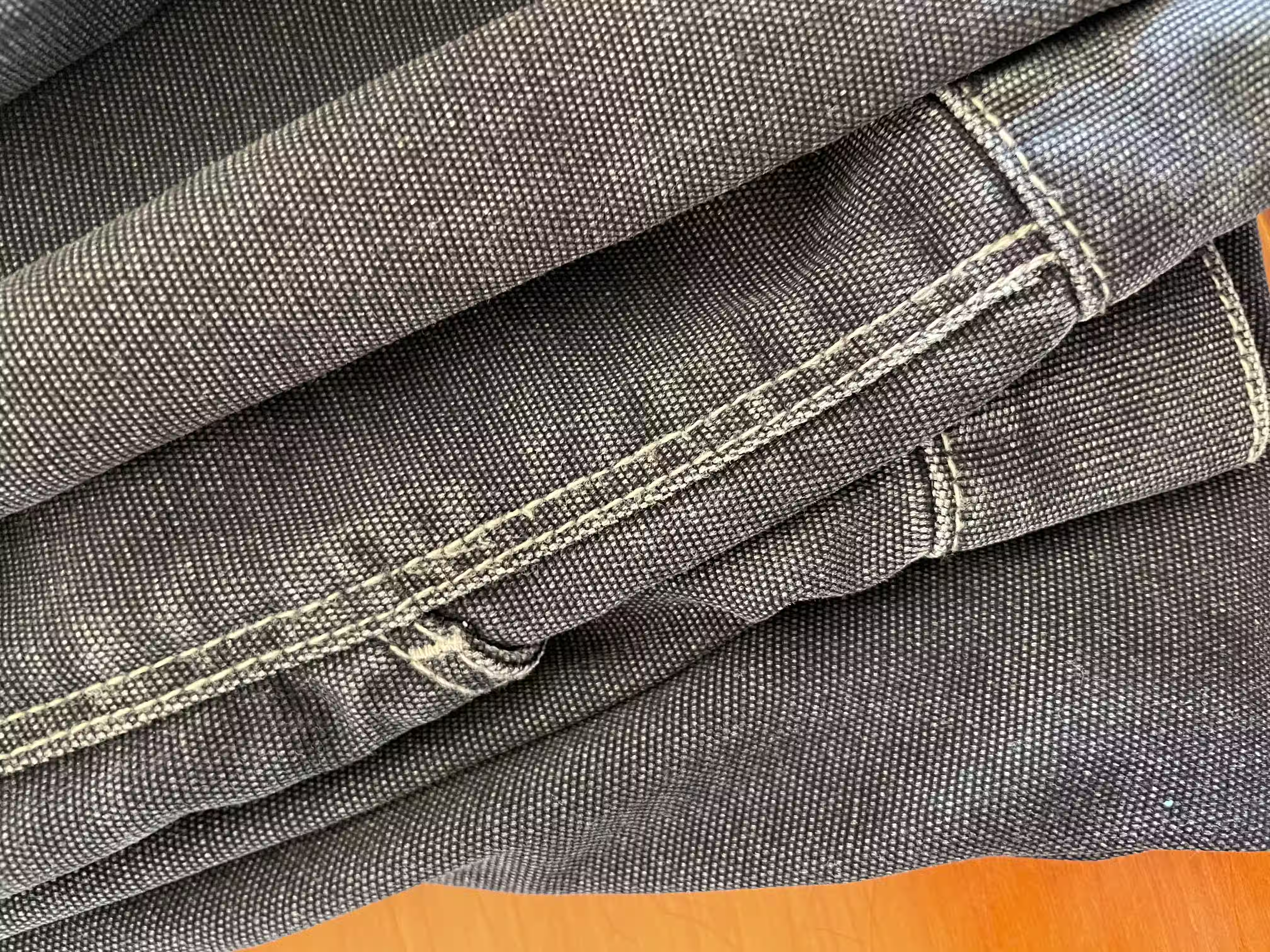
Most contrast stitching is white or beige: when the leather has a clear color, or even when it is dark or black, white or beige creates a nice contrast. White would only fail to provide real contrast with white leather or with pastel leather colors. But classic shoes are usually rarely found in such lighter colors. Rather, it’s white sneakers that dominate the light colors in practice. Only at quite a distance behind that come various summer shoes in light colors.
The style with contrast stitching is so striking because the strong contrast invites the eye to look—something that can happen quite unconsciously for the viewer. So in a business context you should rather avoid such shoes—such as black shoes with white contrast stitching.
Counterexample to contrast stitching: leather and stitching in a similar color
The difference in color from the main or background color is what defines contrast stitching. For comparison, here is a leather jacket where the stitching is not high-contrast and thus rather inconspicuous:
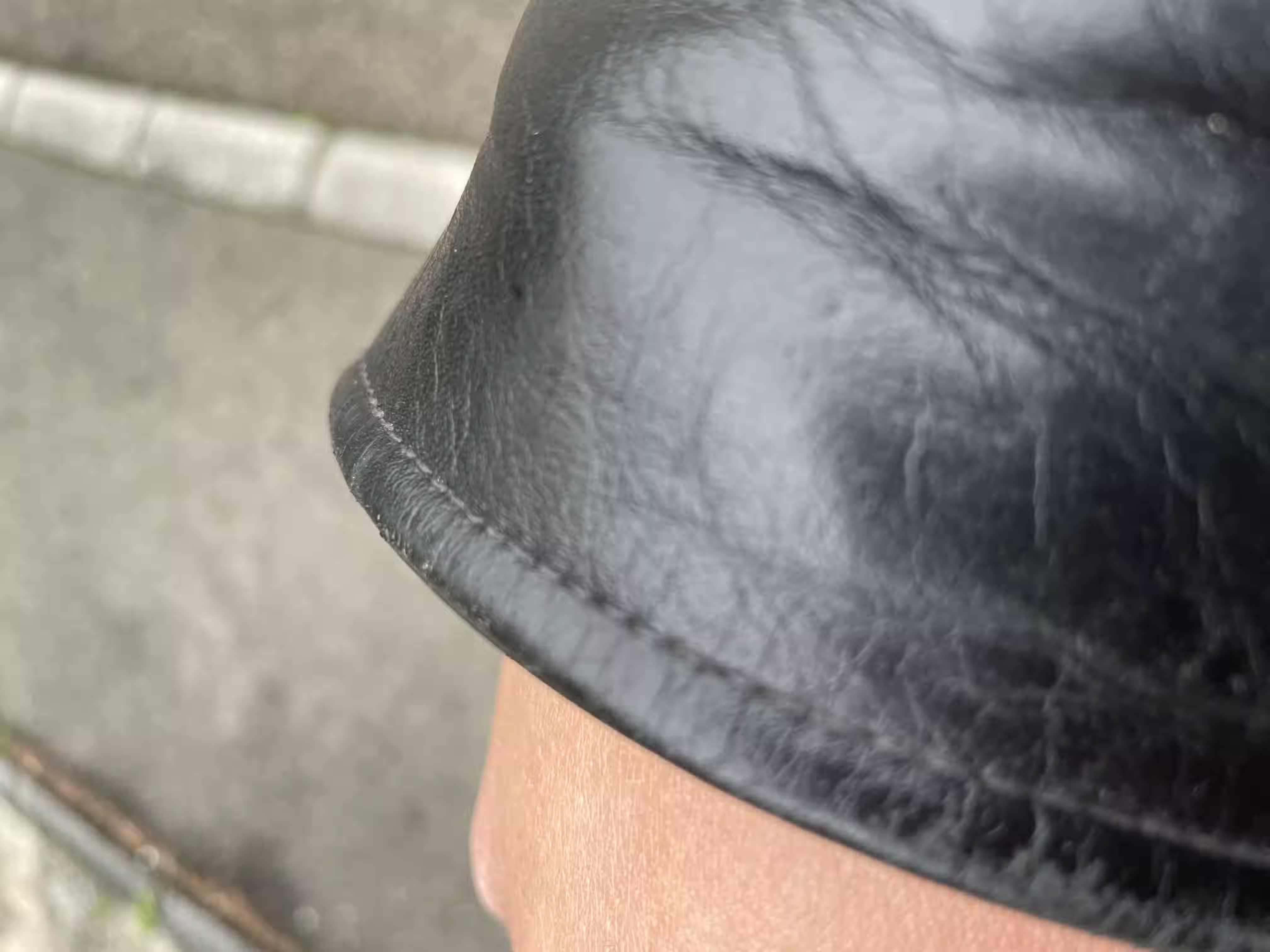
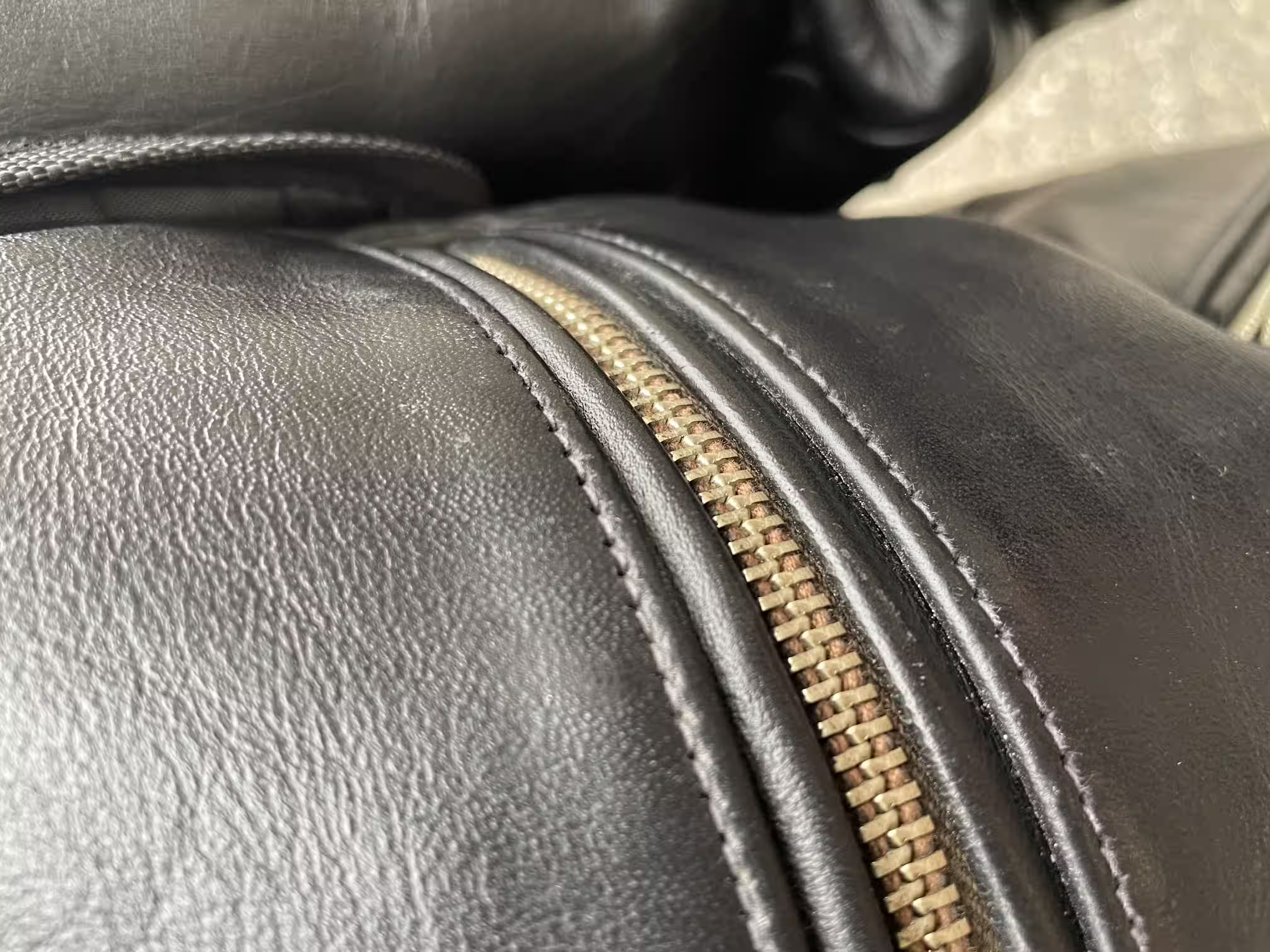
The stitching here is slightly lighter than the leather. When you’re close up, you can recognize the stitching well, as here. But the farther away you are, the more the stitching and leather visually blend into one another.
Variants
Black casual Oxfords with contrast stitching
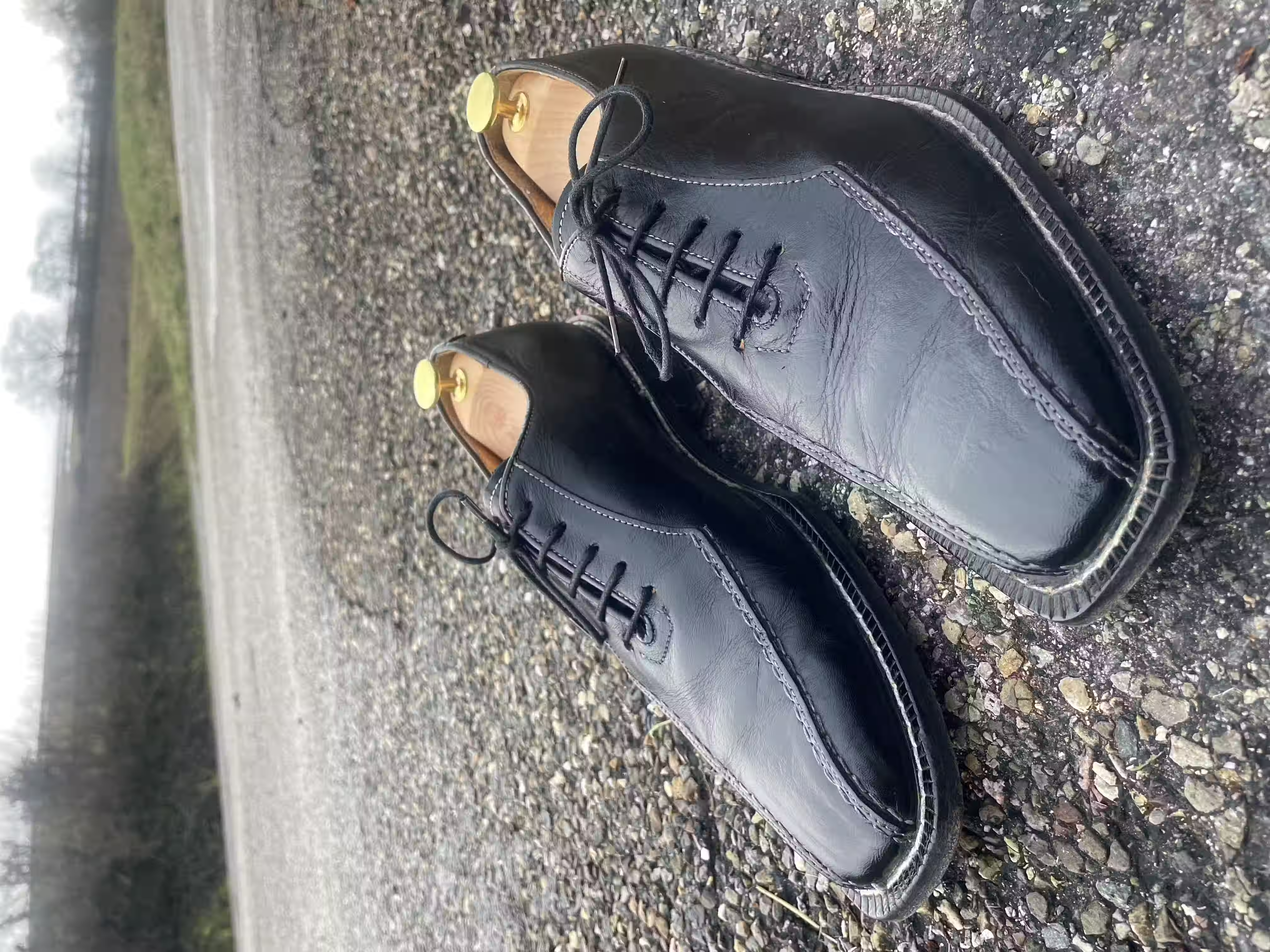
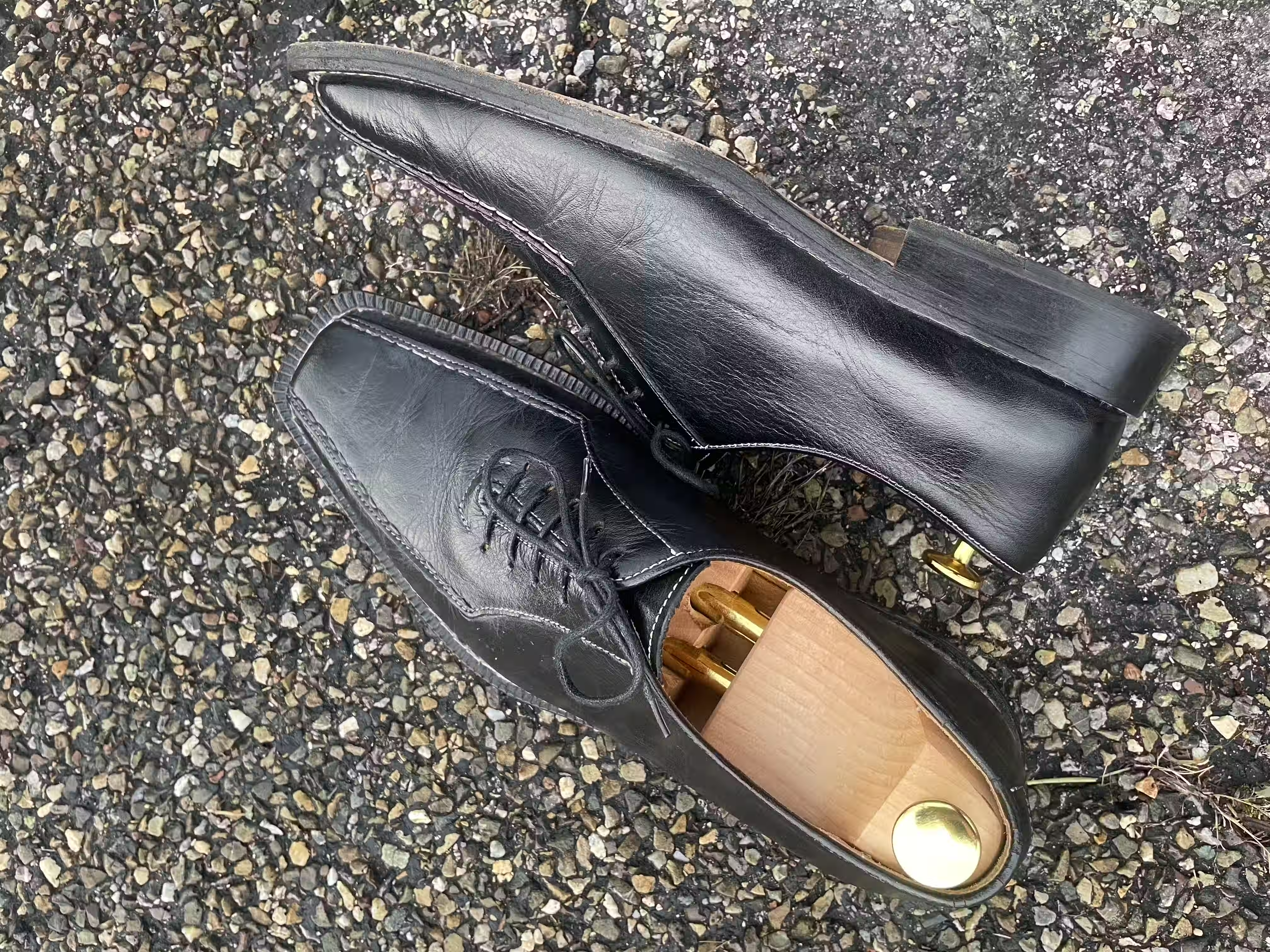
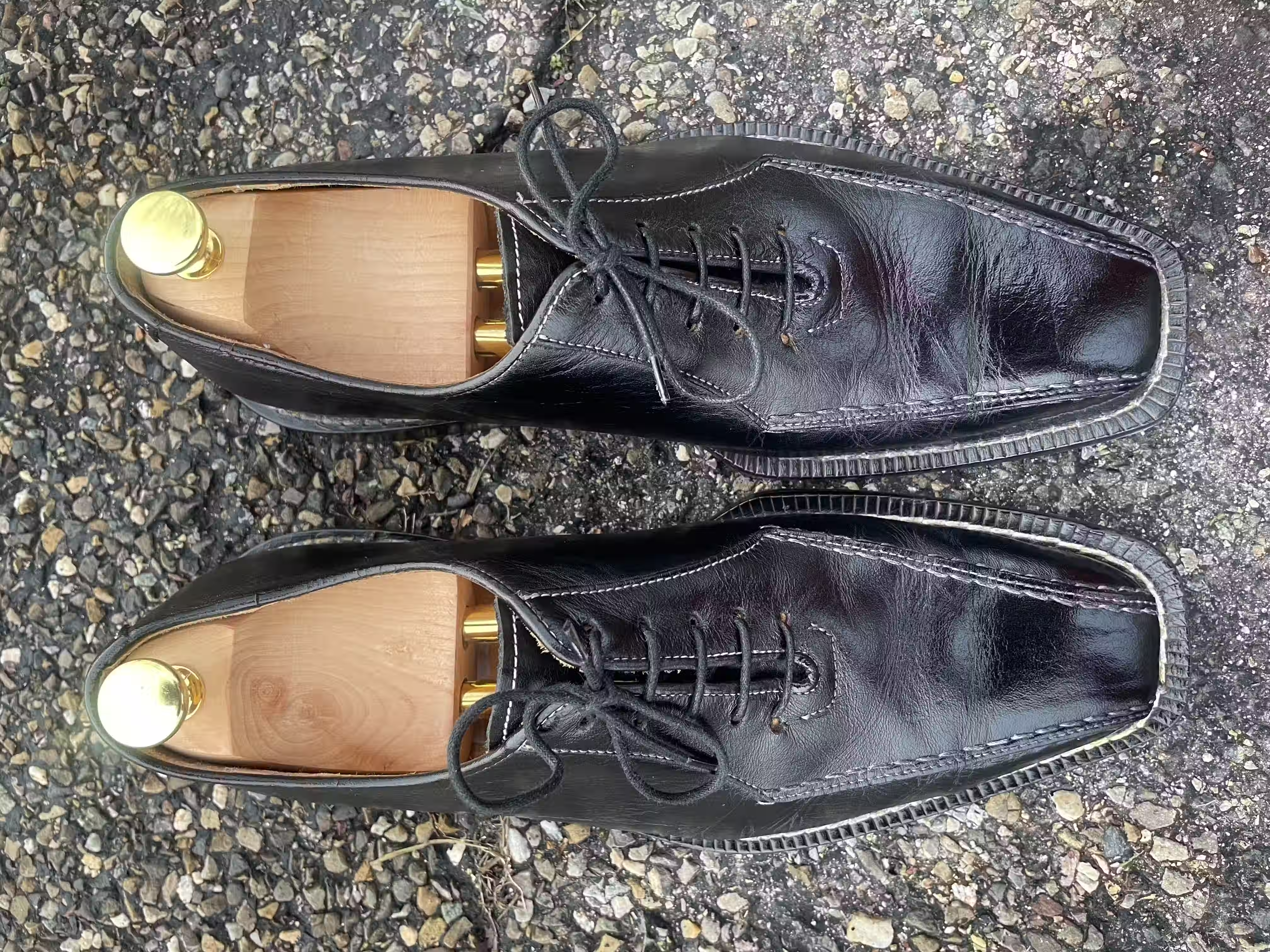
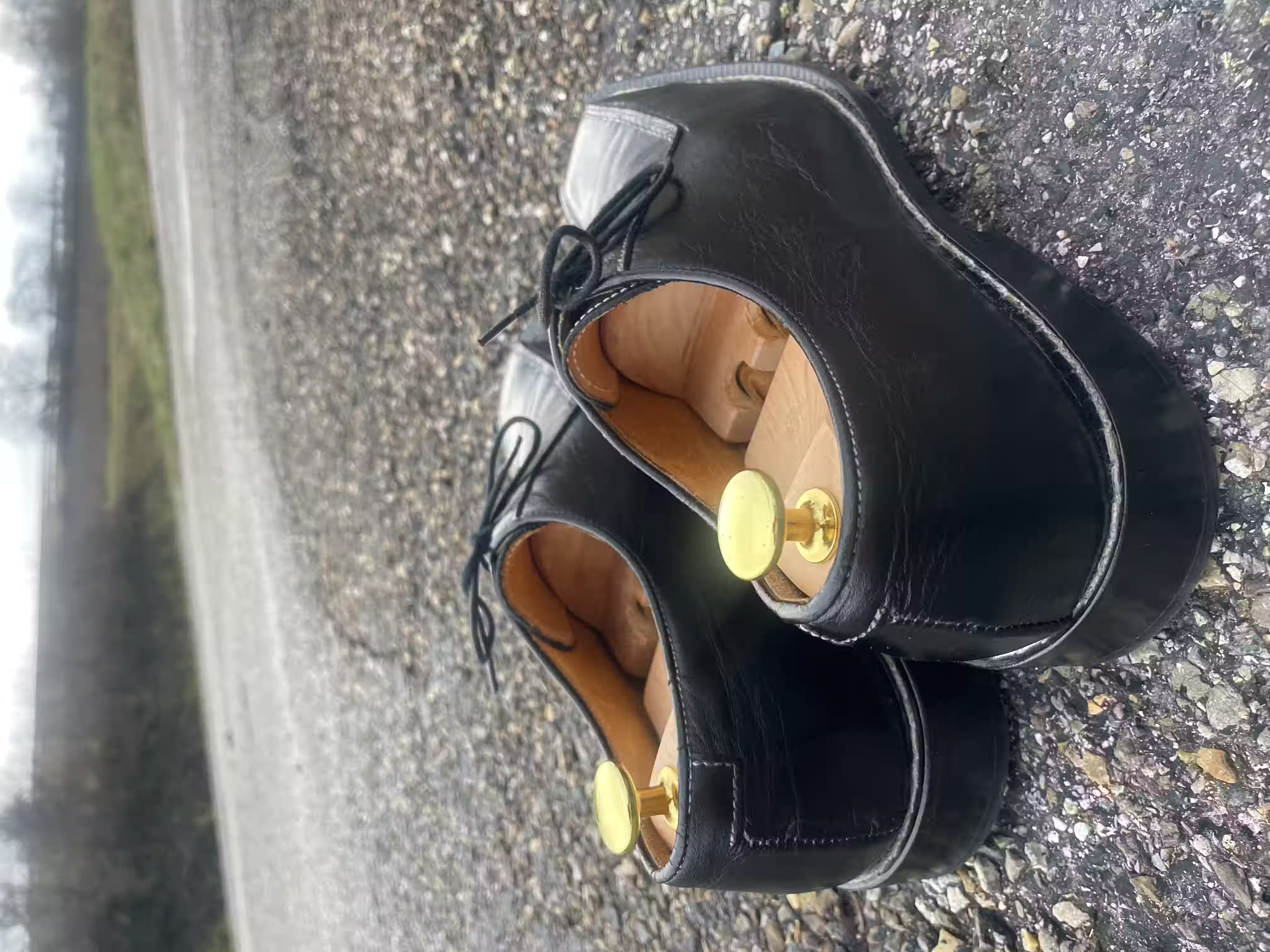
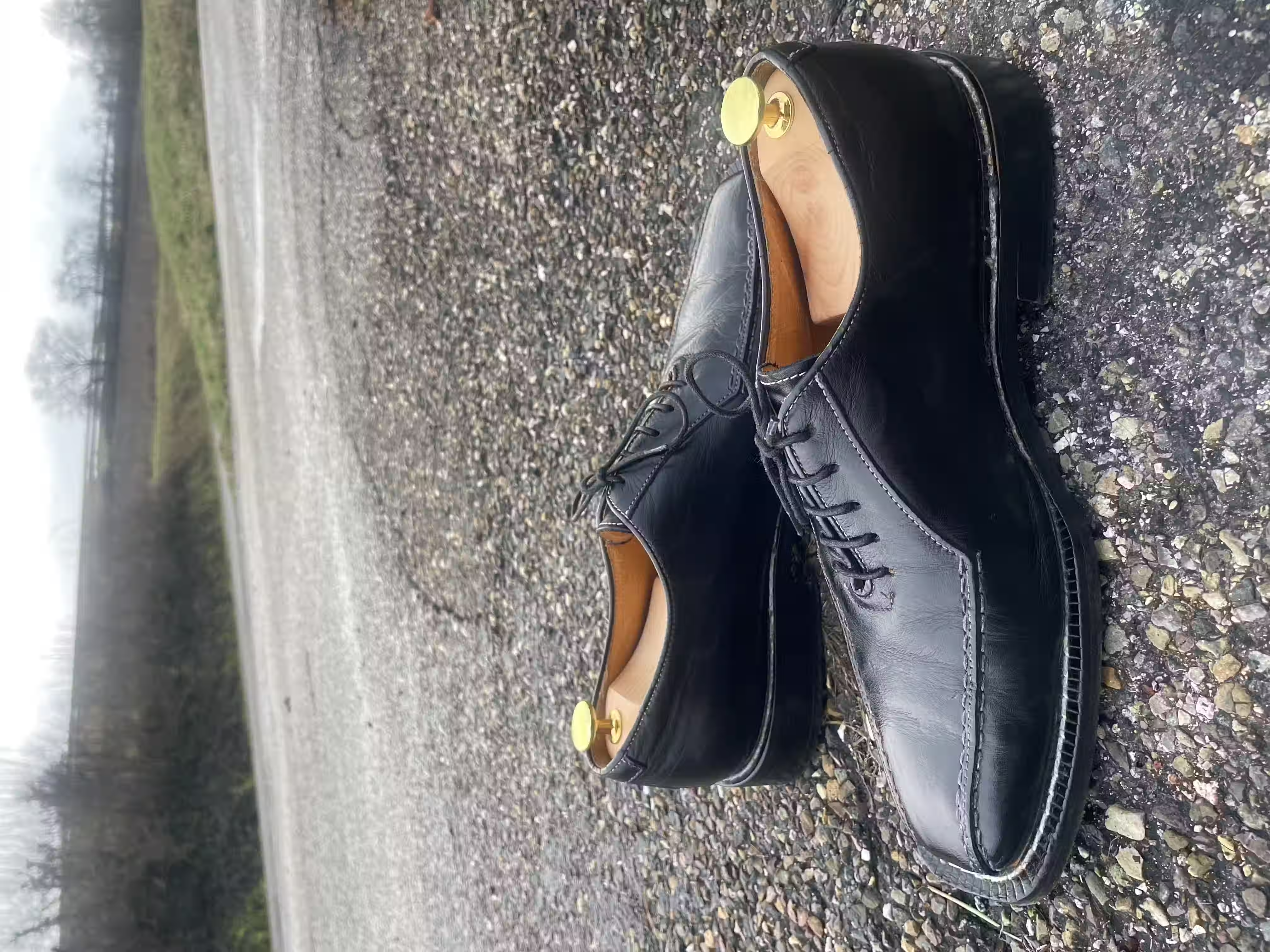
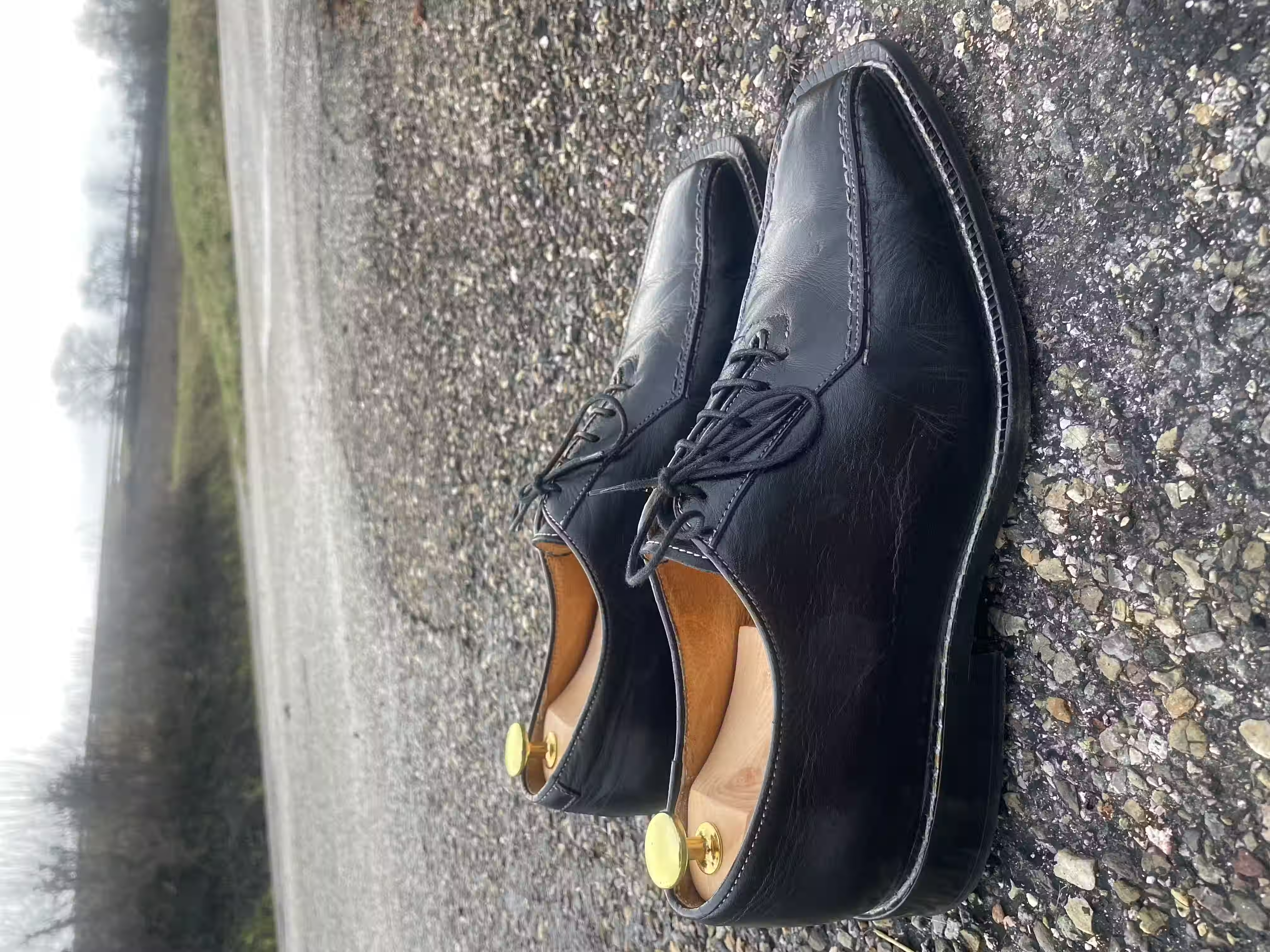
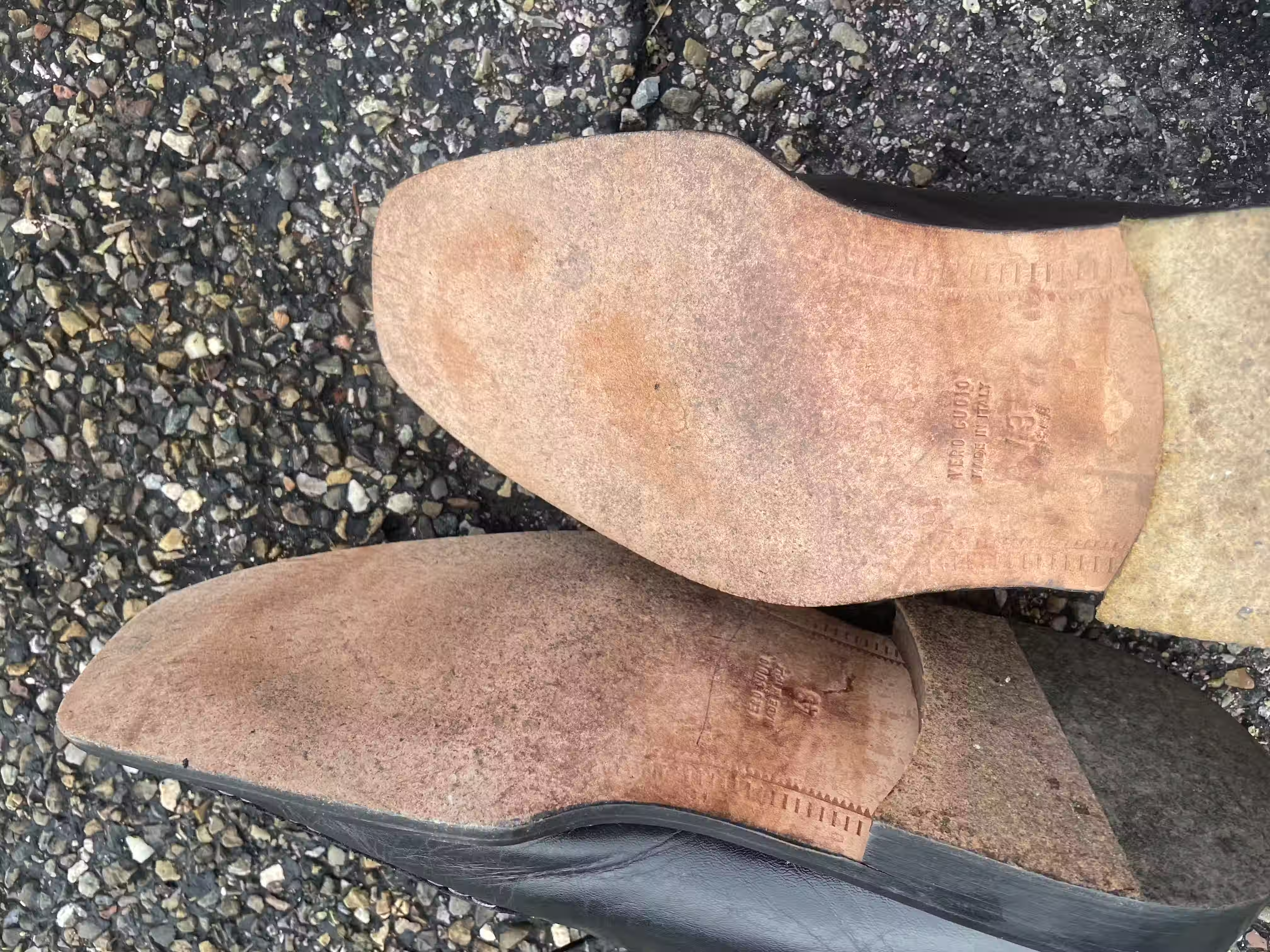
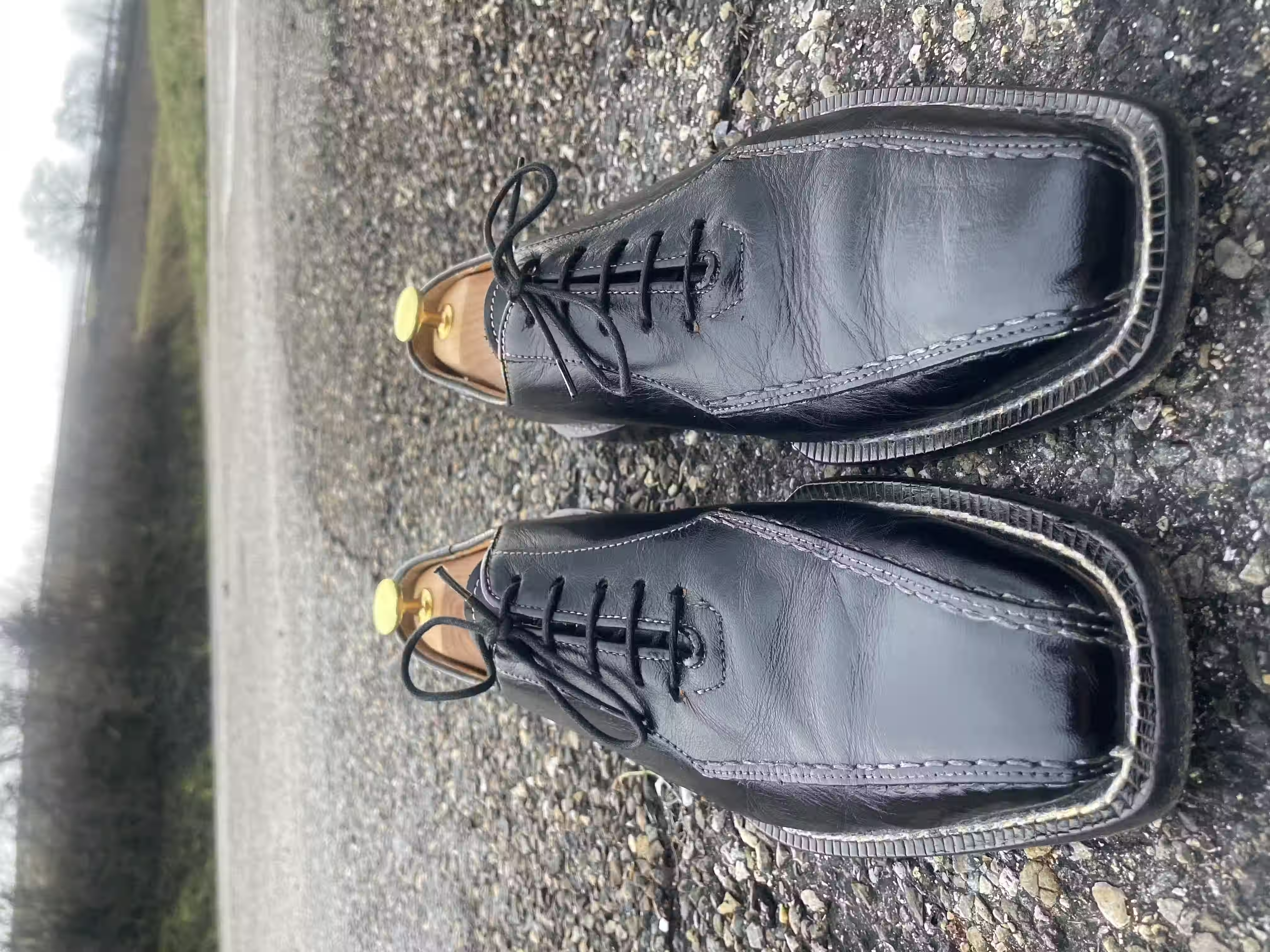
Here we have a pair of very casual Oxford shoes. Even if they were more formal in terms of style, the contrast stitching alone would already be enough for this to no longer be a formal shoe. So even details like contrast stitching can have an enormous effect. Here, however, it has already been quite darkened on the upper leather, having picked up some of the shoe cream during care. Only the stitching on the so-called welt stands out particularly clearly.
Basically, this is an experimental shoe that deals with the question: How can I take a formal base model like the Oxford and turn it into an extremely casual shoe? Among various other details, this succeeds here through the use of contrast stitching. This illustrates a main use case for contrast stitching, namely to make shoes more casual and more decorated.
Reddish-brown ankle boots with contrast stitching
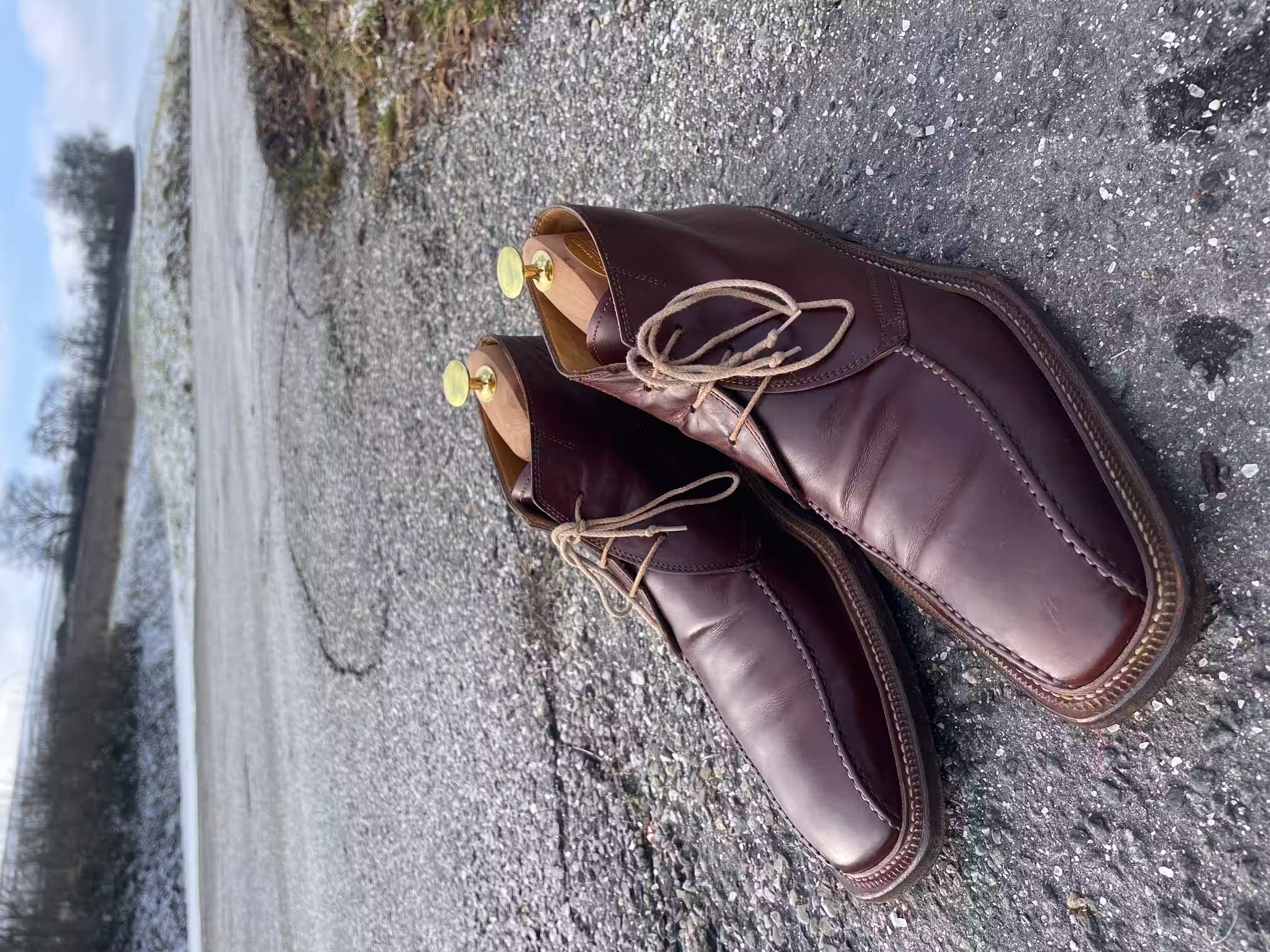
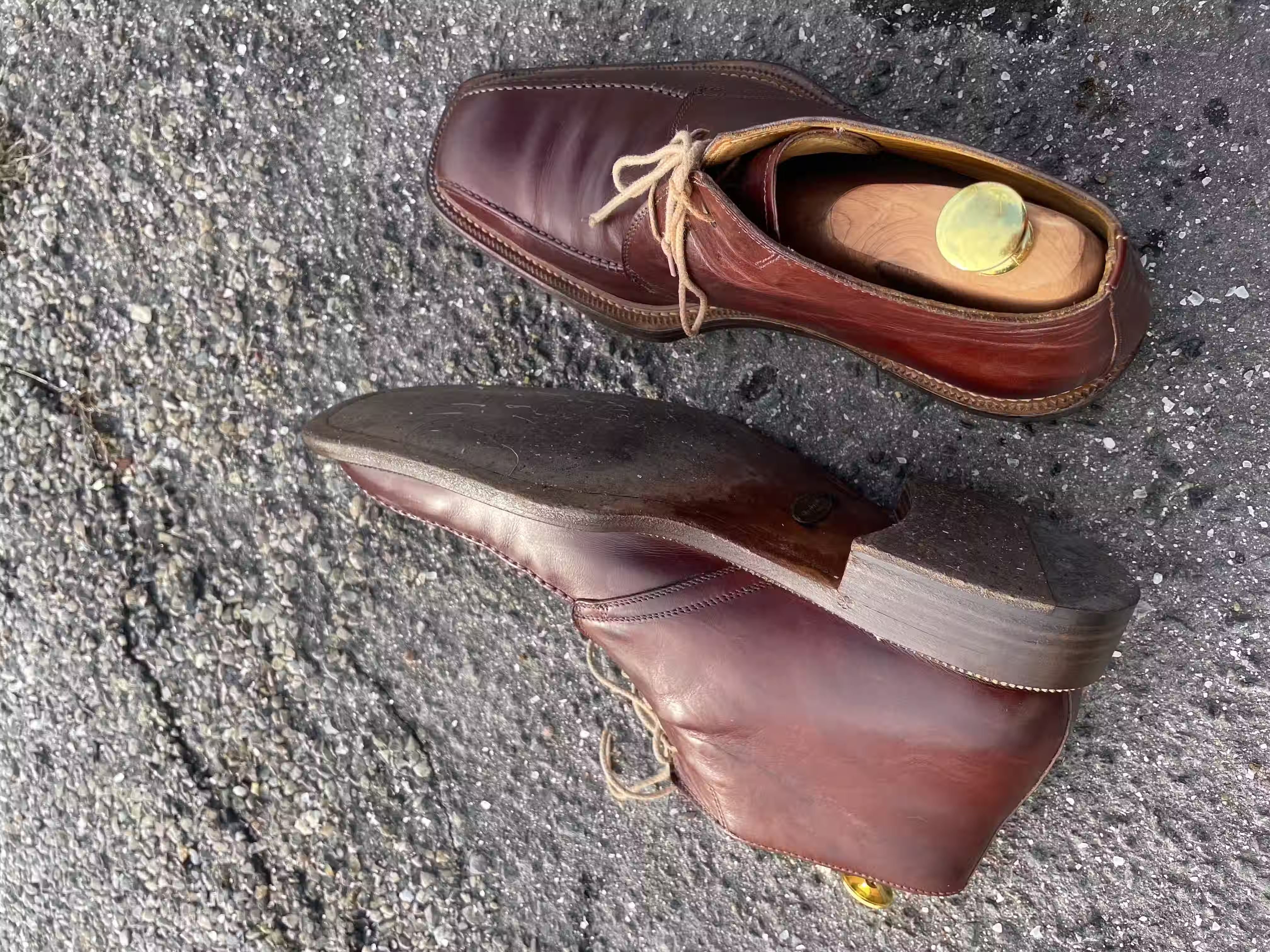
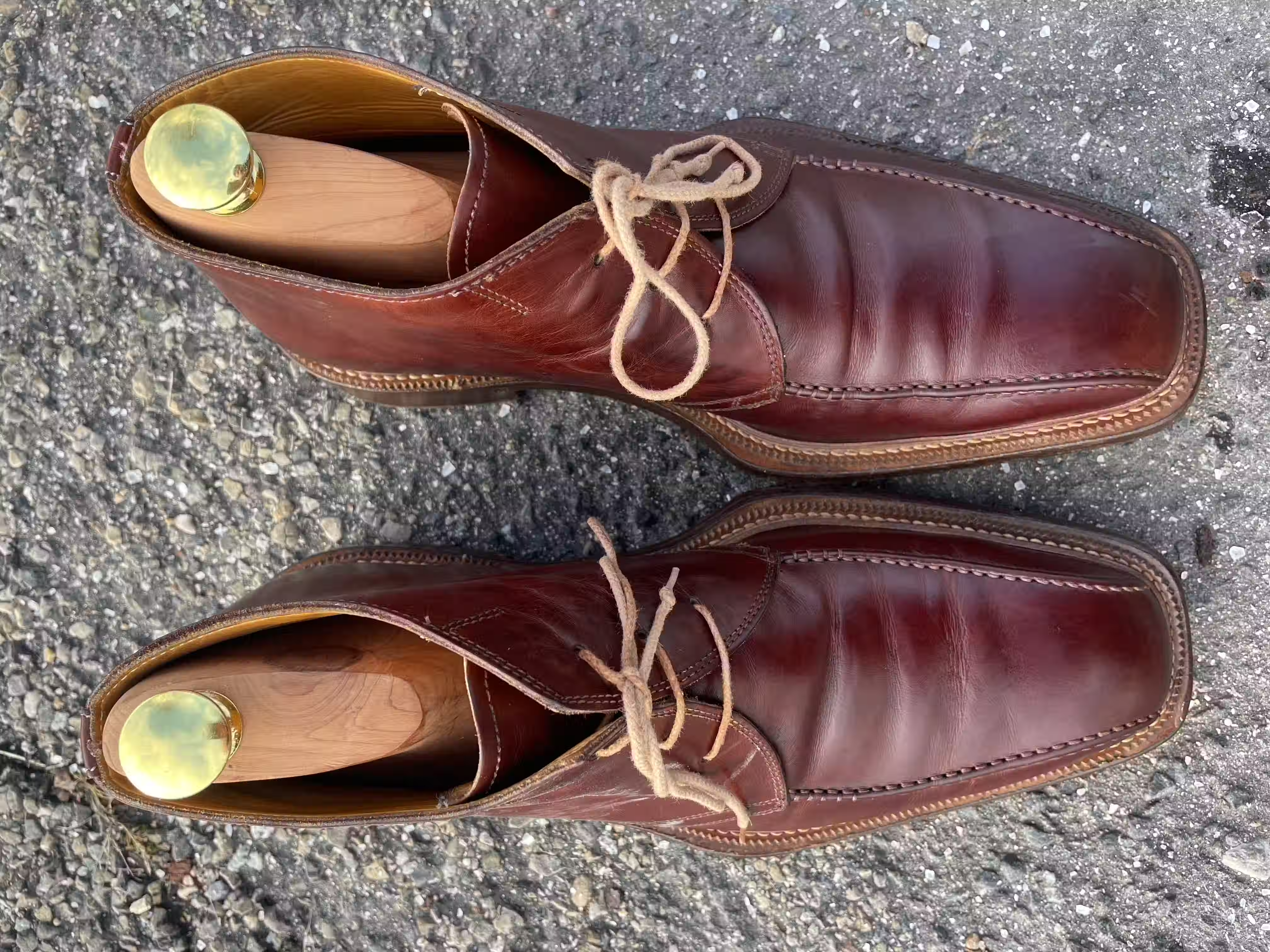
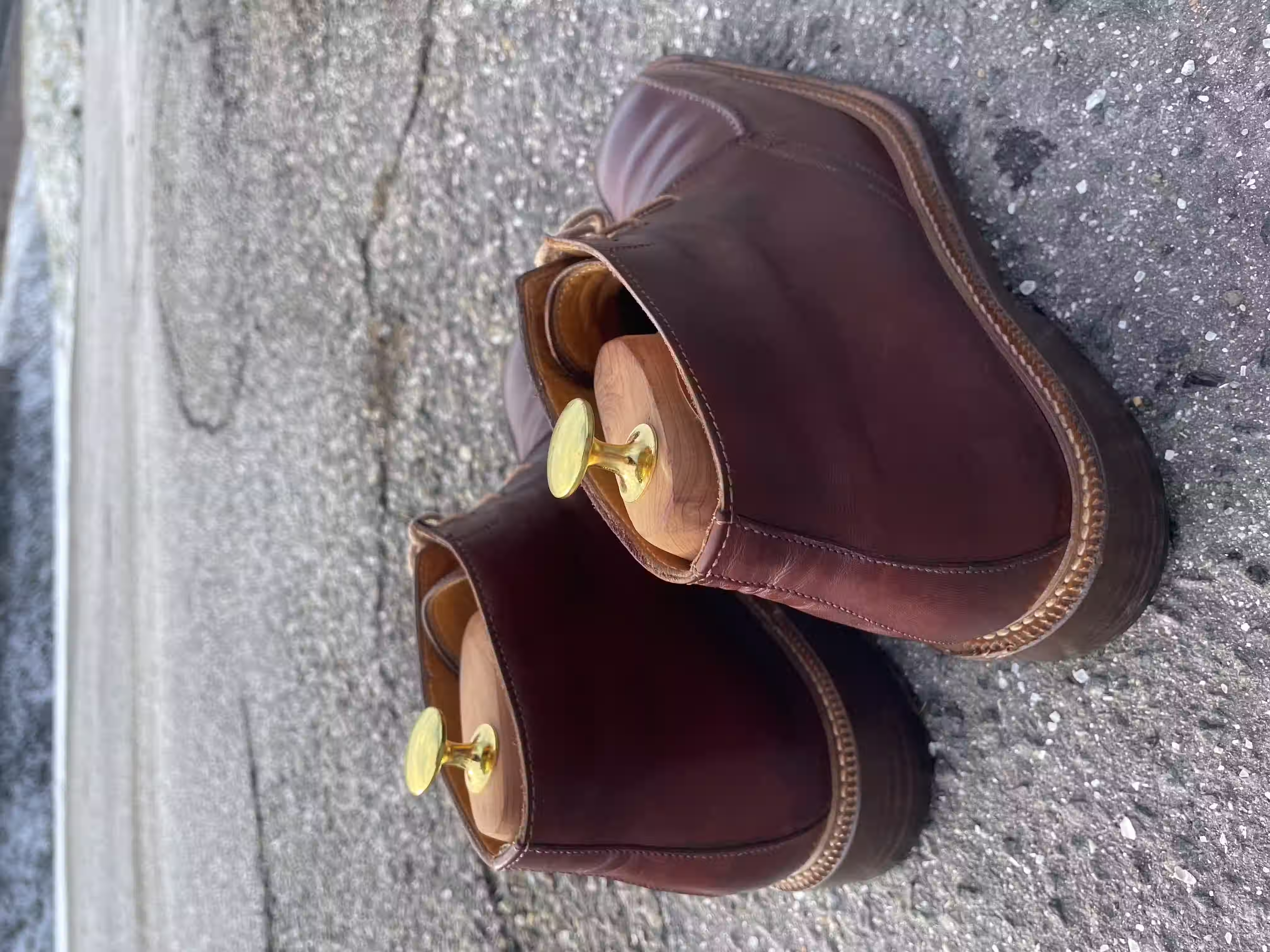
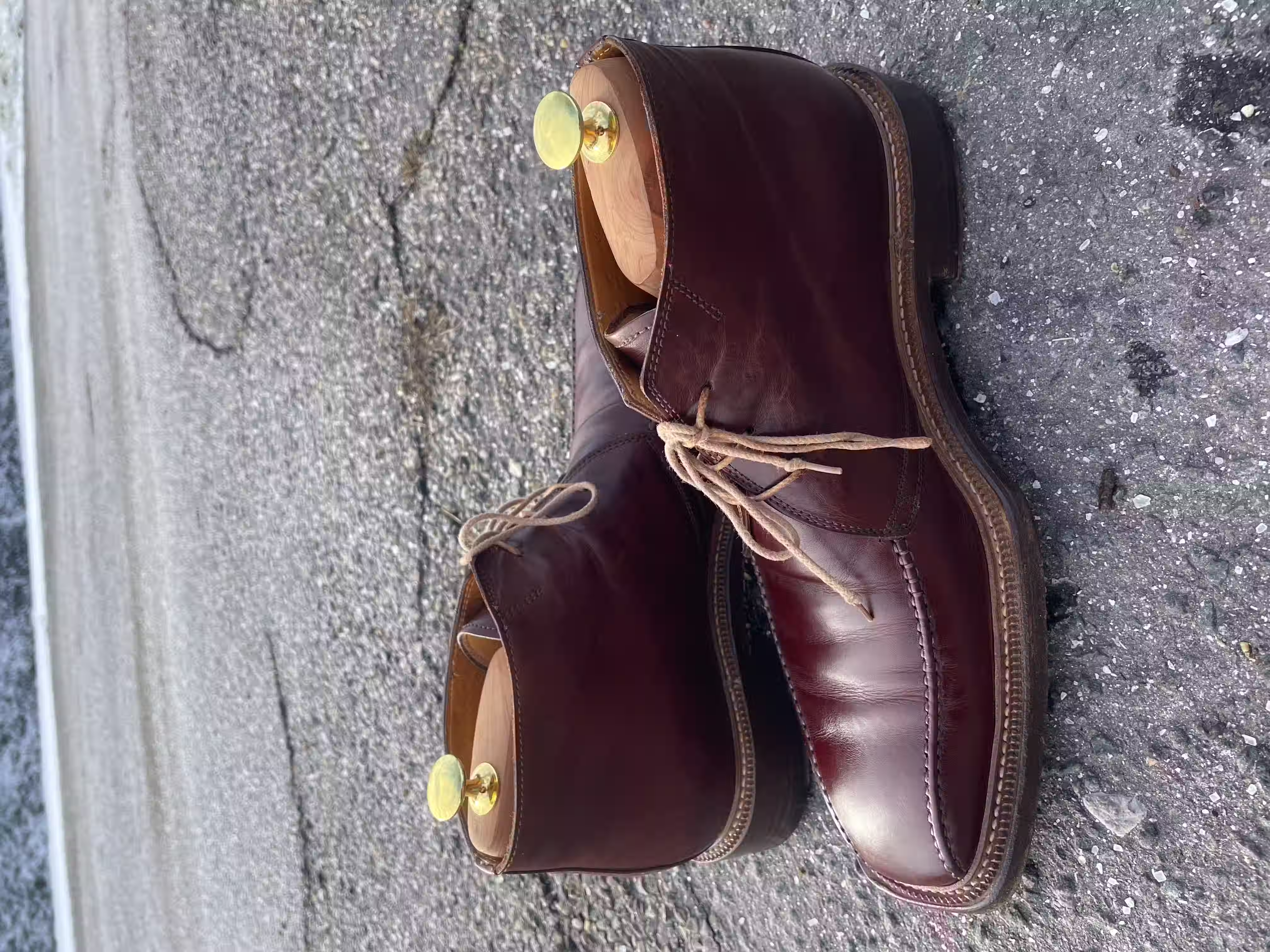
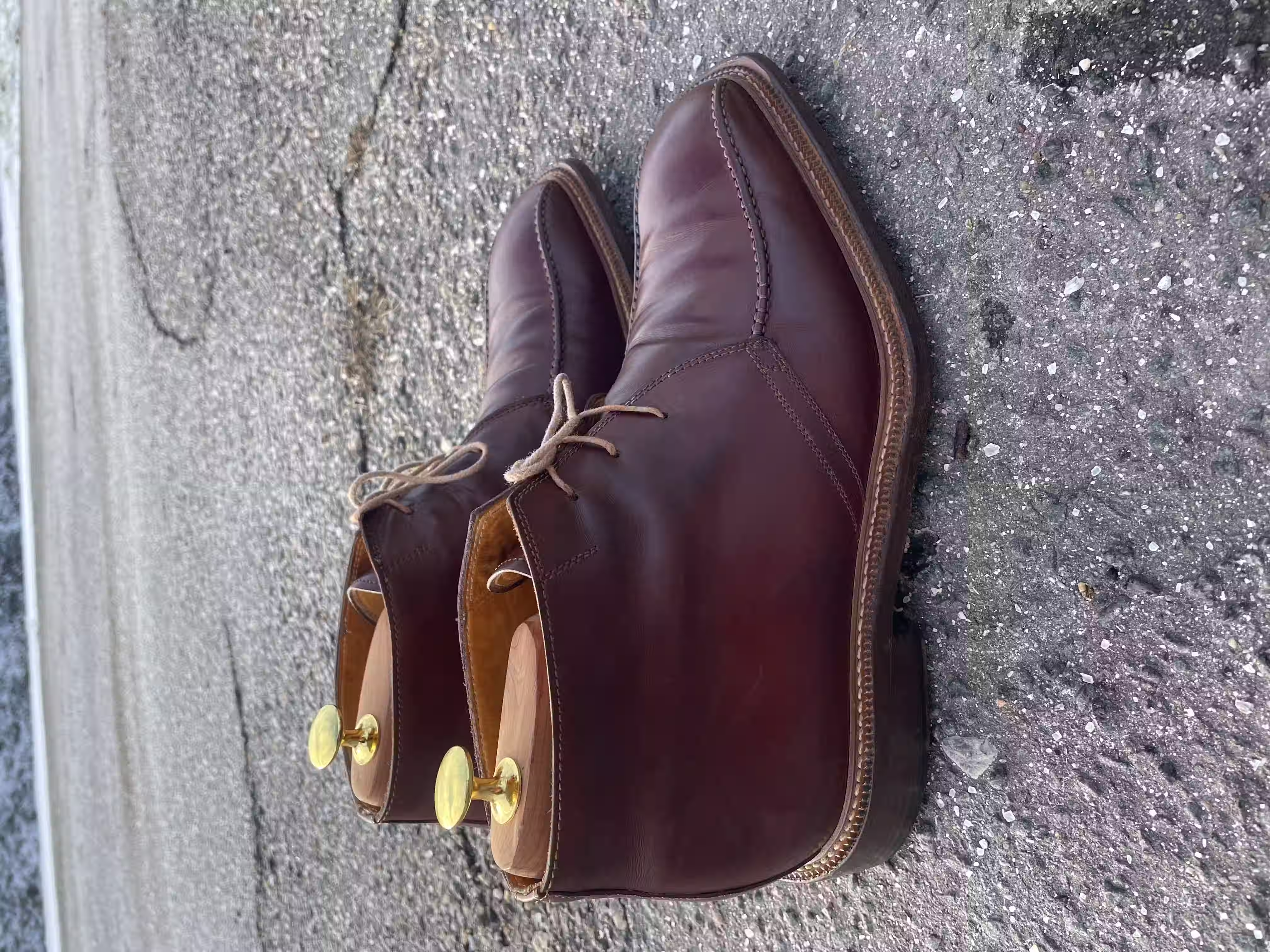
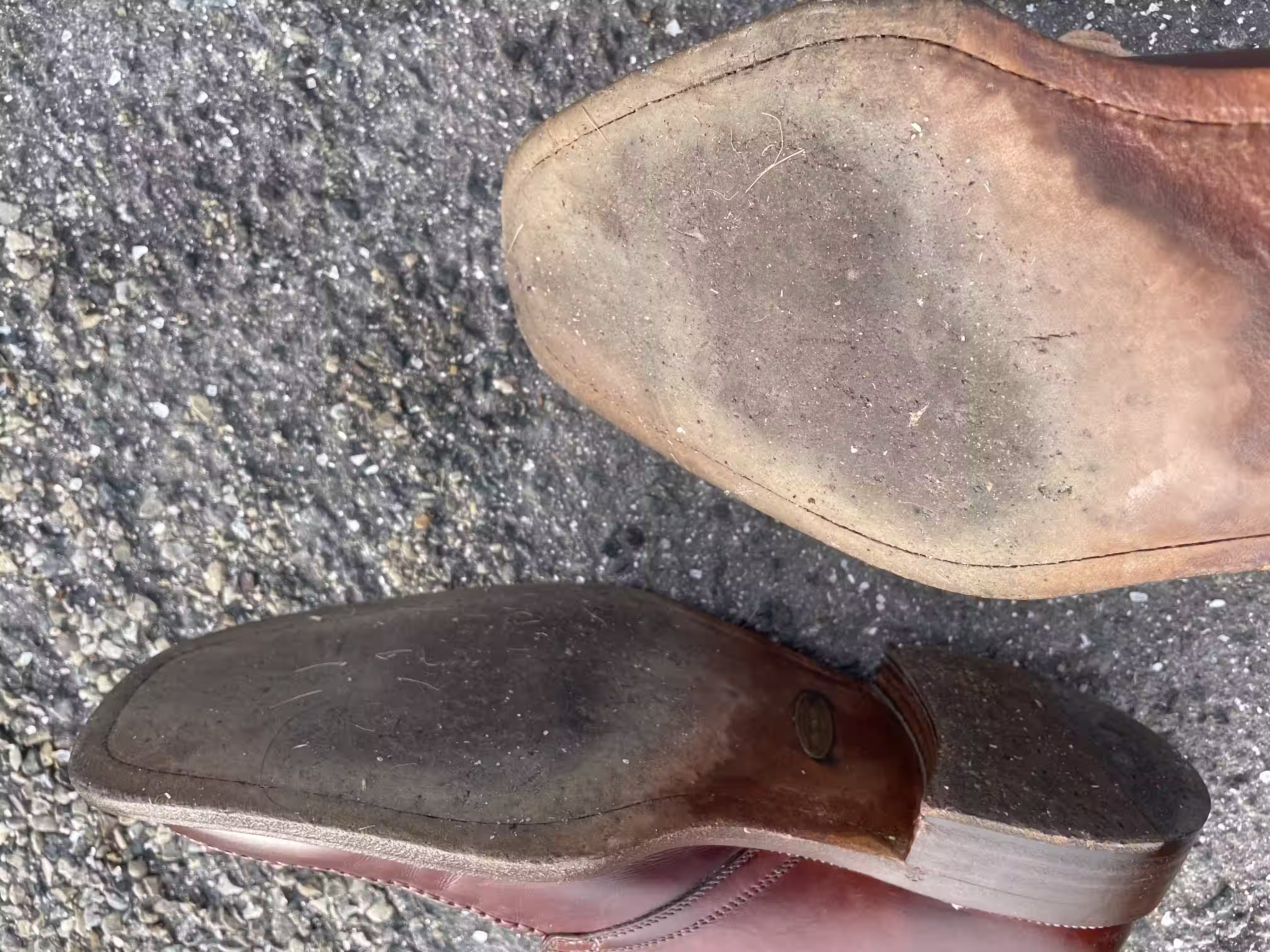
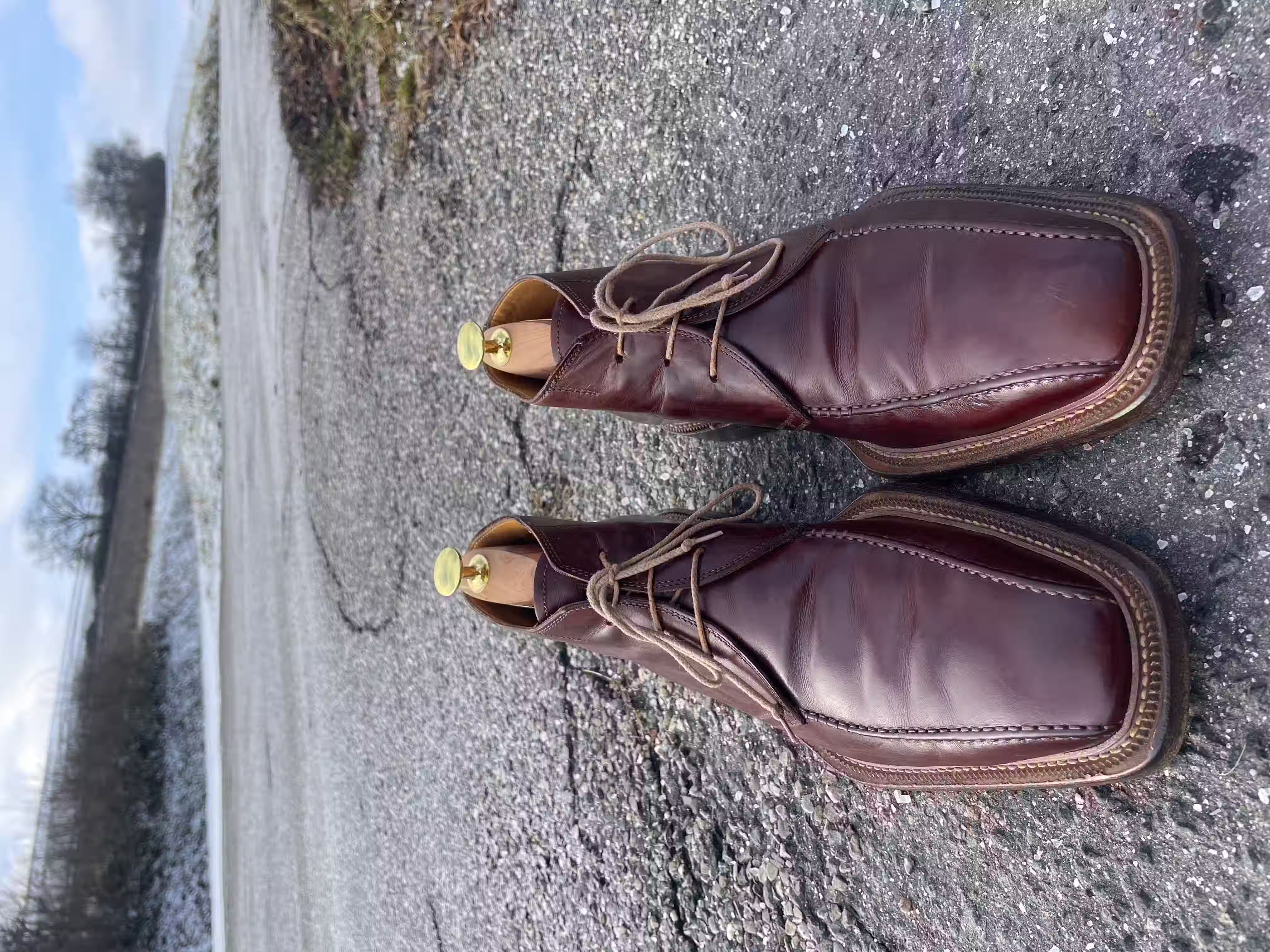
Here, too, the stitching on the upper leather has already darkened a bit, but from some angles it still stands out slightly in a contrasting way. The contrast of the stitching is stronger in the area of the welt, even though the welt is in light brown and thus lighter than the reddish-brown upper leather.
To me, these are very successful casual ankle boots, where the details are nicely coordinated and harmonize. For example, the laces are the same color as the stitching and the overall look simply feels harmonious. Reddish brown also pairs wonderfully with beige and with the brown of the welt. I see these ankle boots as a great match with jeans, but other trousers such as chinos or gray wool trousers with a coarse texture also work quite well here.
Contrast stitching that loses its color during care
There’s a minor risk when caring for shoes with contrast stitching: for conditioning the upper leather, you typically use a shoe cream that matches the color of the upper leather. But by definition, the color of the contrast stitching doesn’t match the shoe cream, and there’s a risk that the contrast stitching will absorb the color of the shoe cream and become discolored. This can happen especially if you use too much shoe cream at once.
However, you can use the following tips to protect the stitching from colored shoe cream:
Before applying the shoe cream, treat the shoes—including the stitching—with a nourishing leather cream. Such nourishing creams make the leather supple again, and on shoes they really only make sense as an additional treatment for truly dry leather. If this treatment is done before applying the colored shoe cream, then the stitching can soak up some of the color-neutral leather cream. This makes it more resistant to the colored shoe cream in the second step.
Before applying the colored shoe cream, rub wax specifically onto the stitching: this blocks the colored shoe cream during application, and the contrast stitching keeps its color. For this, it’s best to choose wax in a neutral color, but wax in an actual color can also be used, since it normally has no effect on the shoe color.
Correct application of the colored shoe cream: apply the shoe cream first, if possible, to leather areas without contrast stitching, then work your way toward the stitching and treat it only lightly or not at all. Since the stitching comes second, it won’t get as much colored shoe cream on it.
These tips may be used individually or in combination. And even if you do end up heavily discoloring your contrast stitching, you can extend the discoloration to all the stitching: you won’t have contrast stitching anymore, but the shoes will still look good as long as the color of the stitching is fairly uniform and doesn’t vary too much.
