
Decorative Stitching - Enhancing Shoes with Decorative Details
You can think of decorative stitching as a kind of playful way to visually upgrade your shoes. While formal shoes often look rather dry and restrained, decorations like decorative stitching are one way to give a shoe more personality.
Example Variant
Dark Blue Norwegians with Striking Decoration
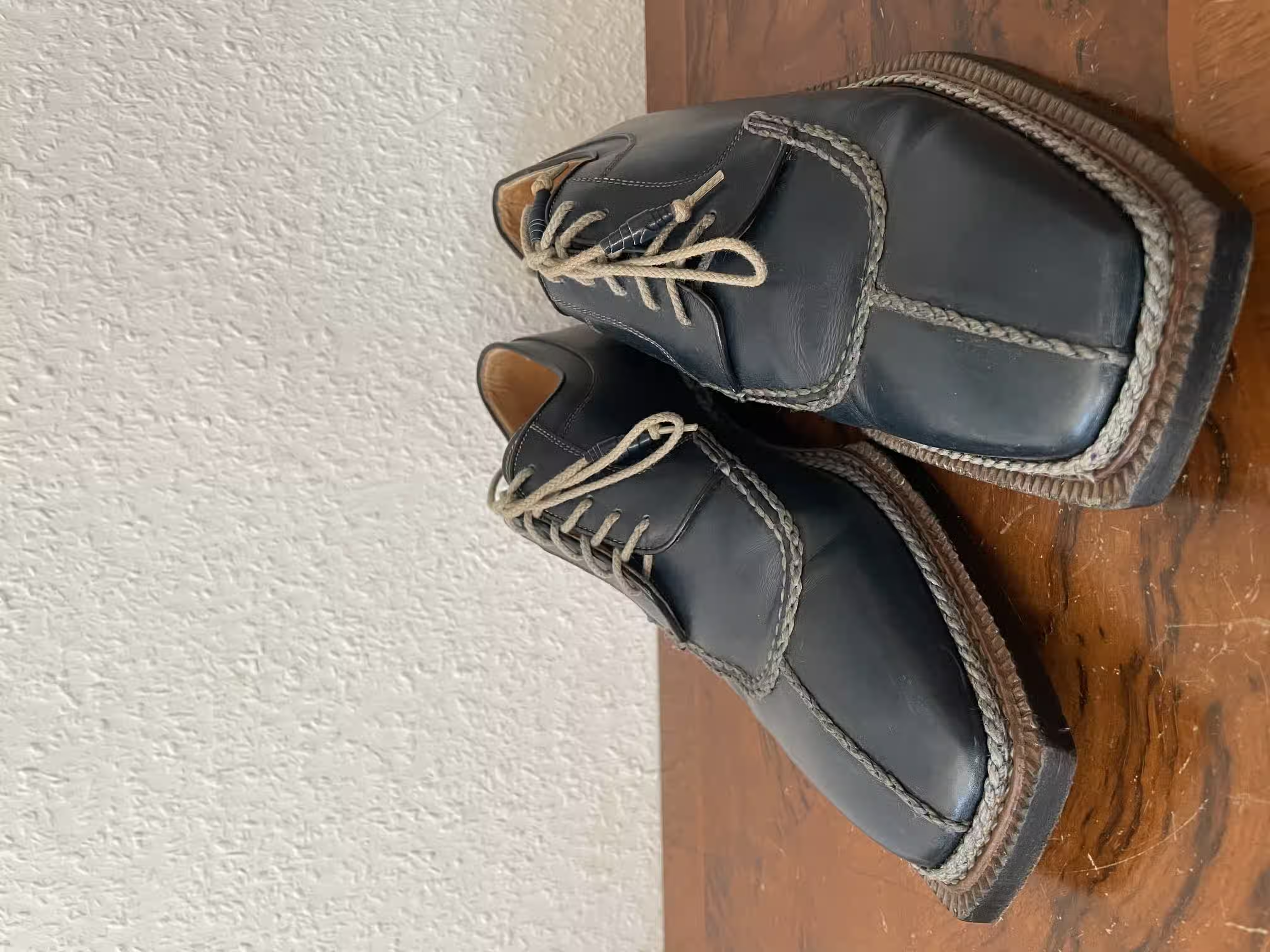
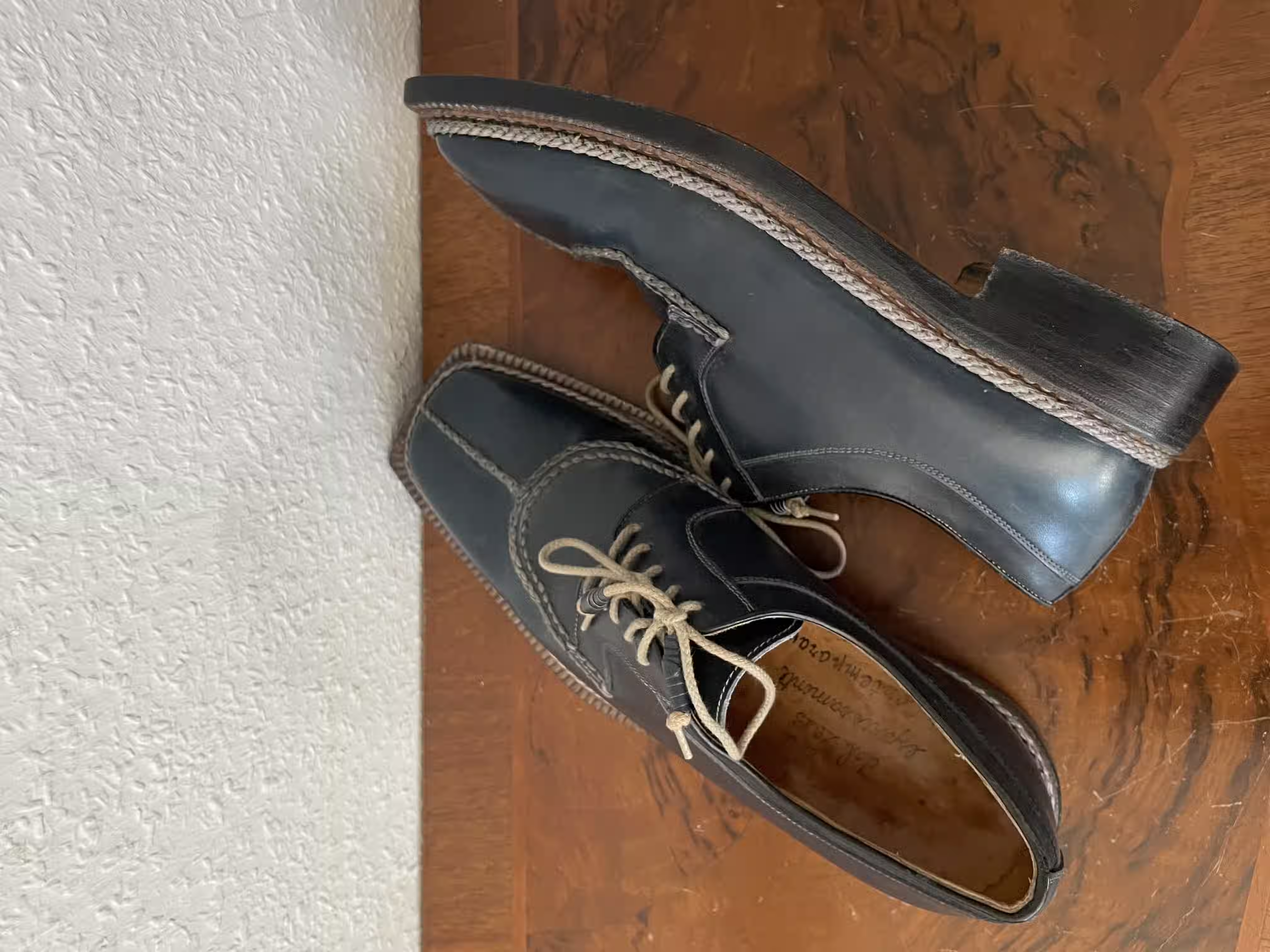
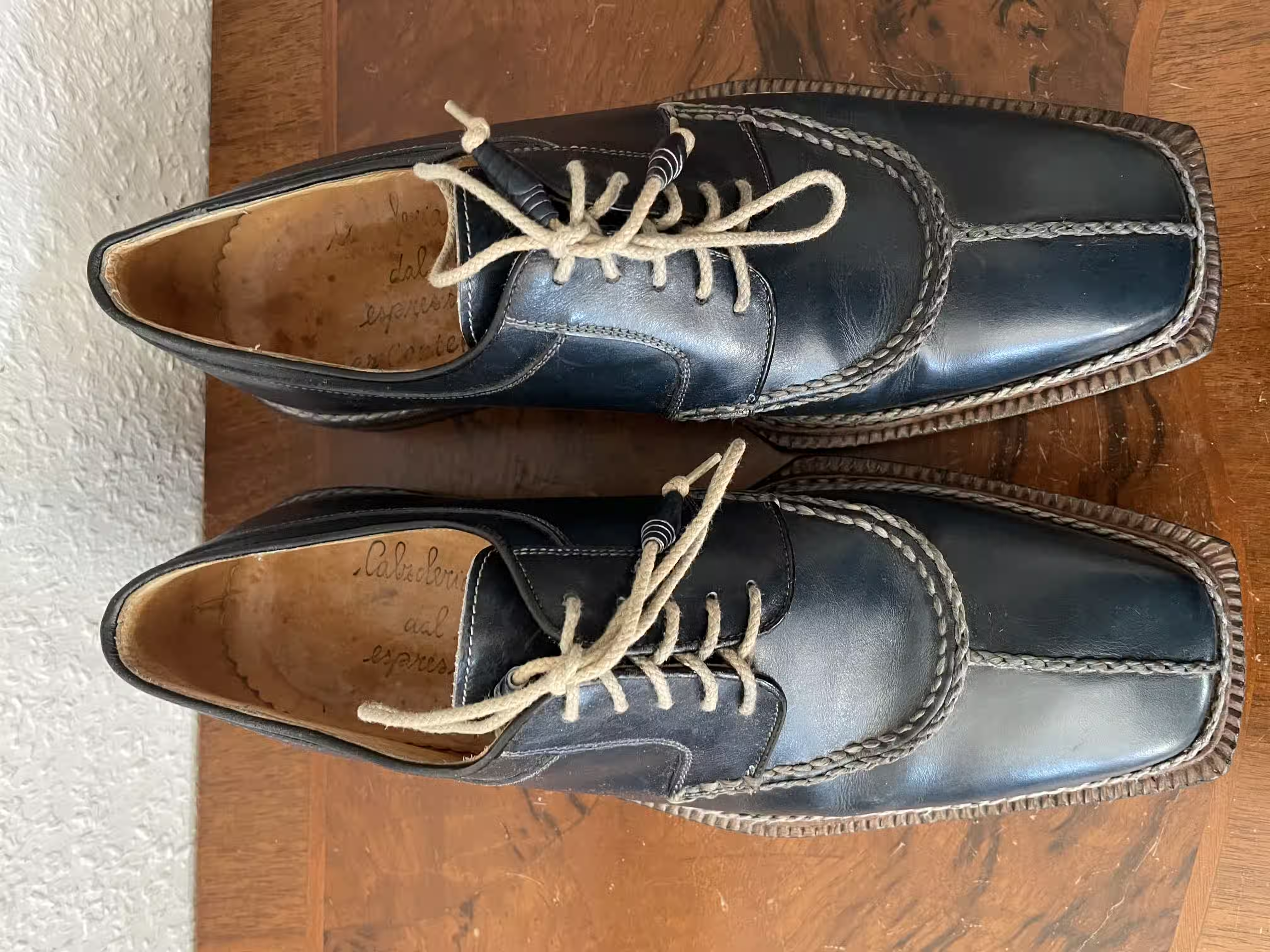
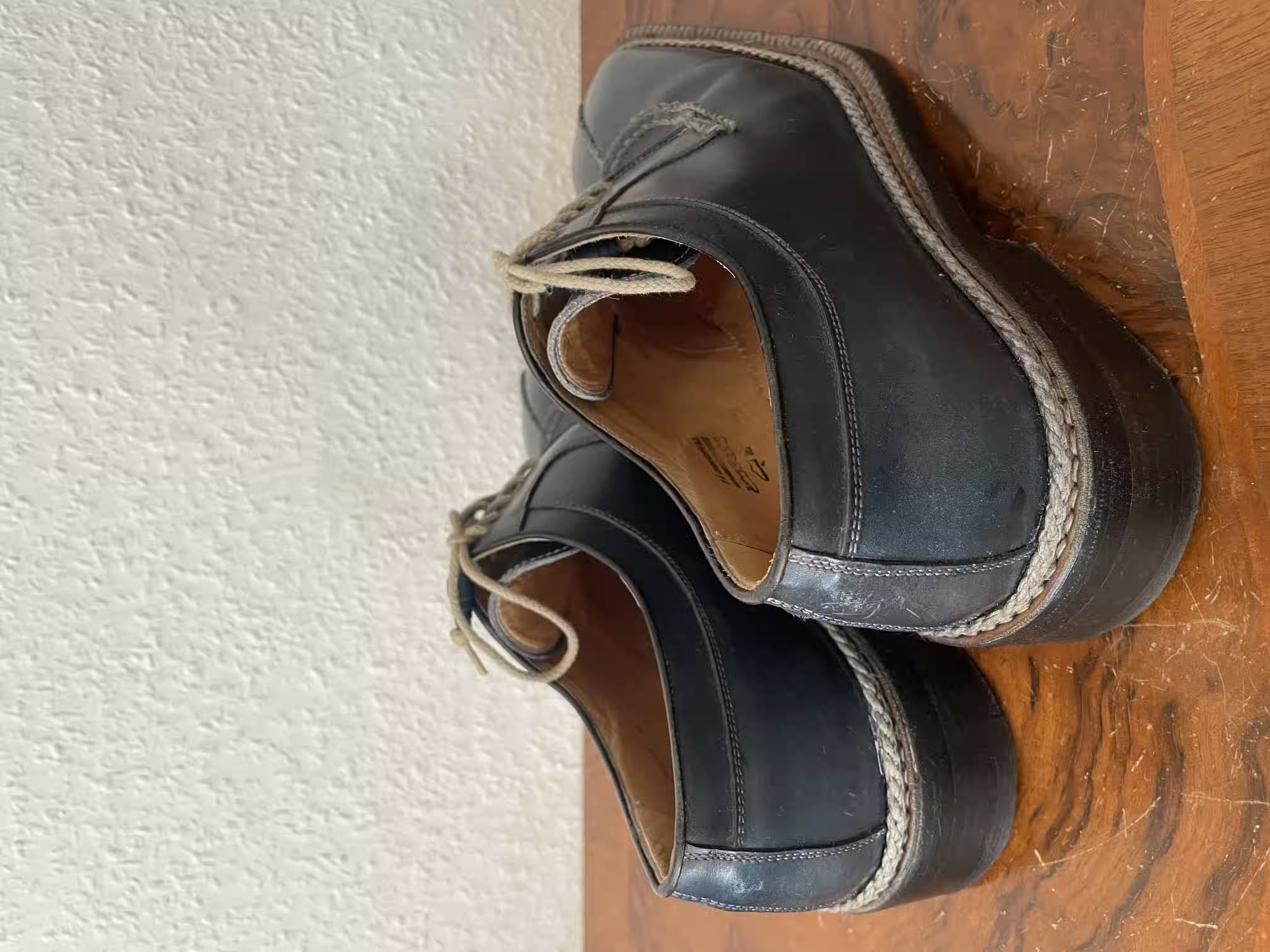
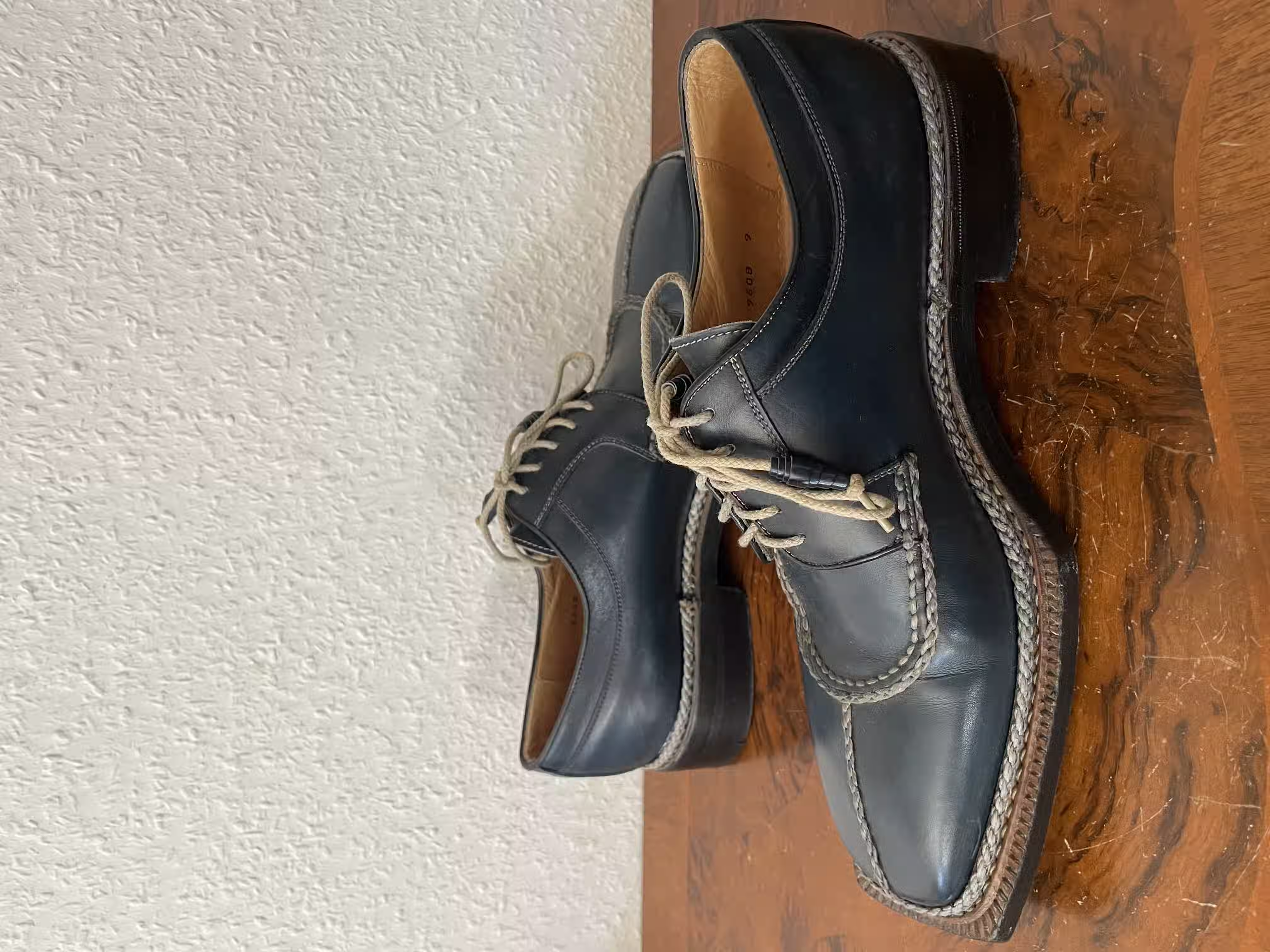
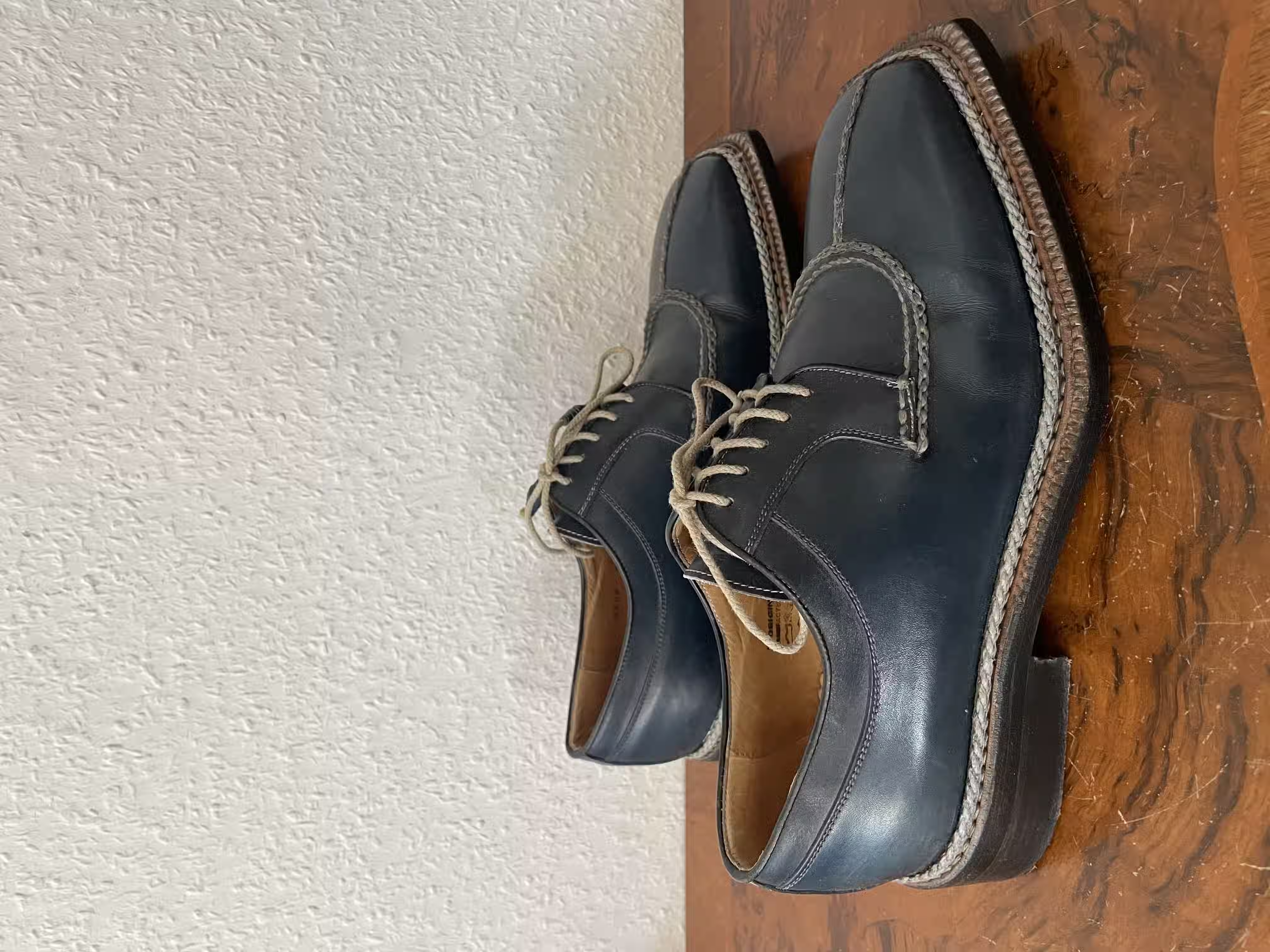
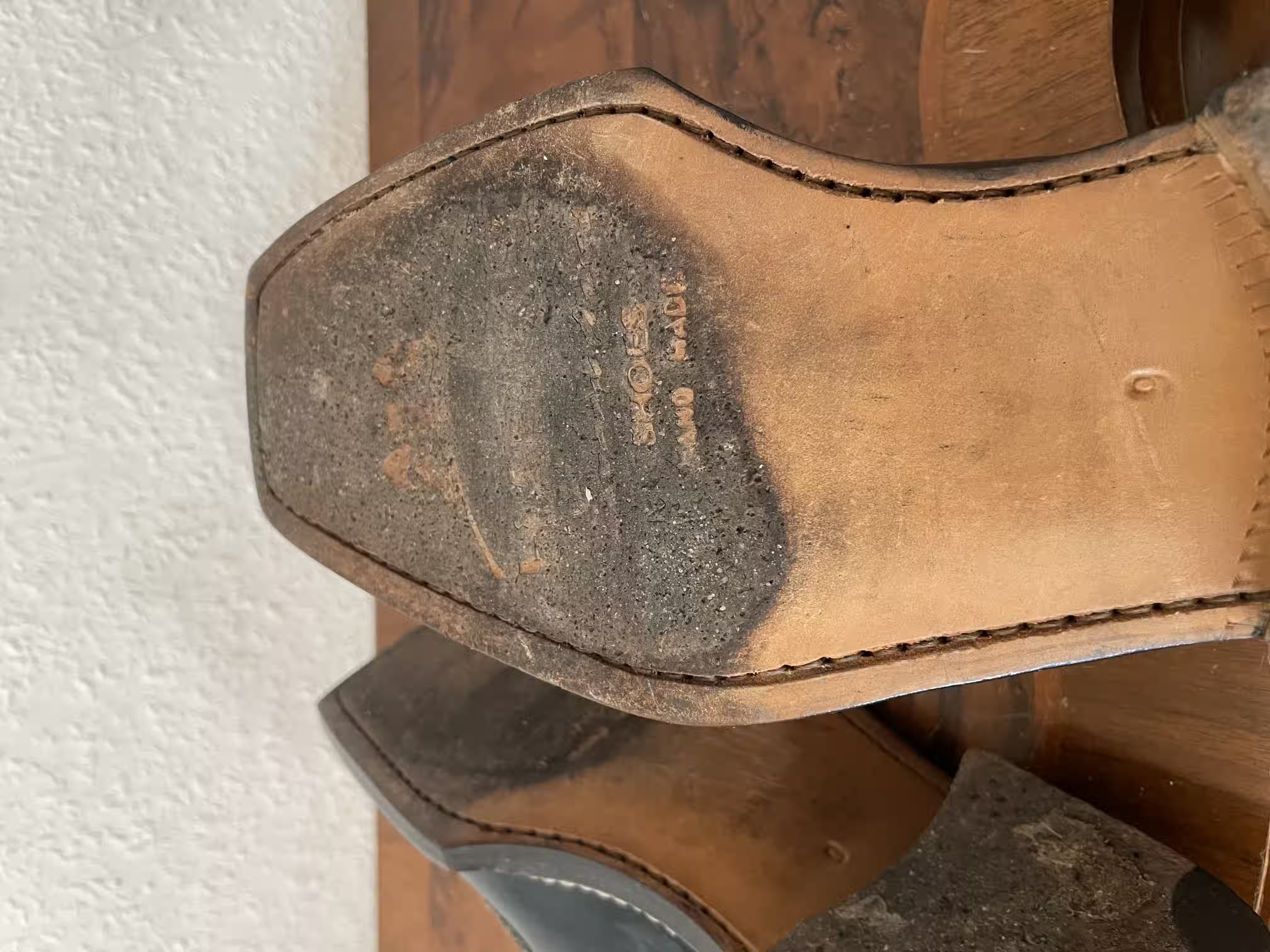
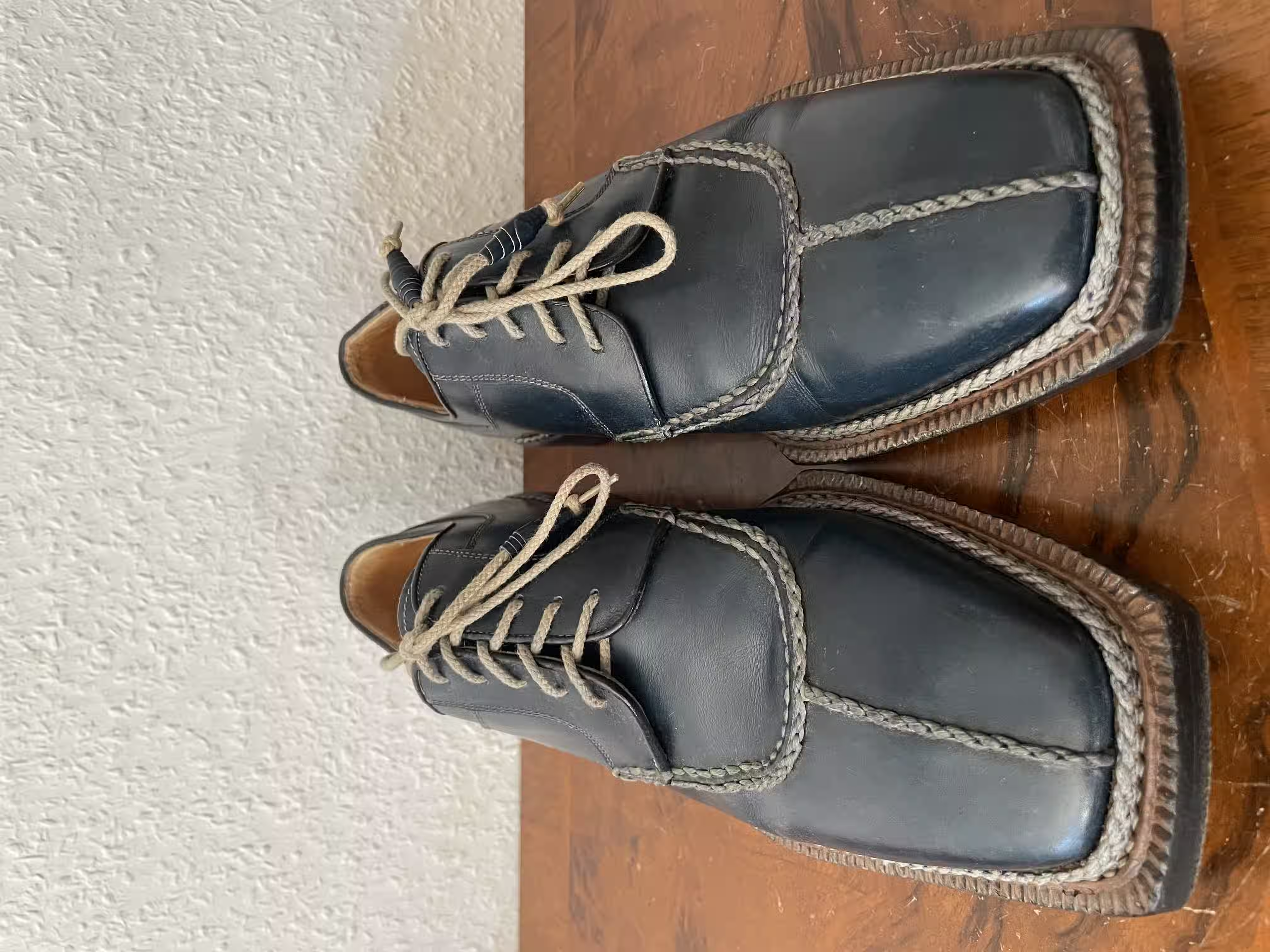
Here we have a casual, dark blue Norwegian shoe with thick, striking decorative stitches. Strictly speaking, such a so-called French variant of a Norwegian is more elegant and not quite as rustic as the typical Norwegian. Here, however, this slightly more elegant base model is given a rustic character by the decorative stitching. Thanks to the contrasting beige color, the decorative stitching stands out especially clearly, though on the upper leather you can also see traces of darkening along it.
Specifically, this decorative stitching is the so-called Norwegian stitch, in which two threads cross after every stitch. Typically, such a Norwegian stitch is applied on the welt. In Italy, it is relatively well known on shoes made in the so-called Norvegese construction, which exists in many different variations. But on this model, the Norwegian stitch is also used on the upper leather.
To me, this is an interesting shoe to look at—it creates a bit of tension, but it also resolves that tension between formal and informal with a clear winner. That’s why you should wear shoes like this mainly in your free time, for example with jeans, chinos, or corduroy trousers.
Special Features
Why Decorative Stitching Is Usually Done as Contrast Stitching
There are different kinds of decorative stitching, and they are usually characterized by the following two things:
- in terms of thickness or complexity, they go beyond a single, thin stitch
- they are done in a contrasting color to the upper leather
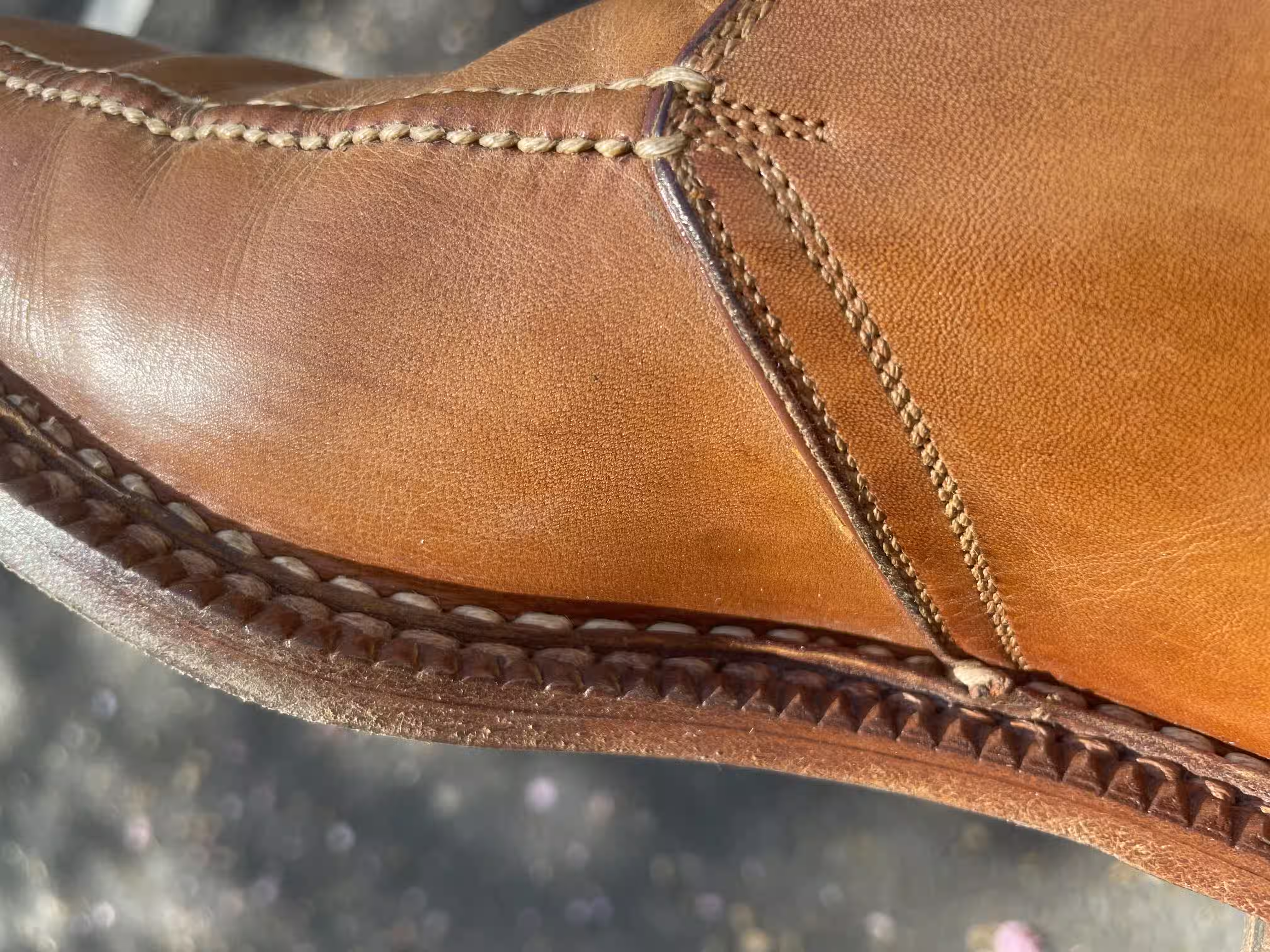
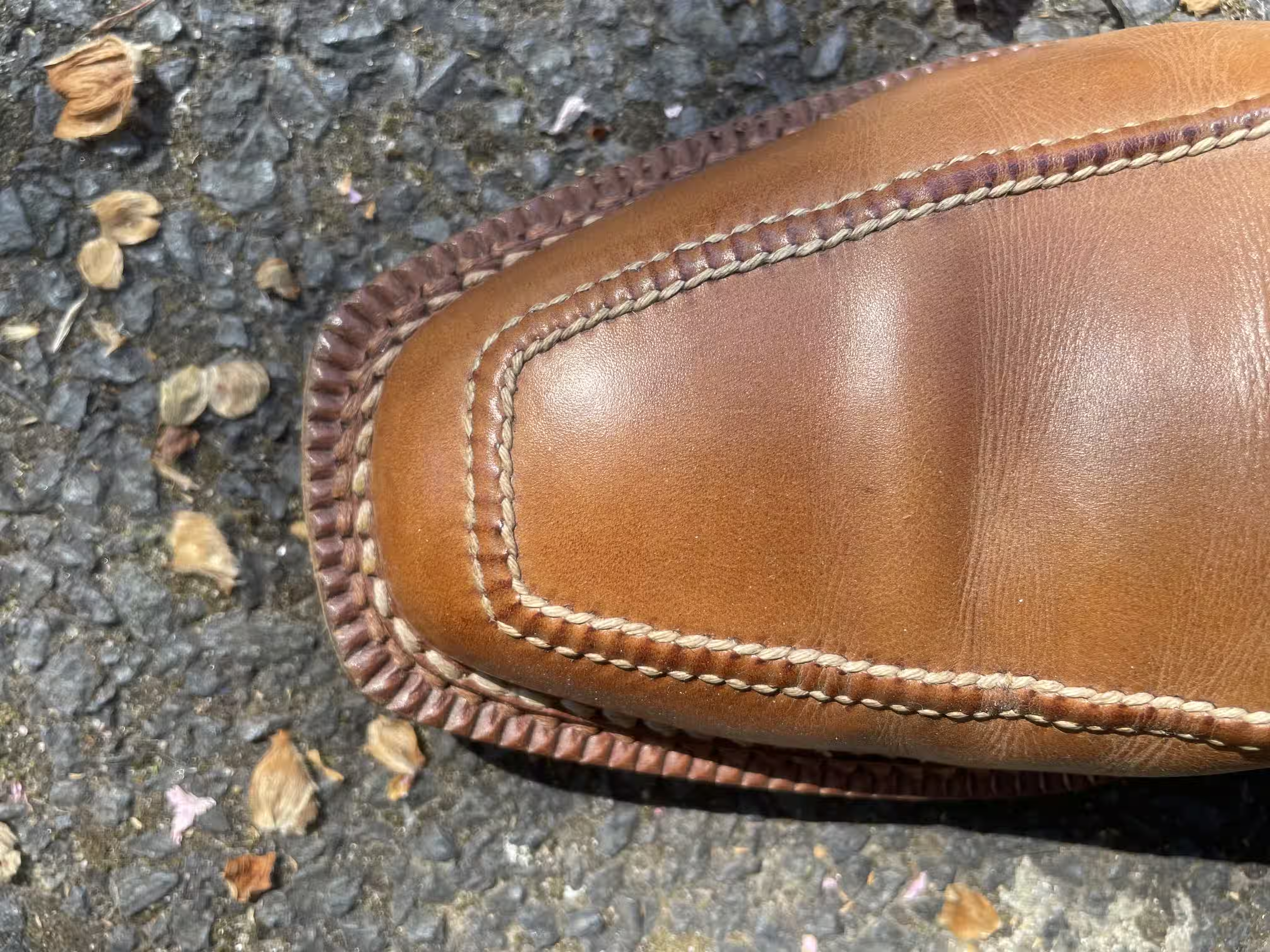
The first aspect is important so that the seam can even be considered decorative stitching: a single, thin seam is not really decorative stitching, even though as contrast stitching it can still have a decorative character, as in the images above. So if you have an elaborately made decorative stitch, you normally also want that stitching to stand out particularly well as decoration. If it is the same color as the upper leather or the welt, then in the worst case it simply gets lost—it’s there as a nice detail, but very subtle.
And that’s what the contrasting color is for: as contrast stitching, the decorative stitch stands out from the upper leather or the welt, becomes more visible, and therefore shows to better effect. Naturally, it then draws more eyes, which is why decorative stitching in a contrasting color is especially well suited for casual shoes.

Norwegian Stitch Combined with Another Stitch
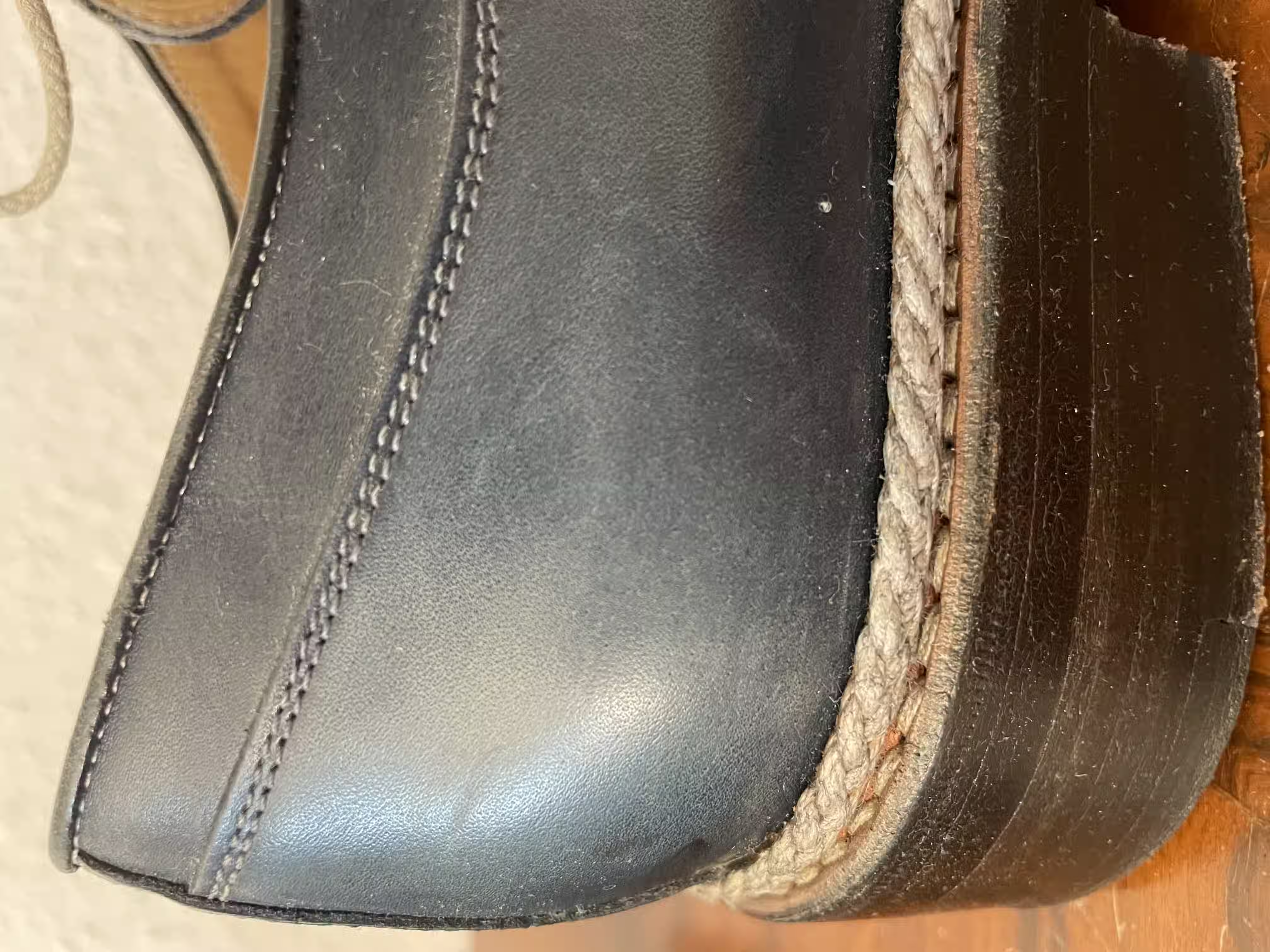
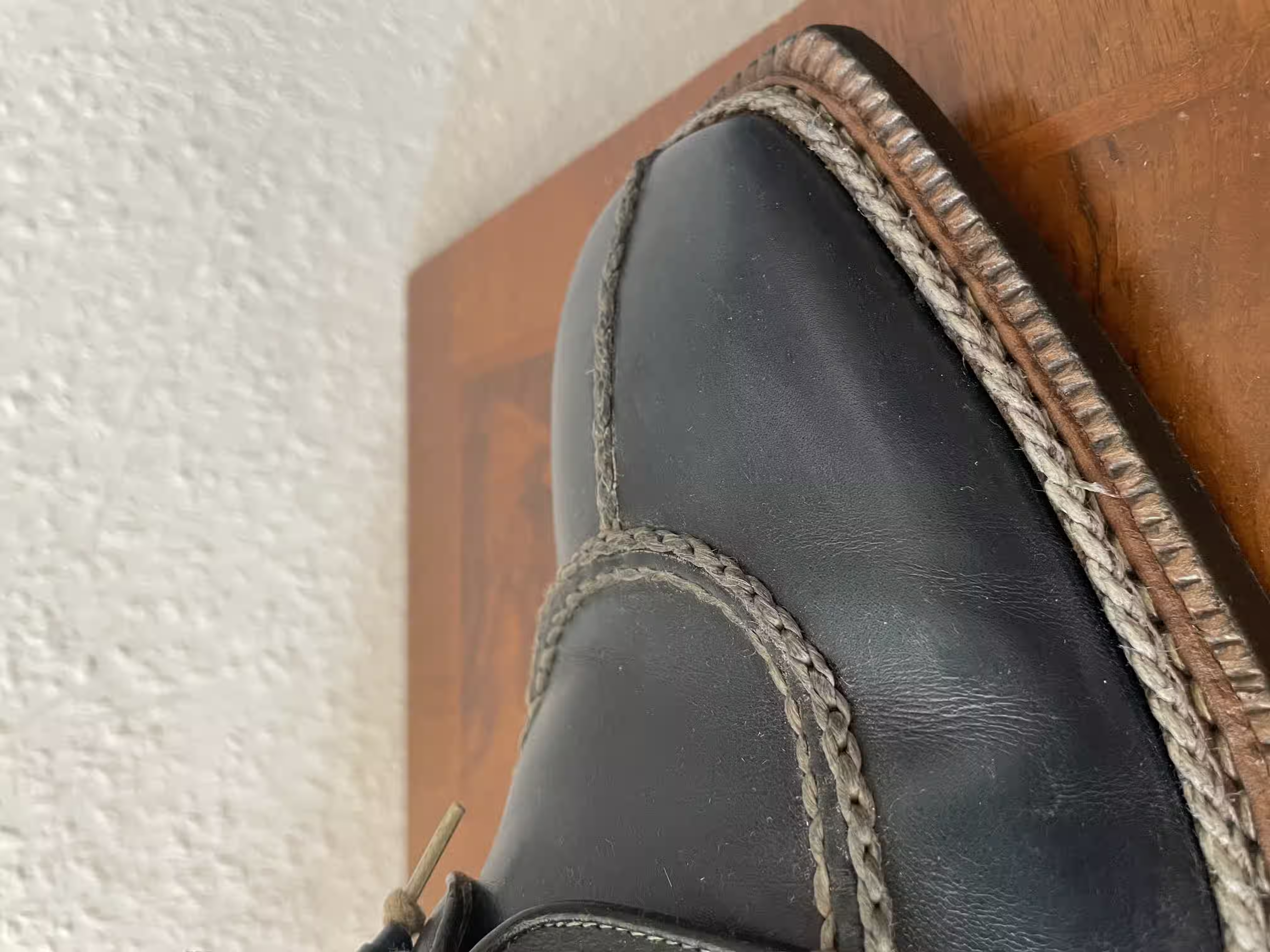
Here we have a detailed view of a so-called Norwegian stitch, in which two threads cross after every stitch. Directly below it are further layers in the following order:
- a single, thin stitch
- a leather edge, probably from the upper leather (only in the front part of the shoe)
- the so-called welt
Together with the decorative stitching, they form a nice pattern and thus a successful decoration for a non-formal shoe. The Norwegian stitch also appears on the upper leather, but there it is either seen on its own or parallel to a single stitch. On the upper leather, the pattern is therefore much simpler than in the welt area. In my view, this example shows quite nicely how decorative stitching can also be combined as part of a larger pattern to create an even stronger effect together with the other elements of the pattern.
Decorative Stitching with an Unusual Pattern
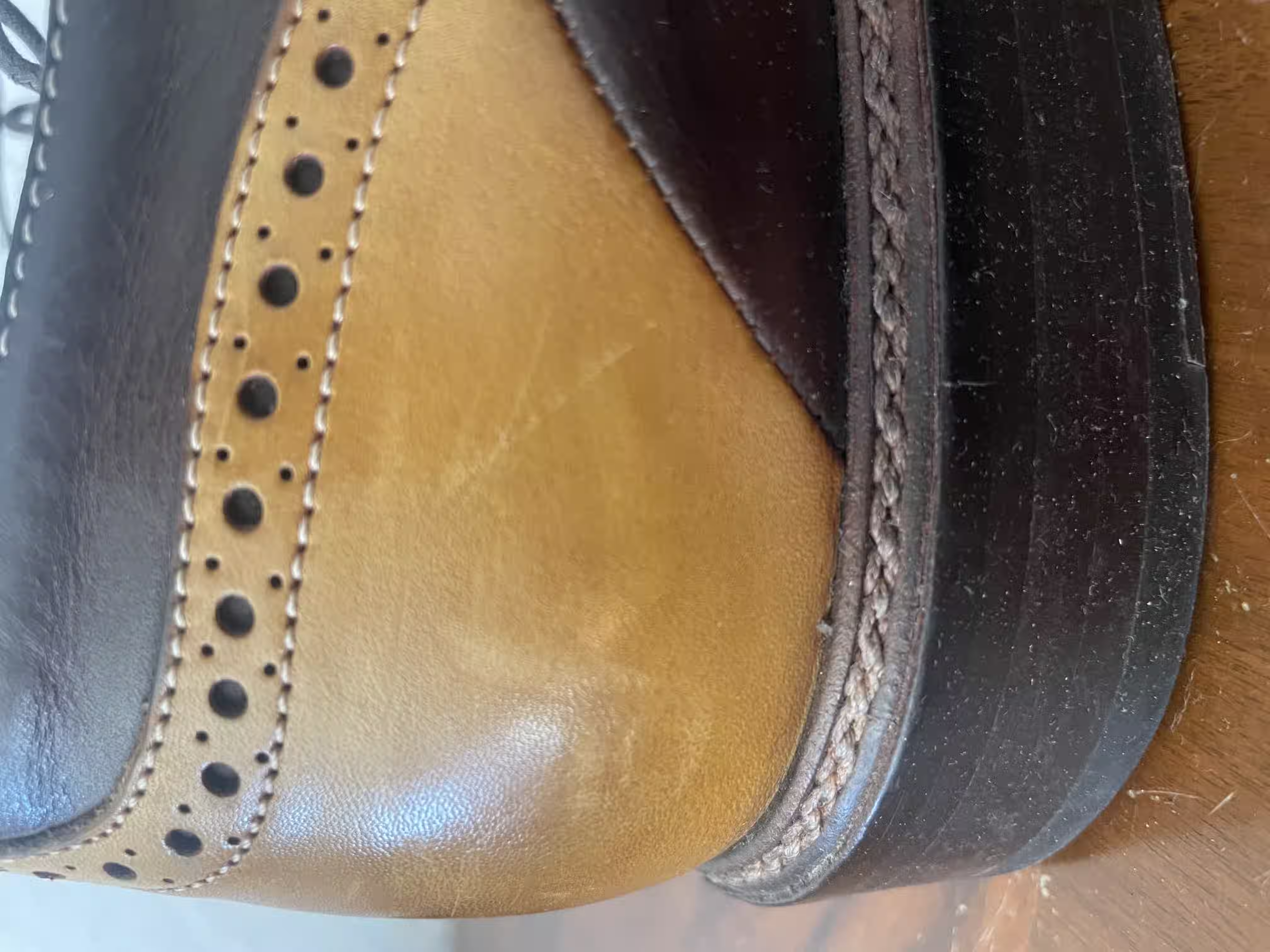
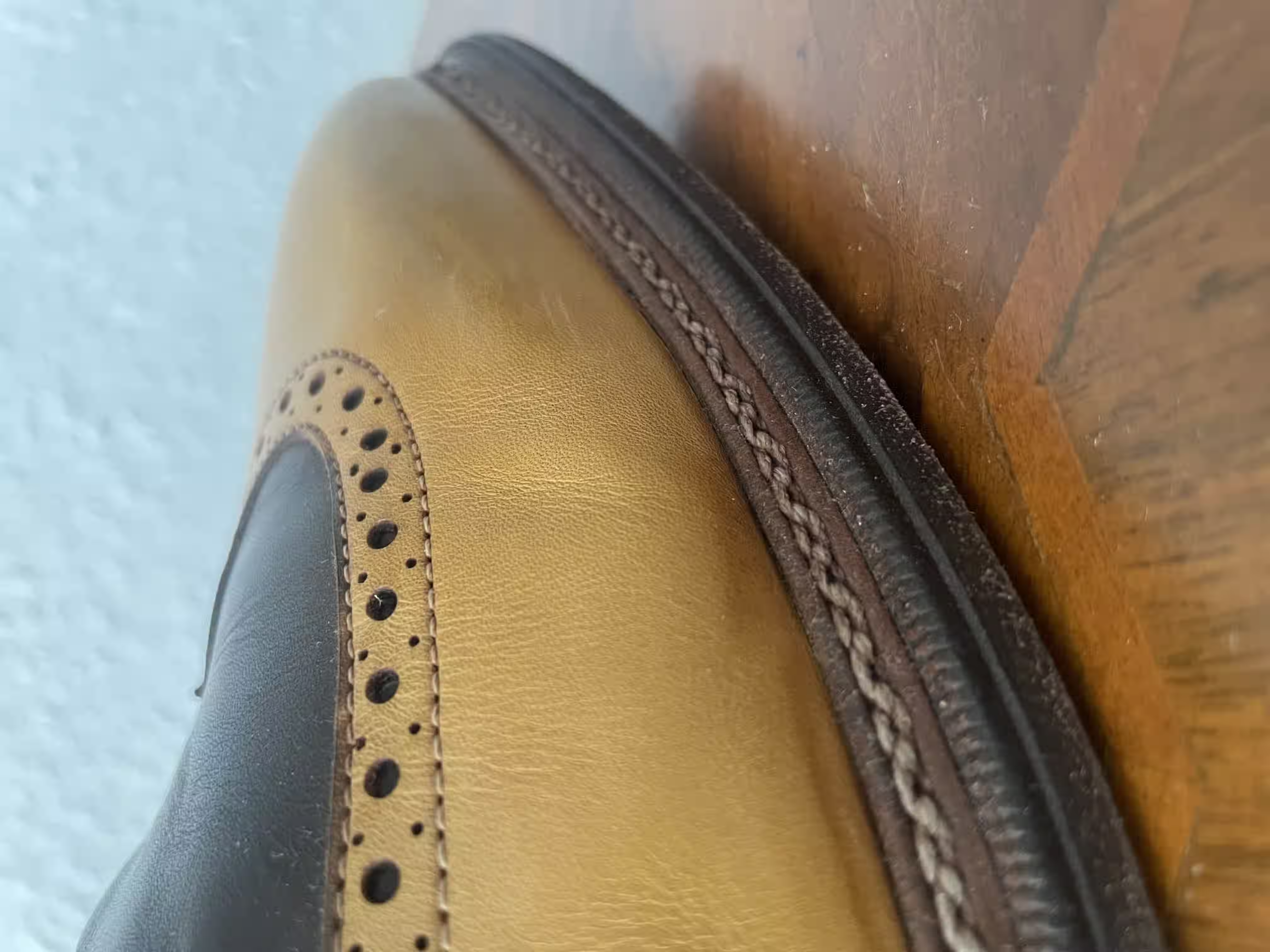
This is a more complex decorative stitch in the welt area, additionally framed by two leather edges. Directly underneath is the welt, which has the typical grooves. This makes the decorative stitching part of a more complex pattern in the welt area, and here it does not appear as contrast stitching. Compared to the overall pattern, the decorative stitching is visually subtle as one component in terms of color. But taken as a whole, the pattern contrasts with the yellow or light-brown upper leather. So it is a moderately eye-catching decoration in which the decorative stitch plays no special role in terms of thickness or color. Only the complex, exotic braided pattern of the decorative stitch is its distinctive feature.
Use on Boho Shoes
Topstitching in a contrasting color is especially popular on shoes in the boho style. Most of the time, the laces are the same color as the decorative stitching. Ultimately, shoes like these are about decorative footwear for leisure and everyday wear. With that in mind, it makes sense that decorative stitching is one of many tools used to achieve extensive ornamentation. As a result, there are boho shoes both with and without decorative stitching. In this area, decorative stitching is, for me, a way to start right away with striking, usually unmistakable decoration. A subtler decorative option here is thin contrast stitching.
Variants
Two-tone Oxfords with ornate stitching
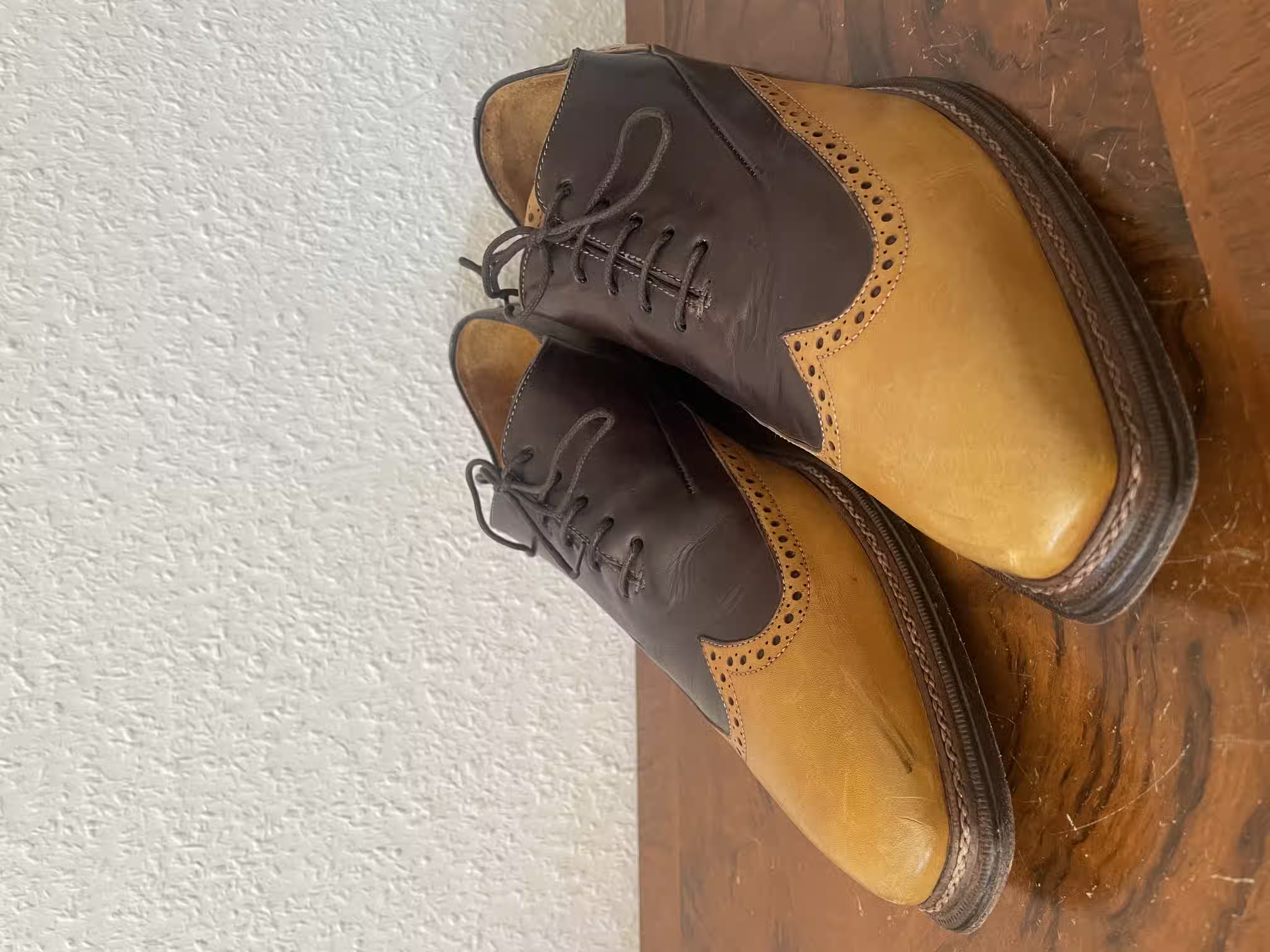
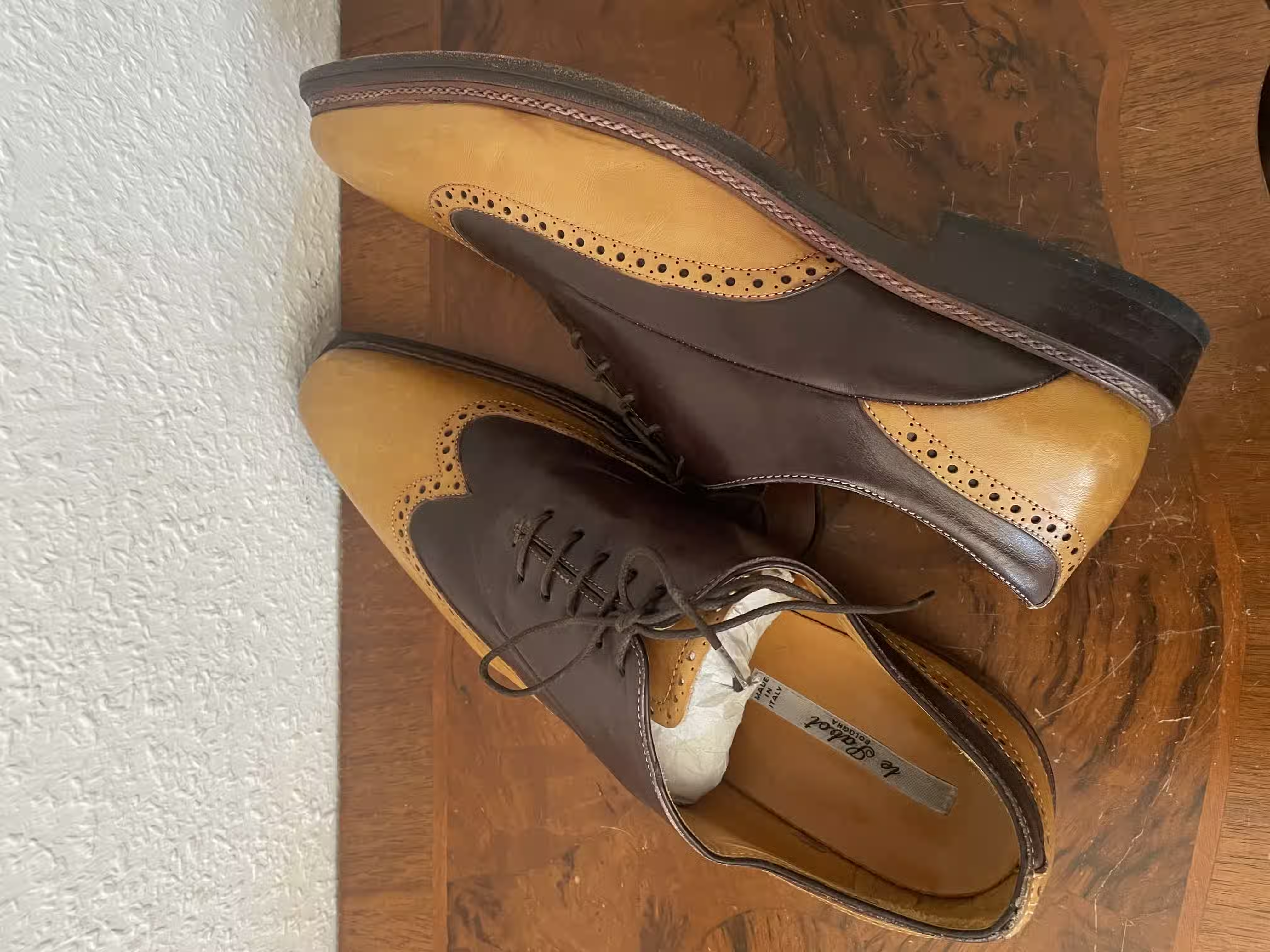
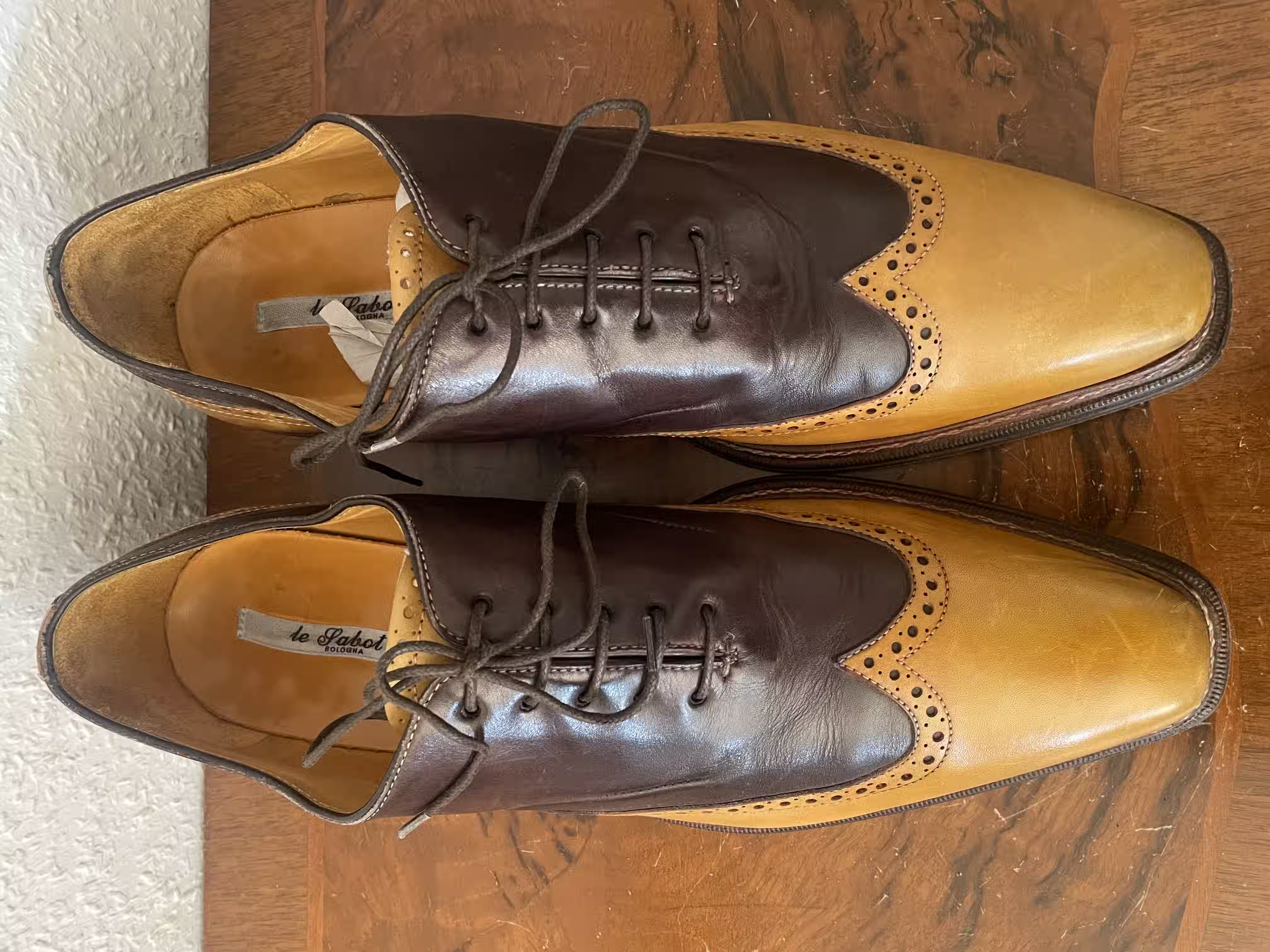
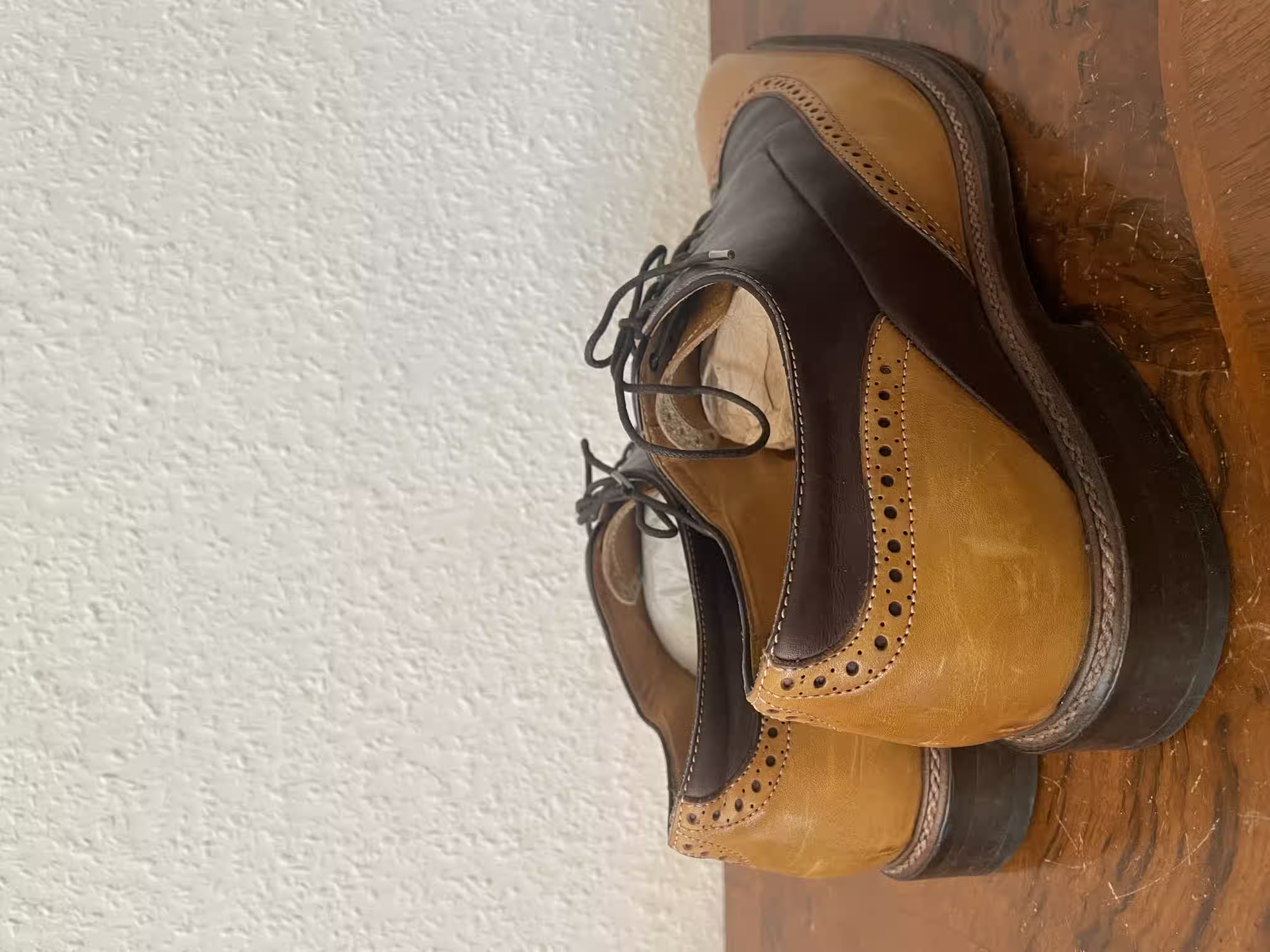
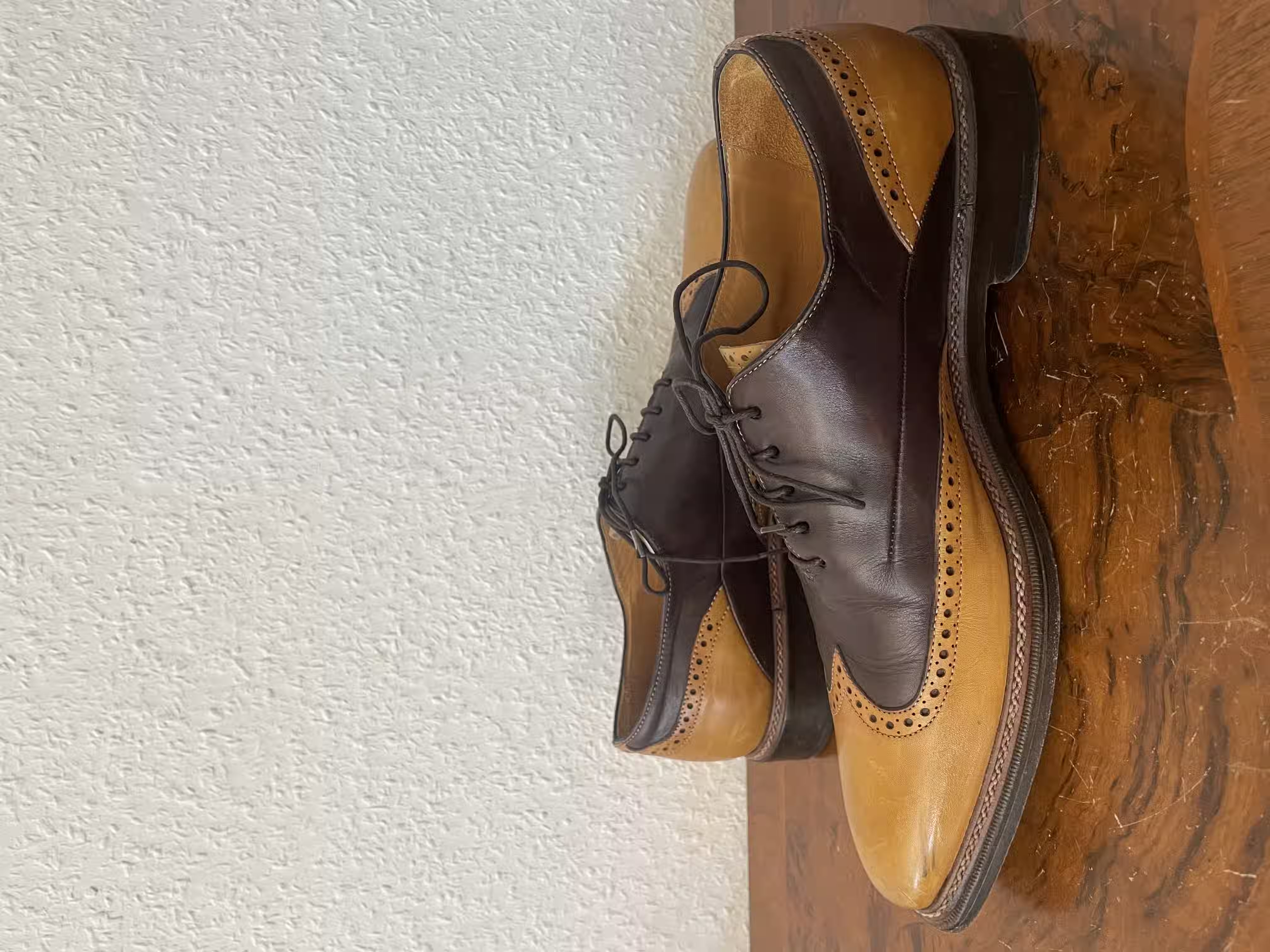
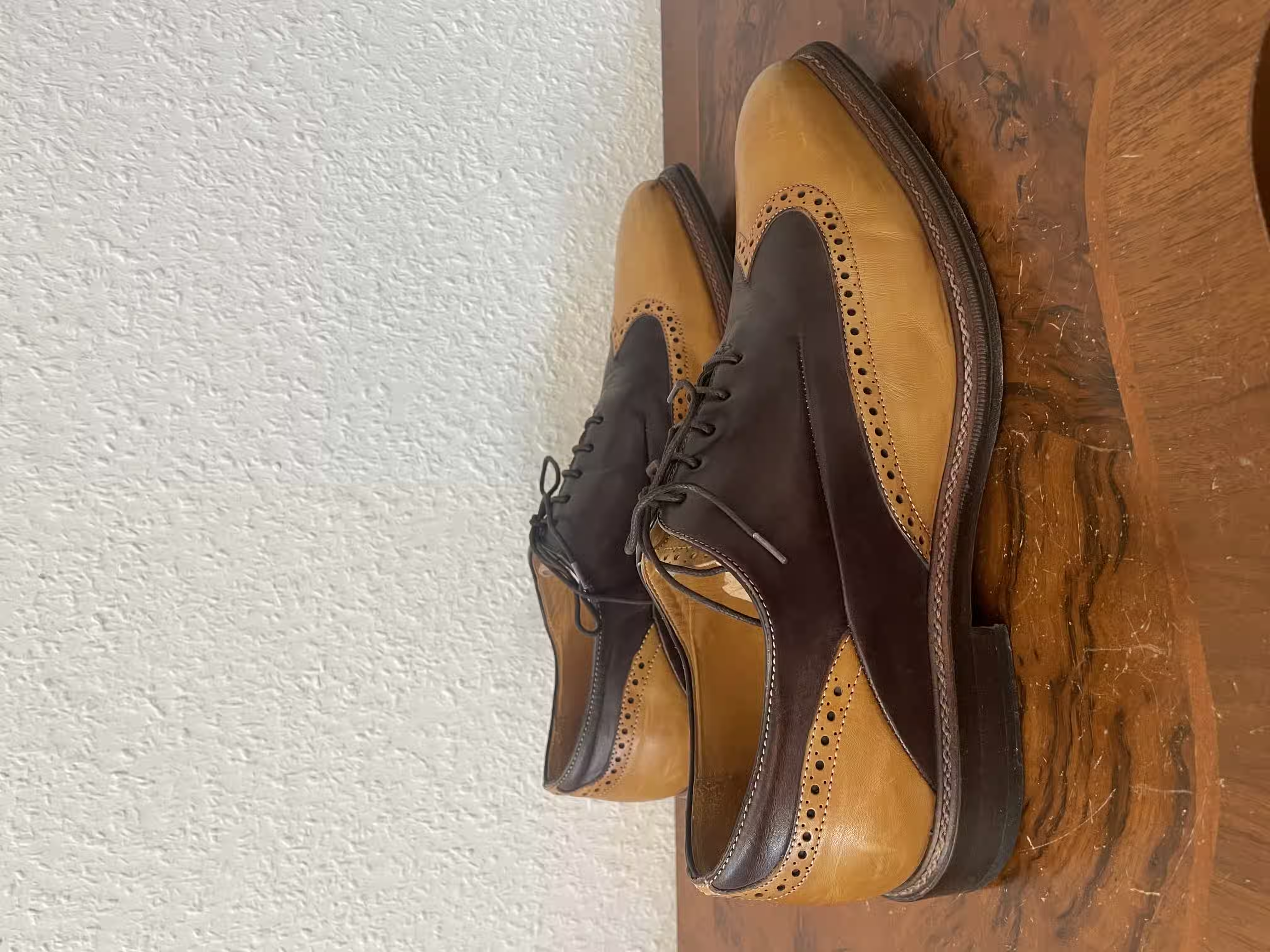
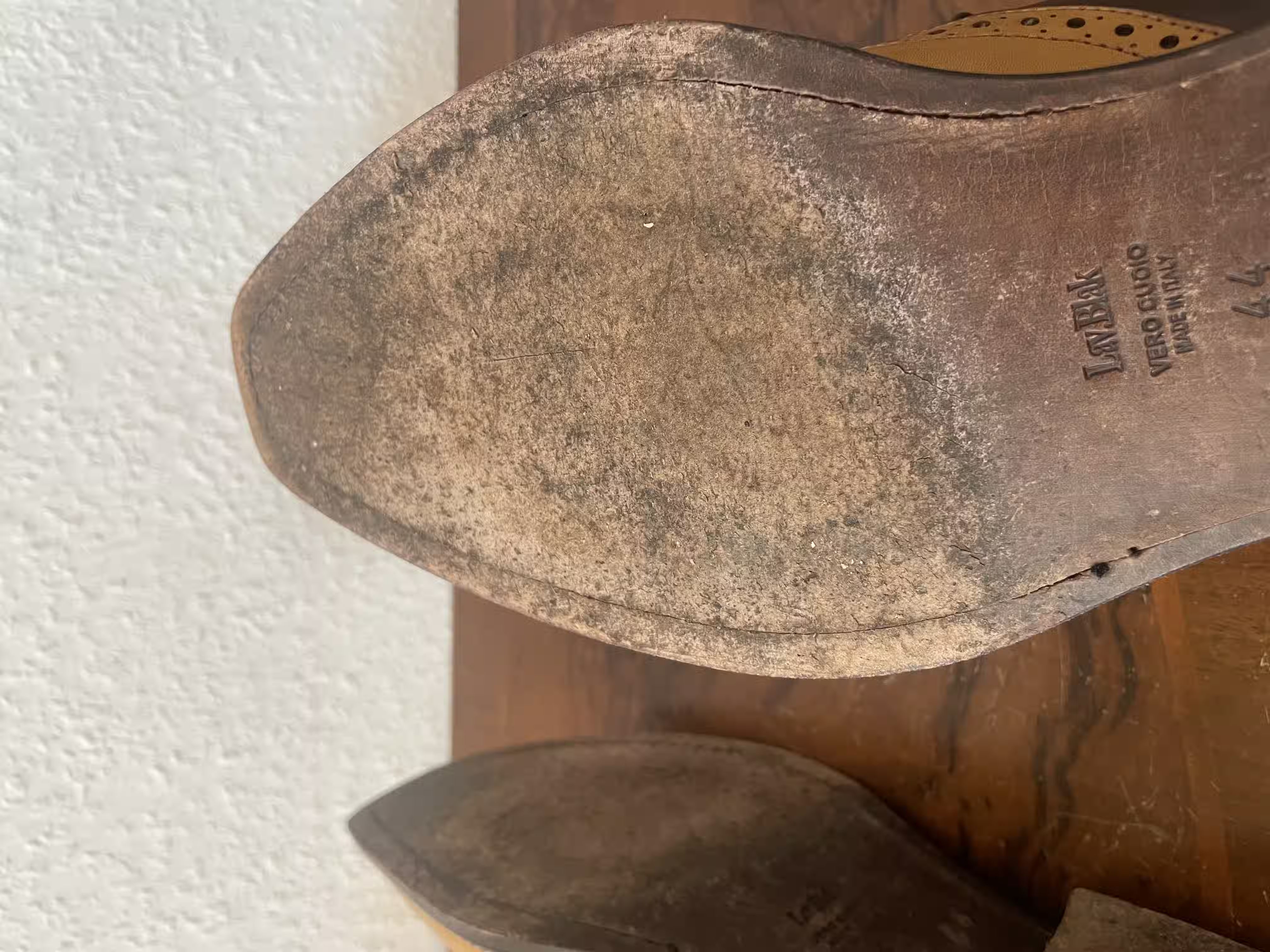
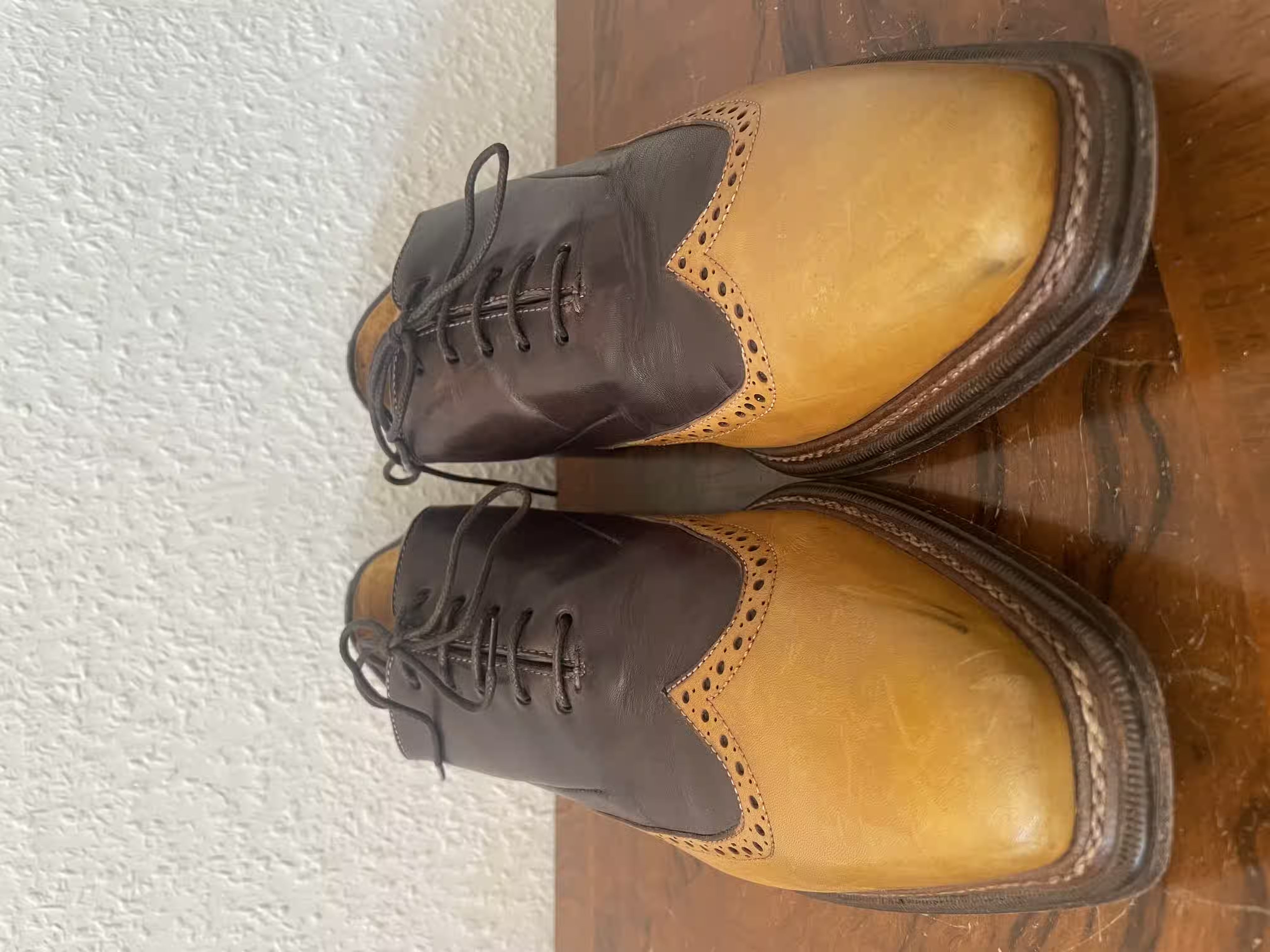
On this two-tone Oxford shoe with a wingtip toe cap, heel counter, and subtle brogue patterns, the decorative stitching sits slightly above the welt. Overall, because of its medium thickness and the lack of color contrast, it doesn’t stand out that much, so the other aspects of the shoe dominate more. Still, the decorative stitching is a detail that you notice when you look closely—and then it makes an impression.
In fact, in my view not a single detail of the shoe is truly dominant. The most eye-catching feature is probably the two-tone look and the contrast between the dark brown and the yellow. But even that contrast is still within limits: white and dark brown would be stronger. The brogue patterns are kept subtle by decorating only the edge of the wingtip and heel counter. From my perspective, all aspects and details of the shoe are relatively balanced, and that makes the shoe feel quite harmonious to me—something that is stylistically challenging to pull off with such overall rich decoration.
Light-brown ankle boots in boho style
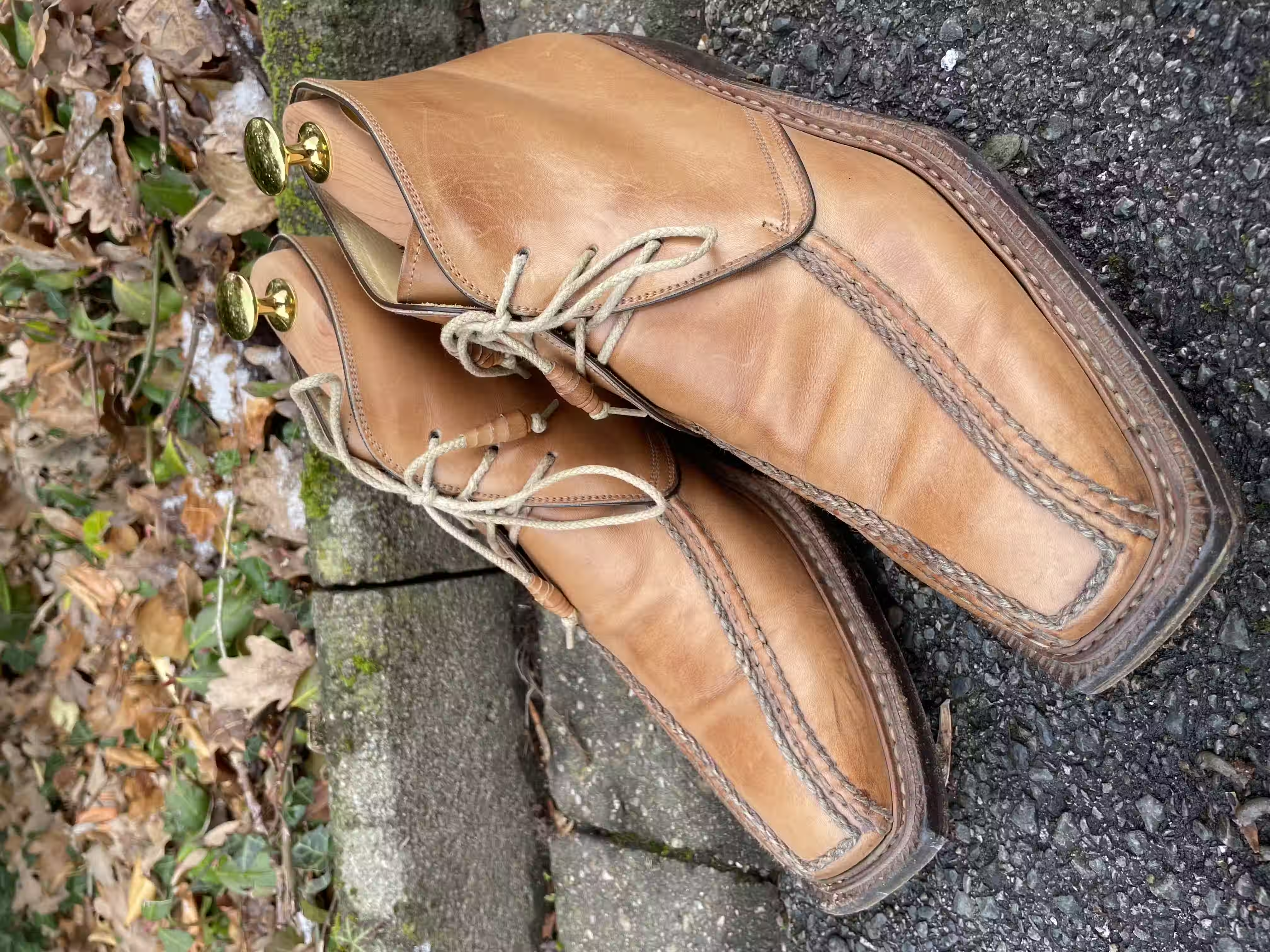
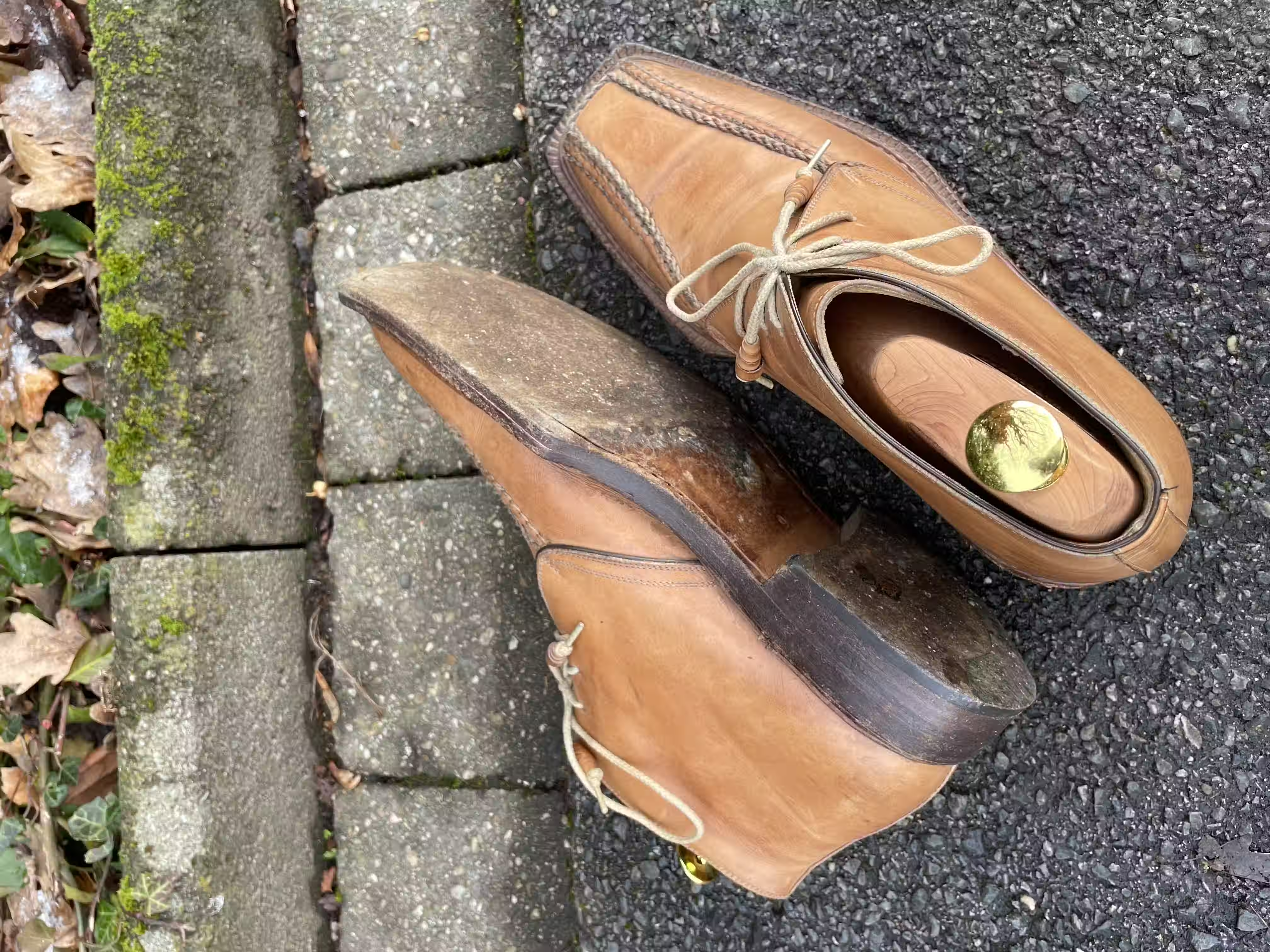
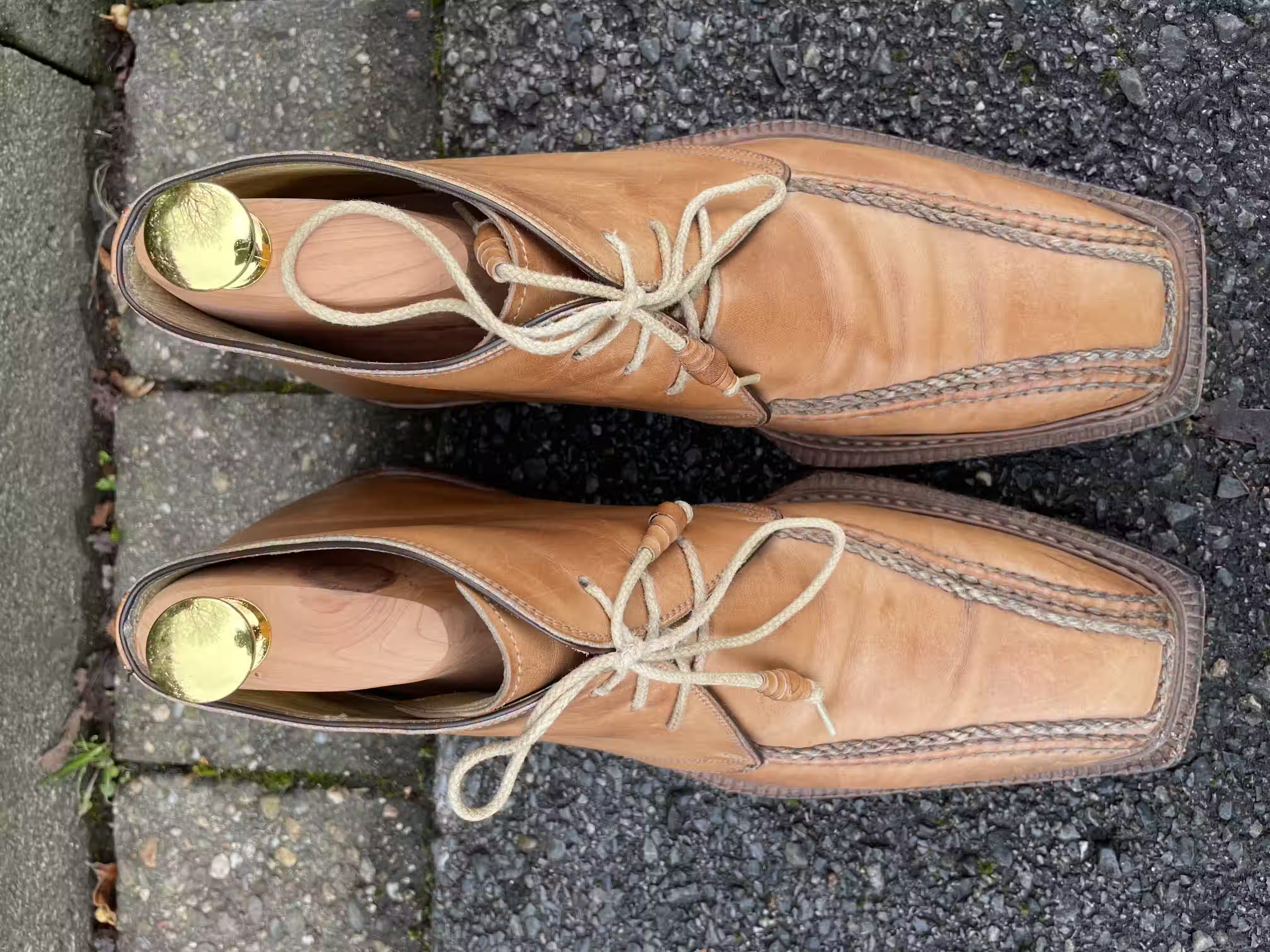
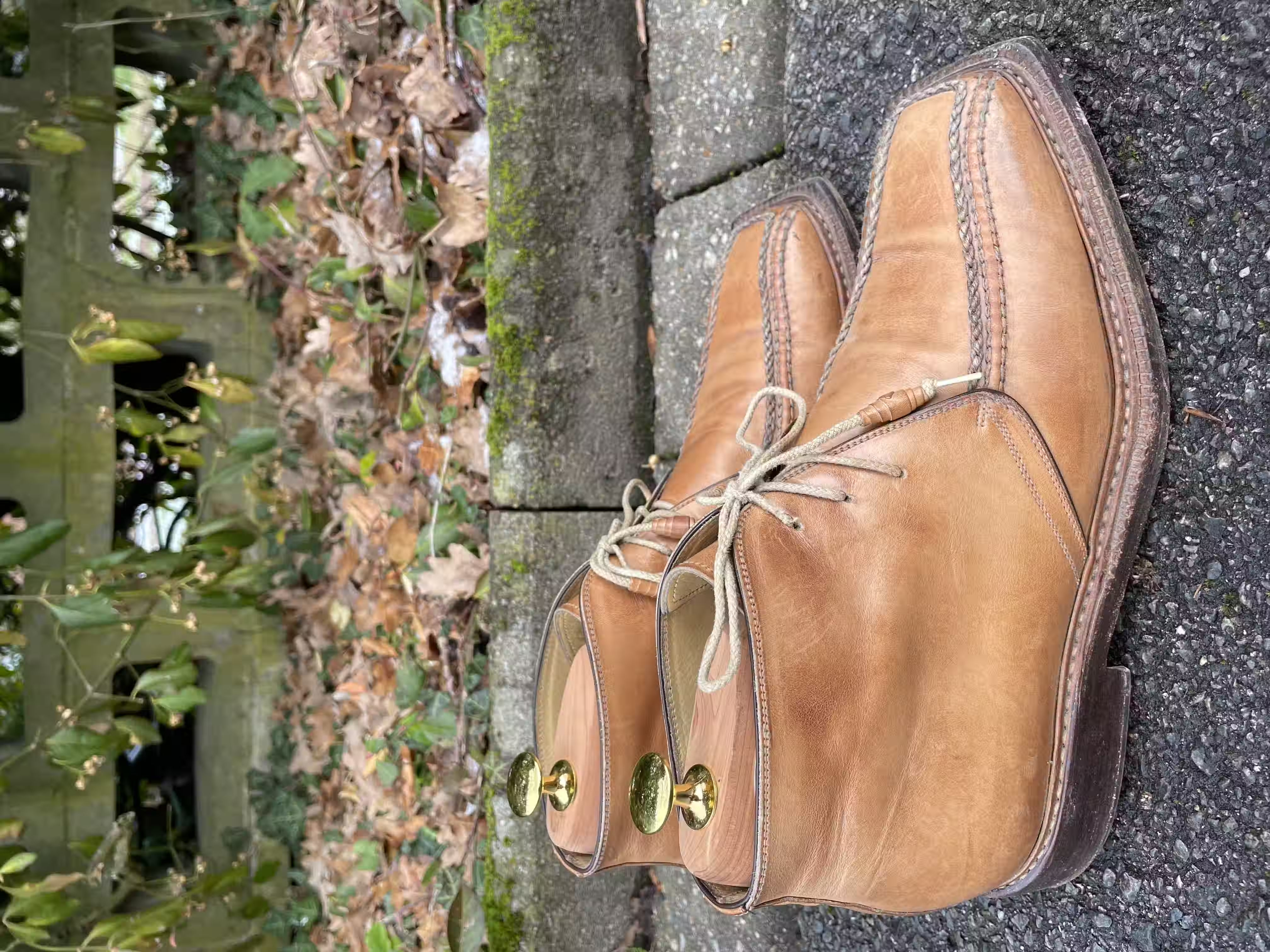
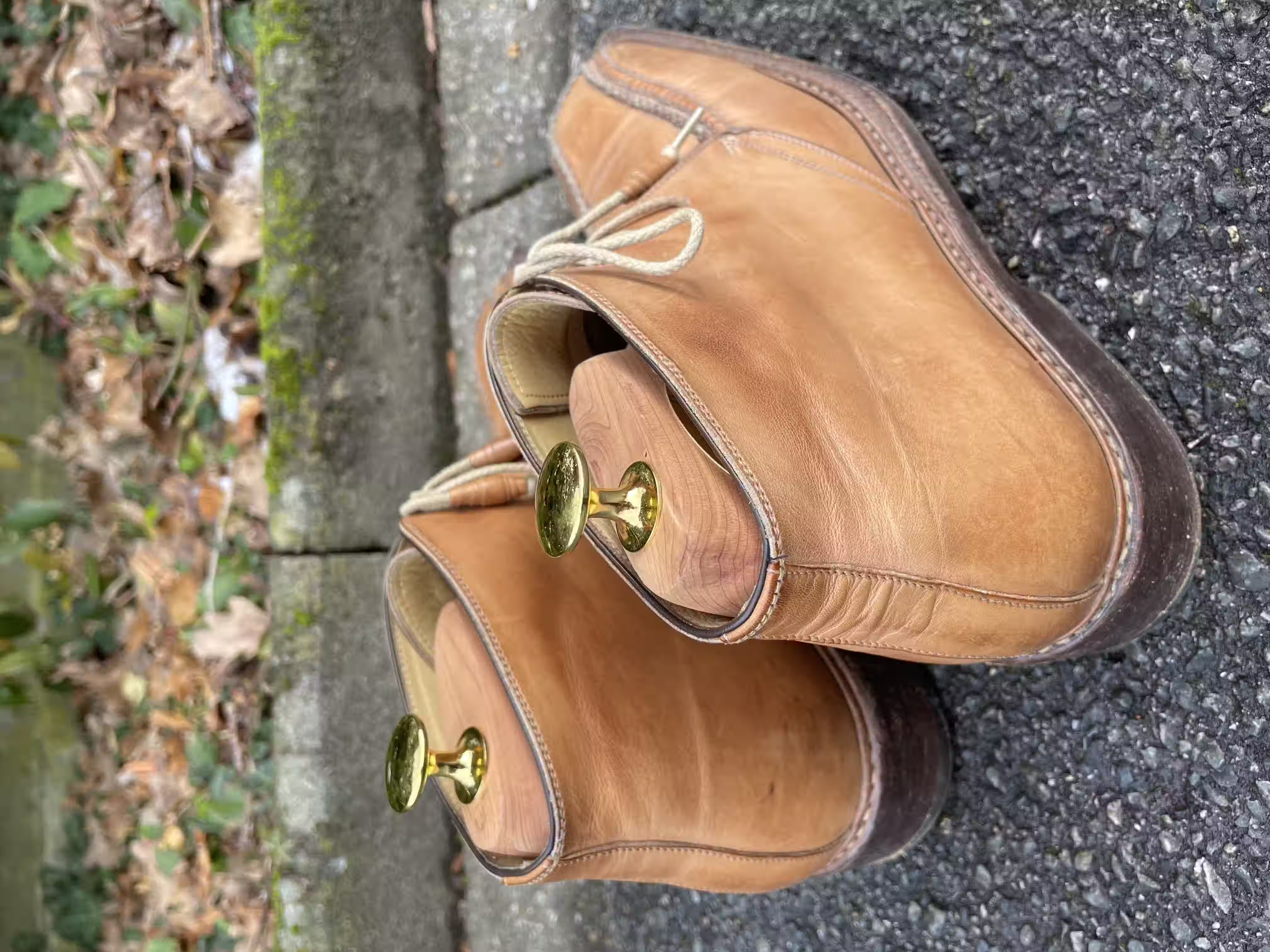
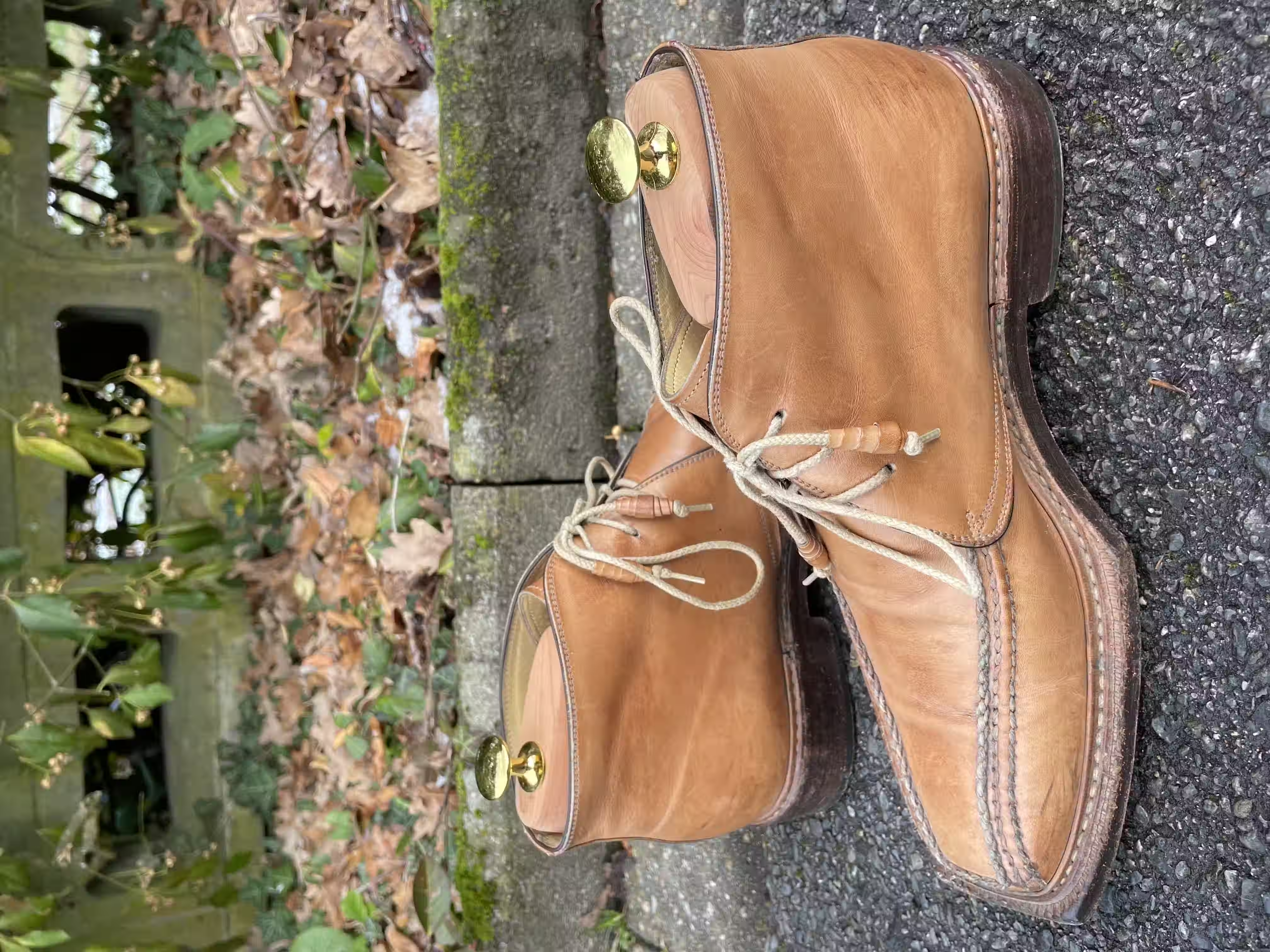
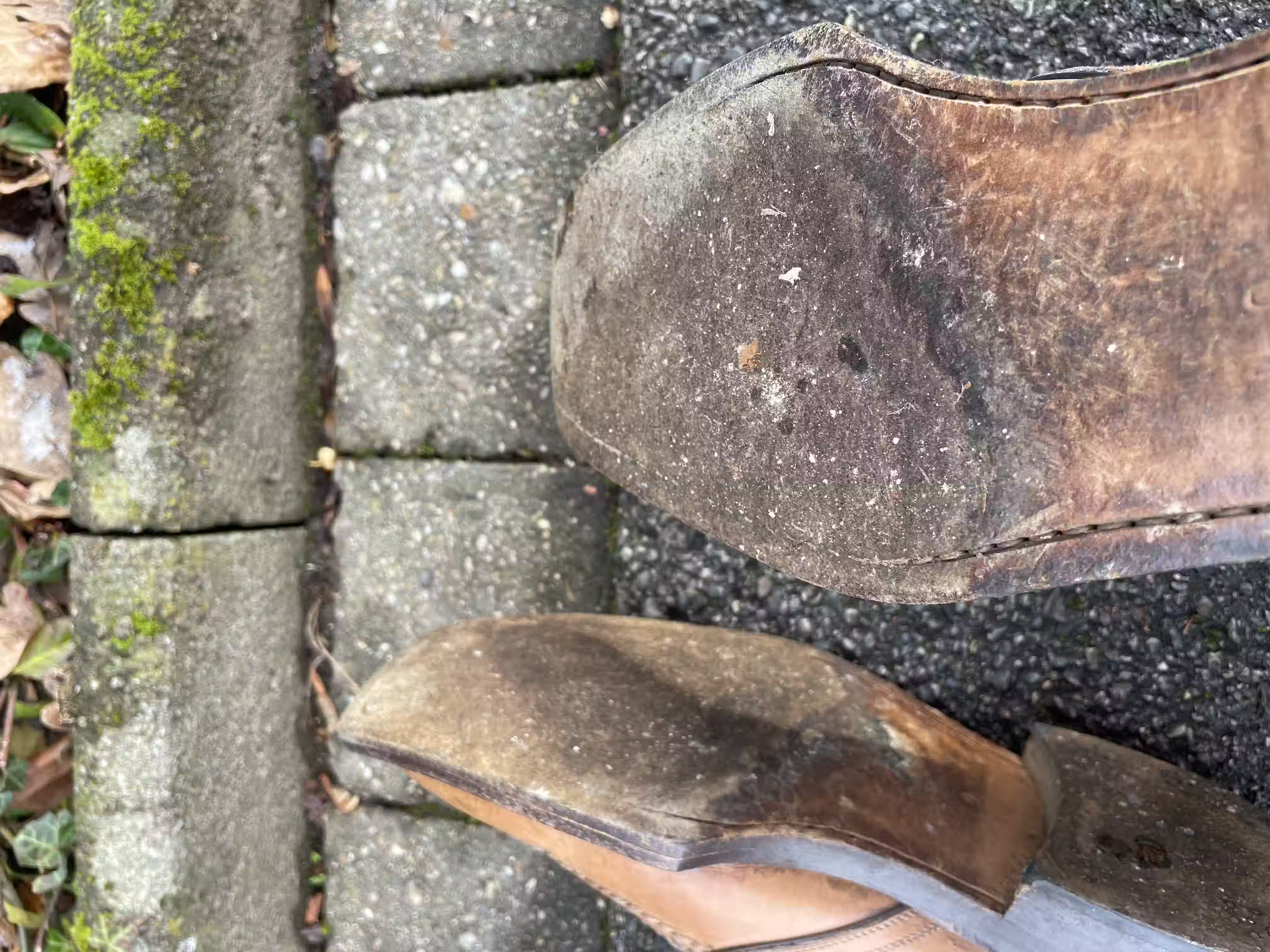
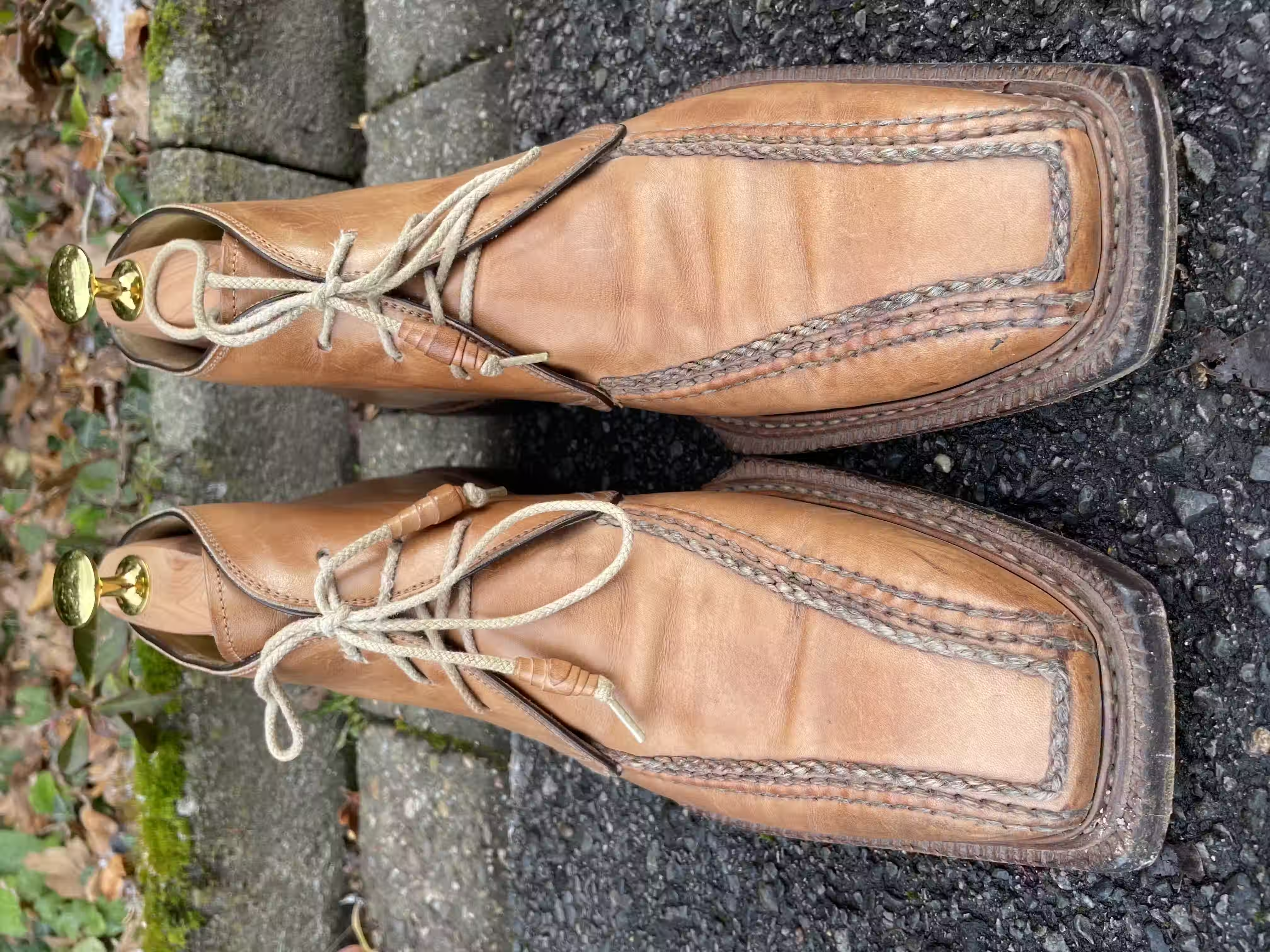
Here, the decorative stitching appears exclusively on the front of the upper leather. Again, it’s a Norwegian stitch, but it’s darkened and no longer works as much as contrast stitching. Still, it serves its purpose and gives the shoe a rustic decoration: a thick Norwegian stitch running in an angular curve at the front, in what would otherwise be the more elegant area of a shoe. While other, much more elegant shoes have an attractive toe shape, here the toe is covered by a thick decorative stitch that doesn’t run all the way through. In addition, there are side seams on the upper leather as a small framing element, though they are continuous on both sides and extend down to the welt. To me, the ankle boots thus have a slightly rebellious character. In my view, they pair quite well with light jeans.