
Derbies - versatile, rather casual men’s shoes
Are you looking for shoes you can wear pretty much anywhere? Or do you often have fit issues, making you want more room in the shoe? In both cases, Derby shoes might be exactly right for you.
Example variant
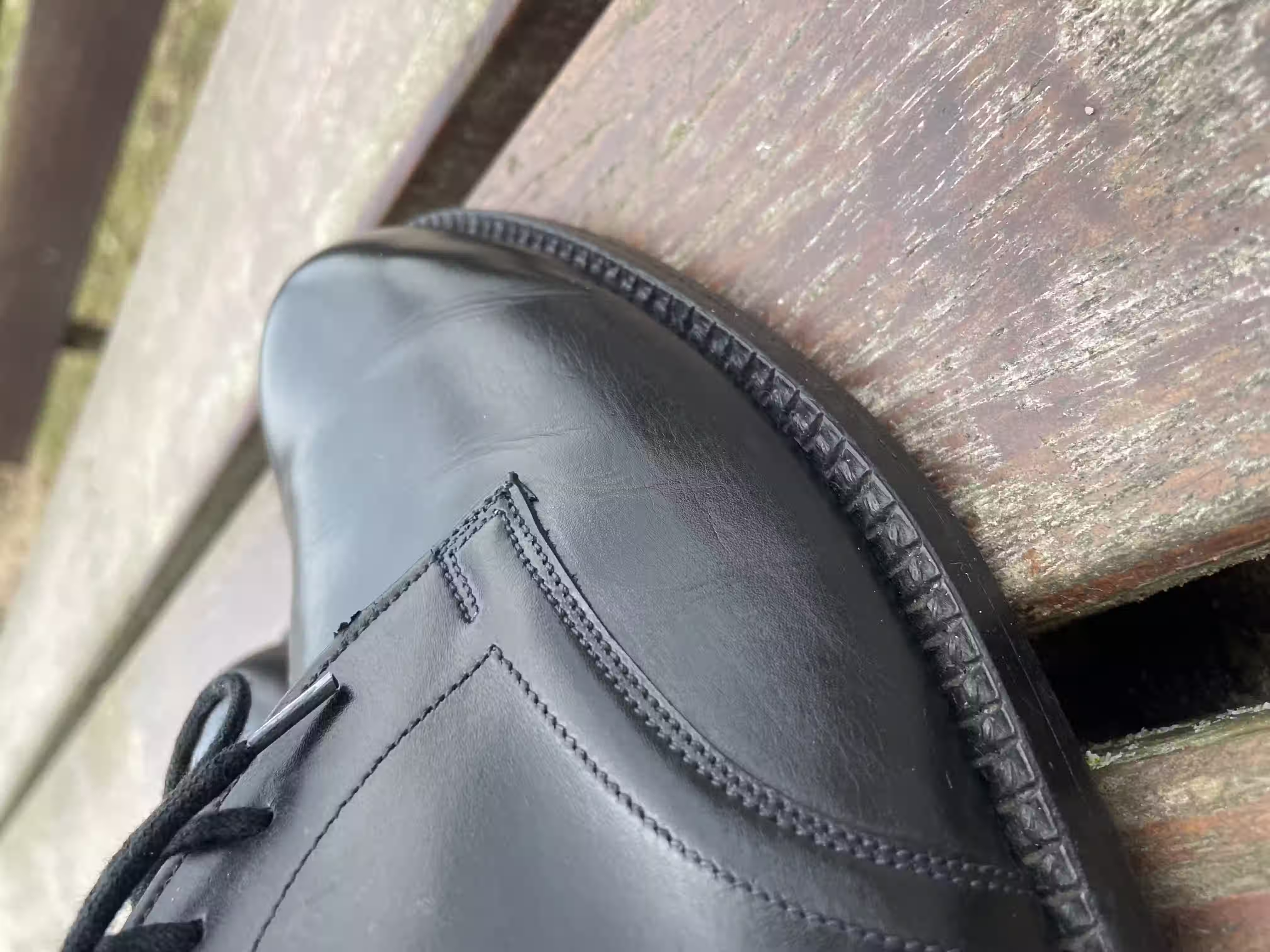
Black Derbies with a thin sole
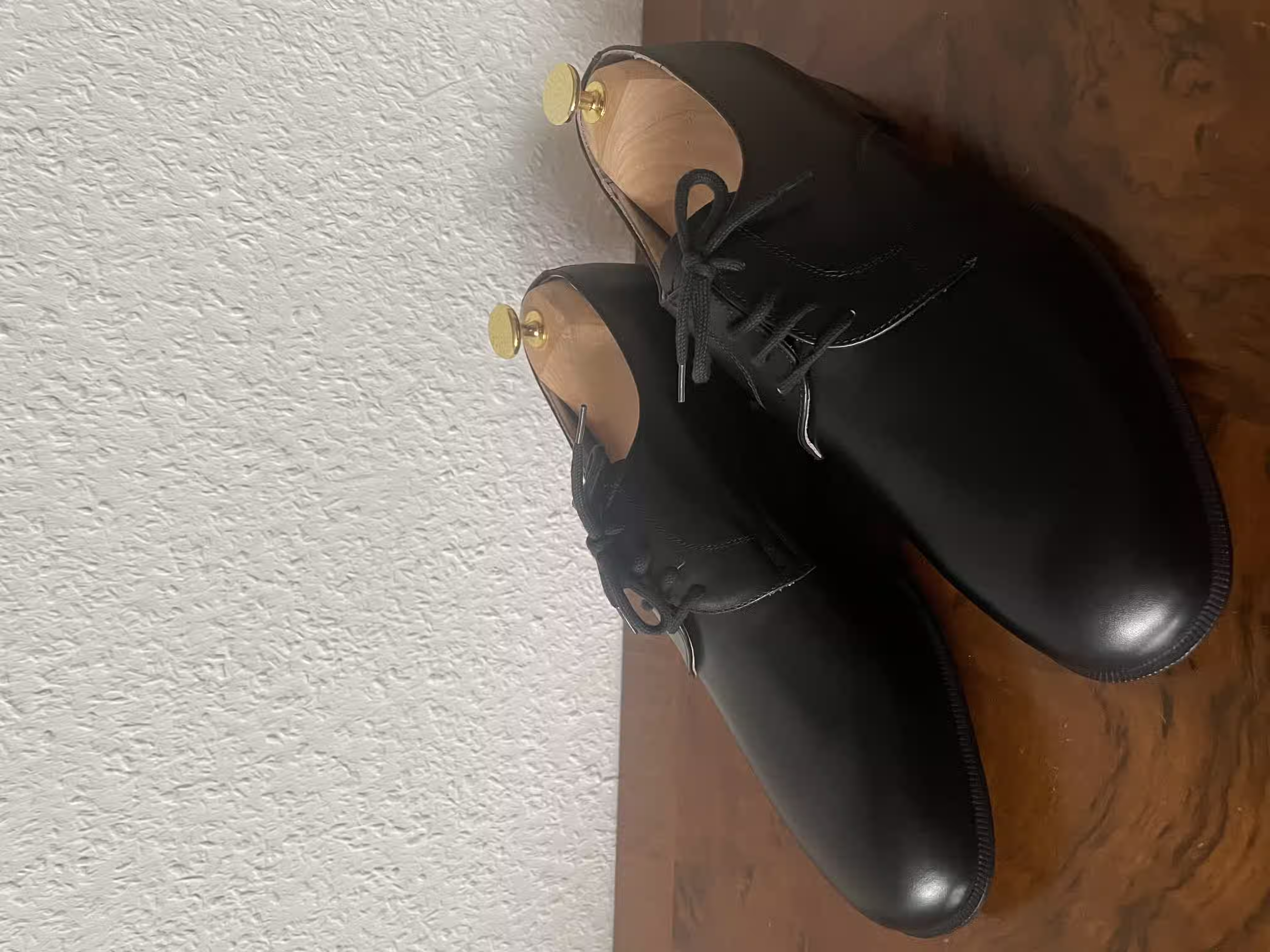
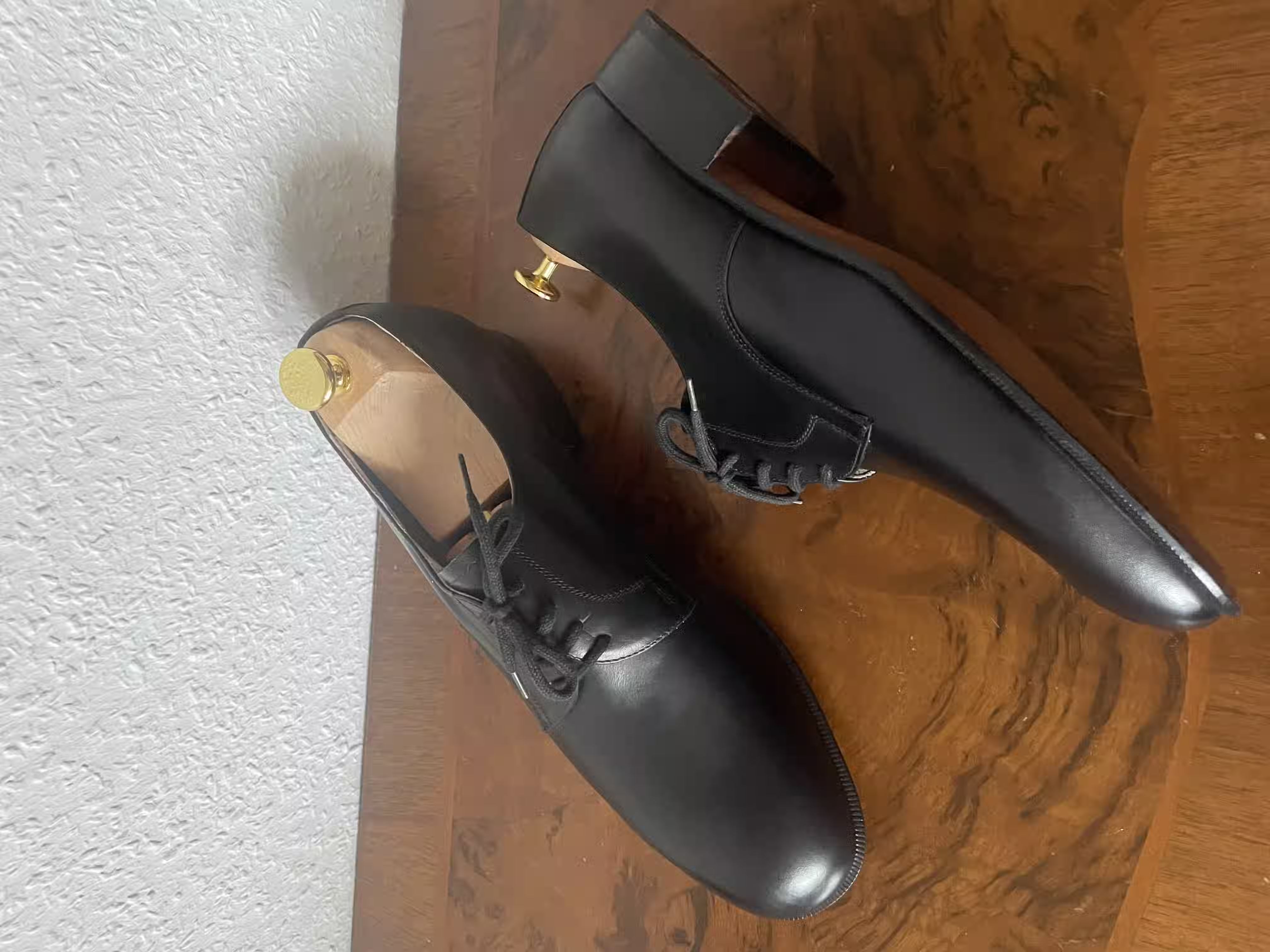
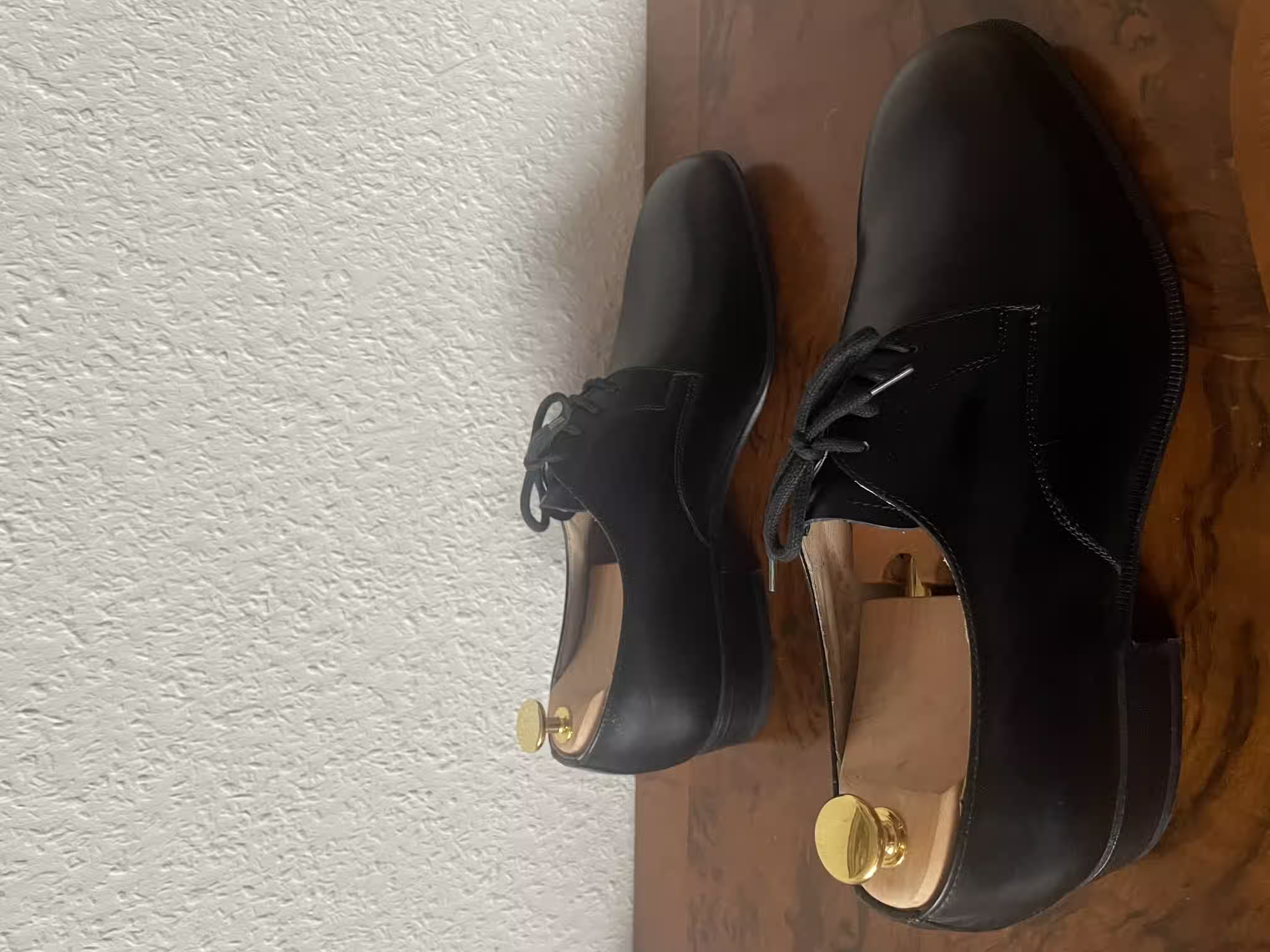
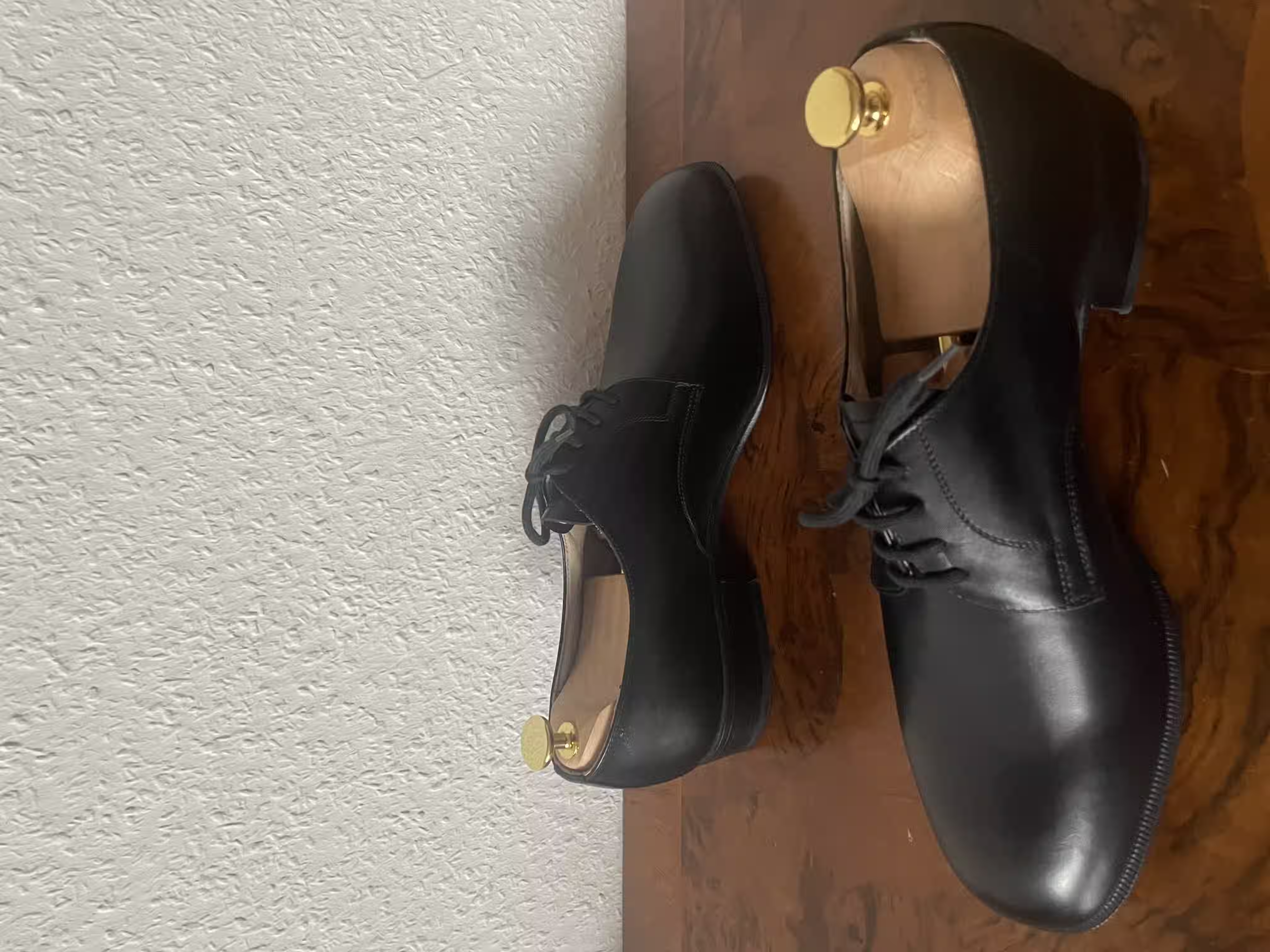
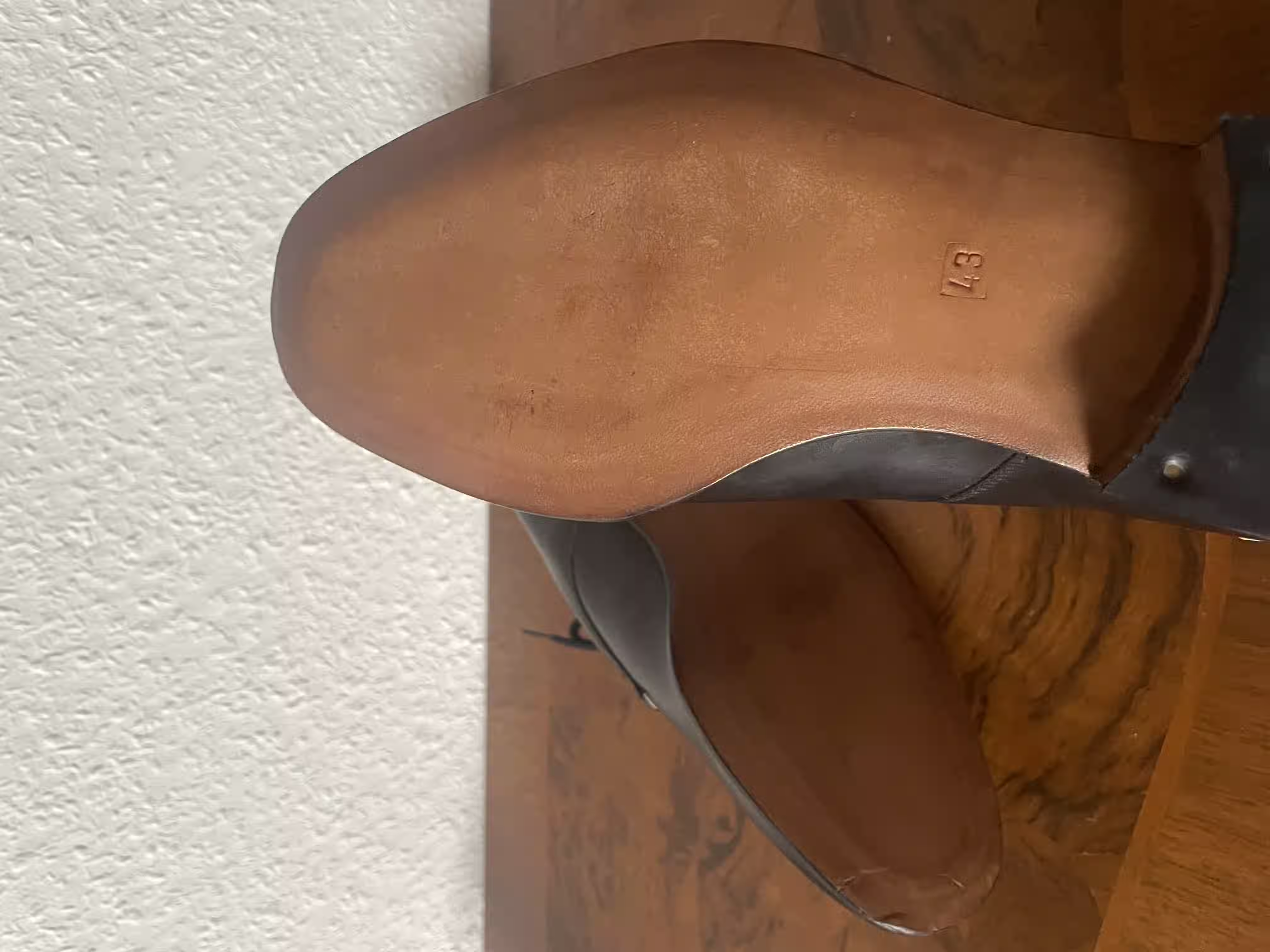
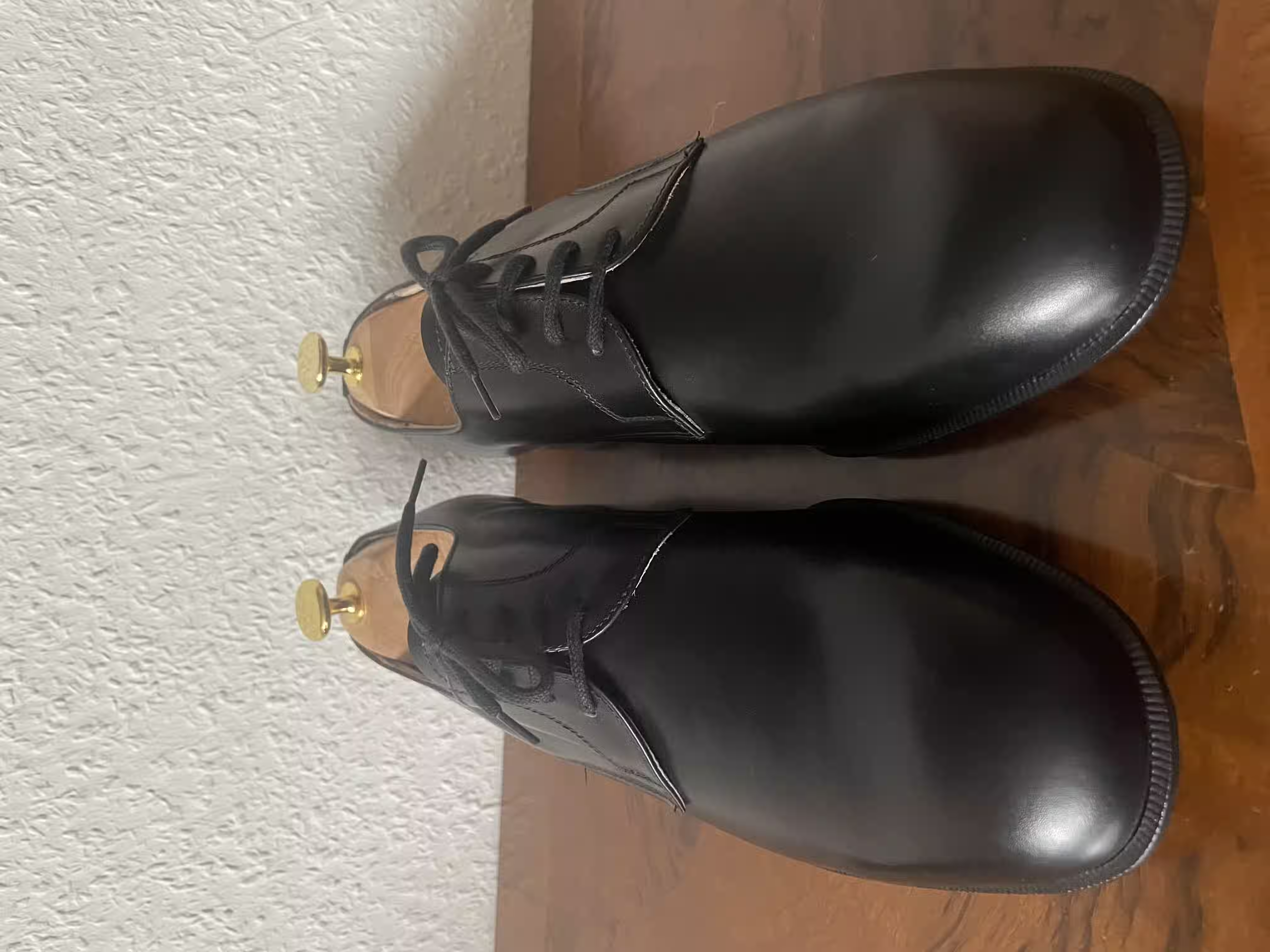
In themselves, these Derbies are made for very formal occasions:
- they are minimalist, without toe caps
- they have thin soles
- they are in black smooth leather
- they have a not-too-wide, nicely tapered toe
Only the thick laces are a drawback here, and the fact that a corresponding pair of Oxfords is even more formal and therefore better for such occasions. With these Derbies, I can easily replace the laces, but not the model.
Compared to the Oxford, the Derby stands out due to two relaxed elements that also characterize it. More on that in the next section.
Special features
You can recognize Derby shoes by two characteristics:
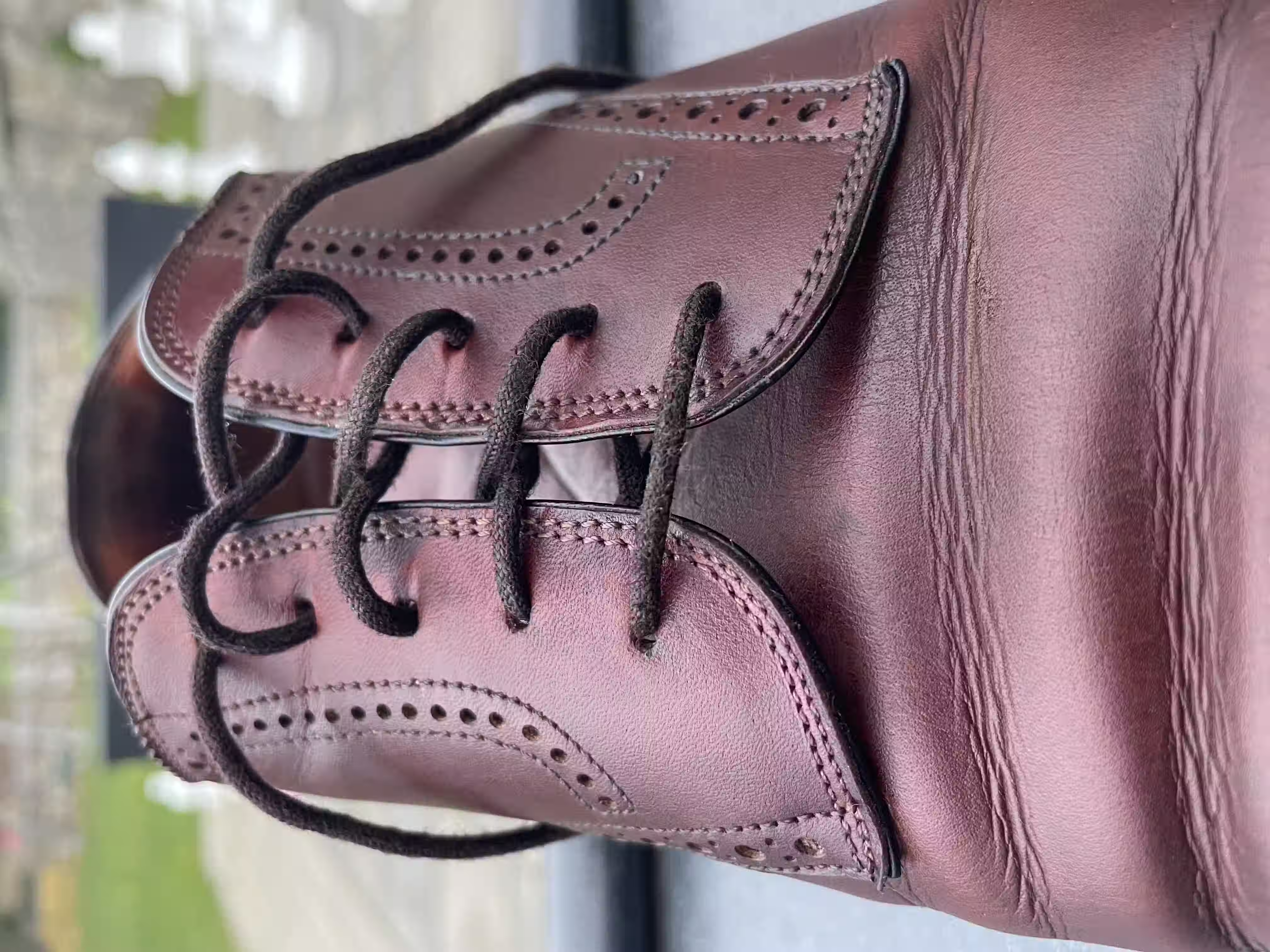
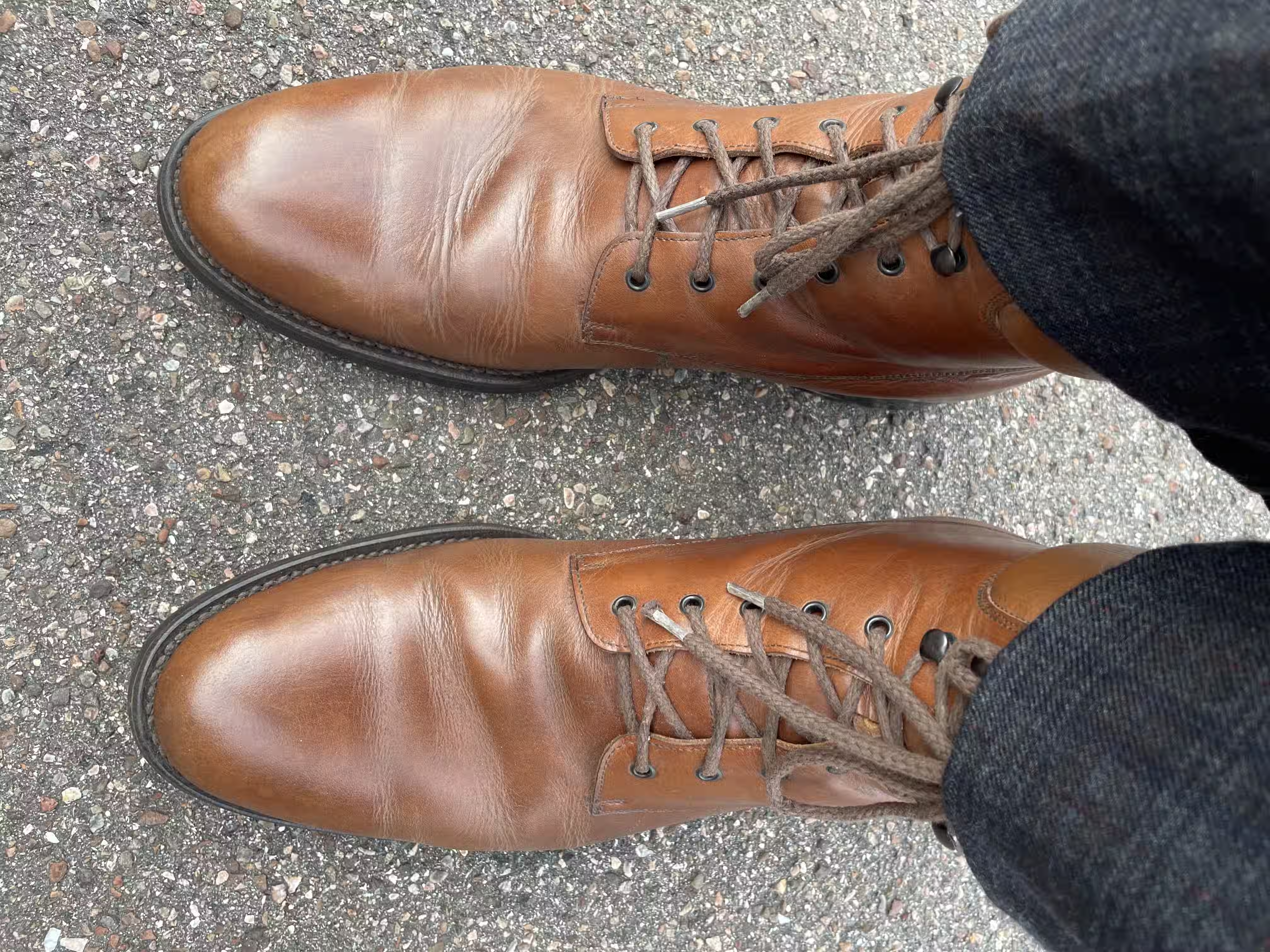
- the so-called open lacing
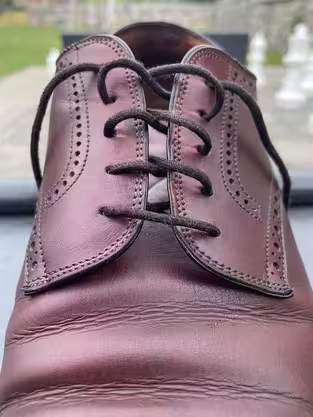
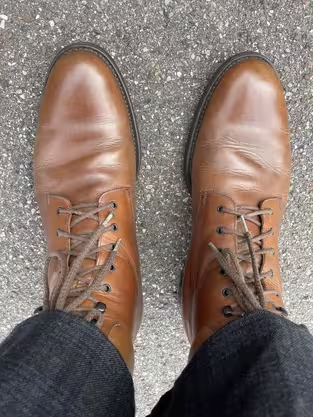
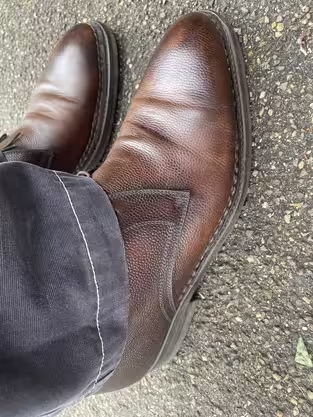
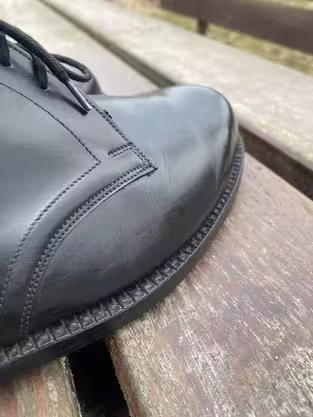
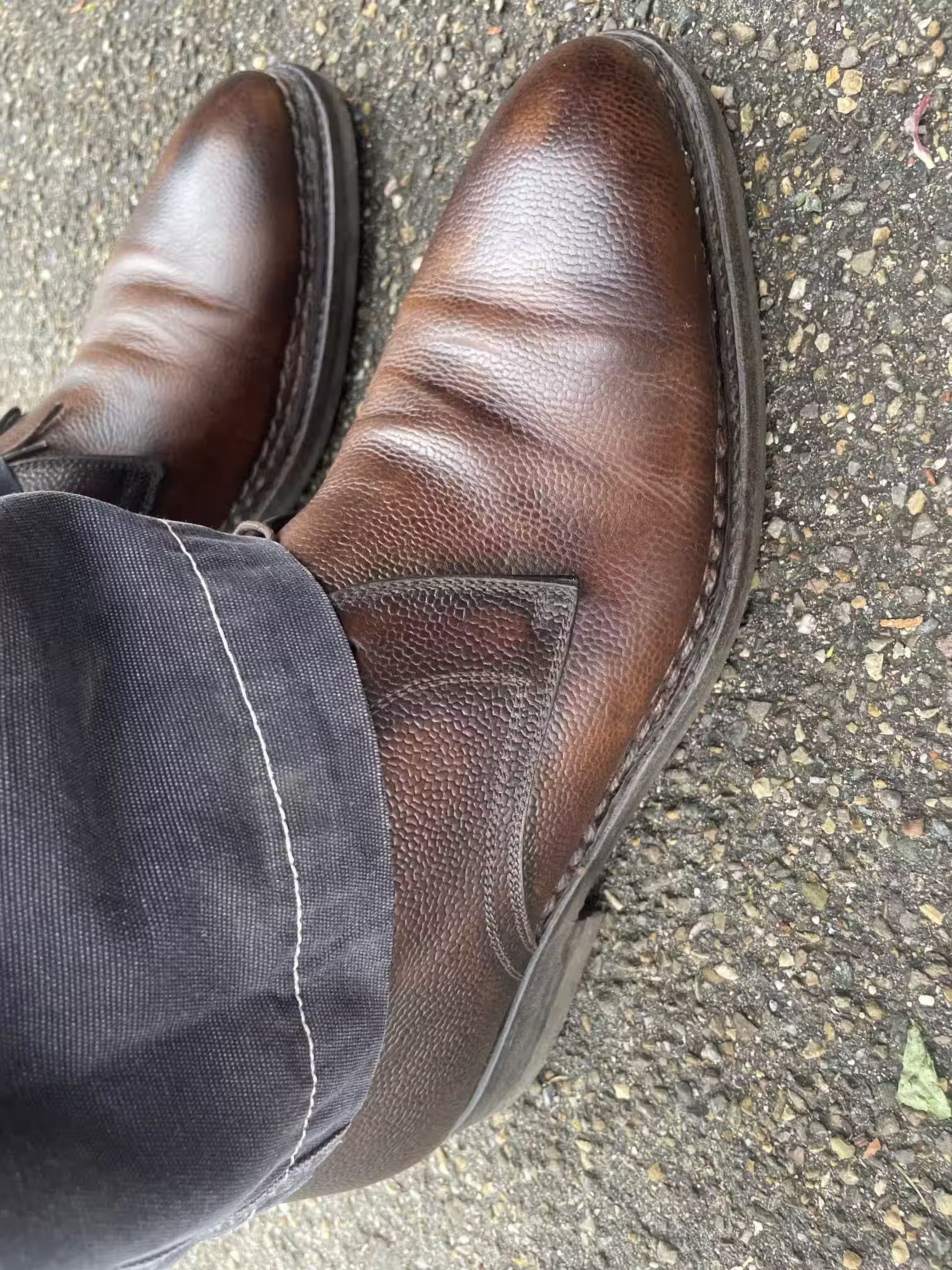
- the so-called Derby arch on each side of the shoe, which runs along the path of an arch—usually it is visually emphasized by the upper edge and a few seams
Advantage of open lacing
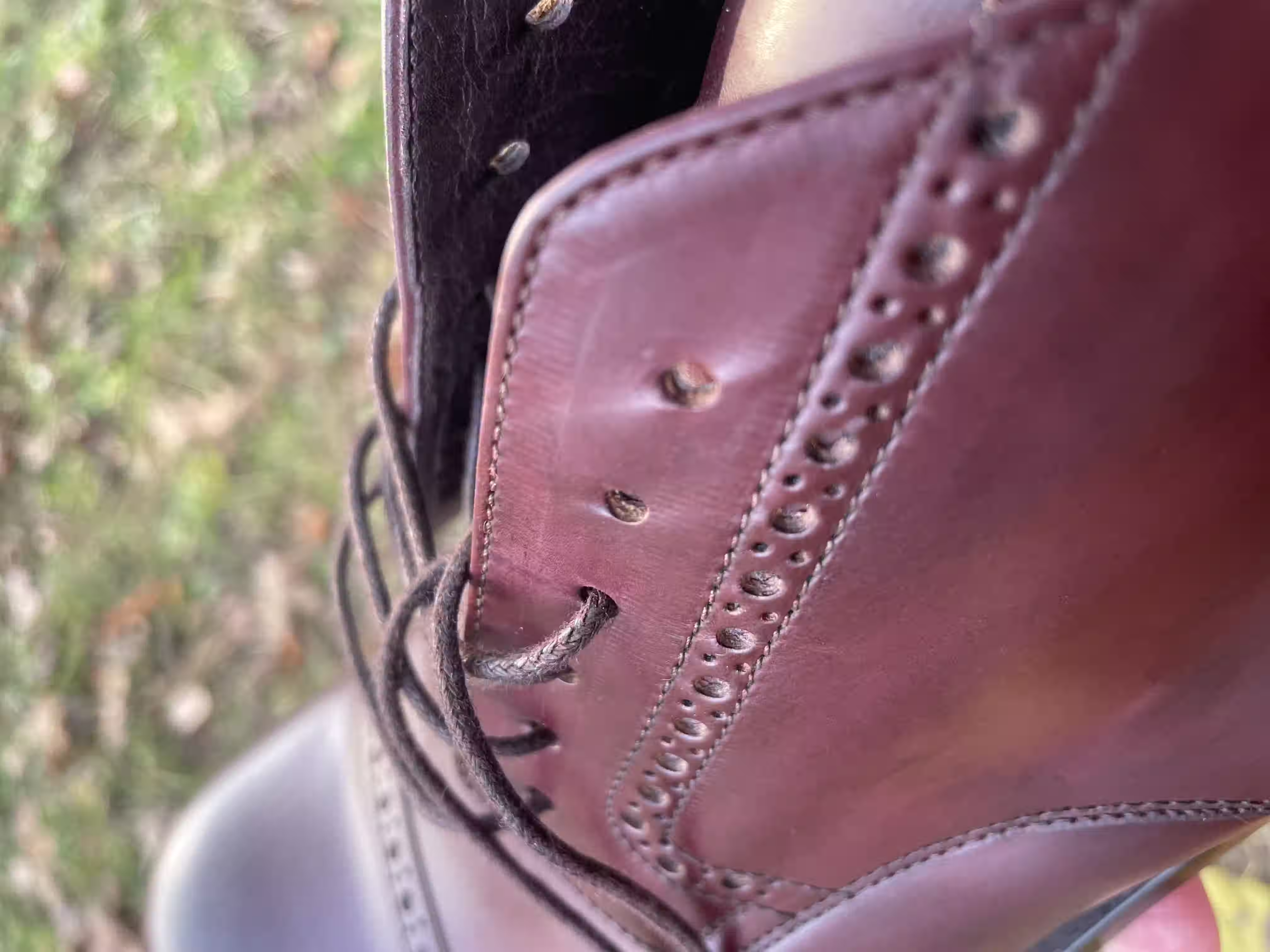
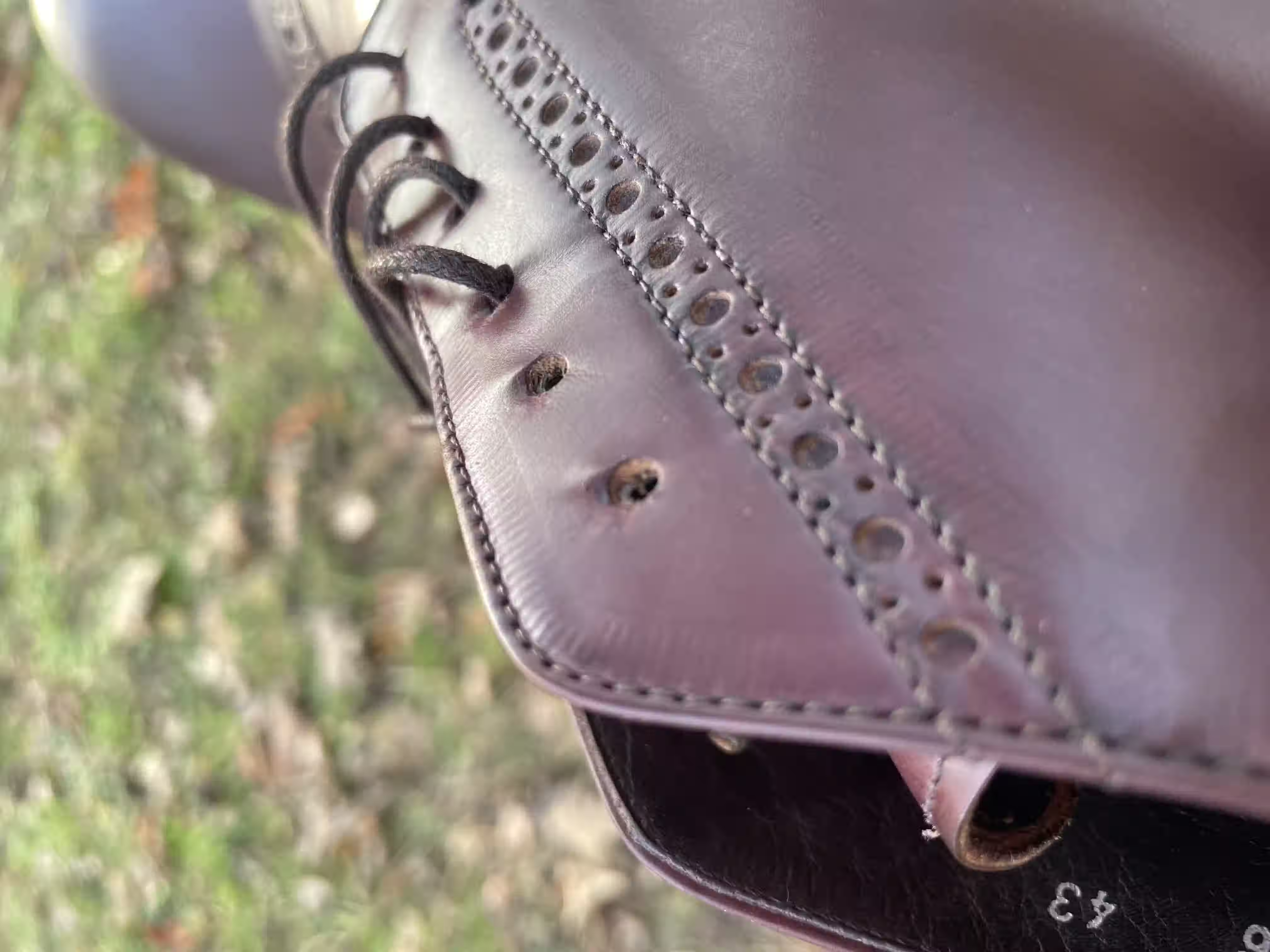
Thanks to the open lacing, the Derby is ideal for tying snugly. While an Oxford’s closed lacing can be quite tight, and a monk-strap shoe’s buckles can be too loose, the Derby’s open lacing offers maximum freedom.
Especially if your foot has a high instep, Derbies are very flexible in that area, and the two lacing quarters give particularly well. While a high instep is very often a nightmare with Oxfords, you generally can’t go wrong in this respect even with shoes that have open lacing.
It’s a bit different if you need more tension in your shoe. As long as your shoe has more than just one pair of eyelets on each side, you’ll probably be able to lace the shoes tightly enough. The more eyelets your shoe has, the better.
It looks somewhat different with two-eyelet Derbies and chukka boots, the latter typically having two to three eyelets per side. Here, there’s a greater risk that the lacing won’t be able to make up for it if the shoes fit too loosely. Therefore, fit becomes more important with such models, because you can’t achieve quite as much with the lacing as with shoes that have five or six eyelets.
Another advantage of Derbies: greater flexibility in style
Besides the greater flexibility of the lacing, which covers a fairly wide range of feet, there are also stylistic advantages:
Derby shoes sit in the middle of the spectrum between formal and casual appearance. A black Derby shoe without additional decoration is fairly formal, even if for many it still wouldn’t be enough for a suit. By contrast, a brown Derby shoe with a toe cap, heel cap, and brogueing is a pretty good casual shoe. Starting from a Derby as a base model, you can move into almost all style areas if you adjust the other facets of your shoe accordingly—such as color, leather, and decoration.
Confusion with Blucher shoes and other models
The Blucher is another shoe model that, like the Derby, also has open lacing. However, the upper parts a Blucher is made from are different. And there are other shoe models with open lacing that are stitched together differently than a Derby. Here are a few examples of shoes where the Derby arch is missing on the side, which implies a different construction compared to the Derby.
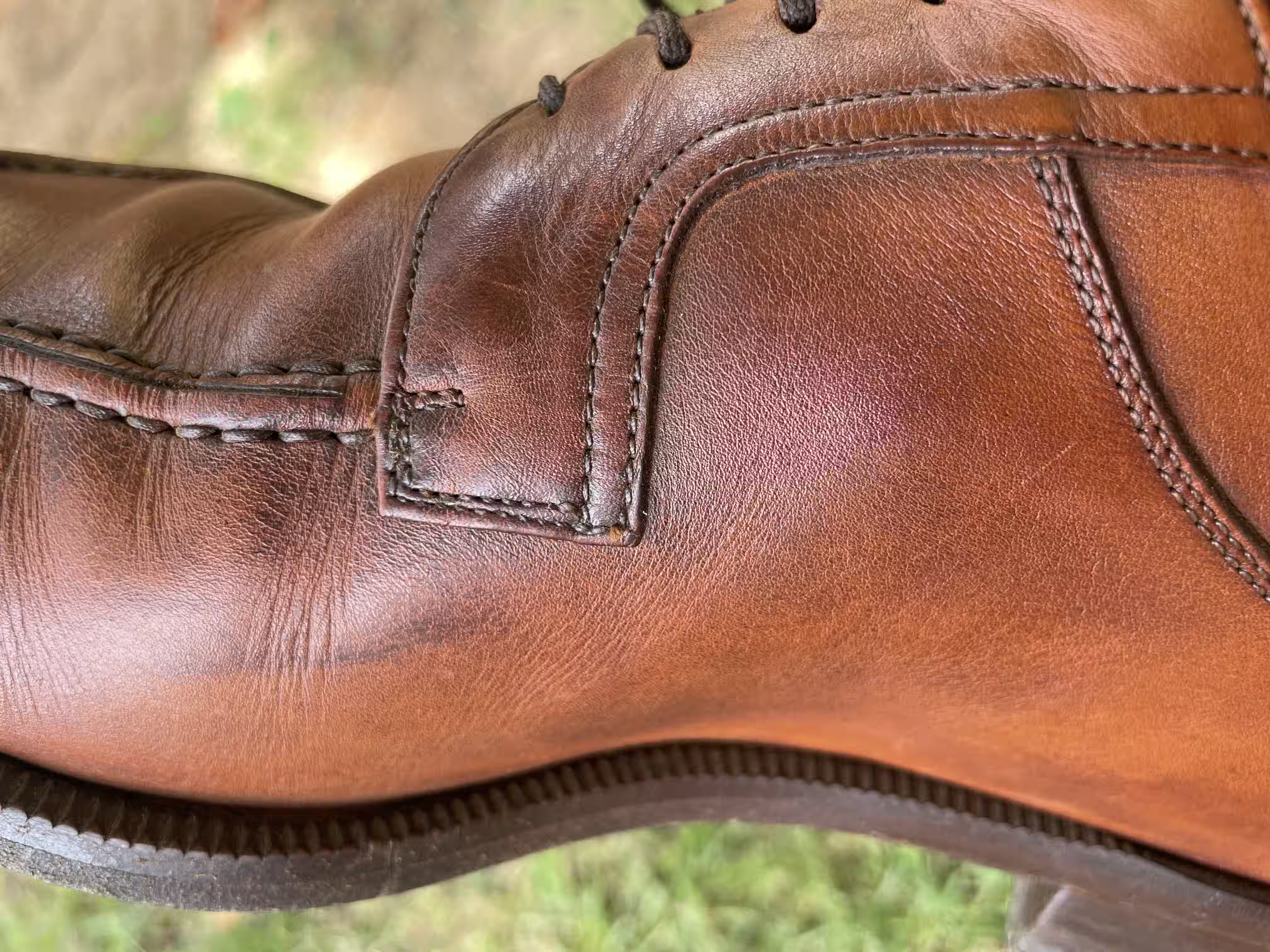
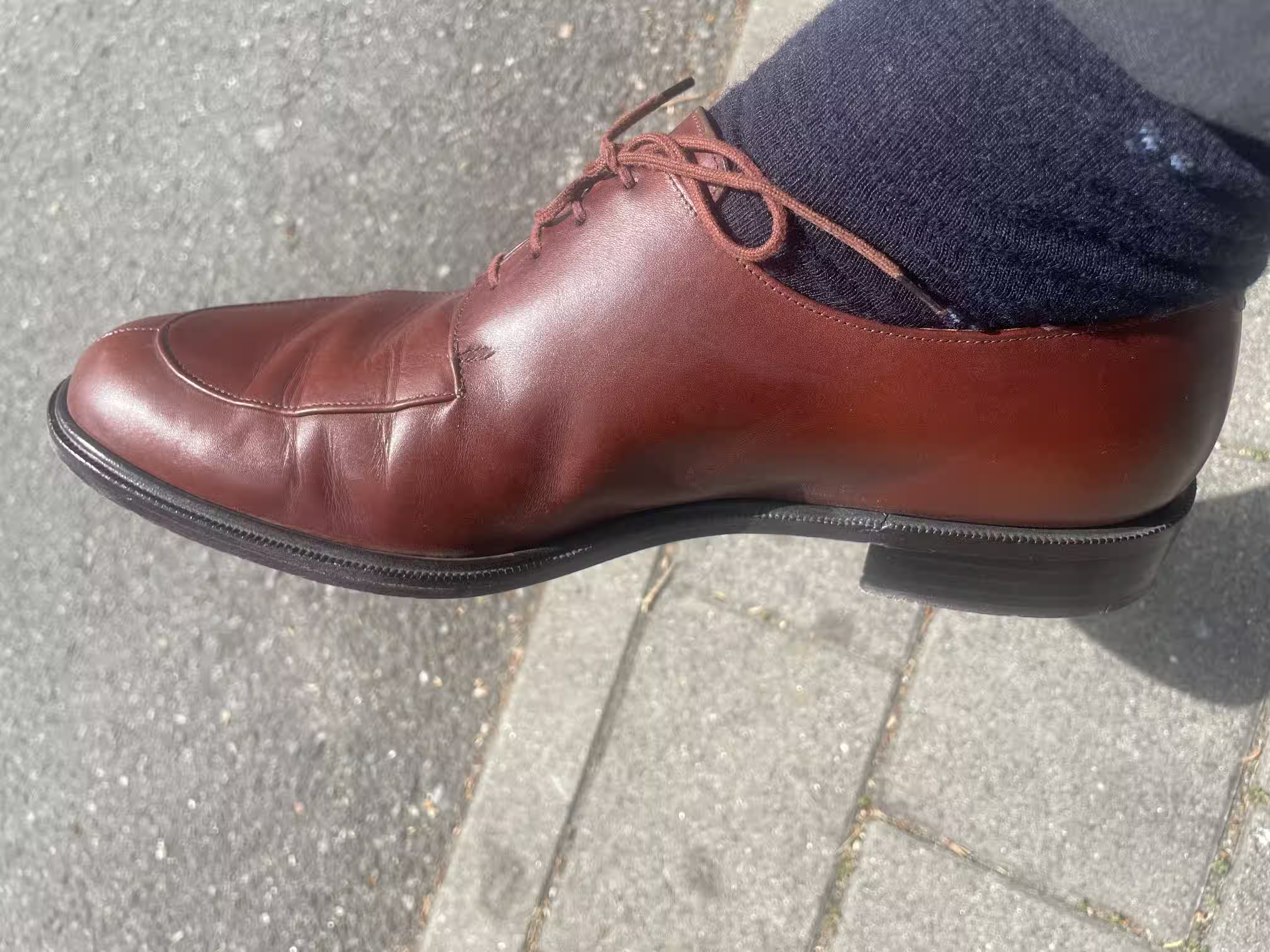
Viewed from the side, the Derby shoe has the so-called Derby arch, and along this line the different upper parts are stitched together. By contrast, a Blucher often consists largely of just a single upper piece, aside from the small pieces with the lacing. In this respect, Derby shoes tend to be cheaper to manufacture than Blucher shoes or some other models: because a single large piece is harder to cut out of the hide than several small pieces from the same total area, since you
- have to avoid bad spots in the middle of the hide
- have to ensure more that the hide is sufficient in overall height and overall width as well
History
The origin is not entirely clear. One account says that a talented shoemaker made shoes for his client, a count. This count reportedly had trouble slipping into the shoes common at the time, which had what is known as closed lacing. The shoemaker then came up with the idea of designing the lacing a bit differently and sewing the side parts with the eyelets differently. Even today, this allows more flexibility and a wider range of foot shapes—especially for feet with a high instep.
Variants
Black smooth-leather derbies with a wider toe box
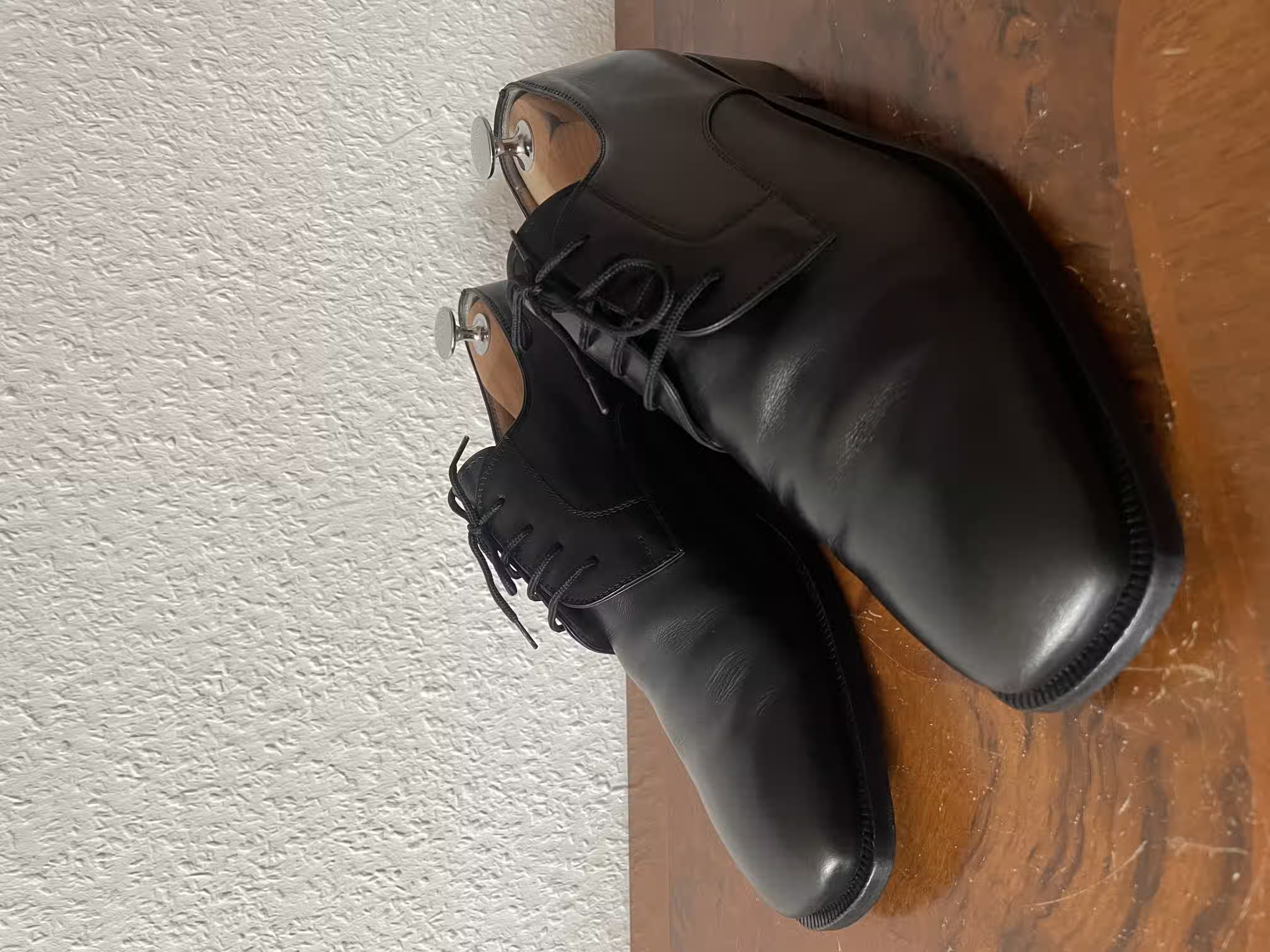
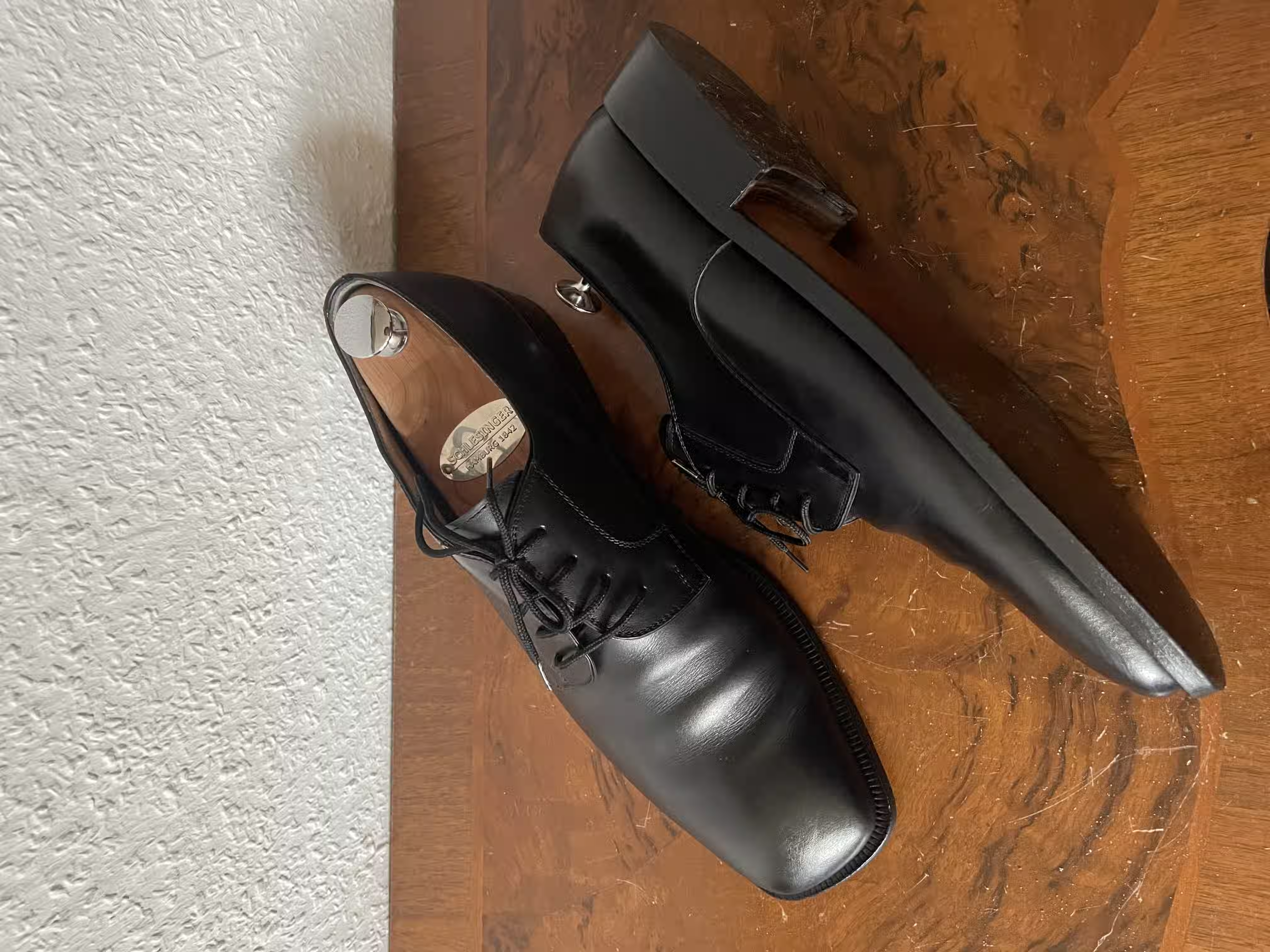
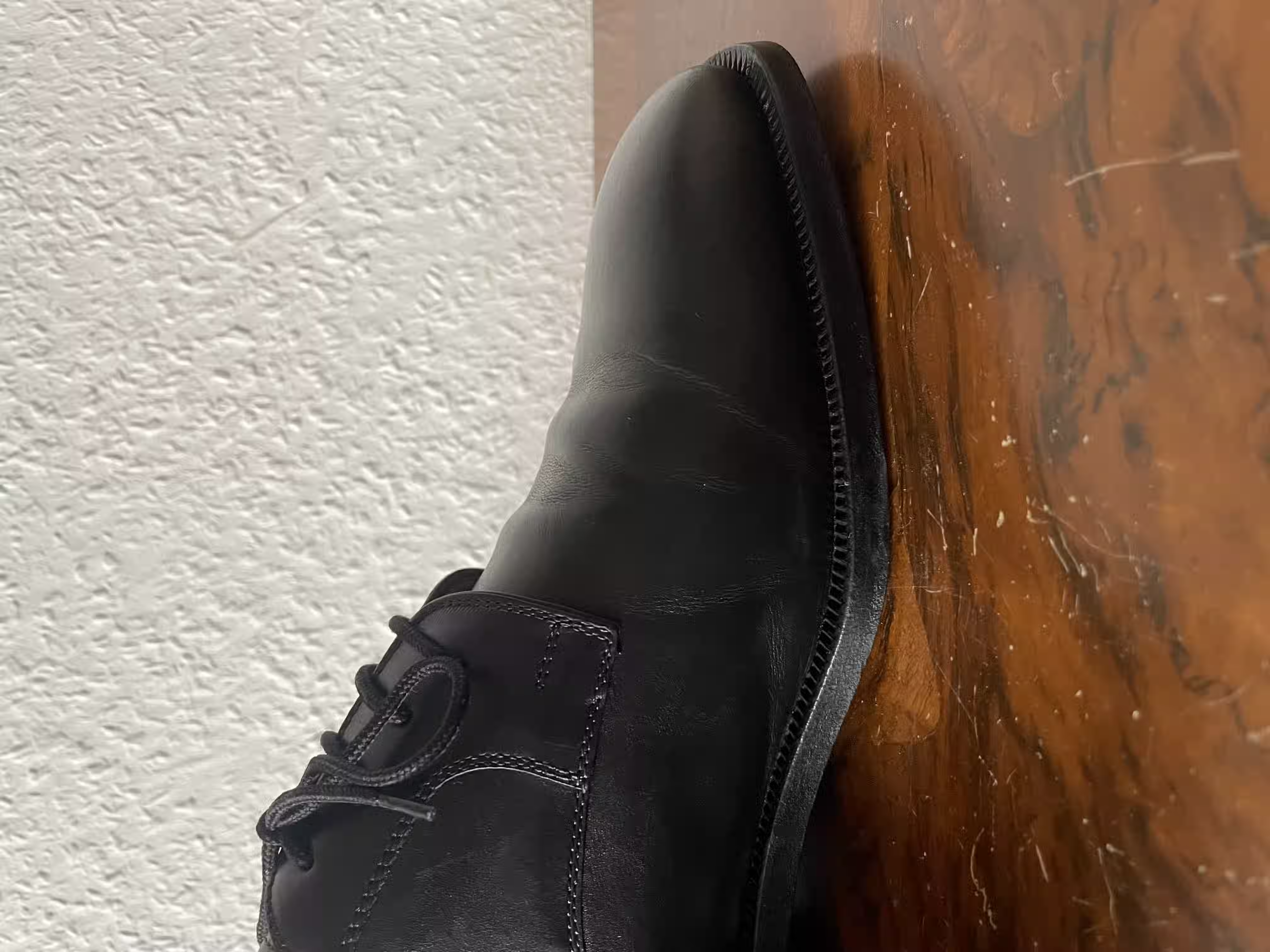
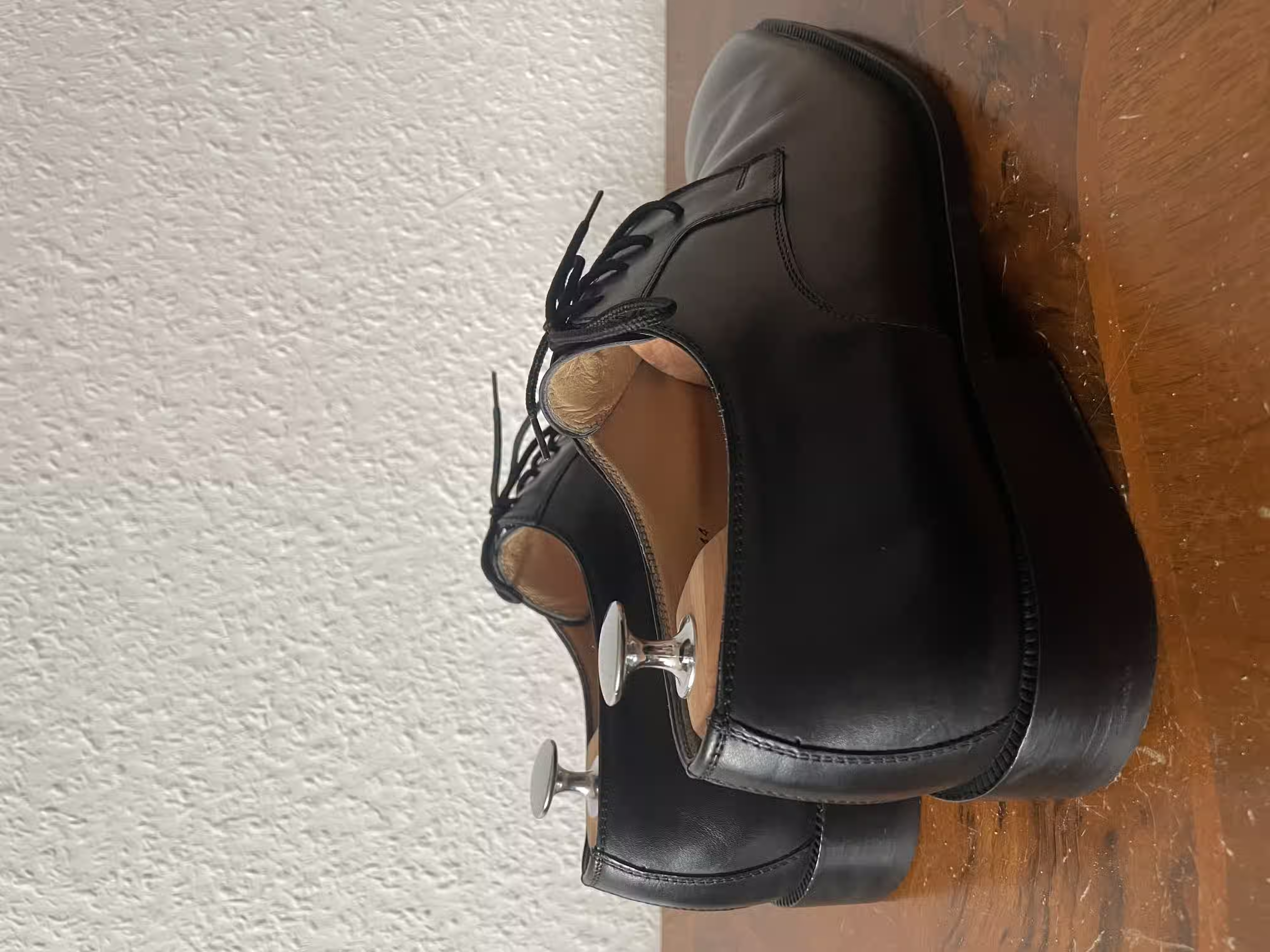
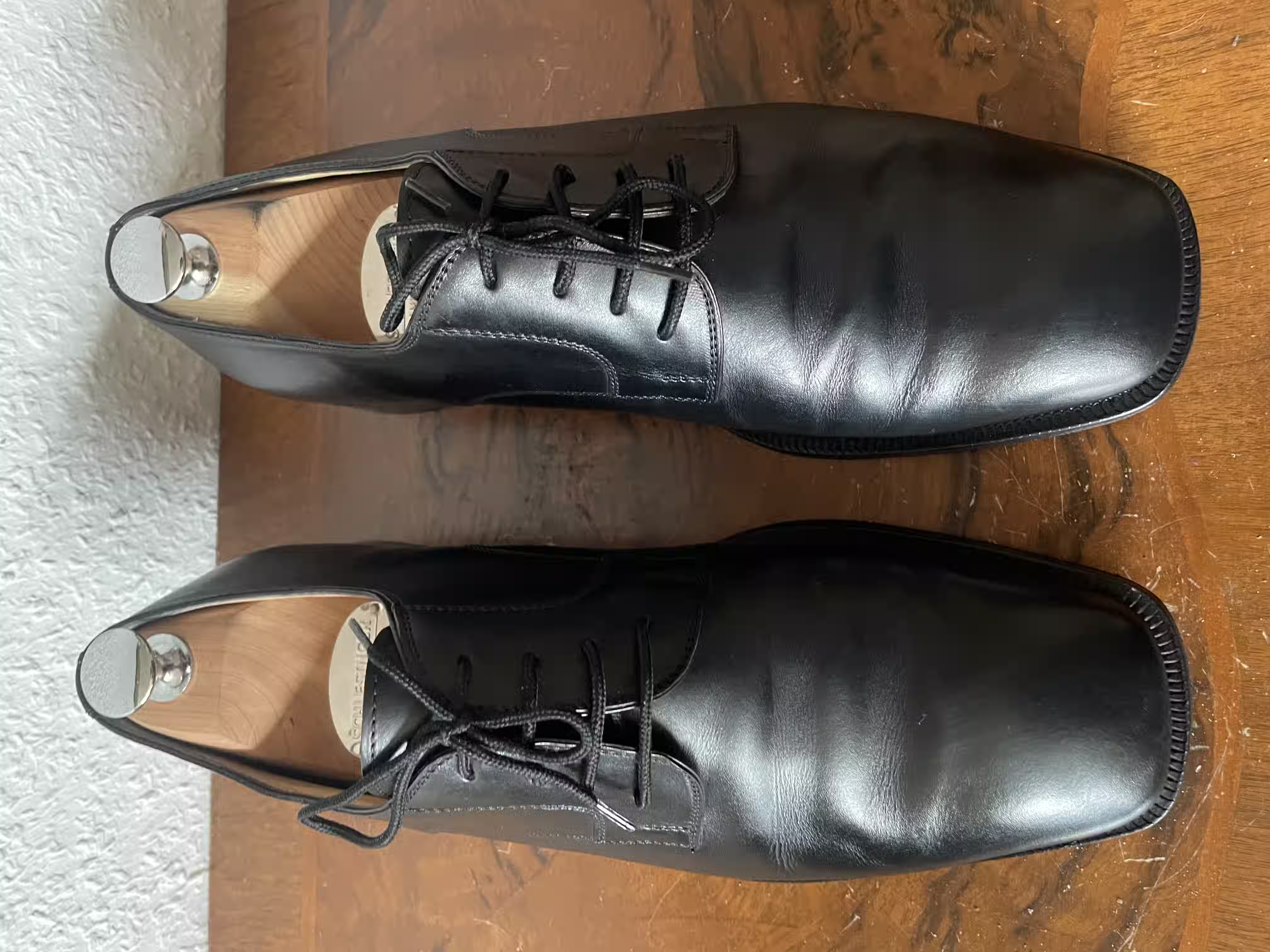
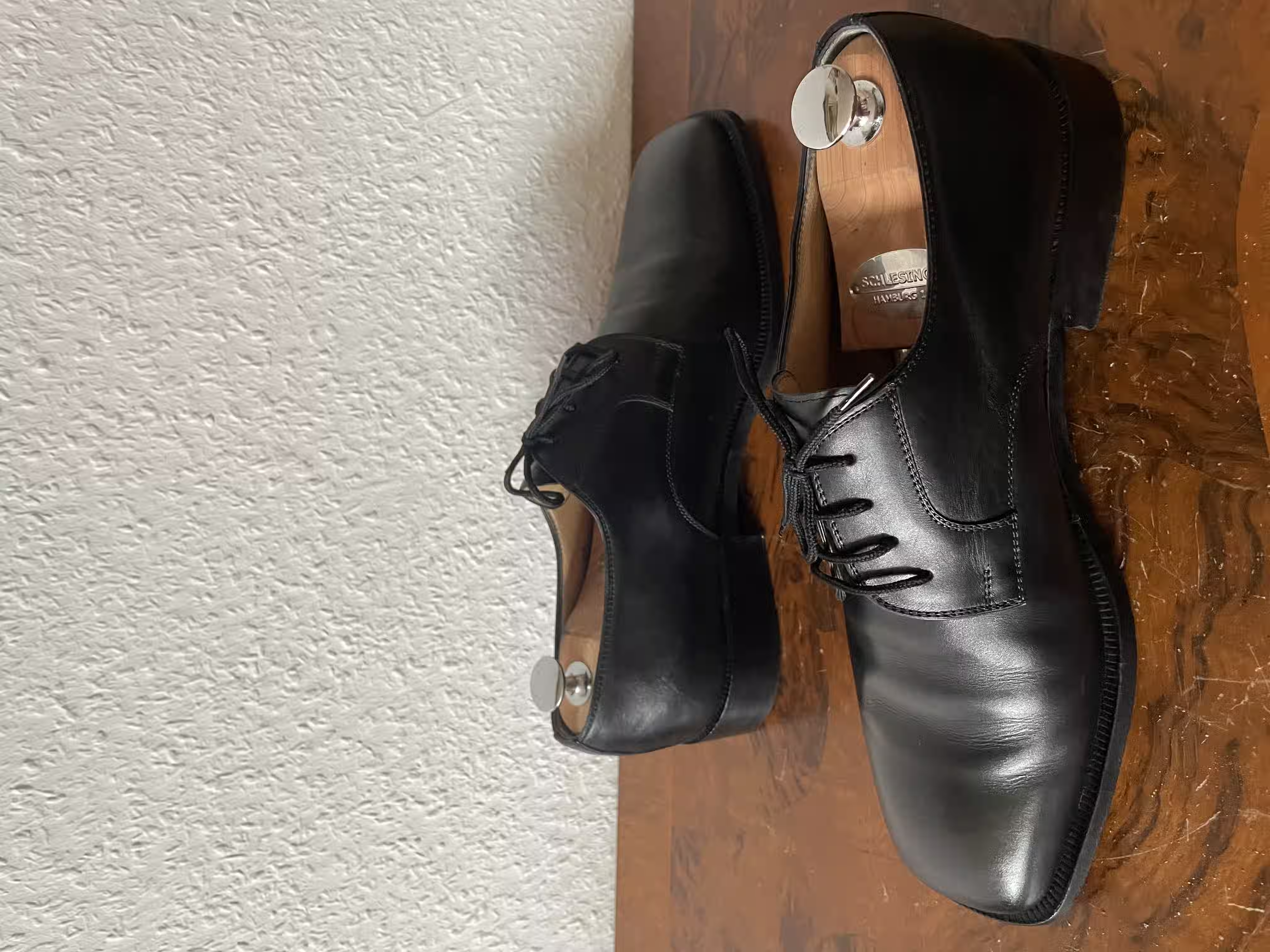
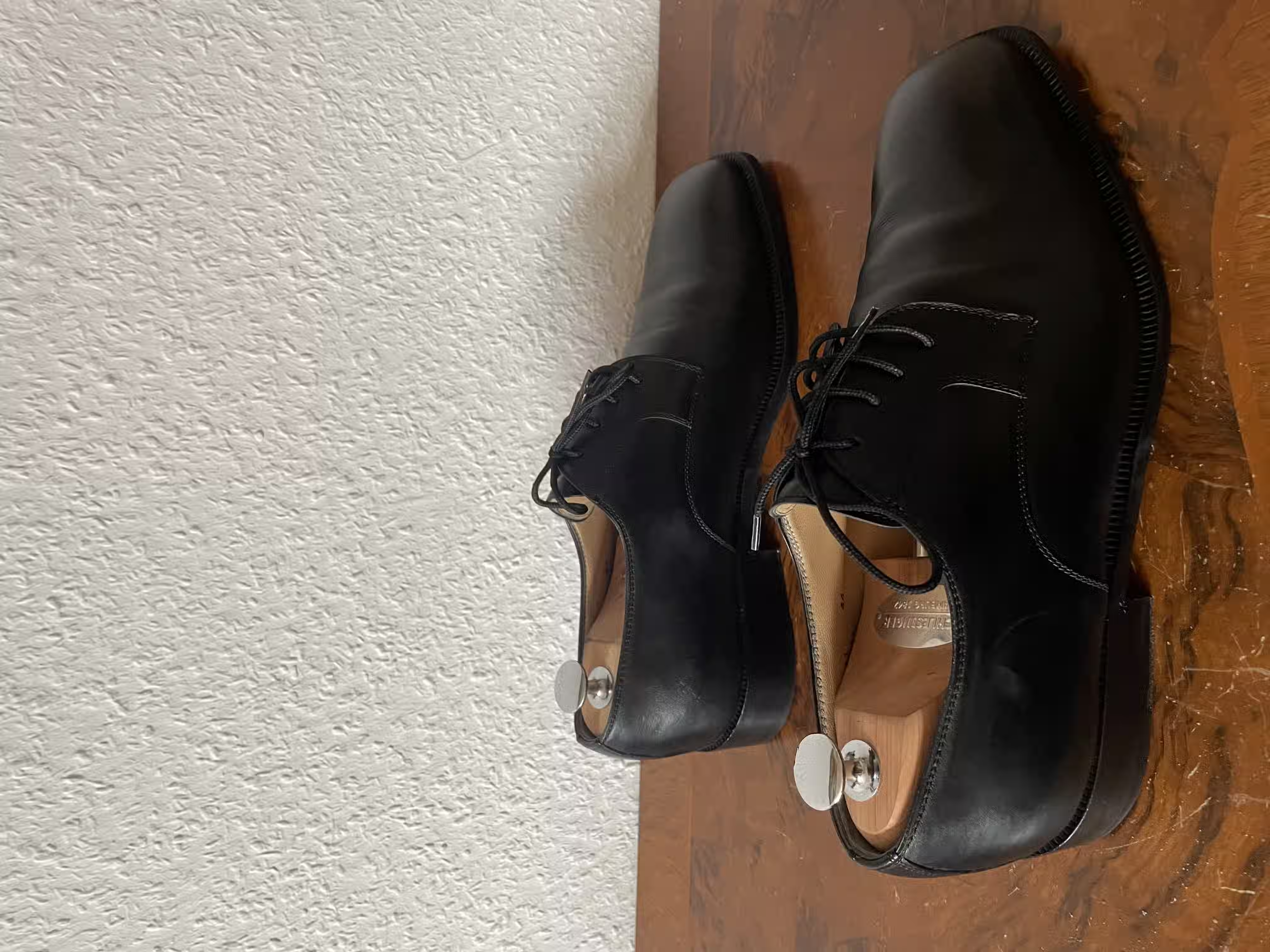
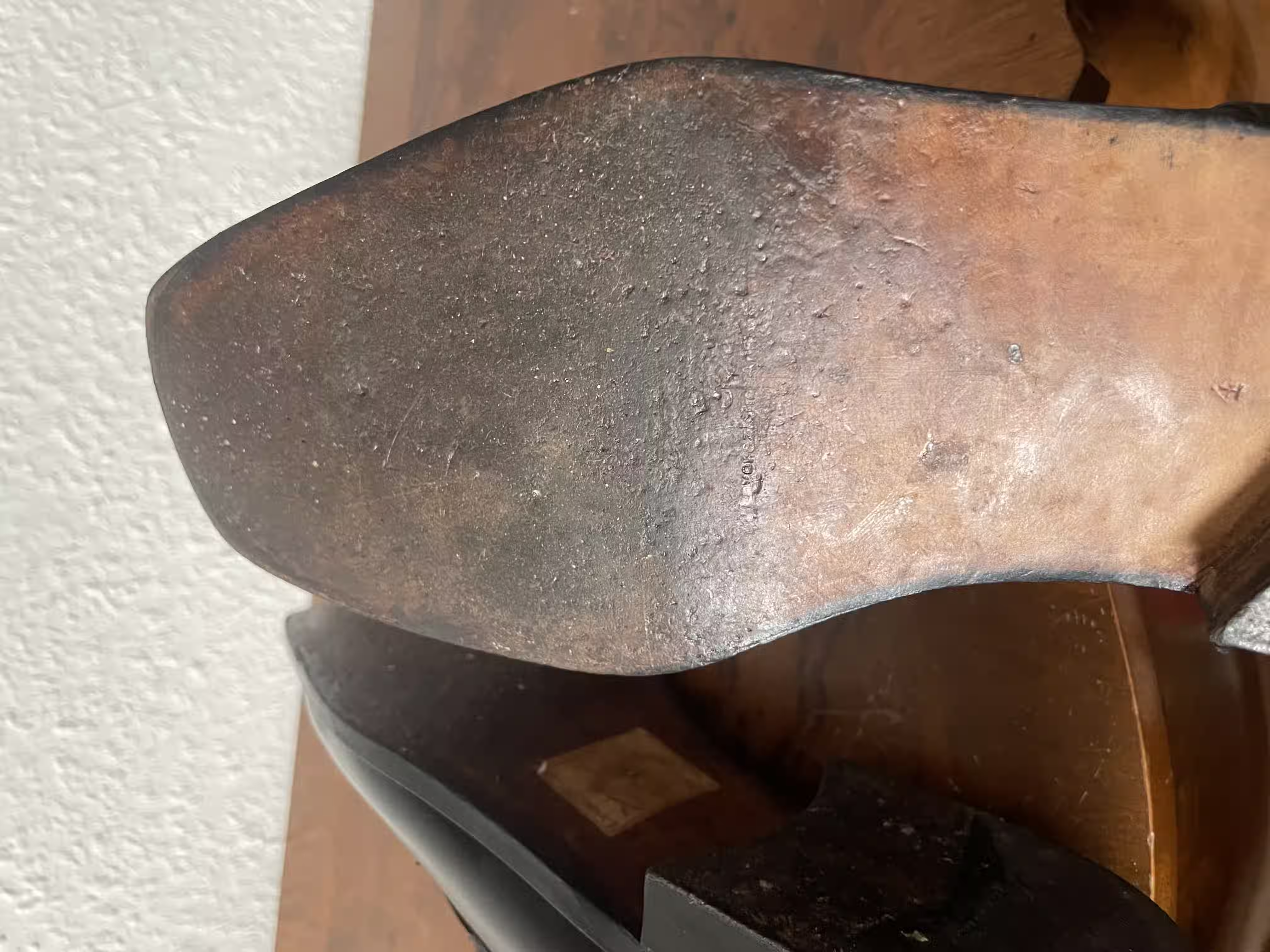
These are black, minimalist derbies with an interesting detail: the toe is significantly wider than on typical formal shoes. In that sense, the shoe doesn’t quite fit into the category of formal suit shoes. For that, a black Oxford with a narrower toe is much more suitable. But for semi-formal occasions, I can imagine these derbies much more readily, even if the wider toe won’t appeal to everyone. It appeals to me, though, and I also enjoyed wearing the shoes at the office.
Dark red 5-eyelet derbies with toe cap and heel counter
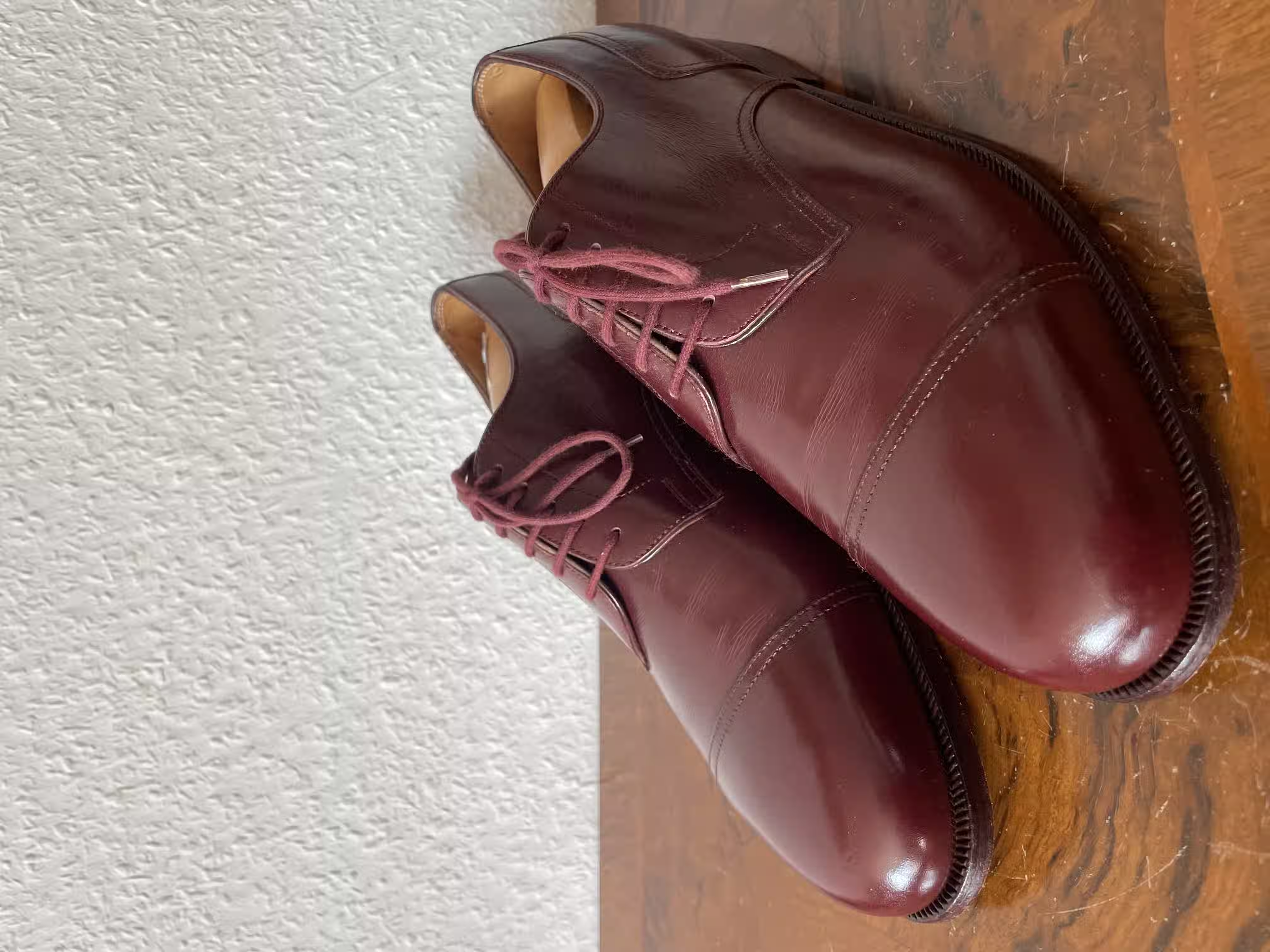
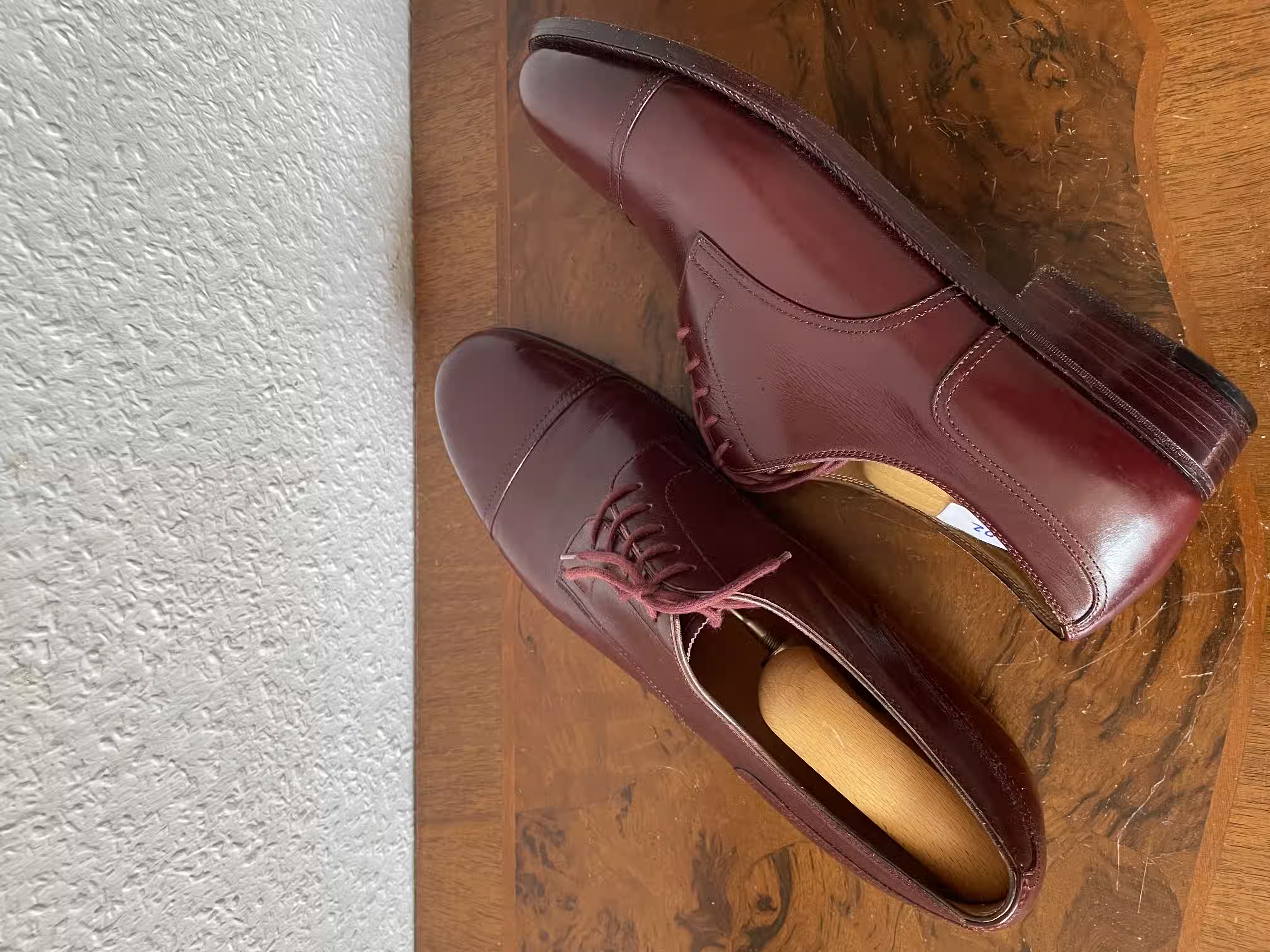
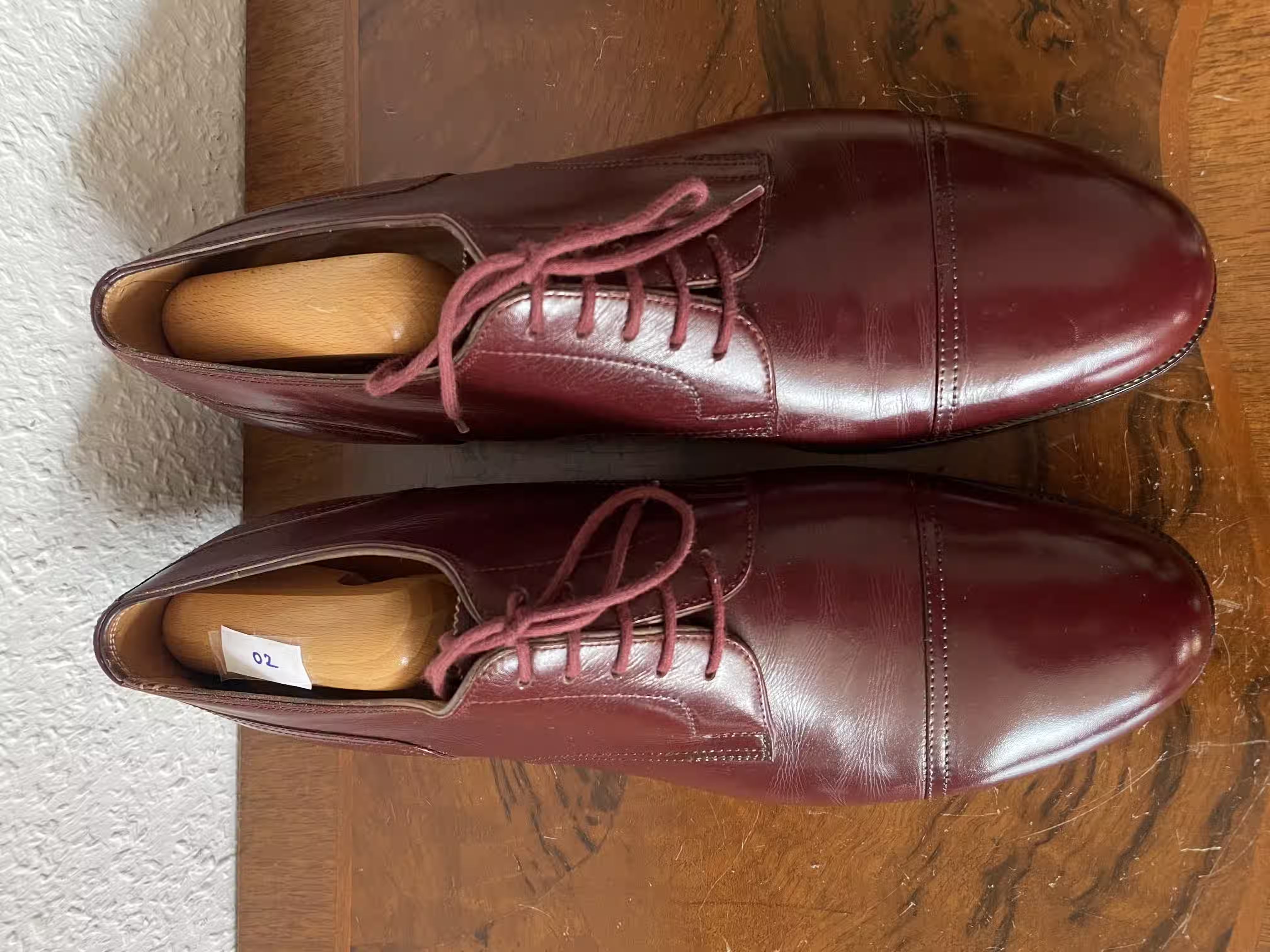
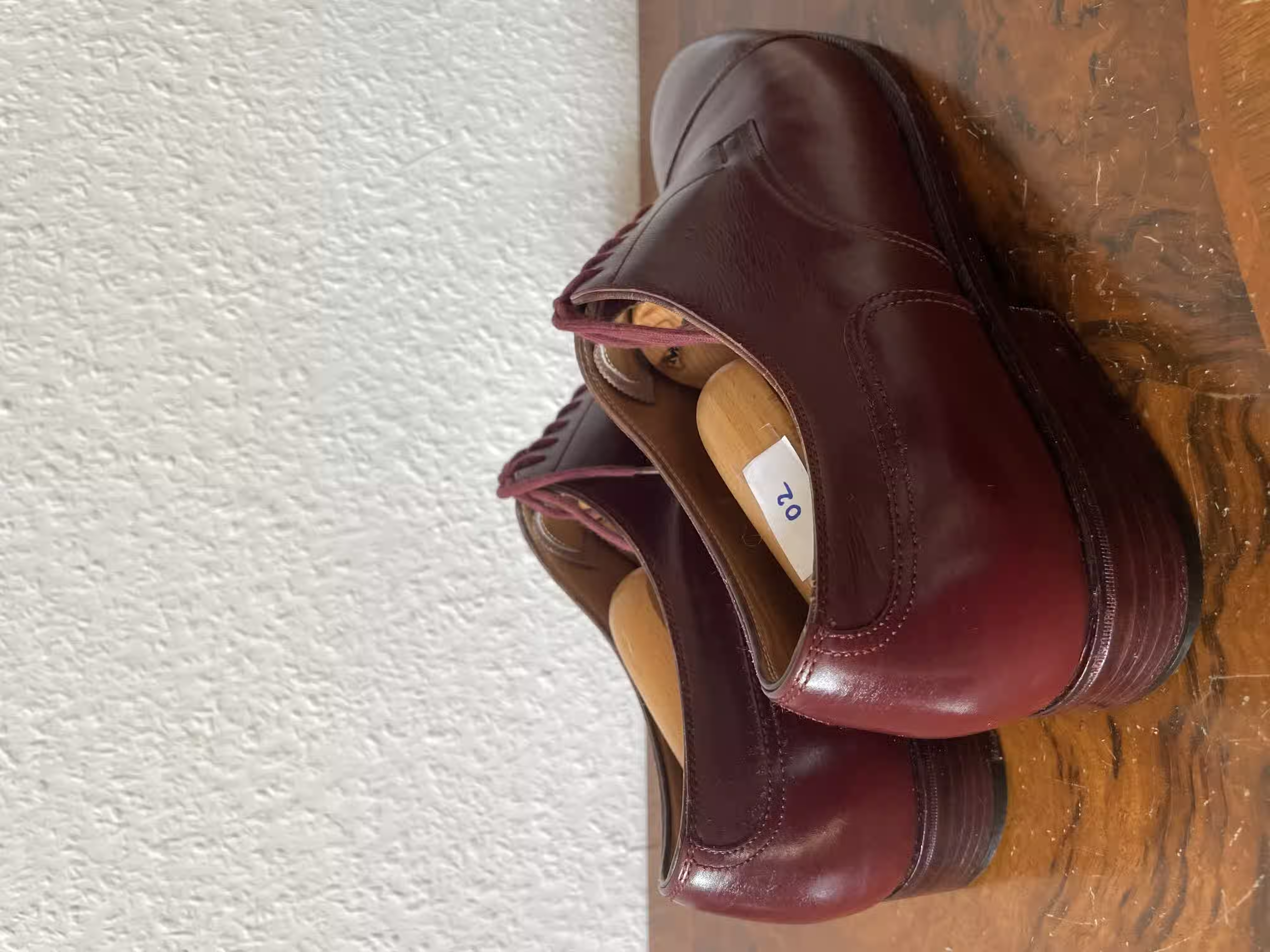
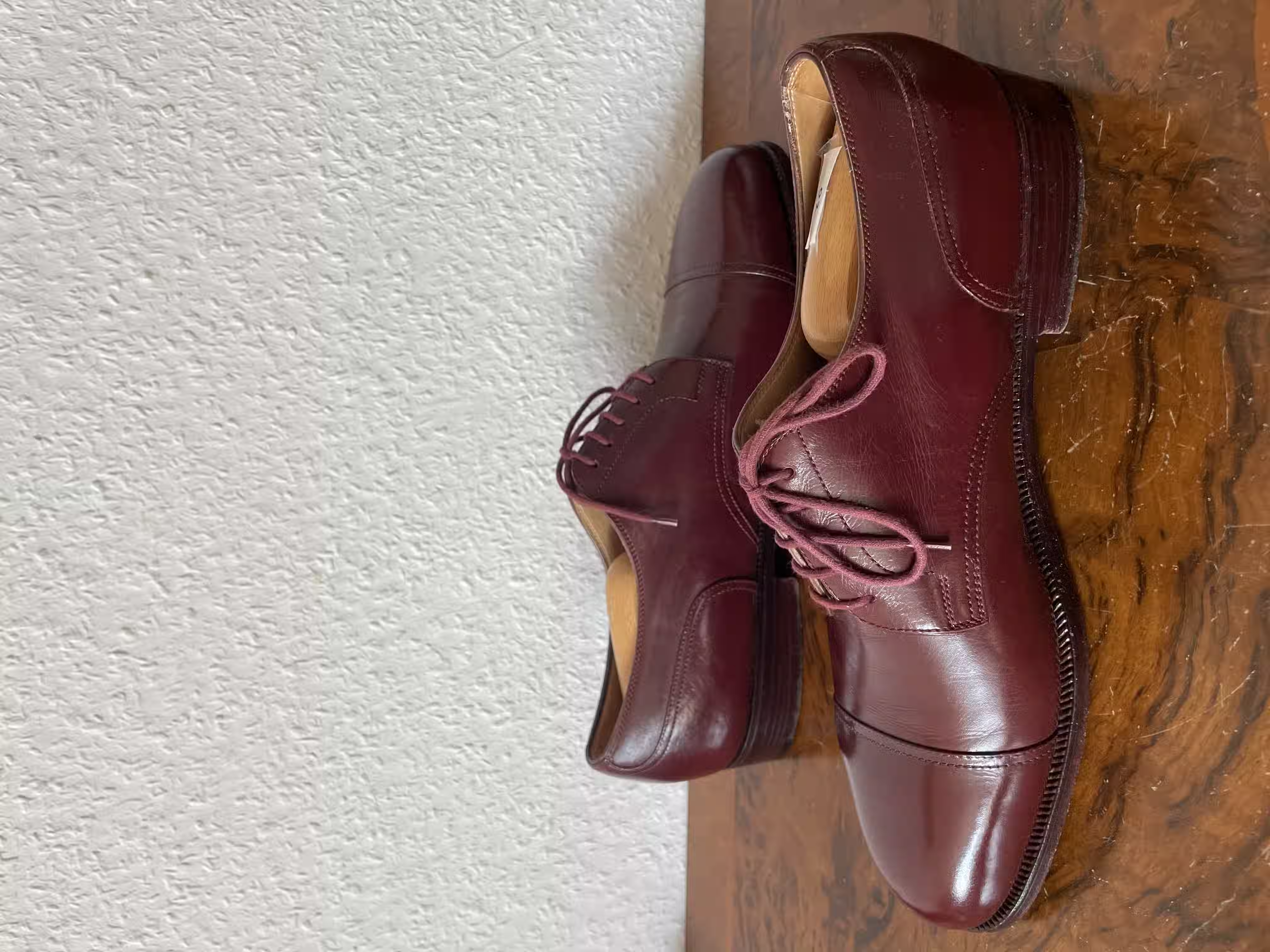
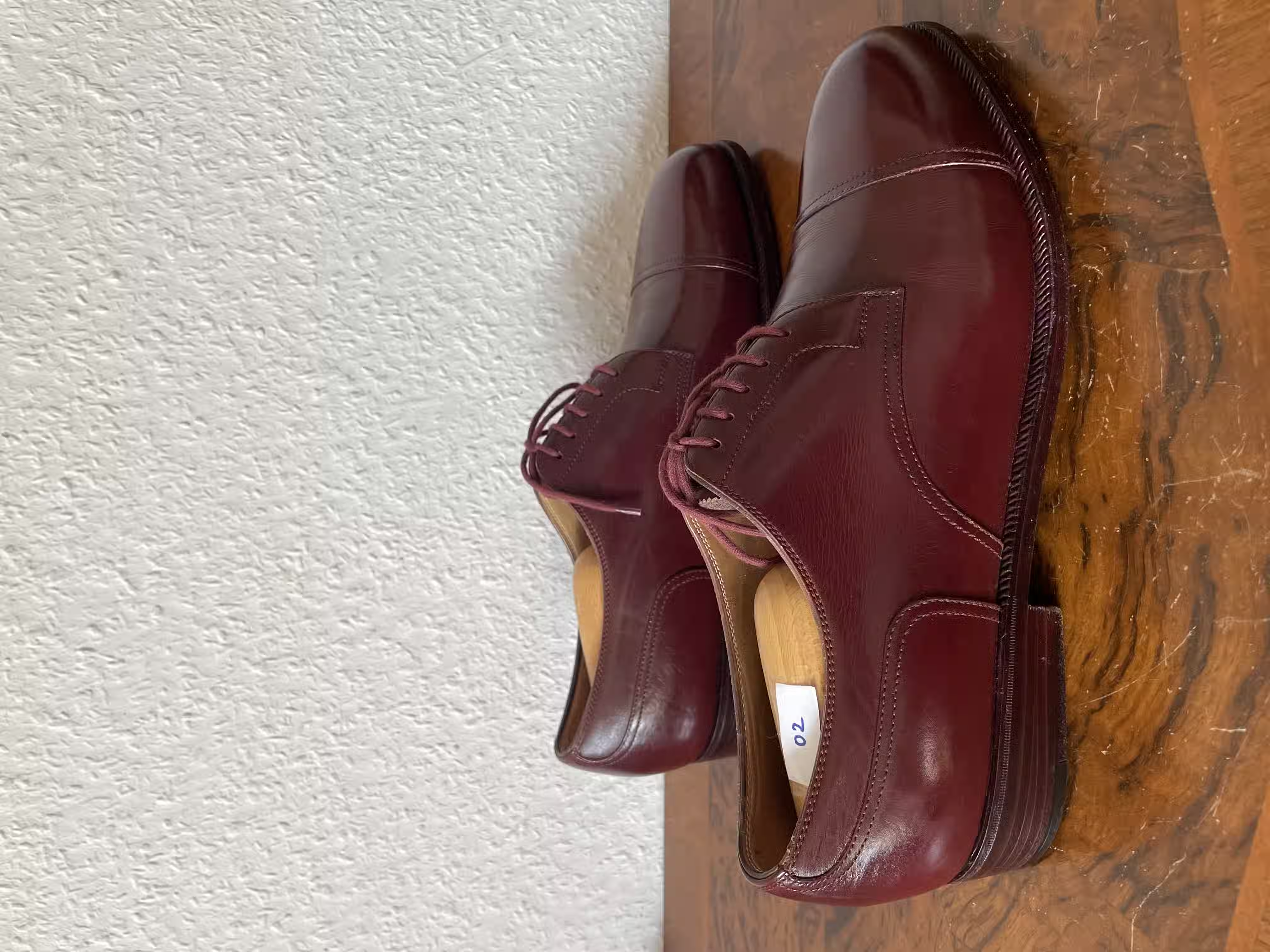
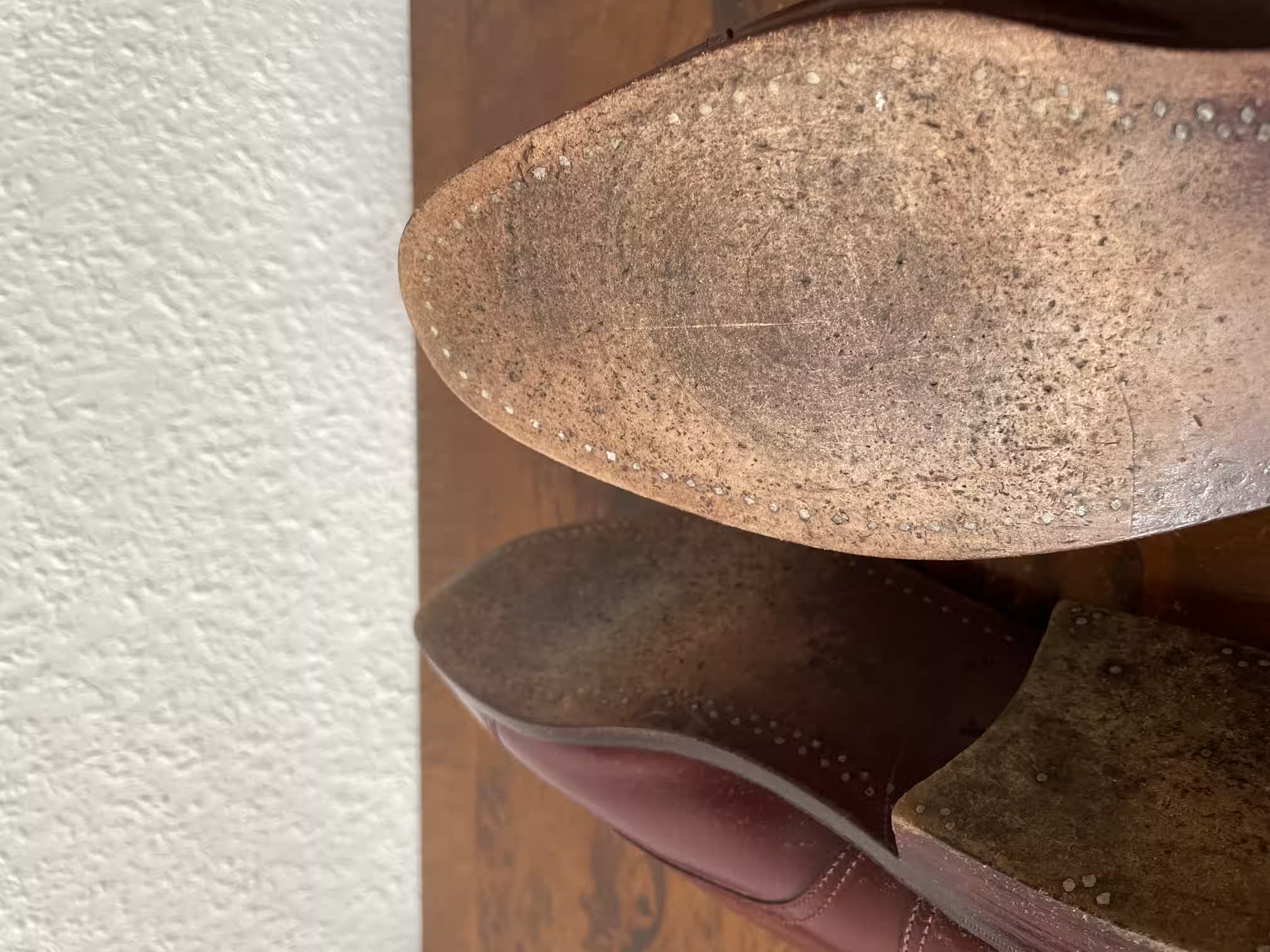
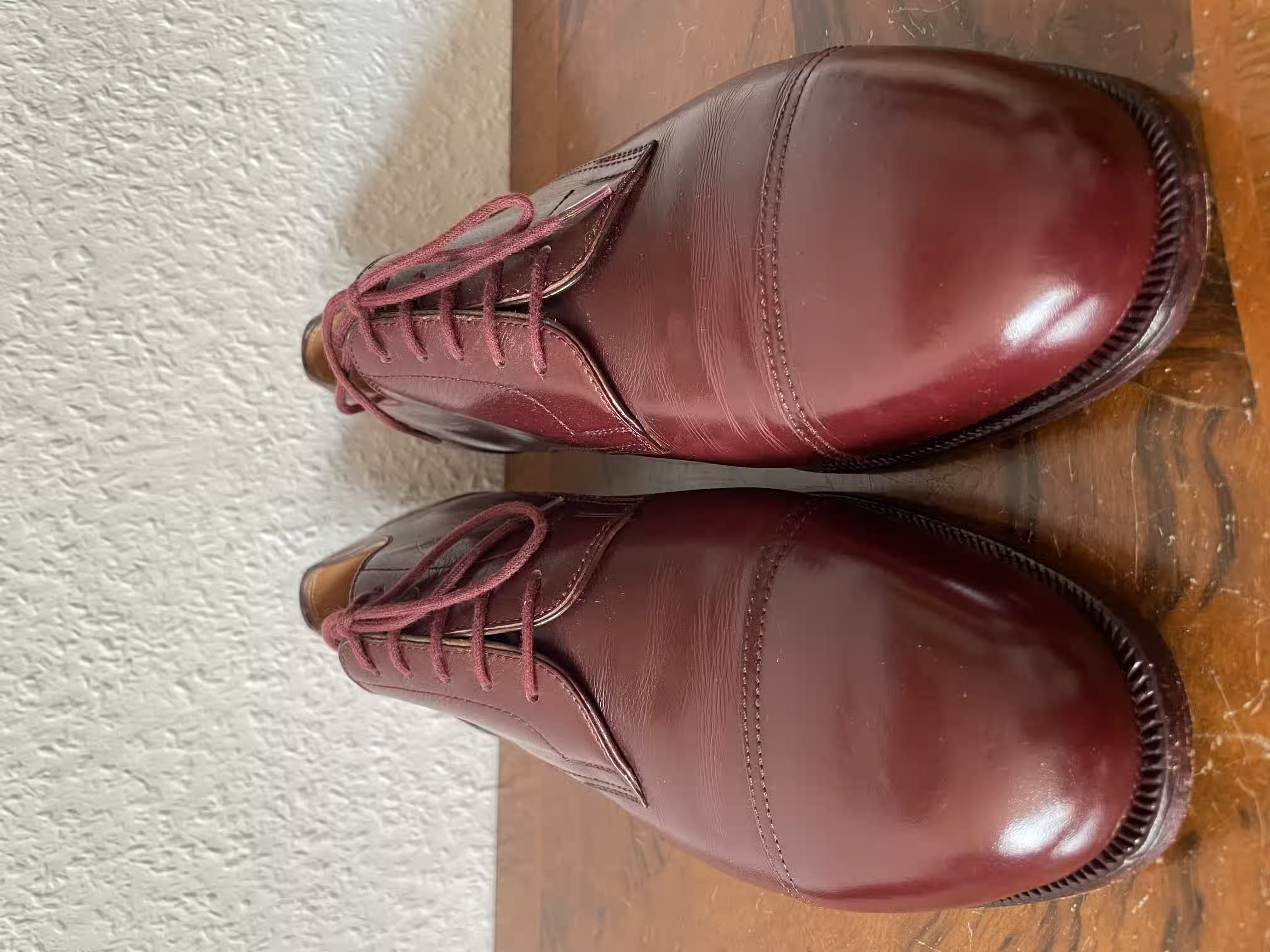
Here we have an especially versatile derby—basically a trinity of versatility, since all aspects combine particularly well:
- the derby style itself
- toe cap and heel counter for additional visual relief
- dark red as a very easy-to-combine color—goes with brown, black, blue
This way, you can wear these shoes both in everyday life and at the office. By the way, these shoes are made in what’s known as a wood-pegged construction. You can recognize that by the traces of wooden pegs on the sole and also a bit by the missing welt seam. In my view, these are a pair of simple but very well-made shoes.
Black minimalist derbies with rubber sole
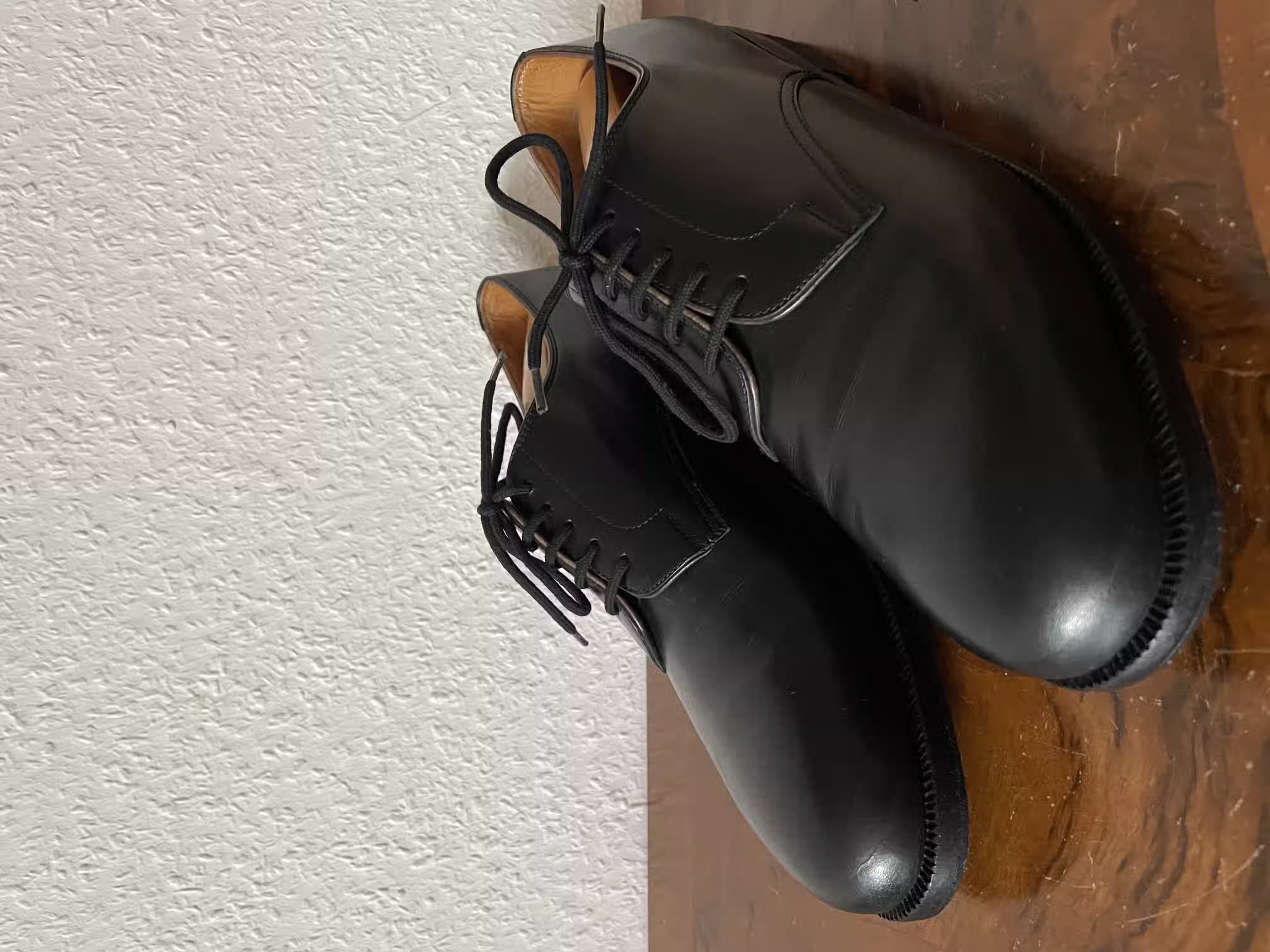
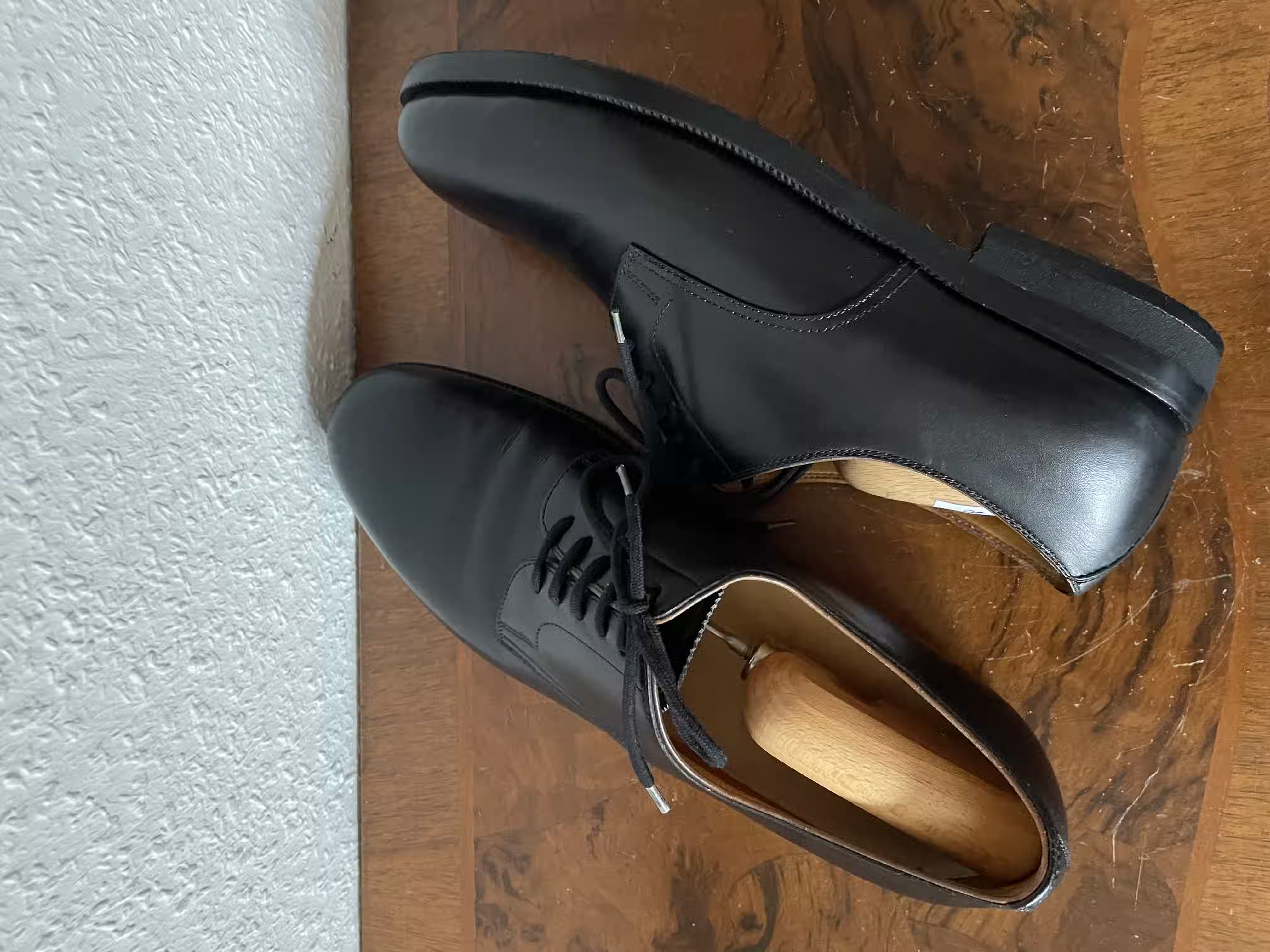
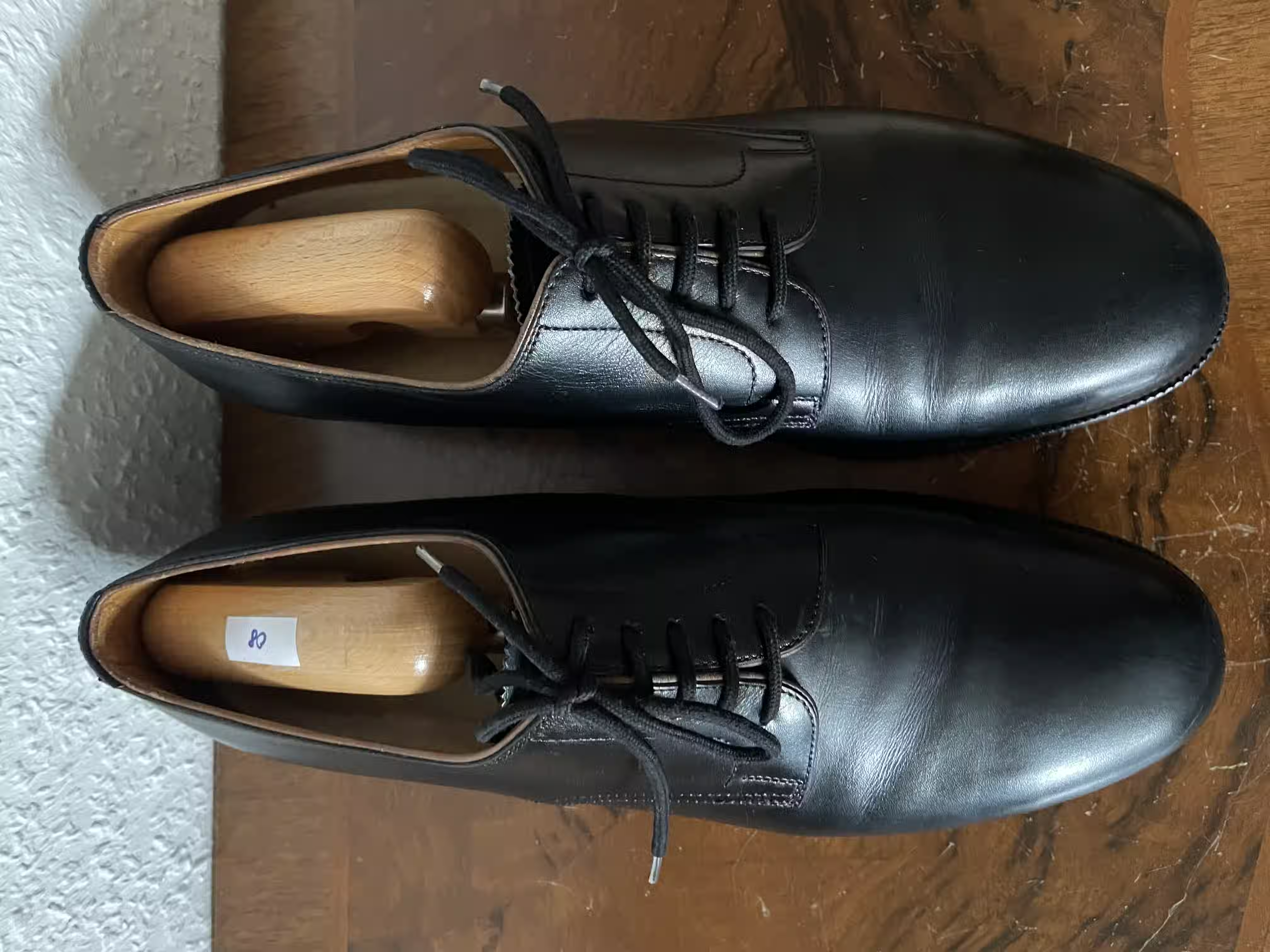
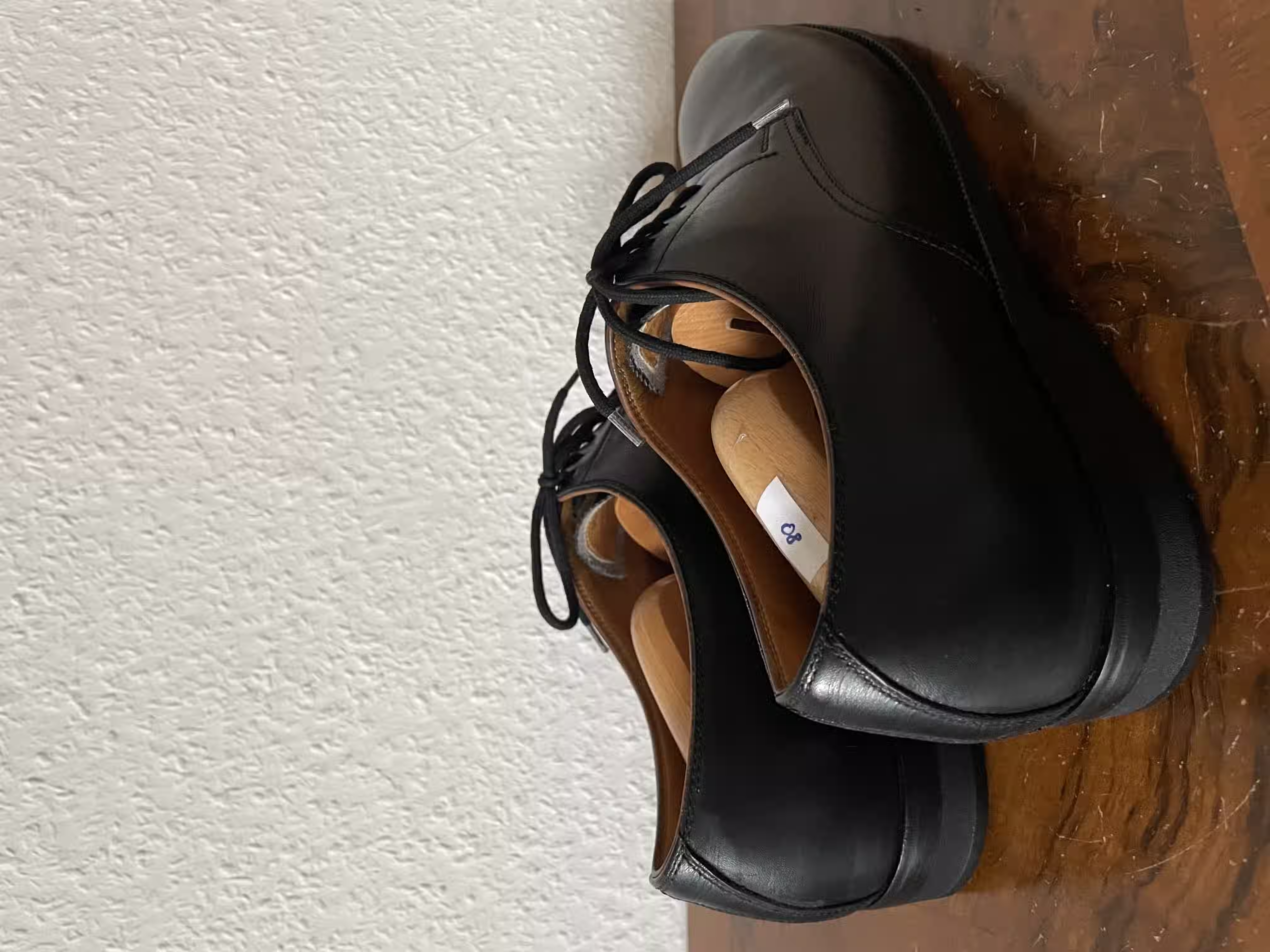
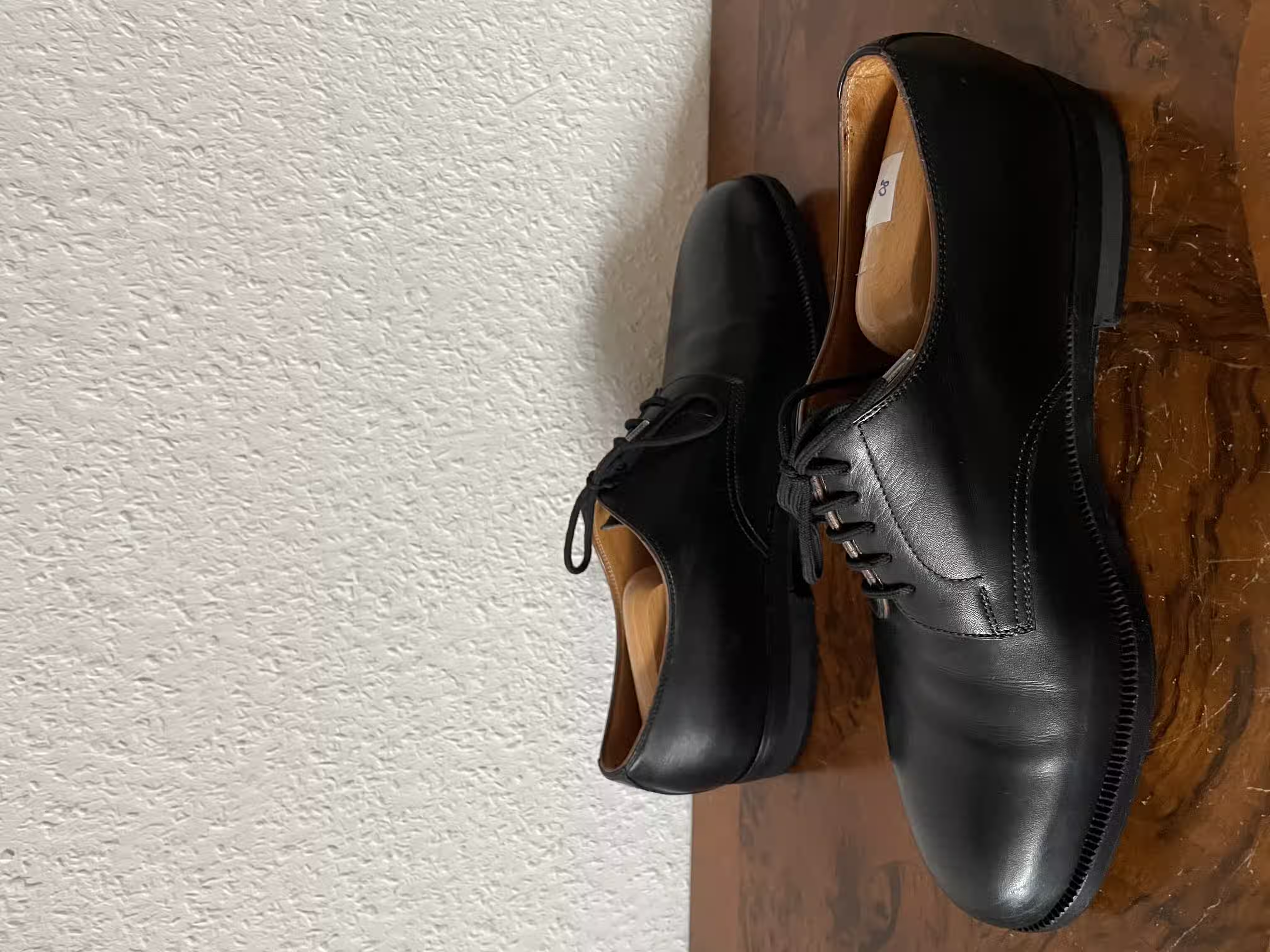
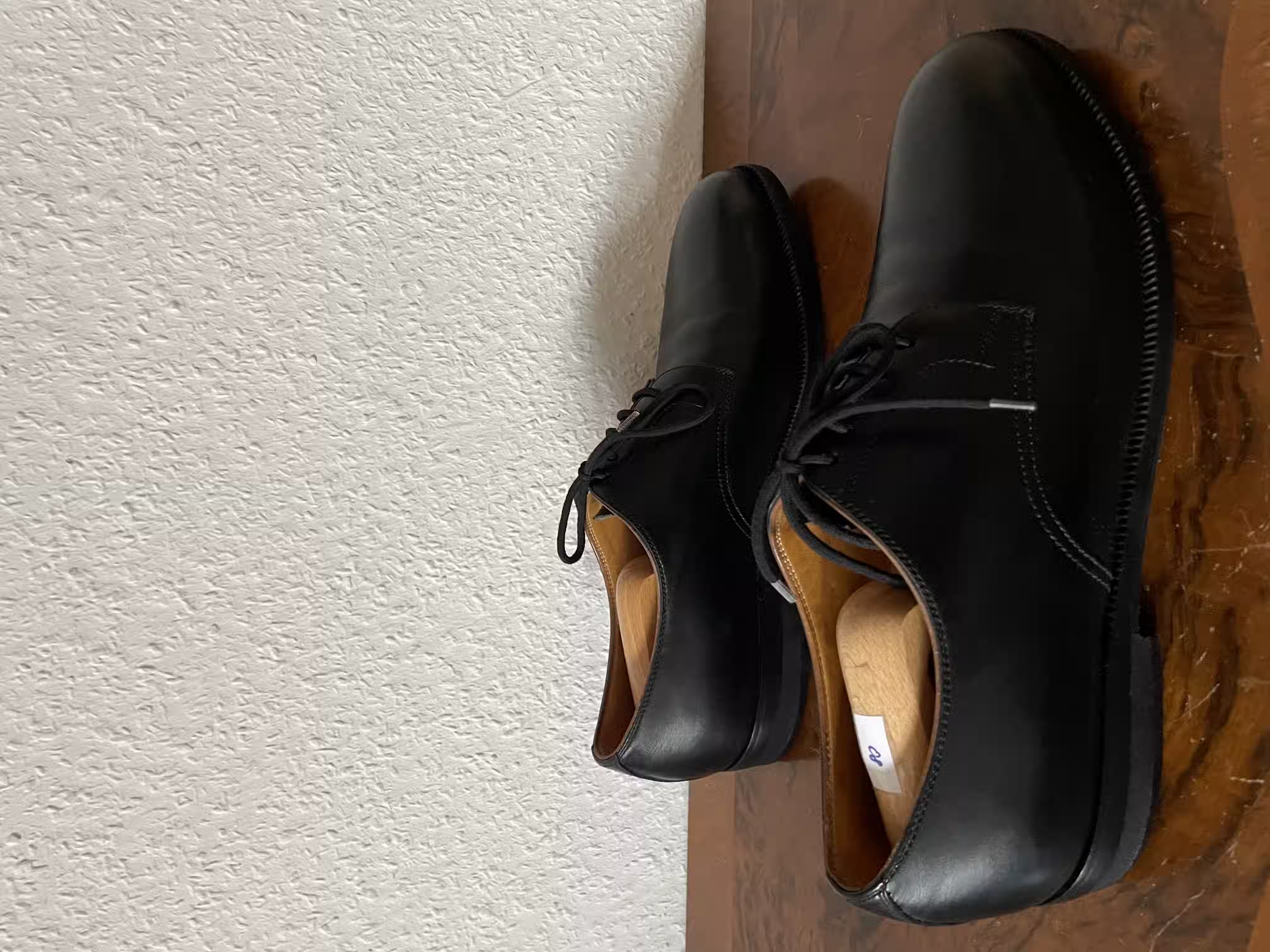
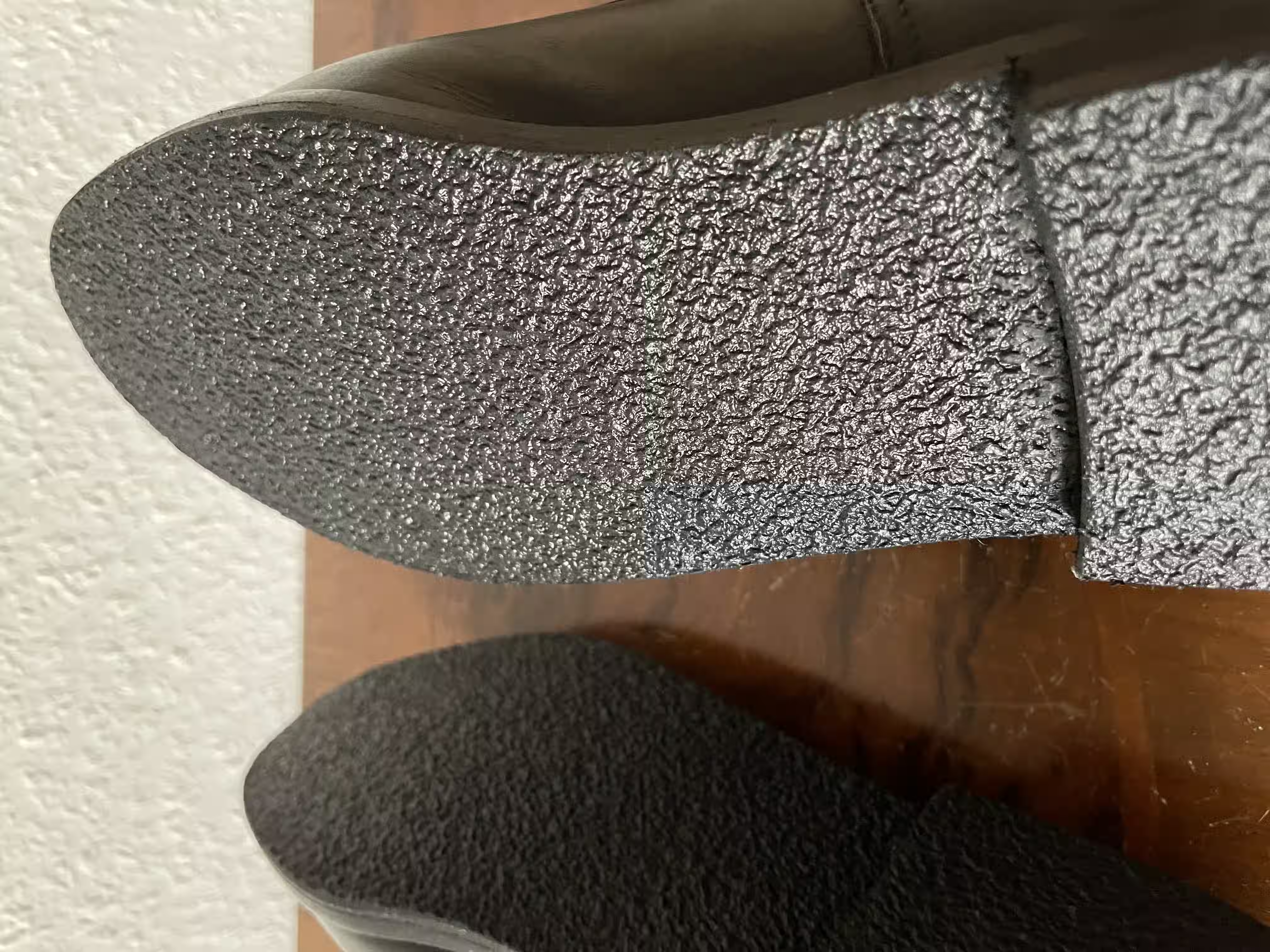
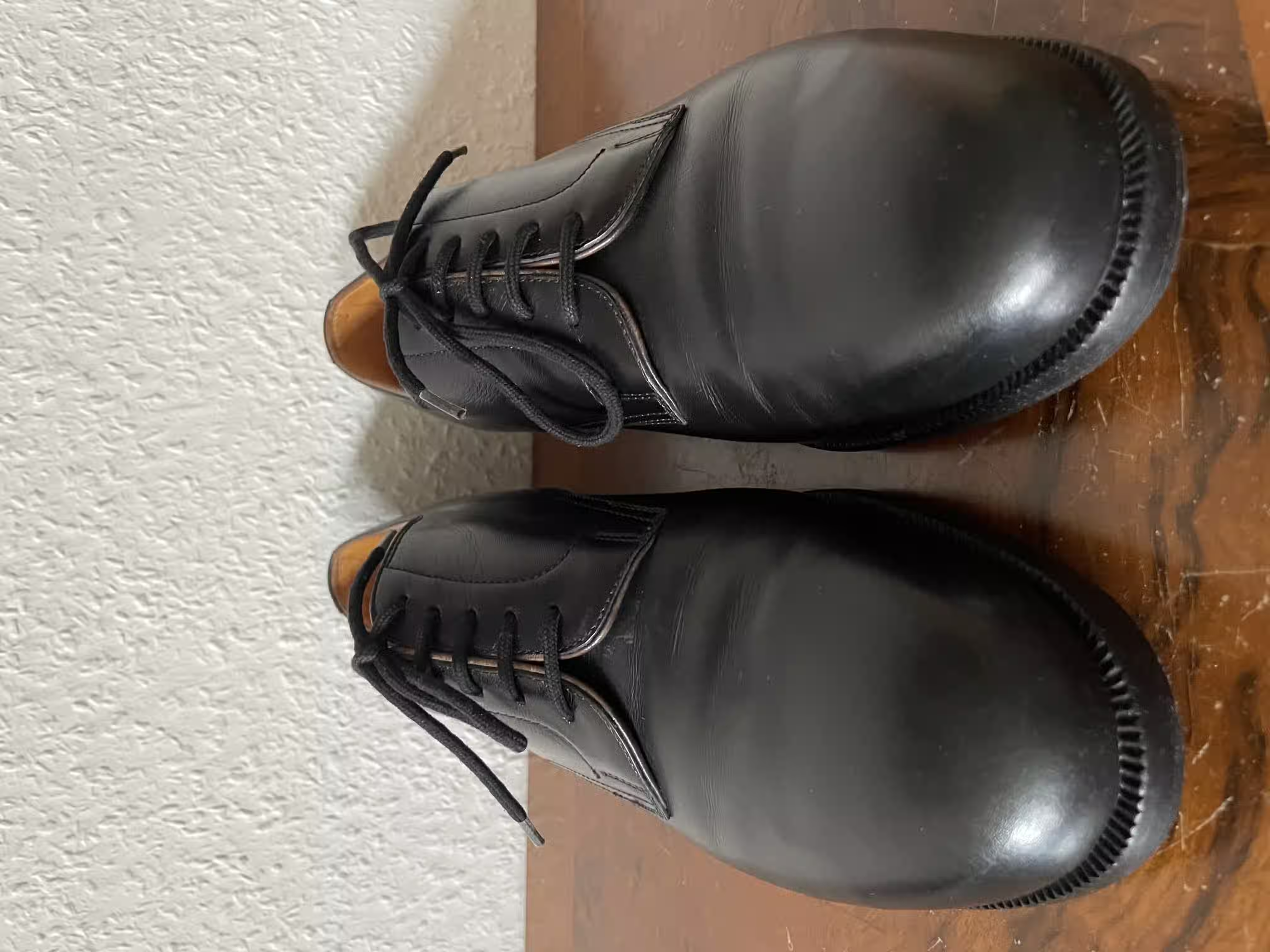
This pair of derbies is actually quite ambivalent: from above, it’s a fairly formal derby in black, unadorned smooth leather. From below, when you look at the sole, you see a medium-coarse rubber sole that doesn’t fit the formal realm at all. That’s why I use this pair for ambivalent use cases: going out, but more in nature?—perfect with these derbies. Going to the office, but through bad, rainy weather?—pretty practical with these derbies.
In my opinion, the rubber sole is still reasonably discreet. A deep lug sole would be much bolder and, in my view, would more or less ruin the shoe. But this is still tolerable to me.
So these are black derbies that I personally enjoy because of their ambivalence, but that I can’t recommend for truly formal occasions and that are also too formal for pure leisure. Beyond that, I like the shape of the shoes.
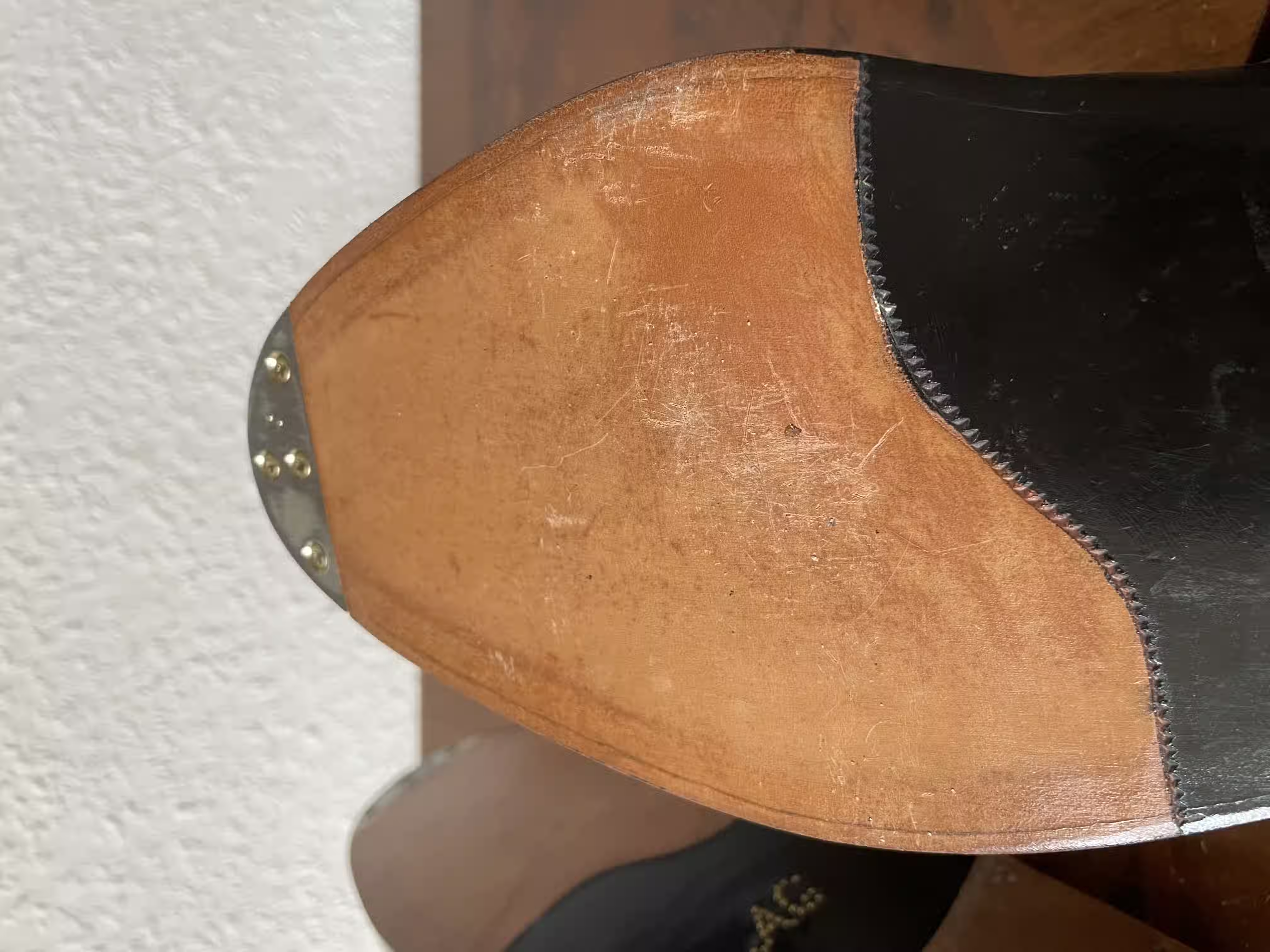
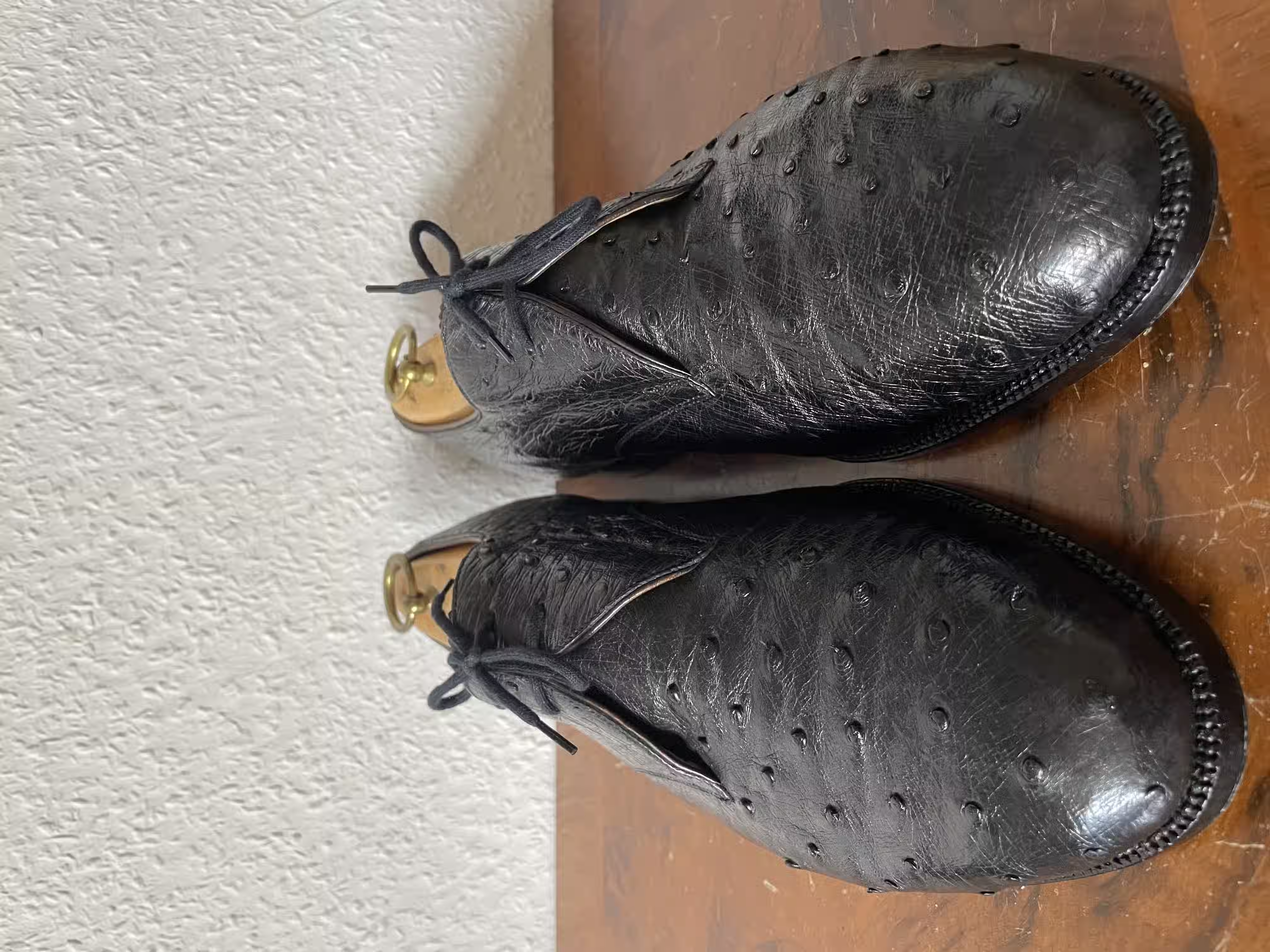
Almost spitzderby-like derbies made of exotic leather with a lug sole
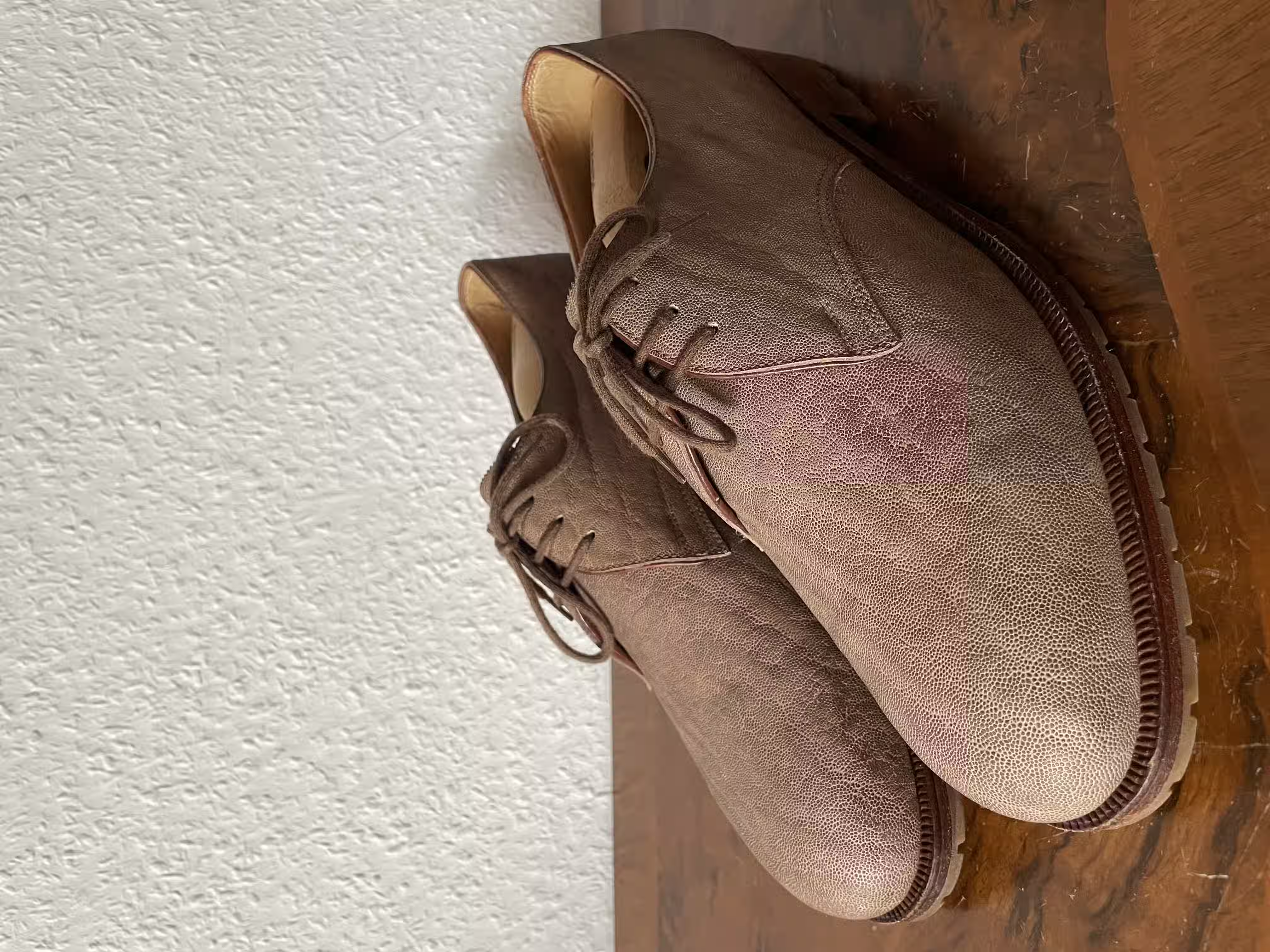
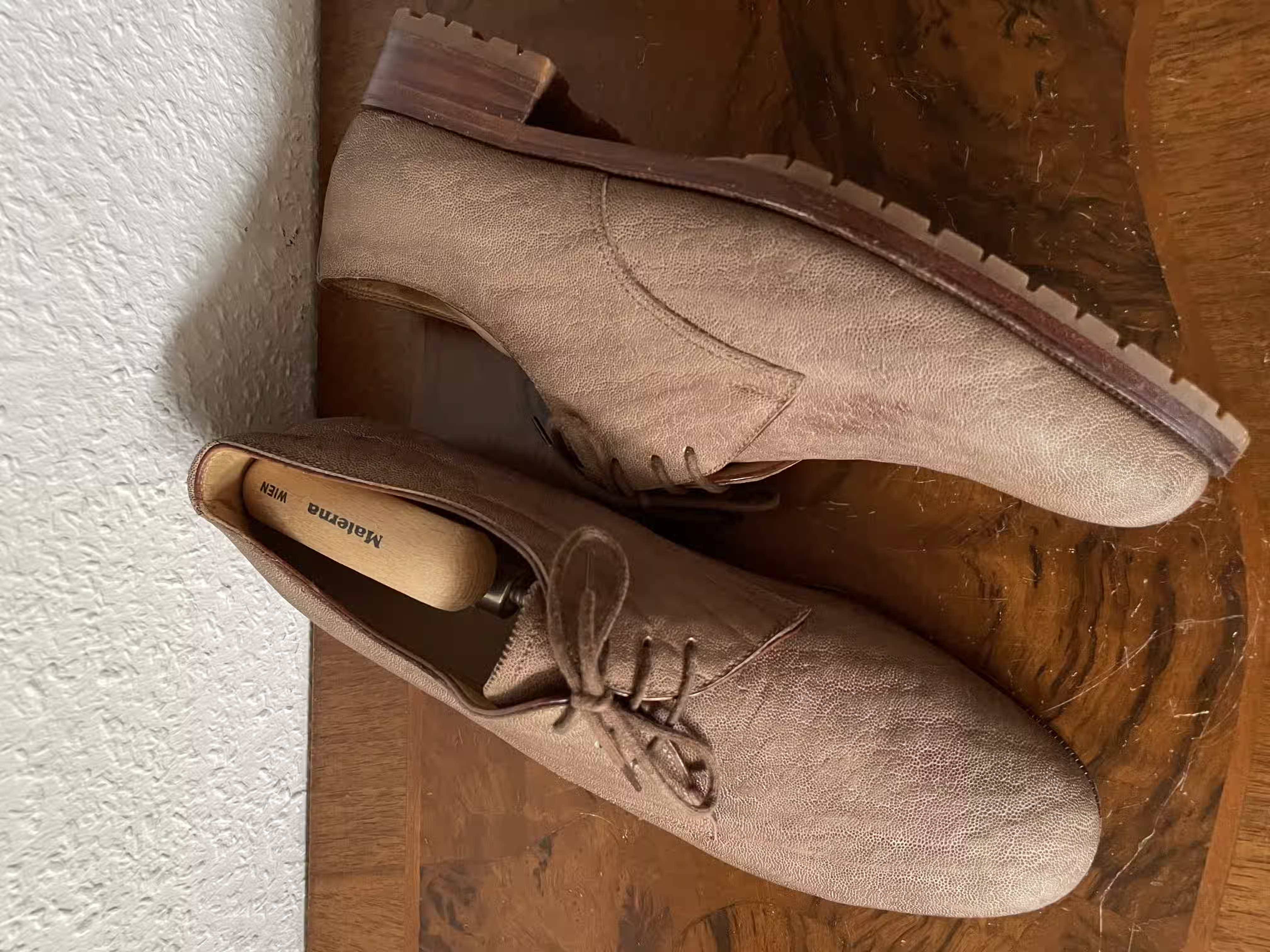
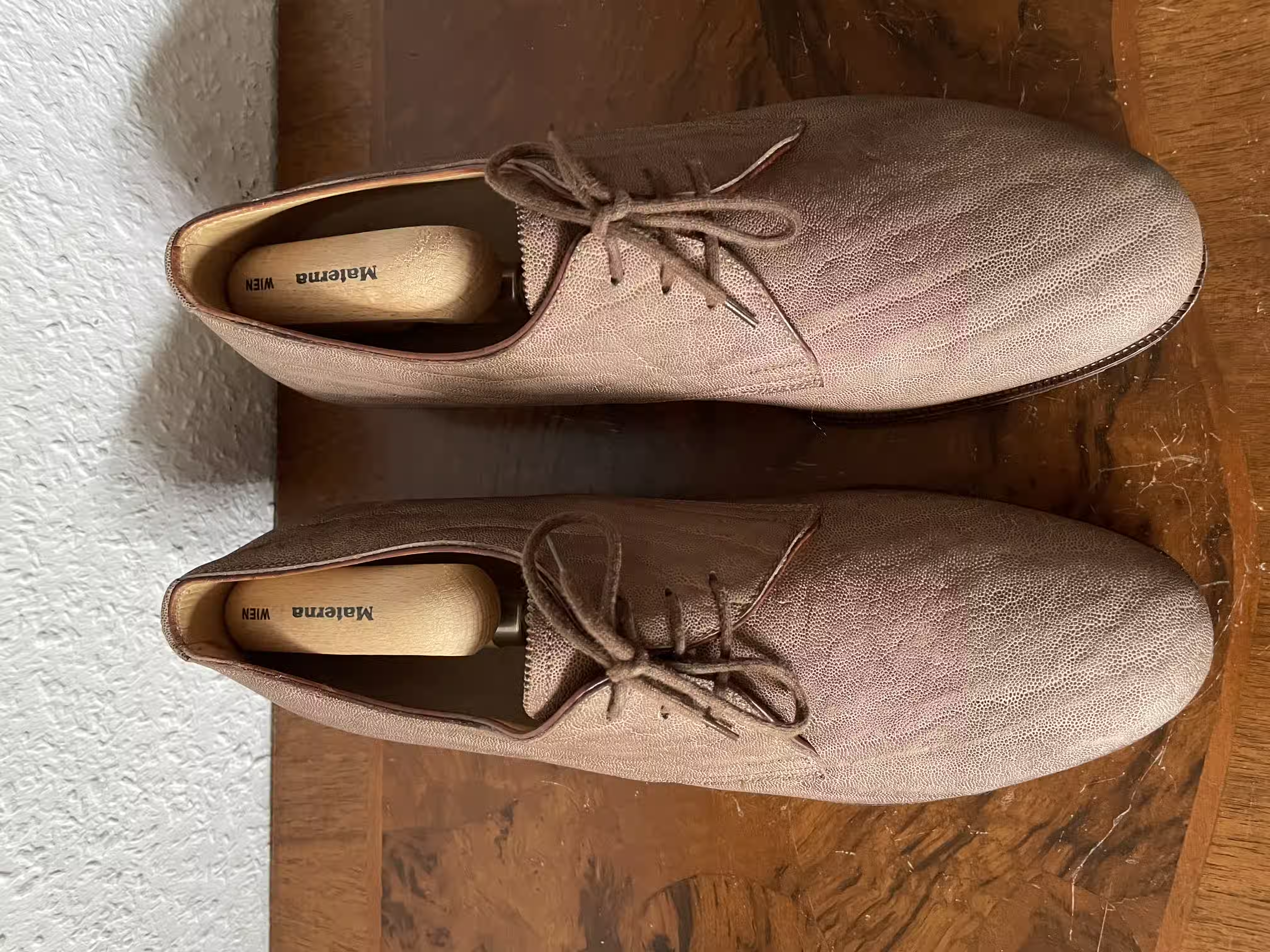
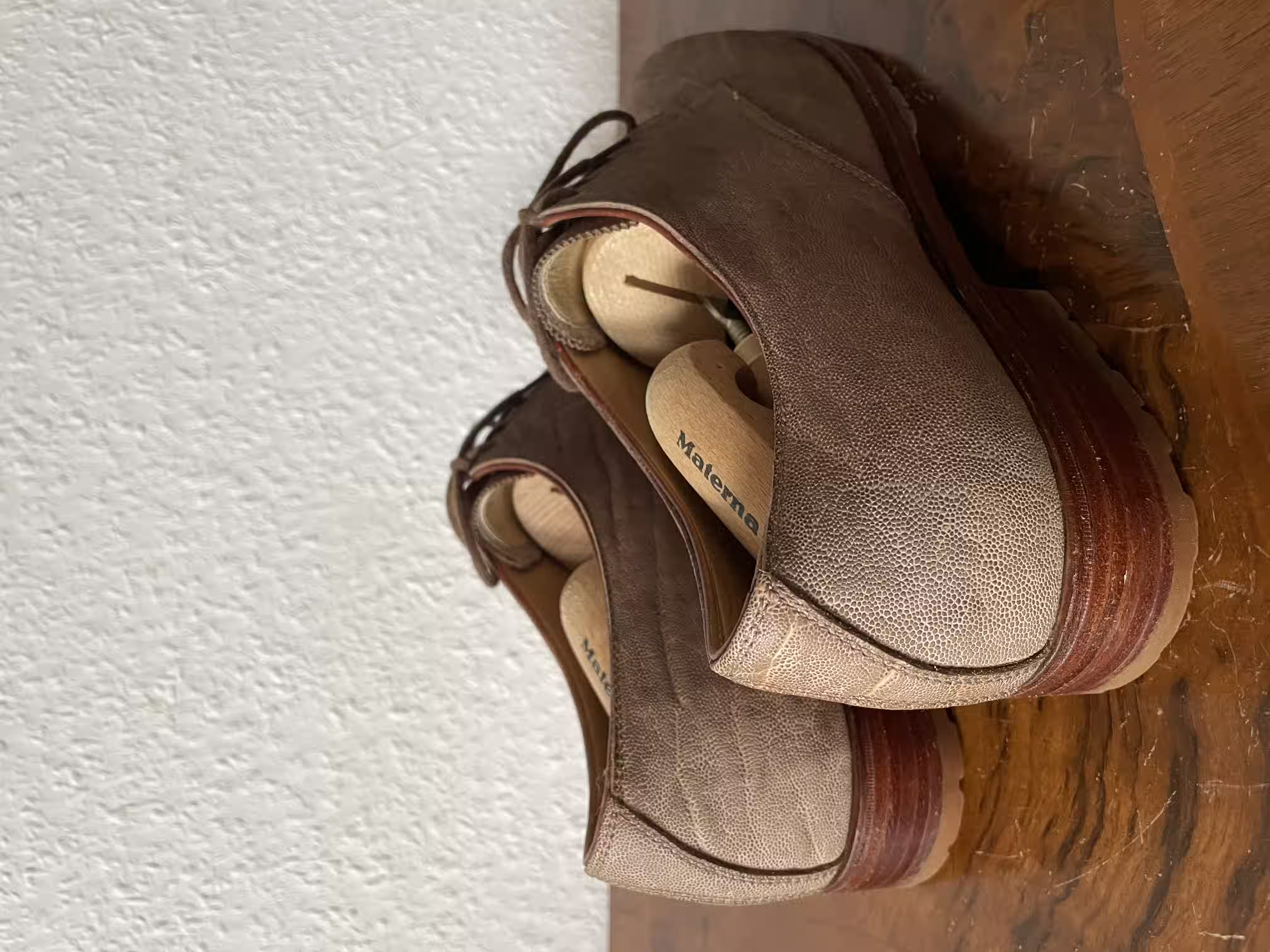
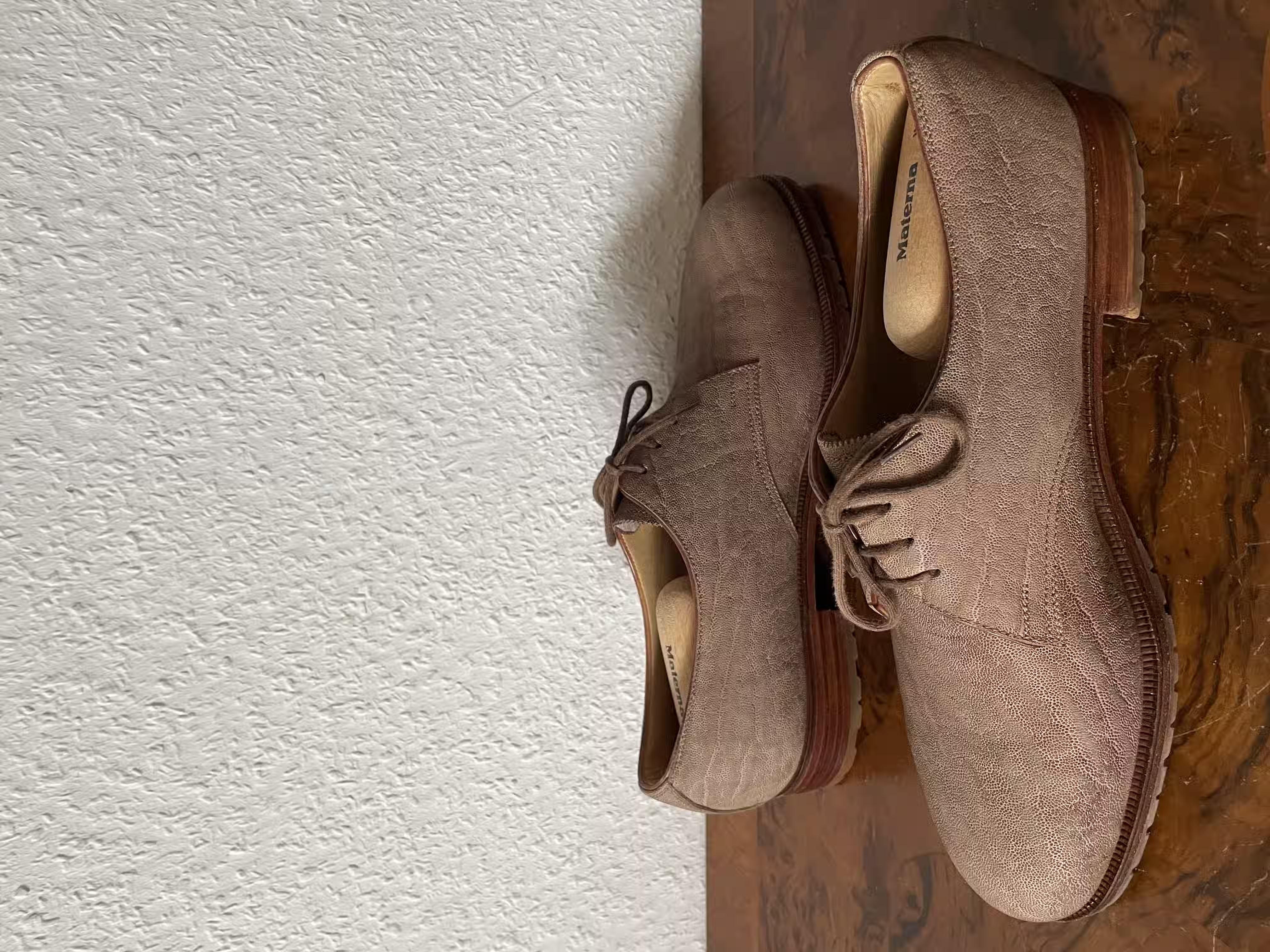
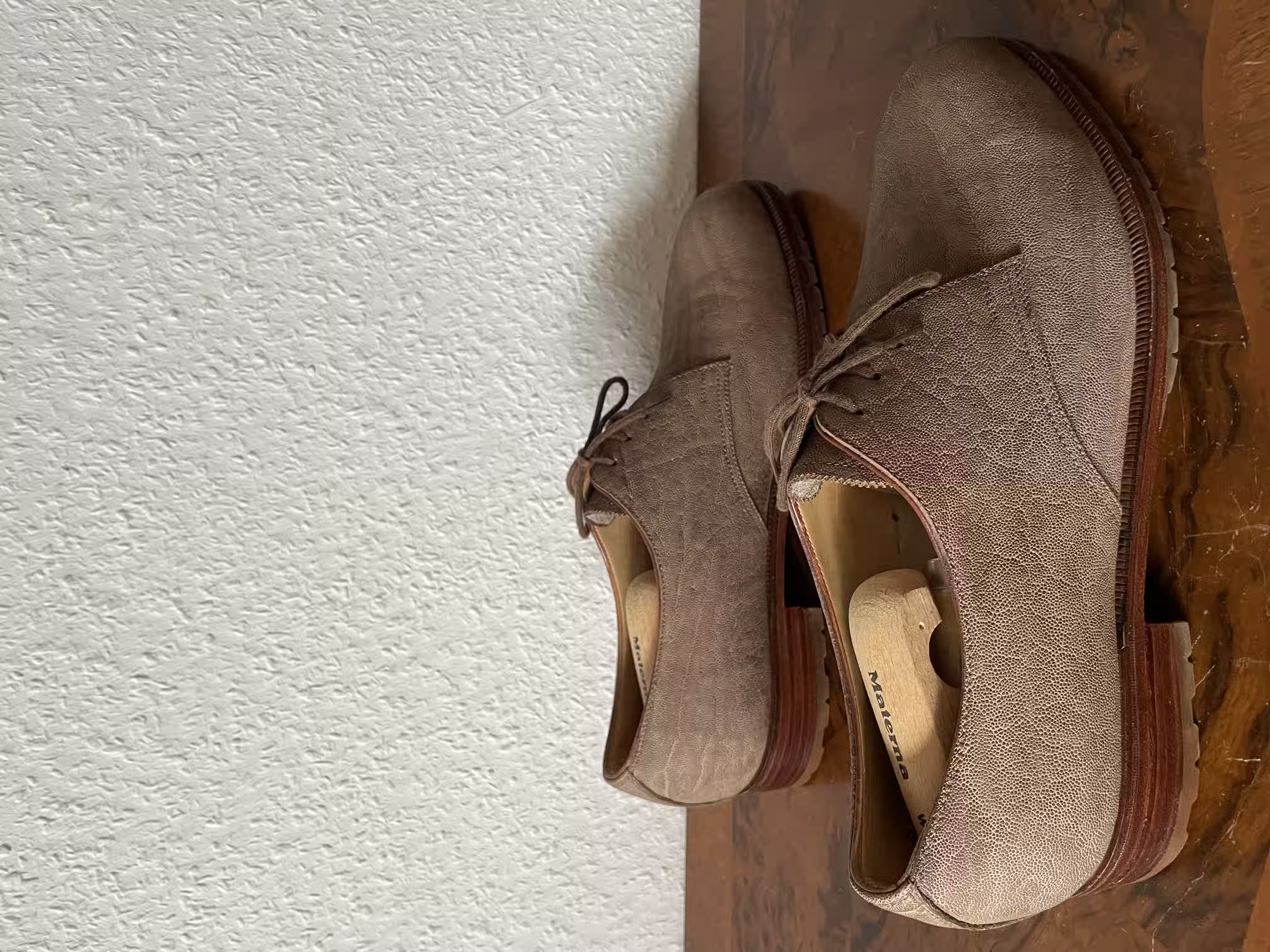
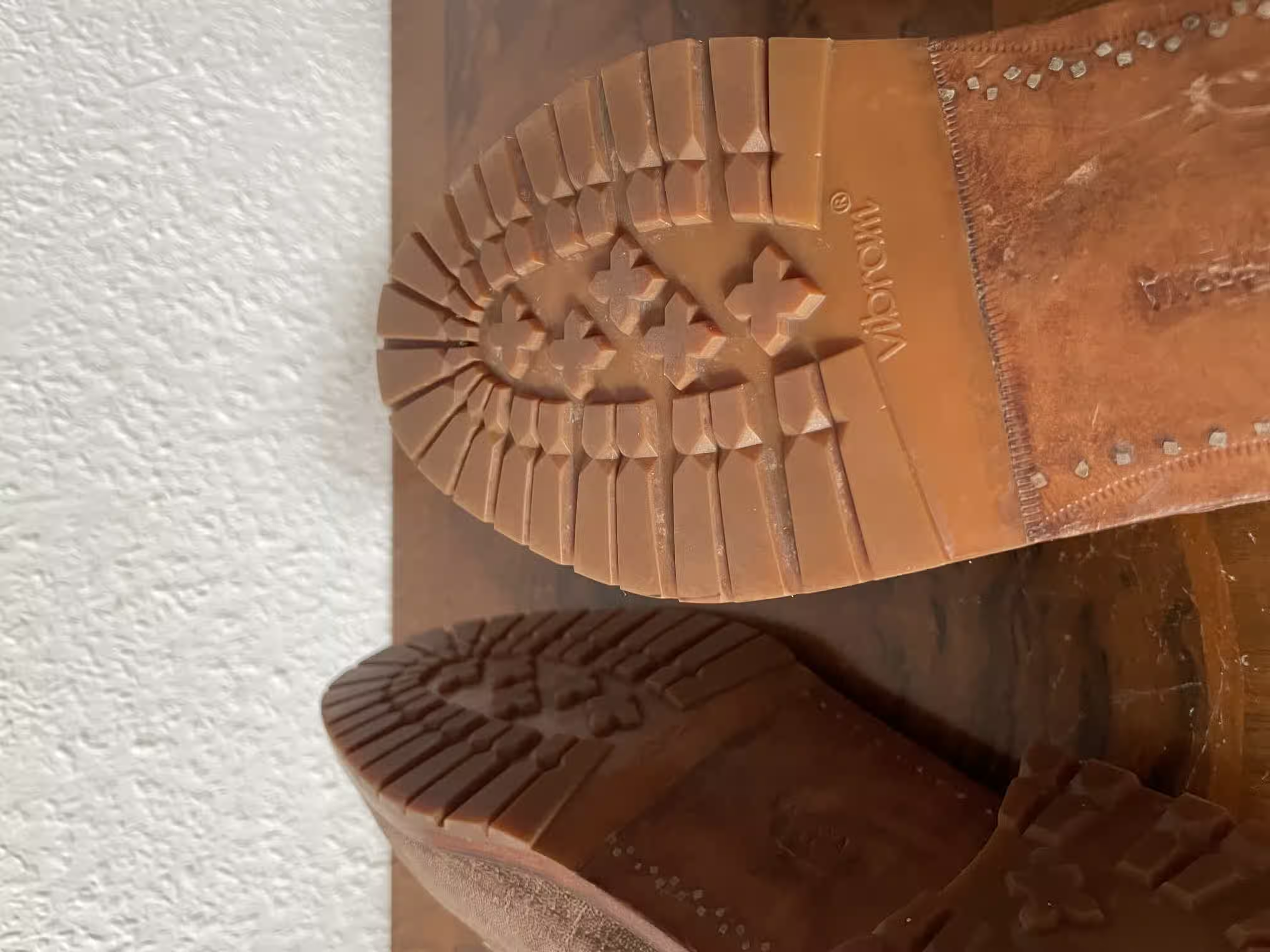
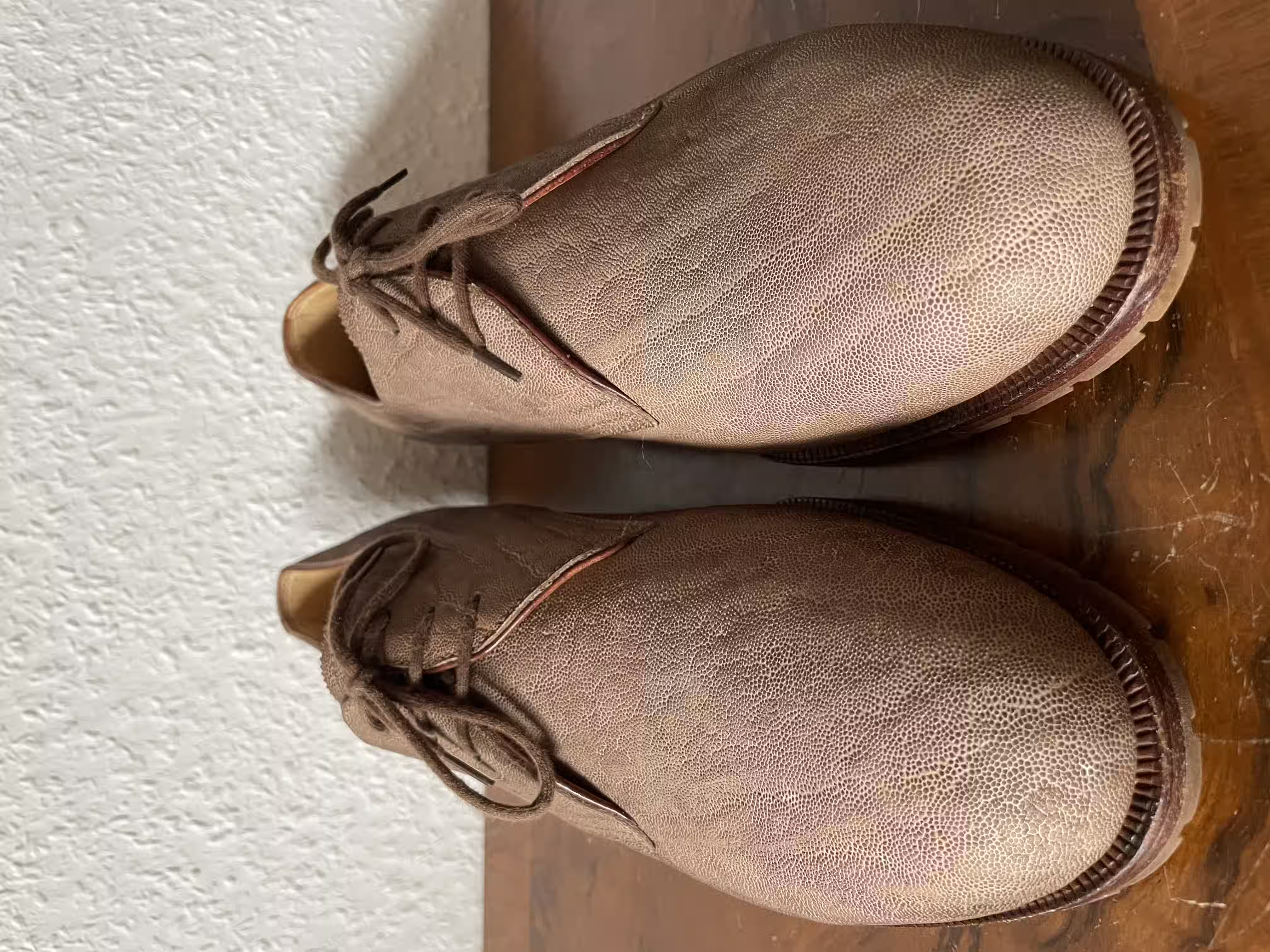
These derbies made of exotic, robust leather could almost be spitzderbies if they had only two eyelets instead of three. From the sole you can see that the core outsole is wood-pegged and that a rubber lug sole is glued on top of it. This makes these shoes particularly practical for nature.
The upper leather is very minimalist here and instead lets the texture of the exotic leather take center stage. For me, this is a very successful casual shoe that you can also wear quite well in the countryside or in the woods in good weather—made for sunny outings in nature.
Spitzderbies
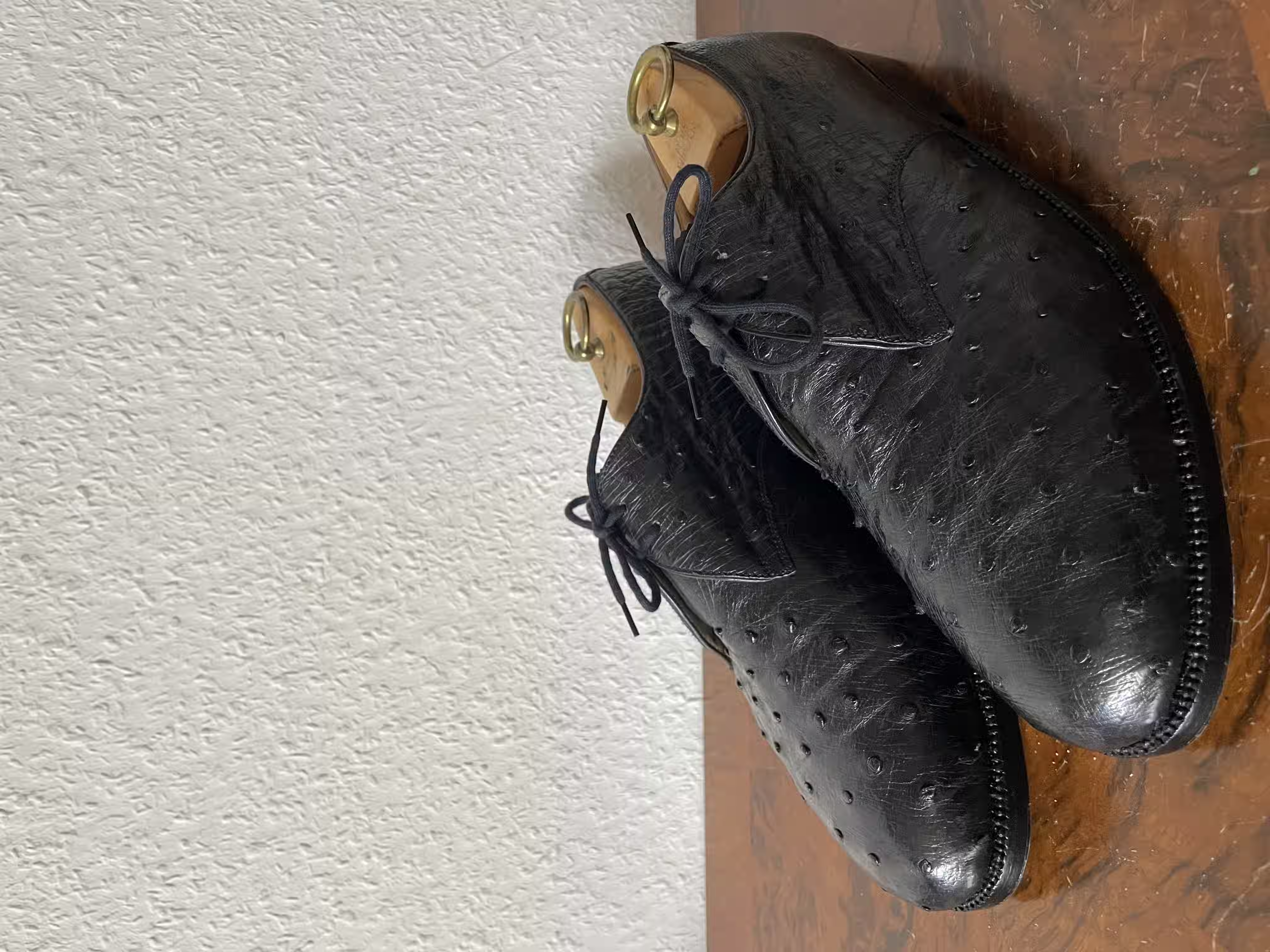
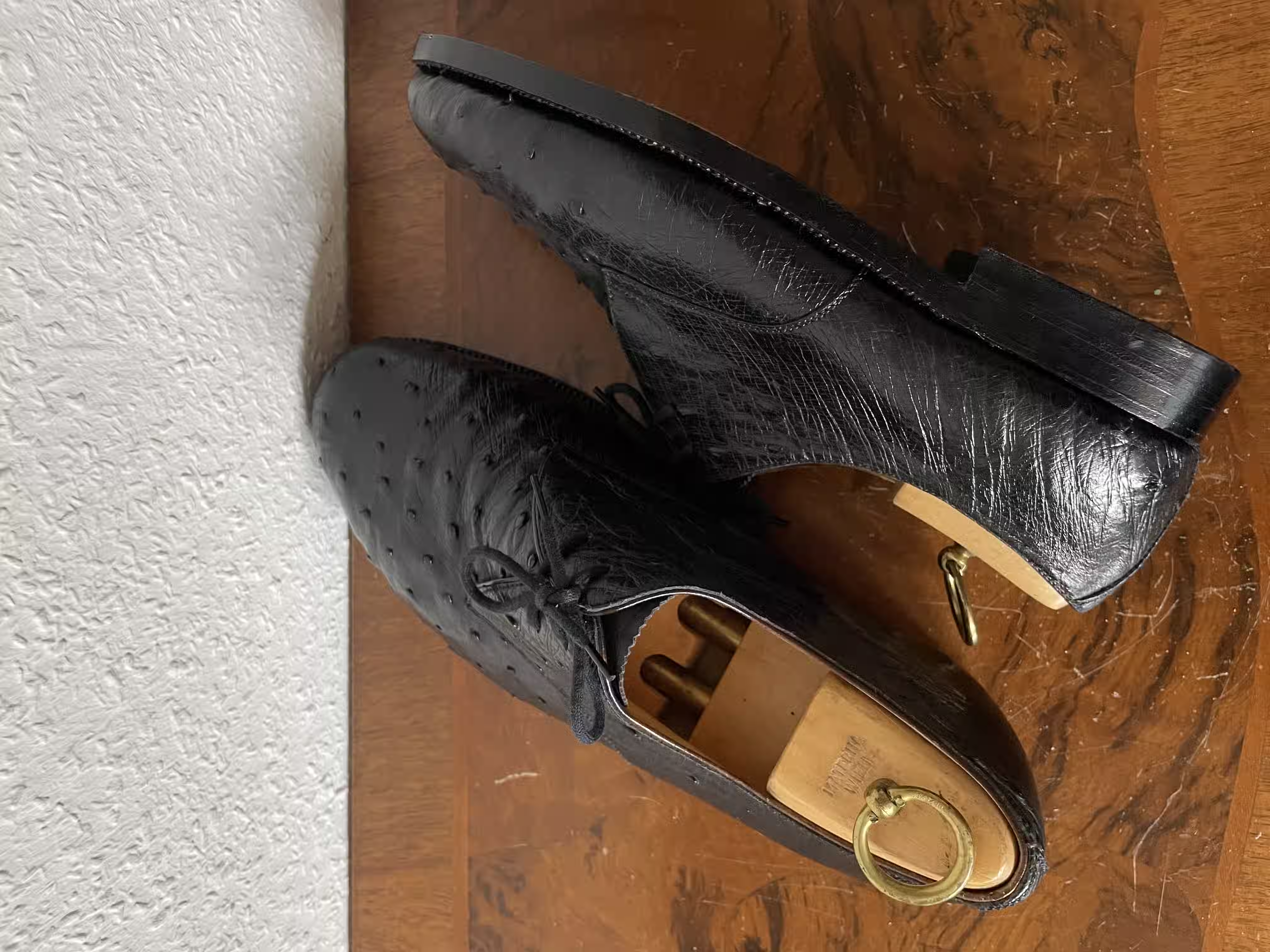
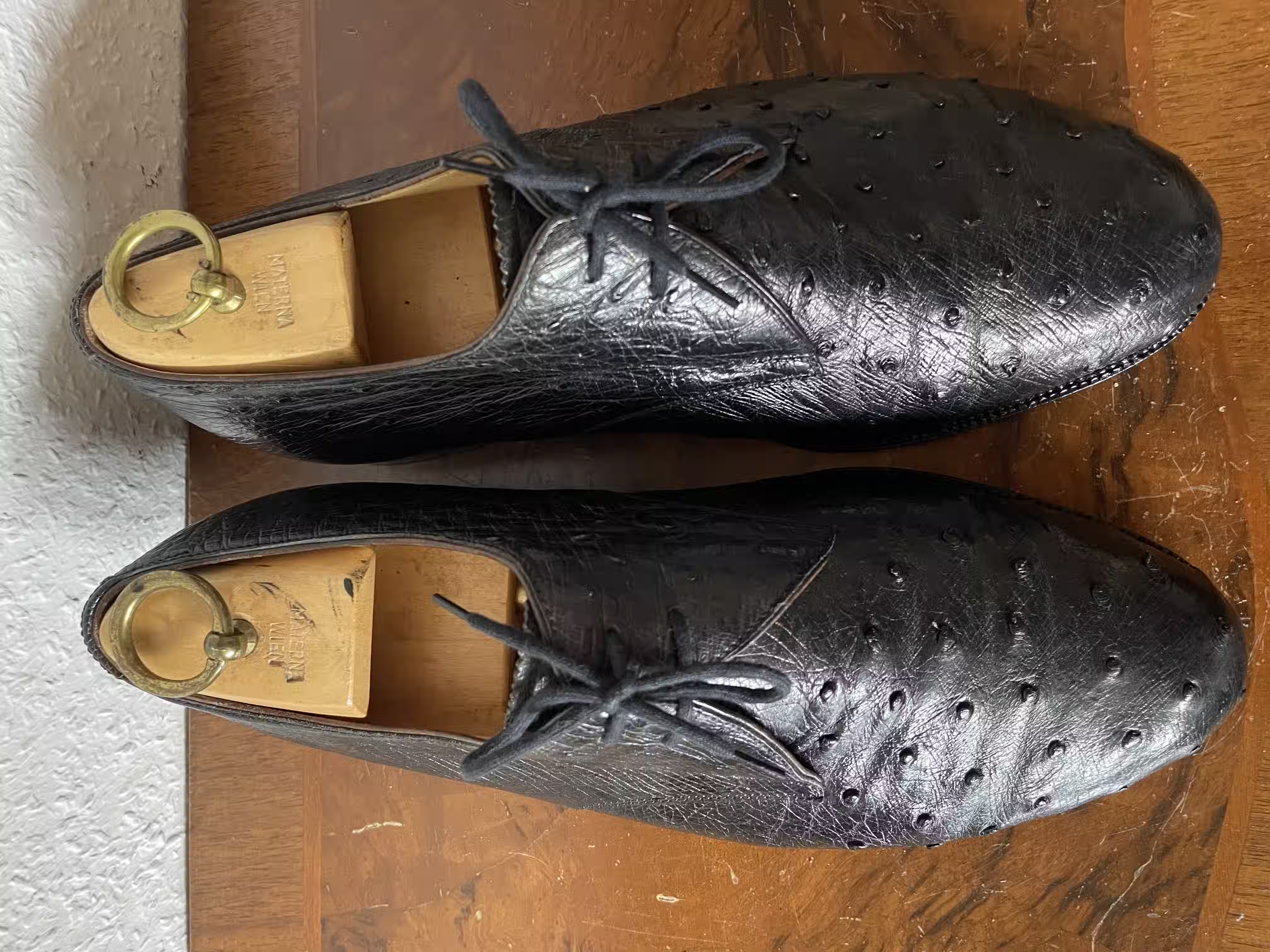
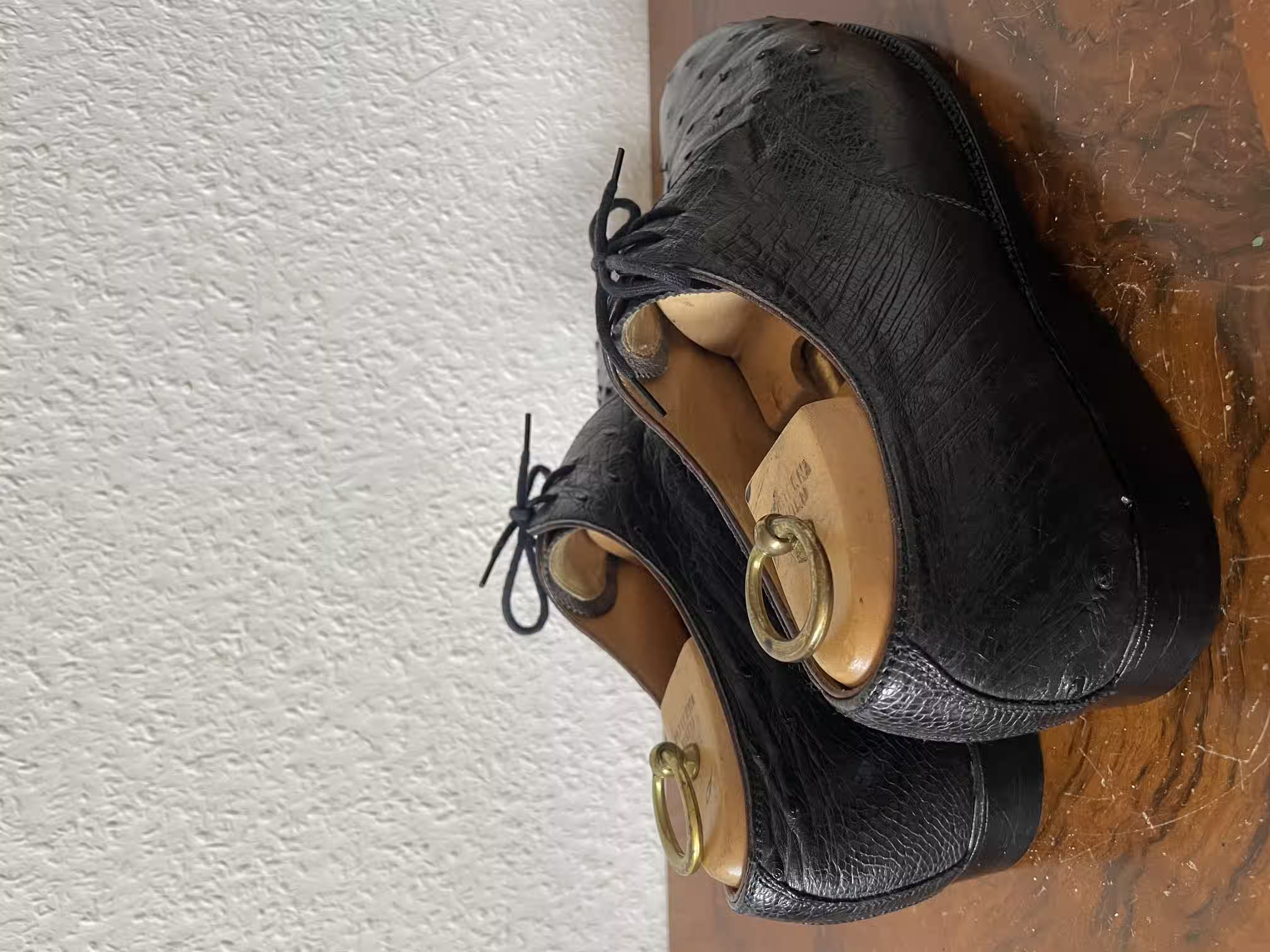
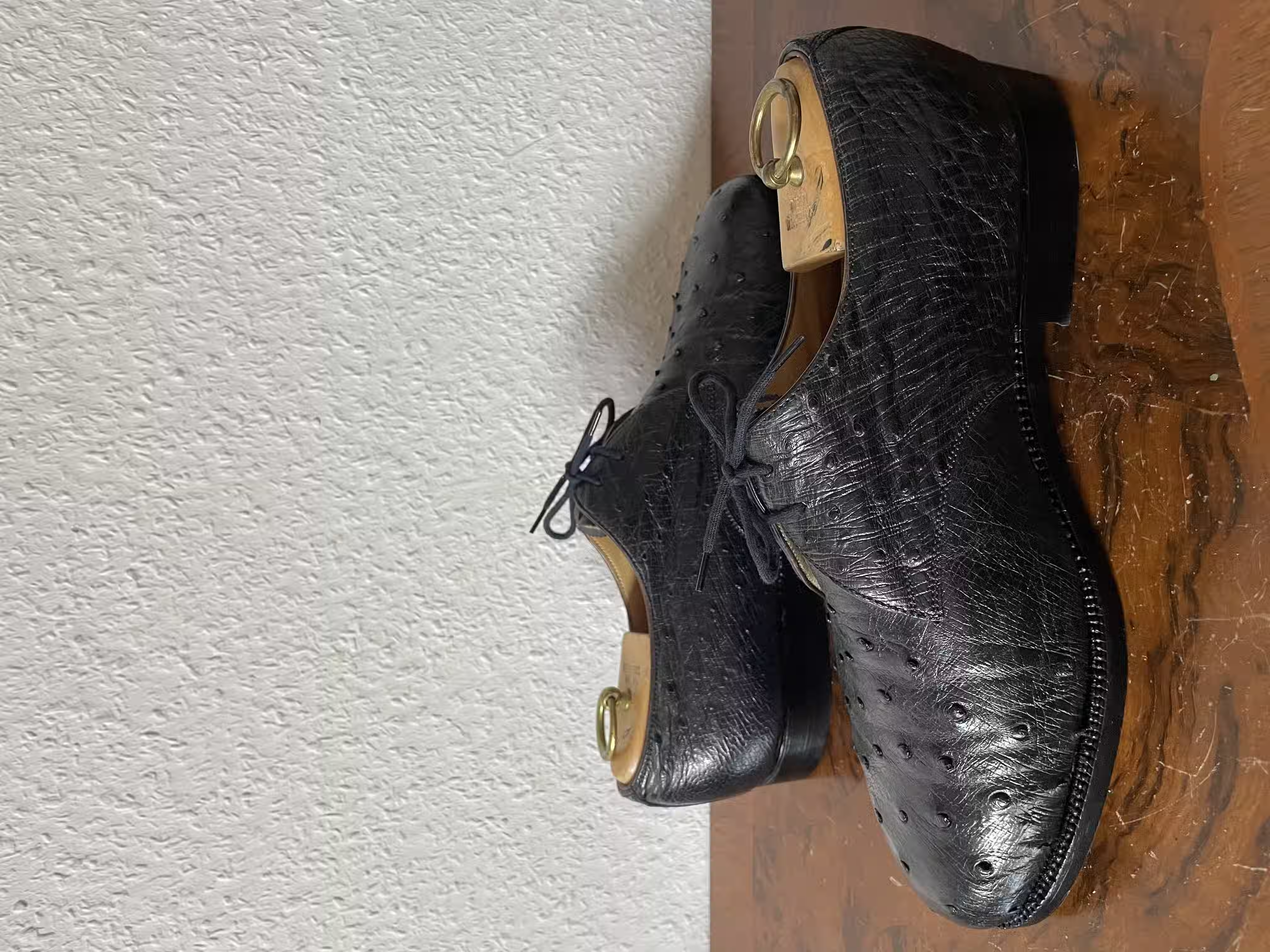
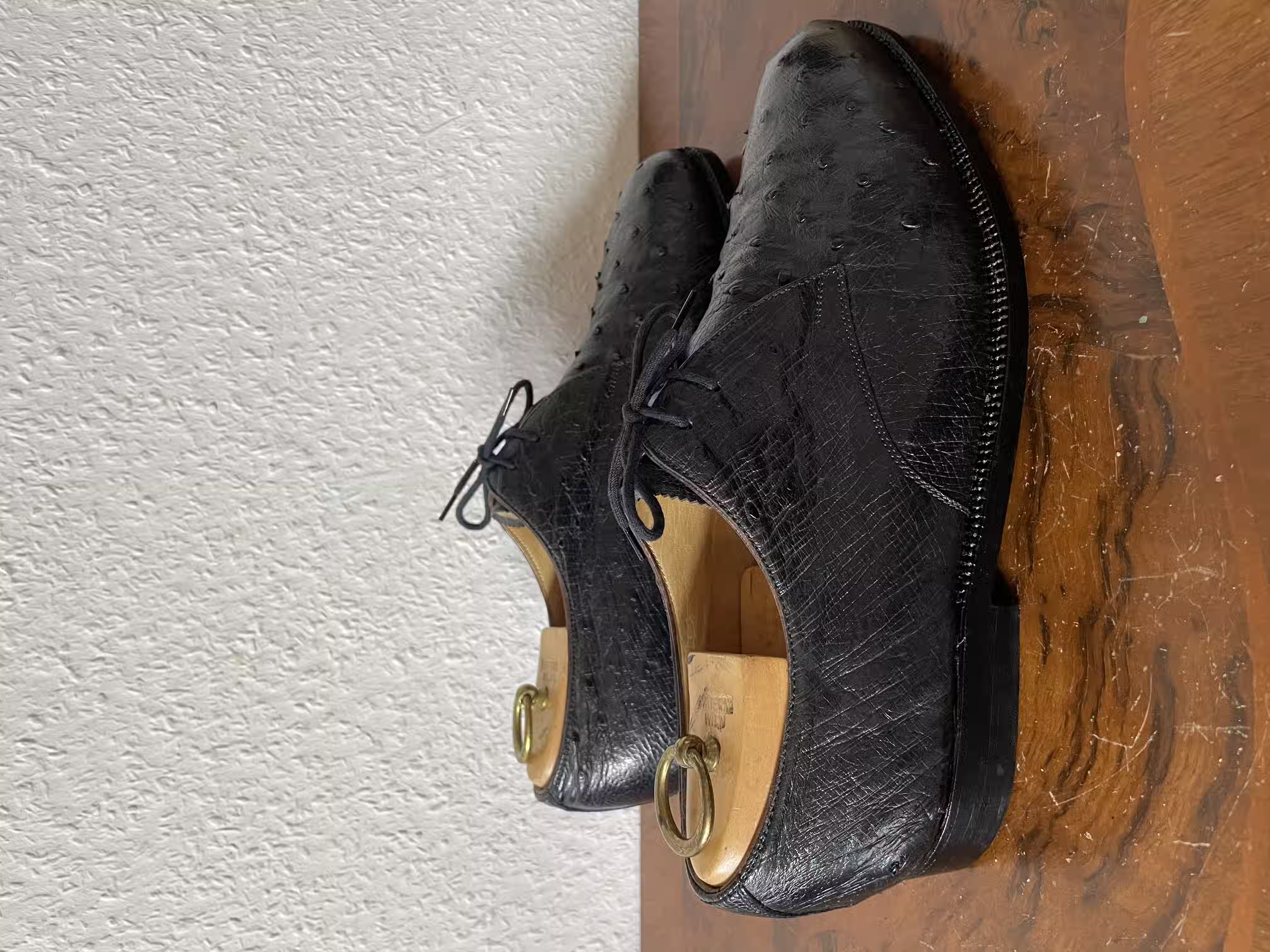
Finally, spitzderbies should be mentioned as well. They are characterized by the quarters—the side parts of the upper—tapering to a point at the front. This is also directly related to the small number of eyelets, because such shoes are especially two-eyelet derbies.
Instead of the quarters dropping straight down or backward directly below the two eyelets, they extend a bit further toward the toe and only then drop back in the derby curve. At this transition to the derby curve, the defining pointed angle is formed.

Personal assessment
The term “all-rounder” for a derby shoe doesn’t sound particularly exciting, but it provides more flexibility and confidence. If you opt for a derby, you still have enough leeway in leather and ornamentation to end up with an interesting and exciting shoe in your hands. Take a look, for example, at the topic of broguing, where there are many more options—especially for derbies.
Typically, the Derby is worn more for leisure than with a suit; for suits, it is best to choose Oxford shoes. However, you can wear Derbies quite well with a non-matching combination of a jacket and trousers.
Personally, I consider a brown Derby to be a very good starting shoe for anyone interested in classic menswear. I myself began my journey into the world of better footwear with such a shoe and have not regretted this choice. One reason for this is that today’s everyday fashion, including office wear, has become very casual. Suits are worn very rarely, so the Oxford shoe has fewer and fewer typical use cases, while the Derby has all the more.