
Handmade leather shoes - the best among stitched leather shoes
Handmade leather shoes are produced with great effort, mostly by hand rather than by machine. In most cases only a mechanical sewing machine is used for stitching the upper together - the rest is pure handwork and brings with it qualities that no machine can match. But not all of these qualities are equally important.
Example variant
Brown, handmade Oxfords in a simplified quarter-brogue style
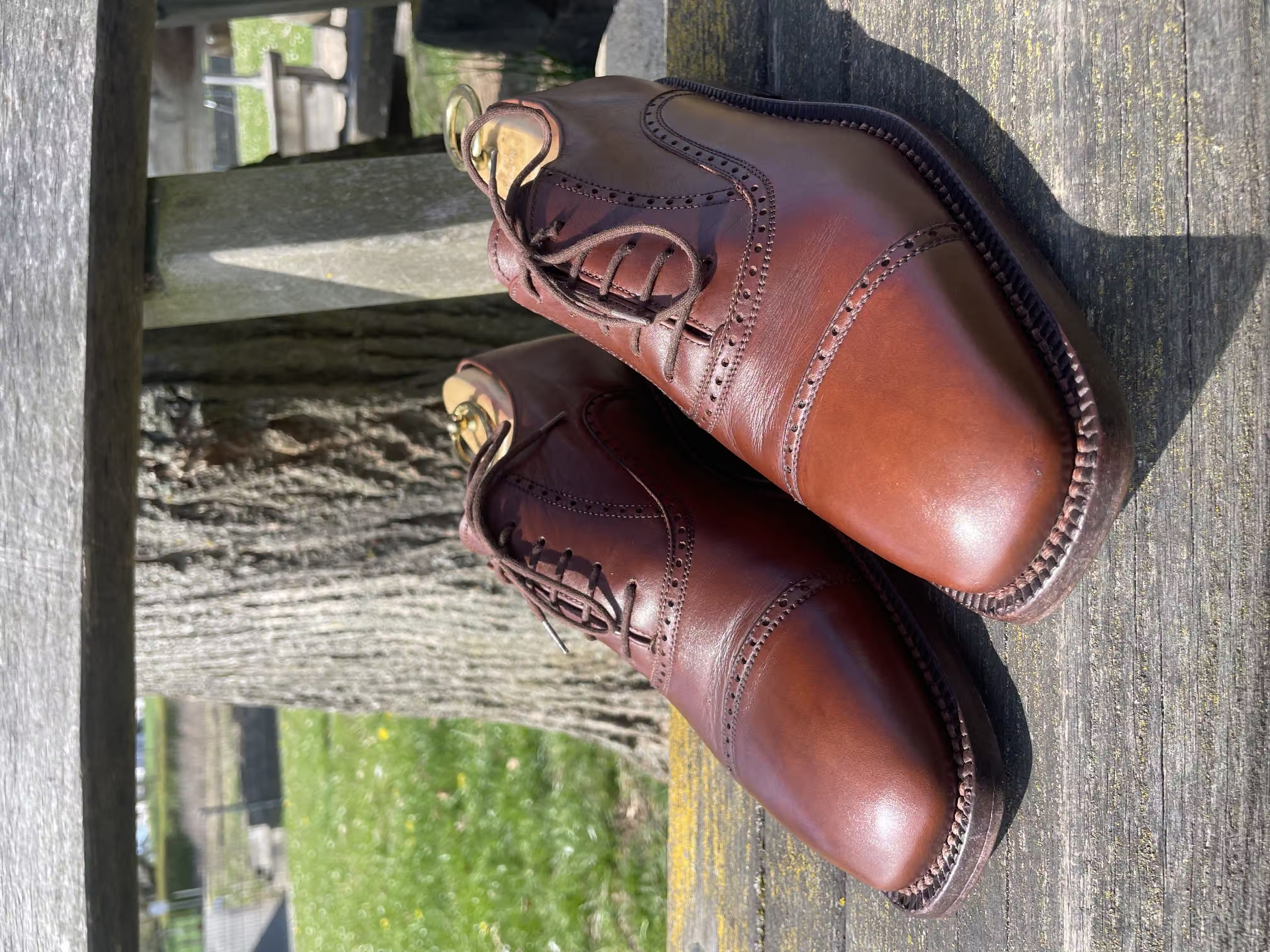
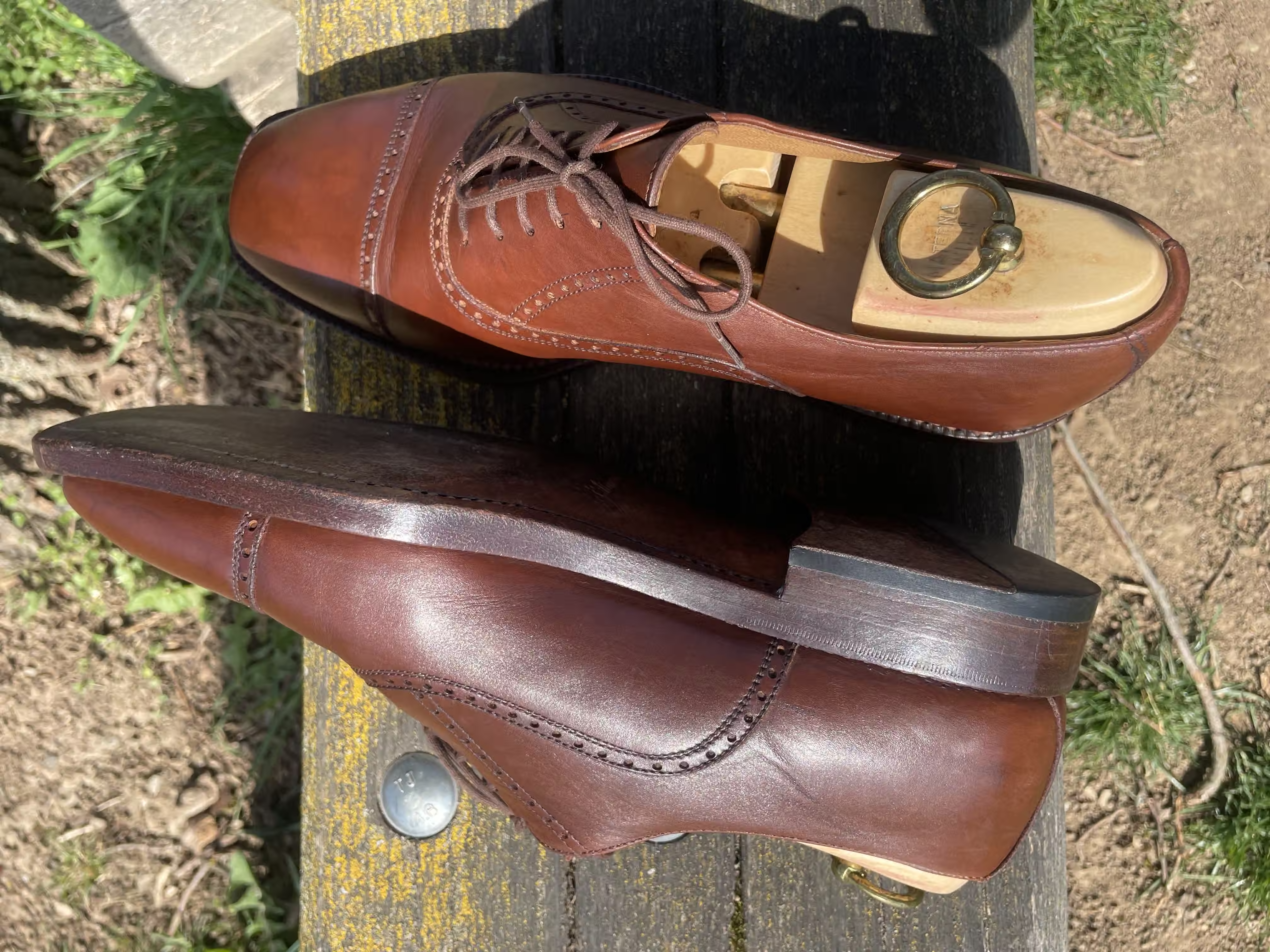
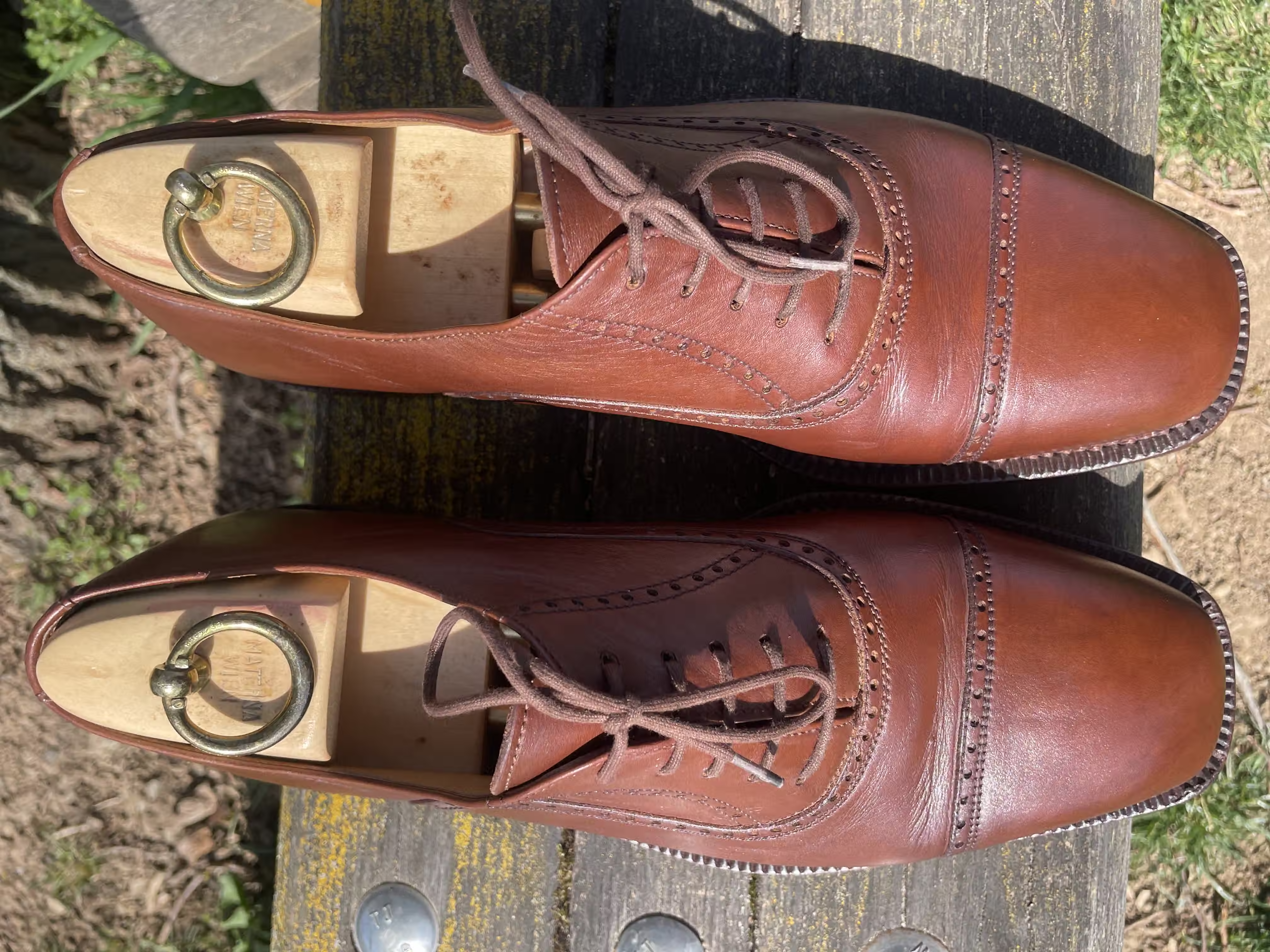
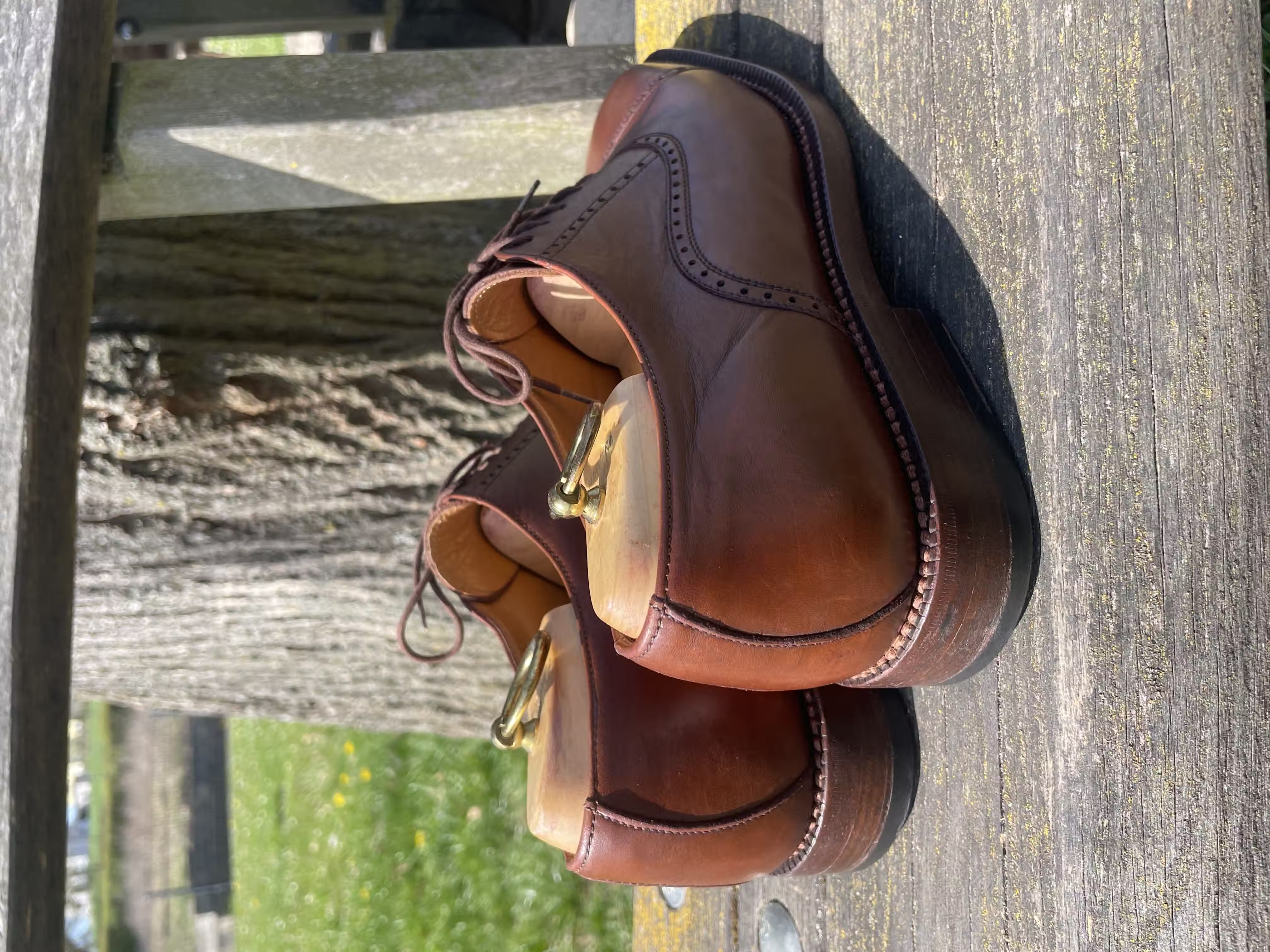
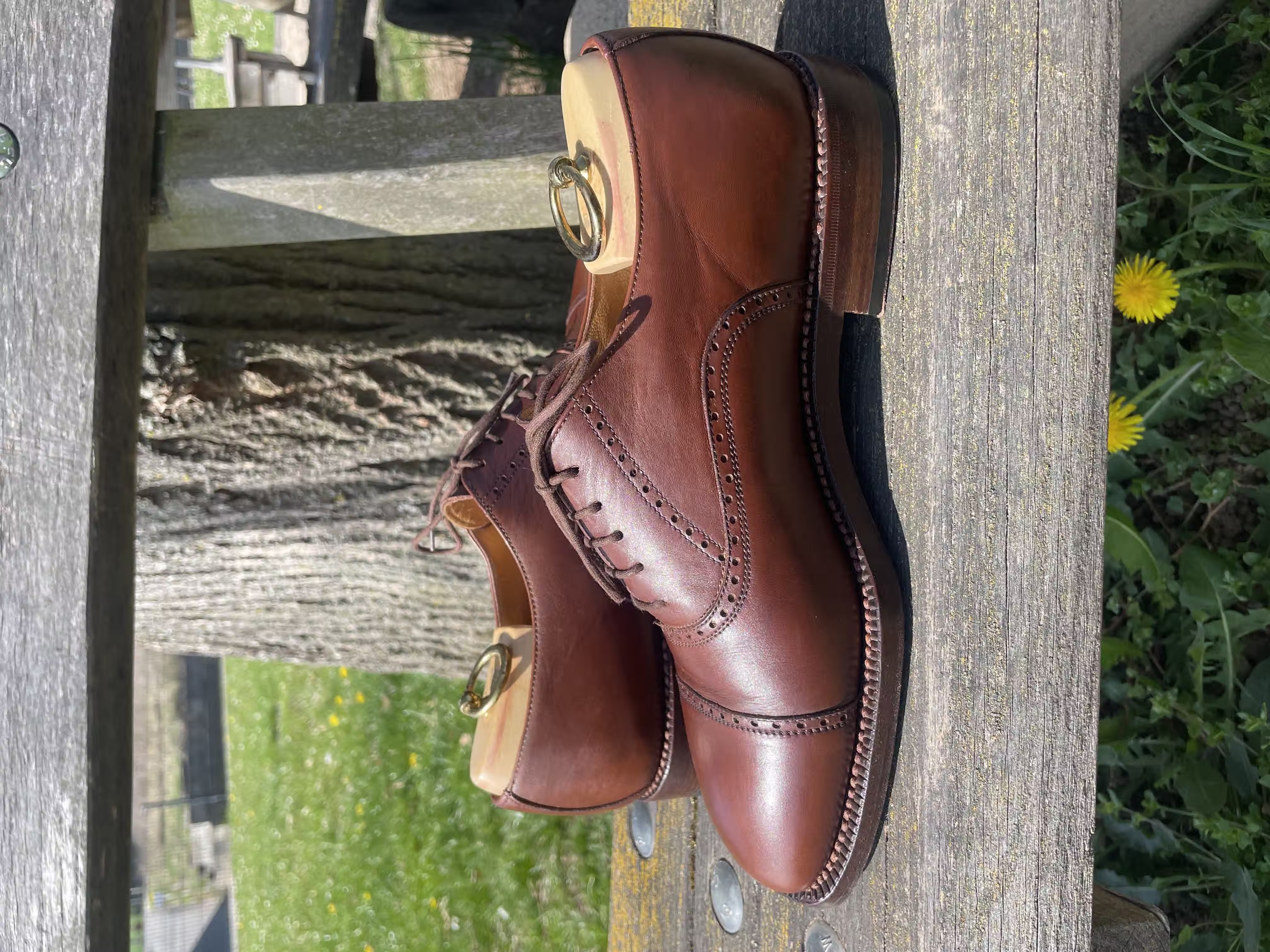
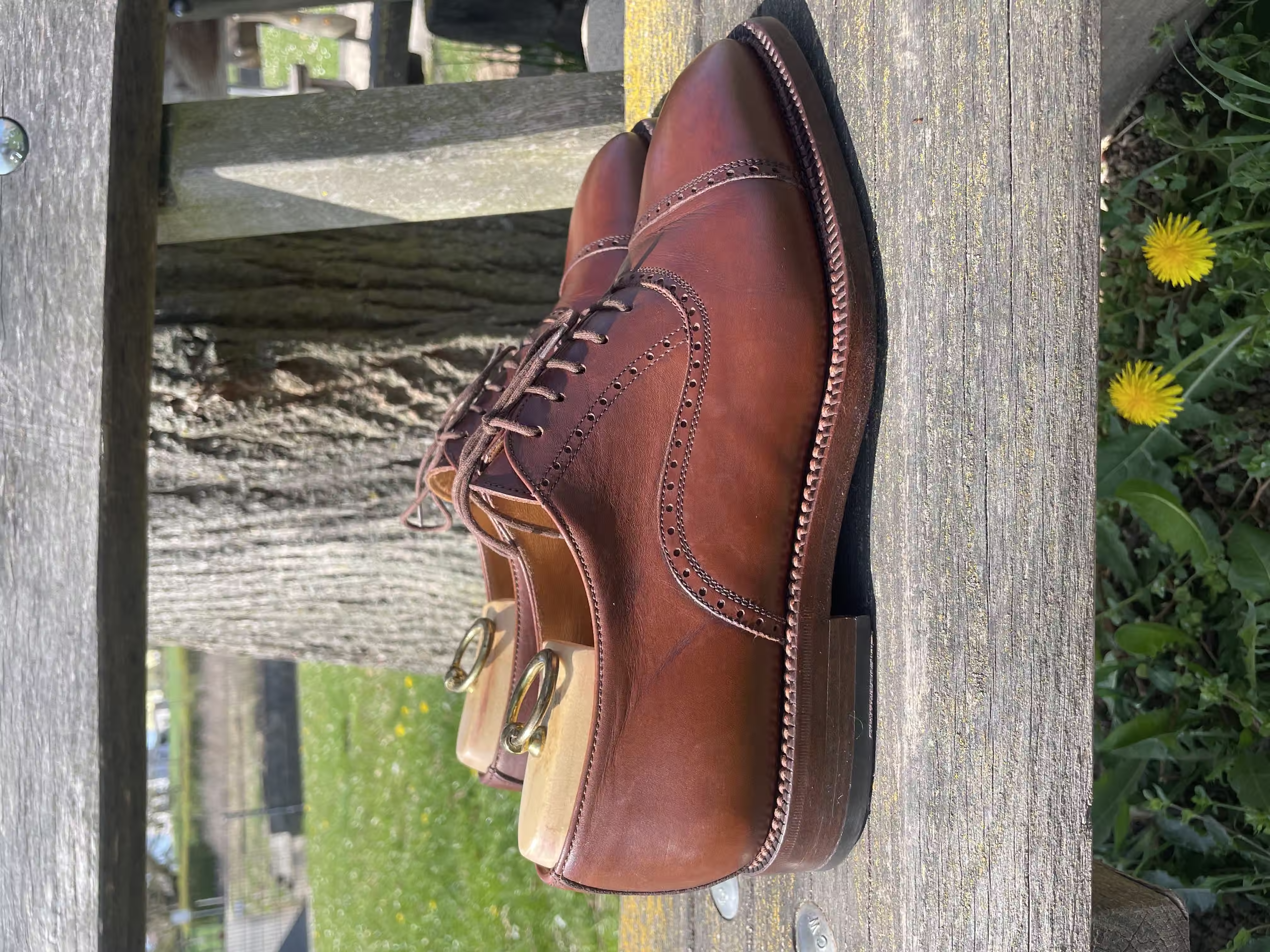
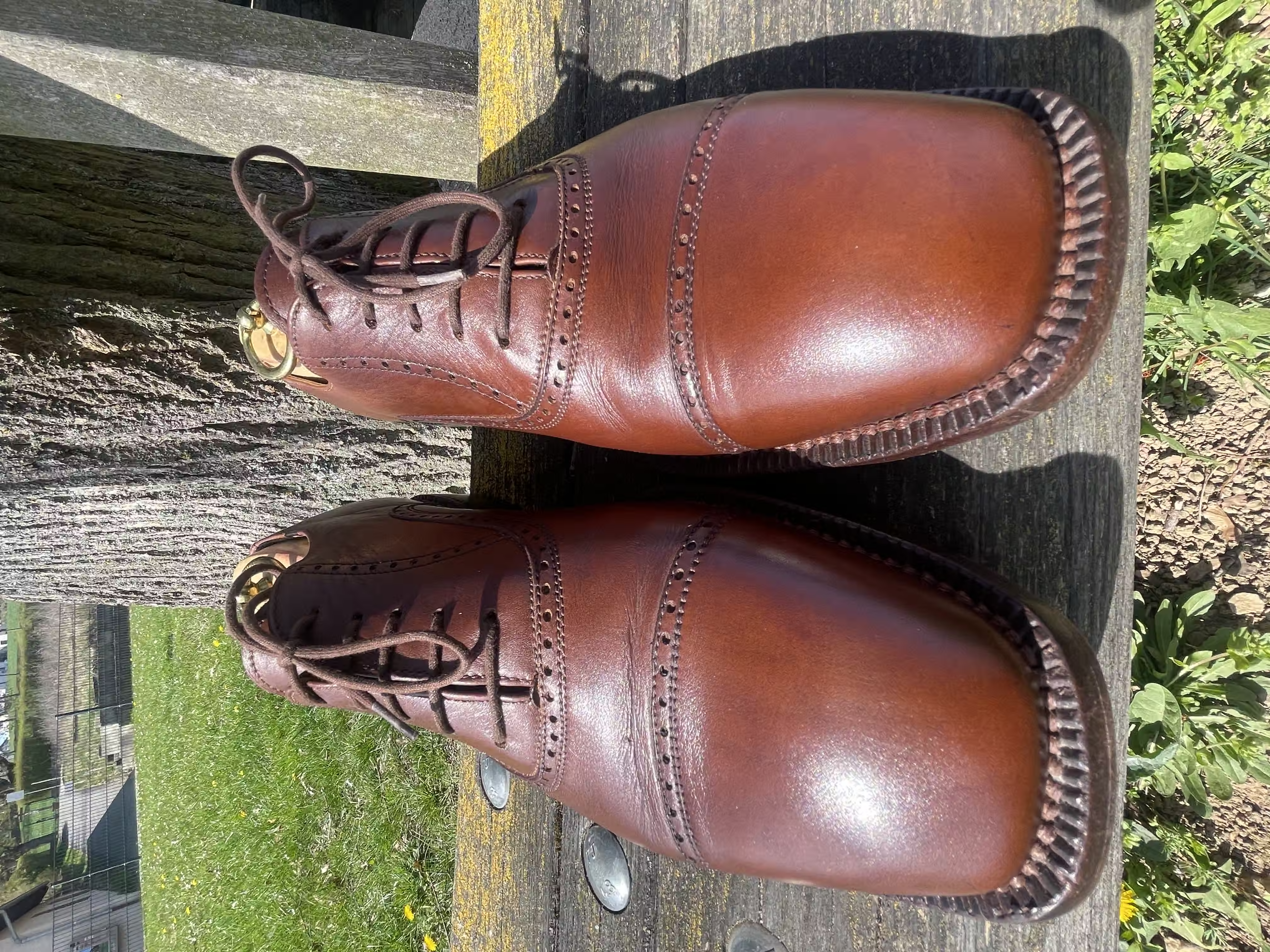
This is a pair of attractive, relaxed Oxfords with thick soles and relatively simple perforation patterns. I find they work best with a casual suit, though I also like to wear them without a suit.
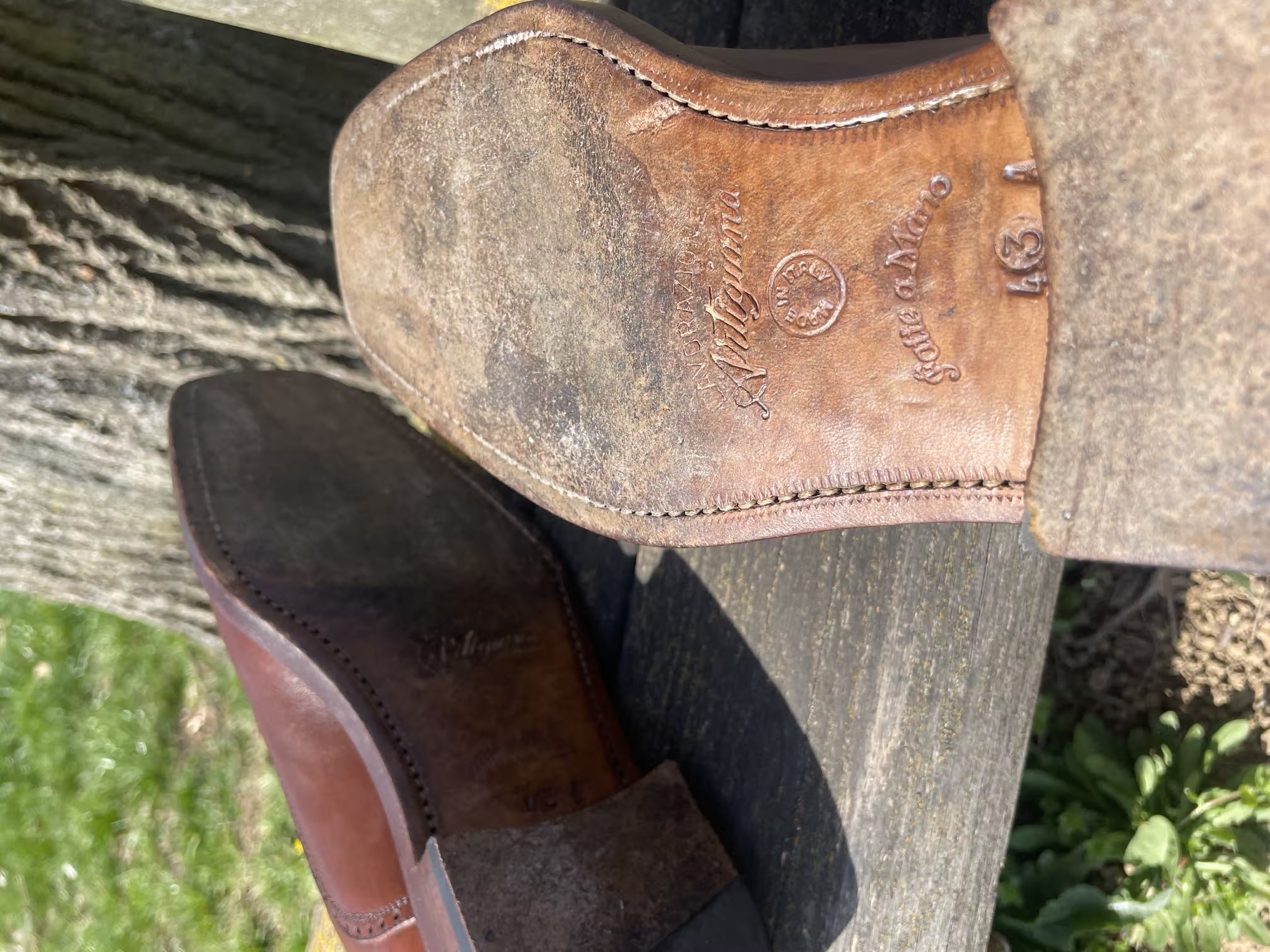
The construction here is Blake-Rapid, very likely with a midsole instead of a welt. And the shoes are handmade, as the marking on the sole also reveals. To me, the carefully executed, fairly wide rapid stitch is further evidence of the handmade construction.
Significance and variants
In a typical, fully handmade form, handmade shoes mainly involve the following steps, which do without the use of machines:
- stitched in by hand: insole, upper, and welt (or midsole) are joined together by hand via a saddle stitch
- outsole stitched by hand: the outsole is sewn to the welt or the midsole by hand using a saddle stitch
- lasted by hand: the upper is attached to the last by hand, smoothed with a special hammer, and fixed in place with nails
Stitching the upper together
Handwork often also includes cutting out the various leather pieces for the shoe. In modern factories this is largely done by machines. For me this is a step in shoe production where I have no problem with using a machine.
The more complex work comes afterwards with the so-called skiving of the edges, once the different upper pieces have been cut out. Skiving is done to thin the edges so they can later be joined more cleanly between the various upper parts. This is part of the work of an upper maker, which used to be a common, independent trade. After the upper pieces have been bonded with adhesive, they are additionally stitched together at these points with a sewing machine.
Stitched in by hand and other variants
Stitching in by hand generally refers to welted construction, which in this case is carried out by hand without machines. Strictly speaking, the handmade method is not a specific construction of its own, but rather the manual execution of a specific construction that could also be carried out by machines. - That can be welted construction, through-stitched construction, the Norvegese construction, or another. If you look at the work of bespoke shoemakers, it is usually welted construction. Shoes stitched in by hand refer to this variant.

There is also a corresponding handmade variant of through-stitched shoes, which would more accurately be called “pierced through by hand”, because in through-stitched construction the insole is pierced. You are most likely to find this construction in its handmade form in Italy - with the designation “fatte a mano”. You should also check whether you can see the typical, so-called Blake stitch on the inside of the shoe.
It is similar with the Norvegese construction: it is also more common in Italy, though some shoemakers from other countries also like to use it.
Outsole stitched by hand
In this step the outsole is first attached by hand with adhesive to the midsole (or to the welt with cork filling). Then a visible sole stitch between outsole and midsole or between outsole and welt is applied by hand. By doing this by hand you can create more tension, and when executed as a saddle stitch such a sole seam is also more robust than a machine stitch: it holds a bit more reliably, because a broken point in a saddle stitch remains local and the rest of the seam then does not come undone as easily as is the case with machine seams.
With leather shoes whose outsoles are stitched on by hand, this is only a slight advantage of executing the sole seam as a saddle stitch: because when the sole seam is executed as a machine stitch, there is still the adhesive that holds everything together. In addition, the outsole changes shape over time as you walk: it is compressed and thus becomes denser. In this way the sole seam is further squeezed into the leather and thereby additionally secured. With a bit of so‑called leather grease on the outsole in the area of the seam you can even speed up this process a little, but in my view it is not necessary at all. In practice, you therefore usually do not need to be afraid of a dissolving sole seam, regardless of whether the shoes are doubled (stitched) by hand or by machine. I myself have so far never had the case that the sole seam has come loose in the upper area. - And the fact that it comes loose in the lower area over time is normal.
Lasted by hand
The step of lasting is important so that the shoe upper takes on the shape of the last as well as possible. Carelessness in this area can later result in wavy spots in the shoe upper. The following pictures accordingly show what poor lasting can look like.
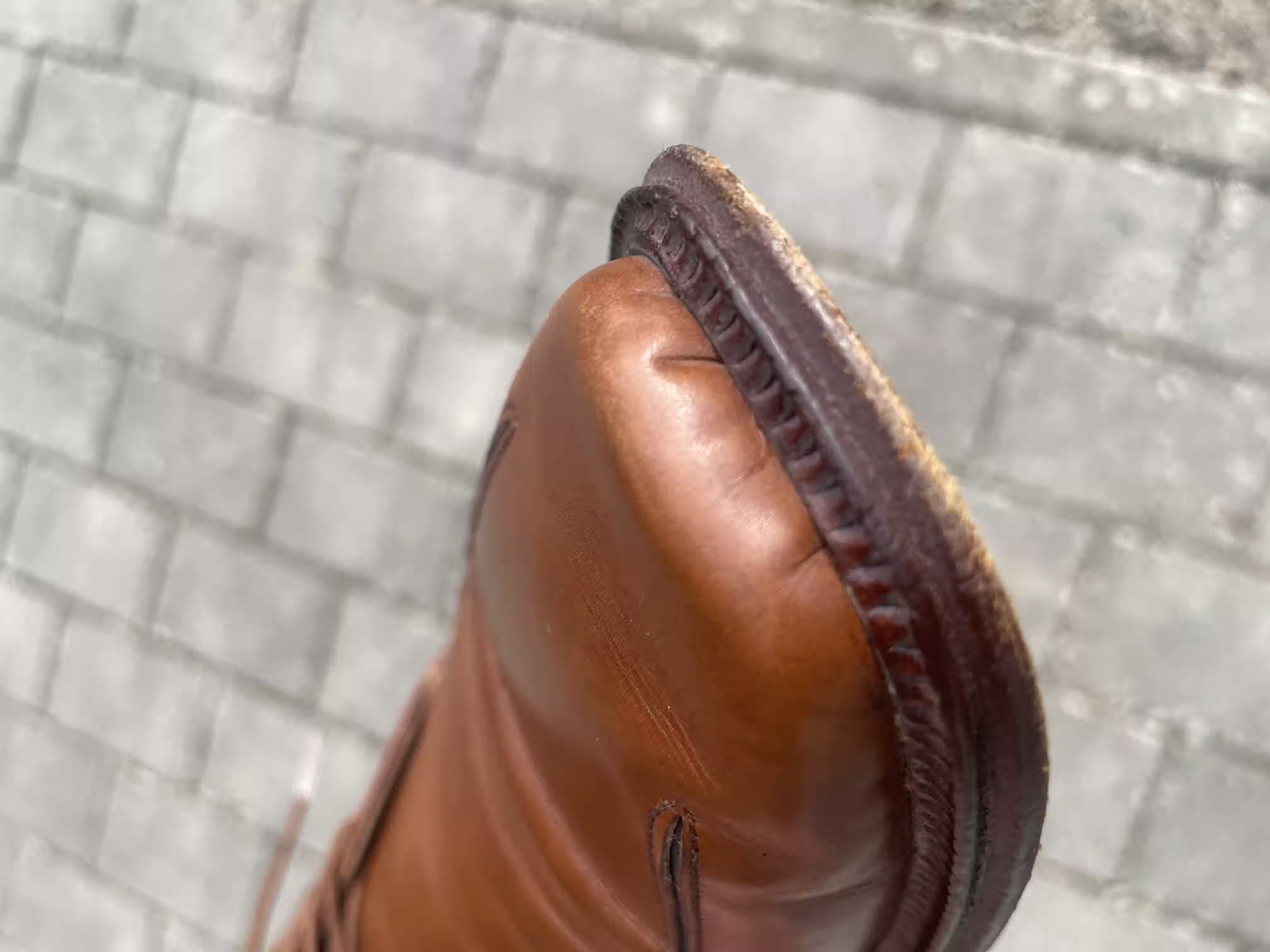
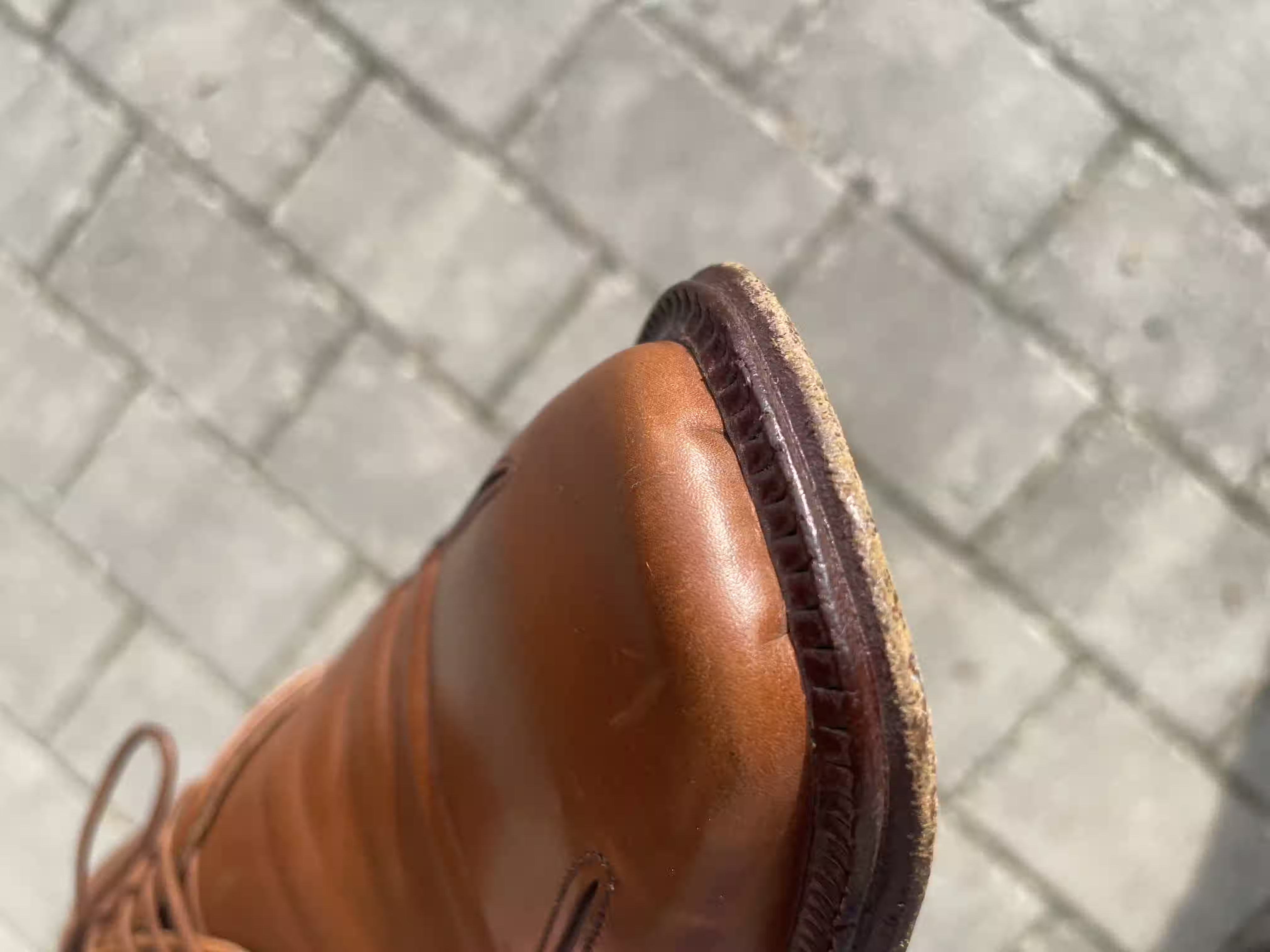
Compared to machine lasting, hand lasting gives more control over the process: a shoemaker can in this way determine exactly how the shoe upper sits on the last. This also allows him to control the stretching of the leather and counteract better in those areas where the leather would otherwise be stretched too much. Things like this make the upper leather more resistant in everyday use, because less tension and thus stress acts on the upper leather. I imagine that in everyday life scratches on the upper leather are then less likely or do not go as deep if the upper leather is not under too much tension.
By the way, all this does not mean that lasting with a machine is always bad. Even with the help of a machine, a shoemaker can do good work when lasting, and he is significantly faster at it - that is the real advantage when working with machines. With hand lasting, however, the potential for higher quality is greater, and the better a shoemaker is, the better he can generally make use of this potential.
Which variant brings the most benefit?
Typically, these three characteristics are carried out together, but you can also make shoes that are produced almost exclusively with machines and only a single step of these three is done by hand. You might wonder why a shoemaker would do something like that. - However, there is actually a good reason for this, namely if you want to offer shoes with an excellent price-performance ratio. Every hand process is indeed more expensive than with a machine, but in some areas it has less benefit than in others. So all the manual steps are not exactly equally important - when viewed from the standpoint of what they ultimately deliver in practice compared with the machine variant.
Hand doubling for flexible shoes
A manual step that usually brings quite a lot of benefit, however, is the aforementioned doubling step. In my view, this is the most important step in the making of handmade shoes, because it provides better flexibility when walking. So with hand doubling you end up with a more flexible shoe that is more bendable than would be possible with a corresponding machine doubling.
Such a shoe is therefore more comfortable to walk in. Especially for people who have previously found leather shoes too stiff, this hand doubling with a saddler’s stitch could make the decisive difference. However, there can also be completely different reasons why a leather shoe is too stiff. Thus, a hand doubling is certainly not sufficient in every case to make a shoe flexible and bendable. But I can imagine that in many cases a hand doubling will lead to a more flexible shoe.
Hand inseaming for flexible shoes
Incidentally, with welted shoes the hand inseaming also helps to make the shoe more flexible. How strong the effect is, however, depends on what you compare this variant with. Many machine-made welted shoes use a so‑called glued gemming strip, which overall ultimately leads to you having to apply a thick layer of cork in the welted construction. And such a thick layer of cork in turn contributes to the shoe becoming less flexible to a certain extent, up to the risk that over time your foot sinks into the cork and the fit of the shoe changes unfavorably as a result.
However, I see this risk more with glued-and-stitched shoes with gemming. If you make welted shoes cleanly with the machine, then this aspect is not so critical. - So it is still there in principle, but less critical.
So overall you can take away for yourself that with a hand-inseamed construction the cork layer is thinner, your feet are closer to the outsole and the shoe therefore flexes more easily. - All this in the context of shoes that have a real welt, so it can also be relevant for you in the case of through-stitched shoes with a welt instead of a midsole.
Conclusion
So for me, hand-doubled shoes are the most important, and only after that am I interested in whether a shoe is hand-inseamed. Only in third place, but not completely unimportant, is the question for me of whether a shoe was also lasted by hand. I like to buy handmade shoes that have all three characteristics. But if I had to choose, this would be my order.
In my perception, among handmade shoes those dominate that are handmade on all three of these levels.
In Germany there used to be a company called Henry Kayes that sold machine-made shoes in which the outsole stitching step on some of their shoes was carried out by hand. This was also marked on the sole to indicate that the shoe had a hand-sewn outsole. Other companies can offer such variants nowadays as well, although I think this is very rare. More likely you would specifically request such an option from a shoemaker.
Identifying features
Label
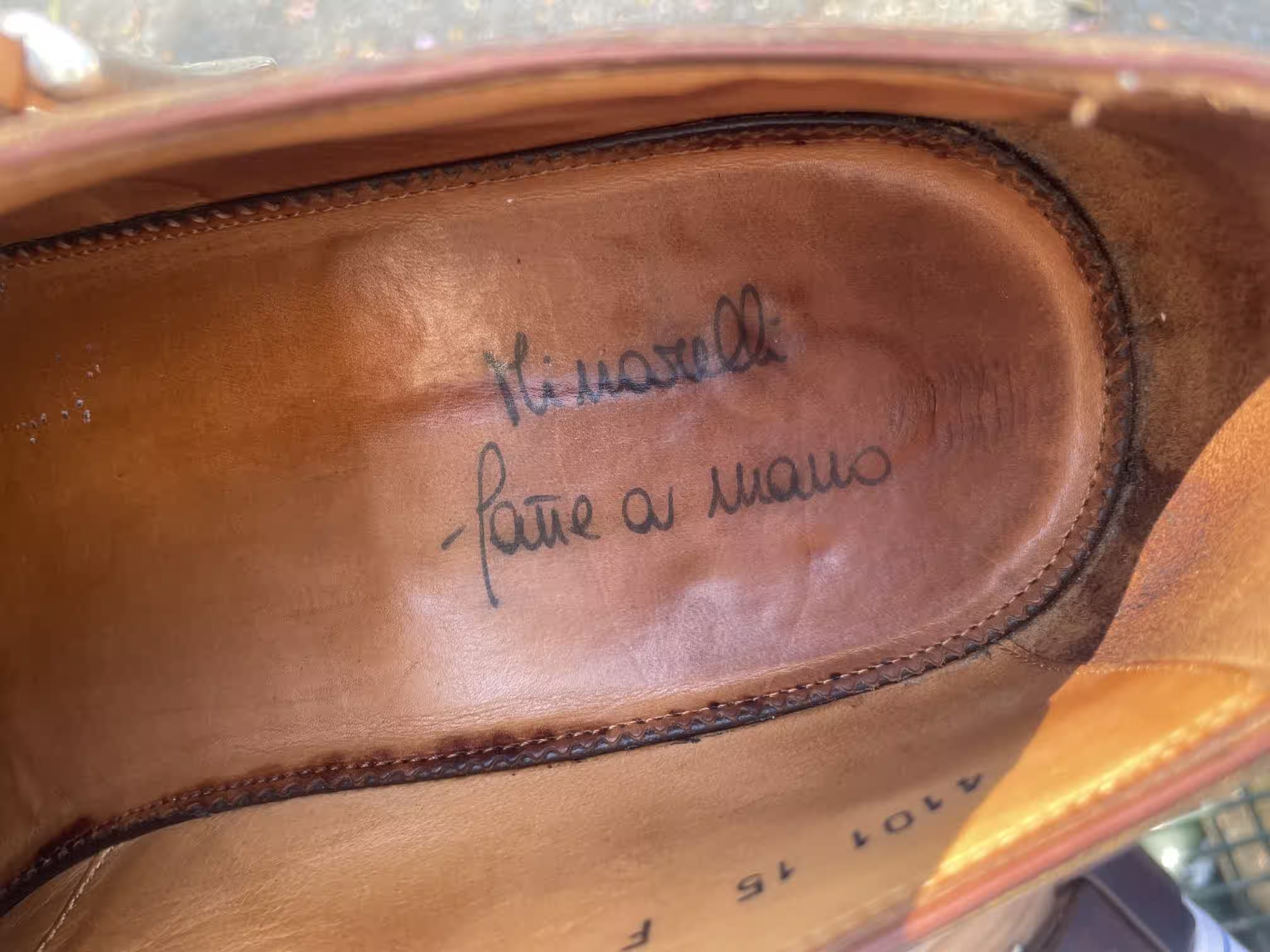
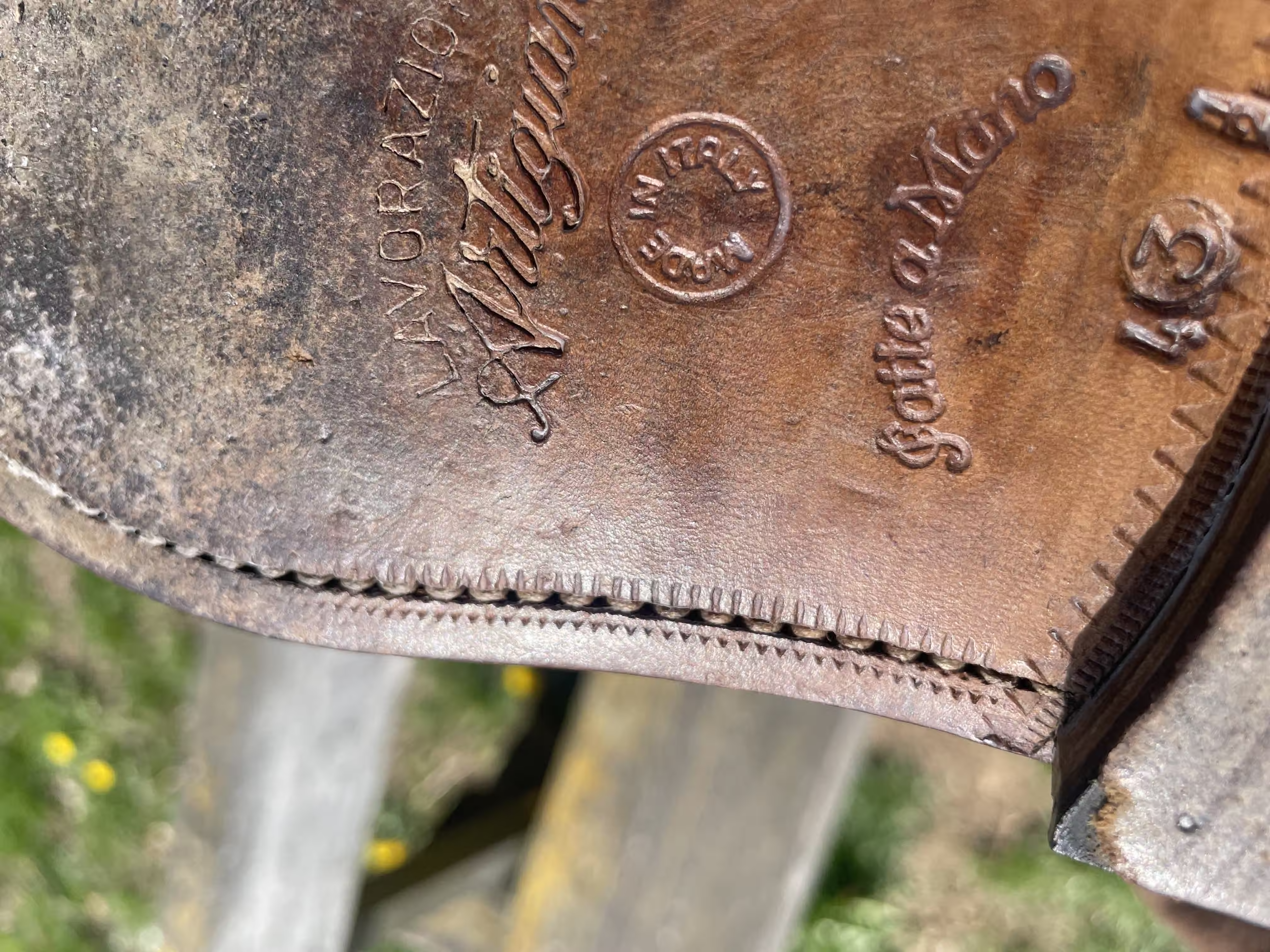
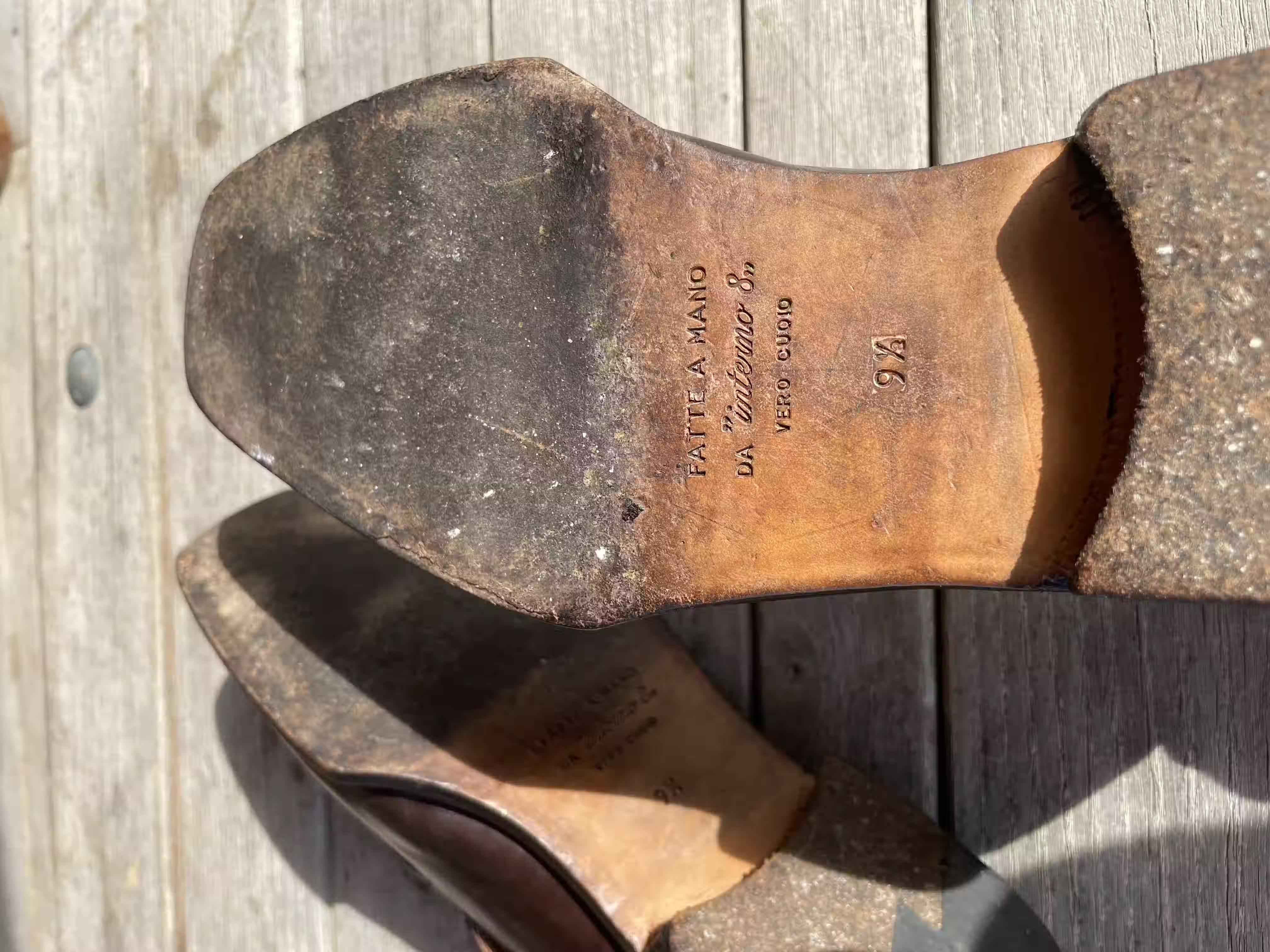
For handmade shoes there are corresponding terms in different countries – such as “fatte a mano” here in the pictures, for shoes from Italy. However, how established such a term is and what it actually means can vary from country to country. In Germany, a pair of shoes described as made by hand can really mean handmade shoes. But it can also mean industrially manufactured shoes – presumably because the machines are also operated by hand, which misses the core of the distinction.
In my view, this is an insult to shoemakers who still truly work by hand, and whose work requires much more skill and effort than working with machines. I think it’s a pity that this term of handmade shoes has become more of an empty phrase for some manufacturers. I have nothing against machine-made shoes and own many myself – but I simply would not want to suggest more than is actually there. And customers who truly understand the term handmade shoes can easily feel misled.
Conclusion: In case of doubt it is therefore better to ask the manufacturer directly what exactly they mean when they write or talk about handmade shoes. Personally, I have a good impression of shoes from France or Italy that when such a designation is applied directly to the shoe, they are in fact handmade shoes.
In Germany I once saw a similar designation in the texts of a web shop, but not on the shoe itself. However, it was known that this manufacturer had the shoes made by machine in a factory. In addition, there was the relatively low price, which would be unrealistic for genuinely handmade shoes.
Price range
Truly handmade shoes that
- are hand-welted
- have a hand-sewn outsole
- are hand-lasted
I would in any case not expect to find for under 400 euros here in Europe. Even a price range of 400 to 800 euros I generally regard as somewhat unrealistic, although with small shoemakers you could obtain handmade shoes in this price segment. I consider the price range of 800 to 1,200 euros appropriate for the basic models, such as welted shoes, for example.
Depending on the construction and other factors, such handmade shoes can also cost over 2,000 euros. You just have to bear in mind that in some constructions such as Norvegese roughly twice as many saddle stitches can be involved as in welted shoes, for example. And applying a saddle stitch is already relatively laborious, as are some visual details on the shoe. If a special leather is added on top of that, the price can rise even further.
My estimates above refer to standard calf or cowhide leather and without any particularly special details. I am also basing these estimates on European conditions; the converted prices can be lower or higher in other countries. In addition, with particularly renowned manufacturers you will generally find higher prices without the shoes being – purely objectively speaking – better. This is especially the case in the luxury segment.
Bespoke shoes
Bespoke shoes are typically completely handmade shoes – except for stitching the shoe upper together. With almost all bespoke shoemakers you therefore get shoes that are hand-lasted, hand-welted and have a hand-sewn outsole.
However, the price of the first pair of bespoke shoes is higher than for subsequent orders from the same shoemaker, because the first time the measuring of the feet as well as the making of a last and a trial shoe are included in the service.
If you simply want to buy a handmade shoe very quickly, you should look at handmade ready-to-wear shoes.
Shoe variants in pictures
Black ostrich leather shoes in welted construction
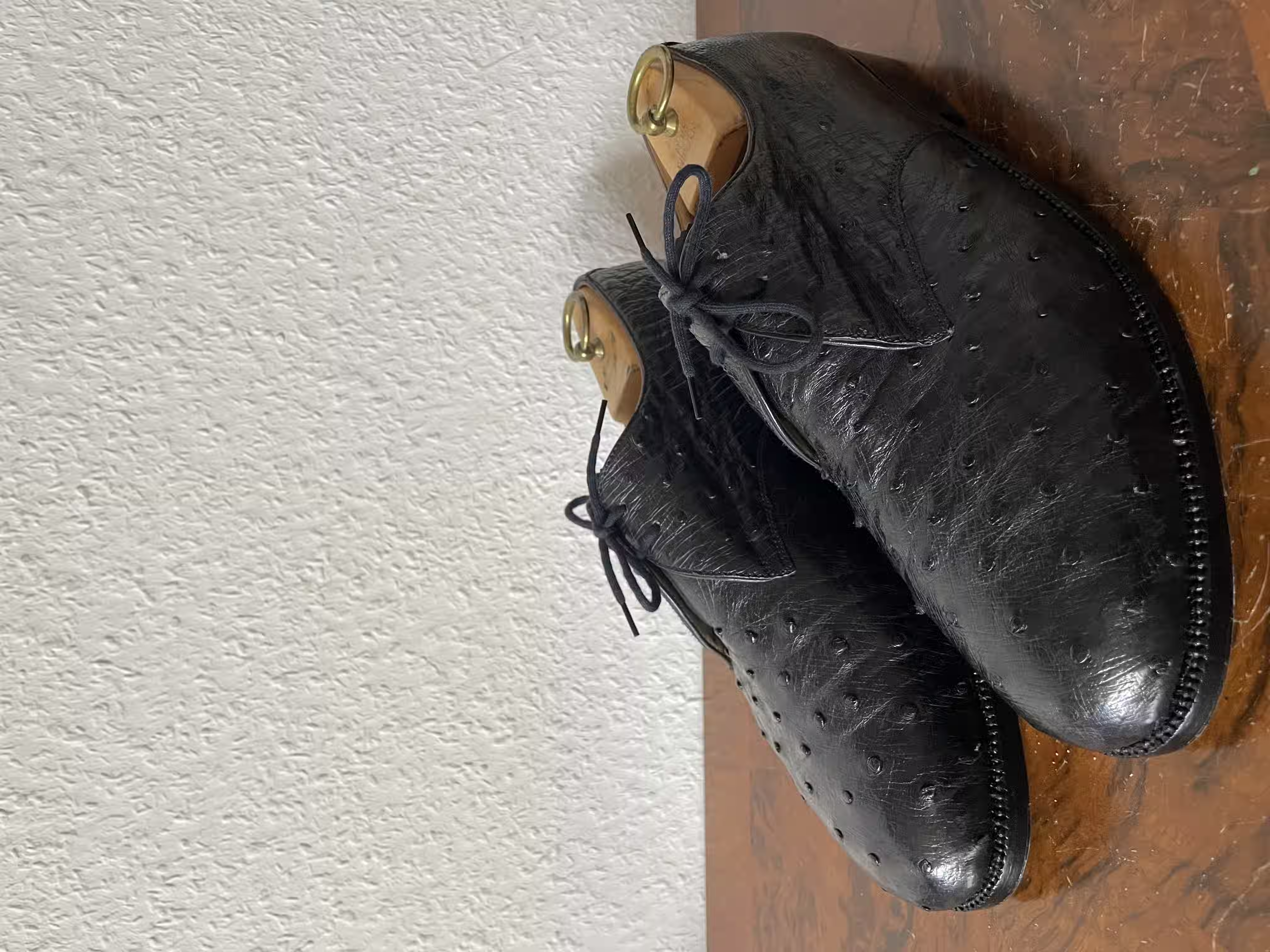
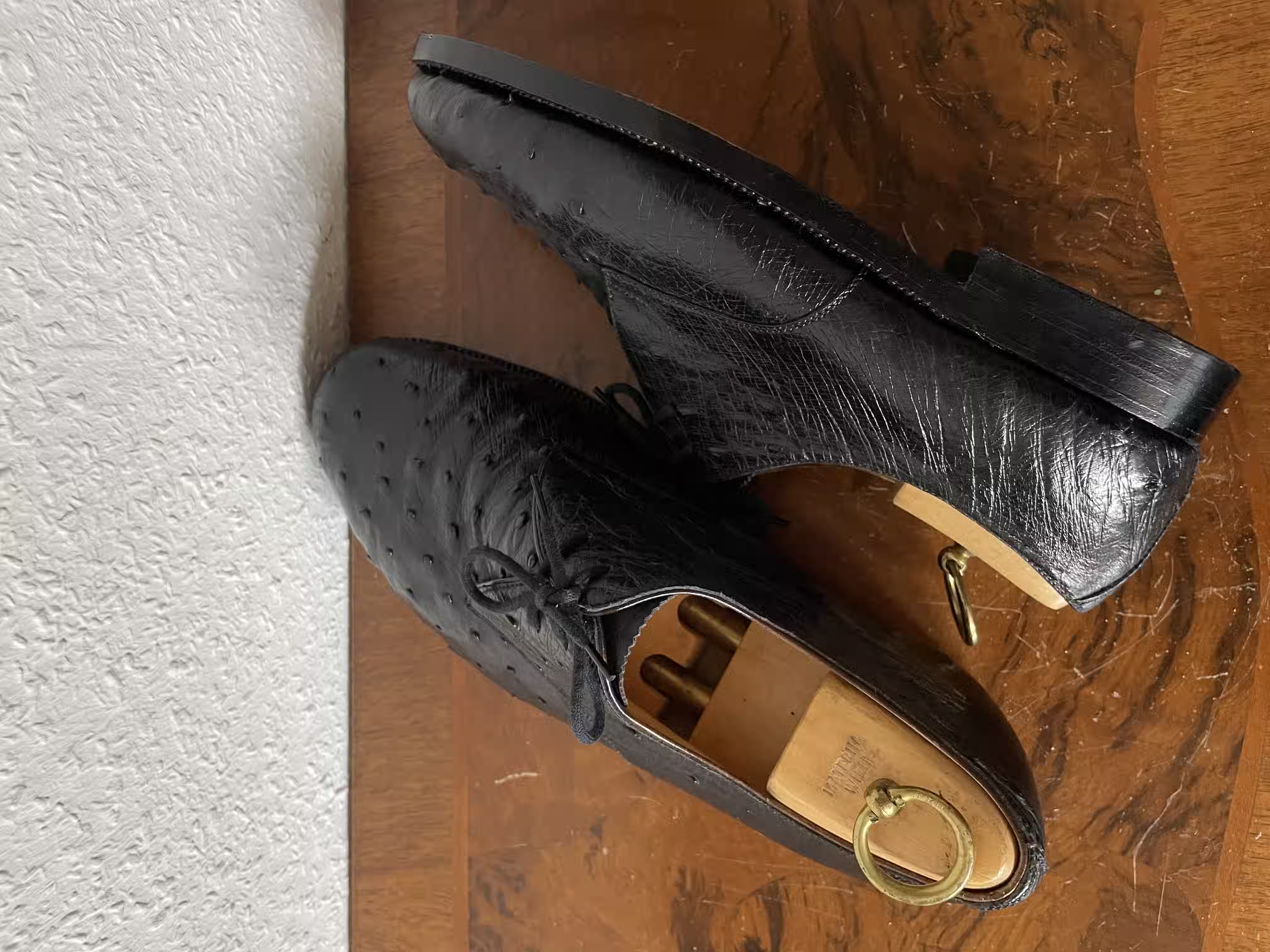
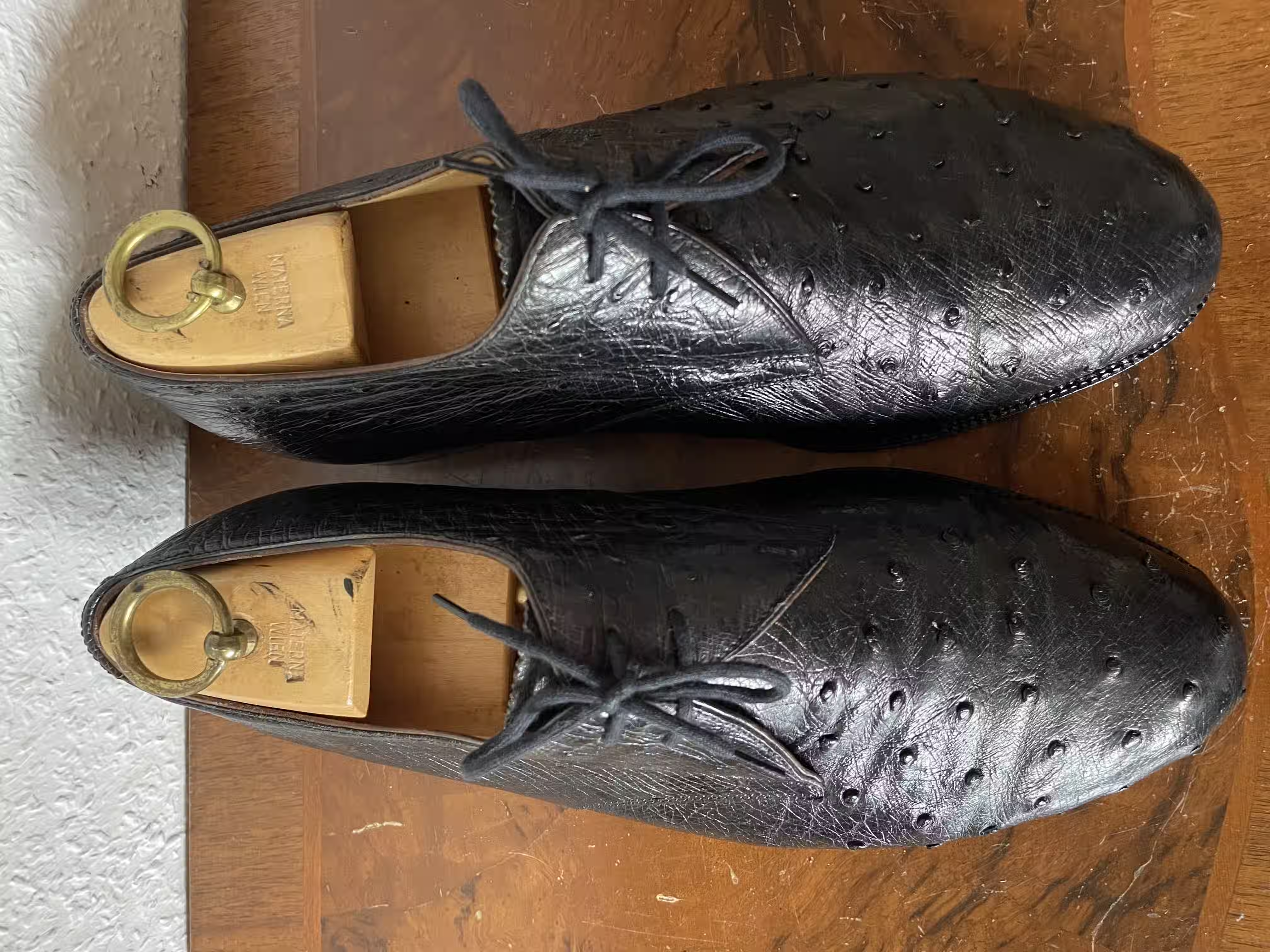
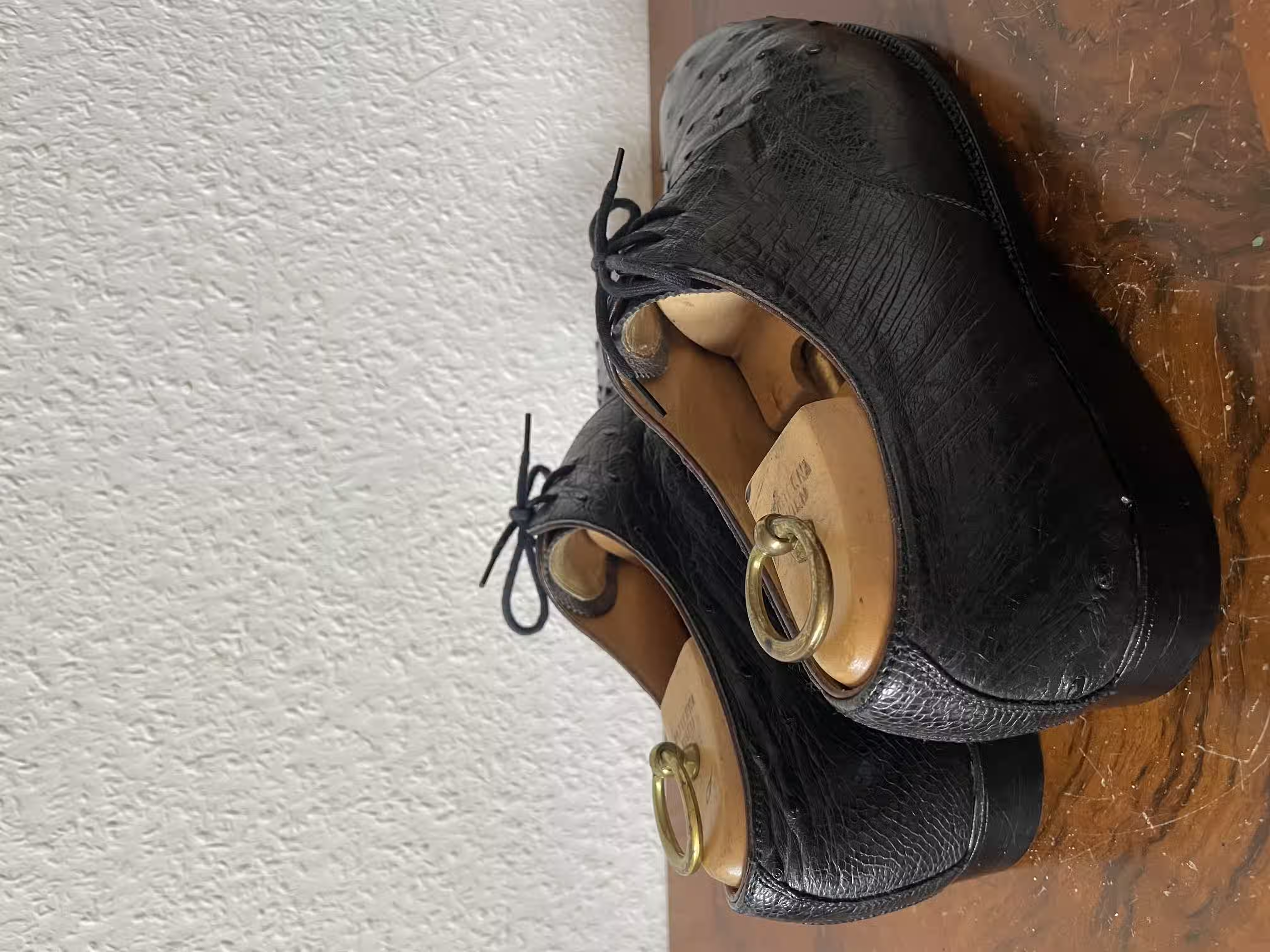
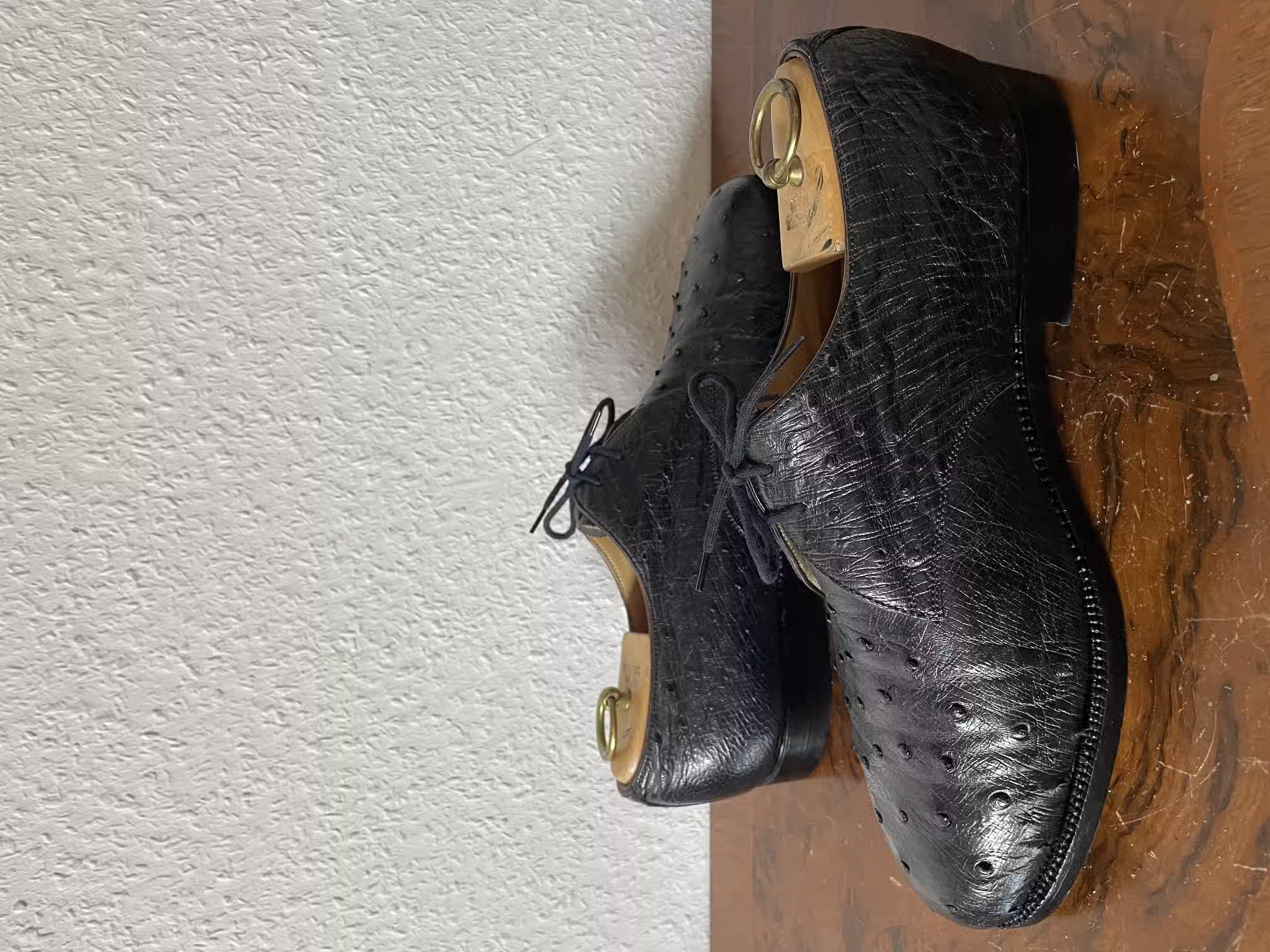
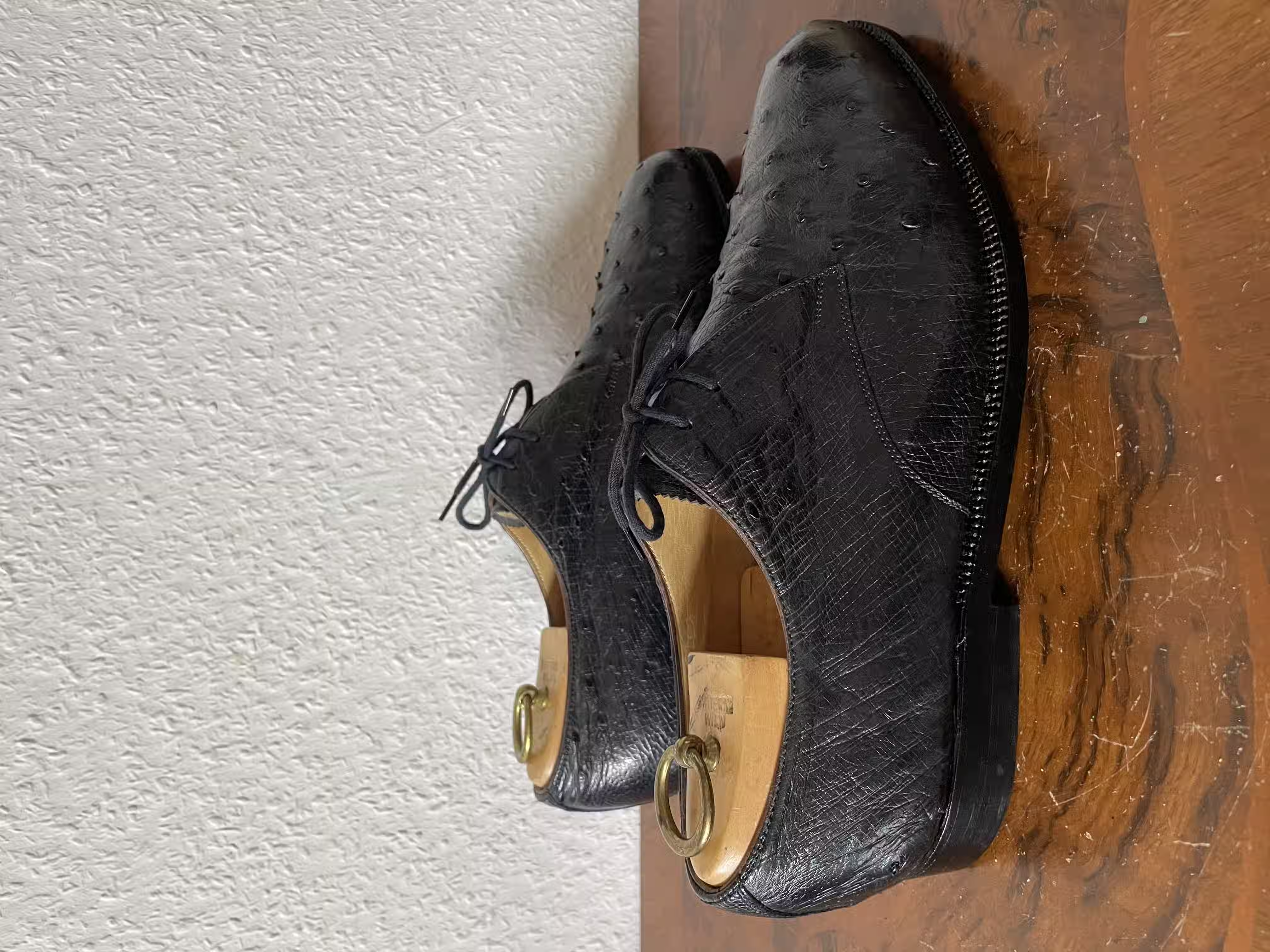
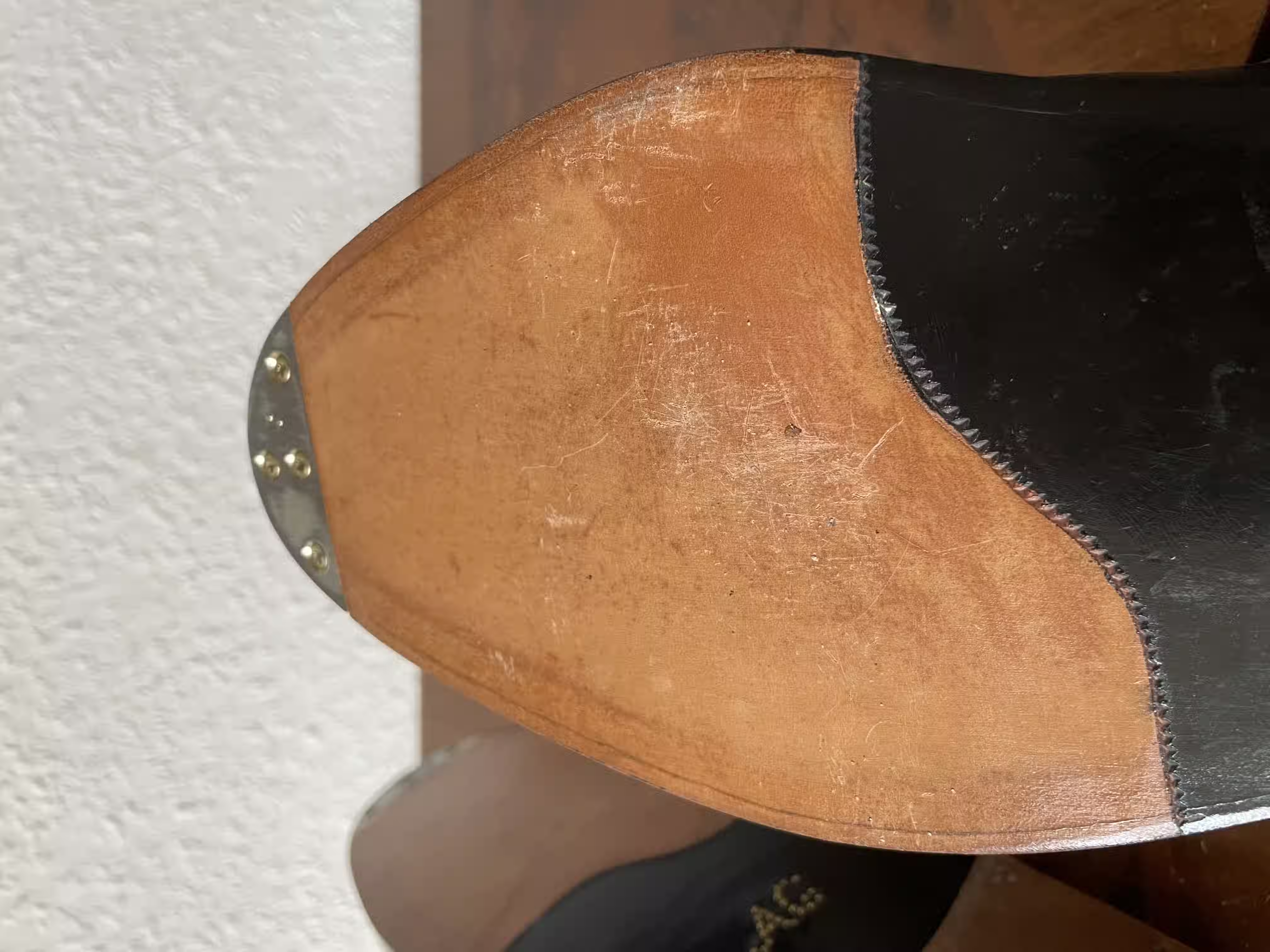
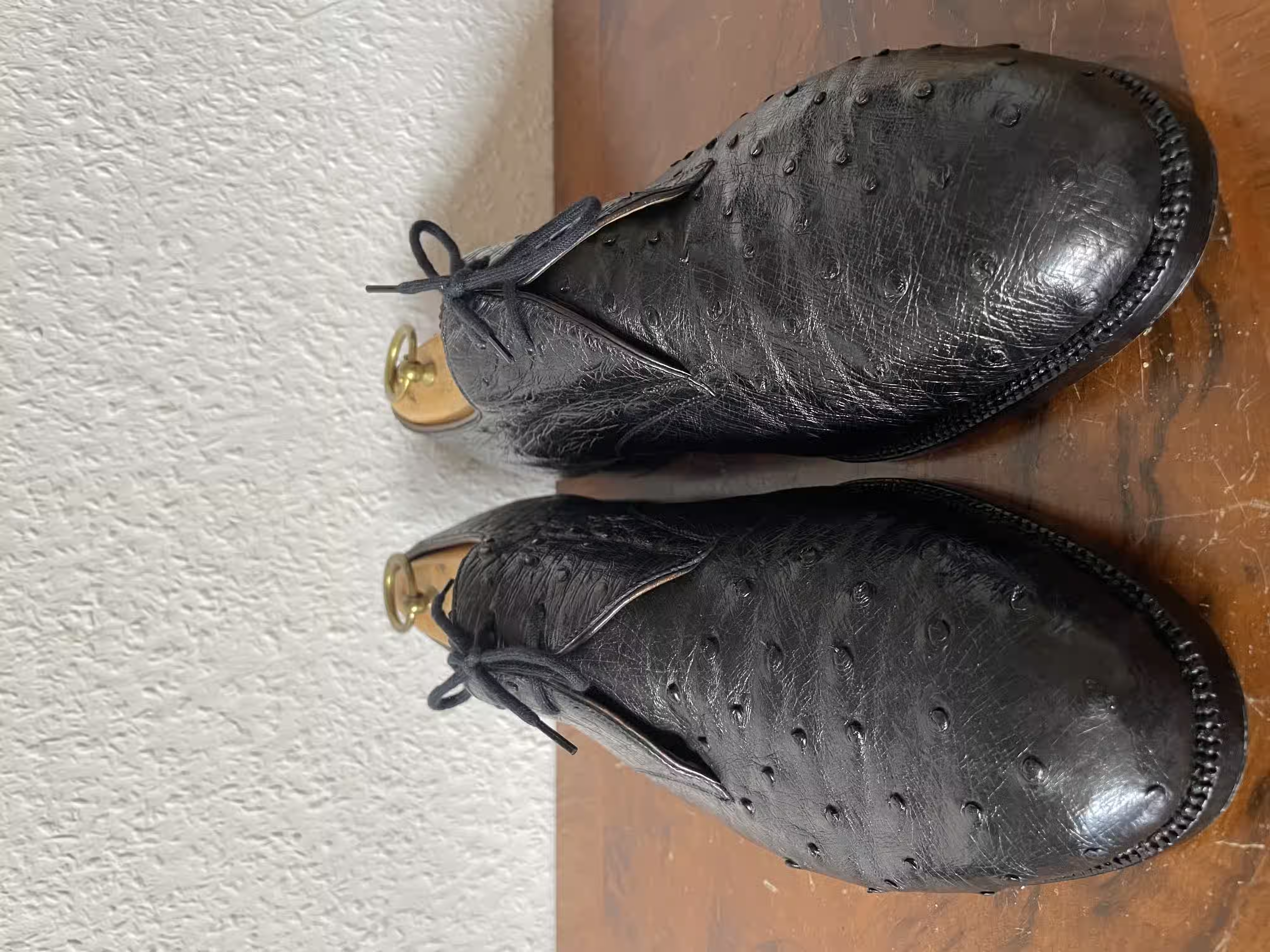
Although this shoe is quite black on the outside, you can still perceive different variations of black. For example, on the welt there are many small grayish-looking dots that suggest a seam. This is also confirmed by the outsole, because all around it there is a faint line that indicates the presence of a channel further inside. In this channel lies the sole seam that you could already see on the welt earlier. Inside the shoe, by the way, no seam can be seen that goes through the insole. So with these shoes you can be relatively sure that they are Goodyear-welted shoes. Additional certainty here is provided by the knowledge that the manufacturer is an old, renowned shoe company from Vienna, whose care in its work you can admire, for example, on the outsole.
For such a manufacturer of premium shoes it is also unlikely that it would offer shoes made purely with cemented construction – above all because its focus is on craftsmanship and not on brand name and advertising.
Single monks with wide buckle and contrast stitching
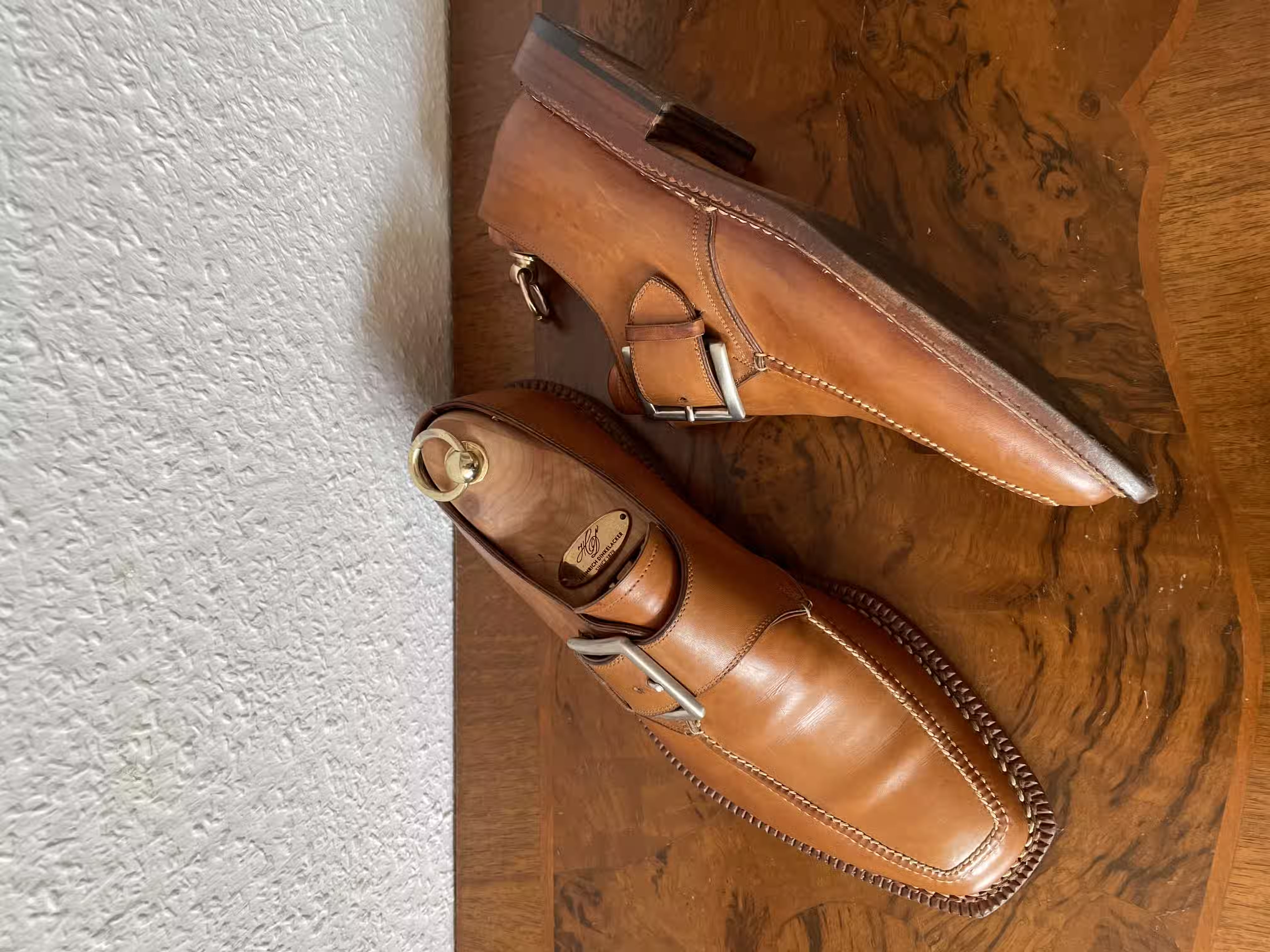
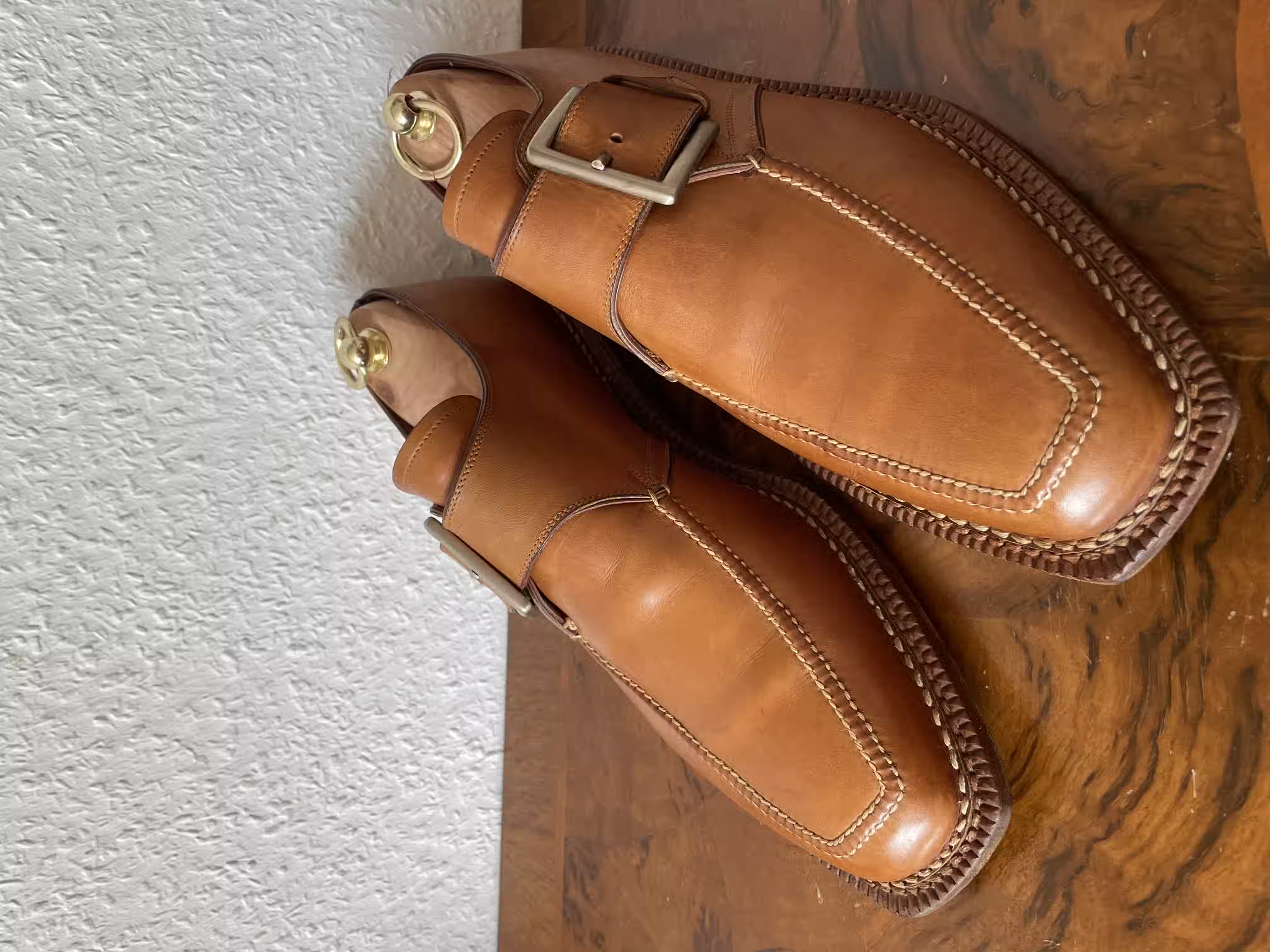
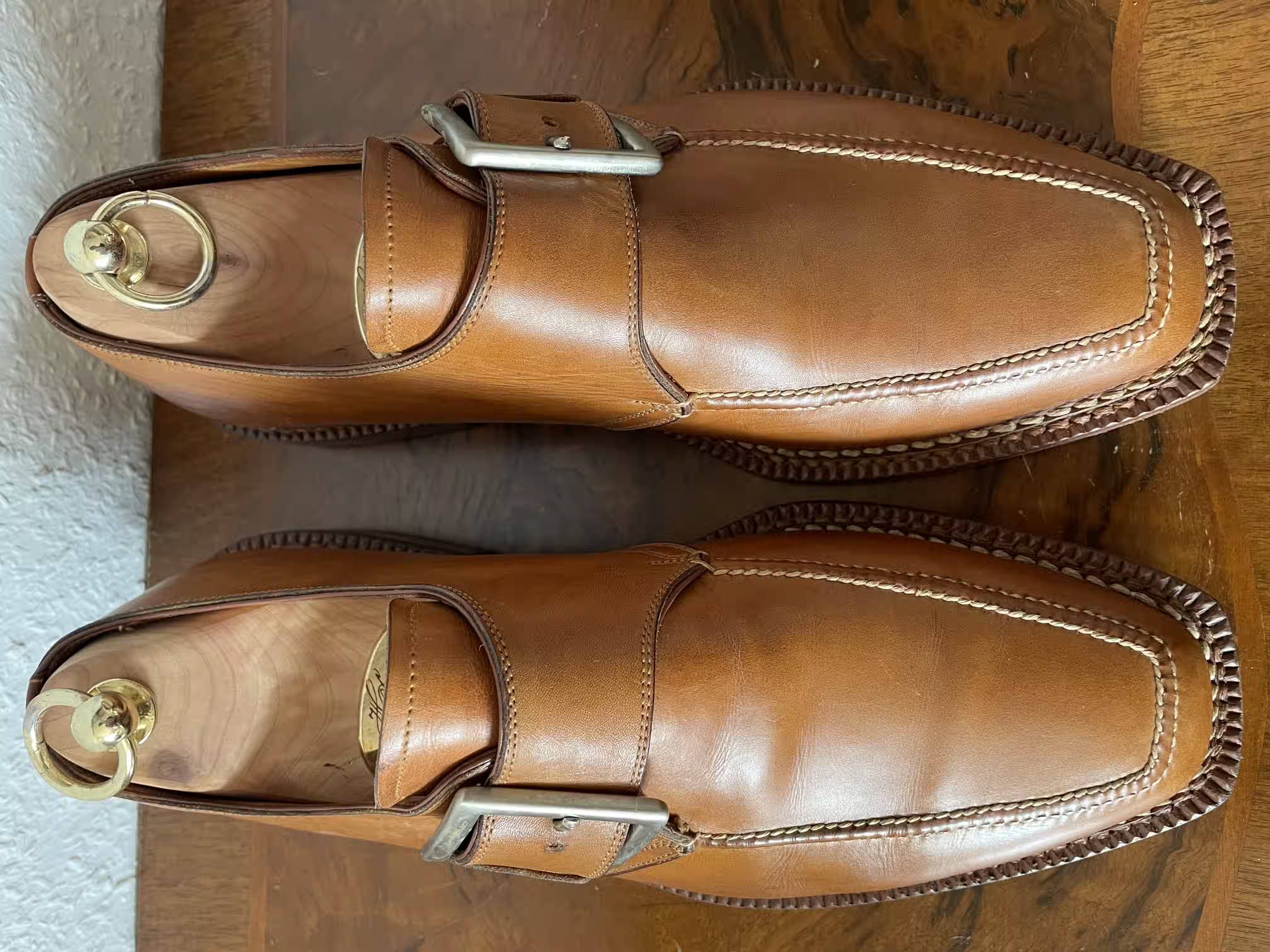
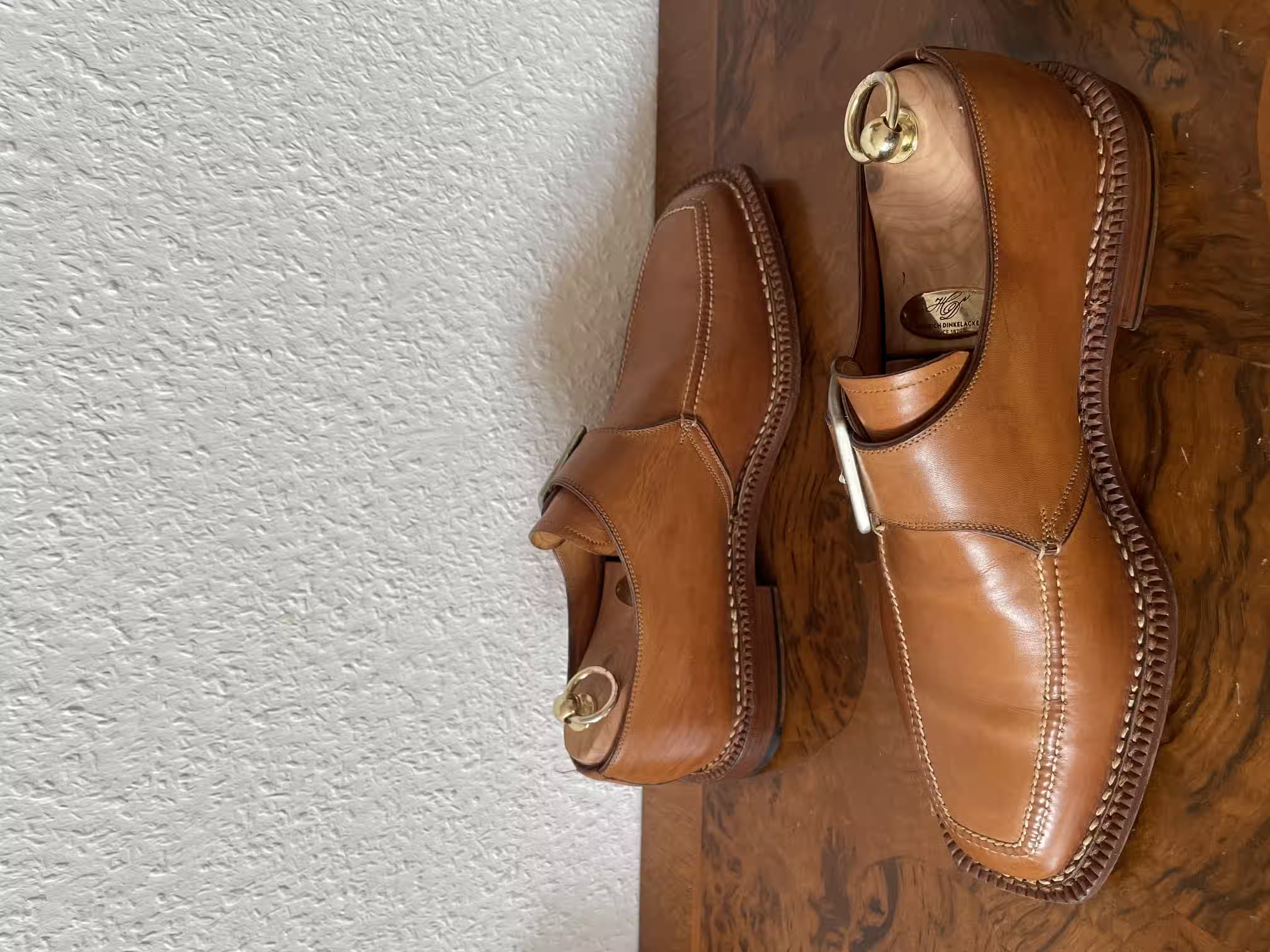
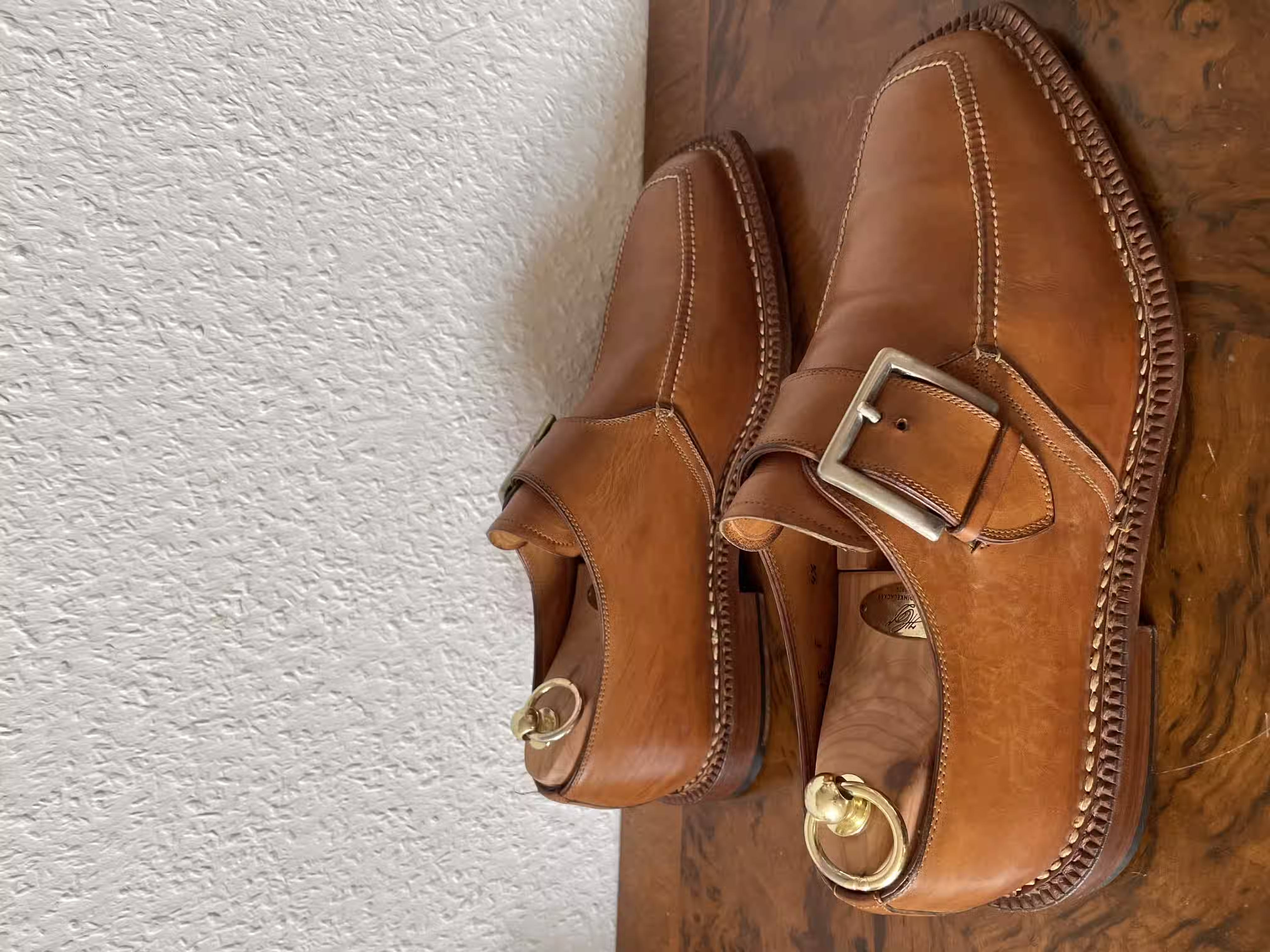
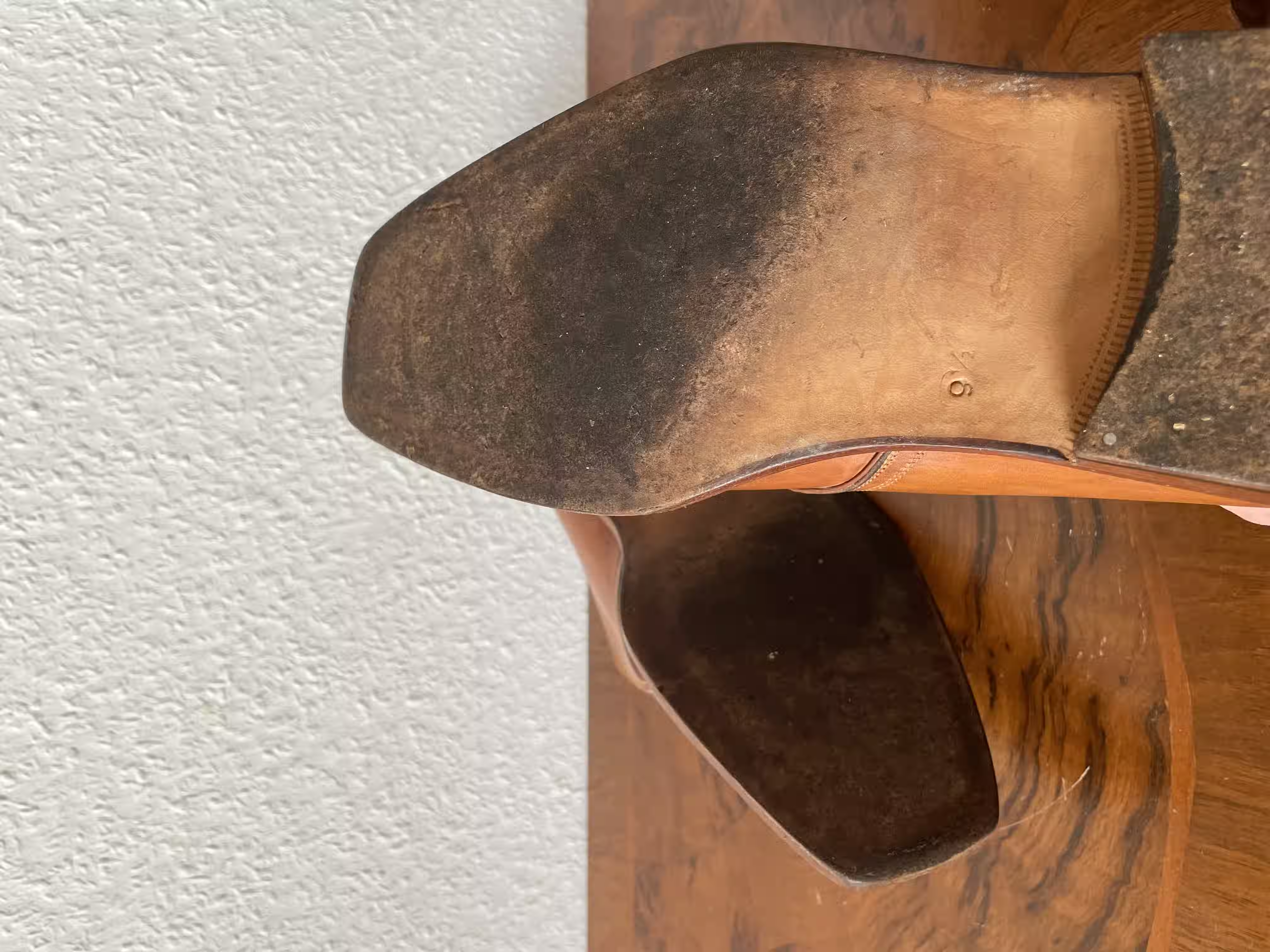
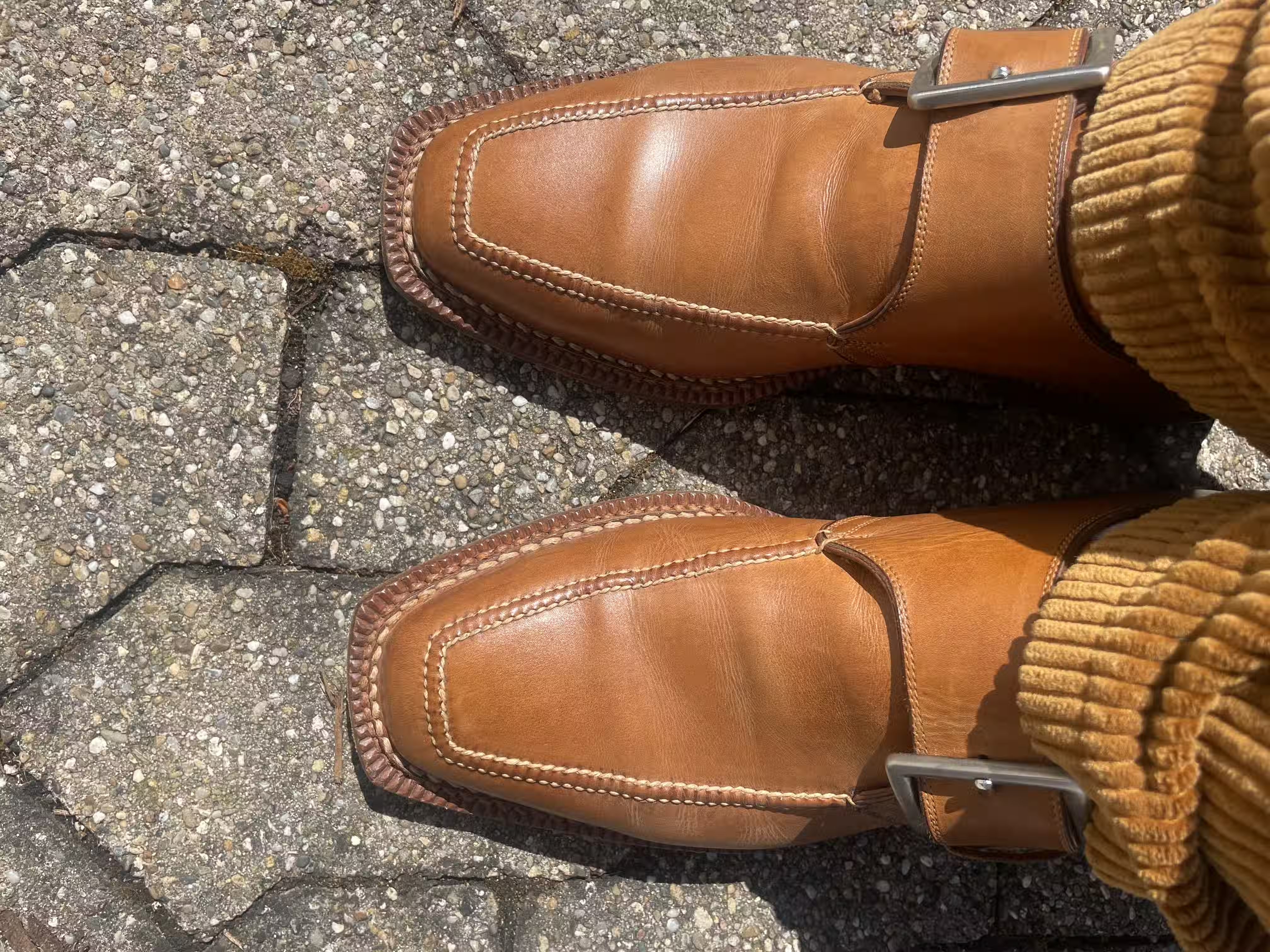
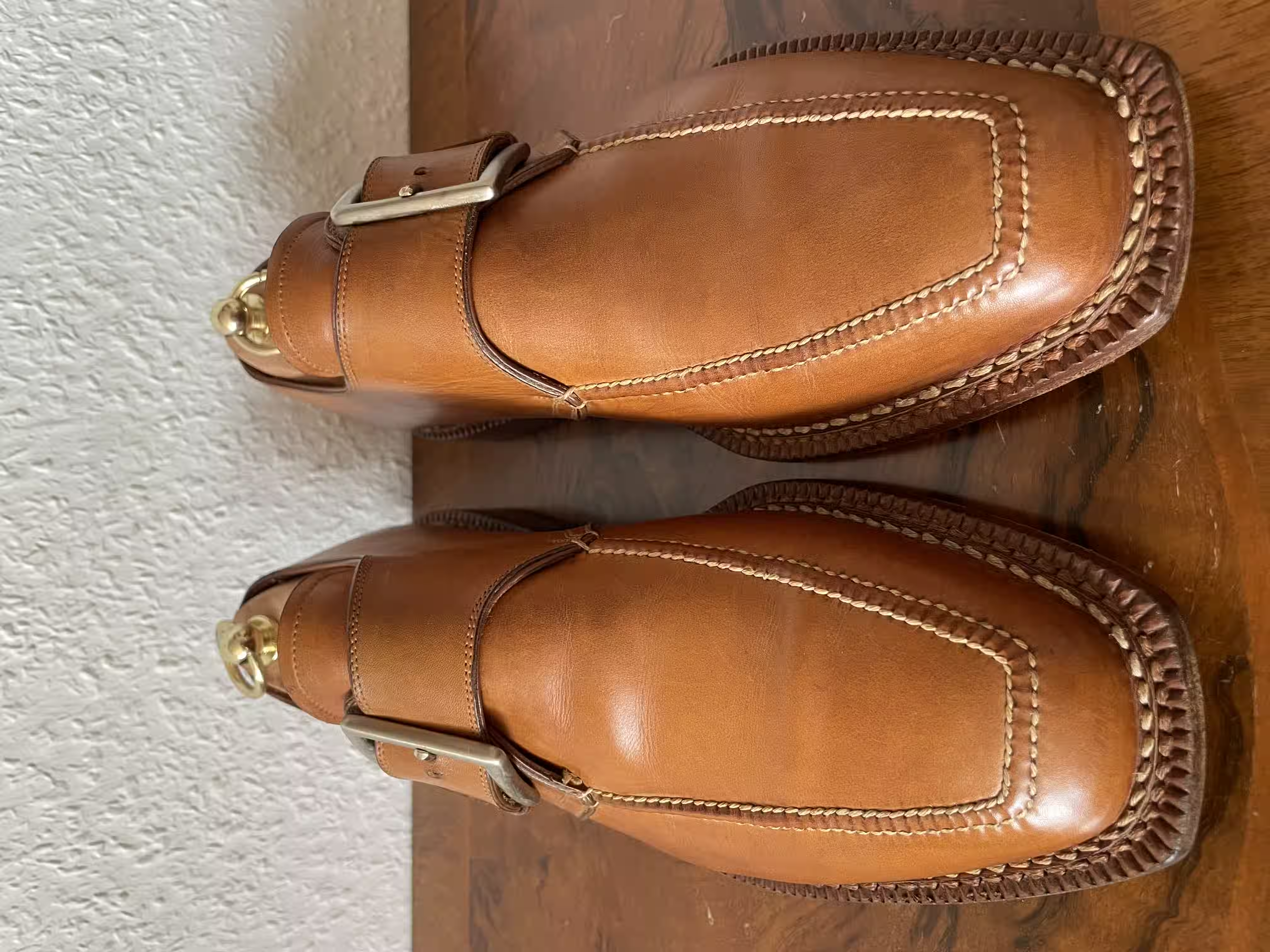
I think these are summery shoes with some beautiful details that you won’t find on many mass-produced shoes. In my eyes the shoes go perfectly with beige chinos. Beige here even matches the color of the contrast stitching on these shoes.
From the outside you can see two seams: one line of stitching in the upper leather just above the welt and another line of stitching in the welt itself. That alone already points to the Norvegese construction, and on the insole inside there is also the „fatte a man“ marking. Thus we have handmade shoes here in Norvegese construction.
Dark brown loafers with beautiful shape
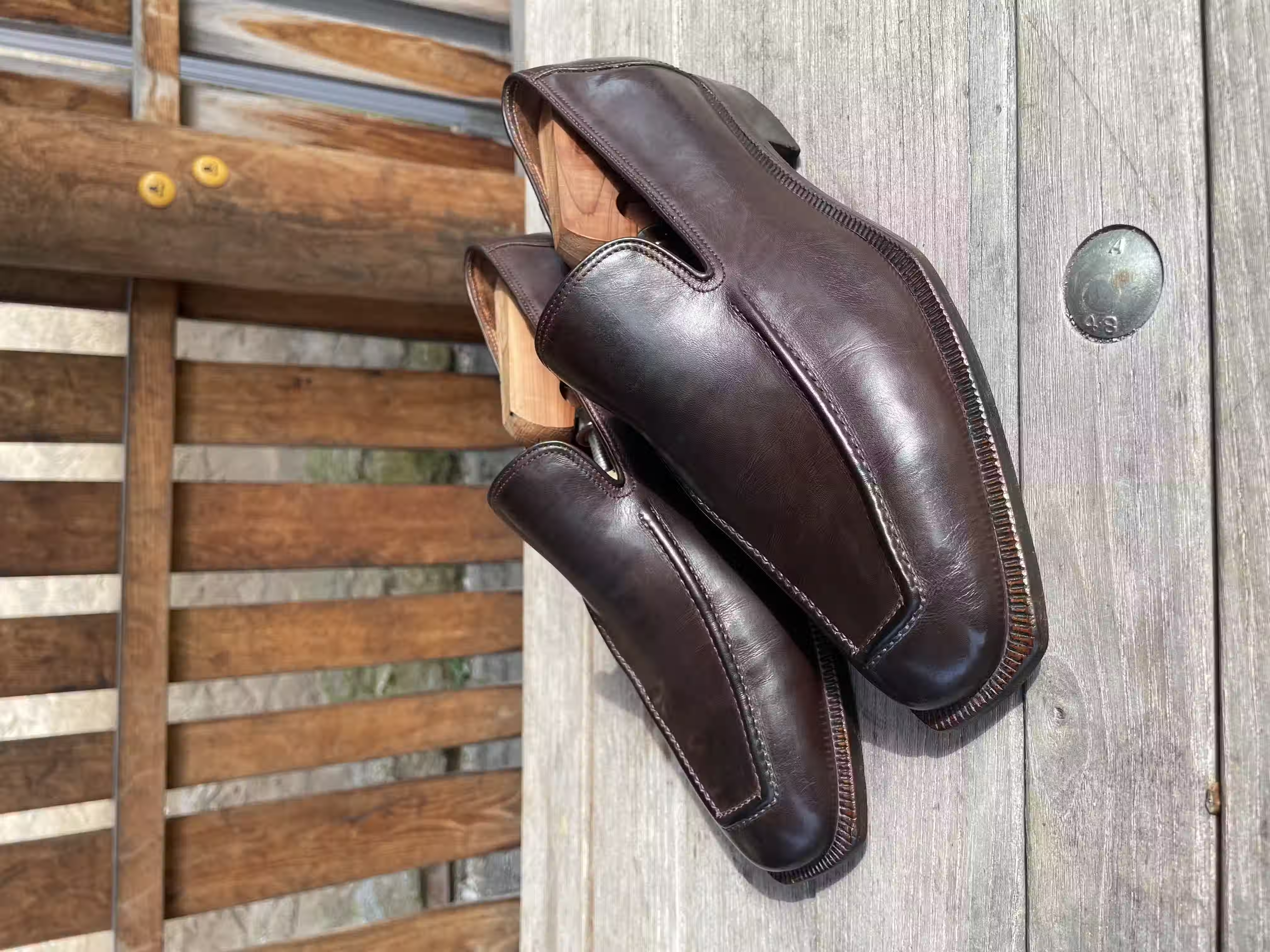
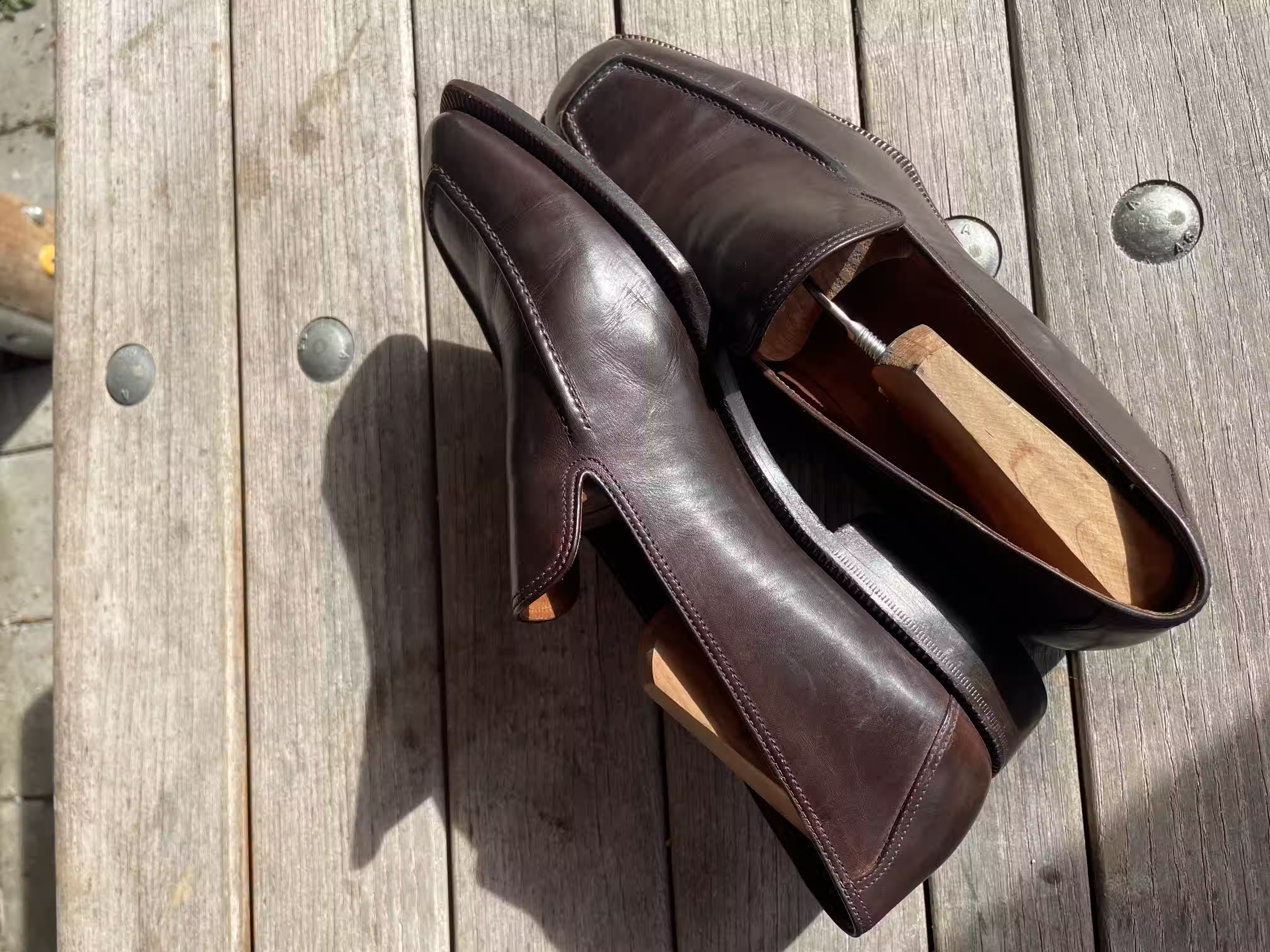
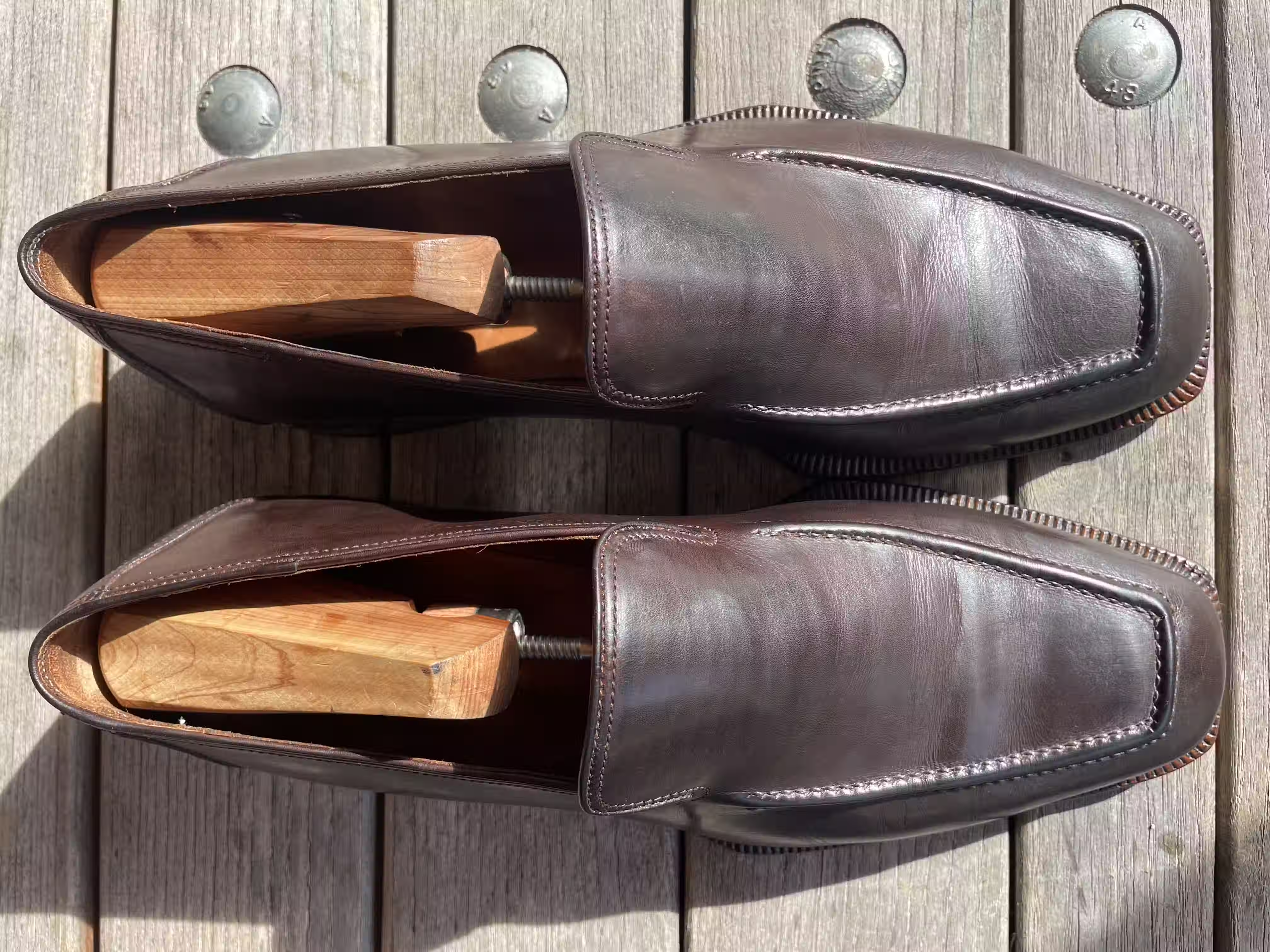
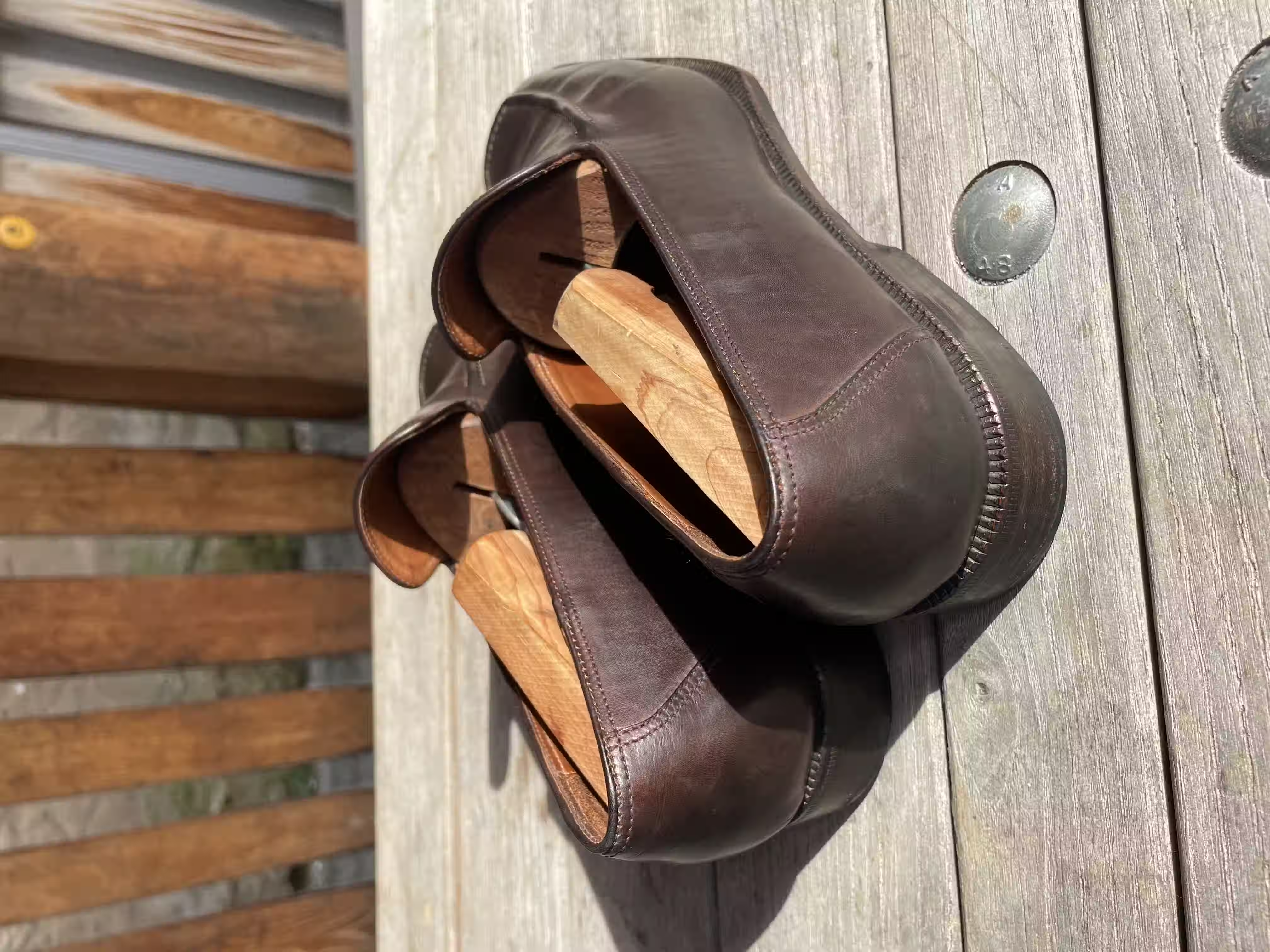
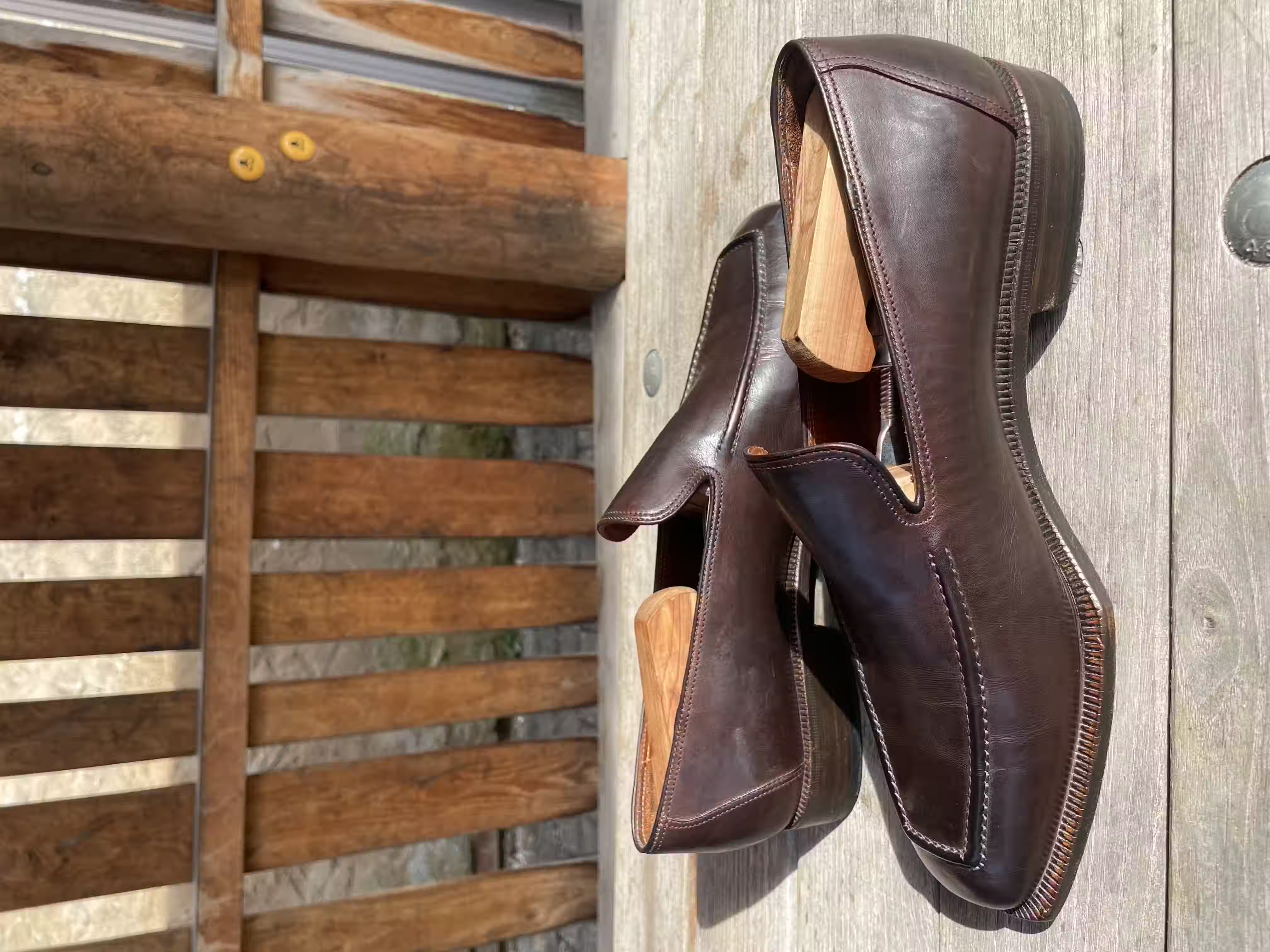
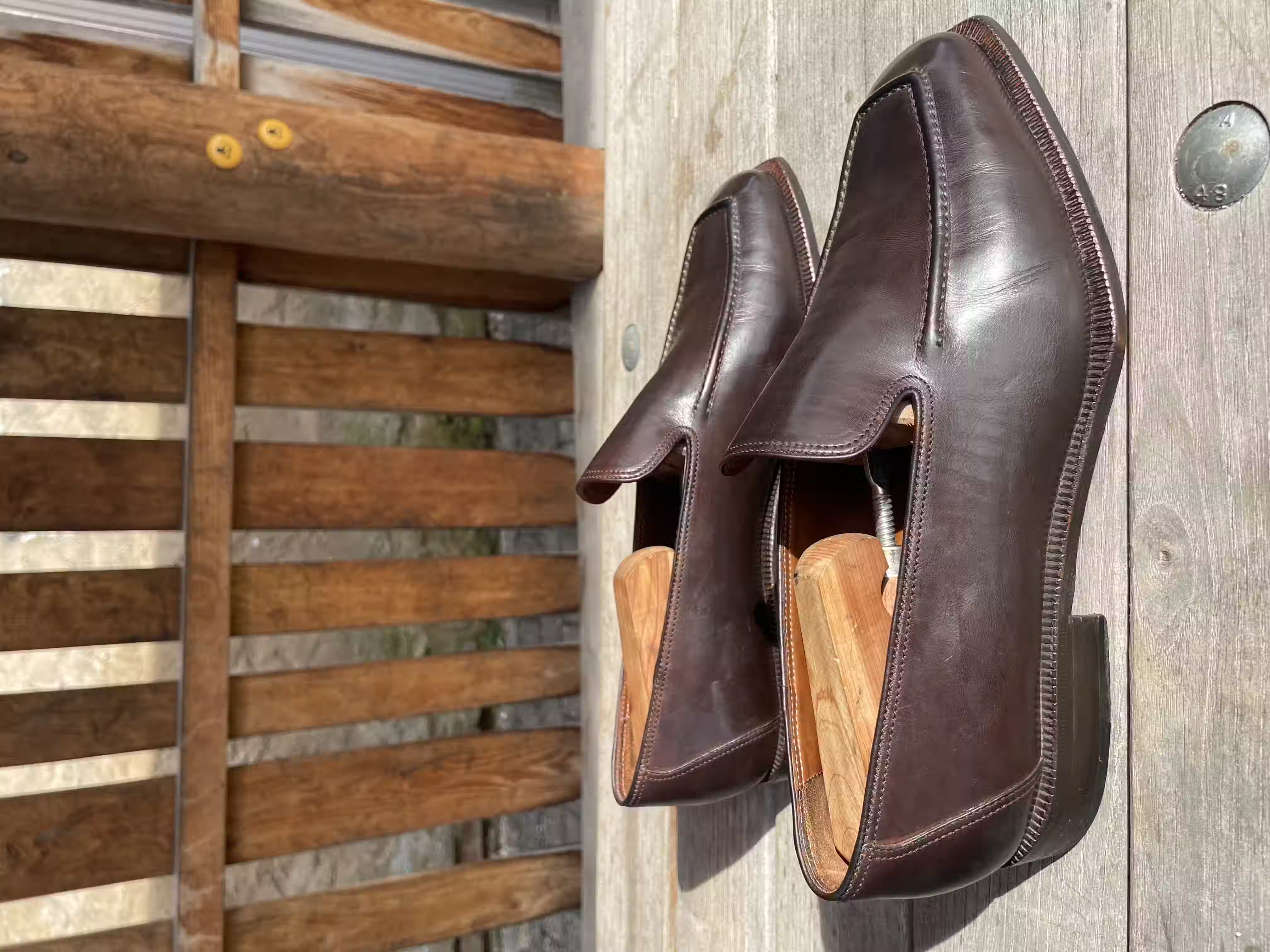
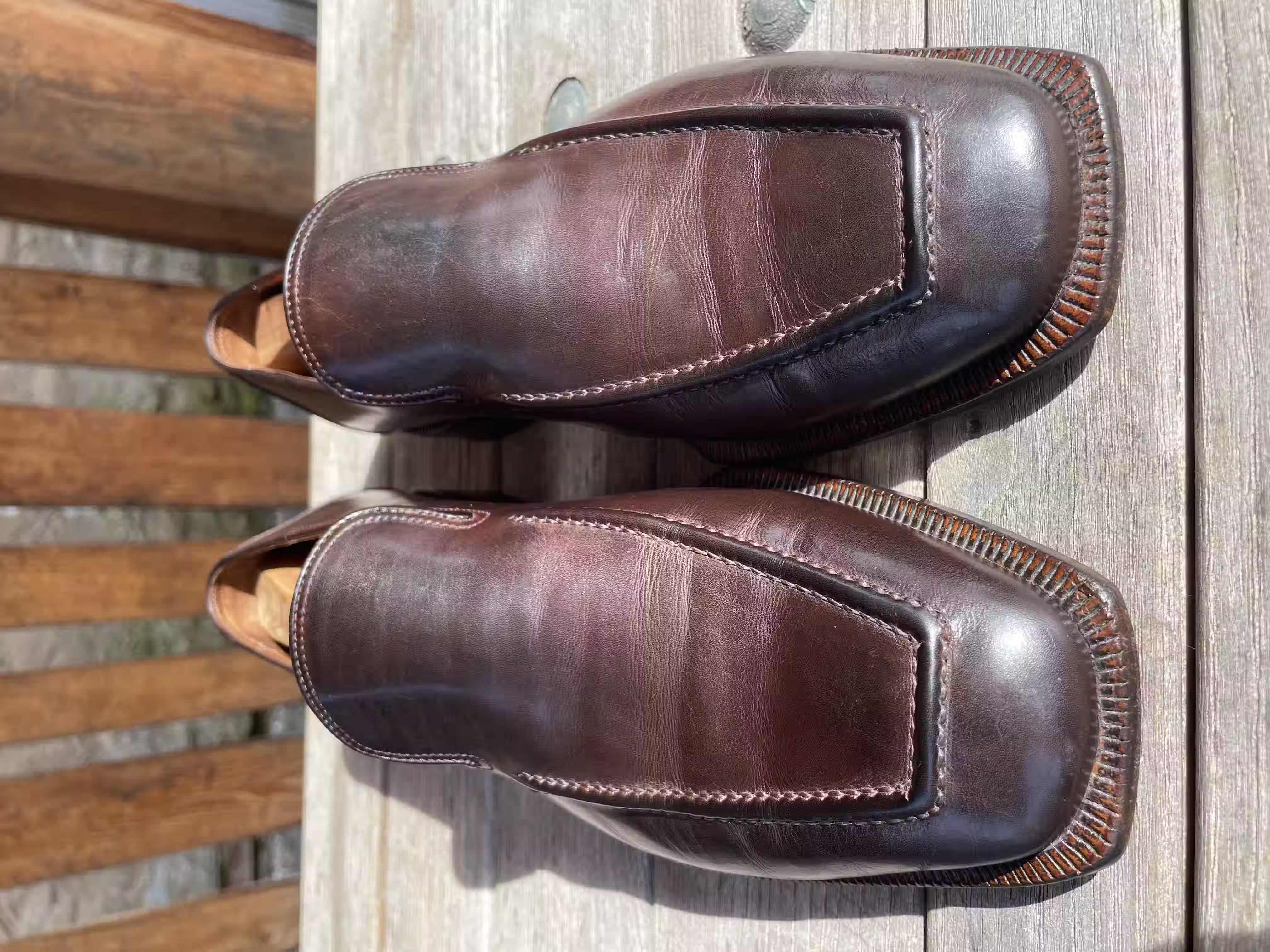
With these loafers I particularly like the shape. Moreover, they resemble the well-known penny loafers a little, but they lack the slit leather strap on top. In terms of color they are wonderfully easy to combine.
On the outsole you can see the „fatte a mano“ marking, which indicates handmade shoes. From the outside there are no seams in the area of the welt. However, inside the shoe you can see a Blake stitch that goes through the insole. Thus these are handmade and stitched-through loafers.