
Lace-up Shoes - the Most Famous and Most Practical Models in the Shoe World
Lace-up shoes are very common in classic menswear and beyond. Oxfords, Derbies, sneakers, and more - they all have practical lacing that helps the shoes sit quite well on the foot, even if their fit is not perfect.
Example Variant
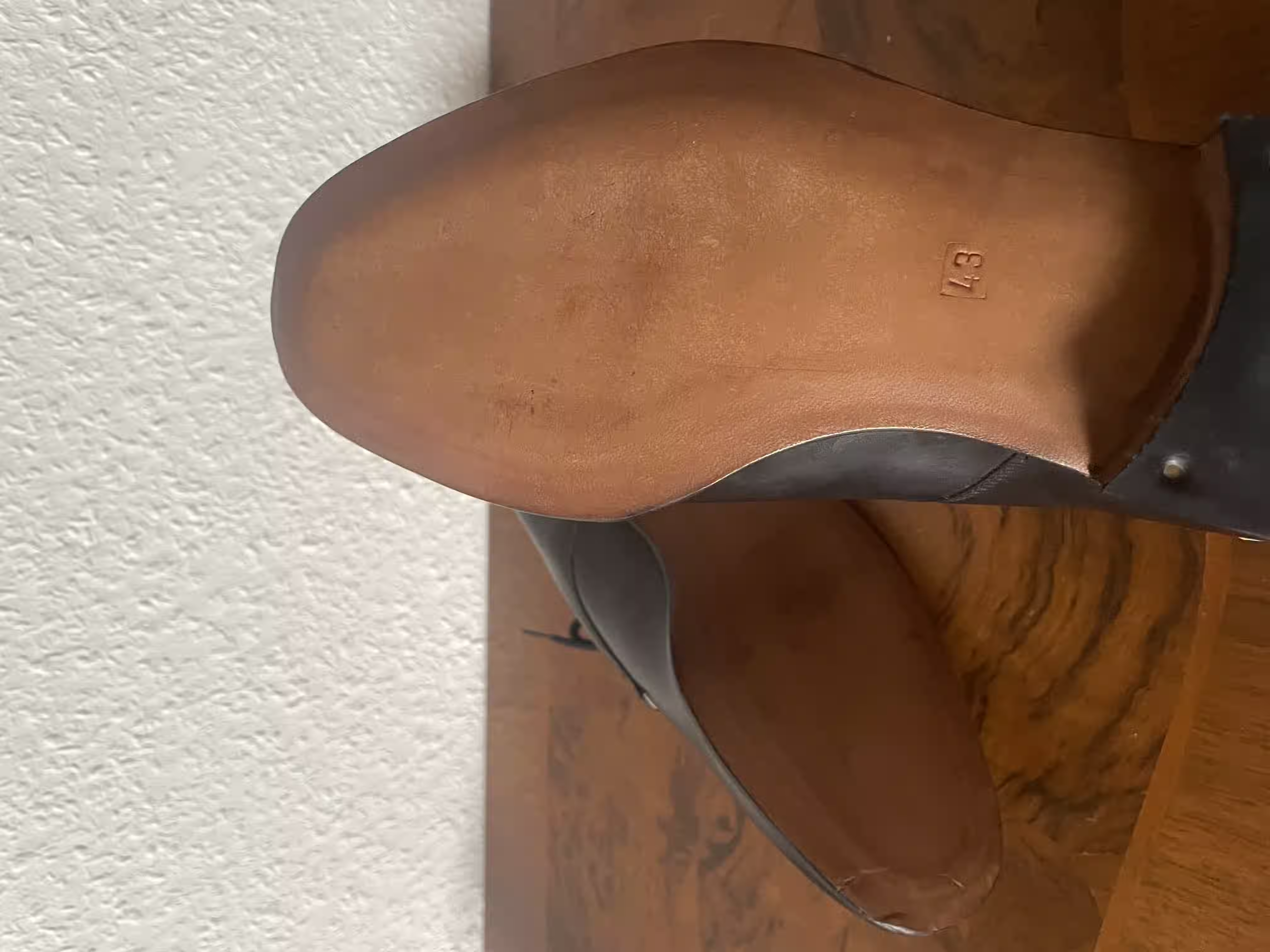
Black Derbies with a Toe Cap in Smooth Leather
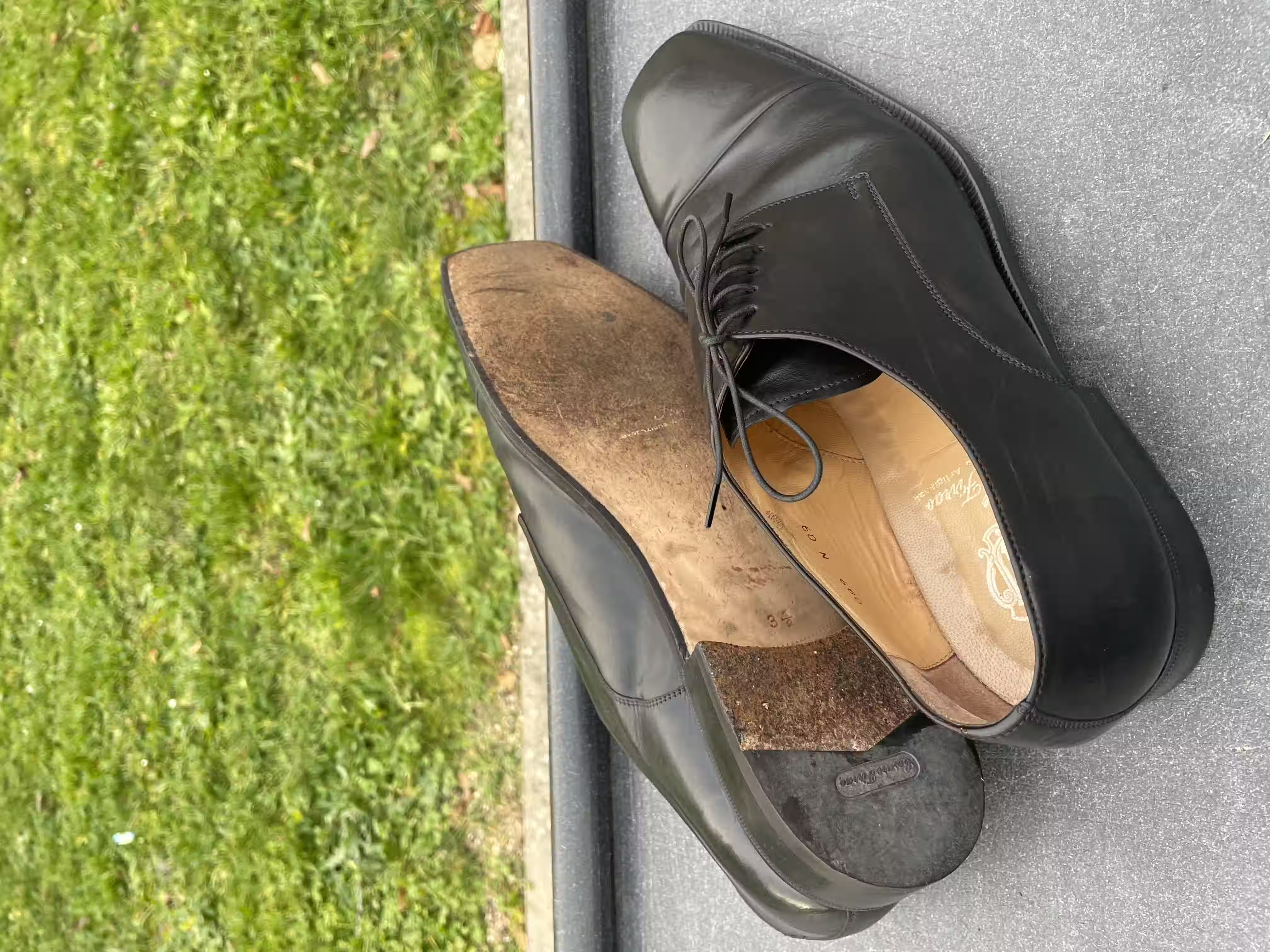
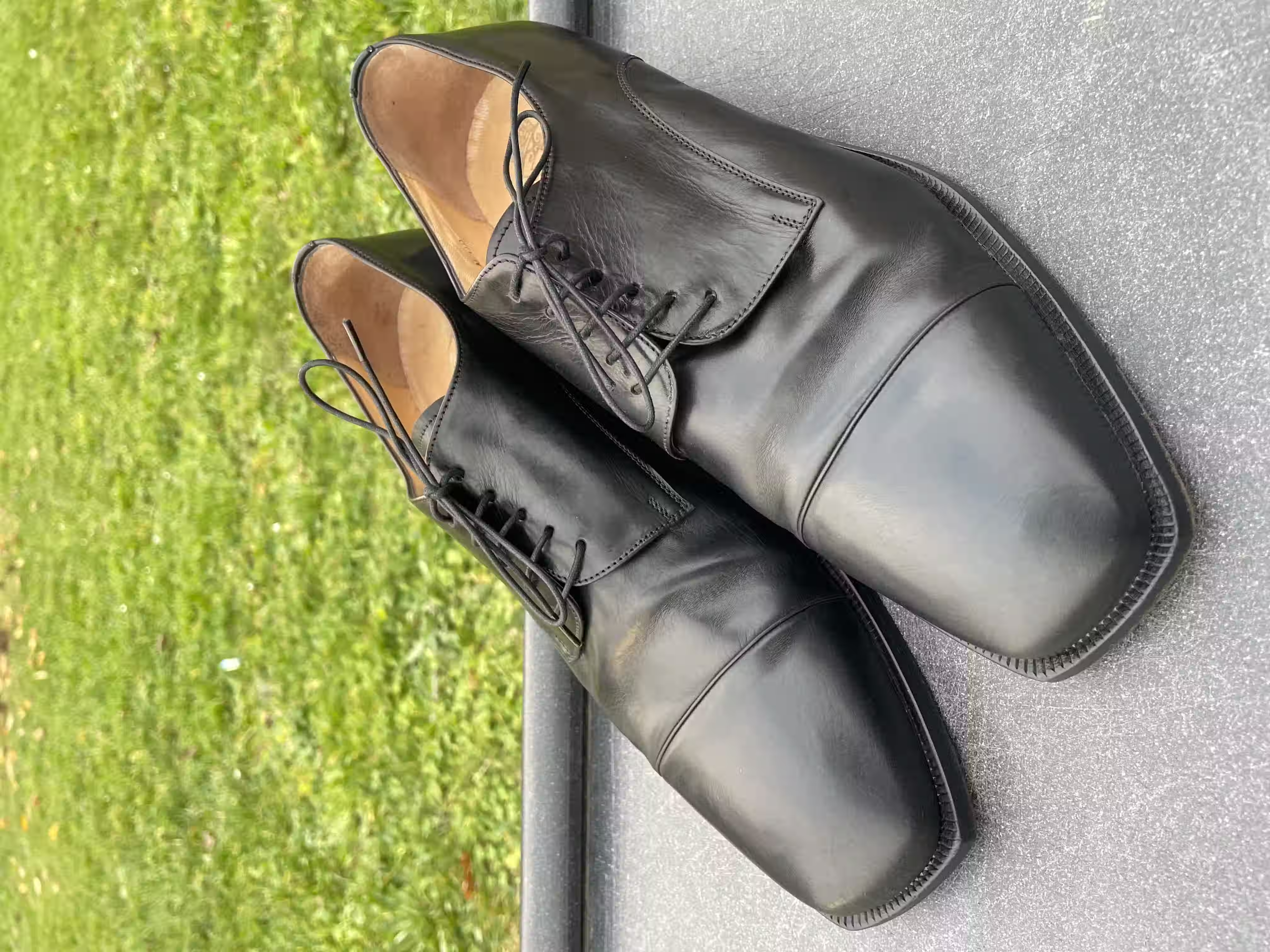
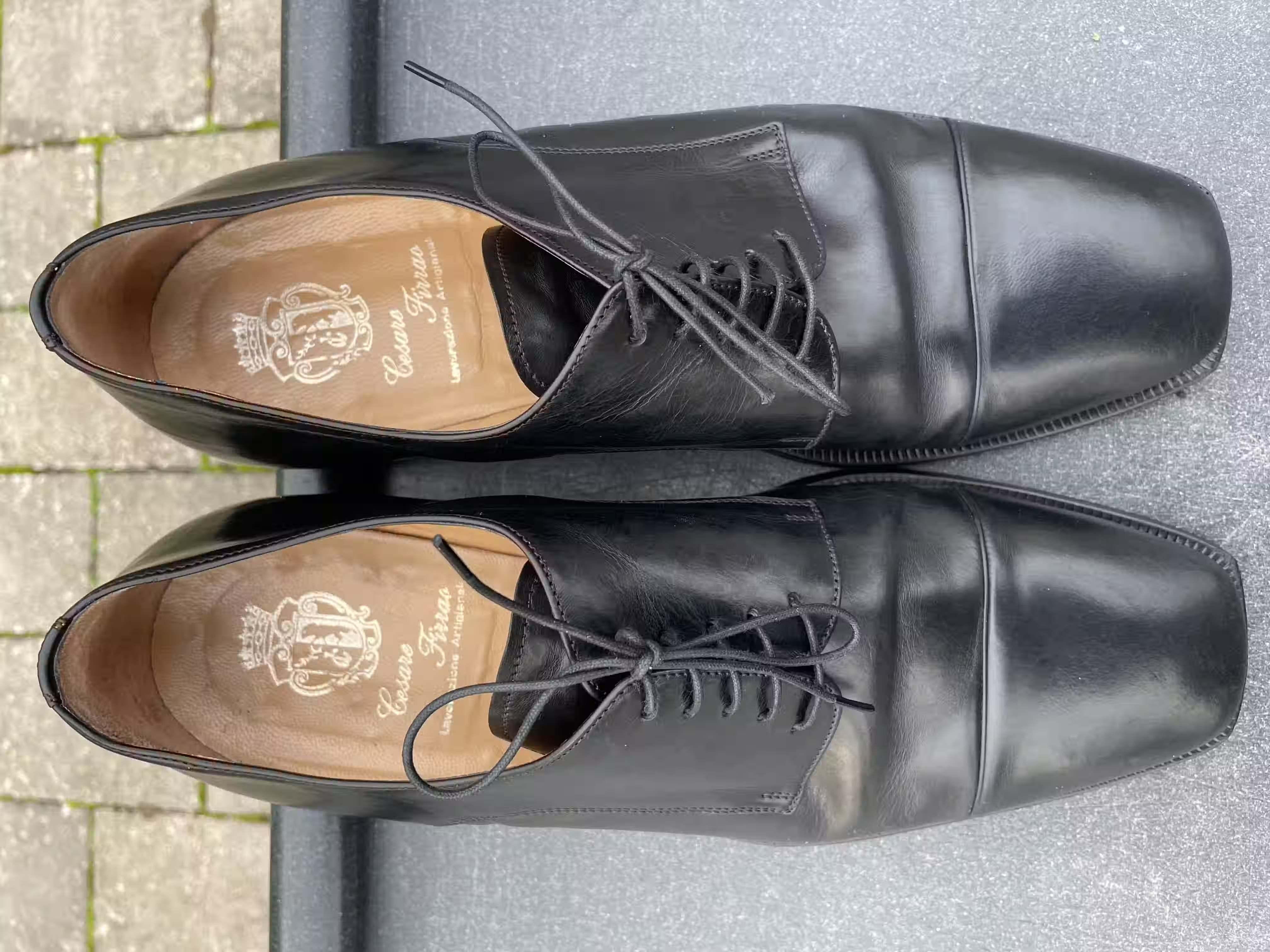
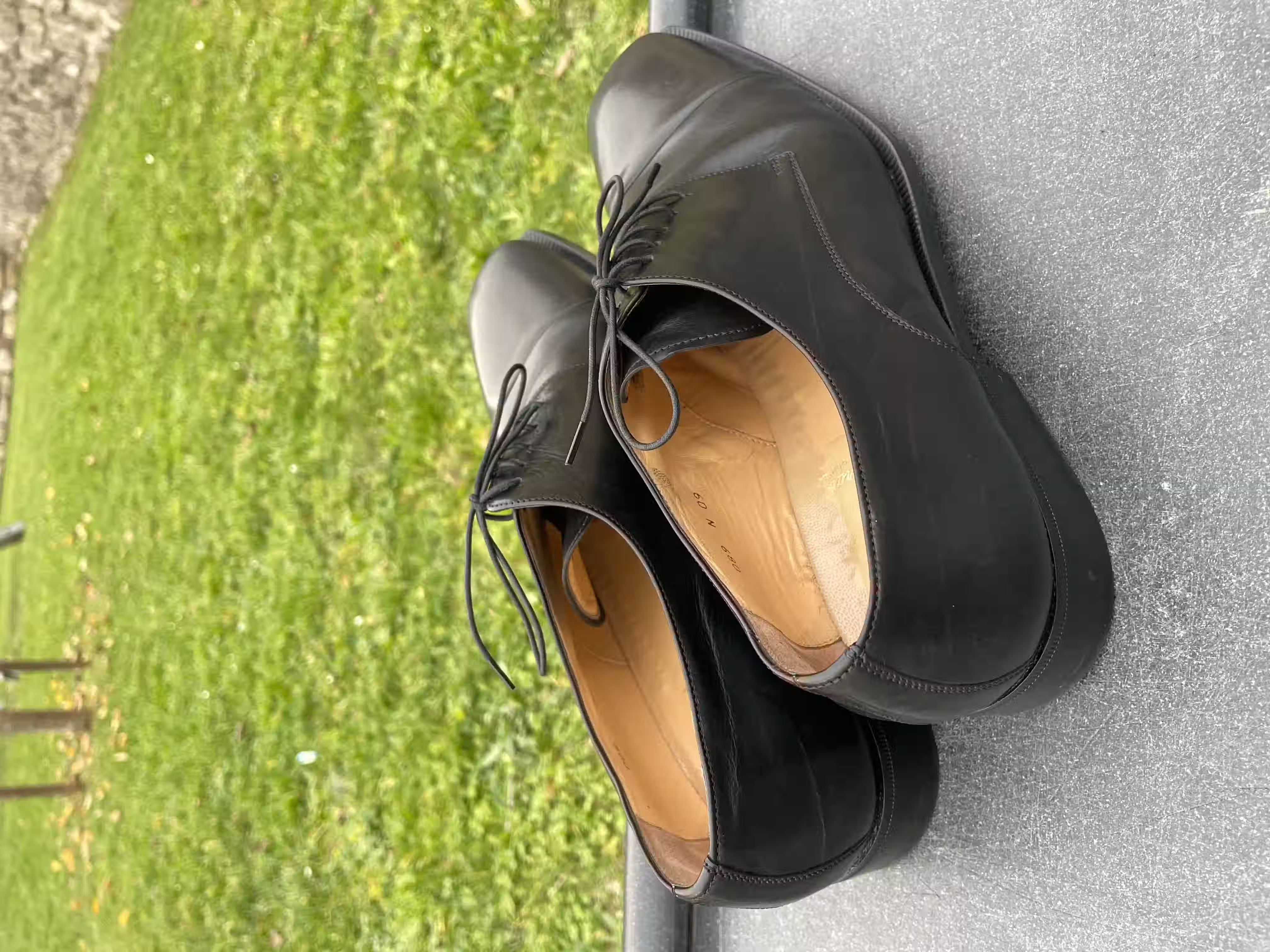
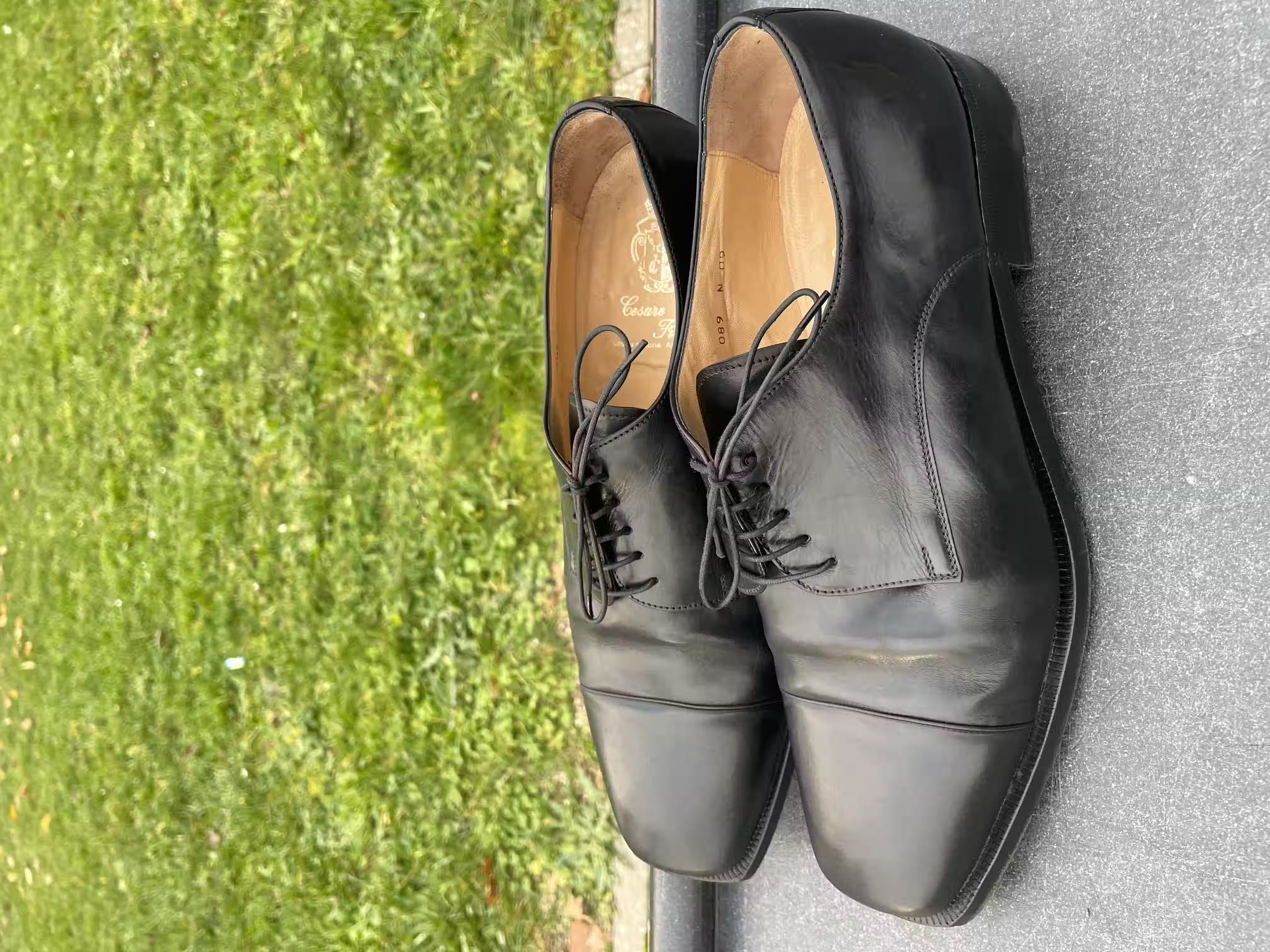
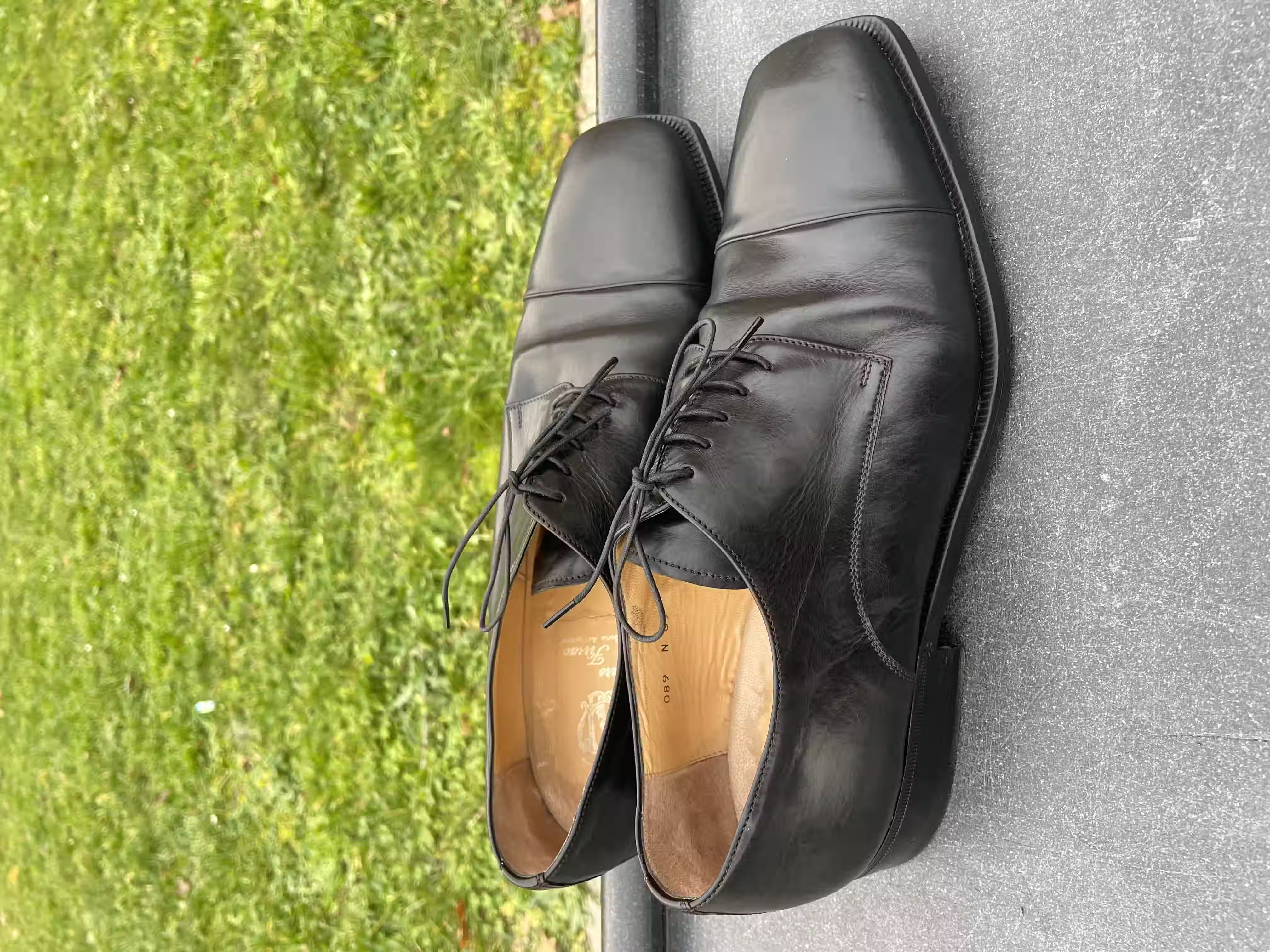
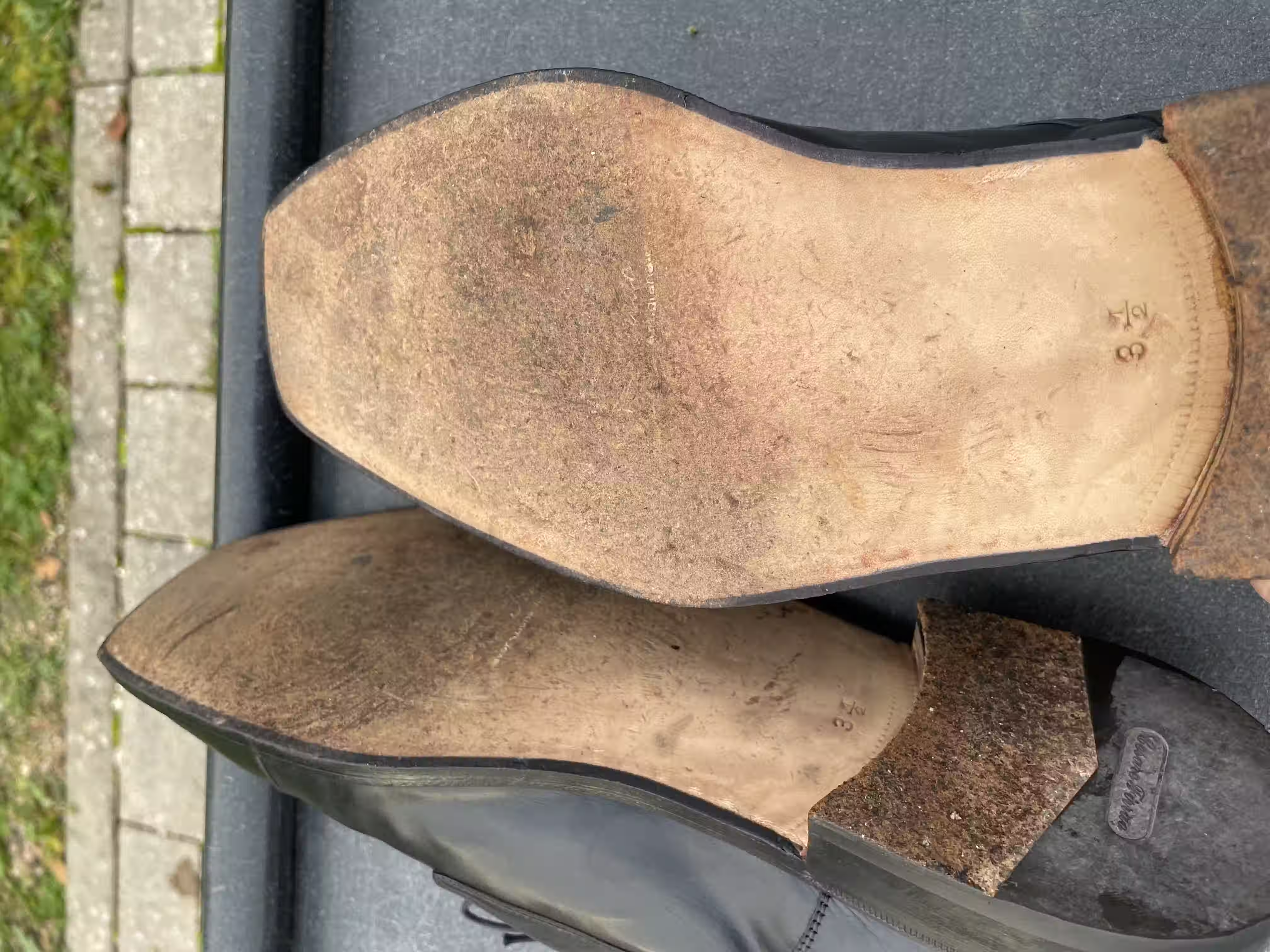
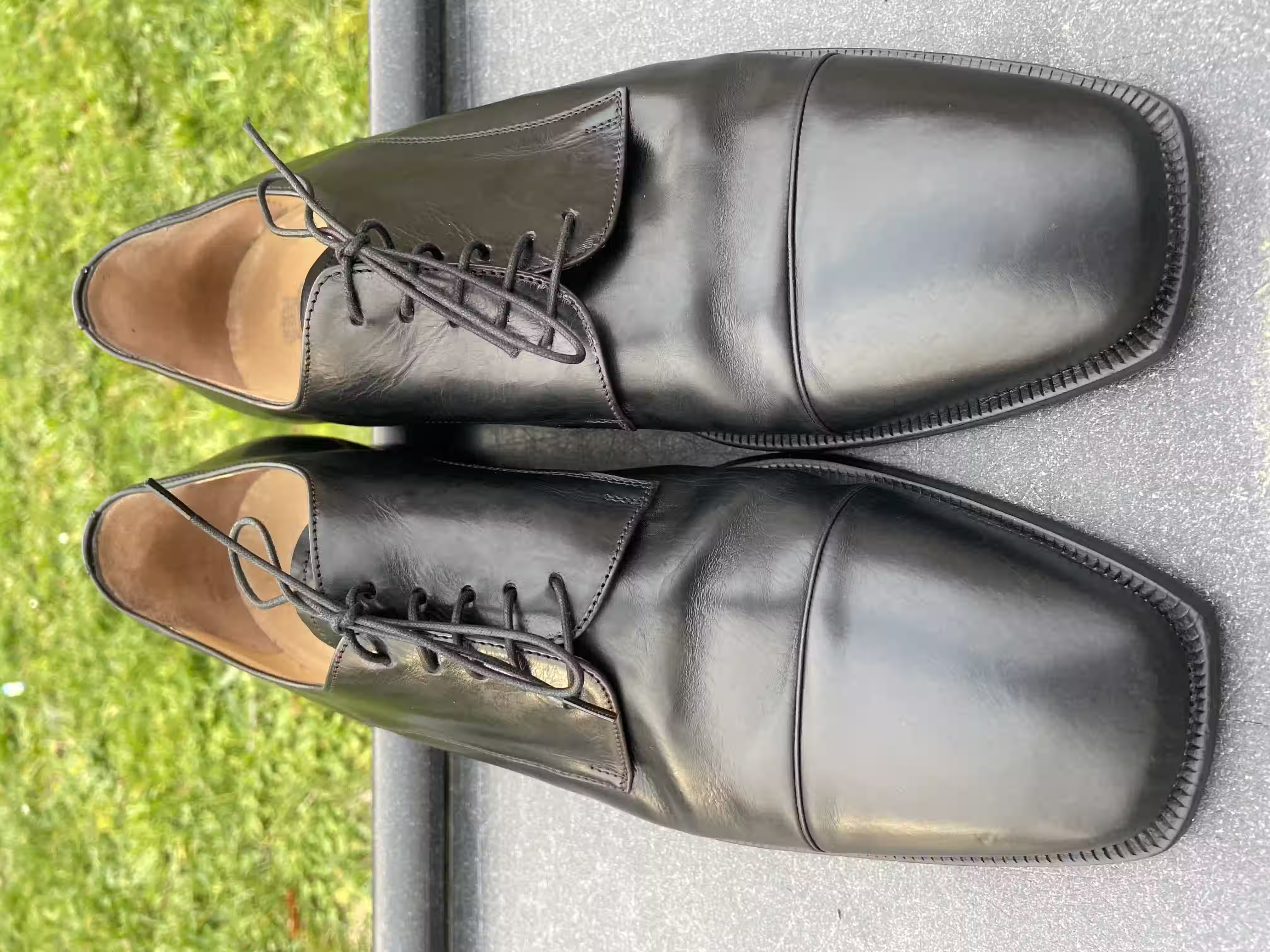
These are Derbies in black smooth leather, lightly embellished with a toe cap, which you can wear with a somewhat relaxed interpretation of a suit. Otherwise, they go quite well with a mixed combination of jacket and trousers, especially if the trousers are, for example, in grey or dark red. I think the shape of the shoe is also particularly well done here.
Special Features
Closed Lacing
There are two common lacing options for modern shoes:
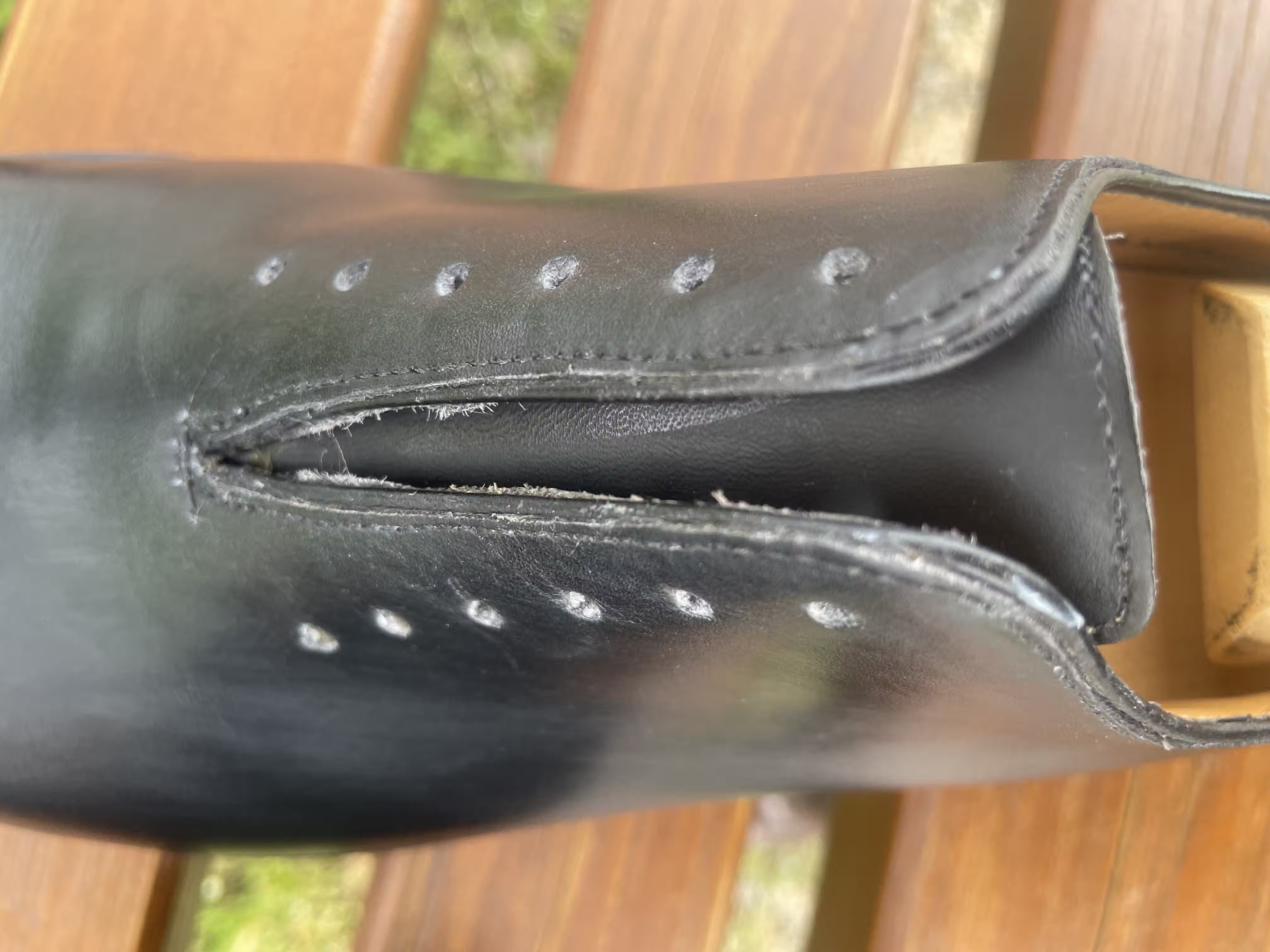
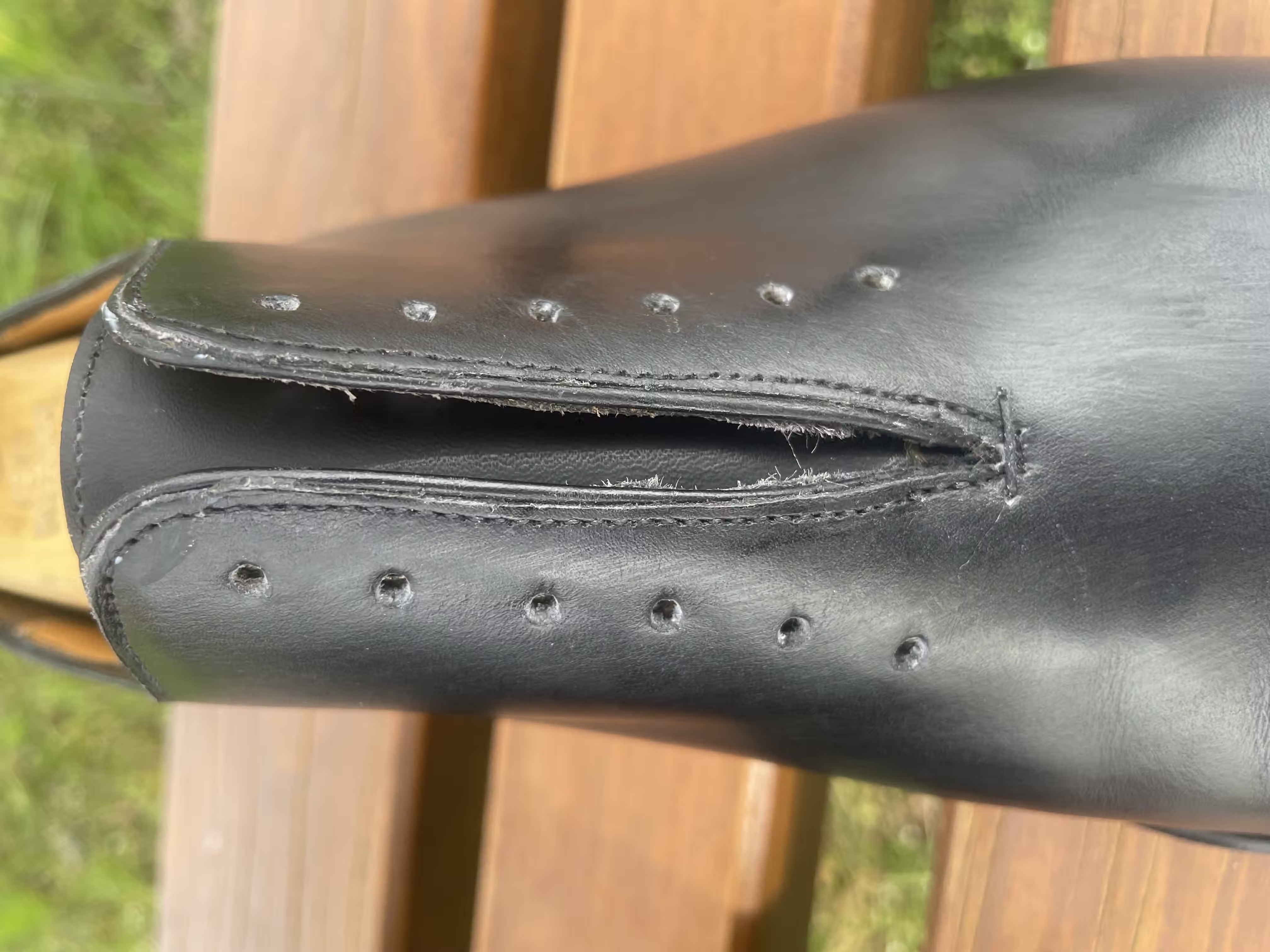
This is the so-called closed lacing without laces. The history of closed lacing goes back a very long time, at least to the 18th century.
Nowadays, there are two relatively well-known shoe models with this lacing:
- Oxford shoes (more information further down)
- Balmoral boots (predecessors of the Oxfords, Oxfords as boots)
Even though these are not particularly many basic models for closed lacing, you can find especially many variations in the Oxford shoe group. Such shoes with closed lacing are often worn with suits because the detail of the closed lacing gives the shoes additional elegance.
This detail consists of the leather parts that carry the eyelets for the lacing being connected at the bottom to the front part of the shoe. As a result, these two sides with the eyelets are immobile at the bottom and can only yield to the foot to a limited extent, which makes them more critical in terms of fit.
Open Lacing
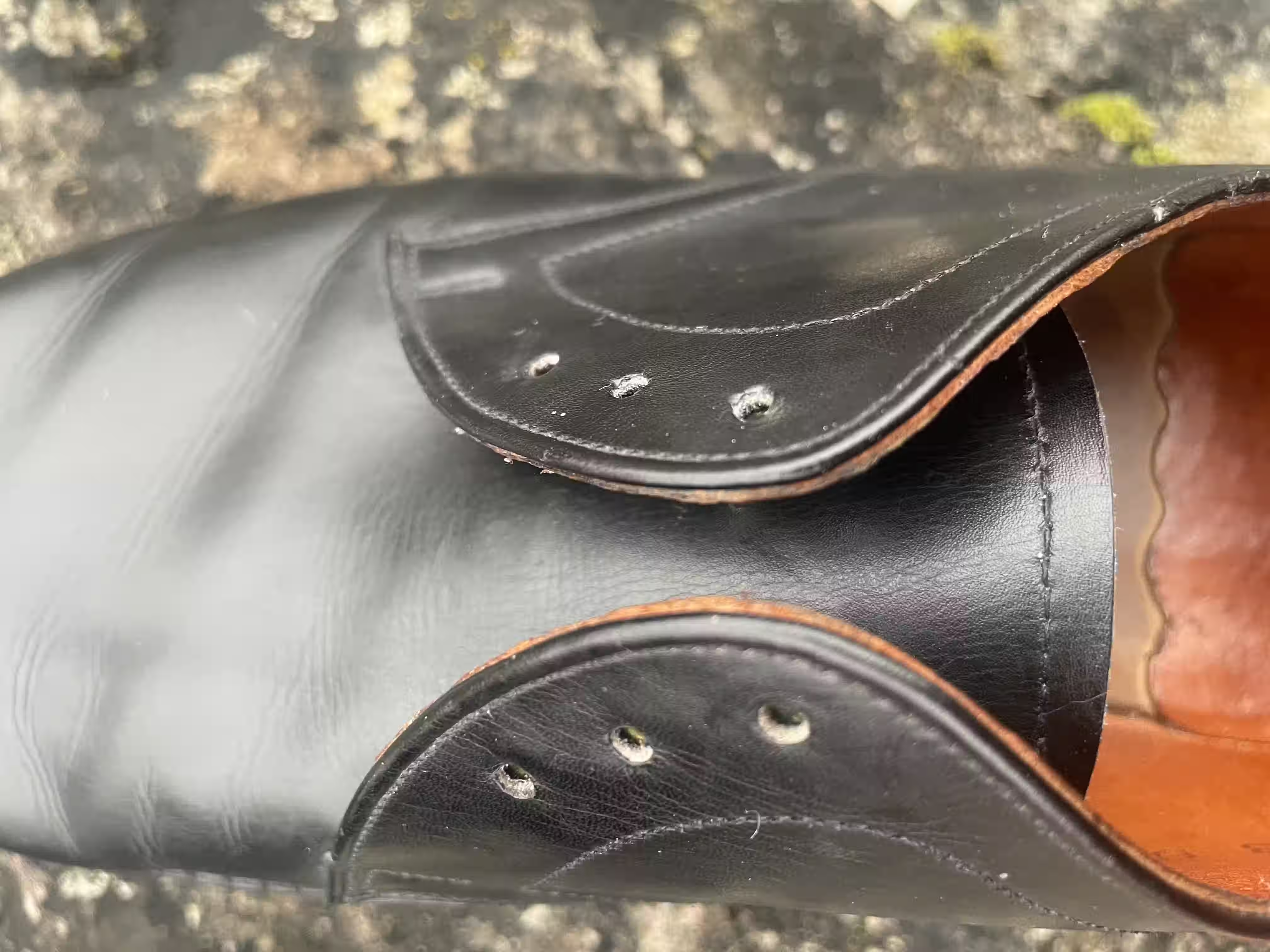
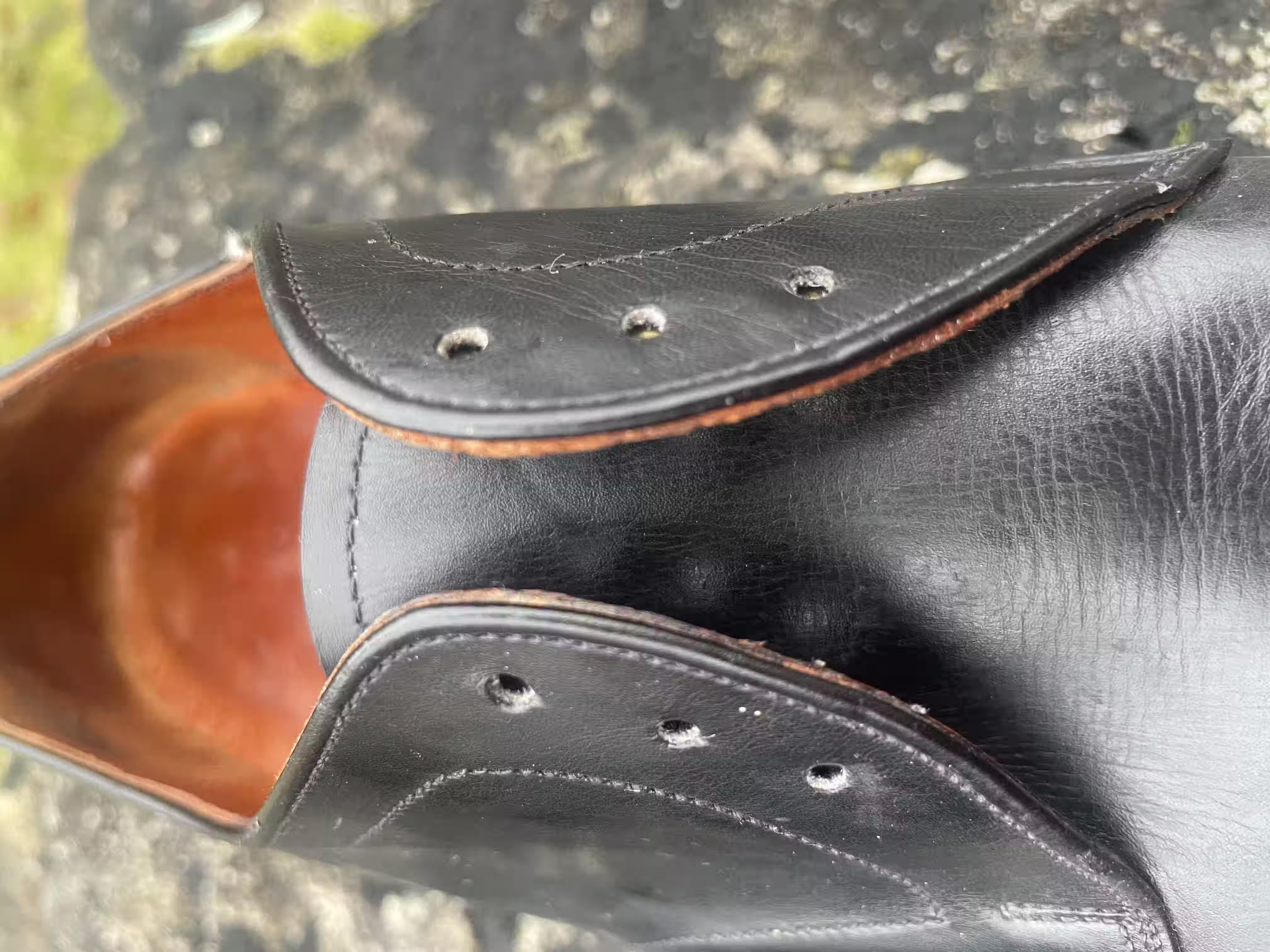
With the open lacing here, the leather panels that carry the eyelets are not connected to the shoe at the bottom and are therefore more flexible overall. This gives your foot less resistance and lets it slip into the shoe easily and stay comfortable in it.
You can especially notice this if you have ever tried a closed lacing that is too tight: even if you managed to get your foot into such a shoe, the leather parts with the lacing can press so hard on the instep of your foot that it starts to hurt over time.
And this will not happen with a shoe with open lacing in the same size. The side panels here are so flexible that they give way and conform to your foot. Shoes with open lacing, so to speak, forgive you much more in this area - not everything, but much more.
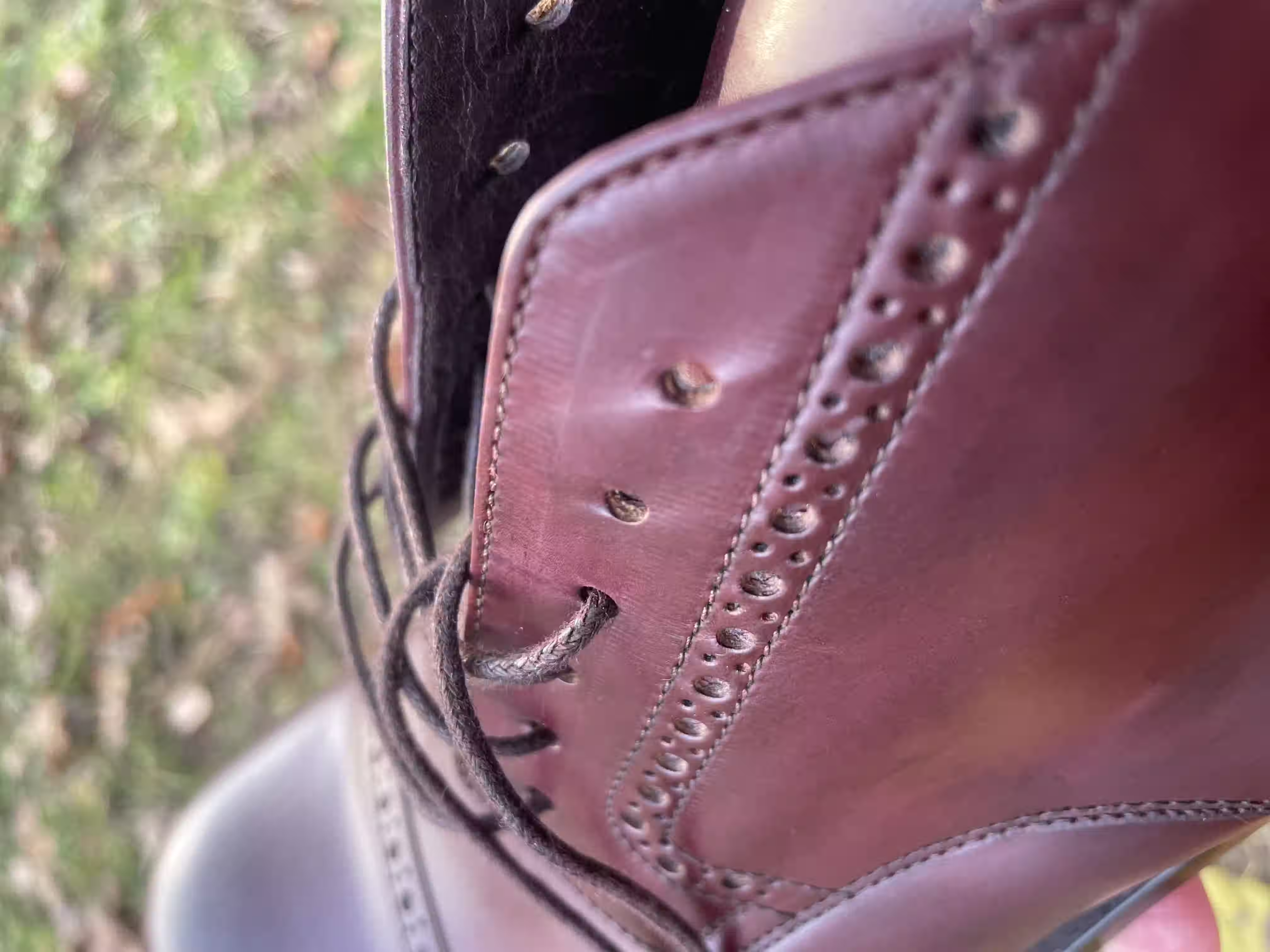
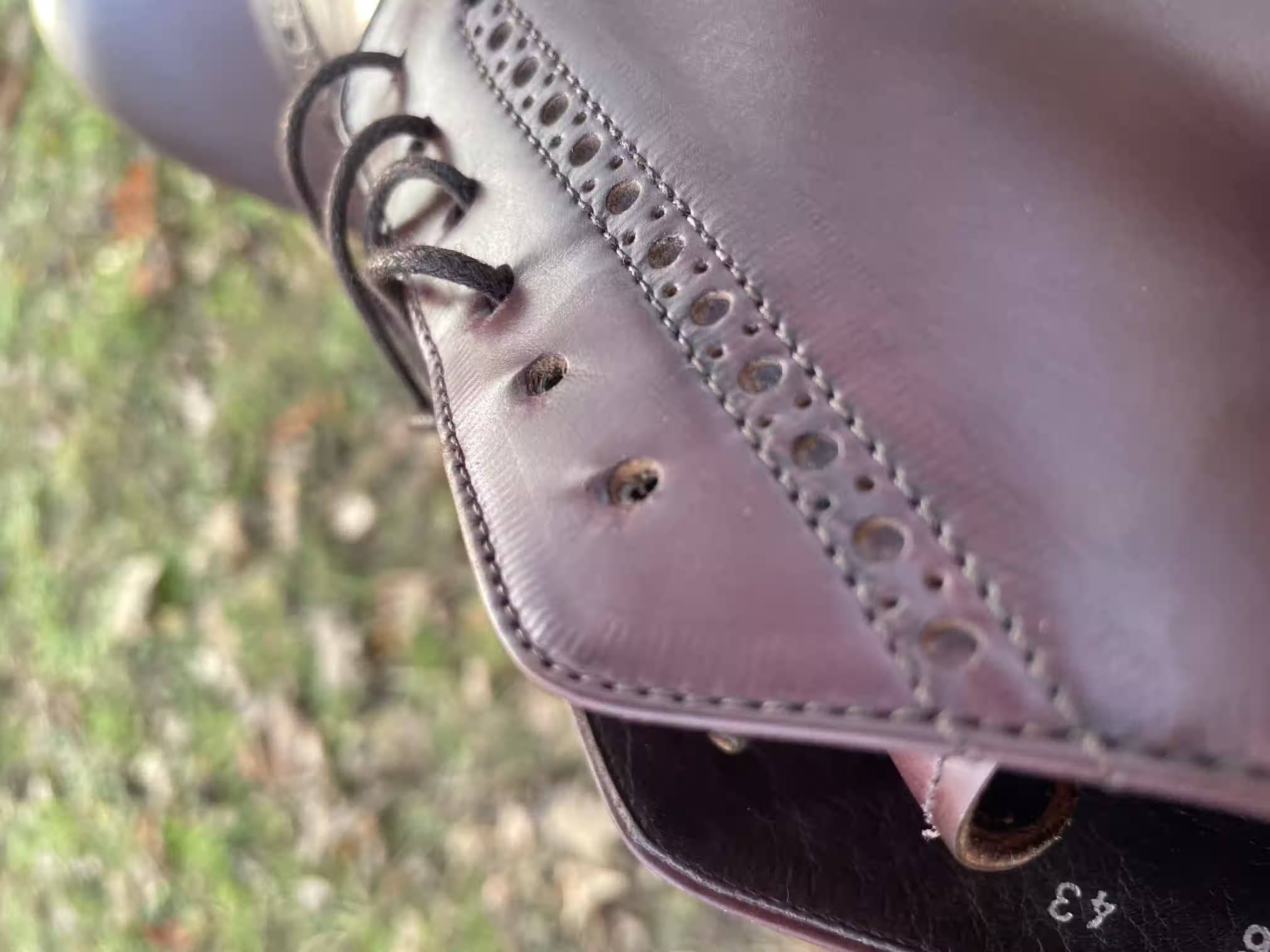
Historically, open lacing is documented after closed lacing. However, there are various versions regarding its exact origin.
The Tightness of the Lacing Is Very Easy to Control
With lace-up shoes, you can best control how tight the lacing should be. The lacing tightness is, so to speak, adjustable continuously. This may seem obvious to some people, but with buckle shoes it is quite different: buckle shoes, with their buckles, have a stepped closing mechanism, just like most belts. The number of steps corresponds to the number of holes available.
With loafers, the situation is even worse: there is no intended way to adjust how tightly the shoes sit on your feet.
This insight can be relevant for online orders. As a rough rule of thumb, you can take away:
- lace-up shoes are better than non-lace-up shoes
- the more eyelets or holes, the better
With these principles, you can minimize the risk that the shoes will fit you too poorly in the end. In this respect, lace-up shoes with particularly many holes are, in principle, the most tolerant shoes, if we do not consider other factors for the time being.
Ease of Repair
The worst thing that can happen to you specifically with lace-up shoes, and not with others, is that the laces eventually tear. Then basically anyone can buy or order new laces, though they should pay attention to the color and length. You don’t need a cobbler or any device for this: you are relatively independent.
This is different with buckle shoes whose buckle is attached to an elastic band: if the elastic band tears, then a cobbler has to replace it. You cannot do this yourself so easily unless you get the necessary tools and knowledge.
Laces as Decoration
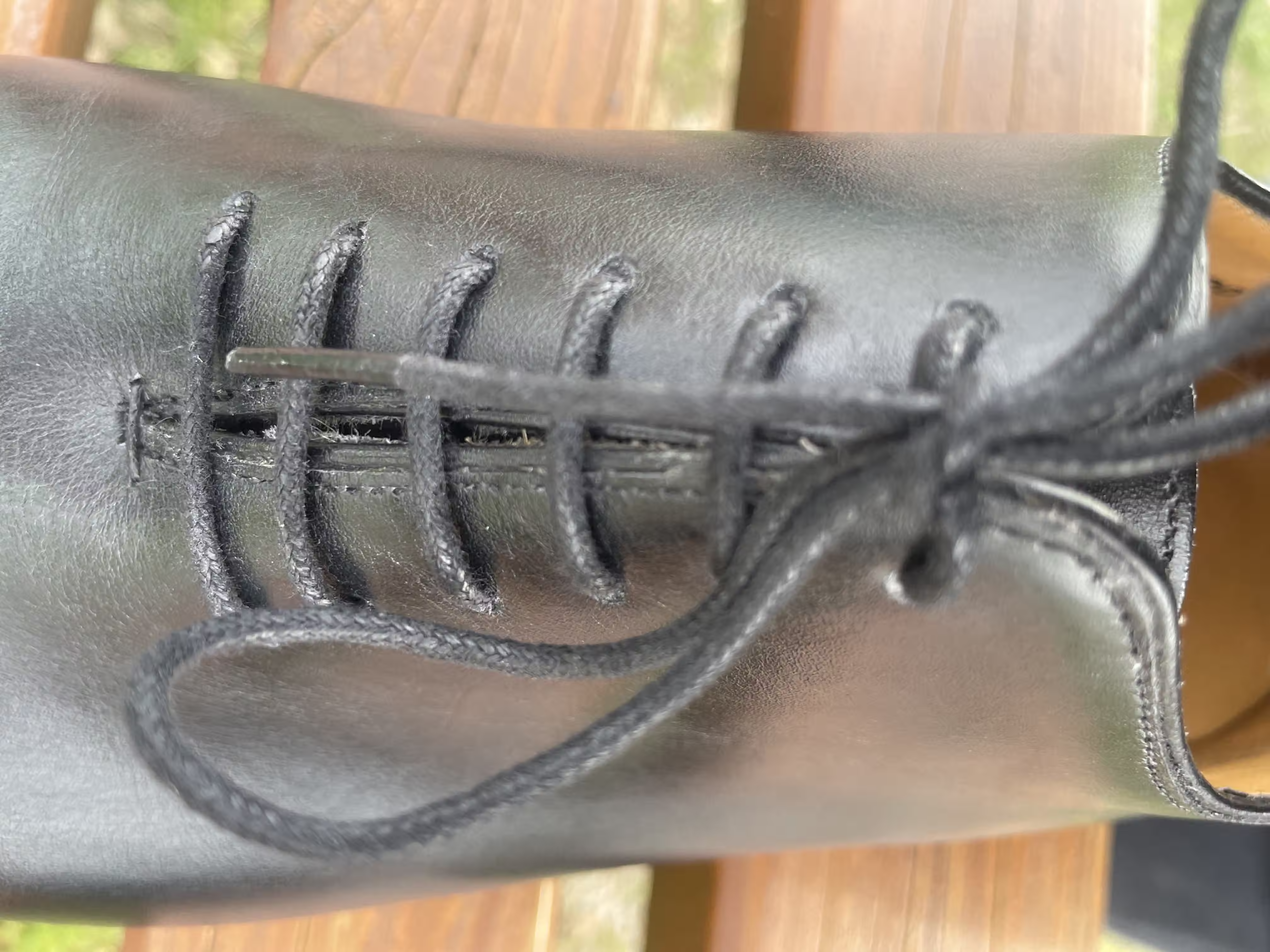
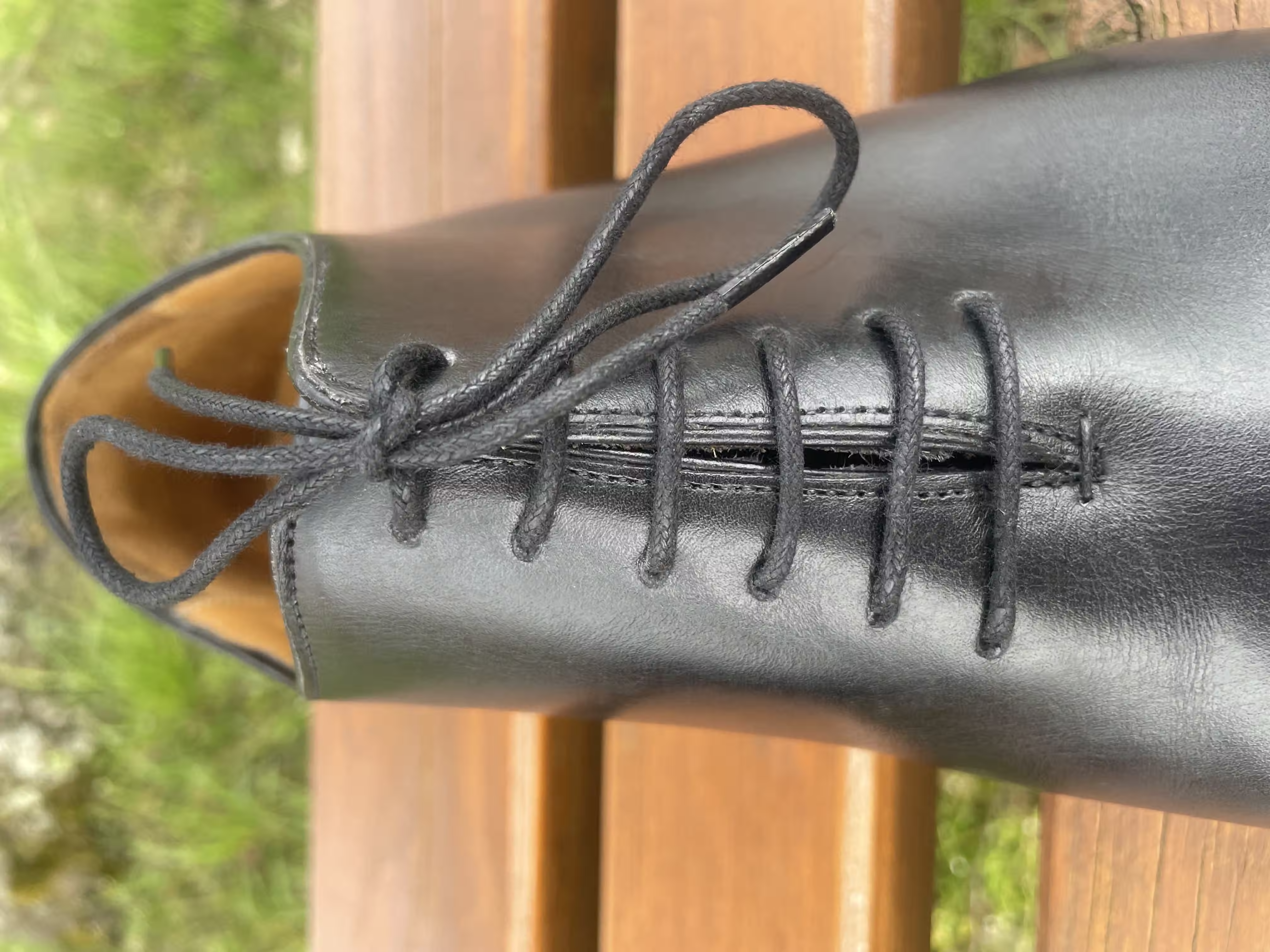
This is another aspect you can use to loosen up a pair of shoes. Thin laces that match the color of the upper leather are inconspicuous and are very suitable for formal occasions or for your business shoes. Thick laces in a contrasting color to the upper leather, on the other hand, can be used for casual occasions such as leisure time.
Then there are also shoe variants that have somewhat chunky ends on their laces, making them even more casual. A leather strap is wrapped around the ends to achieve this effect.
A more elegant variant for thin laces is to attach tassels to the ends of the laces and keep everything in the same color as the upper leather. The creation of the tassel loafer was inspired, among other things, by a shoe decorated in this way.
By the way, you are more casual on the go if you use thin leather straps instead of normal laces: this also gives your shoes a somewhat more relaxed look. So there are certainly several possibilities you have for loosening things up.
You can see from this that laces are not purely functional, but can also decisively shape the look of lace-up shoes.
Model Variants of Lace-up Shoes
Oxford
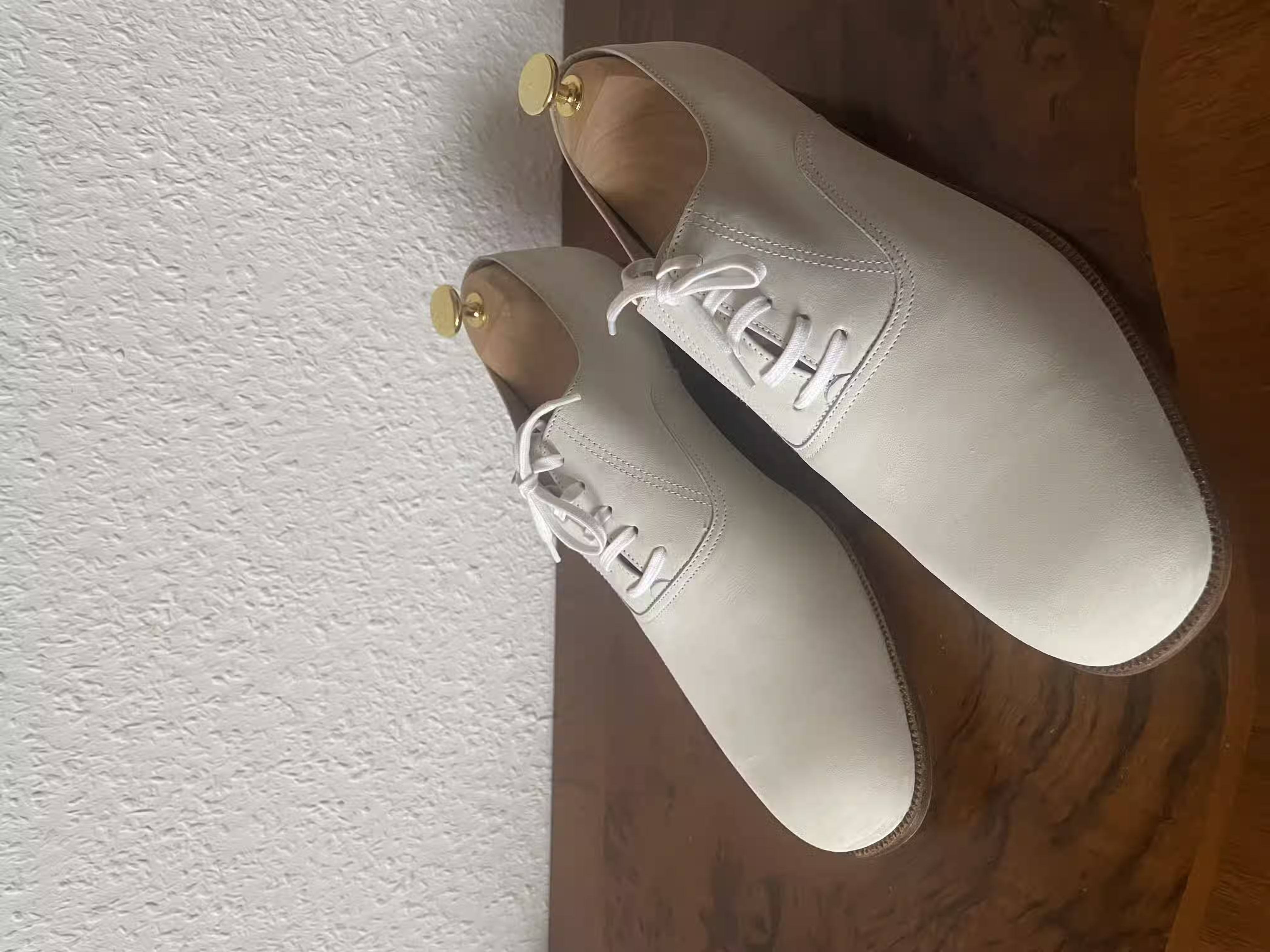
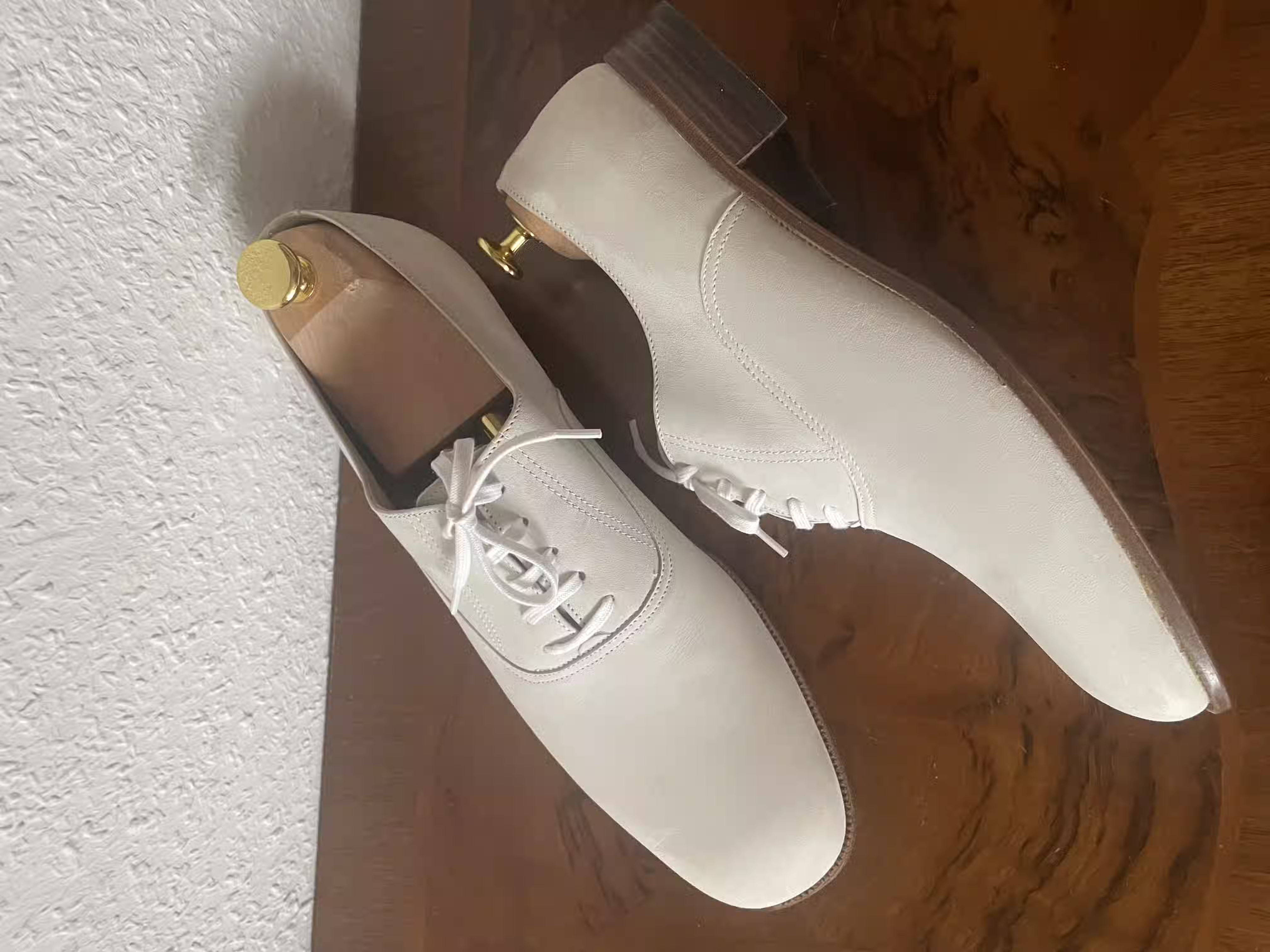
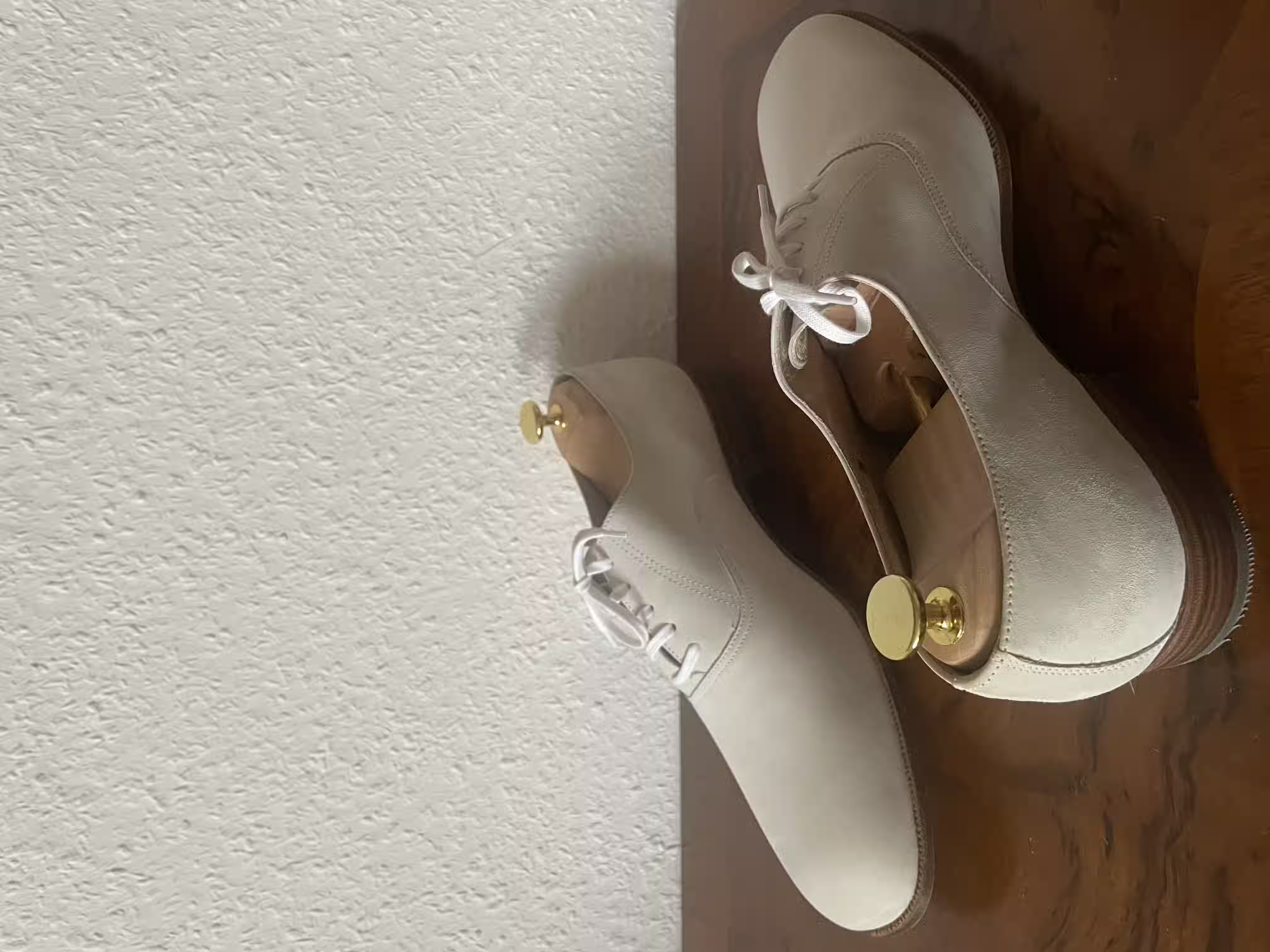
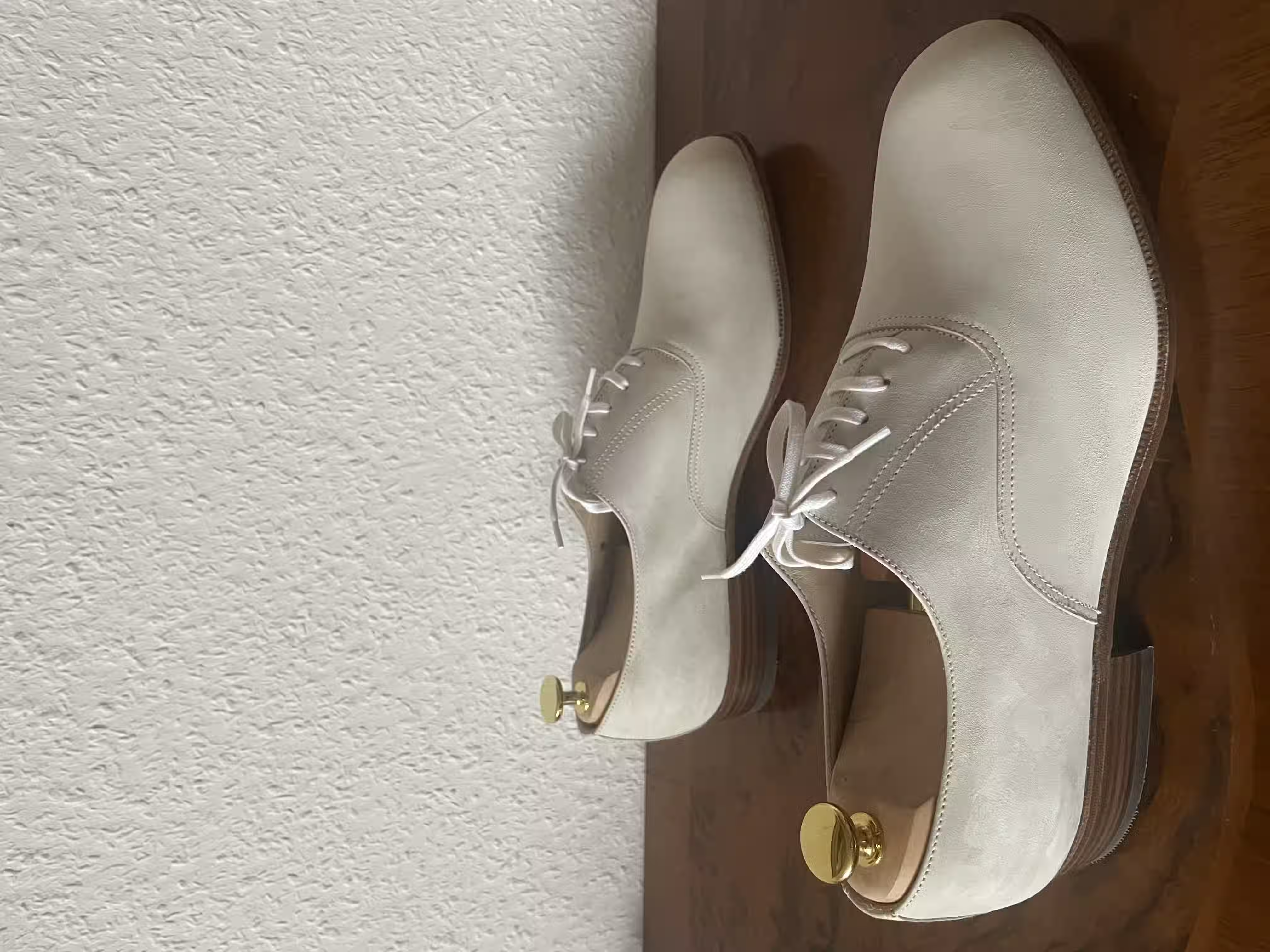
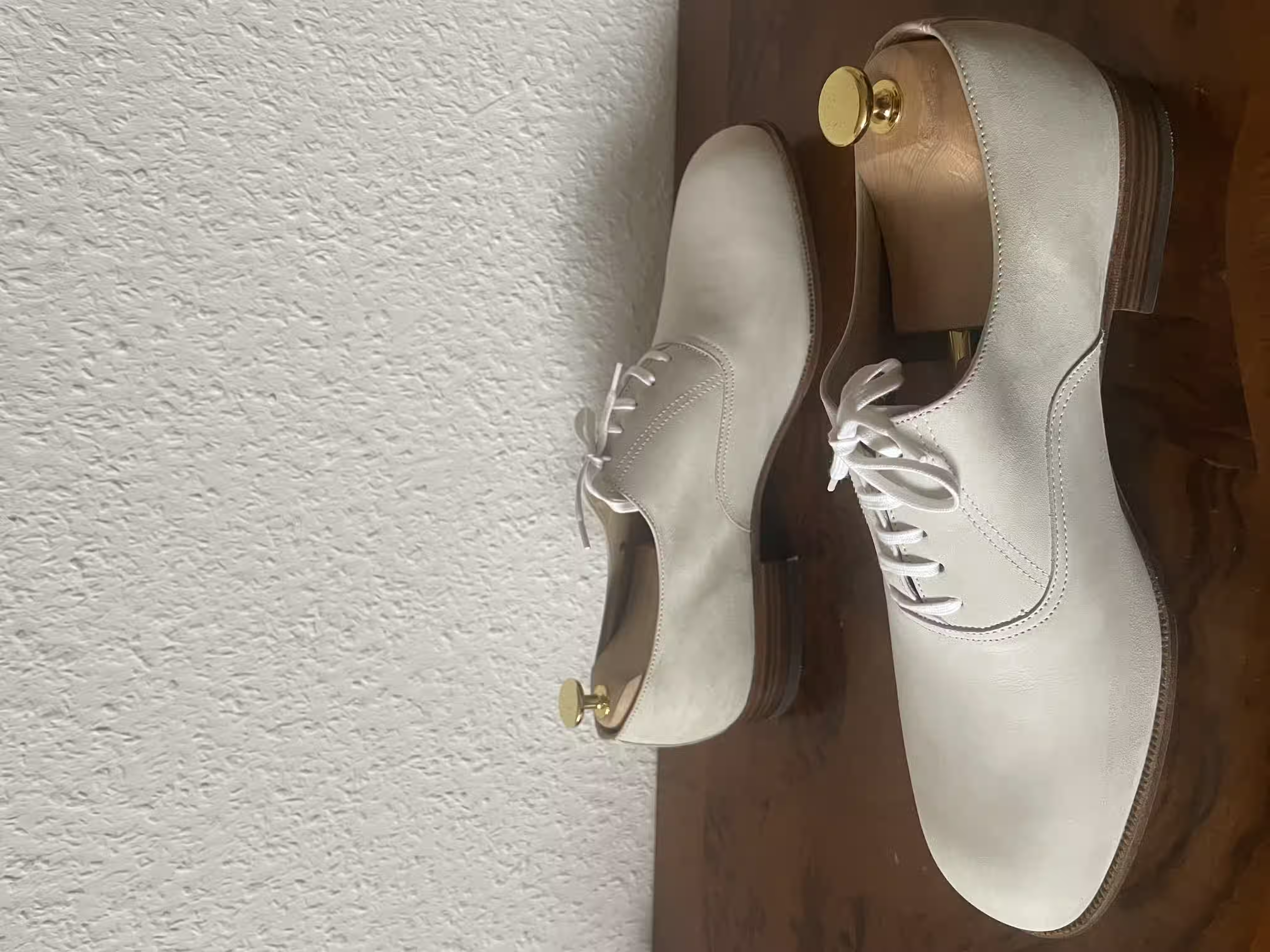
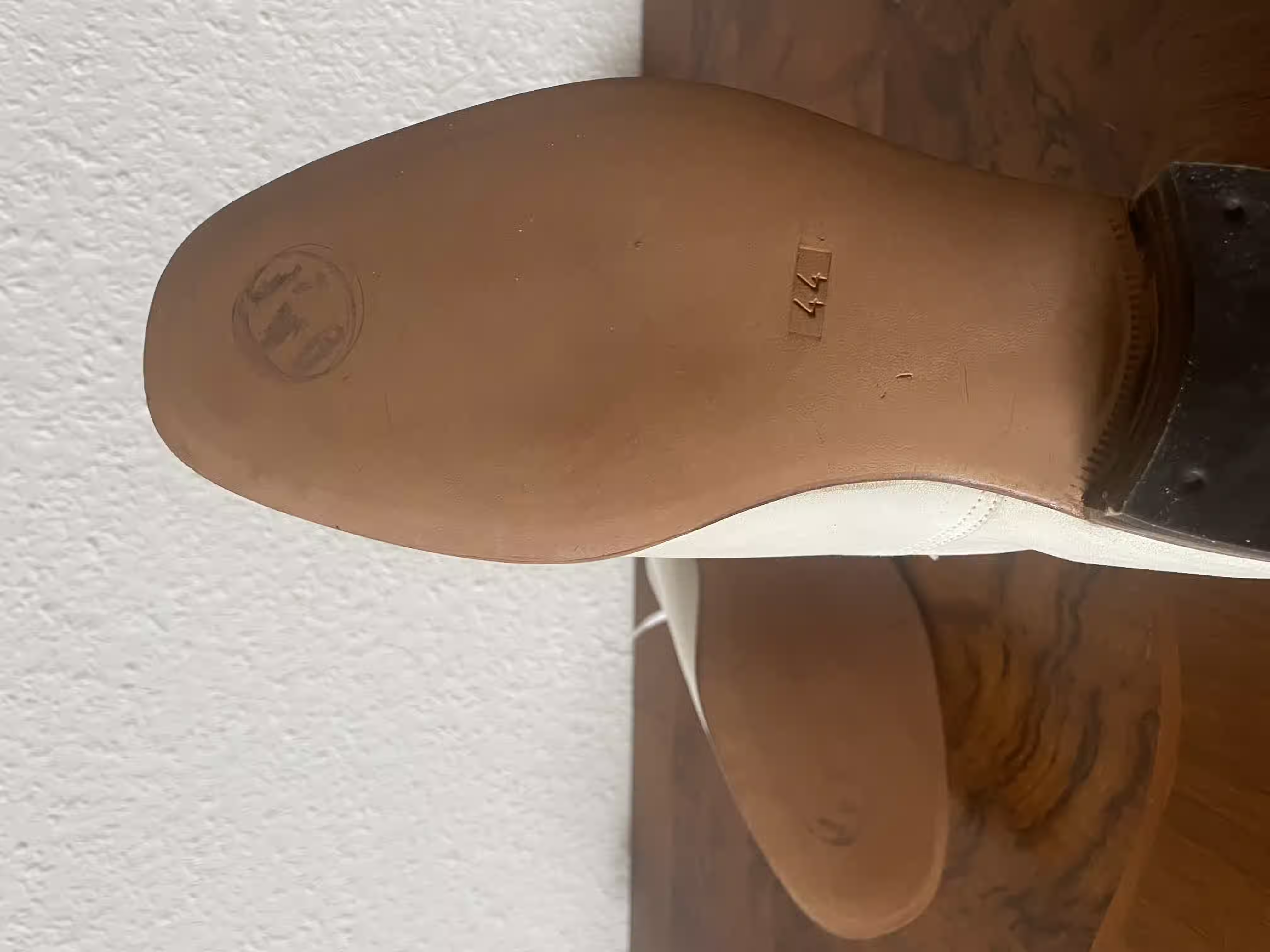
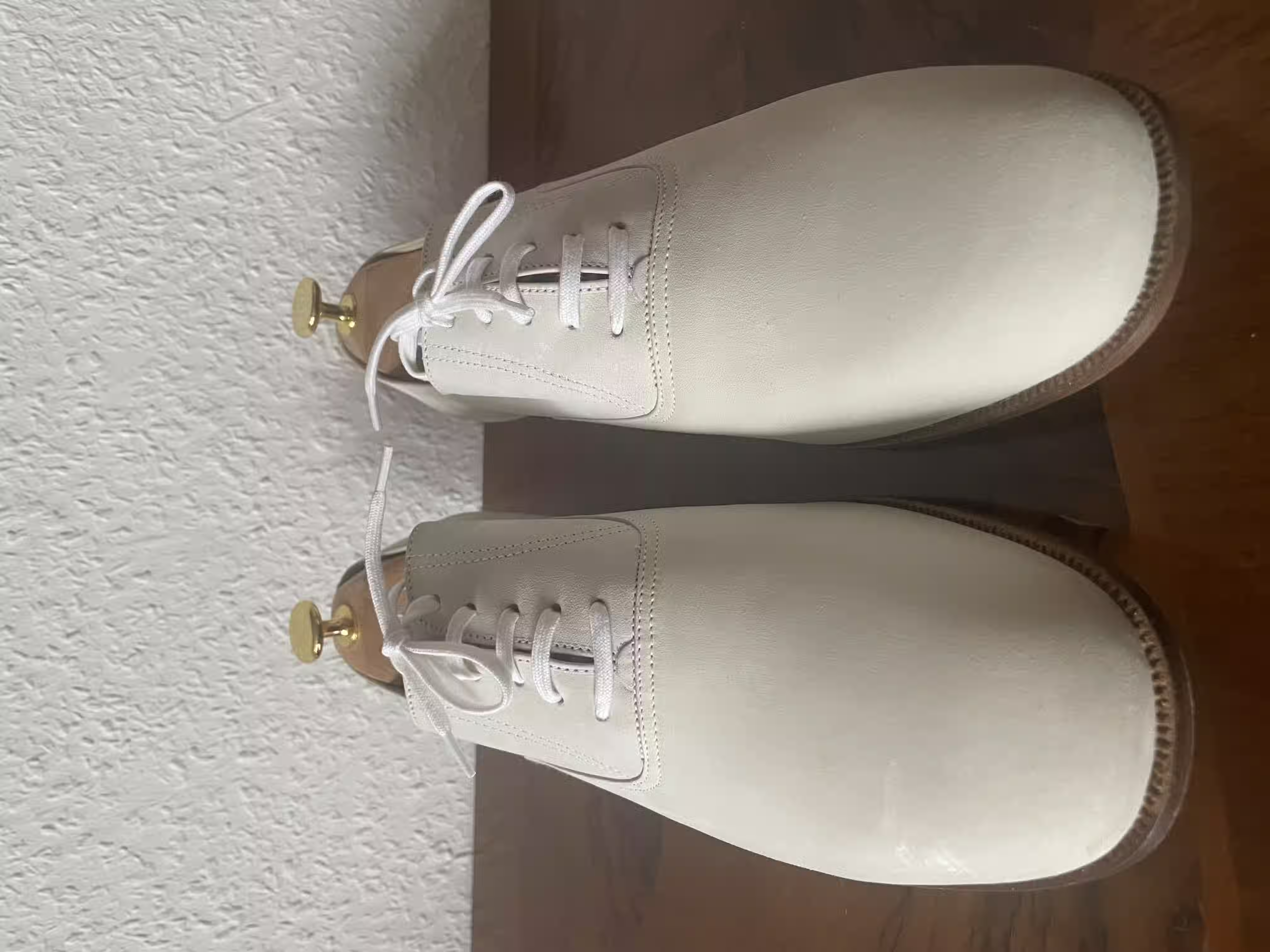
Oxford shoes are considered among the most formal. A toe cap, a perforated pattern, or a color other than black are all ways to make the shoes more casual or suitable for leisure. And even then, such shoes still appear quite elegant. A characteristic feature of Oxfords is the so-called closed lacing. This normally has the effect of making the shoes look slimmer and more elegant than a similar pair of Derby shoes in the same size.
This shoe model has its origins in England. If you would like to get an impression and overview of Oxford shoes, you can do so here:

Derby
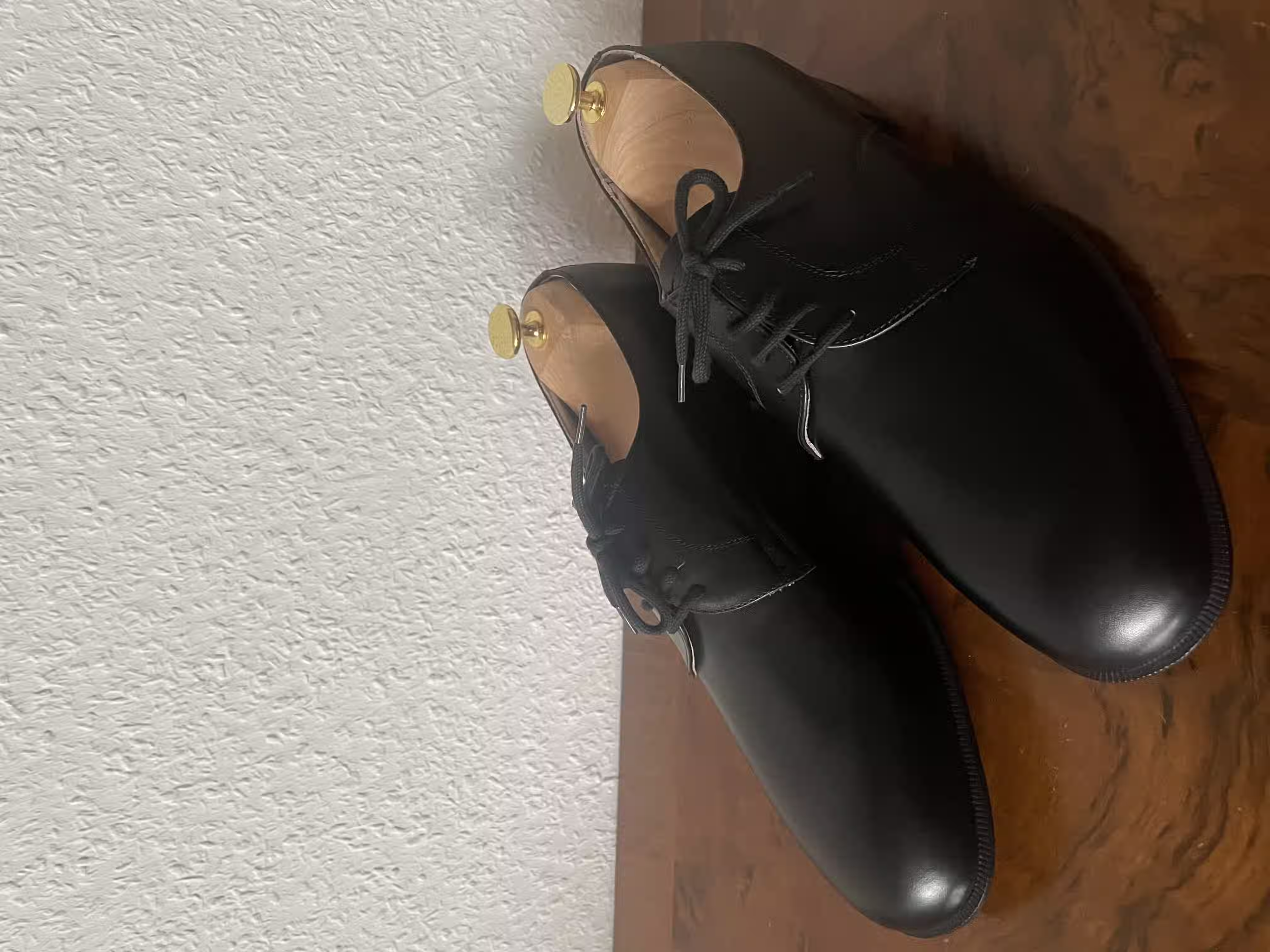
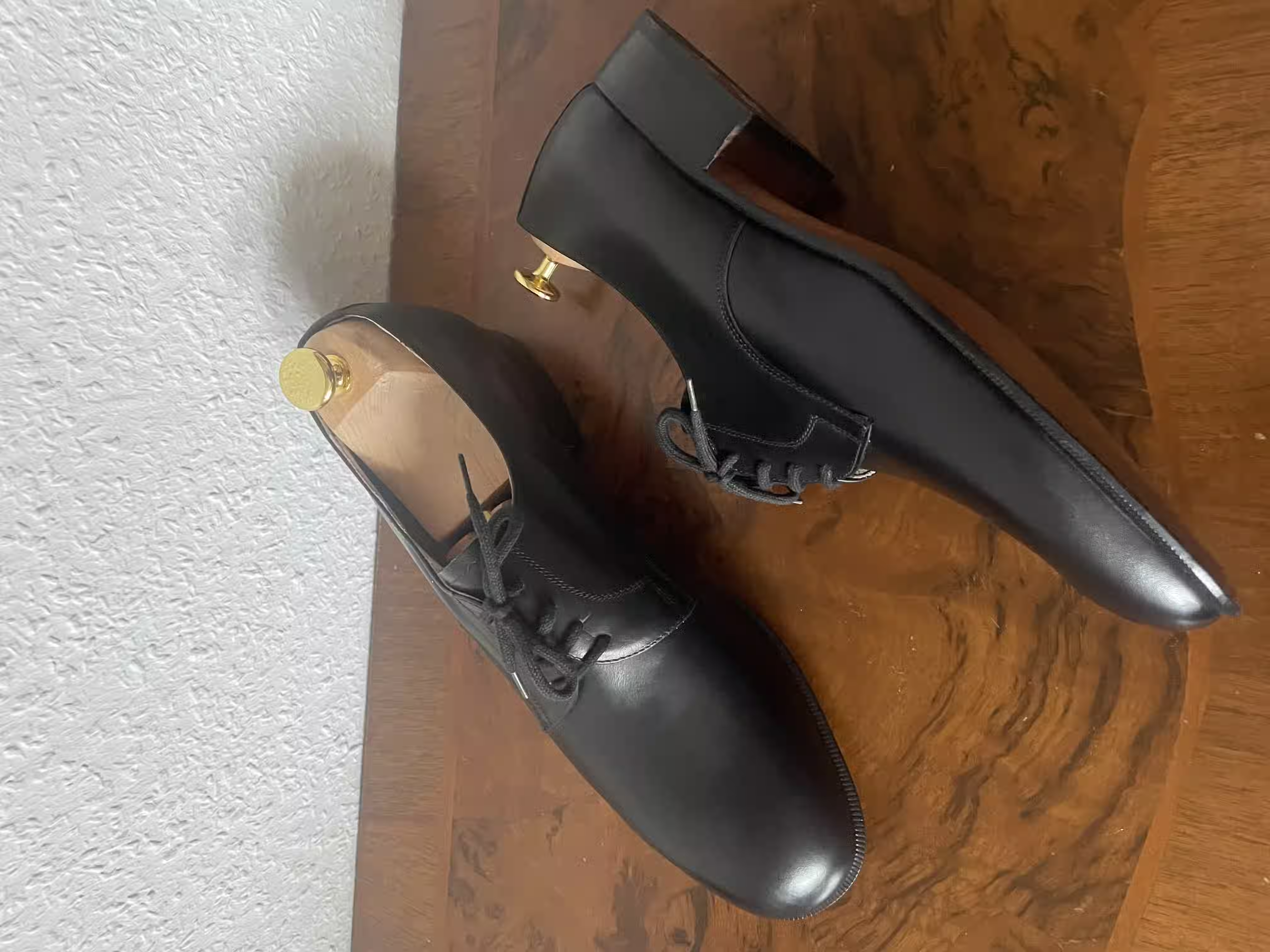
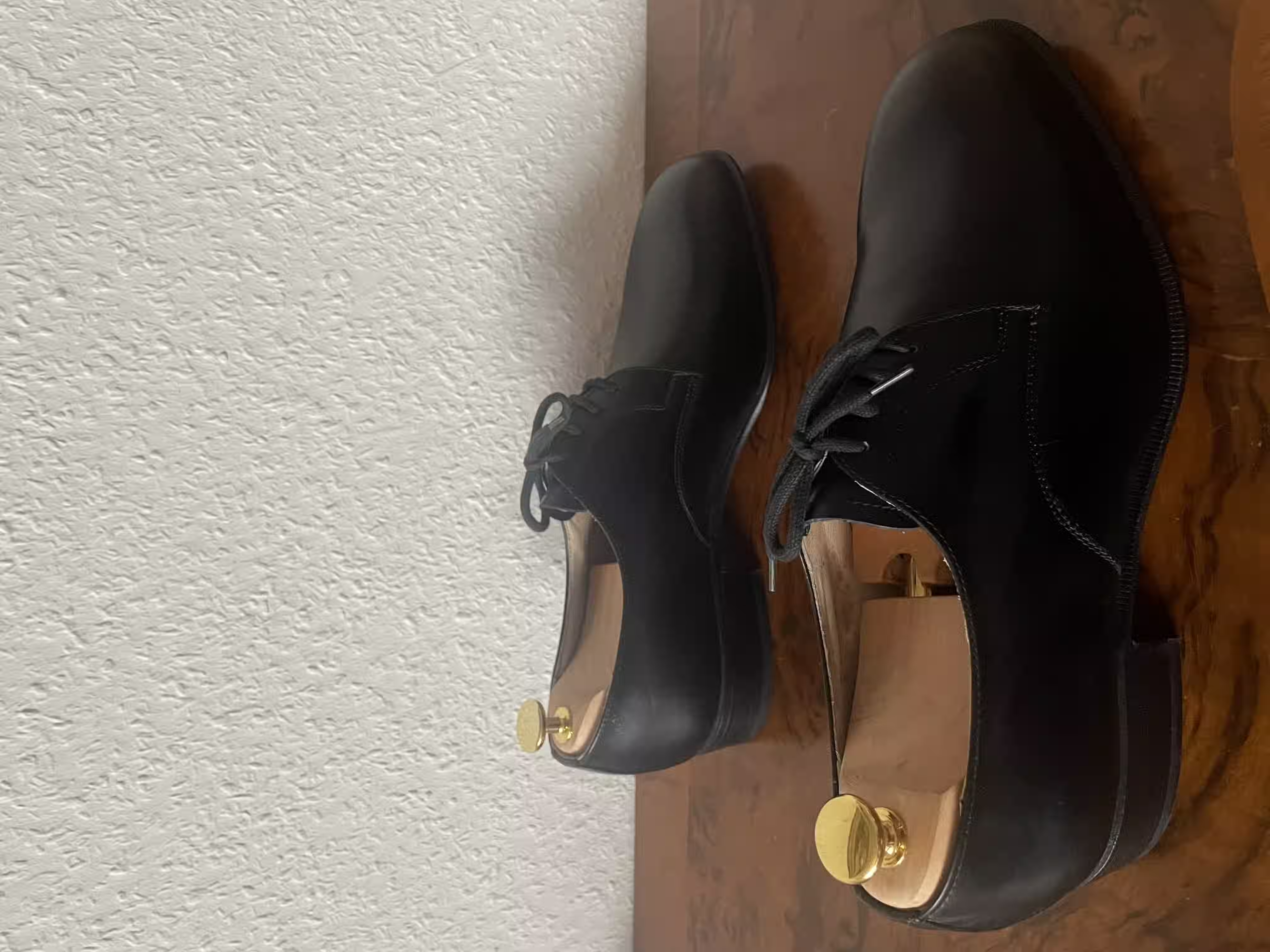
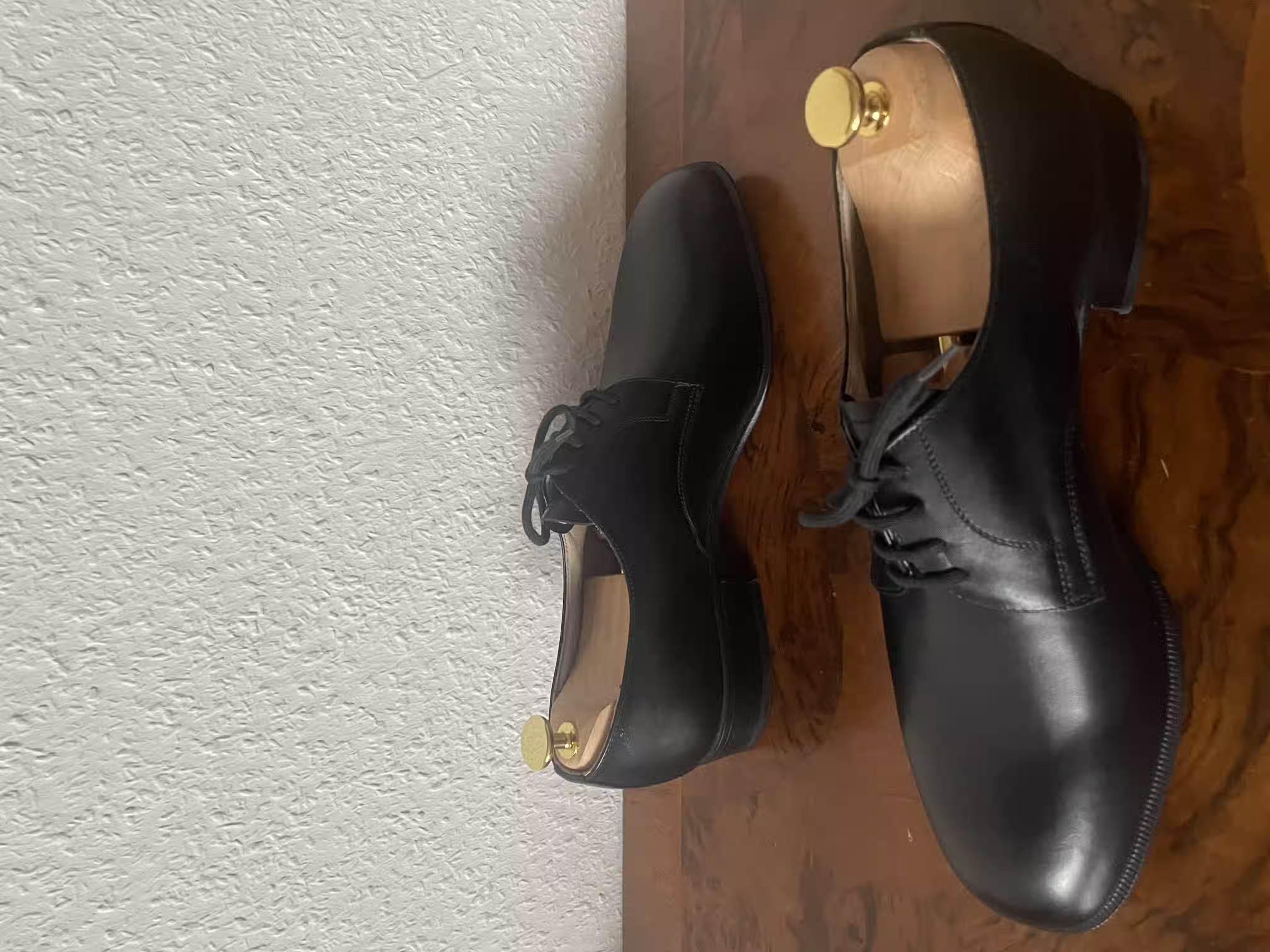
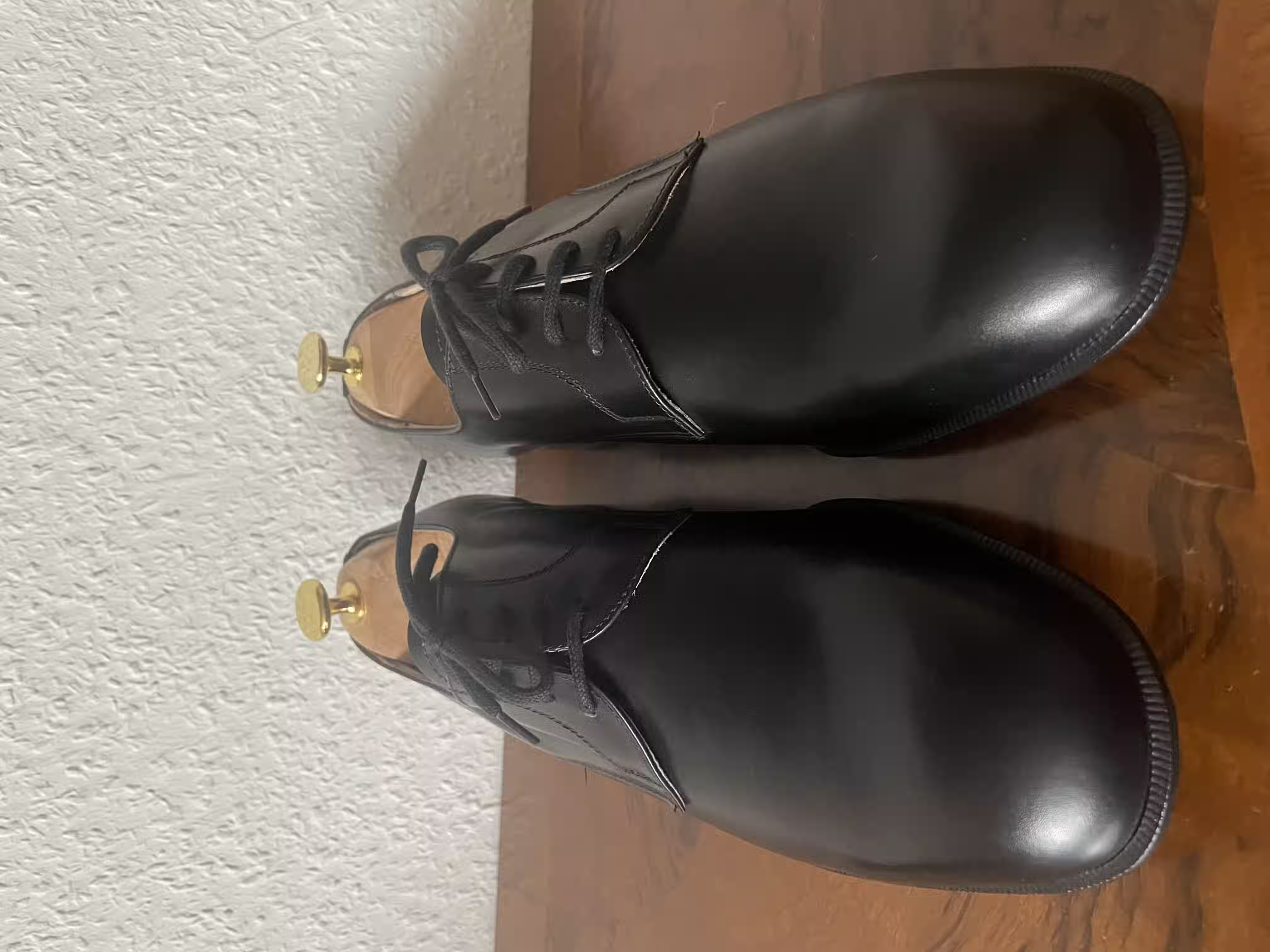
Because of its open lacing, this shoe model is somewhat more relaxed than an Oxford shoe, yet in black and with at most minor decoration, it is very well suited for more formal and business occasions. In the color brown and optionally with various perforated pattern variants, it fits very well for leisure. In this respect, the Derby is a very good all-rounder.
Pointed Derby
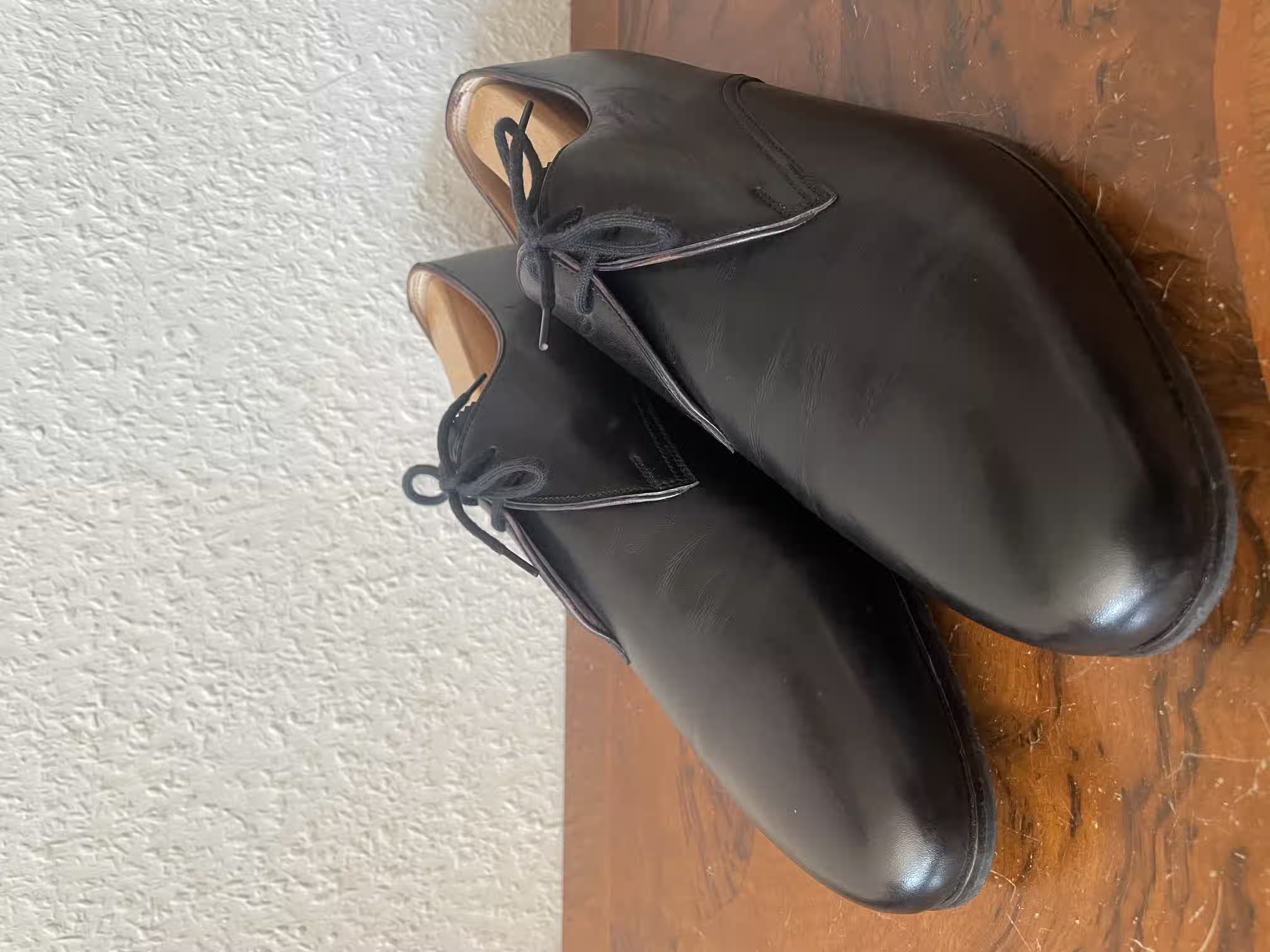
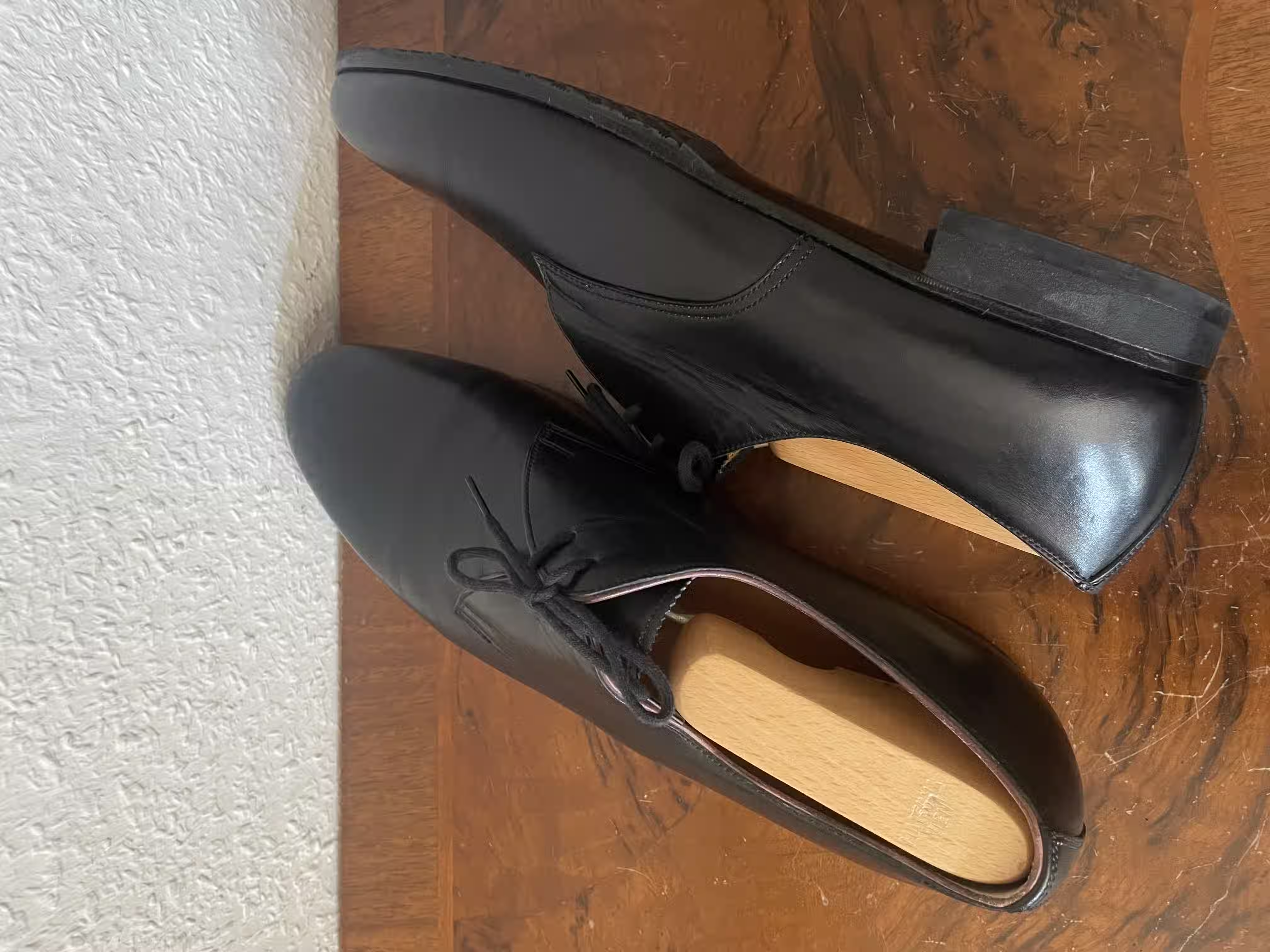
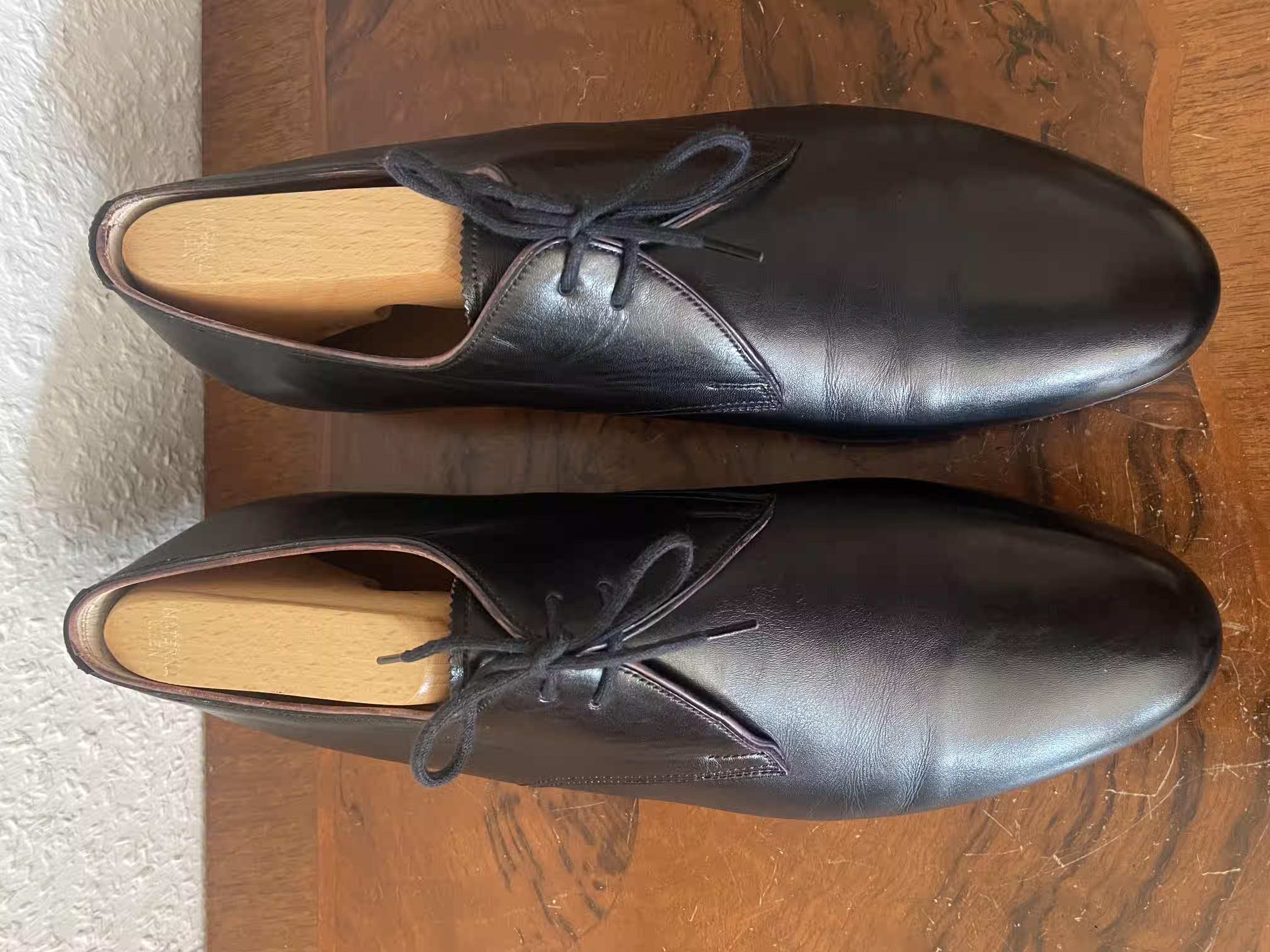
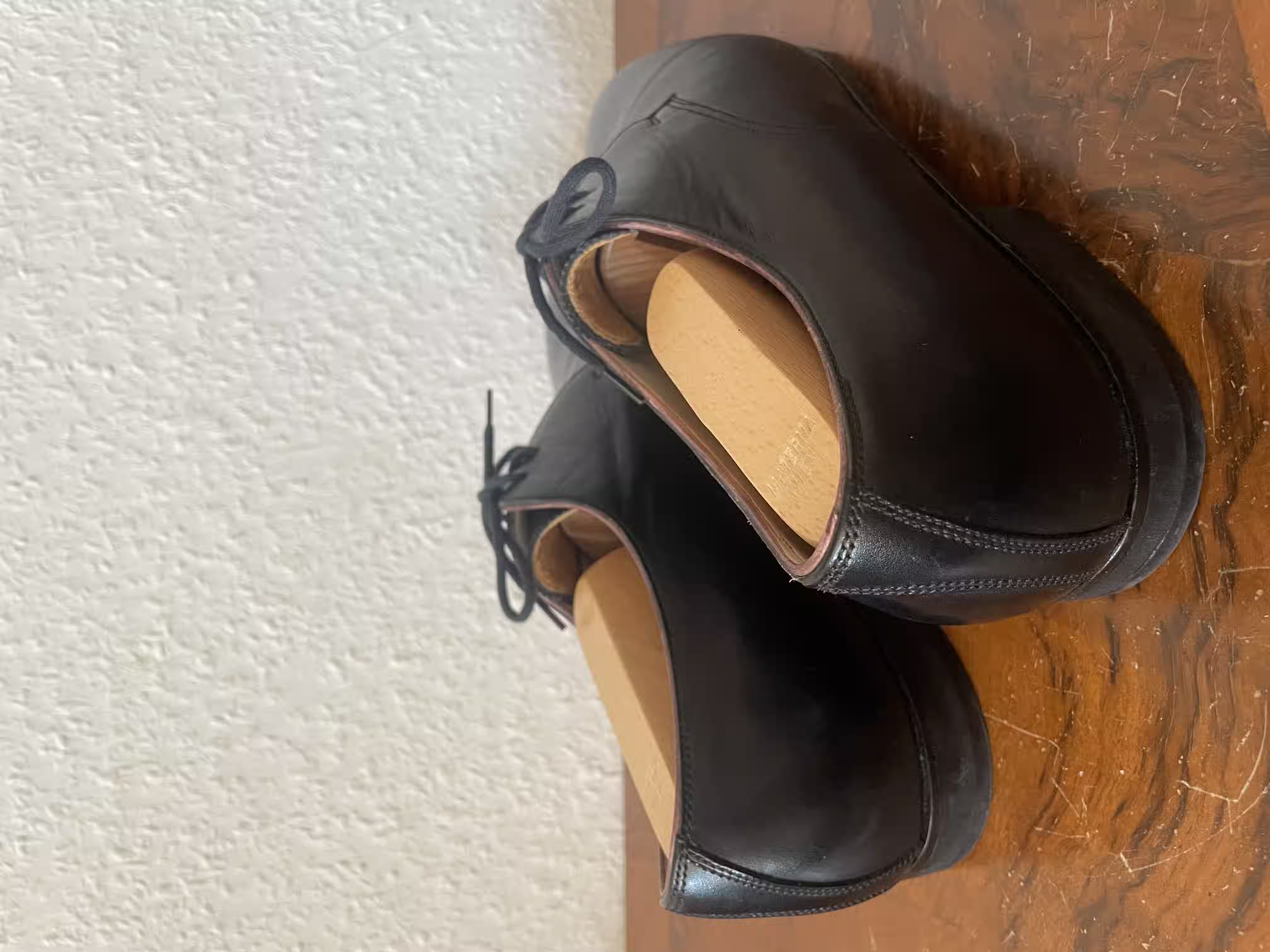
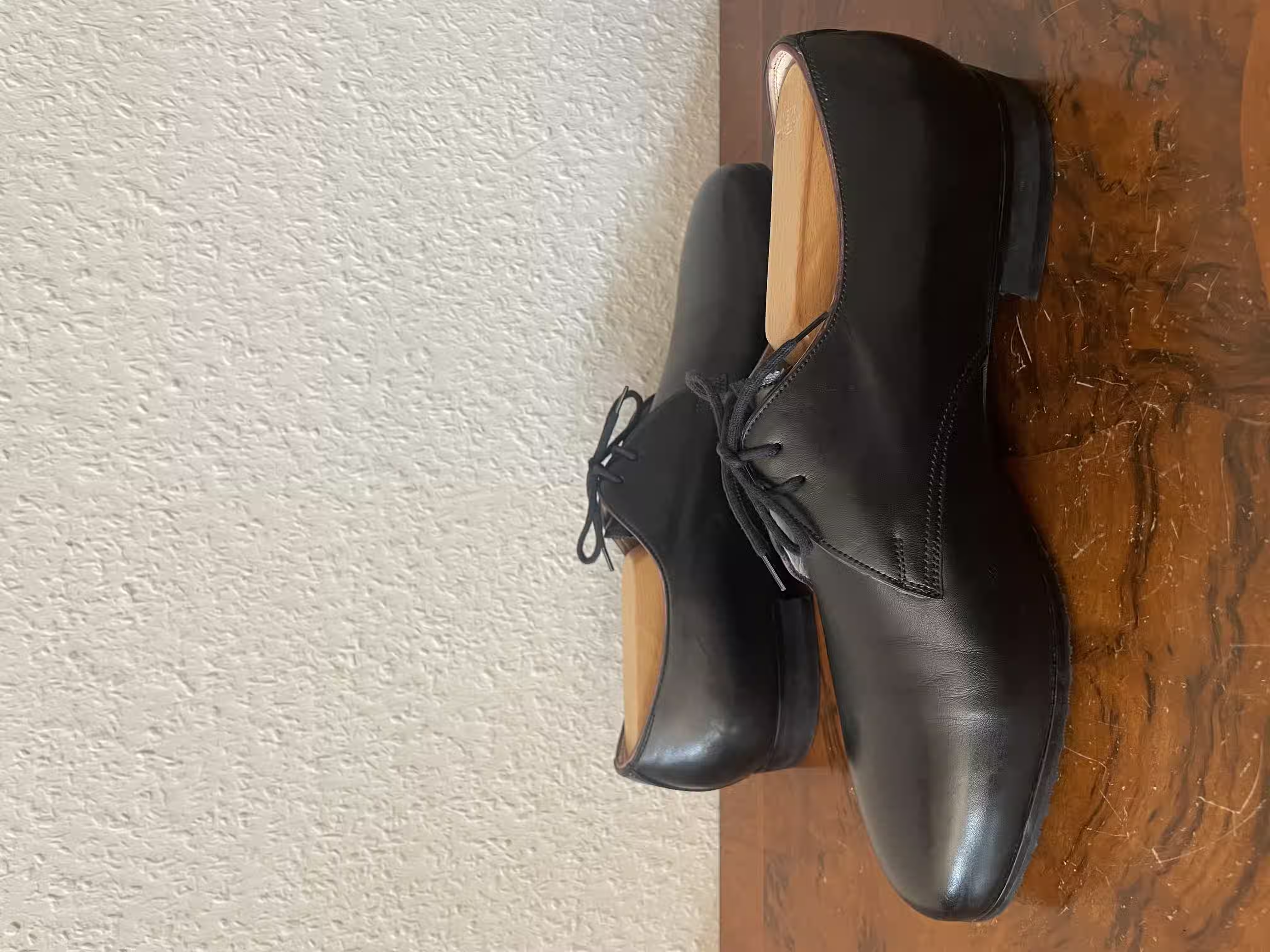
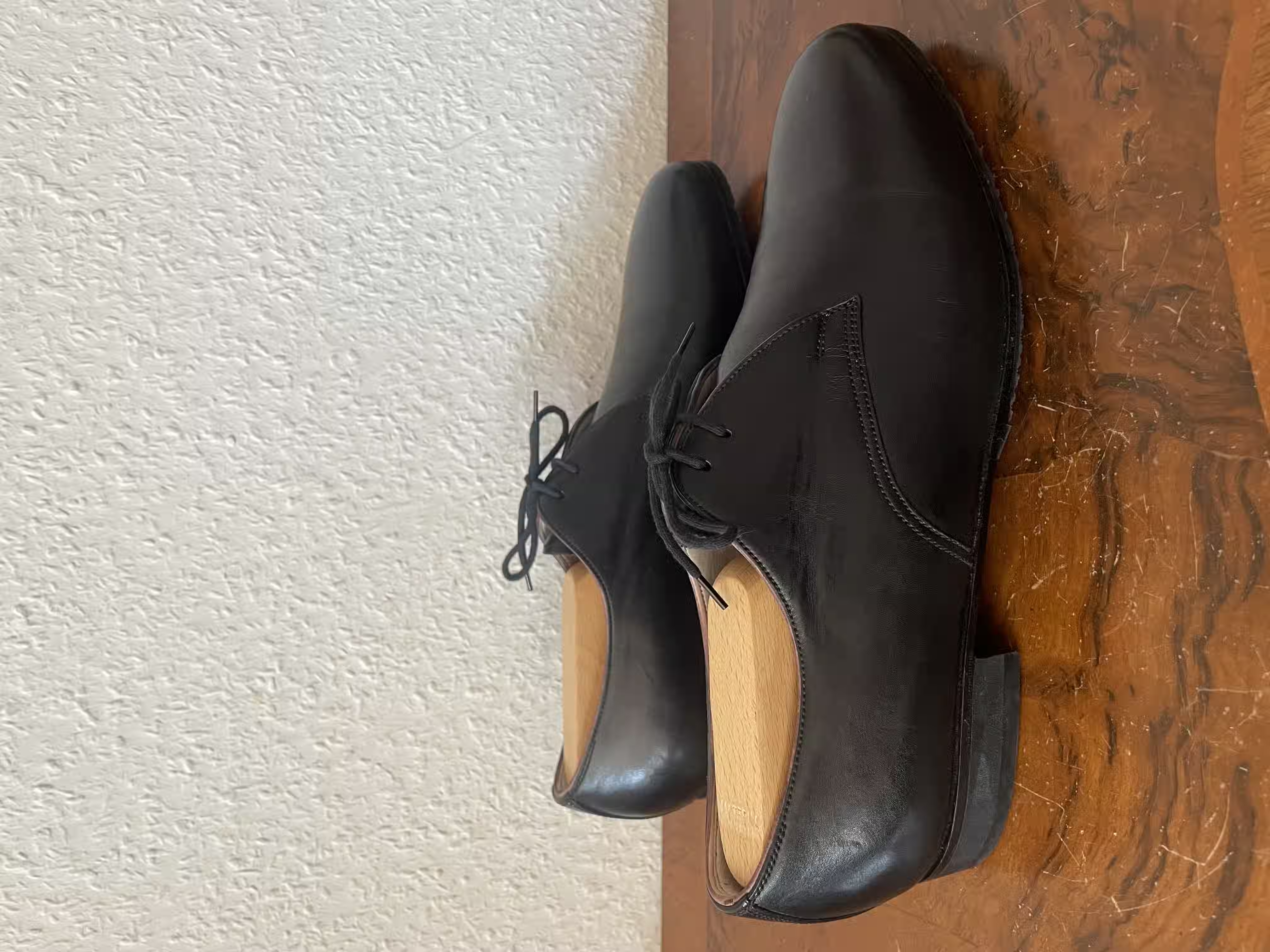
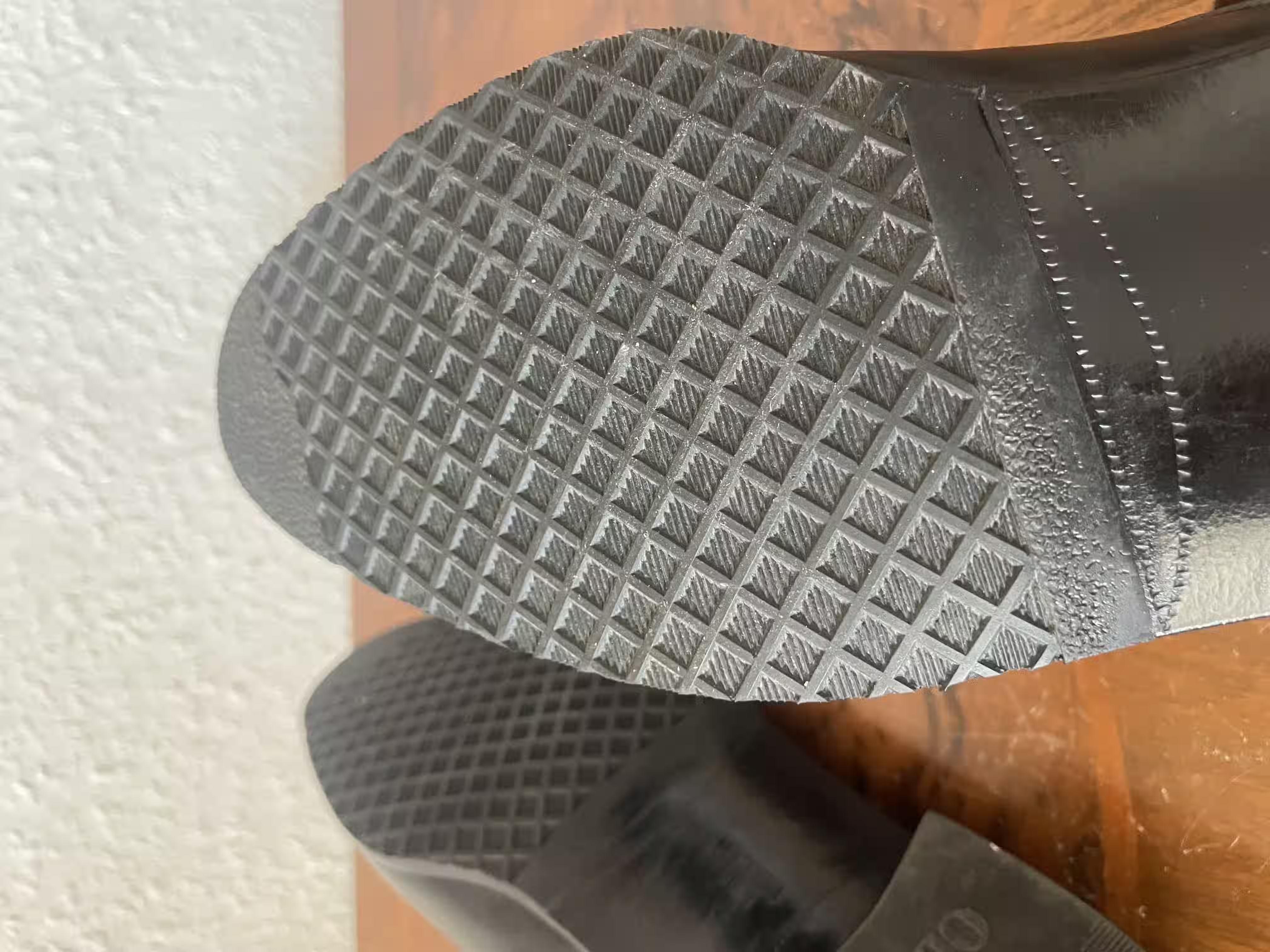
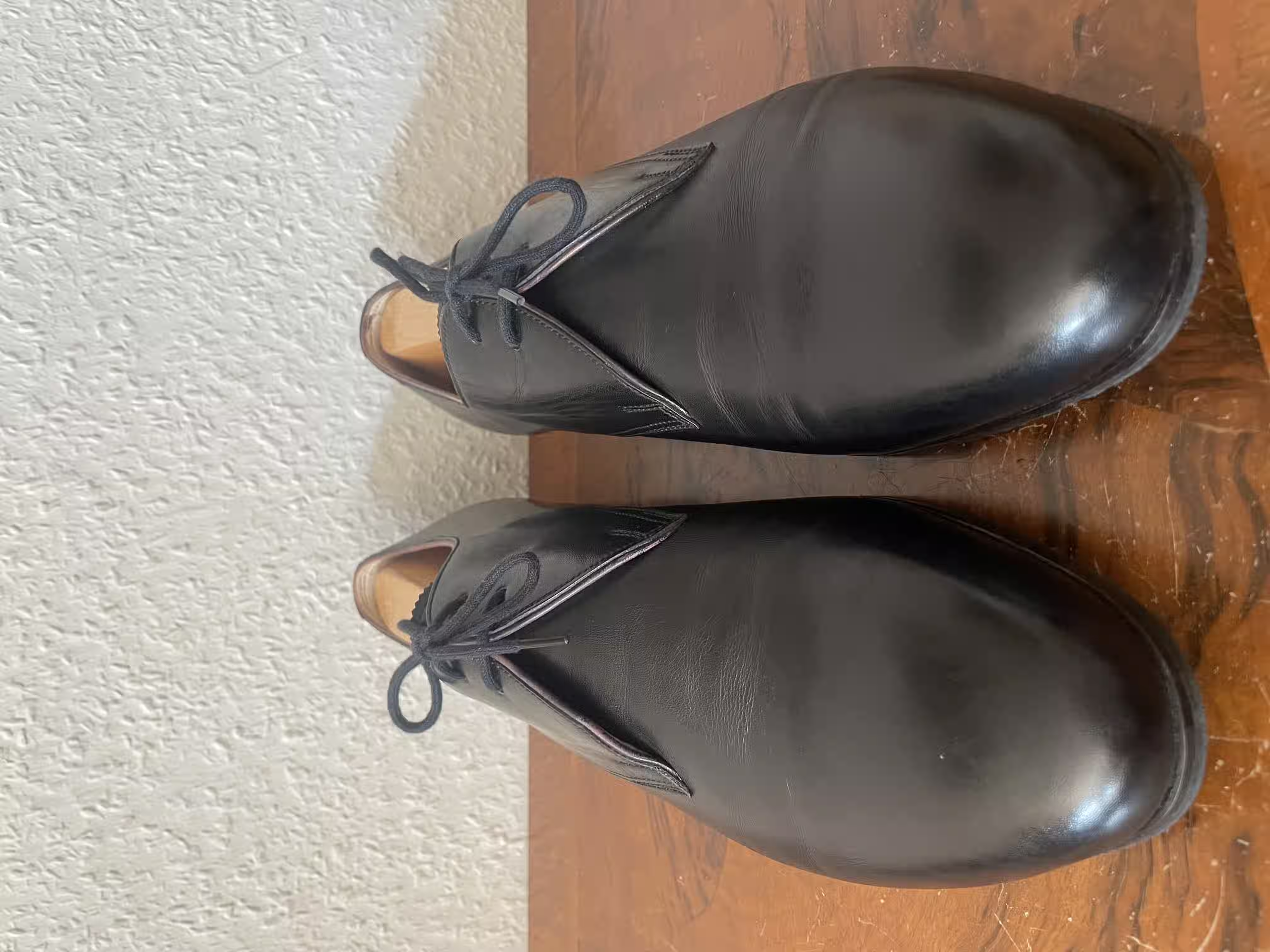
This model is a Derby with a small special feature regarding the so-called shaft cut. In this model, you can see a point on each side at the diagonal front. These points, which become visible from the shaft cut and the seams, are located slightly below the lacing and loosen up your Derbies a bit. You can only choose this variant with two-eyelet Derbies; with more eyelets, the intended points would otherwise become blunter.
Blucher
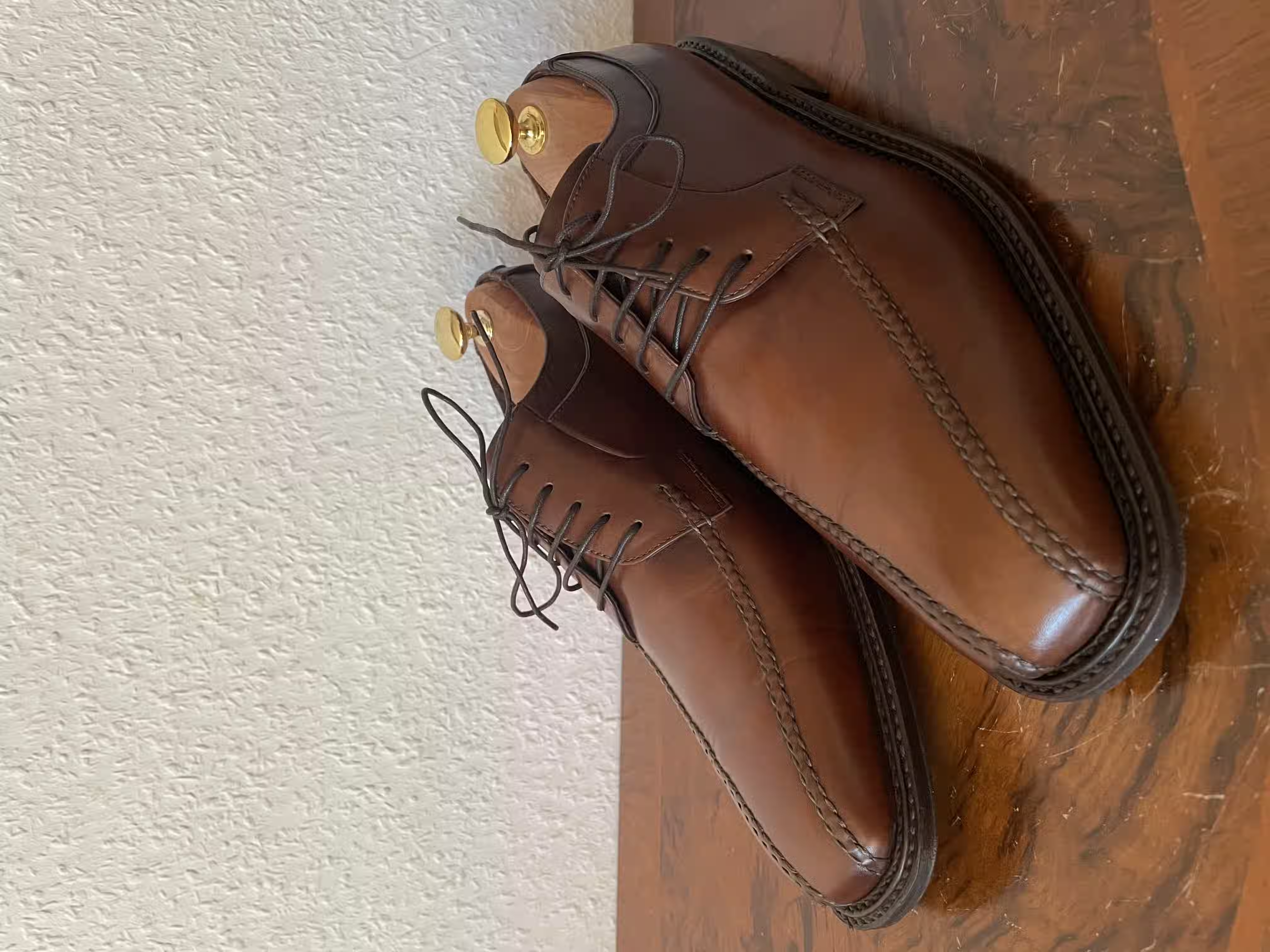
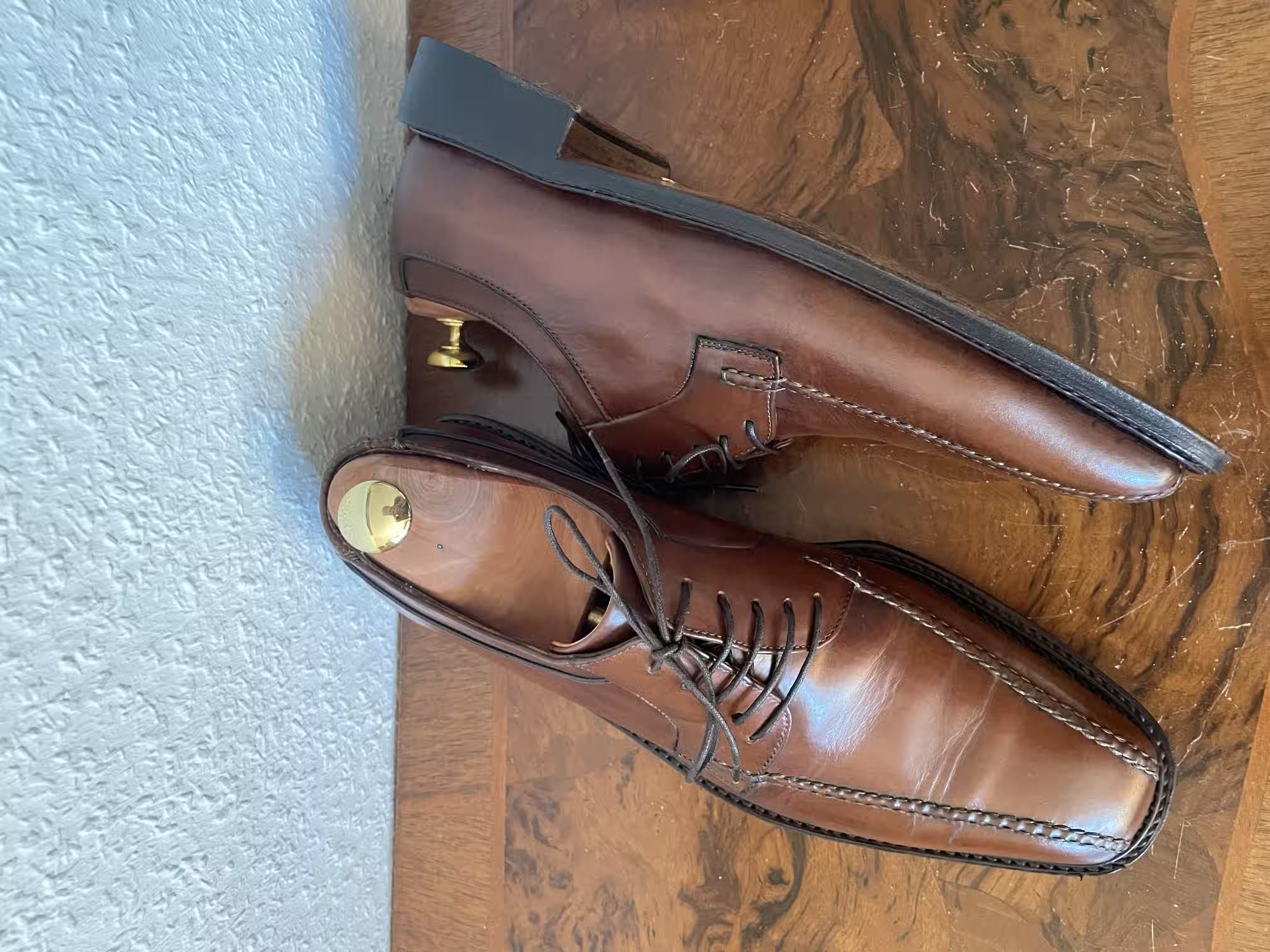
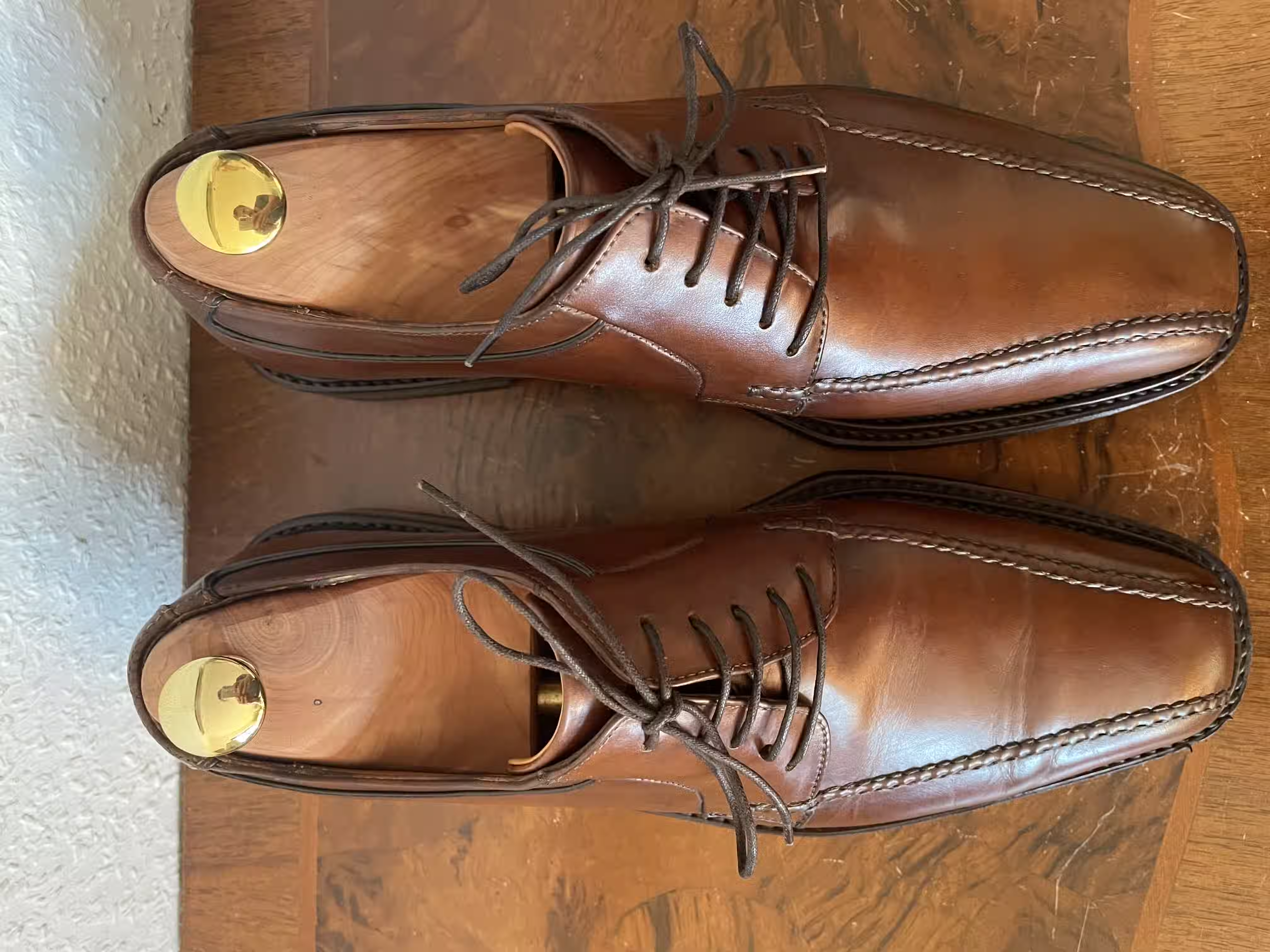
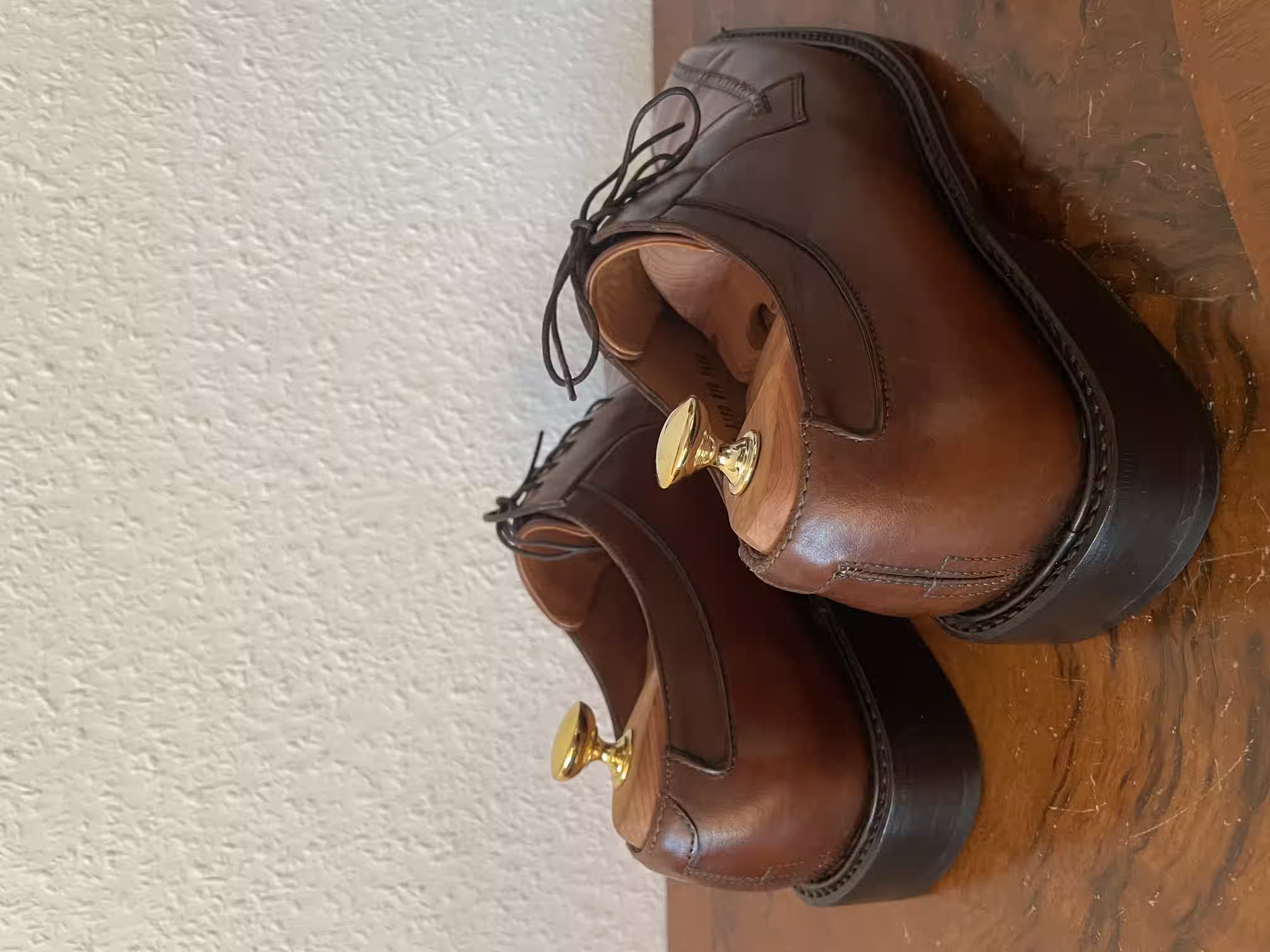
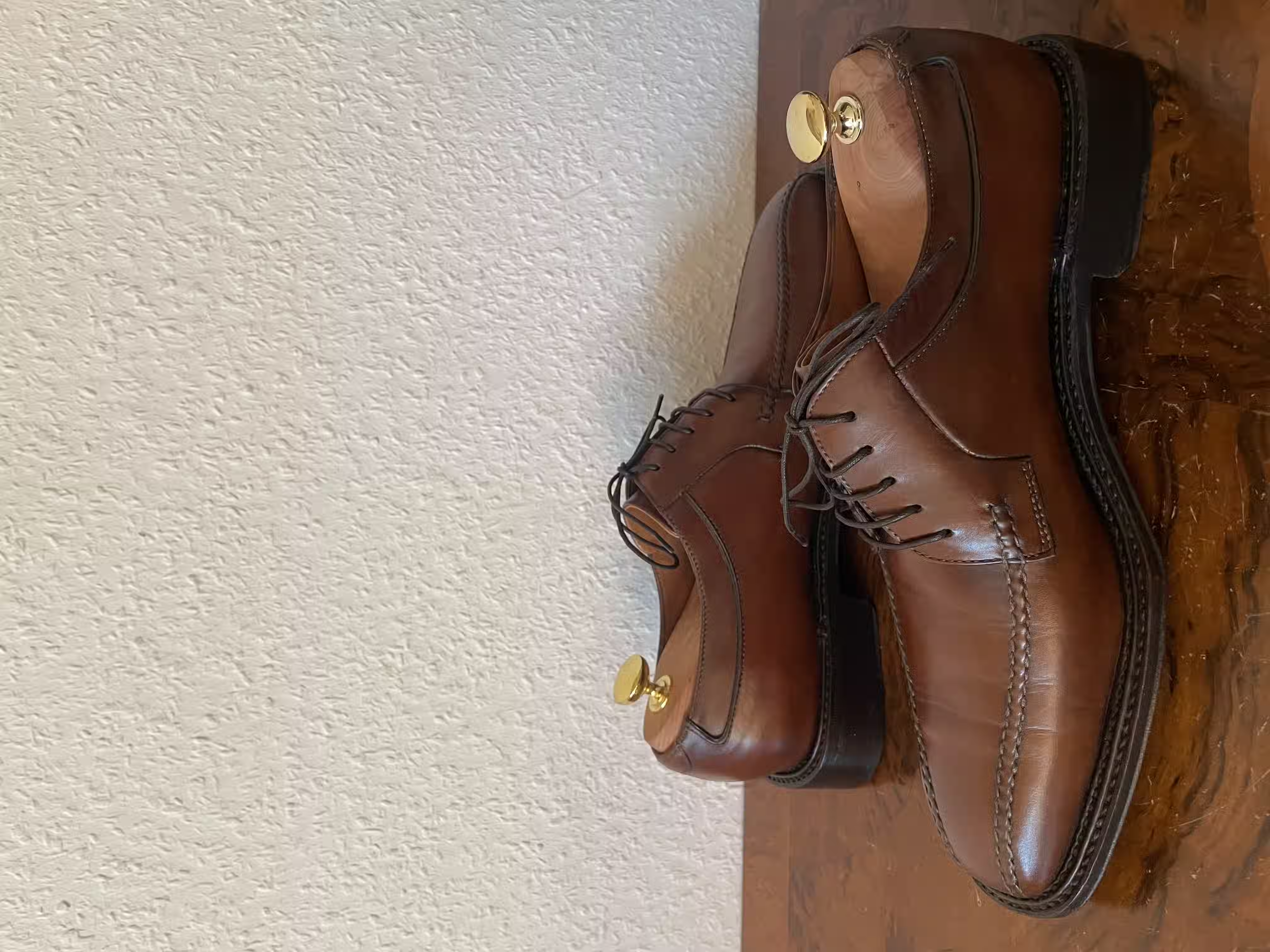
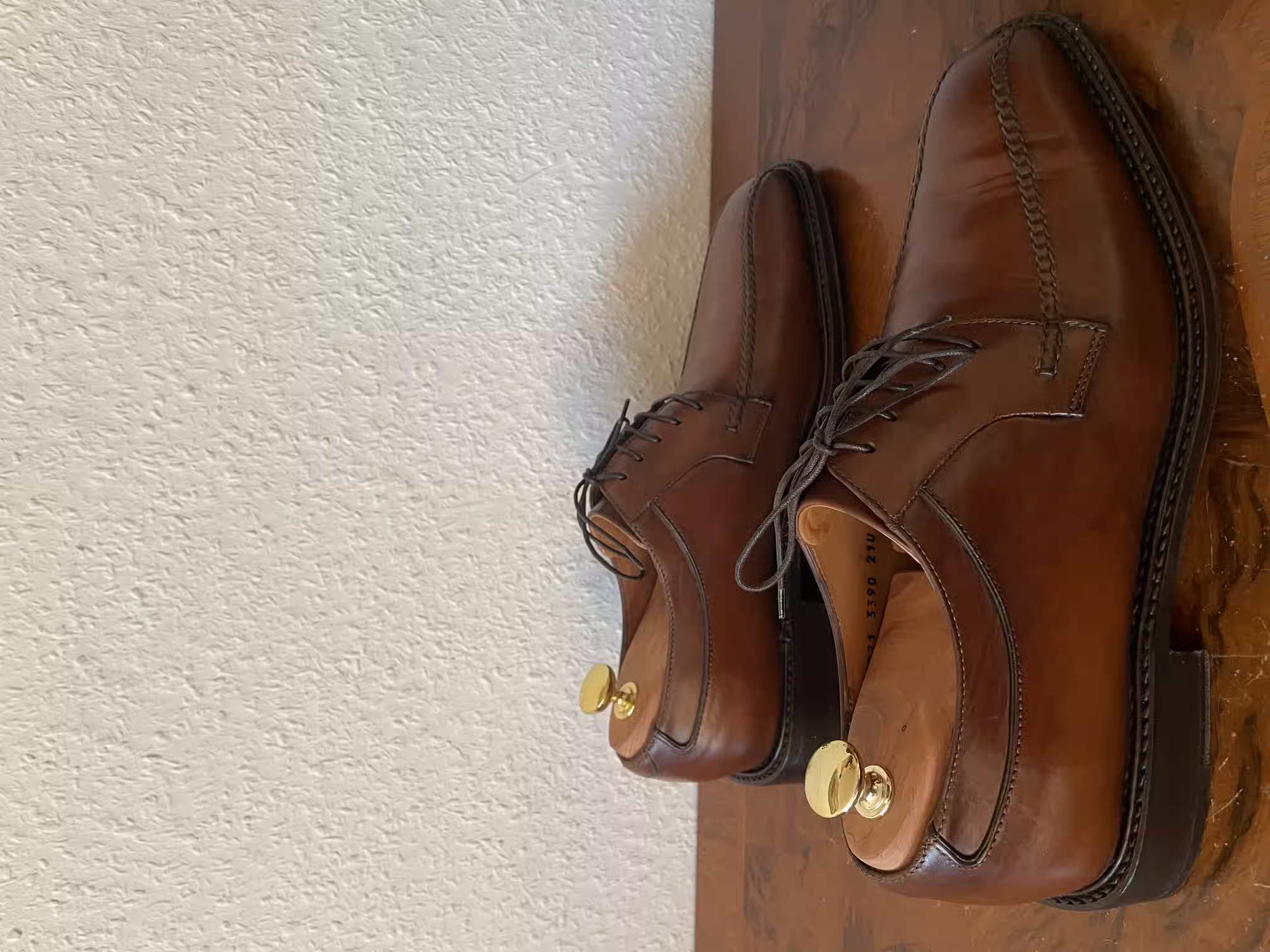
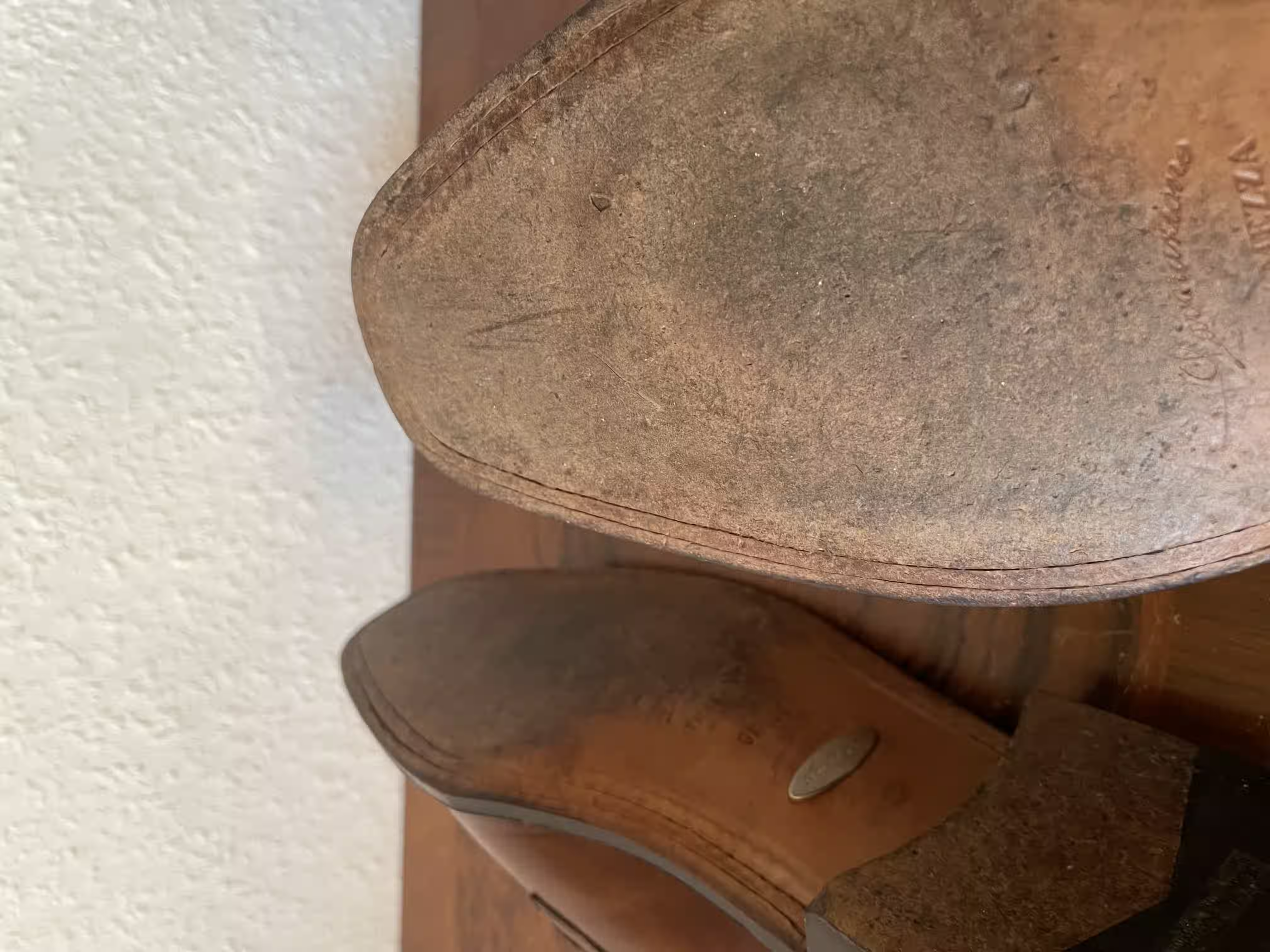
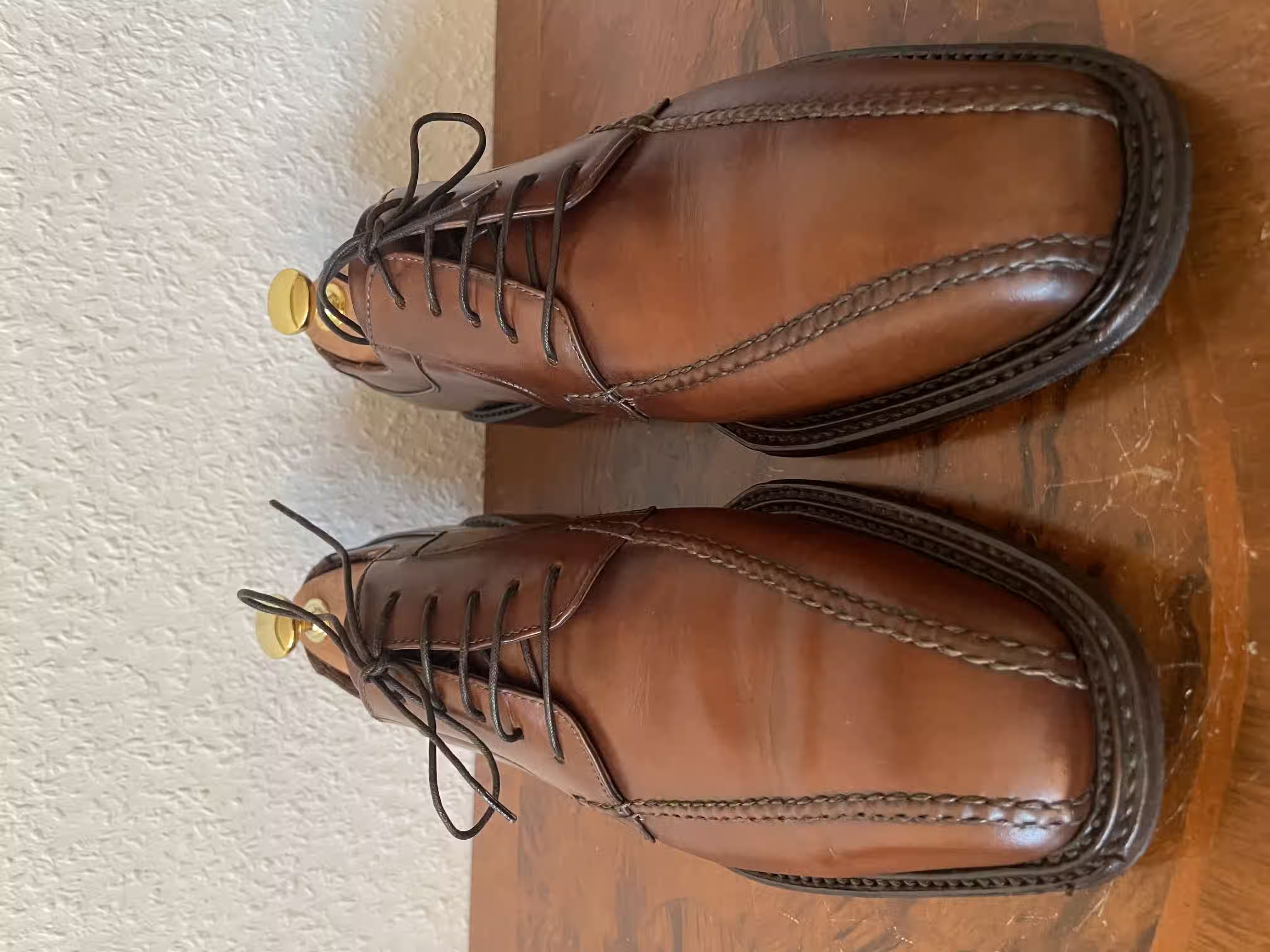
The Blucher shares the open lacing with the Derby, but otherwise differs only in how the leather parts are sewn together. The historical origin is also different. Many people say Derby to this model without distinction.
Norwegian
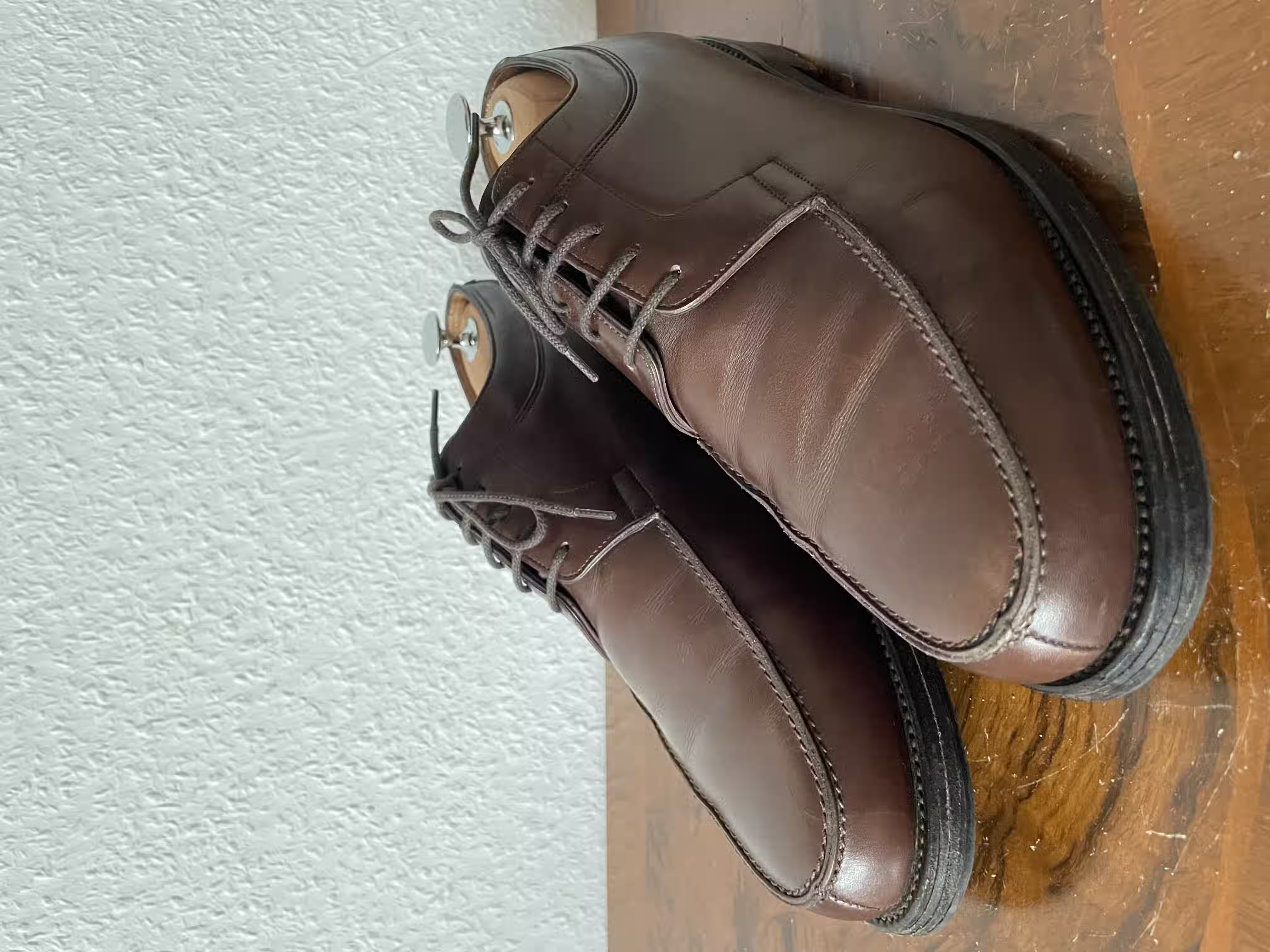
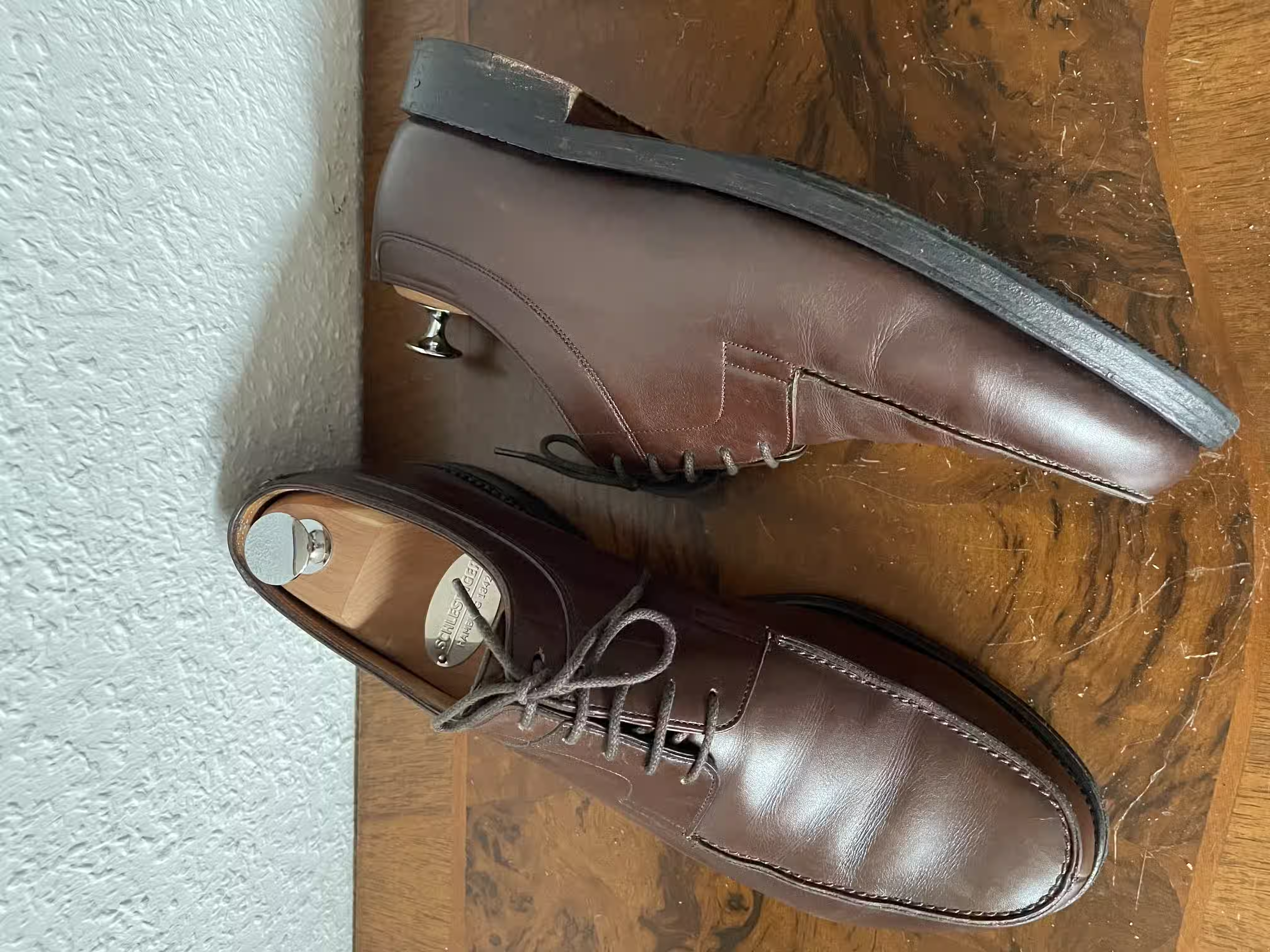
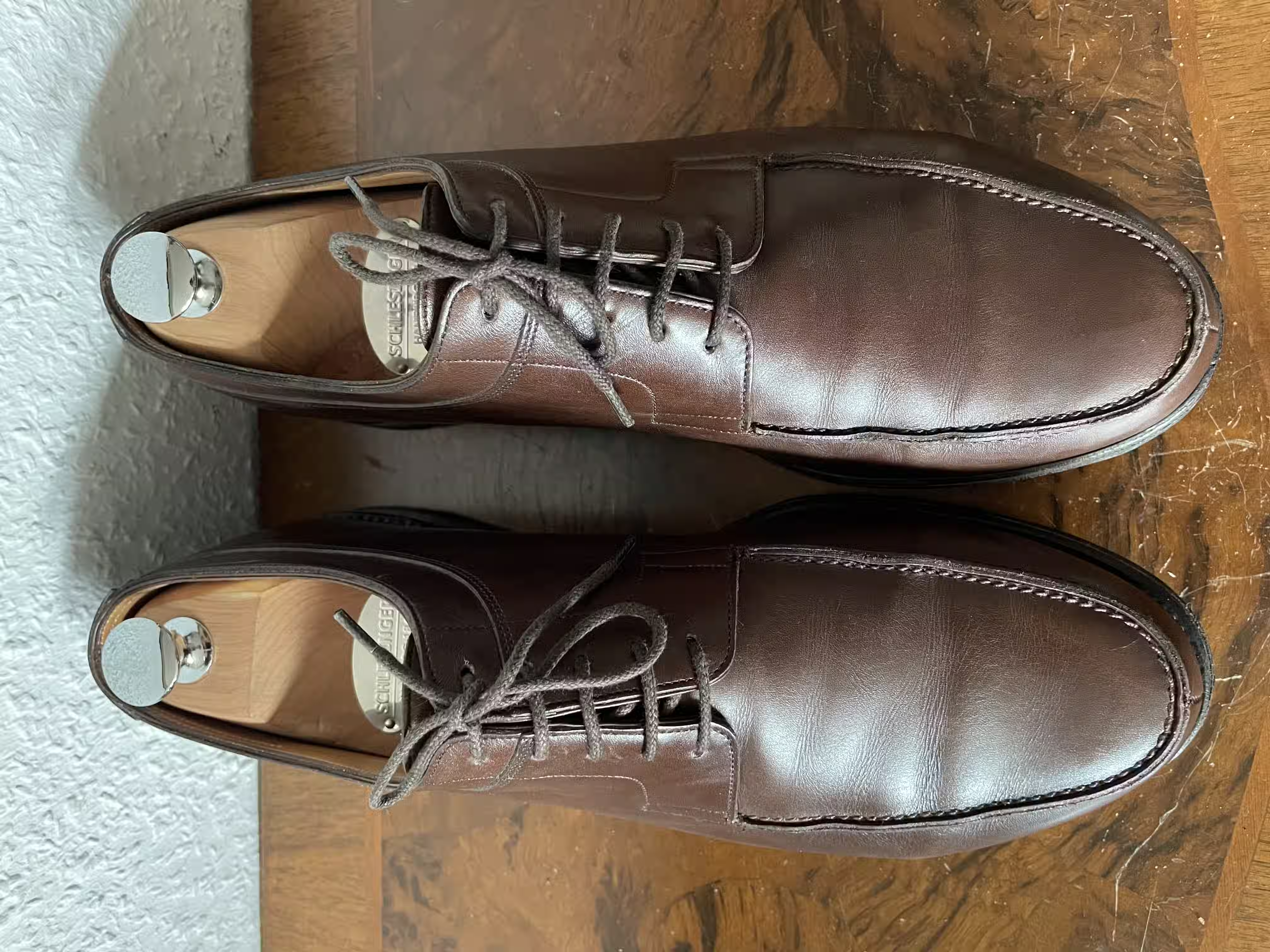
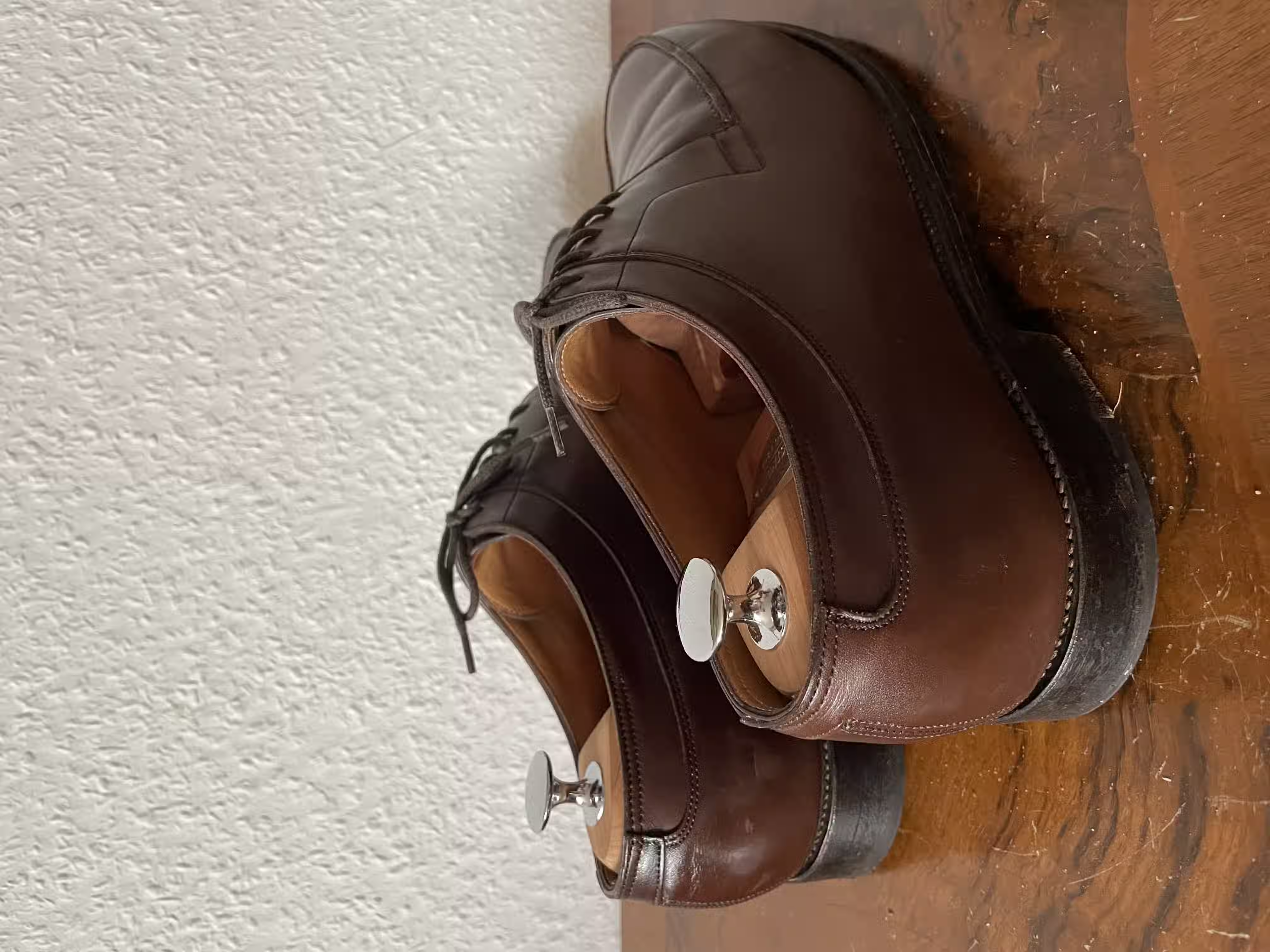
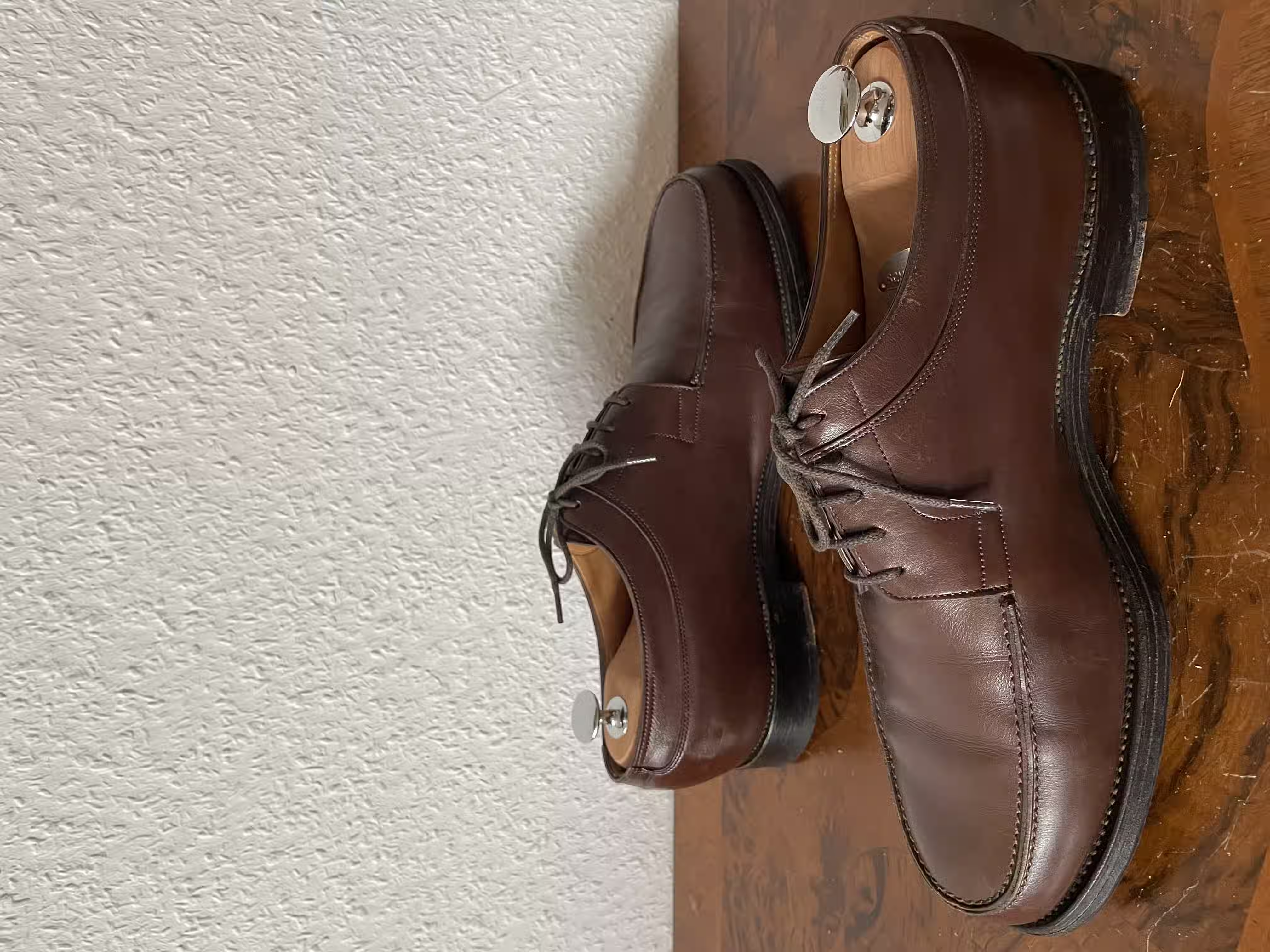
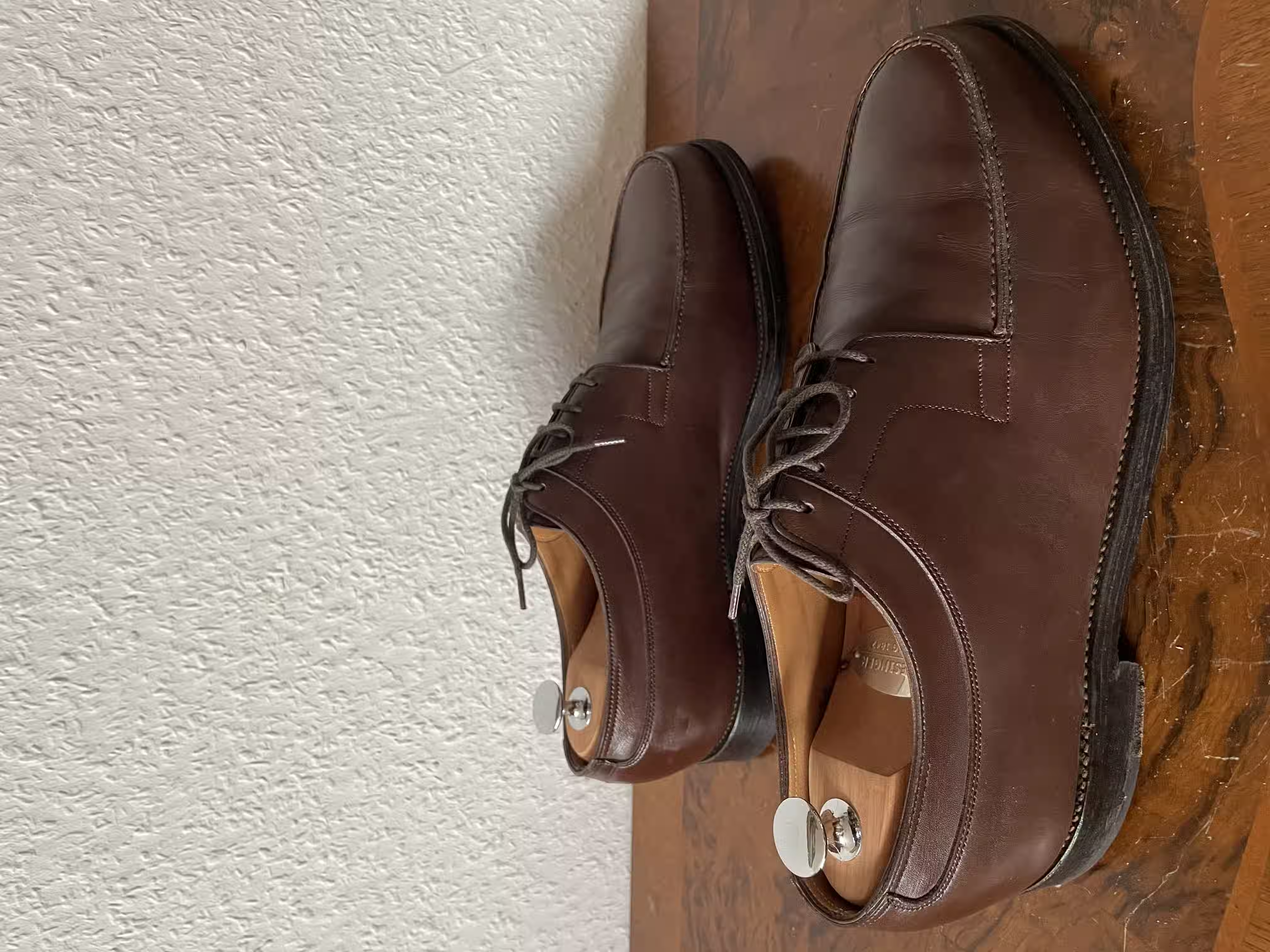
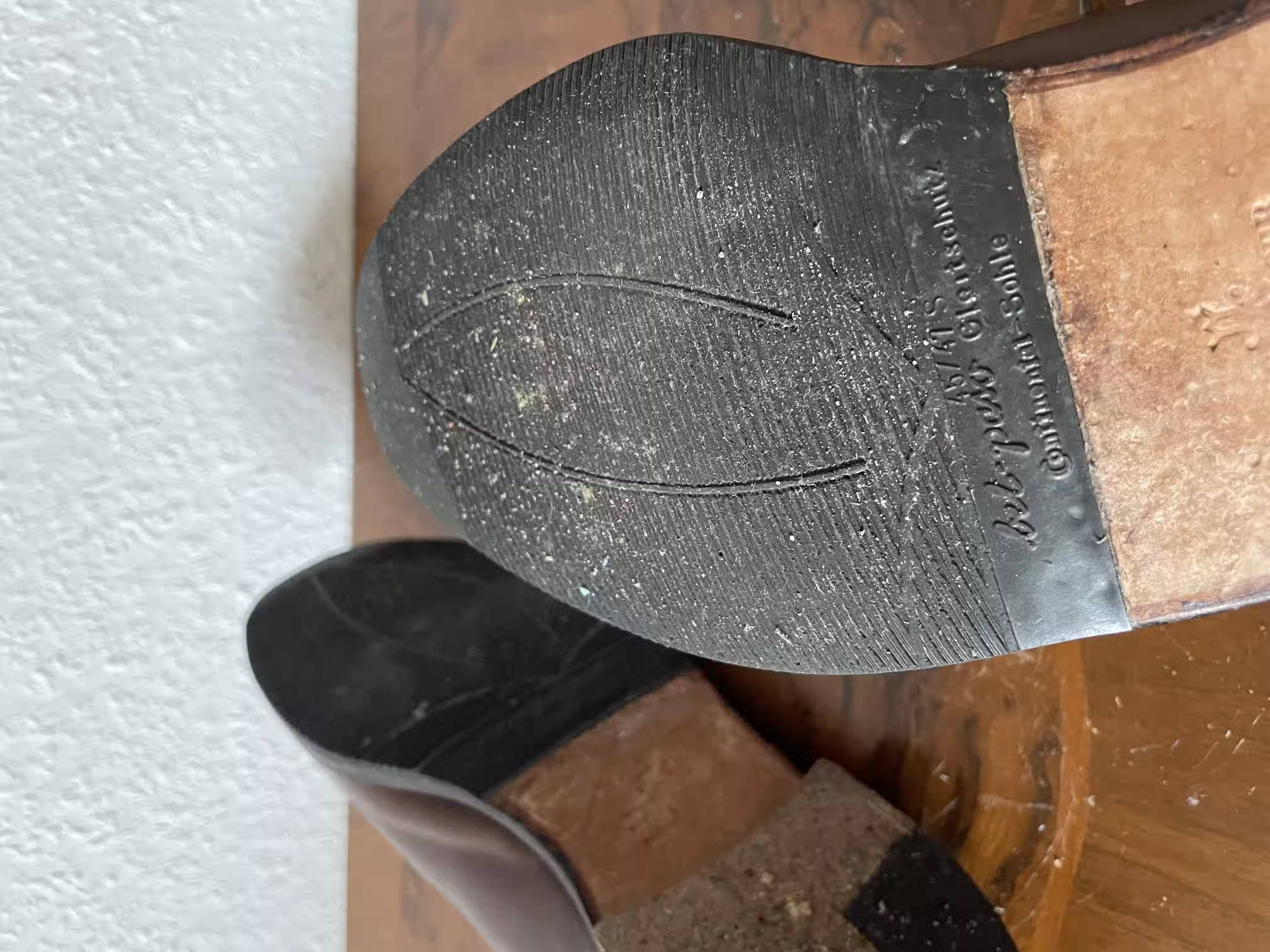
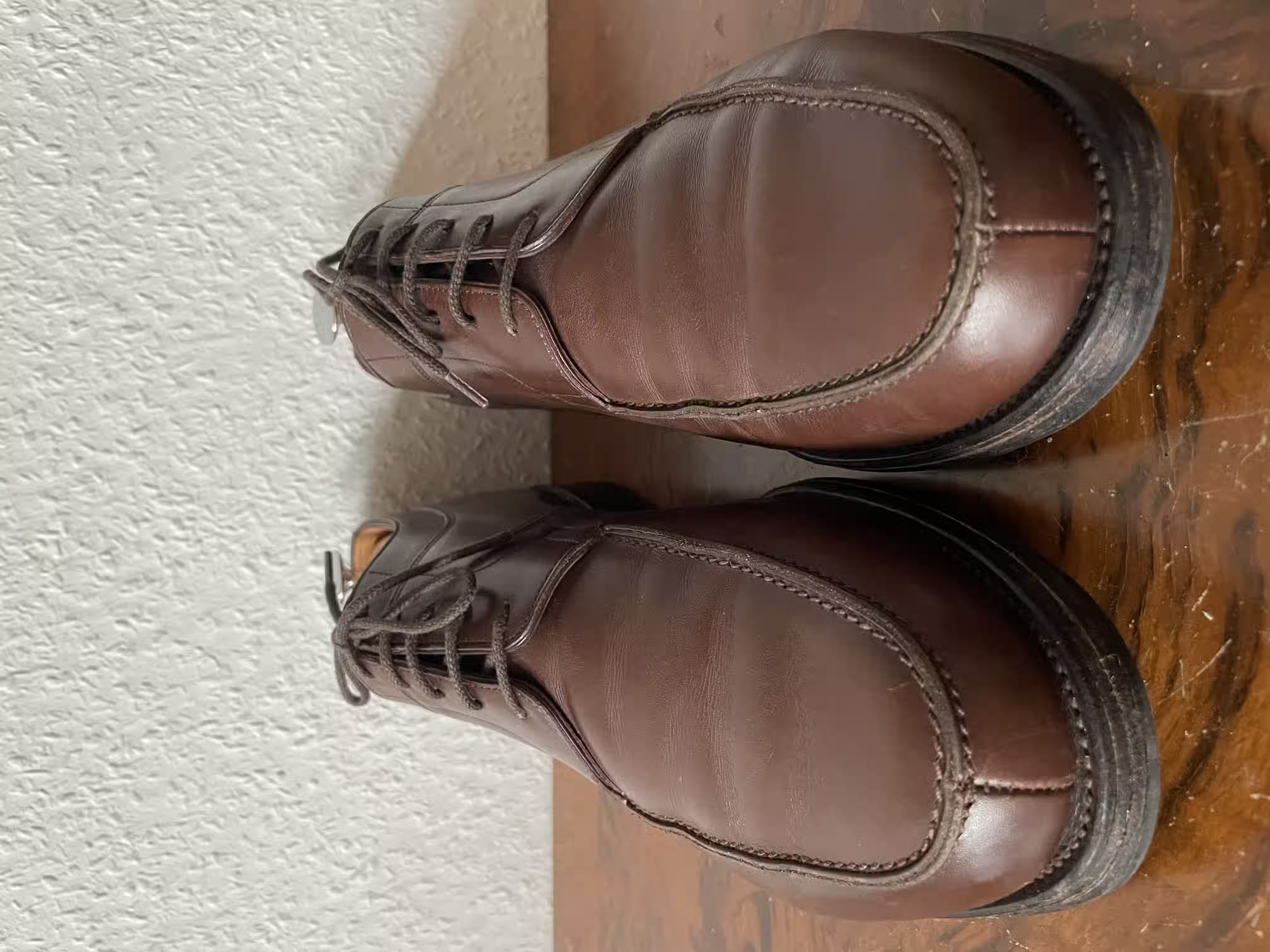
This is a rather rustic model with a striking decoration at the front of the shoe that visually divides the shoe tip into two. The Norwegian is a decorative model for leisure and everyday life that is not seen so often. In black, it can serve for some more formal occasions. However, if it gets really formal, you should rather reach for black Oxfords to maintain an aura of seriousness. This is because Norwegian shoes, with their double decorative stitching at the front of the shoe, appear rather playful.
Sneaker
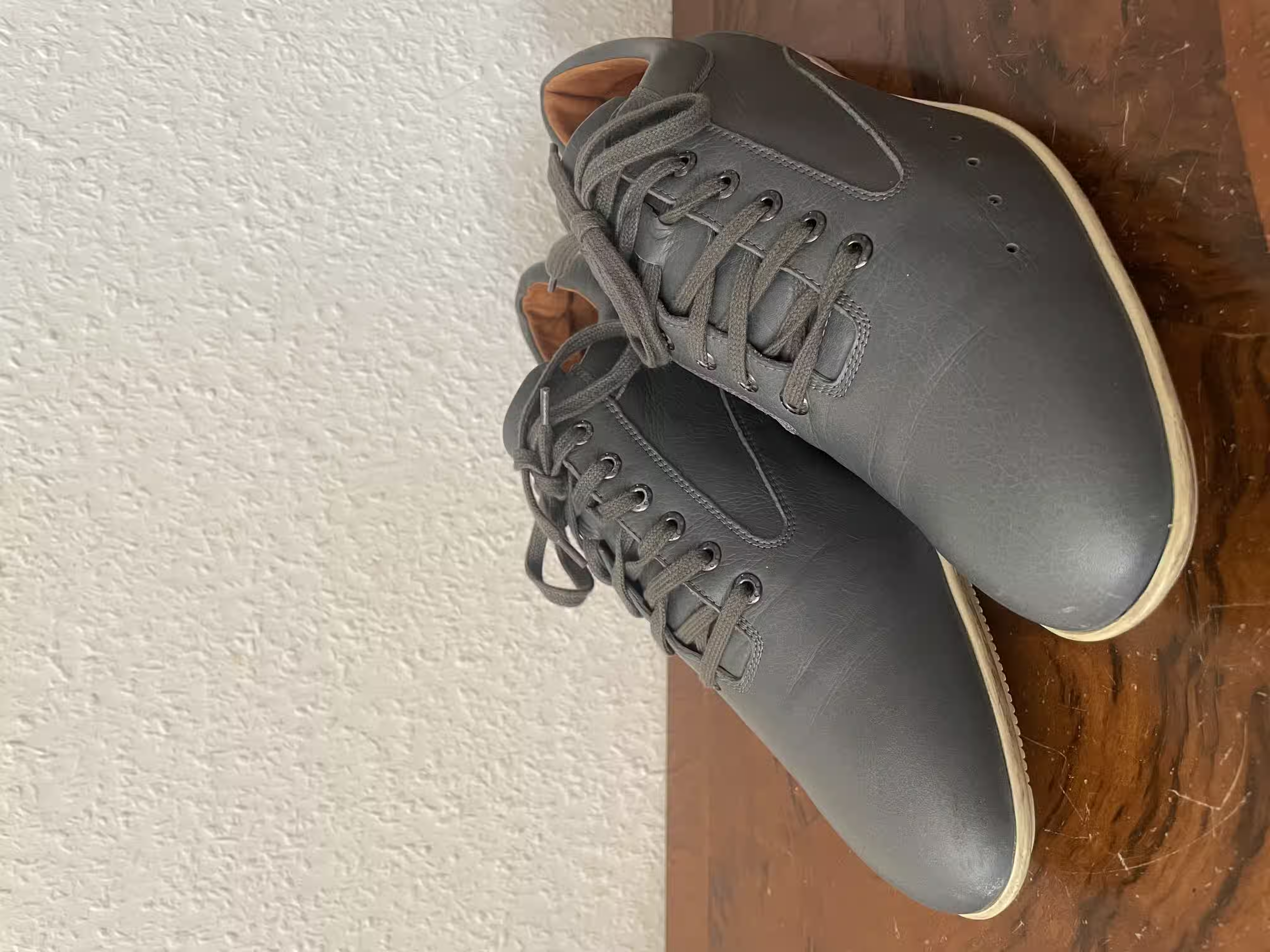
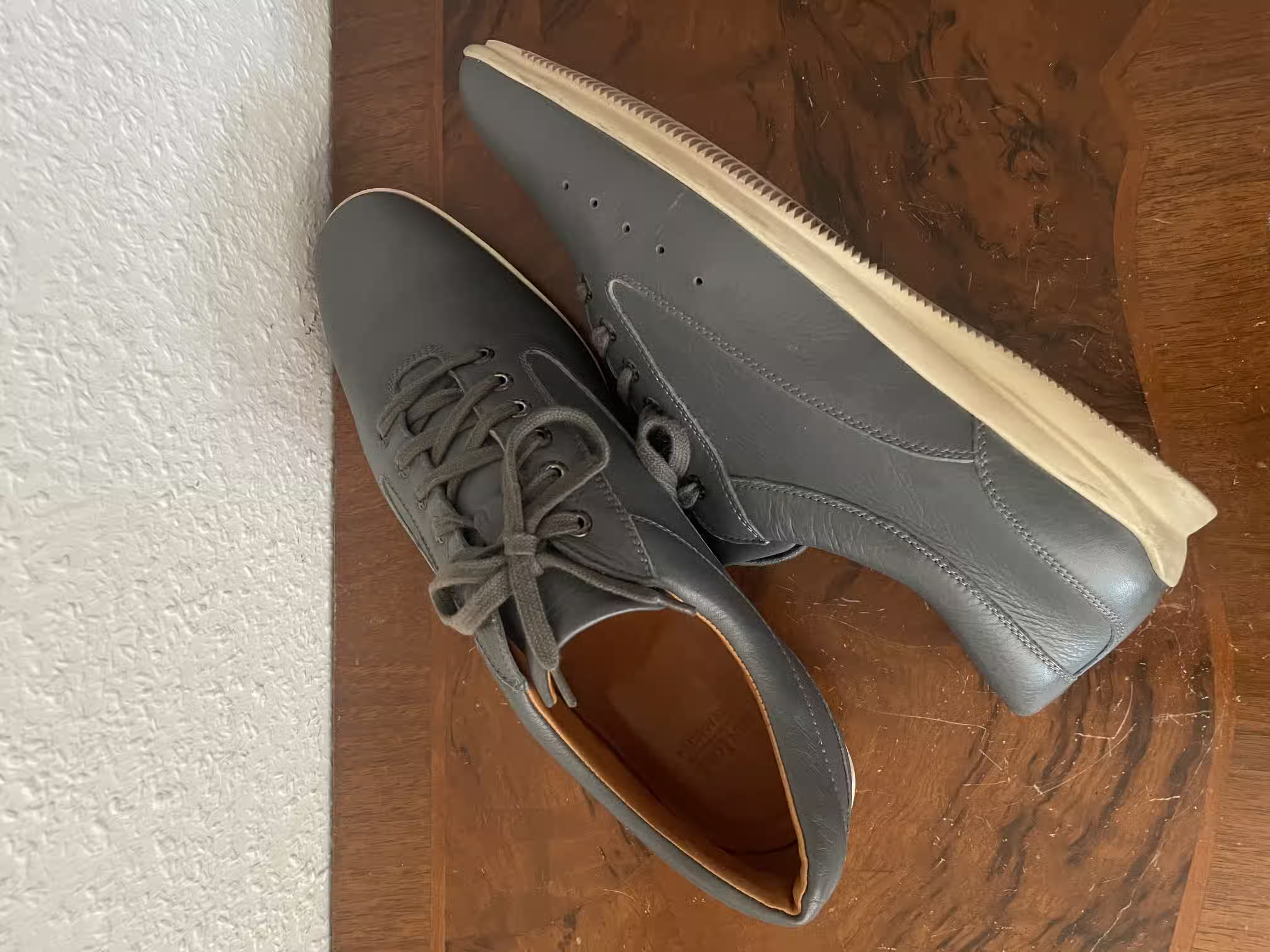
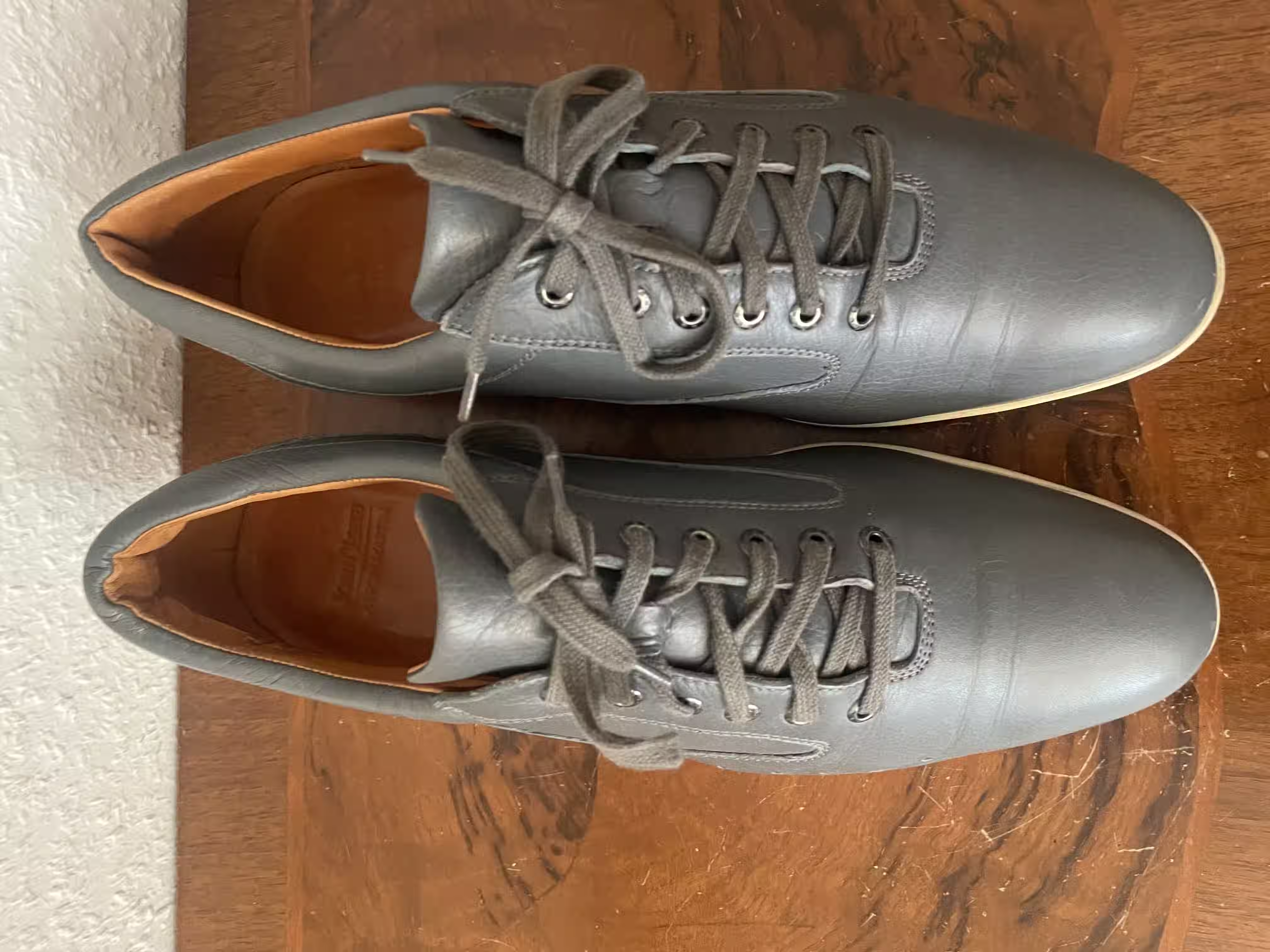
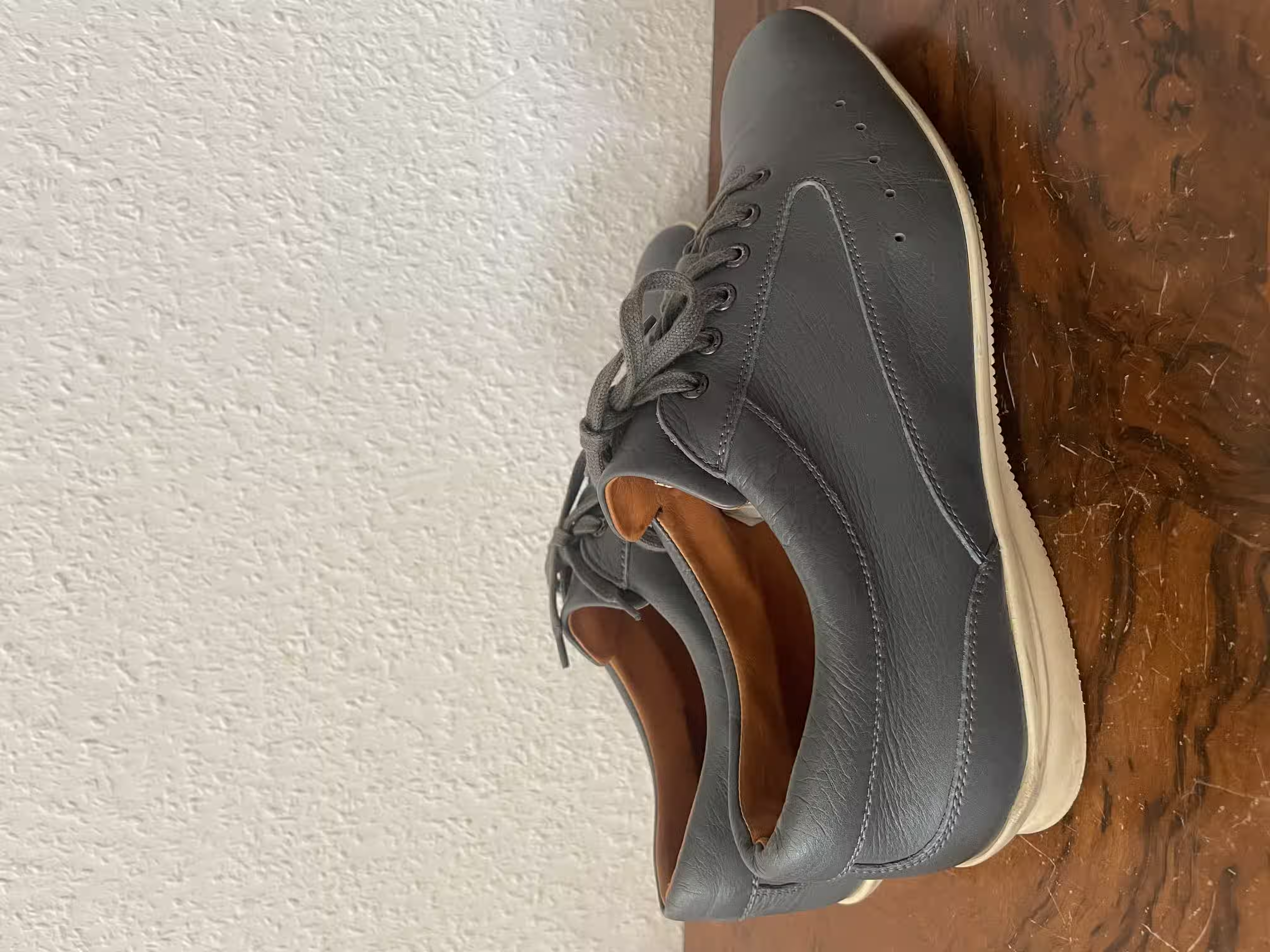
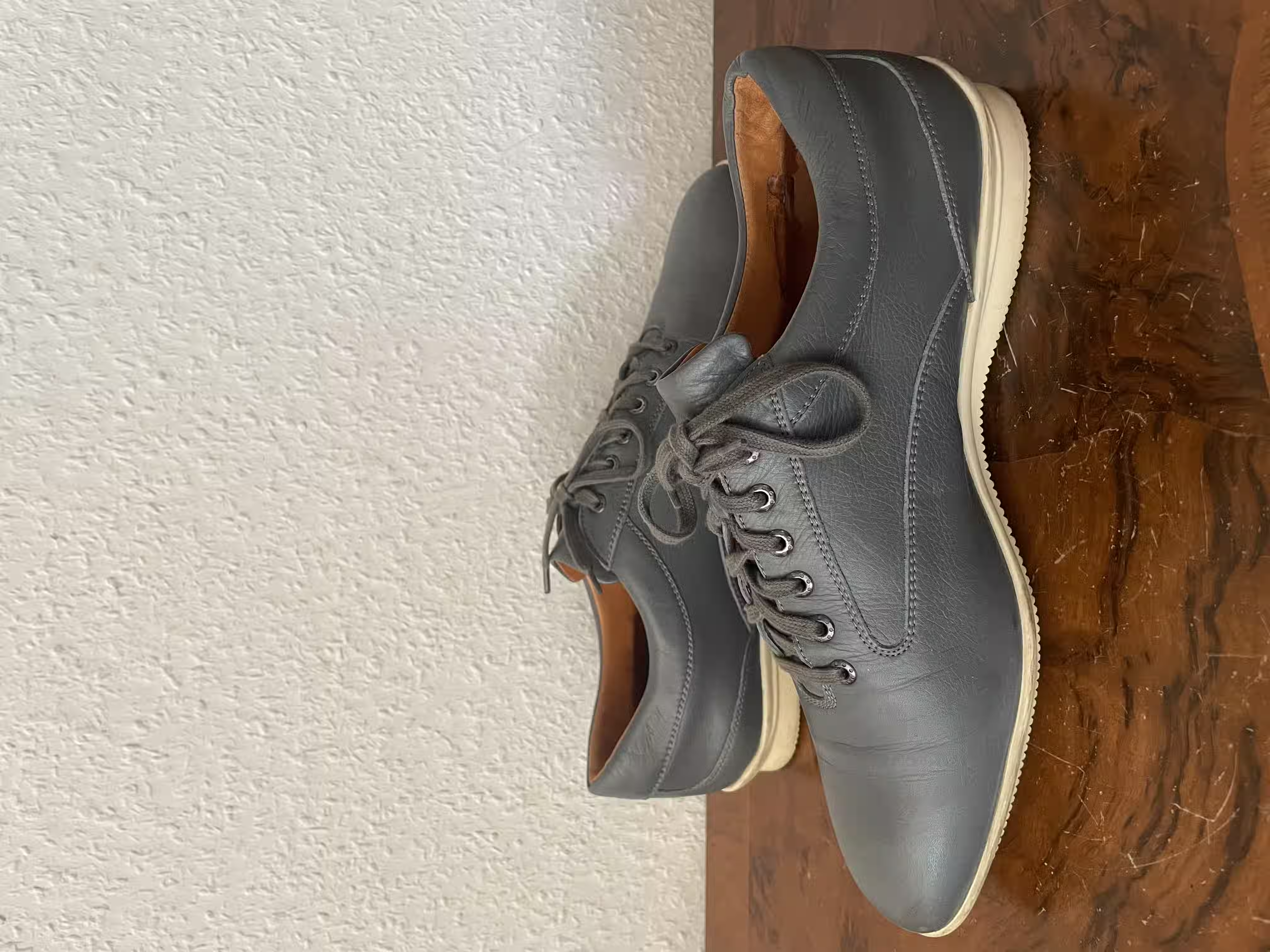
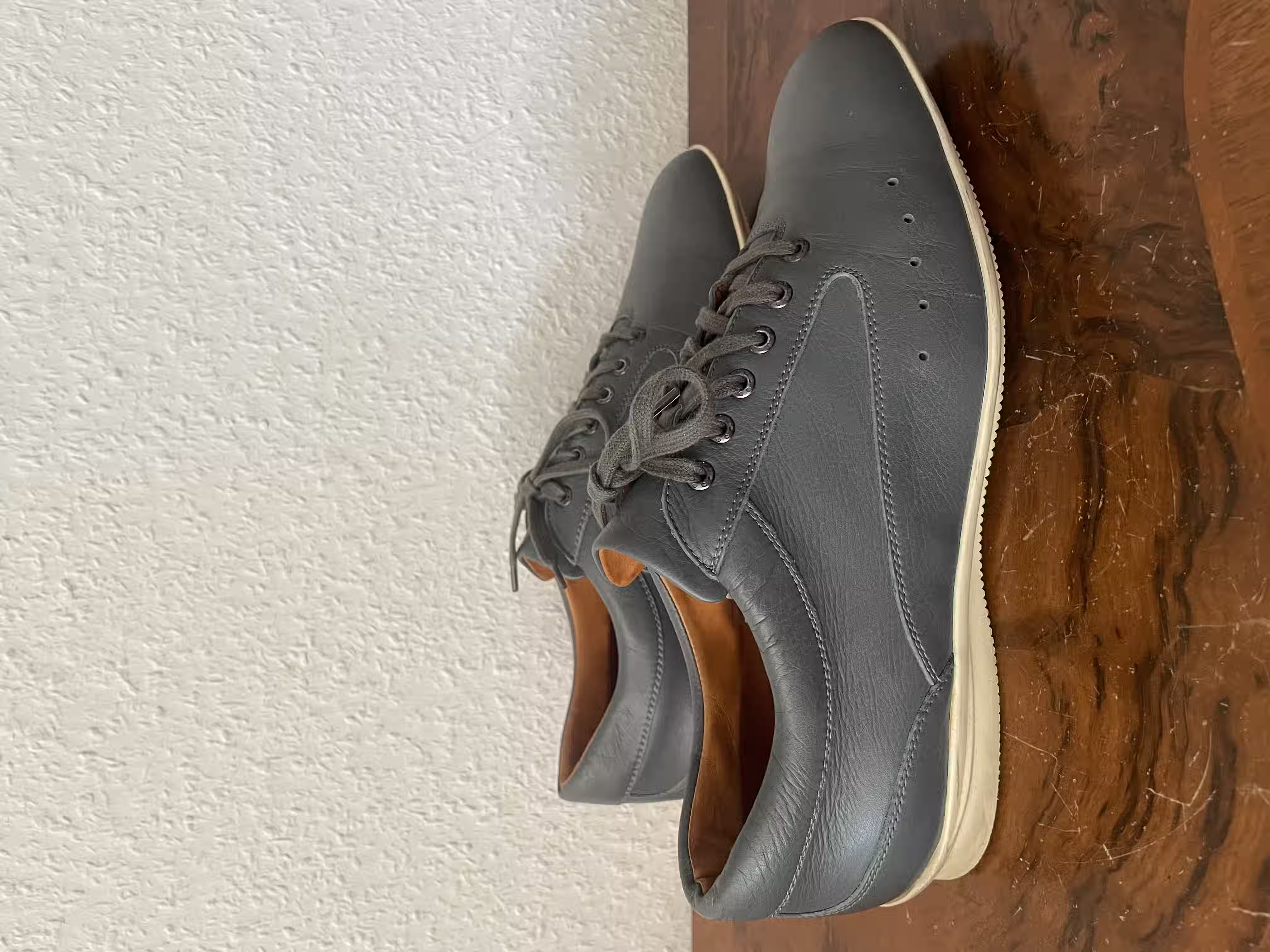
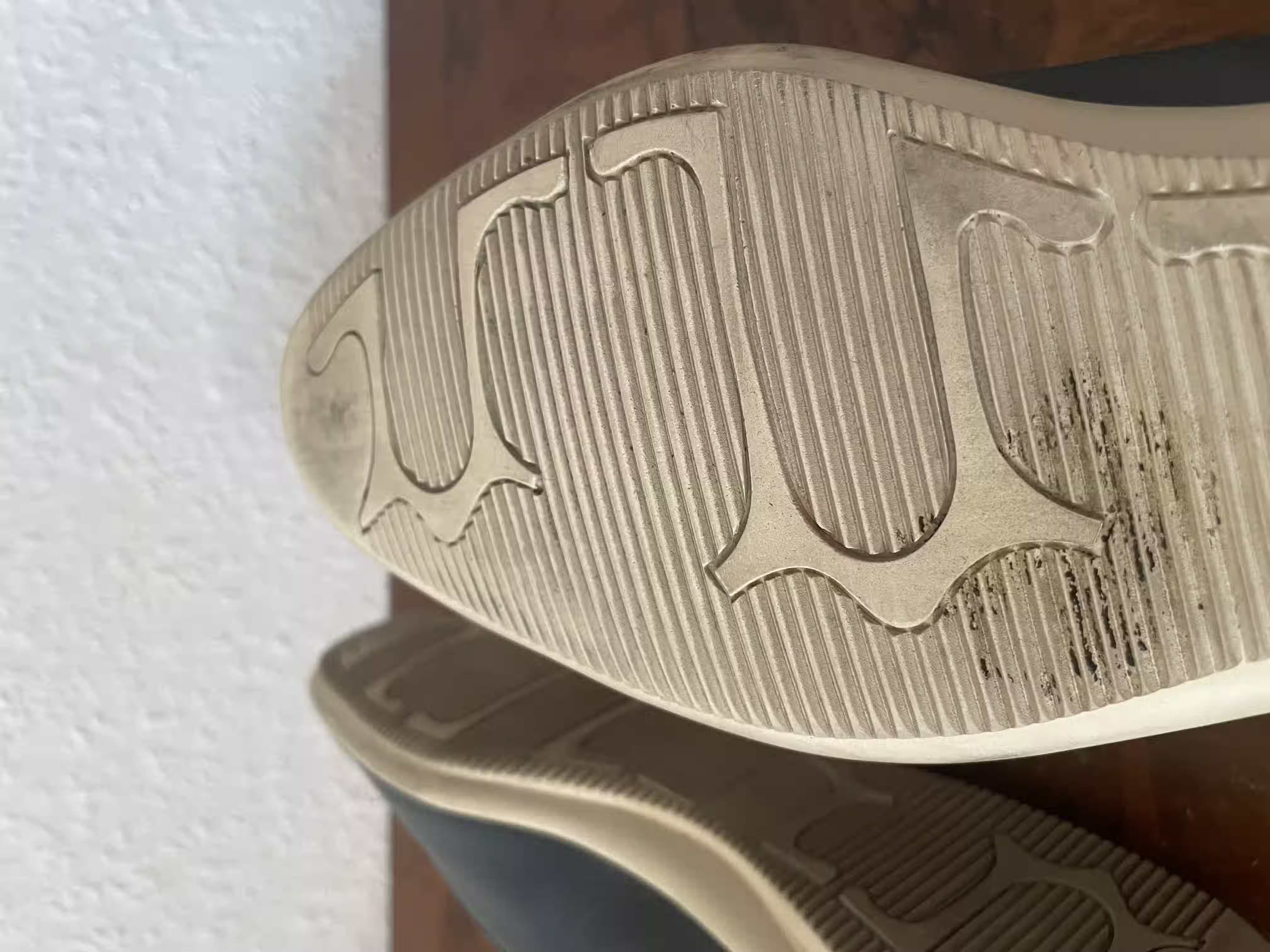
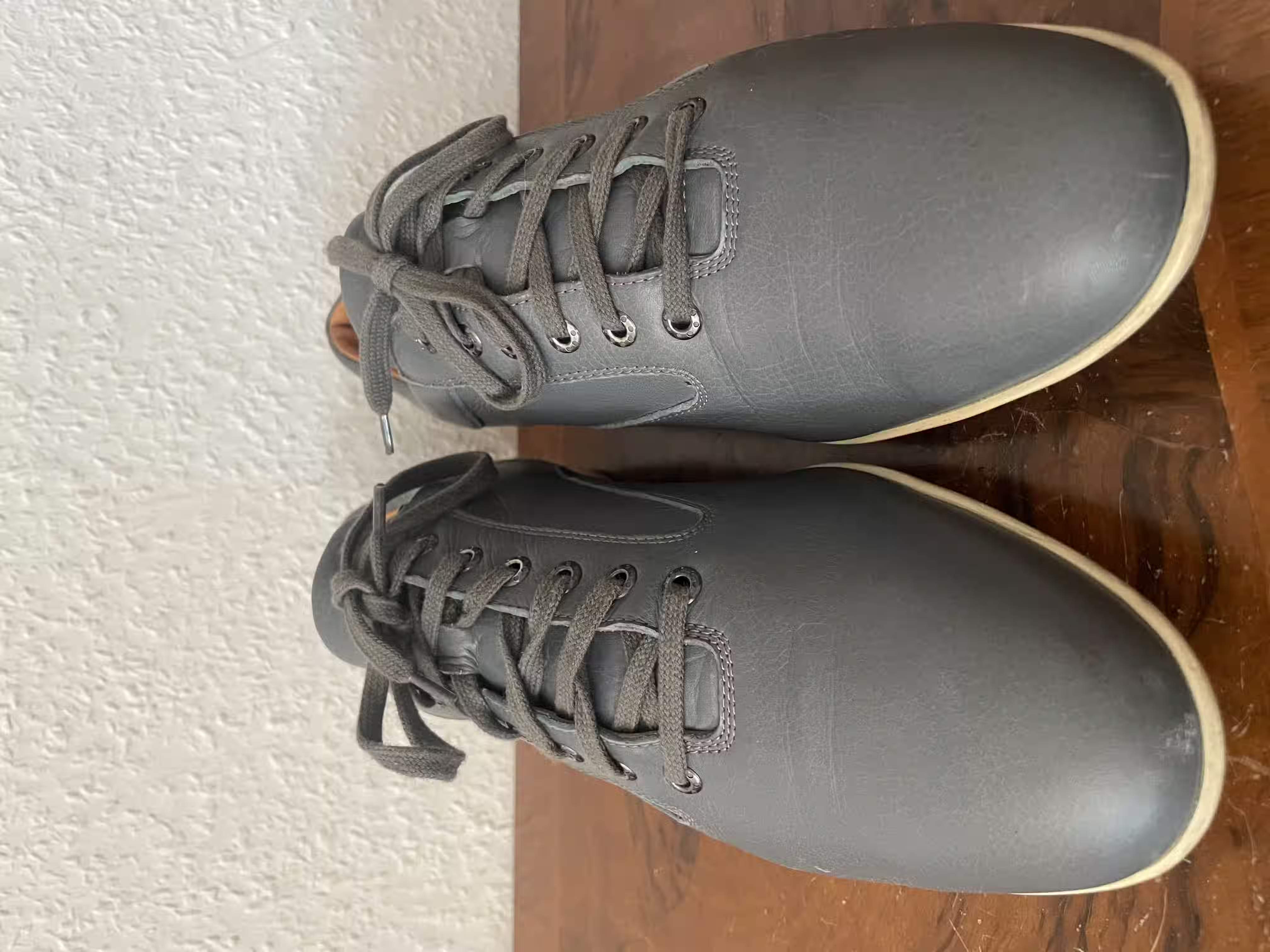
Sneakers were originally worn solely for sports and gymnastics - so they were not intended for going out or for the office, let alone for formal events. Compared to typical classic men’s shoes, they also look chunkier and thus not elegant enough for everyday life if you apply corresponding standards.