
Other Shoe Models and Variants - Additional Variations on the Basic Shoe Models
Here you can take a look at additional shoe variants that can usually be applied to several basic models. Most of the time it’s about adding decorations, but sometimes they’re also removed.
Cap Variants
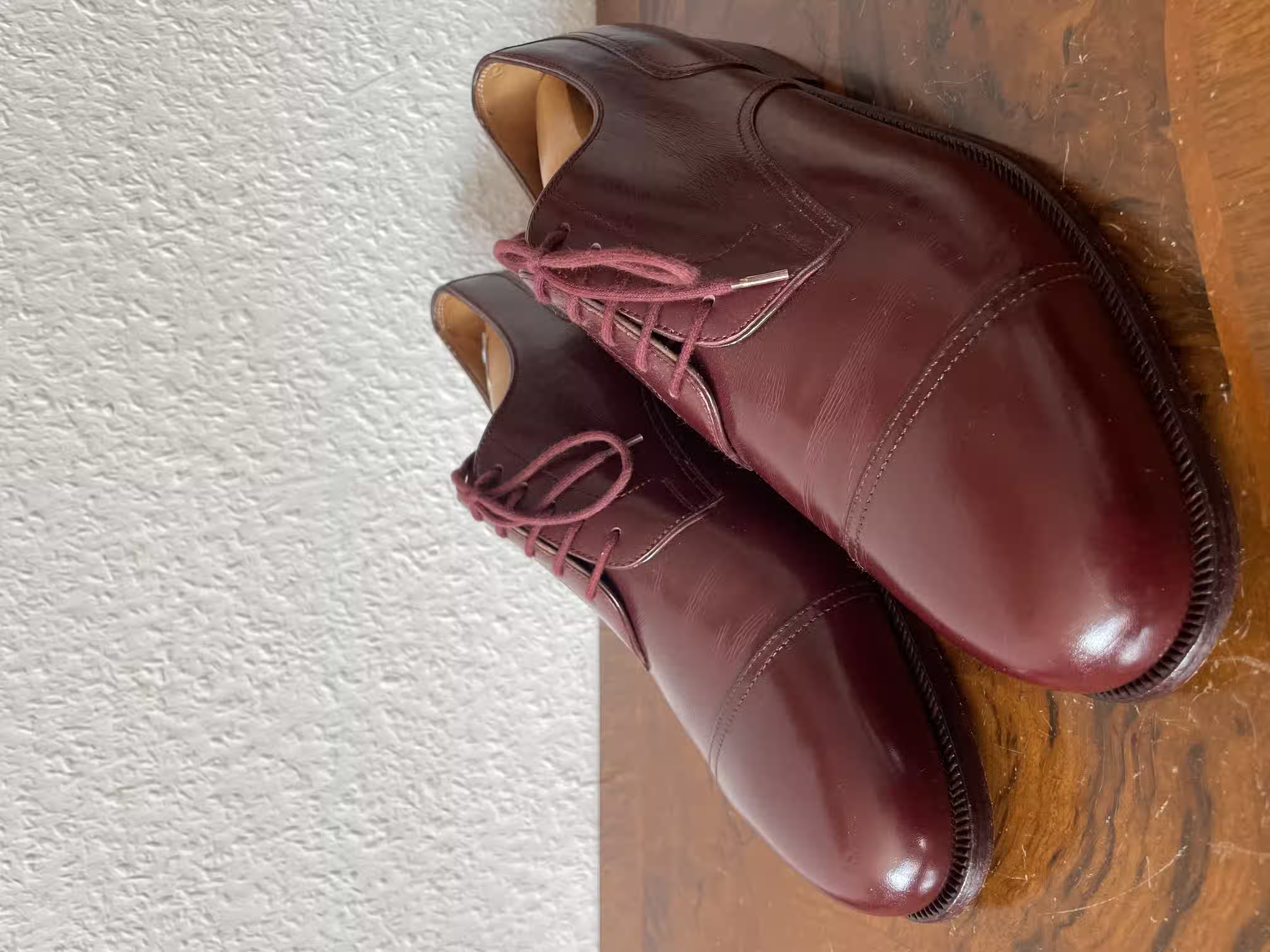
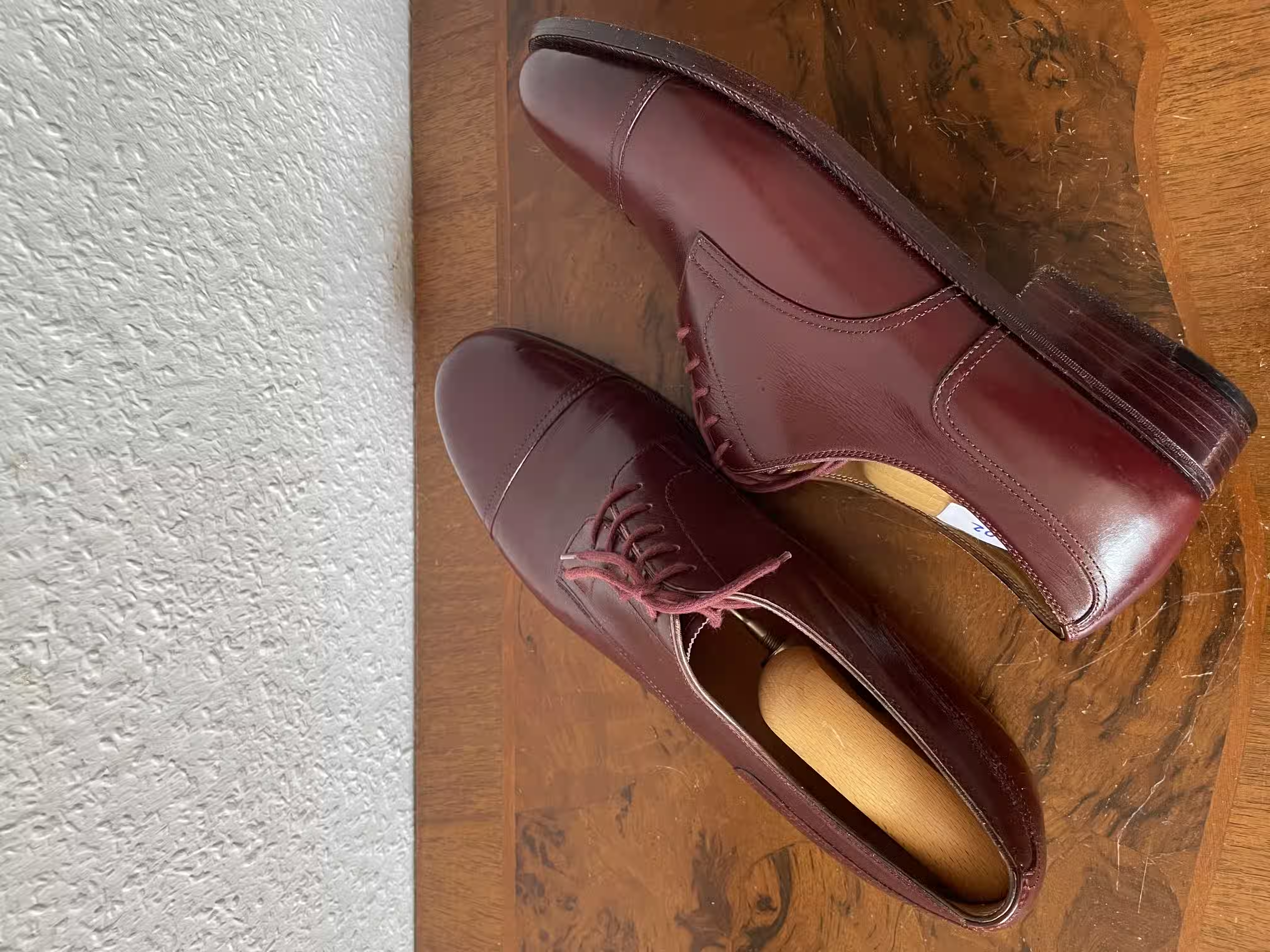
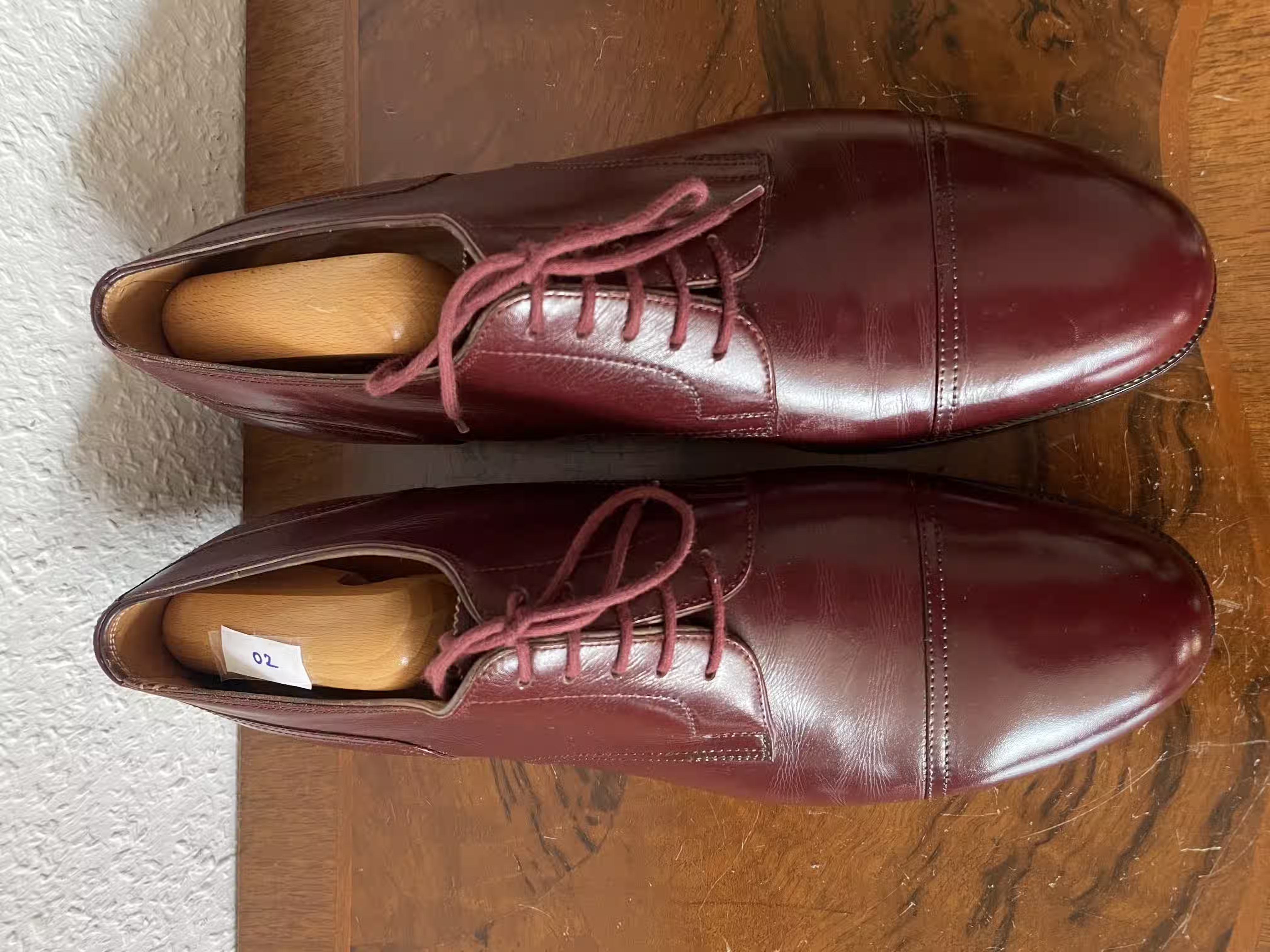
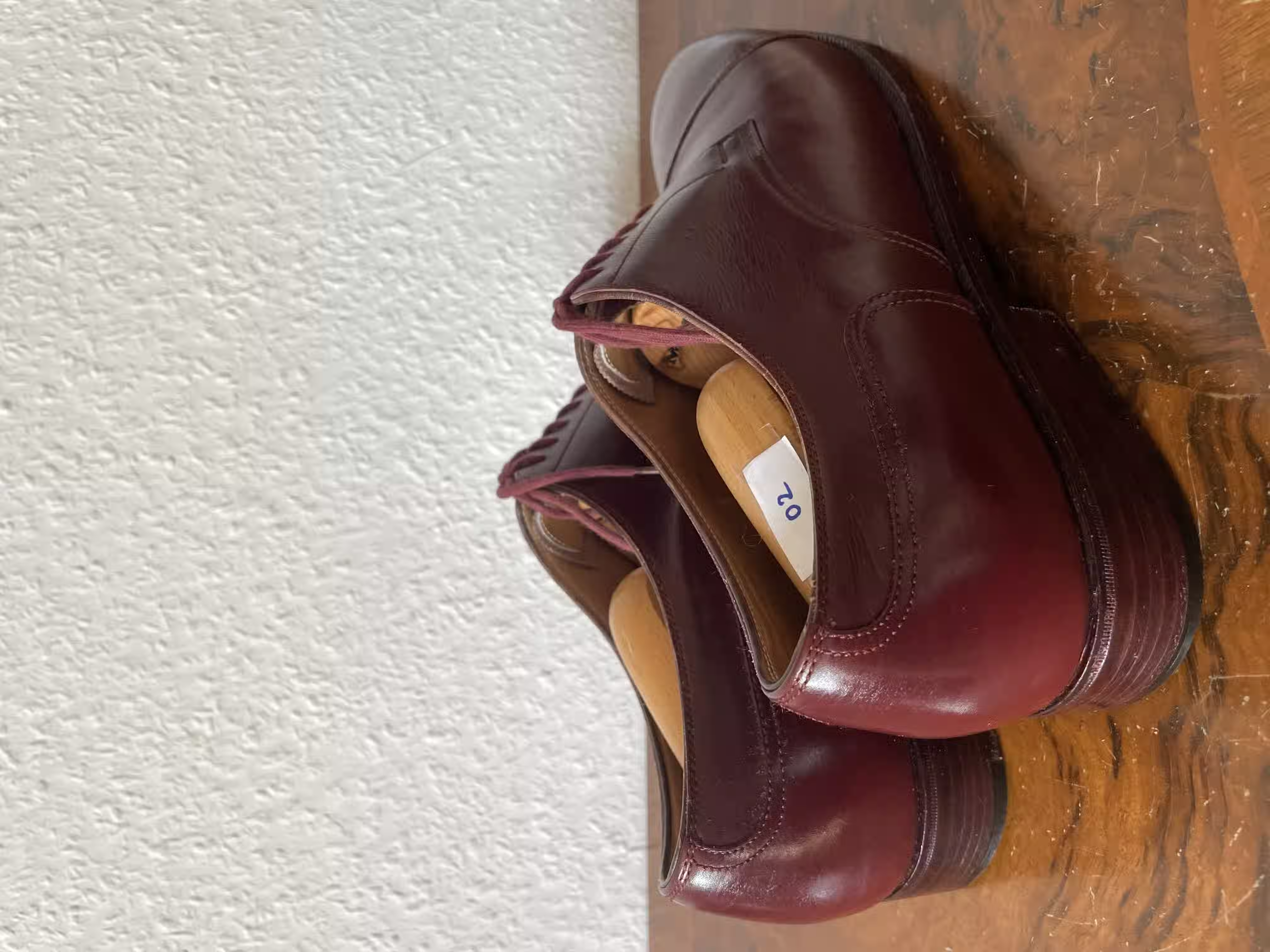
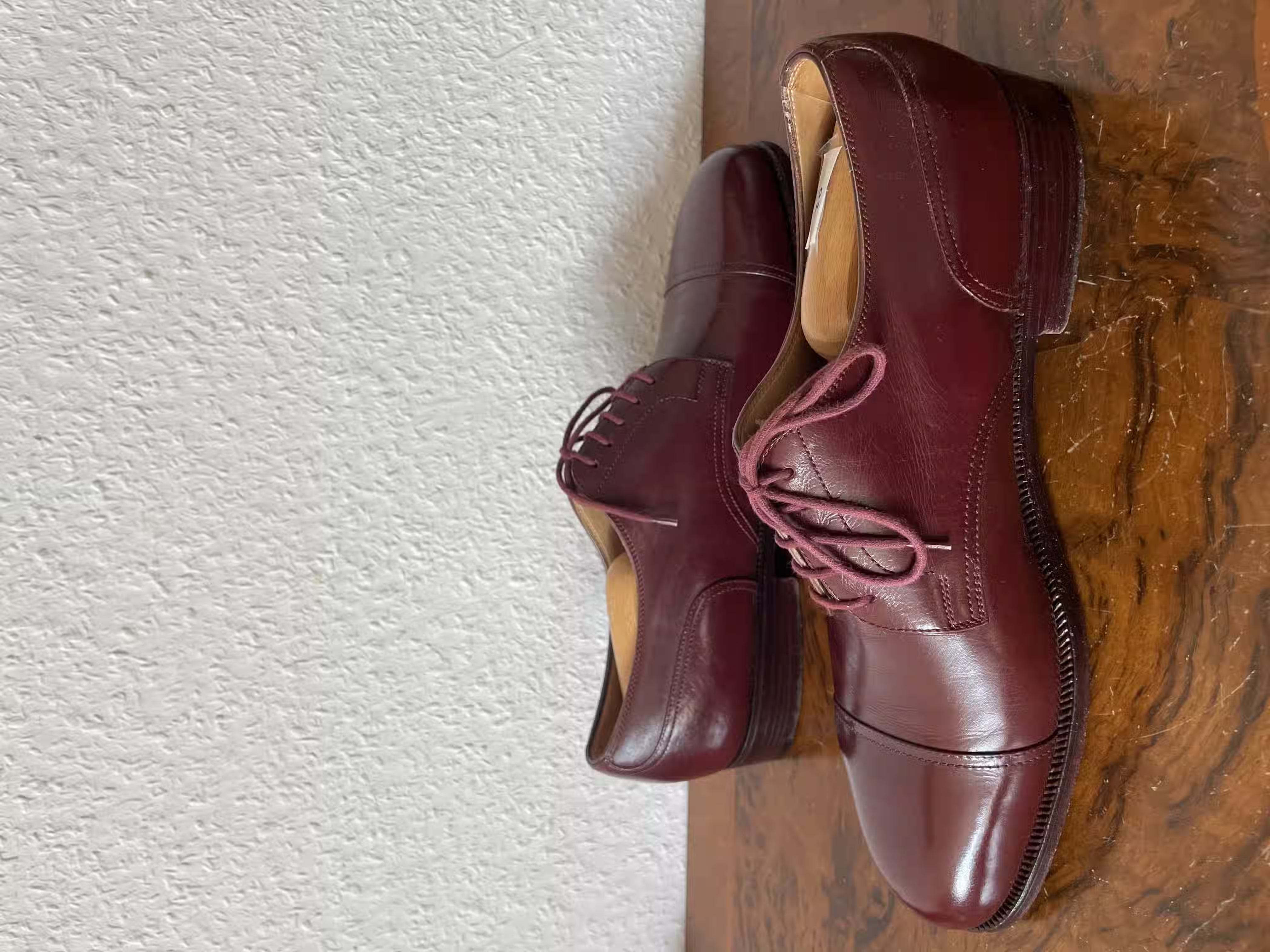
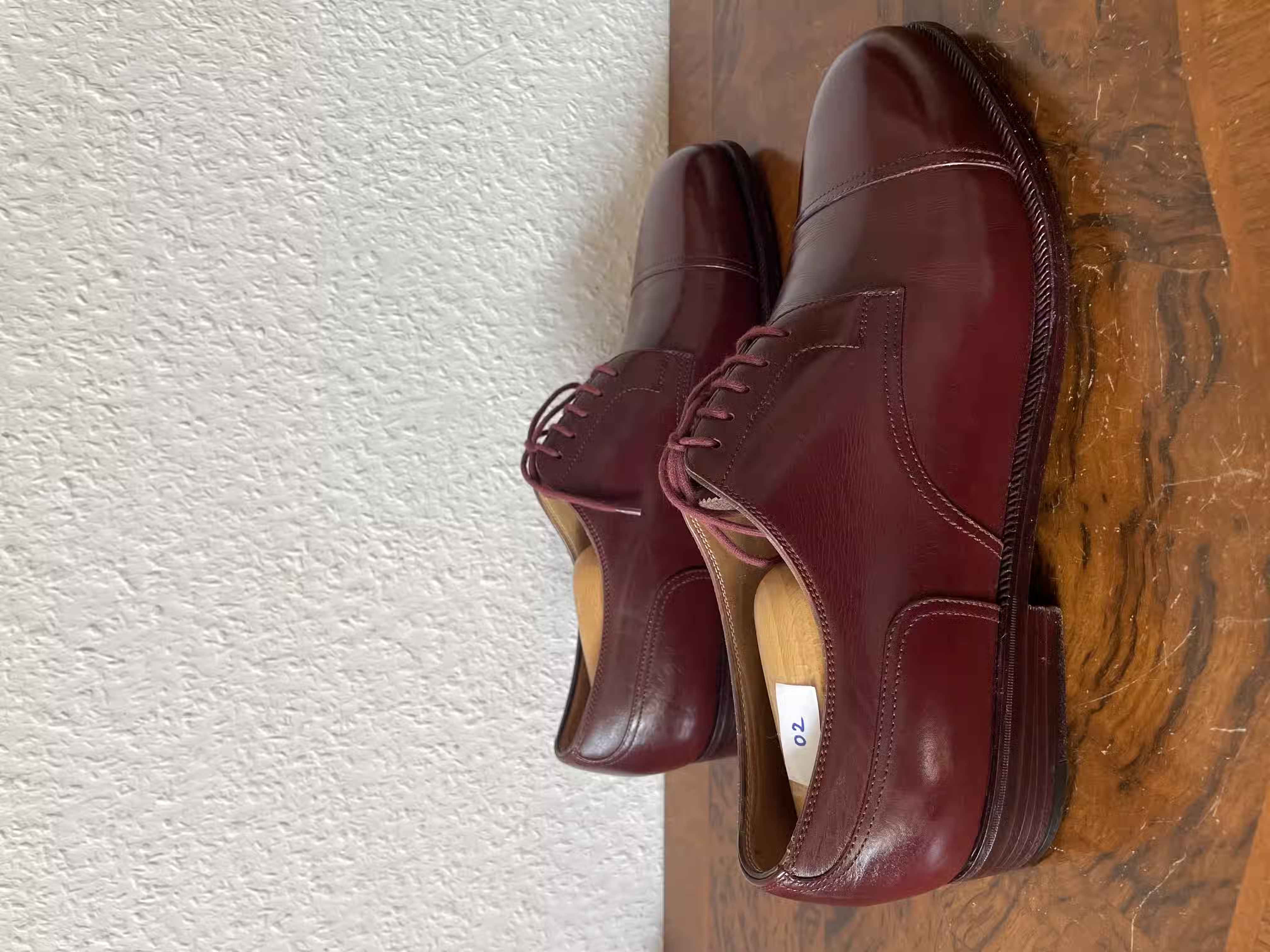
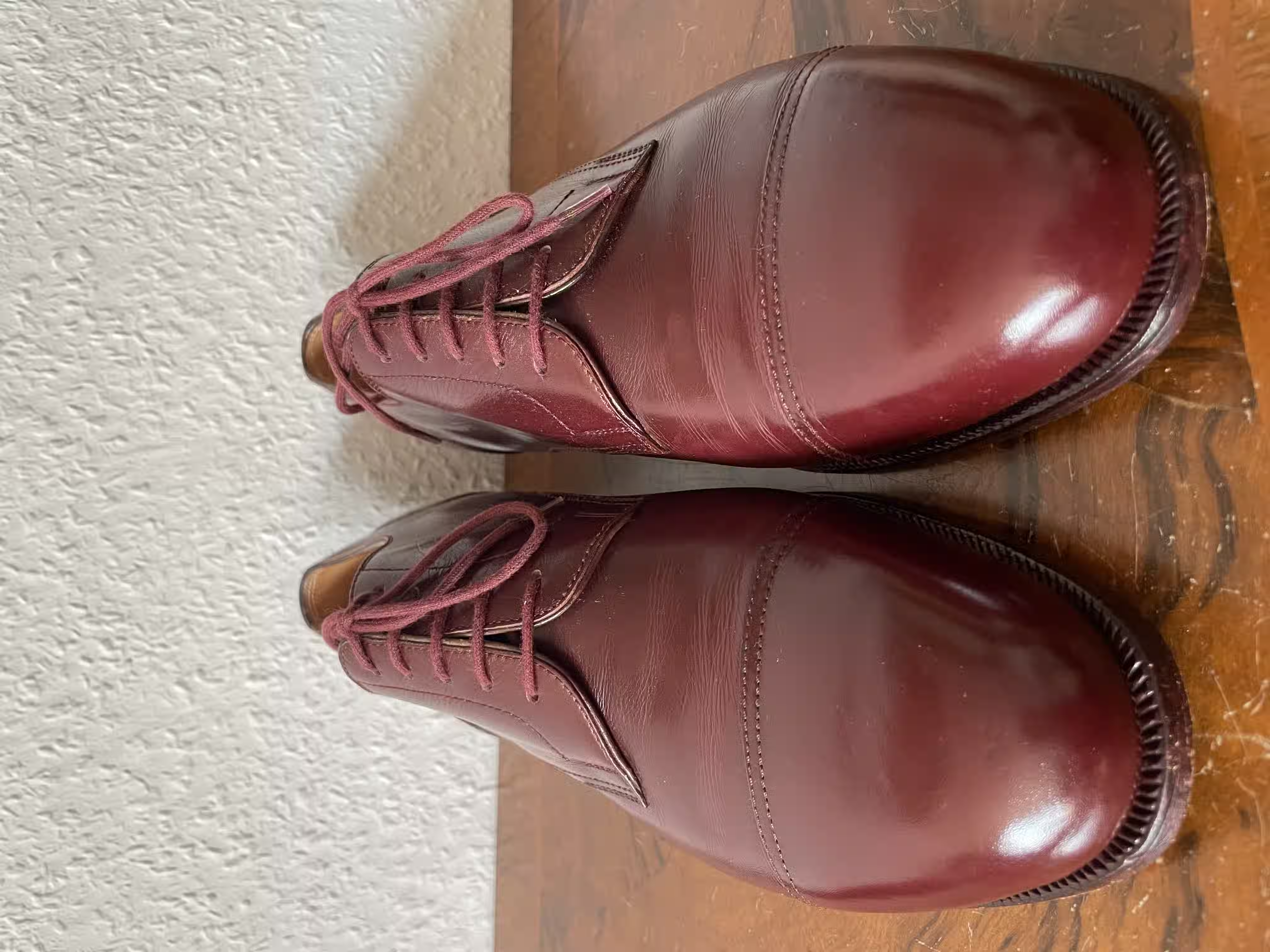
Caps are leather pieces that are attached to the upper either at the front at the toe or all the way at the back at the heel. Accordingly, they have the following names:
- toe cap (in the simplest version)
- heel cap or back cap
The purpose is, first, to reinforce the leather in the corresponding areas. By using a cap, you can often skip the reinforcement between the upper leather and the lining, which is usually placed at the very front and very back of the shoe.
Second, with their edges and borders along which seams or perforation patterns run, caps are additional decorative elements. And that means they can be used with many shoe models to add a bit of visual interest. For example, so-called quarter brogues are defined mainly by the perforation pattern on the toe cap.

There are also further variants of the toe cap:
- single or multiple stitches as decoration for the edges
- so-called wing caps, which cover more leather surface
- extended wing caps that run around the outside at the sides, typical for so-called longwings
Wing Caps
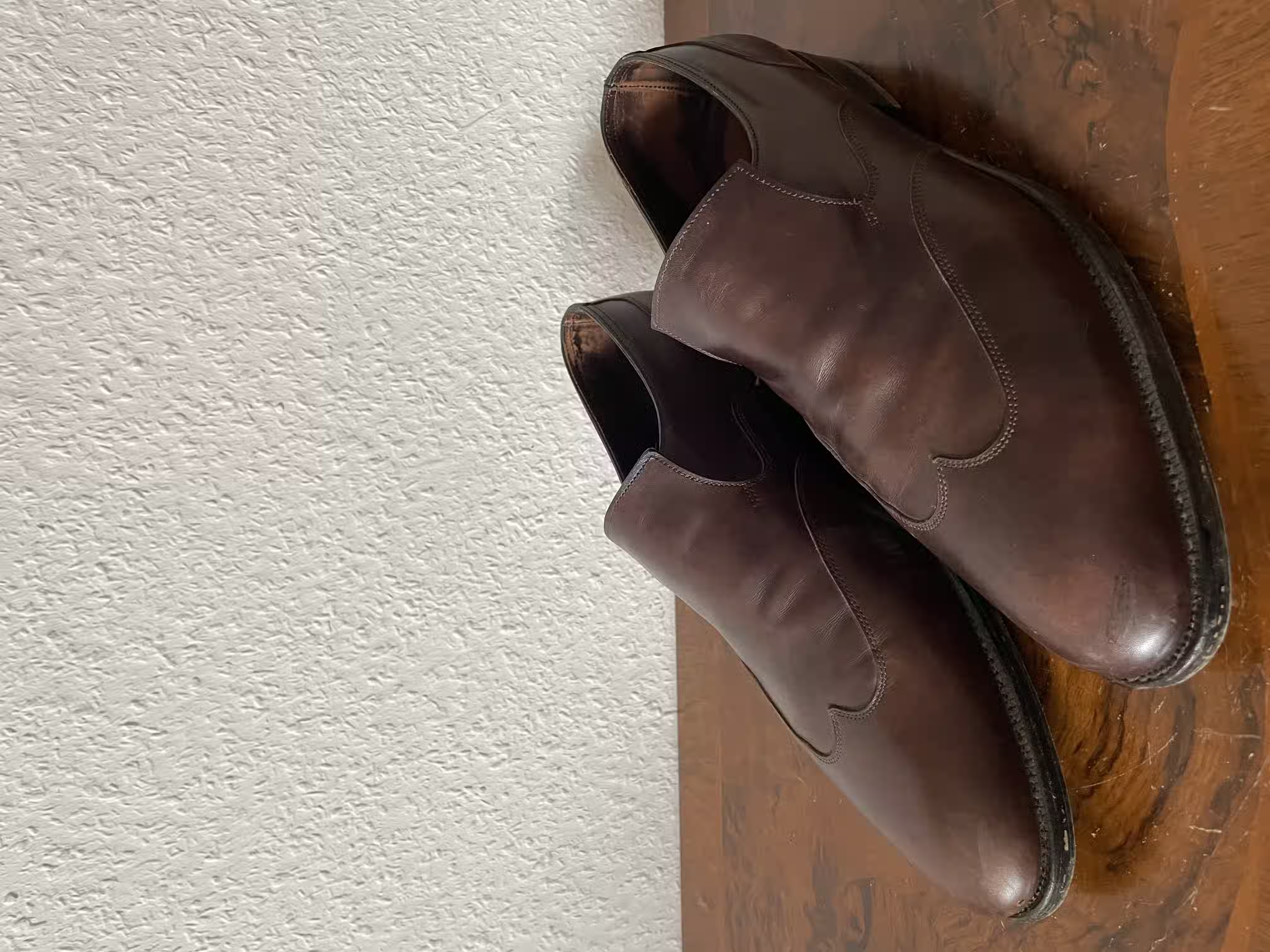
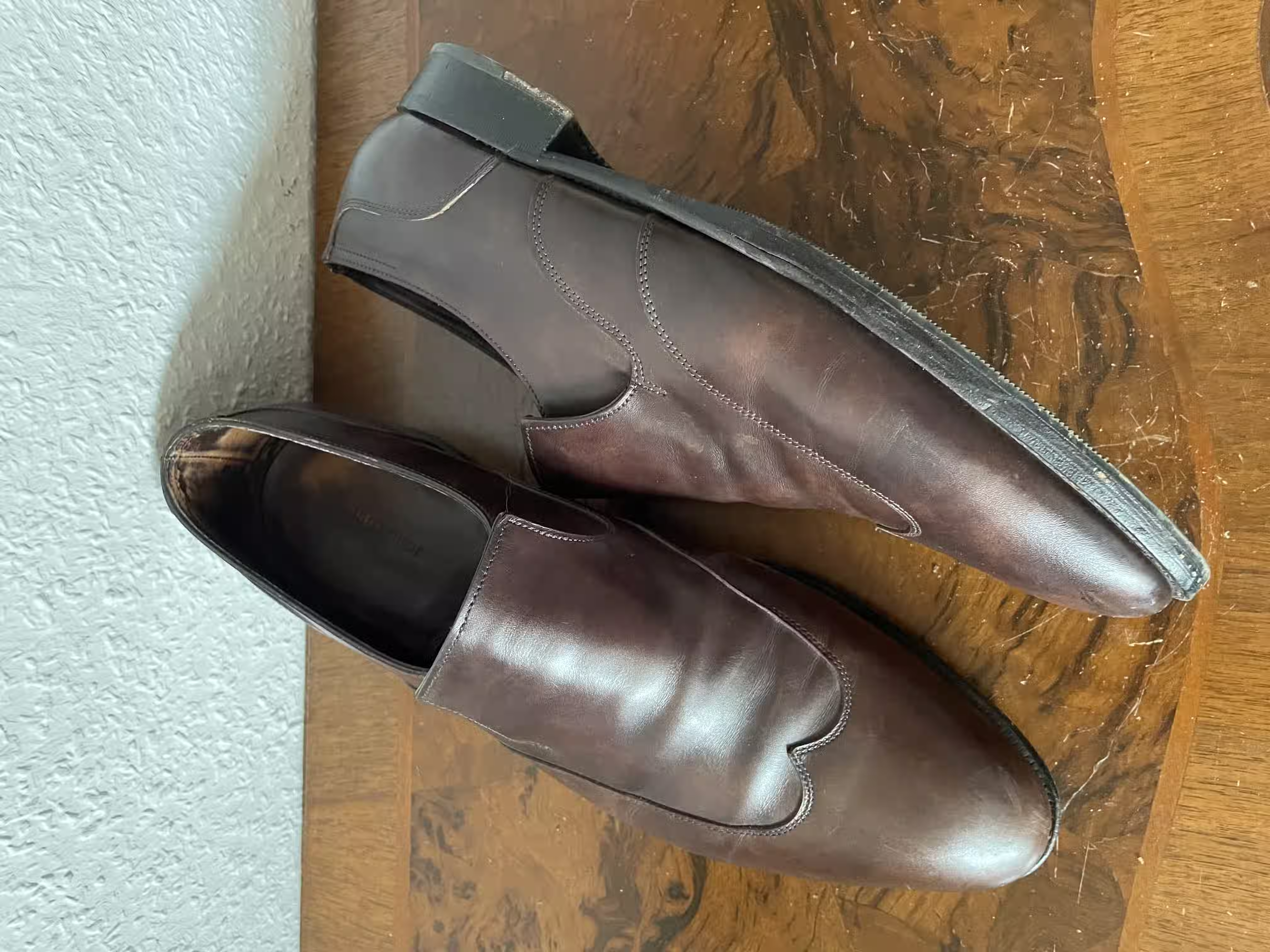
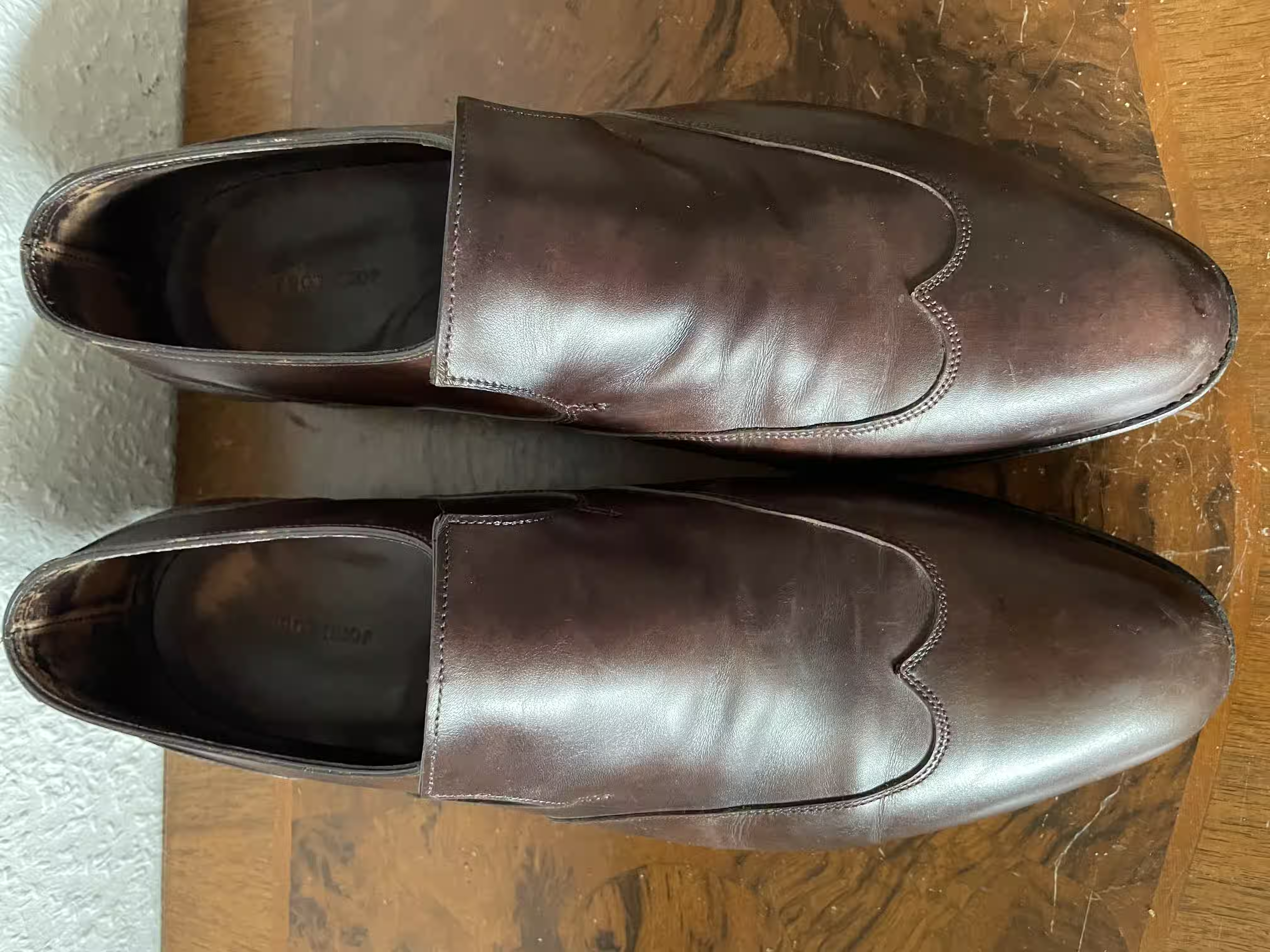
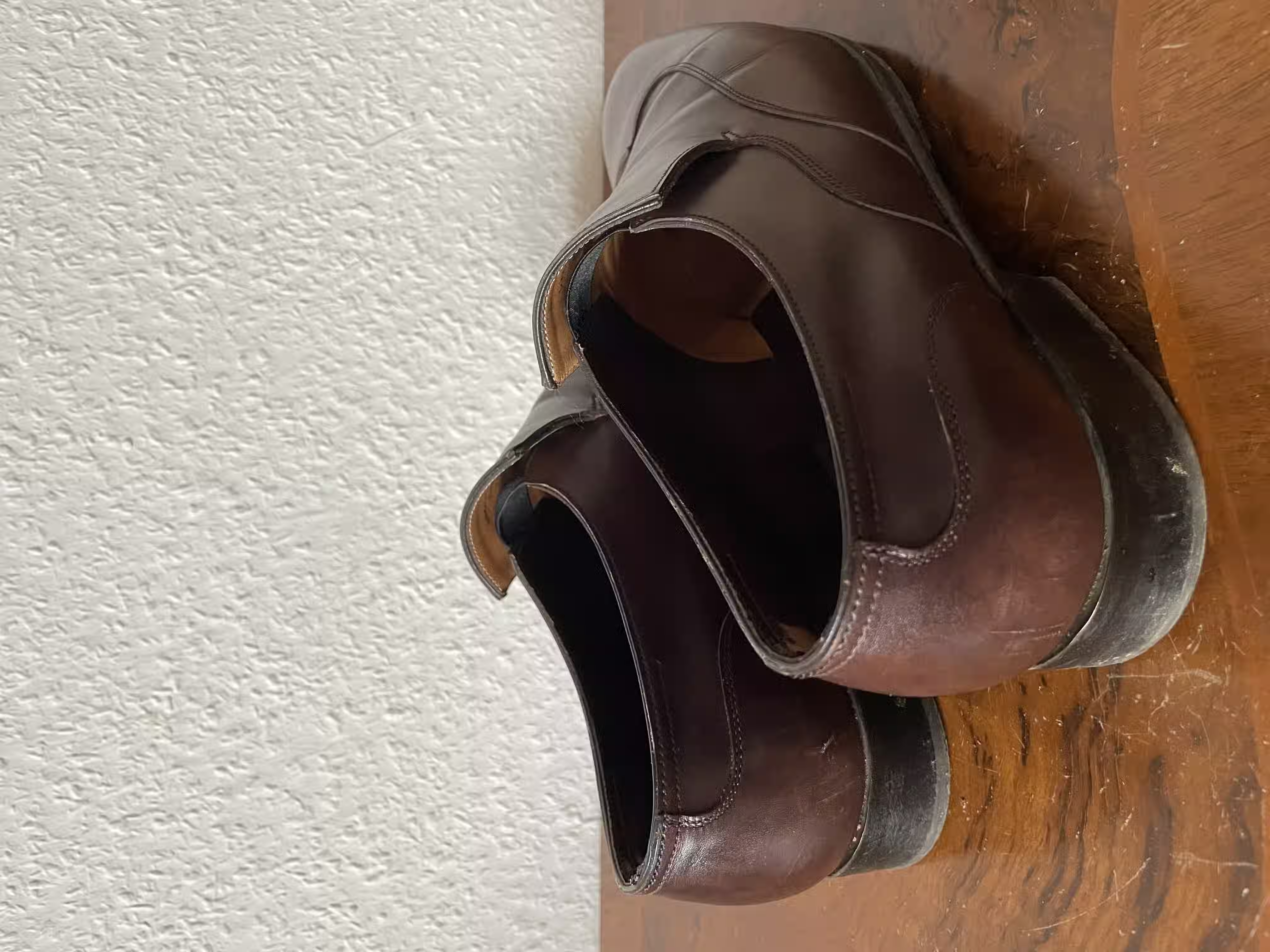
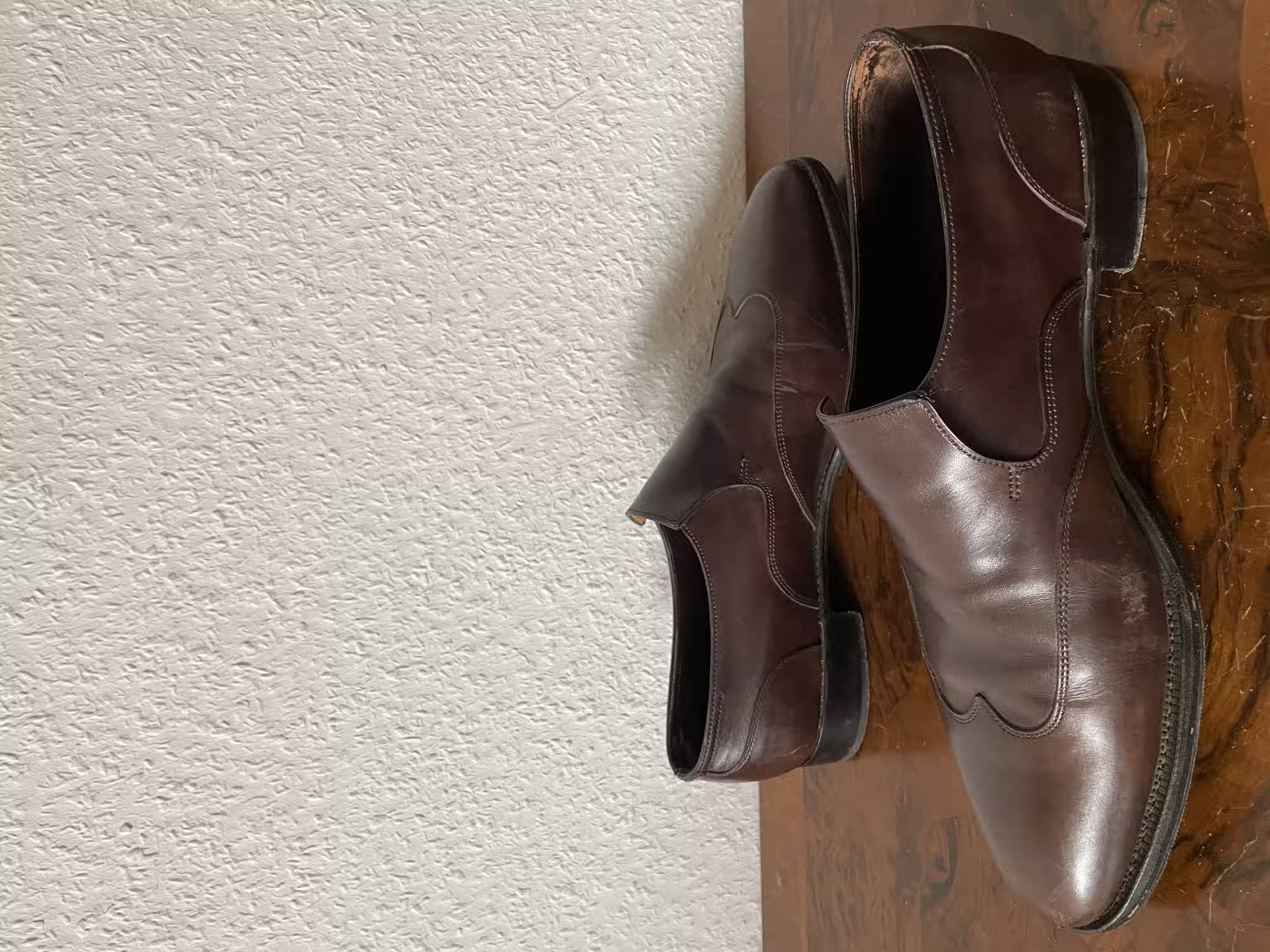
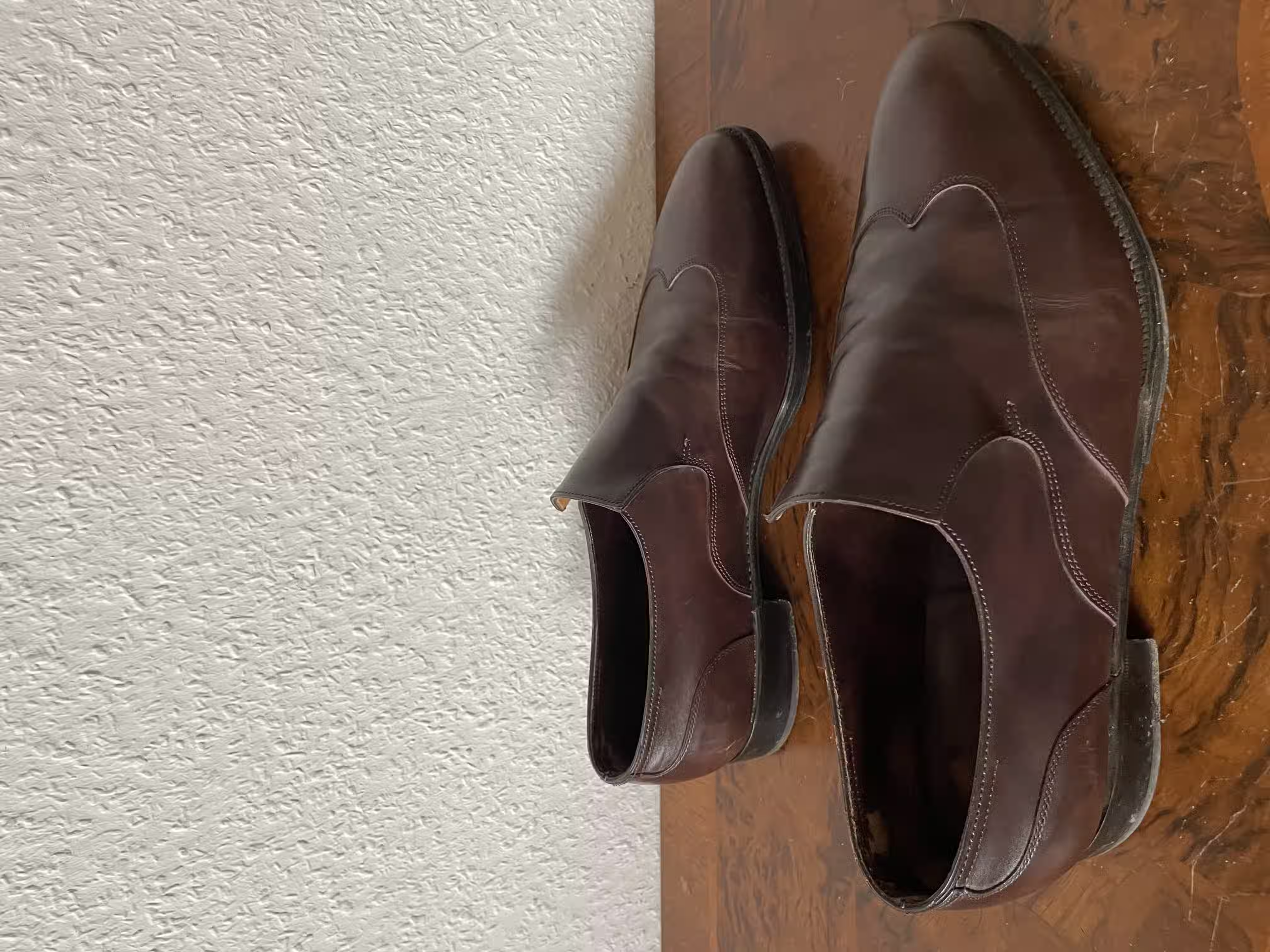
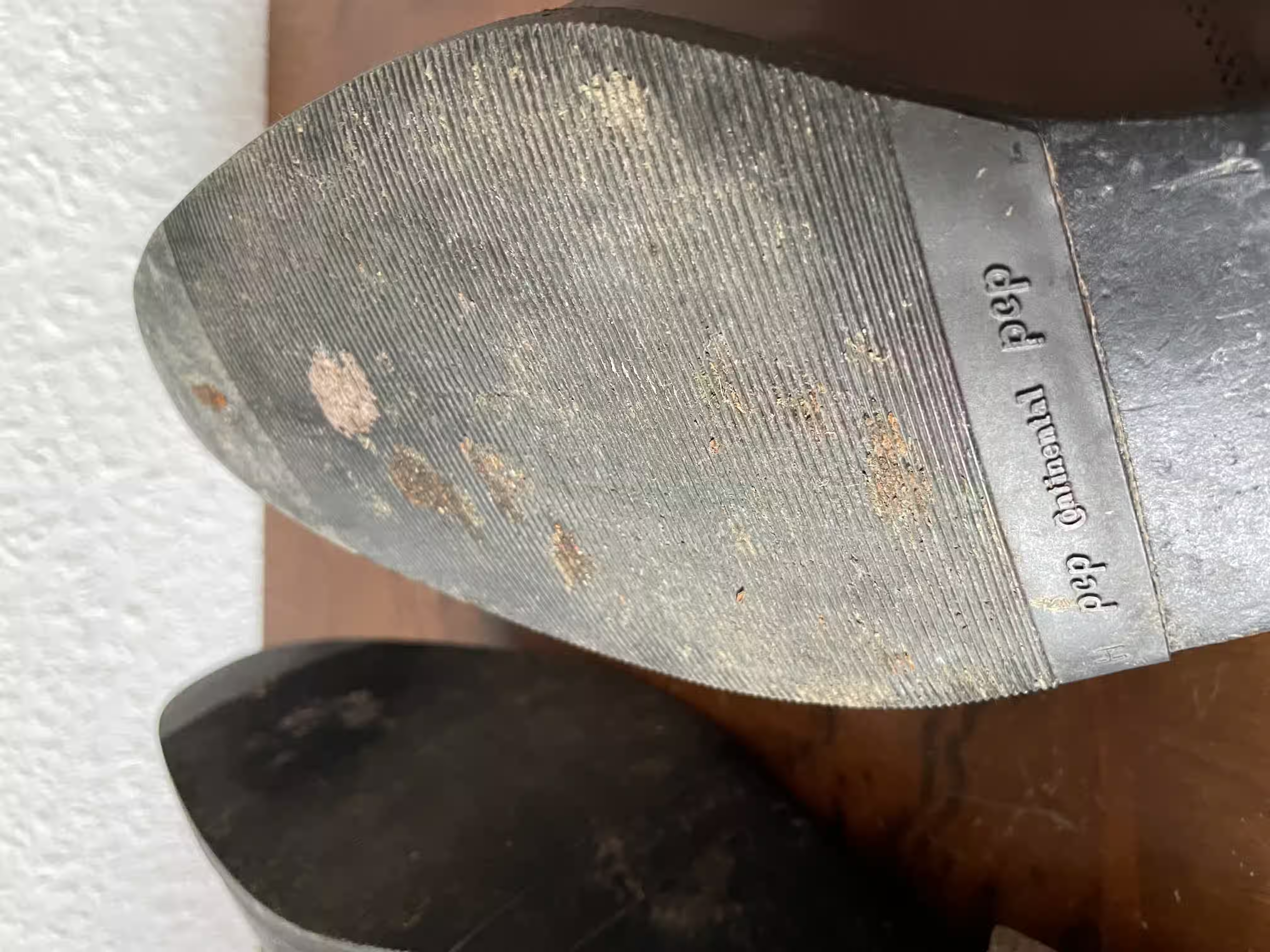
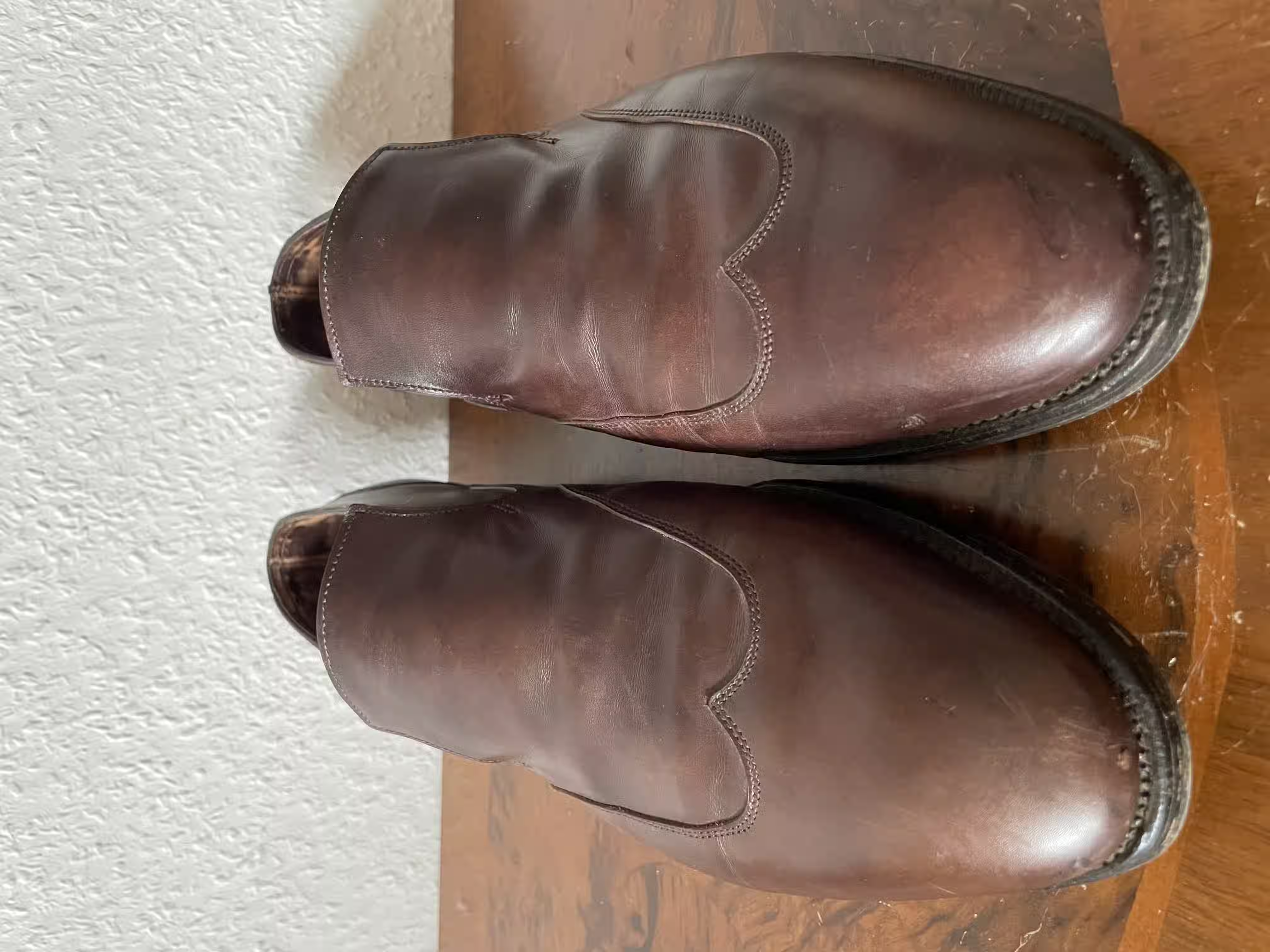
The wing cap doesn’t just go around the shoe in a simple line; it is more complex and, in terms of its lines, depicts a bird with outstretched wings. Often, such wing-cap shoes are fitted with perforation patterns, so the wing cap itself doesn’t stand out as much. This is the case, for example, with a so-called full brogue shoe. And then there are other, much rarer variants that do without perforation patterns entirely or for the most part. With these, the wing cap stands out better, as with the so-called austerity brogue. You can see these and other examples of wing caps here:
Longwings
In essence, a longwing usually refers to a full brogue shoe whose wing cap goes around the entire shoe—i.e., an even more ornate broguing variant than the full brogue already is. However, such an extended wing cap does not have to be limited to brogues; it can also create very elegant shoes in other variants.
Imagine, for example, a longwing Oxford: that is, a wholecut Oxford with an extended wing cap. The absence of perforation patterns makes the shoe more purist, and the extended wing cap is emphasized very strongly—simply because there are otherwise no competing details fighting for attention. Especially if you also have clean, unembossed smooth calf leather as the upper, this effect is greatly amplified.
From an artistic point of view, I find something like this very attractive; however, such shoes are also very rare. In terms of style, the so-called austerity brogue goes in the same direction. If you’re interested in the austerity brogue variant, you can learn more via the following link.
Variants with Special Lacing
Ghillie Shoes
Ghillie shoes are somewhat exotic-looking shoes that play with lacing in a special way:
- they have no so-called tongue, the leather covering that sits underneath the lacing
- the holes for the lacing are especially emphasized
Ghillie shoes originally come from Scotland and were developed accordingly for the wet conditions there: The reduced lacing area has the advantage that the shoe can dry better. Thus, the original motivation for this model was not decorative but purely functional, similar to brogues. There is even a combined model, the so-called ghillie brogue, which is simply a ghillie with perforation patterns. Here, however, the perforation patterns are purely decorative. If you’d like to learn more about perforation patterns, feel free to do so here:
Shoe Variants That Play with Colors
Spectator Shoes
Saddle Shoes
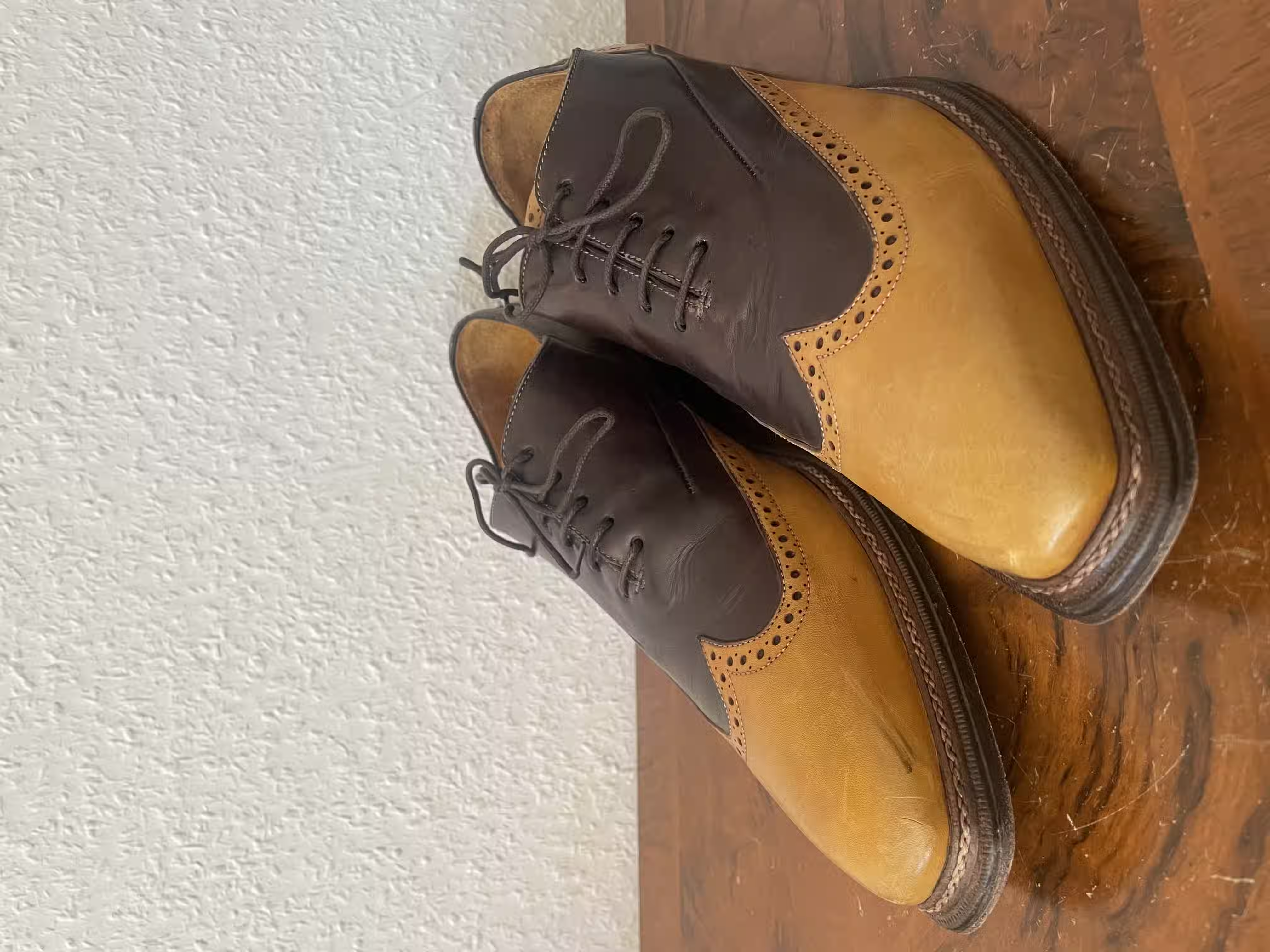
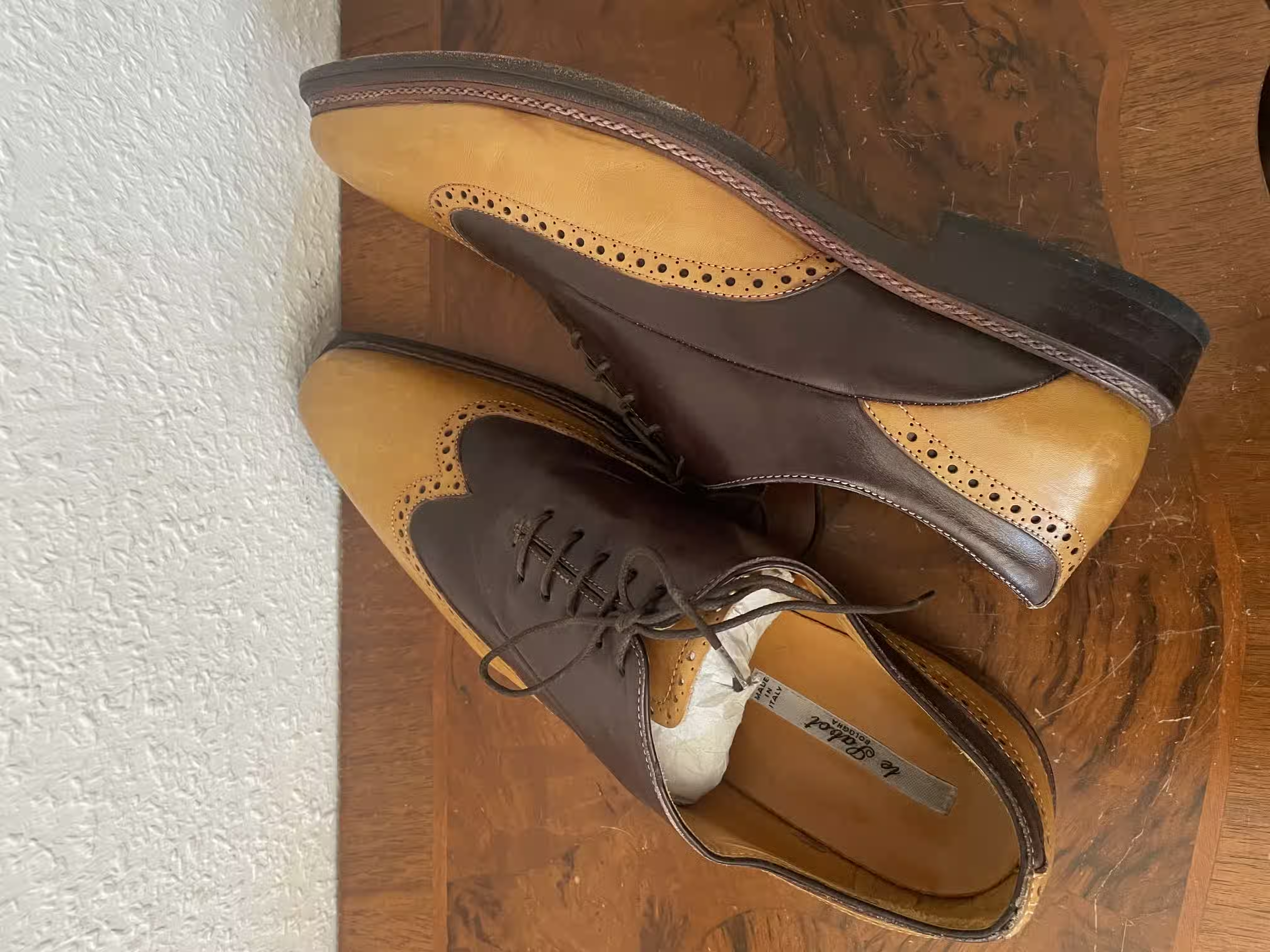
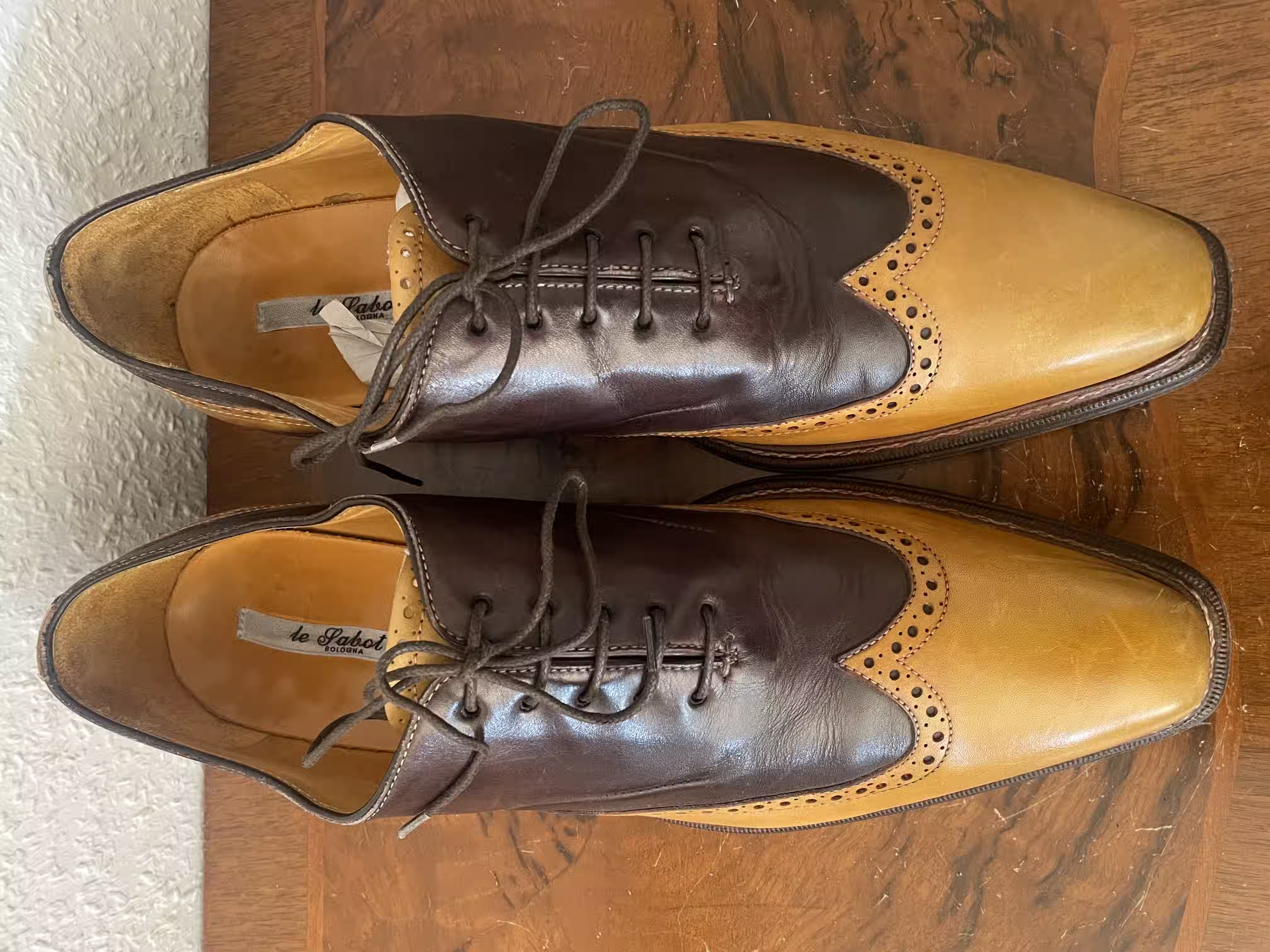
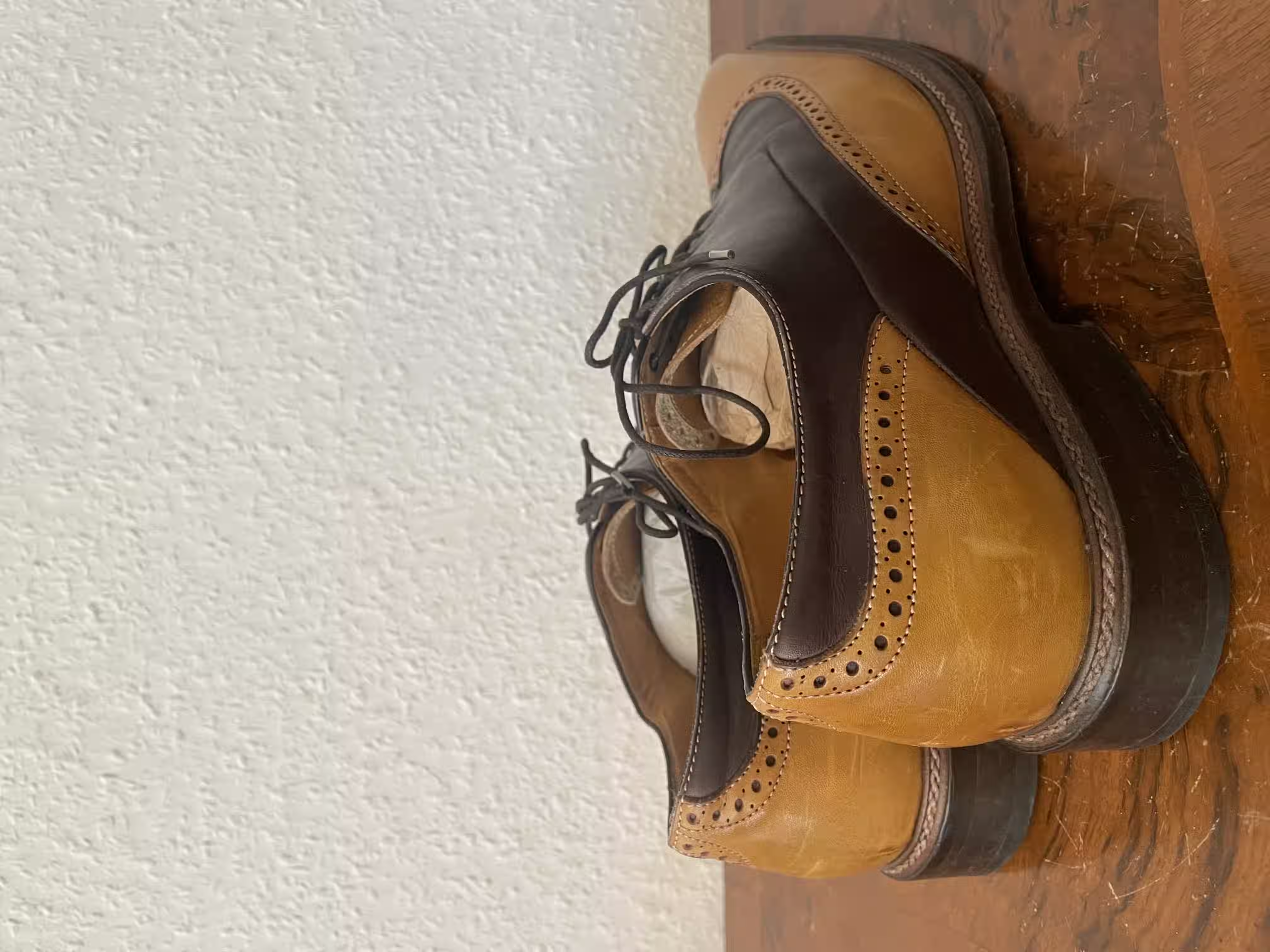
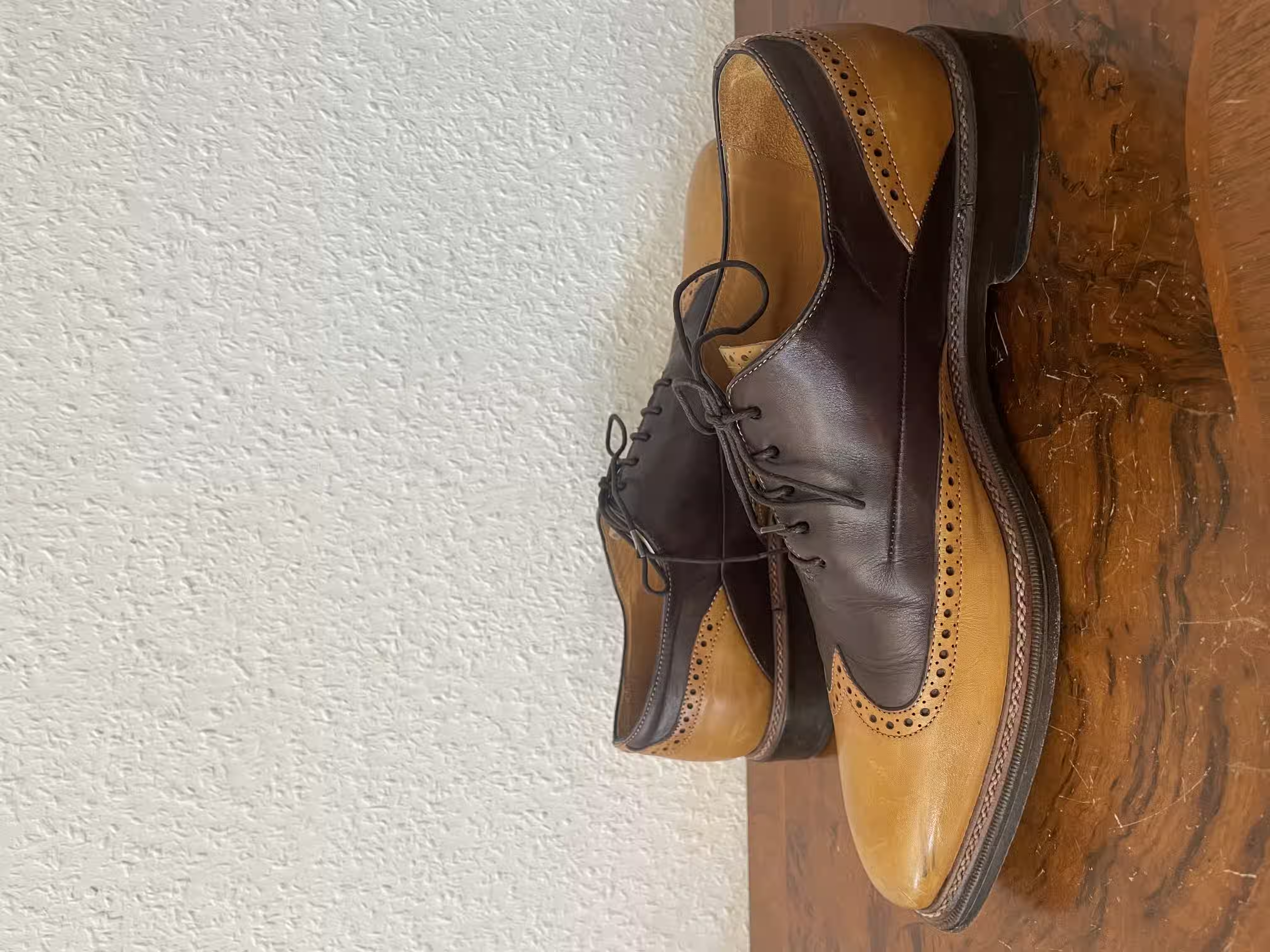
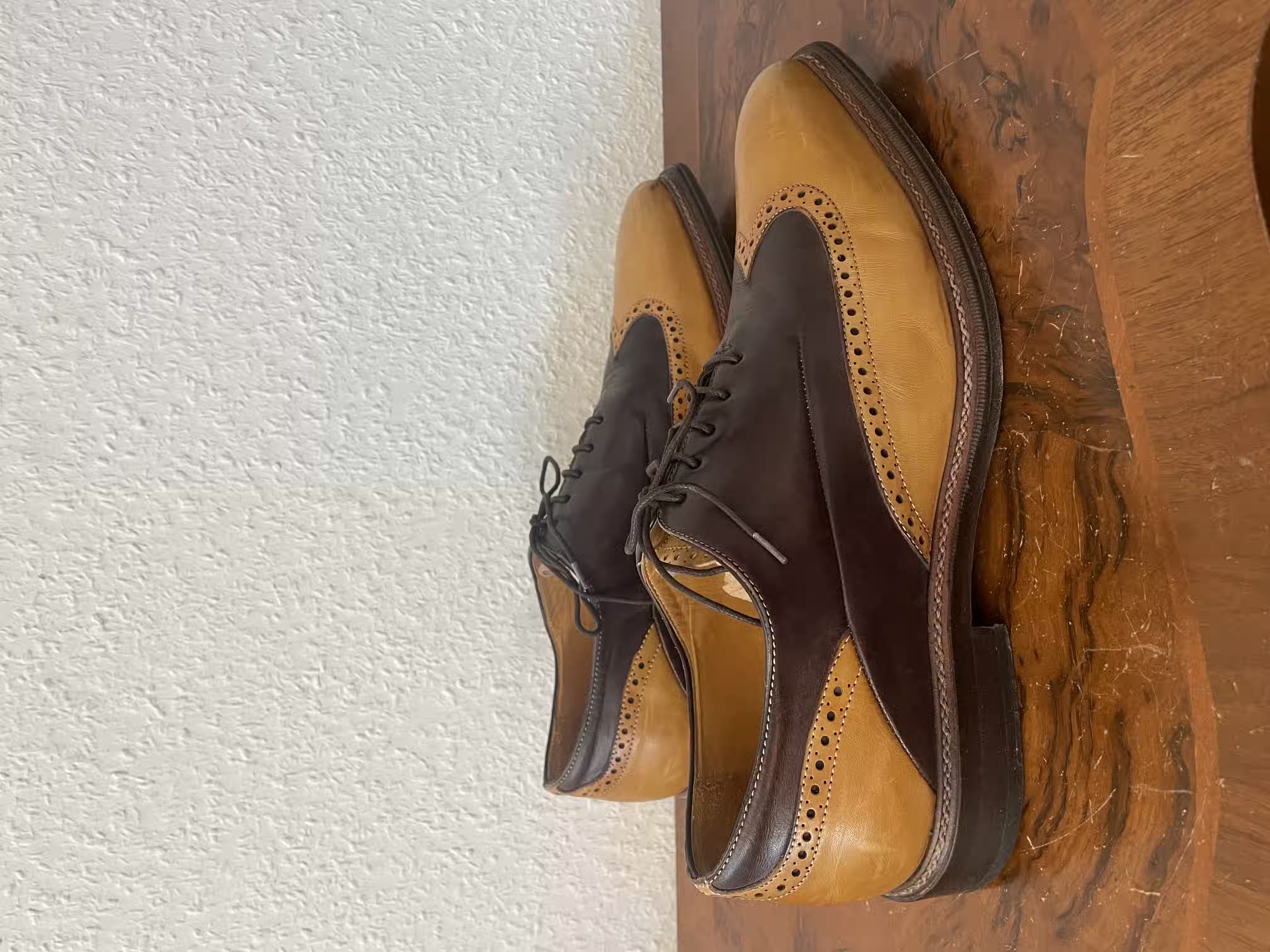
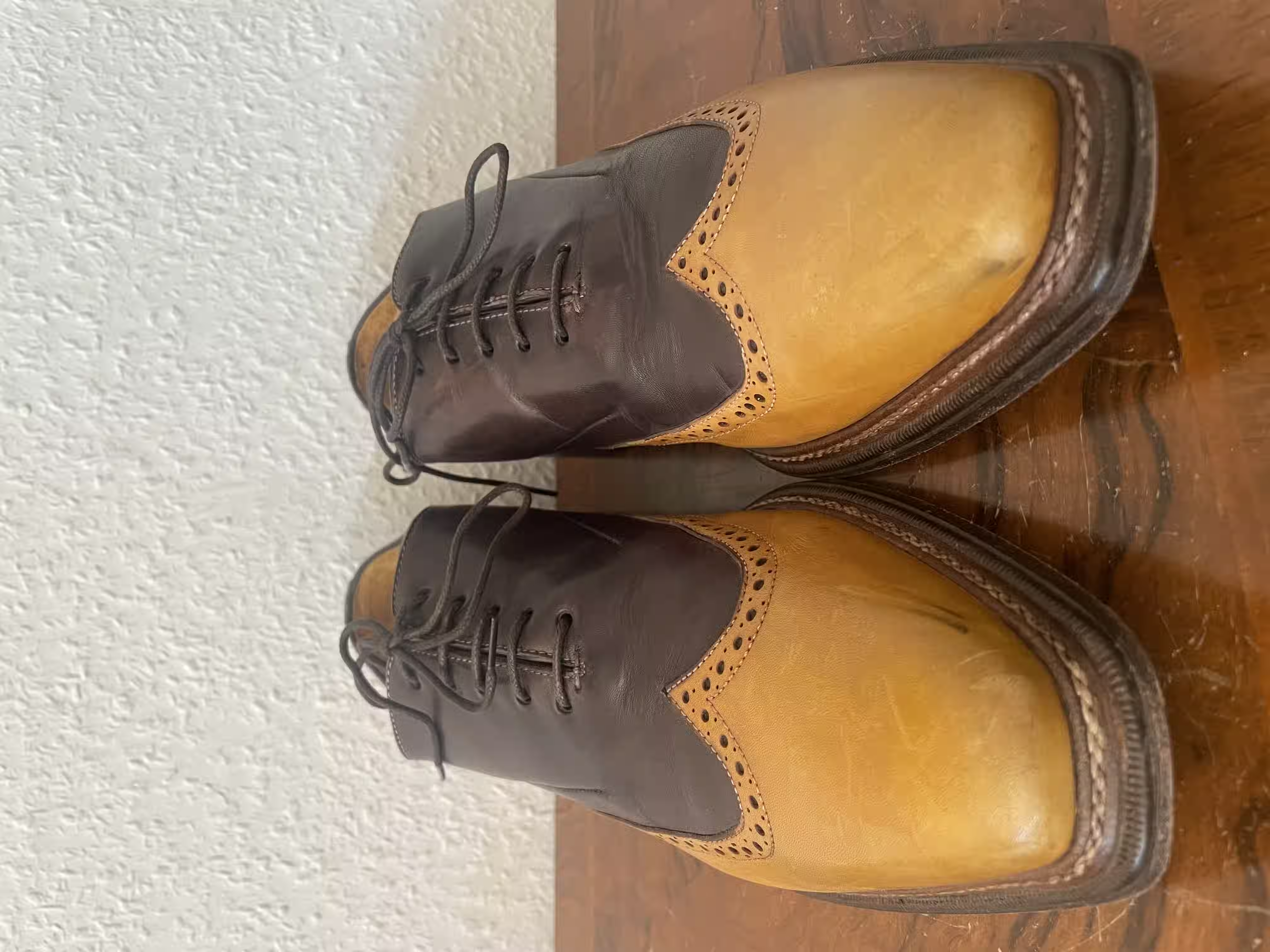
Saddle shoes are special Spectator Oxfords in which, in the middle area of the shoe—at the lacing from the top down to just before the sole—a larger strip of leather is attached. This leather strip is roughly shaped like a saddle, which is where the name comes from. The leather strip is typically a completely different color from the rest of the upper leather. The higher the contrast between the colors, the more striking this saddle is.
Saddle shoes emerged in the USA in the mid-20th century and are, in themselves, purely casual shoes. In some variants, the leather strip that represents the saddle is decorated all the way around on the outside with so-called Lyra perforations.
Variants with Reduced Seams
Seamless Variant Without a Heel Seam
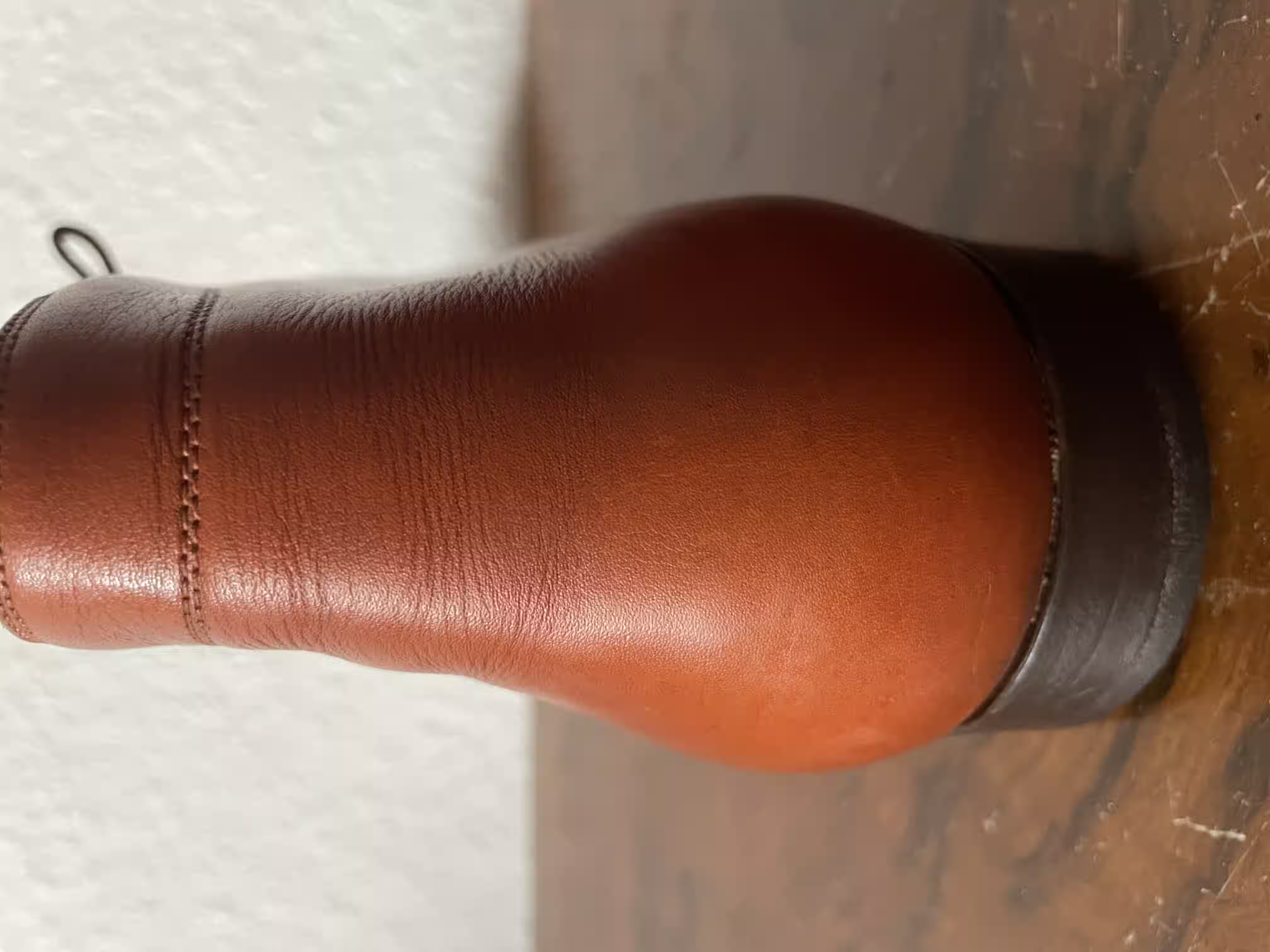
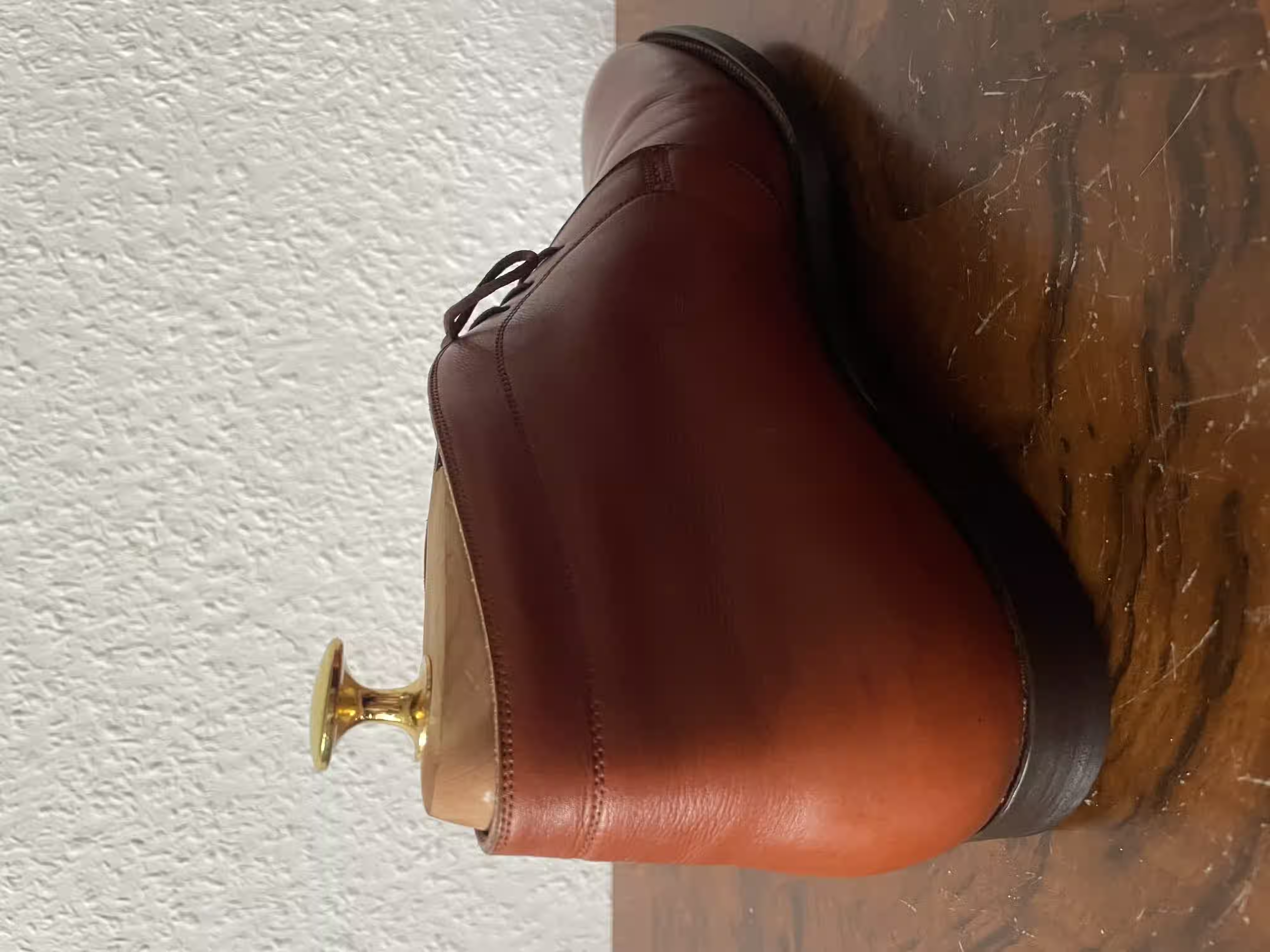
Many shoes have a heel seam at the back that stitches together two side shaft pieces—the quarters. This is usually the most cost-effective variant and also the most practical in terms of the upper pattern. However, if the shoemaker spares no expense or effort and thinks generously in terms of the upper pattern, then he can choose an alternative seamless variant: instead of two separate quarters, he cuts a single piece of leather from the hide that covers the same area as the two quarters combined. This means no two pieces need to be joined with a heel seam at the back, and the heel area looks cleaner as a result.
I think this detail has an almost elitist character because of the extra, actually unnecessary effort: presumably, that is the main appeal for most owners of such shoes.
However, I also think you should keep this variant in mind for the following reason: if you ever look for a shoe that is as purist as possible with little decoration, this seamless variant is particularly practical. Especially in combination with so-called wholecut shoes, it works quite well and thus fulfills a very specific stylistic purpose: namely, that of simple elegance.
Wholecut
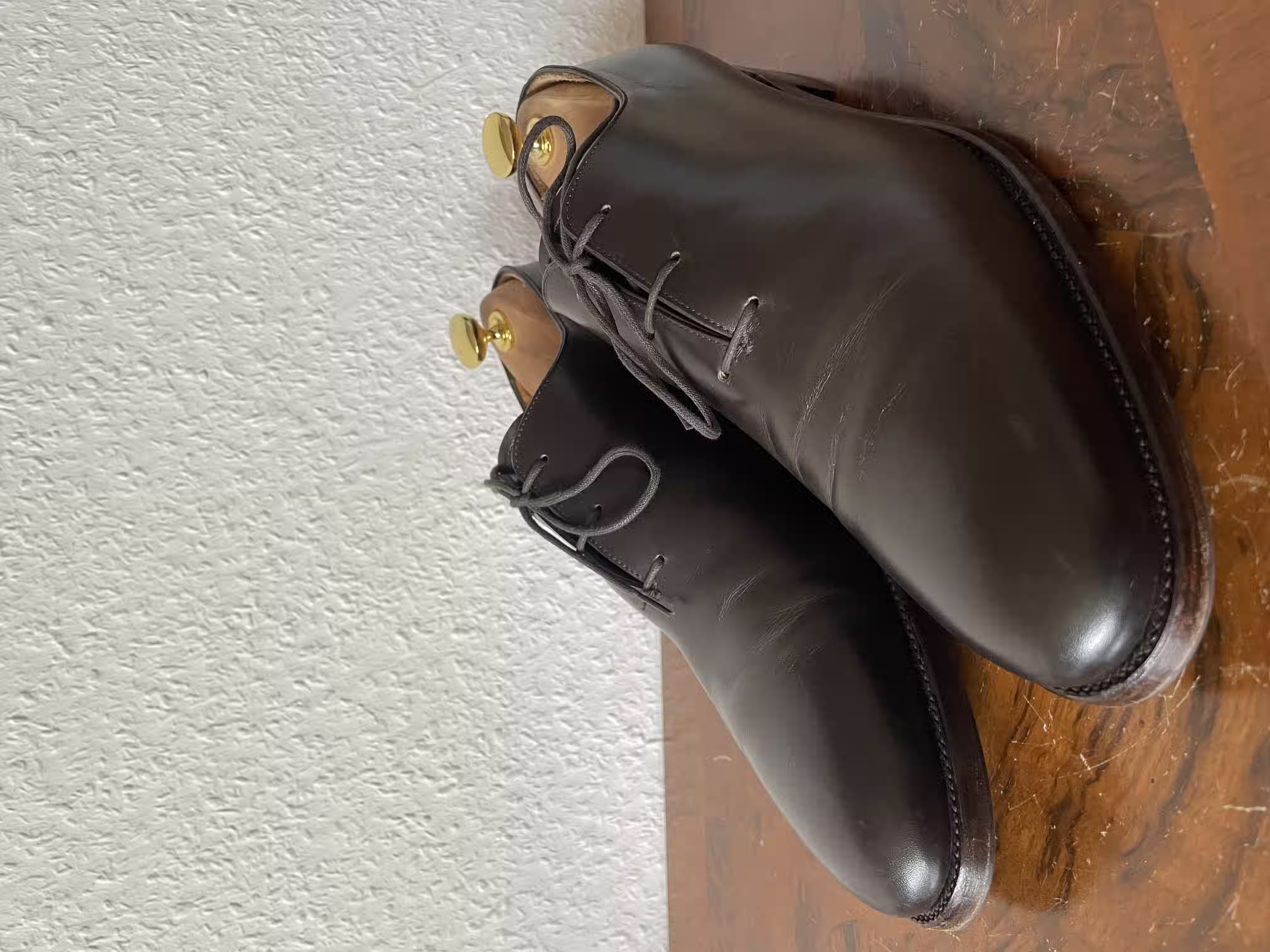
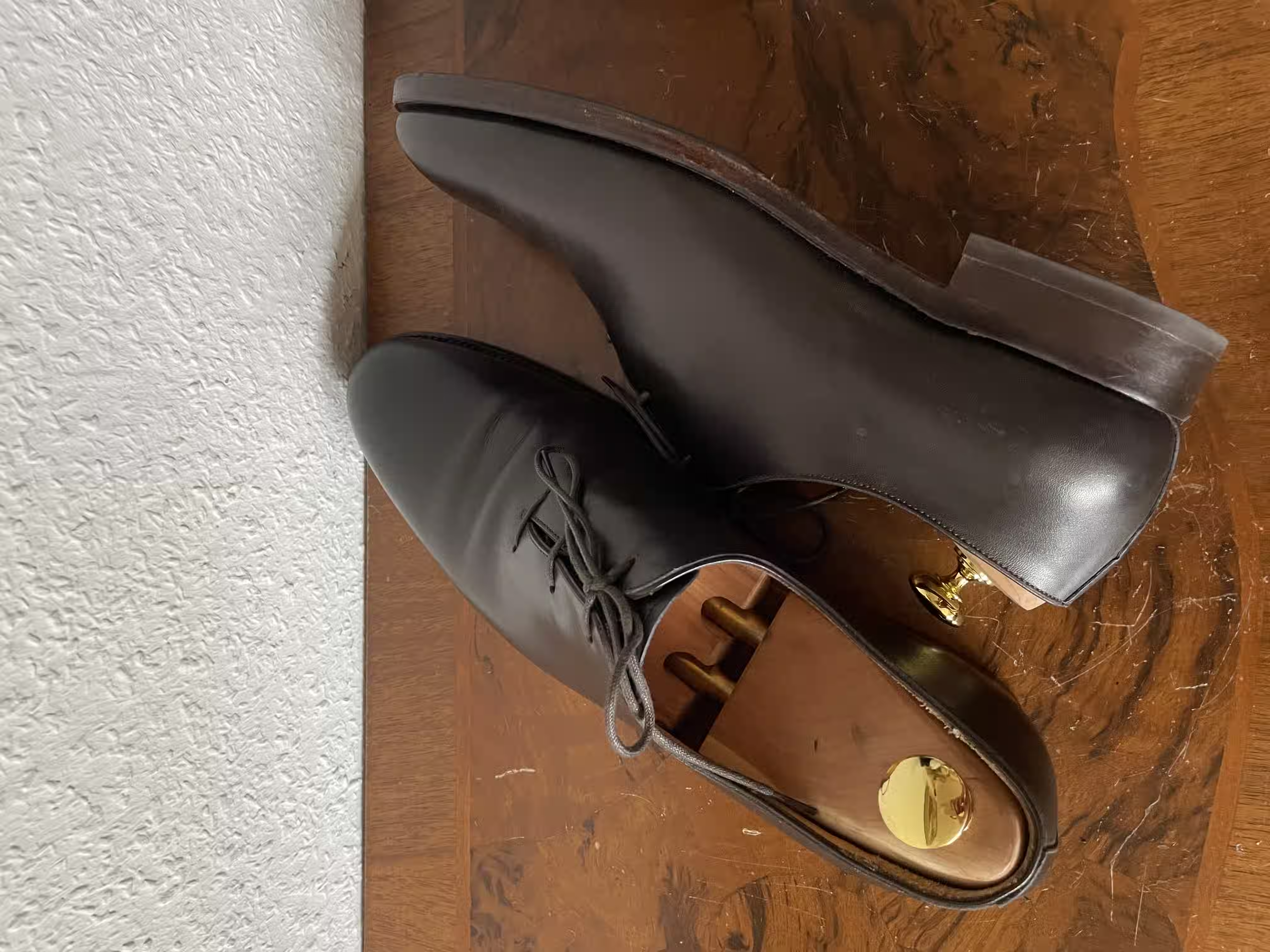
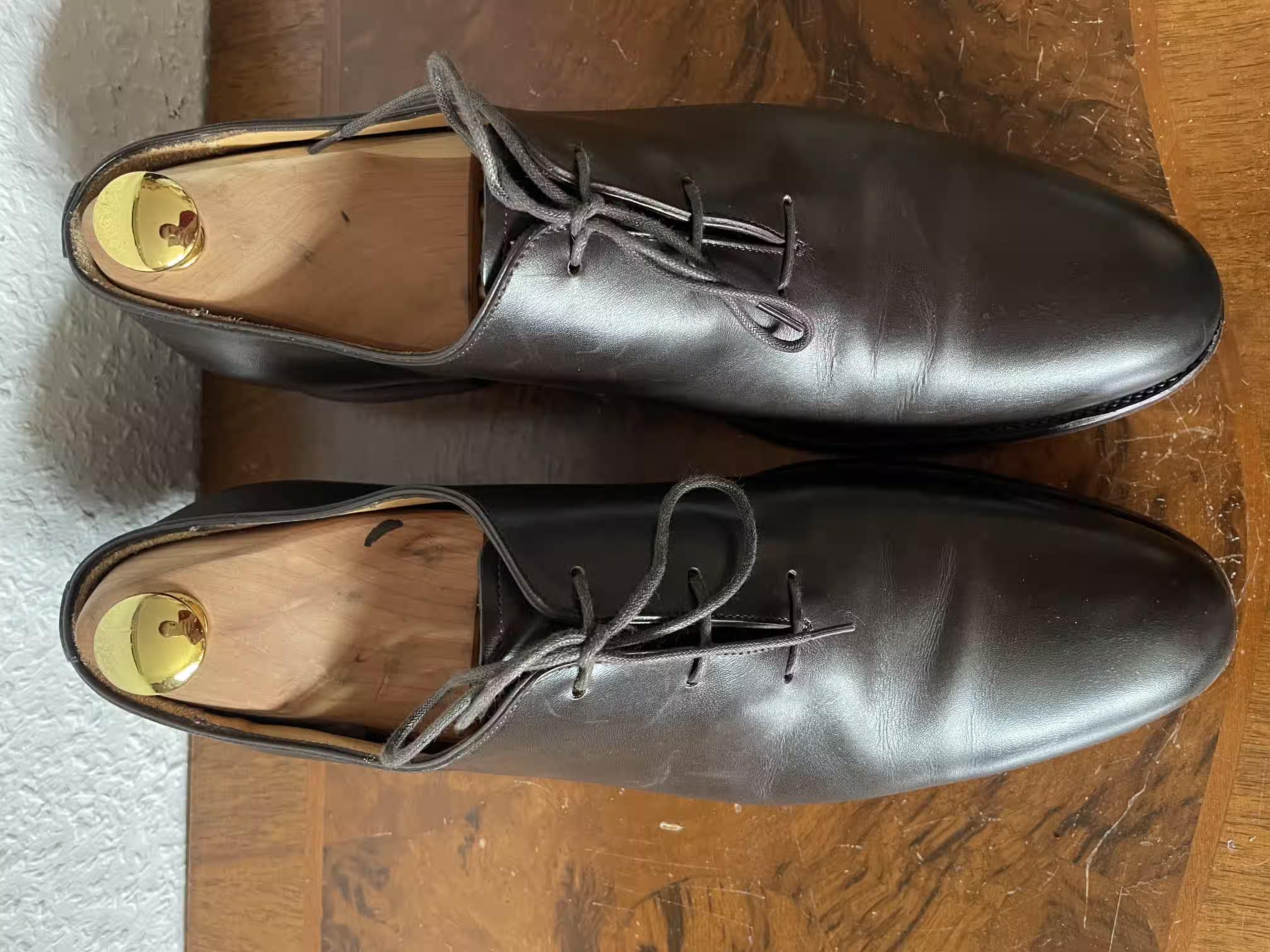
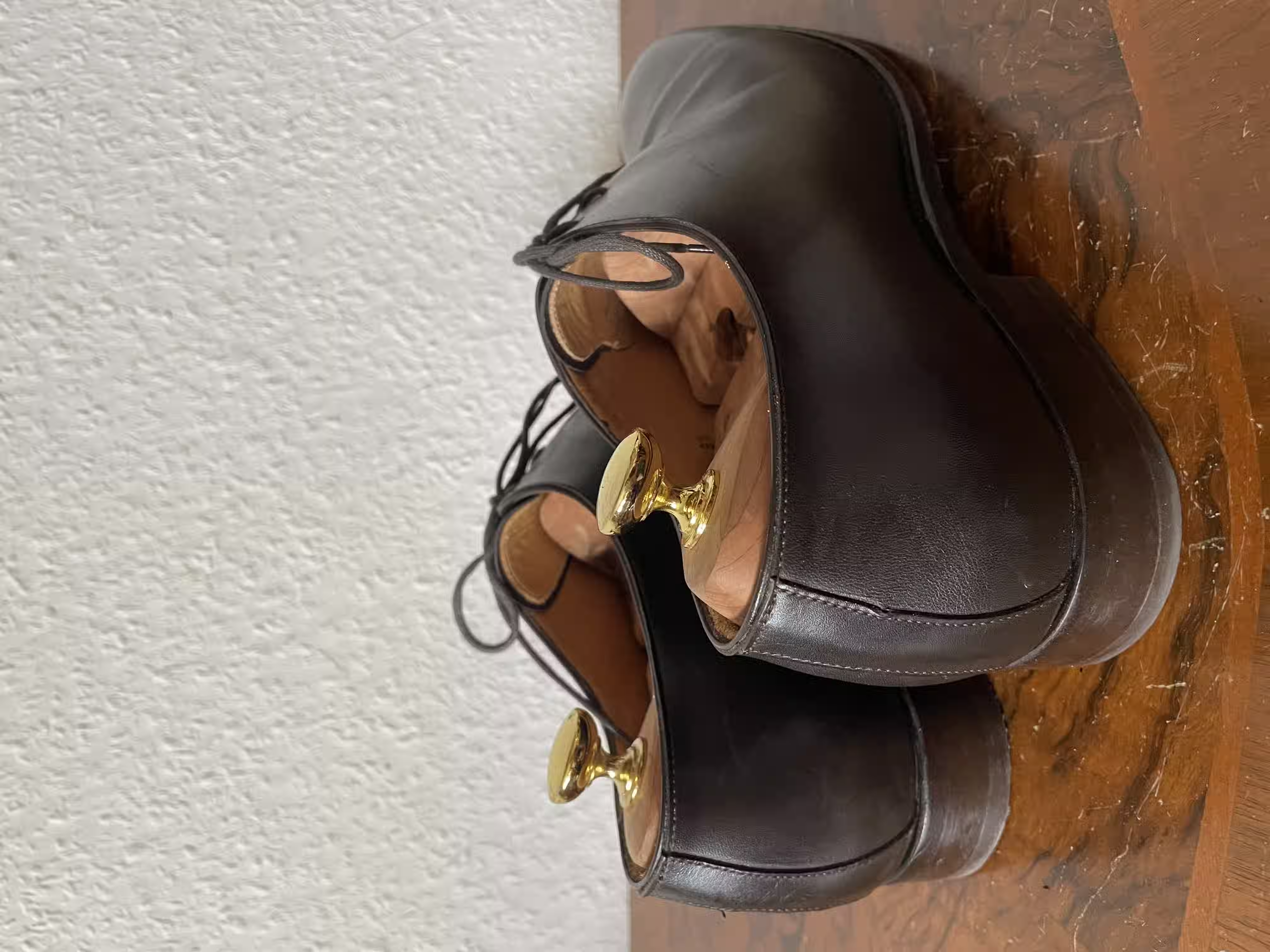
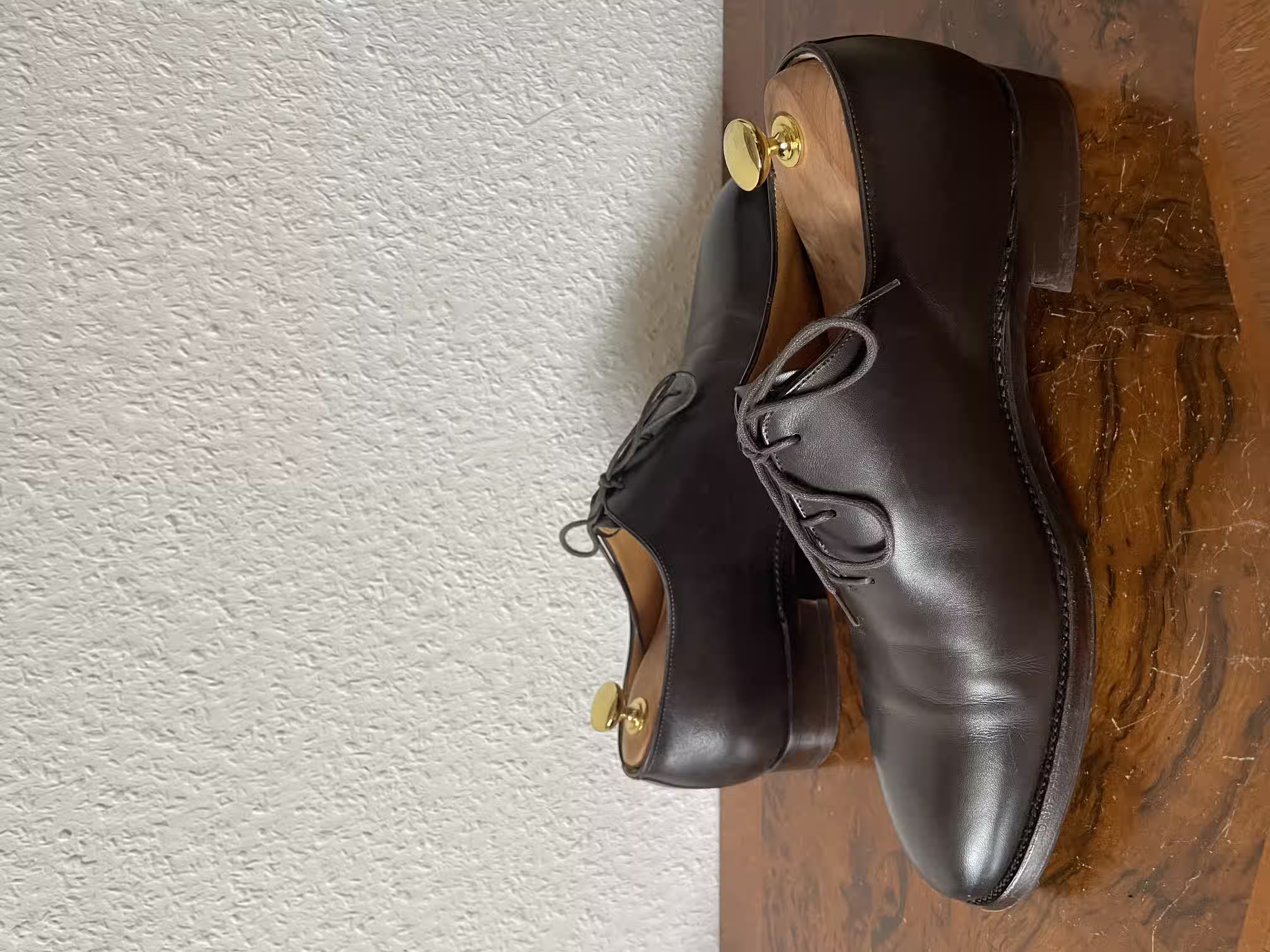
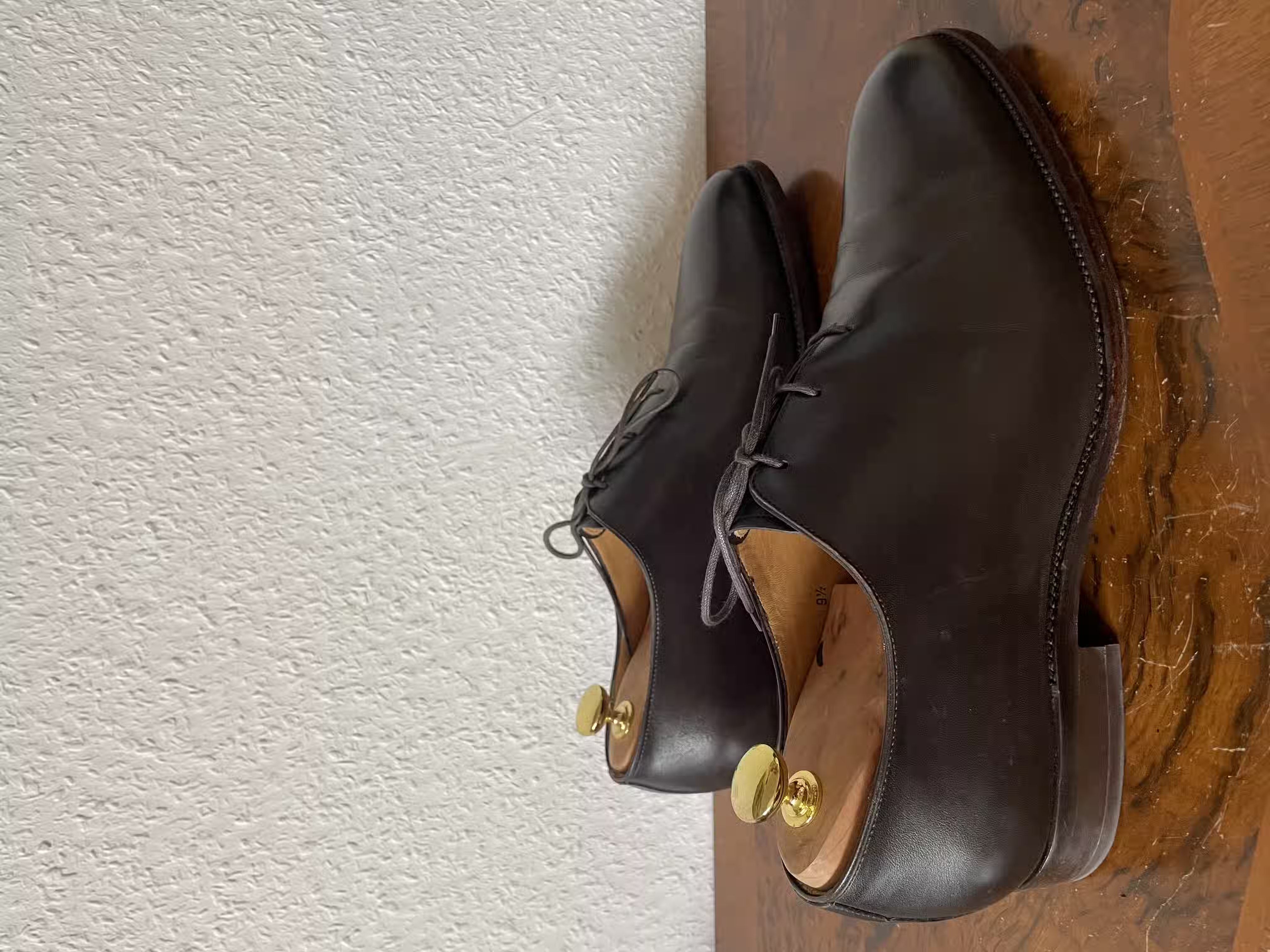
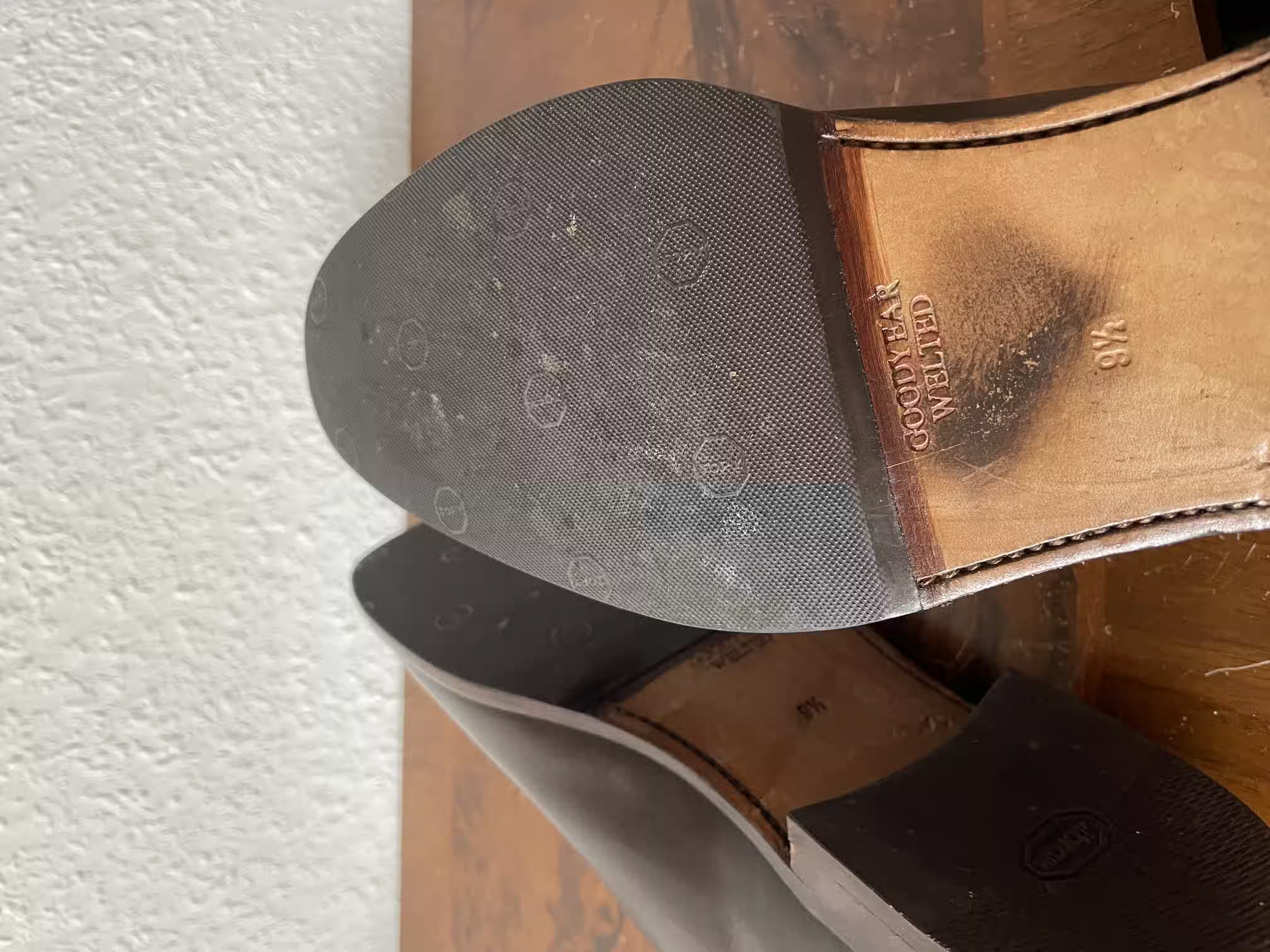
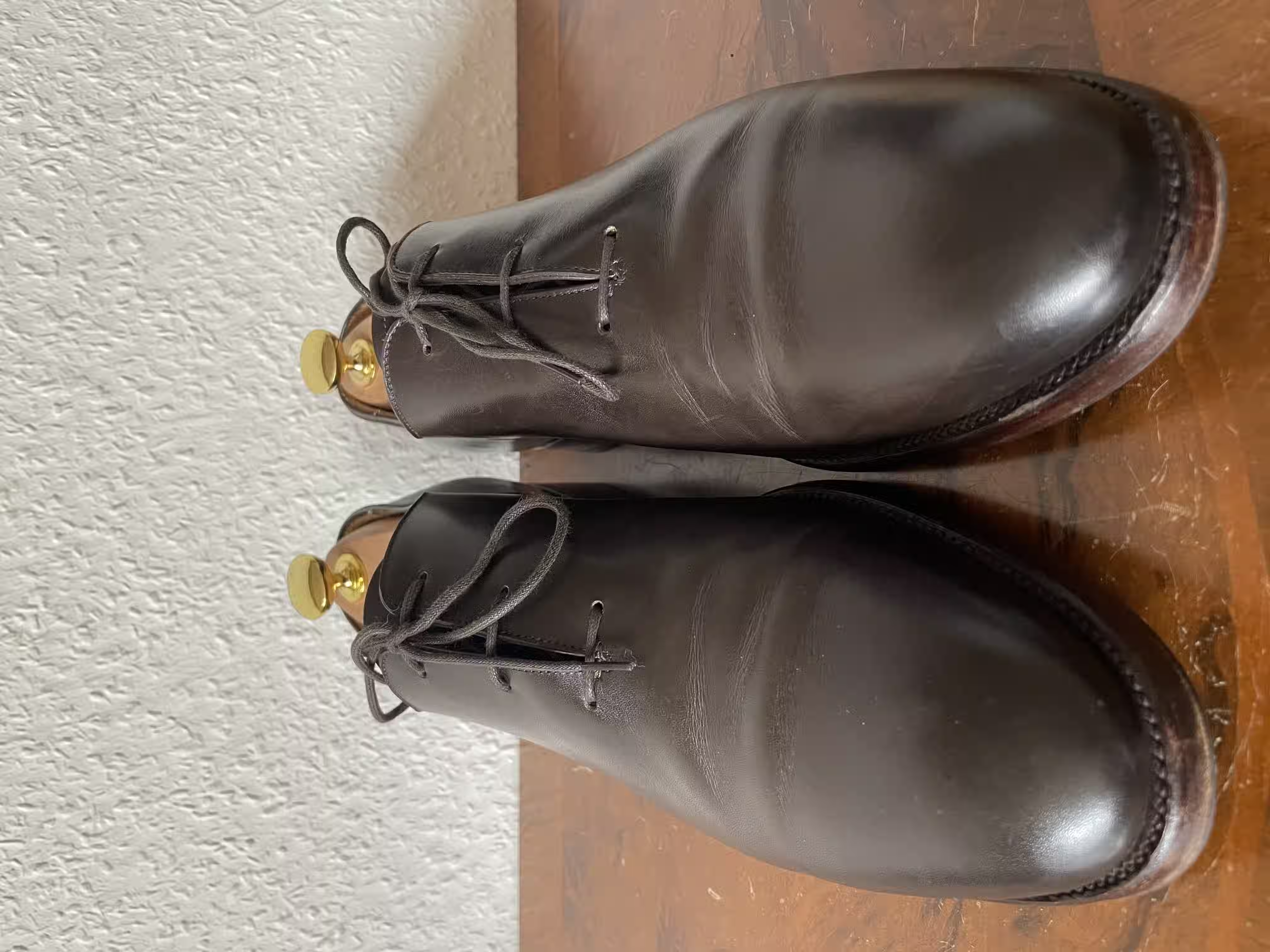
Wholecut shoes are simpler and more purist compared to their base model, because the upper leather consists of a single piece of leather. As a result, many seams are absent, and they therefore convey an even more serious and formal impression. At the same time, the wholecut is a variant in which the upper leather is shown to particularly good effect, and that can make a lot of sense, for example, with patina leather.
Variants with Additional or Special Seams
Shoes with Contrast Stitching
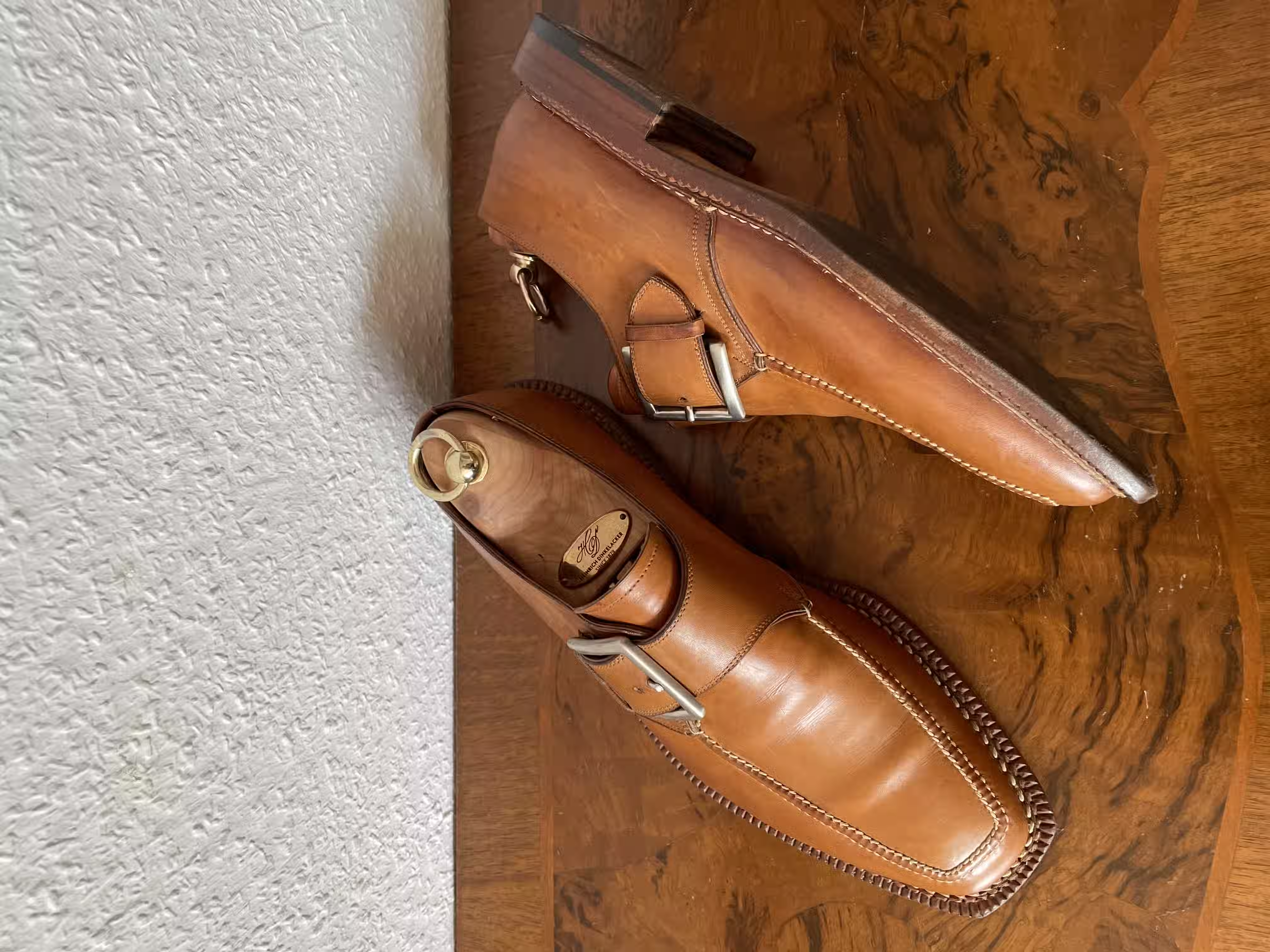
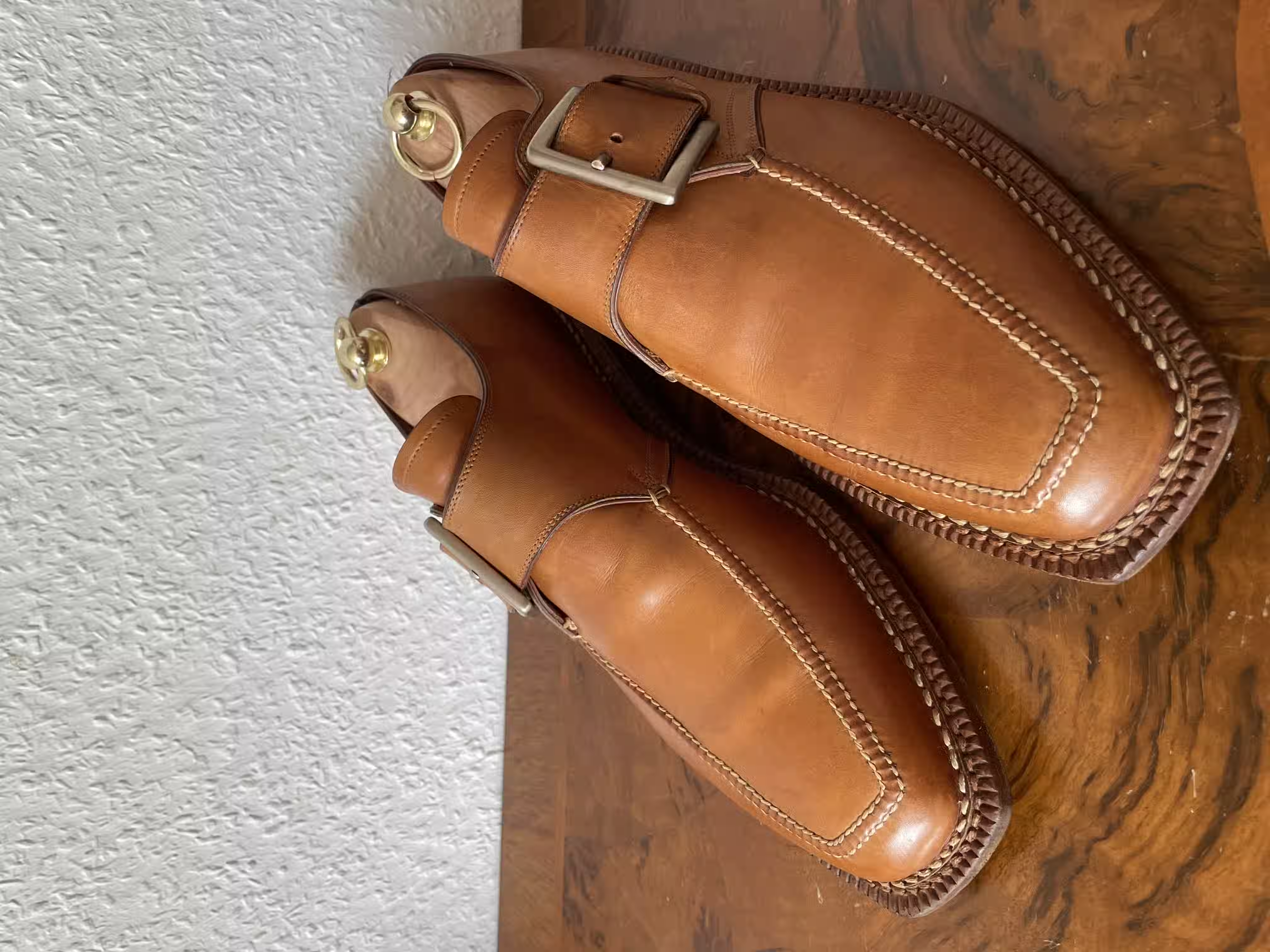
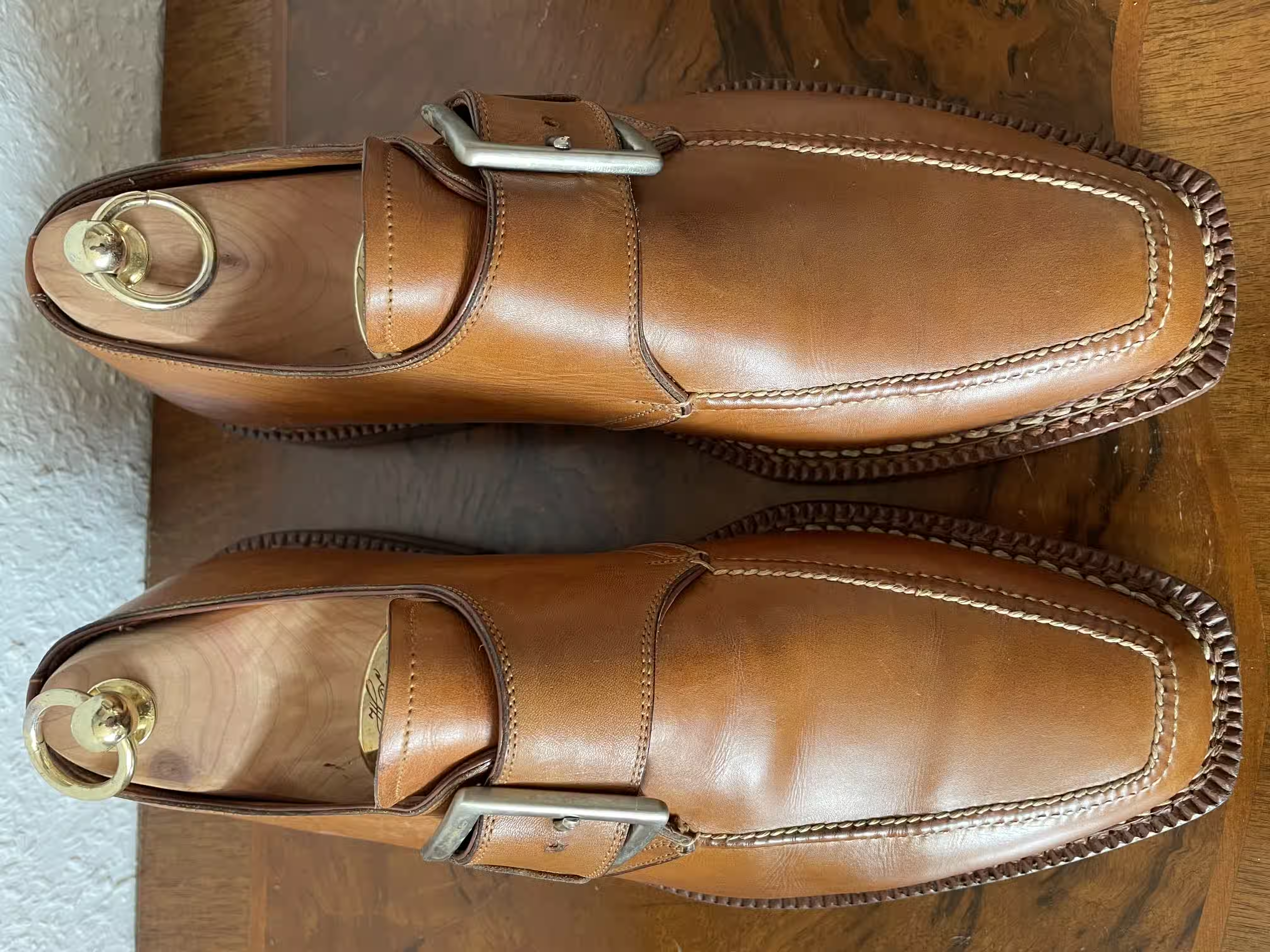
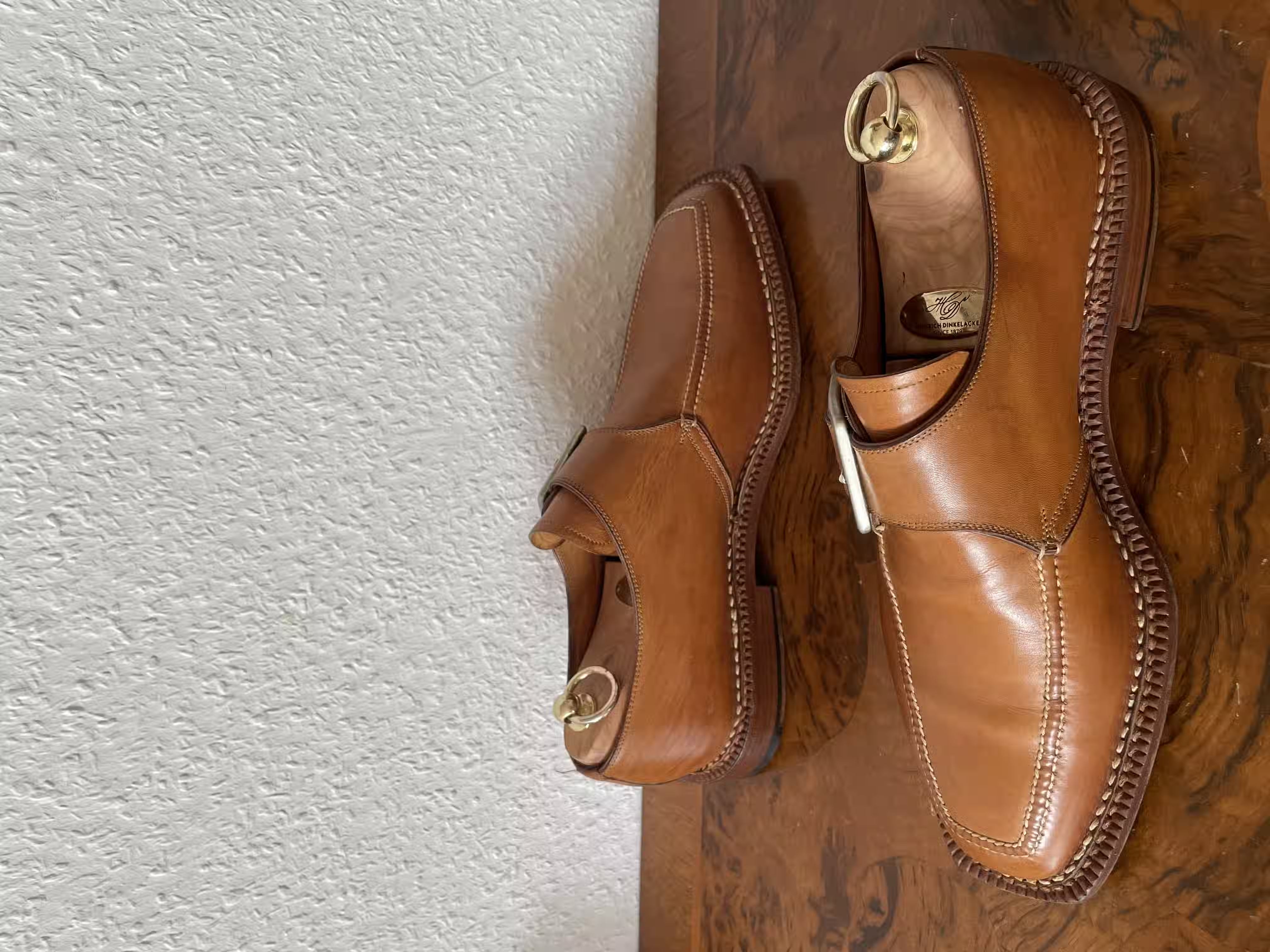
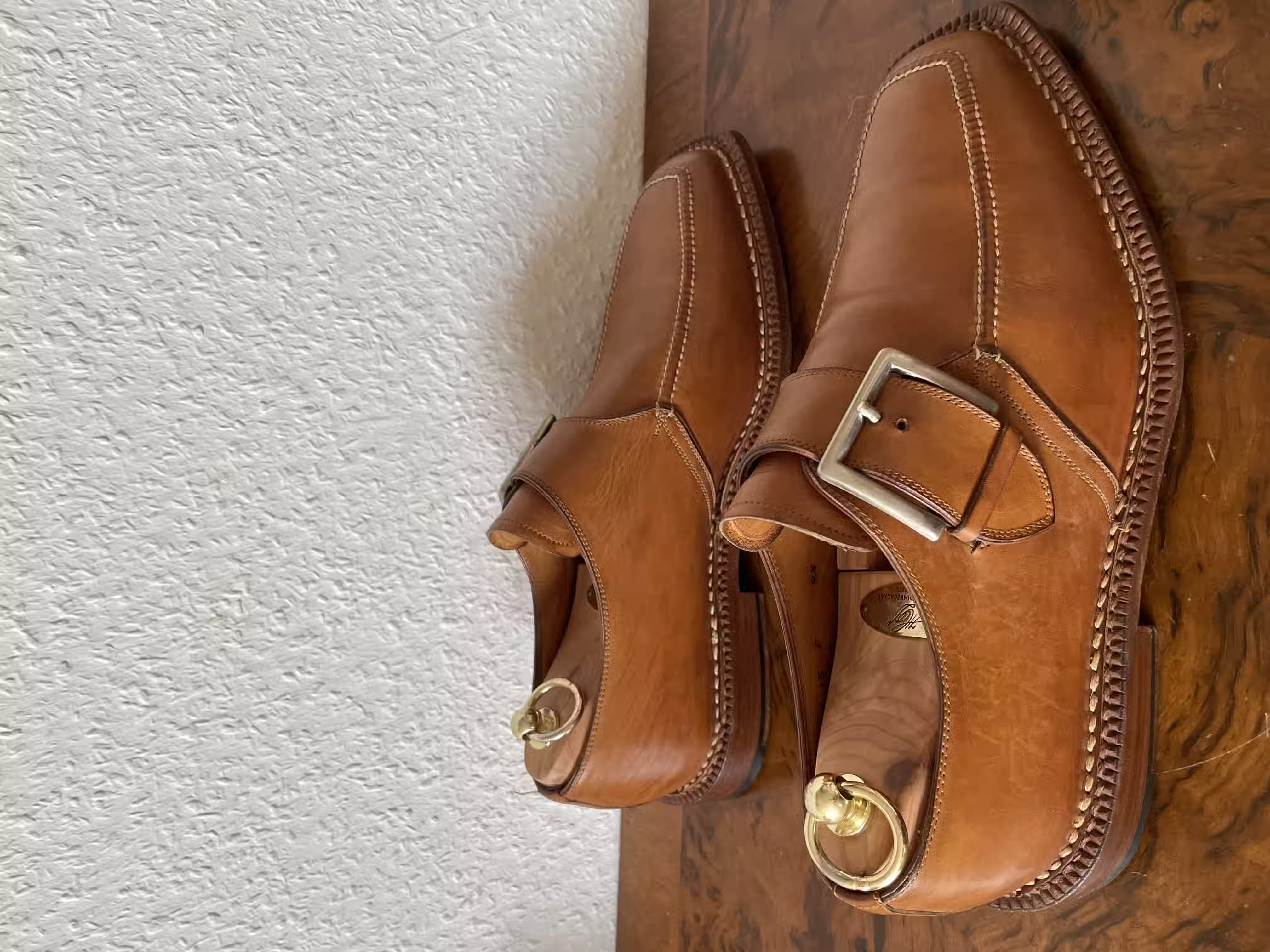
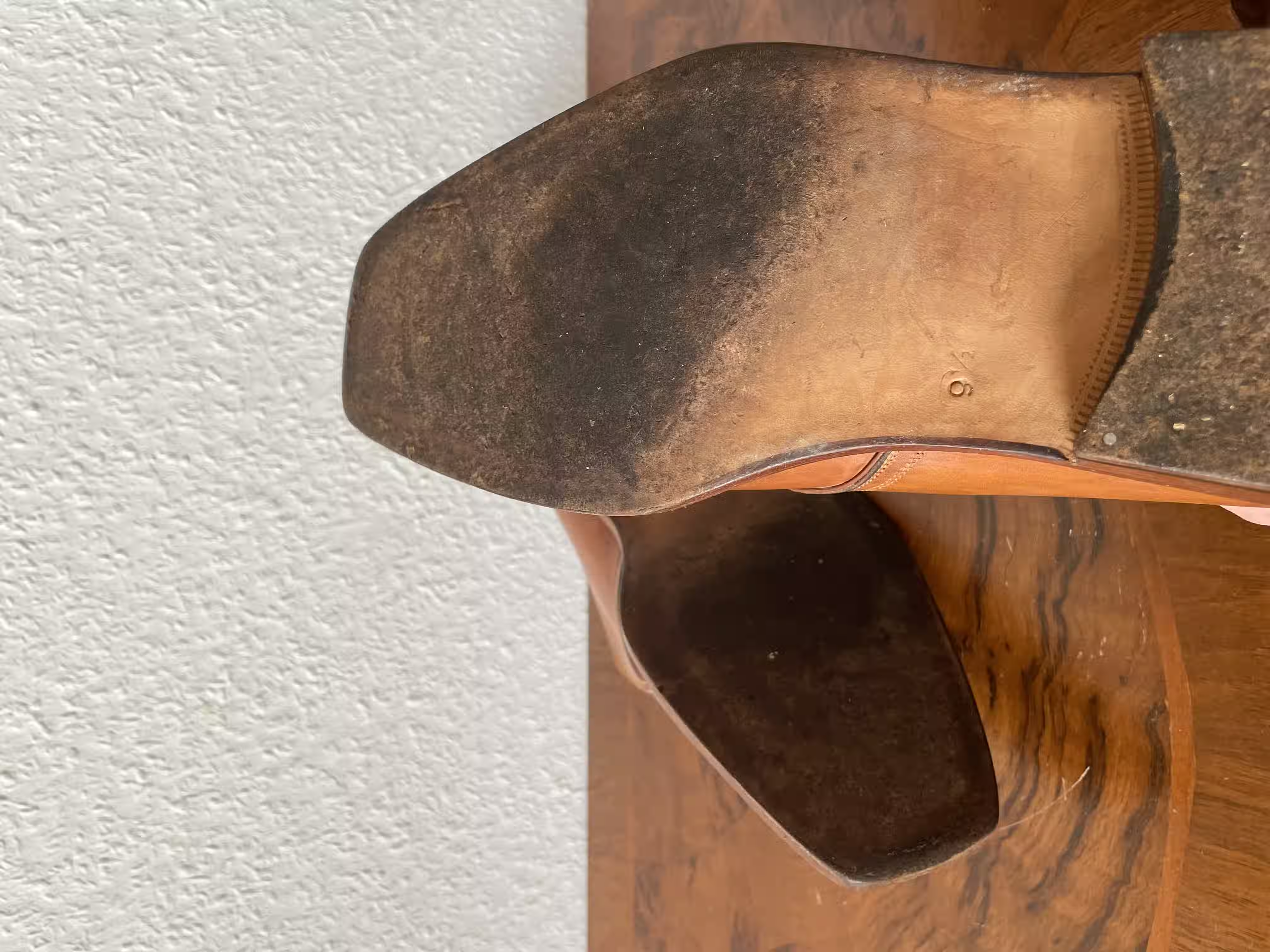
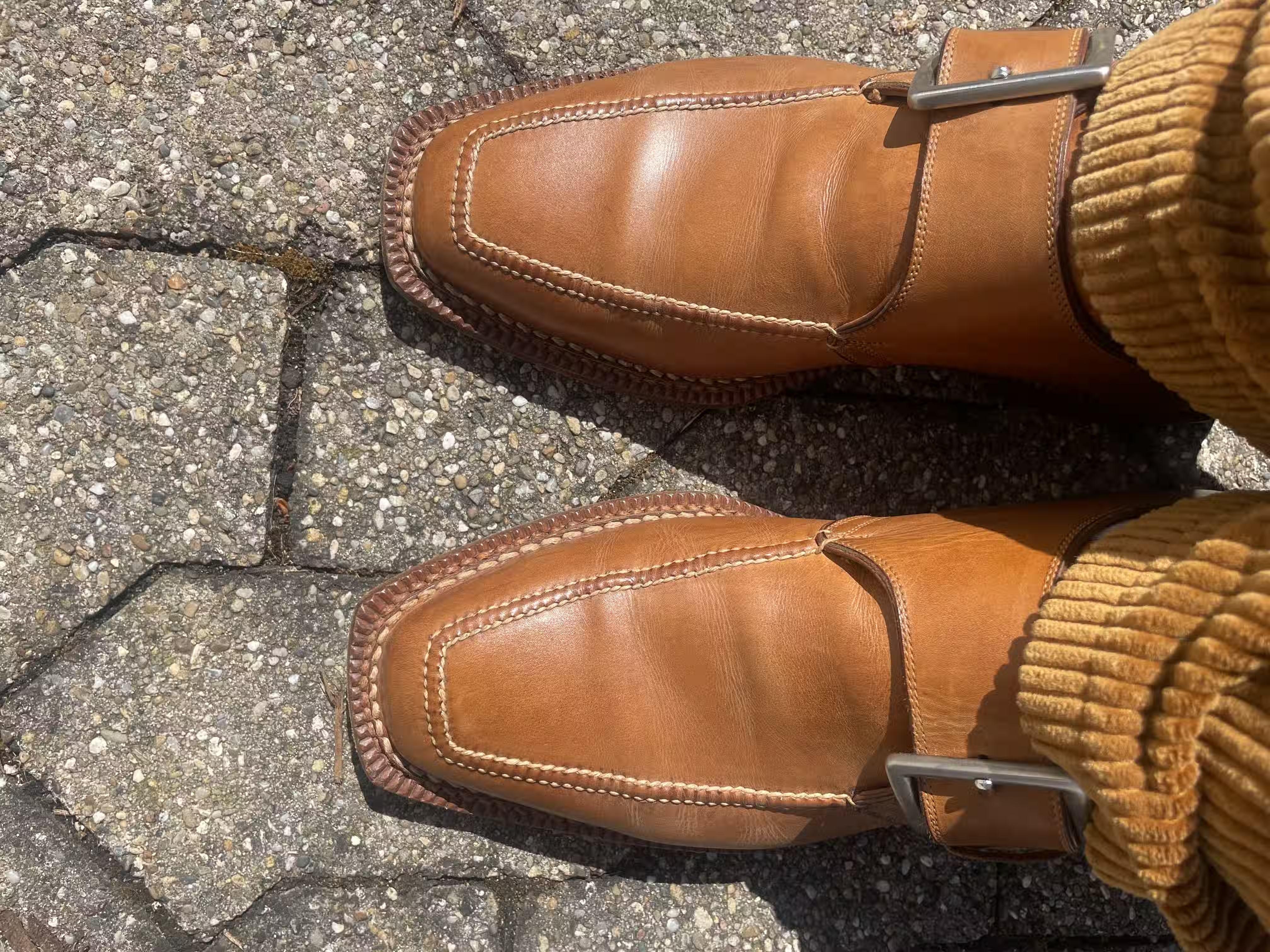
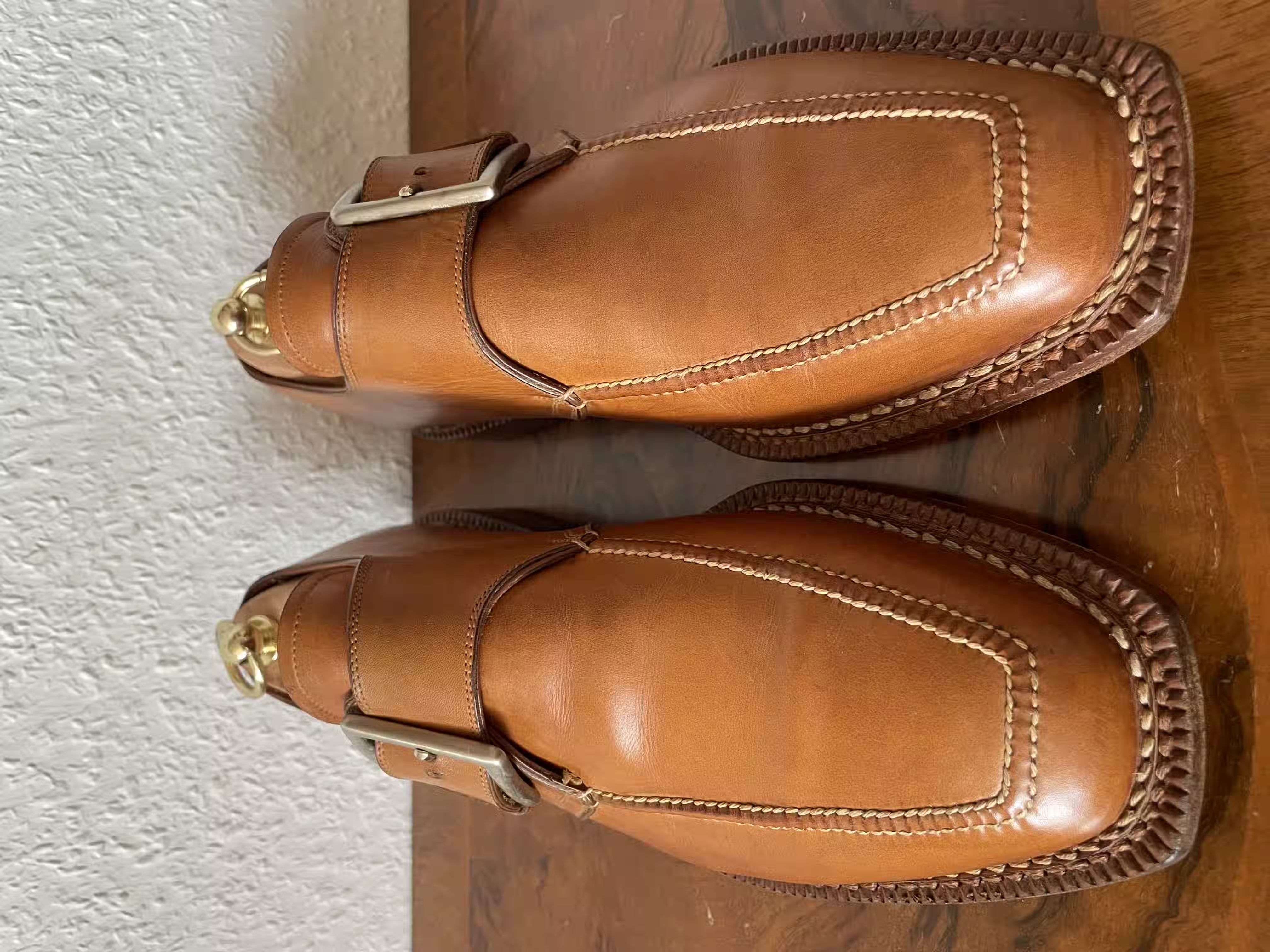
Contrast stitching is an eye-catching detail that tends to appear in more casual leisure shoes. These are stitches that are in a contrasting color to their immediate surroundings. This makes them stand out particularly, and in addition to their actual functional character—holding the different leather pieces together—a decorative aspect is added: embellishing the shoes, which is what it ultimately comes down to. Contrast stitching is also often used on clothing and other leather goods to break things up or simply make them more interesting.
Decorative Stitching Variants
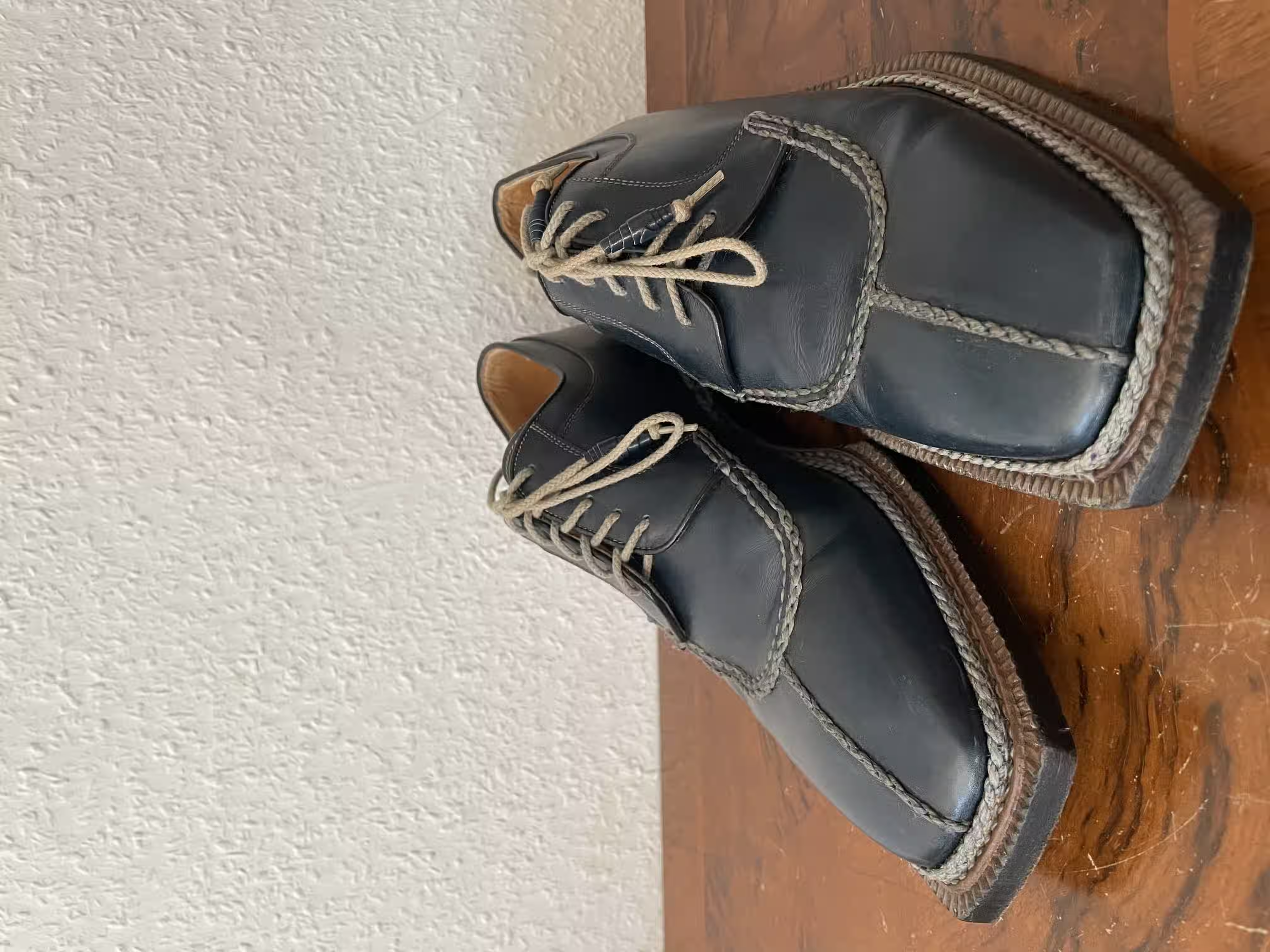
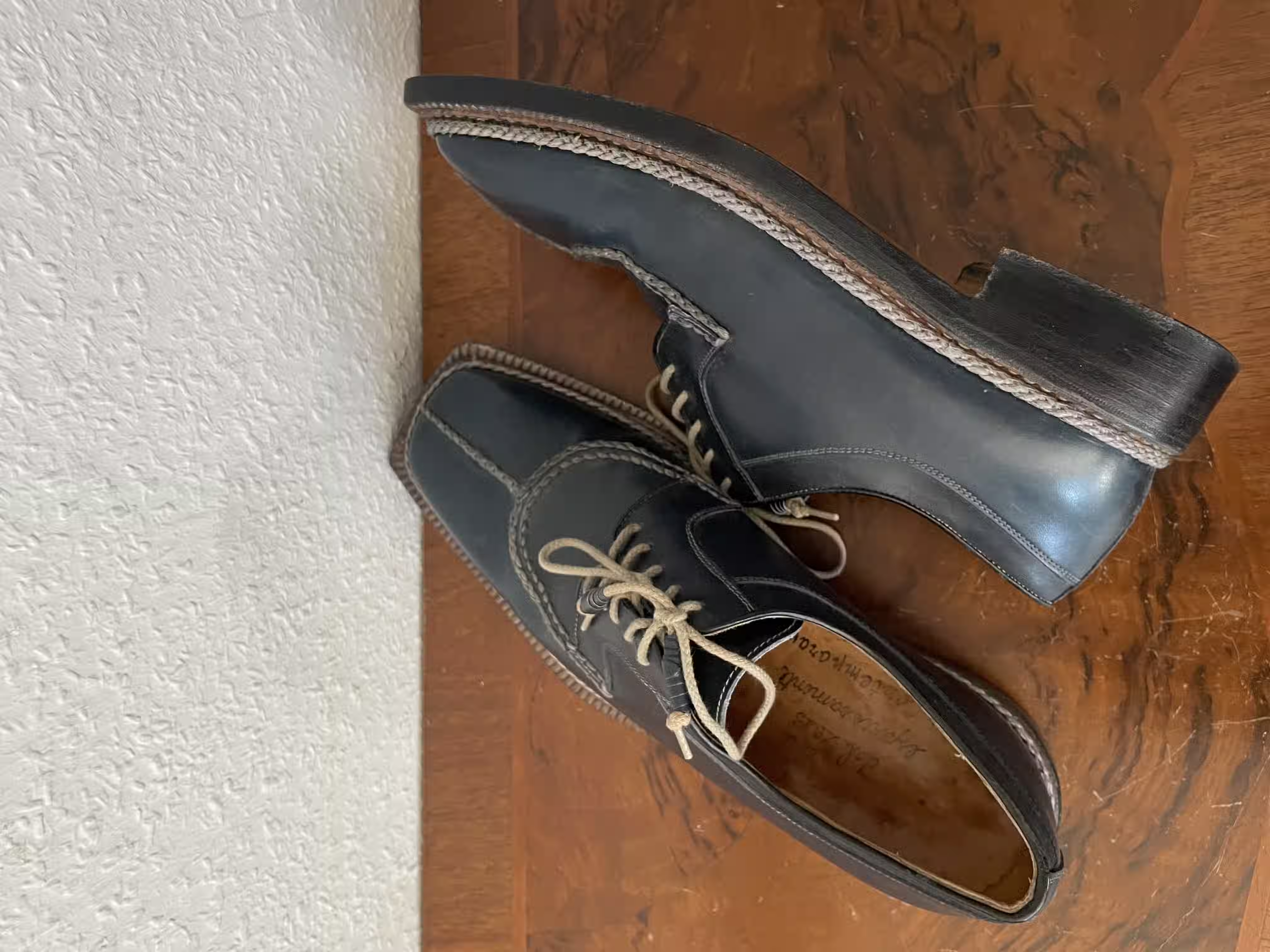
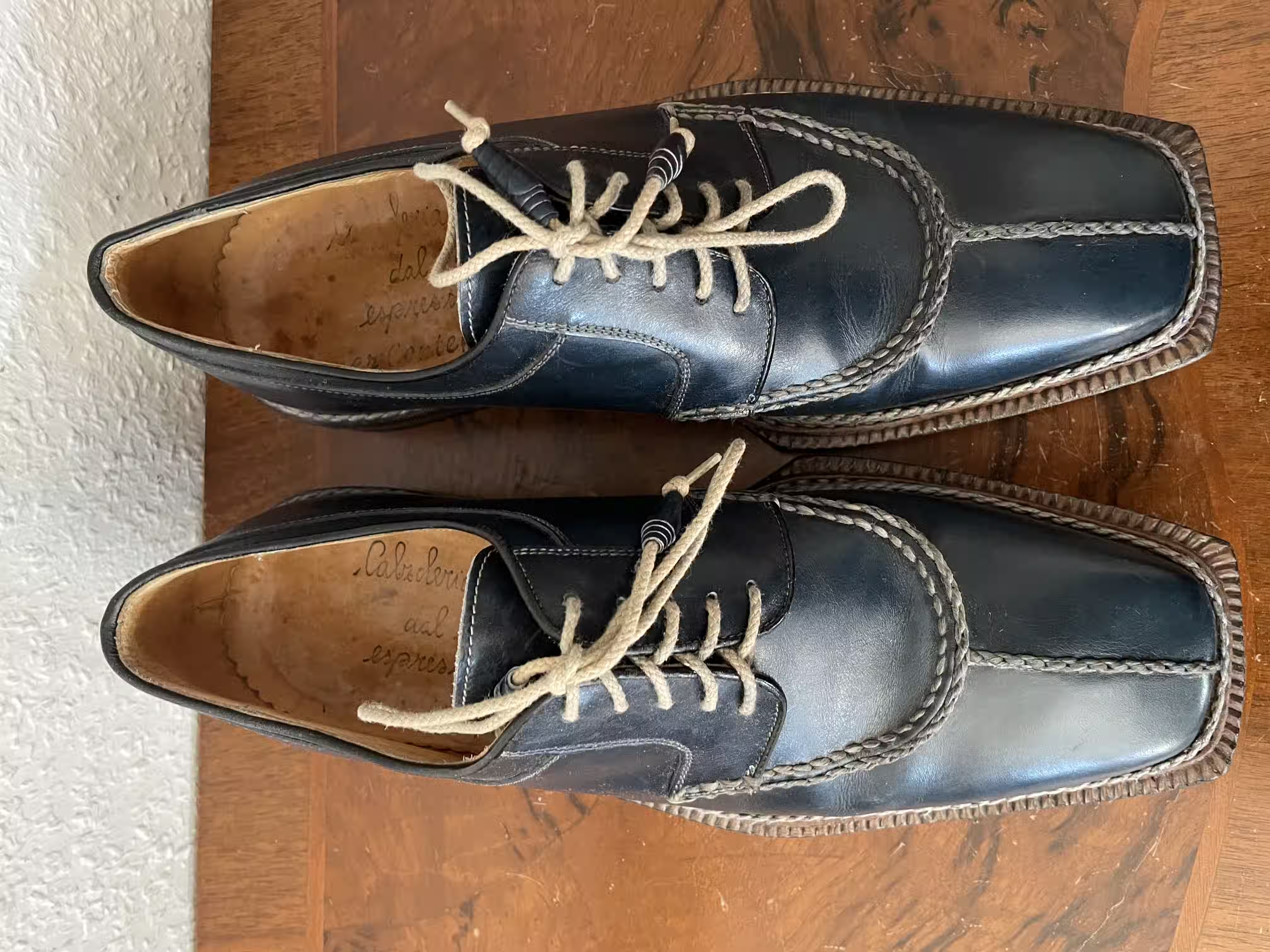
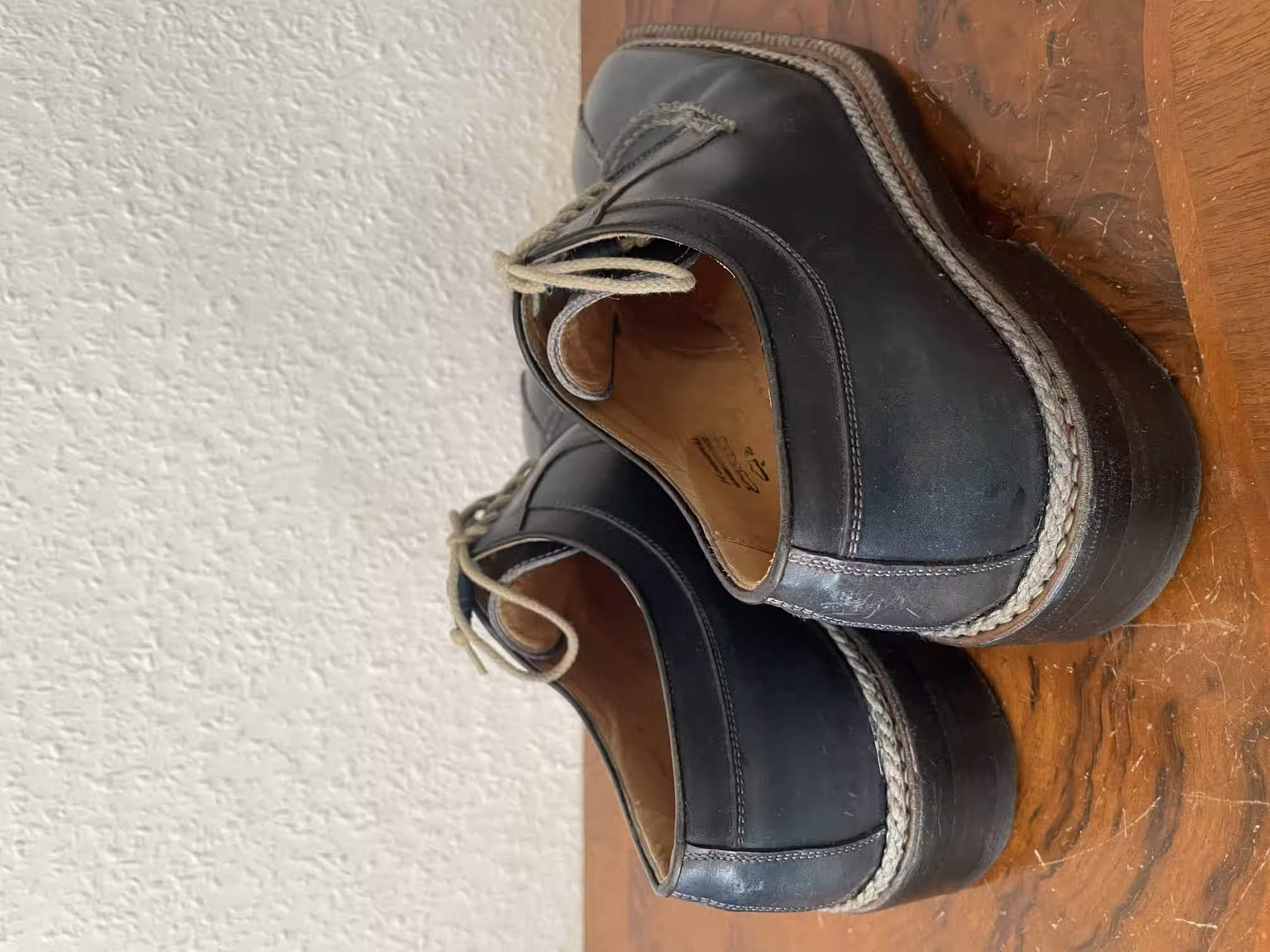
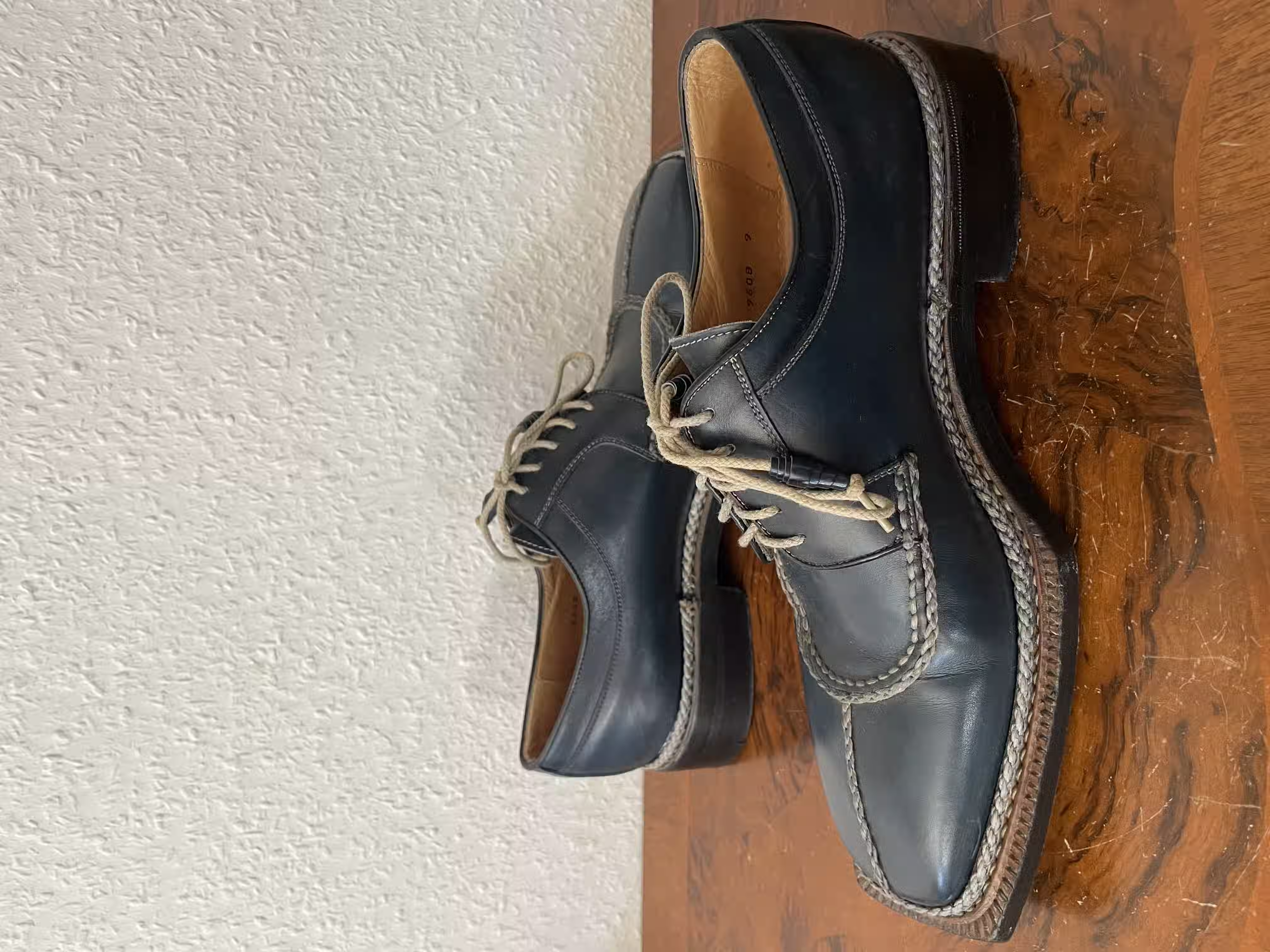
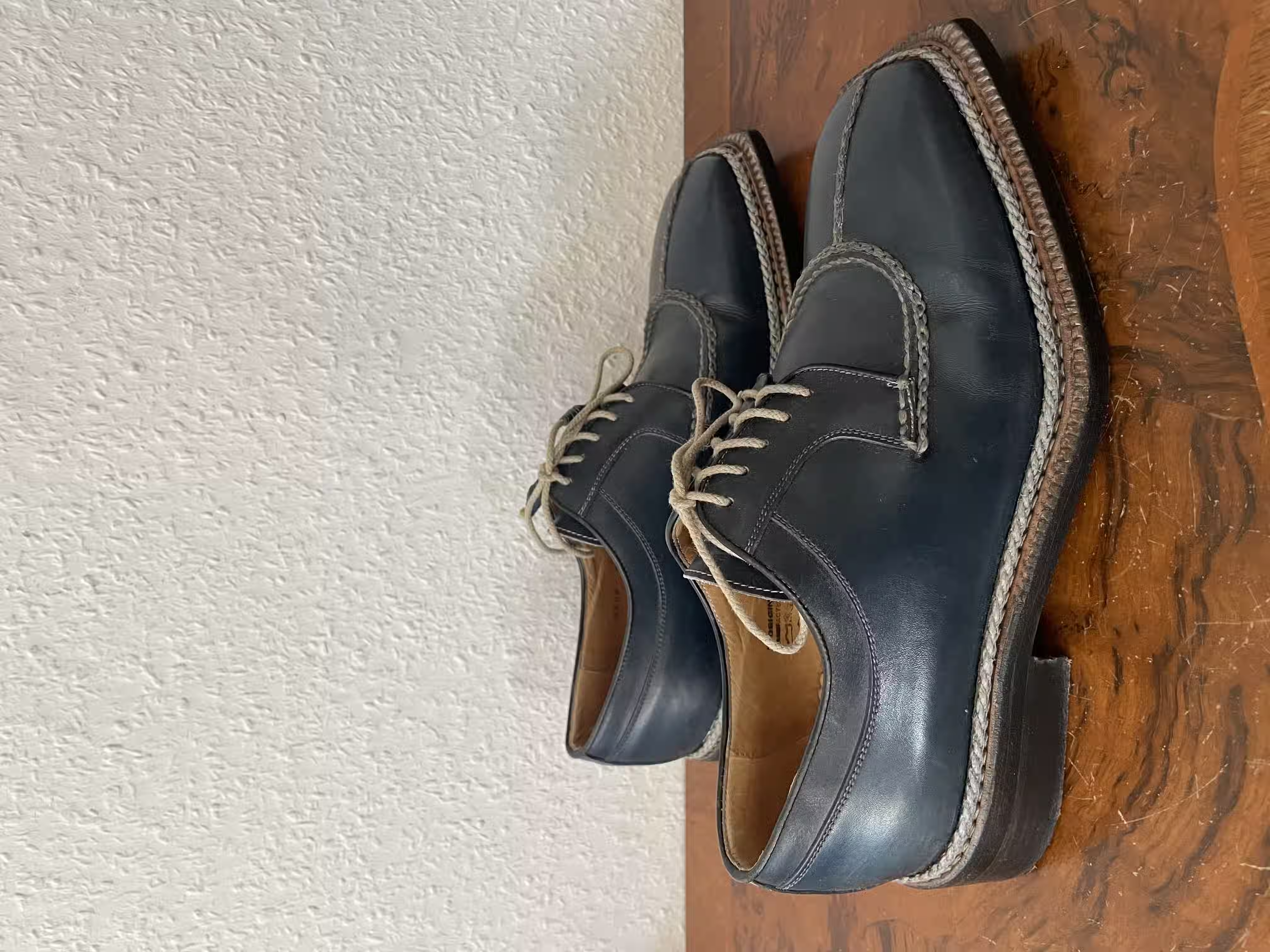
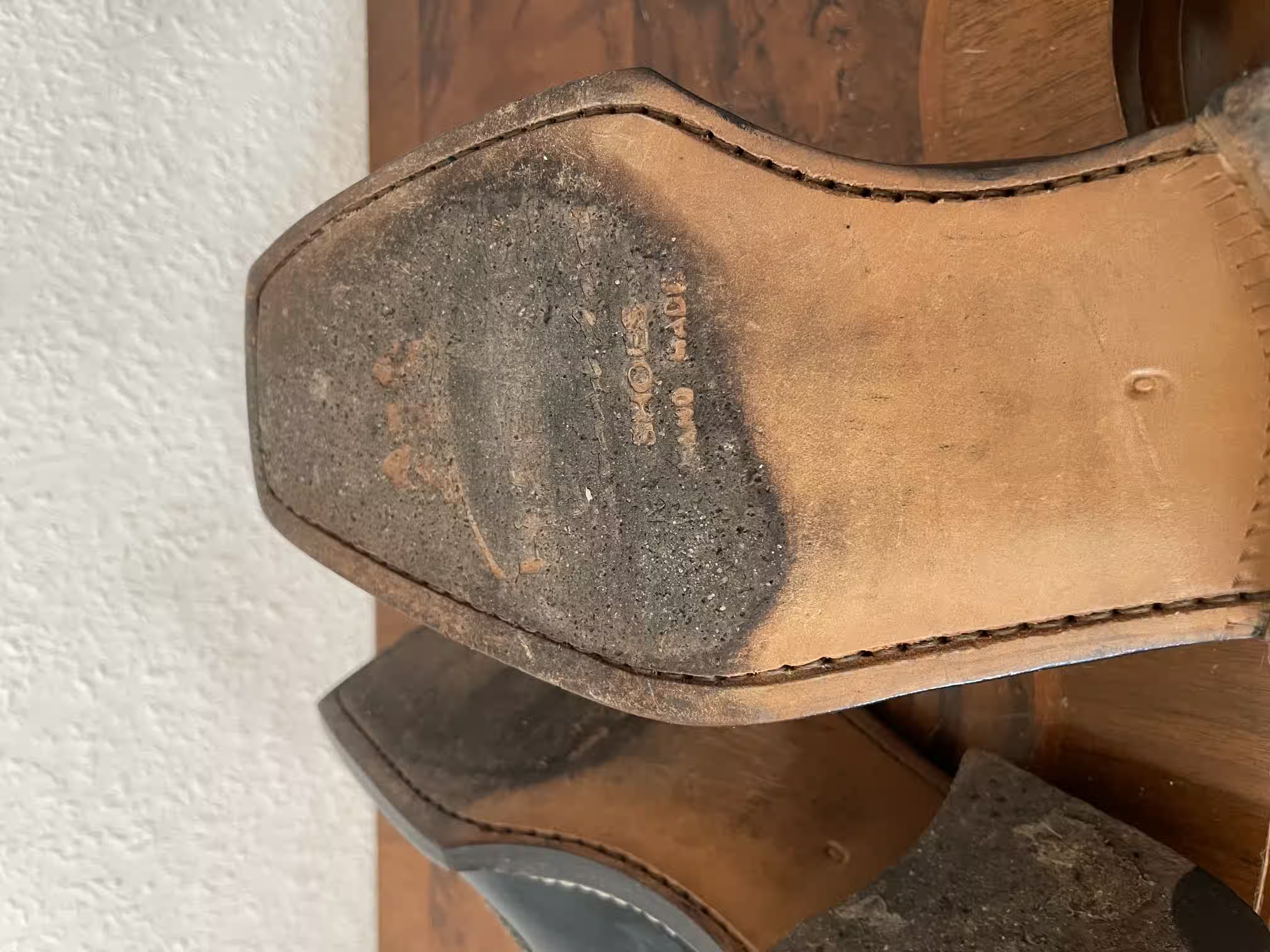
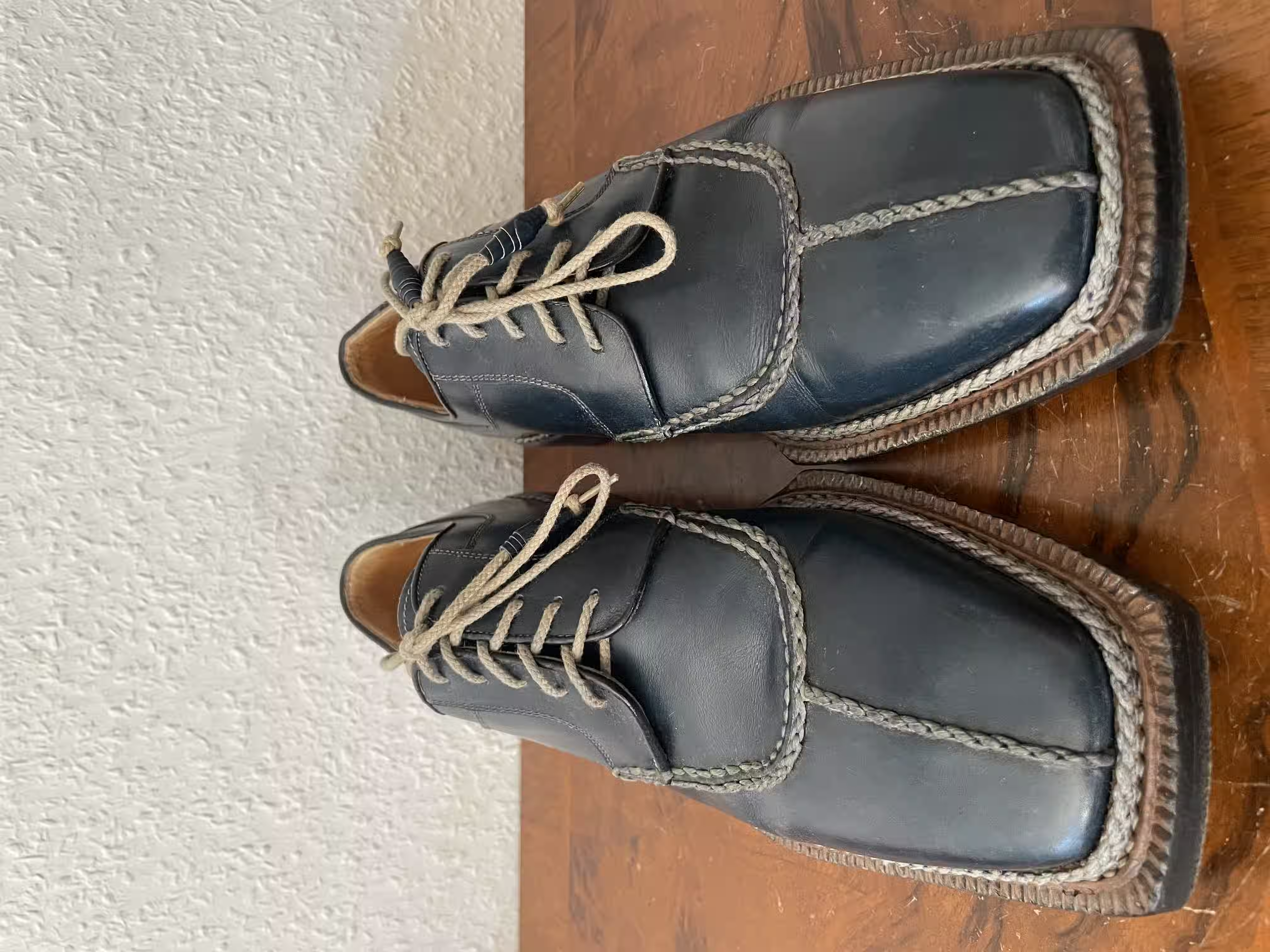
Decorative stitches are usually particularly thick, conspicuous stitches that are interwoven with each other in an interesting way. The best known is probably the so-called Norwegian stitch, in which two seams cross each other after every stitch. However, there are also other variants. Such decorative stitching often occurs around the welt or the midsole, and sometimes also on the upper leather.
Shoes in Boho Style
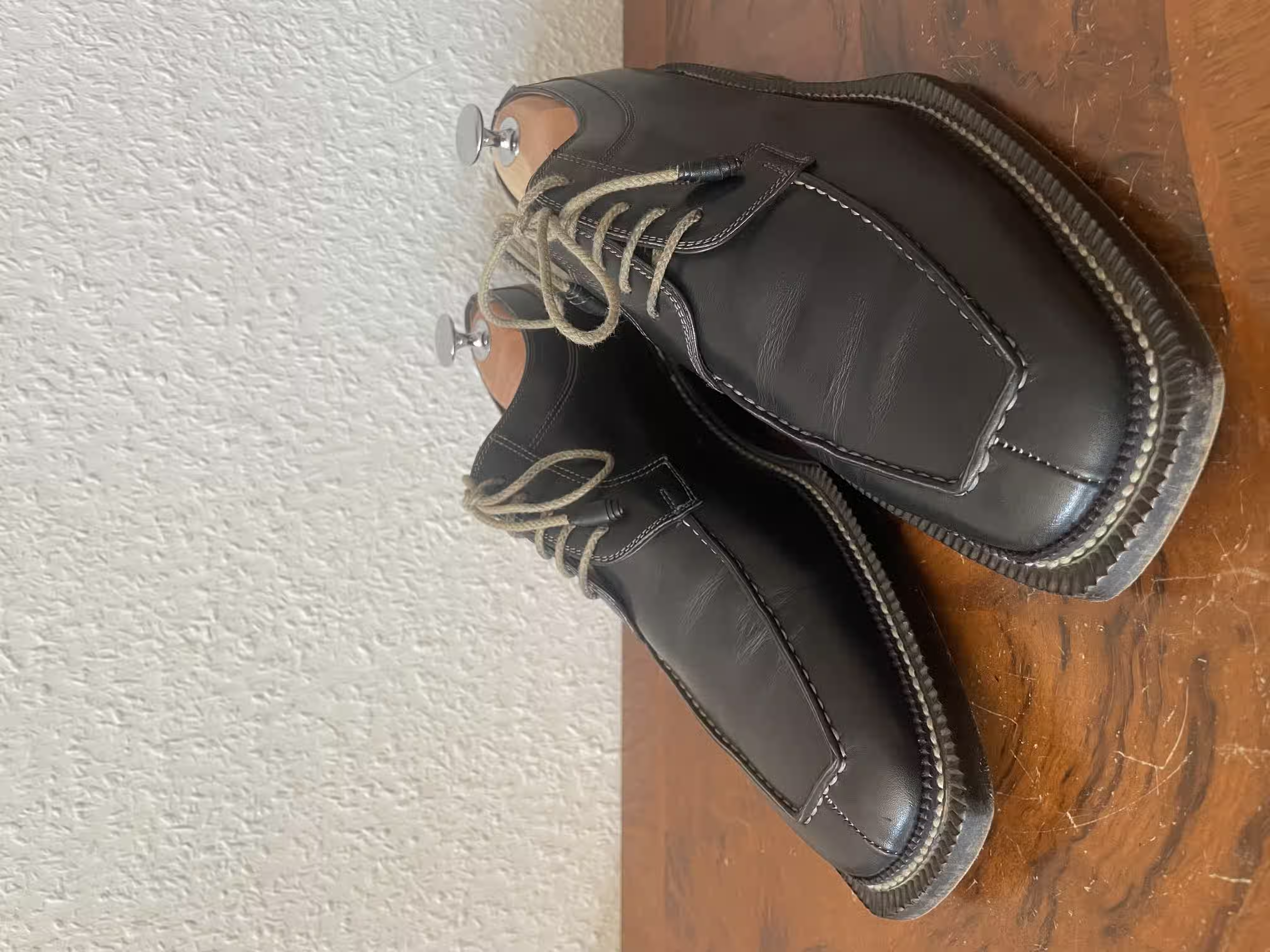
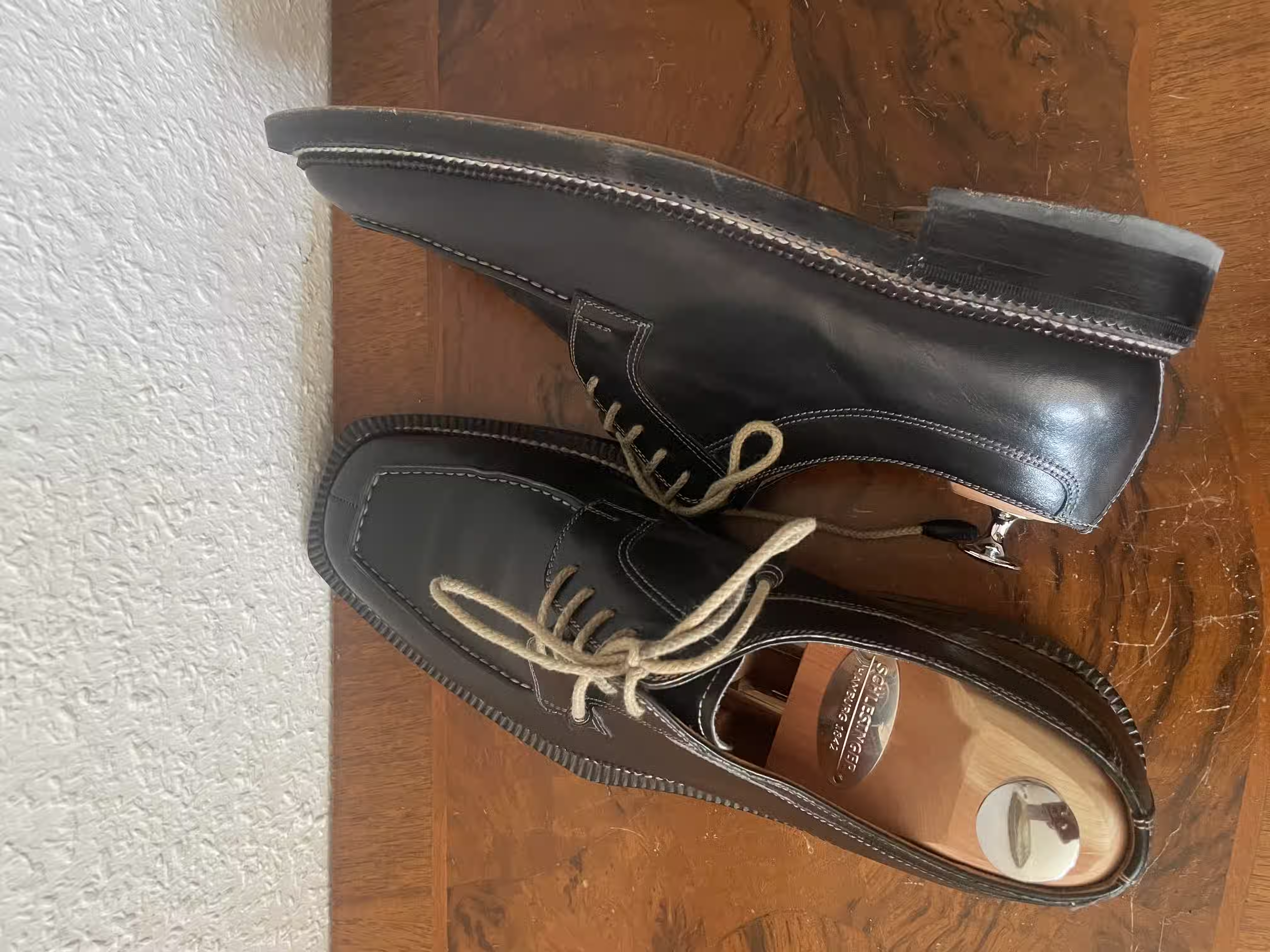
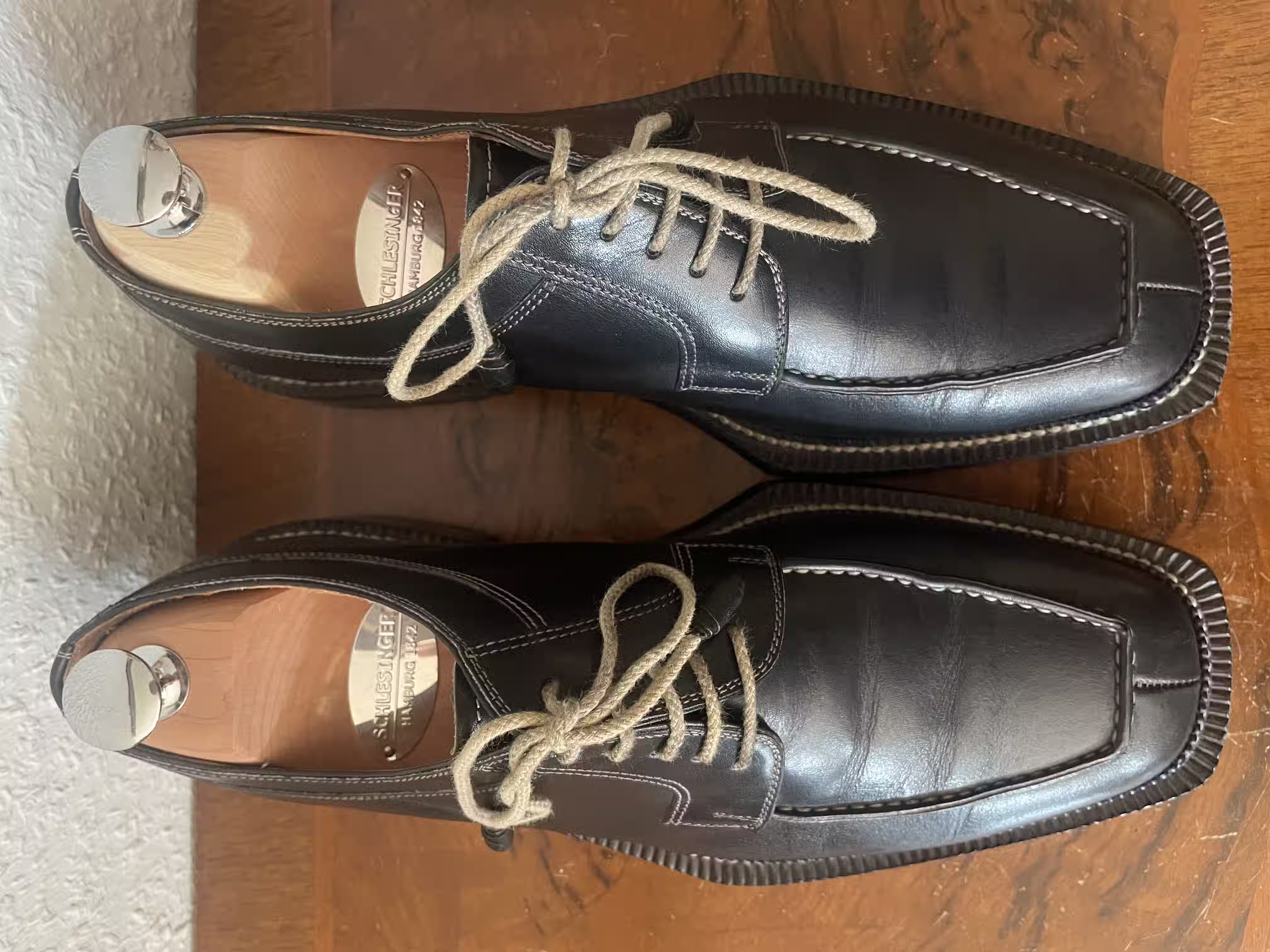
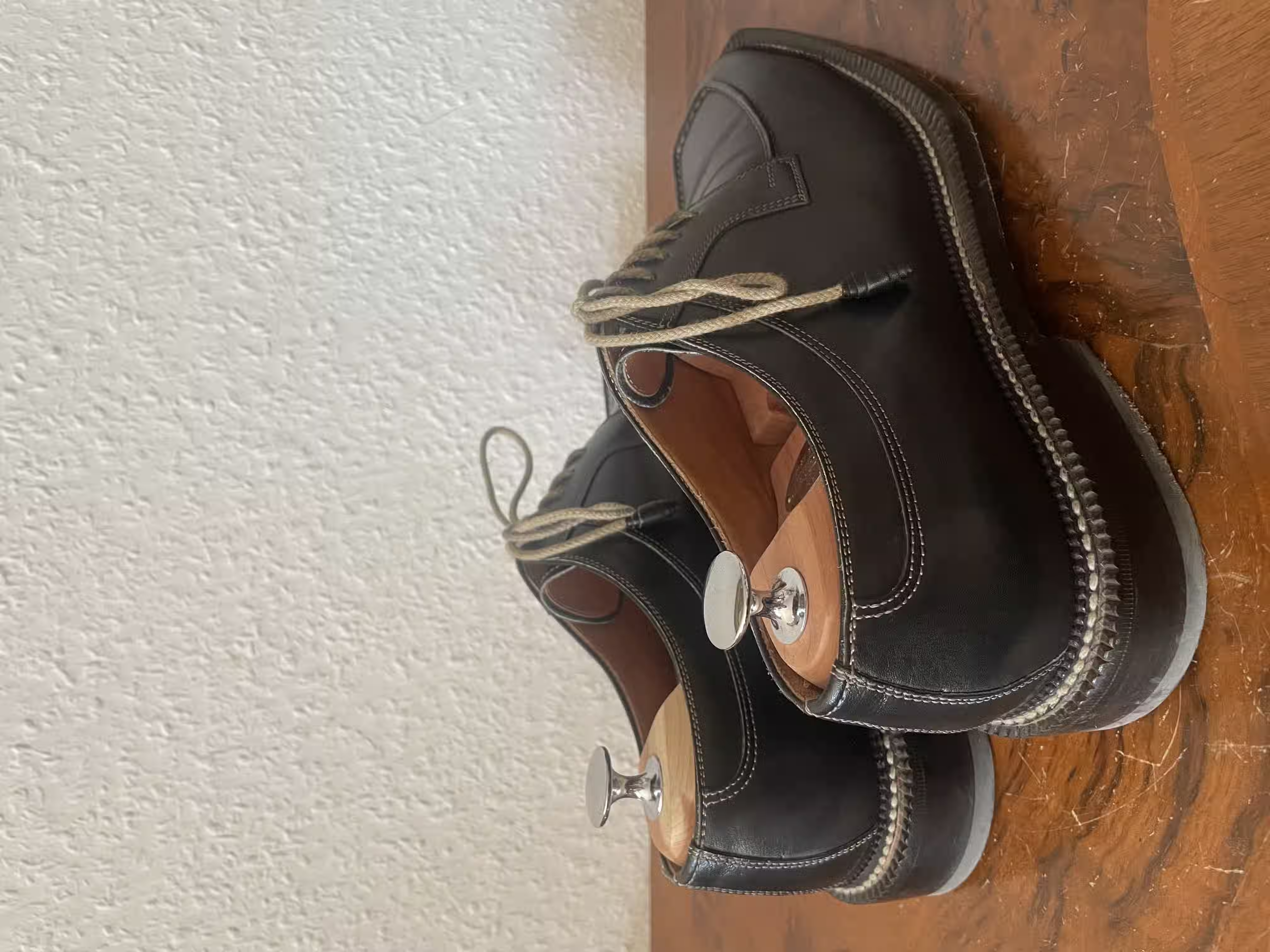
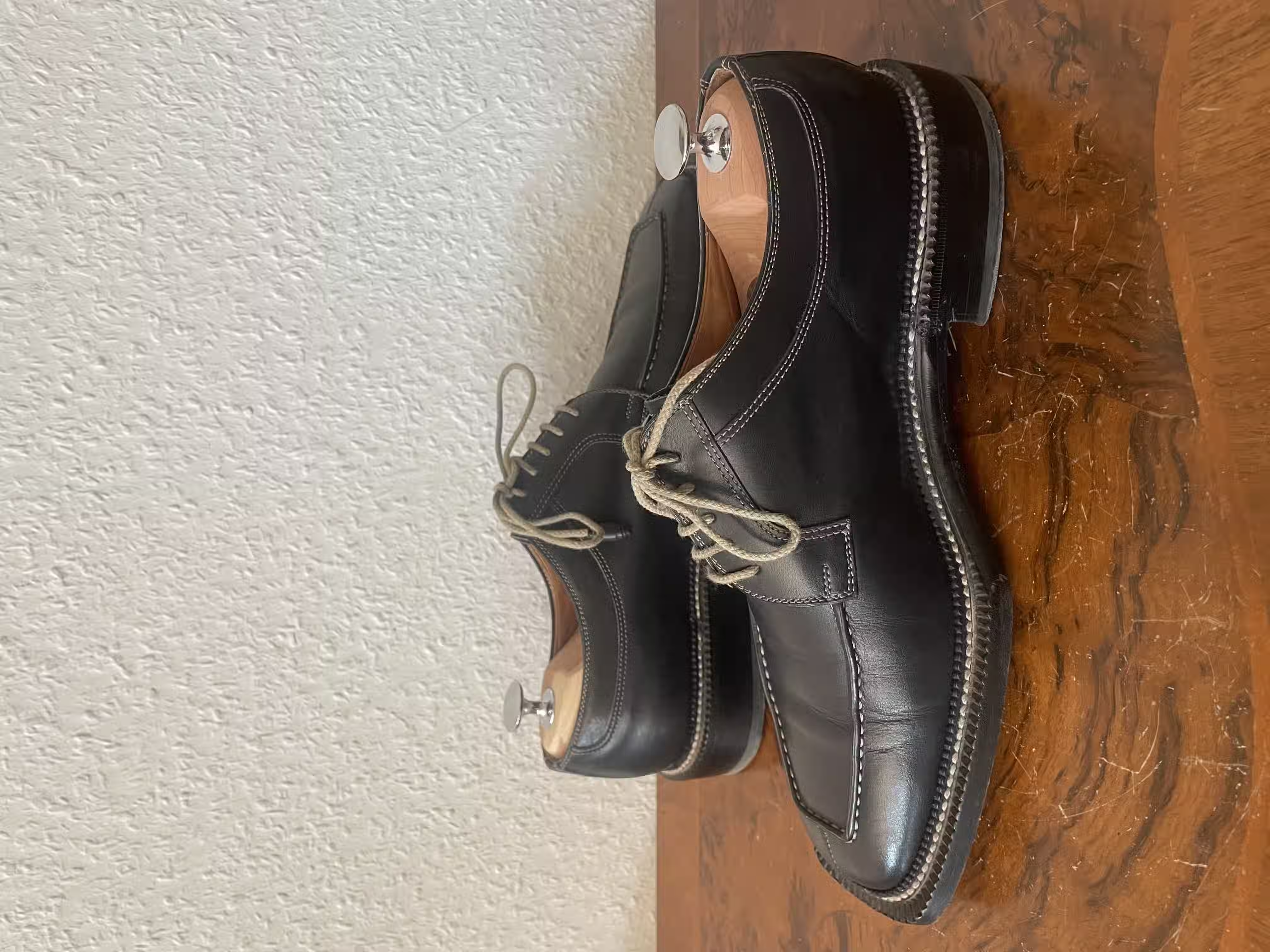
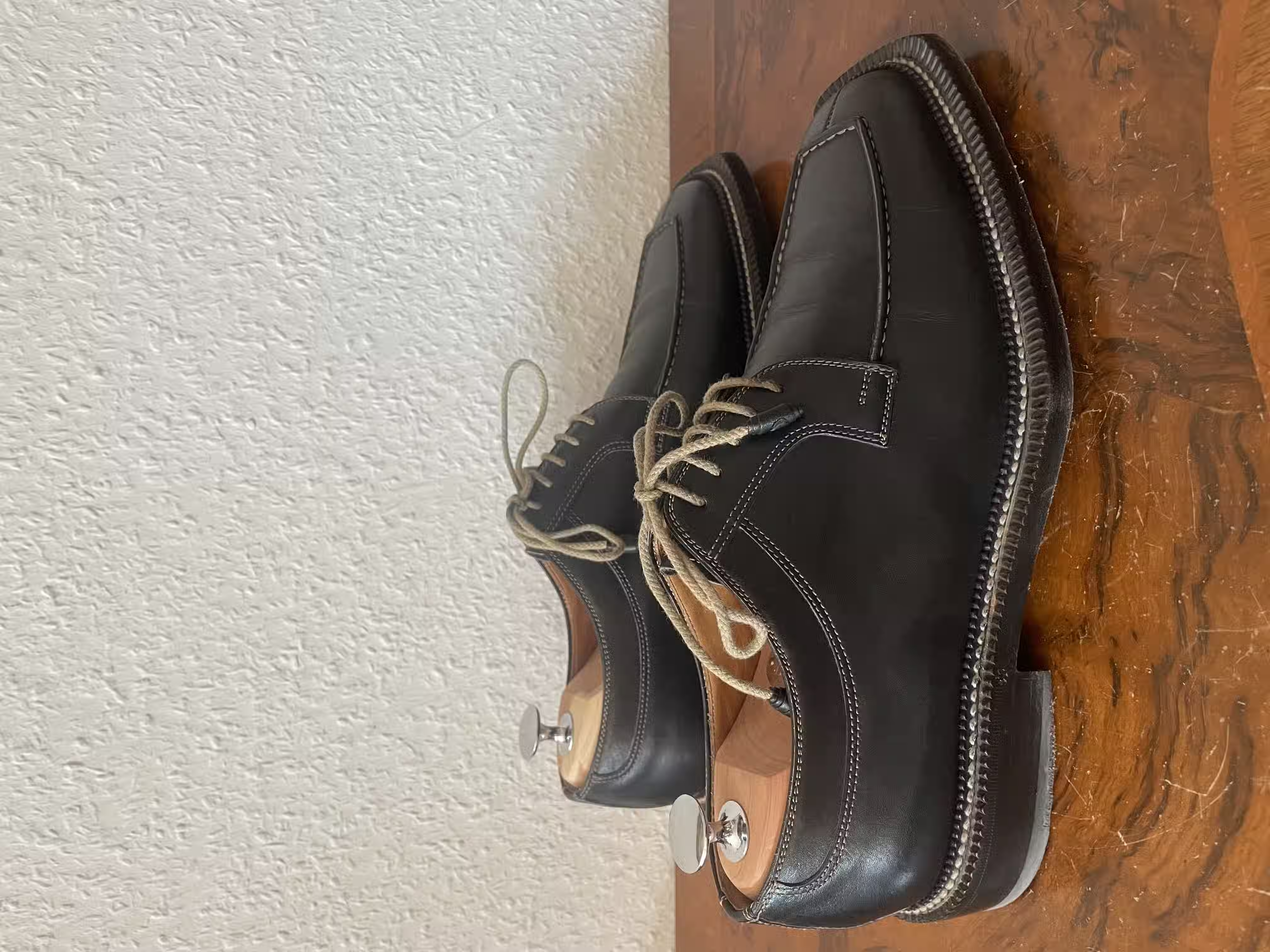
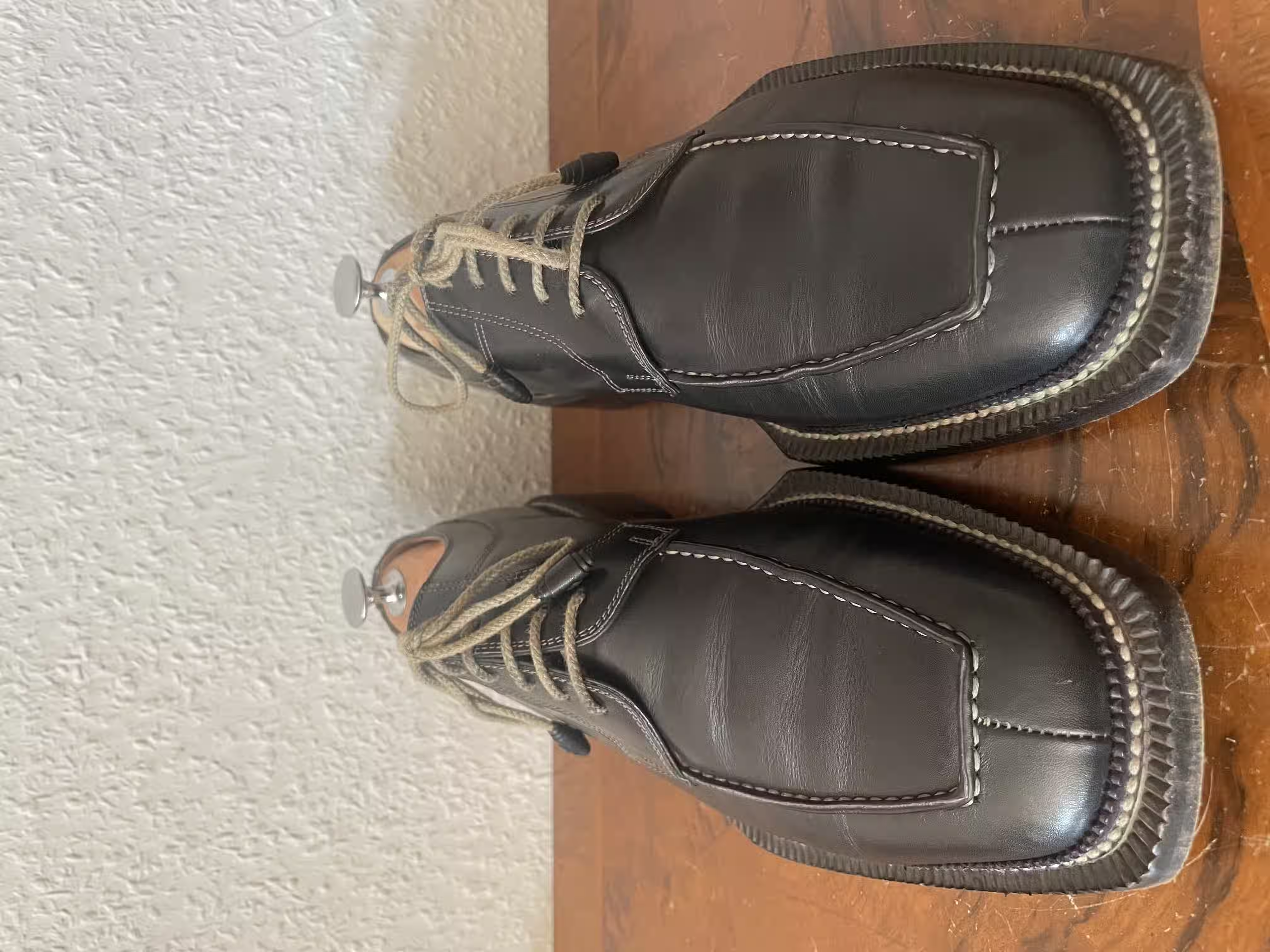
- a striking welt
- striking shoelaces
- striking decorative stitching or contrast stitching on the upper leather So they’re relaxed casual shoes, but deliberately not understated—rather, they’re designed to be decorative. This makes them even more relaxed and playful than, for example, the typical brown or black cap-toe Derbies. However, if you wear Boho shoes to serious formal or business occasions, you show that you don’t really take the person you’re meeting or the occasion seriously.