
Oxfords - The Embodiment of Elegance
Oxford shoes, also simply called Oxfords, are considered elegant shoes that are best worn with a suit. In French, they are called Richelieu. Their defining element is the so-called closed lacing, which accounts for much of this elegance but potentially offers less comfort.
Example Variant
Plain Black Oxfords
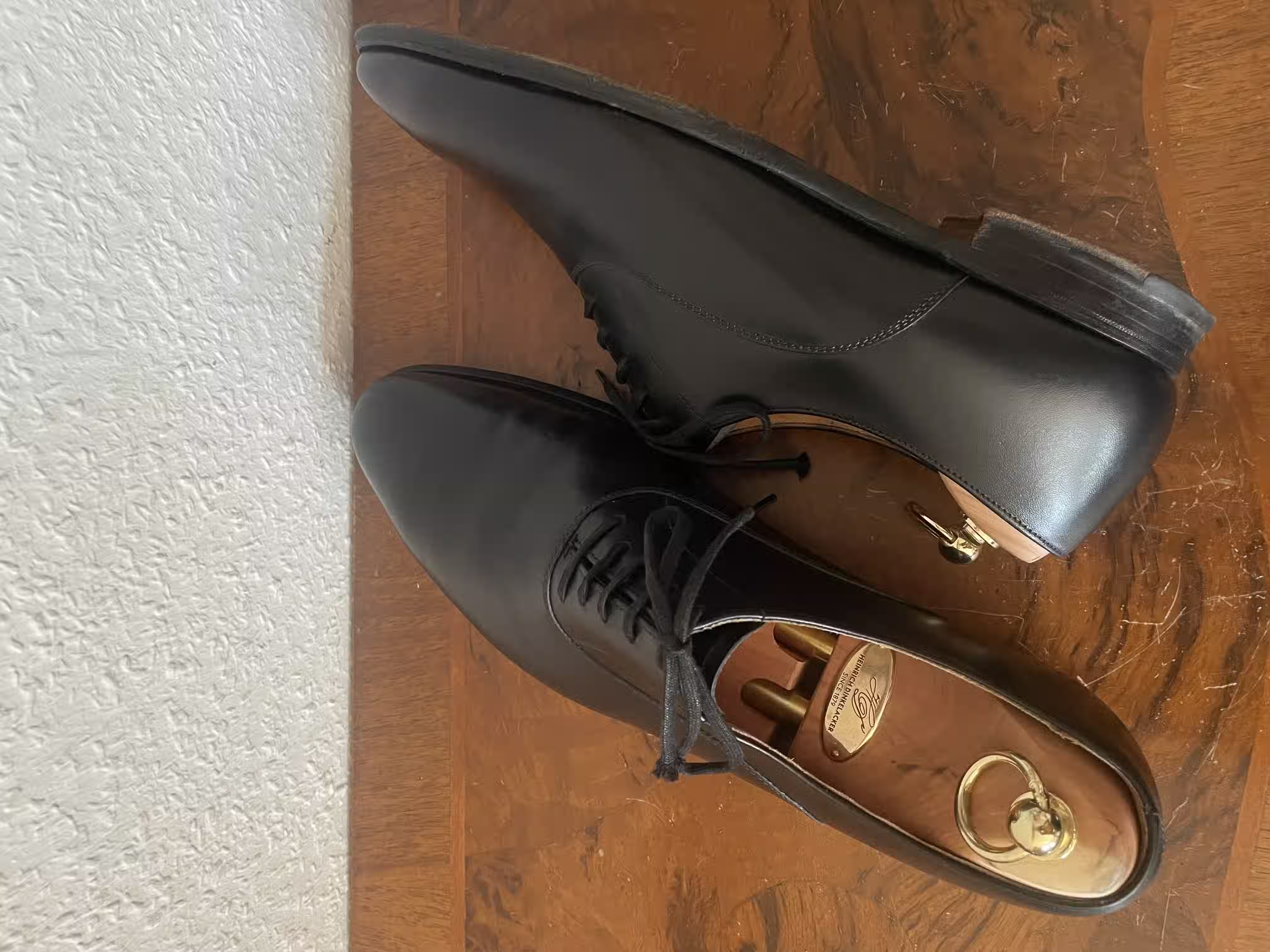
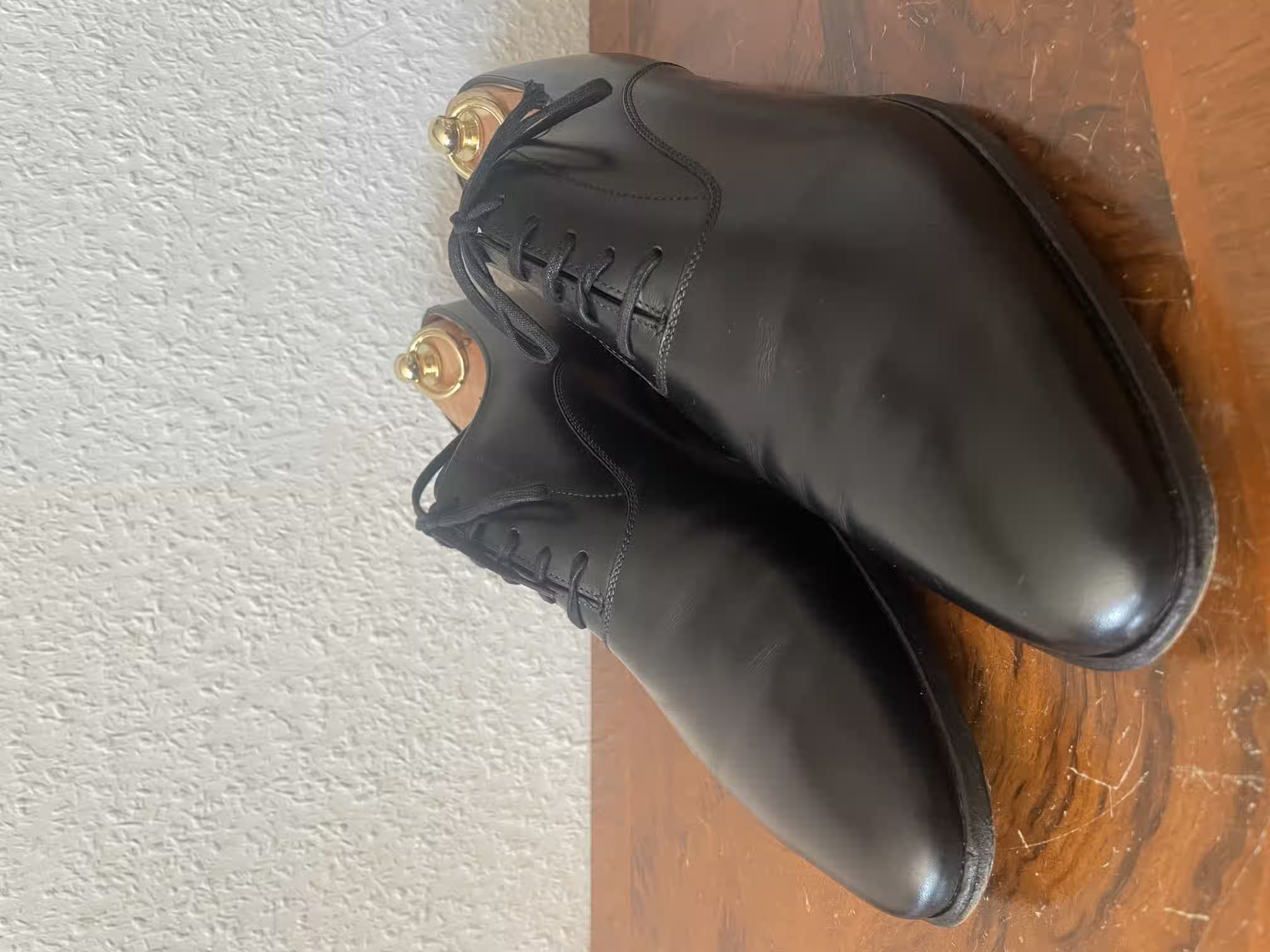
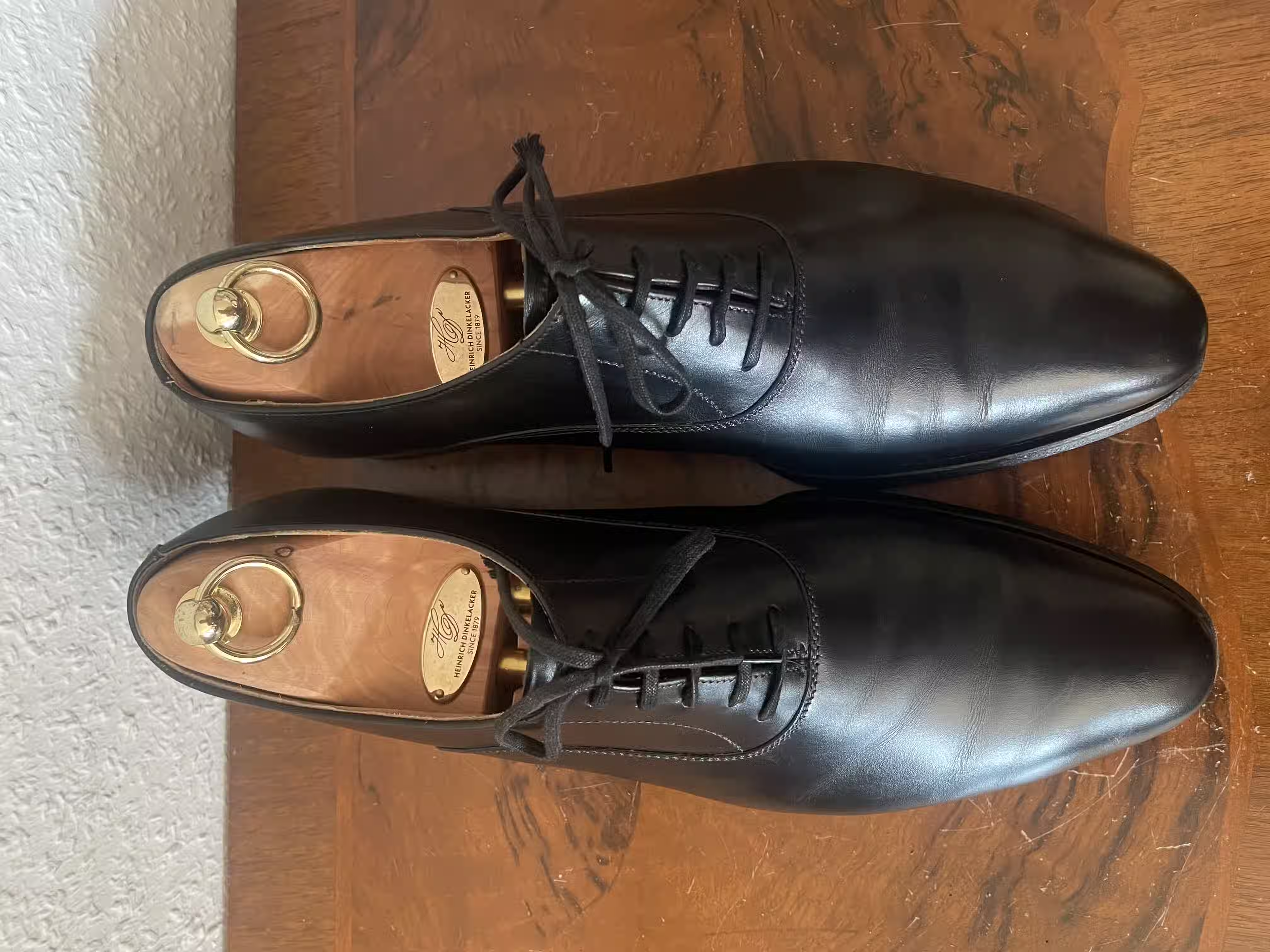
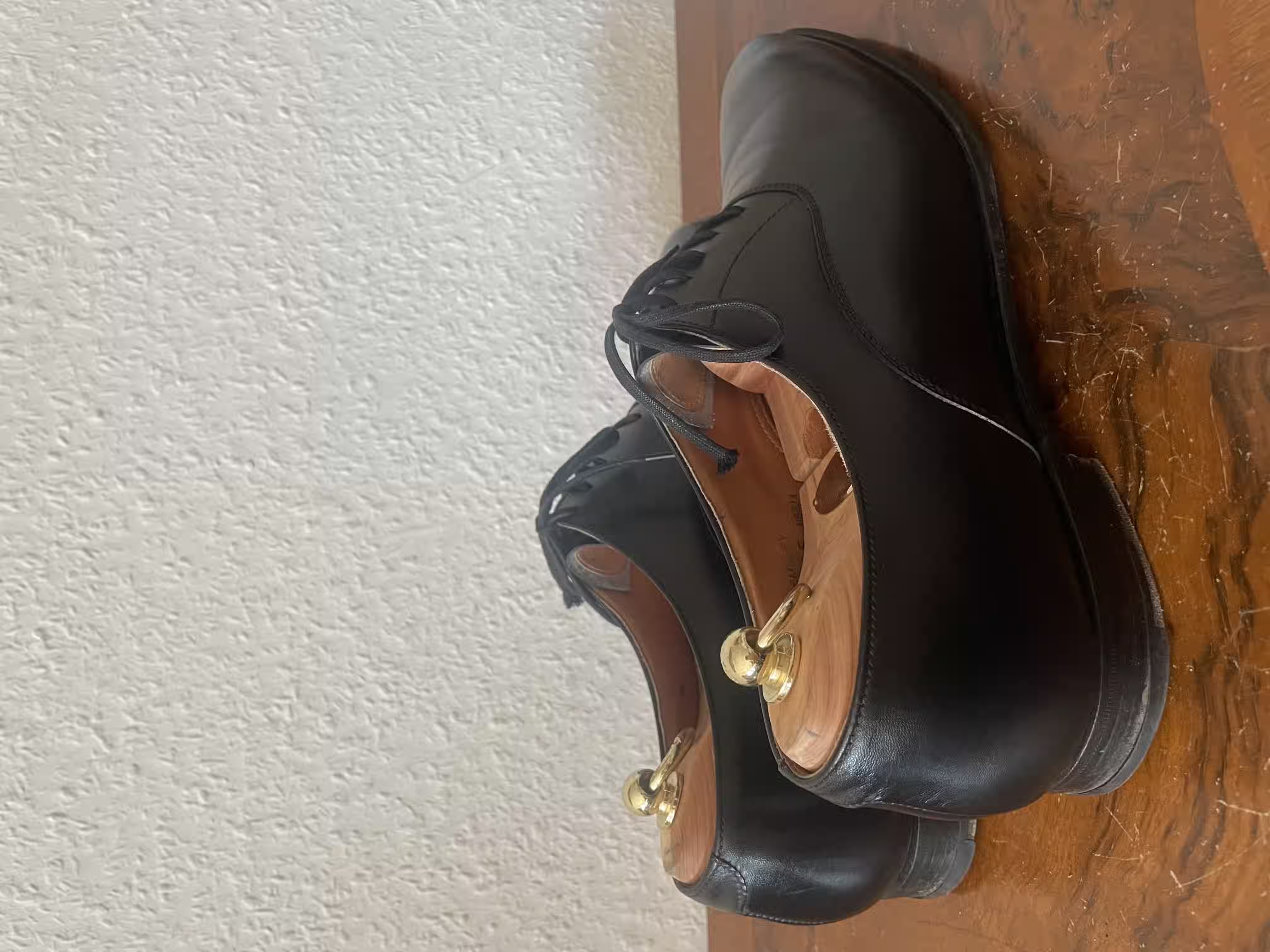
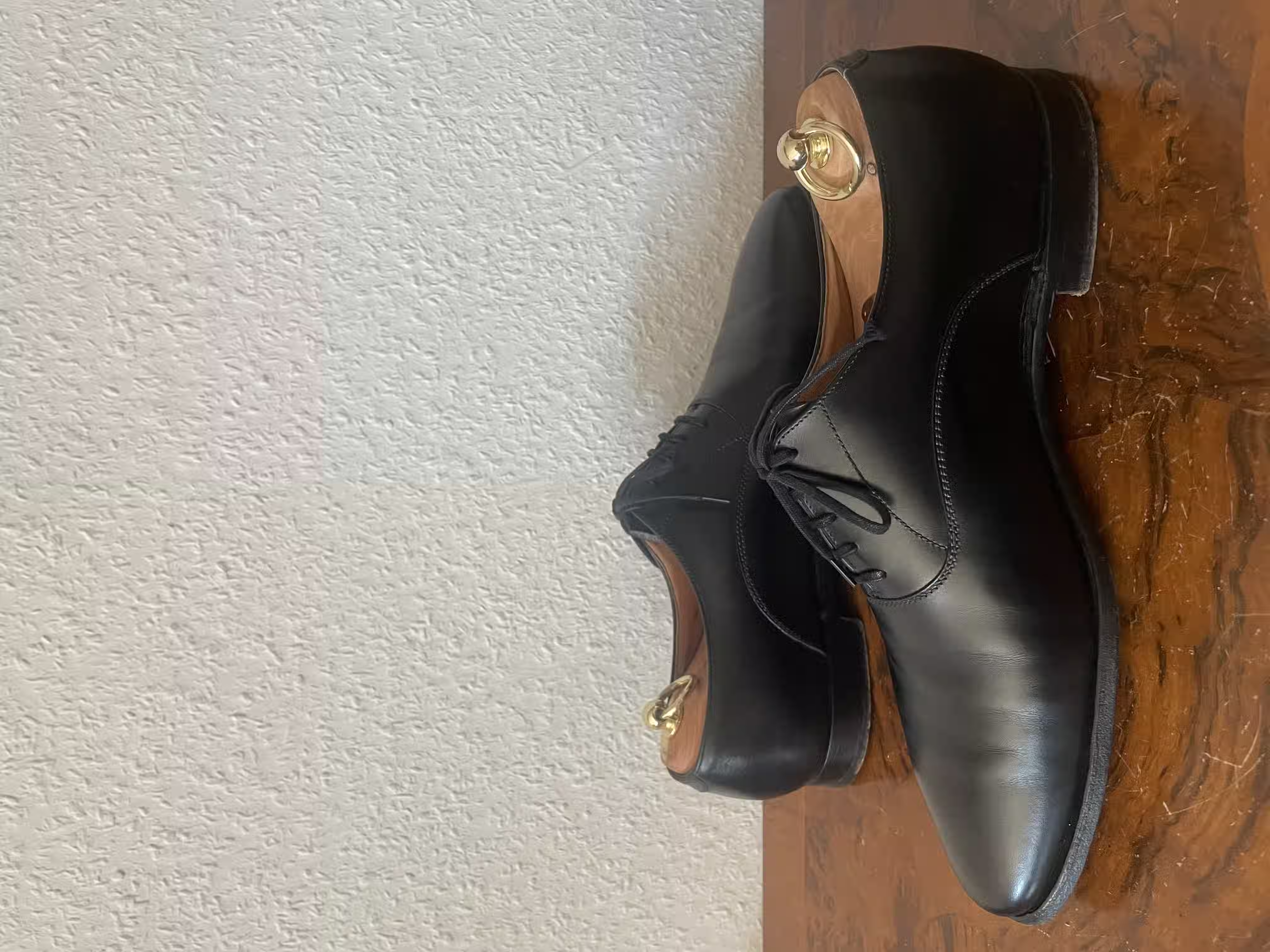
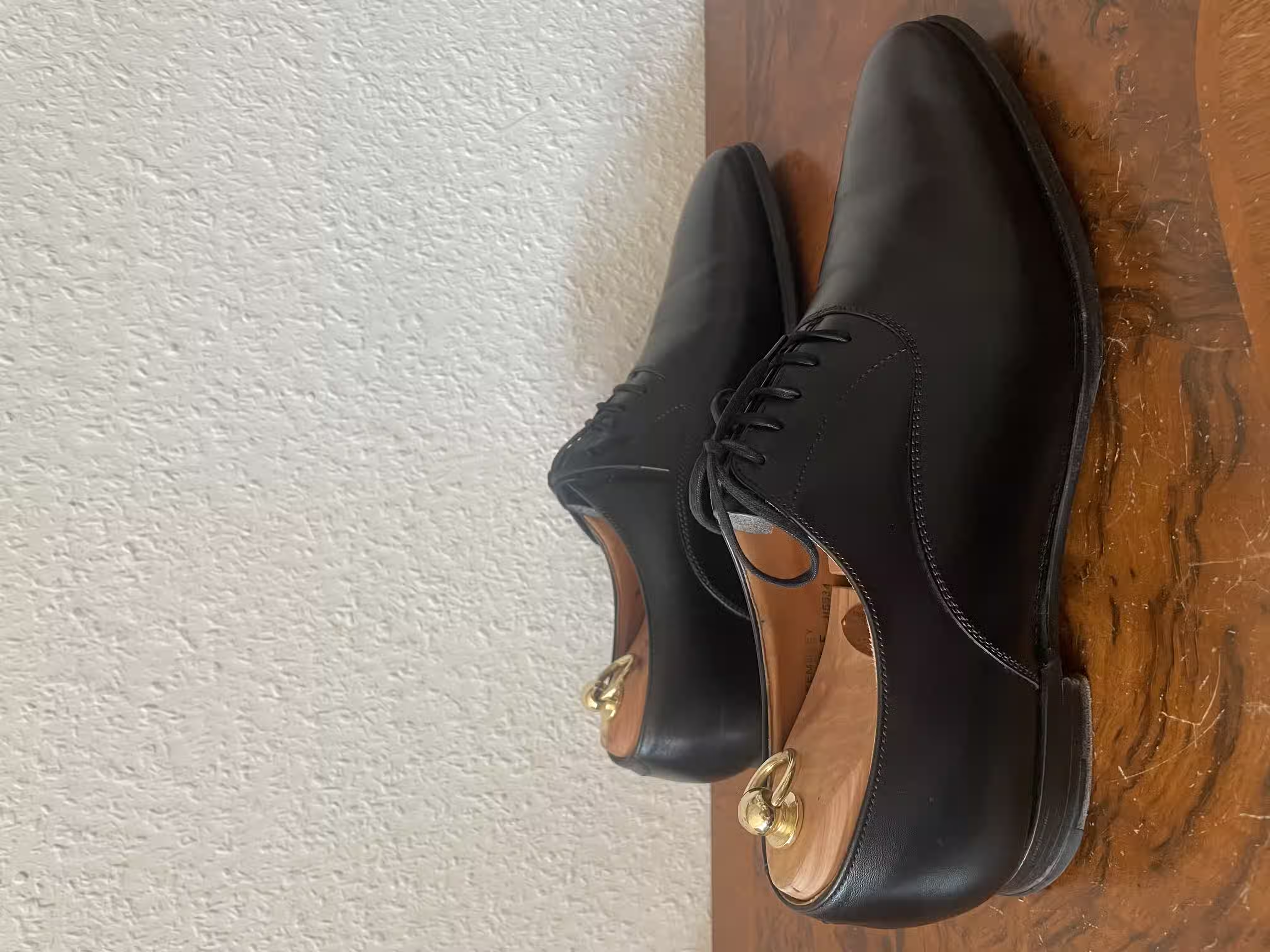
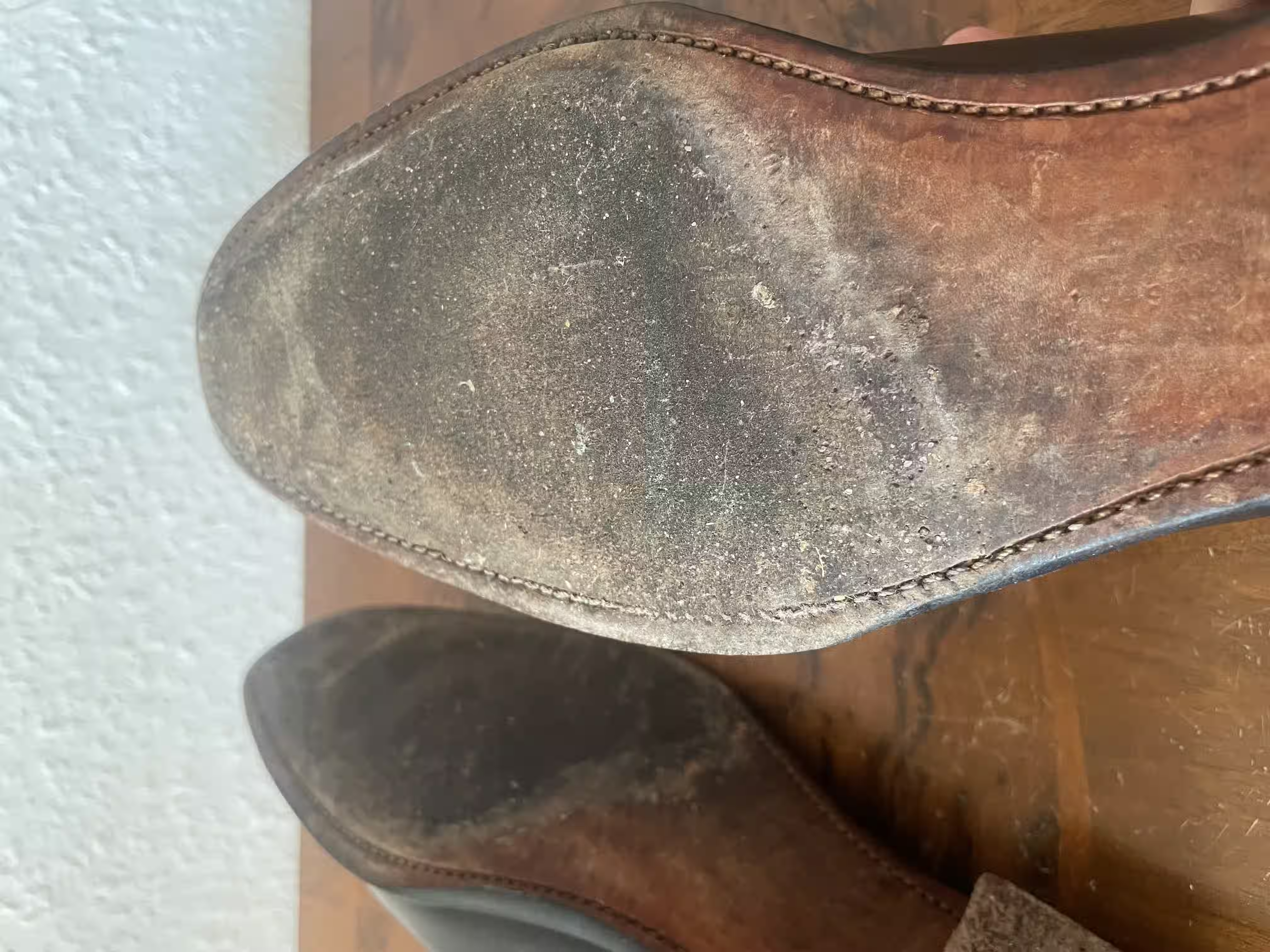
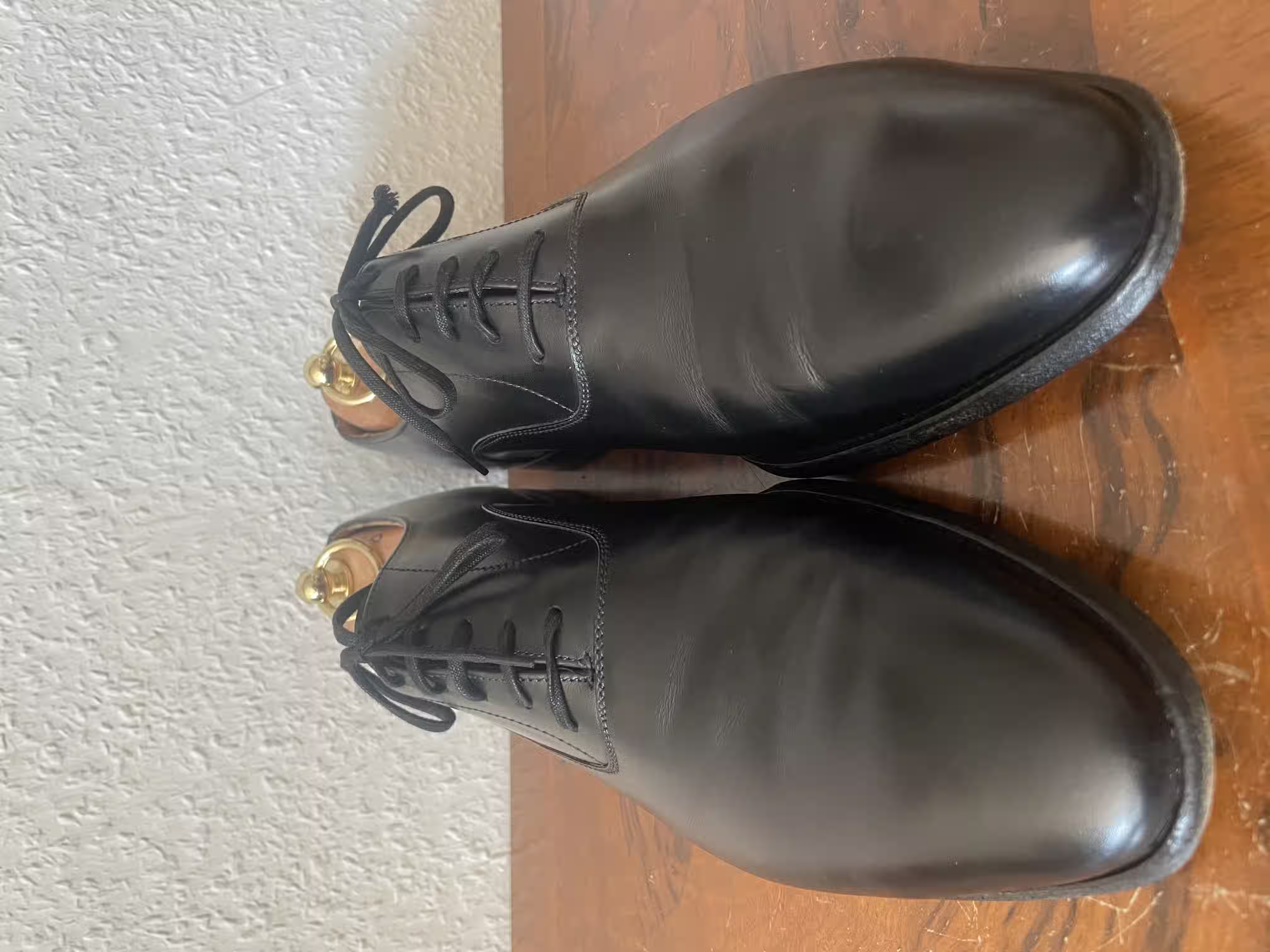
These are classic Oxfords that are excellent for formal occasions—unadorned, pure elegance. The shoe has no other special details, which is why one might find it somewhat boring. However, this aspect is very important for formal occasions, because “boring” also means that the shoe does not distract the eye and thus appears serious. This allows participants of such formal events to concentrate on the essentials, and their attire impresses more through elegance than through extensive ornamentation.
Special Features
Closed Lacing
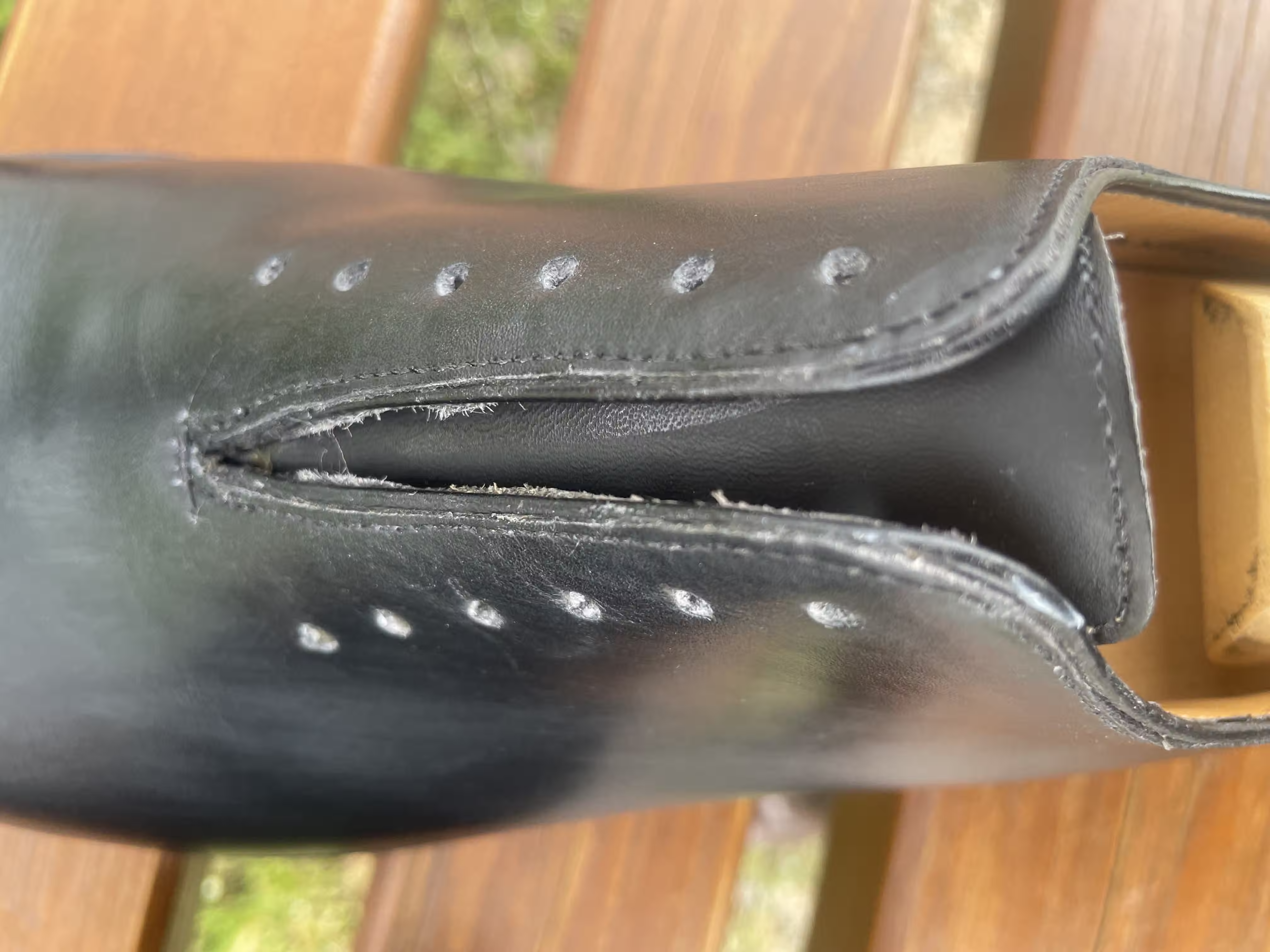
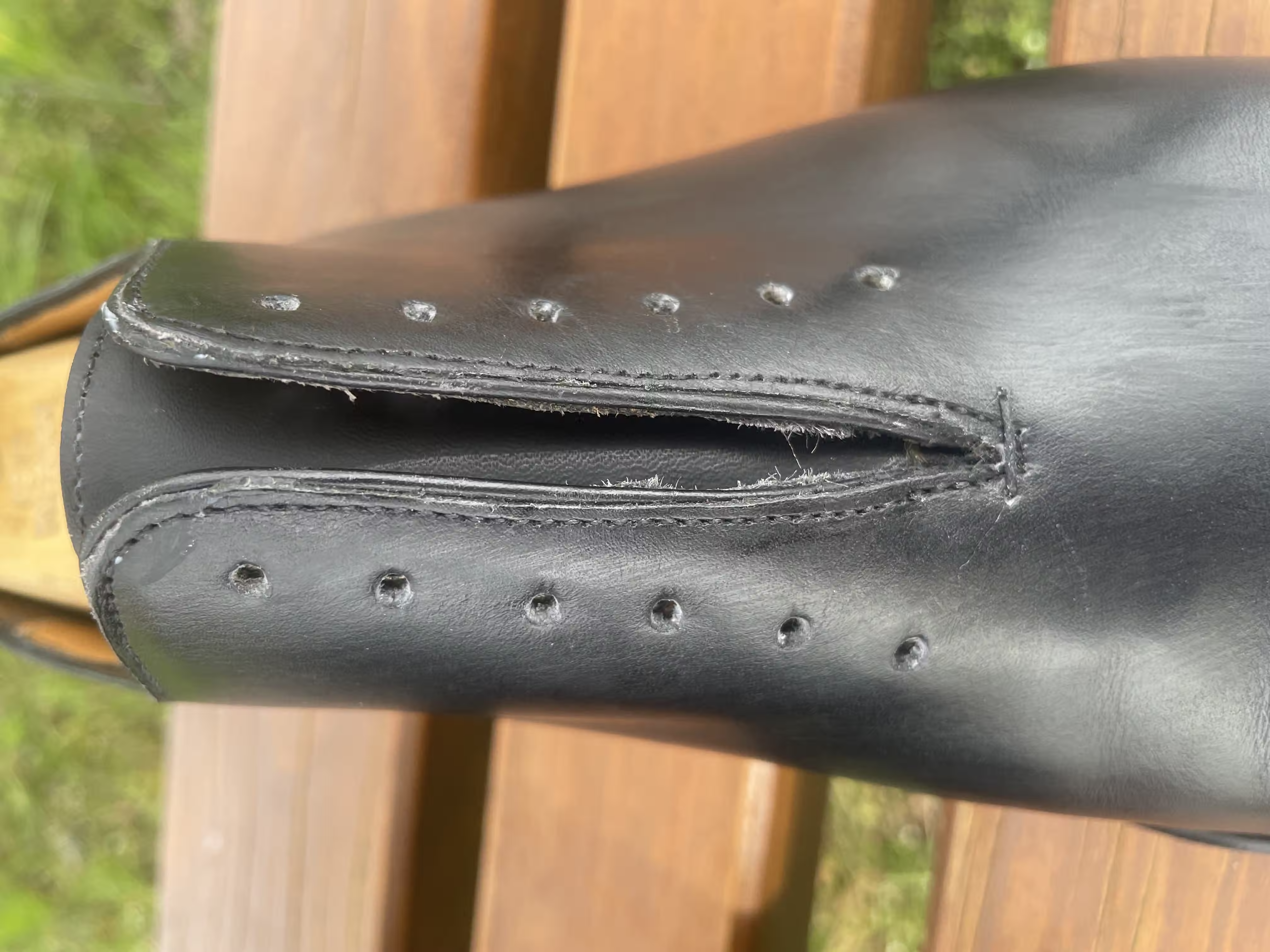
The hallmark of an Oxford is its so-called closed lacing. A shoe can have many other decorations or none at all—the type of lacing alone determines whether this shoe is an Oxford shoe or not. The semi-circular piece of leather below the lacing, which is missing in some Oxford variants and present in others, is also purely optional and is known as the “swan’s neck” or “half-moon” stitch.
Thus, the Oxford shoe category encompasses a very wide range of shoes that all share at least the closed lacing. Compared to this, there are other, much more restrictive shoe models. Accordingly, the Oxford shoe as a category covers many different shoe variants—a truly massive category.
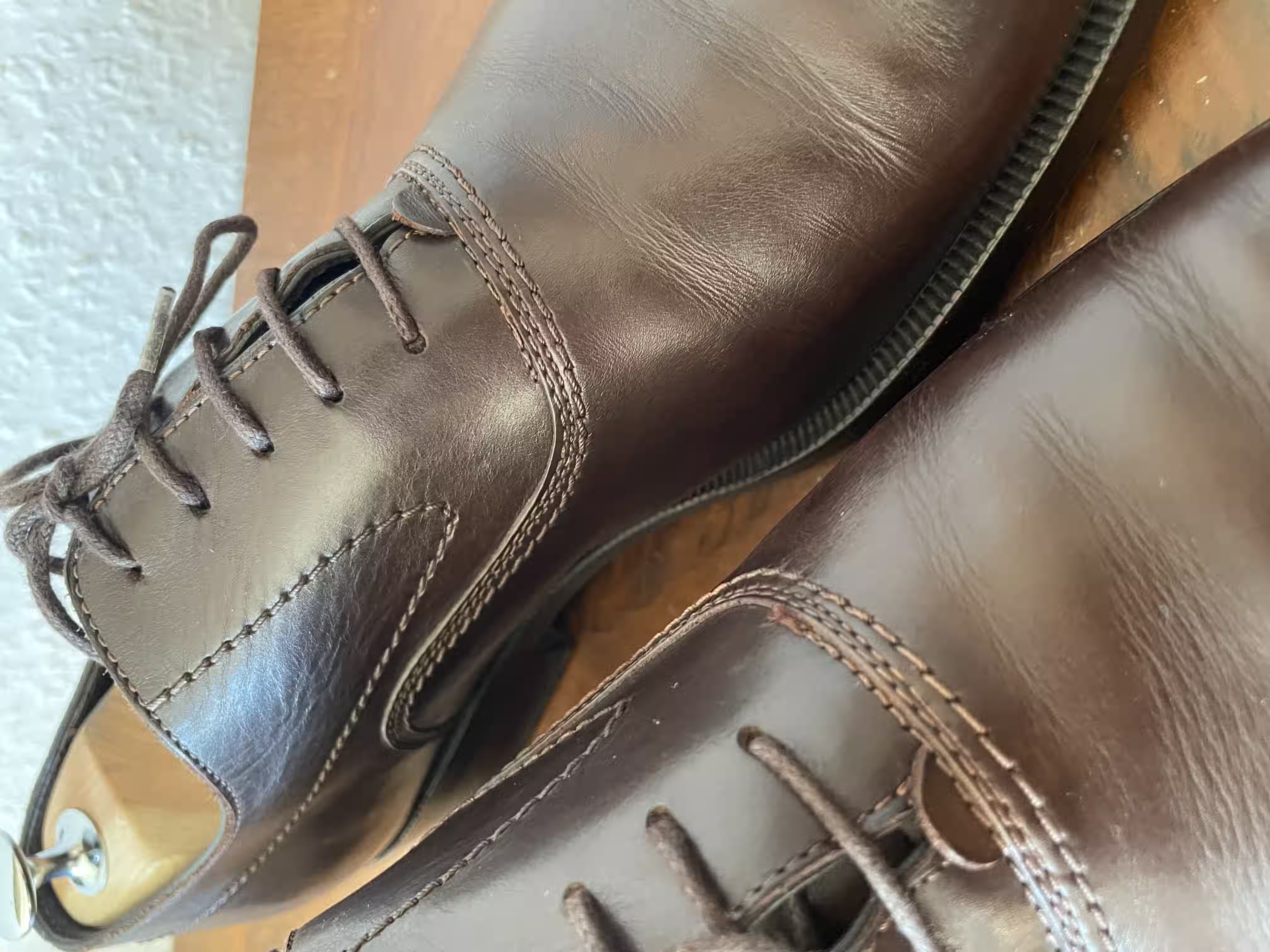
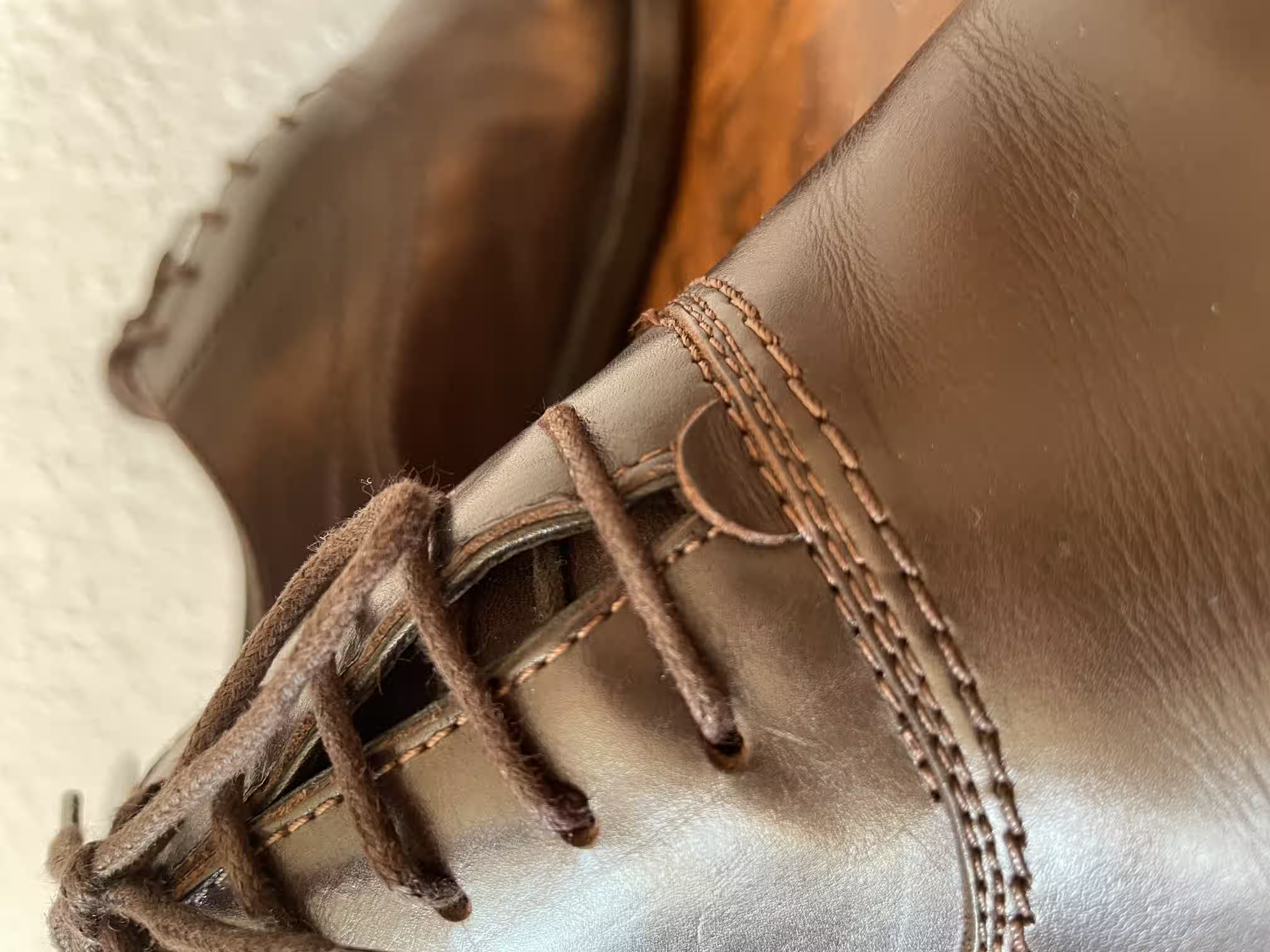
In typical black, Oxfords are suitable for their original purpose: namely for formal occasions such as weddings, anniversaries, and others where you can almost never be dressed too smartly and a suit is the right choice. In fact, for some, Oxfords are purely suit shoes that they wear with nothing else. Accordingly, for me personally, the appeal is greater in bringing this shoe down to an everyday and casual level without having to wear a suit.
Recommended Lacing Pattern
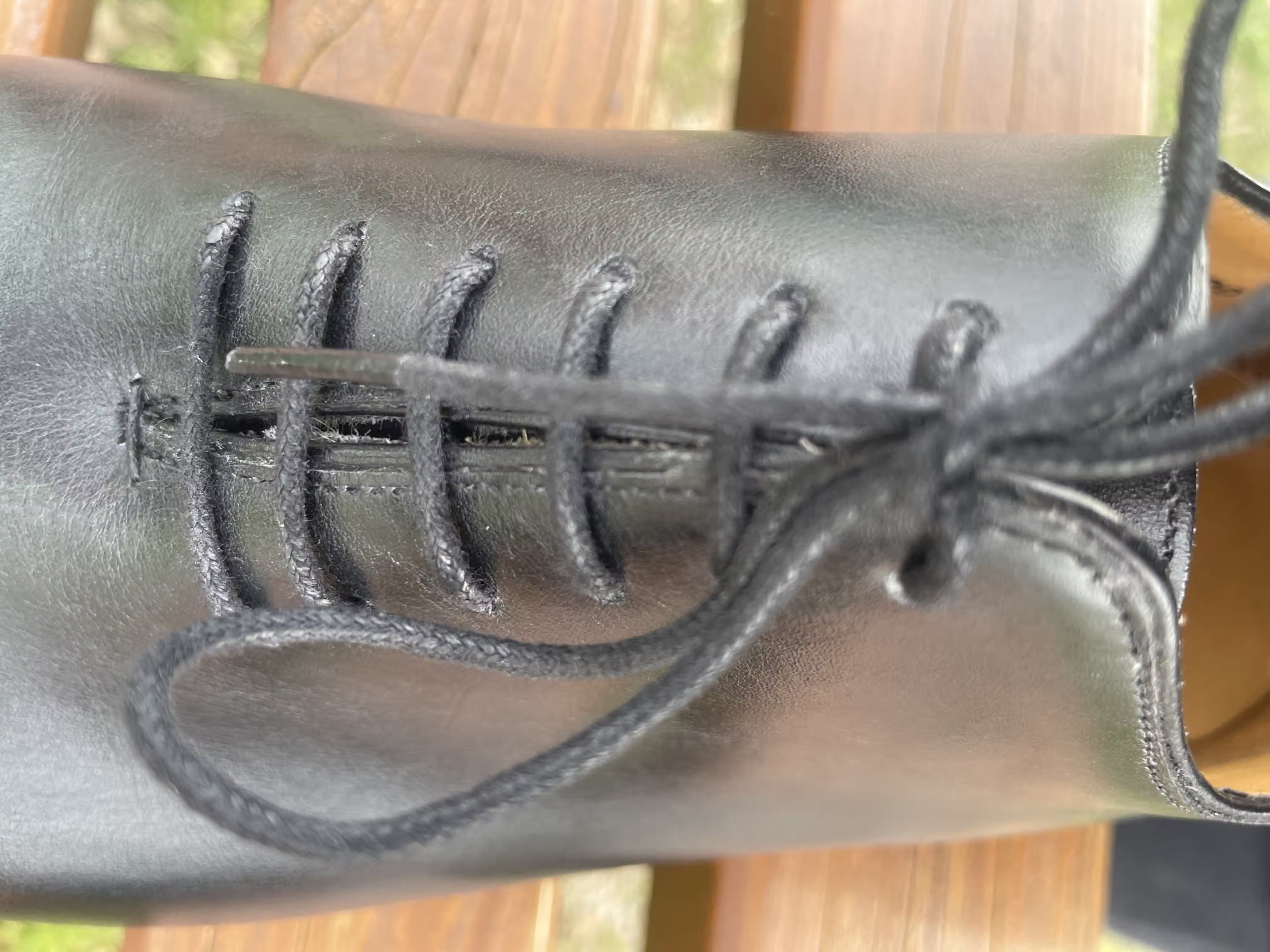
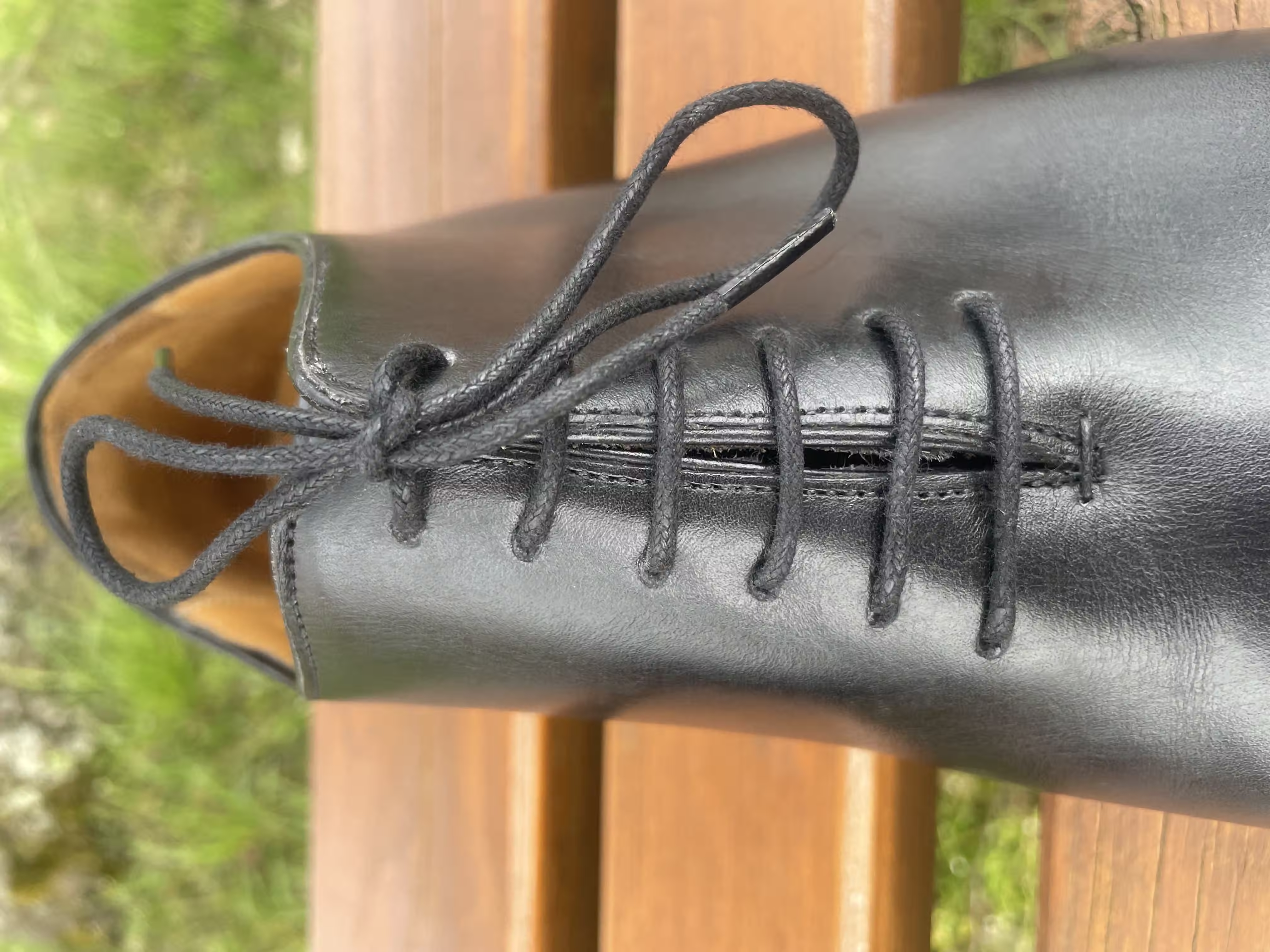
Here you can see a straight pattern, which is how your laces should ideally run on an Oxford. This creates a harmonious and orderly impression—very important for formal occasions.
Non-recommended Lacing Pattern
For less formal occasions or simply in your free time, you could theoretically also choose the following pattern for how your laces should run.
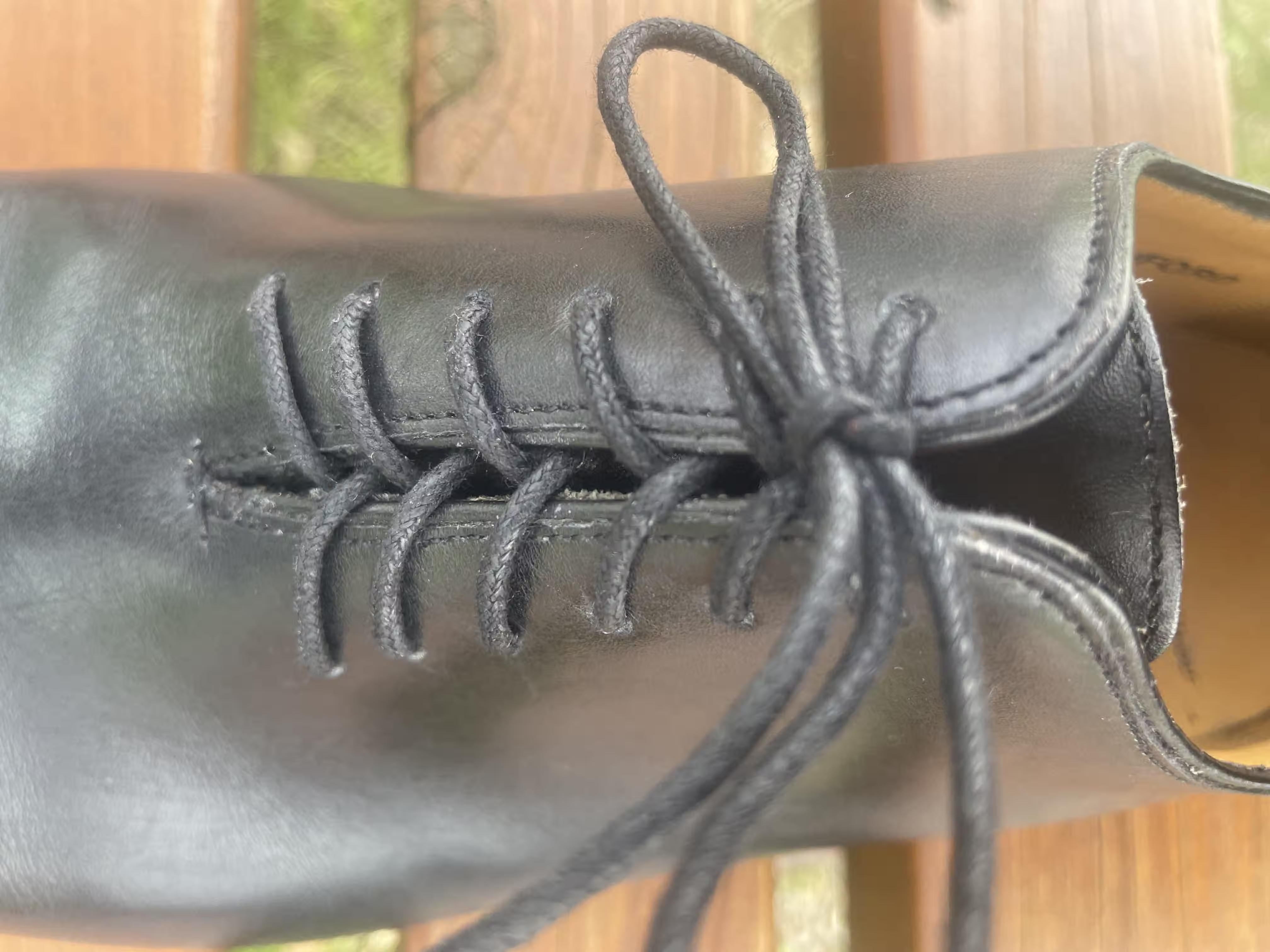
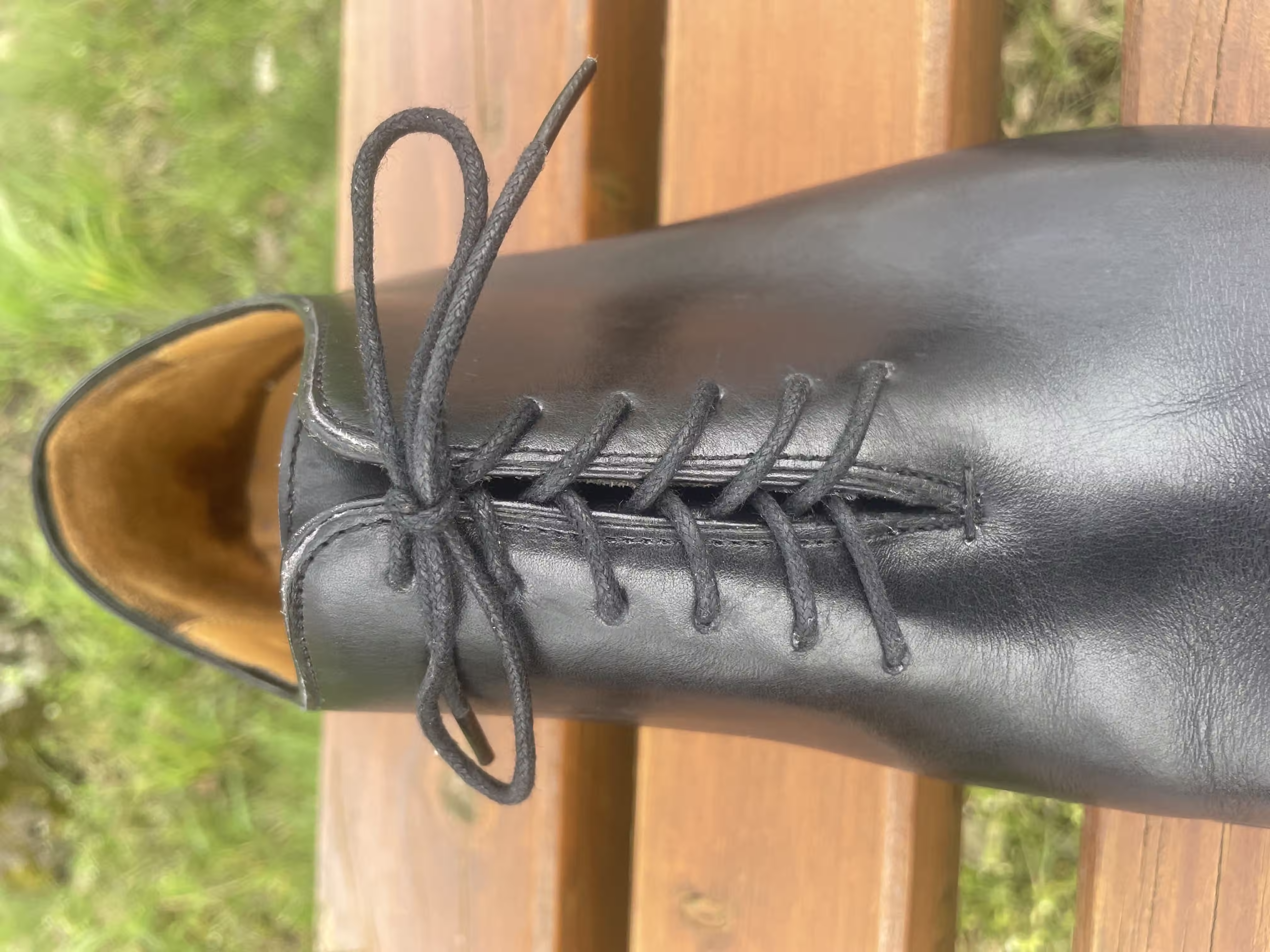
However, I would recommend this more for shoes with open lacing and rather for leisure time. Especially if you wear Oxfords with a suit, you should ensure a straight lacing pattern on your shoes. And even if you don’t wear a suit with your Oxfords, I personally would always choose the straight pattern for Oxford shoes.
I find that Oxford shoes, even as a basic model, already possess a certain dignity that I do not want to undermine—neither with laces that are too thick, nor with a somewhat messy-looking lacing.
History
According to tradition, at the end of the 19th century, a particularly large number of Oxford students in England wore this shoe and later made it widely known in professional life through continued wear. Thus, the Oxford shoe is named after these students, who did not invent the shoe but made it more famous.
If you go back even further, you will find that in the 19th century there was the so-called Balmoral boot, a boot with the same closed lacing as an Oxford. The Balmoral boot is the predecessor of the Oxford, as boots were commonly worn instead of low shoes at that time. The Oxford is therefore the later low-shoe version of the Balmoral boot and only became established in the course of the 20th century, especially in the 1920s—just like low shoes in general.
Variants
White Suede Oxfords
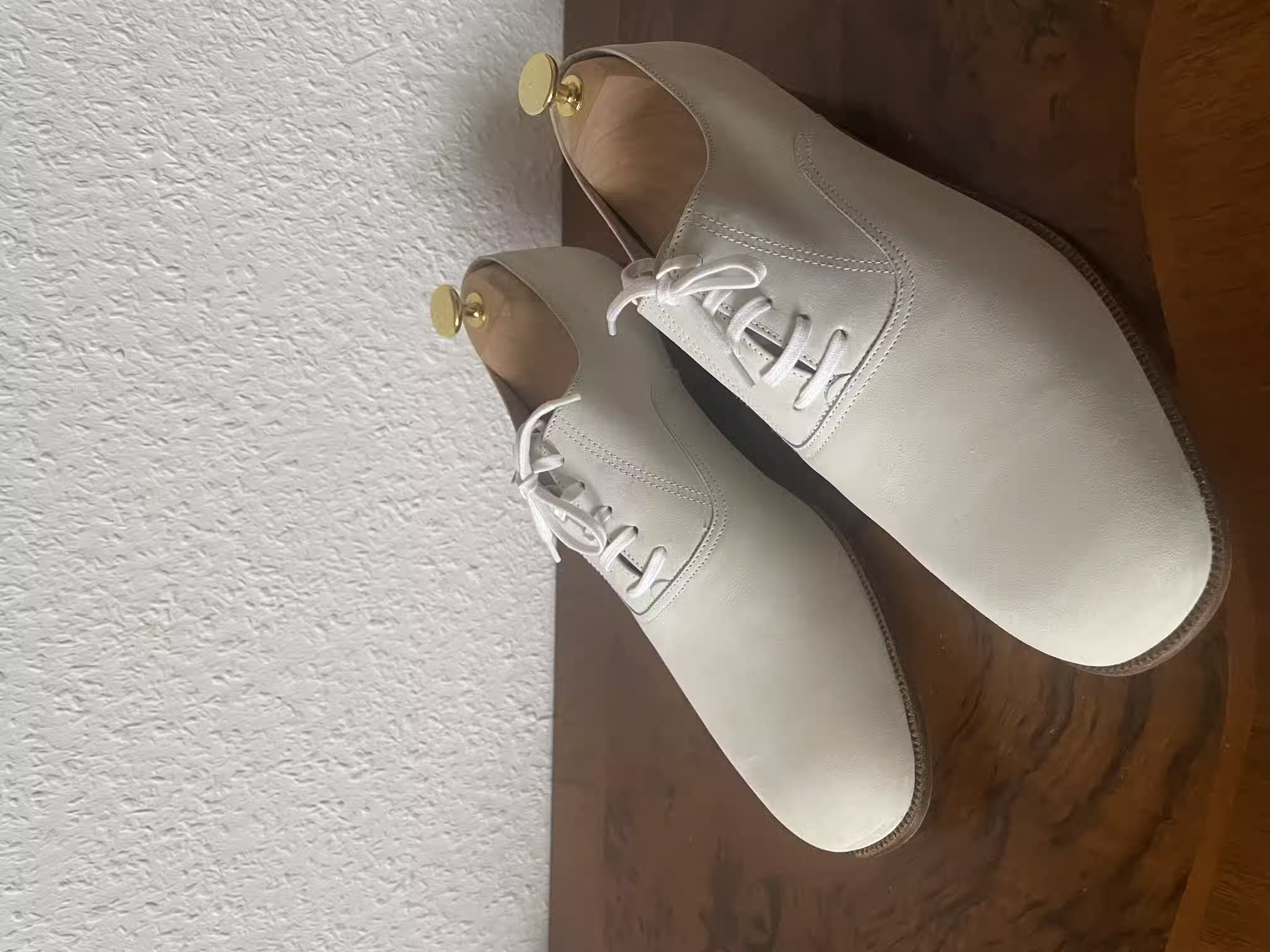
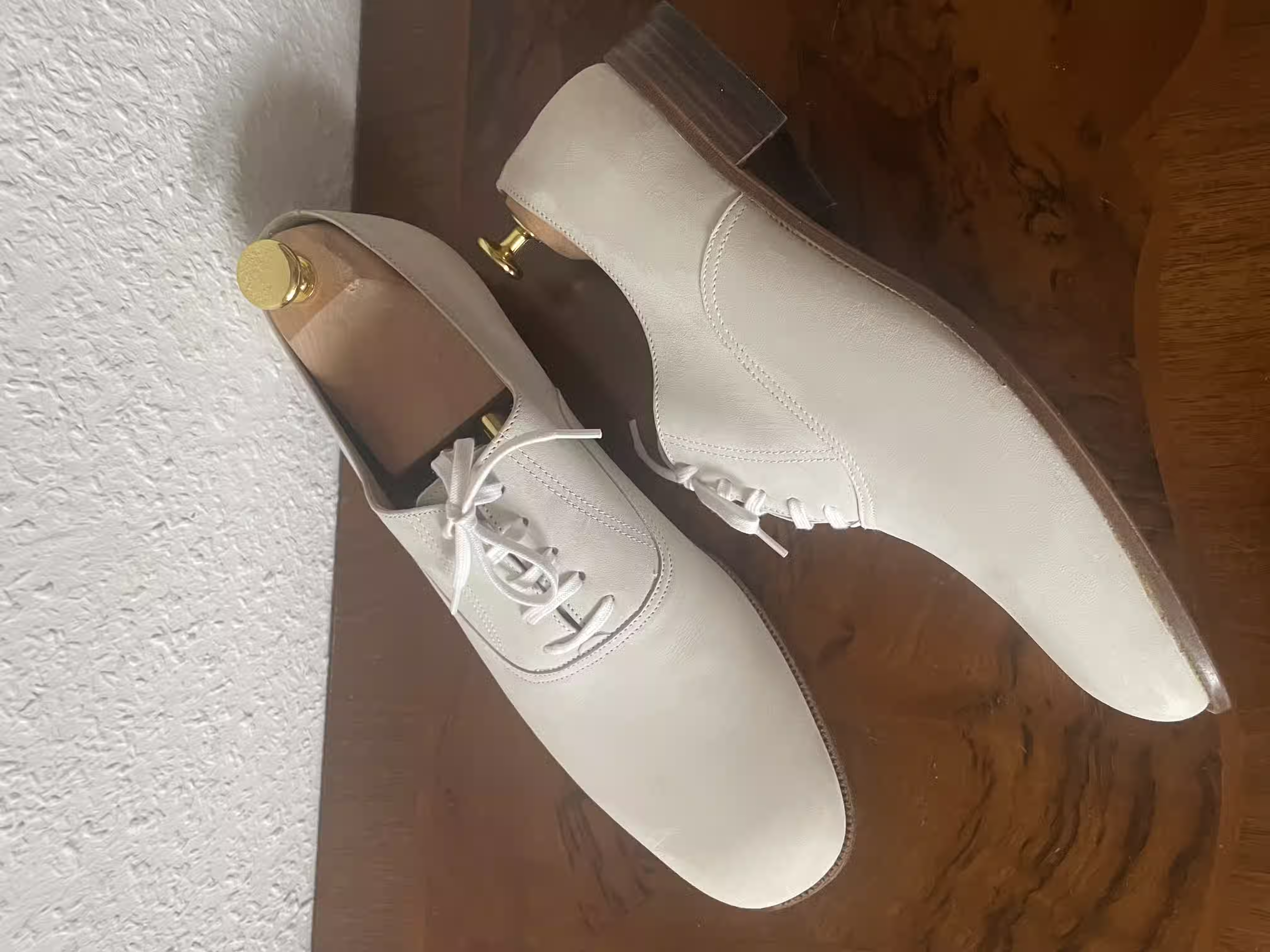
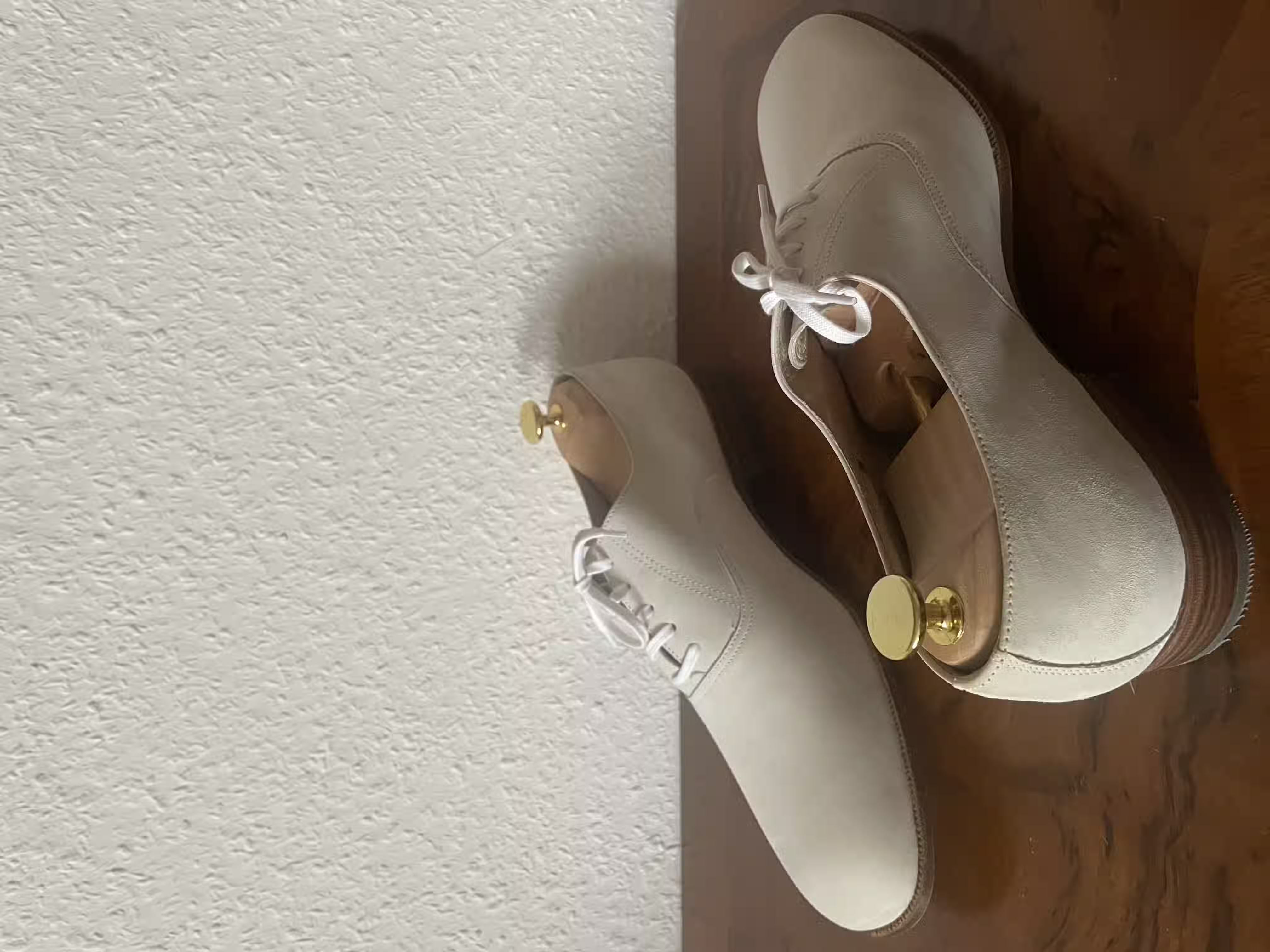
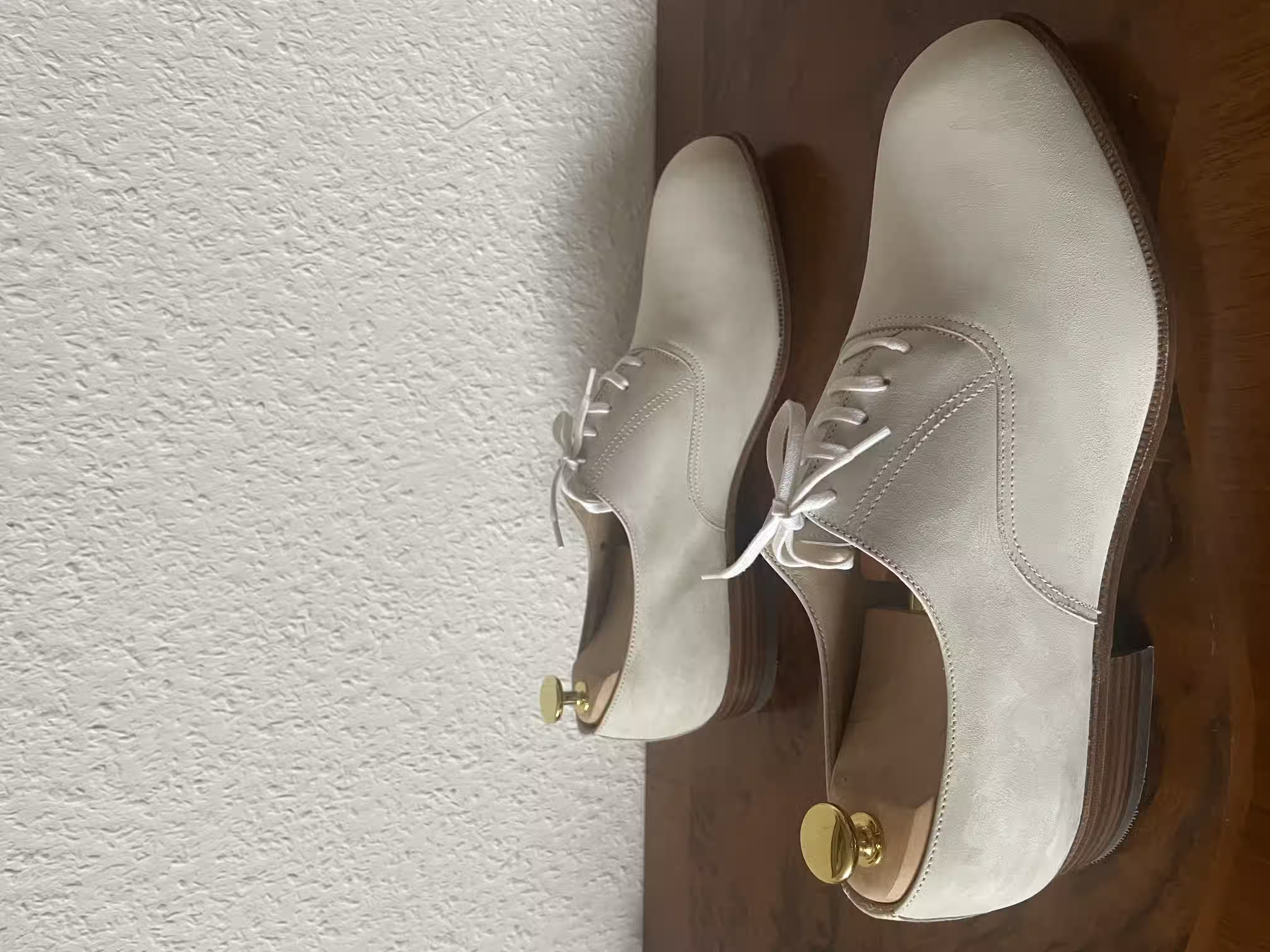
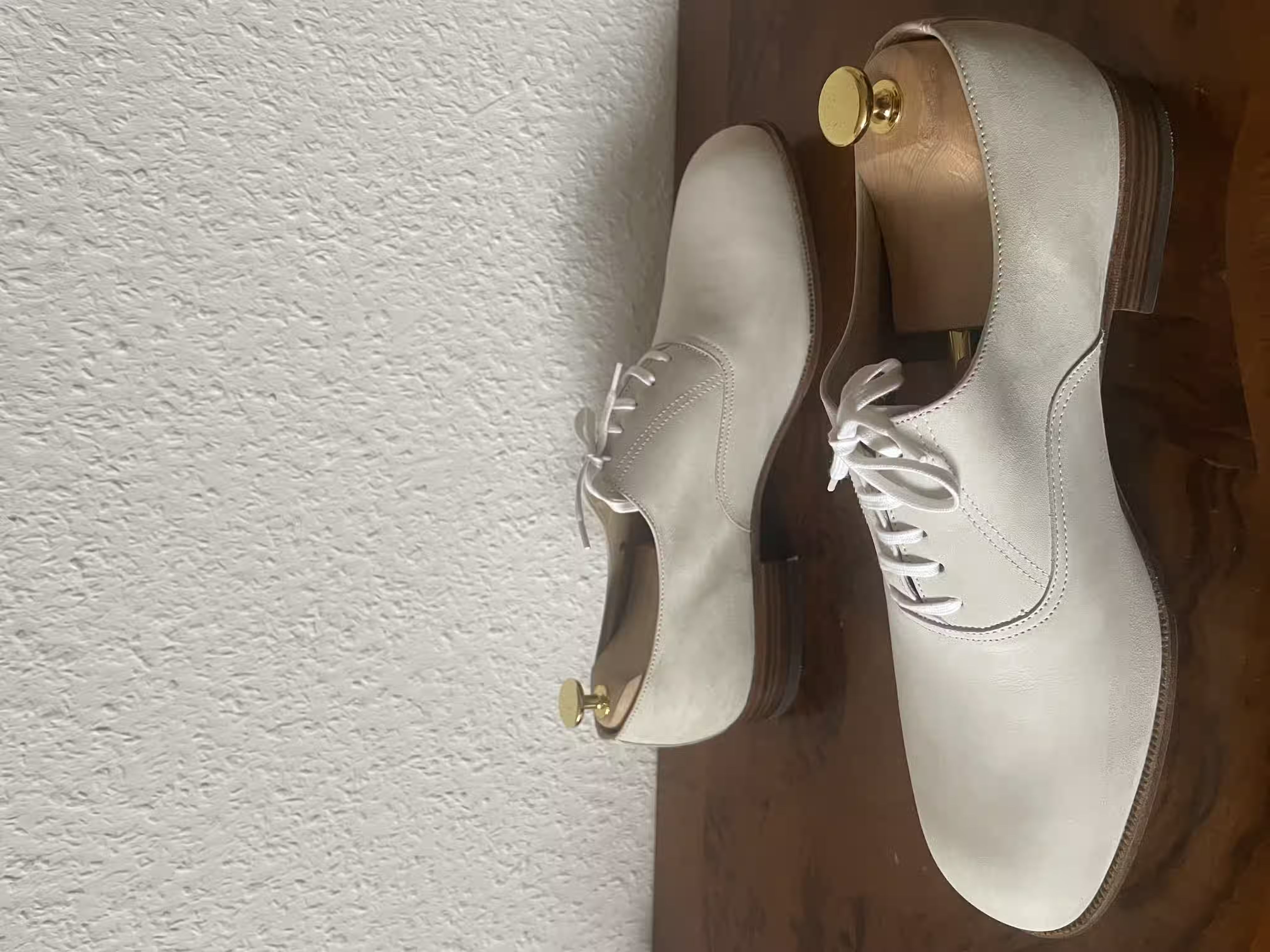
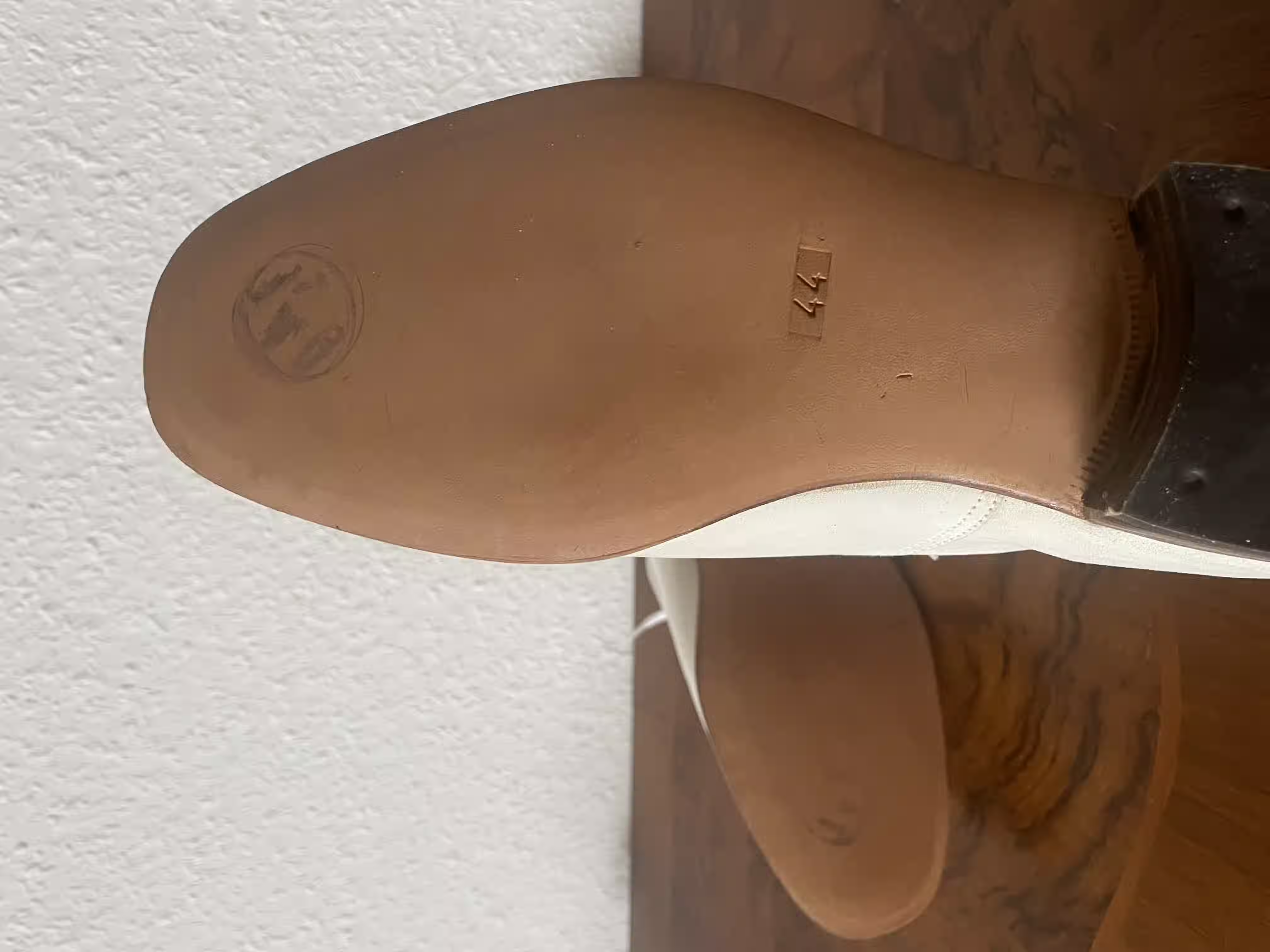
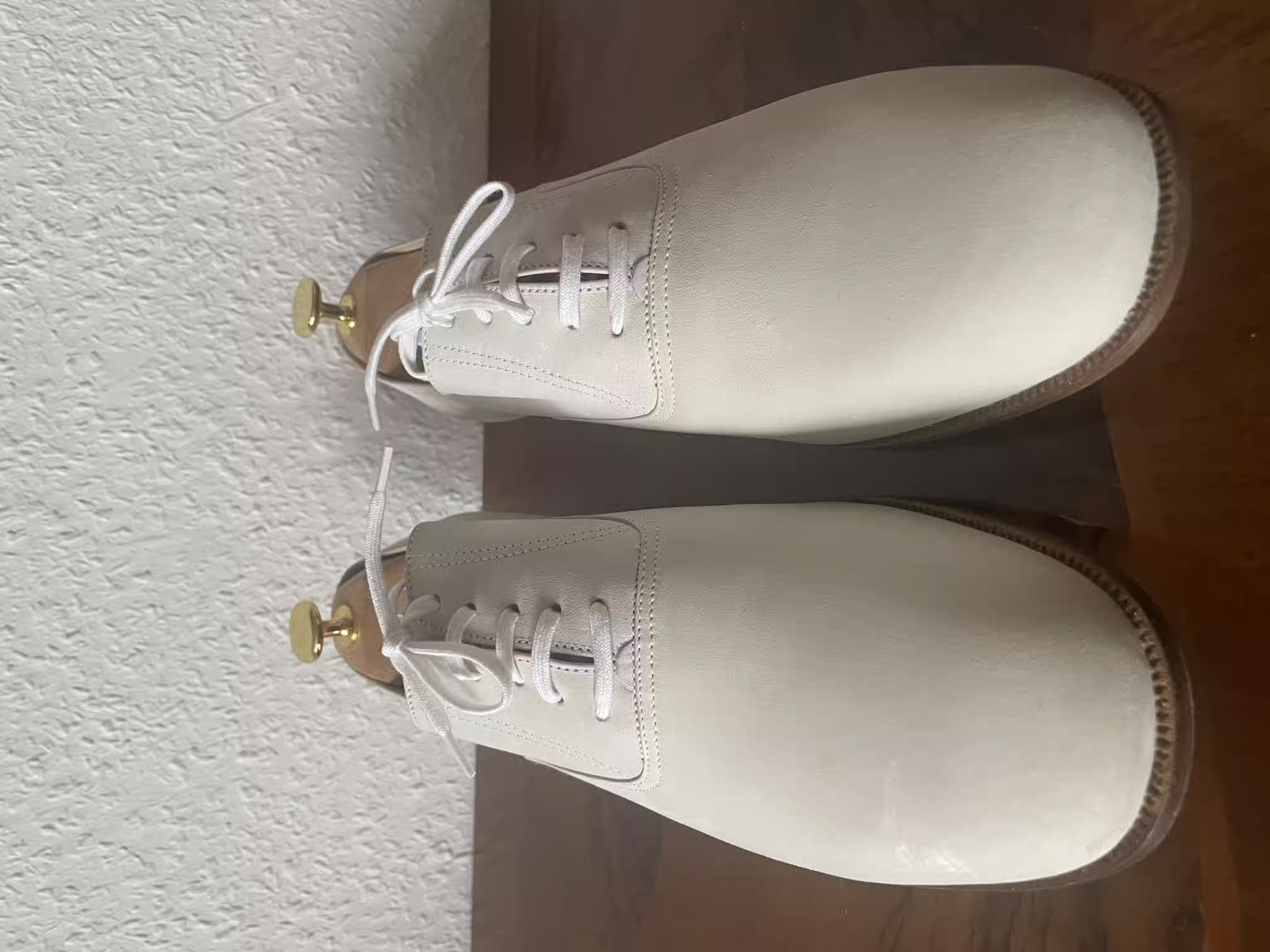
This is a very exotic and ambivalent Oxford variant: on one hand, there is the unadorned Oxford, which is normally a very formal shoe. On the other hand, the upper leather chosen here is not formal at all—it is a white suede, which belongs much more to the realm of leisure. Furthermore, white is more of a color for the summer. How do you combine such an ambivalent model? In my eyes, this is a very good shoe for the summer, which can be worn, for example, with a white linen suit. I also imagine a seersucker suit to be very fitting for such shoes. Overall, these white Oxfords are very difficult to combine in everyday life because they are not that versatile. However, I still think it is possible to find a suitable combination, and from an aesthetic standpoint, I find them very impressive.
Light Brown Cap-Toe Oxfords
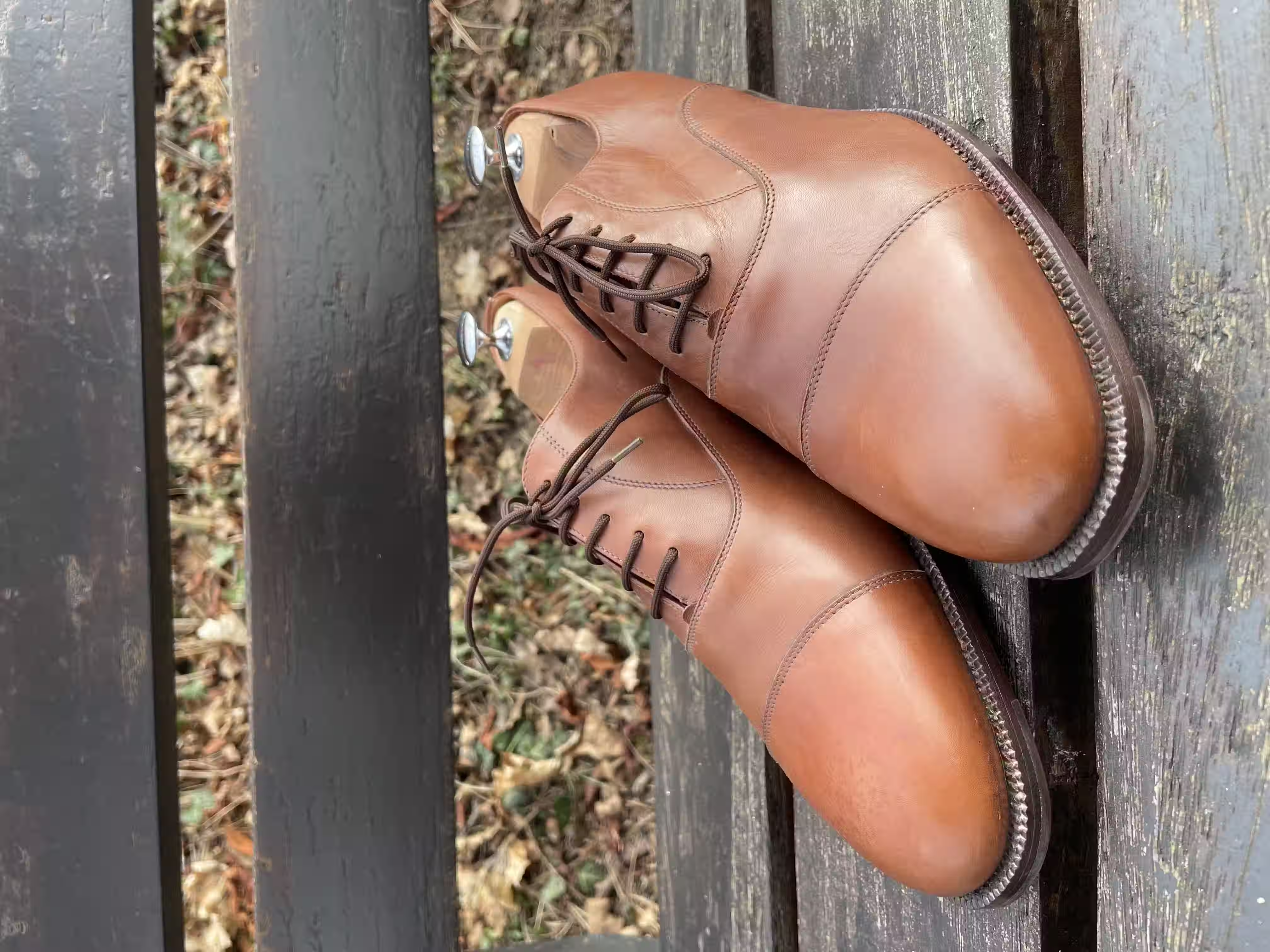
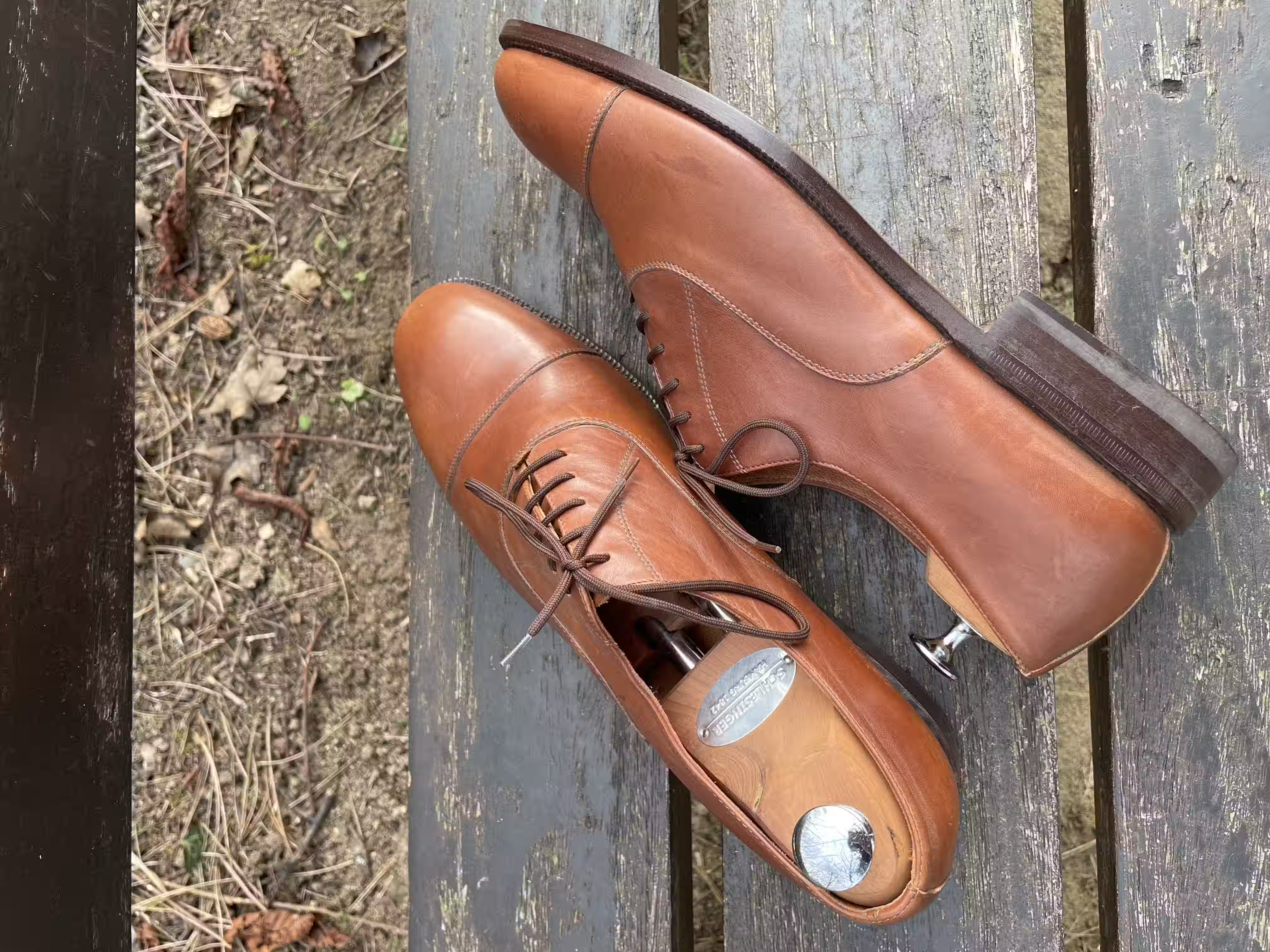
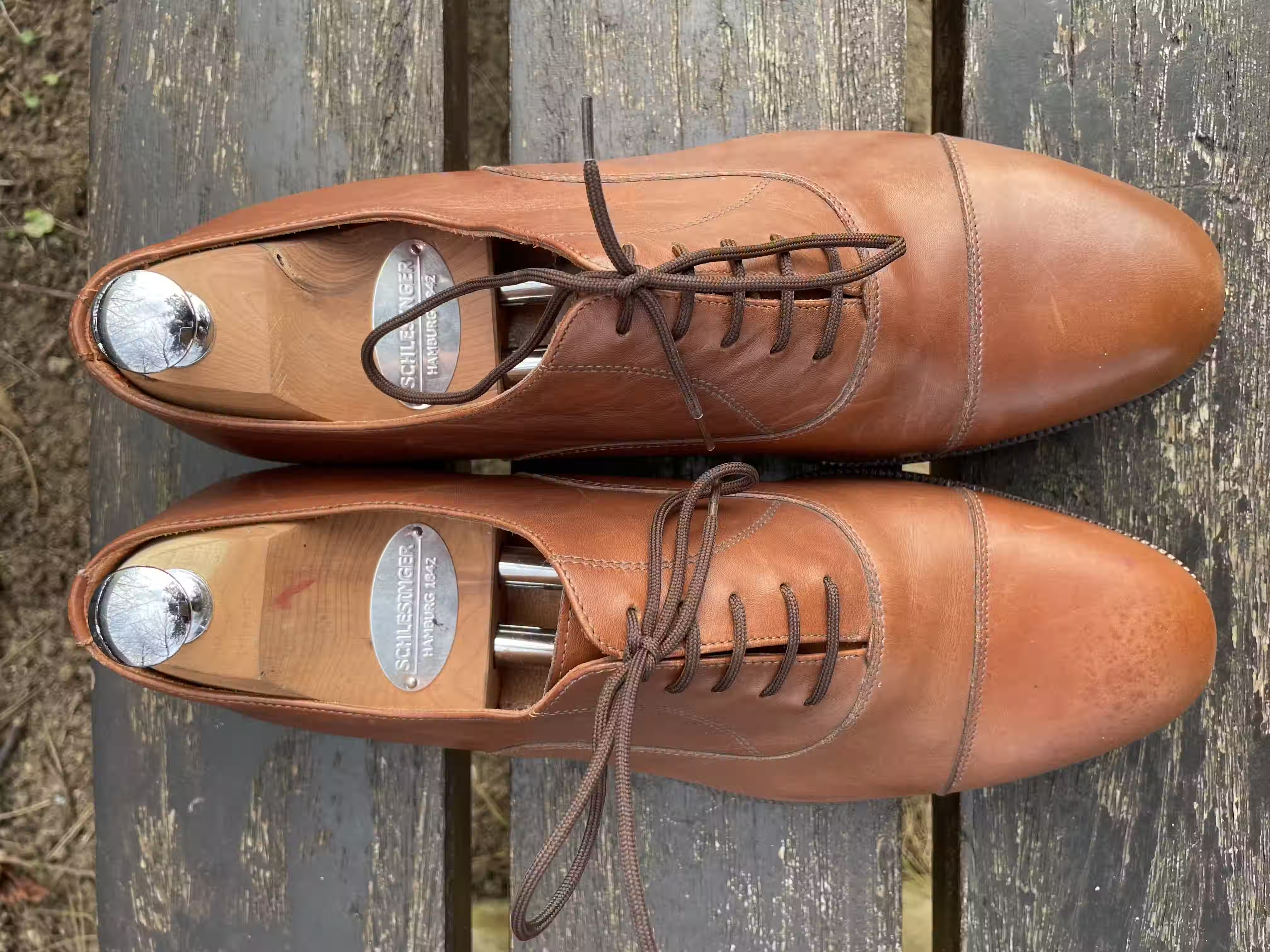
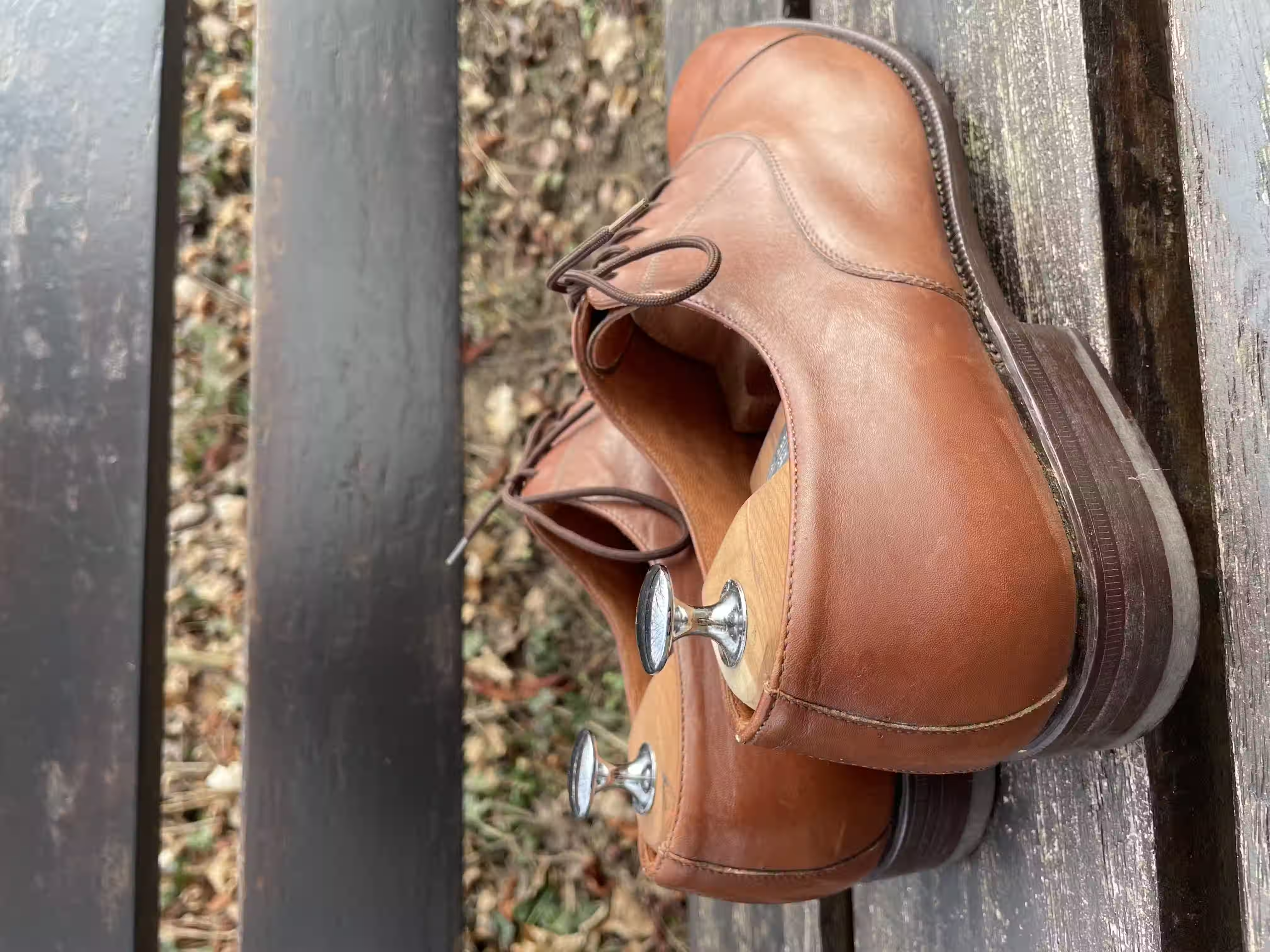
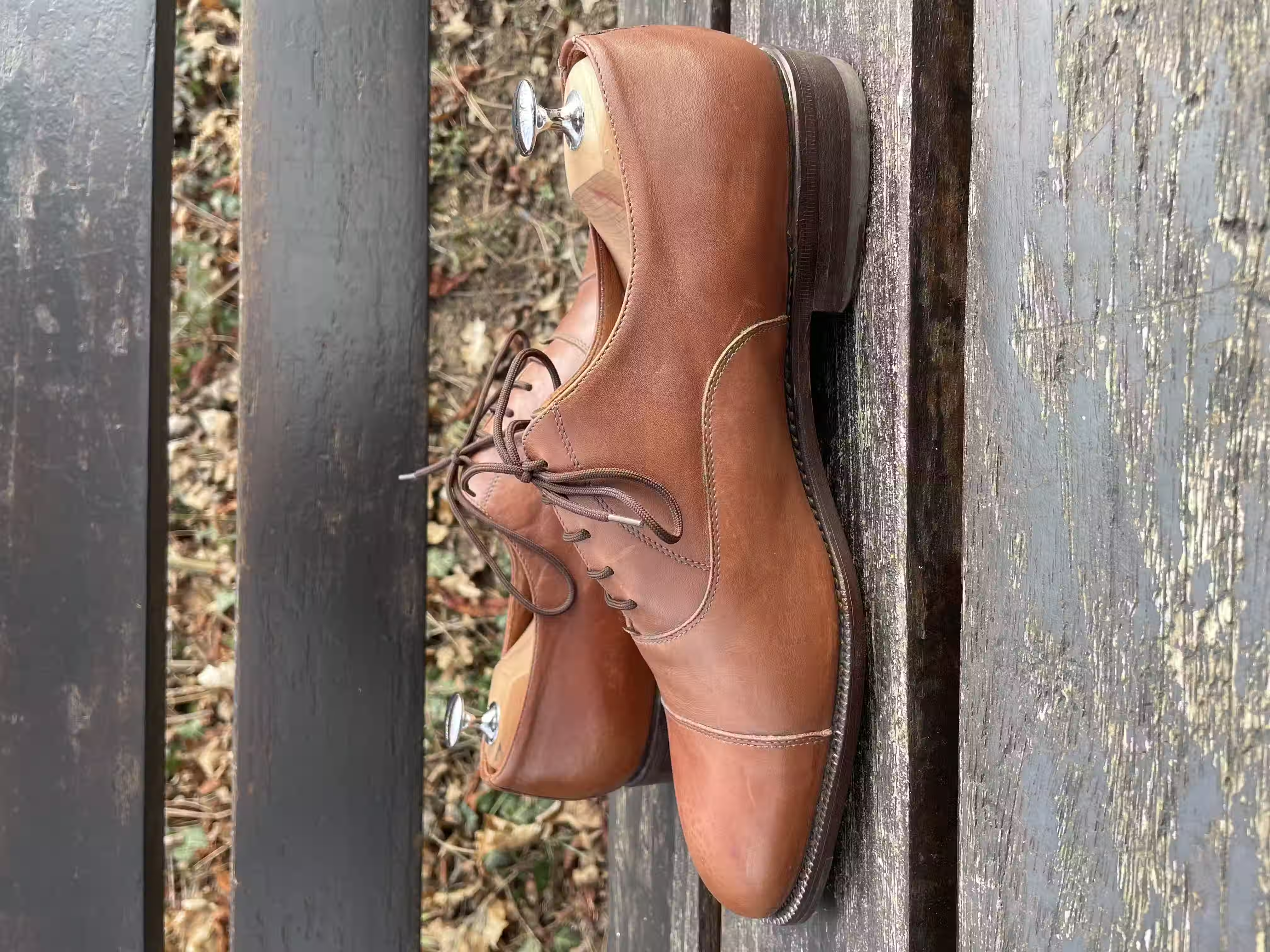
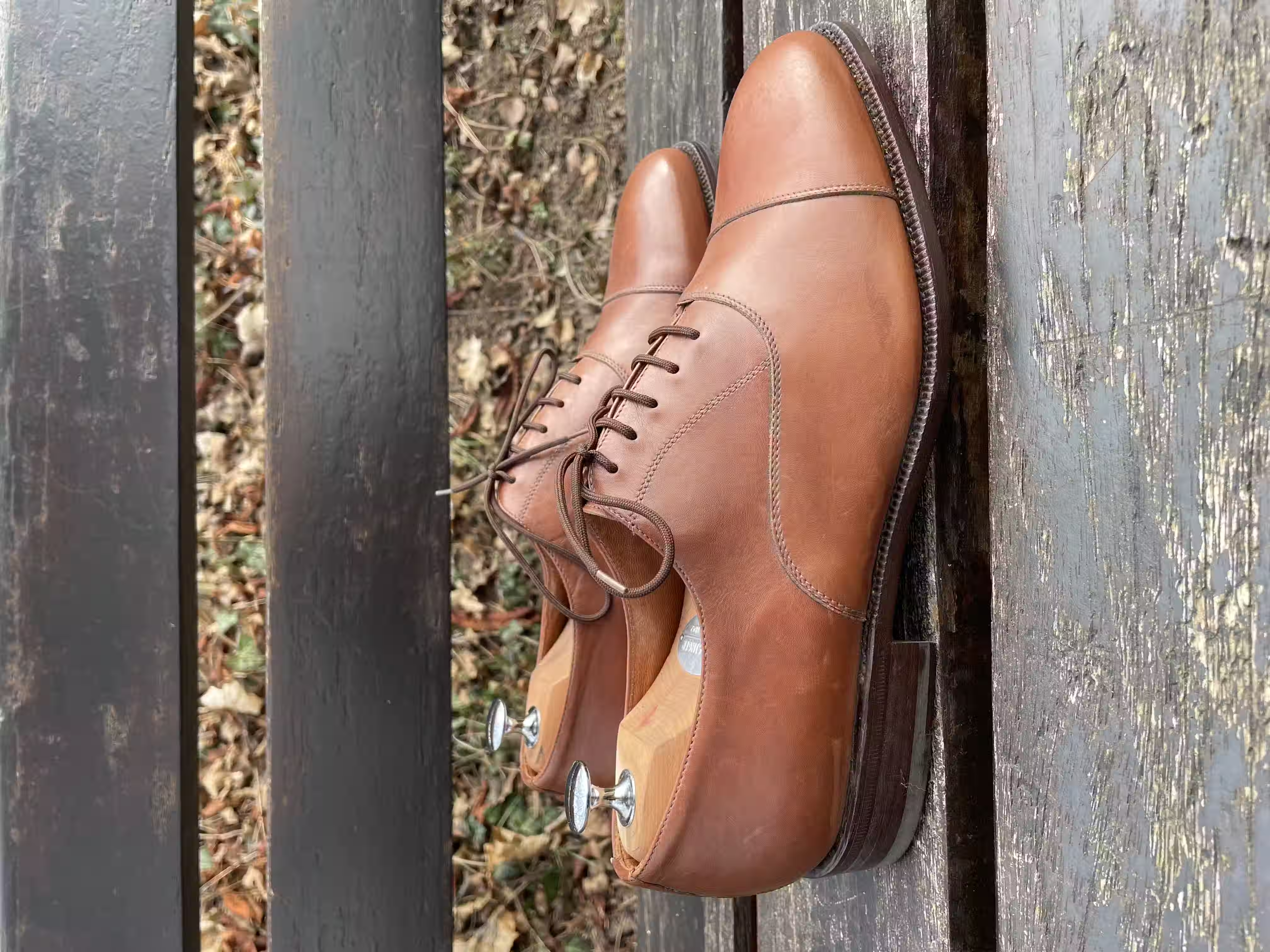
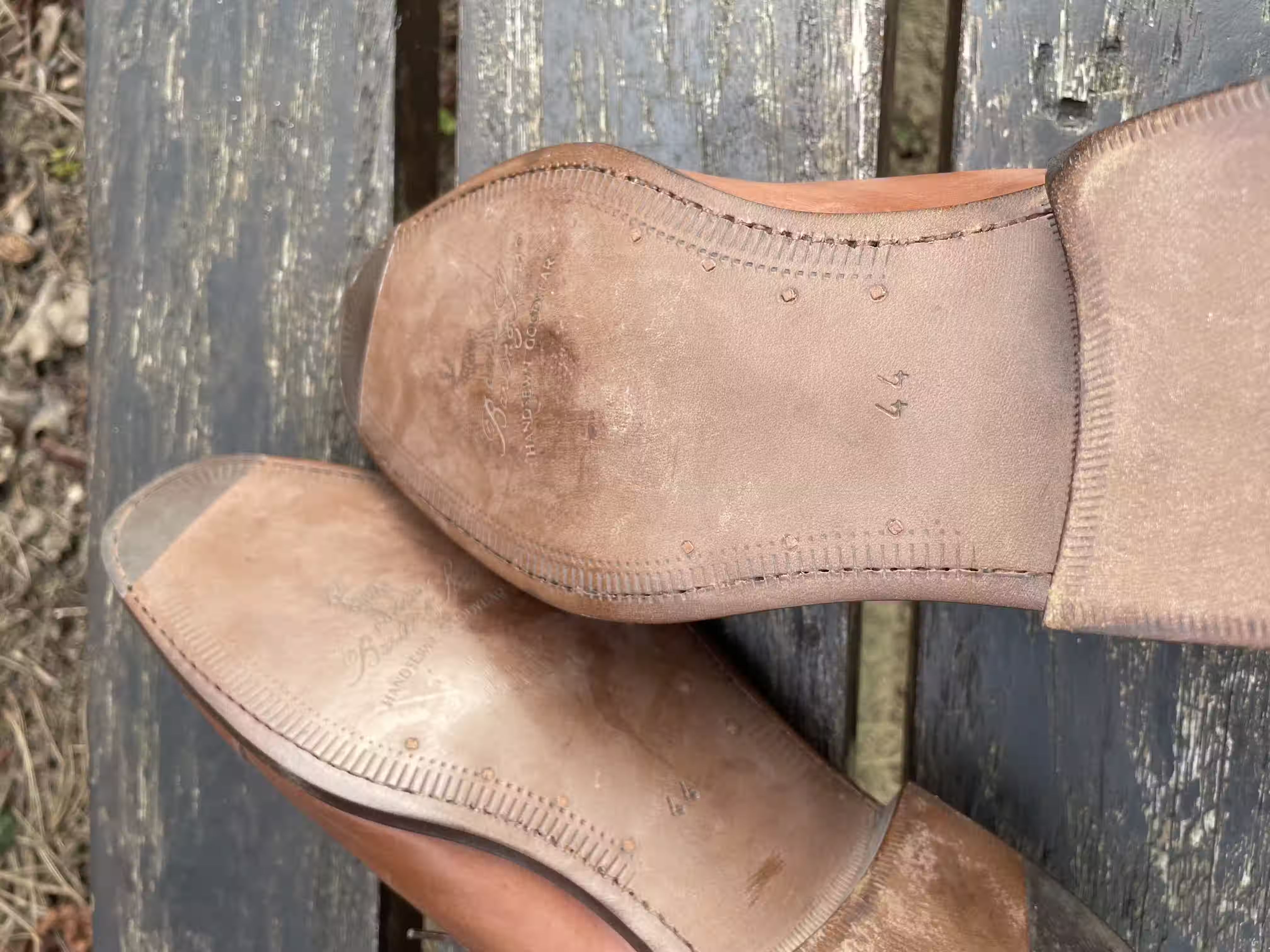
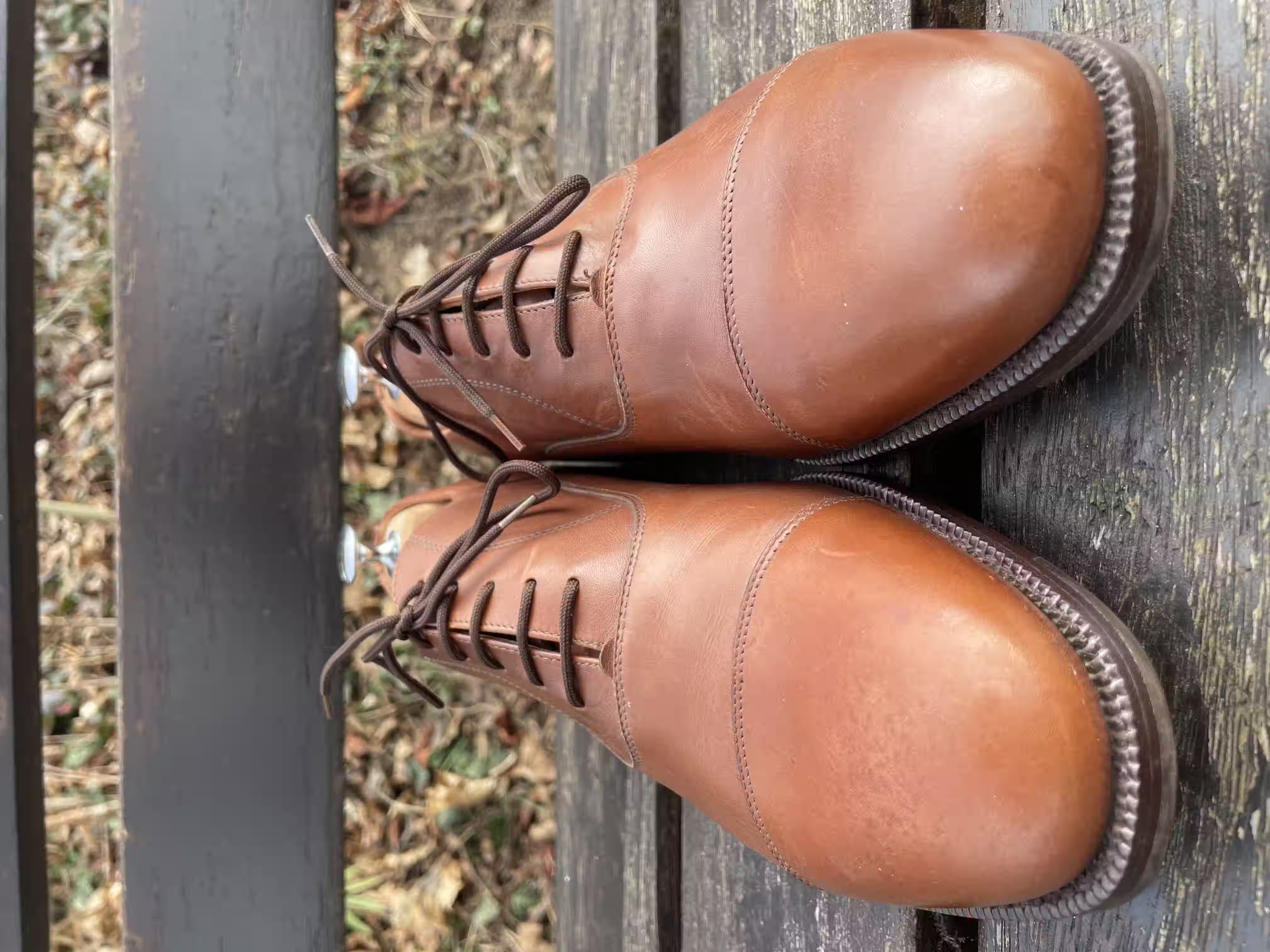
The Oxfords here can be worn well with light-colored, informal suits, especially in summer. In this respect, the shoes are not very versatile and their range of use is relatively limited. Personally, I also see such Oxfords as wearable without suits—even more so with broguing, but also like this with a plain cap toe.
Simple Dark Brown Oxfords
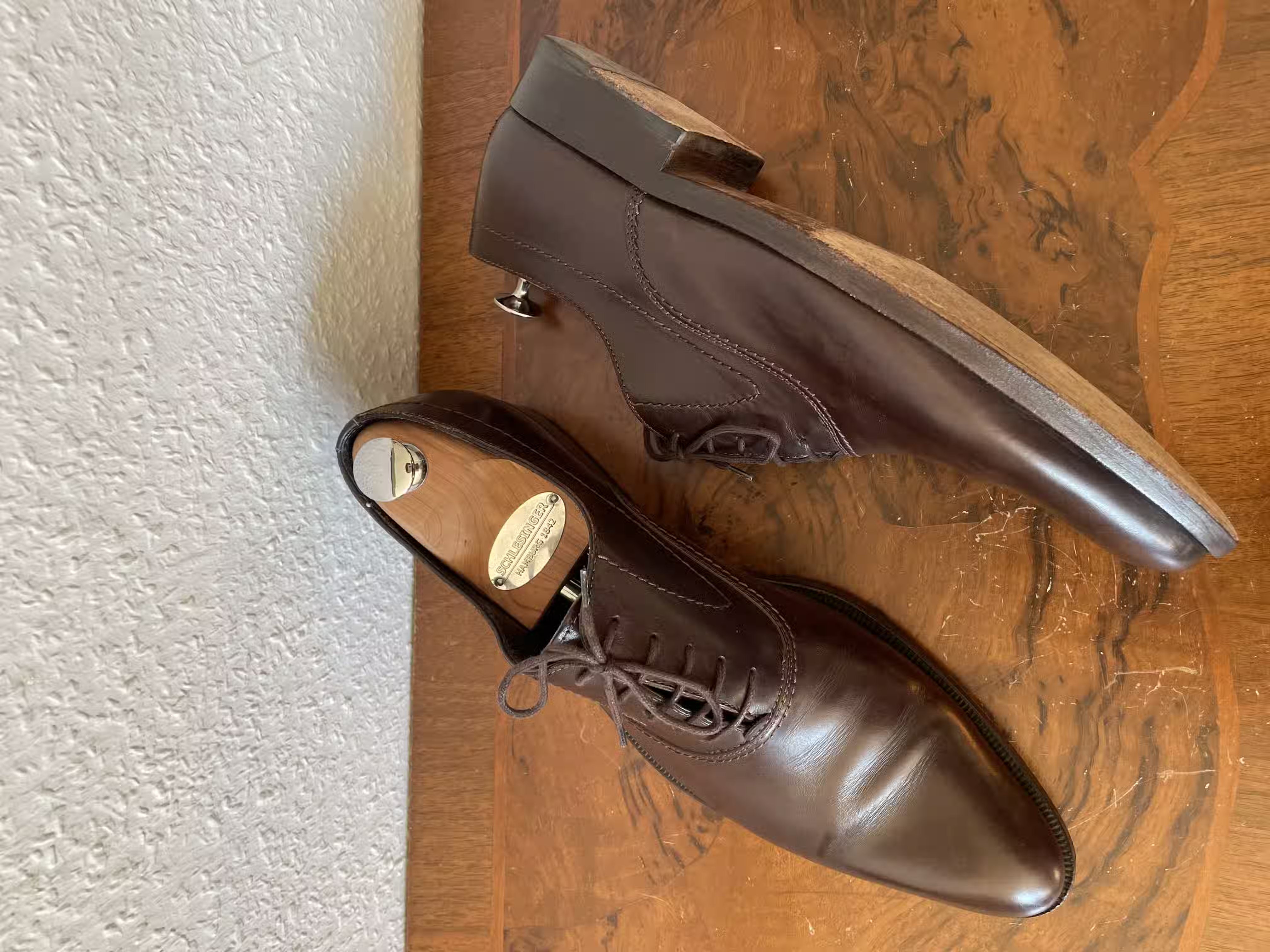
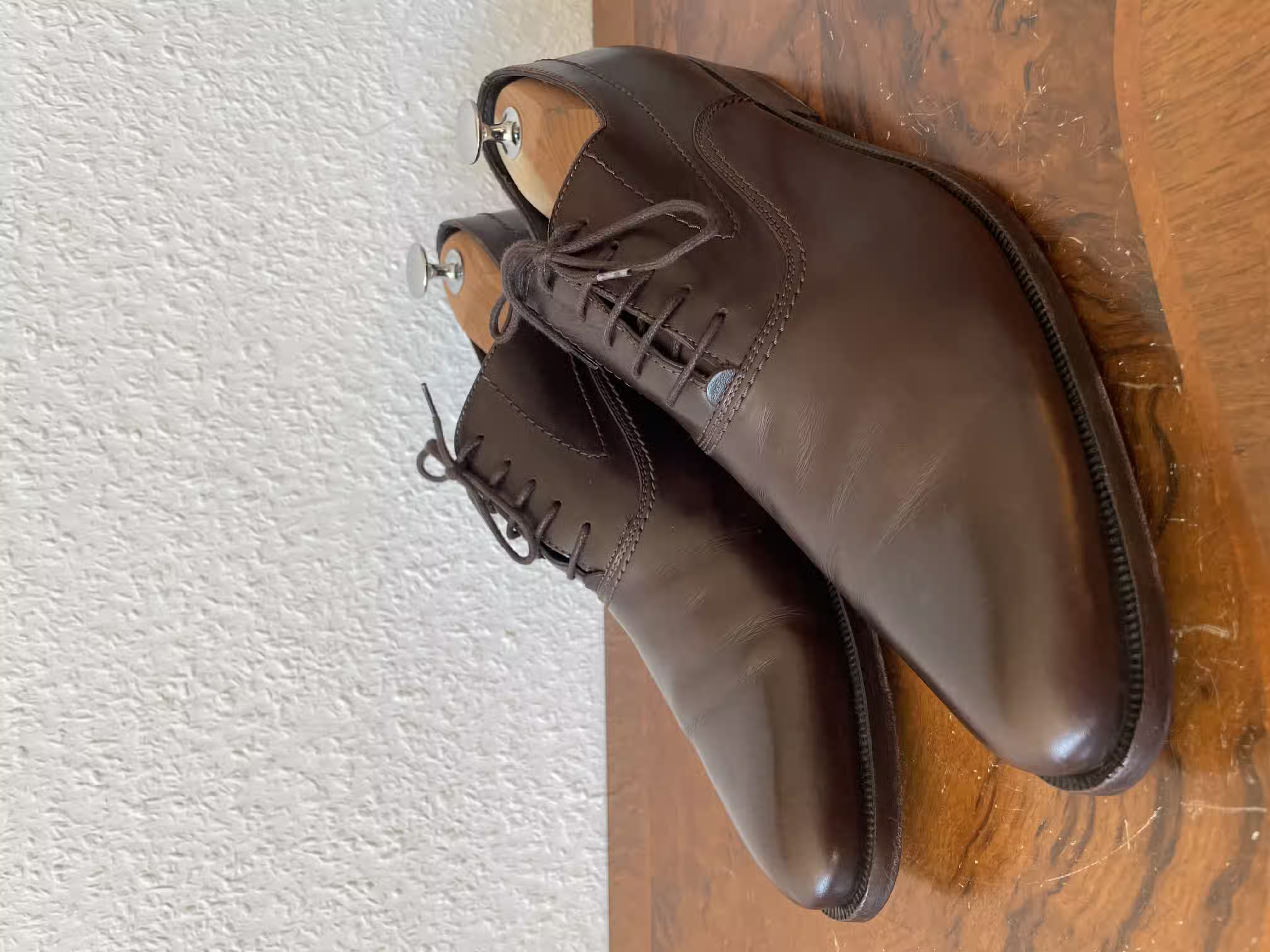
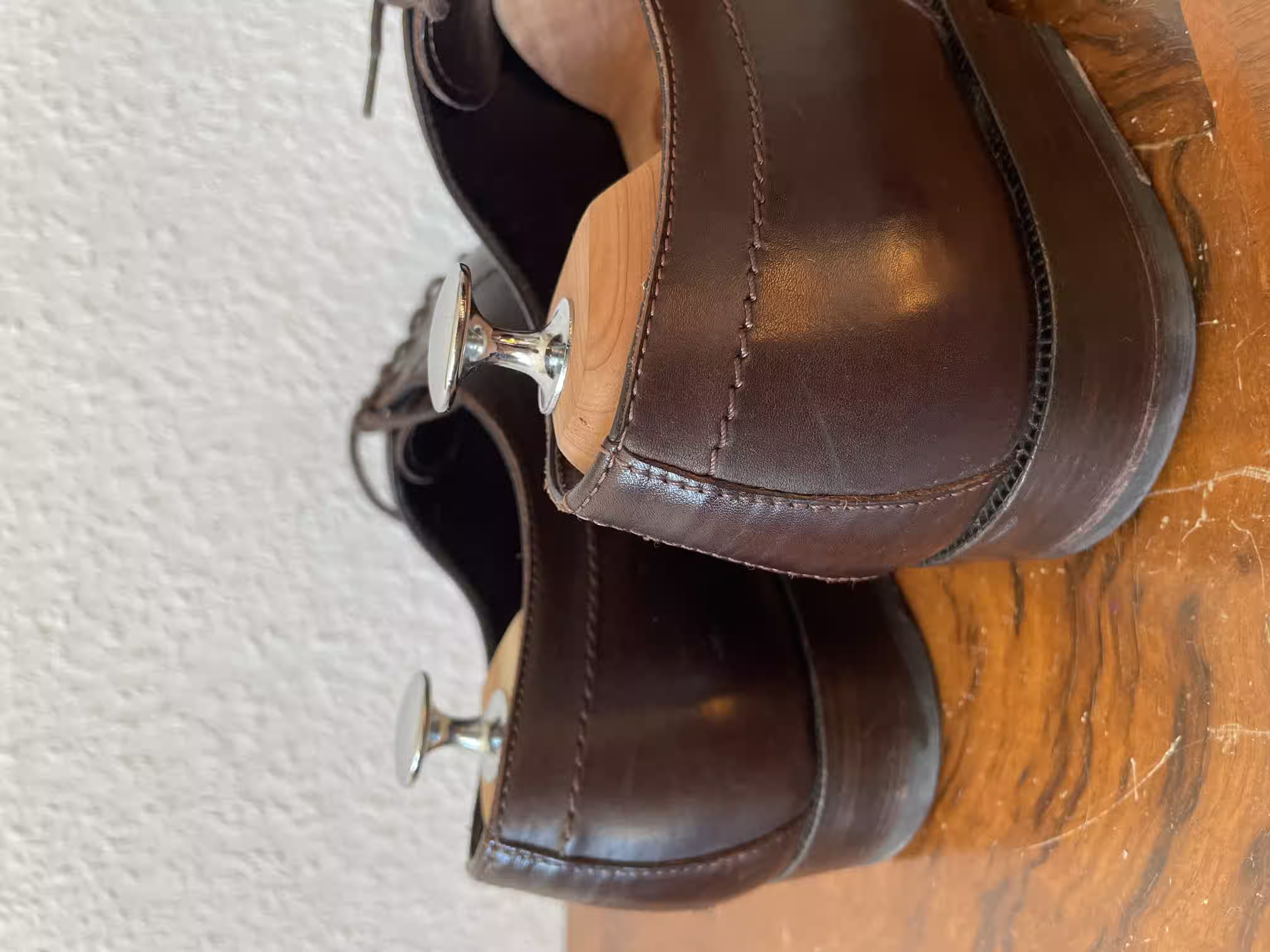
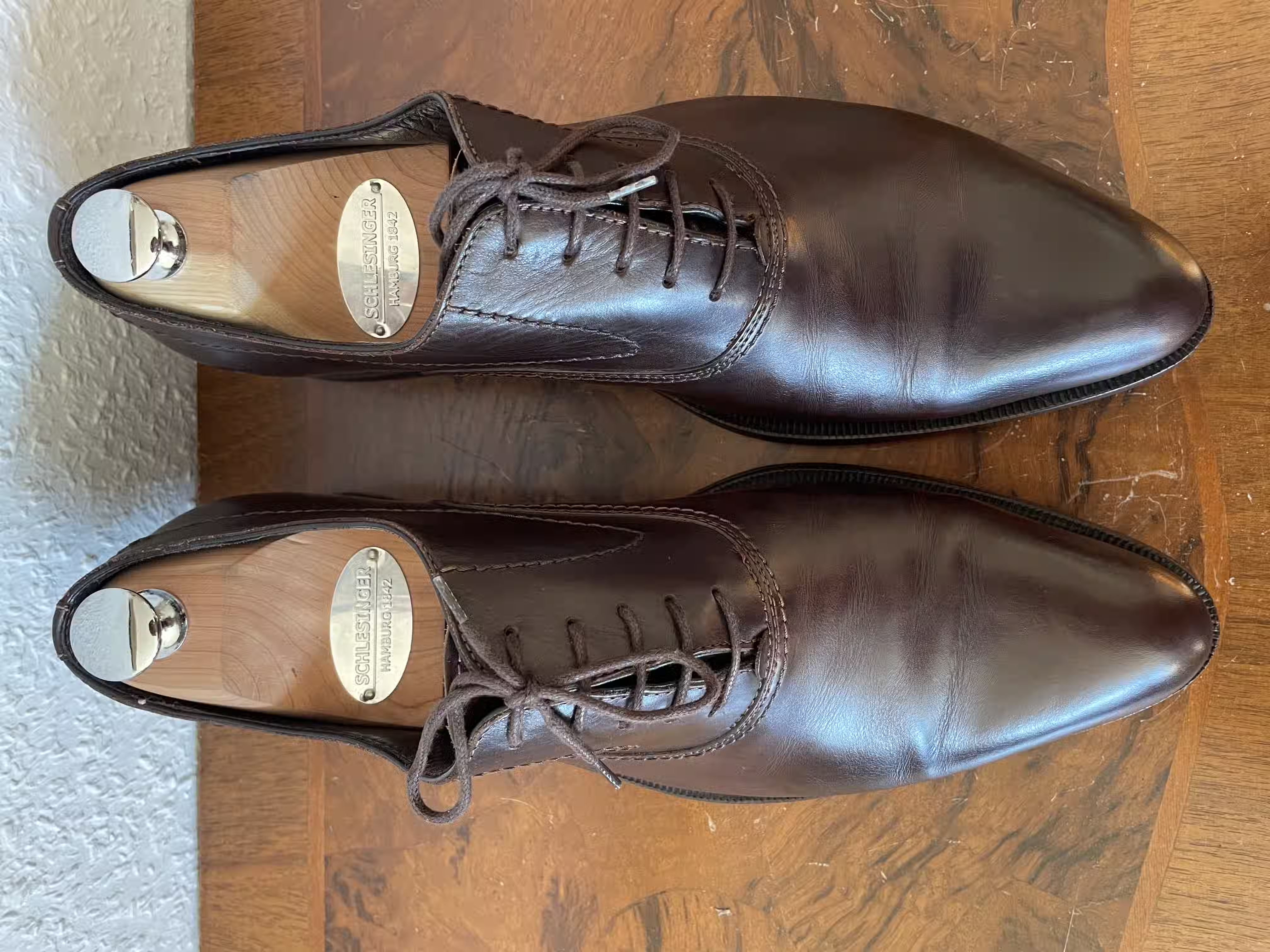
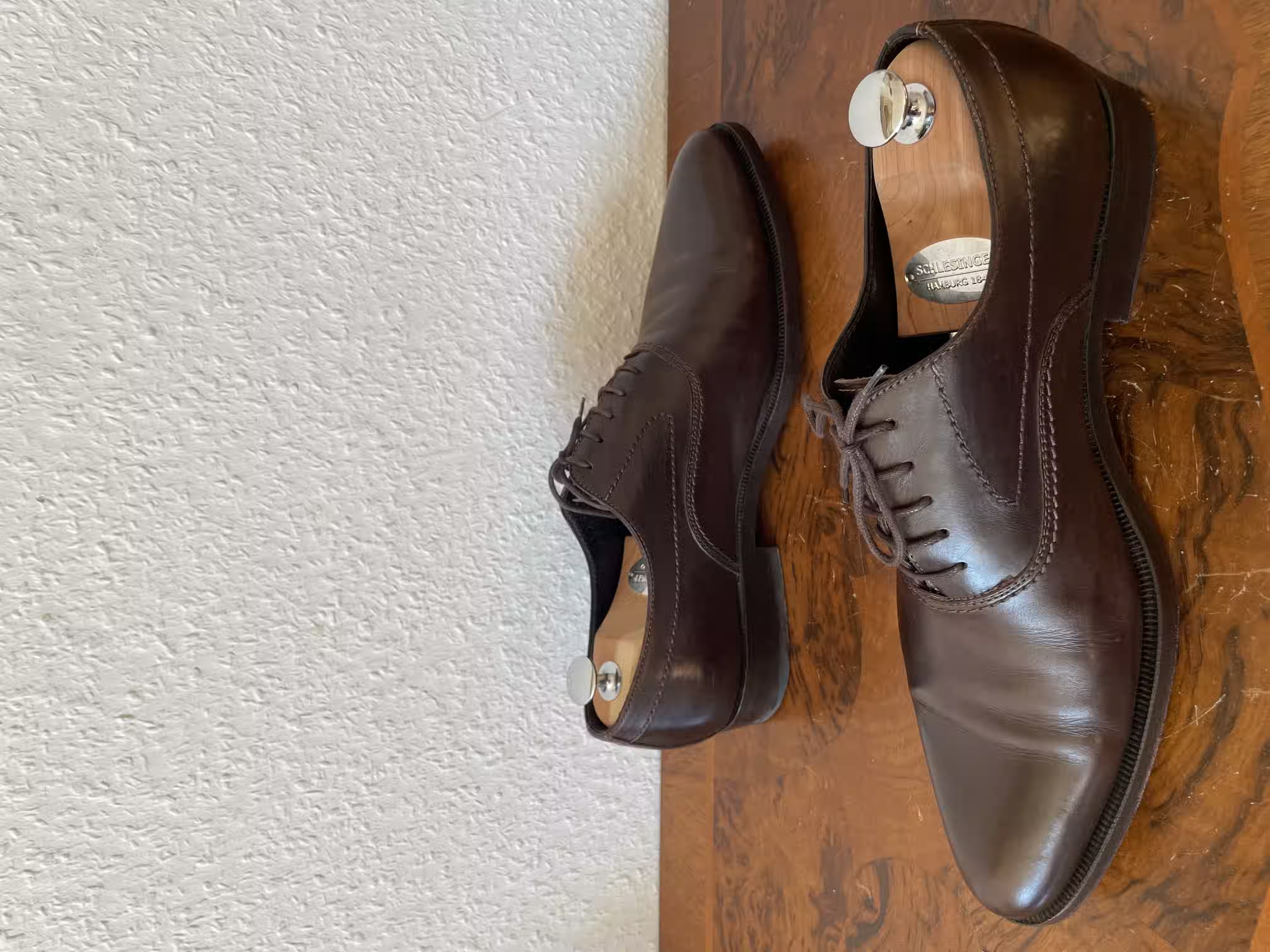
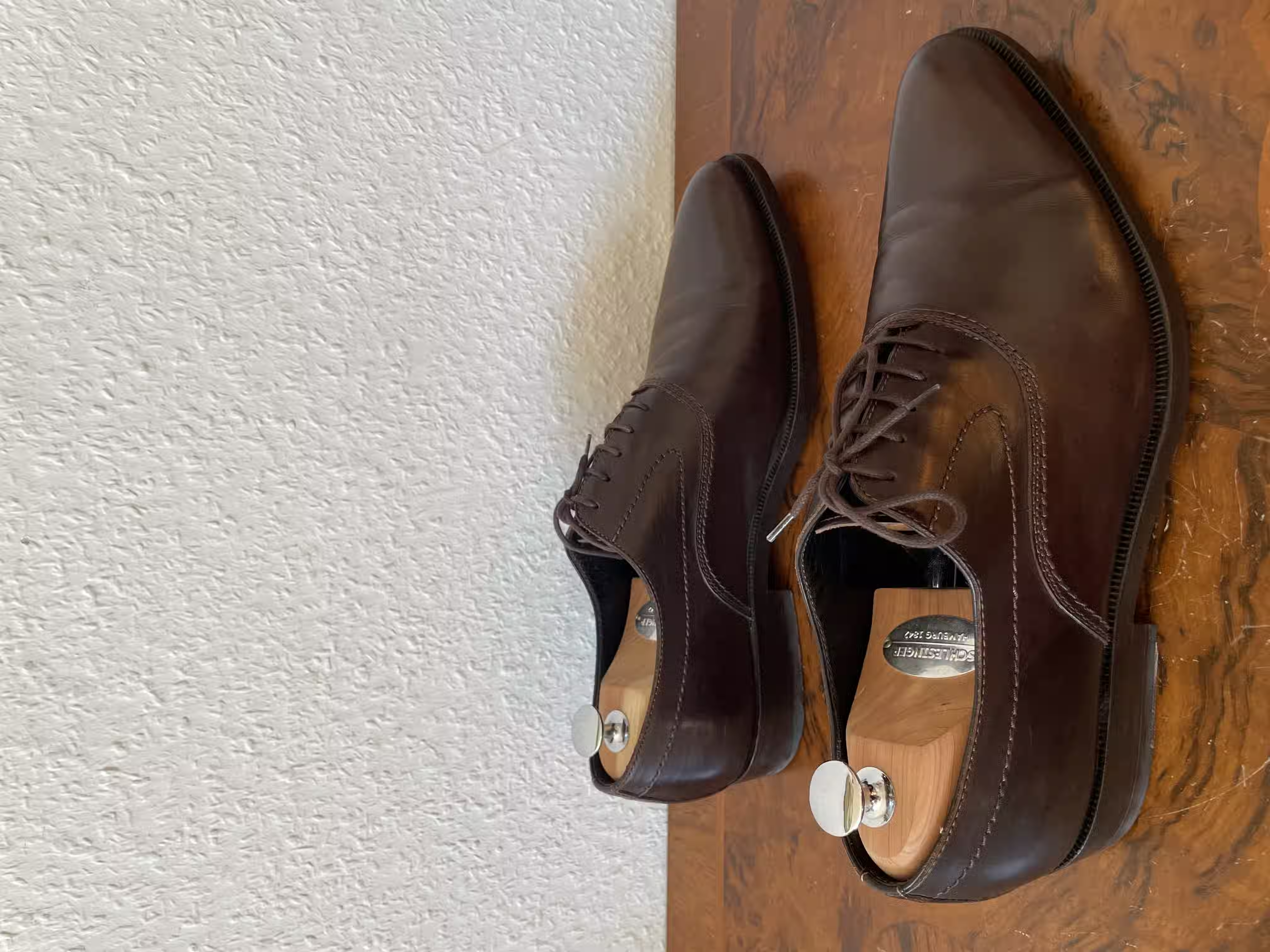
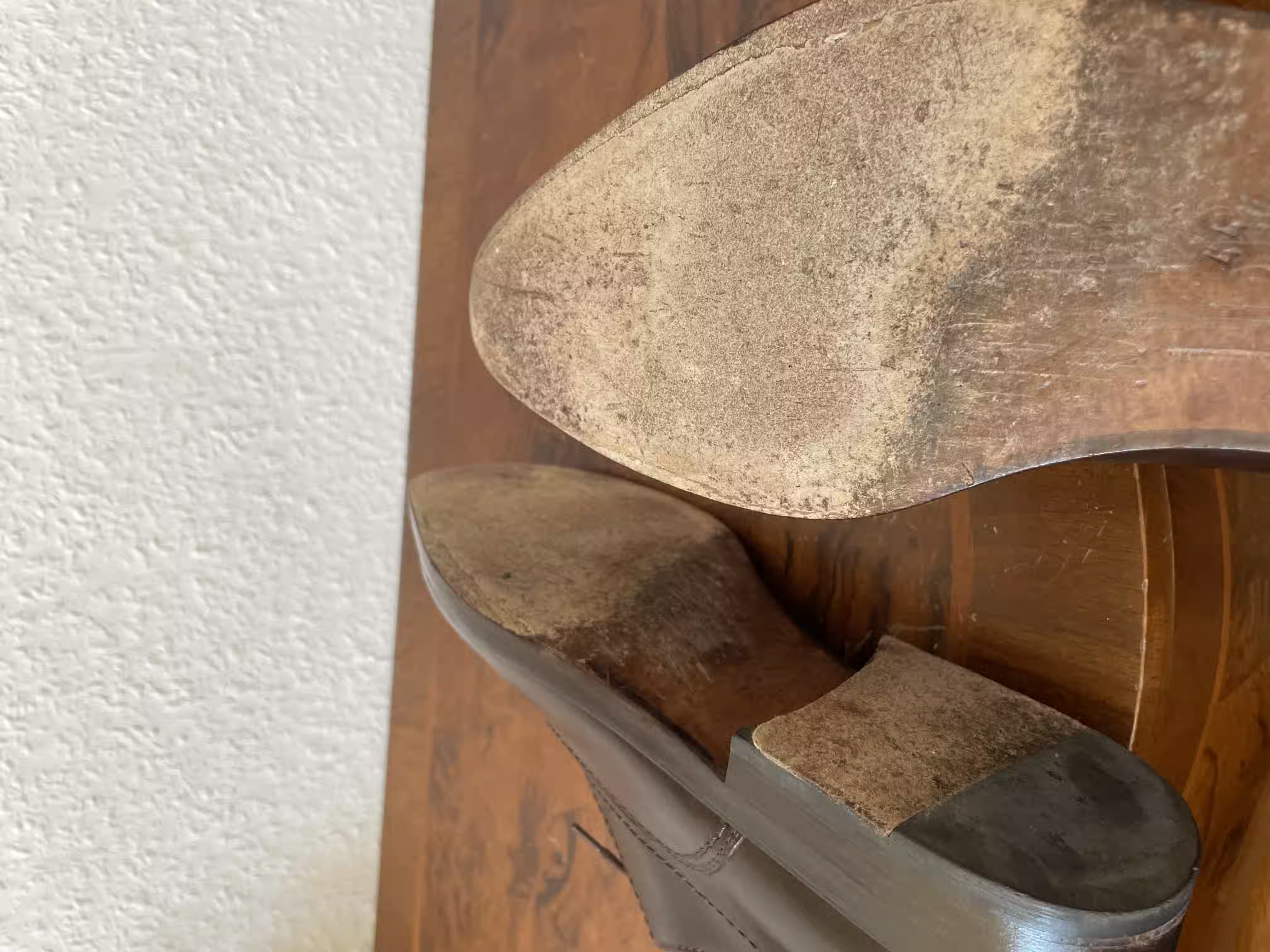
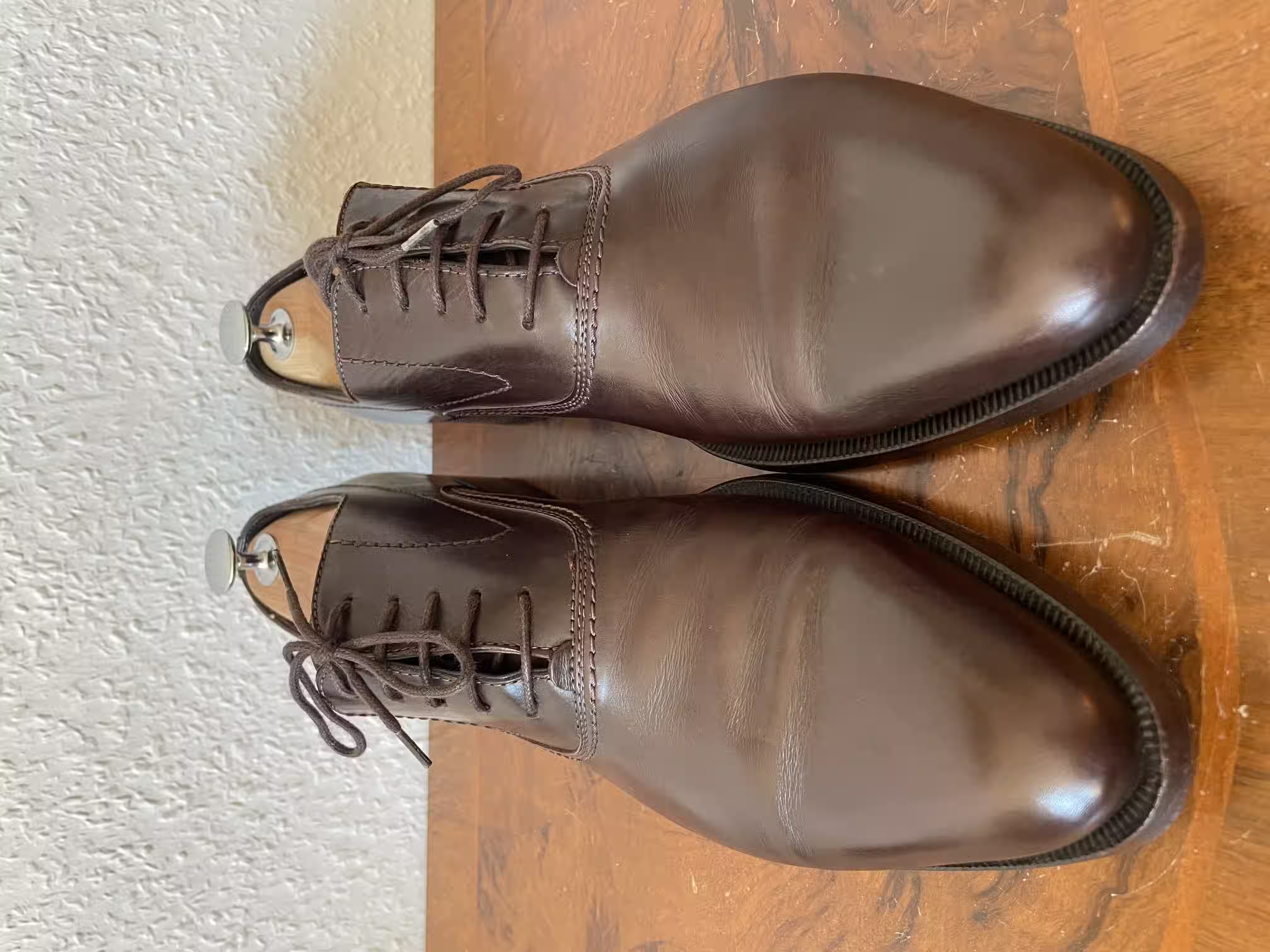
This is another pair of classic Oxfords, featuring the so-called swan neck stitch, but in the less classic color of dark brown. This makes the shoe unsuitable for very formal occasions. However, for occasions where you can wear a non-black suit, this pair of Oxfords is excellent. For jeans, these shoes are actually a bit too refined for me, but with dark jeans and a brown sports coat, I can still imagine the combination working well.
Casual Black Oxfords with Contrast Stitching
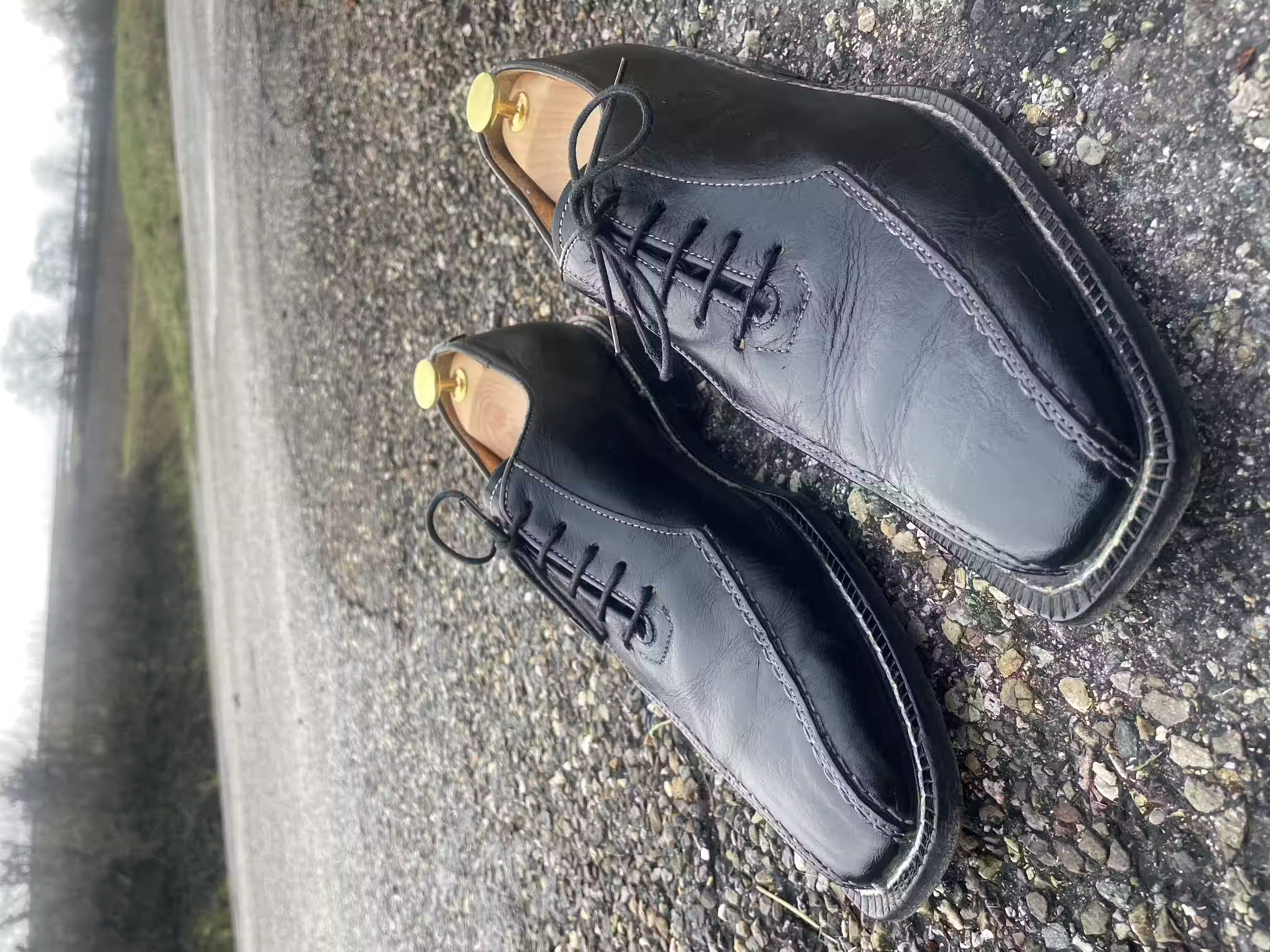
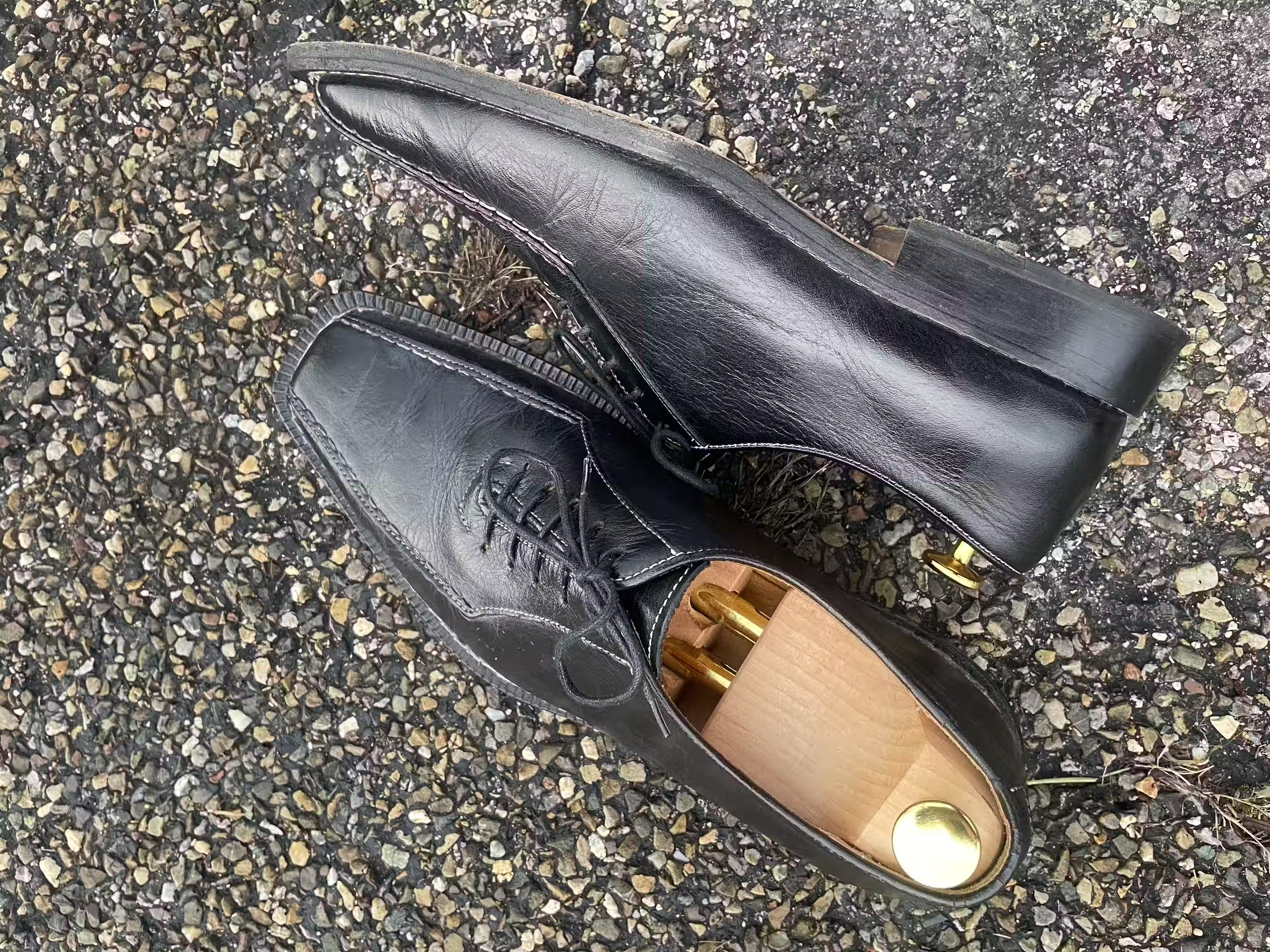
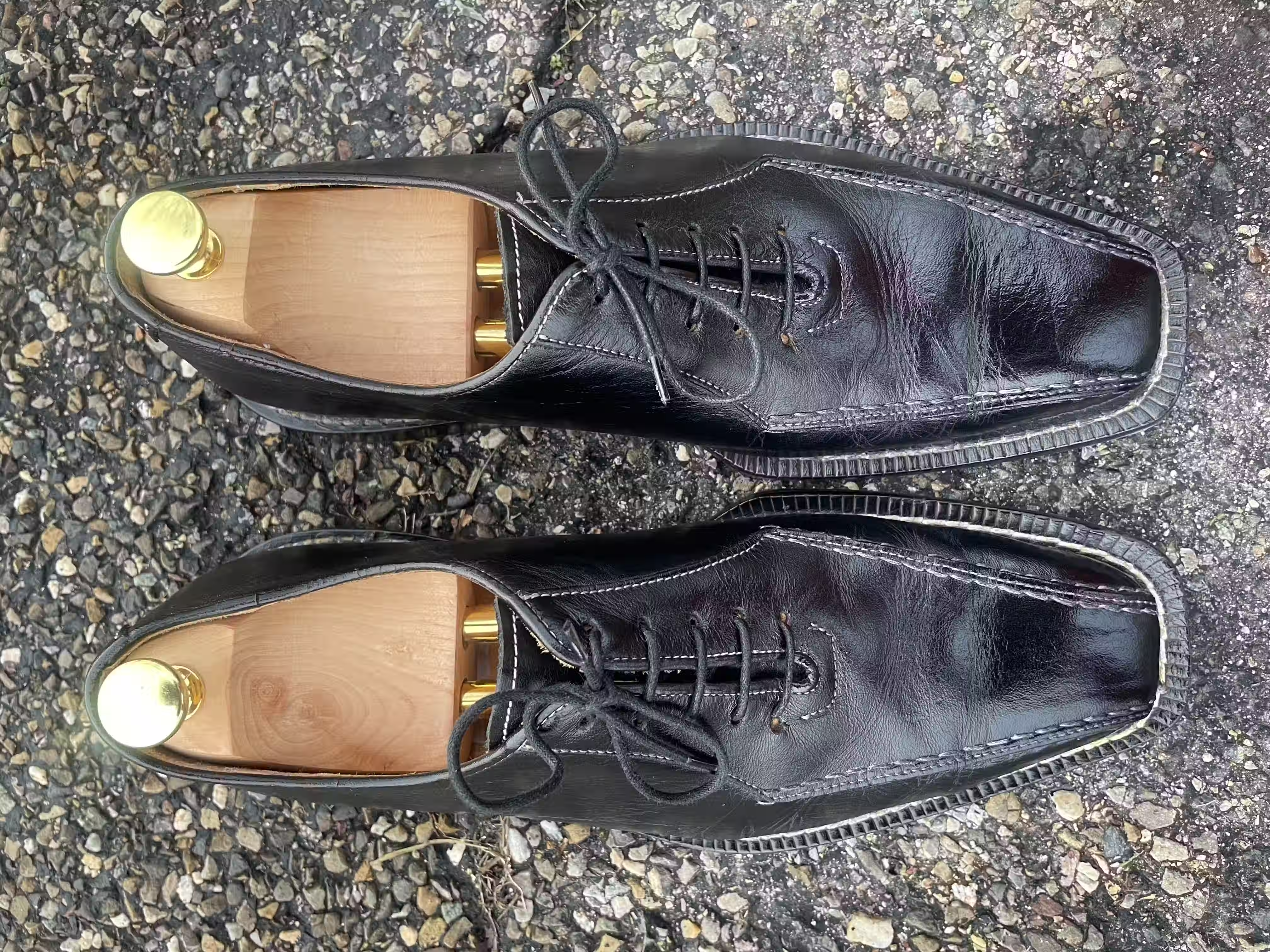
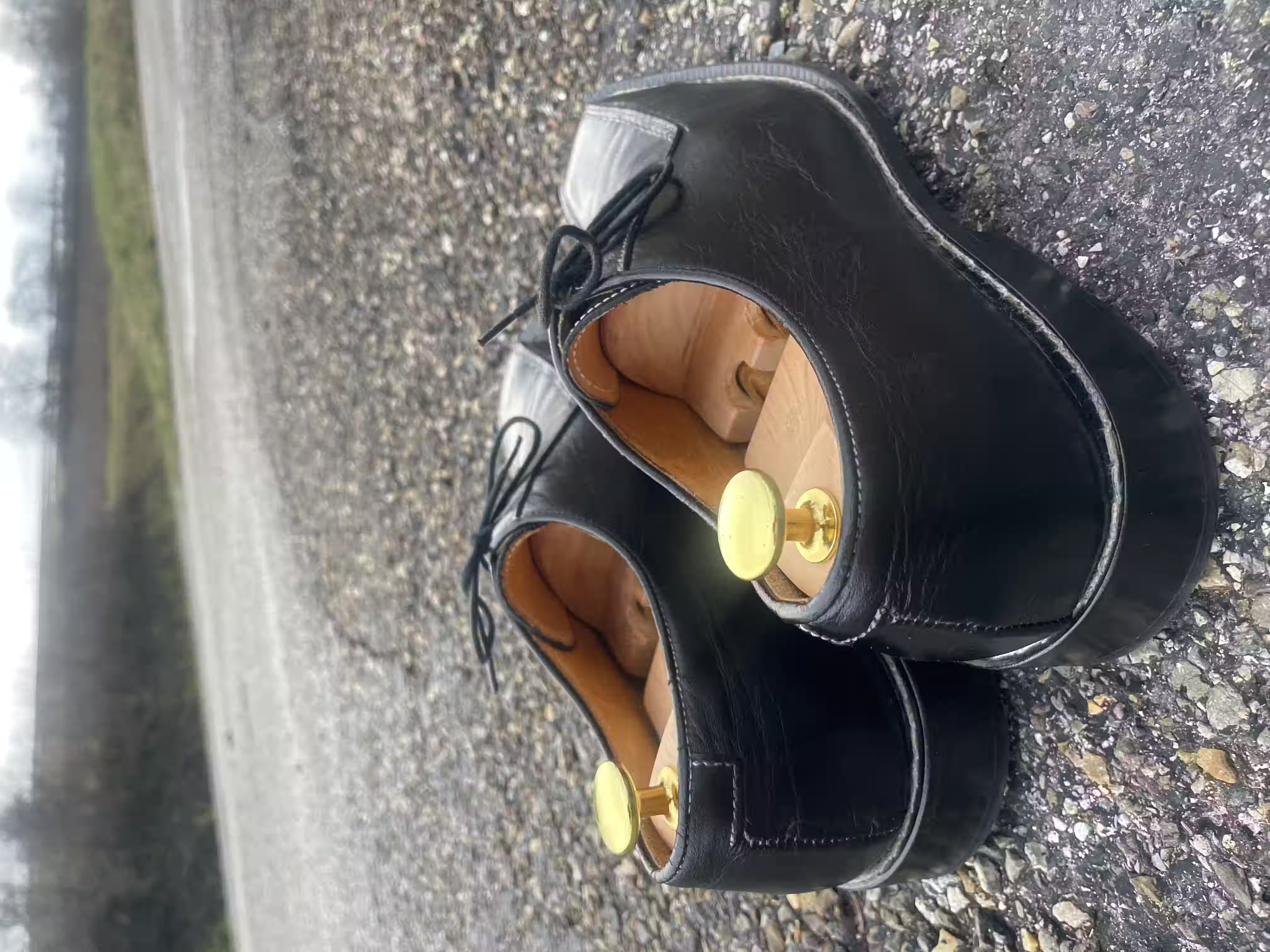
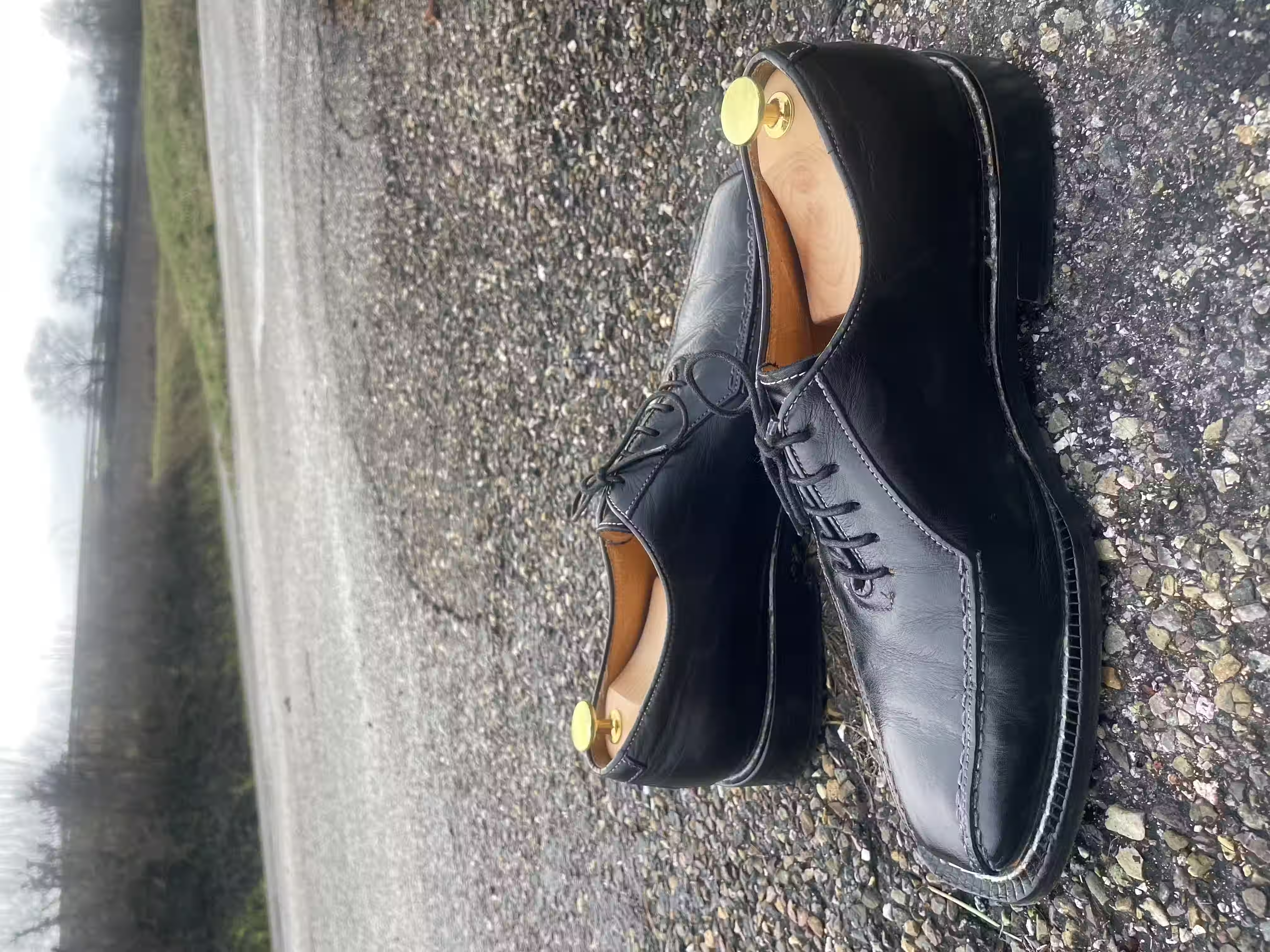
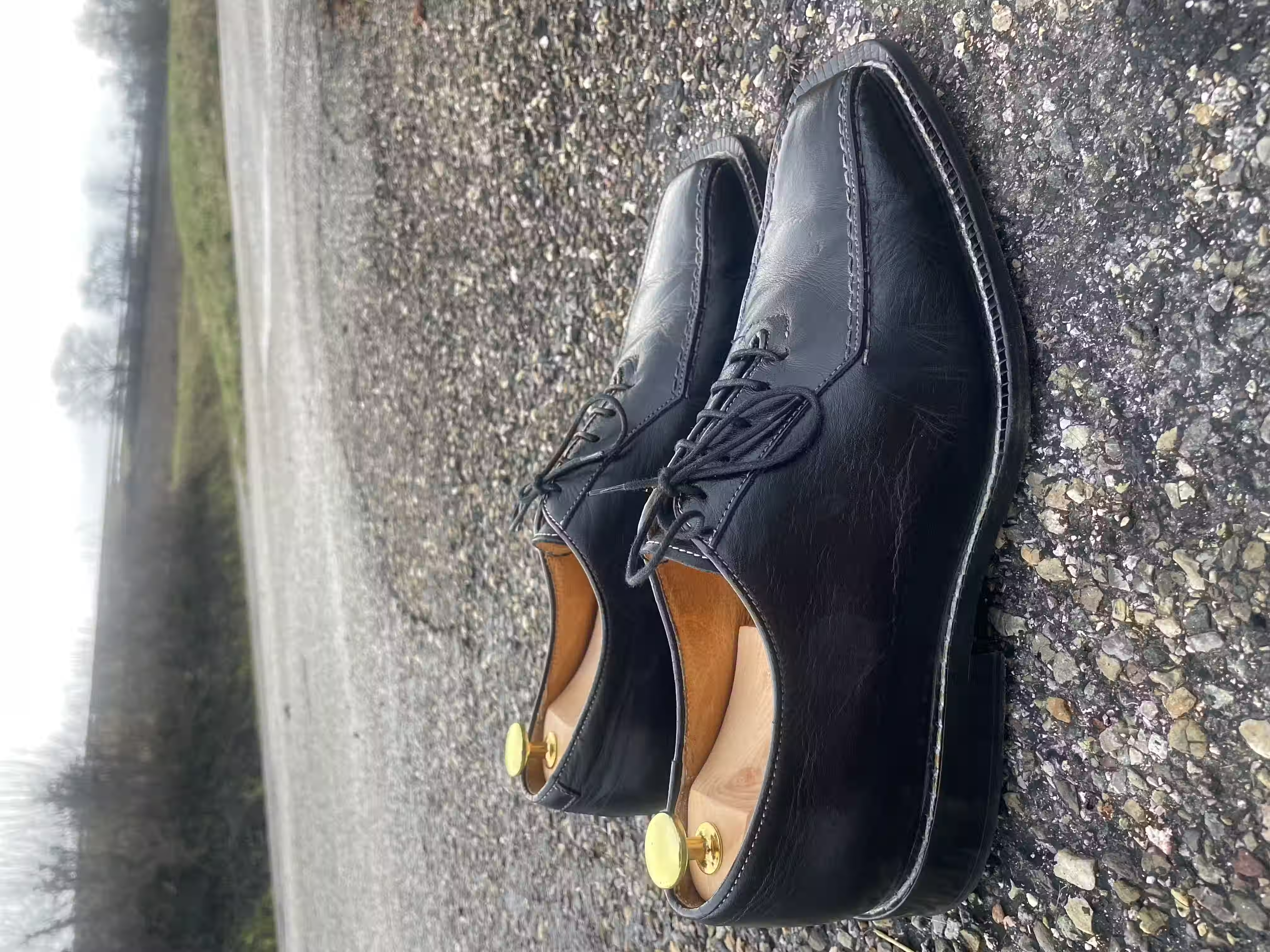
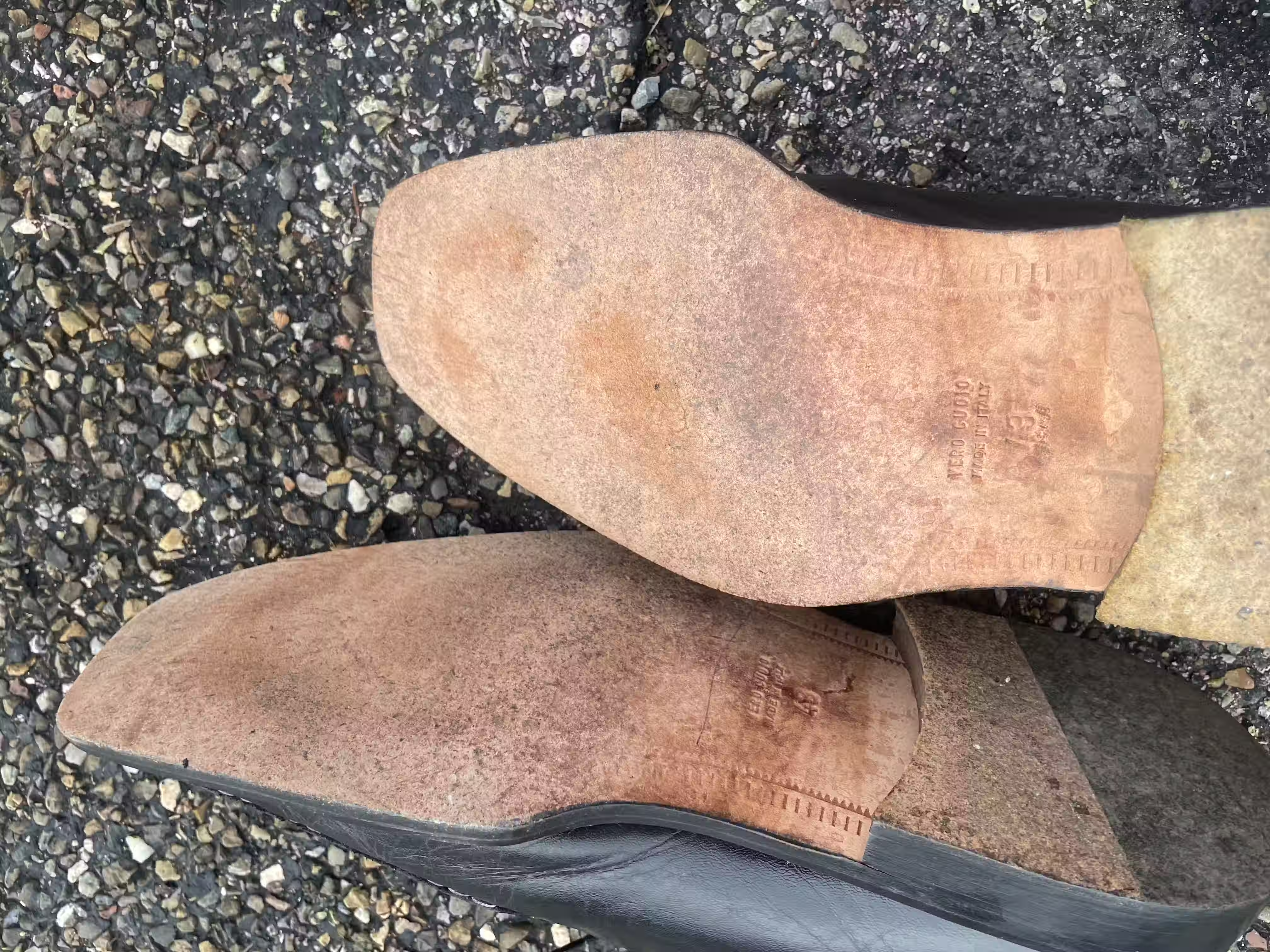
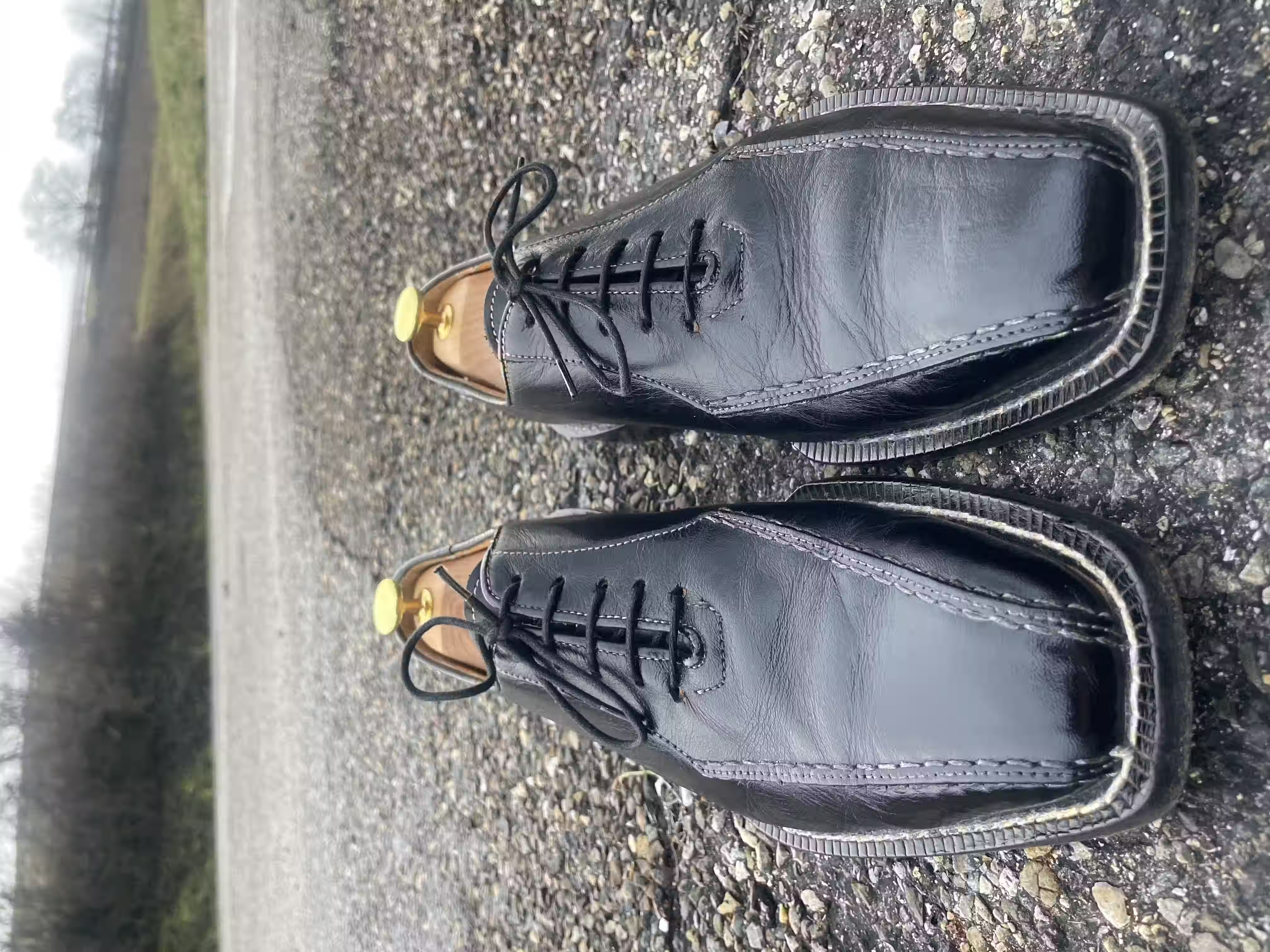
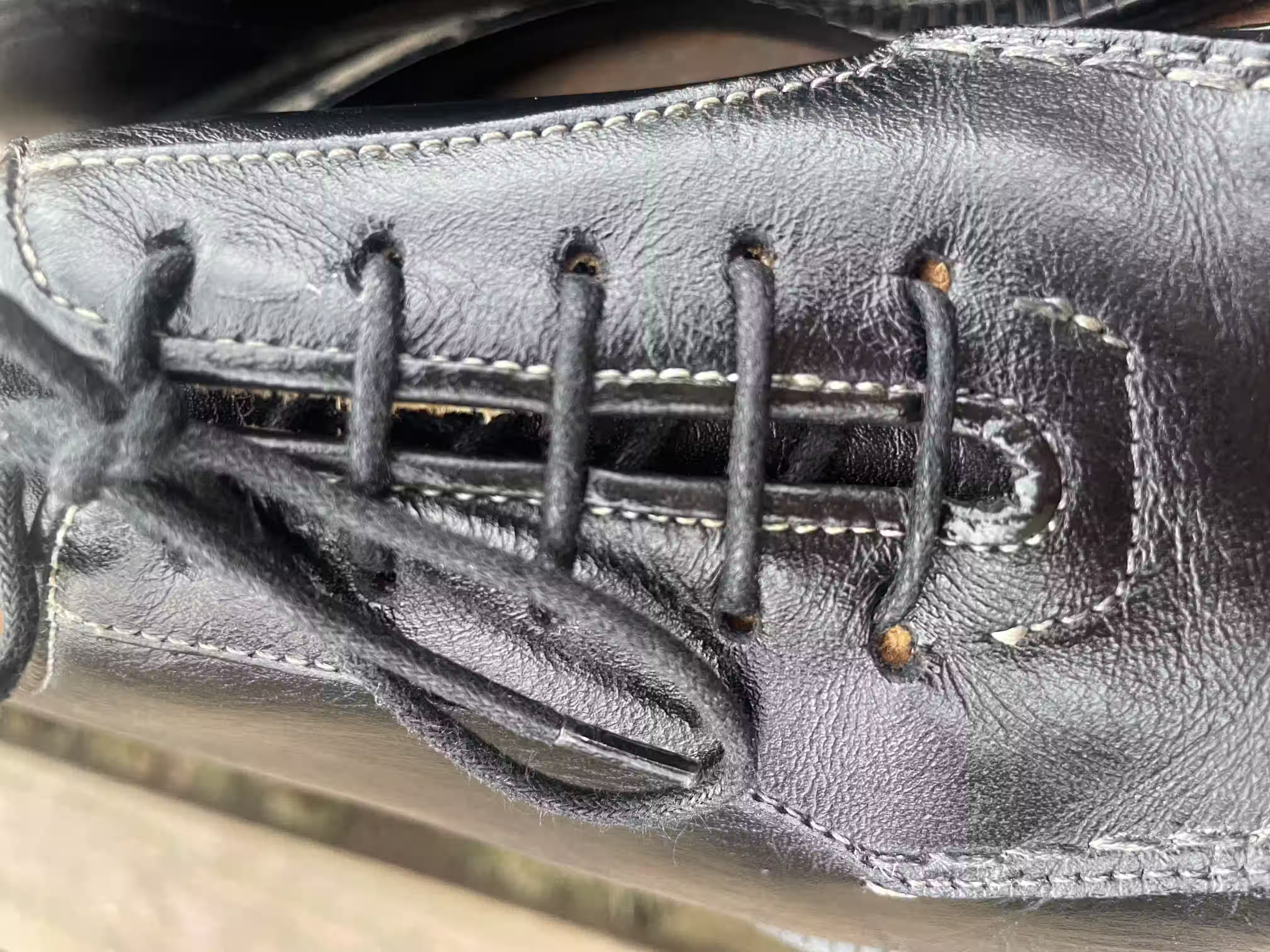
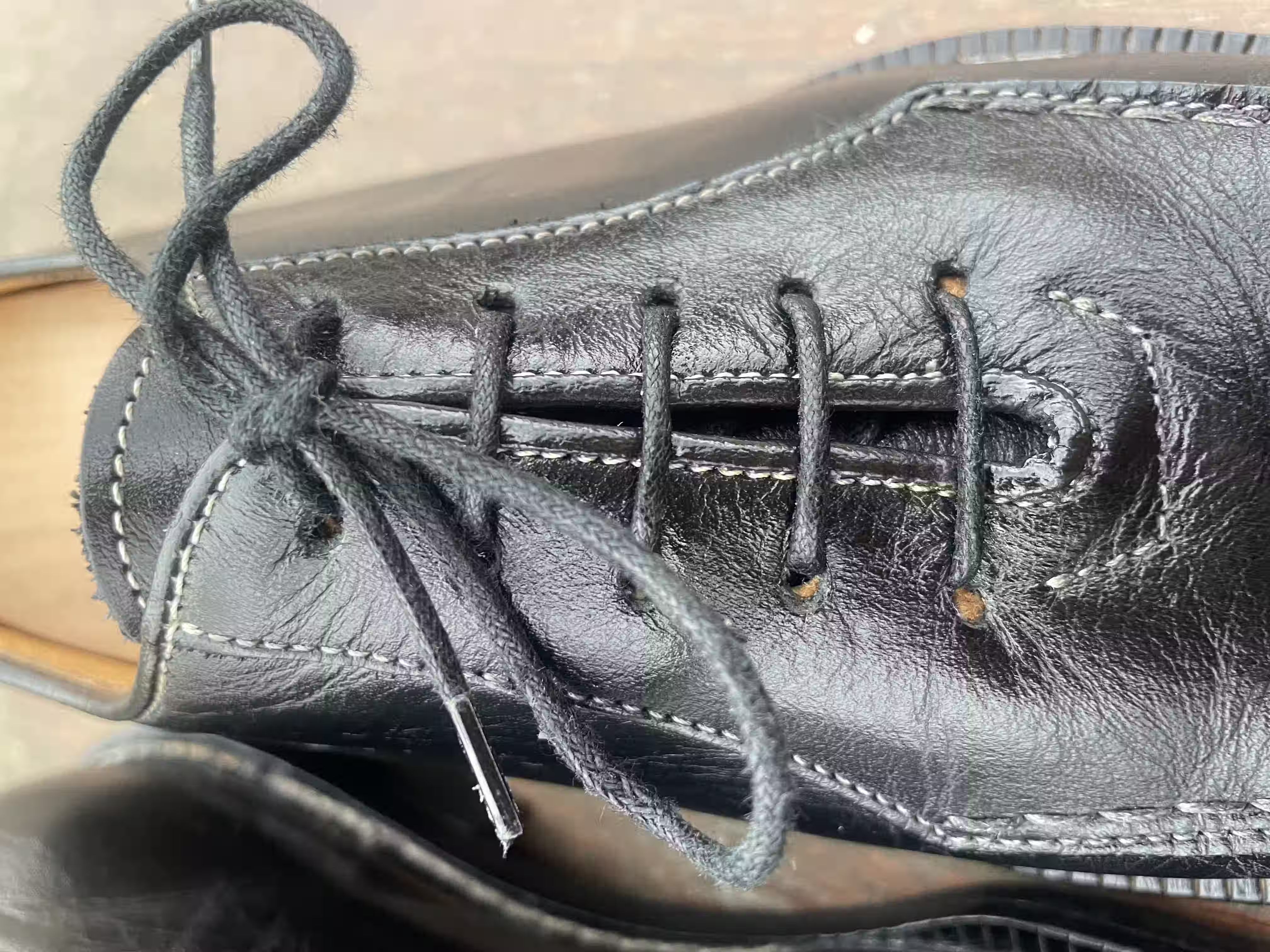
Here you can see a nice way to loosen up black Oxford shoes, which are normally quite serious and formal. This is achieved here primarily through contrast stitching: the roughly parallel seams on the vamp loosen up the shoes. Additionally, all the seams are in white, which further emphasizes the casual character of the shoes. However, you can also see that in many places the seams have absorbed black shoe polish and are therefore less prominent. In the long run, I can imagine bringing the contrast stitching uniformly towards a blackish tone; then they would also match the black laces better. If the white contrast stitching had been stronger, then in my opinion, white laces would fit even better. In both cases, I find the shoe quite suitable for everyday life and for a casual office environment.
Additionally, this Oxford features a casual interpretation of closed lacing: namely, the two leather parts carrying the eyelets run at a greater distance from each other than on standard Oxfords.
Wholecut Oxfords
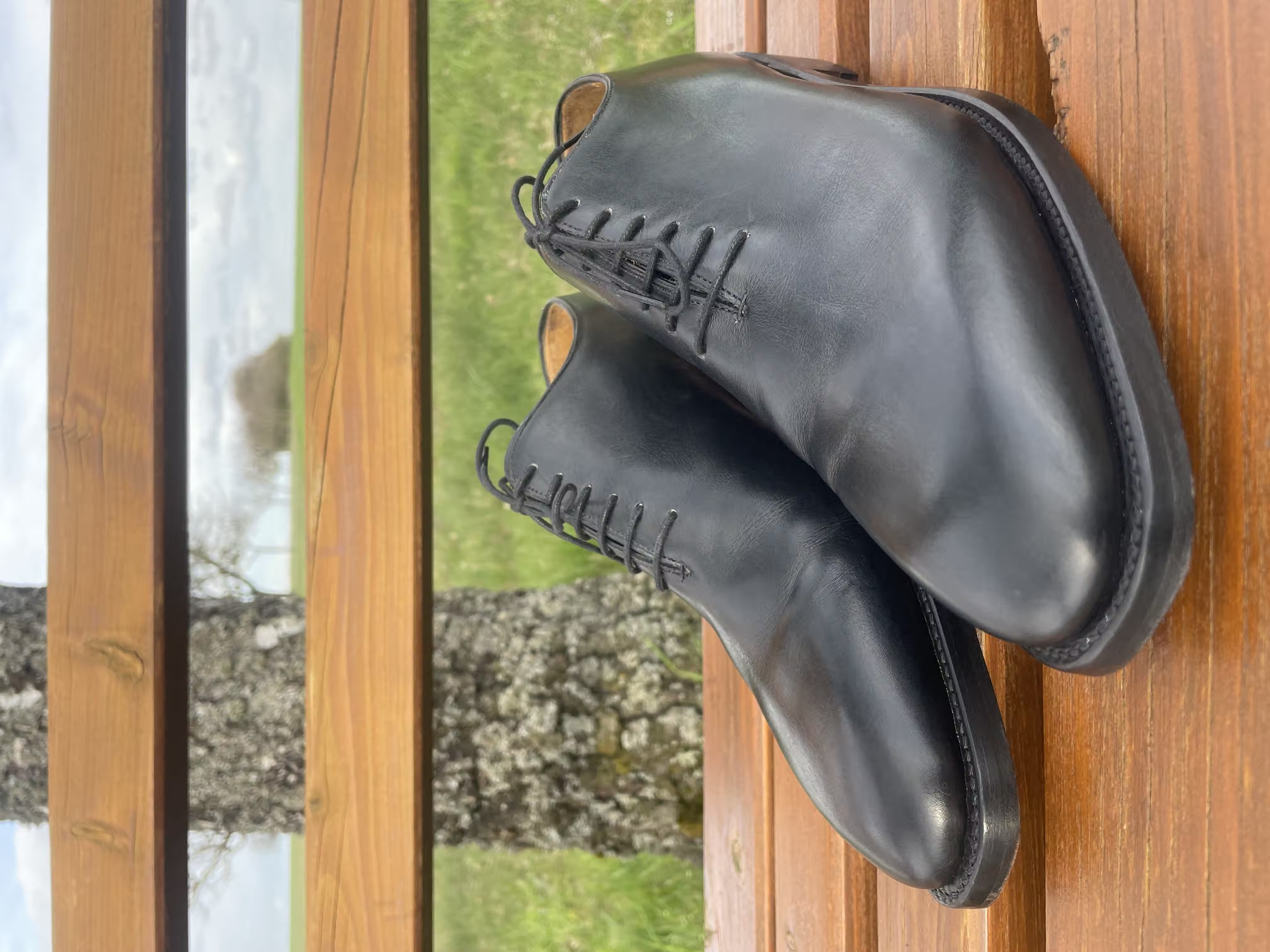
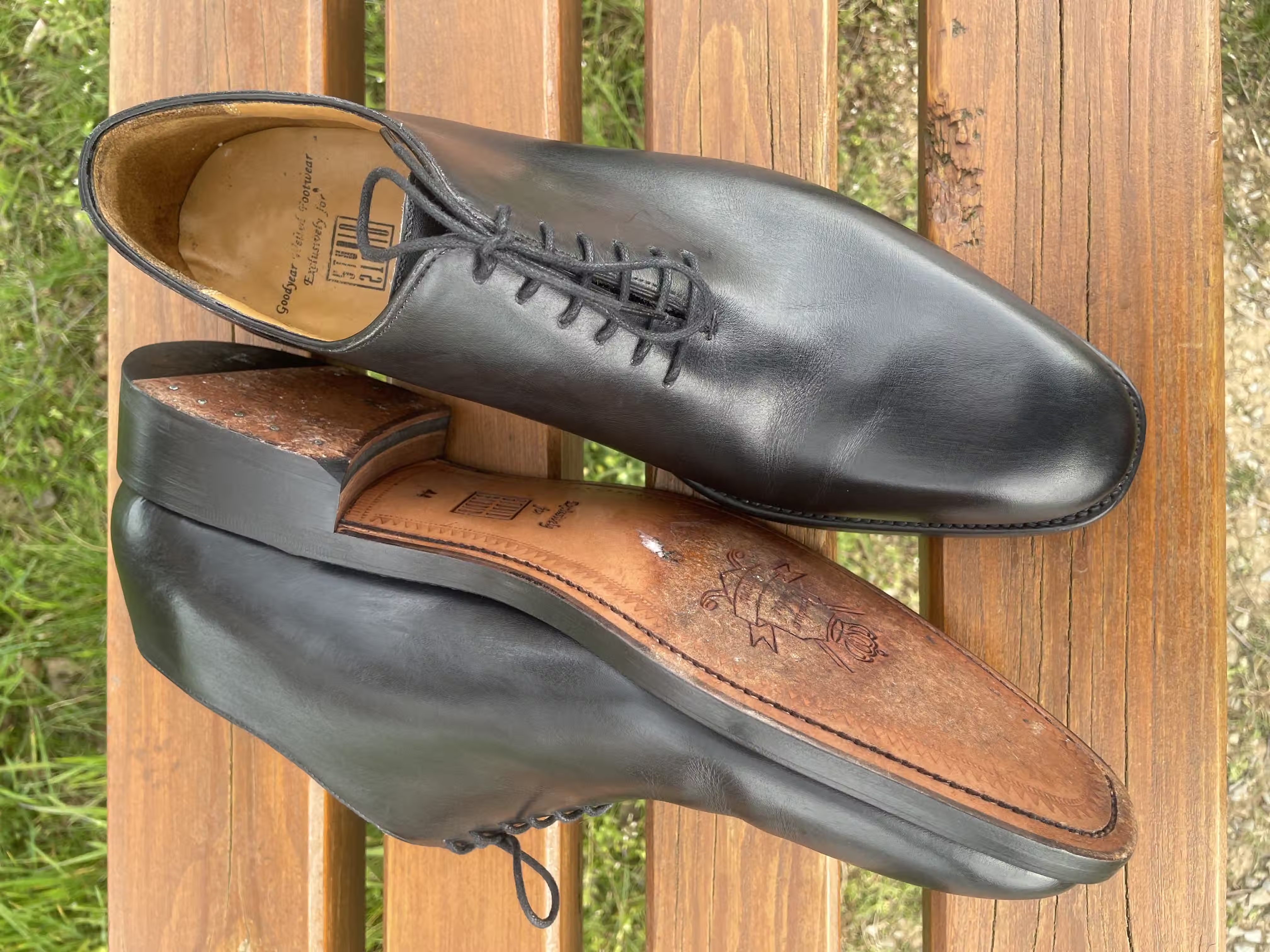
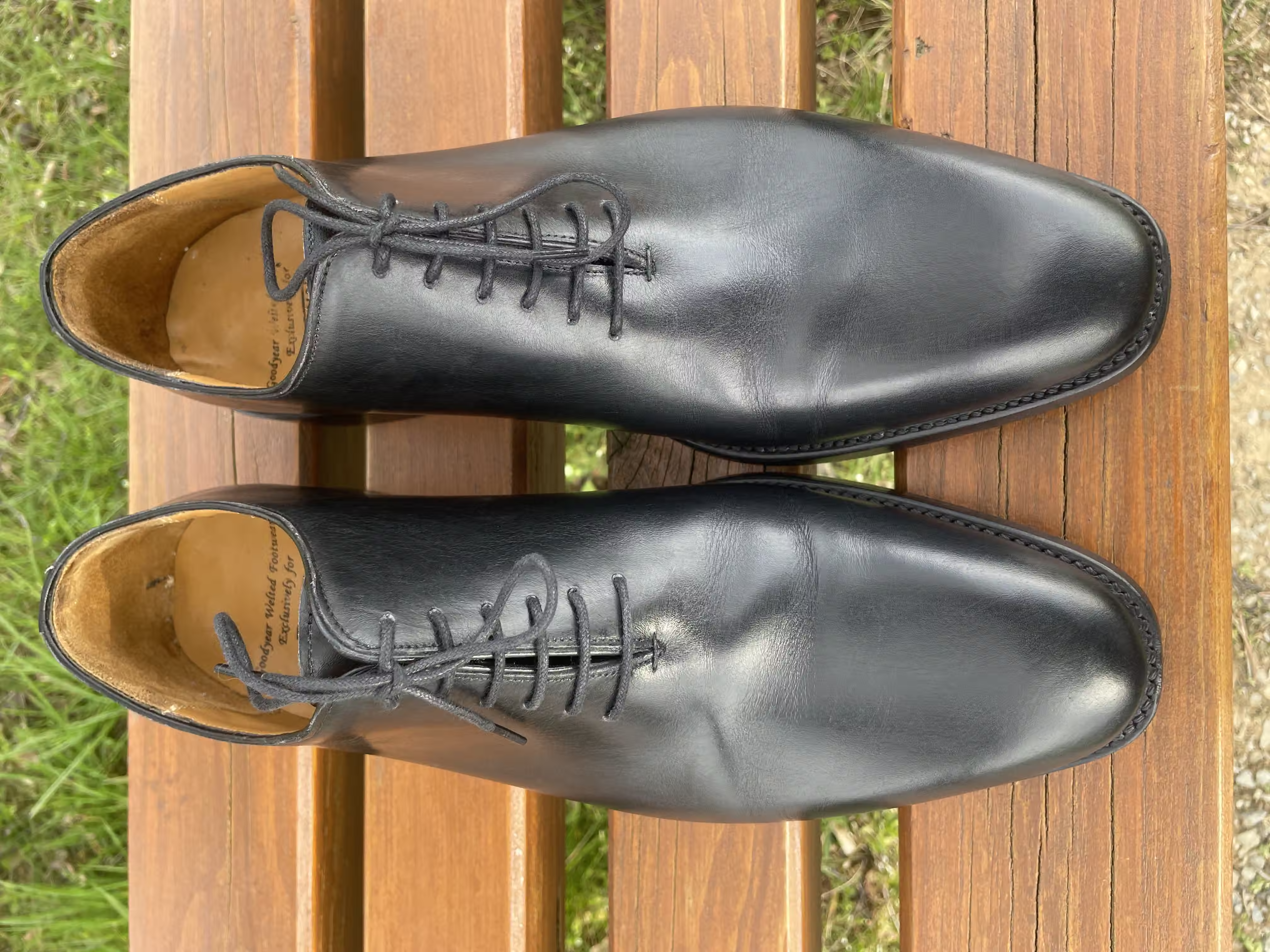
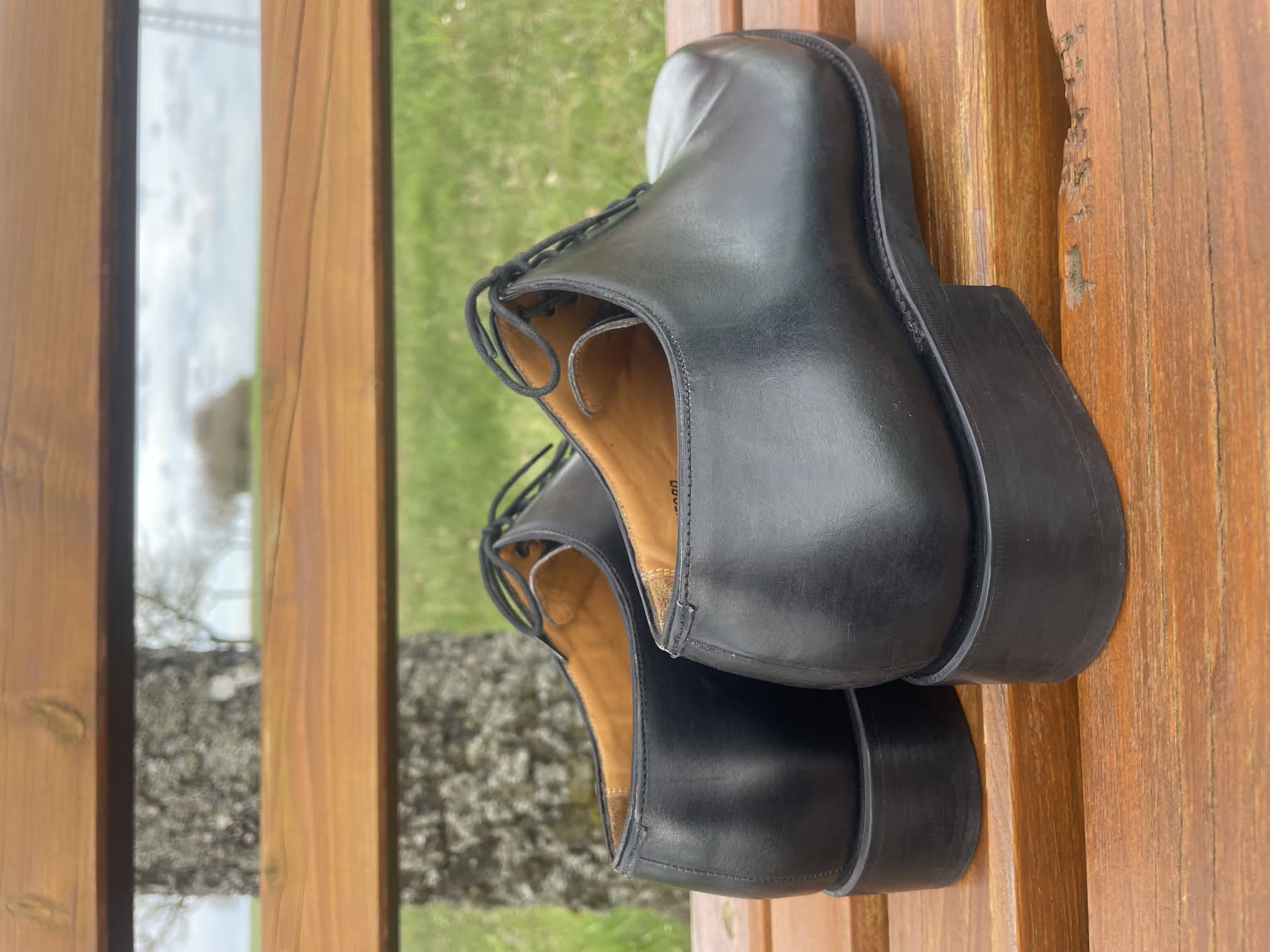
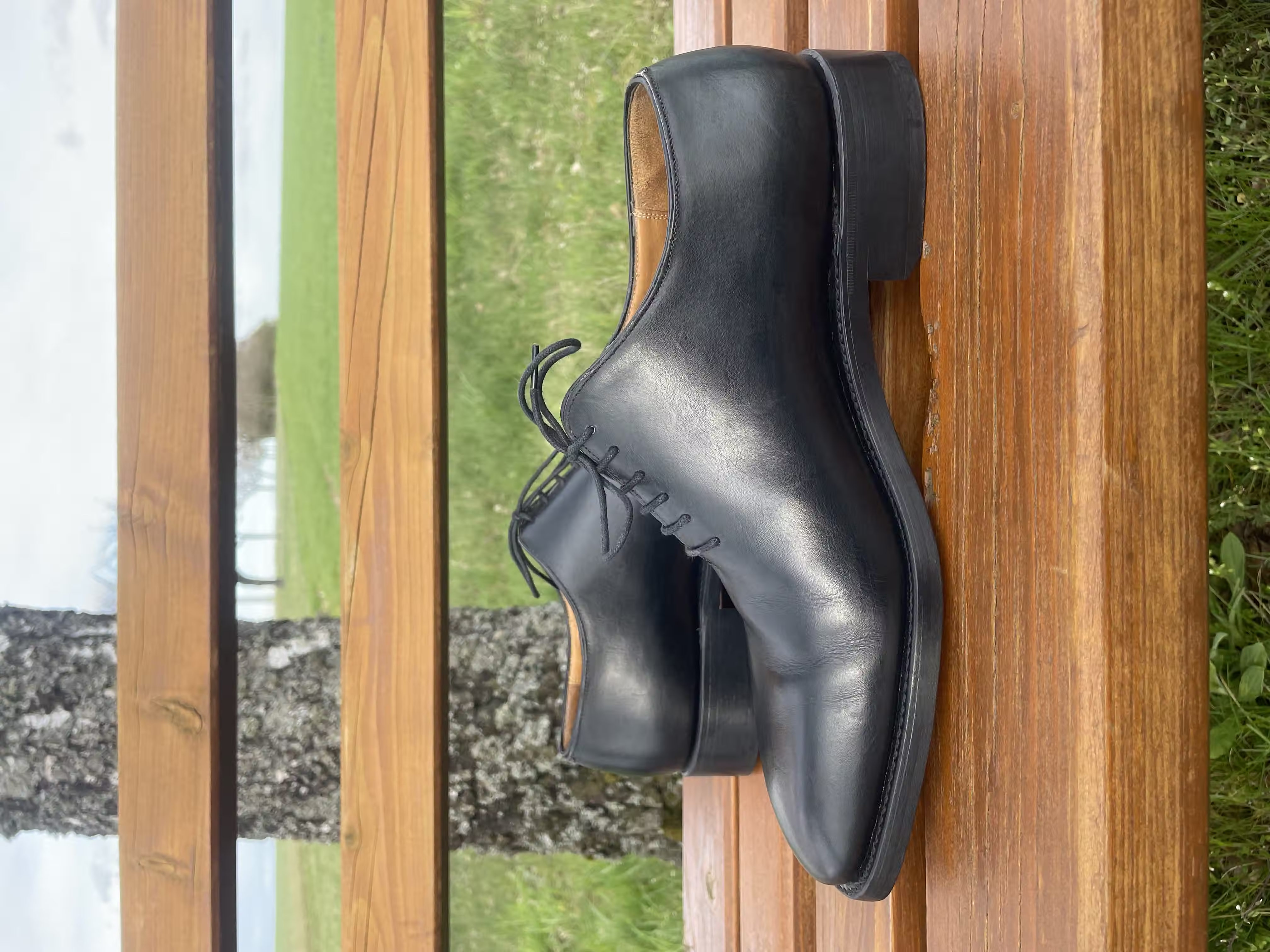
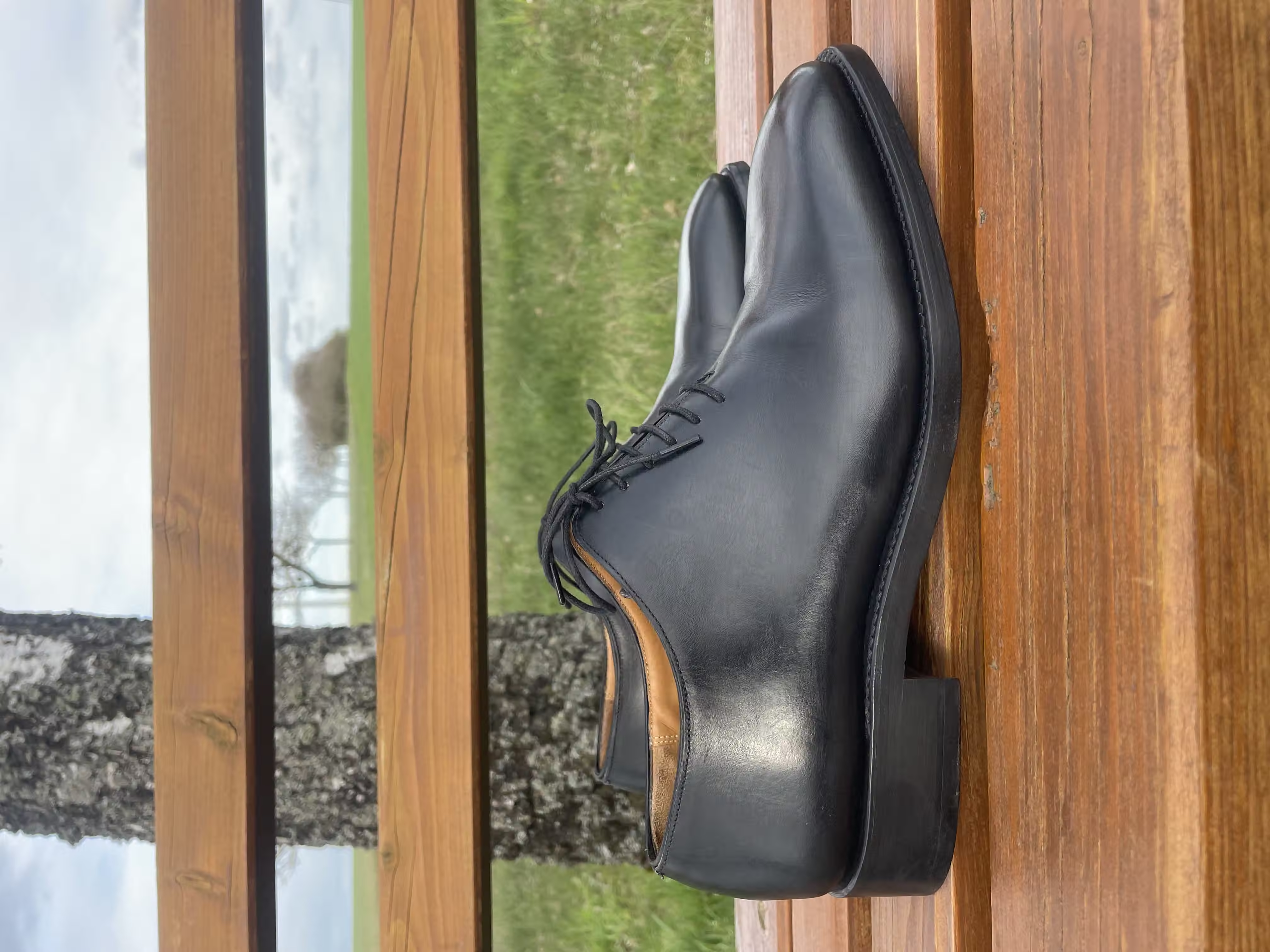
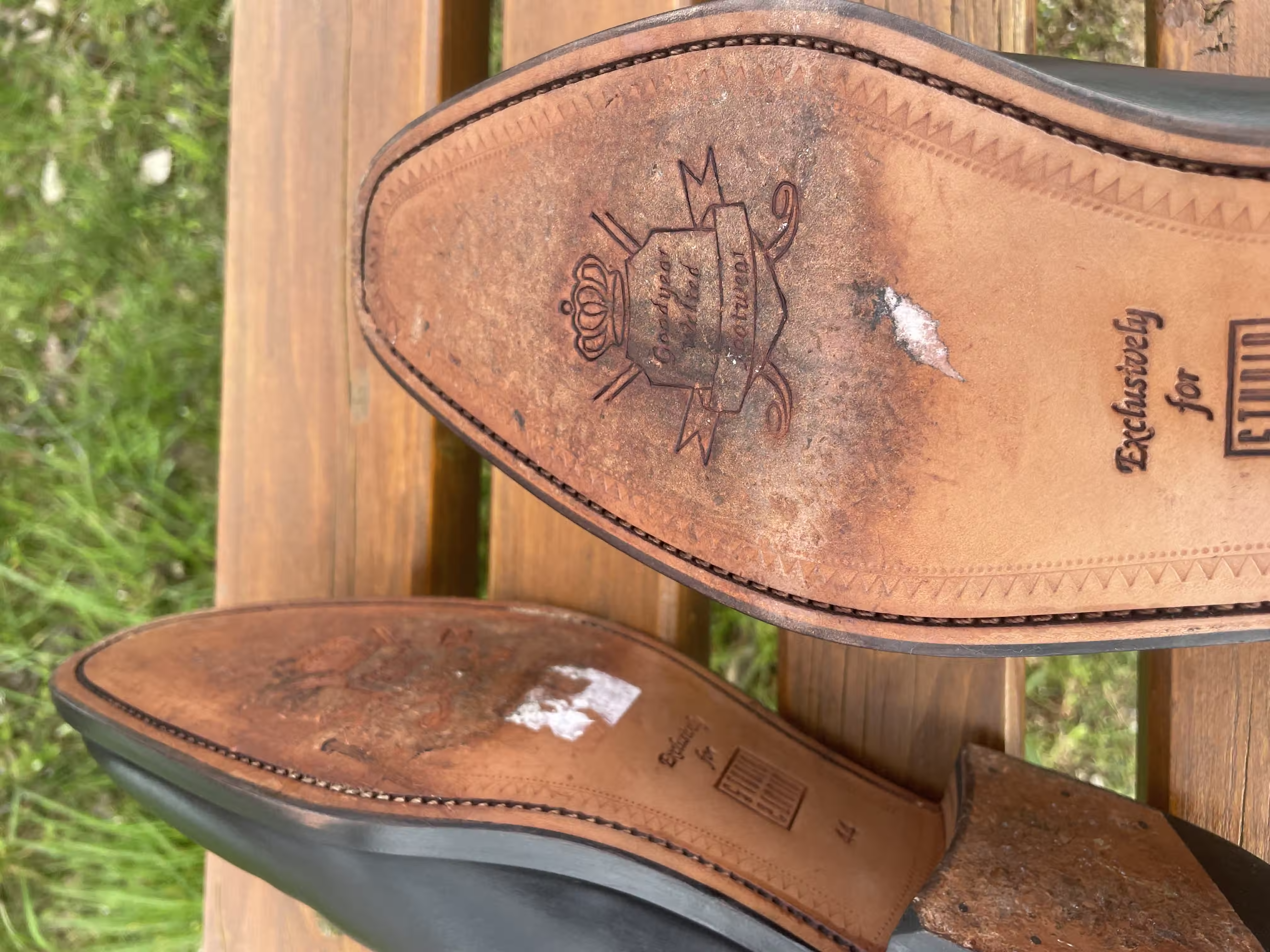
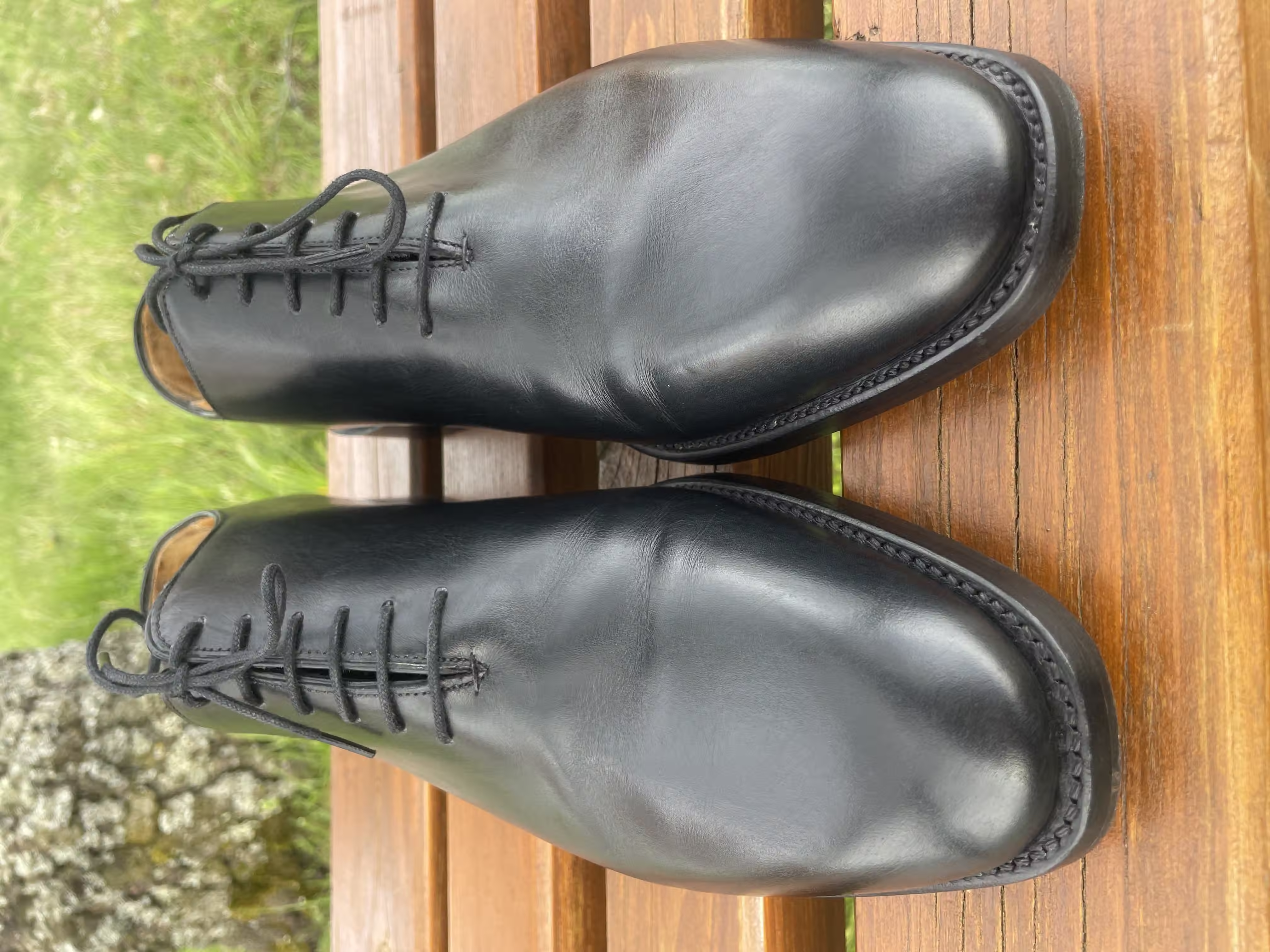
Wholecut Oxfords are simple and puristic-looking Oxfords with minimal seams on the upper leather and no other decorations like broguing. This means that the seams typical for many Oxfords, which hold the various parts of the upper together, are missing here—because the Wholecut Oxford essentially consists of only one single large, non-assembled piece of leather.
As a result, the visual focus is more on the upper leather and the shape of the shoe. Instead of being particularly decorative, Wholecut Oxfords embody simple elegance, and in the color black, they are particularly well-suited for very formal occasions.
You can find more information and other Wholecut variants here if you are interested in the topic:

Personal Assessment
I like Oxford shoes: in my eyes, their formal basic character makes them rather exotic in everyday life. I personally enjoy finding ways to combine them so that I can wear them well in daily life, or at least believe I can wear them well, away from suits.
I would find it a pity if Oxfords were reserved only for lawyers, politicians, and businesspeople. In all those respective industries, you are welcome to wear black Oxfords with a suit. But I think there are so many decorative possibilities to design Oxfords differently and more casually that Oxfords should also be viable for general everyday life. And even when I have a non-black, formal-looking Oxford in front of me, I might just manage to create something beautiful out of it.