
Penny Loafer - the loafer with the slotted leather strap
Penny loafers feature two types of casual decorations - the slotted leather strap and the decorative stitching along the front of the instep. Both elements make the loafer more interesting.
Example Variant
Reddish-brown penny loafer in wood-pegged construction
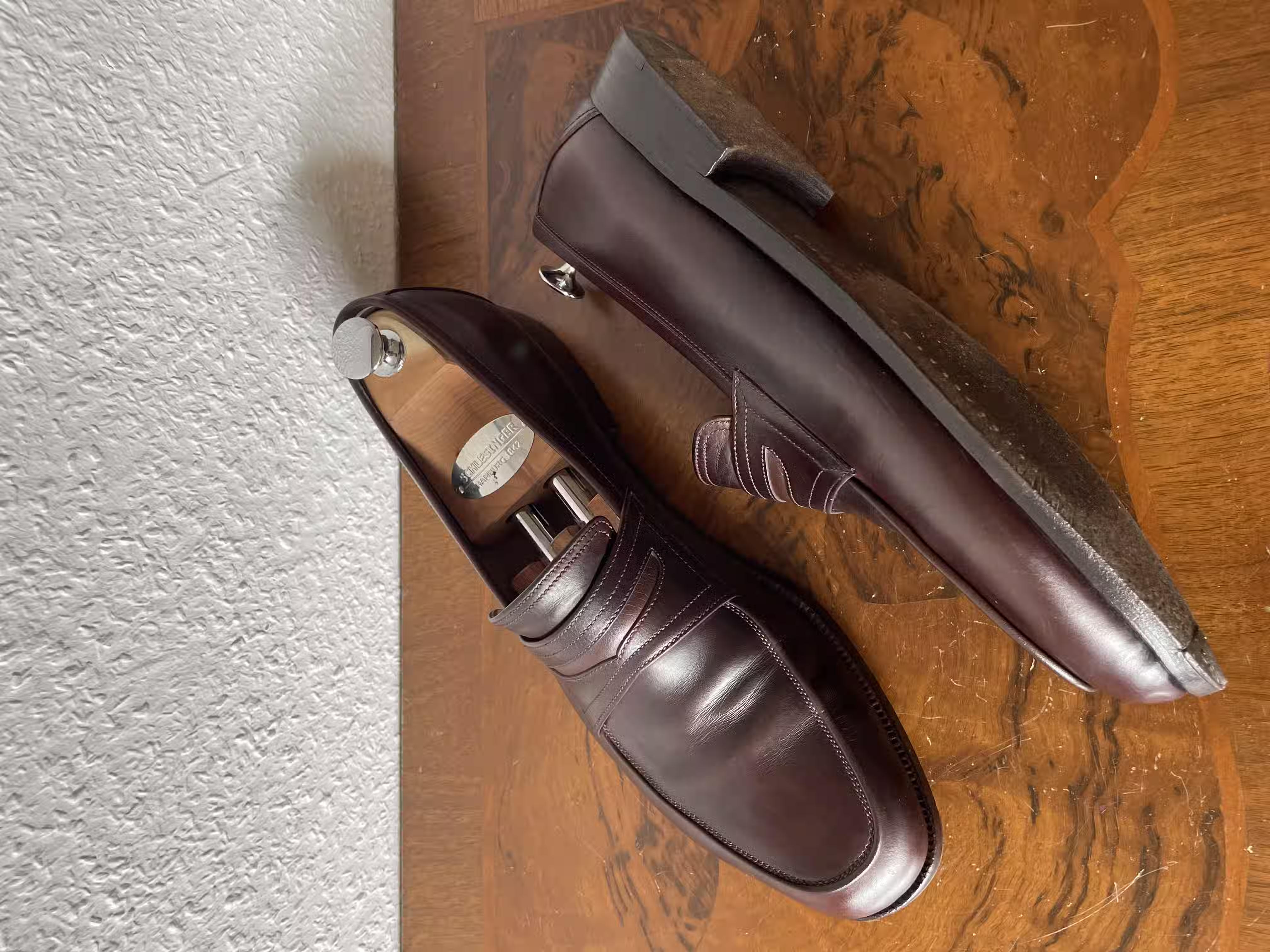
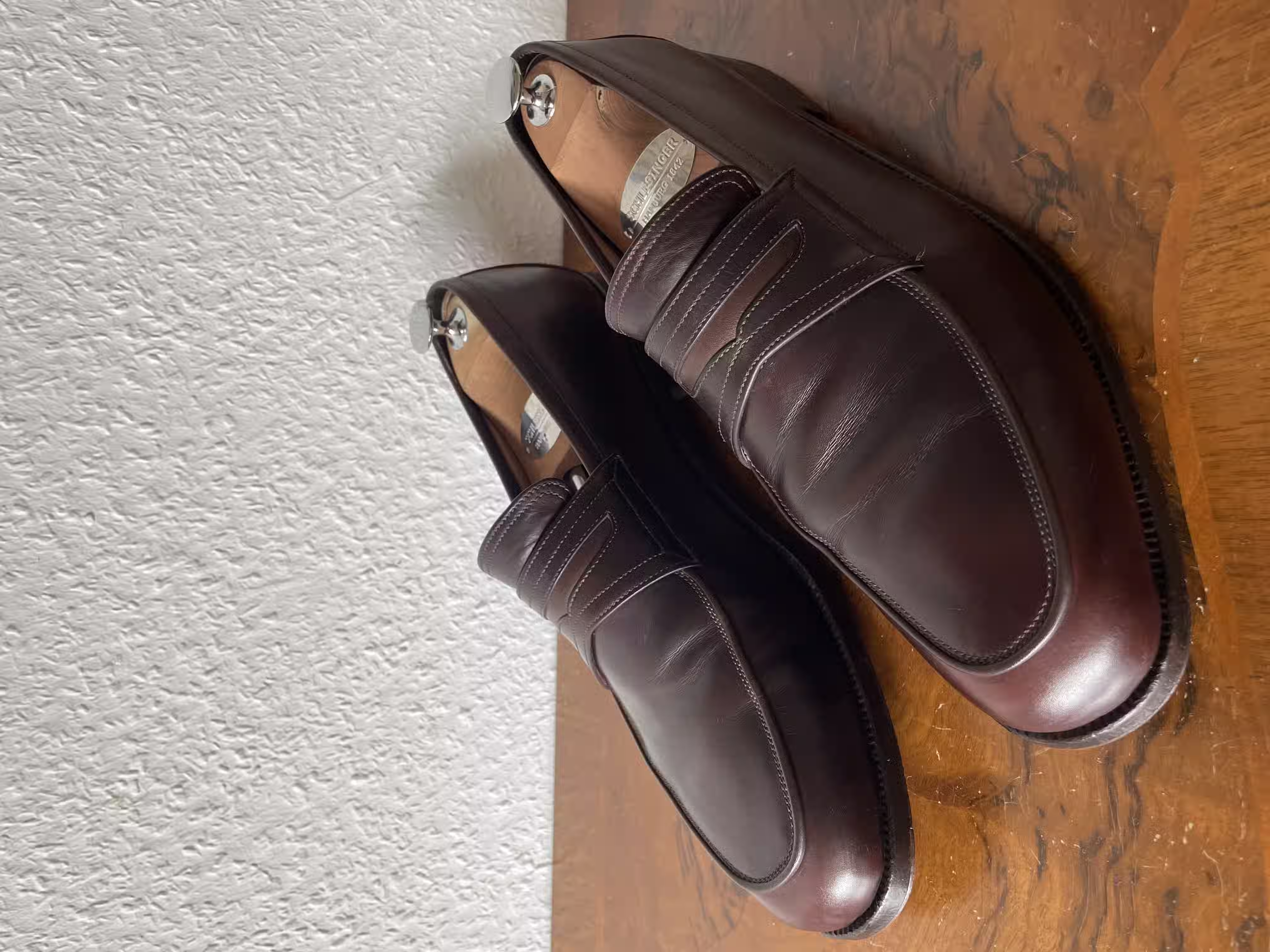
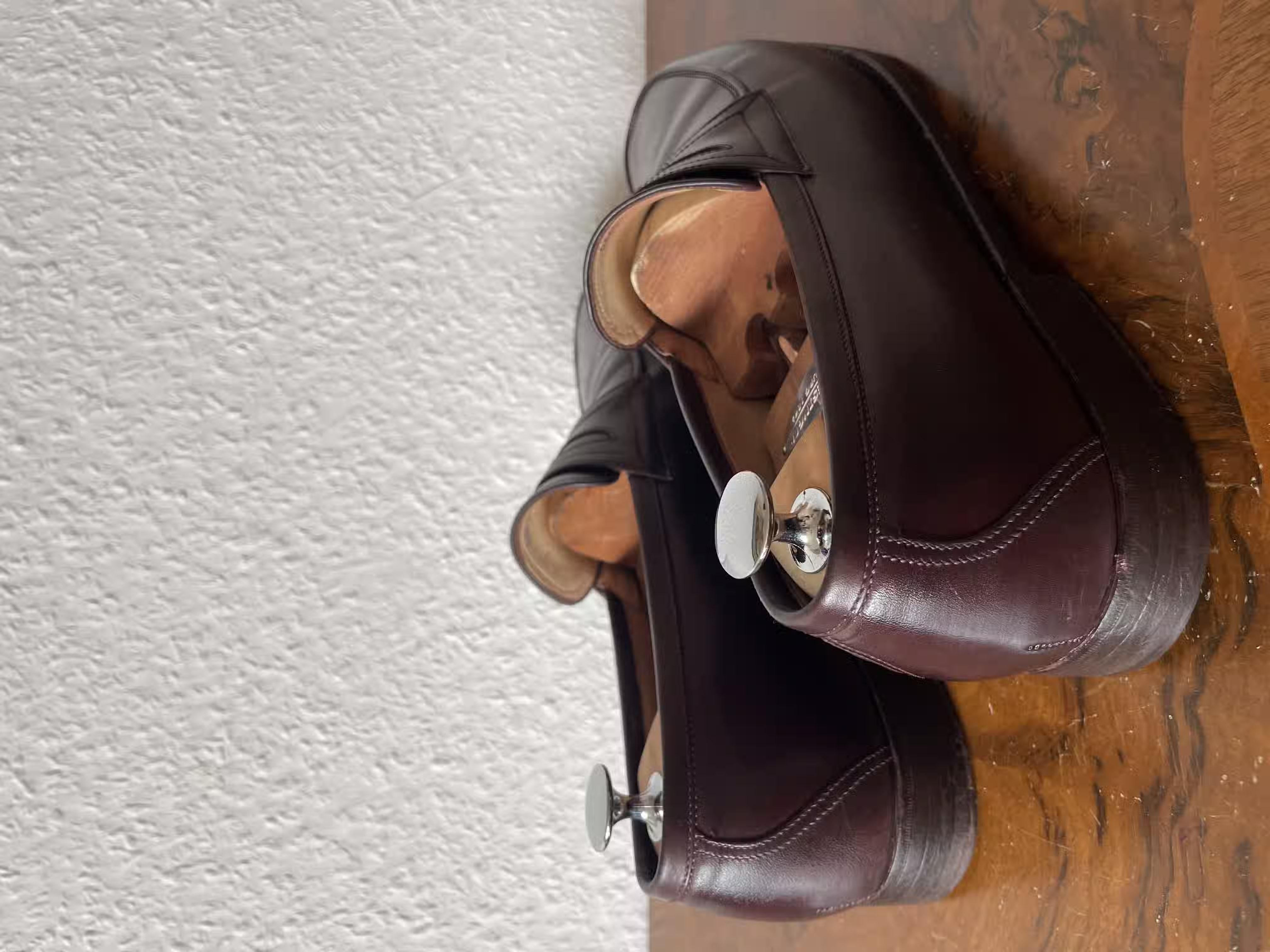
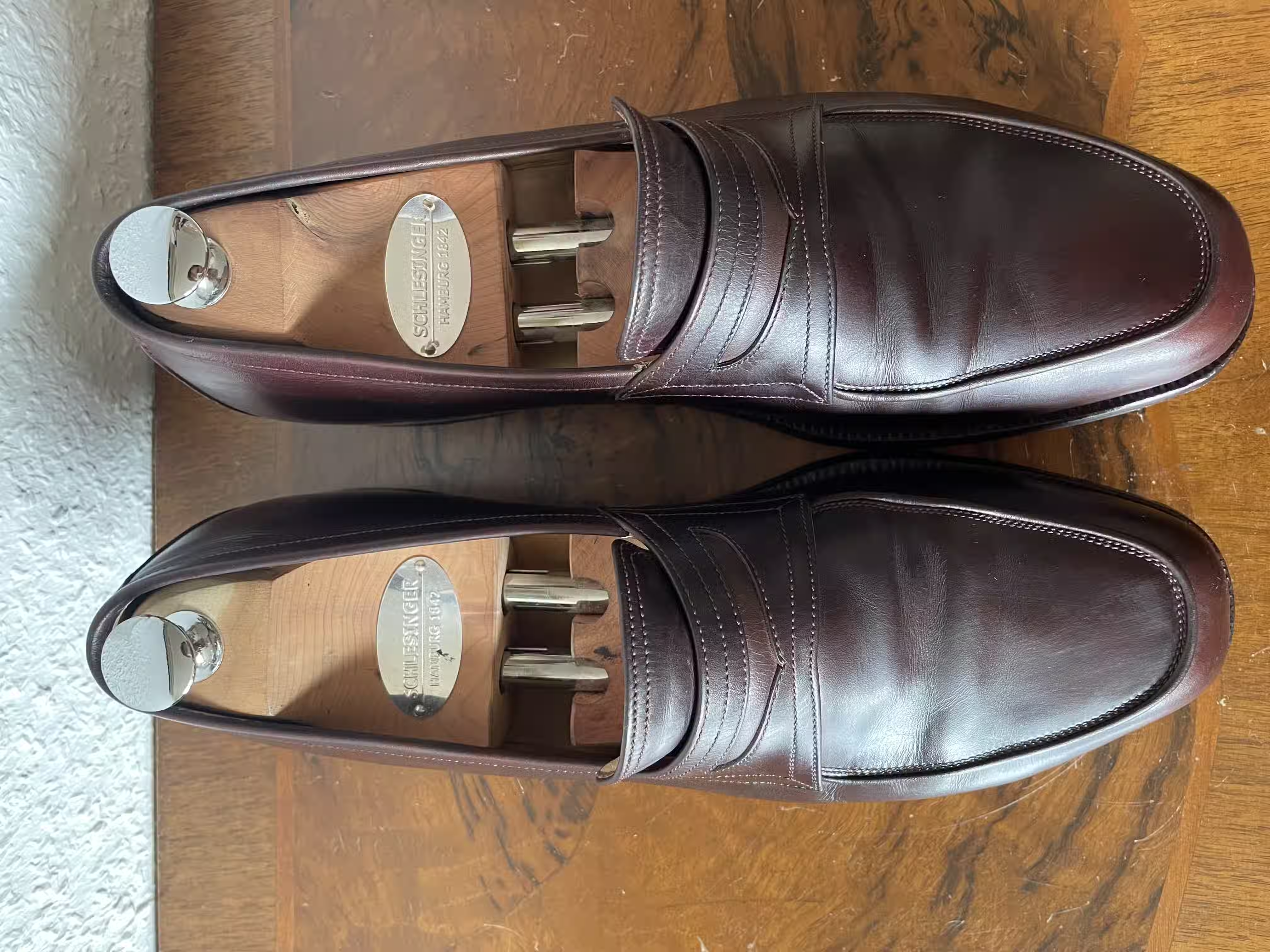
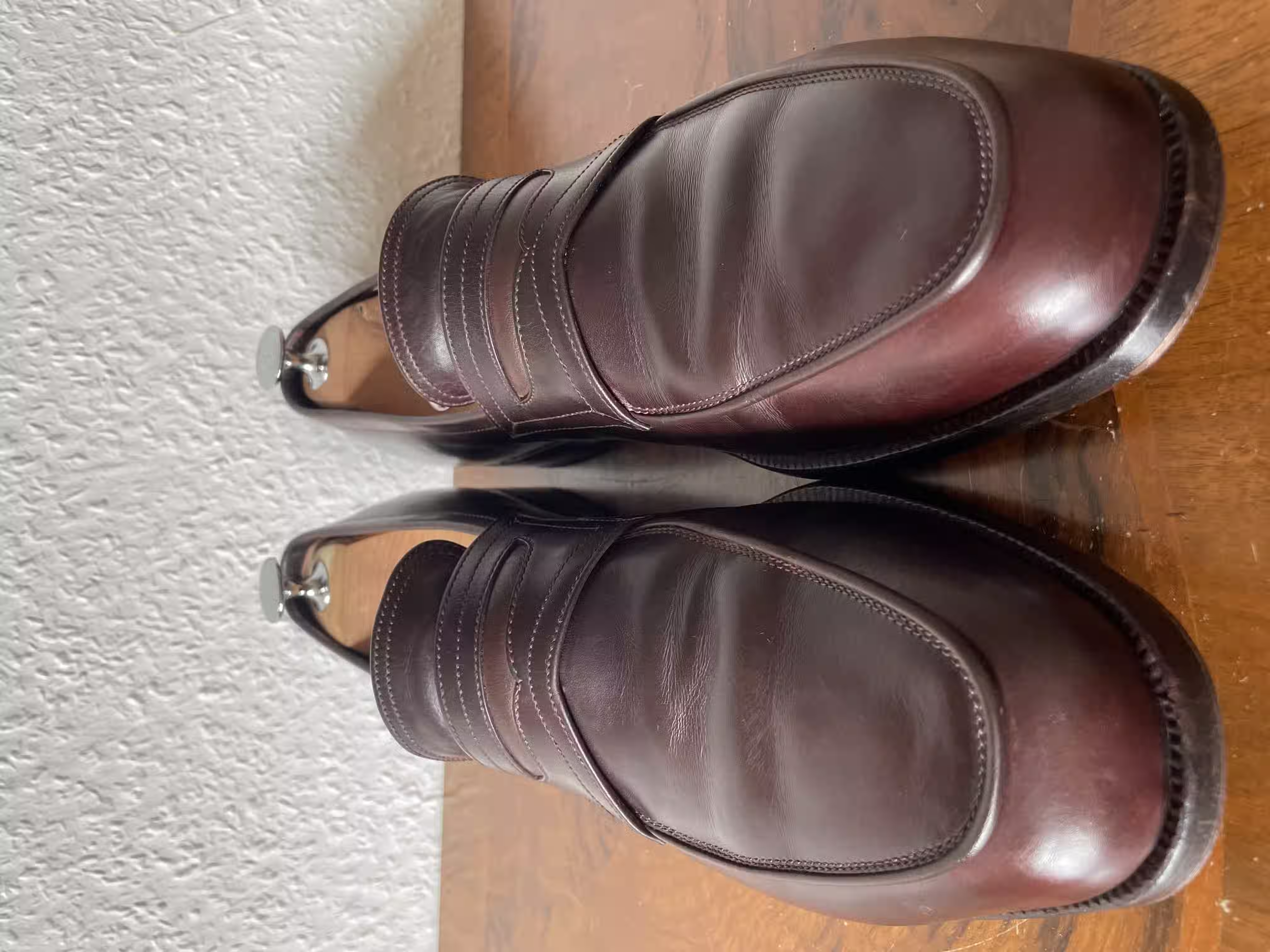
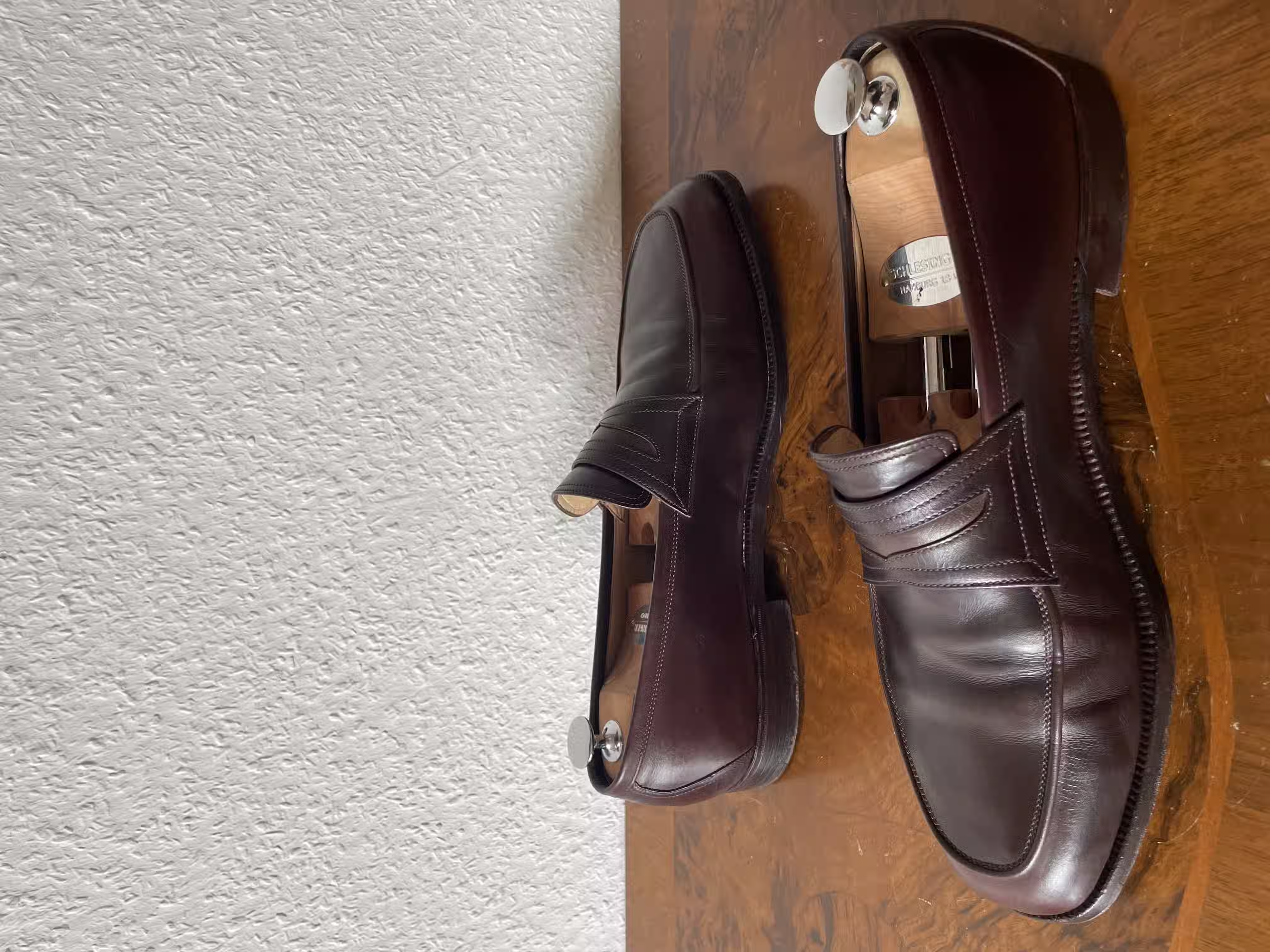
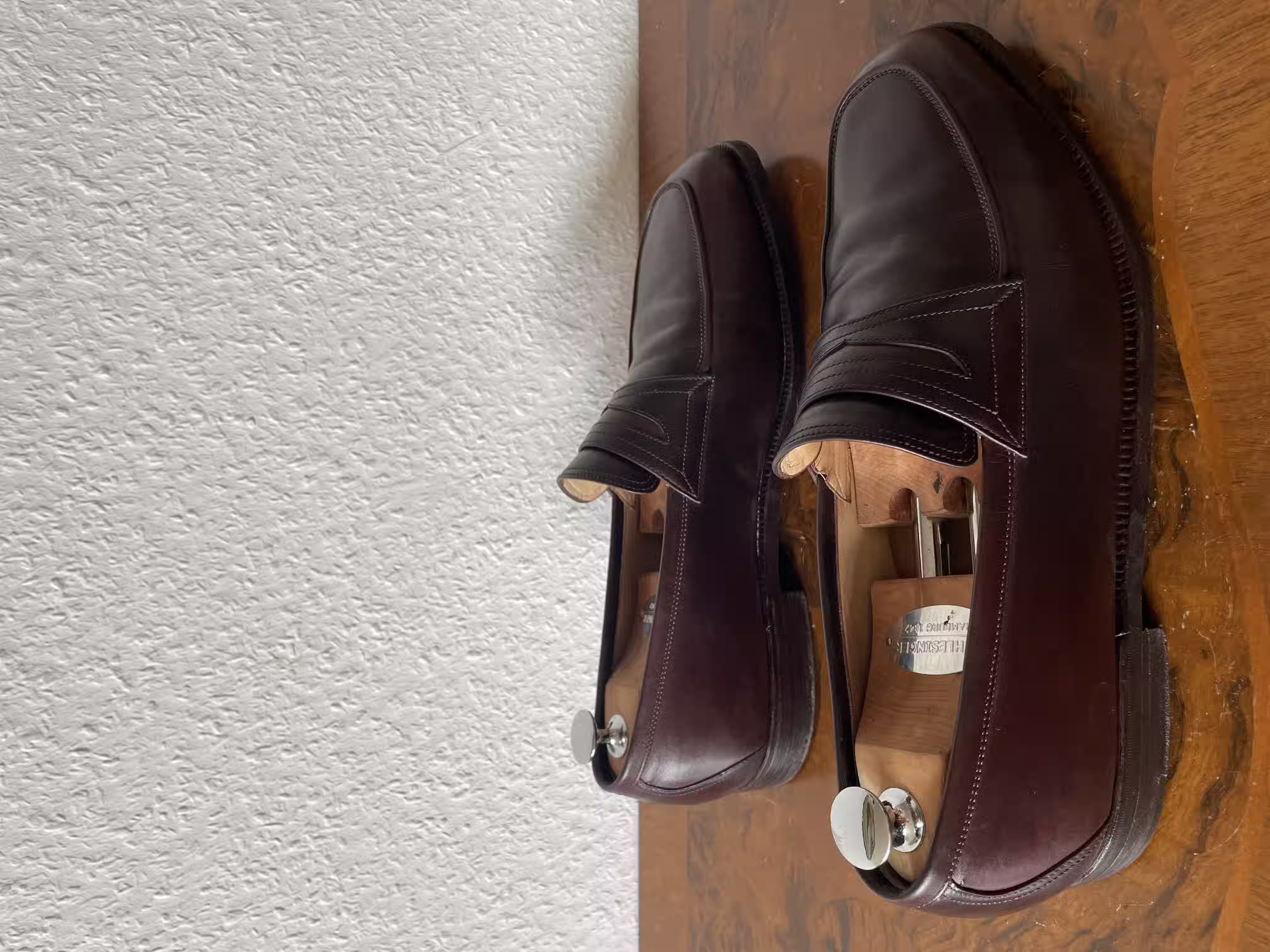
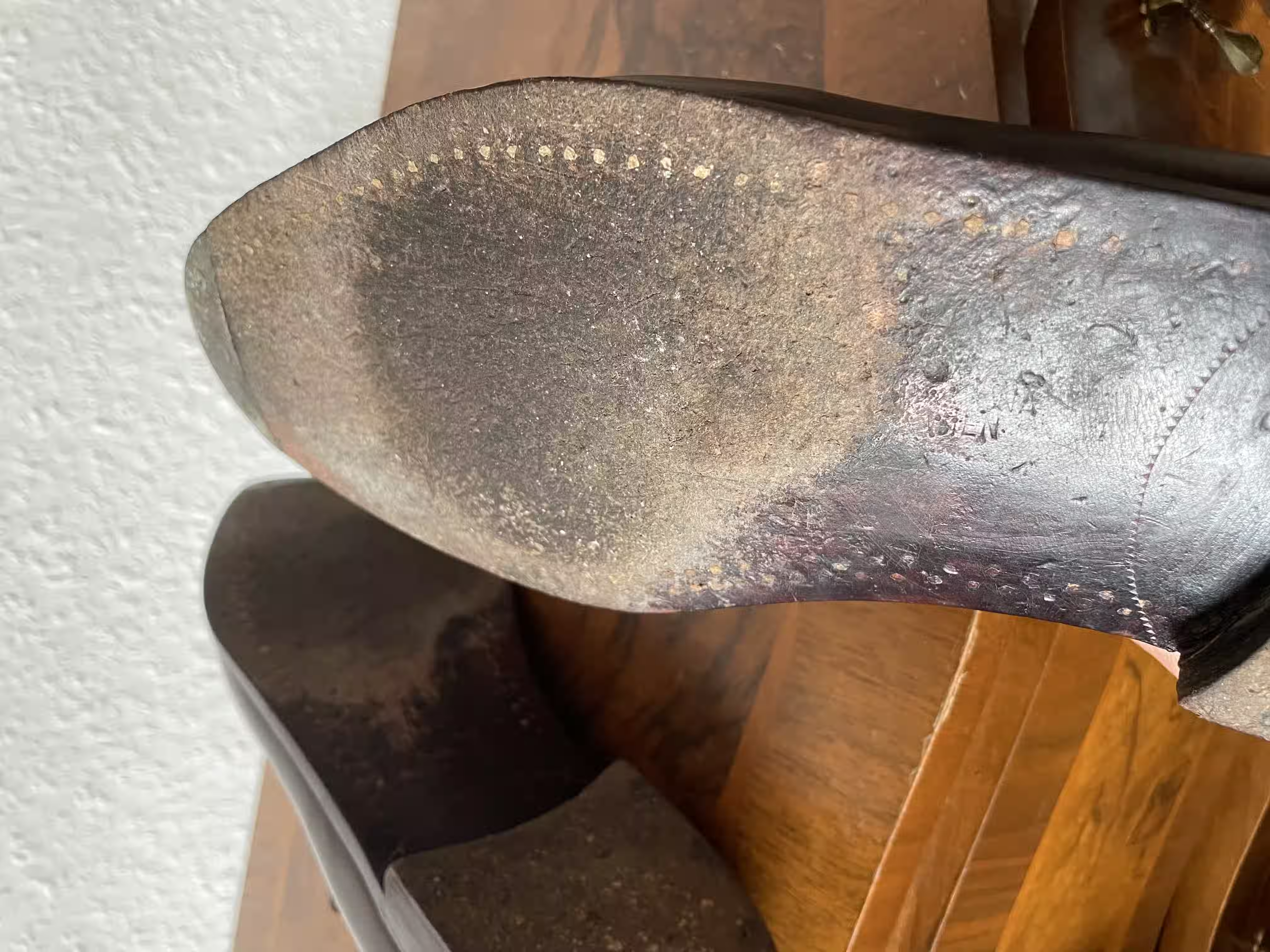
These penny loafers feature very fine craftsmanship with closely spaced stitching, and the unembossed reddish-brown smooth leather looks quite beautiful to me. For me, these are perfect shoes for the office or semi-formal occasions, where I personally could also wear gray trousers due to the dark reddish-brown hue. Interestingly, some people dislike the combination of brown shoes with gray trousers, yet they generally accept dark red shoes with gray trousers. Thus, the reddish-brown color provides a nice middle ground.
Incidentally, the construction method is secondary to the impact and appearance of the shoe. You can recognize the wood-pegged construction by the dots on the sole, which come from the wooden pegs used. If you are interested in wood-pegged construction and other methods, you can take a look here:

Special Features
Penny loafers are, first and foremost, slip-on shoes and therefore lack any lacing. They are visually distinguished from other loafers by the large leather strap at the front, which runs across the instep. This leather strap has a slit in the middle and is only sewn at the sides. This allows you to tuck things between this leather strap and the vamp (the front part of the loafer). This leather strap is also referred to as a slotted saddle.
Another characteristic of penny loafers is the U-shaped decoration around the front of the instep area. This decoration is reminiscent of the Norwegian model; however, penny loafers do not have the split toe typical of Norwegians.
It is only these two decorative elements that turn a loafer into a penny loafer.
History
The origin of penny loafers is not entirely clear. Apparently, the penny loafer was heavily inspired by Norwegian footwear fashion of the early 20th century. Ultimately, the core idea traveled from there to the USA, and the G.H. Bass company brought the penny loafer, as we know it today, to the market in the 1930s. In the 1950s, they became particularly popular among college students, which led to their mainstream breakthrough.
Variants
Brown penny loafers with a light, natural patina
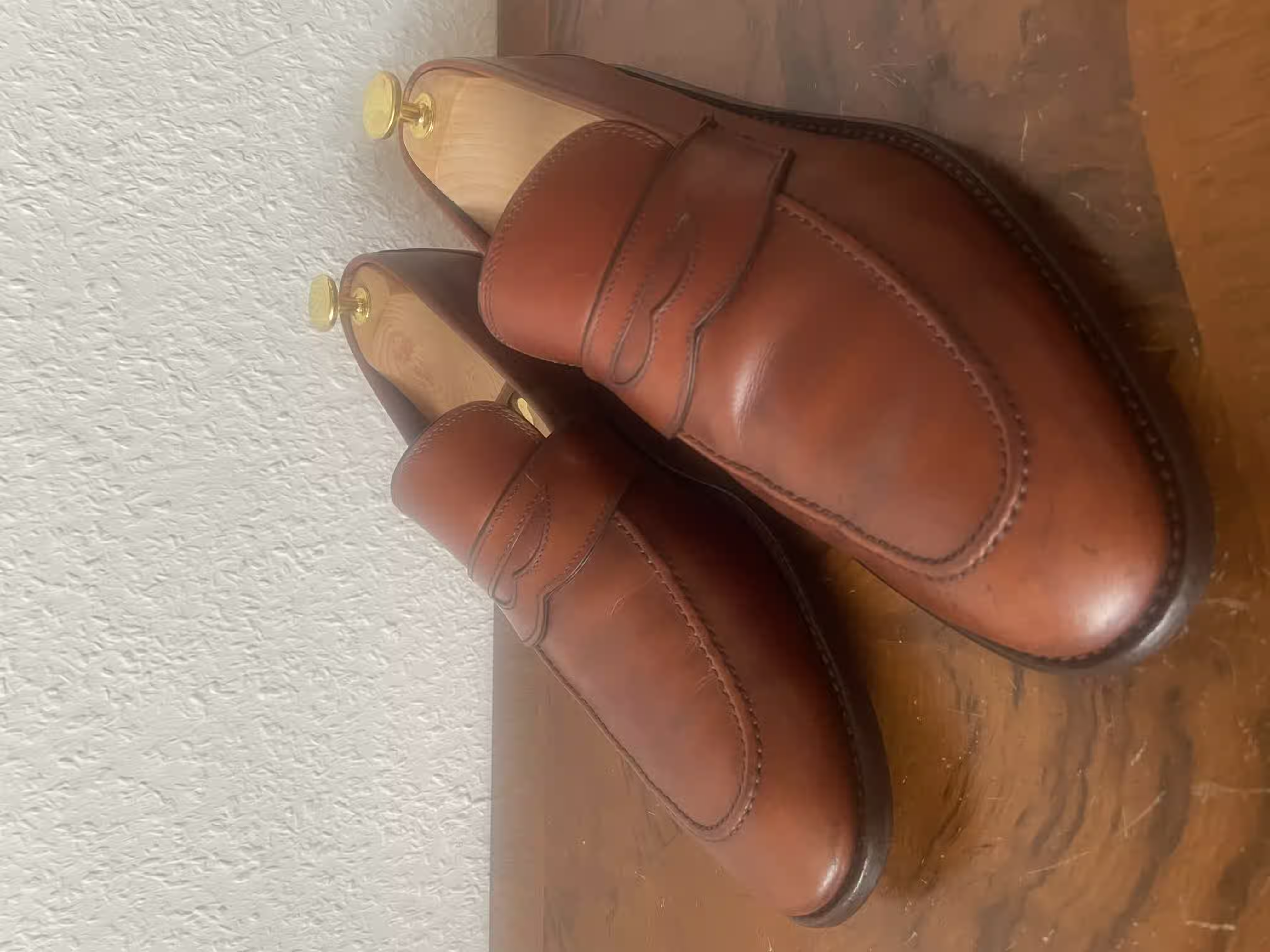
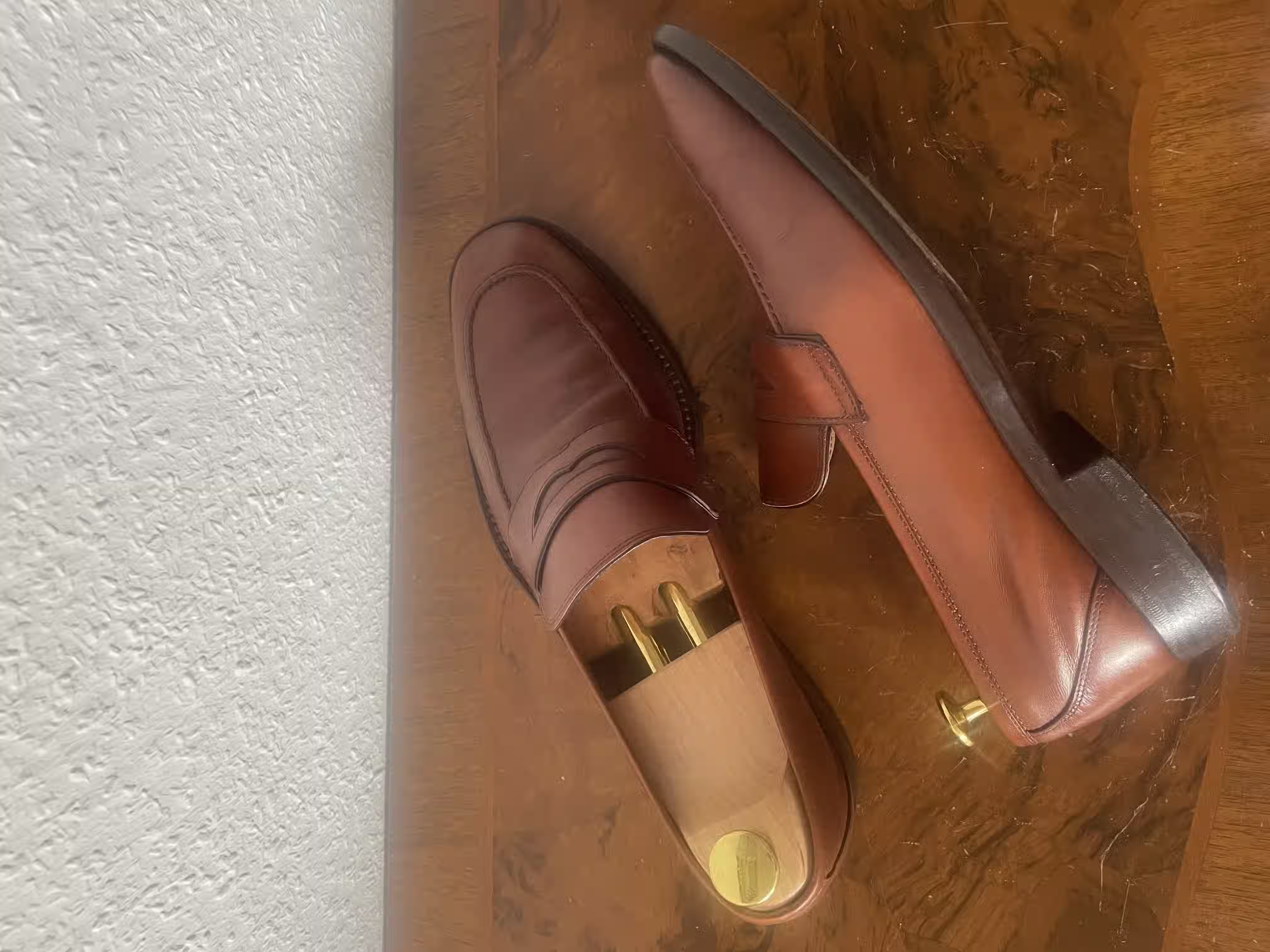
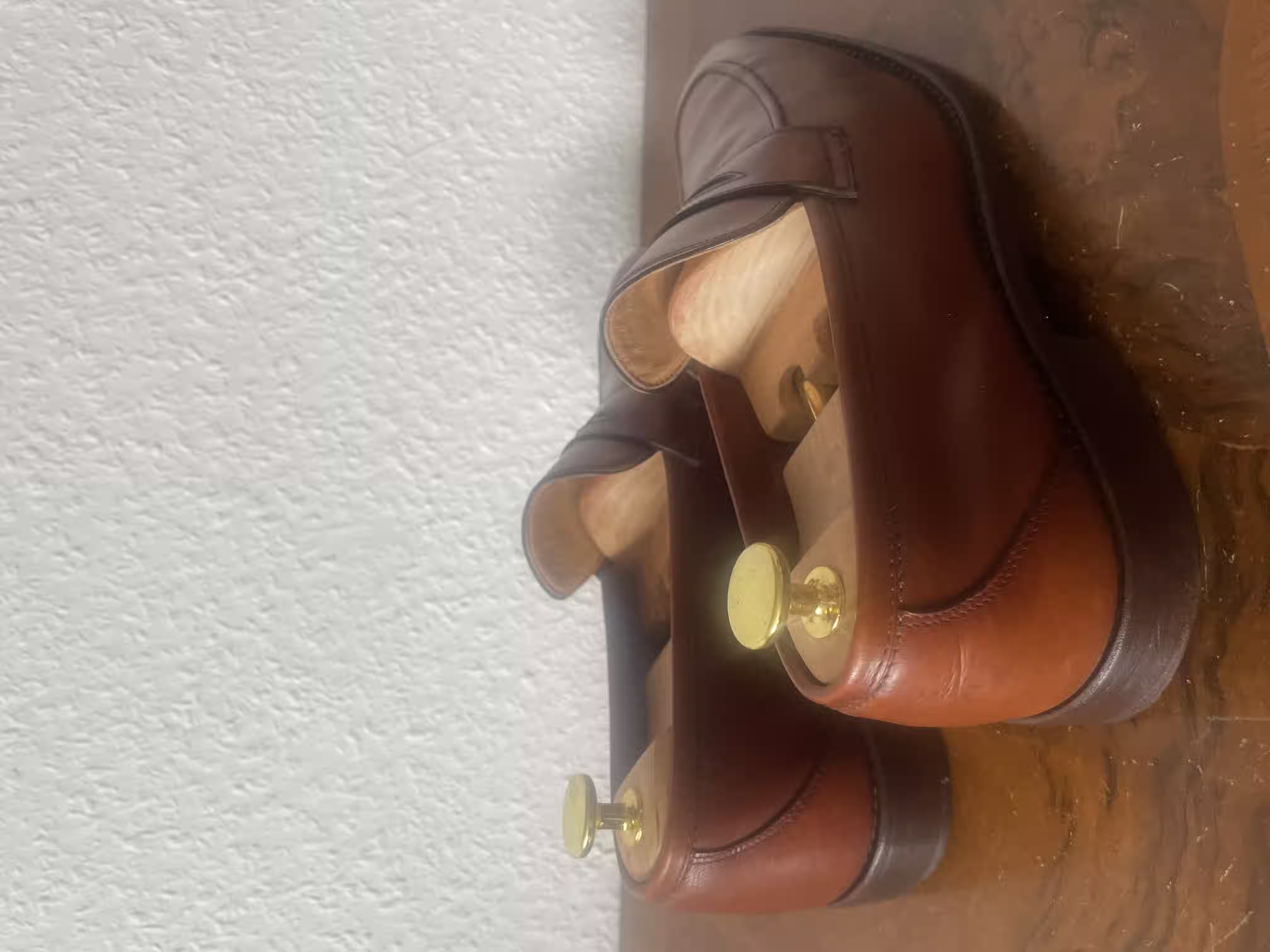
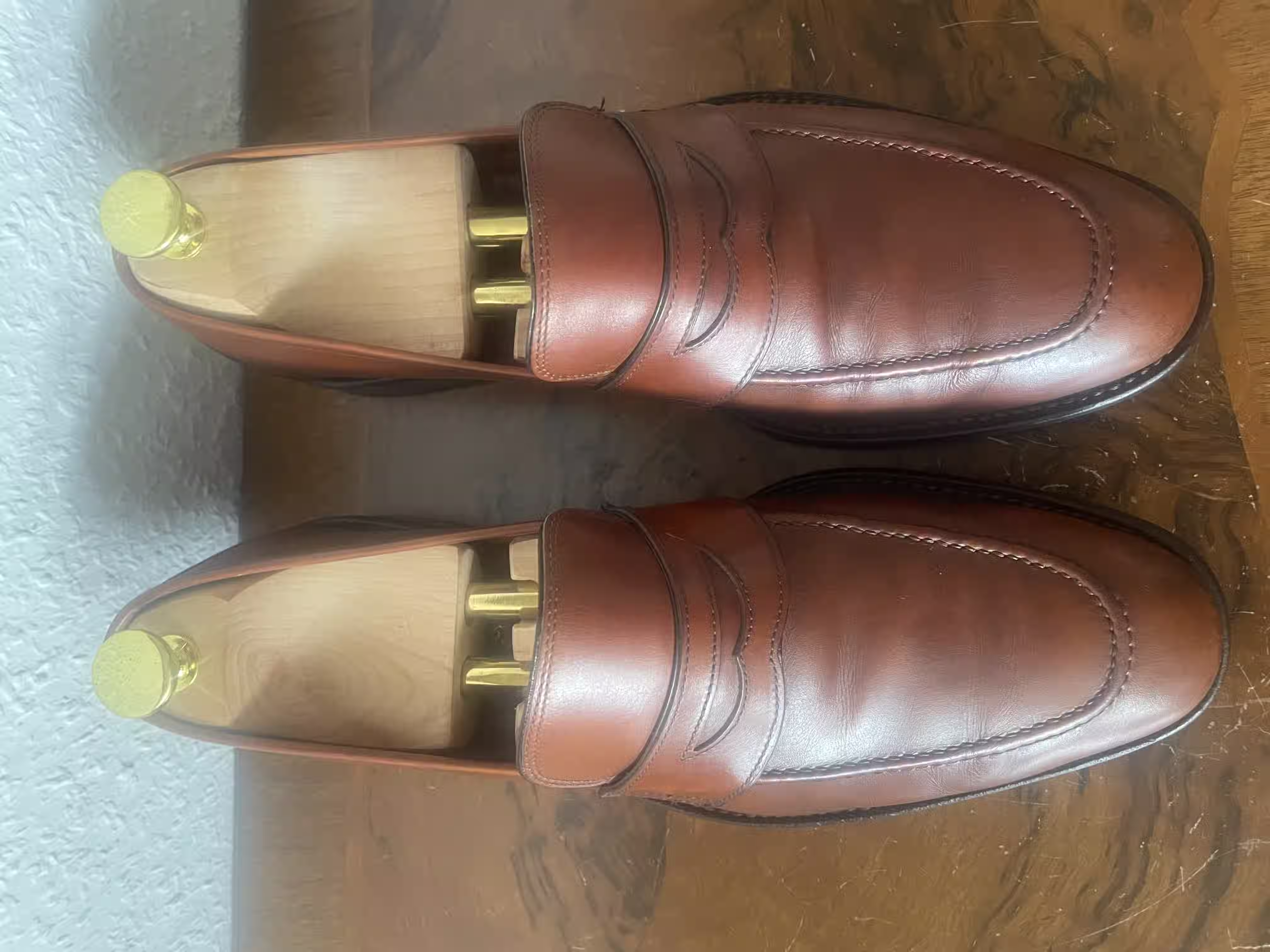
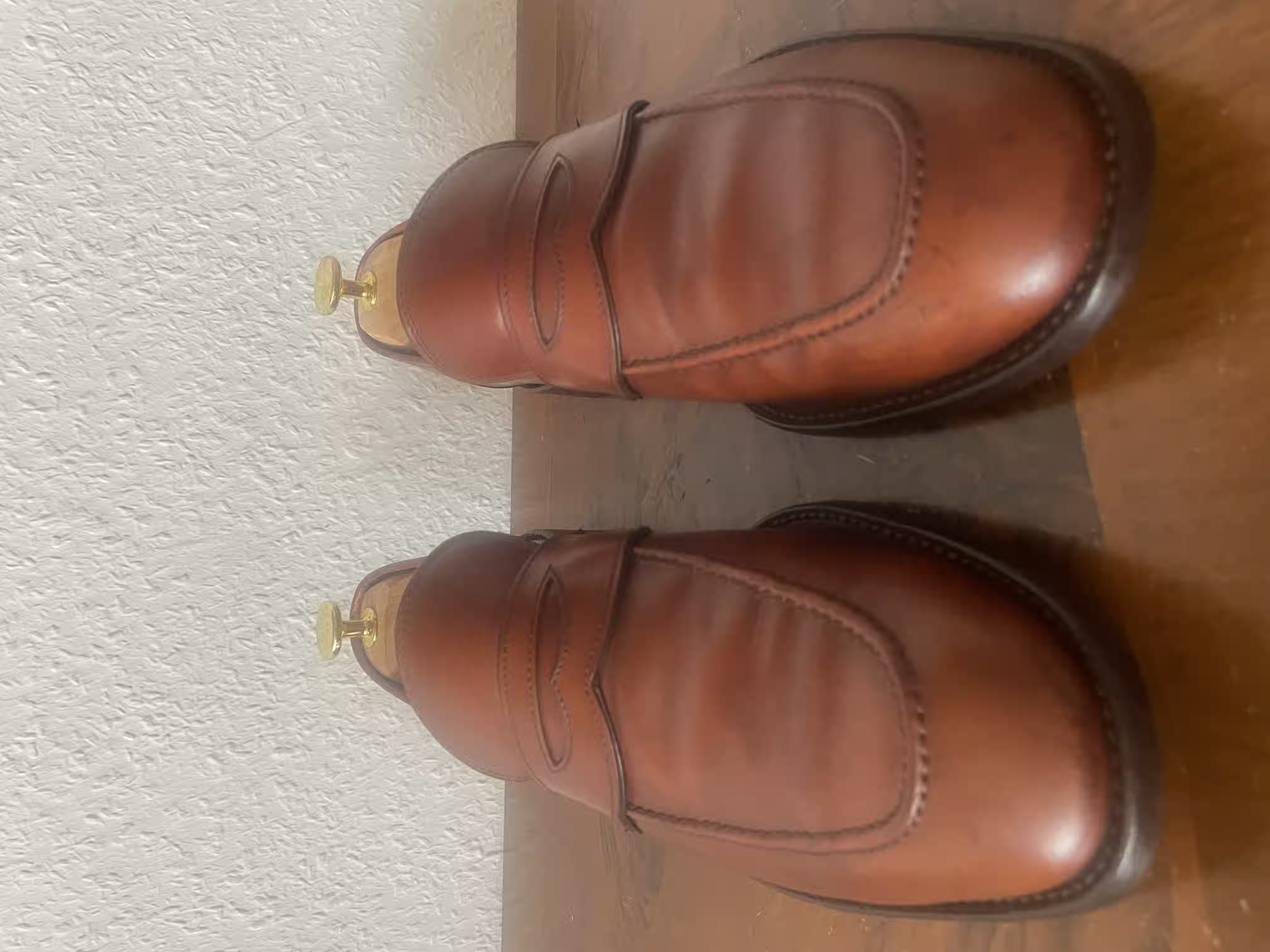
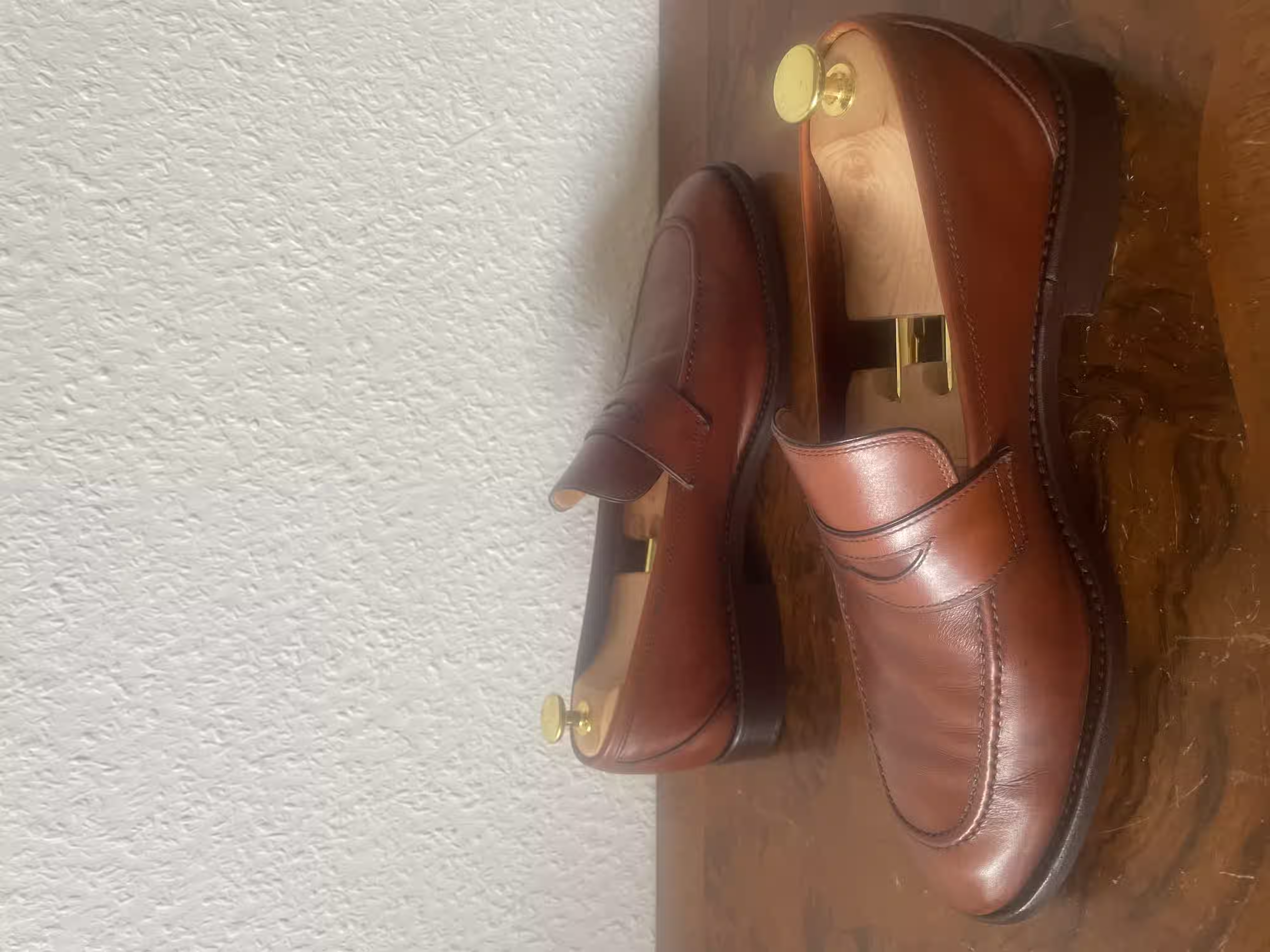
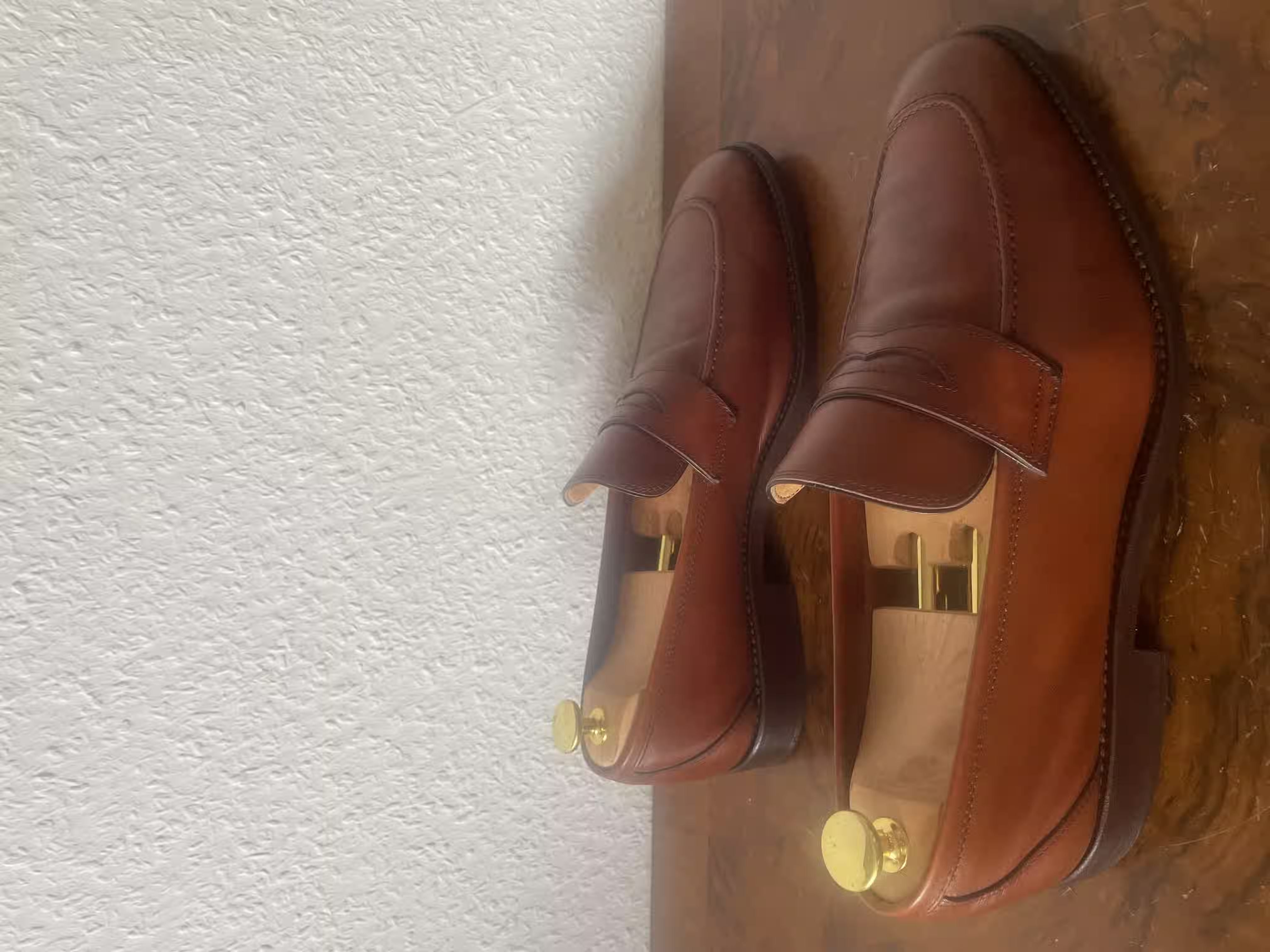
This is a typical pair of penny loafers for the summer, which you can wear very well with light-colored outfits. The loafer color is dark enough to provide a grounding effect if you wear, for example, beige linen trousers. - My stylistic principle here: choose trousers that are lighter than the shoes.
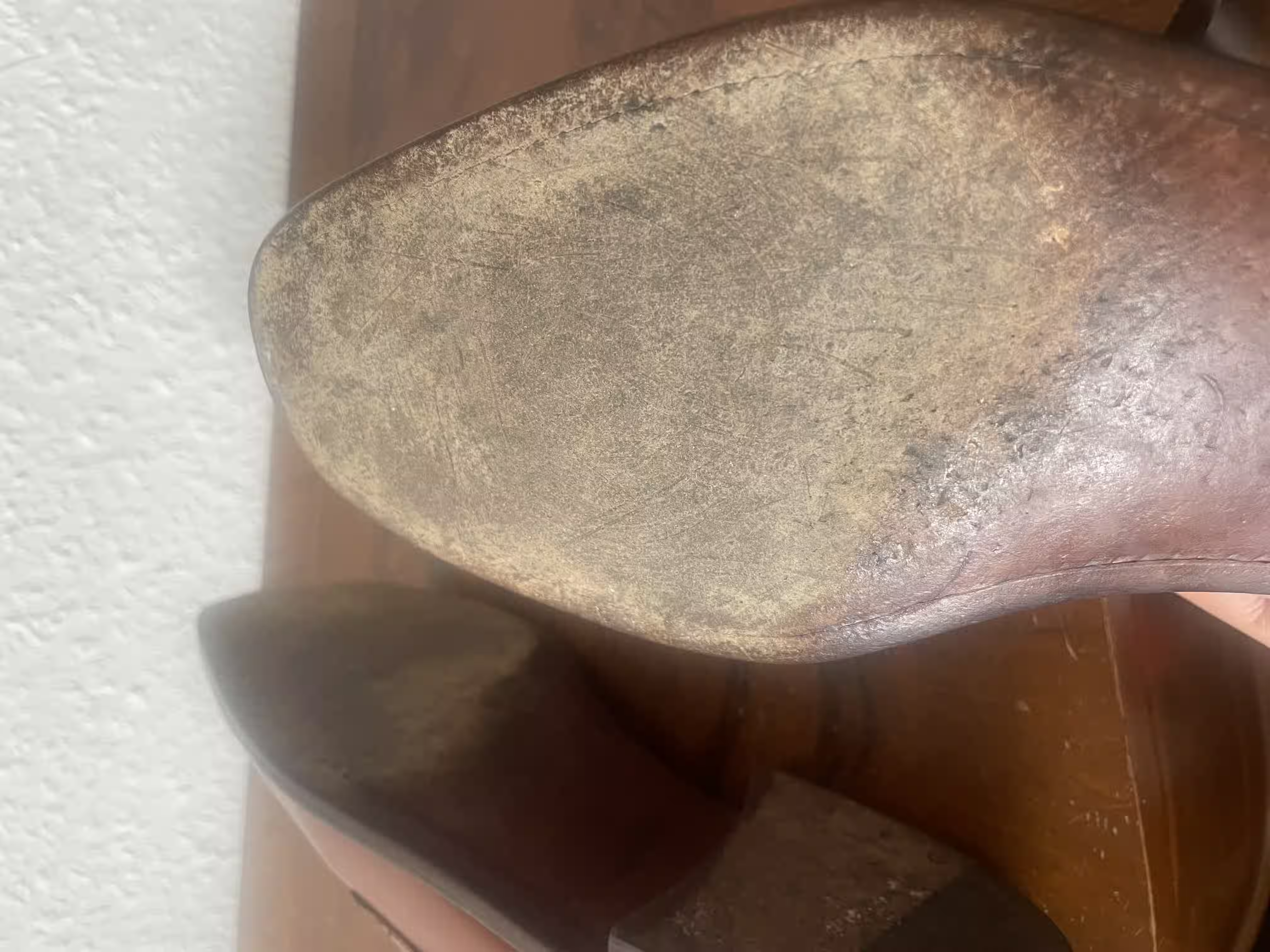
I think the leather sole on these shoes is also quite well-made and looks very robust. It also fits well for summer—a thinner sole would be even more so, but a thicker sole like this is practical for resoling, so you don’t have to visit the cobbler as often.
The leather shows slight signs of wear, which make it more interesting over time. In this case, there are darker spots that create a so-called antique effect, or patina, on the leather. Incidentally, there are also shoes in the same style where the upper leather has been artificially colored to create a patina variant. In this case, the patina has formed naturally.
Pseudo-Penny Loafer: Variant without the leather strap
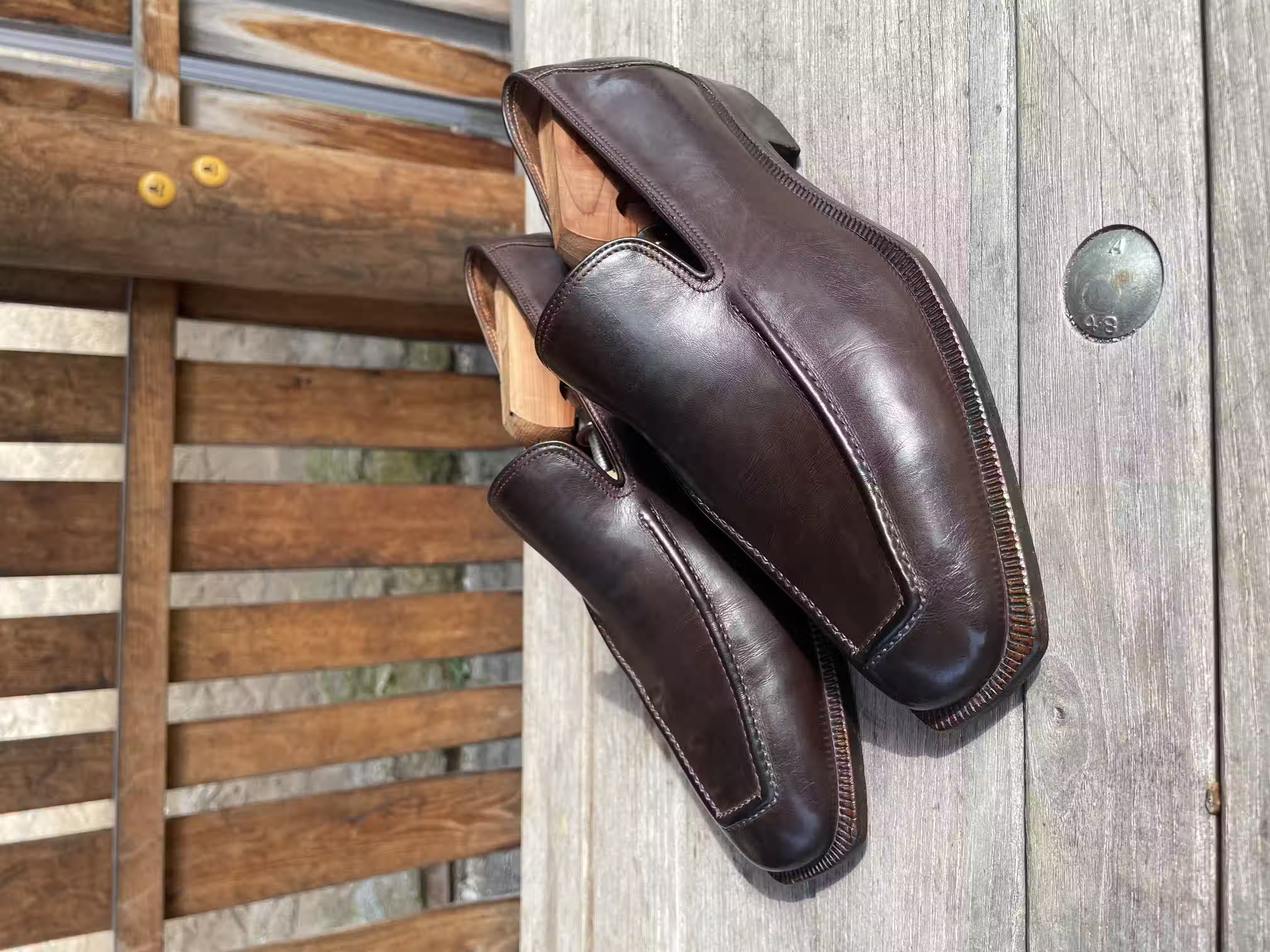
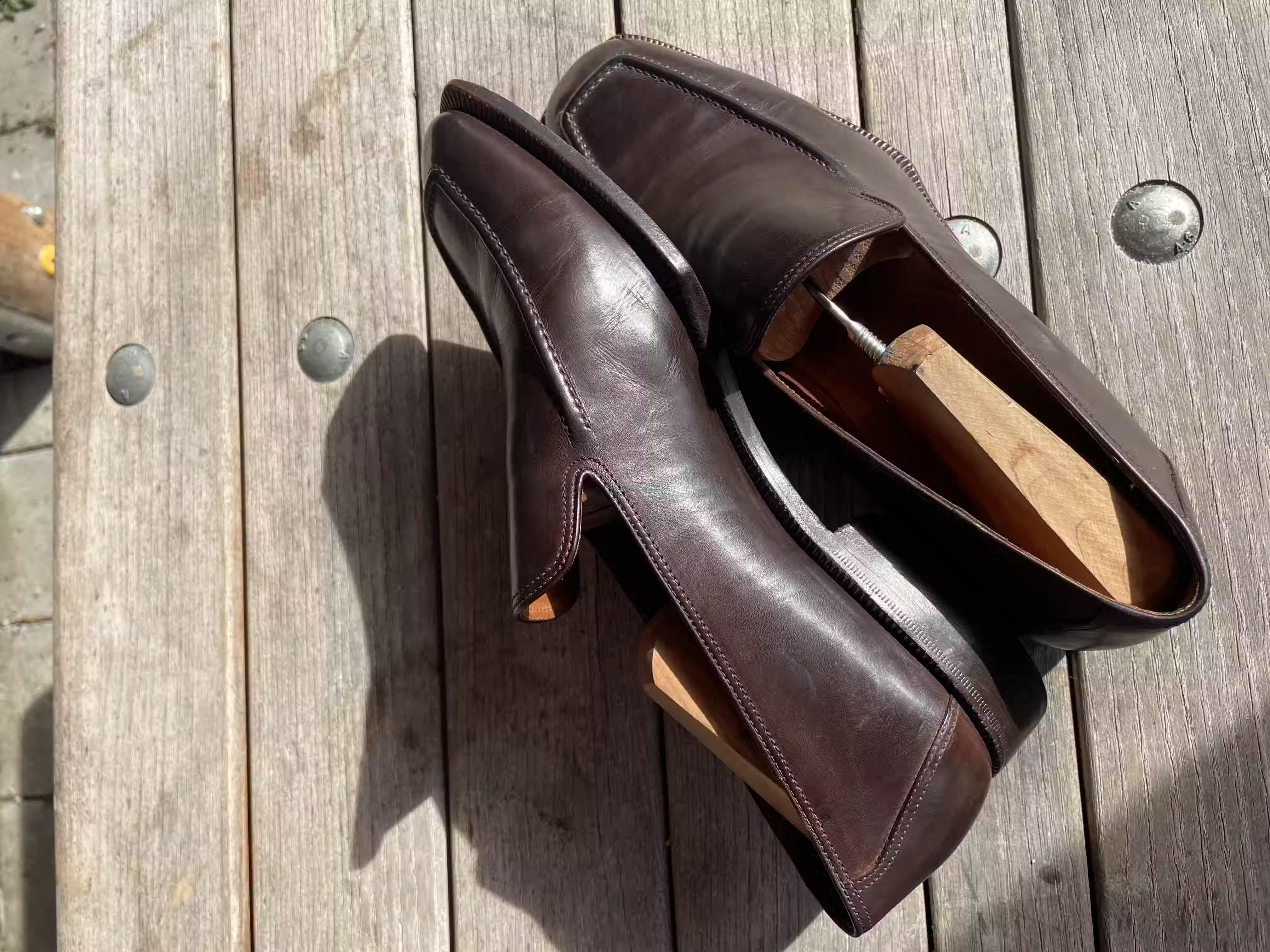
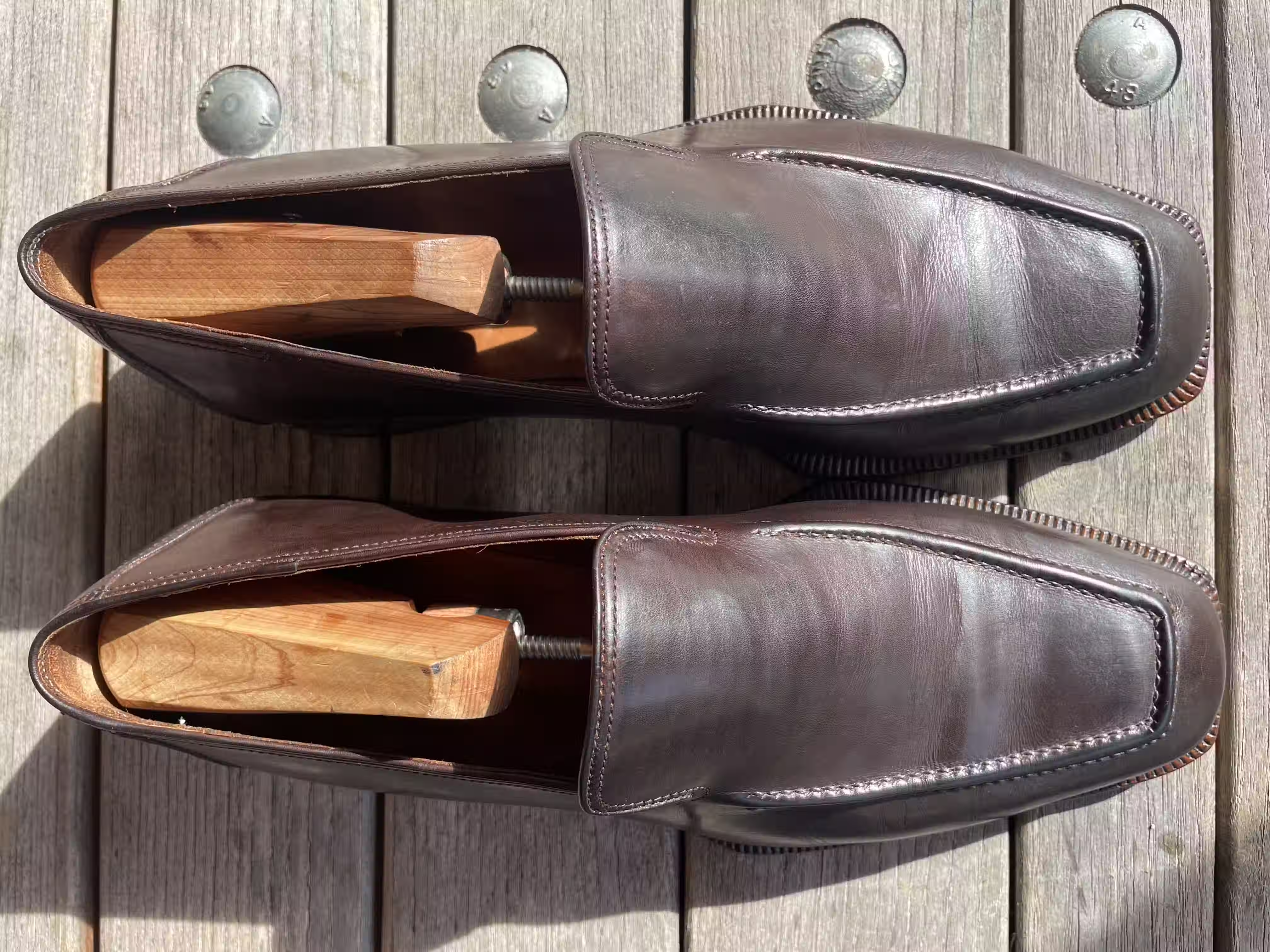
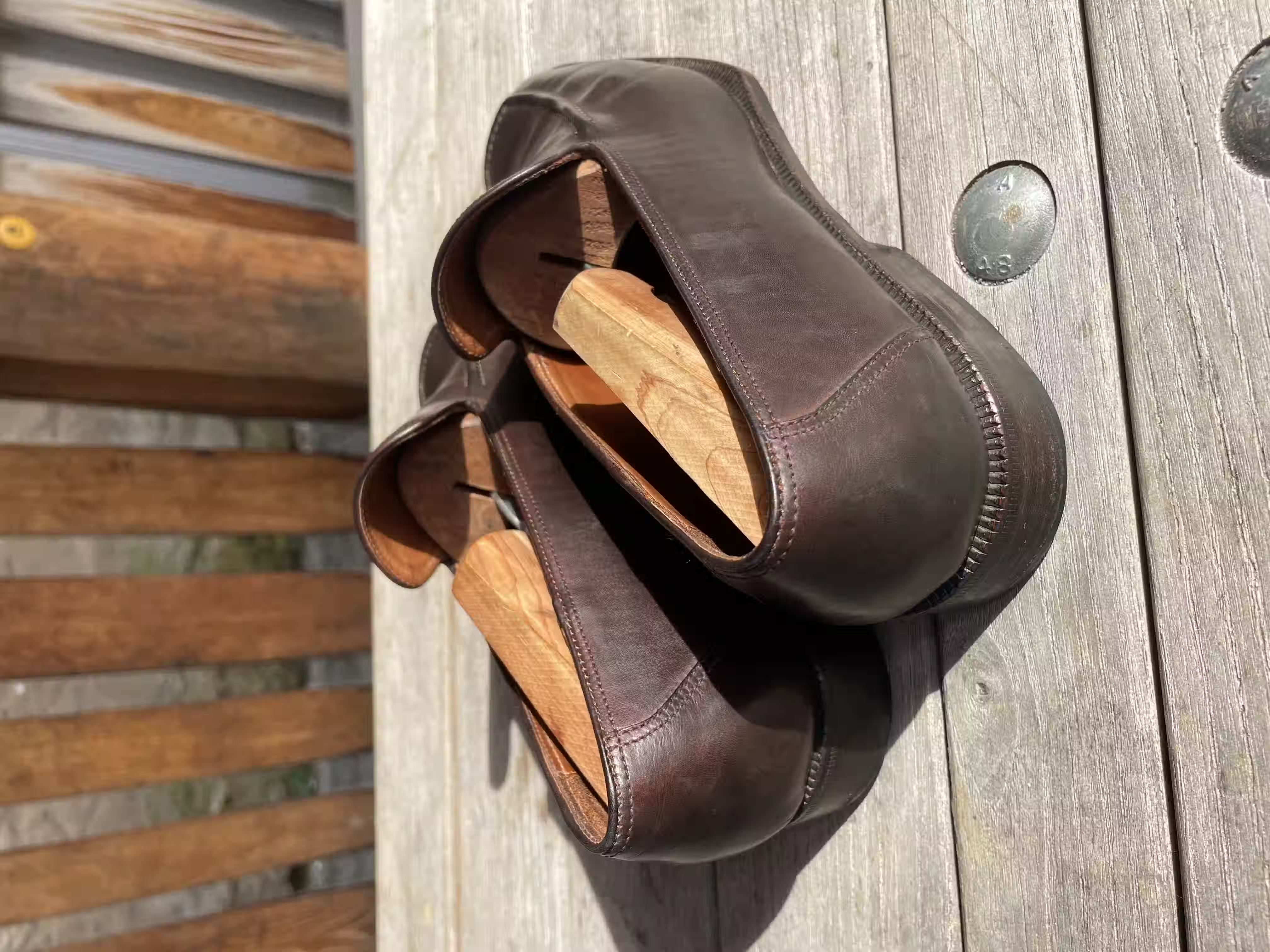
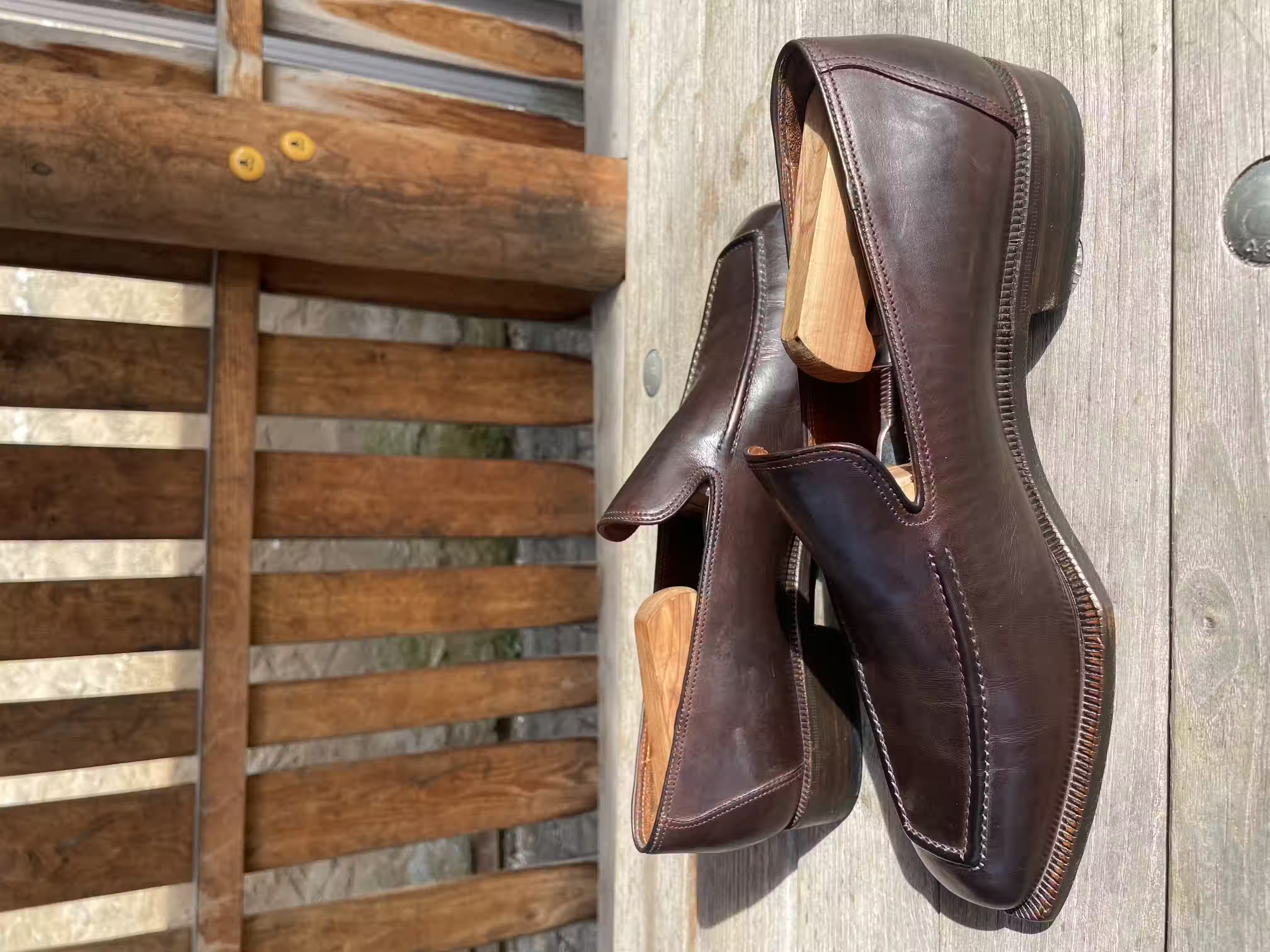
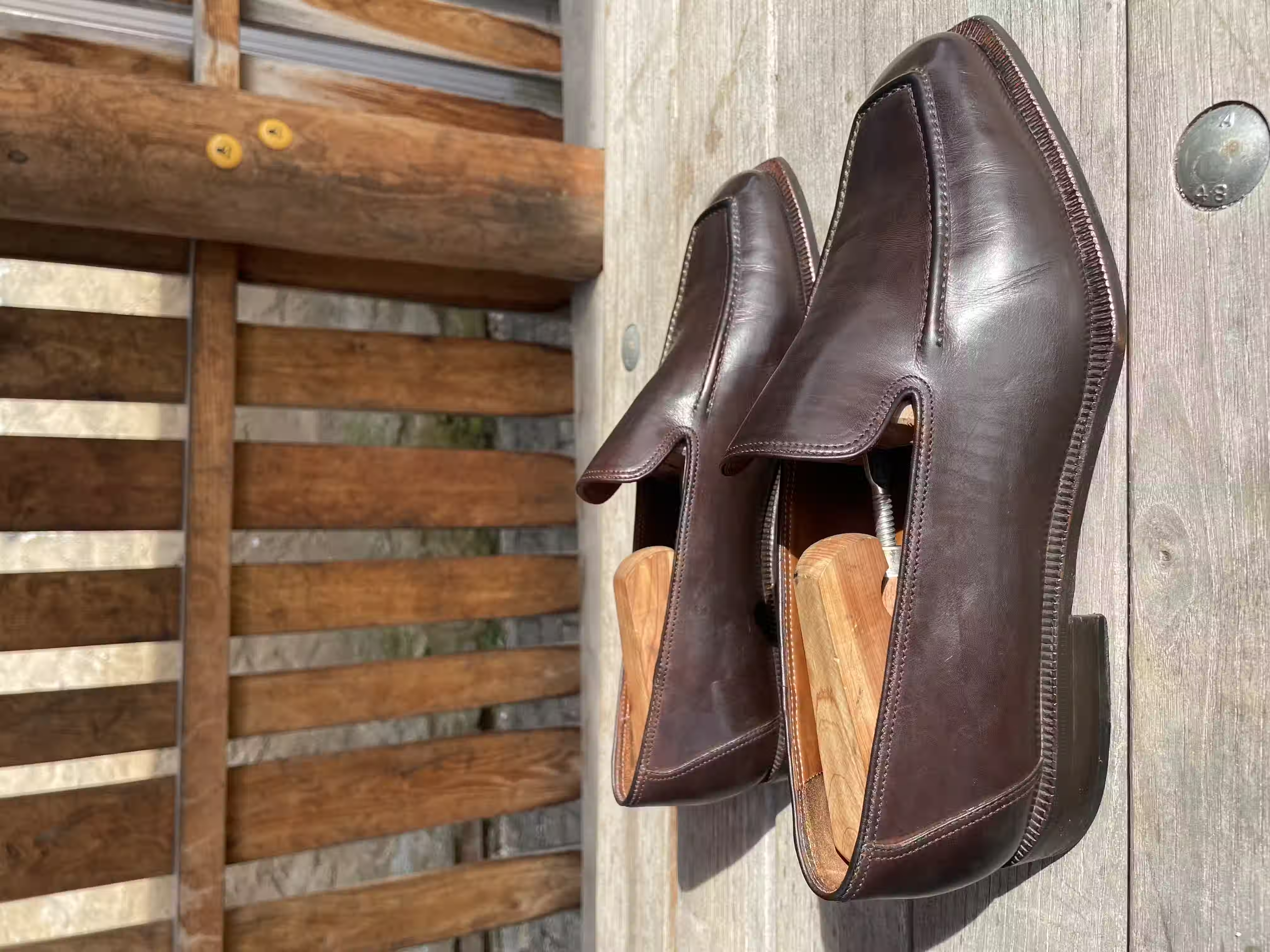
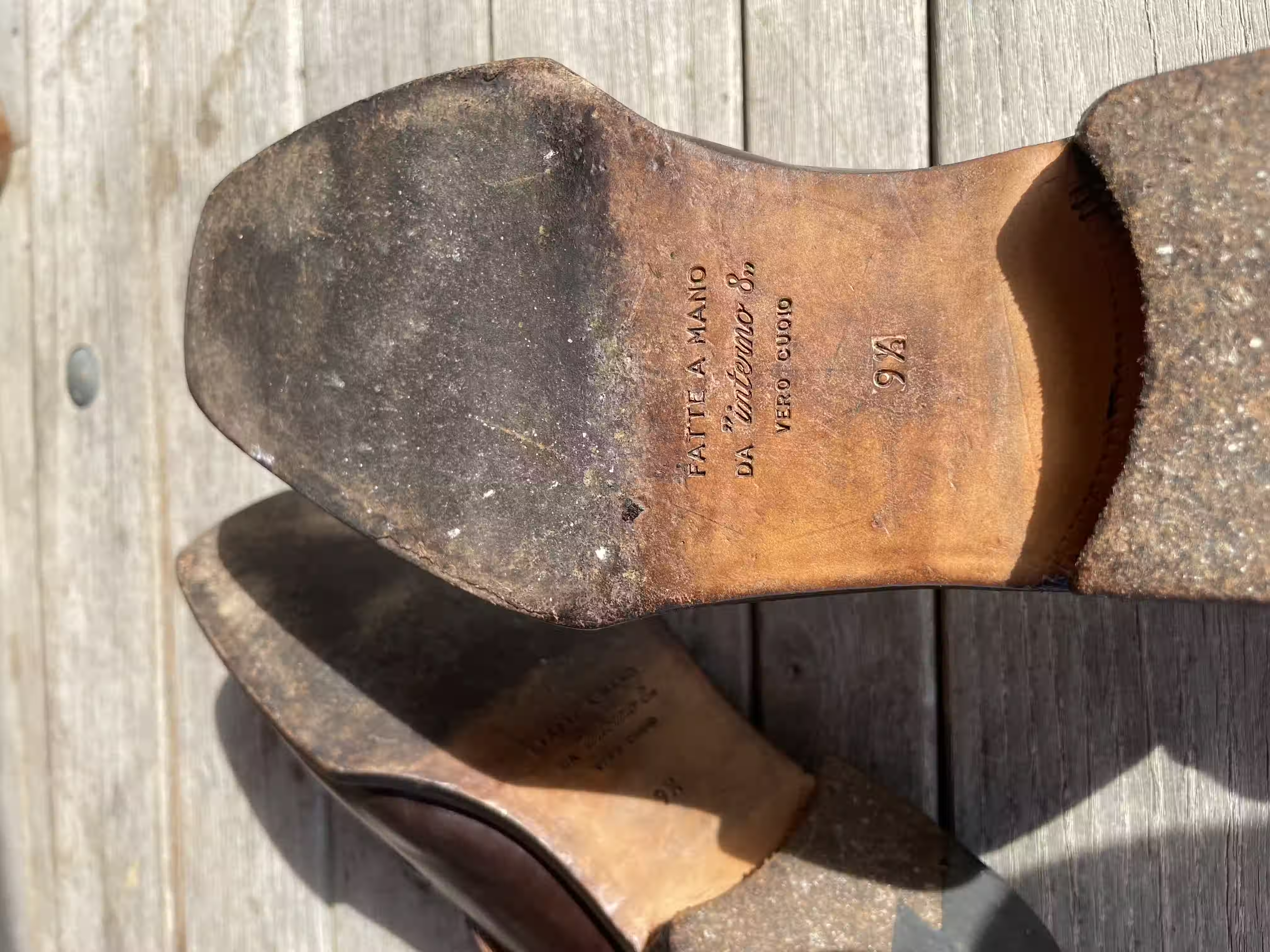
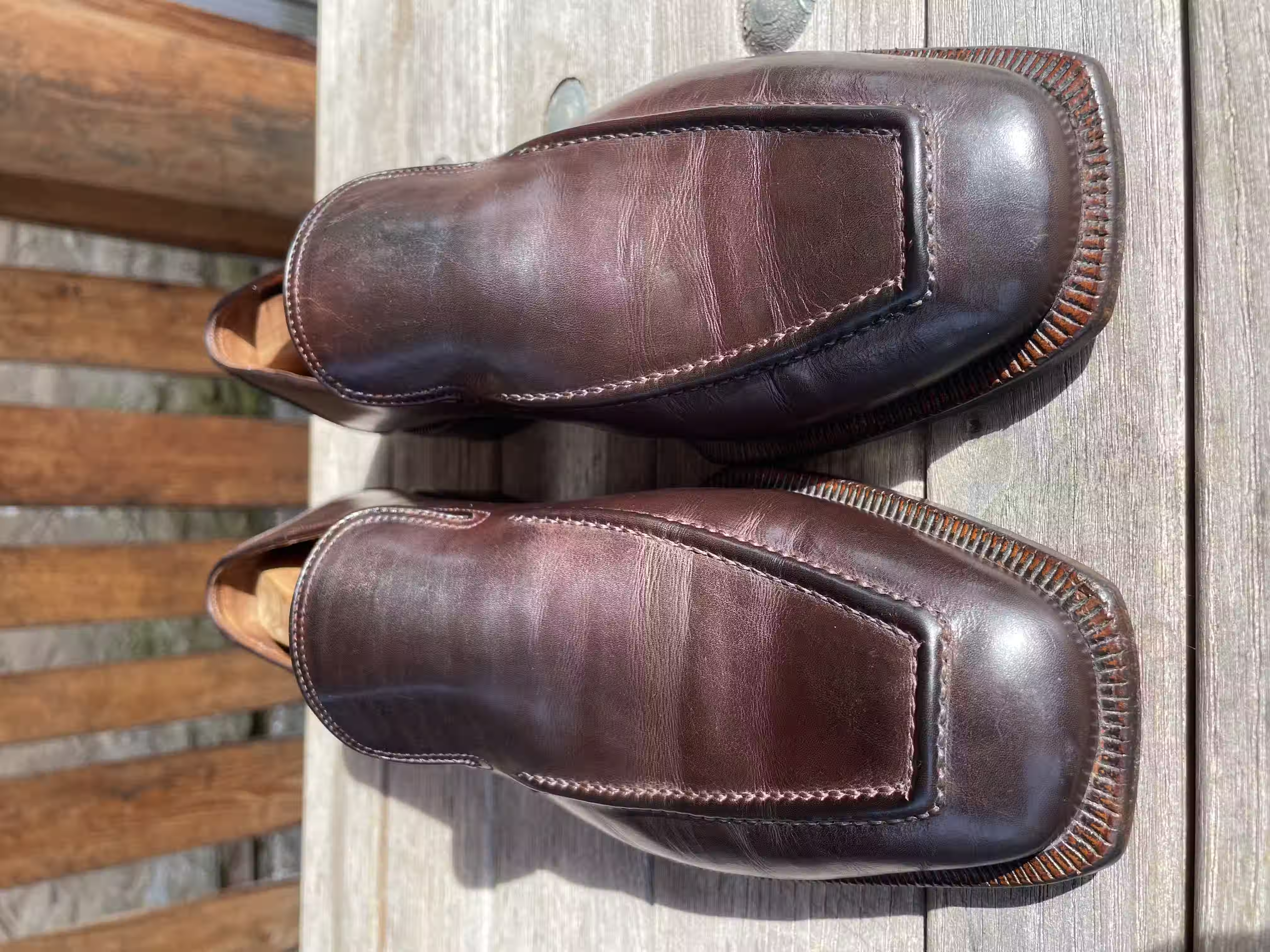
This loafer looks partly like a penny loafer—especially when the trousers cover the upper part of the leather and thus the slotted leather strap typical of penny loafers. However, it is precisely this missing leather strap that ensures these beautiful shoes are not penny loafers. Due to the absence of the leather strap, they have less decoration and are more formal in that area. However, they have a few edges at the front along the welt and the decoration on the vamp, which makes them a bit more casual there. And although the shoes are only slightly angular at the front, this is still a more noticeable spot than the position of the leather strap on a penny loafer. All in all, I consider these loafers to be just as casual as genuine penny loafers. By the way, what I particularly like about these loafers is the shape. The front is not as strongly rounded as with many other shoes, which makes them look more elegant. The shape is also reinforced by the welt and the decoration at the front of the shoe, both of which likewise do not run as rounded and therefore have to curve sharply inward further forward. This creates the corners already mentioned. The unembossed smooth leather also ensures that the curves really stand out. In my eyes, the shoe has therefore been designed in a very artistic and well-thought-out way. And in the color dark brown, you can combine it quite well with many items of clothing, whether for everyday wear or in the office.