Seamless Variant - a Detail in the Heel Area for More Elegance
The seamless variant is defined by the rear part at the heel. If the upper leather runs there without any vertical seam, then we are in this more elegant variant. This detail looks trivial at first glance, but there is actually more to it.
Example Variant
Chukka boots in cognac-colored smooth leather
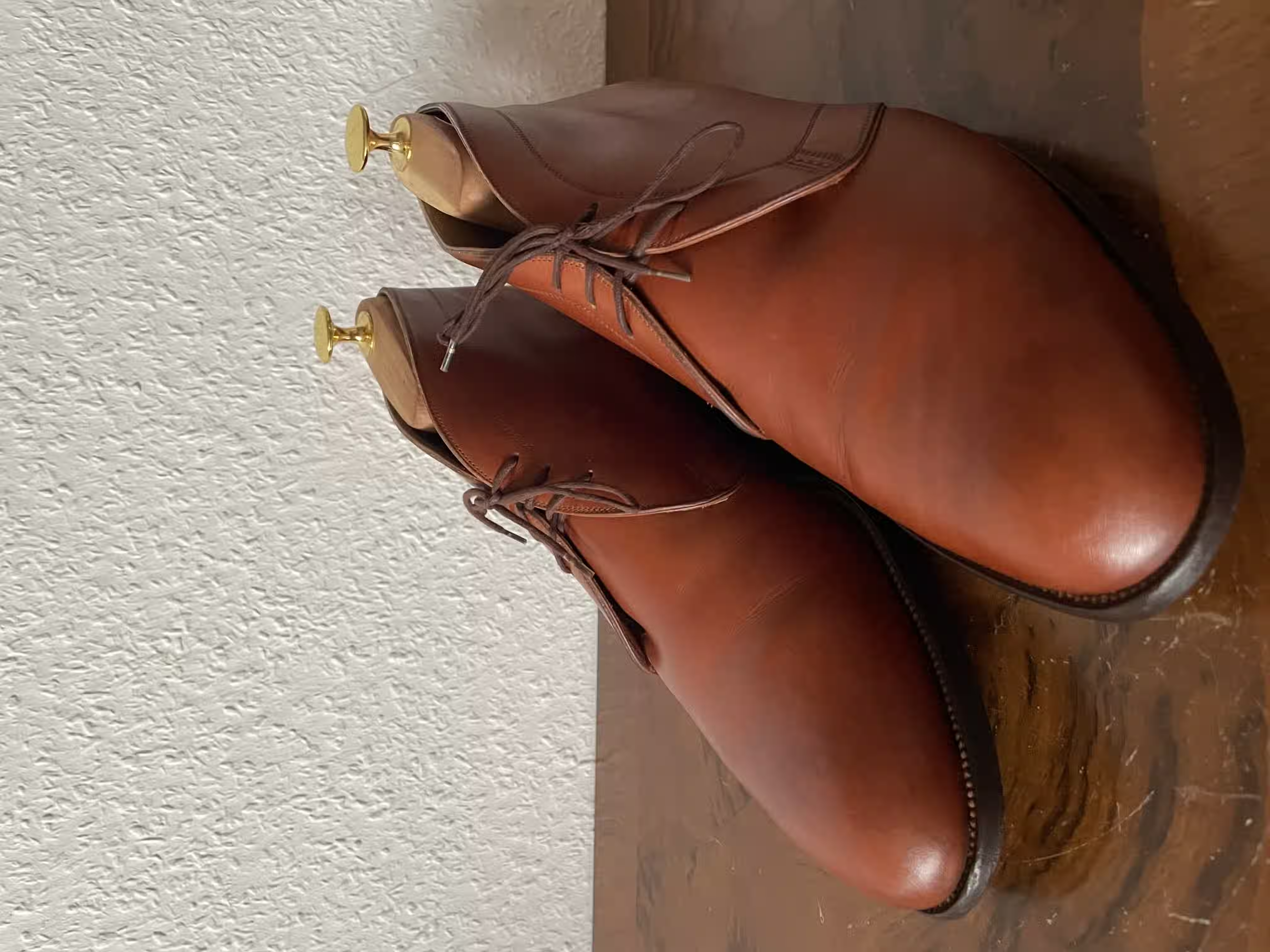
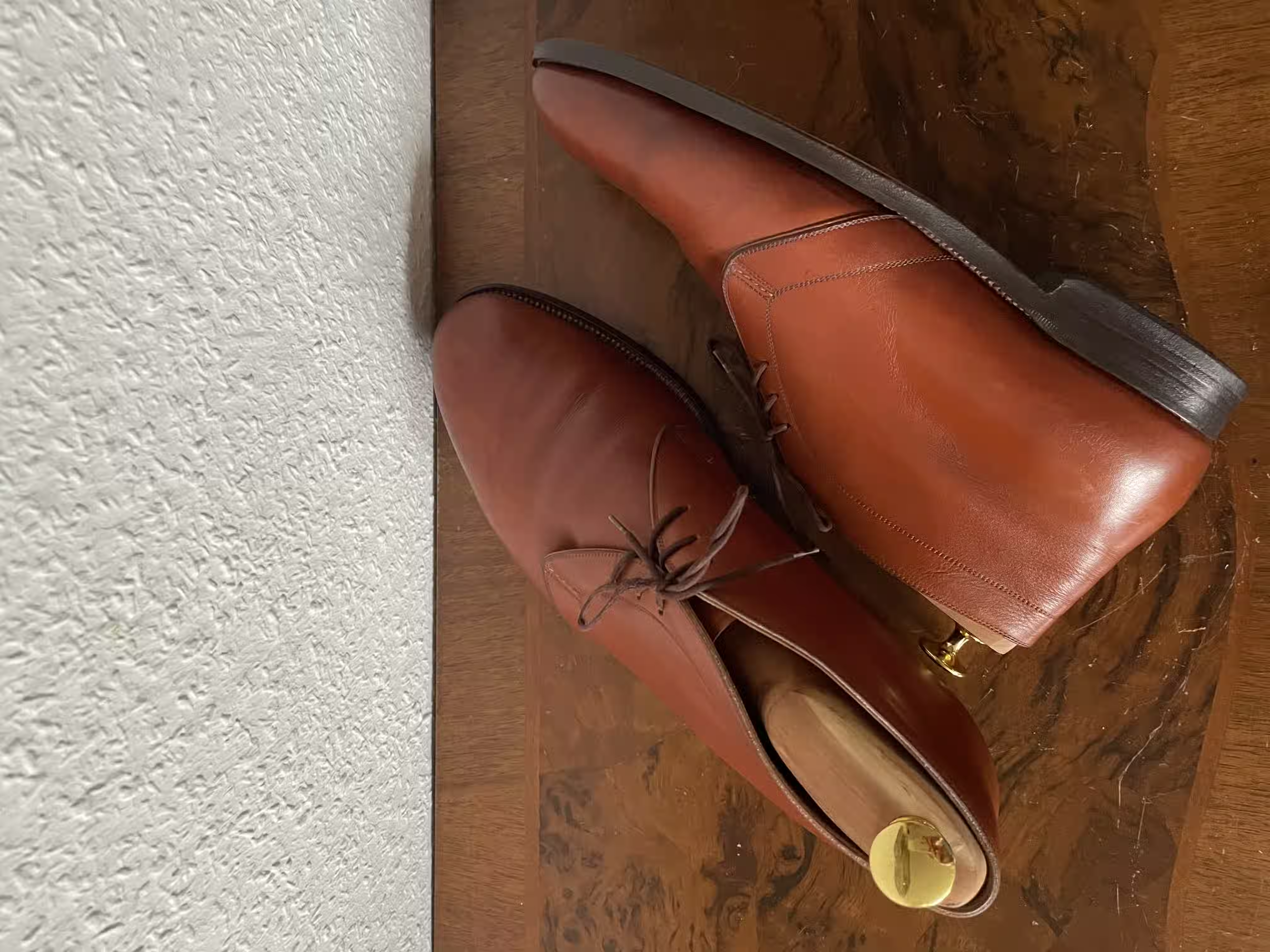
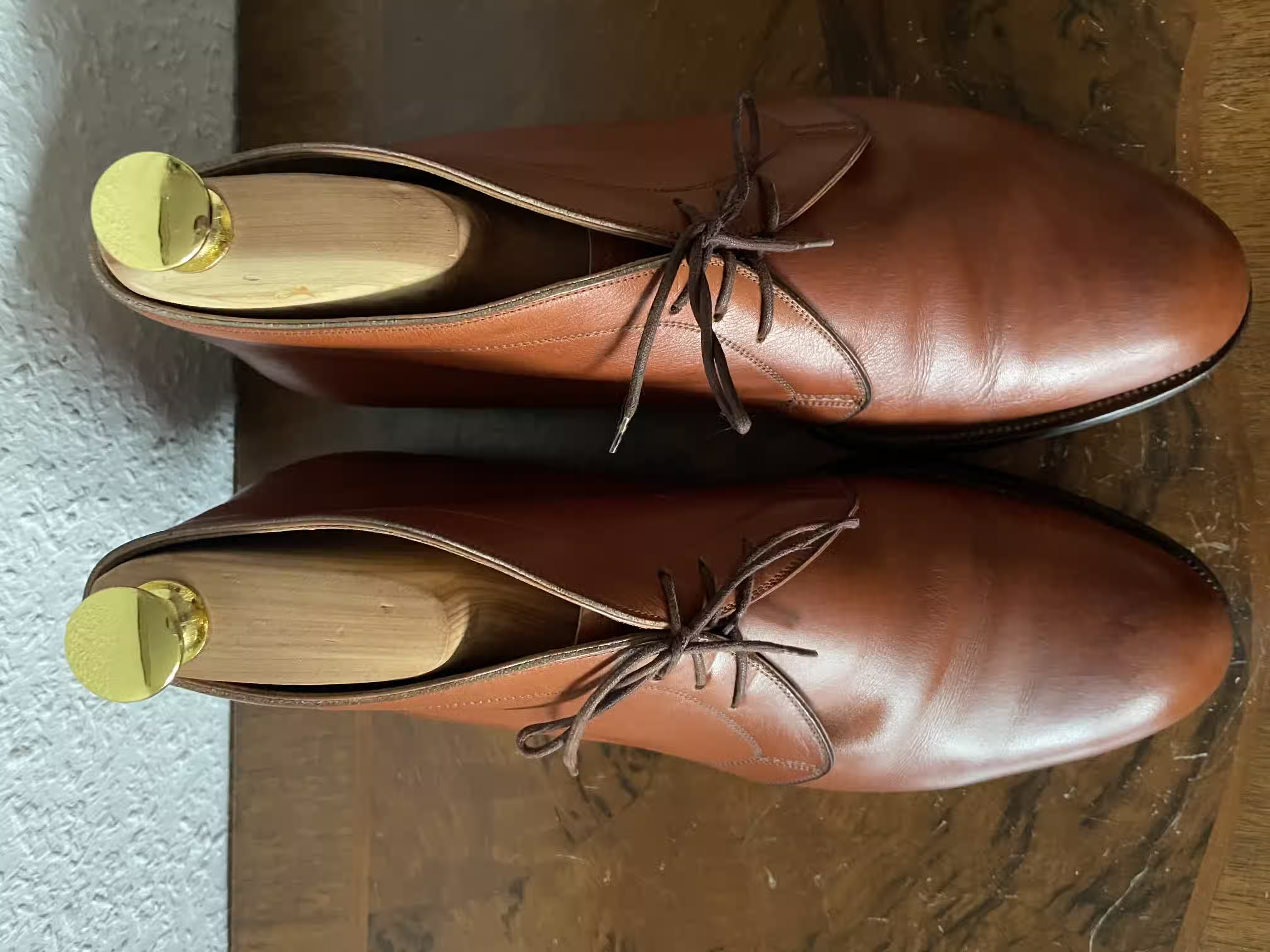
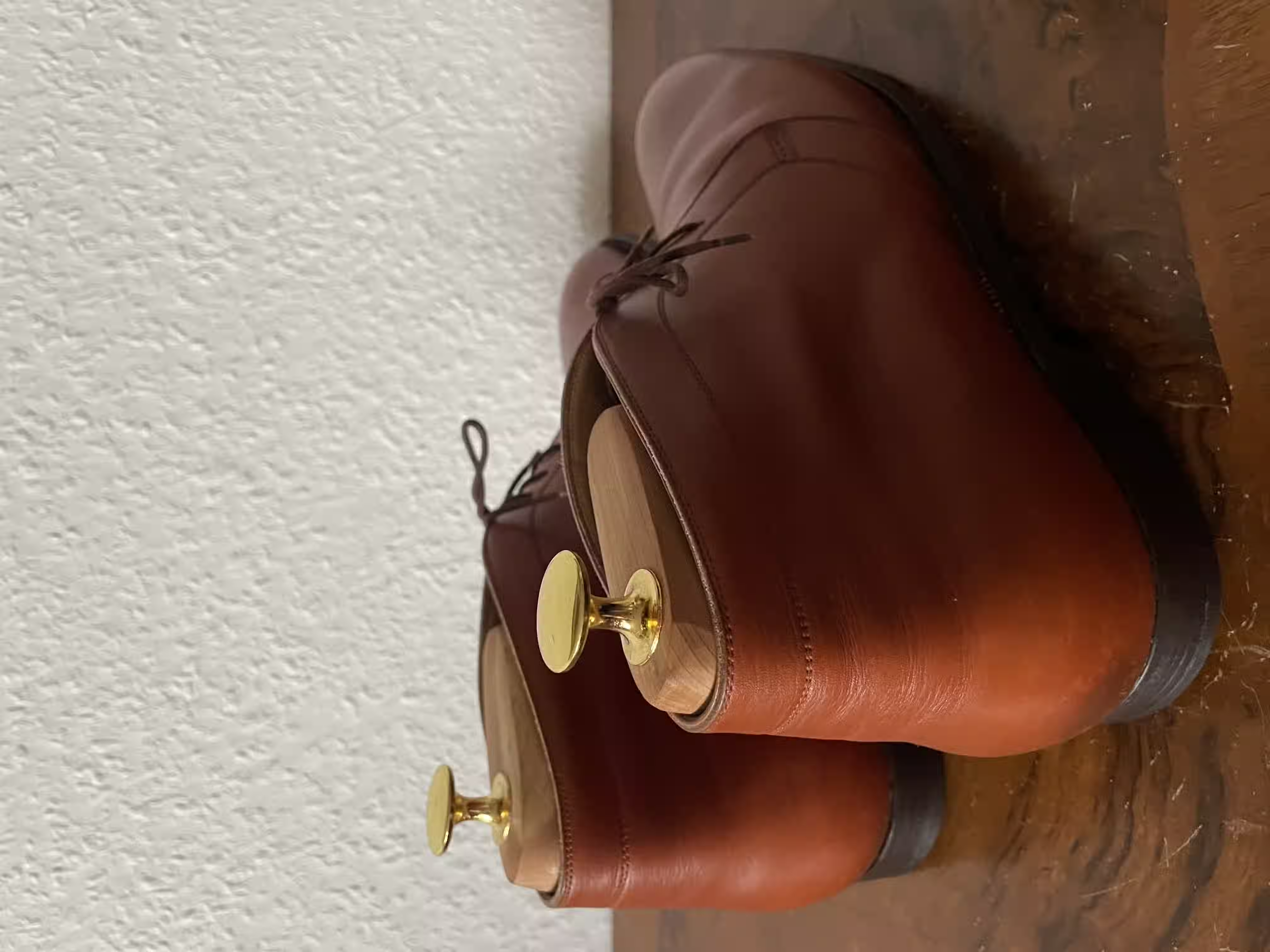
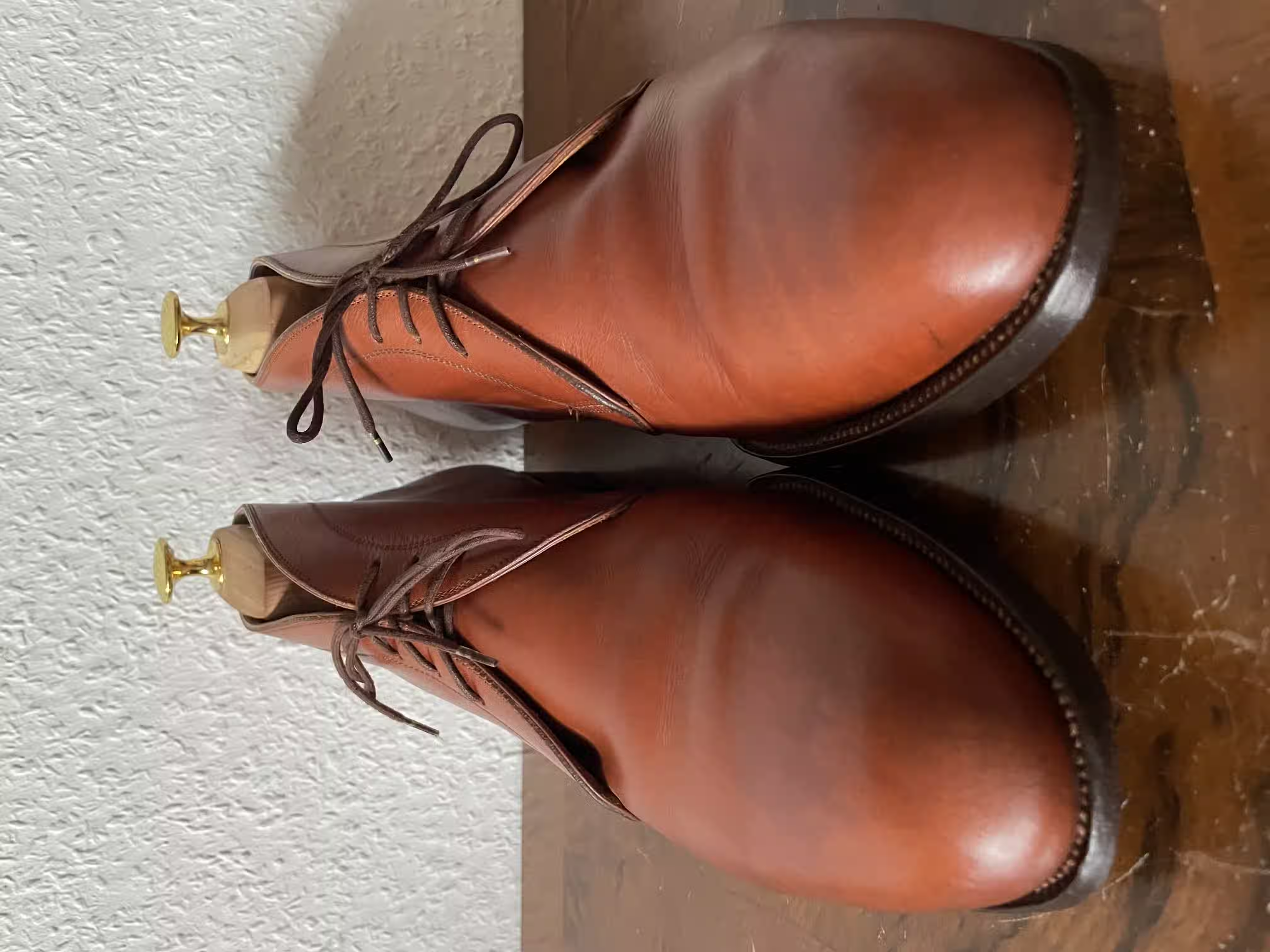
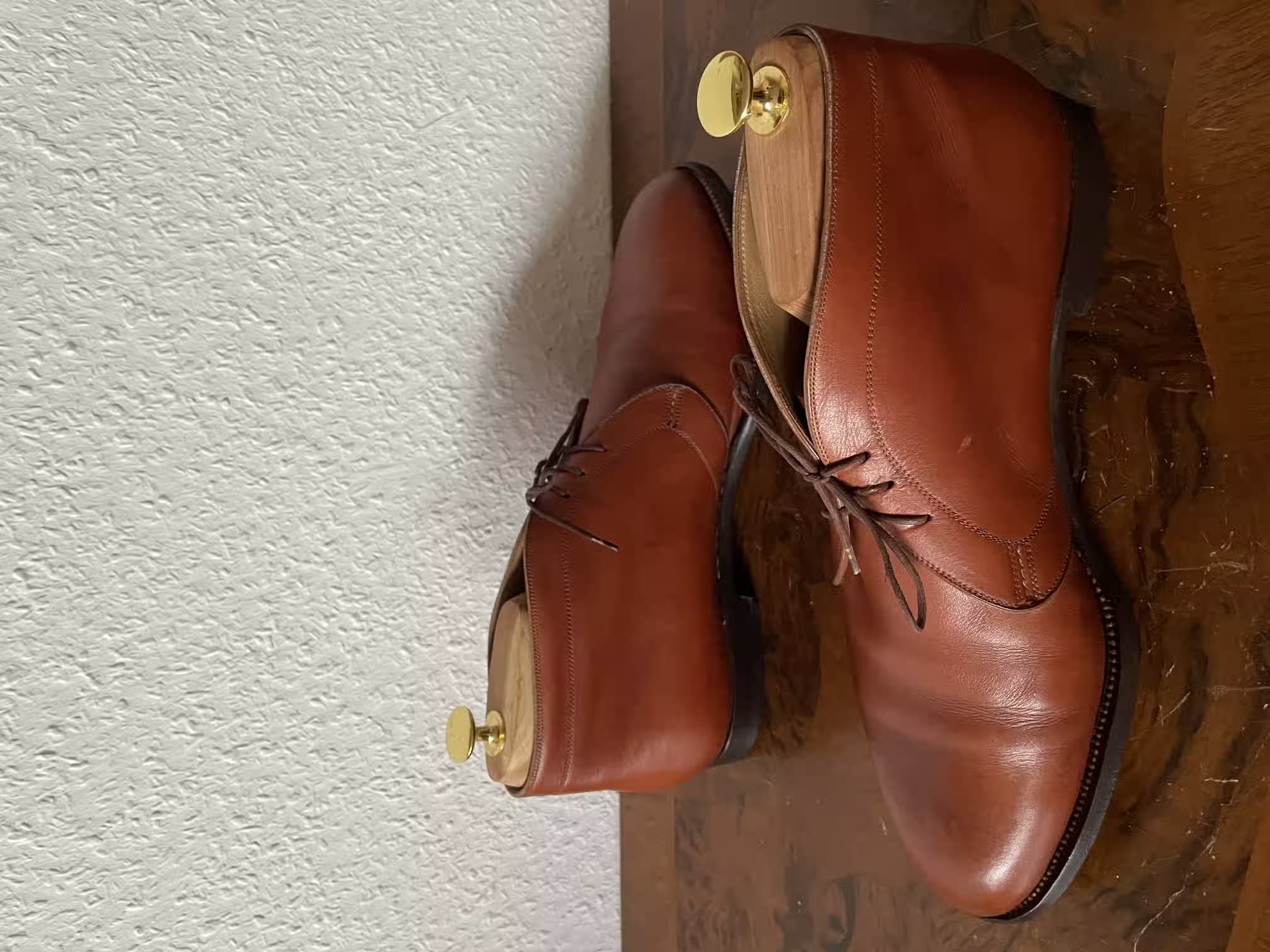
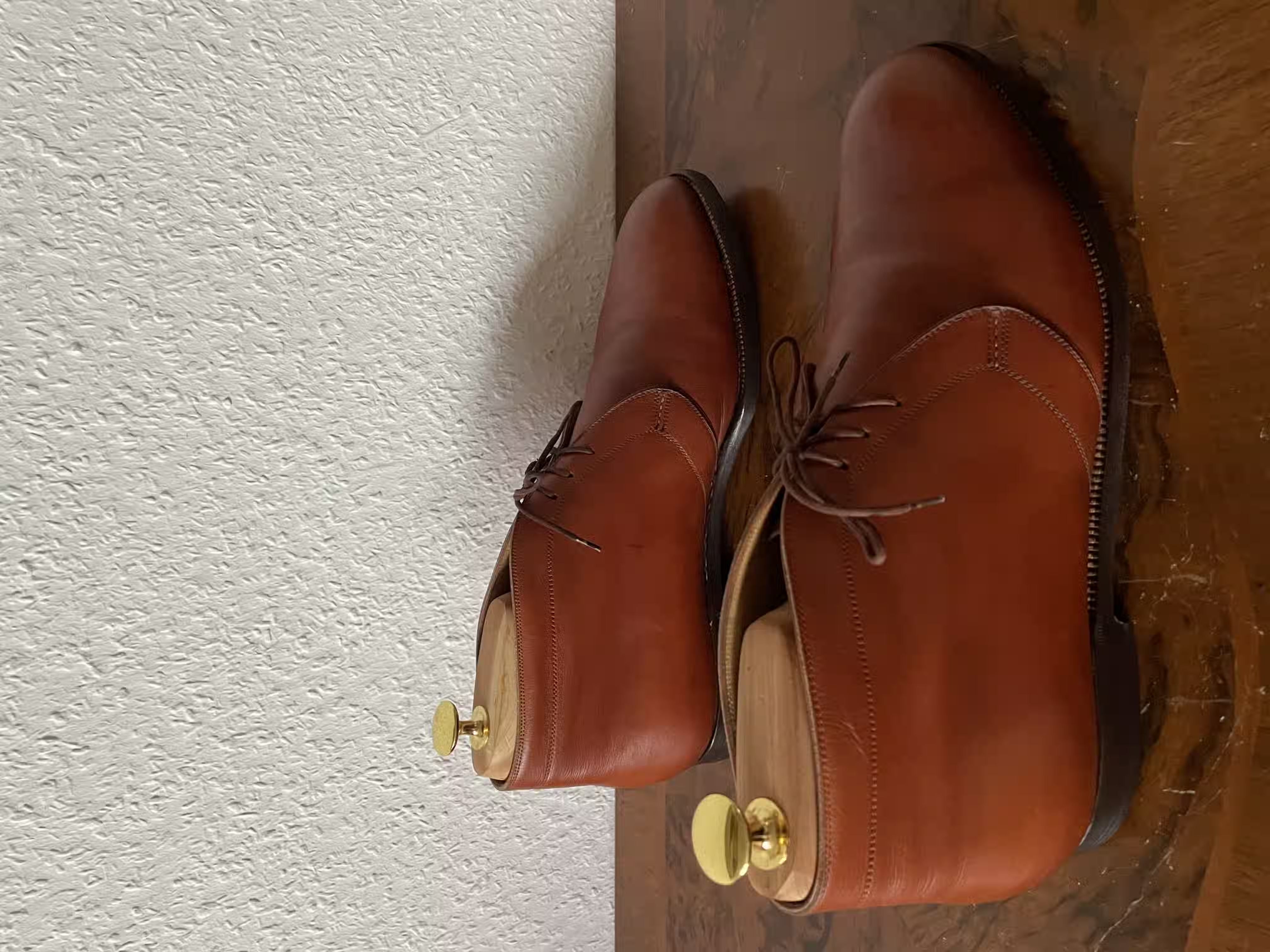
This is a pair of purist chukka boots in light-brown smooth calf leather. Viewed from the back, you can see that the ankle boots have no vertical heel seam. They only have a horizontal decorative seam located further up that runs around the shoe opening.
In my view, the missing heel seam helps the upper leather stand out a bit better here. The ankle boots are therefore a bit more elegant than they would be with a heel seam, and you can, for example, wear them quite well with mixed blazer-trouser combinations in your leisure time. You only need to be careful with the color: if possible, choose trousers in a lighter color than cognac. With this clear cognac, the ankle boots go quite well with colorful outfits in my opinion.
Special Characteristics
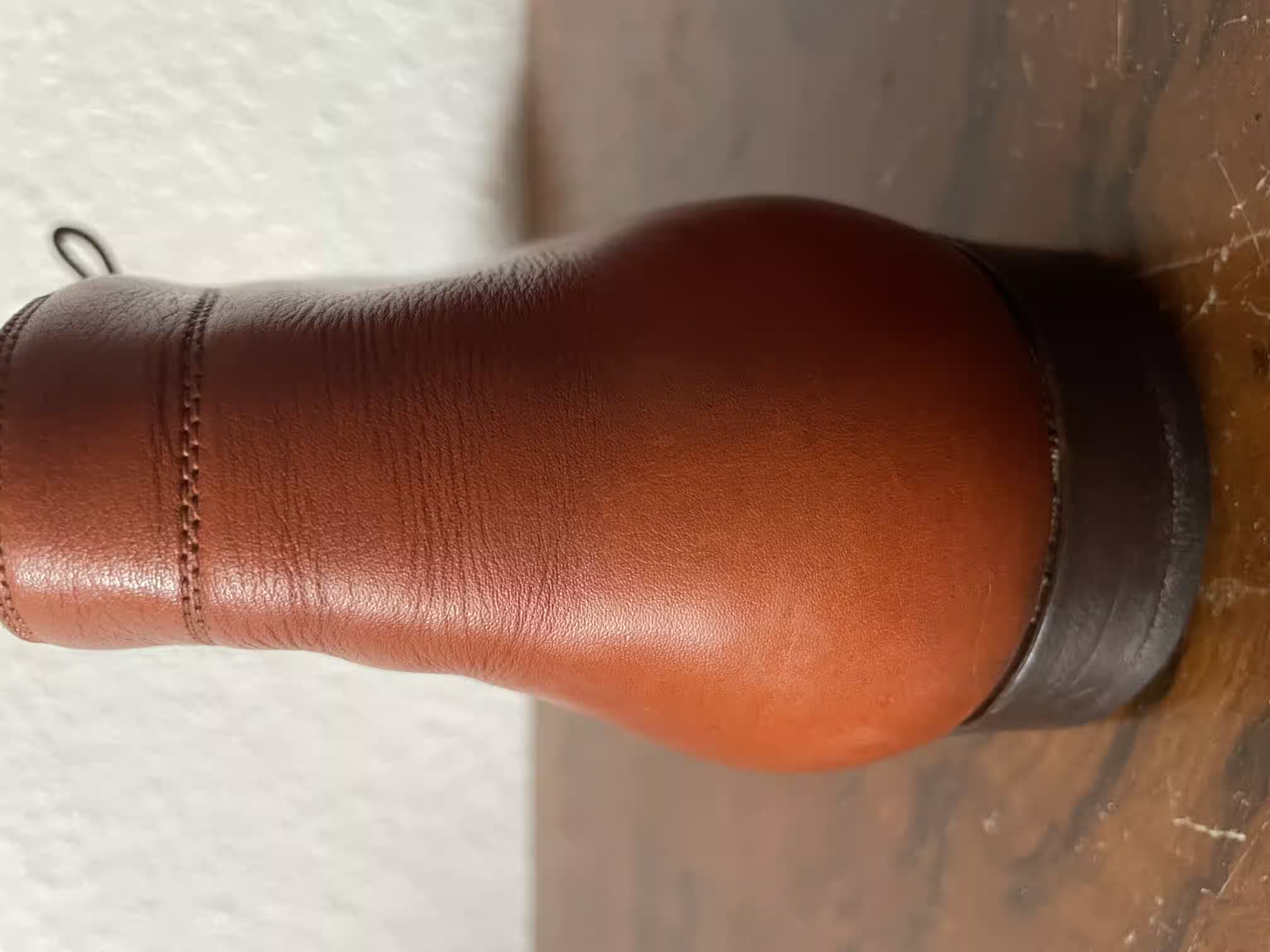
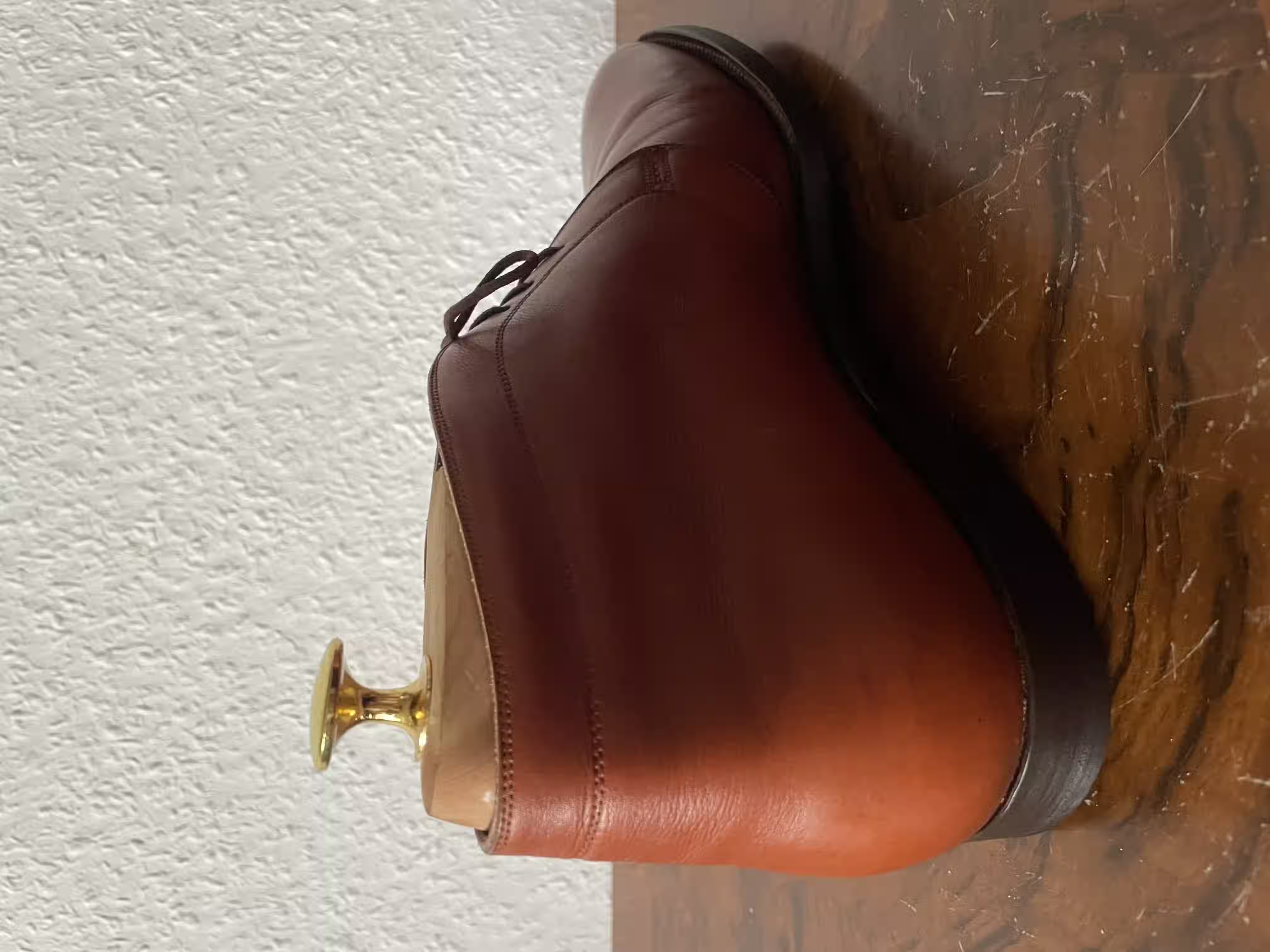
The seamless variant of a shoe model means that such a shoe has no vertical heel seam at all and also no backstay to cover it. The rear area at the heel thus simply consists of the upper leather, with at most minimal ornamentation.
The consequence is that, in production, you need a larger piece of hide for this area of the upper instead of two smaller pieces. And something like that is much more cumbersome to implement than it appears at first glance, because for it you have to cut an approximately twice-as-long piece of leather from the hide. It is indeed only a single, longer piece instead of two smaller ones. But even if your hide has enough surface area, it may be that it is no longer sufficient in length. In addition, you may have to work around stitches and scratches on the hide, which makes cutting it out even more complicated.
So, in general, you have more effort and difficulty cutting a much longer piece out of the hide, even though, purely in terms of surface area, the two variants do not differ all that much. In the worst case, as a shoemaker you have to order a completely new hide if your already-started hide is no longer enough, even if the pure area itself is more than sufficient.
Background of the Heel Seam
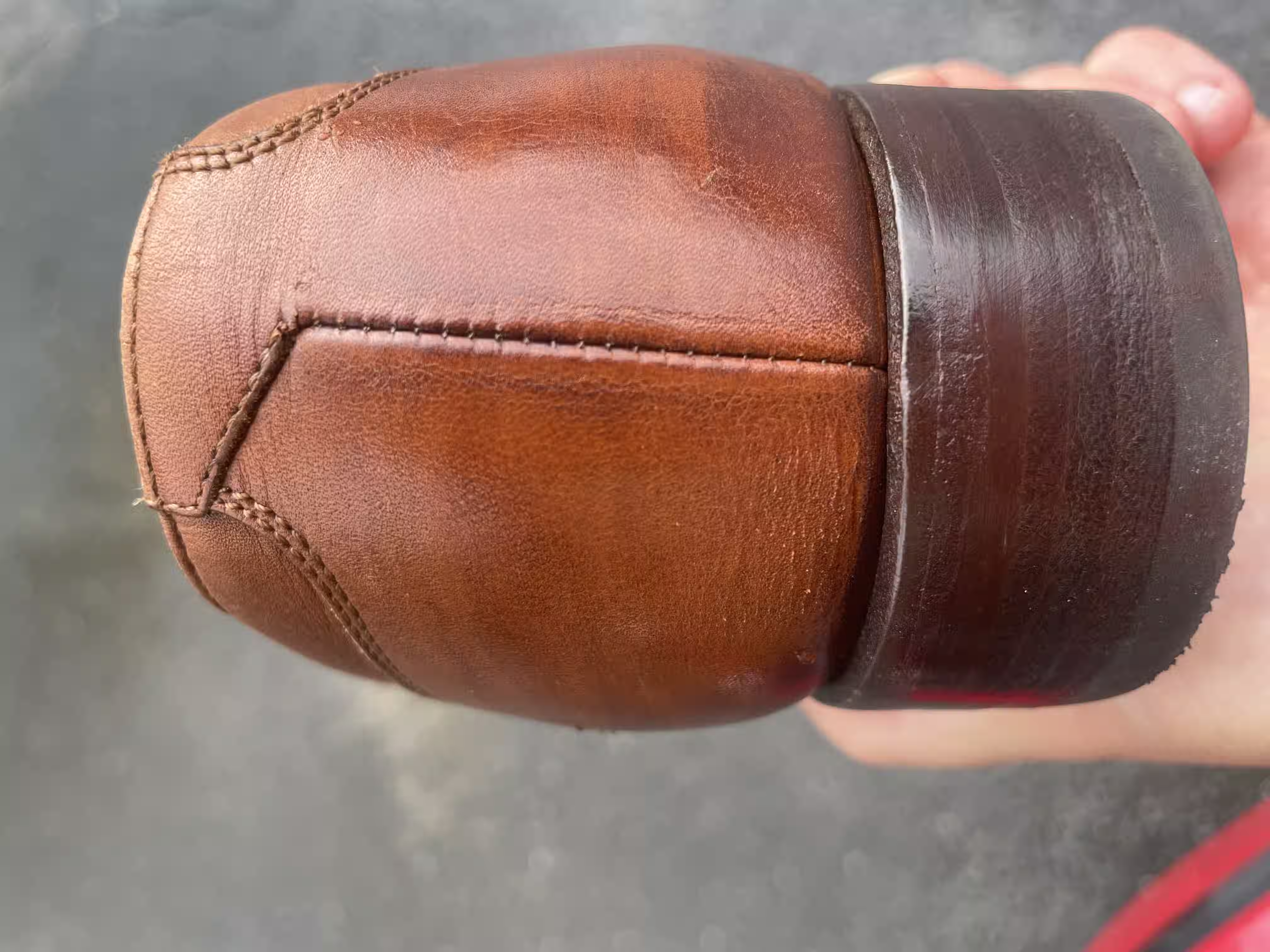
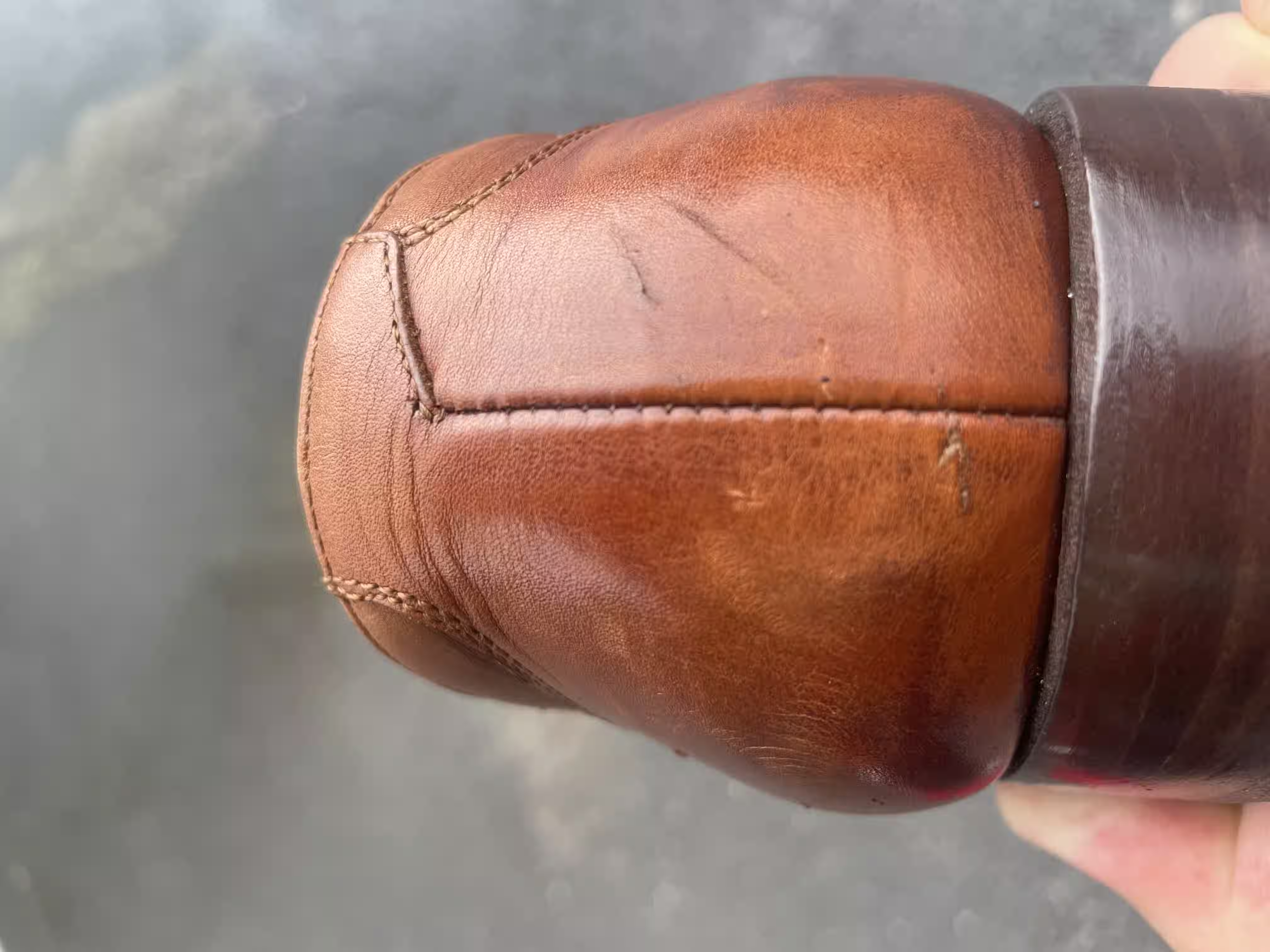
The vertical heel seam is very common and holds together, at the back, two leather parts of the upper, the so-called quarters. This gives you a small quarter for each side, which you can very conveniently cut out of the hide. It is therefore a fairly cost-effective way to make this part of the upper.
Disadvantages of a Heel Seam
As you can see from the picture above, scratches can occur in the rear area. In addition, the heel seam is relatively vulnerable because it holds together two shaft parts that pull apart. It is accordingly under tension and can therefore be quite tight. When it comes into contact with a pointed object, there is therefore some risk that it will come undone.
Even if, in my view, the risk of a heel seam coming undone is not that high, it is still a functional argument for the following two solutions:
- Using a backstay to protect the heel seam
- Seamless variant at the heel, which is the topic of this post
My Personal Conclusion
In my view, the functional reason for the seamless variant is rather secondary. I think the seamless variant is chosen primarily for style and exclusivity. Because it means additional effort, with which only very few shoes are, so to speak, ennobled.
I think you should see the seamless variant more as an artistic means in shoes to make a shoe more elegant and purist. For purely casual shoes, it is probably not particularly sensible. Especially with embossed upper leather, you will not see that much difference if you do not have contrast stitching.
But if, for example, you want an elegant wholecut Oxford in unembossed smooth calf leather, then the seamless variant is a very good way to make the shoe even more elegant and purist. In this case, the variant fits particularly well and supports the already elegant character of the wholecut Oxford.
