
Shoe Models - How They Enhance Your Clothing Style
Tired of walking around in nothing but sneakers? - Here I show you which better shoe models you have for everyday wear that match your style, as well as many more models.
Introduction
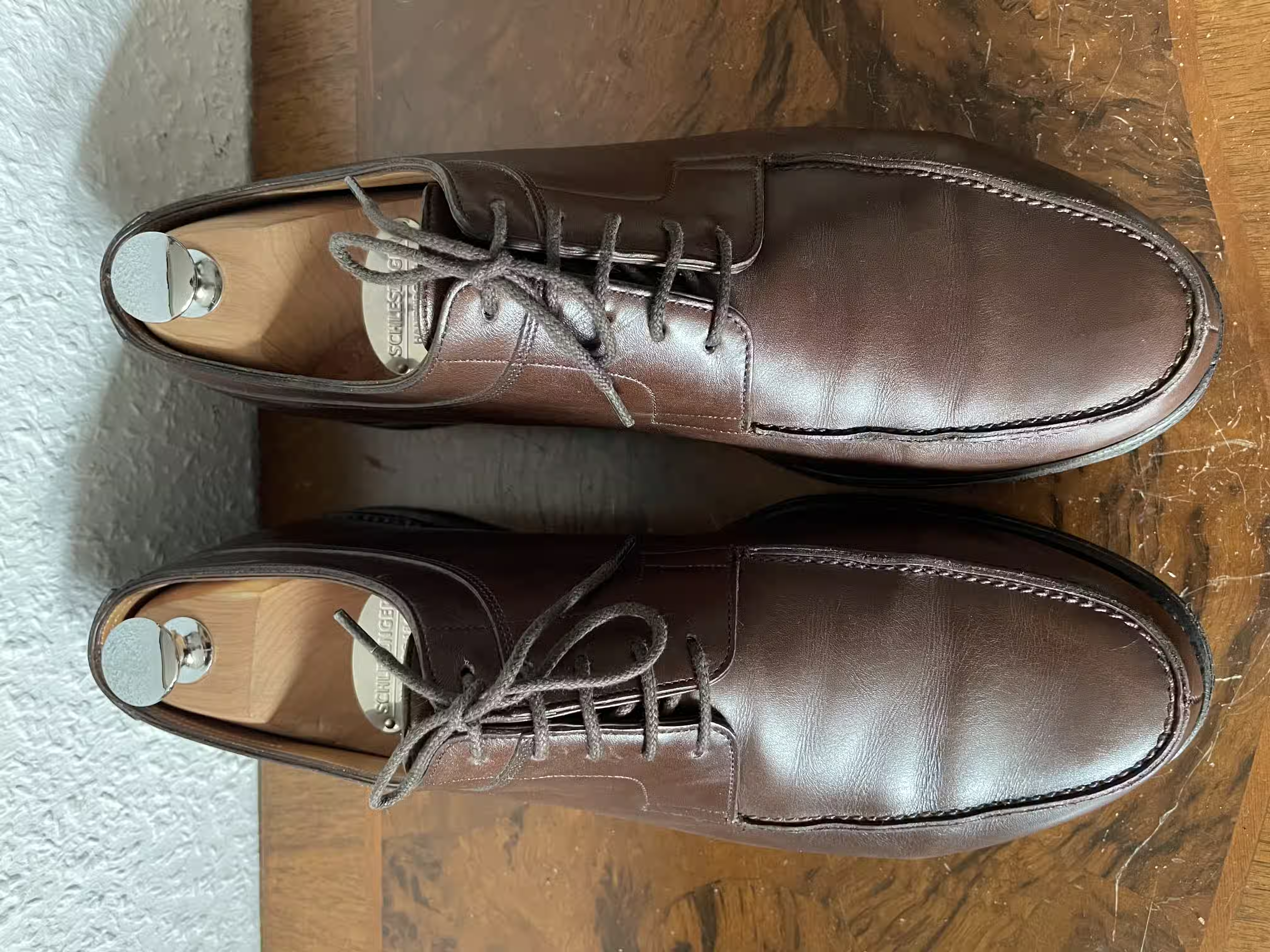
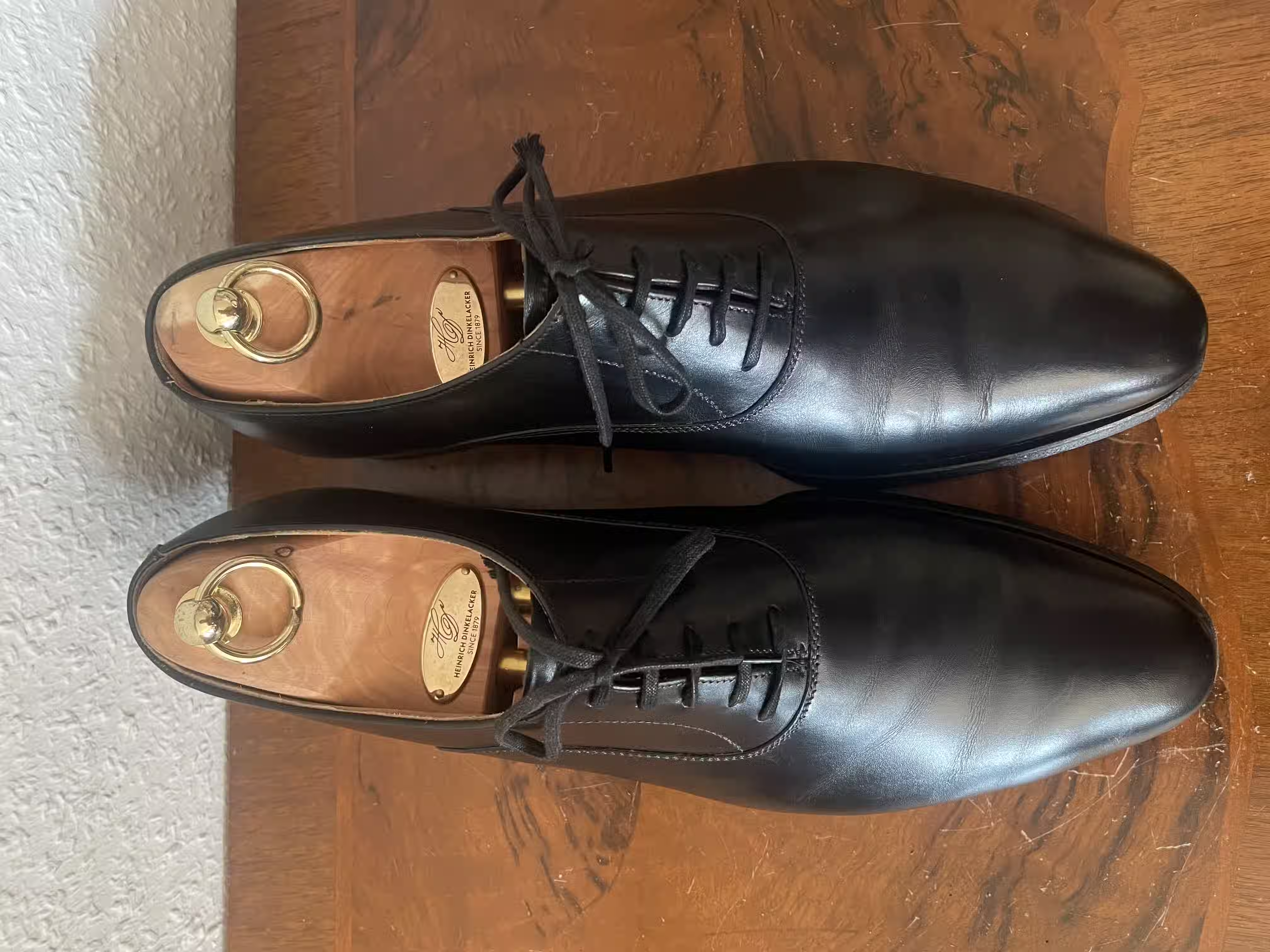
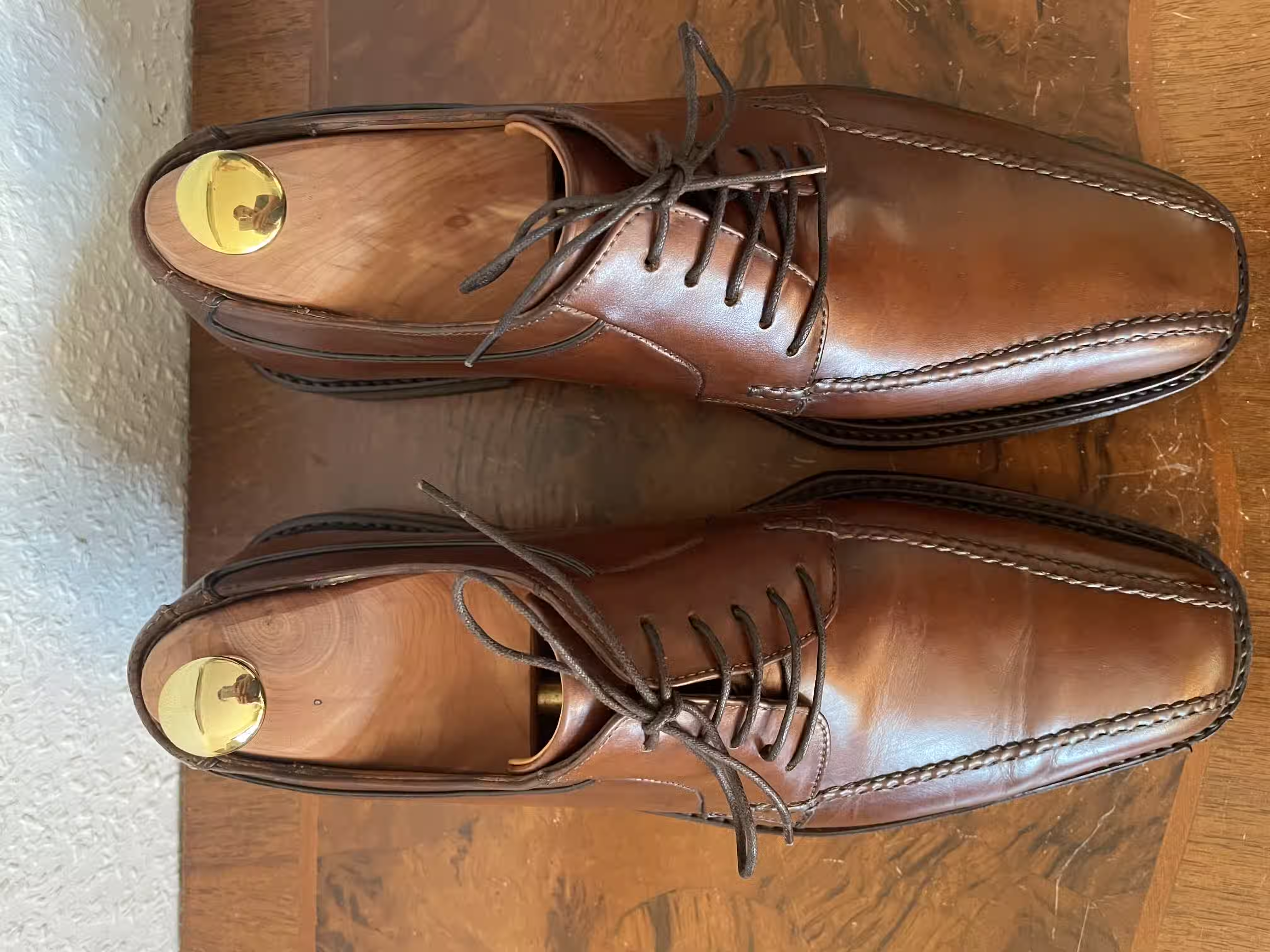
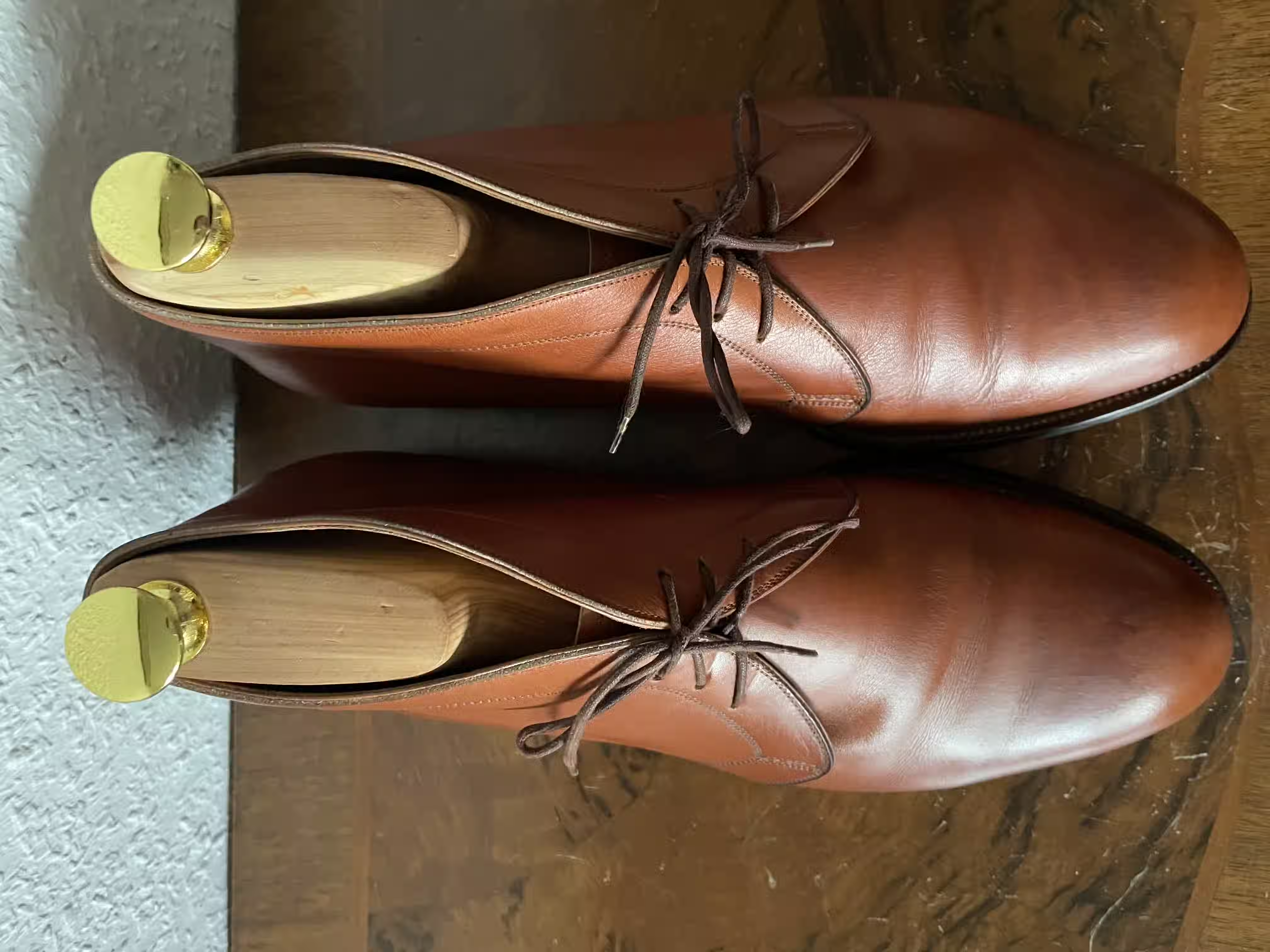
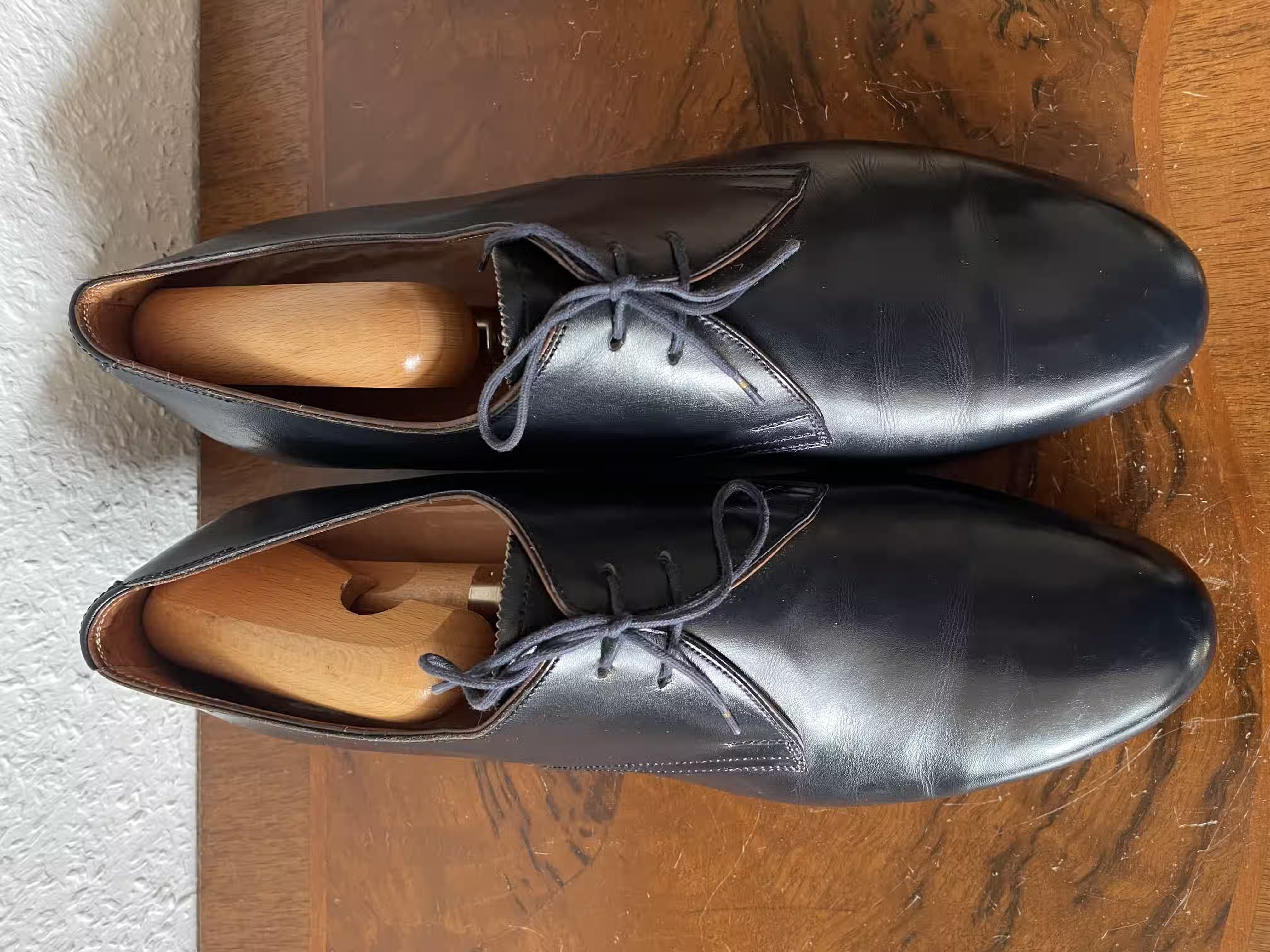
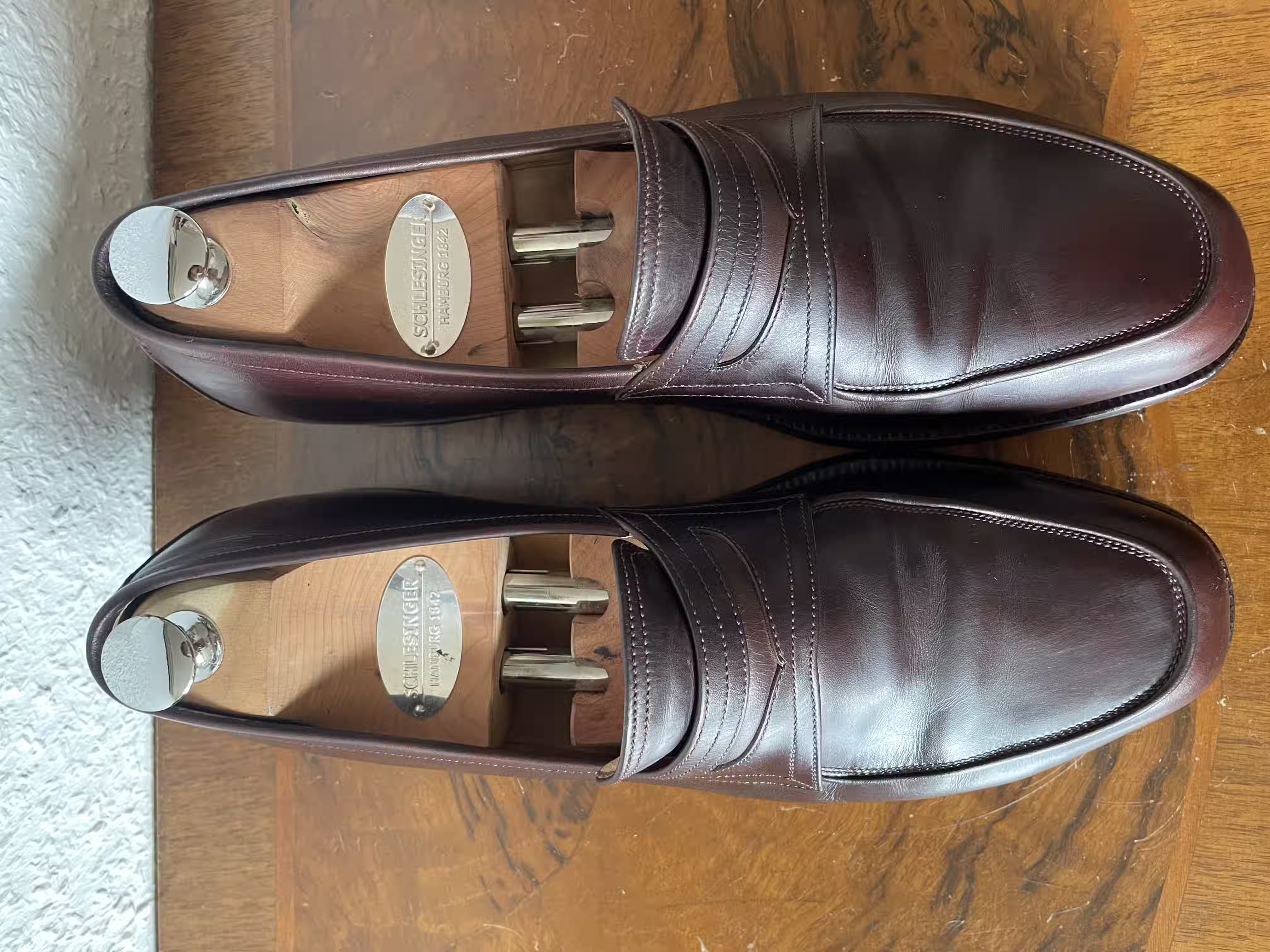
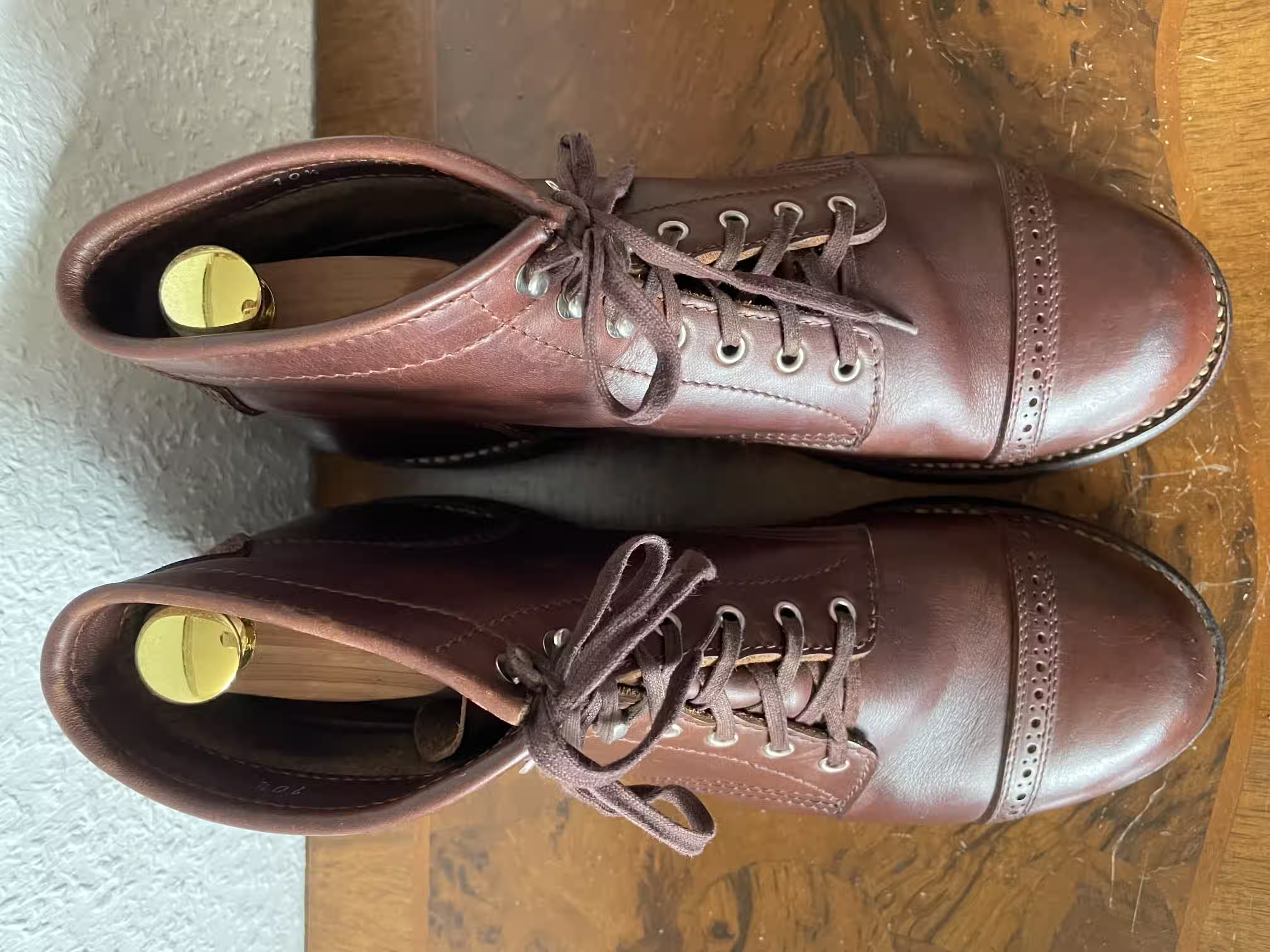
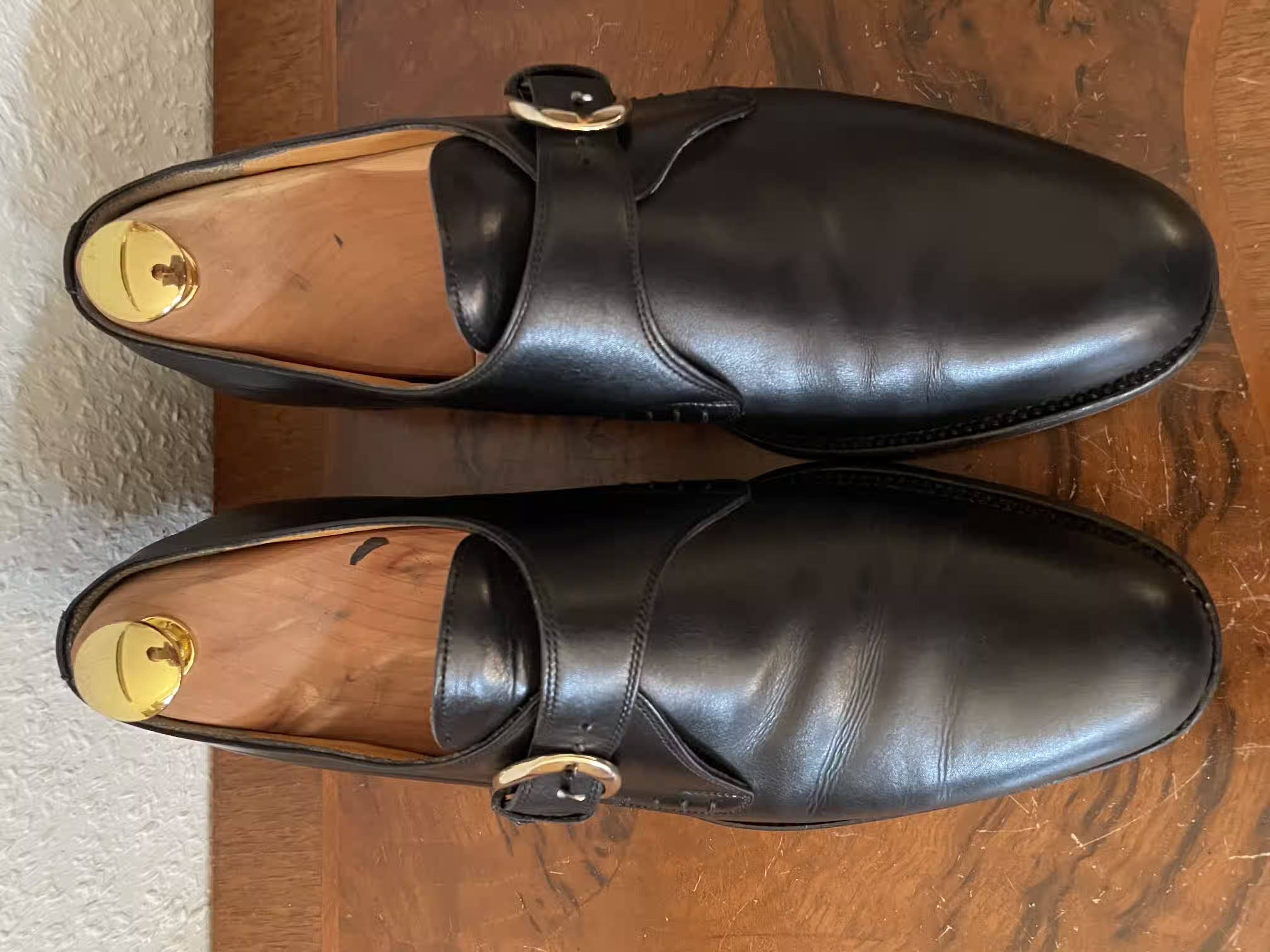
Shoe models define the basic style of your shoe. Besides choosing the leather and other decoration options like perforation patterns, you can have a decisive influence on the effect of your shoe by choosing the shoe model: Do you prefer subtle, formal shoes, or do you like things more playful and casual? Or would you rather start with a formal shoe here and then make it more playful through the choice of color and decorations? With your choice, you can already express your personality and gradually arrive at your dream shoe that suits you best.
Personally, from the very beginning I was enthusiastic about double monk strap shoes, which were my first freer choice. By now, I actually like single monk strap shoes even more. But even though single monk strap shoes have been around for a very long time: Both variants are more exotic and, in that sense, something special.
Lace-up Shoes
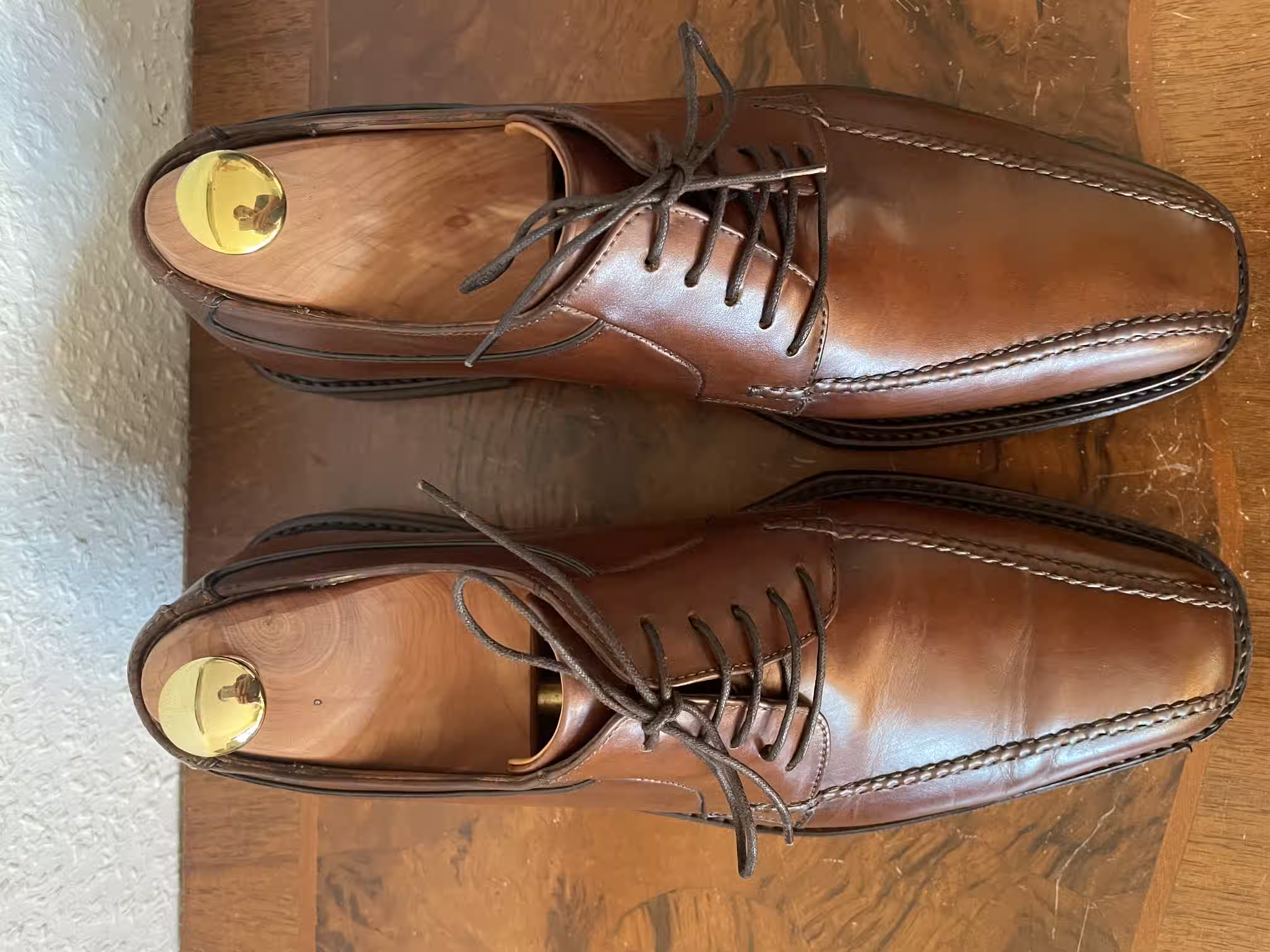
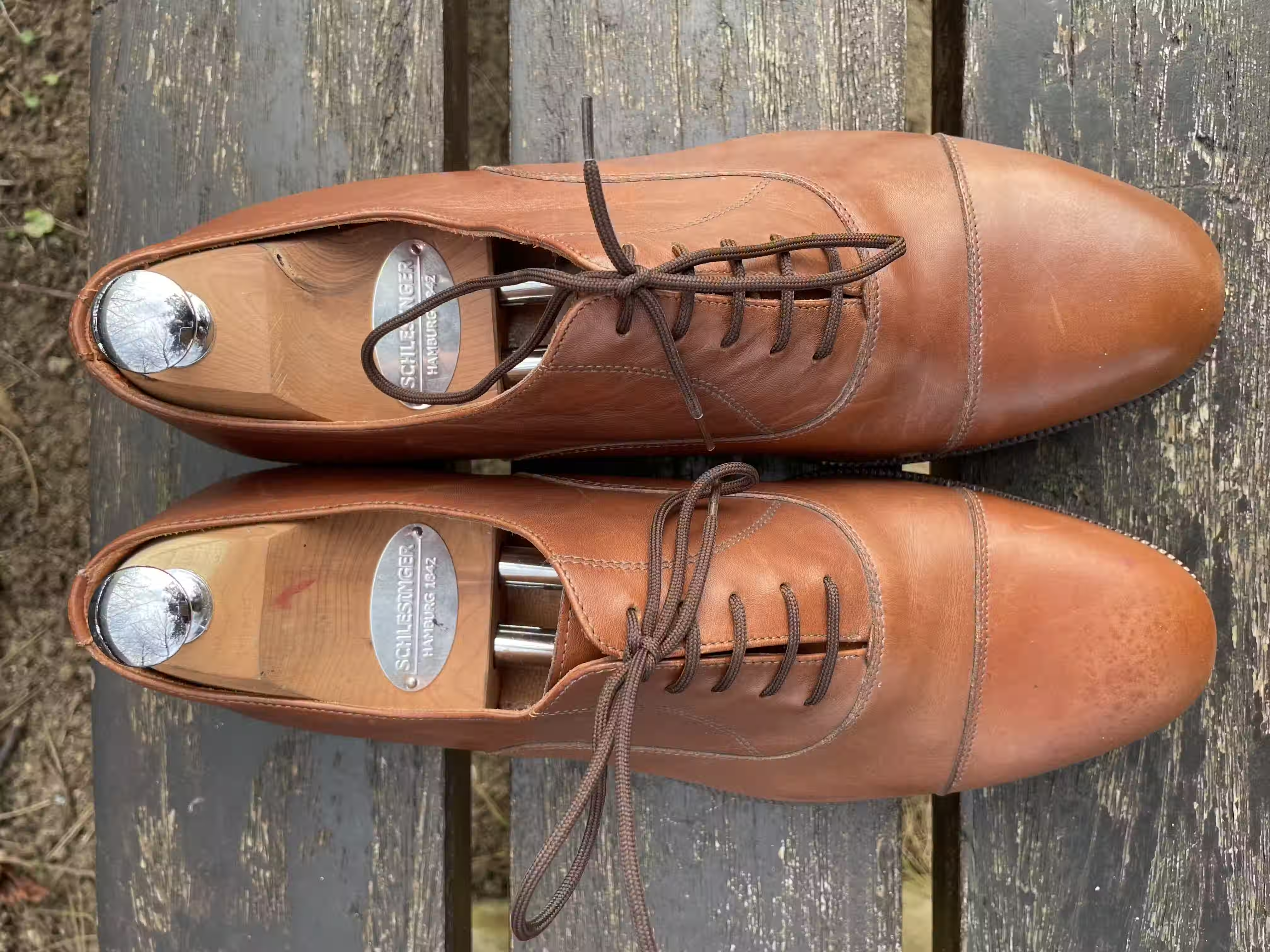
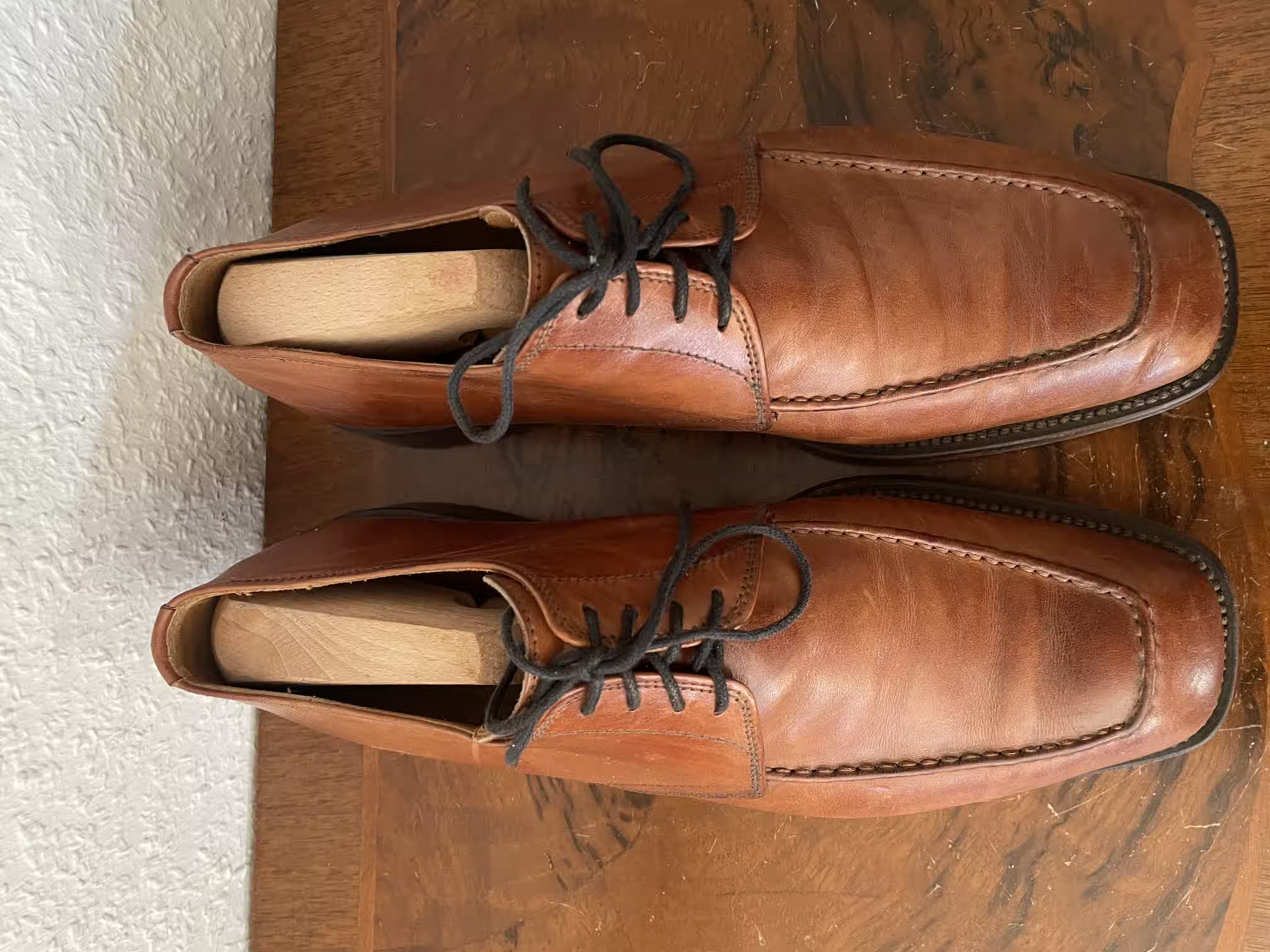
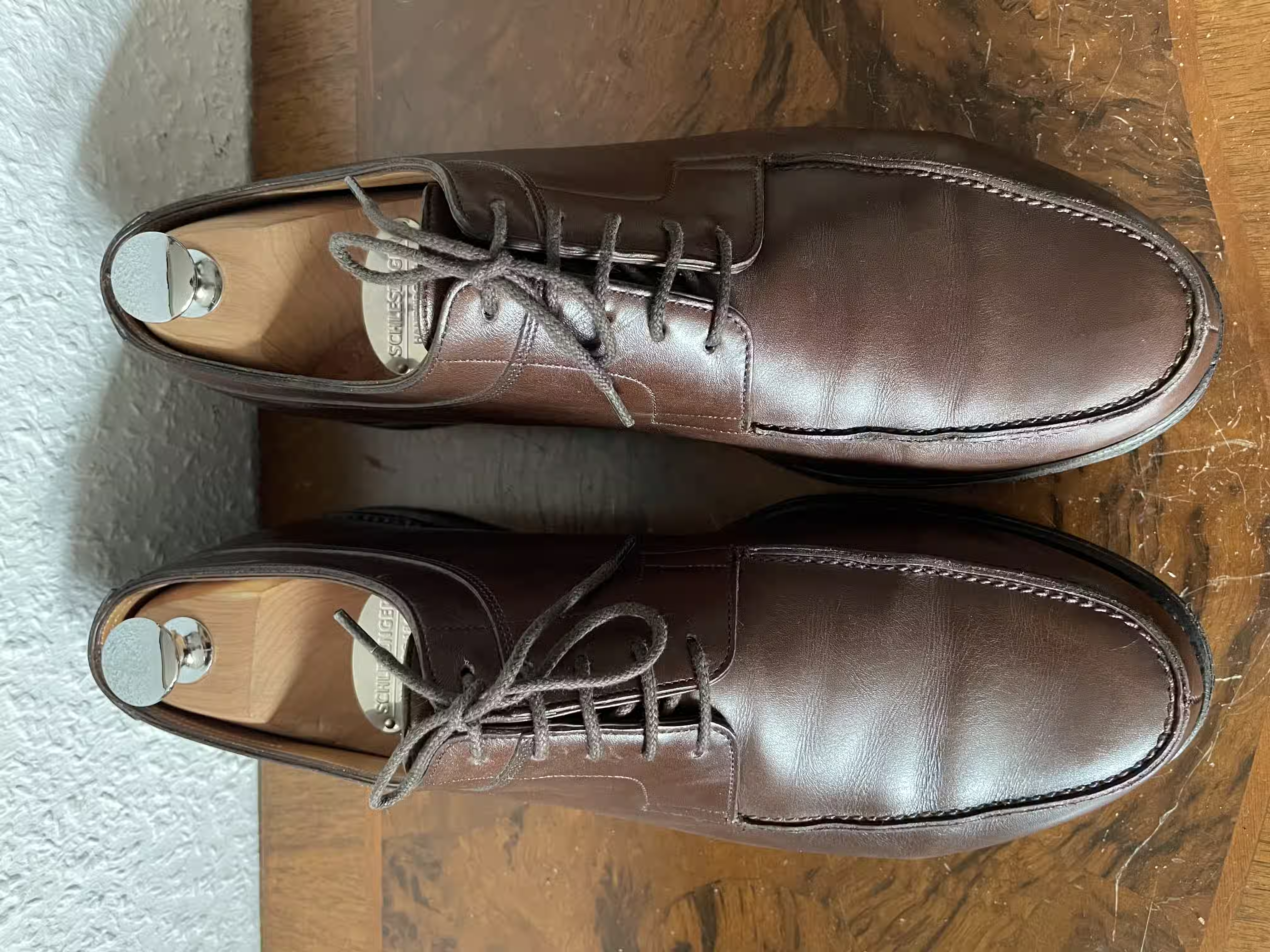
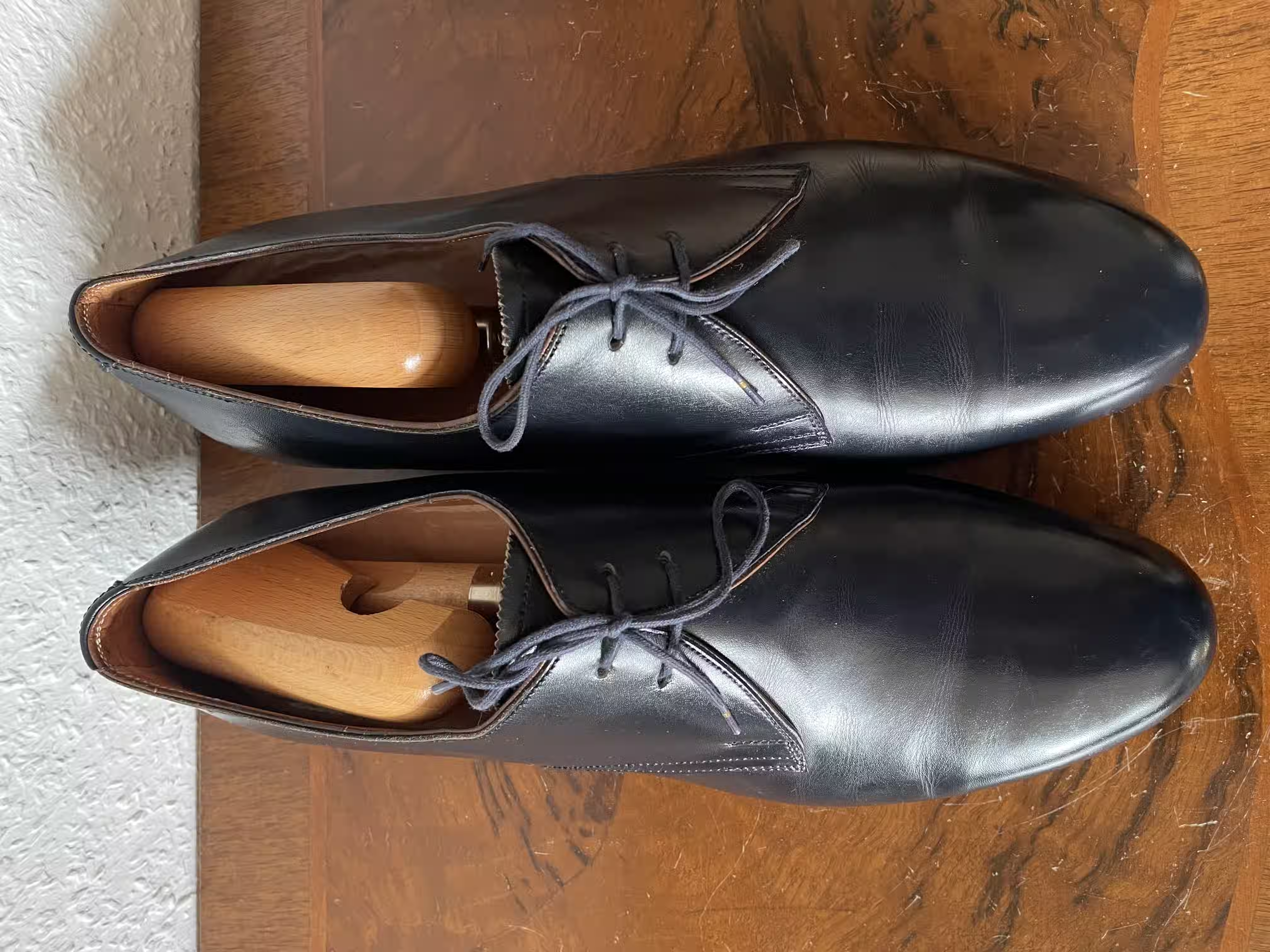
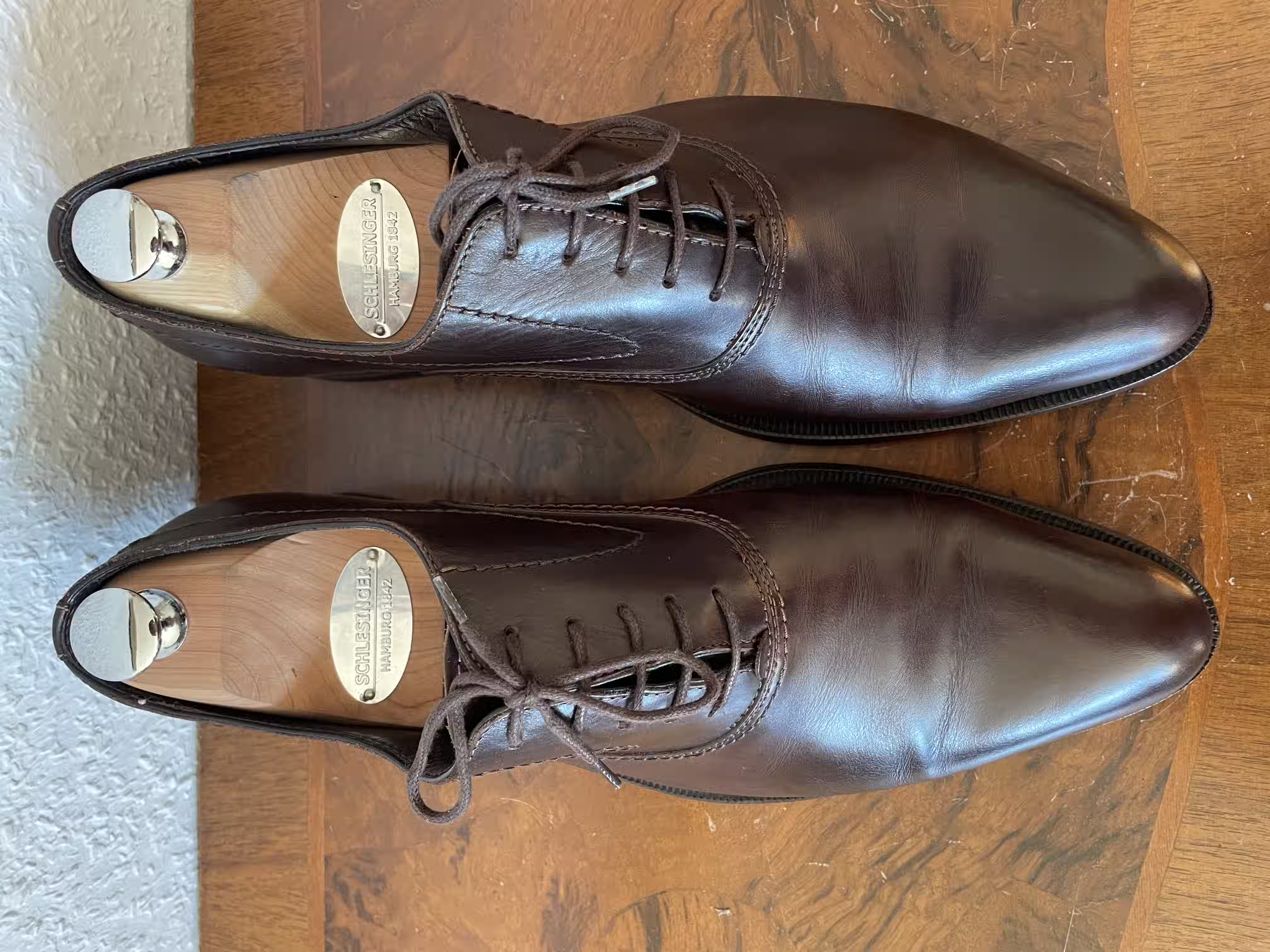
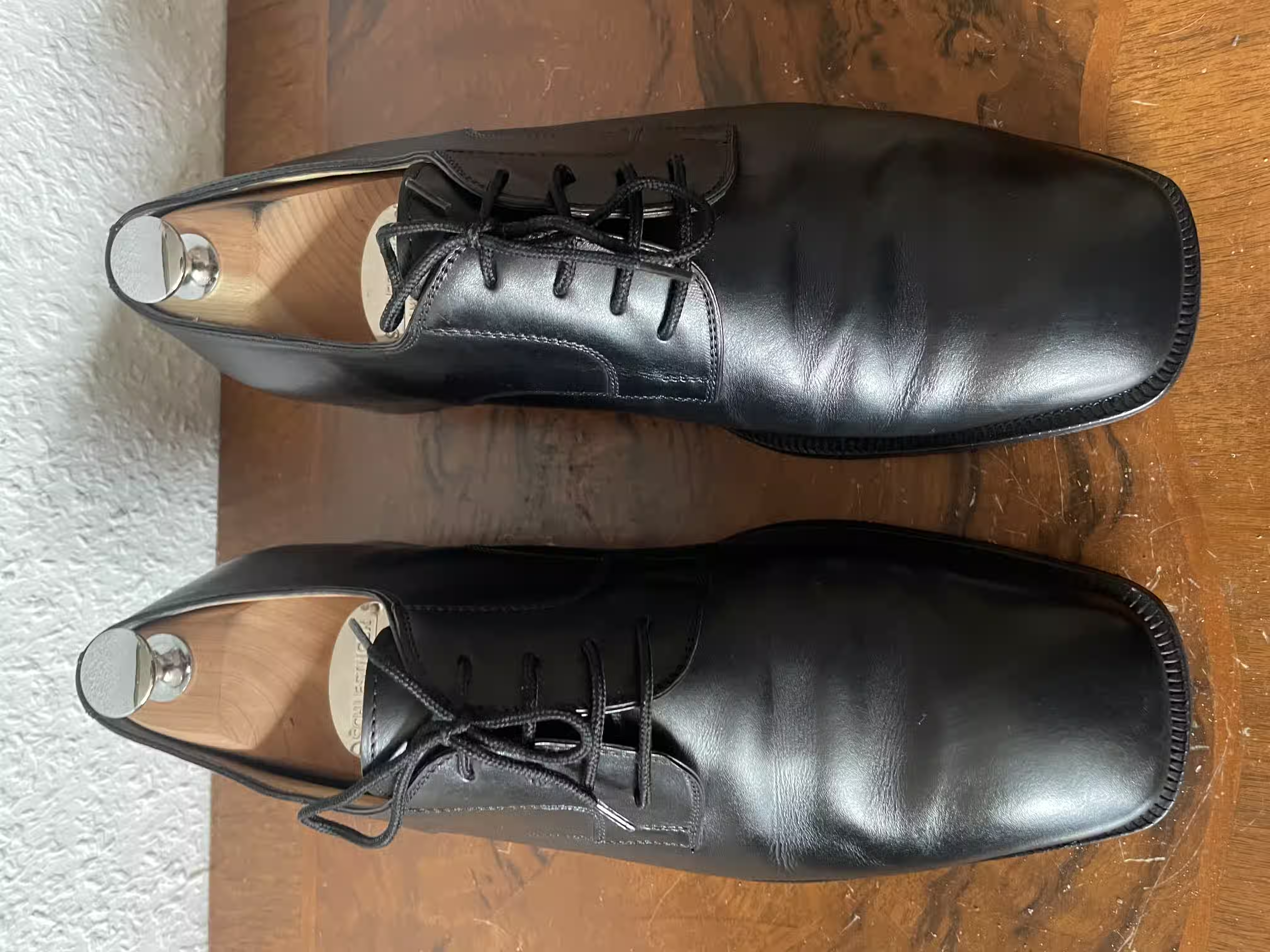
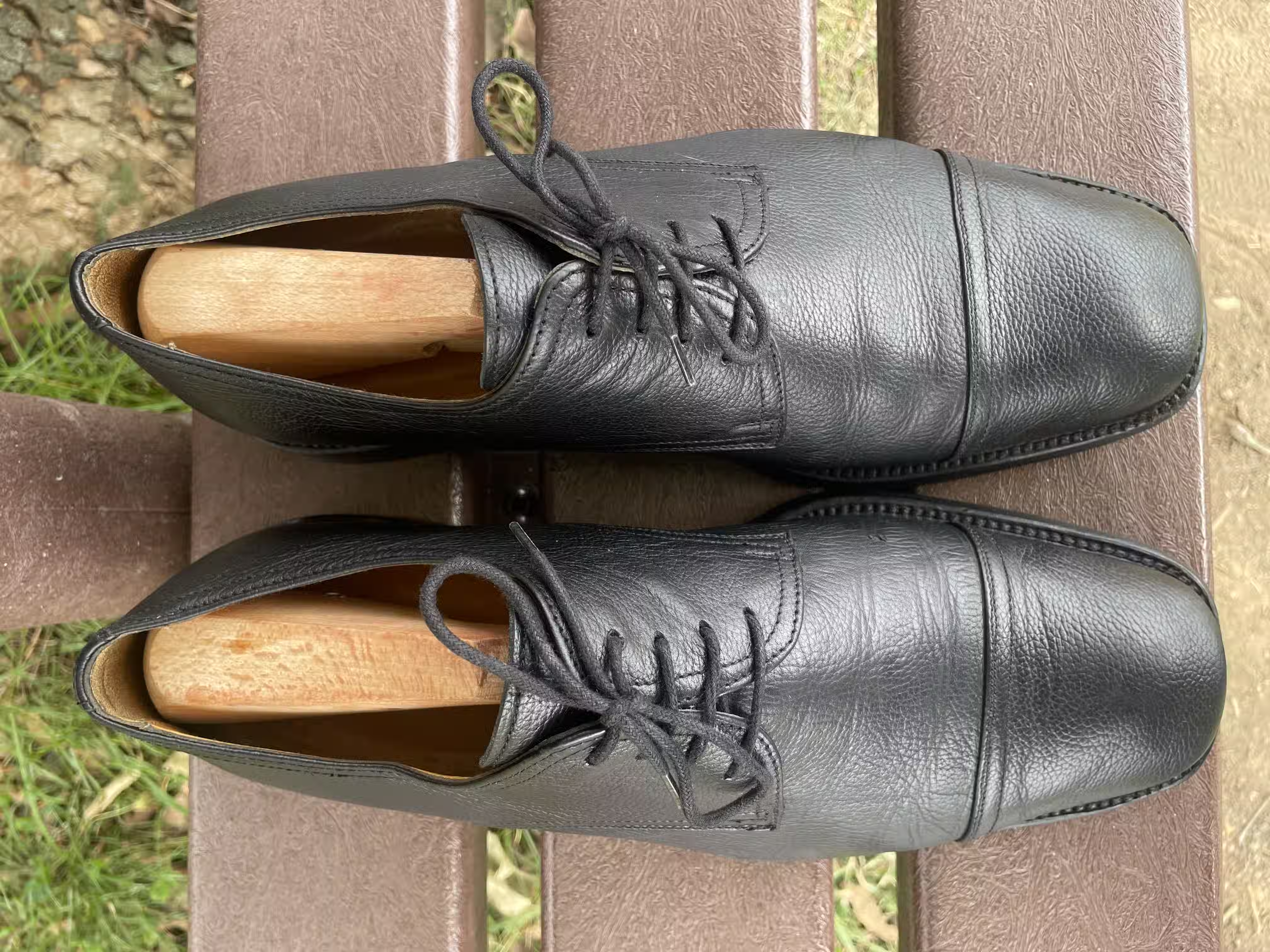
Lace-up shoes are the most widespread shoes, including in classic menswear. This probably has especially functional reasons:
- Laces are very easy to replace compared to similar wear parts like buckles
- The laces allow very different, highly flexible pressure thanks to how tight you lace them. By comparison: With buckle shoes, you can only choose this in steps.
So lace-up shoes are very practical for everyday life and in terms of fit, and it’s no wonder why they dominate the other shoe models in terms of popularity.

Buckle Shoes and Monk Strap Shoes
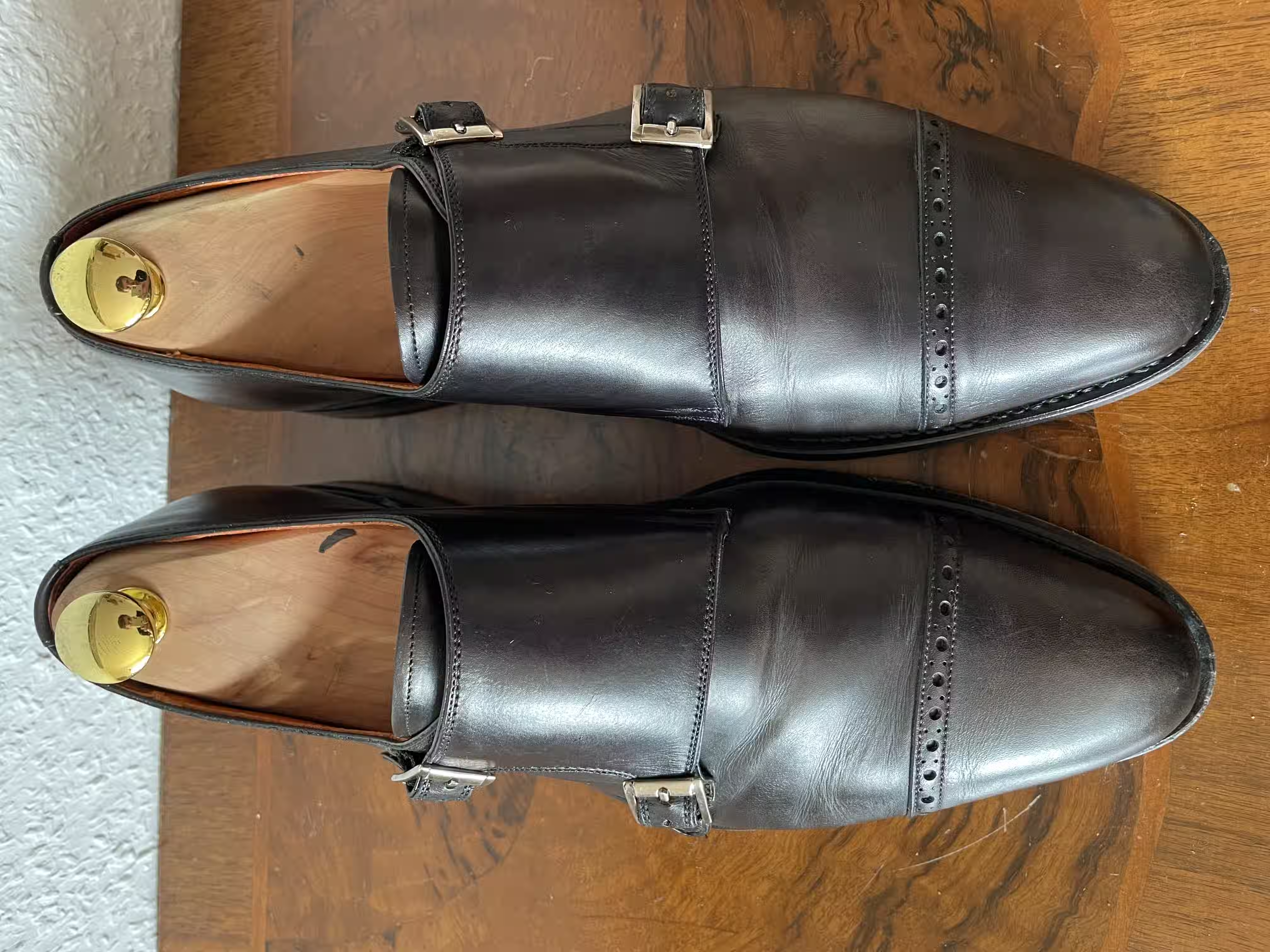
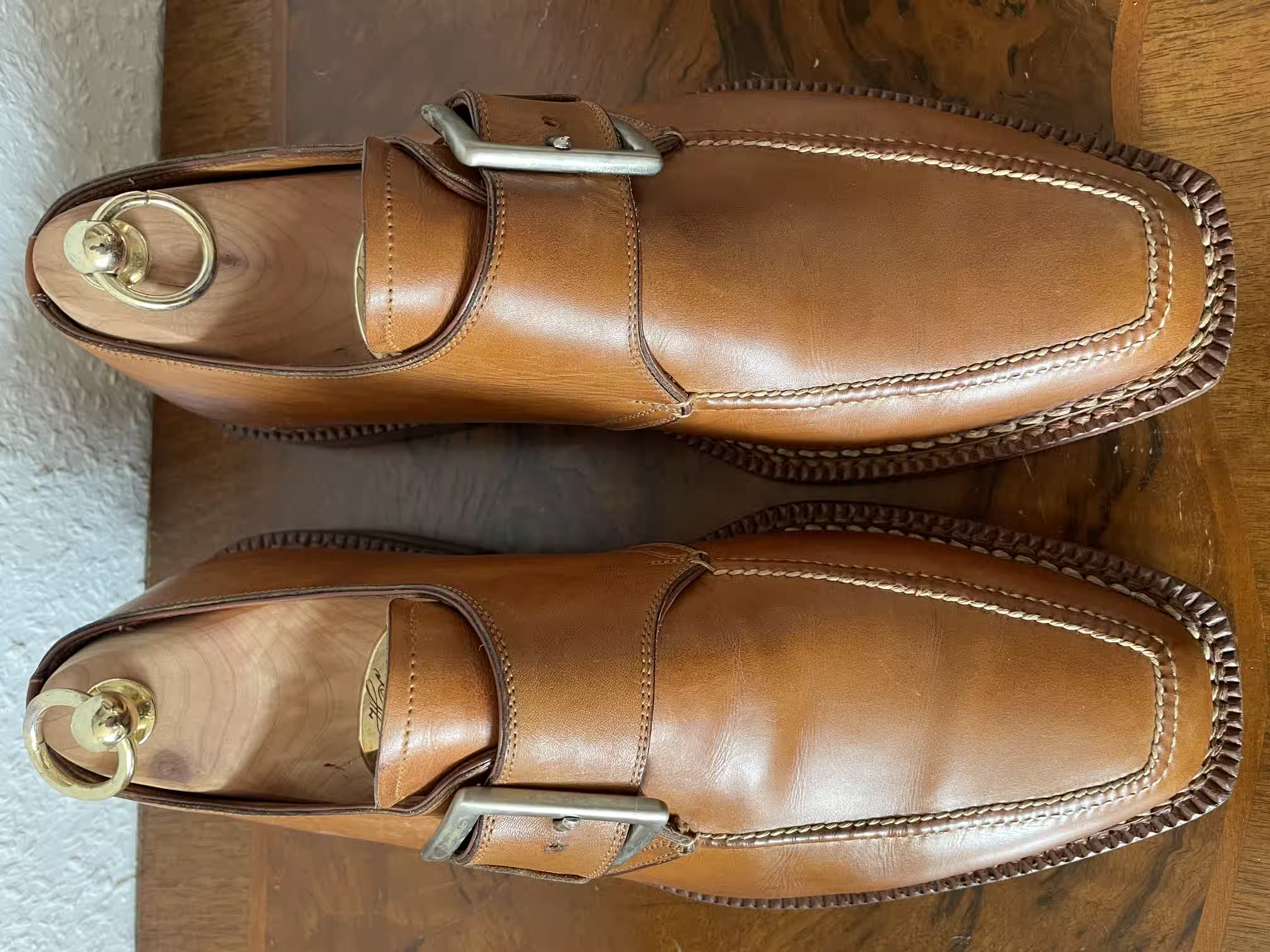
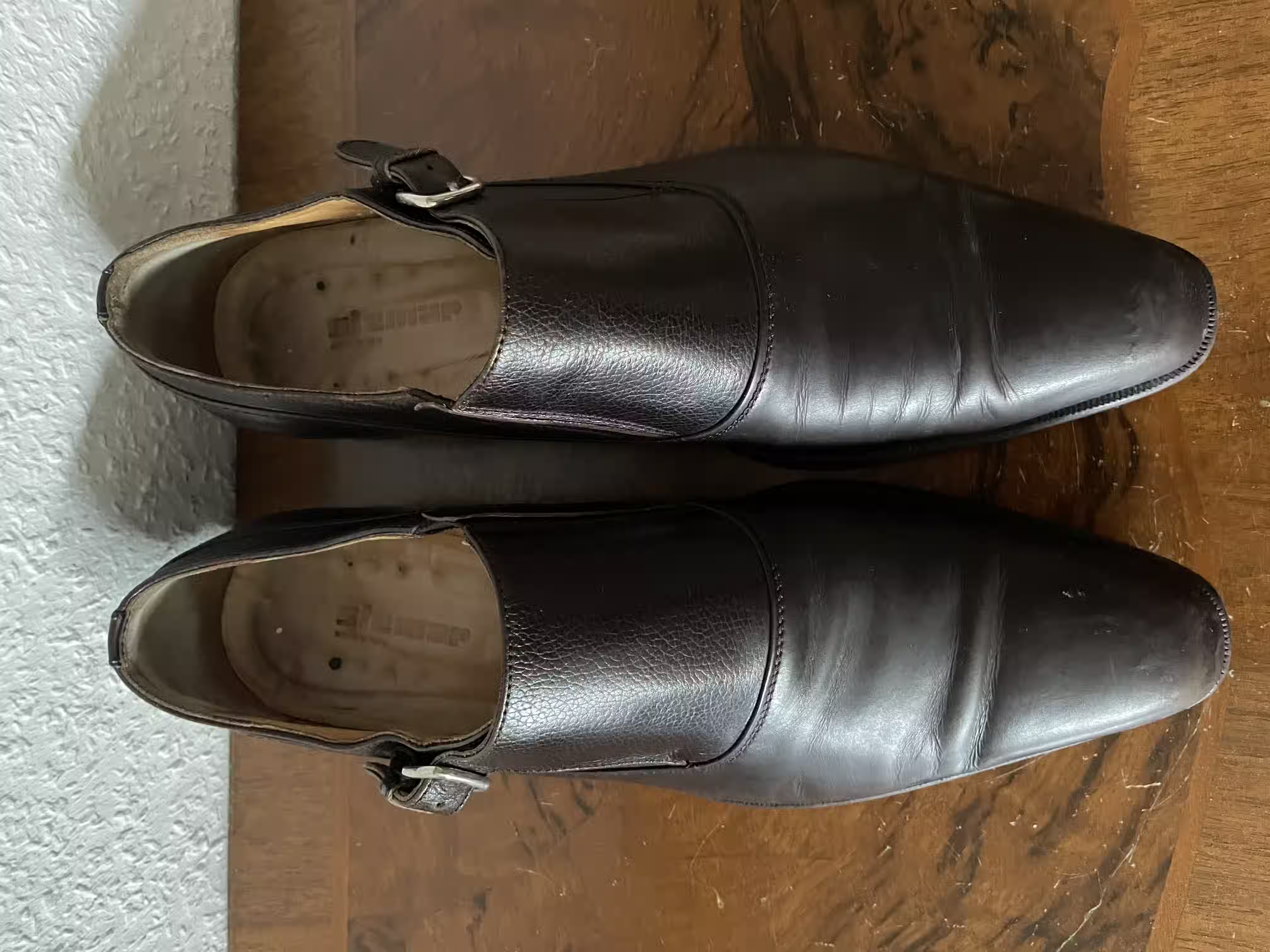
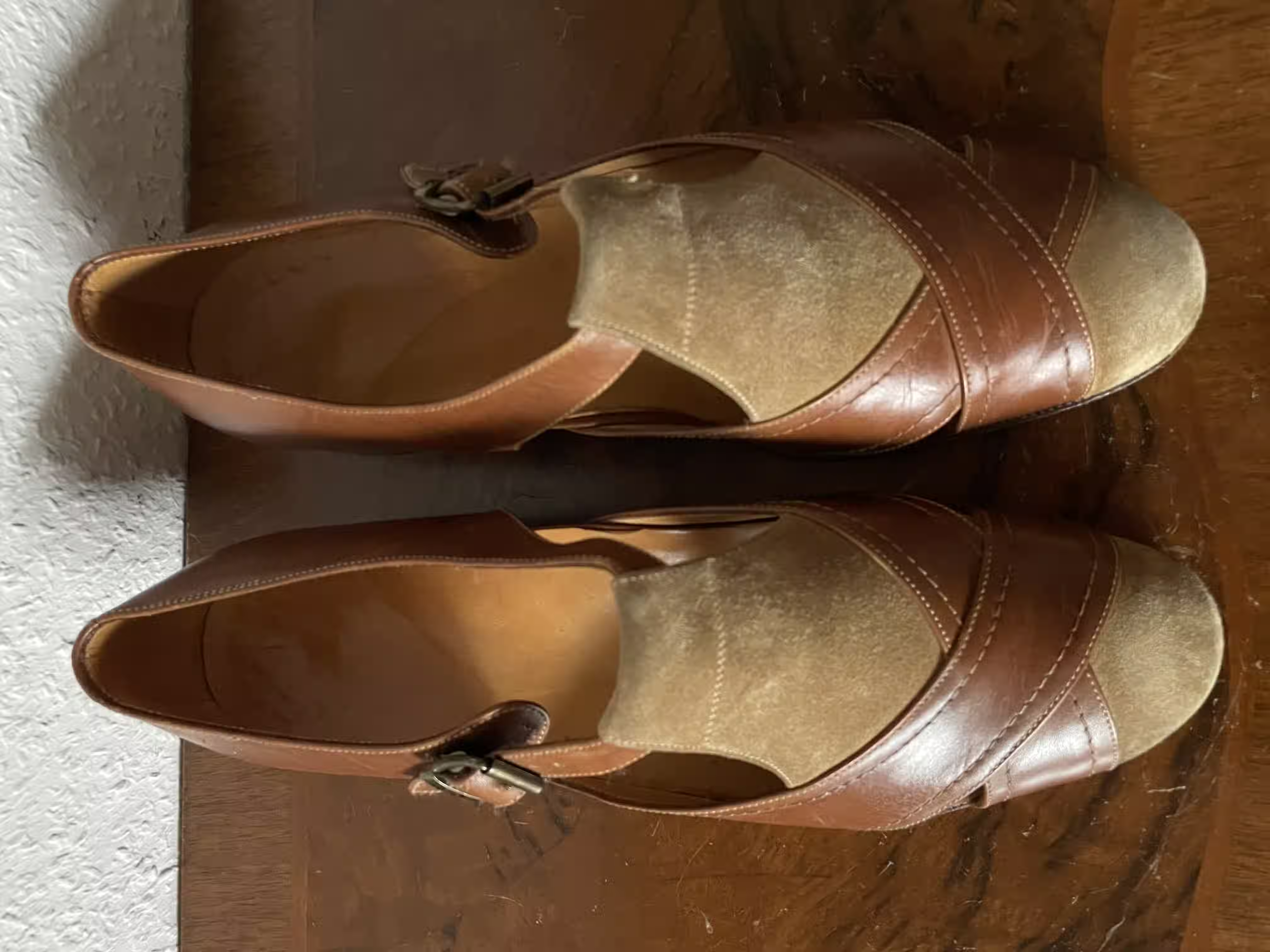
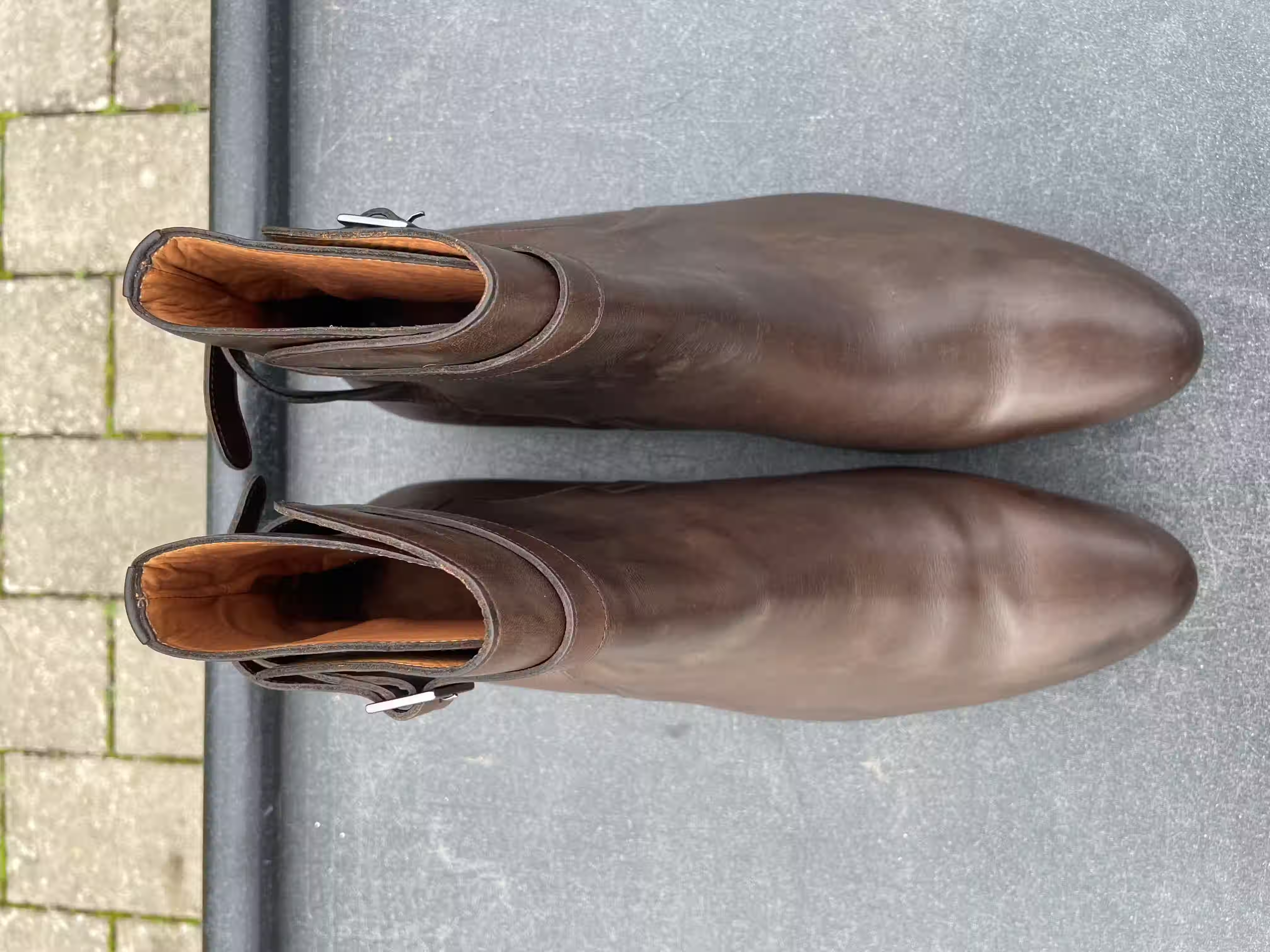
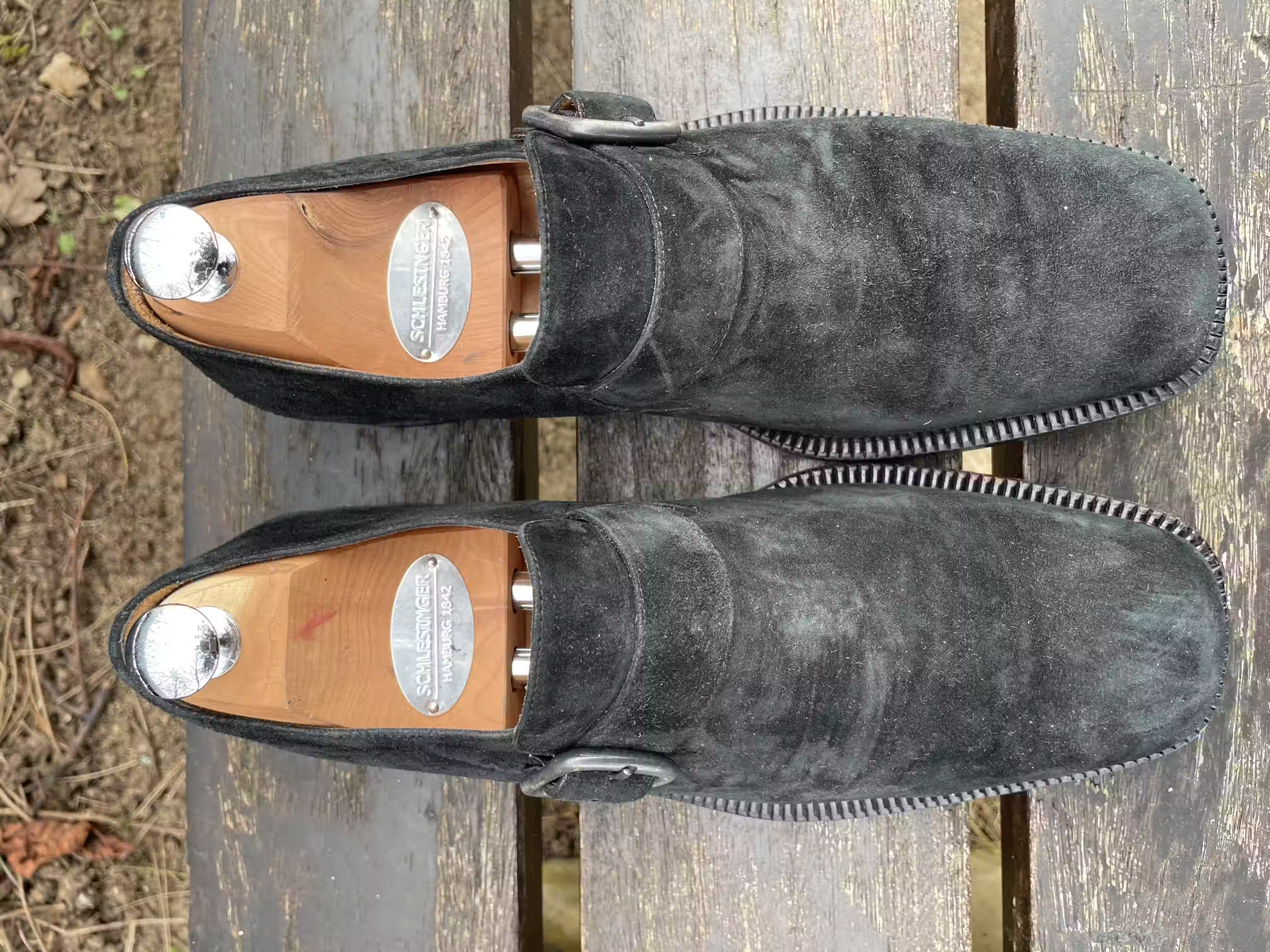
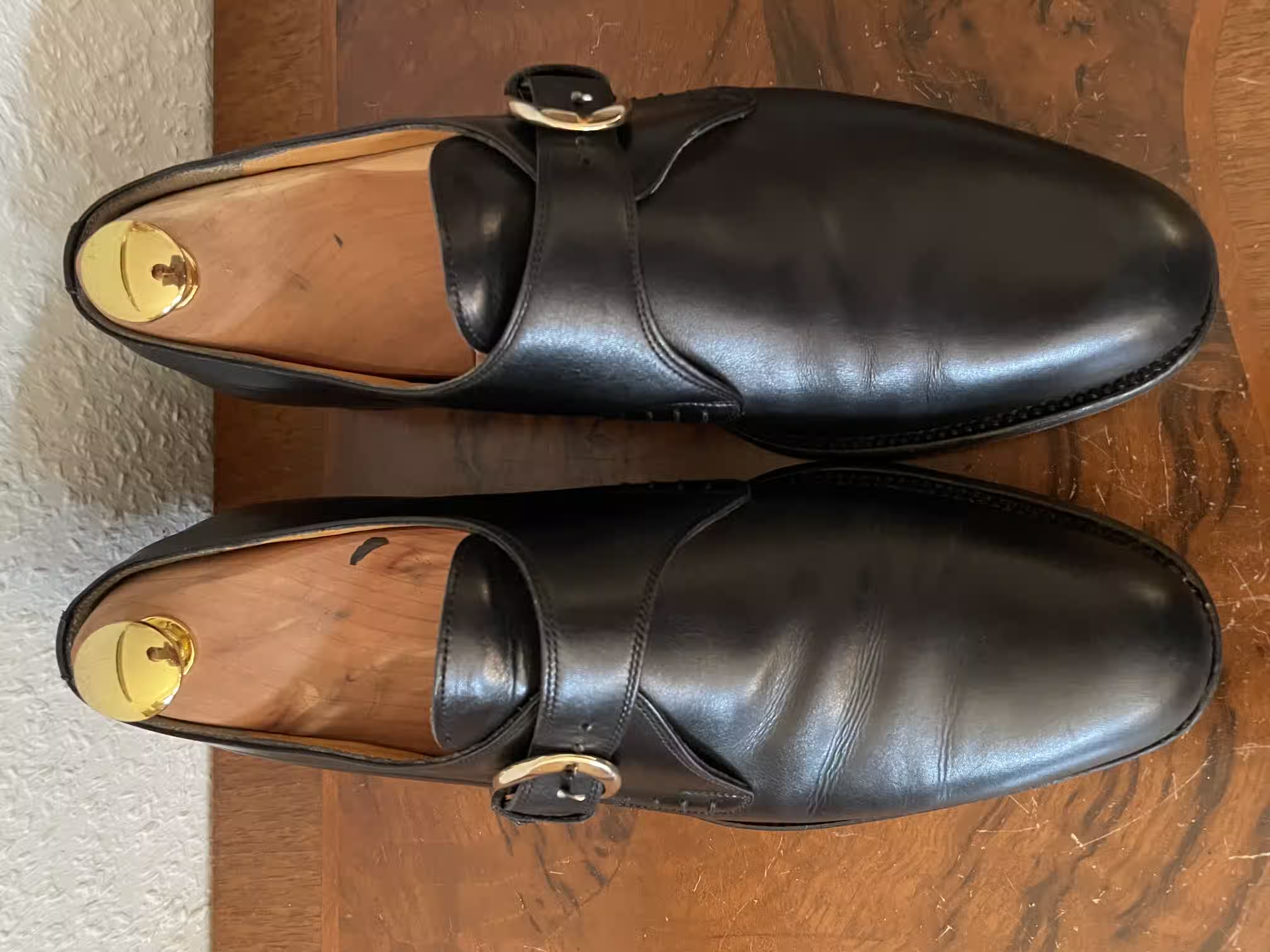
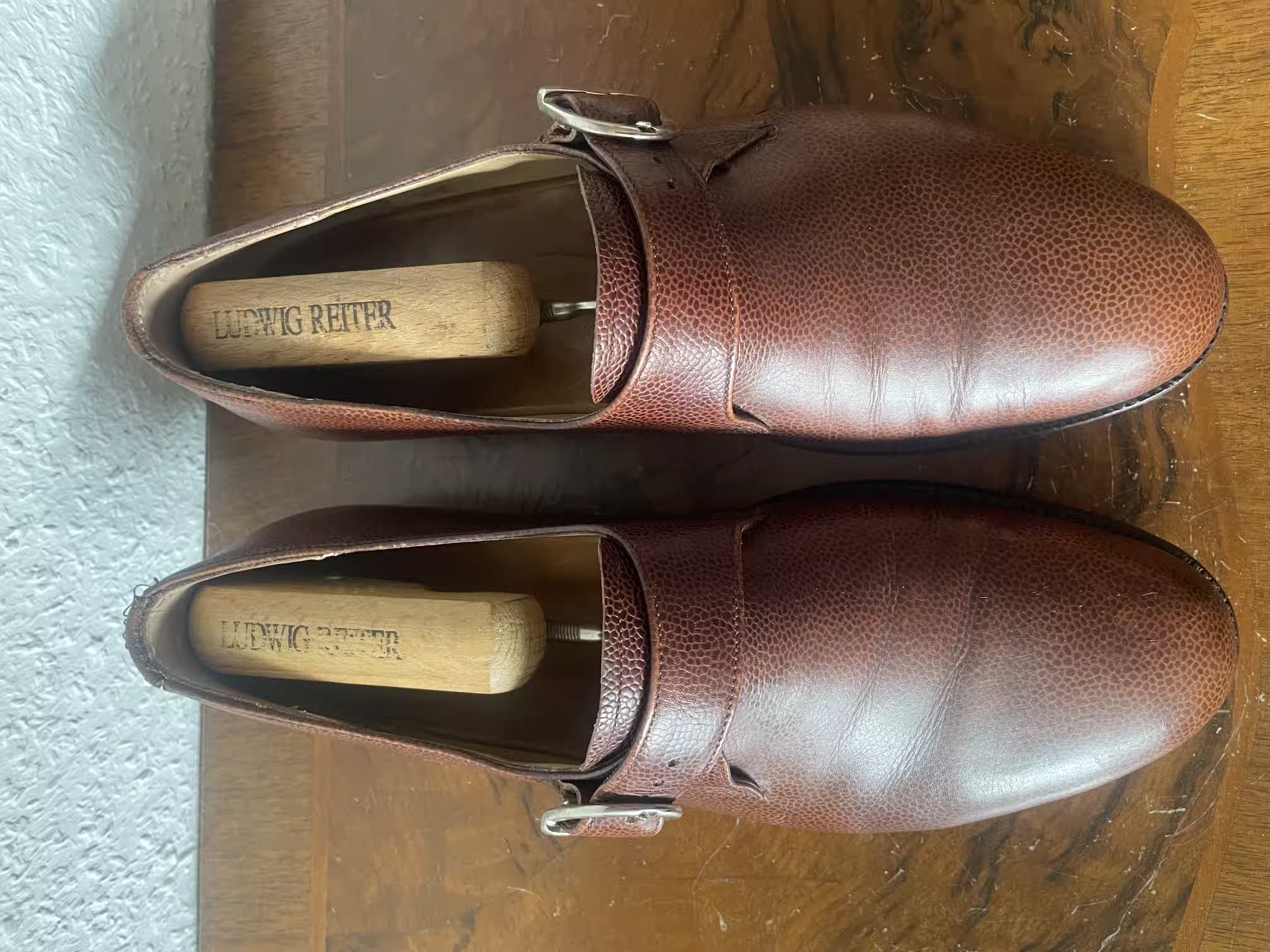
The name monk strap shoe (or simply monk strap) is an allusion to a predecessor from the Middle Ages that monks wore. Accordingly, monks back then mainly wore sandals, which proved impractical for physical work. Over time, a closed form of the sandals emerged - the predecessor of monk strap shoes.
The absence of laces comes with pros and cons: When caring for the shoes, you don’t have to loosen laces and put them back on later. However, a metal buckle can rust, and the size adjustments with the buckle are limited compared to lace-up shoes - unless you additionally use stretchy rubber material, which is less durable.
Overall, this is a rather informal shoe: Even in black and without decoration, you should not wear it to business or formal occasions. Apparently, among upscale gentlemen, the clasp as visible metal on the foot is an annoyance - in addition to the overall style.
While the monk strap shoe is a closed low shoe with buckles, there are other variants of buckle shoes such as sandal shoes, which are only half closed, and various boots and ankle boots with buckles.
Loafers
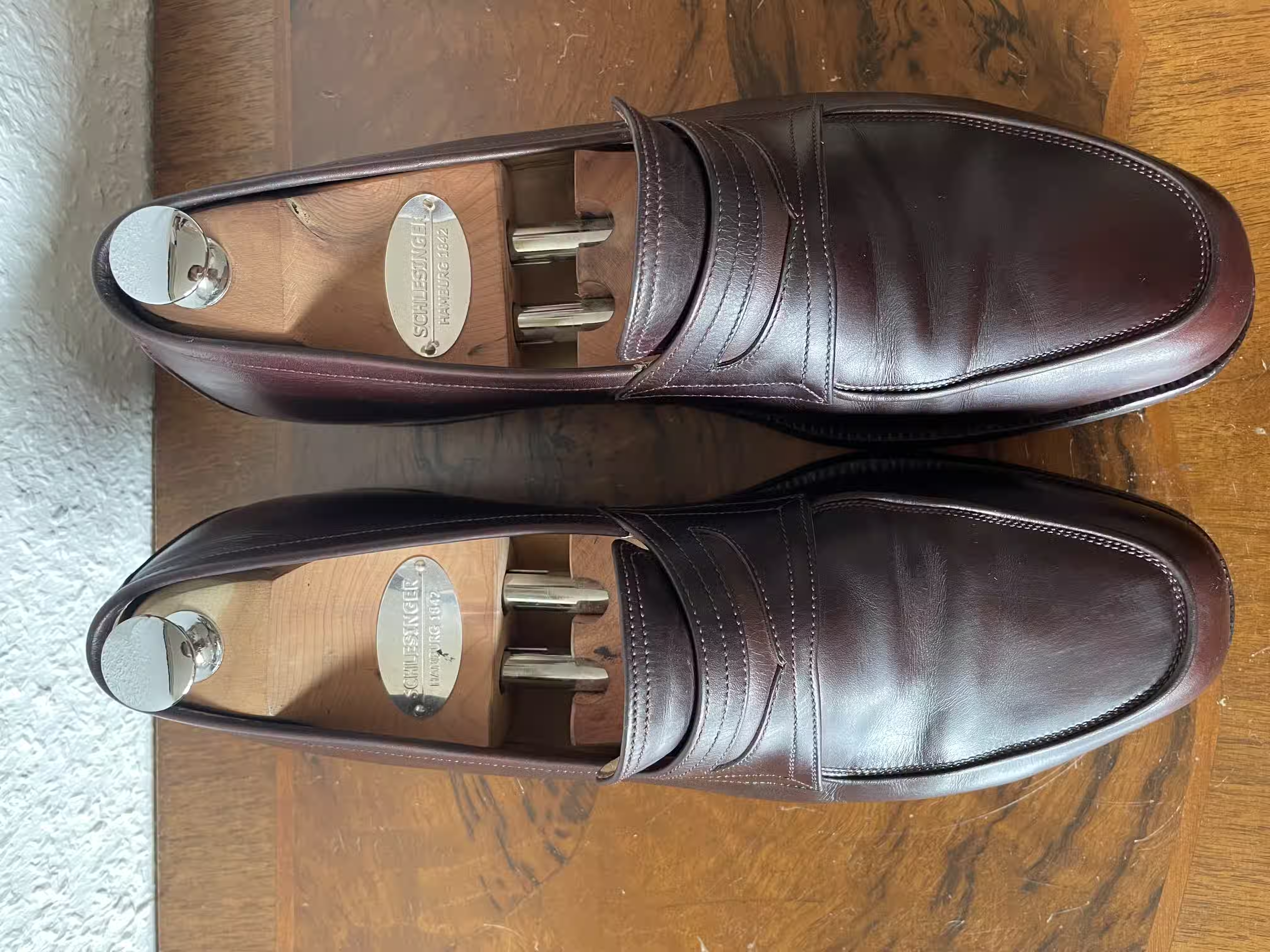
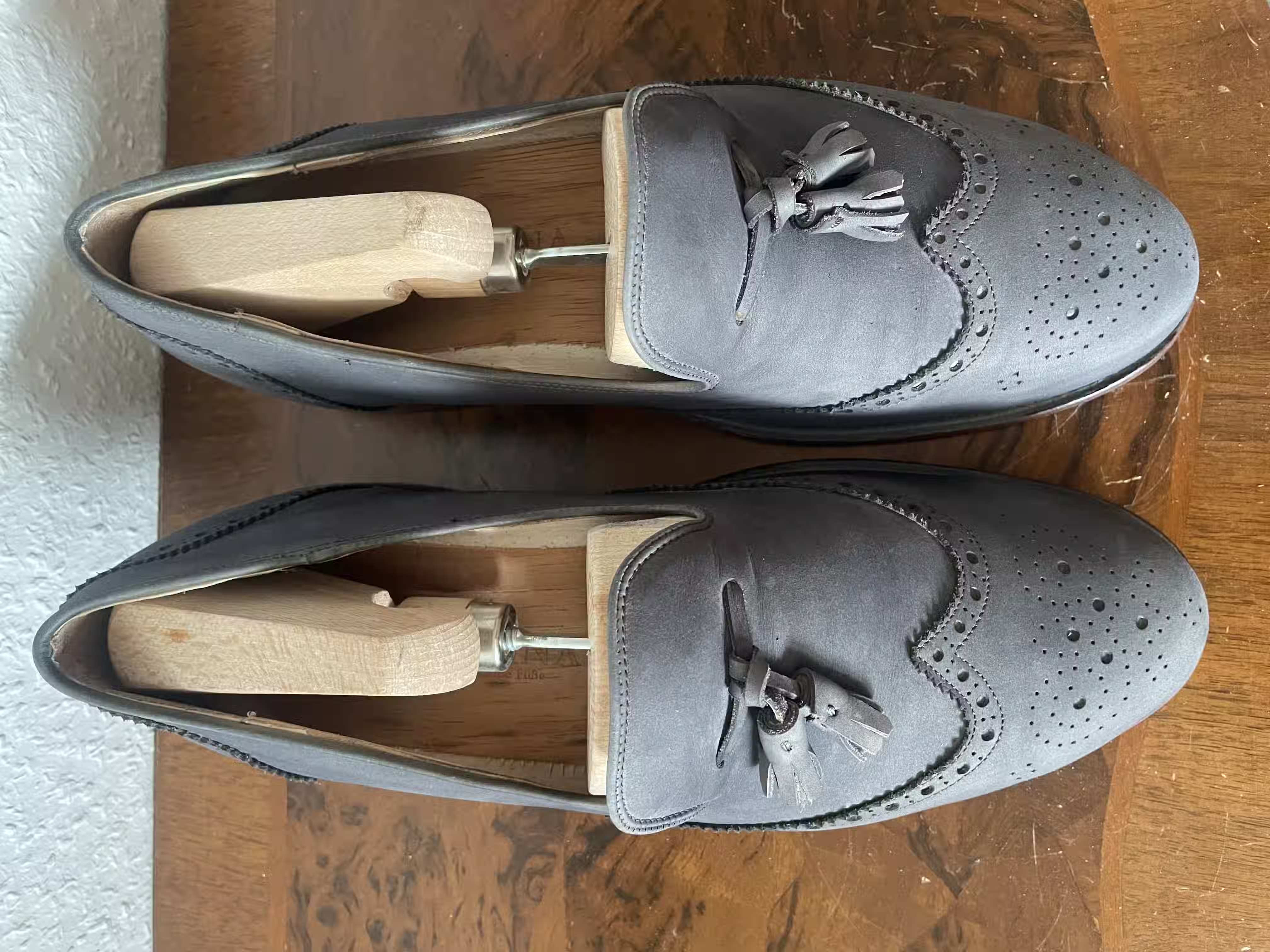
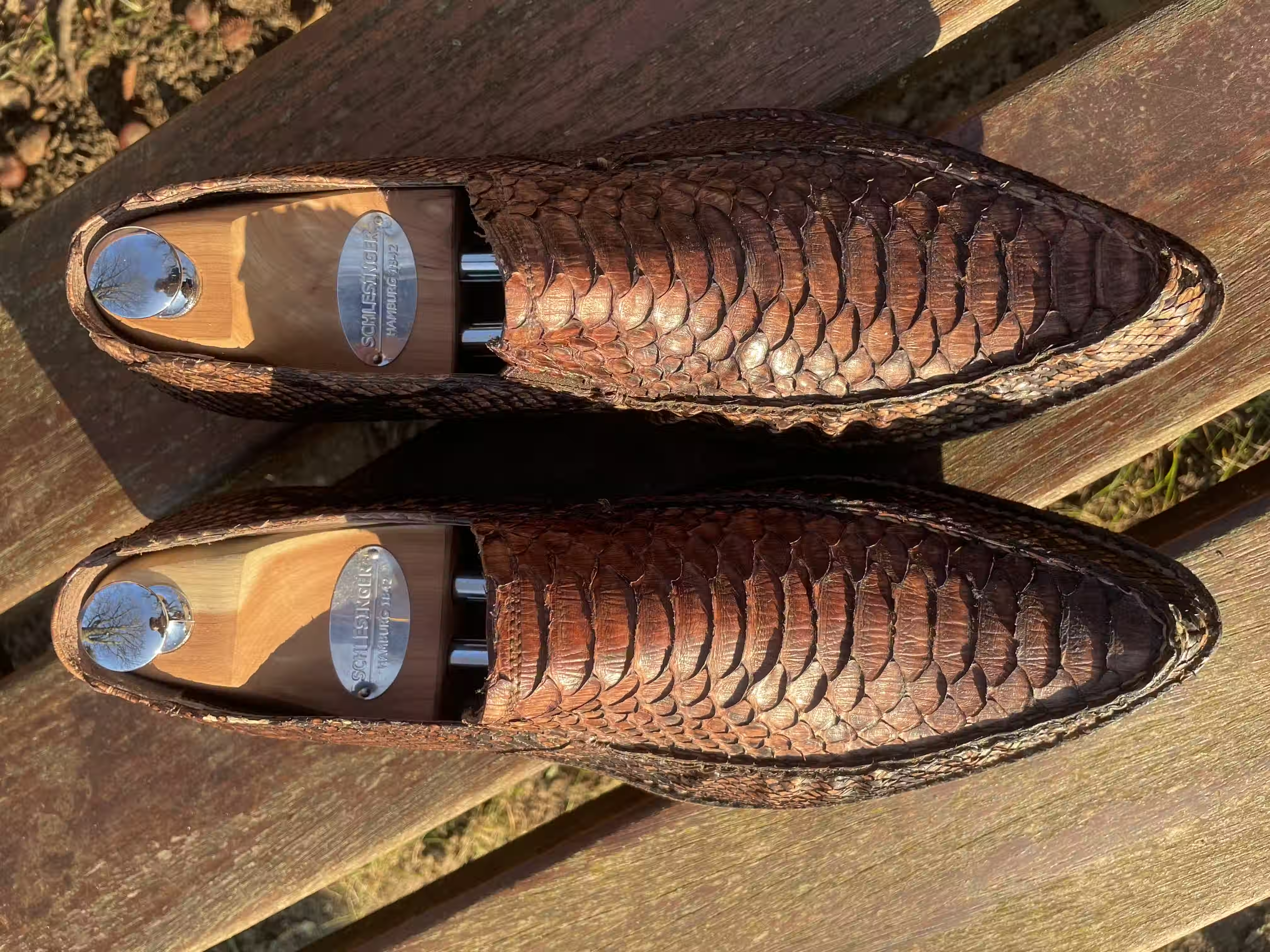
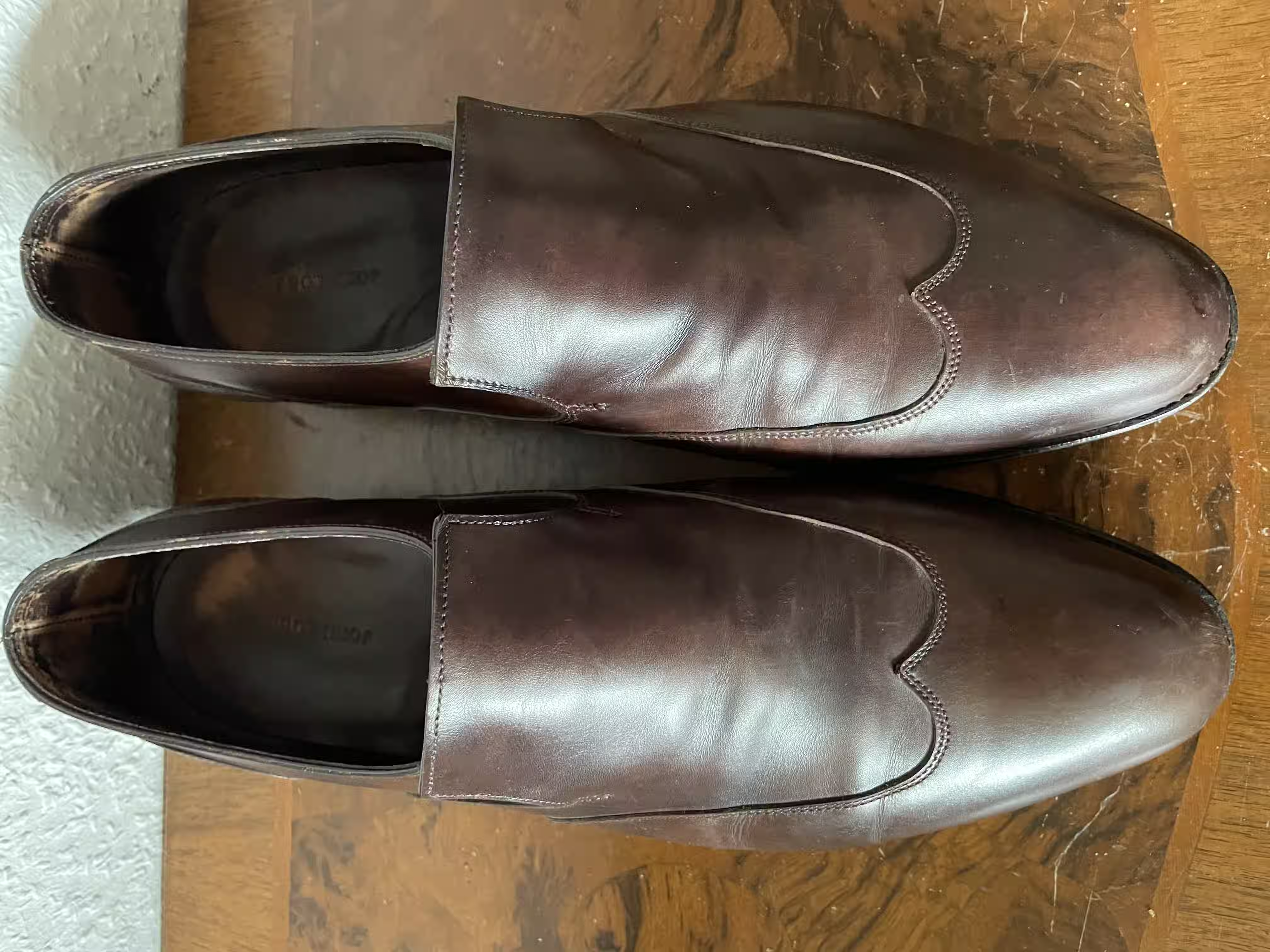
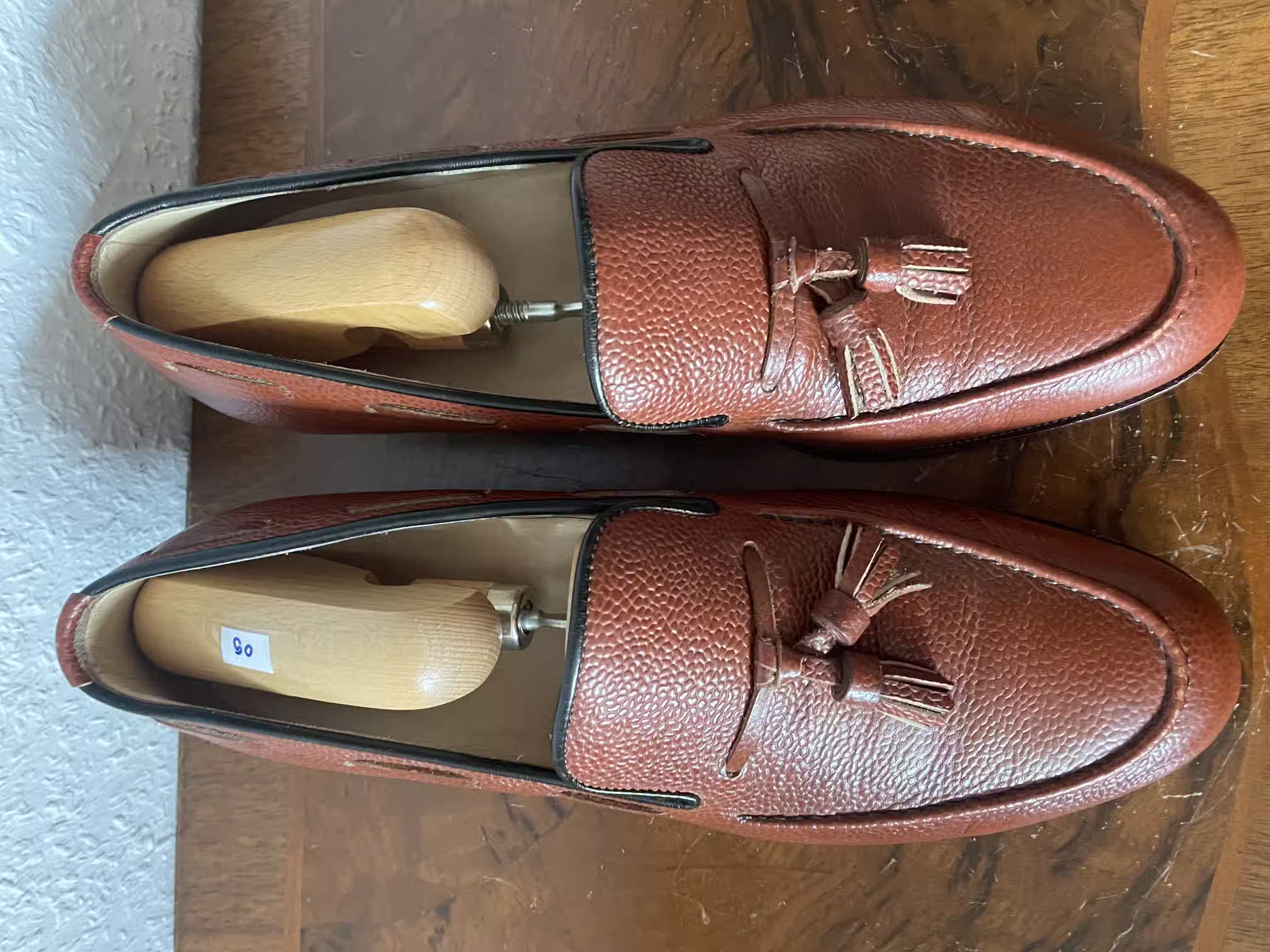
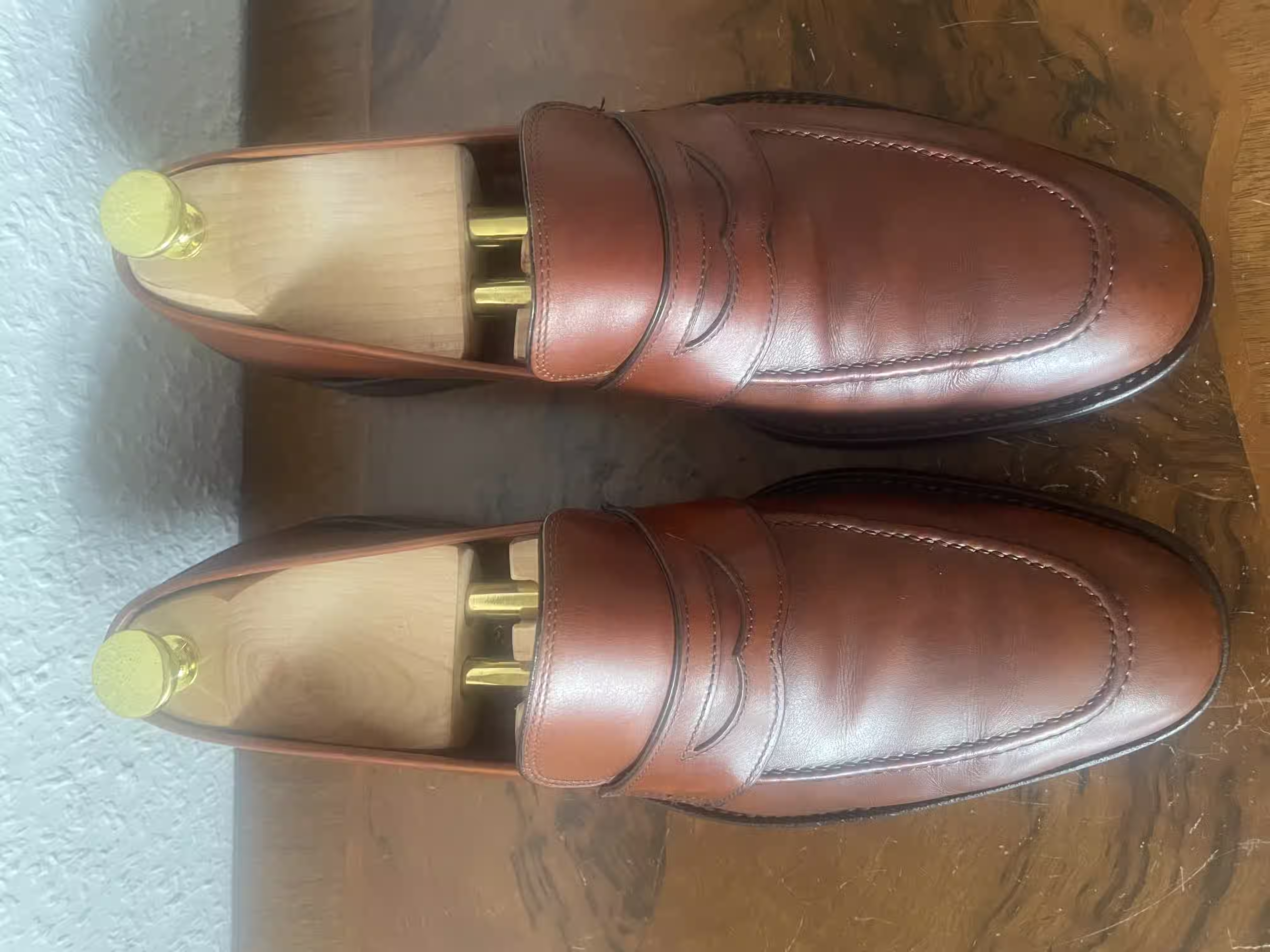
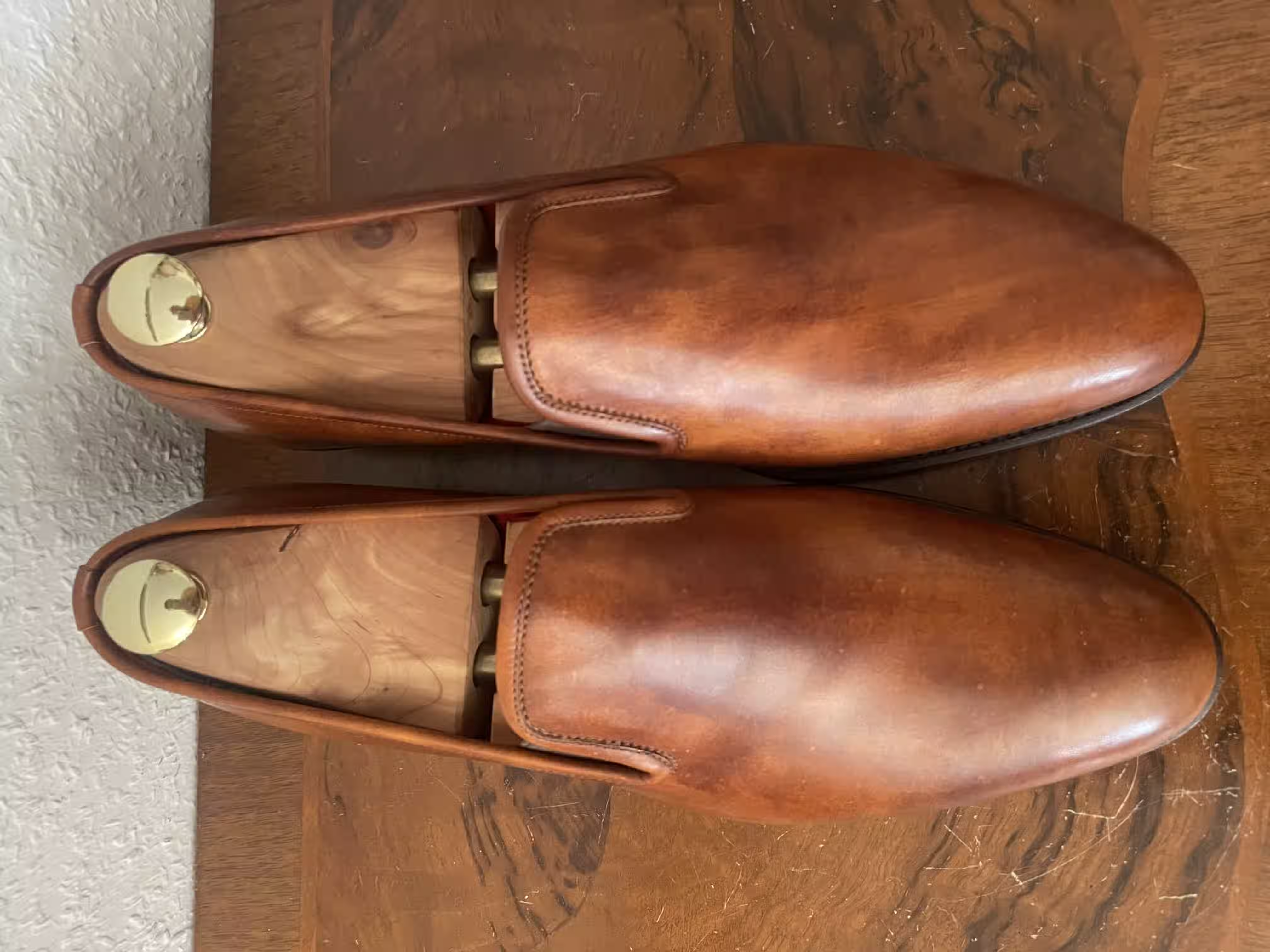
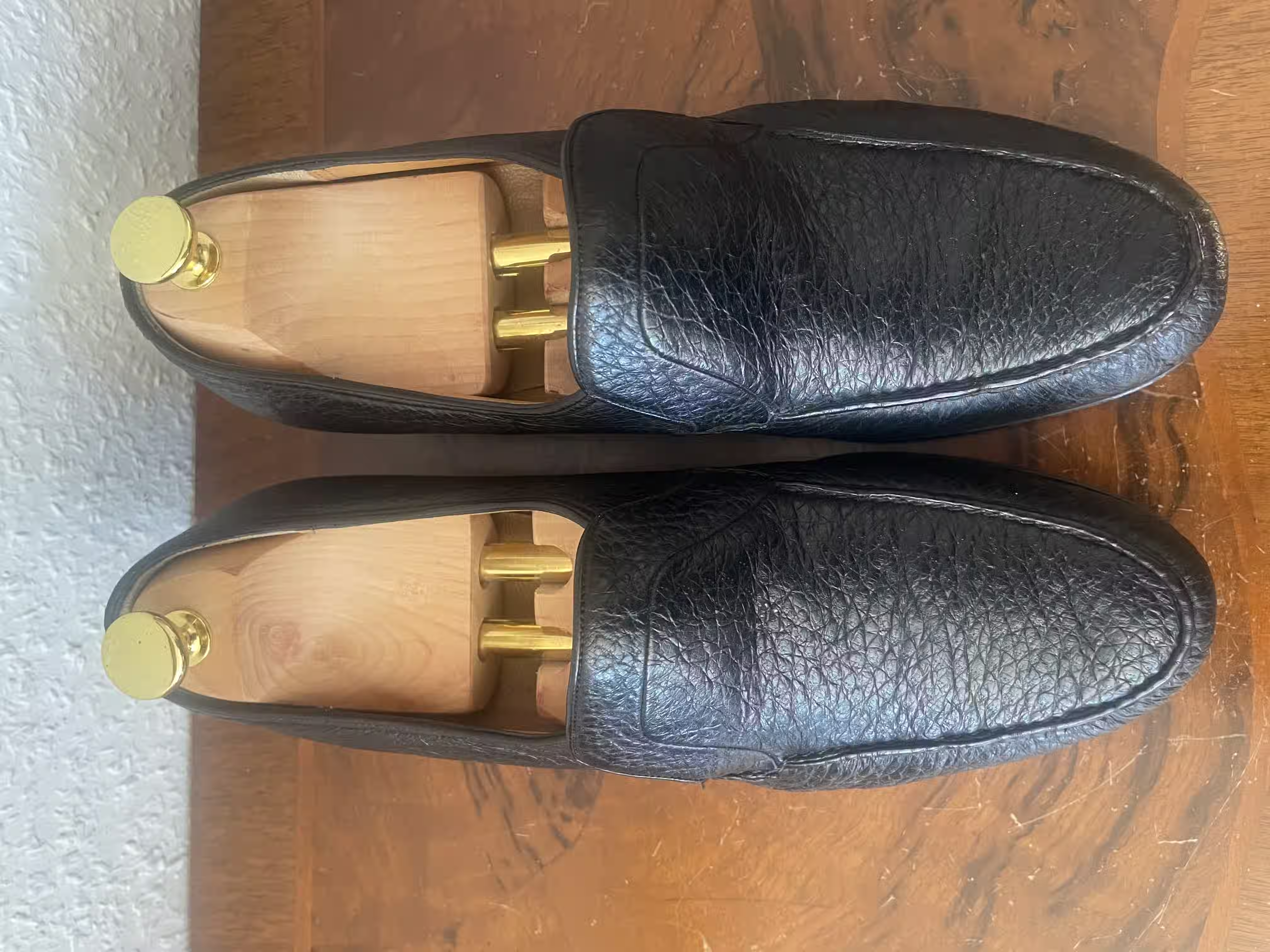
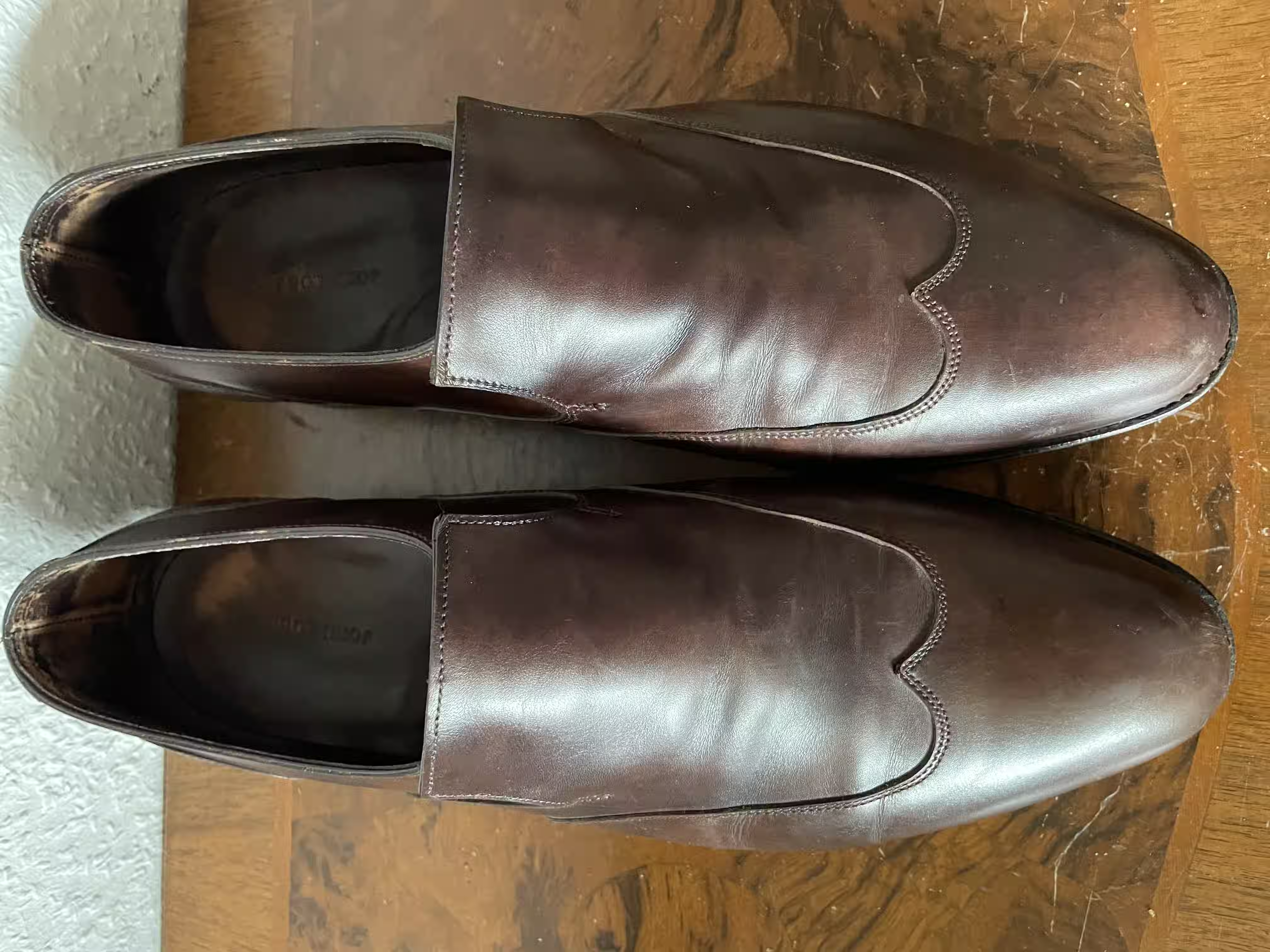
These are mostly shoes for summer that you can slip into quickly, since they have no lacing or anything similar like buckles or even buttons. Accordingly, compared to lace-up shoes they should fit better, especially around the instep: An instep that is too high will cause pain if the shoes are flatter in that area. With shoes with open lacing, you can compensate for something like that more easily, or of course with bespoke shoes. With loafers, you therefore have a somewhat higher sizing risk. Besides that, though, there are many loafer variants, which you can find here:
Boots and Ankle Boots
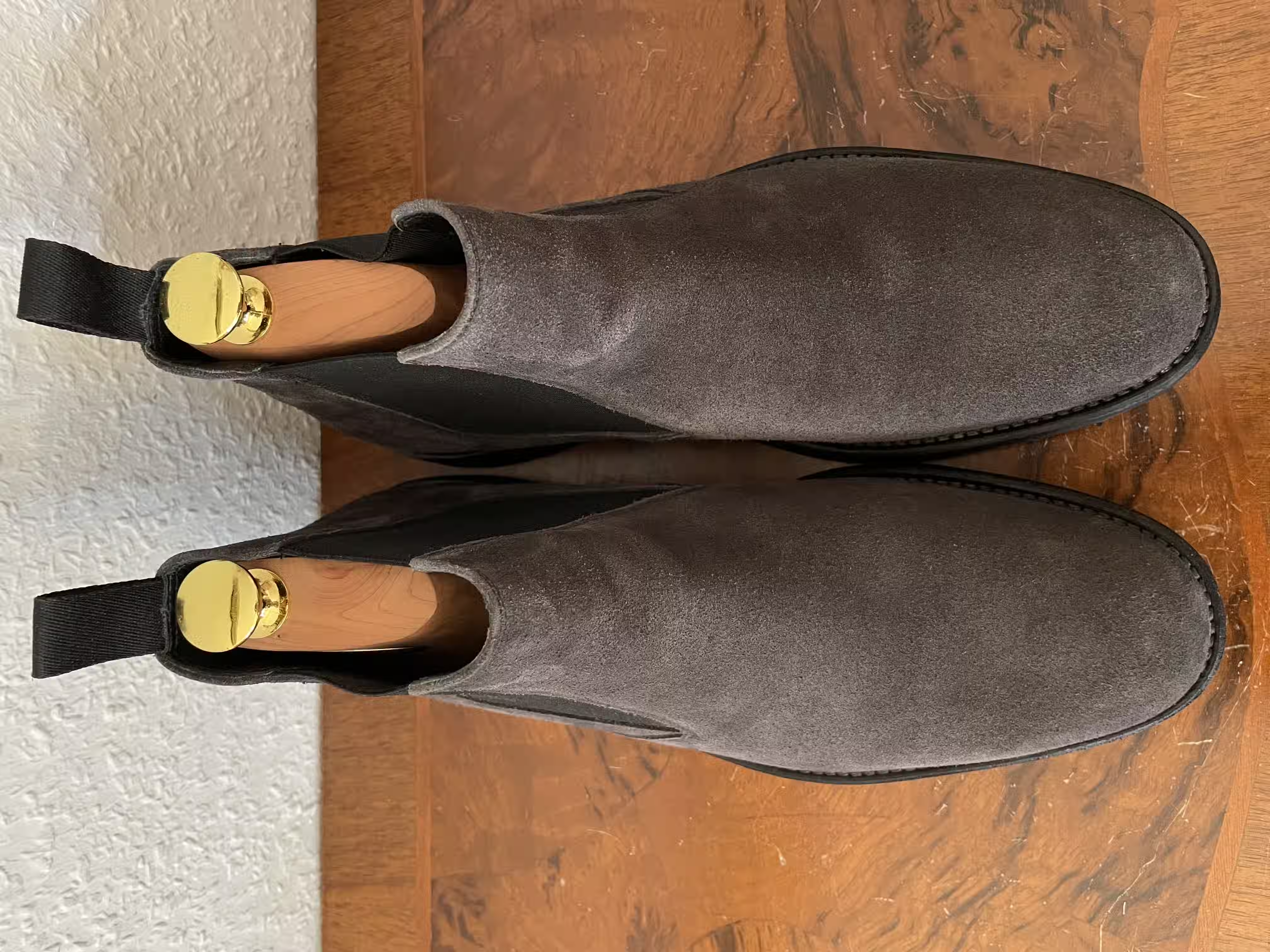
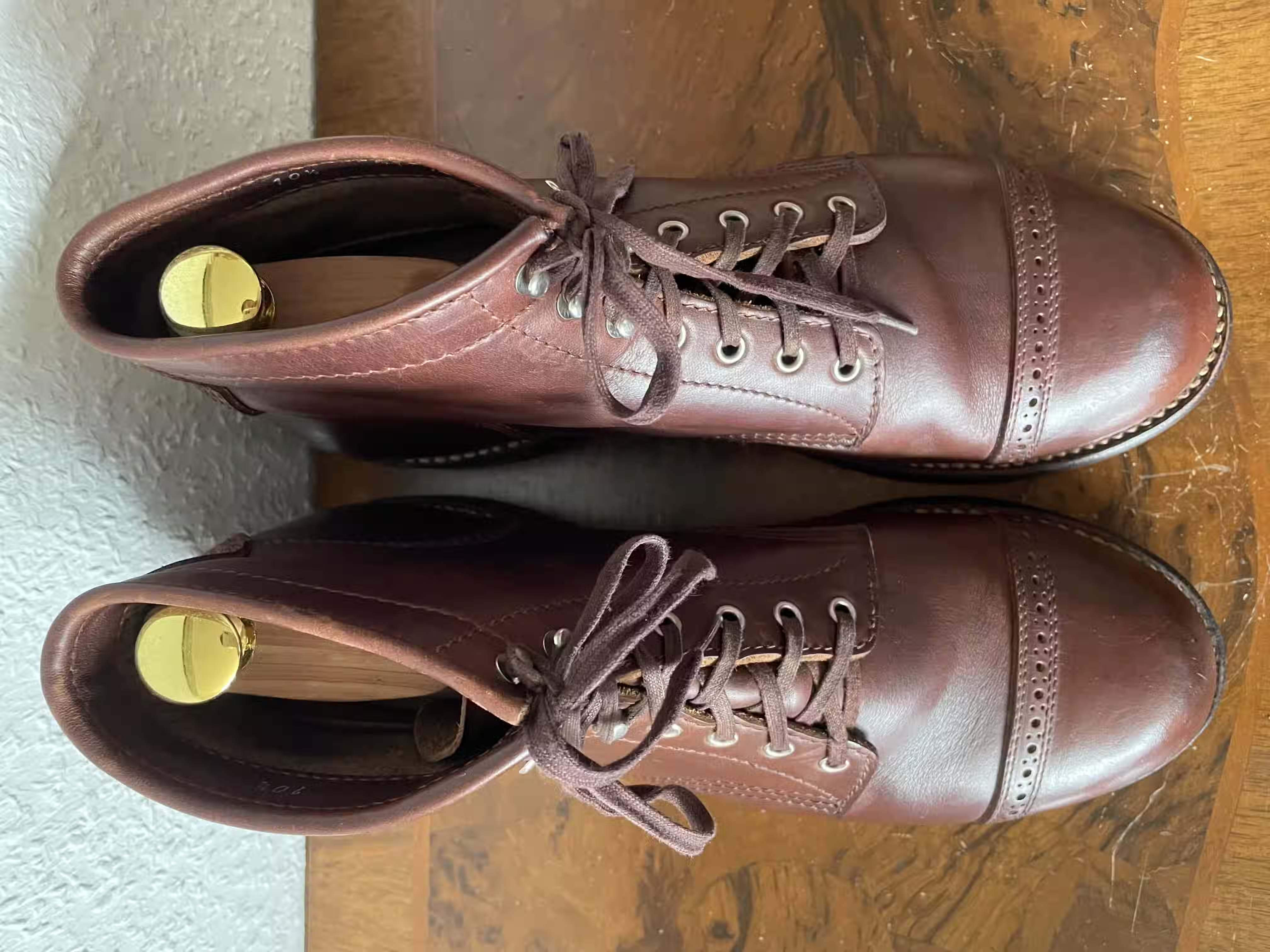
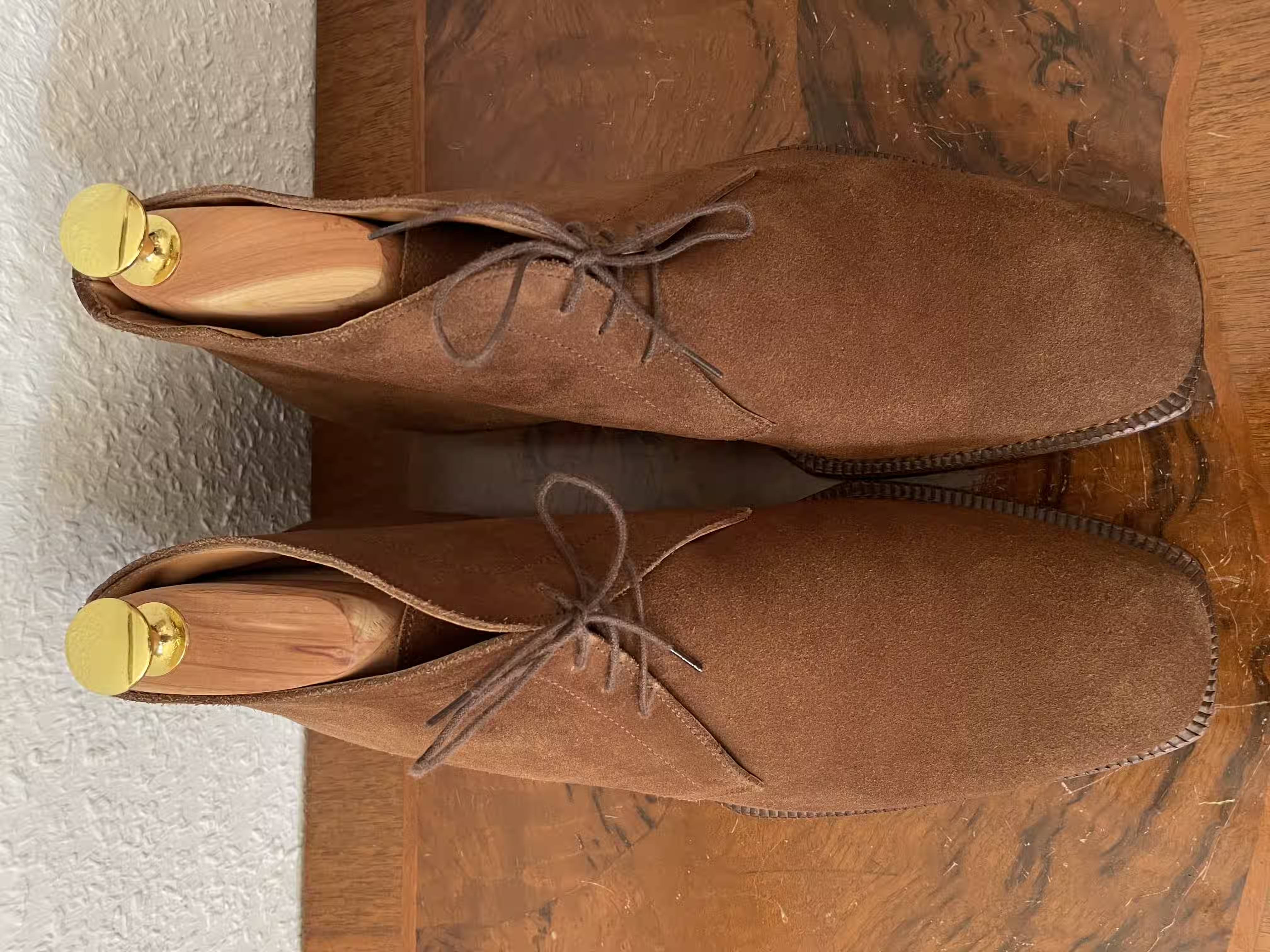
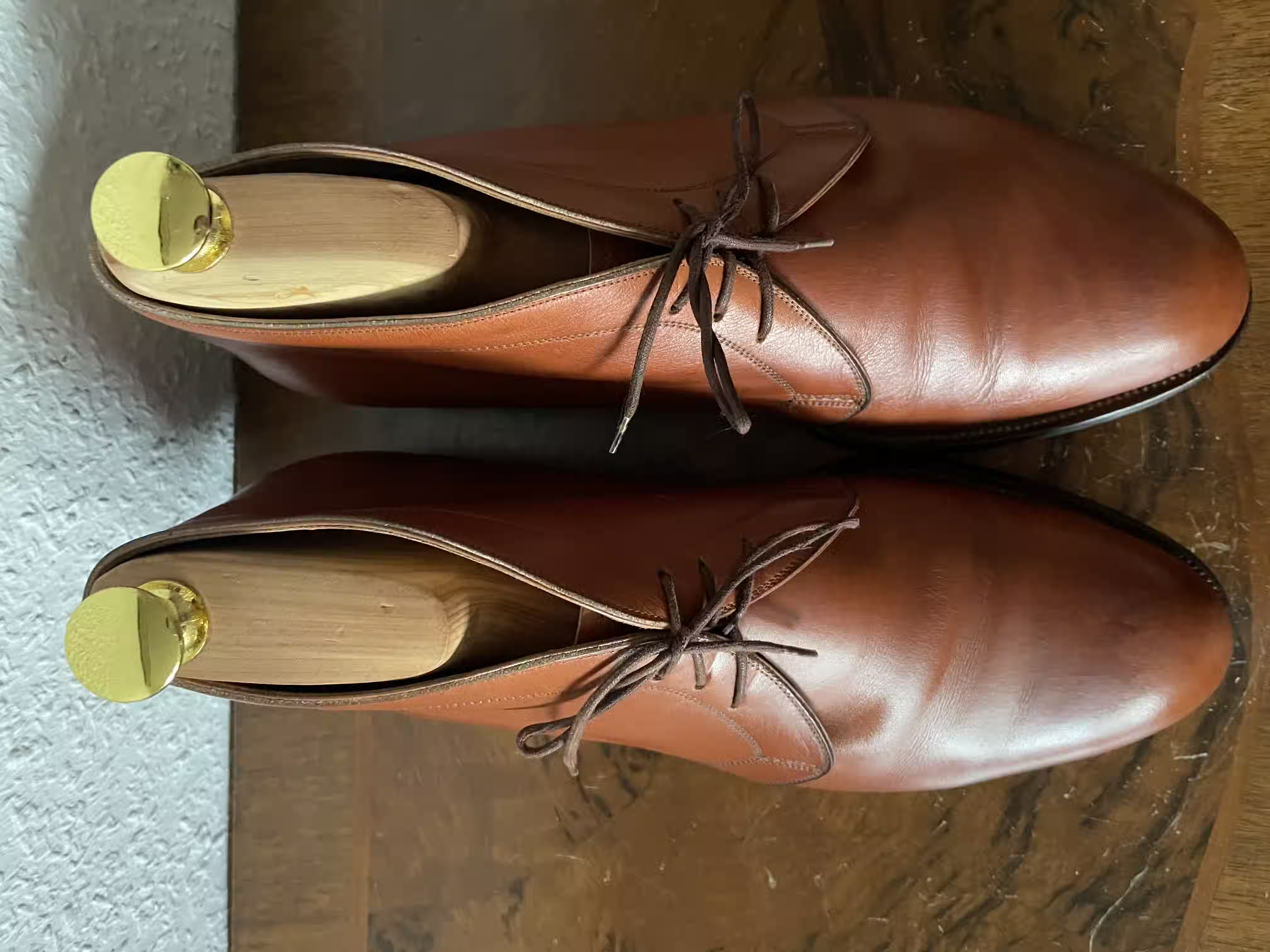
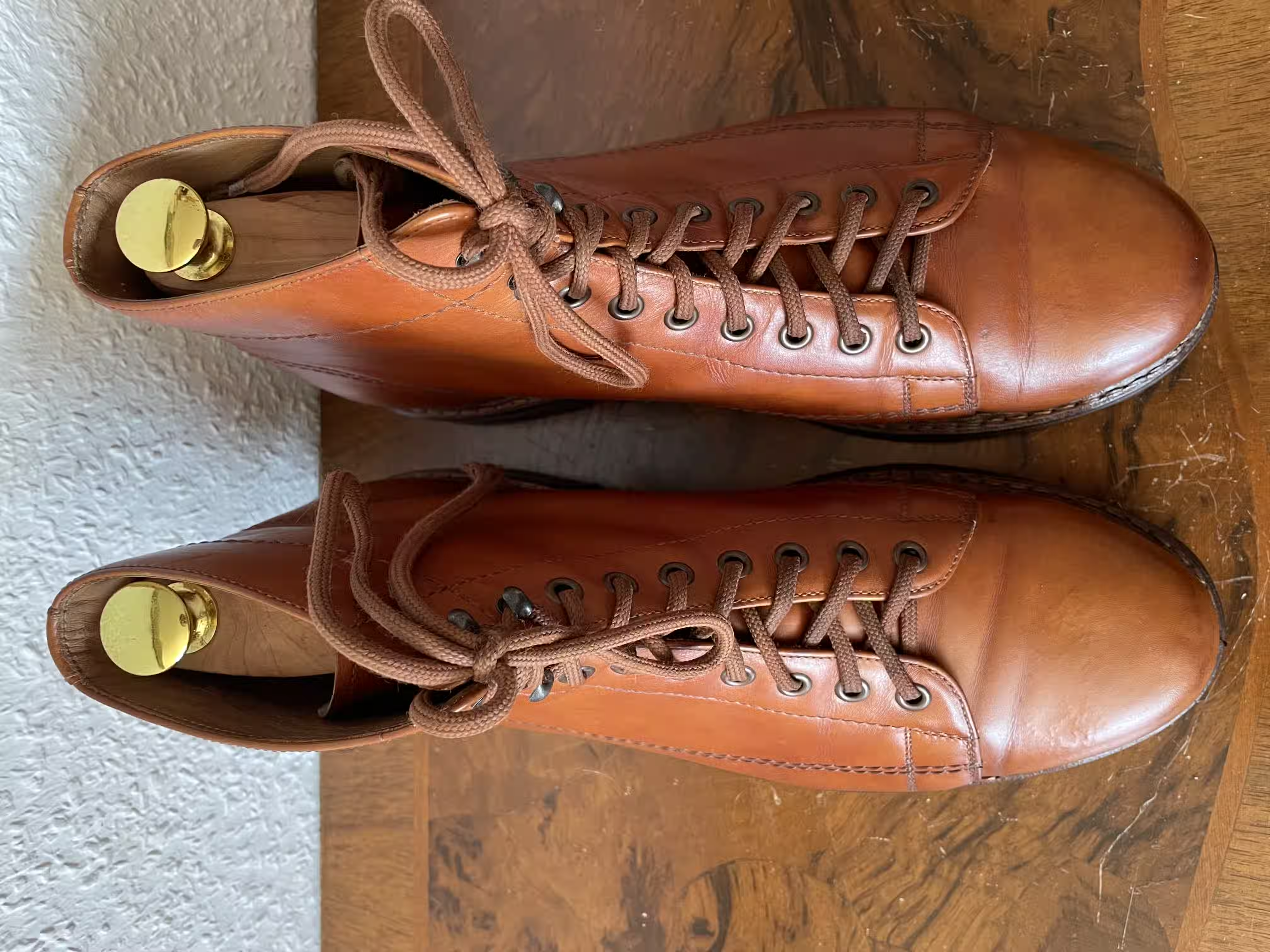
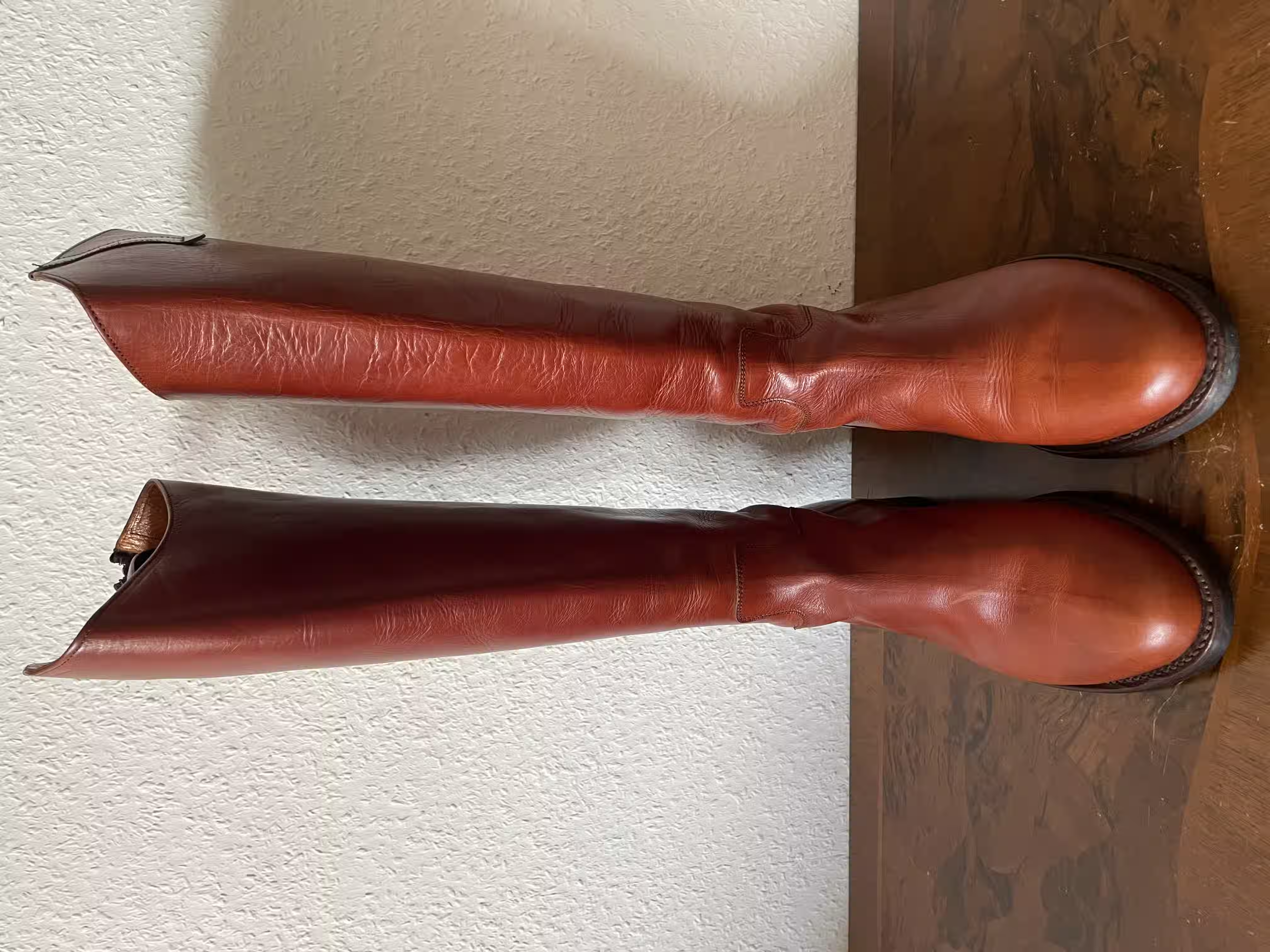
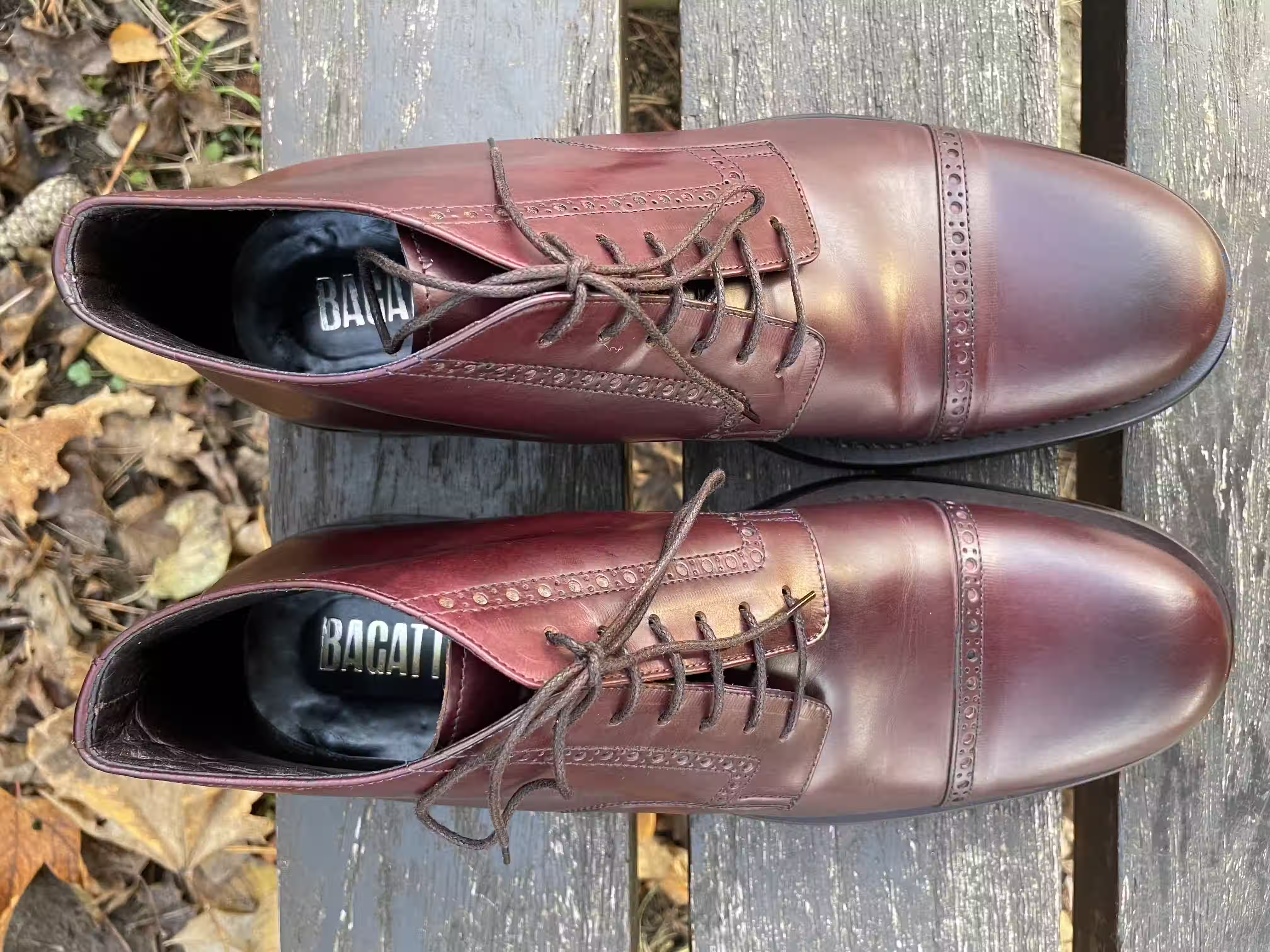
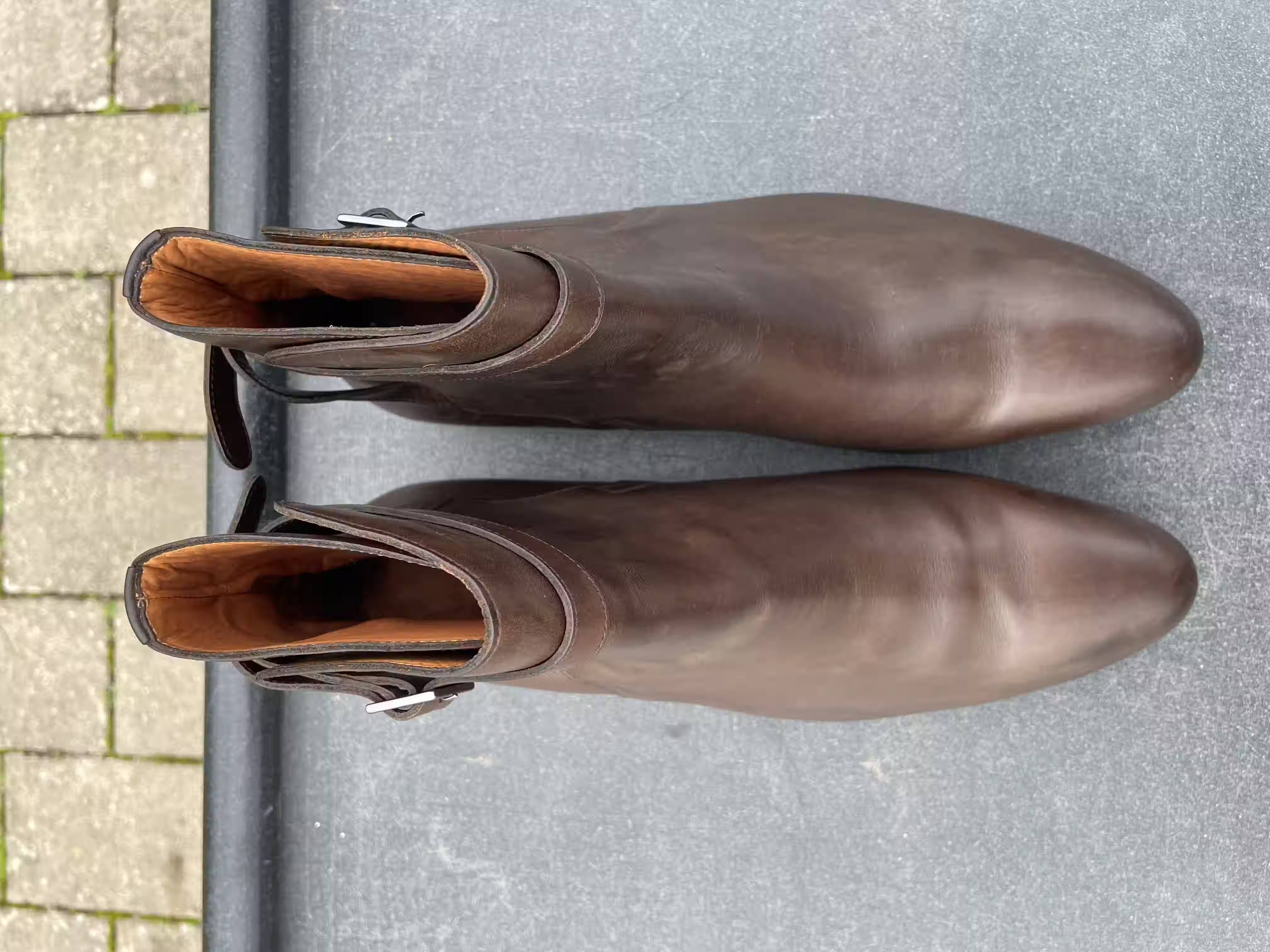
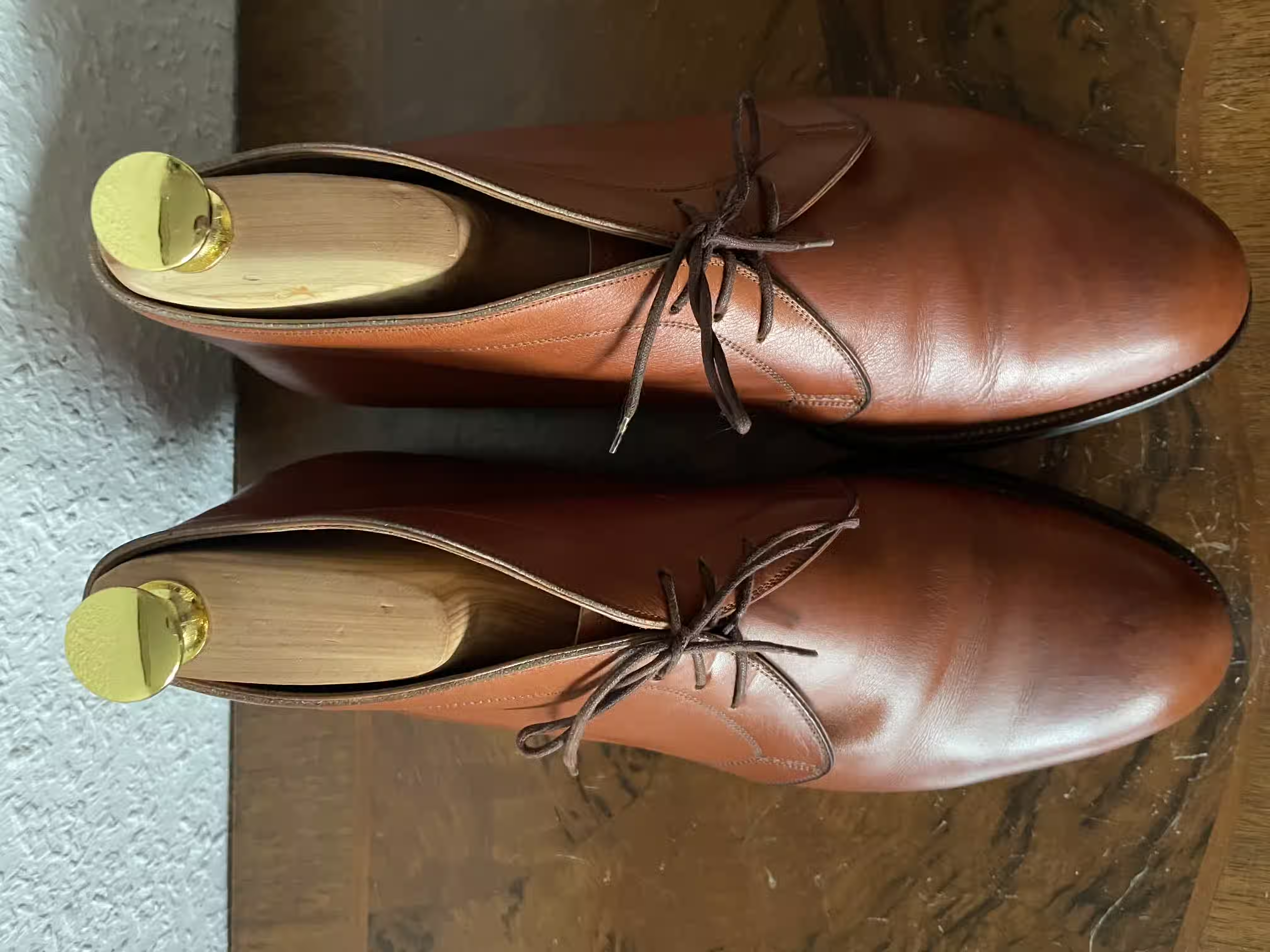
Boots and ankle boots are more for winter and the transitional seasons. There are various models that are based on classic men’s shoes, so that a so-called Balmoral boot is very similar to an Oxford shoe and therefore especially elegant. A so-called monkey boot is more based on sneakers and is therefore quite good for casual everyday wear. - Although historically, it was usually the other way around: The Balmoral boot came first, even before the Oxford emerged.
Historically, in Europe for a while boots and ankle boots were more common. Low shoes only really became established in the 1920s.
Brogues
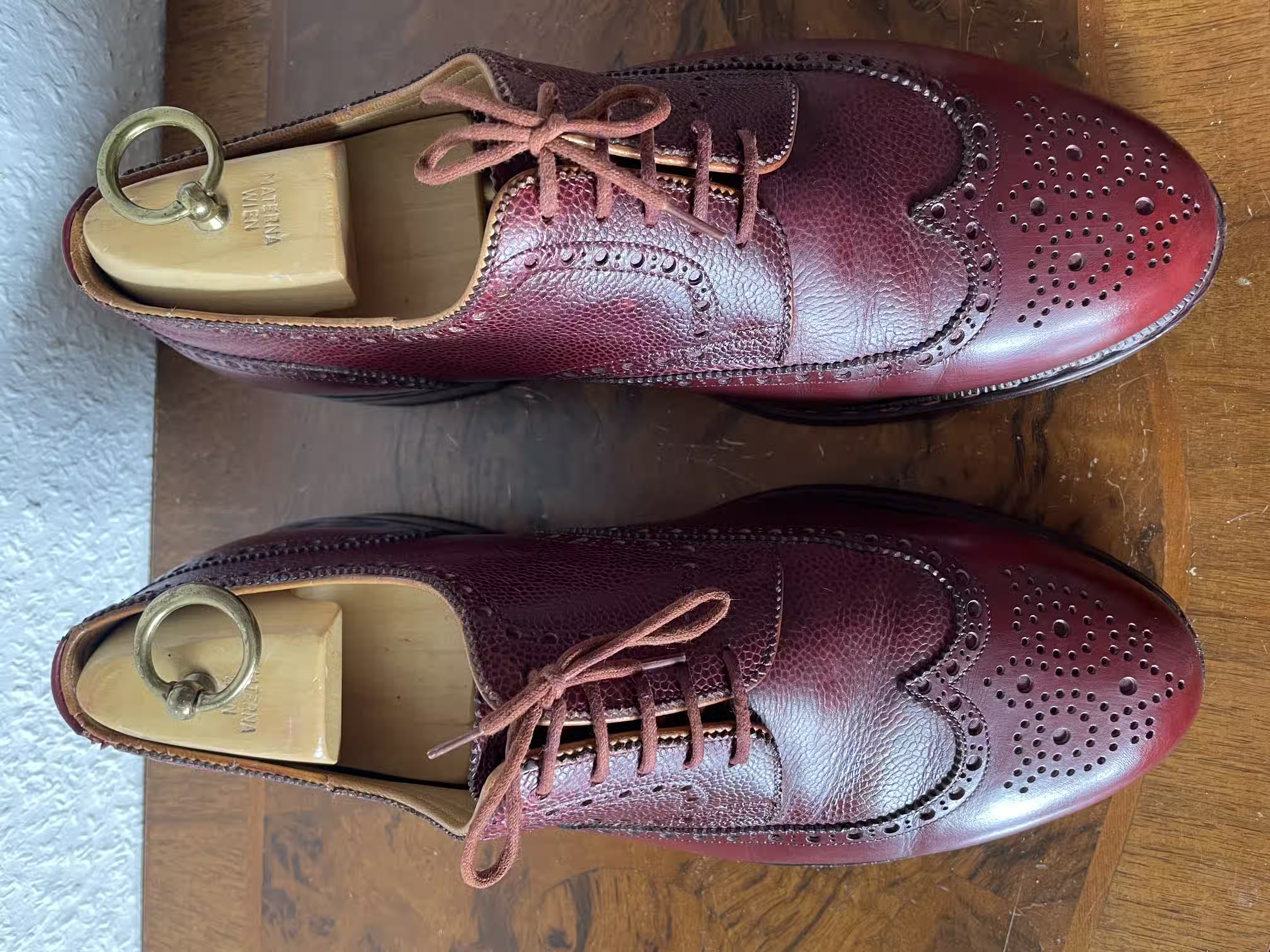
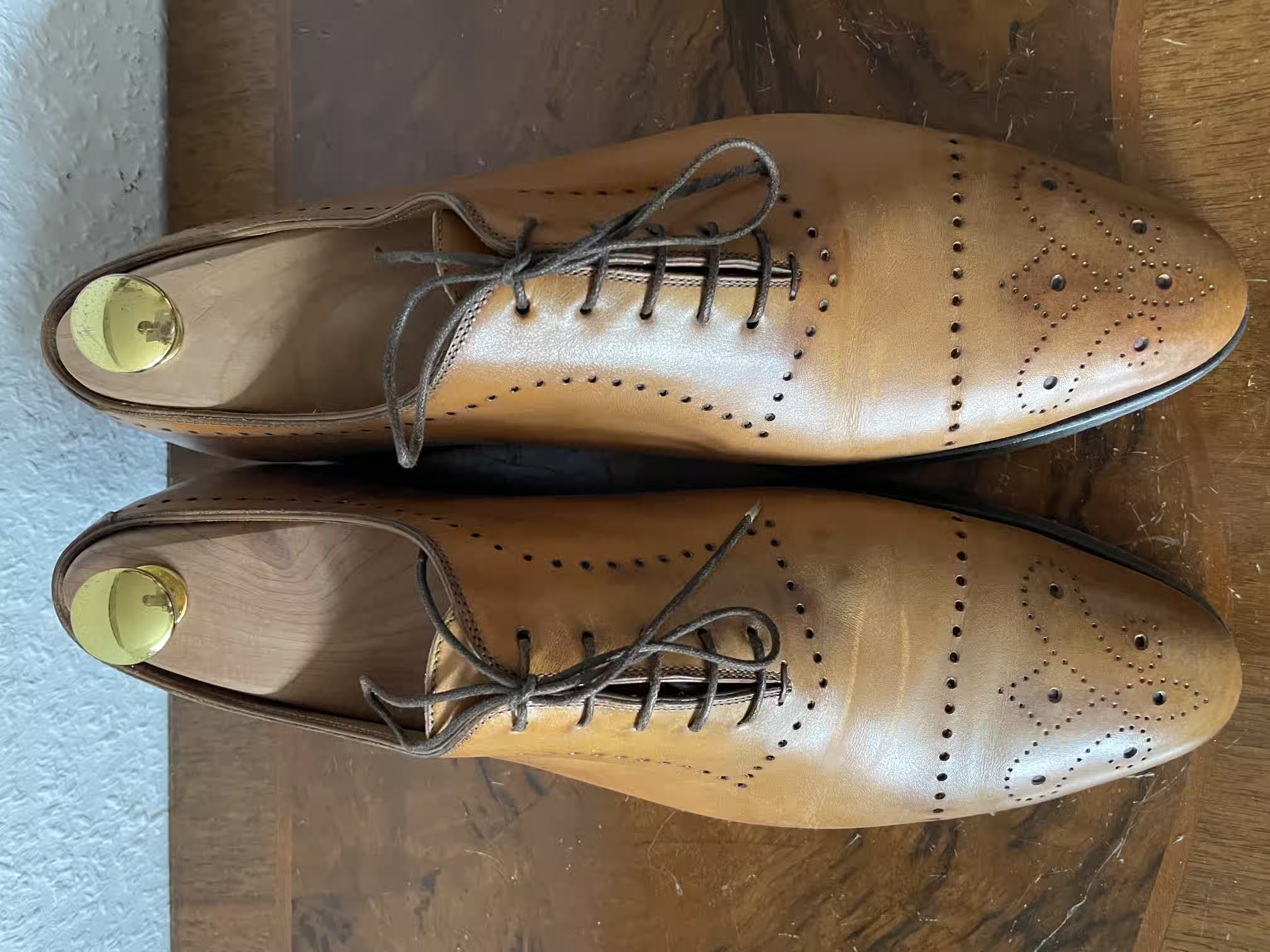
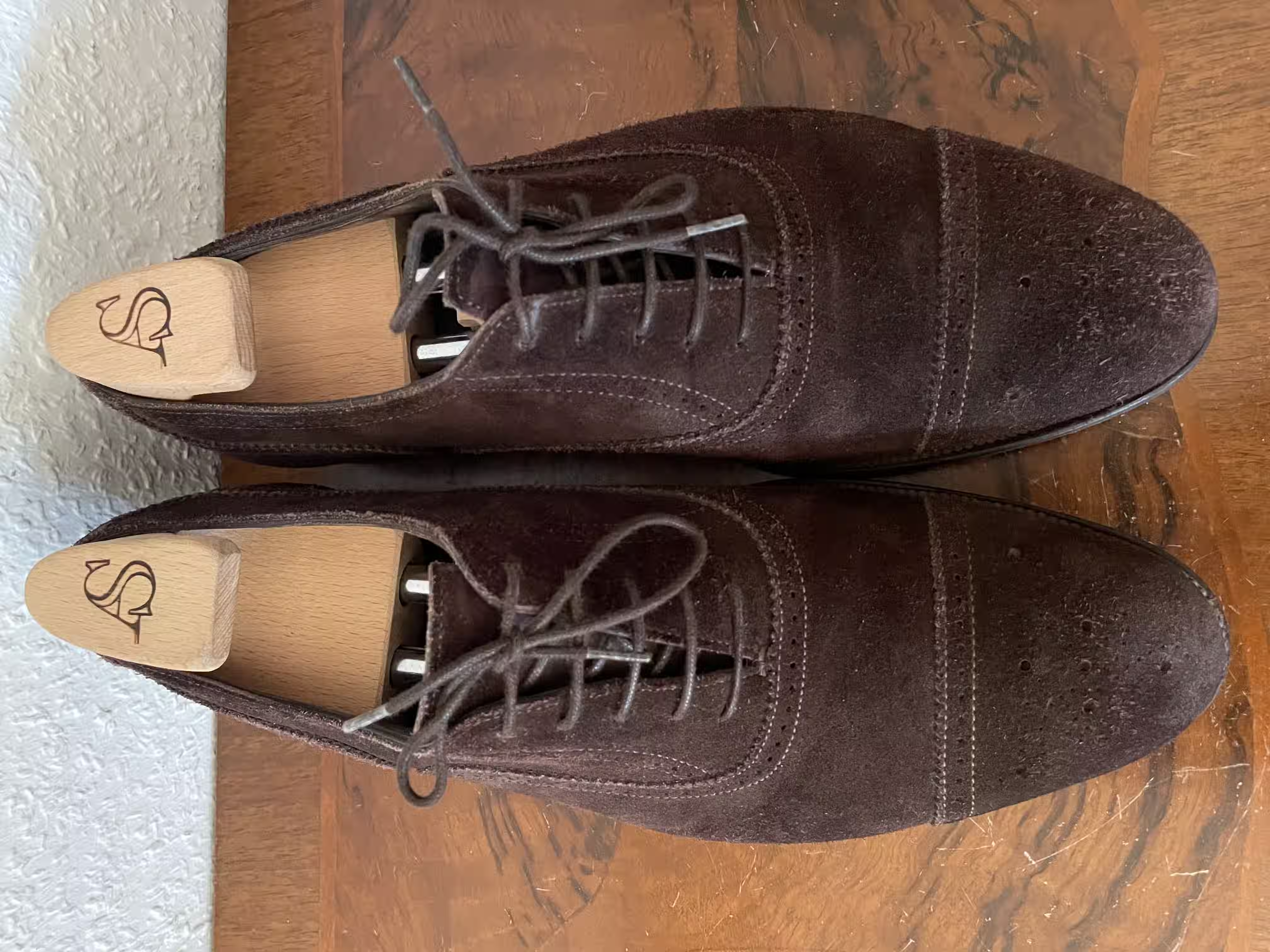
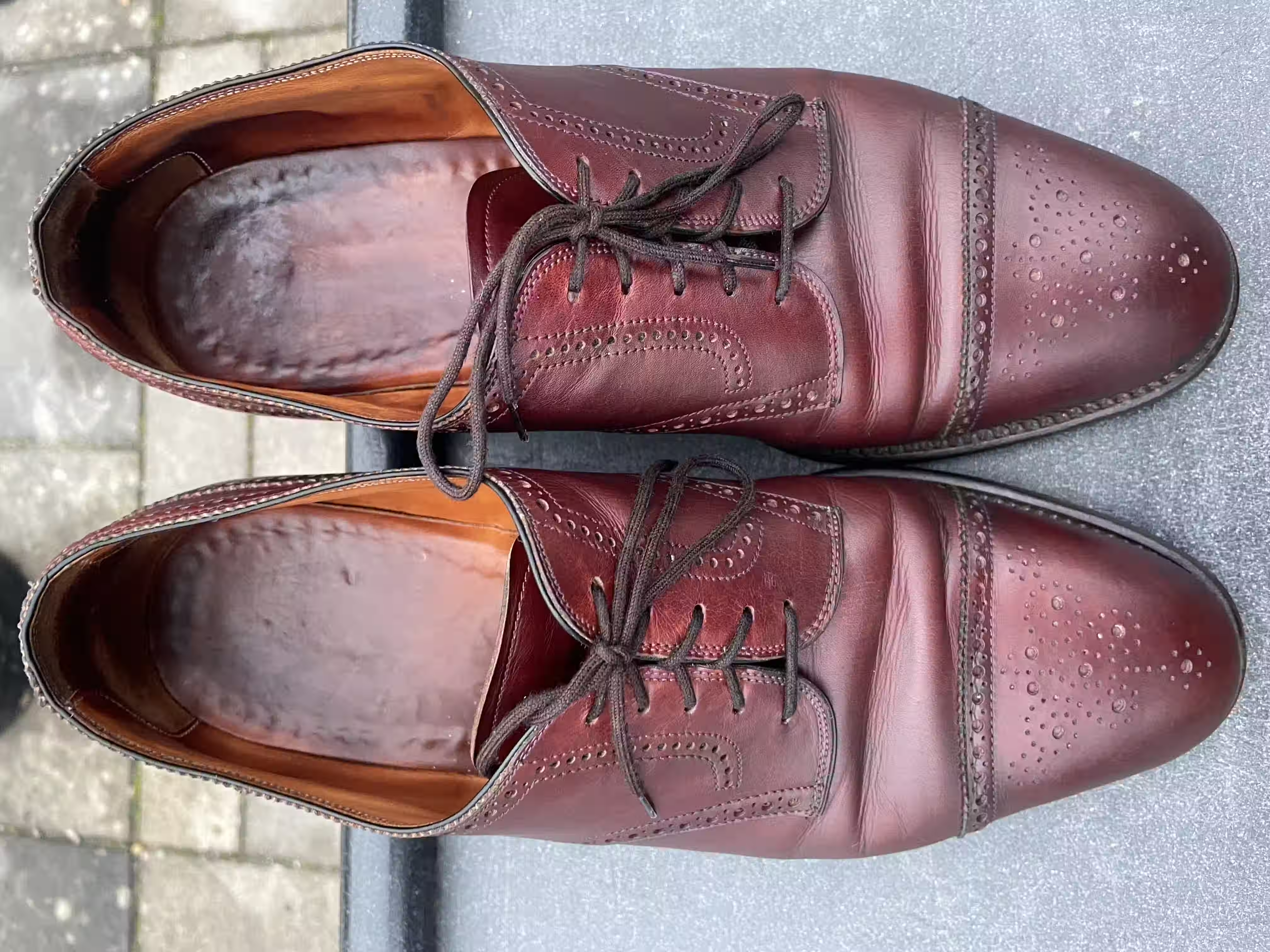
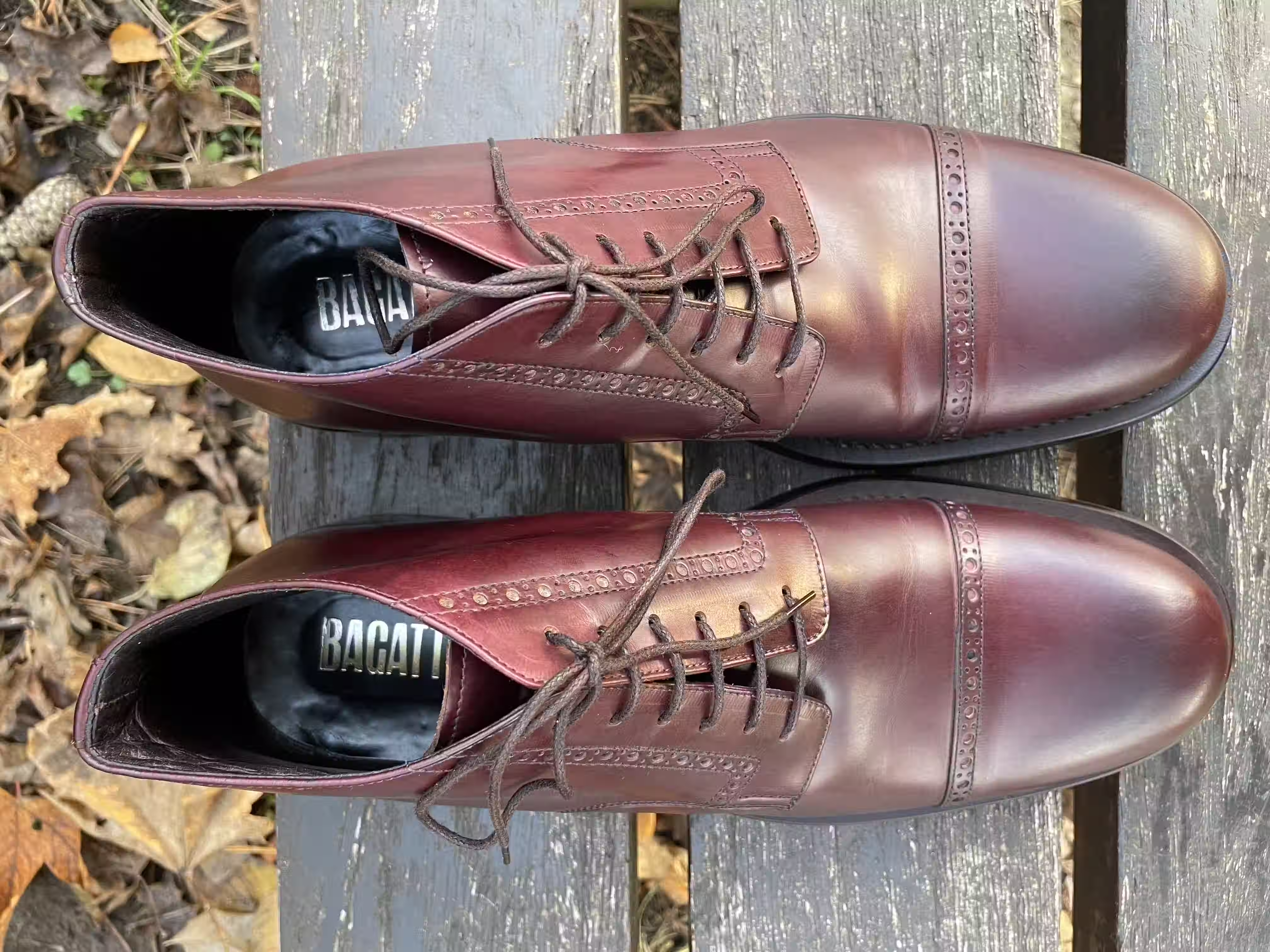
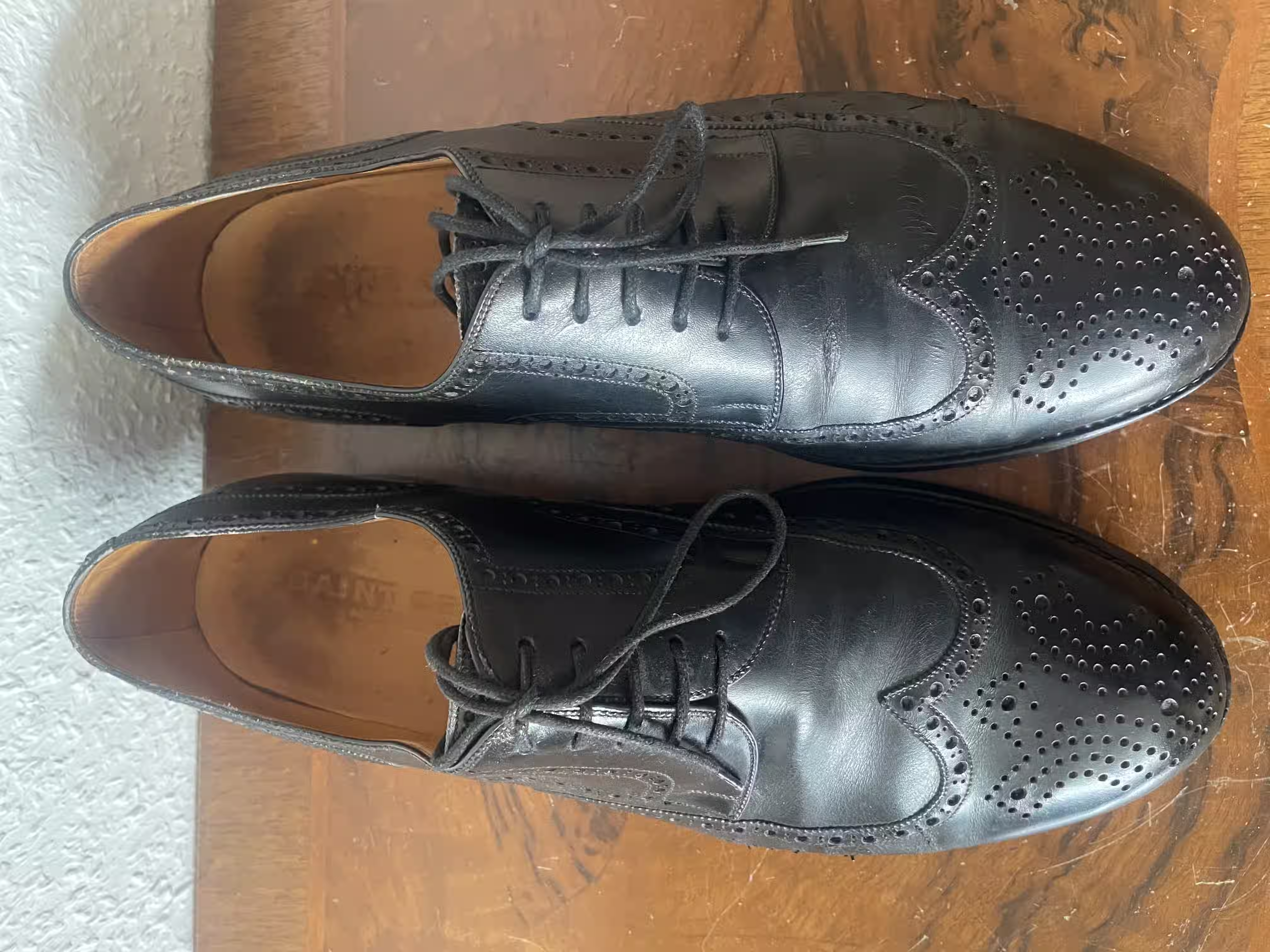
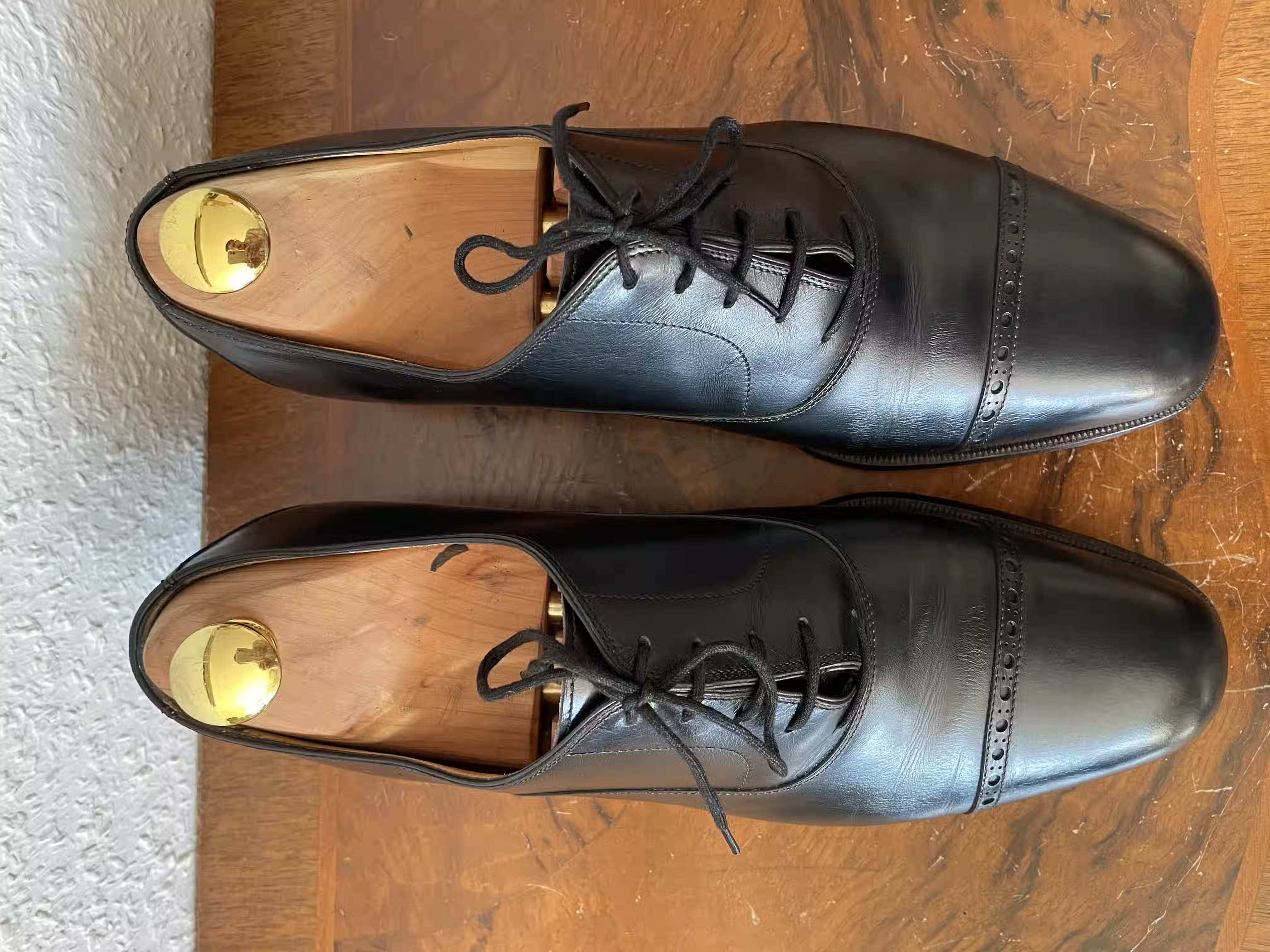
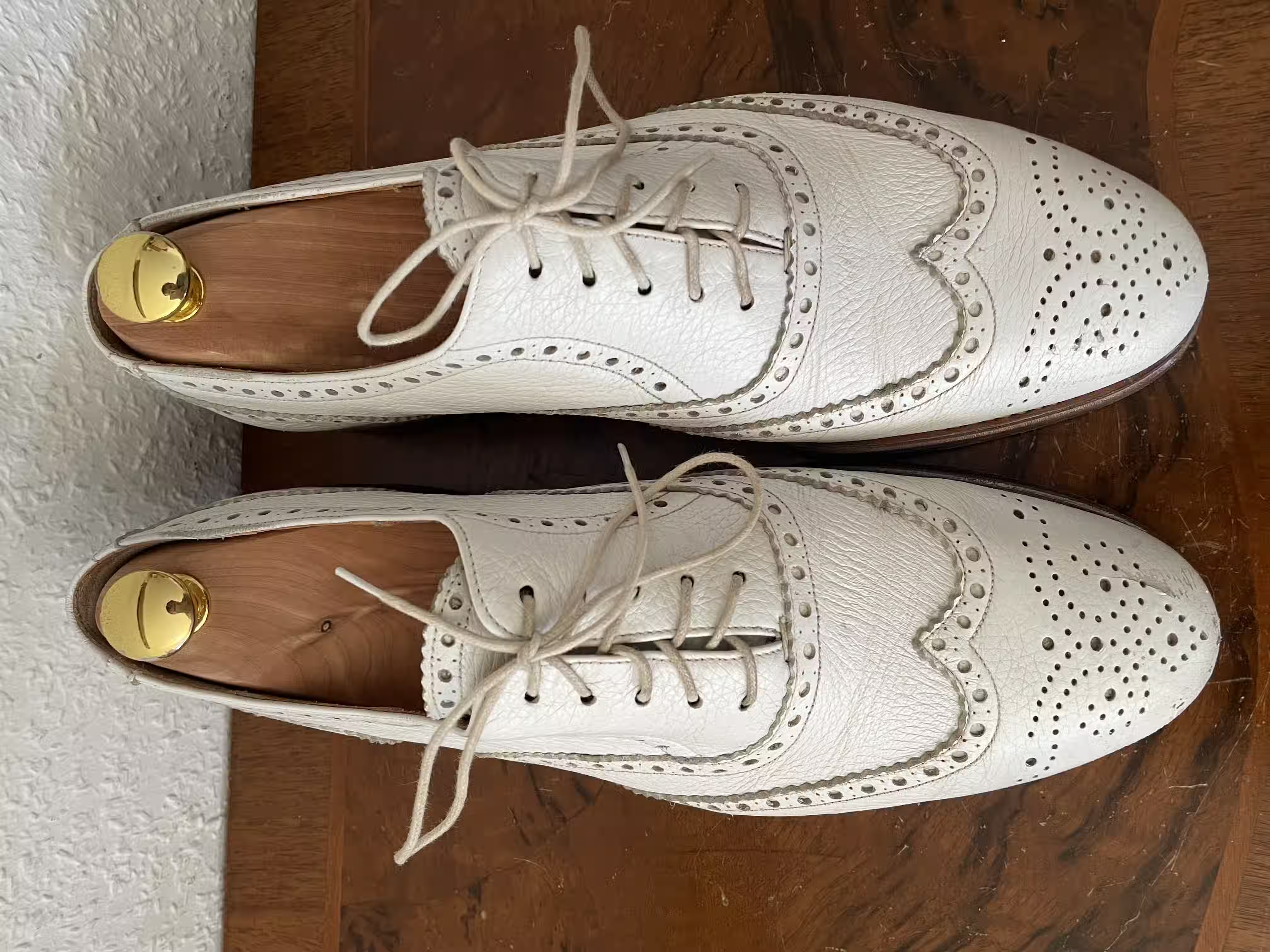
Brogues are a variation that uses perforation patterns to decorate the visible upper of the shoe. There are versions with varying degrees of intensity, starting with the so-called quarter brogue, which features rather modest decoration, all the way to the so-called longwing full brogue with very pronounced perforation-pattern decoration. In the following article you can get more impressions:
Other shoe models and further variations
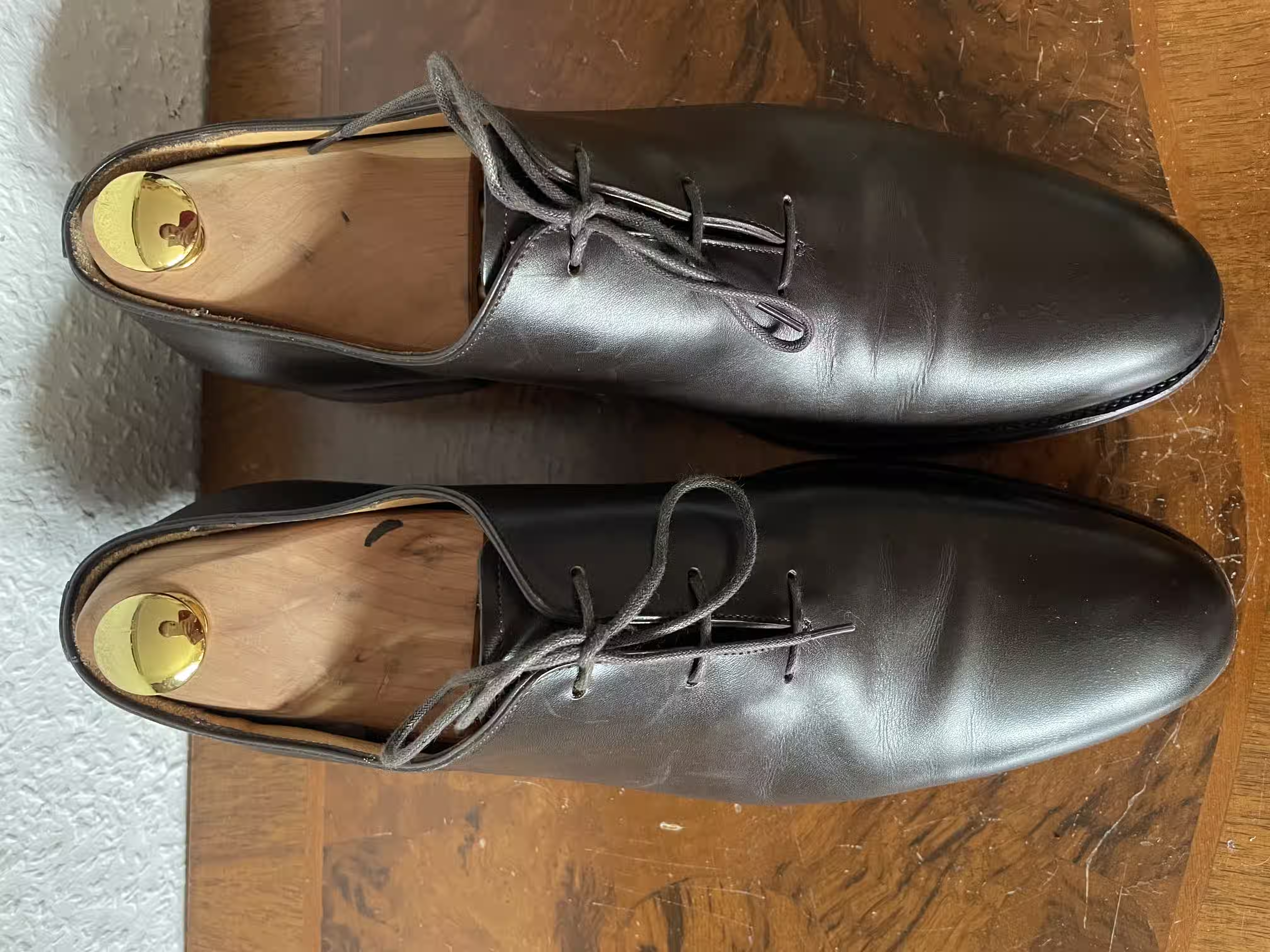
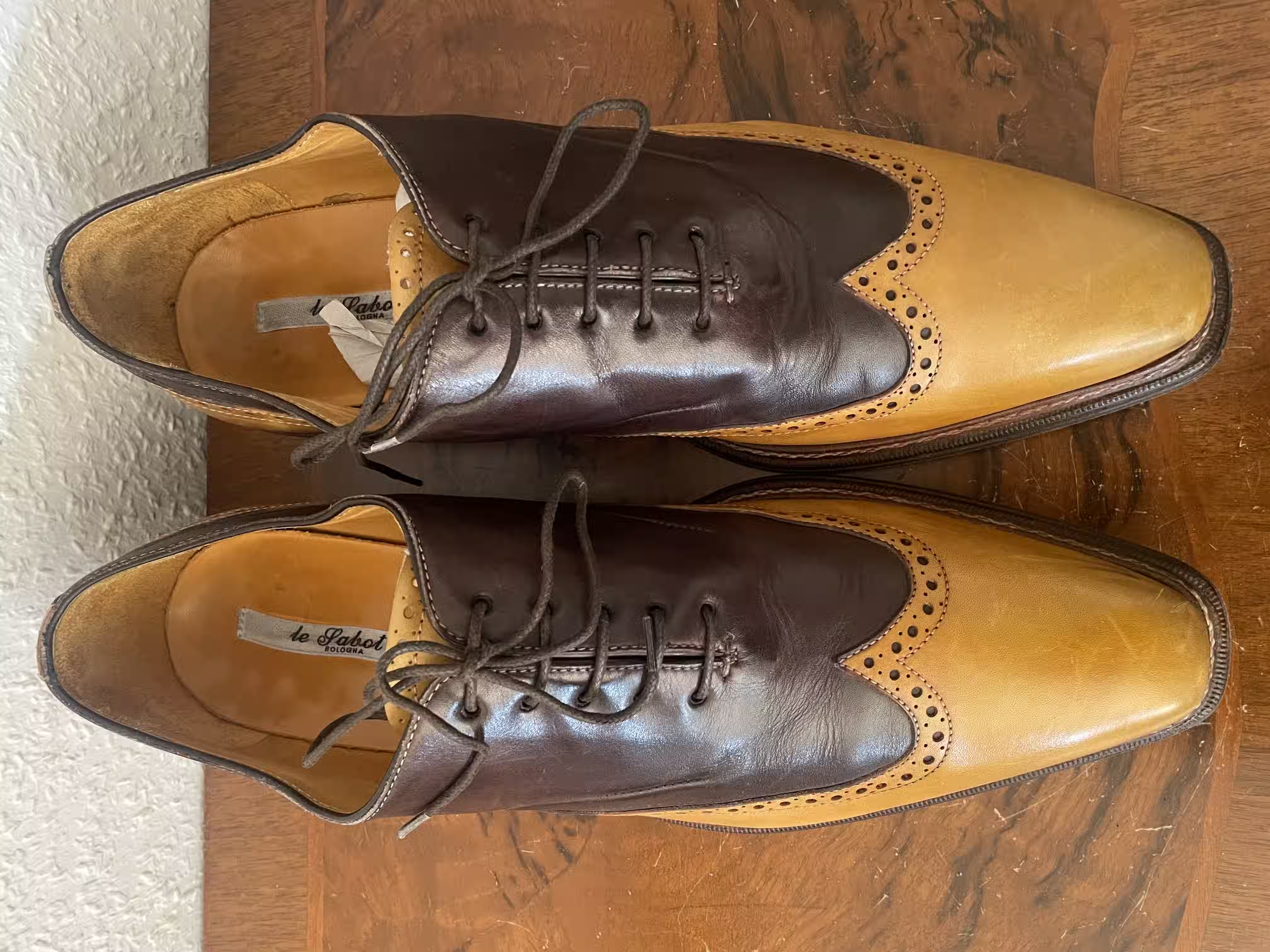
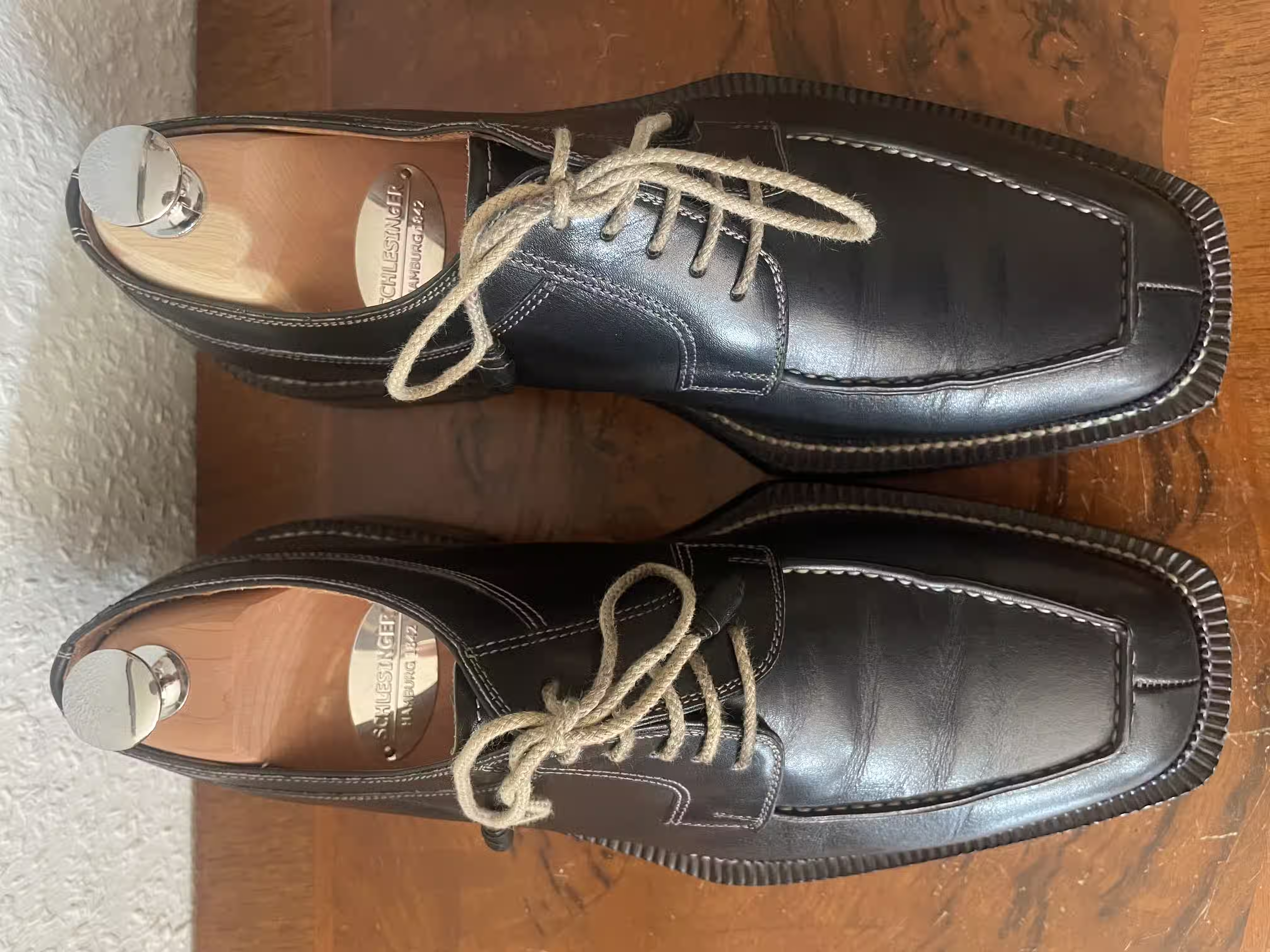
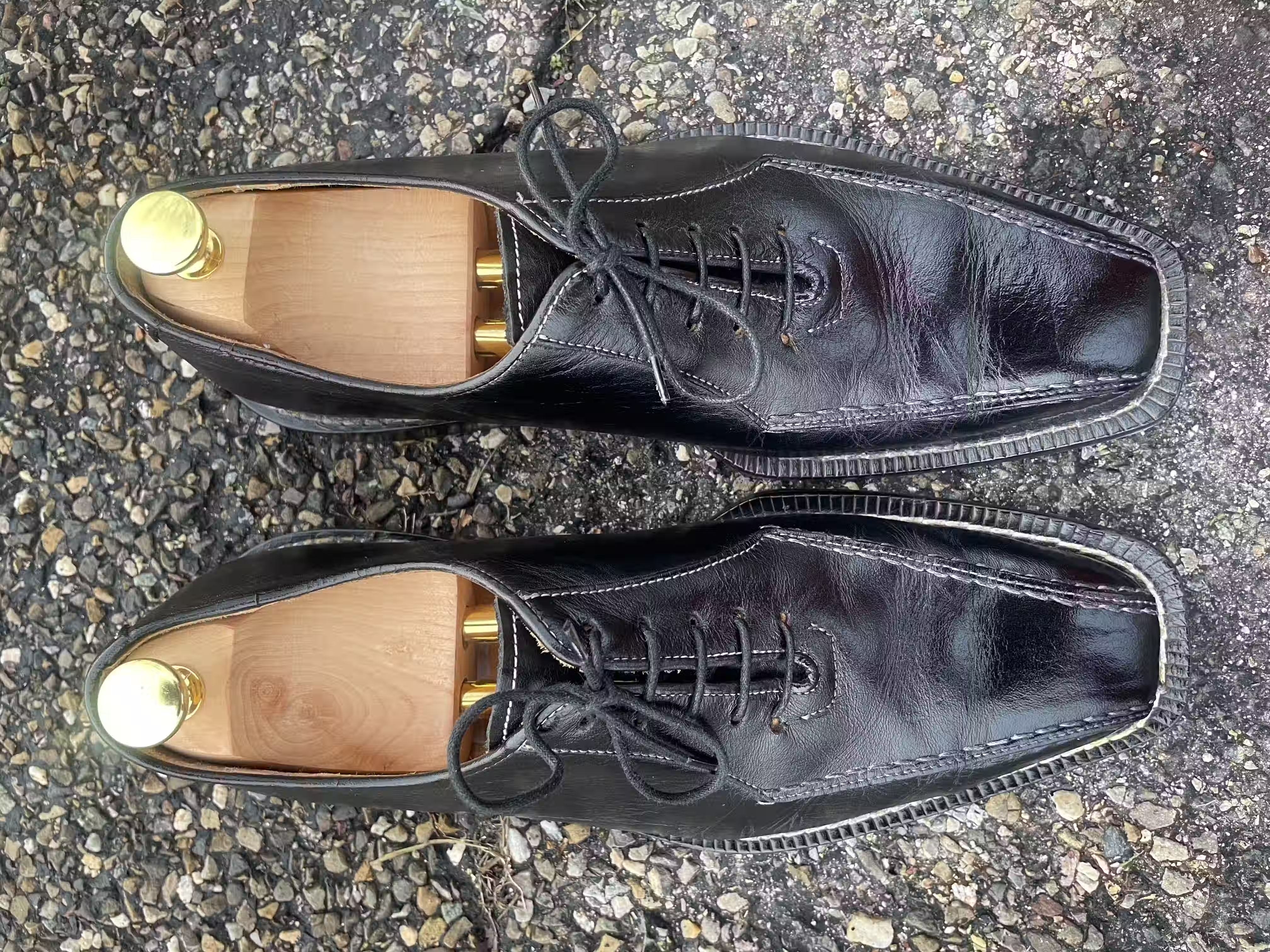
Instead of completely standalone models, there are also variations that can be applied to various basic models above to create a variation of them. An Oxford can become a so-called wholecut Oxford, or a full-brogue Oxford can become a so-called spectator by adding two-tone coloring. Ultimately, there are many variants you can imagine. But here I’m introducing a few more well-known ones that have even been given a name:
Which models or shoe variations can I use to replace my everyday sneakers?
In my view, the following specific models or variations are a very good replacement for sneakers in everyday life—mostly simply because they are particularly relaxed and therefore not too strict or formal. If you also choose brown instead of black, and embossed smooth leather or suede instead of plain smooth leather, they become even more suitable for everyday wear.
Norwegian shoes
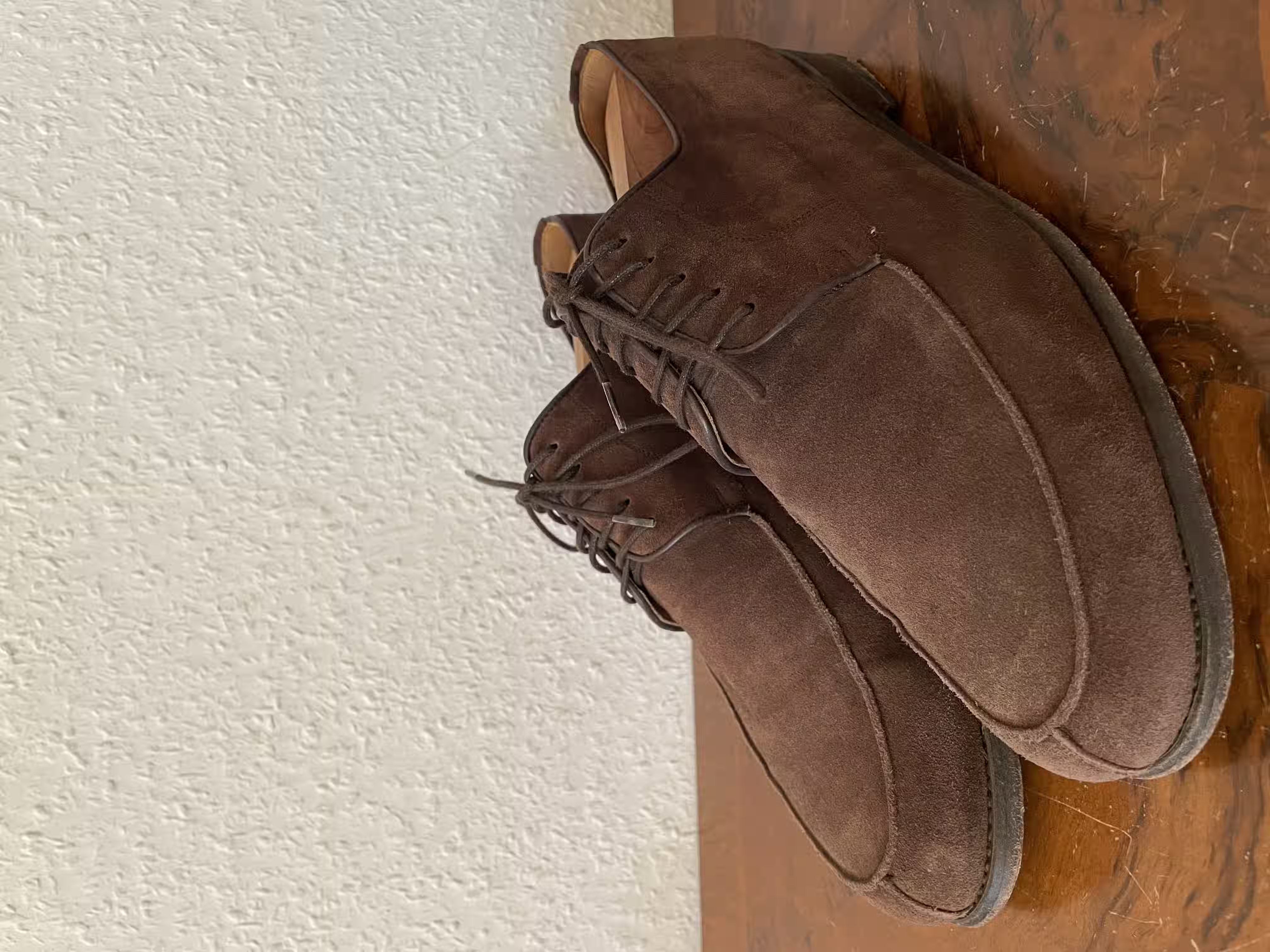
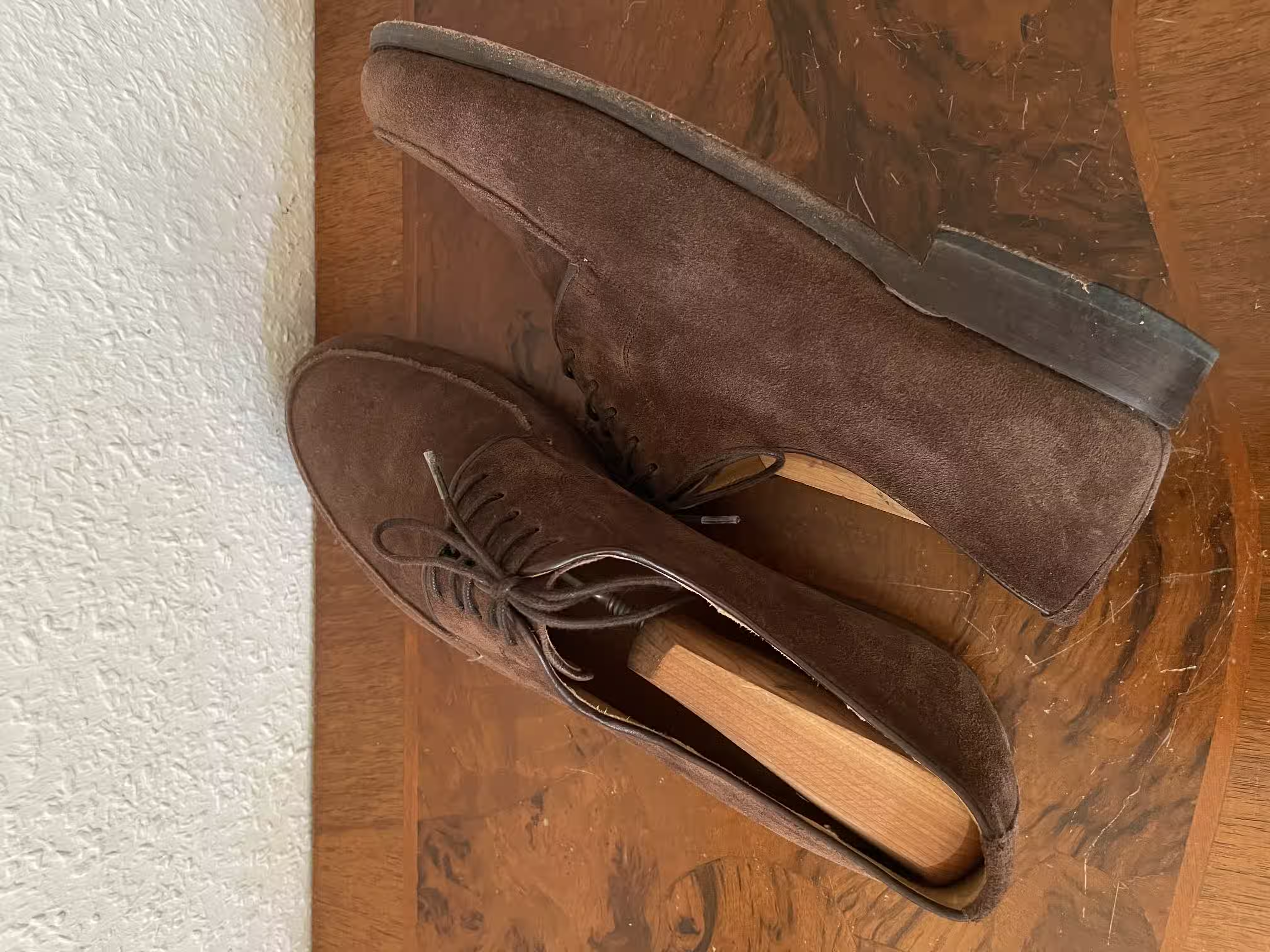
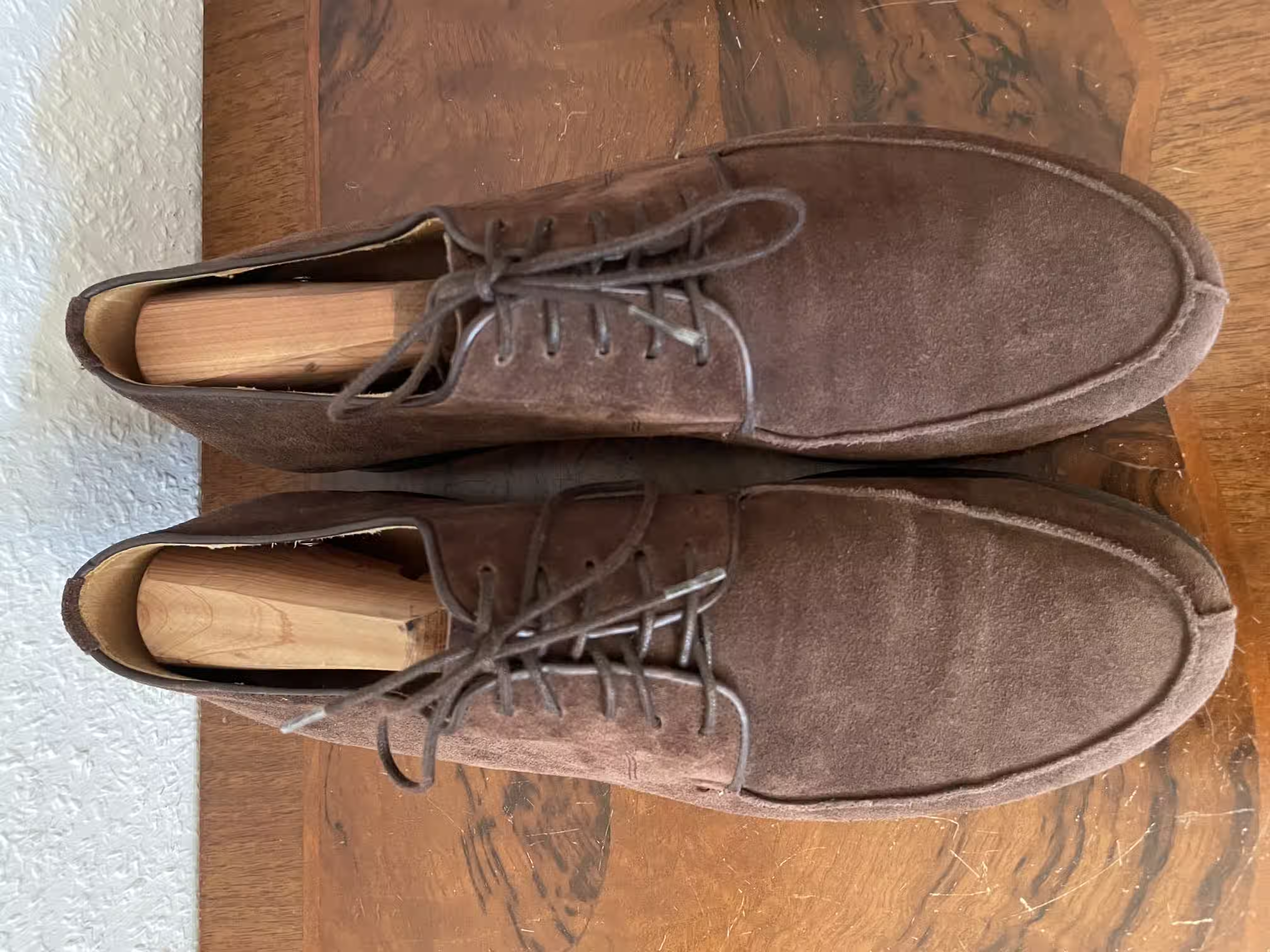
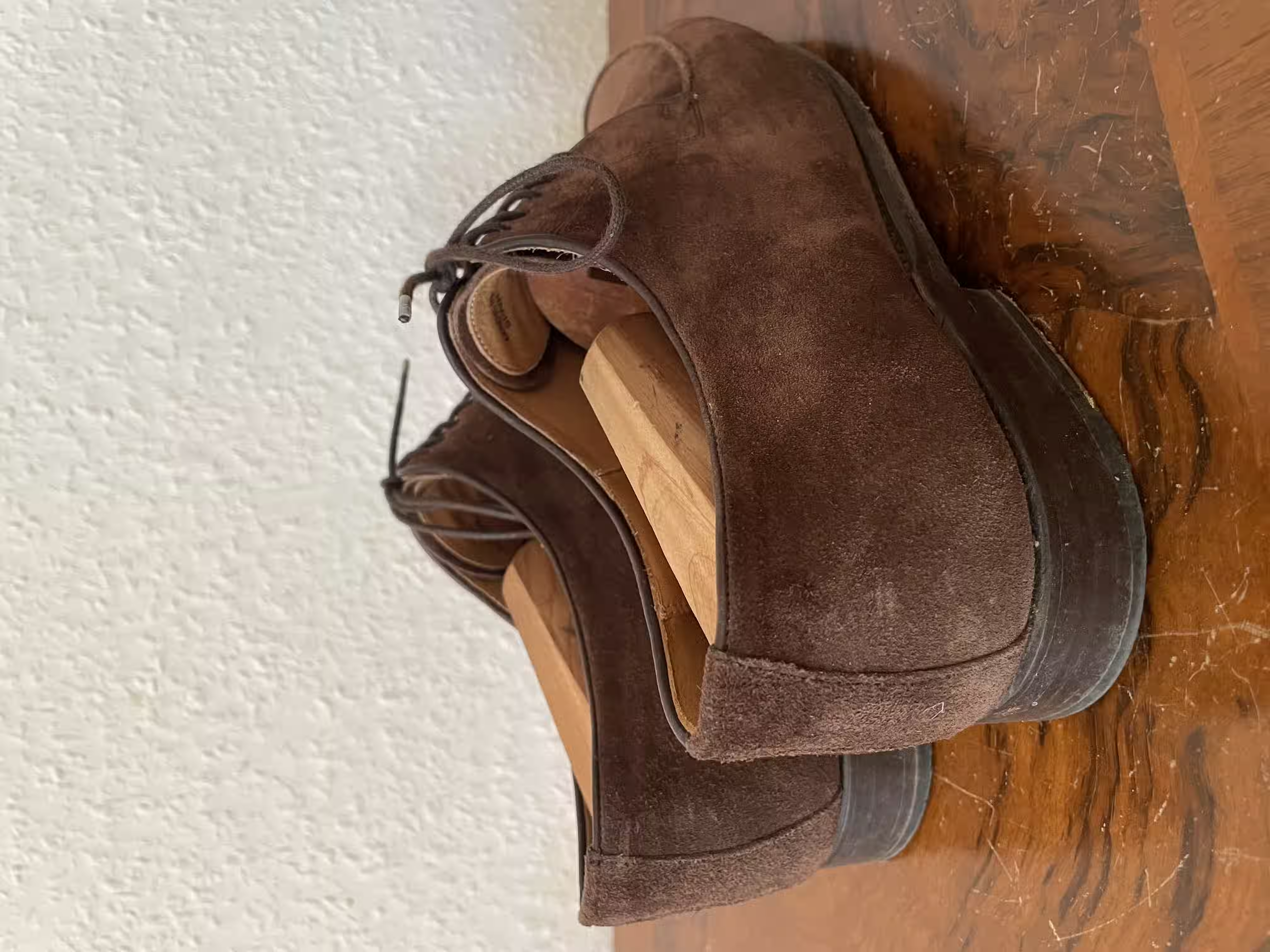
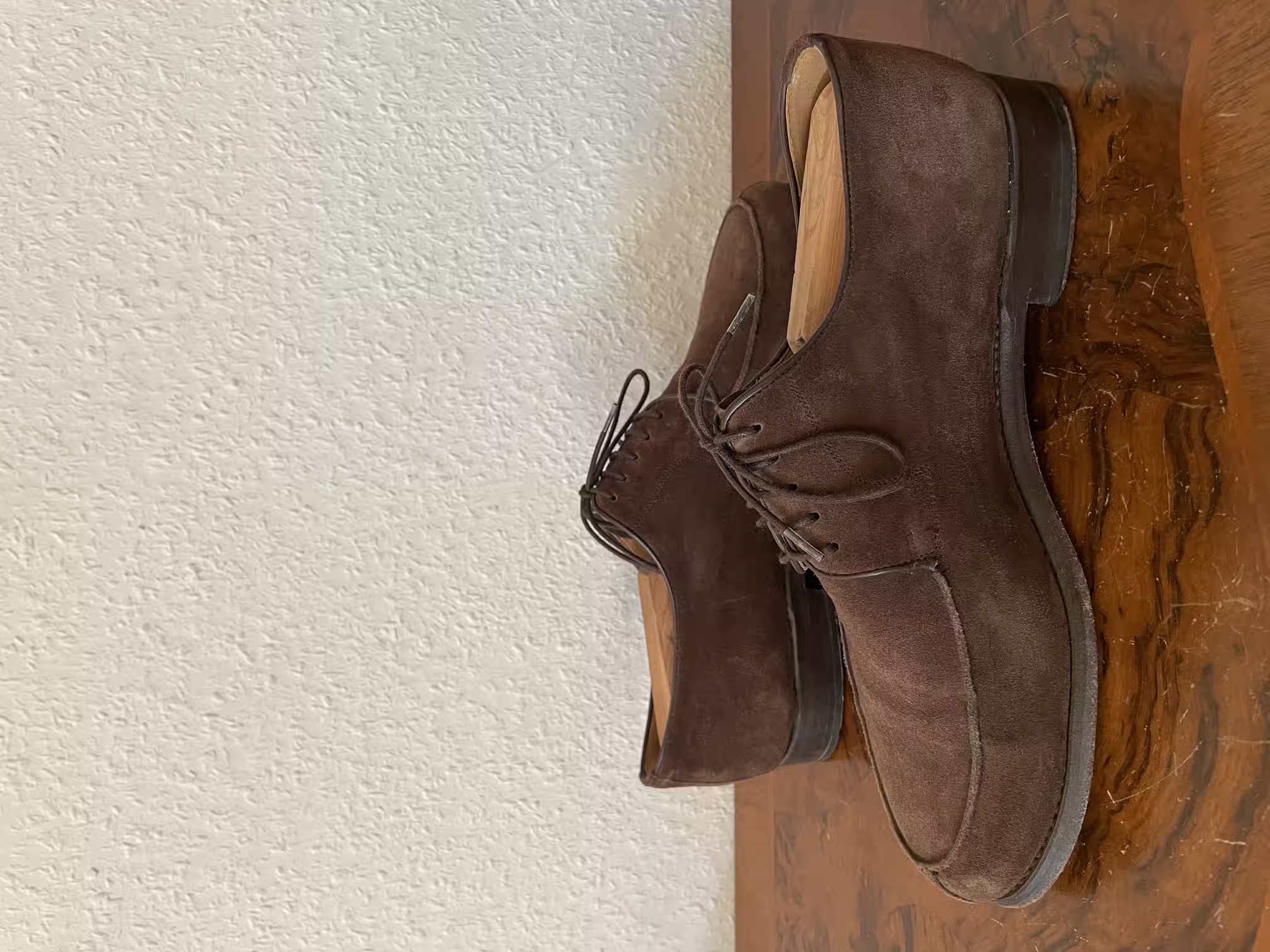
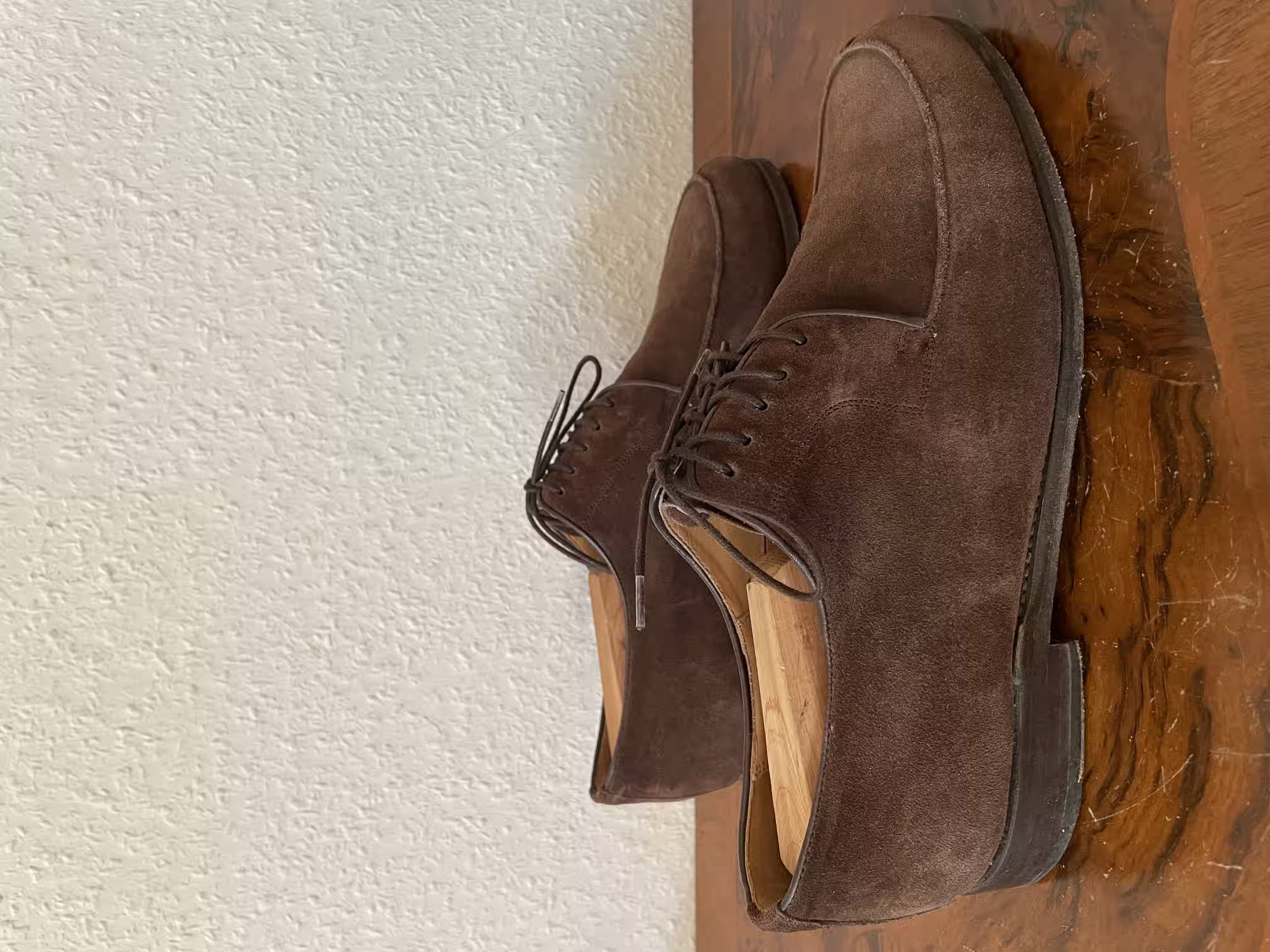
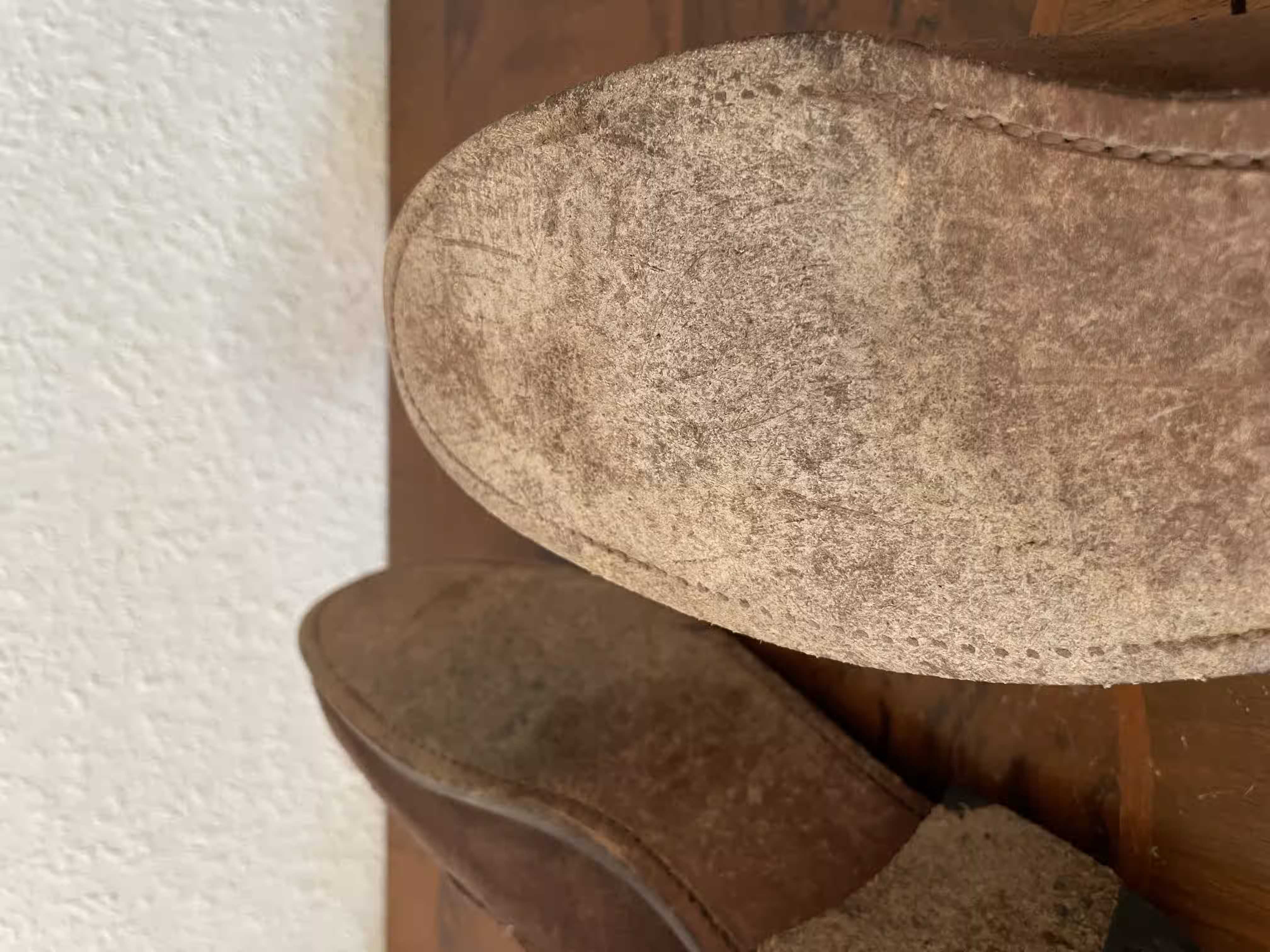
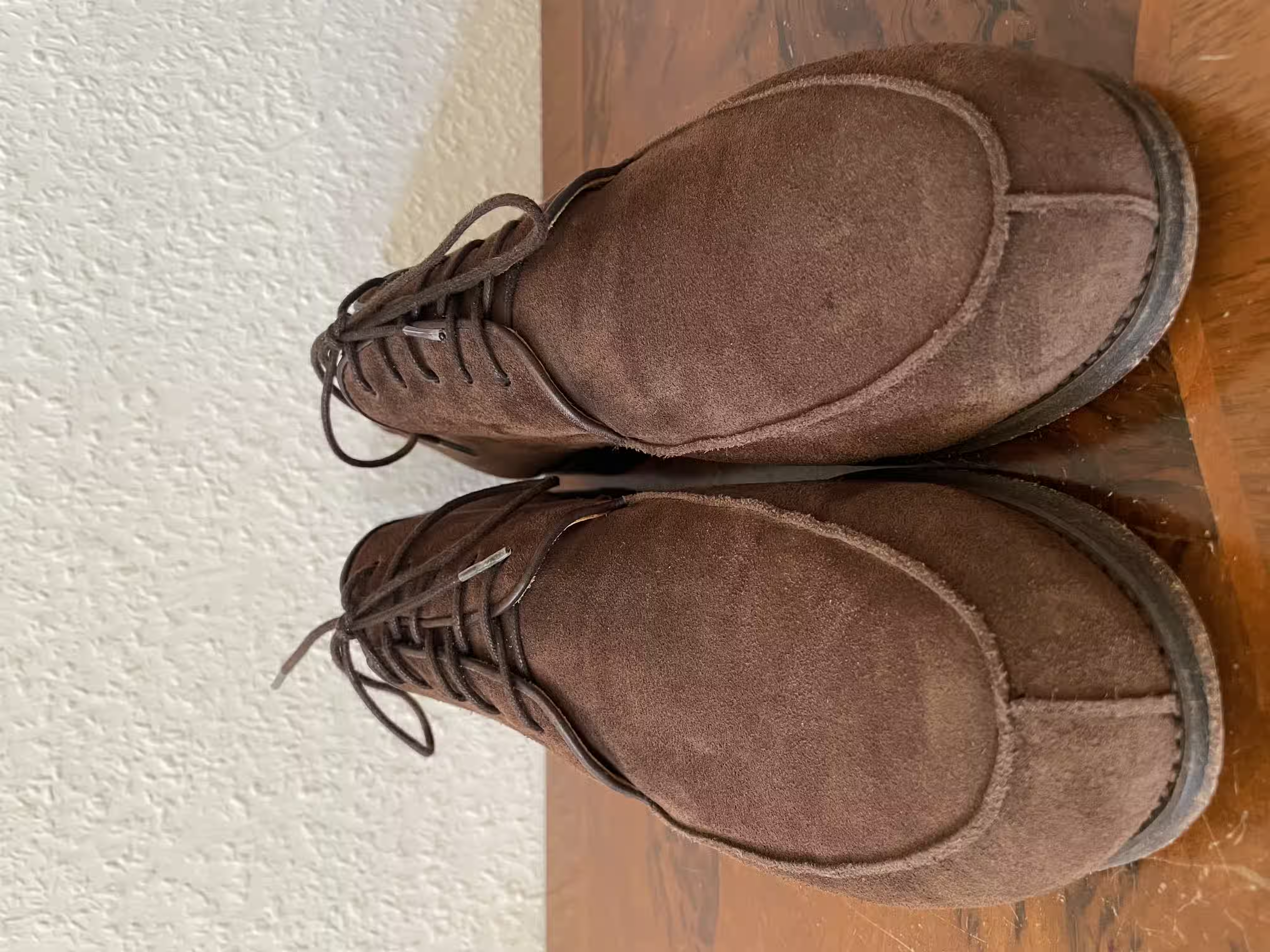
Norwegian shoes often have a rustic look, especially in combination with a treaded rubber sole. What’s characteristic about them is the front, U-shaped embellishment at the front of the shoe, which runs down the middle at the toe and visually divides the shoe into two areas. Brown Norwegian shoes in suede like these are excellent to wear with jeans, and the leather is nicely breathable for wind and therefore quite practical in summer. Other Norwegian models are also well suited as a replacement for sneakers in everyday life due to their characteristic embellishment.
Boho shoes
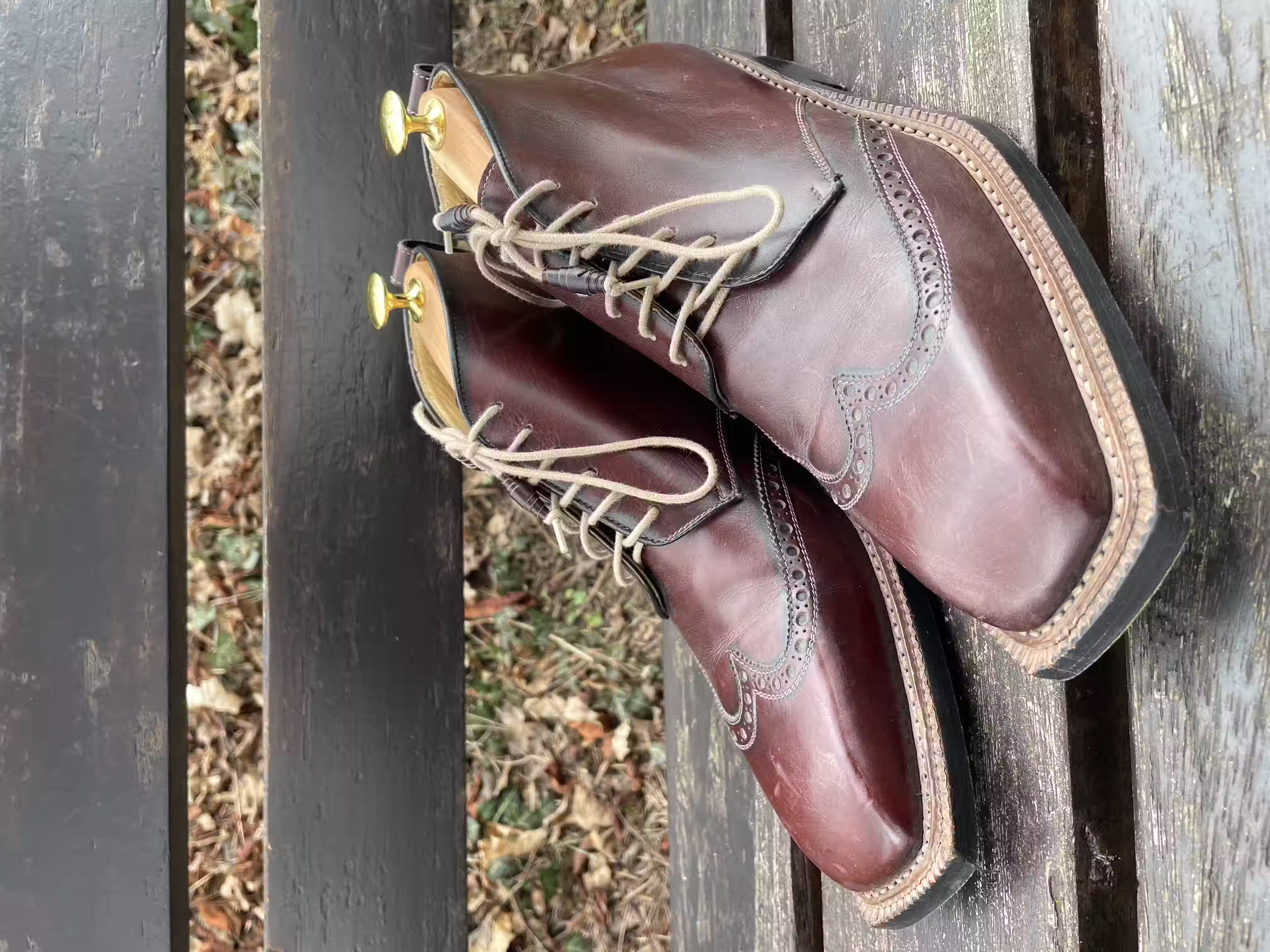
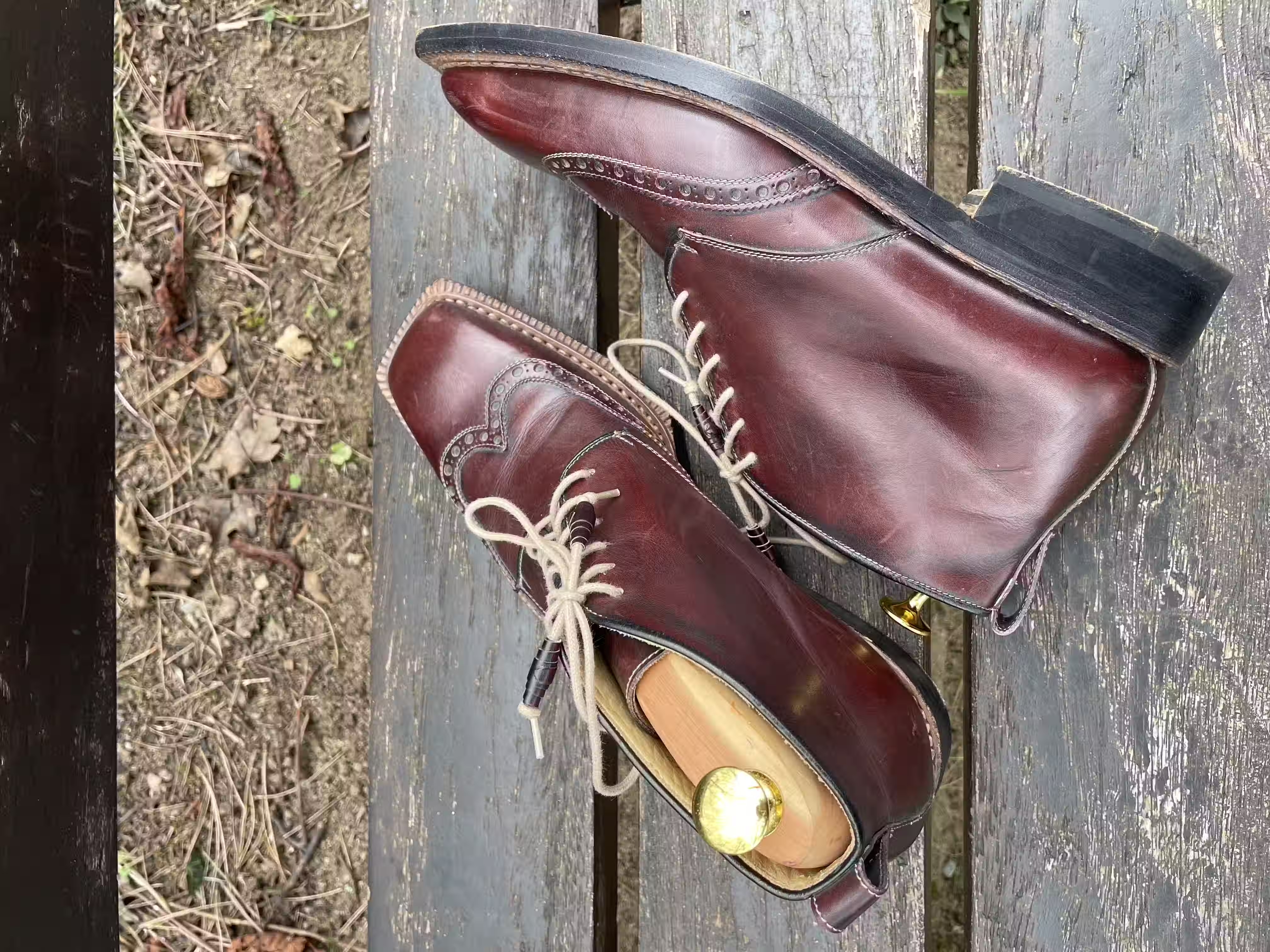
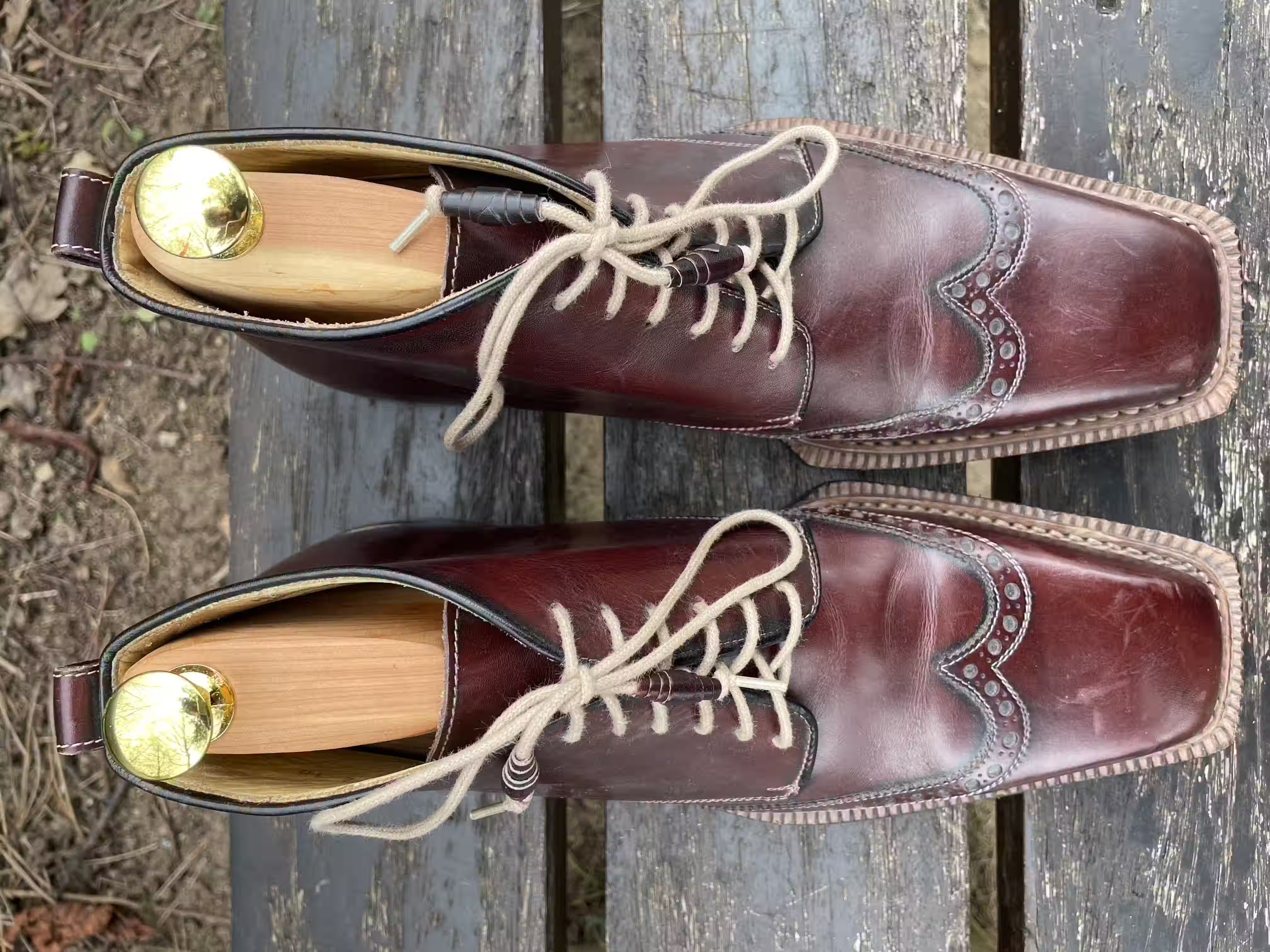
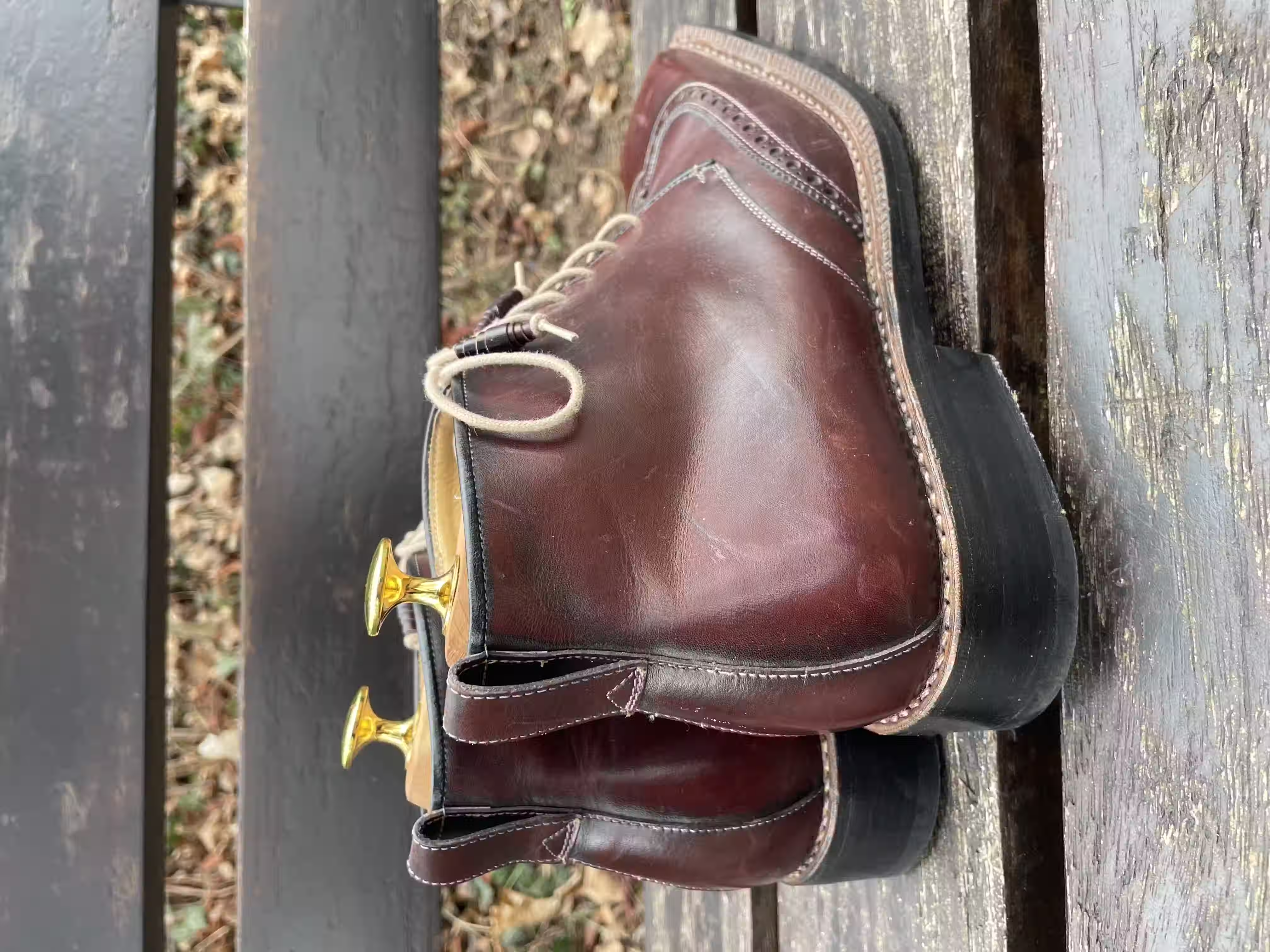
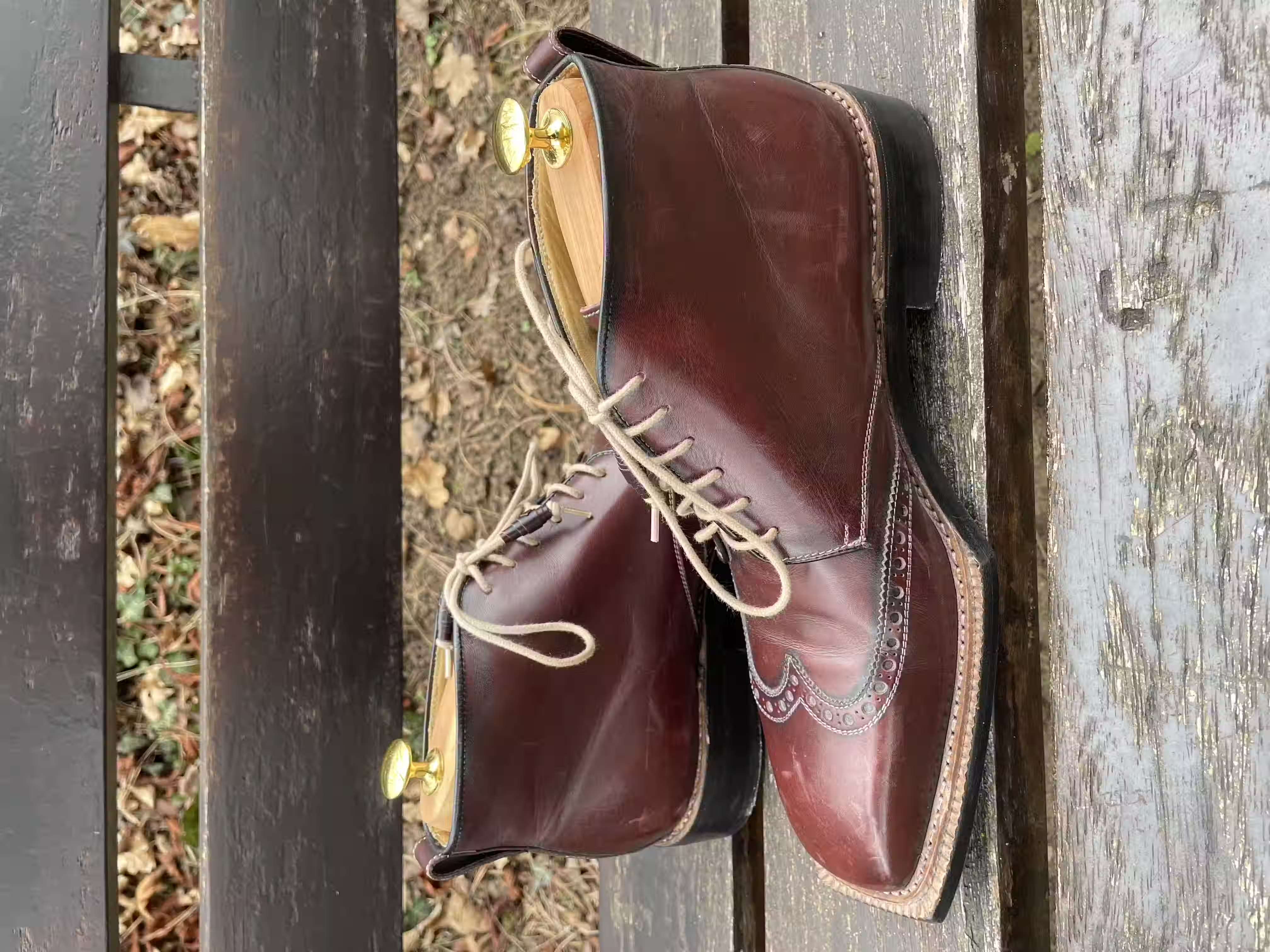
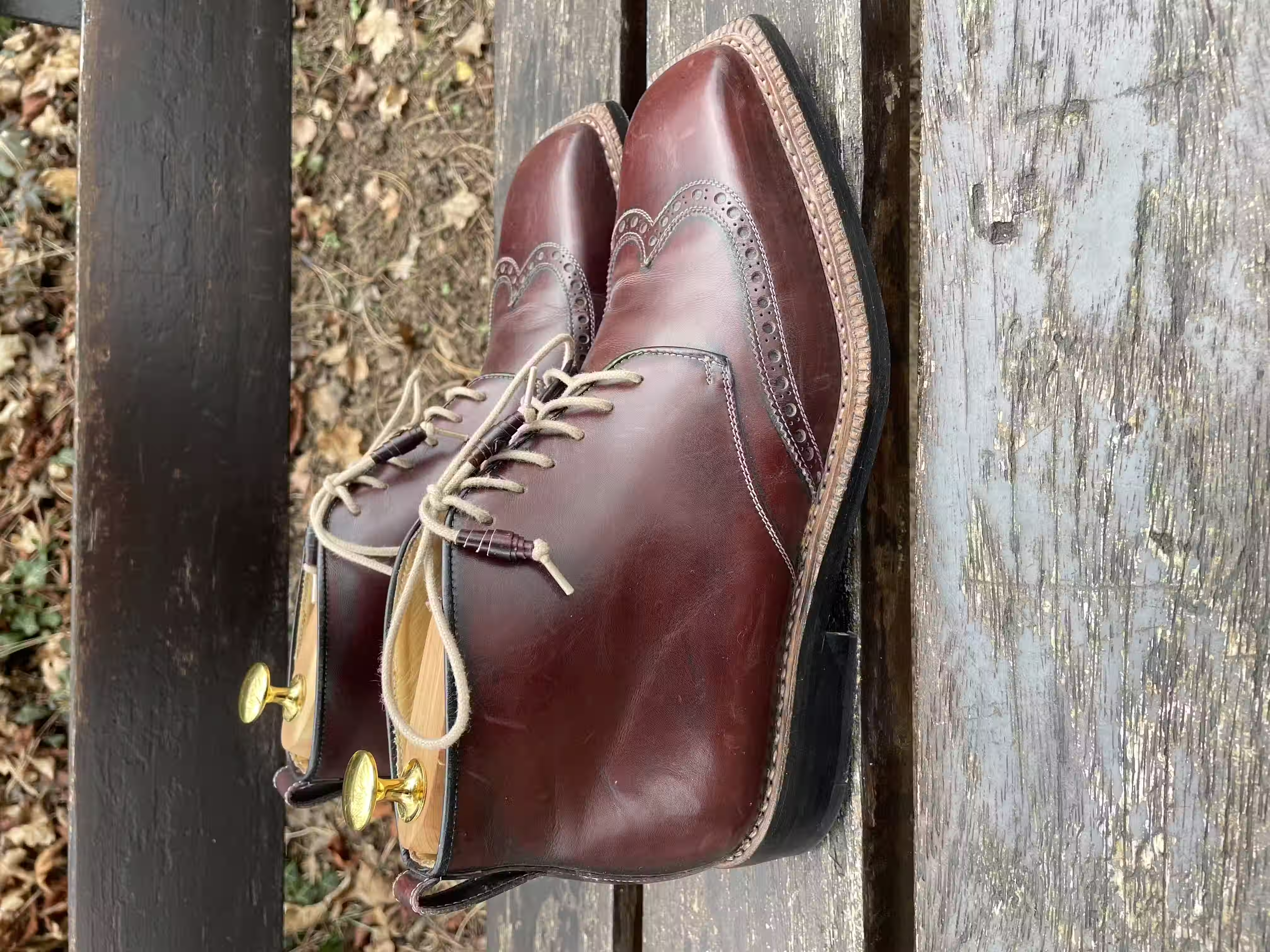
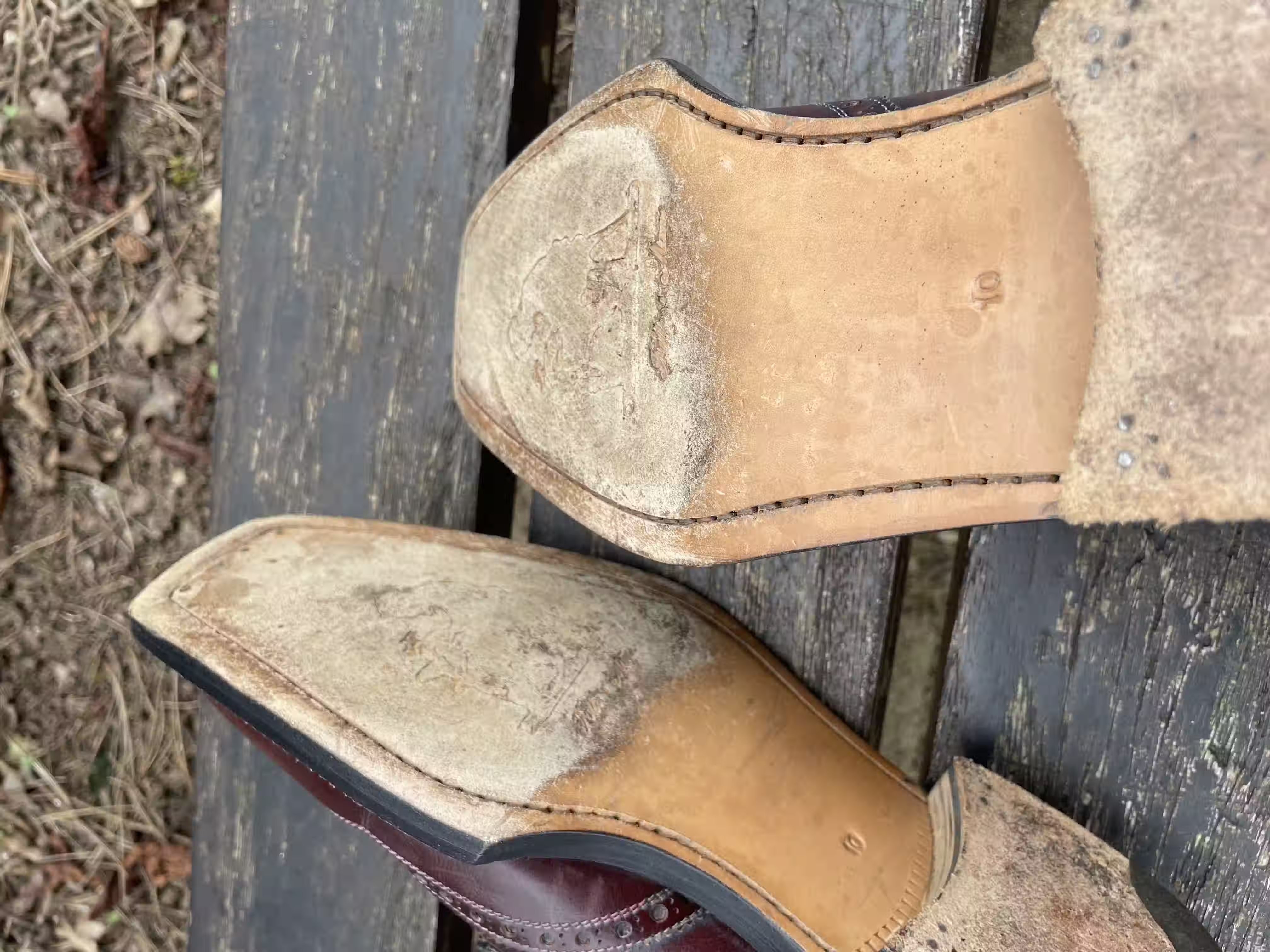
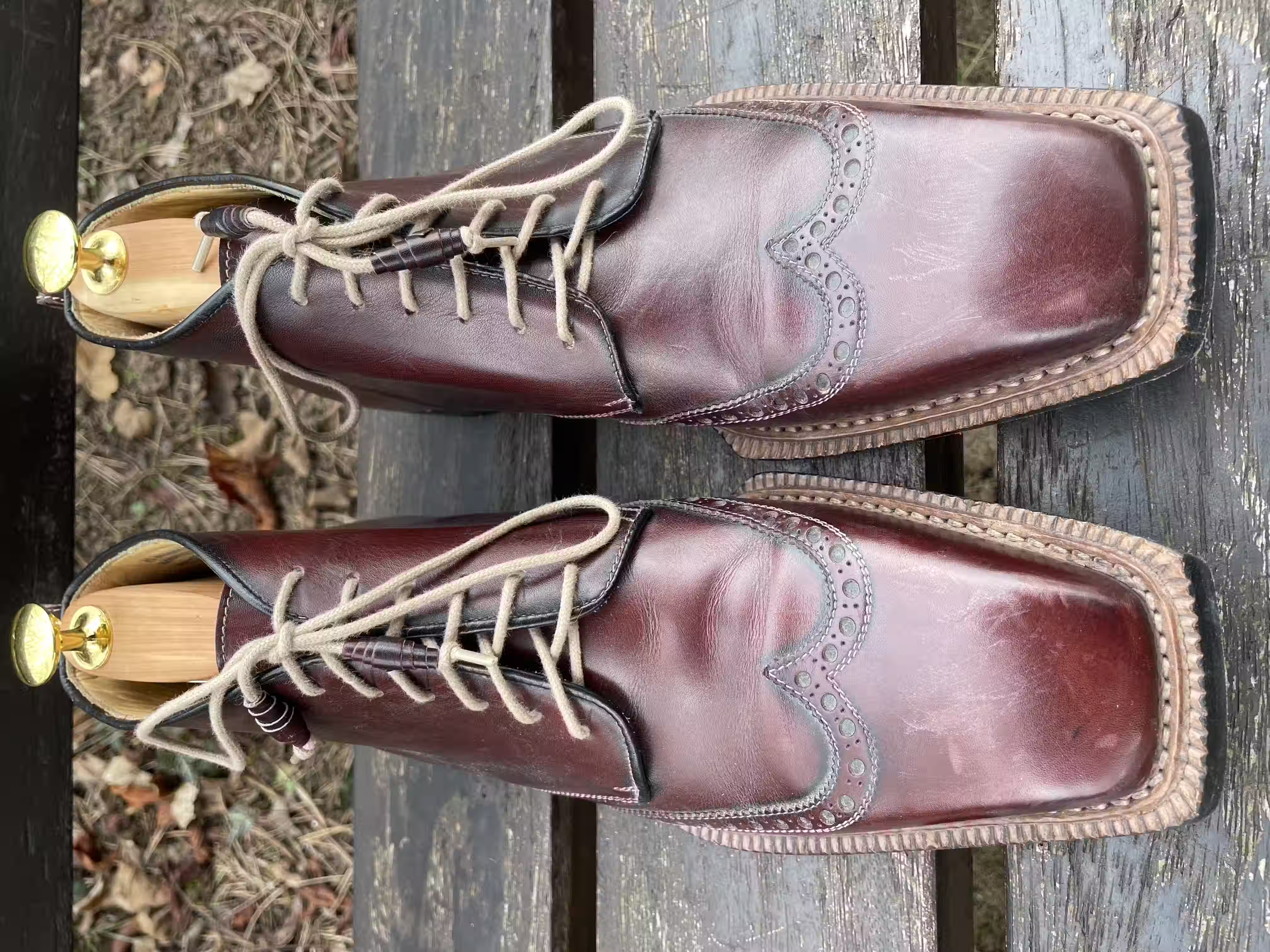
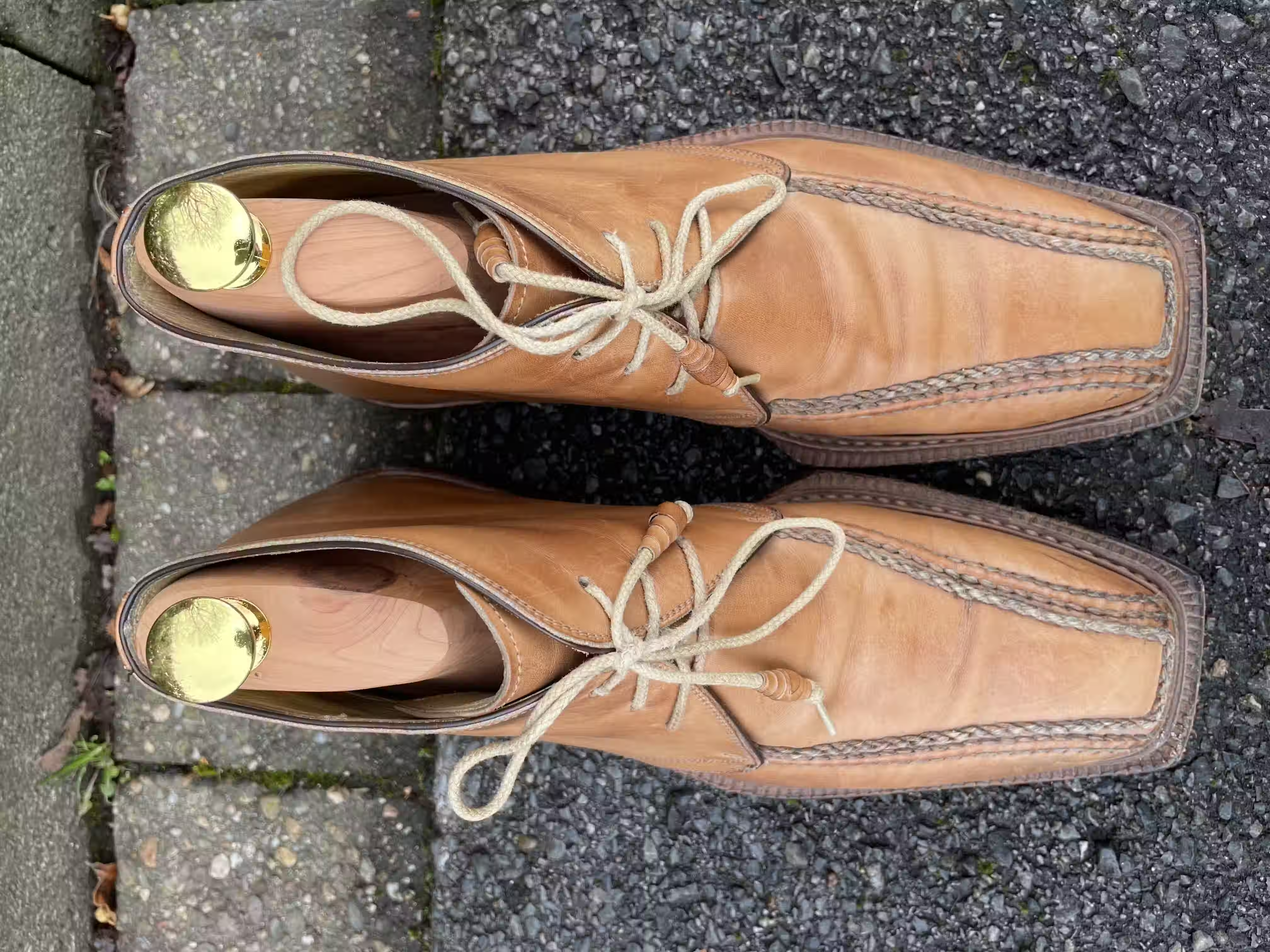
“Boho shoes” is not an established term, and I myself use it to mean leather shoes in a boho style that have some decorative features. These can include, for example:
- a thick decorative seam
- an angular look to the welt
- thick laces wrapped with leather strips
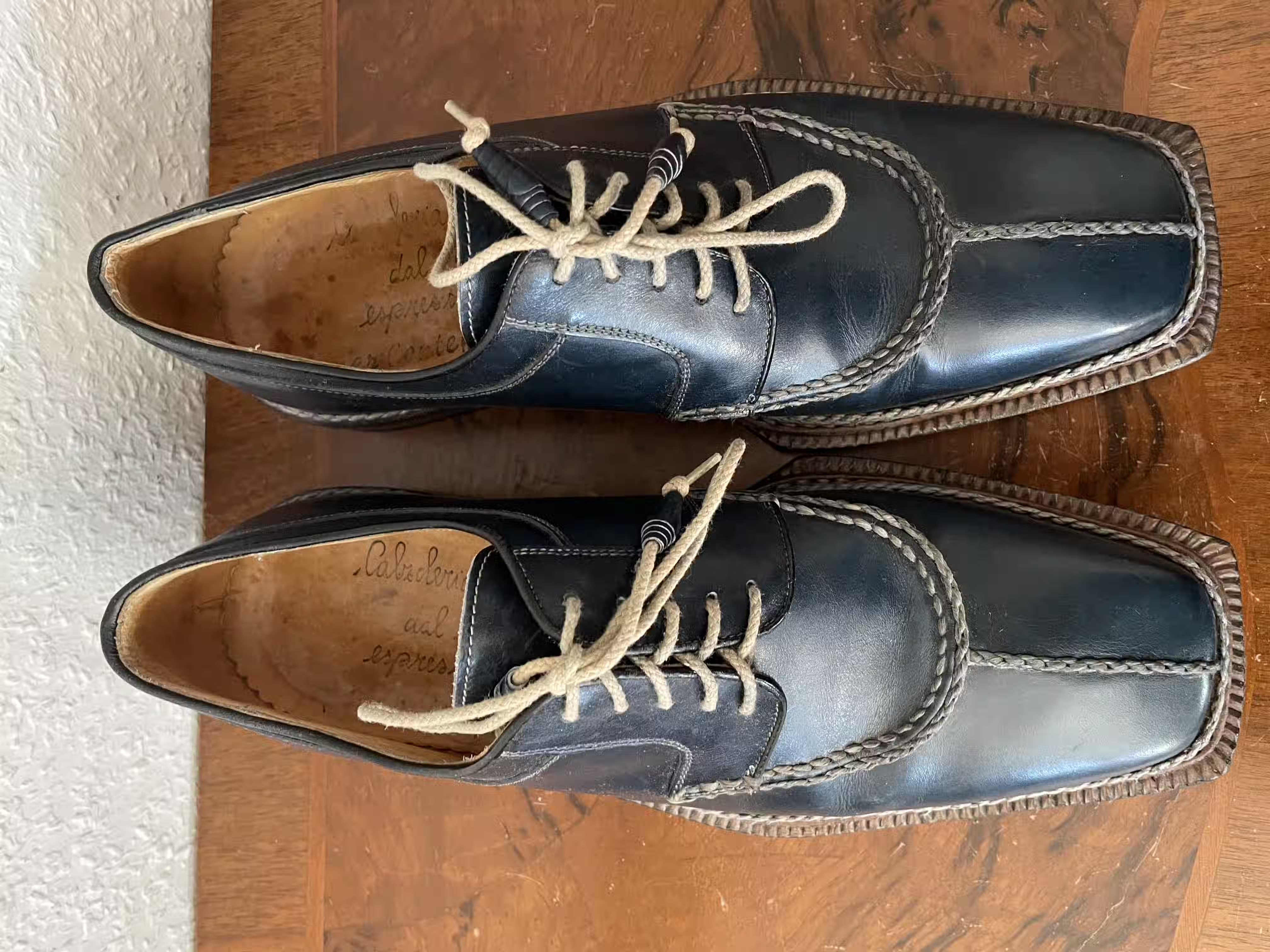
Such decorative elements can make a shoe relatively eye-catching, and that’s why they are generally much better suited for leisure and everyday wear than for the office or formal occasions. Ultimately, countless variants emerge from combining the decorative details with one another and with other forms of decoration such as perforation patterns. You could even make basically strict base models like Oxfords suitable for everyday wear this way. In addition, in my view they look much better than chunky white sneakers, which are often similarly eye-catching because of the white. So even though boho shoes don’t denote a specific model, they can help you loosen up your shoe style.
Full brogues
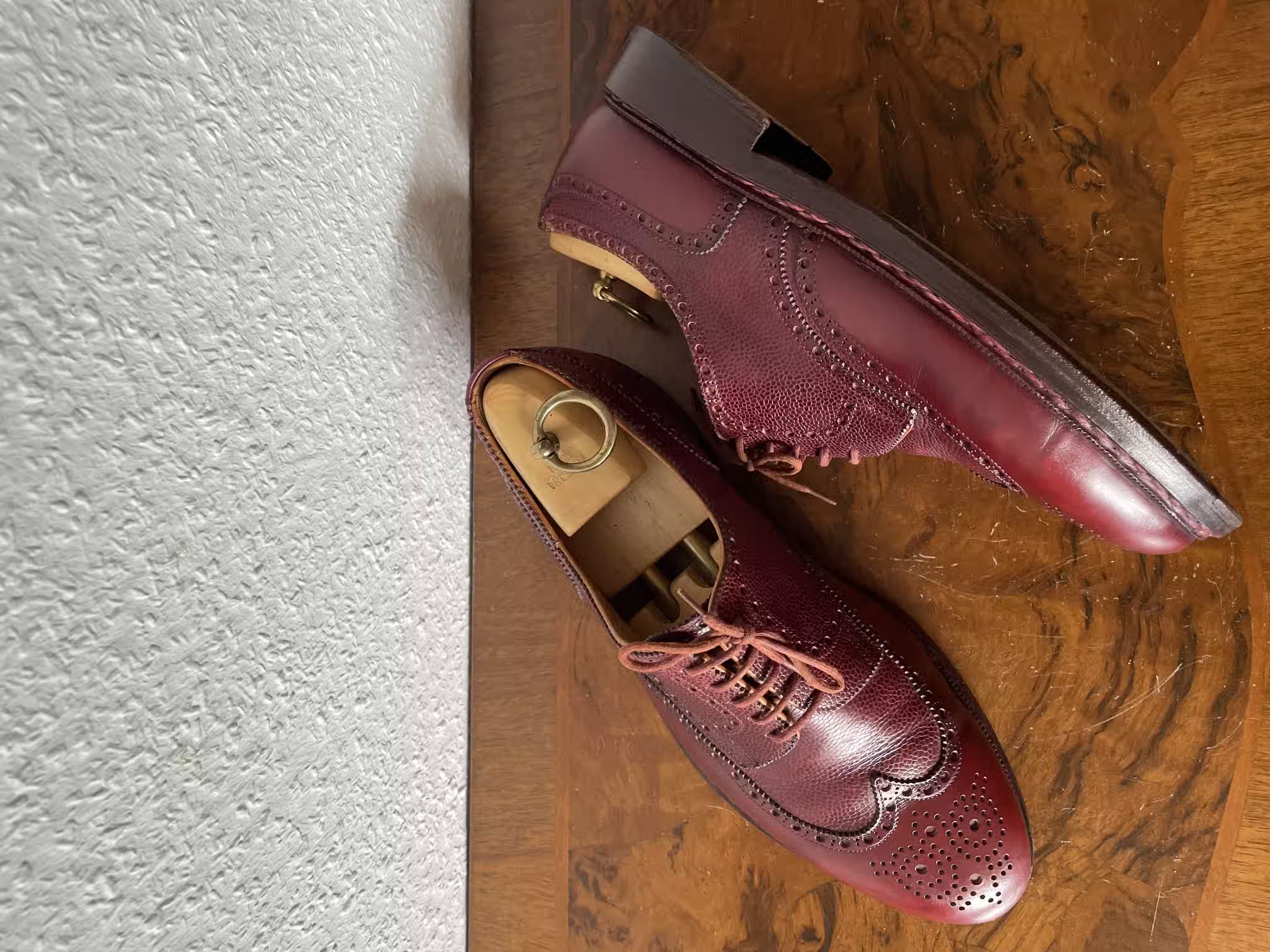
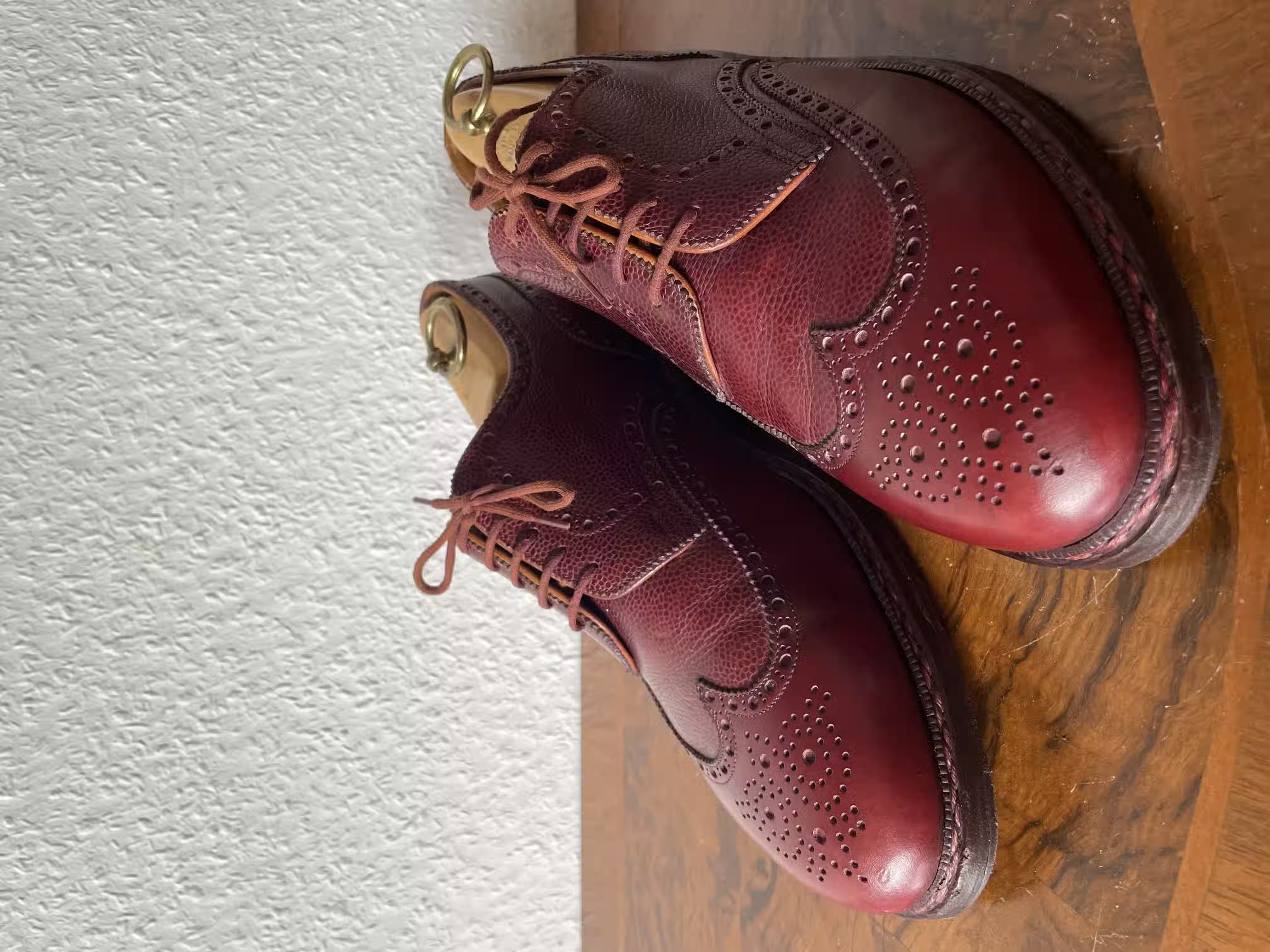
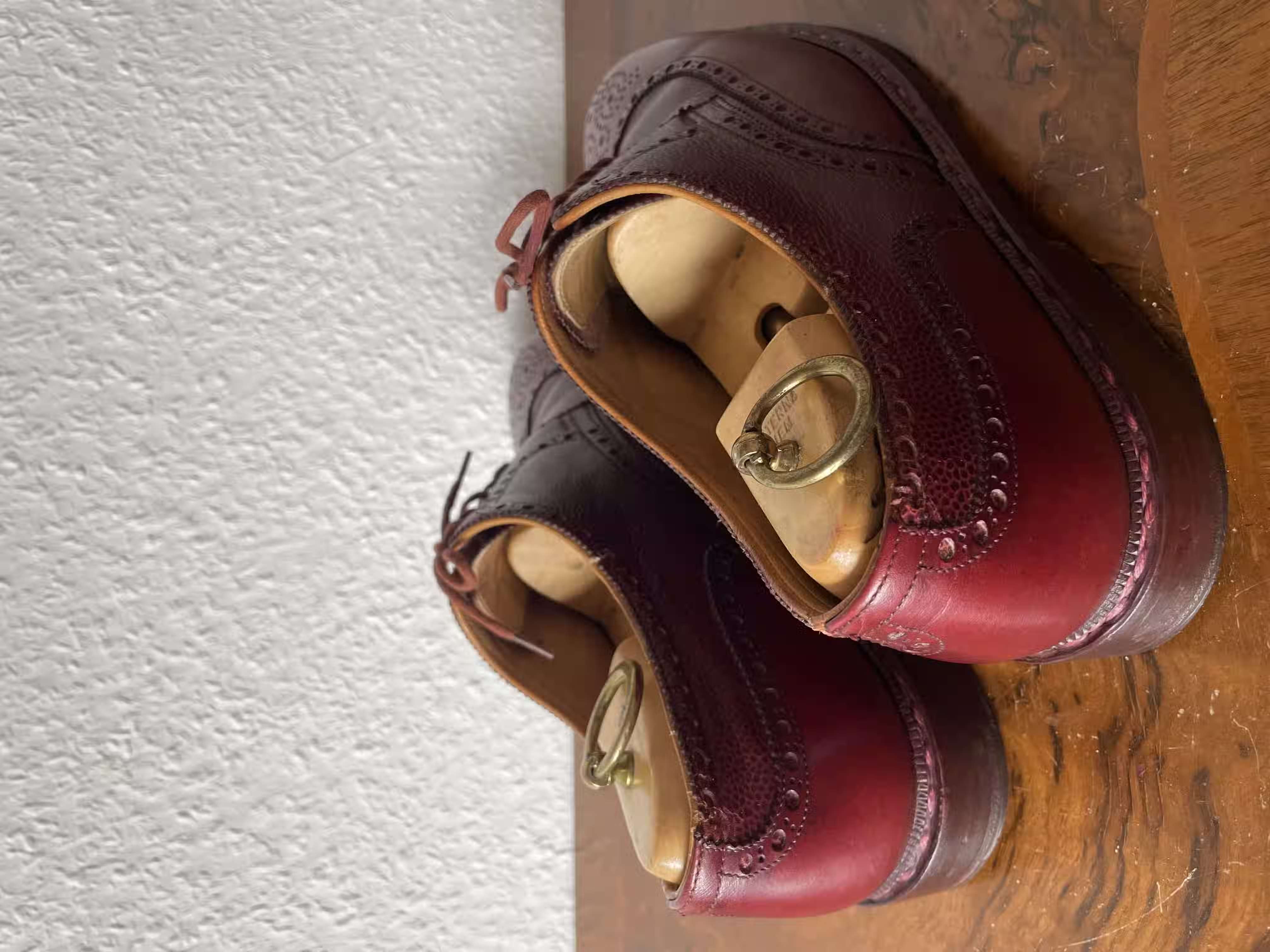
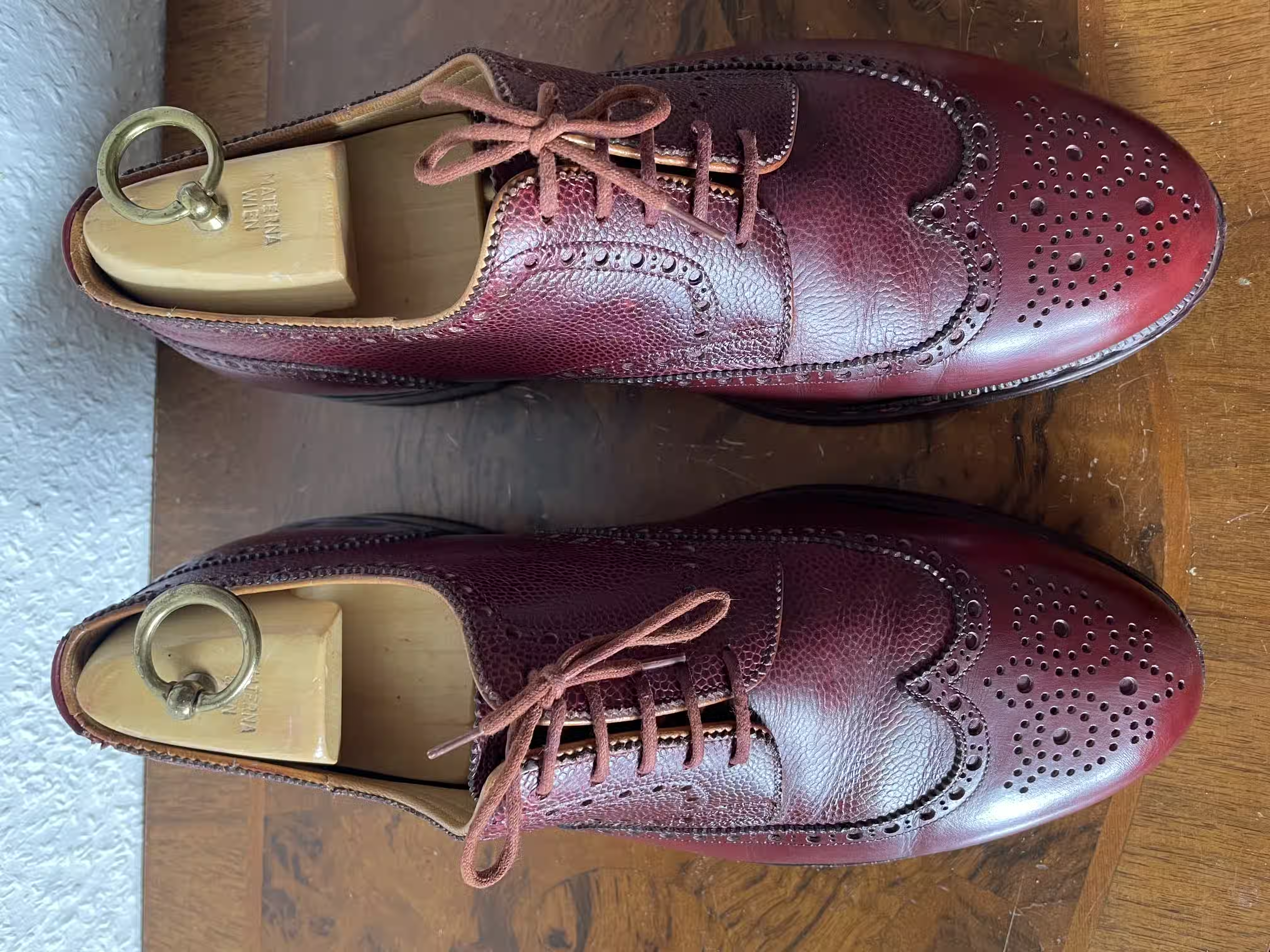
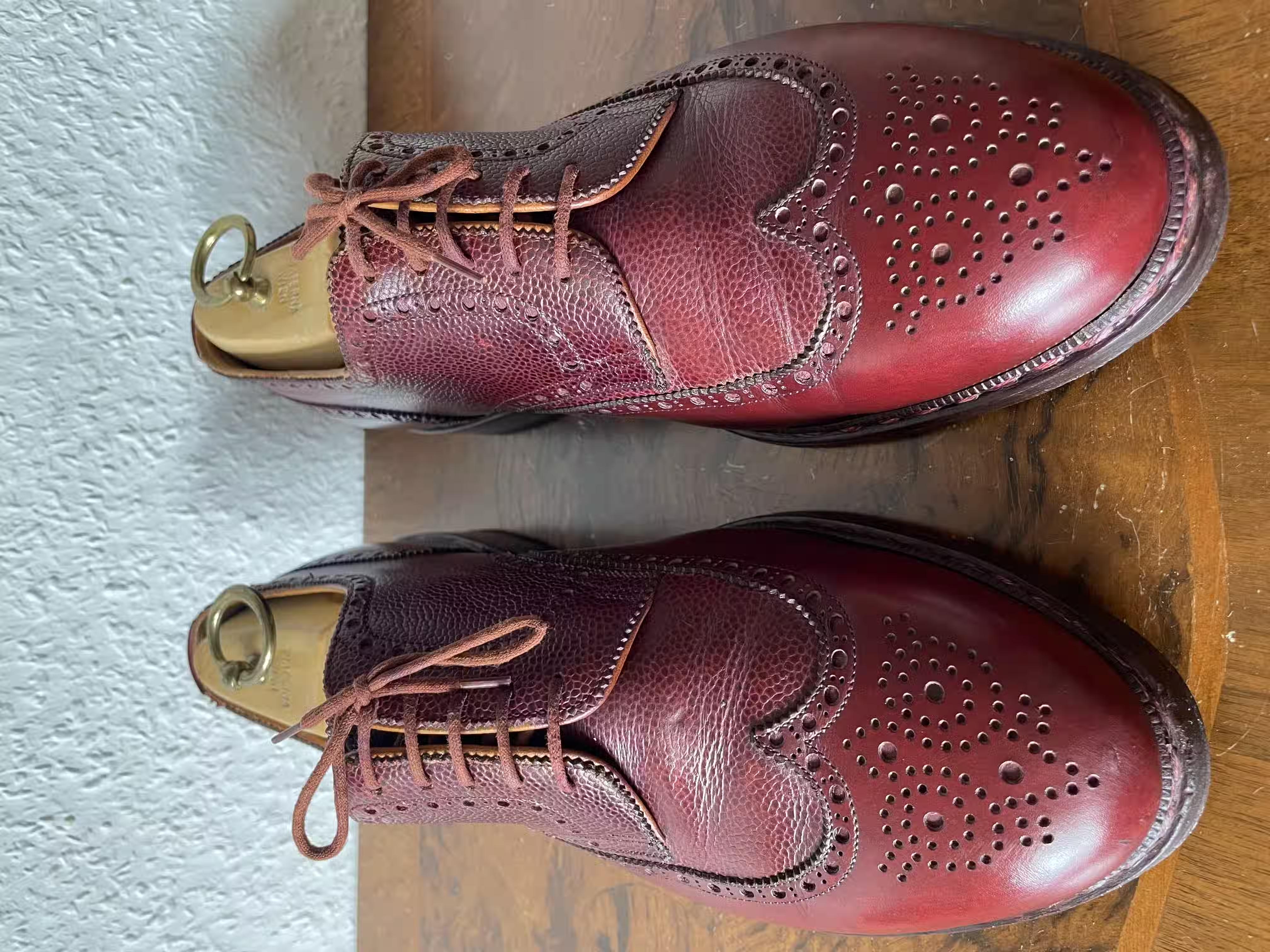
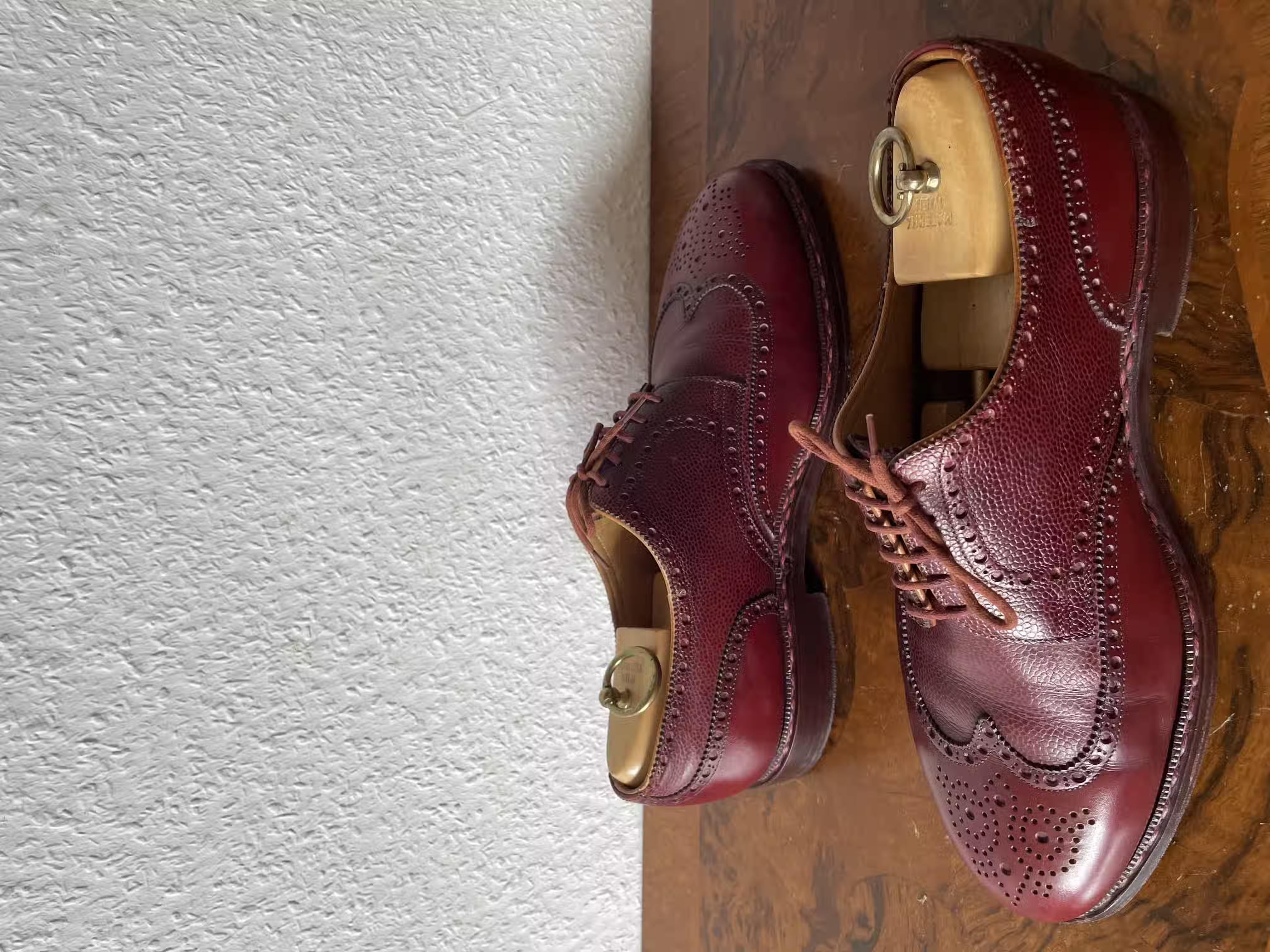
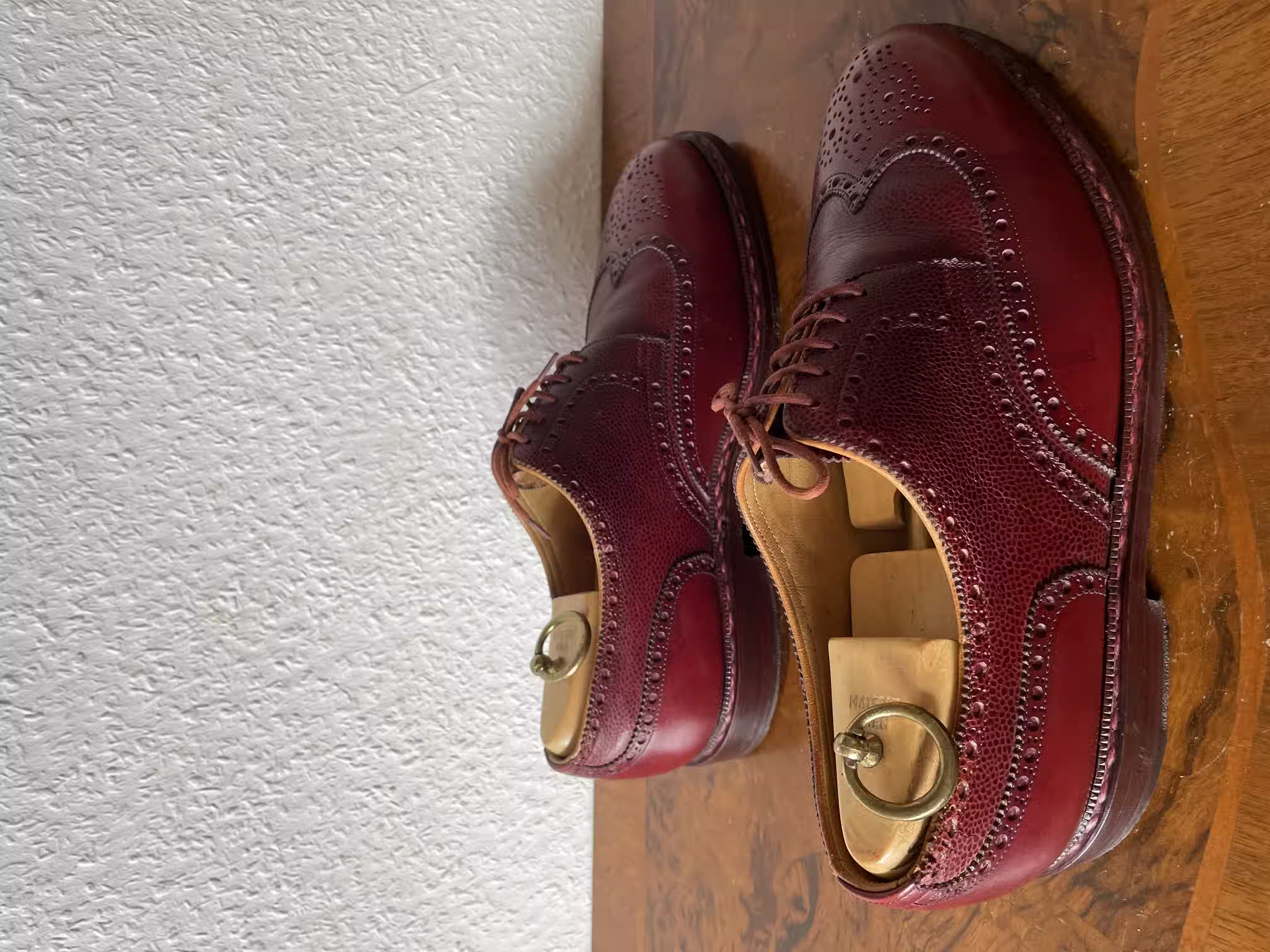
Full brogues have a lot of perforation patterns, and these dominate the overall appearance of the shoe, so that other aspects such as the leather or the shape of the shoe recede into the background a bit more than with more simply designed shoes. Especially in the colors brown, dark red, dark blue, and dark green, you can, for example, combine them quite well with jeans. And in these colors, despite the many perforation patterns, they probably look even more restrained than white sneakers. In my view, full brogues are excellent casual shoes, and for that you’re best off choosing ones based on the Derby base model.