
Leather shoes in detail - deeper knowledge about various aspects
Would you like to be able to better assess the quality of leather shoes when you buy new shoes? Or would you like to get an impression of the range of different shoes with different details? In both cases, you are in the right place.
Basics: Leather shoes
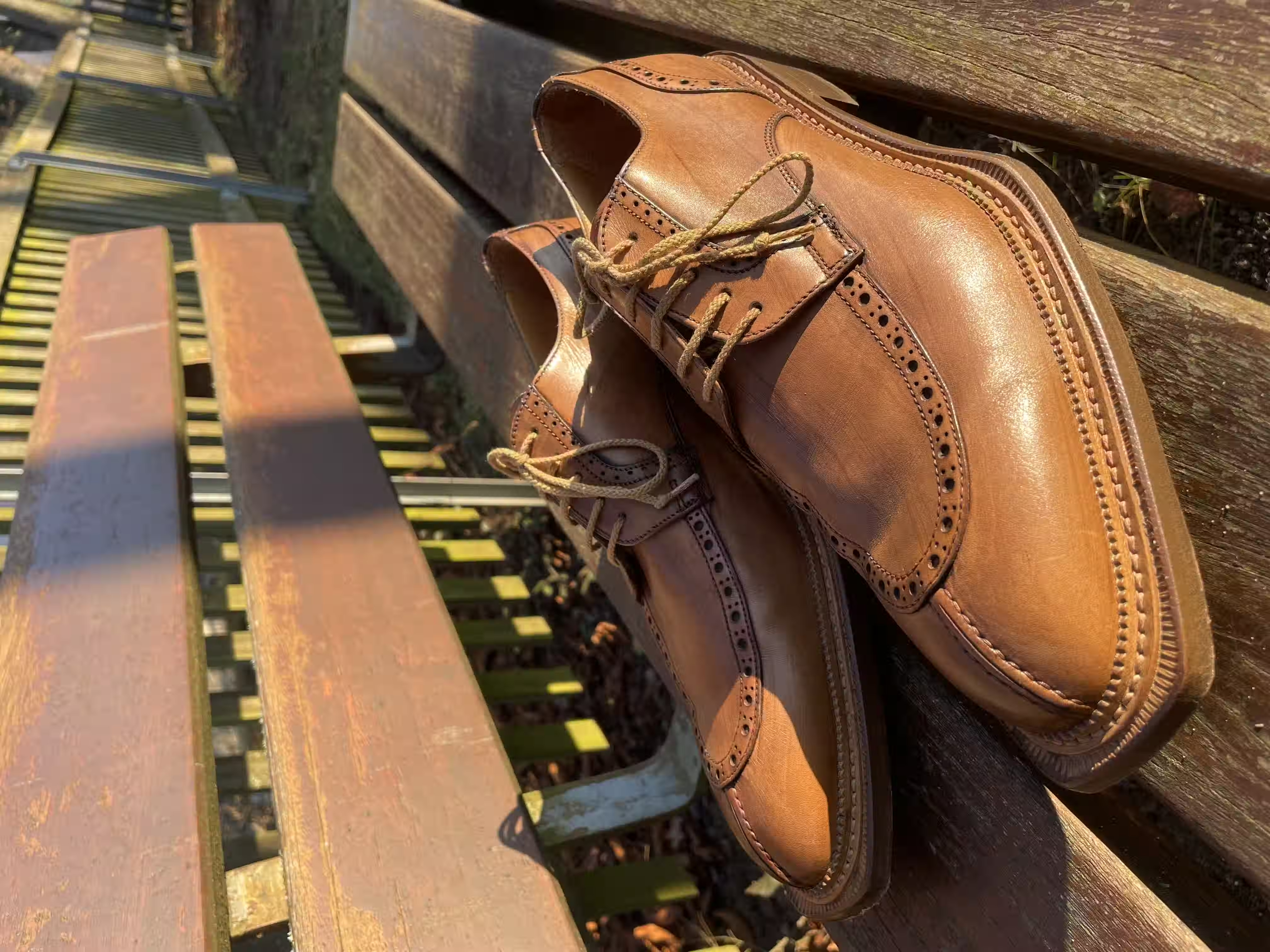
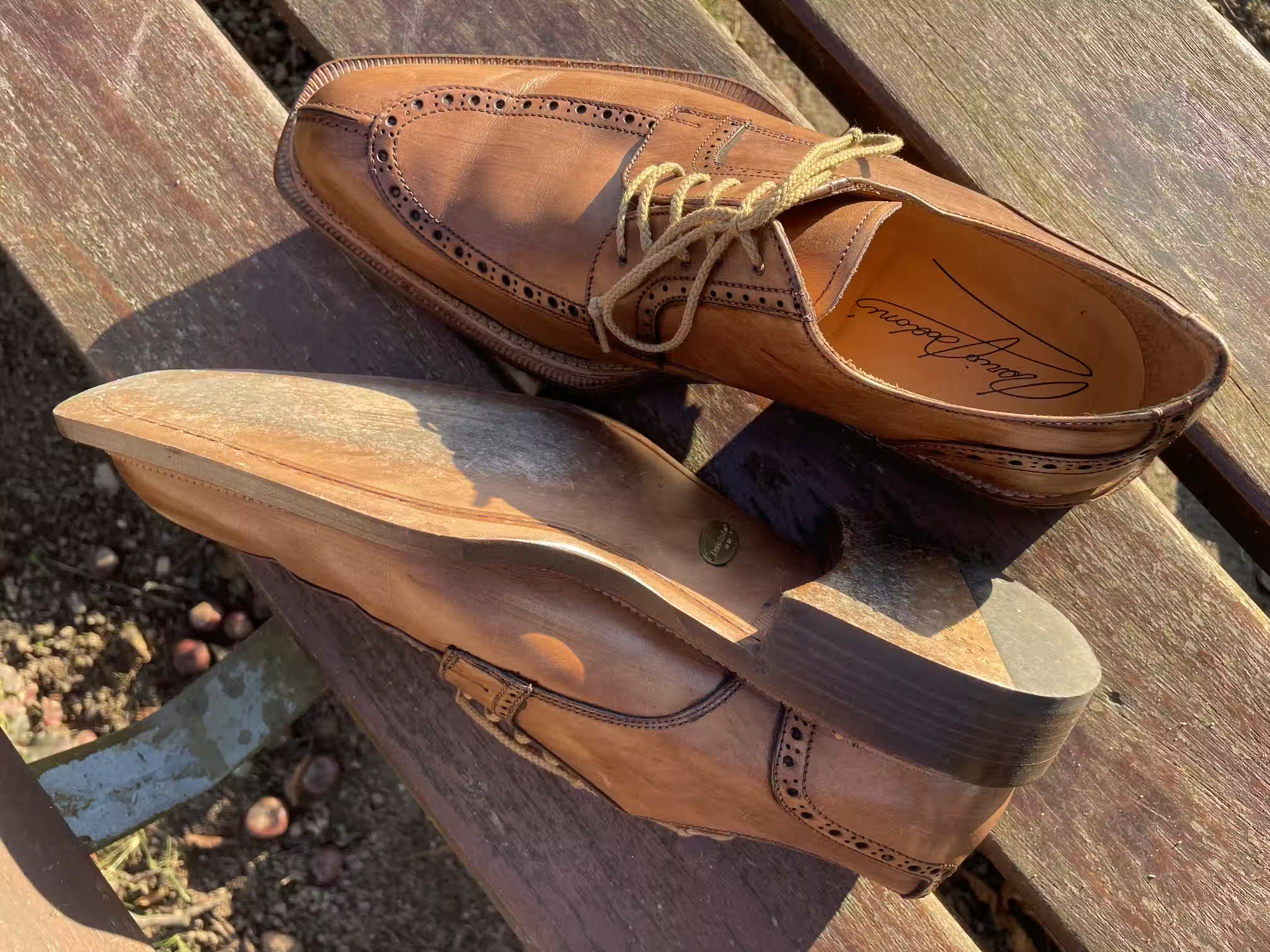
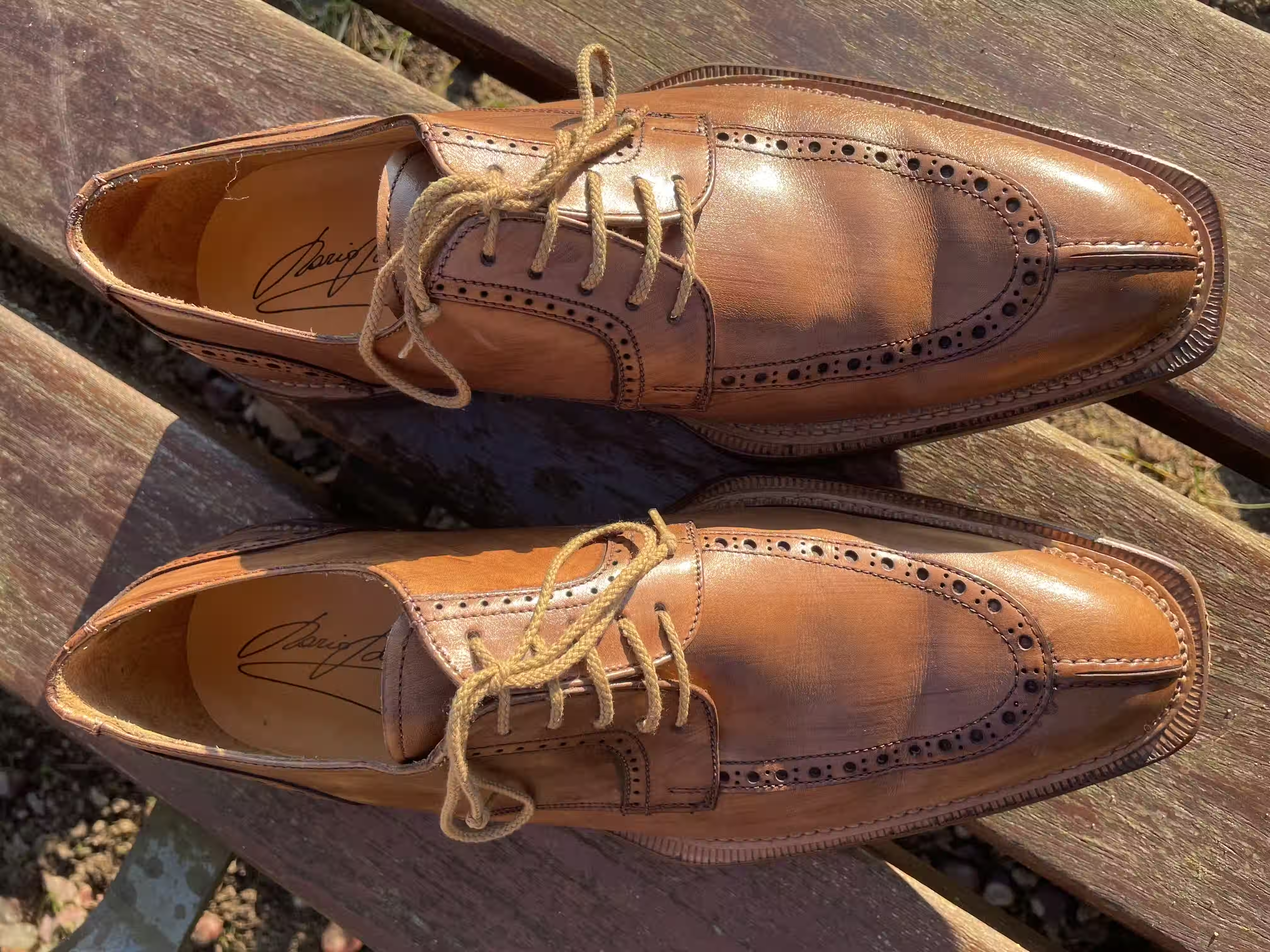
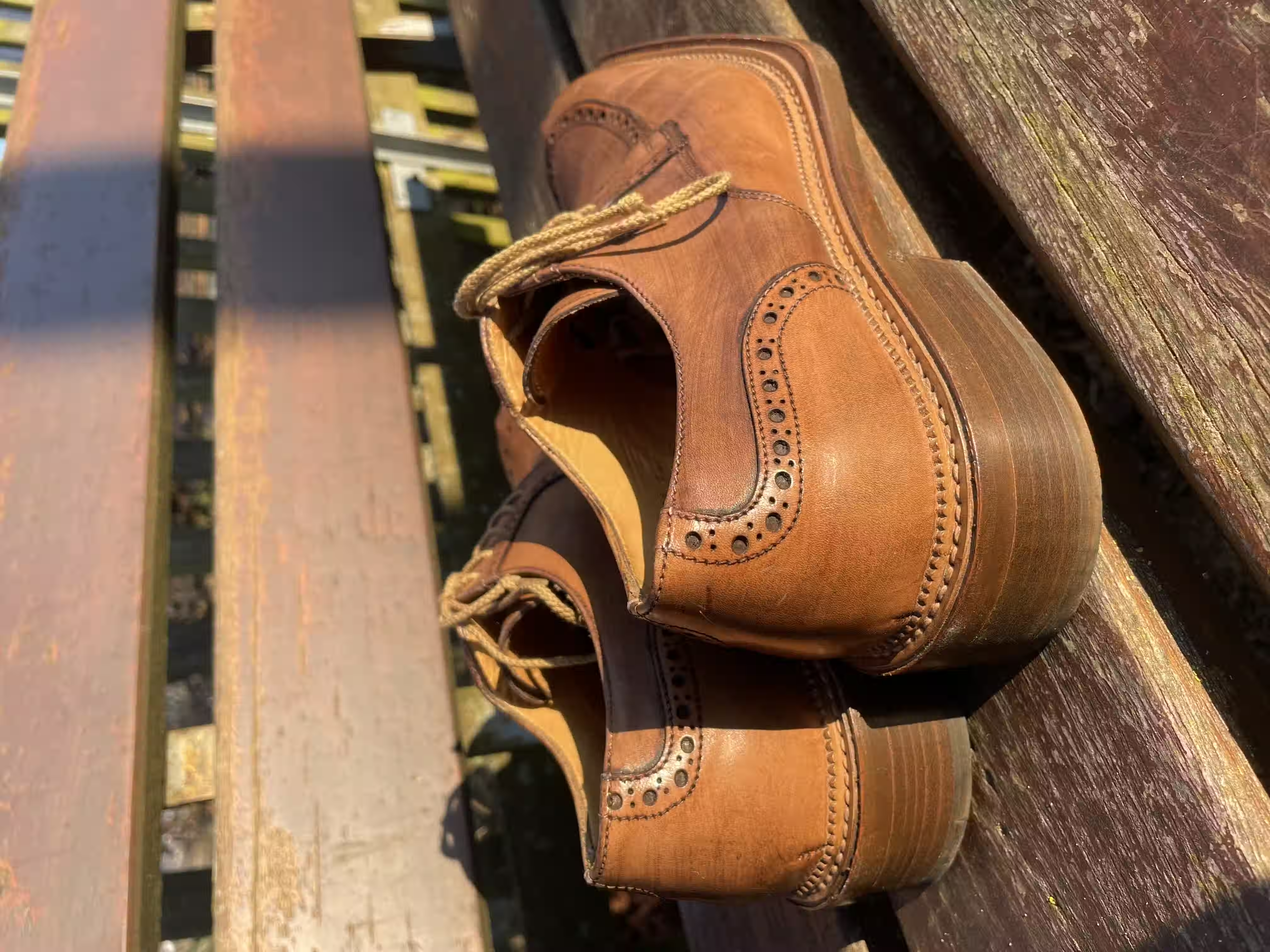
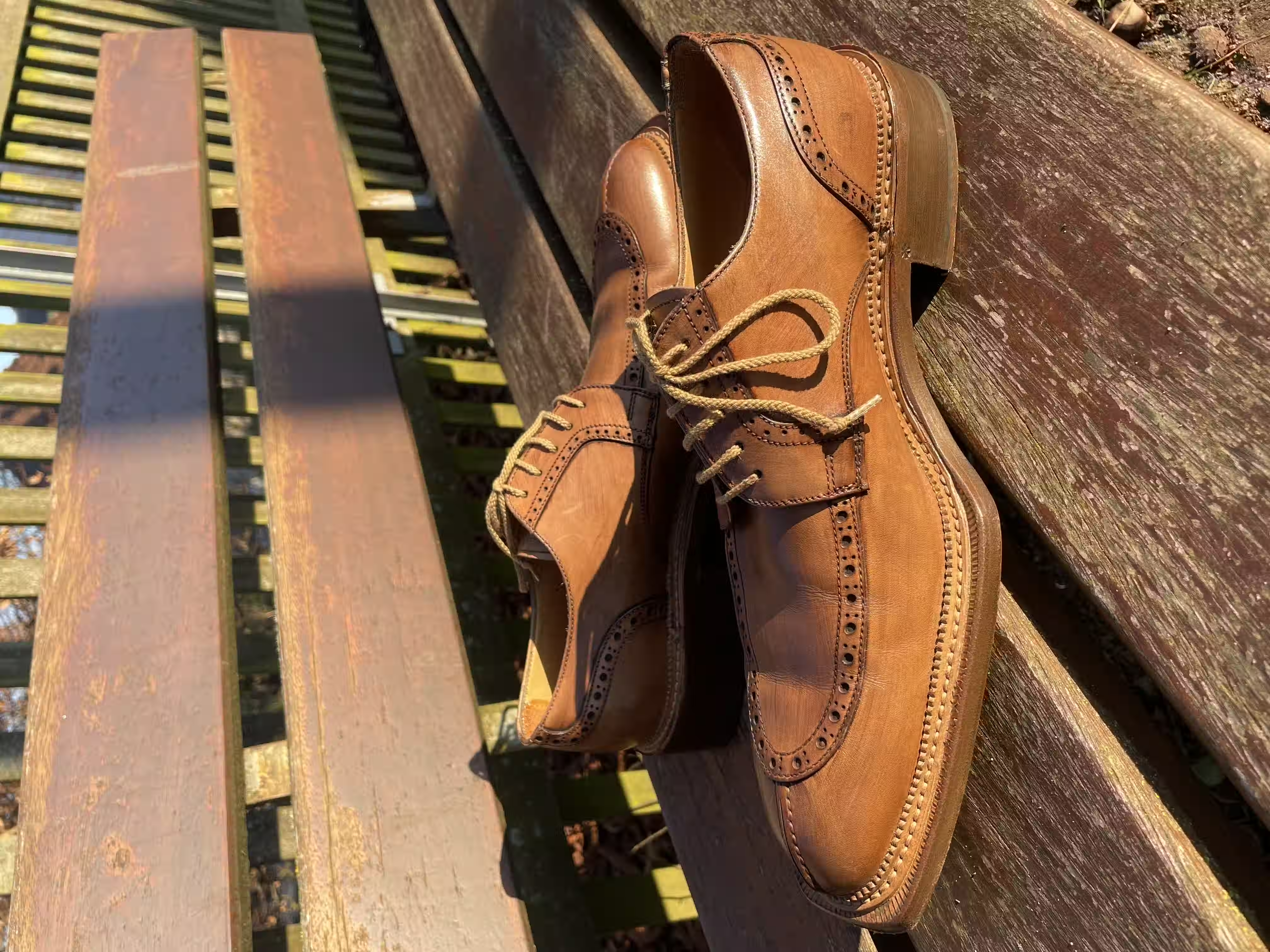
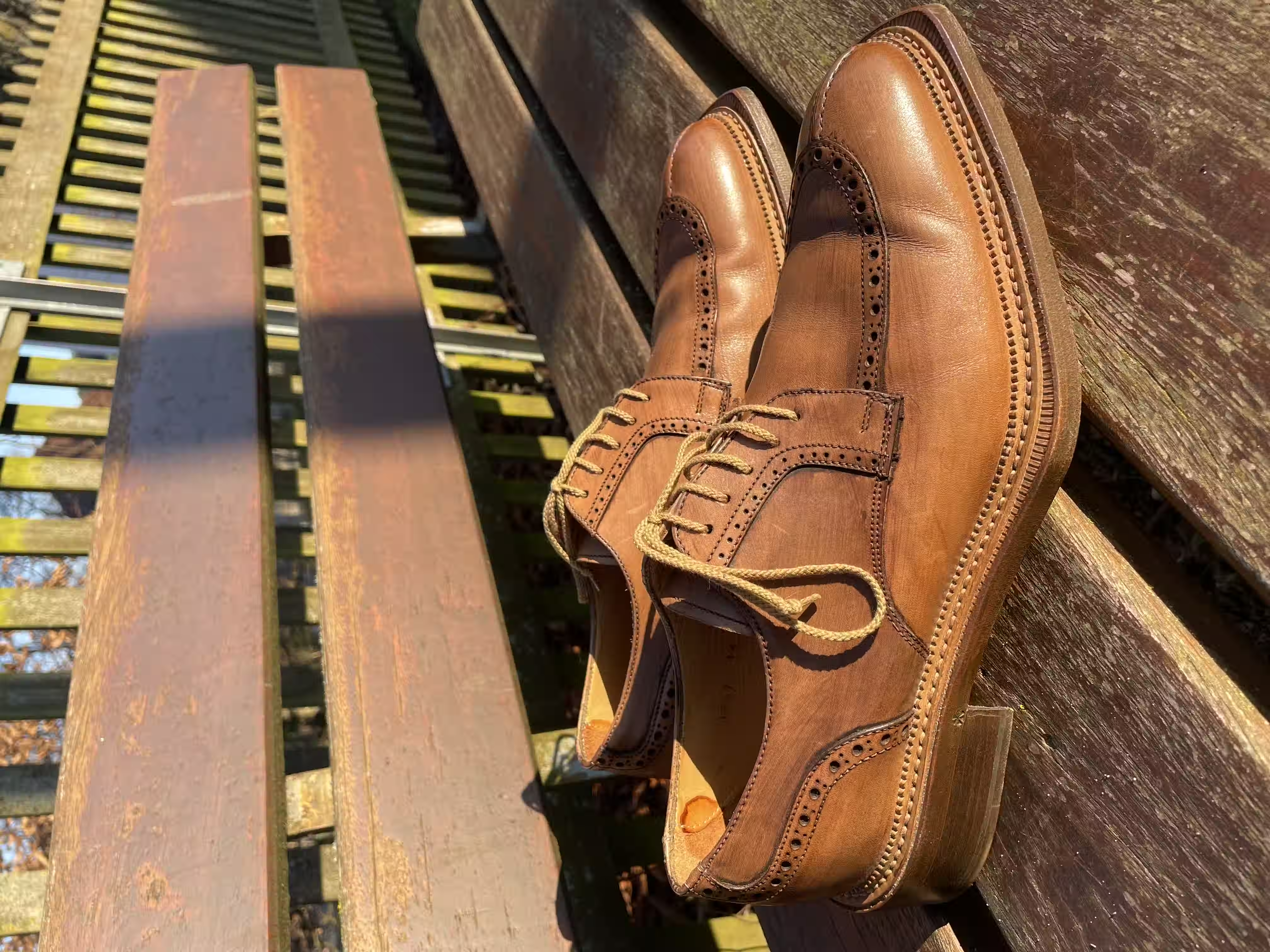
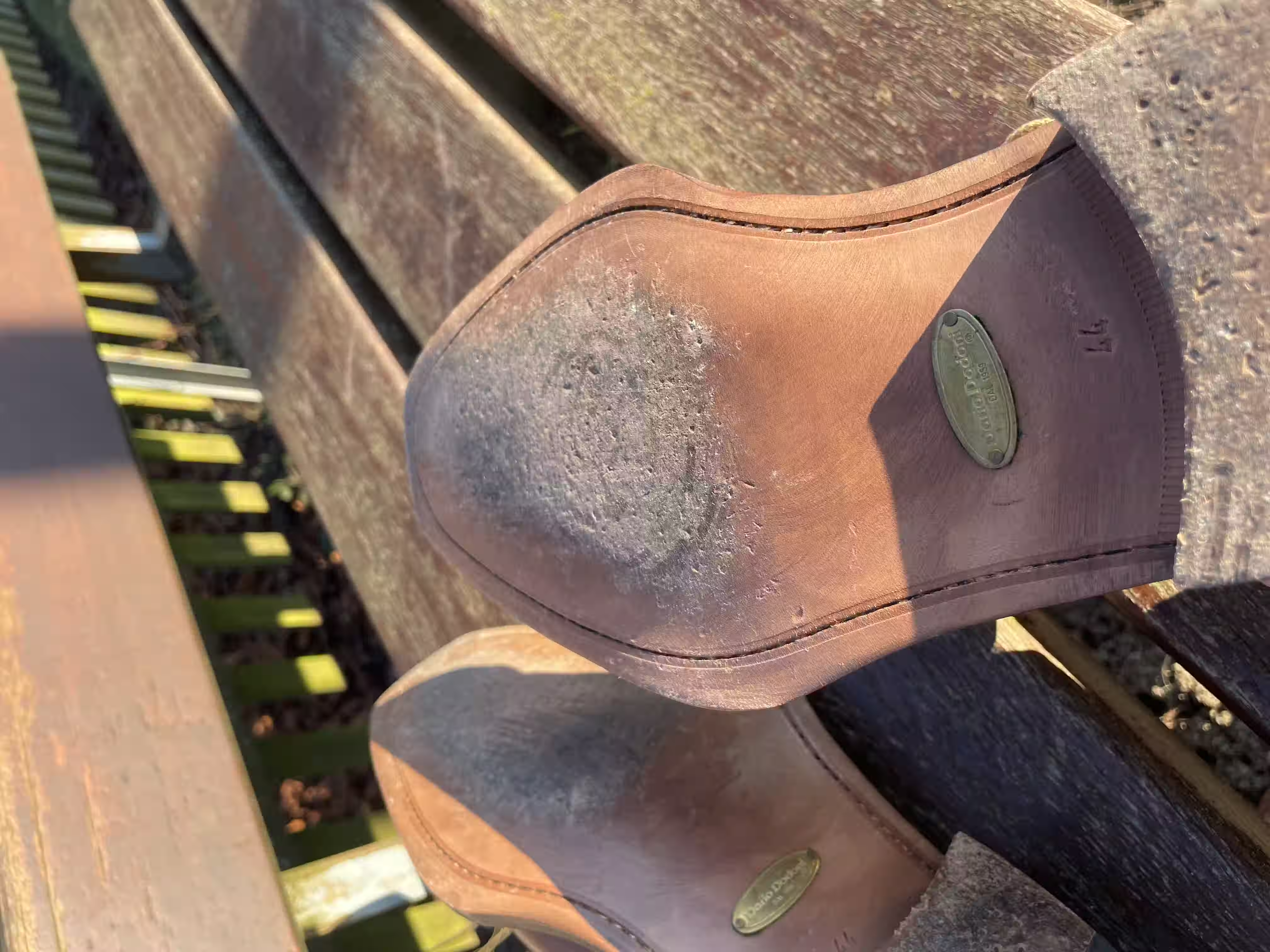
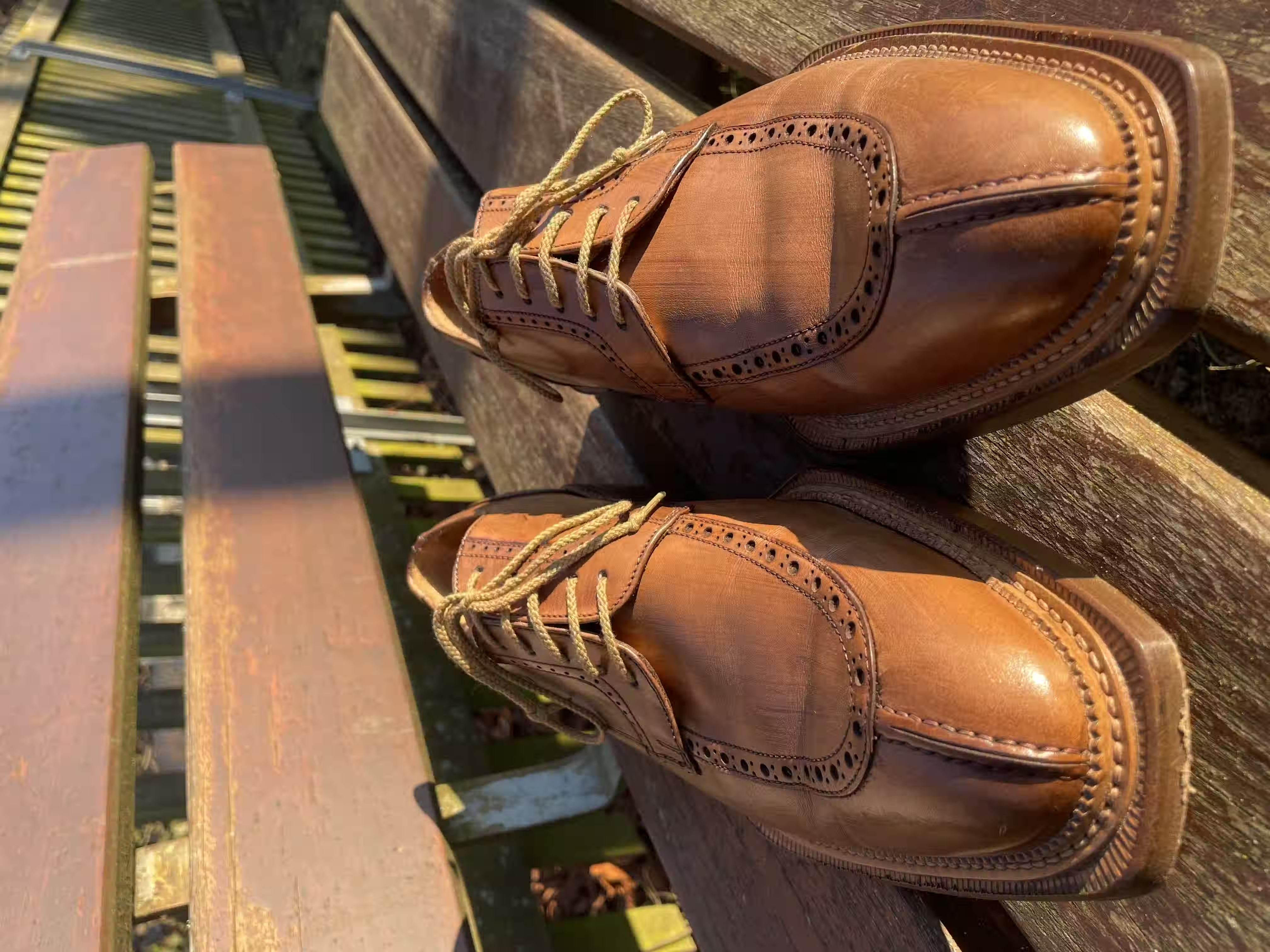
What is a leather shoe anyway? Roughly speaking, it is a shoe that is made of leather. But there are also shoes that consist mostly of plastic and whose upper leather contains a small proportion of leather - “genuine leather”. Personally, that is not a leather shoe for me if it consists only of such a tiny bit of leather.
By my definition, a leather shoe is a shoe that meets two of the following three criteria:
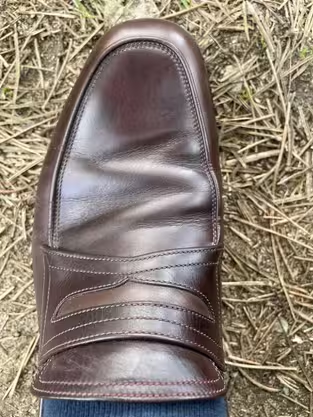
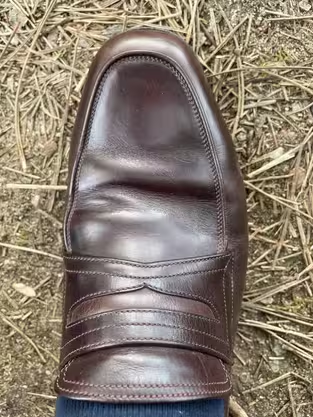
- The upper leather (the visible surface) consists entirely or predominantly of leather.
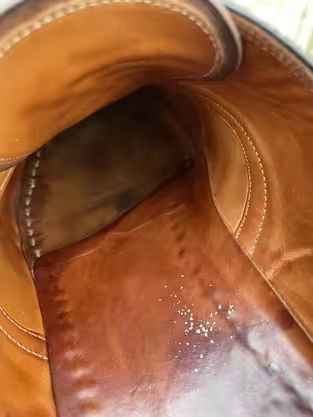
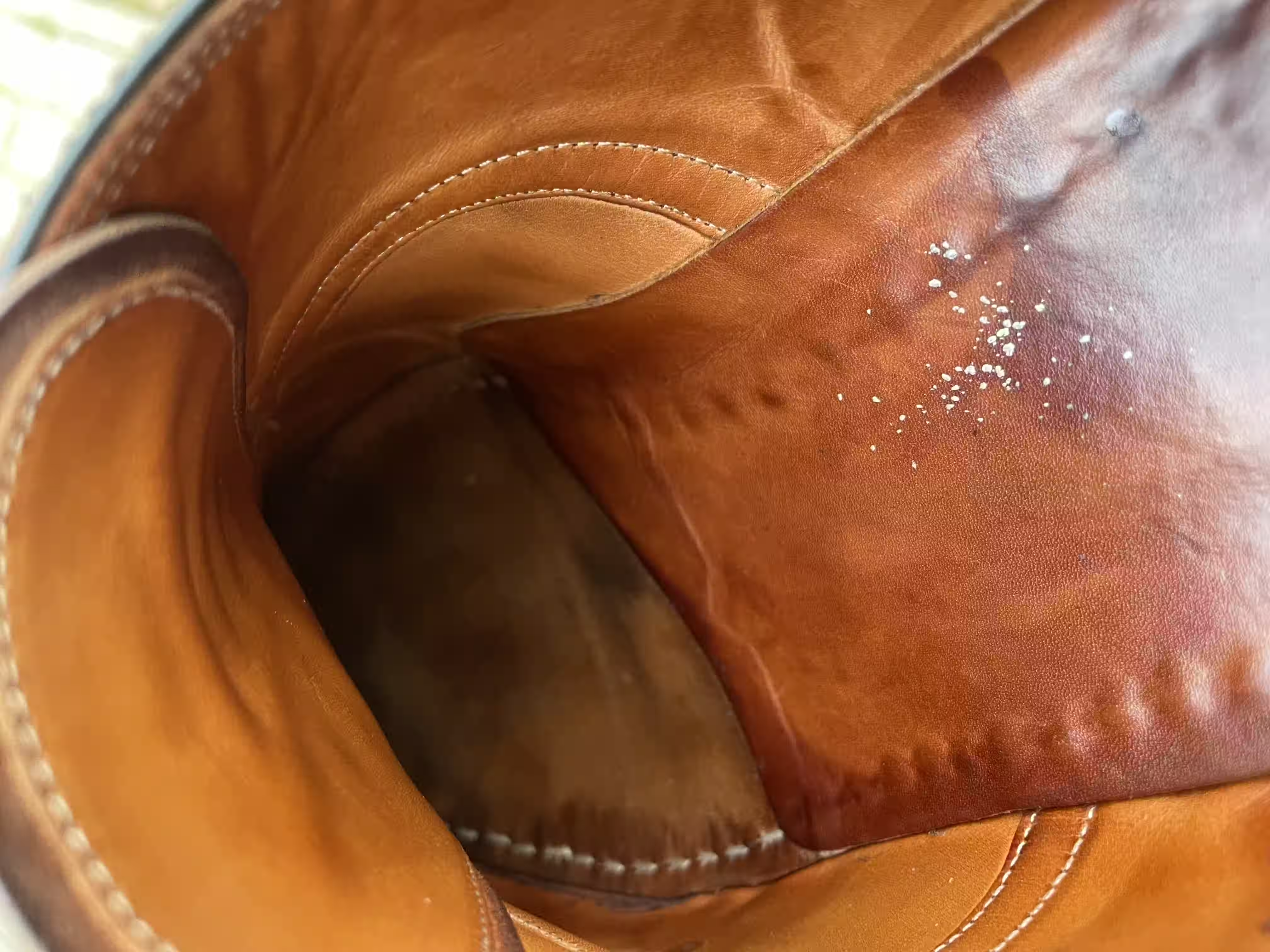
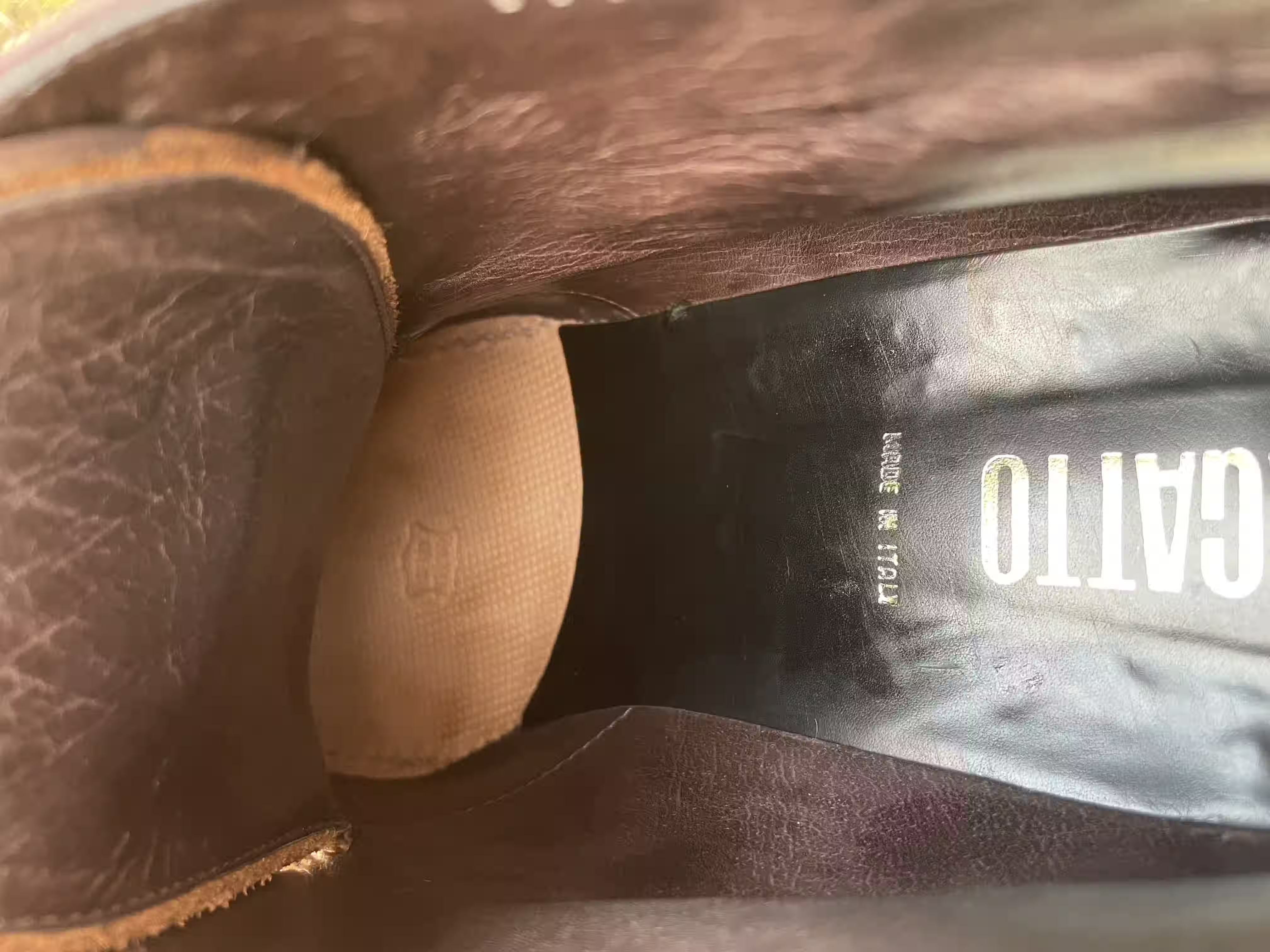
- The inside of the shoe consists entirely or predominantly of leather.
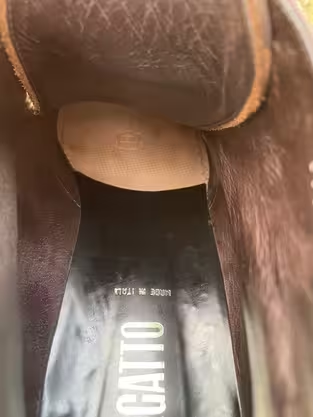
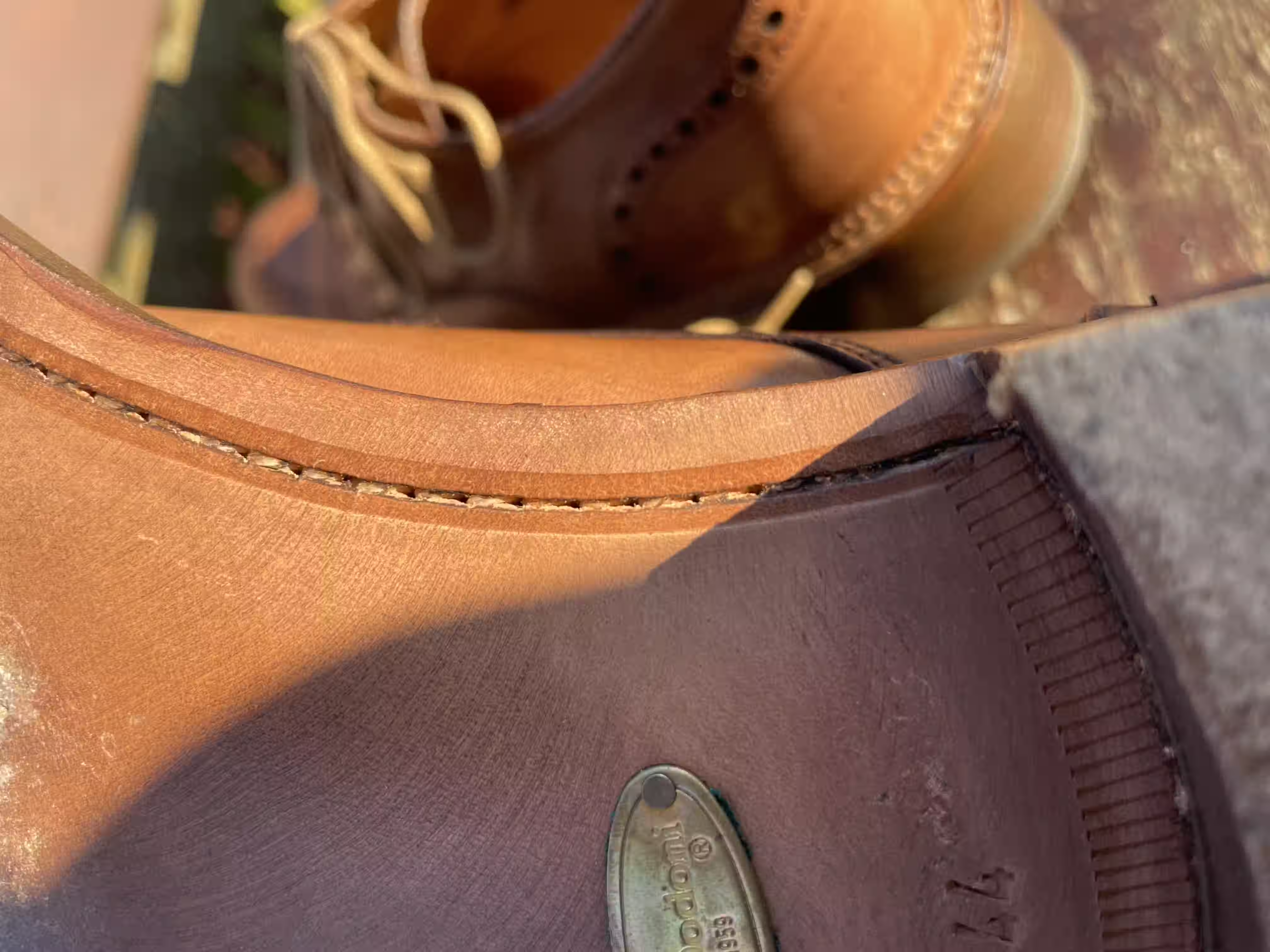
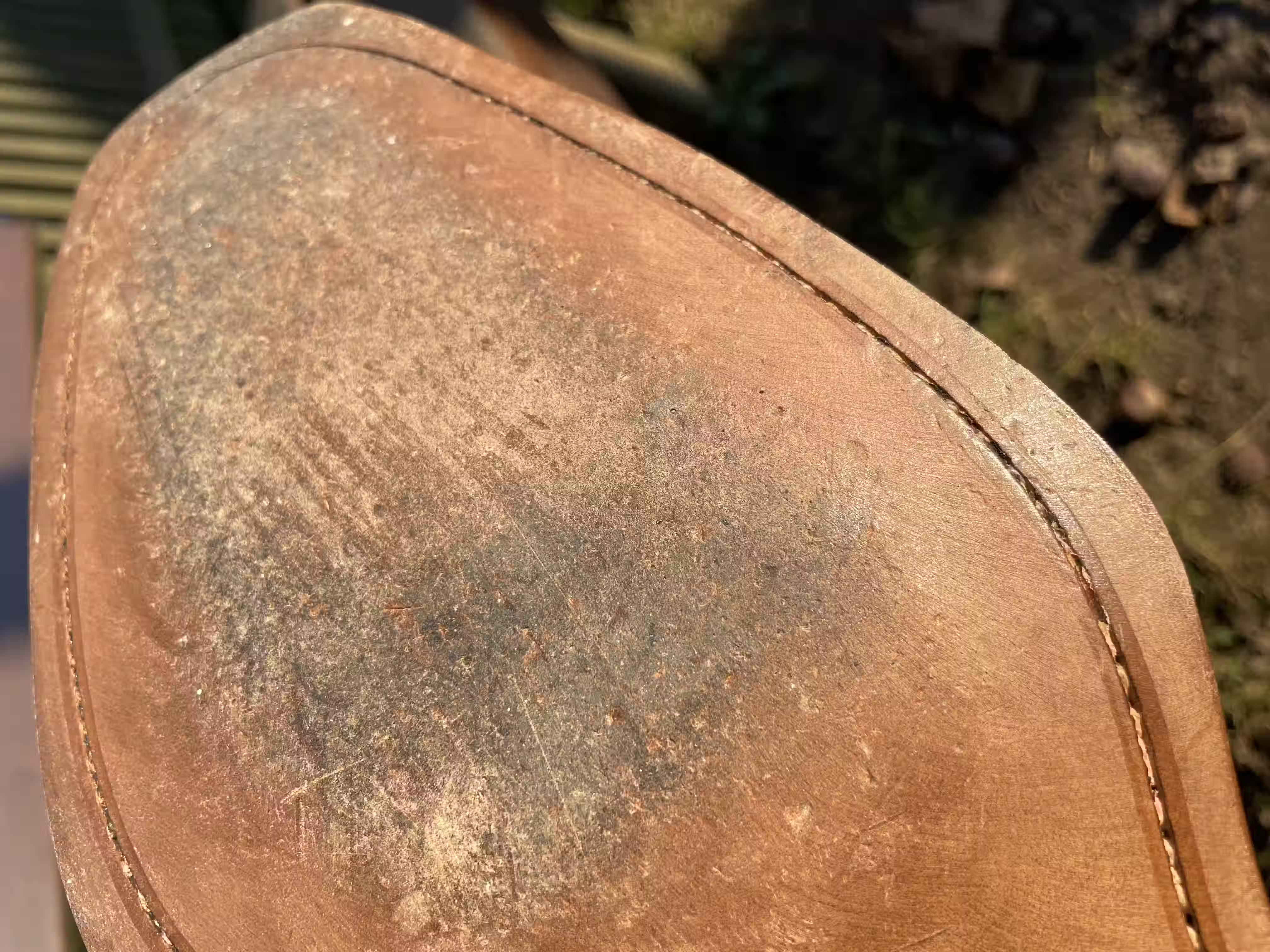
- The sole consists entirely or predominantly of leather.
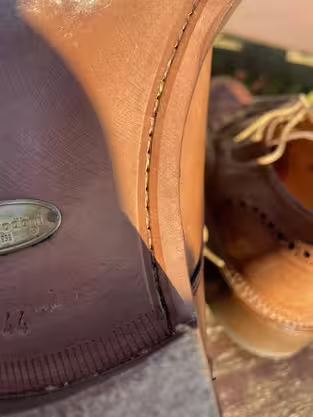
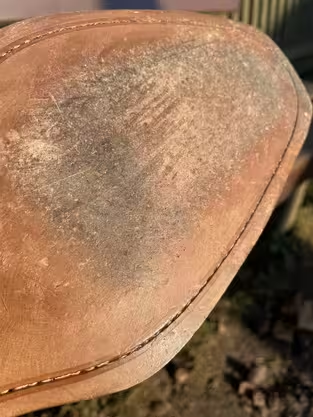
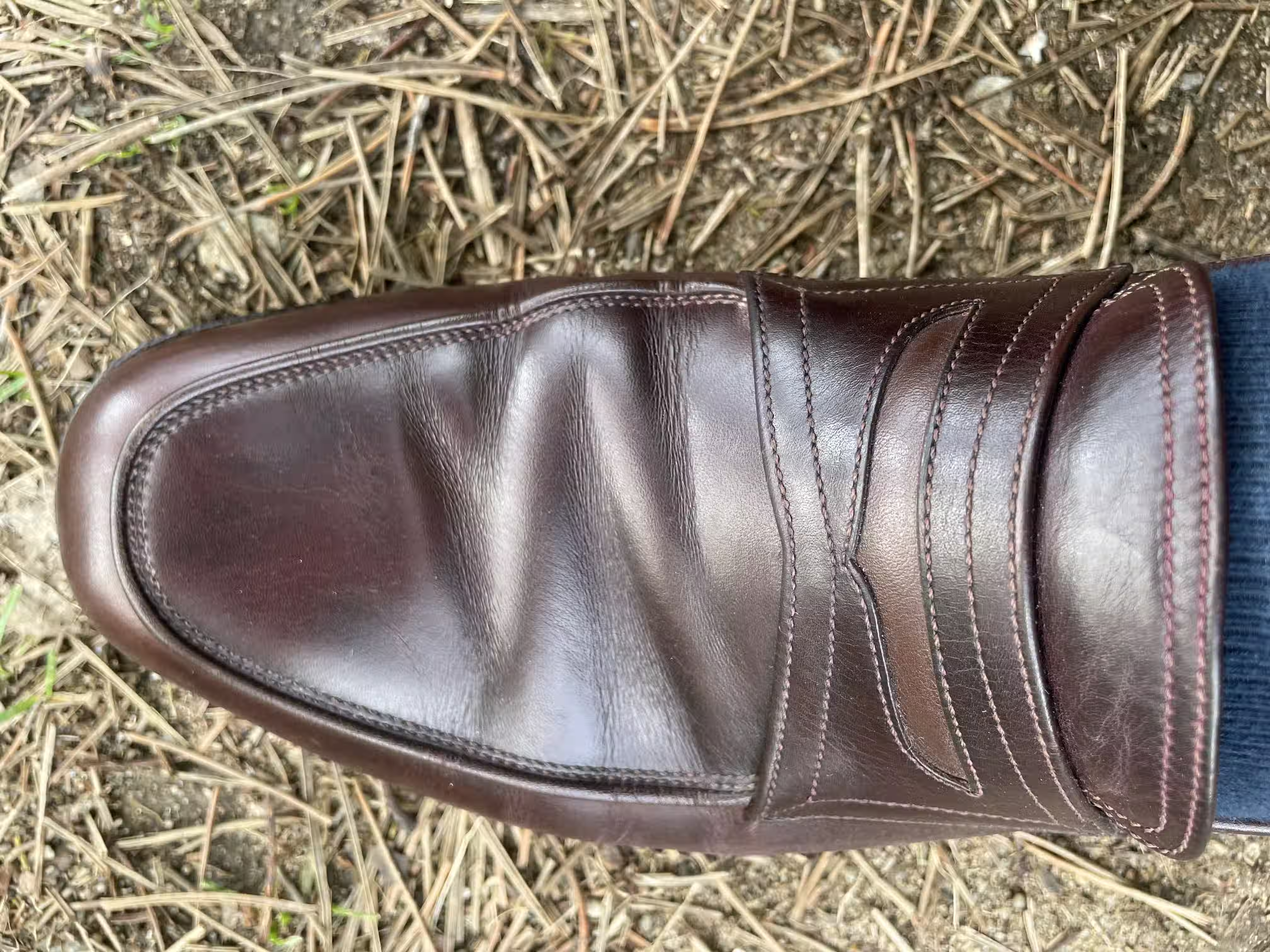
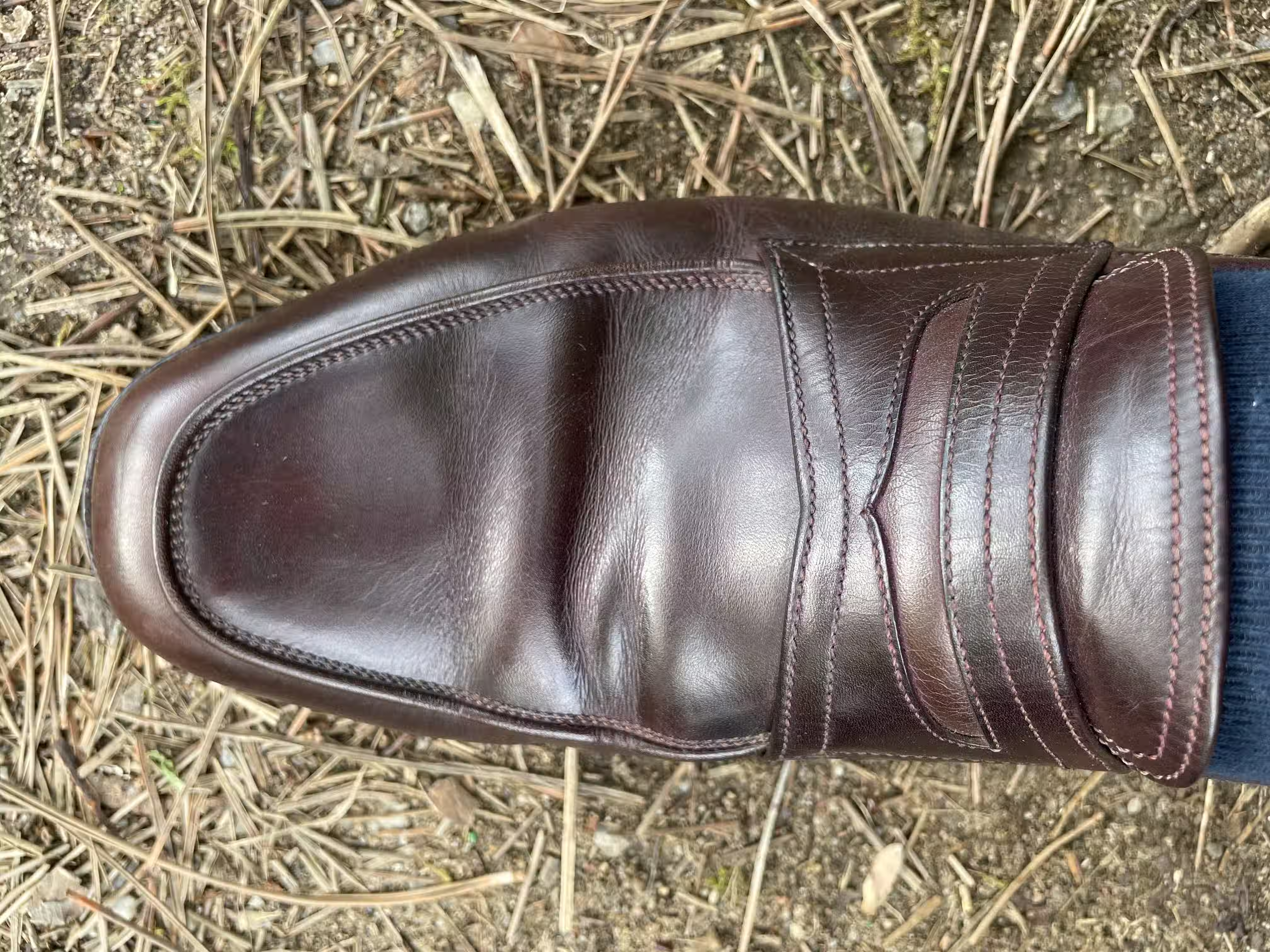
You can find further details in the following article:

The world of shoes - shoe variants and facets from different perspectives
Shape
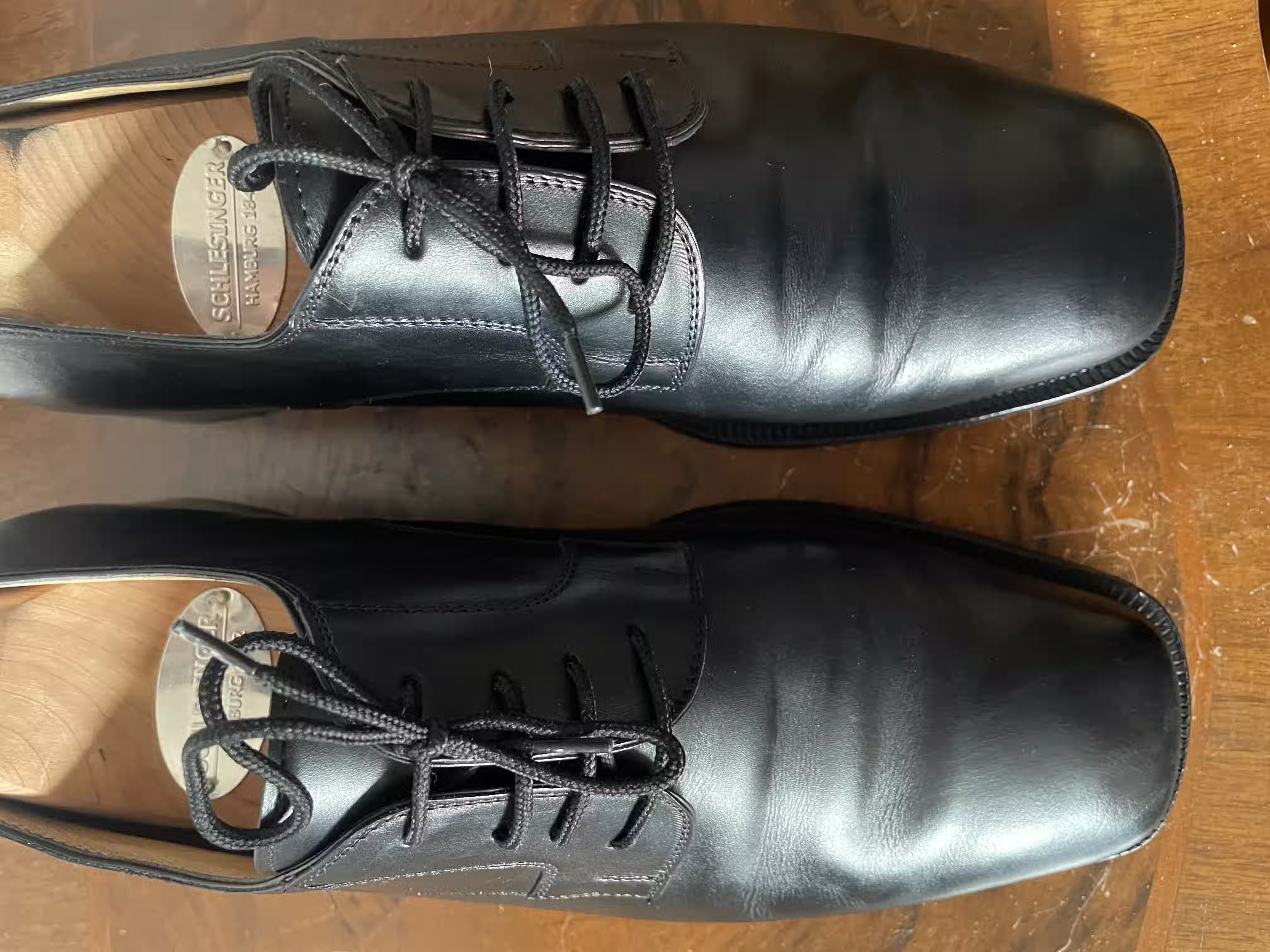
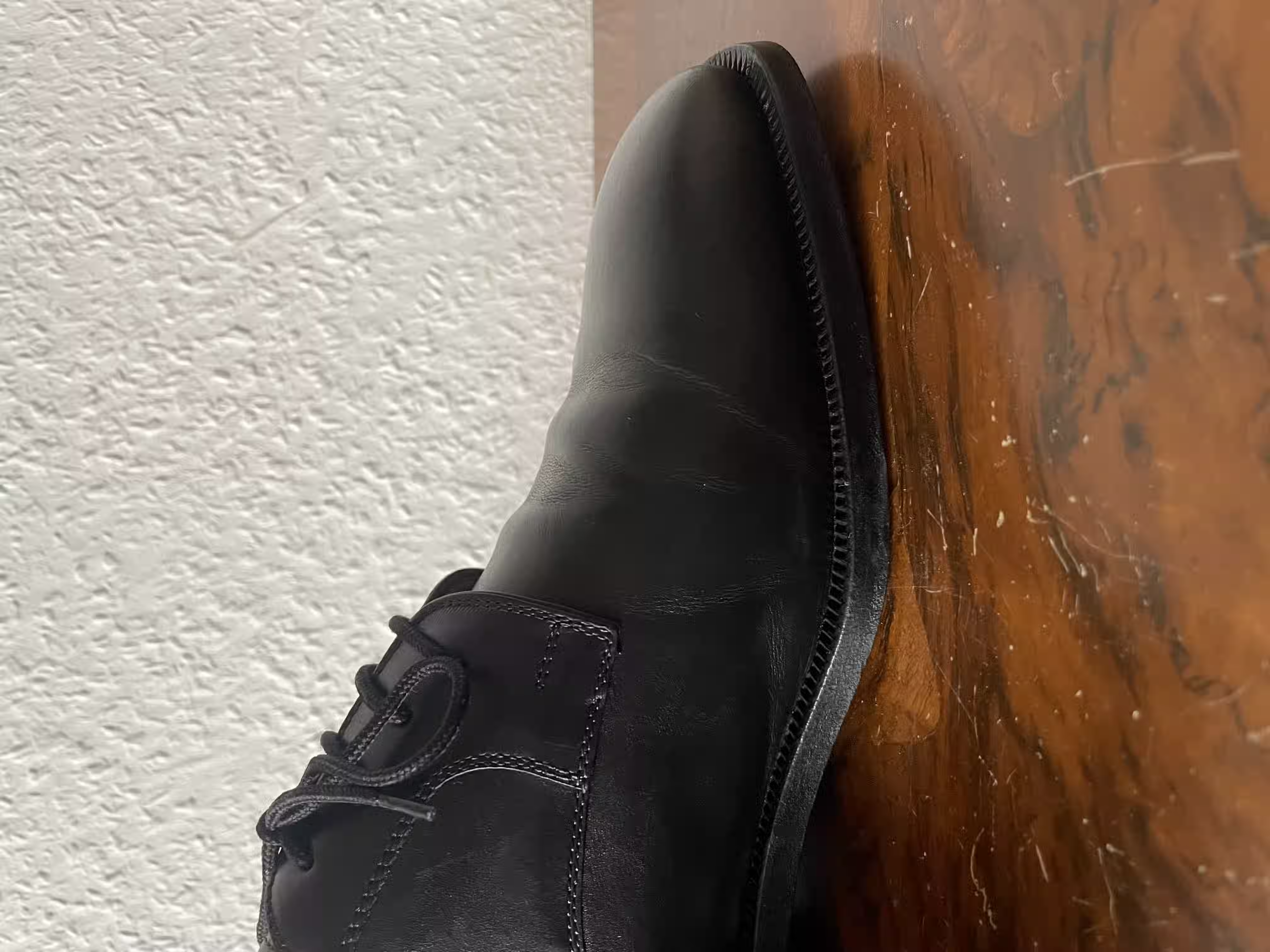
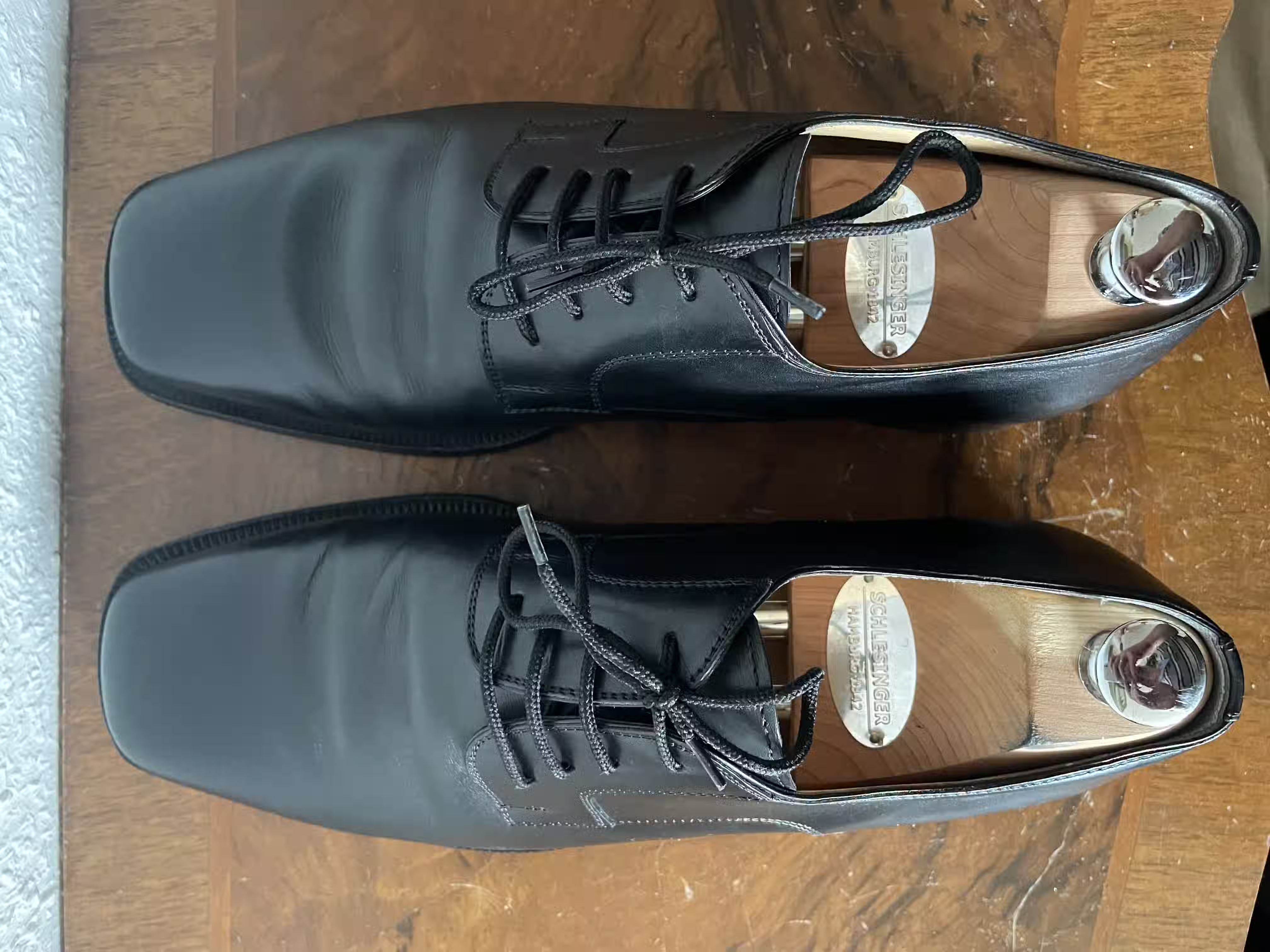
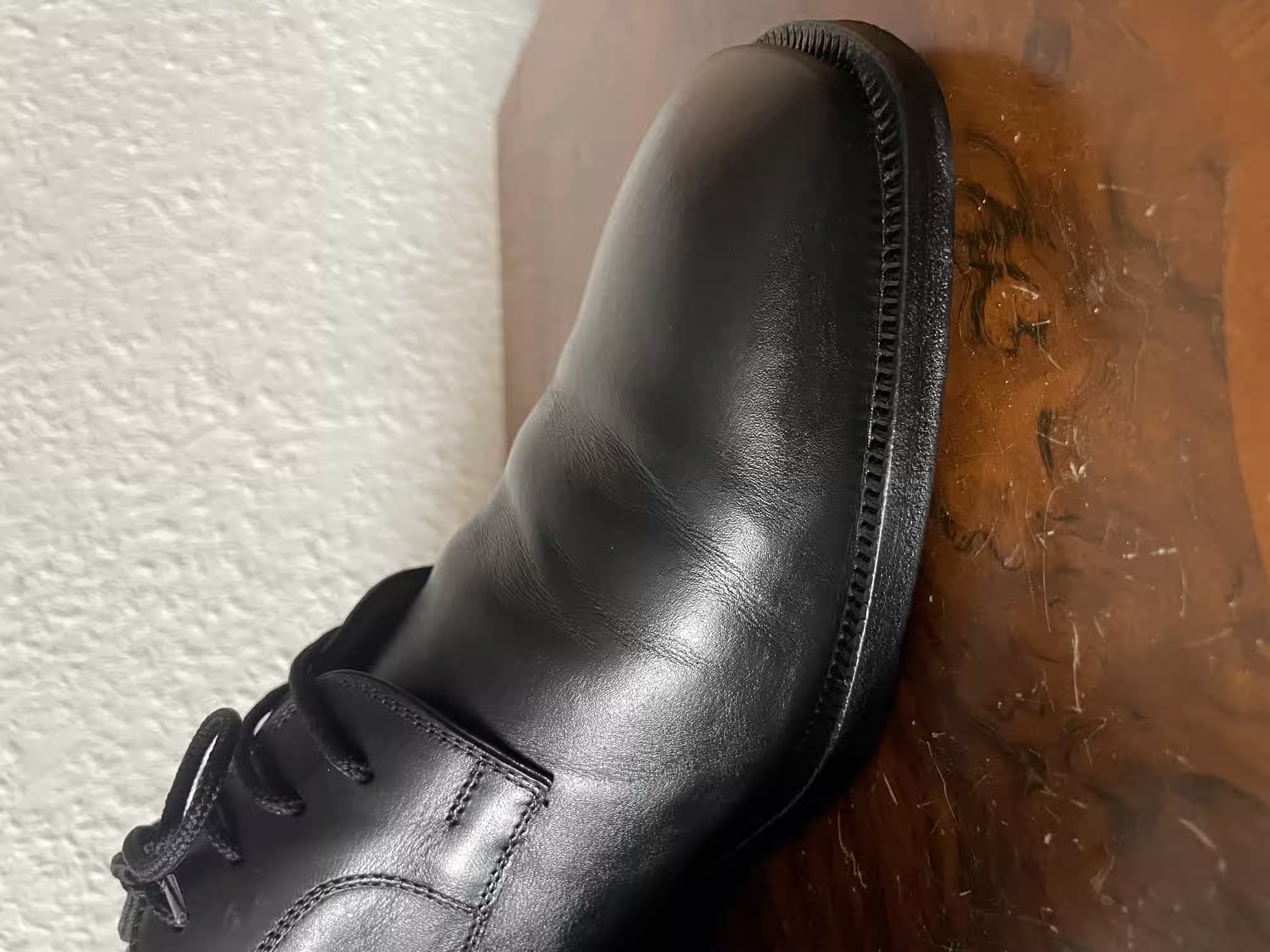
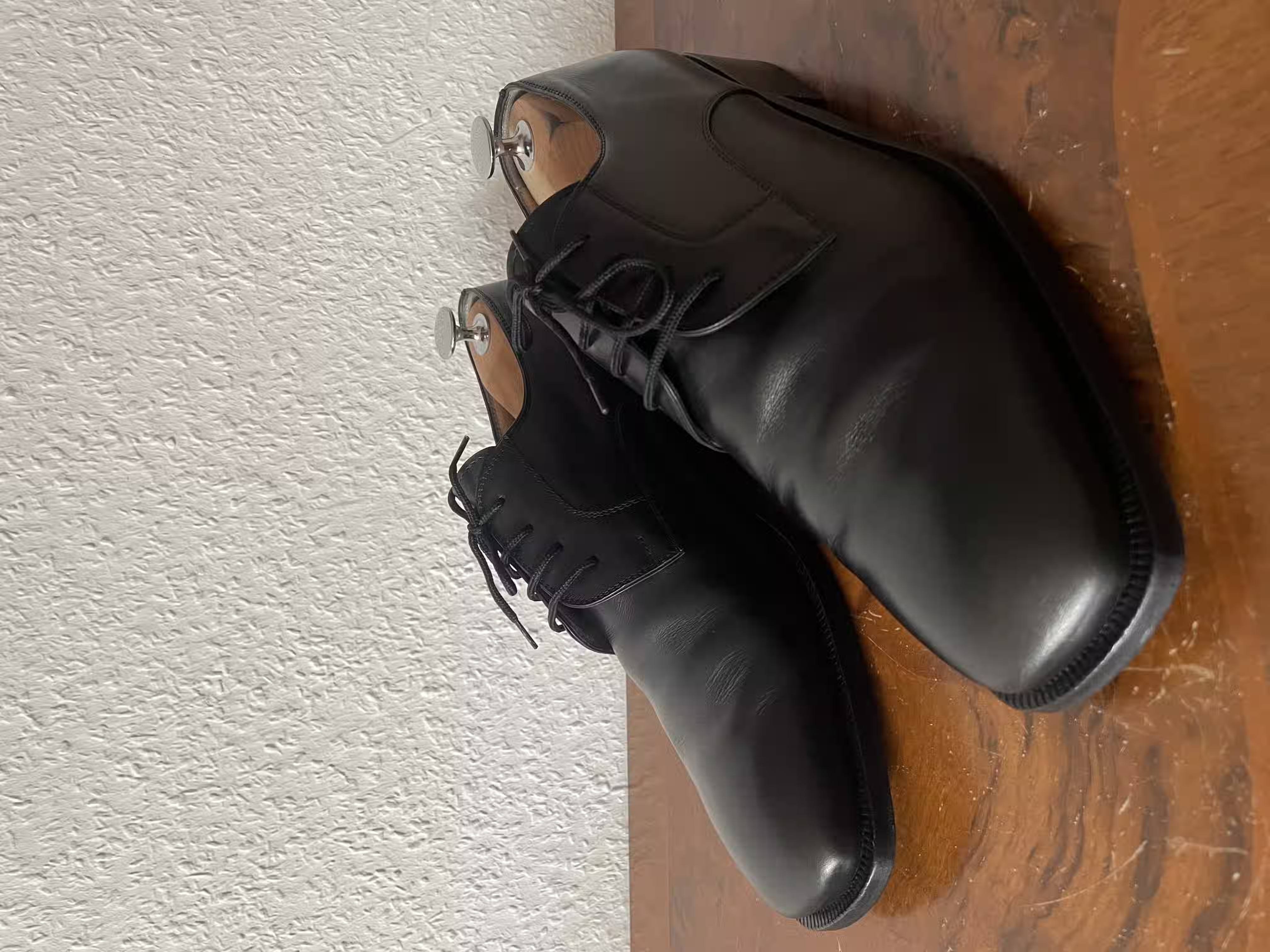
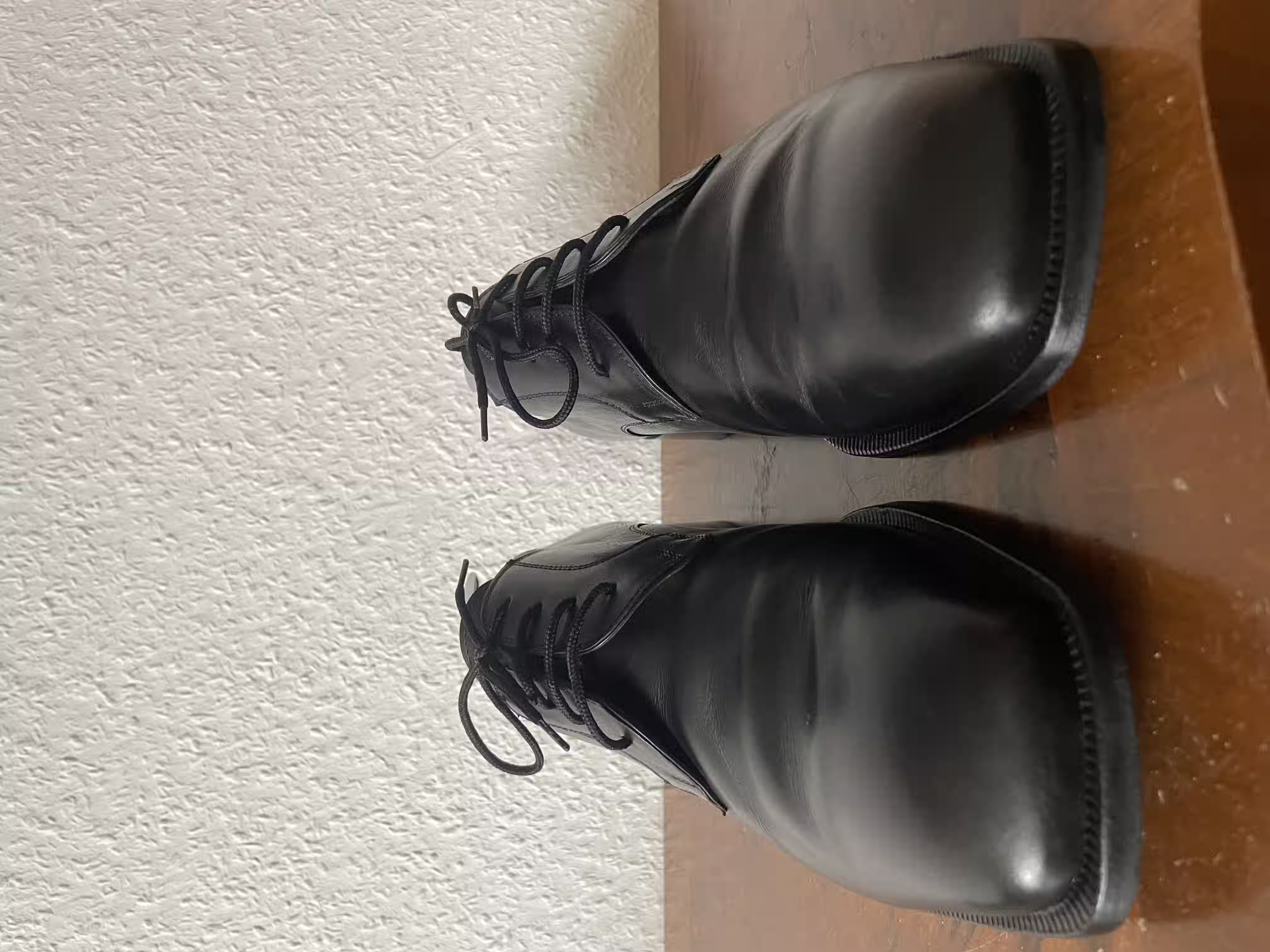
Shoes that are manufactured industrially in large quantities mostly also have a bulky shape that is somewhat reminiscent of a block. This applies especially to many sneakers. The motivation behind this is to make the shoe suitable for as many people as possible. And for that, the shape of the shoe is made relatively generous in terms of space.
Well-made classic men’s shoes, on the other hand, have a more elegant shape with curved contour lines when you look at them from above, for example. In my eyes, they are therefore nicer to look at and simply look more elegant.
In addition, there are various variants of the way the toe and the front part of the shoe in general can be designed in terms of shape. This will be especially interesting if you can have shoes made. But even for a general overview of the possibilities out there, the knowledge can be useful, because this also influences the effect of your shoes.
Shoe models
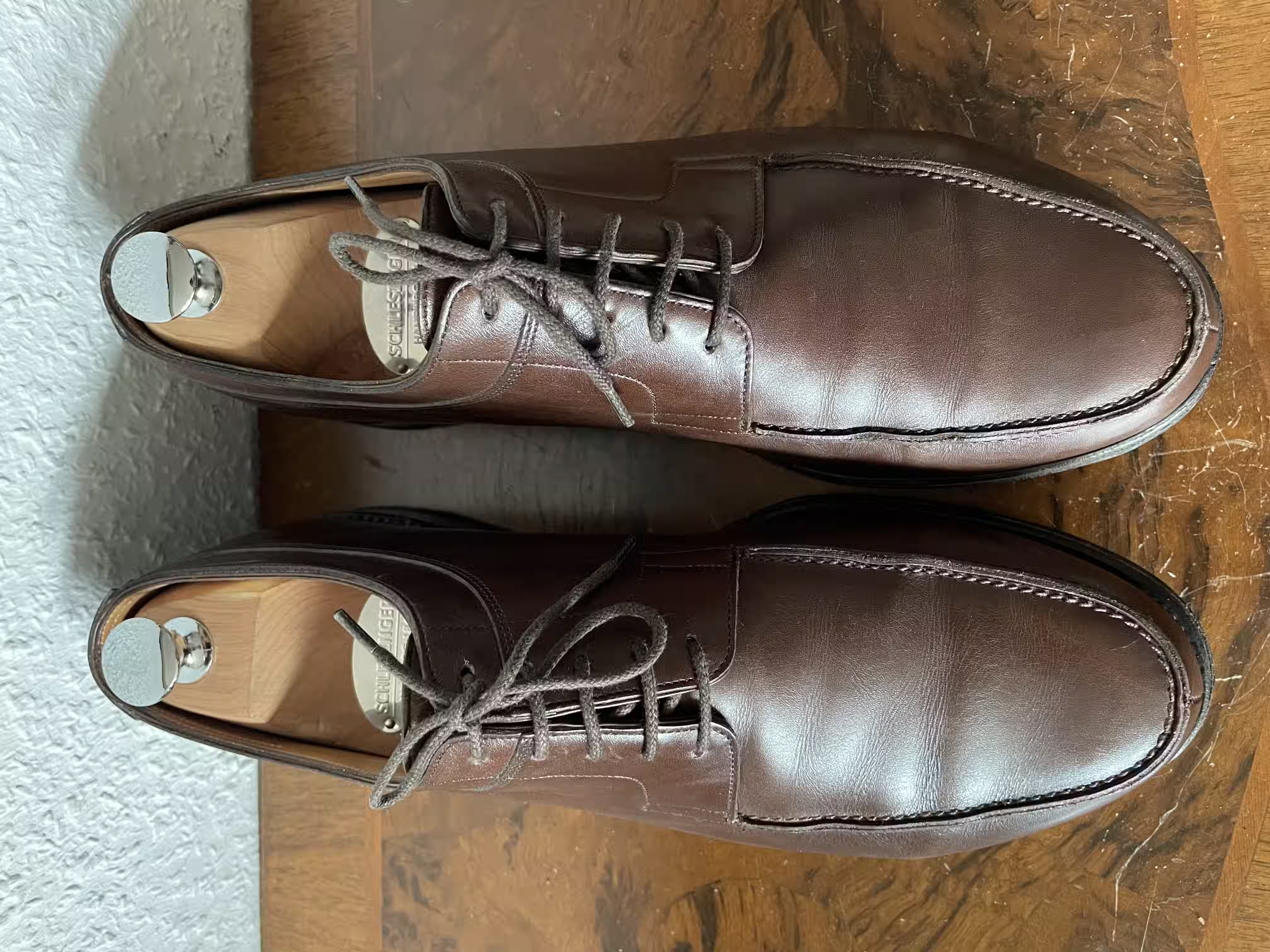
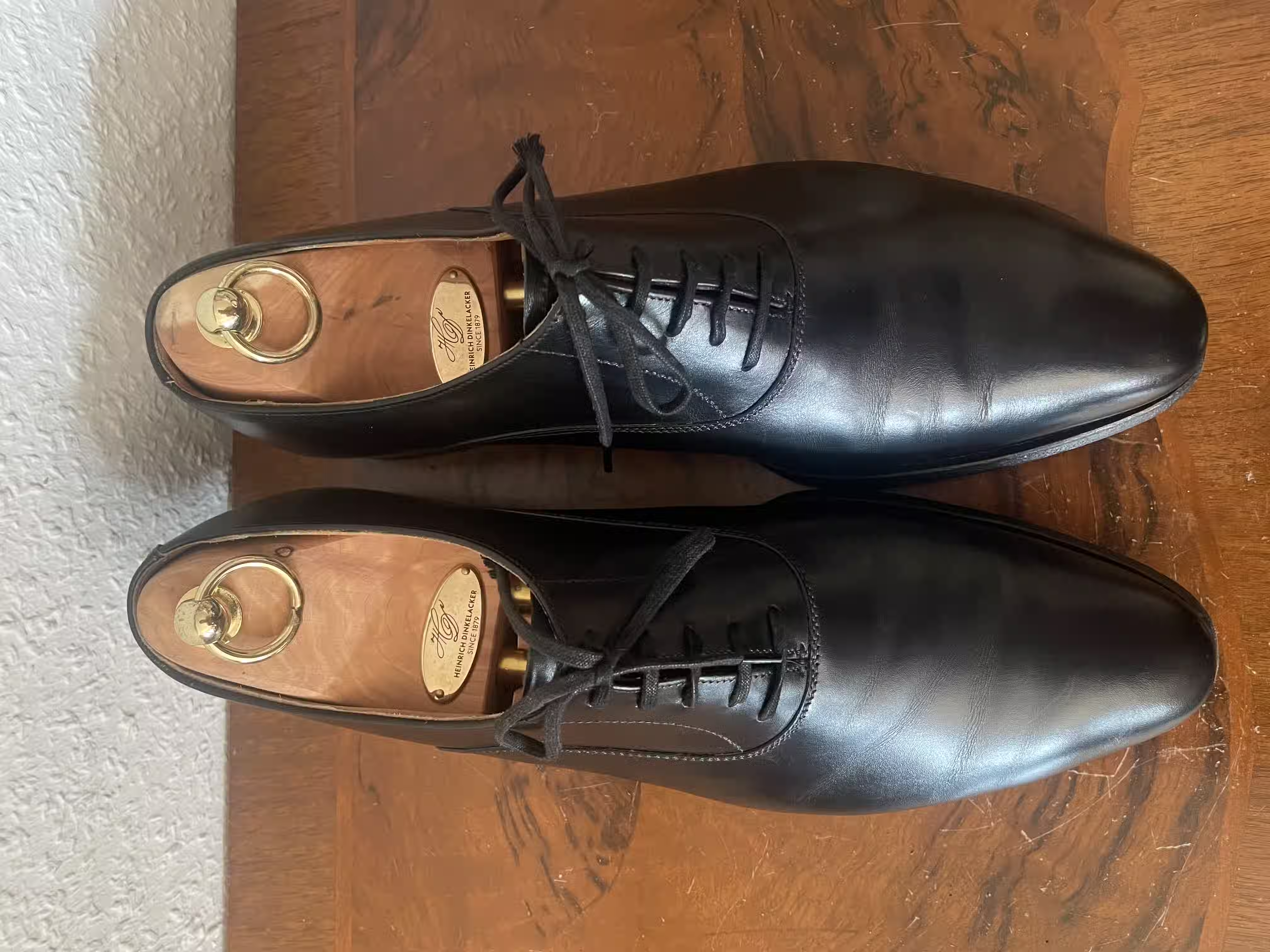
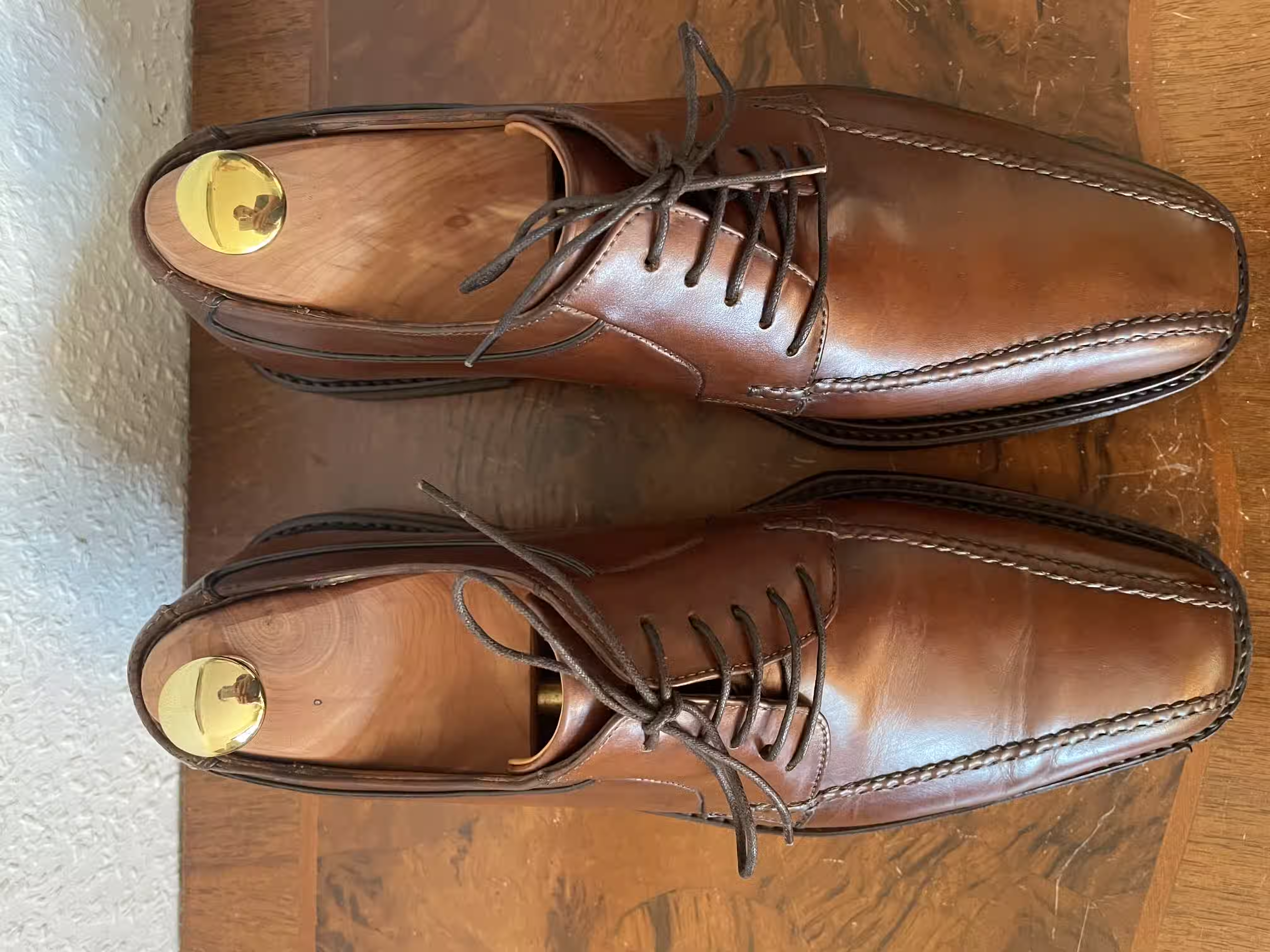
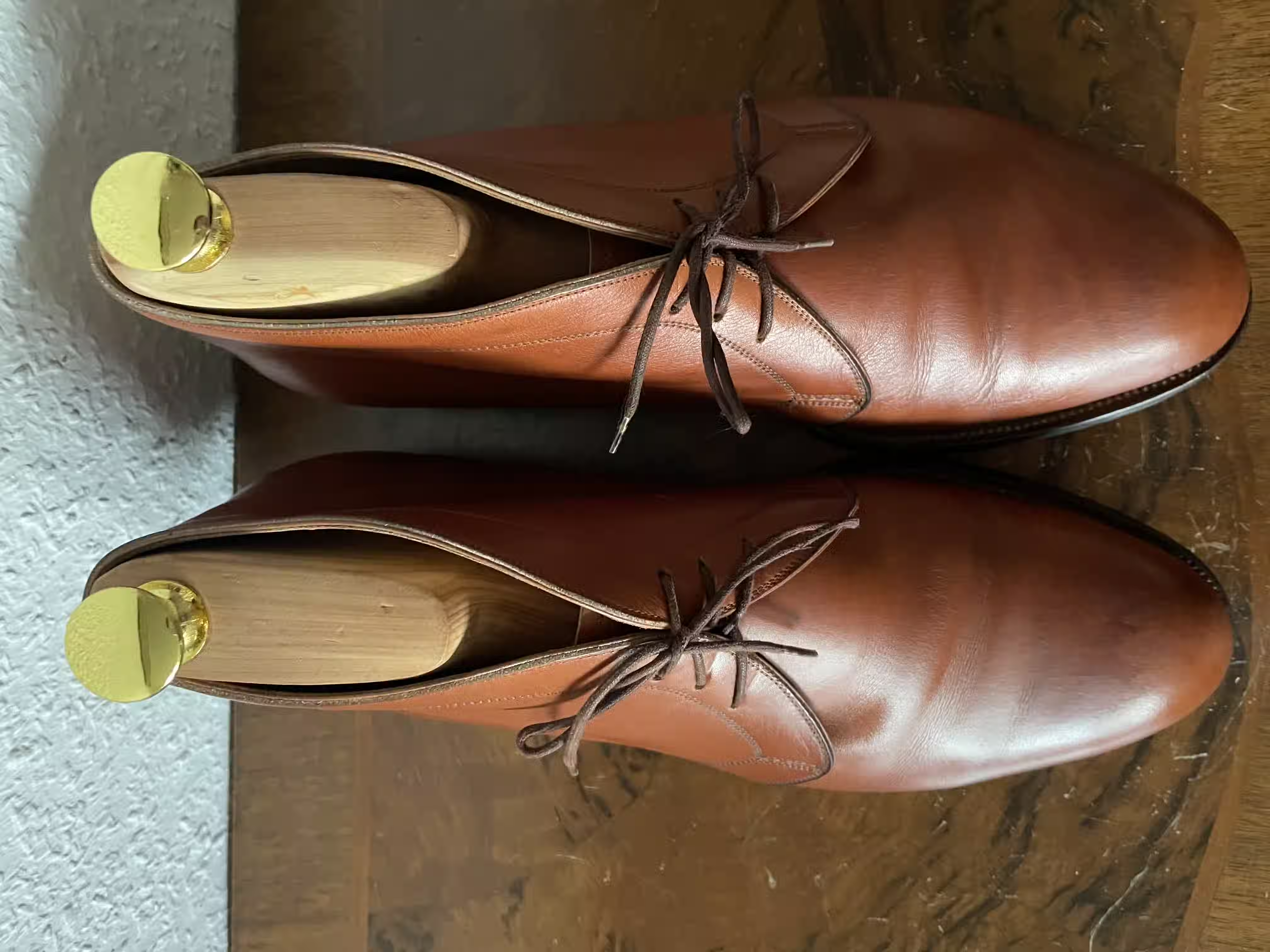
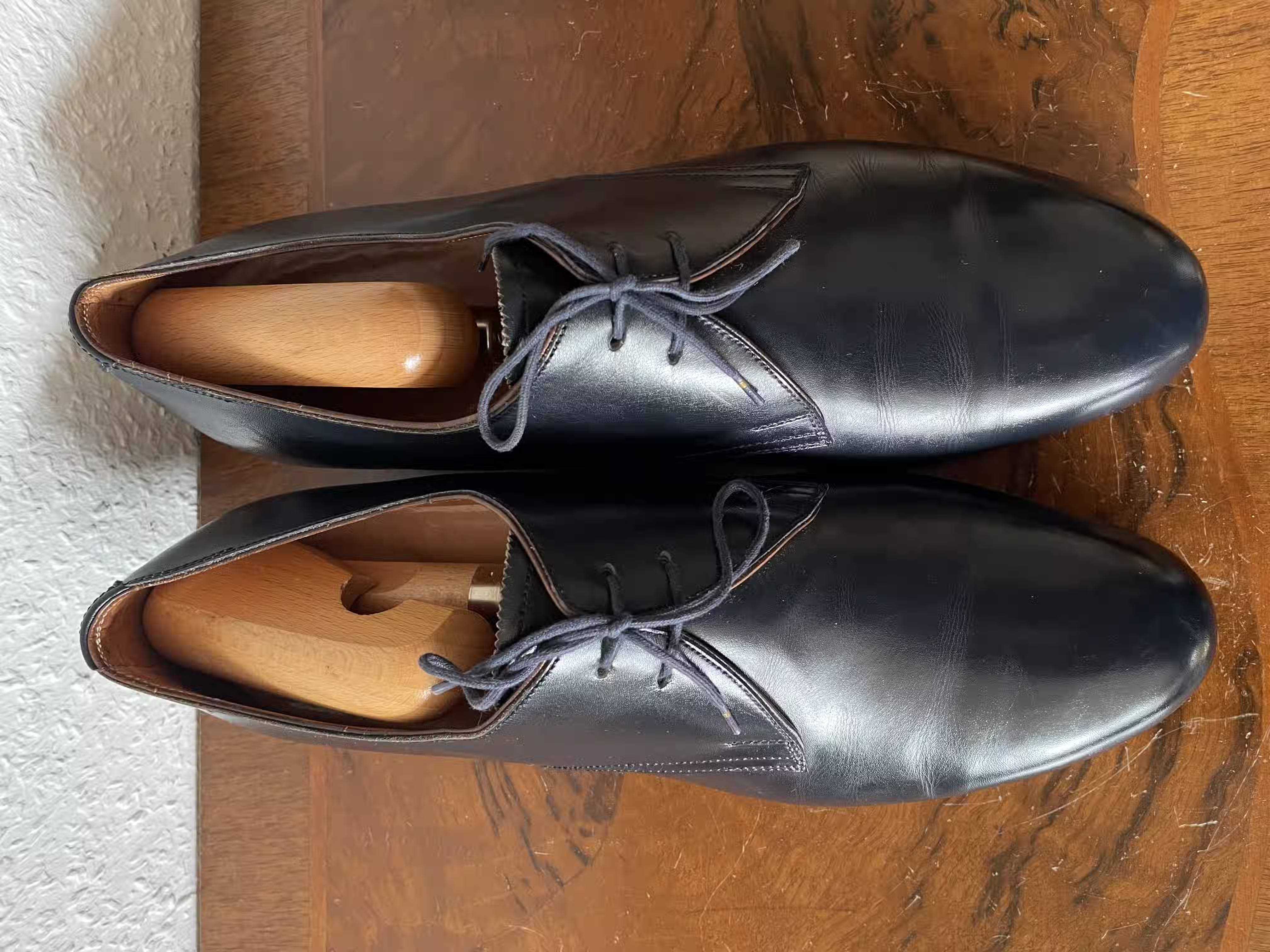
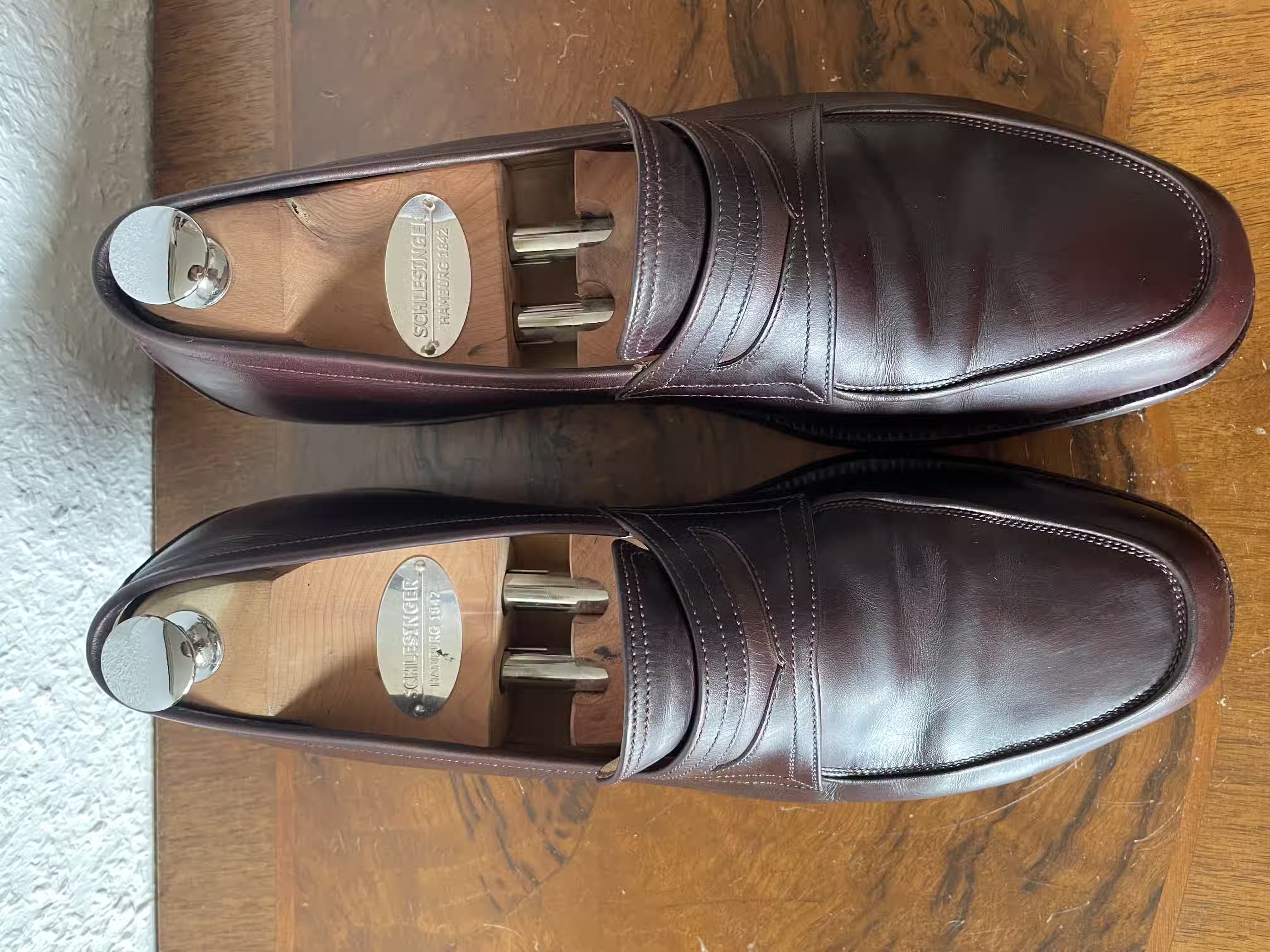
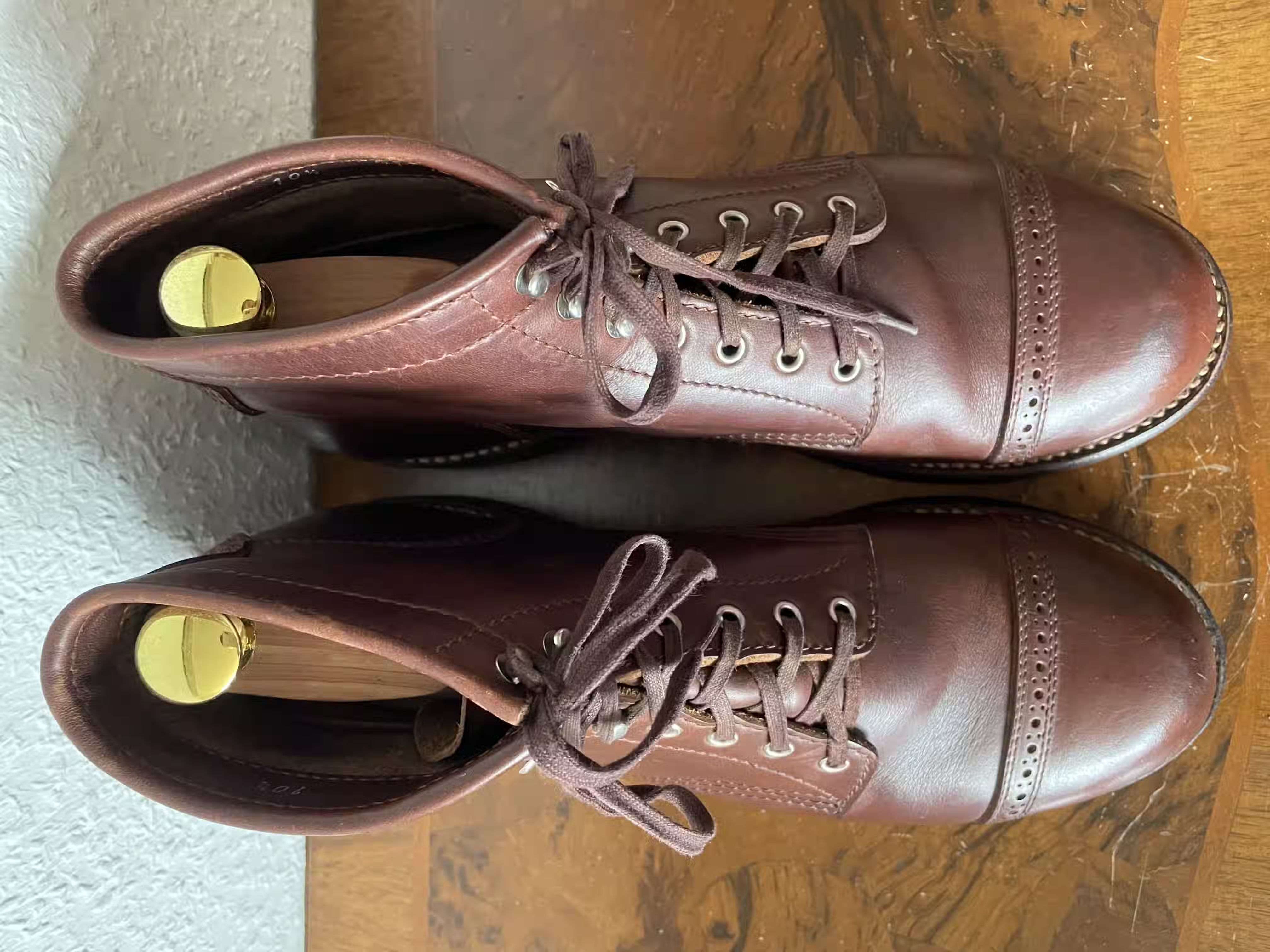
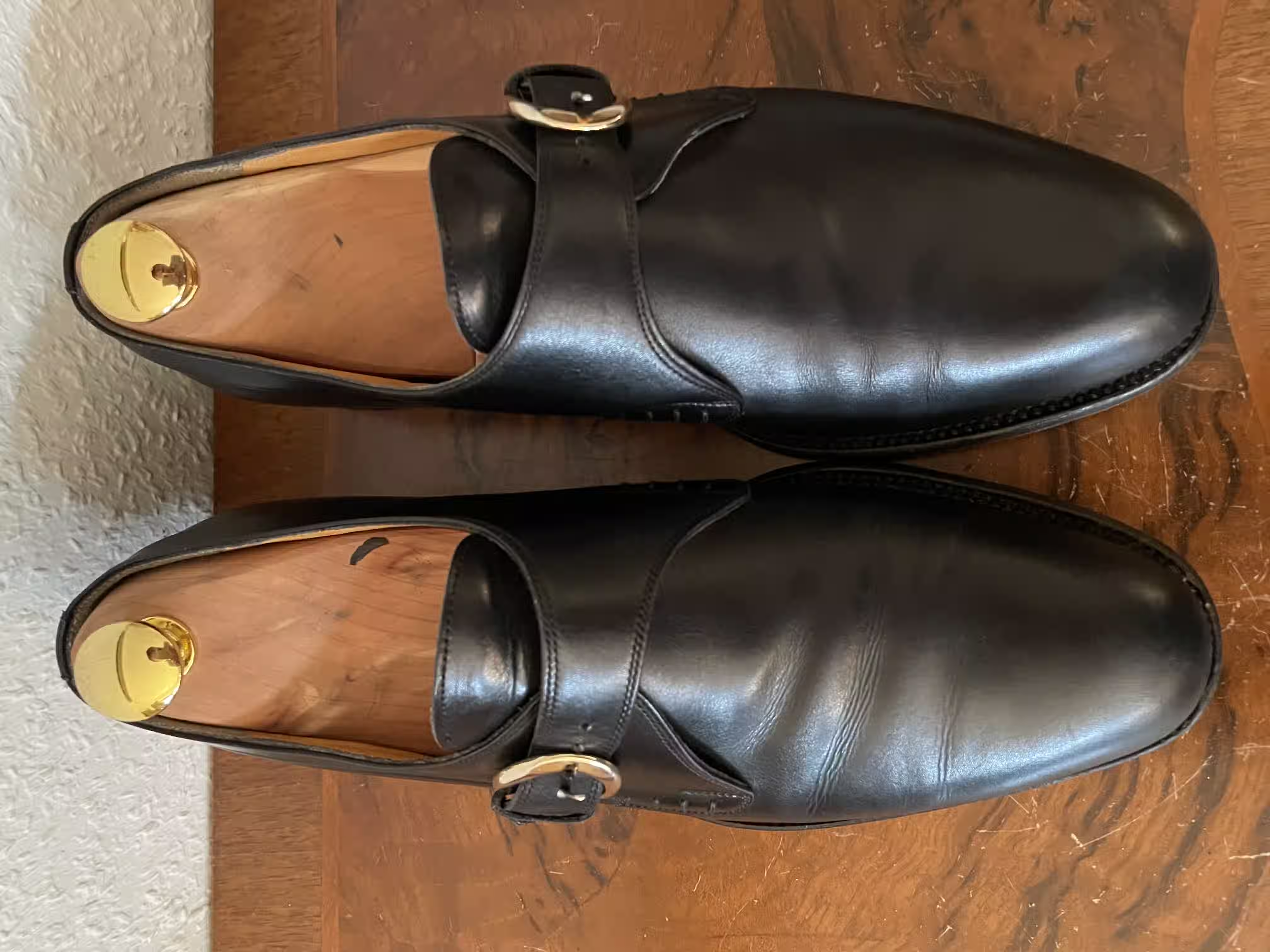
Shoe models largely determine the overall appearance and the overall effect of the shoe on the outside world: among other things, whether the shoes are too formal, too casual, or just right for a particular occasion.
You can make it easy for yourself if you have models that are more universal and suitable for several purposes. In addition, the different models also have different tolerance when it comes to fit - something you may want to consider when ordering shoes online. But of course, in general it is better if you can try on shoes before buying.
If you would like to get an overview of the various shoe models in order to find your own favorite shoe, you can do so here:
There you will find both low shoes as well as boots and ankle boots. So you can also orient yourself in the boot area regarding some models and gather impressions.
Assessment aspects and quality
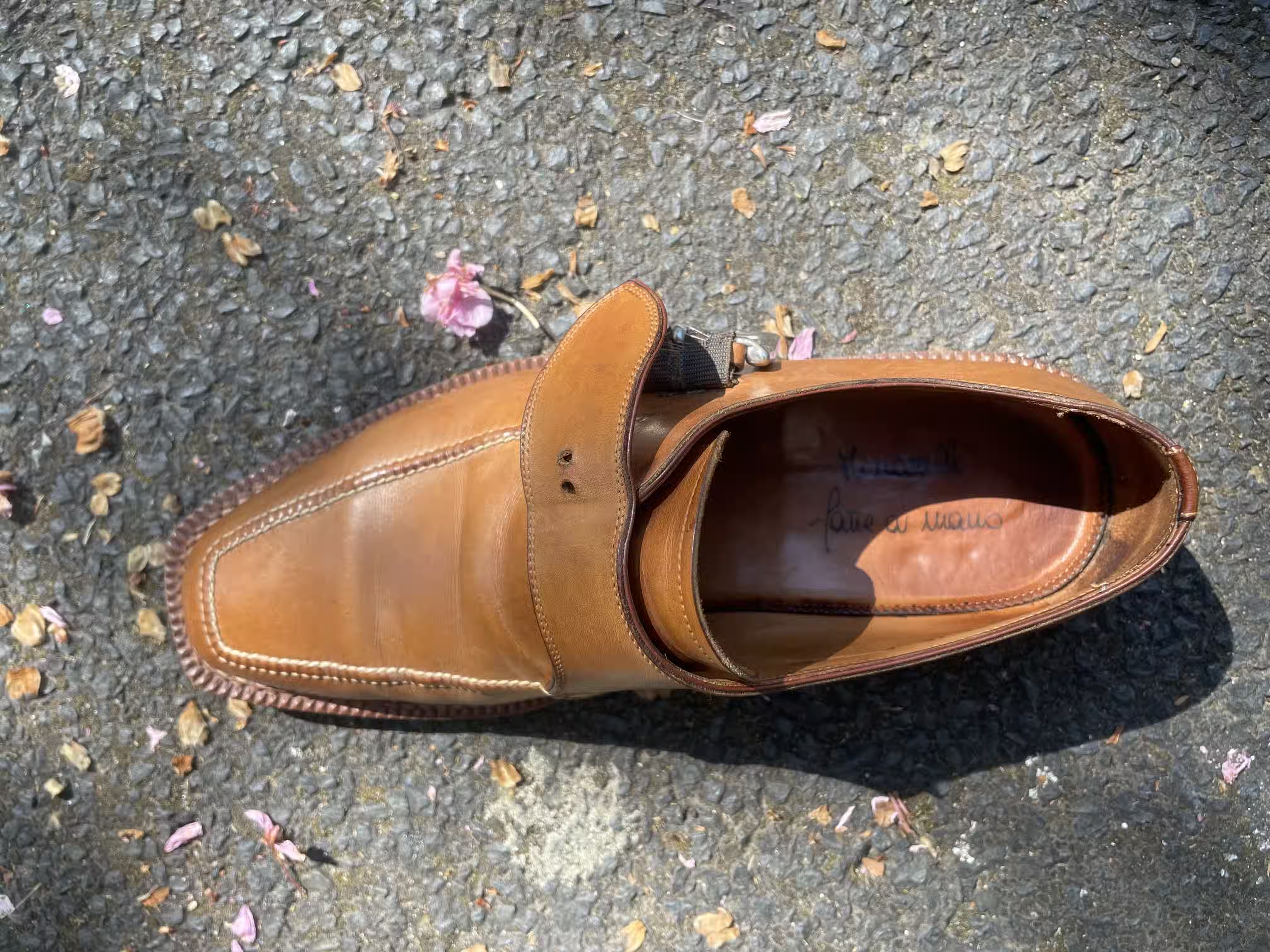
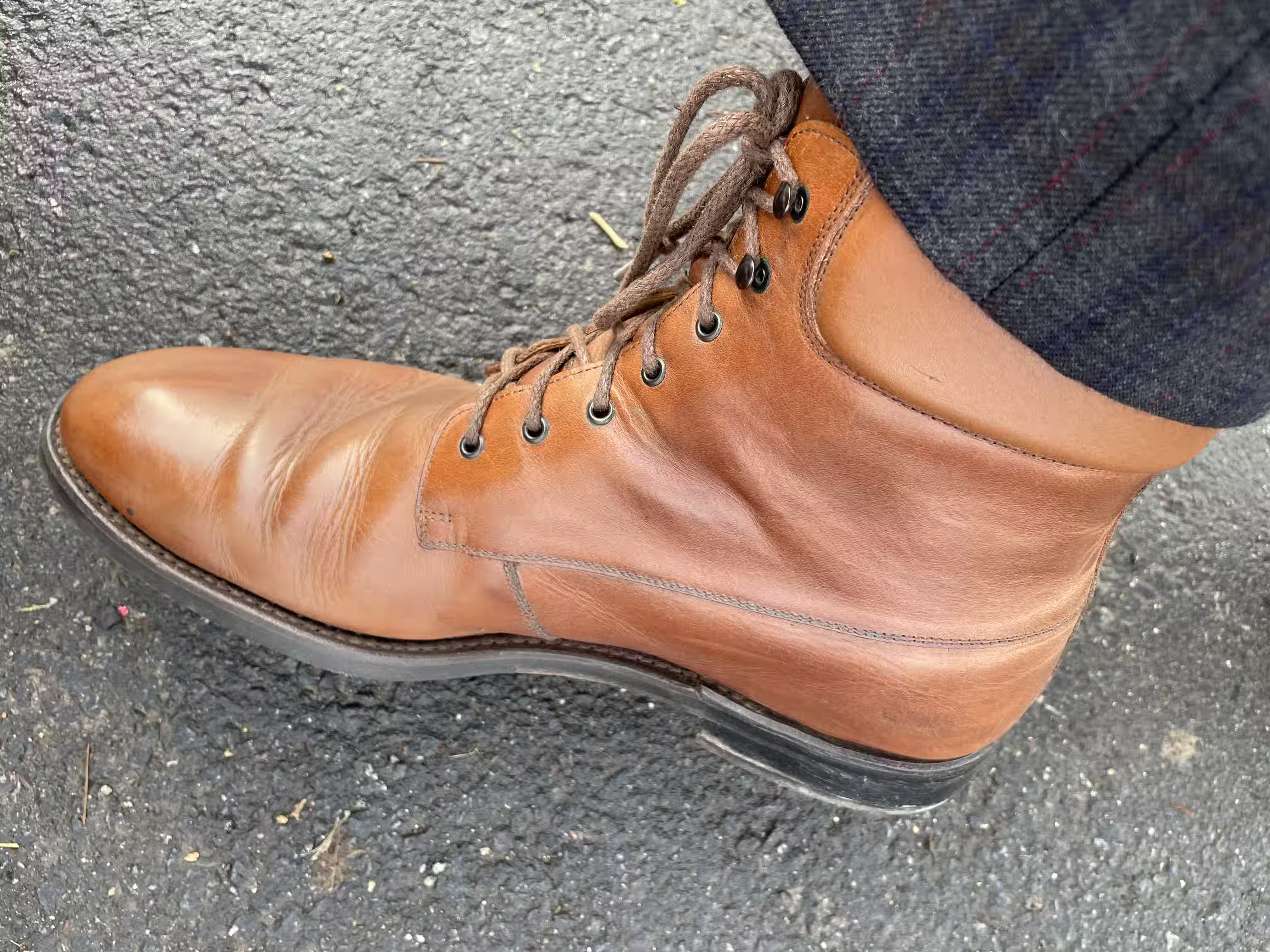
We can look at a leather shoe from different angles. Because unlike the glued mass-produced shoes, leather shoes typically have a wide variety of advantages. Here I list some criteria by which leather shoes can be assessed:
Leather
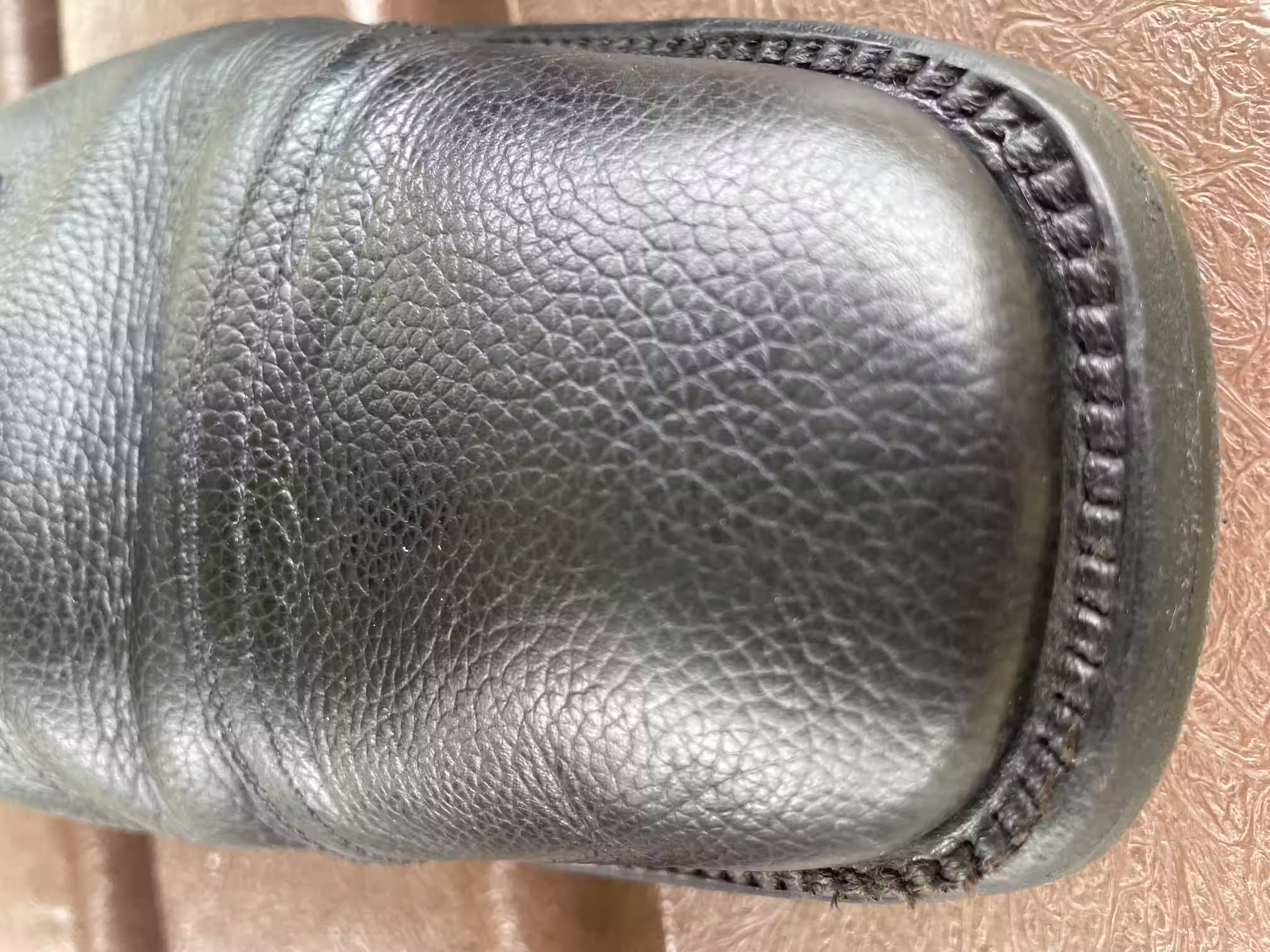
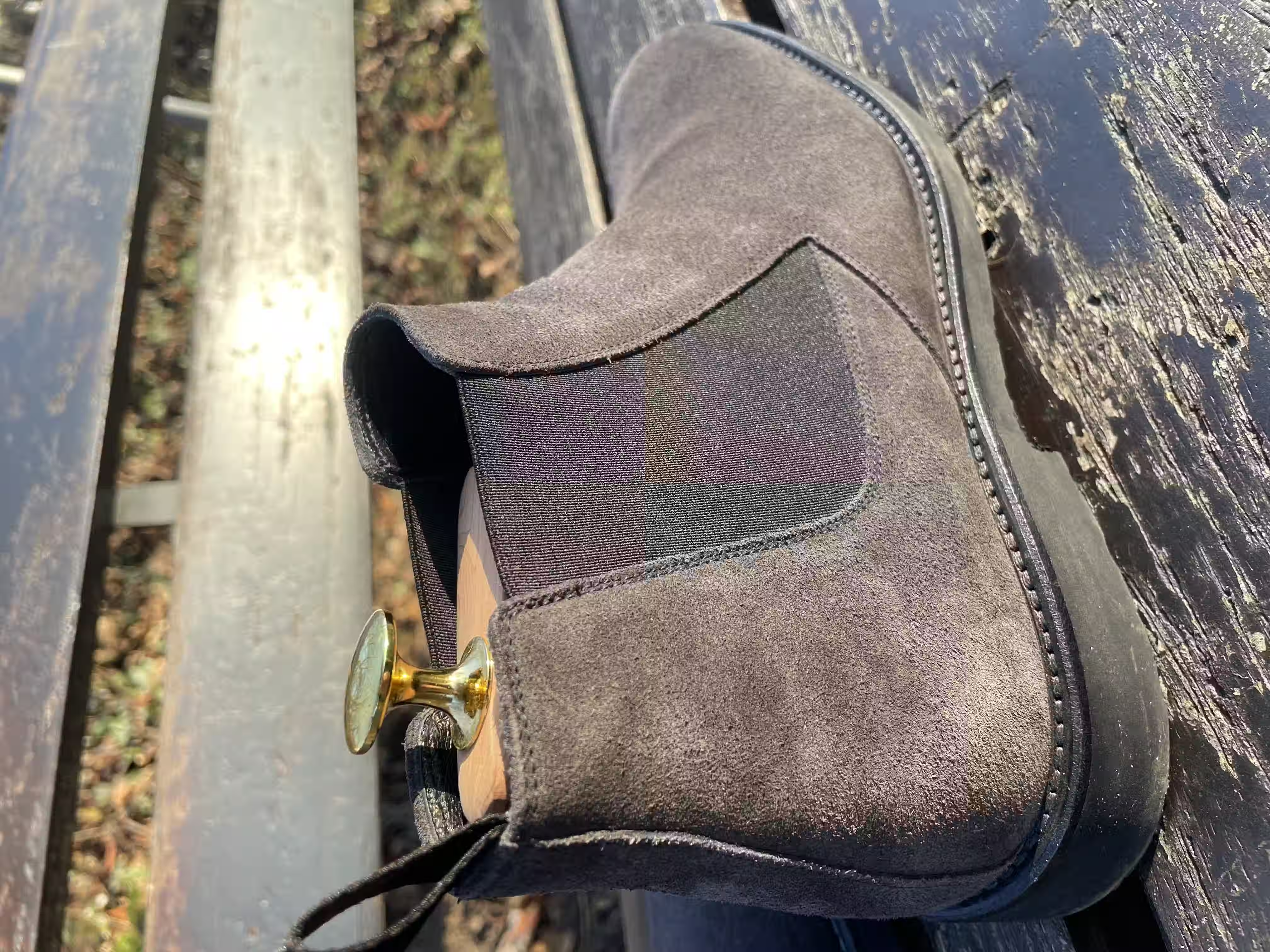
As mentioned above, a leather shoe can consist of leather in three areas: upper (upper part), sole and lining. Different requirements arise for each area: For example, vegetable-tanned leather is often used for an outsole, which is quite robust due to this tanning. For the leather lining, vegetable-tanned leather again makes more sense, as it is more harmless to health when in contact with sweat and feet. The vamp leather (upper leather) is the part of the shoe with the most possibilities. Because, seen from the visible surface, it is the most noticeable, it plays the most important role in the look of your shoes. In addition, the intended function also determines which leather is used: For adverse weather conditions, for example, or for hiking, so-called chrome-tanned leather is more likely to be used because it is more flexible and dirt-repellent. Vegetable-tanned leather as upper leather, on the other hand, can be much more interesting in terms of color and texture.
Construction methods
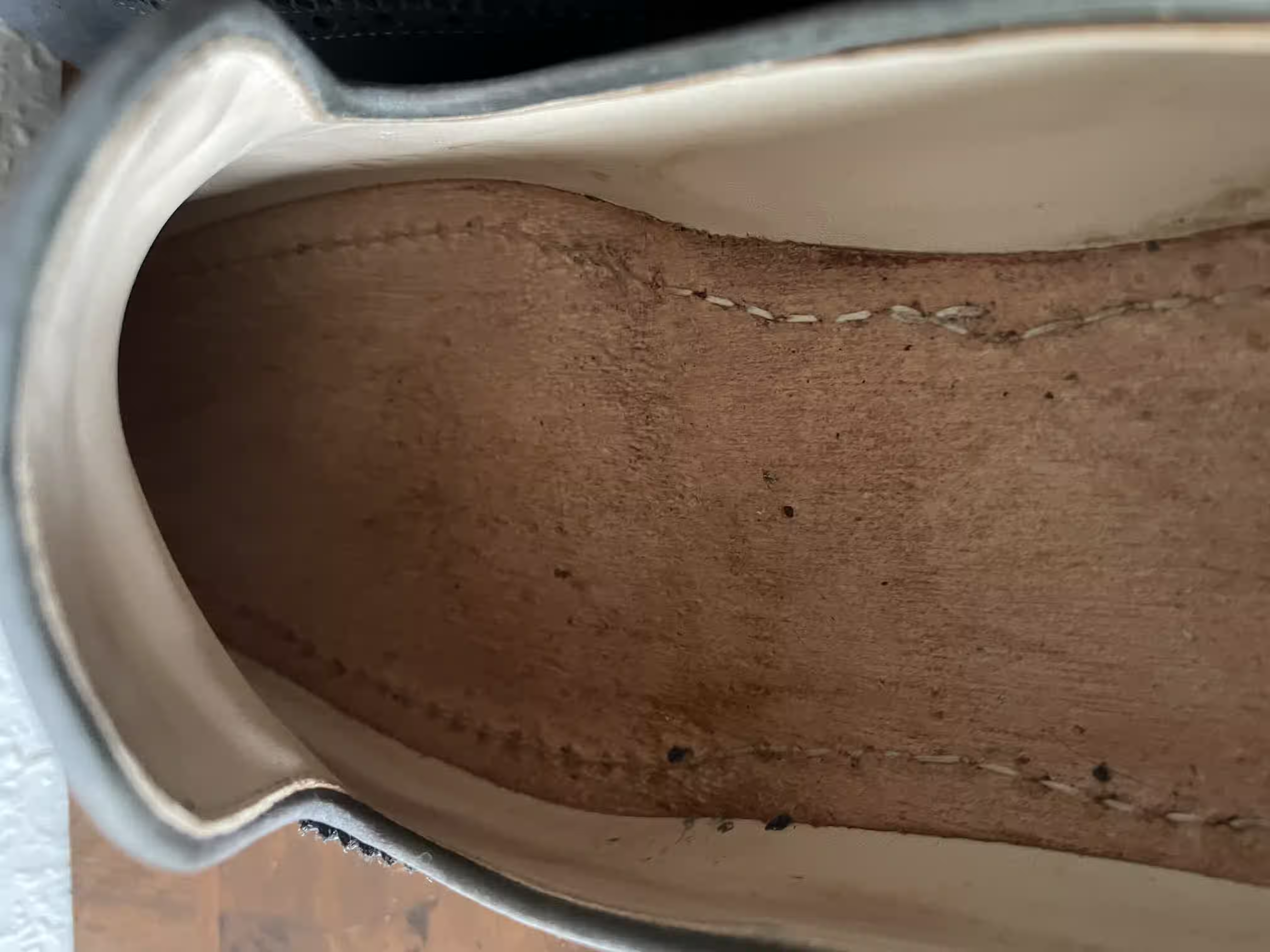
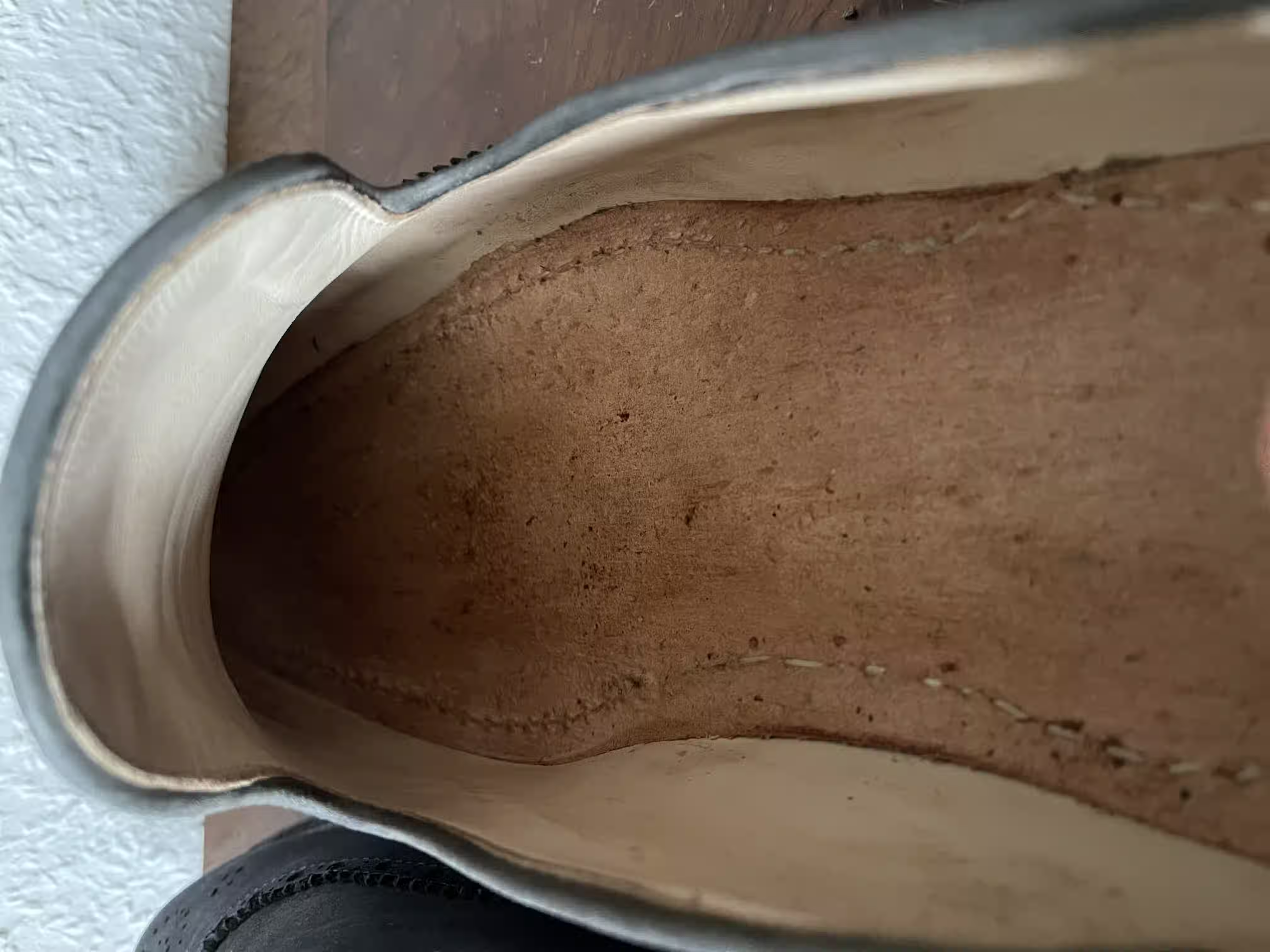
Nowadays, the vast majority of shoes are glued. Originally, in the tradition of the shoemaker’s craft, the various shoe parts were sewn together or nailed with wooden pegs. Glue was also used, but not as the decisive means of permanently joining different parts. Sewing and joining with wooden pegs are the more reliable ways to connect the different shoe parts. - And that is still the case today. Although adhesives have improved enormously over time, they can still come loose when they come into contact with solvents and other substances.
Most of the time on this blog, it’s about stitched shoes, and there are different variants of how you can stitch shoes together, and also in different places. The best-known stitched construction methods are the through-stitched method (Blake and Blake Rapid are also common names for it) and the Goodyear-welted method. The common term “Goodyear welted” refers to machine production. Unfortunately, these days many shoes hide behind this term that are glued at an important point, even if the rest is otherwise stitched. As a result, such shoes are not Goodyear-welted in the strict sense.
Construction methods of shoes are not quite as important as the fit, but there are more elaborate and less elaborate variants, and knowing about them can help you better assess the value or price of shoes. In addition, you usually walk better in shoes with the more elaborate construction method because they are more flexible and therefore less stiff.
If you want to learn more about the different construction methods, you can do so here:
Workmanship
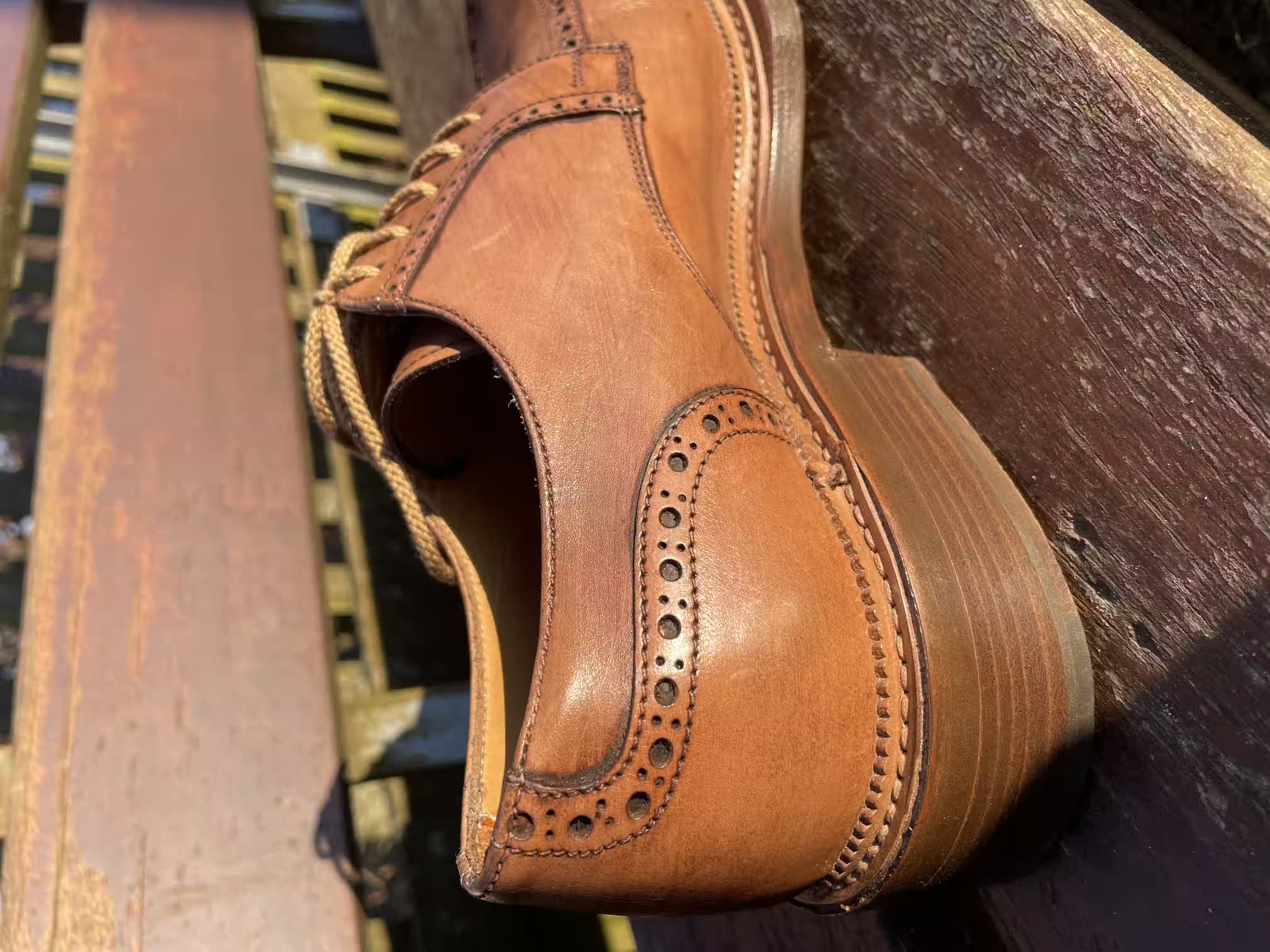
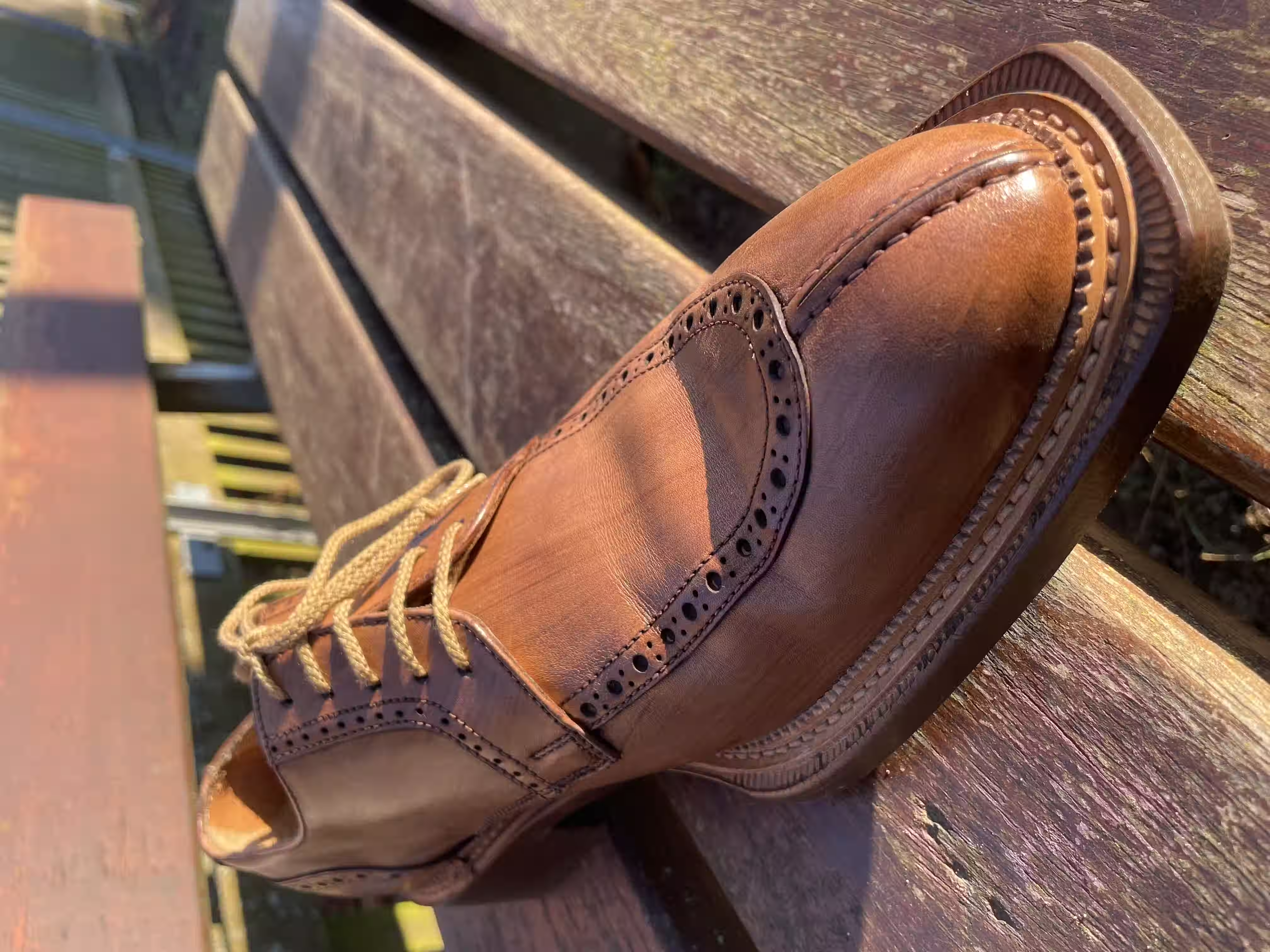
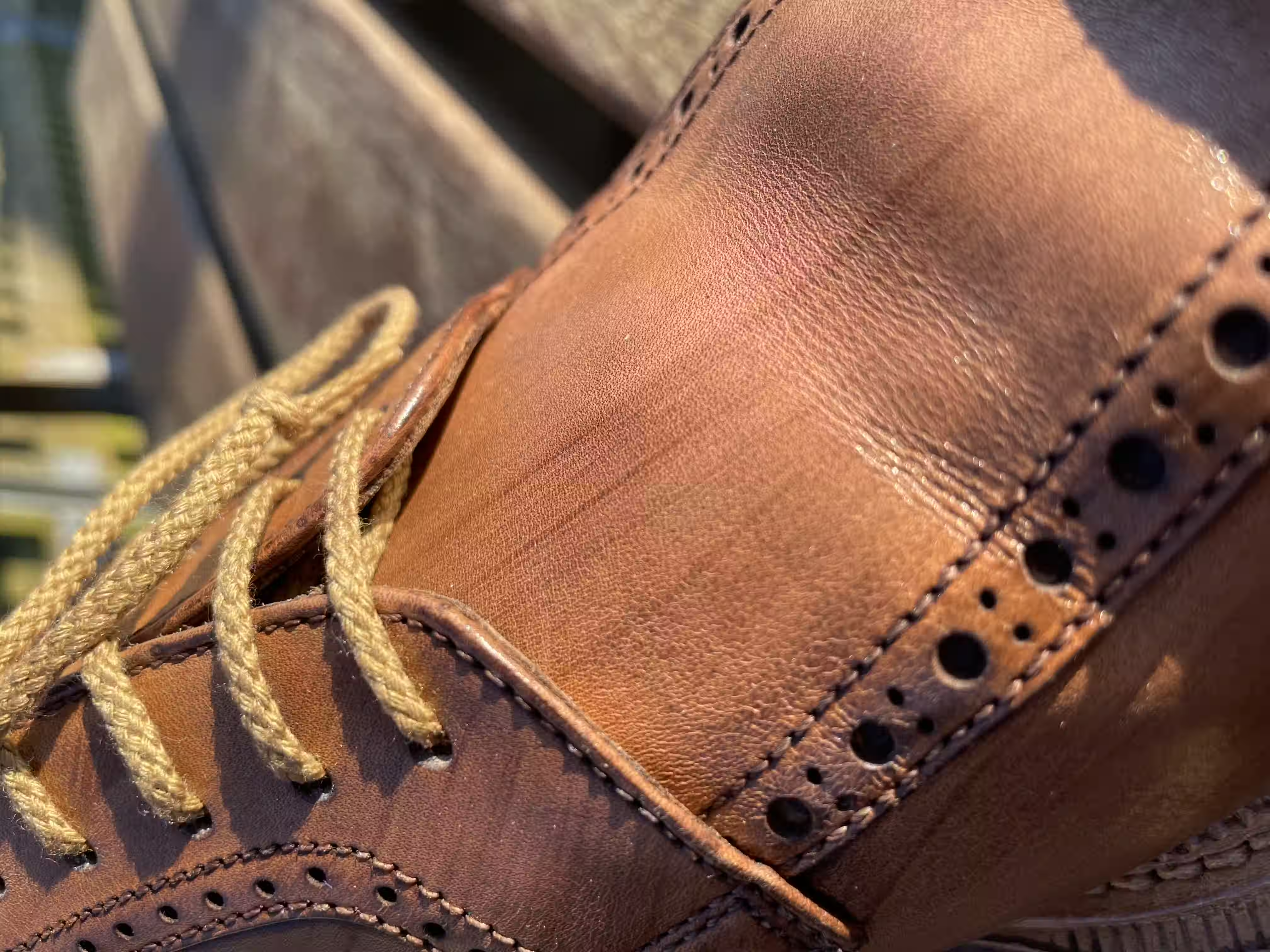
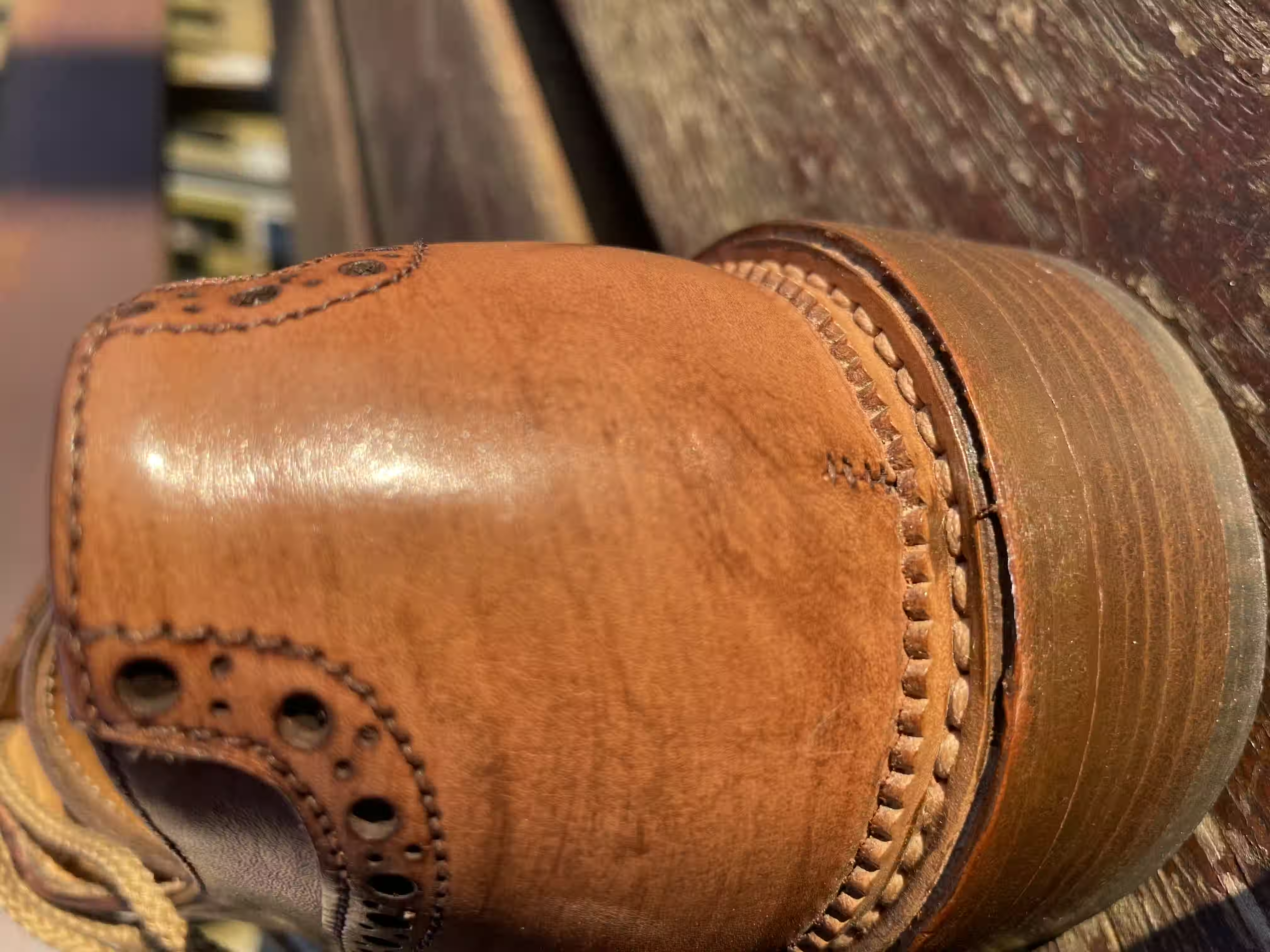
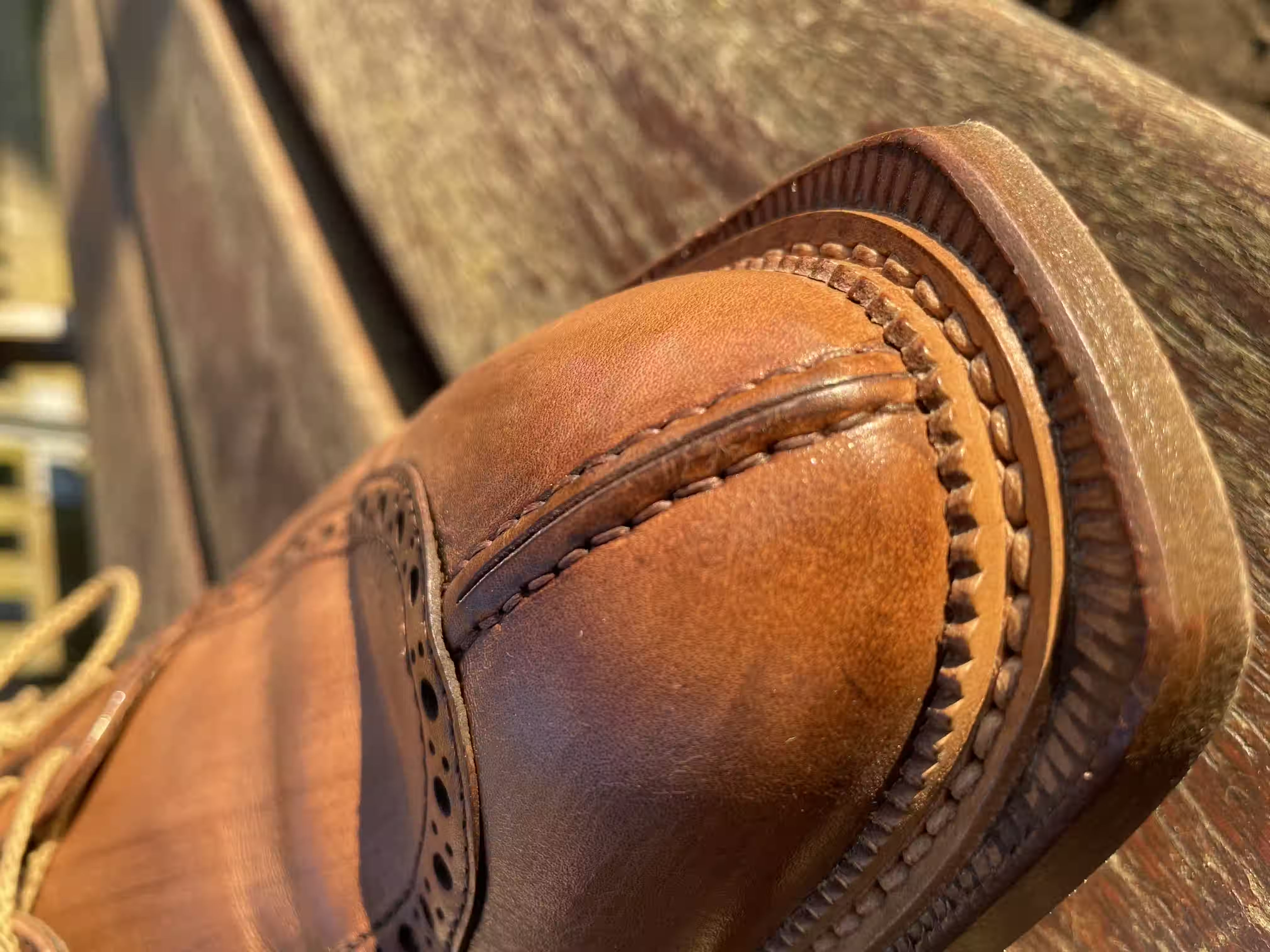
You can recognize good workmanship in a shoe by various details. Especially if you spend a lot of money on a shoe, then various details should also be right. Such details can be patterns and proven methods. While some workmanship details are harder to verify, other details are much easier. Here are a couple of examples:
- The shoe should stand firmly and rest on the entire heel surface. A good shoe should therefore not tip, which can be extremely unpleasant when you are in tipping shoes.
- Viewed from the side, the heel should run along a straight line parallel to the standing surface. It should not run at an angle, because then the heel would stand on a slanted plane inclined forward. This in turn encourages the foot, during the walking motion, to regularly bump against the lining at the front and, over time, wear it down through friction.