
Sneakers – chunky shoes, once only for sports, now universal
Sneakers are the most common shoe model here in Europe and beyond these days. - In my view, unjustifiably so, and yet sneakers do have their place.
Example variant
Gray-blue sneakers
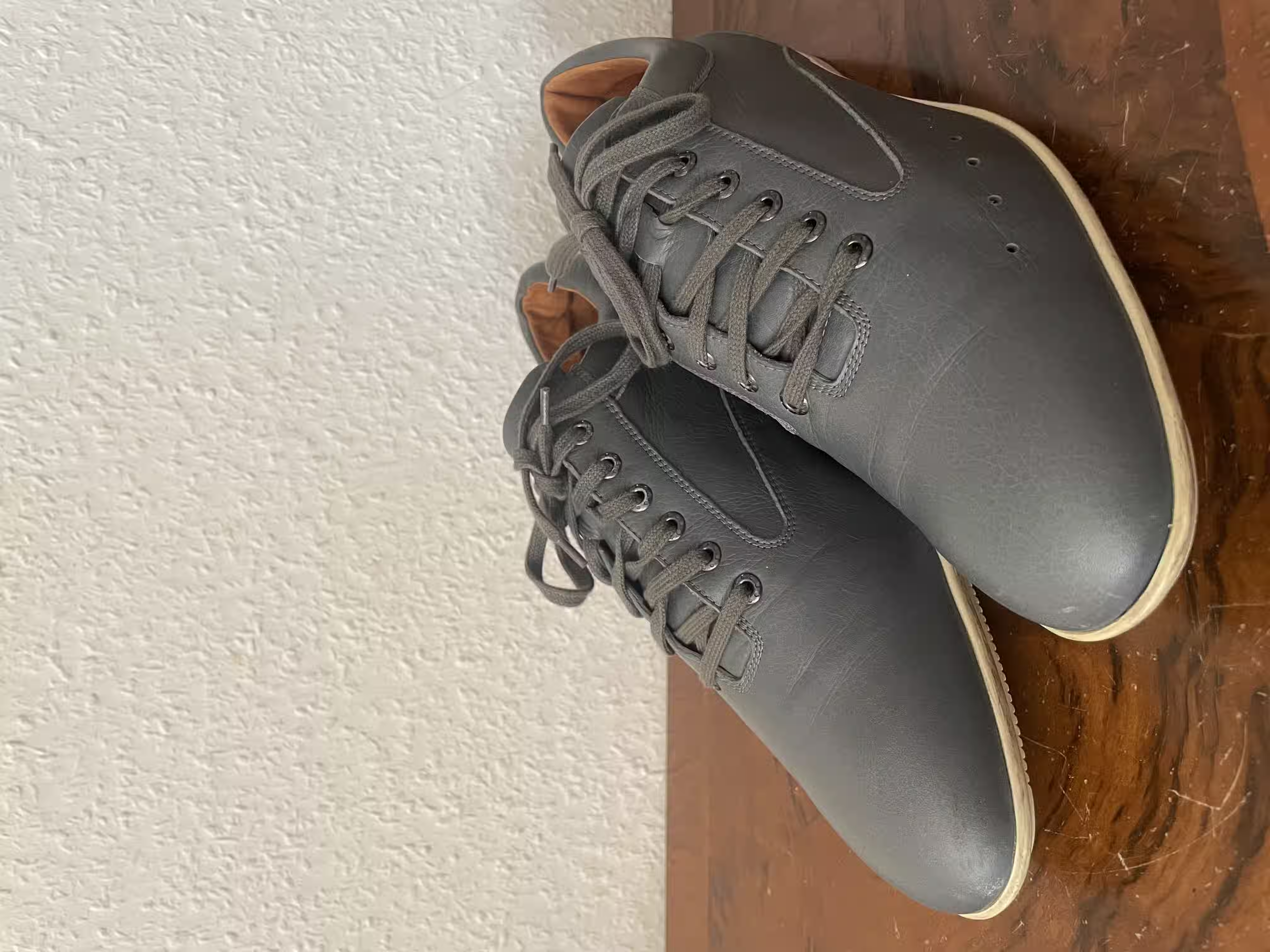
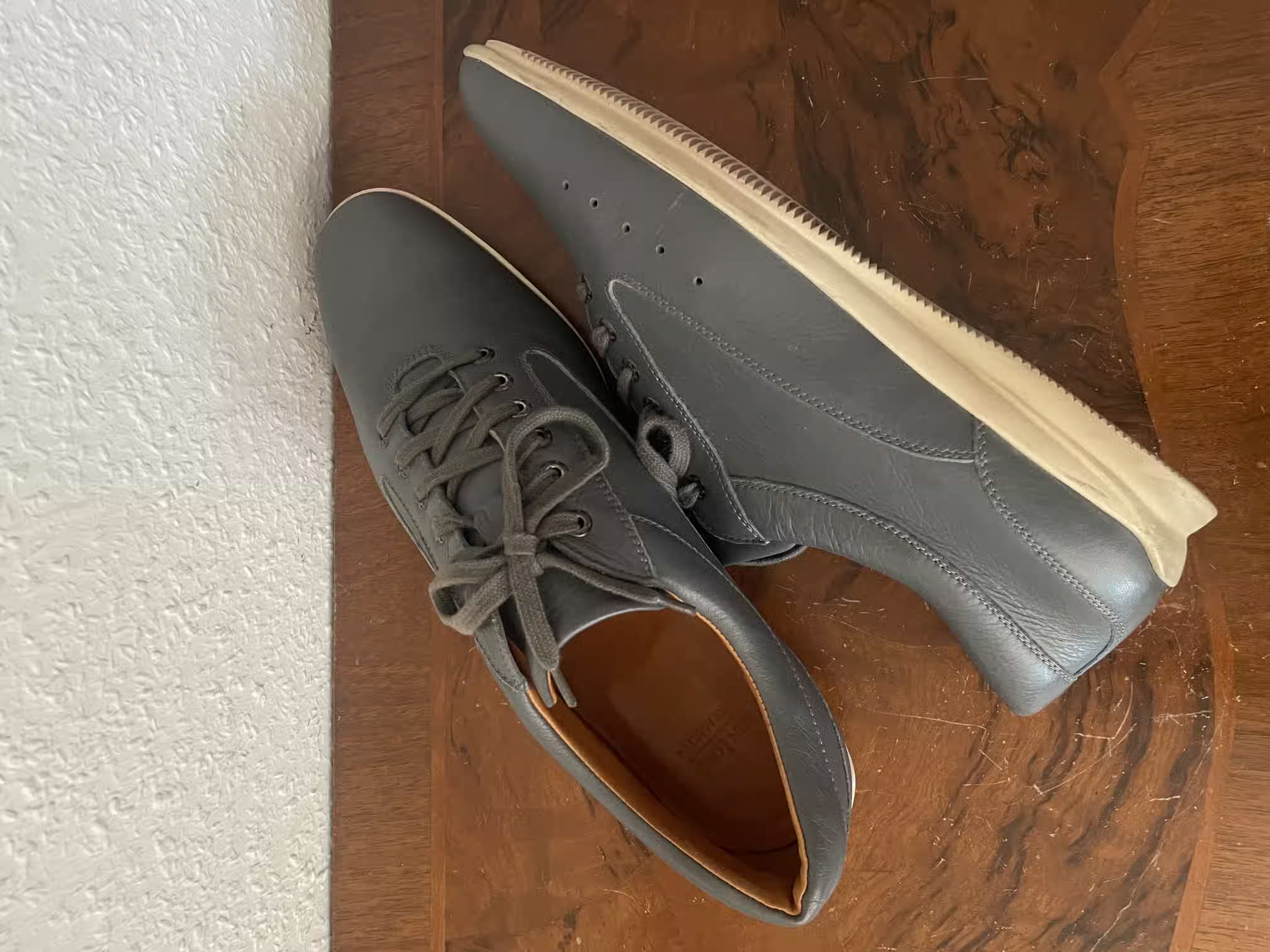
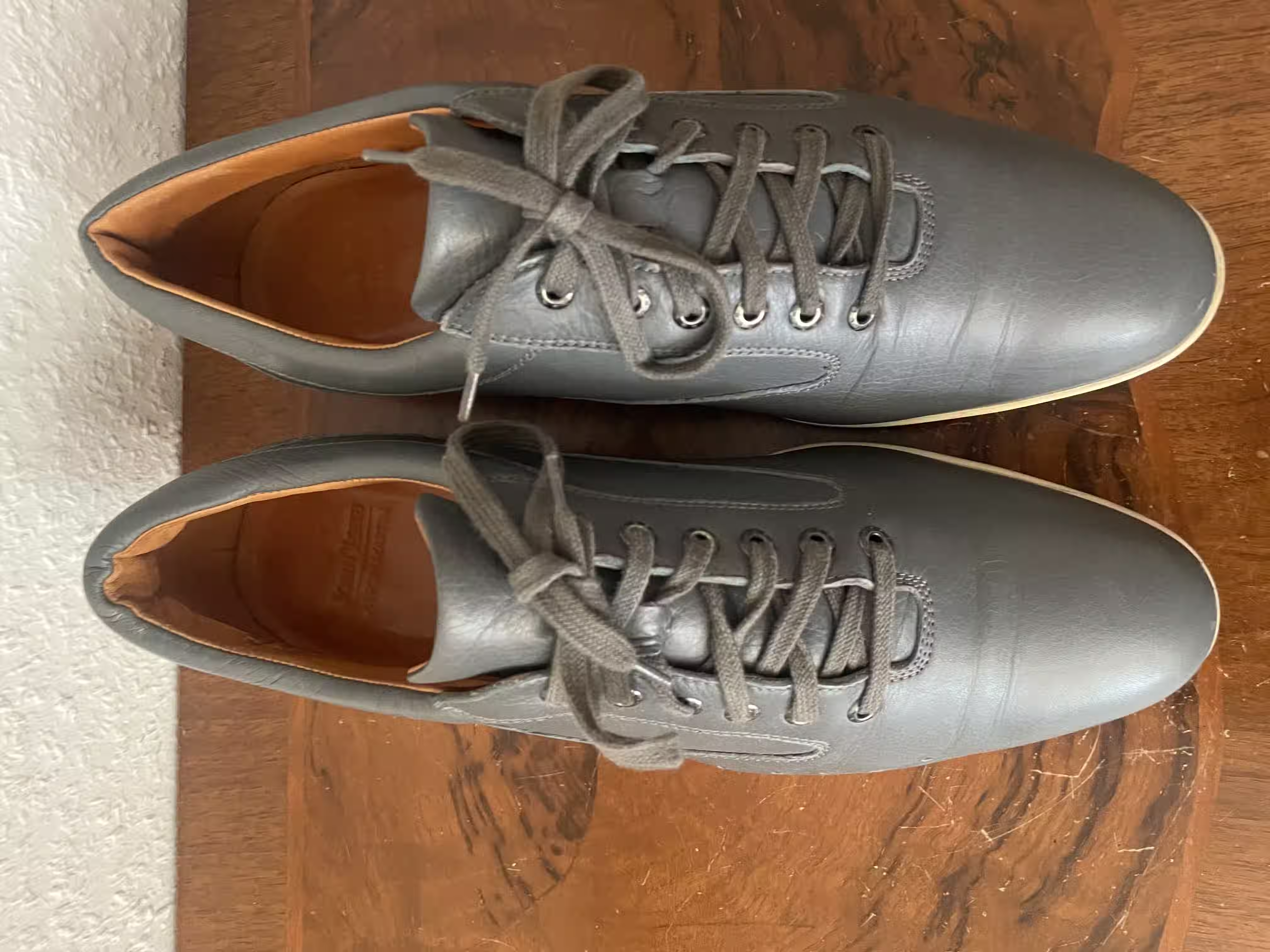
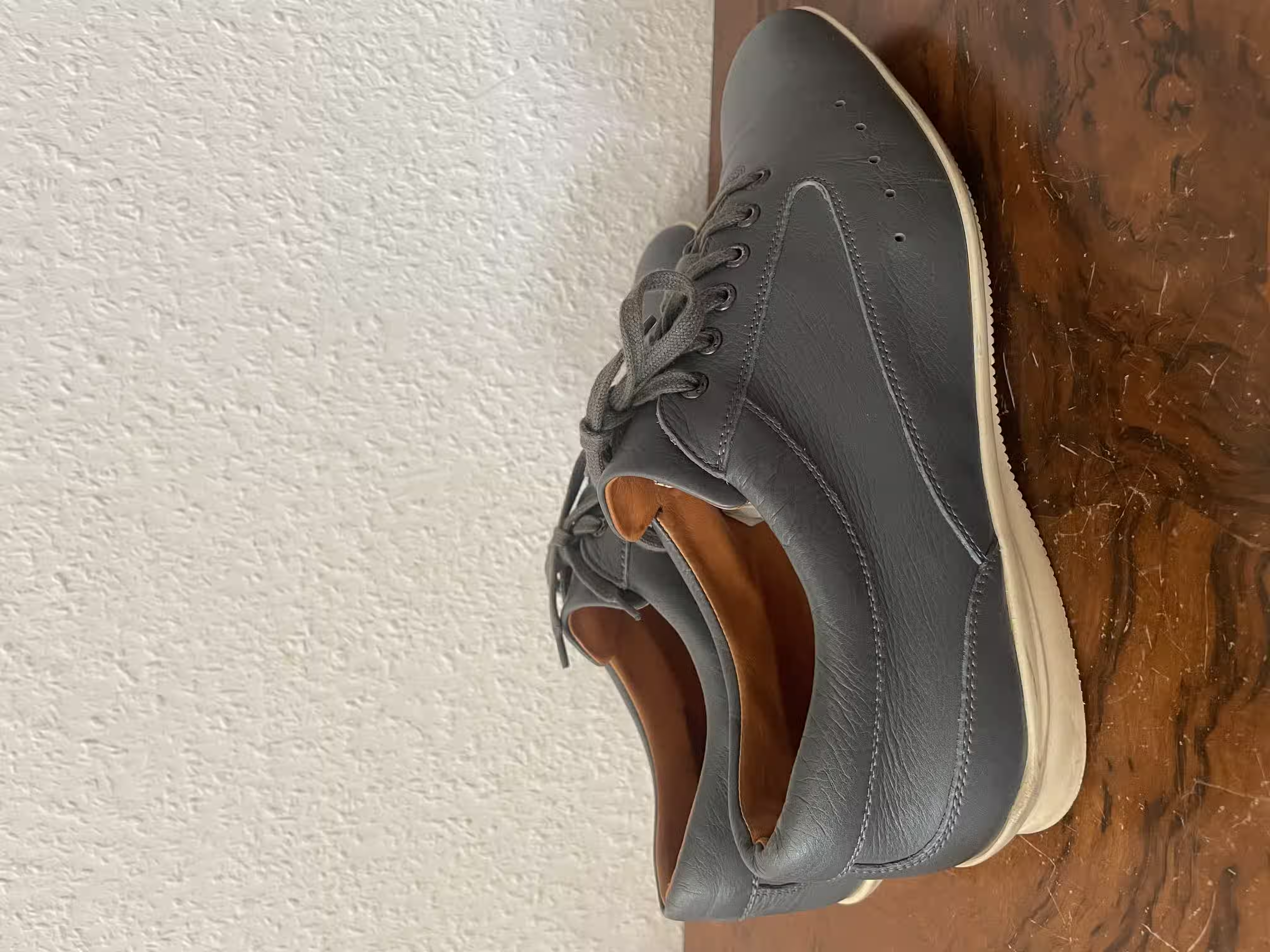
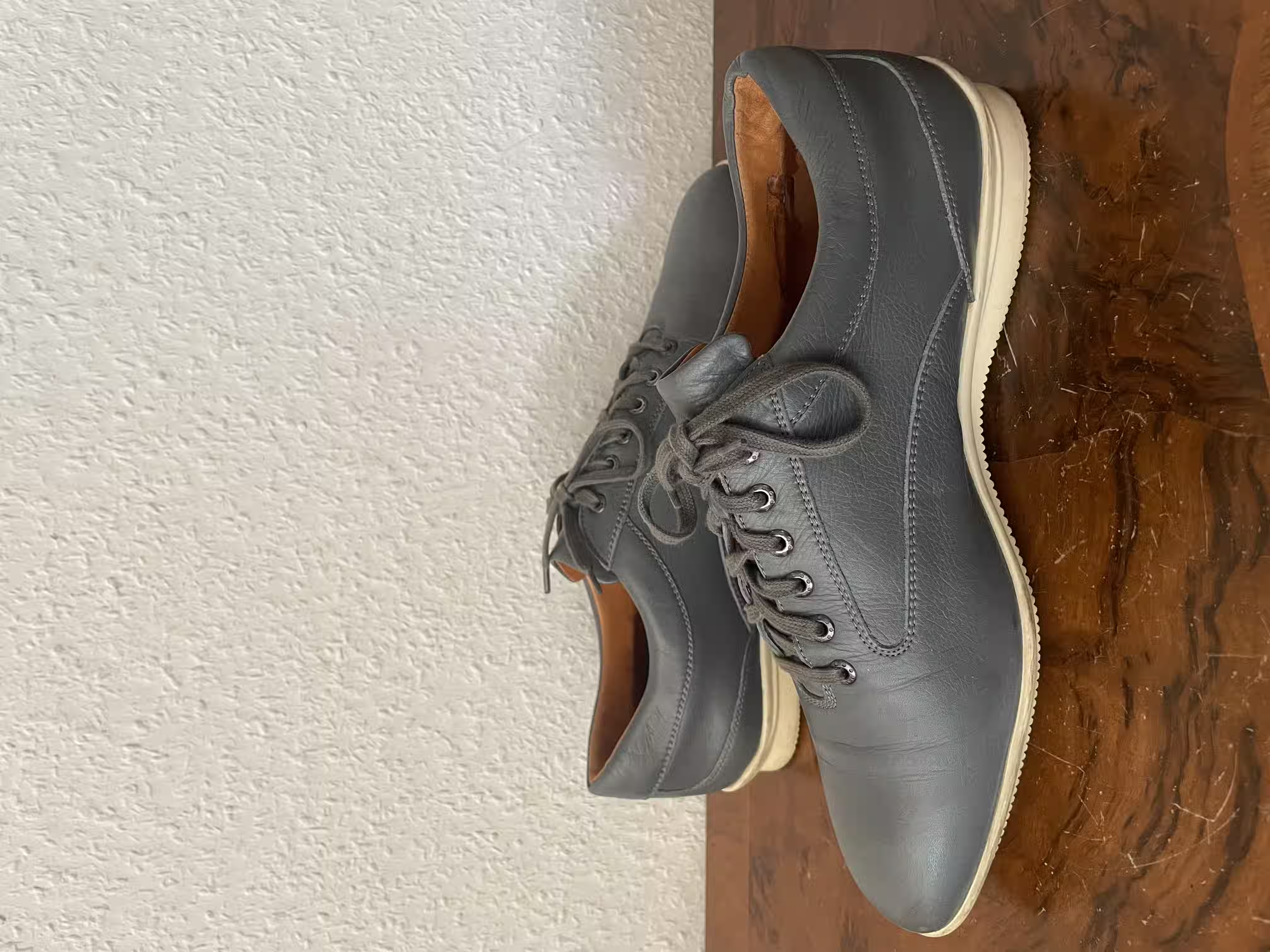
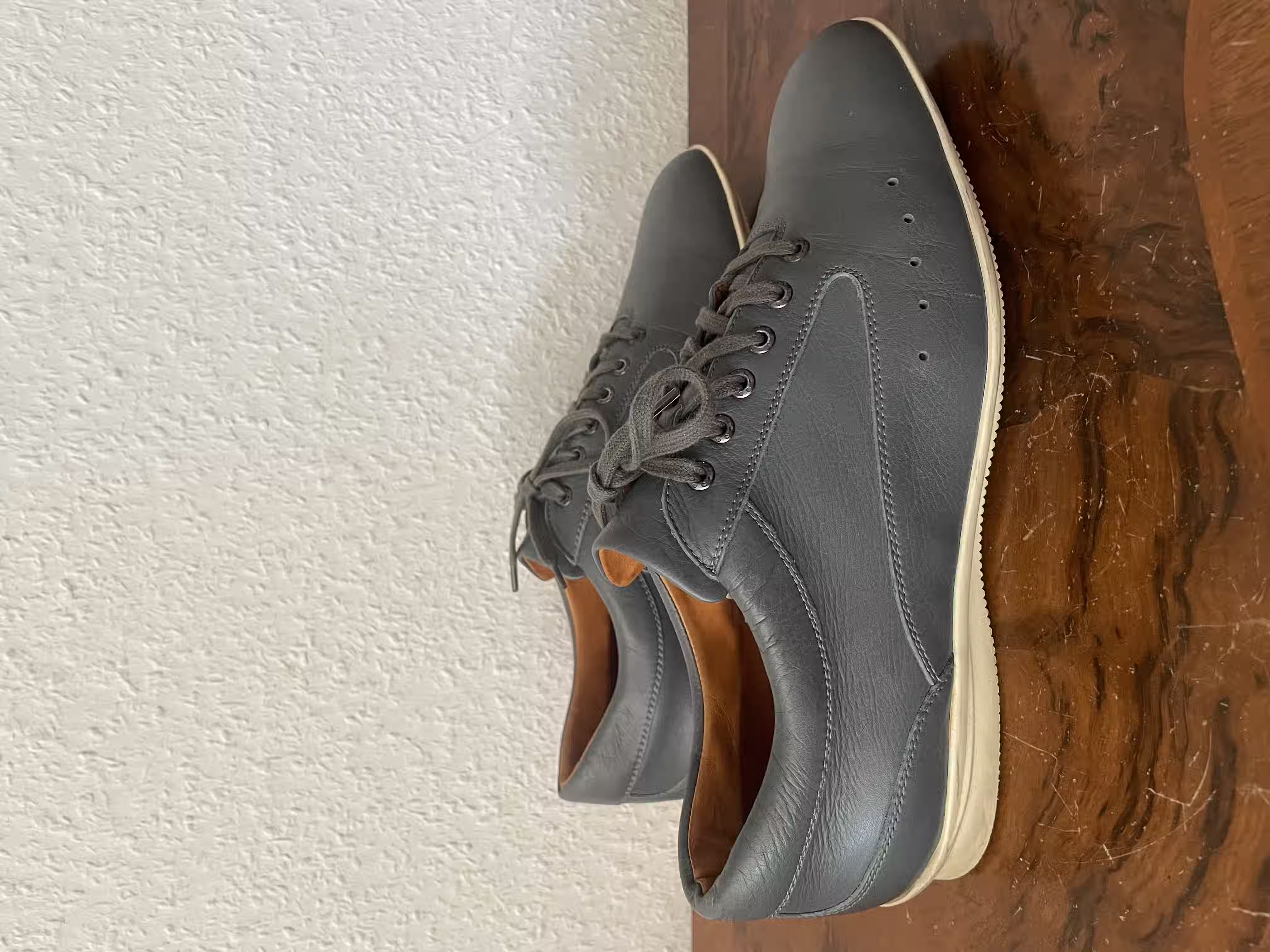
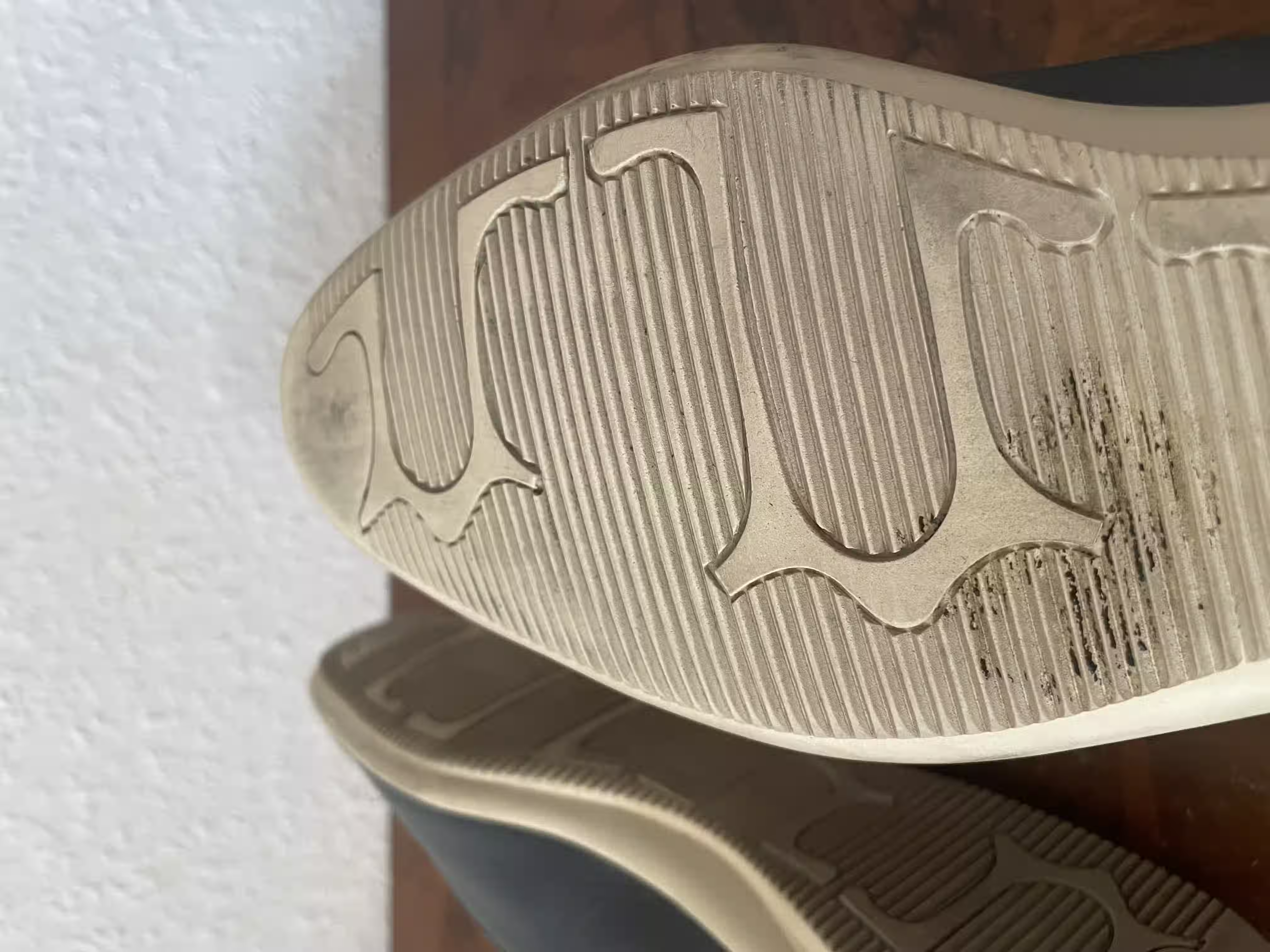
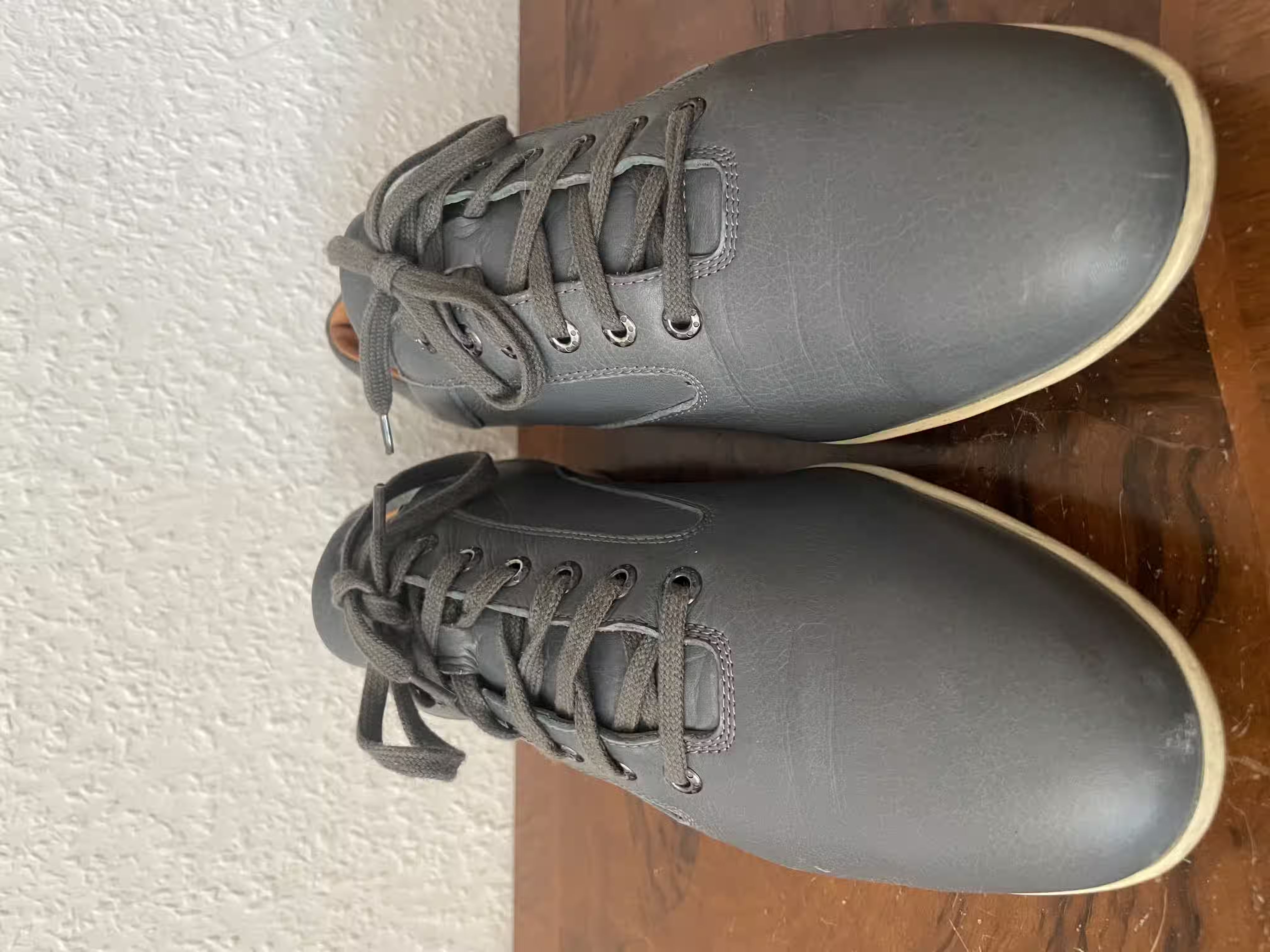
These are sneakers in a slightly bluish gray with the typical features:
- no heel
- rubber sole
- cemented construction
Compared with other shoes that have a more elegant shape and more details, this model looks relatively primitive to me. As an athletic shoe, however, it serves its purpose quite well and even has several holes that ensure better ventilation of the inside of the shoe. For sports, a shoe like this doesn’t have to look fancy at all. But for everyday wear and beyond, I have better options that I personally like much more.
Special features
You can recognize sneakers by their rather simple, chunky shape. They are usually simply built without a heel and with a glued-on sole. And that’s fine, because originally they were used purely as sports shoes. The generous rubber soles provide a high level of comfort, which is especially important in the context of sport and movement. On the other hand, such shoes are usually not designed for durability: Often the entire shoe is made of plastic, and since the outsole is glued directly to the upper and the insole, there’s not much you can do with resoling. The most feasible option here would be to replace the entire sole if the manufacturer offers suitable replacement soles.
But all of that is practical consideration for the typical sneaker today, which is made using cemented construction. Why cemented construction? - Because it’s the cheapest method.
High-quality, stitched leather sneakers
But you can also make a sneaker like this in a high-quality way by using good leather for the upper, having the lining made of leather as well, and changing the construction—away from purely glued shoes toward a stitched construction with as many leather components as possible. You can still have a light rubber sole as the outsole, but the shoe becomes fundamentally different due to the other characteristics: Thanks to the possibility of resoling and because of the high-quality leather, it becomes much more durable.
Does such a stitched sneaker also feel as light when walking? I think that depends on the specific implementation. There are so many stitched constructions out there with different sub-variants. If you choose the construction that’s typical in large parts of the industry for your sneaker—the cemented-and-Goodyear-welted construction—with a thick sole, then I suspect the sneaker will be relatively stiff.
I’m fairly sure you get the most out of the simplest stitchdown construction for a stitched sneaker: There you have only an outsole and no midsole or welt, which makes the shoe quite flexible. If you want, you can also have an additional thin outsole attached so the seam doesn’t wear down as easily. If this construction or its other variants interest you, you can find more info here:

White sneakers
Often, simple white sneakers are recommended as a serious sneaker variant, in contrast to some other, sometimes very adventurous-looking sneaker variants. And I fundamentally agree with that. However, such white shoes can be difficult to combine—unless, for example, you happen to be a stage magician: Such a person could incorporate white sneakers with an otherwise dark outfit as part of their act to deliberately create distraction. If the audience is distracted by the contrast of the shoes, they notice less of the places where the real “magic” is happening. But in everyday life, we generally want to avoid that.
That’s why I would generally avoid white sneakers with dark outfits, as well as all other purely white shoes, so as not to introduce visual restlessness into your overall appearance. Especially in summer, though, together with other light colors, you can still wear white shoes best in my view. In combination with a suit, I personally don’t find white sneakers suitable at all, even if the suit is a light summer suit. For that, there are corresponding Oxford shoes in light variants and with additional embellishments, which in my view are the much better choice for casual suits. But aren’t white sneakers with a dark outfit similar to shoes decorated with ornamental stitching, contrast stitching, and perforated patterns? Those, too, can be very distracting with their exuberant decoration. And yes, contrast stitching in particular works on the same principle of attracting attention. But from a distance they are by no means as striking as plain white shoes that contrast with the rest of your outfit. On top of that, many white-sneaker variants are especially chunky, which further intensifies this contrast with the dark rest of the outfit. That’s why I think the principle is the same in both cases—white sneakers and highly decorated shoes—but overall, the overly decorated shoes are more restrained.
History
Originally, sneakers were lightweight sports and gym shoes with rubber soles. Their uppers were soon replaced with canvas, resulting in a very inexpensive shoe that was very flexible and thus made it easier to roll the foot as you walk. In this way, it gradually became enormously popular as a sports shoe in the 20th century. The sneaker increasingly made its way into everyday life as it was worn by various movie heroes and thus became popular, especially in youth culture.
Today, in European society, the sneaker is something like a universal shoe: whether for sport, leisure, or with a suit—it’s worn everywhere. At the same time, it is the shoe that is sold most frequently worldwide. With various brands, there are even collector’s models that trade well beyond the 1,000-euro mark. However, such prices do not remotely reflect the craftsmanship or material value, but rather the collectible value. This collectible value is driven by an artificially limited supply—and corresponding demand, meaning people who are willing to pay that price.
Variants
Sneakers in boot form: Monkey boots as an alternative
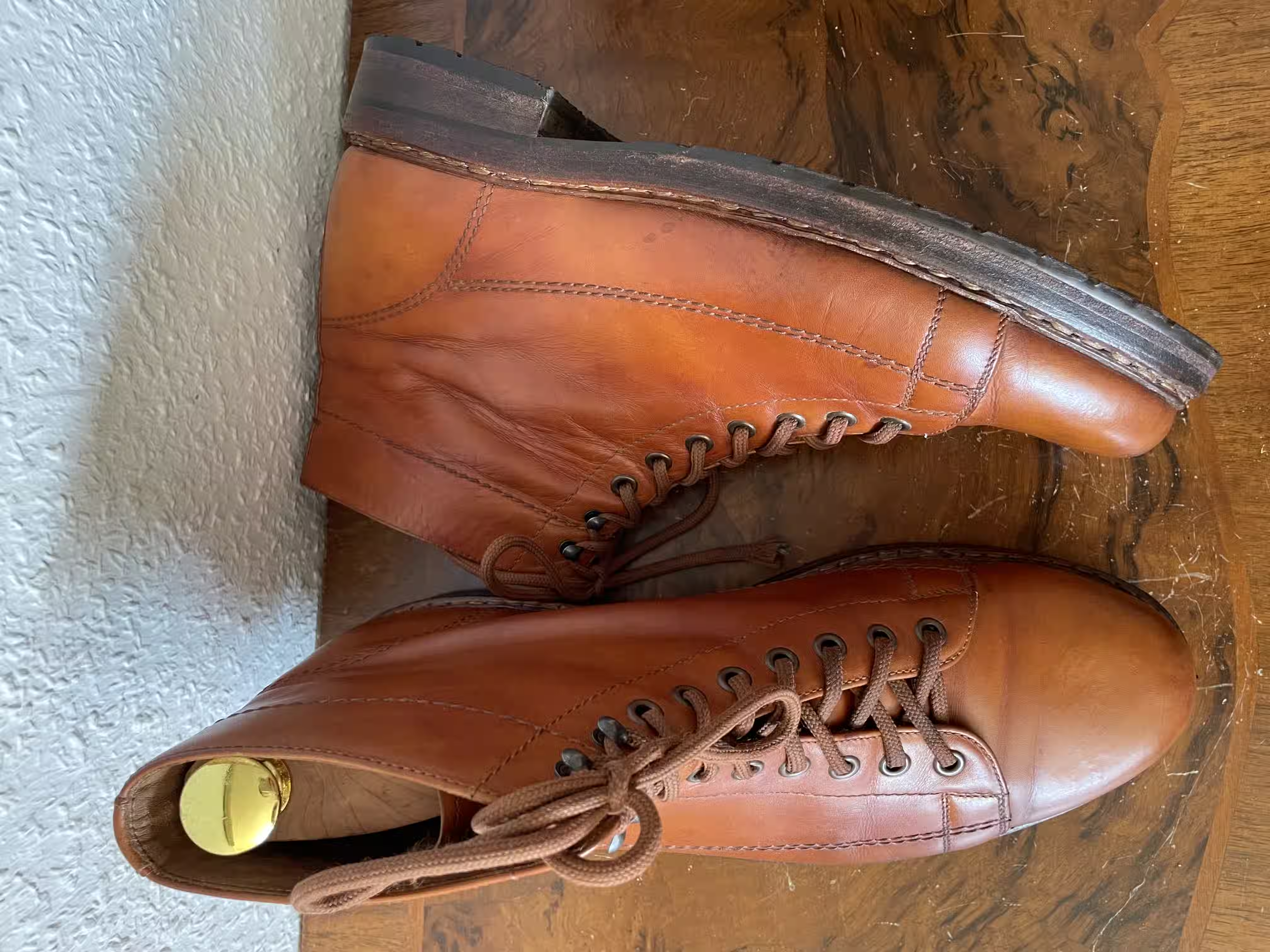
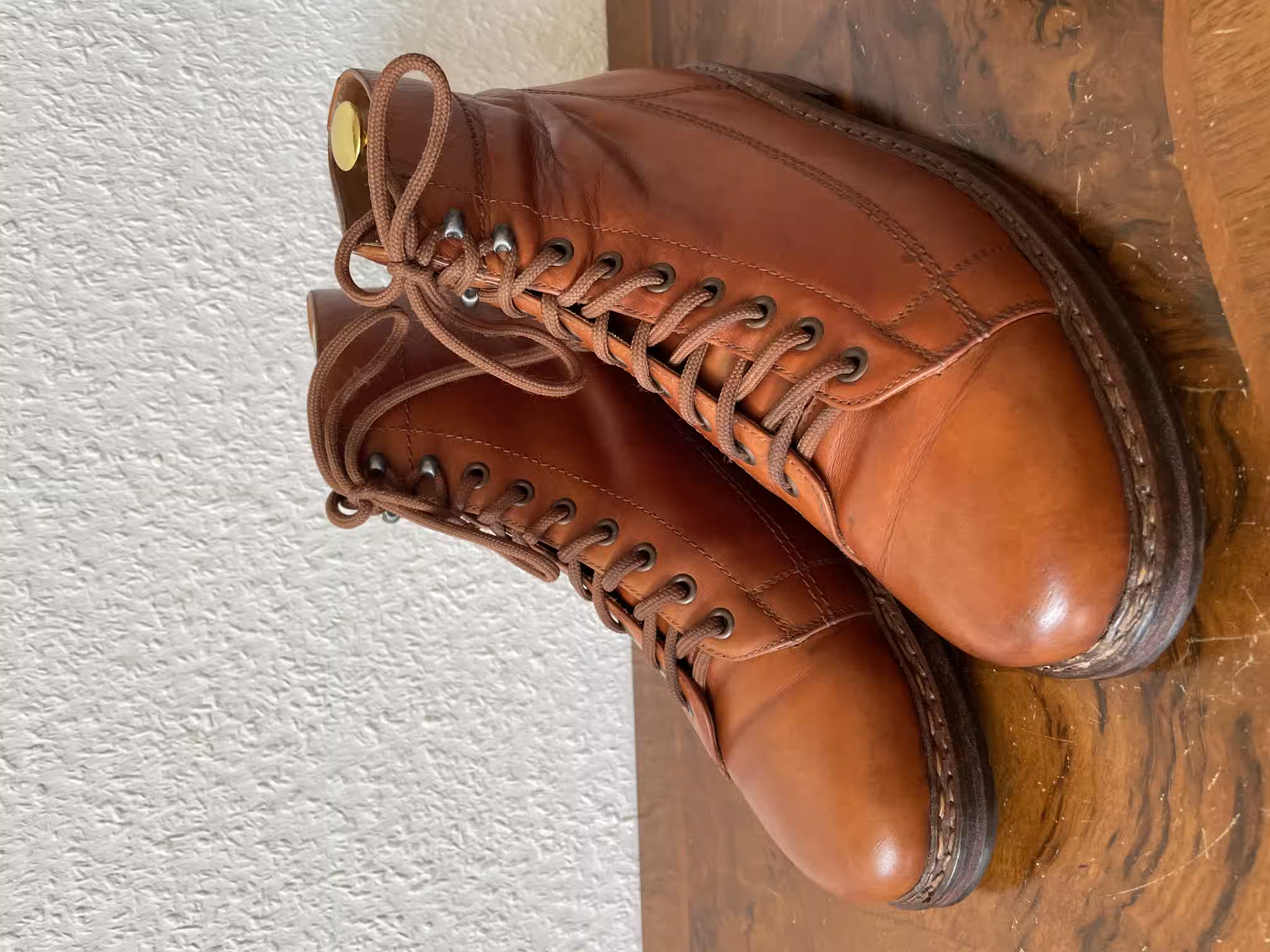
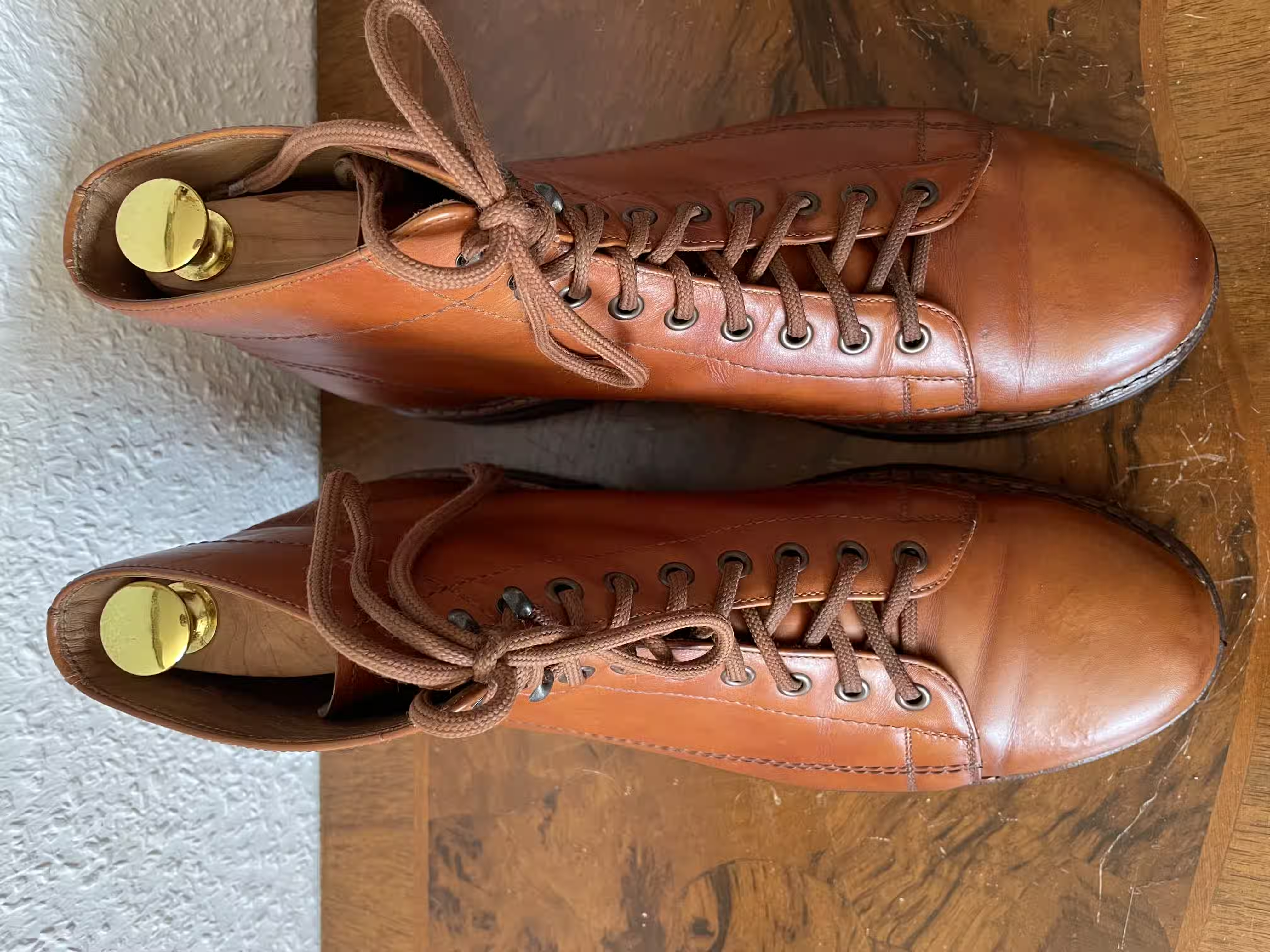
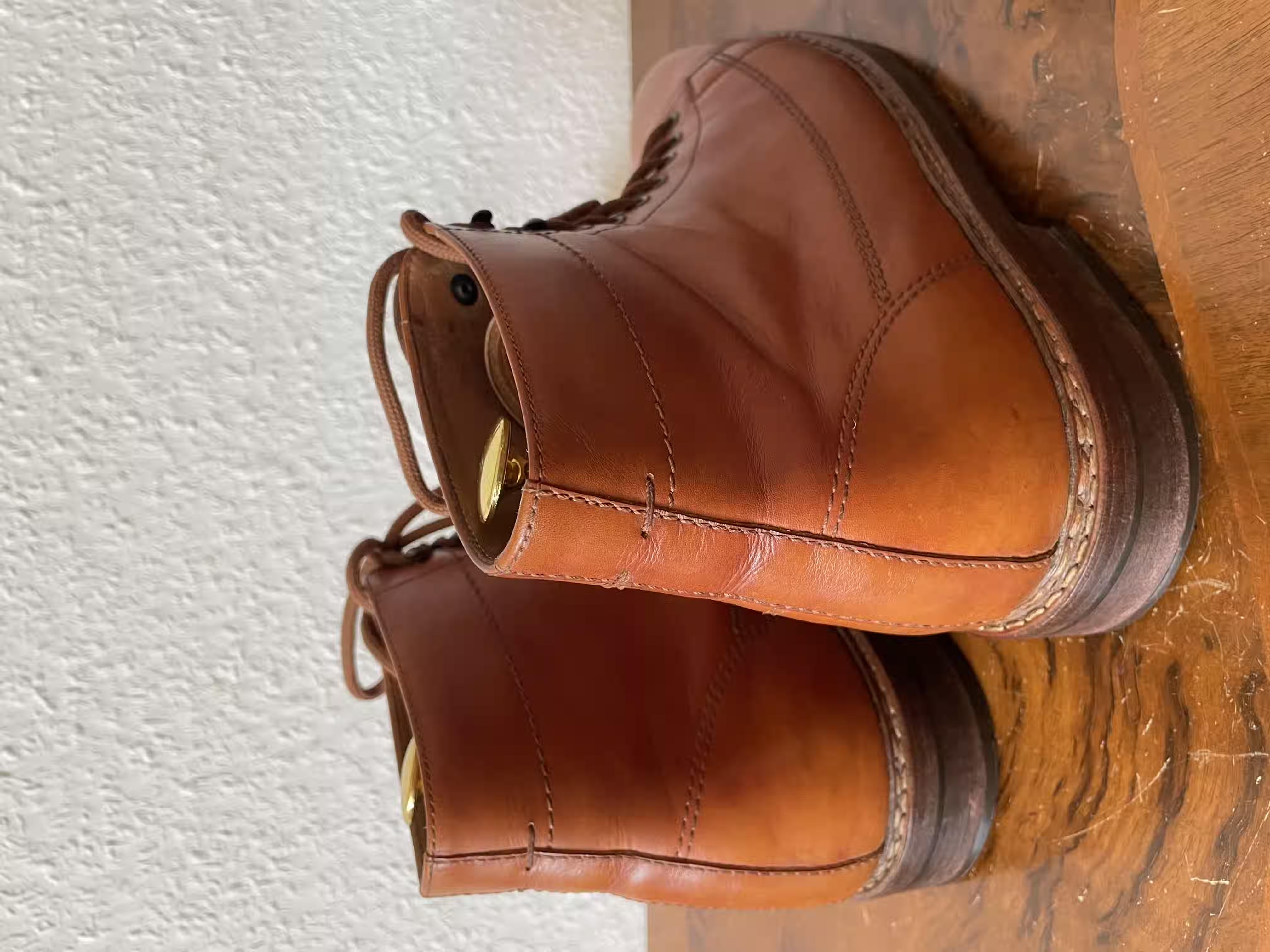
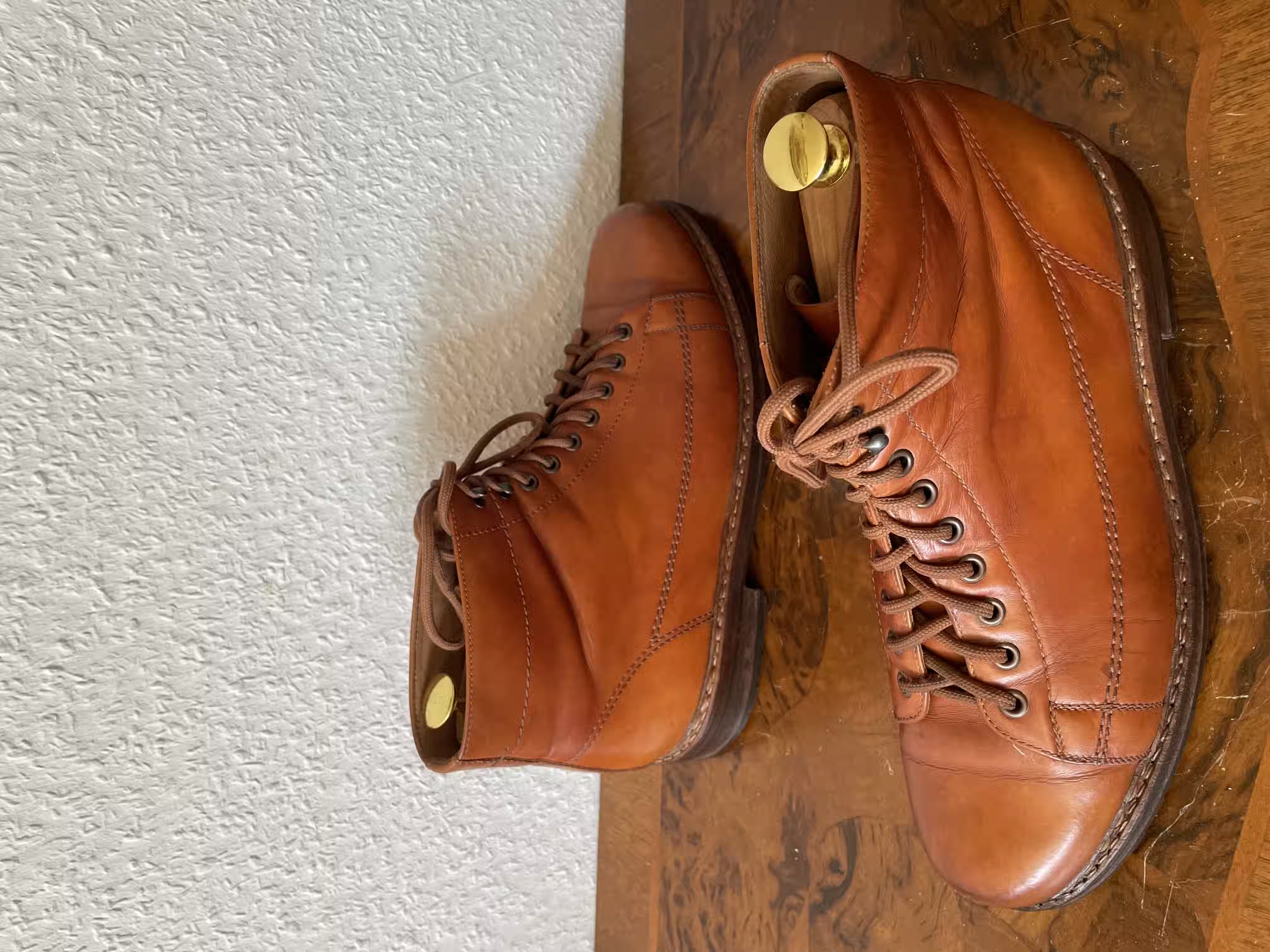
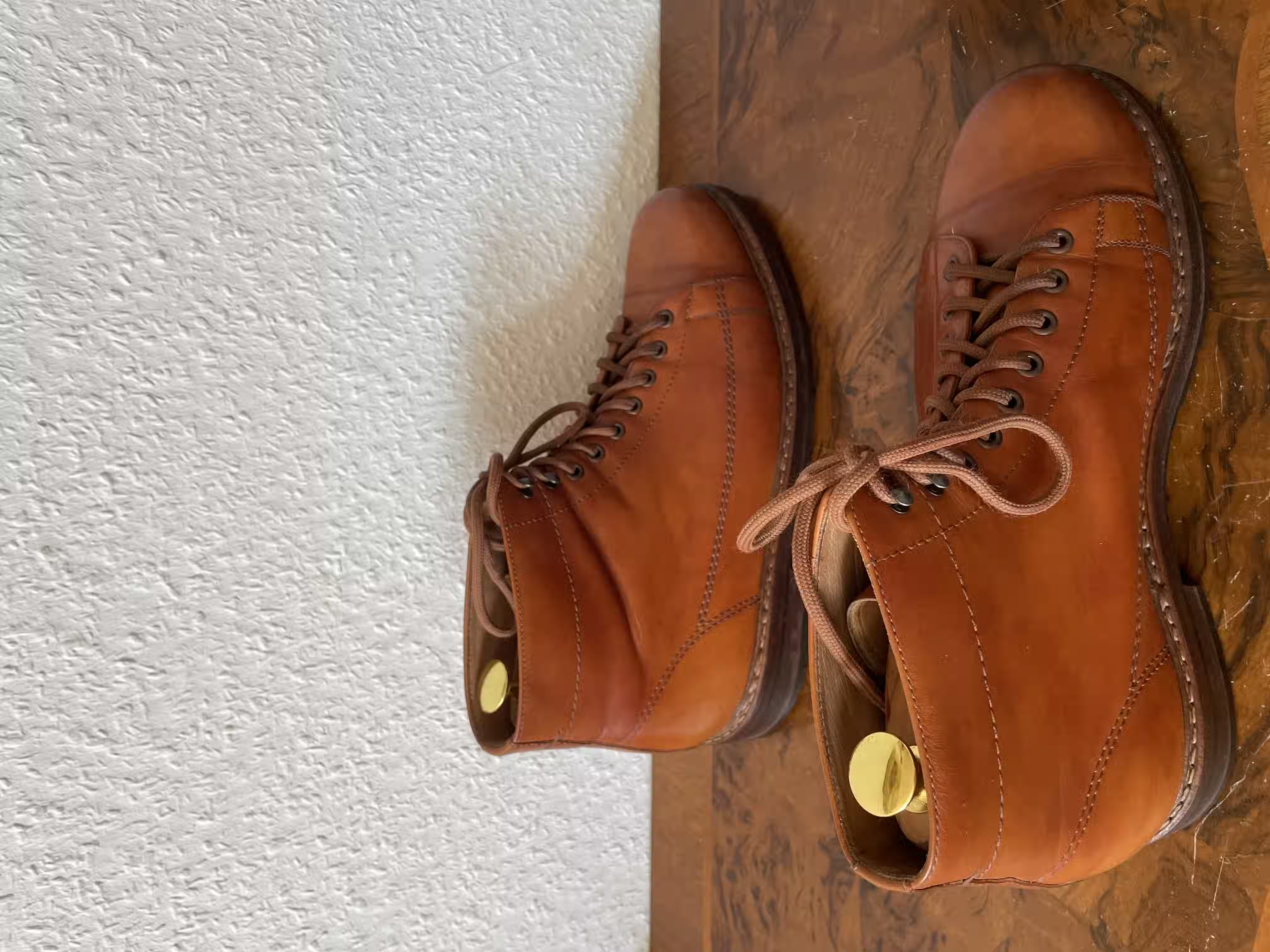
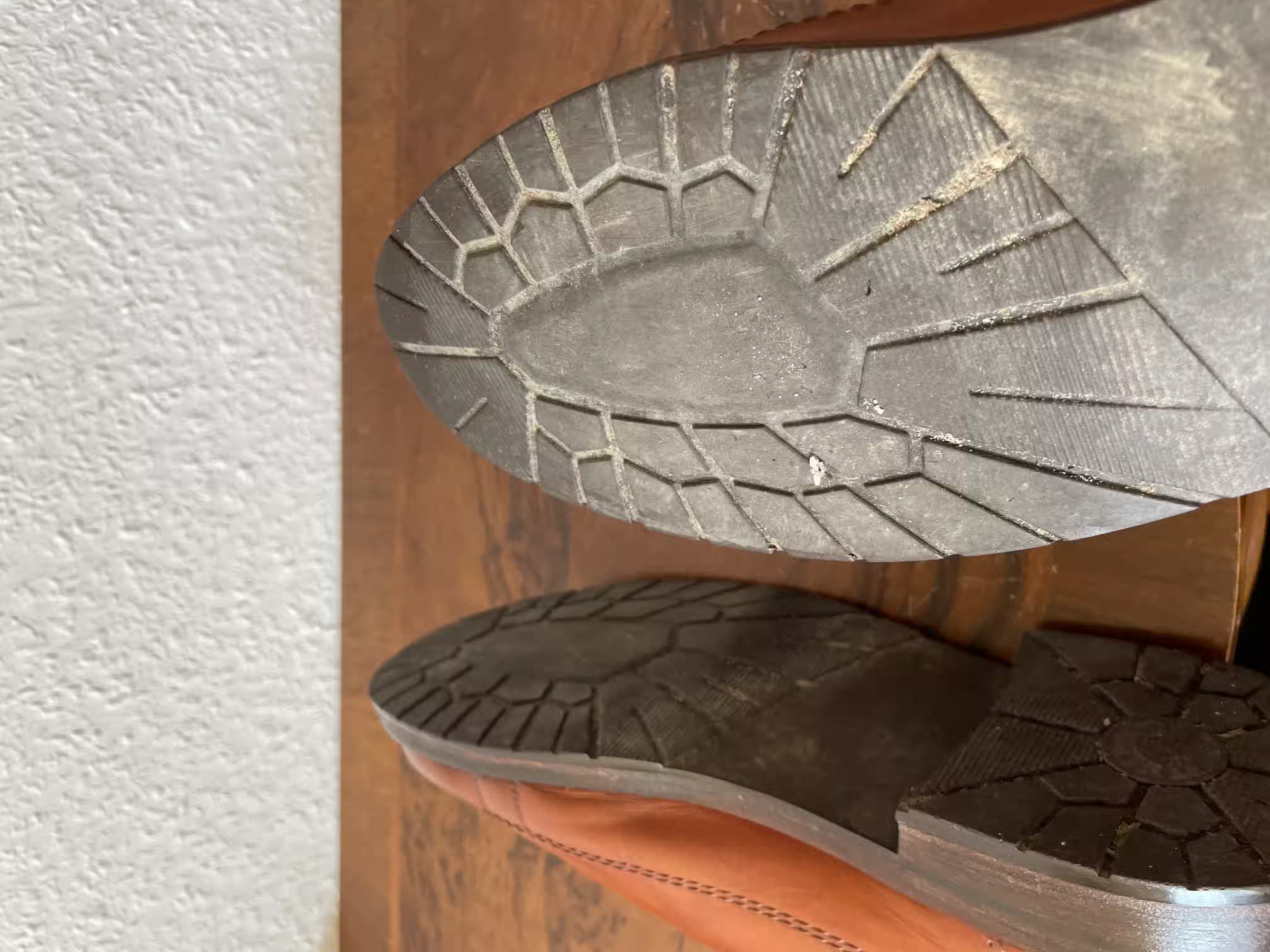
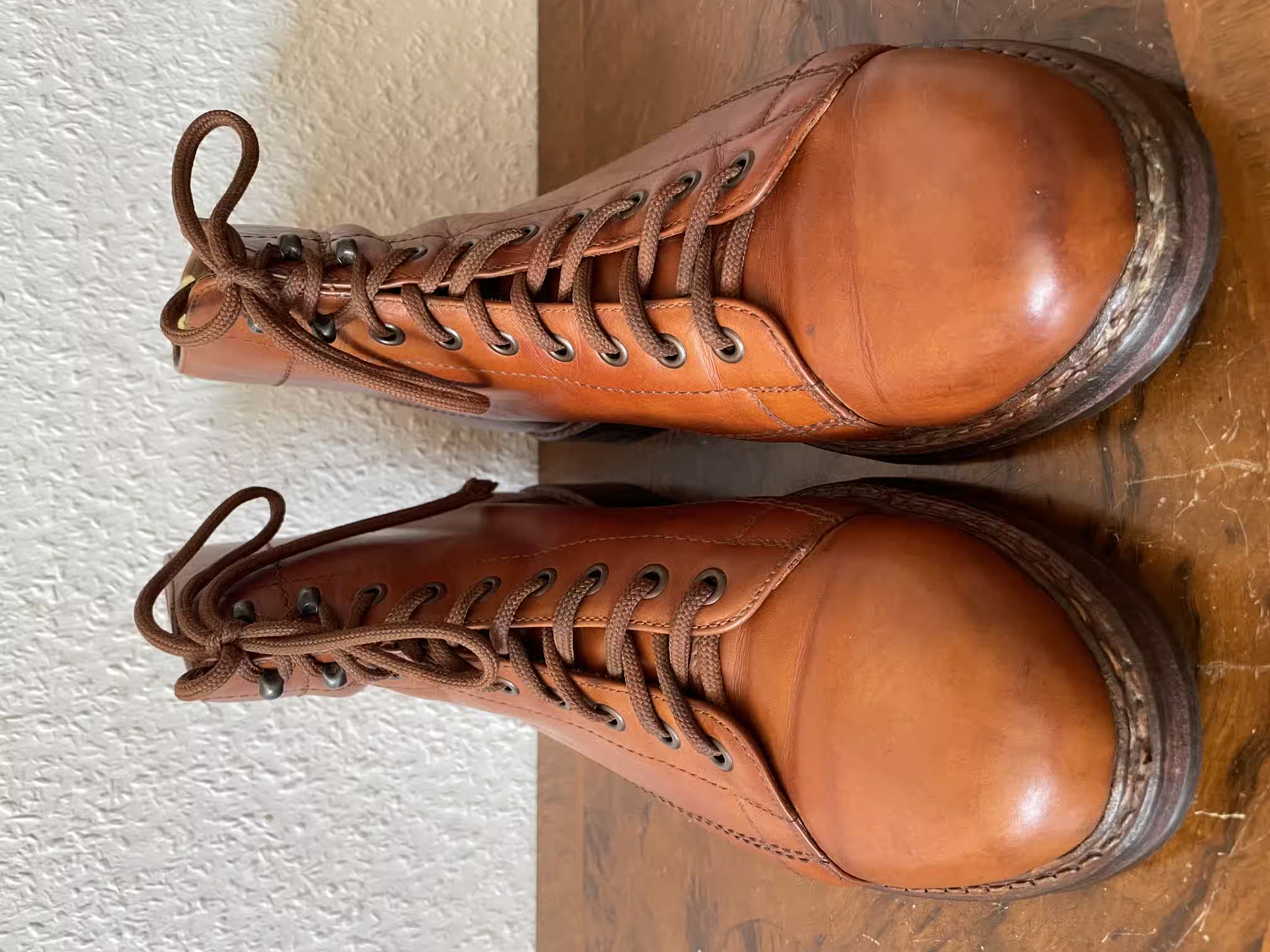
If you like wearing sneakers and like boots even more, then with the so-called monkey boot you can get the best of both worlds: a boot with typical details like a heel and a high shaft combined with the casual style of a sneaker. The sneaker details are especially noticeable in the lacing area, including the thick laces and the prominent eyelets.
My personal assessment
Would I wear sneakers in everyday life myself? Normally: no. They’re too bulky for me, and I also don’t want to buy short-lived shoes made of plastic when I have better options. If I were to wear sneakers, then I’d prefer stitched ones and those made of leather. For me, the sole doesn’t have to be made exclusively of rubber; there are also very flexible stitched shoe constructions in which the soles consist almost entirely of leather. Personally, I would give those preference when it comes to wearing sneakers in everyday life.
Which sneakers for doing sports?
But for doing sports: why not wear short-lived shoes made of plastic, since shoes are especially heavily used in sports due to lots of movement and additional sweat? Why should I subject my leather shoes to such stress?
And to that I would first answer that high-quality leather shoes are designed to be worn and to withstand such stress. When you’re done with sport and you used leather shoes for it, you can take them off as usual and give them one to two days of rest so they can recover for the next use. Feet do sweat more intensely during sport, but you normally don’t do sports for as long as, for example, you’re in the office. In that respect, in terms of sweat, both will have roughly the same effect.
The more important reason why I would avoid plastic sneakers for sport is this: microplastics. Feet are a very sensitive area of the body, and if they’re bathed in warm sweat and in contact with plastic, it can easily happen that they absorb parts of it. Socks likely only mitigate this effect somewhat. But the risk remains that your feet will continuously absorb microplastics—or perhaps even worse substances—while doing sports.
That’s why I see a huge advantage here in using leather shoes for sports. Especially if the lining is made of vegetable-tanned leather, that’s a big advantage for your feet. However, if the lining leather was tanned with poor-quality chrome tanning, then you have disadvantages again. So a trustworthy manufacturer is very important here—actually not only here, but also with all other leather shoes. But because the feet sweat especially heavily and generate heat when doing sports, the issue is much more acute with leather shoes for sports. Also, in the cold season we sweat less in our shoes outside of sport, but during sport still very much.
Alternative shoes for everyday life
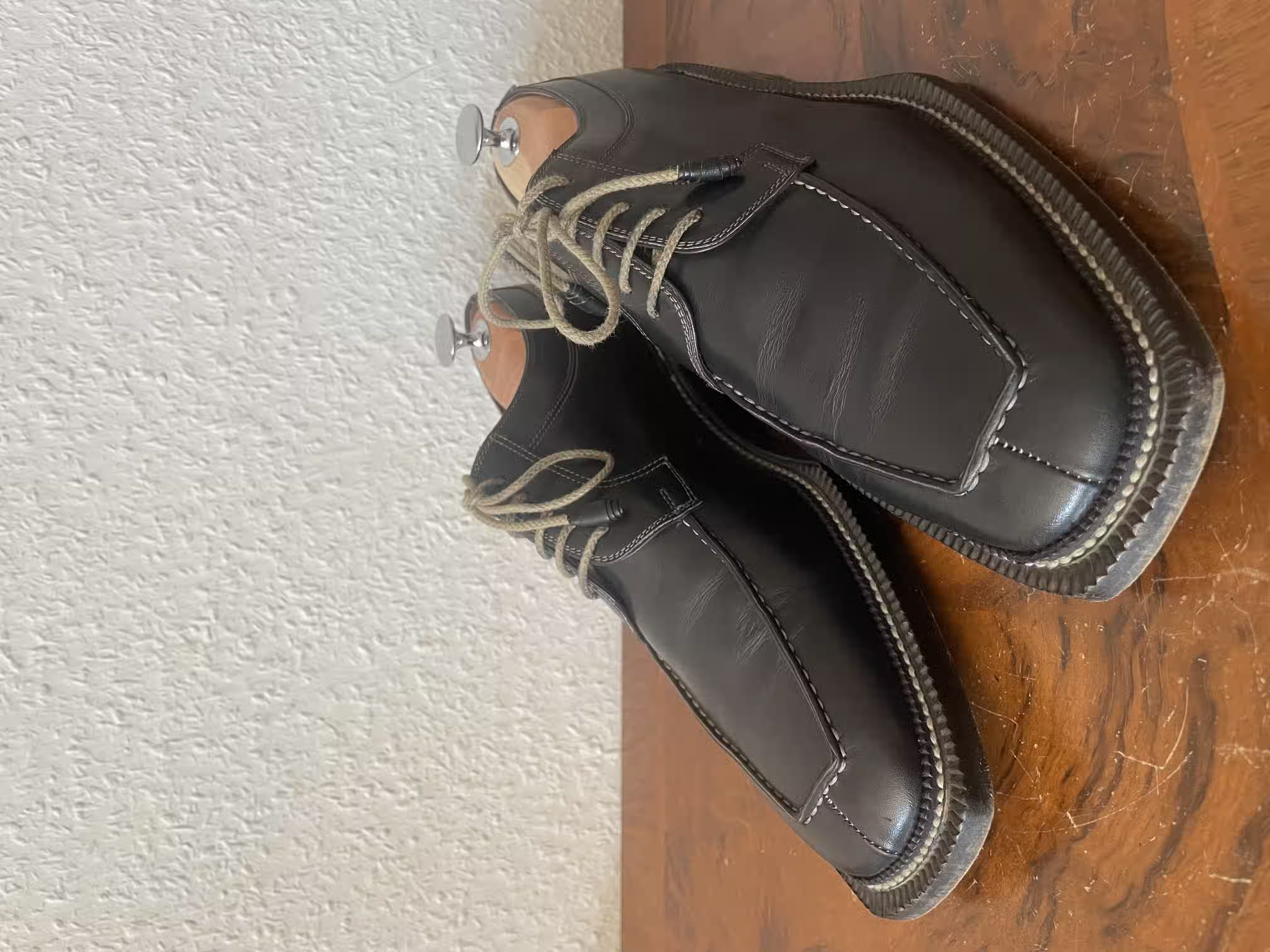
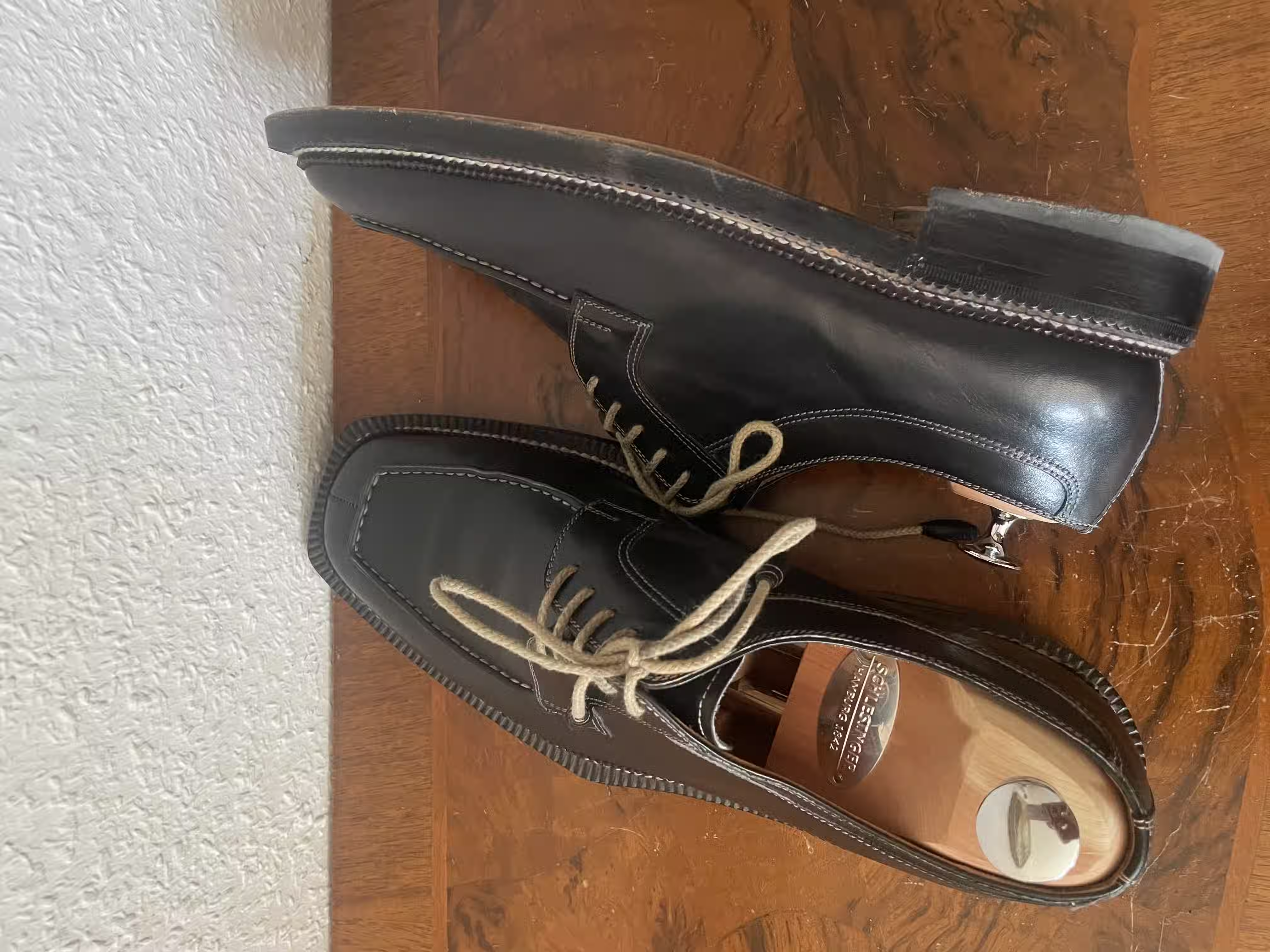
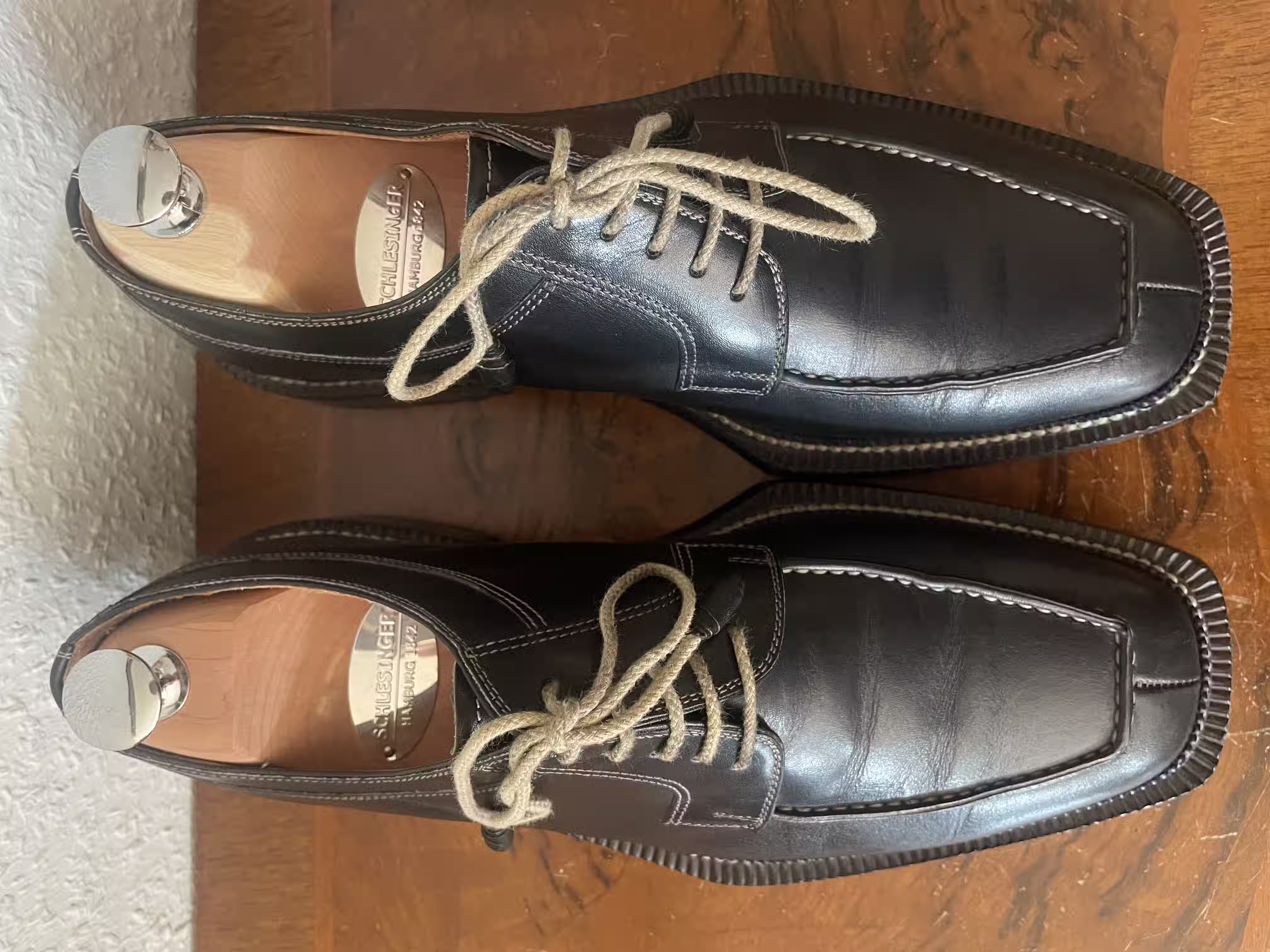
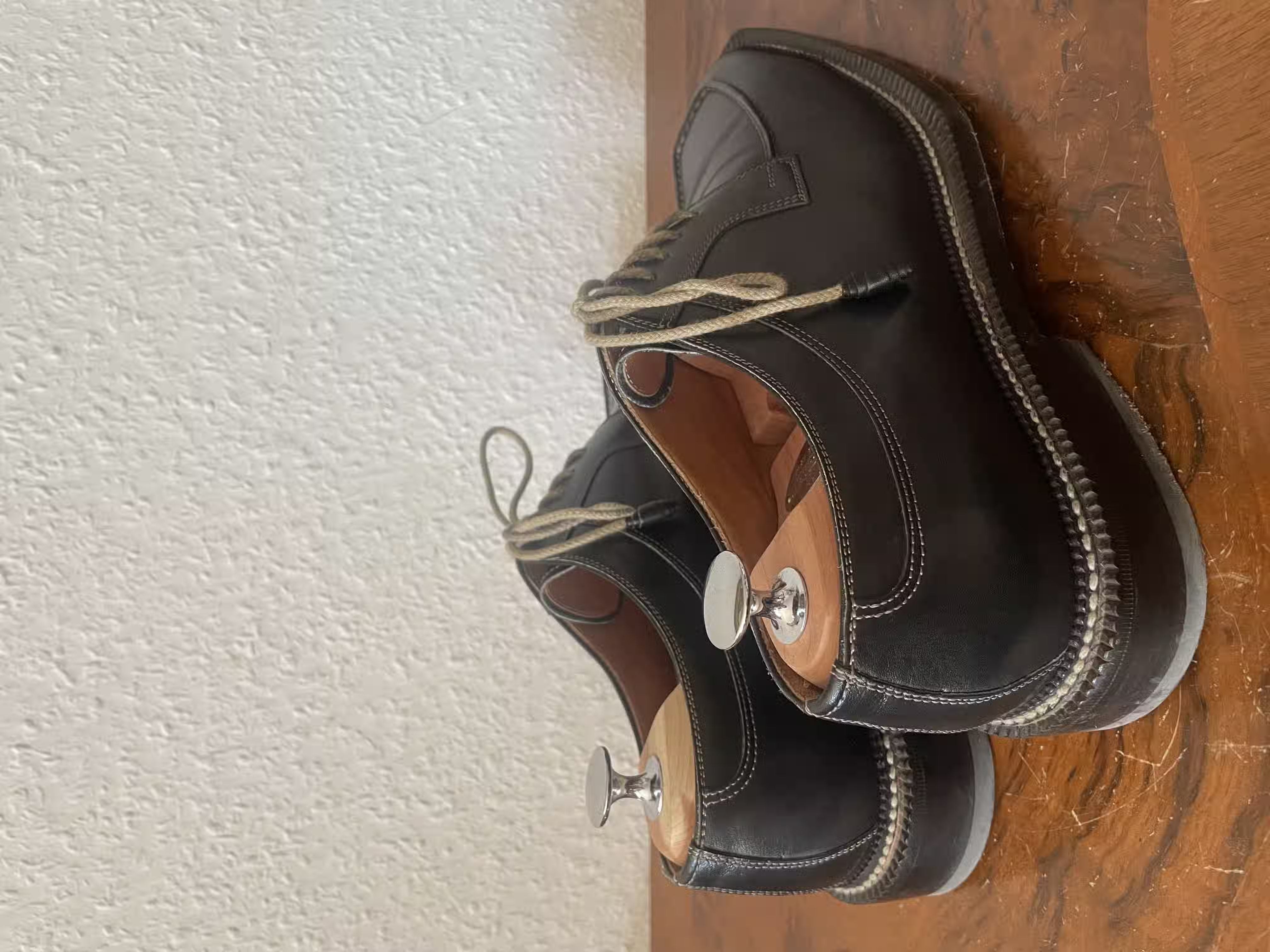
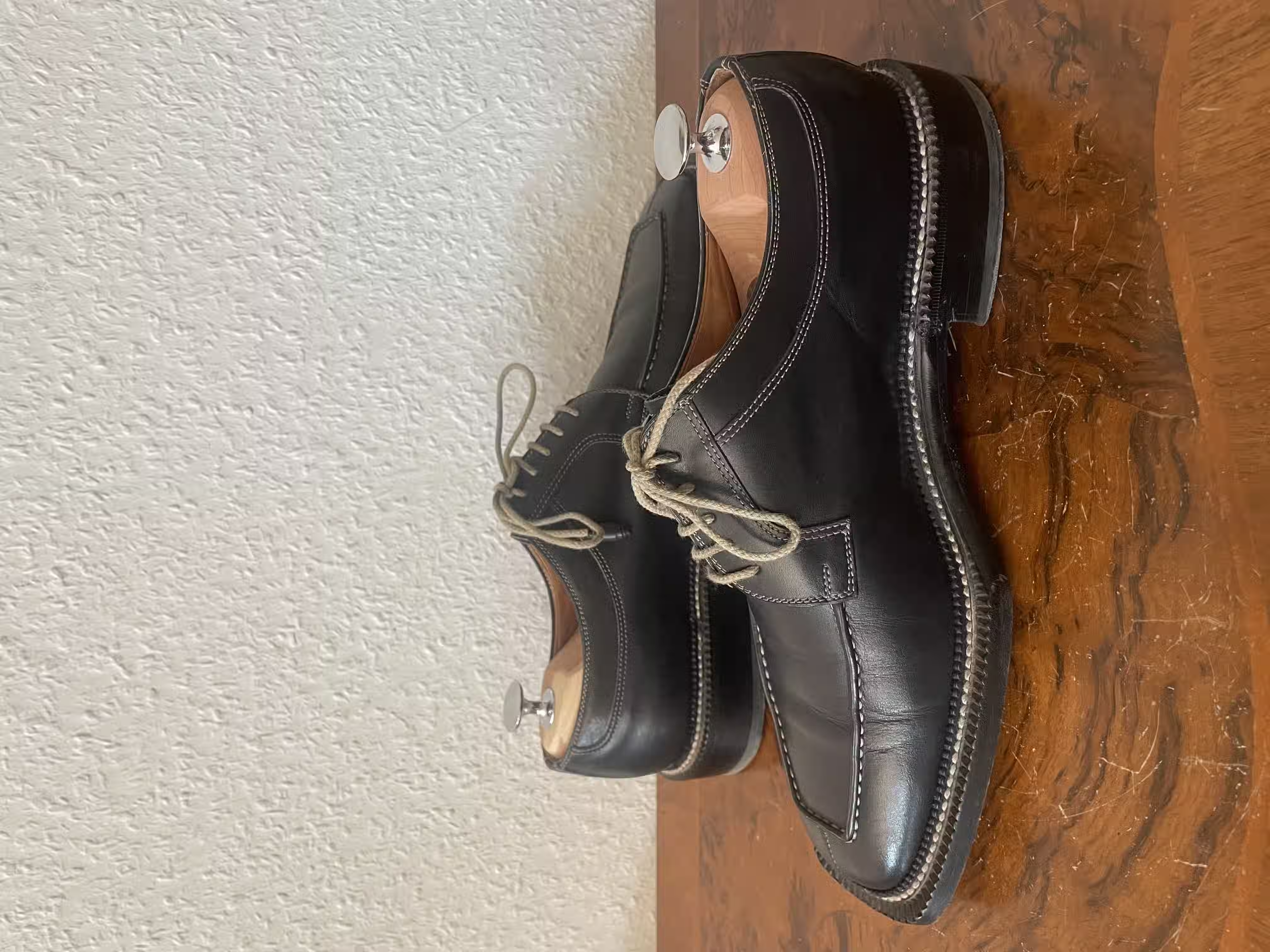
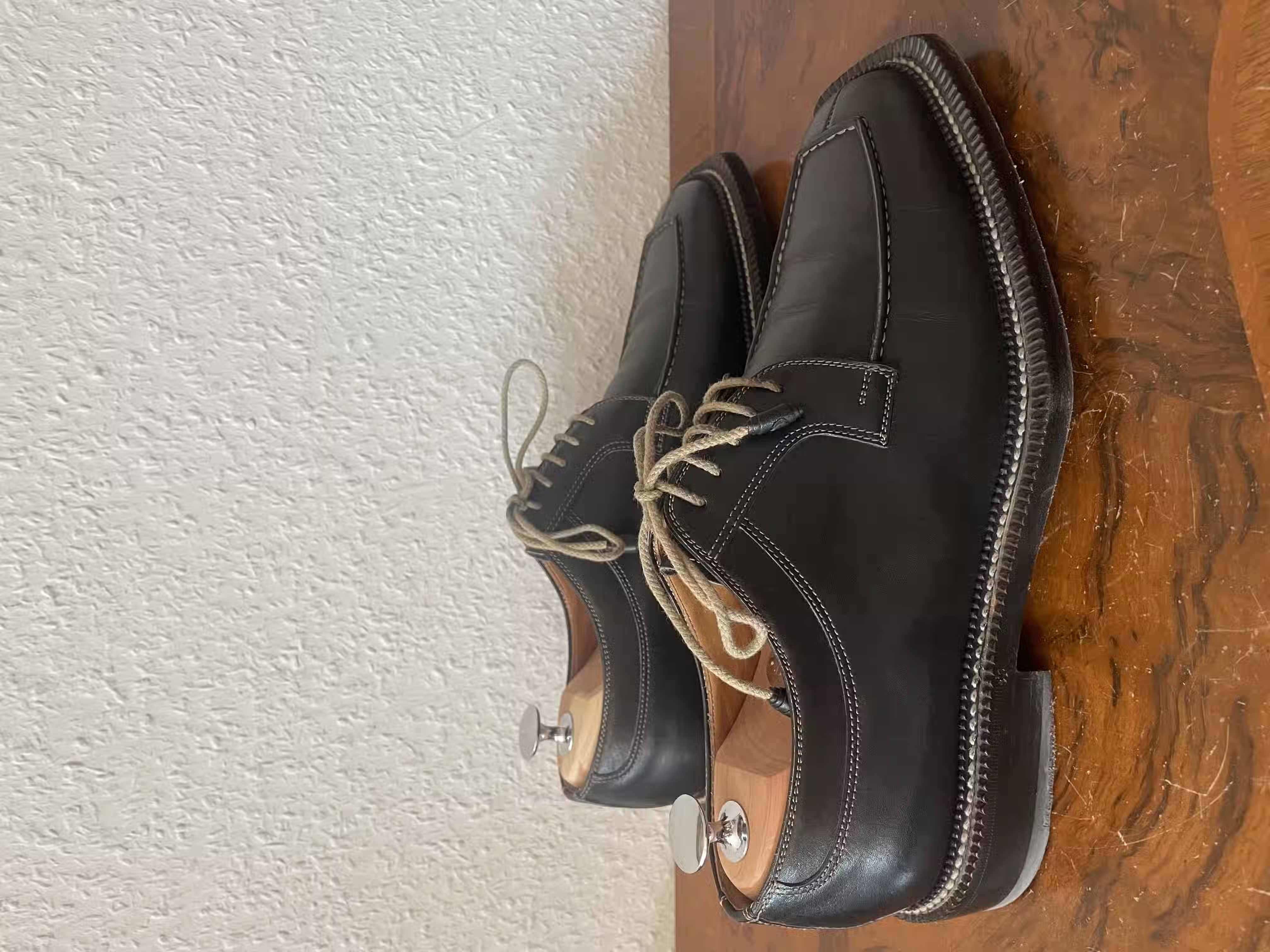
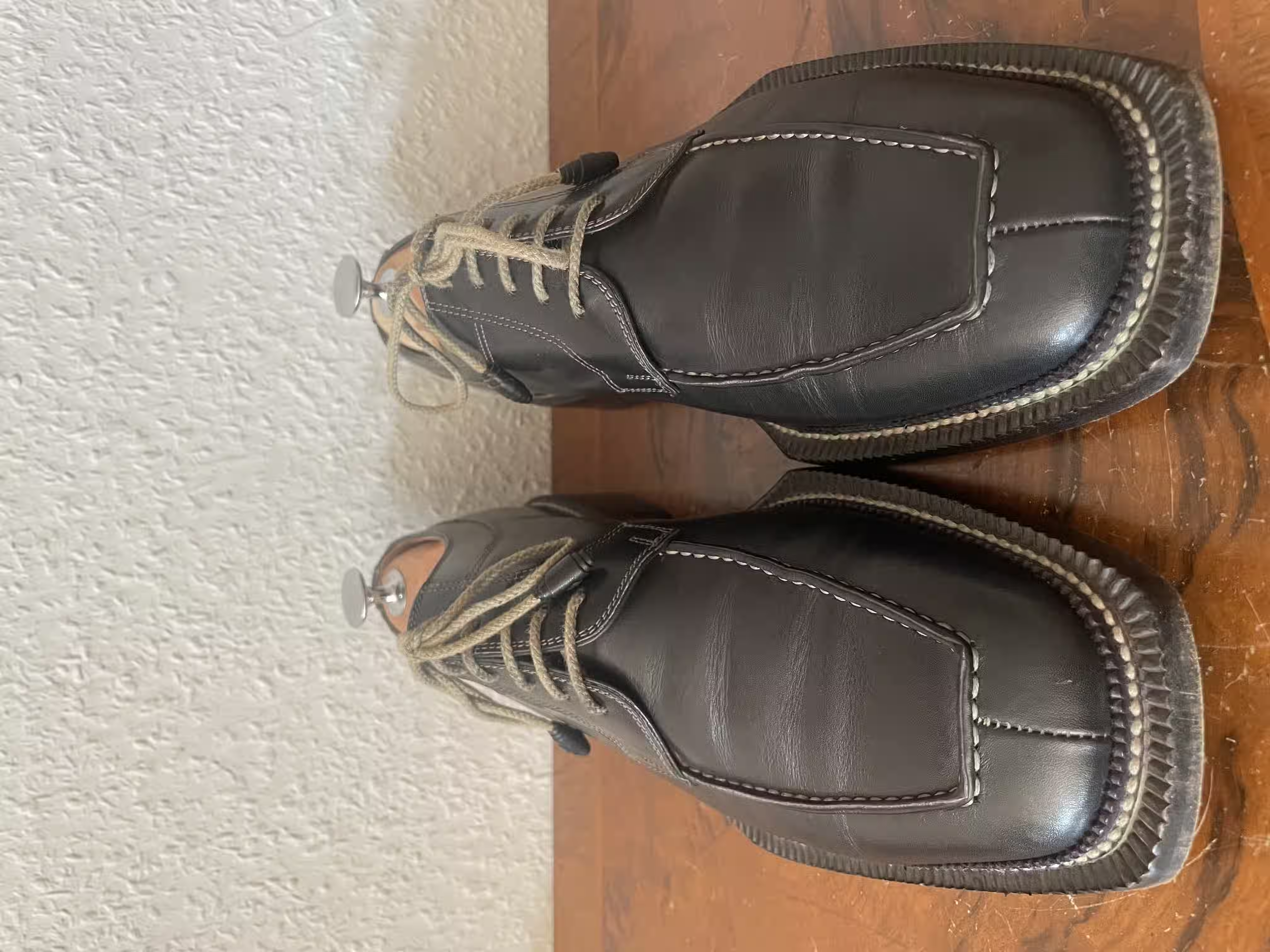
The advantage of such shoes is that, because of various details, they have a very relaxed character and are therefore strongly geared toward leisure. But they still usually have a much more elegant shape with a heel and beautiful curves. And the construction is normally a stitched construction, which is why the shoes last much longer than the typical sneakers out there.
They may be quite eye-catching up close, but white sneakers are noticeable even from afar. So the greater conspicuousness will rather be that you stand out from the crowd with them when everyone else is wearing white sneakers.