
Spectator Shoes - Strikingly Good Casual Shoes
Spectator shoes are two-tone shoes. The upper leather is made in two different, often highly contrasting colors, and in this way they draw attention especially quickly.
Example Variant
Two-Tone Oxfords with an Artful Stitch
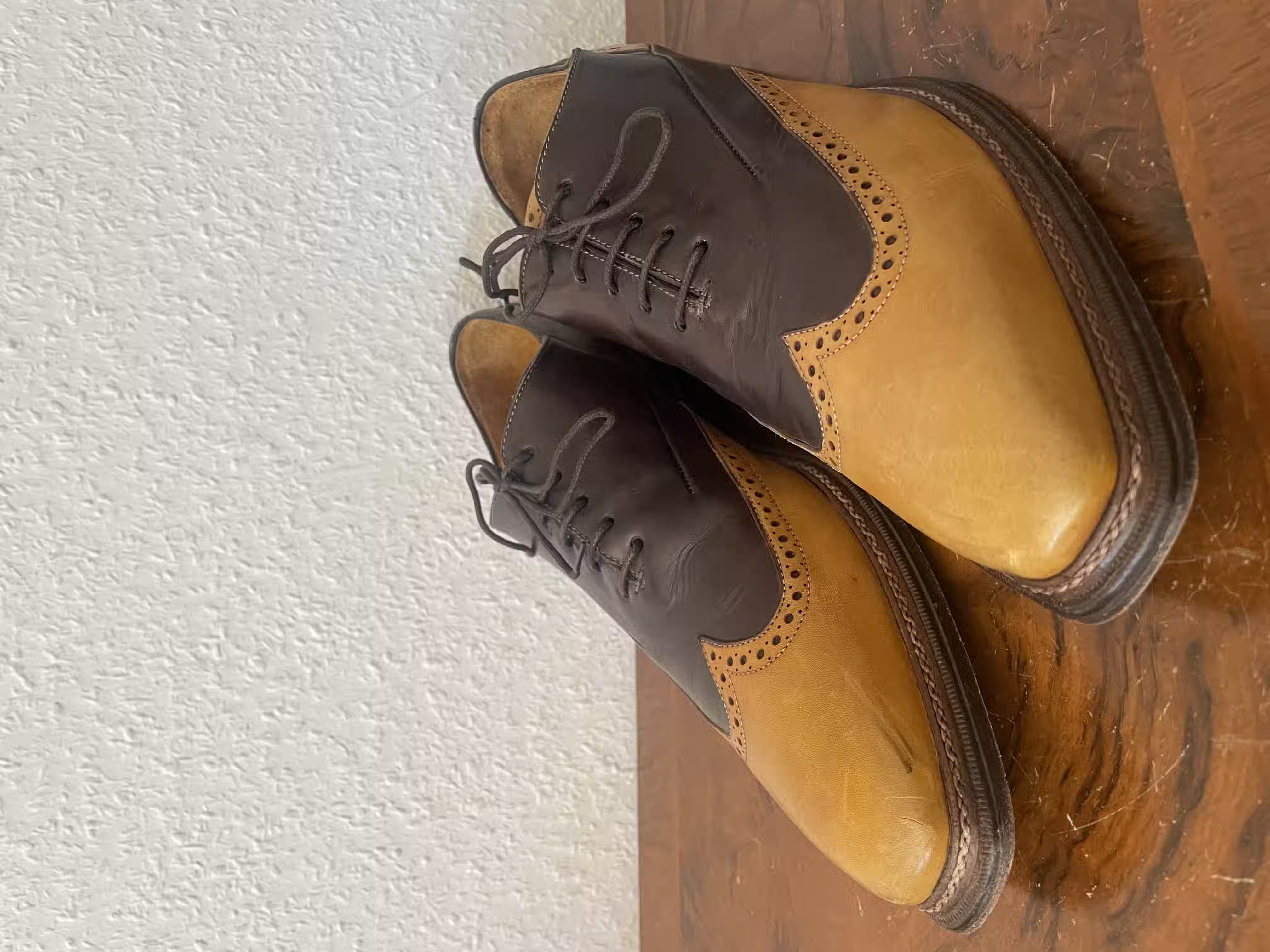
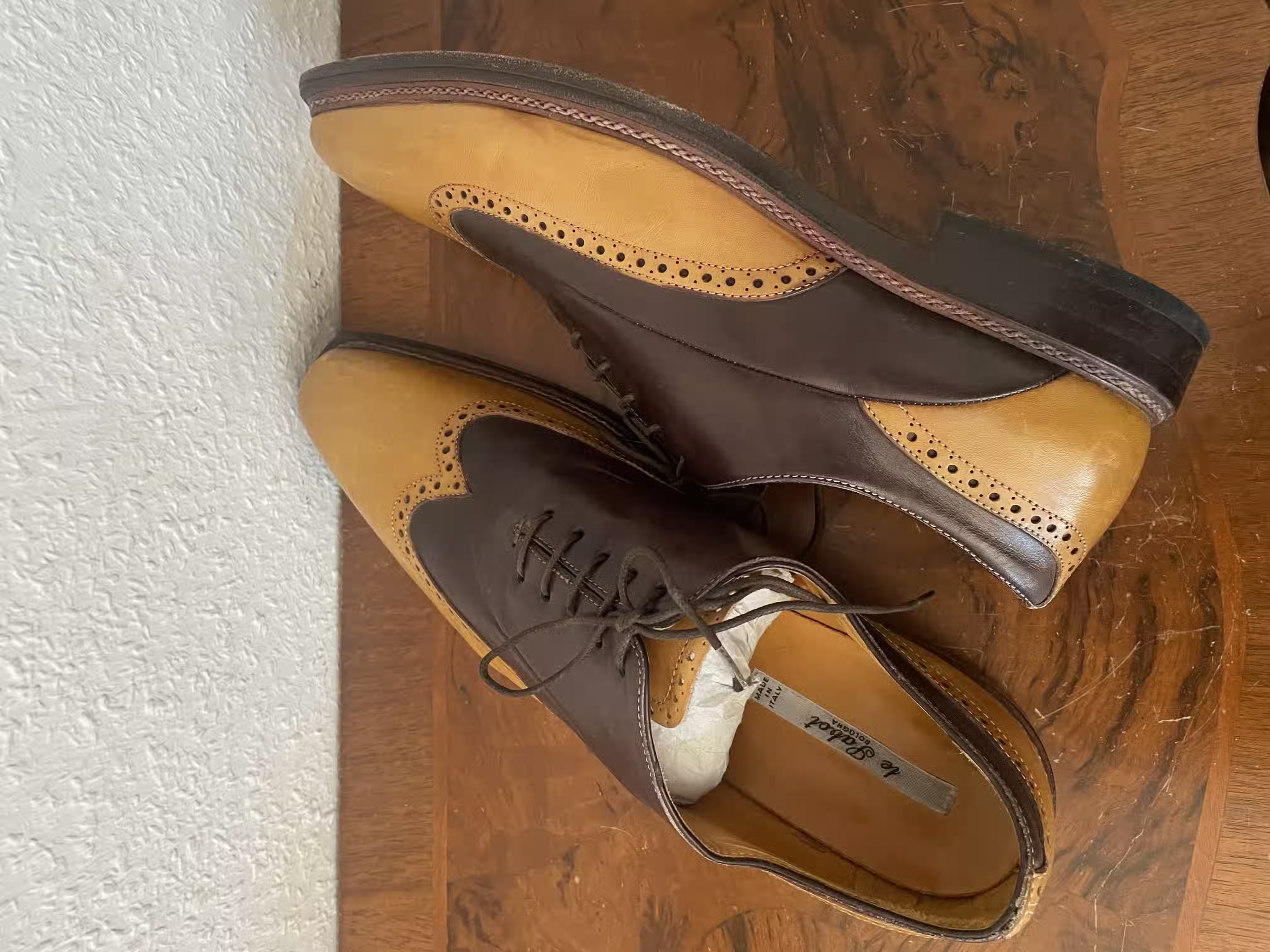
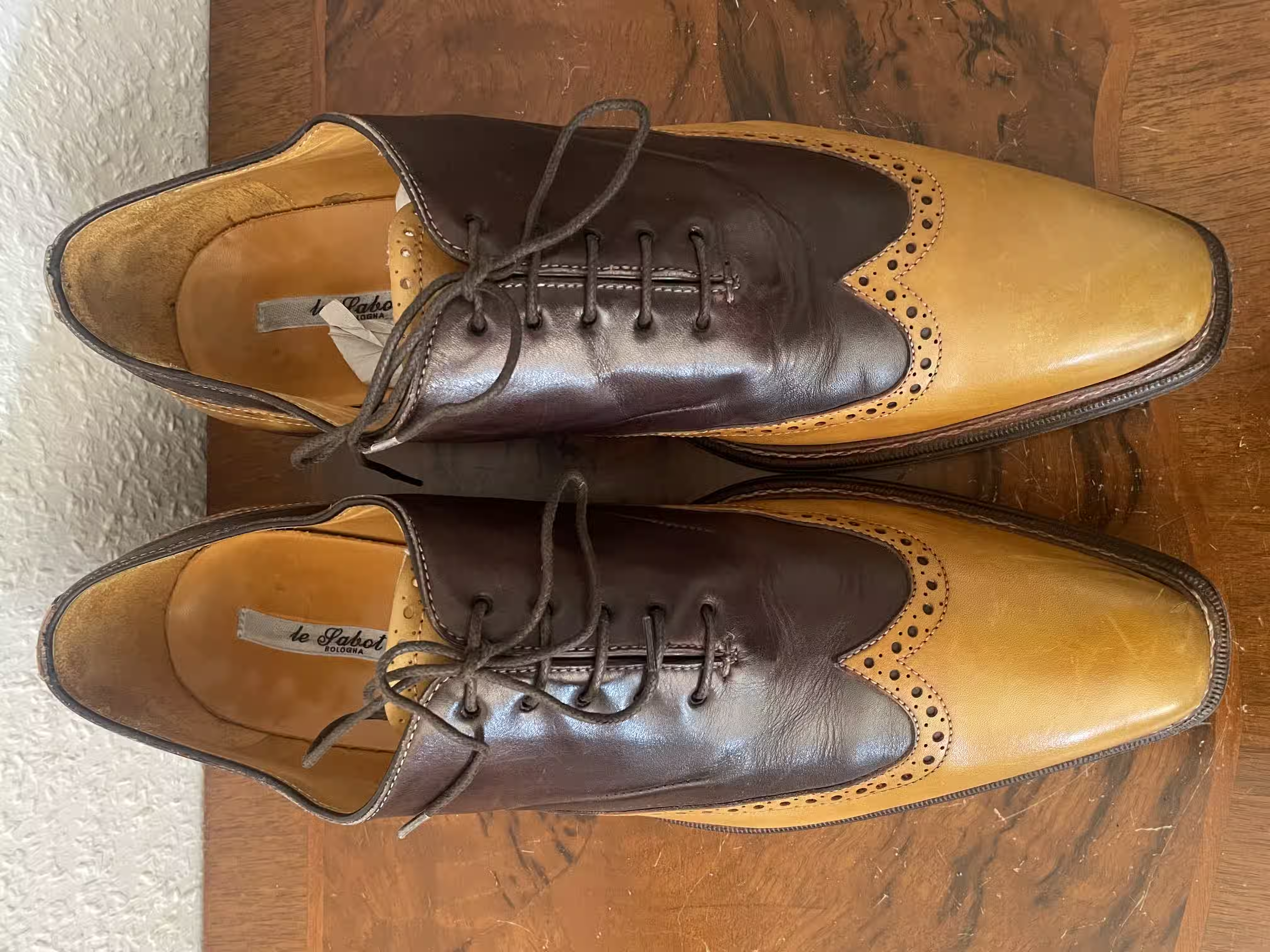
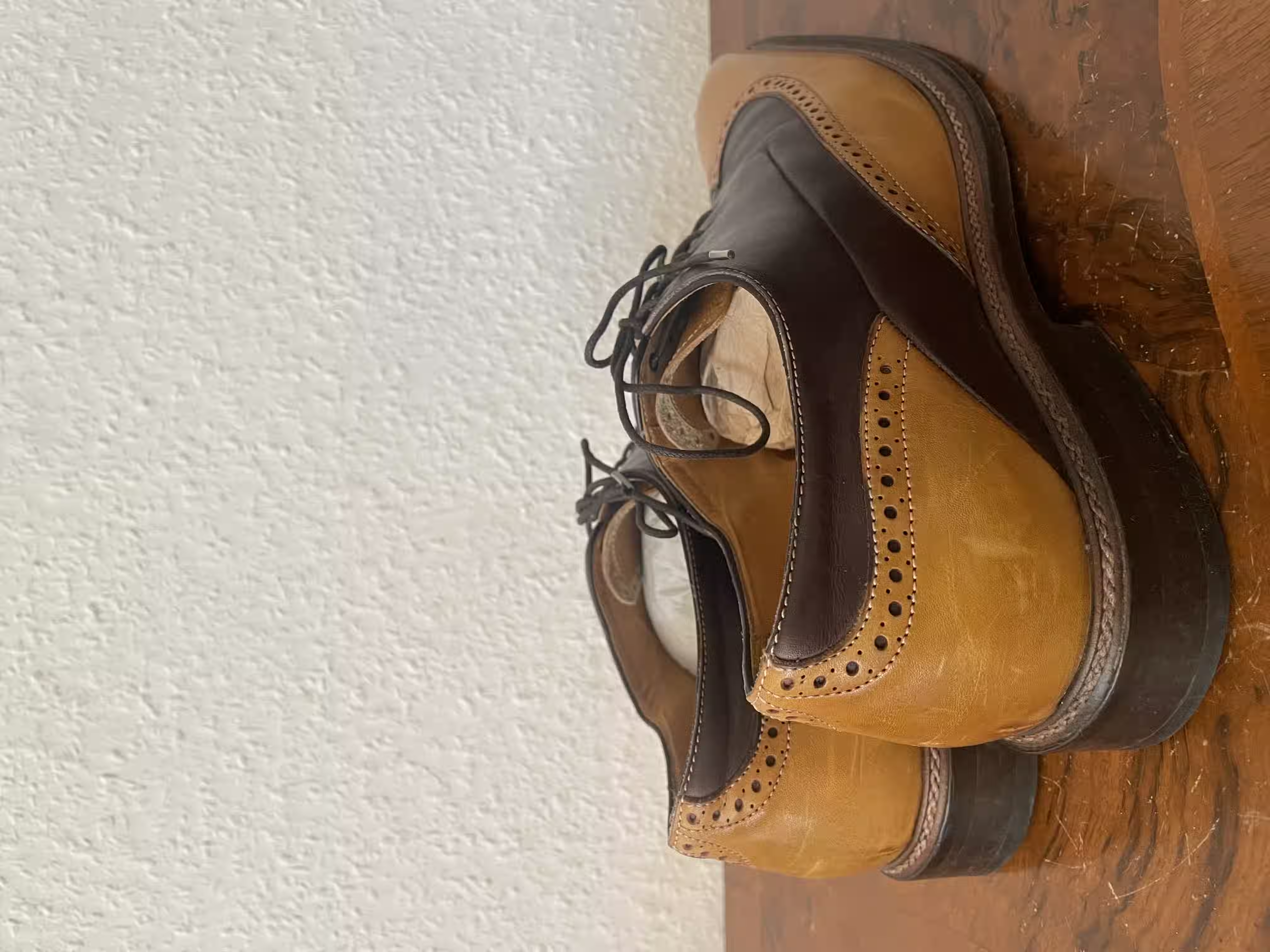
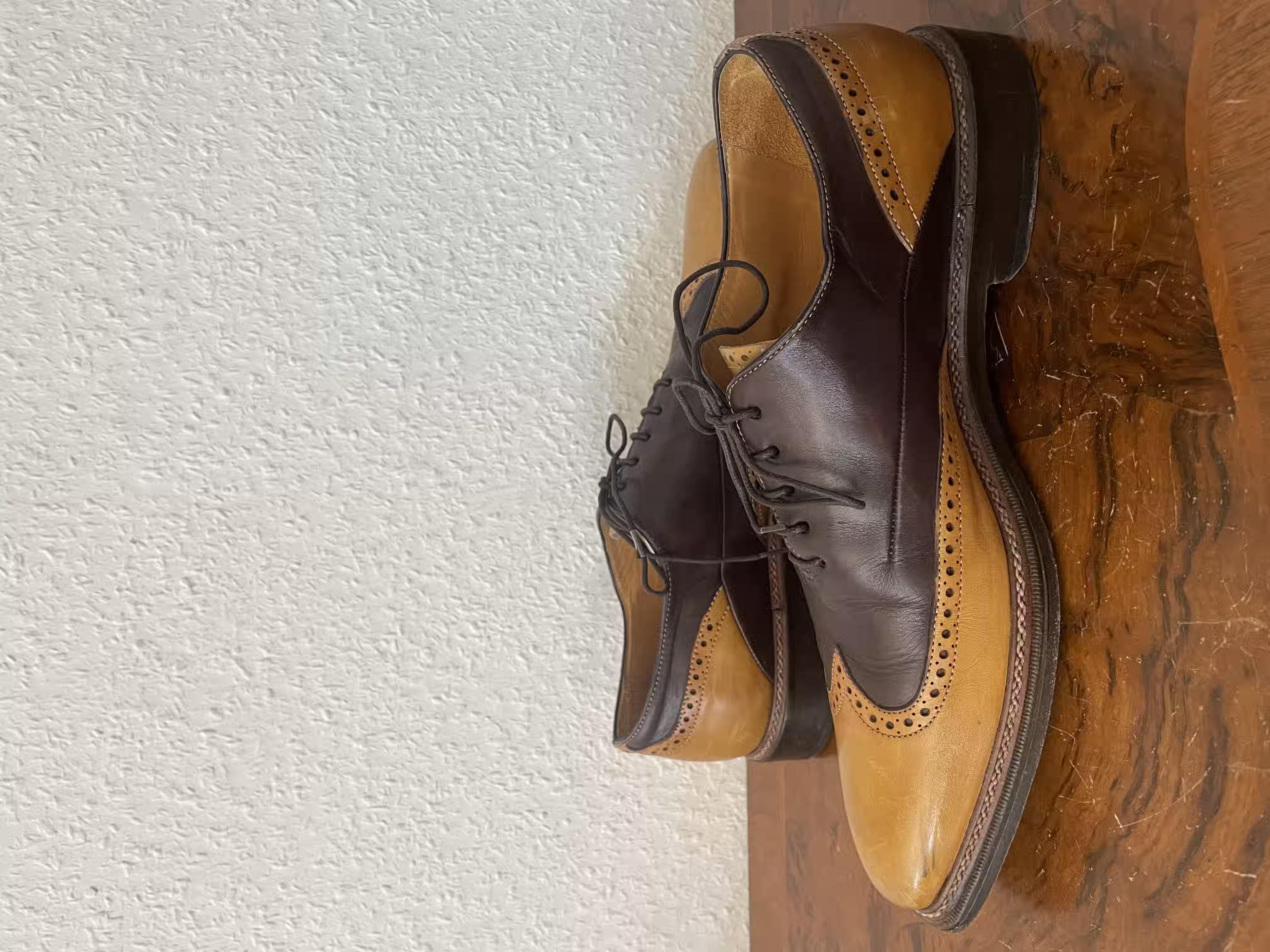

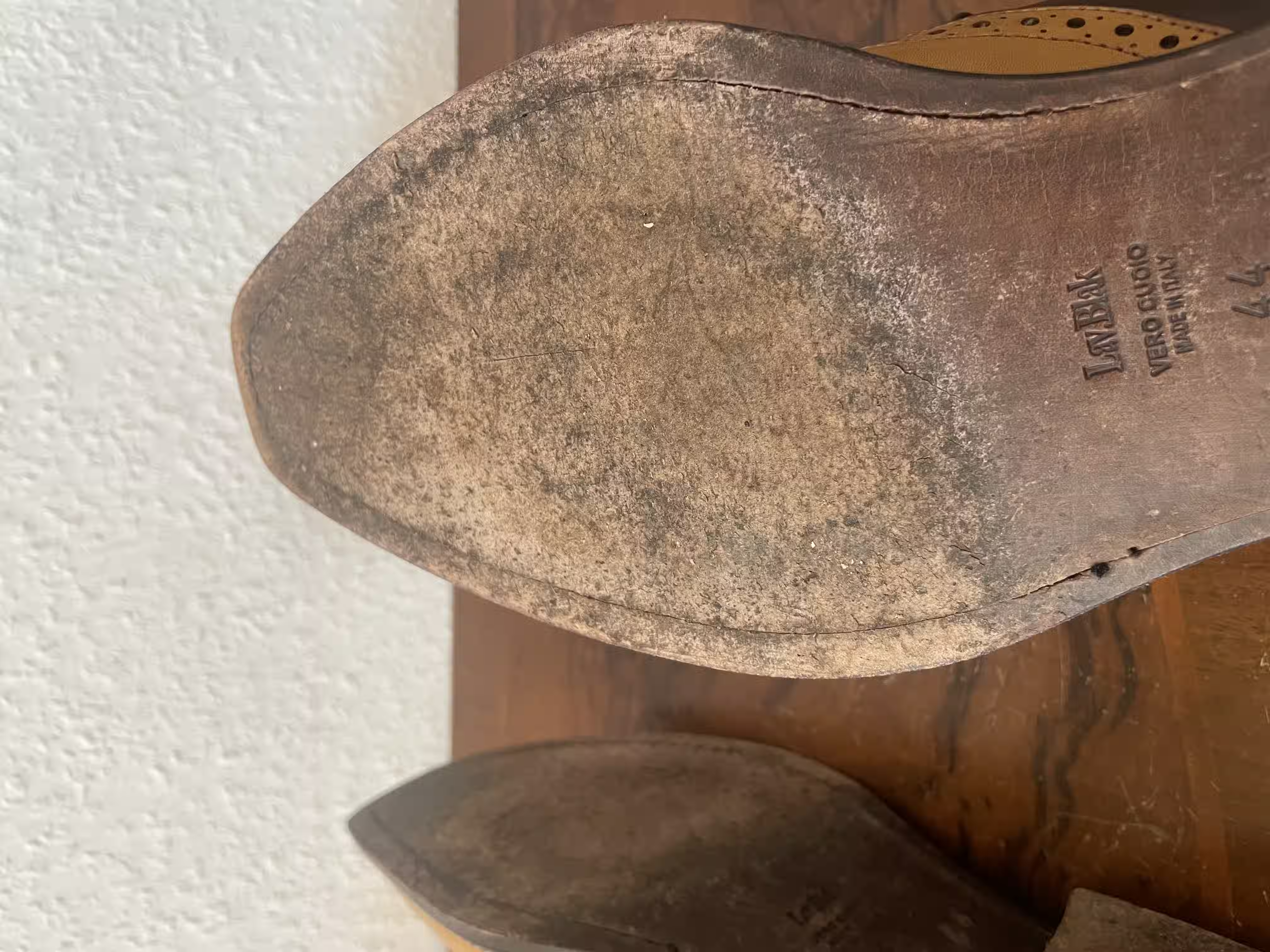
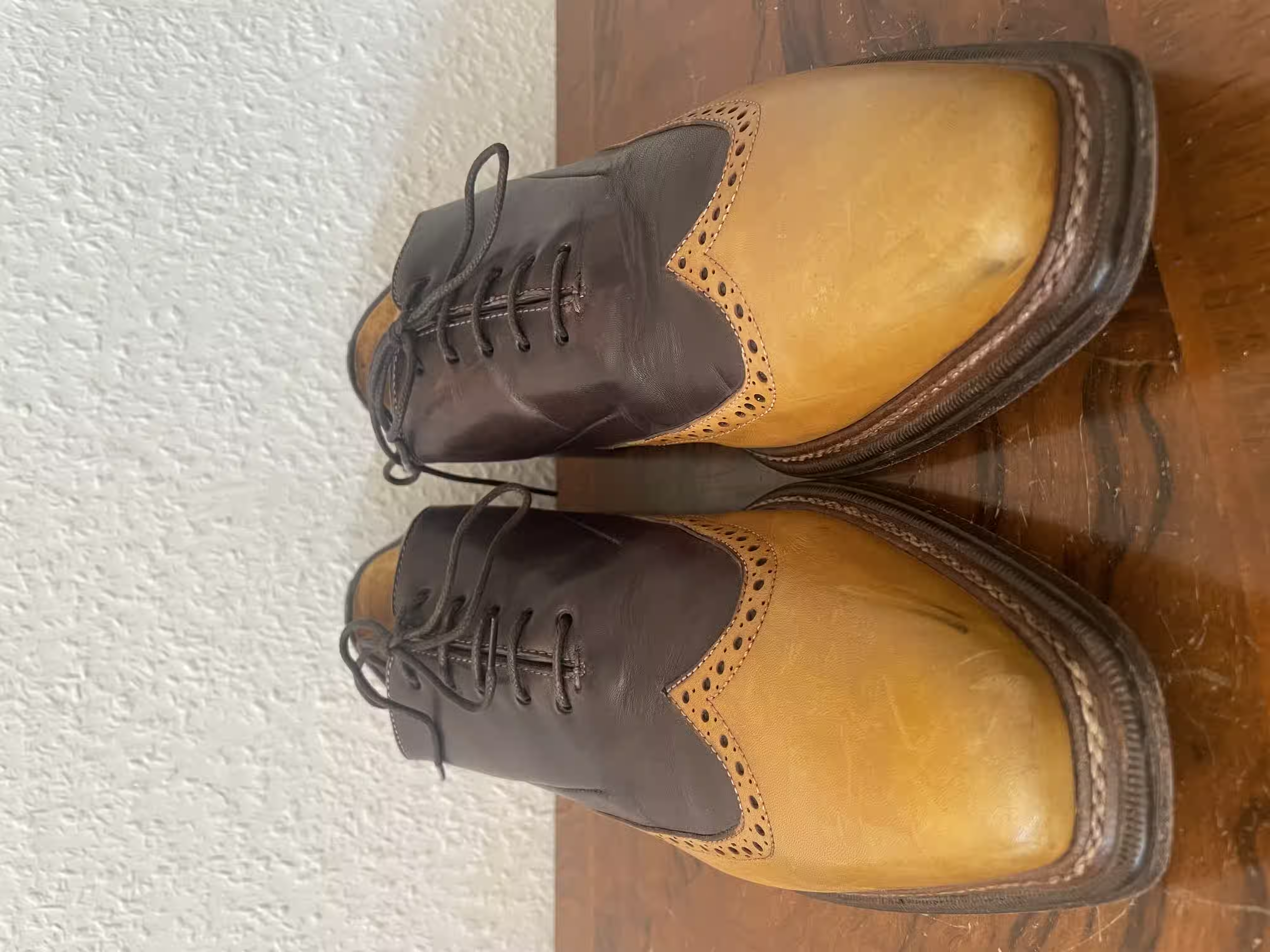
Here we have two-tone Oxford shoes with wing cap and heel cap in the so-called quarter-brogue style: the perforation patterns are only applied along the cap edges. Personally, light and dark brown are one of my favorite color combinations, and accordingly I like this combination here quite a lot as well. The shoes are decorated rather sparingly with perforations, so this subtle color contrast comes through a bit better than it would with more extensive perforation patterns. I see the shoes as especially suitable for a blazer and trousers made from mixed fabrics.
History
Spectator shoes have existed since the 19th century. Originally, they were worn especially by journalists and reporters in— from a European point of view—foreign and exotic, even tropical countries. And classically, Spectator shoes are understood more as two-tone, so-called full-brogue Oxfords.

According to one tradition, the name comes from the fact that the shoes were once relatively widespread among golf and cricket players, and this made an impression on the spectators. — So much of an impression, in fact, that comparatively many of the spectators also bought themselves a pair of spectator shoes. Thus, the name refers to such spectators of the sport.
Popular colors for spectators in the past were white-brown and white-black. In particular, the two colors of a spectator stood in contrast to each other and thus intensified their effect even further. Because of that, I find it understandable why such shoes in sports drew the attention of so many spectators.
Modern vs. Classic Spectator Shoes
Nowadays, spectators usually refer to a broader range of shoes. Often enough, these include ones that would not have been considered spectator shoes in the past. Because in the past, as mentioned, spectator shoes meant full-brogue Oxfords, usually in the colors white-brown or white-black. Even today, the term spectator can still be used specifically only for precisely such two-tone full-brogue Oxfords. So the term is not entirely clearly defined, and I myself use the term here on this blog more generally for all kinds of shoes in two colors.
Variants
Two-Tone Purist Derbies with Rubber Sole
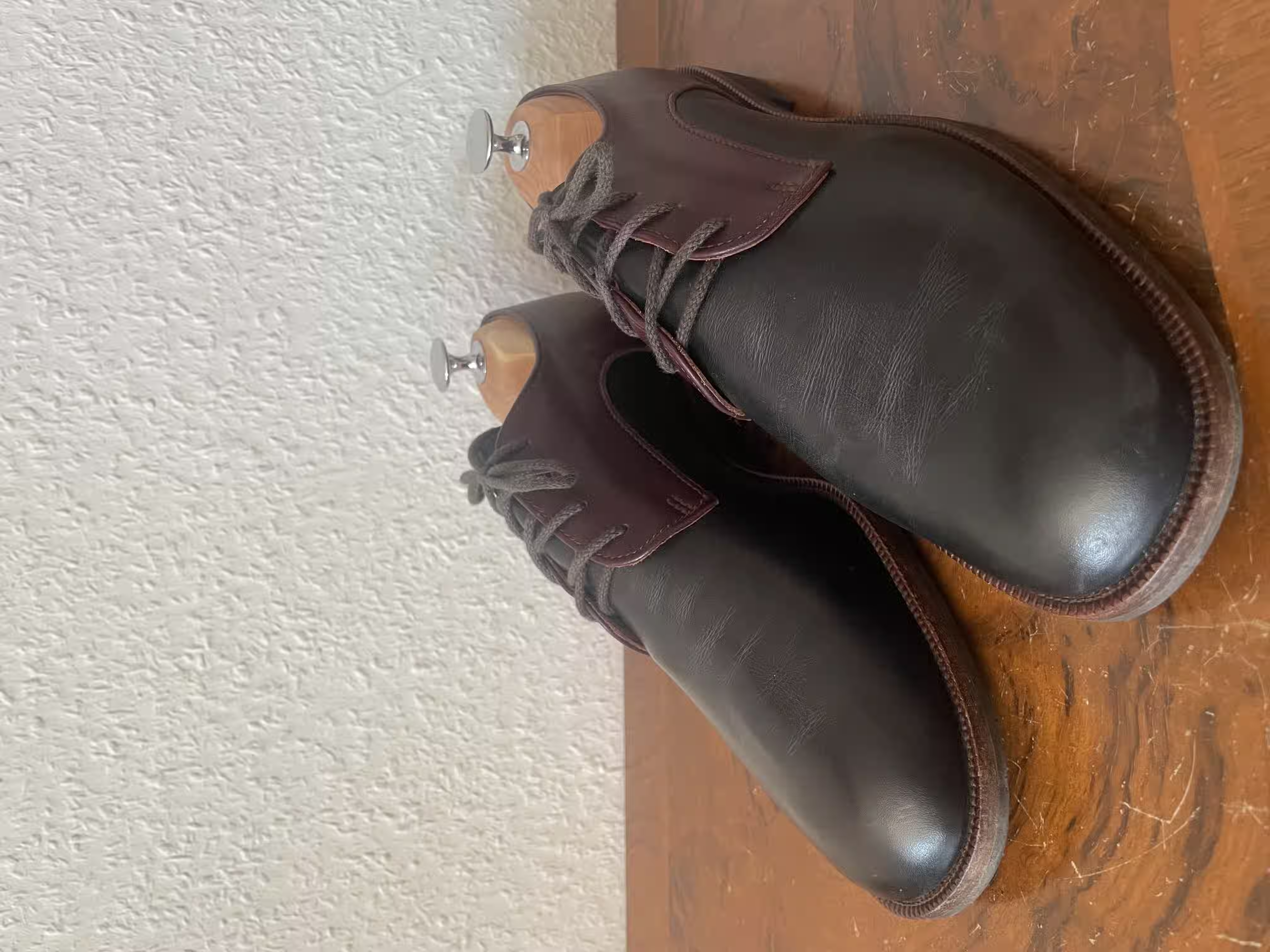
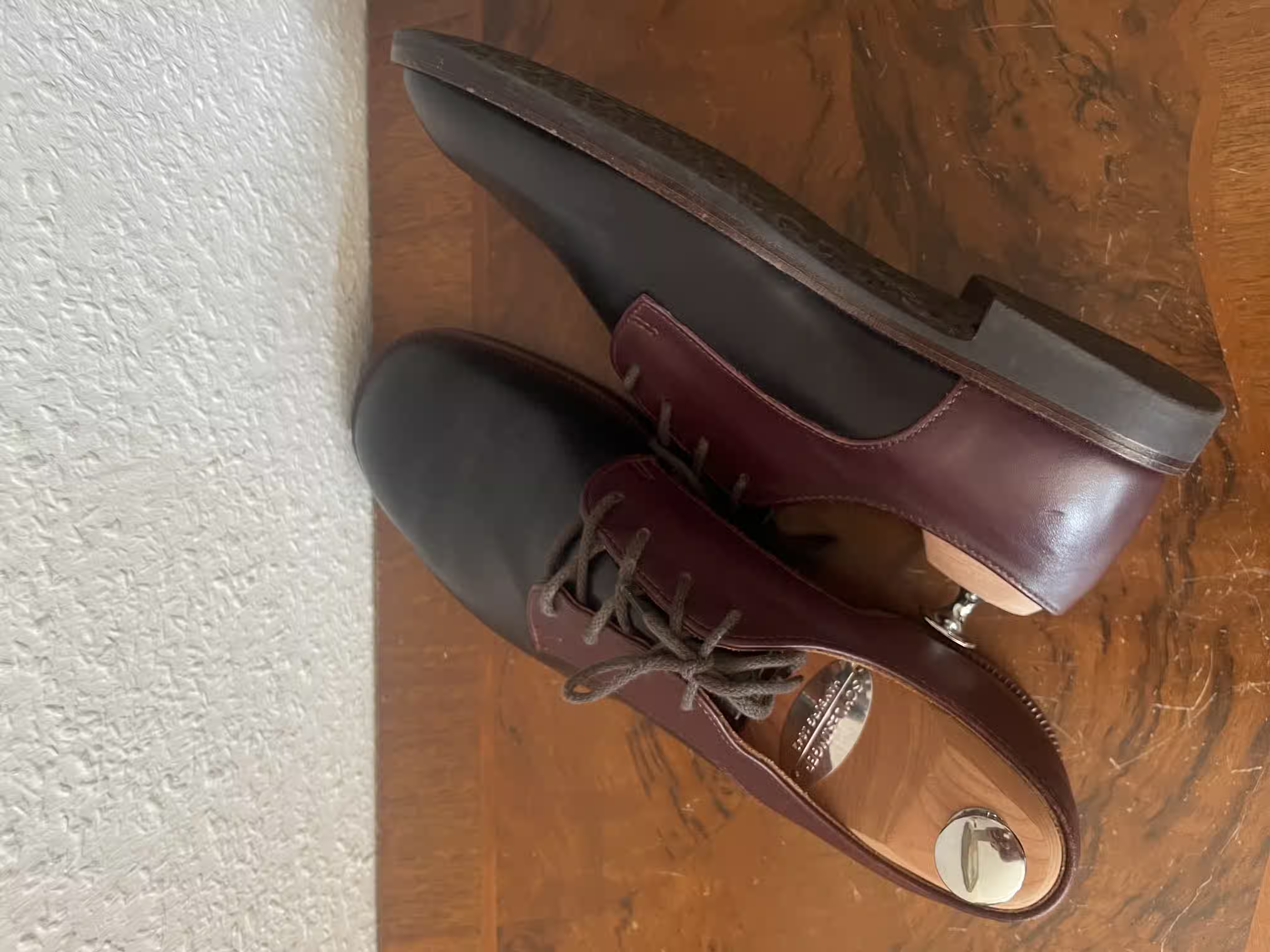
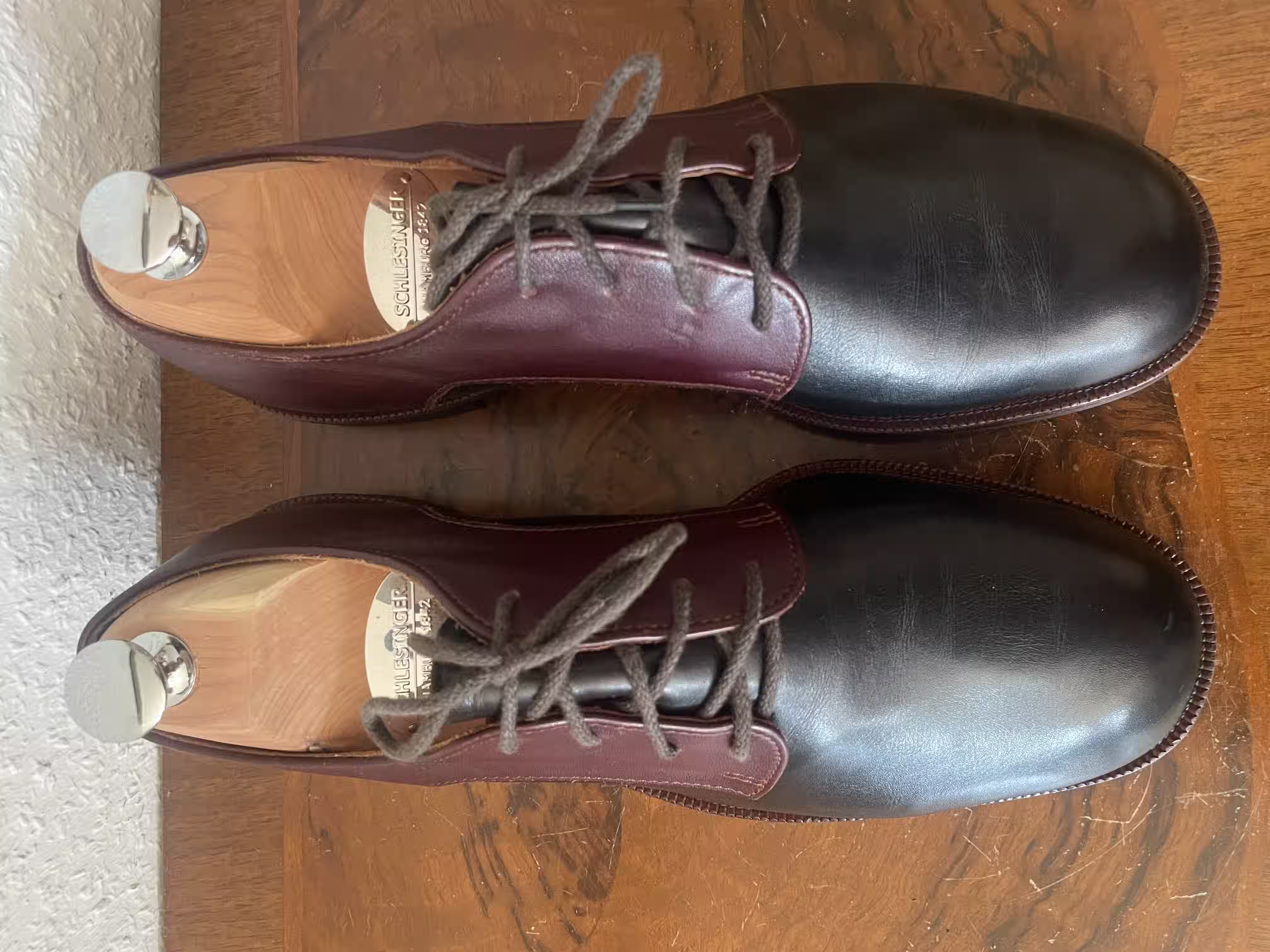
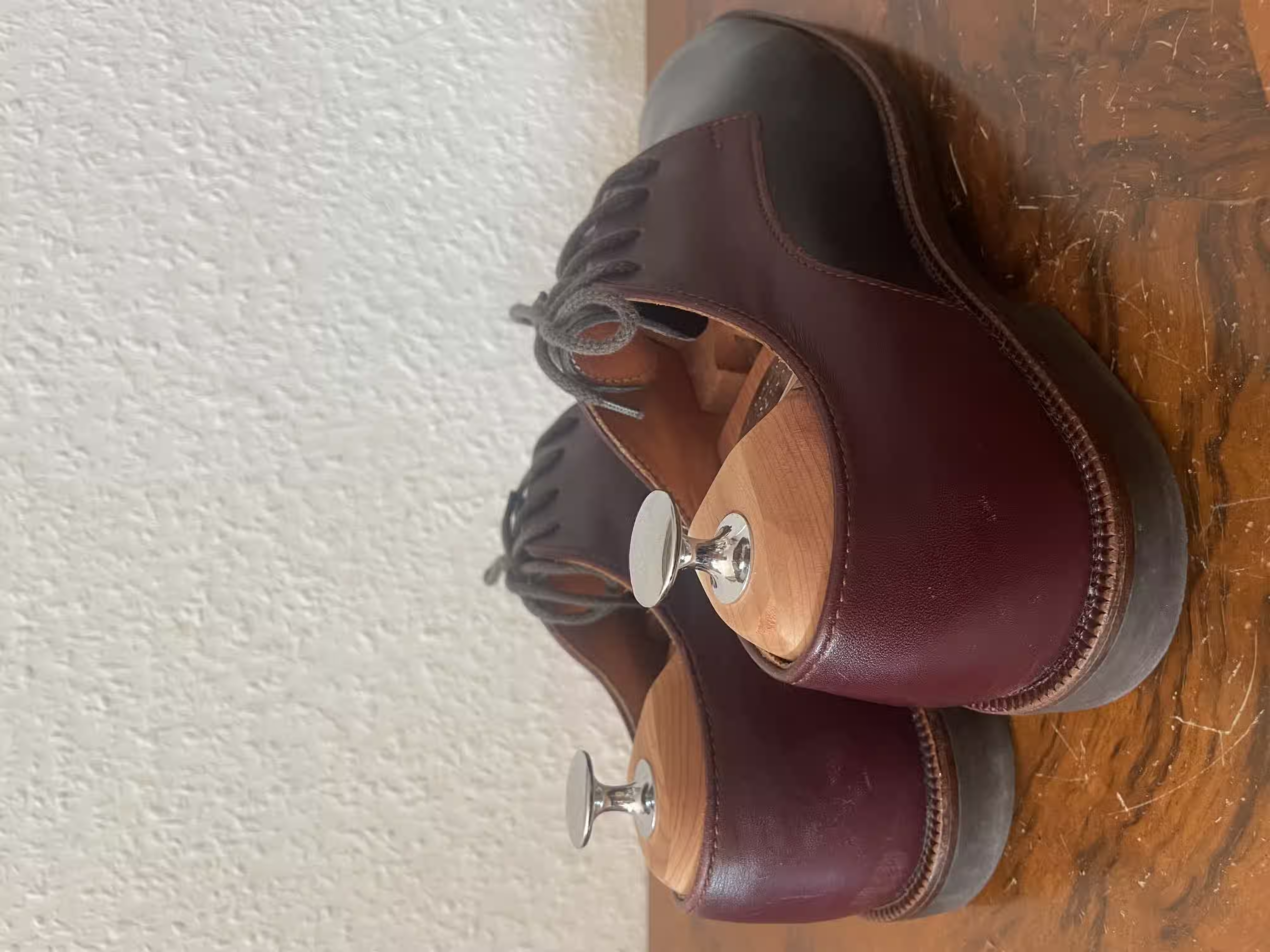
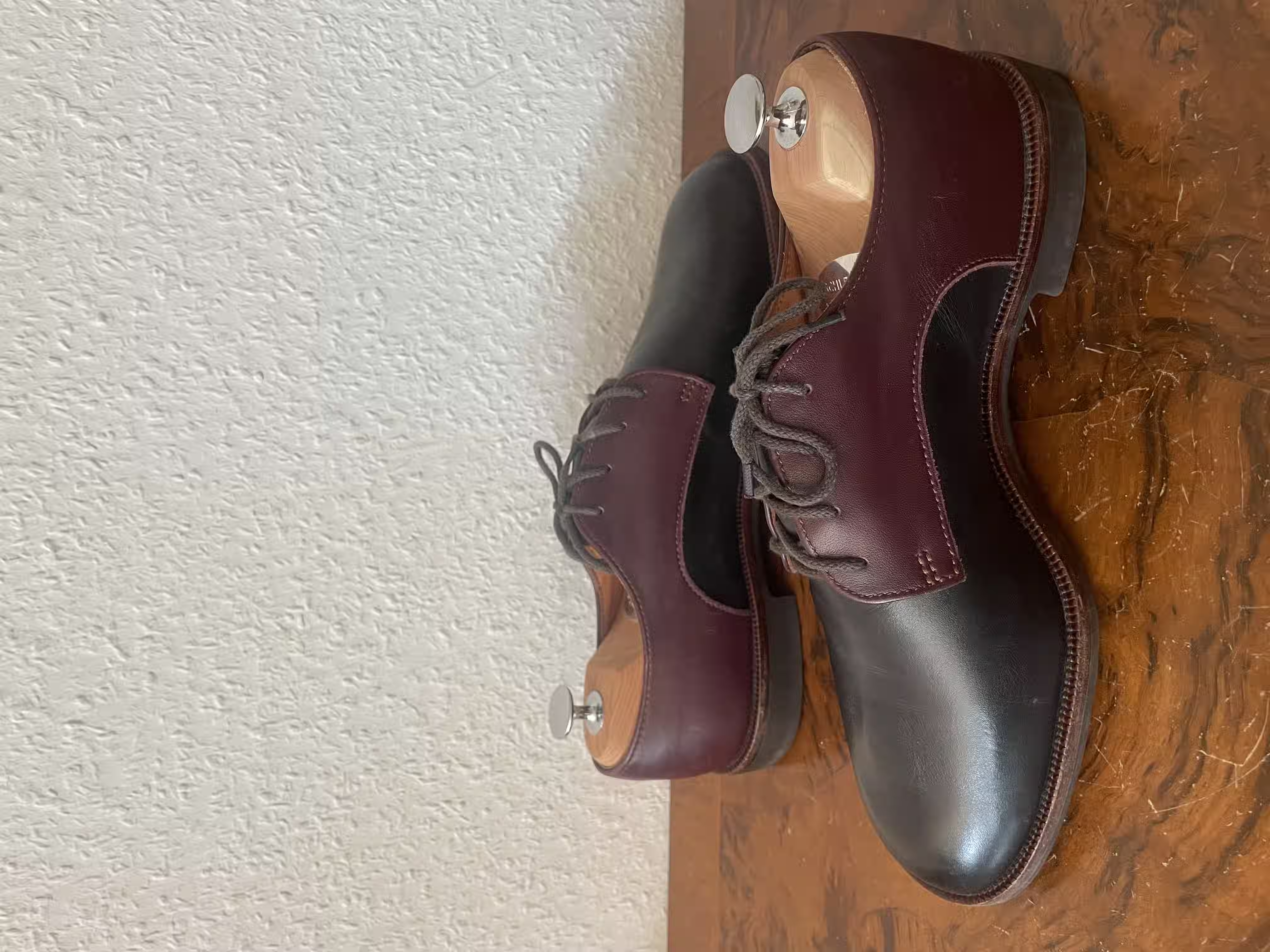
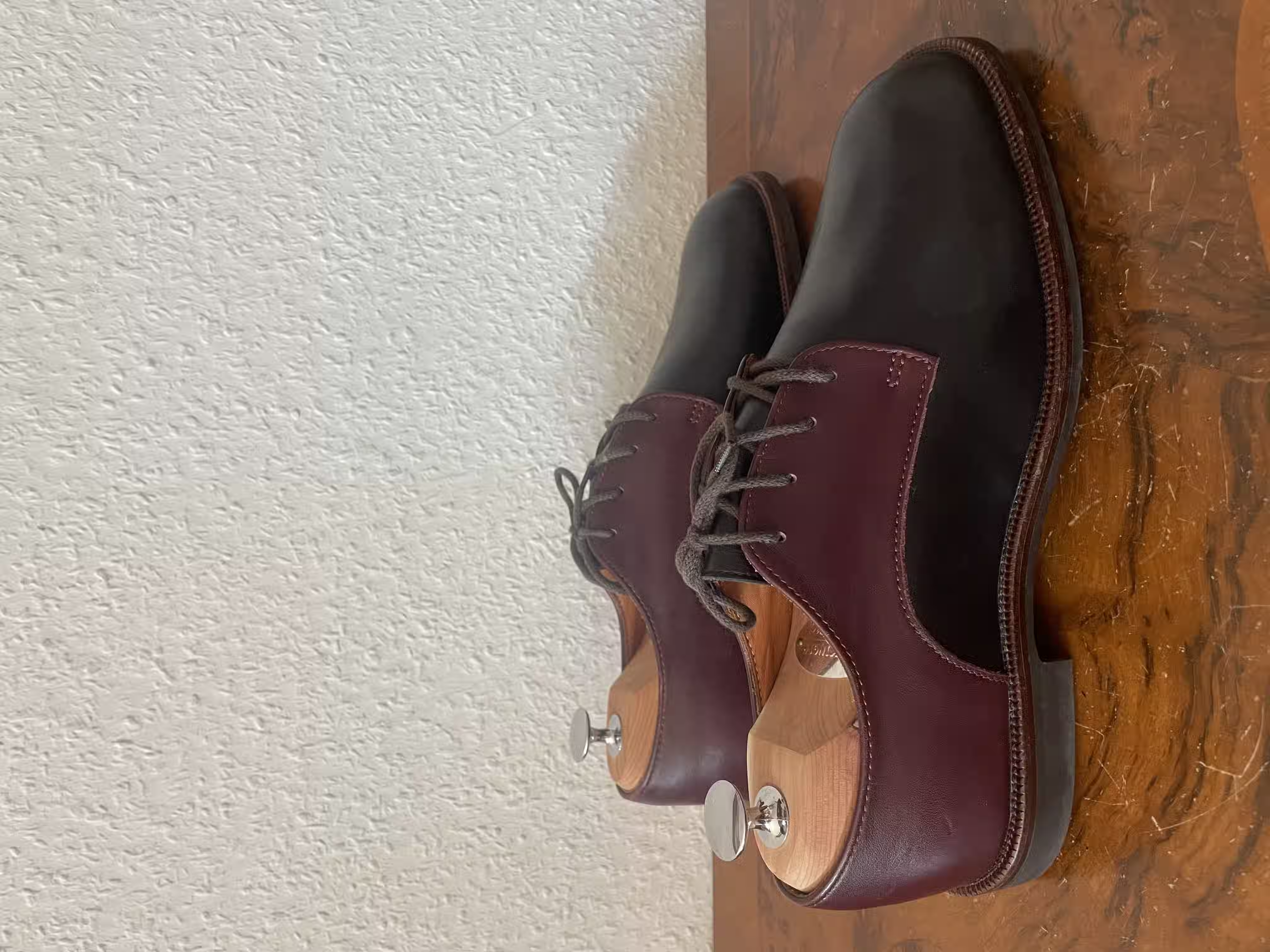
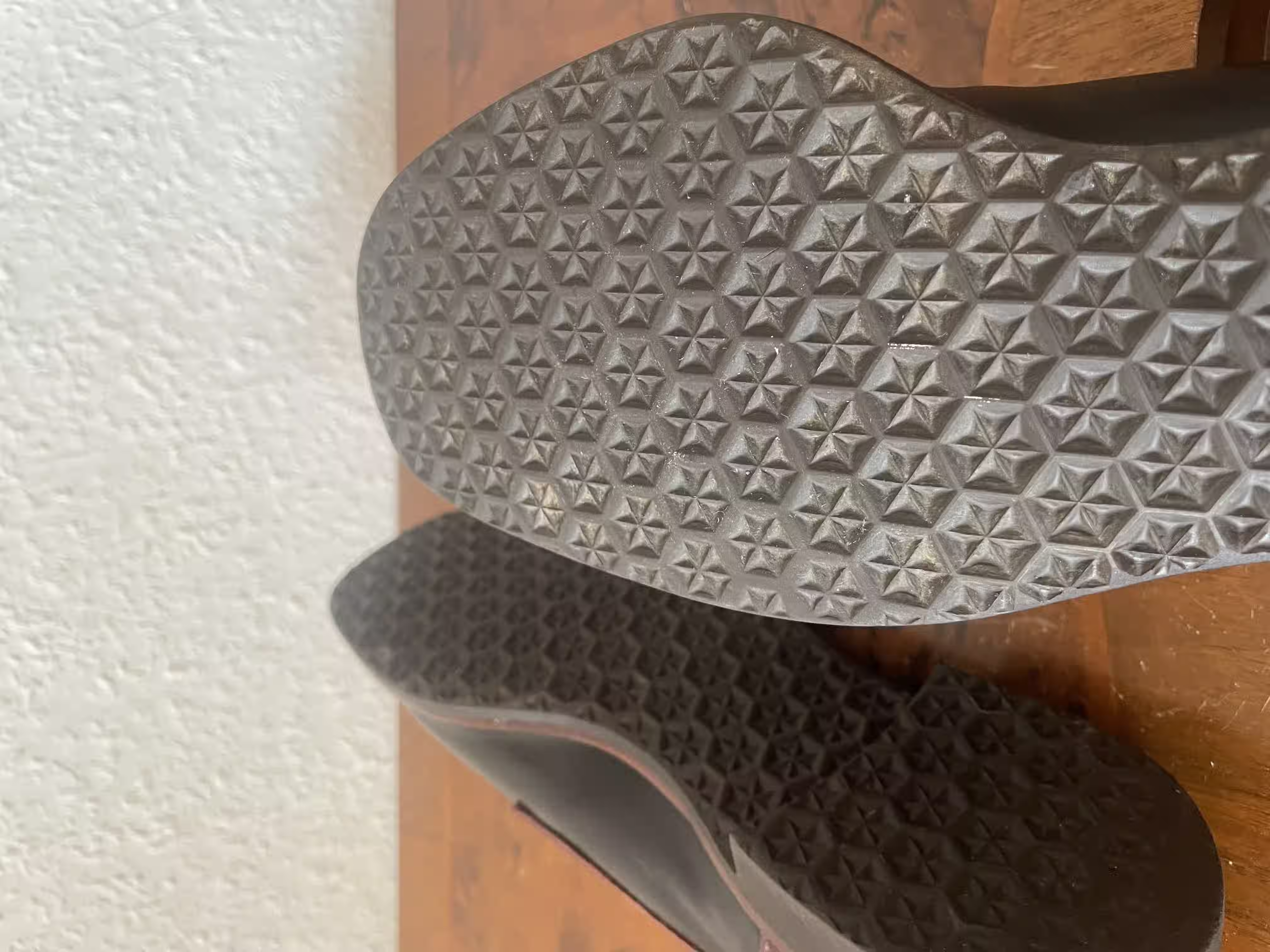
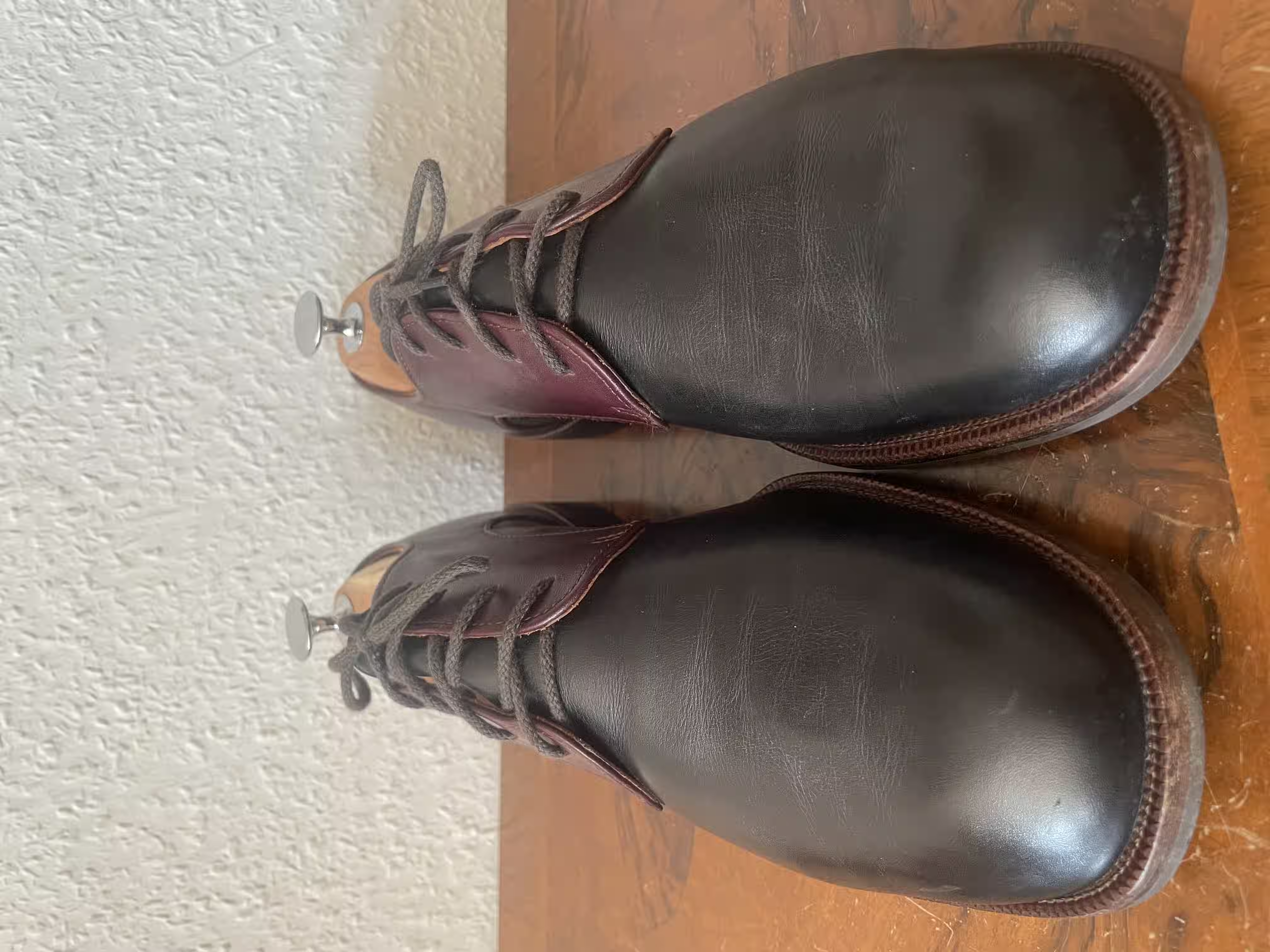
A nice Derby in black and burgundy, where the two colors are strictly separated and strictly follow the so-called upper pattern of a Derby: burgundy for the so-called quarters at the back and on the sides, and black for the rest, especially the front part of the shoe. This is probably the simplest spectator or the simplest two-tone shoe one could imagine. By the way, I find the welt particularly well executed here as the only real detail. I consider the other aspects to be inconspicuous, such as the simply glued-on rubber outsole or the shape of the shoe. I want to replace the laces at some point because I think finer laces will bring even more out of this shoe and will simply match the welt better. Despite its simplicity, I like this shoe relatively well. — I’m surprised myself at how much a nicely designed welt can do for me.
Black-Red-Dark-Blue Full-Brogue Oxfords and Pseudo-Spectator Shoes
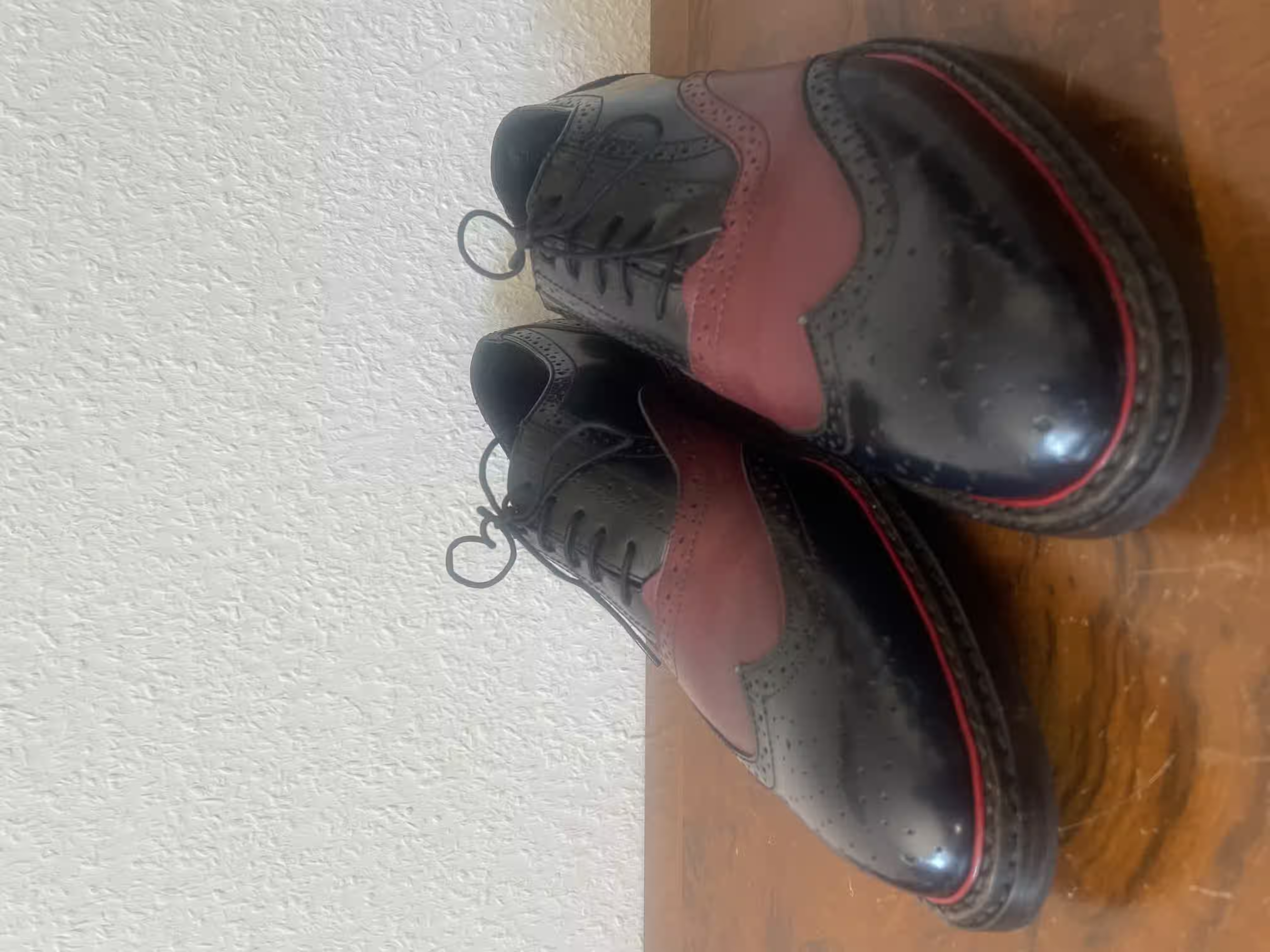
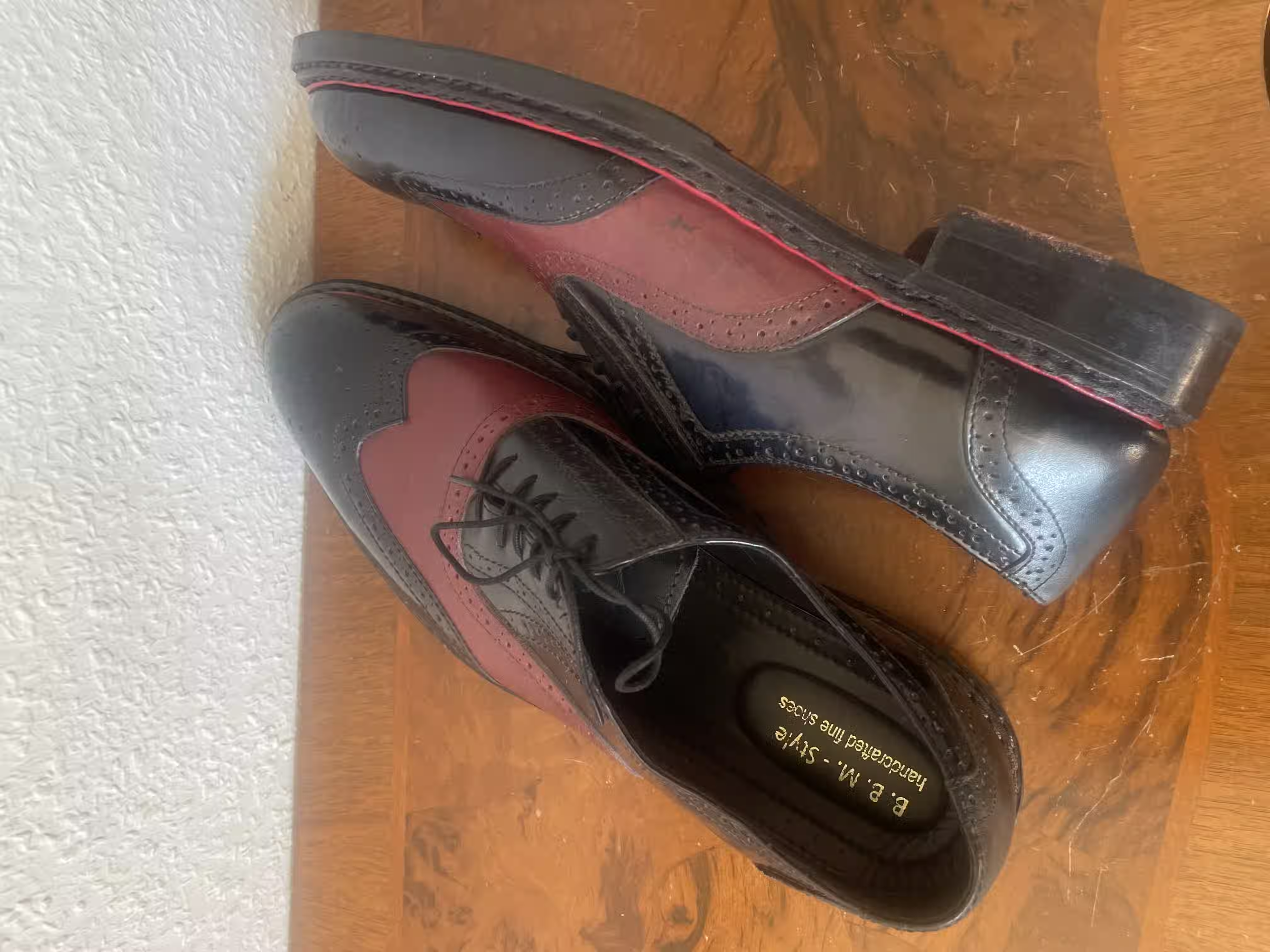
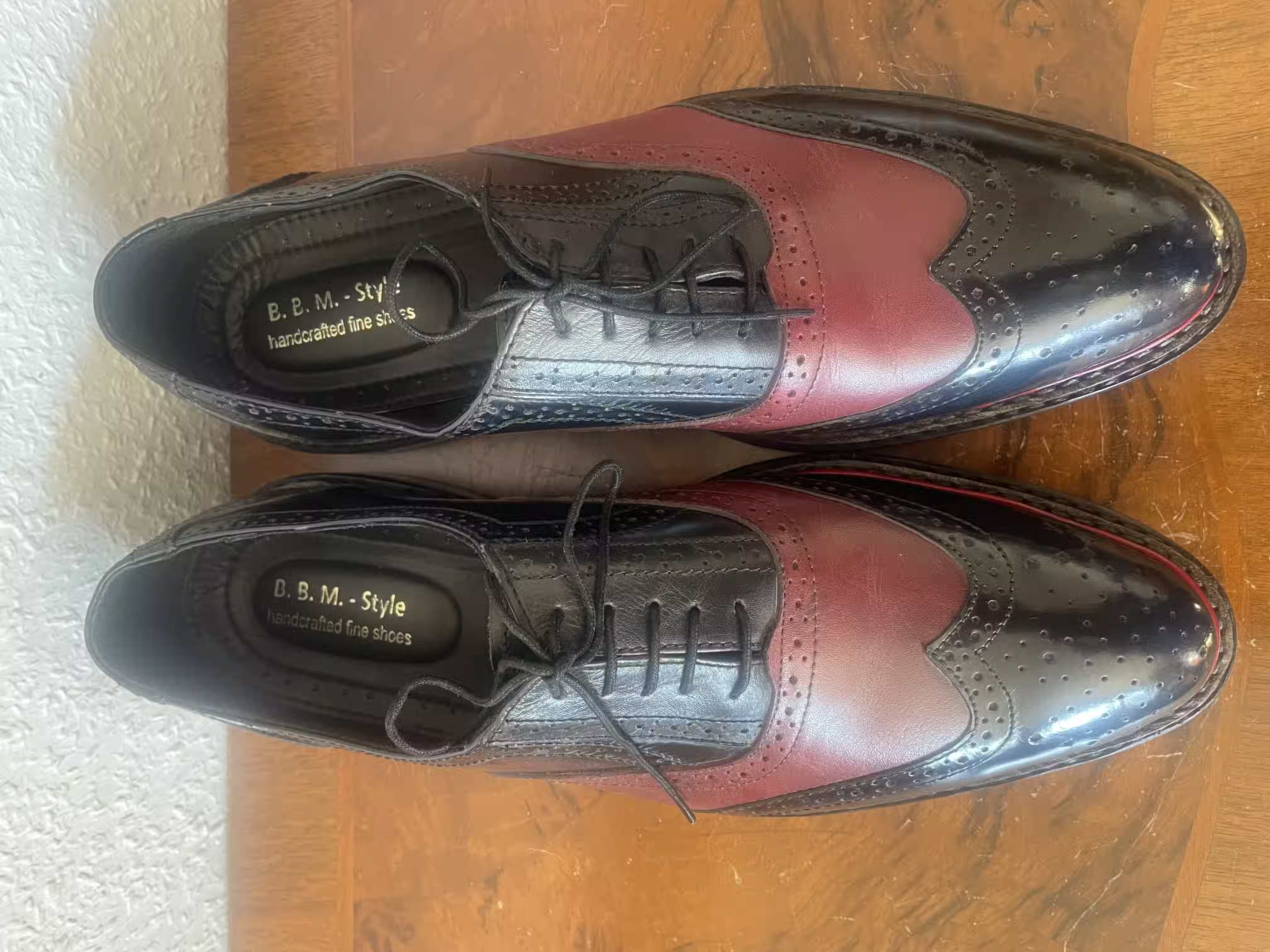
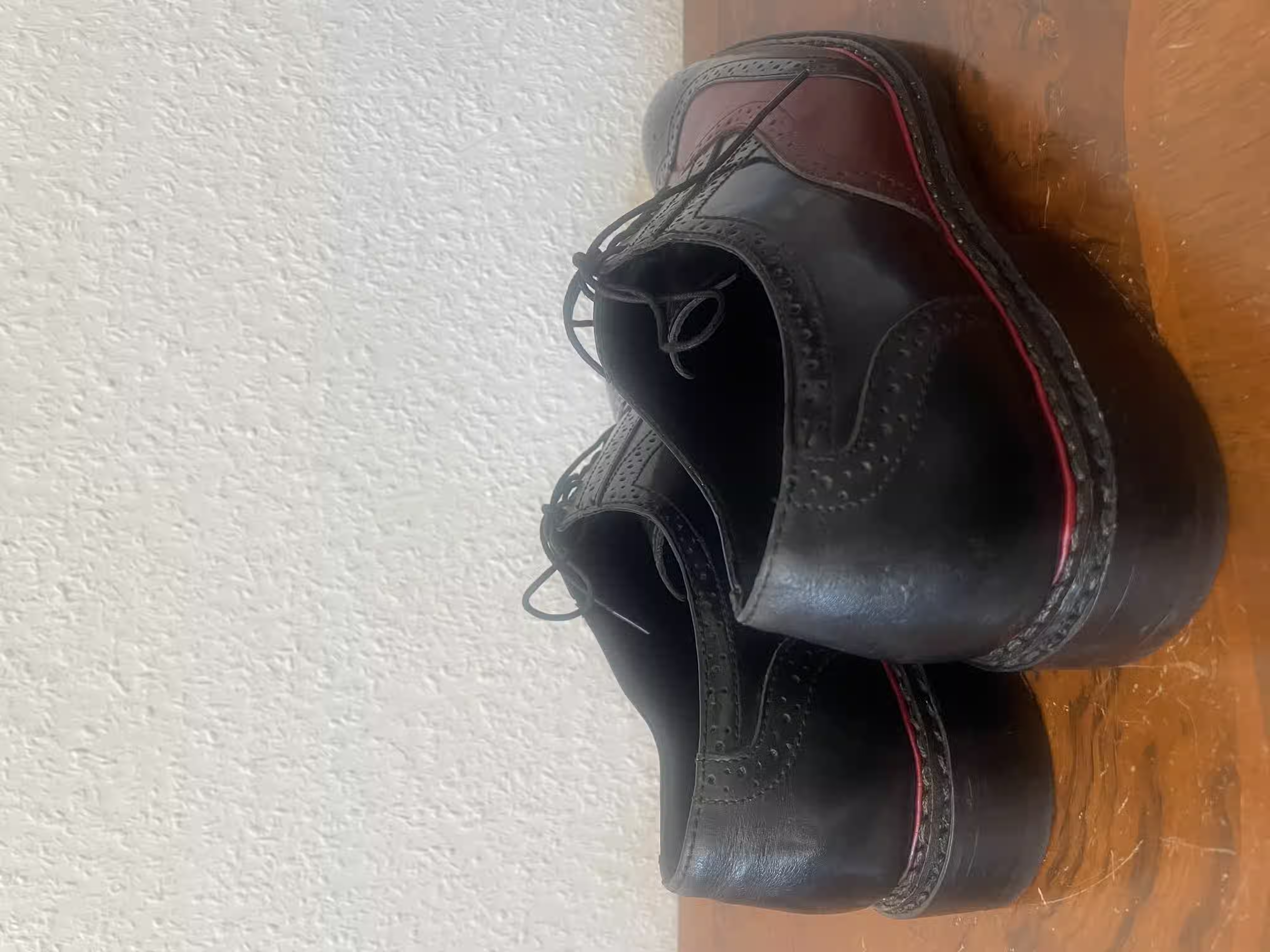
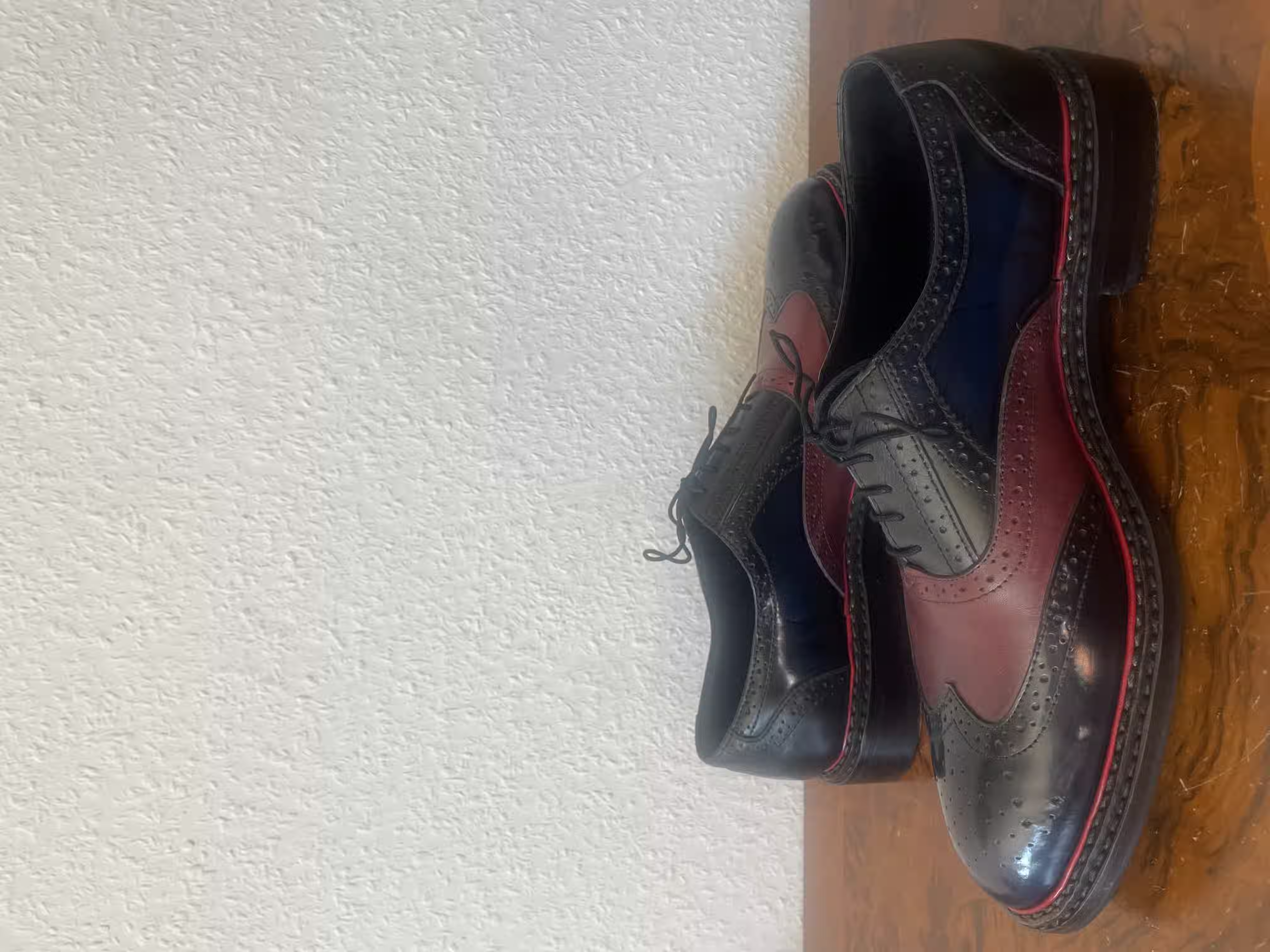
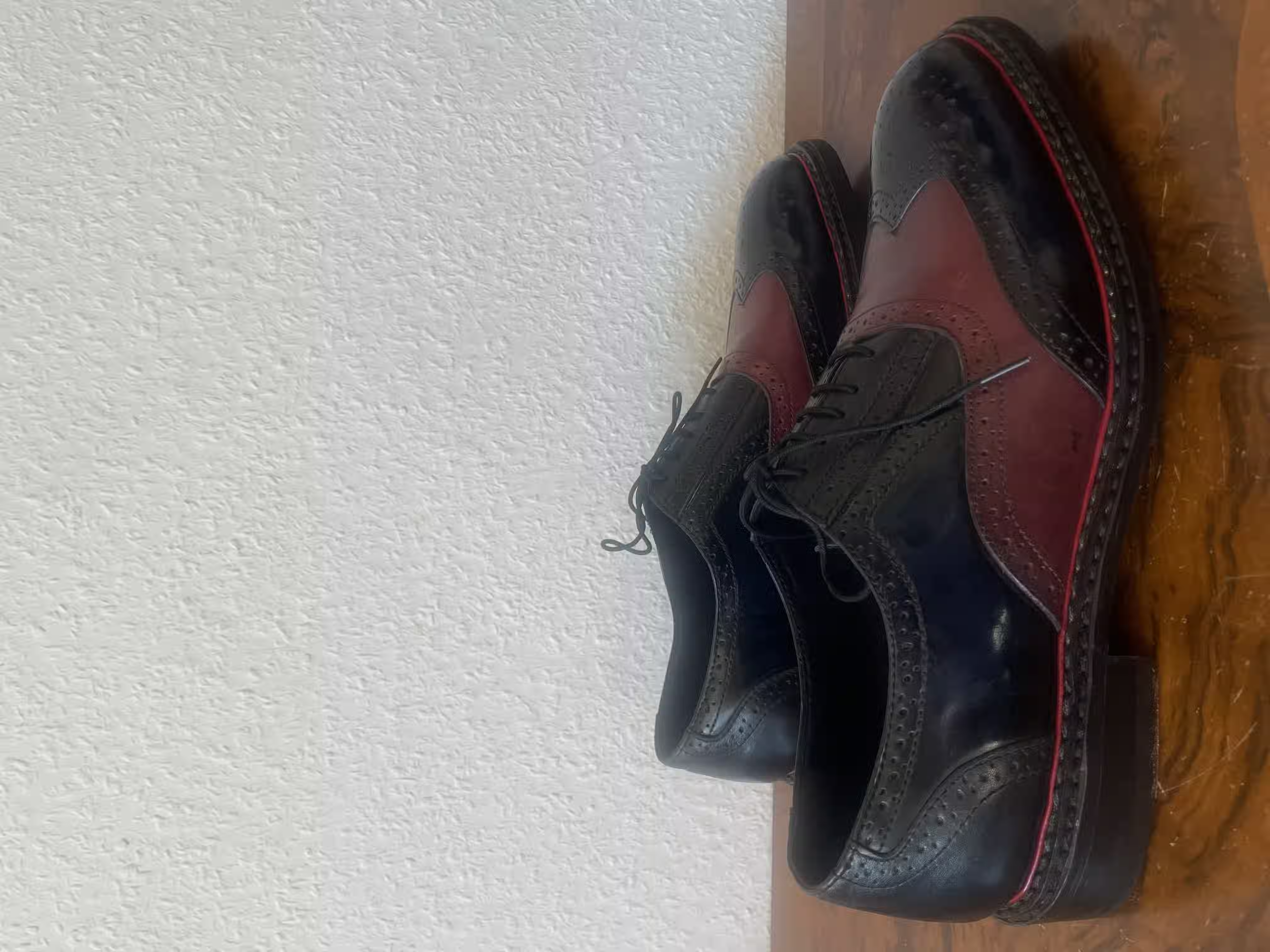
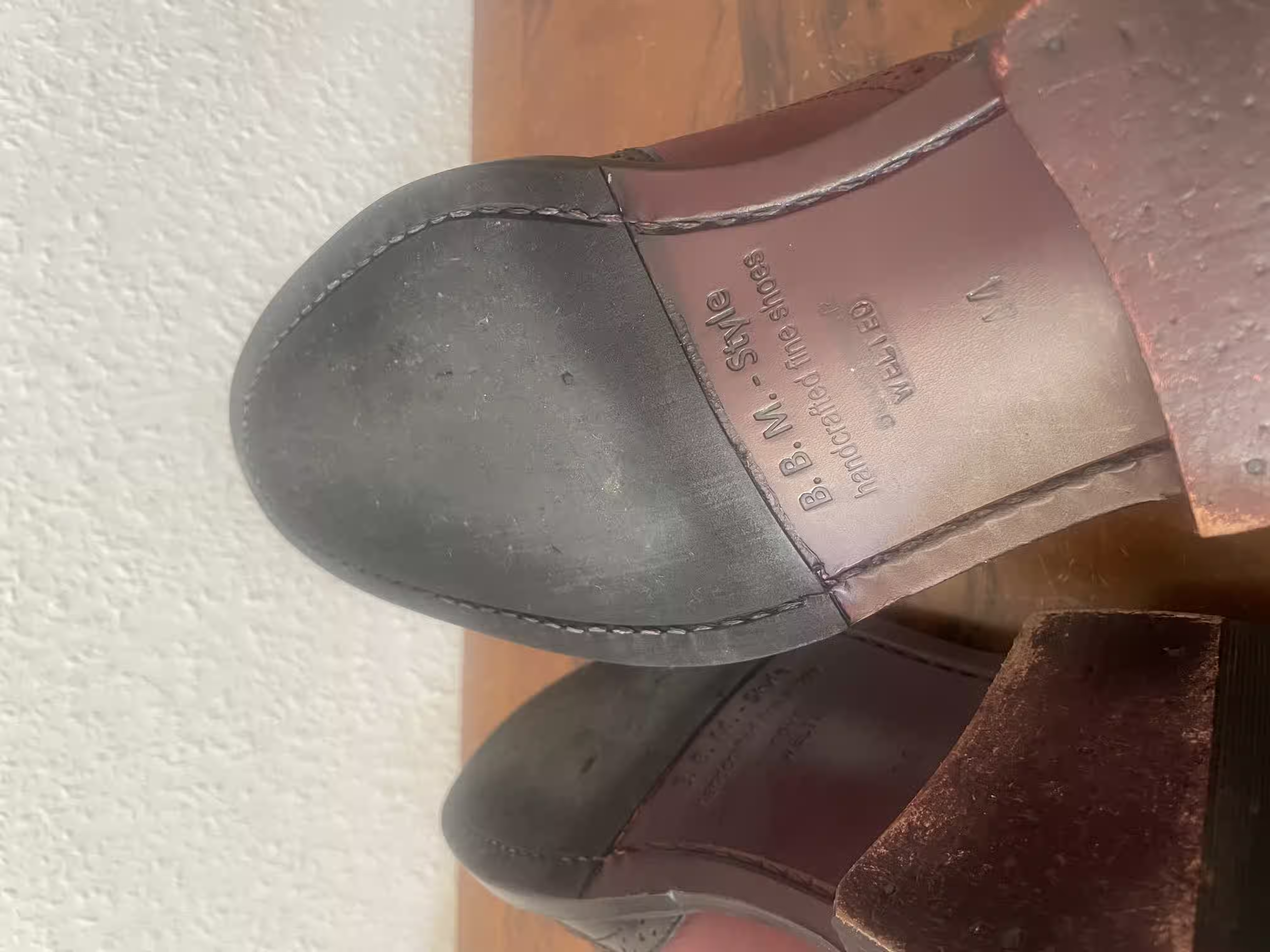
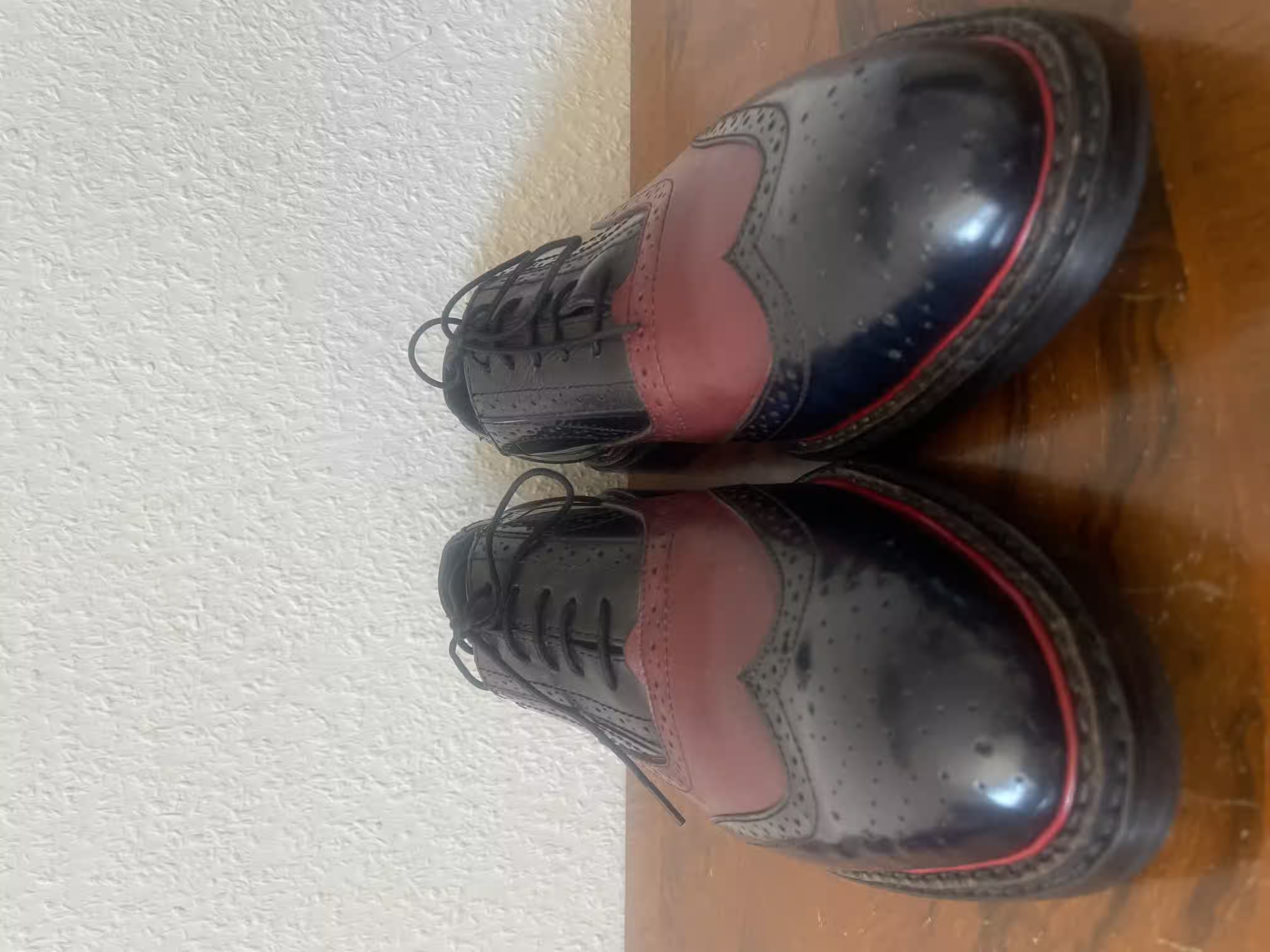
These are actually three-tone shoes, because in addition to black and red, there is also a dark-blue portion in patent leather. Therefore, strictly speaking, this is not a spectator shoe, but it comes quite close to the classic spectator shoes in the full-brogue Oxford variant. Because the dark blue is hardly distinguishable from black depending on the light. Thus, under the right lighting conditions, the shoes here can look like black-and-red full-brogue Oxfords.
In my view, this is quite a casual shoe that can simply be fun to wear—especially if you design the rest of your outfit with more black and red. This shoe can also work quite well with a casual suit in navy, and in that case you can incorporate further details in dark red or black—belt, pocket square, tie, watch strap, something.