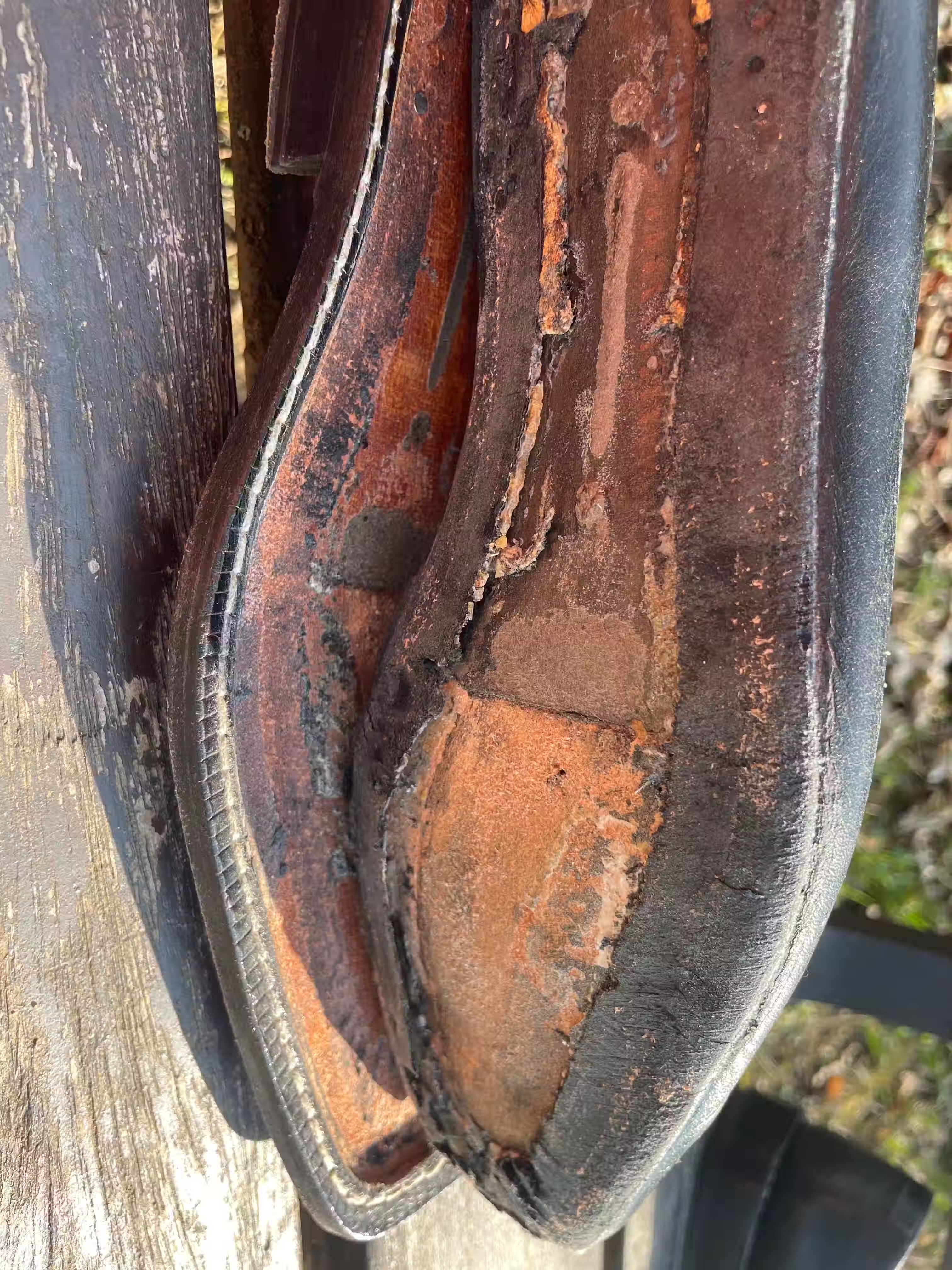
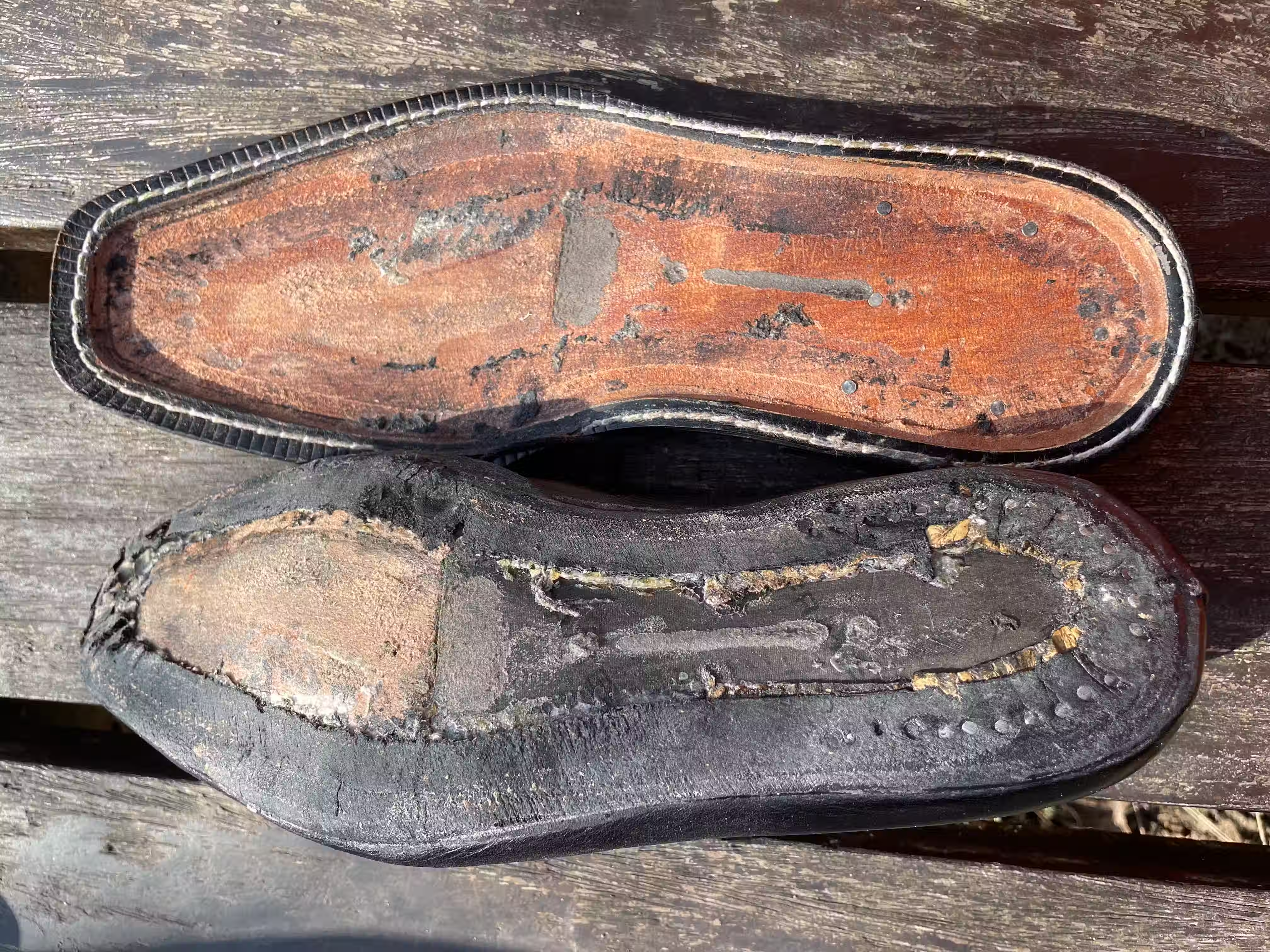
What are stitched leather shoes?
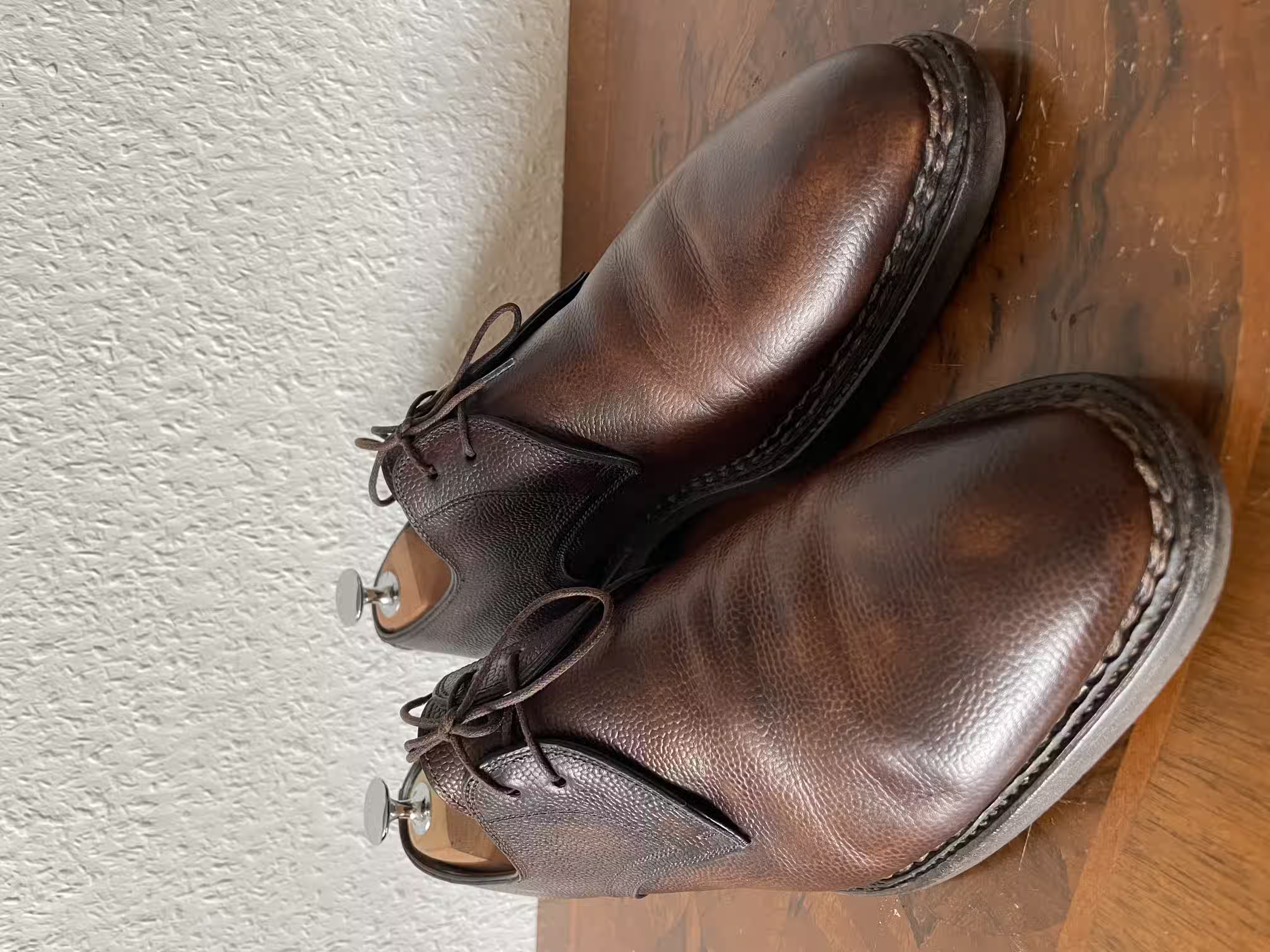
Everyone has seen leather shoes before, but often such shoes are only made of leather to a small extent. Here I’ll show you what makes high-quality, stitched leather shoes.
I basically answer the question about stitched leather shoes in two parts by looking at the characteristics
- being made of leather
- being stitched one after the other.
Part 1: What are leather shoes?
A leather shoe is of course made of leather—but how much? A leather shoe at its fullest expression has the following features:
- The upper leather, i.e., the visible surface of the shoe, is made entirely or predominantly of leather.
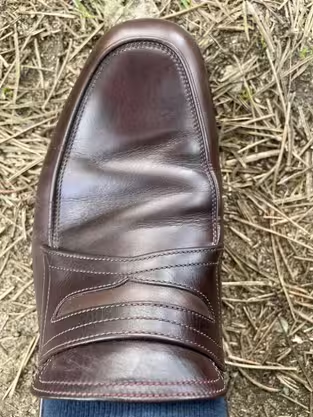
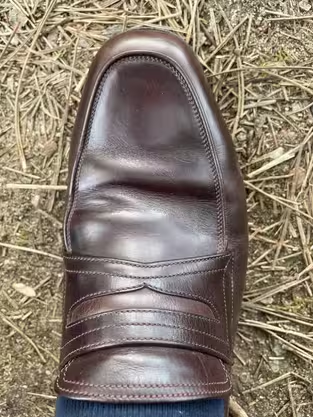
- The lining is made entirely or predominantly of leather.
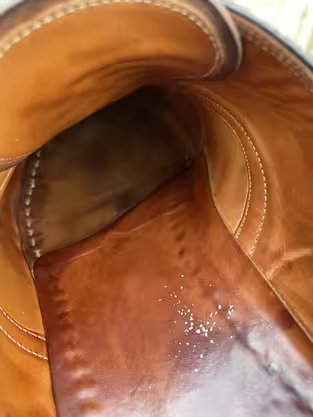
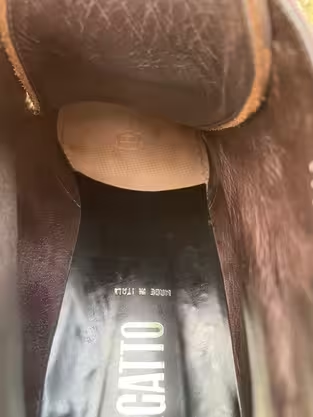
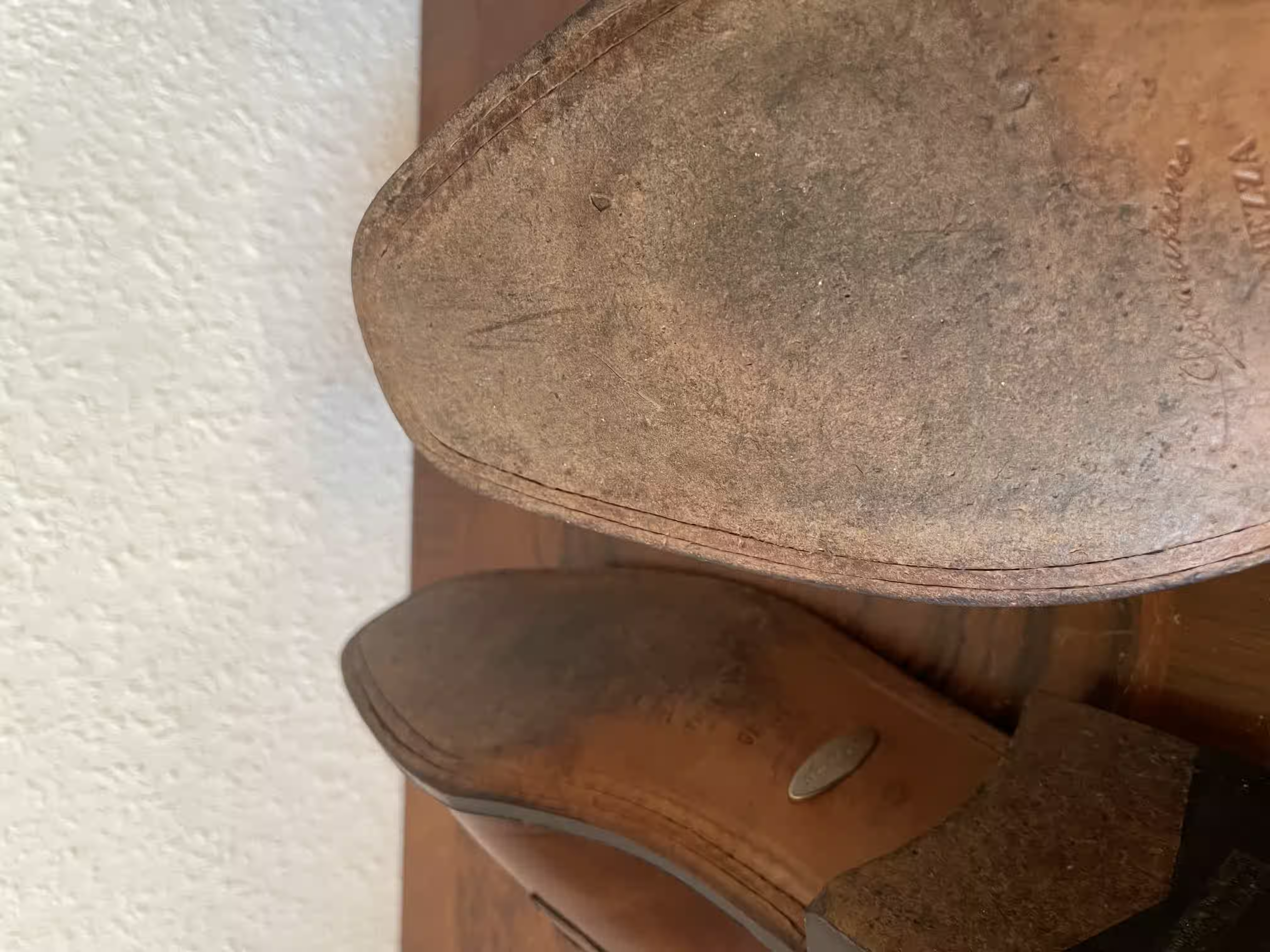
- The sole is made entirely or predominantly of leather.
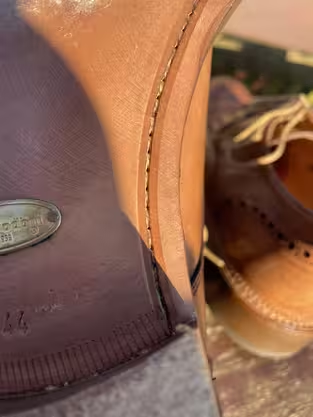
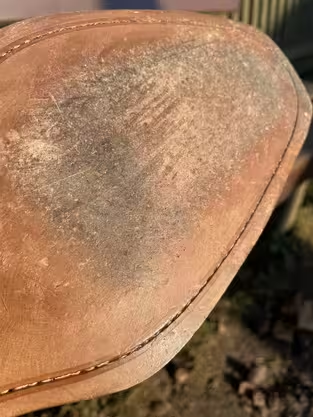
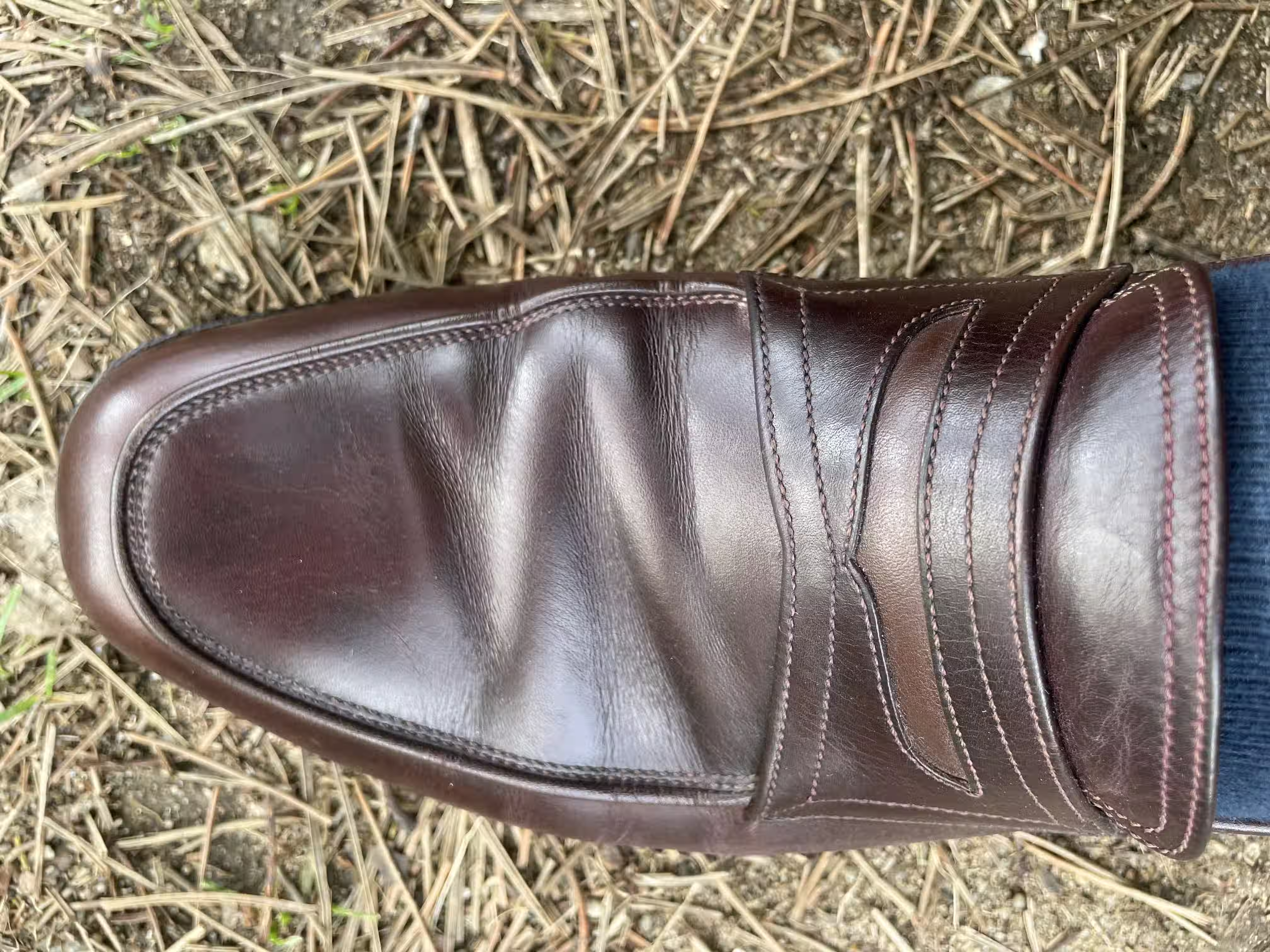
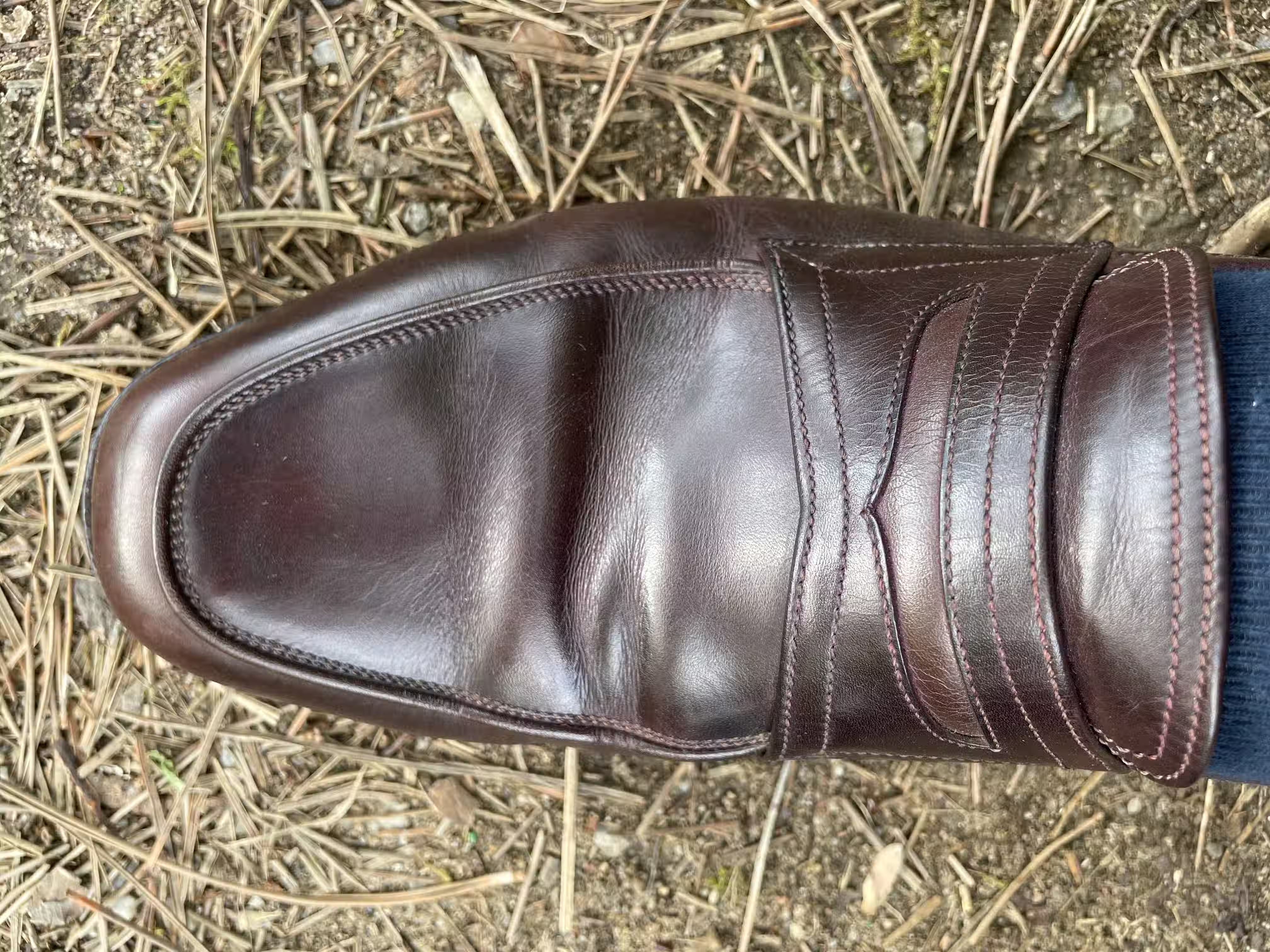
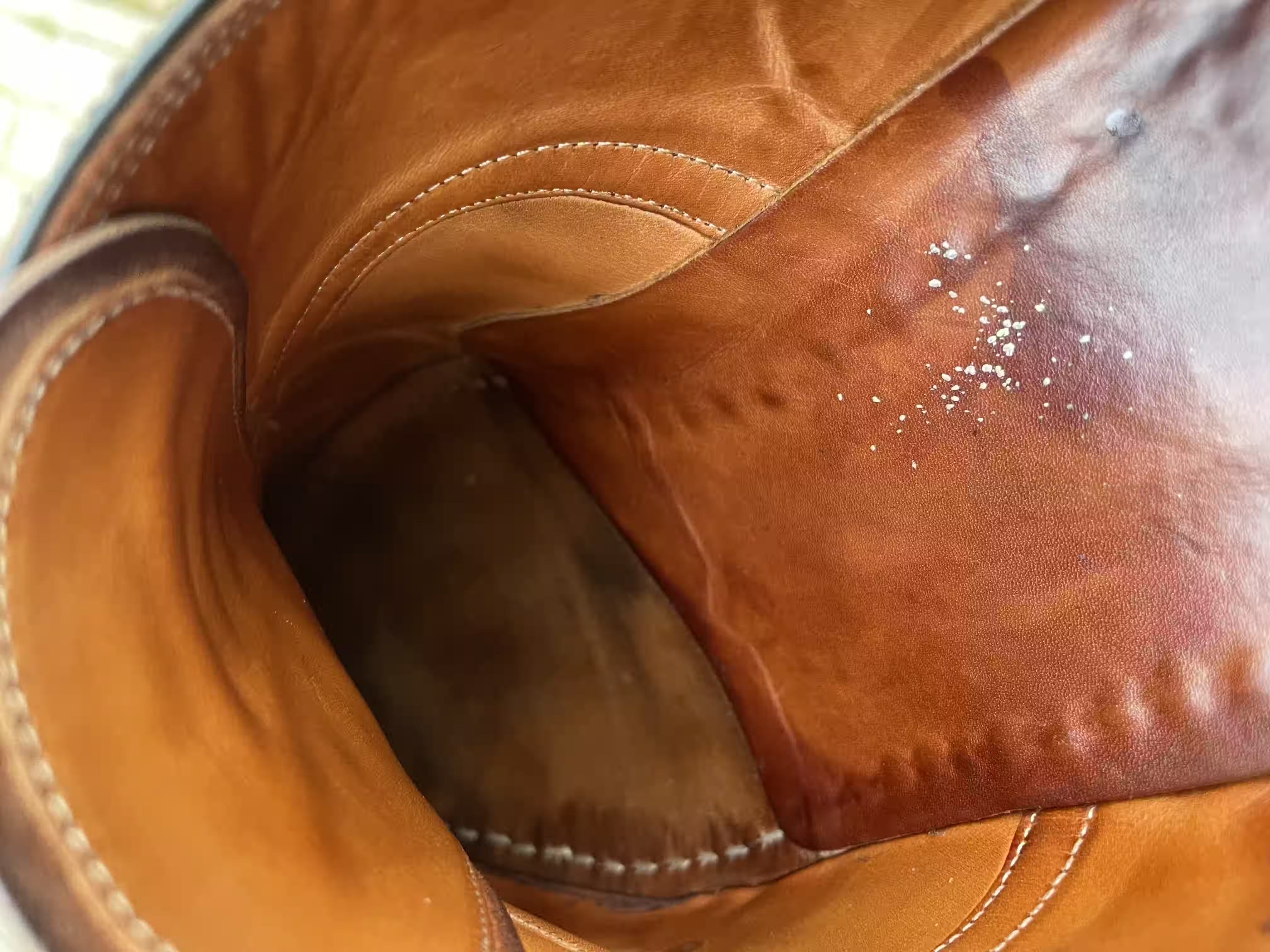
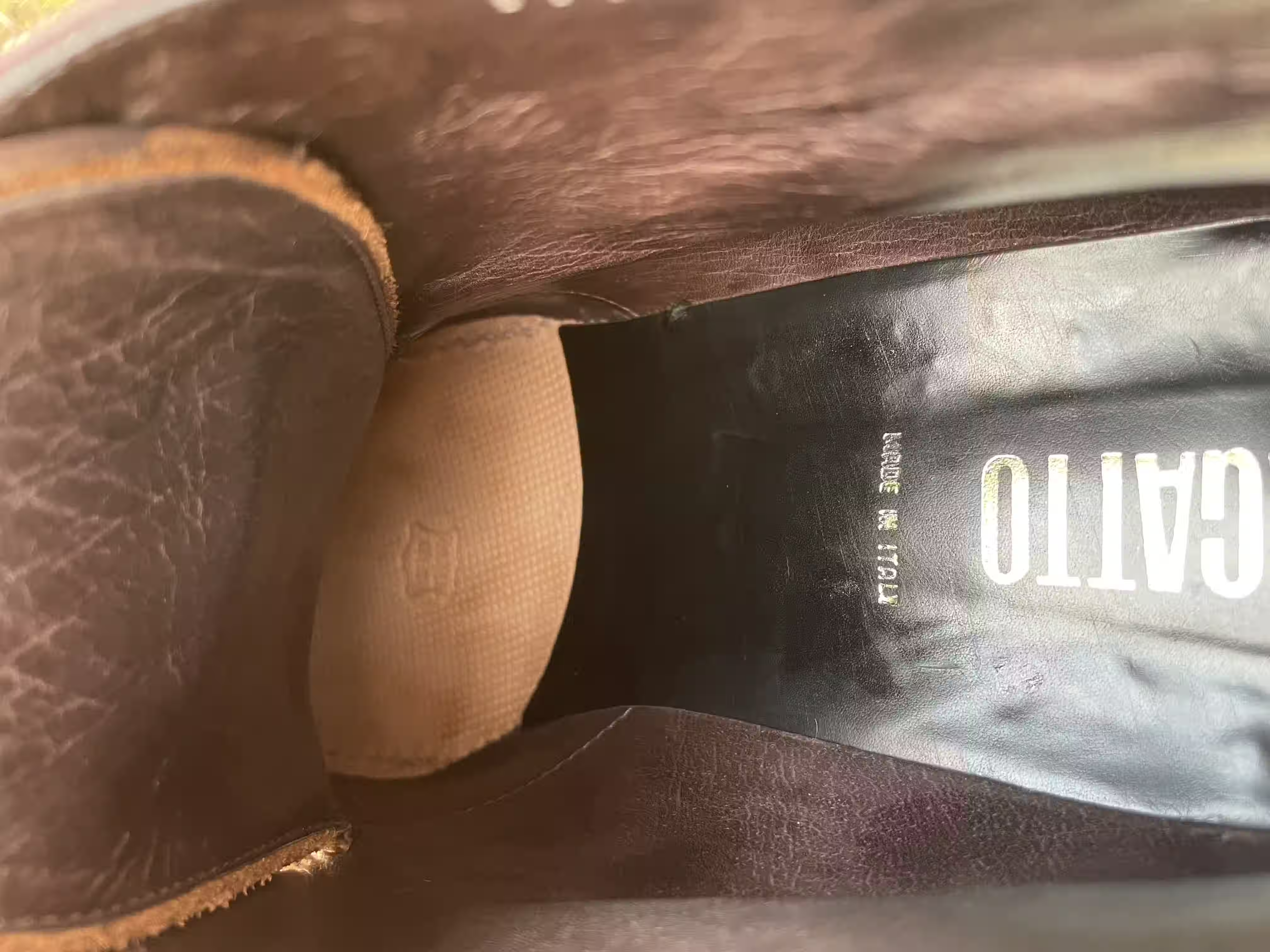
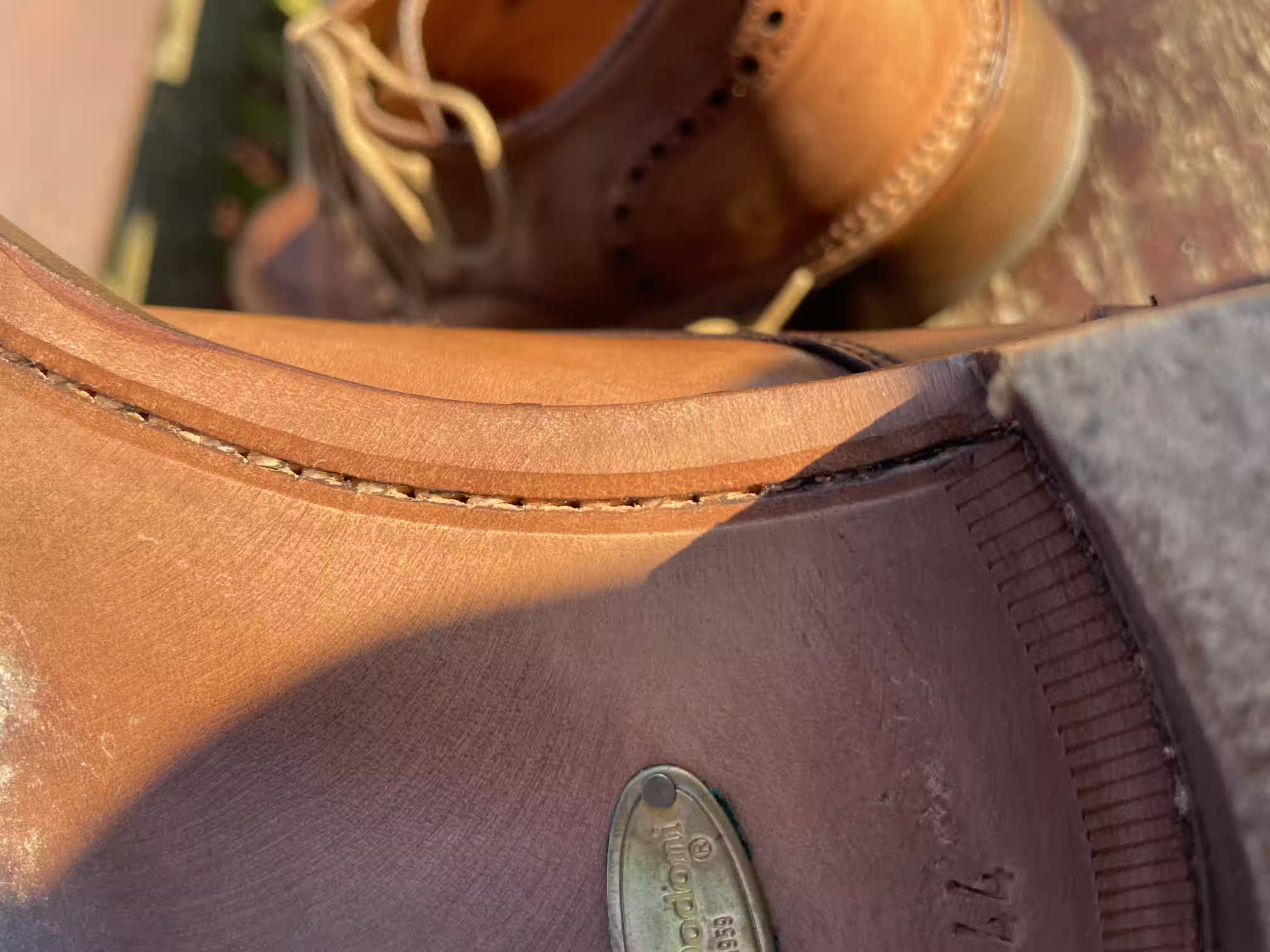
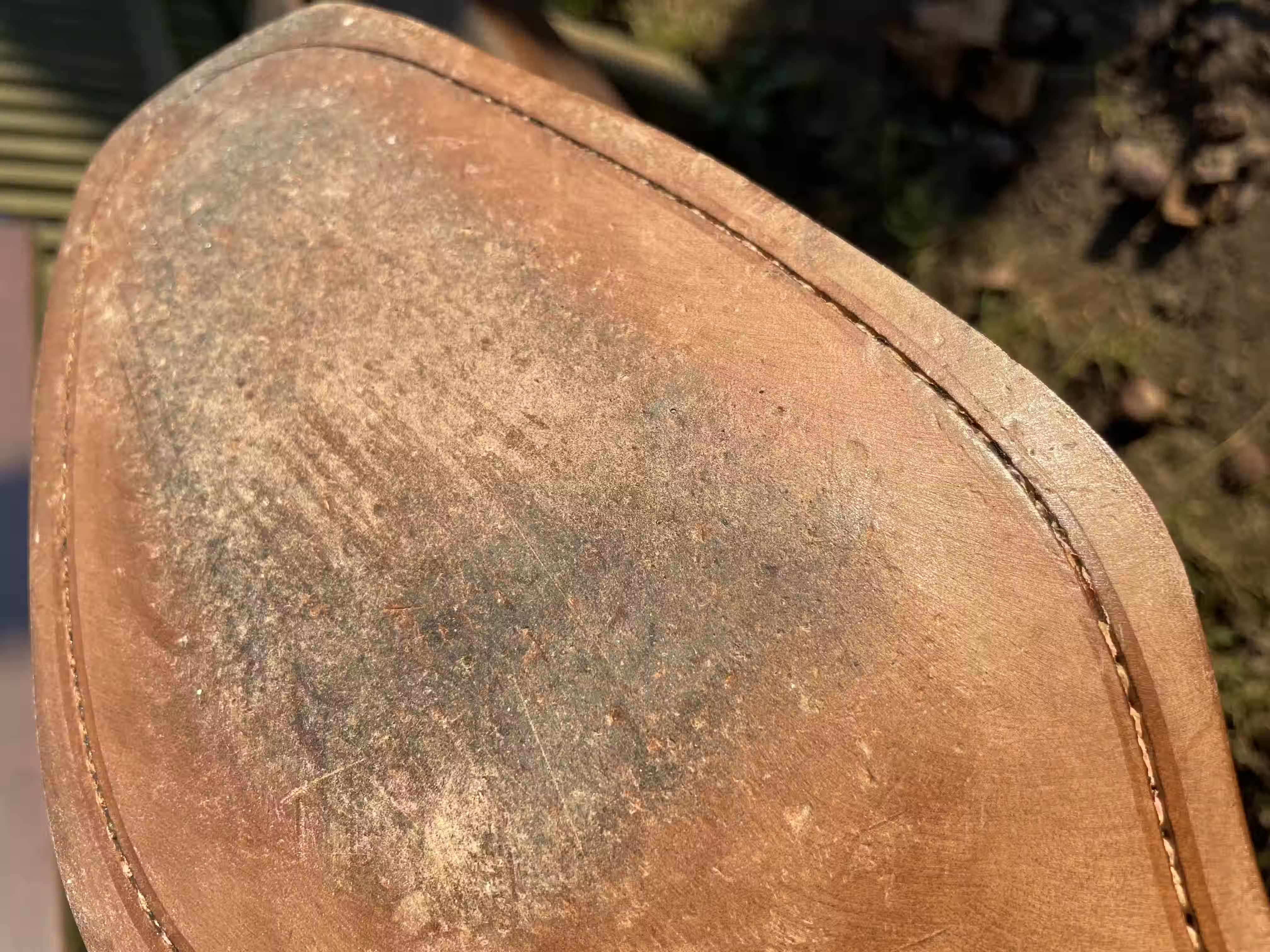
Such a trinity of leather is perfect when all three areas are made of leather: you can’t really get more leather than that. Now there are various “downgrades” in which, for example, the sole is wholly or partly made of rubber. This makes the shoes better suited for bad weather or simply more resistant to abrasion. I also refer to such shoes as leather shoes, even if the outsole is made entirely of rubber.
My criterion is that leather shoes should consist predominantly of leather in order to live up to their name. I roughly base this on the idea that leather shoes should be predominantly leather in at least two of the three criteria above. Only then, for me, does a leather shoe live up to its name.
What is also important here regarding the upper leather: In inferior leather shoes, this is either only a small part leather or consists of heavily coated, low-quality leather. The shoe industry has been very creative in this respect in order to reduce the costs for the upper leather. In such cases, I do not see the leather shoes as real leather shoes.
Part 2: What are stitched shoes?
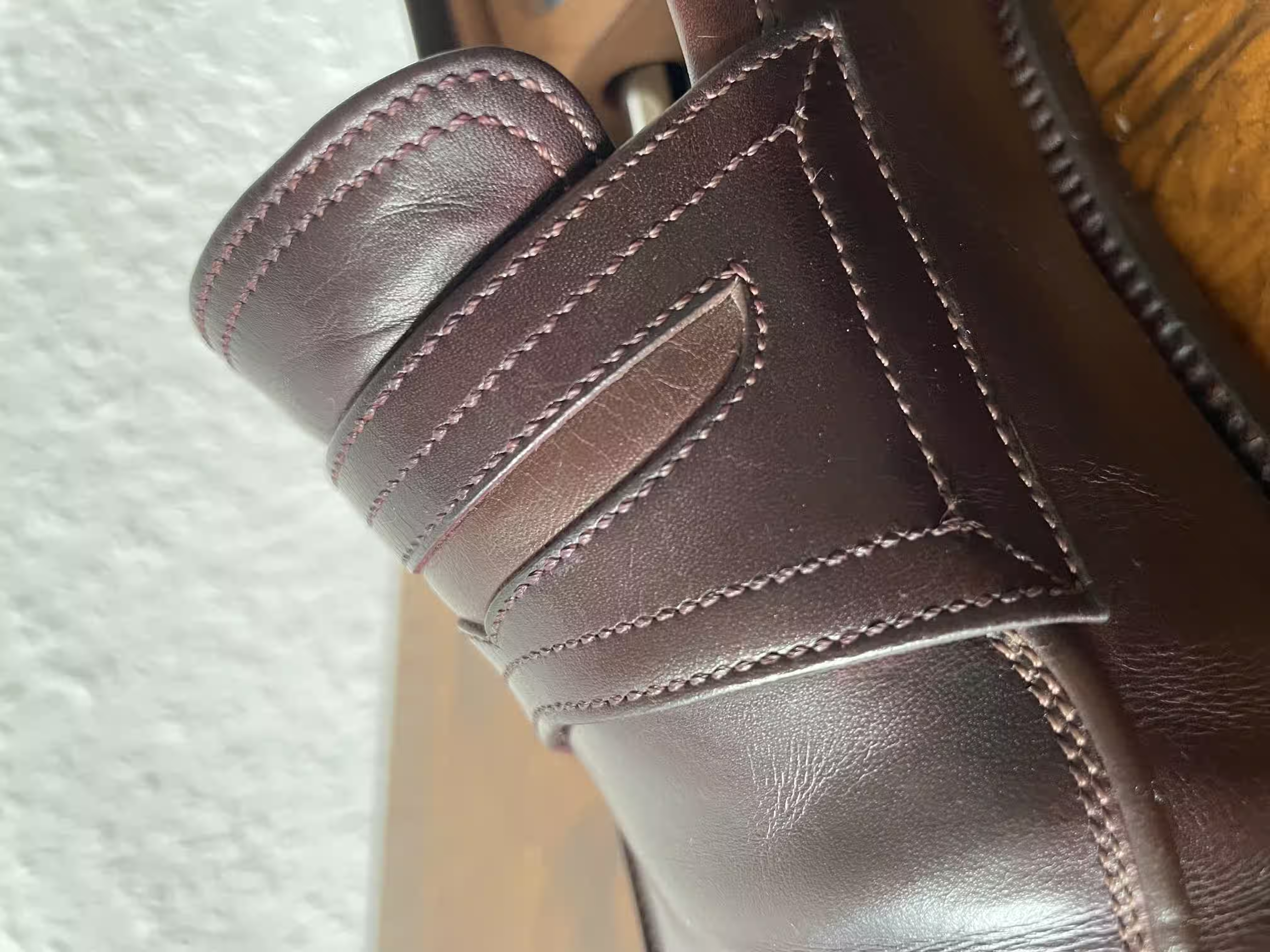
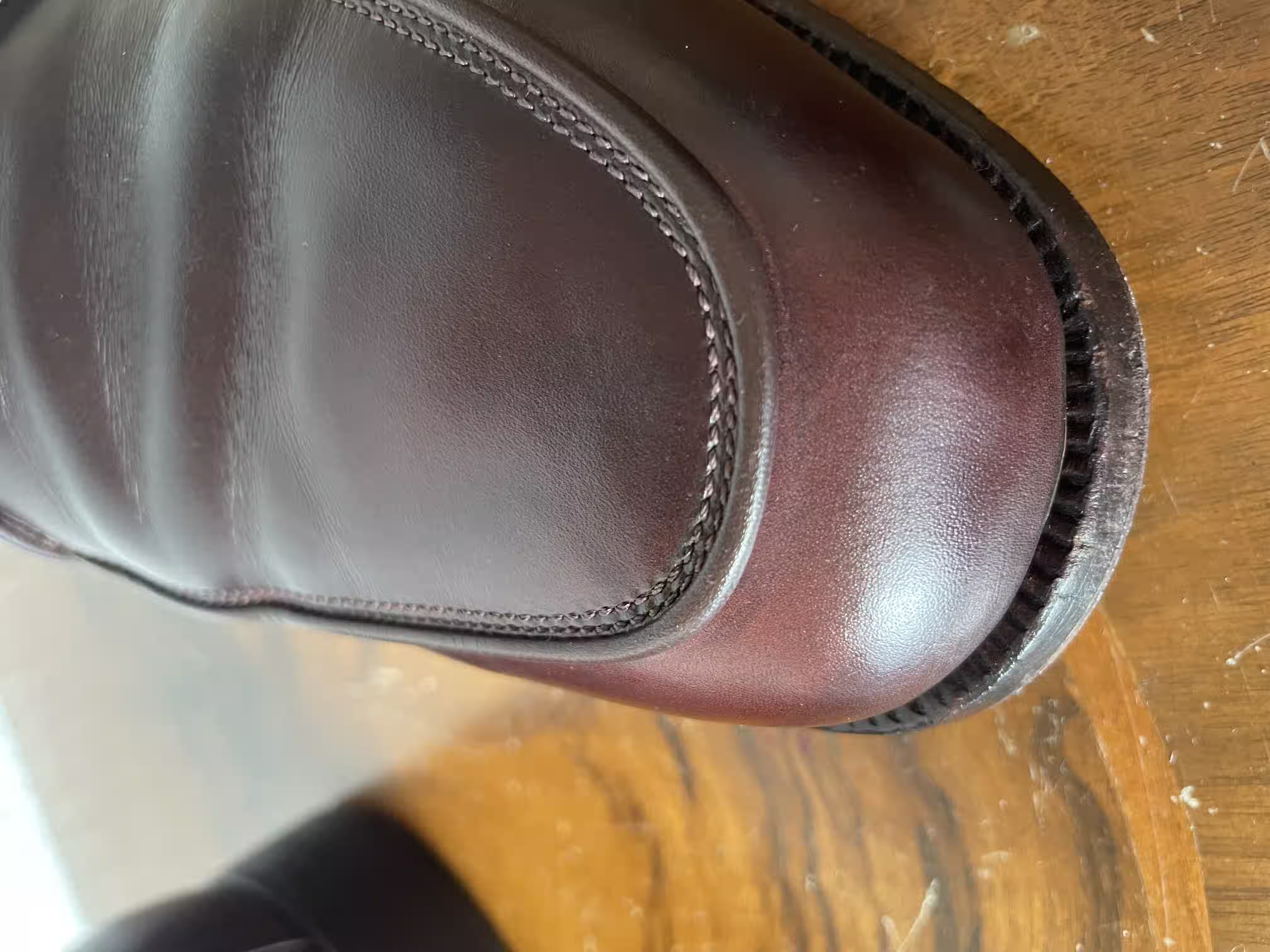
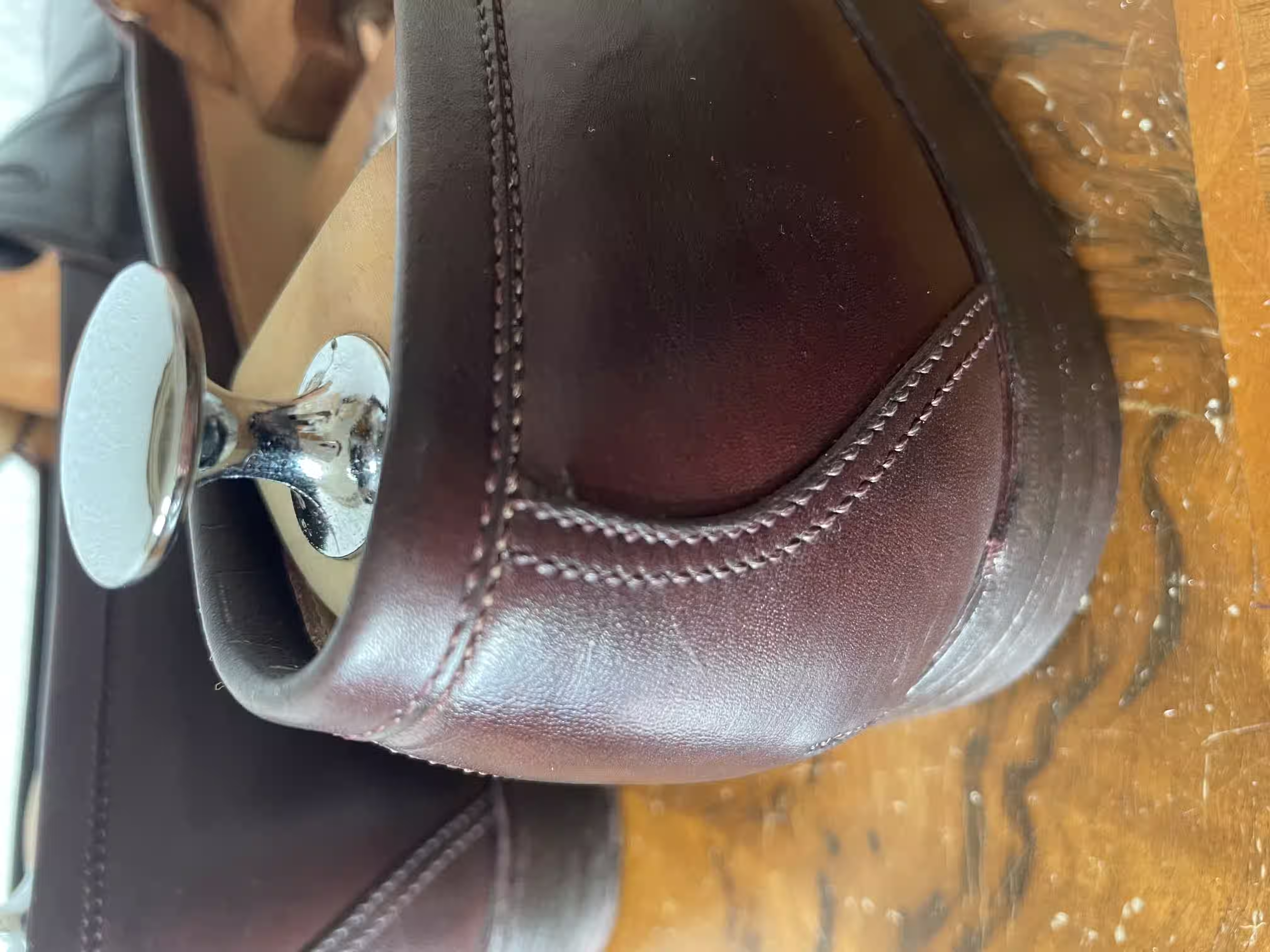
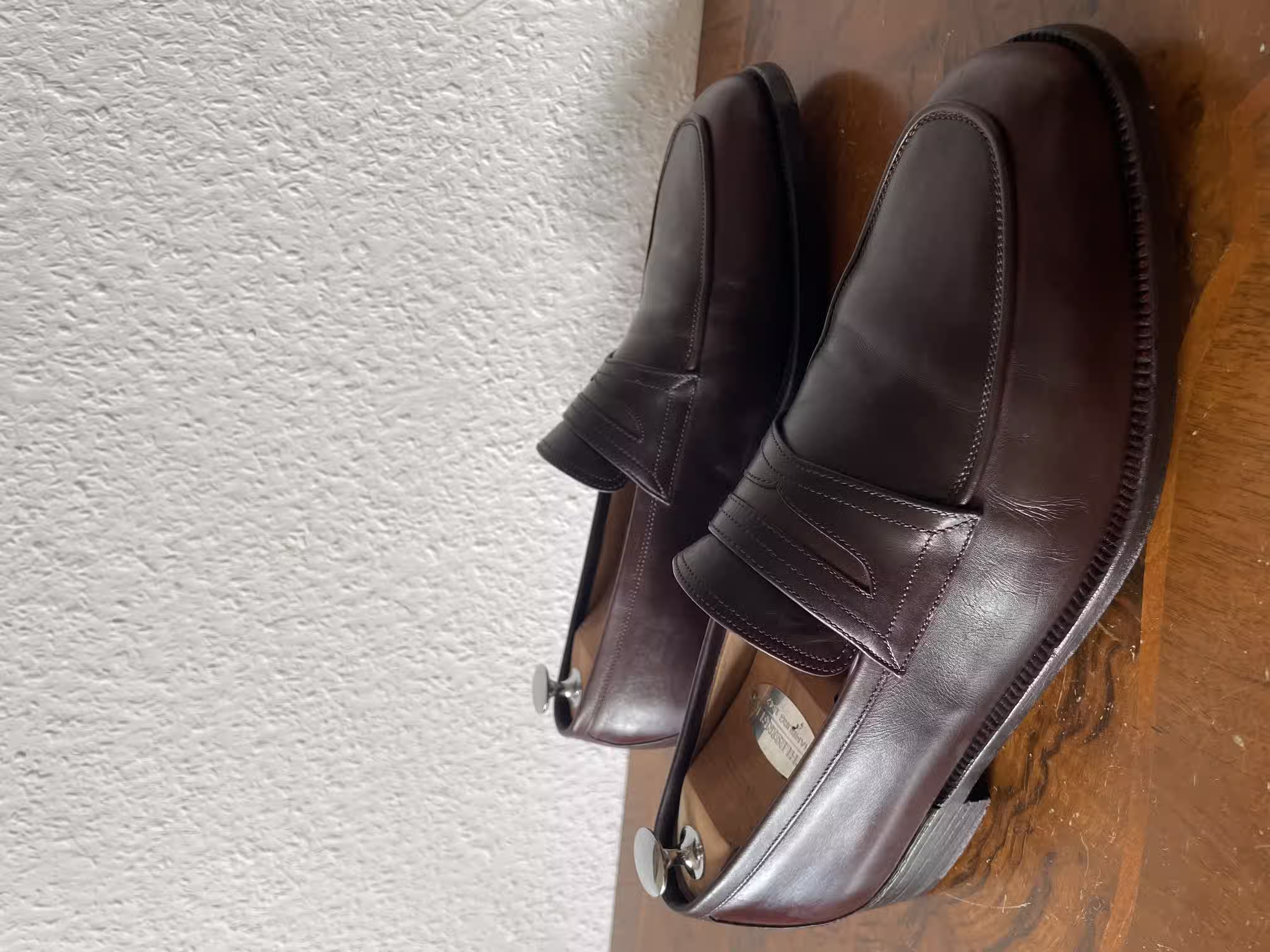
Let’s move on to the next term: What are stitched leather shoes? A leather shoe roughly consists of two parts: the upper and the sole. The upper is the visible top part of the shoe, including the lining. The upper and the sole have to be connected somehow so that a complete shoe is created.
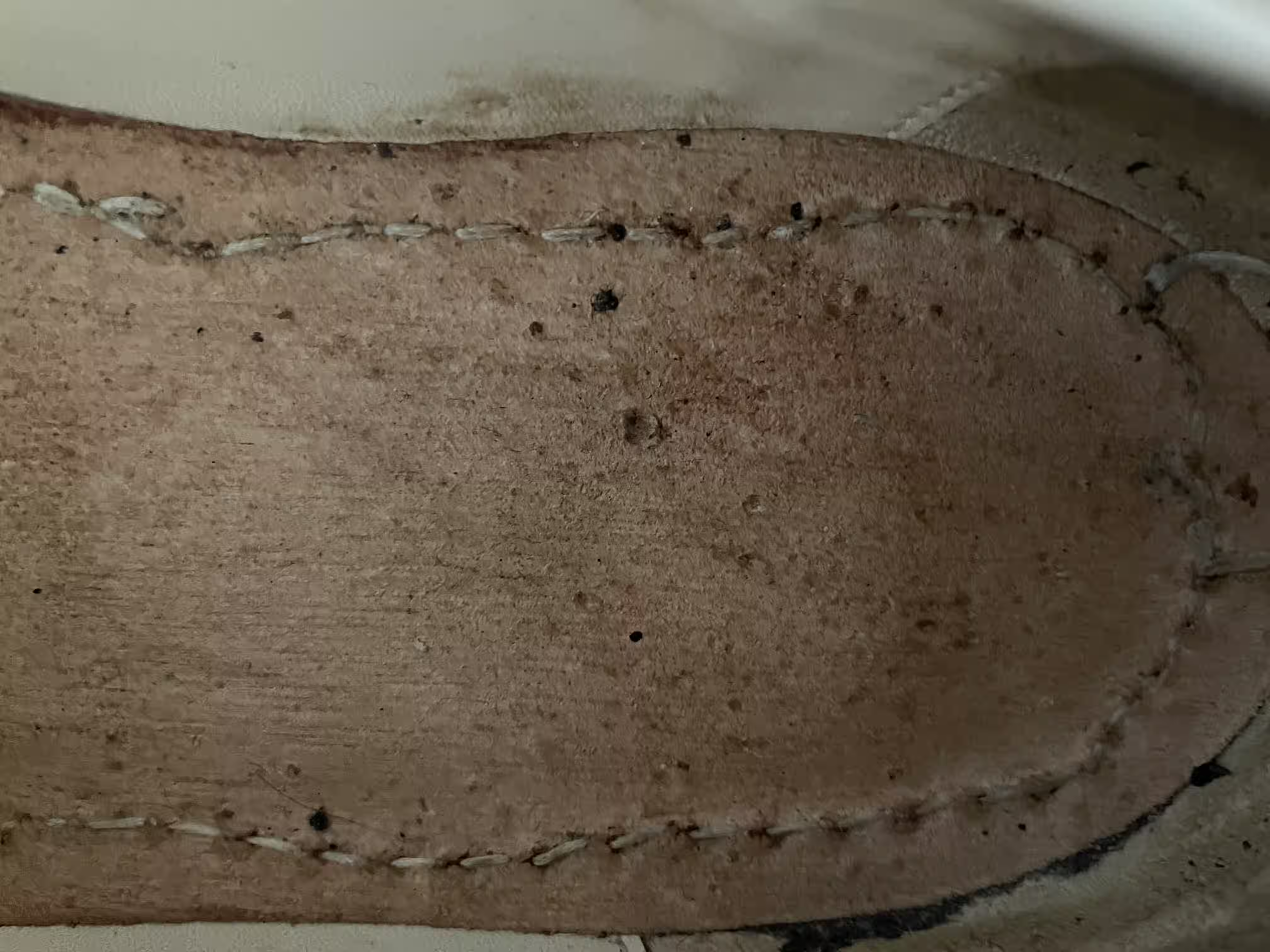
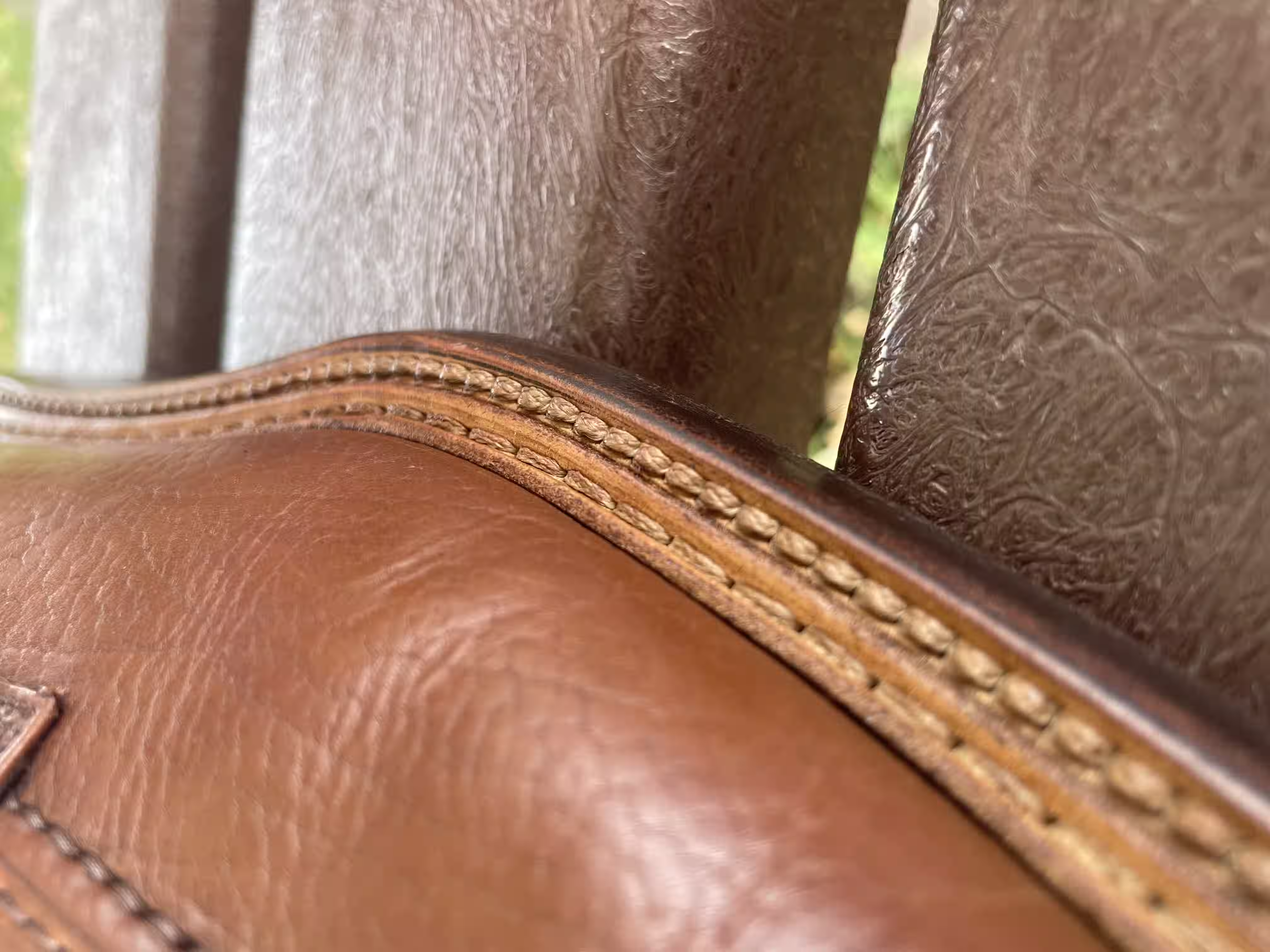
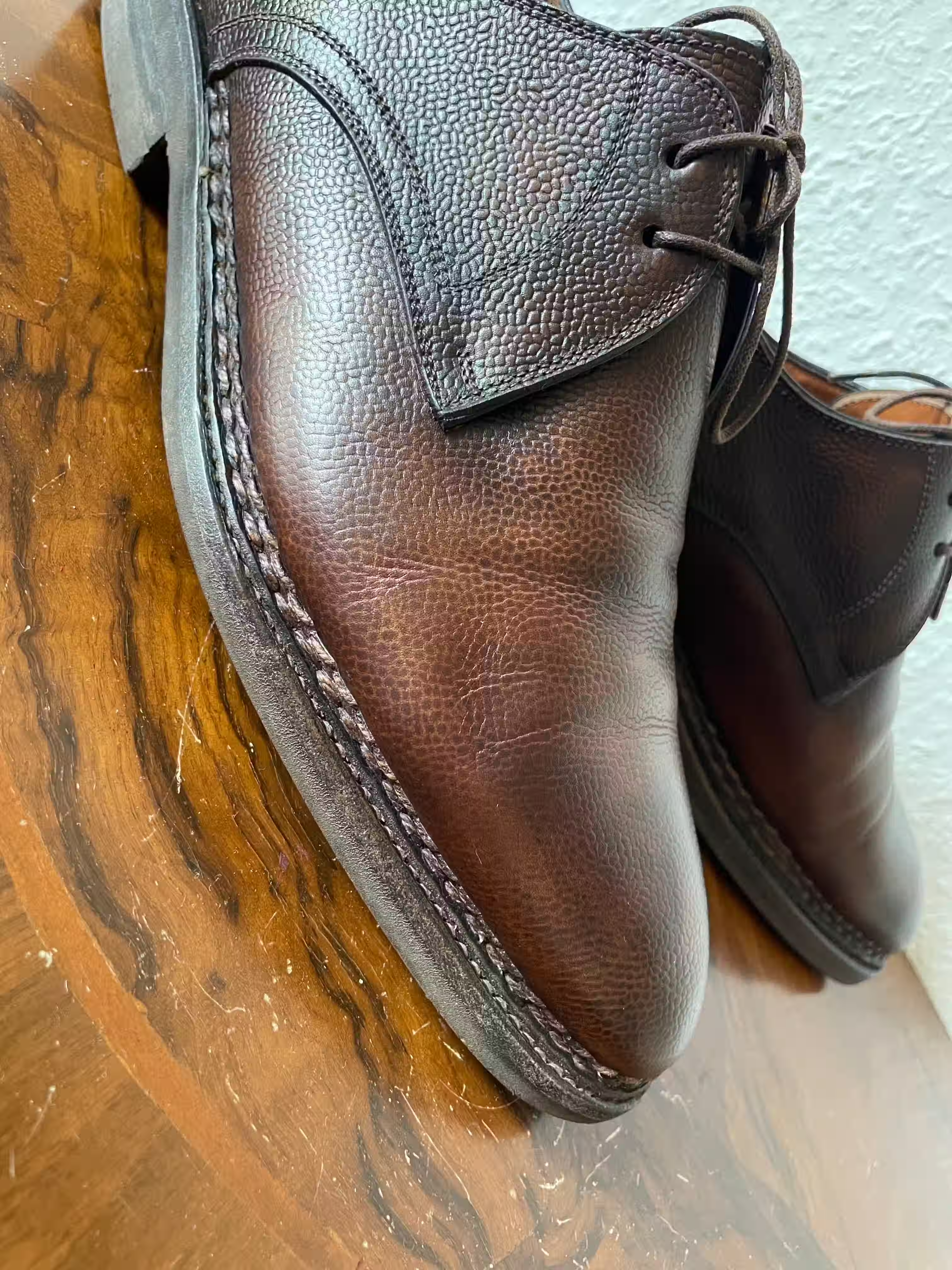
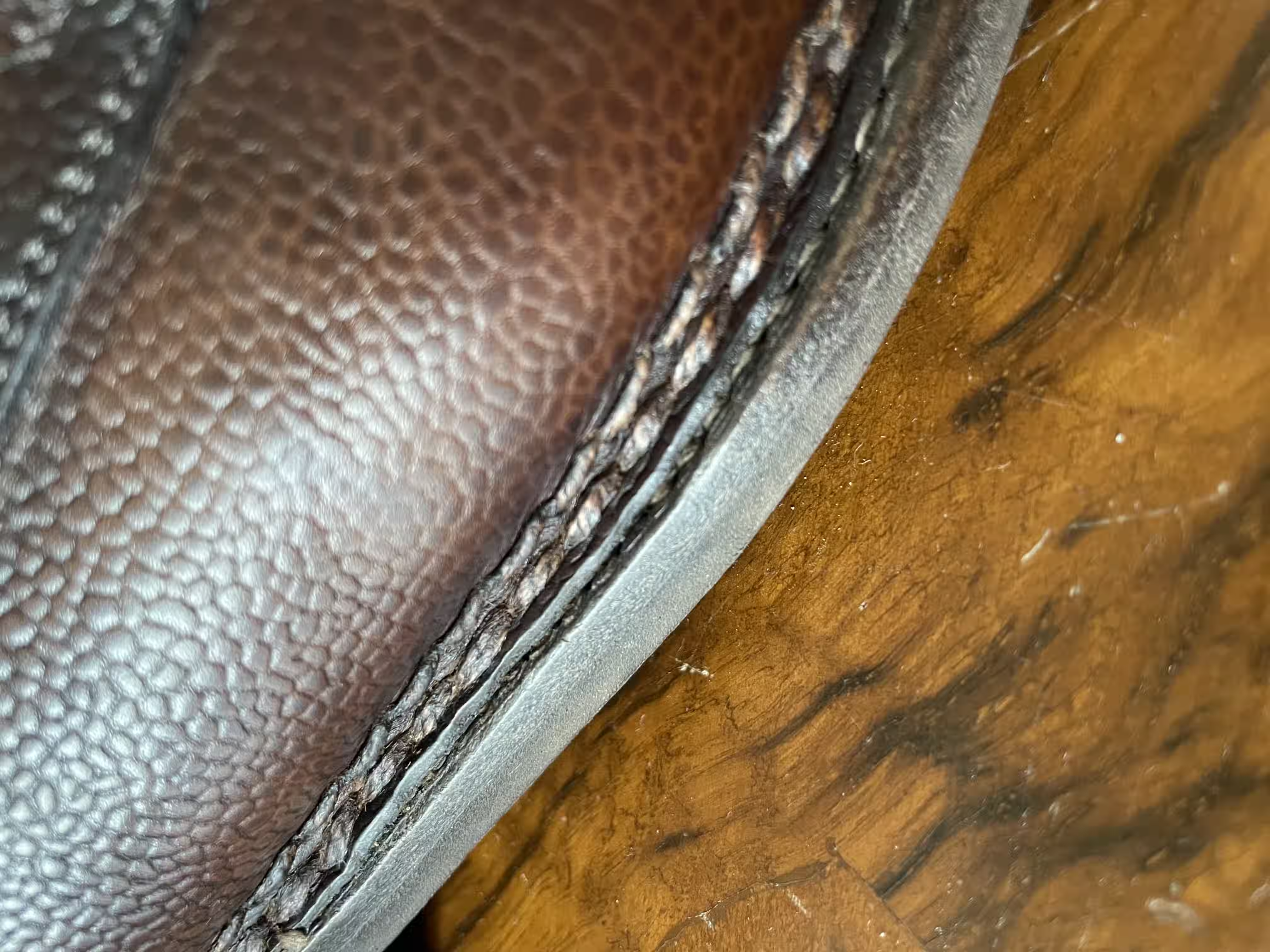
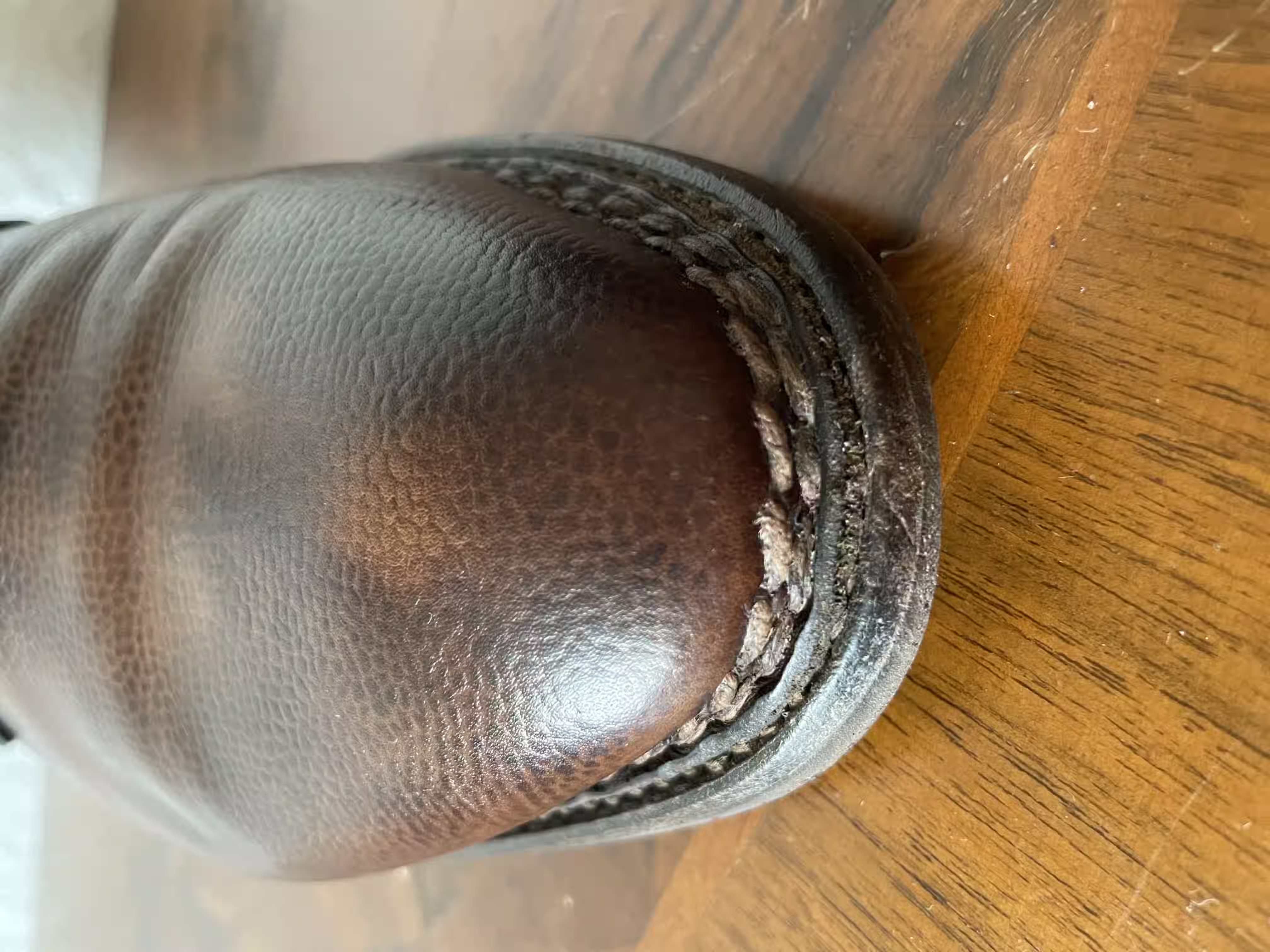
In today’s shoe industry, this step is done with an adhesive, which however brings various disadvantages: the glued bond is not as robust and not as durable. That’s why shoemakers use the time-honored technique of sewing. And this also in other places on the shoe. Sewing things together is ultimately another reason why such shoes last longer.
Part 3: What are stitched leather shoes?
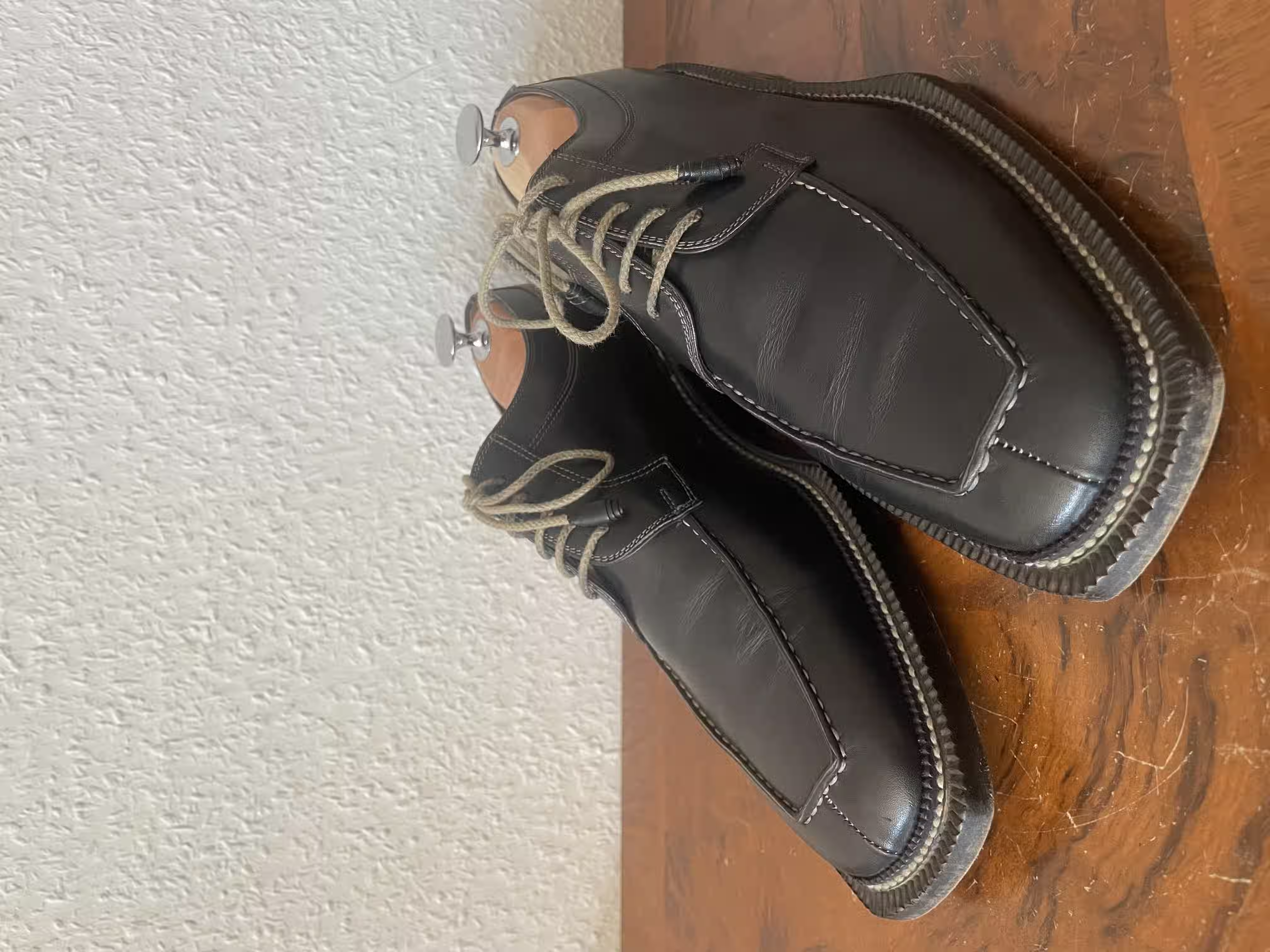
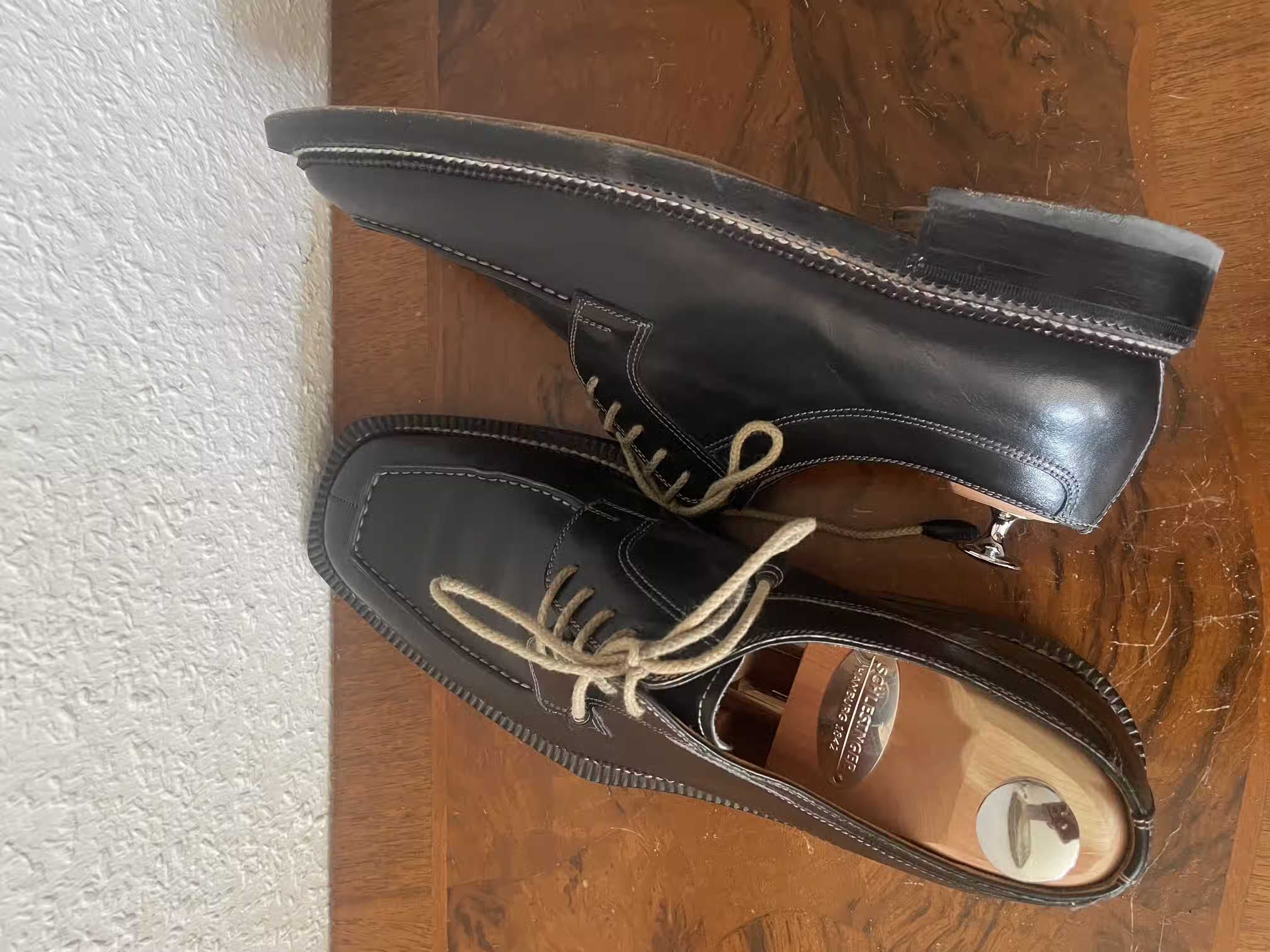
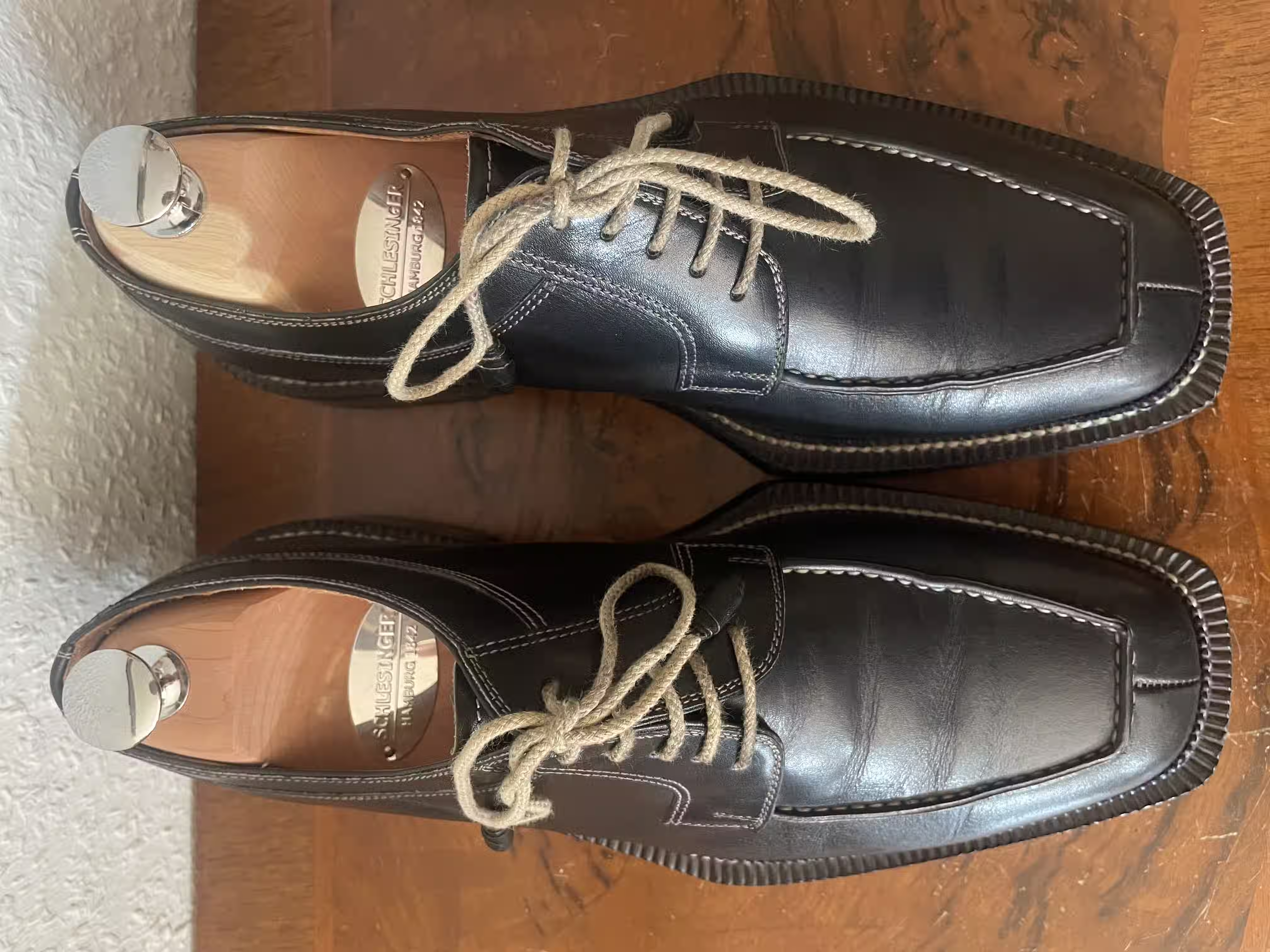
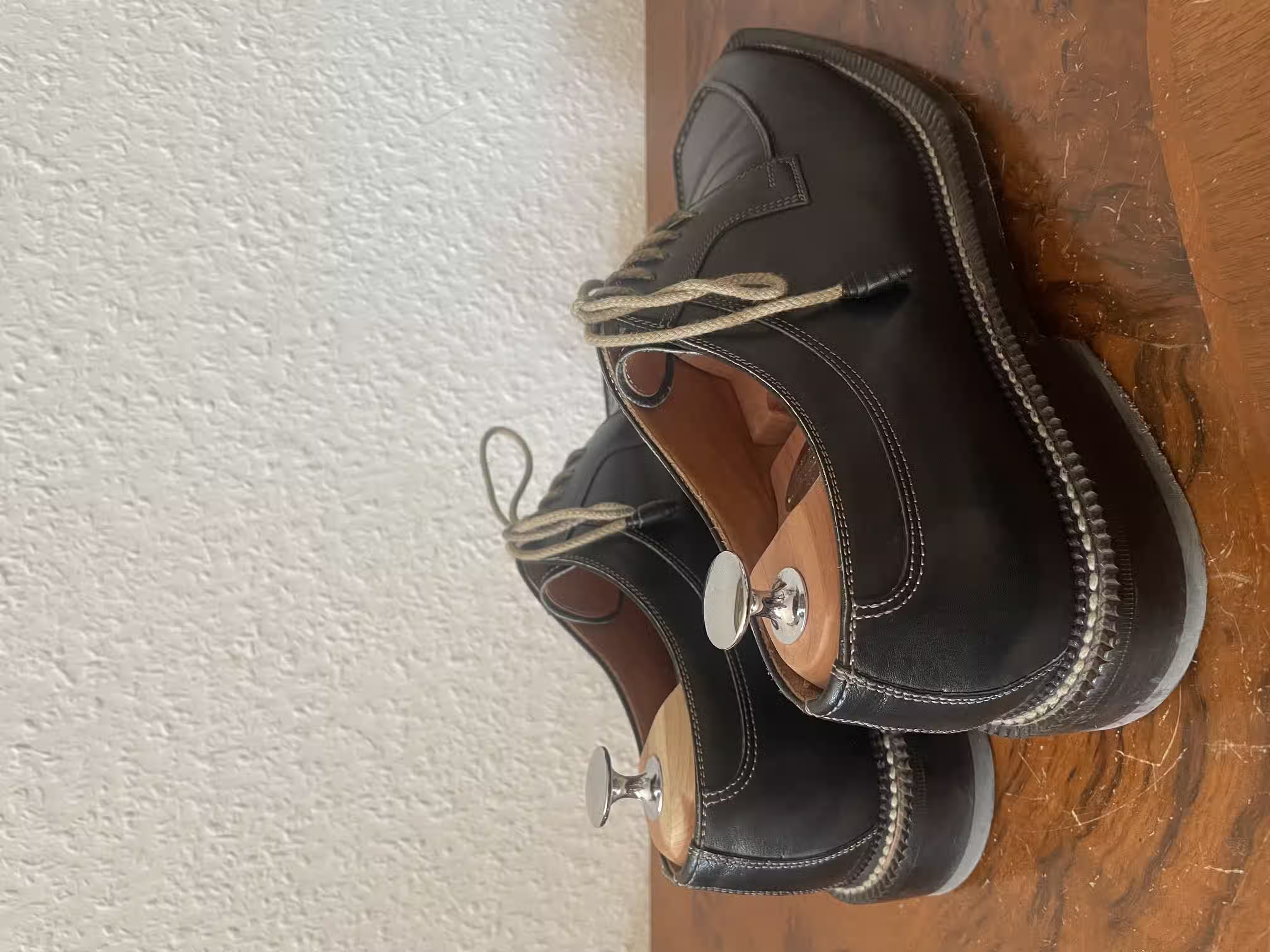
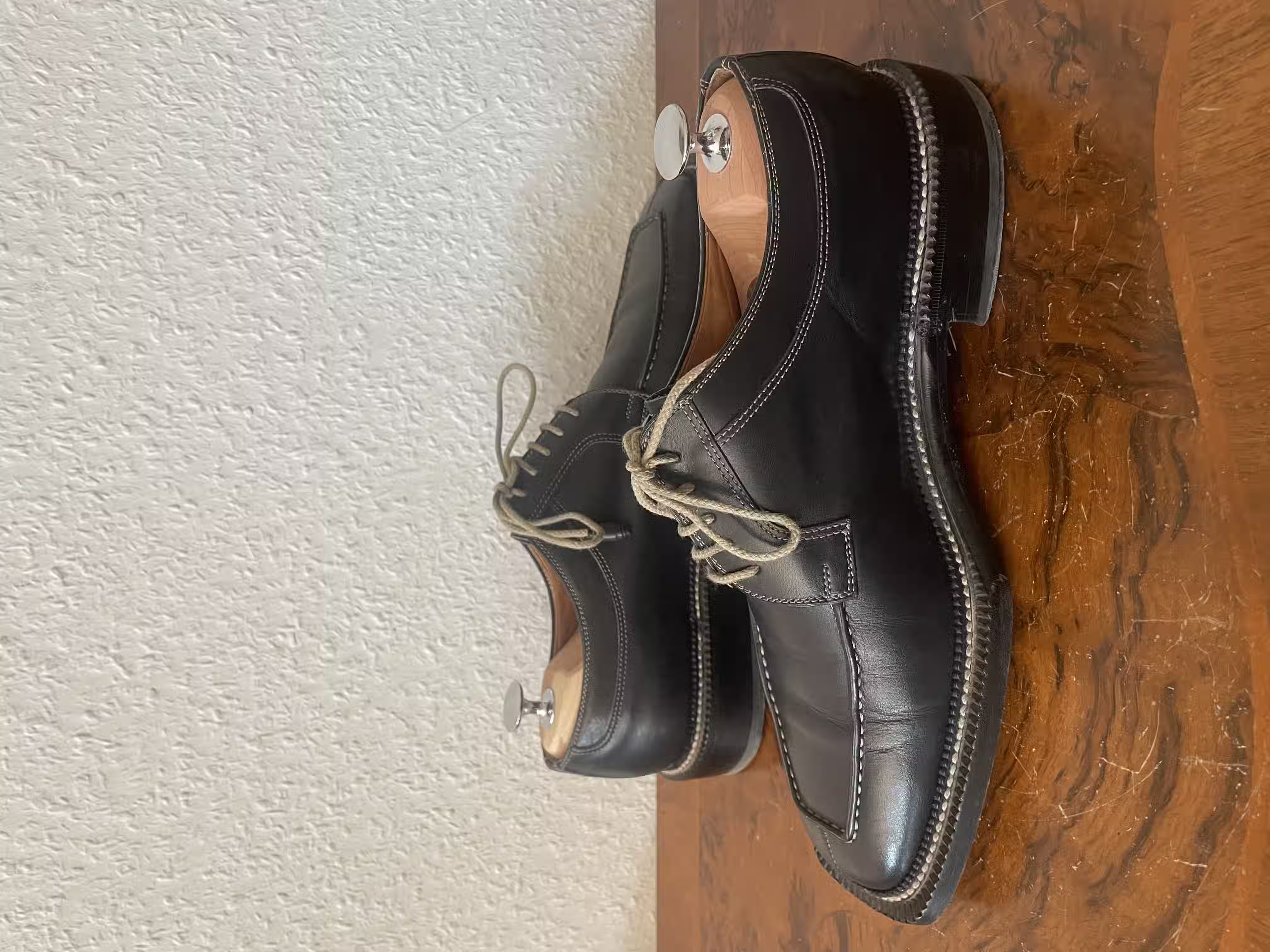
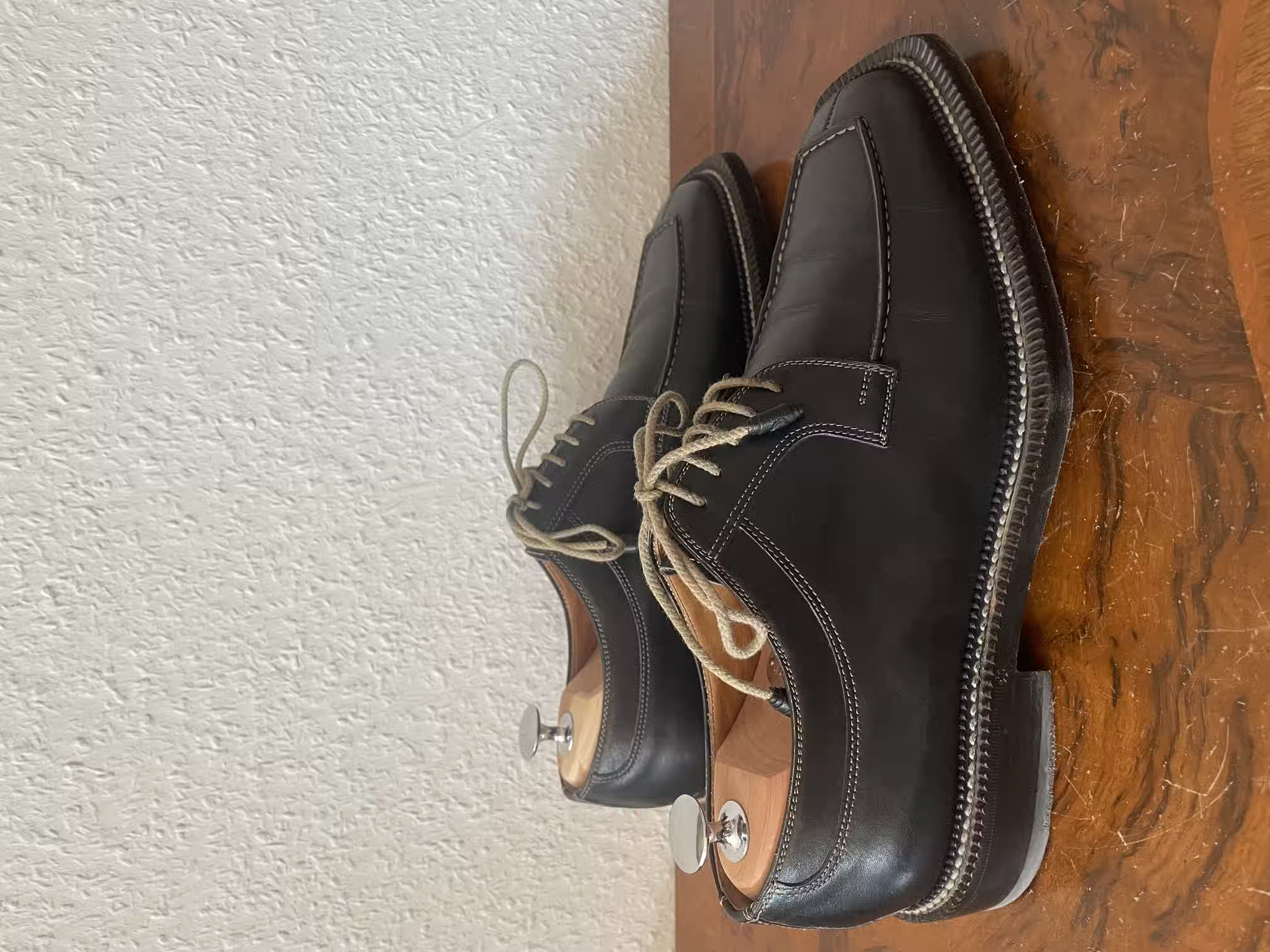
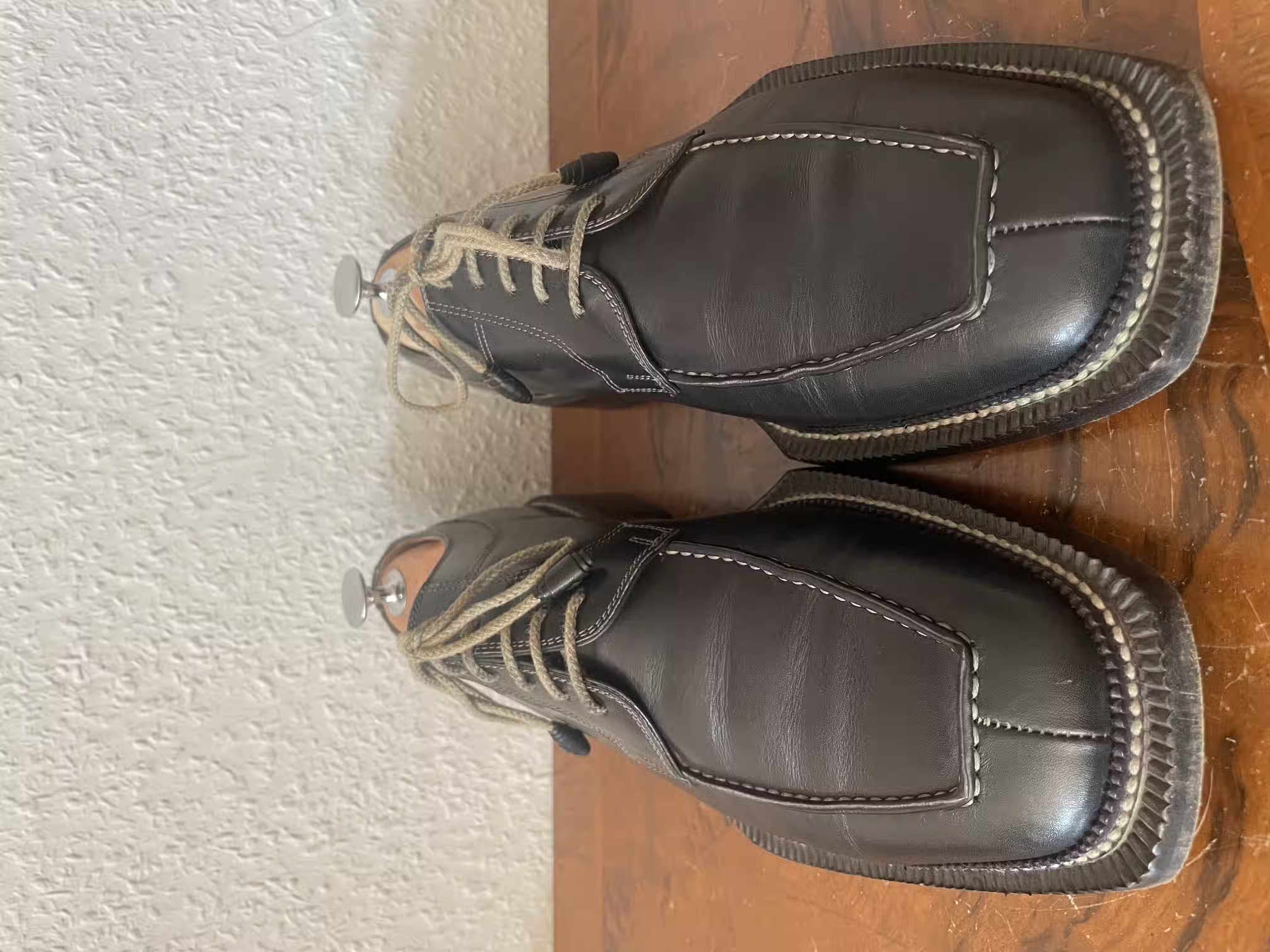
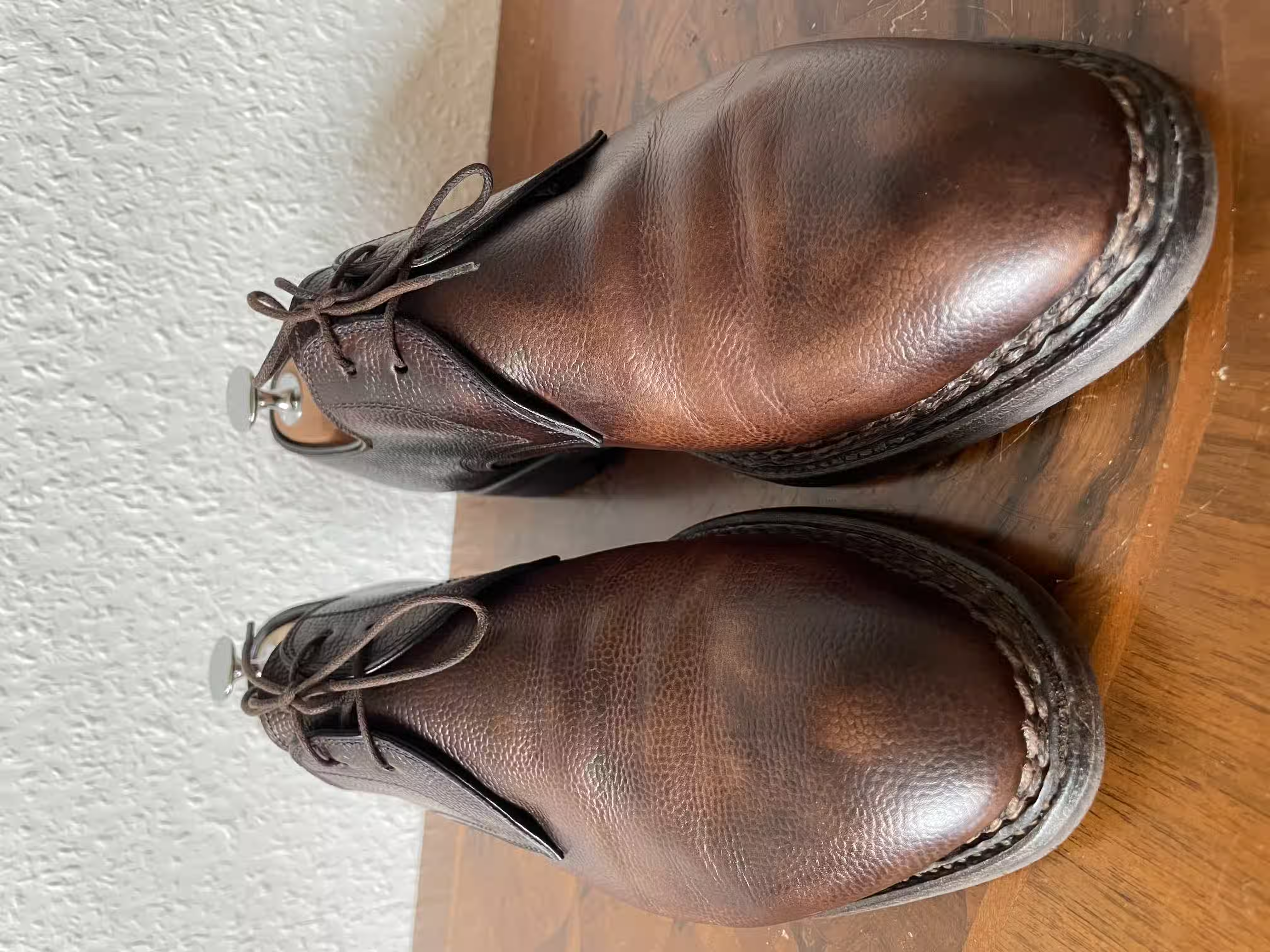
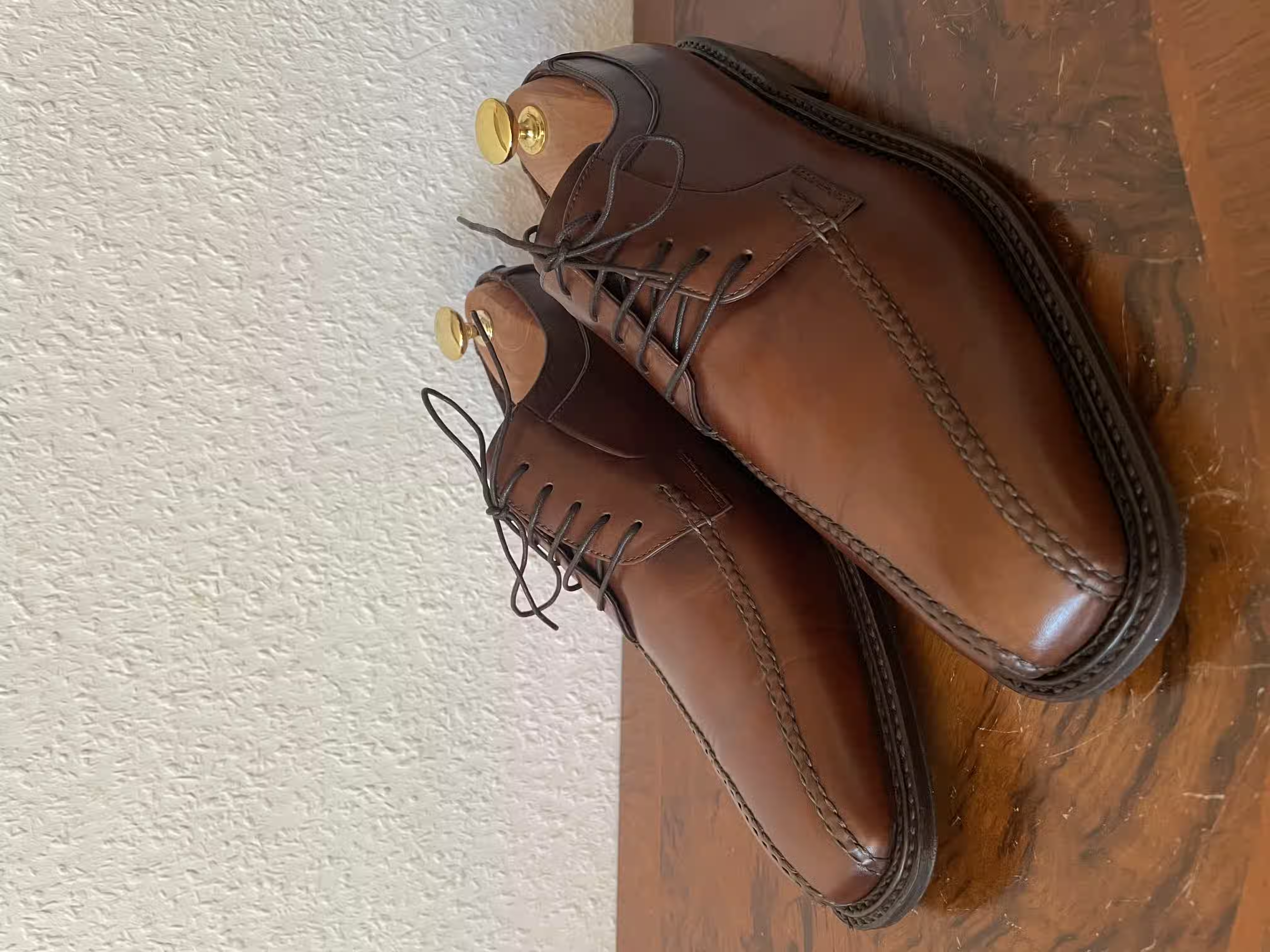
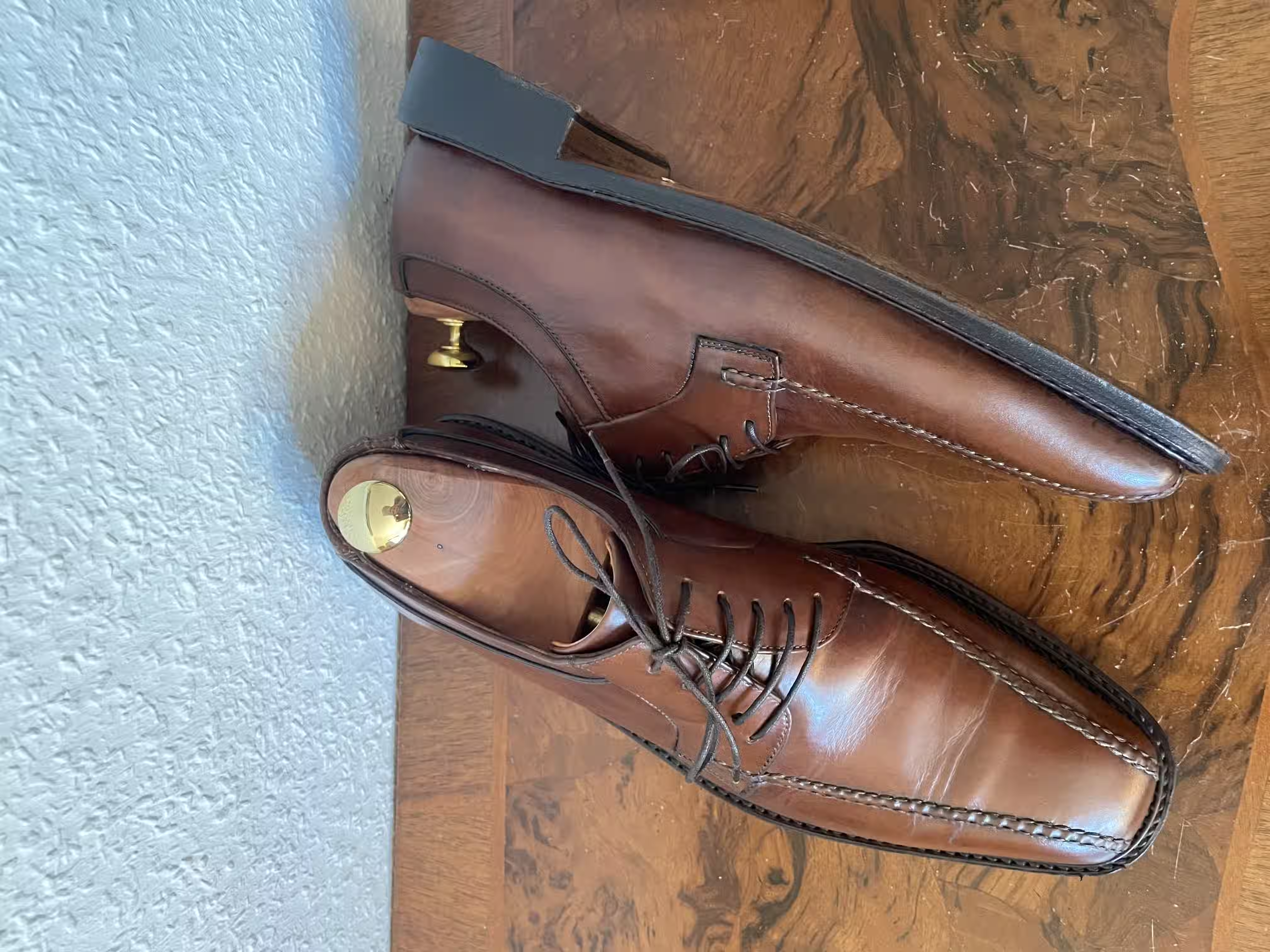
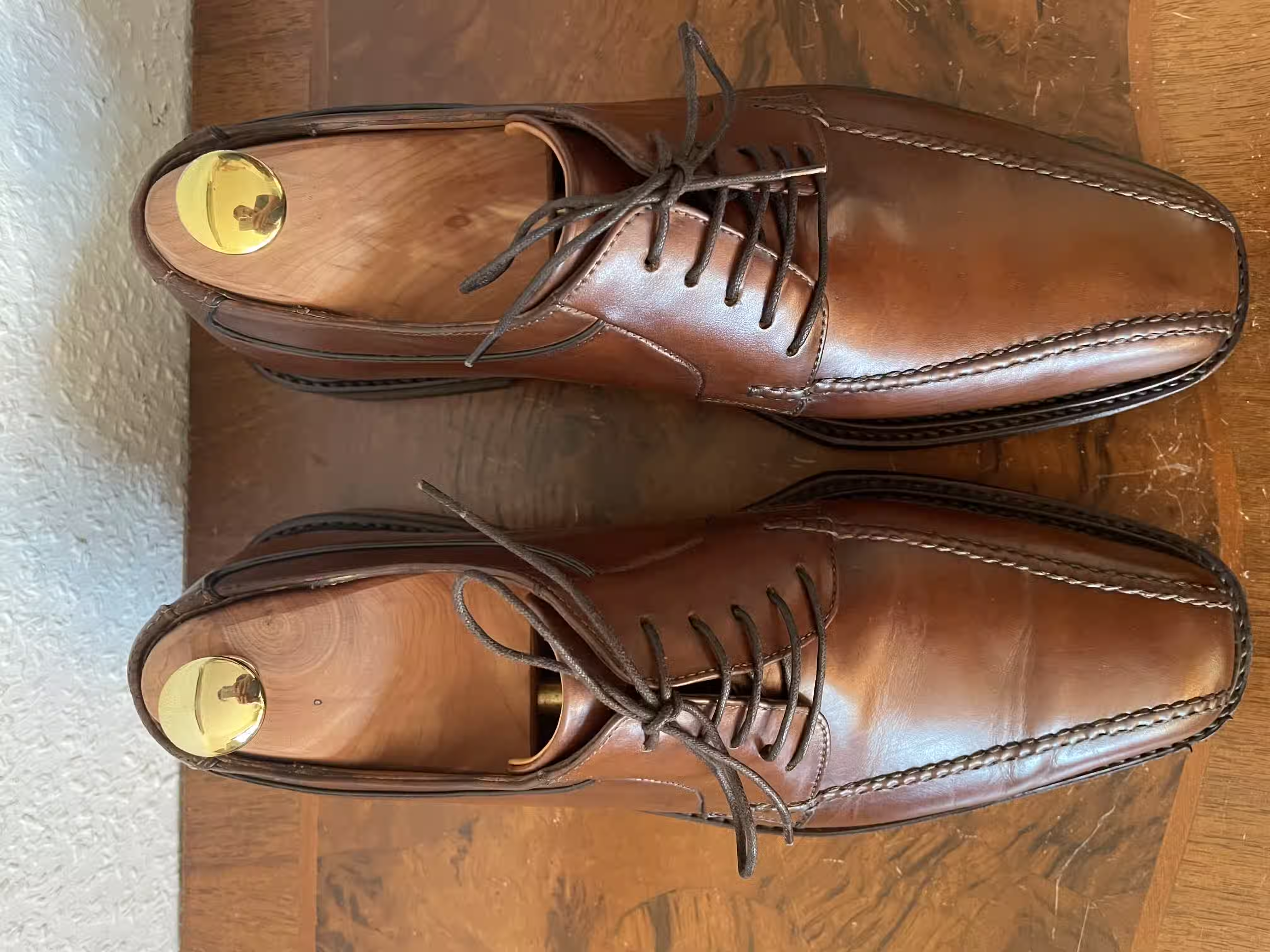
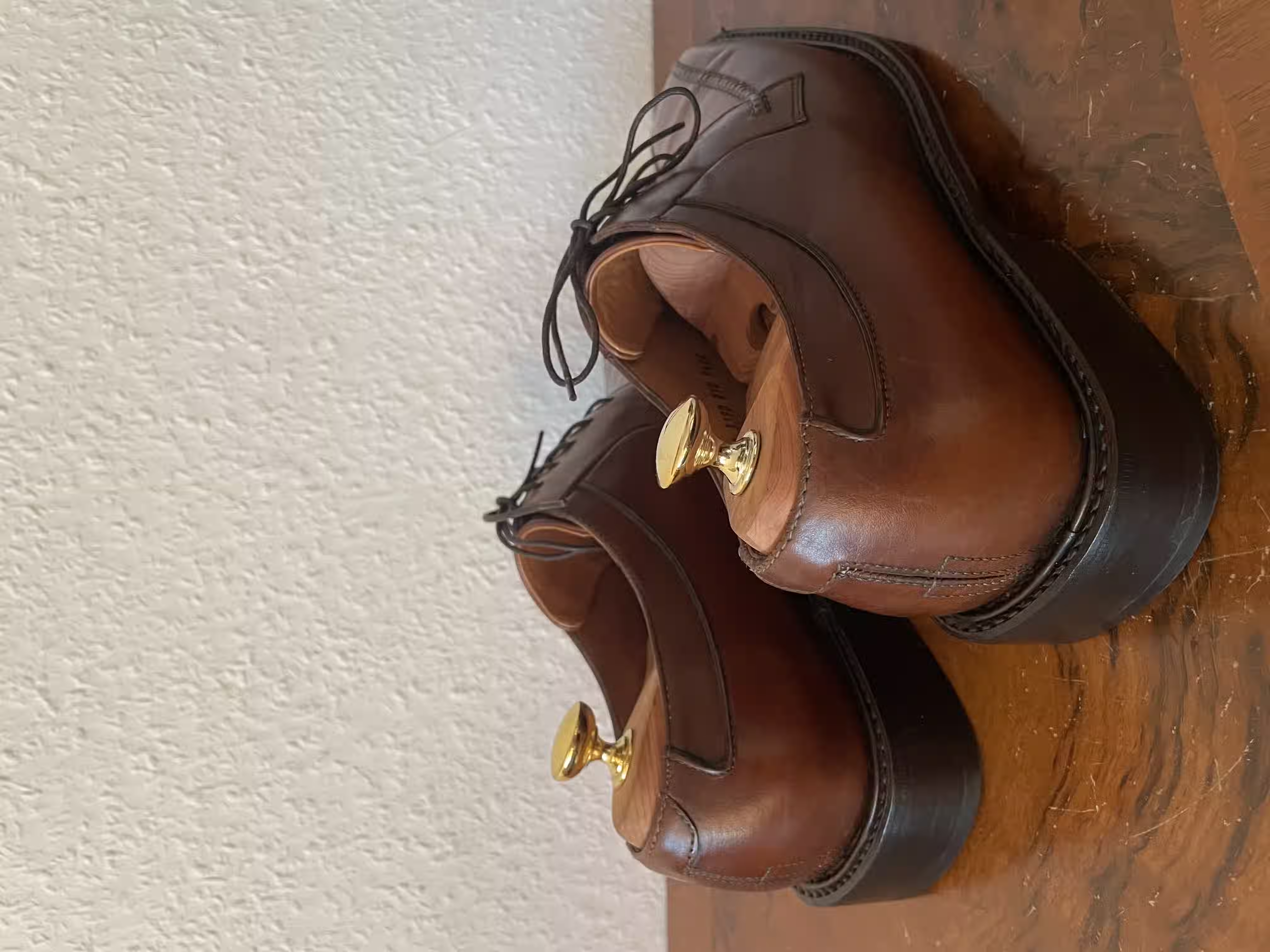
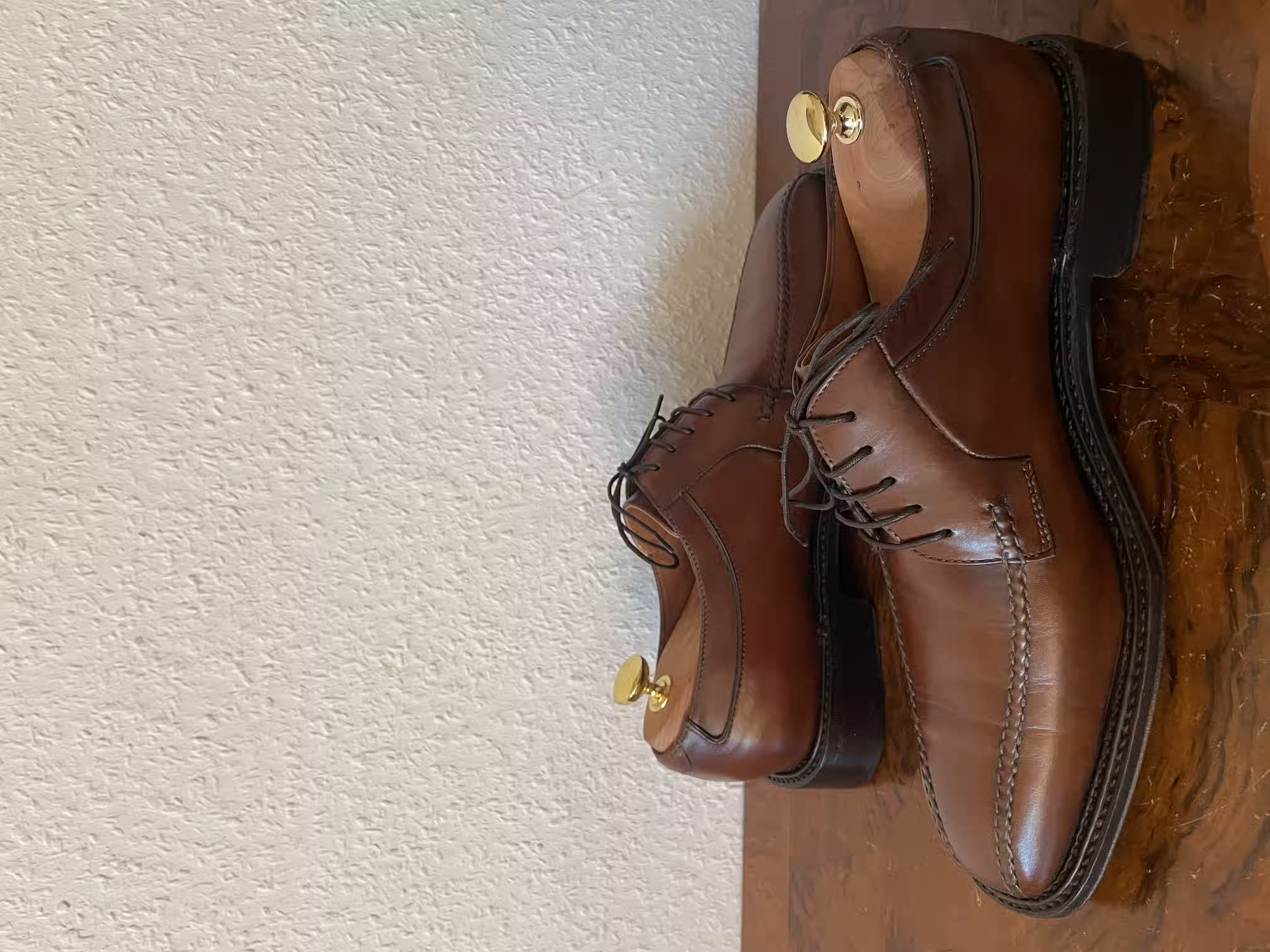
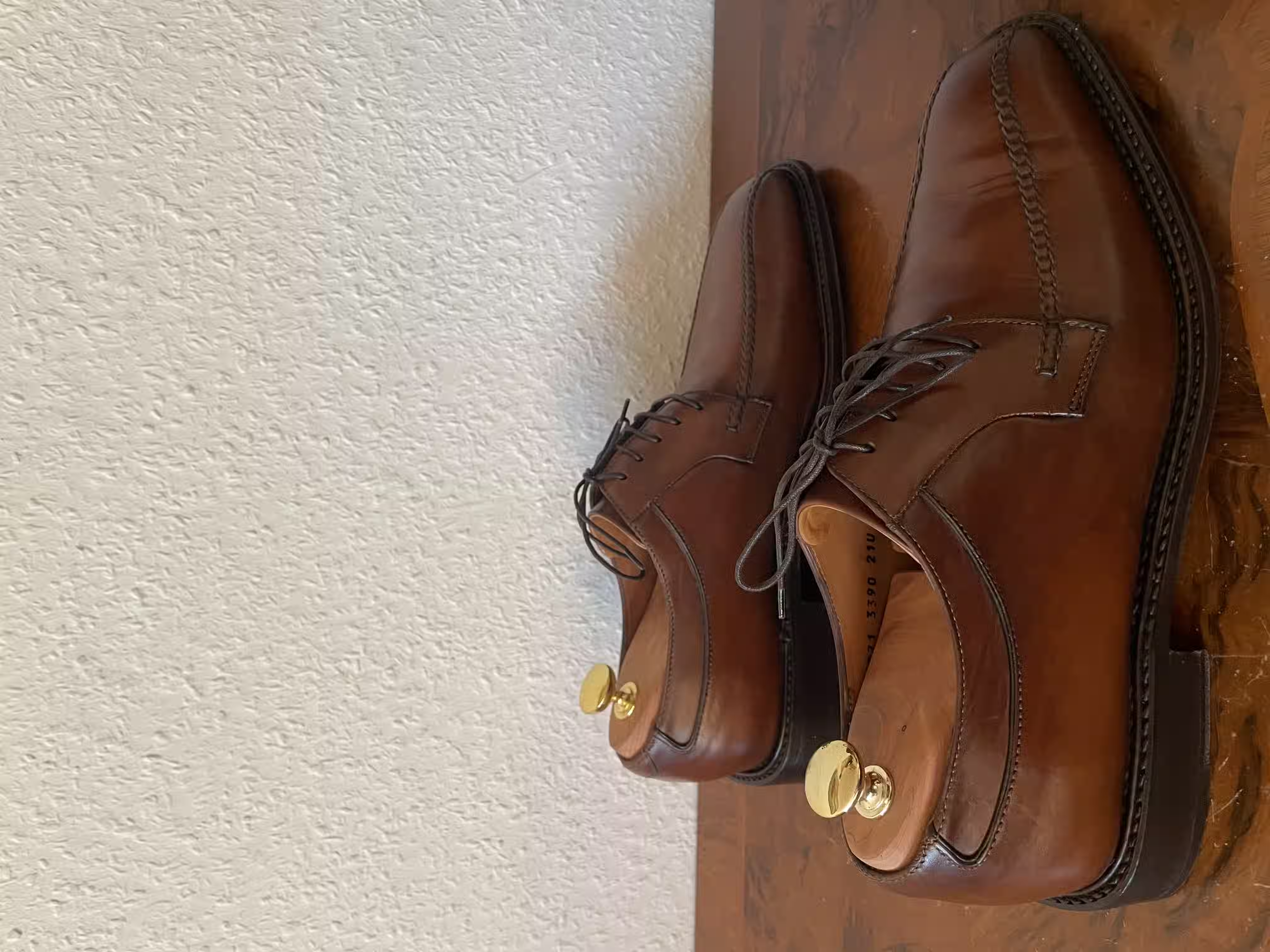
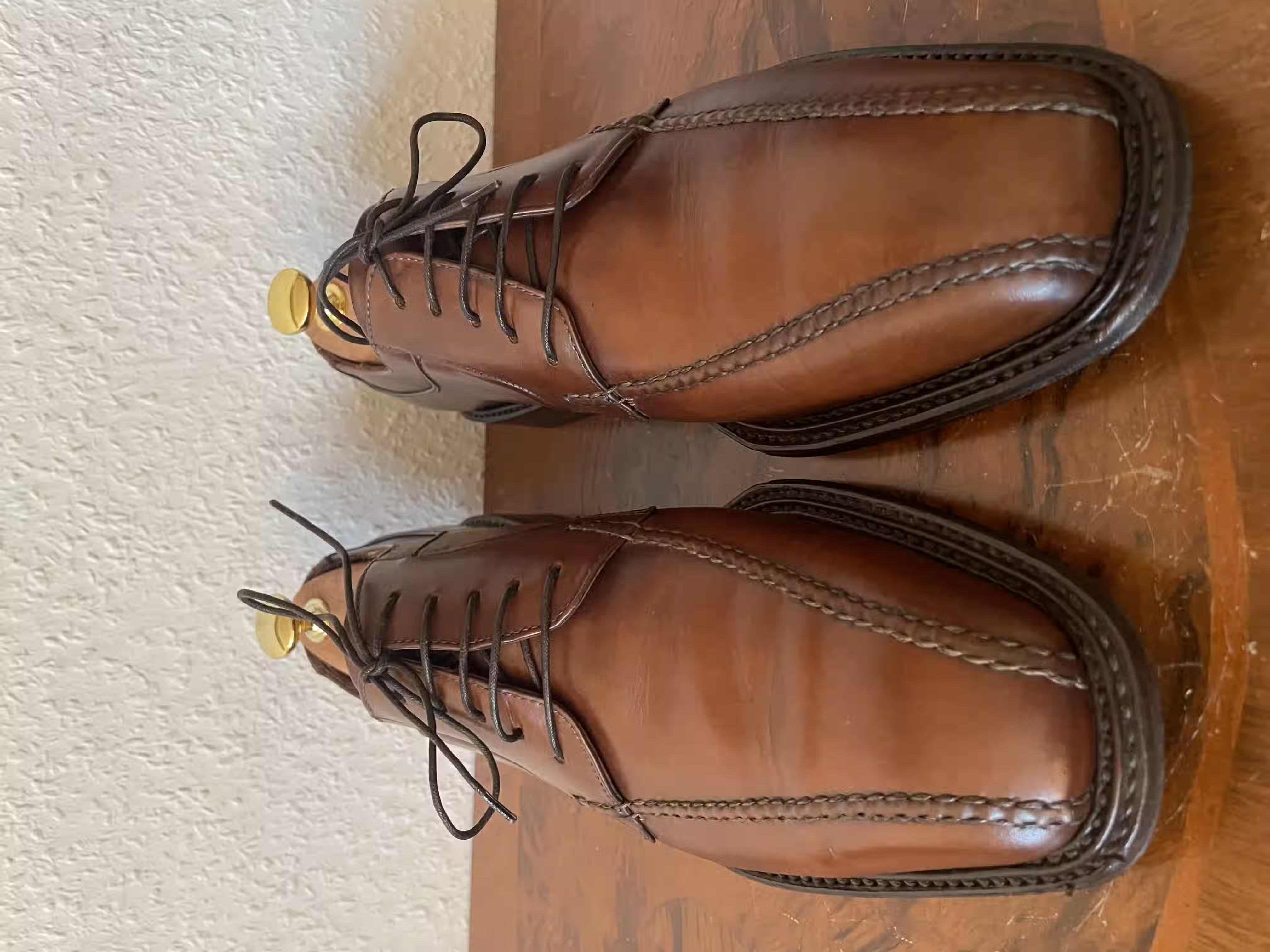
If we already know what leather shoes are (Part 1) and what stitched shoes are (Part 2), then the question about stitched leather shoes is easy to answer: These are shoes that are predominantly made of leather and are held together primarily by stitching.
Isn’t that put too simplistically?
The question about stitched leather shoes is indeed answered somewhat simplistically that way. Because there are high-quality shoes that are held together in some or many places with wooden pegs.
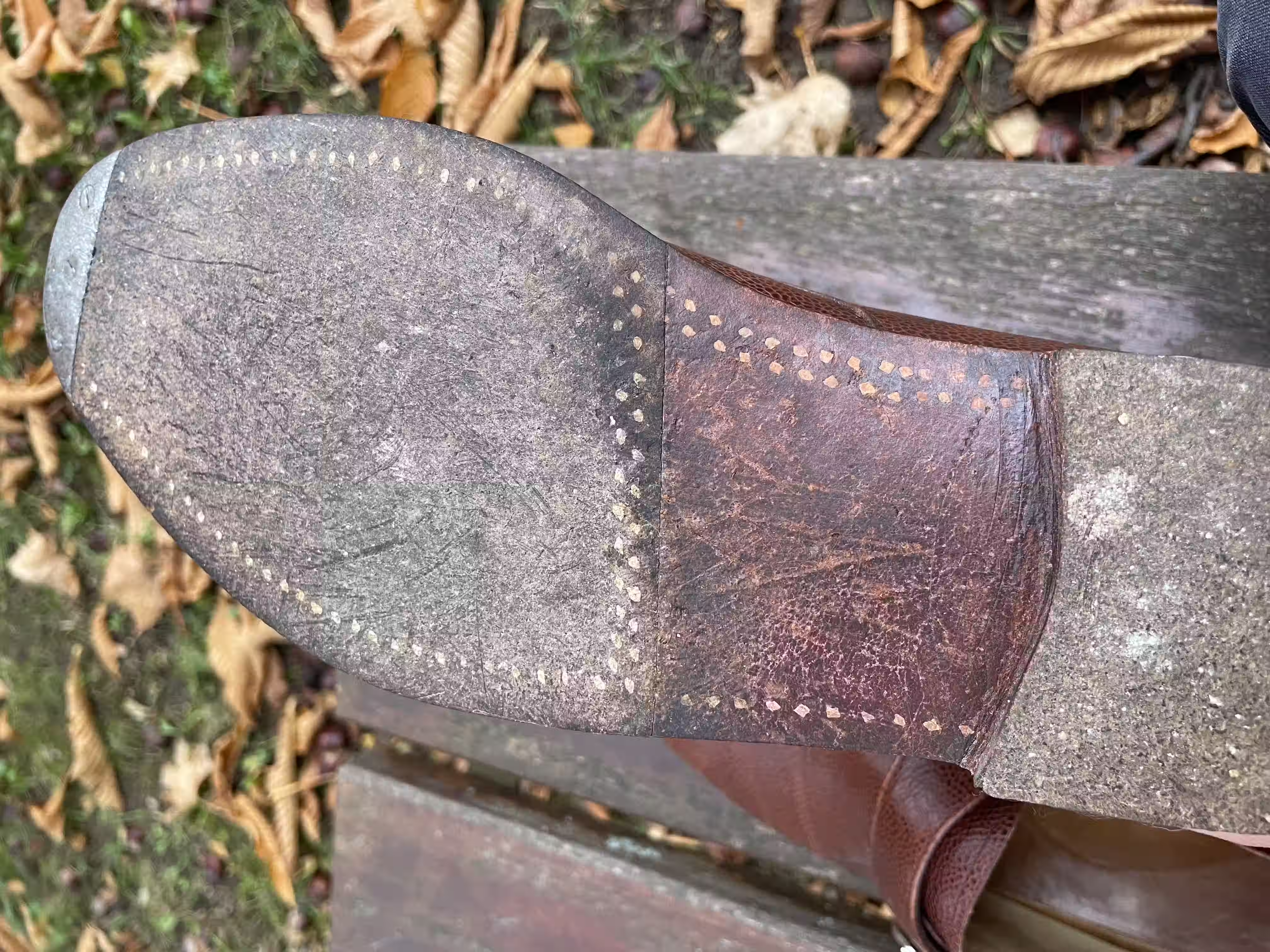
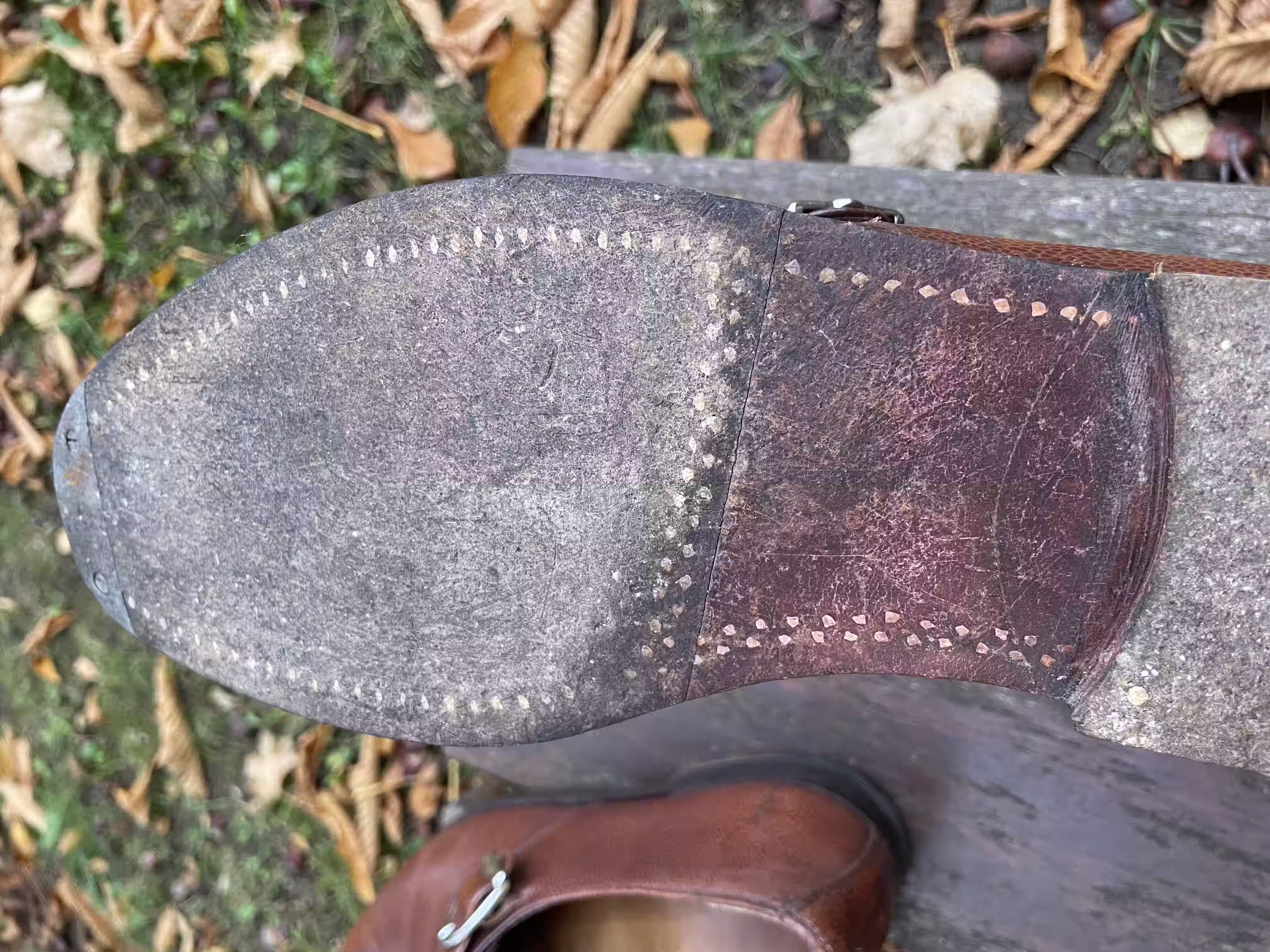
In addition, there are also so-called glued-and-stitched leather shoes that can look very high-quality from the outside, but inside, at a crucial point, depend on the strength of an adhesive. But they are stitched in other places.
Would you call such mixed variants stitched shoes? I wouldn’t, because in my view it is disrespectful to craftsmanship and care to put stitched and glued-and-stitched shoes on the same level.
Nevertheless, I find it very welcome that there are so many different variants of manufacturing, because all of them have their advantages and disadvantages somewhere. And specifically, glued shoes normally do not have the reliability of stitched or pegged shoes. But they try to score in terms of low manufacturing costs.