
Wholecut - an elegant option for special occasions
Wholecut shoes are essentially made from a single piece of leather. Many of the connecting seams that otherwise hold together the different upper parts on other shoes are almost completely eliminated here. This makes the wholecut shoe look cleaner and more elegant, especially when the leather is a smooth calfskin without additional texture.
Example variant
Typical wholecut oxfords in black calfskin for very formal occasions
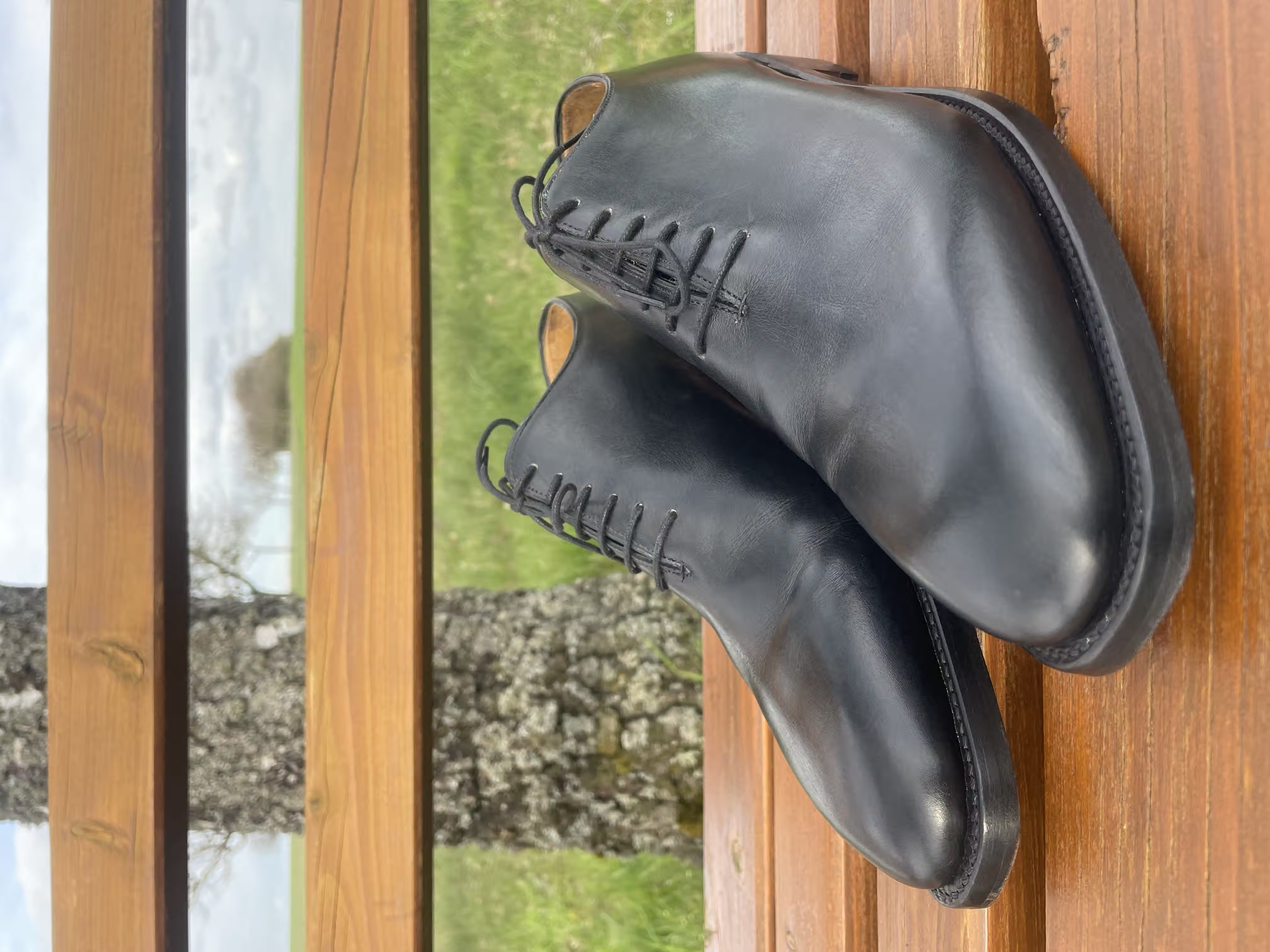
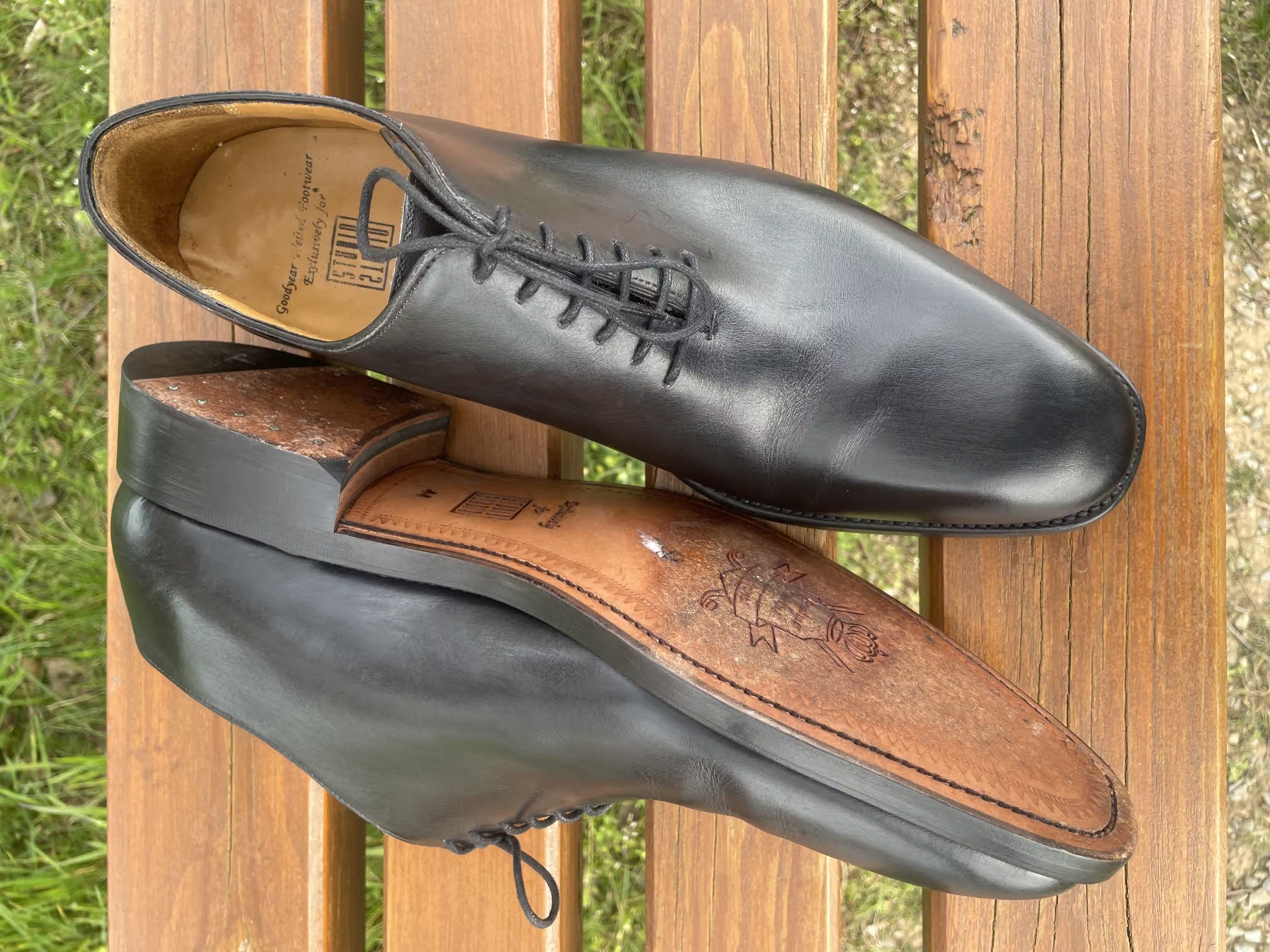
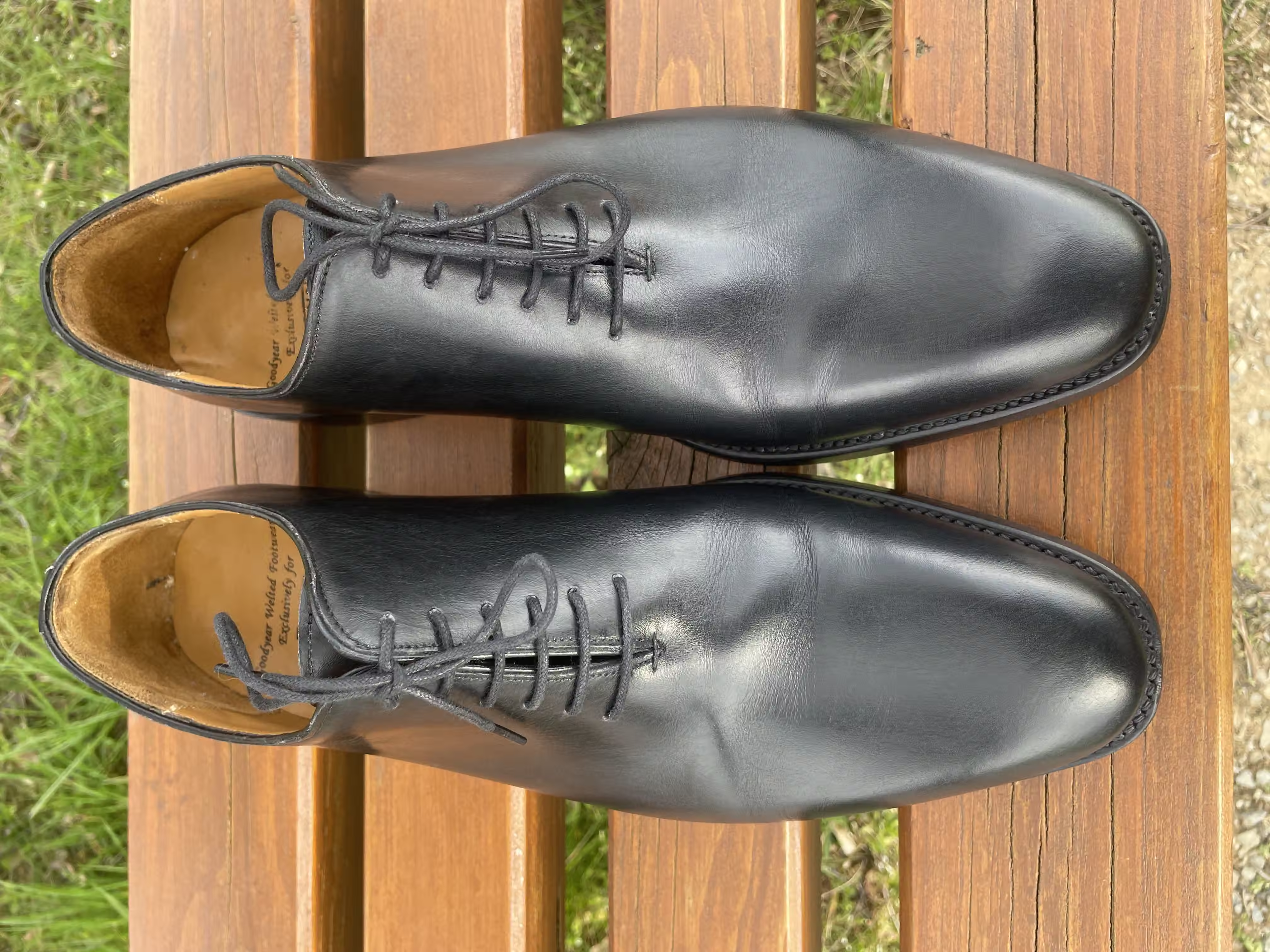
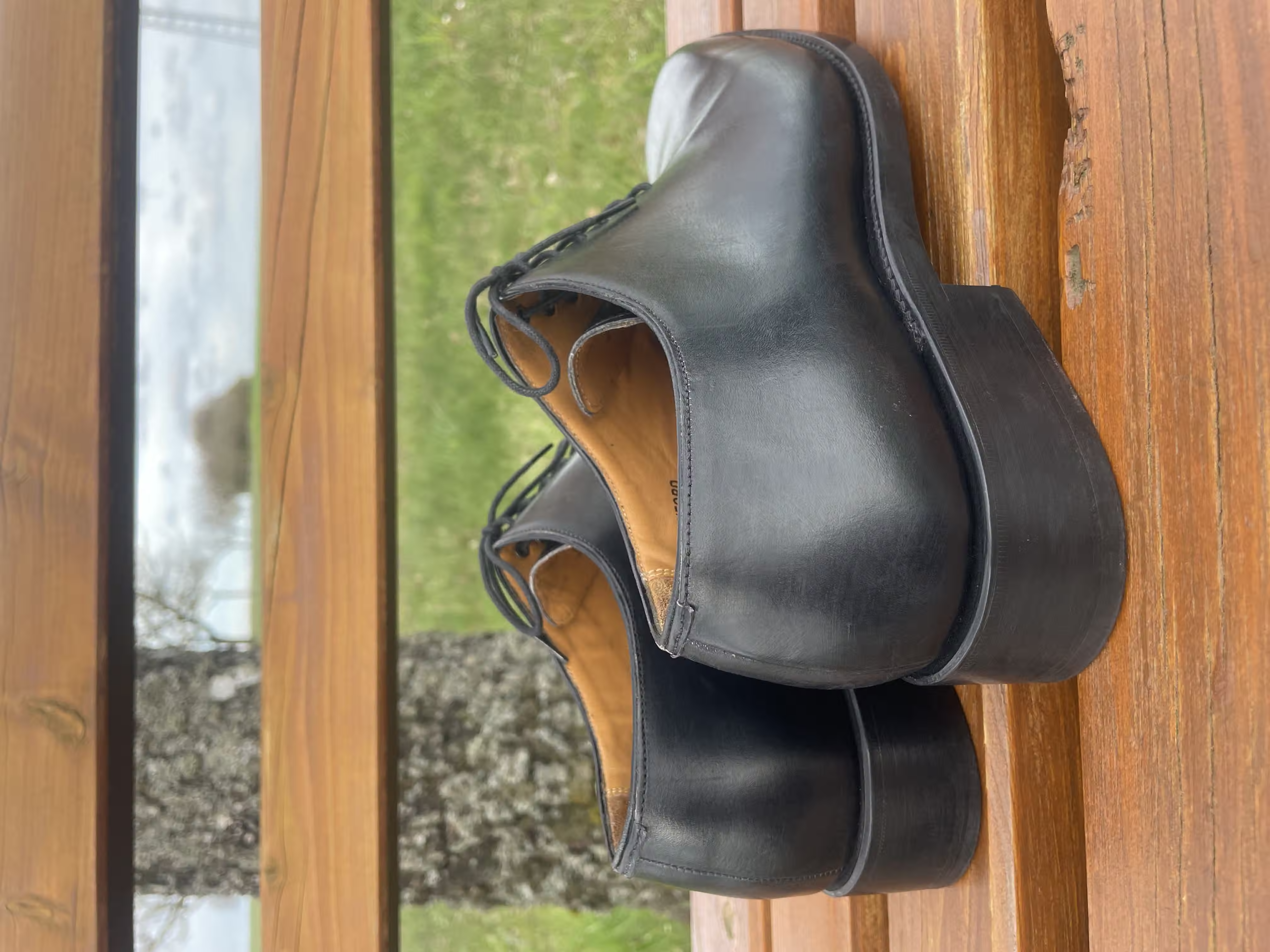
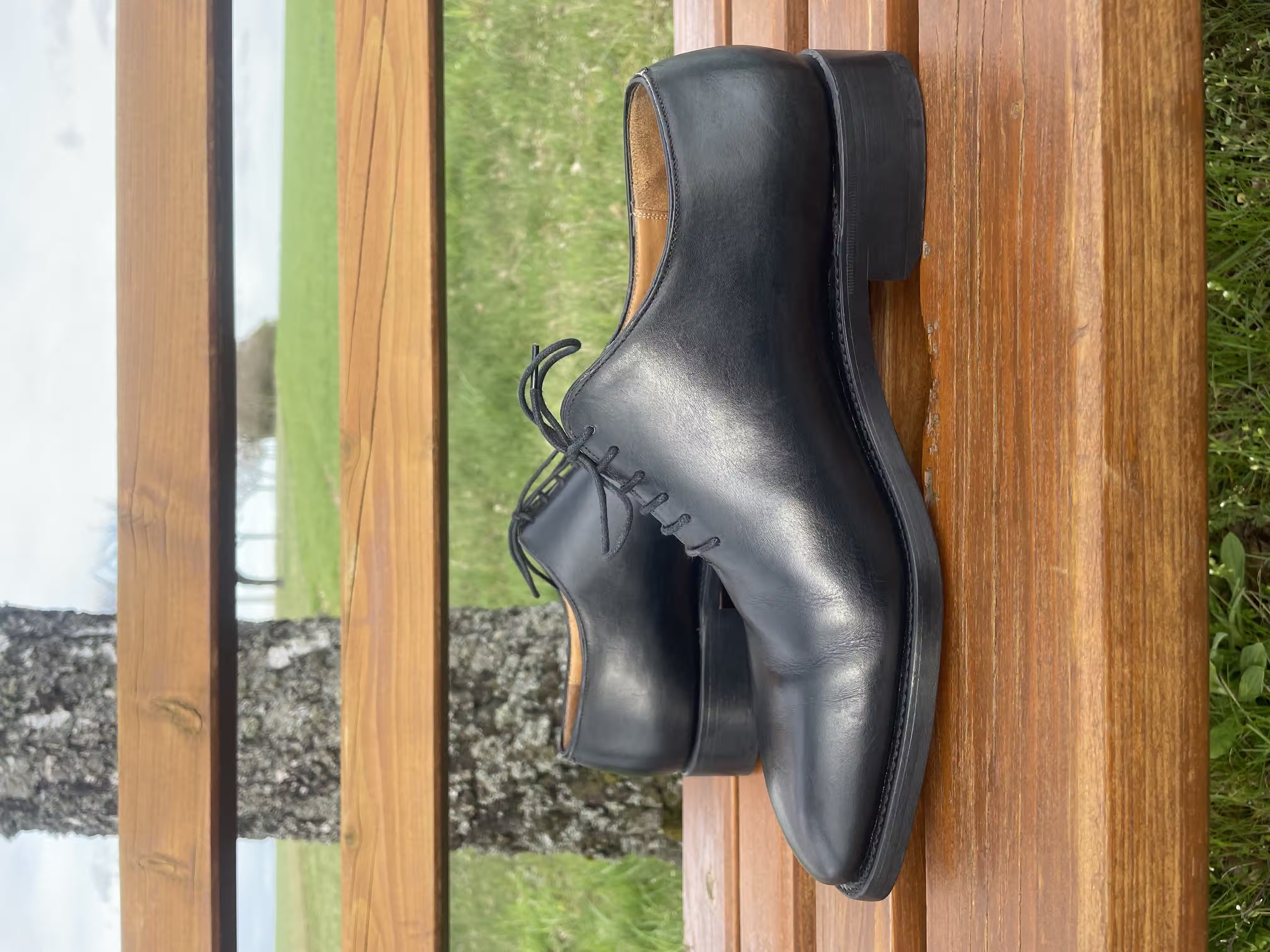
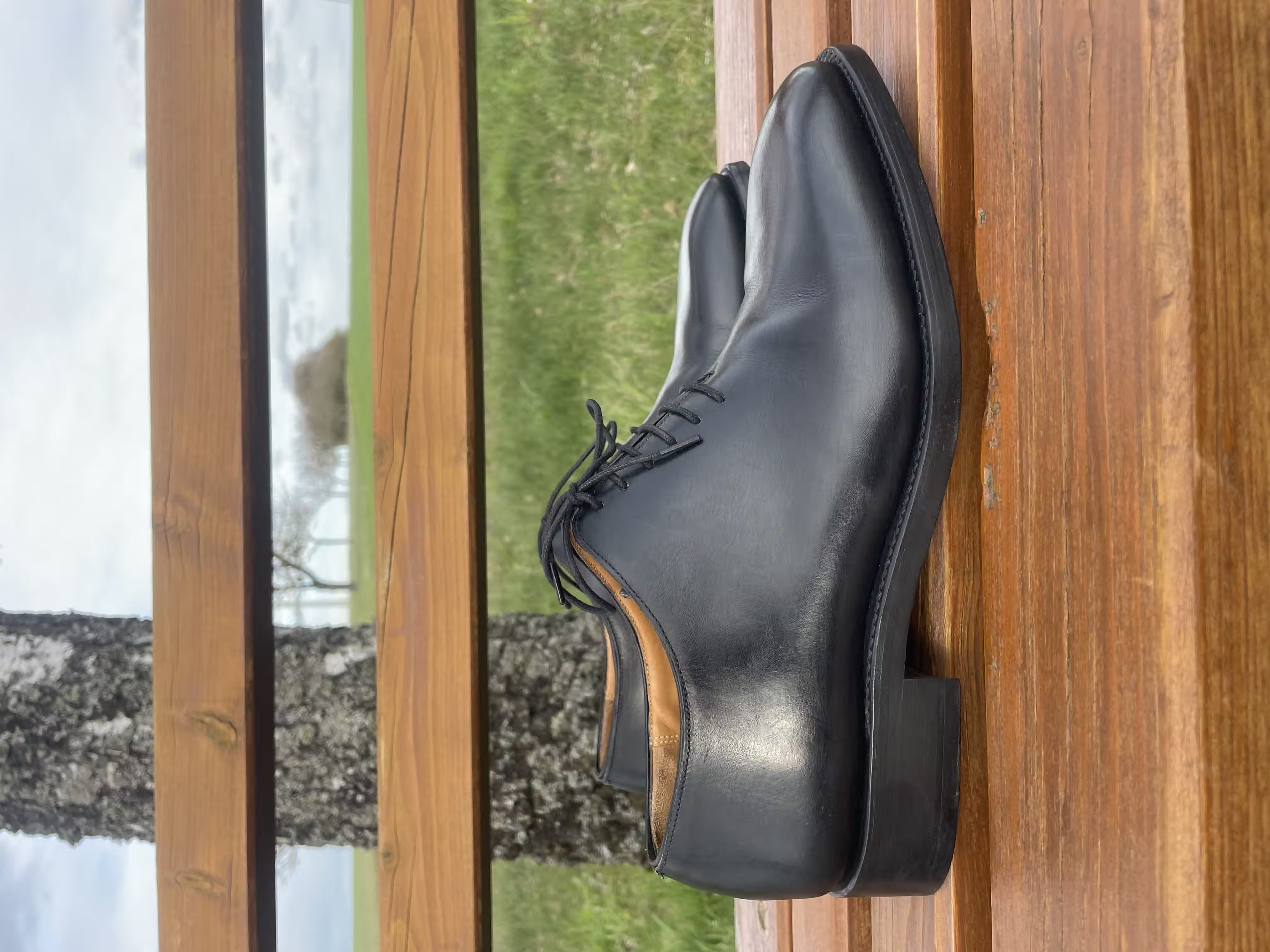
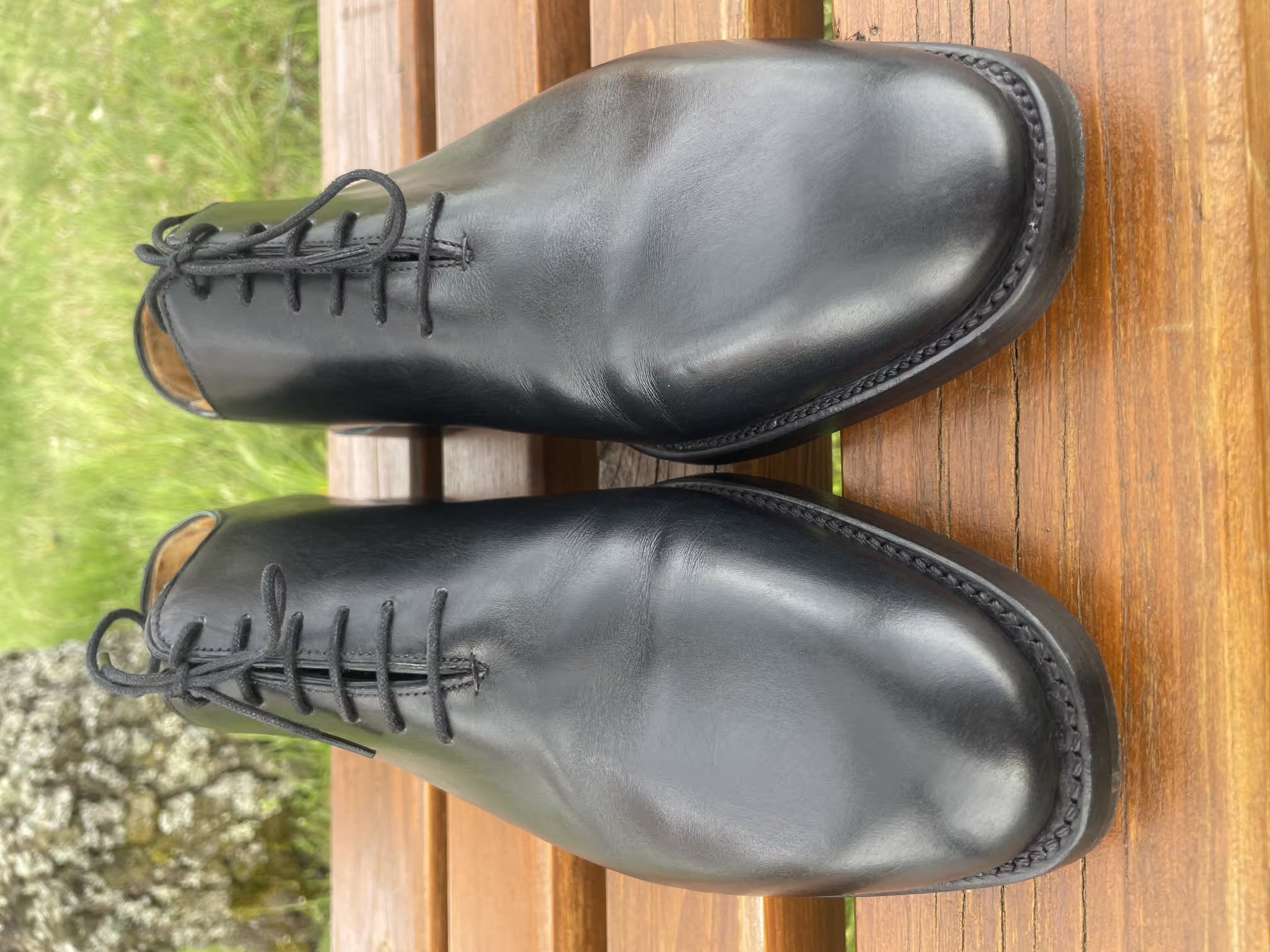
Here you see monochrome black wholecut oxfords that embody simple elegance. - Nicely rounded at the toe, with an appealing overall shape, and equipped with practically no ornamentation.
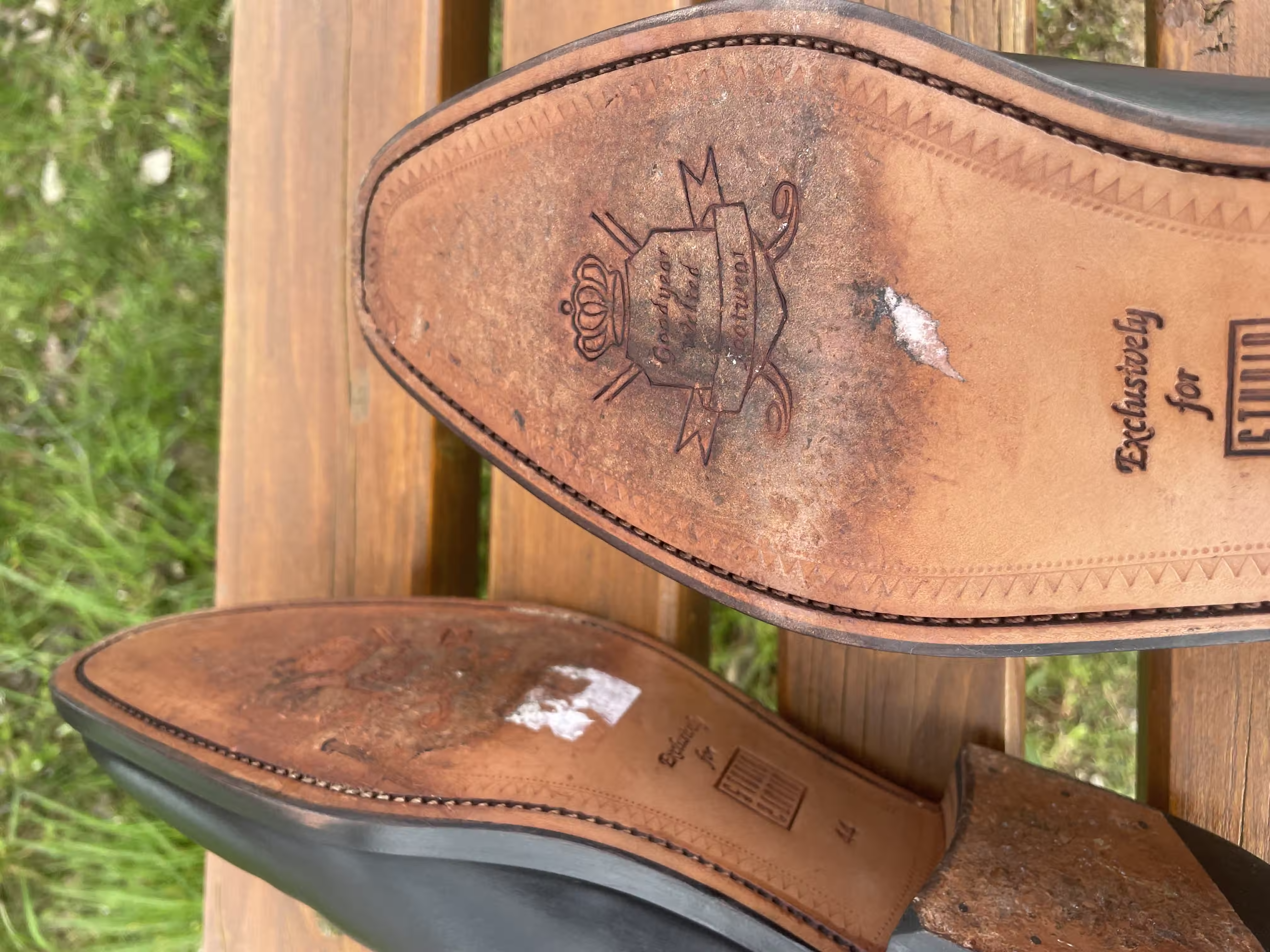
For truly formal occasions, a thinner outsole would be welcome here. In the seamless version without a heel seam and with a mirror shine at the front and back, such a shoe would then be additionally perfect for a very dressy occasion. To me, those are a couple of fine details that do not change the basic character of this shoe.
Special features
The wholecut is a shoe variant in which the so-called upper pattern is kept very simple in the most literal sense of the word: the upper consists of a single piece of leather, typically stitched together at the back at the heel.
Typically, the wholecut variant is used for oxfords, chelsea boots, and loafers, turning them into wholecut oxfords, wholecut chelsea boots, and wholecut loafers. In models like the Norwegian, however, a wholecut does not make sense, because the Norwegian is essentially defined by the interplay of different upper parts and the seams created by them, especially at the front of the shoe.
Variants
Purist brown patina loafers in wholecut style
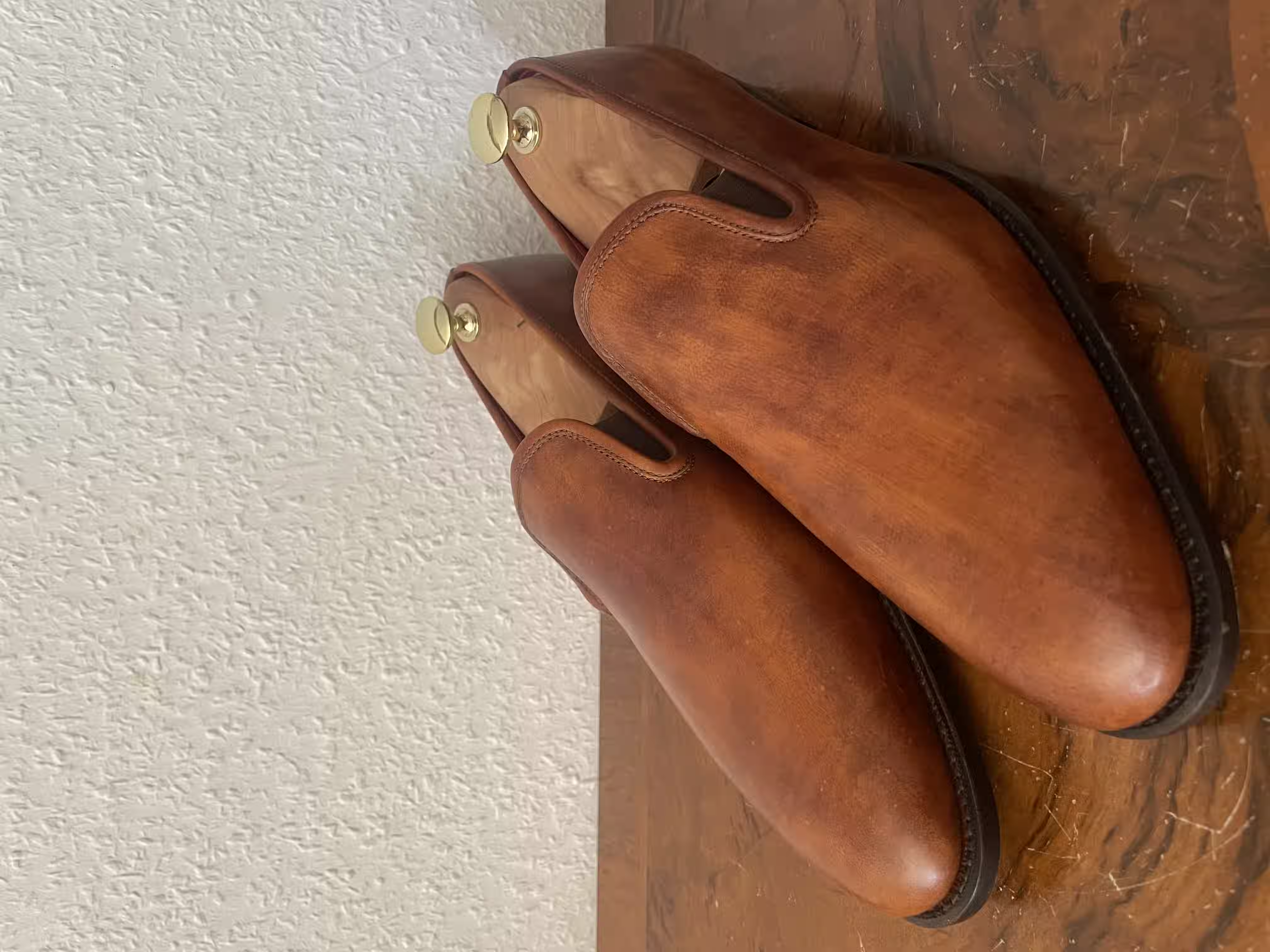
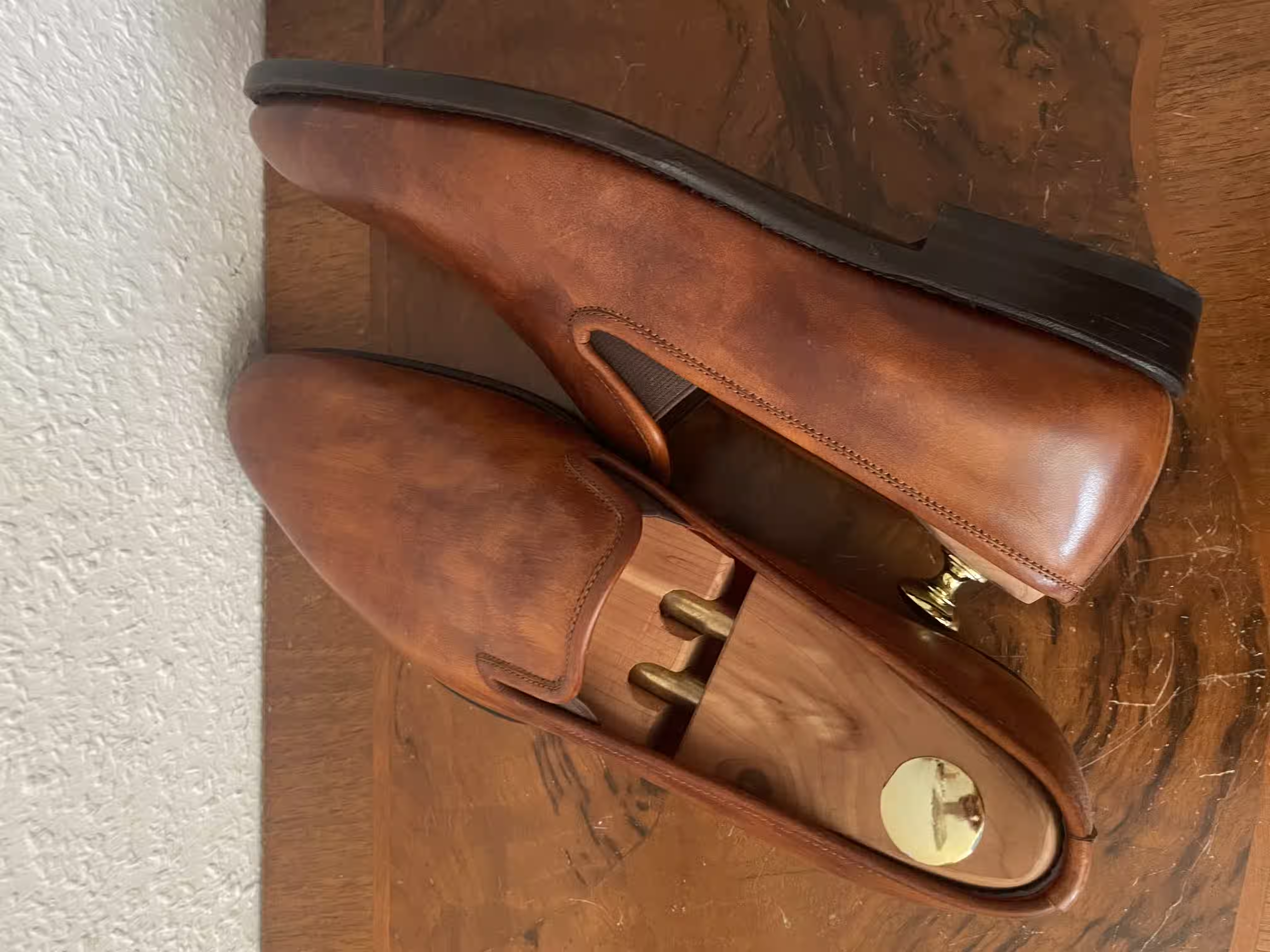
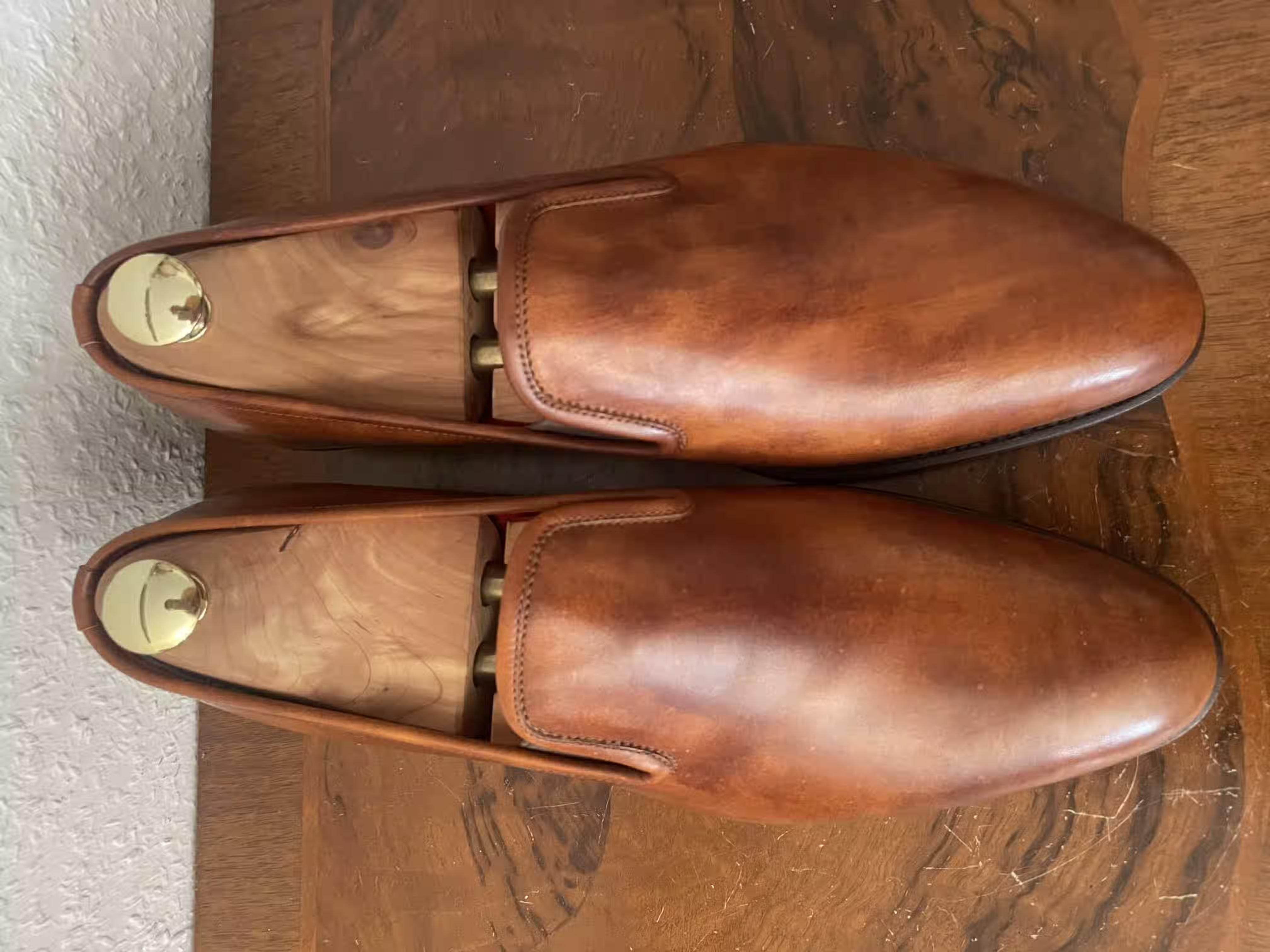
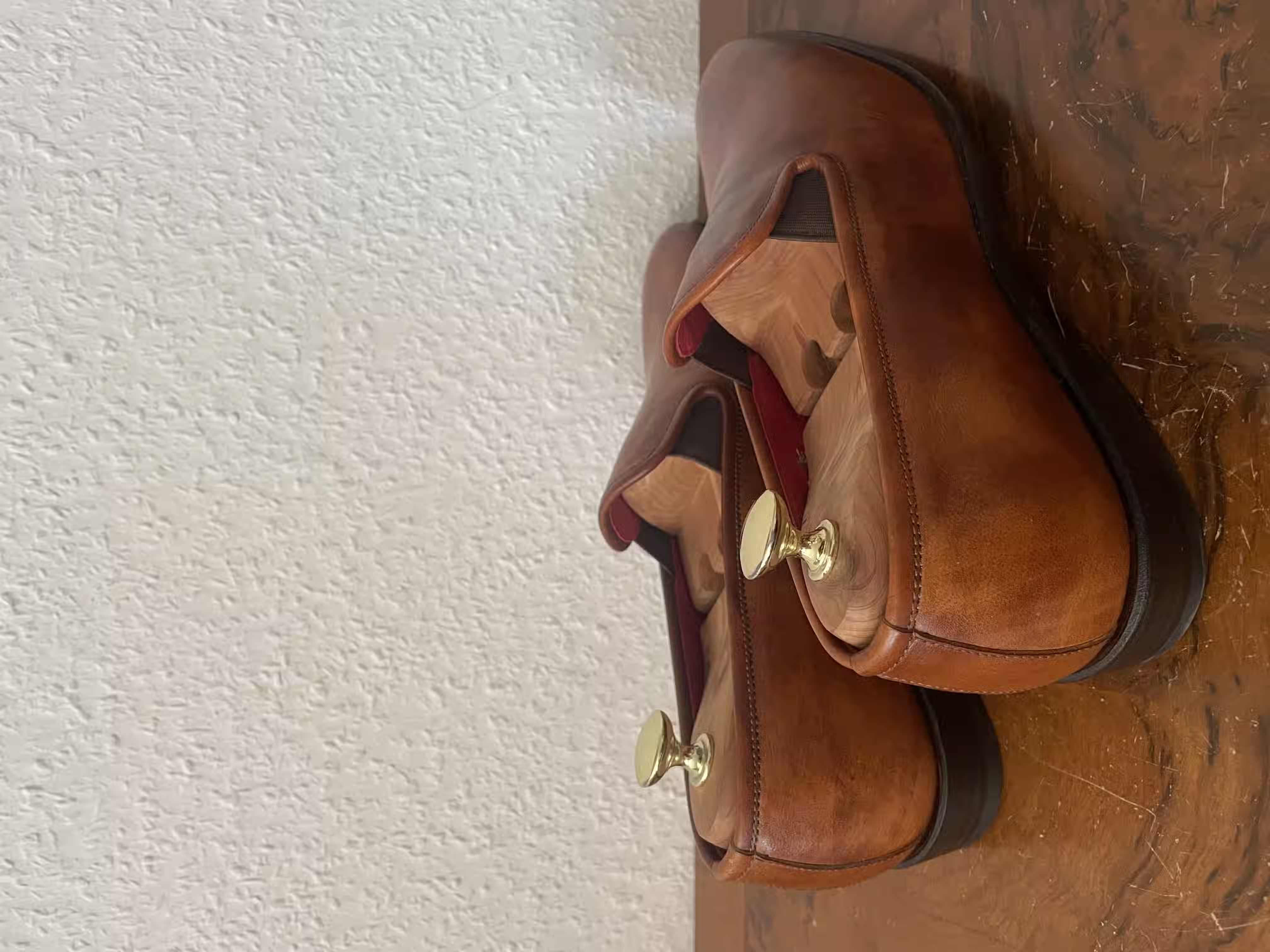
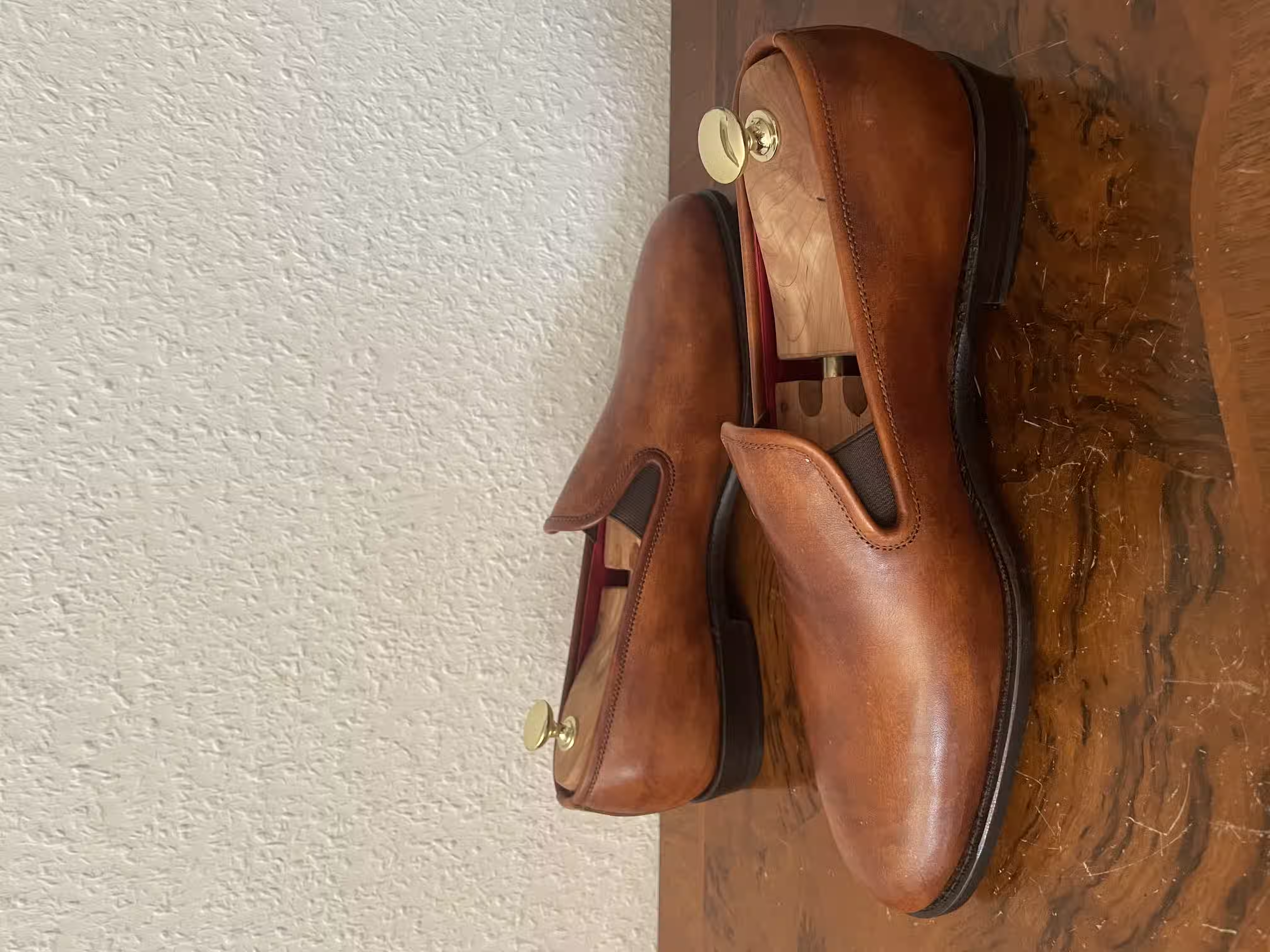
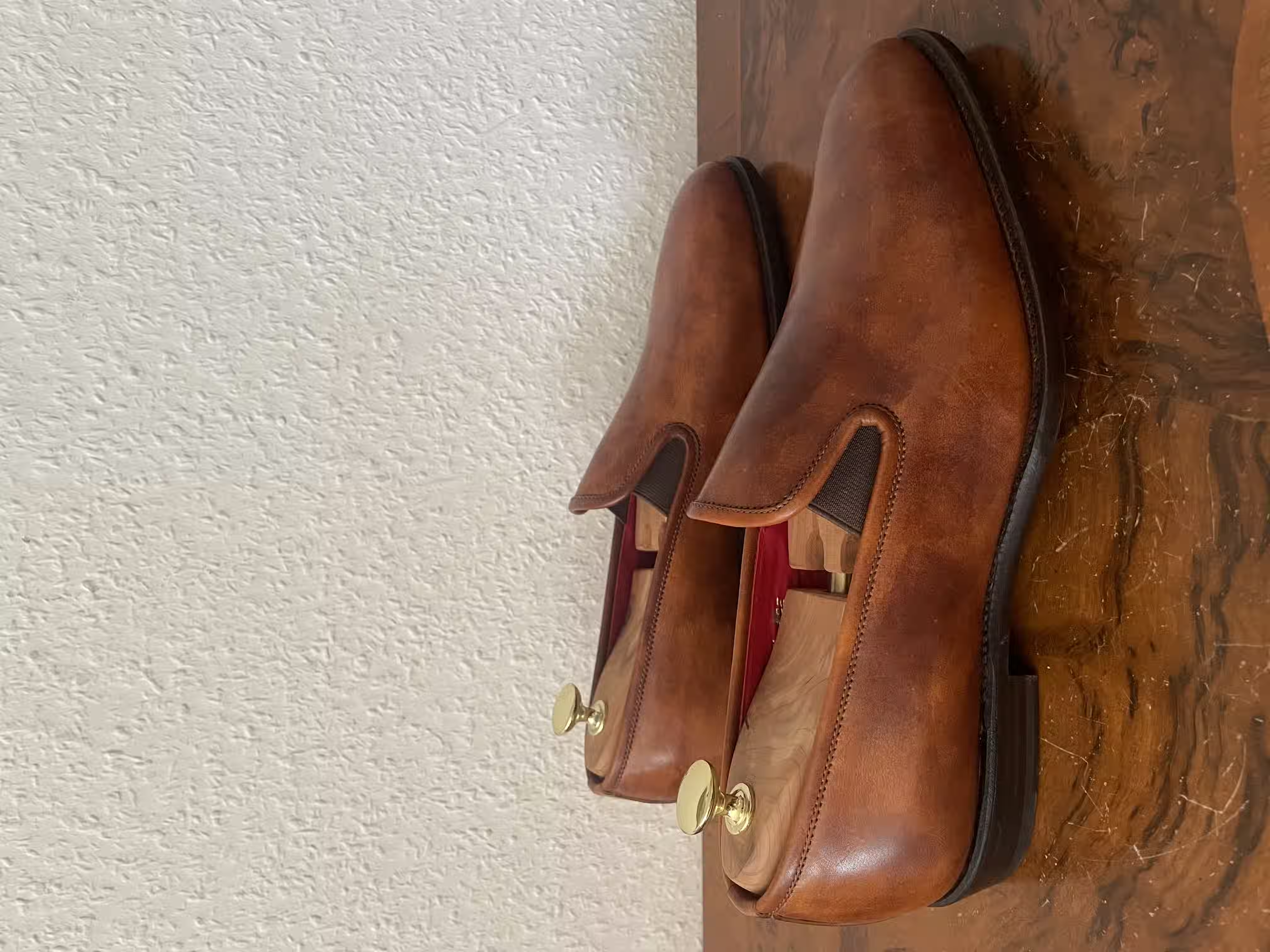
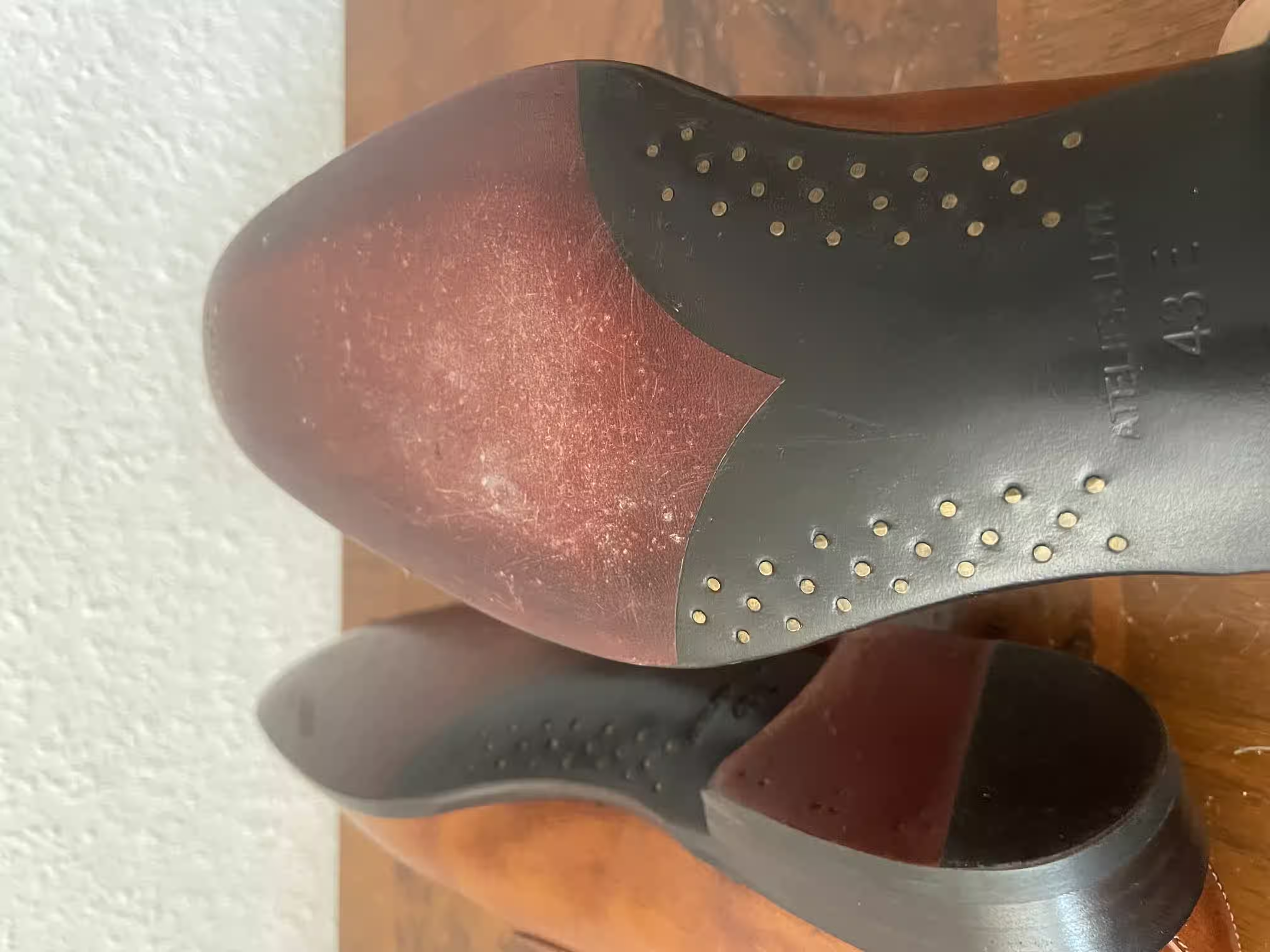
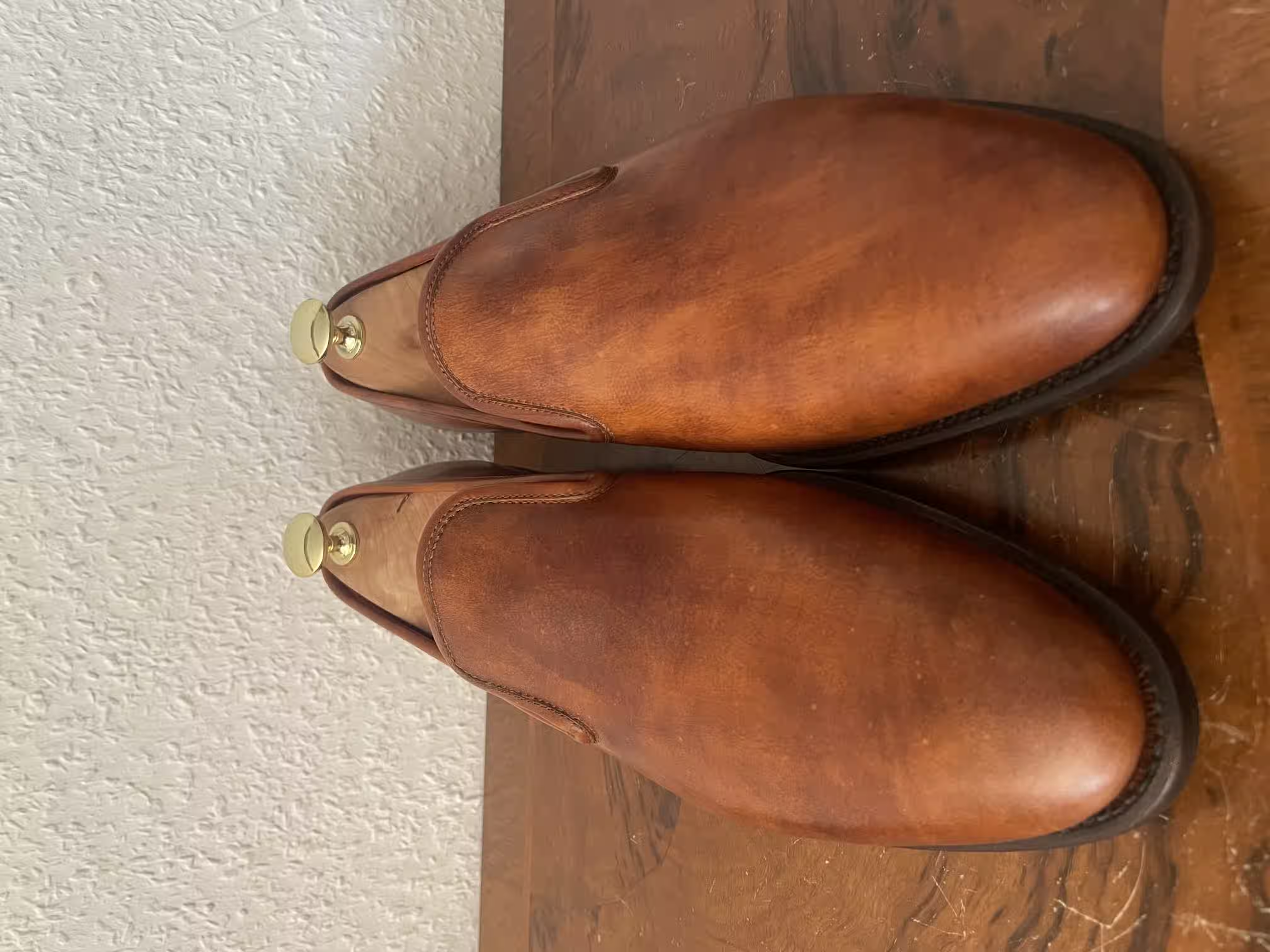
Here we have a wholecut loafer whose light-brown patina leather really comes into its own thanks to the lack of ornamentation. In this way, the wholecut is very thoughtfully executed and creates a relaxed shoe that you can wear very well in summer with a jacket-and-trouser combination in mixed fabrics. In my view, this loafer also pairs quite well with light jeans or light linen trousers.
Dark-blue wholecut with a special toe
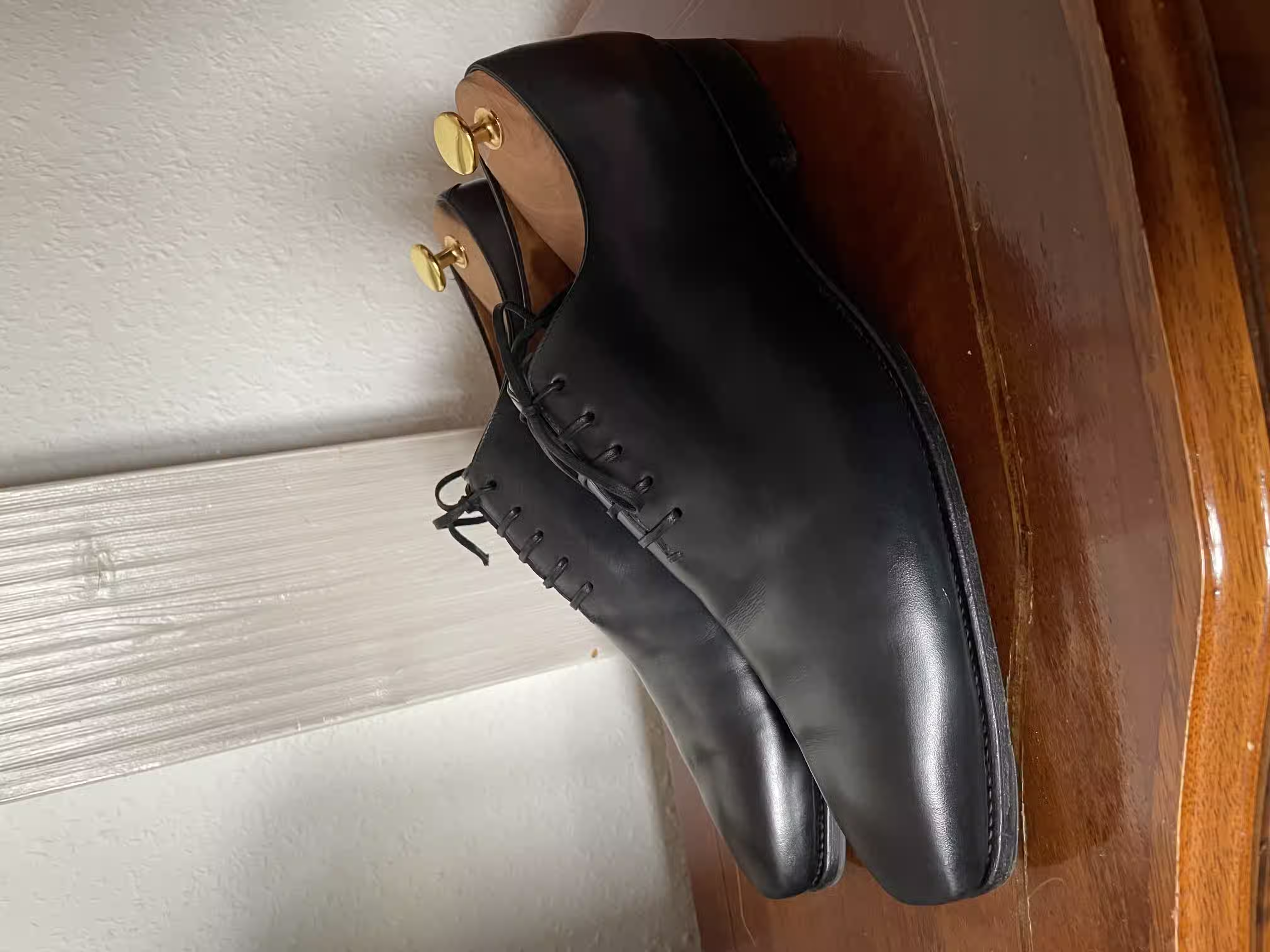
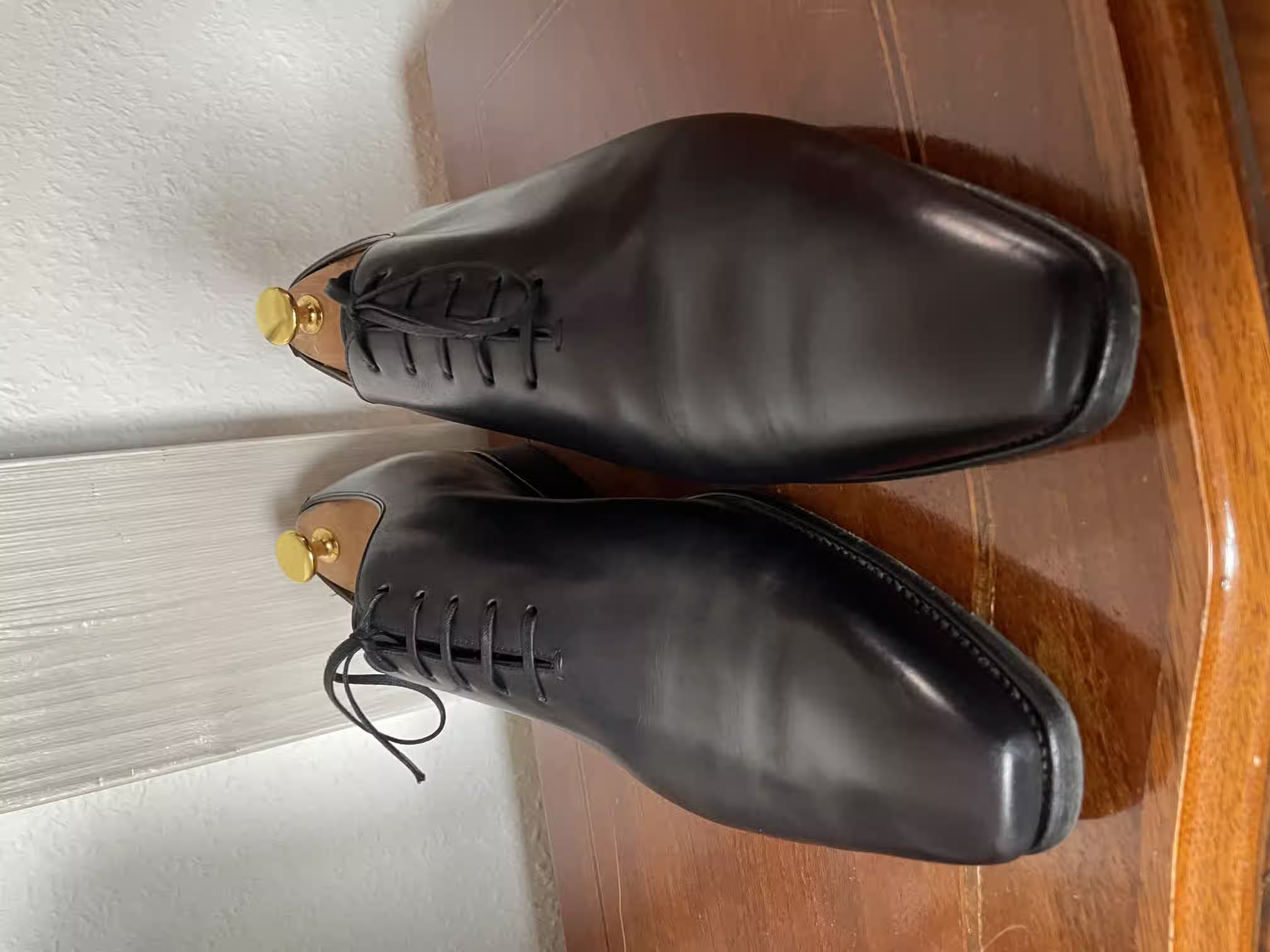
What is special about this actually dark-blue wholecut oxford are the angular toes, which stand out on this otherwise purist-looking shoe. In my view, these are very good shoes for semi-formal occasions, where they can really shine. For truly formal occasions, they are too playful because of the eye-catching toe shape and also because of the color.
I liked wearing the shoe in everyday life and at the office; I also think they still go relatively well with chinos. For me, shoes like these are something special for everyday wear, and various aspects tempted me to wear them more often:
- the wholecut oxford is otherwise worn only on formal occasions
- the leather has a slight color variation between blue and midnight blue, i.e., it is patina leather
- the toe is distinctive and makes the shoe feel more relaxed
Light-brown wholecut oxfords with perforations
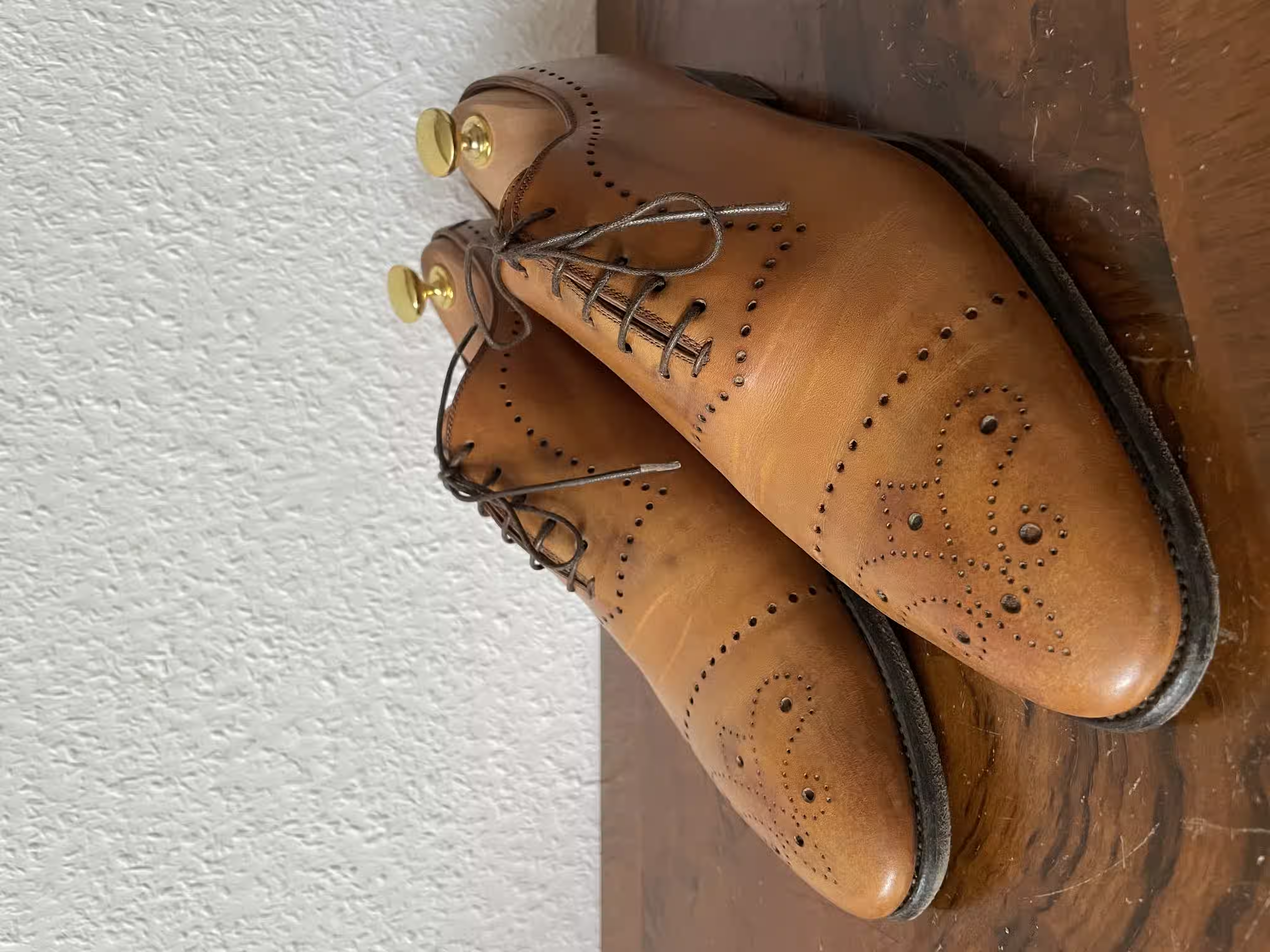
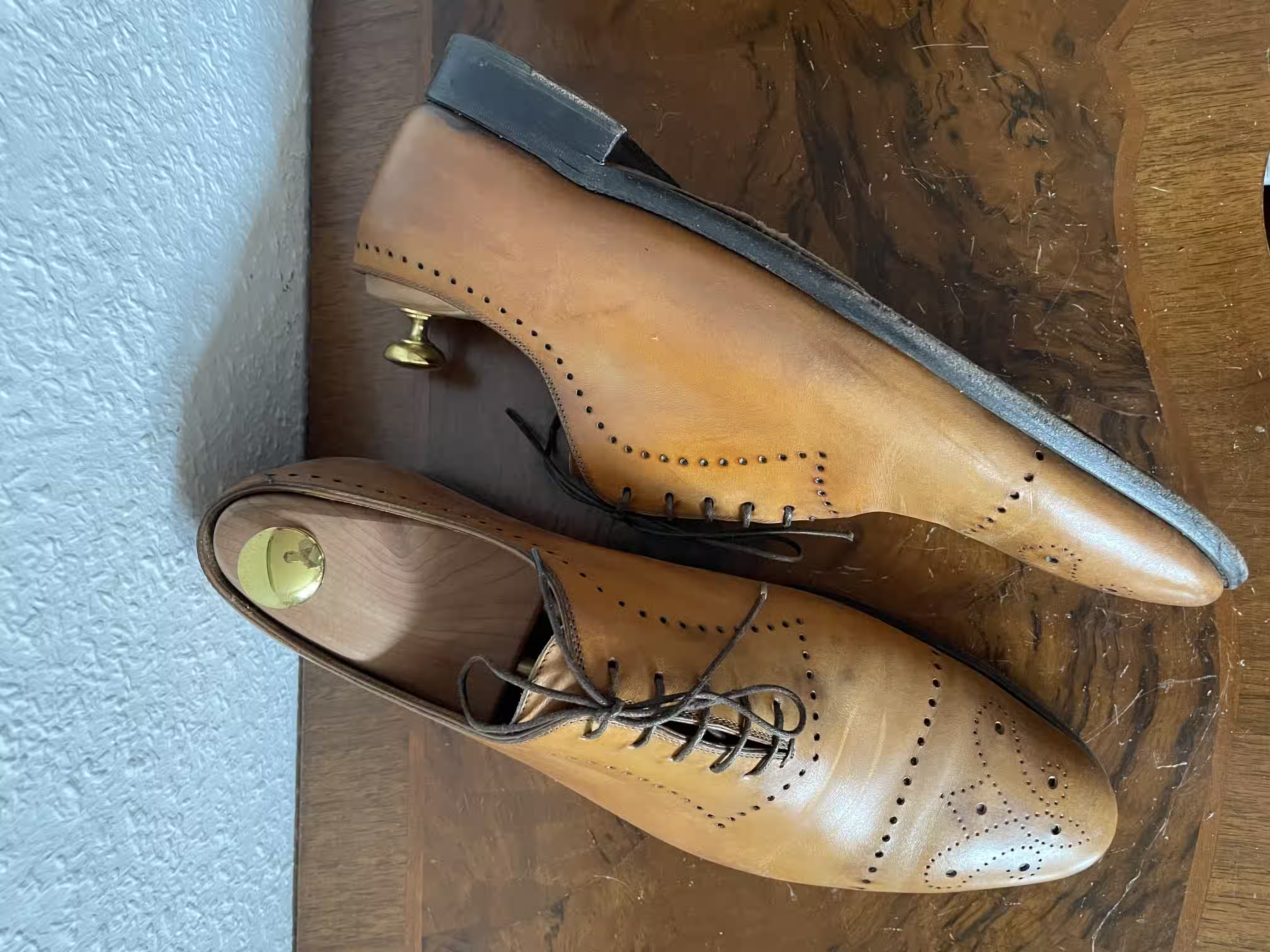
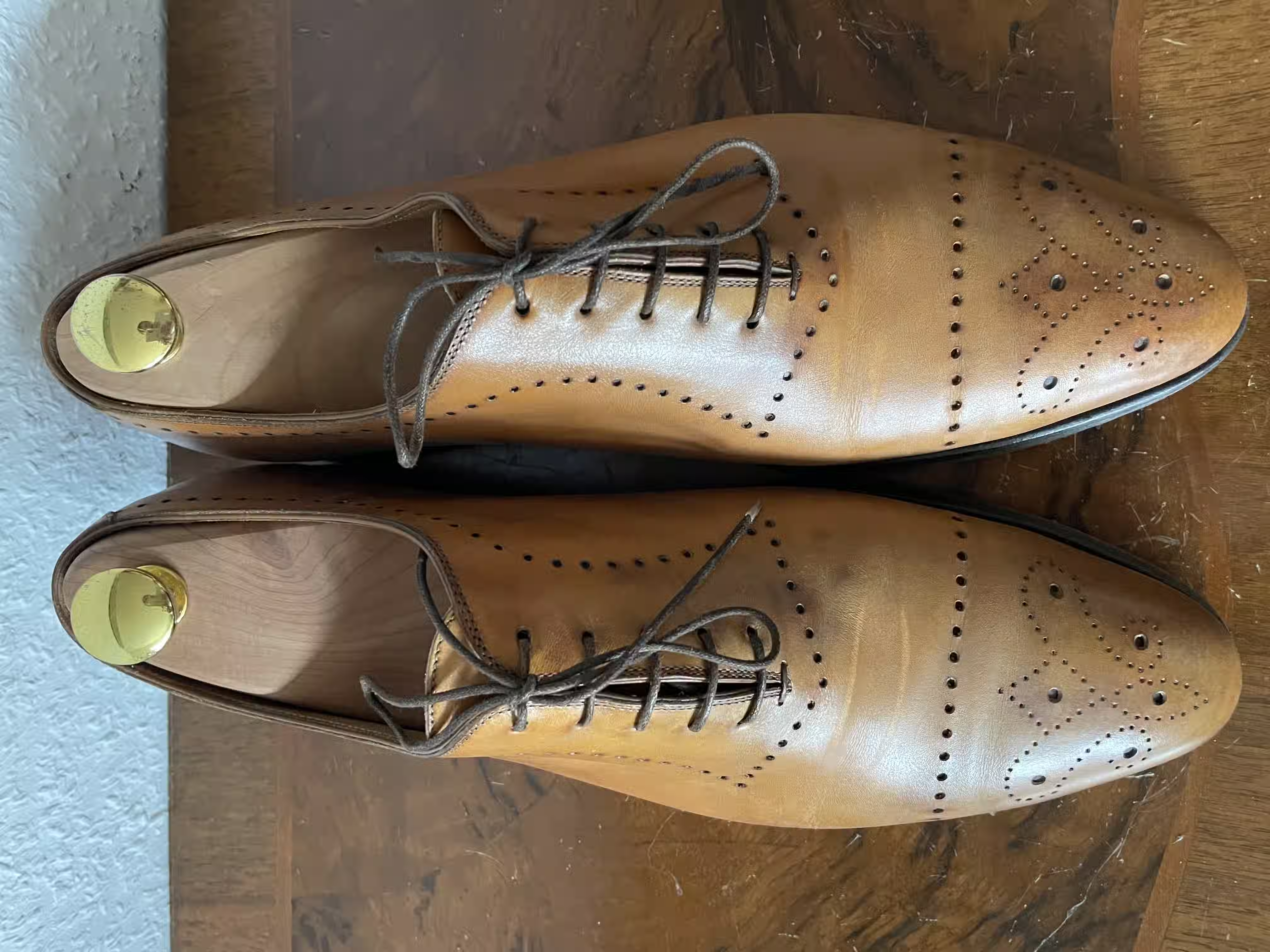
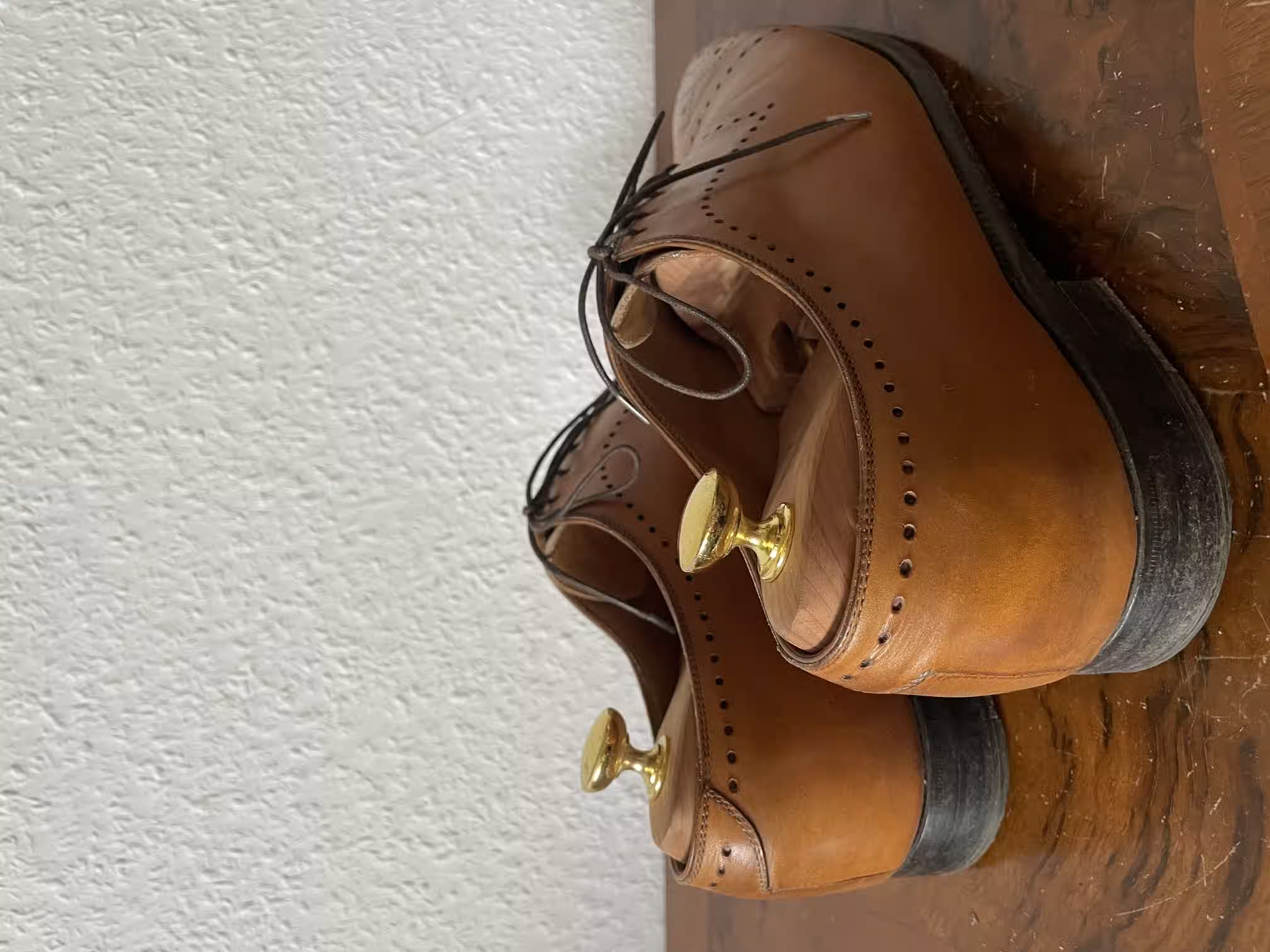
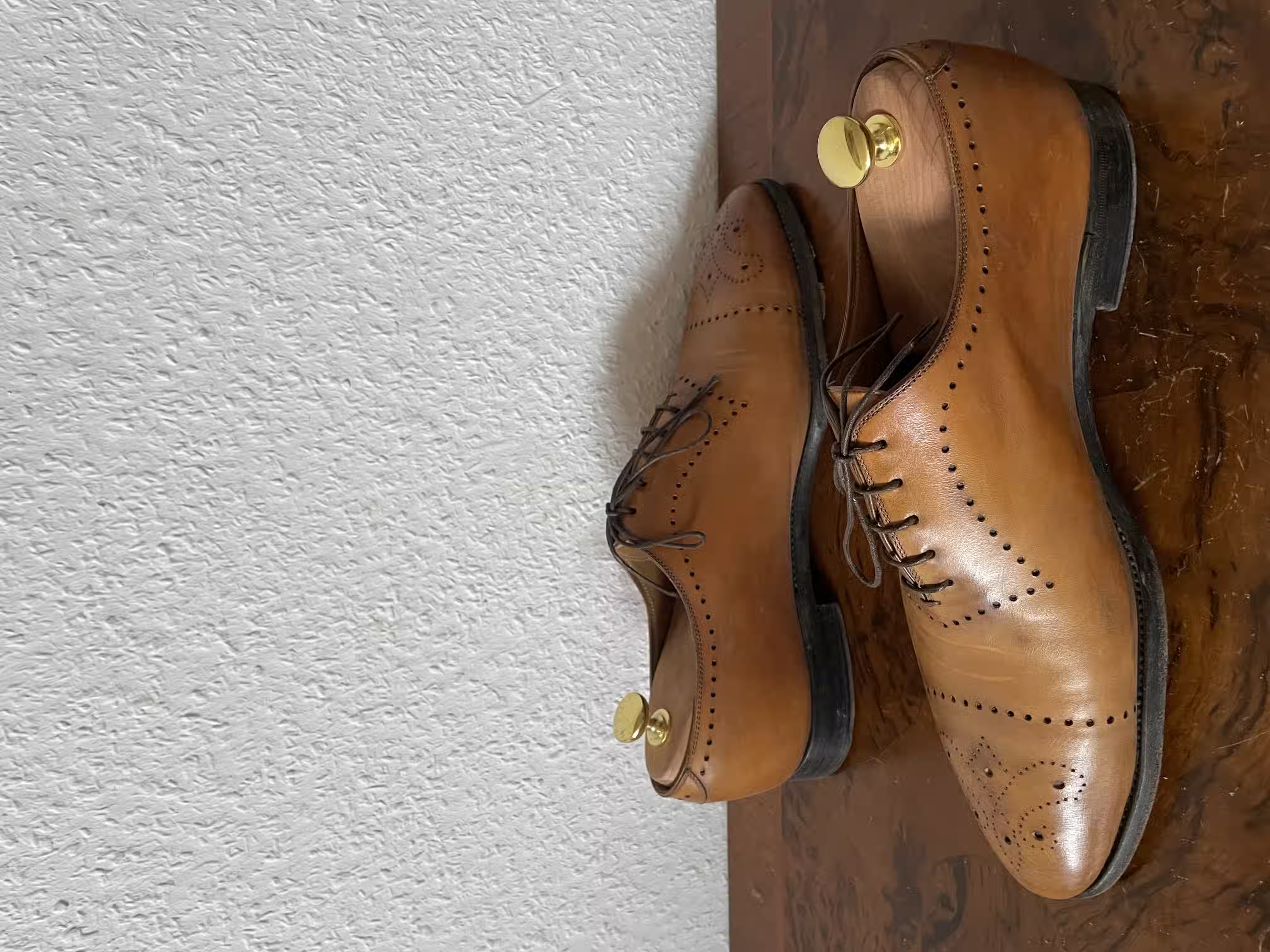
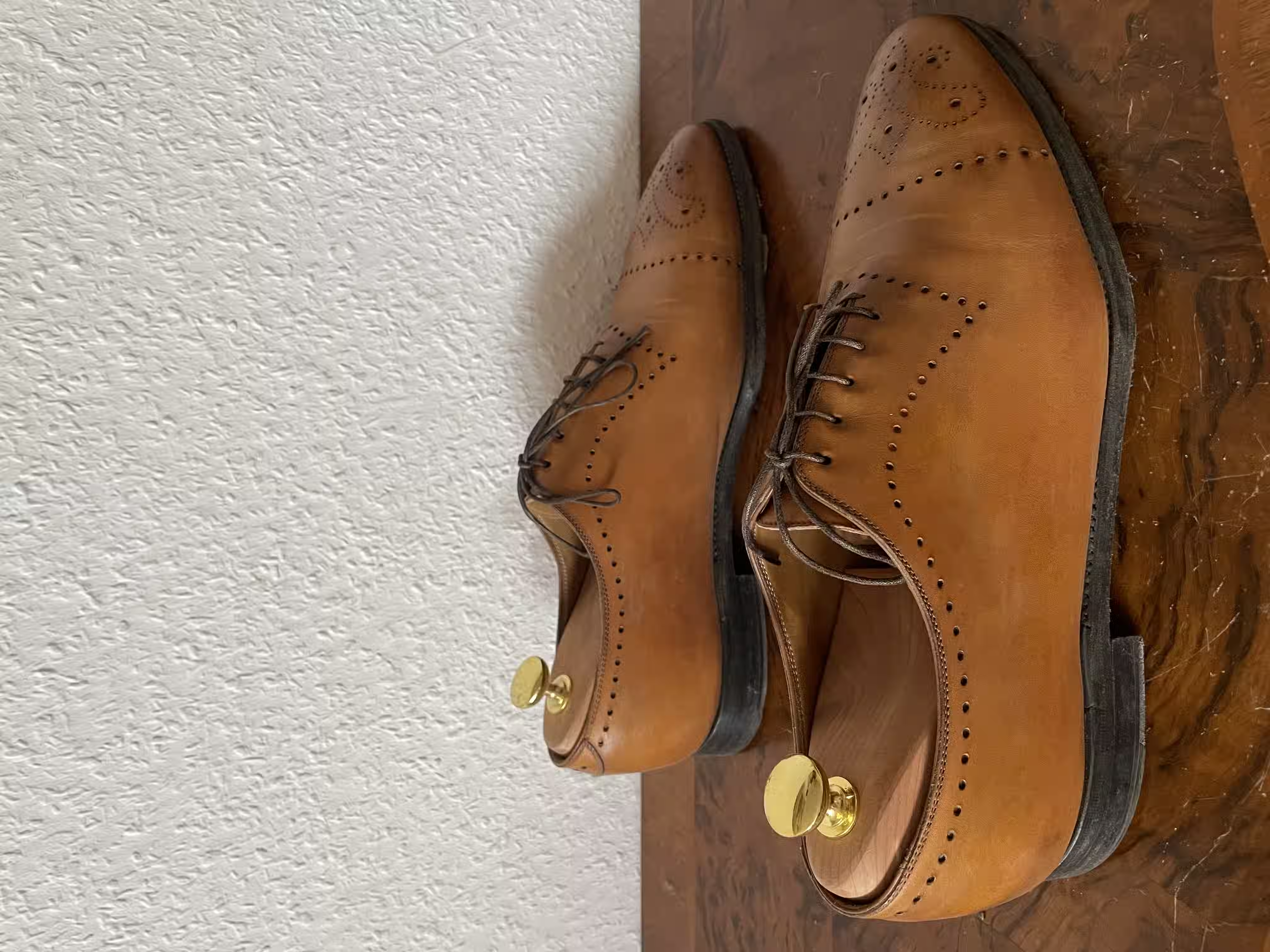
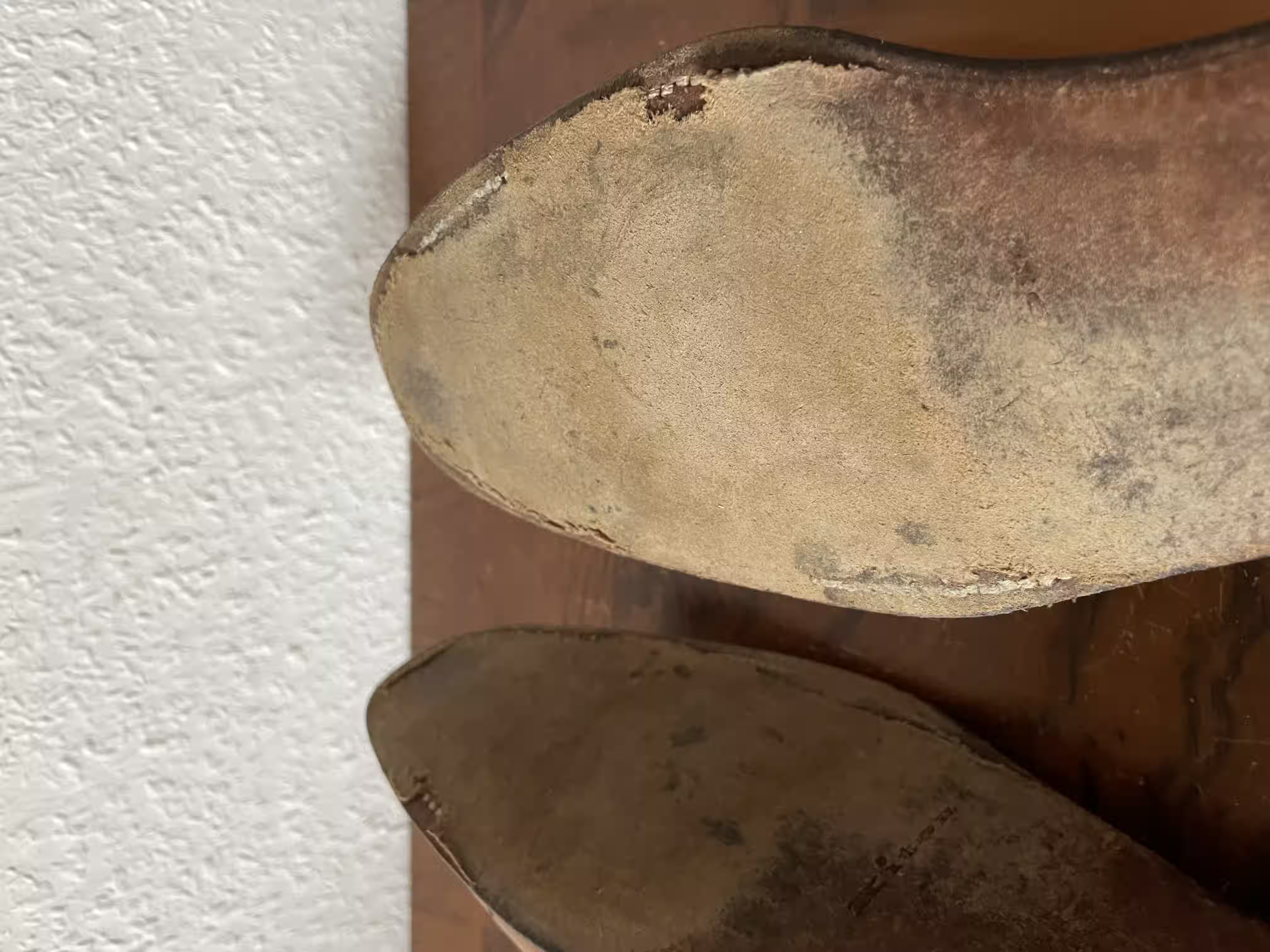
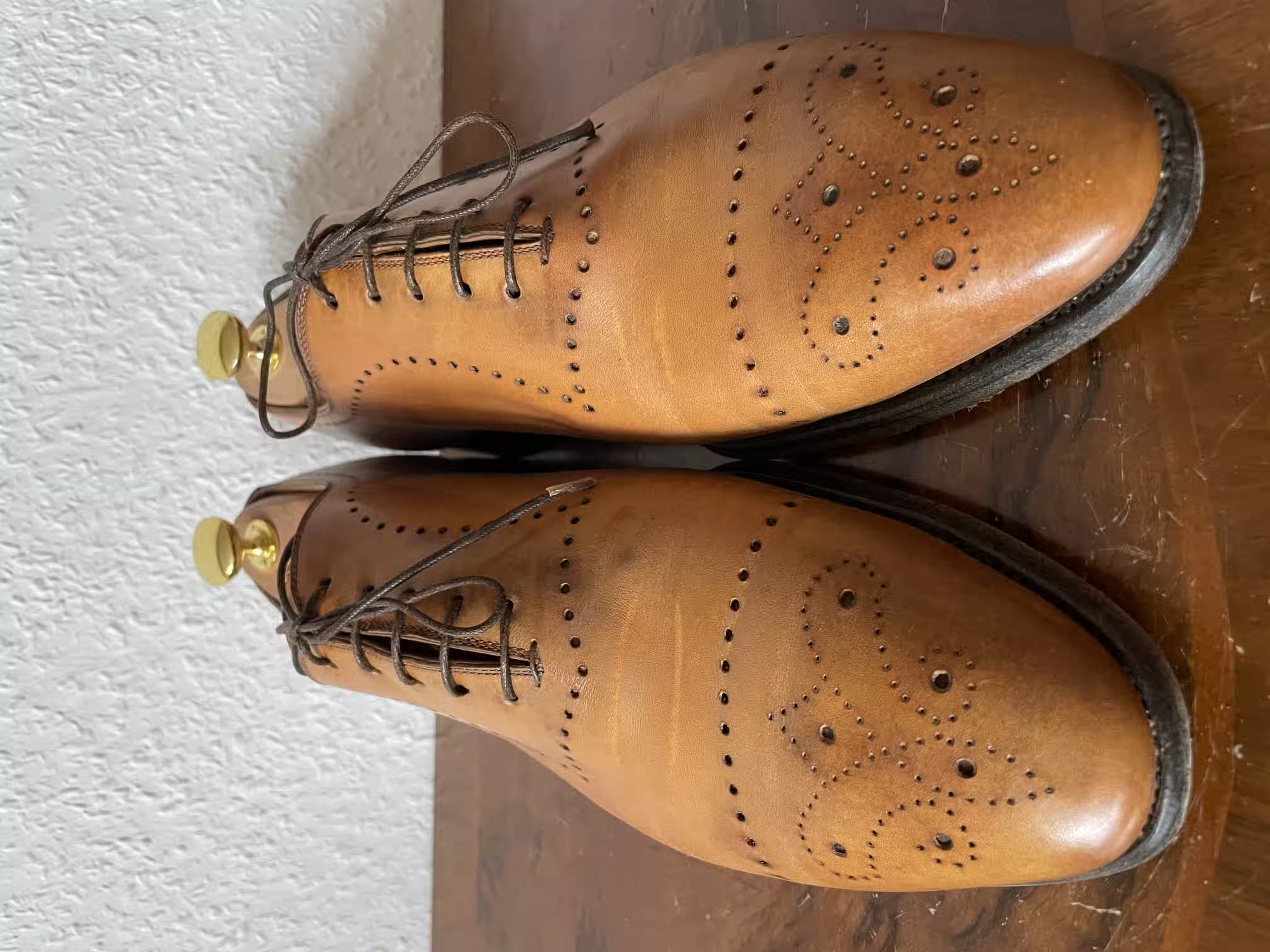
This here is also a wholecut shoe. Apart from the perforations, it is very purist as a wholecut: no toe caps, no unnecessary seams, no other upper parts sewn on. And then perforations are punched into this single piece of upper leather: a medallion on the vamp and perforation sequences that slightly resemble the so-called lyre broguing of a brogue, but are much simpler. In that sense, such subtler perforations still suit a wholecut quite well, which after all essentially embodies simple elegance.
Dark-brown wholecut oxfords
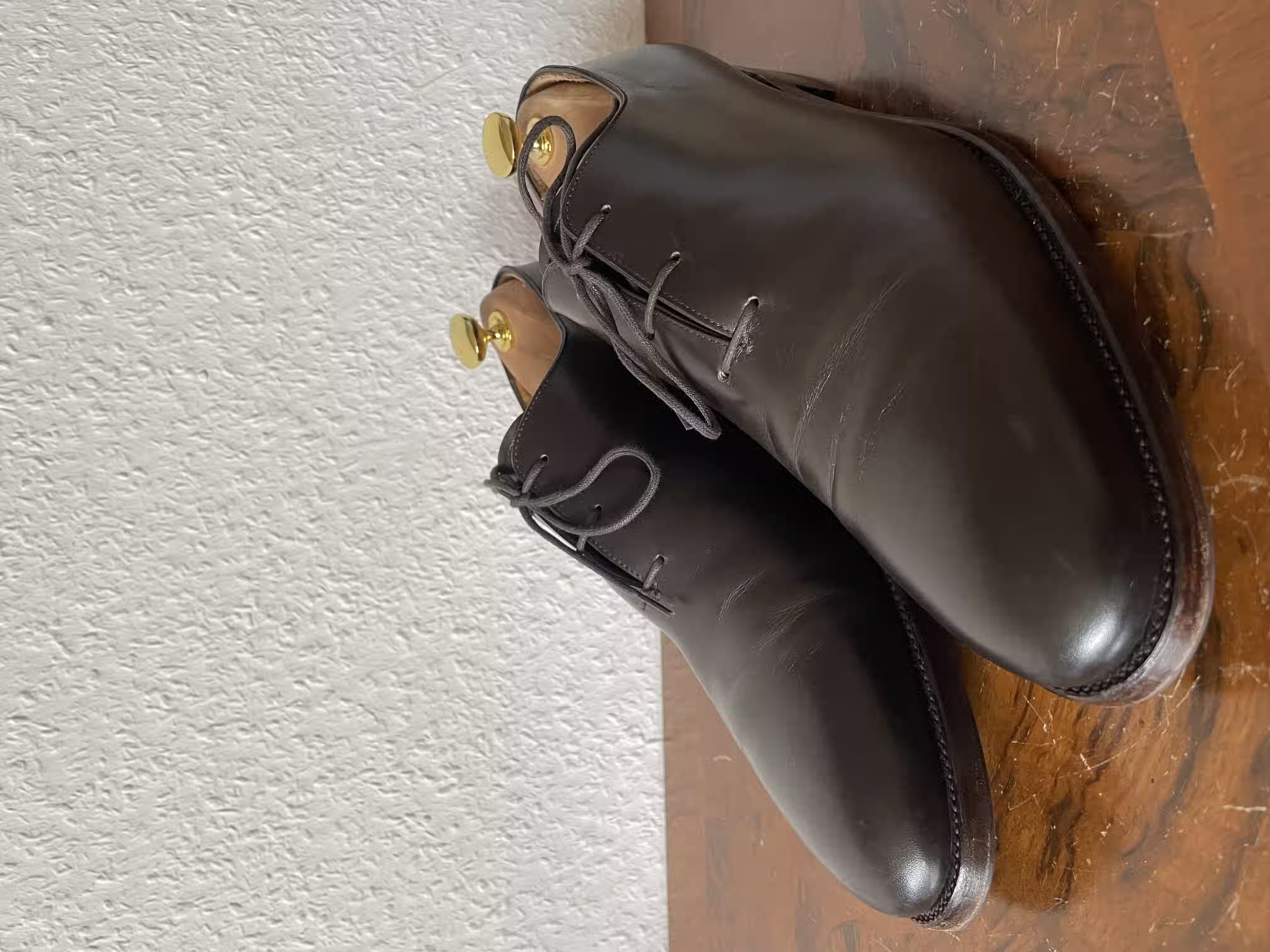
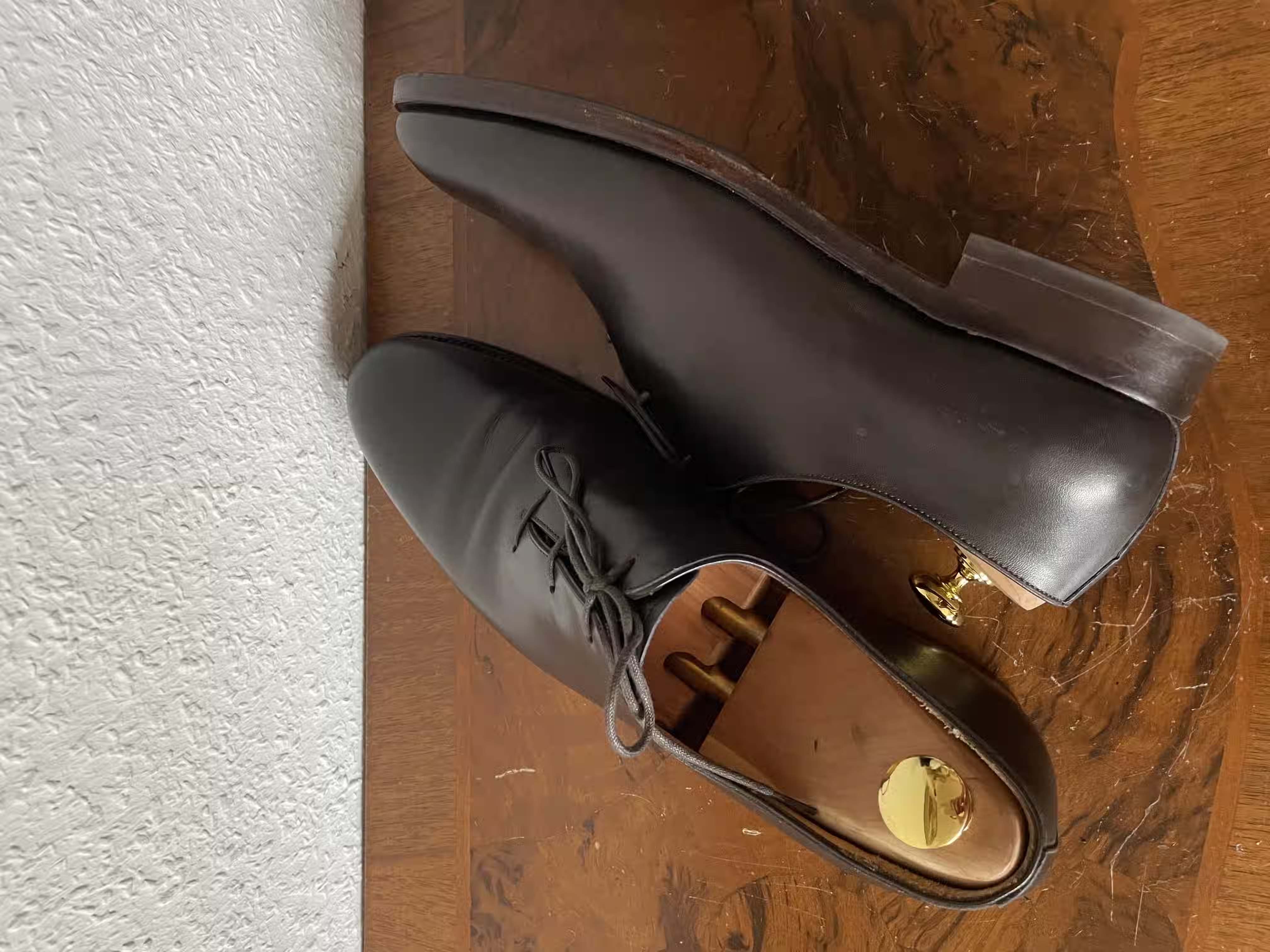
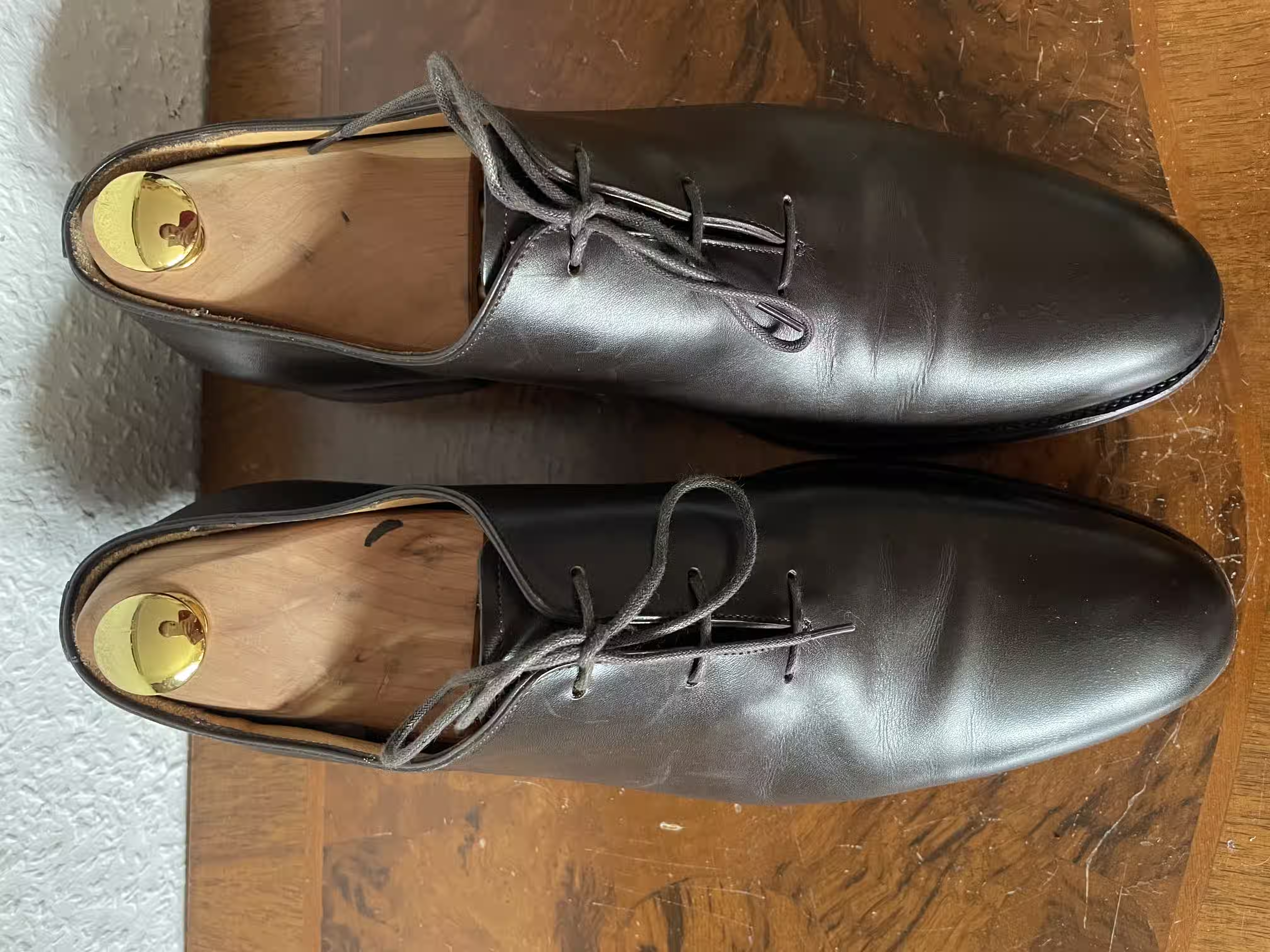
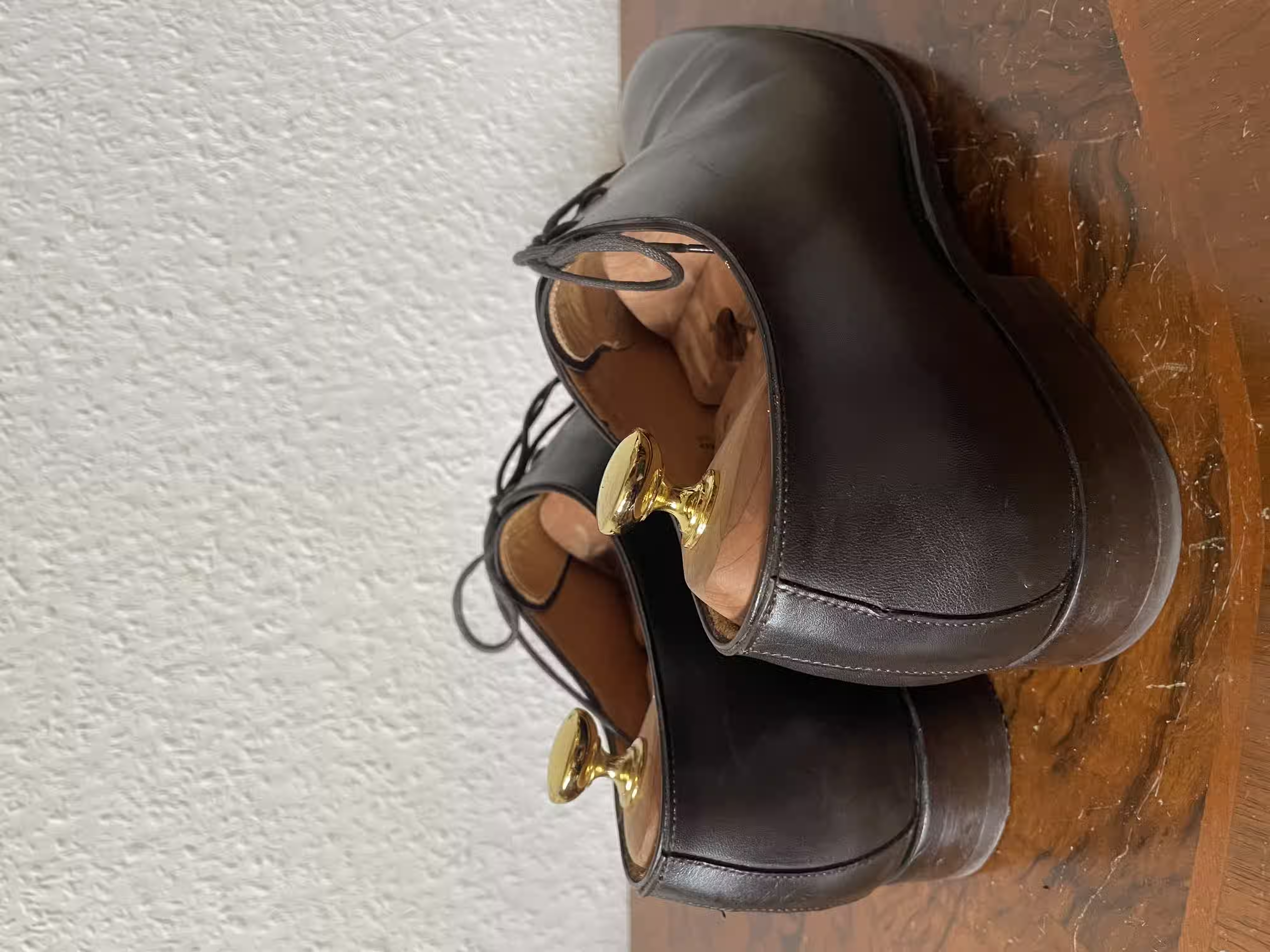
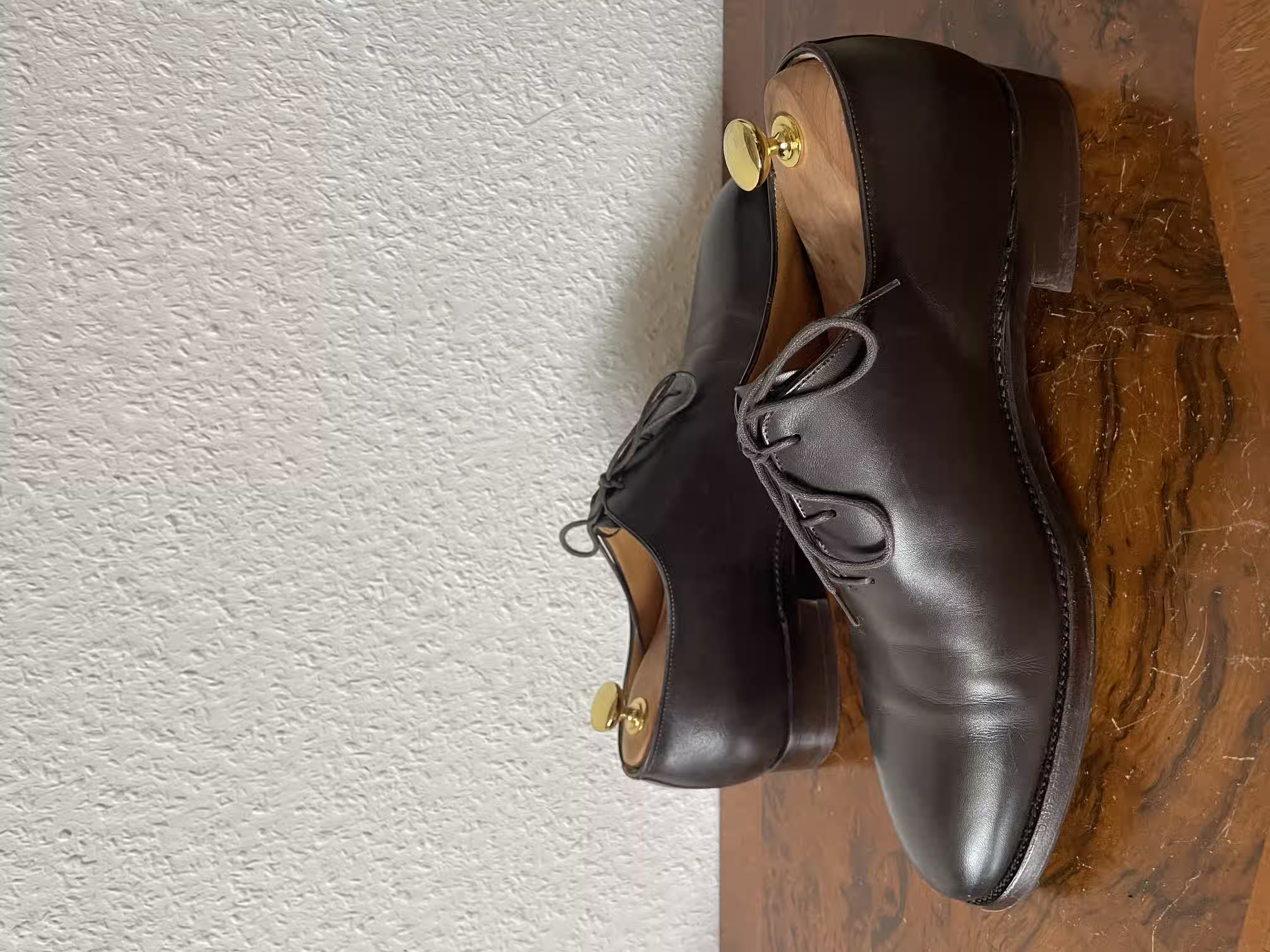
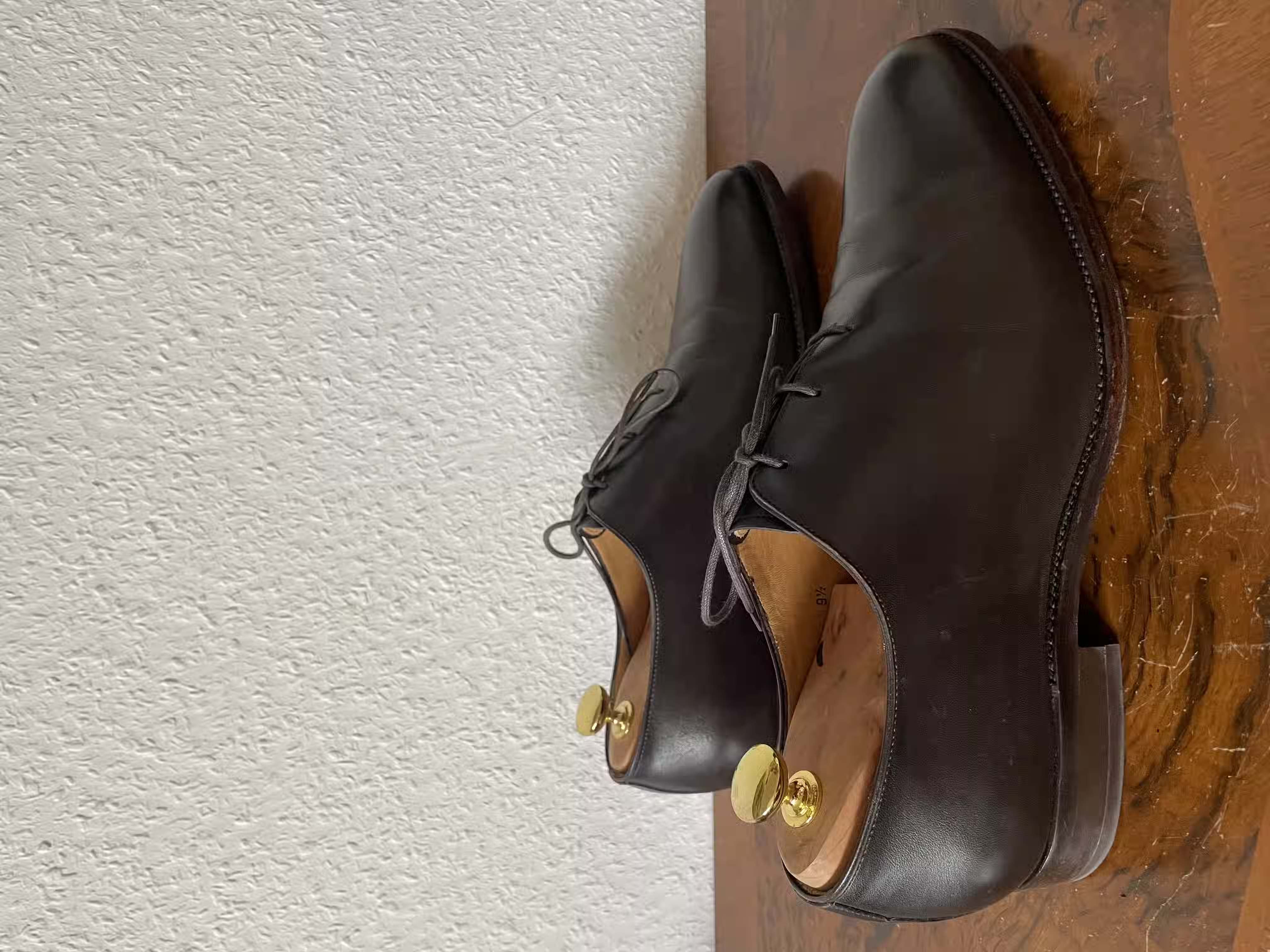
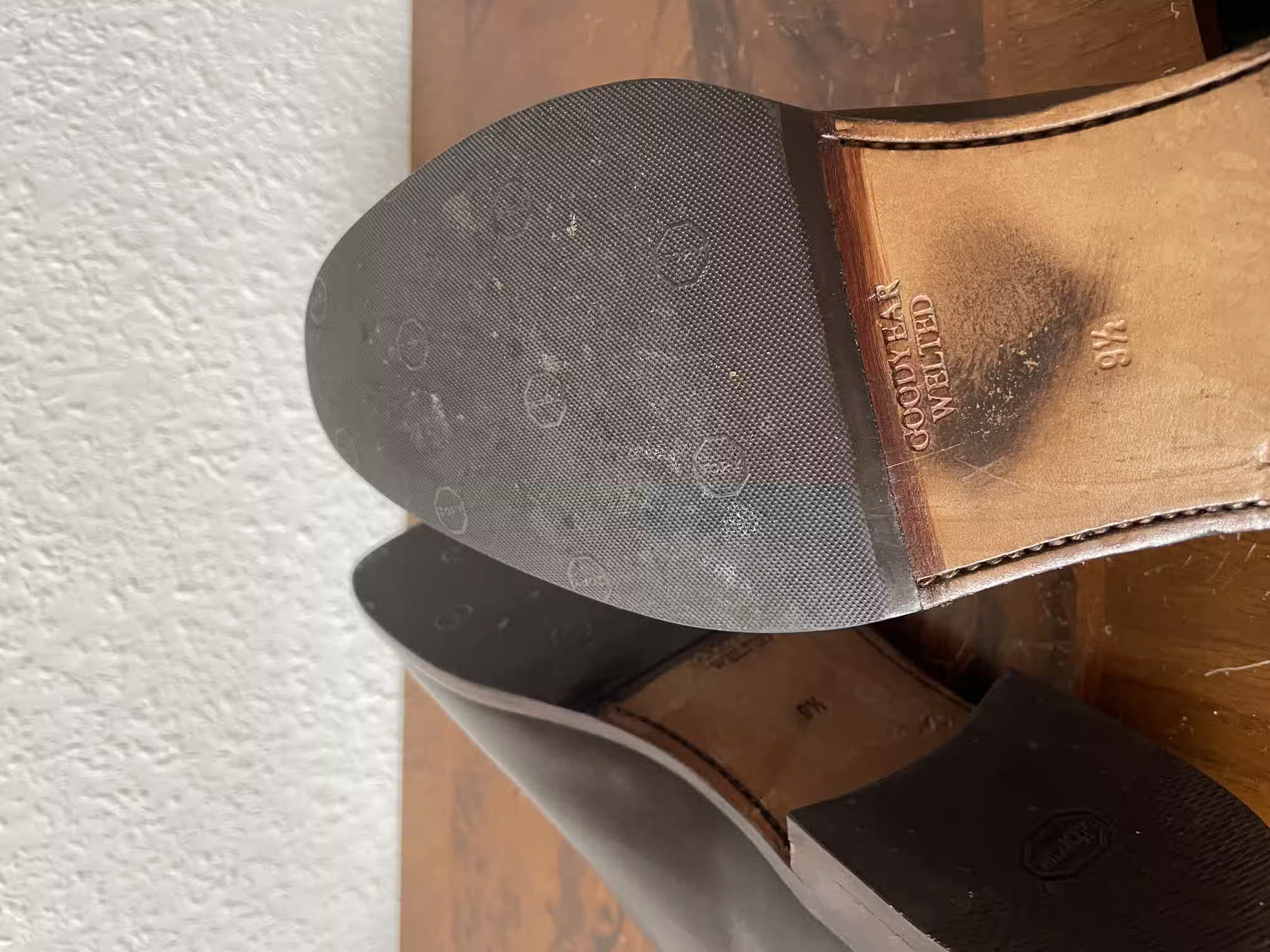
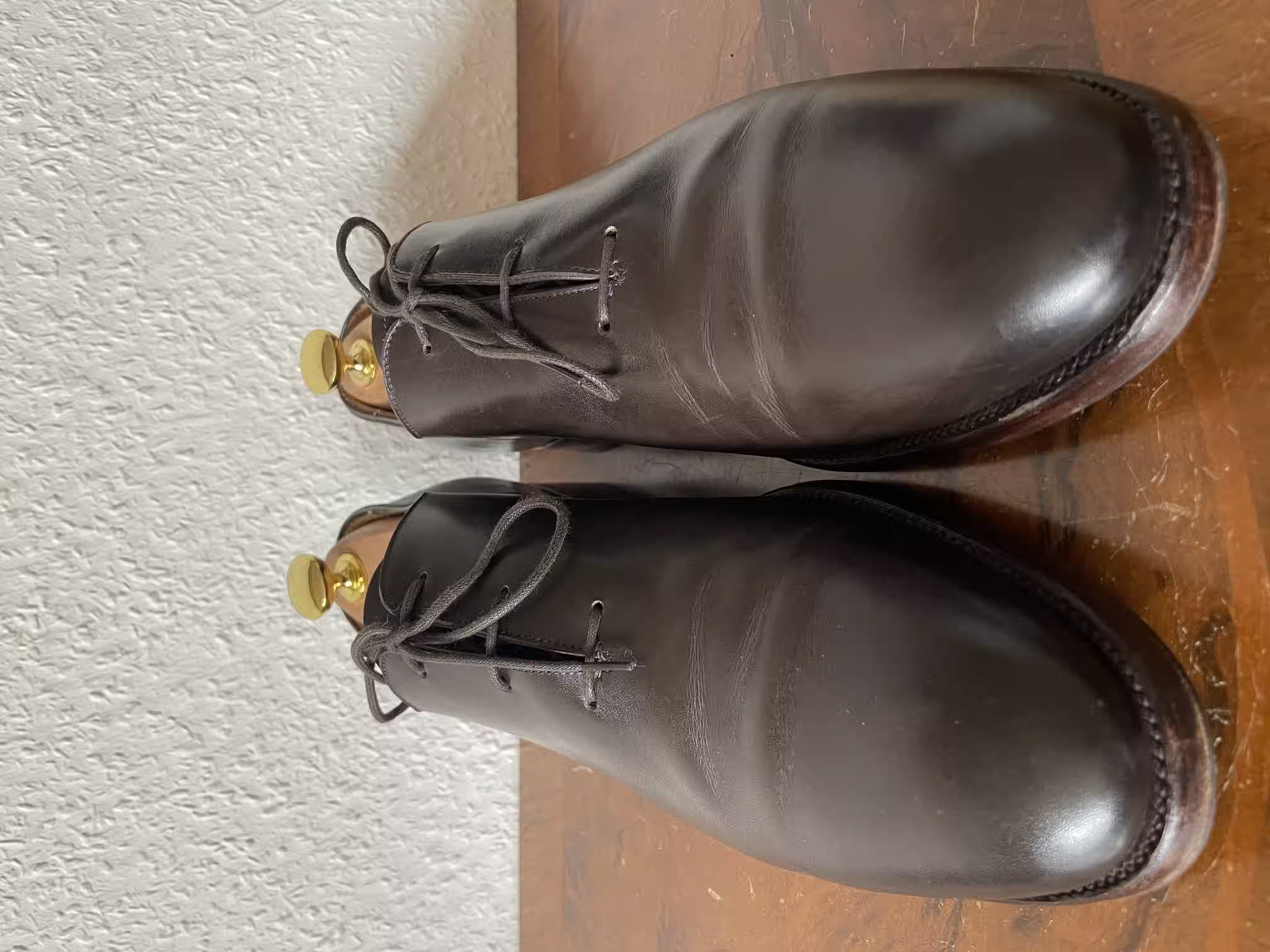
Here we have beautiful, dark-brown wholecut oxfords that are suitable for the vast majority of semi-formal and especially brown suits. The dark-brown color is ideal here because the shoes are likely the darkest element in the overall outfit: the darkest color is then at the bottom, which creates a grounded overall look.
So this is a nice shoe that, thanks to its simplicity and the beautiful smooth leather, really comes into its own best with non-black suits made of brushed wool - whereas in casual wear, in my view, much less so. Still, you can experiment more with the dark-brown color here than with black.
Wholecut means more work in manufacturing
You might think that the wholecut variant is quite inexpensive, because the shoemaker saves the work of stitching the various pieces of the upper together. Overall, though, it’s more the other way around: Even if the shoemaker does in fact save some sewing work when making the upper, he has more work or higher costs in other places that, on balance, matter more:
When cutting the upper leather from the hide
Aside from the so-called tongue of the shoe, which sits underneath the lacing, the shoemaker has to cut a large piece from the hide for a wholecut. This gives him fewer options to work around scratches or punctures in the hide or to make use of smaller leftover pieces. Once he has cut out two large upper pieces for a pair of wholecut shoes, there will likely be a relatively large amount of unusable leather left over. In that sense, wholecut shoes are more expensive because, one way or another, they consume more hide than other shoes that can be made with several smaller pieces of leather. And if the hide no longer has the necessary overall area for such a pair of wholecut shoes, then an entirely new hide has to be used.
When lasting the upper over the last, pulling it over
Pulling the upper over the last is more demanding with a wholecut. Because the upper leather essentially consists of a single piece, it is overall a bit less flexible than several pieces stitched together: Pulling in one spot on a wholecut affects the leather as a whole more, and therefore has more potential to create wrinkles elsewhere.
Wholecut without a heel seam
How can you go even further, in terms of material usage, than a wholecut shoe? A wholecut has very few seams in the upper leather, but in most cases an Oxford does still have this one seam: in the heel area, to stitch the single piece of upper leather together at the back—something that usually also happens in a way that is visible from the outside via a heel seam. Sometimes this heel seam is covered by a small piece of leather for protection.
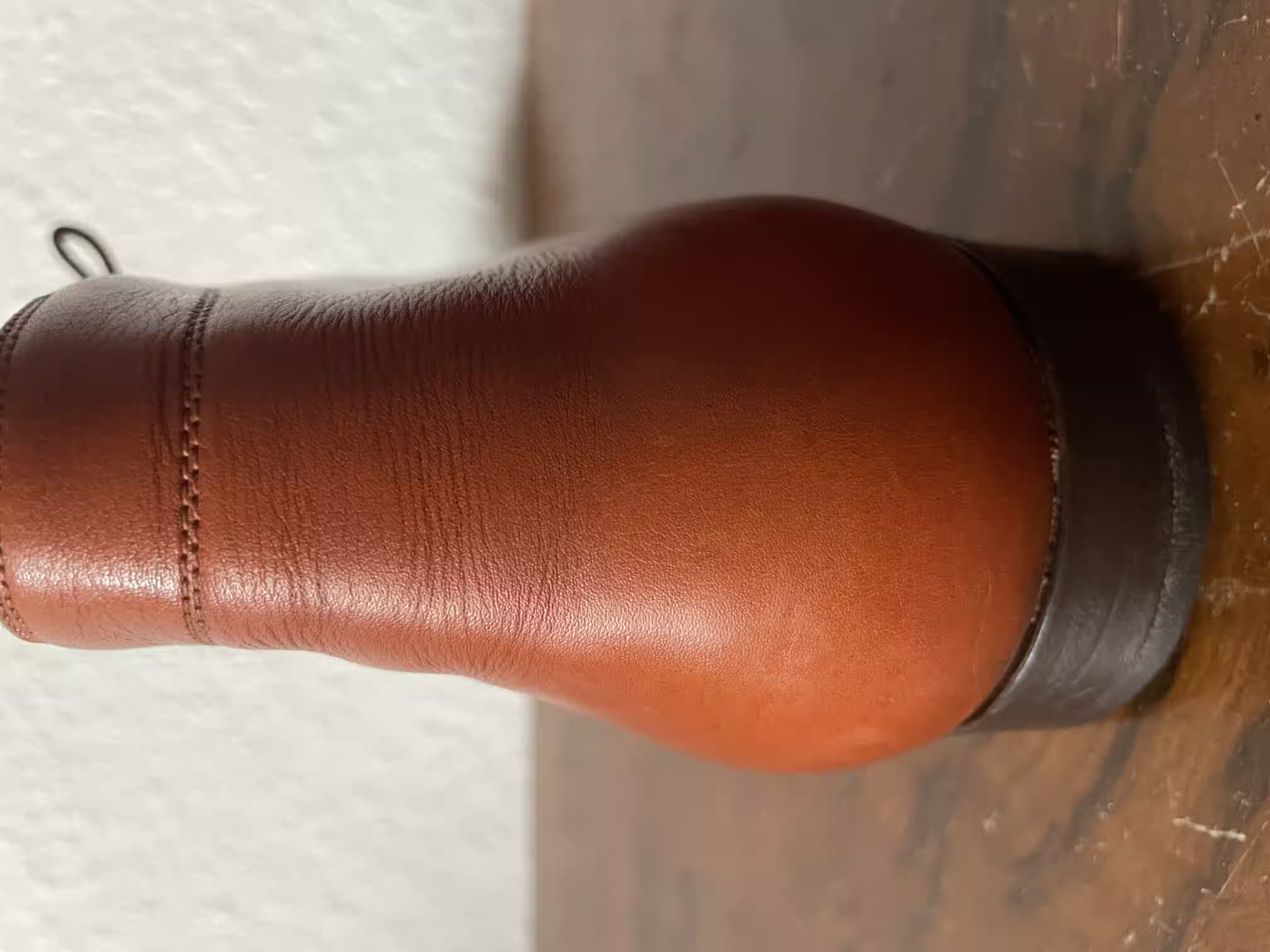
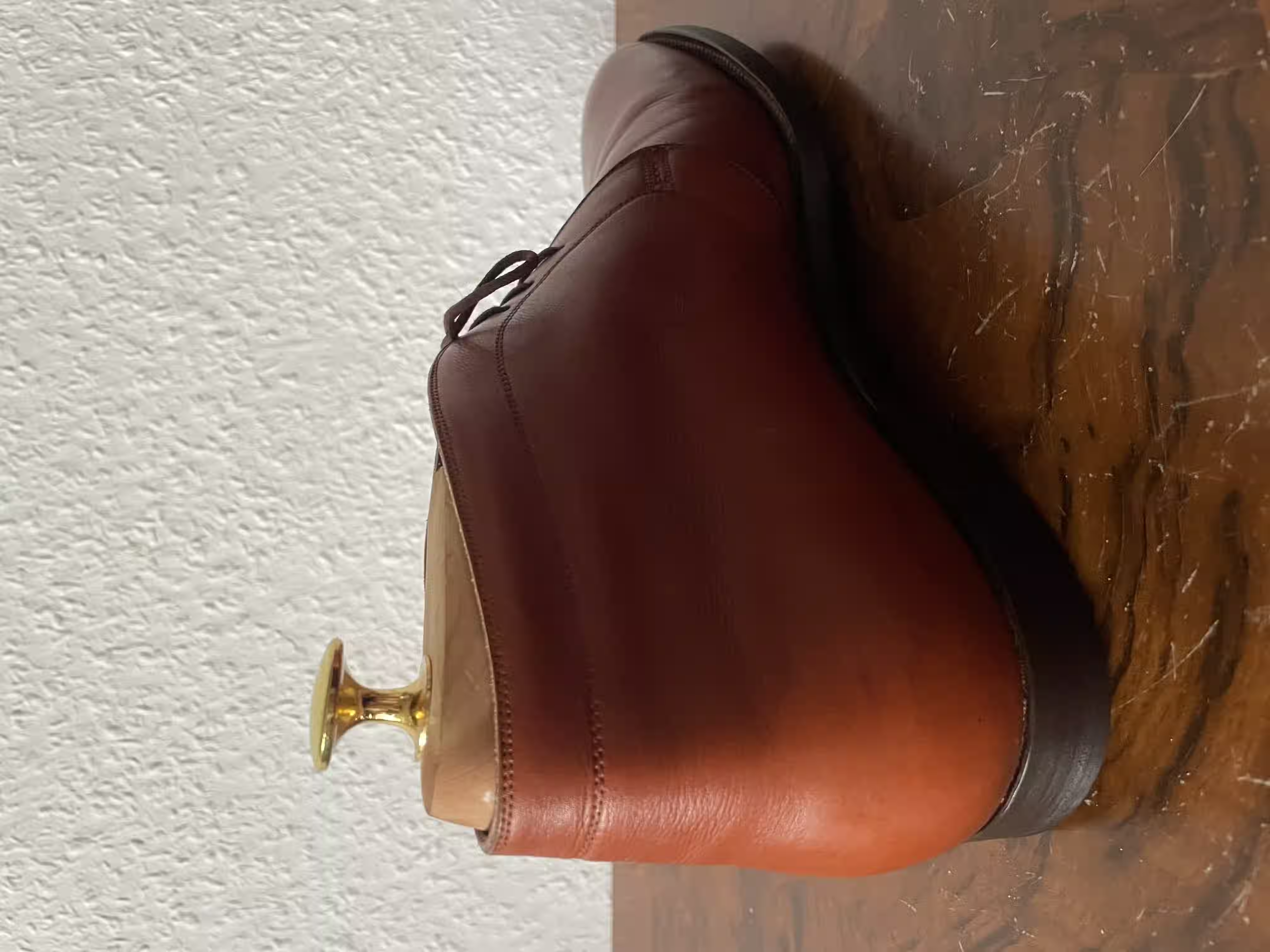
But if this heel seam is omitted because the shoemaker is even more generous with the leather, then the wholecut shoe is a so-called wholecut shoe in the seamless variant, or seamless wholecut. This seamless variant fits especially well with the wholecut, because it makes the wholecut even more purist than it already is. The upper leather stands out even more at the back.
And yes: This is a detail that, depending on the circumstances, simply shows to advantage far too rarely when worn. Still, good shoes are also small works of art, and with works of art, details can be decisive. That’s how I see it here as well. And connoisseurs of such a detail often also simply appreciate the extra effort the shoemaker was willing to put in to achieve such an uncommon shoe variant.
