
Why stitched leather shoes are the best shoes
What are the best shoes? You can’t answer that the same way for everyone, because there are different aspects and purposes for shoes that everyone weights differently. Here you’ll learn why, for me, the broad category of well-made leather shoes contains the best shoes of all.
Introduction
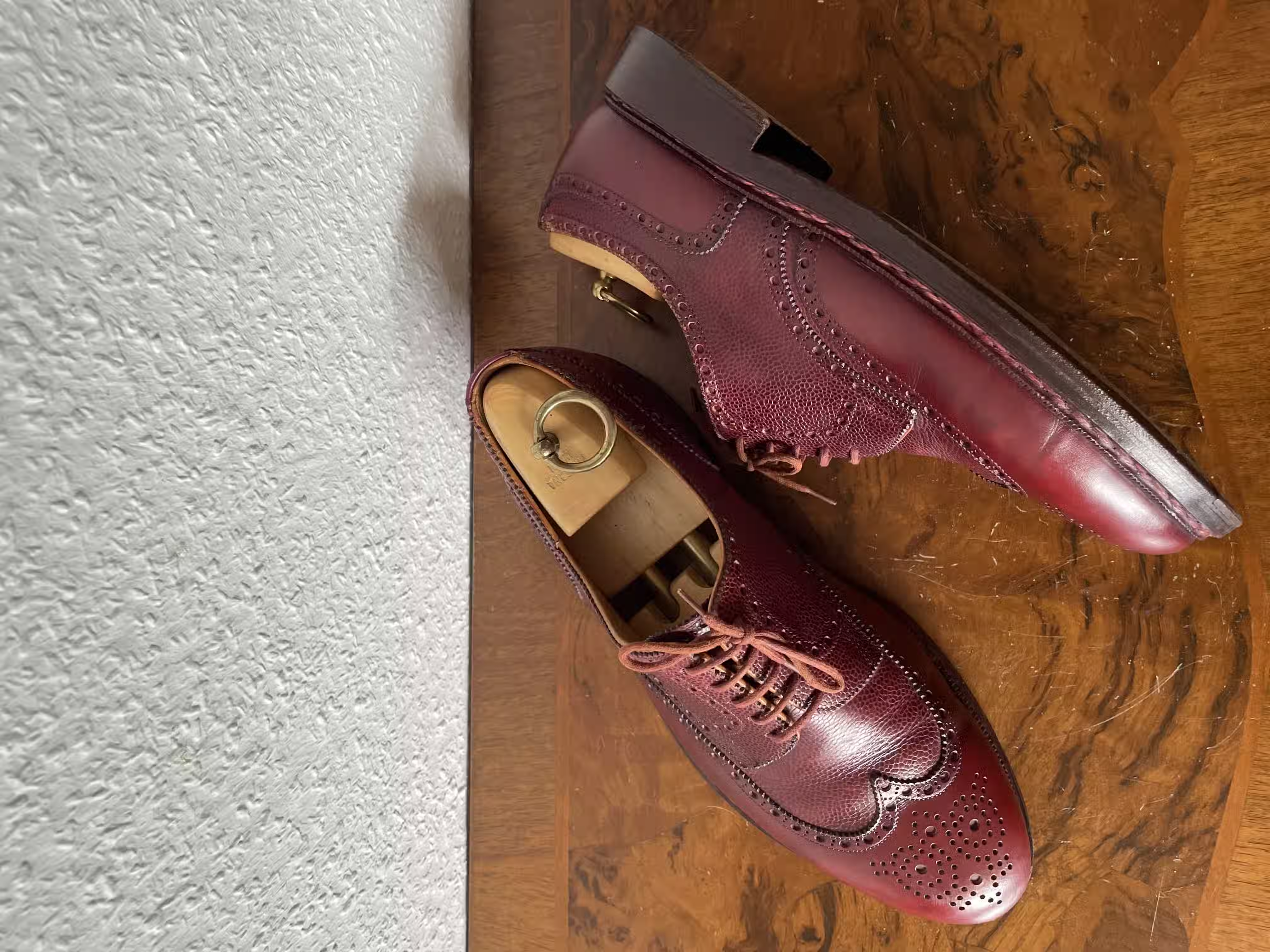
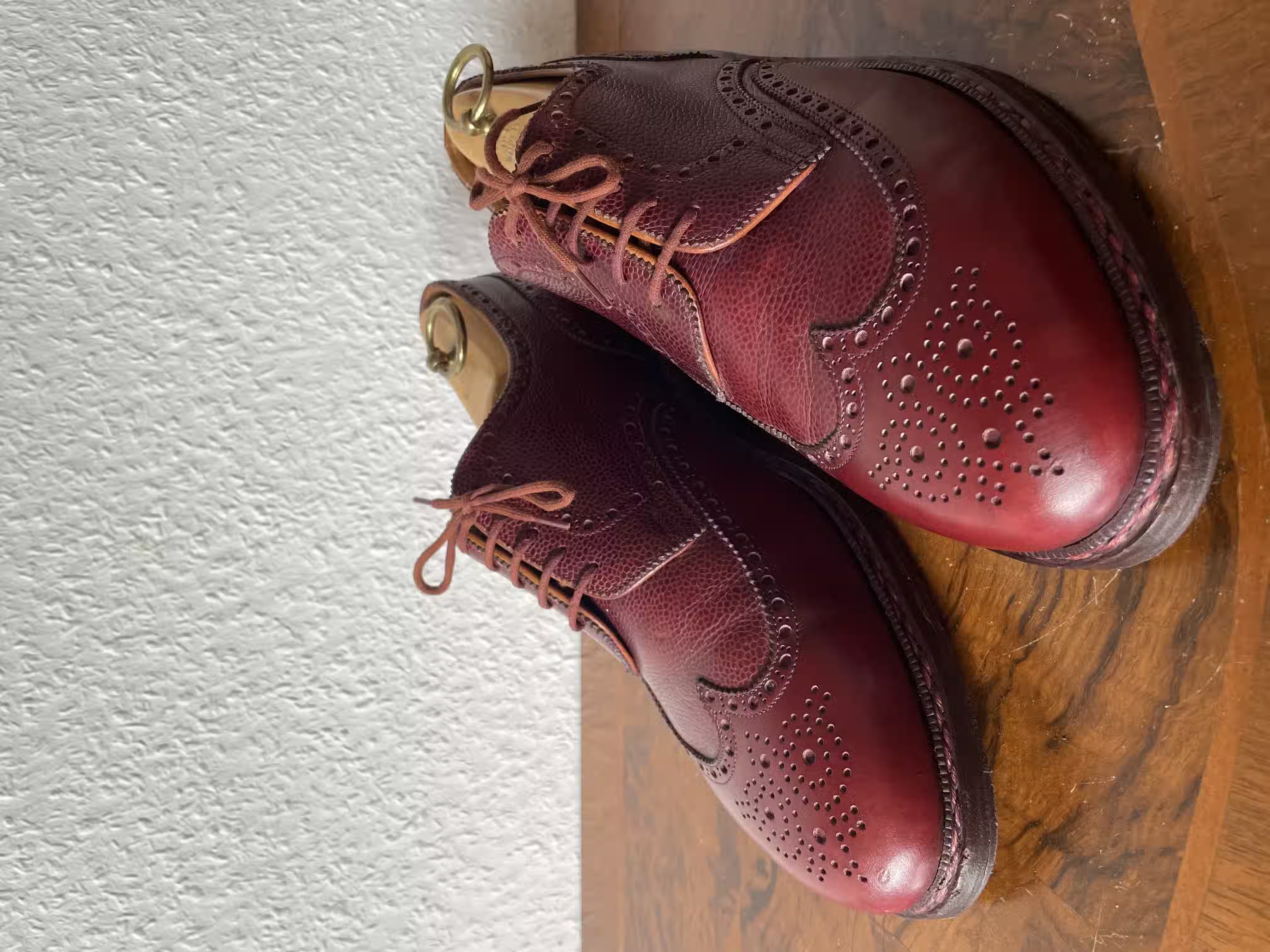
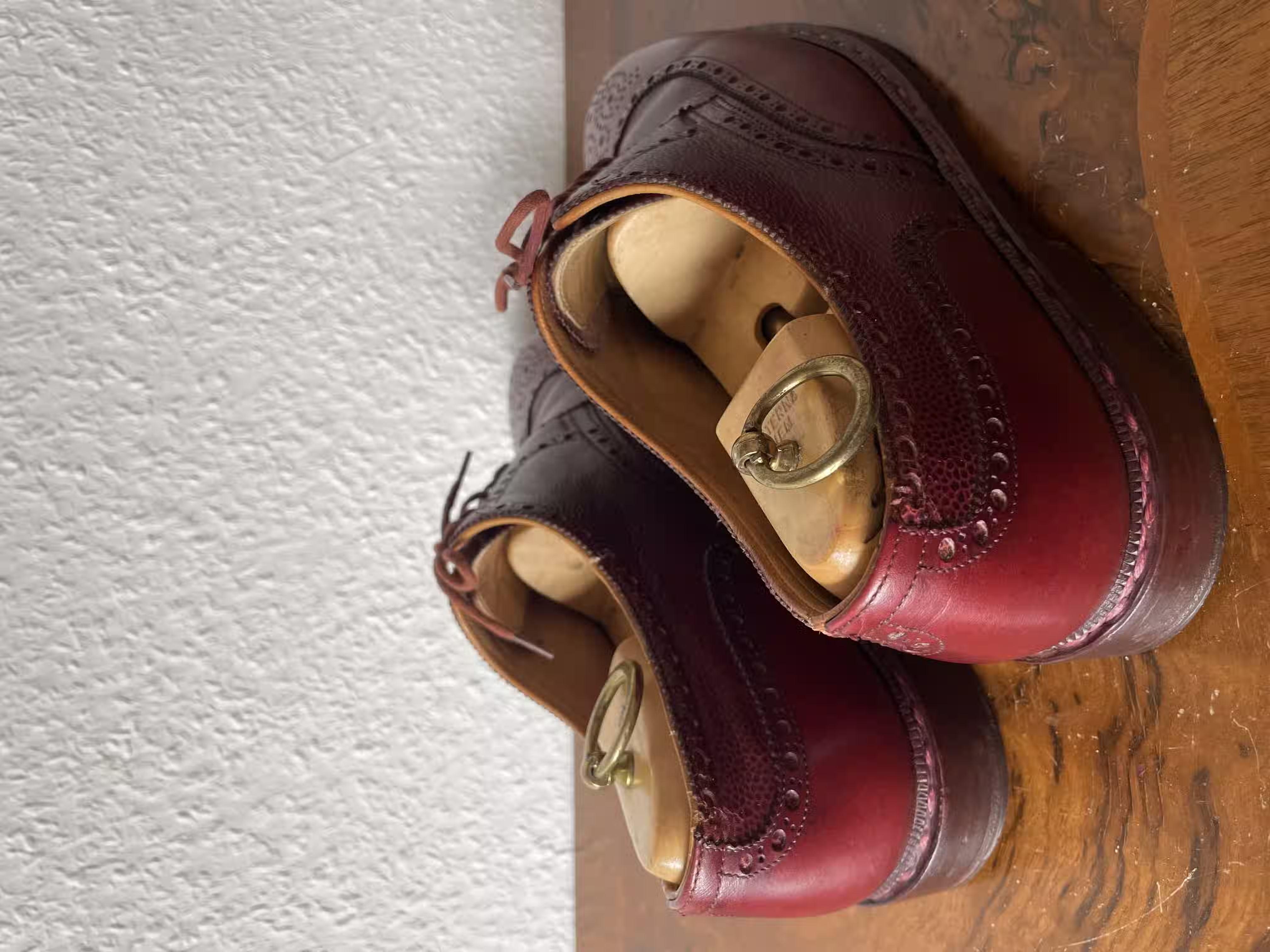
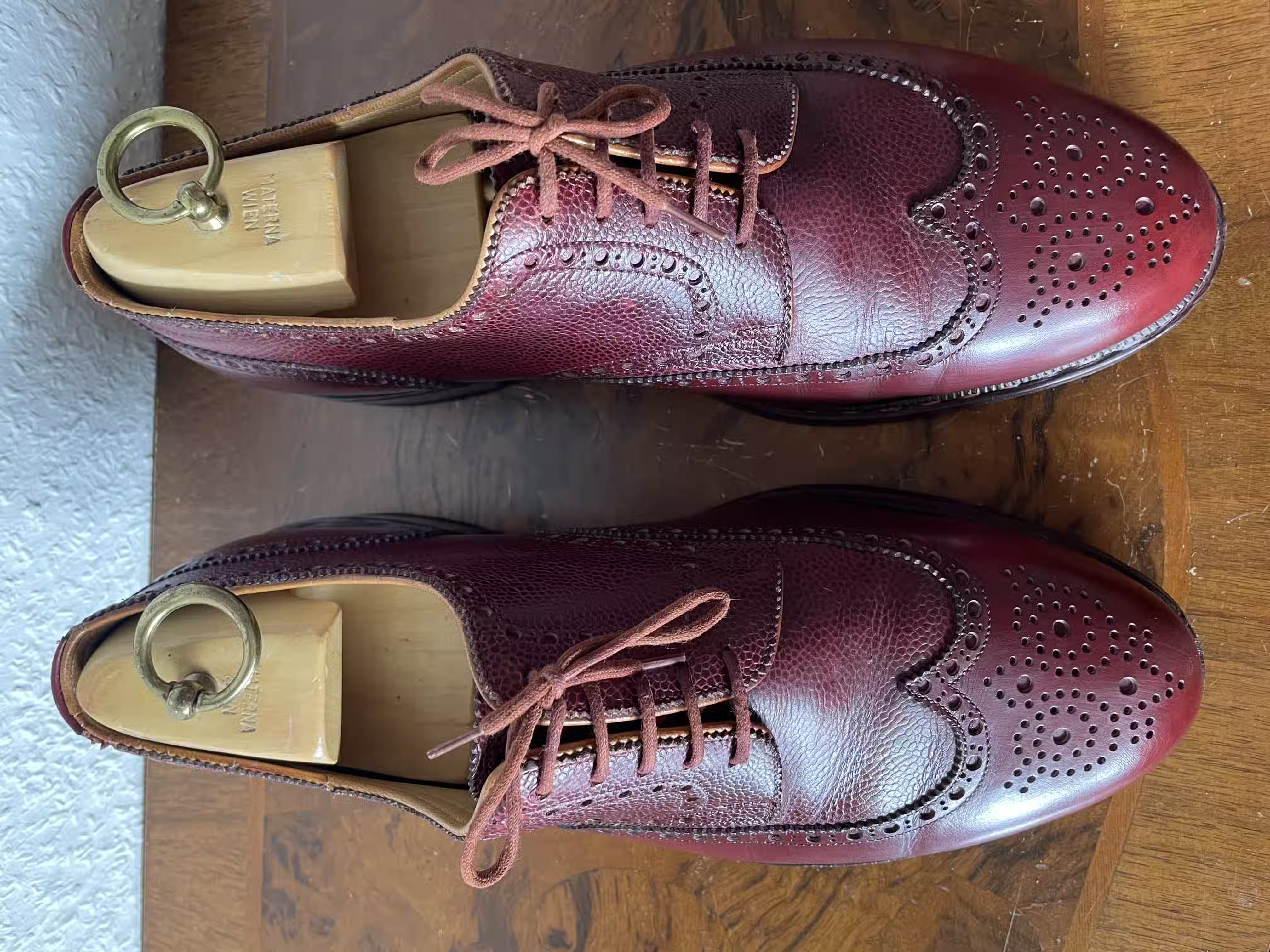
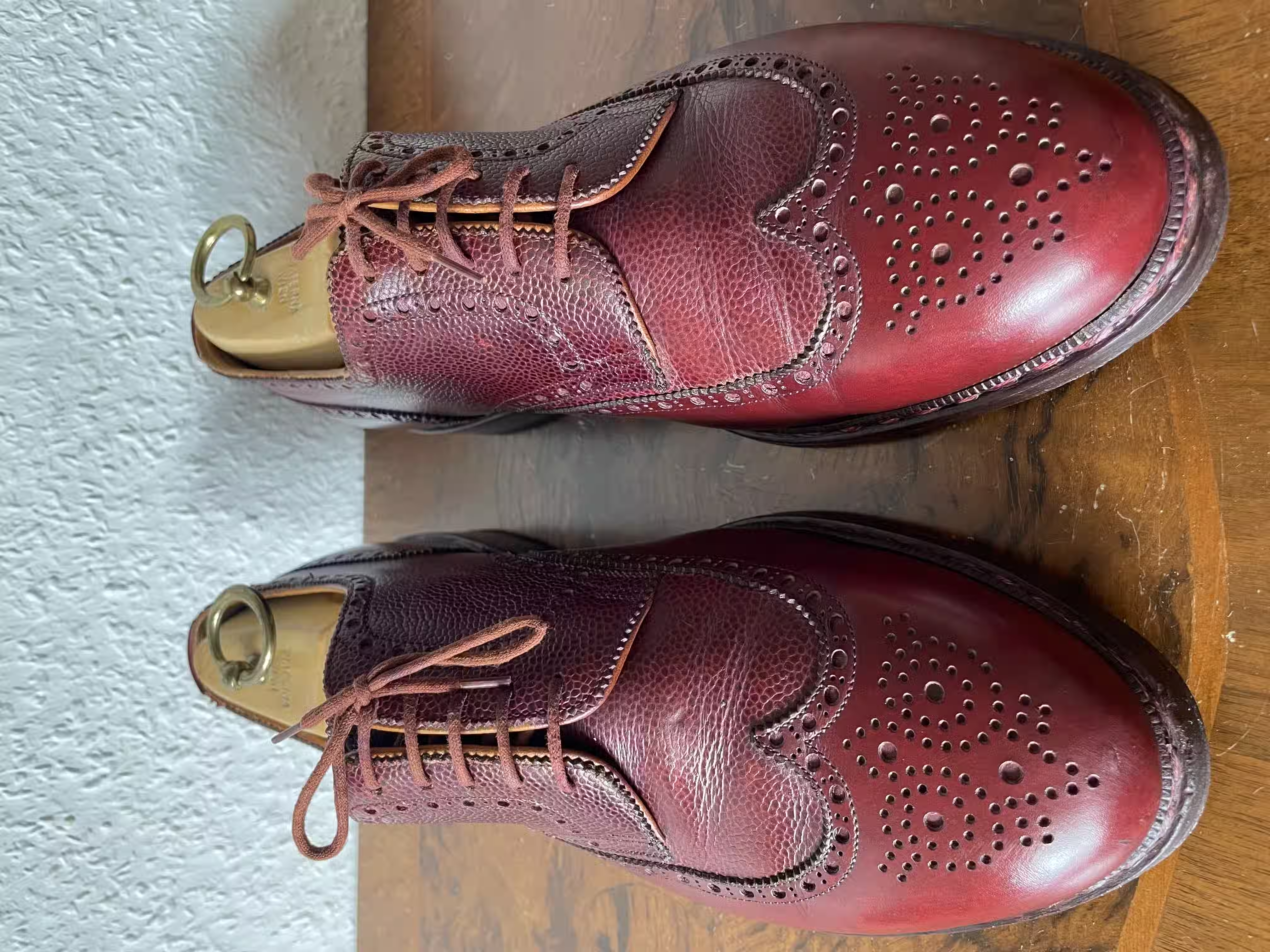
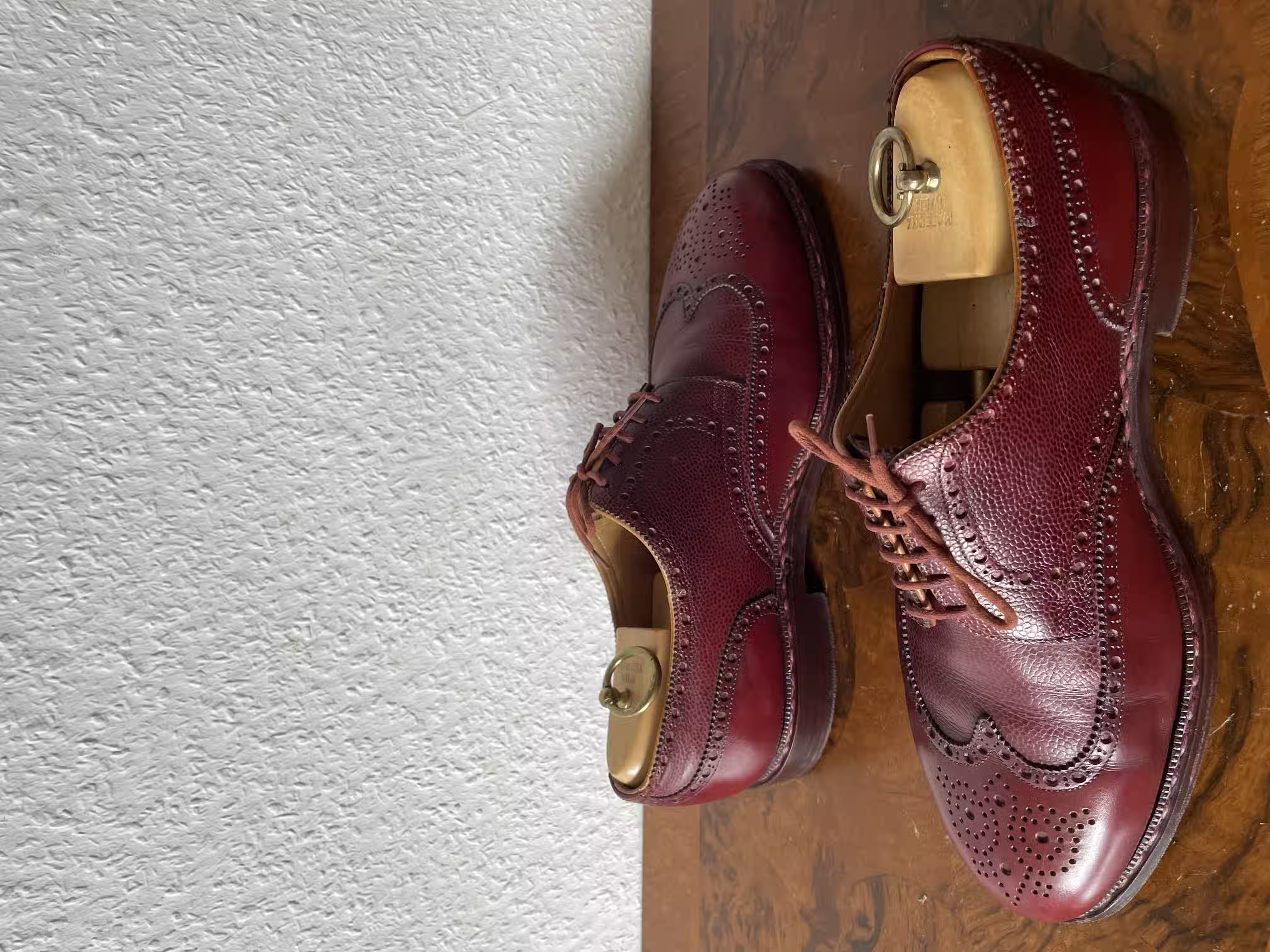
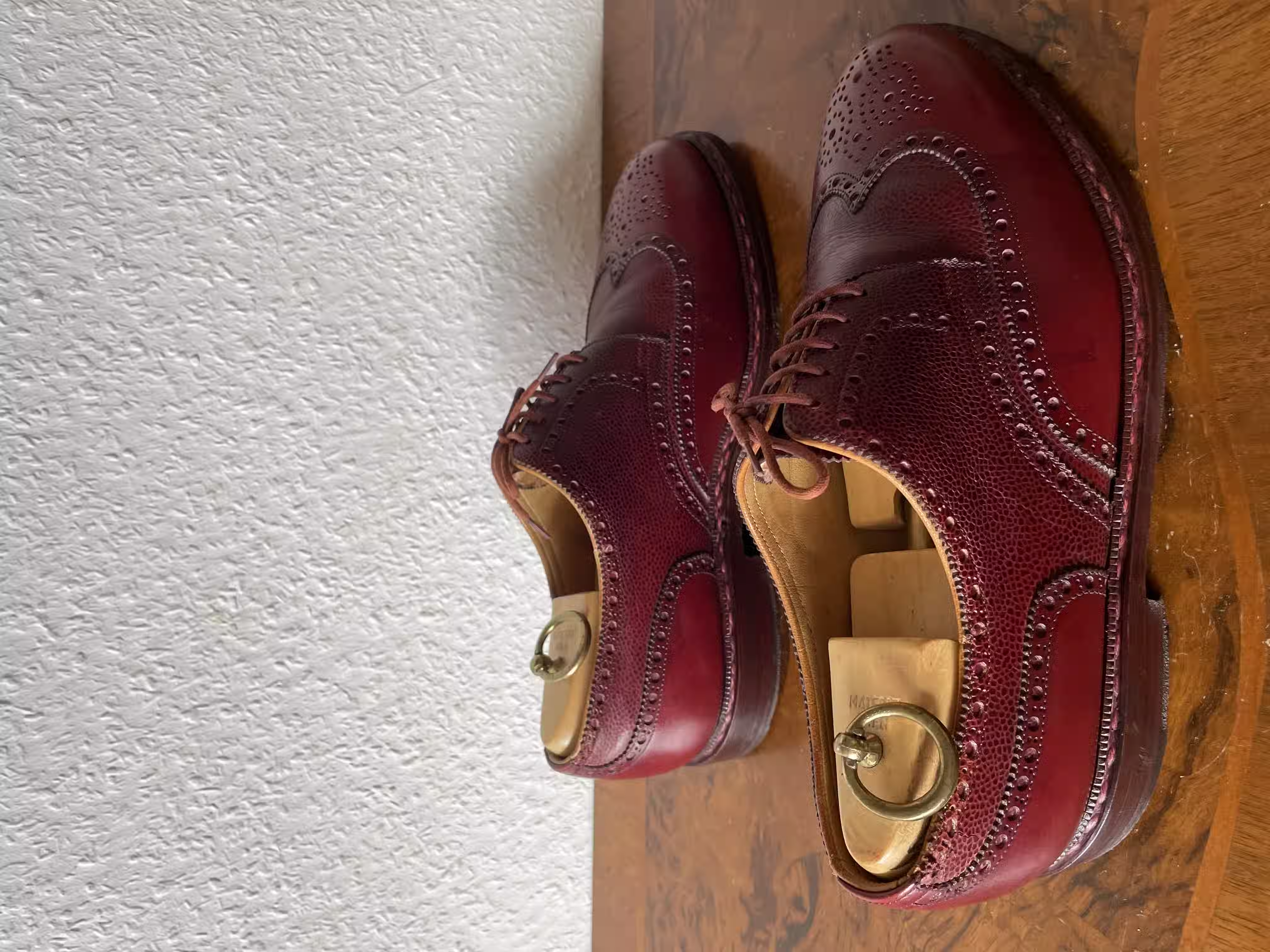
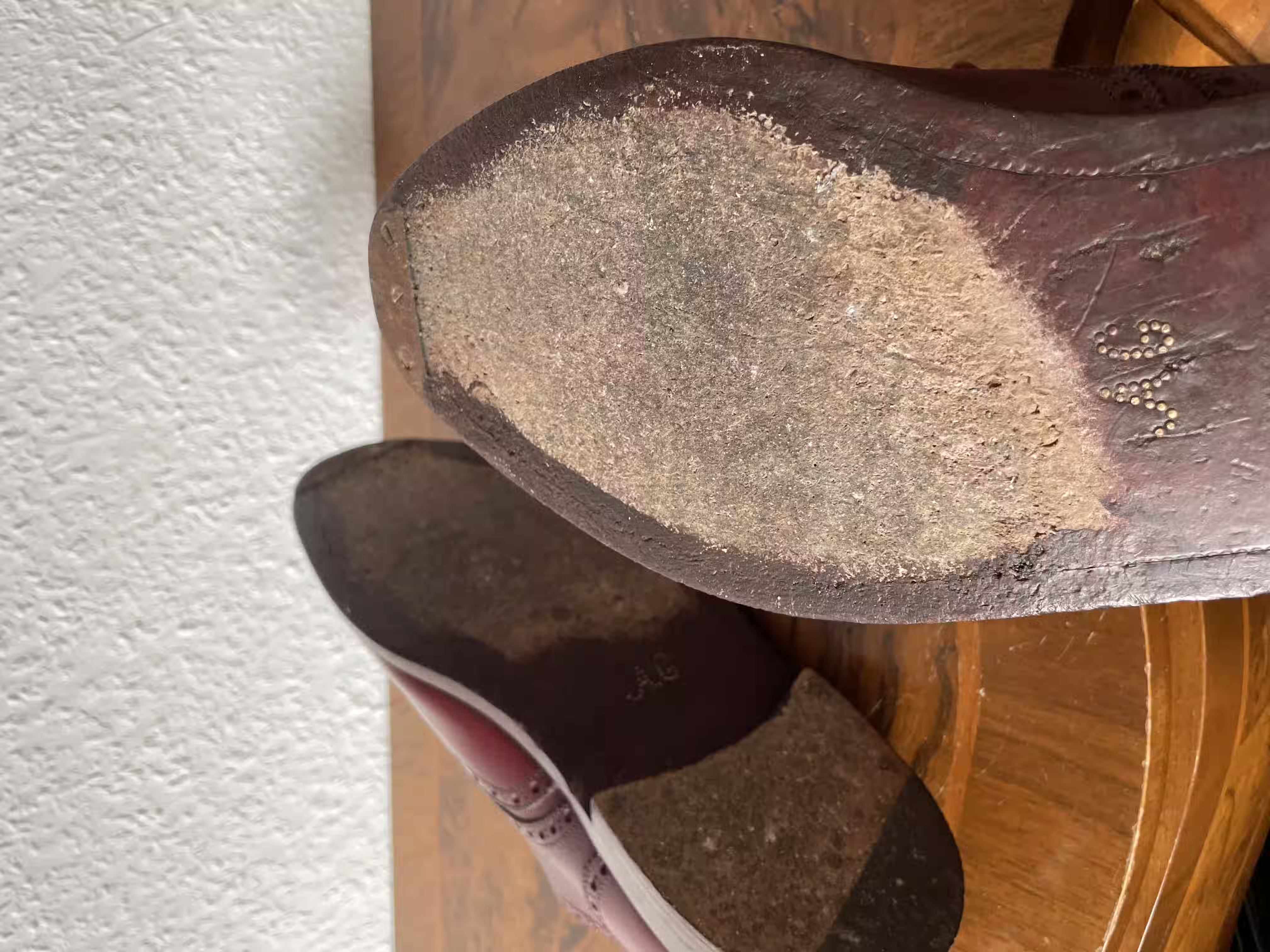
Here in this article it’s about the best shoes, and there are shoemakers who can invest over 100 hours to make especially artistic shoes with very fine details. Accordingly, such elaborate-looking shoes and more besides will be excellent once the fit is right.
From a practical everyday standpoint, I can’t just take such an art shoe, but orient myself toward shoes that are commonly available from the overall few shoemaking artisans. And these don’t have to be bespoke shoes, but can be shoes that are made in series. In the better case, these are shoes that are mostly stitched by hand, as far as the sole area is concerned. And they are made in such a craft way that they are quite flexible and not stiff and support the walking motion overall. They don’t have to match the flexibility of a sneaker or other shoes, but they should be flexible enough to be gladly worn.
In terms of material, my best leather shoes have the best leather: vegetable-tanned leather for the lining and for the soles—optionally also for the upper leather. The rest is secondary for me, for example whether the upper leather is smooth leather or suede. Those are finer details whose pros and cons can be discussed elsewhere. Here I’m concerned with a category of particularly well-made, stitched leather shoes that, in my view, are miles superior to most commonly available, glued shoes.
For comparison, I use the sneakers that are very widespread in Europe nowadays, made of 100% synthetic materials, held together by glue, and coming from mass production. Whether such sneakers cost 100 or 1000 €, they don’t differ substantially in terms of materials or glued construction. In the more expensive case, very likely above all a brand logo is placed somewhere that so to speak justifies the price.
Description of the hierarchy and the gray zone
So here, as representatives of two very different worlds—pure craft and industrial mass production—we look at two extreme variants to better illustrate the differences:
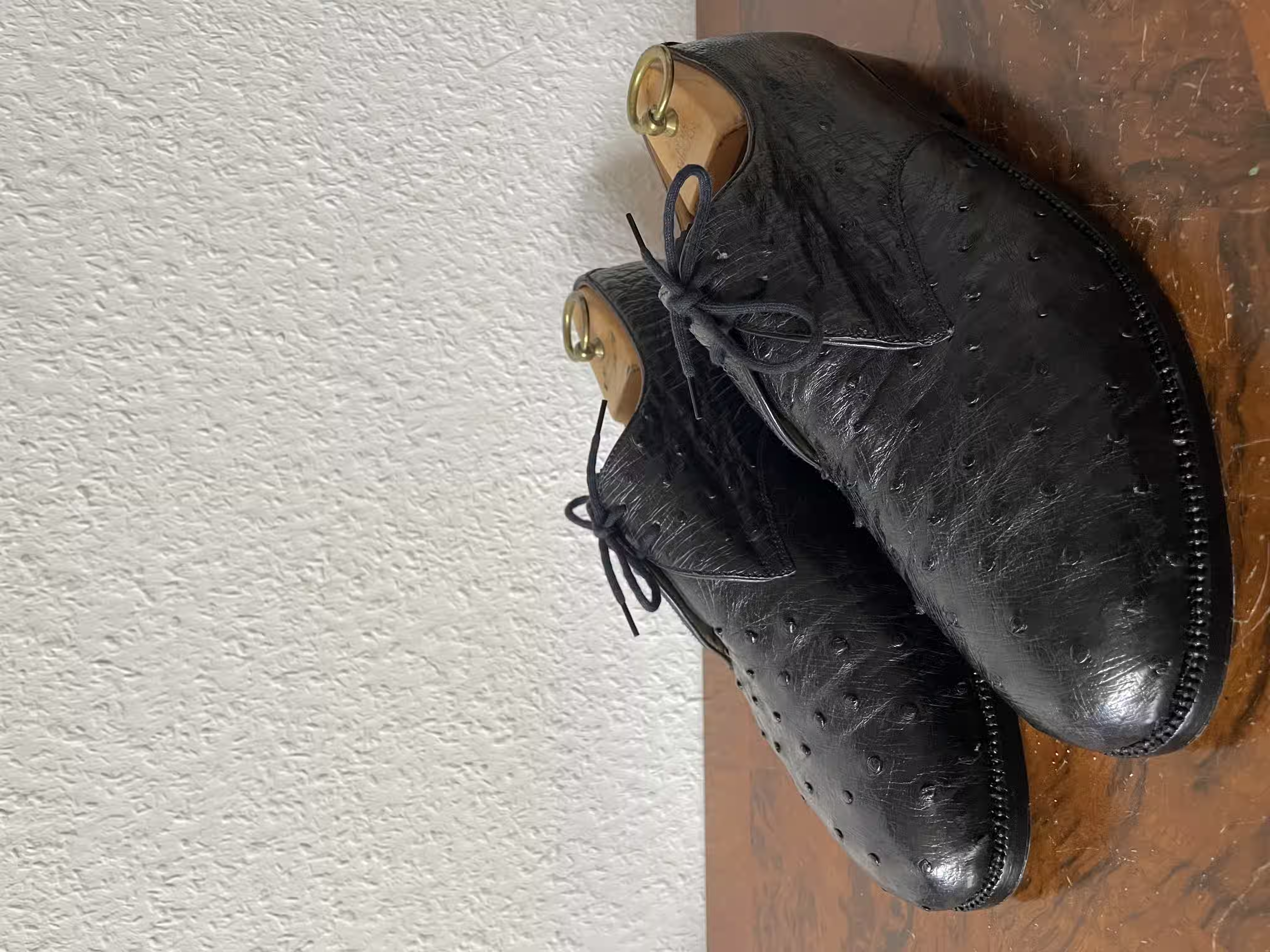
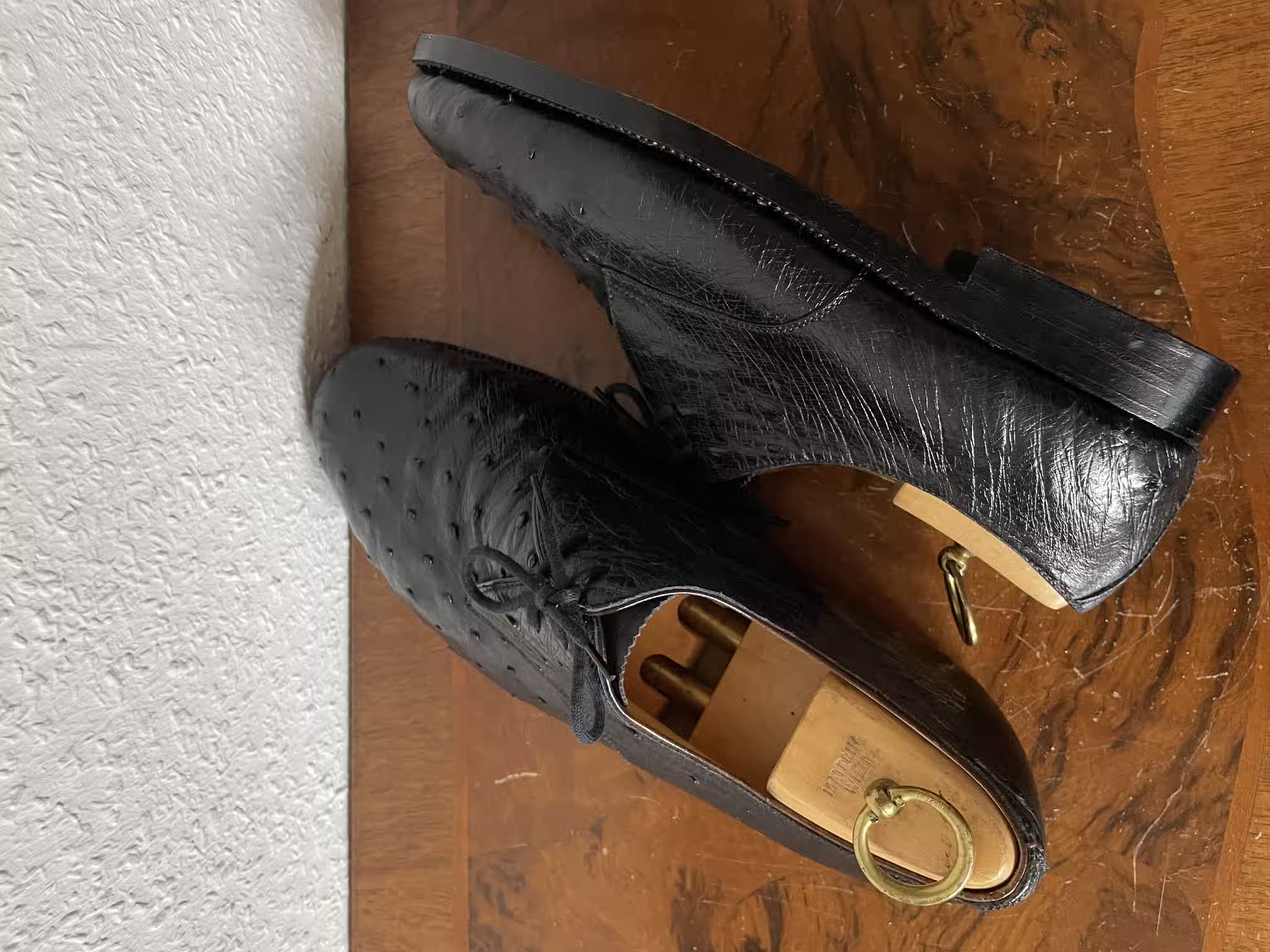
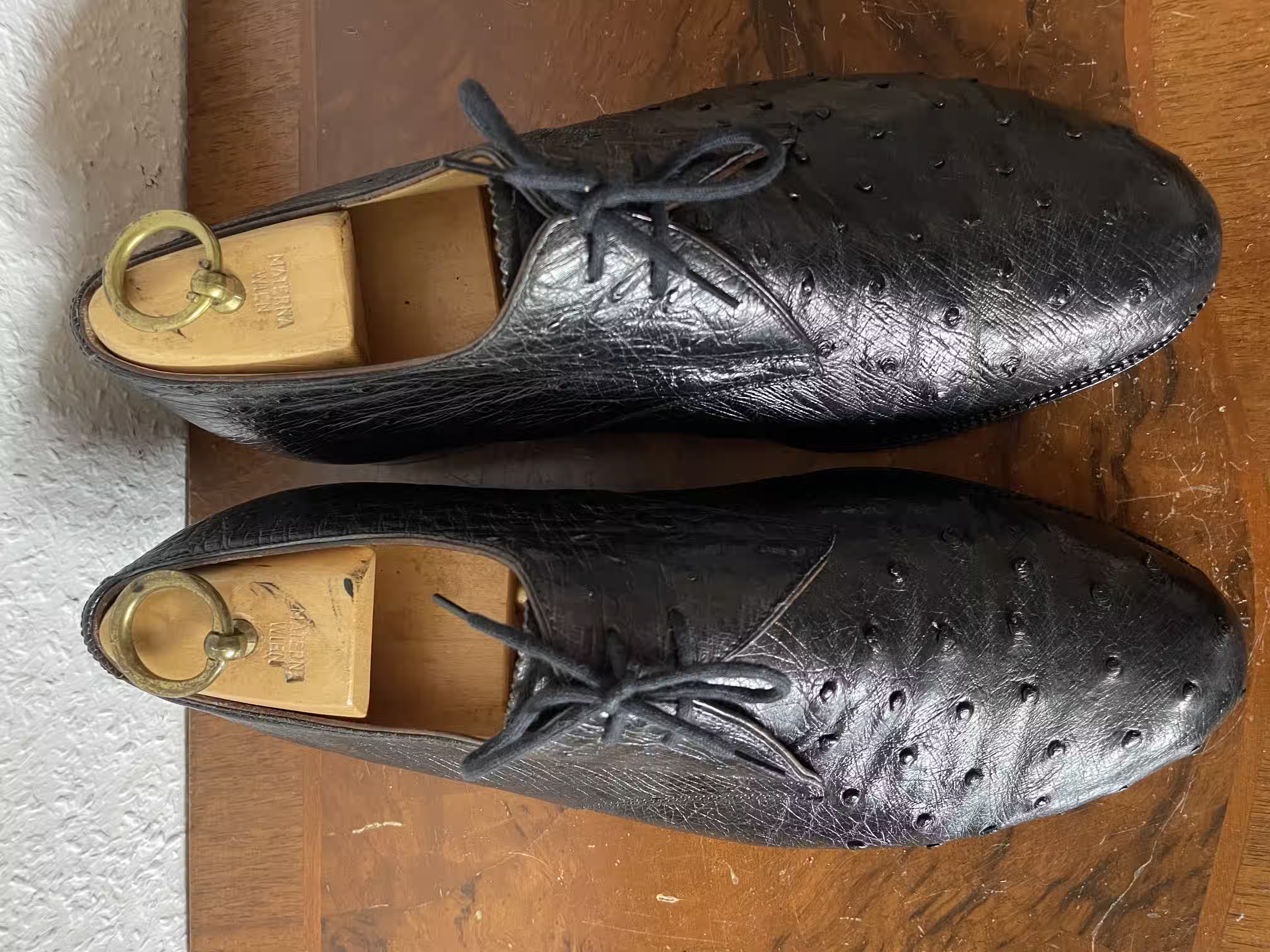
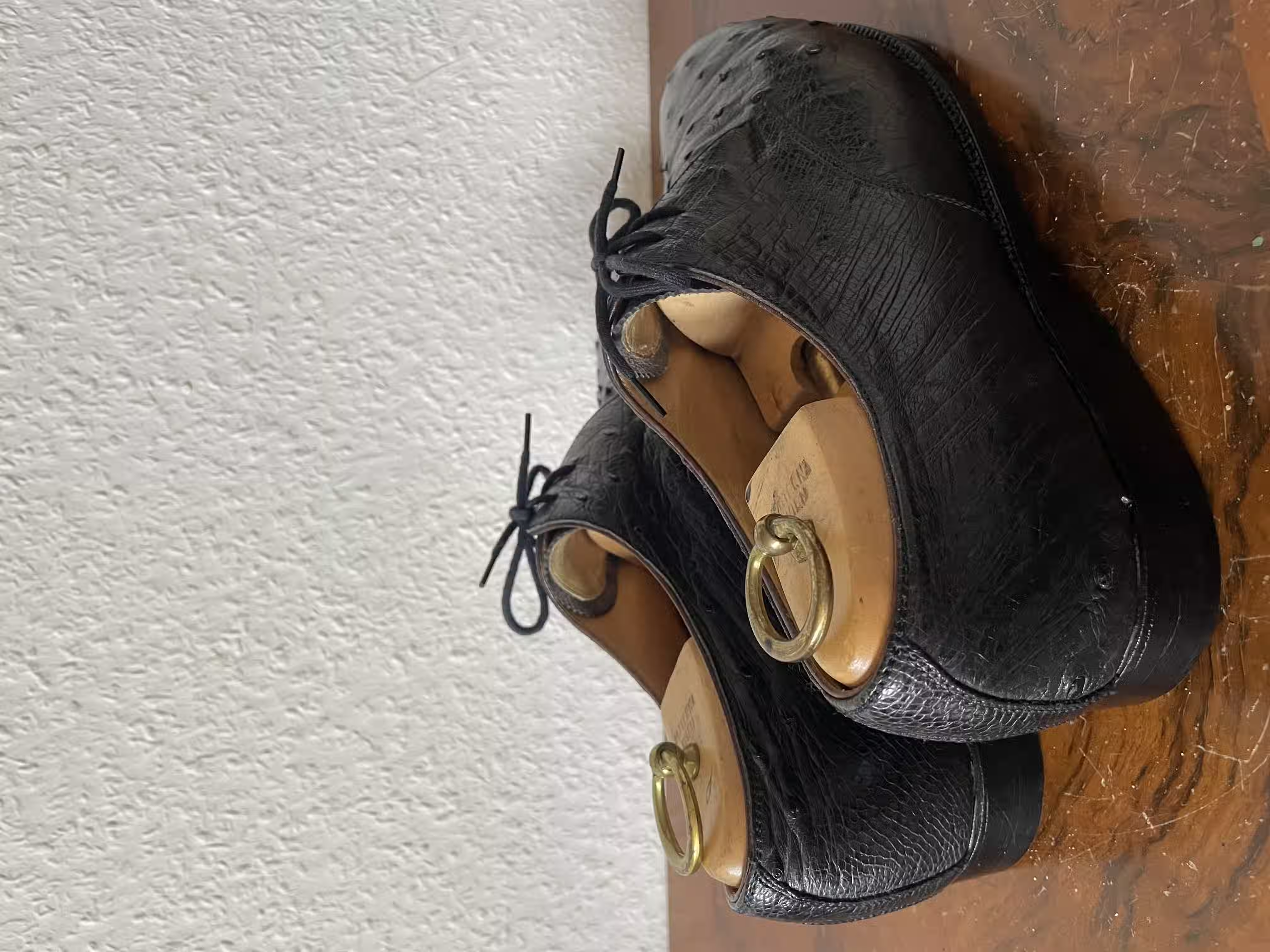
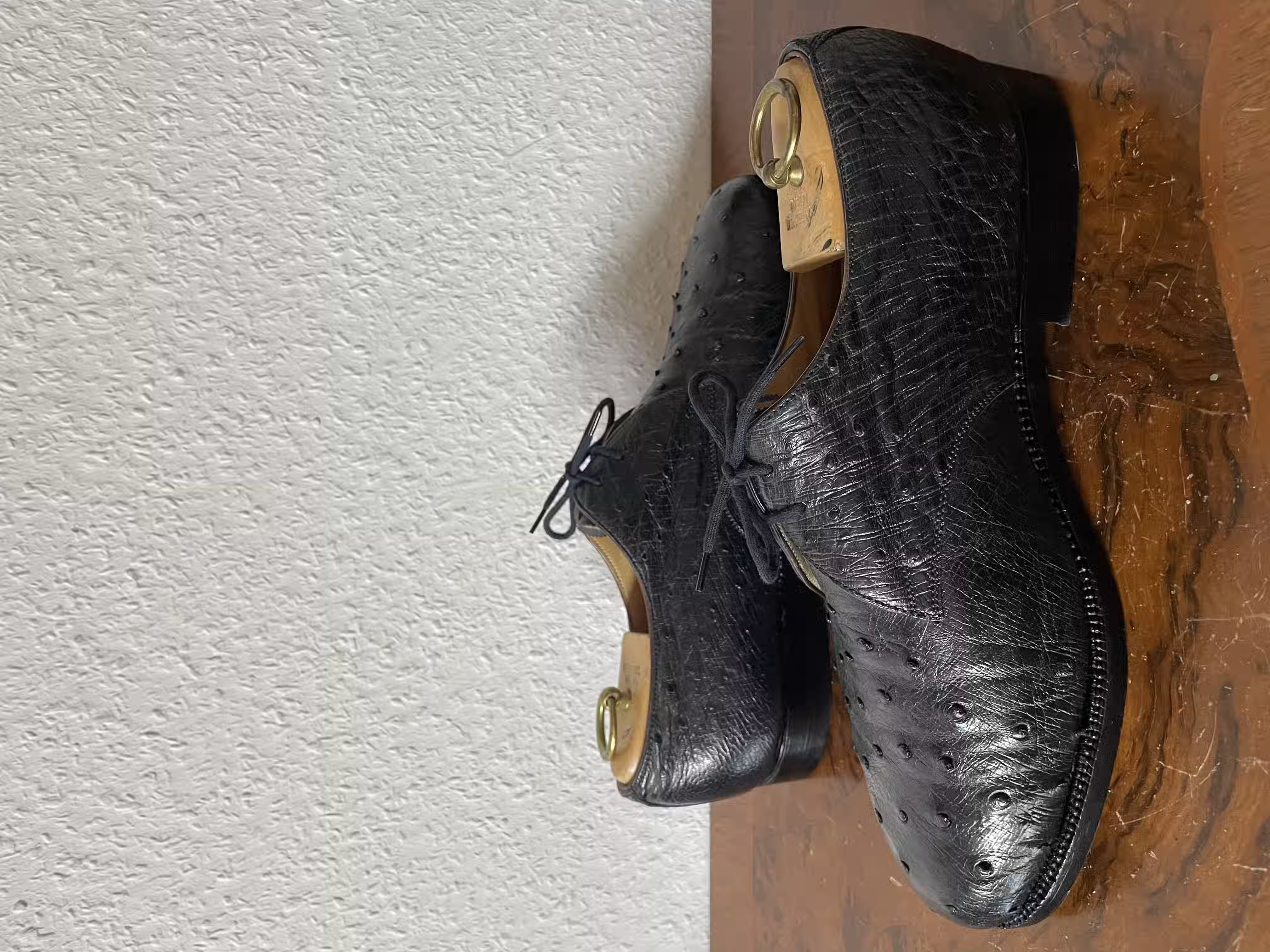
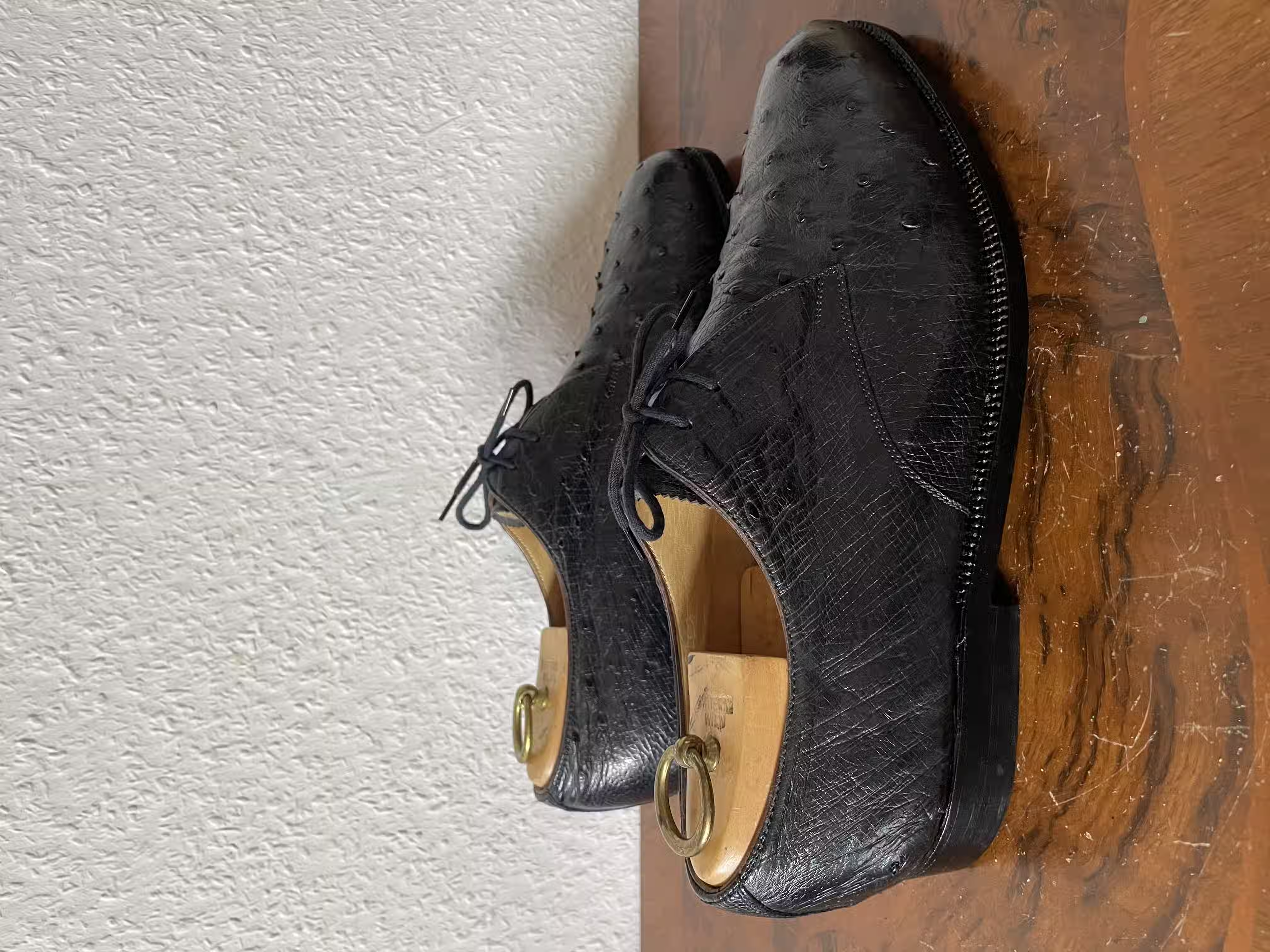
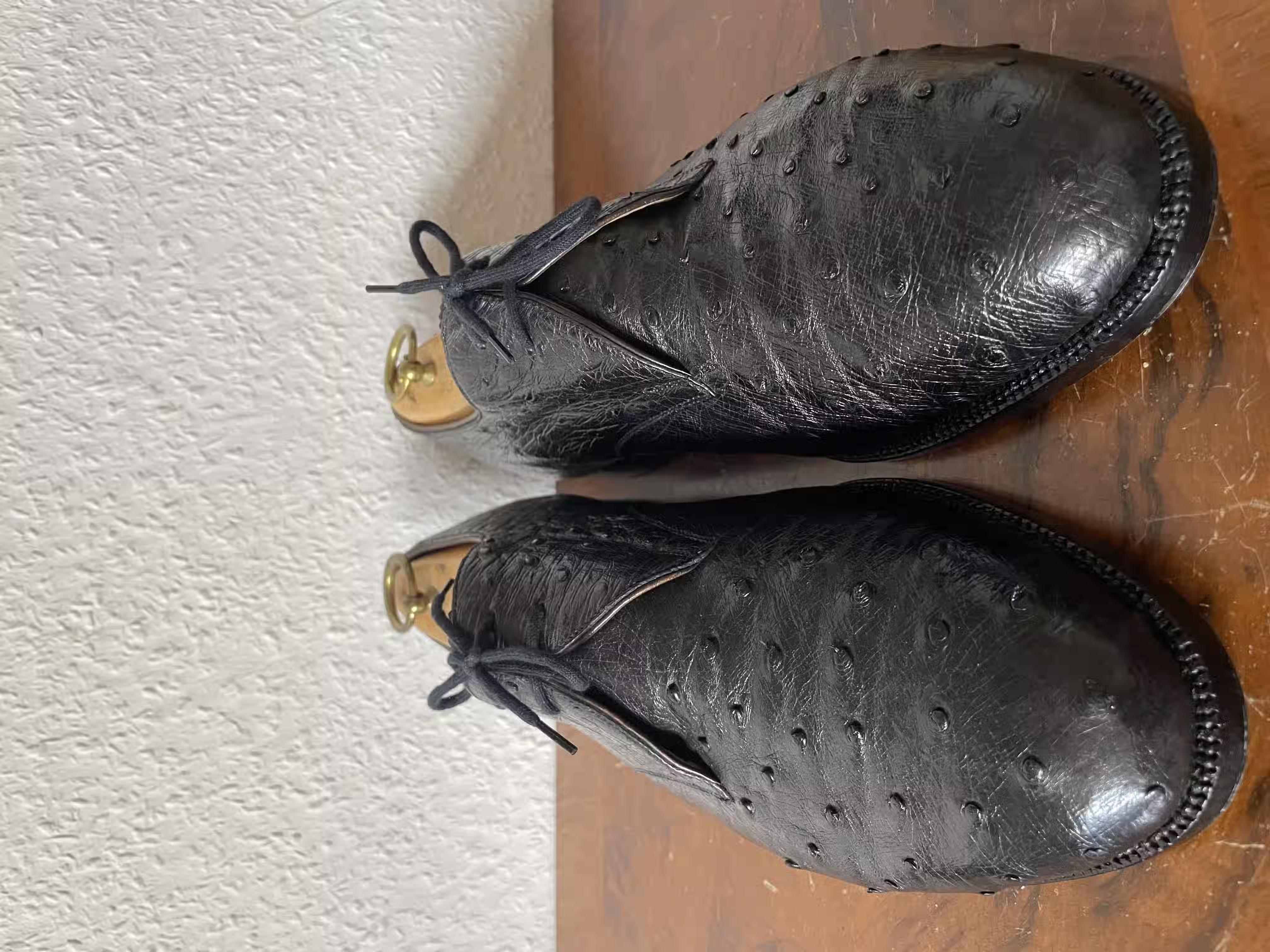
- a pair of handmade leather shoes with fine finishing, in stitched construction and with impressive upper leather
- a pair of sneakers made in the factory in mass production, in glued construction and purely from synthetic materials
The second variant thus represents the whole world of alternatives to stitched leather shoes. Of course, here I’m primarily concerned with the first variant, the pair of handmade leather shoes. I want to show you why such leather shoes are miles superior to sneakers.
And of course you can make such sneakers from the first variant better. But at the core this happens only by bringing them closer to the variant of stitched leather shoes—for example by swapping out the synthetic upper material for high-quality, real leather. That then looks like this, for example:
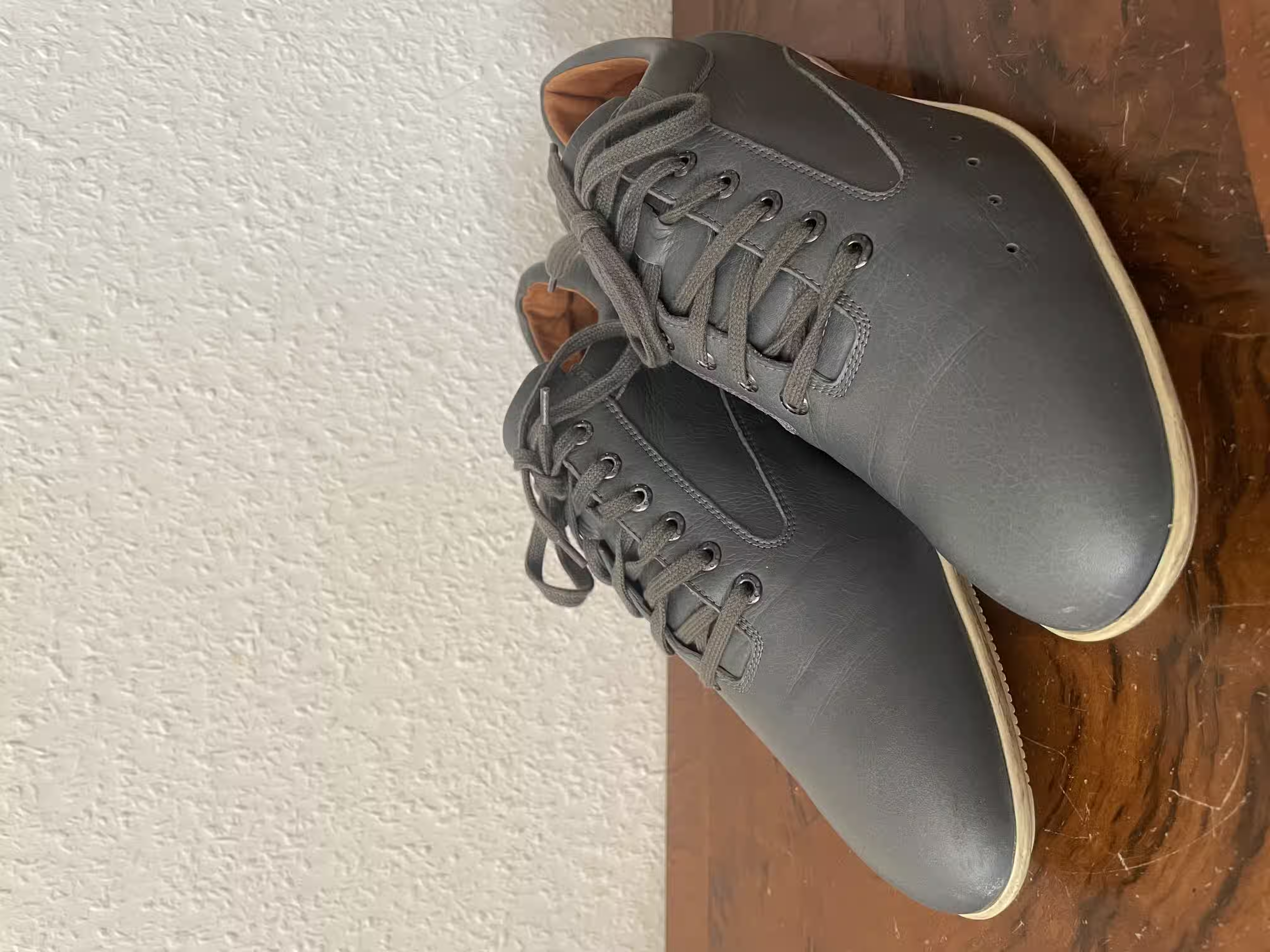
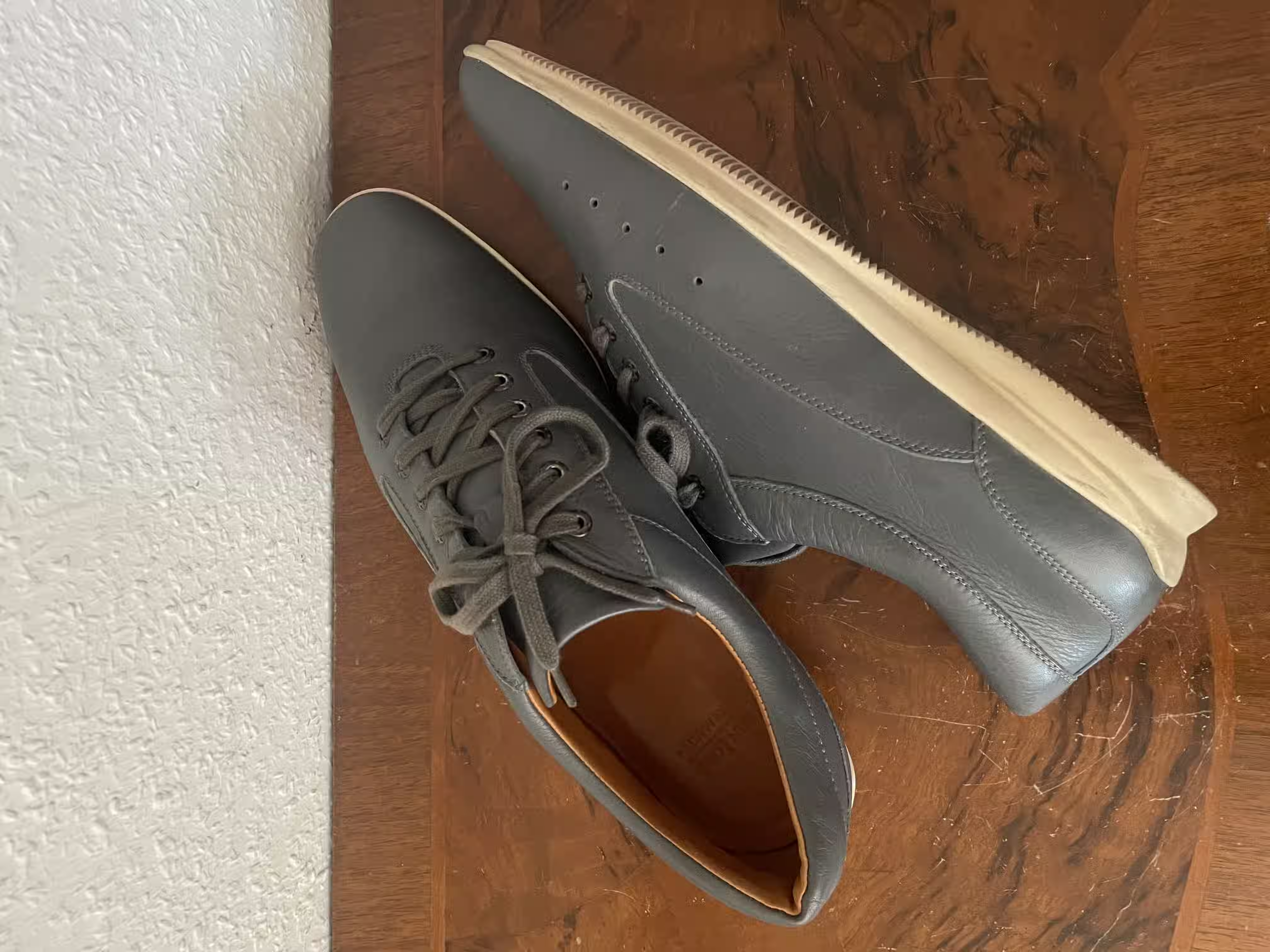
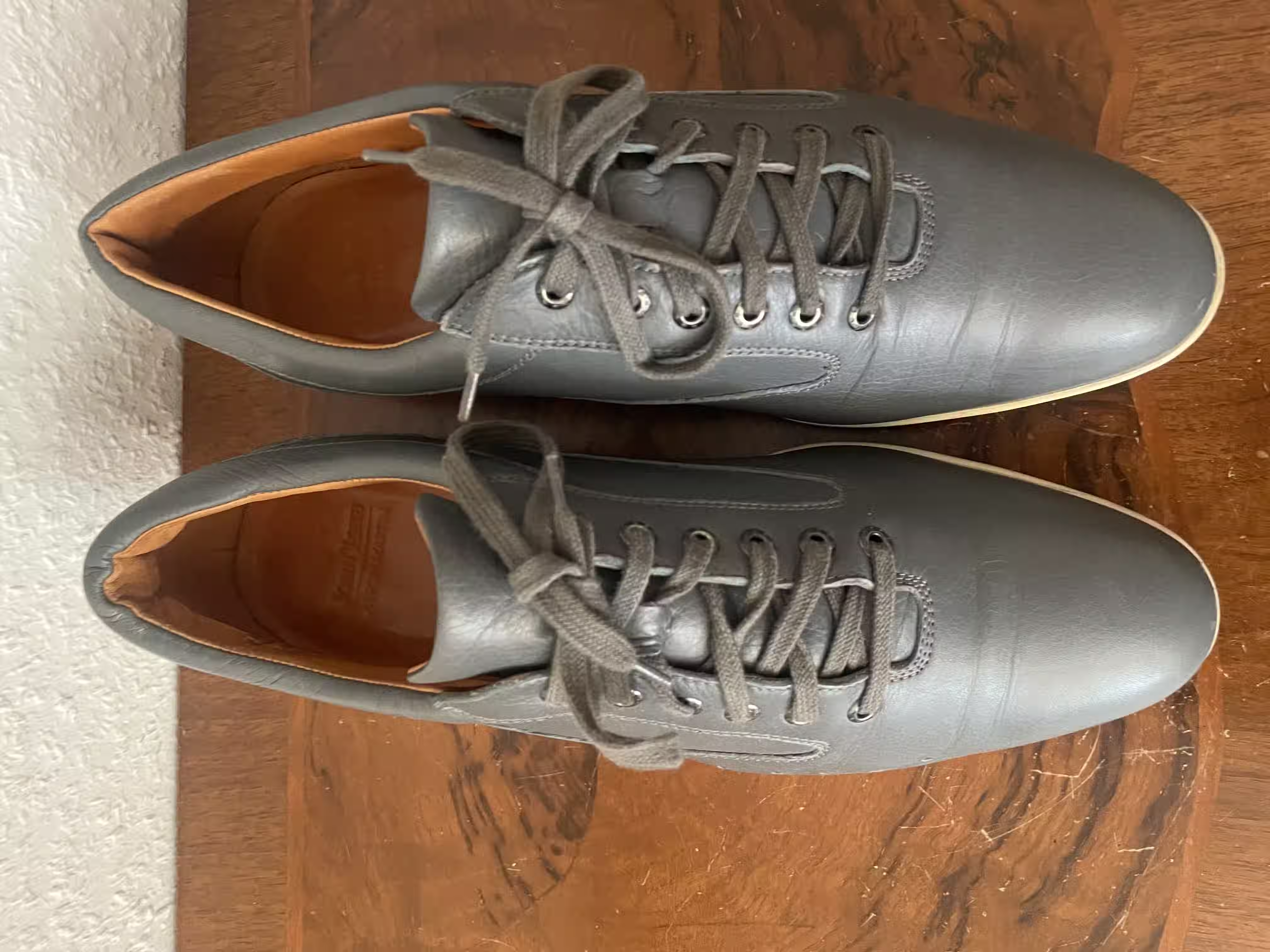
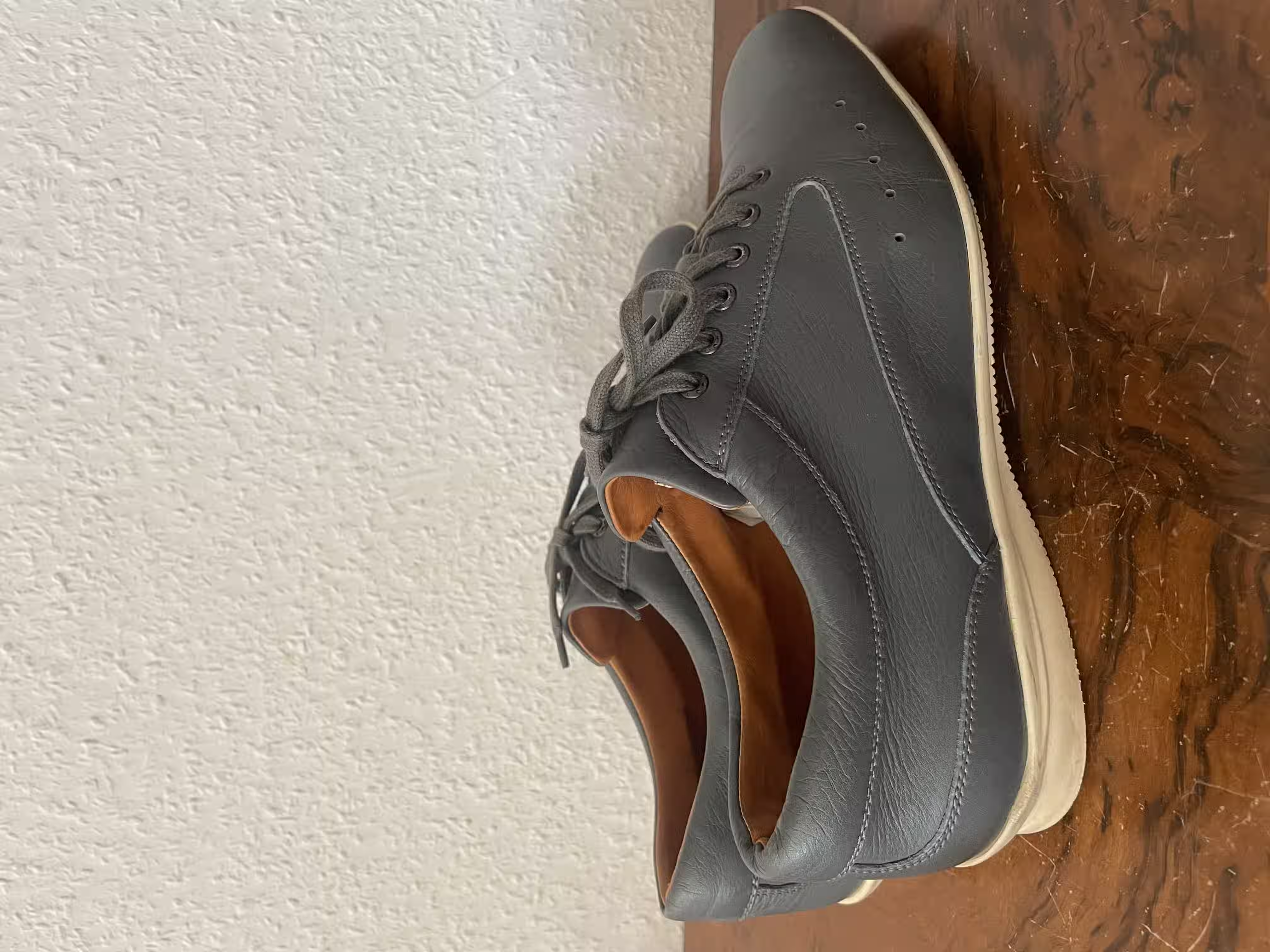
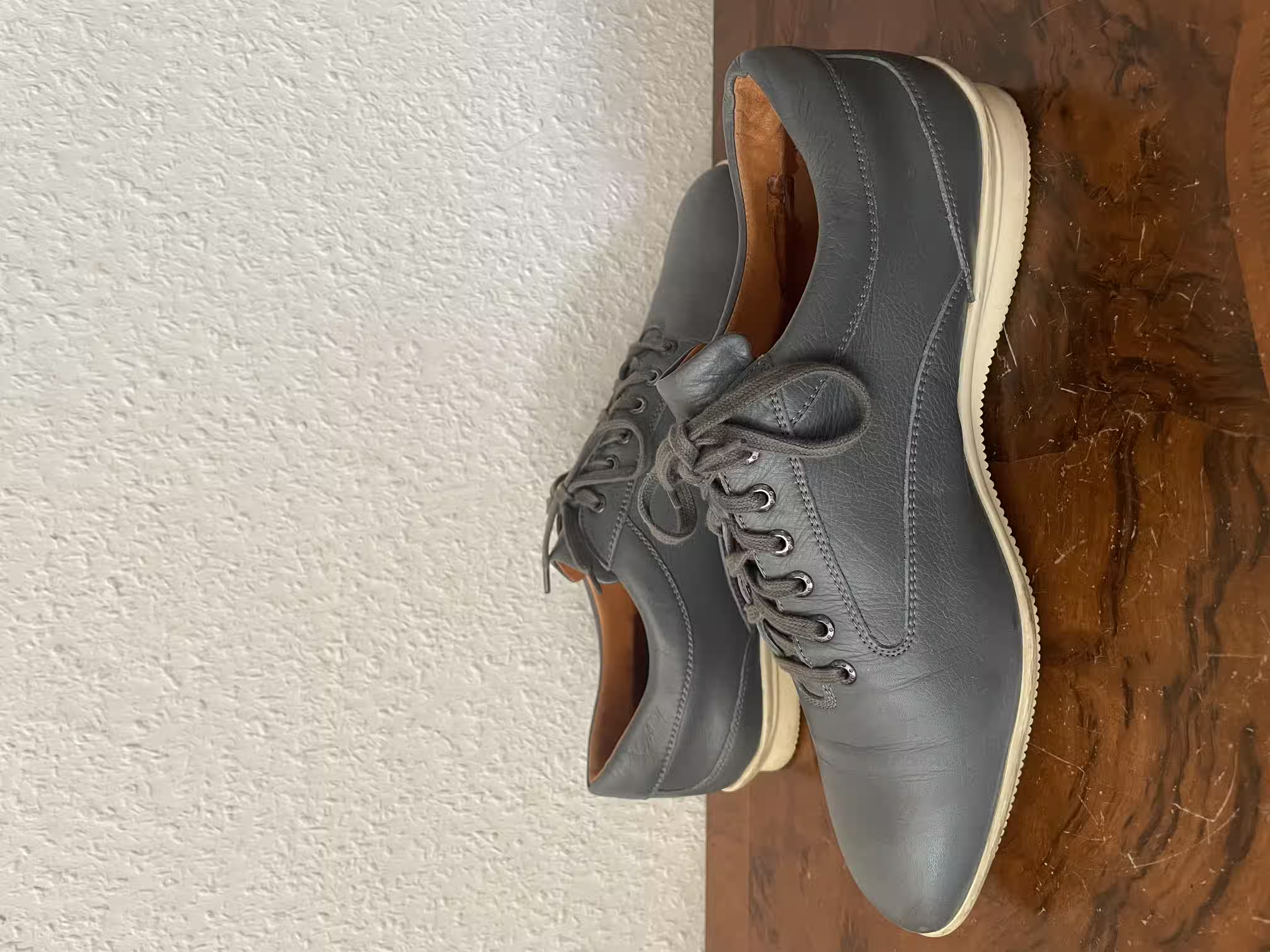
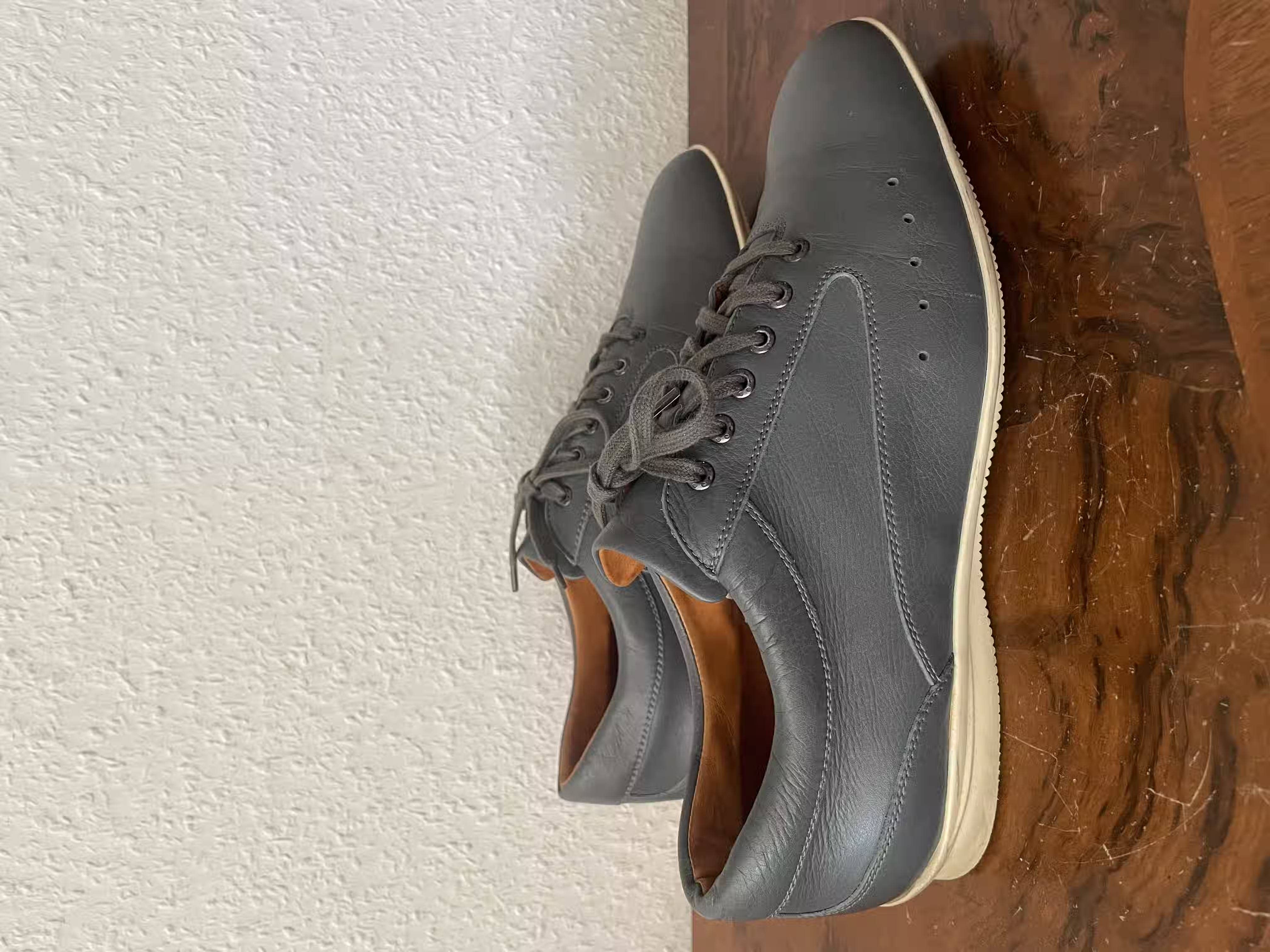
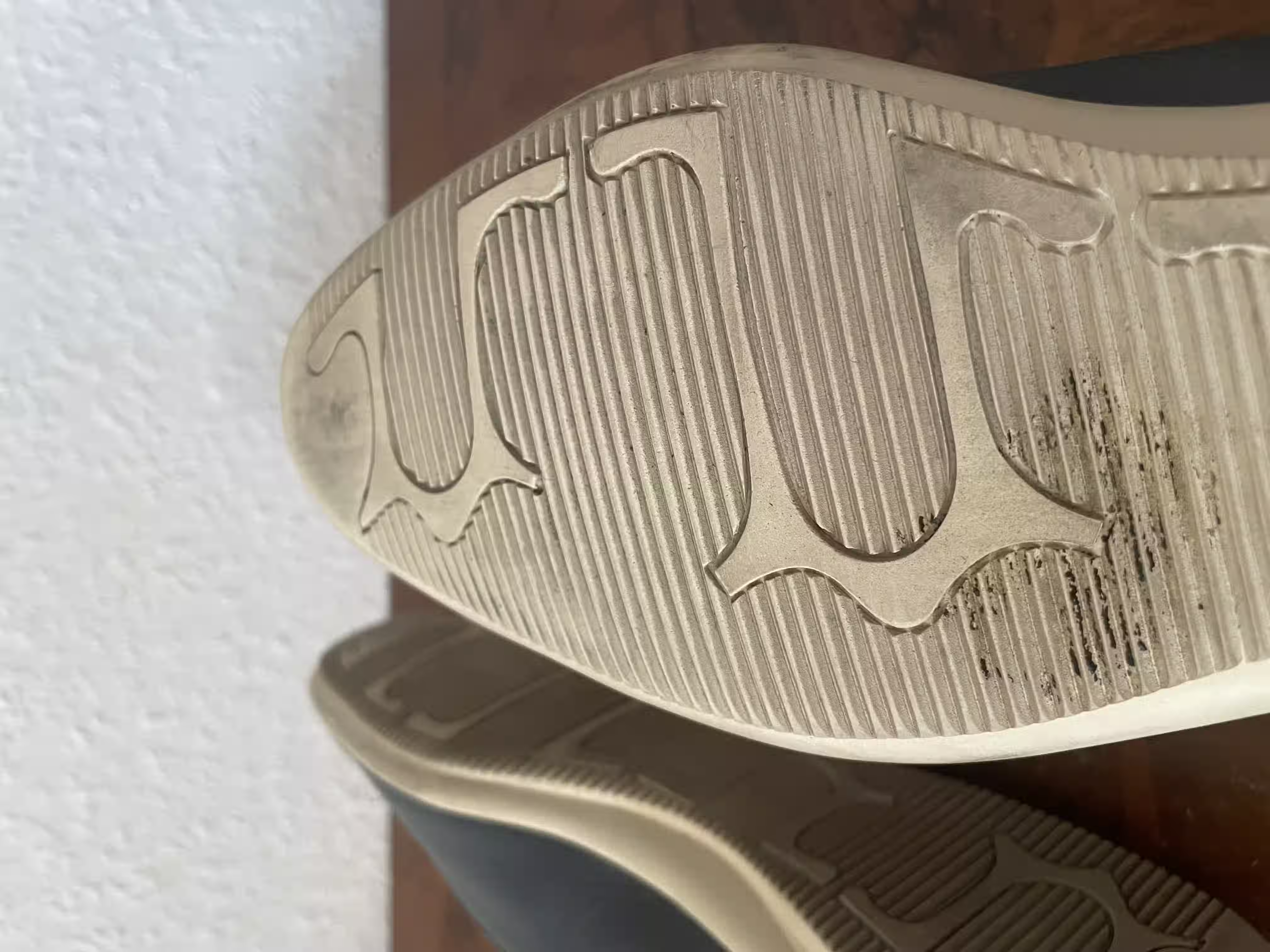
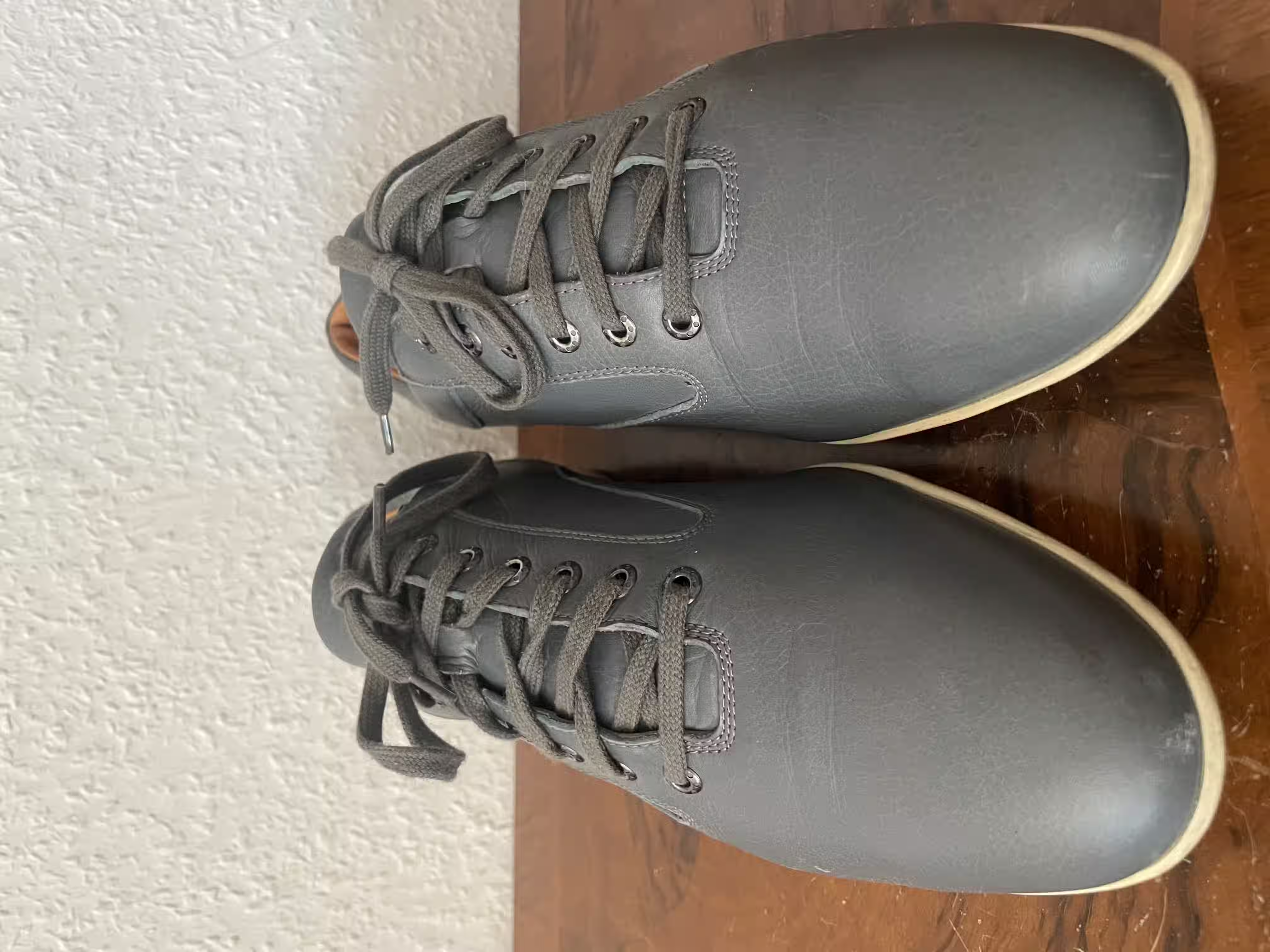
And here we are then in the gray zone, consisting of different combinations between these two worlds. There is some of that out there, as many shoe manufacturers try to maintain a kind of balance between quality and price. The better of these shoes, for me, are those that stay closer to the hand-stitched leather shoes made from high-quality leather. That is, very roughly speaking, the hierarchy of shoes for me, without taking the price tag and the specific fit into account.
What are stitched leather shoes anyway?
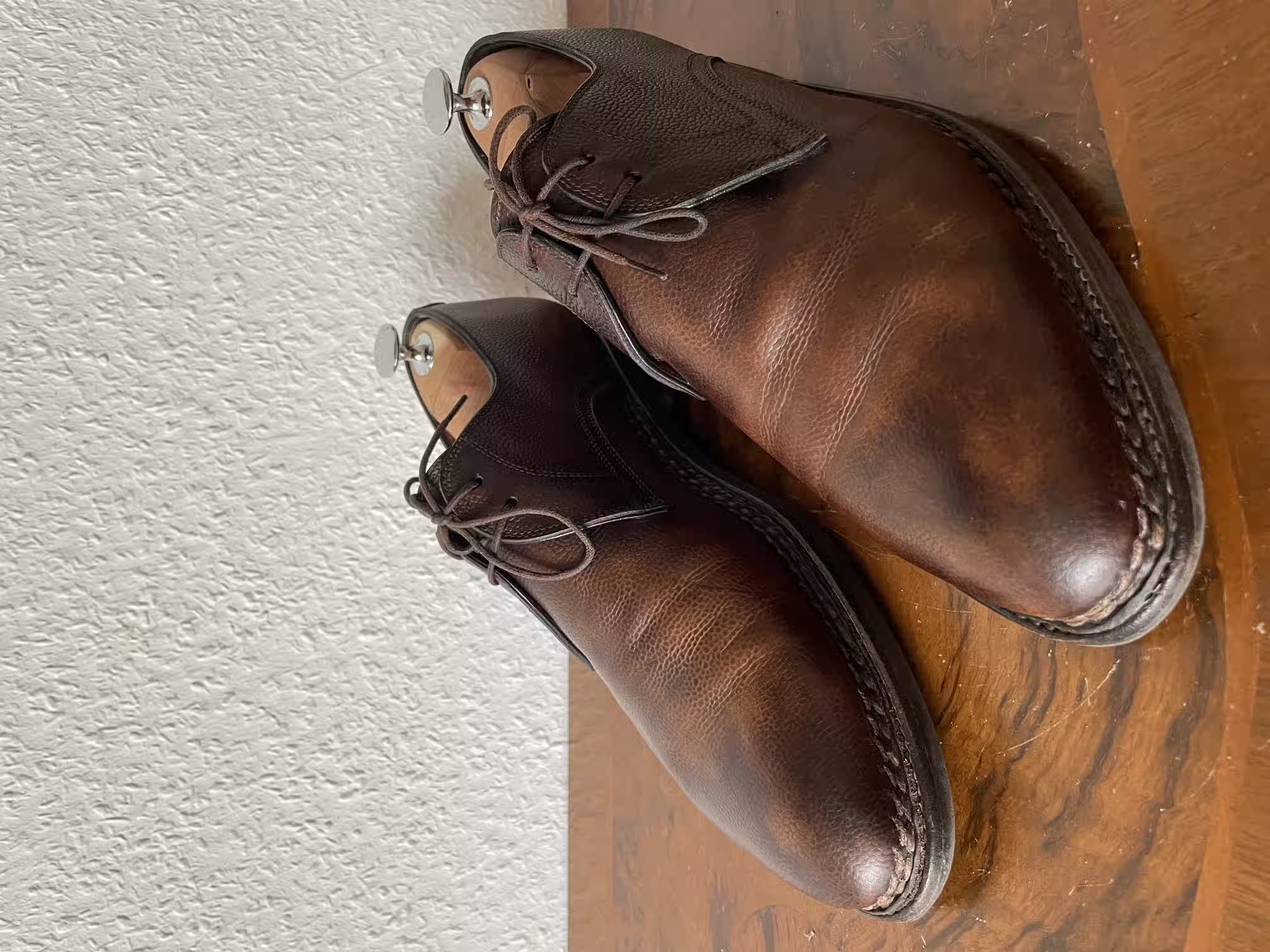
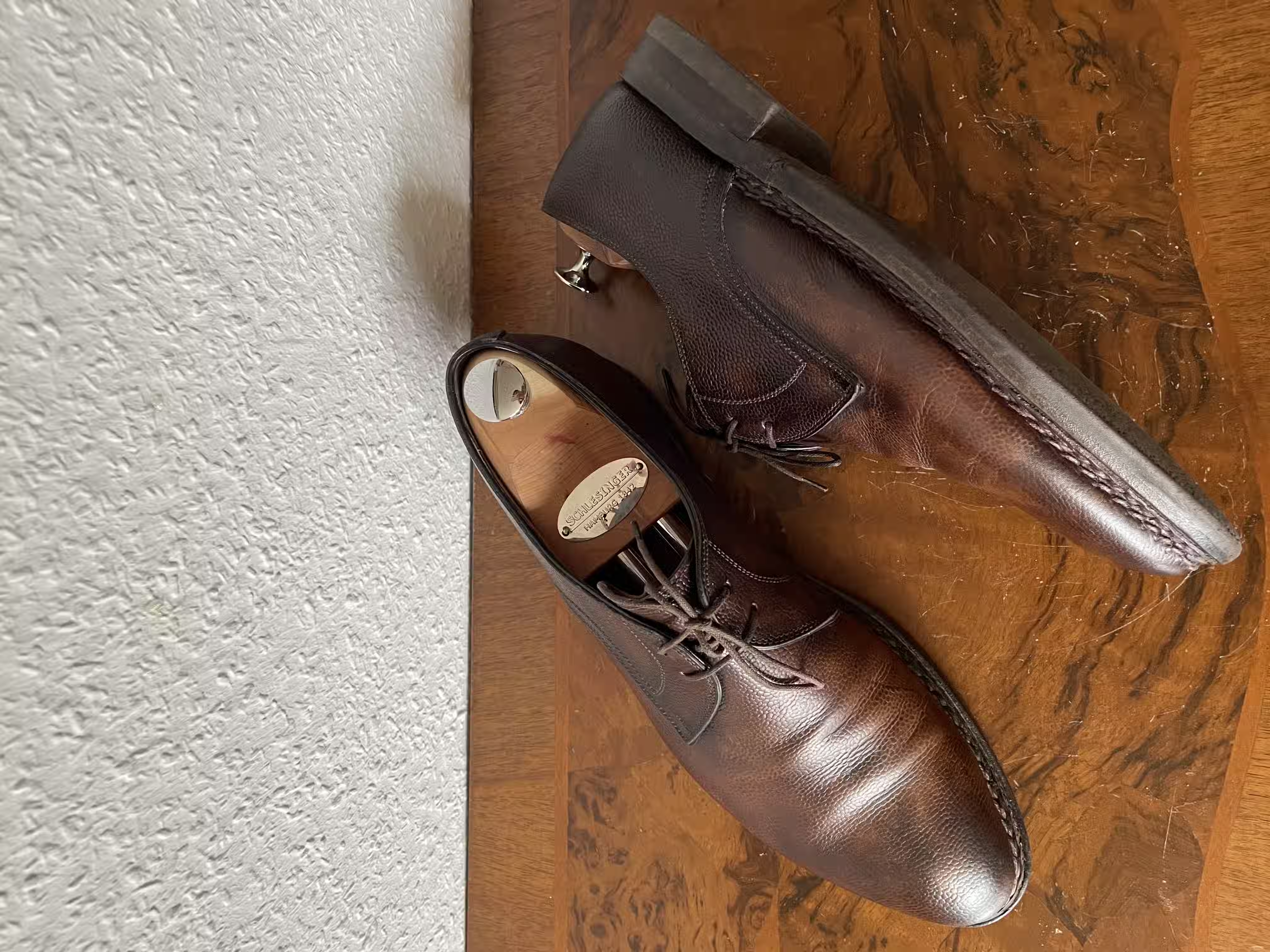
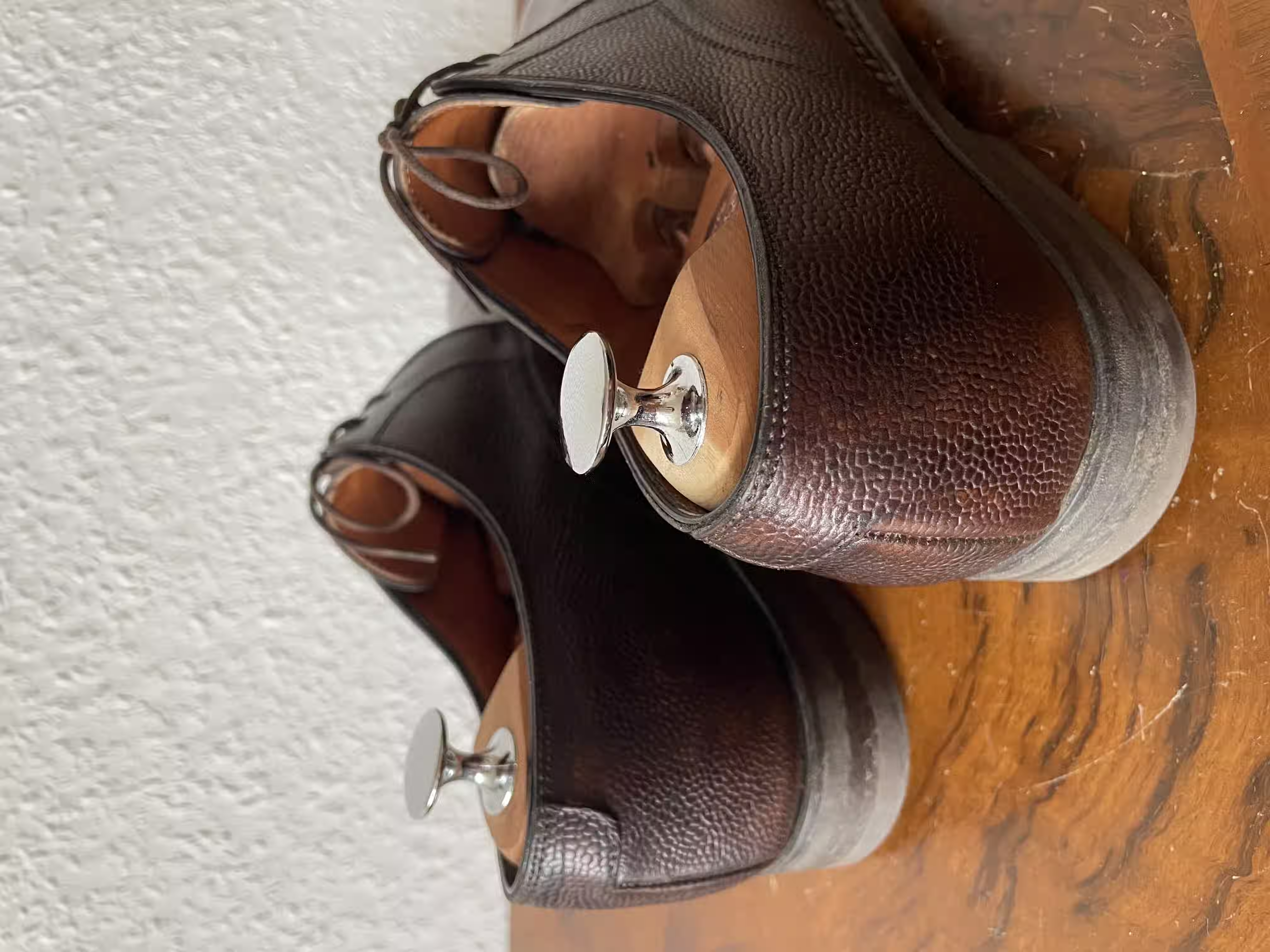
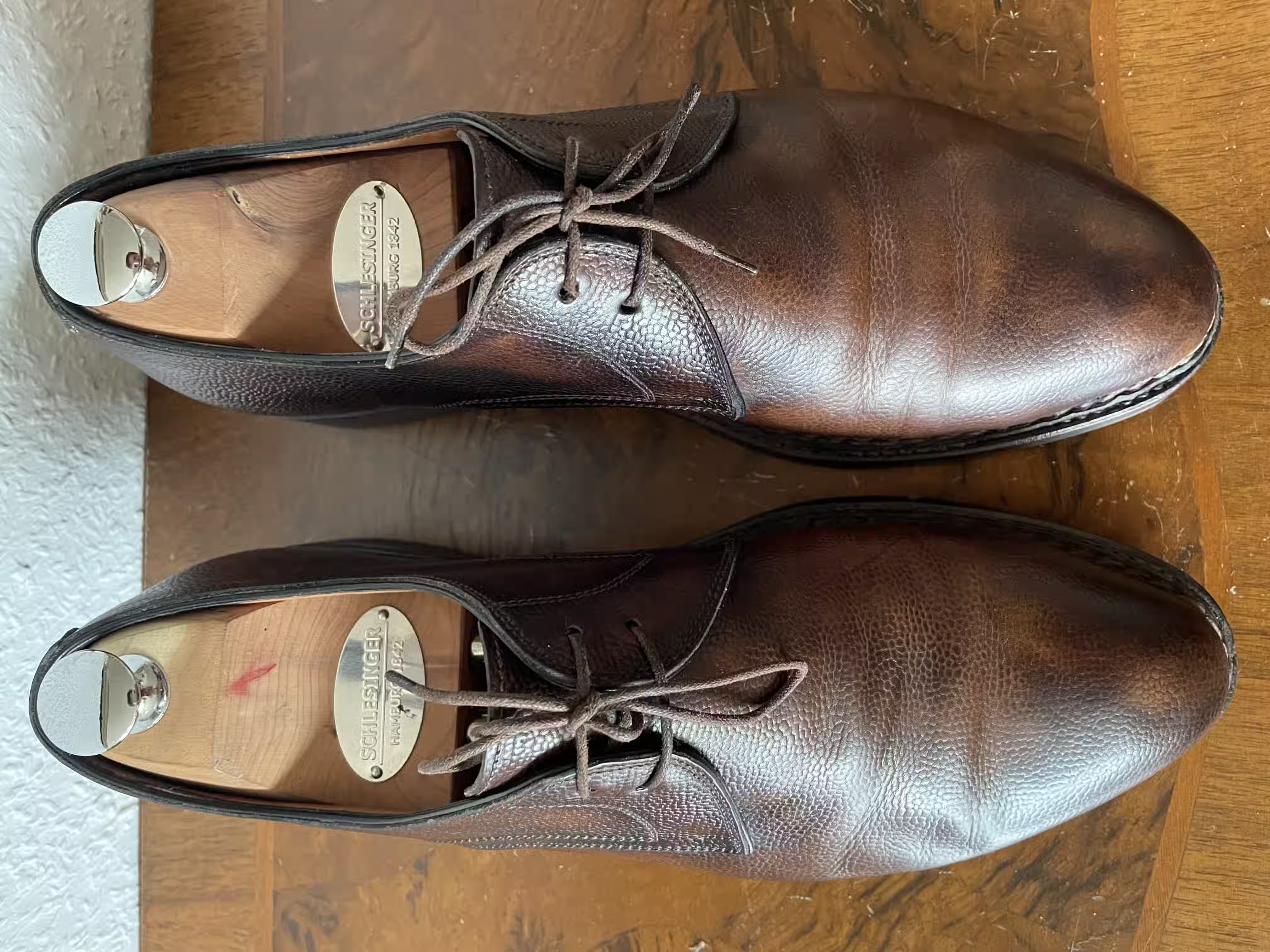
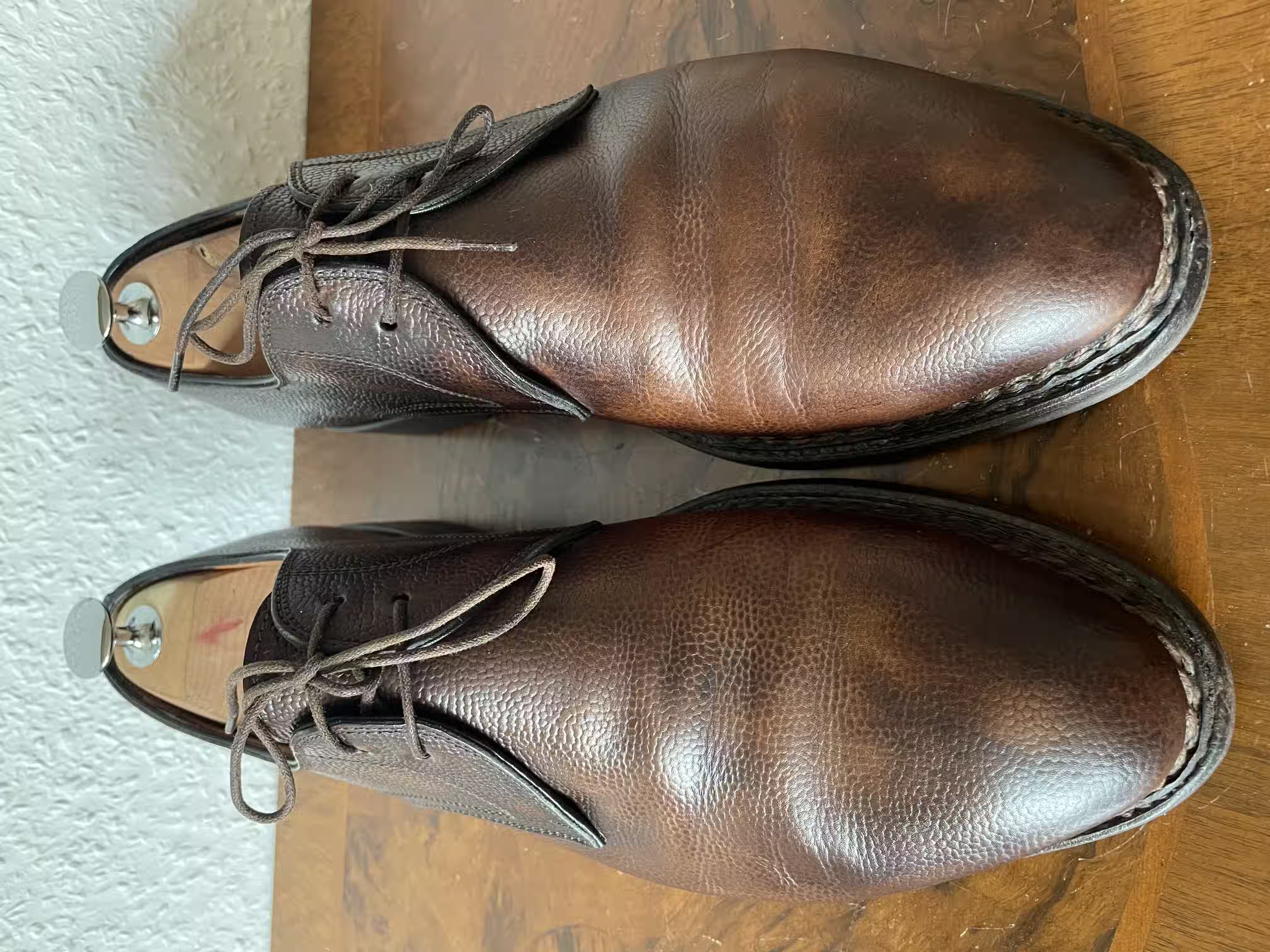
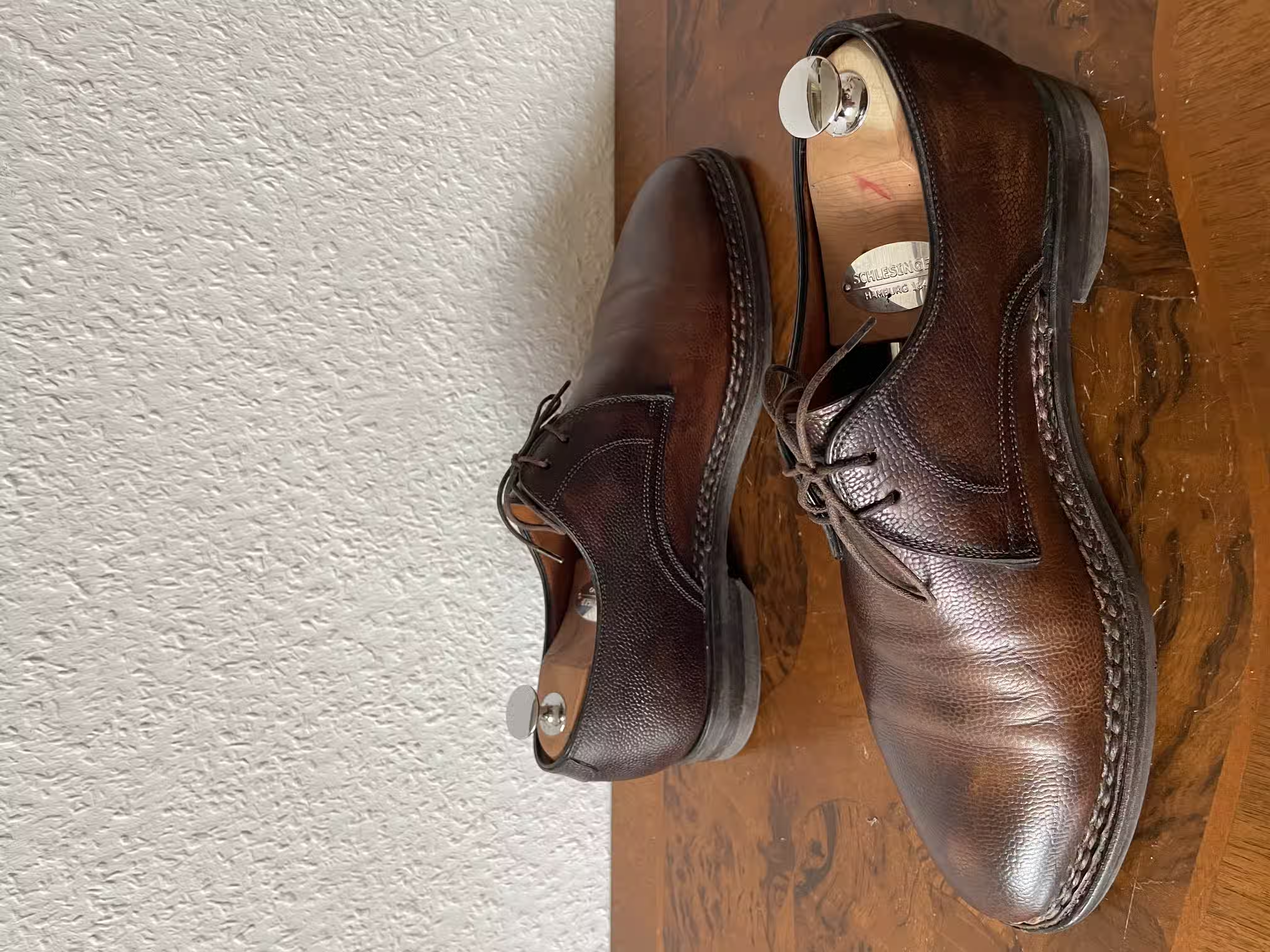
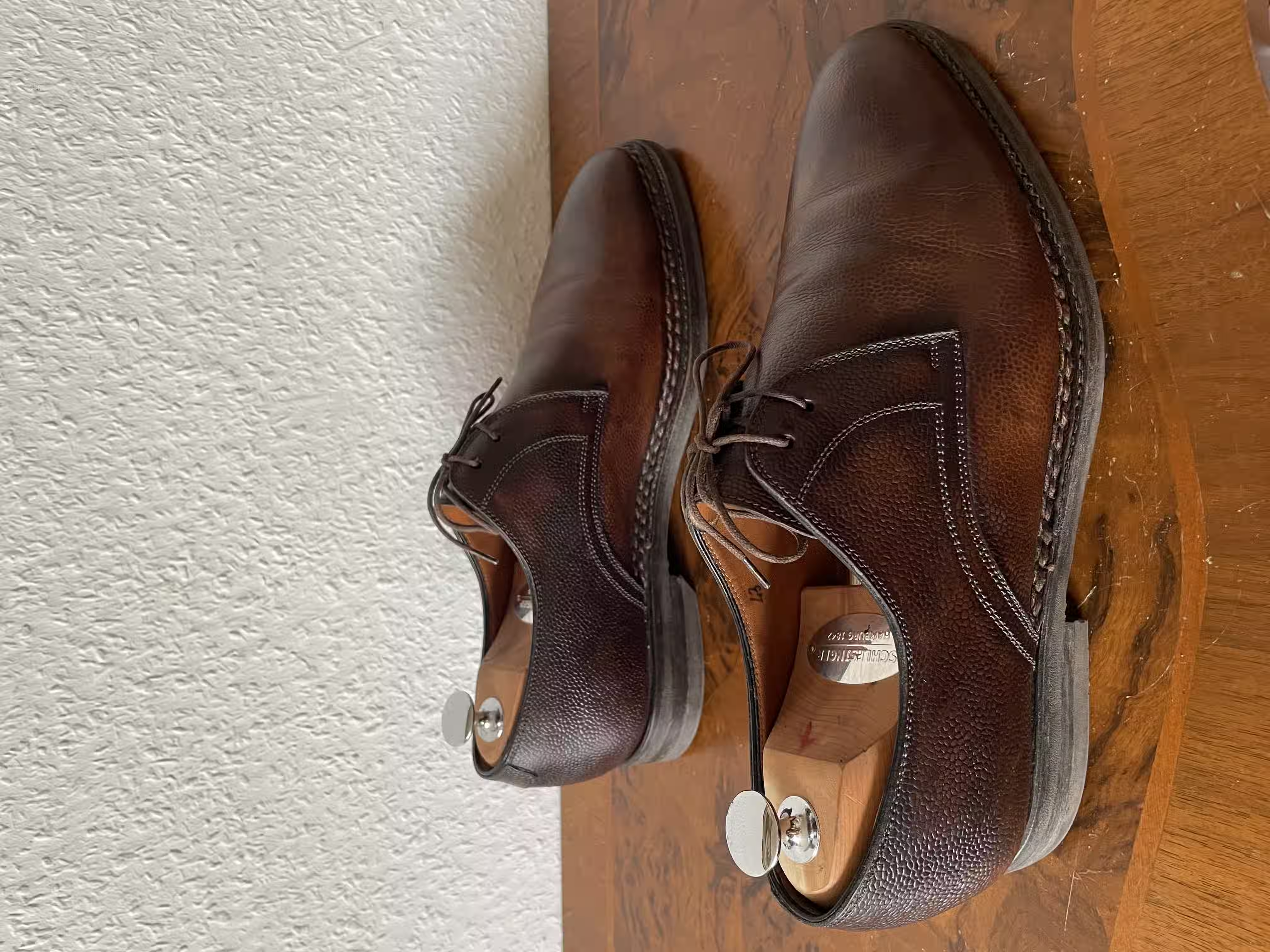
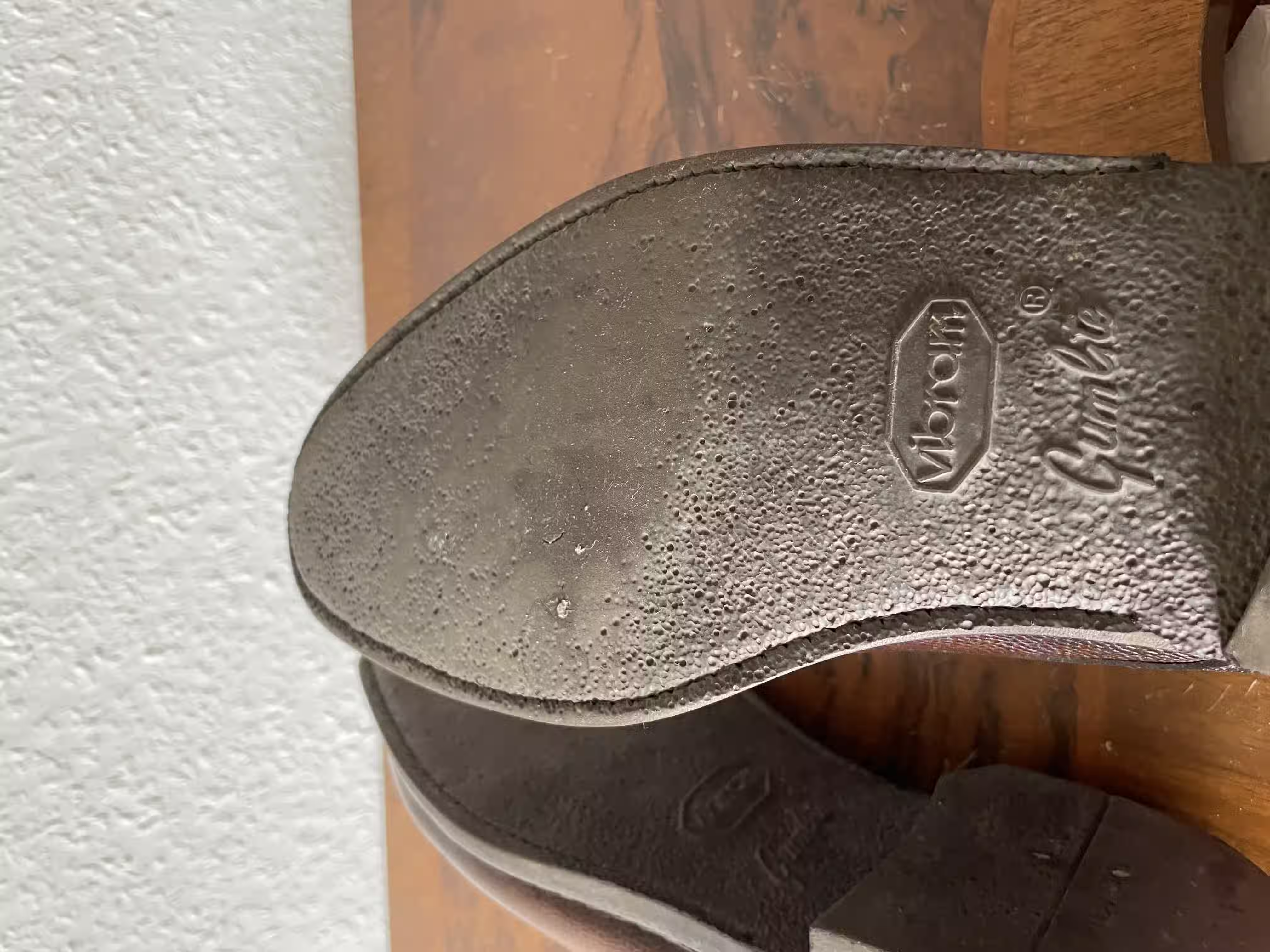
The shoes I deal with on this site are primarily leather shoes—that is, they consist for the most part, or even almost exclusively, of leather. Leather is a fairly robust material and has good properties for the foot climate by allowing water vapor to pass through. In addition, leather has a pleasant feel and can exhibit various interesting color variations.
So what are stitched leather shoes? These are leather shoes in which the upper leather and the sole of the shoe are held together by stitching instead of by glue alone. This ensures more stability and longevity, since stitches are generally more reliable than glue.
There are also stitches on the upper leather, and there they help to hold together the various parts of which the upper leather consists. But I don’t mean such stitches when I write about stitched leather shoes. The stitches on the upper leather can easily be sewn by machine. The really interesting seams are located underneath the shoe. And they are by no means decorative, but important so that the shoe holds together well with every movement and is also flexible enough. Some of these seams are invisibly inside the shoe from the outside. And another part, the sole seam or sometimes even the sole seams, can often be seen from the outside.

Additional note regarding wooden-pegged shoes
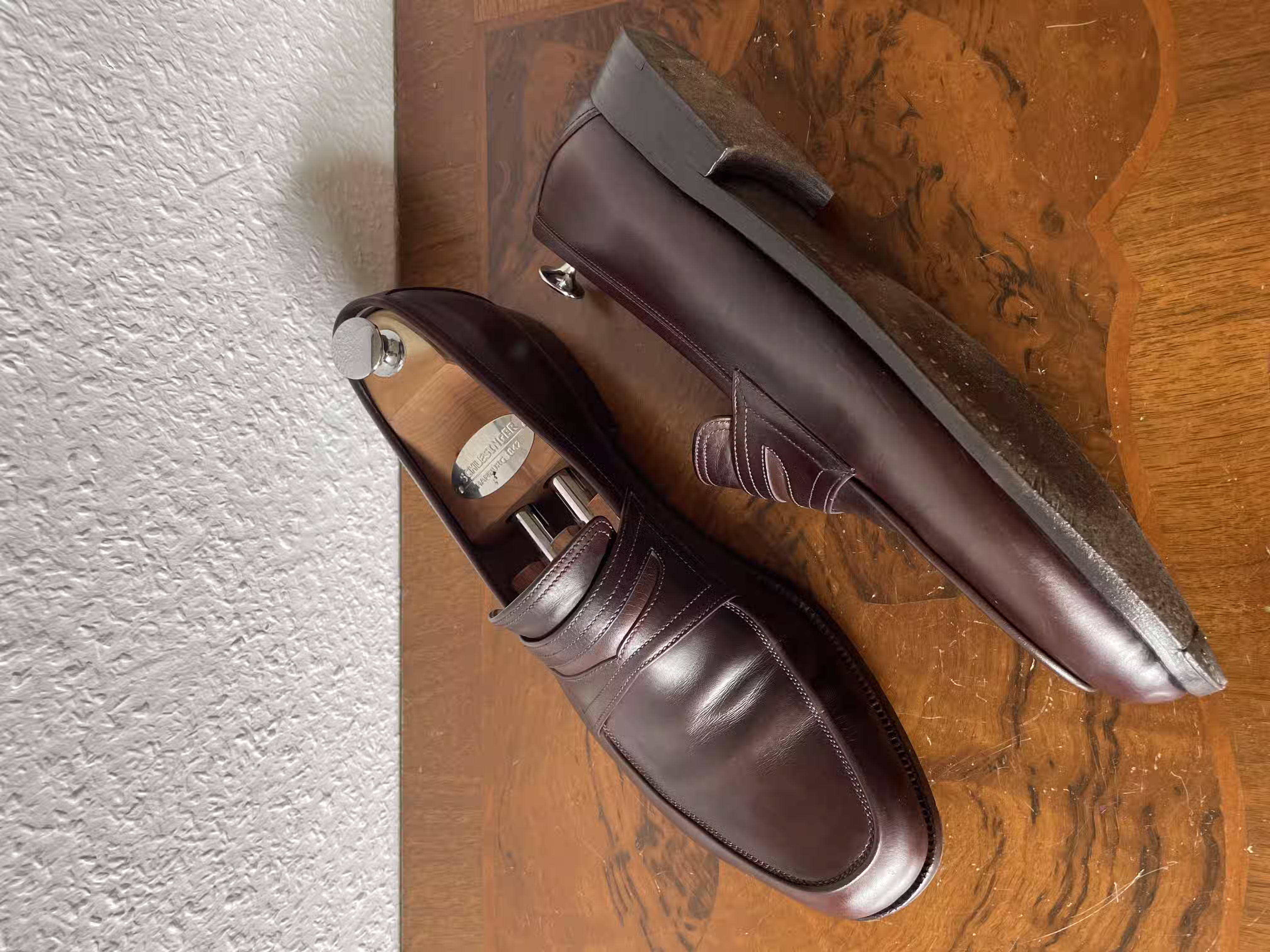
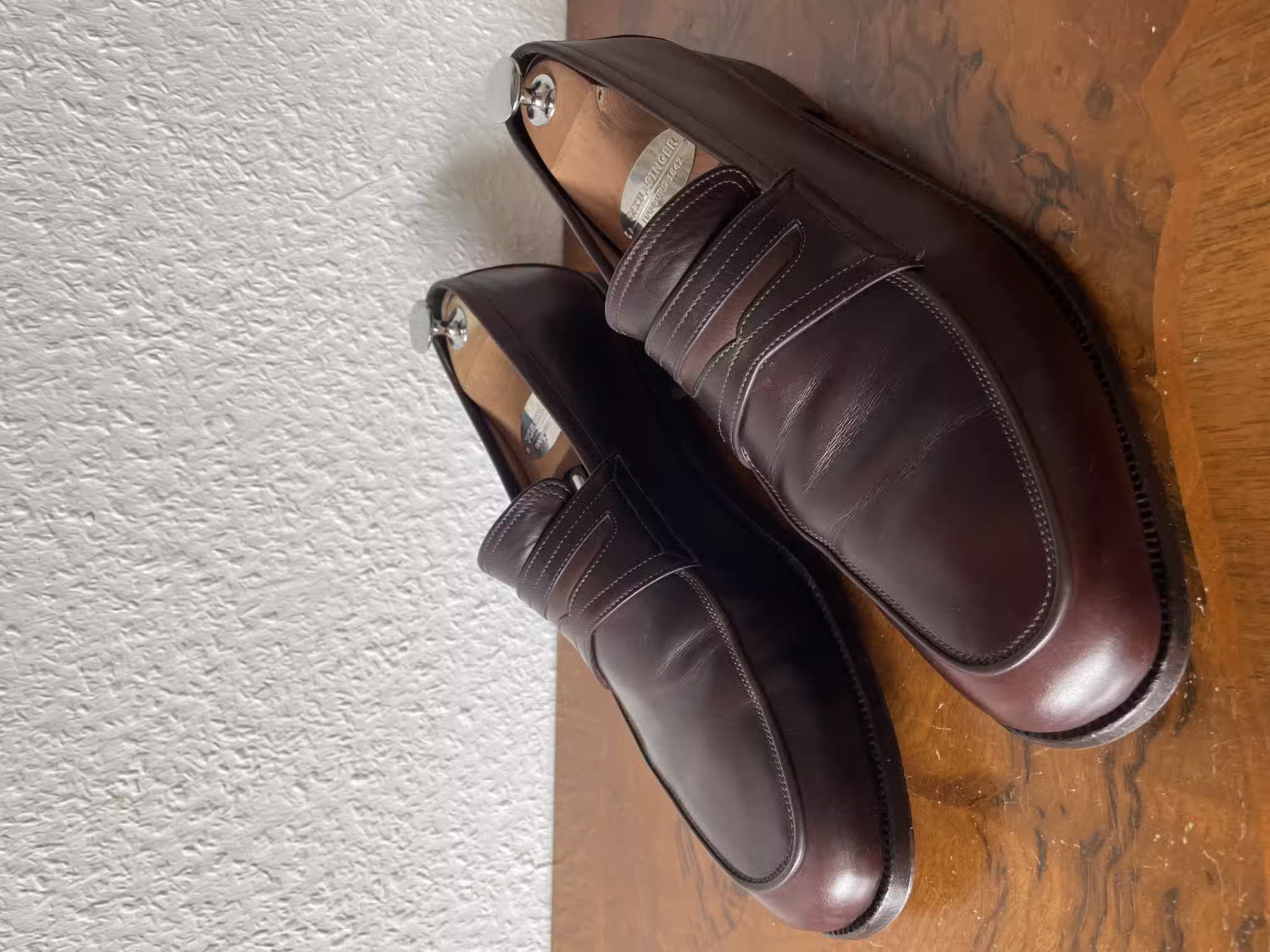
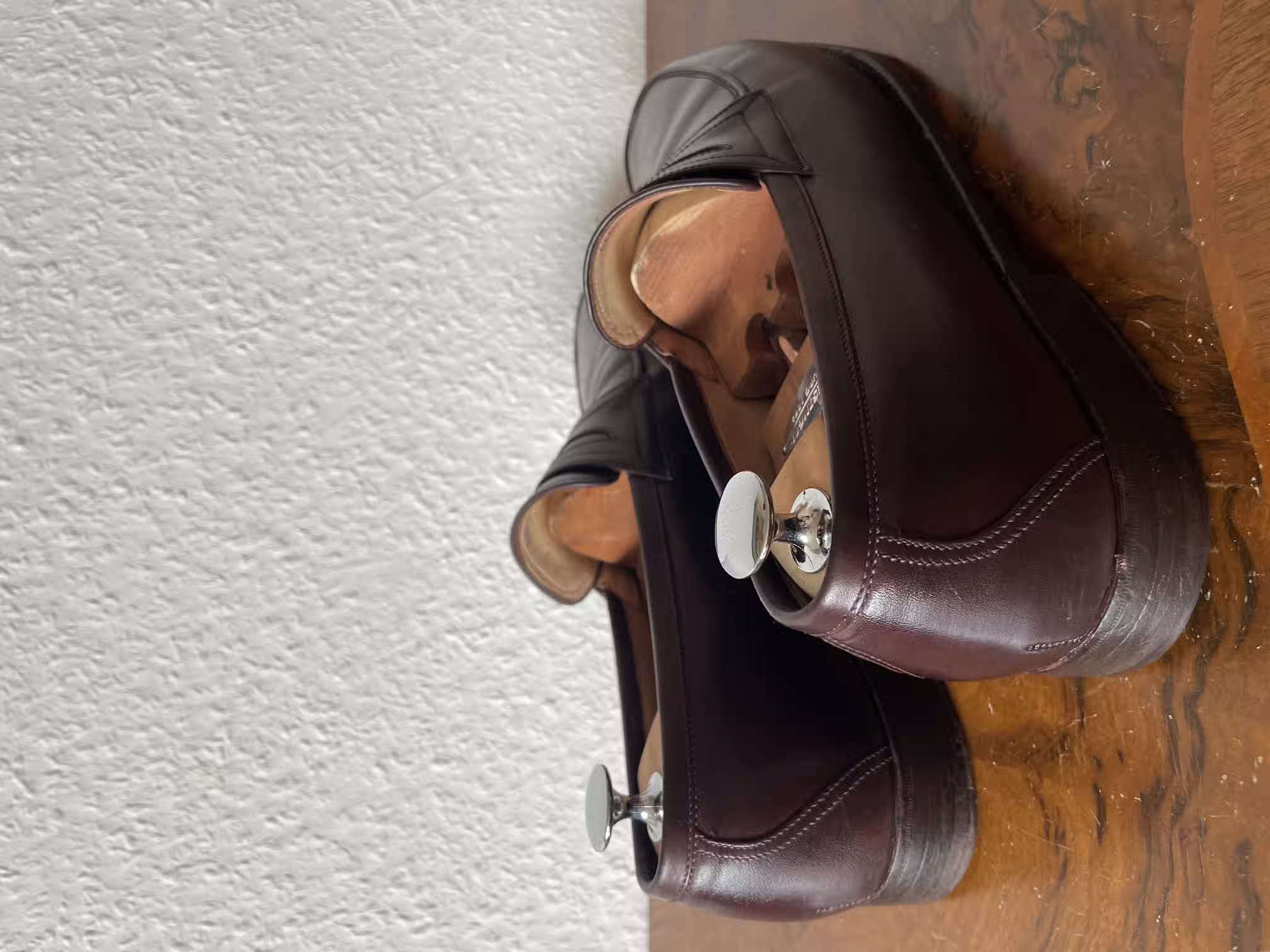
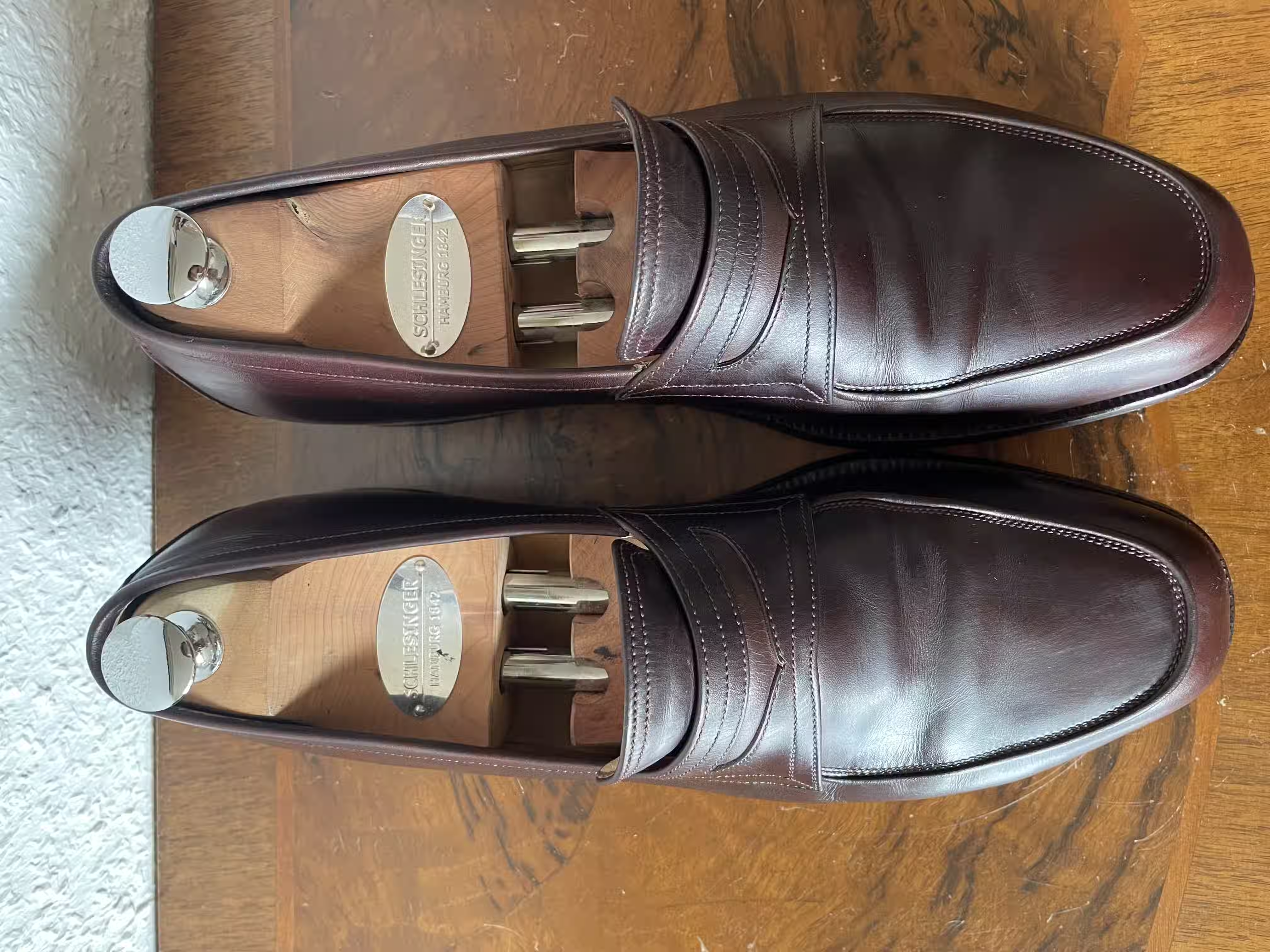
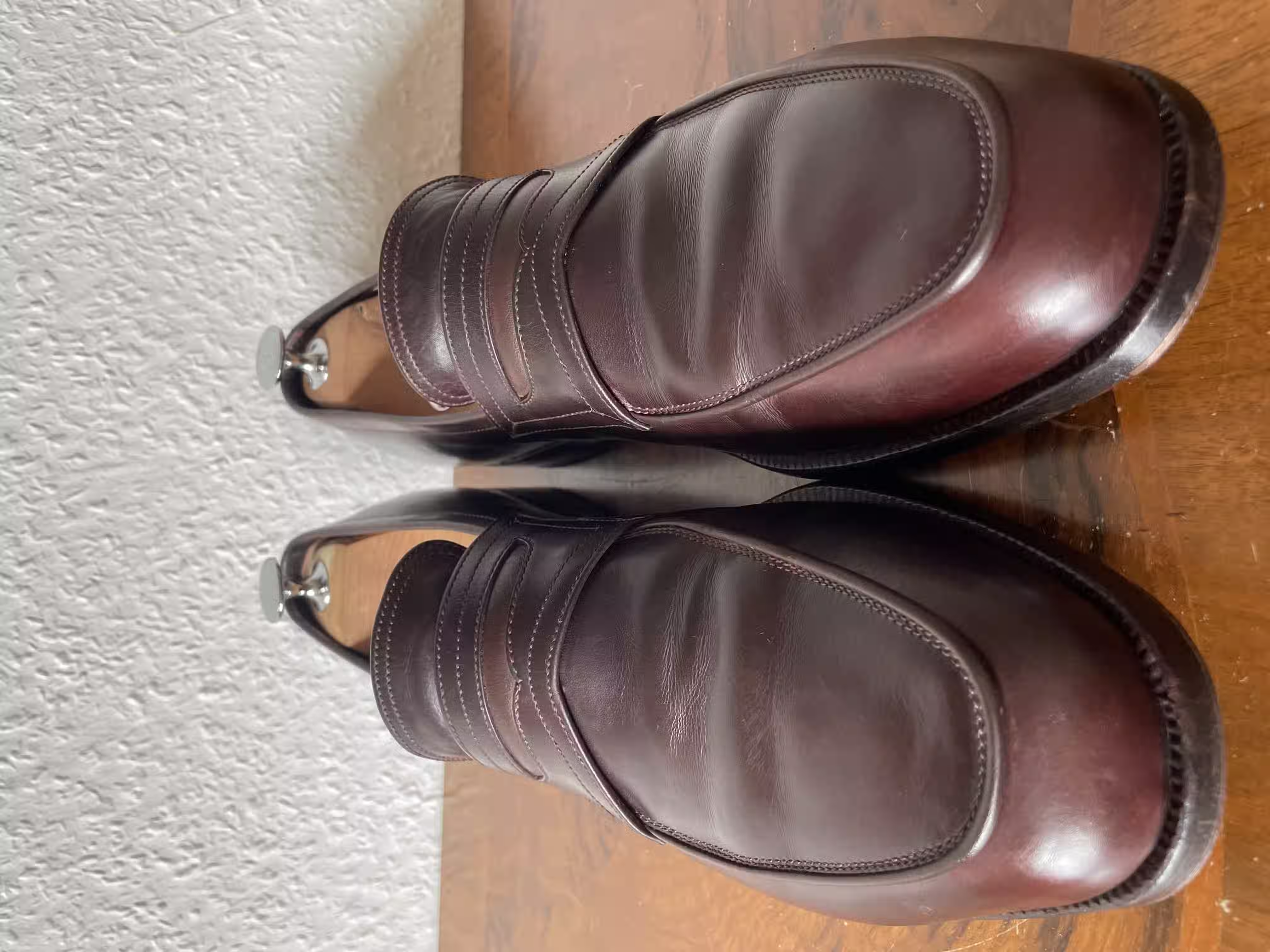
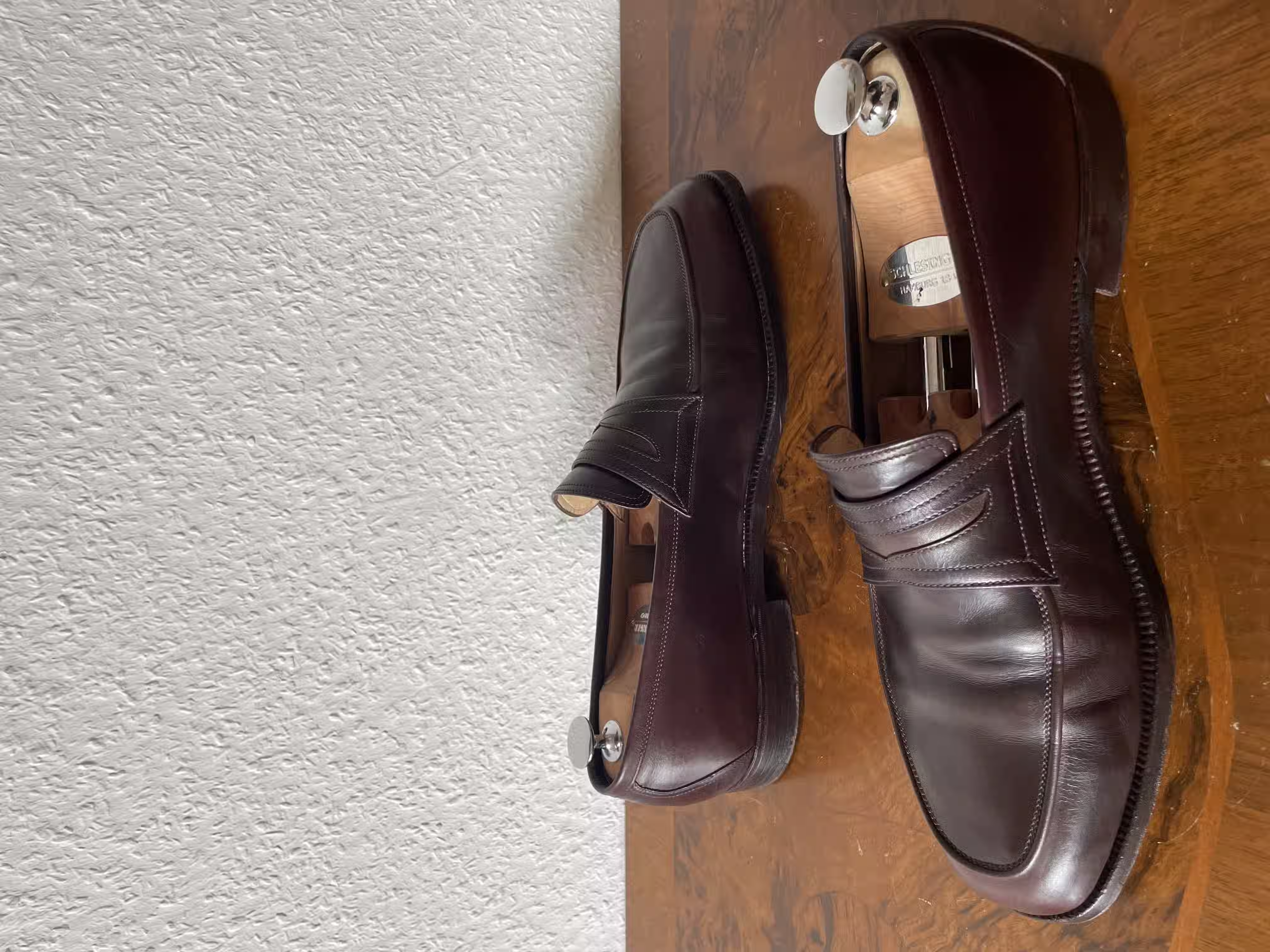
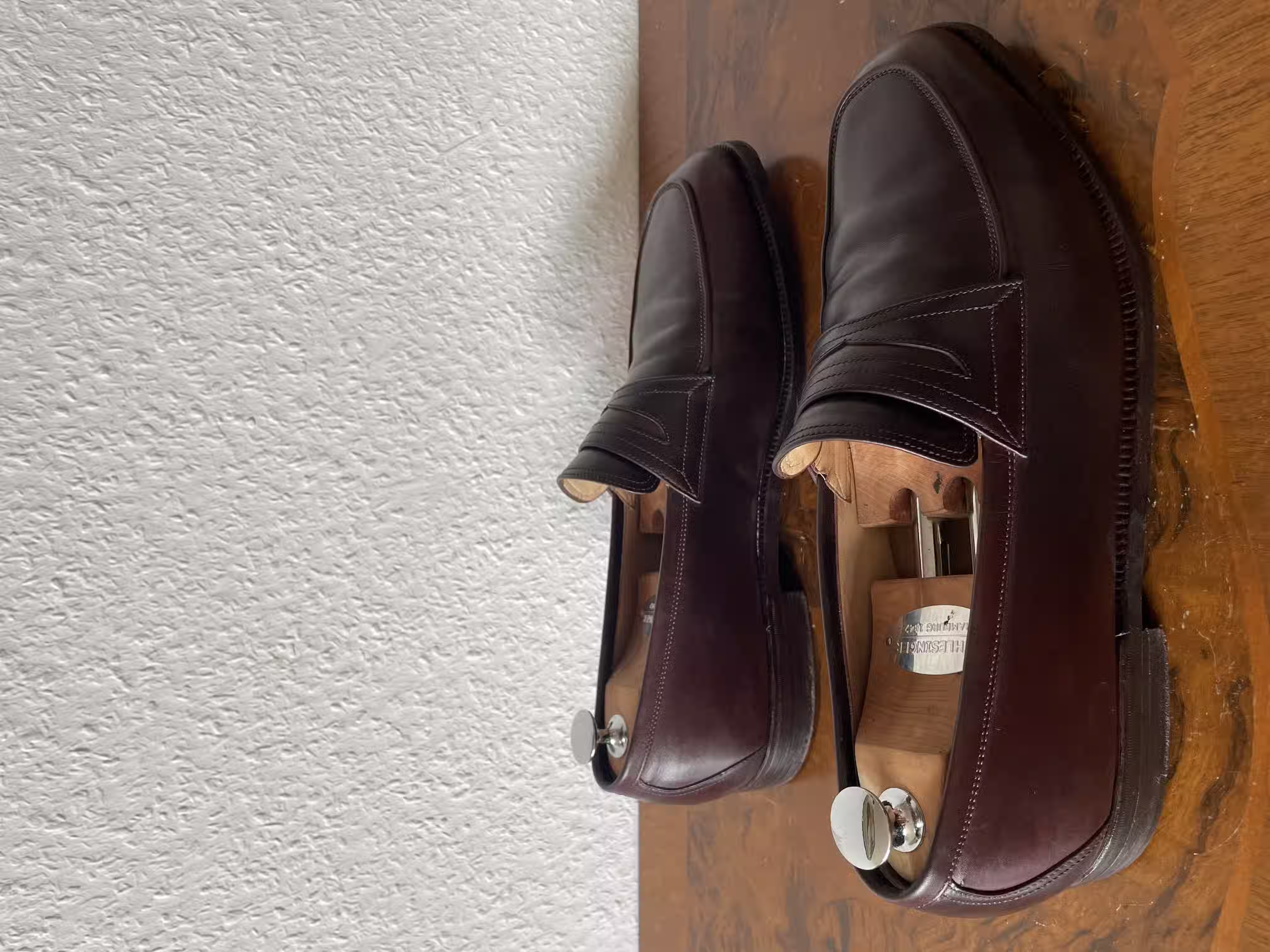
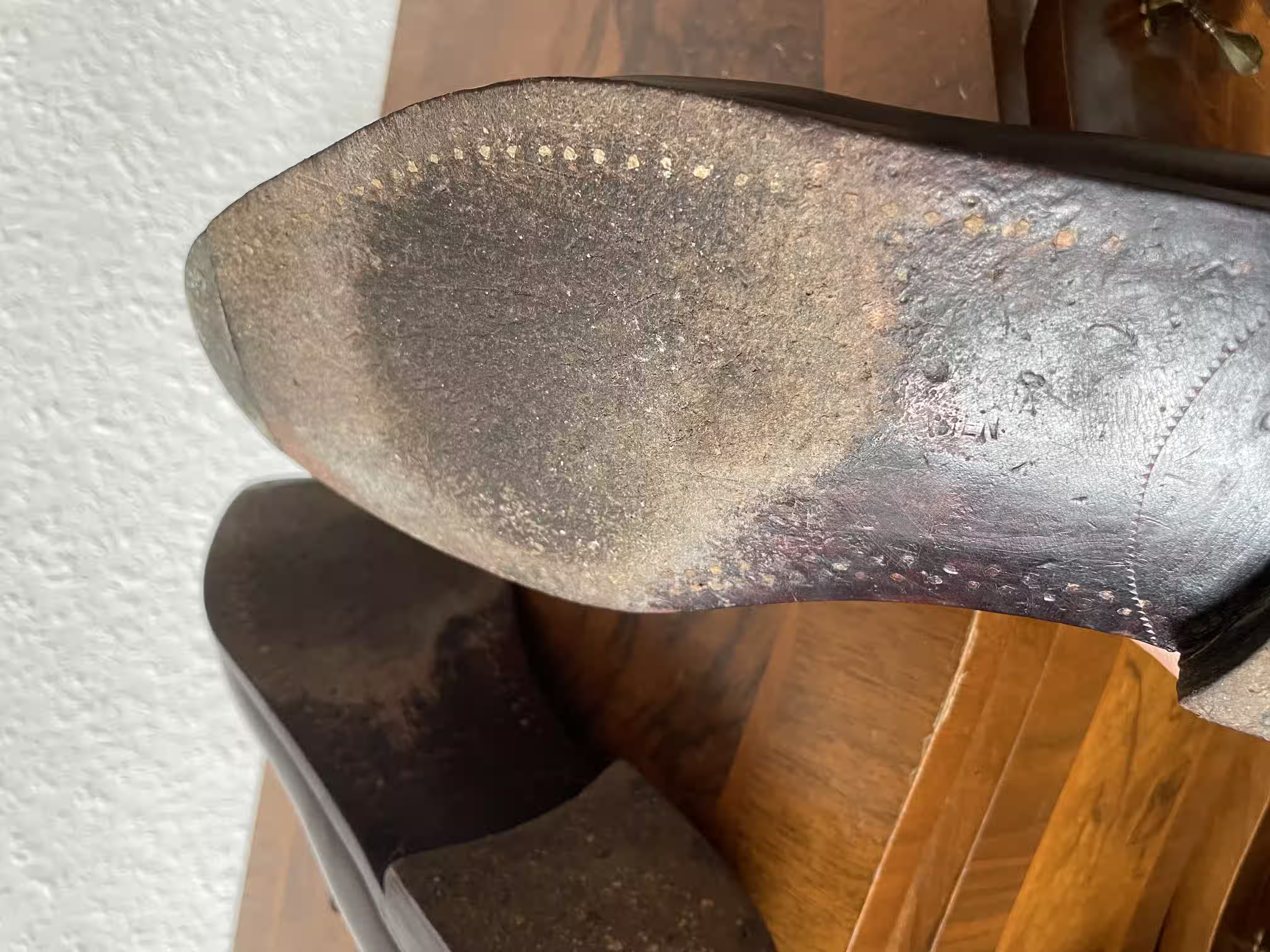
What I want to emphasize here as well: Even non-stitched leather shoes can be very good. There are so-called wooden-pegged shoes, in which the upper part of the shoe and its sole are held together by wooden pegs. However, this so-called wooden-pegged construction method is not very widespread. Nowadays you can find it mainly in Austria. Even if some shoe manufacturers specialize in the wooden-pegged construction method, stitched leather shoes are overall the much more widespread shoes.
Leather shoes as objects of art instead of mass-produced goods
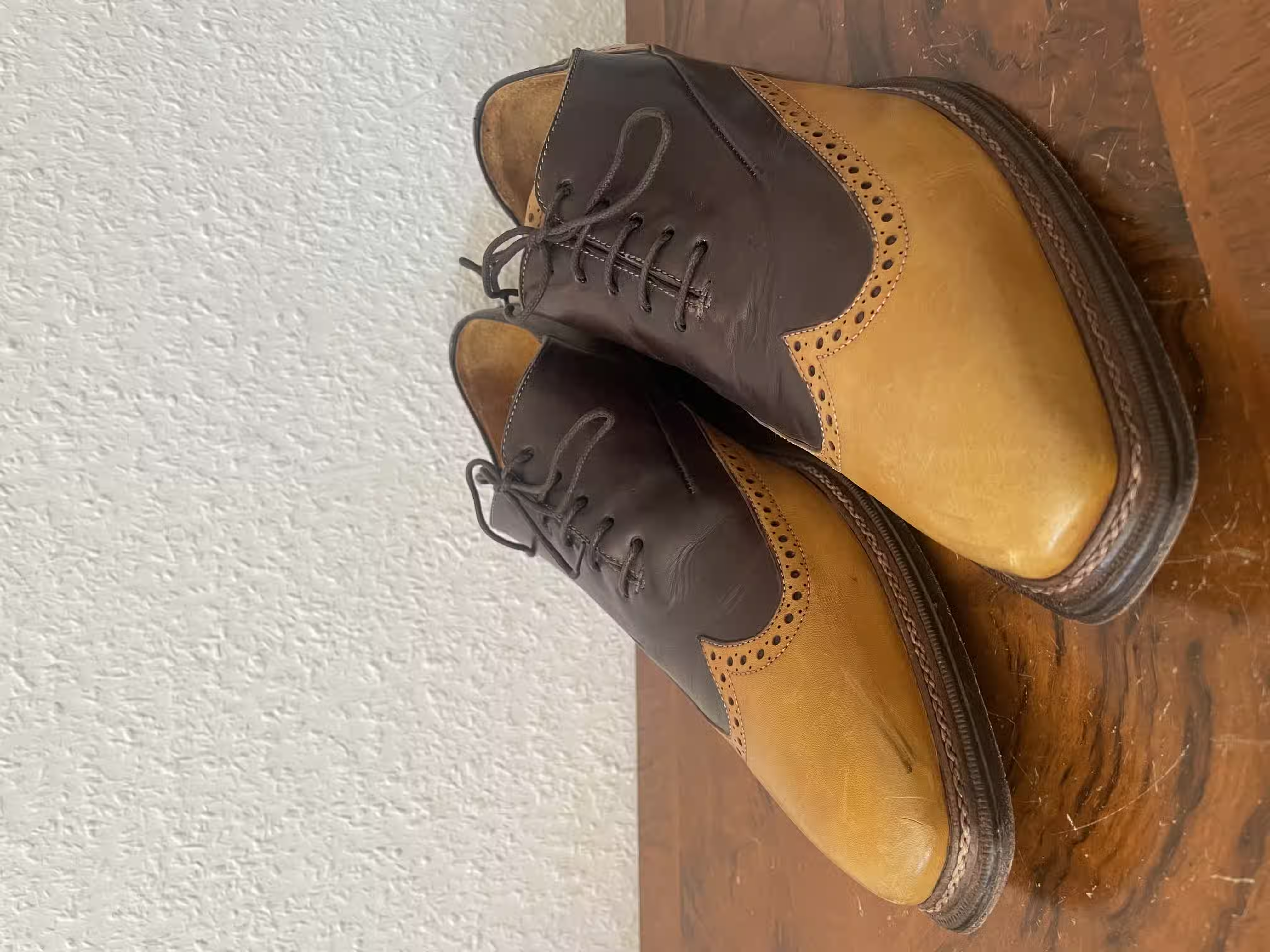
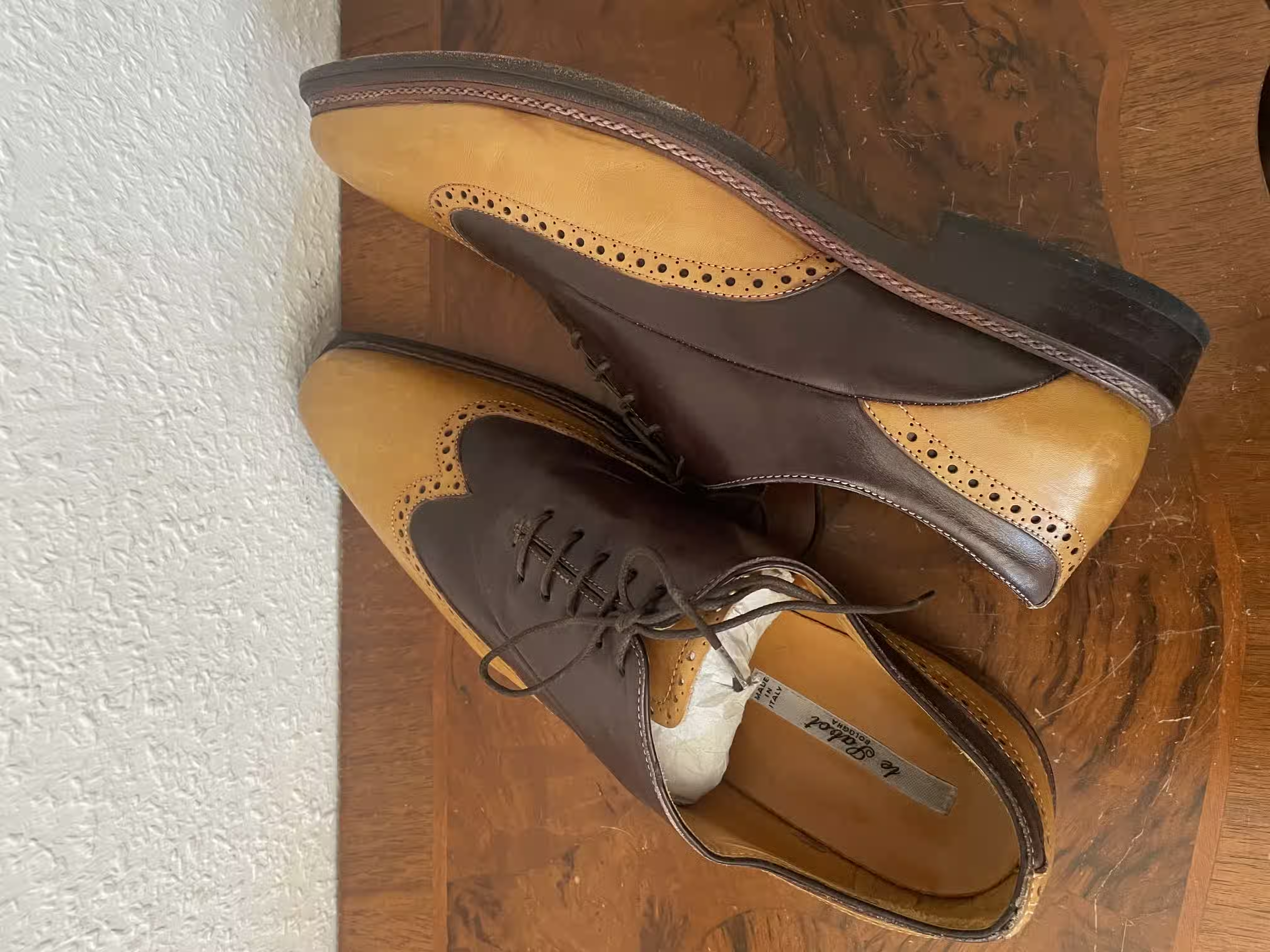
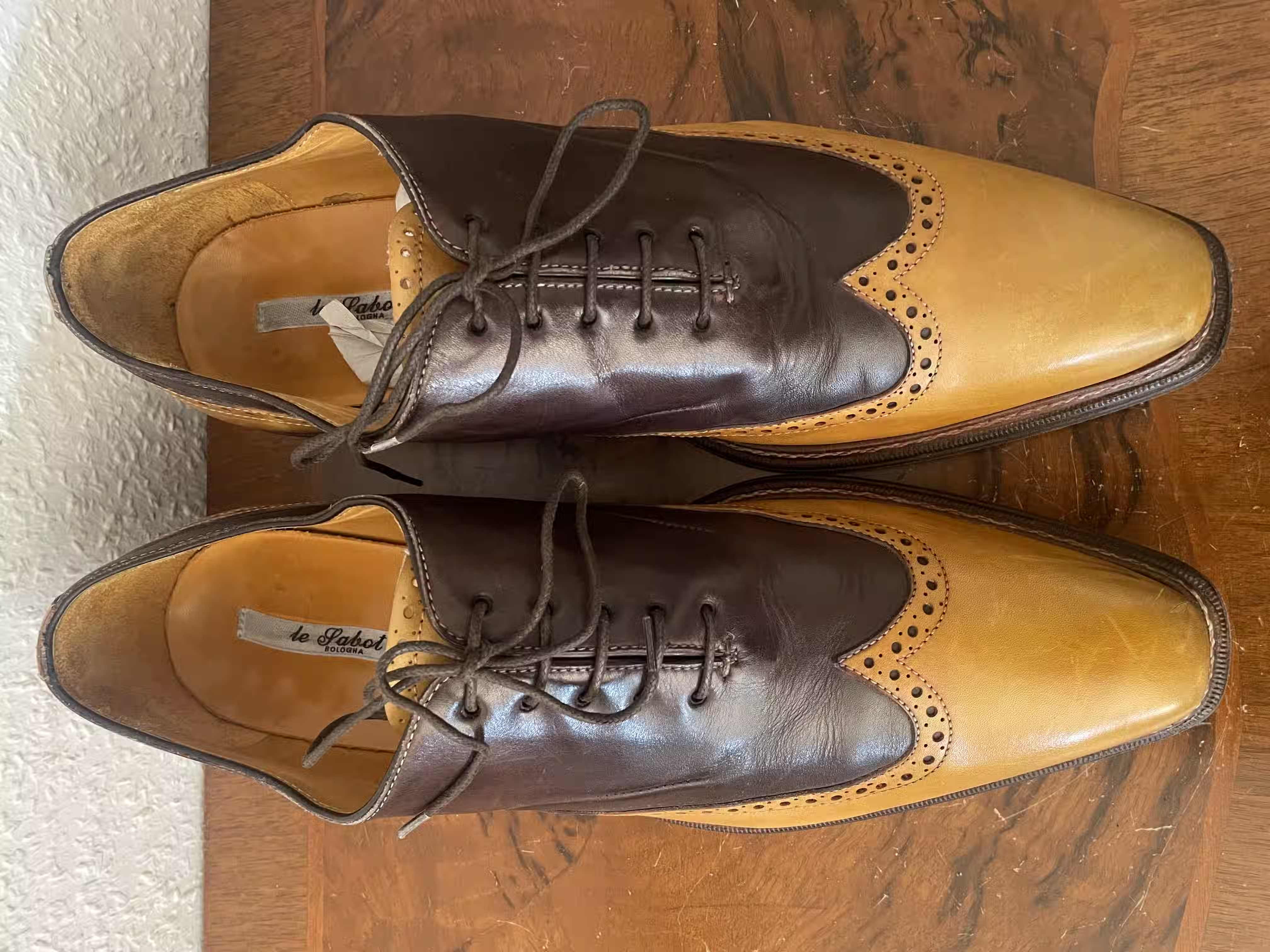
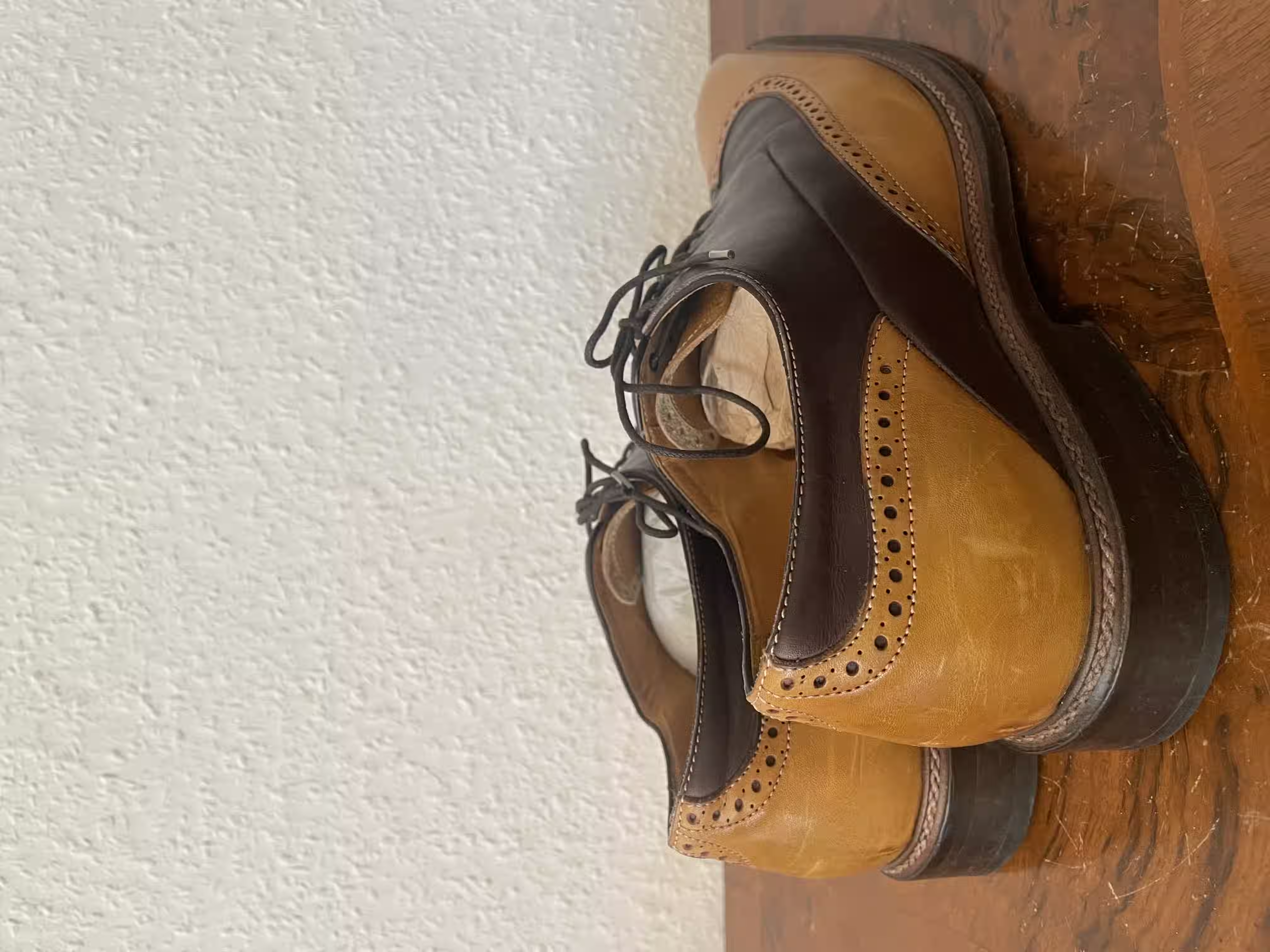
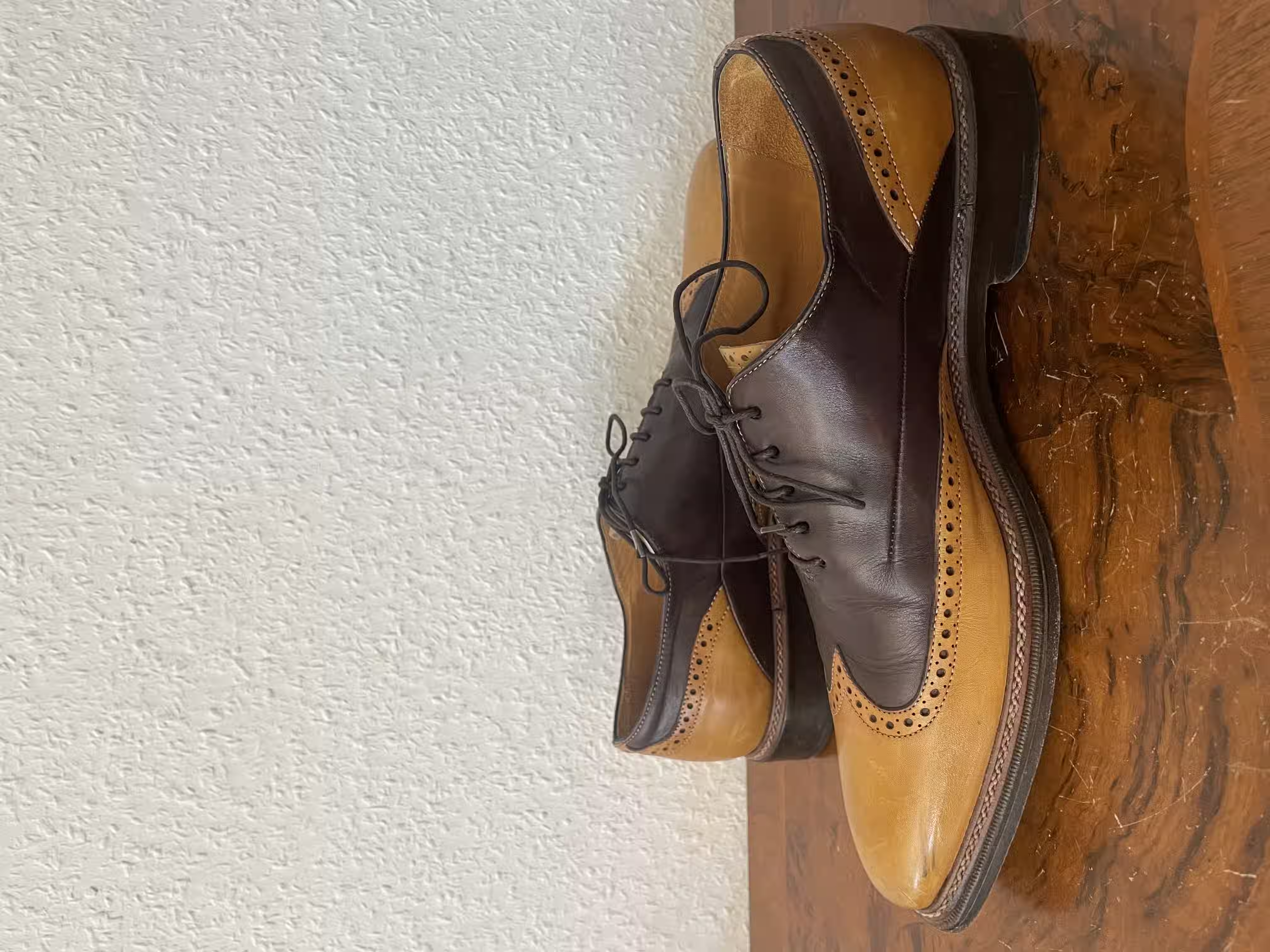
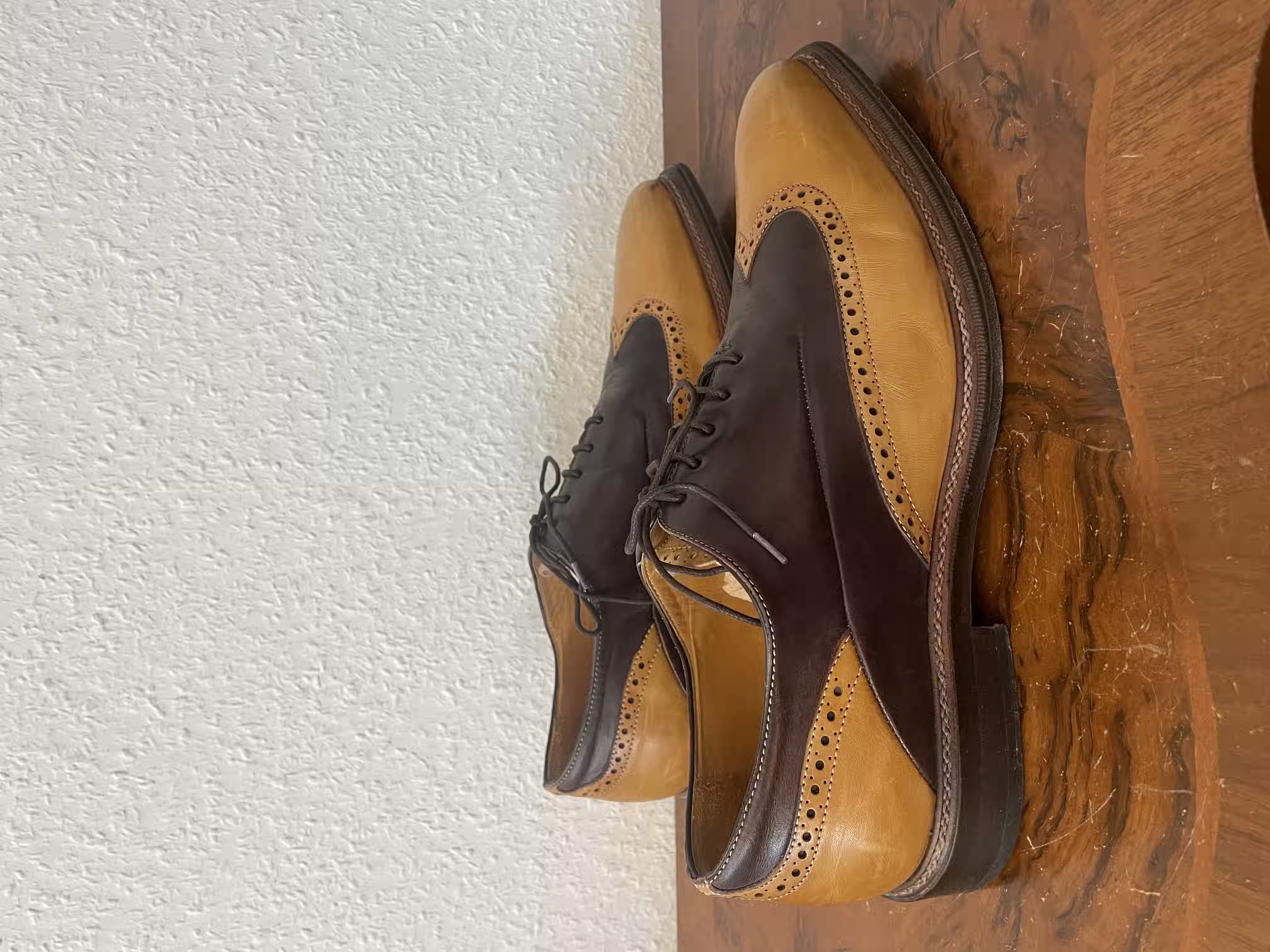
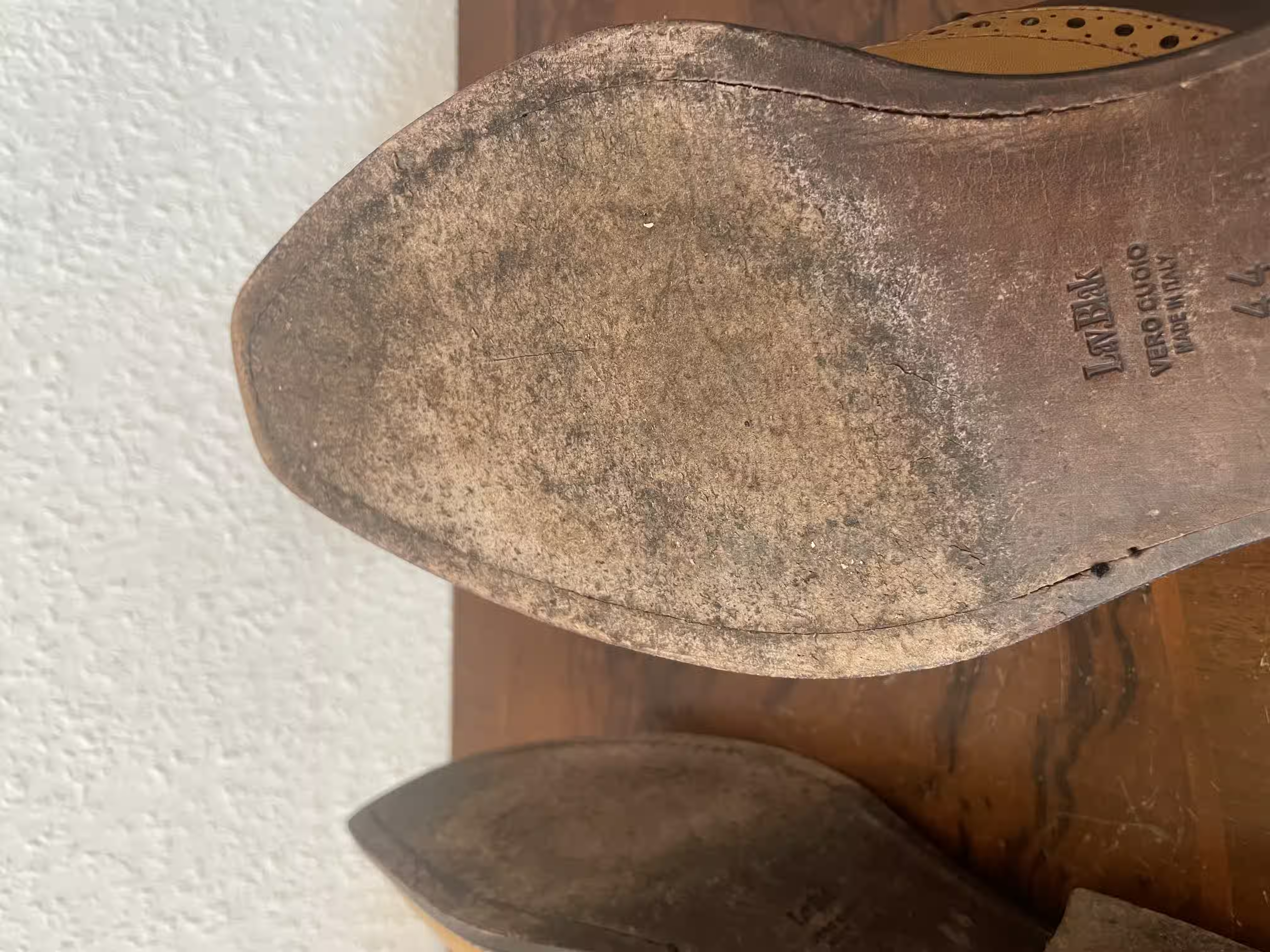
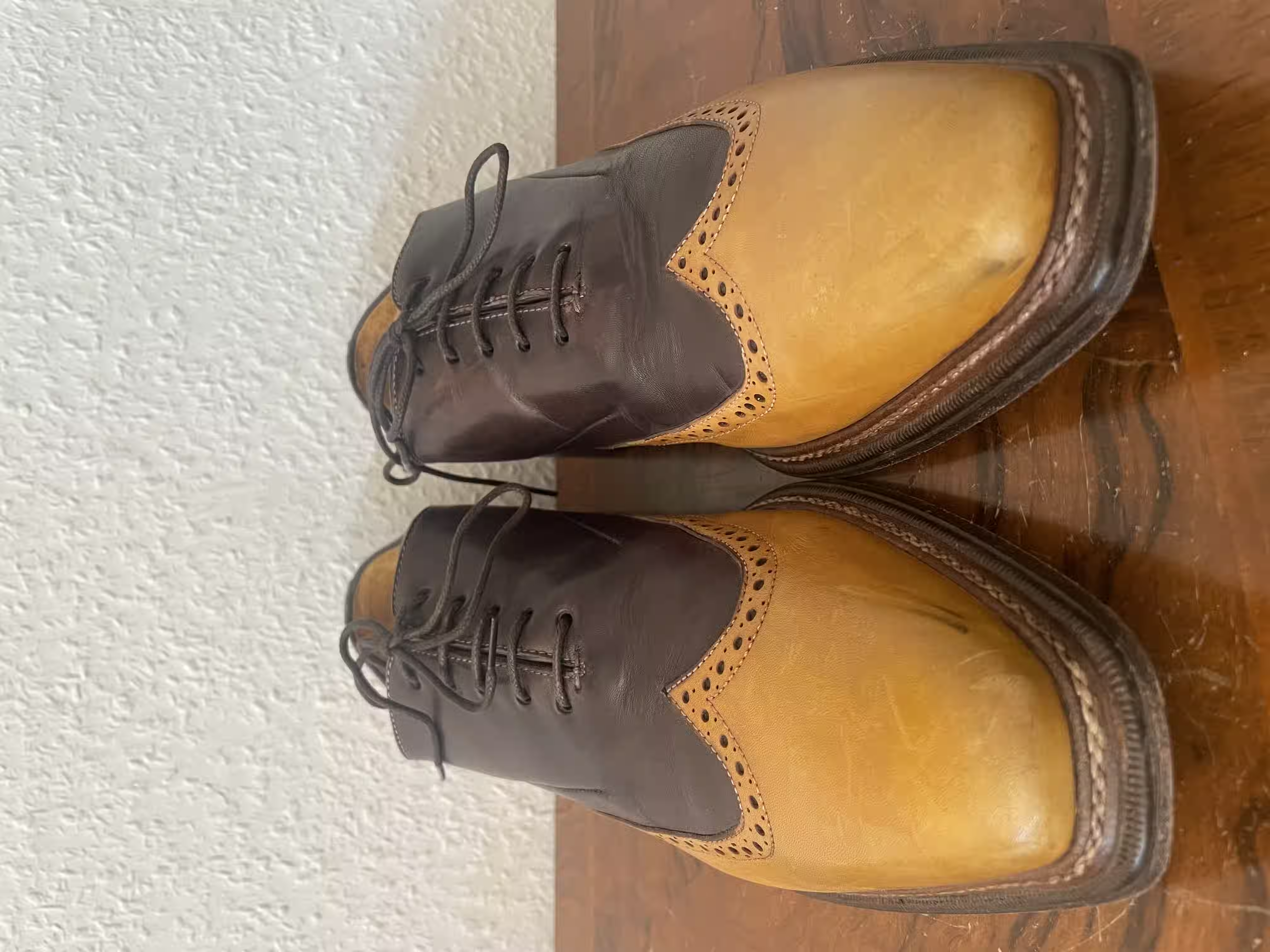
Works of art normally do not come out of factories, although artfully made shoes can also be produced there. The core of a factory is the optimization of processes in manufacturing and the faster and cheaper production that goes along with it. Non-functional details are often omitted if it serves a better process and cost reduction. Here, too, there are always exceptions, but the core of the factory and mass production is designed in that direction.
But there are also these small islands of craftsmanship—shoemakers who work alone or with their team. Here, a shoe model requires skill and more time to be made. Accordingly, it is also more expensive and something not everyone has. Because such a shoemaker cannot produce in large quantities, because his time is limited. In return, he can use this time to produce particularly beautiful and successful shoes, and he does not have to—given the right customers—cut corners on details. Accordingly, such shoes, especially as made-to-measure shoes, are often seen as luxury products. However, not so much because a certain brand name is on them—this trend exists here too and can raise the price again. But the core, in my view, is that the shoes are artfully made and from high-quality materials and require a lot of time from experienced craftsmen. That makes the shoes something special, which is very limited in quantity.
Art of fit and lines with the help of the last
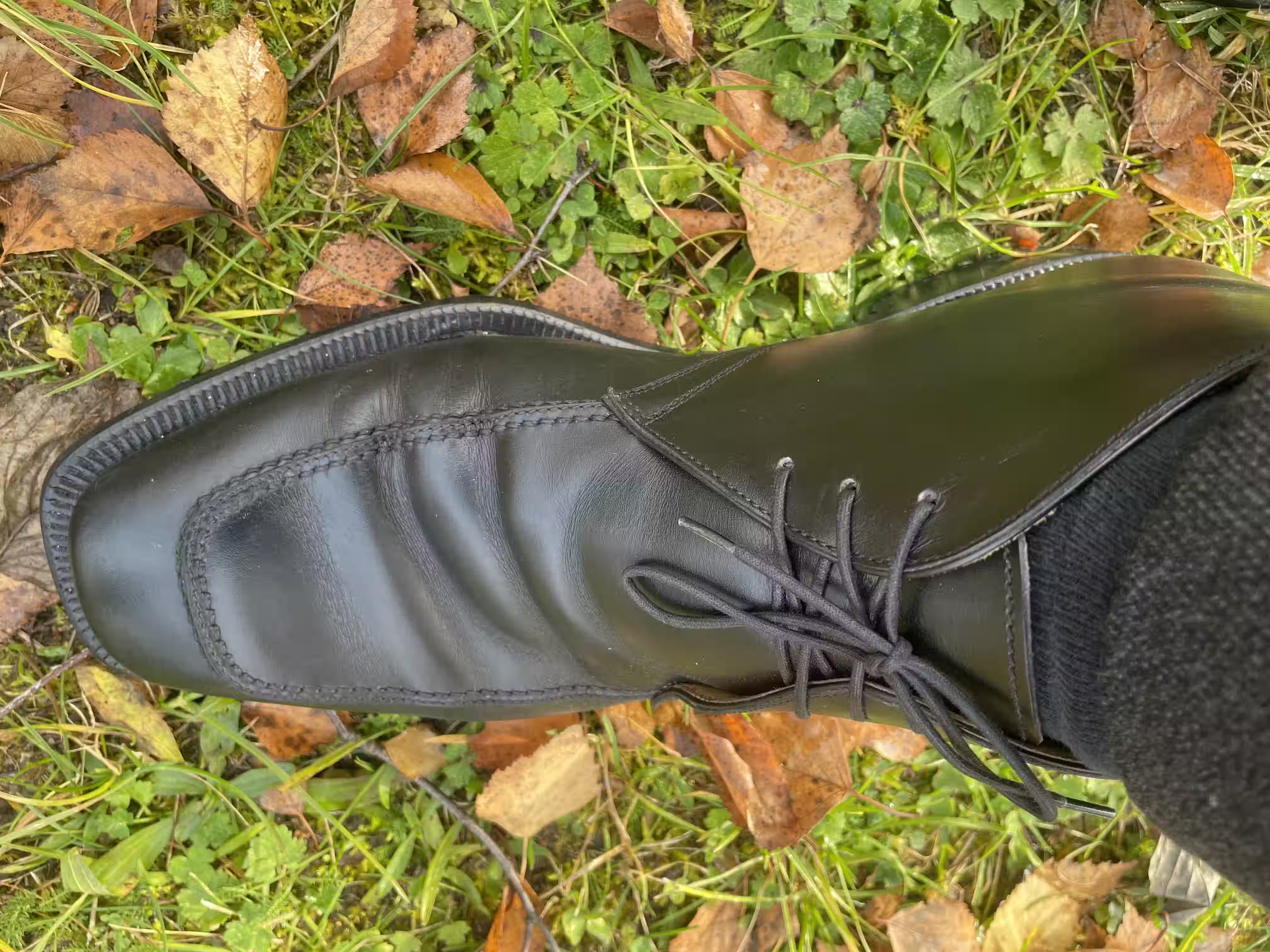
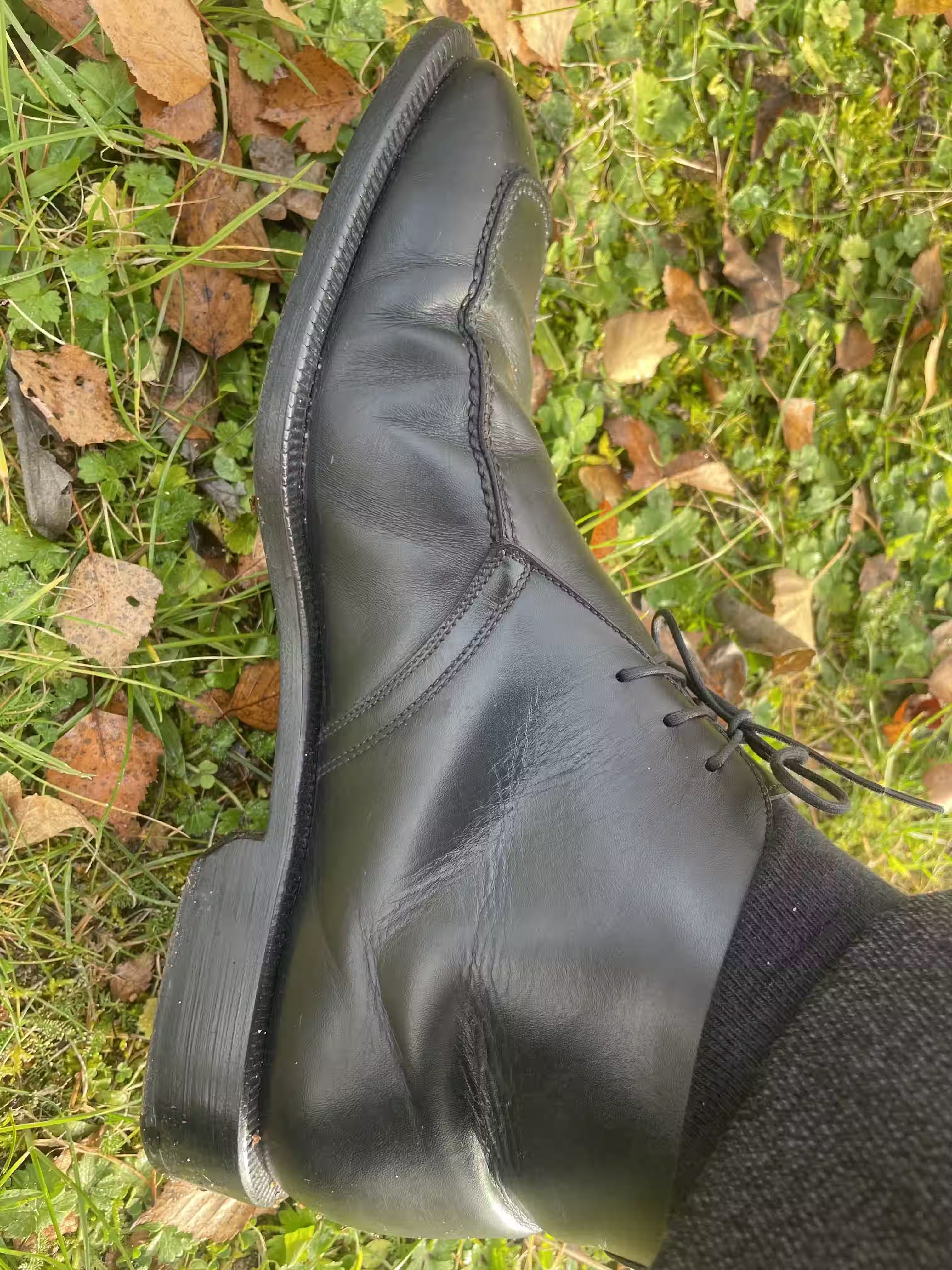
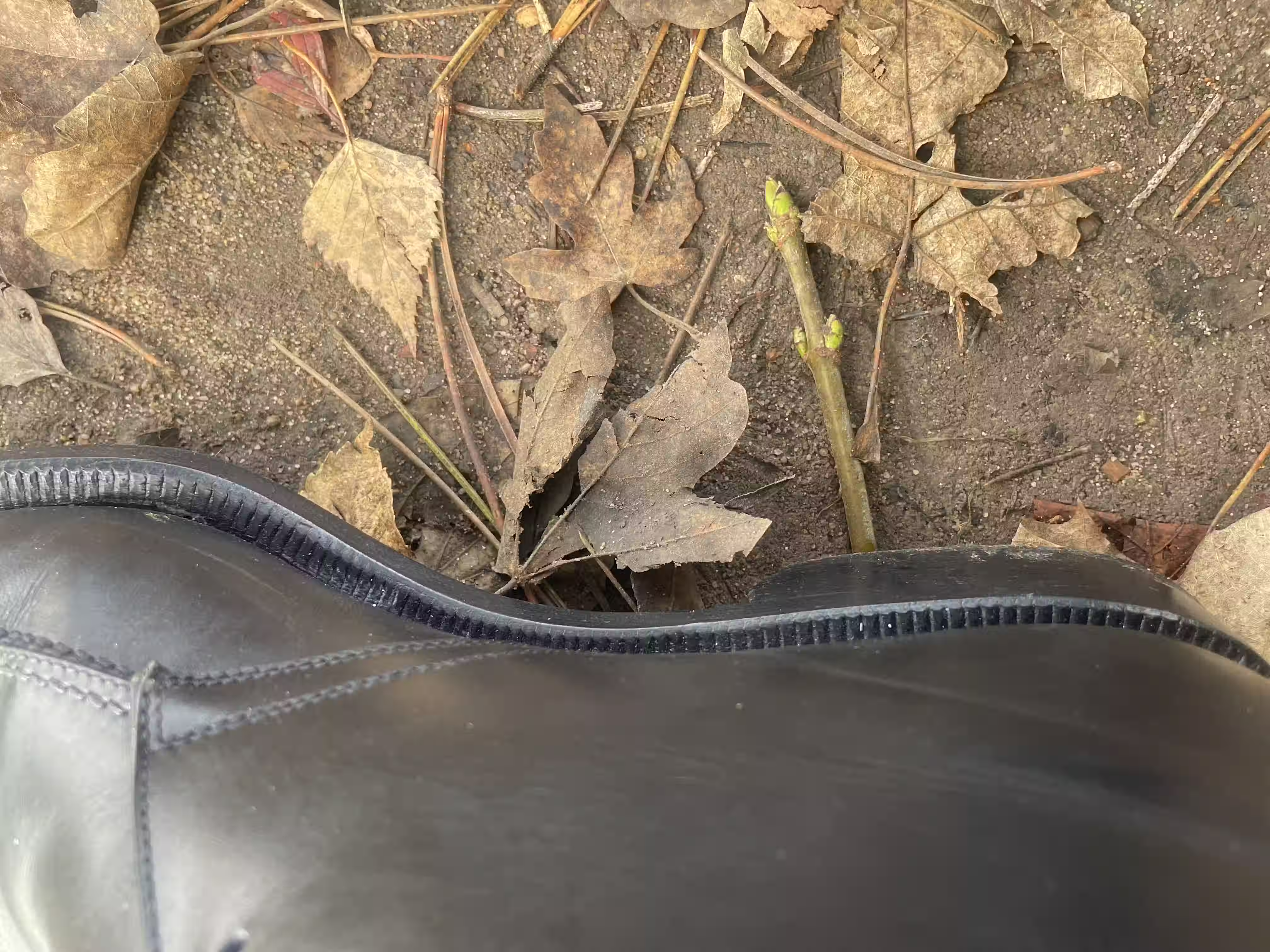
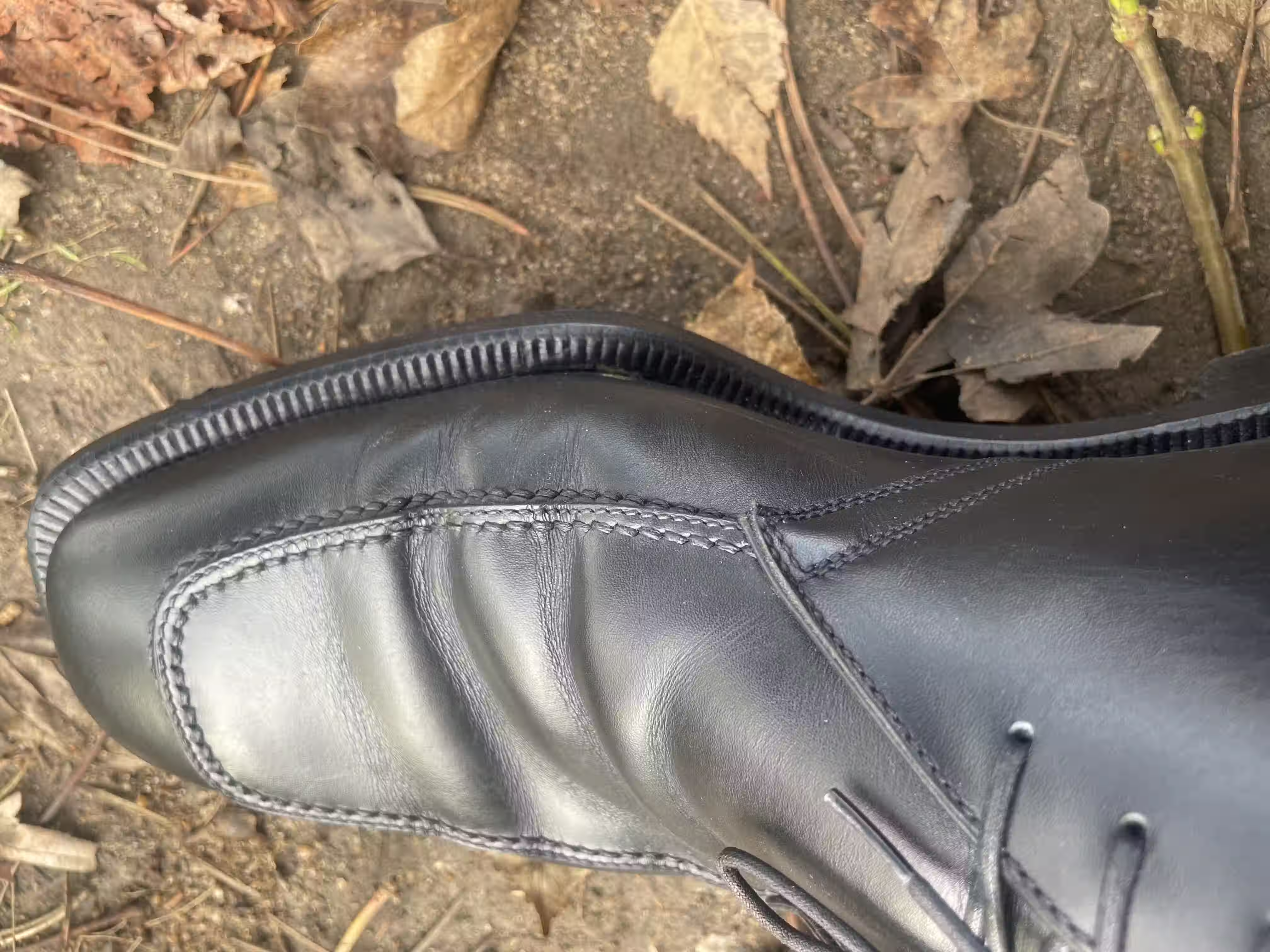
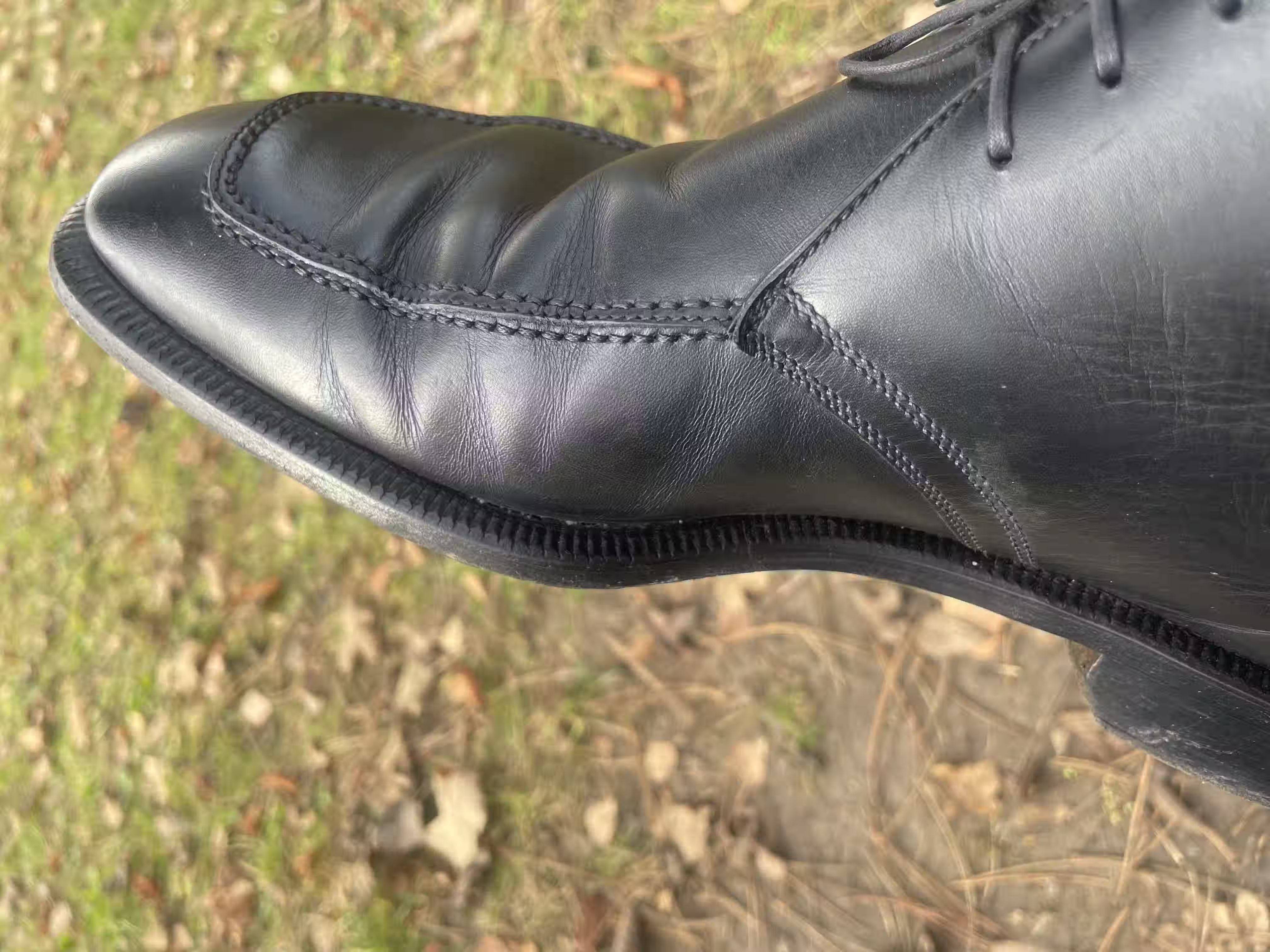
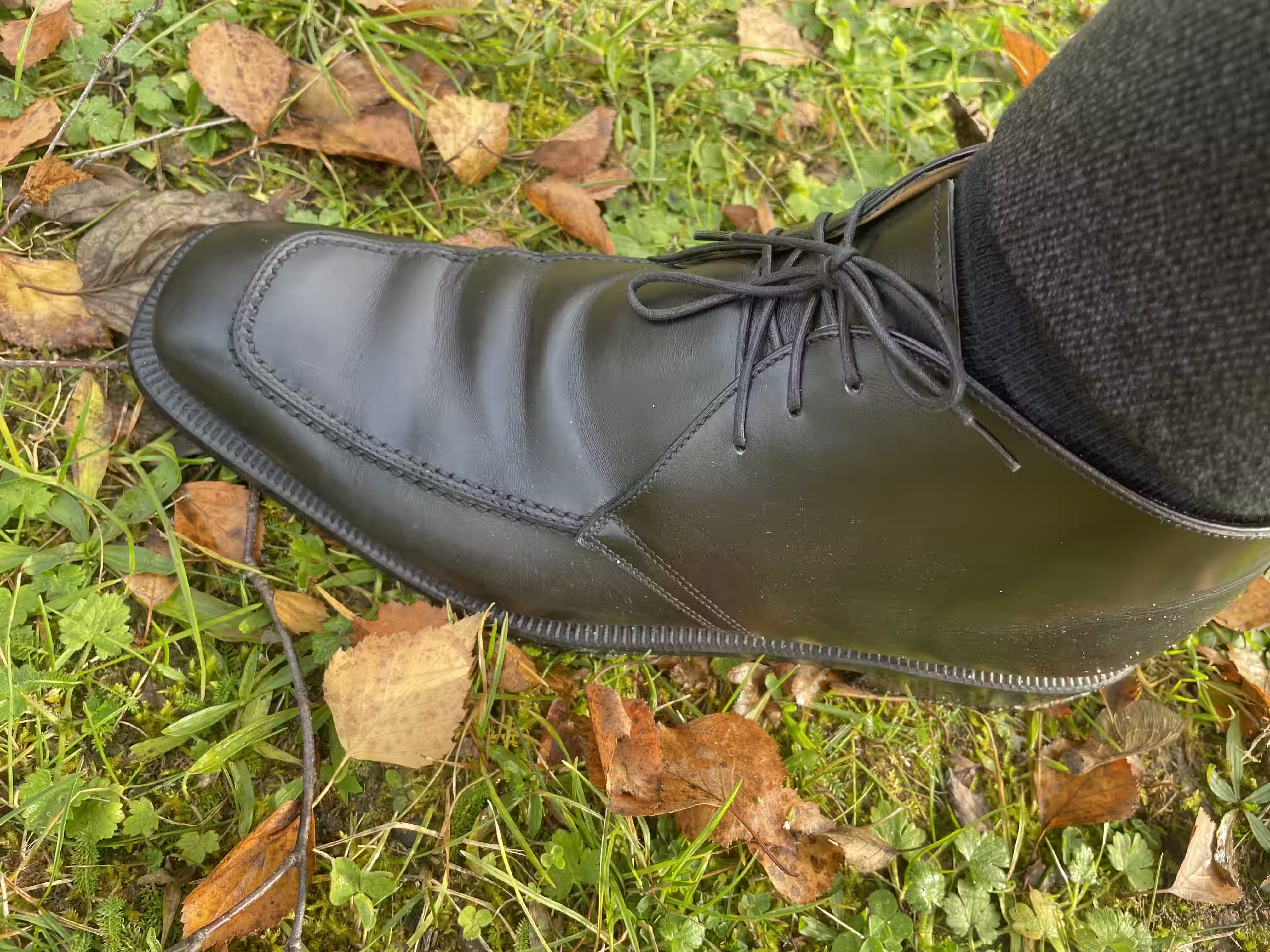
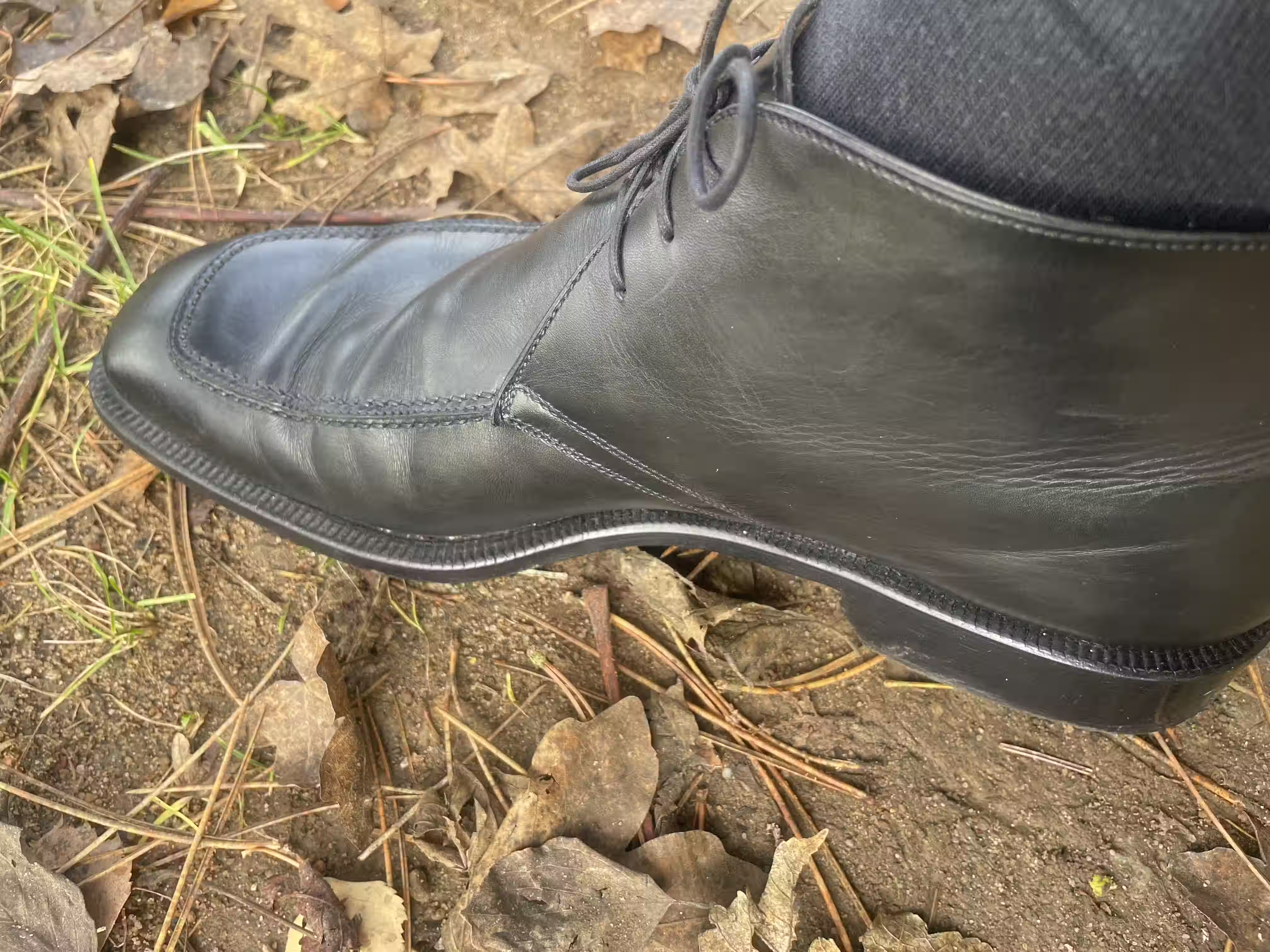
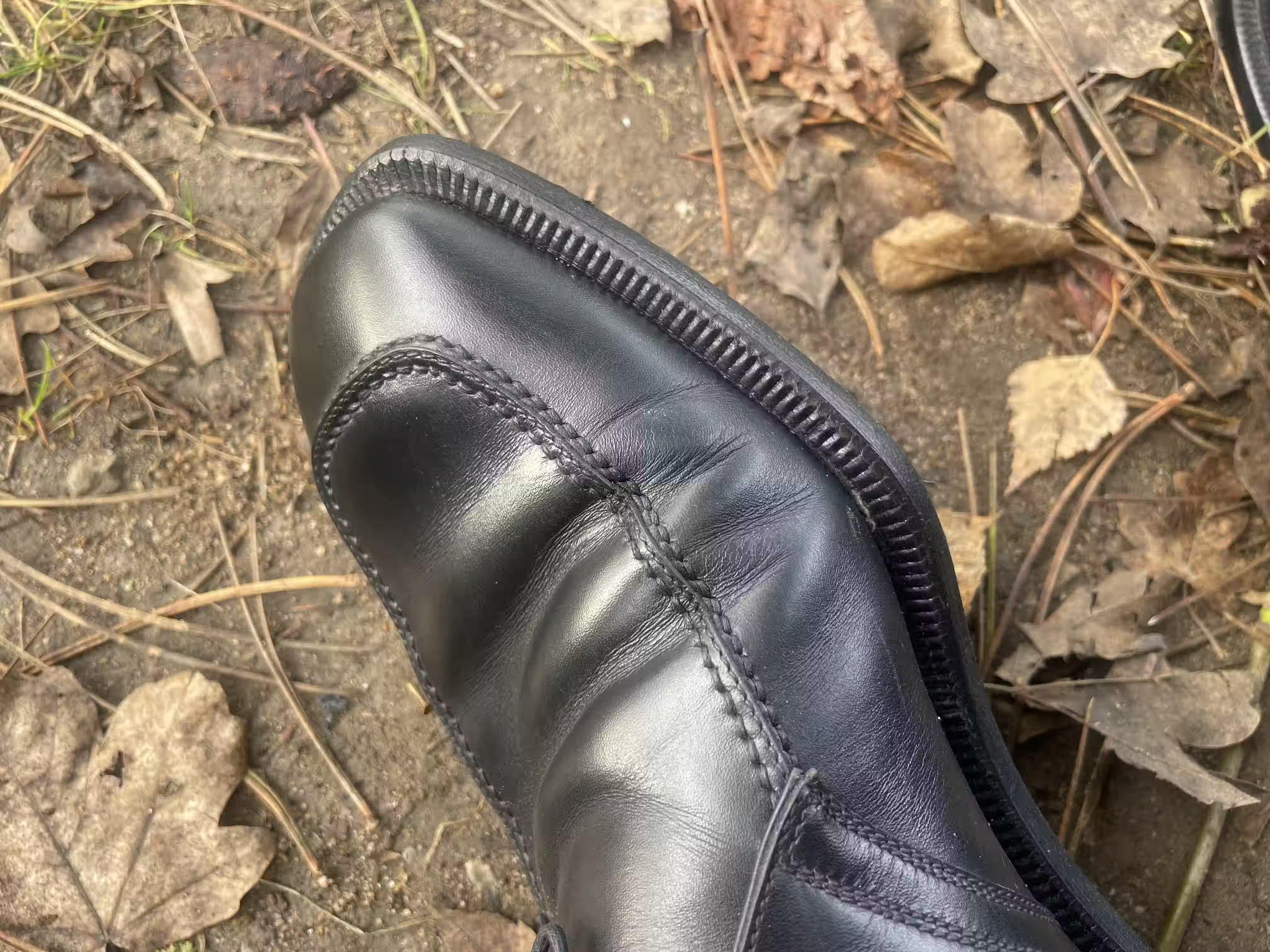
Instead of a chunky shape that is meant to fit the vast majority of people, a shoemaker’s shoe typically places more value on an individual and attractive shape. Bespoke shoemakers go even further at this point by creating a perfect fit for the customer with the help of a last.
But this last does not merely determine the fit—how well the shoe will sit on the feet later. The last also determines the outer shape of the shoe: that is, whether the shoe appears slim and elegant or somewhat chunky. Whether the shoe has rather sharp edges, which can look striking, or whether the shape is rounded and harmonious. This language of form is often more subtle than the language of the upper leather, because the shape usually does not catch the eye as much as the appearance of the upper leather. Nevertheless, an unattractive shape can also destroy the joy of looking at the shoe. Conversely, other shapes can be especially beautiful to look at and stand out positively from what is familiar.
Art of colors: patina for the leather
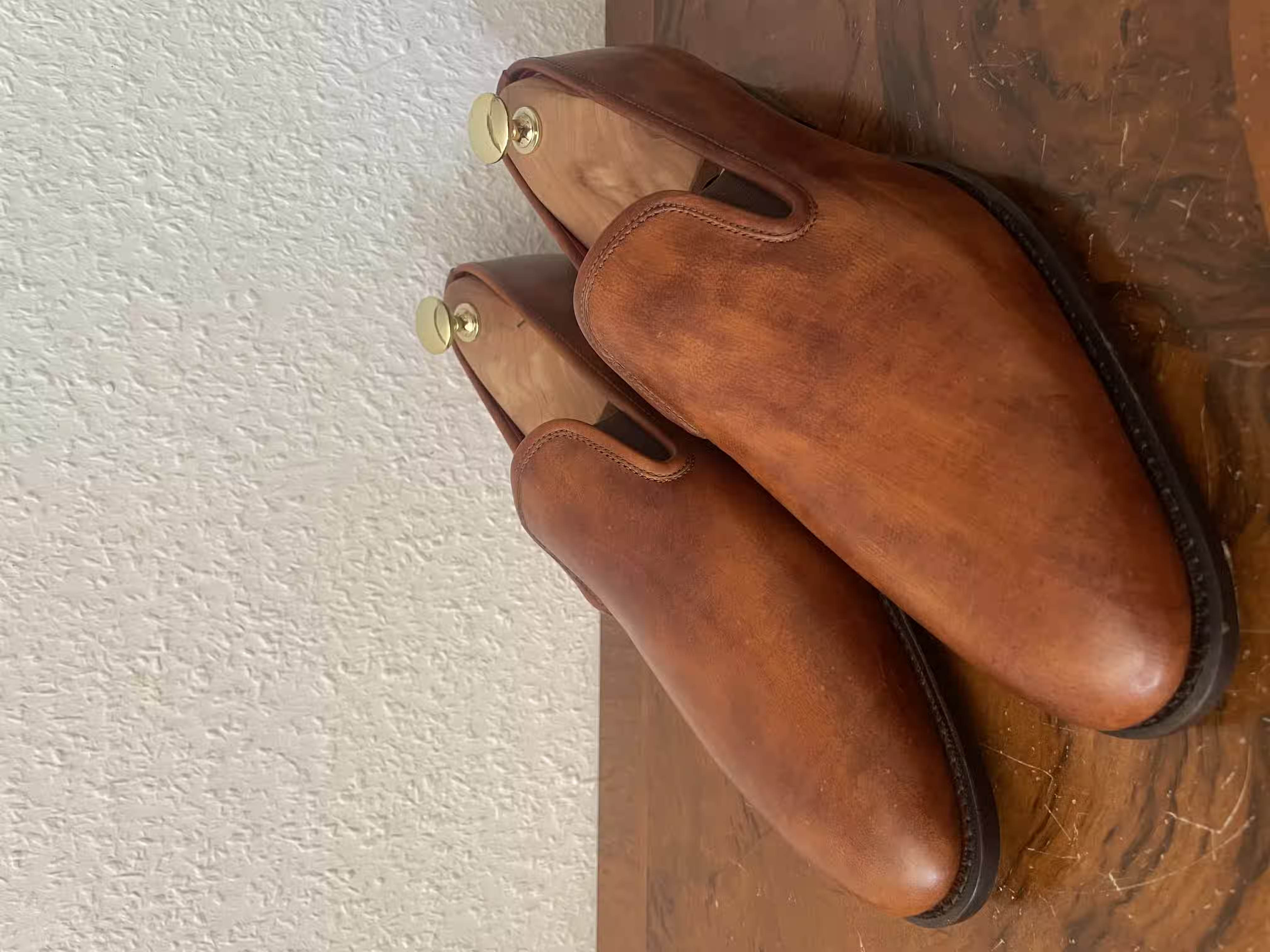
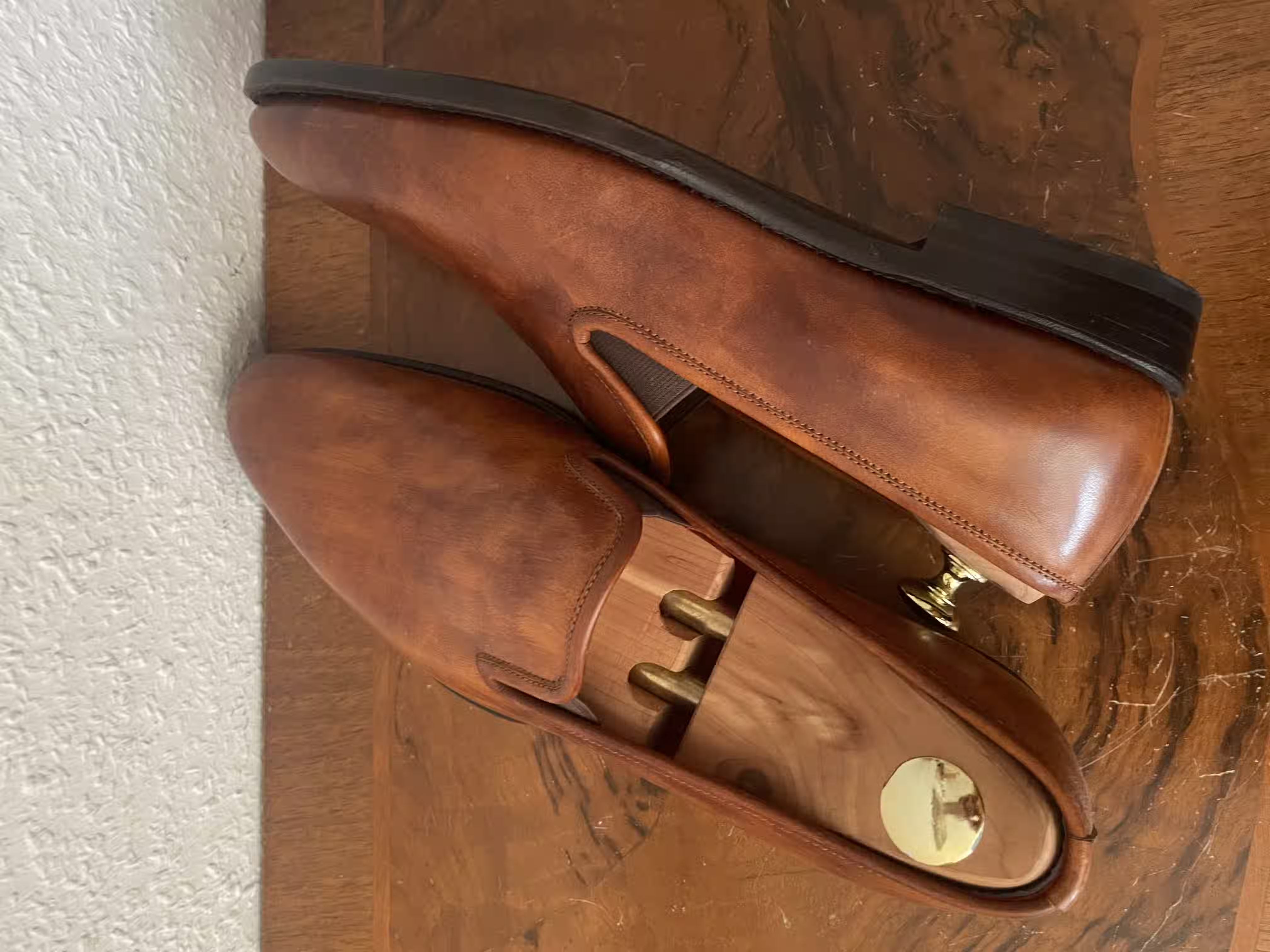
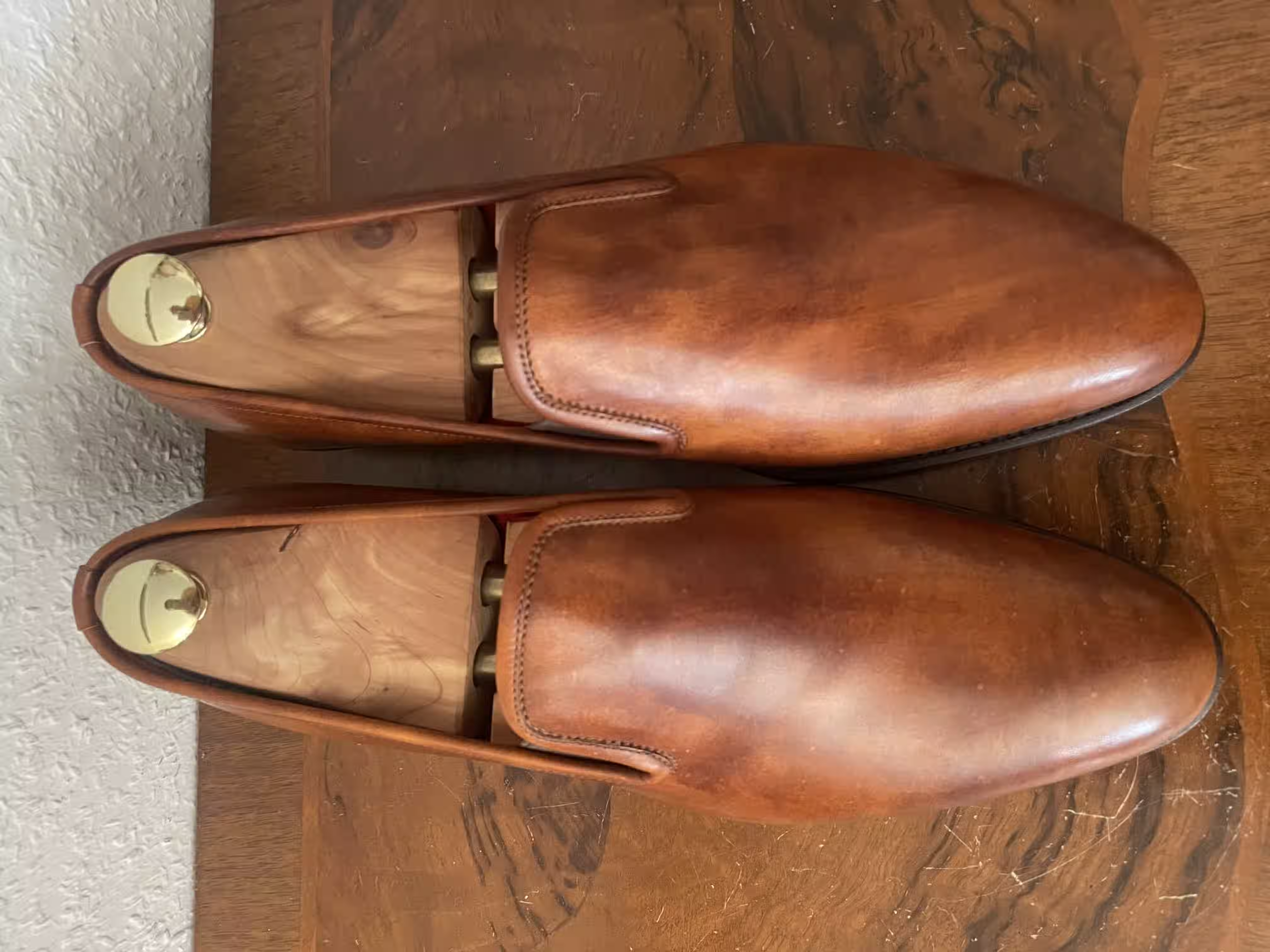
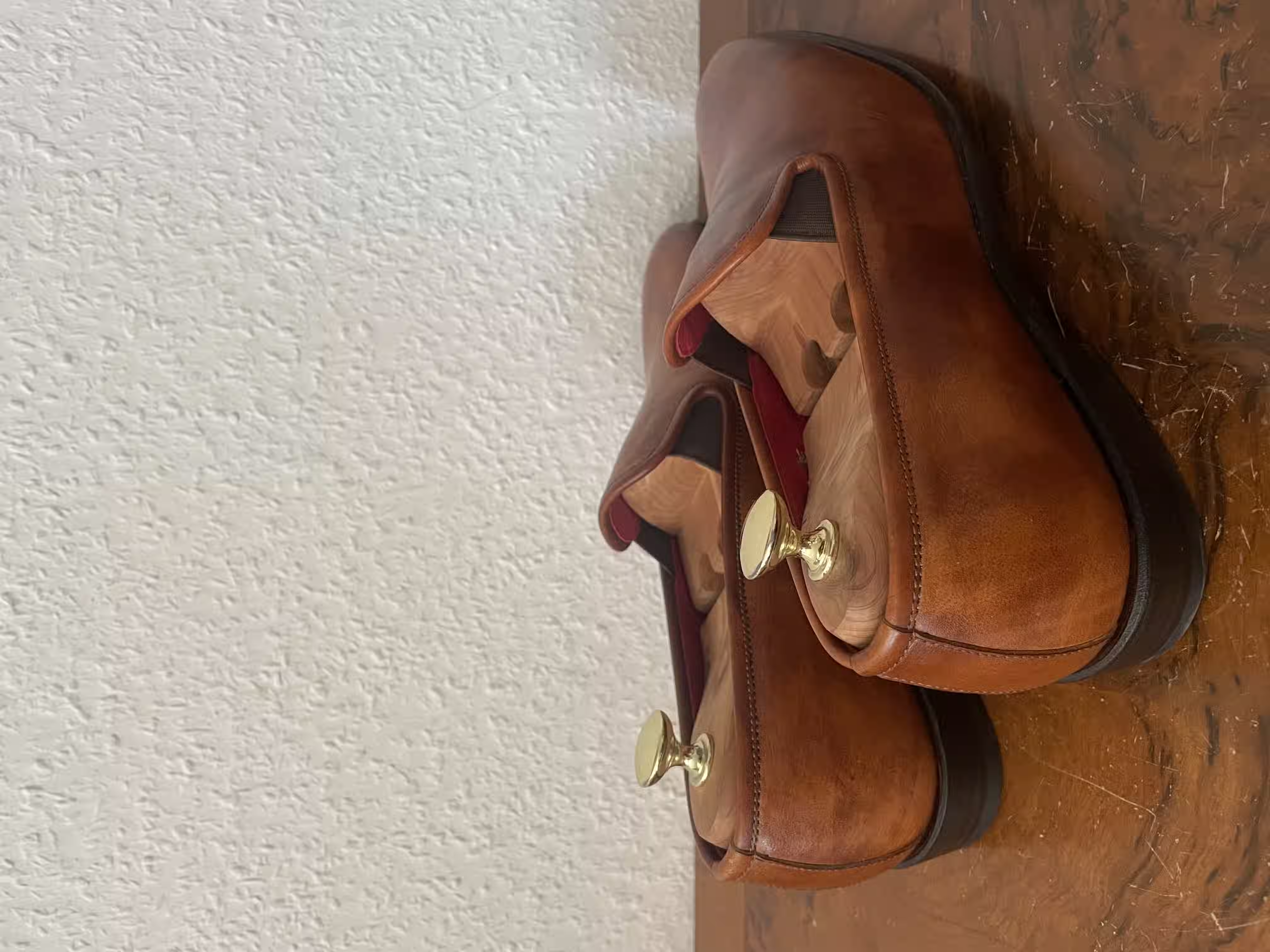
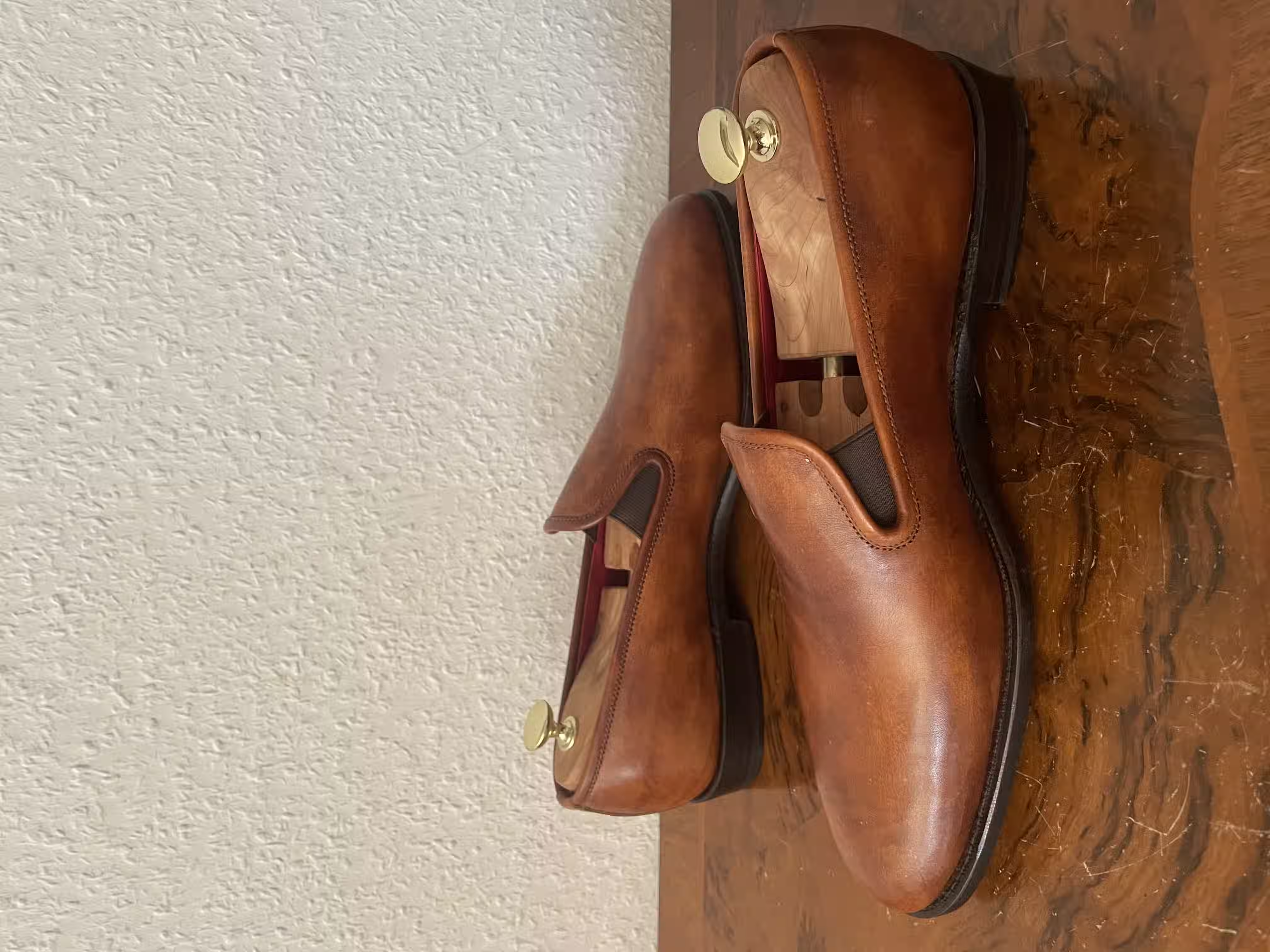
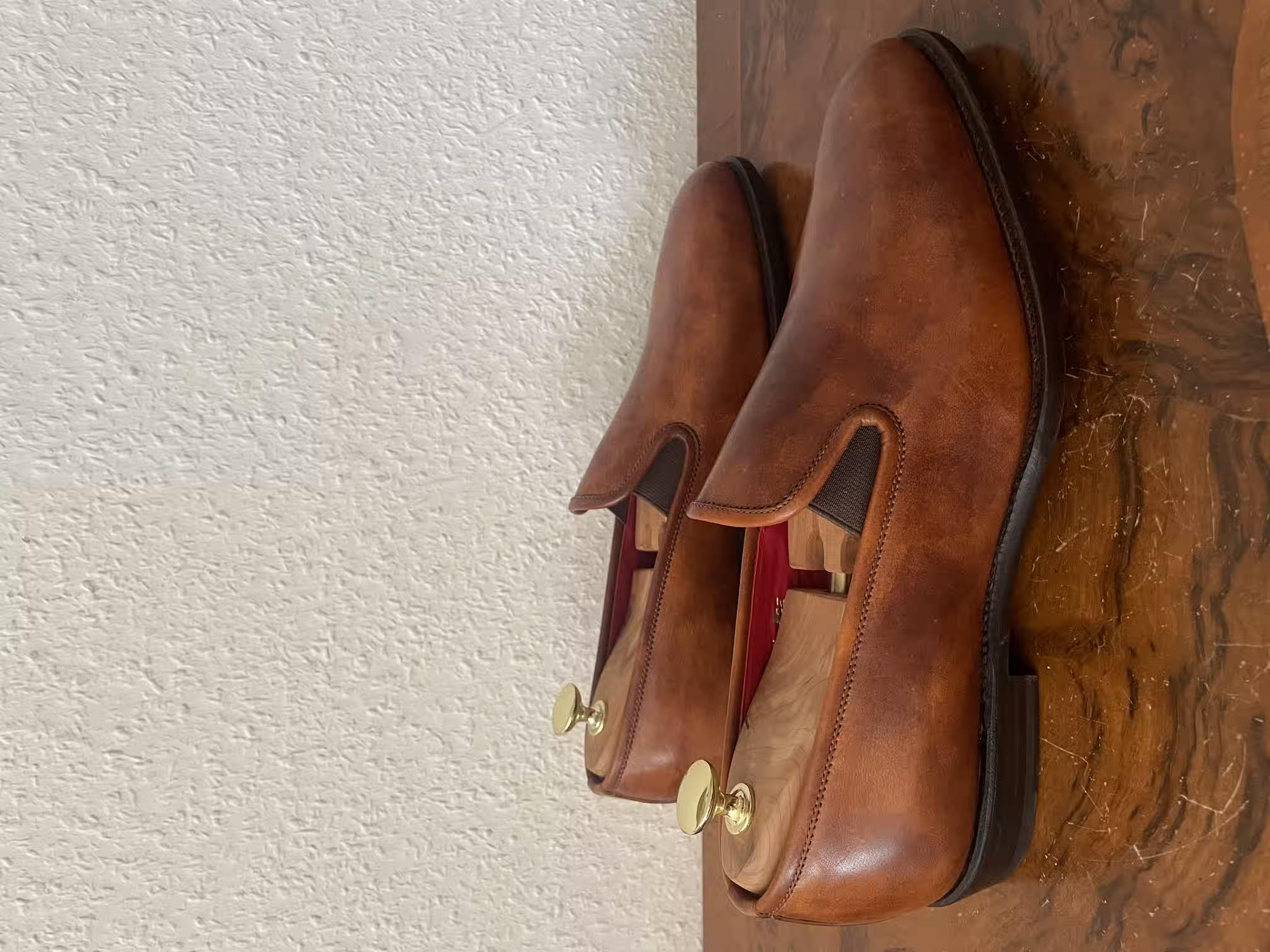
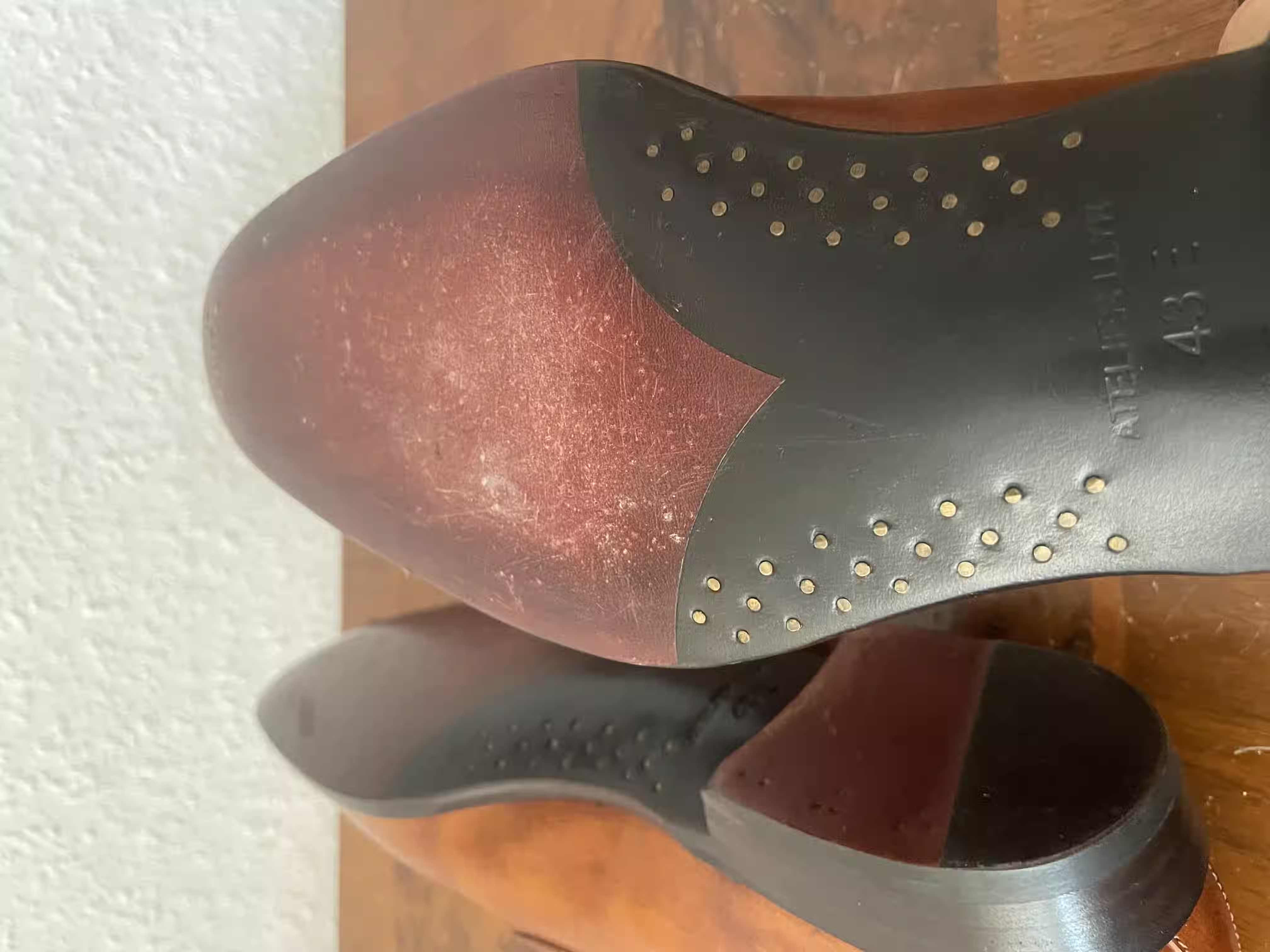
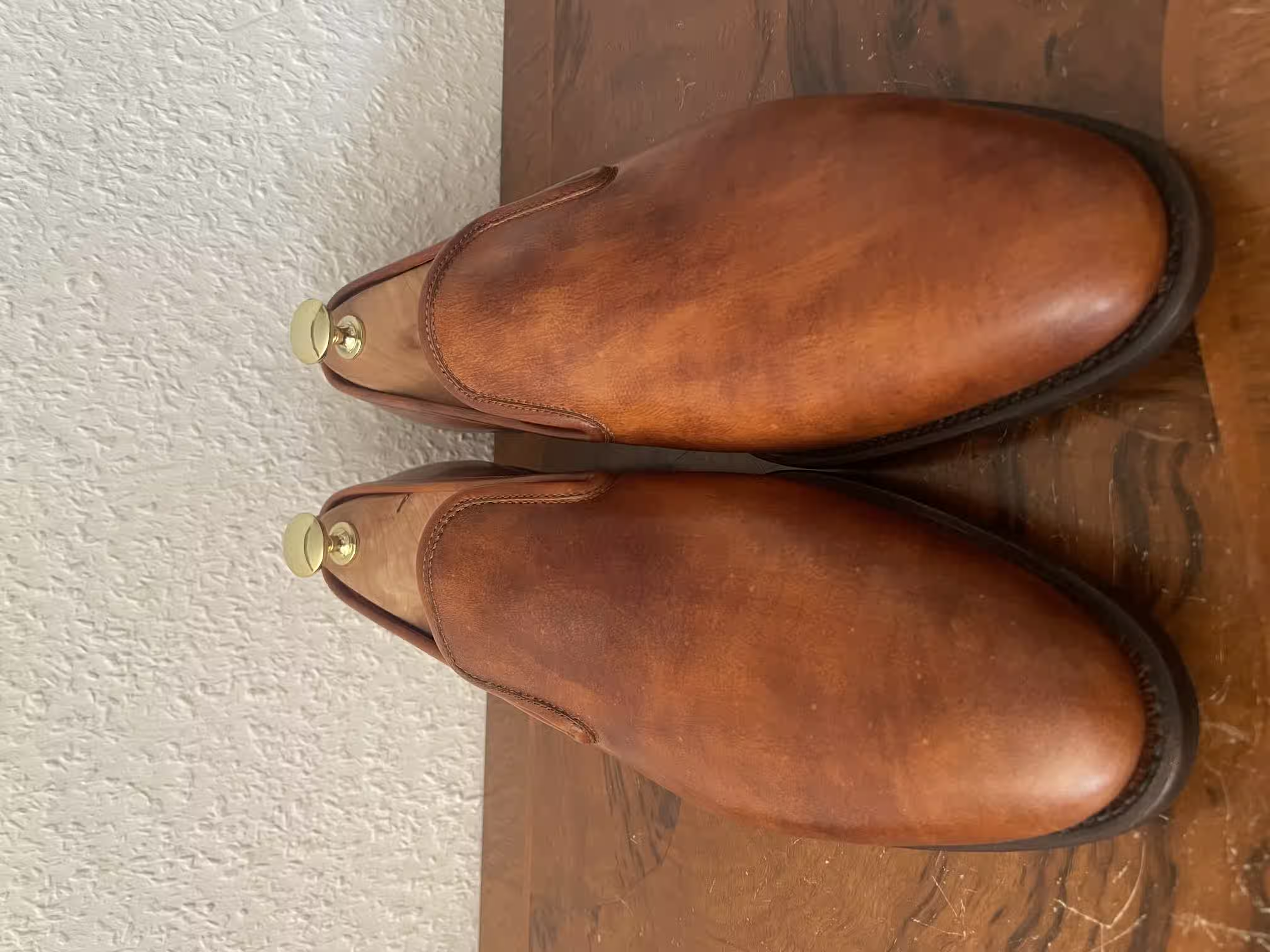
The upper leather, too, is normally much more attractive in shoes made by craftsmen than in the vast majority of shoes from mass production. In addition, the leather can take on special shades and a wide color spectrum, which is mostly known as patina. This patina takes a very long time to develop naturally. It is created through the leather’s contact with external influences such as sunlight, air, rain, and other things. But you can also apply a patina effect to your shoes with a brush and paint, which imitates a natural patina or even goes beyond it. This is why particularly elaborately designed shoes often look like small works of art. But leather shoes in a simple color can also be very beautiful, even if no patina has yet formed.
Conclusion: Beautiful leather shoes are wearable art
Anyone with a feel for colors and shapes can take pleasure in the sight of a leather shoe—similar to how they would appreciate a beautiful oil painting. Especially if you have your own sensibility for such things, you can express it well through clothing and shoes and find your own style that way. It’s less about pleasing others, and more about wearing things you like and that bring you joy. While an oil painting is usually already finished and placed somewhere in a fitting environment, you can have more influence on well-made shoes and, so to speak, take them with you anywhere. I consider this aspect of artfully made shoes to be much more practical, even if an oil painting of course has far more artistic expression.
Advantages of the material leather
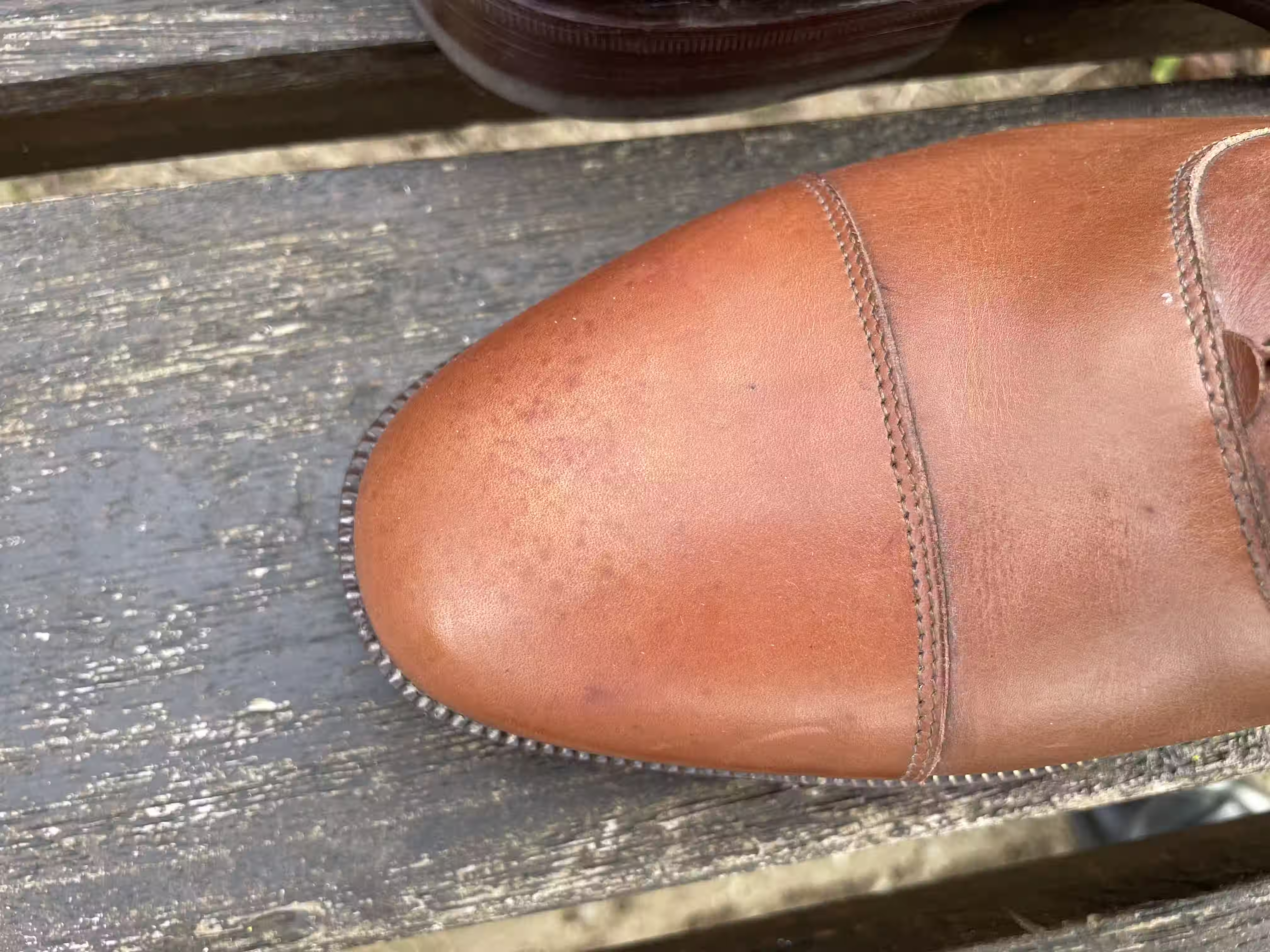
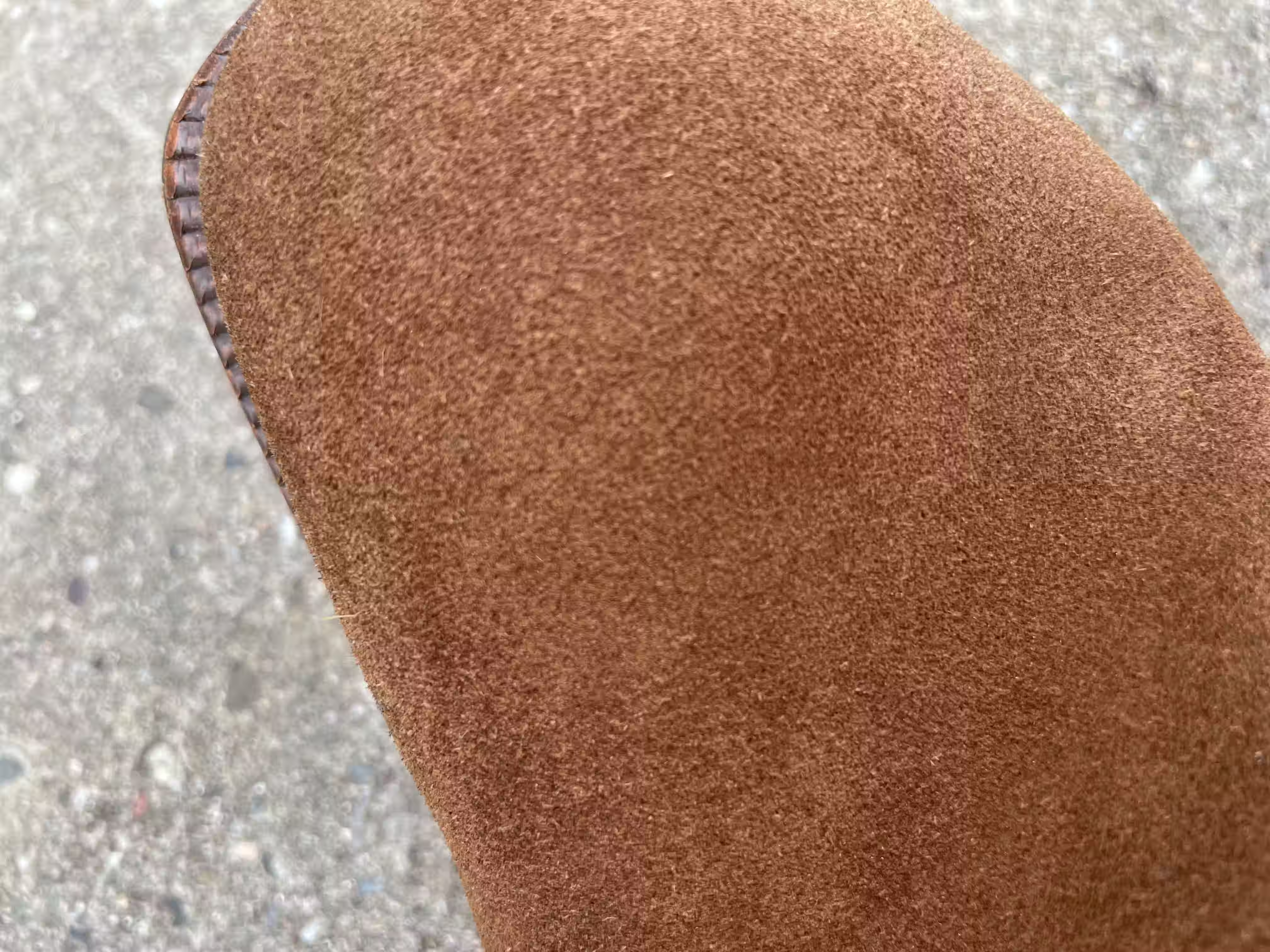
Leather has various good properties that make it superior to synthetic materials:
- it is durable; it doesn’t simply fall apart over time
- it adapts to the feet and absorbs sweat
- the leather surface is more robust and looks good for longer
In addition, lining made from vegetable-tanned leather is simply better for your body: because your body can absorb all kinds of harmful substances through the feet—especially with moisture and warmth, both of which are the normal state inside a shoe. If the inside of the shoe is made of a synthetic material, microplastics and worse can come loose from it and enter your body through your feet. You probably won’t notice that immediately, but it can cause problems especially in the long term.
Leather is therefore a very big topic and has various aspects, ranging from foot health to durability to a better outward appearance. In my view, the qualities of leather in general are very underestimated, as many substitute products are experimented with that in no way come close to the quality of leather but do make the price lower.
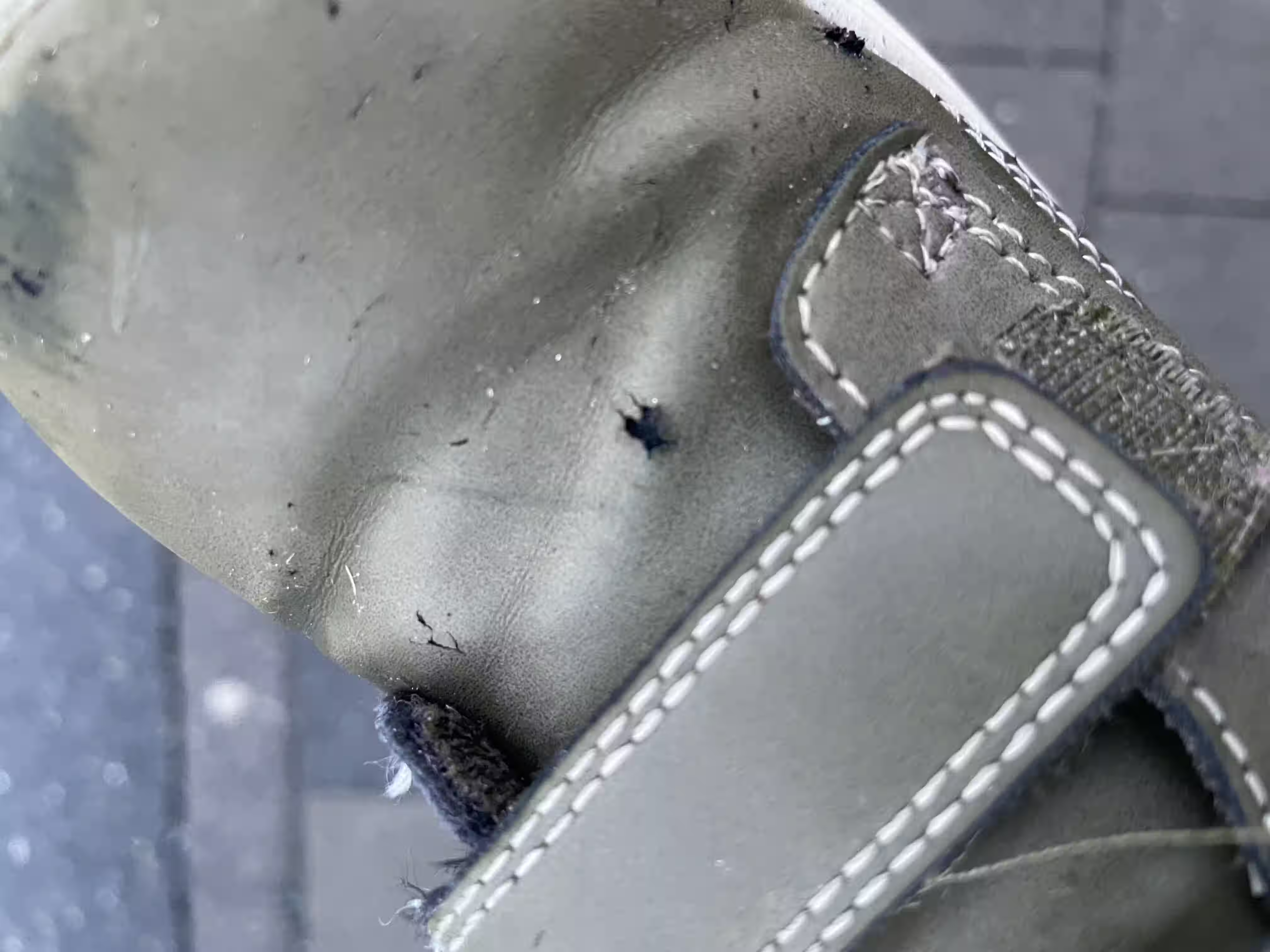
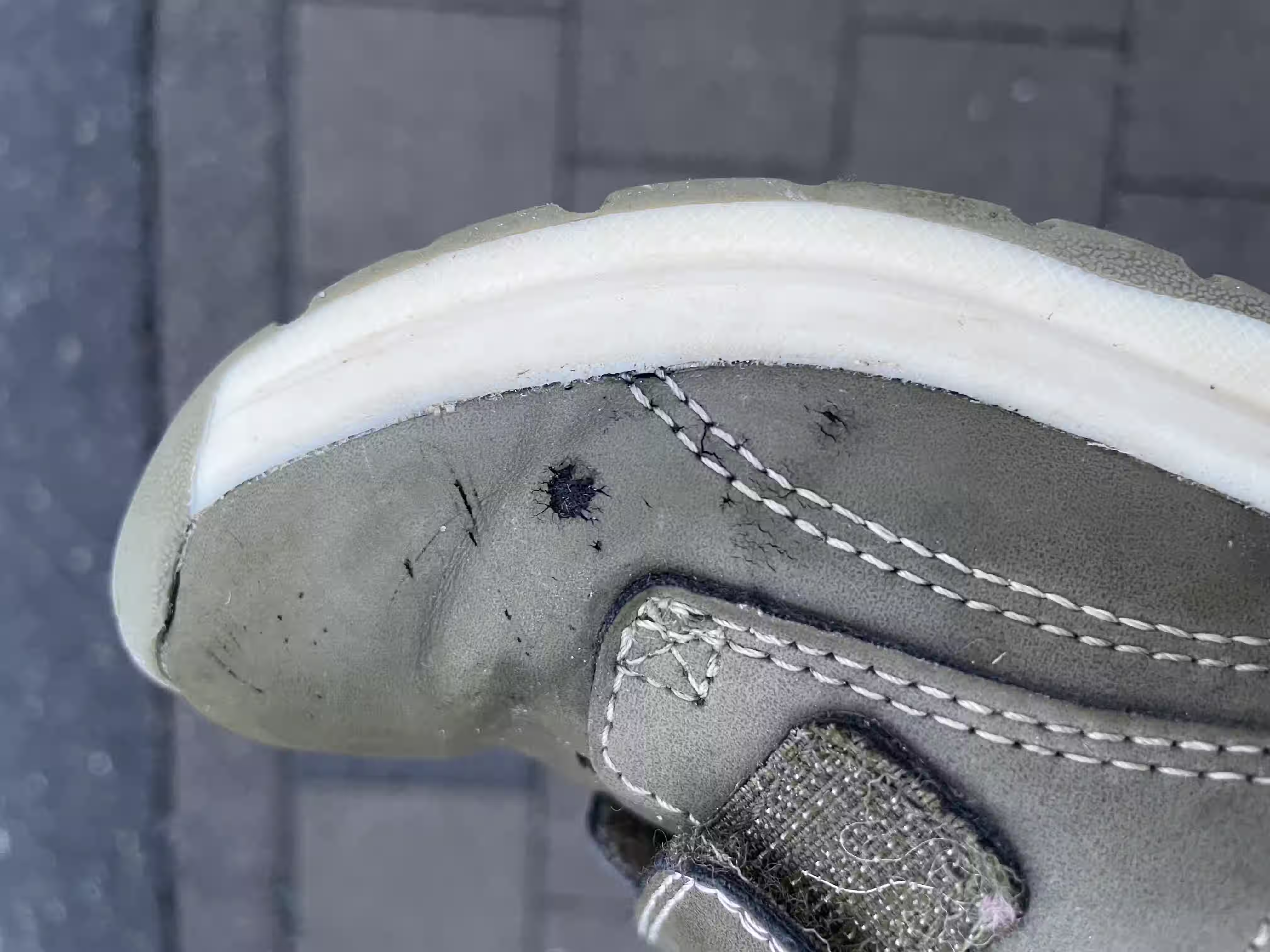
Proper upper leather can of course also be damaged and worn, but that usually takes much longer. At the same time, even if the upper leather is damaged, you have more options to repair it than with any coated fabric where at most a bit of leather is part of the coating.
Advantage of stitched leather shoes: resoleability
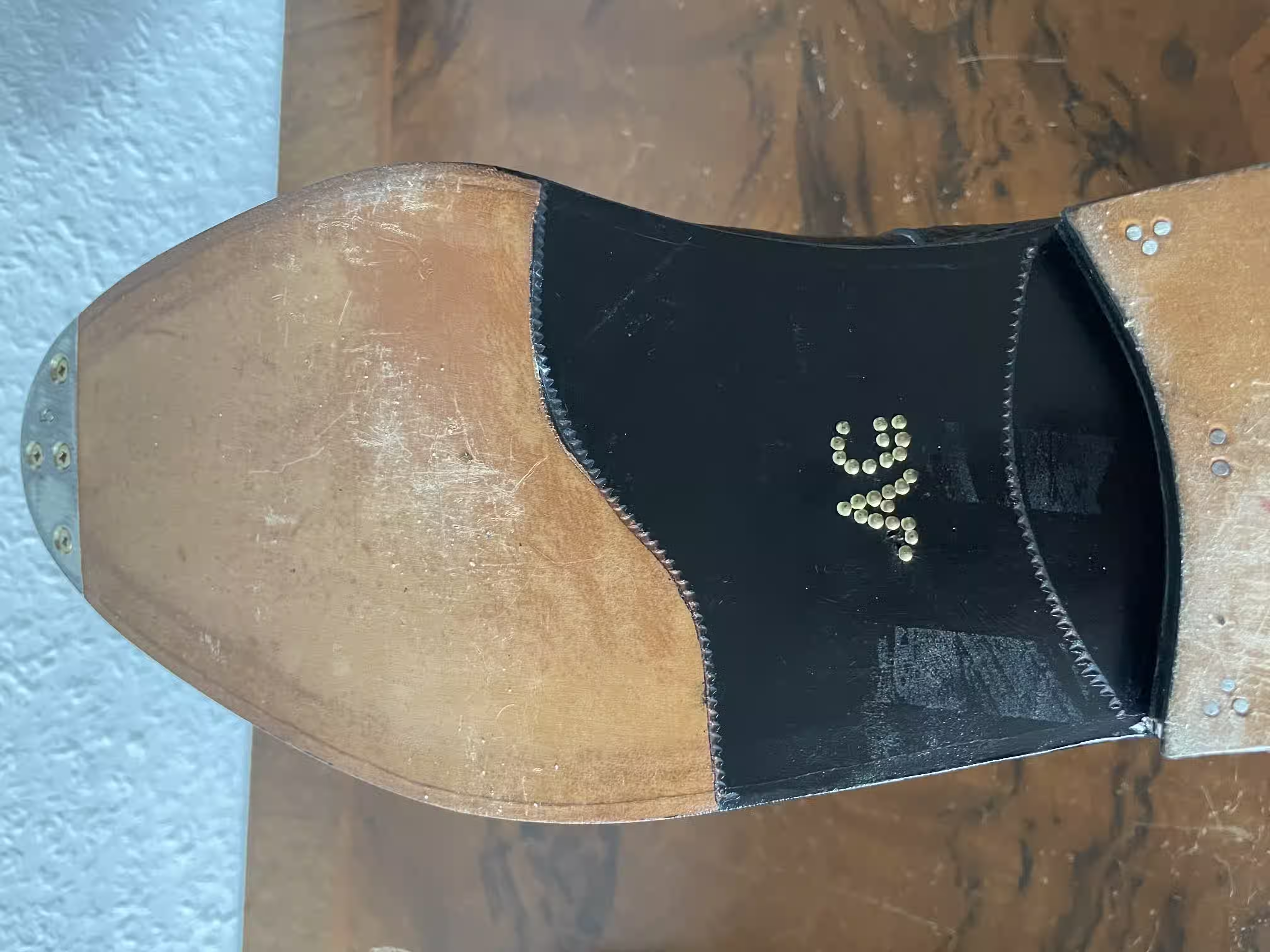
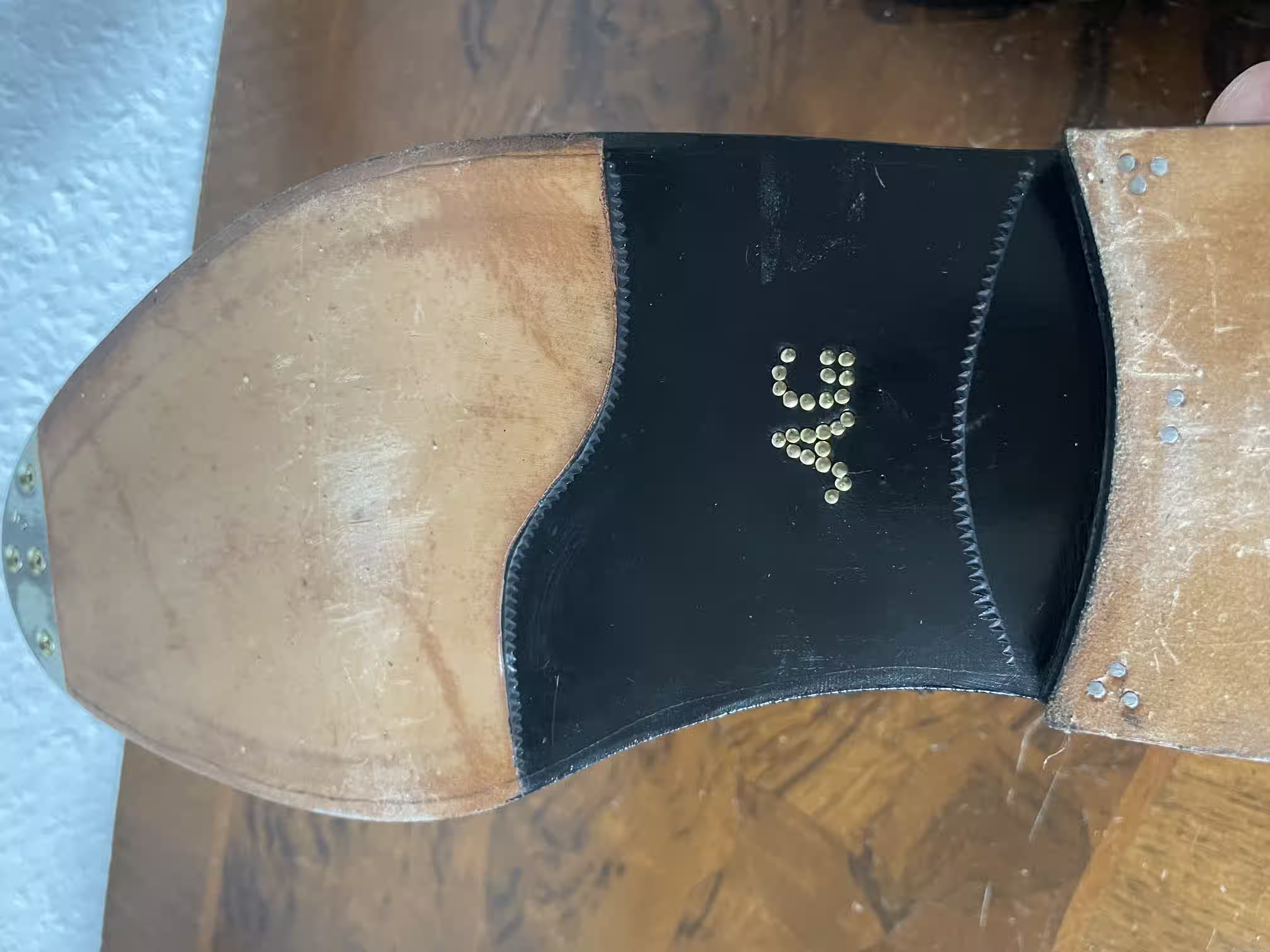
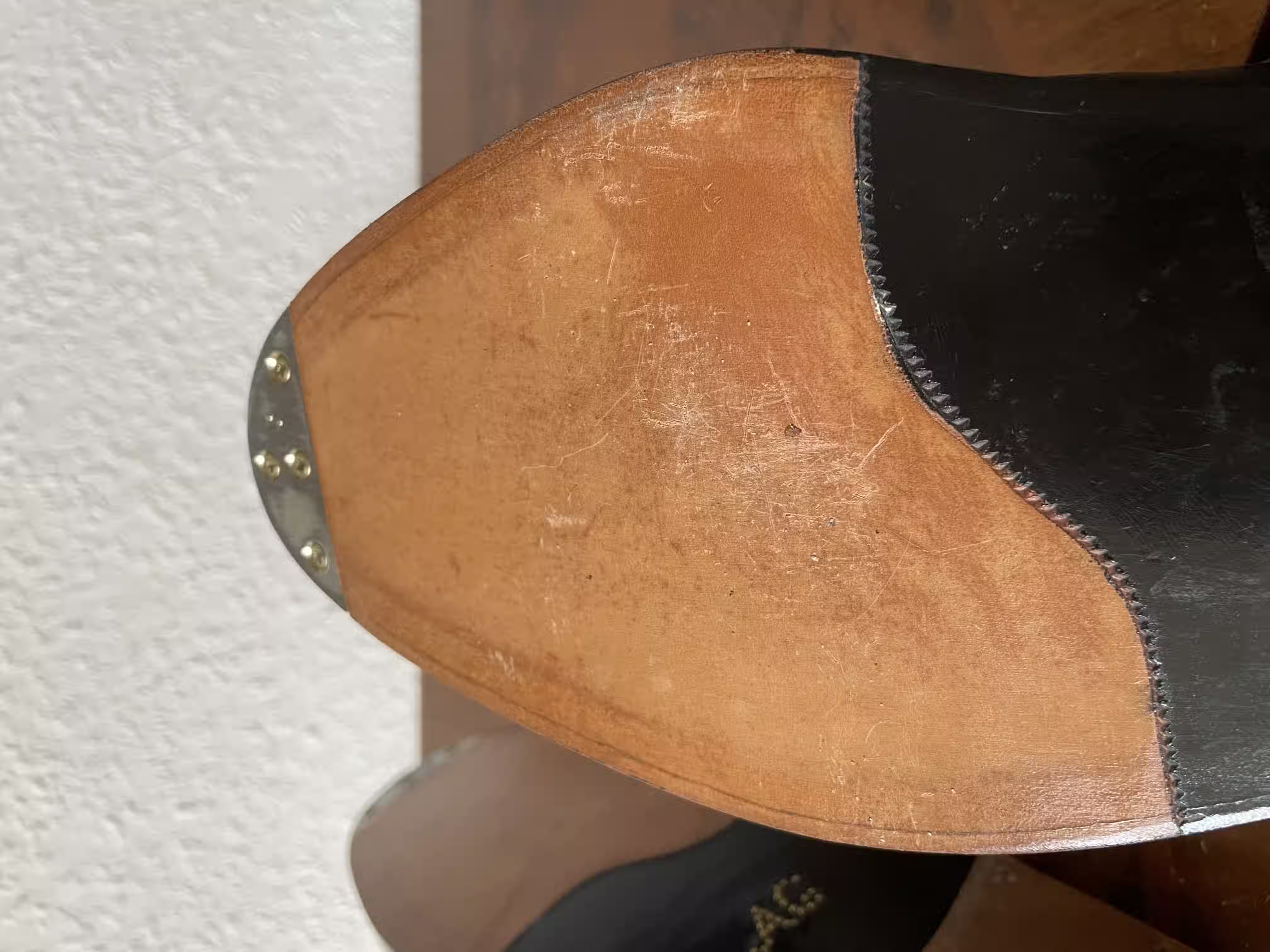
Probably the biggest advantage of stitched leather shoes is the ability to replace the sole when the old one has been worn down. The wear on the sole is particularly pronounced in the following two areas:
- at the front at the toe of the shoe
- all the way at the back at the heel
That’s why these areas are sometimes reinforced with rubber or metal so that the sole lasts longer until the next resole.
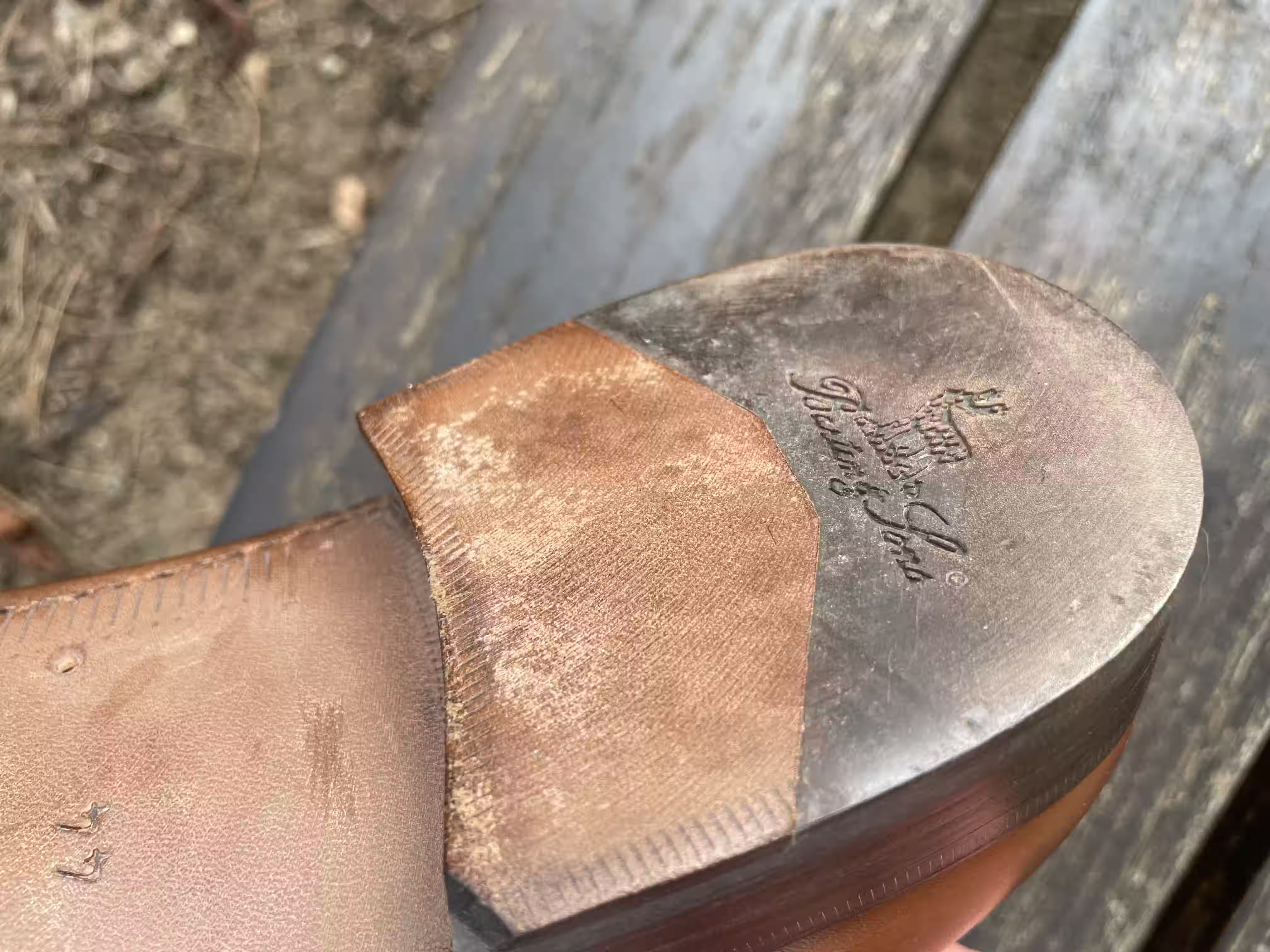
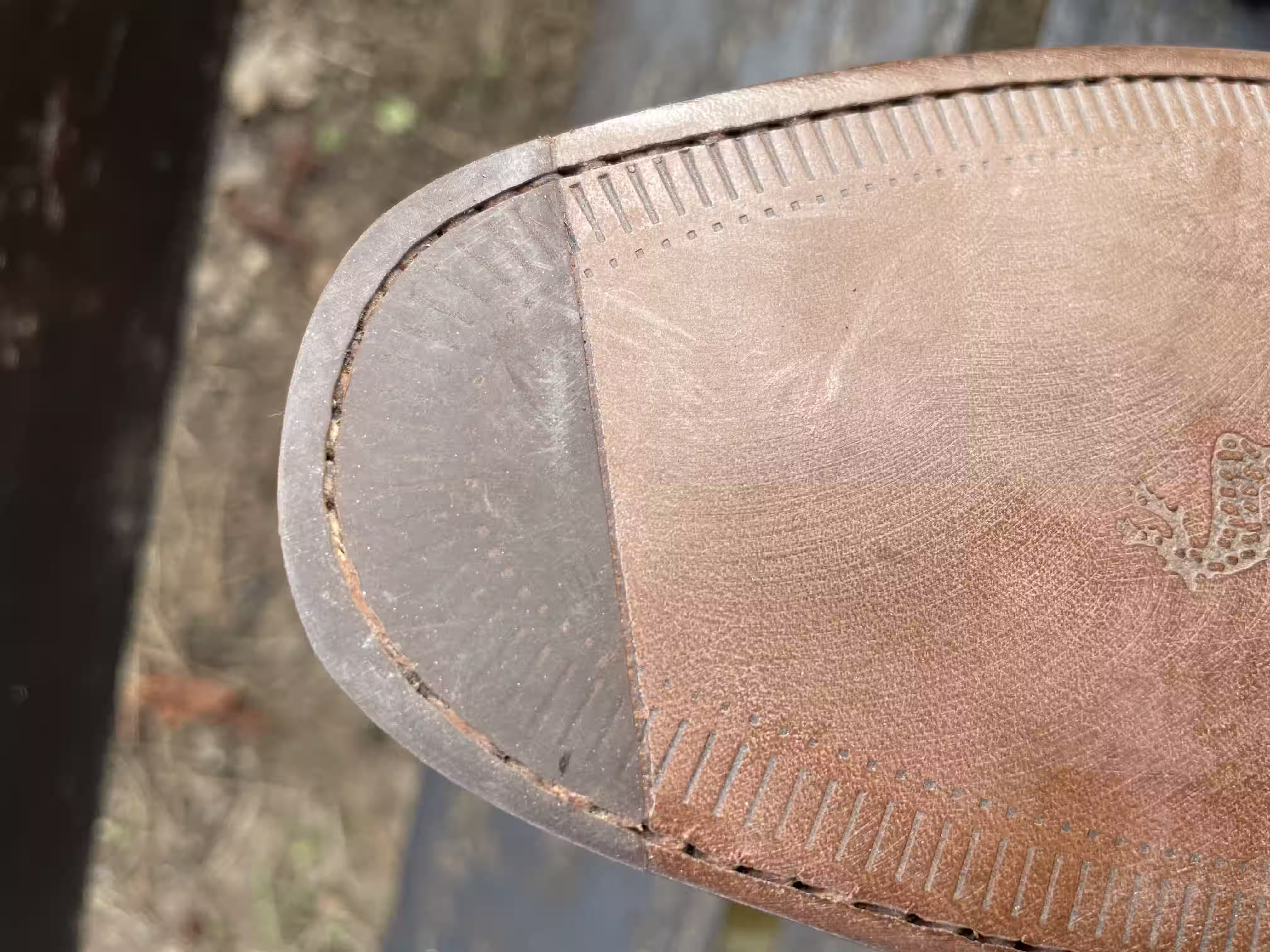
When it’s time for a resole, you can drop your shoes off with a cobbler, who then tears off the bottom layer of the sole, the outsole, and attaches a new outsole—also at the heel. Attaching a new sole is then usually done with glue, sometimes also with metal nails, which tends to happen in the area of the heel. And ideally the outsole is additionally stitched around the outside to the so-called welt or to the midsole so that it holds better and the shoe is a bit more flexible.
That is the rough process of a resole, and it is the main reason why you can wear your leather shoes regularly while, in total, they can last for several decades. If you consider that today’s glued shoes made of synthetic material might last at most two or three years, then that is an enormous gain, especially in terms of sustainability: humanity needs fewer shoes in total, has to throw away less, and saves a lot of waste that would otherwise, in the worst case, end up in the environment.
Philosophical reflections on stitched leather shoes
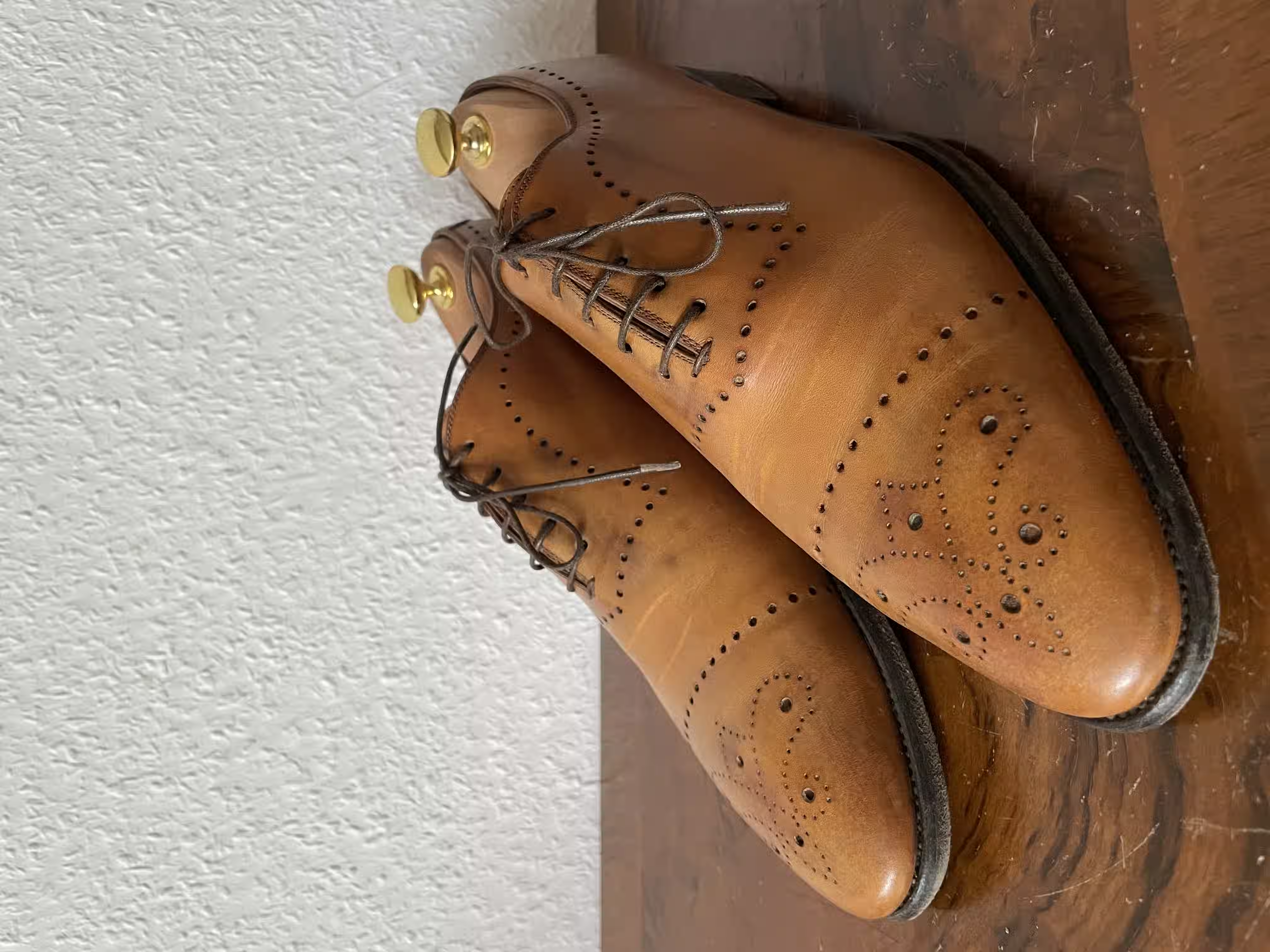
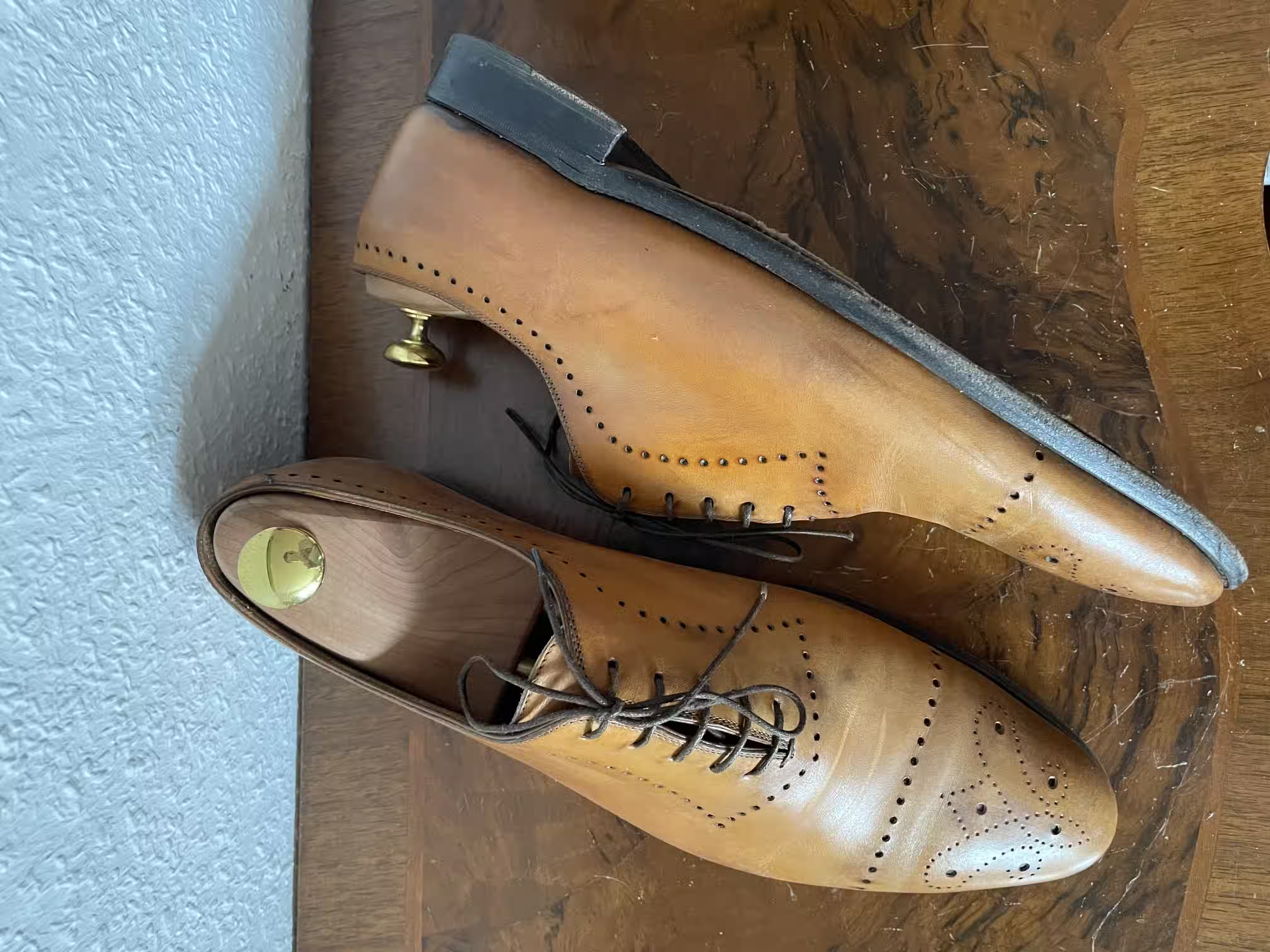
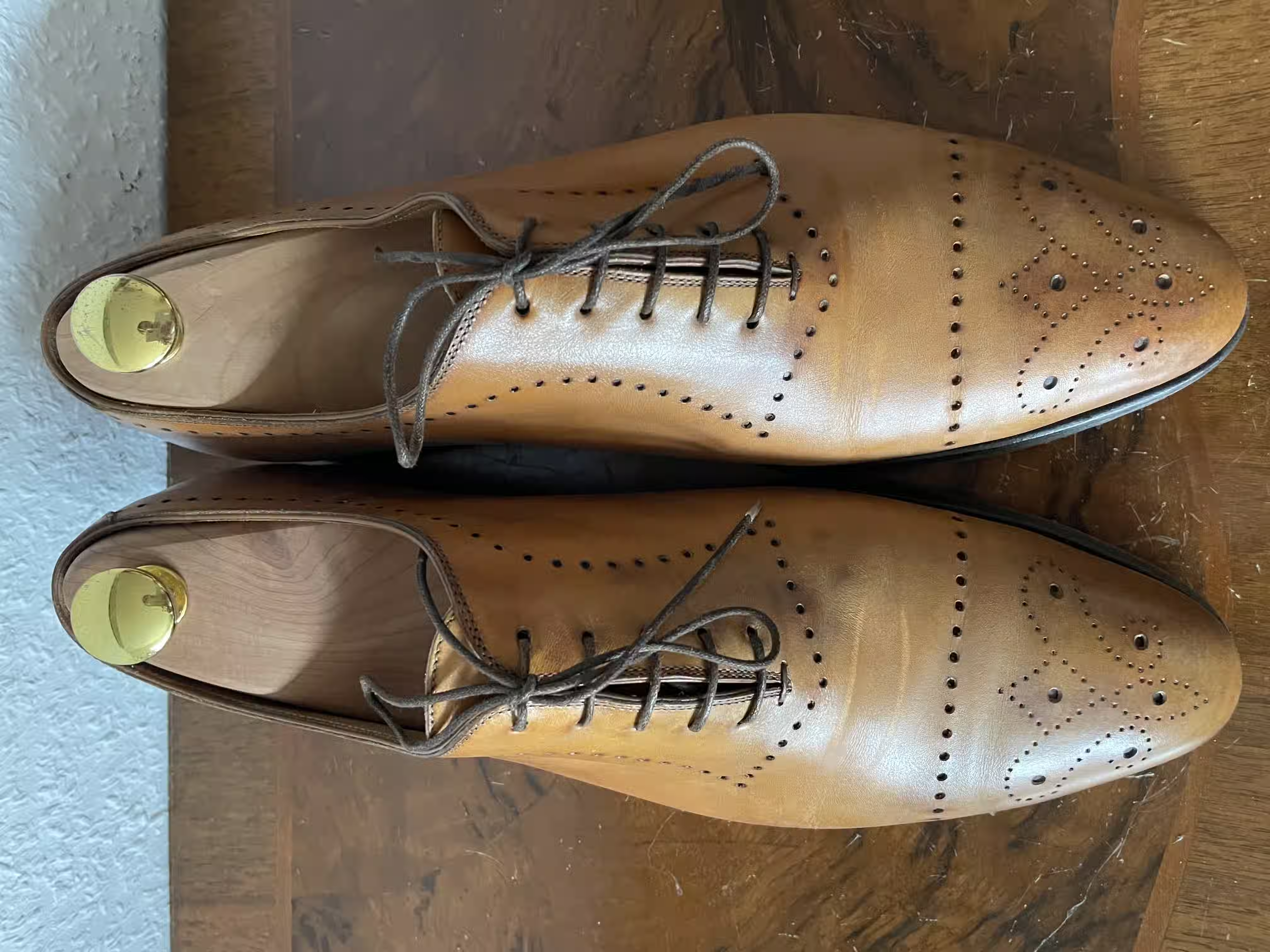
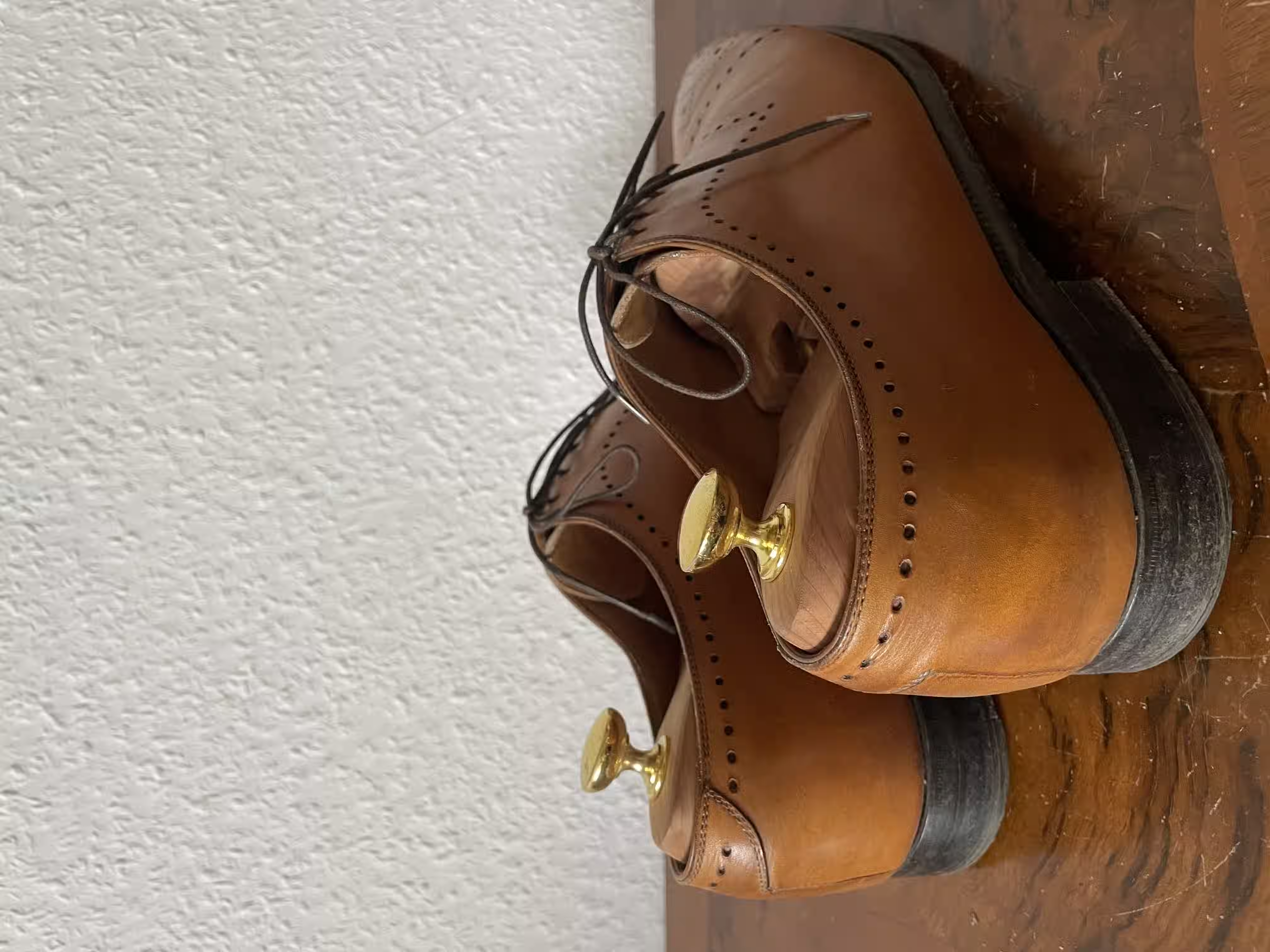
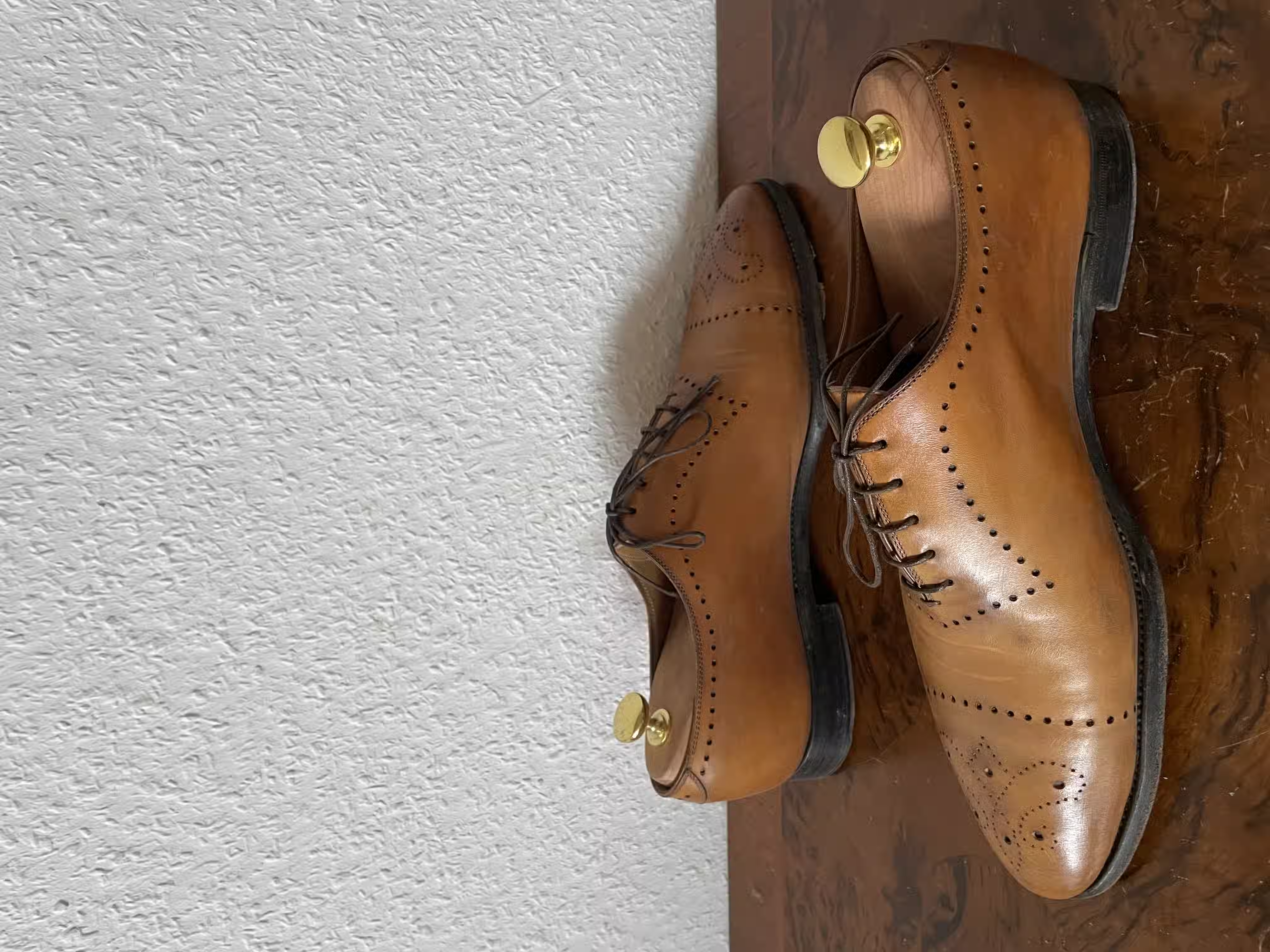
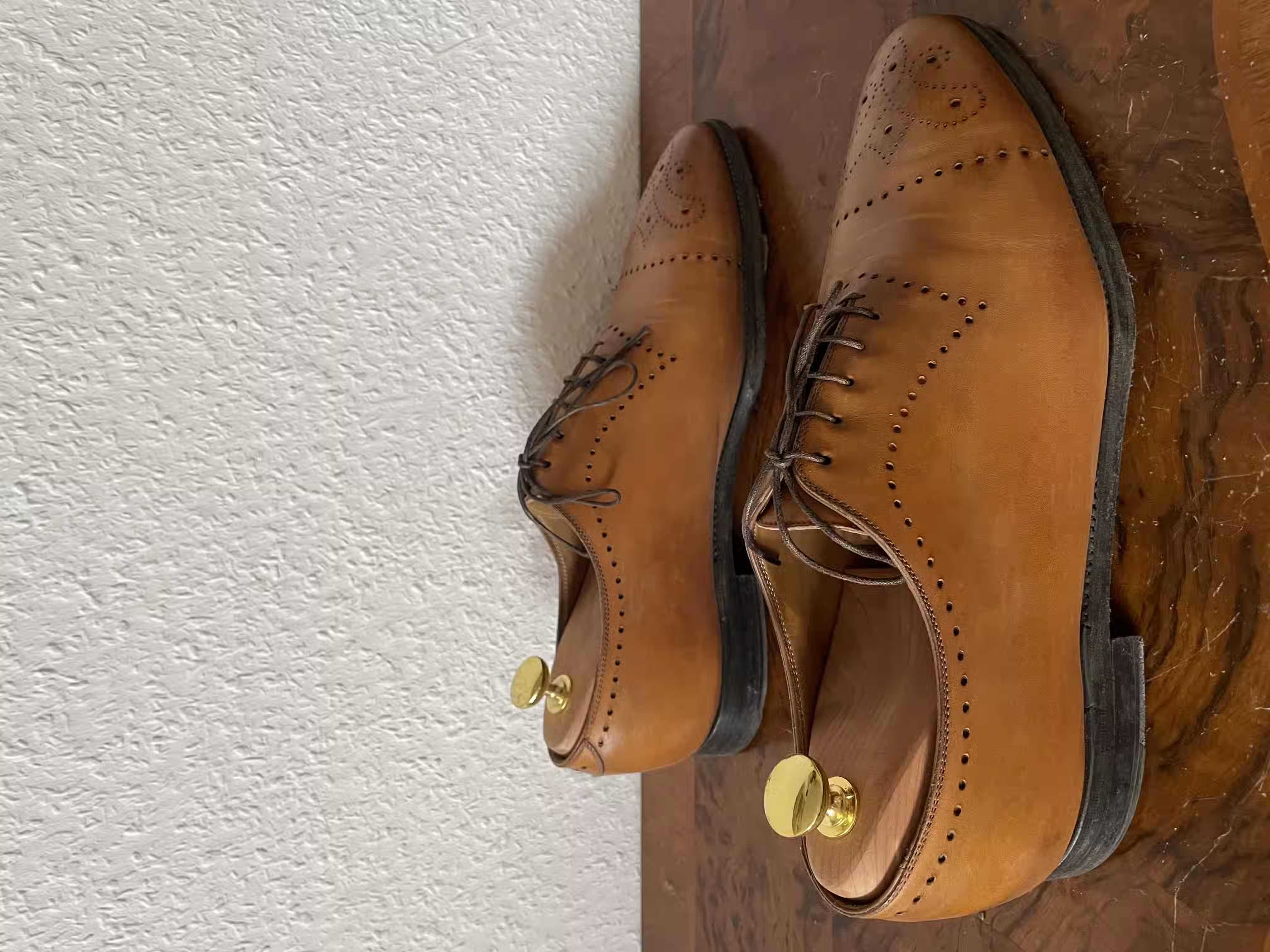
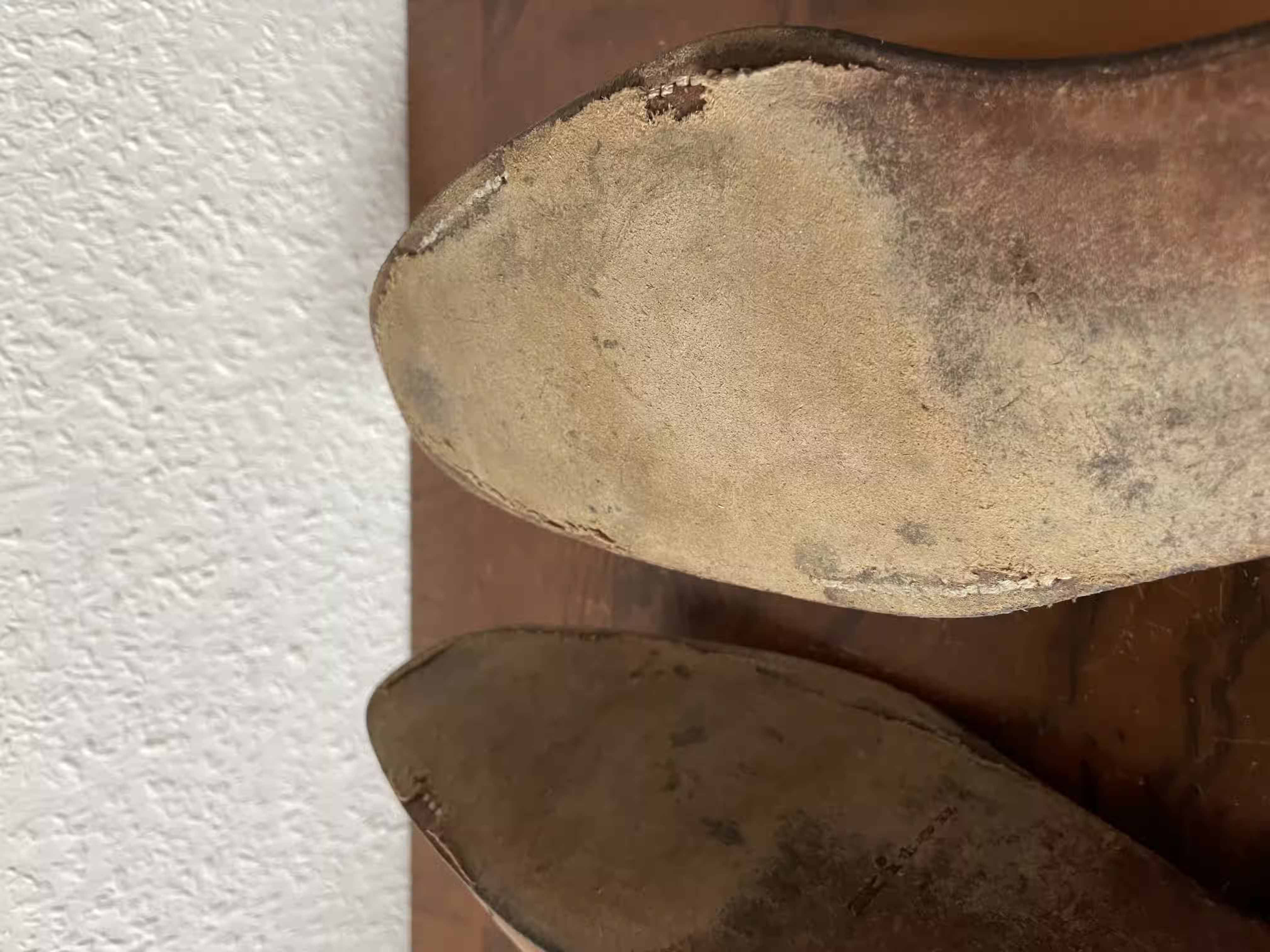
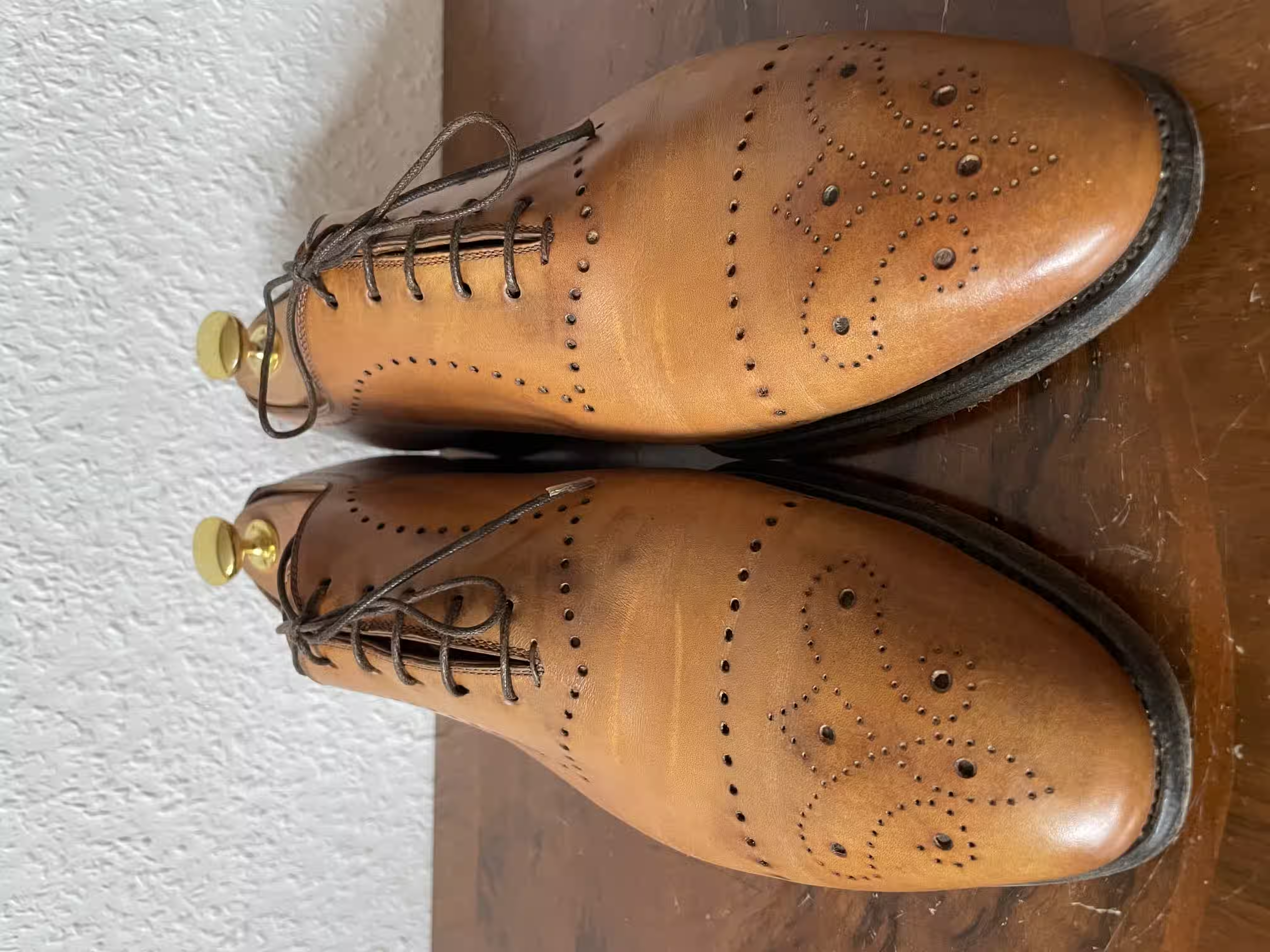
As you may suspect, handcrafted shoes overall are also a lifestyle, or at least lend themselves to a special lifestyle. Besides the joy of artistic shoes with beautiful details, there are other aspects as well.
Recognition of the craftsmanship
For one thing, there is appreciation of the craftsmanship. I find it remarkable when a craftsman has worked perhaps 40 hours on a pair of leather shoes—not only with diligence, but also with a lot of skill and knowledge. In the end, he has produced a product that you can’t just buy anywhere. It is something he leaves behind to the world to some extent, because such shoes will often outlast his lifetime. In this way, with such a pair of leather shoes you are also holding something somewhat personal in your hands.
Material compensation in an increasingly digital world
In today’s increasingly digital world, it’s a welcome change for me to hold something valuable in my own hands and to feel it too: to enjoy looking at the shape and clean craftsmanship, and to take pleasure in beautiful leather. I’m sure I’m not the only one who feels this way, and there may be quite a few areas beyond leather shoes where it’s very similar. For me, it has a hint of something down-to-earth, and that personally does me good—especially because, professionally, I do non-material work on the computer.
What are the costs?
With all the points here, you should also keep in mind that good leather shoes aren’t for everyone. Because for them to last a long time, they also need proper care. So you need some care products for your shoes and may have to acquire some knowledge for that. And then you also need time to care for your shoes as needed. In addition, a pair of shoe trees is important for your shoes so that they keep their shape and walking creases are smoothed out again.
When the outsole is worn down, then you need a shoemaker or a cobbler nearby to replace it with a new outsole. If there is no shoemaker or cobbler nearby, then you have to send the shoes to one by parcel or use an opportunity while traveling.
I think it’s much easier to throw away your old shoes when they’re too worn out and simply buy new shoes. But resoleable leather shoes made from high-quality upper leather aren’t designed for that, even though of course they also have to be thrown away at some point. That “at some point” can take several decades, and it would simply be a shame not to use this potential. However, making use of that potential also costs time and money.
Conclusion
So we have seen many different aspects and advantages of good leather shoes here, and we have also duly acknowledged their costs. Whether such shoes are worth it for you is therefore a question whose answer everyone has to find quite individually for themselves. And this answer depends, for example, on how much discipline you are willing to muster—for example, shoe care isn’t always fun, but sometimes it’s simply necessary.
The answer to the question of whether stitched leather shoes are worth it also depends on how much enthusiasm you bring for such shoes and their advantages. A high level of enthusiasm also makes care and other things easier. And if all of that is true, then in my view you get the best shoes in the world with such stitched leather shoes.
Supplementary notes on glued sneakers
Glued sneakers also have their advantages, among which the low manufacturing costs in the factory and the associated low price are probably among the most significant. Another main advantage is that such sneakers, in terms of material, are very flexible and very comfortable to wear. Mediocre leather shoes can be quite different, especially if they are equipped with a very thick sole. Ultimately, that depends heavily on the specific shoe, and very well-made leather shoes are still flexible enough to make walking easier. There are various ways to achieve this that a good shoemaker has during the manufacturing process. But that would be a topic of its own.